

Rome is a city you’ve probably been dreaming about for years – the Colosseum, a coffee on a sun-drenched piazza, an evening stroll to a floodlit fountain. But the moment it comes to planning, the dream gives way to doubt: when should you actually go to avoid the heat and high prices, how much will the whole thing swallow, and is it better to book a package or piece it together yourself? These are exactly the questions we were asking ourselves, which is why we put this hub together.
You’ll find three things here: up-to-date tour and flight prices that we refresh every morning, our hands-on tips from our own trips and articles, and a plan for when and what to book so you don’t overpay needlessly.

What to see and do in Rome
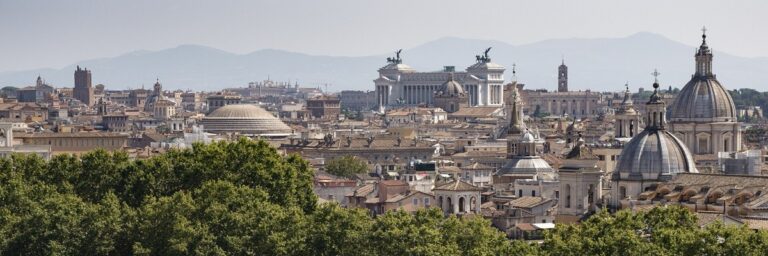
You can’t “tick Rome off” in a single day, but even over a long weekend you’ll fit in surprisingly much. If you’re not sure where to start, take a look at our roundup of the 27 best places in Rome or jump straight to our ready-made 3-day itinerary.
- The Colosseum – the ancient icon you simply have to see; buy tickets in advance, as the queues on site are long.
- The Vatican and the Vatican Museums with the Sistine Chapel – St. Peter’s Basilica and Michelangelo’s frescoes all in one go.
- The Pantheon – the best-preserved ancient building, with its famous opening in the dome.
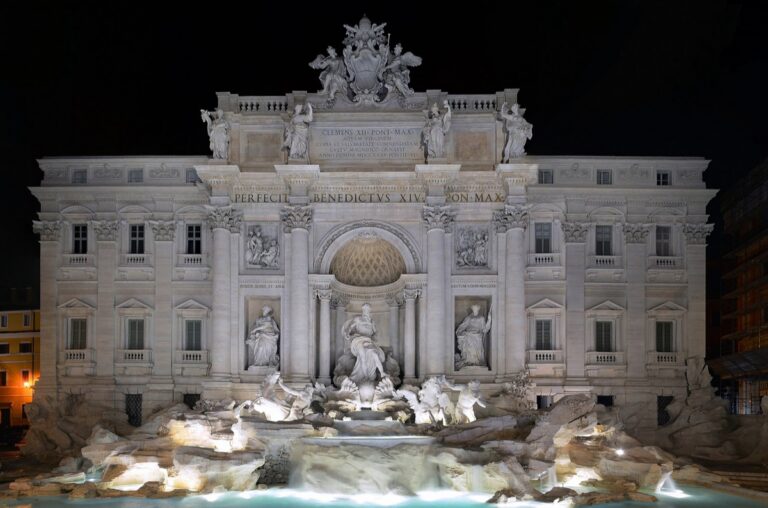
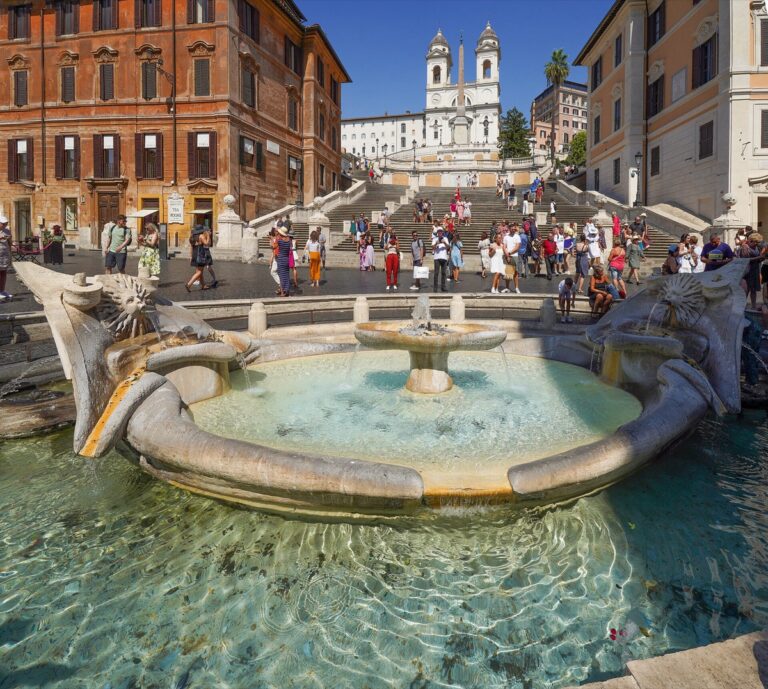
- The Trevi Fountain and the Spanish Steps – the two most photographed spots, so head there early in the morning.
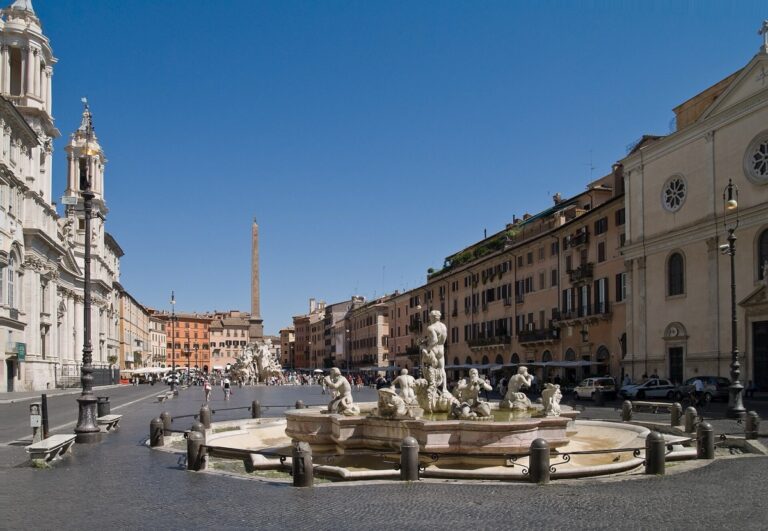
- Piazza Navona – a baroque square with Bernini’s fountains, perfect for a coffee and a spot of people-watching.
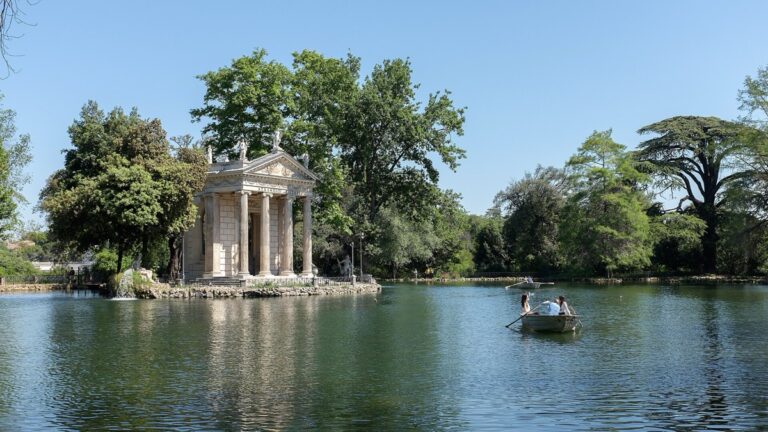
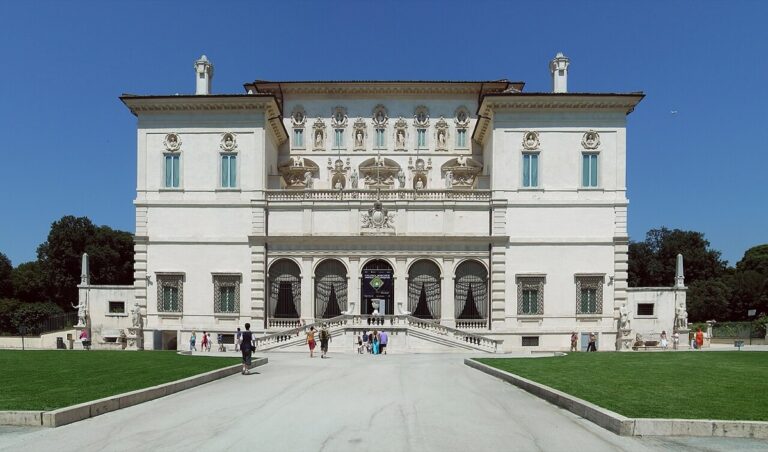
- Galleria Borghese – a collection you’ll fall in love with, but timed-entry only; book several days ahead.
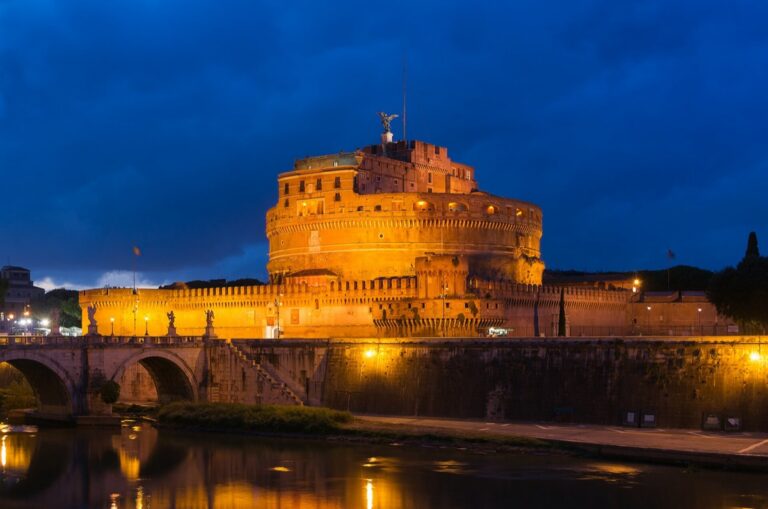
- Castel Sant’Angelo – a mausoleum, fortress and viewpoint over the Tiber rolled into one.
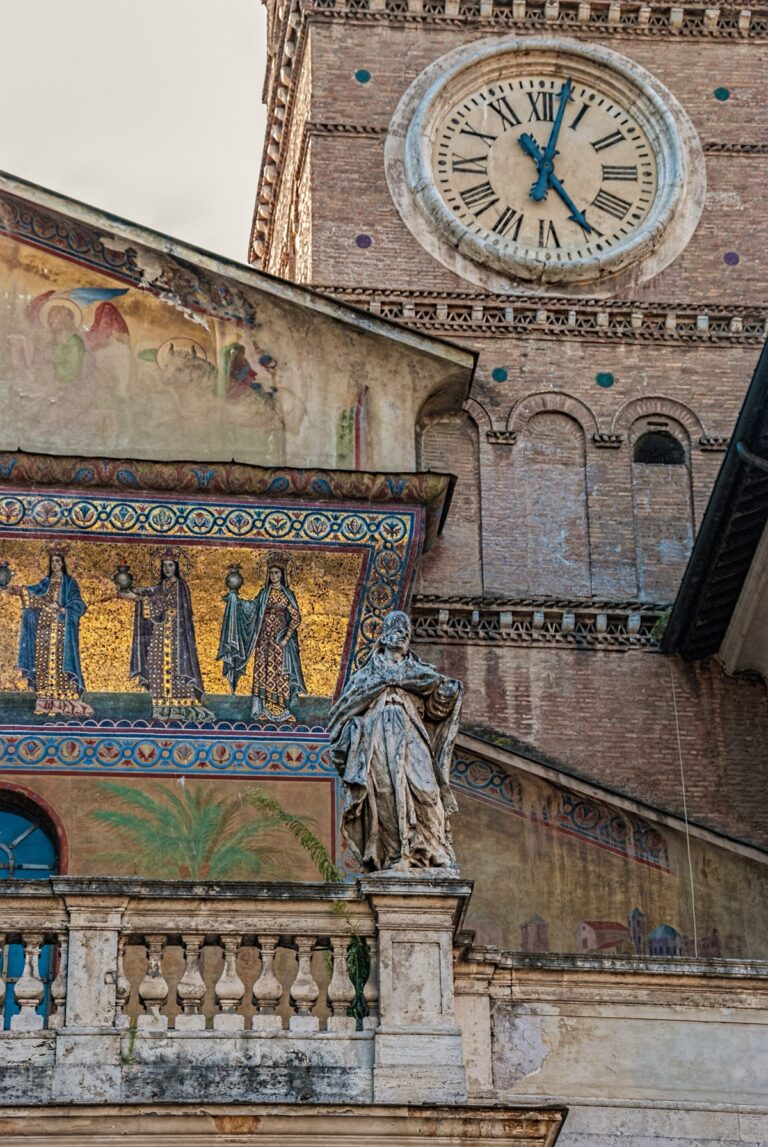
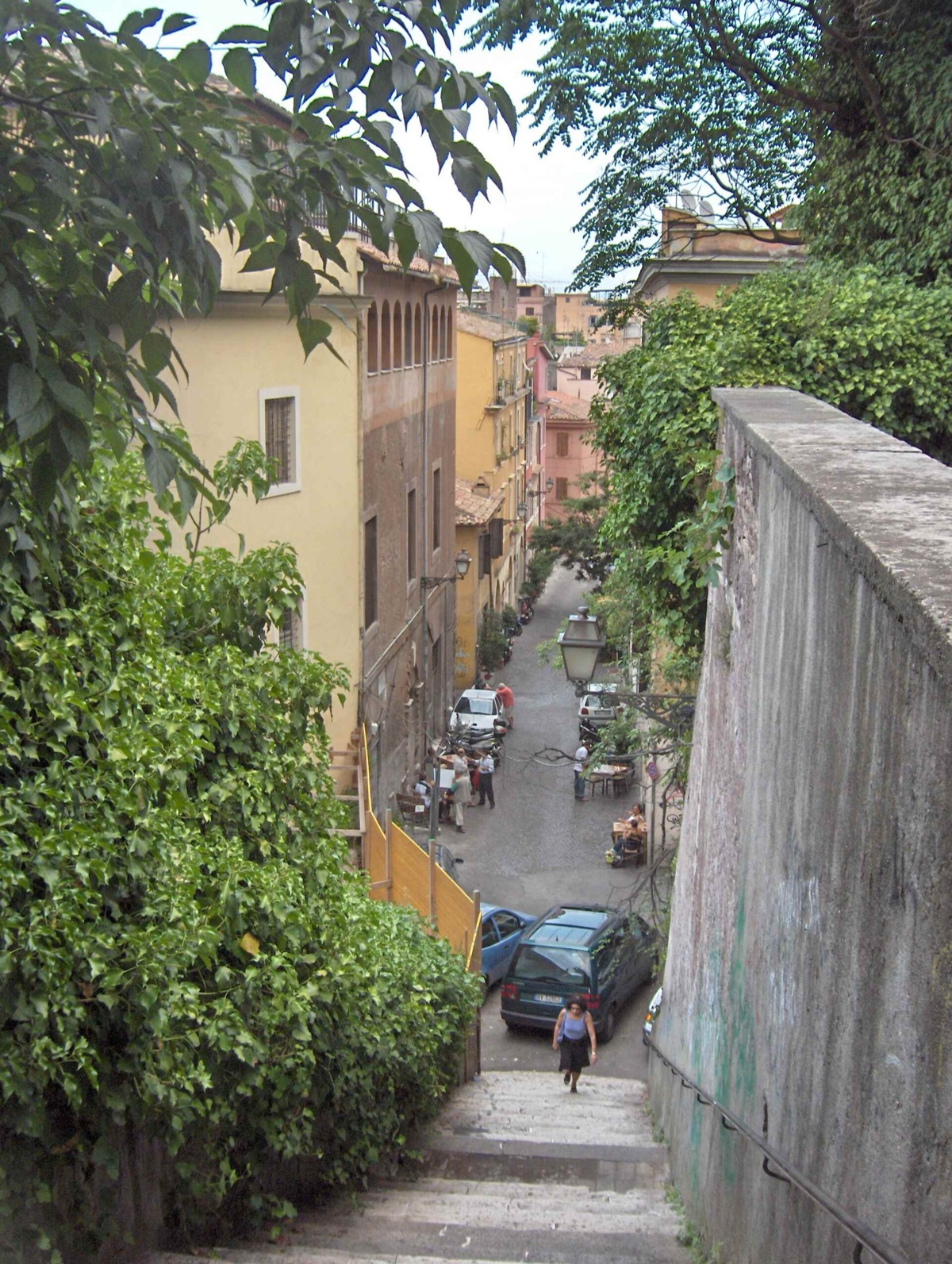
- Trastevere – our favourite neighbourhood for dinner and a wander through cobbled lanes.
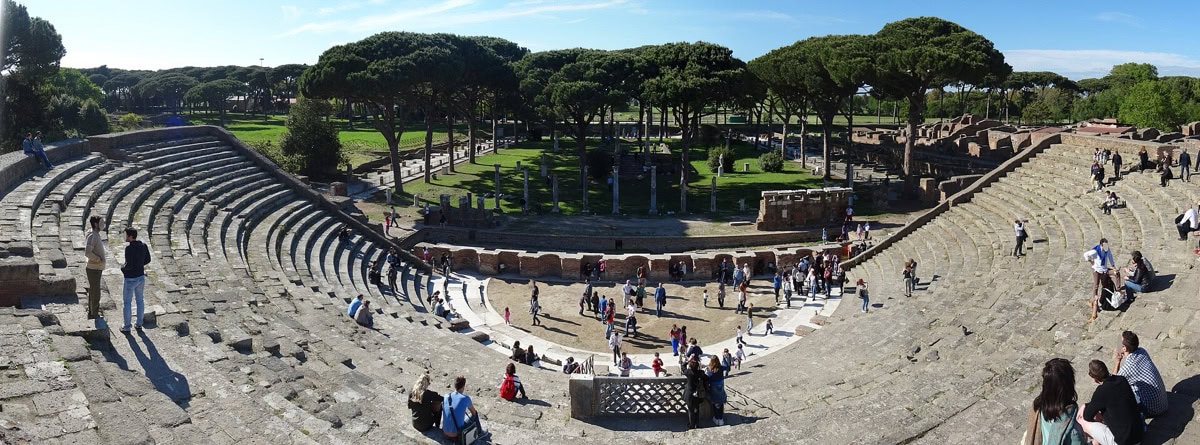
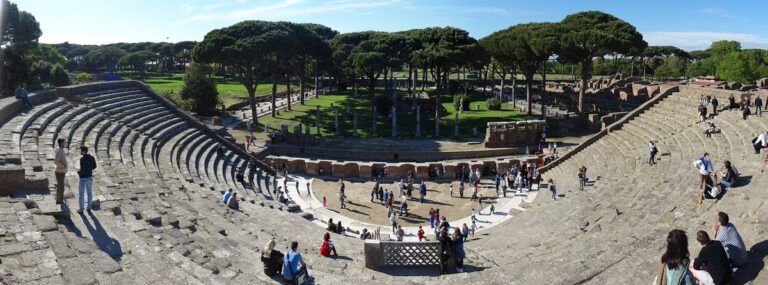
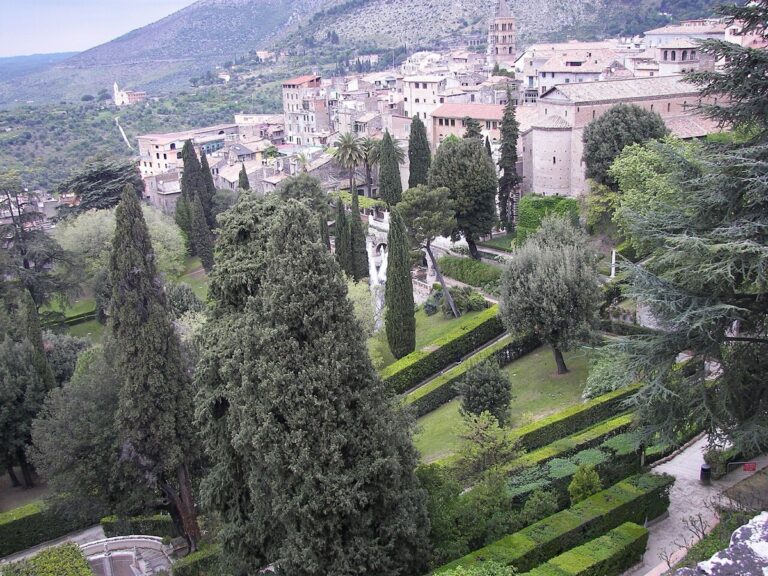
If you have more time, venture out of the city: the ancient port of Ostia Antica is a “mini Pompeii” just outside Rome, and the villas and fountains of Tivoli make for a perfect day trip. And if you’re travelling with children, we’ve got separate tips for Rome with kids.
When to visit Rome
Rome is at its loveliest in spring and early autumn. April, May, September and October bring pleasant temperatures of around 20–25 °C, a bearable number of tourists and long, light-filled days for walking. To our minds that’s the best compromise between weather, prices and queues.
Summer, especially July and August, can be brutal – over 35 °C, humid and crowded at every fountain. If you have to go in summer, plan your sightseeing for the morning and ride out the afternoon in the shade or in a museum. August also has one quirk: plenty of local businesses close for the holidays.
Winter, on the other hand, is the cheapest and most peaceful. From November to February you’ll find cheaper flights and hotels, the weather tends to be mild (around 10 °C), and a crowd-free Rome has its own charm – just expect the odd rainy day and shorter daylight hours.

How to get to Rome
Flying is easiest. Prague to Rome takes roughly 2 hours by direct flight, with several connections a day from both full-service and low-cost carriers. The main gateway is Fiumicino airport (FCO), from where the Leonardo Express train whisks you to the central Termini station in about half an hour. The second airport, Ciampino (CIA), is used mainly by low-cost airlines, with connecting buses into the centre.
Driving from the Czech Republic is significantly farther – reckon on roughly 1,300 km and 13–14 hours of actual driving, mostly through Austria and Italy with toll motorways and Alpine tunnels. It makes more sense as part of a longer Italian road trip than for Rome alone, where a car in the centre is more of a burden. For a visit to the city itself, we’d firmly recommend flying.
Renting a car
For Rome itself we definitely don’t recommend a car. The centre is covered by ZTL zones with cameras and fines, parking is expensive and nerve-wracking, and you can manage all the main sights on foot or by public transport. A car in Rome is more of a hindrance than a help.
It only pays off when you want to explore the surroundings – Tivoli, the Castelli Romani or a longer road trip around Italy. In that case, book through a rental comparison site and ideally in advance (on site it’s usually pricier with less choice). Watch the size of the deposit, the insurance coverage (especially glass and tyres) and toll motorways – and pick the car up away from the centre, at the airport for instance.
Where to stay in Rome
Rome is big, but the historic centre is walkable, so what matters most is how close to the sights you want to be and how much you’re willing to spend. We go into detail in our article on where to stay in Rome; here’s just a quick overview.
- Centro Storico (the Pantheon, Piazza Navona) – everything’s within walking distance, but it’s the priciest and liveliest.
- Trastevere – our soft spot for atmosphere, restaurants and evening strolls; a slightly calmer vibe.
- Monti and around the Colosseum – a trendy neighbourhood full of cafés, close to the ancient centre.
- Around Termini – the cheapest option and great train access from the airport; choose your street carefully.
- Prati / the Vatican – a quiet, elegant district, ideal for families and Vatican lovers.
Package tour or independent travel?
Rome works both ways – it comes down to how much time you want to put into planning and how much freedom you want.
A package tour is worth it when:
- you want your transport, hotel and programme sorted all at once without fussing over bookings,
- it’s your first time and you’ll appreciate a guide who gives the sights context,
- you’re travelling with parents or in a larger group, where logistics are harder to coordinate.
Go independently when:
- you want the freedom to change plans and spend as much time as you like wherever you fancy,
- you don’t mind a few hours on flights, timed entries and hotels – you’ll usually save money that way,
- it’s your second visit or you know exactly what you want to see.
The two of us love going to Rome independently best – the city is ideal for solo travel, everything’s within walking distance, and with our 3-day itinerary you’ll breeze through it. But for complete first-timers or those who don’t want to deal with anything, a package tour does make sense.
Budget: daily costs in Rome
| Level | Accommodation | Food | Transport & activities | Total/day |
|---|---|---|---|---|
| Backpacker | 25 €–35 € (hostel, shared room) | 12 €–18 € (street food, pizza al taglio) | 10 €–16 € (public transport, a few entries) | approx. 45 €–70 € |
| Standard | 60 €–100 € (3* hotel, double) | 25 €–35 € (trattorias, coffee) | 20 €–30 € (tickets, timed entries) | approx. 105 €–165 € |
| Comfort | 140 €+ (4* hotel in the centre) | 45 €+ (quality restaurants) | 40 €+ (private tours) | approx. 230 €+ |
Prices are approximate, per person per day and exclude flights, and they vary a lot with the season — in summer and over holidays hotels climb significantly. Accommodation is usually the biggest item, while food is where you can save nicely by shopping away from the tourist trails.
How to save when planning
- Buy flights roughly 2–4 months ahead and stay flexible with dates – Tuesdays and Wednesdays tend to be cheaper than weekends. Search for flights using our finder.
- Book accommodation well in advance, especially for spring and weekends; the centre sells out first. Take a look at our accommodation tips.
- Buy tickets for the Colosseum, the Vatican and Galleria Borghese several days ahead – on site you’ll either not get a timed slot or overpay through resellers. We sum up everything to sort out beforehand in the what to book early section.
- The biggest overpaying happens around the sights – a coffee on Piazza Navona, “skip the line” deals from street vendors and taxis from the airport. The Leonardo Express train is cheaper and faster.
- If you’re considering an organised trip, keep an eye on the current tours on this page – we refresh them every morning.
Practical information
- Language and communication: the official language is Italian, but in tourist spots you’ll get by in English with no trouble. A few Italian phrases, though, open doors – and smiles.
- Payments: you can pay by card almost everywhere; cash comes in handy only for small bars, markets and tips. Italy is in the eurozone, so you’ll pay in euros.
- Connectivity: the most convenient option is an eSIM – activate it before you leave and you’ll be online in Rome straight away, with maps and tickets. EU roaming on a Czech plan works too.
- Safety: Rome is generally safe; the main risk is pickpockets on public transport, at Termini and around the sights. Wear your backpack on your front and keep your phone in a zipped pocket.
- Little things: to enter churches and St. Peter’s Basilica you must have your shoulders and knees covered, and you can fill up on free water from the “nasoni” drinking fountains all over the city.


