One unpleasant truth right at the start: a Swiss speed camera will happily send a fine all the way home to you in the UK even for being just five kilometres an hour over the limit. And now the good news: if you stick to the rules, you’re in for what is probably the most beautiful network of roads in all of Europe. On a Switzerland roadtrip, passes like the Furka or the old cobbled Tremola twist between glaciers so dramatically that you’ll be pulling over to take photos every few kilometres.
I’ve put together a 10-day loop by your own car that doesn’t skip a single major Swiss icon. You’ll pass Europe’s largest waterfall, explore the Jungfrau region, stop by Lake Geneva and climb the most legendary mountain passes. I’ll also show you how to avoid the expensive tourist traps and where to base yourself strategically to cut your accommodation costs in half.
TL;DR
- Total route length: A loop from the UK and back comes to roughly 4,300 to 4,700 kilometres, depending on your specific detours and your chosen Channel crossing.
- Best time to go: From mid-June to early October, when all the high-altitude passes are reliably open.
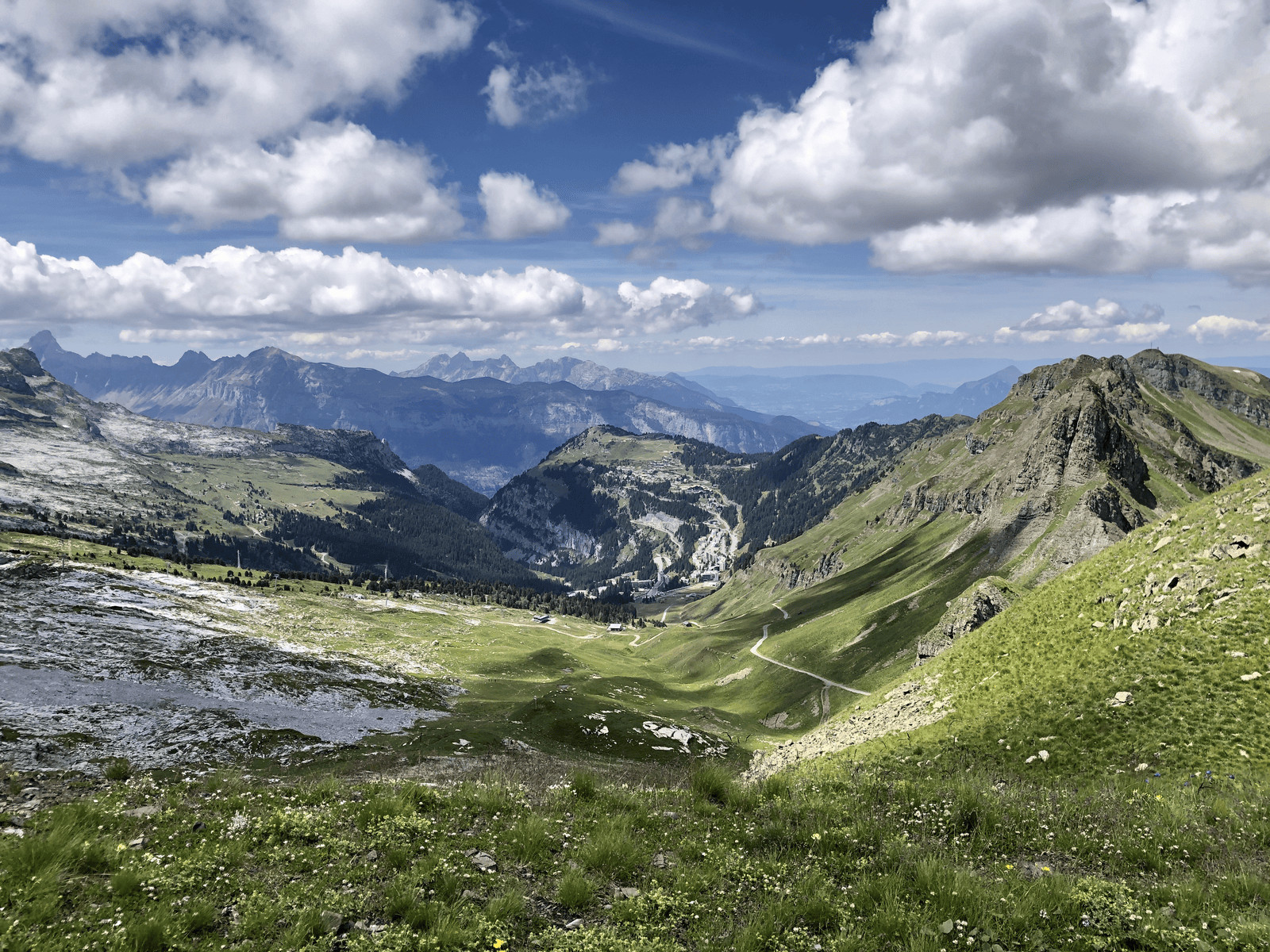
- What to look forward to: Epic roads like the Furkapass, views of the Matterhorn, turquoise Alpine lakes and picturesque historic towns.
- Top tip: Never try to drive all the way into Zermatt or Wengen — they’re car-free zones and you’ll have to park down in the valley.
- Recommended budget: For a couple over 10 days, count on around £2,600 to £4,000 if you shop smartly in supermarkets.
- Shorter version: If you’ve only got a week, skip Bern and Lake Geneva and focus purely on the central and southern Alps.
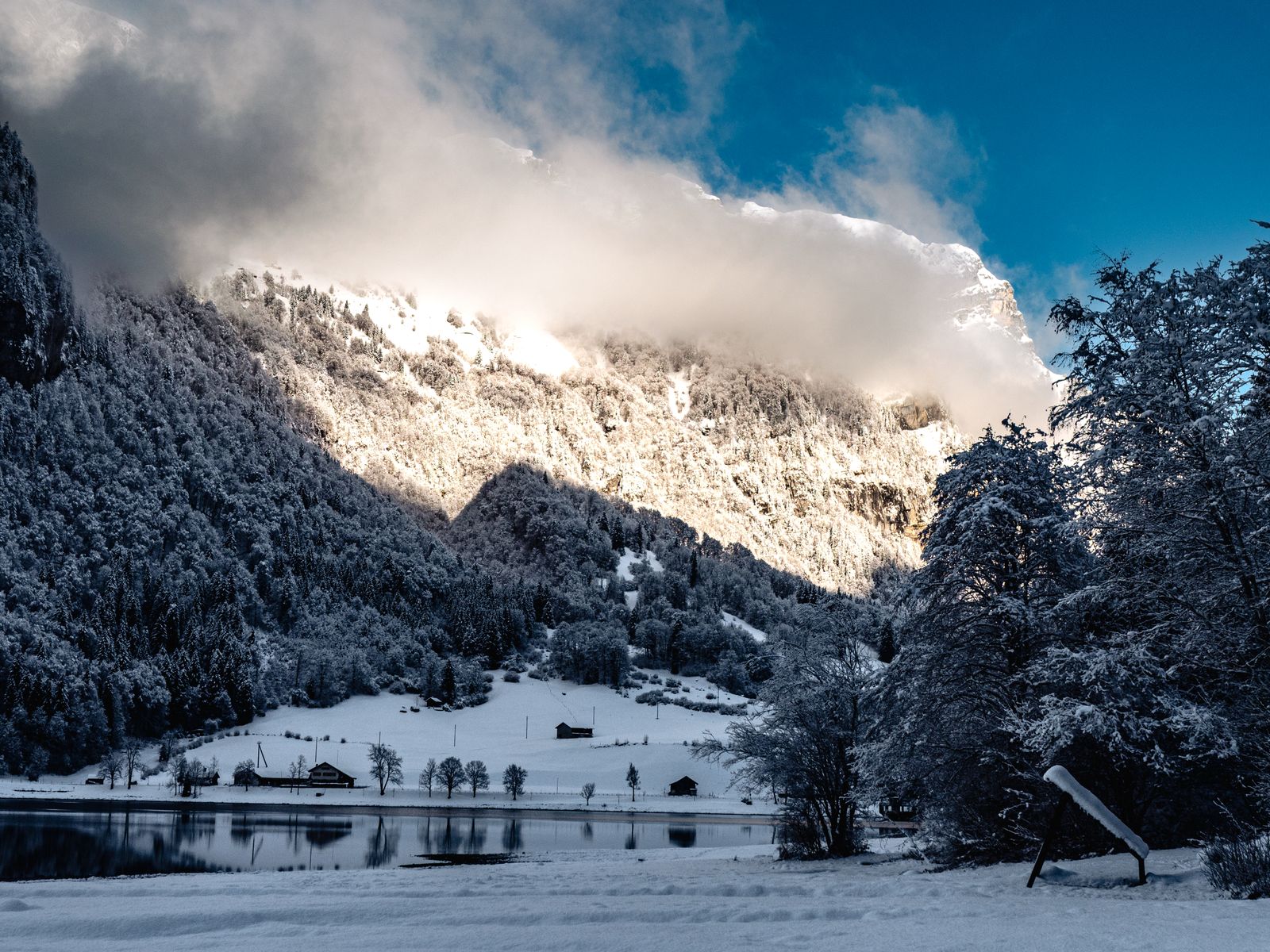
The full destination guide: Switzerland — guide and what to see
When to take this trip
Timing your Switzerland roadtrip is absolutely crucial, because a large part of our route runs over high mountains. The ideal window for the complete loop opens only in mid-June and lasts roughly until early October. If you set off earlier, you’ll most likely run into closed barriers and have to make awkward detours through tunnels or rely on car-carrying trains. The legendary Furka and Grimsel passes, for example, don’t open until 29 May 2026 — and at exactly nine o’clock in the morning.
Even trickier is the popular Sustenpass, which usually opens dead last. For 2026 the official opening date for the Sustenpass is set for 12 June, so if you’re planning a June trip, definitely factor this in. It’s a similar story with the historic Tremola road on the Gotthard, which typically wakes up from its winter slumber only during June. Always double-check the current road conditions just before you leave on the official portal alpen-paesse.ch.
According to seasoned travellers, the most beautiful experiences await you at the end of June or during September. In June the mountain meadows are incredibly lush with flowers, the peaks are still dusted with leftover snow and the roads aren’t as crowded. September, in turn, offers very stable weather and gorgeous autumn colours. July and August are a safe bet when it comes to open roads, but you’ll have to put up with huge crowds of tourists, the highest accommodation prices and hellish tailbacks at the major tunnels.
Practical info: car, transport and budget
Before you put your foot down, you’ll need to sort out a motorway vignette. Switzerland has no weekly or monthly option — it sells only an annual vignette for CHF 40 (around £36). The good news is that it’s valid for a full 14 months. Buy it conveniently online as an e-vignette, but be extremely careful of scam websites. The only official and safe portal with no surcharges is via.admin.ch, where you simply link it to your number plate. Note that you’ll cross several countries on the way, so check the toll and vignette rules for France, Germany and Austria too if your route passes through them.
Speed limits are a chapter all of their own, and the cameras forgive absolutely nothing. The measurement tolerance is just 3 to 7 kilometres per hour. If you exceed the limit in a built-up area by a mere 5 km/h, get ready to pay CHF 40 (about £36). Going 11 to 15 km/h over will already cost you CHF 250 (around £225), and the fines reliably reach you back home in Czechia. On travel forums you’ll find cautionary tales of people who got a bill for $500 at home for minor overspeeds and rental-company fees. Drive strictly by the book.
What will pleasantly surprise you, on the other hand, is the cost of fuel. Switzerland has a lower fuel duty, so petrol is cheaper here than in neighbouring Germany. You’ll pay roughly CHF 1.90 per litre, which is brilliant news for your budget. The practical advice is clear: fill up the tank before crossing into the Alps, breeze through Germany, and top up again once you’re near the Swiss border.
Parking takes a bit of planning, because you’re not allowed to drive into many mountain resorts at all. Famous Zermatt, iconic Wengen and picturesque Mürren are completely car-free. If you’re heading to the Matterhorn, you’ll have to leave the car in the huge terminal in Täsch for CHF 17 a day and continue by shuttle train. It works similarly in Lauterbrunnen, where the car park costs CHF 18 for 24 hours and a cable car or rack railway takes you up to the surrounding villages.
Along the way you may run into situations where a car-carrying train comes in handy. It’s a great experience and saves you hours of detours. The car train under the Furka pass runs from Realp to Oberwald for CHF 33 and the trip takes just 15 minutes. Another very useful link is the Lötschberg between Kandersteg and Goppenstein, which for around CHF 28 quickly whisks you from the Bernese Alps straight into the Valais. I’d recommend buying tickets through the official website sbb.ch.
The budget for a trip like this isn’t the smallest, but it can be cleverly optimised. If you travel as a couple, a 10-day roadtrip will set you back roughly CHF 3,000 to 4,500. The biggest expense, surprisingly, isn’t petrol but cable cars and accommodation. A trip to the big summits like Gornergrat or Jungfraujoch can easily cost CHF 100 to 250 per person. You’ll save a huge amount on food by shopping at Coop or Migros supermarkets, where you’ll find excellent ready meals and self-service restaurants with menus around CHF 15.
Day-by-day itinerary
This itinerary is designed so that you see all the essential highlights without backtracking the same way. If you’ve only got 7 days, you can easily skip Bern and Lake Geneva. From the Jungfrau region you simply hop on the Lötschberg car train straight to Zermatt and save yourself a lot of kilometres.
Day 1: Arrival → Rheinfall → Lucerne
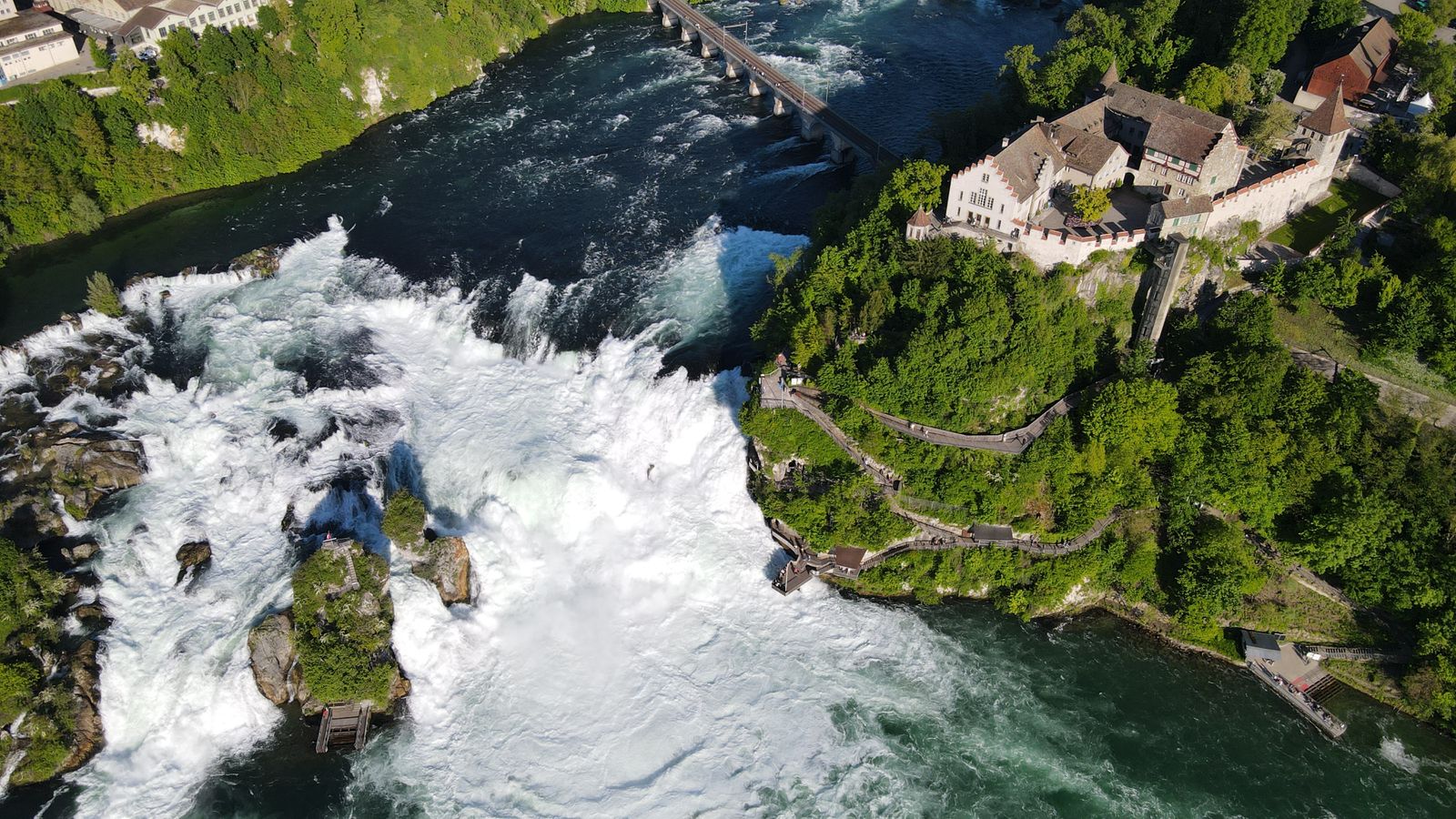
The first day is mostly about getting there. Coming from the UK, the easiest way is a Channel crossing (Eurotunnel or a ferry from Dover) and then driving east through France and Germany — many travellers split this into an overnight stop along the way. Once you reach the German–Swiss border area, your first fantastic stop is the Rheinfall near Schaffhausen, the largest waterfall in all of Europe.
💡 Tip: Stop here for an hour or two, walk along the viewing platforms and let yourself be awed by the enormous mass of thundering water. If you enjoy boat trips, I’d recommend hopping on one of the little boats that takes you right up to the rock in the middle of the falls.
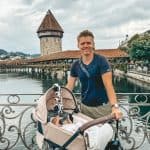
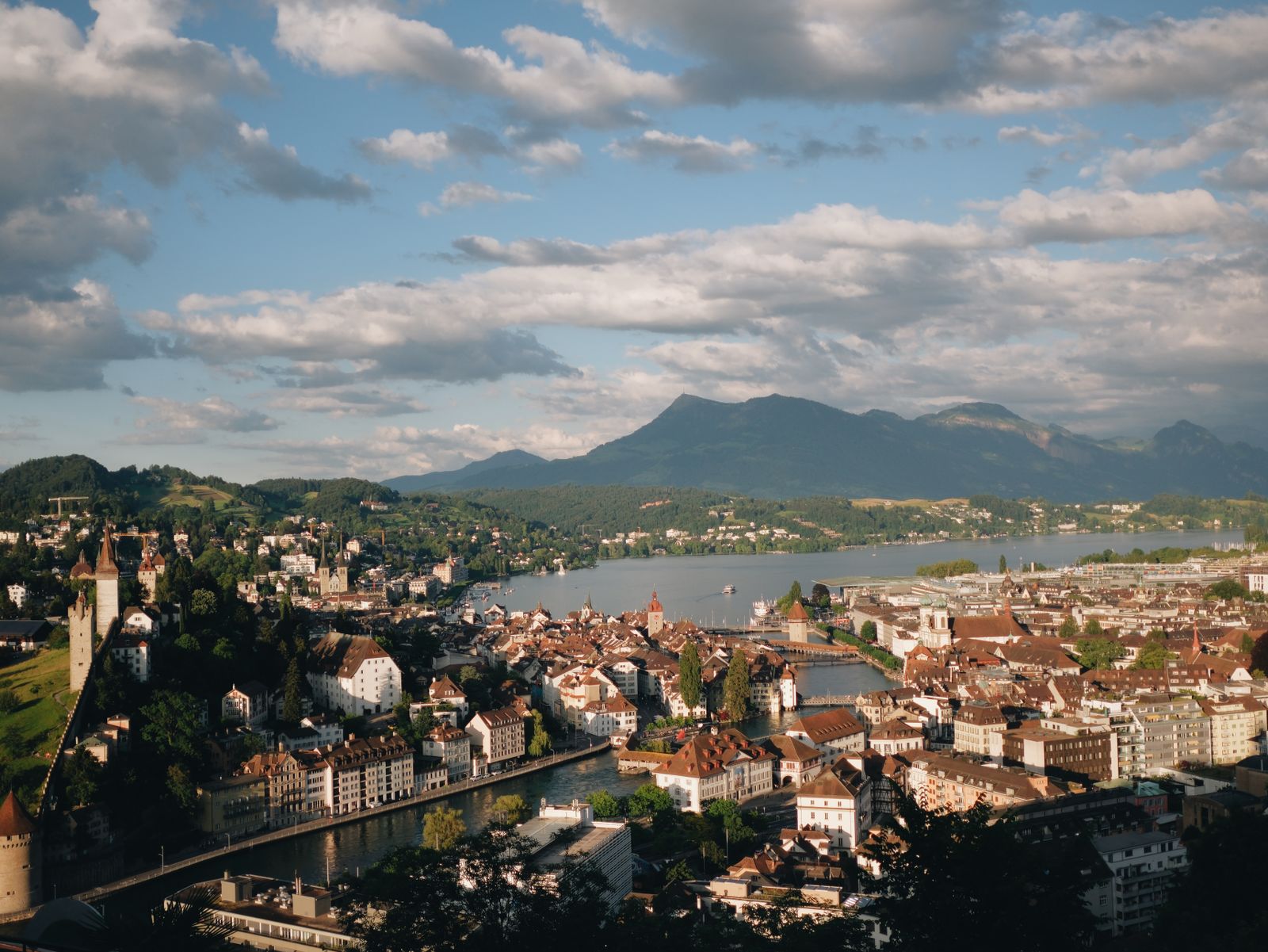
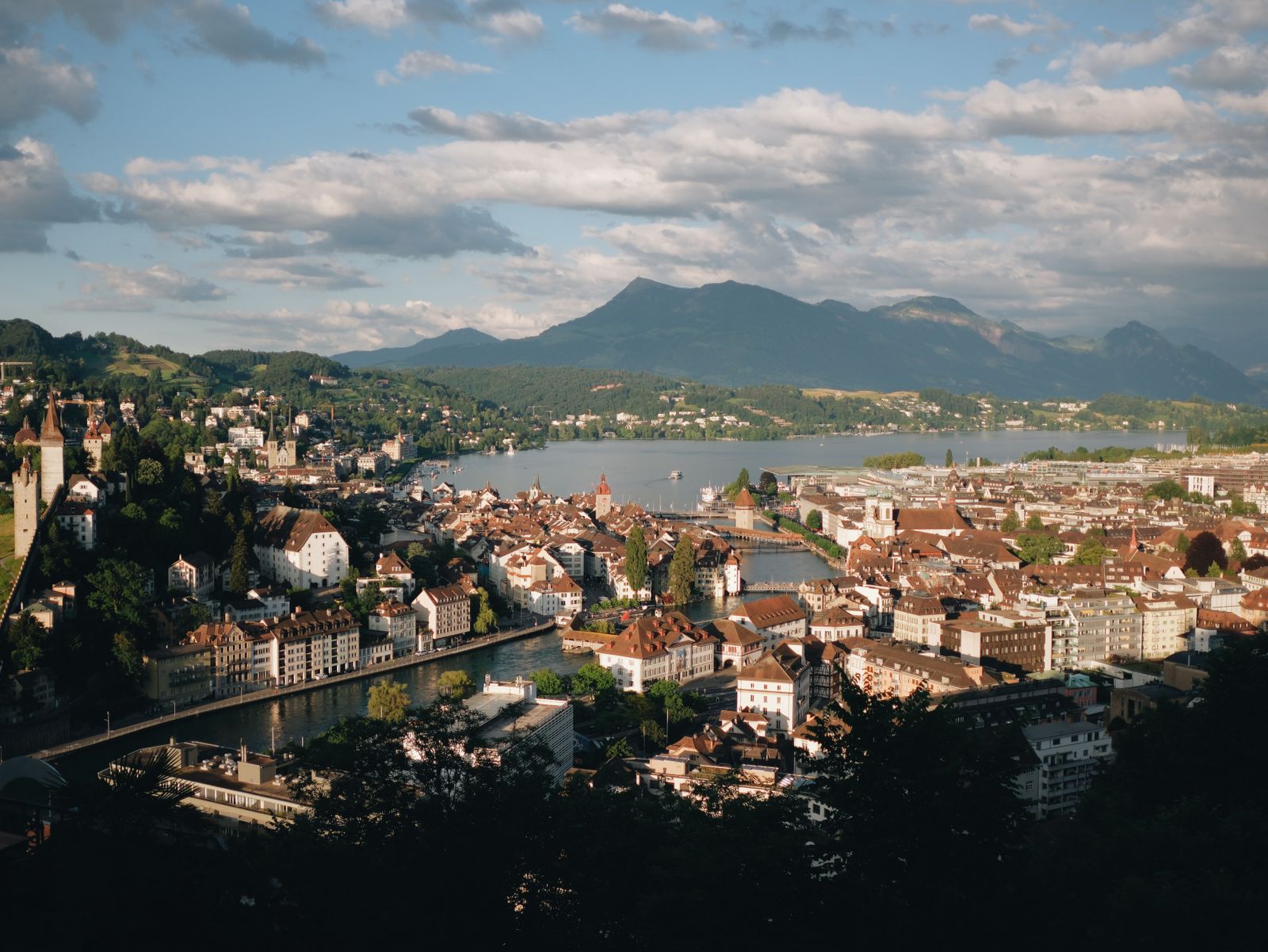
In the afternoon there’s just a short hop of barely 100 kilometres to gorgeous Lucerne. This town sits right on the shore of a vast lake and is ringed by Alpine peaks. In the evening, take a stroll to the iconic wooden Kapellbrücke bridge, which is beautifully lit up, and soak in the laid-back atmosphere by the water.
Day 2: Lucerne → Jungfrau region
Give yourself the morning to explore Lucerne’s old town. Don’t miss the famous Lion Monument, carved straight into the sandstone cliff, said to be the saddest piece of stone in the world. Then get back in the car and set off on the roughly 70-kilometre drive over the scenic Brünigpass towards Interlaken.
💡 Tip: The route takes you past the gorgeous turquoise lakes of Lungern and Brienz. Stop at one of the many viewpoints, because the colour of the water here looks like someone tipped a bucket of paint into it. Around midday you’ll reach the Lauterbrunnen valley, which is quite rightly nicknamed the valley of 72 waterfalls.
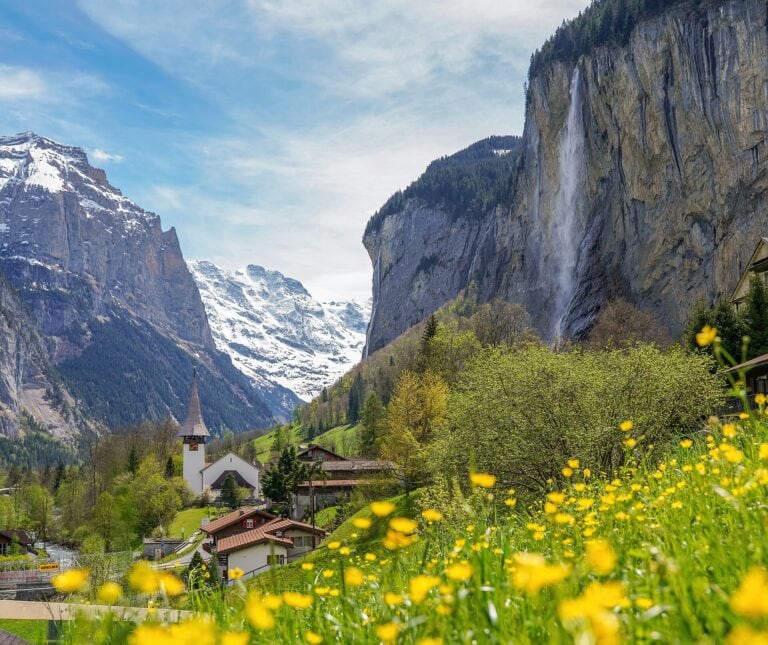
Base yourself right in the valley, leave the car in the car park and head off to admire the enormous Staubbach waterfall, which plunges nearly 300 metres right above the village. If you get hungry along the way, stop for lunch — I’d recommend trying the traditional rösti with cheese, a delicious potato dish that will reliably keep you going for the rest of the afternoon.
Day 3: Jungfrau region (no car)
Today your car gets a rest and you head off to discover the mountains on foot and by rail. The whole Jungfrau region is woven together with a perfect network of rack railways and cable cars. Lauterbrunnen makes the perfect base for trips up to the surrounding villages of Wengen or Mürren, which you simply can’t reach by car.
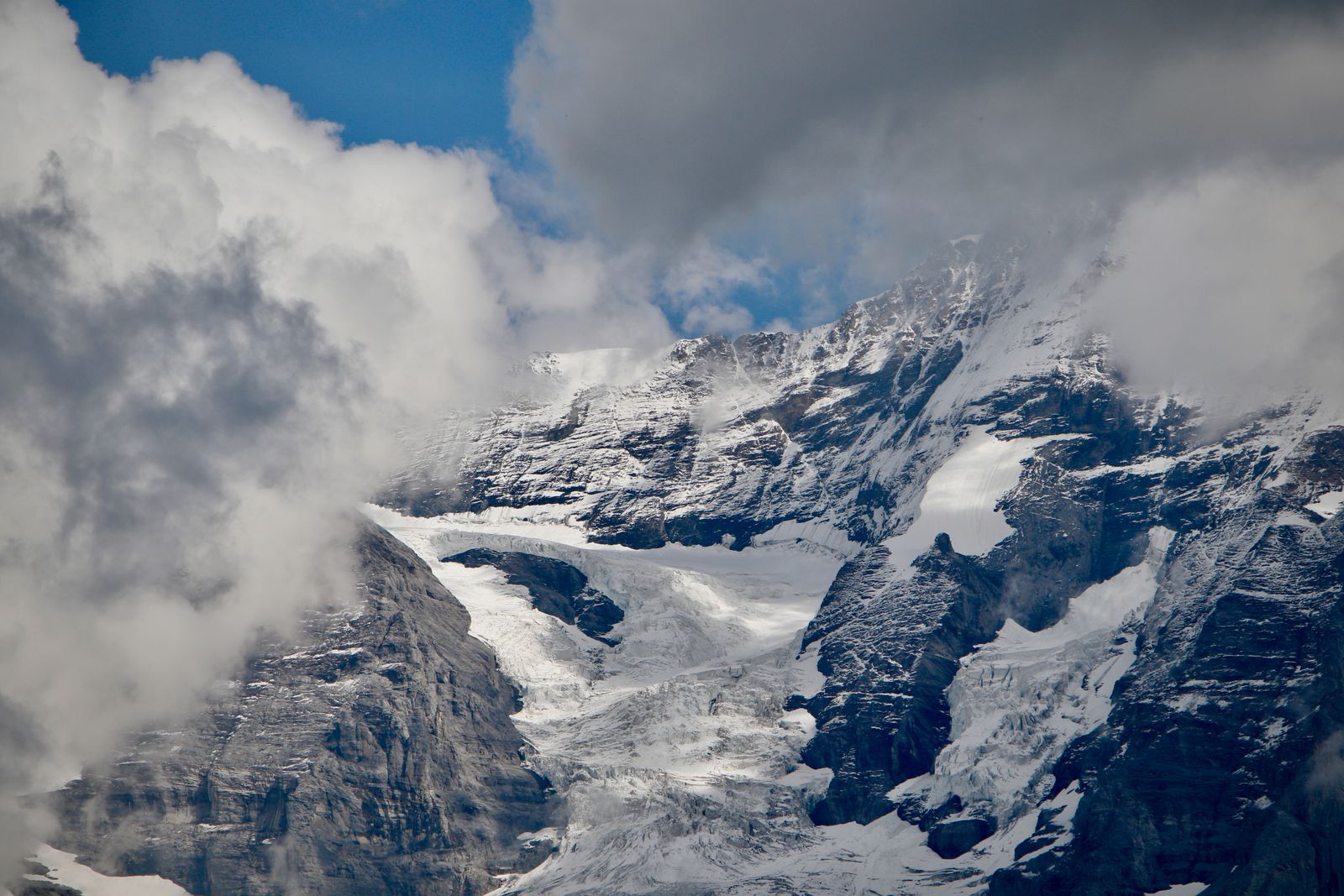
💡 Tip: If you’ve got a generous budget, take the rack railway up to the famous Jungfraujoch, the highest railway station in Europe. It’s a fairly pricey treat, but the view of the longest Alpine glacier, the Aletschgletscher, is said to be more than worth it. You can easily sort tickets through resellers too, for example on GetYourGuide.
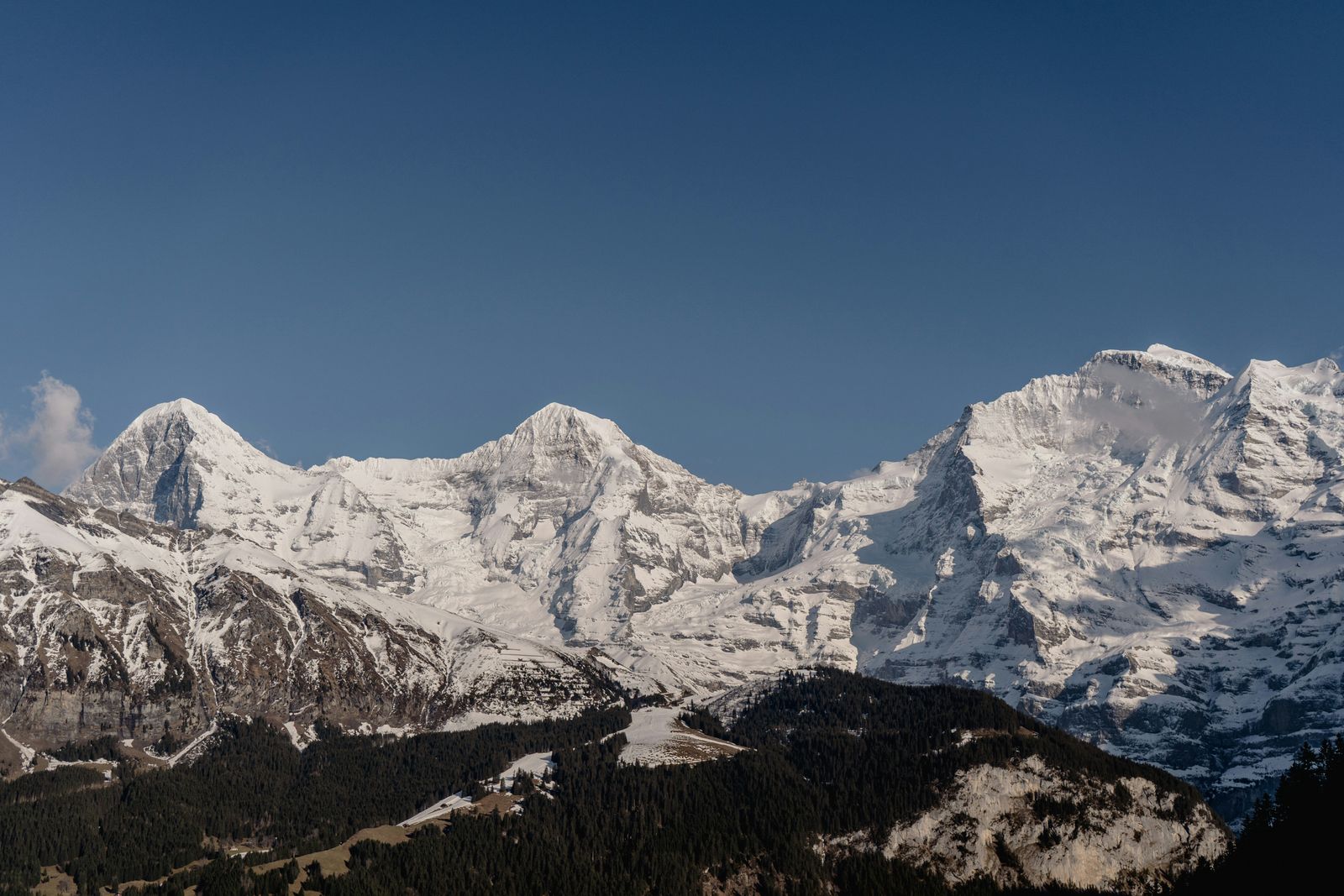
For those who want to save, there’s a gorgeous walk from Mürren to Gimmelwald. Along the way you’ll have the famous Eiger, Mönch and Jungfrau peaks constantly in view. Towards the evening, head back down to the valley and treat yourself to a proper cheese fondue, an inseparable part of any stay in the Swiss mountains and one that absolutely everyone can enjoy, even without meat.
Day 4: Lauterbrunnen → Bern → Montreux/Lavaux
In the morning you say goodbye to the high mountains and set off on the roughly hour-long drive to the capital. Bern is a surprisingly small and incredibly picturesque city whose historic centre is a UNESCO World Heritage Site. Park on the edge and go admire the famous Zytglogge clock tower and the six kilometres of historic arcades.
💡 Tip: For lunch I warmly recommend visiting the legendary Tibits restaurant. It’s a wonderful vegetarian and vegan buffet where you serve yourself and pay by weight. They have dozens of salads, hot dishes and absolutely brilliant desserts, so there really is something for everyone.
In the afternoon you’ll head to the sprawling Lake Geneva, about an hour’s drive away. The landscape changes dramatically — palm trees appear and you’ll feel an almost Mediterranean atmosphere. Stop in Montreux, walk along the gorgeous flower-lined promenade and get a photo by the statue of Freddie Mercury, who lived and worked here for many years.
Day 5: Montreux → Lavaux → Täsch
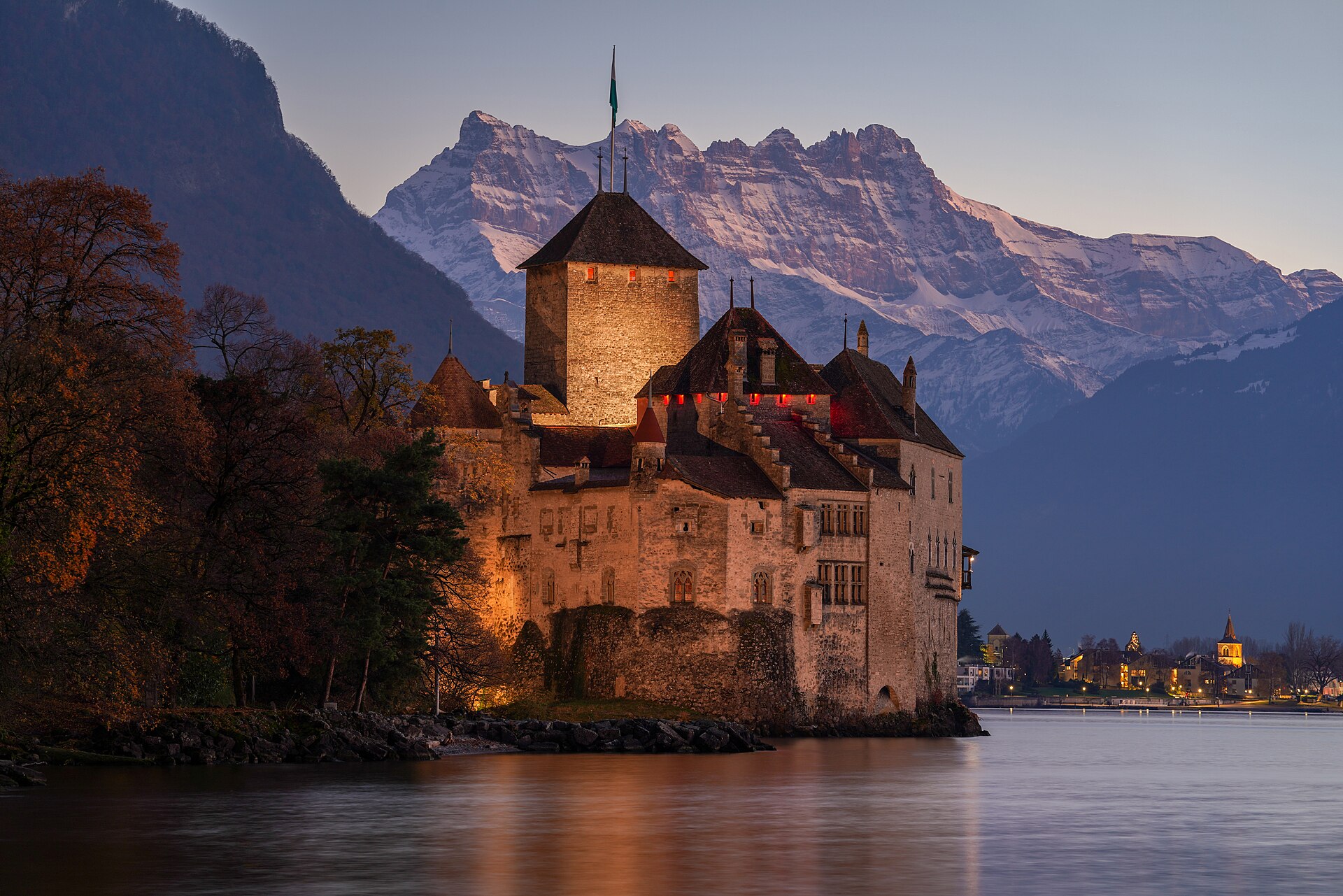
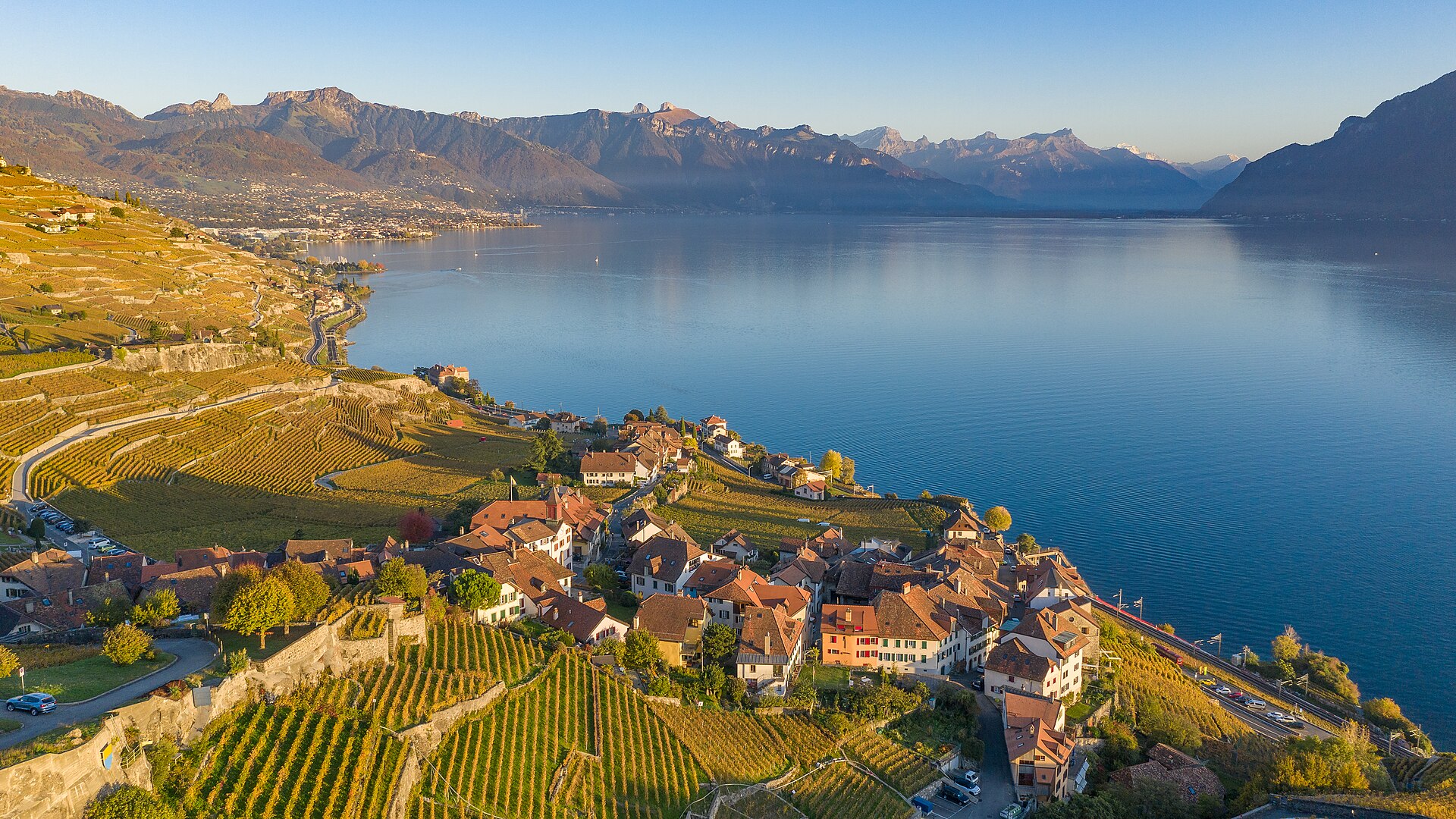
Spend the morning exploring the iconic water castle of Chillon, which sits just a short way from Montreux right on the surface of the lake. Straight afterwards, head off to the nearby Lavaux region. These are terraced vineyards tumbling steeply down to the lake, UNESCO-protected and offering the most romantic views in the entire country.
💡 Tip: Wander the narrow paths between the vineyards and stop at one of the local wine cellars. Here you can sample superb local wines paired with excellent regional cheeses — the perfect light lunch before the next leg of the journey.
In the afternoon you get back in the car and head up the Rhône valley towards the Matterhorn. The drive to the village of Täsch takes about two hours. Bear in mind that Zermatt is closed to car traffic, so you’ll have to leave the car in the giant Matterhorn Terminal car park. You’ll pay CHF 17 a day here and right next door you hop on the red train that takes you straight into the centre of Zermatt in twelve minutes.
Day 6: Zermatt and the Matterhorn
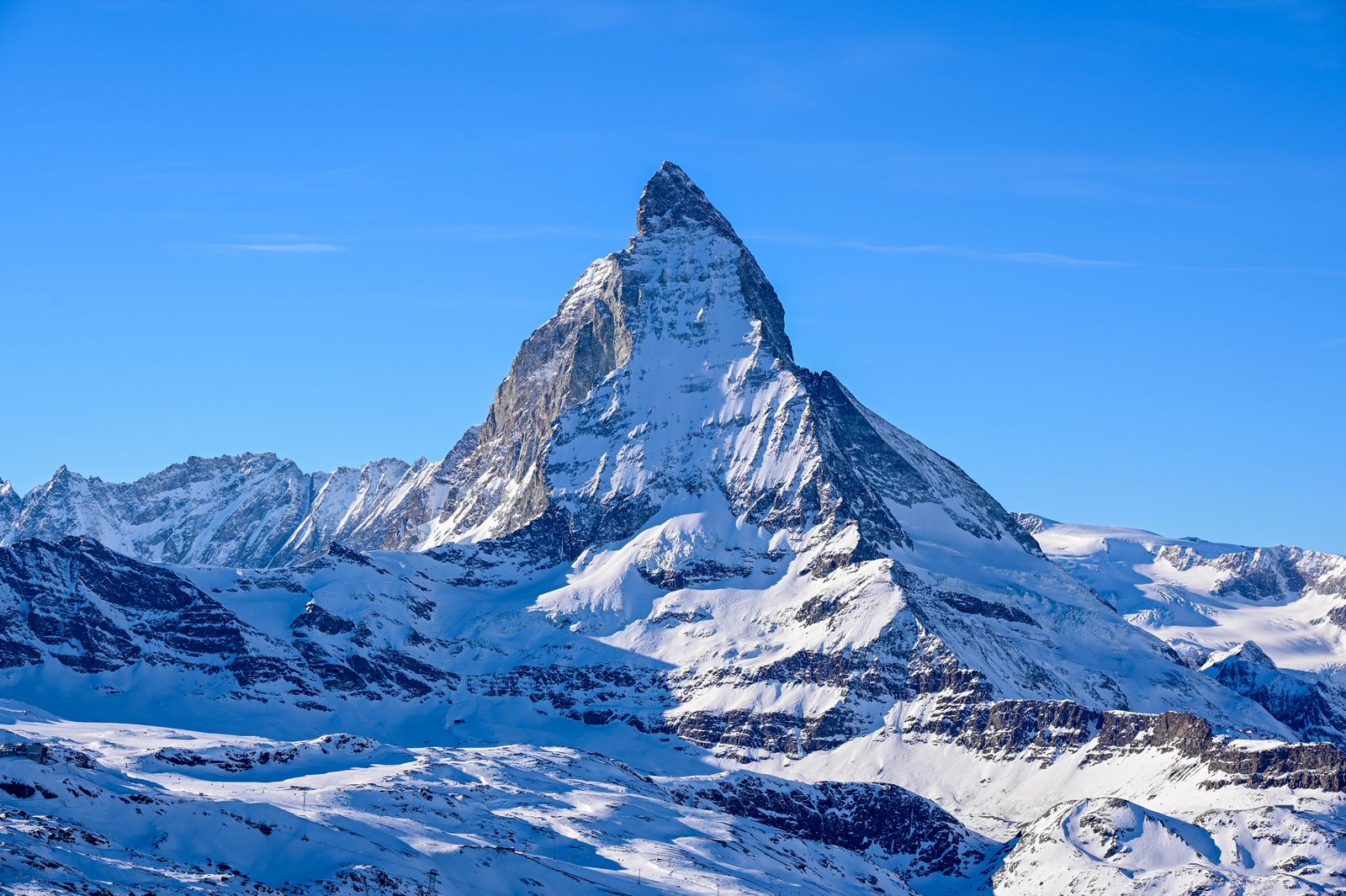
Today is dedicated entirely to one of the most famous mountains in the world. The Matterhorn with its crooked pyramid is the one you know from the Toblerone wrapper, but in real life it feels far more imposing than you’d expect. You don’t need a car in Zermatt — you can get everywhere on foot or by the brilliantly run cable cars and rack railways.
💡 Tip: You’ll get the best view of the Matterhorn by taking the rack railway up to the Gornergrat summit. The ride takes about half an hour and at the top you’re rewarded with an incredible panorama of dozens of 4,000-metre peaks and enormous glaciers. The ticket costs quite a bit, but the experience is absolutely priceless.
If you prefer hiking, ride the cable car up to Sunnegga and set off on the famous Five Lakes trail. In good weather, the Matterhorn reflects so perfectly in the surface of Lake Stellisee that you won’t want to stop taking photos. In the evening you can simply take the shuttle train back to Täsch, where your accommodation is cheaper, and save yourself a fair bit of money.

Day 7: Täsch → Furkapass → Tremola → Lugano
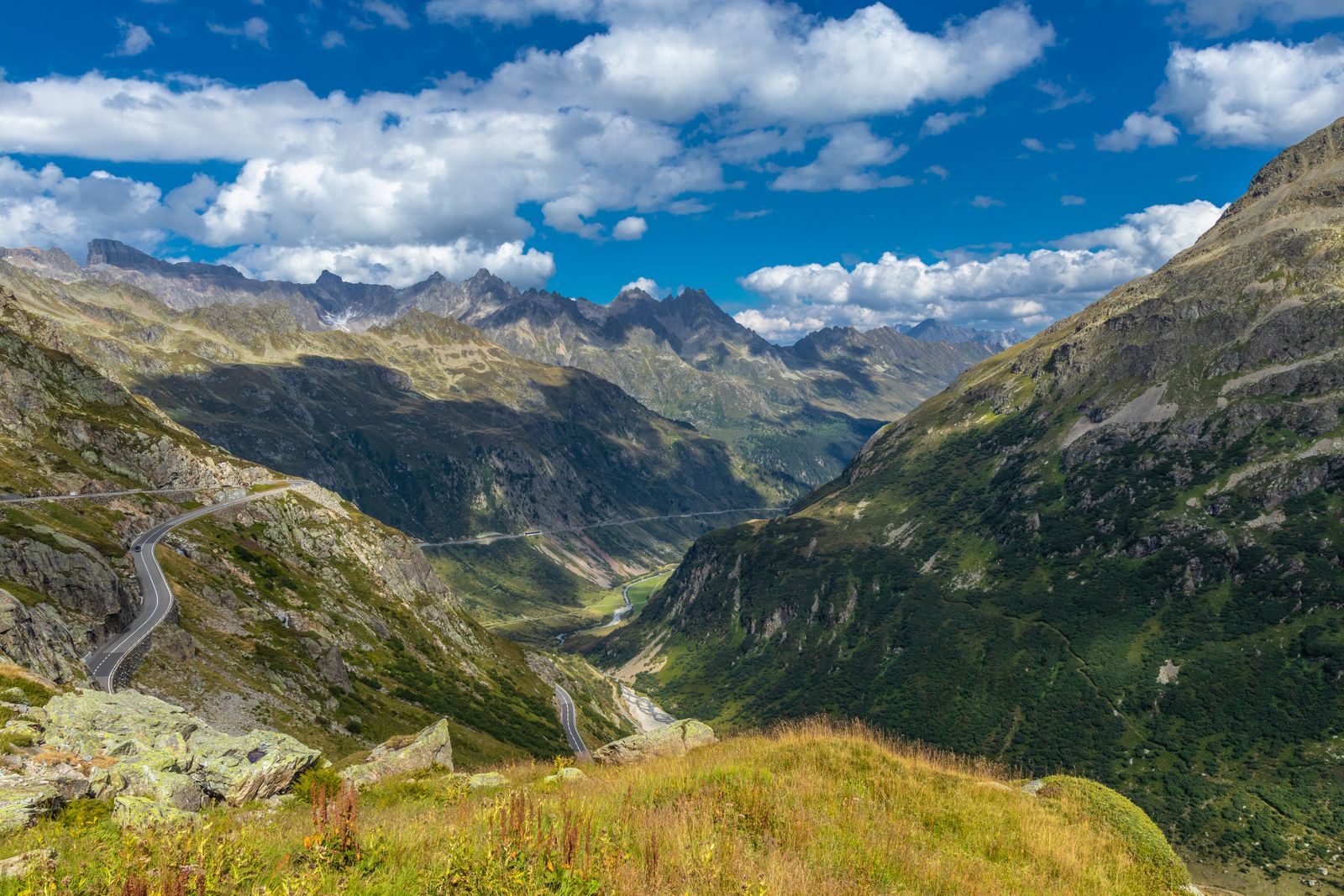
Get ready for the very best. Today you’ve got roughly 230 kilometres of absolute driving heaven ahead of you. From Täsch you head up the valley and soon start climbing the famous Furkapass. This road shot to fame in a James Bond film and offers perfect hairpins with a view of the Rhône Glacier. Make sure you stop at the iconic Belvédère hotel.
💡 Tip: From Andermatt, don’t carry on along the new road — instead turn off onto the historic Tremola road. It’s more than 11 kilometres of cobbled road from the 19th century that twists through dozens of tight bends towards the Gotthard pass. Drive very carefully, ideally 20 to 30 km/h, but you mustn’t miss this experience. You’ll also avoid the hellish queues that routinely clog the Gotthard tunnel for hours.
Once you’ve conquered the passes, you’ll drop down into the canton of Ticino, where you’re instantly hit by an Italian vibe. The architecture changes, palm trees grow everywhere and people speak Italian. In the evening you’ll arrive in the town of Lugano, set on the shore of the lake of the same name and offering wonderful Mediterranean ease.
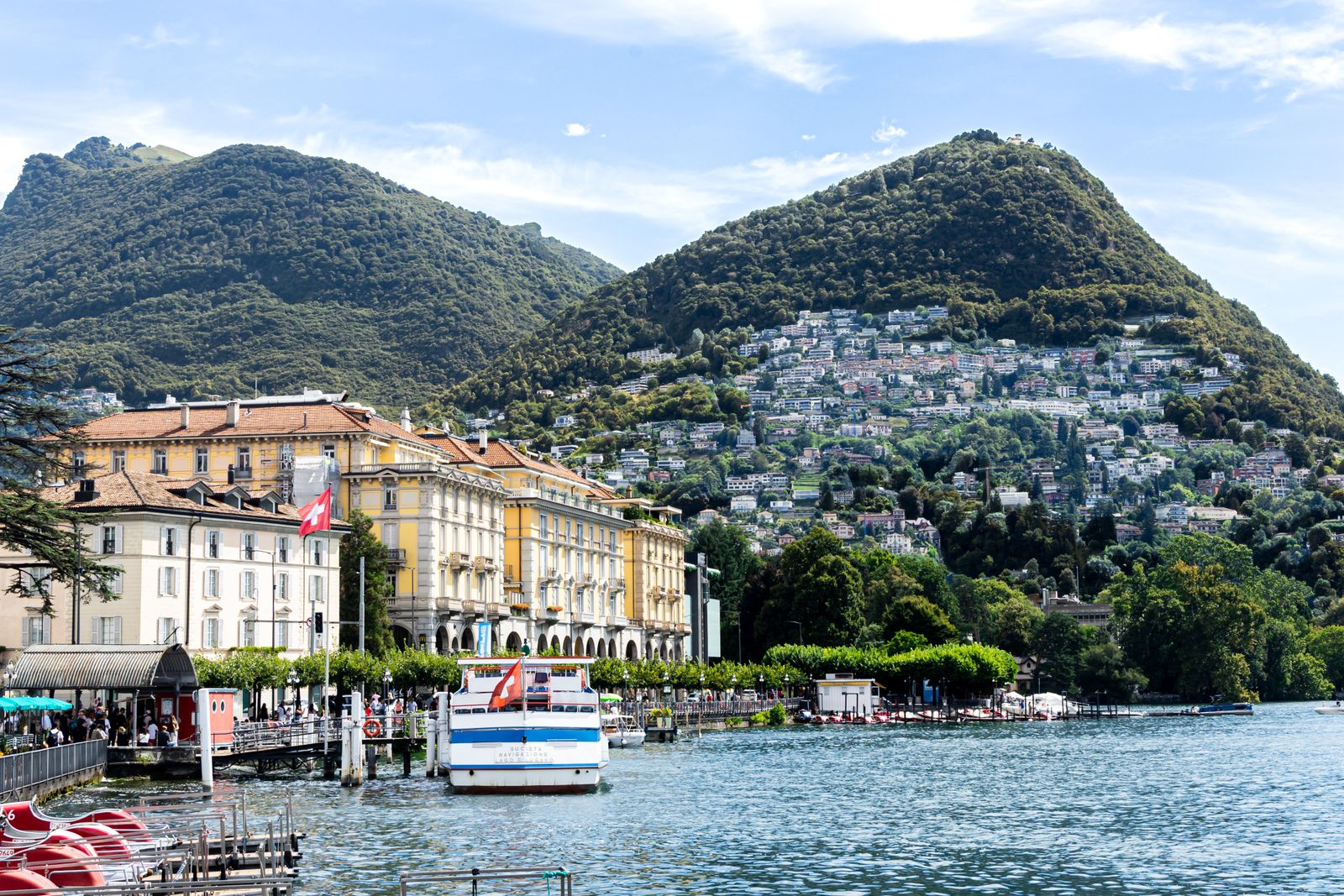
Day 8: Lugano and surroundings
Today, take a break from the long drives and enjoy the south. Lugano is an immensely elegant town, often nicknamed the Swiss Monte Carlo. Stroll along the long lakeside promenade, enjoy a great Italian espresso and simply watch the boats drifting across the lake.
💡 Tip: Take the funicular up to the top of Monte Brè or San Salvatore. From both hills there’s a fantastic view of the whole lake and the surrounding mountains. In the afternoon, definitely take a boat trip to the picturesque fishing village of Gandria.
As for food, here in Ticino you’re in Italian-cuisine heaven. I’d recommend popping into a cosy local pizzeria for a proper vegetarian pizza or fresh pasta. The quality of the food here is absolutely on par with Italy — you’ll just pay the typical Swiss premium for it.
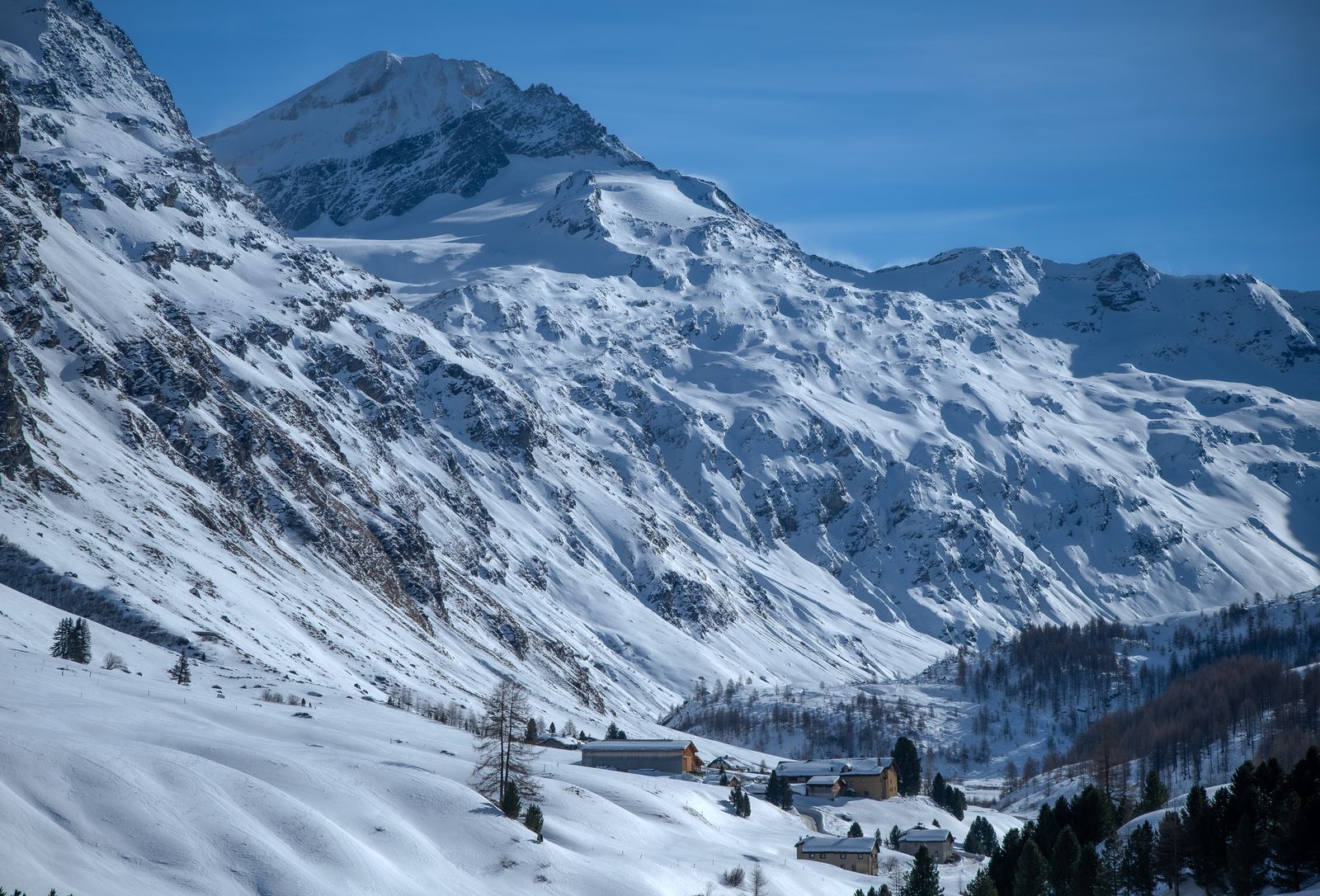
Day 9: Lugano → Engadin (St. Moritz)
After breakfast you head east into the canton of Graubünden. There are roughly 120 kilometres of driving ahead, which you can shorten by cutting through a sliver of Italy past the little town of Chiavenna and then over the Maloja pass. Alternatively you can take the more northerly route over the San Bernardino pass.
💡 Tip: Around midday you’ll reach the Engadin region, which is famous for its gorgeous lakes Sils and Silvaplana. It’s a paradise for windsurfers and kitesurfers, as a strong wind called the Maloja regularly blows here.
St. Moritz itself is a very luxurious and expensive resort, so feel free to just stroll through it and photograph the pricey boutiques and grand hotels. For accommodation and a calmer atmosphere it’s far better to choose one of the smaller villages nearby, such as Zuoz or Samedan, where you’ll find traditional houses decorated with the wonderful sgraffito technique.
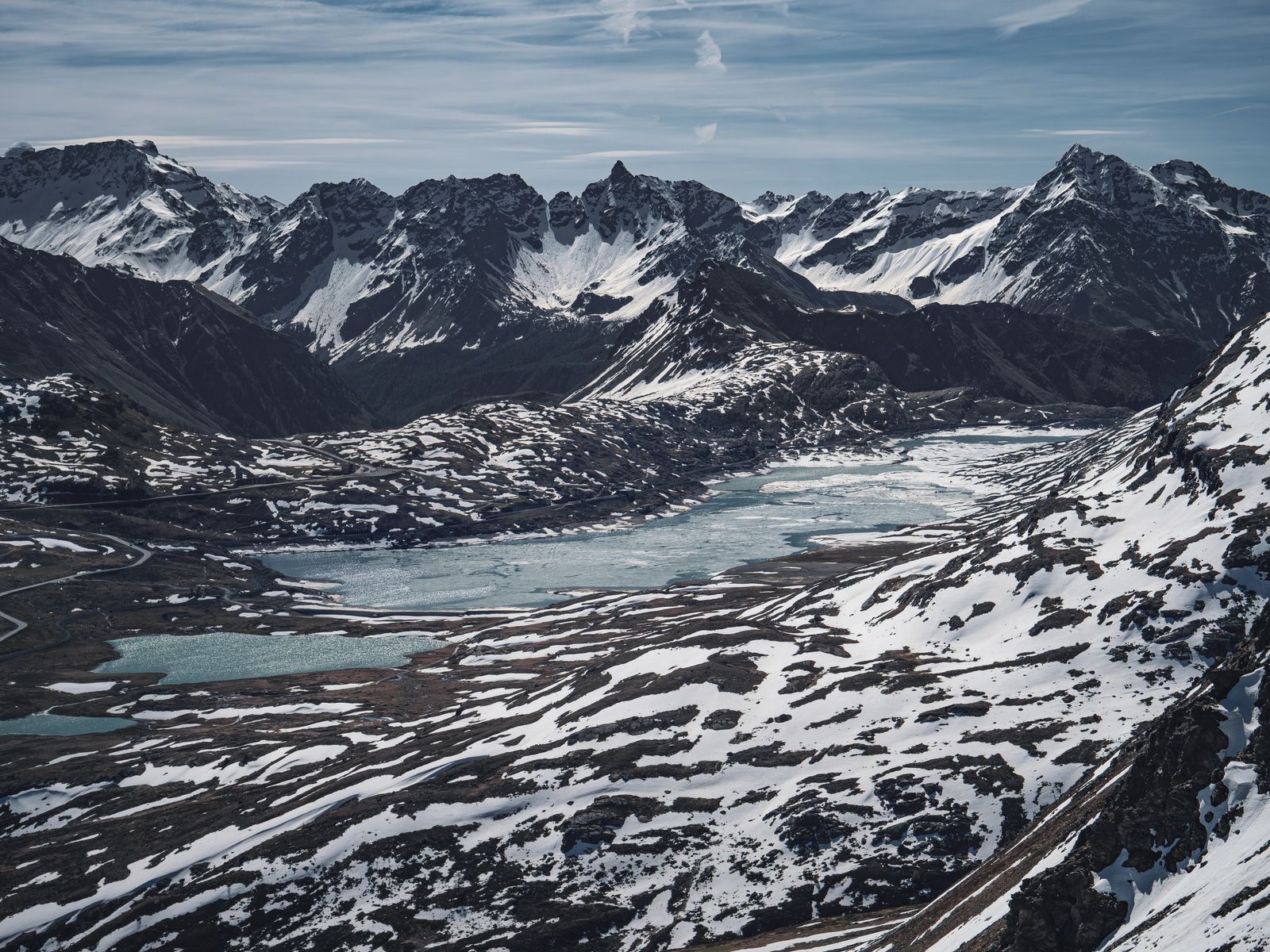
Day 10: St. Moritz → Albulapass → home
The last day of your roadtrip means saying goodbye to the Alps and a long journey home. From St. Moritz you set off over the stunning Albulapass, which is far calmer and wilder than the other well-known roads. Along the way you’ll pass the imposing stone viaducts of the Rhaetian Railway, which are UNESCO-protected.
💡 Tip: According to information from the portal myswitzerland.com, construction work will be taking place on the Albula pass throughout 2026, so expect minor delays at the traffic lights. Once you’ve come down from the mountains, you’ll join the Austrian motorways near Landeck and then head back across Germany and France towards your Channel crossing home.
The full drive home is a long one — well over 1,000 kilometres back to the Channel — so it’s worth planning at least one relaxed overnight stop somewhere in Germany or France so you arrive home nicely rested rather than exhausted.
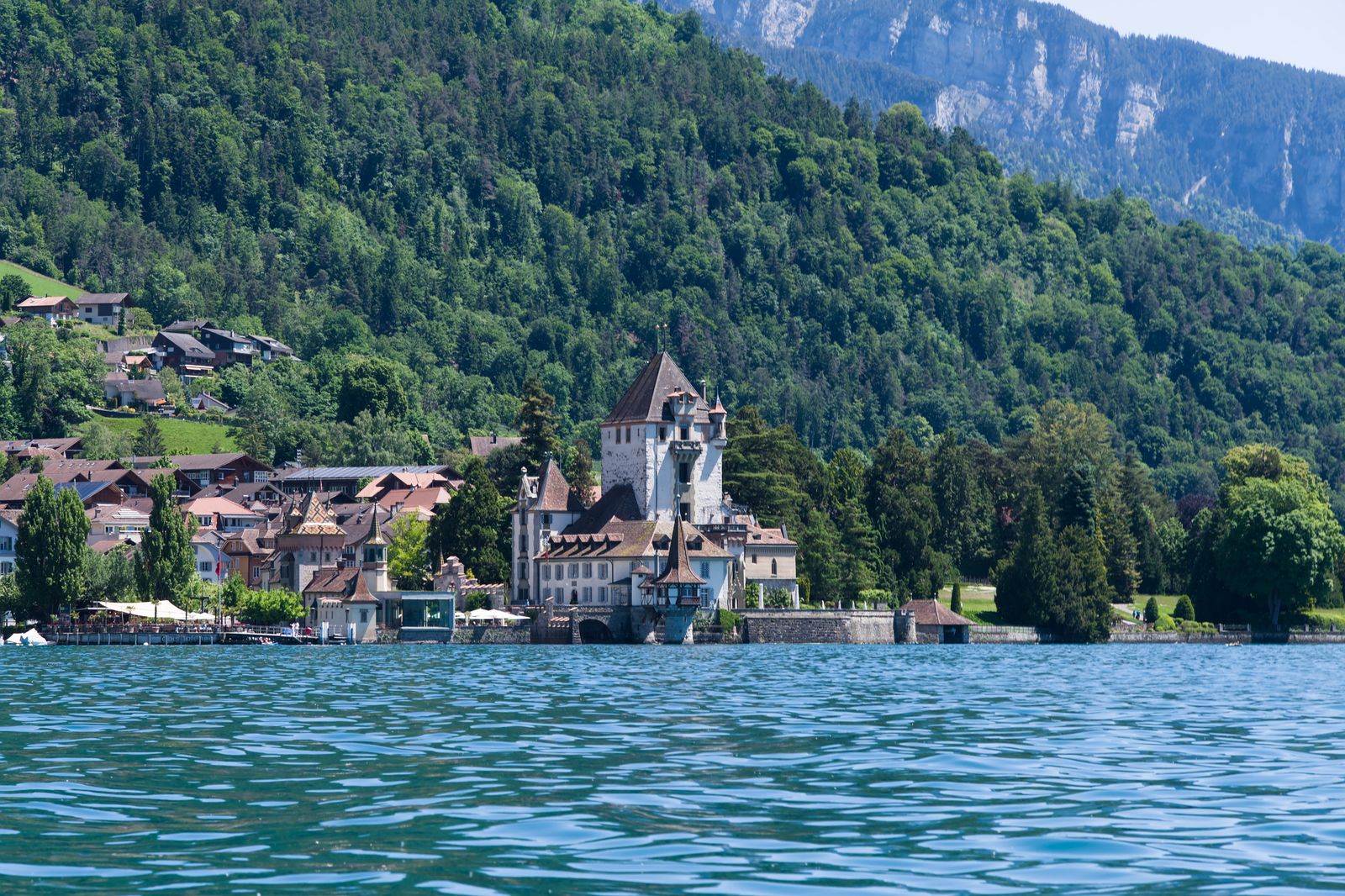
Map of points of interest for your phone
Where to stay along the route
💡 Accommodation and experiences tip: We like to look for accommodation on Booking.com, where the cancellation policies tend to be the best. For tickets, tours and activities, it then pays to compare and book through GetYourGuide.
Accommodation in Switzerland makes up a huge part of the budget, but there’s a simple trick for saving a small fortune. Never sleep right in the luxury mountain resorts or in the centres of the famous cities. Just move a few kilometres into the neighbouring valley and the prices immediately drop by half. Instead of pricey Zermatt, sleep in Täsch; instead of Montreux, pick the smaller villages above the lake. Apartments with a kitchenette also bring big savings, letting you cook for yourself with cheaper supermarket ingredients. In summer it’s an absolute must to book everything well in advance through Booking.
In Lucerne, a great choice is the solid Hotel Waldstätterhof, which sits just 100 metres from the station and the famous bridge, putting the whole city right at your fingertips. If you’re heading to the Jungfrau region and looking for great value for money, book the Valley Hostel in Lauterbrunnen. It’s an absolute budget legend, with clean rooms, a handy kitchenette and parking. For those who want a touch more romance, I’d recommend the Hotel Staubbach, a beautiful historic hotel with a direct view of the thundering waterfall.
When you move on to the Matterhorn, the smartest base is the Hotel Täscherhof right in the village of Täsch. It stands next to the terminal, so you leave the car parked and twelve minutes later you’re by train in the heart of Zermatt, all while paying a fraction of the price for your room. By Lake Geneva you’ll love the Hôtel du Léman near Vevey, set among the Lavaux vineyards and offering, as a huge bonus, free parking — a rarity in this area. And finally, for the Ticino region, go for the budget-friendly ibis budget Lugano, which offers simple, clean rooms a short way from the lake at an unbeatable price.
| Stop | Nights | Recommended base | Why |
|---|---|---|---|
| Lucerne | 1 night | Hotel Waldstätterhof | Perfect location right in the centre by the iconic bridge and the station. |
| Jungfrau region | 2 nights | Valley Hostel | Great price, a shared kitchenette to save money and close to the cable cars. |
| Jungfrau region | 2 nights | Hotel Staubbach | A romantic option with an amazing view straight onto the Staubbach waterfall. |
| Zermatt and around | 2 nights | Hotel Täscherhof | A smart base in Täsch with parking, just 12 minutes by train from Zermatt. |
| Lake Geneva | 1 night | Hôtel du Léman | Beautiful lake views, a spot among the vineyards and free parking. |
| Ticino / Lugano | 1-2 nights | ibis budget Lugano | The cheapest sensible accommodation in pricey Lugano, ideal for an overnight stay. |
Where to go next
If you’re tempted by more adventures in this amazing country, be sure to read our big guide Switzerland Holiday: 19 tips on where to go and what to see. For detailed planning of the stop by the famous summit, the article Zermatt and the Matterhorn: what to see and do will come in handy.
More interested in glaciers and mountain valleys? Then don’t miss our tips for Interlaken and Jungfraujoch or our detailed guides to Grindelwald and the fairytale Lauterbrunnen. And if you prefer cities, read up on everything Bern has to offer and the lovely Lucerne. If you’d like to swap Switzerland for a slightly cheaper neighbour, check out our Austria Roadtrip: a 7-day itinerary.
Frequently asked questions
Do I need a highway vignette in Switzerland?
Yes, you really can’t do without it on the highways. It’s sold only as an annual variant for 40 CHF, which is valid for 14 months (for example, from December 1, 2025 to January 31, 2027). Buy it exclusively as an e-vignette on the official Swiss customs administration portal to avoid overpriced resellers. If you get caught on the highway without a vignette, you’ll pay a fine of 200 CHF and you’ll still have to buy it anyway.
How much does a road trip through Switzerland cost?
For a couple traveling by their own car from Czechia, budget around €2,200 to €3,200 for 7 days. If you go for a full 10 days, the budget will climb to €3,000 to €4,600. Accommodation and expensive cable cars will eat up most of your money, but you can save a ton by buying groceries and ready-made meals in Coop or Migros supermarkets.
When are the mountain passes open?
The reliable window for all passes is from mid-June to early October. In 2026, the famous Furka and Grimsel passes open on May 29th, but the treacherous Sustenpass not until June 12th. Road conditions can be complicated at any time by fresh snow, so always check the current status on the official websites.
Can you drive to Zermatt?
It’s not possible, Zermatt is a strictly protected car-free zone. You must leave your vehicle in the huge parking terminal in the village of Täsch, where you’ll pay 17 CHF per day. From there, a shuttle train runs every 20 minutes, taking you comfortably to the center of Zermatt in twelve minutes. It works similarly in Wengen and Mürren as well.
How strict are speeding fines?
They are absolutely uncompromising and speed cameras have almost zero tolerance (just 3–7 km/h). Exceeding the limit by a mere 5 km/h in town will cost you 40 CHF, if you go 11 km/h over, you’ll pay 250 CHF already. Cameras are everywhere, they work automatically and fines reliably arrive by post even to the Czech Republic, so really don’t push the pedal.
Is gasoline more expensive in Switzerland than here?
Compared to the Czech Republic, it’s somewhat more expensive, a liter costs around 1.90 CHF, which is about €2. Paradoxically though, petrol in Switzerland is cheaper than in Germany, thanks to lower excise duty. So the strategy is clear: don’t refuel at all on your way through Germany and calmly fill up your tank once you’re in the Swiss Alps.
Do I have to queue at the Gotthard Tunnel?
You definitely don’t have to! The Gotthard Tunnel gets congested up to 100 days a year and queues can stretch for hours. During the summer months, a much more elegant solution is to exit the motorway and cross over the pass itself. You can even choose the breathtaking old cobbled Tremola road, which is an incredible driving experience that will also save you from tedious waiting in traffic jams.
Is 7 days enough for the circuit?
You can definitely do a shortened version. You can cover the route Lucerne, Jungfrau, Zermatt and Ticino, but you’ll have to skip Bern and Lake Geneva. If you want to see all the main highlights at a relaxed pace and not spend long hours in the car every day, I recommend setting aside a full 10 days – the experience is absolutely worth it.
Tips and Tricks for Your Vacation
Don’t Overpay for Flights
Search for flights on Kayak. It’s our favorite search engine because it scans the websites of all airlines and always finds the cheapest connection.
Book Your Accommodation Smartly
The best experiences we’ve had when looking for accommodation (from Alaska to Morocco) are with Booking.com, where hotels, apartments, and entire houses are usually the cheapest and most widely available.
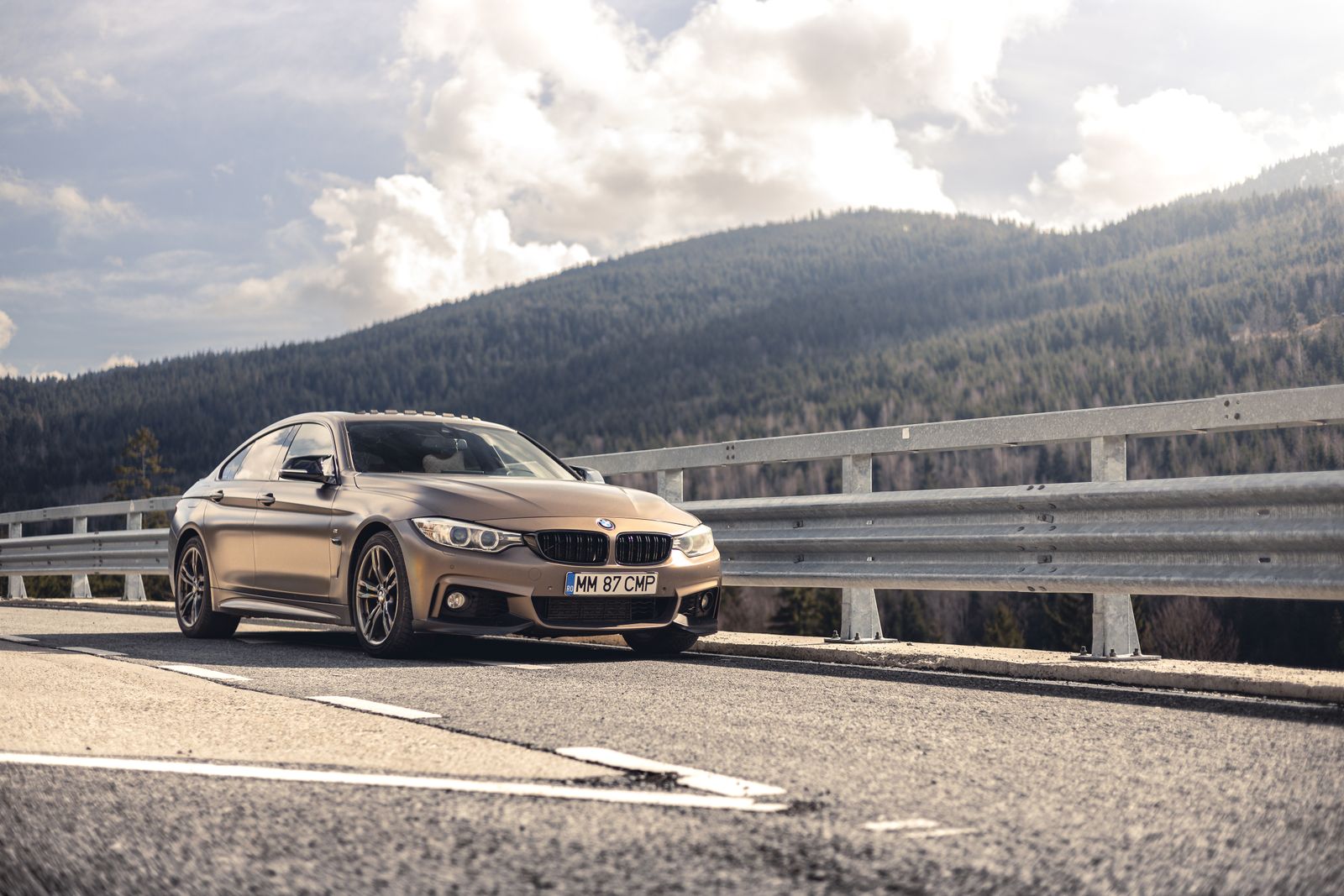 🚗 Car rental on the roadVerified car rentals in Switzerland
Search with the DiscoverCars comparison engine — it compares prices from dozens of local and international rental companies, and most bookings come with free cancellation.
Compare car prices in Switzerland →Don’t Forget Travel Insurance
Good travel insurance will protect you against illness, accidents, theft, or flight cancellations. We’ve had a few hospital visits abroad, so we know how important it is to have proper insurance arranged.
Where we insure ourselves: SafetyWing (simple monthly subscription) and TrueTraveller (for extra-long trips).
Find the Best Experiences
Get Your Guide is a huge online marketplace where you can book guided walks, trips, skip-the-line tickets, tours, and much more. We always find some extra fun there!