Switzerland has a reputation as the most expensive country in Europe, and nobody really disputes that. If you’re thinking about coming here on holiday, I have to warn you right from the start that your wallet will probably shed a tear or two — but the experiences are absolutely worth it. Crystal-clear lakes, snow-capped Alpine peaks and trains that run to the exact second simply add up to the perfect combination for an unforgettable trip to Switzerland.
So let’s get straight to it: I’ve picked out 19 places and experiences that make Switzerland so irresistible. Together we’ll explore the most beautiful regions, from the iconic Matterhorn through the waterfall valley of Lauterbrunnen all the way to Italian-flavoured Ticino.
TL;DR
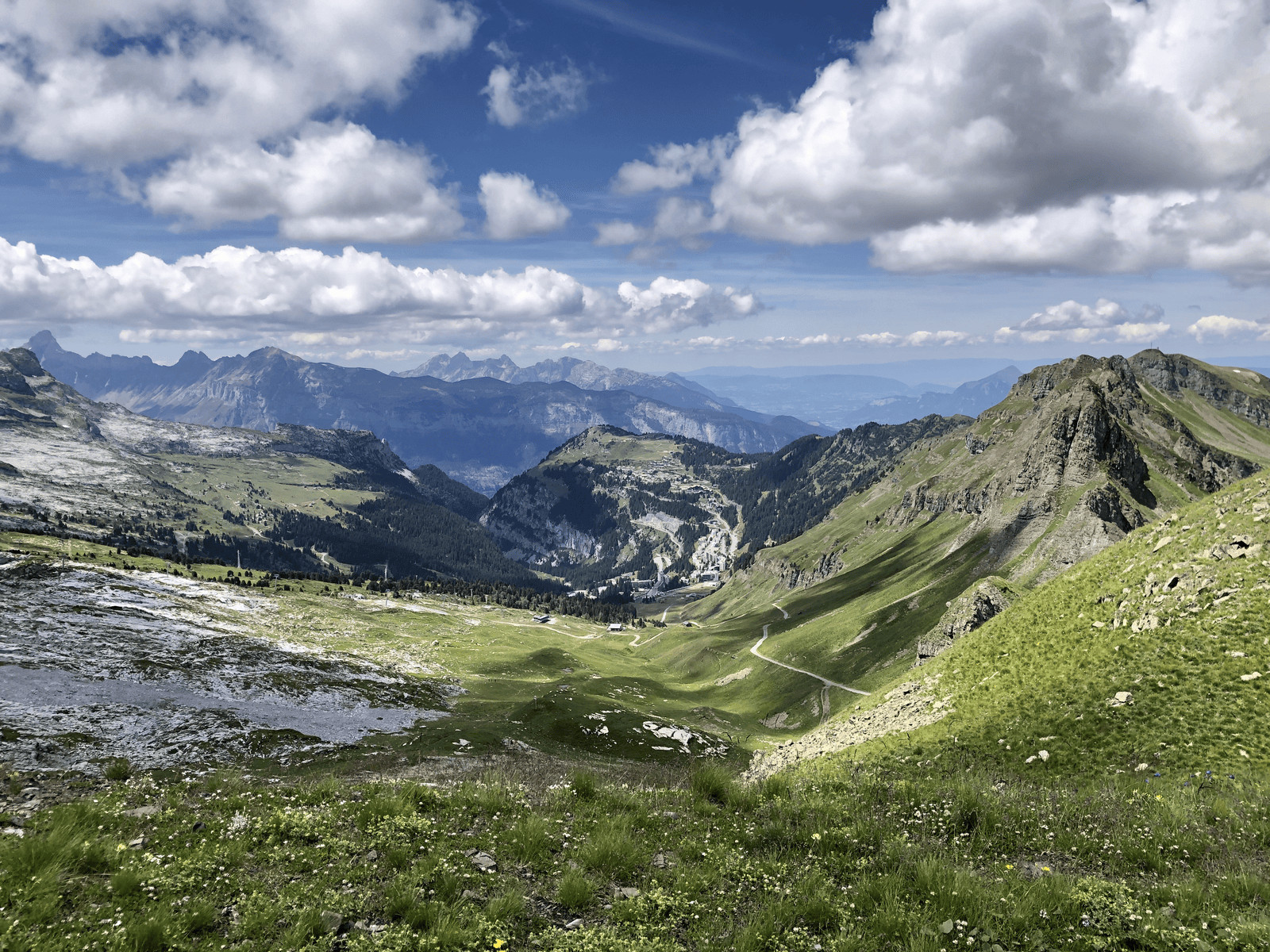
- Best time to visit: June to September is ideal for hiking, December to April for skiing. In May and October expect cable car maintenance closures.
- Driving and motorways: To travel by car you need an annual motorway vignette for 40 CHF (around £35) — there simply isn’t any other option.
- How to save money: Buy your lunches at Coop or Migros supermarkets, drink the excellent water from public fountains and stay in the valley rather than in the pricey resort centres.
- Train tickets: If you plan to travel a lot, get the Swiss Travel Pass. For car trips combined with cable cars, the Half Fare Card is the better deal.
- Most beautiful places: Don’t miss Zermatt with its view of the Matterhorn, the Lauterbrunnen valley and historic Lucerne.
- Scenic trains: A ride on the Glacier Express or Bernina Express is a real highlight you won’t forget any time soon — but remember to book early.
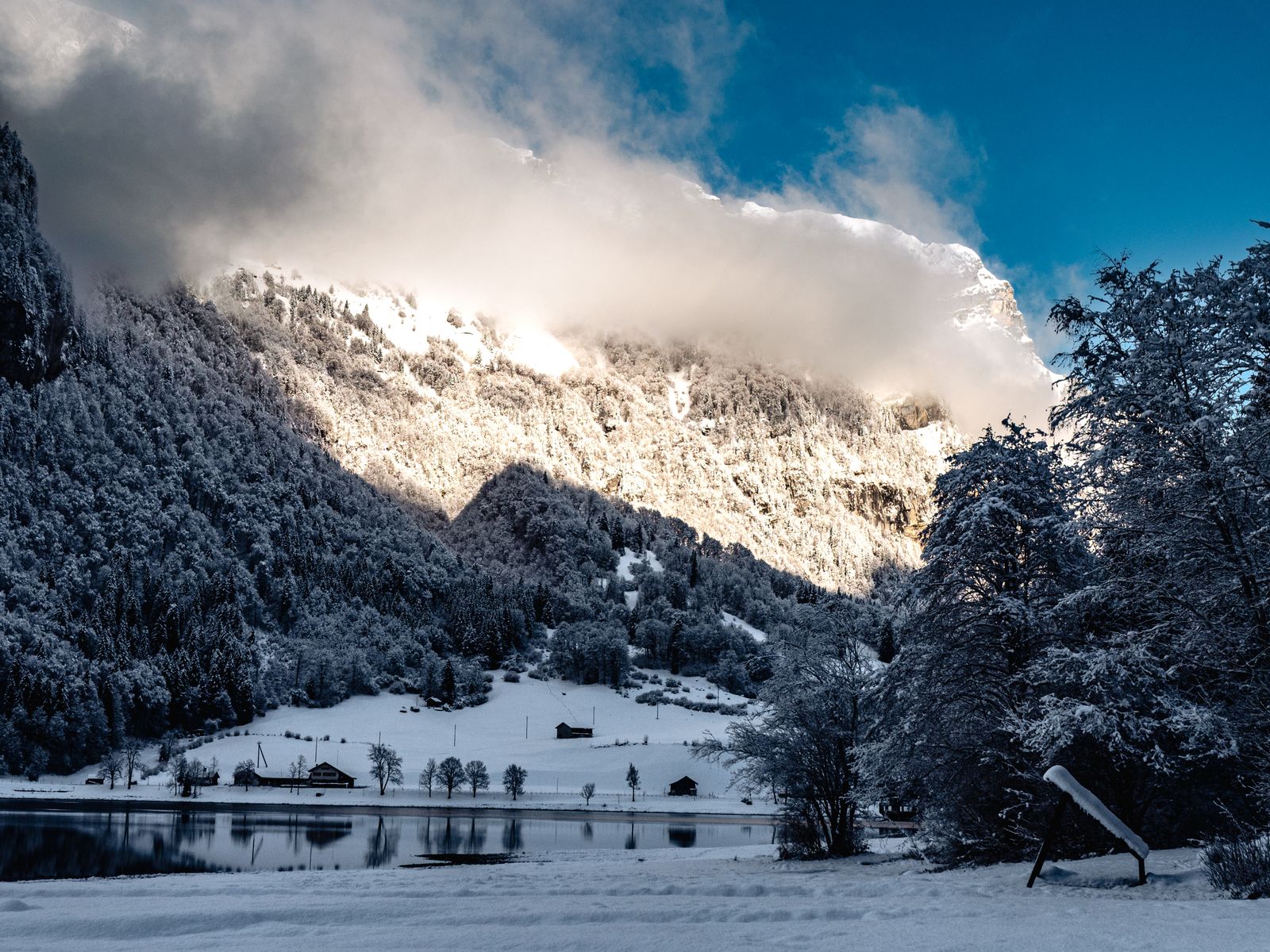
The full destination guide: Switzerland — guide and what to see
When to Visit Switzerland
Switzerland is a year-round destination, but it all depends on what exactly you want to experience. If you love winter sports, the ideal time to visit is from December to April. Just bear in mind that the period around Christmas and the February half-term is the absolute peak price season, with resorts bursting at the seams. On the glaciers in Zermatt or Saas-Fee you can even ski all year round.
The main summer and hiking season runs from June to September. July and August guarantee that absolutely all the high-mountain trails will be open, but they’re also the months with the biggest crowds of tourists. June and September are therefore a kind of golden compromise, when you avoid the worst of the crowds and enjoy stable weather — although in June you may still come across patches of snow on the peaks. The weather in the mountains changes incredibly fast, so I recommend downloading the official app from MeteoSwiss, which has the most accurate forecasts and radars.
Watch out for the so-called shoulder season, especially May and November. In these months many cable cars undergo their regular maintenance, so you won’t be able to reach a lot of the viewpoints at all. For example, the popular rotating Rotair cable car on Titlis has a planned closure in 2026 from August right through to December, so it’s always best to check the current operating hours in advance.
Where to Stay in Switzerland
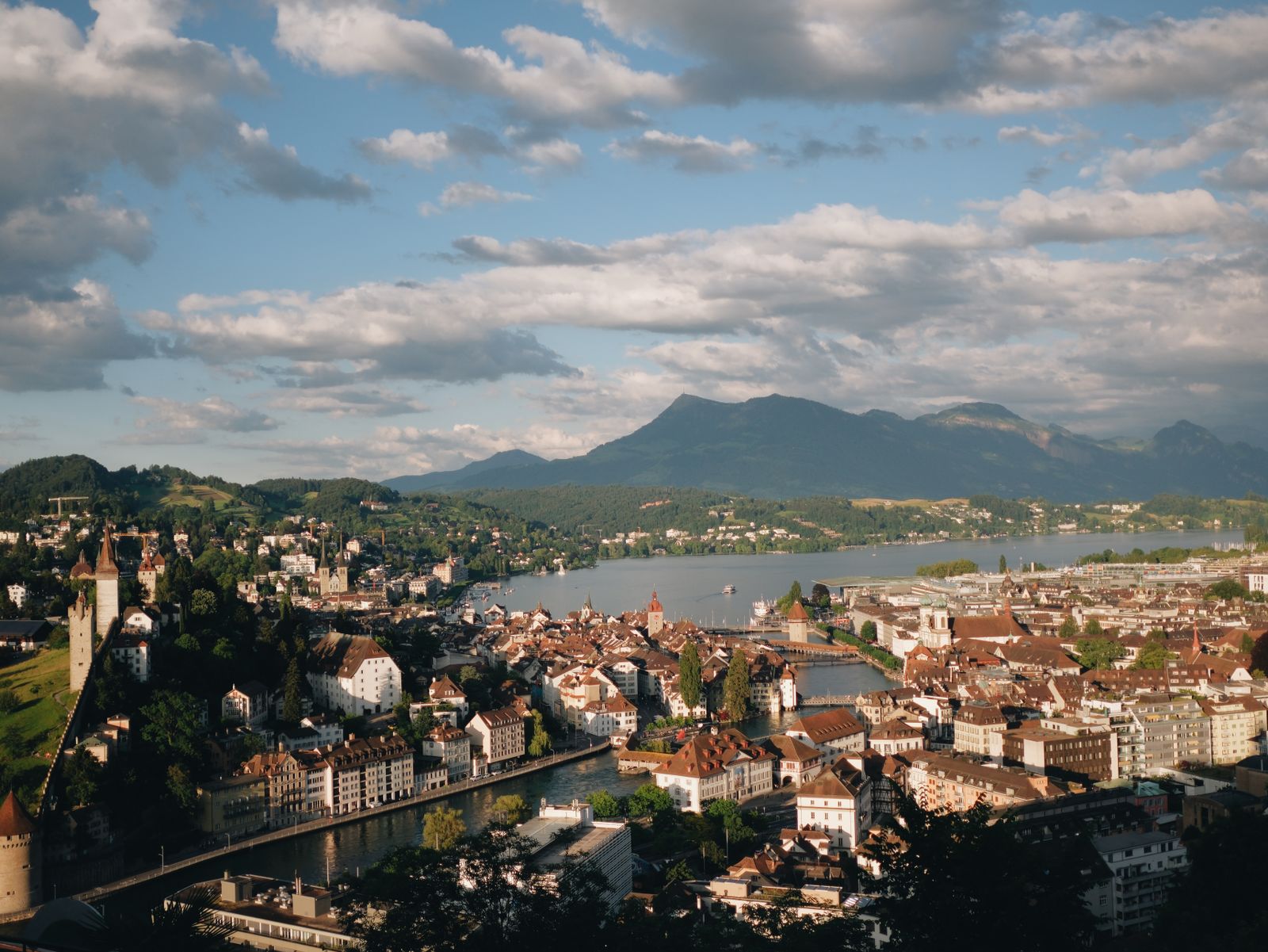
Your choice of accommodation can really shake up your budget. The main rule for travelling on a tighter budget is to avoid the famous mountain resorts and look for apartments in the valley villages instead. For example, instead of pricey Zermatt, stay in the village of Täsch, and instead of Wengen choose Wilderswil near Interlaken — this can often cut the price in half.
If you want to soak up the historic atmosphere by the lake, in Lucerne be sure to check out Hotel des Balances. This beautiful four-star hotel sits in a former guild house right on the River Reuss and offers an absolutely perfect view of the famous wooden Kapellbrücke bridge. In both winter and summer, the family-run Hotel Bellerive in Zermatt is a great base for exploring beneath the Matterhorn.
For lovers of peace and quiet and great views, the absolutely magical Hotel Baeren sits in the Alpine village of Wengen, which is entirely car-free. You’ll get gorgeous views over the whole Lauterbrunnen valley at a slightly more affordable price than in the surrounding luxury resorts. And if you head south to Ticino, stay at Hotel Lido Seegarten in Lugano, where you’ll enjoy a Mediterranean vibe right by the lake with a swimming pool.
💡 Tip: Accommodation in Switzerland disappears incredibly fast, so in the summer season book it via Booking even half a year in advance.
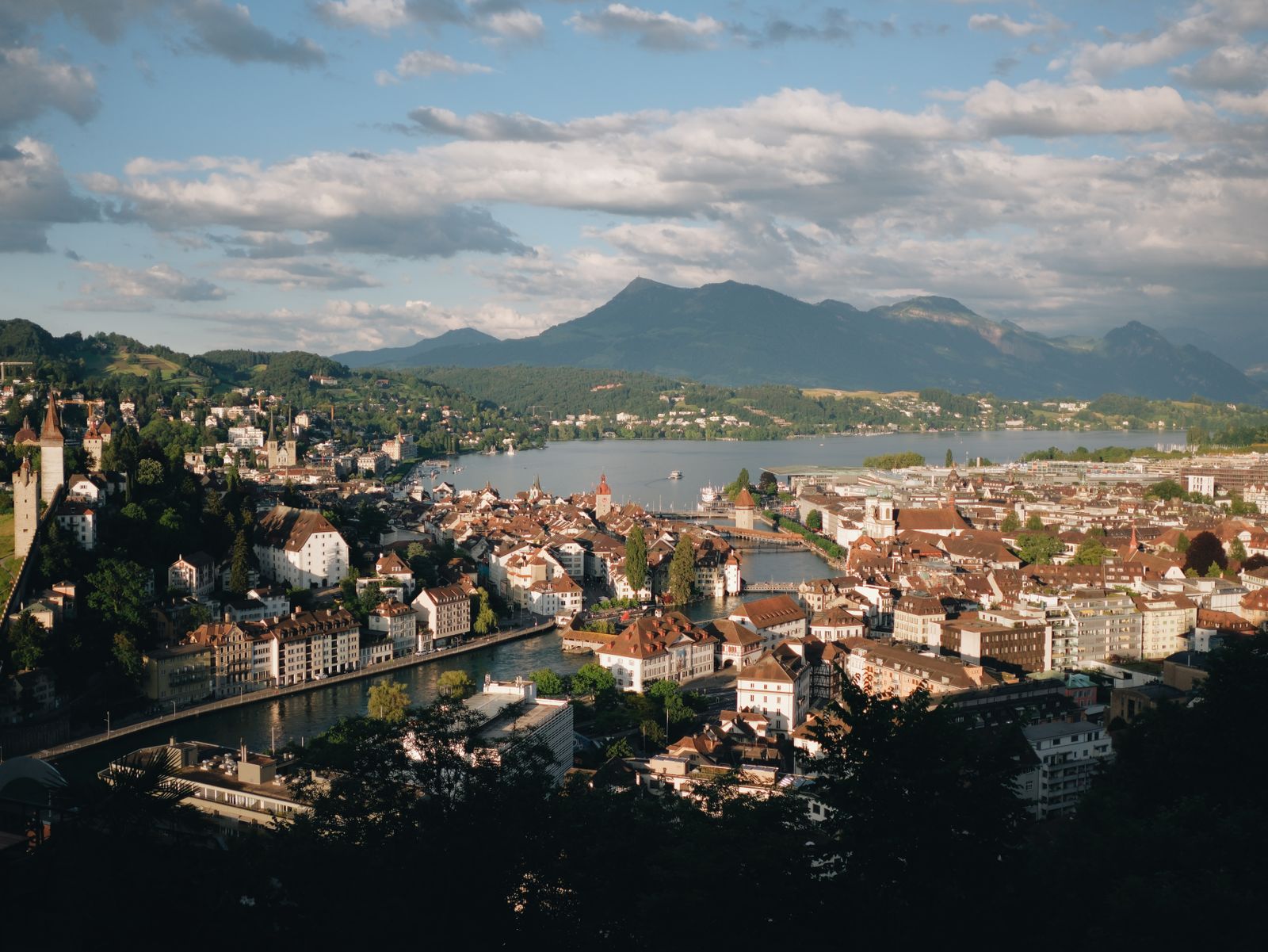
19 Best Places to Visit and Things to Do in Switzerland
A completely different mood? Yes, that’s exactly it — each canton is almost a different planet. Here are the 19 places that prove it best.
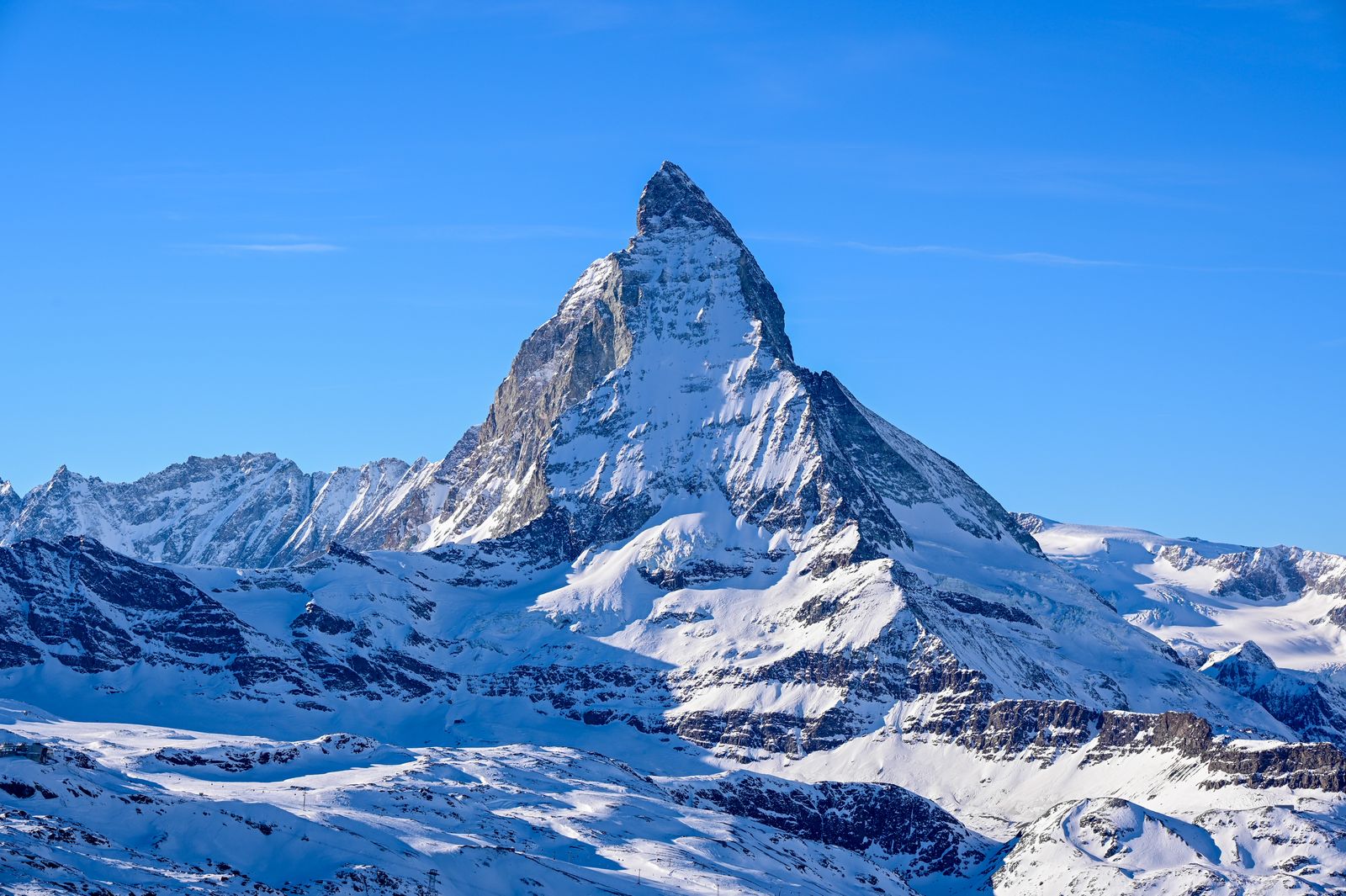
1. Zermatt and the Matterhorn
Zermatt is an absolute icon and a town you probably shouldn’t miss on your first visit to Switzerland. Cars aren’t allowed into the centre at all, so you have to park in the huge terminal in the nearby village of Täsch (parking costs 17 CHF a day) and cover the rest of the journey by shuttle train. But it’s exactly thanks to this that the town keeps its wonderful, smog-free Alpine atmosphere.
You’ll get the most beautiful view of the photogenic Matterhorn when you take the cog railway up to the Gornergrat summit, at an altitude of over three thousand metres. A return ticket in the summer season costs a fairly hefty 132 CHF, but if you have a Swiss Travel Pass or Half Fare Card, you get a fifty percent discount. Up top, a breathtaking panorama of dozens of four-thousand-metre peaks and the enormous Gorner glacier unfolds before you. When packing, don’t forget warmer layers of clothing — the mornings beneath the Matterhorn can be very cold even in the scorching summer.
If you’re looking for a cheaper option, the Matterhorn is beautifully visible from Zermatt itself or from the free hiking trails. Try setting out on the popular 5-Seenweg route, which takes you past five mountain lakes in which the pointed peak is perfectly mirrored on a clear day. The experience is priceless and costs you absolutely nothing.
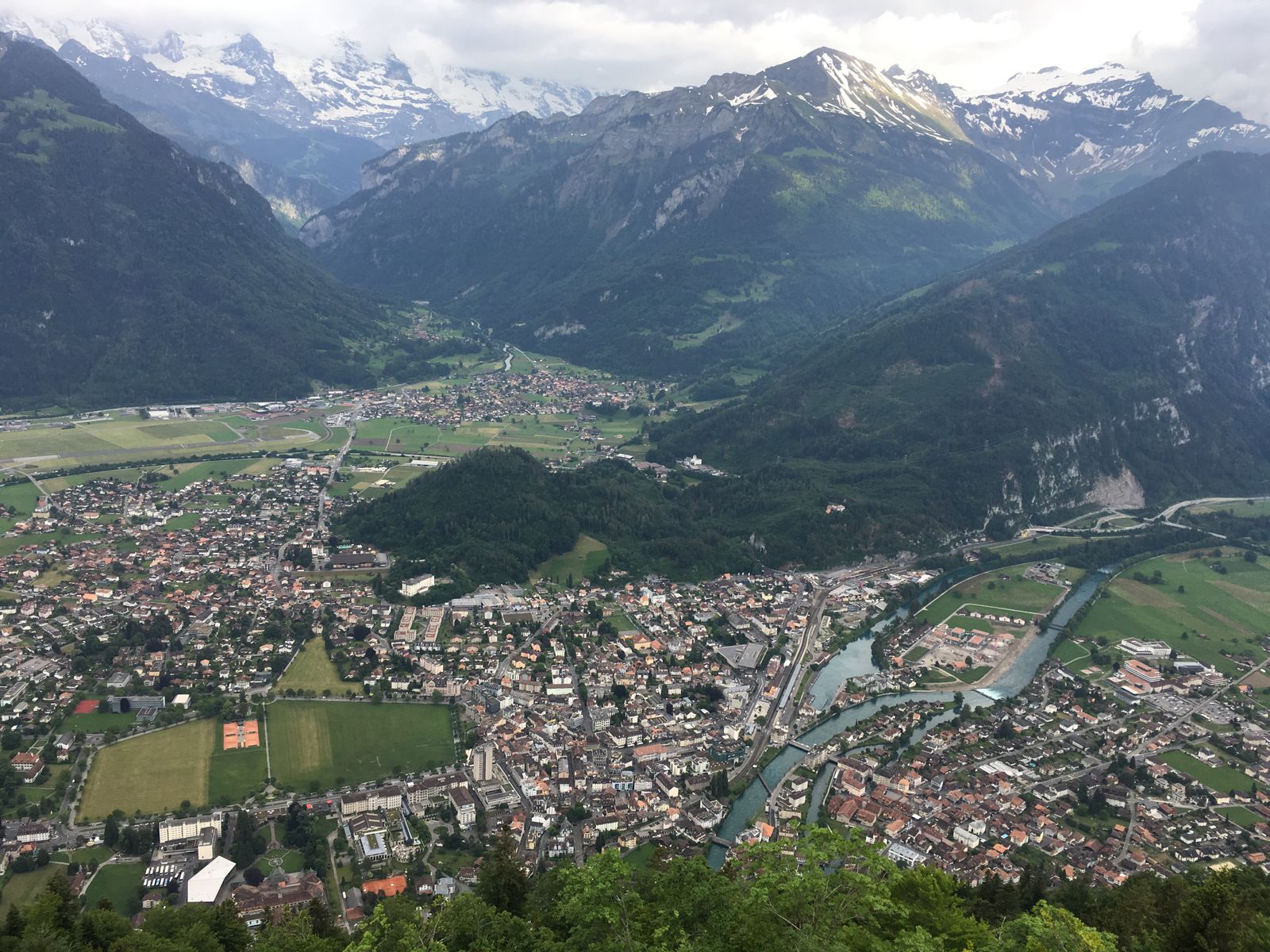
2. Jungfrau Region and Interlaken
The Jungfrau region is the figurative heart of the entire Swiss Alps and offers the most famous mountain scenery. The town of Interlaken serves as the main transport hub for the whole region, lying strategically between Lakes Thun and Brienz. You’ll find dozens of souvenir shops, plenty of restaurants and also a perfect base for adrenaline sports such as paragliding from the nearby Harder Kulm peak.
Travellers often note, though, that it’s better not to stay in busy Interlaken itself and just use it as a transfer point. The town tends to be full of coach tours and lacks that true mountain calm. You’ll get a much more authentic experience when you hop on a train and go a little higher to the surrounding smaller villages.
From here you can set off on boat trips across both lakes, with their incredibly turquoise water. A ride on a historic paddle steamer across the Brienzersee is a wonderfully romantic experience, and it’s fully covered by the Swiss Travel Pass, so you don’t have to pay a single franc extra.
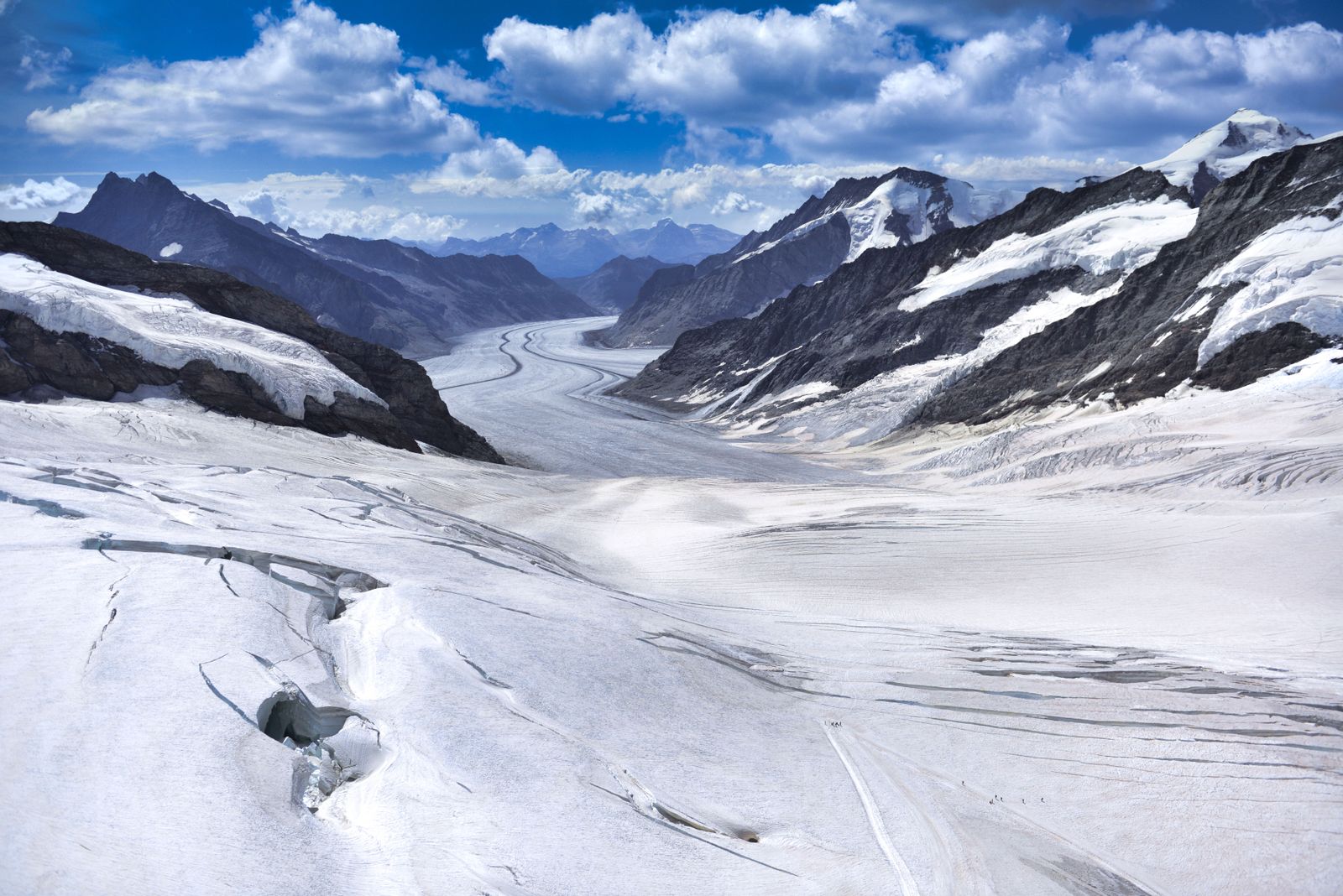
3. Grindelwald and Jungfraujoch
The village of Grindelwald lies right beneath the menacing north face of the Eiger and is the starting point for the journey to the so-called Top of Europe. From here you take the Eiger Express cable car and then a historic cog railway through a tunnel cut into the rock all the way to Jungfraujoch station. It sits at an altitude of 3,454 metres and is the highest railway station in all of Europe.
It’s a really very expensive excursion, though, as a return ticket from Grindelwald costs 239.20 CHF in high season. What’s more, from May to October 2026 there’s a compulsory seat reservation on the train for an extra 10 CHF, to help you avoid the extreme queues. But at the top, a stunning ice palace carved into the heart of the glacier awaits you, along with the outdoor Sphinx viewing platform looking out over the endless Aletsch glacier.
Besides Jungfraujoch, from Grindelwald you can also head up the First mountain. If you like a little adrenaline, you can ride down on giant mountain go-karts or mountain scooters, which is fantastic fun.
💡 Tip: Only head up to Jungfraujoch if the weather is one hundred percent clear. Thick fog often lingers at the top, and paying huge amounts of money only to see nothing but a white-out would be a real shame. Check the weather on the morning webcams directly on the jungfrau.ch website.
4. Lauterbrunnen, Mürren and Schilthorn
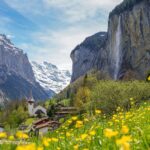
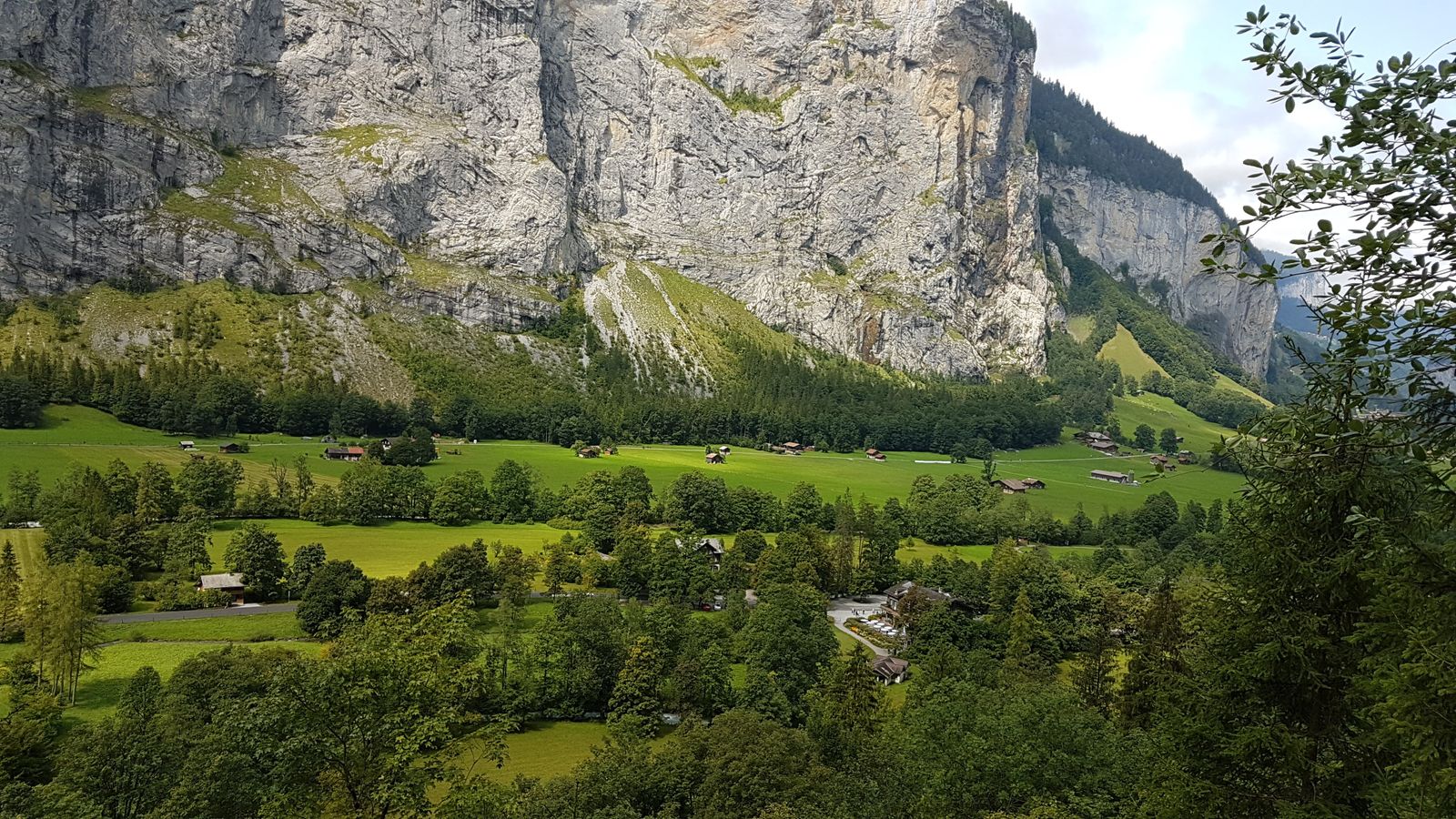
The Lauterbrunnen valley is said to have once inspired author J. R. R. Tolkien to create the elven Rivendell, and one look at it makes you quickly understand why. An incredible 72 waterfalls tumble from the sheer rock walls here, with the most famous, the Staubbach, plunging nearly 300 metres straight above the rooftops of the local houses. It’s one of the most photogenic places in the world. When walking through the valley, be sure to put on comfortable waterproof shoes, because it gets nicely slippery near the falls and the spray flies all around.
From the valley you can take cable cars up to the picturesque villages of Wengen and Mürren, which have no roads and are reached exclusively by train or cable car. From Mürren you can then continue on to the Schilthorn summit, at an altitude of 2,970 metres. Here you’ll find the famous revolving Piz Gloria restaurant, made famous by the old Bond film On Her Majesty’s Secret Service, and breakfast with a view of the Eiger, Mönch and Jungfrau trio is unforgettable.
On the way to the Schilthorn, be sure to stop at the Birg station and try the adrenaline-packed Thrill Walk. It’s a glass-floored walkway and a steel wire suspended directly on a vertical rock face above a deep abyss. Entry to this attraction is already included in the price of the cable car, and looking down is guaranteed to take your breath away.
5. Lucerne and Mount Pilatus
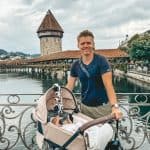
According to many travellers, Lucerne is the most beautiful city in all of Switzerland. Its symbol is the historic wooden Kapellbrücke bridge from 1333, which lazily curves across the River Reuss and is full of colourful flowers. Also worth seeing is the moving Lion Monument carved into the rock, which commemorates the fallen Swiss Guards.
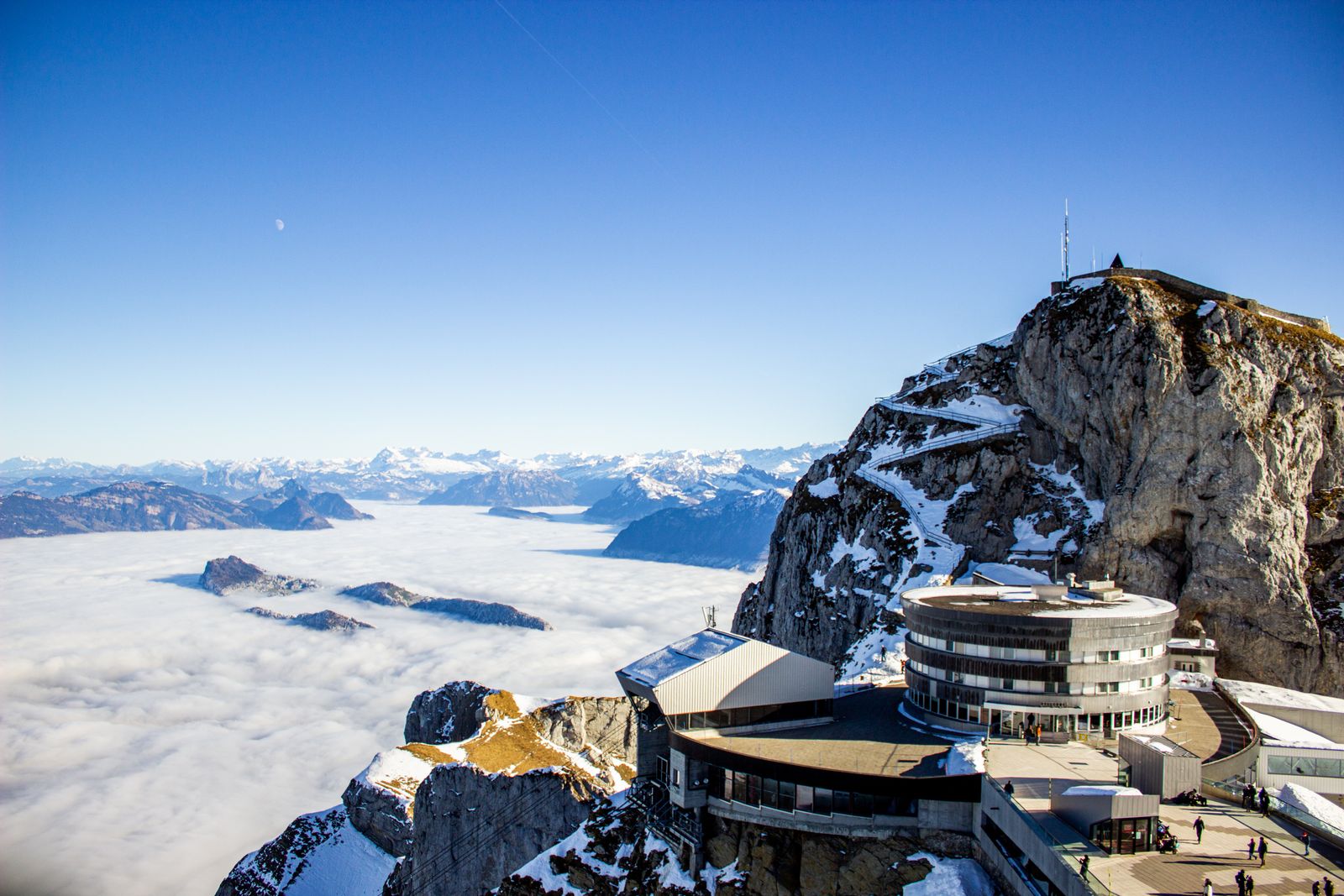
From the city you can take a superb trip to nearby Mount Pilatus, known as the Golden Round Trip. This golden circuit combines a boat cruise across the lake with a ride on the steepest cog railway in the world, which climbs an incredible 48 percent gradient. You then return down to the city via a series of modern cable cars, and the whole trip costs roughly 119.80 CHF in 2026.
Be aware that the Pilatus circuit only operates in the summer season, specifically from mid-May to October.
6. Titlis Glacier and Engelberg
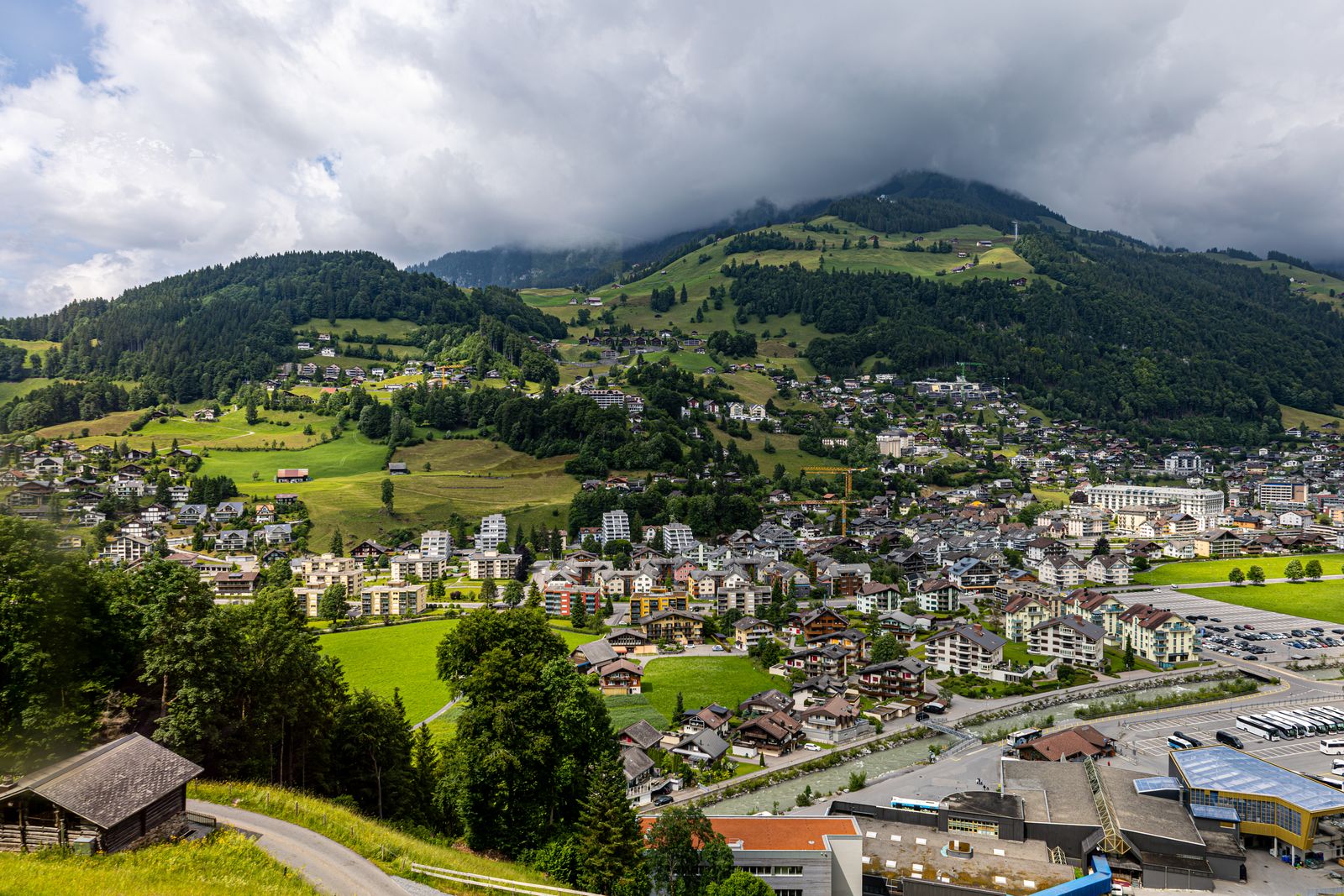
If you want to experience real snow even in the middle of a hot summer, head from the little town of Engelberg up to the Titlis glacier. It’s the only accessible glacier in central Switzerland, and the cable cars take you all the way up to over three thousand metres. At the top you can walk through a glacier cave or ride on snow tubes.
The main draw here, though, is the Cliff Walk suspension bridge, hanging at an altitude of 3,041 metres. It’s the highest suspension bridge in Europe, and walking across it above a five-hundred-metre drop takes a bit of courage, but the views of the central Alps are fantastic. You can also pay an extra 12 CHF for a ride on the open Ice Flyer chairlift directly over the crevasses in the glacier.
💡 Tip: As I mentioned in the introduction, pay close attention to the timing of your trip. The well-known rotating Rotair cable car is out of service from 10 August to 11 December 2026 due to the construction of a new cabin, so access to the summit will be quite limited during this period.
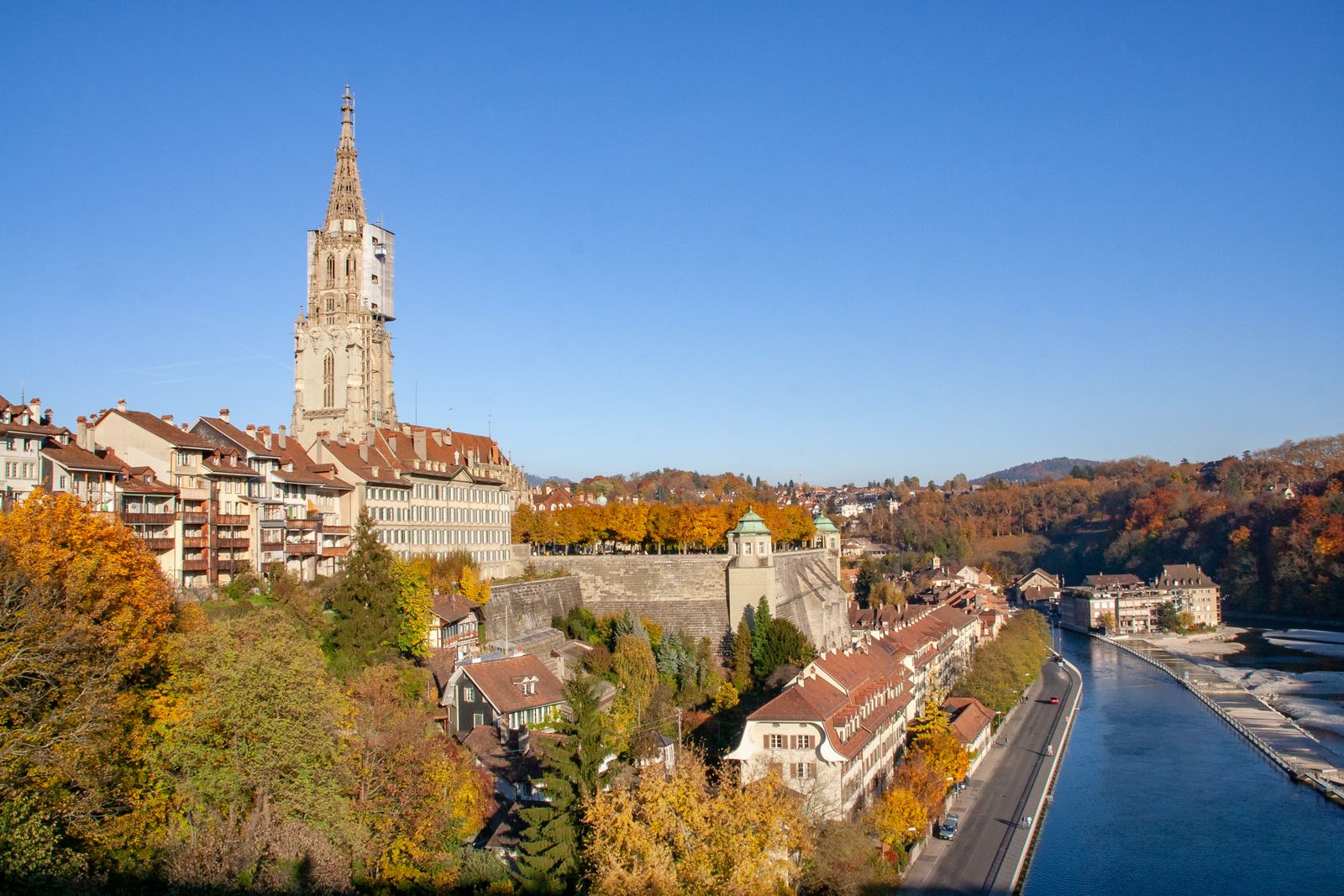
7. Bern and Its Bear Pit
Unlike bustling Zurich, the capital city of Bern is very laid-back and compact, so half a day will comfortably be enough to explore it. It boasts the best-preserved medieval centre in the country, deservedly listed by UNESCO. Six kilometres of historic arcades run through the city, so it’s a great place to wander even in rainy weather.
Be sure not to miss the famous Zytglogge clock tower with its astronomical clock and the monumental cathedral, which offers a lovely view over the rooftops of the old town. A real one-of-a-kind, meanwhile, is the BärenPark bear pit right by the River Aare, where the city keeps live bears in a large natural enclosure. The bear is the symbol of the city, and you’ll find it on every corner.
If you come here in the scorching summer, definitely try the local tradition of swimming in the River Aare. The people of Bern routinely let the strong, refreshing current of the turquoise river carry them right through the city centre. It’s huge fun and an absolutely authentic experience that’s completely free.
8. Zurich and the Lindt Chocolate Factory
Zurich is the largest Swiss city and, for most travellers, serves as the main gateway into the country thanks to its international airport. Here you’ll find a beautiful old town along the River Limmat and the luxurious Bahnhofstrasse shopping street, which is one of the most expensive streets in the world. The city has a very elegant and slightly lofty atmosphere.
For those with a sweet tooth, though, the main reason to visit is the nearby suburb of Kilchberg. This is home to the Lindt Home of Chocolate museum. And mind you, right at the entrance a nine-metre chocolate fountain awaits you, circulating hundreds of litres of real chocolate. The place smells incredible and it’s genuinely hard to leave. 😁
Admission for an adult costs 15 CHF, and the tour of course includes unlimited tasting of pralines and various kinds of chocolate. But buy your tickets online in advance without fail, because the museum is very often hopelessly sold out days ahead.
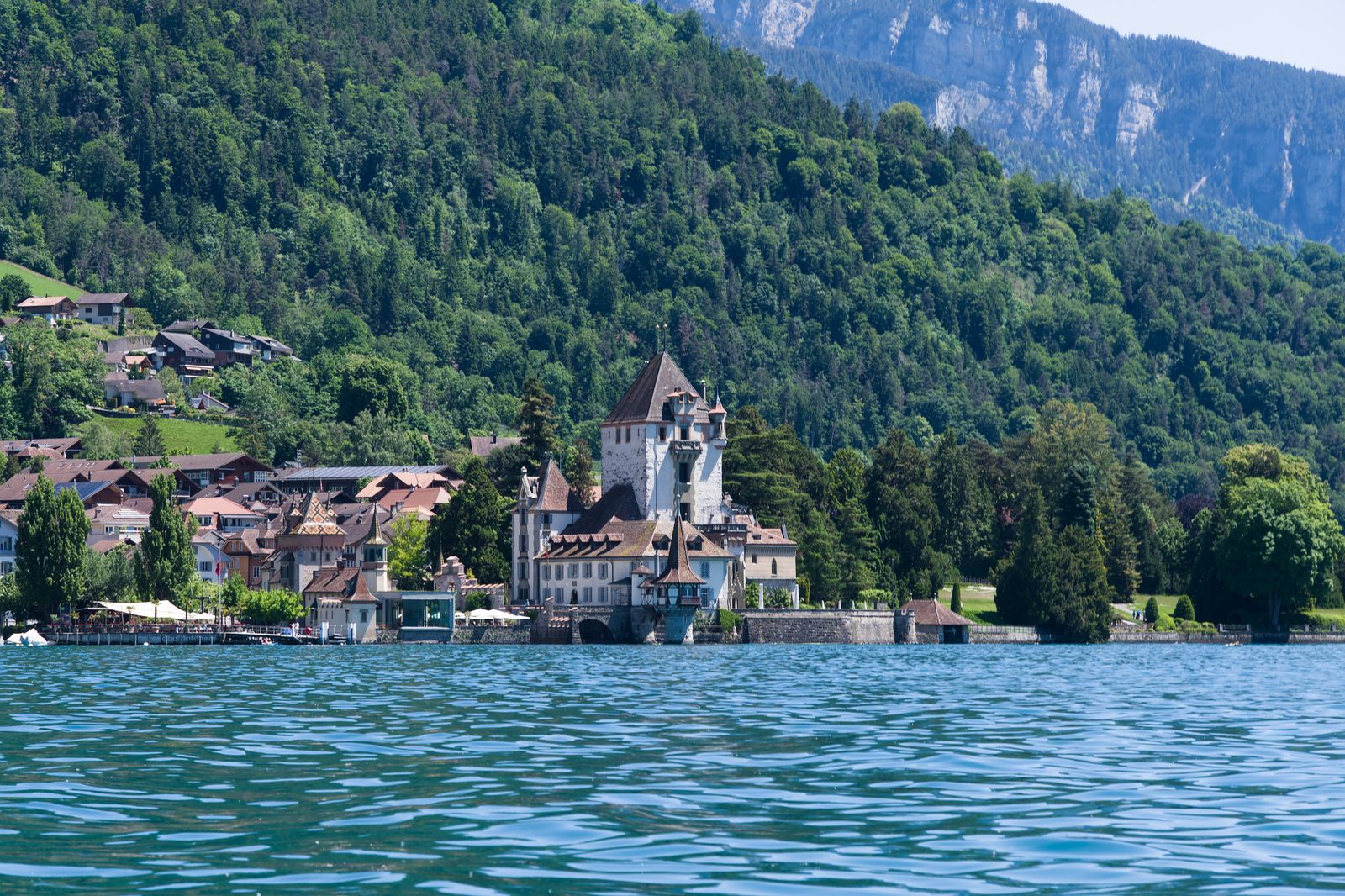
9. Geneva and the Giant Fountain
Geneva lies at the very west of the country, surrounded by the French border, so a completely different, far more international atmosphere greets you here. The UN, the Red Cross and a host of other global organisations are based here — quite simply a place where decisions about the world are made while you sip a coffee on the waterfront. It’s especially handy that there are direct flights from London with easyJet and British Airways, so getting here from the UK couldn’t be easier.
The city’s biggest icon is undoubtedly the Jet d’Eau, an enormous fountain on Lake Geneva that shoots water up to a height of 140 metres. It’s an impressive spectacle you can see from just about any spot on the waterfront. The historic centre with St Peter’s Cathedral is smaller, but it offers very pleasant little cafés and winding streets.
A short way out of the city you can also visit the famous CERN research institute. Entry to the interactive exhibitions is completely free, but you do need to book your spot well in advance online. There you’ll learn fascinating things about particle physics and the origin of the universe.
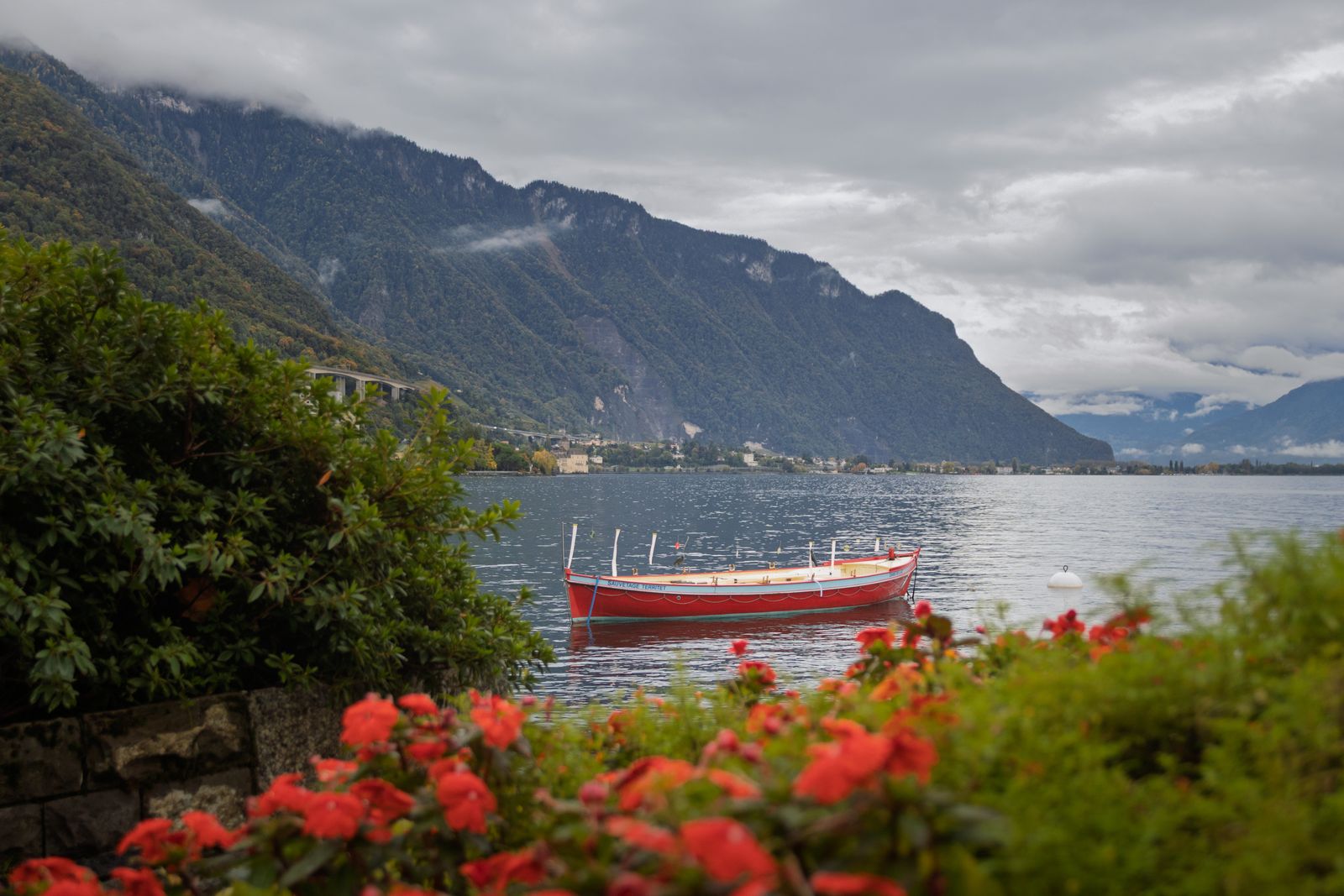
10. Montreux, Chillon Castle and the Lavaux Vineyards
The area around the town of Montreux is often called the Swiss Riviera. Palm trees grow around the lake here, the climate is very mild, and in July the town comes alive with its famous jazz festival. Just a few minutes by bus from the promenade stands the iconic water castle of Chillon, which rises romantically on a rock right above the surface of the lake.
Chillon Castle is the most visited historic monument in all of Switzerland, with basic admission starting at 13.50 CHF. You’ll wander through ancient halls and the dark dungeons that once inspired the poet Lord Byron. If you love history, this place definitely shouldn’t be missing from your itinerary.
On the slopes above the lake stretch the terraced Lavaux vineyards, protected by UNESCO. These are 800 hectares of vineyards dating back to the 12th century, which you can wander through on foot or explore aboard the yellow Train des Vignes tourist train from the town of Vevey. In the local wine cellars you’ll easily come across great vegetarian tapas and cheese boards to sample.
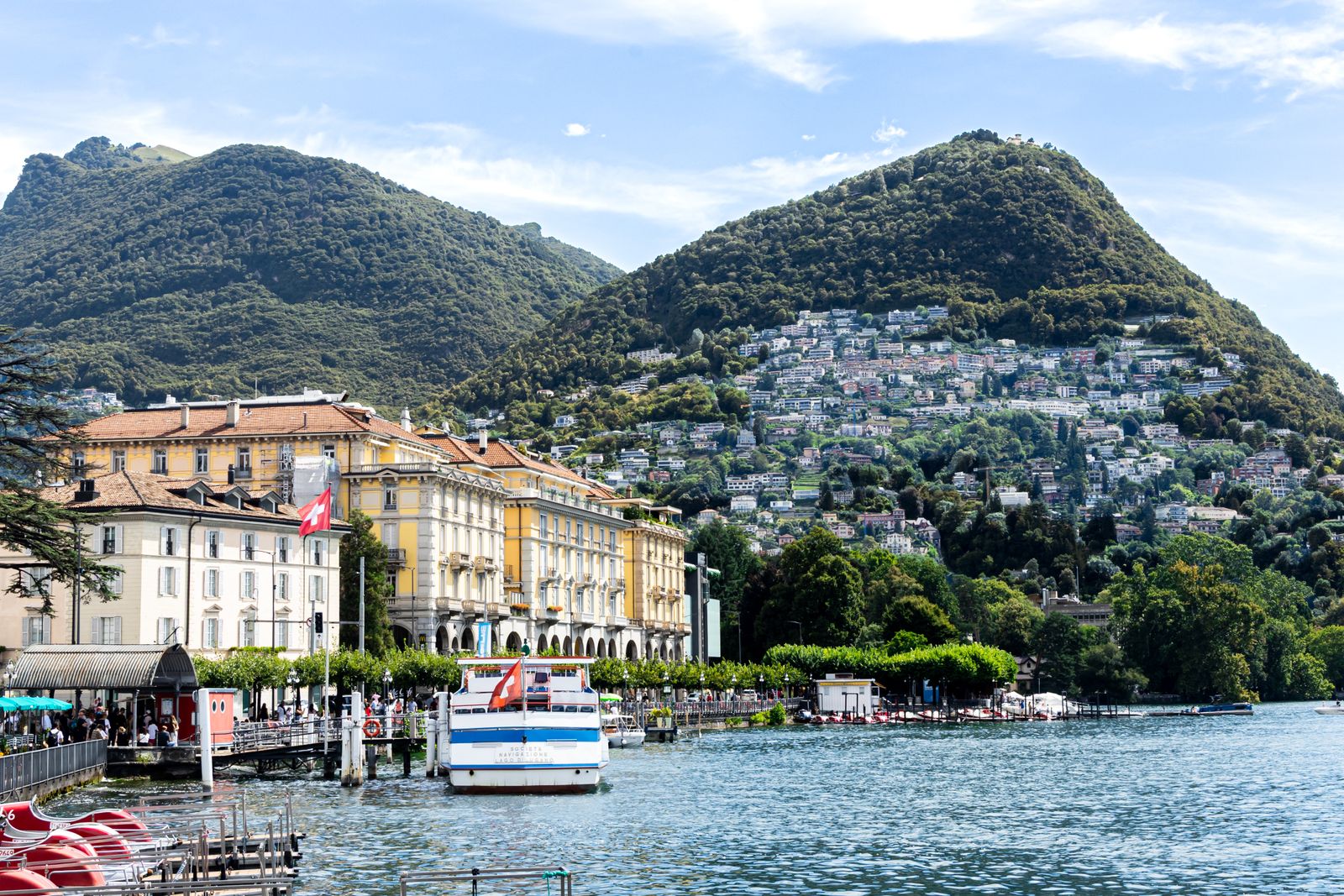
11. Lugano and the Ticino Vibe
When you cross the Gotthard Pass south into the canton of Ticino, you’ll feel as though you’ve ended up in a completely different country. Here they speak Italian, the food is Mediterranean and palm trees grow in the squares. The town of Lugano lies by the glacial lake of the same name and exudes a wonderful southern ease full of gelato and good wine. It’s worth packing your swimsuit too, because in the summer months the lake warms up to a pretty pleasant temperature and a swim with a view of the Alps is hard to beat.
You’ll get the best views of the lake and the surrounding mountains when you ride the cog railway up to the Monte Brè or San Salvatore lookout peaks. On both hills you’ll find beautiful hiking trails and panoramic restaurants. Lugano is a great contrast to the rugged Alpine peaks of the north and adds a little Italian flair to your holiday.
In the afternoon, be sure to make time for a boat trip to the small fishing village of Gandria. It’s a tangle of narrow staircases and stone houses clinging to a steep slope right above the water. Cars aren’t allowed into the village, and the walk back to Lugano along the so-called Olive Trail is pure romance.
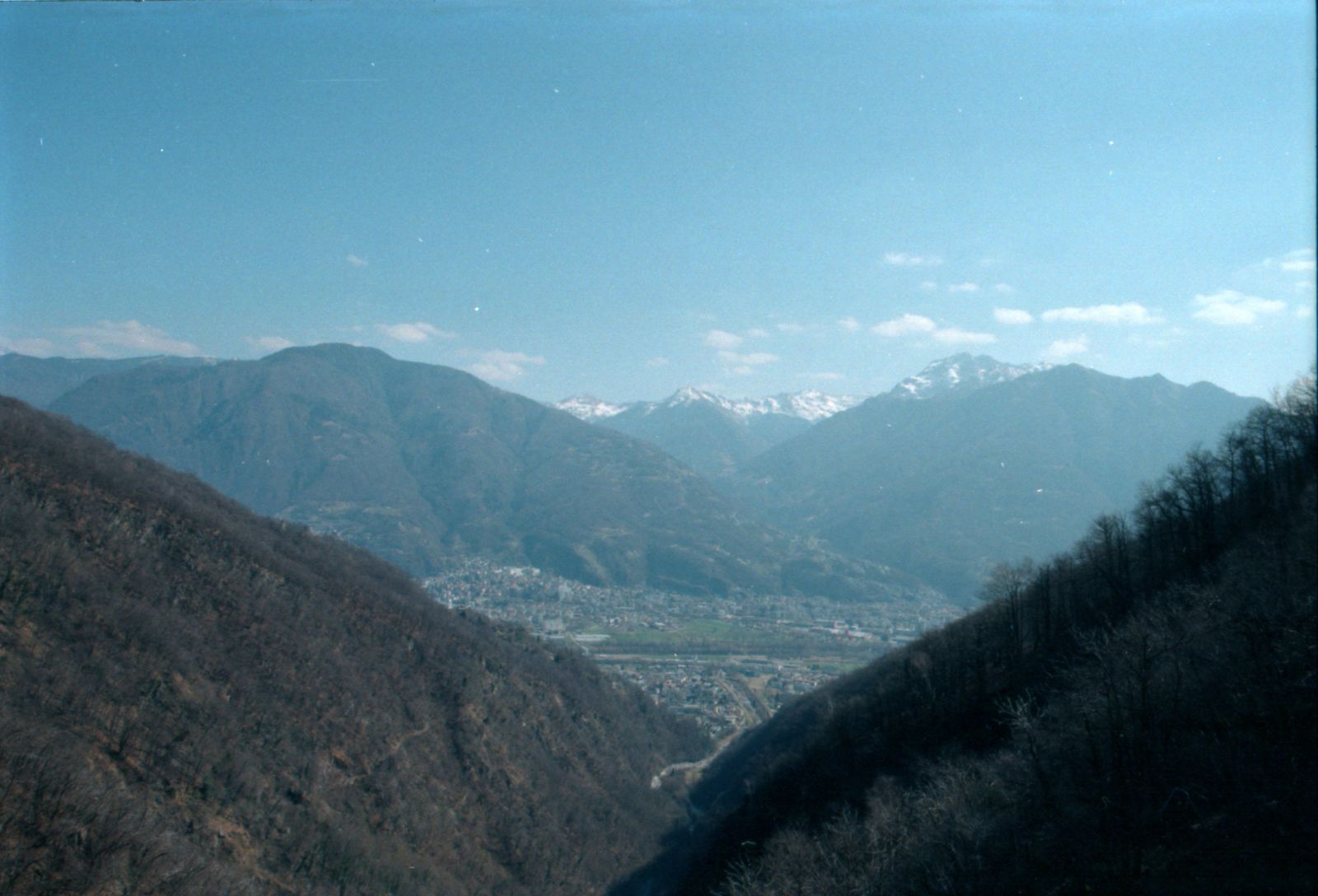

12. Bellinzona and Its Three Castles
While Lugano is all about lakeside relaxation, the capital of the canton of Ticino, Bellinzona, is above all about history. The town guards important Alpine passes, and its landmarks are three mighty medieval castles listed by UNESCO: Castelgrande, Montebello and Sasso Corbaro. From a distance they look a little like a scene from Game of Thrones.
The best value is to buy the so-called Fortezza Pass for 28 CHF, which gets you into all three castles. The castles are usually open to the public from late March to November. Castelgrande lies right above the centre and you can reach it conveniently by lift from the underground rock; for the other two you’ll have to climb a little uphill.
💡 Tip: Locals rave about the atmosphere of the Saturday markets in Bellinzona’s historic centre. You’ll find plenty of local cheeses, fresh bread and fantastic Italian specialities that you can buy for a picnic on the ramparts. You’ll find more information on the official tourism website ticino.ch.
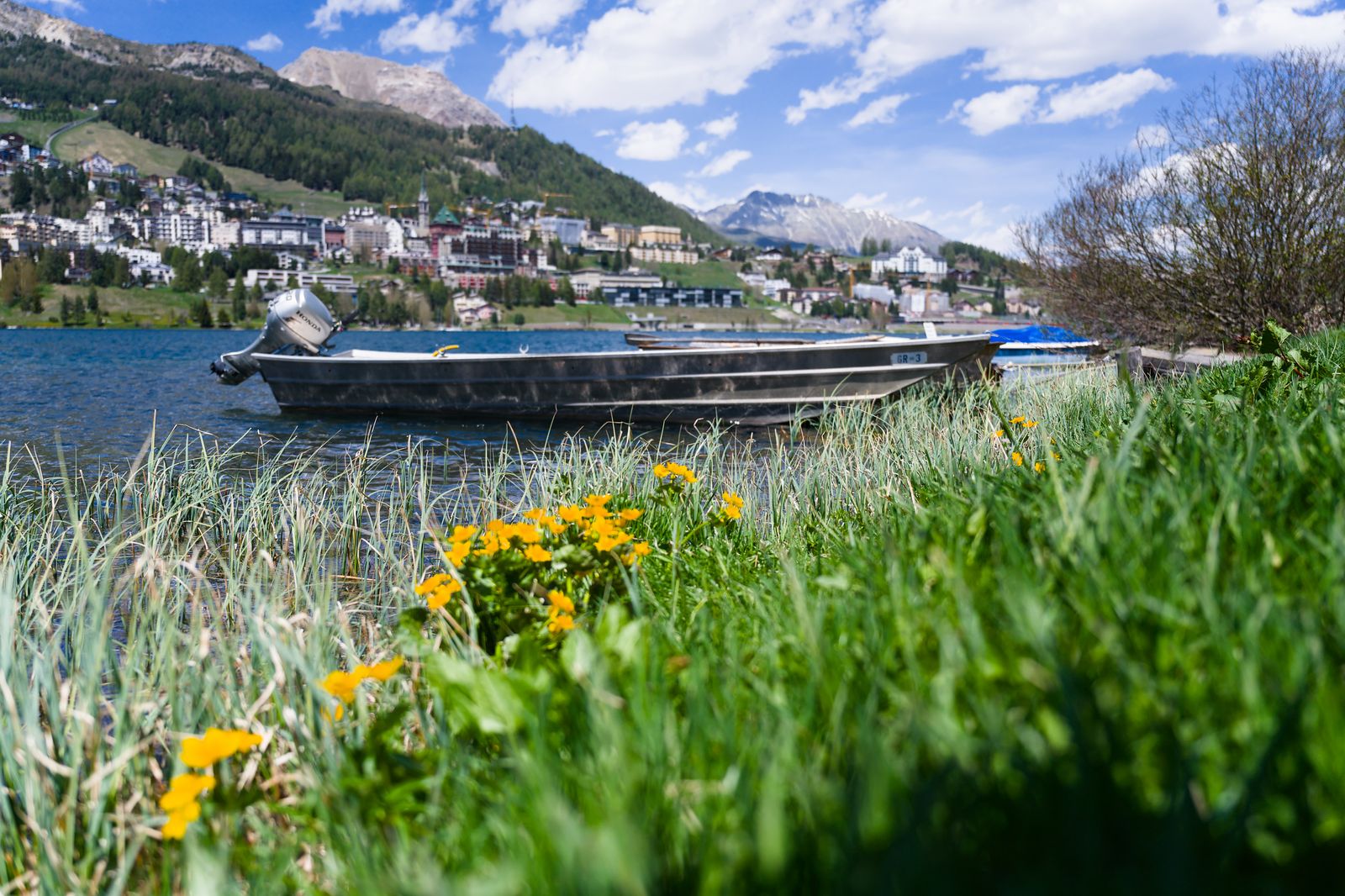
13. St. Moritz and the Landwasser Viaduct
St. Moritz in the canton of Graubünden is the cradle of winter tourism and a town that has twice hosted the Winter Olympics. It’s a place where the jet set and celebrities come, so you’ll find luxury boutiques and pricey hotels at every turn. The town also boasts a so-called champagne climate, which means the sun shines here an incredible 322 days a year.
Far more interesting than the town itself, though, is the journey to it. If you travel on the Rhaetian Railway, you’ll cross the iconic Landwasser Viaduct near Filisur station. This 65-metre-high stone bridge is an architectural marvel, because the train runs off it straight into a steep tunnel in a sheer rock face. It’s one of the most photographed structures in Switzerland.
If you want to photograph the viaduct from the outside, get off at Filisur station and walk about 15 minutes to the viewing platform. It’s from here that you’ll take those famous shots of the red trains on the high stone arches in the middle of the forests.
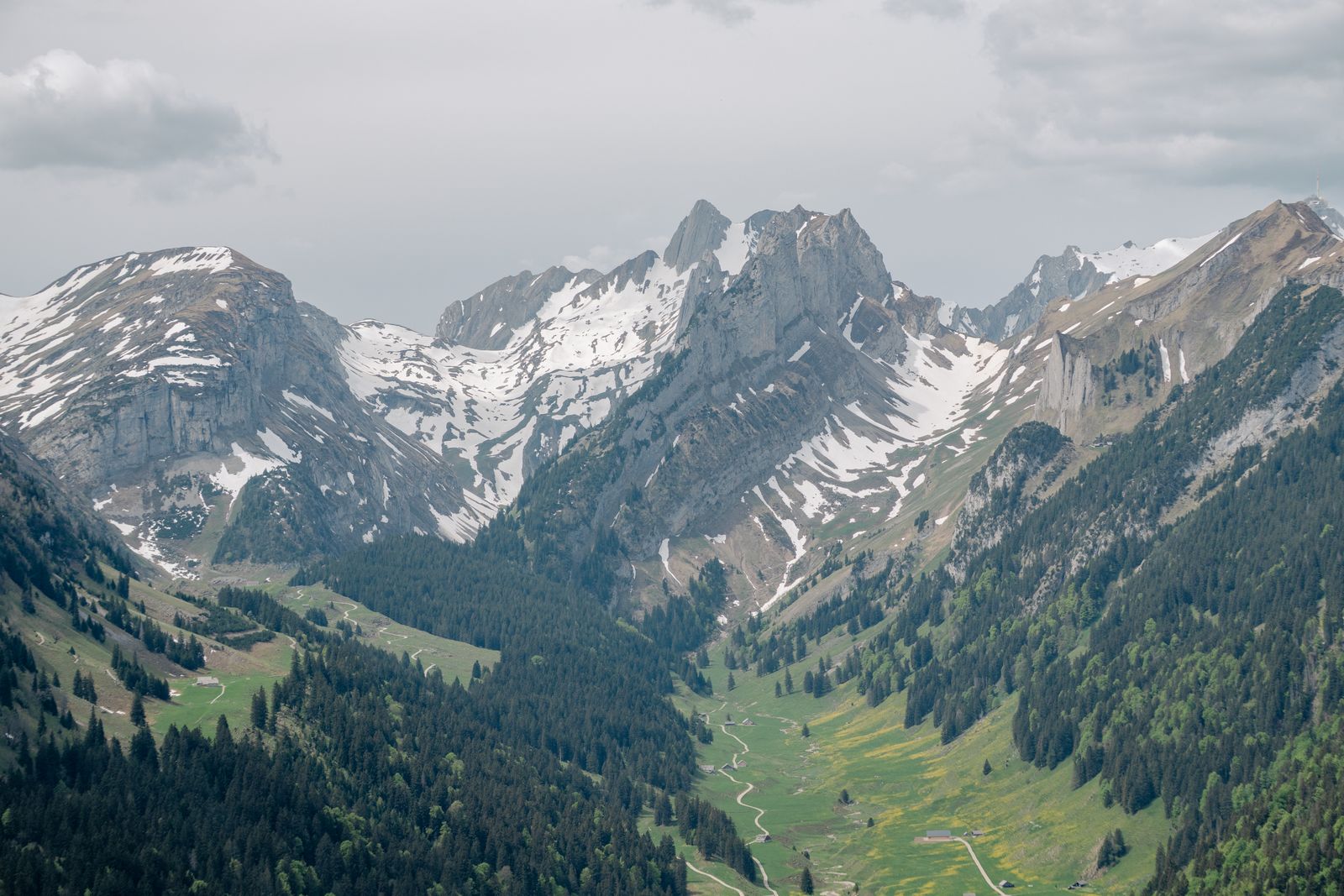
14. Appenzell and the Äscher Inn
The canton of Appenzell in the northeast of the country is the most traditional and most distinctive region of Switzerland. Here you’ll see beautifully painted wooden houses, locals occasionally wear traditional costumes, and the famous spicy Appenzeller cheese is made here. It’s an area somewhat off the main tourist radar, so it tends to be noticeably cheaper and calmer.
From the village of Wasserauen you can take a cable car up to the Ebenalp summit, from where it’s just about fifteen minutes’ walk downhill to the renowned mountain inn Äscher. This wooden chalet hangs as if glued to a steep rock wall, and it once made the cover of National Geographic’s book about the most beautiful places in the world. It’s a perfect spot for lunch and a plate of hearty potato rösti with cheese.
From the inn you can then continue your descent down into the valley, where you’ll come across Lake Seealpsee. It has an incredibly rich turquoise colour, with the surrounding mighty peaks reflected in its surface. This whole trip is a showcase of the purest Alpine romance.
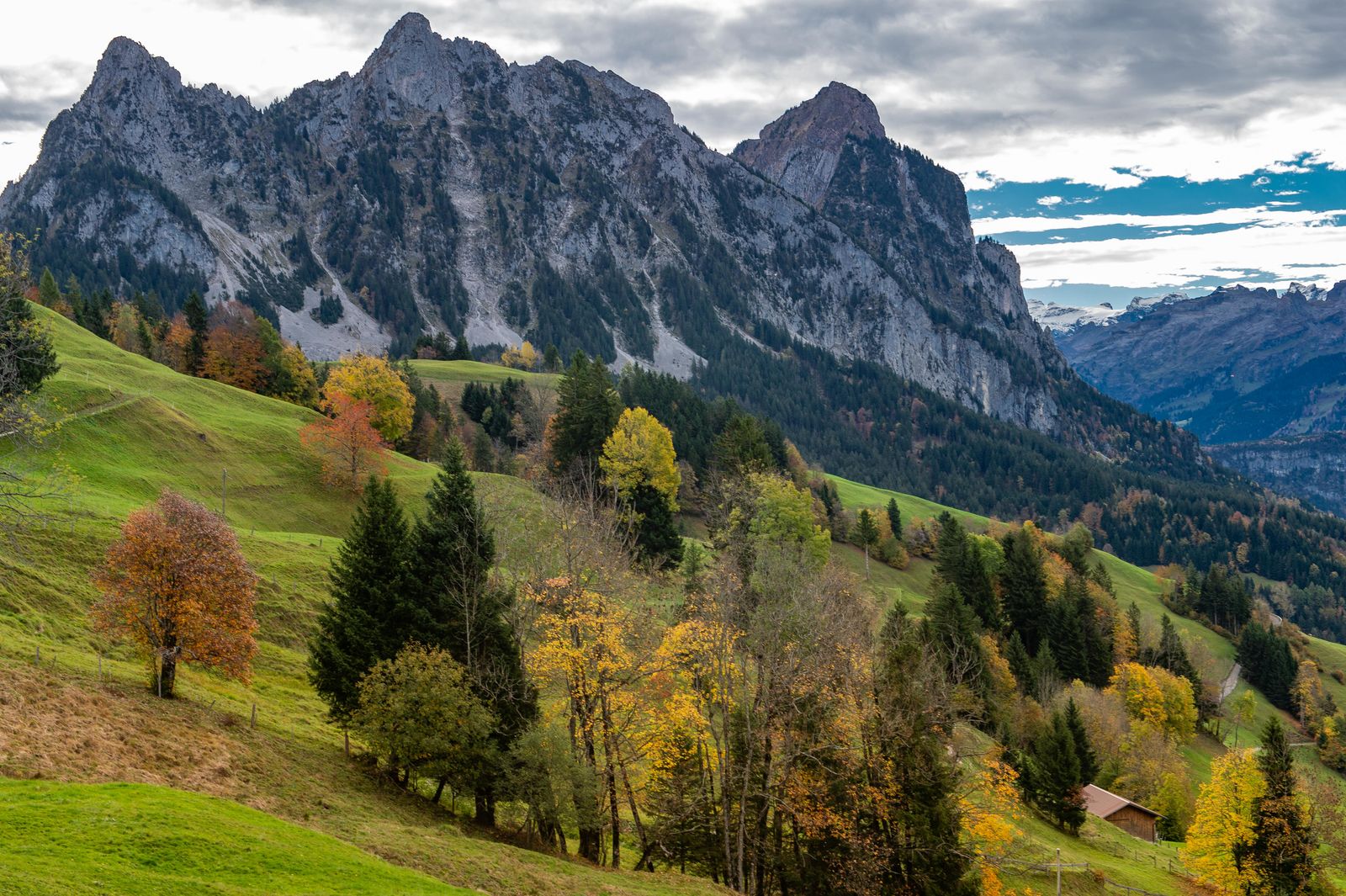
15. The Aletsch Glacier
The Aletsch Glacier in the canton of Valais is a true natural wonder and rightly belongs on the UNESCO list. At around twenty kilometres long, it’s the largest glacier in all of the Alps, and the sight of that enormous river of frozen ice winding between the three-thousand-metre peaks is absolutely fascinating.
The best views of the glacier are offered by the Bettmerhorn, Eggishorn and Moosfluh summits. You reach them via a series of cable cars from the villages of Riederalp or Bettmeralp, which are again completely car-free. Return cable car tickets in this area start at roughly 16 CHF, which is a very pleasant price compared to Zermatt or Jungfrau.
The area around the glacier offers fantastic hiking trails. You can walk along the ridge and have the majestic glacier on your right the whole time. It’s a much calmer alternative to the overcrowded viewpoints, and the nature here is truly untouched and wild. You can sit down on a rock in peace and just watch the beauty all around.
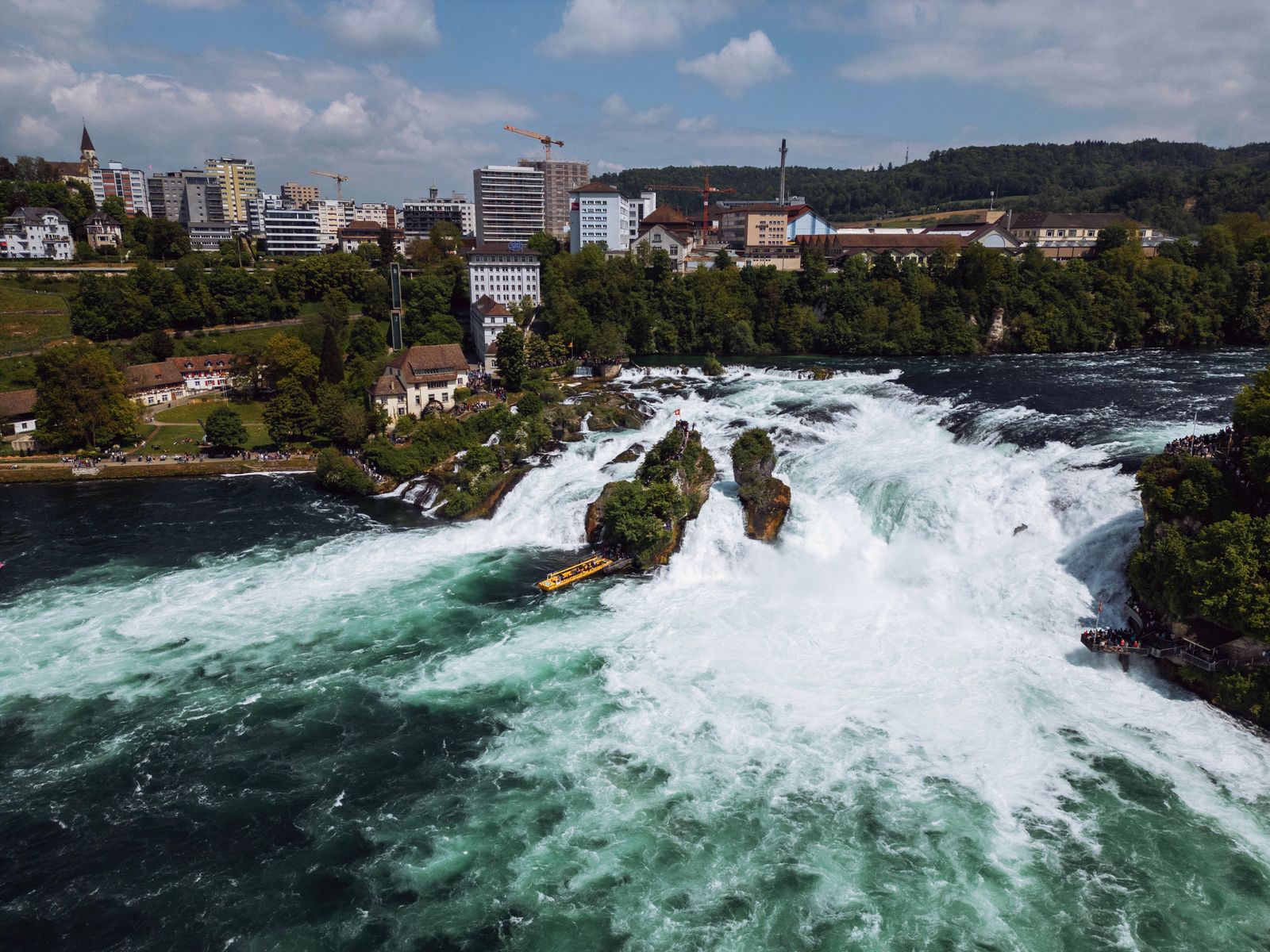
16. The Rhine Falls (Rheinfall)
If you drive to Switzerland through Germany, be sure to make a stop near the town of Schaffhausen. Here you’ll find the Rheinfall, which is the most powerful waterfall in all of Europe. It isn’t especially tall, but its width of 150 metres and the enormous mass of roaring water are guaranteed to amaze you.
You can reach the falls from several sides, but the most beautiful views are offered by Schloss Laufen castle. For an admission of just 5 CHF you reach the viewing platforms that hang only a few metres above the raging water, so you’ll definitely get a little wet from the spray. It’s a great experience, and at this price you rarely see anything in Switzerland.
If you want to get even closer, you can pay for a little boat trip (prices range from 7 to 20 CHF). The boat takes you right up to the huge rock that juts out in the very middle of the waterfall, and you can climb it up steep steps. The experience of all that roaring water around you is indescribable.
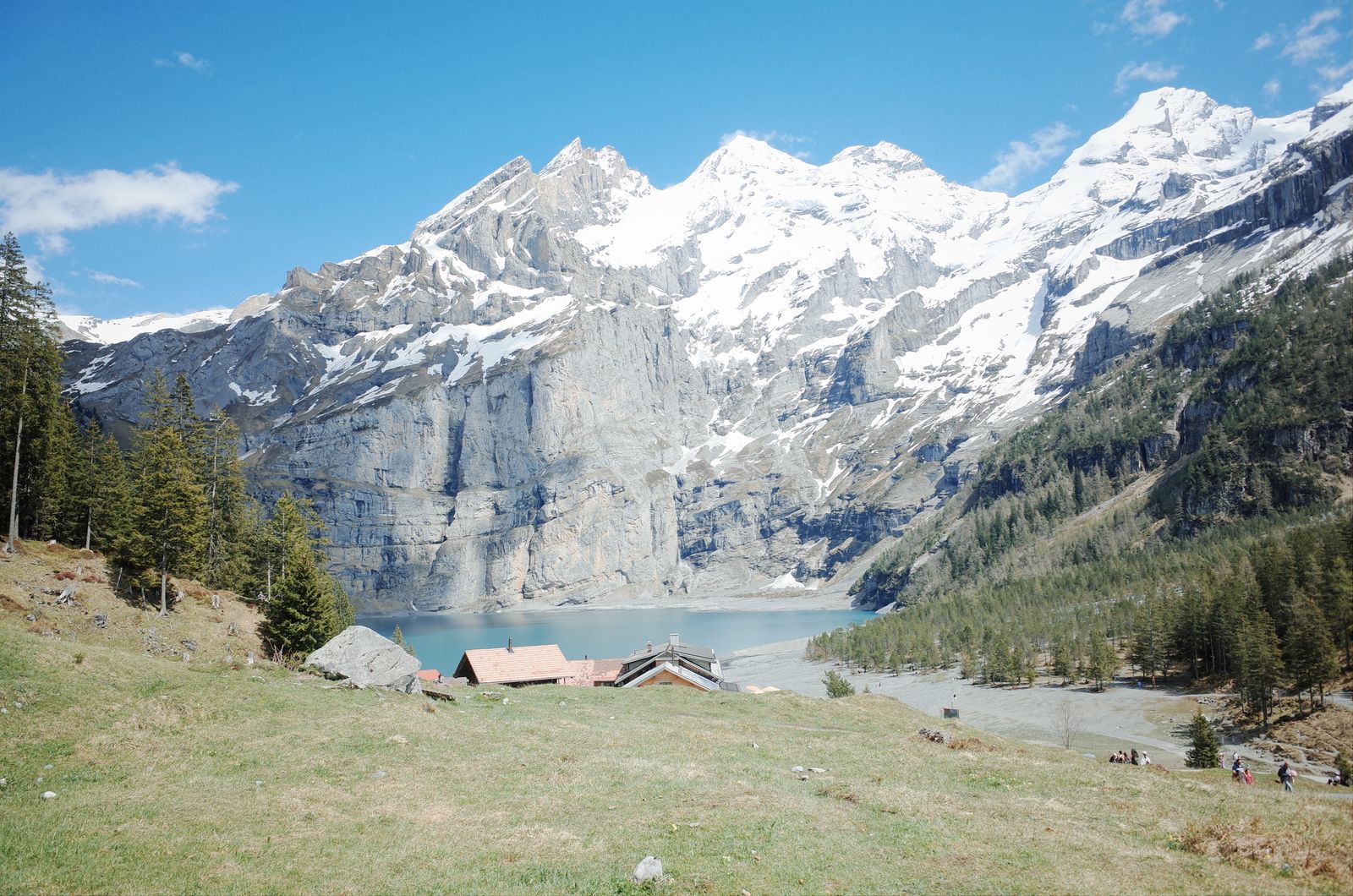
17. Lakes Oeschinensee and Blausee
These two lakes in the Kandertal area are among the most photographed in the country and can easily be done in a single day. You reach Lake Oeschinensee by cable car from the town of Kandersteg, with a return ticket costing 40 CHF in high season. At the top, a stunning glacial lake awaits you, hemmed in by an amphitheatre of steep rock walls.
I definitely recommend doing the panoramic Heuberg circuit around Oeschinensee, which takes about three hours and offers the best views of the lake from above. Just a short way from Kandersteg lies the tiny private lake of Blausee. Admission costs around 10 CHF, and the price includes a short ride on a glass-bottomed boat.
Blausee is renowned for its incredibly crystal-clear, deep blue water, in which huge trout swim. The whole nature park around it feels very fairytale-like and makes an ideal, easy stop when moving between regions.
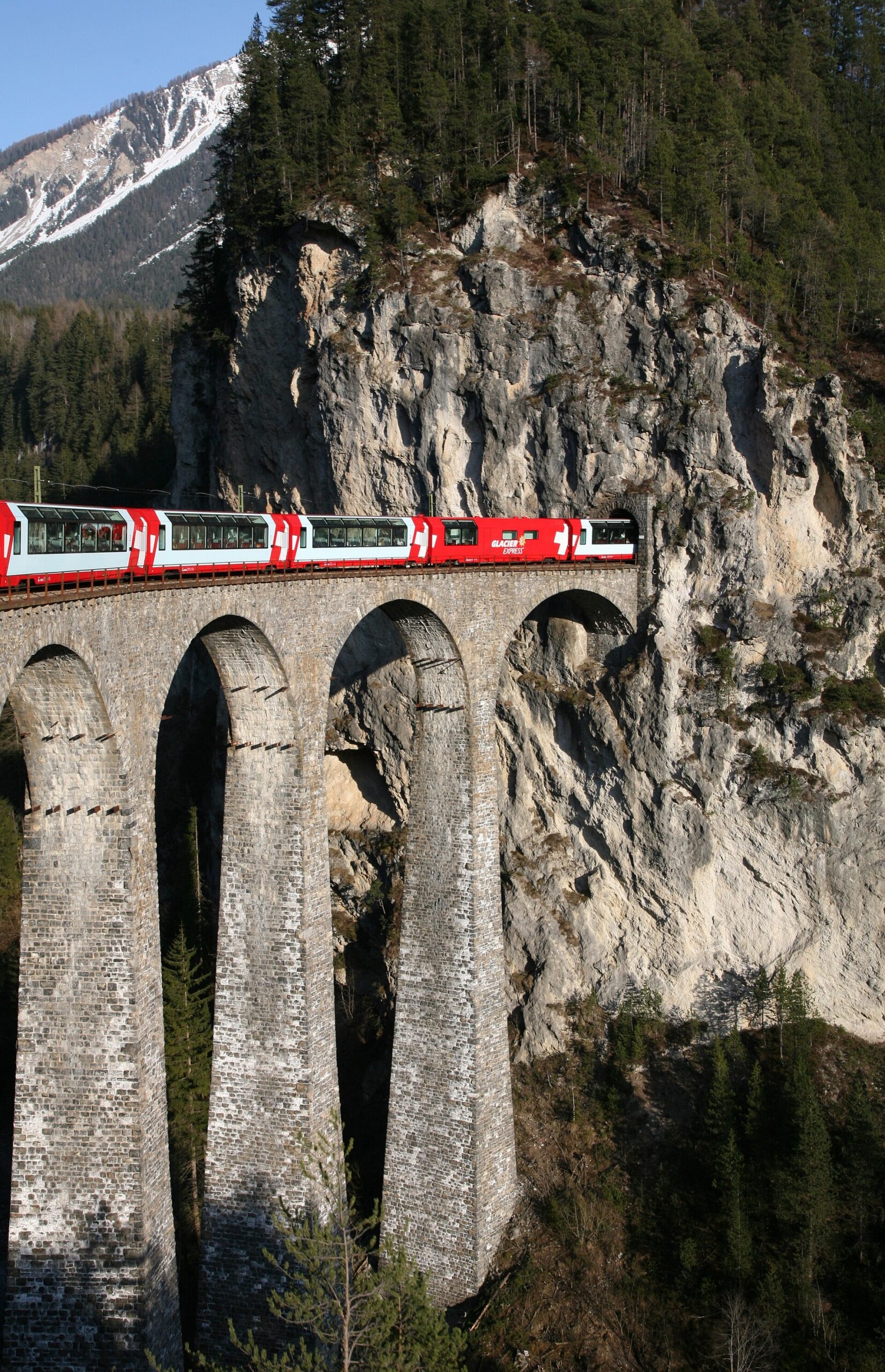
18. Scenic Trains (Glacier and Bernina Express)
Switzerland boasts some of the most stunning train routes in the world, and a ride on one of the panoramic expresses is an experience in itself. The most famous is definitely the Glacier Express, nicknamed the slowest express train in the world. It travels from Zermatt to St. Moritz in roughly eight hours, crossing 291 bridges and countless tunnels along the way. You can easily check tickets and routes on the glacierexpress.ch website.
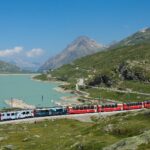
For these famous panoramic trains, though, you have to pay a compulsory seat reservation, which on the Glacier Express costs another 54 CHF, with sales starting 93 days in advance. Note that the train doesn’t run at all from mid-October to December! Another gorgeous route is the Bernina Express, which runs from Chur to Tirano in Italy, crossing the Alps without using a rack railway and protected by UNESCO.
💡 Tip: If you want to save on expensive reservations, you can cover the same route on ordinary regional trains. The views will be absolutely identical, you won’t have to pay the high surcharges, and the older trains also have windows you can lower, which is far better for photographing the landscape than through the reflections in the panoramic carriages.
19. Practical Tips on How to Save Money and Not Blow Your Budget
And finally, the most important thing of all. Swiss prices can catch you off guard — even an ordinary pizza in a restaurant can easily set you back thirty francs. A real lifesaver for your budget will be the Coop and Migros supermarkets, where you’ll find a huge selection of fresh ready meals, salads and sandwiches priced from 8 to 14 CHF. Locals routinely buy them for lunch and eat outside in the parks.
Another important tip is not to buy bottled water. Swiss tap water is Alpine spring quality, and in the cities you’ll find hundreds of public fountains where you can refill your bottle for free at any time. In restaurants, by contrast, they often charge you for tap water, so having your own bottle is essential.
And don’t forget the discount cards. If you’re driving and intend to use the cable cars, the Half Fare Card for 150 CHF pays for itself incredibly quickly, because it gives you a blanket fifty percent discount on most mountain transport. You’ll find the complete range of discount passes on the official website of the Swiss railways, SBB. And if you head out on cheese or chocolate excursions, remember that entry to the famous La Maison du Gruyère cheese dairy and the Maison Cailler chocolate factory is completely free with the Swiss Travel Pass.
Map of points of interest for your phone
Where to Eat in Switzerland
Finding a restaurant in Switzerland that won’t ruin you can be a bit of a challenge, but the local cuisine is absolutely worth the splurge. Skip the pricey tourist traps and head where the locals eat. If you love cheese, you’ll be in seventh heaven here.
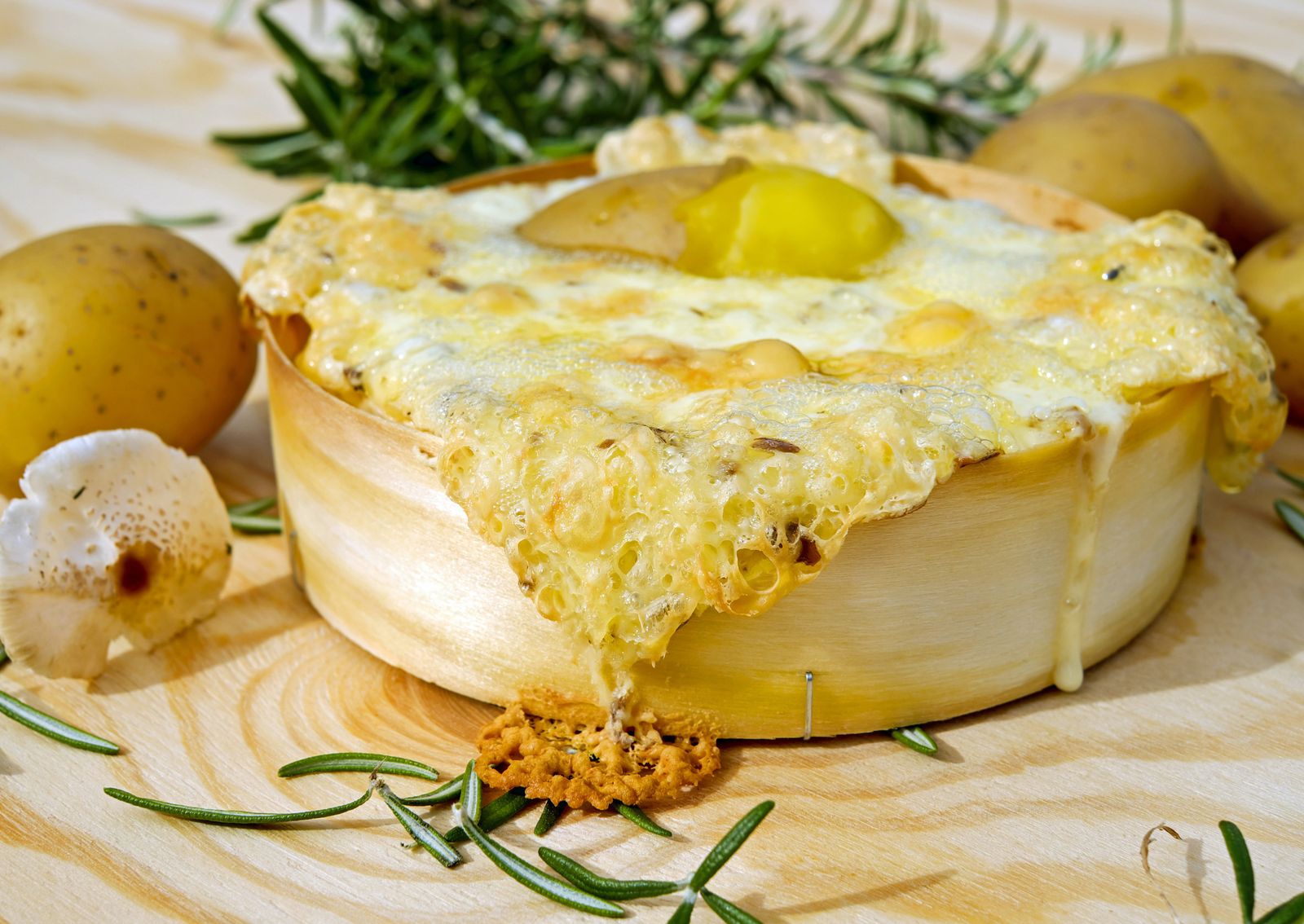
Cheese Fondue and Raclette
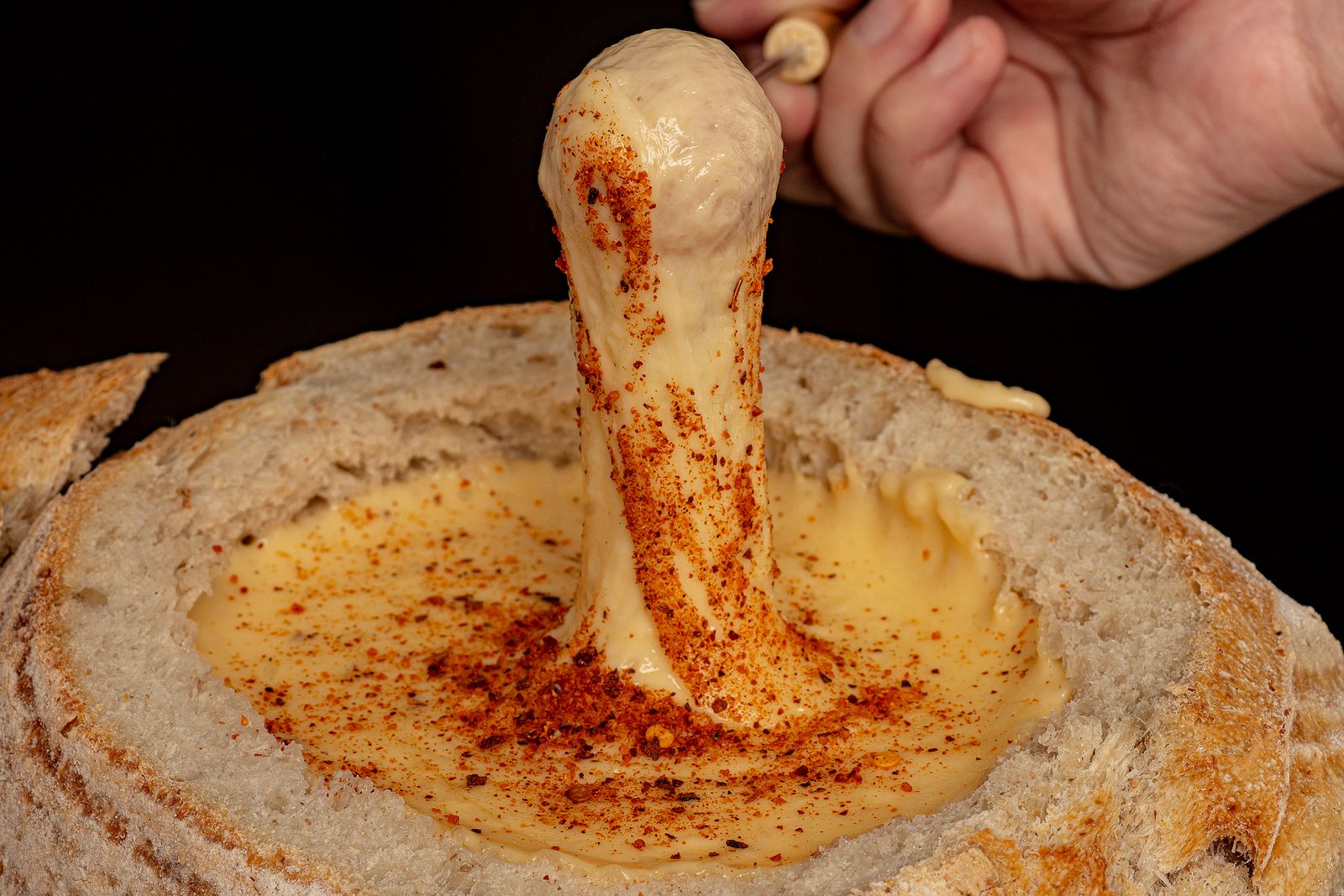
While you’re here, try the renowned Le Dezaley restaurant in Zurich, where they make one of the best fondues in the city. A visit to the traditional Restaurant Taverne inn in Interlaken is also a wonderful experience, where they’ll prepare a hearty raclette from local Alpine cheeses.
For lunch the aforementioned Coop or Migros supermarkets will more than do, but for dinner do treat yourself at least once to something truly local. And don’t be afraid to ask the locals for recommendations — they’ll always point you to the best mountain hut in the area.
Where to Go Next from Switzerland
Switzerland offers so many possibilities that one article simply isn’t enough for everything. If you were drawn to particular regions and want to read more details about them, check out our other guides:
- Heading beneath the iconic mountain? Read our article Zermatt and the Matterhorn: What to See and Do.
- For lovers of the Bernese Alps we have a detailed guide, Grindelwald: What to See and Do.
- If waterfalls appeal to you, don’t miss Lauterbrunnen: The Valley of Waterfalls.
- And if you prefer cities, get inspired by our article Zurich: What to See and Do or explore Bern: What to See in the Swiss Capital. For the romantics, I recommend Lucerne: 14 Tips on What to See.
To book all kinds of guided tours, boat cruises or attraction tickets in advance, I recommend taking a look at GetYourGuide. You’ll save yourself plenty of time in the queues.
 🚗 Car rental on the road
Verified rental cars in Switzerland
🚗 Car rental on the road
Verified rental cars in Switzerland
Search with the DiscoverCars comparison engine — it compares prices from dozens of local and international rental companies, and most bookings come with free cancellation.
Compare car prices in Switzerland →Frequently Asked Questions
If you’re heading to Switzerland for the first time, you’ve probably got a lot of practical things swirling around your head. So I’ve put together answers to the most common questions, which are sure to make planning your trip easier.
How expensive is Switzerland?
It’s the most expensive country in Europe, food and service prices are roughly 125 percent higher than back home. A realistic budget is around €120 to €200 per person per day, but if you stay in apartments and cook with groceries from the supermarket, you can squeeze it down to €80.
Do I need a highway vignette for Switzerland?
Yes, you need one and unfortunately only the annual variant for 40 CHF (approx. 27 EUR) is available. It’s valid for 14 months and you can easily purchase it online as an e-vignette so you don’t have to bother with sticking it on the windshield.
How many days should you set aside for Switzerland?
To explore one specific region (like the Bernese Oberland), 4 to 5 days will be enough. If you want to see the best of the country including Zermatt and Lucerne, ideally set aside a whole week. For a grand tour including southern Ticino, plan for 10 to 14 days.
Is the Swiss Travel Pass Worth It?
It depends on your travel style. If you’re flying in and planning to move around by train every day, the 8-day pass for €410 will definitely pay off, plus you get hundreds of museums included in the price. If you have a car and will only use trains occasionally, better get yourself a Half Fare Card.
Do they accept euros in Switzerland?
The official currency is the Swiss franc (CHF). While some tourist spots do accept euros, it’s always at a very unfavorable exchange rate and they’ll give you francs as change. However, you can pay by card without any problems practically everywhere, including mountain huts.
When is the cheapest time to go?
The cheapest accommodation can be found during the so-called shoulder season, in May or October, when prices often drop to half compared to the summer peak. However, you must take into account that some cable cars will be undergoing regular maintenance and will be closed.
Can you see the Matterhorn without an expensive cable car?
Absolutely. A stunning view of it is available right from the benches in the town of Zermatt itself or from the free hiking trails above it. An excellent tip is Lake Riffelsee, which you can reach on a hiking trip.
Is Zermatt Really Car-Free?
Yes, Zermatt has a strict ban on cars with combustion engines. You must leave your car in the huge parking garage in the village of Täsch and take the electric shuttle train up, which runs every twenty minutes.
Tips and Tricks for Your Vacation
Don’t Overpay for Flights
Search for flights on Kayak. It’s our favorite search engine because it scans the websites of all airlines and always finds the cheapest connection.
Book Your Accommodation Smartly
The best experiences we’ve had when looking for accommodation (from Alaska to Morocco) are with Booking.com, where hotels, apartments, and entire houses are usually the cheapest and most widely available.
Don’t Forget Travel Insurance
Good travel insurance will protect you against illness, accidents, theft, or flight cancellations. We’ve had a few hospital visits abroad, so we know how important it is to have proper insurance arranged.
Where we insure ourselves: SafetyWing (simple monthly subscription) and TrueTraveller (for extra-long trips).
Find the Best Experiences
Get Your Guide is a huge online marketplace where you can book guided walks, trips, skip-the-line tickets, tours, and much more. We always find some extra fun there!