Croatia with kids is an absolute classic that no family ever seems to tire of. This land of a thousand islands offers the ideal combination of clean, safe seas, a welcoming culture, and easy access by car from across central Europe. Since 2023 it has also become a full member of the Schengen Area and switched to the euro, which has made the whole family holiday incredibly simpler and quicker. If you’re looking for a destination where both you and your little ones can truly unwind, you’re in the right place.
In this guide we’ll explore the best regions for families with children, reveal the rare sandy beaches, and point you towards the best water-based fun. You’ll also pick up essential practical info on getting there, healthcare, and what to pack in your first-aid kit. The goal is for you to enjoy your holiday without unnecessary stress and come home with nothing but the loveliest shared memories of the sun-drenched Adriatic.
Many parents worry about pebble beaches or long drives, but with a little planning all of these pitfalls are easy to avoid. You’ll discover that Croatian campsites are among the very best in Europe and offer a level of comfort you might never have dreamed of. So let’s dive into planning your dream family holiday and share all the insider tips on making the trip as easy as possible.
TL;DR
- Best regions: Istria and Kvarner are the easiest to reach overland, while Zadar offers great resorts and trips to national parks.
- Sandy beaches: They’re a rarity in Croatia, but they do exist. Among the best are Paradise Beach on Rab, the Nin lagoon, and Sakarun on the island of Dugi Otok.
- Health and safety: Always pack water shoes because of sea urchins and sharp rocks. The European Health Insurance Card (EHIC/GHIC) is valid here, but commercial travel insurance is a must.
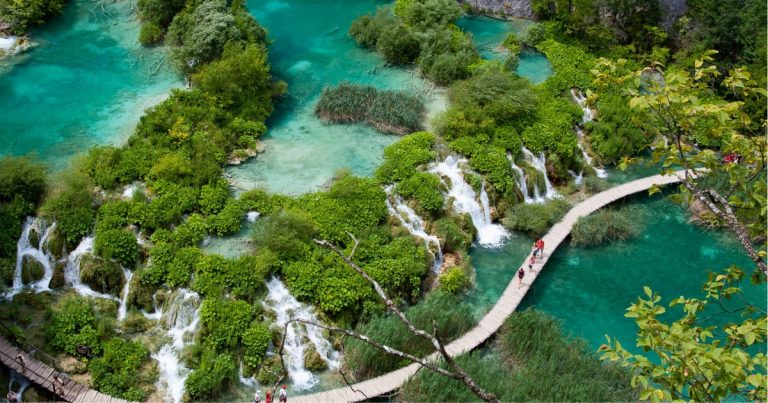
- Trips with kids: Krka National Park is manageable even with a pushchair; for Plitvice Lakes it’s better to bring a carrier because of the narrow boardwalks and steps.
- When to go: June or September are ideal, helping you avoid the August crowds and the worst heat, which can be dangerous for small children.
- Accommodation: Mobile homes in campsites are the family ideal, offering air conditioning, a private kitchen, and entertainment programmes just steps from the sea.
The full destination guide: Croatia — guide and what to see
10 Things You Need to Know About Croatia With Children
1. Why Croatia Is the Ideal Choice for Families
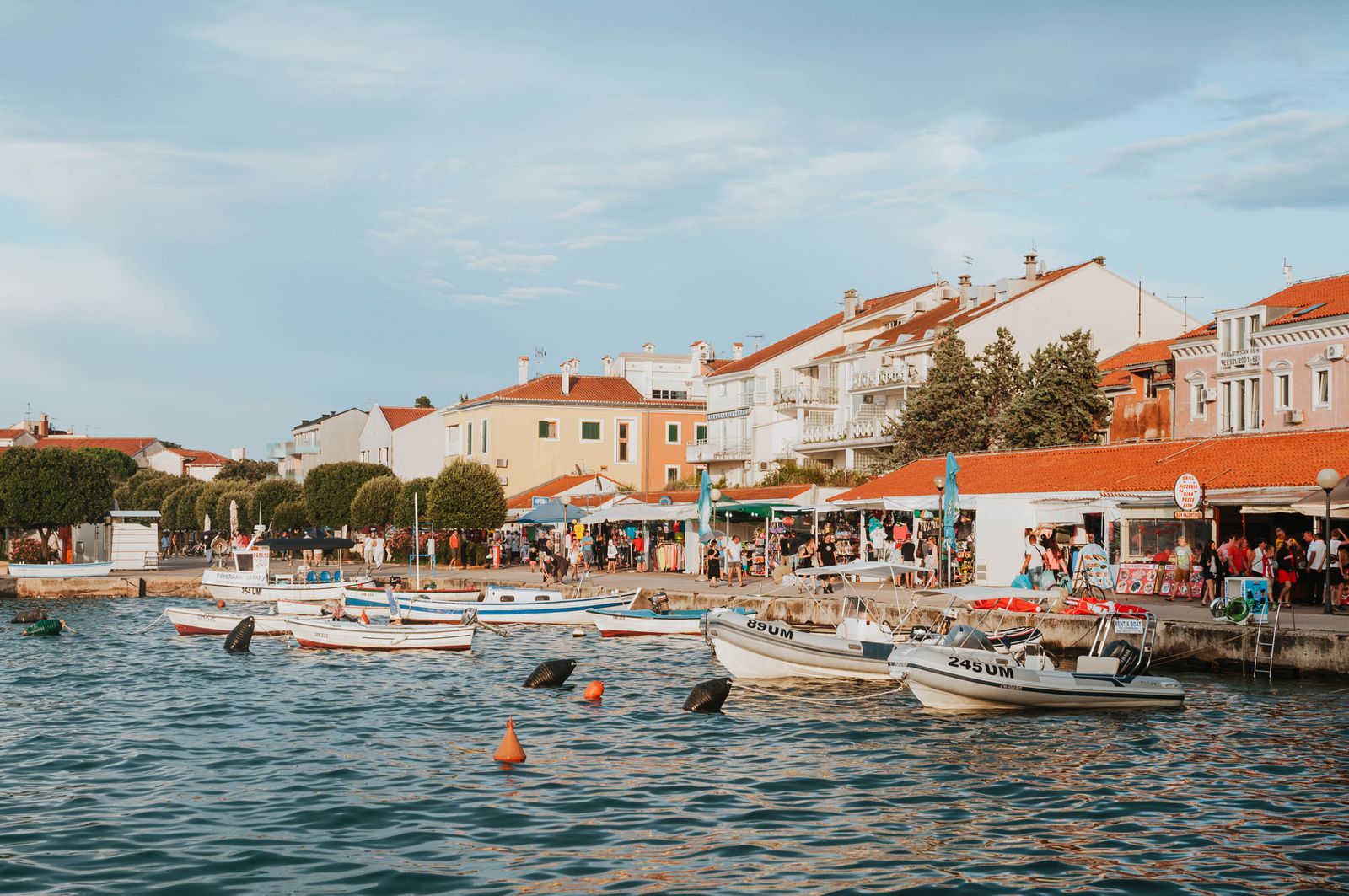
For families with smaller children, the option of driving is often the deciding factor when choosing a holiday. Many travellers reach Istria in a single day’s drive, with regular stops to stretch little legs, while Dalmatia is a longer haul. If you’re flying, low-cost carriers such as Jet2, easyJet and Ryanair serve Croatian airports like Pula, Zadar, Split and Dubrovnik from across the UK. The big advantage of driving, of course, is that you can pack everything your kids need into the boot, including favourite toys or specific baby formula.
The switch to the euro and entry into the Schengen Area in 2023 were a huge relief for travellers. The lengthy border checks between Slovenia and Croatia, where endless queues used to form, are gone, and you no longer have to deal with confusing kuna conversions or hunting for a good exchange office. What’s more, the Adriatic has long been one of the cleanest seas in all of Europe, boasting hundreds of Blue Flag beaches, and its crystal-clear water lets children safely see all the way to the bottom.
The country has a very well-developed tourist infrastructure and a dense network of pharmacies and clinics, which will give you the peace of mind you need. If you’re heading to the islands, you’ll be pleased to know that the ferries are very modern and spacious, and the crossing to most of the closer islands takes just over an hour. In local taverns you’ll also easily find meat-free dishes, from excellent pasta to pizza, which little ones simply love.
💡 Tip: Buy your tickets for the state ferry company Jadrolinija well in advance online so you can skip the ticket-office queues at the port and secure your spot on board at your chosen time.
2. The Most Beautiful Sandy and Shallow Beaches
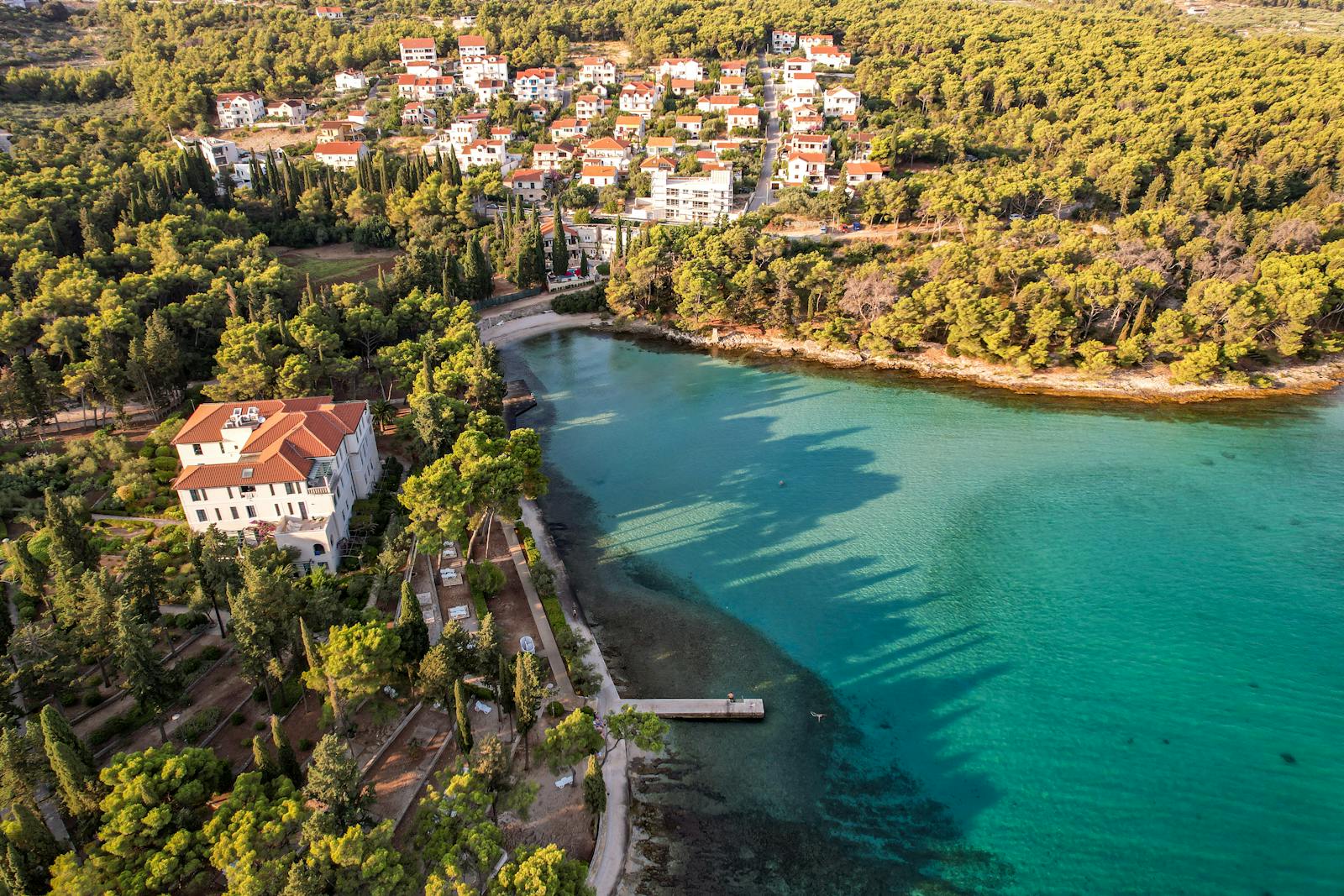
Croatia is famous for its pebbly and rocky coves, so to find genuine sand you have to seek it out deliberately. An absolute gem is Paradise Beach in the resort of Lopar, which stretches an impressive 1.5 kilometres and offers an incredibly gentle slope into the water. The sea here is so shallow that even 400 metres from shore you can comfortably touch the bottom, making it a perfect, safe sandpit even for toddlers.
Another magical spot is Sakarun Beach on the island of Dugi Otok, which boasts around 800 metres of dazzling white sand and turquoise water reminiscent of the Caribbean. If you prefer to stay on the mainland, Queen’s Beach in Nin, near Zadar, is the longest sandy beach in the country at nearly three kilometres. Its great advantages are the very warm water and the healing peloid mud, which children will gleefully wallow in.
Even on the mostly pebbly Istrian coast you can find a sandy treasure, namely Bijeca Beach in Medulin, which is a kilometre long and offers great facilities including shade under the pines, showers, and toilets. Further south you can explore Vela Pržina or Bilin Žal beaches in Lumbarda on the island of Korčula, picturesquely scattered among local vineyards. Always check what kind of surface to expect in advance so you aren’t caught out on arrival.
💡 Tip: Even when you’re heading to a properly sandy beach, pack water shoes for the kids. Sometimes the transition from sand to sea is lined with a strip of small stones or debris that could uncomfortably press into delicate little feet. If you’d like more detail, check out our article focused specifically on the island of Rab (sandy beaches).
3. Which Regions to Choose and Which to Avoid
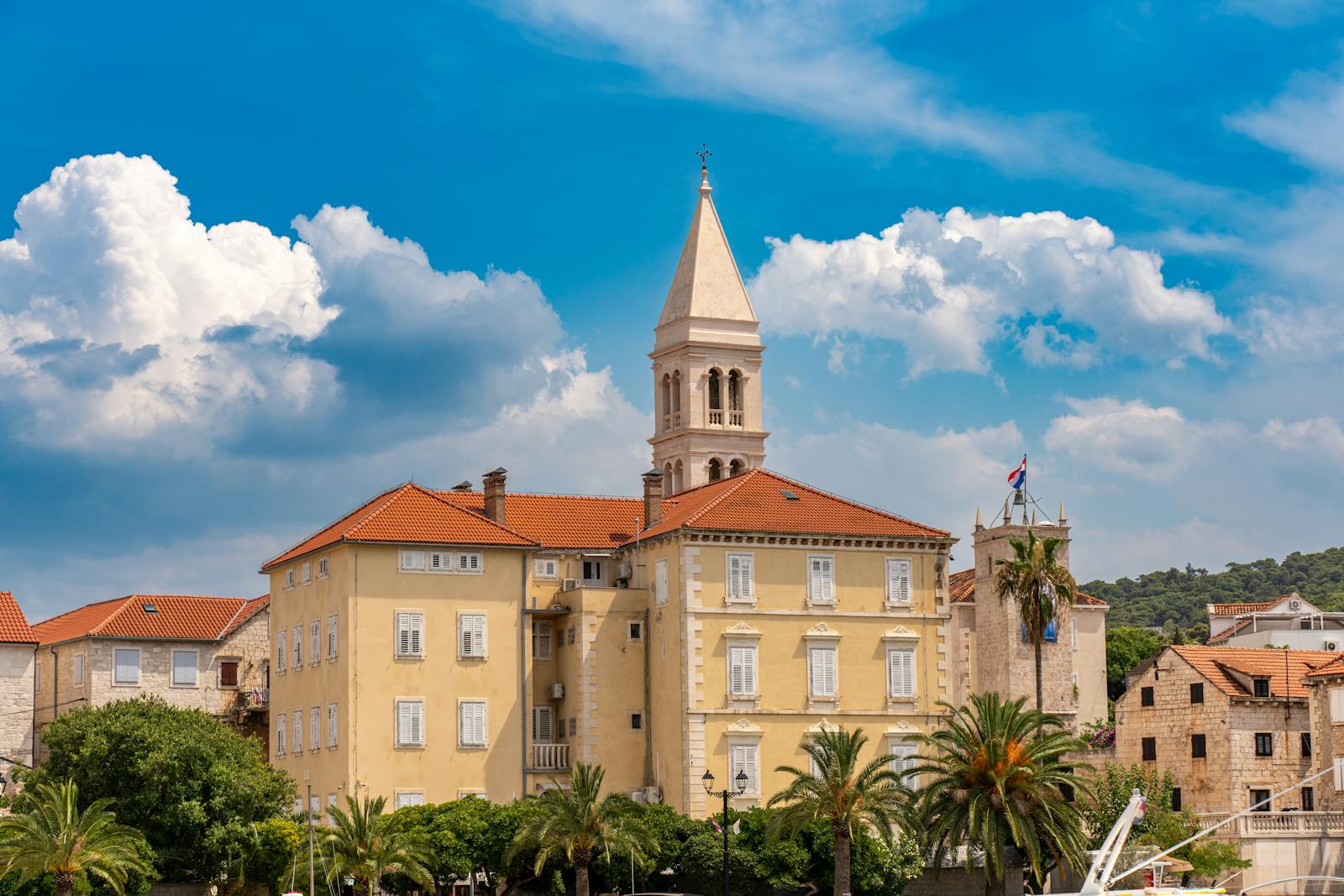
When picking the right destination, it’s not just about distance but also the overall atmosphere and the shape of the coastline. Istria is the easiest region to reach overland and offers a fantastic network of premium campsites, sheltered shallow coves, and beautiful nature around Cape Kamenjak. Kvarner, with the island of Krk, is excellent thanks to the bridge that spares you the ferry wait, and it offers very calm resorts with plenty of shade and family comfort.
The Zadar area and northern Dalmatia are the proverbial golden middle for those who want to combine swimming with sightseeing. Zadar itself has great family resorts in the Borik district and lies strategically close to the lovely historic town of Nin and the national parks. The local coastline is very indented and offers plenty of small, sheltered coves where there’s no open sea and no risk of big waves.
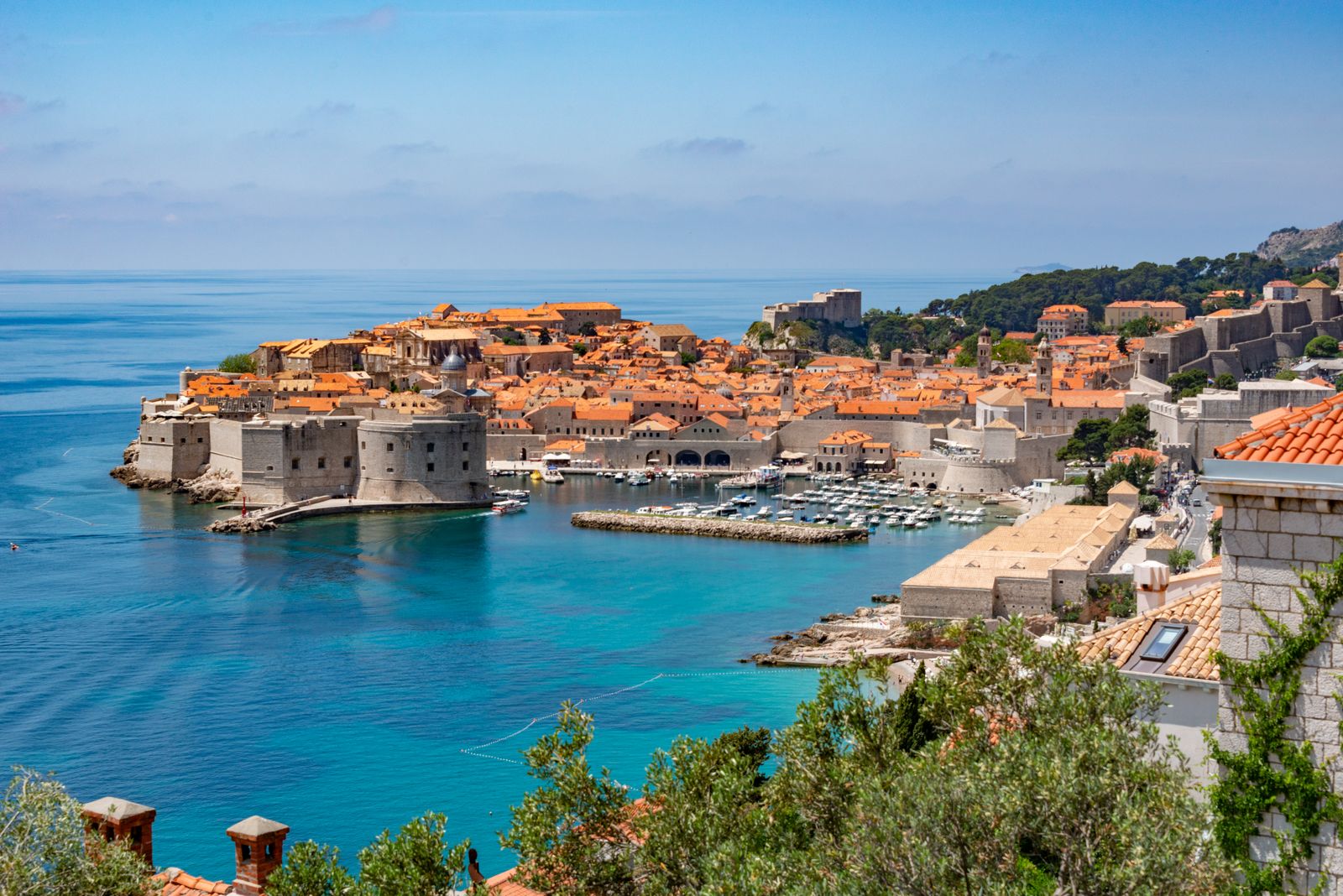
With small children, on the other hand, I’d think carefully about a trip to Dubrovnik. Although it’s a stunning city, it suffers from enormous crowds in season, relentless heat, and ubiquitous steep steps that turn manoeuvring a pushchair into a nightmare. It’s also best to avoid the town of Hvar in peak season, or Zrće beach on the island of Pag, as these spots are famous for raucous, noisy parties well into the night.
💡 Tip: If you’re still unsure about a specific spot for your family, browse our comprehensive overview and tips on where to go on holiday in Croatia, where we break down each region in far greater detail.
4. When to Head to the Sea and How Long to Stay
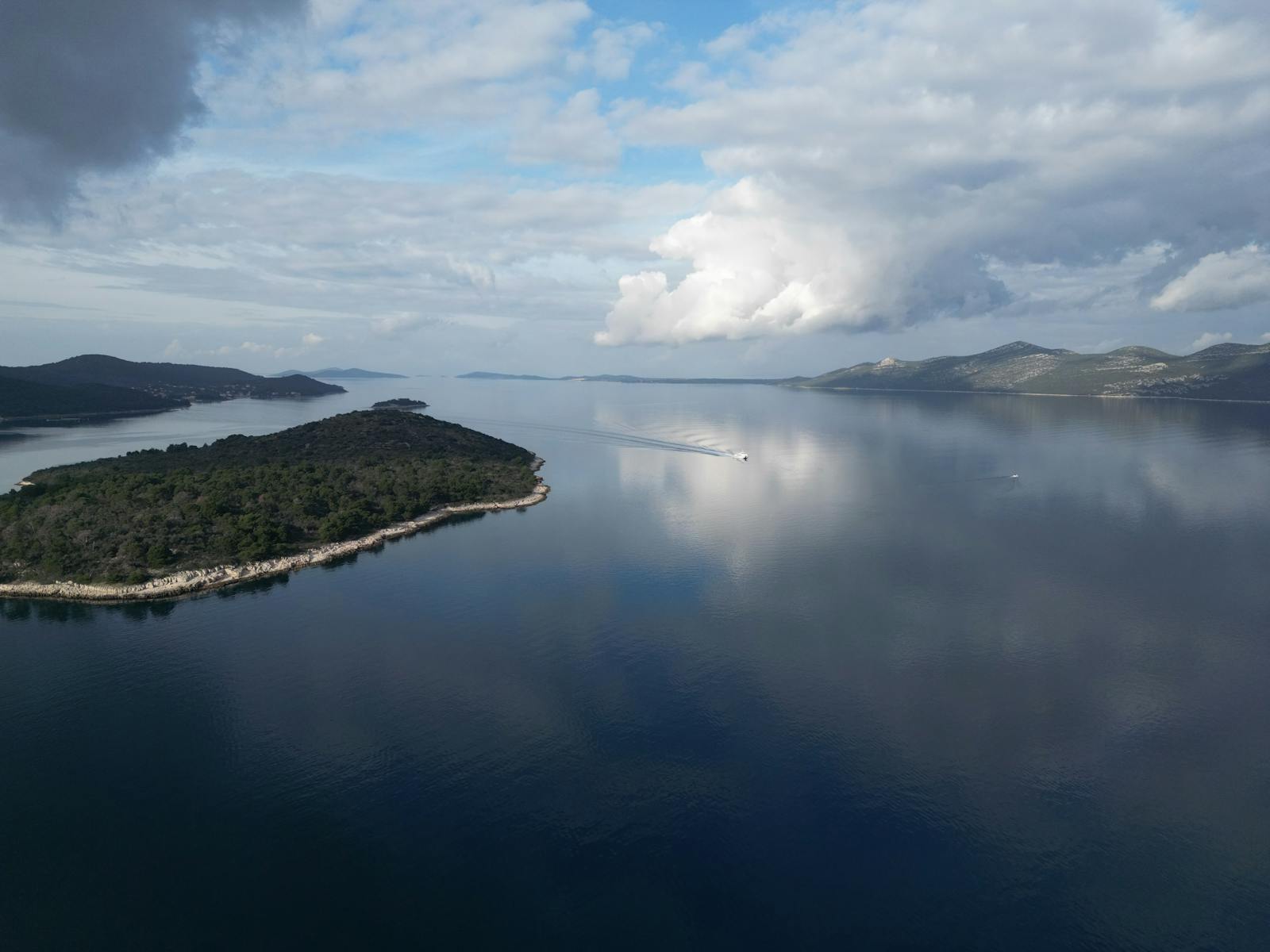
The timing of your holiday is absolutely crucial to its success, especially if you’re travelling with small children who cope less well with extreme temperatures. The best months to visit are June or September, when the Adriatic is already (or still) pleasantly warm, but the air isn’t reaching scorching highs. In these months the resorts are also much calmer, the beaches half-empty, and accommodation prices noticeably kinder to the family budget.
August tends to be the busiest and hottest period of the entire year in Croatia. Temperatures often and persistently climb above 30 degrees Celsius in the shade, the beaches burst at the seams under a surge of Italian and German tourists, and prices hit their absolute peak. If you’re tied to the school holidays, try to go right at the start of July or, conversely, at the very end of August, when the main wave of demand is slowly easing.
As for the ideal length of stay, I’d recommend planning at least seven to ten days including travel. With smaller children it’s far wiser to pick one stable base and take shorter half-day trips from it than to attempt a demanding road trip with frequent moves and constant packing. Children need a certain amount of time to acclimatise and to settle into a safe routine in a new environment.
💡 Tip: If you’re planning to visit the popular national parks such as Plitvice Lakes or the Krka waterfalls, try to avoid summer weekends, when the biggest crowds gather, and instead plan your trip for early morning on a weekday.
5. Campsites and Glamping as a Family Paradise
Croatian campsites have absolutely nothing in common with the image of spartan camping from the nineties; in reality they’re among the very best in Europe. Modern mobile homes offer every imaginable comfort, including powerful air conditioning, a fully equipped kitchen, a private bathroom, and a spacious wooden terrace. They give you all the comfort of an apartment, but with the huge advantage of staying right in a pine grove, often just metres from the water’s edge.
What’s more, most premium campsites work like enormous holiday villages that are absolutely perfect for families. The grounds usually include sprawling pool complexes and water zones, modern playgrounds, separate paddling pools, and professional entertainment programmes. Among the best rated are the huge Camping Lanterna near Poreč, the lovely Bi Village in Fažana, and the luxurious Amarin Resort in Rovinj, all with superb facilities.
If you’re after complete peace of mind and a higher budget is no obstacle, you can opt for specialised family resorts. A great example is the Falkensteiner Club Funimation Borik in Zadar, which runs on an all-inclusive basis and boasts its own water park, the Falky Land kids’ club, and a special children’s menu. It’s a place where you don’t have to worry about activities or food at all and can simply relax.
💡 Tip: Mobile homes in popular campsites are often sold out months in advance. So ideally book your accommodation in Croatia during the winter months to secure a home in the best possible spot, ideally in the shade and close to the beach.
6. Water Parks and Endless Water Fun
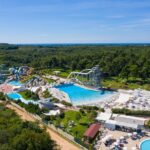
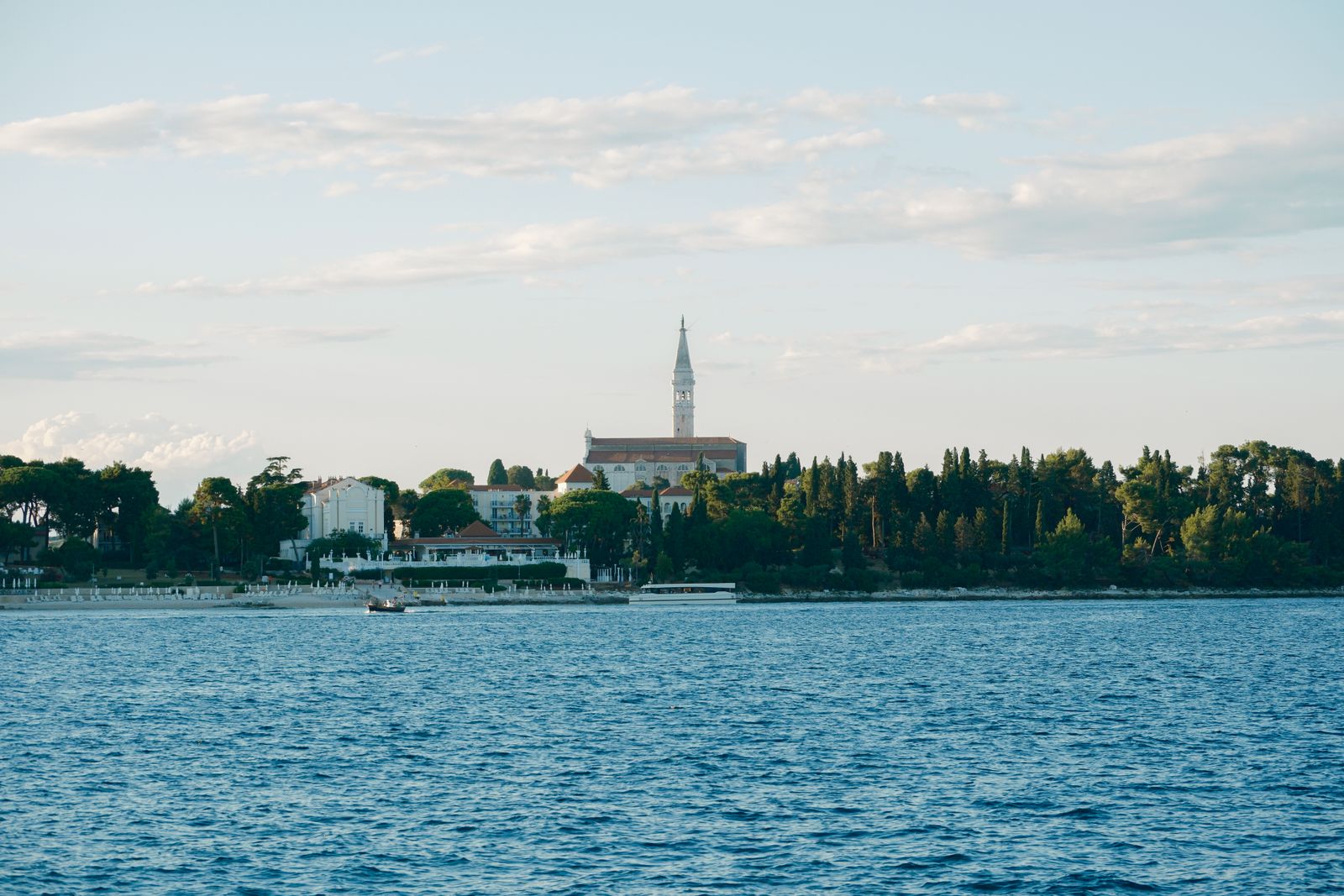
When the kids finally tire of building sandcastles or hunting for shells, it’s time to bring out the big guns in the form of modern water parks. Istralandia near the town of Brtonigla is the largest water park in the country, covering over 80,000 square metres and offering more than twenty different slides and flumes. The complex is set in beautiful surroundings and, alongside its adrenaline attractions, has vast shallow-water zones for the youngest visitors.
Its rival is the nearby Aquacolors Poreč, which is perhaps even more geared towards families with very young children. You’ll find special baby-friendly zones, safe mini slides suitable for children from around one year old, and excellent facilities including plenty of clean changing tables. The staff enforce strict safety rules, and the whole site is designed so you can move around comfortably even with a larger sports pushchair.
If you’re spending your holiday in Dalmatia instead, be sure to visit Aquapark Dalmatia near Šibenik, part of the sprawling Amadria Park Solaris complex. It’s the first themed water park in Croatia and captivates children with its pirate decor, water castles, and lazy river. Many family campsites on the islands, such as the Čikat zone on Lošinj, also have their own smaller water parks included right in the price of your stay.
💡 Tip: Buy tickets for the big water parks through the official websites a day or two in advance if you can. You’ll often save a chunk of the family budget and, above all, avoid long queues in the sun at the entrance ticket desks.
7. Nature Trips With a Pushchair or Carrier
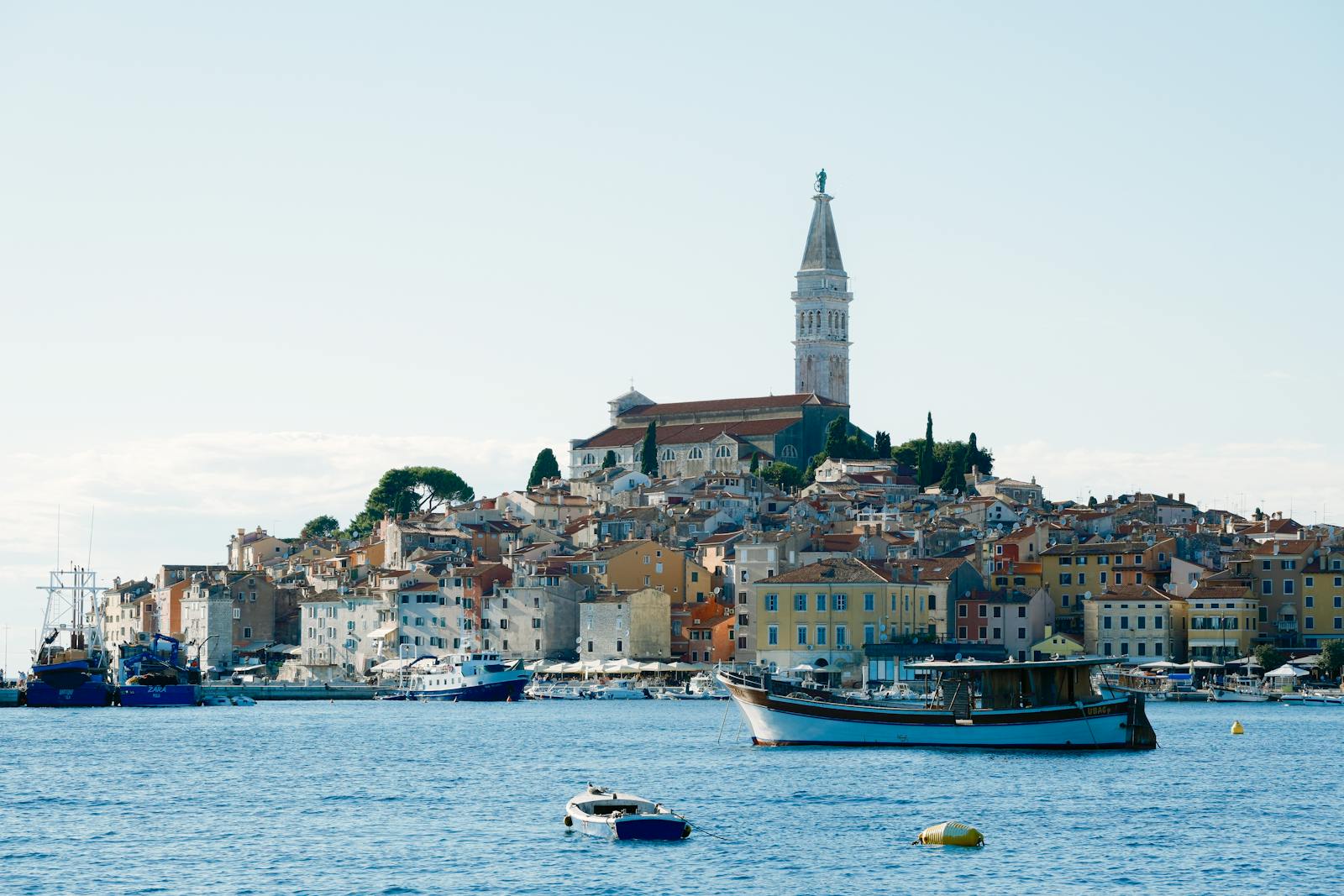
It’s great to break up beach time with a trip to one of the stunning national parks, but with children you have to choose your route carefully. Krka National Park is very family-friendly, as the main two-kilometre loop around the Skradinski Buk waterfalls is largely manageable even with an all-terrain pushchair. The wooden walkways here are relatively wide and the elevation isn’t dramatic, though you will hit a few steps here and there.
The legendary Plitvice Lakes, by contrast, are practically impassable with a pushchair and highly unsuitable. The wooden boardwalks across the lakes are very narrow, often lack any railings, and in season are packed with crowds, making it impossible to manoeuvre a pushchair. For visiting Plitvice with small children, a good ergonomic carrier or sling is absolutely essential, and we recommend choosing the shorter scenic loops marked A or E, which won’t wear out little legs as much.
It’s very important to know that nature-protection rules have tightened significantly in recent years. Whereas you used to be able to cool off beneath the waterfalls in Krka, swimming has been strictly banned there since 2021 to protect the fragile ecosystem. At Plitvice Lakes this swimming ban has been in place for decades, so you don’t need to pack swimwear at all for these particular trips.
💡 Tip: Plan your trips to both parks for days that are overcast or slightly cooler. The open space around the waterfalls can be exhausting in the midday summer sun, and you won’t find much shade on the wooden boardwalks.

8. Fun and Animals Along the Coast
Children love animals, and the Croatian coast offers wonderful ways to watch them safely in their natural habitat. The island of Lošinj is famous for its year-round and fairly sizeable population of bottlenose dolphins, which stay out in the open sea. You can visit an education centre dedicated to their protection or set off on a respectful boat safari, where you have a very good chance of spotting these magnificent creatures playfully leaping out of the waves.
Another fantastic family destination is Brijuni National Park near the resort of Fažana in Istria. This string of islands offers a unique combination of historic monuments and an open safari park, where zebras, llamas, and elephants left behind by former president Tito roam freely. You can explore the whole island on foot, on hired bikes, or in an electric golf cart, which is an adventure in itself. Sharp-eyed children can even find well-preserved dinosaur footprints in the rocks along the shore.
For slightly older and braver children, a huge thrill awaits at the adrenaline-pumping Biokovo Skywalk high above the Makarska Riviera. It’s a glass walkway jutting out over a deep chasm that will test your nerve but reward you with phenomenal views over the entire coast and islands. Entry to the national park is around eight euros for children over seven, and the drive up the narrow mountain road is an experience in its own right.
💡 Tip: Even the simplest and shortest trip on a small boat or ferry is a huge adventure for preschoolers. You don’t have to splash out on expensive all-day excursions; often a short hop between the mainland port and the nearest islet is plenty. You can easily browse tickets and short local trips on platforms like GetYourGuide.
9. Health, Safety and the Hazards of the Sea
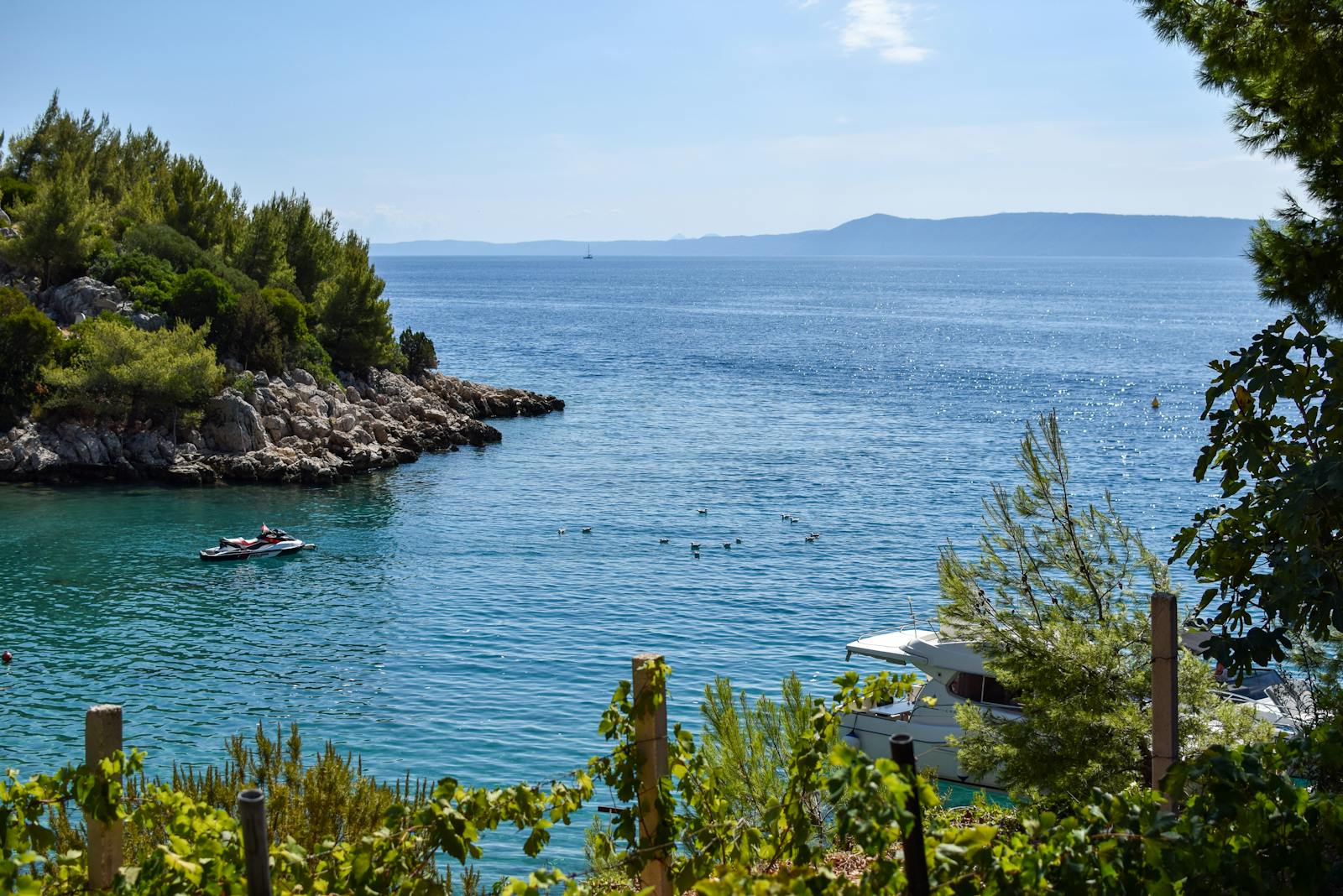
Although the Adriatic is very safe, it does hide one rather unpleasant hazard, and that’s sea urchins. These spiny little balls like to lurk among the rocks right at the water’s edge, and stepping on one can ruin a whole holiday. Sturdy water shoes are an absolute must for every member of the family without exception. If an accident does happen, don’t try to pull the spines out by force; instead pack a tube of ichthammol ointment in your first-aid kit, which overnight helps to “draw” the spine out of the skin on its own.
As for healthcare, in all state facilities and hospitals your European Health Insurance Card (EHIC/GHIC) is valid, securing you emergency care on the same terms as local residents. However, Croatia operates a system of financial co-payment (so-called participation) for treatment and medicines, so it’s absolutely essential to also arrange good commercial travel insurance for the whole family to reliably cover these extra charges.
The pharmacy network (look for the sign “ljekarna” with a green cross) is very dense in the larger resorts, and pharmacists commonly speak English or at least basic German. You can buy most common medicines for fever or upset stomachs here without any trouble. Baby formula and specific toddler milks, however, are better brought in sufficient quantities from home, as local supermarkets may not stock the exact brand your baby is used to and tolerates.
💡 Tip: Protect children from heatstroke and sunburn. In July and August the sun beats down with enormous force from early morning, so always bring a pop-up beach tent or a good parasol to the beach, use the highest-factor sun cream, and make sure the kids always have a hat on and drink plenty of clean water.
10. What to Pack and How to Manage the Journey
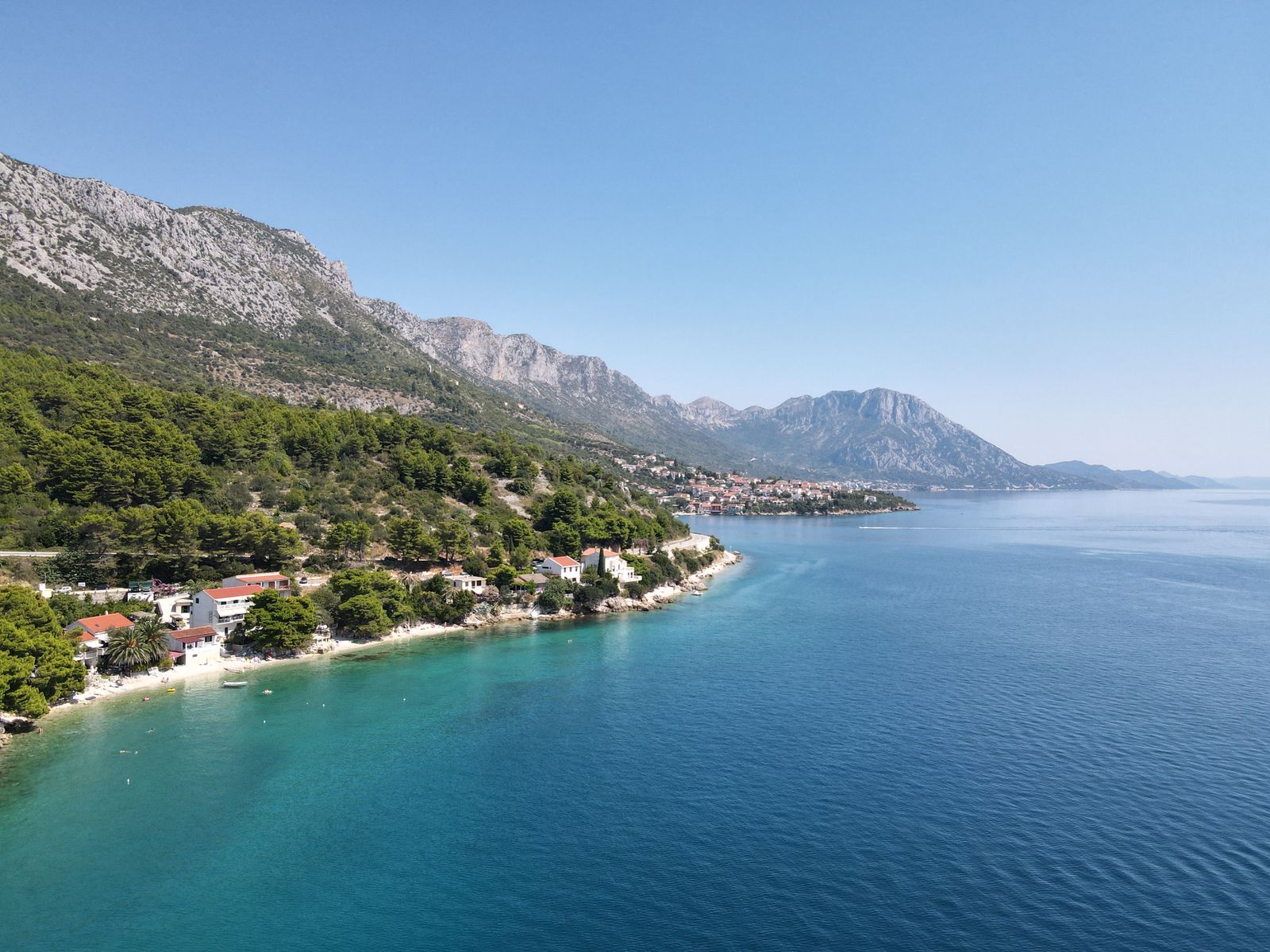
Packing for a family often resembles a complex logistical operation, but the key is not to underestimate your beach gear. Besides the water shoes and parasol already mentioned, don’t forget plenty of light, breathable clothing, good sunglasses with a UV filter, and of course toys for the sand or pebbles, which will keep the kids busy for hours. If you’re driving, prepare a cool bag with fresh fruit and plenty of drinks for the long journey.
If a ferry crossing to the islands awaits, it’s good to prepare for possible seasickness, even though Jadrolinija’s big hull ferries are very stable. If your child has a more sensitive stomach, stay on the middle or lower deck towards the rear of the vessel, where the boat rocks the least. It’s important to encourage children to look out at the fixed horizon, and to give them only light, dry food before the crossing.
Pay close attention to your travel first-aid kit too. Alongside fever reducers, nose and ear drops, and plasters, pack probiotics to settle the stomach and a reliable mosquito repellent, since the bugs can be quite persistent in the evenings by the water. If you don’t want to forget anything important, be sure to run through our detailed list of what to pack for Croatia before you set off, which walks you through the process step by step.
💡 Tip: Get some seat-back organisers for the car and download your kids’ favourite cartoons or audiobooks to a tablet in case you get stuck in a queue on the motorway or at a toll gate, which happens fairly often in peak summer season.
Practical Summary and Guide Prices
- Distance and driving time: Central Europe to Istria (Rovinj) is roughly 830 km and around 8.5 hours of actual driving. Onward to Zadar adds significant distance. From the UK, most families fly: Pula, Zadar, Split, and Dubrovnik all have direct flights from various airports.
- Currency and prices (rough guide for 2025/2026): Everything is paid in euros. A scoop of ice cream runs between €2 and €3, a lunchtime restaurant pizza around €10–15, and a large coffee €2.50–4.
- Tolls: In Austria and Slovenia you need an electronic motorway vignette. Croatian motorways themselves work on a toll-gate system (you pay for the stretch driven by card or cash at the exit).
- Ferries: For a car on shorter routes (e.g. to the island of Cres or Rab) you’ll pay around €15–25 per vehicle and roughly €4–6 per adult; children often get a discount or travel free depending on age.
- Park entry: Both Krka National Park and Plitvice Lakes use dynamic pricing. In peak summer an adult ticket costs around €40, while out of season the price can drop to less than half.
💡 Tip for accommodation and experiences: We like to look for accommodation on Booking.com, which usually has the best cancellation policies. For tickets, tours, and activities, it pays to compare and book through GetYourGuide.
Where to Next
- Looking for the best base for your family? Read our detailed article on accommodation in Croatia.
- Don’t want to spend hours packing? Use our handy checklist and see what to pack for Croatia.
- Still unsure about a specific destination? Get inspired by our big overview of where to go on holiday in Croatia.
- Tempted by sandy dunes? Explore the island of Rab (sandy beaches) with us in detail.
 🚗 Car rental on the road
Verified rental cars in Croatia
🚗 Car rental on the road
Verified rental cars in Croatia
Search with the DiscoverCars comparison engine — it compares prices from dozens of local and international rental companies, and most bookings come with free cancellation.
Compare car prices in Croatia →Frequently Asked Questions
Where are the sandy beaches in Croatia?
Sandy beaches are quite rare in Croatia, but they can be found. Among the most famous and popular family beaches are the long Paradise Beach in the resort of Lopar on the island of Rab, Queen’s Beach in Nin near Zadar with healing mud, or the beautiful Sakarun Beach on the island of Dugi otok.
Can I go to Krka National Park with a stroller?
Yes, the main visitor route around Skradinski Buk waterfalls measures approximately two kilometers and you can manage it without major problems with an all-terrain or jogging stroller. The wooden walkways here are sufficiently wide, although in several places you need to navigate a small number of steps.
Can you swim at Plitvice or in Krka National Park?
Swimming at Plitvice Lakes has been strictly forbidden for several decades now. In Krka National Park, swimming beneath the main waterfalls used to be very popular, but since 2021 the park management has introduced a strict swimming ban here as well, in order to protect the local fragile ecosystem.
When is the best time to go to Croatia with small children?
Absolutely ideal months for a holiday with small children are June or the first half of September. The sea is already warm enough for swimming, but you’ll avoid the extreme August heat, which can exceed thirty degrees, as well as the exhausting crowds of tourists on the beaches and highways.
Are water shoes really necessary in Croatia?
Yes, quality water shoes are an absolute must for both children and adults. The Adriatic coast is largely rocky and sea urchins often hide in the water near the shore, whose spines can cause very painful injuries and ruin the rest of your entire vacation.
Does the Czech health insurance card work in Croatia?
Yes, your blue European Health Insurance Card (EHIC) is valid in all public healthcare facilities. However, it’s absolutely essential to also arrange commercial travel insurance, as Croatia has a system of patient co-payments for treatment and medication.
Where to go in Croatia by car as close as possible?
If you want to minimize travel time, focus on the Istria peninsula or the Kvarner region. You can reach resorts like Umag, Poreč, or Rovinj from Prague in about eight to nine hours of driving, which is very comfortably manageable in one day with kids in the car.
What to do on a ferry for seasickness?
If your kids don’t handle rocking well, choose a spot in the middle or rear section of the ship on one of the lower decks, where the hull’s movements are minimal. Children should have light food in their stomachs, should look out at the fixed horizon, and in case of emergency, keep motion sickness medication on hand.
Tips and Tricks for Your Vacation
Don’t Overpay for Flights
Search for flights on Kayak. It’s our favorite search engine because it scans the websites of all airlines and always finds the cheapest connection.
Book Your Accommodation Smartly
The best experiences we’ve had when looking for accommodation (from Alaska to Morocco) are with Booking.com, where hotels, apartments, and entire houses are usually the cheapest and most widely available.
Don’t Forget Travel Insurance
Good travel insurance will protect you against illness, accidents, theft, or flight cancellations. We’ve had a few hospital visits abroad, so we know how important it is to have proper insurance arranged.
Where we insure ourselves: SafetyWing (simple monthly subscription) and TrueTraveller (for extra-long trips).
Find the Best Experiences
Get Your Guide is a huge online marketplace where you can book guided walks, trips, skip-the-line tickets, tours, and much more. We always find some extra fun there!