

There are a handful of places on Earth where even the most hard-bitten grown-up suddenly feels like they’ve stepped inside a fairy tale that someone actually built. Finnish Lapland is exactly that kind of place. Snow-laden forests where spruce branches sag under a hundredweight of snow, a sky that lights up green on a clear night, reindeer crossing the road the way deer do back home, and somewhere beyond the Arctic Circle the real village of Santa Claus, where children from all over the world arrive year-round. ☺️
In this guide you’ll find 20 things to see and do in Finnish Lapland, from chasing the Northern Lights and dog-sledding to Santa Claus Village in Rovaniemi, sleeping in a glass igloo and visiting frozen waterfalls. I’ll tell you when’s the best time to go (and how it really works with that elusive aurora), how to get to Lapland from the UK, where to stay and roughly how much this whole winter fairy tale will cost.
But let me be straight with you right away: Lapland isn’t a cheap holiday and the Northern Lights can’t be ordered like a pizza. Approach it with realistic expectations and warm clothing, though, and it’s one of the most powerful experiences you can have anywhere in Europe.
TL;DR
- Where: Finnish Lapland, with its heart at Rovaniemi on the Arctic Circle (and its Santa Claus Village). Further north lie the quieter Saariselkä and Inari, plus the resorts of Levi and Ylläs.
- When: for the Northern Lights and the winter fairy tale, late August to early April. The best trade-off of daylight, price and aurora odds is February and March, while the most “Christmassy” (and priciest) month is December.
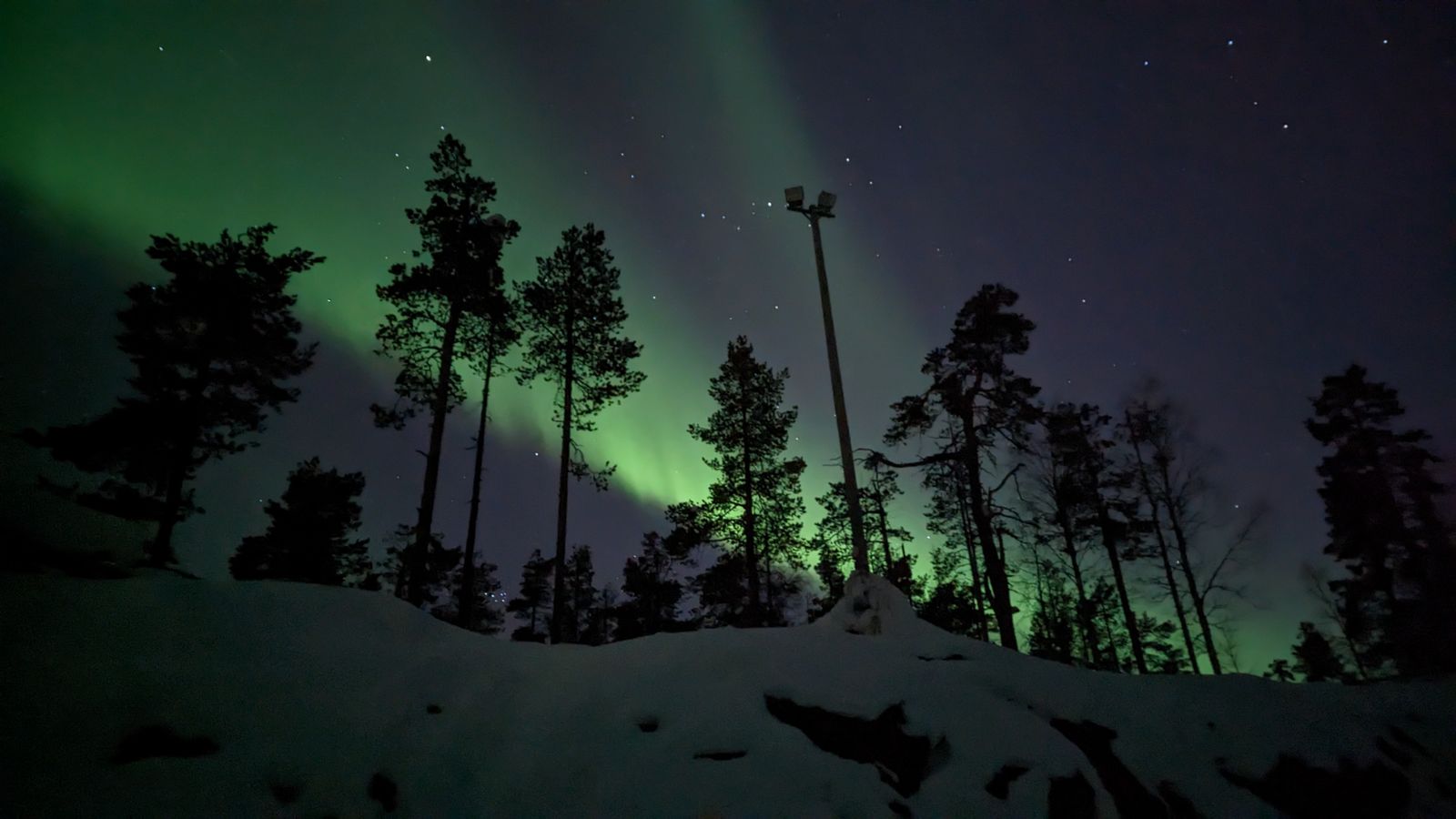
- Northern Lights: never guaranteed — it’s a weather lottery. Give yourself at least 3 nights, ideally more, and expect to drive out of town in search of clear skies.
- Don’t miss: Santa Claus Village and crossing the Arctic Circle, a husky safari, reindeer sleigh rides, an aurora hunt, a night in a glass igloo and the Sampo icebreaker in Kemi.
- How much: a 4–5 day package tour runs roughly £1,300–£2,200 per person; going independently can save on transport, but the activities are expensive either way (husky safari from ~£85, aurora hunt ~£105–135).
- What to wear: layers and quality thermal base layers. Good news: for huskies and snowmobiles, a warm Arctic overall is usually lent to you on site.
The full destination guide: Finland — guide and what to see
When to visit Lapland (and how it really works with the Northern Lights)
Lapland has two completely different faces, and which one you’re after decides when to go. In winter it’s the snowy realm of Santa, the aurora, huskies and reindeer. In summer it’s green wilderness under a midnight sun that never sets. Most people head for that winter fairy tale, so let’s start there — but we’ll look at summer too, because it’s unexpectedly beautiful and far cheaper.
Month by month: when’s the best time
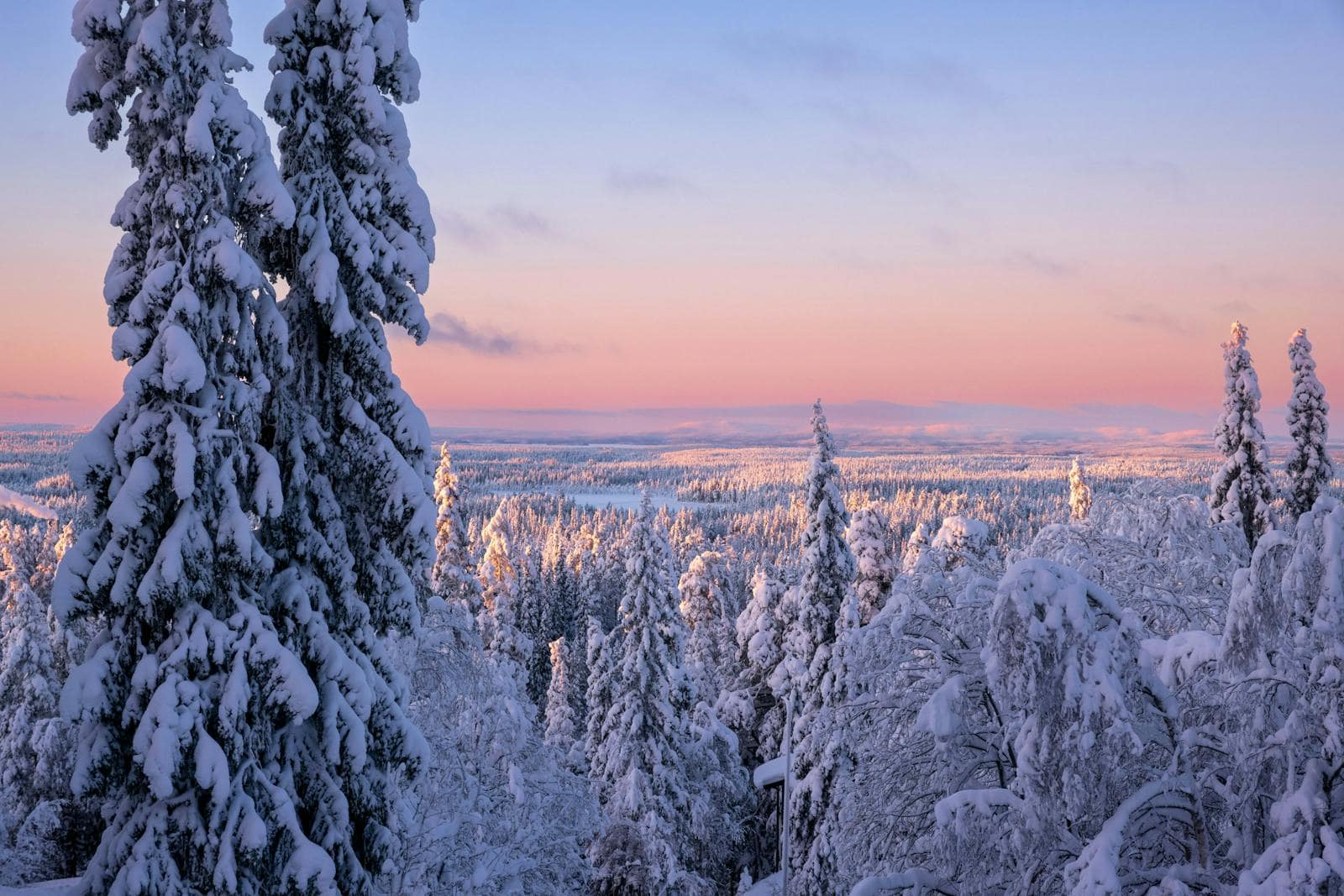
You can catch the Northern Lights in Finnish Lapland roughly from late August to early April, the season when nights are dark enough. Here’s a quick rundown of how the months differ:
- December is the most “Christmassy” but also the priciest and darkest. Around the winter solstice the sun barely rises in Rovaniemi and you get just 3–4 hours of bluish twilight. Snow isn’t fully guaranteed yet, and Santa Claus Village is bursting at the seams.
- January is the coldest (typically −10 to −25 °C, occasionally below −30 °C), but prices drop after the Christmas peak and snow is a sure thing. The best value-for-money for proper winter.
- February and March are, in my view, the best compromise: daylight is increasing, skies are clearer (and so the aurora odds are better), there’s the most snow, and the frosts are milder. March also kicks off the popular “spring skiing”.
- Summer (June–July) brings the midnight sun, trekking and canoeing, but no aurora (too much light) and plenty of mosquitoes. September is the season of “ruska”, the fiery autumn colours, when the Northern Lights also return.
💡 Tip: If you’re going mainly for the Northern Lights and aren’t too fussed about Christmas atmosphere, opt for late February or March. It’s cheaper than December, the days are longer, and statistically the aurora is more active around the equinox. Visit Finland’s official site recommends much the same.
Northern Lights: realistic expectations so you’re not let down
This is the most important paragraph in the whole article, so please don’t skip it. The Northern Lights are never guaranteed, and nobody can promise them to you — not even a tour operator. They depend mainly on the weather, specifically whether the sky is clear, and on solar activity, which no one can control. Travellers who spent an entire December in Rovaniemi report seeing a strong display perhaps only three times all month because it was constantly overcast.
So what do you do? Give the aurora as many nights as you can, ideally five to seven. With three nights, your chance of seeing it at least once is around 75 percent — but it’s still a gamble. A guided aurora tour helps enormously, because guides track the cloud forecast and will happily drive hours out of town, sometimes all the way to the Norwegian or Swedish border, to get you under clear skies. And there’s one simple rule: the further from city lights and the further north, the better. Saariselkä, Inari and Utsjoki have statistically far better conditions than central Rovaniemi.
If you want to go deeper into how and where to chase the lights, I’ve got a dedicated article: Iceland, Finland and Norway: how and where to catch the Northern Lights.
What to wear for the Arctic winter
Temperatures of −20 to −30 °C sound terrifying, but here’s the good news: dry Arctic cold is far easier to handle than a damp British winter. The key is layering: quality thermal base layers (merino or technical synthetics) as the foundation, fleece or wool for insulation, and a waterproof insulated jacket and trousers on top. Pack a spare set of thermals, a warm hat that covers your ears, a neck gaiter, mittens (warmer than gloves with fingers) and sturdy winter boots a size bigger so thick socks fit.
And now the bit that pleasantly surprises a lot of people: on safaris (huskies, reindeer, snowmobiles) you’re usually lent a warm Arctic overall, boots and gloves on site. So you don’t need to stuff a full polar expedition into your suitcase. The main thing is good thermal underwear and layers for walking around town and the attractions.
How to get to Lapland from the UK and what it all costs
Lapland is one of Europe’s pricier destinations, no point pretending otherwise. But there are two ways to approach it, and each suits a different kind of traveller. Let’s run through how to get there, roughly what it costs and whether a package tour or a do-it-yourself trip makes more sense.
Transport: direct flights, via Helsinki, or by night train
From the UK you’ve got several good options. The easiest is a direct seasonal flight to Rovaniemi — over the winter months airlines such as Tui and British Airways run direct charters from London and other UK airports, dropping you right into the action in around three and a half hours. The most flexible route is via Helsinki: fly with Finnair or British Airways to Helsinki and from there either continue on a domestic flight to Rovaniemi (about an hour and a half) or treat yourself to something extra.
That “something extra” is the Santa Claus Express night train. The double-decker sleeper leaves Helsinki in the evening and drops you in Rovaniemi the next morning, with the journey taking just under twelve hours. A two-berth cabin starts at around €49 (roughly £42) and you can even have your car carried on the train. Tickets are available on the Finnish railways VR website. For airports, it’s handy to know that besides Rovaniemi (RVN), Finnair also flies to Kittilä (for Levi and Ylläs) and Ivalo (for Saariselkä and Inari).
💡 Tip: If you want to explore Lapland by car, hire cars automatically come with studded winter tyres, and bear in mind you’ll need to pre-heat the engine before driving and keep the tank full, since petrol stations are far apart. And at dusk, watch out for reindeer on the road — they behave unpredictably. ☺️
Package tour or go it alone? And how much to budget
A package tour makes sense if you want everything arranged and you’re after a short, intense break. The price typically includes flights, transfers, accommodation, a rep and activities bundled in, so you don’t have to worry about a thing. A typical long weekend (4–5 days) from UK operators runs roughly £1,300 to £2,200 per person depending on the dates and the programme. The most expensive, of course, is the Christmas peak.
Going independently gives you more freedom and time, and often saves money on transport and accommodation. But you’ll have to book the activities yourself, and crucially well in advance, because in season they sell out months ahead. Either way, almost everything on the ground is expensive. As a rough guide for the main activities (prices per person):
- Husky safari: a shorter ride from ~€95 (about £85), a longer self-drive trip ~€110–200 (£95–175).
- Guided Northern Lights hunt: roughly €120–150 (£105–135).
- Snowmobiles: around €100–150 (£90–135) for a few hours.
- Reindeer farm and sleigh ride: farm entry from ~€15, the ride extra.
- A night in a glass or ice igloo: from ~€400 (£350) upwards, double that at peak.
All in, for a sensible winter trip for two (accommodation in town plus two or three activities, 4–5 days), budget from around £1,600 upwards — with a glass igloo and the Christmas peak, easily double that. You can save by going in January, picking accommodation with a kitchenette and shopping at the supermarket (Lidl, K-Market, S-Market) instead of eating out. And don’t forget what’s free: entry to Santa Claus Village, crossing the Arctic Circle and walks out of town under the stars.
Where to stay in Lapland
Accommodation in Lapland is half the experience, and it varies a lot depending on what you want from your trip. Some people want a practical base in Rovaniemi to set out from, others want to live the dream and fall asleep under a glass roof with a view of the Northern Lights. I’ve picked specific, well-rated options across the categories so there’s something for everyone. One warning: the best and most sought-after places are sold out months in advance, so don’t dawdle over booking.
Rovaniemi: practical hotels for exploring
If you want to be in the centre, have everything within walking distance and head out to activities from there, Rovaniemi is the ideal base. A reliable mid-range choice is Santa’s Hotel Santa Claus, which guests praise especially for its generous breakfast and helpful staff; it has a sauna and everything’s a few steps away. Equally good value is Original Sokos Hotel Vaakuna with a perfect location and spacious rooms, or Arctic City Hotel with its own restaurant. If you want to save, you’ll appreciate Hostel Café Koti in the centre.
Experience stays: sleep under the Northern Lights
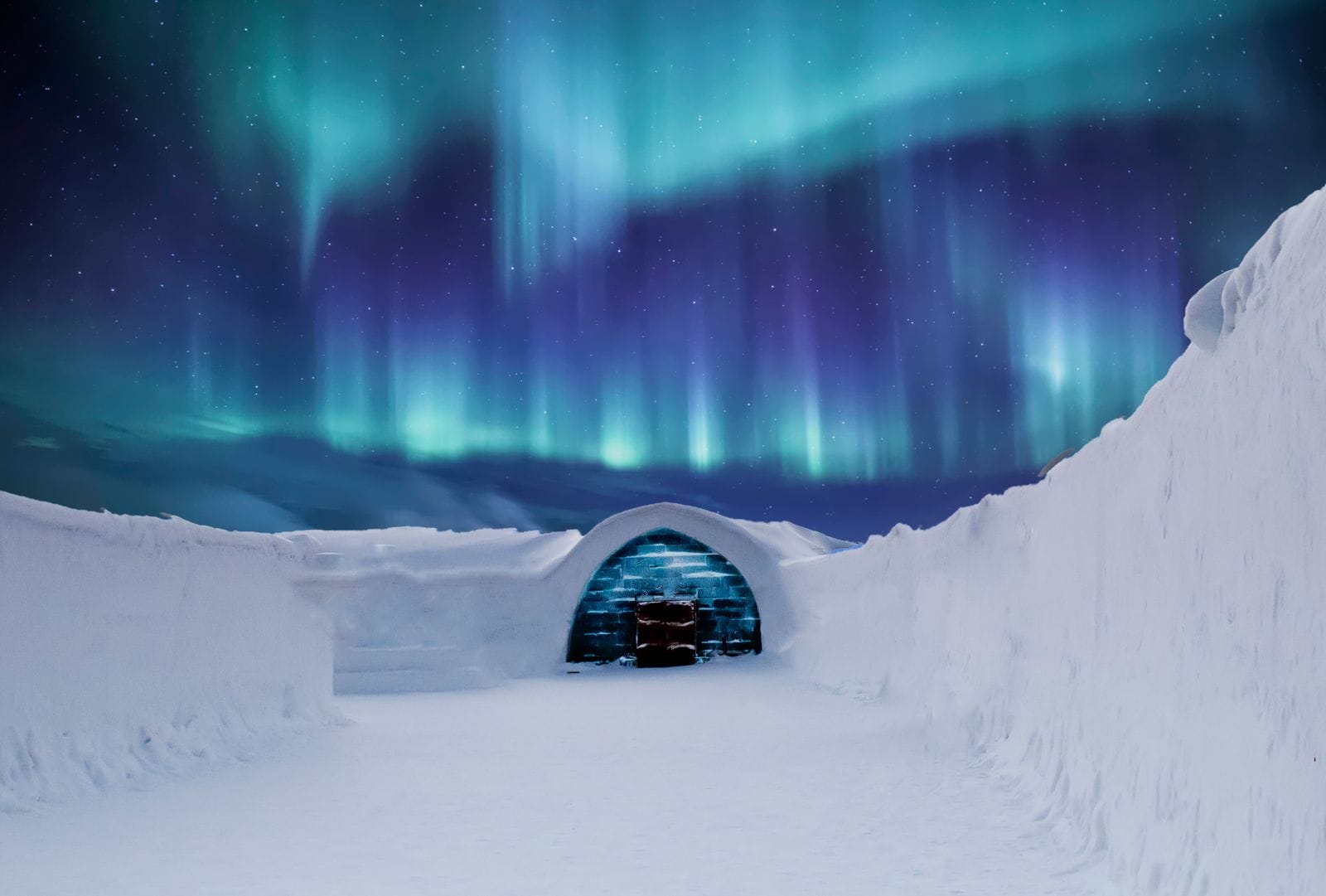
This is the reason a lot of people come to Lapland. Glass igloos have a heated glass roof right above the bed, so you wait for the aurora warm and tucked under the covers. Near Rovaniemi there’s the excellent Arctic SnowHotel & Glass Igloos, where alongside the igloo you also get a tour of the ice hotel and ice bar plus an outdoor hot tub with an aurora alarm. Also popular is the Arctic TreeHouse Hotel with private suites up in the treetops and floor-to-ceiling glass walls, or the quieter Apukka Resort by a lake.
Further north, where the sky is darker and the aurora odds are higher, the legendary Kakslauttanen Arctic Resort near Saariselkä reigns supreme — the inventor of the whole glass igloo concept. It’s a bucket-list name, but at current prices (easily £700 or more a night) read the reviews so you know what you’re getting into. Another with great ratings and a panorama free of light pollution is Northern Lights Village Saariselkä with its aurora cabins, and up on the hill above Saariselkä is Star Arctic Hotel with a gorgeous view.
💡 Tip: A glass igloo isn’t a magic shortcut to the aurora — even from there you’ll only see it under clear skies. Treat it as a luxury experience and a touch of romance, not a guarantee of seeing the lights.

Rovaniemi and Santa Claus Village: 5 places you have to see
Rovaniemi is the capital of Lapland, the gateway across the Arctic Circle and, for most visitors, the first stop. It’s home to the best-known sights: Santa Claus Village, the Arktikum science museum and the Arctic zoo. Let’s look at five places you shouldn’t miss here, whether you’re travelling with kids or without.
1. Santa Claus Village and crossing the Arctic Circle
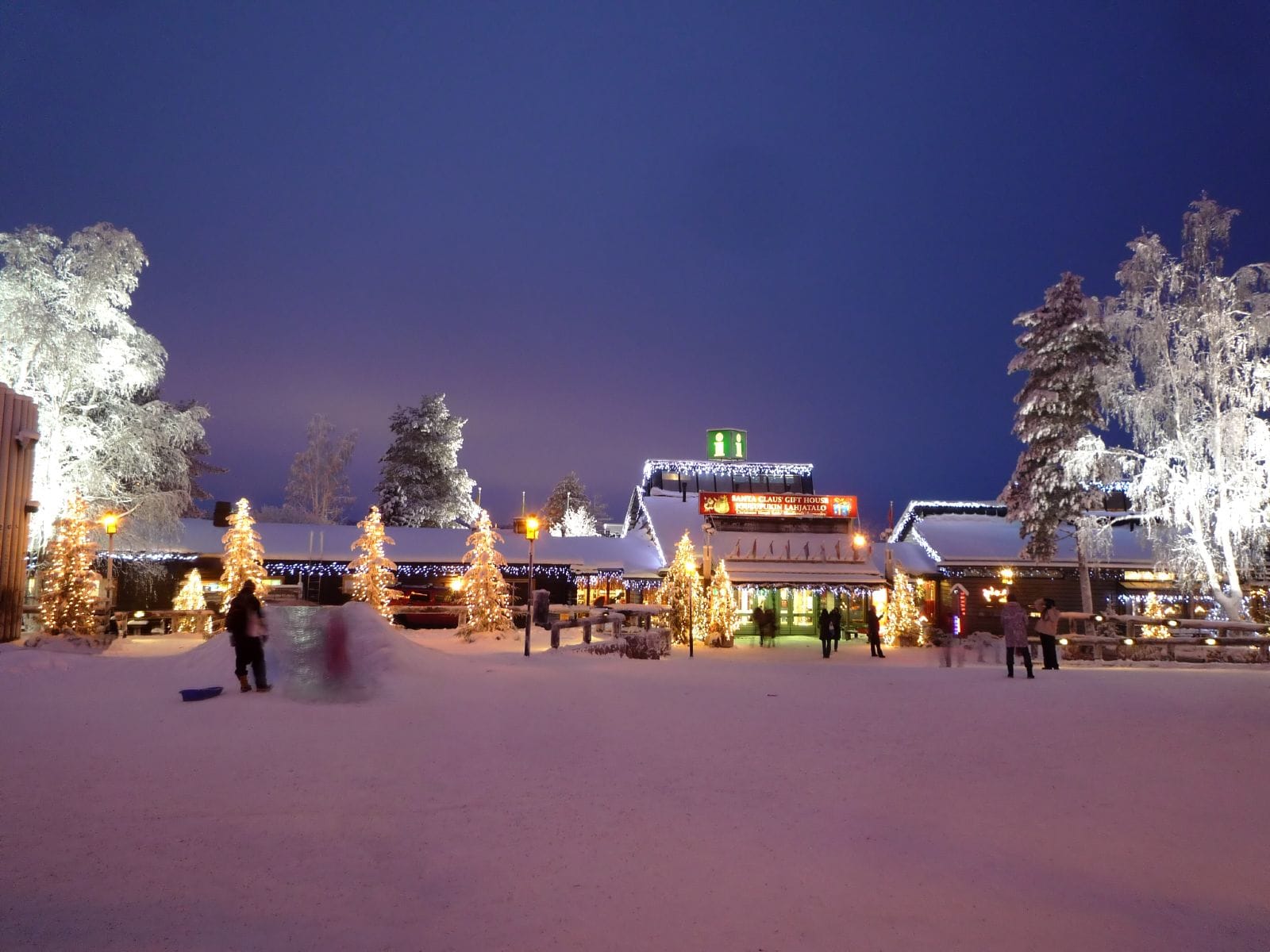
Eight kilometres north of Rovaniemi lies Santa Claus Village, a themed complex built right on the Arctic Circle, which is marked here by a line on the ground that you can ceremonially step across. It’s the most-visited attraction in all of Lapland and Finland’s biggest Christmas icon. And here’s the best bit: entry to the village and meeting Santa are free.
You only pay for the official photo with Santa, and it’s pricey at that (packages start around €40–55, so roughly £35–48), which comes as an unwelcome surprise to many. The village is open year-round, but in December and around Christmas the crowds and queues border on madness. 💡 Tip: arrive first thing after opening and treat the Santa photo as an optional luxury, not a must. More on the village’s official website.
2. Santa’s main post office and a postcard with the Arctic Circle stamp
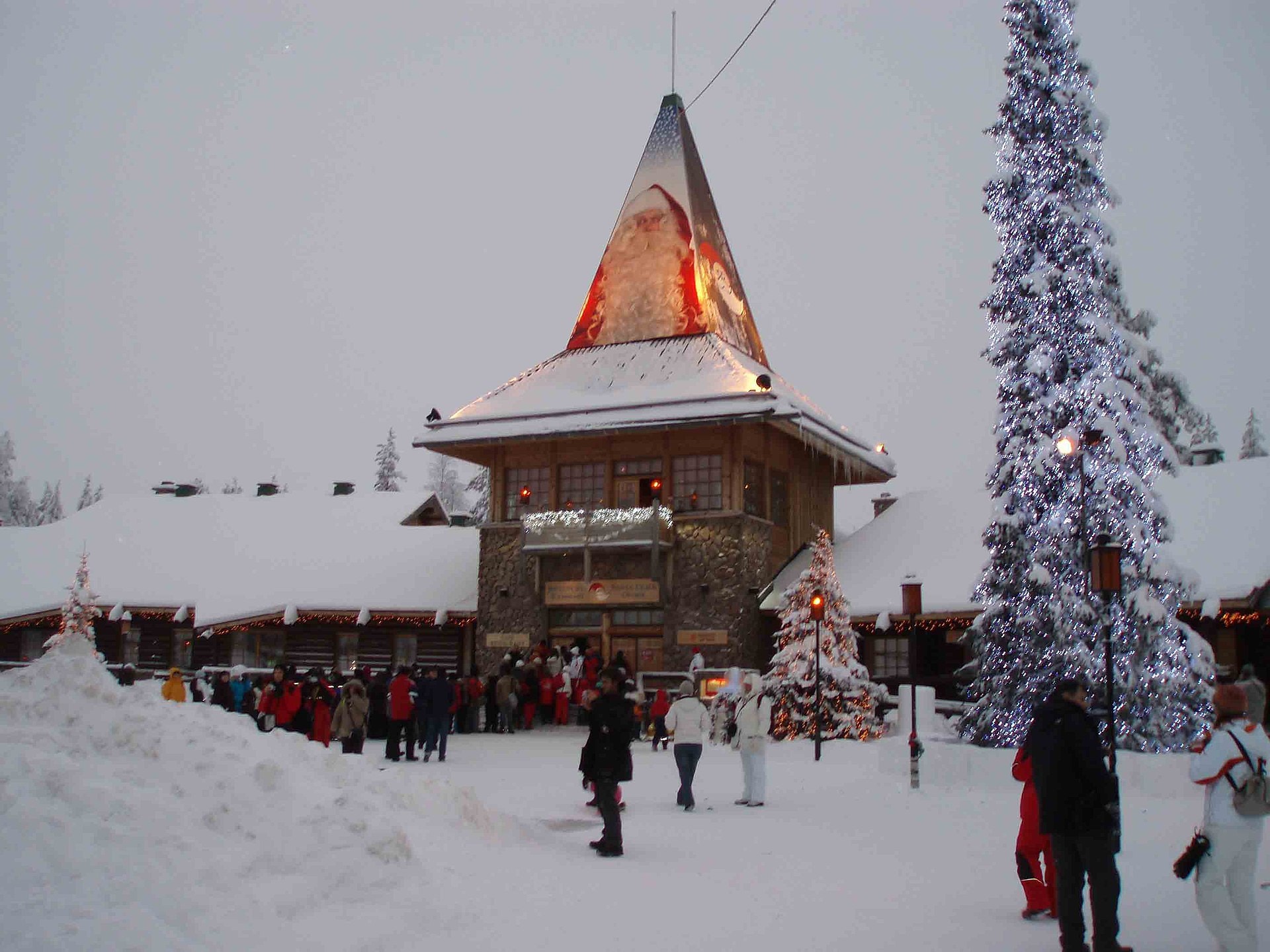
Right in the village sits Santa’s official main post office, run by the Finnish postal service, where two million postcards from all over the world arrive each year. Send a card home from here with the special Arctic Circle postmark you can’t get anywhere else, served by “postal elves” while you’re at it. It’s an adorable and, importantly, cheap experience.
You can also have a card written “from Santa” that arrives right at Christmas, which kids absolutely love. And even if you turn up outside opening hours, the yellow postbox by the entrance gets that magic stamp too.
3. SantaPark, Santa Claus’s underground cavern
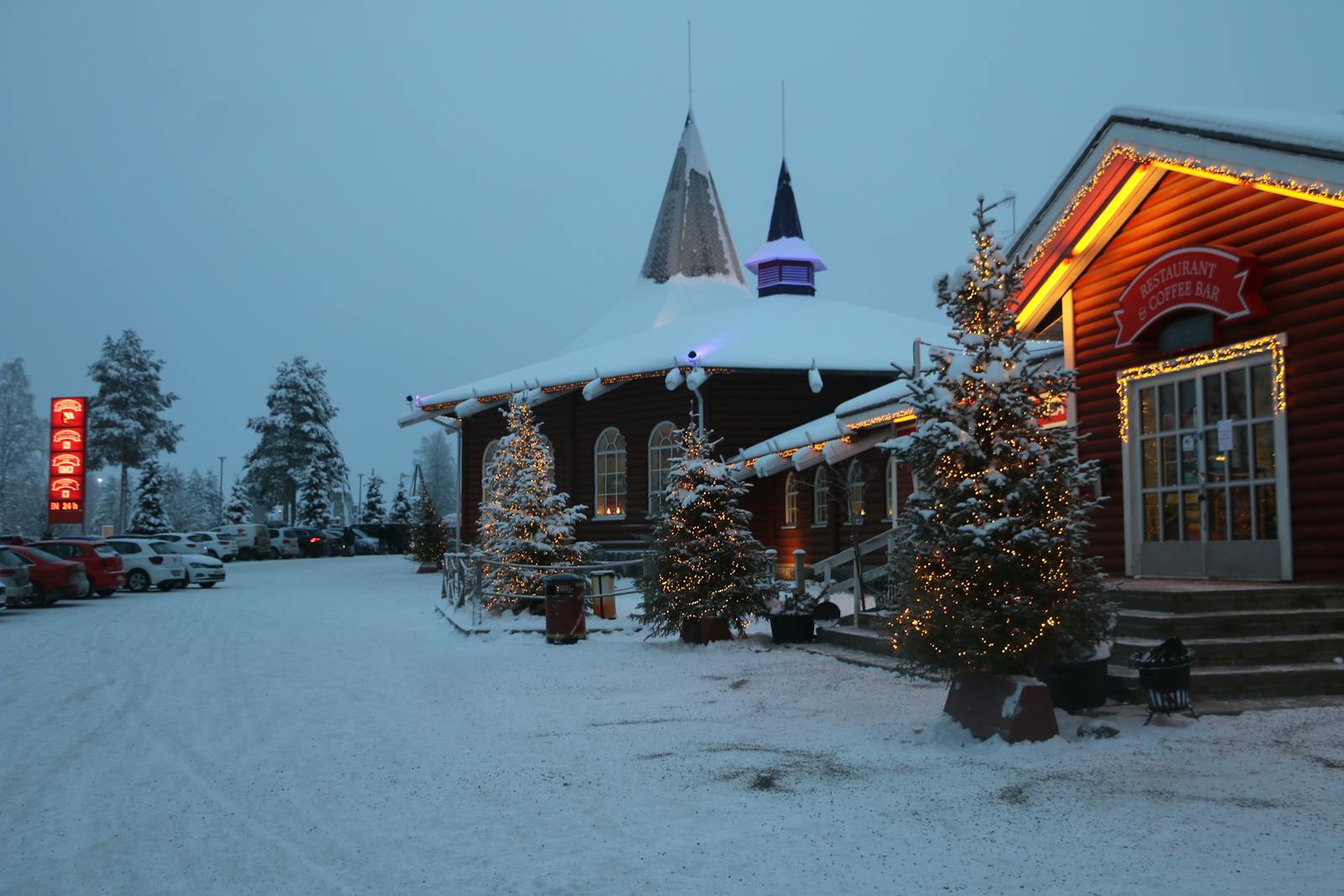
A short way from the village, SantaPark burrows into the rock — a Christmas theme park carved out underground. You’ll find an elf school, a gingerbread bakery, an ice gallery and a little train, and the whole place breathes Christmas whether you come in December or March. Unlike the village, there’s an entry fee here (from ~€49, around £43 per adult), but it’s indoor fun whatever the weather, which you’ll appreciate especially with kids when it’s blowing a gale outside.
The winter season usually runs from late October to mid-January, so check the current opening hours before you go on the SantaPark website.
4. Arktikum: the museum where you’ll understand why the sky glows
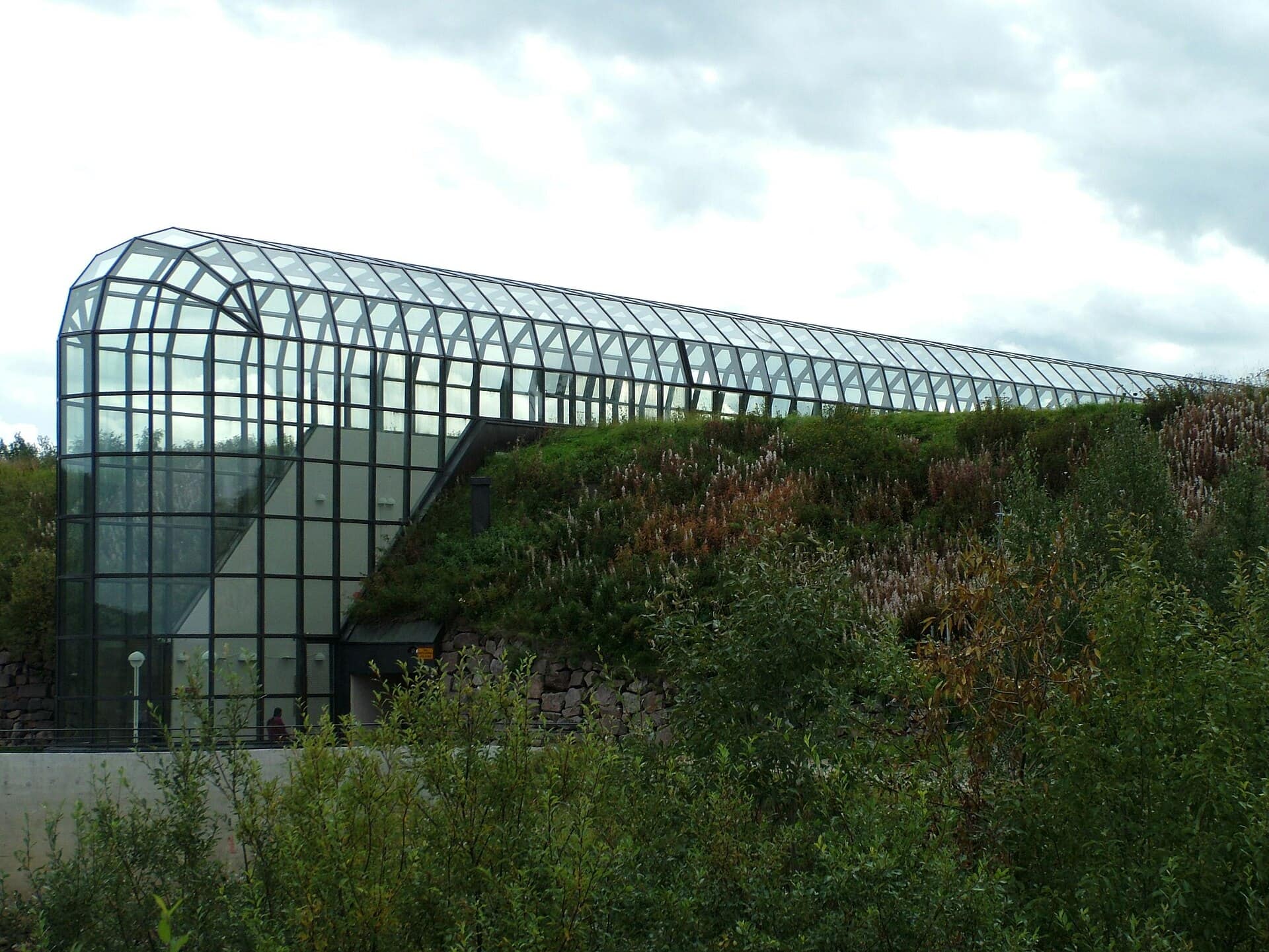
The iconic glass building reaching towards the river houses Arktikum, a museum and science centre about the Arctic. You’ll learn about life in Lapland, about Sámi culture and about what actually causes the Northern Lights. It’s the best “any weather” tip and an ideal complement to aurora hunting. When it’s overcast outside and you don’t see the lights, at least here you’ll understand how the miracle happens.
Admission is around €30 (£26) per adult, with family tickets working out cheaper. A little further on you’ll also find the interactive Pilke science centre about the forest (great for kids, everything’s hands-on) and the Korundi culture house with a gallery. Details on the Arktikum website.
5. Ranua Arctic zoo and meeting a polar bear
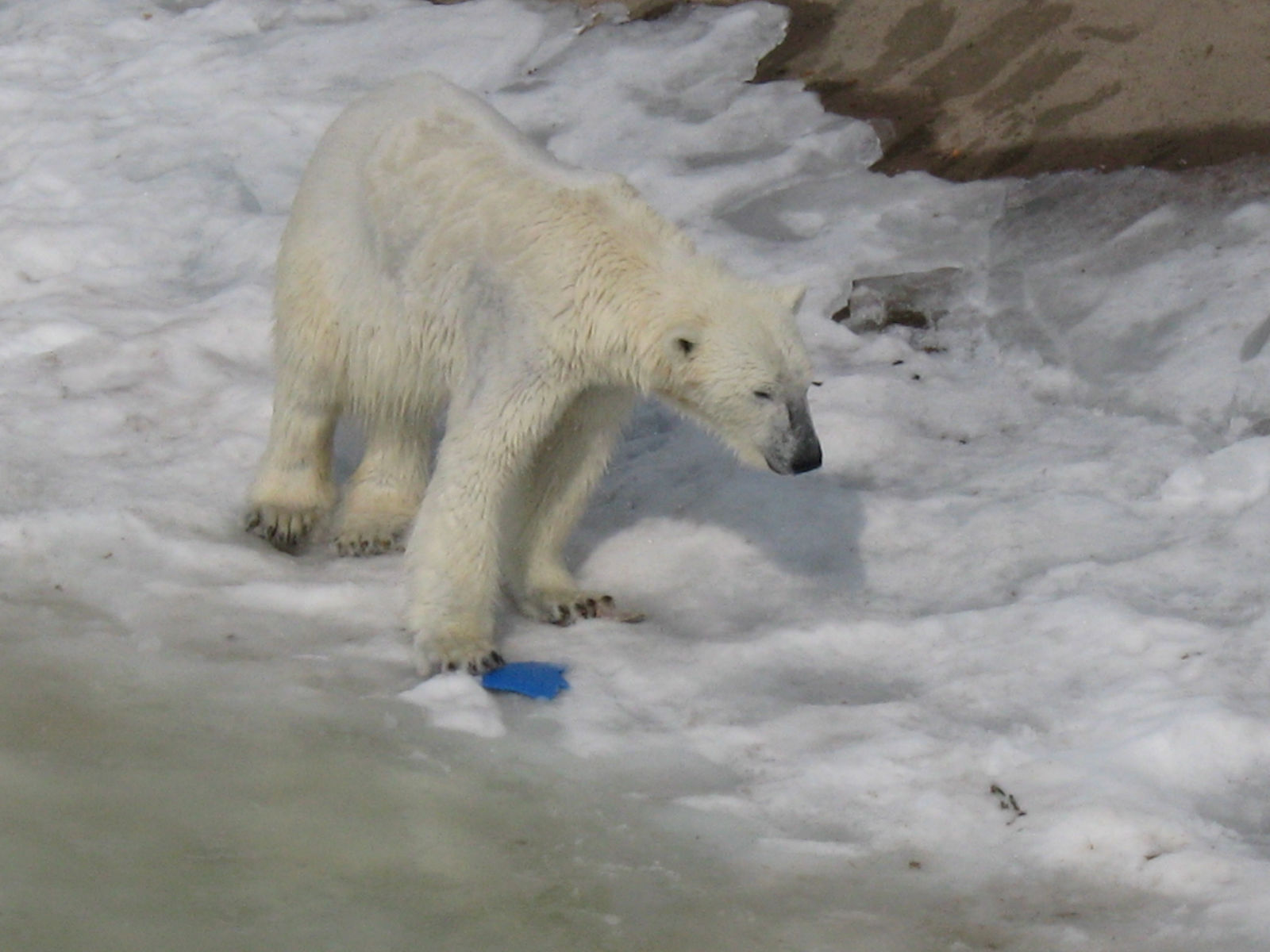
An hour’s drive from Rovaniemi (about 80 km) lies the northernmost zoo in the world, Ranua Wildlife Park. It focuses on Arctic animals in their natural winter habitat, so here you’ll meet Finland’s only polar bear, along with wolves, lynx, wolverines, Arctic foxes, owls and, of course, reindeer. You view the animals from snowy wooden boardwalks, which is an experience in itself.
It’s a safe bet with kids and an ideal back-up for a day when you don’t have a big activity booked. Admission is around €24.50 (roughly £21) per adult, and it’s open year-round. Current prices are on the Ranua Resort website.
The Arctic experiences you come to Lapland for
Here’s the heart of the whole trip. Lapland isn’t so much about sights as about experiences you’ll never forget: silence broken only by the panting of a dog team, a reindeer pulling a sleigh through a snowy forest, a sky glowing green. I’ve picked eight experiences that simply belong in Lapland, from the most famous to a few less obvious ones.
6. Chasing the Northern Lights (aurora borealis)
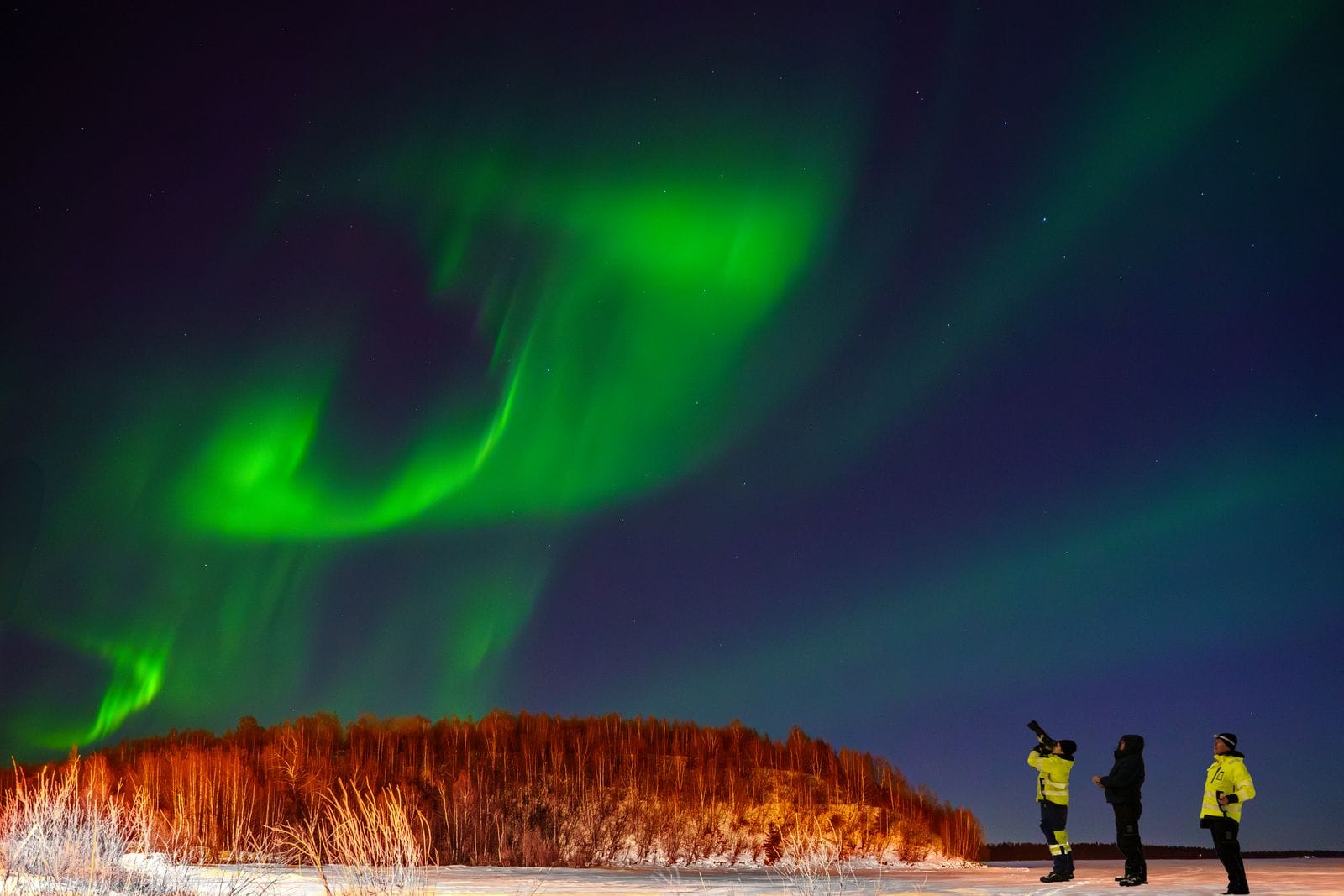
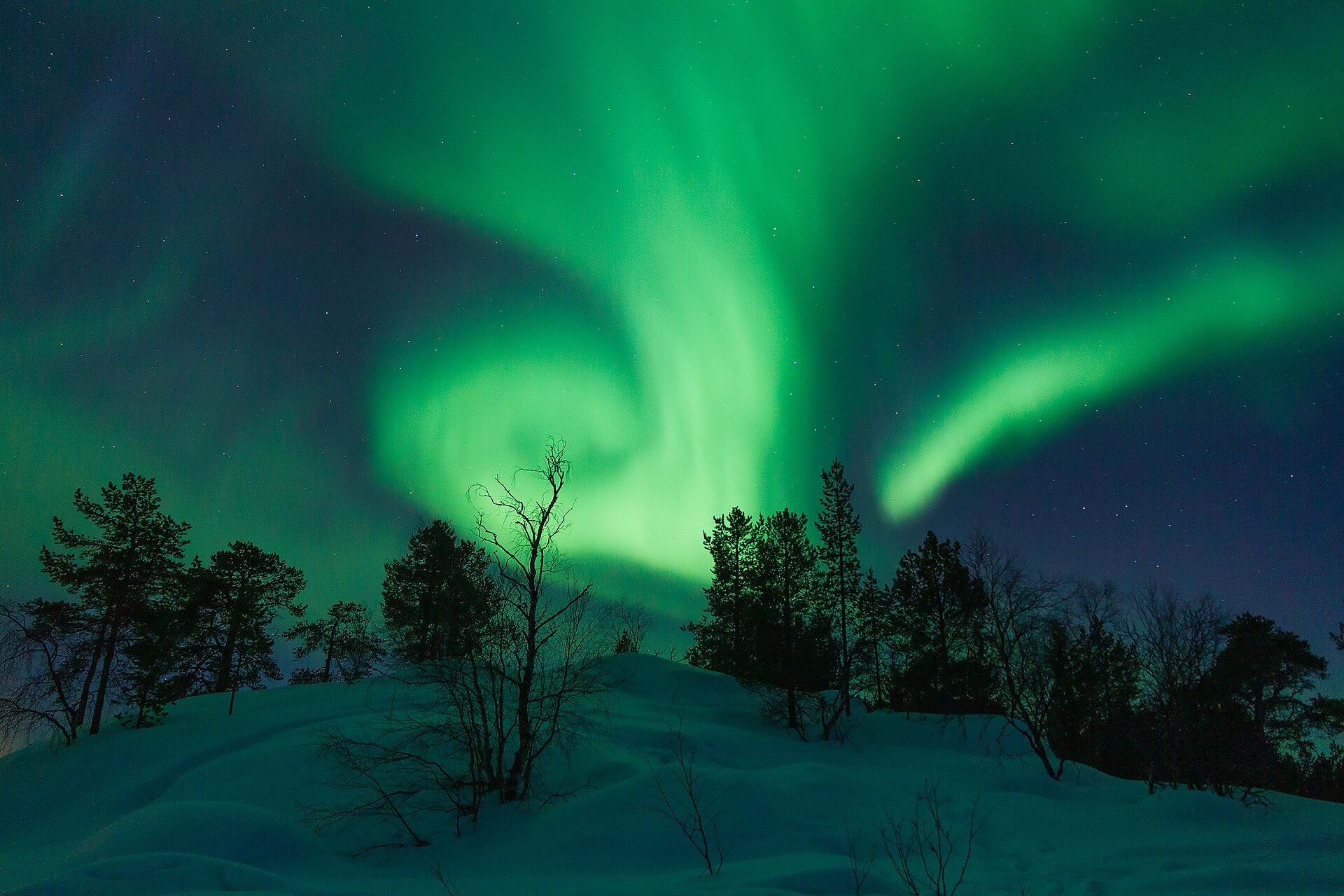
I’ll start with what most people come for. The Northern Lights, revontulet in Finnish, are Lapland’s main winter draw, and seeing them in the flesh is something else entirely compared to photos. It’s not a static green smudge but curtains of light that ripple and dance across the sky. You can hunt them yourself out of town, or on a guided tour that takes you far from the lights in search of clear skies.
As I wrote above, they’re not guaranteed and it takes patience, but when it works out it’s a once-in-a-lifetime experience. Many hotels and igloos have an “aurora alarm” that wakes you in the night when the sky lights up. A guided tour costs roughly €120–150 (£105–135) per person and your odds are noticeably higher than going it alone. You can book specific tours in advance through GetYourGuide.
7. Husky safari, dog-sledding through the snow
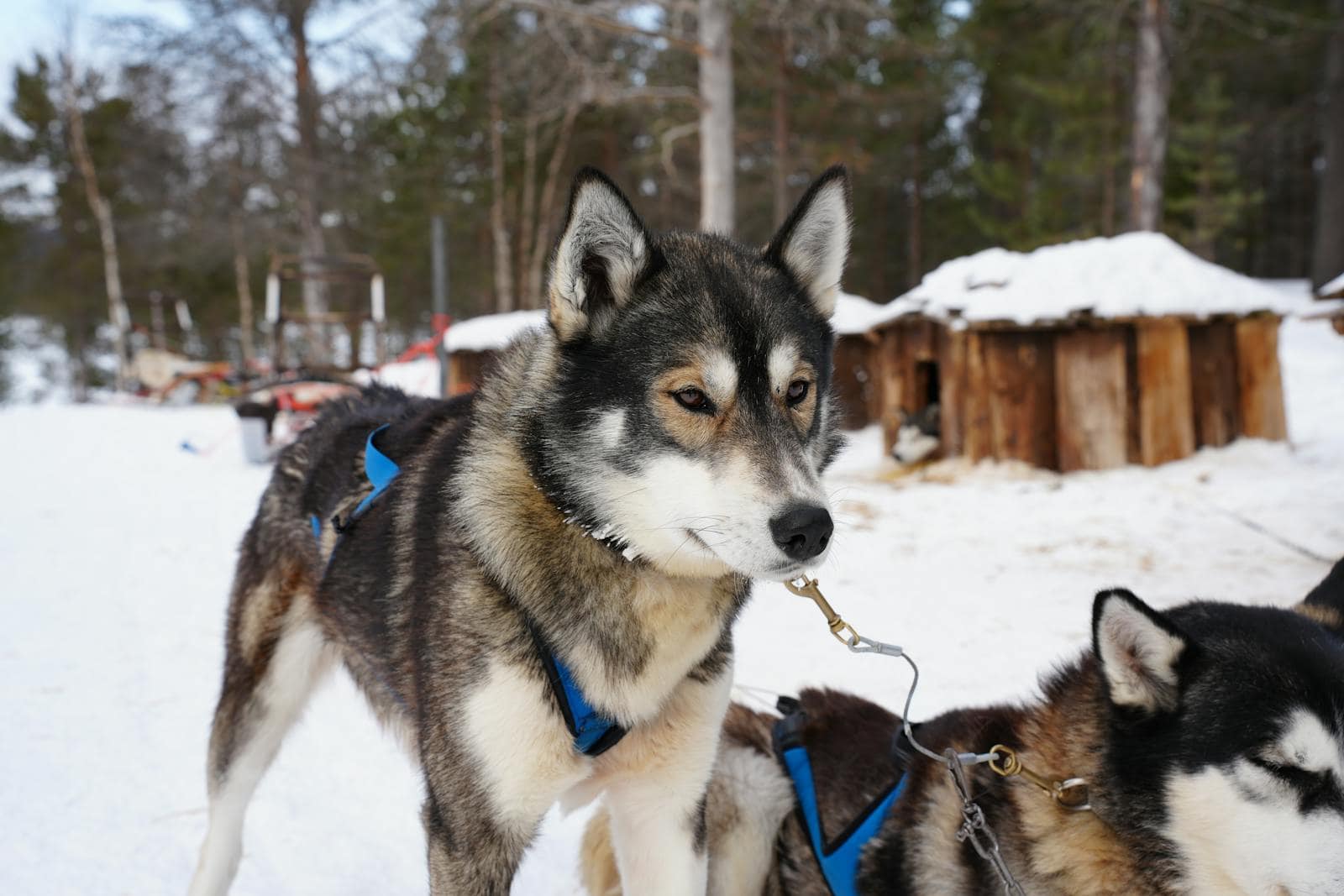
If Lapland has one unmistakable sound, it’s the panting and barking of huskies right before the start, replaced by utter silence the moment the team takes off. Visiting a husky farm and riding a sled pulled by a pack is one of the most authentic Arctic experiences there is. You can ride as a passenger or drive your own team, and along the way you can cuddle the dogs, who are, by the way, surprisingly friendly.
A short ride near Santa Claus Village costs just a few pounds, while a full self-drive safari runs £85 to £175 depending on length. 💡 Tip: some farms offer a reindeer combo in one day, which is a great way to tick off two experiences at once. Just bear in mind the ride itself tends to be shorter than you’d expect, but intense in the cold.
 🚗 Car rental on the road
Verified rental cars in Finland
🚗 Car rental on the road
Verified rental cars in Finland
Search with the DiscoverCars comparison engine — it compares prices from dozens of local and international rental companies, and most bookings come with free cancellation.
Compare car prices in Finland →8. Reindeer sleigh rides and meeting the Sámi
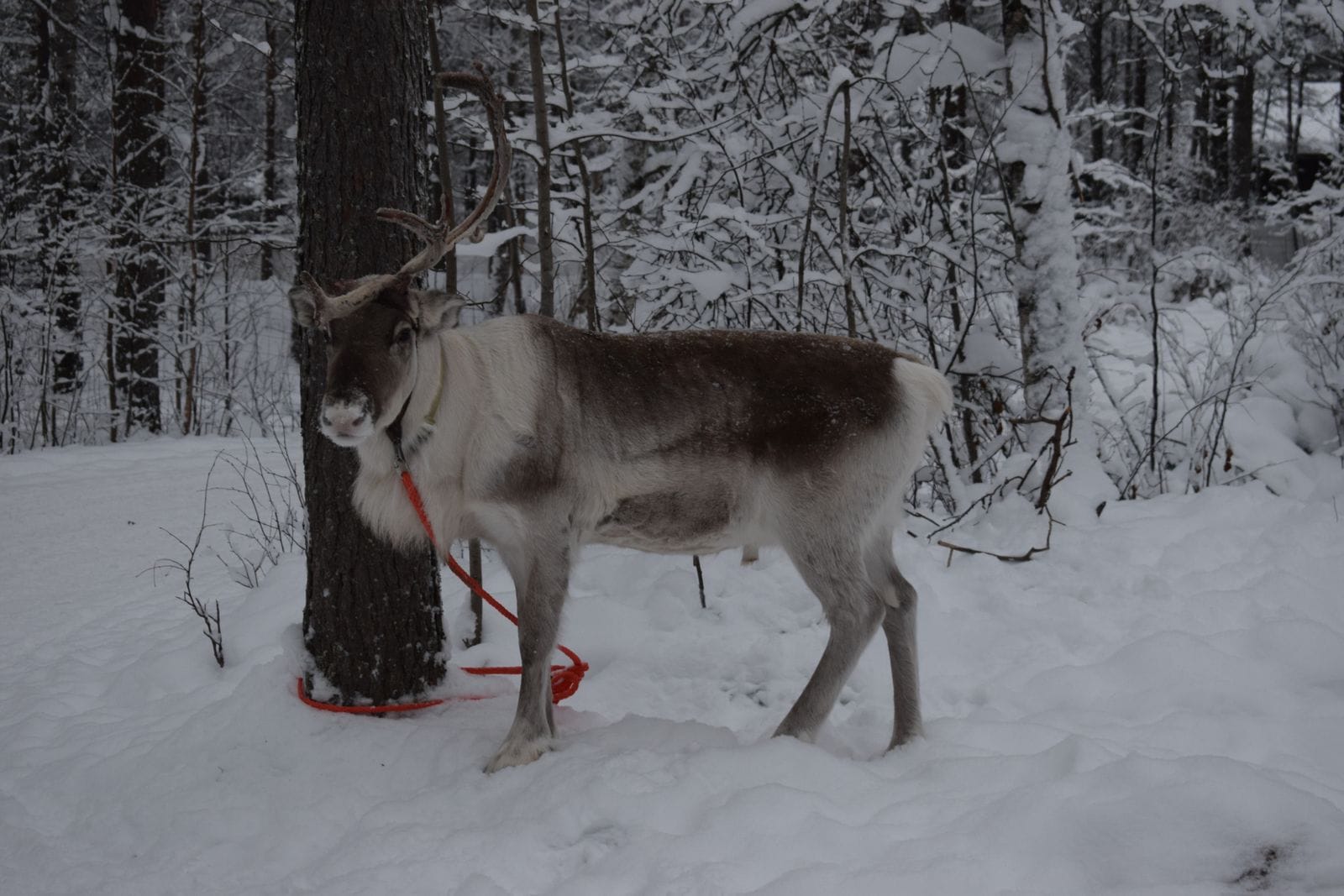
If a husky safari is fast and wild, a reindeer sleigh ride is its calm, fairy-tale counterpart. The reindeer walks at a gentle pace, the scene is hushed, just the crunch of snow and a snowy forest stretching all around. Visiting a traditional reindeer farm, often run by herding families for generations, is also the most authentic way into Sámi culture, the only Indigenous people in the European Union.
After completing the loop you’re given a jokey “reindeer driving licence” that delights kids and grown-ups alike. By the fire, the herders will tell you about life with the herds and what reindeer mean to the Sámi. It’s an experience that warms your heart even in the deepest cold. ☺️
9. Snowmobiling across the wilderness
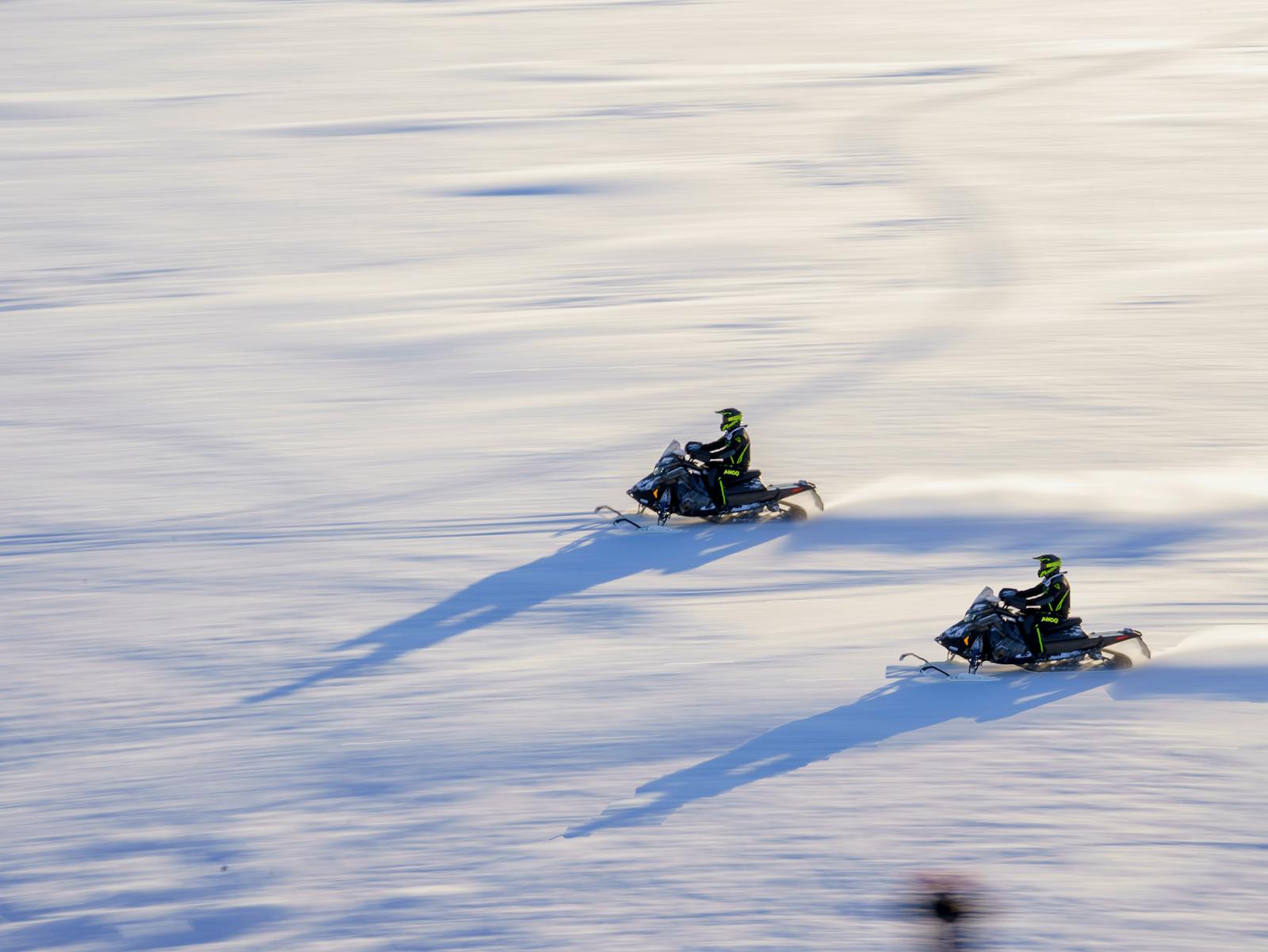
For adrenaline lovers there’s the snowmobile safari. On a guided tour you’ll zip across snowy country you couldn’t reach on foot or by sled, and it’s often combined with ice fishing or a Northern Lights hunt. There are versions from gentle hour-long loops to full-day and night rides.
One important detail people often forget: anyone who wants to drive a snowmobile must hold a physical category B driving licence and be over 18. Without one, you can only ride along as a passenger in an attached sled. Prices range around €100–150 (£90–135) for a few hours.
10. A night in an ice hotel and a drink at the ice bar
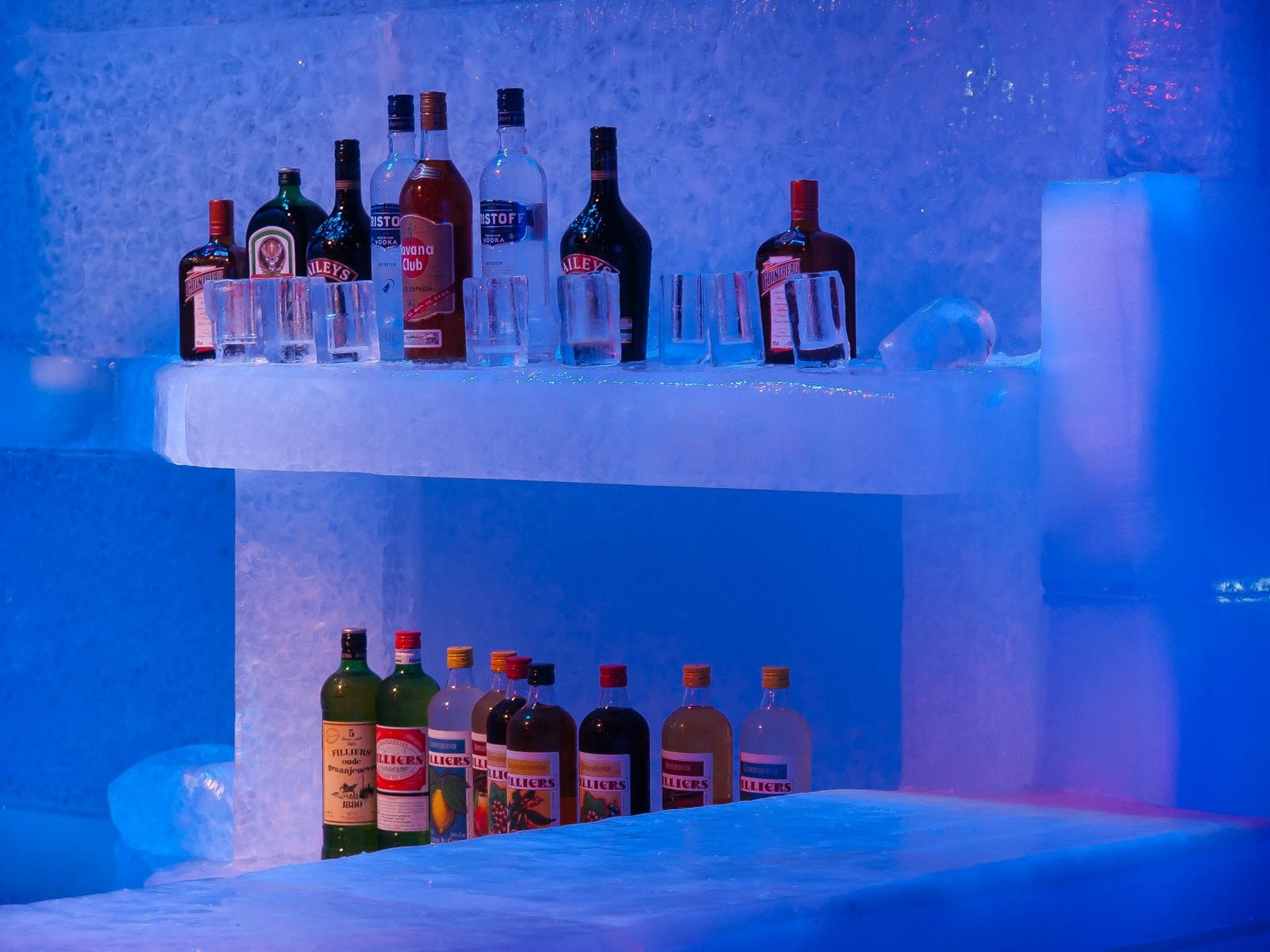
Sleeping on a bed of ice and snow sounds mad, but it’s one of Lapland’s most powerful experiences. The Arctic SnowHotel near Rovaniemi is carved anew from fresh snow every winter, so it never looks the same. You’ll find ice rooms, an ice restaurant, an ice chapel and an ice bar, where your drink is served in a glass cut from ice.
You sleep in a thermal sleeping bag on furs and, surprisingly, it isn’t cold, because snow insulates brilliantly. And even if you don’t fancy spending the night, you can just come for a tour or a drink (entry around €29, roughly £25). It’s like walking inside a giant ice sculpture.
11. Glass igloos: the Northern Lights straight from your bed
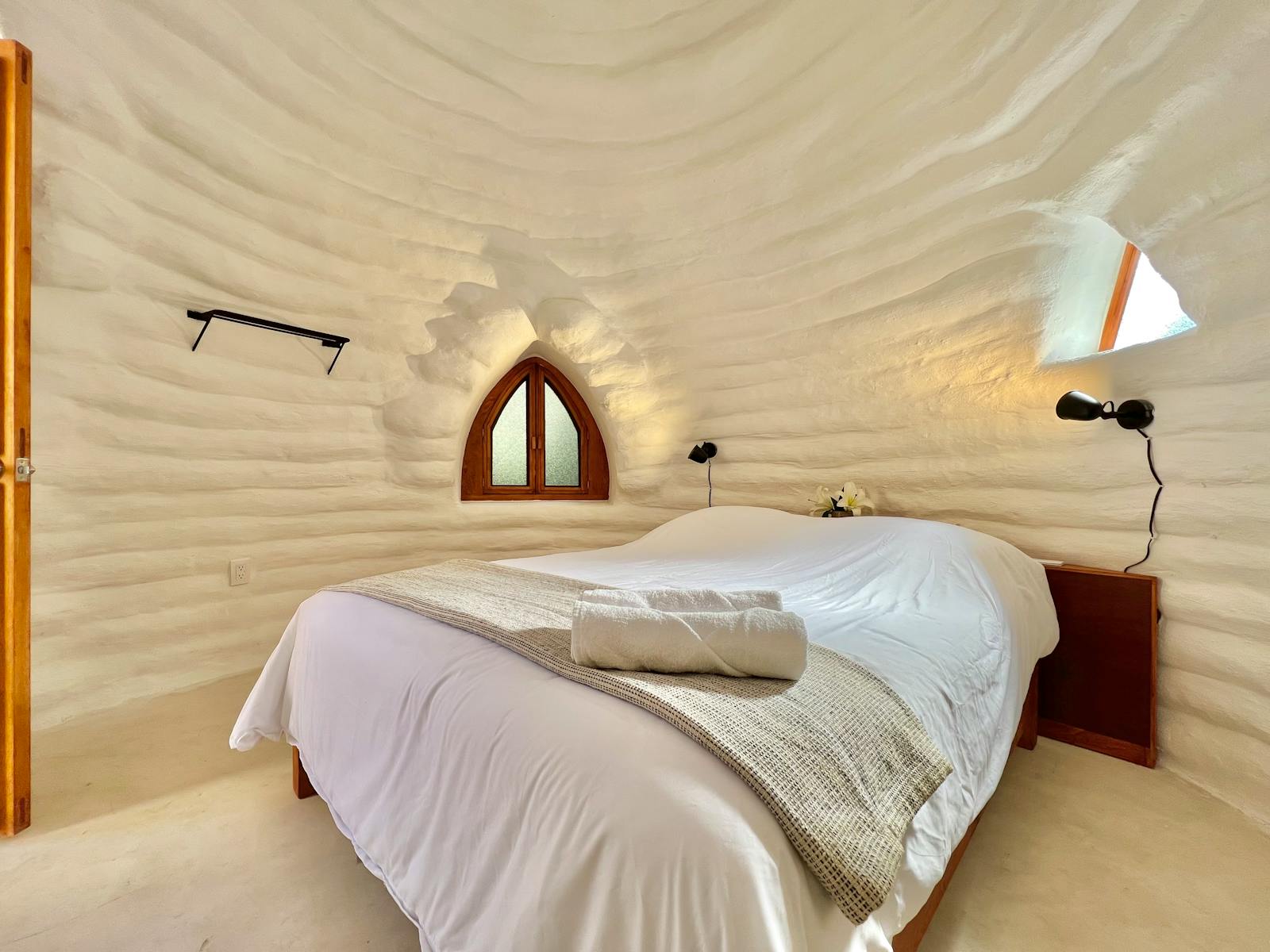
I mentioned glass igloos under accommodation, but they deserve a place here too, because it’s an experience in its own right. You lie warm under the covers, a heated glass dome above your head (snow slides off it, so the view stays clear), and wait to see if the sky will light up. When the aurora appears, you watch it without having to poke your nose out from under the duvet.
It’s romance of the highest order and a fulfilled Instagram dream, but be ready for higher prices (from ~£350 a night) and, above all, for the fact that even glass won’t guarantee you’ll see the lights. Treat it as a luxury cherry on top, not a certainty.
12. The Sampo icebreaker and the snow castle in Kemi
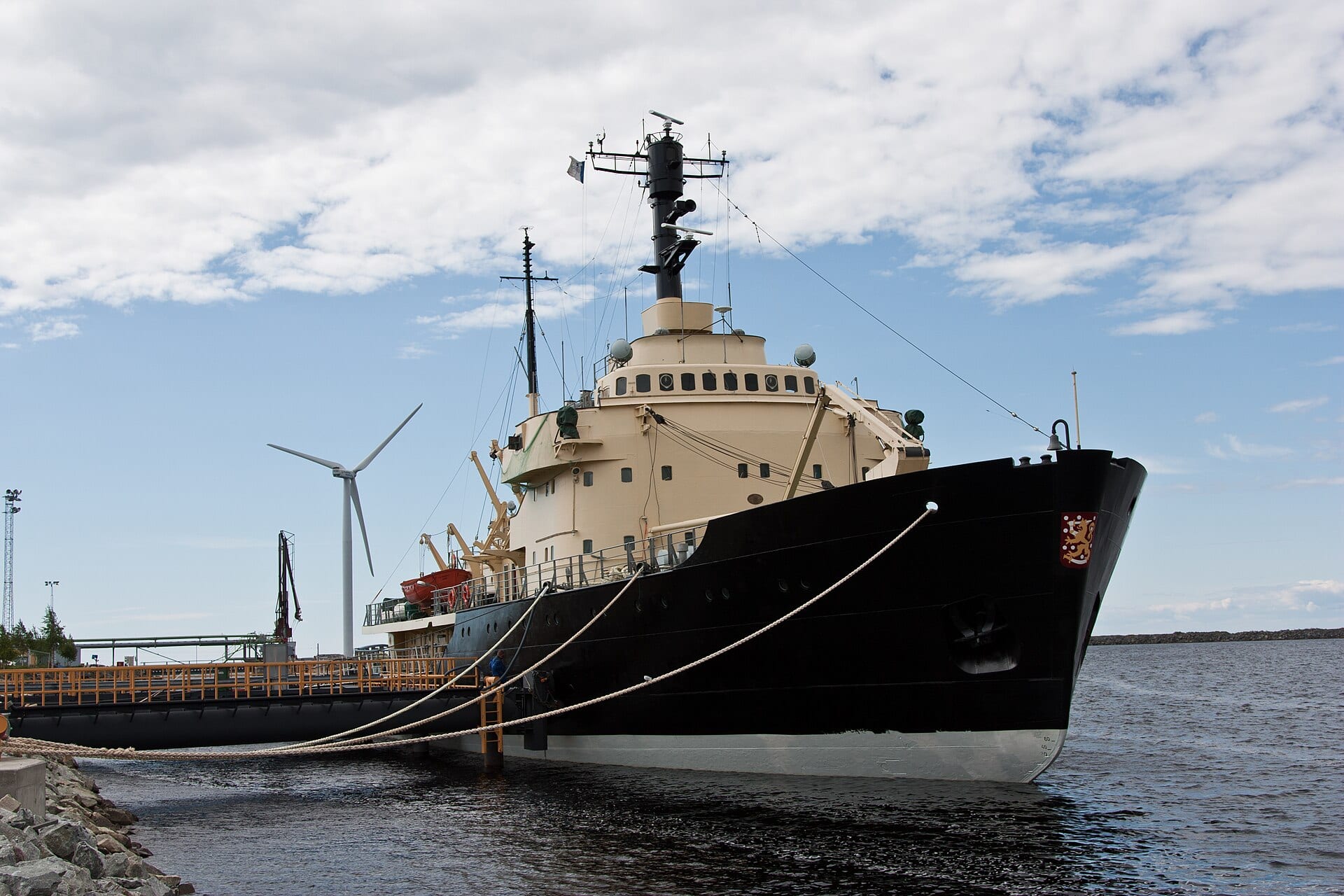
This is my tip for those who want something you really won’t experience anywhere else. In the port town of Kemi in southern Lapland, the retired Sampo icebreaker is moored, taking tourists on a cruise across the frozen Gulf of Bothnia and breaking metre-thick ice ahead of them. The highlight is floating among the ice floes in a special thermal dry suit, in which you bob in the water like a cork and don’t feel cold at all. Unforgettable.
In the same town, the SnowCastle, the largest snow fort in the world, is rebuilt every winter, complete with a snow hotel, an ice restaurant and a chapel where weddings are even held. The icebreaker cruise is a pricier experience (budget hundreds of pounds and a full day), but it’s definitely worth considering. Details on Visit Rovaniemi.
13. Sauna, ice bathing and other winter classics
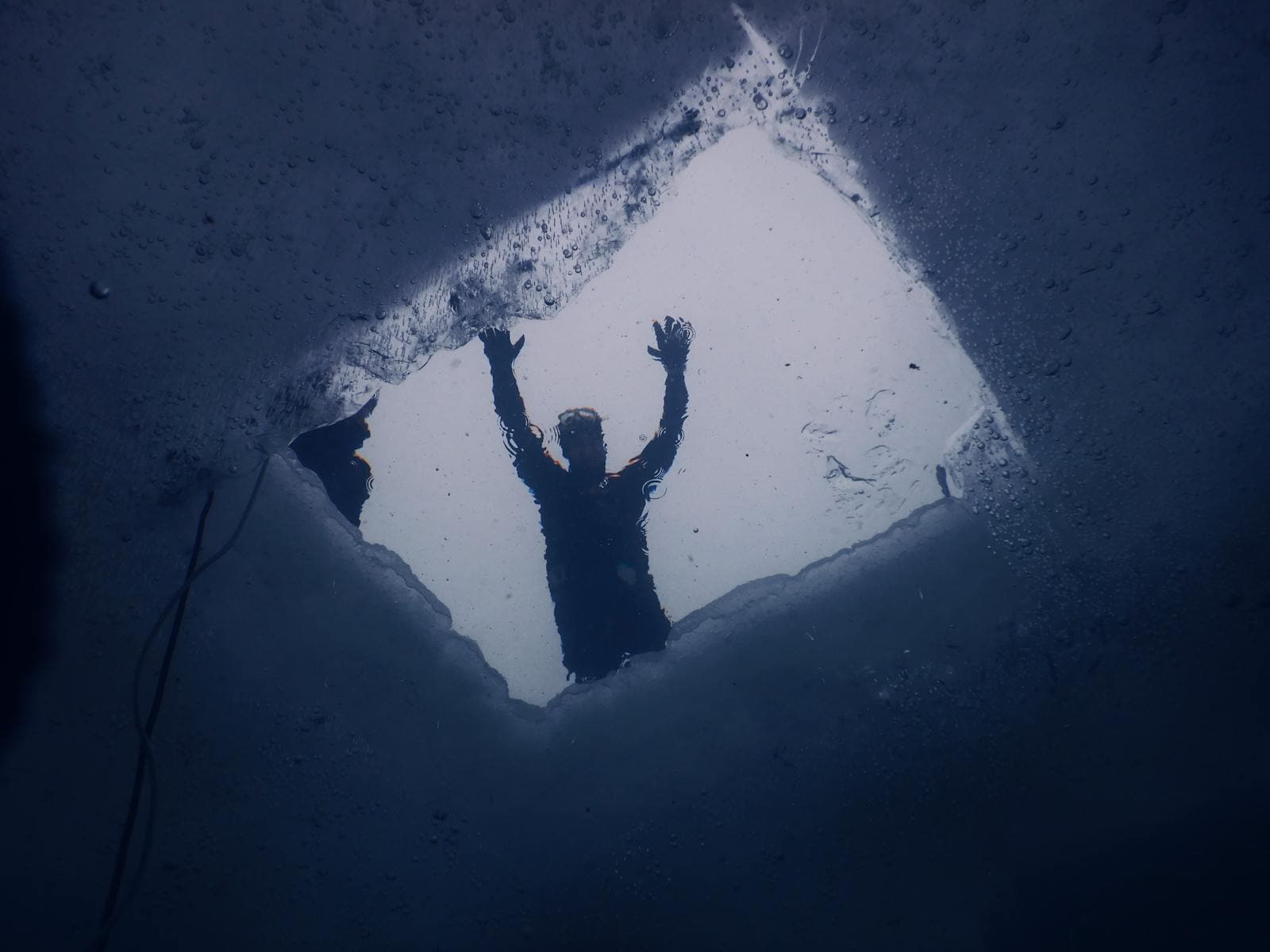
Finland is the birthplace of the sauna, and in Lapland you’ll take it to an art form. The classic goes like this: heat up in the sauna and then plunge into a hole cut in a frozen lake (the so-called avanto). It sounds insane, but it’s incredibly invigorating and the locals swear by it. If you don’t dare take the ice plunge, just a sauna with a view over the snowy landscape is a balm in itself.
Other more relaxed winter classics include ice fishing (drill a hole and wait with a flask of hot drink), a snowshoe walk through the silent forest, or a spin on a fat bike along the packed trails. Perfect for a day when you want to slow down and just soak up the Arctic stillness.
Map of points of interest for your phone
Lapland’s nature and the Sámi north: 6 places beyond Rovaniemi
Rovaniemi is a great start, but Lapland’s real magic spreads far beyond it. If you have more days for your trip (ideally a week) and the urge to discover a quieter, wilder and more authentic Lapland, head into the national parks and the Sámi north. Here are six places worth driving further for.
14. Downhill and cross-country skiing: Levi, Ylläs, Pyhä and Saariselkä
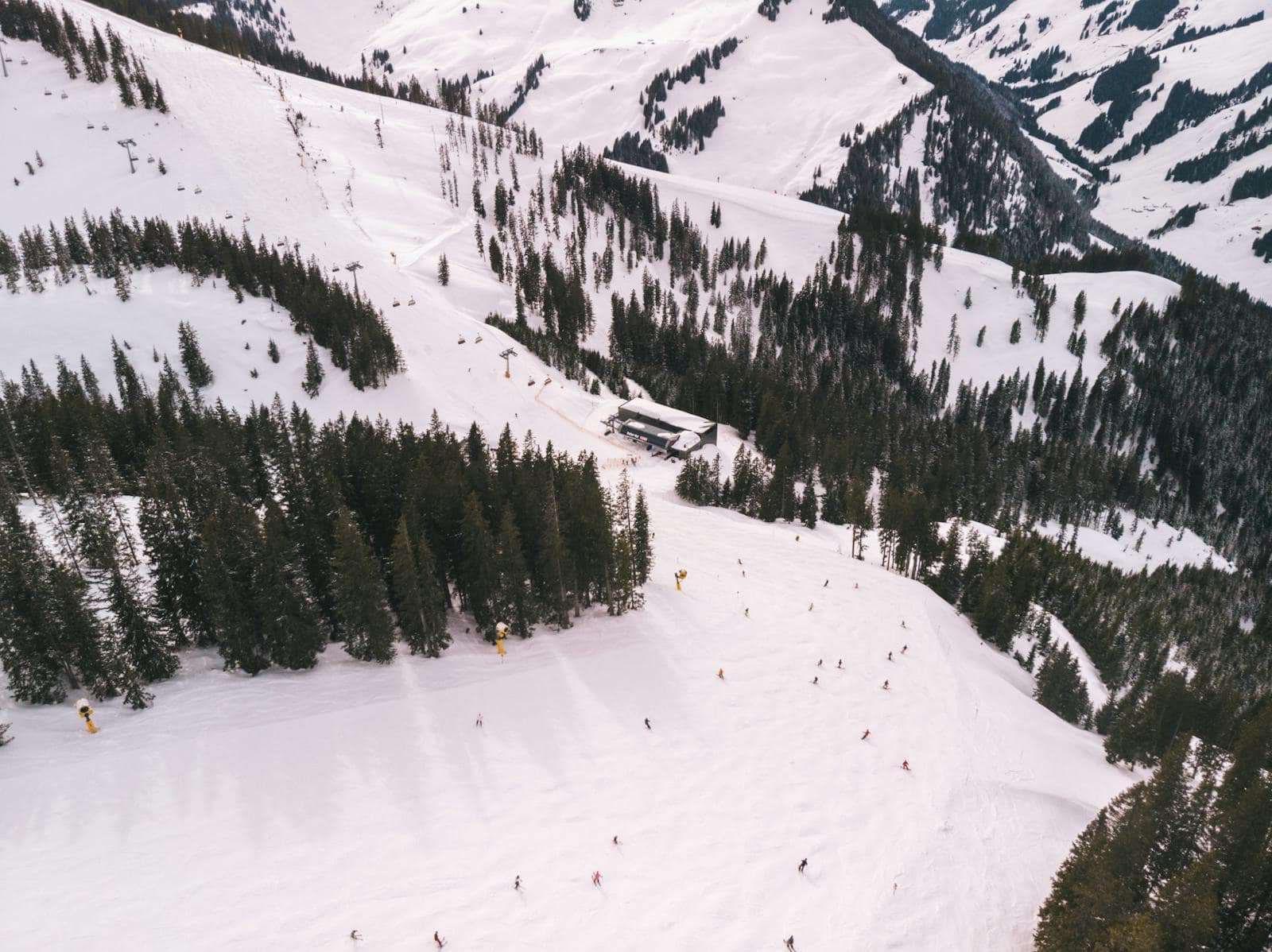
Lapland is a Nordic skiing paradise, and the resorts here have a long, reliable season (roughly November to April, in places longer). Levi is the liveliest, full of après-ski, snow parks and children’s areas. Ylläs has the largest range of runs and the longest descents in the country, but it’s quieter. Pyhä-Luosto and Saariselkä are more low-key, with Saariselkä, thanks to its far-north location, offering the best Northern Lights conditions.
Even if you don’t ski downhill, it’s worth coming for the cross-country trails, since there are hundreds of kilometres of groomed tracks here, and gliding through the snowy fell landscape is an experience in itself.
15. Riisitunturi and its eerily beautiful snow-laden trees
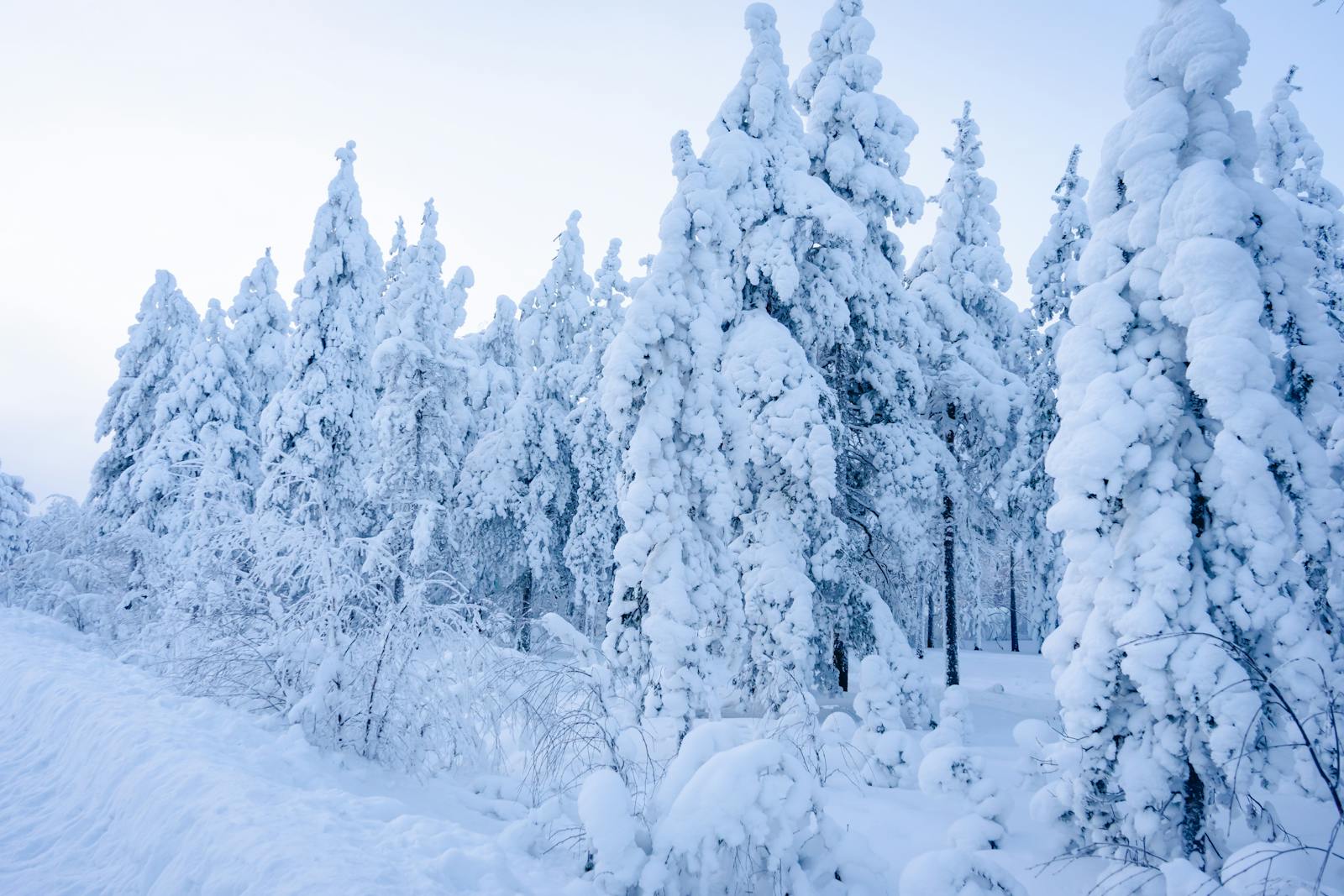
Riisitunturi National Park near Posio is one of the most photographed winter landscapes in all of Finland, and once you see the pictures you’ll understand why instantly. The spruces here get coated in such a heavy layer of snow (known locally as “tykky”) that they turn into ghostly white sculptures resembling petrified giants. A single tree can bear three to four tonnes of snow.
These “snow sculptures” are at their best from January to March. Entry to the park is free, and a snowshoe walk among them is utterly magical and, surprisingly, peaceful, far from the crowds. More on the official Finnish national parks website.
16. Pyhä-Luosto and the amethyst mine where you dig your own gemstone
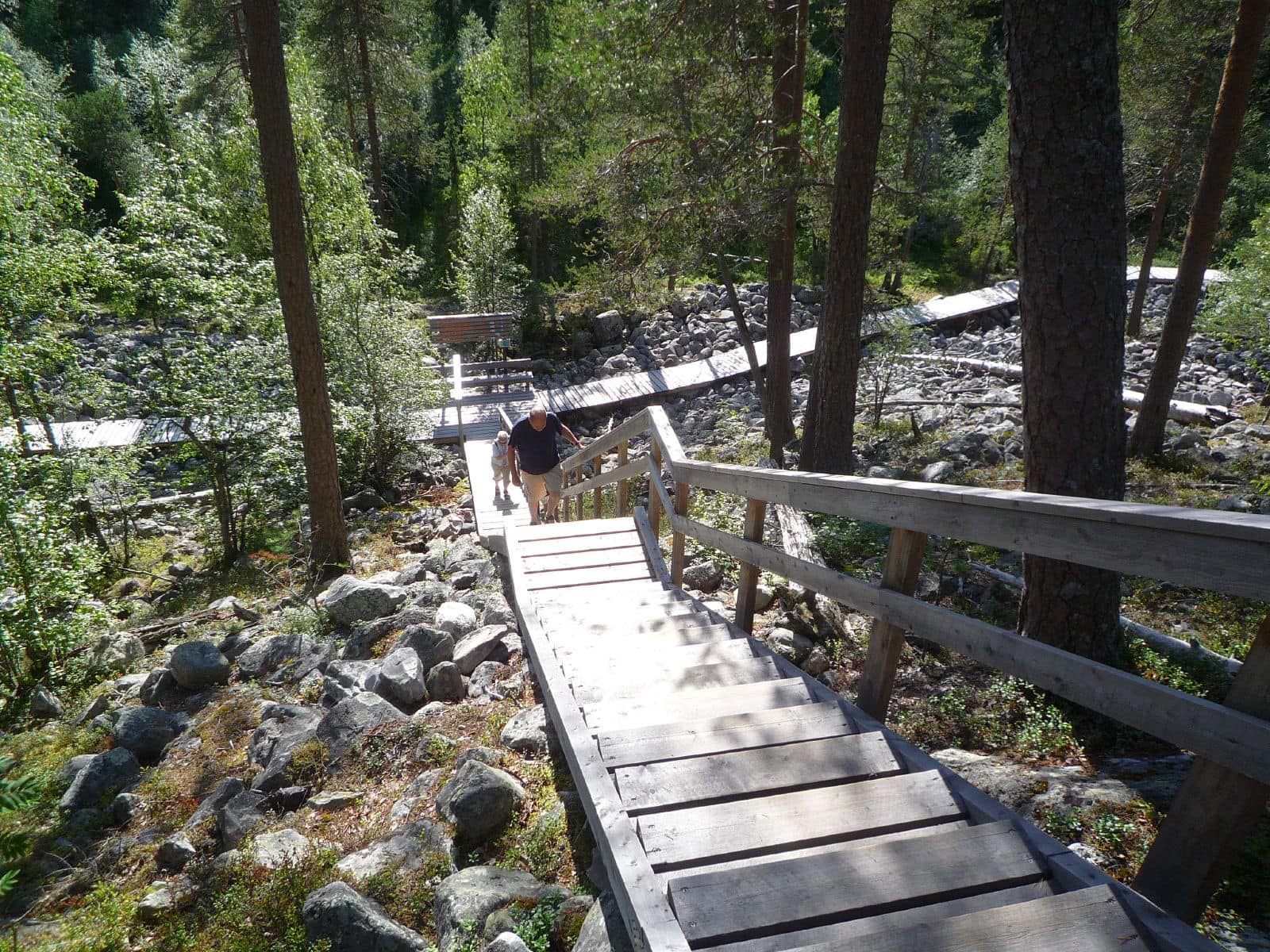
Pyhä-Luosto National Park protects some of Finland’s oldest rocks, around two billion years old, and on Lampivaara hill it hides a rarity: the only active amethyst mine in Europe that’s also open to the public. You ride up, hear the story of the deposit and then dig out your own amethyst with your bare hands, which you get to keep if it fits in your palm.
It’s a playful experience for the whole family, set in a beautiful fell landscape, and in winter you go up by snow train or on snowshoes. Keep an eye on bookings and opening hours on the mine’s website.
17. Korouoma: frozen waterfalls from another planet
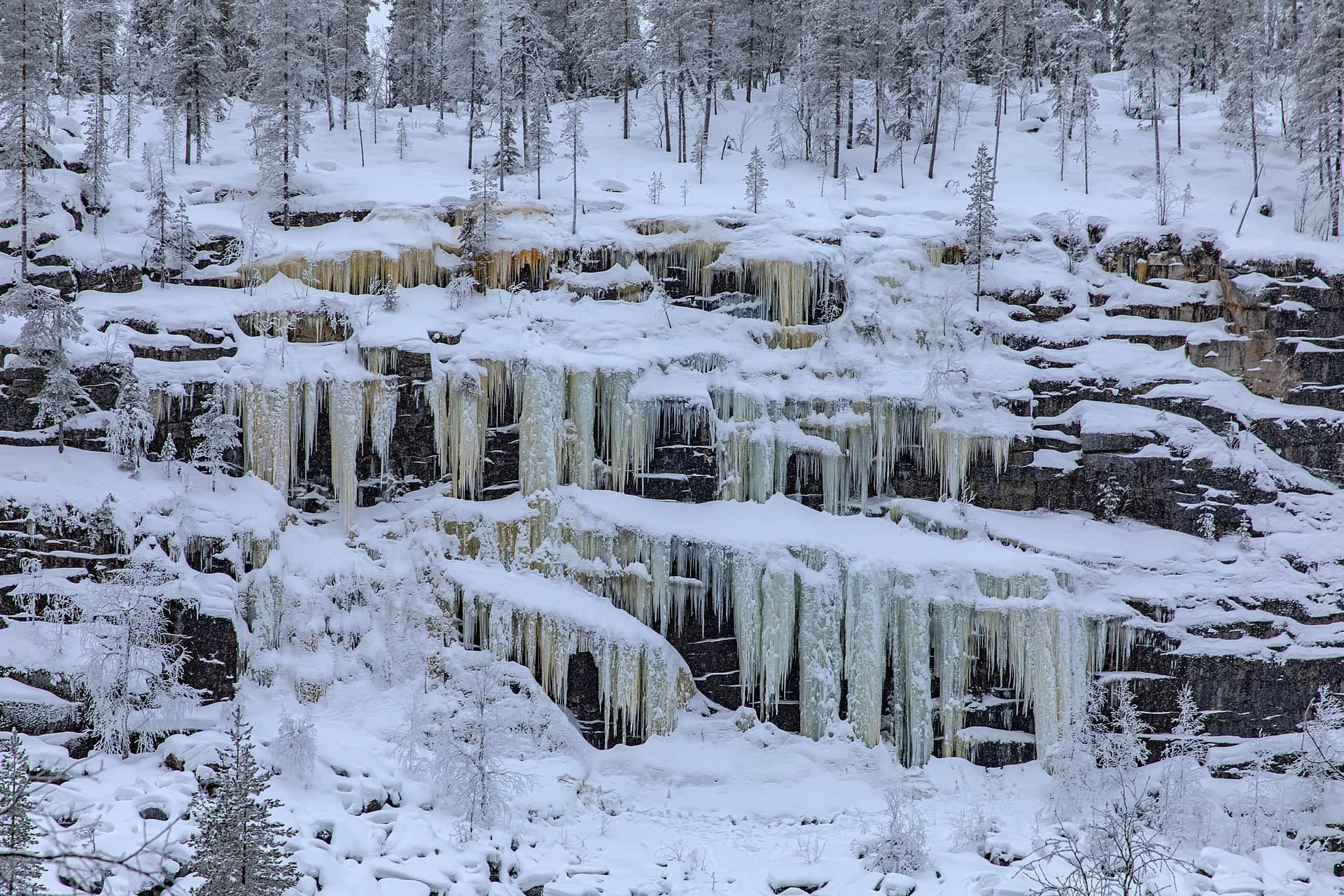
About 110 km from Rovaniemi, the Korouoma canyon cuts into the land — a 30-kilometre-long gorge over a hundred metres deep in places, home to Finland’s most striking frozen waterfalls. In winter the flowing water turns into blue-and-white ice walls up to 60 metres high, drawing in tourists and ice climbers with their axes.
Most people come here on a full-day trip from Rovaniemi, which usually includes a trek among the ice falls and a barbecue by the fire. The ice falls are at their finest from December to March. It’s one of those experiences after which you feel you’ve been on an entirely different planet.
18. Inari, the lake and the Siida museum: the heart of Sámi culture
Far to the north, about 330 km from Rovaniemi, lies Inari, the heart of Sámi culture in Finland. Don’t expect factory-line tourism here — this is real, lived Lapland. You’ll find the excellent Siida museum, which connects Sámi history with the nature of northern Lapland, and Lake Inari, the third largest in Finland, dotted with more than three thousand islands, including the sacred island of Ukonkivi.
The journey here is long, but the reward is the most authentic insight into the life of the EU’s only Indigenous people, plus top-notch Northern Lights conditions, because darker, more northerly skies simply don’t exist. More about the museum on the Siida website.
19. Tankavaara and panning for gold
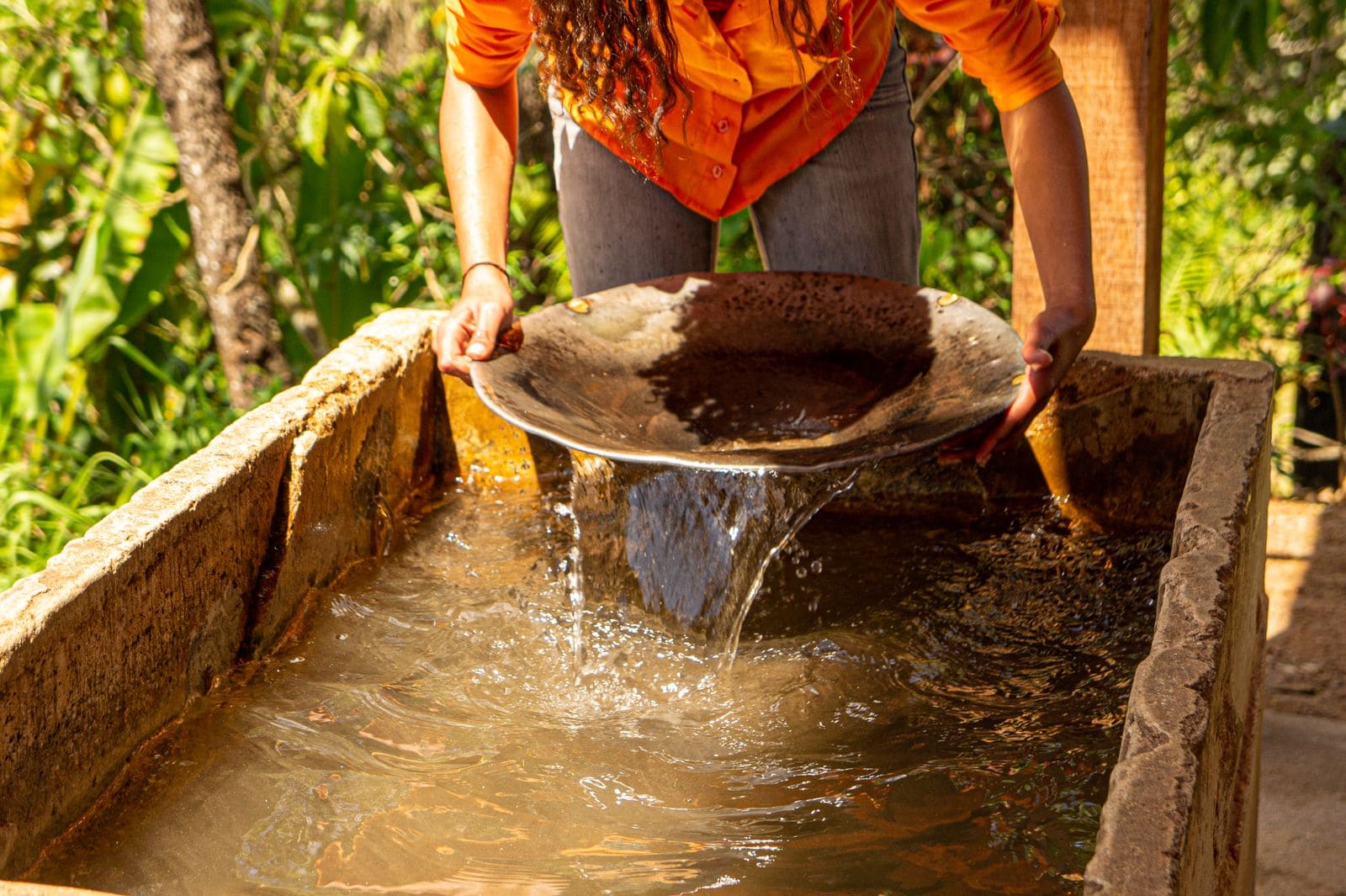
Between Saariselkä and Inari lies the Tankavaara Gold Village, where the history of Lapland’s gold rush blends with a hefty dose of fun. There’s a Gold Museum charting gold mining around the world and, best of all, you can try panning for gold yourself in a pan under an instructor’s guidance. And whatever you find, you keep.
The kit, including wellies, is lent on site, and it’s an ideal stop for families on the way north. In summer you pan outdoors in the stream, in winter indoors. A little adventure that makes you lose all track of time.
Lapland in summer: the midnight sun and the colours of “ruska”
If you think Lapland is only about snow, I’ve got a surprise for you. In summer it transforms into a completely different, green and unexpectedly colourful landscape, and it’s also far cheaper and crowd-free.
20. The midnight sun, trekking and the autumn “ruska”
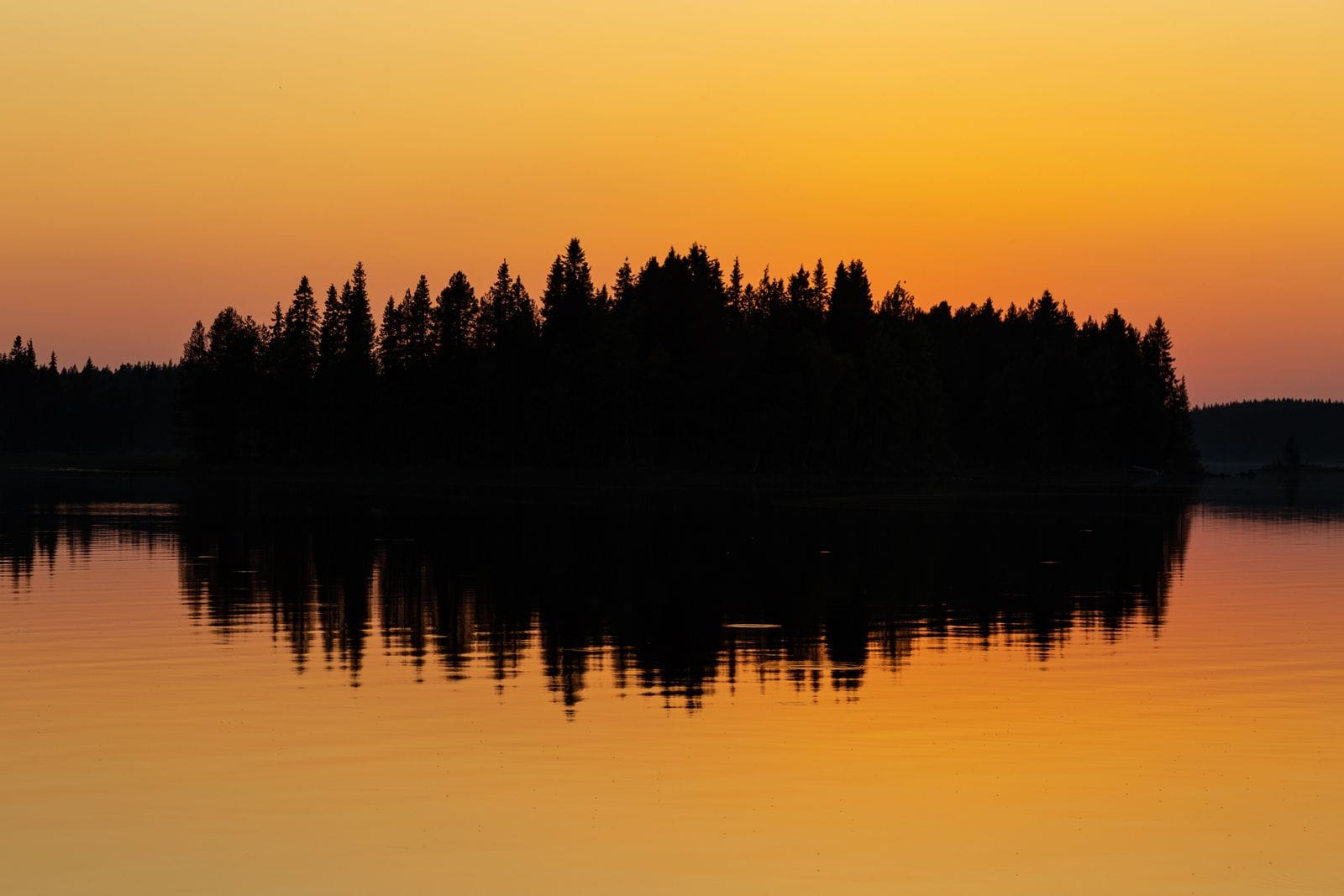
In summer you’ll experience the midnight sun, when from roughly early June to early July the sun never sets and the night never fully darkens. You can head out trekking or paddle a canoe at midnight in full daylight, which is a surreal experience. Just watch out for the mosquitoes, which peak in June and July.
But my favourite is September and “ruska”, the short window when the forests and tundra turn fiery orange and red and the first Northern Lights return to the darkening sky. No mosquitoes, mild temperatures, fantastic trekking in national parks like Urho Kekkonen or Pallas-Yllästunturi, where, according to scientists, visitors breathe the cleanest air in the world. A different Lapland, but just as magical.
What to eat in Lapland (even as a vegetarian)
Lapland’s cuisine is hearty and warming, built on what the harsh local nature provides. The regional speciality is poronkäristys, sautéed reindeer with mashed potato and lingonberries, plus the ever-present salmon and smoked whitefish. I mention this mainly so you know what you’ll come across here. My partner and I are vegetarians, so if you’re in the same boat, I’ve got good news: vegetarians can enjoy plenty of treats here too.
Among the vegetarian classics, try Karelian pies (karjalanpiirakka), a thin rye crust filled with rice porridge and served with egg butter, or leipäjuusto, a mild “squeaky cheese” served warm with cloudberry jam. With your coffee, have a cinnamon bun korvapuusti, and in winter warm up with mulled wine glögi. In Rovaniemi, the bistro Roka Street Bistro and the café WOODSS have great vegetarian and vegan options, while Gustav Kitchen & Bar offers modern Finnish cuisine with local ingredients.
Where next: tips for more Nordic trips
If Lapland has cast its spell on you, I’ve got a few more tips for the north that pair beautifully with it. Here are some articles to dive into:
- Iceland, Finland and Norway: how and where to catch the Northern Lights (a complete guide to aurora hunting across the north)
- Tromsø: things to see and do in the gateway to the Arctic (the Norwegian alternative for the Northern Lights)
- Lofoten in winter: Northern Lights, snow and where to see them (the dramatic Norwegian islands)
Frequently asked questions about Lapland
When is the best time to go to Lapland to see the Northern Lights?
The northern lights can be seen in Finnish Lapland roughly from the end of August to the beginning of April. The best compromise of light, price and chance of catching the aurora is February and March, when the sky is clearer and the days are longer. December may be the most Christmassy, but it’s also the darkest, most expensive and often overcast.
Is the Northern Lights in Lapland guaranteed?
There isn’t. The Northern Lights depend mainly on the weather (clear skies) and solar activity, so nobody can guarantee them, not even a travel agency. Give yourself at least 3 nights for it, ideally 5 to 7, and take advantage of guided tours that drive far out of town to find clear skies. The further north and away from city lights, the better your chances.
How much does a vacation in Lapland cost?
Lapland is among the pricier destinations. A package tour with a travel agency for 4 to 5 days costs roughly €1,500 to €2,500 per person. Going independently saves you on transport and accommodation, but activities are expensive either way: husky safari from ~€95, northern lights hunting around €120 to €160, a night in a glass igloo from ~€400.
How do I get to Lapland from the Czech Republic?
There’s no regular direct connection from Czechia. The most convenient option is a winter charter Prague–Rovaniemi through a travel agency. The second option is a flight via Helsinki and from there a domestic flight to Rovaniemi (1.5 h) or the overnight Santa Claus Express train (just under 12 hours, compartment from ~49 €). No visa needed, you pay in euros and roaming works like at home.
Is Lapland suitable for children?
Yes, it’s one of the best family winter destinations. Entry to Santa Claus Village and meeting Santa are free, kids love the huskies, reindeer, Ranua Arctic Zoo, and the indoor SantaPark. Children handle the dry cold well, just dress them in layers and keep in mind the short days.
How to dress for an arctic winter in Lapland?
The key is layering like an onion: quality thermal underwear, fleece or wool, and a waterproof insulated outer layer. Don’t forget a warm hat that covers your ears, mittens, and sturdy winter boots with thick socks. For safaris (husky, reindeer, snowmobiles), you’ll usually be provided with a warm Arctic overall and boots directly on-site.
Is it worth it to go on a package tour with a travel agency, or to travel on your own?
It depends on you. A package tour is ideal for a short intensive stay when you want everything arranged (flight, transfers, accommodation, activities, Czech representative). On your own you’ll gain more freedom and time and often save on transportation, but you’ll need to book activities yourself and well in advance, as they tend to sell out during the season.
Tips and Tricks for Your Vacation
Don’t Overpay for Flights
Search for flights on Kayak. It’s our favorite search engine because it scans the websites of all airlines and always finds the cheapest connection.
Book Your Accommodation Smartly
The best experiences we’ve had when looking for accommodation (from Alaska to Morocco) are with Booking.com, where hotels, apartments, and entire houses are usually the cheapest and most widely available.
Don’t Forget Travel Insurance
Good travel insurance will protect you against illness, accidents, theft, or flight cancellations. We’ve had a few hospital visits abroad, so we know how important it is to have proper insurance arranged.
Where we insure ourselves: SafetyWing (simple monthly subscription) and TrueTraveller (for extra-long trips).
Find the Best Experiences
Get Your Guide is a huge online marketplace where you can book guided walks, trips, skip-the-line tickets, tours, and much more. We always find some extra fun there!
More from Finland
Full guide →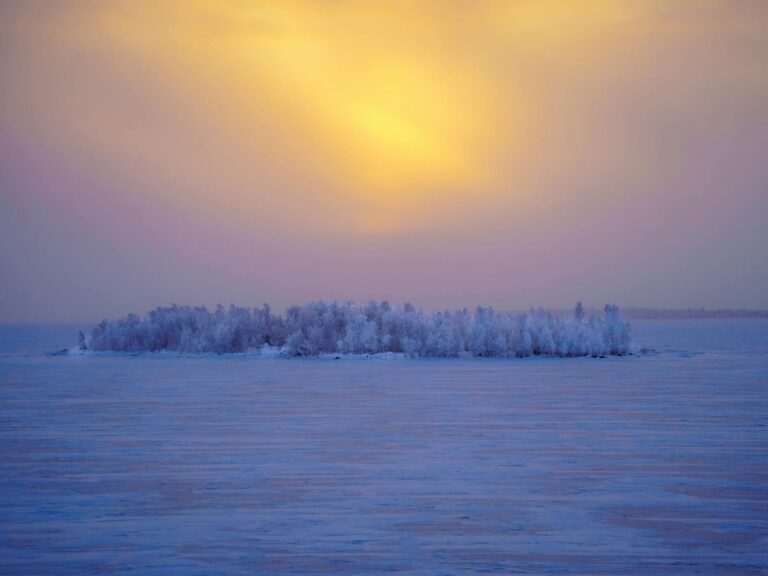 When to goWhen to Visit Lapland: Weather Month by Month
 Travel storyWhat to Pack for Lapland: How to Dress for the Arctic Winter
 Where to stayGlass Igloo Lapland: 8 Best Places to Sleep Under the Northern Lights in 2026
 With kidsLapland with Kids: Tips for a Family Winter Holiday 2026
 ActivitiesHusky Safari and Reindeer Sledding in Finnish Lapland: 2026 Guide


