When you step out of the car somewhere in the middle of southern France, the sun beats down with such intensity that by midday the colours lose their edges and bleach to white. The air immediately smells of pine resin, salt water and thyme, while the soundtrack is provided by the deafening, non-stop rattle of cicadas. Provence, France simply isn’t your average holiday destination — it’s an utterly immersive physical experience that wins you over in an instant. And it’s not just the polished, romantic postcard from the films, where rosé is sipped on the terrace of an old stone house. It’s also the fierce mistral wind, the parched earth and relentless summer temperatures climbing past 40 °C. If you want to truly understand this corner of France and enjoy it, you have to experience it in all its contrasts. And the lavender fields, stretching beyond the horizon and humming with millions of bees, are the most iconic symbol of all — the reason travellers from around the world flock here every year.
We’ll happily skip the overcrowded Riviera coastline, though, and focus on the real, fragrant heart of the region. The places where rich history was written, where the painter Paul Cézanne worked with such passion, and where the world’s finest, most intense scents are born. Plenty of people arrive in Provence in August, pay a small fortune for luxury accommodation, and then stand there in tears staring at mowed, dried-out brown fields — because lavender waits for no one. To save you from that disappointment, I’ve put together a complete guide for 2026 that shows you exactly where and, crucially, when to head for this purple madness. You’ll learn how to dodge the biggest crowds, where to bag the most beautiful photos, and which rules to follow in the fields so you bring home nothing but the loveliest memories.
TL;DR
- Peak blooming season: Your safest bet for fields in full flower is from late June to roughly mid-July.
- Valensole plateau: This is home to those famous, endless fields stretching to the horizon — but they bloom and are harvested first.
- Sault to the rescue: If you can only travel in August, head for the higher-altitude Sault, where the lavender lasts far longer.
- A car is essential: Public transport won’t get you to the fields themselves — without your own or a rental car you’re practically stuck in this region.
- Mind the festivals: They often celebrate the harvest itself, so the fields around the festivities may sadly already be cut.
- Photography: Head to the fields at sunrise — you’ll avoid both the huge coach crowds and the punishing afternoon heat.
The full destination guide: Provence — guide and what to see
When to Visit Provence for the Lavender
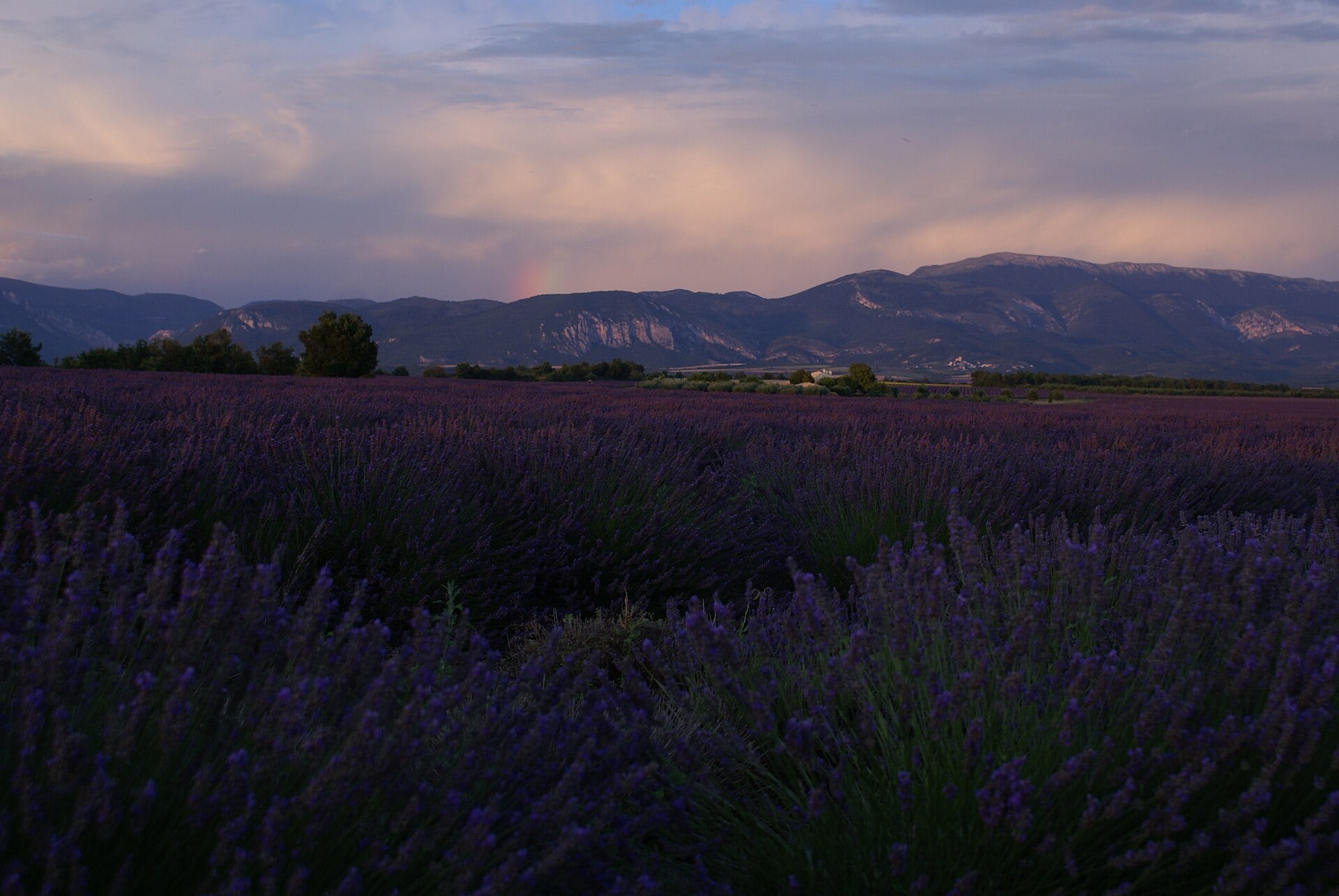
Timing your trip is absolutely crucial when hunting down lavender fields, and it’s the trickiest nut to crack. The main blooming season runs roughly from mid-June to the end of July, but the exact dates vary depending on altitude and the specific weather in any given year. The absolute peak — when the fields are at their deepest purple and most fragrant — usually falls in the last week of June and the first two weeks of July. During this window you have a near-certain chance of seeing Provence exactly as you know it from the best travel magazines. Otherwise, May, June and September are the ideal months for exploring the whole region, when the weather is most pleasant and the crowds bearable.
If you’re planning to visit the famous Valensole plateau, you really need to get a move on. Its endless fields start blooming early, and the harvest here begins around mid-July. Once the farmers fire up their tractors, the purple splendour vanishes before your very eyes at lightning speed. Luckily, for travellers tied to school holidays who can only set off in August, there’s one more saving grace. The higher Albion plateau around the little town of Sault offers a cooler climate, so the plants bloom later here and usually stay in full glory until mid-August — though by the end of the month even here you’ll find bare stubble.
When planning your trip you also have to factor in the extreme summer weather that regularly torments the south of France. July and August are utterly extreme temperature-wise, with the mercury routinely climbing to 35–43 °C and the landscape often dried out by the strong mistral wind. The historic stone towns radiate heat even at midnight, and being outside at midday is downright exhausting. On top of that, the eight-week French summer holidays kick off at the start of July and the whole country shifts south, causing the notorious “black days” of bumper-to-bumper jams on the A6 and A7 motorways. The ideal strategy, then, is to hit the fields early in the morning or in the late afternoon, and shelter from the worst midday heat in an air-conditioned museum, the shade of centuries-old plane trees, or the refreshing water of the nearby lakes.
Where to Stay in Provence
💡 Tip for accommodation and experiences: We love searching for places to stay on Booking.com, which usually has the best cancellation terms. For tickets, tours and activities, it pays to compare and book through GetYourGuide.
Choosing the right base for your day trips can save you hours of sitting in a baking-hot car and a heap of needless stress. Provence is enormous and its highlights are fairly far apart, so a strategic location is absolutely essential. The summer season here is also extremely busy and the best rooms vanish in a flash, so book your accommodation well ahead — happily six to nine months in advance. If you want to be as close to the lavender as possible and plan to shoot at sunrise, I recommend looking for somewhere right around the town of Valensole or Manosque. A popular choice with authentic atmosphere is, for instance, the charming guesthouse Les Terrasses de Valensole, offering perfect peace and views over the countryside, or the cosy Hotel Le Chemin.
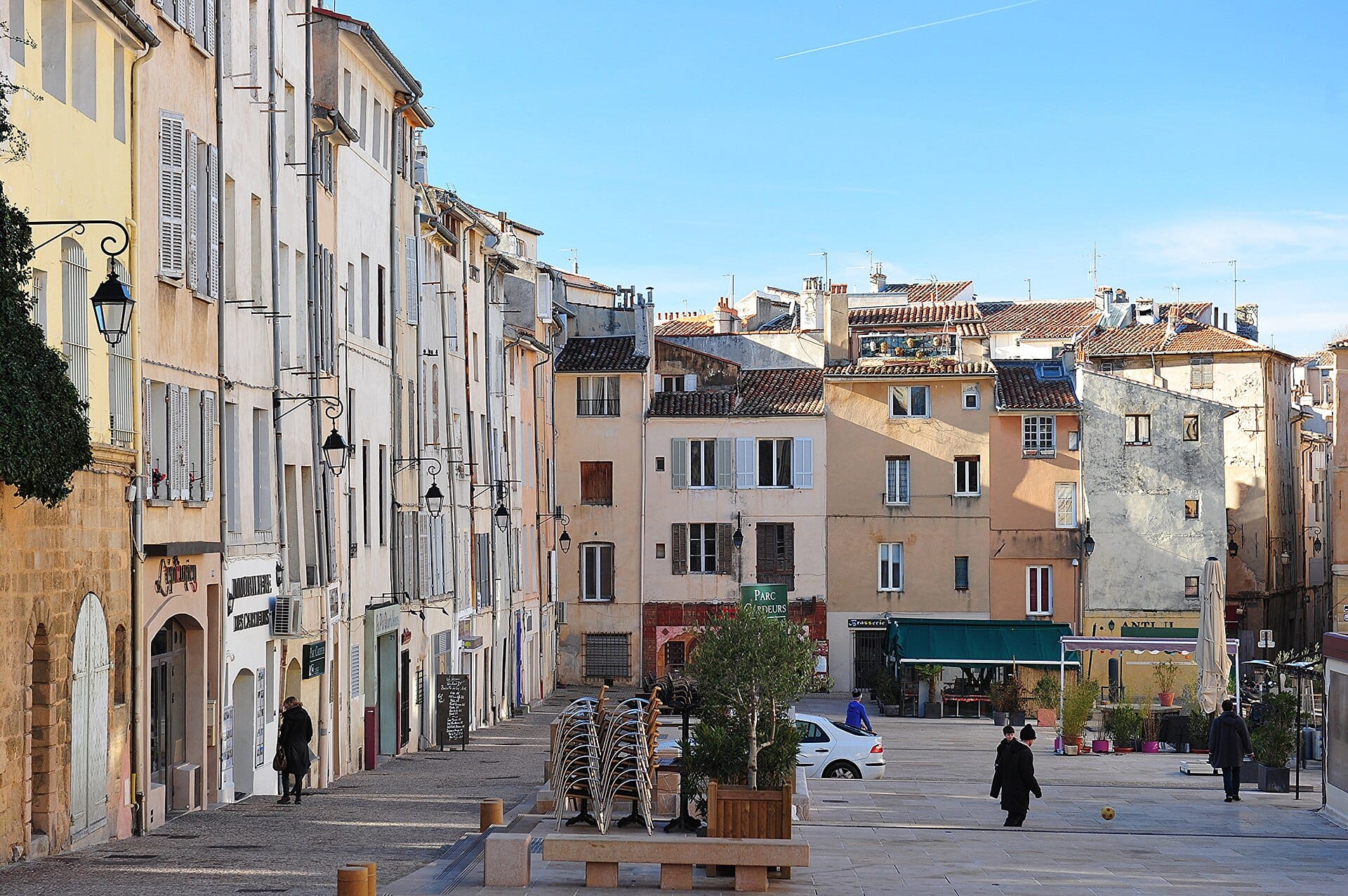
For those of you who prefer evening buzz, elegant cafés and a wider choice of excellent restaurants, the ideal pick is the city of Aix-en-Provence. It offers a perfect mix of history and modern comfort, and from here it’s only about an hour’s easy drive to the lavender fields. A lovely stay is offered by, for example, Hotel Aquabella, set right by the old Roman baths, or the more luxurious Hotel Le Pigonnet, surrounded by gorgeous gardens. Aix is, in short, a great starting point from which you can easily venture both inland and out to explore the coast towards Marseille.
If you’re after the romance of typical Provençal villages, head into the Luberon mountains. This area is full of stone houses clinging to steep cliffs and serves up that real bookish atmosphere straight out of Peter Mayle’s novels. Towns like Gordes or Roussillon are absolute jewels of the region, just a few minutes from smaller lavender plots. In Gordes you can try an unforgettable stay at Le Jas de Gordes, where you’ll wake up to a view over the entire valley. Bear in mind, though, that accommodation in the Luberon is among the priciest in the whole area, and prices climb fairly steeply in the summer months.
12 Things to Do in Provence, France
Let’s take a look together at the very best this fragrant corner of France has to offer. I’ve put together twelve specific places and experiences that absolutely shouldn’t be missing from your itinerary if you want to get the most out of this trip. You’ll find out how to combine natural beauty with historic sights, and where to avoid the tourist traps.
1. The Valensole Plateau and Its Endless Fields
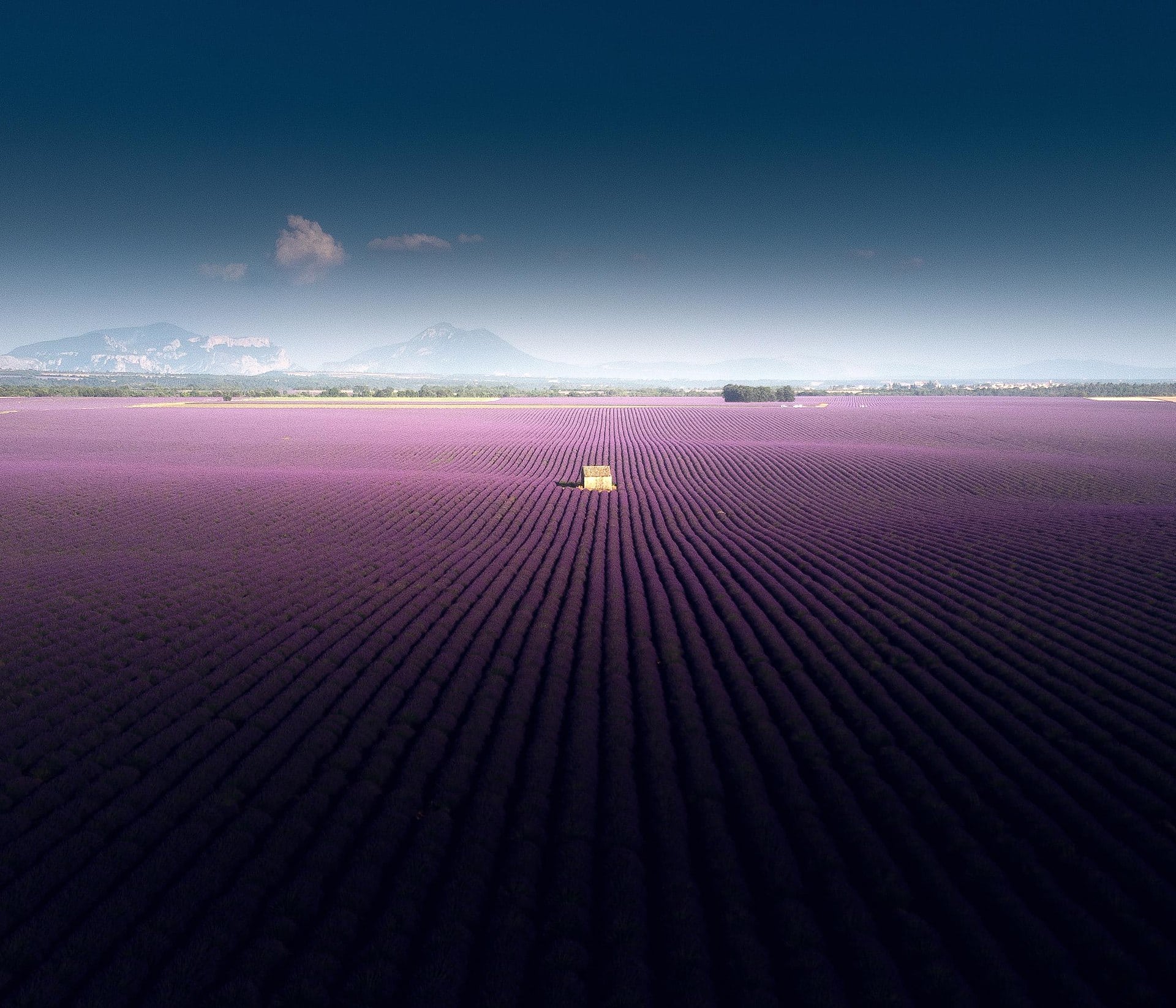
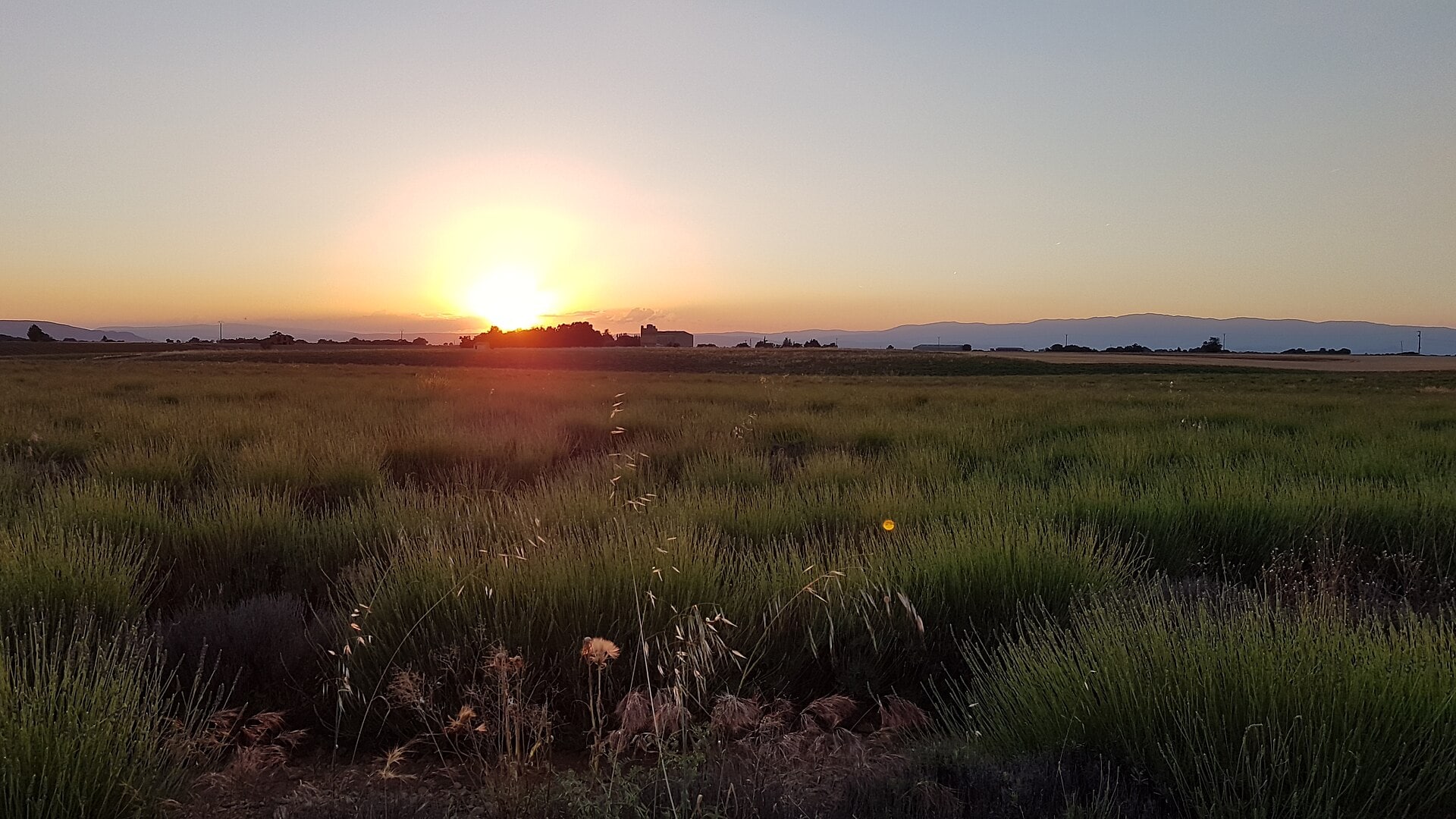
Say “Provence and lavender” and the vast majority of people instantly picture the Valensole plateau. It’s a huge, gently undulating stretch of farmland where purple fields run quite literally from horizon to horizon, creating the most archetypal image of the whole region. This is where those most famous photos flooding social media are taken, and where you’ll feel that strongest, almost intoxicating scent. Farmers here often grow brilliant yellow sunflowers right beside the lavender, creating a breathtaking colour contrast that delights every photographer. Be aware, though, that what’s mostly grown here is so-called lavandin — a hardier hybrid forming giant round bushes — and the harvest takes place fairly early, usually around mid-July.
Be prepared for the fact that this spot is extremely popular and packed in high season. If you want to enjoy the quiet and the magical atmosphere, you simply have to get up early and reach the fields by around six in the morning. Sunrise, when the first rays catch the purple flowers and the morning dew slowly evaporates, is an experience you’ll never forget — and you’ll have it almost to yourself. By around ten in the morning, the first big coach tours start rolling in, the air begins to shimmer with unpleasant heat, and all the romance quickly fades.
💡 Tip: Don’t rush — explore the smaller D8 and D15 roads that crisscross the plateau too. You’ll often discover beautiful, secluded fields with no crowds of tourists and cameras.
2. Sault, a Saving Grace for August Travellers
The little town of Sault, sitting on the Albion plateau at an altitude of just under 800 metres, is a genuine blessing for travellers who, for whatever reason, miss the main July season. Thanks to the cooler mountain climate, the lavender here blooms about three weeks later than in the baking lowlands around Valensole. These fields are also backed by the majestic peak of Mont Ventoux, the legendary mountain famous from the gruelling stages of the Tour de France. Its bare, white limestone summit contrasts sharply with the purple valley, making a stunning backdrop for photos. The fields here comfortably stay in bloom into early August.
The fields around Sault are admittedly a touch smaller and more broken up than those at Valensole, but they have their own unmistakable, far wilder charm. What’s mostly grown here is so-called true lavender, which is smaller but boasts a much finer, more sophisticated scent. The atmosphere is altogether much calmer and more authentic, simply because fewer giant coaches come here and the crowds spread out more easily. You can even take a lovely walk along the marked five-kilometre lavender trail (Chemin des Lavandes), which leads you right between the plots and small local farms.
💡 Tip: In the centre of Sault itself you’ll find several celebrated bakeries and bistros where you can grab a delicious vegetarian quiche with cheese and fresh vegetables, or try the local herb macarons.
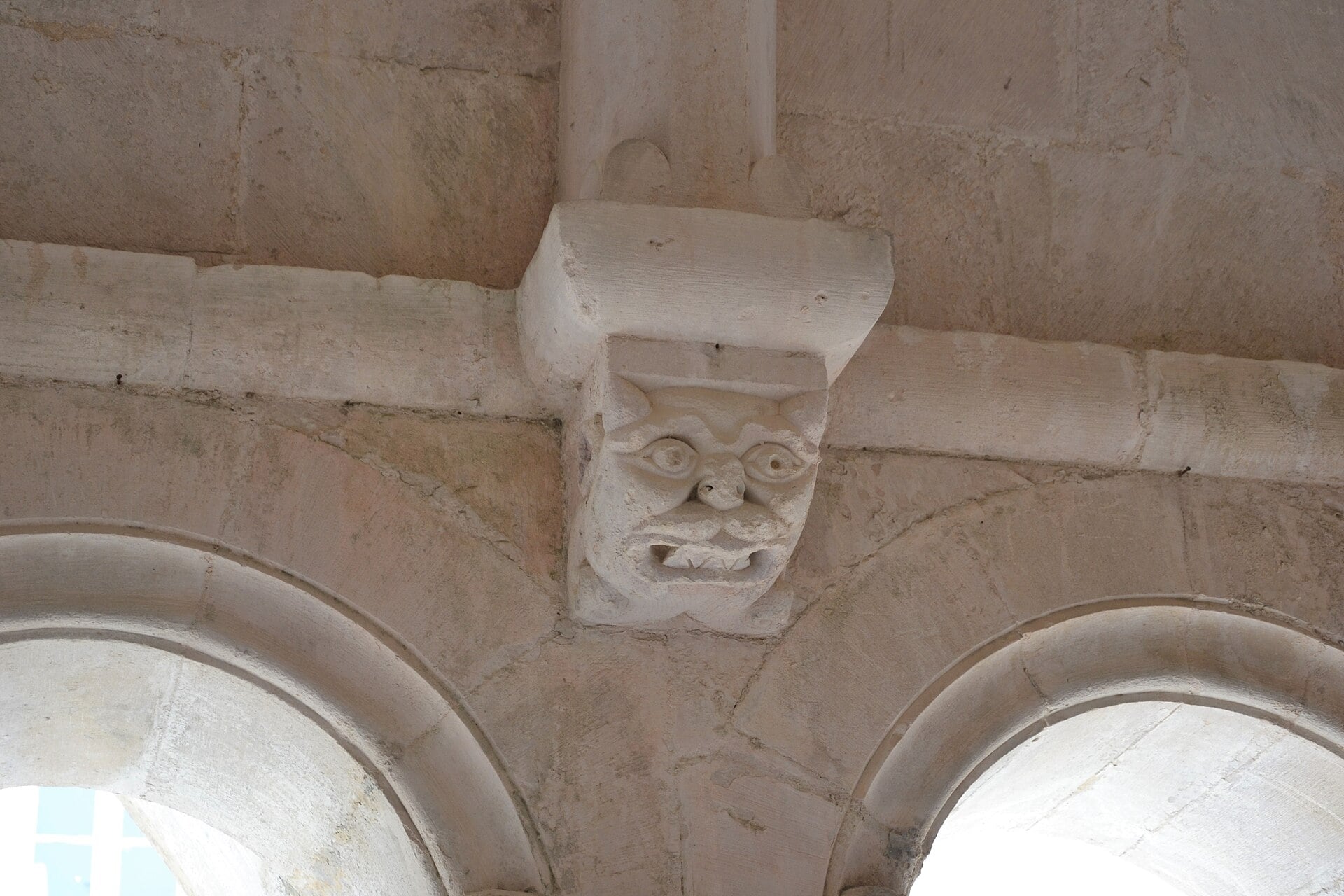
3. Sénanque Abbey Among the Lavender
Sénanque Abbey (Abbaye Notre-Dame de Sénanque) is probably the most photographed monastery in all of France — an image practically everyone knows. This austere 12th-century Romanesque building lies hidden in a deep valley in the Luberon mountains, and a perfect strip of lavender unfolds before its façade. The abbey is still home to Cistercian monks who tend the fields, bottle their own wonderful honey, and live here in quiet daily contemplation. Pausing by the stone wall and gazing at the purple flowers with the historic building behind them is a place of immensely powerful spiritual atmosphere and deep calm.
That calm is very relative, though, because by mid-July the car park in front of the abbey is literally bursting under the influx of visitors from around the world. If you want to capture that iconic photo without a queue of strangers in the frame, you have to arrive before nine in the morning — ideally even earlier, before the sun crests the surrounding hills. The tour of the abbey’s interior is itself a fascinating window into the lives of medieval monks: you’ll see the beautiful cloister, the old dormitory and the chapter house with its incredible acoustics.
💡 Tip: For 2026 there’s a strict rule that you must book tickets to tour the abbey online in advance on their official website — otherwise you risk not getting in at all over the summer due to sold-out capacity.
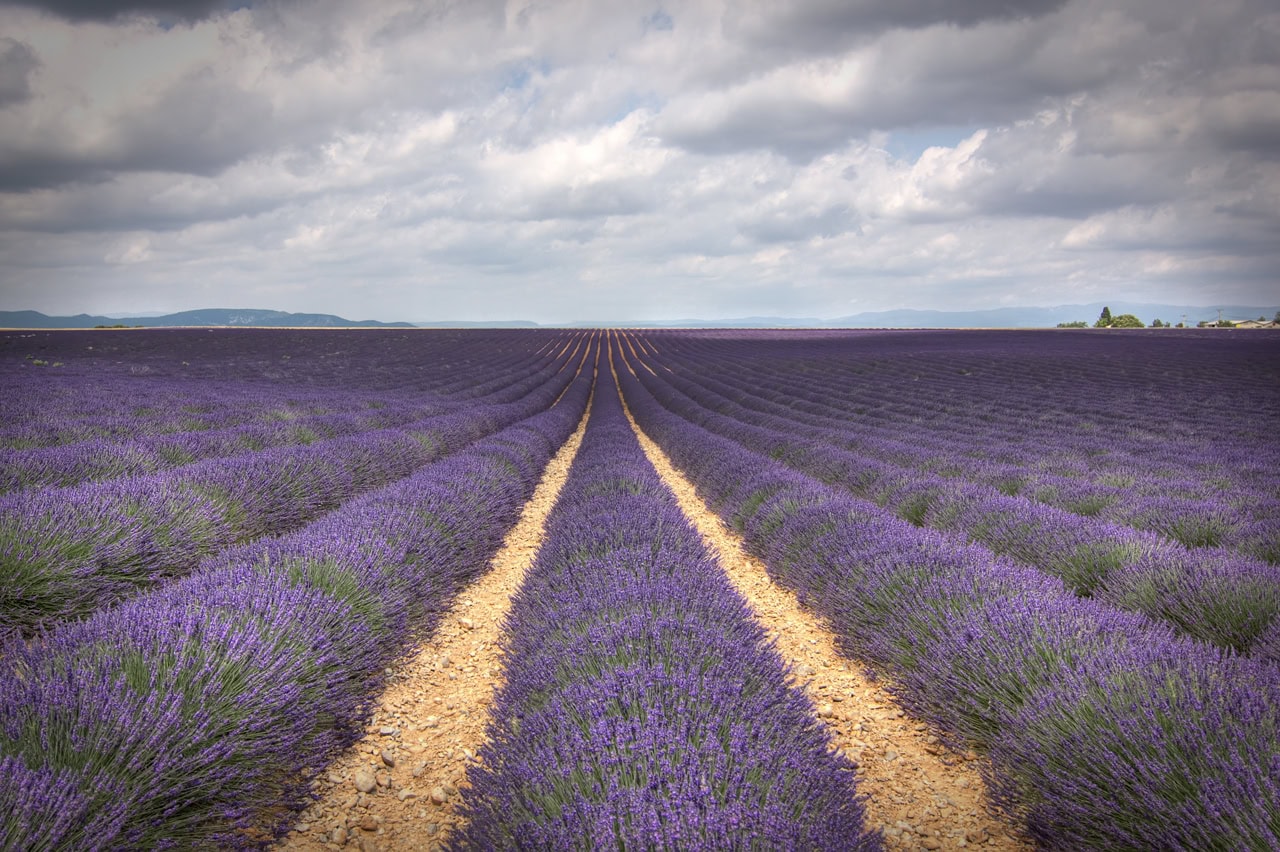
4. Lavender vs. Lavandin and How to Tell Them Apart
Few tourists snapping photos realise that those huge, stunning fields they so admire on the Valensole plateau aren’t actually planted with true lavender at all. They’re in fact lavandin, a hardy hybrid of true lavender and broadleaf lavender. Lavandin grows into much larger, more robust and neatly rounded bushes, has more flowers per stem, and its scent is very strong, even slightly camphorous. It’s precisely because of its enormous yield that it’s so popular among farmers, and it’s used mainly for the mass production of natural soaps, cleaning products and cheaper household fragrances.
True lavender (Lavandula angustifolia), by contrast, is considerably smaller, grows in irregular clumps that aren’t so perfectly round, and each stem bears only a single flower. Its great advantage, however, is its exceptionally fine, sweet and complex scent, for which the world’s finest perfumers have always loved it. True lavender is rather a fussy plant and thrives only at higher altitudes (ideally above 600 metres), so to find it you’ll have to head to the higher-lying Sault mentioned above, or the cooler Luberon hills.
💡 Tip: When buying an essential oil as a souvenir in a shop, always check the label carefully. True lavender oil is significantly pricier but has strong calming effects, whereas lavandin oil is more of a pick-me-up.
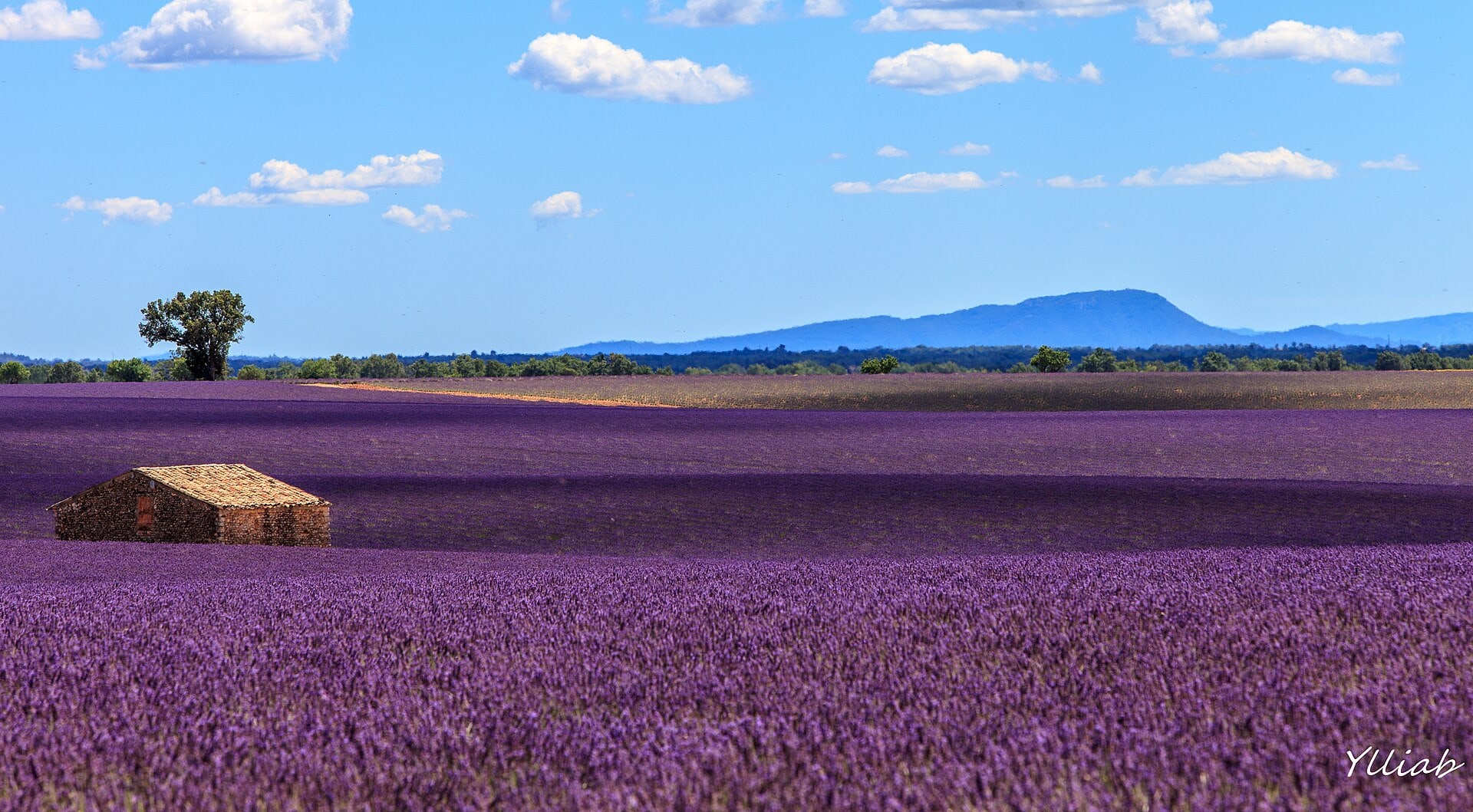

5. How to Get Perfect Crowd-Free Photos, and Etiquette
Photographing lavender fields has its clear, unwritten rules that every decent traveller should follow without question. Farmers usually don’t fence their fields at all, which is a very welcoming gesture towards tourists — but it demands one hundred percent mutual respect. Never pull up the plants by the roots or cut yourself huge bouquets to take home; after all, this is private property and someone’s hard year-round work. Likewise, it’s absolutely forbidden to drive your car over the edges of the fields or park so inconsiderately that you block the narrow lanes used by heavy farm machinery.
When moving between the purple rows, tread carefully and don’t damage the fragile plants. As for the experience itself, be prepared for the fact that the fields are literally full of bees. That deep, constant buzzing might surprise you at first, but the bees won’t pay you any attention at all as long as you don’t deliberately provoke or jostle them. They’re fully occupied gathering nectar. For the best shots, play with the lines of the rows, which naturally and elegantly lead the viewer’s eye towards the horizon.
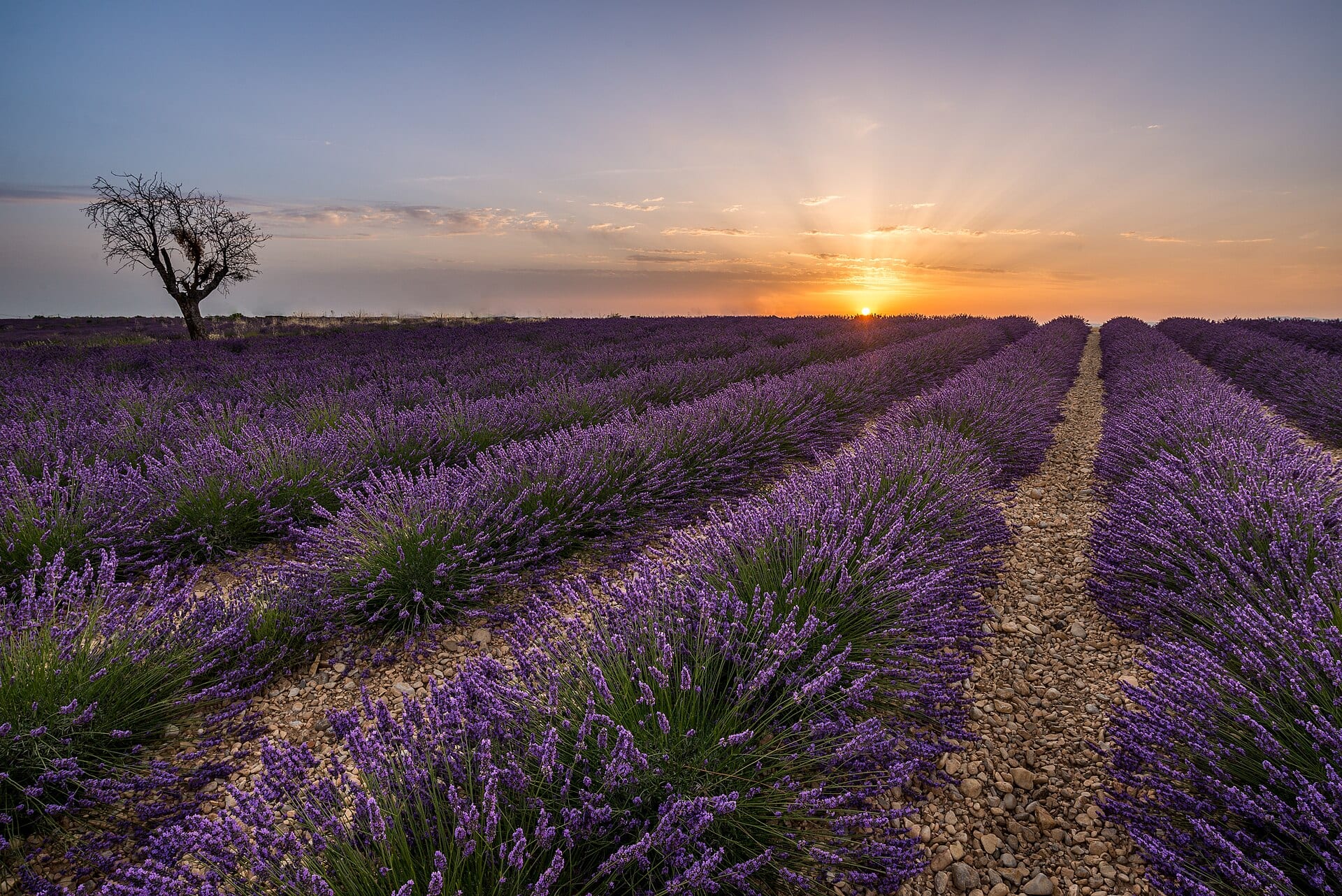
💡 Tip: The sunlight in summer Provence is very harsh and hard. You’ll get the best photographic results during the so-called golden hour — roughly an hour after sunrise or an hour before sunset — when the colours take on incredible richness.
6. Local Distilleries and Fragrant Souvenirs
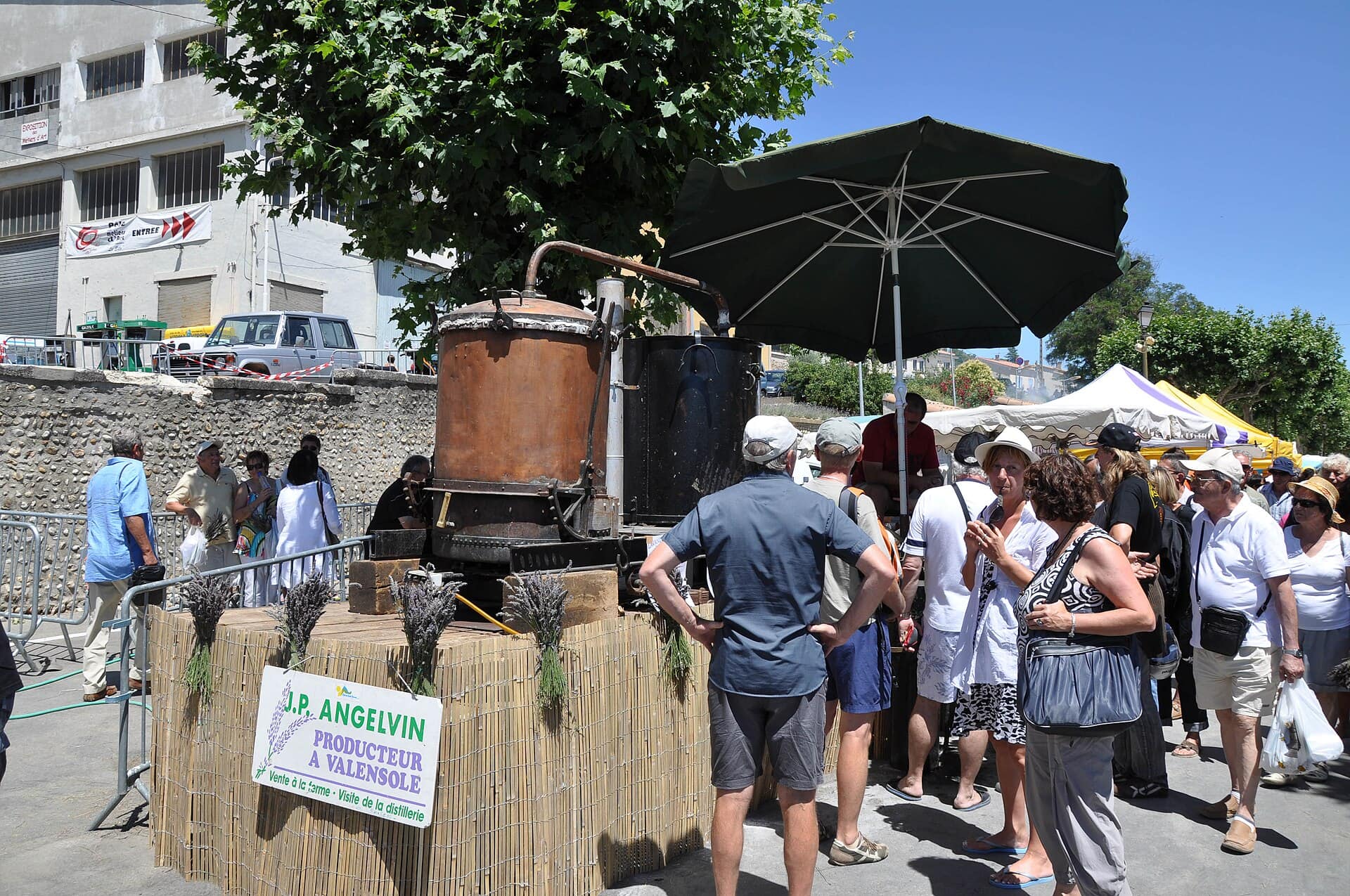
A visit to Provence simply wouldn’t be complete without peeking behind the scenes of how this magical, fragrant herb is processed. Across the sprawling Valensole plateau and in the mountain surroundings of Sault, you’ll find dozens of small family distilleries and larger processing plants that very often offer free tours. On them you’ll see the huge traditional copper stills with your own eyes and learn just how complex the process is — how, from a tonne of freshly cut flowers, hot steam yields just a few litres of precious essential oil.
Buying souvenirs directly on the farms has the huge advantage of directly supporting local growers and giving you total certainty of one hundred percent quality. Alongside pure oils you’ll find fantastic natural soaps, fragrant sachets for your wardrobe, natural lavender cosmetics and excellent lavender honey, which has a distinctive, slightly bitter taste. Many farms also have little shops full of superb local delicacies that are perfect for vegetarians — everything from delicious olive tapenades to wonderful artisan goat’s cheeses.
💡 Tip: Stop by, for example, the gorgeous Lavandes Angelvin farm near Valensole — one of the most famous, offering a great walkthrough — or the smaller, more family-run Les Agnels distillery near the town of Apt.
7. Lavender Festivals and What to Watch Out For
The French absolutely adore festivities, and lavender festivals (Fêtes de la Lavande) are an event that draws enthusiastic people from far and wide. The streets of the historic towns fill with stalls of local produce, live folk music plays, locals proudly wear traditional Provençal costumes, and the smell of freshly cut lavender is everywhere. The most famous festival is held in Valensole, always on the third Sunday in July. It’s a beautiful cultural experience full of dancing and great vegetarian food, like the traditional savoury pissaladière tart (just ask for the version without the anchovies) or fresh cheeses with olives.
But there’s one big, often overlooked tourist trap lurking here that the colourful leaflets prefer not to mention. These festivals are very often designed as a grand celebration of the end of the harvest. So you might easily arrive at the festival in Valensole only to find the surrounding fields already mowed bare, leaving nothing but brown stubble. If your main goal is to see those endless purple carpets in full bloom, time your trip for the end of June instead. The other big festival in Sault is held even later — on 15 August — and although it’s a wonderful celebration with a parade, by then most of the fields are long since stripped of colour here too.
💡 Tip: If you’re coming primarily to photograph the gorgeous flowers, it’s paradoxically better to avoid the festivals entirely — they bring extreme traffic jams and hopelessly packed car parks across the whole area.
8. How to Get Around the Region by Car
Trying to explore the vast Provençal interior and remote lavender fields without a car is like trying to eat soup with a fork. It’s possible, but you’ll suffer enormously and lose a lot of precious time. The TGV high-speed trains do brilliantly and comfortably connect the big cities like Marseille, Aix or Avignon, but you simply won’t reach the tucked-away villages and the fields themselves by public transport. Renting a car straight from Marseille or Nice airport is therefore an absolute must — book it well in advance through online comparison sites, since demand soars in summer. The easiest way to reach the region from the UK is a direct flight from London (with British Airways or easyJet) to Marseille or Nice, then pick up your hire car right at the airport.
The roads in Provence are good, but French motorways are paid for via toll booths (péages), not a vignette. For 2026, reckon on costs of around €9.50 for every 100 kilometres driven on the motorway (if you drove all the way from Paris, the tolls south would set you back around €70–90). Off the motorways, be ready for narrow, very winding lanes that demand a steady hand on the wheel. Take extra care if you’re heading into Marseille. From 2026 the city has tightened its low-emission zone (ZFE-m), and to drive in you need an online-purchased Crit’Air sticker (around €5). Cars with stickers 4 and 5 are banned from entry, and you risk a hefty fine of up to €375.
💡 Tip: For drives between the fields, don’t just load the big main roads into your sat-nav — let it guide you down smaller, third-class country lanes too. Round the bend you’ll often discover the most beautiful views without a single tourist in sight.
9. The Best Viewpoints and Hidden Spots
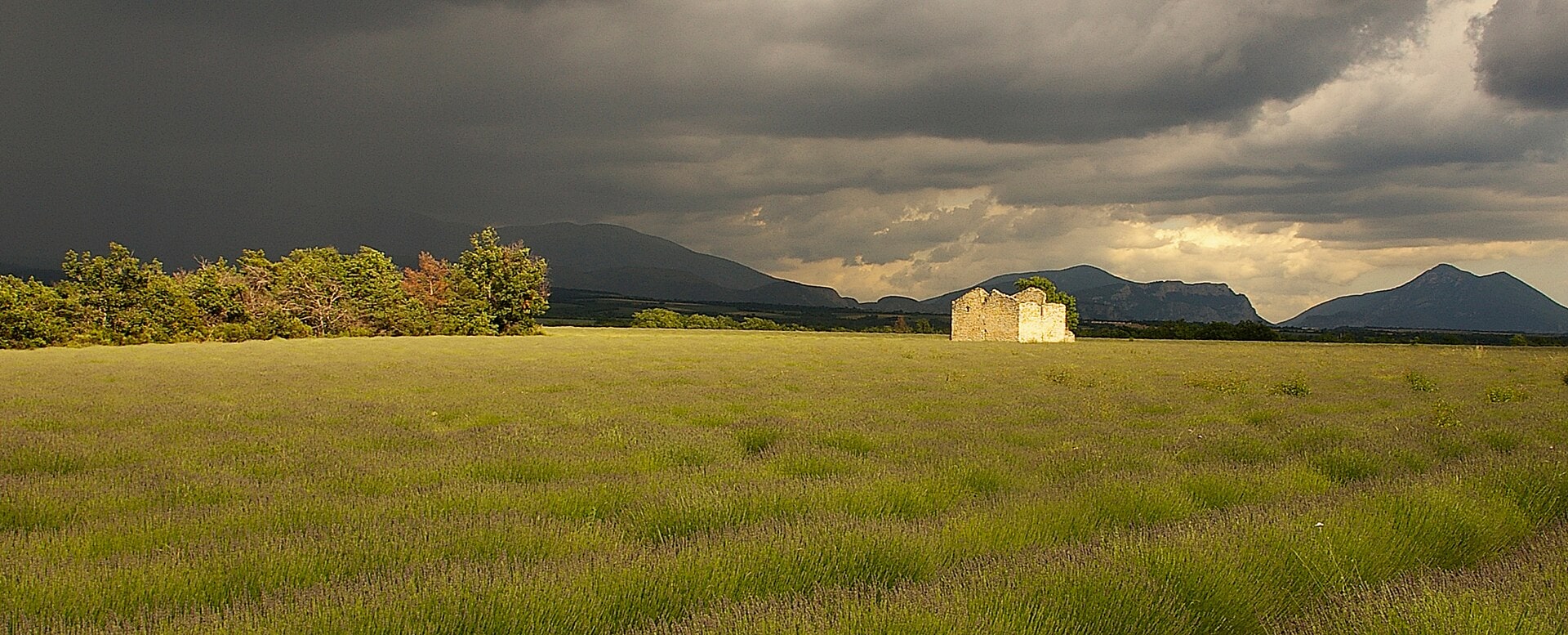
Finding the absolutely perfect vantage point sometimes takes a little patience and a willingness to turn off the busy main road. One of the most beautiful and photogenic routes for admiring lavender is the so-called Route de Manosque, the D8, which runs from the town of Manosque straight onto the Valensole plateau. As soon as you start climbing into the hills, fantastic panoramas open up before you, where deep purple fields alternate with almond groves and golden wheat. There are several dusty lay-bys here where you can park perfectly safely and soak in the splendour at leisure.
Another gorgeous and very popular stretch is the D6 road between the villages of Riez and Valensole. Here you’ll find special spots where the fields gently slope down into the valley, forming perfect geometric waves that look incredibly deep in photos. If you’re after slightly lesser-known spots in the Luberon, try heading along the D943 towards the little village of Saignon. From atop the limestone cliff above the village you’ll get a fantastic view over the whole valley, and from up here the lavender fields look like little purple rugs neatly laid side by side.
💡 Tip: Always keep road safety in mind on the narrow lanes. Never stop the car suddenly in a blind bend just because you’ve spotted a pretty field. Always find a safe, widened spot on the verge.
10. Combining It With the Verdon Gorge
It would be a huge shame to visit the Valensole plateau and skip the nearby Verdon Gorge (Gorges du Verdon), often dubbed by travellers the most beautiful canyon in all of Europe. From the lavender fields it’s about an hour’s very scenic drive, so it fits perfectly into a single day trip. The gorge is carved into steep white limestone cliffs, and at its bottom flows a river of impossibly vivid turquoise that looks as if someone artificially tinted it from a tub of paint.
I’d definitely recommend driving all the way down to Lac de Sainte-Croix, where the mighty river flows out of the gorge into a calm surface. Here you can rent a pedalo, kayak or small electric boat and glide along the water right between cliff walls hundreds of metres high. It’s a fantastic and very refreshing experience after a hot, sweaty morning spent photographing the lavender fields. A scenic road then runs all the way around the gorge, offering at times dizzying views into the depths — but be ready, as driving above those cliffs can be a fair shot of adrenaline.
💡 Tip: The boat rentals at Lac de Sainte-Croix don’t take reservations in the summer season and operate on a strict first-come, first-served basis. Arrive in the morning to avoid queuing for ages in the direct sun.
11. Combining It With the Stone Villages of the Luberon
The Luberon mountain area, which includes the Sénanque Abbey mentioned above, is famous for its “perched villages” — historic hamlets literally clinging to steep hills and limestone cliffs. If you head into this area to photograph the lavender, do set aside at least half a day to explore them. The absolute gem is the village of Gordes, which amazes you just with its majestic appearance — a Renaissance château crowning the summit — as you approach along the winding road. Inside you’ll find narrow cobbled streets full of boutiques, stone houses and charming hidden little squares.
Just a short hop from Gordes lies another one-off you shouldn’t miss — the village of Roussillon. Unlike the pale limestone of the rest of Provence, Roussillon is built from brick in a deep ochre hue, as it sits on a vast deposit of this mineral. The houses here play through every shade from yellow through orange to deep red. Right behind the village is the famous ochre trail (Le Sentier des Ocres), a former quarry you can walk through for a fee. That visual spectacle, strongly reminiscent of the Wild West somewhere in Colorado, is well worth the walk.
💡 Tip: For Roussillon and the ochre trail, definitely don’t wear your favourite white trainers or light clothing. The red ochre dust from the quarry is very fine, gets everywhere, stains heavily and is really hard to wash out.
12. Aix-en-Provence as an Elegant Base
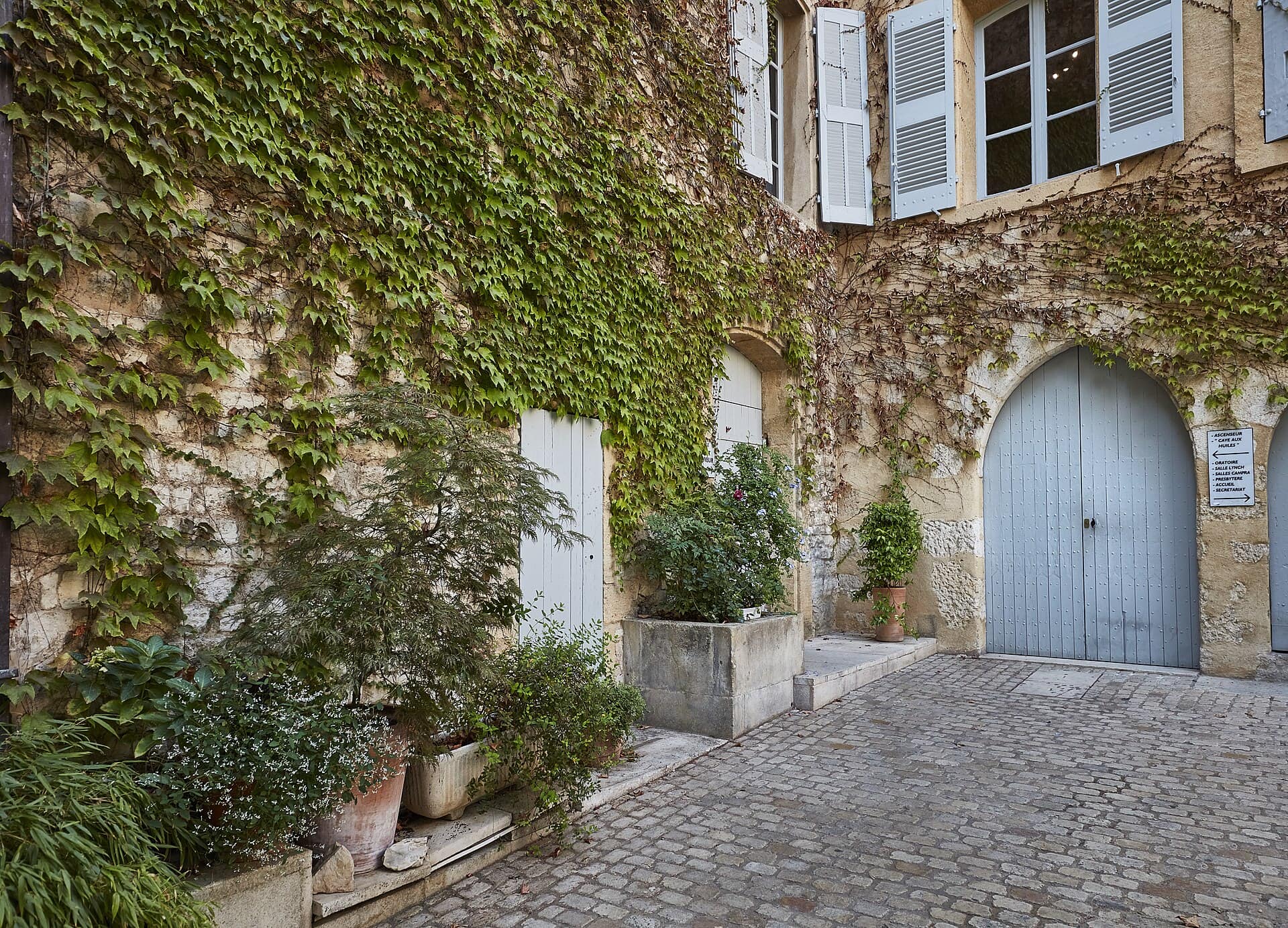
If you choose the city of Aix-en-Provence for your stay (often shortened by locals to just Aix), you’ll find yourself in the very embodiment of bourgeois French elegance. It’s a city of a thousand fountains, broad plane-tree avenues and gorgeous ochre façades, where time flows somehow more slowly and pleasantly than in wild Marseille. Life here revolves mostly around the Cours Mirabeau, an incredibly wide boulevard lined with trees and historic cafés, where the main local pastime is watching passers-by over a good espresso (reckon on around €2 to €2.50).
But Aix is above all the birthplace of the father of modern art, the famous painter Paul Cézanne. Here you can visit his fascinating Atelier des Lauves, a studio left exactly as the artist left it years ago, with his brushes and coats. Also worth a visit is the family estate Bastide Jas de Bouffan, reopening after a lengthy restoration. In the streets of Aix you’ll also stumble upon the best Provençal markets for miles around. They’re full of superb local, purely vegetarian delights — piles of fresh olives, all kinds of fantastic ripening cheeses, fresh seasonal fruit and lavender soaps.
💡 Tip: You can easily browse and book various organised tours from Aix-en-Provence straight to the lavender fields through GetYourGuide, if you simply don’t fancy driving the narrow French lanes yourself.
Where to Go Next From Provence
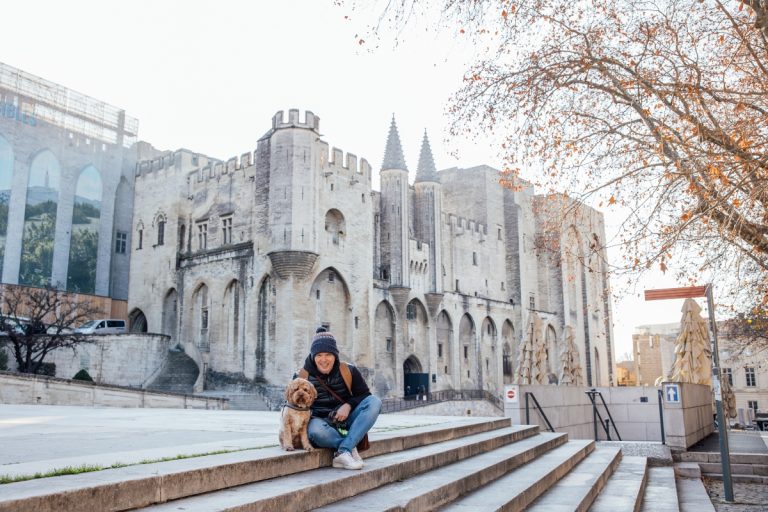
If you have more time in the south of France and want to pair your trip with other amazing places, this region offers an inexhaustible wealth of options. Be sure to read our detailed guide to Provence, where you’ll find plenty more on cities like Avignon with its giant Palais des Papes, or raw but fascinating Marseille brimming with street art. And if the idea of combining lavender with a swim in a turquoise river has won you over, take a look at our tips on how best to enjoy the Verdon Gorge.
Frequently Asked Questions
When is the absolute best time to visit the lavender fields?
If you want to be most certain of seeing the purple fields in full bloom, head out at the turn of June and July. By mid-July, the big harvest in the Valensole area begins and only brown stubble remains in the fields. Your salvation then might be the higher-altitude Sault, where the flowers last until the beginning of August.
Do I need a car for traveling around Provence?
Yes, without your own car or a rental, you won’t be able to reach most of the lavender fields and picturesque villages at all. While public transport does a great job connecting major cities like Aix or Avignon, a car is absolutely essential for this type of trip to the fields.
Is entry to the lavender fields charged?
Entry to the agricultural fields themselves is completely free, they are not fenced in any way. However, always remember that this is private property of the farmers, so behave with maximum respect, don’t pick anything, don’t block tractor paths and don’t damage the plants.
What to do when I’m afraid of bees and the fields are full of them?
Bees in the lavender fields are fully occupied collecting nectar and pay absolutely no attention to people. You don’t need to be afraid of them, as long as you don’t deliberately poke at them. Just move calmly and slowly between the rows and enjoy their soothing buzzing.
Can I cut a sprig of lavender as a souvenir?
Absolutely not. Picking or cutting plants directly from the fields is strictly forbidden, as it’s the livelihood of local farmers. Dried bouquets, soaps and genuine essential oils can be purchased very cheaply and with a clear conscience at nearby farm shops and distilleries.
How is it with accommodation, do I need to book well in advance?
Yes, the summer season in Provence is extremely busy and accommodation disappears at lightning speed. I recommend booking hotels or guesthouses easily half a year to nine months before your planned departure, so you have a chance at a good location for a reasonable price.
Can I manage visiting the lavender fields and Verdon Gorge in one day?
Yes, from the Valensole plateau it’s about an hour’s drive to Lake Sainte-Croix on the edge of the Verdon Canyon. You can perfectly combine a morning lavender photo shoot without the crowds with an afternoon refreshing swim and renting a little boat right in the turquoise canyon.
Tips and Tricks for Your Vacation
Don’t Overpay for Flights
Search for flights on Kayak. It’s our favorite search engine because it scans the websites of all airlines and always finds the cheapest connection.
Book Your Accommodation Smartly
The best experiences we’ve had when looking for accommodation (from Alaska to Morocco) are with Booking.com, where hotels, apartments, and entire houses are usually the cheapest and most widely available.
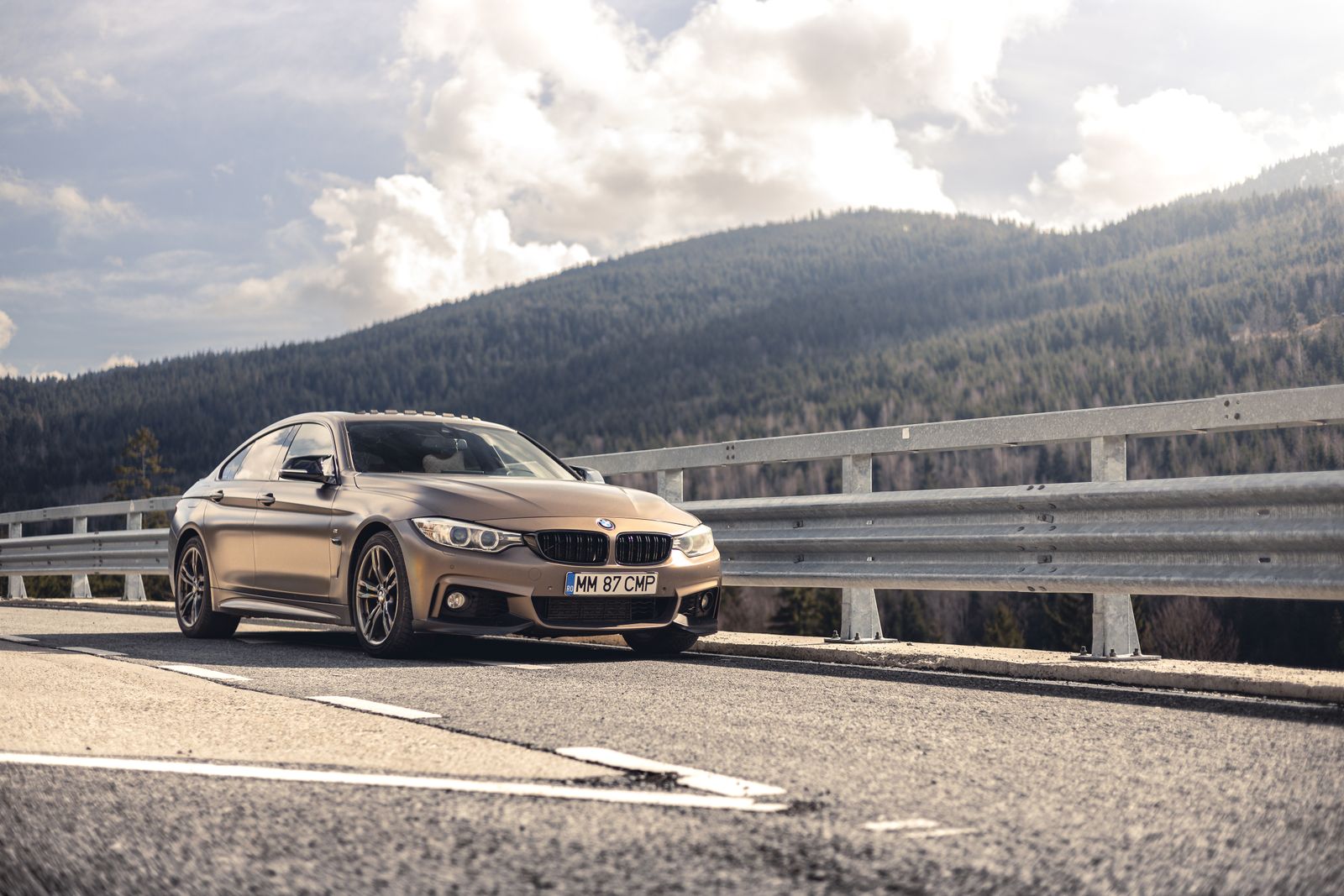 🚗 Car rental on the roadVerified rental cars in Provence
Search with the DiscoverCars comparison engine — it compares prices from dozens of local and international rental companies, and most bookings come with free cancellation.
Compare car prices in Provence →Don’t Forget Travel Insurance
Good travel insurance will protect you against illness, accidents, theft, or flight cancellations. We’ve had a few hospital visits abroad, so we know how important it is to have proper insurance arranged.
Where we insure ourselves: SafetyWing (simple monthly subscription) and TrueTraveller (for extra-long trips).
Find the Best Experiences
Get Your Guide is a huge online marketplace where you can book guided walks, trips, skip-the-line tickets, tours, and much more. We always find some extra fun there!