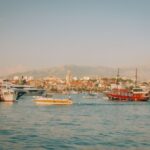
For many of us, Croatia is the ultimate summer classic — a place we love to return to for sunshine, the scent of pine trees, and endless relaxation. If you’re thinking about heading south to the Adriatic this year, you’ll definitely want to know where to find the most beautiful beaches in Croatia. Although the coastline might seem uniform at first glance, it actually offers incredible variety, from hidden romantic coves to long sandy shallows that are perfect for the youngest travellers.
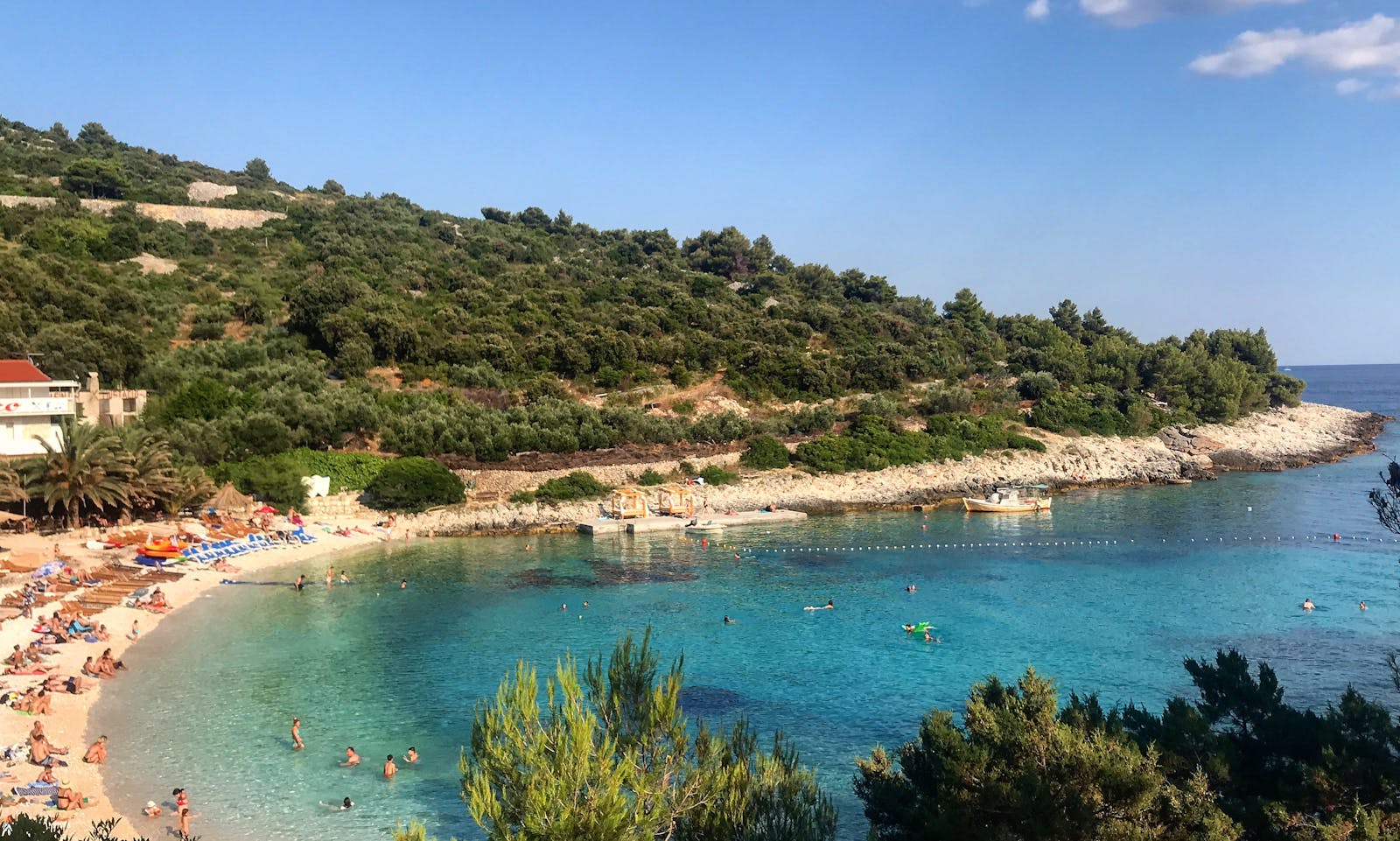
While many other destinations are all about soft sand, the Croatian coast is defined by its pebble and rocky beaches — and that comes with one huge advantage. Thanks to the pebbles and the absence of stirred-up sand, the sea here is crystal clear and shines in gorgeous turquoise shades that practically beg you to grab a snorkel and explore the underwater world. On top of that, the country boasts an enormous number of beaches awarded the prestigious Blue Flag, which guarantees clean water and excellent facilities ☺️.
When you’re packing for your holiday, you definitely shouldn’t forget your water shoes, because sea urchins often hide on the rocky seabed and walking over slippery stones barefoot can be rather unpleasant. I’ve put together a detailed guide to the most magical swimming spots, so you can pick exactly the kind of place that perfectly matches your idea of a dream holiday.
TL;DR
- Best sandy beaches: If you’re after sand for building castles, head to Sakarun beach on the island of Dugi Otok, Paradise Beach on Rab, or Queen’s Beach in Nin.
- Iconic pebble beauties: For perfect photos and crystal-clear water, make for Zlatni Rat on Brač, Punta Rata beach in Brela, or the romantic Dubovica cove on Hvar.
- Hidden and dramatic coves: Adventure lovers will appreciate the hard-to-reach but breathtaking Stiniva on the island of Vis, or Pasjača beach near Dubrovnik.
- Ideal for families with kids: The youngest travellers will enjoy the shallow, warm waters at the beaches in Nin, on Rab, or at Split’s popular Bačvice beach.
- For party lovers: If you’re looking for non-stop fun and dance clubs right on the coast, the obvious choice is Zrće beach on the island of Pag.
- Naturist options: Croatia has a huge tradition of FKK campsites and beaches — for stunning swimming without swimwear, try the remote Nugal beach on the Makarska Riviera.
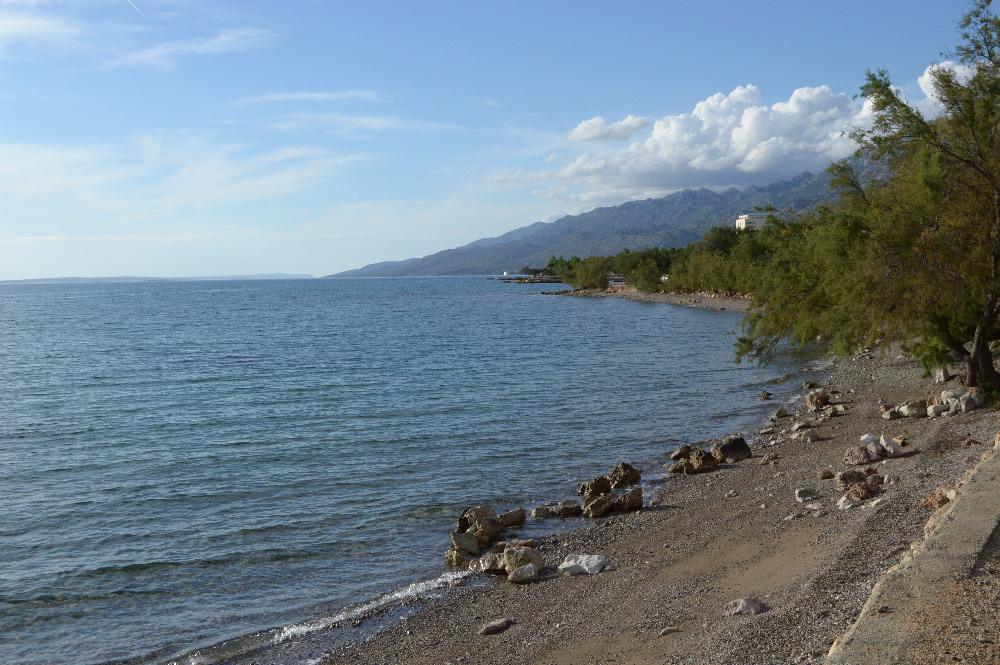
The full destination guide: Croatia — guide and what to see
When to Head to the Croatian Seaside
Choosing the right dates is absolutely key to a perfect seaside holiday, because the Croatian coast experiences huge swings in visitor numbers and temperatures throughout the year. If you want to enjoy swimming without endless crowds of tourists, the best time to visit is June or September, when the sea is already pleasantly warm but there’s still plenty of personal space on the beaches. September is especially great because the water stays beautifully warm after the whole summer, often reaching a comfortable 24 to 25 degrees.
Peak summer season falls in July and the first half of August, when you should expect the most famous beaches to be absolutely packed and prices for accommodation and services to shoot sky-high. This is when the coast gets the hottest, which is ideal for splashing about in the water all day, but if you’re also planning some walking trips around towns or national parks, it can be pretty exhausting 😅. On the flip side, it’s precisely during the summer holidays that all the beach bars, water attractions, and regular ferry connections to the islands are running at full capacity.
Where to Stay in Croatia Near the Best Beaches
💡 Tip for accommodation and experiences: We like to look for places to stay on Booking.com, where you’ll usually find the best cancellation conditions. For tickets, tours, and activities, it’s worth comparing and booking through GetYourGuide.
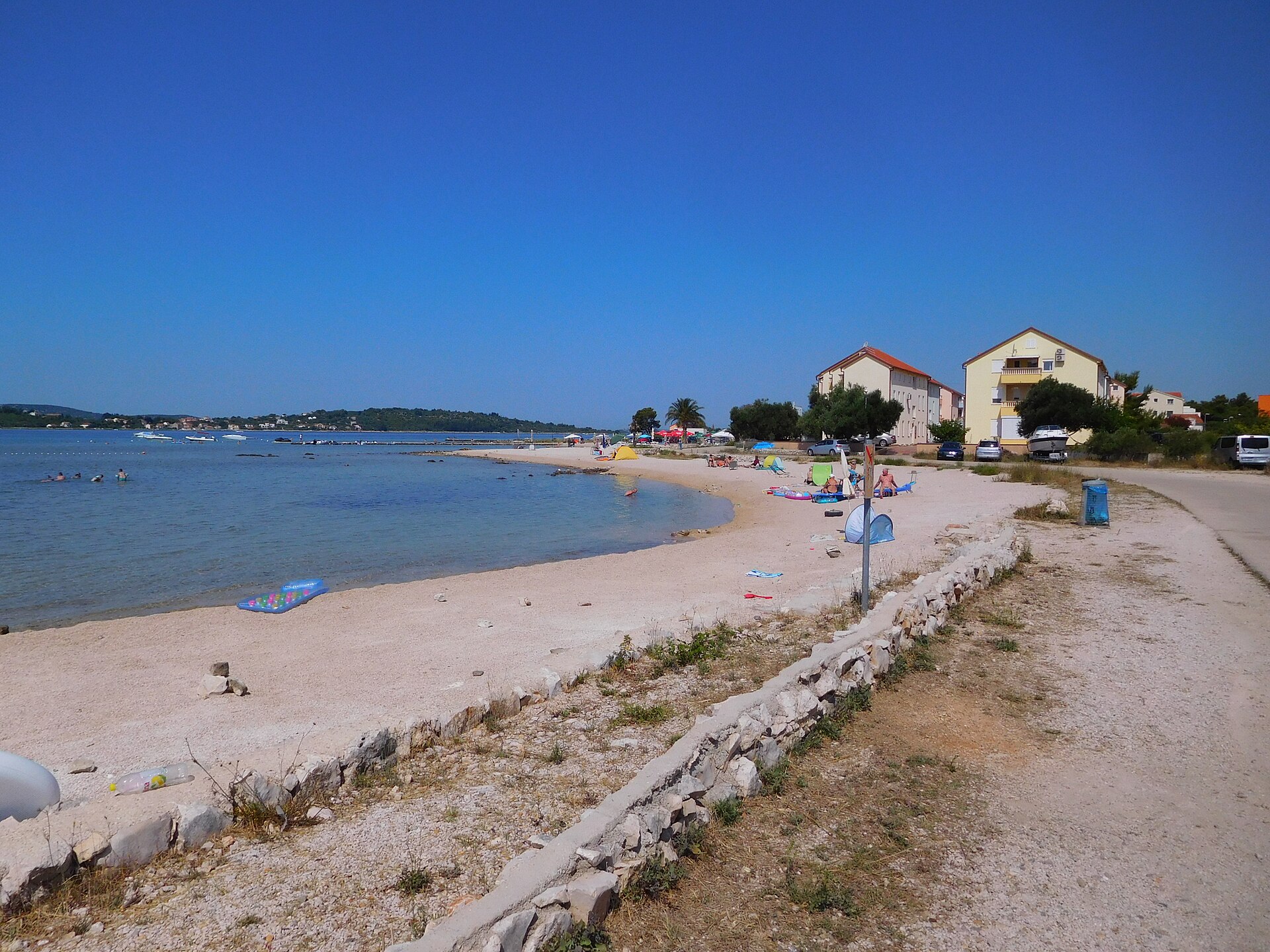
Finding the ideal place to stay depends mainly on what type of beach you prefer and whether you want to spend your holiday on the mainland or set off to discover the magic of Croatia’s islands. If you’re longing for long sandy beaches, a great choice is the area around Zadar and historic Nin, or the island of Rab, which is famous for its sandy coves. For lovers of dramatic cliffs, pine groves, and the cleanest pebble beaches, the Makarska Riviera and the popular islands of Brač and Hvar are absolutely unbeatable.
Accommodation prices vary widely depending on location and season, so it pays to book hotels and apartments well in advance through popular portals like Booking. To make your planning easier, I’ve picked out a few specific recommendations for great hotels near famous beaches, offering excellent service and a strategic location.
- Boutique Hotel Bol on the island of Brač offers a stunning, stylish base with a pool, from which you can easily reach the iconic Zlatni Rat beach on foot or by tourist train.
- Valamar Padova Hotel on the island of Rab is an absolutely ideal choice for families with children, offering beautiful sea views with the sandy beaches just a short stroll away.
- Hotel Bellevue Dubrovnik will please more demanding travellers, as it sits right on a cliff above a gorgeous bay and offers perfect luxury close to the historic centre.
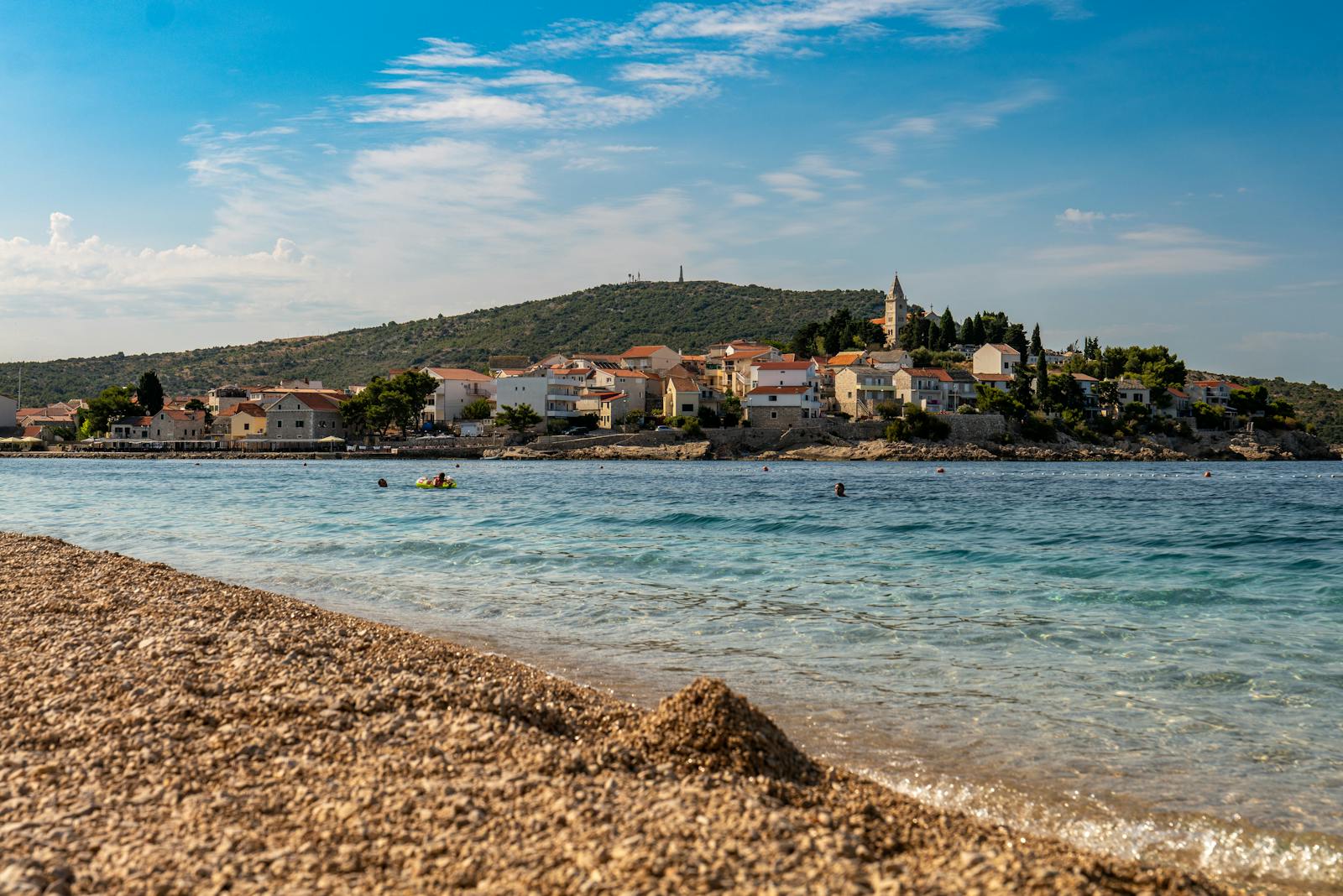
15 Most Beautiful Beaches in Croatia: What to See and Do
Let’s take a look together at the fifteen most amazing swimming spots that the Croatian coast and islands have to offer. In this list you’ll find everything from iconic photogenic spots to hidden gems you can only reach on foot or by boat.
1. Zlatni Rat on the Island of Brač
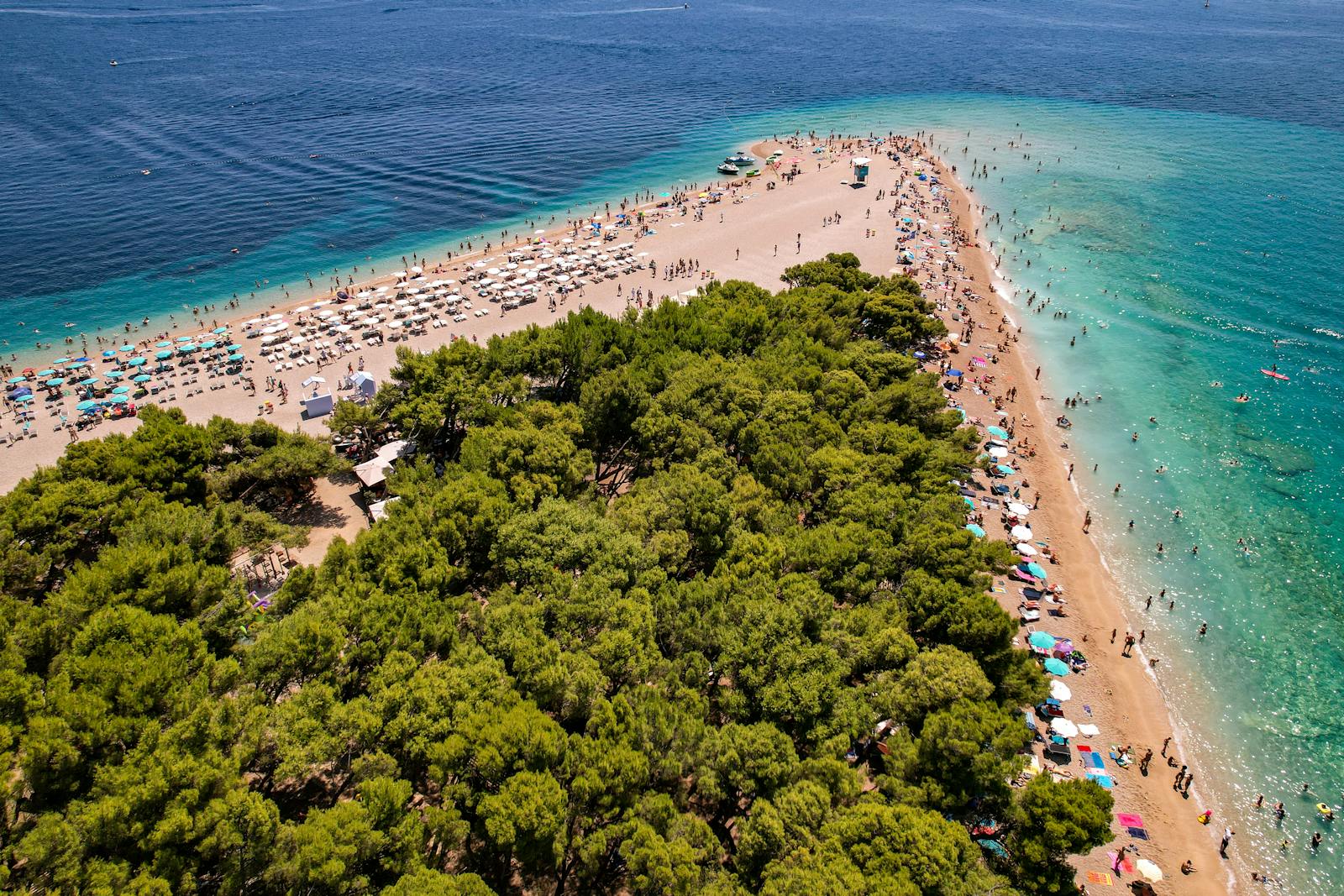
Picture a stunning pebble spit plunging into a crystal-clear sea, its tip constantly shifting shape depending on the wind and the sea currents. That’s exactly what you get at the iconic Zlatni Rat near the town of Bol, which ranks among the most photographed spots on the entire Adriatic and turns up on practically every postcard. The beach is covered in tiny pale pebbles that gleam in the sun, and a pleasant pine grove stretches across the middle, offering that all-important shade on hot summer days.
Getting here is fairly easy, since a beautiful paved tree-lined promenade leads from the nearby town of Bol, and a relaxed walk will bring you to the water in about twenty to thirty minutes. If you’d rather not walk, you can take the regular tourist train or park at the nearby paid car park, where prices in peak season run to around twenty euros for the whole day.
Zlatni Rat is an absolute paradise for water sports enthusiasts, because thanks to a regular wind called the maestral it offers ideal conditions for windsurfing and the ever-popular kiteboarding. At the same time, it’s a great spot for families with children or couples looking for full beach facilities, including showers, comfortable loungers, and several pleasant beach bars serving chilled drinks.
💡 Tip: Head to the beach early in the morning to grab the best spot near the tip, because in the afternoon this place gets really busy with tourists.
2. Sakarun on the Island of Dugi Otok
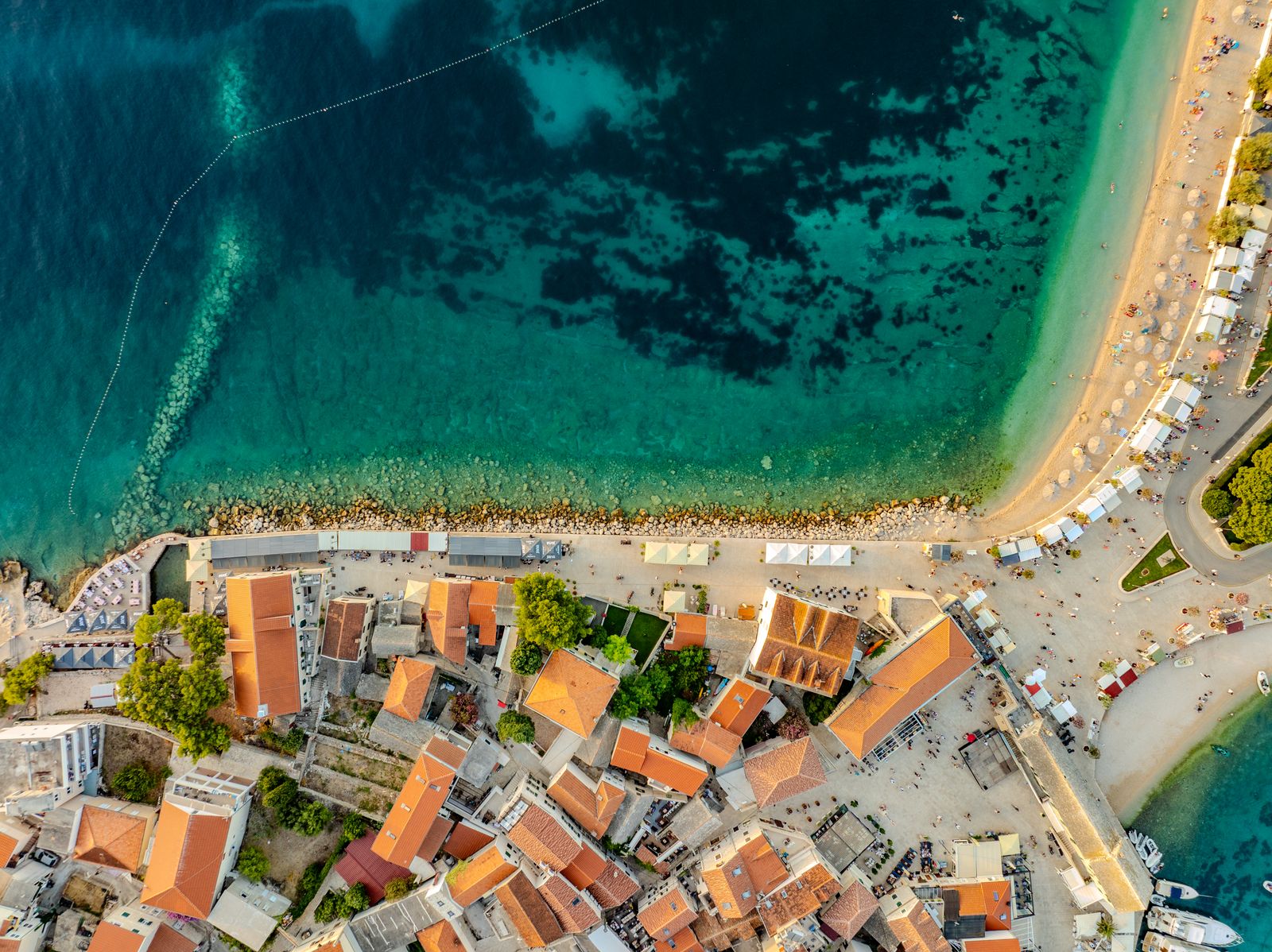
If you secretly dream of the Caribbean but can’t face spending long hours on a plane, Sakarun beach on the island of Dugi Otok will completely win you over with its incredible atmosphere. This roughly 800-metre-long bay is covered with a mix of dazzling white sand and fine pebbles, which gives the shallow water here a breathtaking turquoise and azure colour. It’s probably one of the few places in Croatia where you’ll feel like you’re on some exotic island.
Getting here takes a bit of planning, because first you need to catch the ferry from Zadar to the port of Brbinj, then continue by car or bus for about another fifteen kilometres to the north of the island. There’s a paid car park by the beach where daily parking costs around fifteen euros, and from there it’s just a few dozen metres on foot through a pleasant little pine forest to the water.
Thanks to the very gradual entry into the sea and the huge shallow stretch reaching hundreds of metres from the shore, Sakarun is absolutely perfect for families with small children, who can safely splash around here. The beach keeps a fairly wild, natural character, so don’t expect any big hotel resorts — just calm island bliss with only two simple beach bars.
💡 Tip: Since the facilities on the beach are really minimal, I recommend bringing your own snacks and plenty of drinking water so you can spend a whole laid-back day here.
3. Stiniva on the Island of Vis
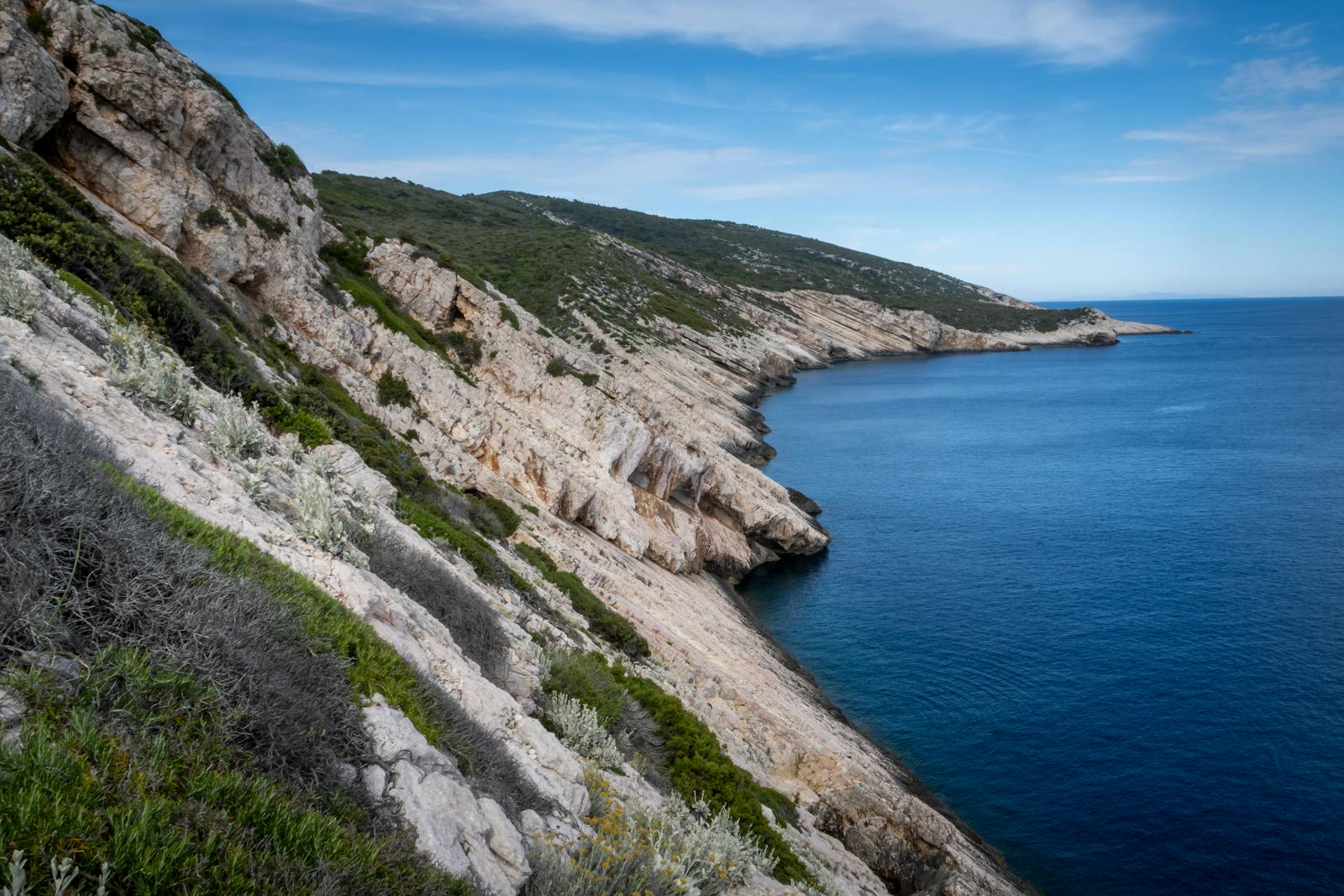
Stiniva cove on the island of Vis is without doubt one of the most dramatic and fascinating natural wonders you can see on the Croatian coast. This tiny pebble beach is almost entirely enclosed by towering cliffs that close in so tightly towards the sea that they form only a narrow four-metre passage for smaller boats. It was precisely thanks to this unique and sheltered location that Stiniva was rightly named the most beautiful beach in all of Europe back in 2016.
Reaching this hidden beauty isn’t for everyone and definitely requires a bit of fitness if you decide to come overland from the nearby hamlet of Žužec. You’ll face a very steep and demanding descent down a narrow goat track that takes about half an hour, and you’ll need to save plenty of energy for the climb back up. A far more comfortable, if less adventurous, option is to rent a boat or take one of the organised boat trips, which you can easily book through GetYourGuide.
The beach itself has an enchanting sense of calm and a feeling of being cut off from the outside world, although in peak season the boats bring in quite a few curious day-trippers. The water here is perfectly clean thanks to the pebble seabed and ideal for snorkelling along the steep rock walls — just watch out for the occasional sea urchin.
💡 Tip: Come here either very early in the morning, or after four in the afternoon, when most of the tour boats have left and you can enjoy the cove’s magical atmosphere in peace.
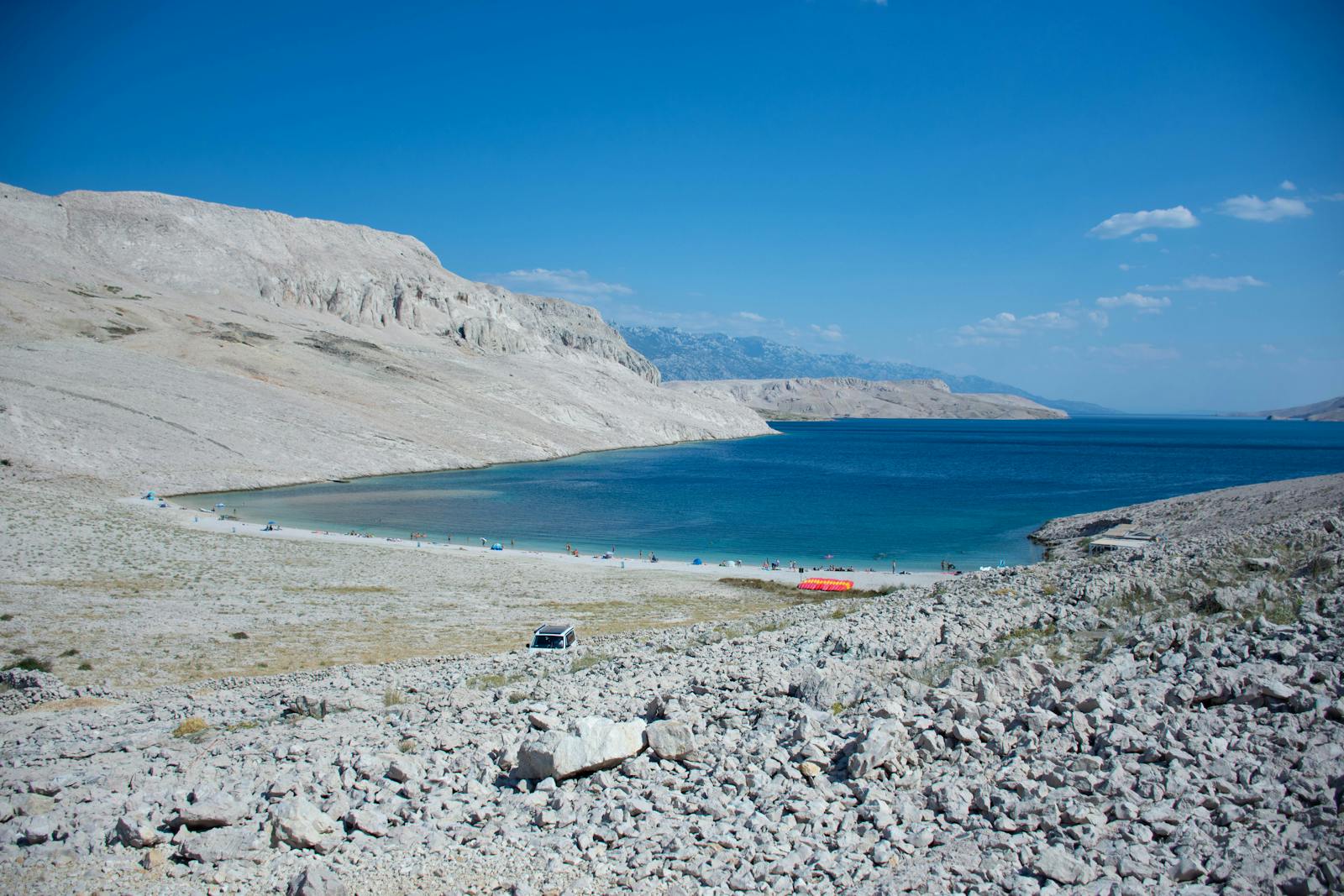
4. Zrće on the Island of Pag
If what you really want from your holiday is dancing, having fun with friends, and enjoying a never-ending summer party, the pebble beach of Zrće near the town of Novalja is just the place for you. This bay, more than a kilometre long, has earned the nickname “the Croatian Ibiza” around the world, thanks to huge beach clubs like Papaya, Kalypso, and Aquarius, which regularly host the best DJs on the planet.
Getting to the island of Pag from the mainland is very easy thanks to the bridge connecting the island to the mainland in the south, or you can take the ferry from the more northerly part of the coast if you’re coming from Zadar. From the popular resort of Novalja, where most visitors stay, a shuttle service runs day and night, so you can get to the beach and back very conveniently without worrying about parking.
By day, Zrće offers classic beach pleasures with a huge range of water sports, adrenaline-pumping bungee jumping, and endless rows of loungers and parasols. But as soon as the sun starts to set, the whole area transforms into an enormous festival ground, where the music thumps until the early hours and thousands of young people from all over the world soak up the summer atmosphere to the full.
💡 Tip: This beach is definitely not suitable for families with children or anyone seeking peace and quiet, so if you’re after a tranquil spot to relax, I’d recommend choosing a different part of the island of Pag.
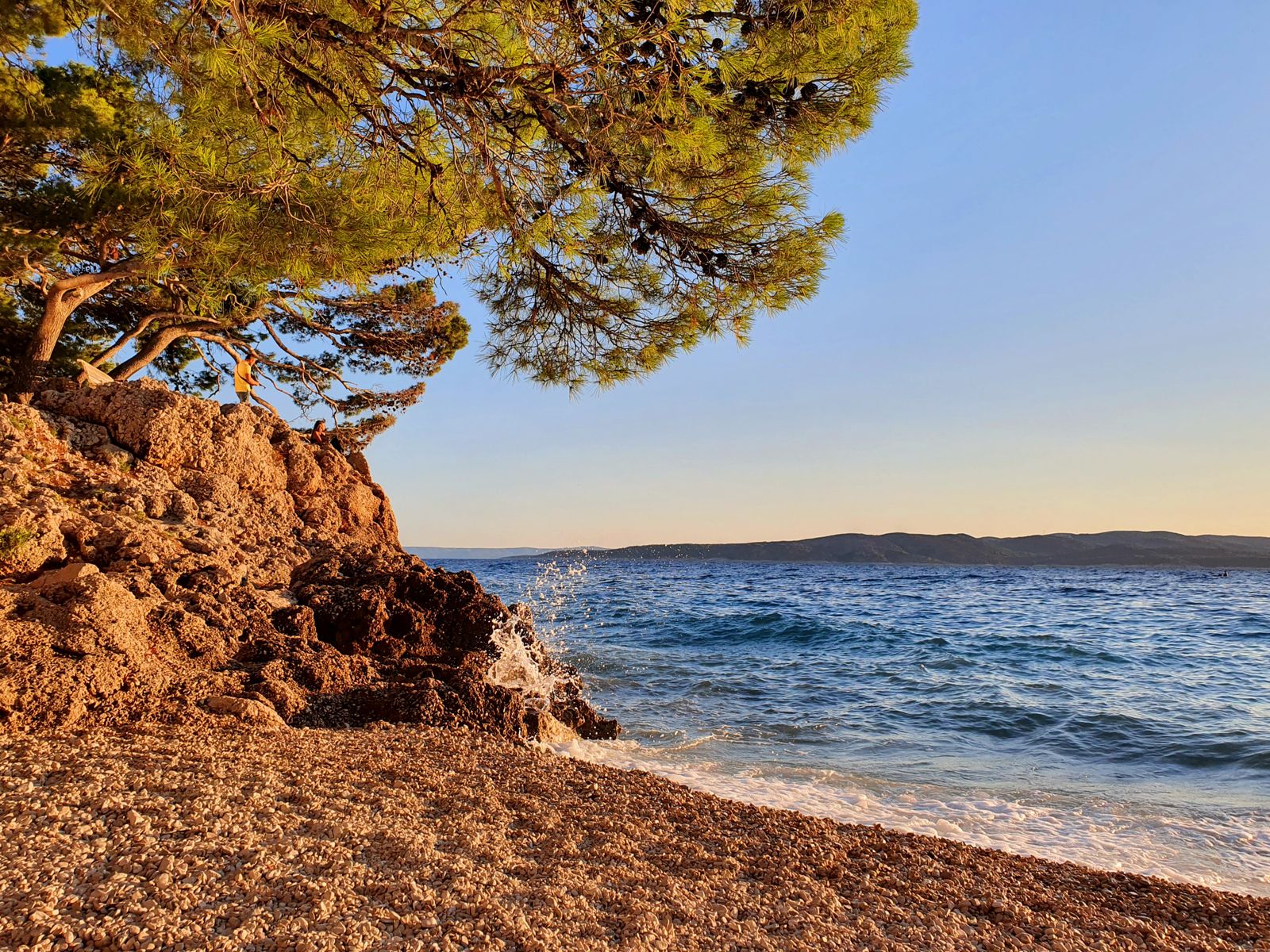
5. Punta Rata in the Resort of Brela
The Makarska Riviera is full of gorgeous spots, but Punta Rata beach in the picturesque resort of Brela stands out from the crowd with its charm and rightly counts among the most popular. This roughly 400-metre-long beach covered in pale pebbles was even ranked by the prestigious Forbes magazine among the ten most beautiful beaches in the world, which alone promises a truly exceptional experience. The whole bay is lined with dense old pine trees that cast pleasant shade right onto the pebbles and fill the air with that distinctive Mediterranean scent.
The symbol of the entire beach — and indeed the resort of Brela — is a huge boulder known as Brela Rock, from which green pines grow right out of the middle of the sea, creating an utterly iconic scene. You can reach the beach by a pleasant walk along the well-kept coastal promenade that connects the surrounding towns, and the whole area has been protected since 1964, which helps preserve its beautiful natural character.
Thanks to the pebbles, the water here is incredibly clear, and the beach proudly holds a Blue Flag award, making it a fantastic spot for snorkelling and safe swimming for the whole family. You’ll find excellent facilities, from clean showers and toilets to cosy little cafés where you can enjoy an afternoon coffee with a view over the sea.
💡 Tip: Stay here until late afternoon, because it’s at sunset that Brela Rock and the surrounding sea take on the most beautiful golden hues, ideal for romantic photographs.
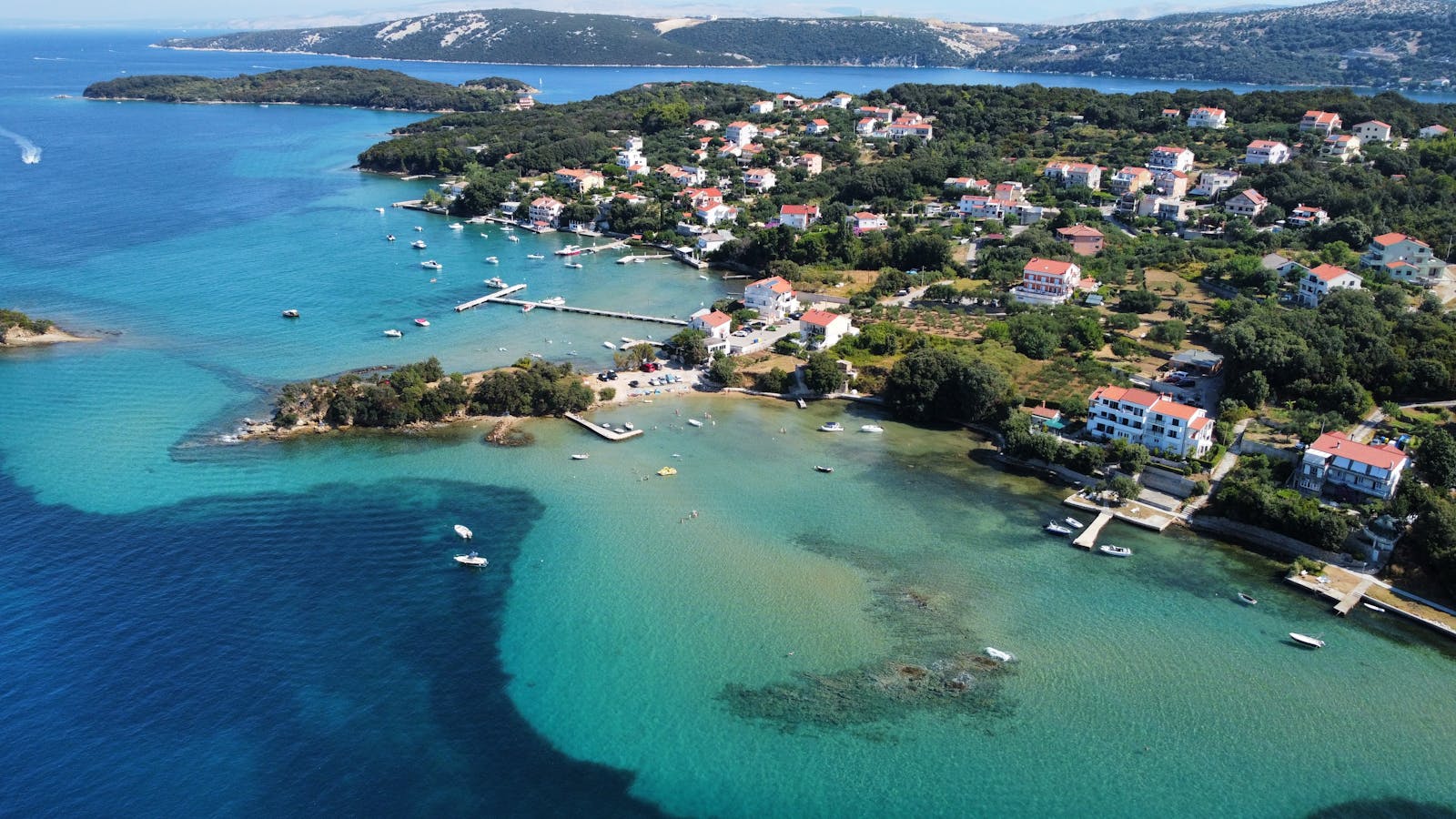
6. Paradise Beach (Lopar) on the Island of Rab
For all families with younger children, Paradise Beach — often called Rajska Plaža in Croatian — stretching out near the town of Lopar on the island of Rab, is an absolute dream come true. It’s the longest sandy beach in all of Croatia, measuring an impressive kilometre and a half, with incredibly fine sand perfect for building the very best castles. It’s also been included in CNN’s Top 100 beaches, which only confirms its exceptional quality and popularity among tourists from across Europe.
Getting to the island of Rab is easy thanks to regular ferries from the mainland, and the beach in Lopar itself offers huge parking areas, so even in season there’s rarely any problem arriving by car. What makes Paradise Beach so special is its extremely gradual entry into the sea — even hundreds of metres from the shore the water reaches no higher than an adult’s knees, so children can romp about safely.
Given its popularity, the beach offers completely comprehensive tourist facilities full of restaurants, souvenir shops, and ice cream stands. During the day you can try a huge range of activities, from renting pedalos with a slide and playing beach volleyball to messing about on the big inflatable aqua parks right out on the sea.
💡 Tip: If you tire of the shallows and crave some proper swimming, hop on a rented pedalo and head out from the shore towards the nearby little islet, where the water is deep enough and beautifully clean.
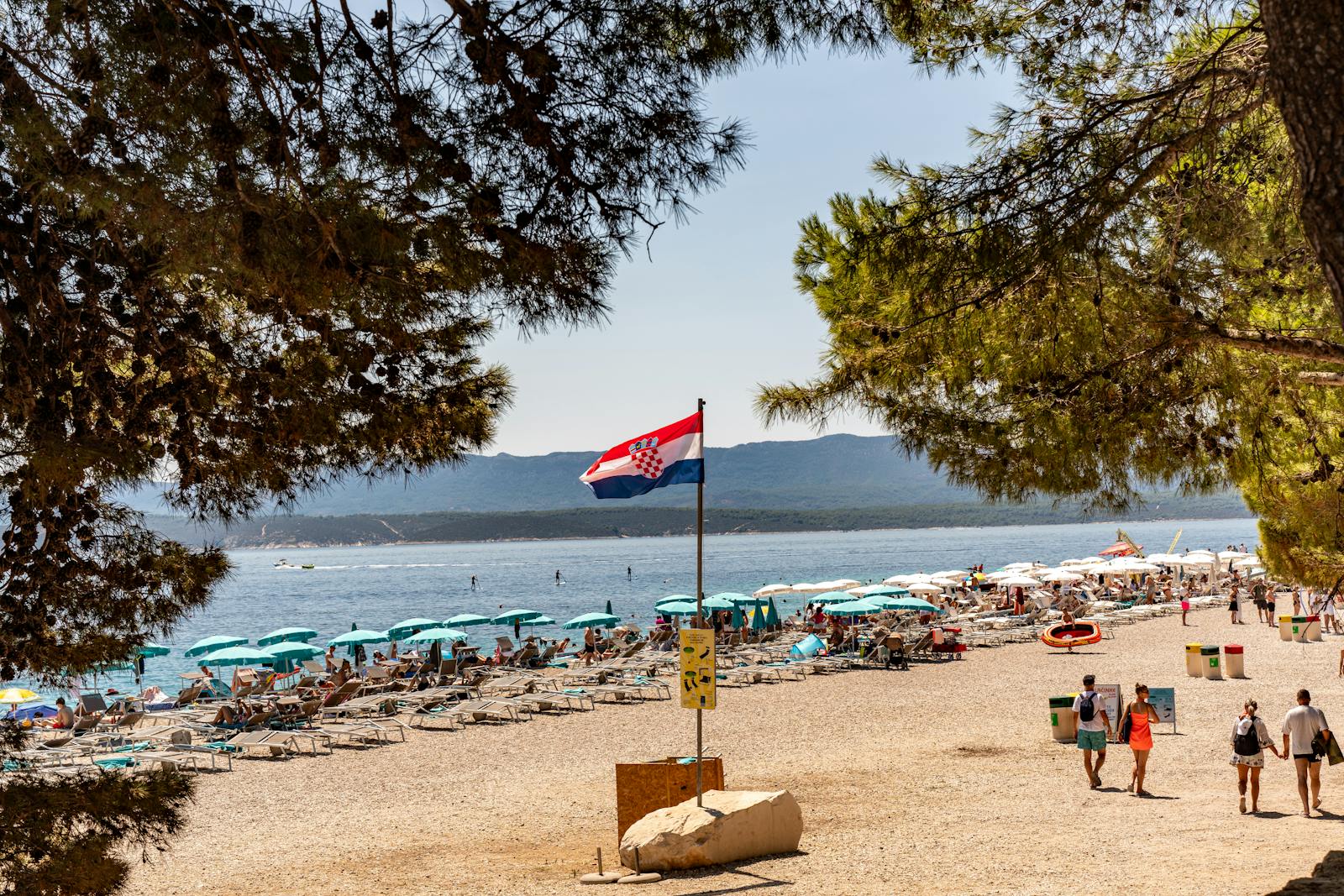
7. Kamenjak in Istria
At the very southern tip of the Istrian peninsula lies the Cape Kamenjak nature reserve, a completely different world from the typical manicured town beaches with their rows of loungers. This wild and untamed piece of land offers dozens of kilometres of rugged coastline, full of hidden pebble coves and dramatic cliffs that drop straight into the deep blue sea. It’s an ideal spot for any traveller looking for a bit of adventure, gorgeous nature, and an escape from civilisation.
Driving into the reserve by car comes with a fee, costing around five to fifteen euros in season depending on the month, but for walkers and cyclists entry is completely free. Inside the park you’ll travel along dusty, stony roads that lead you to the most amazing spots, such as the popular coves of Mala and Velika Kolombarica, where you can enjoy perfect peace and quiet.
Kamenjak is famous among lovers of adrenaline jumps into the water, since the cliffs here practically invite it, and thanks to the clean water teeming with fish, it’s an absolutely fantastic spot for snorkelling. After your swim, don’t miss the legendary Safari Bar, hidden away in the reeds, offering a one-of-a-kind relaxed vibe with excellent refreshments and giant swings hanging from the trees.
💡 Tip: The most comfortable and enjoyable way to explore the whole cape is to rent a mountain bike and ride through the reserve under your own steam, avoiding both the car fee and the summer traffic jams.

8. Pasjača near Dubrovnik
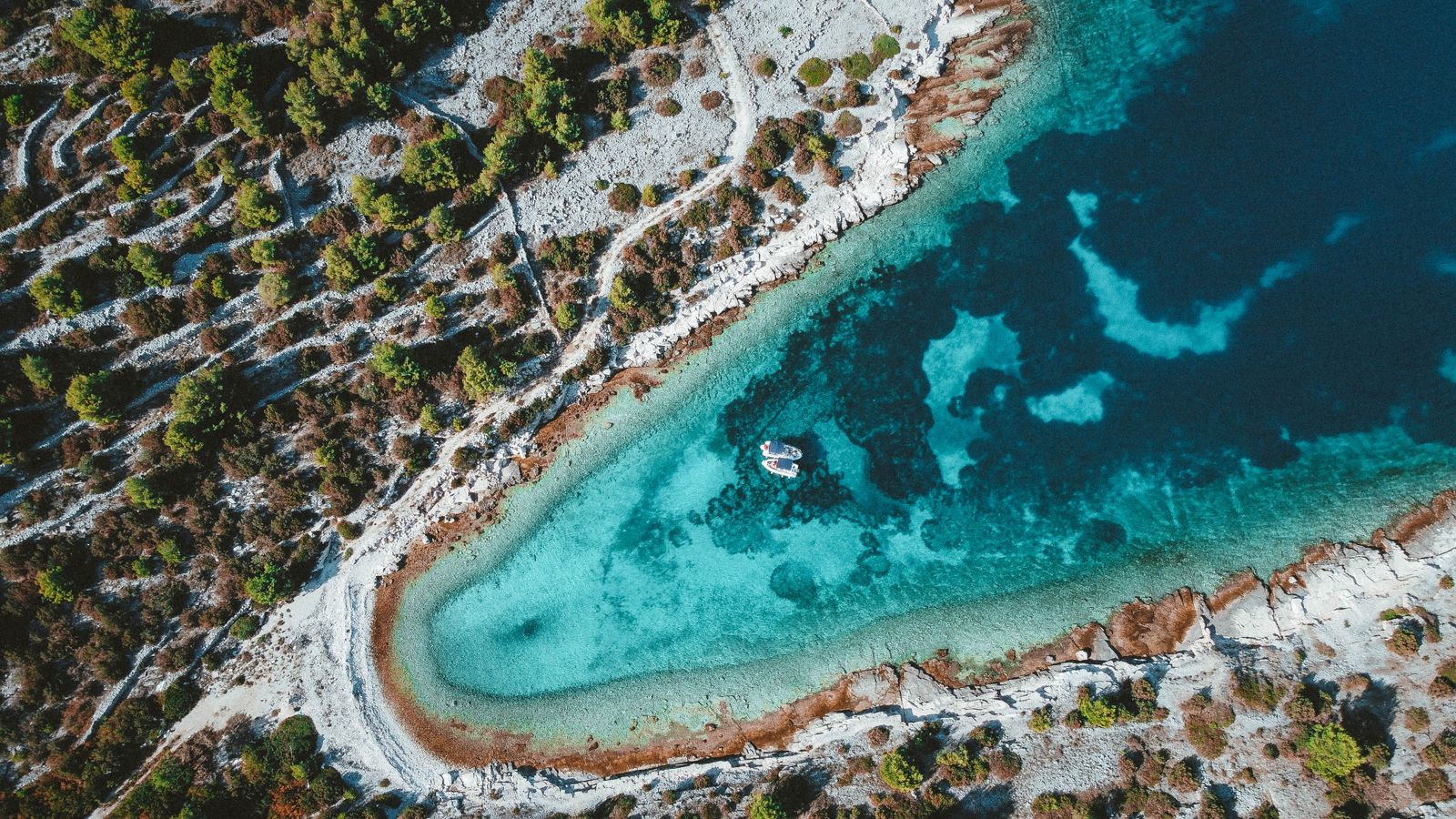
Pasjača beach, lying in the Konavle region roughly thirty kilometres south of historic Dubrovnik, is a complete one-off, because it wasn’t formed naturally but by human activity. Back in the 1950s, when a tunnel was being dug here, the excavated rock was dumped from the steep cliffs into the sea, and the waves gradually ground this material down into a beautiful mix of sand and fine gravel. This fascinating story, combined with the breathtaking backdrop of towering red cliffs, even earned it the title of European Best Beach in 2019.
Getting to the beach is an experience in itself, because after parking up on the cliff you face a fairly steep and demanding descent down narrow stone steps and through a tunnel carved straight into the rock. Because of this tricky access, the beach really isn’t suitable for small children or people with limited mobility, since you have to tackle around two hundred metres of elevation difference.
On the beach itself you’ll find no tourist facilities whatsoever — no bars, no lounger rentals — but this only adds to its wild, romantic atmosphere. The water here is incredibly clean and constantly washes against the steep cliffs, which creates perfect conditions for undisturbed relaxation and gazing out at the open sea far from the crowded resorts.
💡 Tip: Given the complete lack of services and shade, don’t forget to bring your own parasol, plenty of drinking water, and comfortable shoes for a safe descent down the steps.
9. Nugal on the Makarska Riviera
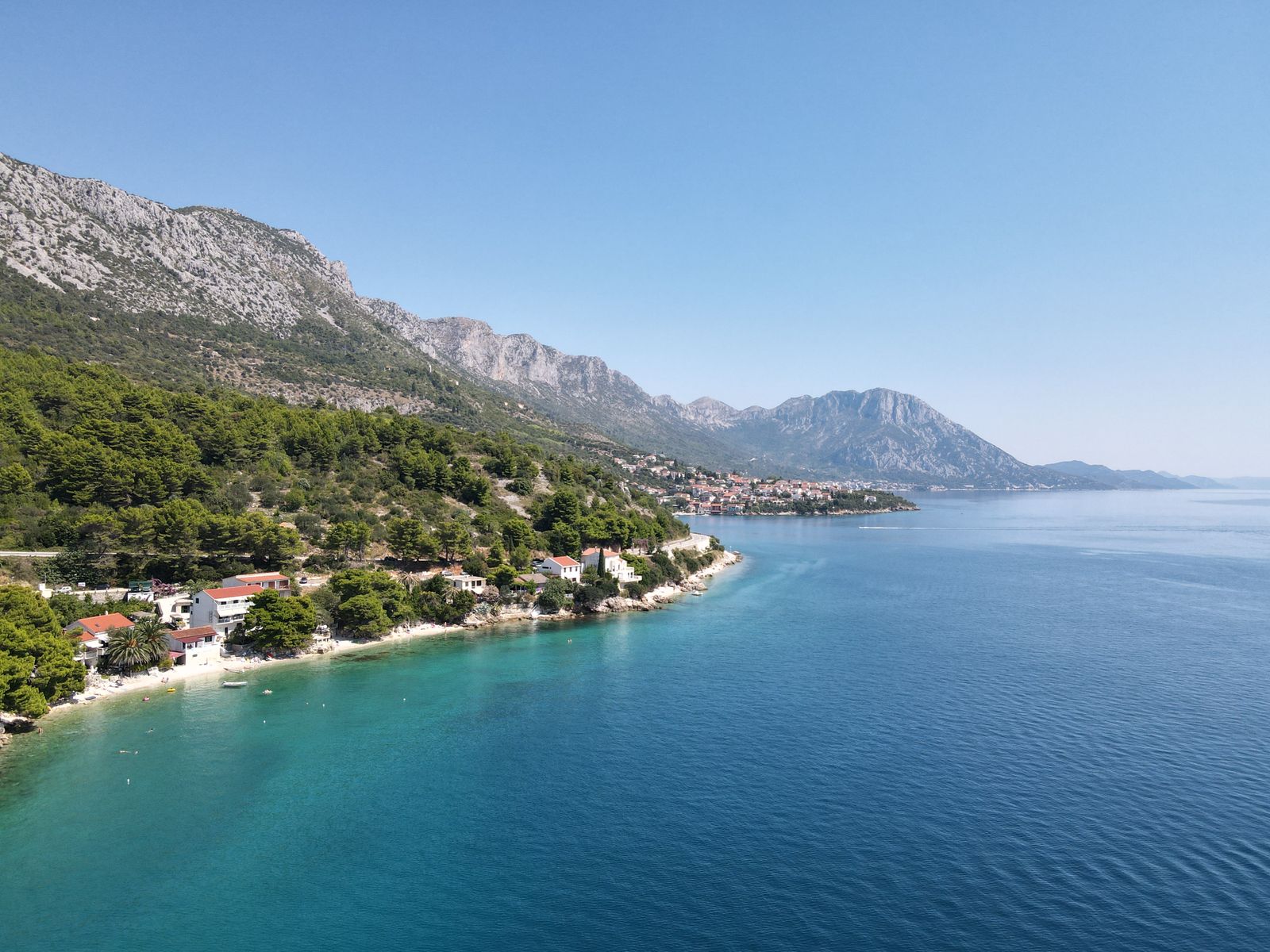
The Makarska Riviera hides one true gem that has kept its remote, undisturbed atmosphere for decades — the magical pebble beach of Nugal. This place is historically tied to a very strong naturist tradition and to this day operates mainly as an FKK beach, although in recent years it’s increasingly attracted nature lovers in swimwear too. The beach is bordered on one side by towering vertical cliffs and on the other by dense pine forest, creating an absolutely fairy-tale, photogenic corner.
Getting to Nugal takes a bit of effort, because no road leads here and the only path is on foot through the beautiful Osejava forest park, which takes about thirty minutes of pleasant walking from the centre of Makarska. An alternative is to hire a small boat or use a water taxi, which will drop you right onto the pale pebbles, where you can immediately start enjoying that wonderful solitude and calm.
It’s precisely because of its tricky access that the beach keeps its wild character, and even in the highest season you won’t run into excessive crowds of tourists here. The sea is incredibly clear and deep just a short way from the shore, making it an absolutely superb spot for lovers of swimming and snorkelling along the jagged rocks.
💡 Tip: Since this is a purely natural beach tucked away in the forest, you won’t find any refreshment kiosks or toilets here, so you’ll need to carry all your supplies for the day in your own backpack.
10. Banje in Dubrovnik
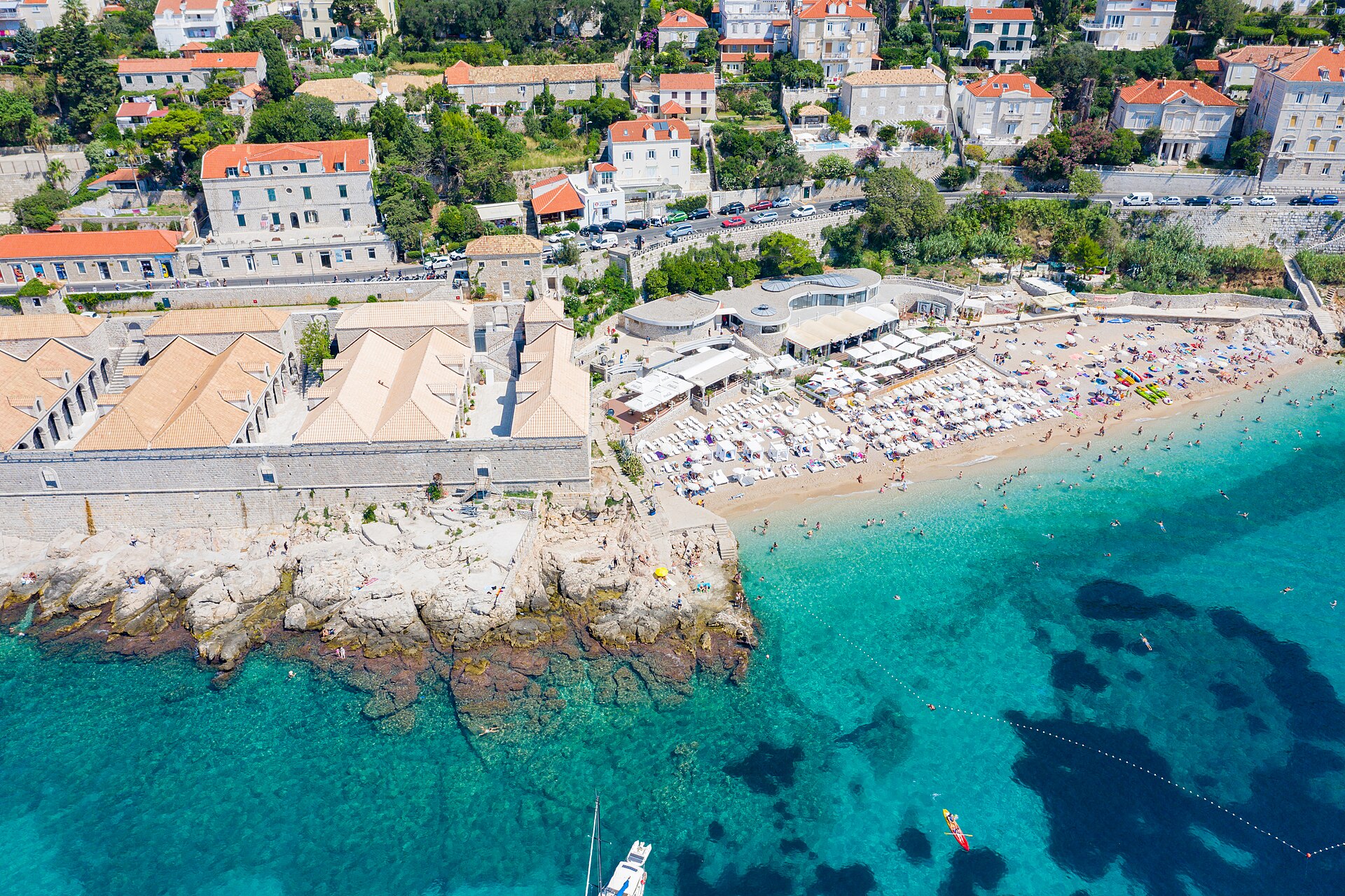
If you’re visiting the enchanting city of Dubrovnik, you definitely shouldn’t miss Banje city beach, located just a short walk beyond the historic Ploče city gate and offering an absolutely exclusive swimming experience. From this pebble-and-sand beach you’ll get an unforgettable, iconic view straight onto the ancient city walls, the old harbour, and the green islet of Lokrum, making it one of the most photographed spots in the country.
The beach is split into two parts, one half operating as a luxury beach club where you’ll pay fairly high prices to rent comfortable loungers and parasols, often forty to fifty euros a day. The other half, however, is freely accessible to the general public and completely free, so you only need to bring your own towel and you can enjoy those same breathtaking views of the historic city without paying a penny.
The atmosphere on Banje beach is always very lively, cosmopolitan, and full of energy, because travellers from all over the world come here to rest after exhausting exploration of Dubrovnik’s narrow streets. During the day you can try jet skiing or parasailing behind a motorboat, and in the evening the beach club becomes a popular spot for elegant nightlife right by the sea.
💡 Tip: If you want to avoid the biggest crowds and enjoy the free part of the beach without being squashed in, come here early in the morning, before the tourists from the big cruise ships descend on the city.
11. Lubenice (Sveti Ivan) on the Island of Cres
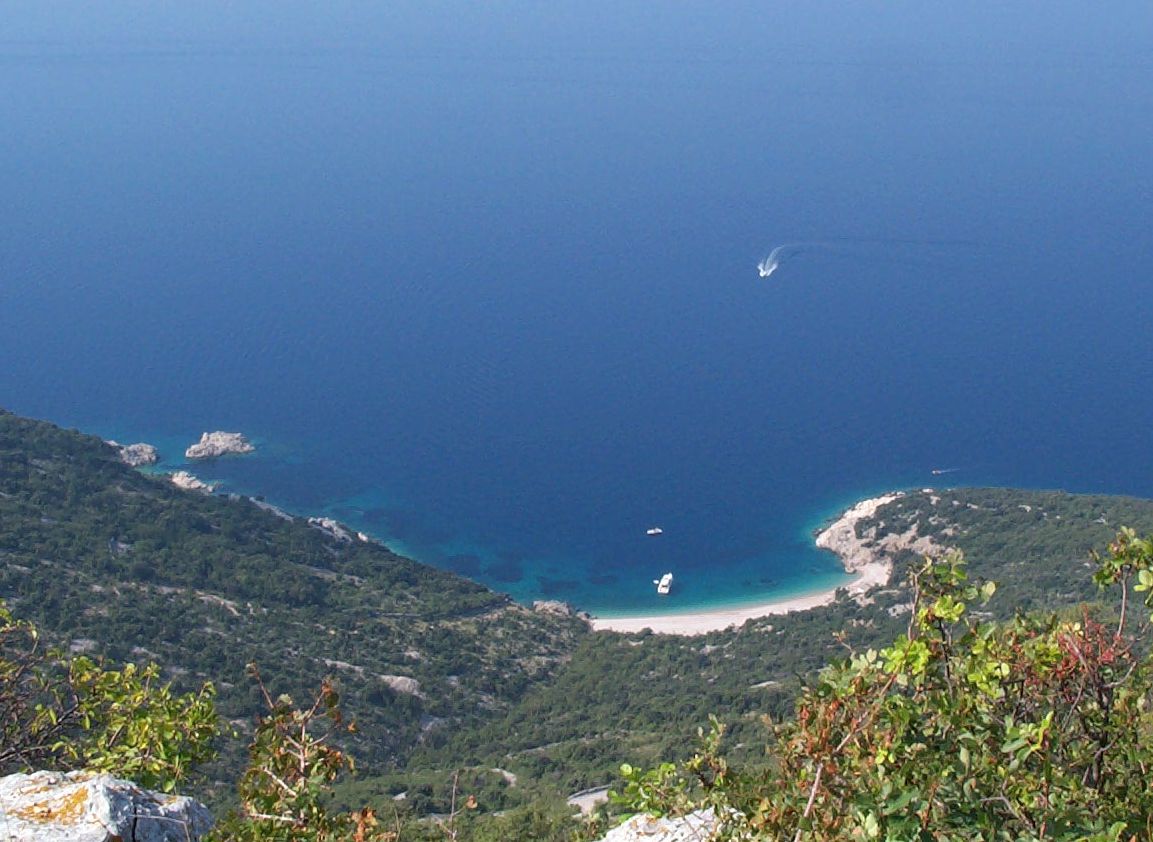
Sveti Ivan beach, lying deep below the historic little village of Lubenice on the island of Cres, is the very definition of perfect remoteness and untouched Mediterranean nature that will literally capture your heart. This roughly 150-metre-long bay full of dazzling white pebbles, which the German newspaper Bild ranked among the forty most beautiful beaches in the world, is surrounded only by steep slopes and fragrant shrubs. The crystal-clear water plays in every shade of emerald and turquoise, creating a perfect contrast with the rugged surrounding landscape.
The reason this beach stays wonderfully calm and half-empty even in the middle of summer is its extremely demanding access overland. From the stone village of Lubenice, perched on a cliff hundreds of metres above the sea, you face a steep walk down lasting roughly forty-five to sixty minutes, and the climb back uphill in the scorching sun really is only for those in good shape.
For those who’d rather not sweat it out on steep tracks, by far the most pleasant option is to arrange a water taxi at the nearby harbour or rent a small motorboat. Your reward for a bit of discomfort will be swimming in complete solitude and silence, broken only by the murmur of the waves and the cries of seagulls — a real luxury in today’s hectic world.
💡 Tip: For the walk down to this beach, absolutely wear sturdy trainers, because walking down the steep, stony track in ordinary flip-flops is not only very uncomfortable but also dangerous.
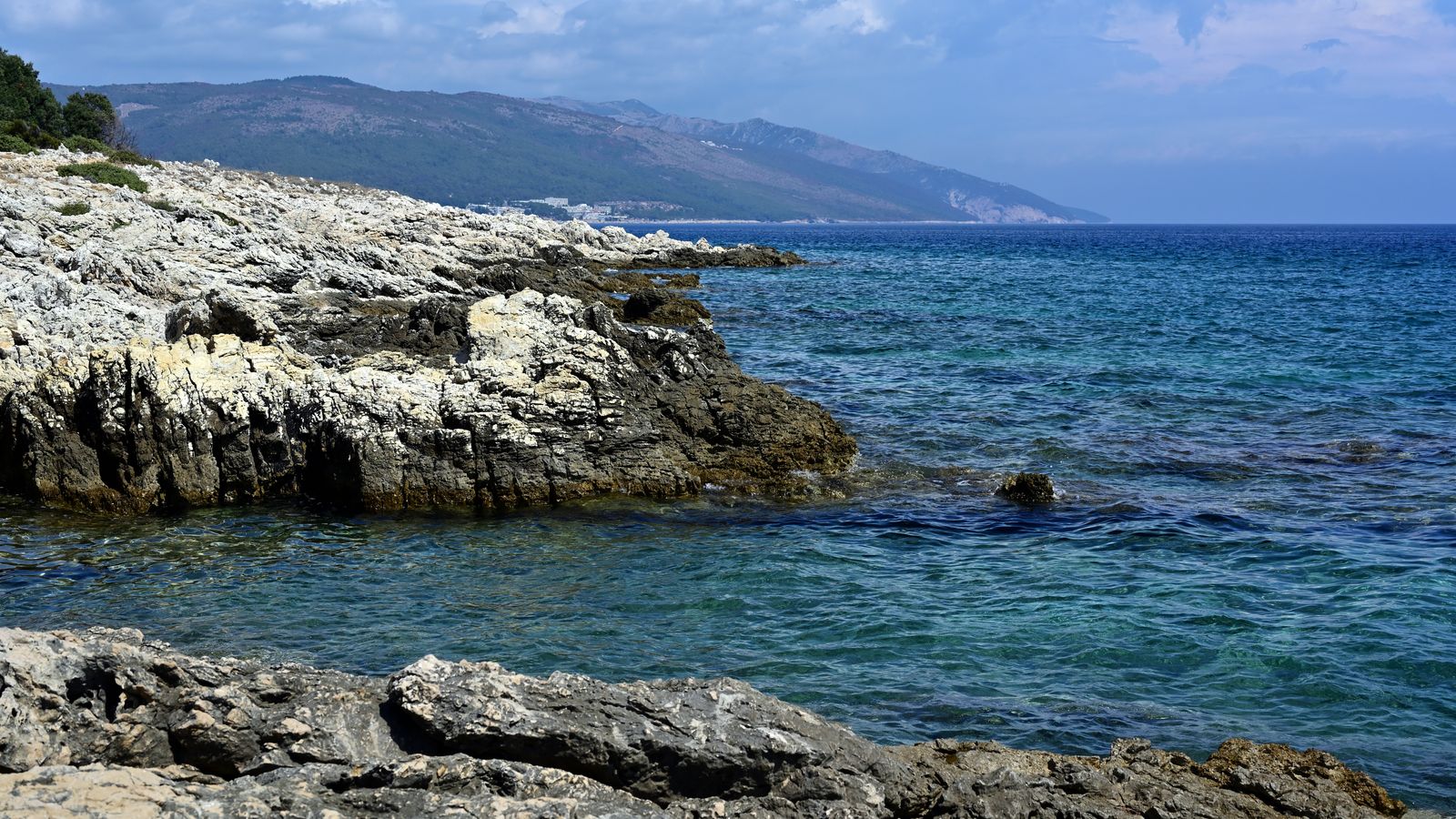
12. Pupnatska Luka on the Island of Korčula
The island of Korčula is full of picturesque coves, but Pupnatska Luka, lying about fifteen kilometres from the island’s main town, is probably the most charming and greenest of them all. This sheltered pebble beach, which the prestigious British newspaper The Guardian ranked among the top twenty European beaches, cuts deep into the island’s interior and is protected on all sides by dense Mediterranean forest. The water here is wonderfully calm, quiet, and has an incredibly clear, almost emerald colour.
Driving to this cove is a small adventure, because you have to turn off the main island road and continue along a fairly narrow, winding, steep tarmac road all the way down to the sea. Right above the beach you’ll find a paid car park where all-day parking costs roughly seven to ten euros, and from there it’s just a short way down to the pebbles themselves, via steps or a gentle slope.
Unlike the completely deserted coves, Pupnatska Luka offers a great compromise between wild nature and basic comfort for a relaxed holiday. You’ll find two very pleasant traditional konobas (taverns) here, where you can have lunch with a view over the shimmering water, plus the option of renting comfortable loungers with sunshades.
💡 Tip: When driving down to the beach by car, be very careful and go slowly, because the narrow little road often doesn’t allow two oncoming vehicles to pass safely, and occasionally you’ll need to reverse a little.
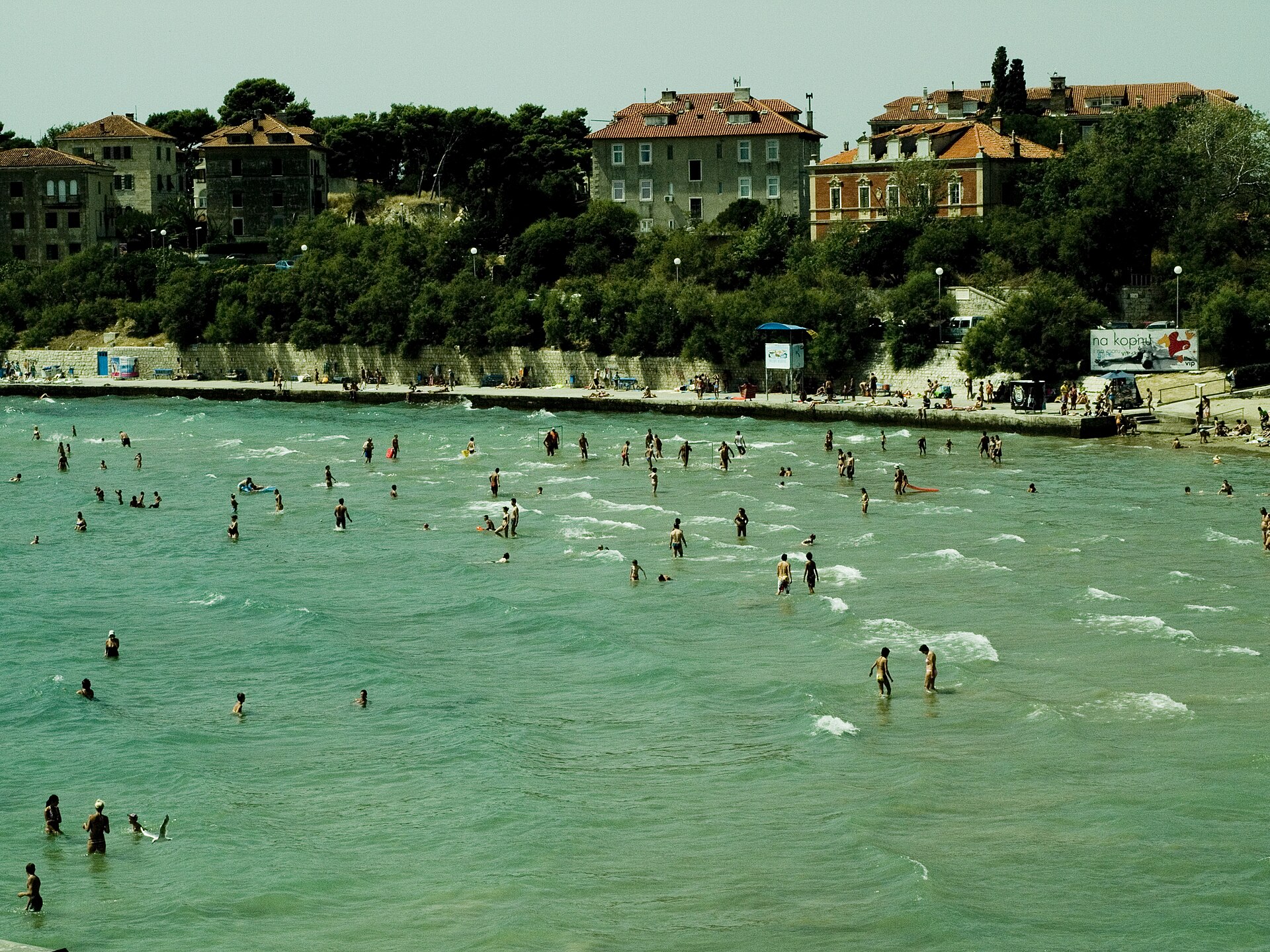
13. Bačvice in Split
Right in the heart of vibrant historic Split, just about fifteen minutes’ easy walk from the famous Diocletian’s Palace, you’ll find a phenomenon called Bačvice beach. This popular city beach is fairly rare for Croatia, because it’s made up of clean sand and has an extremely shallow seabed that slopes only very gradually, making it an ideal spot for non-swimmers and families with children. You’ll always find huge numbers of people here, music playing, and the endless buzz of a big seaside resort.
Bačvice beach has become world-famous as the birthplace of a traditional and very distinctive ball game called picigin, which was even added to UNESCO’s list of intangible cultural heritage. Local people here, all year round and regardless of the weather or season, leap about in the shallow water with huge enthusiasm, trying to keep a small rubber ball in the air — an utterly fascinating spectacle.
Entry to the beach itself is of course completely free, but you can rent loungers and parasols here for a fee for added comfort. The area around the beach is literally packed with modern cafés, restaurants, and bars with terraces, from which you can comfortably watch the bustle on the sand and the daring acrobatic feats of the picigin players, drink in hand.
💡 Tip: If you want to experience the real local atmosphere and avoid the worst of the afternoon heat, come around five in the afternoon, when the beach fills up with local families and sportspeople.
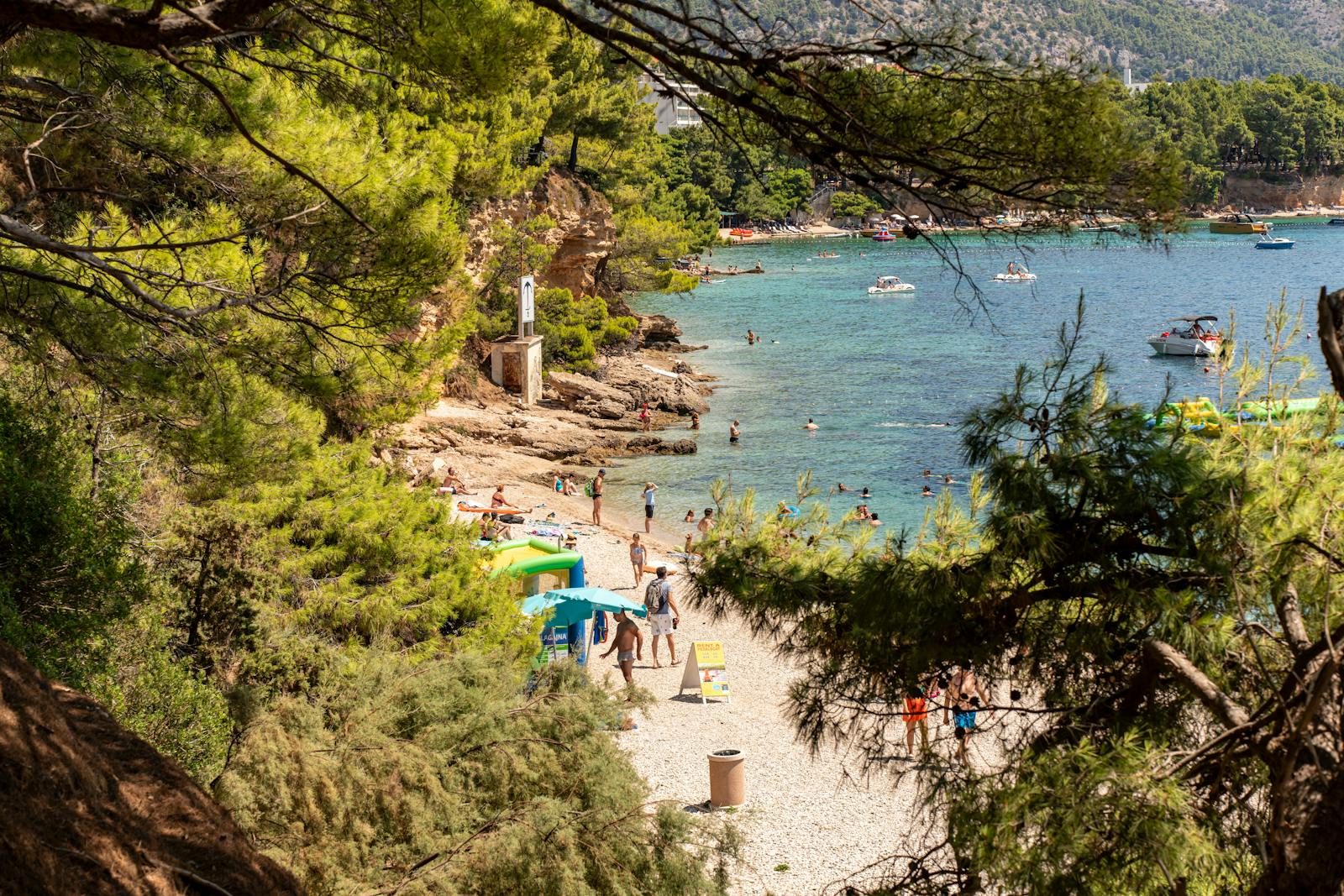
14. Queen’s Beach (Nin) near Zadar
The historic little town of Nin near Zadar hides a huge natural treasure in the form of the so-called Queen’s Beach, which stretches for more than three kilometres and is thus one of the longest in the country. This vast sandy beach lies in a huge shallow lagoon, where thanks to the low depth the water warms up incredibly quickly and often reaches temperatures more reminiscent of a pleasantly warm bath than a refreshing sea.
What makes this area absolutely unique is the extensive deposit of natural healing mud called peloid, found right next to the beach itself. Many visitors therefore enthusiastically cover themselves in dark mud from head to toe, let it dry in the sun, and then wash it off in the warm sea — which is said to work wonders for rheumatic complaints and various skin conditions.
Thanks to the fine sand, zero waves, and warm water, Queen’s Beach is an absolute paradise for families with the very smallest children, toddlers, and non-swimmers, who can play safely here all day long. What’s more, thanks to the regular gentle winds from the Velebit mountains, you’ll find great conditions for learning kitesurfing, so a relaxed family atmosphere mingles with an active sporting spirit.
💡 Tip: Don’t be afraid to get dirty — try the mud treatment for yourself. Not only is it good for you, but you’ll also have plenty of fun and take some genuinely hilarious holiday photos.
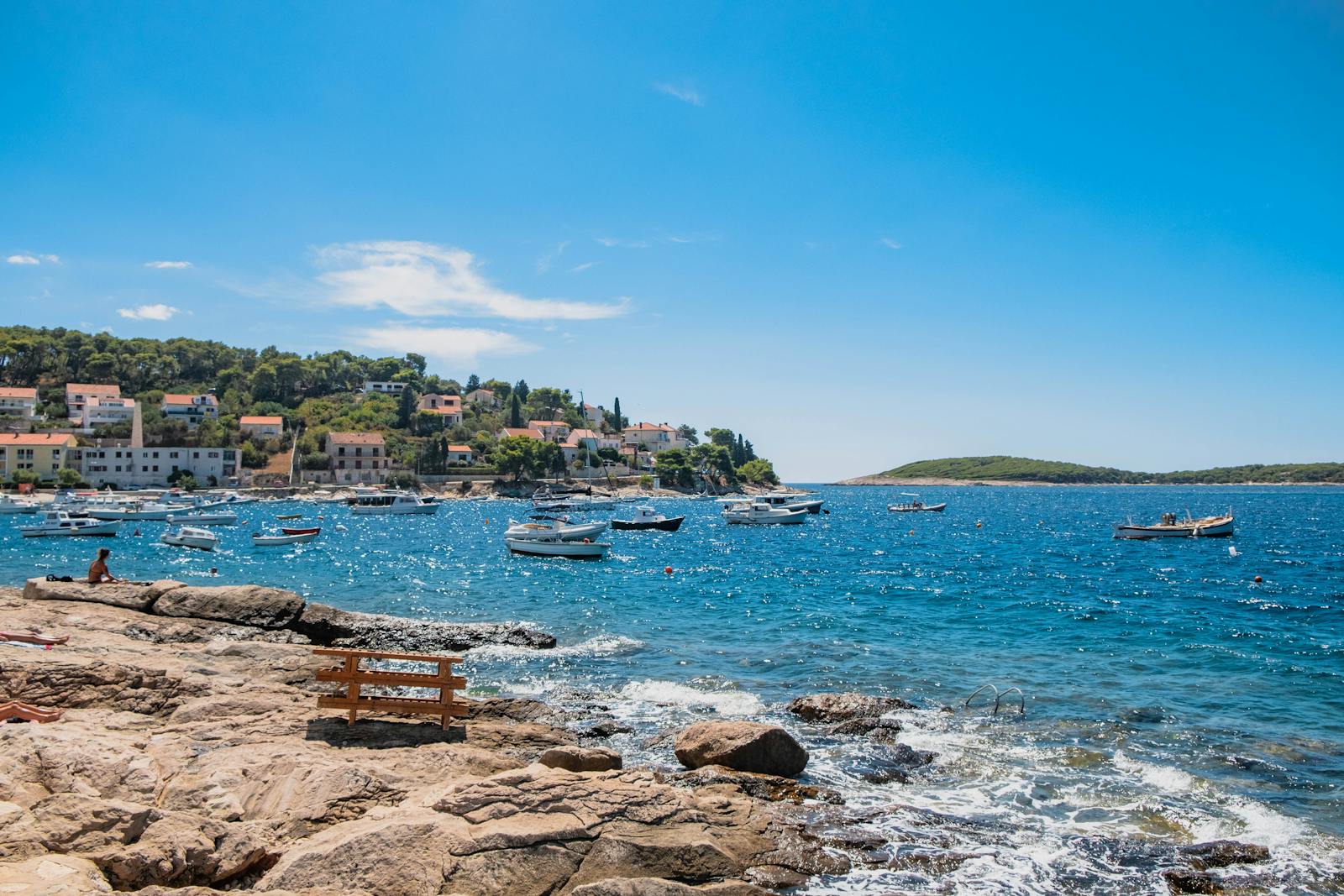
15. Dubovica on the Island of Hvar
The island of Hvar is synonymous with lavender, luxury, and gorgeous beaches, and of these it’s the picturesque Dubovica cove, just eight kilometres from the island’s main town, that often tops the popularity charts. This beautiful pebble beach is set in a deep, calm bay, its atmosphere completed by ancient stone noblemen’s houses and a little chapel standing right by the crystal-clear water.
To reach this paradise, you have to park your car along the main island road and then face a descent down a narrow, fairly steep stony track to the sea, which takes about ten to fifteen minutes. Although the path isn’t exactly the most comfortable, once you arrive at the beach you’ll realise that the little hike was definitely worth it, because the bay is well sheltered from strong winds and offers perfect conditions for swimming.
The underwater world in Dubovica bay is extraordinarily rich thanks to the pebble seabed, so don’t forget to pack your snorkel and diving mask. Right on the beach you’ll also find a very cosy, rustic konoba, where you can rest in the shade during the day and enjoy refreshing drinks or simple but excellent local snacks.
💡 Tip: When parking along the road above the beach, take extra care and park as close to the edge as possible, because the road here is quite narrow and in summer a huge number of cars and buses pass through.
Where to Go Next in Croatia
If these beaches have whetted your appetite to explore more of this country’s beauty, be sure not to miss our other articles full of tips. If you’re not yet sure which region to head to this year, read our big guide on where to holiday in Croatia. For lovers of the photogenic Golden Horn, we have detailed tips on the island of Brač, and those longing for the hidden Stiniva beach will enjoy our article on the romantic island of Vis.
Families with children who fell for the sandy Paradise Beach will find plenty more useful information in our guide to the island of Rab. And if you’re currently figuring out where to rest your head and how to choose the best hotel with a sea view, we’ve put together lots of practical, tried-and-tested advice in our article on accommodation in Croatia.
Frequently Asked Questions
Are there sandy beaches in Croatia too?
Yes, although pebbles and rocks predominate, you’ll also find beautiful sandy beaches here. The most famous are Sakarun beach on the island of Dugi otok, Paradise beach on the island of Rab, Queen’s beach in Nin, or the city beach Bačvice right in Split.
Do I need water shoes on Croatian beaches?
Definitely yes. Most Croatian beaches are pebbly or rocky and sea urchins are very often hiding on the rocky seabed. Water shoes will protect you from painfully stepping on a sea urchin as well as from slipping on wet rocks.
Do you have to pay to enter beaches in Croatia?
The entry to the beaches by the sea is in the vast majority of cases completely free, as they are by law public spaces. You only pay for additional services, such as renting sunbeds, umbrellas, parking, or entry to special beach clubs with pools.
Where can I find the best beaches for families with young children?
For the smallest children and non-swimmers, sandy beaches with a very gentle entry into the sea and warm shallow water are ideal. The best conditions are offered by Queen’s Beach in Nin near Zadar or the popular Paradise Beach with fine sand on the island of Rab.
How is it with nudist beaches in Croatia?
Croatia has one of the longest naturist (FKK) traditions in Europe and is absolutely top-tier in this regard. You’ll find dozens of official nudist campsites here, such as the famous Koversada, and plenty of more secluded beaches, like the popular Nugal on the Makarska Riviera.
When is the best time for swimming in the sea?
The most pleasant swimming with minimal tourists you’ll experience in June and especially in September, when the sea is already beautifully warmed up from summer. In July and August the water is warmest, but you have to expect really high air temperatures and overcrowded beaches.
Do jellyfish appear on the Croatian coast?
Yes, jellyfish do occasionally appear in the Adriatic Sea, usually brought to the coast by sea currents after big storms. Most of them are harmless to humans, but some species can cause unpleasant stings upon contact, so it’s good to be careful while swimming.
Tips and Tricks for Your Vacation
Don’t Overpay for Flights
Search for flights on Kayak. It’s our favorite search engine because it scans the websites of all airlines and always finds the cheapest connection.
Book Your Accommodation Smartly
The best experiences we’ve had when looking for accommodation (from Alaska to Morocco) are with Booking.com, where hotels, apartments, and entire houses are usually the cheapest and most widely available.
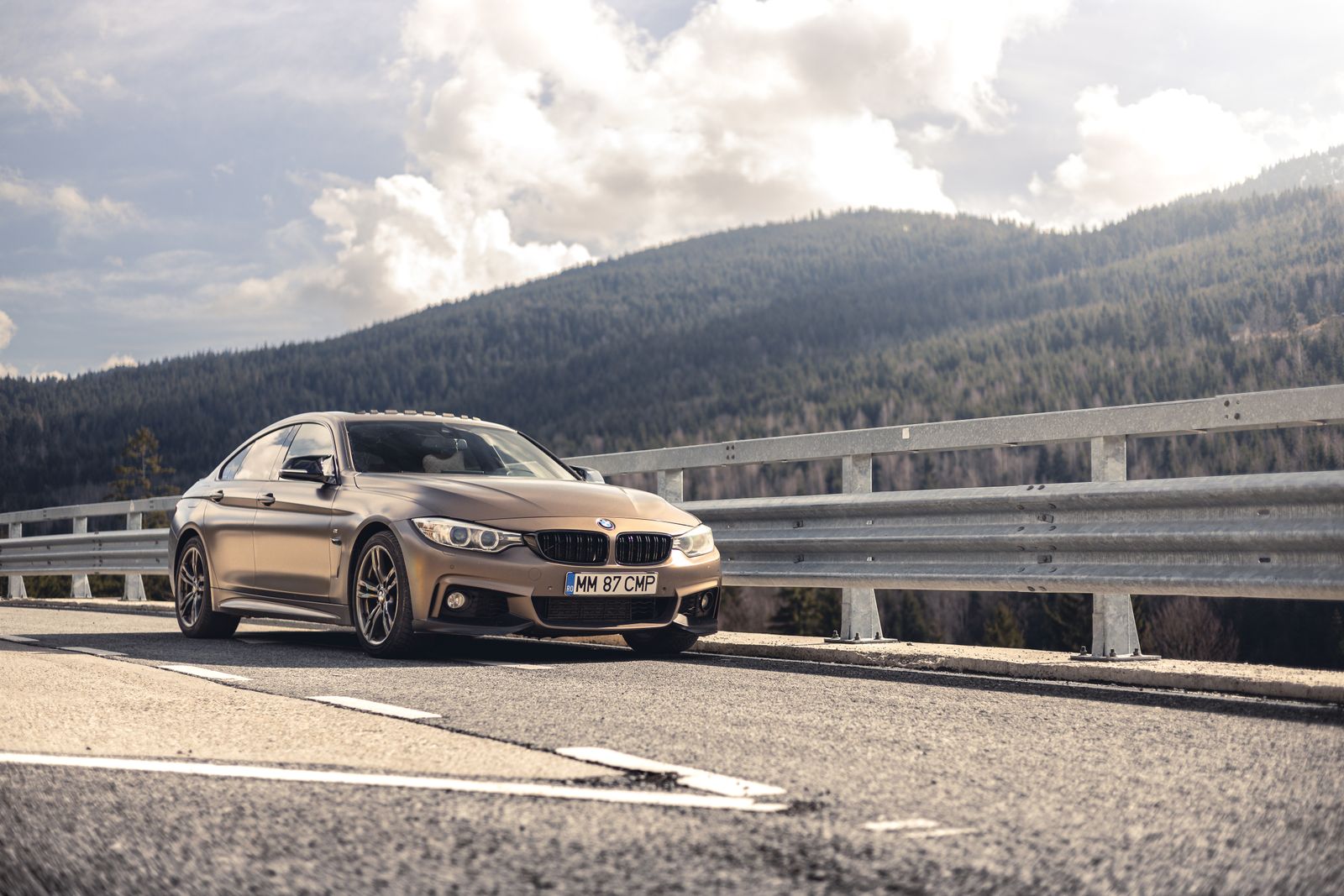 🚗 Car rental on the roadVerified rental cars in Croatia
Search with the DiscoverCars comparison engine — it compares prices from dozens of local and international rental companies, and most bookings come with free cancellation.
Compare car prices in Croatia →Don’t Forget Travel Insurance
Good travel insurance will protect you against illness, accidents, theft, or flight cancellations. We’ve had a few hospital visits abroad, so we know how important it is to have proper insurance arranged.
Where we insure ourselves: SafetyWing (simple monthly subscription) and TrueTraveller (for extra-long trips).
Find the Best Experiences
Get Your Guide is a huge online marketplace where you can book guided walks, trips, skip-the-line tickets, tours, and much more. We always find some extra fun there!