You know that feeling when you’ve heard so much about a place that you feel like you already know it inside out? Mallorca is exactly that kind of destination — one that both suffers and thrives on its reputation. I visited as a child with my mum and brother years ago, but honestly all I remember is building sandcastles and eating an enormous ice cream. 😅 When you look at this largest of the Balearic Islands through grown-up, practical eyes, though, you realise it’s essentially a fascinating micro-continent. It offers absolutely everything you could want from a perfect holiday, satisfying hardcore cyclists and art and history lovers alike. If you’re looking for the best things to do in Mallorca, Spain, you’ve come to the right place.
In this article, you’ll find 25 of the best things to see and do in Mallorca so you can make the most of the island and dodge the worst tourist traps. We’ll explore the majestic landmarks of Palma, head into the dramatic Serra de Tramuntana mountains, and won’t skip the most beautiful coves with turquoise water either. I’ll also share tips on where to strategically base yourself, how local transport works, and what to watch out for so you don’t end up paying hefty fines for parking in protected areas.
TL;DR
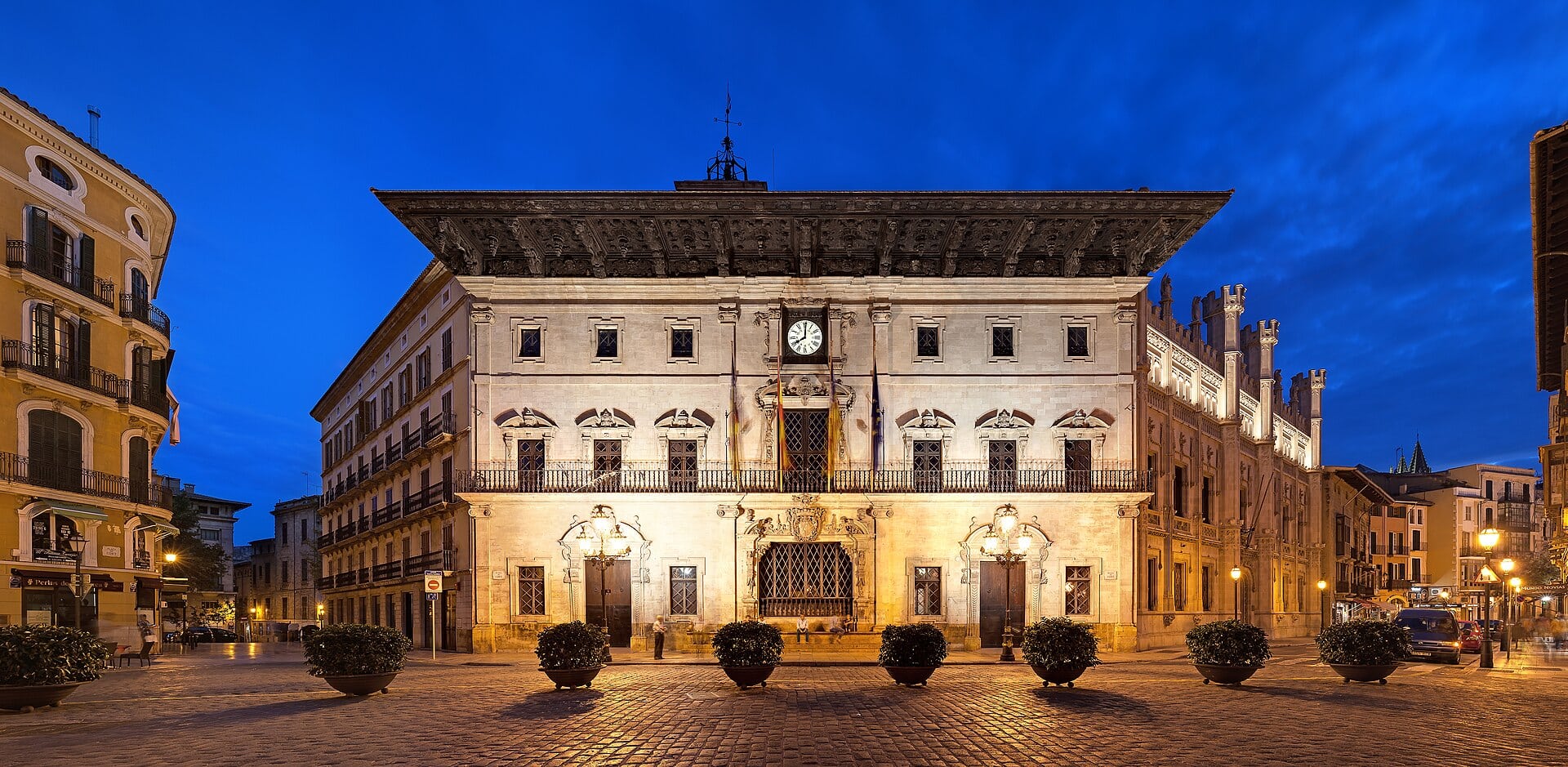
- Capital city Palma: The showstopper is the stunning Gothic cathedral La Seu — book your tickets online in advance — plus a historic centre packed with tapas bars.
- Mountains and villages: The Serra de Tramuntana range (UNESCO) hides gems like Valldemossa, the artistic haven of Deià, and the town of Sóller, served by a famous vintage railway.
- Dramatic north: Cap de Formentor offers the most jaw-dropping views, but in summer there’s a strict car ban and you must use the shuttle bus.
- Best beaches: In the south and east you’ll find the Caribbean-like Es Trenc beach and the photogenic coves of Cala Mondragó and Cala Llombards.
- Tourist tax: All the Balearic Islands charge a so-called ecotasa (sustainable tourism tax), which varies by accommodation type and is paid on the spot.
- Getting there: Direct flights operate from London with airlines like easyJet, Ryanair and British Airways. Once on the island, a hire car is the best way to get around, though excellent buses often suffice for mountain trips.
The full destination guide: Spain — guide and what to see
When to Visit Mallorca
If you’re wondering when to book your flights, the ideal window is the shoulder season — May, June, and then September and October. During these months the sea is already (or still) beautifully warm (in September the water holds a pleasant 26 °C), and you’ll safely avoid the worst summer heatwaves and extreme tourist crowds. Mallorca is technically a year-round destination, but bear in mind that most coastal hotels and restaurants close during the winter months. Winter is, however, absolutely perfect for cycling and hiking, with temperatures hovering around 15 °C.
When planning your budget, don’t forget that the Balearic government imposes a sustainable tourism tax, known as the ecotasa. Every visitor over 16 pays it directly at their accommodation. In the high season from May to October, a night in a four-star hotel will cost you an extra 3 to 4 euros per person, while standard apartments are around 2 euros. From the ninth night onwards, this rate drops by half — a nice bonus for longer stays. In the off-season, these charges are only a fraction of that.
Where to Stay in Mallorca
💡 Accommodation & experiences tip: We love searching for accommodation on Booking.com, which usually has the best cancellation policies. For tickets, tours and activities, it’s worth comparing options on GetYourGuide.
Choosing the right location for your stay is absolutely key, and it depends mainly on what you want to do on the island. If you’re planning to explore history, enjoy the food scene, and take day trips on public transport, the capital Palma de Mallorca makes a brilliant base. For mountain lovers, cyclists and those after quieter evenings, the north-west coast around the town of Sóller is ideal. Families with children often opt for the northern bay near historic Alcúdia, where wide sandy beaches have a very gentle slope into the sea. Always book your accommodation well in advance, as the best options disappear early in spring. Booking.com is perfect for this, with everything from luxury villas to cosy apartments.
In the capital Palma, you could stay at the gorgeous Hotel Saratoga, which has a rooftop pool with breathtaking views straight onto the cathedral and sits a stone’s throw from the historic centre. If you fancy something more intimate in the Tramuntana area, the charming Ecocirer Healthy Stay in Sóller offers beautifully designed rooms and fantastic vegetarian breakfasts made from local produce. In Alcúdia on the north of the island, try the boutique Hotel Can Mostatxins, housed in a lovingly restored historic building with a truly unique atmosphere.
25 Best Things to See and Do in Mallorca
Mallorca is incredibly diverse, and there are so many amazing spots that one holiday simply won’t be enough. Let’s dive into the best the island has to offer — from majestic historic landmarks and mountain villages to hidden coves you absolutely shouldn’t miss.
1. La Seu Cathedral in Palma
Palma’s crowning glory is the awe-inspiring La Seu Cathedral, which stands proudly right above the waterfront, welcoming every ship that sails into the harbour. This masterpiece of Levantine Gothic architecture took several centuries to build, and its sandstone walls glow with incredible colours at sunset. It’s definitely worth paying for entry, because the interior is arguably even more breathtaking than the exterior.
Inside, you’ll be blown away by one of the largest rose stained-glass windows in the world, nicknamed the “Eye of Gothic”. In the morning, sunlight streams through it and casts a magical play of colours on the opposite wall. On top of that, the famous Catalan architect Antoni Gaudí worked on the interior at the start of the 20th century — his signature touch is visible in the enormous chandelier above the altar.
💡 Top tip: Buy your tickets on the official website in advance to skip the never-ending queues. If you can, pay extra for access to the rooftop terraces (usually open from spring to autumn), which offer phenomenal views over the entire city.
2. Get Lost in the Lanes of Old Palma
Just behind the cathedral lies the intricate maze of the old town, which has preserved its medieval and Moorish character. The best way to explore it is to simply ditch the map and let the narrow lanes guide you. You’ll stumble upon shaded courtyards of old palaces, little artisan shops, and cosy cafés that beckon you to sit down and linger.
The main artery of this quarter is the broad promenade of Passeig del Born, lined with plane trees and upscale boutiques. Around it, you’ll find dozens of excellent tapas bars that are every bit as good as those on mainland Spain. In the evening, the area buzzes with life and the atmosphere is simply infectious.
💡 Top tip: Pop into the historic Mercat de l’Olivar market, where you’ll find the freshest local produce, a huge selection of cheeses, olives and fresh fruit. It’s a brilliant spot for an authentic and affordable lunch.
3. The Circular Castle of Castell de Bellver
About three kilometres from Palma’s centre, perched on a wooded hill, stands Castell de Bellver — a unique 14th-century Gothic castle. What makes it so exceptional is its completely unique circular floor plan, with a beautiful inner courtyard framed by two-storey arcades. You’ll find very few buildings like it anywhere in Europe.
It originally served as a royal residence, later as a military prison, and today it houses an interesting museum of the city’s history. Entry costs around 4 euros, and your reward is the finest panoramic view over all of Palma, the bay, and the Tramuntana mountains in the background.
💡 Top tip: On Sundays, entry to the castle is free for everyone. You can drive up, but it’s far nicer to take a walk through the pine forest directly from the city.
4. Serra de Tramuntana Mountains (UNESCO)
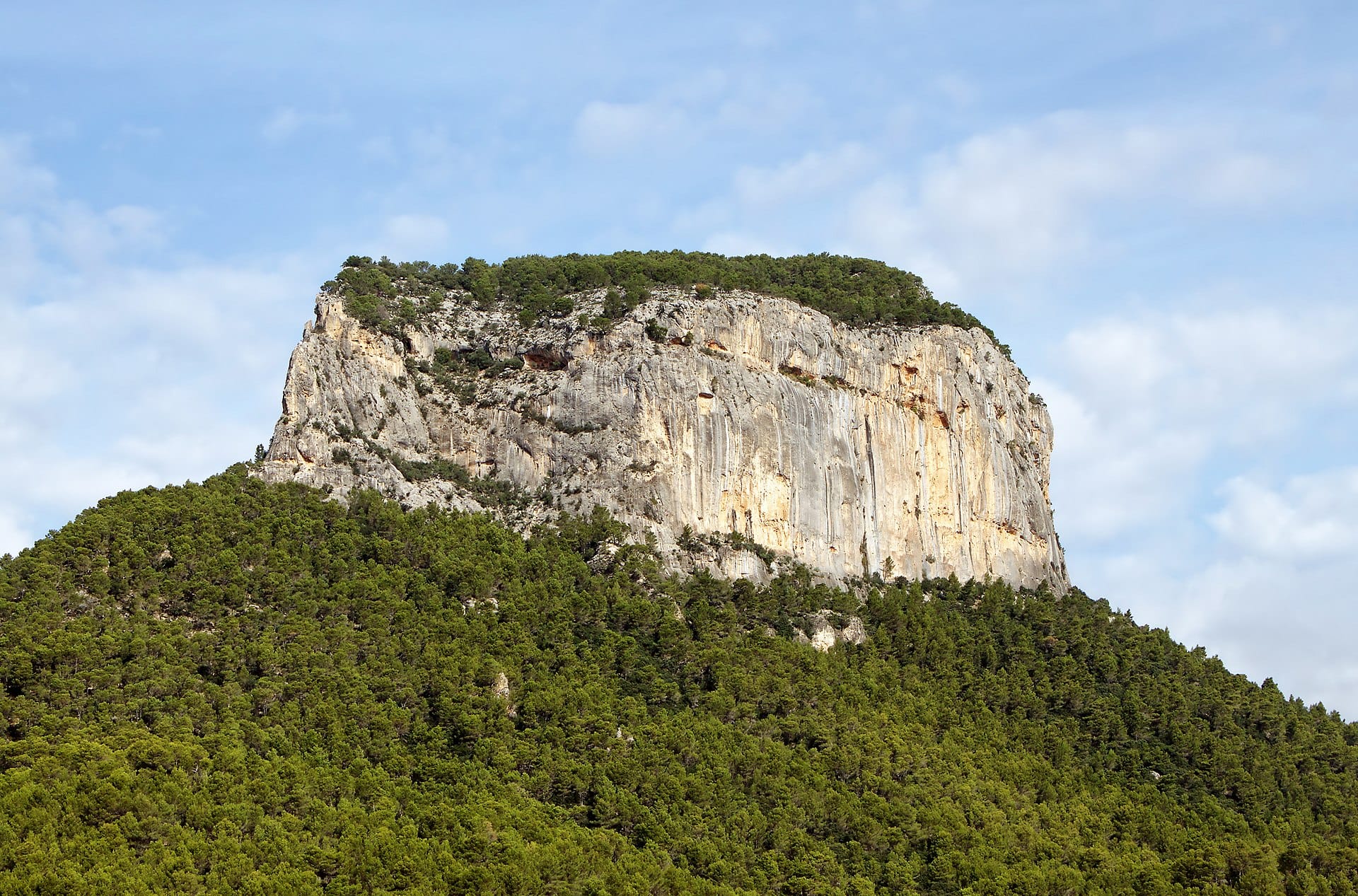
The western backbone of the island is formed by the monumental limestone Serra de Tramuntana range, inscribed as a UNESCO World Heritage Site for its unique cultural landscape. This is a completely different Mallorca from the one you see in holiday brochures. Steep peaks plunge straight into the sea, terraced fields are dotted with ancient olive trees, and the air is fragrant with rosemary and pine.
The fantastic — if fairly demanding — Ma-10 road winds through the entire range, making it an absolute paradise for drivers and cyclists alike. Navigating these twisting hairpin bends takes a bit of concentration, but the views that unfold around every corner are simply priceless.
💡 Top tip: If you’re hiring a car, go for a smaller model. The mountain roads are narrow, squeezing past oncoming buses can be hair-raising, and a small car is far easier to park.
5. Romantic Valldemossa
Valldemossa is arguably the most famous mountain village on the entire island, and for very good reason. Stone houses with dark green shutters huddle in a valley surrounded by mountains, and every street is adorned with hundreds of flower pots. The village was made famous by Polish composer Fryderyk Chopin and French writer George Sand, who spent a celebrated — if somewhat unhappy — winter here in 1838–1839.
You can visit the old Carthusian monastery where Chopin composed his preludes, but the greatest magic lies in simply wandering the lanes. The village is incredibly photogenic, full of small galleries and cafés where you can savour an afternoon coffee.
💡 Top tip: Valldemossa gets packed during the day with cruise-ship visitors. Come either early in the morning or in the late afternoon, when the crowds vanish and the village regains its magical atmosphere.
6. The Artistic Enclave of Deià
Just a few kilometres further along the coastal road, you’ll reach Deià — a village that has earned a reputation as the unofficial capital of artists and bohemians in Mallorca. English writer Robert Graves spent most of his life here, and after him, painters, musicians, and Hollywood celebrities began flocking to the village in search of peace and inspiration.
Deià sits high on a hillside, with ochre-coloured houses cascading down the slope. From the village, a steep but gorgeous hiking trail leads down to the sea at Cala Deià, where you’ll find a small pebble beach and two rustic restaurants serving excellent food right by the water.
💡 Top tip: Parking in Deià is an absolute nightmare — spaces are virtually non-existent. The best option is to leave your car at the car park on the edge of the village or take the local bus from Palma, which runs very reliably.
7. The Historic Wooden Train to Sóller
The journey from Palma to the town of Sóller is considered one of the most magical experiences on the whole of Mallorca. Since 1912, a historic wooden train has been trundling through the mountain landscape here. During the ride of just under an hour, you’ll pass through 13 tunnels, cross several viaducts, and feast your eyes on views of almond and olive groves.
The train’s interior, with wooden benches and brass fittings, instantly transports you a hundred years back in time. A return ticket costs around 25 euros and it’s worth every penny. It’s an experience that’s not just for kids — grown-up romantics will love it just as much.
💡 Top tip: Tickets sell out fast during the season, so arrive at Palma station at least half an hour before departure. The best views are said to be from the left side of the carriage in the direction of travel.
8. The Town of Sóller and Its Citrus Groves
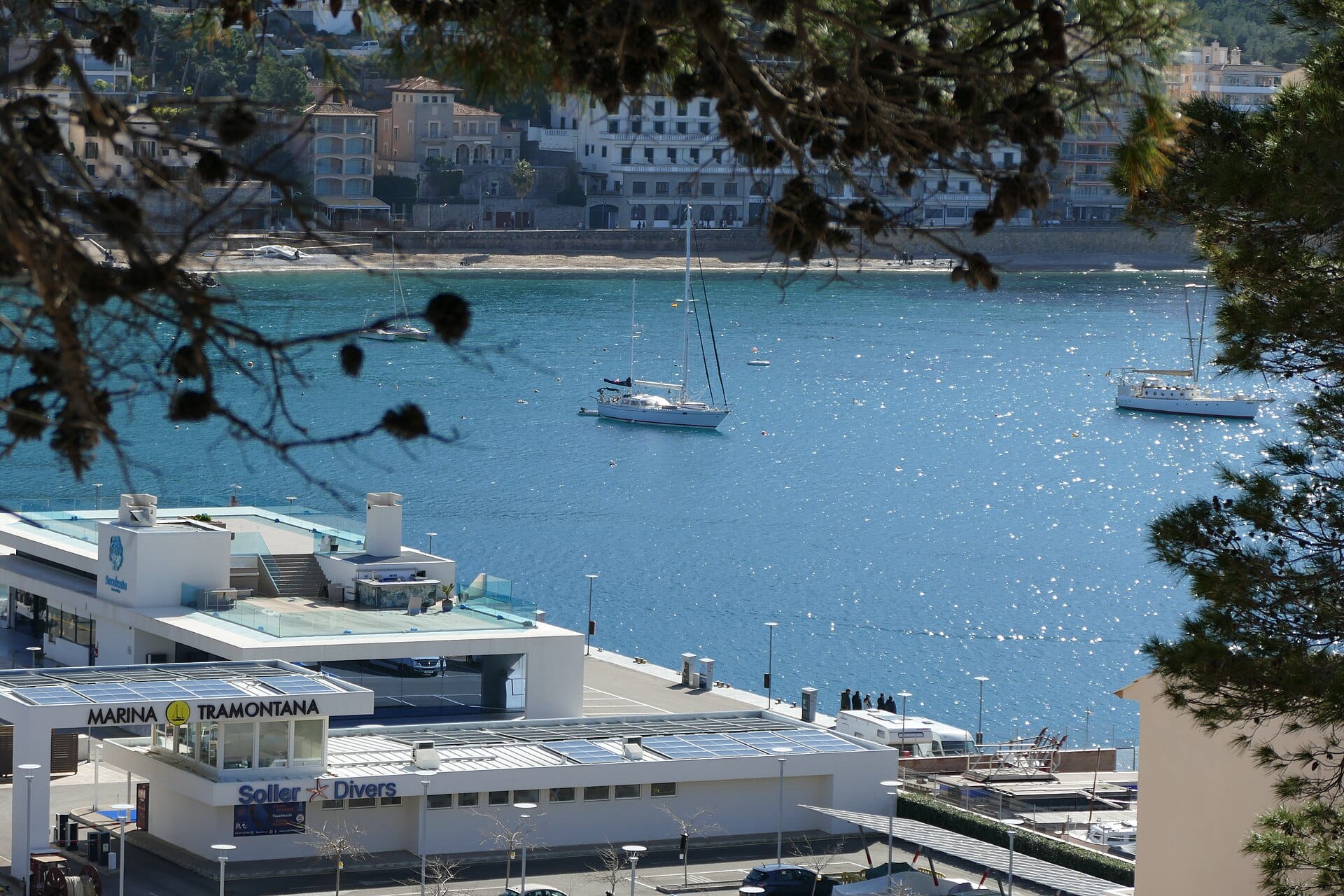
The town of Sóller itself, nestled in a fertile valley surrounded by the highest peaks of the Tramuntana, is utterly charming. It’s nicknamed the “Valley of Oranges” because its unique microclimate creates exceptional conditions for growing citrus fruit. In the 19th century, citrus was the town’s main source of wealth, which is reflected in the gorgeous Modernist architecture of the local mansions.
The heart of the town is the lively Plaza de la Constitución, overlooked by the majestic church of Sant Bartomeu. Sitting at one of the square’s cafés, sipping freshly squeezed orange juice and watching the world go by — that’s the very definition of Mallorcan bliss.
💡 Top tip: Don’t miss a visit to the local botanical garden (Jardí Botànic), which specialises in preserving rare Balearic plants and is a gorgeous oasis of calm just a short walk from the centre.
9. The Historic Tram to Port de Sóller
From Sóller, you don’t need to walk all the way to the sea — just hop on the historic tram that’s been running since 1913. The five-kilometre route takes you through gardens bursting with lemon and orange trees, at times passing so close to houses you could practically touch the walls, before dropping you right on the seafront at Port de Sóller.
Port de Sóller is a lovely horseshoe-shaped harbour guarded by two lighthouses. A wide promenade lined with restaurants wraps around the bay, and there’s a pleasant sandy beach where you can cool off after a long day in the mountains.
💡 Top tip: The tram fare is paid directly to the conductor on board (around 8 euros one way). A combined ticket for the train from Palma plus the tram works out much cheaper than buying separate legs.
10. Fornalutx: One of Spain’s Most Beautiful Villages
Just above Sóller lies the village of Fornalutx, which regularly tops the rankings of the most beautiful villages in all of Spain. And it’s easy to see why. Golden stone houses with red-tiled roofs blend perfectly with the surrounding mountains and terraces full of orange trees.
It’s a place where you should simply meander through the narrow lanes, admire the traditional painted tiles on rooftops, and soak up the incredible tranquillity. Several excellent hiking trails lead from the village into the surrounding hills, offering superb views across the entire Sóller valley.
💡 Top tip: Try the walking loop from Sóller via the hamlet of Biniaraix to Fornalutx. It takes about two hours of relaxed walking through stunning countryside and beats the stress of hunting for a parking spot.
11. The Wild Road to Sa Calobra
If you love driving and don’t suffer from vertigo, the road down to Sa Calobra bay will be the drive of a lifetime. This twelve-kilometre road was designed in the 1930s by Italian engineer Antonio Parietti to disturb the natural landscape as little as possible. The result is an astonishing feat of engineering, packed with hairpin bends that descend 800 metres to sea level.
The most famous spot on the route is the Nus de Sa Corbata (the Tie Knot), where the road loops under itself in a 270-degree turn. It’s one of the most photographed spots on Mallorca, and while the driving requires nerves of steel, the views are absolutely spectacular.
💡 Top tip: Head here either very early in the morning or in the late afternoon. During the day, dozens of large tour coaches use the road, and squeezing past them on the tight bends is extremely tricky, often causing long tailbacks.
12. The Dramatic Torrent de Pareis Gorge
At the end of the mad road to Sa Calobra, your reward is one of the most impressive natural spectacles on the island. A short walk through illuminated tunnels carved into the rock leads you to a small pebble beach at the mouth of the gigantic limestone gorge of Torrent de Pareis.
The cliffs tower over 200 metres high, forming an astounding natural amphitheatre. If you’re in good shape and wearing sturdy shoes, you can trek deeper into the gorge. It’s quite challenging terrain full of massive boulders, though, so definitely don’t overestimate your abilities.
💡 Top tip: Thanks to the high walls, the gorge has brilliant acoustics, and in summer occasional a capella concerts are held here. The water on the beach tends to be quite cold even in August due to the depth, making it a perfect spot for a refreshing dip.

13. The Lighthouse on the Cliffs of Cap de Formentor
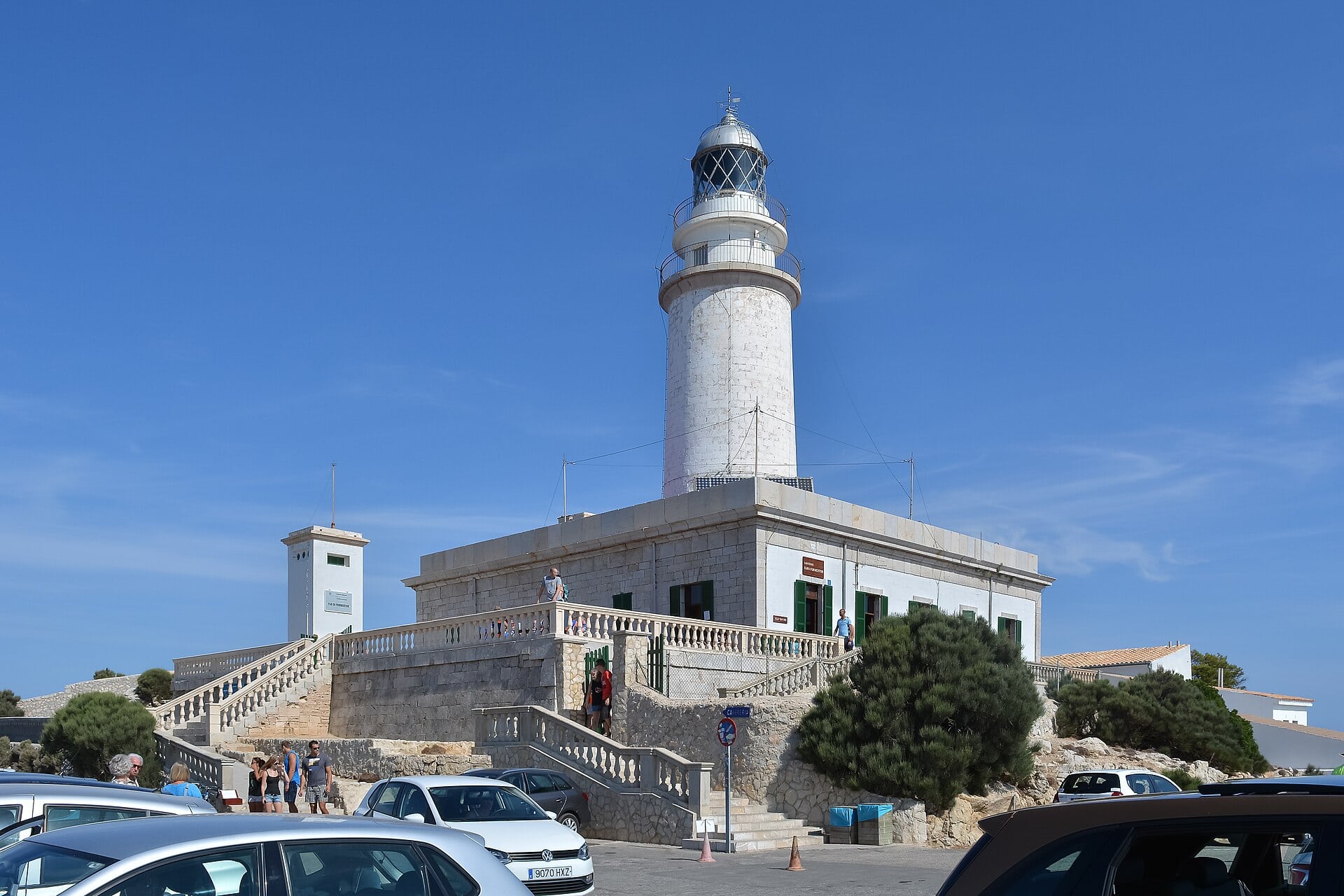
The northern tip of the island, the Formentor peninsula, offers the most dramatic views in the entire Balearic Islands. A narrow road twists along the cliffs high above the sea, passes several stunning viewpoints (definitely stop at Mirador es Colomer), and ends at a lonely 19th-century lighthouse where it feels like you’ve reached the edge of the world.
⚠️ Watch out for strict traffic restrictions! Due to extreme traffic congestion and to protect the fragile environment, the road to the lighthouse is completely closed to private cars from 1 June to 30 September between 10:00 and 22:00. During this window, the only way to reach the cape is by a dedicated shuttle bus (line 334), departing from Alcúdia or Port de Pollença. Ignoring this ban means an automatic hefty fine from the camera system.
💡 Top tip: If you want to experience Formentor by car and without crowds, set your alarm early and head here for sunrise. It’s a truly magical experience — you’ll dodge the restrictions and the scenery bathed in morning light is unforgettable.
14. Historic Alcúdia and Its Ancient Walls
In the north-east of the island lies Alcúdia, a beautifully preserved medieval town that has been comprehensively restored. The historic centre is encircled by mighty 14th-century stone walls, and you can walk along much of them to admire the town from above.
Within the walls, you’ll find a network of picturesque pedestrian lanes with Renaissance palaces, small boutiques, and excellent restaurants. Just outside the town lie the ruins of the ancient Roman city of Pollentia, proof that this area has been inhabited for over two thousand years.
💡 Top tip: Every Tuesday and Sunday morning, huge traditional markets are held in Alcúdia. The town fills with stalls selling local produce, clothing and handicrafts. It’s a great chance to pick up souvenirs, but expect it to be seriously busy.
15. Pollença and the 365 Steps to Calvary
Just a short distance from Alcúdia, heading inland, sits the town of Pollença, which has retained a very authentic and peaceful atmosphere. Its greatest challenge — and most beautiful landmark — is Calvary Hill (El Calvari), reached by climbing exactly 365 stone steps, one for each day of the year.
The ascent, lined with old cypress trees, is a bit of a workout in the summer heat, but the view from the little chapel at the top over the entire town and northern coast is absolutely worth the effort. Back down in the Plaça Major, you can treat yourself to an excellent coffee and watch local life unfold.
💡 Top tip: Just outside Pollença, you’ll find the old Roman bridge (Pont Romà), which is still in use and makes a lovely, quiet spot for a quick stop and a photo.
16. The Underground World of Coves del Drach
Mallorca is riddled with cave systems, but the Dragon Caves (Coves del Drach) near the town of Porto Cristo on the east coast are in a league of their own. This enormous underground complex conceals mesmerising stalactite formations that are beautifully and sensitively illuminated.
The star attraction, though, is one of the largest underground lakes in the world — Lake Martel. The cave tour culminates in a vast chamber where you sit in darkness as illuminated boats carrying musicians float towards you across the lake, performing a live classical music concert. It’s a bit touristy, but visually very impressive.
💡 Top tip: Entry costs around 17 euros and booking a specific time slot online is an absolute must, as capacity is limited and on-the-day tickets are often completely sold out.
17. The Medieval Castle of Capdepera
On the far eastern tip of the island, looming above the town of Capdepera, stands an imposing 14th-century medieval fortress. It was built to protect the local population from relentless pirate raids, and its mighty walls and defensive towers are still remarkably intact today.
The castle grounds are surprisingly extensive and offer fantastic views across the eastern coast. On a clear day, you can even make out the neighbouring island of Menorca across the sea. In spring especially, when wildflowers bloom around the castle, it’s an incredibly romantic spot.
💡 Top tip: The walk up to the castle goes through fairly steep streets from the town centre. Don’t try driving all the way up — the streets are unbelievably narrow and parking near the castle is virtually impossible. Leave your car at the main car park below.
18. The Caribbean-Like Beach of Es Trenc
If you’re after a long stretch of dazzling white sand and turquoise water, head to the south of the island to Es Trenc beach. It’s arguably the most famous natural beach in Mallorca and is often referred to as the Caribbean of Europe. It stretches an impressive three kilometres, and there are no large hotel complexes in its immediate surroundings.
The beach is backed by a protected area of sand dunes and pine groves, behind which lie traditional salt pans (salinas) where the renowned Mallorcan sea salt is still harvested today. The water is incredibly shallow and crystal clear, making it ideal for families with children.
💡 Top tip: Parking at Es Trenc is paid (around 7 euros per day) and fills up quickly in season. The access road is a narrow lane between the salt pans, so in the afternoon hours as people leave, annoying traffic jams build up.
19. The Dramatic Cove of Caló des Moro
Caló des Moro is visually one of the most stunning coves you’ll ever see in your life. This deeply incised inlet between towering cliffs offers water so blue it looks digitally enhanced. Unfortunately, its photogenic appeal has become its curse, and in recent years it’s been extremely overcrowded.
⚠️ Important warning: There are no lifeguards, toilets, or refreshment stalls here, and the actual sandy beach is tiny. If you want to visit, you absolutely must arrive very early in the morning (ideally before 8 am) and avoid weekends at all costs. During the day, people are literally crammed onto the rocks and you often have to queue just to get down to the water.
💡 Top tip: You must leave your car at the free car park in the village of Cala Llombards and walk about 20 minutes. Double-check your sat-nav route, because the surrounding streets are strictly closed to non-residents and the police hand out fines left, right and centre.
20. Cala Mondragó Nature Reserve and Beach
If the crowds at Caló des Moro put you off, Cala Mondragó on the south-east coast is a brilliant and much calmer alternative. It sits within a protected nature reserve, so there’s no massive development — just a gorgeous bay fringed by dense pine forests that provide much-welcome natural shade.
The cove boasts wonderfully fine sand and a very gentle entry into the water. What’s more, a beautiful coastal path carved into the rock leads you in just five minutes to the neighbouring, slightly larger and equally stunning beach of S’Amarador.
💡 Top tip: Mondragó Nature Reserve has several short walking trails (from 1 to 3 kilometres). Walk them in the evening when the sun isn’t so fierce, and enjoy the scent of pines and the clifftop views.
21. Photogenic Cala Llombards
Just a stone’s throw from Caló des Moro lies another gem of the south-east coast — Cala Llombards. It’s a classic narrow “cala” (cove) cutting deep into limestone cliffs. The water is perfectly calm, sheltered from the wind, and brilliantly clear, making it an ideal spot for snorkelling along the rocky walls.
On one side of the cliff you’ll find picturesque old boathouse garages for fishing boats, which lend the place an authentic character and make a fantastic backdrop for photos. In season, there’s also a small beach bar (chiringuito) serving cracking drinks.
💡 Top tip: There’s a free car park right by the beach, but spaces are limited. Explore the right side of the cliff, where carved steps lead down to small concrete platforms — perfect for jumping into the water and far more peaceful.
22. The Romantic Cove of Cala Pi
On the southern coast, surrounded by steep pine-clad cliffs, hides Cala Pi. This beach is famous above all for the iconic view from the clifftop, where a small viewing platform offers the perfect vantage point for photographing the entire turquoise fjord.
To reach the beach itself, you need to descend a fairly steep stone staircase (roughly 150 steps), so bear that in mind if you have small children or a lot of gear. The cove is quite narrow and deeply incised into the land, making it perfectly sheltered from waves.
💡 Top tip: Near the cove, you’ll find the historic watchtower Torre de Cala Pi, reached by a short walk. It offers beautiful views over the open sea and the nearby island of Cabrera.
23. Windmills and Almond Blossoms of the Interior
While most visitors make a beeline for the coast, Mallorca’s flat interior (the Es Pla region) has its own quiet charm. A classic image of this area is the historic windmills with canvas sails, once used to pump water for irrigating the fields. You’ll spot plenty of them on the drive from the airport.
If you visit in late January or early February, you’ll witness something truly spectacular — the entire island bursts into bloom with millions of almond trees. The flowering trees cloak Mallorca in a white and soft pink veil, and the whole countryside smells divine.
💡 Top tip: Make a stop in the agricultural town of Sineu, right in the centre of the island. Every Wednesday, it hosts the oldest and most traditional market on Mallorca, running since medieval times and brimming with an almost village-like atmosphere.
24. The Mass Tourism Strip of Playa de Palma
When someone mentions mass tourism in Mallorca, most people think of the endless resorts east of Palma, specifically the Playa de Palma and S’Arenal area. This strip is renowned above all as the stronghold of German package tourism, where visitors flock for full-on fun. It’s not the place to go looking for peace and authentic culture, but it’s worth knowing how this phenomenon works.
A lively promenade runs along the long sandy beach, divided into fifteen sectors called “Balnearios”. The most notorious is Balneario 6 (known as Ballermann 6), where you’ll find the biggest beer gardens and clubs blasting German pop hits. It’s a world of neon lights and buckets of sangria — very much its own thing.
💡 Top tip: If the party scene isn’t for you but you fancy a stroll along a long beach, hire a bike in Palma and ride along the excellent cycle path that runs along the coast all the way here. Away from the entertainment epicentre, the beach itself is actually very nice and well-maintained.
25. Try Vegetarian Tumbet and Sweet Ensaïmada
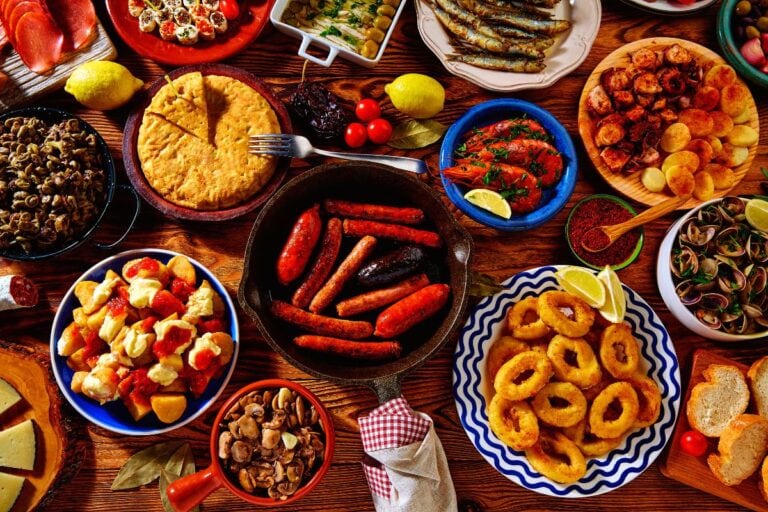
Balearic cuisine is earthy and rooted in what the dry soil and local sunshine provide. For vegetarians (and anyone who loves their veg), trying the traditional Tumbet is an absolute must. It’s Mallorca’s answer to French ratatouille — delicious layers of fried aubergine, potatoes, and red peppers baked with a rich, dense tomato sauce. It’s hearty, packed with flavour, and absolutely fantastic.
With your coffee, make sure you order an Ensaïmada. This iconic spiral-shaped sweet pastry, dusted with icing sugar, is found in every bakery on the island. Traditionally, the dough contains pork lard (saïm), which gives it its characteristic flaky texture — so strict vegans should take note — but the taste is perfection. The island is also famous for its sobrasada sausage, which is spread on rustic bread and makes a classic local souvenir.
💡 Top tip: Ensaïmada comes in two basic versions — plain (lisa) or filled (rellena), most commonly with custard or angel hair (caramelised pumpkin). The filled one, straight from the oven, is the one to go for.
Map of points of interest for your phone
Where to Go Next from Mallorca
If the Spanish vibe has won you over and you’re already planning your next trip to the Iberian Peninsula, be sure to check out our other guides. A great complement to island serenity is the buzzing city of Barcelona, which you can reach from Mallorca by a comfortable ferry in just a few hours. For art and history lovers, I’d recommend exploring Madrid. If you’re drawn to southern Spain’s Moorish architecture and flamenco, read our comprehensive guide to Andalusia or dive straight into our tips on what to see in Seville and Granada. And if you want to stay on the islands but fancy more of a party atmosphere, read about the wild nightlife of Ibiza.
Frequently Asked Questions
How do I get from the airport in Palma to the city center?
From the international airport (PMI), the A1 bus line runs regularly to central Palma. The stop is right outside the arrivals hall, buses run approximately every 15 minutes, and tickets cost 5 euros (pay the driver). The journey to the main square, Plaça d’Espanya, takes about 20 minutes.
Is it worth renting a car in Mallorca?
If you want to explore the Tramuntana mountains and the hidden coves on the eastern side of the island, a car is absolutely essential. It’s up to you whether you rent one for your entire stay or just for a few day trips. While the public bus network (TIB) is excellent and modern, it won’t get you to the most beautiful remote beaches.
Is tap water in Mallorca safe to drink?
Tap water in Mallorca is technically safe and hygienically monitored, but due to its high calcium and chlorine content, it doesn’t taste very good. Locals don’t usually drink it and buy bottled water for direct consumption. However, it’s perfectly fine for cooking, brushing your teeth, and making coffee.
Are there mosquitoes in Mallorca?
Unfortunately yes, especially during the summer months and in areas near stagnant water (for example, near the s’Albufera national park close to Alcúdia). Definitely pack a reliable insect repellent, and it’s worth having an electric mosquito plug-in device in your accommodation so you can sleep peacefully at night.
What about payment on the island—do I need cash?
Mallorca is a very modern destination and you can pay by card almost everywhere—in restaurants, supermarkets, and gas stations. Even bus tickets on TIB buses can be tapped with a card. However, keep some small cash (in euros) for rural markets, tips at cafés, and buying souvenirs from small vendors.
How expensive is Mallorca compared to the rest of Spain?
Mallorca is one of the pricier Spanish destinations. Prices in restaurants and cafés in Palma or Sóller are comparable to Prague or a little higher. You’ll save significantly if you avoid the main tourist drags and eat where the locals eat (look for the so-called menu del día, the discounted lunch menu).
Is Mallorca a safe destination?
Generally, Mallorca is very safe and crime rates are low. The only real issue is pickpockets, who operate mainly during the summer season in crowded places like the cathedral in Palma, local markets, or packed buses. Just take basic precautions with your valuables.
Tips and Tricks for Your Vacation
Don’t Overpay for Flights
Search for flights on Kayak. It’s our favorite search engine because it scans the websites of all airlines and always finds the cheapest connection.
Book Your Accommodation Smartly
The best experiences we’ve had when looking for accommodation (from Alaska to Morocco) are with Booking.com, where hotels, apartments, and entire houses are usually the cheapest and most widely available.
 🚗 Car rental on the roadVerified rental cars in Spain
Search with the DiscoverCars comparison engine — it compares prices from dozens of local and international rental companies, and most bookings come with free cancellation.
Compare car prices in Spain →Don’t Forget Travel Insurance
Good travel insurance will protect you against illness, accidents, theft, or flight cancellations. We’ve had a few hospital visits abroad, so we know how important it is to have proper insurance arranged.
Where we insure ourselves: SafetyWing (simple monthly subscription) and TrueTraveller (for extra-long trips).
Find the Best Experiences
Get Your Guide is a huge online marketplace where you can book guided walks, trips, skip-the-line tickets, tours, and much more. We always find some extra fun there!