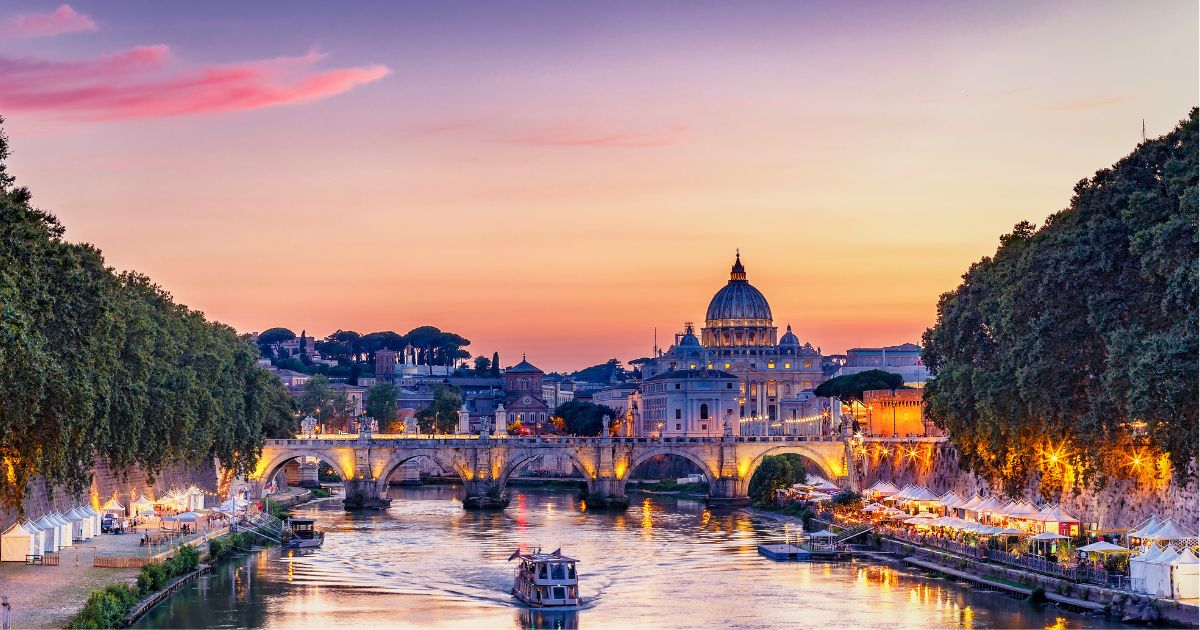
Rome doesn’t forgive a lack of preparation — and I know this from personal experience. Most of us arrive with a romantic vision of carefree wandering among ancient columns, a cone of perfect artisan gelato in hand and the wind in our hair, but reality often hits you like a ton of bricks on day one. Scorching cobblestones, relentless crowds squeezing through narrow alleyways, and hopelessly sold-out tickets can turn this magical city into a logistical nightmare. If you’re wondering where to stay in Rome, you’ve already taken the most important first step — because my partner Lukáš and I fell in love with the Eternal City, but quickly learnt that the secret to a successful Roman conquest isn’t how many landmarks you tick off, but how strategically you plan.
If you’re thinking of heading to the Italian capital, I should warn you upfront: Rome simply isn’t a museum. It’s a loud, chaotic, and pulsating metropolis of three million people, where antiquity collides with the morning rush hour and where a poorly chosen hotel can cost you a fortune in frayed nerves. In this article, we’ll look at the best neighbourhoods in Rome Italy to base yourself in, depending on the type of trip you’re planning. I’ll tell you which areas to head to for romance, where to find peace and quiet for families, and what to avoid like the plague.
TL;DR
- Best neighbourhood for first-timers: Monti offers the perfect balance between access to landmarks (the Colosseum is just around the corner) and an escape from the worst crowds.
- Where to find nightlife: Trastevere is undeniably touristy, but its medieval charm and dozens of bars make it an ideal choice for couples and lovers of evening entertainment.
- For families with children: The Prati neighbourhood near the Vatican has flat terrain, wide safe streets, and feels much calmer than the historic centre.
- A foodie paradise: In Testaccio you’ll find the most authentic Roman cuisine and fantastic markets, even though it’s further from the main sights.
- New fees in 2026: A new €2 admission fee applies at the Trevi Fountain, and Pantheon tickets are rising to €7.
- Booking is essential: Colosseum tickets must be purchased on the official website exactly one month in advance, and Vatican Museums tickets 60 days ahead.
- Watch out for tourist traps: Always drink your coffee standing at the bar for a euro, and never eat in restaurants where a waiter actively lures you in with a picture menu.
The full destination guide: Rome — guide and what to see
When to Visit Rome Italy
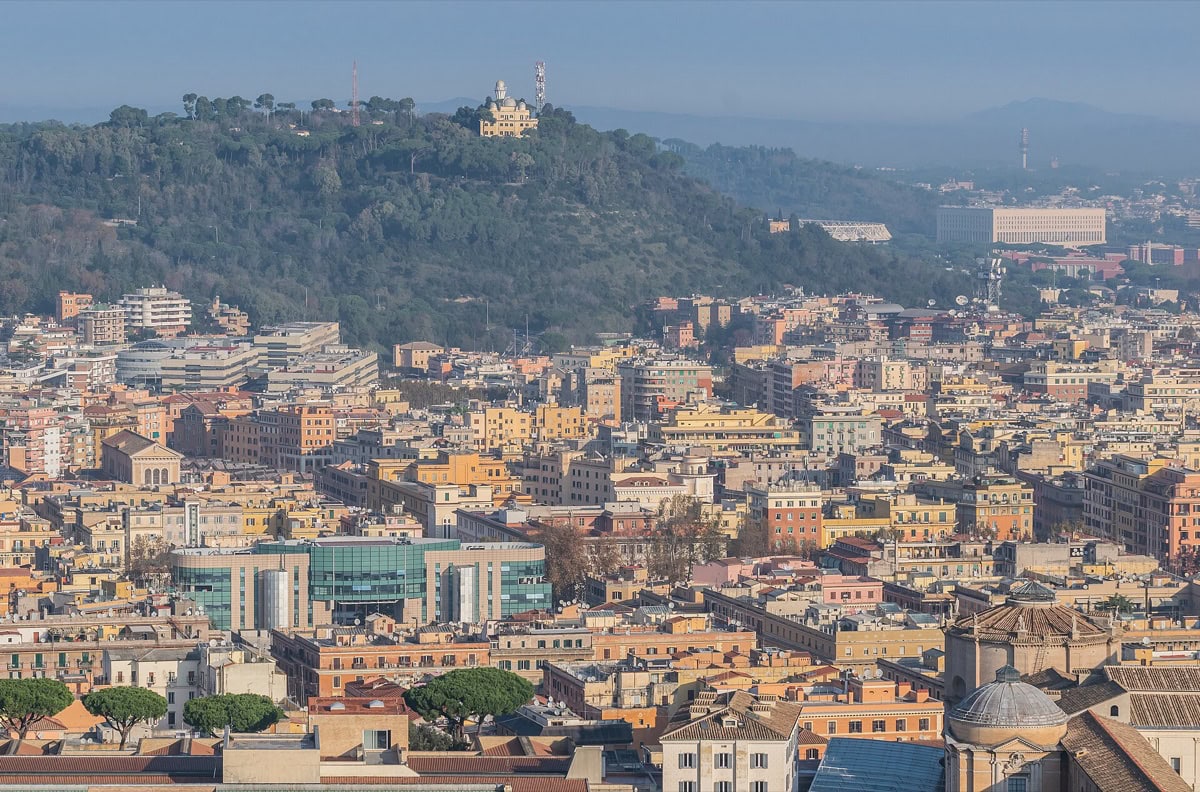
Chasing perfect weather while dodging the crowds is incredibly tricky in Rome. Every traveller wants the same thing — to see the city bathed in sunshine and sit outside with a glass of Aperol — but nobody wants to be crammed in with ten thousand other people while doing it. The best months to visit are typically May, June, September, and October, when temperatures settle around a comfortable 22°C and the air clears up beautifully. You get gorgeous autumn light that’s perfect for photography, and evenings you can enjoy in a light jumper. The price of this comfort is steep, though — hotels are at full capacity and the streets around the Pantheon resemble an anthill.
Summer in Rome — specifically July and August — is a test of both physical and mental endurance. Temperatures routinely climb to 31–35°C, and the humidity turns the streets into a suffocating greenhouse with not a breath of wind. The ancient stones of the Colosseum soak up heat all day and radiate it like a giant oven long after sunset. If you must visit in summer, your daily routine needs a radical overhaul: set your alarm for six in the morning and hit the main sights before ten. Around midday, when the sun is at its fiercest, you simply have to retreat to your hotel or an air-conditioned restaurant for a long siesta.
August has one more brutal quirk — the Ferragosto holiday on 15 August. A huge number of locals lock up their flats, pull down the shutters, and flee en masse to the coast or the mountains. Many family-run businesses and smaller authentic restaurants simply close for two to three weeks, hanging a “closed for holidays” sign on the door. The main attractions operate as normal, but you’ll miss out on that genuine neighbourhood atmosphere in areas like Trastevere or Testaccio.
Winter, roughly from late November to February, is the best-kept secret of every budget traveller. Temperatures hover between 5 and 13°C with the occasional shower, but you gain something priceless: breathing room. Accommodation prices drop to their annual lows, flights from London cost a fraction of summer fares, and queues at the sights shrink to almost nothing. You can stroll through the Vatican Museums in January at your own pace without being herded through the corridors like cattle on a conveyor belt.
The Holy Year 2025, the so-called Jubilee, placed an enormous burden on the city with 33 million pilgrims from around the world. The city was effectively overwhelmed, and visitors reported absolute overcrowding. The Holy Doors were ceremonially closed on 6 January 2026, bringing significant relief — the streets are noticeably more breathable now. Don’t be lulled into a false sense of emptiness, though, because at the main tourist icons like the Colosseum or the Trevi Fountain, the crowds simply never thin out.
Where to Stay in Rome and Its Surroundings
💡 Accommodation & experiences tip: We prefer searching for places to stay on Booking.com, which tends to have the best cancellation policies. For tickets, tours, and activities, it’s worth comparing options on GetYourGuide.

Choosing the right neighbourhood defines your entire experience of the Eternal City, and mistakes here really don’t pay off. The biggest blunder newcomers make is booking accommodation purely based on price without considering logistics, which then forces you to commute for an hour on an overcrowded bus with no air conditioning. It’s the difference between collapsing into bed exhausted every evening and casually strolling down to a local trattoria on the corner. We always book hotels well in advance through Booking.com, because availability in the centre vanishes at an astonishing pace.
Monti: The Best Choice for a First Visit
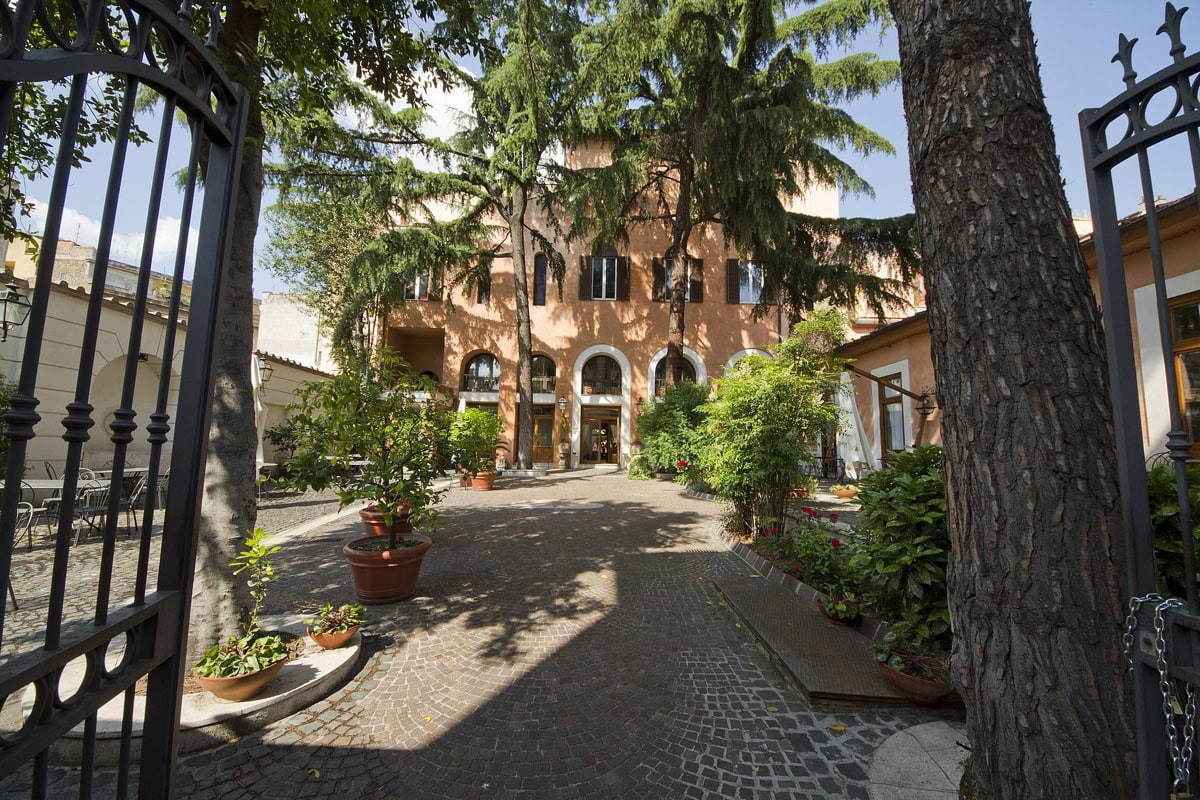
If you’re looking for the perfect balance between access to sights and an escape from the crowds, Monti is a safe bet. It sits strategically right behind the Colosseum, and in terms of transport it’s ideal — you have a Metro Line B station here and can walk to the Roman Forum and Termini main station. In the evening, the neighbourhood comes alive at a relaxed pace around the little Piazza della Madonna dei Monti, where locals grab a beer and drink it sitting on the steps of the Renaissance fountain. Take a look at popular options like the Condotti Boutique Hotel or the cosy Hotel Artemide, both of which offer excellent service.
Trastevere: Romance and Buzzing Nightlife

Trastevere — literally “across the Tiber” — is the embodiment of the romantic Italian dream: narrow pedestrianised lanes and laundry drying on lines overhead. You’ll find some of the best bakeries and eateries here, but bear in mind that the area is now very touristy and incredibly noisy at night. Trastevere’s biggest drawback is transport — there’s no metro, and the only way into the centre is tram number 8, which is hopelessly packed during the morning rush. I’d recommend looking for accommodation in the southern part of the neighbourhood towards the Basilica of Santa Cecilia, where it’s considerably quieter.
Centro Storico: Living Inside a Postcard
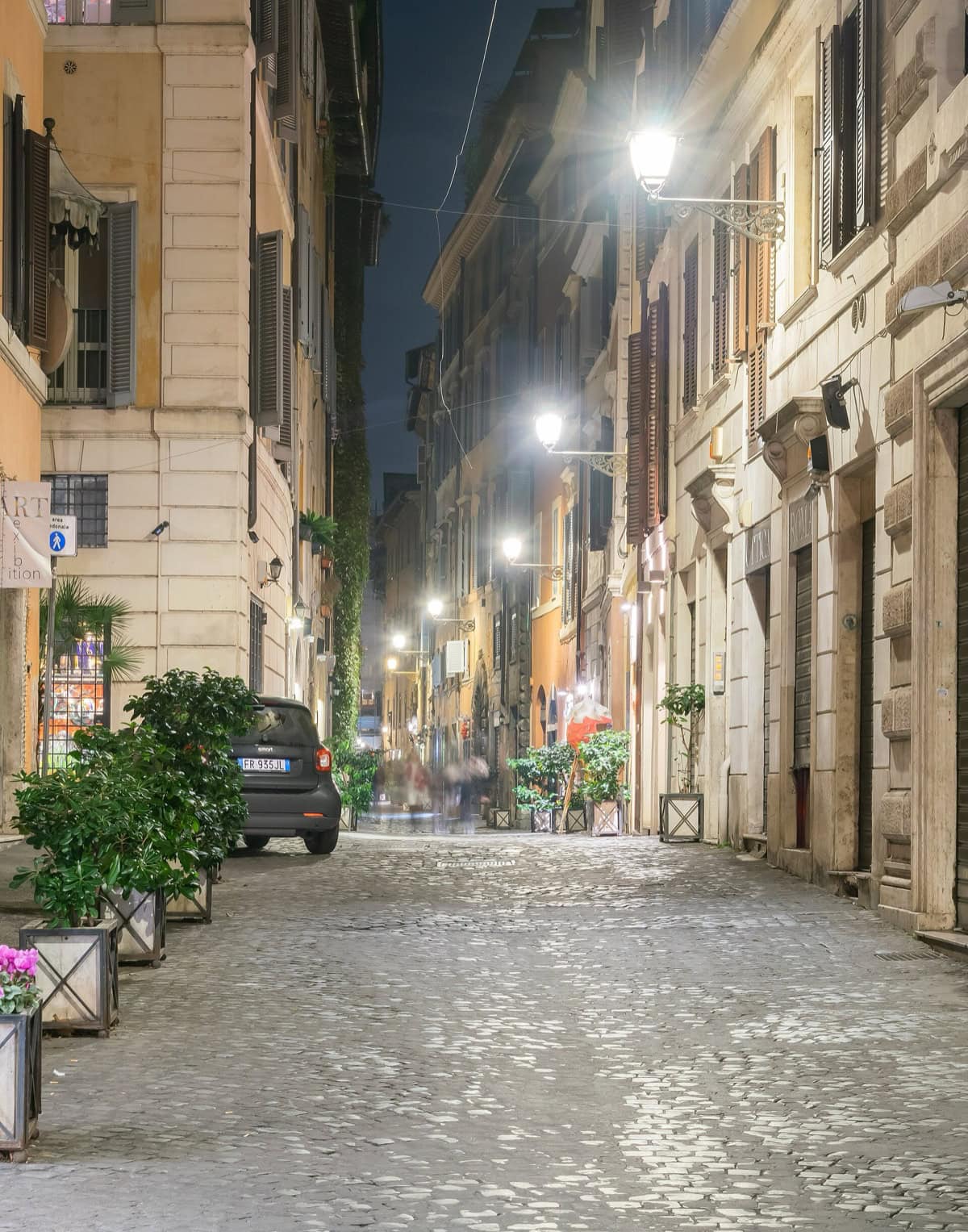
Staying in the imaginary triangle between the Pantheon, Piazza Navona, and the Spanish Steps is a dream for many visitors. You can comfortably walk everywhere, which is a massive advantage, but you pay a hefty premium on room prices for it. The historic centre is perpetually crowded, you’ll be woken in the morning by glass recycling trucks, and you’re right in the epicentre of tourist traps. If you’re still set on staying here, choose hotels in quieter side streets — for example around the charming Via dei Coronari — and watch out for restricted traffic zones (ZTL).
Prati: Elegant Calm for Families with Children
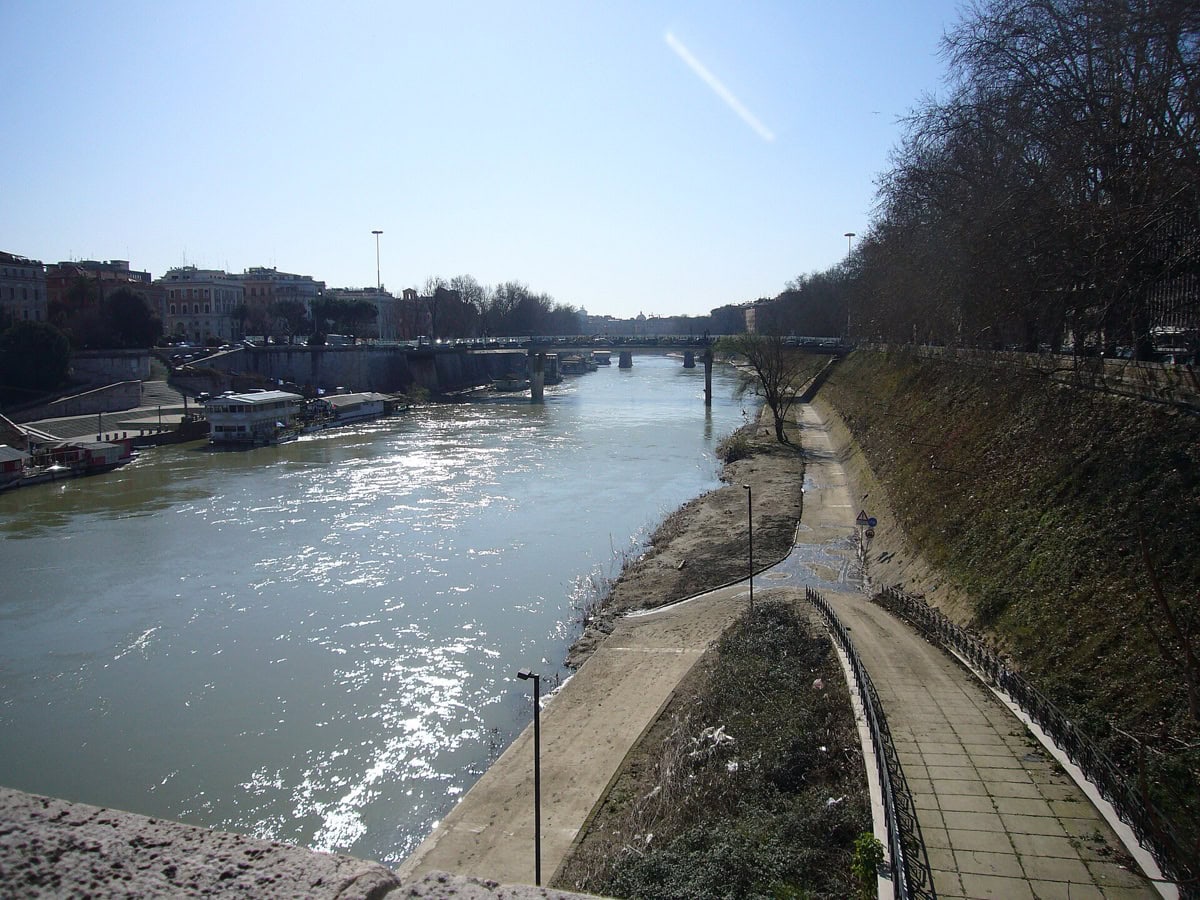
The Prati district stretches north of the Vatican and features wide, grid-pattern boulevards and handsome Art Nouveau buildings. For families with children or older travellers, it’s an excellent choice because, unlike the centre, it has flat terrain that’s ideal for pushchairs and feels very safe. A huge advantage is the immediate proximity to the Vatican, allowing you to visit St Peter’s Basilica right when it opens without hour-long queues. The orange Metro Line A also runs through the area, connecting you quickly to the rest of the city.
Testaccio: A Hidden Paradise for Foodies
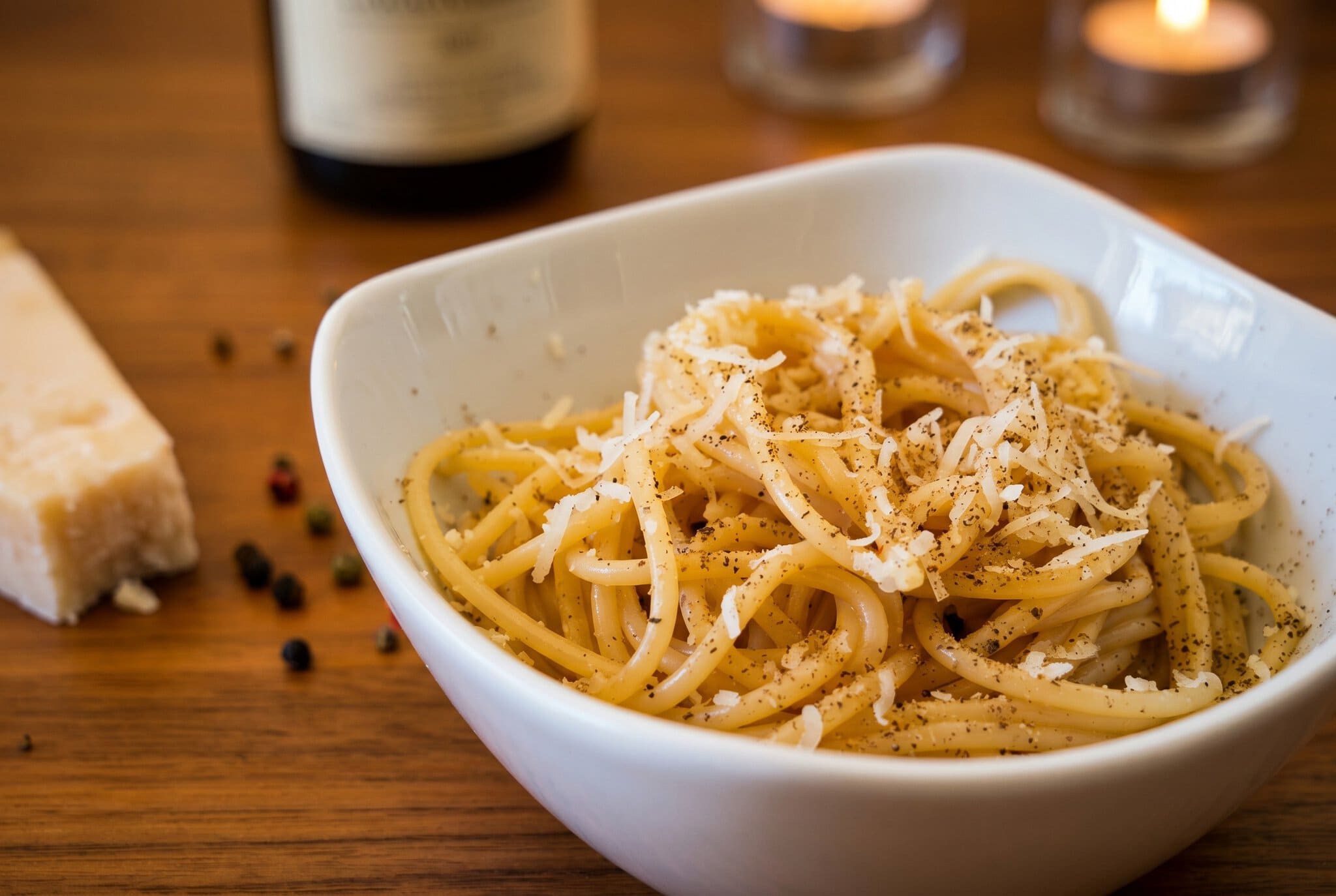
Beyond the Aventine Hill lies Testaccio, a former working-class neighbourhood where you won’t find many classic landmarks. People come here for one thing above all else: fantastic local food. You’ll find the best, most honest versions of cacio e pepe and carbonara here, and the heart of the district is the modern, glass-fronted Mercato di Testaccio. There’s less accommodation available — mostly apartments — but if gastronomy is your main goal and you don’t mind taking the metro to the sights, it’s a perfect choice.
Aventino: A Quiet Green Oasis for Couples
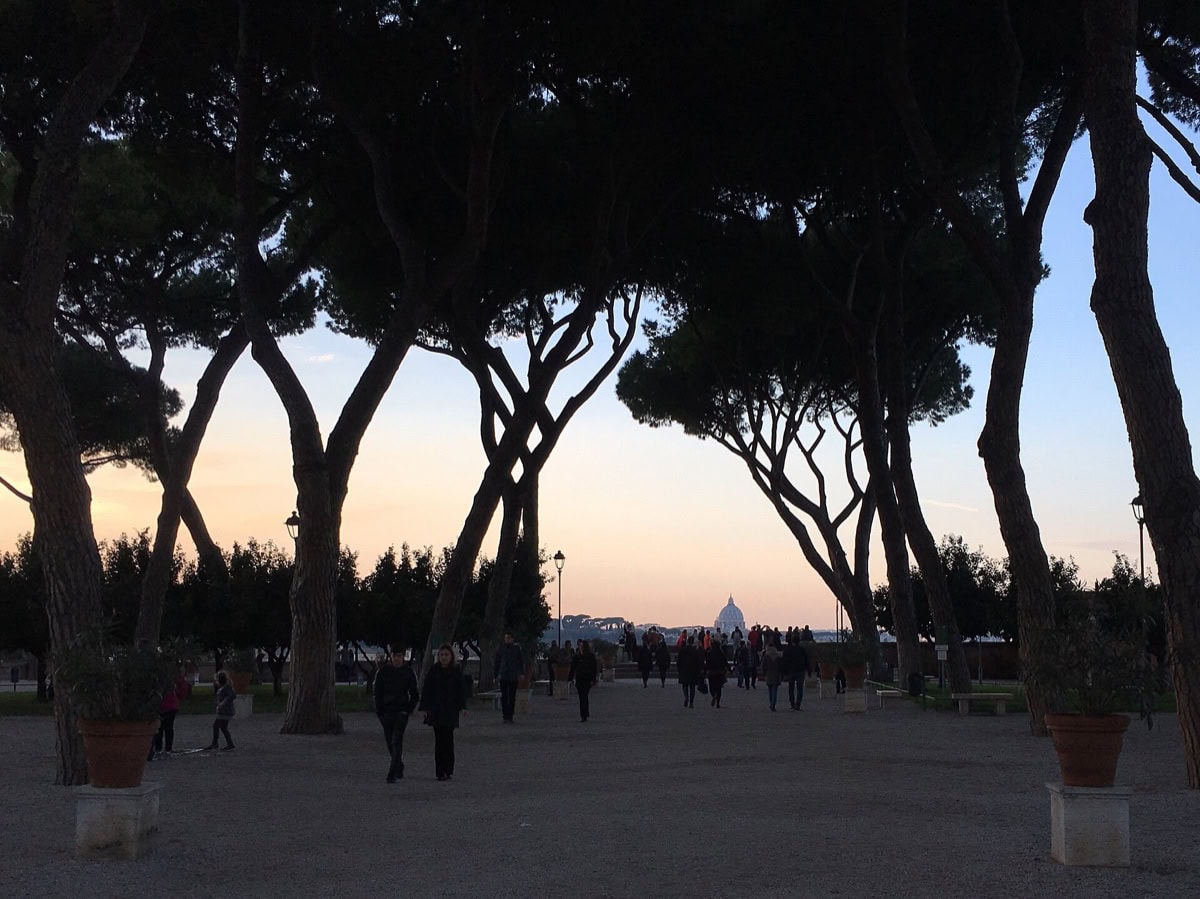
The Aventine is one of Rome’s original seven hills and the polar opposite of the bustling historic centre. It’s a quiet residential neighbourhood full of greenery, with gorgeous villas and wide streets lined with umbrella pines. It offers fantastic views over the city from the Orange Garden (Giardino degli Aranci), but the downside is that it’s on a hill — something you’ll definitely feel after a full day of walking. There’s an absolute minimum of restaurants and zero nightlife, so it’s best suited to those who want total peace and quiet in the evening.
Termini and Esquilino: Budget and Logistics
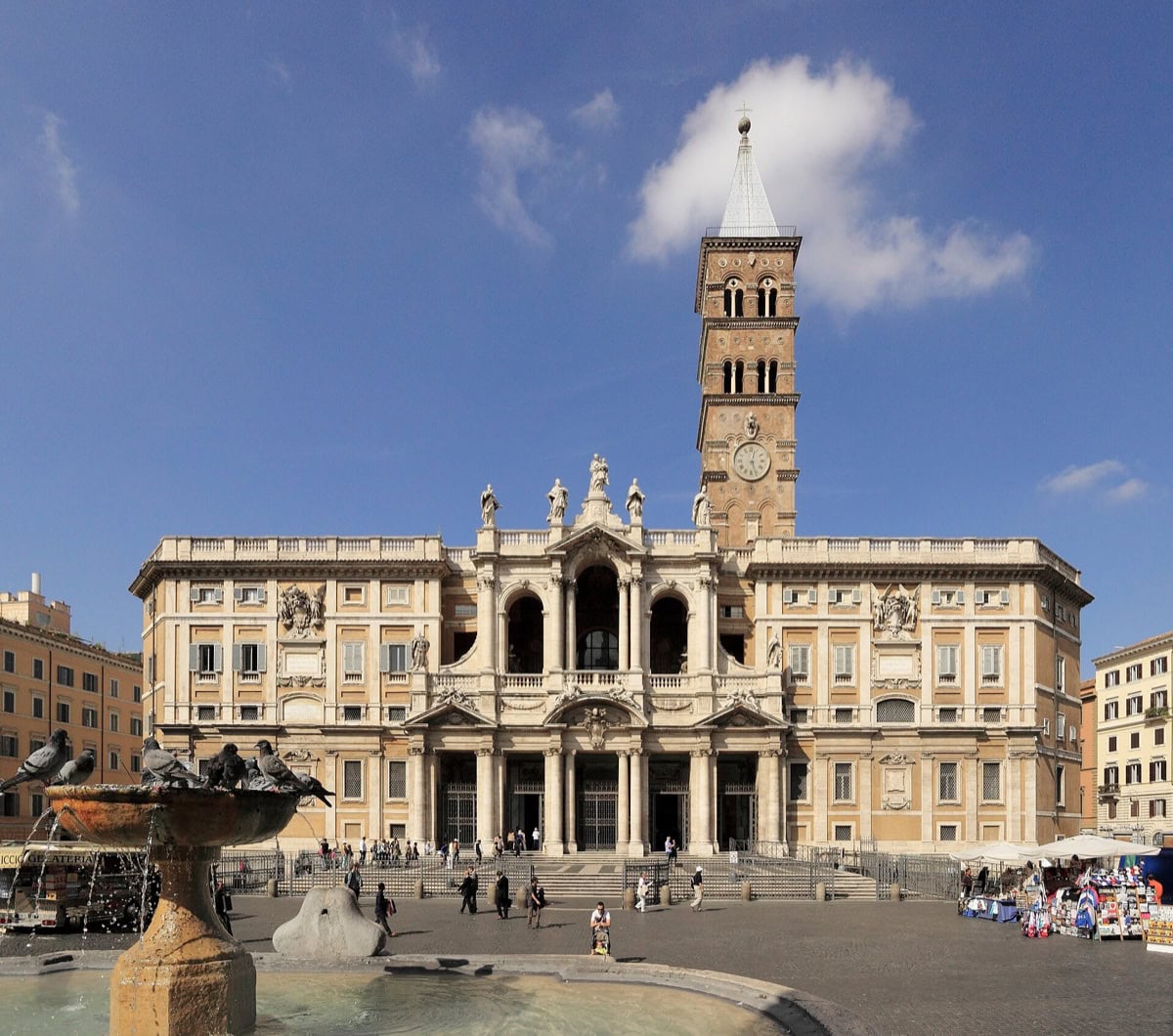
The area around Termini main railway station may not have the most glamorous reputation and the streets aren’t the cleanest, but it offers two enormous advantages. You’ll find the cheapest hotels and superb transport connections here, since both main metro lines intersect at this station and the direct Leonardo Express train from Fiumicino Airport arrives right here. You do need to keep a sharp eye out for skilled pickpockets, though — both by the escalators and on overcrowded buses, particularly the notorious number 64 route towards the Vatican.
10 Best Things to See and Do in Rome Italy
Rome is enormous and getting around will drain you fast, so the key to survival is dividing the city into logical zones and dedicating each day to one of them. The traditional cobblestones known as sampietrini will reliably destroy any unsuitable footwear, so quality trainers with thick soles are an absolute must. Let’s dive into the best of what the Italian capital has to offer — and how to enjoy it without losing your mind to the crowds.
1. Colosseum: Exclusive Access to the Underground

The Colosseum is Rome’s ultimate magnet — everyone wants to see the place where life and death were once decided. The crowds around the amphitheatre can be maddening, and you simply can’t buy tickets on the spot, so preparation is essential. The golden rule is clear: there is only one official ticket seller at coopculture.it, where basic admission costs €20 including the booking fee. Online scalpers often charge triple for dubious services — give them a wide berth.
If you want a truly exceptional experience, snap up the Full Experience ticket for €22. It grants you access directly onto the arena floor and into the mysterious underground, where wild animals and gladiators once waited in darkness. This ticket also has the huge bonus of being valid for a full two days, so you can split your visit and avoid exhaustion. Tickets are released exactly 30 days in advance at 9:00 AM and vanish before your eyes, so you’ll need lightning-fast fingers.
Right in front of the Colosseum you’ll encounter Rome’s oldest trick: men dressed in historical gladiator costumes. They’ll shove a sword into your hands without warning, pose for a photo, and then aggressively demand €20 per person. It’s a highly organised scam, and the only effective defence is complete indifference — don’t slow down and don’t make eye contact.
💡 Local tip: Book your Colosseum entry for 8:30 AM. You’ll be among the very first visitors inside, the morning light is brilliant for photos, and the arena won’t yet resemble a human anthill.
2. Roman Forum and Palatine Hill: The Heart of the Ancient World

While the Colosseum was a venue for blood sport, the Roman Forum was the true political and commercial hub of the entire empire. You’re walking on the very same paving stones that Julius Caesar once trod, with the Palatine Hill and its imperial palace ruins towering above. The fundamental problem with this vast site is that there’s absolutely no shade whatsoever, and in summer temperatures soar to unbearable levels. The massive marble blocks absorb solar heat all day and act like a giant radiator by afternoon.
Sturdy footwear is an absolute necessity, because the surface is extremely uneven, full of potholes and slippery stones. Flip-flops or thin-soled sandals will reliably ruin your visit within the first hour. If you’re going with children, the survival rule is simple: head out first thing at 9:00 AM, while the air is still somewhat bearable.
Don’t buy overpriced plastic water bottles from street vendors at the entrances. Inside the Forum and up on the Palatine, you’ll find several public drinking fountains called nasoni. The water flows constantly, is ice-cold, 100% safe to drink, and completely free — all you need is your own reusable bottle.
💡 Local tip: Romans know an elegant trick for drinking from the nasoni without a cup. Just block the main spout at the bottom with your finger and water shoots up through a small hole on top of the tap, right into your mouth.

3. Vatican Museums and the Sistine Chapel: Getting to Michelangelo

Entering the world’s smallest state means facing an enormous paradox: you’re willingly throwing yourself into a seething mass of global tourism in pursuit of supreme Renaissance art. The Vatican Museums form a labyrinth of corridors nearly ten kilometres long, with the Sistine Chapel waiting at the very end. Anyone who turns up without a pre-purchased ticket joins a queue snaking along the high walls, where waiting times of two to three hours in direct sunlight are the norm.
The best solution is to buy timed-entry tickets exclusively through the official portal tickets.museivaticani.va. Basic admission is €20 plus a €5 booking fee, but tickets are released exactly sixty days in advance at midnight, and the most coveted morning slots disappear in a flash. If you have a Roma Pass city card, it won’t help you here — the Vatican has its own rules and isn’t part of the system at all.
To keep your visit from turning into a claustrophobic ordeal, pick the earliest morning slots between 8:00 and 9:00. You’ll breathe easier and have a realistic chance of seeing the Sistine Chapel in relative calm before the enormous organised tour groups arrive. Remember that inside the Sistine Chapel there’s a strict ban on photography — if the guards catch you, they’ll insist you delete the image on the spot.
💡 Local tip: Another surprisingly effective strategy is booking a late afternoon slot around 15:30. The biggest waves of tourists are already leaving, the light in the galleries begins to soften, and the noise gradually fades.
4. St Peter’s Basilica and Climbing the Dome

St Peter’s is the largest and most lavish Catholic church in the world, and its sheer scale will leave you speechless. Entry to the basilica itself is completely free, but that’s precisely what draws enormous crowds. The main obstacle is the airport-style security screening, where the queue across St Peter’s Square can easily stretch to two hours during peak season. If you get up early and arrive at 7:00 AM sharp, you’ll be inside within minutes.
A surprising number of tourists underestimate this rule and ruin their entire day: the Vatican enforces a strict dress code with zero mercy. Shoulders and knees must be covered — no vests, no short shorts. It doesn’t matter that it’s 35°C outside and you’ve queued for ages; the attendant will simply stop you at the door and turn you away.
Climbing Michelangelo’s dome rewards you with a panoramic view over all of Rome and costs €8 on foot or €10 with a lift to the halfway point. The final 320 steps, however, must always be tackled through an extremely narrow, claustrophobia-inducing space between the dome’s inner and outer shells. There’s barely any air, so if you have heart problems or issues with confined spaces, think very carefully before attempting it.
💡 Local tip: Always carry a light, wide scarf in your bag. Just before entering the basilica, drape it over your shoulders to meet the dress code — and avoid buying overpriced paper shawls from street vendors.
5. Trevi Fountain: The End of Free Crowding

You’ll rarely approach the Trevi Fountain in silence — its presence is given away by the powerful roar of water bouncing off the surrounding buildings. In recent years, however, the experience has shrunk to a fight for every square centimetre, so the city took drastic action. Since 2 February 2026, all non-residents must pay a new €2 fee to access the fountain’s basin area. This zone is physically fenced off and monitored, with a maximum of 400 people allowed in at any one time.
The traditional ritual of tossing a coin over your left shoulder to guarantee your return to Rome remains intact, of course. Thousands of euros land on the fountain floor every day; the city regularly collects them using special underwater vacuums, and the entire proceeds go to the charity Caritas. If you’d rather not pay the admission fee, you can still admire the fountain for free from the upper level of the square, though police will keep urging you to move along so you don’t block the passage.
💡 Local tip: Take a few extra steps into the alley Vicolo del Puttignani to find the inconspicuous entrance to Vicus Caprarius. It’s a fascinating underground archaeological site with an ancient aqueduct — a perfect escape from the madness above.
6. The Pantheon: An Ancient Marvel Beneath the Oculus
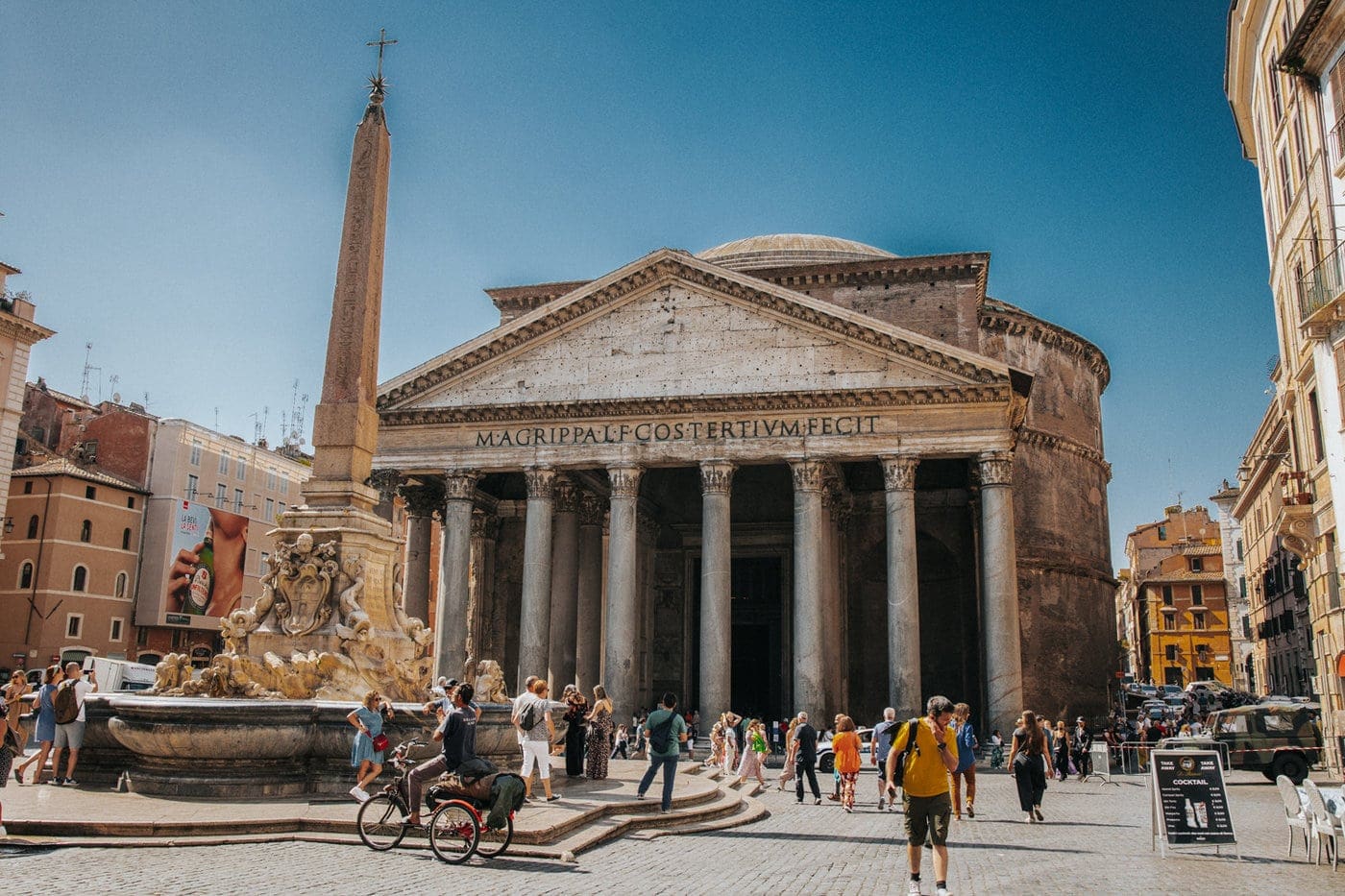
The Pantheon is the best-preserved ancient building in the world, having survived two thousand years of plundering and earthquakes. Its enormous concrete dome conceals a nine-metre circular opening — the oculus — which is the building’s sole source of natural light. When it rains in Rome, water falls straight through the oculus onto the slightly convex floor, where it’s immediately drained away by an ingenious ancient system of channels.
The days when you could simply wander in off the street are long gone. Admission is now €5, and from 1 July 2026 the ministry plans to raise it to €7. You need to secure tickets through the official portal pantheon.cultura.gov.it, and especially at weekends, advance booking is an absolute must — otherwise you’ll face a merciless queue in the blazing sun.
💡 Local tip: Book the 8:30 or 9:00 AM slot, when the heavy bronze doors first open. Inside, you’ll experience that rare moment when the column of light from the oculus is just beginning to sweep across the coffered ceiling.
7. Piazza Navona and Surroundings: Beware of Tourist Traps

Piazza Navona is a masterpiece of Roman Baroque, dominated by Bernini’s Fountain of the Four Rivers. The atmosphere here is lively, full of street artists and musicians, but from a gastronomic standpoint it’s a literal minefield. The restaurants overlooking the square represent the very worst of Rome’s tourist traps, where waiters actively lure you inside with picture menus in five languages.
The sneakiest trick in this area is pricing dishes “per etto”, meaning per 100 grams rather than per portion. Lukáš and I are vegetarian so we steer clear of fish, but Asian tourists at one establishment here recently paid over €600 for a single lunch because they were charged for a huge fish and a non-existent mandatory “service charge”. Genuine Italian restaurants have transparent pricing and only charge a small coperto (cover charge) for your table setting.
💡 Local tip: Instead of sitting down on the square, walk to nearby Campo de’ Fiori and pop into the legendary bakery Forno, where you can grab fresh pizza bianca with olive oil straight from the counter. The fried artichokes in this area are also superb.
8. The Spanish Steps and Pushy Street Sellers

The Spanish Steps, sweeping upward from the Fontana della Barcaccia to the French church of Trinità dei Monti, are the elegant centrepiece of Rome’s fashion district. From a distance they look inviting for a rest, but beware — sitting on them is strictly forbidden to protect the historic marble. Police in high-vis jackets actively enforce the ban; the moment you perch, you’ll hear a whistle and risk a fine of around €250.
In the square below the steps, highly organised groups of scammers operate, targeting relaxed couples in particular. They approach with a broad smile and within seconds force a rose into your hand or tie a bracelet around your wrist, claiming it’s a gift. Don’t be fooled — they’ll immediately start aggressively demanding €10 to €20, and the only effective defence is total indifference and zero eye contact.
💡 Local tip: If you’re after romance without the hassle of pushy sellers, climb all the way to the top of the steps and continue to the Pincio terrace. It offers one of the most beautiful sunset views over the entire city.
9. Castel Sant’Angelo: A Strategic Link to the Vatican

Cross the Tiber over the Ponte Sant’Angelo — lined with Bernini’s statues of angels — and you’ll reach a massive cylindrical fortress. Castel Sant’Angelo was originally built as the mausoleum of Emperor Hadrian, later serving as a fortress, a grim prison, and ultimately a luxurious papal residence. To this day, it’s connected to the Vatican by a secret elevated passageway within the walls, through which popes fled to safety during the Sack of Rome.
For the modern traveller, the castle’s main advantage is its location — just a few hundred metres from St Peter’s Square. It’s the perfect stop on the way back to the centre after a morning tour of the Vatican Museums. Walk up the original ancient spiral ramp and from the upper terrace — directly beneath the enormous statue of Archangel Michael — you’ll be treated to a fantastic panorama of the city.
💡 Local tip: Tickets here don’t tend to sell out as hopelessly as the Colosseum, so you can visit more spontaneously — ideally in the late afternoon when the crowds begin to thin.
10. Borghese Gallery: Art for the Prepared
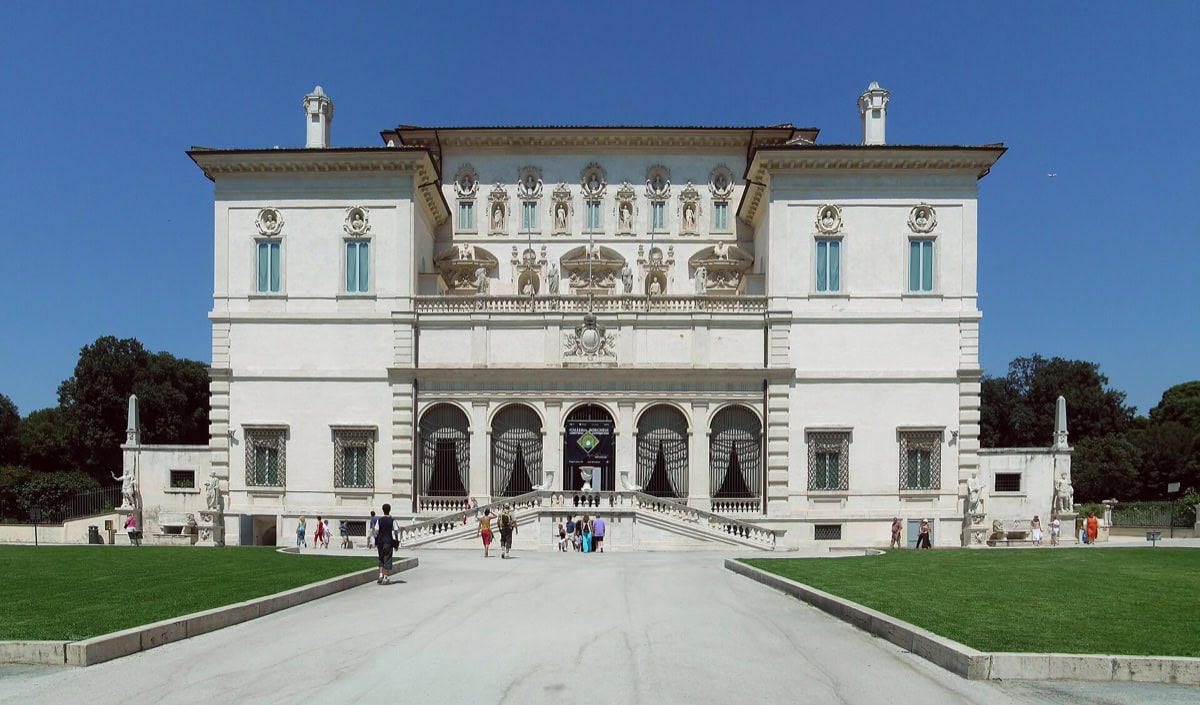
Tucked inside the Villa Borghese park is the gallery of the same name, where Cardinal Scipione amassed one of the finest art collections in the world. You’ll see breathtaking marble sculptures by Bernini and dark, genius canvases by Caravaggio. There’s no room for last-minute decisions here, because the gallery strictly does not admit walk-ins — advance reservation is absolutely compulsory.
Tickets cost €18, and visits operate in strict two-hour slots with a capacity of just 360 people. Thanks to this limit, you never feel crowded and can appreciate the art in peace — but once the two hours are up, staff will unceremoniously usher you out. Tickets disappear weeks in advance, so don’t delay in purchasing them on the official website.
💡 Local tip: If you can’t bag tickets, the Villa Borghese park itself is well worth a visit. You can hire pedal go-karts, take a boat ride on the little lake, and shelter from the summer heat under the canopy of umbrella pines.
Day Trips from Rome

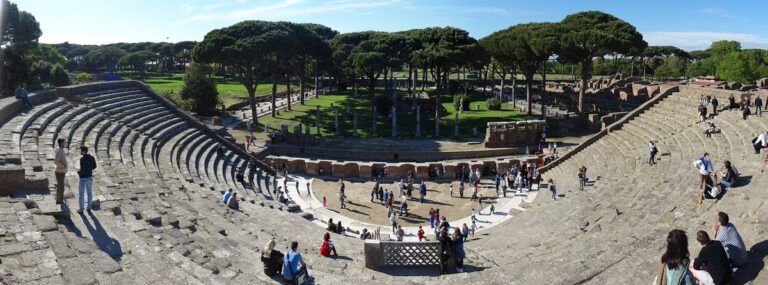
If you have more than four days in Rome, it would be a shame not to venture beyond the city limits. A brilliant half-day trip is to the ancient port ruins of Ostia Antica, reachable by a regular commuter train for the price of a local transport ticket. It offers a similar experience to Pompeii but with a fraction of the tourists and plenty of shade from tall trees. Lovers of Renaissance gardens and fountains should head to the town of Tivoli, where the breathtaking Villa d’Este and the majestic Hadrian’s Villa await.
If you’re craving a more powerful historical experience, a high-speed train will whisk you to Naples and from there straight to the famous Pompeii. It’ll take a full day, but walking through the frozen ancient city in the shadow of Vesuvius is absolutely worth it. For better planning of your stay in the Eternal City itself, check out our detailed Rome in 3 Days itinerary, or read our comprehensive guide to What to See in Rome. If you’re travelling with family, we’ve also put together practical tips on how to manage Rome with Kids without unnecessary stress.
Frequently Asked Questions
Can I pay by card everywhere in Rome?
Italy has made huge strides in cashless payments, and today you can pay by card in restaurants, museums, and even for a scoop of gelato. That said, always carry some coins in 10 and 20 euro denominations—they’ll come in handy for small tips for your barista, public restrooms, or buying water from small street kiosks where the card terminal occasionally ‘happens’ not to work.
Where can I find public restrooms in the city center?
Public toilets are extremely scarce in Rome and are usually pay-to-use. Your best strategy is to pop into any bar, buy an espresso at the counter for about 1.20 euros, and politely ask where the restroom is. Under Italian law, bars must allow paying customers to use their facilities.
Is the water from street fountains really drinkable?
Yes, the water from the so-called nasoni (cast-iron drinking fountains scattered throughout the city) is completely safe to drink, ice-cold, and free. It comes from the mountains through the same aqueducts as in ancient times, so don’t waste money on bottled water—just keep a reusable bottle handy.
Does the Pantheon have the same dress code as the Vatican?
Even though it’s an ancient monument, the Pantheon is still a consecrated Catholic church. The exact same rules apply as at the Vatican, meaning you must have your shoulders and knees covered. In the hot summer months, bring a light scarf to throw over your shoulders before entering, or security will turn you away.
How can I avoid overpriced coffee?
The golden rule of Roman bars is this: if you sit down at a table with waiter service and a view of a monument, you’ll pay a hefty surcharge and your coffee can cost up to 4 euros. If you want to drink espresso cheaply like the locals do, pay at the register and drink it standing at the bar, where it costs just over a euro.
What should I do in the city center when it starts pouring rain?
Rome’s summer storms can be quite intense, and the basalt paving stones instantly turn into a dangerous skating rink. Duck into the Pantheon and watch the rain pour in through the open oculus, or take shelter in one of the dozens of churches that are free to enter. Whatever you do, avoid the Spanish Steps in the rain—they get incredibly slippery.
Can I bring a backpack into the Colosseum or Vatican?
A small daypack or purse is no problem, but large backpacks or bulky bags won’t be allowed inside. All luggage goes through an X-ray machine just like at the airport, and it’s strictly forbidden to bring glass bottles, alcohol, or pocket knives into these sites.
Tips and Tricks for Your Vacation
Don’t Overpay for Flights
Search for flights on Kayak. It’s our favorite search engine because it scans the websites of all airlines and always finds the cheapest connection.
Book Your Accommodation Smartly
The best experiences we’ve had when looking for accommodation (from Alaska to Morocco) are with Booking.com, where hotels, apartments, and entire houses are usually the cheapest and most widely available.
 🚗 Car rental on the roadVerified rental cars in Rome
Search with the DiscoverCars comparison engine — it compares prices from dozens of local and international rental companies, and most bookings come with free cancellation.
Compare car prices in Rome →Don’t Forget Travel Insurance
Good travel insurance will protect you against illness, accidents, theft, or flight cancellations. We’ve had a few hospital visits abroad, so we know how important it is to have proper insurance arranged.
Where we insure ourselves: SafetyWing (simple monthly subscription) and TrueTraveller (for extra-long trips).
Find the Best Experiences
Get Your Guide is a huge online marketplace where you can book guided walks, trips, skip-the-line tickets, tours, and much more. We always find some extra fun there!