Catalonia doesn’t end at the borders of bustling Barcelona, and it’s certainly not all about endless sandy beaches lined with sunshades. Once you venture a bit further north towards the French border, you’ll discover a fascinating region full of unexpected contrasts, where medieval history collides with absolute artistic madness. It’s right here, in the unassuming town of Figueres Spain and along the wild Costa Brava coastline, that the surrealist world of genius Salvador Dalí was born — a world that continues to astonish visitors from across the globe.
Imagine a building whose roof is studded with giant eggs, a façade adorned with hundreds of bread loaves, and inside, a labyrinth of optical illusions, dreams, and provocative installations waiting to be explored. A trip to Figueres and its surroundings is the perfect escape from reality, whether you’re spending your holiday by the sea or looking for an ideal day trip from Barcelona. If you’re drawn to places that completely defy the ordinary travel guidebook, you’re absolutely going to fall in love with this corner of Spain.
TL;DR
- The world’s largest surrealist object: The Teatre-Museu Dalí in Figueres was designed by the artist himself and is a truly unique experience — even if you normally never set foot in galleries.
- Book tickets well in advance: Especially during summer, the museum regularly sells out days ahead.
- The Dalí Triangle: For the complete experience, also visit the artist’s house in Portlligat bay and Púbol Castle, which he dedicated to his muse Gala.
- Not just art: Figueres is also home to Castell de Sant Ferran, one of the largest military fortresses in all of Europe.
- Watch out for summer heat: Catalonia has been hit by extreme droughts and temperatures in recent years — spring or autumn are the ideal times to visit.
- Easy to reach: You can get to Figueres from Barcelona comfortably by high-speed train in under an hour.
The full destination guide: Catalonia — guide and what to see
Best Time to Visit Figueres Spain and Costa Brava
Northern Catalonia enjoys a fairly pleasant Mediterranean climate, but in recent years the rules of the game have shifted a bit. If you’re planning a visit purely for the sights and museums, the best time is late May through June, or September and October. During these months you’ll dodge the biggest tourist crowds, temperatures hover around a comfortable 25°C, and getting around is far more bearable.
Summer on the Costa Brava coastline certainly has its undeniable charm, but it comes with certain risks. In recent seasons, the region has been grappling with extreme heatwaves and historic drought, which in practice means strict water restrictions may be in place. You might encounter limits on beach showers or bans on filling swimming pools, so it’s worth keeping that in mind when planning a summer holiday. On top of that, in August the entire coast is packed with locals and French visitors who love popping over the border.
Winter in this area is very quiet and peaceful, which definitely has its appeal if you’re after total solitude. However, bear in mind that many smaller businesses and coastal hotels close for the winter, and some museums, including the house in Portlligat, have very limited opening hours or close for maintenance. Figueres itself operates year-round though, so you can enjoy the museum even in January — practically queue-free.
Hotels in Figueres Spain and Where to Stay
💡 Accommodation & experience tip: We love searching for accommodation on Booking.com, which usually offers the best cancellation policies. For tickets, tours, and activities, it’s worth comparing and booking through GetYourGuide.
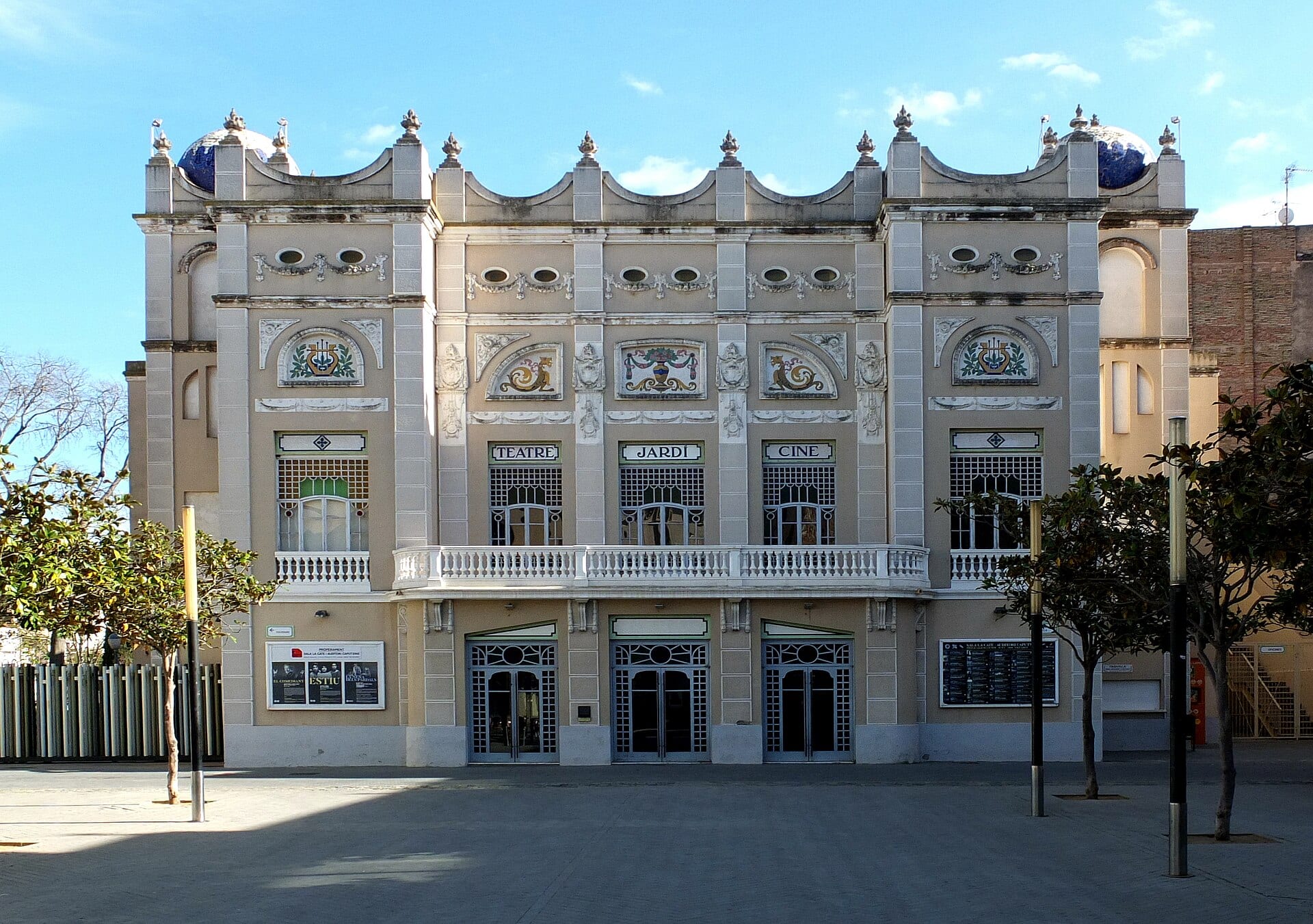
When planning your accommodation, it all depends on whether you want Figueres as your main base or prefer the romance of the seaside. Right in Figueres you’ll find mostly city-style lodging, which is ideal for a quick one- or two-night stay if you’re travelling by train. A brilliant choice is the traditional Hotel Duran, which has been running for decades and where Salvador Dalí himself used to dine at the restaurant. If you prefer a more modern style, check out the Sercotel Hotel President, offering great value for money near the historic centre.
If you have a rental car and crave the true atmosphere of the wild coastline, consider staying in nearby Cadaqués. This whitewashed fishing village is absolutely enchanting and offers stunning views over the bays. The Boutique Hotel Villa Gala promises an unforgettable stay with its peaceful setting, designer rooms, and a pool overlooking the sea. It always pays to book through Booking.com, where you can easily compare current prices and often find flexible cancellation options.
Many travellers also choose historic Girona as their base, located roughly halfway between Barcelona and Figueres. Girona boasts an incredibly captivating medieval centre, a fantastic food scene, and a much wider selection of accommodation. The train to Figueres from here takes just under half an hour, making it an absolutely strategic spot for exploring the whole of northern Catalonia.
12 Best Things to Do in Figueres Spain and Surroundings
Let’s dive into the most fascinating things this quirky corner of Spain has to offer — from bizarre art installations and majestic fortresses to breathtaking coastal scenery. These tips will help you plan an unforgettable itinerary packed with experiences.
1. Teatre-Museu Dalí: The World’s Largest Surrealist Object
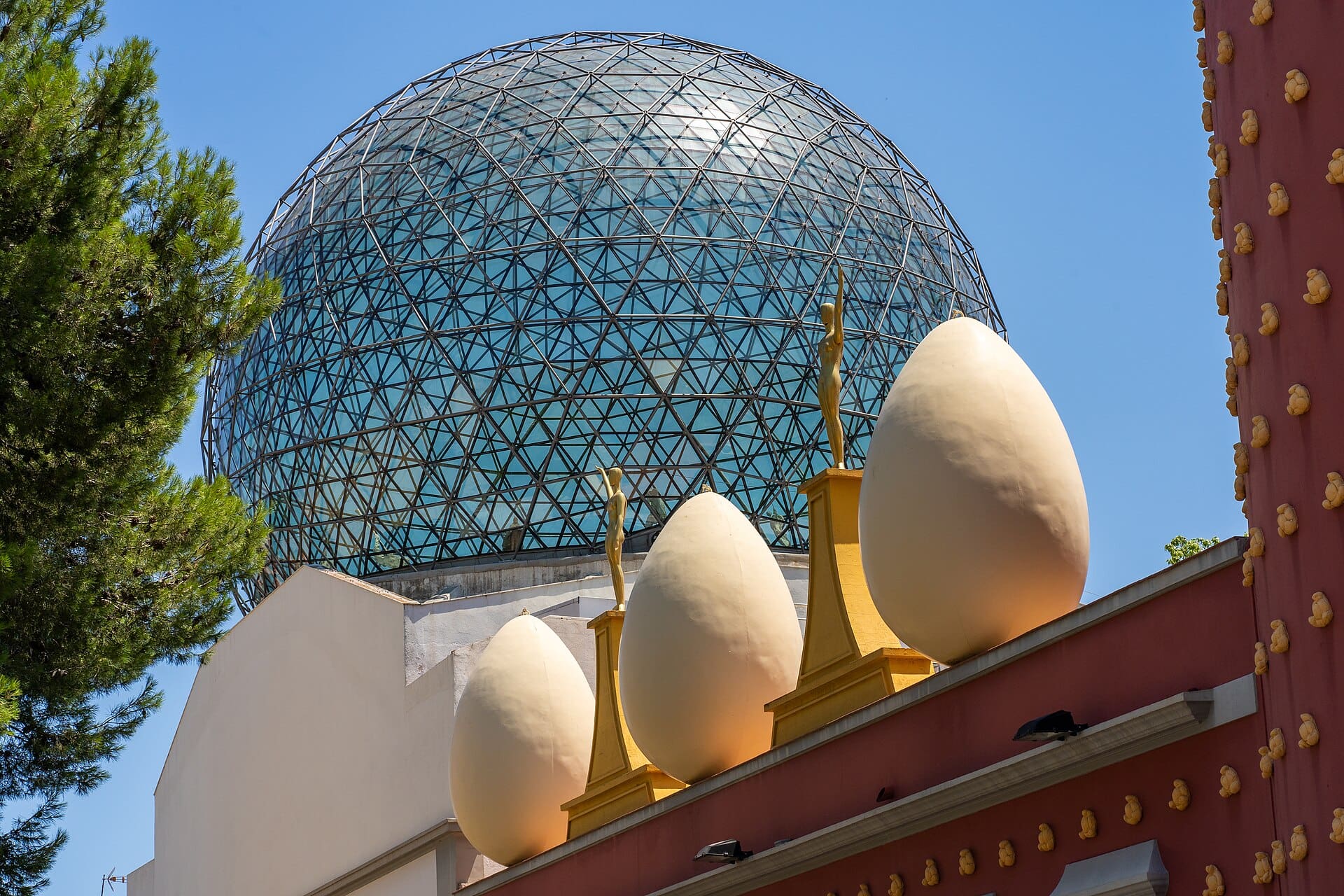
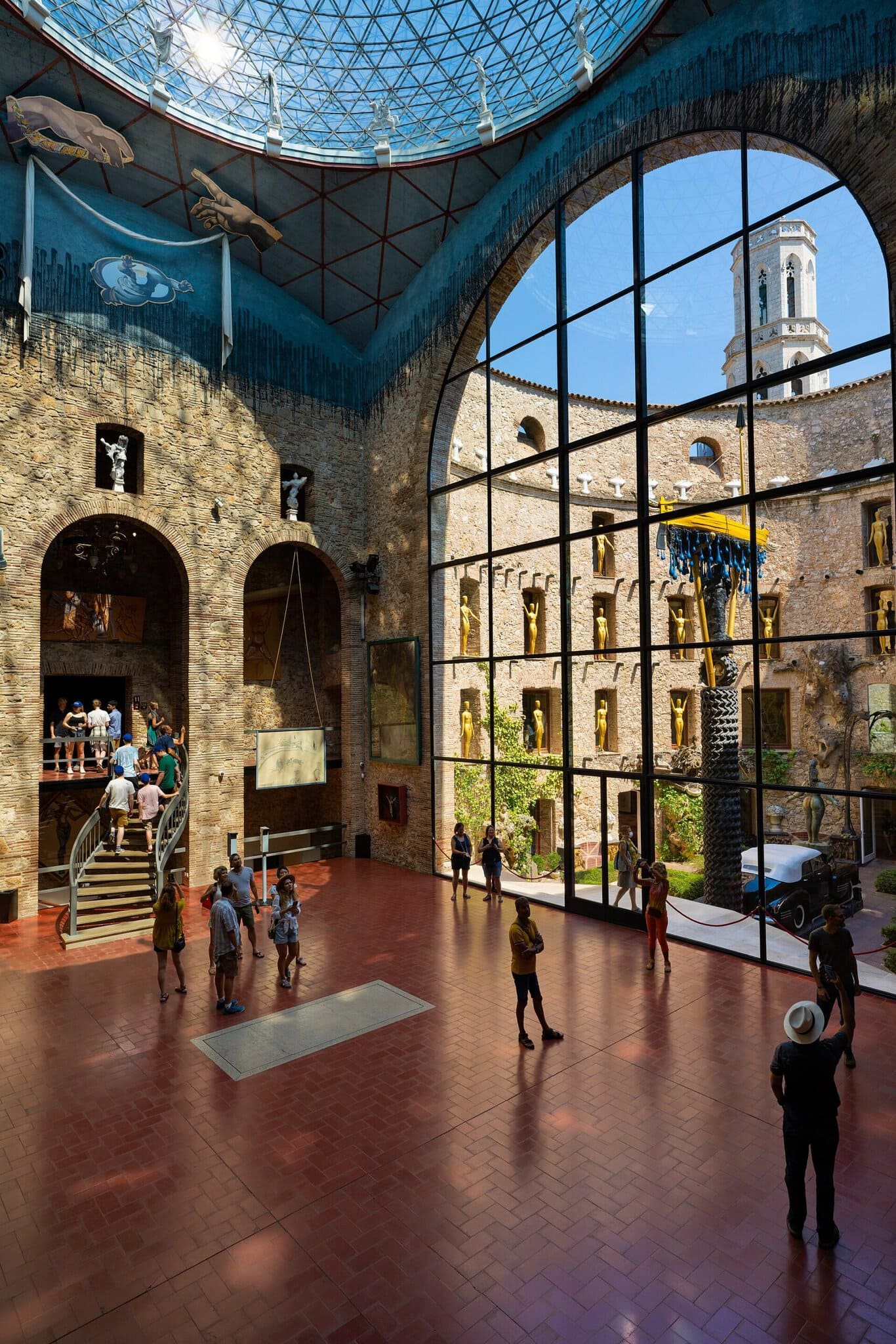
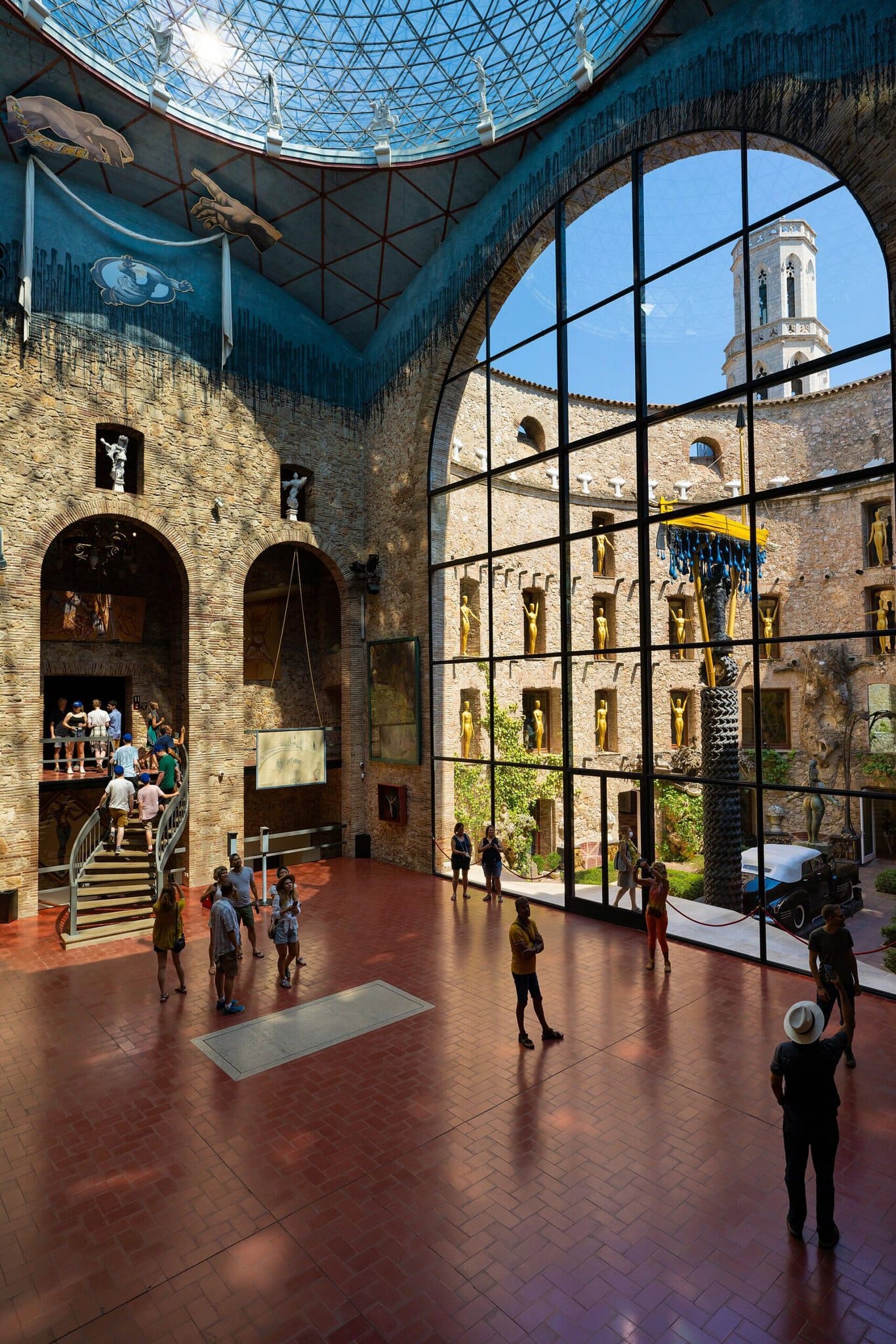
On the site of the former municipal theatre, destroyed by fire during the Spanish Civil War, stands a building unlike anything else on the planet. Salvador Dalí himself decided this would be the home of his museum, and he designed every single detail exactly to his vision. The crimson-red façade alone, studded with golden bread loaves and crowned with giant eggs, makes it crystal clear that what awaits inside is no ordinary stroll past paintings in hushed galleries.
The moment you step into the central courtyard, you’ll be stunned by the installation of a rainy taxi — drop a coin in and it actually rains inside. Above it rises a column of tyres topped with a boat that once belonged to Dalí’s muse Gala. The museum works as a massive labyrinth where optical illusions, mechanical toys, and three-dimensional installations of famous paintings peek at you from every corner. There’s no recommended route — the artist wanted visitors to wander and discover details entirely by instinct.
💡 Insider tip: Don’t miss the Mae West room, where you need to climb a set of steps and peer through a special lens to watch the pieces of furniture in the room merge into the face of the famous Hollywood actress.
2. Final Resting Place: Dalí’s Tomb Inside the Museum
One fact that catches many visitors off guard is that the famous artist is not only exhibited in the museum — he’s also physically laid to rest here. Directly beneath the central geodesic dome, in a dimly lit crypt, lies Dalí’s tomb. The decision to bury him in the very heart of his greatest creation was made shortly before his death, adding a somewhat magical, even slightly eerie dimension to the entire visit.
The crypt is accessible to the public as part of the standard visit — you simply walk down the stairs to the lower level. There’s no overly ornate monument; just a plain marble slab bearing his name marks the spot. The space feels muted and hushed, forming a stark contrast with the colourful chaos and buzz of the main exhibition halls just one floor above.
3. Dalí-Joies: A Fascinating Collection of Surrealist Jewellery
Attached to the museum in an adjacent building, usually accessed through a separate entrance, is a permanent exhibition called Dalí-Joies. It’s often unfairly overlooked, yet it’s one of the most impressive parts of the entire complex. Dalí wasn’t just a painter — he was fascinated by designing jewellery from precious metals and gemstones, breathing his signature surrealist shapes and meanings into every piece.
In the dimly lit halls you’ll see around forty unique jewels, lit to bring out every facet of the gemstones. The most famous piece is undoubtedly The Royal Heart, mechanically constructed so that its ruby centre actually pulses and beats like a living organ. Other treasures include a brooch shaped like an eye with a clock in the pupil, and a necklace resembling intertwined lips — all proof of the artist’s incredible imagination and attention to detail.
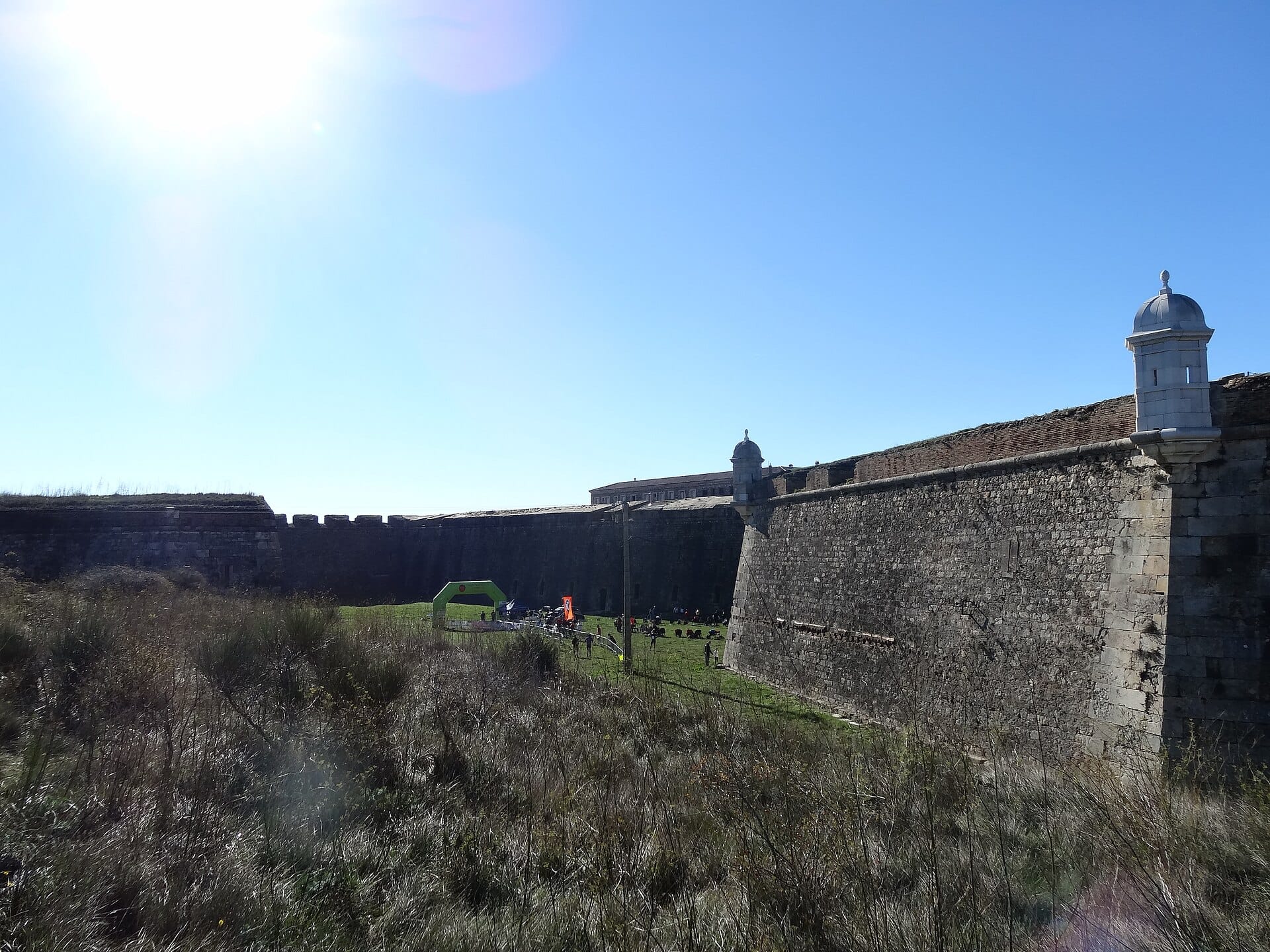
4. Castell de Sant Ferran: One of the Largest Fortresses in Europe
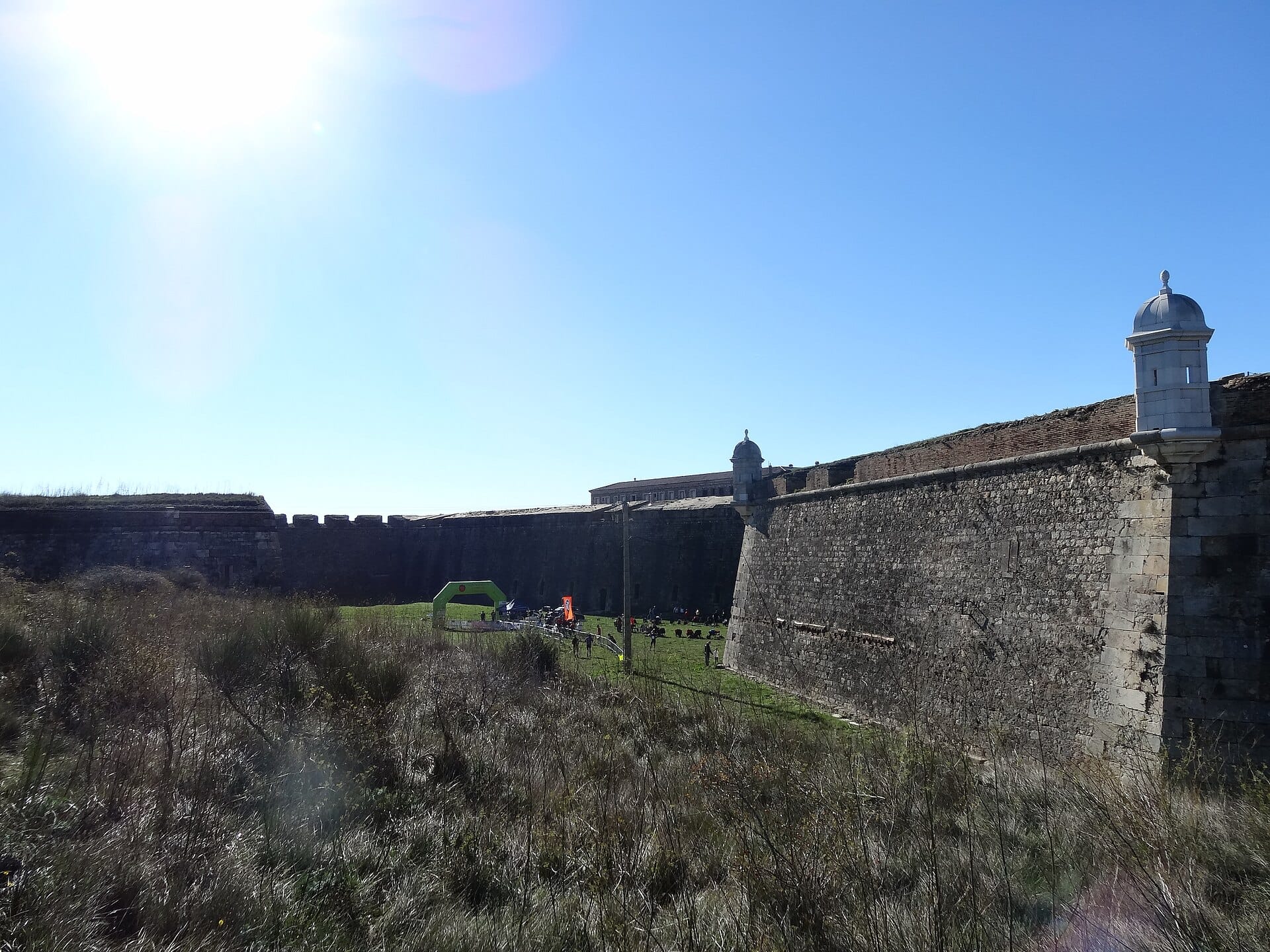
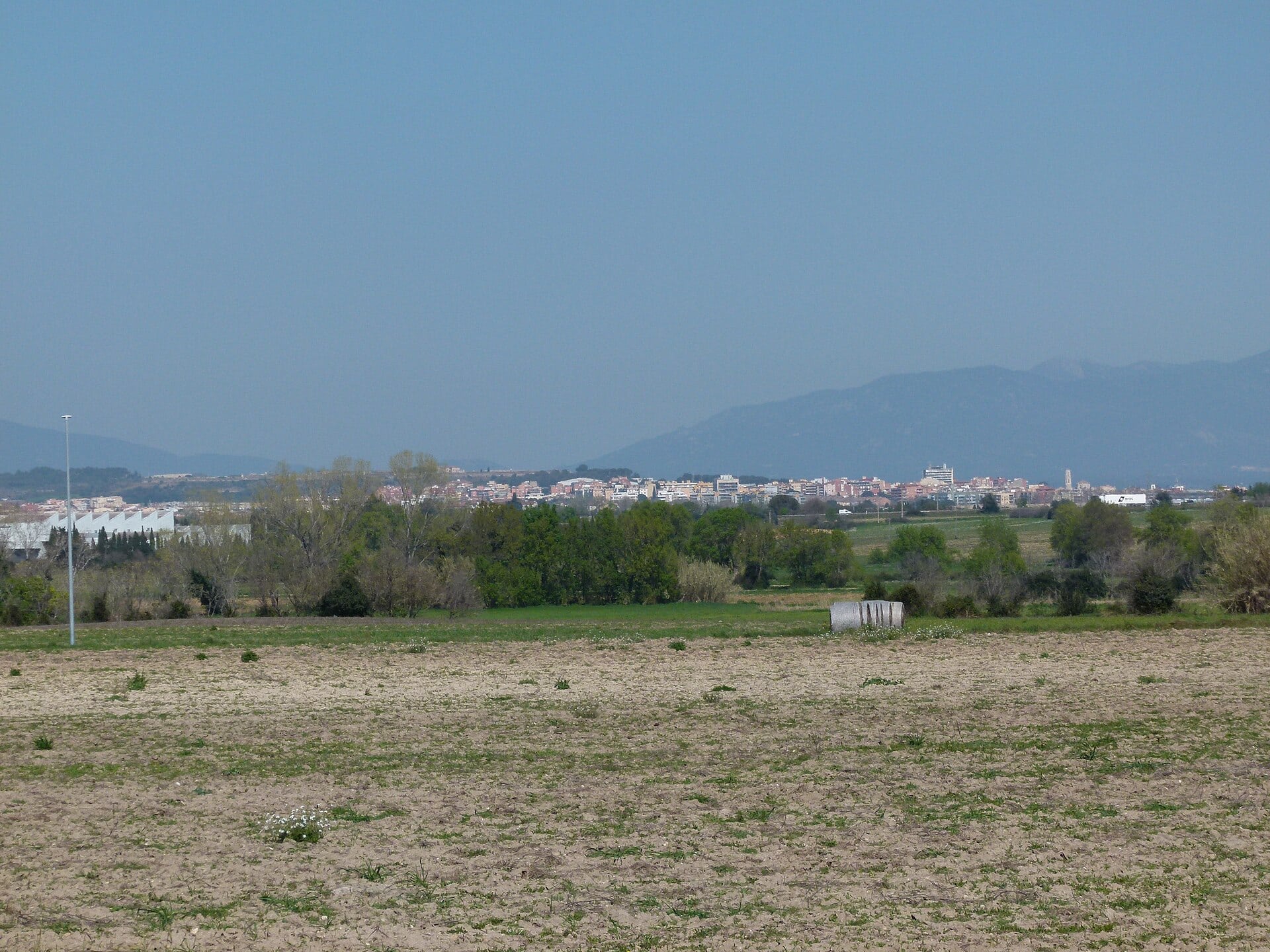
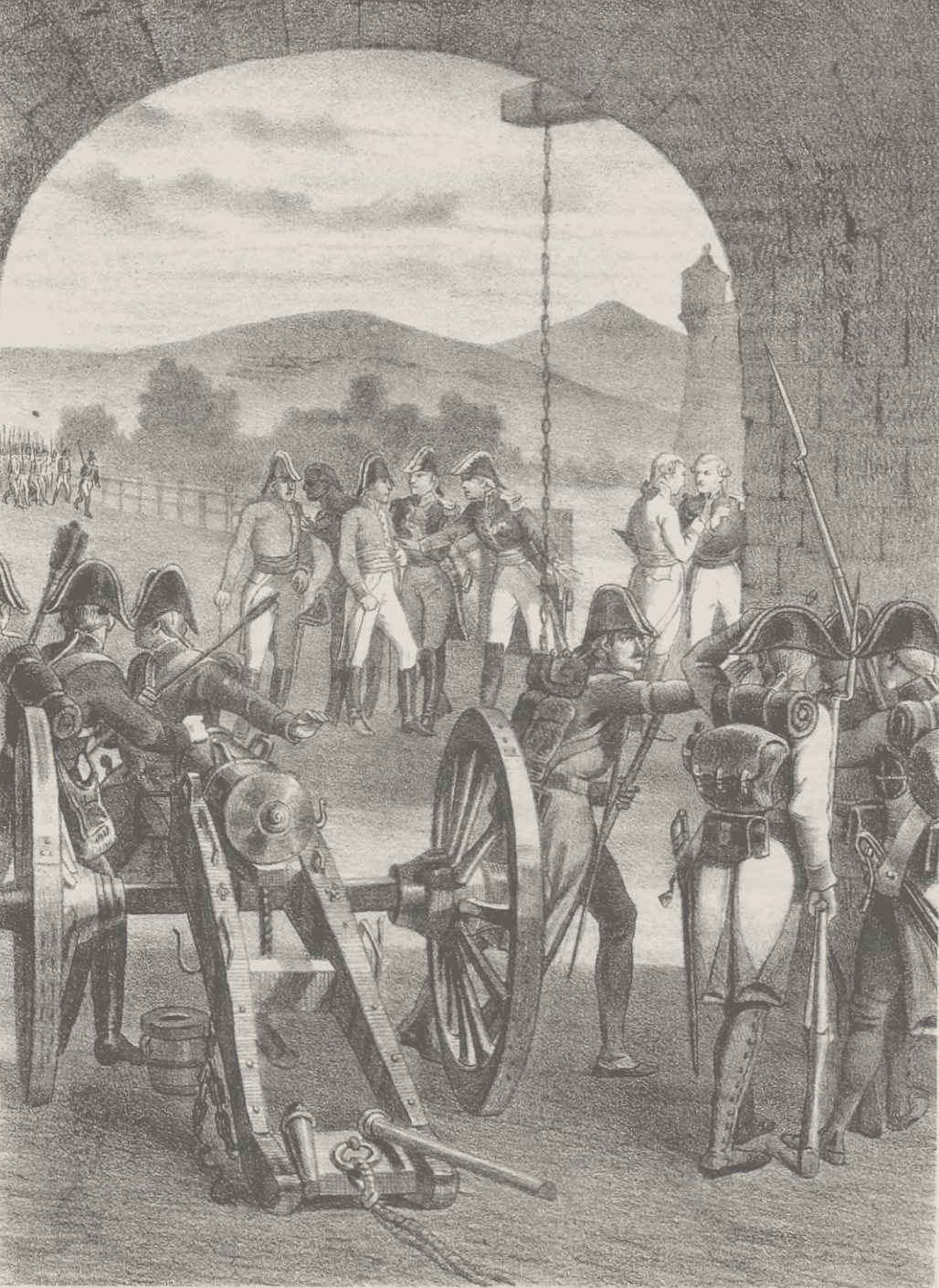
Although Figueres is synonymous with surrealism, it hides an architectural colossus of an entirely different kind on its outskirts. The 18th-century Castell de Sant Ferran is the largest military monument in all of Spain and one of the biggest fortresses in Europe. Its outer walls stretch an impressive three kilometres, and at the height of its glory, the complex could house an astonishing six thousand soldiers.
Exploring this massive structure can easily fill an entire morning. You’re free to stroll along the enormous ramparts, which offer beautiful views of the nearby Pyrenees and the flat countryside surrounding the town. The gigantic underground water cisterns are a real highlight — during summer months you can even float through them in small rubber dinghies. It’s the perfect counterpoint to the packed Dalí Museum, as here you’ll enjoy open space, silence, and majestic military history.
5. The Dalí Triangle: Portlligat Bay and Cadaqués
If you want to understand Salvador Dalí’s genius and life in a broader context, you need to head to the coast. About an hour’s drive from Figueres along rather winding roads lies the whitewashed town of Cadaqués and the neighbouring bay of Portlligat. It was here that the artist transformed old fishermen’s huts into his iconic home, which today serves as a fascinating museum filled with his personal belongings, curious collections, and stuffed animals.
The house itself is a maze of narrow corridors, staircases, and unexpected nooks, with the characteristic giant eggs perched on its roof once again. The garden offers gorgeous sea views and features the famous phallic-shaped swimming pool. Cadaqués itself charms visitors with its narrow lanes, white façades, and tranquil seaside atmosphere that has drawn artists from around the world for decades.
💡 Insider tip: Tours of the house in Portlligat are strictly limited to small groups and tickets must be purchased online weeks in advance — turning up on the day without a booking is virtually hopeless.

6. The Dalí Triangle: The Romantic Púbol Castle
The third and final point of the so-called Dalí Triangle is the Castell de Púbol, tucked away in the picturesque village of the same name a bit further south. Dalí purchased this medieval castle in the 1970s and dedicated it to his lifelong love and muse Gala as her private retreat. Here’s a quirky detail: the artist himself was only allowed to visit his wife at the castle when he had received a formal written invitation from her beforehand.
Dalí decorated the castle interiors with incredible care — you’ll find paintings on the ceilings, a remarkable throne for Gala, and a garden full of elephant sculptures on long spindly spider legs, recognisable from his famous paintings. Gala is also buried in the castle’s crypt. The atmosphere in Púbol is far more intimate and melancholic than the wild museum in Figueres, offering a deep insight into the complex relationship of this iconic couple.
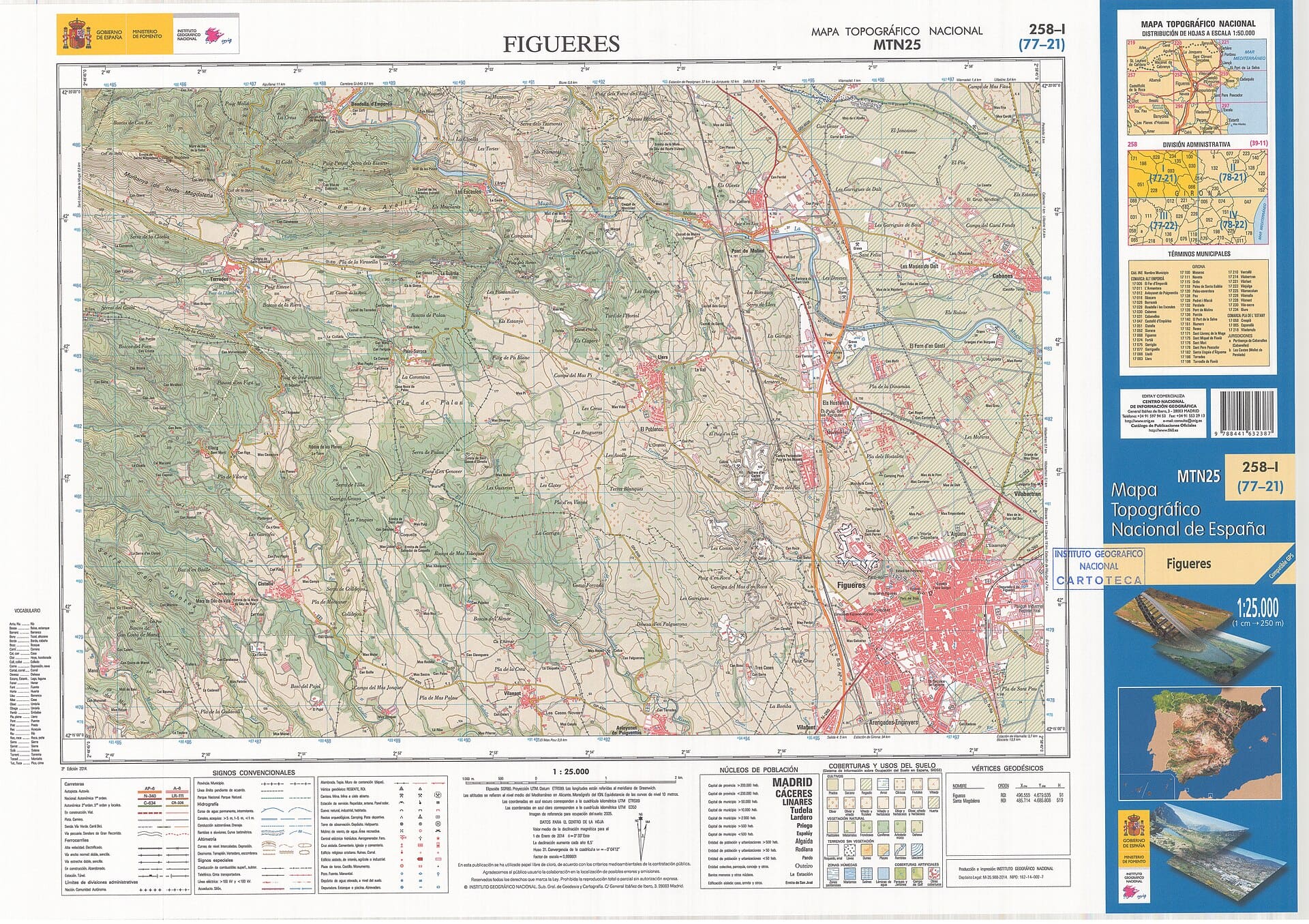
7. A Stroll Along La Rambla and the Historic Centre of Figueres
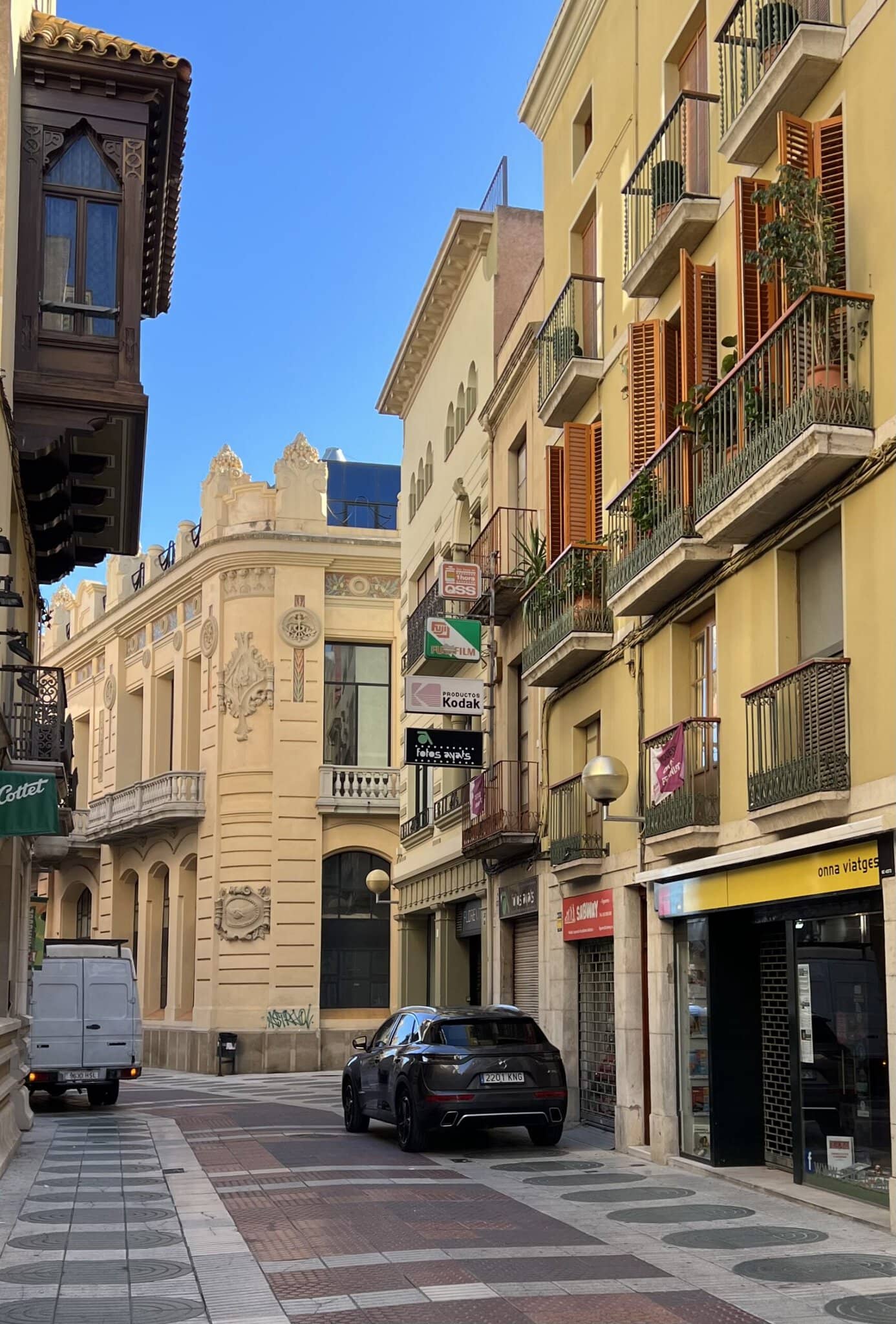
Once you leave the madcap world of the museum, it’s well worth dedicating some time to the town of Figueres itself. Its heart is the wide La Rambla boulevard, lined with mighty plane trees and elegant 19th- and early 20th-century townhouses. It’s the perfect spot to sit down at one of the many cafés, order a strong espresso, and simply watch the locals go about their day.
The historic centre is fairly compact and easily explored on foot within an hour. You’ll find narrow streets filled with small boutiques, artisan shops, and bakeries. The town has a wonderfully relaxed atmosphere, and although most people come here for just one attraction, the lanes around Plaça de l’Ajuntament are definitely worth getting lost in for a while to soak up a taste of authentic Catalan life.
8. A Trip Back to Childhood at the Museu del Joguet de Catalunya
If you’re travelling with children — or simply fancy a break from heavy art — a real gem is hiding just off La Rambla. The Toy Museum of Catalonia houses an incredible collection of more than four thousand historical pieces, documenting what generations of children played with from the late 19th century to the present day. It’s not just for the little ones — adults often find themselves moved by toys from their own childhoods.
The collection spans everything from mechanical trains and wooden dolls to vintage board games and early magic sets. And since we’re in Figueres, there’s a connection to the town’s most famous son. The museum displays toys that belonged to young Salvador Dalí and his sister Anna Maria, and even pieces from the childhood of poet Federico García Lorca. It’s a beautifully curated place brimming with nostalgia.
9. The Gothic Church of Església de Sant Pere
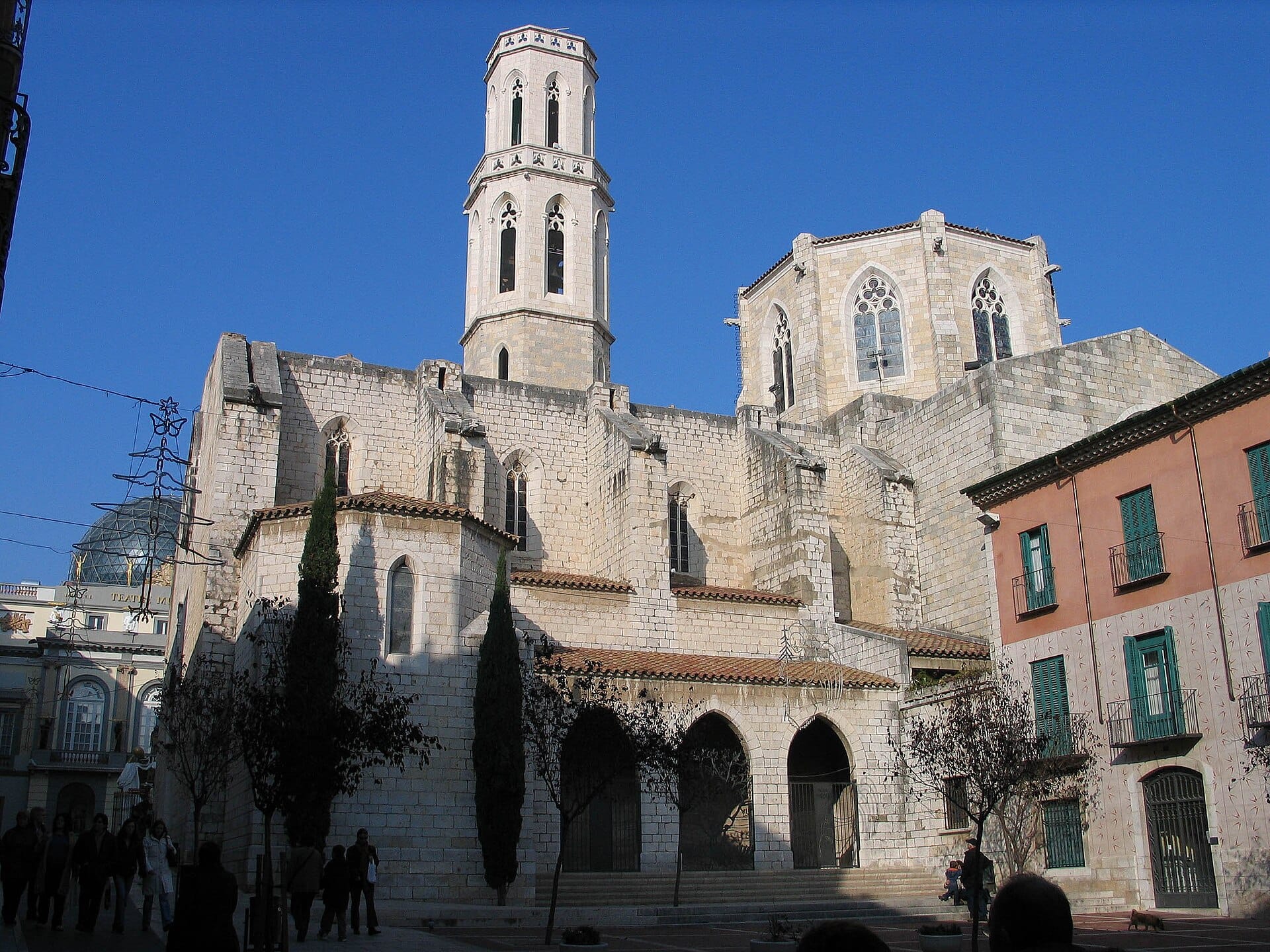
Right next door to the Dalí Museum stands a majestic stone structure that forms the perfect visual contrast to the red bread-studded façade. The Church of Sant Pere is a fine example of austere Catalan Gothic architecture. Although it looks rather massive and unassuming from the outside, it’s tied to a crucial piece of Dalí’s personal history. The famous artist was baptised in this very church, and many decades later, his funeral was held here too.
The interior impresses with its simplicity and soaring vaulted ceiling. The building suffered significant damage during the Civil War, but subsequent restorations have returned its dignity. Entry is free and it offers a cool escape from the summer sun. It’s fascinating to stand in the small square between the church and the museum and observe how deep religious tradition meets total artistic revolt within just a few square metres.
10. Tasting Authentic Catalan Cuisine and Tapas
Northern Catalonia is a paradise for food lovers, and the local cuisine differs greatly from what you might know from southern Spain. To savour the authentic flavours, make sure you try Pa amb tomàquet — gloriously toasted bread rubbed with ripe tomatoes and drizzled with quality olive oil. Locals eat it with practically everything. If you visit in spring, an amazing experience is tasting Calçots — grilled sweet spring onions dipped into a rich nut-and-garlic romesco sauce.
While I always happily reach for excellent local cheeses and olives, seafood lovers should seek out the classic Suquet de peix — a rich, saffron-scented fisherman’s stew of potatoes and various catches of the day. The sweet finale should always be Crema catalana, a delicious egg custard dessert with a crispy caramel crust that locals insist is the original — and far superior — version of French crème brûlée. You can find more about local delicacies in our guide to traditional Spanish food.
11. A Stop in Girona on the Way Back
Whether you’re driving or taking the train, it would be a real shame to bypass nearby Girona. This city looks as though it’s stepped straight out of a period drama. In fact, its narrow stone alleys and majestic staircases featured in the hit series Game of Thrones, standing in for the streets of Braavos and King’s Landing. The centrepiece is the enormous Gothic cathedral, which boasts the widest nave of any Gothic church in the world.
Beyond the filming locations, Girona is home to one of the best-preserved Jewish quarters in Europe, known as El Call. Getting lost in its steep labyrinth of lanes is an experience in itself. The most stunning view of the city unfolds from the bridges over the River Onyar, where you’ll see the iconic colourful houses hanging directly above the water. Girona has a fantastic atmosphere that really comes alive in the evening hours, when locals gather in the tapas bars.
12. Practical Planning: Advance Tickets and Organised Tours
To make your trip to Figueres smooth and stress-free, the golden rule is: don’t underestimate the preparation. The Teatre-Museu Dalí is one of the most visited attractions in all of Spain, and timed-entry tickets must be purchased online, ideally several days or weeks ahead. If you turn up on spec, especially from spring through autumn, you’ll most likely be turned away at the door.
If you’d rather not deal with the logistics of trains and buses, dozens of organised tours depart daily from Barcelona and Costa Brava resorts. For a hassle-free guided excursion, I’d recommend checking out platforms like GetYourGuide, where you’ll find packages that include transport, museum entry, and a visit to nearby Girona — all in a single day. It’ll save you a lot of headaches with transfers and parking, which can be quite a challenge in Figueres.

Map of points of interest for your phone
Where to Go Next from Northern Spain
Once you’ve explored Figueres and its surroundings, Spain offers countless other amazing destinations to continue your journey. Thanks to excellent rail connections, it makes perfect sense to hop on a high-speed train to some of the country’s greatest cities.
- The natural route back leads through the Catalan capital — find a complete itinerary in our guide to Barcelona.
- If you’re craving more stunning architecture and incredible food, take the high-speed train straight to the capital and get inspired by our Madrid guide.
- From Barcelona you can also easily continue south along the coast to the sun-drenched beauty of Valencia.
- Drawn to the northern coast with its Atlantic waves and Basque culture? Check out our tips on San Sebastián or the fascinating Bilbao.
- If you fancy escaping to the islands, ferries and short flights will whisk you to the Balearic beauty we cover in our Ibiza guide.
- And if you’re planning a bigger road trip further south, don’t miss our 20 Most Beautiful Places in Andalusia, featuring tips on stunning architecture in cities like Córdoba, Granada, or the cliffside town of Ronda. Andalusia also offers perfect bases for excursions, such as Málaga and Seville, plus the famous walkway Caminito del Rey for thrill-seekers.
Frequently Asked Questions
How long does it take to visit the Dalí Museum?
Set aside around two to three hours for the Teatre-Museu Dalí itself. The space is vast and packed with intricate details and optical illusions that are worth stopping to appreciate. If you’re planning to visit the Dalí-Joies jewelry exhibition in the adjacent building as well, add another 45 minutes or so.
Where can I park in Figueres?
The historic town center is pretty cramped, and street parking is both difficult and strictly metered. Your best bet is to use one of the large paid underground car parks, such as Parking Saba El Garrigal, which is just a short walk from the museum. During summer though, they tend to fill up quickly, so arrive early in the morning.
Is the museum suitable for children?
Yes, surprisingly so! Unlike traditional stuffy galleries, the Dalí Museum is bursting with color, mechanical contraptions, optical illusions, and giant sculptures. Kids love discovering hidden faces in the paintings or tossing coins into the rainy taxi, so they definitely won’t get bored here.
How do I get to Figueres from Barcelona?
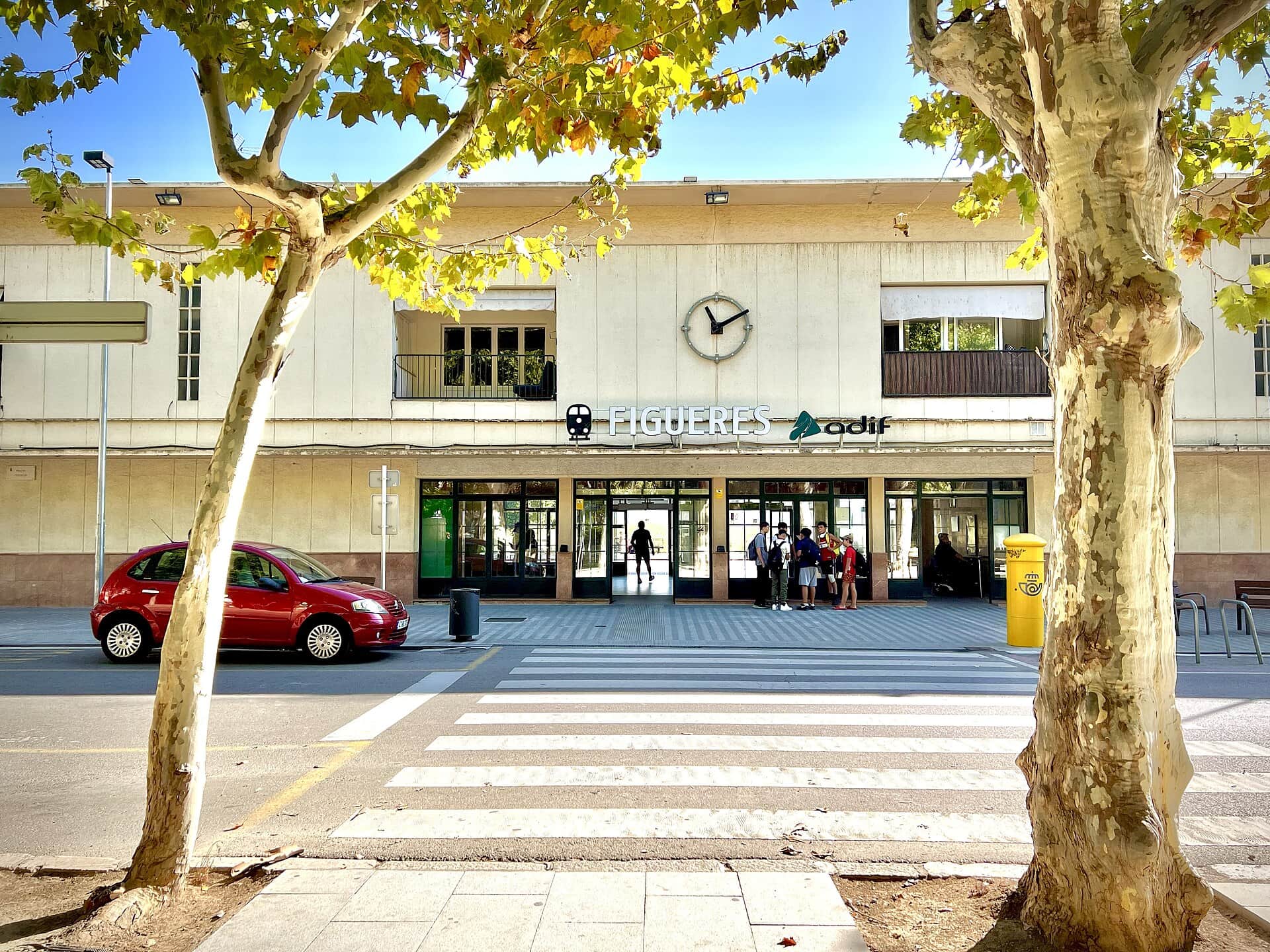
The fastest and most comfortable option is the AVE high-speed train from Barcelona Sants station. The journey takes just 55 minutes. Just be aware that the high-speed trains stop at Figueres-Vilafant station, which is about a 20-minute walk from the center, or you can hop on a short bus ride.
Can you do the entire Dalí Triangle in one day?
Technically yes, but it’s extremely exhausting and you’ll spend most of your time driving between sites. It makes much more sense to split it into two days. Dedicate one day to the museum in Figueres and Púbol Castle, and reserve the second day for the coast, Cadaqués, and the house in Portlligat.
What else is there to do in Figueres besides visiting the Dalí Museum?
Don’t miss the massive military fortress Castell de Sant Ferran, which offers fantastic views and a peaceful atmosphere. The nostalgic Toy Museum is also worth a visit, along with the Gothic church of Sant Pere and a pleasant stroll down the main boulevard La Rambla, where you can grab a coffee.
What’s the situation with water restrictions on the Costa Brava?
Catalonia has been dealing with prolonged drought, and the government frequently declares states of emergency. In practical terms for tourists, this might mean beach showers for rinsing off sand won’t be available, and some hotels may have restrictions on filling swimming pools. Always respect local guidelines and conserve water where possible.
Tips and Tricks for Your Vacation
Don’t Overpay for Flights
Search for flights on Kayak. It’s our favorite search engine because it scans the websites of all airlines and always finds the cheapest connection.
Book Your Accommodation Smartly
The best experiences we’ve had when looking for accommodation (from Alaska to Morocco) are with Booking.com, where hotels, apartments, and entire houses are usually the cheapest and most widely available.
 🚗 Car rental on the roadVerified rental cars in Catalonia
Search with the DiscoverCars comparison engine — it compares prices from dozens of local and international rental companies, and most bookings come with free cancellation.
Compare car prices in Catalonia →Don’t Forget Travel Insurance
Good travel insurance will protect you against illness, accidents, theft, or flight cancellations. We’ve had a few hospital visits abroad, so we know how important it is to have proper insurance arranged.
Where we insure ourselves: SafetyWing (simple monthly subscription) and TrueTraveller (for extra-long trips).
Find the Best Experiences
Get Your Guide is a huge online marketplace where you can book guided walks, trips, skip-the-line tickets, tours, and much more. We always find some extra fun there!