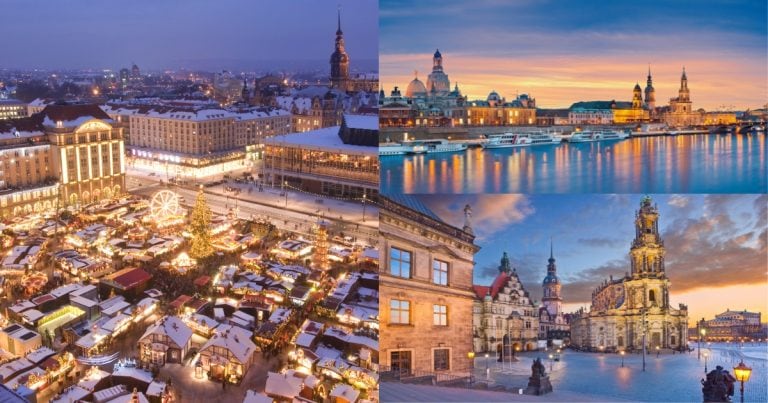

Berlin, the pulsing heart of Germany, transforms beyond recognition with the arrival of Advent. Forget for a moment the city’s rough industrial face. From late November, the streets light up with thousands of twinkling lights, the air fills with the scent of mulled wine and roasted almonds, and you can feel that genuine festive spirit everywhere. Berlin boasts an incredible sixty-plus markets, so everyone will find something they love here. Whether you’re looking for huge ice rinks, traditional crafts, or modern light shows, the German capital won’t disappoint. Let’s explore what awaits you this year, where to warm up with the best punch, and how to plan your Advent trip without unnecessary stress.
Summary for Those Short on Time
- Dates: Most major Christmas markets in Berlin in 2026 start on November 23. At Alexanderplatz they end December 26, at Charlottenburg Palace December 27, at Gendarmenmarkt December 31, and at the Red Town Hall January 3, 2027.
- Number of markets: You’ll find over 60 throughout the city, each with a completely different and unique atmosphere.
- Most beautiful market: WeihnachtsZauber at Gendarmenmarkt is an absolute classic (admission €2, children under 12 free).
- Where to warm up: Try the traditional Feuerzangenbowle, a spectacular punch with a flaming sugar cone.
- What to taste: Crispy potato pancakes (Kartoffelpuffer), roasted almonds, and for meat-eaters, traditional Bratwurst is everywhere.
- With children: Head to Kurfürstendamm or Alexanderplatz, where you’ll discover ice rinks and carousels.
- Accommodation: Book your hotel as early as possible; Advent weekends tend to sell out. An excellent choice in the center is Berlin Marriott Hotel.
- Transport: Your best bet is to park your car on the city’s outskirts and take the metro or S-Bahn trains into the center.
- Payments: Bring plenty of cash; you often can’t pay by card at the stalls.
- Mug deposit: Expect a refundable deposit of €3 to €5 for beautiful collectible mugs.
The full destination guide: Germany — guide and what to see
All 2026 Christmas markets: a calendar of dates and tips on markets across Europe
Berlin: Where to Stay
Berlin offers endless options for laying your head down, but during Advent the best rooms disappear at an incredible speed. If you want to enjoy the festive atmosphere without having to travel an hour by metro to the city’s edge, it pays to stay strategically close to the center. Here are a few tried-and-tested tips:
- Berlin Marriott Hotel: great location a short walk from Potsdamer Platz, putting you just steps from the markets.
- Maritim proArte Hotel Berlin: elegant accommodation right on the famous Friedrichstraße.
- Arte Luise Kunsthotel: if you’re looking for something unconventional, this art hotel near the Brandenburg Gate will definitely captivate you.


Berlin Christmas Markets: When and Where They Take Place
The main Christmas markets in Berlin open on November 23, 2026; Alexanderplatz ends December 26, Charlottenburg December 27, Gendarmenmarkt December 31, and the market at the Red Town Hall January 3, 2027. While smaller markets open only on Advent weekends, the main ones run daily, usually from 11:00 AM to late evening.
Berlin offers over 60 different markets, so visiting them all during one weekend is absolutely impossible. Among the most significant and beautiful are:
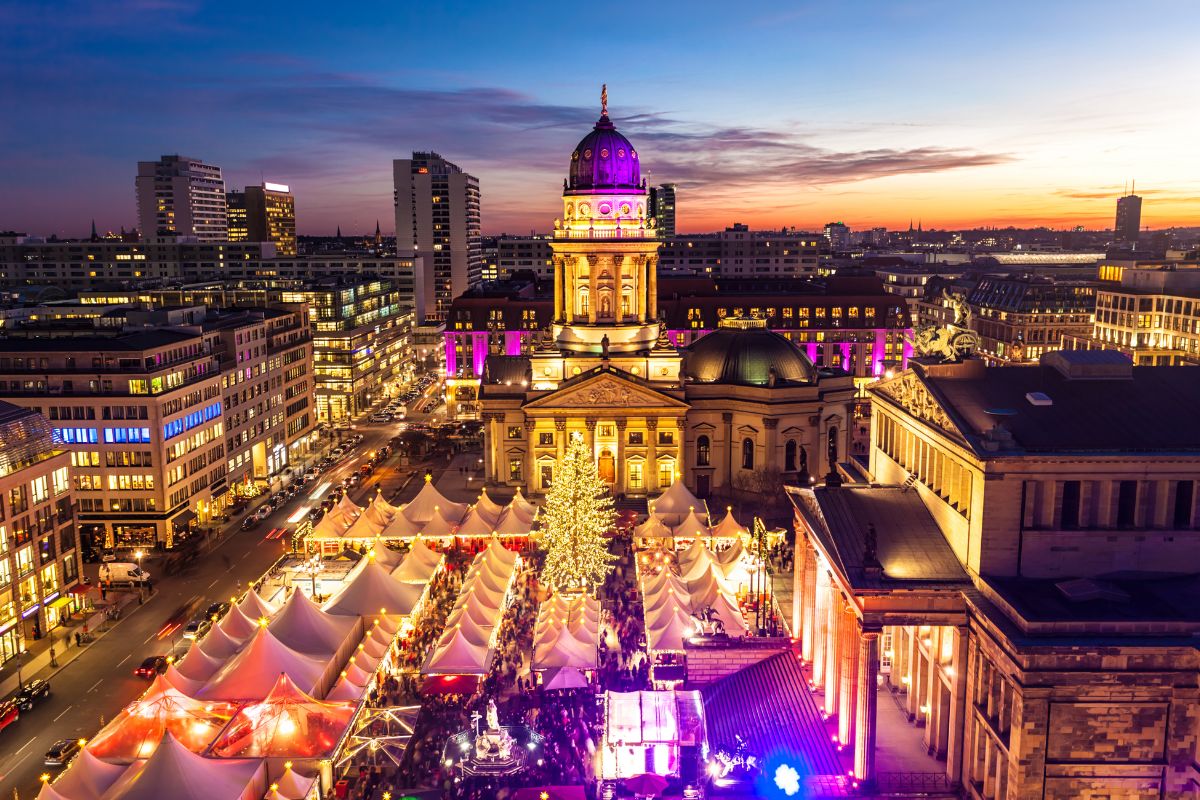
- WeihnachtsZauber at Gendarmenmarkt: Undoubtedly the most iconic market, offering incredible romance, luxury crafts, and culinary experiences. In 2026 it runs from November 23 to December 31. There’s a symbolic admission fee of €2 (children under 12 enter free). Monday to Friday between 12:00 and 3:00 PM, admission is completely free (doesn’t apply to public holidays). Note that dogs aren’t allowed except for guide dogs.
- Alexanderplatz: This market sits on one of the largest squares. It’s lively and colorful, and besides plenty of stalls, there’s also a huge ice rink.
- Kurfürstendamm: The market near the Kaiser Wilhelm Memorial Church features a giant Christmas tree and plenty of attractions that children especially appreciate.
- Potsdamer Platz (Winter World): Here you can enjoy not just shopping and sipping mulled wine, but also great skating and riding on a big slide.
- Market at Charlottenburg Palace: Stunning light installations and the historic backdrop make this market an unforgettable experience.
💡 You might be interested: Also read our comprehensive guide to Christmas Markets in Germany or get inspired by articles about markets in Dresden, Nuremberg, or Cologne.

Berlin during the Advent season impresses with its enormous diversity. Whether you’re a lover of quiet historic streets or prefer modern light shows and a pulsing city, you’ll definitely find what you’re looking for here. Christmas traditions are taken very seriously in Germany, and the history of local markets dates back to the 15th century.
Each neighborhood has its own festive village. You can wander among wooden huts, warm your hands on a mug of hot punch, and soak in the scent of roasted chestnuts. In short, a completely different experience awaits you in every part of the city.
Skating on the ice rink by Neptune’s Fountain, shopping for precision-crafted goods, or gazing at the beautifully illuminated Brandenburg Gate are simply among the most wonderful winter pleasures you can treat yourself to.
💡 Tip: If you don’t want to plan your trip to Germany on your own, you can go on an organized tour. You can easily compare offers and choose yours on the Invia portal.

What to Taste at the Markets
You definitely won’t go hungry at Berlin’s Christmas markets. We definitely recommend trying:
- Kartoffelpuffer: Crispy potato pancakes, often served with applesauce or garlic dip. They’re the perfect vegetarian treat.
- Gebrannte Mandeln: Roasted almonds coated in sweet cinnamon crust. Their aroma will get you from a distance.
- Lebkuchen: Traditional gingerbread full of nuts and delicious candied fruit.
- Stollen: Heavy, sweet pastry with marzipan, raisins, and a thick layer of powdered sugar.
- Glühwein and Feuerzangenbowle: Everyone knows classic mulled wine, but also try Feuerzangenbowle. It’s a hot punch over which a rum-soaked sugar cone is set on fire, then slowly drips into the drink.
- Bratwurst: For meat-eaters, traditional German sausages in a bun are sold everywhere at the stalls.
Christmas Traditions and Customs in Berlin
Germans simply love Christmas, and many customs we now take for granted actually come from our neighbors. Did you know, for example, that the Advent wreath (Adventskranz) was invented by Hamburg theologian Johann Hinrich Wichern back in 1839? It originally had 24 candles to help children in the orphanage count down to Christmas Eve. The classic Advent calendar also comes from Germany.
Children’s festive joy begins as early as December 6 on Nikolaustag. Children put out their carefully cleaned shoes the evening before and in the morning find nuts, tangerines, and sweets inside. But whoever misbehaved during the year can expect strict Knecht Ruprecht with his broom.
The actual gift-giving takes place on the evening of December 24, which is called Bescherung. While in Catholic southern Germany gifts are brought by Christkind (the Christ Child), in northern Germany and therefore also in Berlin, Weihnachtsmann comes. He’s a friendly fellow with a white beard and the typical red coat.
You might be very surprised by what’s served for Christmas Eve dinner. No grand feast takes place, as the traditional meal is surprisingly plain sausages with potato salad. Festive roast goose or duck only comes on December 25 and 26. And if you’ve ever heard about the legendary Christmas pickle (Weihnachtsgurke) hidden on the tree as an old German tradition, believe me, it’s a myth. They made it up in America in the late 19th century, and the vast majority of Germans still have no idea about it.
Where Next: More Advent Tips
If Christmas markets have caught your interest, check out these articles too:
- Christmas Markets in Dresden and Striezelmarkt
- Christmas Markets in Nuremberg
- Christmas Markets in Cologne
- Christmas Markets in Germany: 20 Tips
- Best Christmas Markets in Europe: 25 Tips
Frequently Asked Questions
When do the Christmas markets in Berlin open in 2026?
The main Christmas markets in Berlin open on November 23, 2026; Alexanderplatz closes on December 26, Charlottenburg on December 27, Gendarmenmarkt on December 31, and the market at the Red Town Hall on January 3, 2027. Smaller neighborhood markets may only operate on Advent weekends.
Is there an entrance fee at the markets?
Most markets are completely free. The exception is the popular WeihnachtsZauber at Gendarmenmarkt, where you pay a symbolic entrance fee of €2. Children under 12 get in free, and on weekday afternoons entry is free for everyone.
Are the markets suitable for families with children?
Absolutely, Berlin’s markets are very family-friendly. At Alexanderplatz and on Kurfürstendamm you’ll find plenty of carousels, ice rinks, and special children’s attractions that will keep the little ones reliably entertained.
How much does mulled wine cost in Berlin?
You’ll usually pay €4 to €6 for a mug of hot mulled wine (Glühwein). But don’t forget to factor in the deposit (Pfand) for the mug, which is another €3 to €5. The mugs are often beautifully painted and work as a popular souvenir too.
Can you pay by card at the stalls?
Even though the situation is slowly improving, Germany is still very conservative about payments. Definitely bring plenty of euros in cash with you – at lots of stalls you still can’t pay by card.
Where’s the best place to park during Advent?
Driving into the center of Berlin during the Christmas holidays is not a good idea at all. Better to use the park-and-ride facilities on the edge of the city and get into the center comfortably and quickly by metro (U-Bahn) or city rail (S-Bahn).
Can I bring my dog to the markets?
It depends on the specific market. For example, at the renowned WeihnachtsZauber at Gendarmenmarkt, entry with dogs is prohibited. At open squares dogs are fine, but in huge crowds of people it might not be the most pleasant experience for them.
What food must I definitely try?
You absolutely must not miss the crispy potato pancakes (Kartoffelpuffer) with apple purée, delicious roasted almonds, and the fantastic spectacular punch Feuerzangenbowle.
Tips and Tricks for Your Vacation
Don’t Overpay for Flights
Search for flights on Kayak. It’s our favorite search engine because it scans the websites of all airlines and always finds the cheapest connection.
Book Your Accommodation Smartly
The best experiences we’ve had when looking for accommodation (from Alaska to Morocco) are with Booking.com, where hotels, apartments, and entire houses are usually the cheapest and most widely available.
 🚗 Car rental on the roadVerified rental cars in Germany
Search with the DiscoverCars comparison engine — it compares prices from dozens of local and international rental companies, and most bookings come with free cancellation.
Compare car prices in Germany →Don’t Forget Travel Insurance
Good travel insurance will protect you against illness, accidents, theft, or flight cancellations. We’ve had a few hospital visits abroad, so we know how important it is to have proper insurance arranged.
Where we insure ourselves: SafetyWing (simple monthly subscription) and TrueTraveller (for extra-long trips).
Find the Best Experiences
Get Your Guide is a huge online marketplace where you can book guided walks, trips, skip-the-line tickets, tours, and much more. We always find some extra fun there!