Most of us know Zagreb, the Croatian capital, only as a sign on the highway when we rush to the coast with the family in summer. But that’s a real shame, because 2026 is truly an ideal time to visit, as the city has finally recovered from the devastating earthquake and returned to its full glory.
You’ll find incredibly cheap public transport here, a beautiful historic center full of greenery, and the best Christmas markets in Europe (at least according to several rankings I’ve seen). So come with me to discover why this year it’s worth exiting the highway and giving this Balkan metropolis at least one long weekend.
I’ve prepared 20 specific tips on landmarks and experiences that would be a sin to miss. I’ll advise you where to leave your car so you don’t pay unnecessarily much, and I’ll add personal recommendations for great cafés and vegetarian restaurants in the center.
TL;DR
- The cathedral is finally open: After five years of extensive repairs it’s operational again, but for now you’ll have to accept that it’s missing its iconic towers.
- The cheapest transport around: A tram ticket costs just €0.53 and the legendary funicular will take you up for only €0.66.
- Euros accepted: Since 2023 you no longer need kunas, and thanks to Schengen entry, there are no queues at the borders.
- Small museums phenomenon: The city is globally famous for the Museum of Broken Relationships, but you’ll also find Nikola Tesla’s technical museum and plenty of fun galleries.
- Perfect Advent season: From November 28, 2026 to January 7, 2027, Christmas markets take place that have repeatedly won prestigious European rankings.
- Stopover on the way to the coast: The center lies just off the A1 and A3 highways, so you can easily stop for lunch, a walk, or one overnight stay.
The full destination guide: Croatia — guide and what to see
When to Visit Zagreb
The Croatian metropolis undoubtedly shows its most beautiful face in spring and fall. If you have the option, plan your trip for May, June, or September, when temperatures are very pleasant for all-day sightseeing. During this period, local café terraces are bursting at the seams, parks display all their colors, and the city has an incredibly relaxed, almost Mediterranean atmosphere.
On the other hand, I’d recommend avoiding the summer holidays. In July and August, temperatures in the heated streets regularly climb above thirty degrees, and locals themselves flee en masse to the coast or lakes on the city’s outskirts. The center becomes somewhat deserted, and you should expect many smaller restaurants and popular family-run businesses to simply be closed during this time for summer vacation.
A completely separate and magical chapter is winter, because Zagreb’s Advent is famous throughout Europe. In the past, it even won the poll for best Christmas markets on the continent three times in a row. This year this fairytale festival runs from November 28, 2026 to January 7, 2027, and you’ll find mulled wine stalls in more than twenty-five different locations throughout the city.
When planning your budget, don’t forget to consider that a mandatory city tourist tax applies throughout the area. This currently amounts to €1.86 per person per night and applies to all visitors who have celebrated their twelfth birthday. If you plan to visit multiple museums, you should definitely get the Zagreb Card, which combines admission to major institutions with unlimited public transport.
Where to Stay in Zagreb
Choosing the right neighborhood is crucial for comfortable exploration. It’s best to look for accommodation in the Lower Town (Donji grad), from where you can easily reach all the main landmarks on foot. You’ll have the best restaurants, bustling cafés, and strategic tram stops right under your nose, from which you can easily get to more distant parks or the city’s edge lakes.
When booking through Booking, always carefully check whether your chosen hotel offers its own parking, because street parking in the historic center is very problematic. Streets are divided into strictly controlled paid zones with unpleasant time limits. If you’re just coming for a quick visit on the way to the coast and want to save money, it’s much smarter to leave your car at cheap P+R park-and-ride lots on the edge of the metropolis and take an inexpensive tram to the center.
If you’re looking for a place right on the square, go for the Hotel Dubrovnik – at least according to the reviews I browsed, people praise it mainly for the view of the morning bustle and the fact that you’re minutes from everywhere. For lovers of luxury and history, there’s the Esplanade Zagreb Hotel, a beautiful majestic building near the main station that in the past served as a luxury accommodation for wealthy travelers on the legendary Orient Express.
If you’re looking for something modern and more affordable, an excellent choice is B&B Cool Centre Zagreb. It’s located right in the heart of everything, rooms are beautifully clean, and local staff will gladly advise you on navigating the winding streets. More detailed advice on choosing a specific neighborhood and tips for cheap apartments can be found in our separate article Where to Stay in Zagreb.
💡 On this map you can compare what’s currently available — you’ll immediately see how much cheaper a hotel two tram stops from the center is.
20 Tips on What to See and Do in Zagreb
The historic center is divided into two main parts: Upper Town (Gornji grad) and Lower Town (Donji grad). Let’s look at the best that both these neighborhoods and the wider surroundings can offer for an unforgettable weekend.
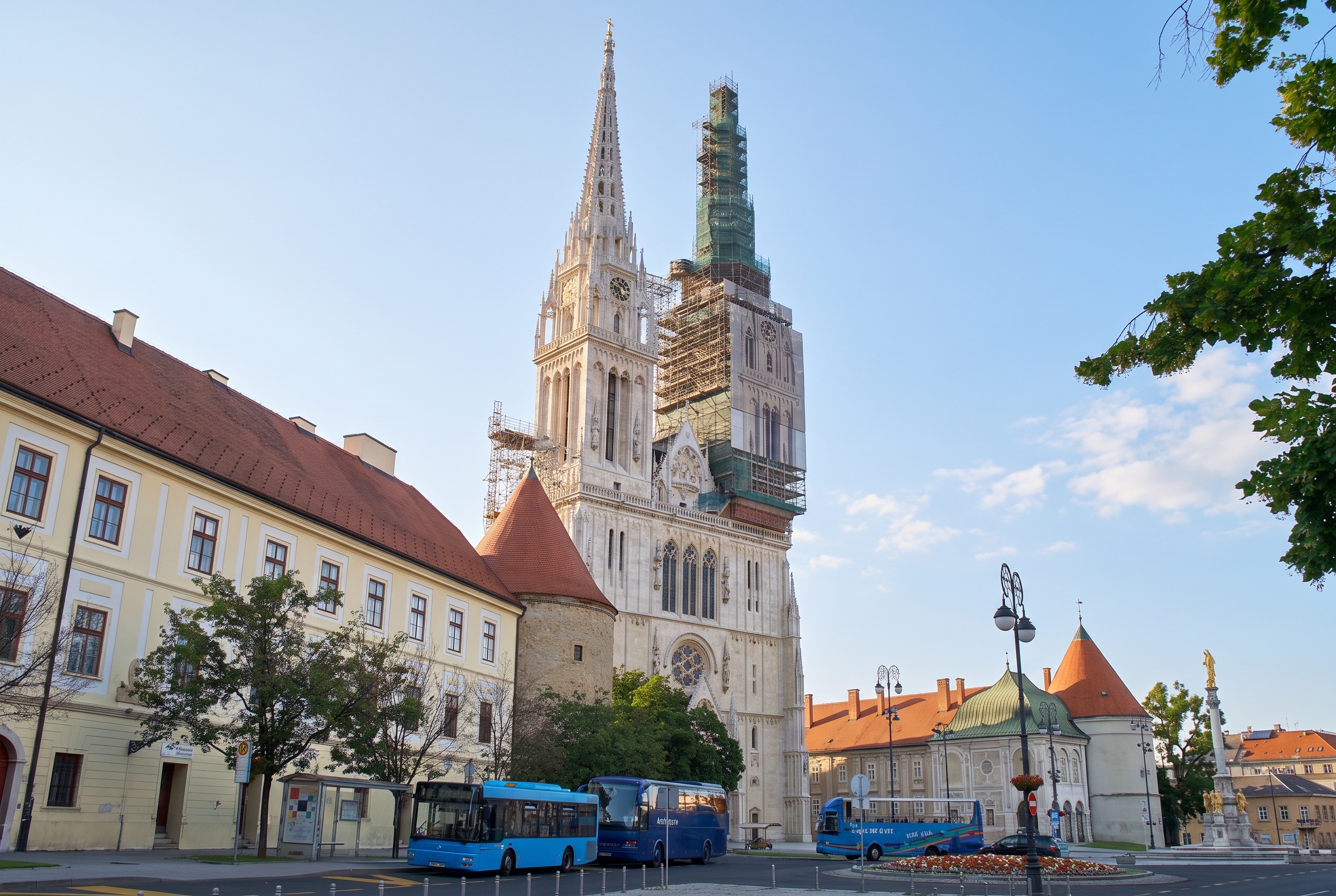
1. Cathedral of the Assumption of the Blessed Virgin Mary
This majestic structure is a powerful symbol of hope and renewal for all of Croatia. After the strong earthquake of March 22, 2020, which reached 5.5 on the Richter scale, the monument was closed for long years and surrounded by scaffolding. The tremors knocked down the top of the south tower, and the north tower had to be completely dismantled by structural engineers for safety reasons. After five years of very demanding repairs, however, it returned to operation on Christmas Day 2025 with the first celebratory mass.
More than 47 million euros were invested in saving this breathtaking monument, and today it is open to the public daily from 8:00 a.m. to 7:00 p.m. Regular Sunday masses take place at ten in the morning, and the atmosphere inside the carefully restored nave is truly moving after such a long closure.
But I must warn you about one fundamental thing that catches many unprepared tourists on site. The cathedral is still missing its iconic towers, which previously measured an impressive 108 meters. Demanding repairs to the exterior are still ongoing, so definitely don’t expect classic neo-Gothic spires reaching proudly into the sky.
💡 Tip: Even without its famous towers, this is a fascinating place with great spiritual power. Definitely go look inside, admission is completely free and the meticulously restored interior full of light is definitely worth your attention.
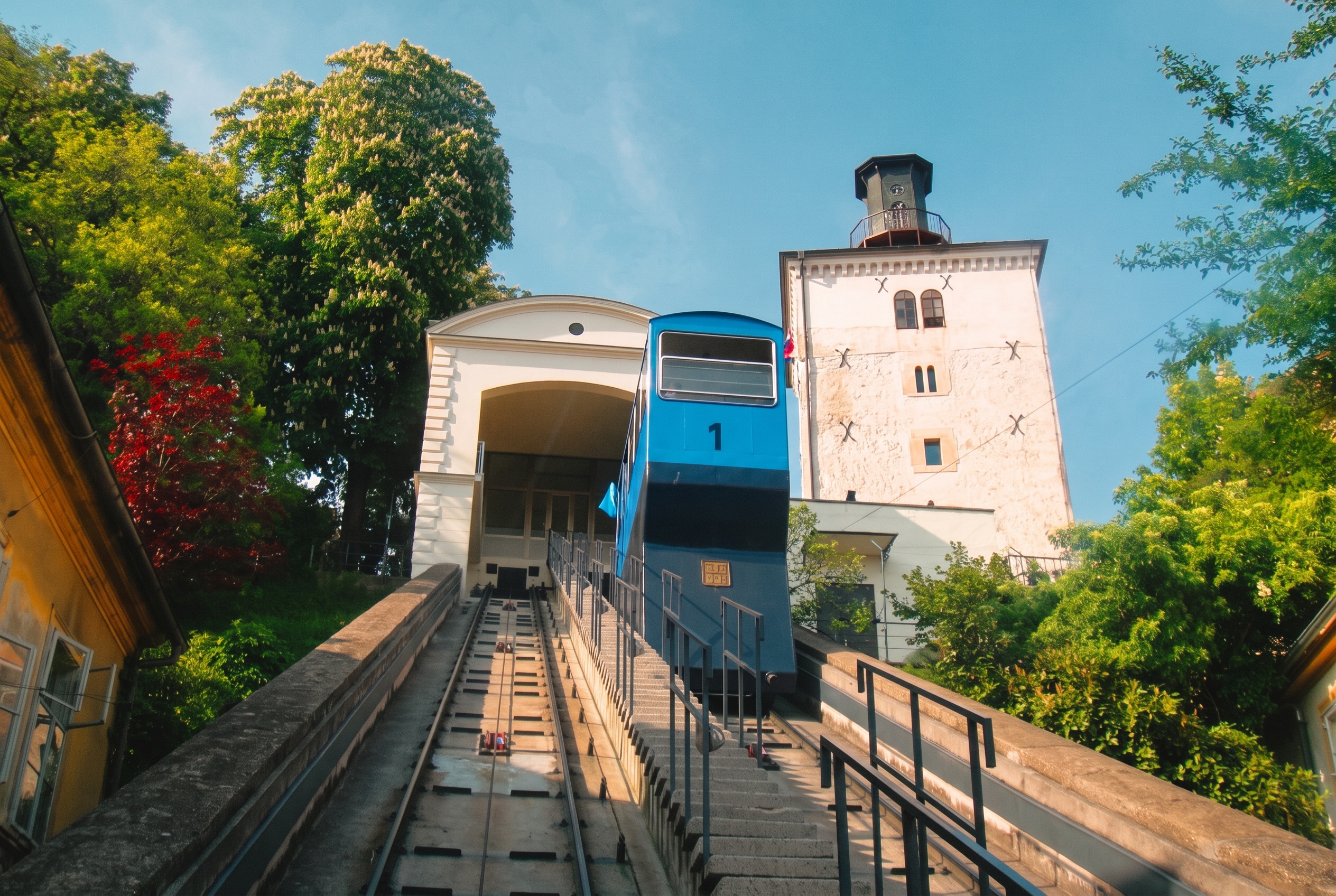
2. Uspinjača Funicular
The Zagreb funicular holds one very cute and often mentioned world record – it’s the shortest public ground funicular in the entire world. Its steep track measures just 66 meters and has connected the bustling Lower Town with the quieter Upper Town since 1890, making it the oldest functioning means of public transport in the city.
Locals and tourists swear by it, even though the entire journey up takes less than a minute. Since May 19, 2026, this historic gem has been running after its first complete and very thorough reconstruction in more than fifty years. Both blue cabins gleam with newness, have renovated interiors, and the ride is completely safe and quiet.
The ticket won’t ruin you at all, because one ride costs a symbolic €0.66. It runs regularly every ten minutes and one cabin holds nearly thirty passengers, so any tourist queues move very quickly and you rarely wait more than fifteen minutes.
💡 Tip: You can buy a regular ticket directly from the operator before boarding at the lower or upper station. If you already have an all-day public transport ticket or the Zagreb Card, it automatically applies to this funicular as well.
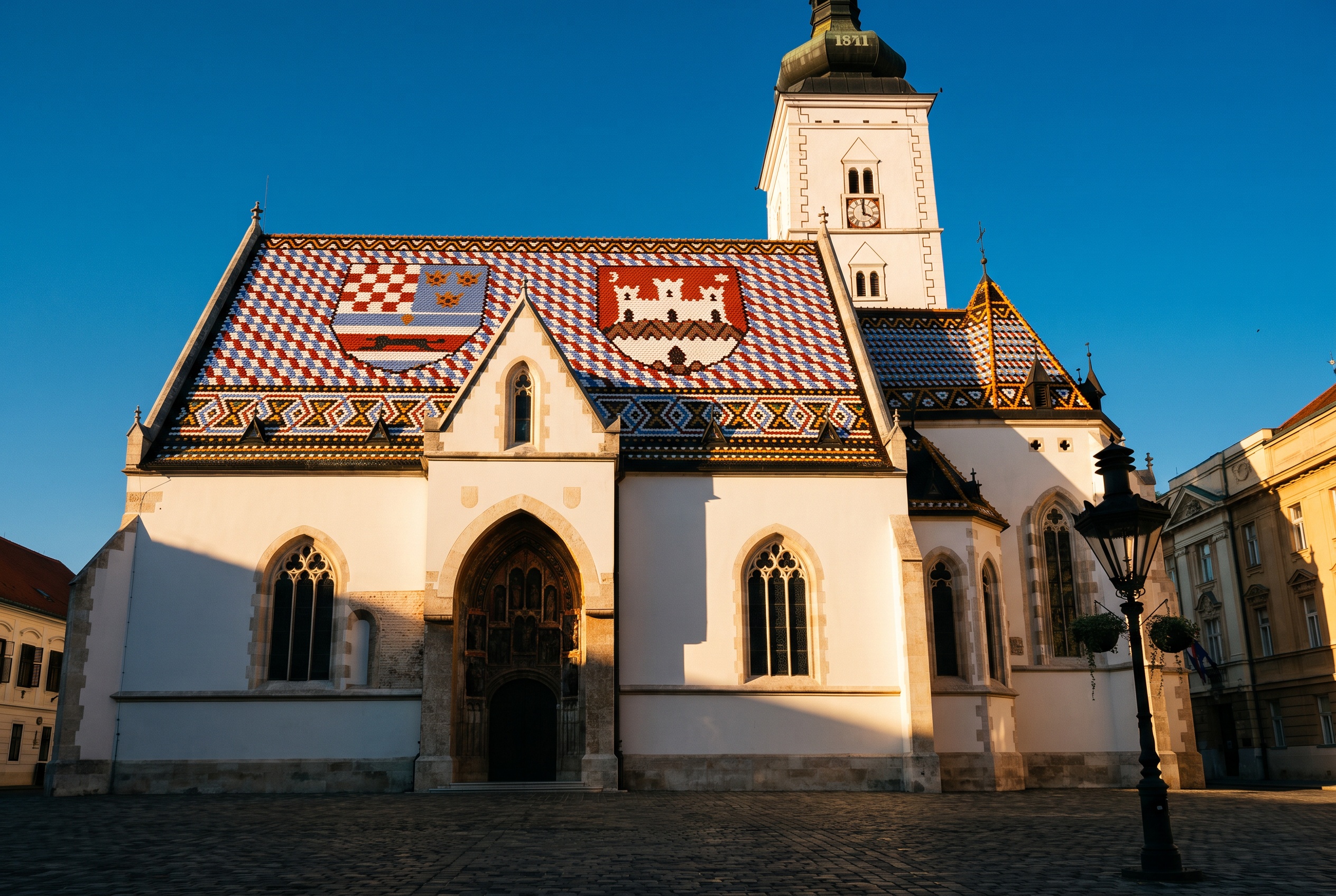
3. St. Mark’s Church
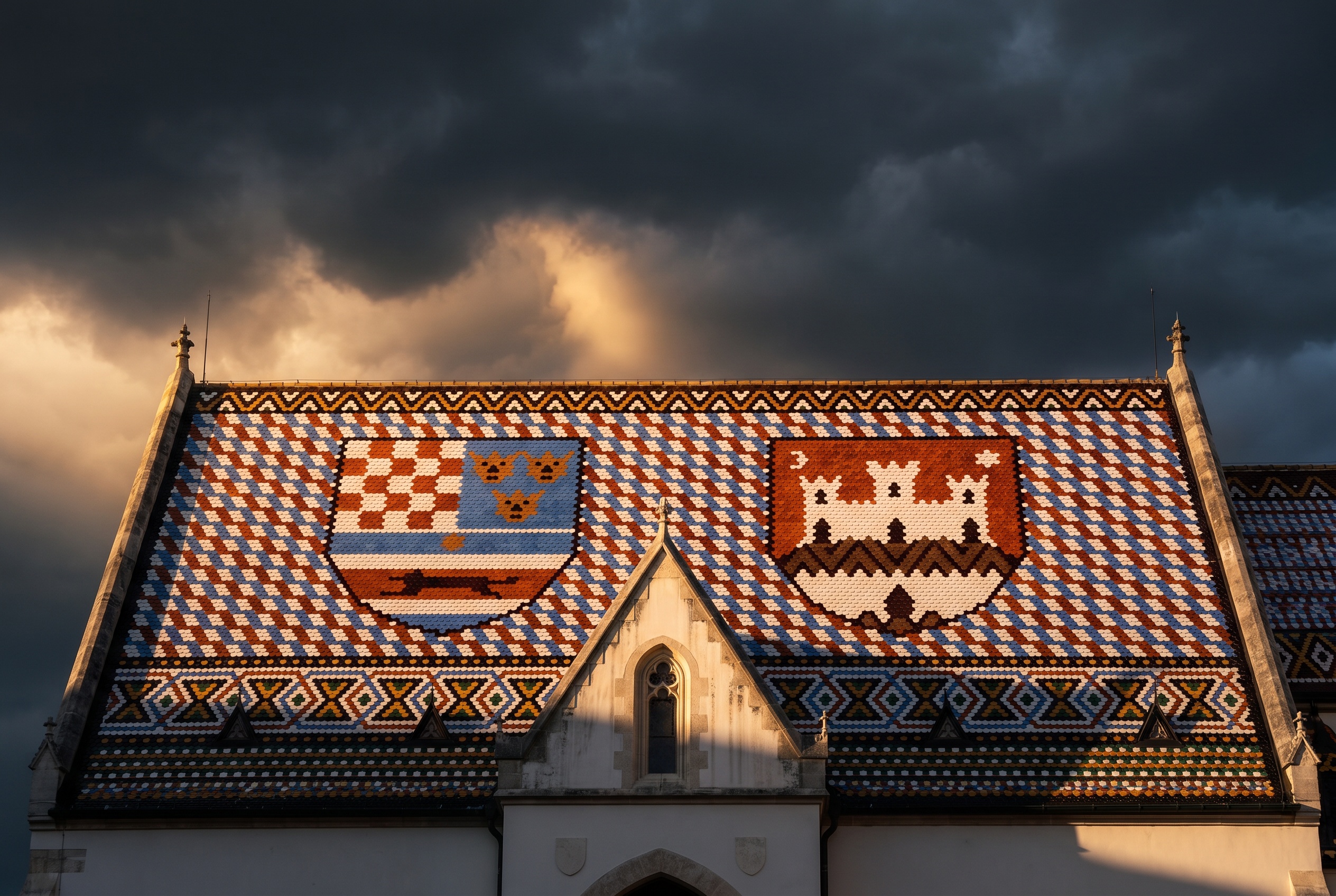
If you’ve ever seen a captivating photo from Zagreb on Instagram or on a printed guidebook cover, it was probably this photogenic church. It’s definitely the most photographed historic site in the city and you’ll find it right in the heart of the Upper Town on the spacious St. Mark’s Square.
Its biggest and unmistakable attraction is the unique multicolored roof composed of glazed tiles. In the sun, they form two unmistakable and brilliant coats of arms. On the left side you’ll see the historic coat of arms unifying Croatia, Dalmatia, and Slavonia, and on the right side stands out the detailed coat of arms of Zagreb city itself.
The square around the church isn’t just a tourist attraction, it’s also the beating heart of Croatian high politics. On the right side sits the national parliament (called Sabor), and on the left side you’ll find government buildings, so you’ll regularly encounter clusters of reporters with cameras and elegantly dressed politicians.
💡 Tip: Unfortunately, you can’t get inside during a regular tourist day, because it opens exclusively during scheduled masses. However, the stunning view from outside and a beautiful photo for memories are enough for most visitors.
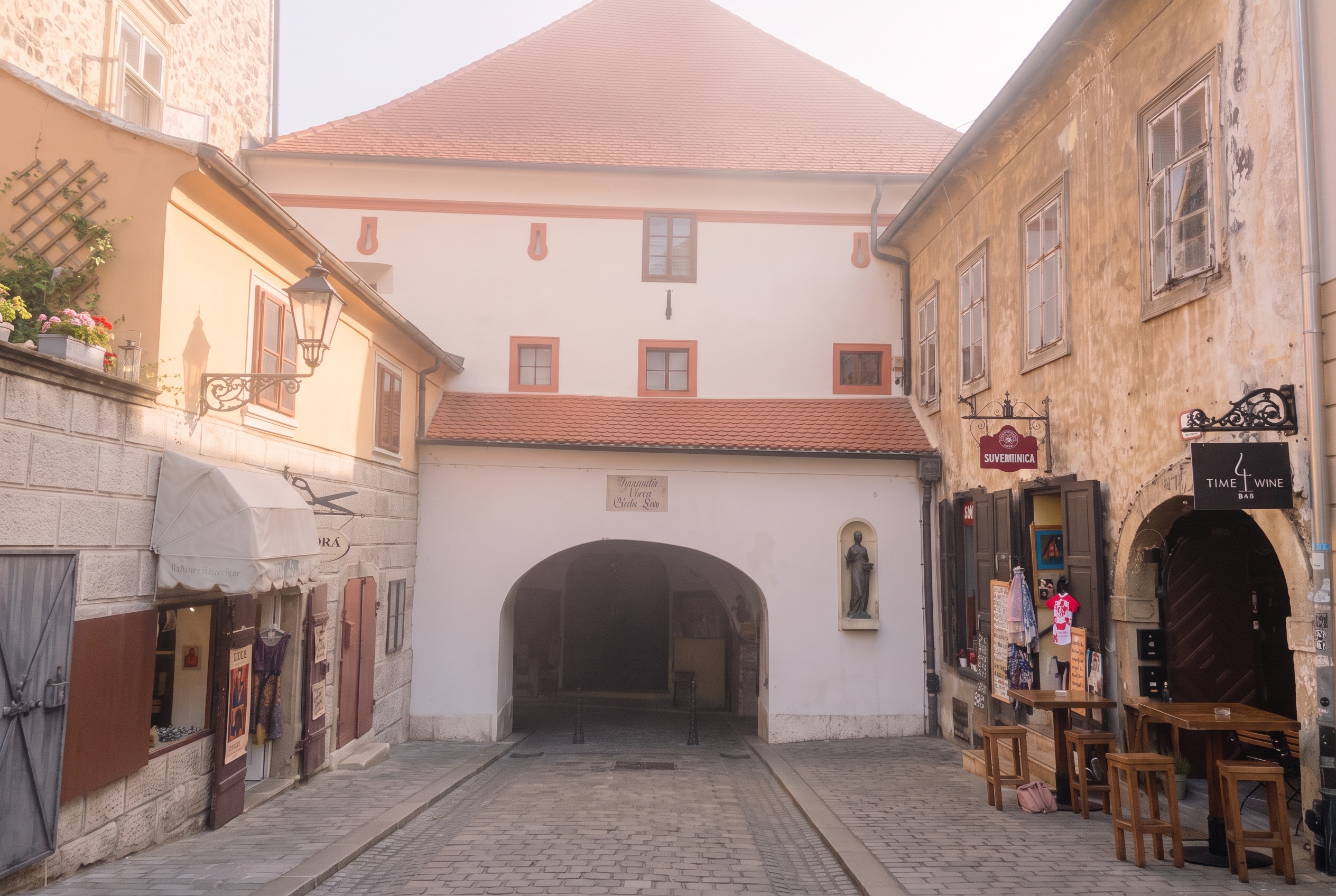
4. Kamenita Vrata (Stone Gate)
According to many experienced travelers, this mysterious place has the strongest and most emotional atmosphere in the entire city. It’s the only preserved medieval city gate from the original fortifications, which today serves as a very unusual, dark, and beautifully quiet walk-through chapel.
According to an old and highly venerated legend, a devastating fire broke out in 1731 that completely destroyed the entire gate and surrounding houses. From the smoldering ashes, however, local residents pulled out a completely undamaged image of the Virgin Mary that the flames miraculously spared, and since then this place has been considered deeply sacred.
Today, at any time of day, you’ll see dozens of believers praying quietly in the darkness or just contemplating on wooden benches. The stone walls of the passageway are covered with hundreds of thanksgiving plaques with engraved inscriptions Hvala (Thank you), and everywhere around smells beautifully of burning wax candles that people light for the health of their loved ones.
💡 Tip: When you pass through this gate, lower your voice, put away your phones, and behave really quietly. It’s a fully functioning sanctuary and this passage has deep spiritual significance for locals.
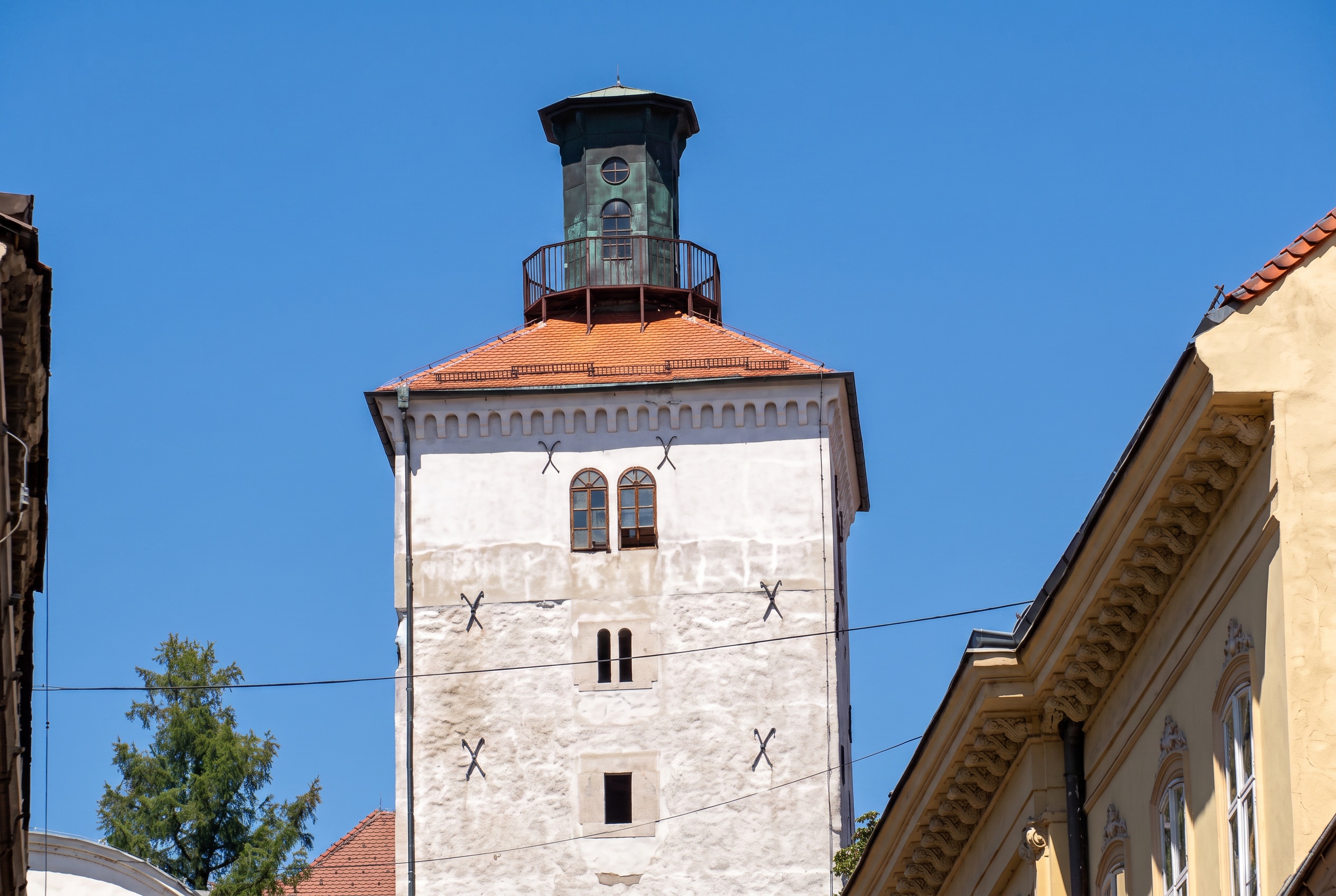
5. Lotrščak Tower and the Noon Cannon
Just a short walk from the upper funicular station stands the robust medieval Lotrščak Tower. Originally it served in the thirteenth century to defend the strategic southern gate of the city walls, but today crowds flock here for a completely different and much louder experience that you won’t experience just anywhere in Europe.
Since 1877, a real cannon is fired from the highest window of this tower every day at exactly noon (locals call it Grički top). The shot is truly deafening and regularly scares to death dozens of pigeons and unprepared tourists who happen to be calmly walking under the walls with coffee in hand at noon.
This noisy tradition originally arose for a very practical reason, namely so that bell ringers in all Zagreb churches could uniformly set their time. Today it’s more of a nice and highly anticipated tourist attraction that people with phones in hand gather for a good fifteen minutes before noon.
💡 Tip: The tower is open to the public for a small fee and at the very top there’s a beautiful circular viewpoint. If you pay admission and climb the wooden stairs, you’ll see the entire Lower Town and surrounding parks laid out before you.
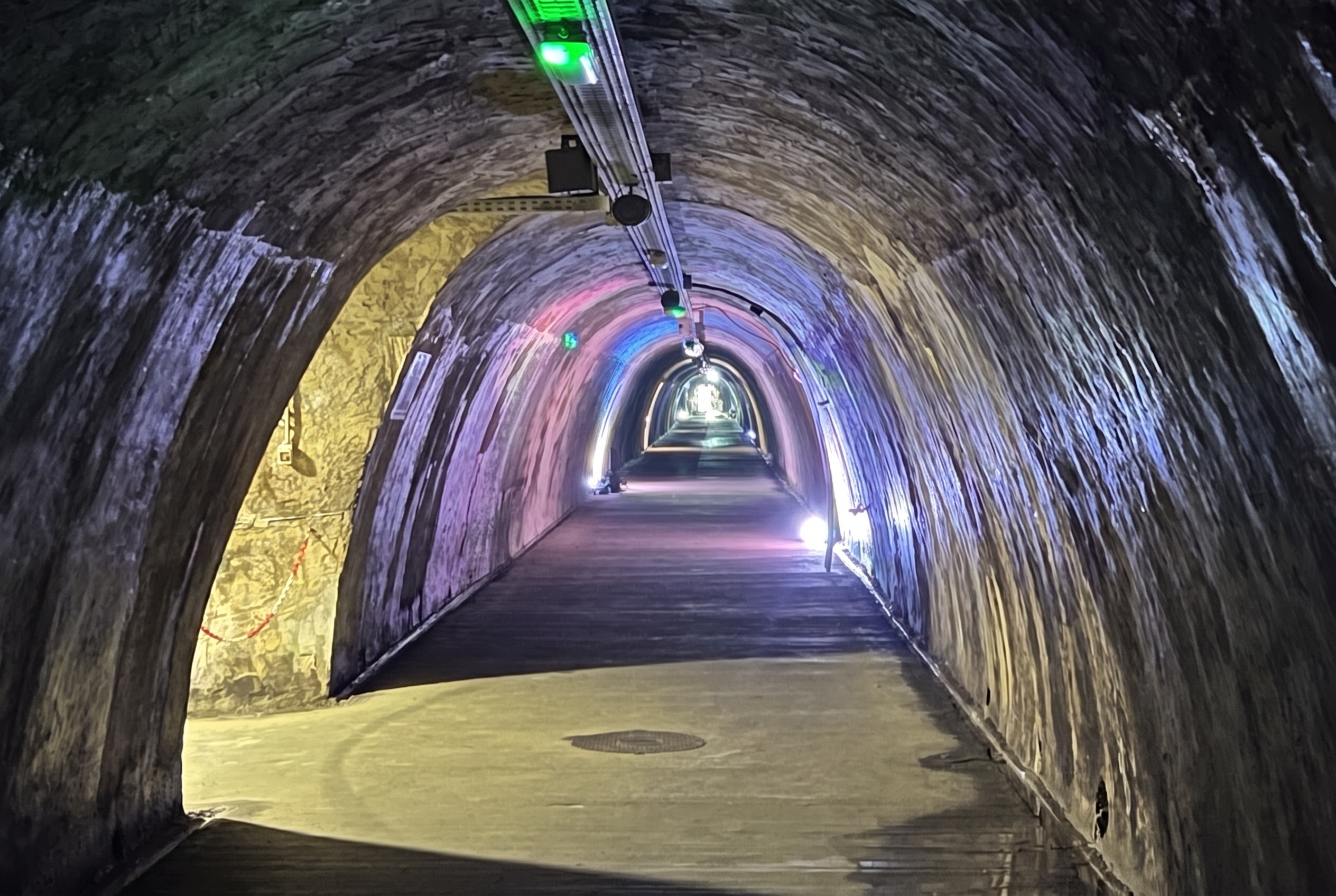
6. Grič Tunnel
Zagreb has its great secrets not only on the surface but also deep underground. Directly under the historic Upper Town, an extensive air-raid tunnel from World War II winds for several hundred meters, which for long decades was closed, completely forgotten, and falling apart.
Today, however, it’s a very popular pedestrian shortcut that gets you quickly and, above all, in pleasant coolness from one side of the steep hill to the other. Entry to the underground is completely free and inside the temperature stays stable around fifteen degrees even during the hottest August heat waves, making it a perfect refuge from the sun.
This concrete maze has its greatest charm surprisingly in winter. During the famous Advent season, the bare tunnel transforms into a breathtaking magical light installation, where you walk among glowing trees, giant ice crystals, and listen to gentle Christmas music from hidden speakers.
💡 Tip: The tunnel has several inconspicuous entrances and exits, with the most used and best marked found on Mesnička Street. It’s open to pedestrians every day from nine in the morning to nine in the evening.
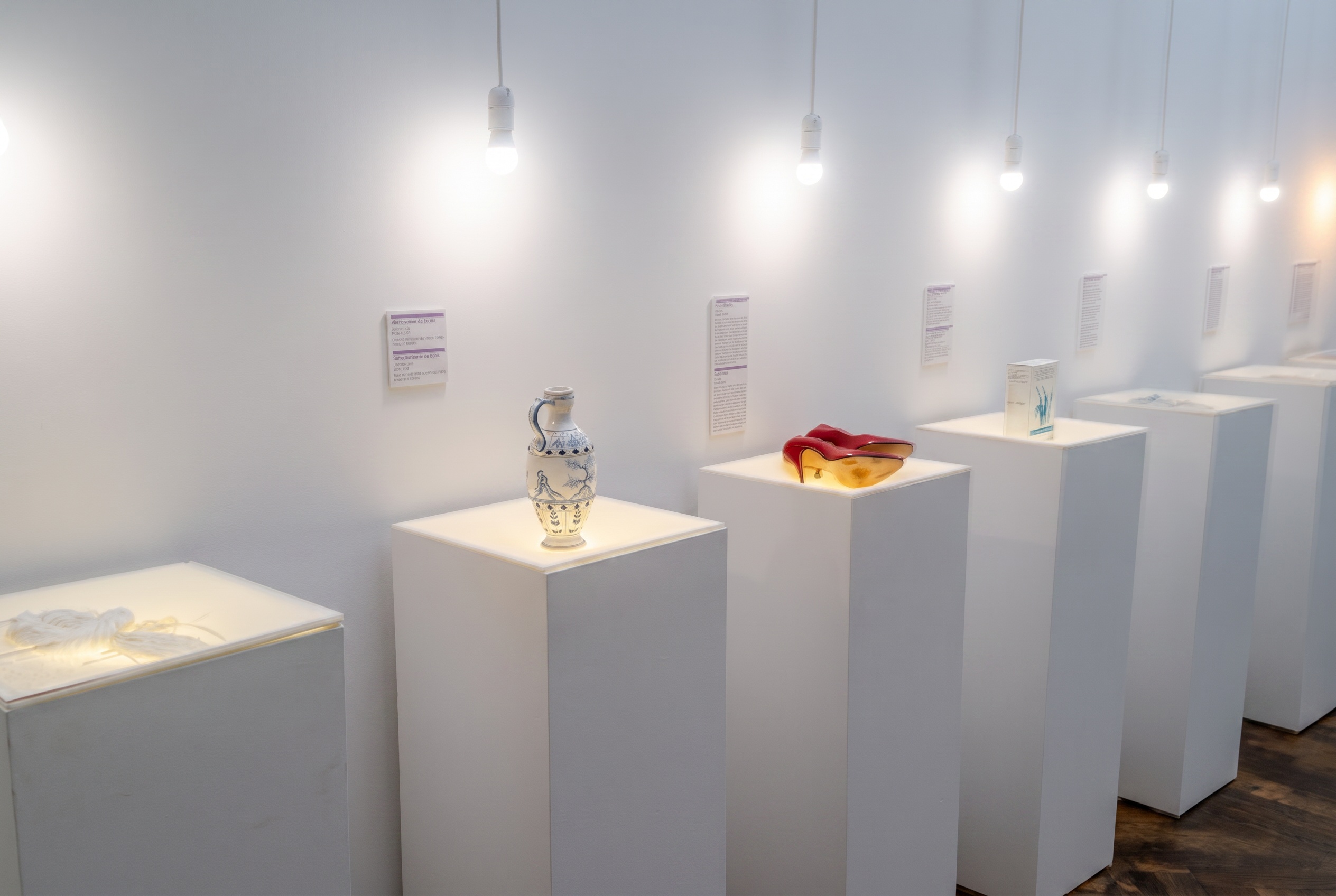
7. Museum of Broken Relationships
This Museum of Broken Relationships is without any exaggeration the most famous and talked-about museum in all of Croatia. Originally it started as a small art project by two divorced artists who didn’t know what to do with their shared belongings. But it gradually grew into a global phenomenon that hosted exhibitions in world capitals and finally found a permanent home right in Zagreb.
In minimalist white halls, you’ll find various personal items left over from people’s failed relationships. With each displayed piece (whether it’s an ordinary teddy bear, an ax for broken furniture, a wedding dress, or a cheese grater) you can read a detailed story from an anonymous donor from various corners of the world.
Some stories will make you laugh to tears with their absurdity, while others will give you chills from the raw pain. It’s an incredibly human, therapeutic, and deeply emotional experience that shows you that broken hearts hurt exactly the same everywhere in the world.
💡 Tip: Prepare to spend much more time here than you’d expect with such a small exhibition. Reading individual stories is so absorbing that you can easily spend two hours here.
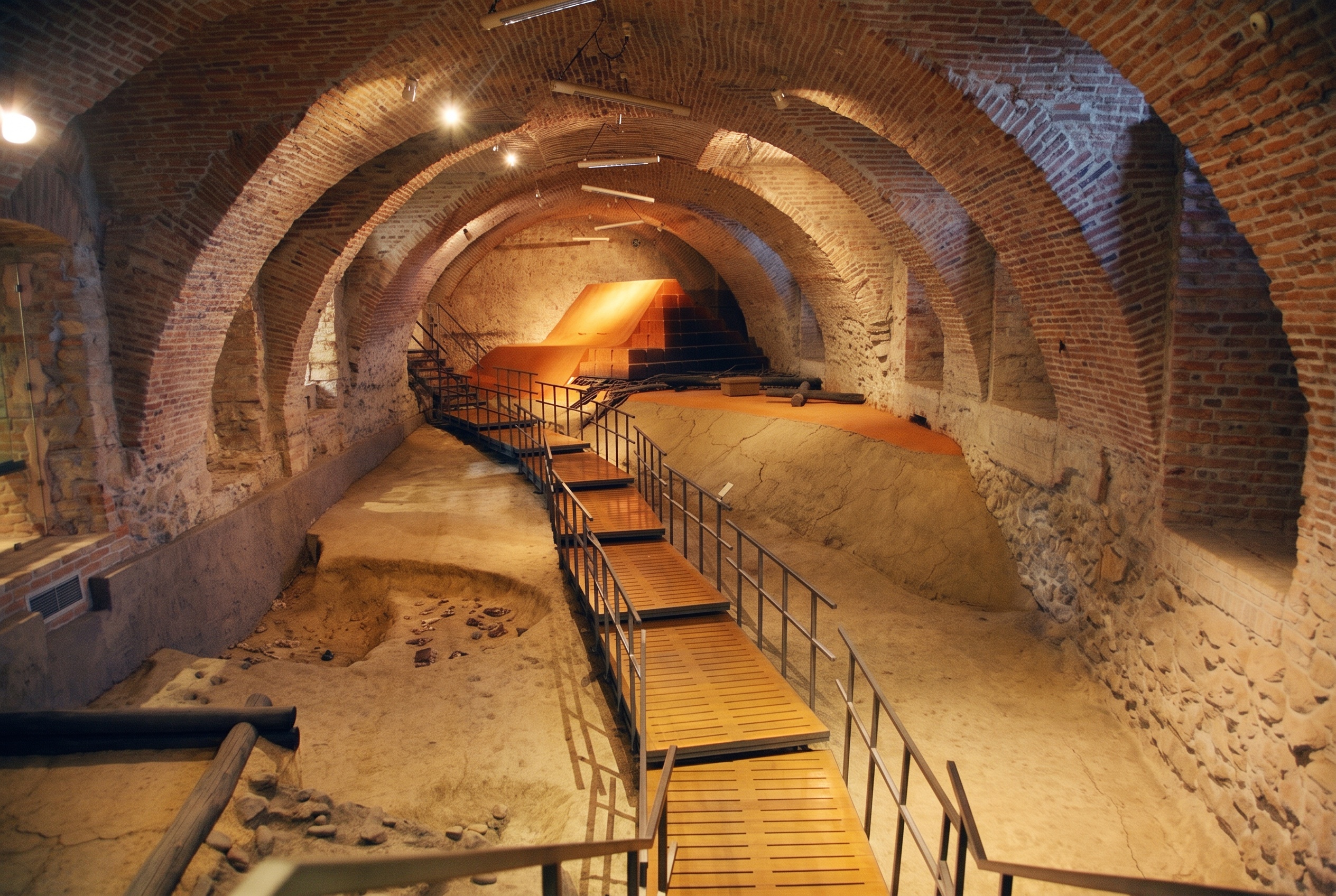
8. Zagreb City Museum
If you want to truly understand how a small fragmented settlement became a confident and modern European metropolis, you must head here. The museum is housed in a beautifully reconstructed complex of a former Clarist convent in the northern quieter part of the Upper Town, and the building itself with an inner courtyard is worth seeing.
The extensive exhibition takes you very clearly through all historical epochs from prehistoric times to the present. You’ll see valuable archaeological finds, collections of medieval weapons, large models of the old city, and fascinating examples of period fashion, furniture, and design from the twentieth century.
Despite its traditional theme, the exhibition is conceived very modernly and offers plenty of interactive elements, so there’s definitely no danger of drowning in boring dates. You’ll understand well how the city coped with devastating fires, wars, and recent earthquakes over the centuries.
💡 Tip: This museum is of course part of the popular Zagreb Card. If you plan to visit multiple similar institutions and use public transport, its purchase will definitely pay off financially on the first day.
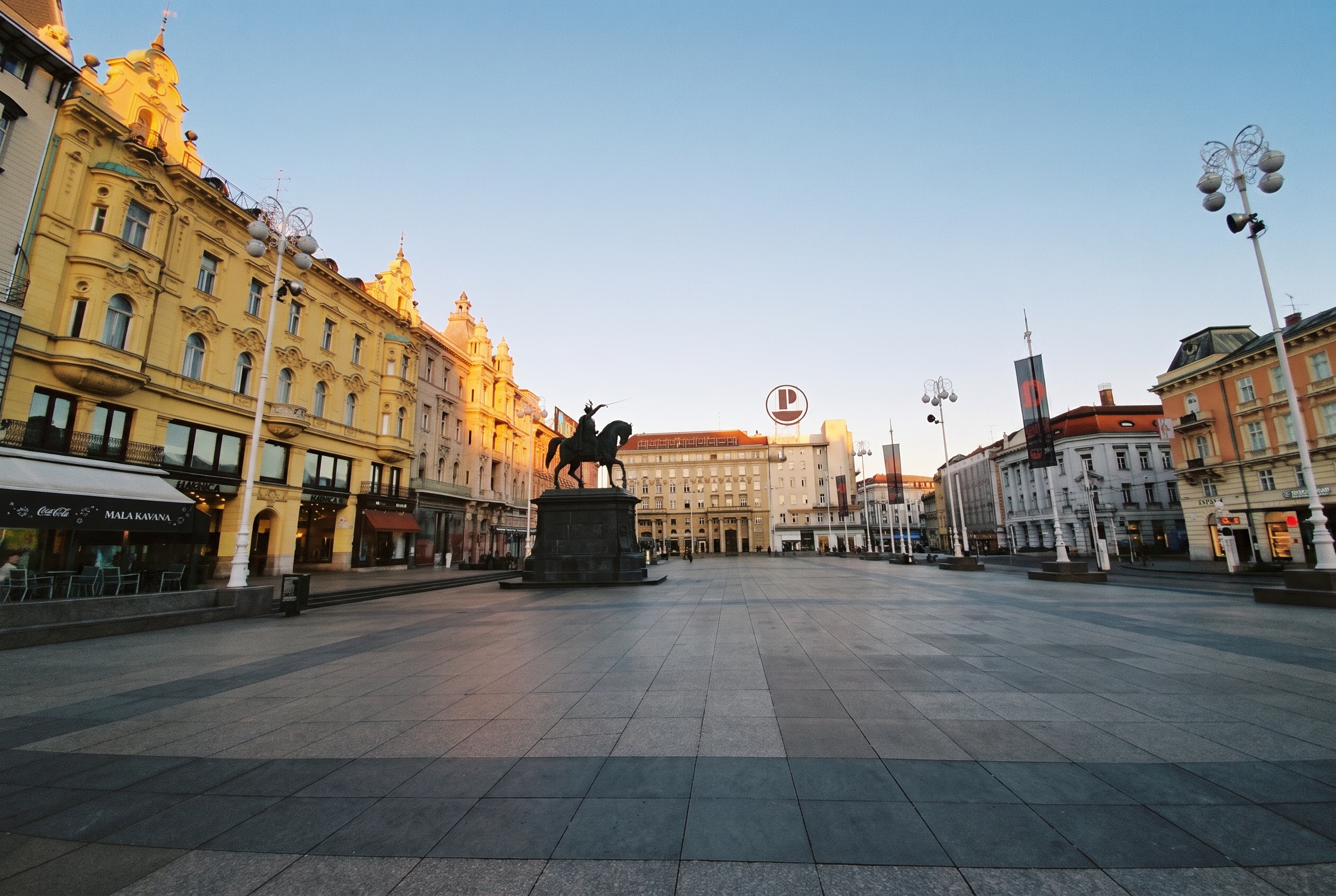
9. Ban Jelačić Square (Trg bana Jelačića)
This expansive and constantly pulsating square is the absolute social and transportation center of the entire city. It stands exactly on the imaginary border between the historic Upper Town and the more modern Lower Town, and all paths of locals and confused tourists sooner or later lead right through here.
In the middle of the expansive paved area stands a majestic equestrian statue of Ban Josip Jelačić, under which Zagreb residents have traditionally arranged meetings for long decades. The square is lined with beautiful historic buildings with shops and cafés, and there’s constant, very pleasant bustle from early morning to late at night.
A great advantage and interesting fact is that this entire expansive area is exclusively a pedestrian zone, where cars are absolutely forbidden to enter and only quiet blue trams are allowed through. This is also where the biggest national celebrations take place, free concerts are held, and the main and richest stage is set up during the famous winter Advent.
💡 Tip: Right on the square you’ll find a very useful main information center. You can pick up a detailed city map completely free, buy tickets, or ask about the current cultural program in English.
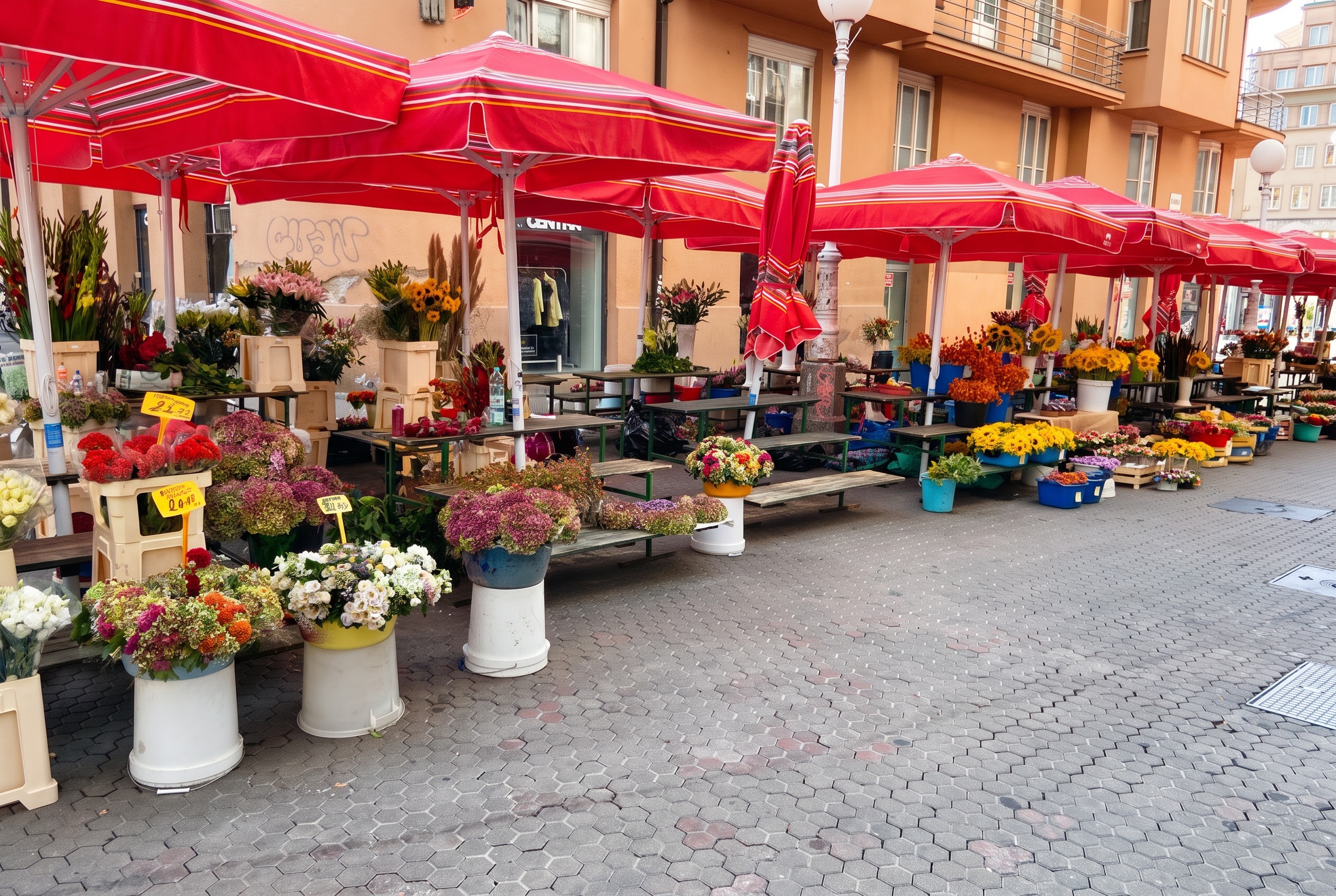
10. Dolac Market
Right up the stairs above the main square, you’ll discover a truly lively place affectionately and respectfully nicknamed the belly of Zagreb. Dolac Market has been operating continuously since the 1930s, and visiting this place is a real feast for all the senses and camera lenses.
On the elevated concrete platform under the open sky, you’ll see a sea of iconic red umbrellas (called parasols), under which smiling vendors sell the absolutely freshest fruits, vegetables, and floods of cut flowers from the entire surrounding area. In the covered basement section under the square, you’ll find counters overflowing with local cheeses, nuts, honey, and freshly baked goods.
It’s an absolutely ideal and very authentic place to buy edible souvenirs. Farmers will gladly let you taste their homemade olive oil, offer you fresh figs, and the whole commotion full of loud bargaining, laughter, and shouting immediately draws you into real local life.
💡 Tip: The market operates exclusively in the morning and the best selection and atmosphere is around eight in the morning. On Mondays the number of stalls tends to be very limited, so save your main culinary visit for another day of the week.
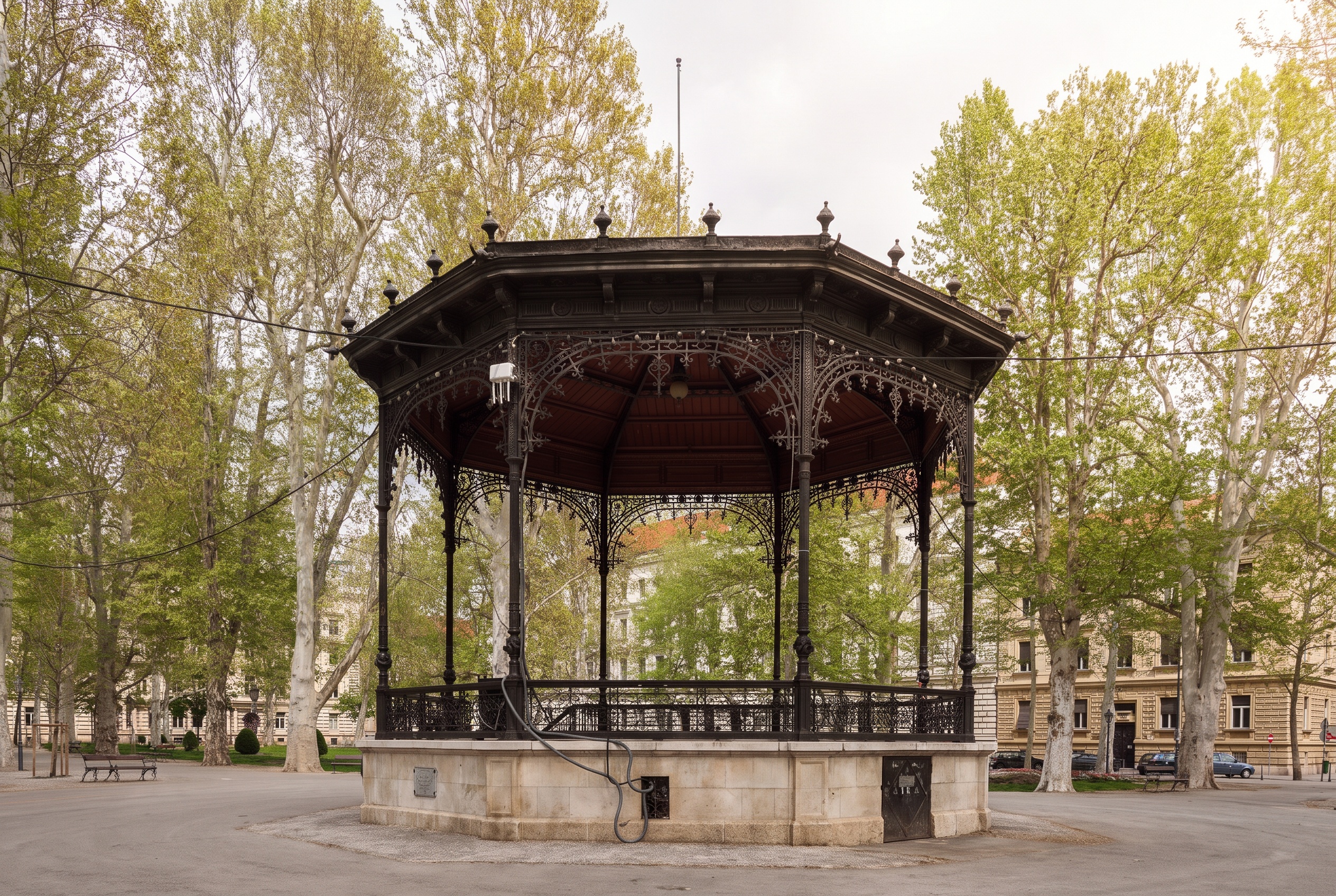

11. Zrinjevac and the Green Horseshoe
The Lower Town hides one absolutely brilliant urban project from the nineteenth century, which architects call Lenuci’s Horseshoe (Green Horseshoe). It’s an ingeniously interconnected system of eight beautiful parks and squares in the shape of a large letter U, forming the essential green lungs of the entire bustling center.
By far the most beautiful and sought-after part of this horseshoe is Zrinjevac park. It’s majestically lined with massive old plane trees that provide perfect shade in summer, in the middle stands a romantic nineteenth-century music pavilion, and historic fountains murmur around. In warm months, people picnic en masse on the grass and read books.
During cold December and January, this particular park transforms into a winter fairytale, because right here stands the visually most beautiful part of the Christmas markets. The branches of the plane trees are full of thousands of tiny lights, live bands play, and the air mixes with the smell of mulled wine and freshly roasted chestnuts.
💡 Tip: A walk through the entire green horseshoe from Zrinjevac to the station takes about an hour at a comfortable pace. The entire route runs on flat ground, so it’s ideal for families with strollers or older travelers.
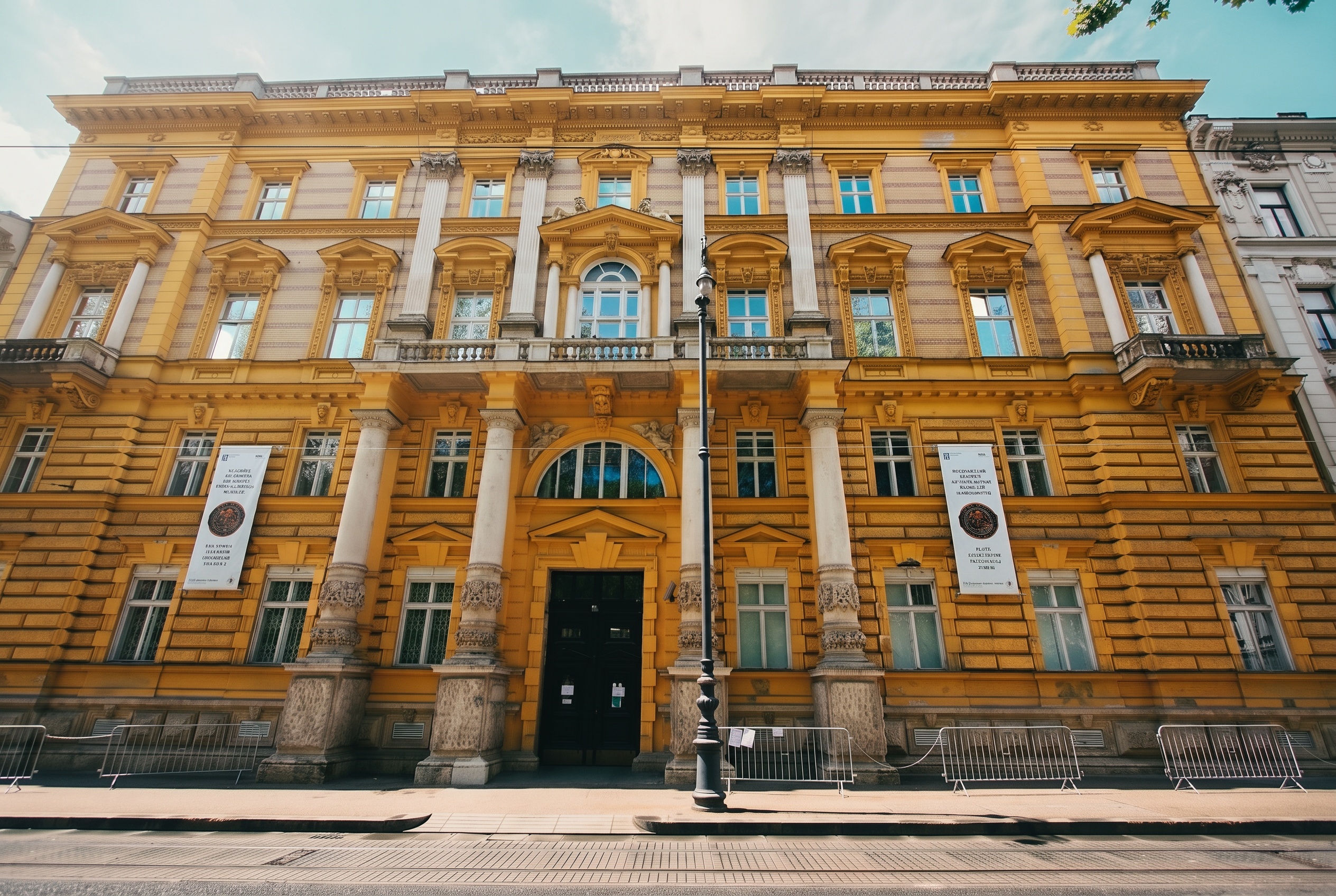
12. Archaeological Museum
This seemingly inconspicuous museum houses treasures of incalculable historical value and is located in a beautifully renovated palace right on the edge of Zrinjevac park. Although it may sound a bit dry to some, it hides two real world rarities that have fascinated historians and scientists from around the world for decades.
The first very rare piece is the so-called Vučedol Dove, a richly decorated ritual ceramic vessel in the shape of a bird that’s an incredible five thousand years old. It’s one of the most important prehistoric symbols of all southeastern Europe and its silhouette appears on old Croatian banknotes.
The second big attraction that draws crowds is the famous Zagreb Mummy. It’s carefully wrapped in linen bandages on which is written in ink the longest known text in the mysterious Etruscan language (the so-called Liber Linteus), whose complete accurate decipherment still keeps leading linguists awake at night.
💡 Tip: For a detailed and peaceful tour, reserve at least two hours. The collections are spread across several floors and besides the mentioned attractions, you’ll also find an amazing and very rich collection of ancient coins.
13. Nikola Tesla Technical Museum
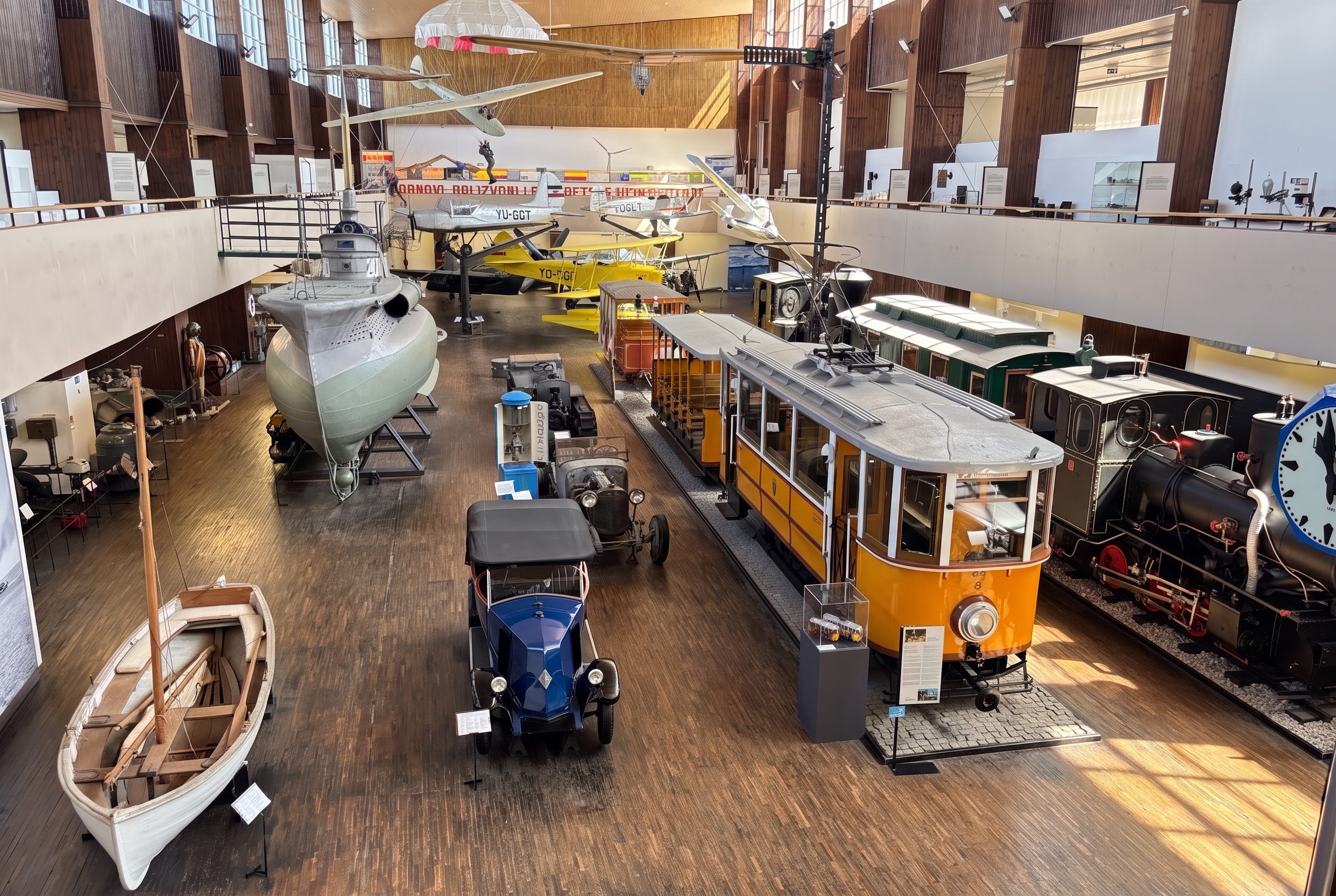
If you’re traveling to Croatia with children, this place is mandatory and will reliably save your program for an entire rainy afternoon. This expansive Nikola Tesla Technical Museum is a magnificent tribute to the famous inventor who was born in Croatia and is rightfully revered here as a great national hero.
By far the biggest hit of the tour is the authentically reconstructed Tesla laboratory, where guided demonstrations with lightning and dangerous-looking high voltage regularly take place. Children and adults alike can watch open-mouthed how wireless energy transfer works or how a long fluorescent tube lights up just by holding it firmly in your hand.
Besides breathtaking electrical experiments, the museum offers a large wooden hall full of historic vehicles, polished fire engines, old airplanes, and they even have a real reconstructed submarine and their own small planetarium.
💡 Tip: Physics demonstrations in Tesla’s laboratory take place only at pre-set times and capacities tend to be limited. Therefore, check the exact schedule right at the entrance at the ticket office so you don’t miss this electrifying experience.
14. Museum of Contemporary Art (MSU)
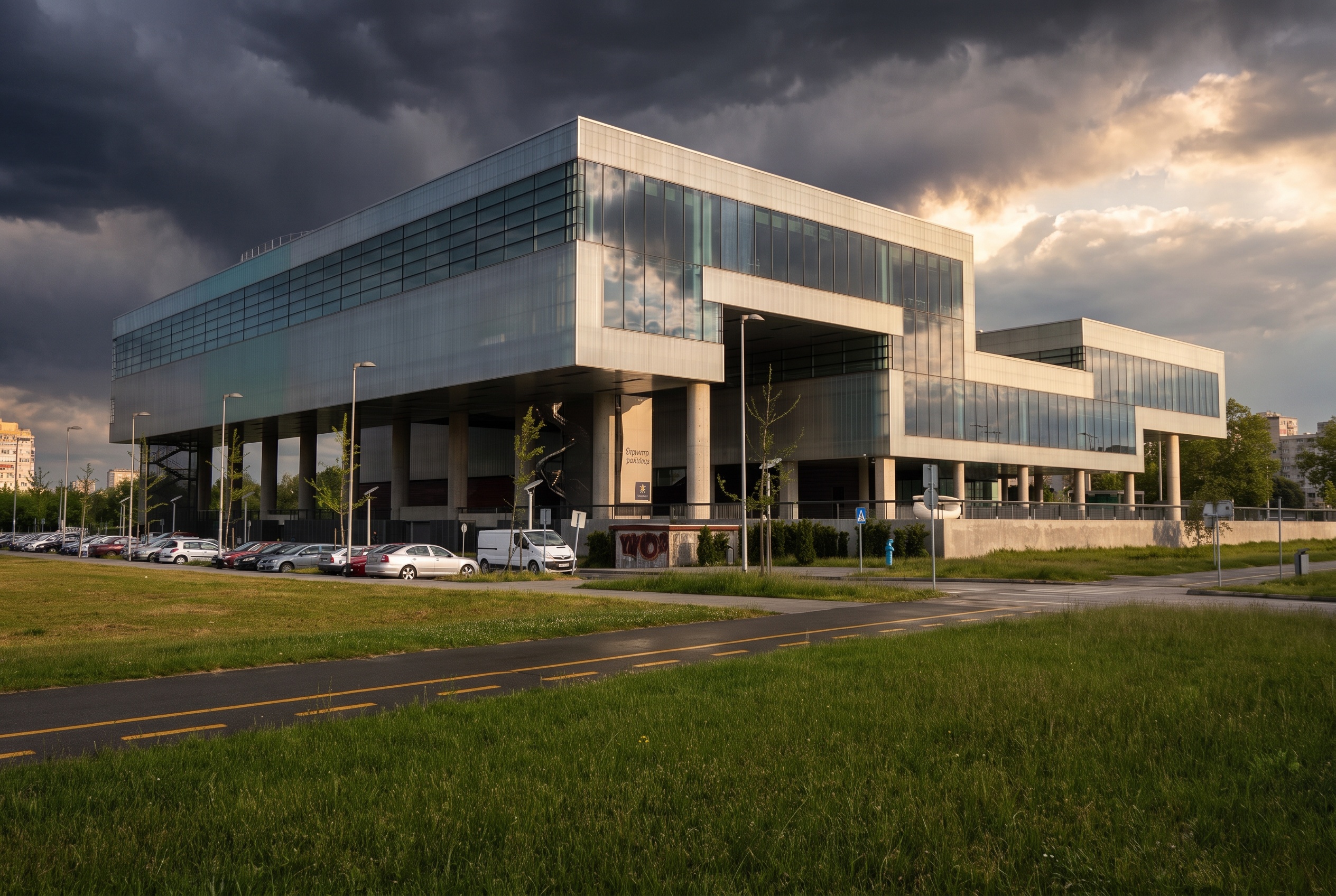
Lovers of modern art and unconventional architecture should hop on a tram and cross the Sava river south to the Novi Zagreb district. Right here stands the largest contemporary art gallery in all of Croatia, which will amaze you from afar with its modern, slightly asymmetrical concrete architecture.
The rich collections include thousands of diverse works by leading Croatian and international artists from the 1950s to the hot present. You’ll find fascinating oversized sculptures, hypnotic video art, provocative photographs, and spatial installations that force you to reflect on modern society.
But the absolute best and most fun awaits you at the very end of the tour. Right inside the museum atrium is a large metal spiral slide by well-known artist Slaven Tolj, on which you can safely and very quickly slide down from the upper floor to the exit.
💡 Tip: The museum has a beautiful and spacious rooftop terrace and in summer evening concerts are very often held under the open sky or film screenings. Ask at the ticket office about the current evening program.

15. Fun Museums as a City Phenomenon
In recent years, Zagreb has discovered an unexpected goldmine and has become in the eyes of young travelers the uncrowned European capital of small fun museums. These are smaller private galleries full of interactive elements that don’t require deep historical knowledge and work great for sharing photos on social media.
Among those currently best rated are the mysterious Museum of Lost Tales full of old Croatian myths, the crazy HaHaHouse (Museum of Laughter), the extremely popular Museum of Illusions full of visual optical illusions, and the incredibly funny Museum of Hangovers.
Definitely don’t take it as a cultural obligation for every serious tourist, but rather as a great escape when it unexpectedly starts raining outside or when you’ve simply had enough of historical dates from cathedrals and just want to laugh carefree and take silly photos with friends.
💡 Tip: Tickets to these modern small museums tend to be somewhat more expensive than classic state ones. However, they often offer advantageous family discounts or reduced admission for students with ISIC cards at the ticket office.
16. Maksimir Park and Zoo
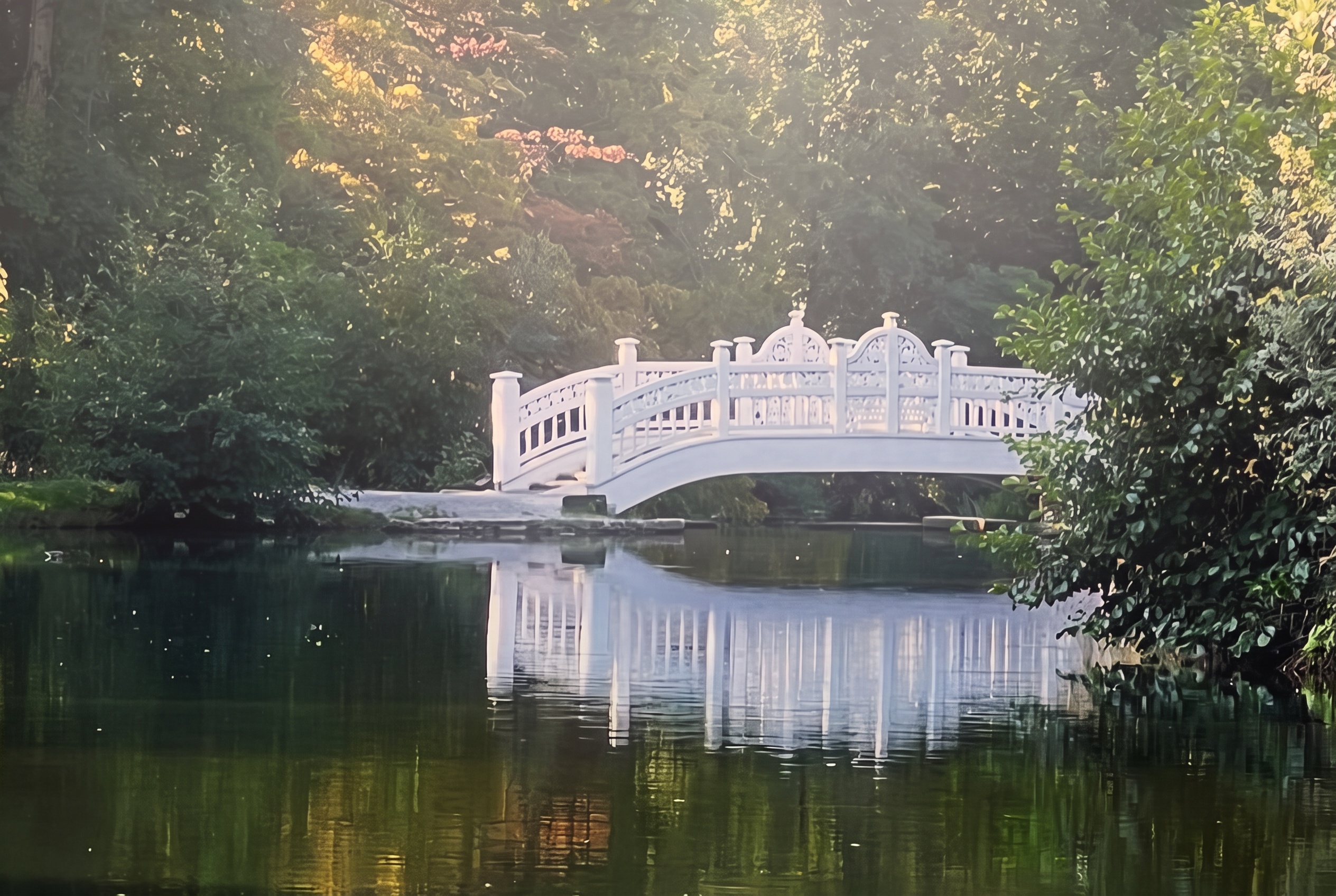
When locals have had enough of car horns and city bustle, they hop on a tram and head east to green Maksimir. It’s the oldest public park in all of southeastern Europe, founded with great care as early as 1794, and according to long-term ratings from travelers and residents, it’s the absolute favorite relaxation spot in the city.
The entire park is expansive and excellently maintained, you’ll find five interconnected picturesque lakes, romantic observation pavilions, and kilometers of shaded sandy paths winding under the crowns of beautiful centuries-old oaks.
Right in the heart of this expansive park there’s also a very nice and modernly reconstructed zoological garden, which boasts excellent ratings and cares about spacious enclosures for animals. A trip here can be beautifully combined into one long, undisturbed relaxing afternoon for the whole family.
💡 Tip: A short walk from the main southern entrance to the park stands the famous stadium of the celebrated football club Dinamo Zagreb. If they’re playing an important match on the weekend, expect noisy but cheerful crowds of fans in blue in the area.
17. Mirogoj Cemetery
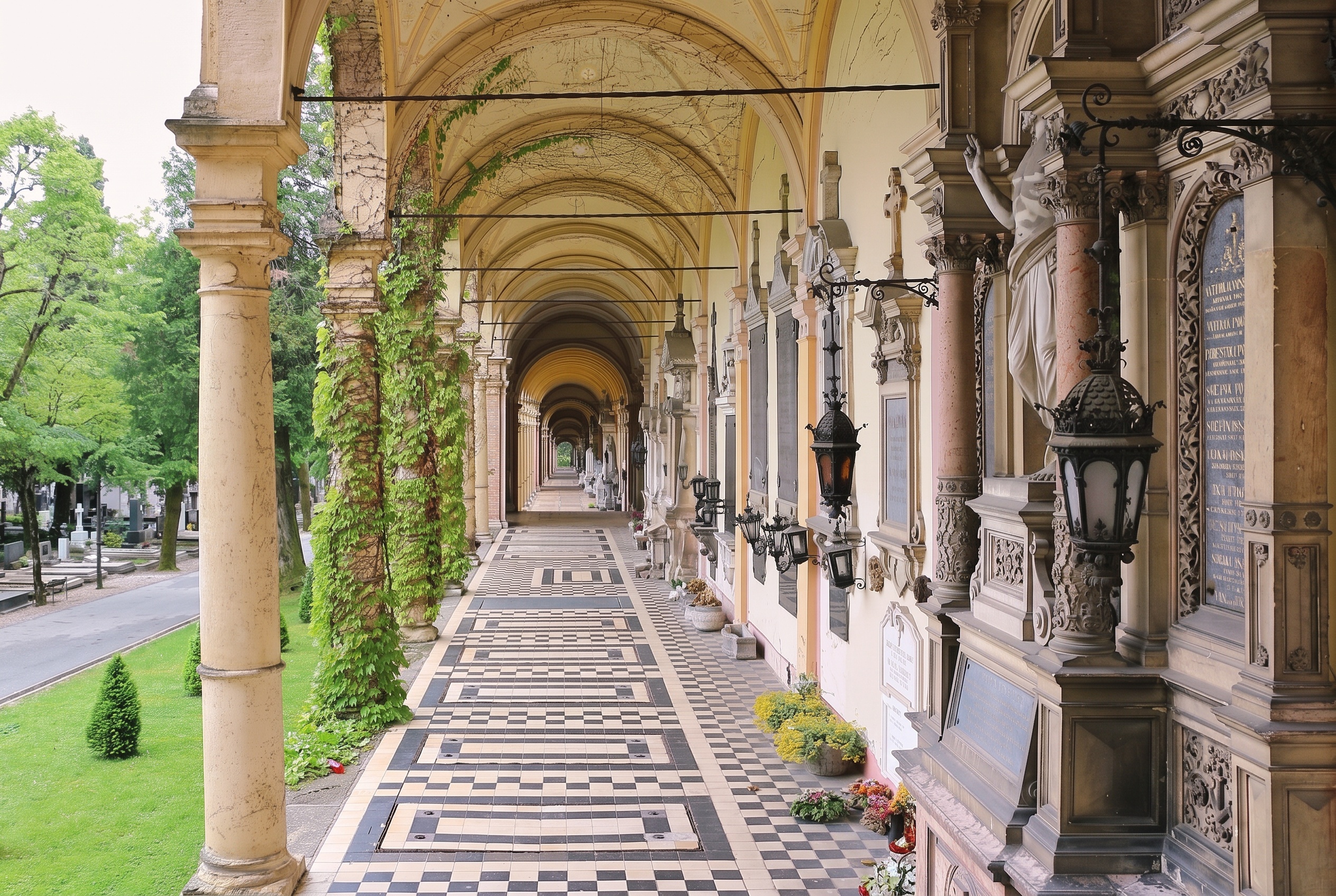
It may seem strange and slightly morbid to put a city cemetery on the list of main tourist attractions, but Zagreb’s Mirogoj is an architecturally perfect exception. It’s one of the most beautiful, greenest, and most monumental cemeteries in all of Europe.
Its unmistakable dominant feature is the endless green arcades thickly covered with ivy and majestic domes, which at the end of the nineteenth century were designed by famous architect Hermann Bollé. Under these magnificent vaults rest the most significant personalities of Croatian history, from famous writers to artists to key politicians.
A beautiful and very powerful interesting fact is that this cemetery has served all religions without distinction from the very beginning. Side by side in quiet peace and mutual respect lie Catholics, Orthodox, Muslims, and Jews, which makes this place a powerful symbol of human tolerance.
💡 Tip: The cemetery lies on a hill, so from the center it’s best and most comfortable to take yellow bus number 106, which departs directly from the square by the cathedral. The journey takes only about ten minutes and saves you a tedious climb up a steep hill.
18. Lakes Jarun and Bundek
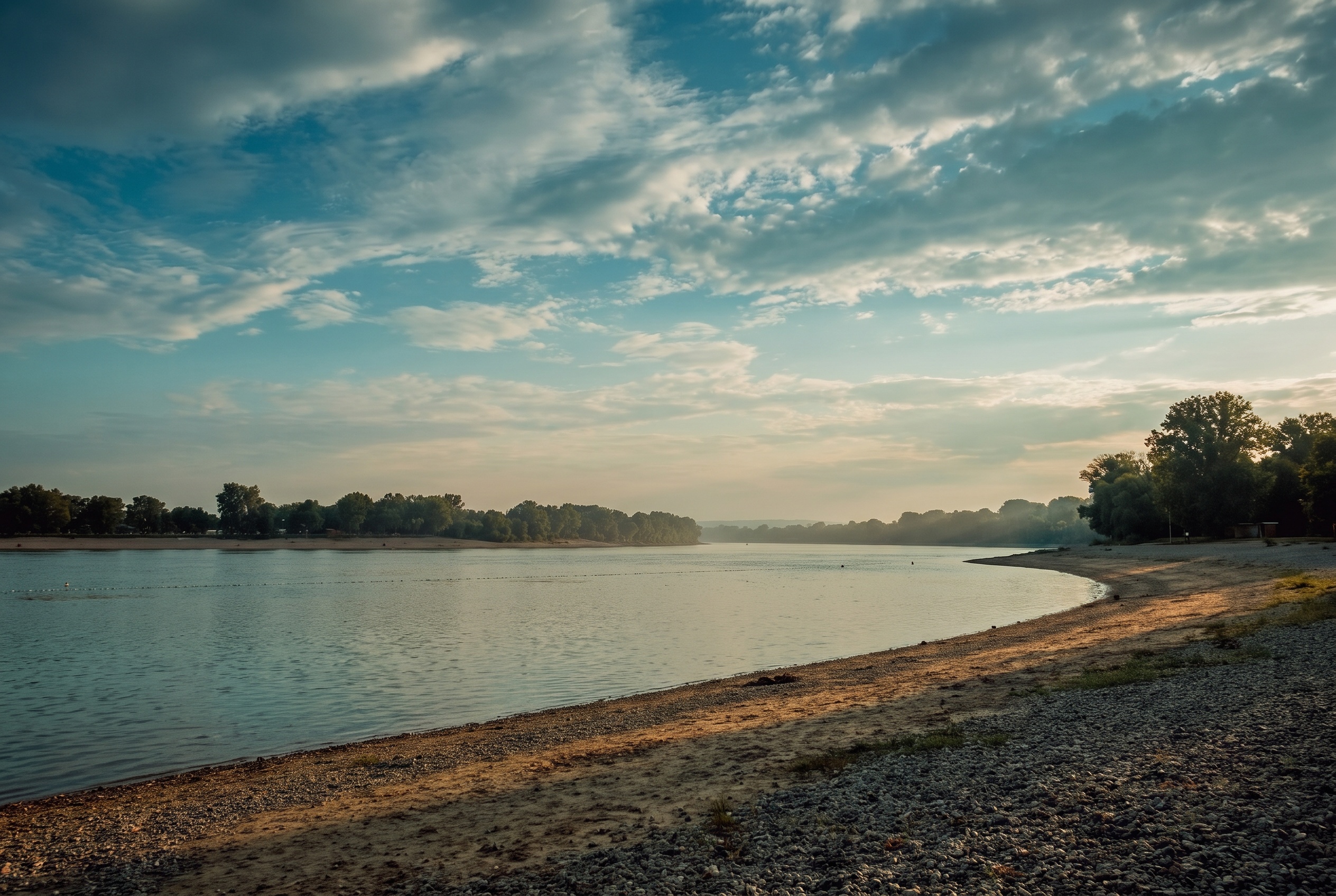
If you arrive in the Croatian metropolis in summer months and want to cool off quickly, Zagreb has a great solution for you. On the western edge of the city lies the expansive Jarun recreational area, affectionately and with slight exaggeration nicknamed the Zagreb sea.
You’ll find clean blue lakes with beautifully maintained pebble beaches where you can swim normally and safely in summer. Around the water runs an excellent wide asphalt path that from early spring to late fall is full of athletes, runners, cyclists, and people on inline skates.
A similar, though somewhat smaller and quieter oasis is Lake Bundek lying on the southern bank of the Sava river. There are excellent modern children’s playgrounds and plenty of places designated for safe grilling, where entire families with picnic baskets head en masse on weekends.
💡 Tip: At the larger Jarun, it really comes alive on weekend evenings especially. Around the lakes are plenty of beach bars and nightclubs that are open until the early morning hours and play great dance music.
19. Coffee Culture “Špica”
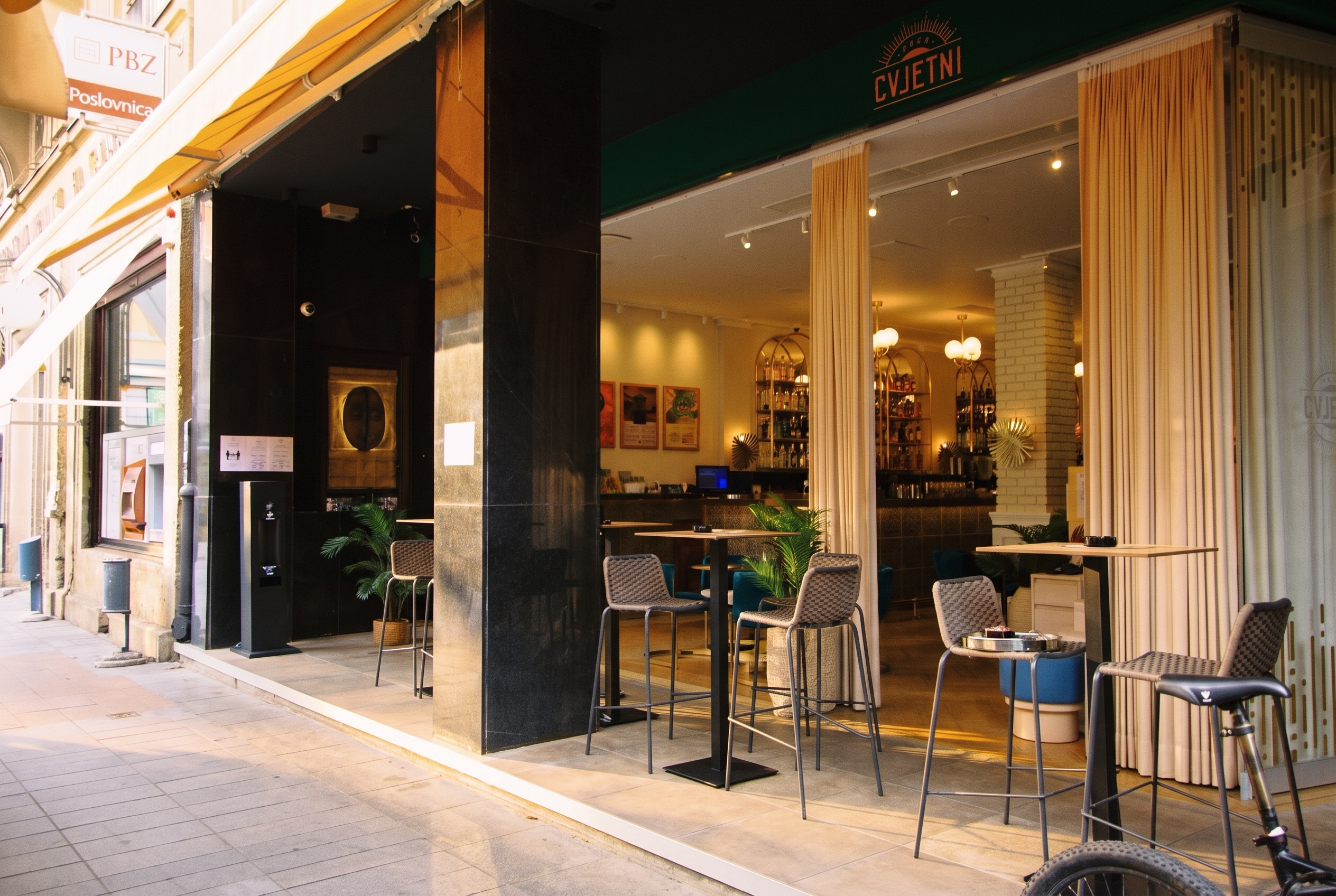
Coffee in Croatia isn’t just a quick caffeine drink on the way to work, it’s a fundamental social institution. And nowhere in the country is this truer than in Zagreb during a sunny Saturday morning, when the strong phenomenon called špica breaks out in the streets.
Around ten o’clock in the morning, locals dress festively and very elegantly and head en masse to favorite cafés on Cvjetni trg square and into adjacent pedestrian streets. This isn’t about quickly downing an espresso at the bar, the goal is to see and be seen, discuss news in detail, and calmly spend two long hours over one cup.
It’s an incredible parade of local fashion, relaxation, and Balkan ease. If you want to really absorb the true local atmosphere and understand Croatian nature, definitely don’t plan anything else for Saturday morning, find yourself a free table on a terrace and just smile and observe the incredible buzz around you.
💡 Tip: Coffee is most often ordered as kava s mlijekom (classic coffee with milk) and you always automatically get a large glass of clean tap water with it for free.
20. Where to Eat Well (and Without Meat)
Croatian and by extension Zagreb cuisine is historically and traditionally very meat-heavy. In regular restaurants on every corner you’ll encounter local heavy specialties like the famous zagrebački odrezak (a hefty breaded veal cutlet stuffed with ham and cheese), ubiquitous minced ćevapi, or spicy kulen sausage. But if you don’t eat meat on principle, you don’t need to worry at all that you’ll starve.
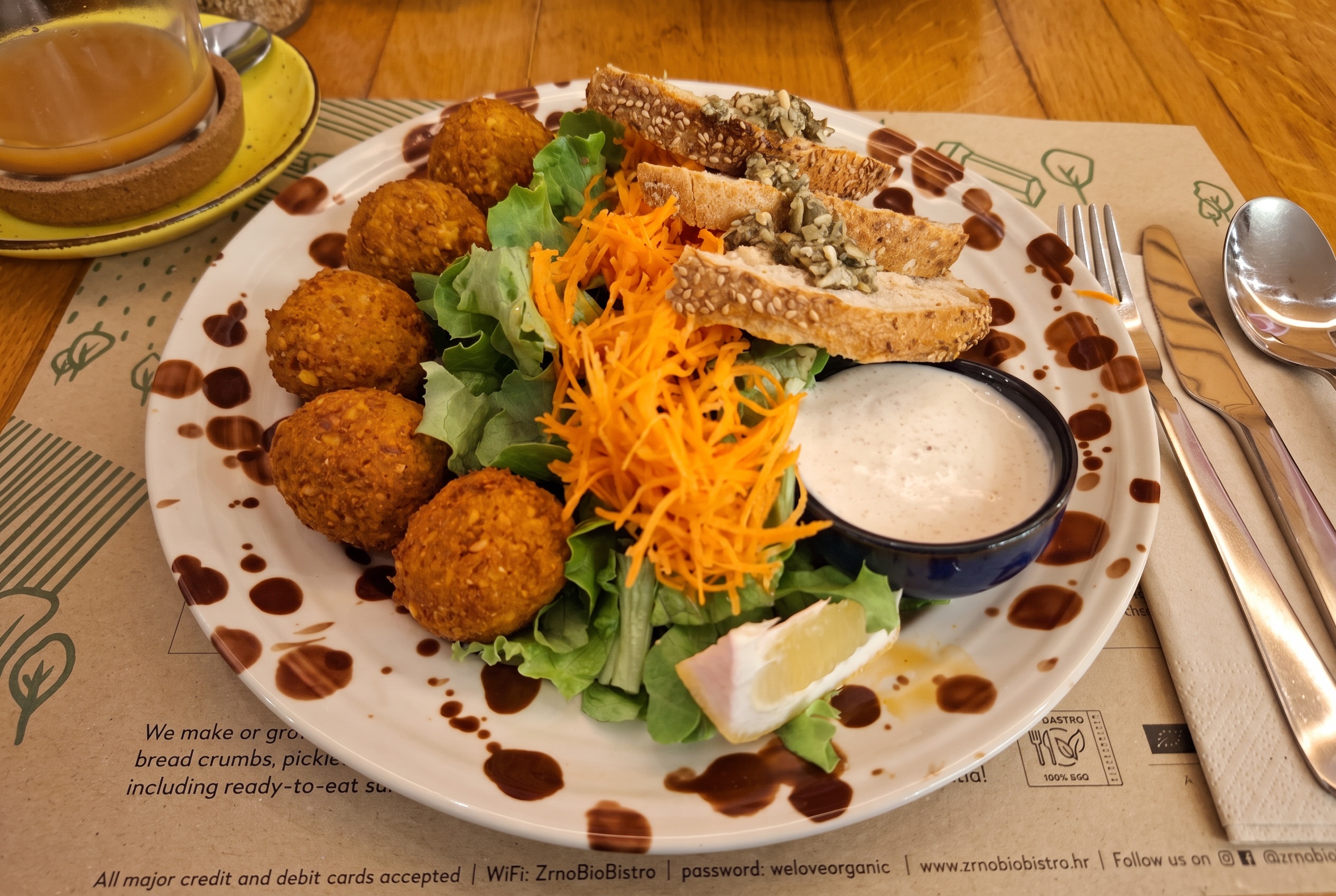
The city has a surprisingly strong and very modern vegan and vegetarian scene. A sure bet for a great dinner is Zrno bio bistro, the very first certified plant-based restaurant in the country, which cooks fantastic dishes from ingredients from its own organic farm. Excellent long-term ratings also go to the traditional Restoran Vegehop on Vlaška Street or the very popular Pod Zidom Bistro near Dolac market, which has a fantastic and creative vegetarian section of the menu. Among smaller bistros for a quick lunch, I can wholeheartedly recommend OAZA Joyful Kitchen, Gajbica, or the acclaimed Falafel, etc.
Among traditional national dishes that are naturally meatless and can be found everywhere, you must definitely try štrukli. This is excellent baked or boiled dough richly filled with delicious cottage cheese and cream. Great also is the savory pie rudarska greblica, fragrant sweet fried balls fritule, classic greasy burek with cheese, and for dessert with coffee have a fluffy kremšnita.
💡 Tip: With your evening meal, don’t forget to order a glass of local wine. Try for example very refreshing and light white graševina, of which Croatian winemakers are justly very proud.
Where to Go from Zagreb
If you have a car and more time, the city’s surroundings offer plenty of excellent day trip destinations. Here are the most popular directions:
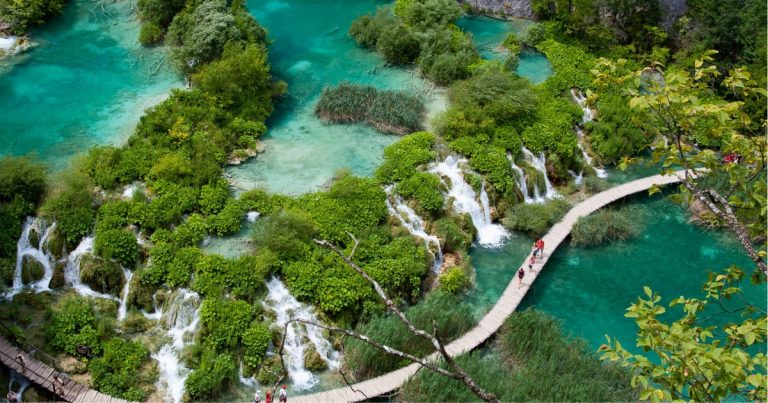
- Plitvice Lakes: Located about two hours’ drive south on the highway. It’s the most beautiful national park in the country, about which we’ve written a very detailed article Croatia, Plitvice Lakes: admission, parking, and tips.
- Samobor: A charming historic town just 30 minutes away. People come here for the famous Mardi Gras carnival and especially for the best kremšnita in the country.
- Trakošćan and Varaždin: About an hour and a half to the north lies Croatia’s most romantic castle Trakošćan, which is reflected on the lake surface. Combine the trip with a visit to Varaždin, a beautiful baroque city.
- Zagorje and Kumrovec: A hilly region full of vineyards, thermal springs, and old castles. In Kumrovec you’ll also find an interesting open-air museum and the birthplace of former Yugoslav president Tito.
- Sljeme (Medvednica): The nearest mountains, which you can reach comfortably by tram and then a brand new cable car. In winter you’ll find functioning ski slopes right above the capital.
- Ljubljana: The Slovenian capital lies just under two hours away by car or train. You can read about what to see there on our blog.
Looking for inspiration for more trips through this beautiful country? Read our extensive list Where to Holiday in Croatia: 32 Great Tips. If you’re traveling with family, you’ll definitely appreciate the guide Croatia with Children: where to holiday, and for drivers we have prepared a practical article Croatia by Car: route, tolls, map, and ferries.
Frequently Asked Questions
Before every trip to a new city, you’ll certainly have plenty of practical questions for which you want quick answers. I’ve therefore compiled the most common ones for you, whether you’re dealing with transport or parking, so you have planning as simple as possible.
Is it worth stopping on the way to the coast?
Absolutely, even if it’s just for one afternoon or one quick overnight stay. Zagreb lies directly on the main A1 and A3 motorway routes, so it won’t cost you a big detour, and it’s also the cheapest capital city in the region, where you’ll eat well and rest up before continuing your journey.
What’s the situation now with the cathedral after the earthquake?
The cathedral is finally open to the public after a long five years (operating since Christmas 2025) and you can comfortably explore the beautifully restored interior. From the outside, though, you probably won’t recognize it, because both tall pointed towers are still missing, with very intensive work continuing on them.
How many days do I need for sightseeing?
For the historic center itself, parks and main museums, one to two full days of walking will be comfortably enough. But if you want to add a trip to nearby Samobor or to the popular Plitvice Lakes, set aside at least three full days.
How much does public transport cost?
Public transport operated by ZET company is incredibly cheap and reliable. A half-hour tram ticket costs just €0.50, an hour ticket €0.90, and you can get an all-day pass for a lovely €4. It’s worth buying it at a kiosk or through the mobile app.
When are the Christmas markets held?
The famous “Advent u Zagrebu” festival, which repeatedly and deservedly wins European polls, takes place in the 2026/2027 season from November 28 to January 7. Beautifully lit markets are scattered across more than 25 locations throughout the city, including the mysterious Grič tunnel.
What currency is used and how are the borders?
Since the beginning of 2023, the entire Croatia officially uses the euro for payment, so you won’t need the old kuna for shopping anymore. The country also joined the Schengen Area, so the lengthy and annoying border checks with Slovenia and Hungary are gone.
Where can I park?
Most of the historic center is divided into strict paid parking zones with time limits. The best and cheapest option is therefore to use the large park-and-ride P+R car parks on the edge of the city, or simply book accommodation that offers its own private garage.
What should I try from the local cuisine if I don’t eat meat?
Croatian cuisine is historically very meat-heavy, but from traditional meatless dishes, definitely try boiled or baked štrukli stuffed with cottage cheese. Savory vegetable pies are also great, as well as the richer cheese burek and the fluffy kremšnita dessert brought from neighboring Samobor.
Tips and Tricks for Your Vacation
Don’t Overpay for Flights
Search for flights on Kayak. It’s our favorite search engine because it scans the websites of all airlines and always finds the cheapest connection.
Book Your Accommodation Smartly
The best experiences we’ve had when looking for accommodation (from Alaska to Morocco) are with Booking.com, where hotels, apartments, and entire houses are usually the cheapest and most widely available.
 🚗 Car rental on the roadVerified rental cars in Croatia
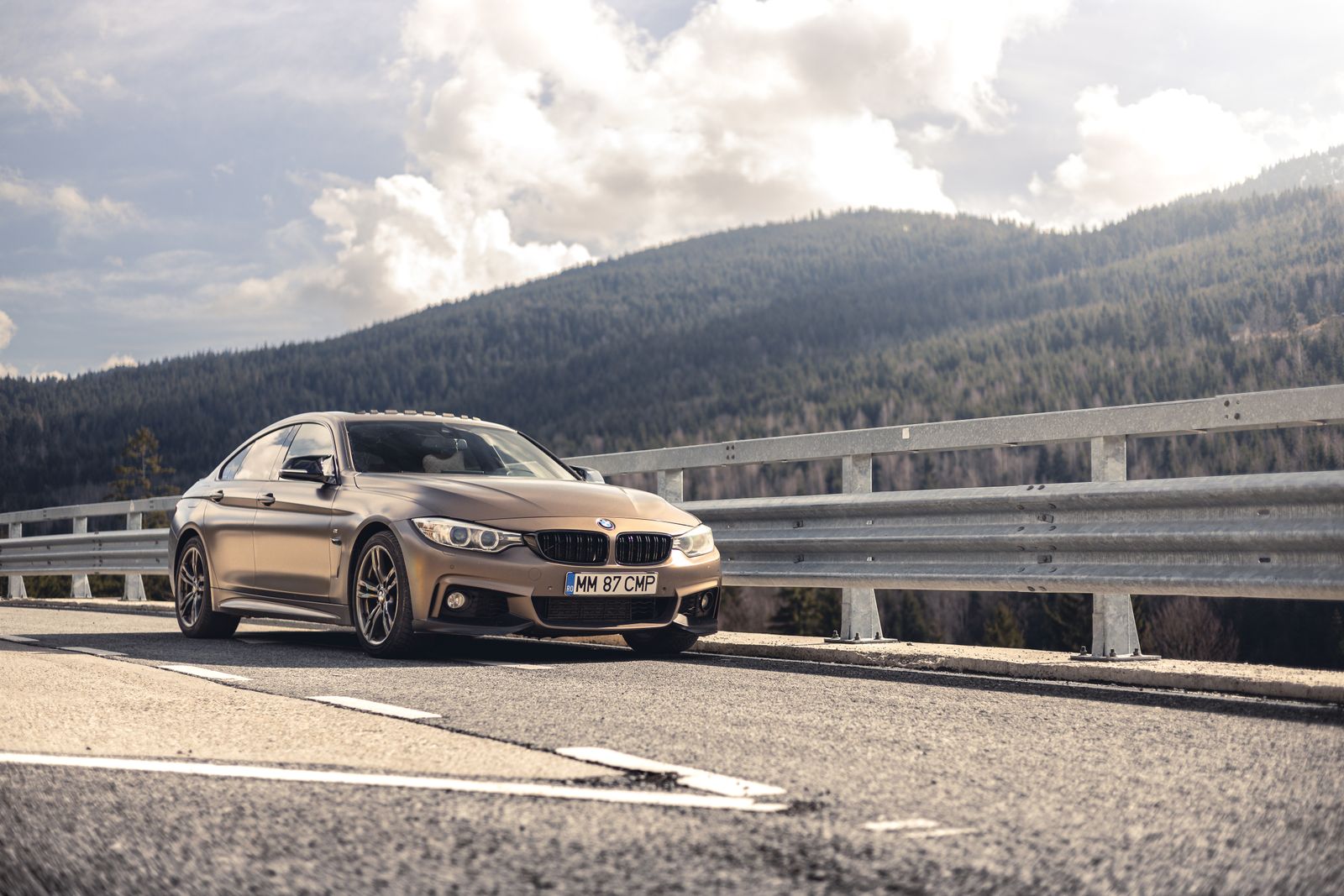
Search with the DiscoverCars comparison engine — it compares prices from dozens of local and international rental companies, and most bookings come with free cancellation.
Compare car prices in Croatia →Don’t Forget Travel Insurance
Good travel insurance will protect you against illness, accidents, theft, or flight cancellations. We’ve had a few hospital visits abroad, so we know how important it is to have proper insurance arranged.
Where we insure ourselves: SafetyWing (simple monthly subscription) and TrueTraveller (for extra-long trips).
Find the Best Experiences
Get Your Guide is a huge online marketplace where you can book guided walks, trips, skip-the-line tickets, tours, and much more. We always find some extra fun there!