New Orleans is exactly the kind of city where you plan to visit a museum and end up stopping to listen to a band on a street corner. Greenery spills over balconies above you, the air smells of coffee, and another café is just ahead, serving those fluffy fried pillows dusted with sugar. If you love cities that are a little loud, a little eccentric and very much their own thing, you’ll probably be right at home here. ☺️
New Orleans, Louisiana, is one of the most fascinating stops in the American South. You can head out for jazz every evening, spend a whole morning wandering among colorful houses, then while away the afternoon under enormous oak trees or by the Mississippi. I wouldn’t squeeze it into a single day between two long drives, though. This city deserves a little time when you’re not rushing anywhere.
I’ve picked 18 things to do in New Orleans, from the famous French Quarter to quieter Algiers Point. You’ll also find specific accommodation ideas, vegetarian-friendly places to eat, prices for selected experiences and a suggested three-day itinerary. That way, your memories won’t be limited to a photo of Bourbon Street and the feeling that all you really needed was a good night’s sleep. 😅
TL;DR
- Give yourself three full days for your first visit. A fourth day gives you room for a slower pace, another museum or a trip outside the city.
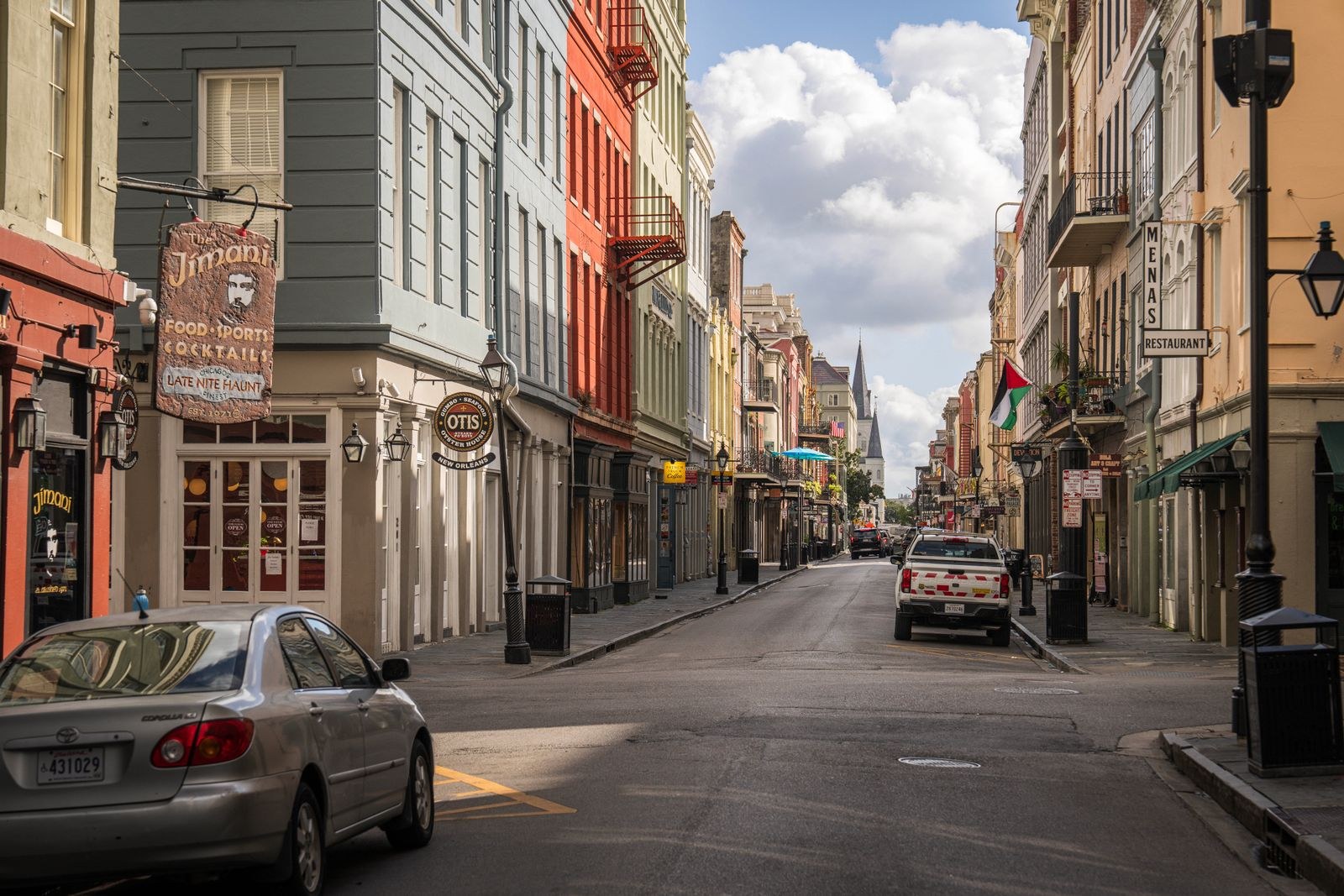
- Start in the French Quarter: Royal Street, Jackson Square, coffee and beignets at Café du Monde. Save an evening for live music.
- Head to Preservation Hall or Frenchmen Street for jazz. Choose a specific show based on the schedule, rather than relying on a famous street name alone.
- Visit the Garden District for beautiful houses and City Park for green space. The sculpture garden at NOMA is free to enter.
- You don’t need a car for a city break. A single streetcar ride costs $1.25, while a one-day Jazzy Pass costs $3.
- Choose accommodation for both location and noise levels. The French Quarter is ideal for a first visit, but a room above a busy bar may not be.
- March, April, October and November are my favorite months for walking. Summers are hot and humid, and major festivals can make hotels busier.
The full destination guide: USA Travel Guide — guide and what to see
When to visit New Orleans and how many days to spend
Spring is lovely in New Orleans: gardens turn green, festivals fill the calendar and long walks haven’t yet become an endurance test. March and April would be my first choices if you want to combine sightseeing, outdoor dining and evening concerts. Before booking, check the city events calendar, as a major festival can make accommodation availability fluctuate considerably.
According to the monthly weather overview, average daytime highs are around 23°C in March and 26°C in April. October averages about 27°C and November around 22°C. These figures give you a general sense of the season; check the forecast for your specific week. A light sweater can come in handy in the evenings and in air-conditioned spaces.
I wouldn’t choose June through August for a first sightseeing trip if you struggle with muggy weather. Daytime highs regularly exceed 30°C, and rain is common. A cheaper room sounds appealing, but it’s not always such a bargain if you spend most afternoons hiding from the heat. Plan outdoor activities for the morning and early evening.
The Atlantic hurricane season also runs from June to November. That doesn’t mean your vacation will automatically be rained out, but it’s worth keeping an eye on the forecast and checking booking change policies. I wouldn’t rule out an autumn visit; I’d simply avoid making every transfer impossible to change.
I recommend three full days in the city, not counting your arrival and departure days. With four, you’ll have more time for museums and slow mornings. If you only have one day, stick to the French Quarter and nearby sights; there’s no need to spend half your visit traveling between neighborhoods.
Where to stay in New Orleans
For a first visit, I’d look in the French Quarter or the adjacent downtown area on the other side of Canal Street. You’ll be close to the main sights and can get back to your room more easily at night. Marigny is a good fit if you want colorful houses, smaller venues and easy access to Frenchmen Street. Check the room’s exact location within the property, too: a quiet courtyard room and a balcony overlooking a noisy street are very different experiences.
Place d’Armes Hotel: historic charm by Jackson Square. This hotel on St. Ann Street has a beautiful courtyard with a pool and is perfectly placed for exploring the old town on foot. Guests often praise its location, staff and the chance to retreat from the busy streets to a pleasant base. I’d choose it for a romantic stay right among the historic buildings.
Read the description carefully if you’re booking the cheapest room category: some rooms don’t have windows, as guest reviews also point out. If natural light matters to you, make sure you specifically book a room with a window. Courtyard photos don’t necessarily mean you’ll be looking out over it from bed.
Drury Plaza Hotel New Orleans: a comfortable base for families. It’s on Poydras Street downtown, outside the French Quarter itself. A nice bonus is breakfast and evening snacks through the hotel’s program; check the terms for your chosen stay. The hotel also has a pool and offers larger rooms and suites.
Reviews regularly mention the comfortable rooms, staff and added value of the included food. Keep in mind that you’ll need to walk to the old quarter; the hotel isn’t right next to the cathedral. It makes sense if you want a comfortable base and don’t mind a walk or a short ride. For families, having breakfast at the hotel can be easier than finding somewhere everyone agrees on each morning.
Hotel Peter and Paul: for lovers of distinctive interiors. In Marigny, this hotel occupies a former church complex and its associated buildings. Colorful textiles, high ceilings and individually designed rooms help explain why it gets so much attention. Guests tend to praise the design, comfort and neighborhood, away from the busiest tourist crowds.
I’d choose it for a couple’s getaway if you see the hotel as part of the vacation, not just somewhere to sleep. Rooms vary from building to building, so compare the exact room category you’re booking. Marigny is a pleasant base for live music on Frenchmen Street; for sights farther across the city, you’ll need to plan your transport.
HI New Orleans Hostel: save money and stay downtown. This hostel on Canal Street offers both shared and private rooms. Guests praise the location, cleanliness and large communal kitchen, which is useful on a longer trip around the US or when you want to prepare something for yourself now and then.
When comparing rates, check whether you’re looking at one bed in a shared room or an entire private room. It’s a small detail that can turn the excitement of finding a cheap stay into a surprised look at reception. The hostel’s shared spaces make it a good option for solo travelers; families should start by looking for a suitable private room.
Compare these properties for the same dates and number of guests, including taxes and any parking charges. Don’t expect regular off-season rates during a festival weekend. If your flights or road trip route aren’t confirmed, I’d book a rate with free cancellation.
Compare places to stay in New Orleans for your dates.
French Quarter: 5 things to do on your first visit
You can spend a whole day in the French Quarter without feeling like you have to be anywhere else. Historic buildings, balconies, little shops and the Mississippi just around the corner are exactly what make you look forward to visiting. I’d start around Royal Street and Jackson Square in the morning, head back to the river for an afternoon walk, and save the evening for music.
1. The French Quarter and Royal Street
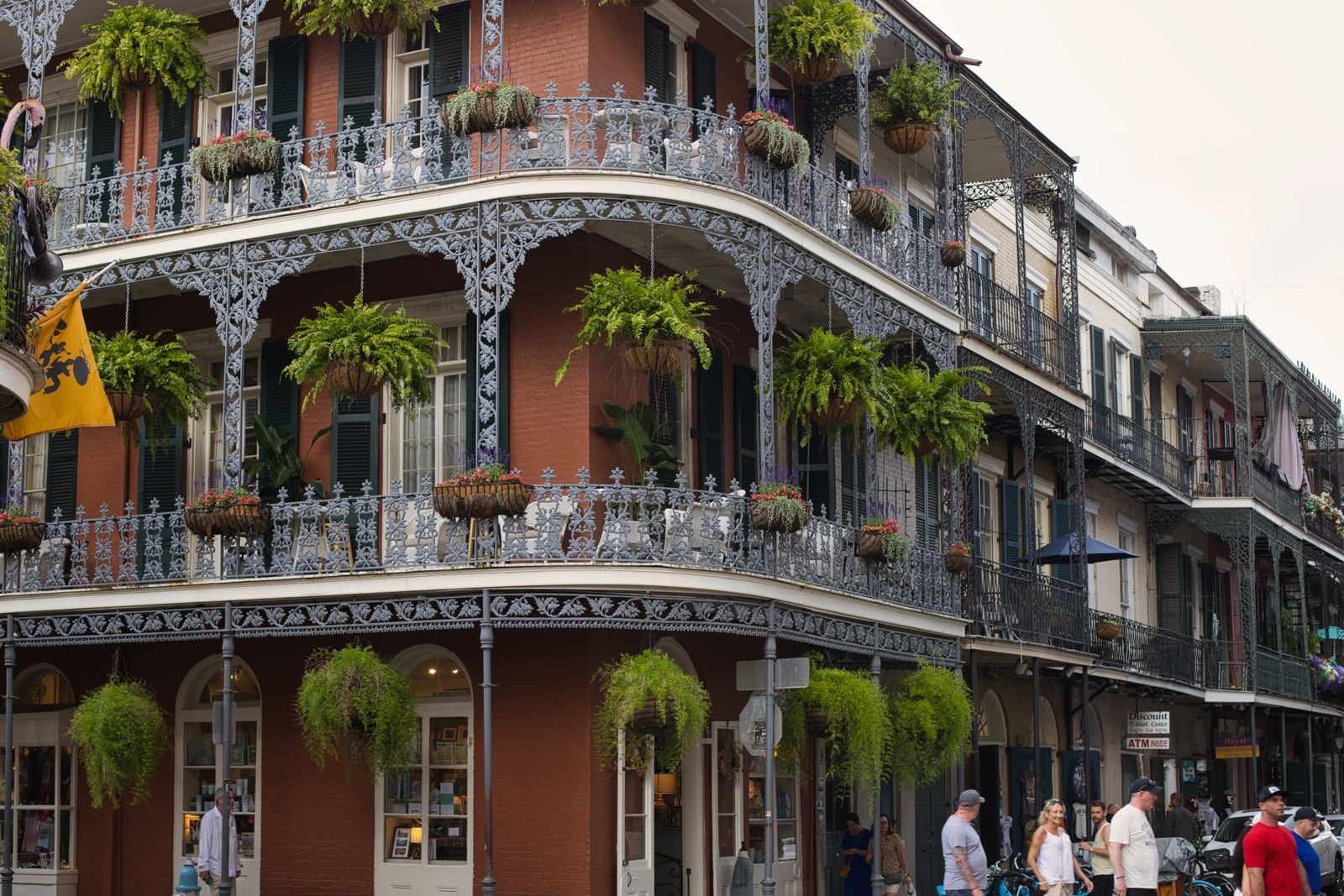
If you want to fall in love with New Orleans on your first morning, head to Royal Street. You’ll find beautiful balconies with decorative ironwork, galleries, antique shops and houses in colors that might look daring next to each other elsewhere. Here, they somehow work. Every corner reveals another detail that’ll have you reaching for your phone.
The French Quarter is also known as the Vieux Carré, so if you spot that name on a map or sign, you’re still in the same neighborhood. Rather than chasing one particular building, leave time to wander the streets around Royal and Chartres. Look up at the galleries, peek into shop windows and notice the little signs you’d miss if you were rushing past.
Feel free to walk down Bourbon Street, too, but I wouldn’t make it your only stop in the neighborhood. You’ll see a different side of it during the day than at night, when the bars and nightlife take over. If noisy bars aren’t your thing, that’s no failure as a traveler. You may be much happier one street over.
Give yourself at least two hours for your first stroll, without a fixed list of stops. Save Jackson Square on your map as a landmark and gradually make your way there. A relaxed morning is the perfect counterbalance to days with timed reservations.
2. Jackson Square and St. Louis Cathedral
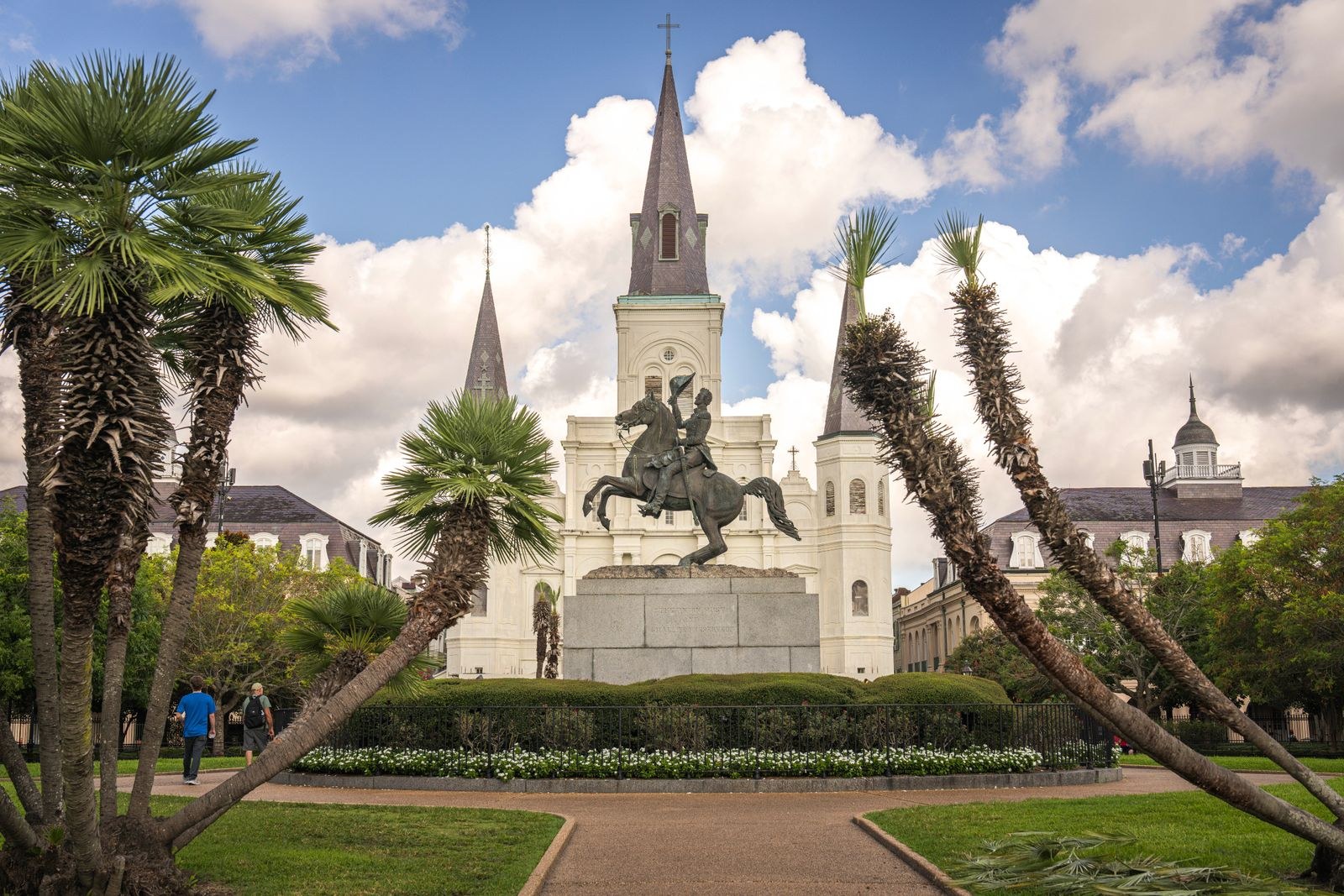
A white cathedral with three spires, an equestrian statue in front and greenery all around: Jackson Square is probably New Orleans’ most iconic view. It’s a lovely first stop before you wander into the surrounding streets. When it’s lively, you’ll also find street performers and artists displaying their work.
It’s worth taking a closer look at St. Louis Cathedral. When checked in September 2026, regular visiting hours were listed as 9:30 a.m. to 4 p.m., with last entry at 3:45 p.m.; weddings, services and special events can limit access. If you want to go inside, arrive earlier rather than counting on the last ten minutes.
Walk around the square towards Decatur Street and the river, too. The raised area across the street gives you a different view of both the cathedral and the square. Come in the morning with a camera, or later to sit and watch the activity. They’re two quite different experiences of the same place.
Café du Monde and the French Market are close by, so you can easily combine these stops into one morning. Just finish your coffee before entering the cathedral; food and drink aren’t allowed inside. You’ll enjoy the square most if you visit without rushing between reservations.
3. Beignets at Café du Monde
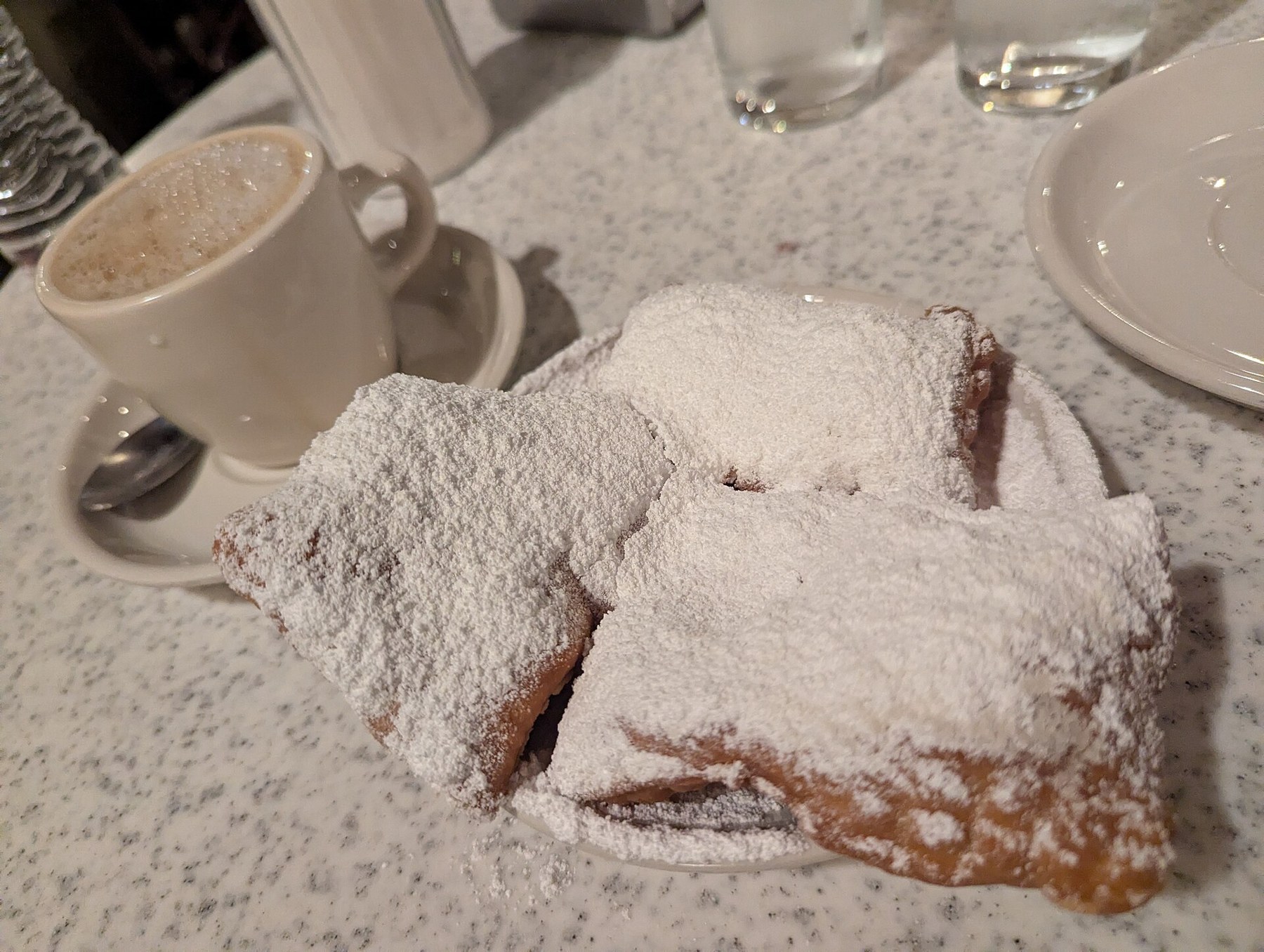
These little fried pillows have one small drawback: you’ll probably still be finding powdered sugar long after breakfast, especially on dark clothes. But beignets are as much a part of New Orleans as jazz and ornate balconies, so I definitely wouldn’t skip them. 😅
The most famous stop is Café du Monde by the French Market, whose original location has been open since 1862. The sweet pastries are served with chicory coffee and café au lait. Your order doesn’t need to be big or complicated; the simple combination in a place that’s part of the city is the whole experience.
If there’s a long line outside, see how ordering works and consider coming back outside the main breakfast rush. I wouldn’t spend the whole morning waiting for one coffee. There’s also a Café du Monde location in City Park, so you can try again while exploring the green spaces.
It’s a lovely sweet stop for vegetarians, but vegans should check the ingredient information, as the mix contains milk. The riverfront is just a short walk from the original café, so you can head straight to the Mississippi after breakfast instead of looking for another way to get around.
4. French Market
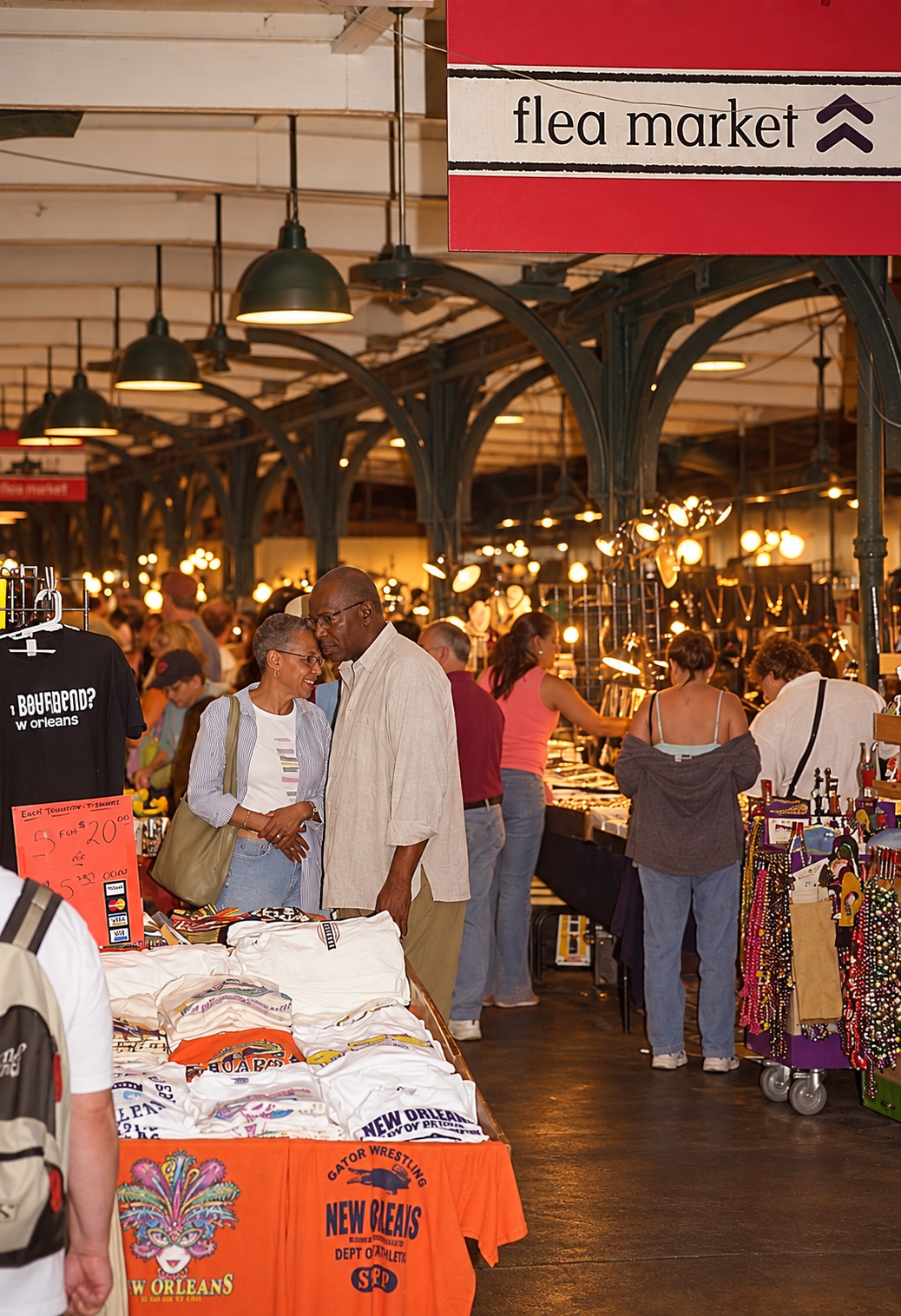
French Market is a good place to browse for a while without worrying about whether you’re ticking off a sightseeing list. You’ll find food vendors, small gifts and souvenirs. I’d treat it as a lively part of your walk: you might buy something, or simply see what catches your eye.
Don’t assume every item on a stall was made by a local artisan a couple of streets away, though. If you want something more distinctive, ask where it came from and check out some of the smaller shops nearby. I’d compare a few places before buying the first colorful souvenir I came across.
Check the current menus at individual stalls if you’re looking for food. The name of a local specialty doesn’t tell you every ingredient, so if you don’t eat meat, ask about the stock and sauces as well. You don’t need to plan a full lunch here; just stop for a snack between sights.
The market pairs easily with Café du Monde, the riverfront and a later trip towards Marigny. Allow about 30 minutes to an hour, depending on how much you enjoy browsing. If you’re staying in New Orleans longer, you can always come back when you’re in the area.
5. The Historic New Orleans Collection
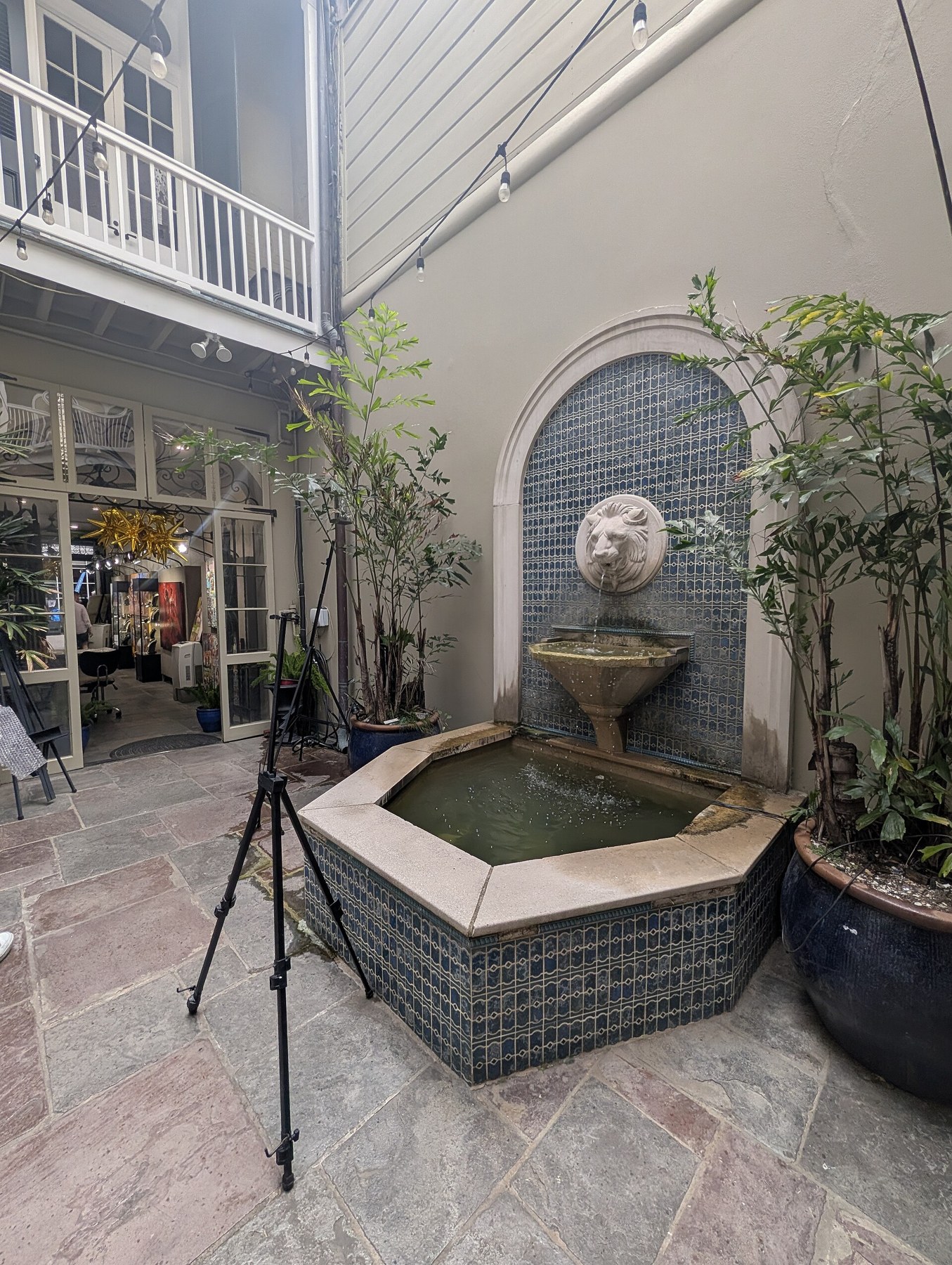
Looking at the beautiful façades, you may wonder why New Orleans feels so different from other American cities. The Historic New Orleans Collection is a great place to learn more about the stories behind the streets. The museum explores the city’s history and culture and is right on Royal Street, so you won’t need to travel elsewhere.
The main museum address is 520 Royal Street, and general admission is free. The site also includes the Brulatour Courtyard. I like the combination of exhibits and historic buildings; it’s a welcome change of pace when you want a quieter activity away from the bustle.
You don’t have to read every single exhibit. Choose what interests you and take time with the objects and stories that explain what you’ve just seen outside. I’d allow an hour to an hour and a half for a first visit, or longer if you’re especially interested. That’s a sensible amount of time to leave in your itinerary, not a required tour length.
This is also a good option for a rainy or very hot afternoon. Check opening hours and current exhibitions before you go. If you’re traveling in a group, you don’t have to come up with an elaborate compromise: one person can explore the exhibits in depth while someone else makes a shorter visit and takes a break nearby.
Jazz and history: 4 experiences you’ll remember
You’ll come across music here by chance, but I’d still plan one evening in advance. A booked show means you won’t have to settle for hearing just a bit from outside the door. It’s also worth pairing a night out with places that tell the story of the city’s musical traditions and history.
6. Preservation Hall
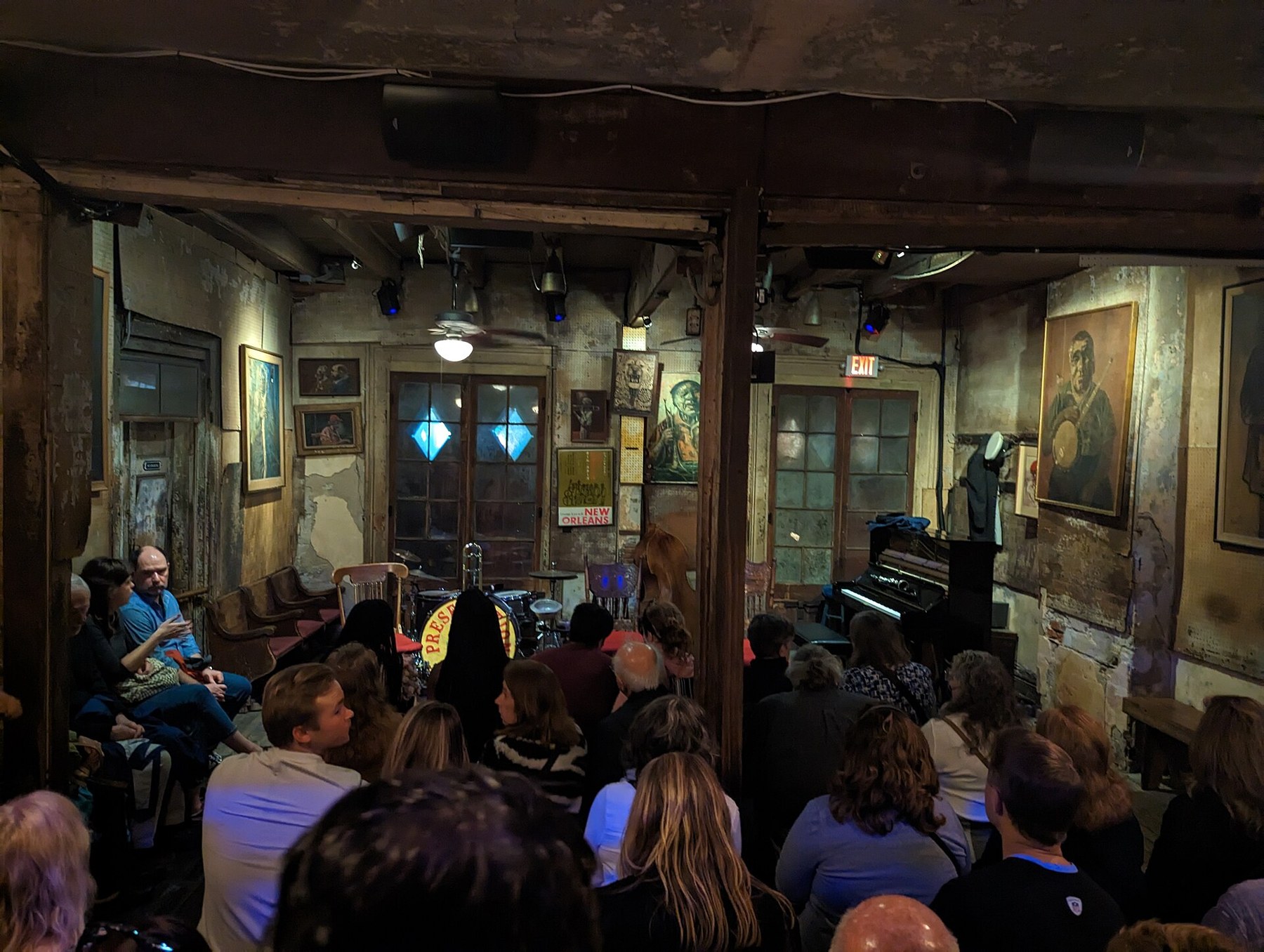
Preservation Hall is one address to save when planning a jazz night. Traditional New Orleans jazz has been played at 726 St. Peter Street since 1961. This old French Quarter building is a lovely reminder that you don’t need a huge concert hall for a powerful musical experience.
Choose based on the specific concert on the calendar. Check the date, start time, ticket type and seating details. Don’t buy the first link mentioning Preservation Hall without confirming it’s actually a performance at this address; the same name is also used by the touring ensemble.
Don’t cram too much into the evening around your reservation. Leave time to get there and arrive before the show starts; plan to eat either before or after the concert. It’d be a shame to spend the performance watching the clock because you booked dinner somewhere else at a time you can’t make.
If you don’t usually listen to jazz, don’t let that put you off. You could listen to a few recordings before your trip to see whether the sound appeals to you. New Orleans is just the kind of place to try something you might not otherwise set aside an evening for at home.
7. Frenchmen Street and live music
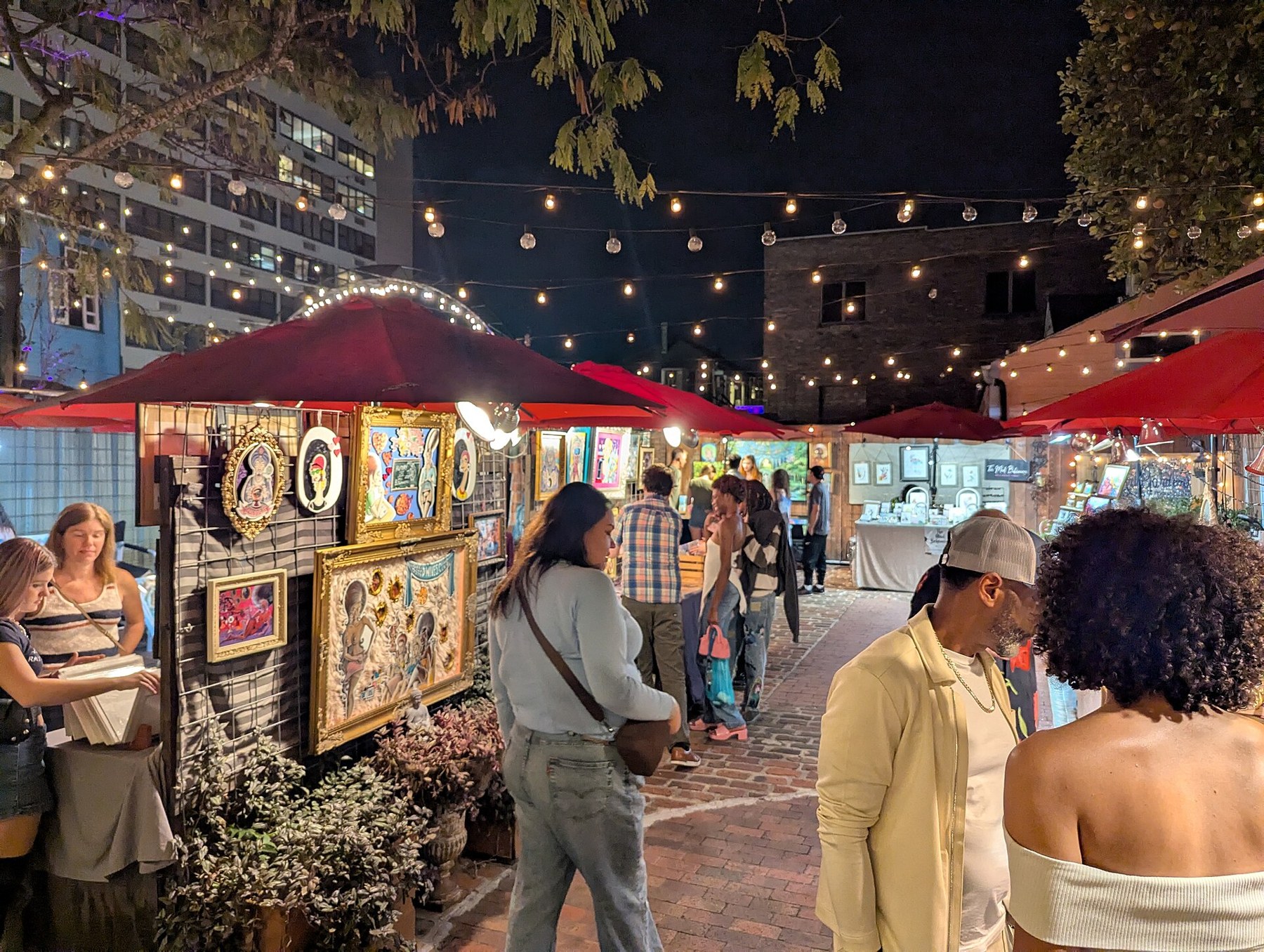
Frenchmen Street is perfect for an evening that doesn’t have to be spent in a single bar. Several venues are close together in the Marigny music district, so you can choose based on what’s playing. You don’t have to pledge allegiance to the first band you hear, but if one grabs you, stay for the whole set.
One specific suggestion is The Spotted Cat Music Club, which hosts jazz, blues and other styles. The venue lists admission from age 21, a one-drink minimum and a passport as ID for international visitors. A photo of your ID isn’t accepted. It’s useful to know in advance, especially if you’re traveling with younger adults.
Before heading out, check the WWOZ Livewire music calendar. You can pick a particular artist instead of relying on whichever sound happens to be loudest. Check the entry requirements and any cover charge directly with the venue.
I wouldn’t describe Frenchmen as a secret street unknown to tourists. It’s popular with visitors, too, and that’s perfectly fine. The main reason to go is the music. Have dinner elsewhere and arrive for the show; if you’re leaving late, plan a comfortable way back to your hotel.
8. Congo Square and Louis Armstrong Park
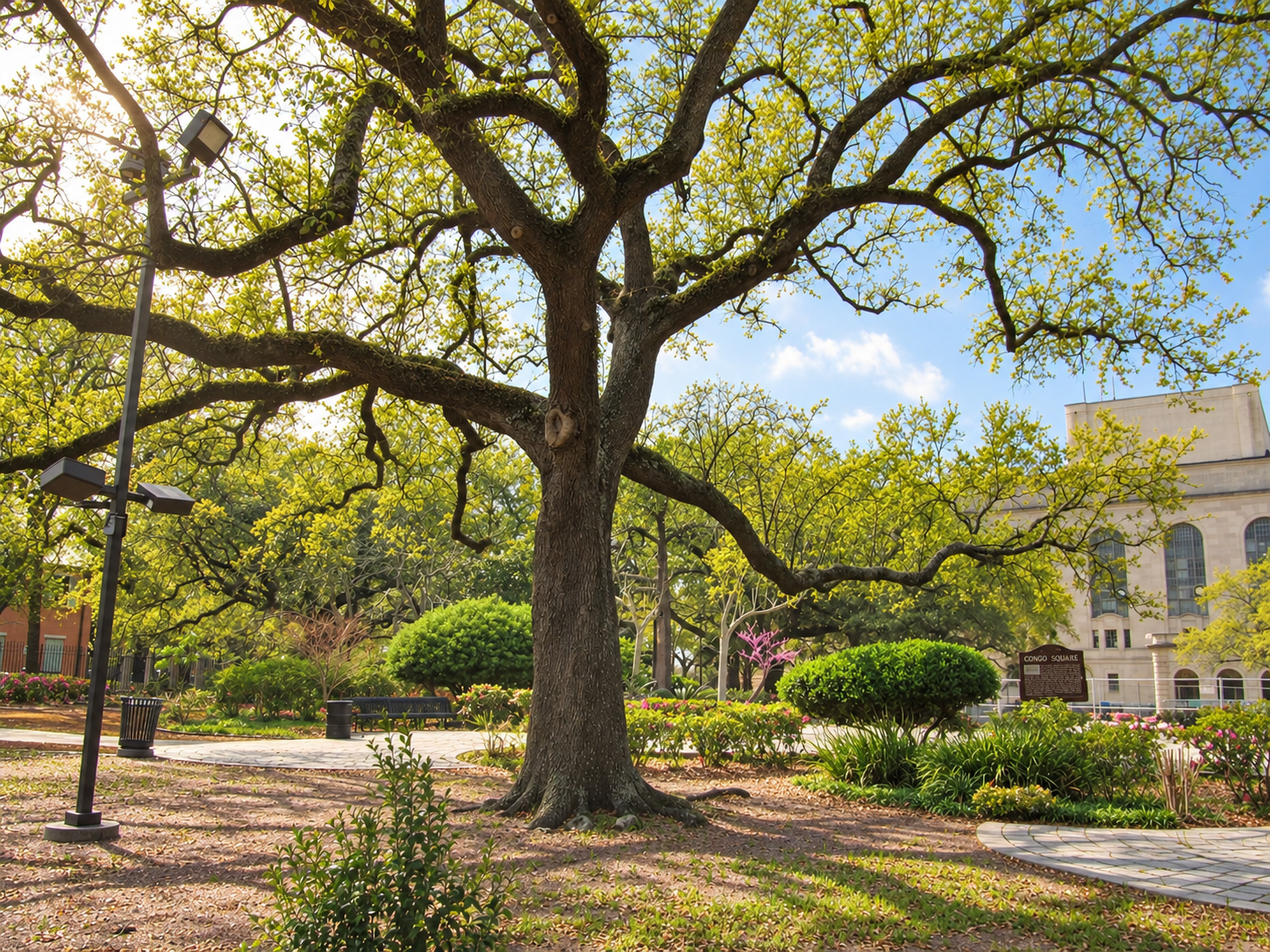
I’d slow down for a while at Congo Square, even on a packed itinerary. According to the National Park Service, the square and nearby Tremé are important parts of the city’s musical history. A walk through the park takes on a different meaning when you understand why the place matters.
In the past, enslaved and free Black residents gathered here to trade, dance and make music. Those traditions predate jazz itself and are part of its broader cultural roots. This is a place tied to the history of local communities, and it deserves more than a quick photo of a sign before you move on.
Congo Square is in Louis Armstrong Park, at the edge of the French Quarter. Combine your visit with a walk around Rampart Street or a guided tour of Tremé if you want more context. The city’s musical history goes far beyond a list of famous clubs, and a good guide can bring it to life through individual stories.
Allow about 30 minutes to an hour for the square and park. If there’s an event on, the atmosphere will be very different from a quiet morning. Don’t count on a concert or drumming session every day; check the schedule separately.
9. St. Louis Cemetery No. 1
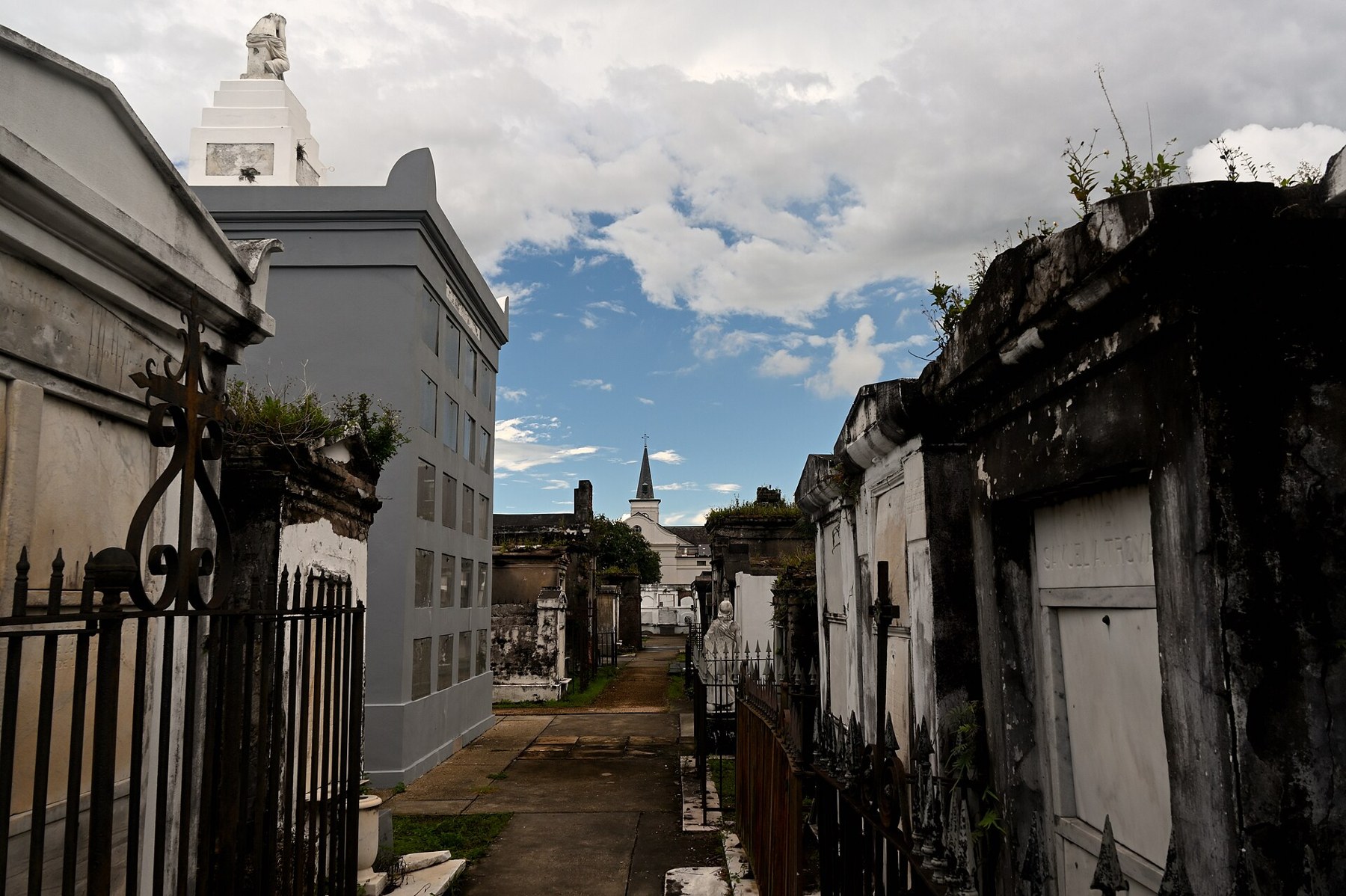
New Orleans cemeteries look different from the typical cemetery in many other places: above-ground tombs form little lanes and entire blocks of stone structures. If you’re interested in the city’s history and legends, St. Louis Cemetery No. 1 is worth a visit. I’d treat it as a history tour, not a hunt for the spookiest photo.
One important practical detail: regular tourist visits take place with an official tour. Check the conditions and available times with Cemetery Tours NOLA. Don’t expect to open the gate and wander around by yourself. A general ghost tour in the French Quarter may not include entry to the cemetery, either.
Check where the tour group meets when booking, and arrive early. Stories about individual figures and local burial traditions are easier to follow with a guide than as a list of names to tick off between tombs. Bring water and a hat, especially in the warmer months.
If you only have two days in New Orleans and aren’t particularly interested in cemeteries, there’s no need to squeeze this into your schedule. Choose it because it interests you, not because it appears on every list. You’ll know how much time and energy you have after the first day.
Garden District and Uptown: 3 tips for houses, streetcars and cafés
After the lively French Quarter, a day spent admiring houses and looking for somewhere to have coffee is a welcome change. Combine the Garden District with a ride along St. Charles Avenue and part of Magazine Street. They fit naturally into the same day, but you don’t need to walk every block or ride all the way to the end of the line just to say you did.
10. Garden District
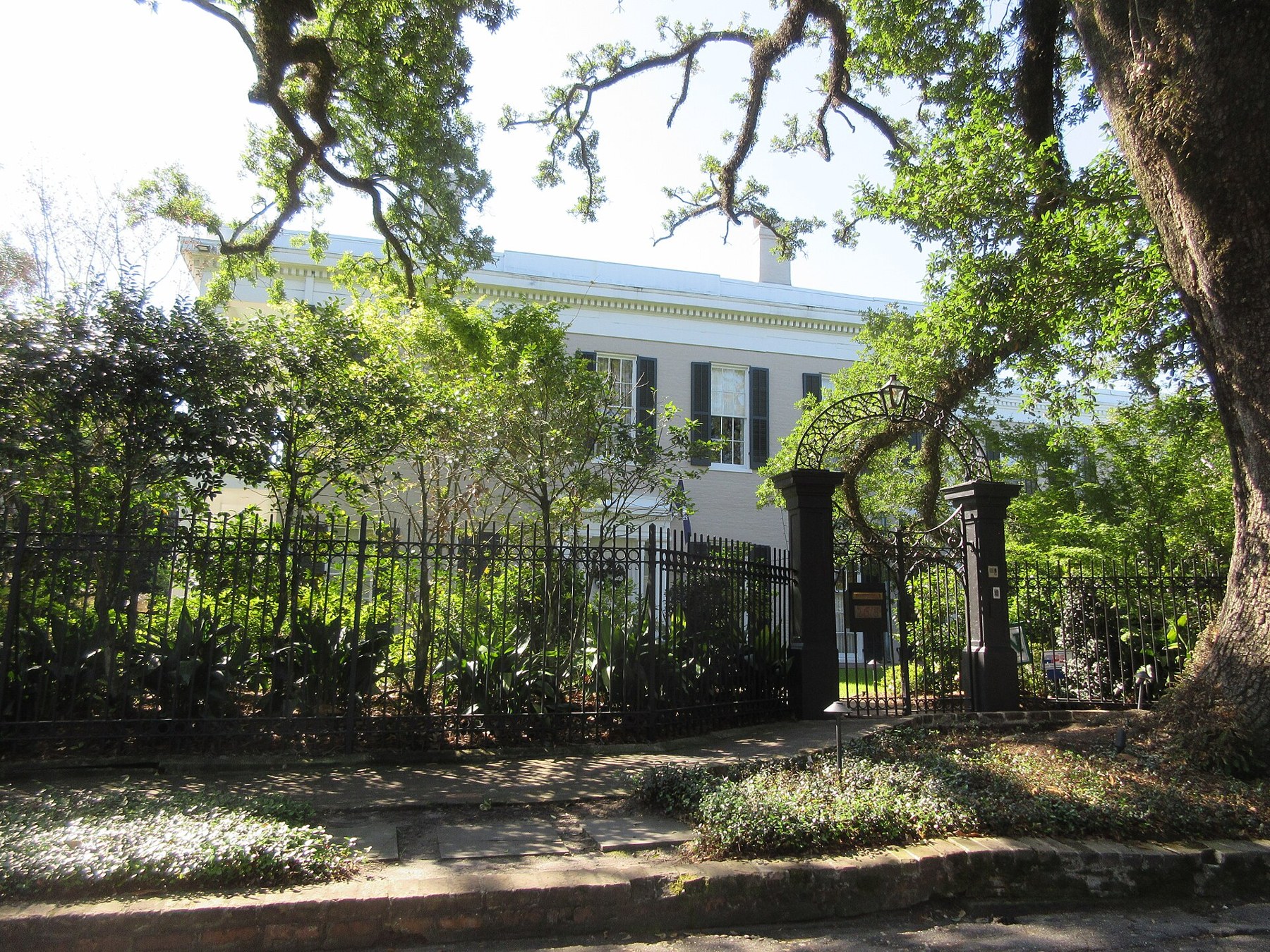
Grand houses with porches, columns, wrought-iron fences and gardens are exactly what you might picture when you think of the romantic American South. In the Garden District, you’ll want to stop outside almost every other house. The best part is that you don’t need an expensive ticket for this kind of stroll.
I’d start around Washington Avenue, Prytania Street and Coliseum Street, then explore a few neighboring blocks. Save a place where you’d like to end up for lunch or coffee on your map, and leave room for detours in between. Those little side streets often reveal details that are more delightful than the most photographed house in a guidebook.
The Garden District and wider Uptown area are extensive, so choose a smaller section for your first walk. An hour and a half to two hours will give you plenty to see. If you’d like to know who built the houses and how the neighborhood developed, consider a walking tour with a local guide.
Most of the houses are private homes, so admire them from the sidewalk. An open gate isn’t an invitation onto someone’s porch, tempting as the photo might look. After your walk, you can continue to Magazine Street and enjoy a pleasantly slow day without adding three more museums.

11. The historic streetcar on St. Charles Avenue
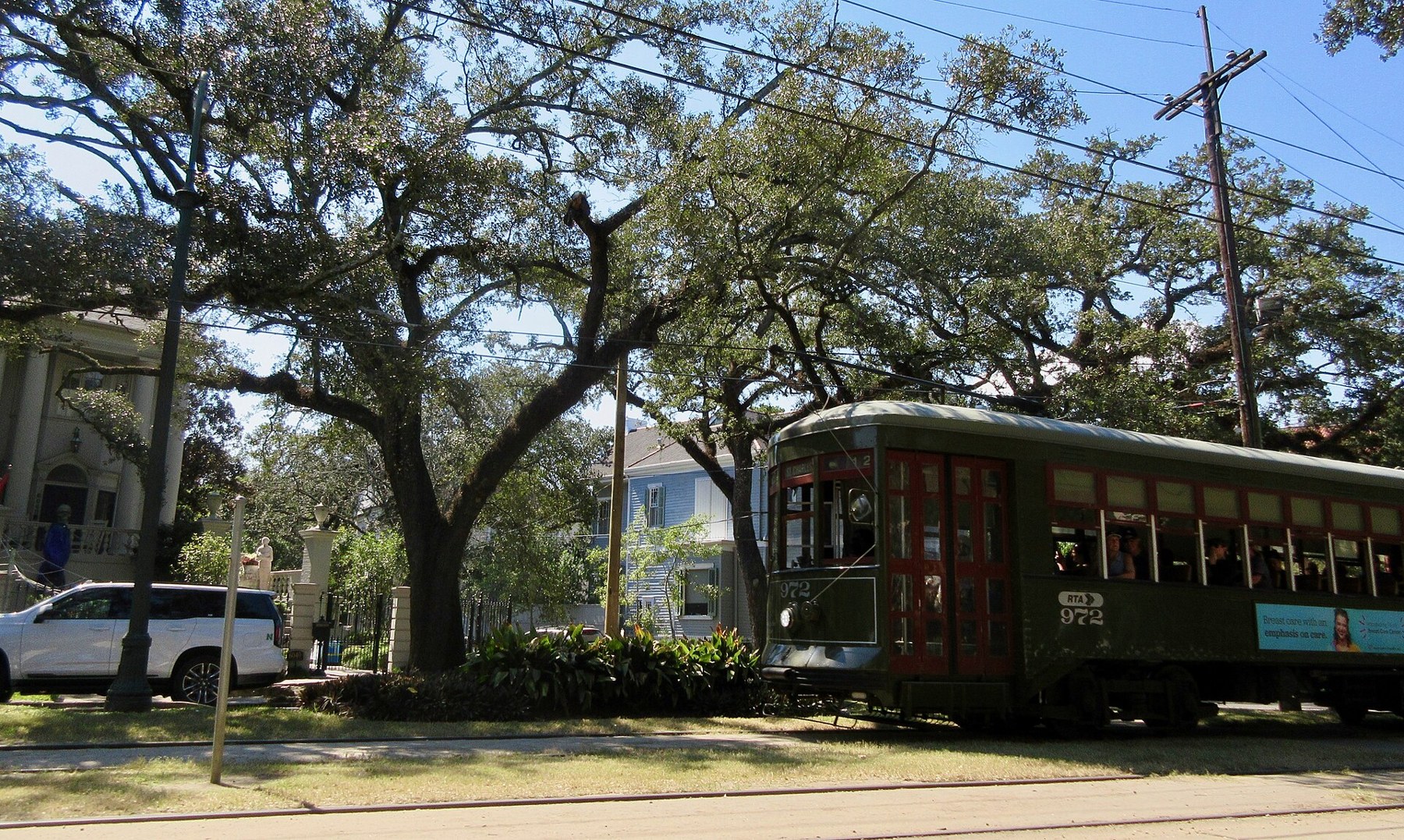
I’d include a ride along St. Charles Avenue on your first New Orleans visit, even if public transport doesn’t usually feel like an attraction to you. Historic streetcars, leafy streets and grand houses along the route turn an ordinary journey into a little excursion. And unlike many American attractions, it won’t cost you tens of dollars.
According to the RTA fare list, a standard single ride costs $1.25. A one-day Jazzy Pass costs $3. If you’re taking several rides that day, check out the all-day option. You can also buy tickets through the Le Pass app.
For the Garden District, get off around Washington Avenue and explore on foot. If you have more time, continue further into Uptown and choose another stop based on what you’d like to see. I wouldn’t turn the streetcar ride into a race against the clock; if your schedule is packed, every wait can become unnecessarily stressful.
Check for service alerts and route changes before you go. The route you saw in a travel blog last year may not be operating the same way on the day of your visit. If you have luggage or a stroller, check the options for your specific service in advance so you’re not left figuring it out at the stop.
12. Magazine Street
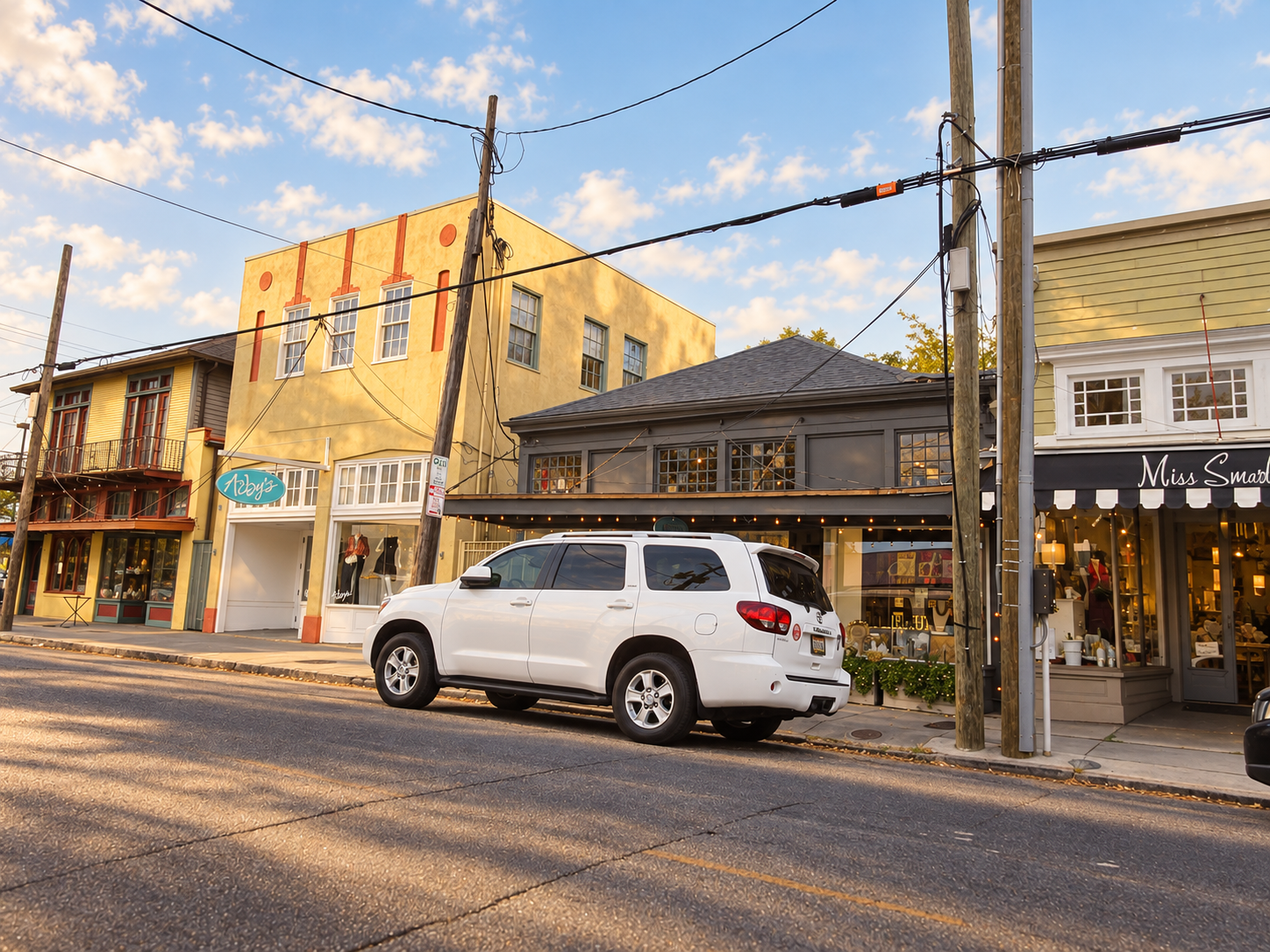
If you enjoy small shops, galleries, cafés and the occasional unplanned stop, you’ll like Magazine Street. It’s a pleasant next stop after walking among the grand houses. Here, you can stop admiring other people’s porches and sit down somewhere for a coffee.
Magazine Street is about six miles long, or just under 10 km. I definitely wouldn’t plan to walk the whole thing between lunch and dinner. Pick a stretch near the Garden District and a few places that catch your interest; some of the blocks in between are residential.
It’s a lovely alternative to the souvenir stalls in the French Quarter for shopping. Look for books, clothes, homeware or something made by a local creator. I’d leave room in your schedule for at least one unplanned stop, because a list of “must-sees” can turn a pleasant browse into a surprisingly tiring task.
When your feet have had enough, head back to the streetcar or use another form of transport, depending on where you are. There’s no need to walk all the way back the same route. Magazine Street is best enjoyed when you still have the energy to browse shop windows, not when you’re counting down the steps to a hotel shower.
Parks and museums: 3 places for a slower day
City Park and the sculpture garden make a natural pairing, while the World War II museum deserves a larger part of its own day. If you only have three days, choose based on your interests and the weather. Exploring a new destination is exciting, but the day still only has so many hours, and your feet will make you pay for it in the evening.
13. City Park and its enormous oak trees
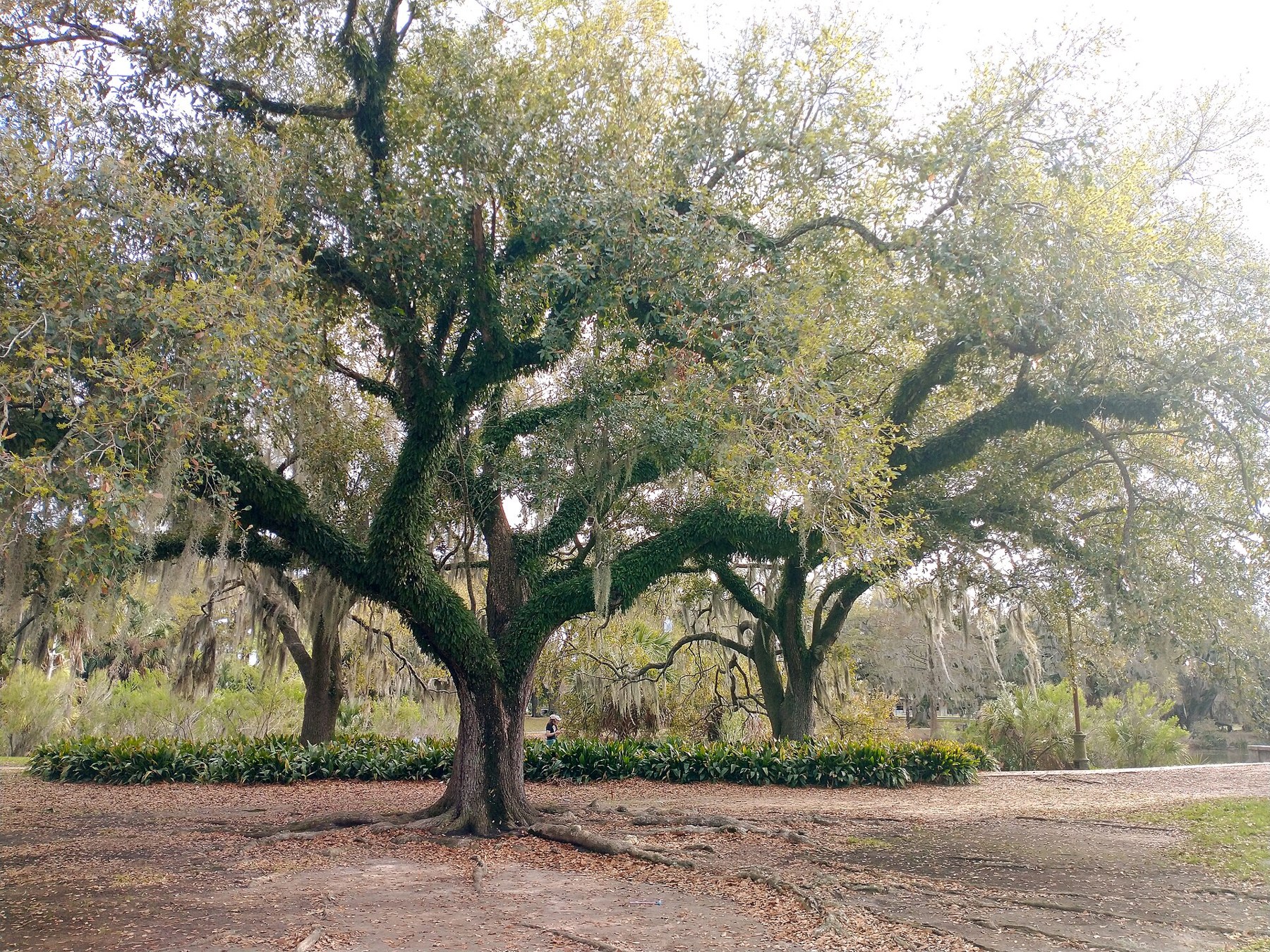
At City Park, I’d forget about the sightseeing checklist for a while. Spreading oak trees, water and long branches stretching above the paths make a beautiful change from city streets. Photos make it look almost magical, but the main reason to visit is simpler: you can spend time outdoors without always rushing somewhere.
The park is vast, so I’d start around the New Orleans Museum of Art and the nearby lagoons. From there, continue to the sculpture garden or stop for coffee. There’s no need to explore every place on the map that’s labeled City Park. For a first visit, it’s more enjoyable to choose one area and take your time.
If you’re traveling with children, check out Storyland, Carousel Gardens or the Louisiana Children’s Museum. Each attraction has its own admission and opening arrangements, so the park doesn’t have one universal ticket covering everything. If there’s a particular carousel or museum you have in mind, check its schedule separately so you don’t promise something that happens to be closed.
Allow at least two hours for a walk and coffee stop, or half a day if you’re visiting the children’s attractions. In hot weather, go in the morning. If you enjoy photography, don’t stick to the wide view of a tree: the tangled branches, roots and light filtering through the leaves can be just as interesting.
14. Sculpture garden at the New Orleans Museum of Art
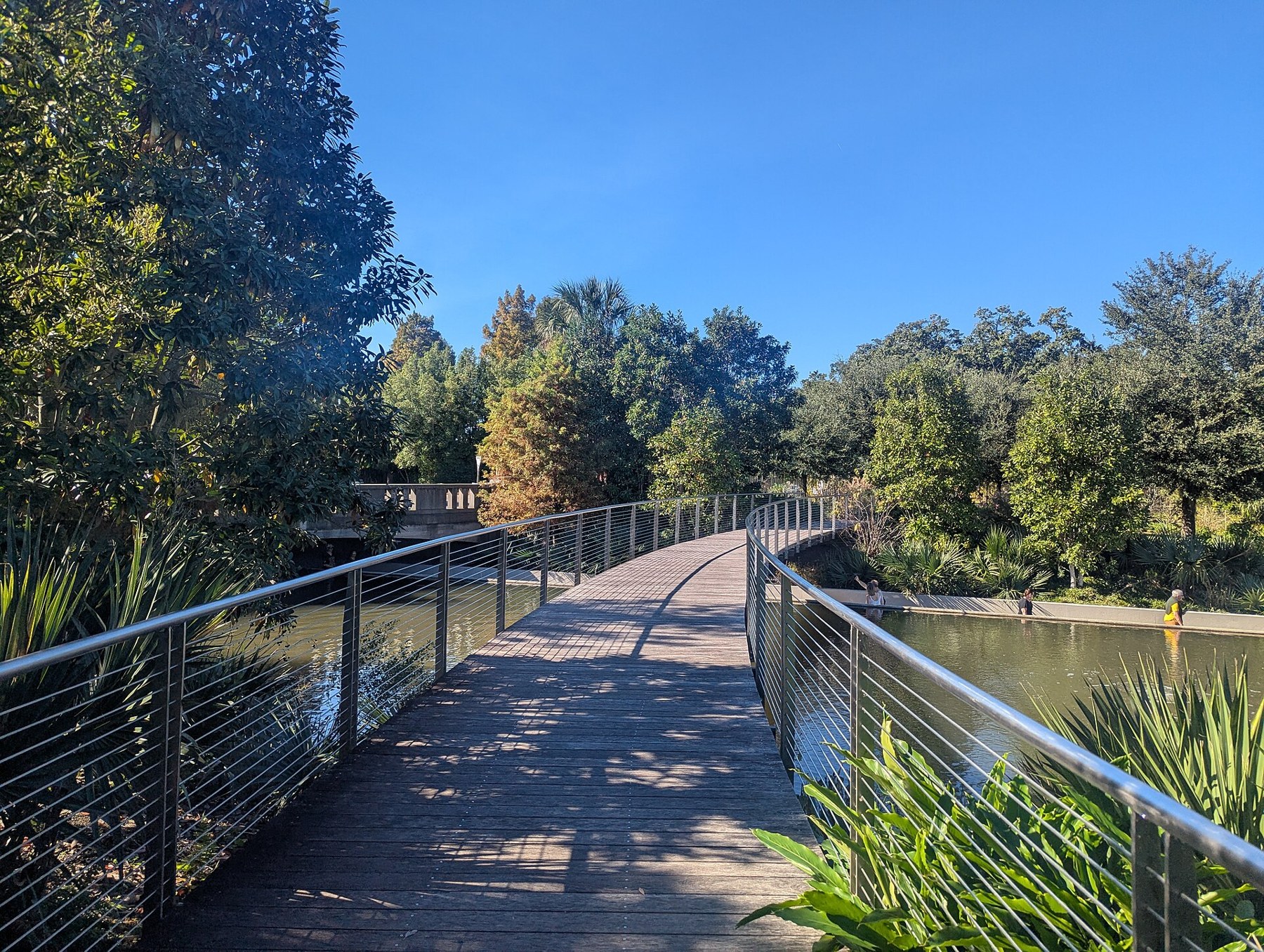
The Sydney and Walda Besthoff Sculpture Garden is one of the places I’d recommend even to someone who doesn’t usually visit galleries. Sculptures are set among trees, beside the water and along the paths, so it feels more like a lovely walk where something unexpected is always around the corner. You don’t need to know every artist’s name to enjoy it.
According to the NOMA website, admission is free. When checked in September 2026, the garden listed daily opening hours of 10 a.m.–6 p.m. from April to September and 10 a.m.–5 p.m. from October to March. The museum has its own hours, so don’t confuse it with the garden.
I like how everyone can explore it in their own way. Some people read the labels, others look for unusual reflections in the water, while children can spot shapes and reflections. Just remember that these are works of art, not climbing frames. You can take a great photo without climbing on a sculpture.
Allow an hour to an hour and a half, and combine the garden with the previous stop. It’s a pleasantly easy and budget-friendly addition to a busy city itinerary. If you don’t feel like visiting another paid indoor attraction, there’s no need to add the museum simply because it’s next door.
15. The National WWII Museum

If you’re interested in history, The National WWII Museum could be one of the most powerful experiences of your trip. It focuses primarily on the American experience of World War II, and it’s much larger than a quick “let’s pop in for an hour” might suggest. Decide in advance which parts you’d most like to spend time on.
When checked in September 2026, the official price list showed standard adult admission at $37. Some experiences cost extra, such as Beyond All Boundaries at $9. When choosing tickets, check what’s included rather than automatically buying every add-on.
I’d allow at least half a day, or a full day if you’re very interested. The museum also suggests itineraries based on how much time you have. It’s perfectly fine to see fewer sections and really take them in; racing through everything just to say you saw it all would be a shame.
The museum is in the Warehouse District and is usually open 9 a.m.–5 p.m., with some holiday exceptions and closures on Mardi Gras Day. Check the exact hours for your dates. After spending the day there, I’d keep the evening relaxed, perhaps with dinner and a short walk, instead of another demanding historical exhibition.
The Mississippi and colorful neighborhoods: 3 ideas away from the busiest streets
Make time to see the river in more than just a quick photo stop. From a boat or the opposite bank, you’ll get a different sense of the city’s scale, while Marigny and Bywater are full of smaller houses and streets. These stops are good additions to a fourth day, but you can easily swap one for a museum if you’d rather be outdoors.
16. A Mississippi River cruise
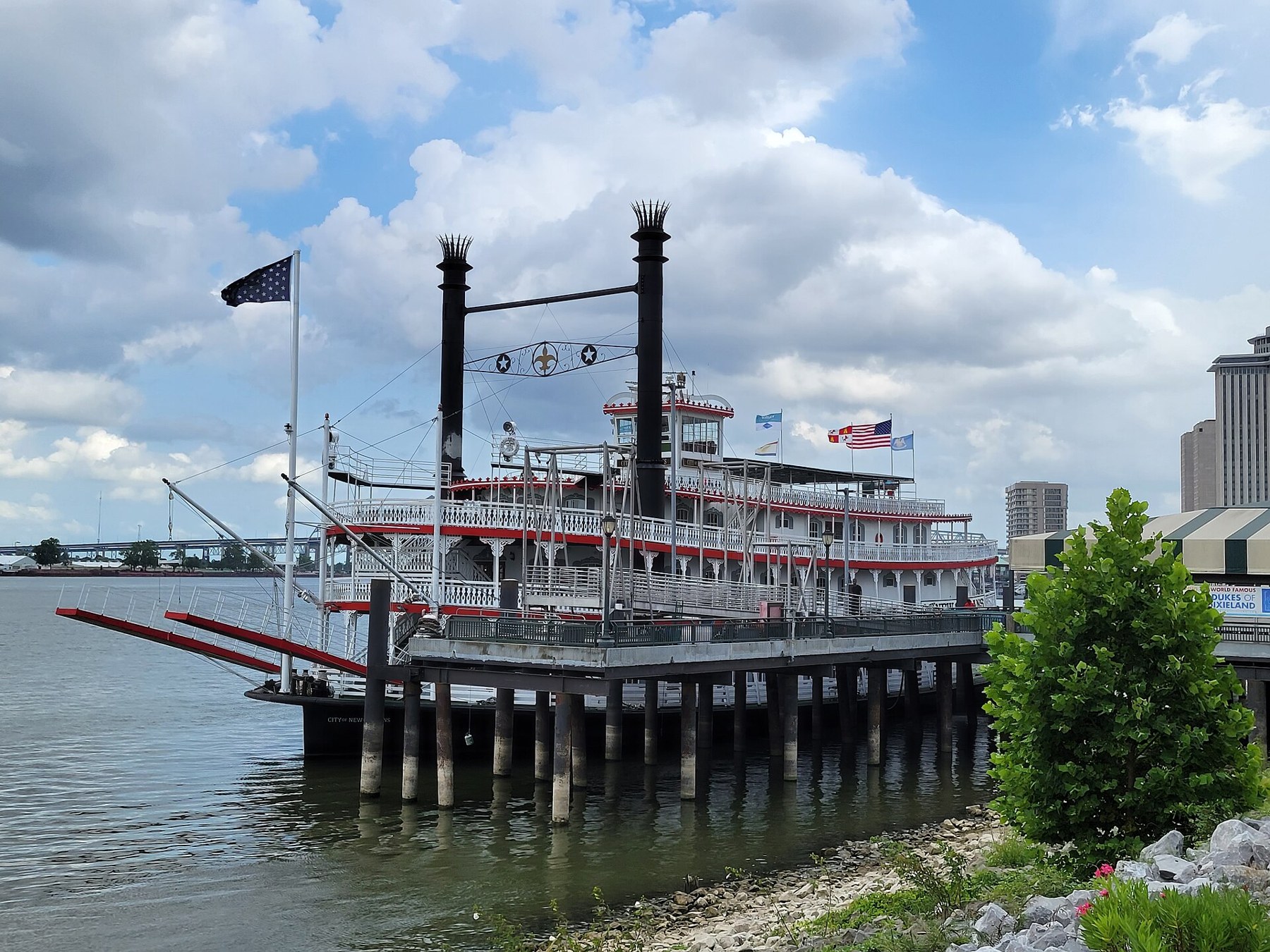
A paddle-wheeler on the Mississippi feels like a scene from a travel book. The broad river, the city behind you and music on board have a certain charm, especially after a few hours on your feet. Choose your cruise based on what you want, though: options differ in length, music and food.
In September 2026, the New Orleans Steamboat Company offered a daytime jazz cruise without lunch for $43.50, or $65 with lunch. Evening and shorter sightseeing cruises have different prices. Check which boat operates on your date before paying.
If the views and atmosphere are what you’re after, you don’t need to eat on board. If you’re vegetarian, especially, check the current menu before paying extra. It may make more sense to enjoy the cruise itself and have dinner somewhere you’re genuinely excited about for the food.
Keep in mind that the Mississippi is also a working river, so the views aren’t made up exclusively of historic houses. I’d see that as part of the experience, but if you’re expecting a romantic cruise between natural riverbanks, choose a different outing. Arrive in time to board and distinguish the boarding time from the departure time.
17. Ferry to Algiers Point
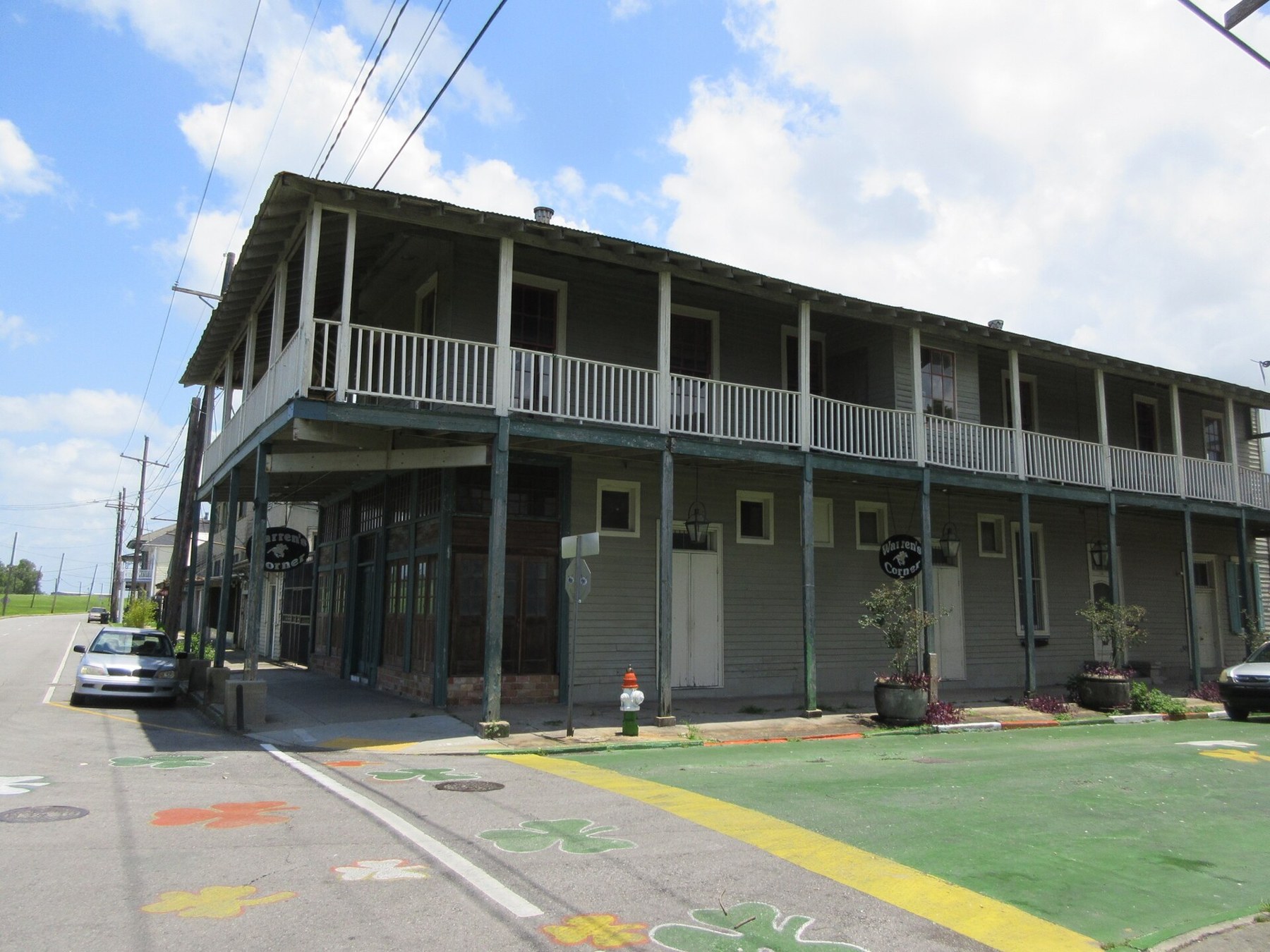
Algiers Point is a lovely choice if you want a break from the tourist center. It’s on the other side of the Mississippi, and you can get there by ferry from the Canal Street area. The short river crossing itself gives you a new perspective on the city without the expense of a longer sightseeing cruise.
Once you get off, explore the historic houses and waterfront. The official Algiers Point guide describes it as a neighborhood with its own history and atmosphere. I’d plan a visit for a slower morning or afternoon when you don’t want to rush between attractions with timed entry.
A one-way adult ferry fare is $2, according to the RTA fare information checked in September 2026. Check the return fare and whether any transit pass you have is valid when purchasing. Allow about an hour and a half to two hours for the visit and ferry, or longer if you’d like to stop at a café.
Check the service and, especially, the last ferry back before setting off. It’s easy to lose track of time with a river view, but you don’t want to guess when it’s time to return. Algiers is worth choosing for a walk and a different view of the city; if you expect another French Quarter with a continuous string of tourist attractions, you may be disappointed.
18. Marigny and Bywater
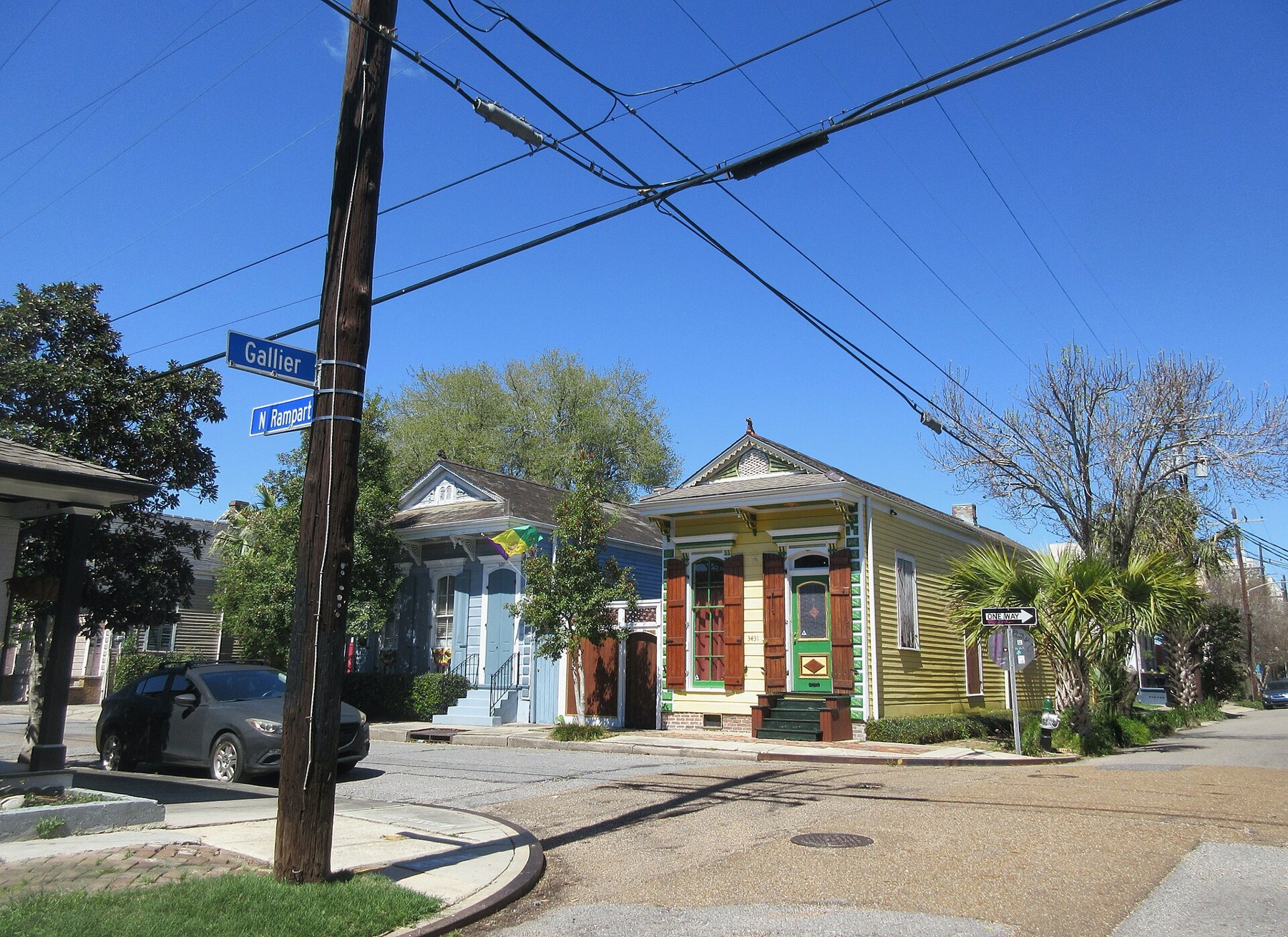
Colorful houses, porches, little bistros and streets where the walk itself is the main attraction: Marigny and Bywater are neighborhoods to explore at a slower pace. They sit next to each other downstream from the French Quarter, and each has its own character. You may already know Marigny from an evening on Frenchmen Street, but it’s worth coming back in daylight.
In Marigny and Bywater, look out for the narrow, elongated houses known as shotgun houses, colorful façades and small galleries. Choose a smaller area around somewhere you’d like to eat and build your walk around it. There’s no need to cover the entire neighborhood just because it takes up a lot of space on the map.
Bywater pairs well with a visit to Sneaky Pickle / Bar Brine on Burgundy Street, which I’ll mention below. You could also spend some time in Crescent Park by the river; find the specific park entrance in advance so you don’t end up walking around the blocks assuming the water must be just ahead.
Daylight is best for photography, while lingering calls for a leisurely mood. People live in these houses, so take photos from public areas and don’t step onto anyone’s porch. If you’re tired, choose one neighborhood rather than both. Colorful streets are more fun when you don’t feel obliged to see every last one.
Where to eat in New Orleans, even if you don’t eat meat
New Orleans is famous for its food, but vegetarians shouldn’t rely on the name of a traditional dish alone. Ask about meat, seafood and the stock used, especially in rice dishes, soups and beans. Picking a few restaurants in advance can save you from wandering around hungry in the evening.
Sweet Soulfood is a great option for plant-based versions of hearty Southern food. The restaurant posts its current menu online, and the selection varies by day. I like the chance to try local-style dishes without having the vegetarian version reduced to a plate with the main ingredient removed. It’s on Broad Street, so plan it as a dedicated stop rather than a spot right by Jackson Square.
Sneaky Pickle and Bar Brine share a space at 3200 Burgundy Street in Bywater. Sneaky Pickle is open during the day, while Bar Brine operates in the evening, and seasonal vegetables feature heavily on the menu. Reviews mention plant-based choices and a welcoming atmosphere. I’d choose a specific dish from the current menu, as seasonal ingredients are central to their approach.
Check the restaurant’s website to see which service is open: when checked in September 2026, Sneaky Pickle served lunch Thursday through Monday, while Bar Brine was open for dinner every day. They’re two versions of the same place, not two stops at opposite ends of the city. That’s easy to miss when you’re planning.
For something sweet, there’s always Café du Monde, ideally combined with a walk in the French Quarter or City Park. If you’ve booked a jazz show, plan dinner separately: a great music venue isn’t necessarily the best place to eat. And if you’re hungry in the afternoon, there’s no need to wait until a late American dinner time.
Getting from the airport and getting around the city
You’ll arrive at Louis Armstrong New Orleans International Airport, or MSY. To get downtown, compare the public bus with a taxi or pre-booked ride based on your arrival time, group size and hotel location. A direct ride can be a relief after a long flight, but public transport is much cheaper.
The official tourism website lists the 202 Airport Express bus at $1.25, with downtown stops around Poydras Street. Before you fly, look up the current service to your specific hotel and the next departure. The savings are nice, but consider whether you’ll have to wait a long time or make a complicated connection after the bus.
In the French Quarter itself, you’ll mostly get around on foot. Take the streetcar to the Garden District, and check an app or the RTA trip planner for routes to farther-flung neighborhoods. I wouldn’t rent a car for a city-only stay; if you’re on a road trip, check the hotel’s parking arrangements before booking.
Leave some room in your budget for a ride back after a night out. You don’t need to plan every journey a week in advance, but it’s reassuring to know how you’ll get home after a concert, especially if your hotel is farther away and you don’t fancy another long walk after a full day.
How much does a trip to New Orleans cost?
You can mix more expensive experiences with plenty of free things to do in New Orleans. Walking through the neighborhoods, City Park, the sculpture garden and the Historic New Orleans Collection can fill your day without every stop requiring another ticket. The hotel, travel dates and number of paid activities usually make the biggest difference to your total cost.
The prices below come from operators’ price lists checked in September 2026. Any conversions are approximate, based on a rounded exchange rate of $1 = CZK 22, not a guaranteed card rate. Check the final total and any extra charges when booking.
| Item for one adult | Price in USD | Approx. in EUR |
|---|---|---|
| One RTA streetcar or bus ride | 1.25 | €1.15 |
| One-day Jazzy Pass | 3 | €2.75 |
| One ferry ride | 2 | €1.85 |
| National WWII Museum, standard admission | 37 | €34 |
| Daytime jazz cruise without lunch | 43.50 | €40 |
| Besthoff Sculpture Garden | Free | Free |
| Historic New Orleans Collection, general admission | Free | Free |
For example, two adults will pay $161, around €148, for standard admission to the WWII Museum and a daytime jazz cruise without lunch at the prices listed above. Add accommodation, food, transport, any extra charges and concerts. This is an example of two activities, not a budget for an entire vacation.
I’d choose one or two paid experiences you’re genuinely excited about first, then fill in the rest of the itinerary as you feel like it. I wouldn’t buy an attractions bundle just because it promises big savings if you wouldn’t otherwise visit half the included places. You can save just as well by enjoying a lovely afternoon under the oaks.
New Orleans in 3 days: how I’d plan the trip
This itinerary is for three full days, with accommodation downtown or near the French Quarter. Each day focuses on one main neighborhood or major experience, leaving time for coffee and unplanned stops. You can always swap the order around depending on the weather and which concerts are on.
Day 1: The French Quarter and jazz. In the morning, explore Royal Street, Jackson Square and the area around the cathedral. Get beignets, continue past the French Market to the river, and visit the Historic New Orleans Collection in the afternoon if you feel like it. For the evening, choose either a booked show at Preservation Hall or live music on Frenchmen Street. There’s no need to fit both into one night.
Day 2: Streetcar, Garden District and Magazine Street. Ride along St. Charles Avenue, explore a few blocks of beautiful houses and head towards Magazine Street for lunch. Leave the afternoon for shops and cafés. If you still have energy, take an evening stroll by the river, but I wouldn’t travel to the other side of town just to squeeze in another stop.
Day 3: Choose what interests you most. History lovers should visit the National WWII Museum and leave the afternoon relaxed. If you’d rather spend time outdoors, combine City Park with the sculpture garden. Save the evening for more music or a lovely dinner. You could swap the Mississippi cruise for one of these activities if it appeals more.
With a fourth day, you can fit in Algiers Point, Bywater, a cemetery tour or an activity you postponed because of the weather. I’d really enjoy having an extra day like that: by then you’ll know what you like about the city and can return to a place where you felt happy.
If you’d like to book a tour or cruise through a comparison site, take a look at New Orleans activities on GetYourGuide. For each option, compare the duration, departure point, guide language and what’s actually included in the price.
Where to next? More ideas for a trip around the USA
If New Orleans is one stop on a longer trip, plan what comes next based on actual distances, not just the fact that everything is in the same country. The USA is enormous when it comes to getting around. These articles may help with your planning:
- What to see in the USA: inspiration for beautiful places.
- Florida vacation: ideas for the next part of your trip.
- Western USA road trip: an itinerary for a separate journey.
Frequently asked questions about New Orleans
First-time visitors most often ask how long to stay, how to get around and whether they can enjoy the city without late-night partying. Here are some quick answers to help you plan your first trip.
How many days do you need for New Orleans?
For a first visit I recommend three full days. You’ll cover the French Quarter, one or two jazz evenings, the Garden District, and depending on your interests a museum or City Park. A fourth day is useful for a river cruise, Algiers Point, or slower-paced walks. I wouldn’t count your arrival day as one of the three full days.
What can you see in New Orleans in one day?
Stay in the French Quarter and nearby surroundings. Walk Royal Street, Jackson Square and the area around the cathedral, taste beignets, and head down to the Mississippi. Save the evening for live music. I’d only add a trip to City Park or a several-hour visit to the WWII Museum if you have a strong personal preference.
Do you need a car in New Orleans?
For a city visit, usually not. You walk around the French Quarter, and to other neighborhoods you can use streetcars, buses, or ride-hailing. A car makes more sense if you’re continuing outside the city. If you’re arriving on a road trip, find out in advance about parking conditions and costs at your accommodation.
Where can you listen to jazz in New Orleans?
Choose a concert at Preservation Hall or one of the clubs on Frenchmen Street, for example The Spotted Cat. You’ll find schedules in advance at the venues and in the WWOZ Livewire calendar. Check reservations, admission fees, age restrictions, and required ID; individual clubs have different policies.
Does New Orleans make sense if you don’t want to go to bars?
Yes. Neighborhoods with historic houses, museums, City Park, the sculpture garden, and trips to the Mississippi offer plenty of activity even without nightlife. You can choose music as a standalone concert. Bourbon Street doesn’t have to be the center of your stay, and during the day you’ll discover the city from a completely different angle.
Is New Orleans suitable for children?
Yes, if you adapt your itinerary. City Park, children’s attractions, walks, and shorter streetcar rides work well. For museums, choose according to the child’s age and interests. Evening clubs may have age restrictions—for example, The Spotted Cat only admits guests 21 and over. So when going to music with children, pick specific suitable performances.
Can you eat well as a vegetarian in New Orleans?
Yes, though it’s easier if you have a few places picked out in advance. Check out Sweet Soulfood or Sneaky Pickle / Bar Brine and their current menus. For traditional dishes also ask about stock and sauces. Café du Monde offers a sweet stop, but their beignets aren’t vegan because of the milk.
Tips and Tricks for Your Vacation
Don’t Overpay for Flights
Search for flights on Kayak. It’s our favorite search engine because it scans the websites of all airlines and always finds the cheapest connection.
Book Your Accommodation Smartly
The best experiences we’ve had when looking for accommodation (from Alaska to Morocco) are with Booking.com, where hotels, apartments, and entire houses are usually the cheapest and most widely available.
 🚗 Car rental on the roadVerified rental cars in the United States
Search with the DiscoverCars comparison engine — it compares prices from dozens of local and international rental companies, and most bookings come with free cancellation.
Compare car prices in the United States →Don’t Forget Travel Insurance
Good travel insurance will protect you against illness, accidents, theft, or flight cancellations. We’ve had a few hospital visits abroad, so we know how important it is to have proper insurance arranged.
Where we insure ourselves: SafetyWing (simple monthly subscription) and TrueTraveller (for extra-long trips).
Find the Best Experiences
Get Your Guide is a huge online marketplace where you can book guided walks, trips, skip-the-line tickets, tours, and much more. We always find some extra fun there!