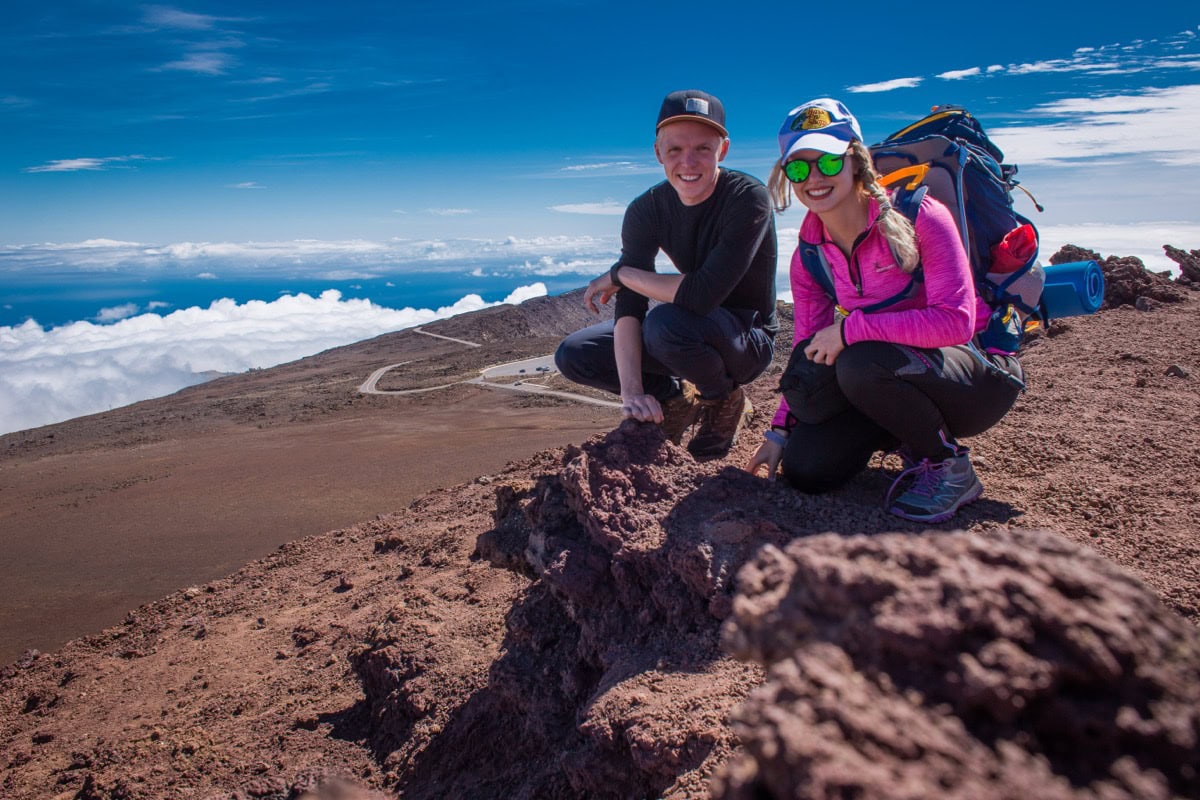
You’re standing on the edge of a crater at 10,000 feet above sea level, surrounded by absolute silence, with a landscape that looks like the surface of Mars stretching out beneath your feet. The sun is just cresting above the clouds and you’re wondering whether you’ve somehow died and been transported to another world. That’s exactly what sunrise at Haleakalā National Park Maui looks like — and exactly how I felt when I stood there for the first time with Lukáš, my jaw literally on the floor. 😅
Haleakalā National Park on Maui is without a doubt one of the most magical places we’ve visited in Hawaii — and honestly, one of the most magical places we’ve been to, full stop. This massive shield volcano, whose name means “House of the Sun” in Hawaiian, offers everything from a lunar landscape at the summit to stunning bamboo forests and waterfalls that will leave you gasping. And the best part? You’ll experience more contrasts in one place than you’d normally need a whole week of travelling to find elsewhere.
In this article you’ll find 15 things to see and do in Haleakalā National Park — from the legendary summit sunrise and the most beautiful hikes to tips on stargazing, food and practical advice that will save you time and money. I’ll tell you when to go, how to get up there, where to stay on Maui and how much it all costs.
TL;DR
- Haleakalā National Park stretches from the volcanic summit (10,023 ft / 3,055 m) down to the coast at Kīpahulu — essentially two completely different worlds within one park.
- Sunrise at the summit is an unforgettable experience — but you must book a reservation in advance on recreation.gov. Without one, you won’t be allowed up. The reservation costs $1 per car.
- Park entrance fee is $30 per car (valid for 3 days) or free with an annual America the Beautiful pass ($80).
- Best hikes: Sliding Sands Trail (crater), Pipiwai Trail (bamboo forest and Waimoku Falls) and Halemau’u Trail.
- The summit and Kīpahulu are not connected by road inside the park — getting from one to the other requires driving via Hāna Highway, which takes at least 2–3 hours.
- Best time to visit is April–May or September–October — fewer tourists and pleasant weather.
- Bring warm clothing for the summit — even if it’s 30 °C (86 °F) on the beach below, temperatures near the top can hover around freezing.
- Stargazing on Haleakalā is among the best in the world — minimal light pollution and high altitude make for incredible conditions.
- Allow 3–4 hours for Pipiwai Trail, and expect to get wet (rain is common here).
- Parking at Kīpahulu fills up fast — set off as early in the morning as possible.
The full destination guide: USA Travel Guide — guide and what to see
When to go and how to get to Haleakalā National Park
Haleakalā National Park is open year-round, but the weather and crowd levels vary significantly throughout the year. The ideal time to visit is April to May and September to October — during these months there’s less rain, temperatures are pleasant and there are noticeably fewer tourists compared to summer or Christmas. We visited Maui in February and the weather was surprisingly good — the summit was clear, though it did rain a little in Kīpahulu (but that’s pretty much par for the course there 😅).
Weather by park area
The key thing to understand is that Haleakalā has two completely different sections, and the weather in each is drastically different:
- Summit (peak, 10,023 ft / 3,055 m): Temperatures range from around 0–10 °C (32–50 °F), even in summer. The wind can be brutal. Packing a beanie, gloves and a jacket is a necessity, not a luxury.
- Kīpahulu (coast): Tropical climate, around 25–30 °C (77–86 °F), but it rains frequently — especially in the afternoon. A rain jacket or poncho comes in handy.
How to get to the summit
The summit is reached via Haleakalā Highway (Route 378) — a beautiful but winding road that climbs from the town of Kahului at sea level to 10,023 feet. The drive up takes roughly 1.5–2 hours and covers about 37 miles (60 km). The road is in good condition, but it’s narrow with plenty of hairpin bends — if you’re prone to motion sickness, take something for it beforehand.
For sunrise, you’ll need to leave in the middle of the night — typically around 3:00–4:00 a.m., depending on the time of year. And be aware: you must have a reservation in advance (more on that below). Fill up the tank the evening before, as there are no petrol stations along the way.
How to get to Kīpahulu
The coastal section of the park at Kīpahulu is reached via the famous Hāna Highway (Route 360) from Kahului — the drive takes about 2.5–3 hours one way and is one of the most scenic (and slowest) road trips on Maui. Alternatively, you can continue along the southern route via Piʻilani Highway, but part of the road is unpaved and most car hire companies prohibit driving on it. We took the risk and survived, but it did cost us a few nerves. 😁
Important: The summit and Kīpahulu are not connected by road inside the park. Ideally, plan them for two separate days.
Entrance fees and reservations
- Entrance fee: $30 per car (valid for 3 days, covering both sections of the park), $25 for a motorcycle, $15 per person (on foot or bicycle). If you’re planning to visit multiple US national parks, grab the America the Beautiful Pass for $80 — it’s valid for a year and gets you free entry everywhere.
- Sunrise reservation: Required since 2017 — $1 per car via recreation.gov. Reservations open 60 days in advance and sell out within minutes. A second batch is released 2 days before, but that’s a gamble. Book as soon as the window opens!
We’ve had consistently great experiences with DiscoverCars, which we use everywhere around the world — on Maui, a car is an absolute must, as you simply can’t get anywhere without one.
Where to stay on Maui + how much it costs
Accommodation on Maui is, how to put this diplomatically… expensive. It’s Hawaii, so expect to pay a minimum of $150–250 (roughly €140–230) per night for a hotel, and that’s for a decent mid-range standard. Luxury resorts on the south coast start from $400 upwards. But there are more affordable options — mainly Airbnb and smaller guesthouses in areas like Pāʻia or Kula, where you can find solid accommodation for $120–180 (€110–165) per night.
For visiting Haleakalā, we recommend staying in one of these areas:
Kula / Upcountry Maui
If you’re planning to catch sunrise at the summit, Kula is the most strategic choice — it sits at a higher elevation on the slopes of Haleakalā, putting you just about 45 minutes from the summit by car (instead of 1.5–2 hours from the coast). Plus, it’s gorgeous up here — farms, vineyards, cooler air and stunning views. Prices tend to be a bit more reasonable than on the coast.
Pāʻia
A tiny, colourful surf town on the north shore. From here it’s about 1.5 hours to the summit, and Pāʻia also serves as the starting point for Hāna Highway (and therefore Kīpahulu too). There are loads of great restaurants, quirky shops and a laid-back beach vibe. A perfect base if you want to combine Haleakalā with the Road to Hāna.
Kahului
Maui’s main town — it’s no beauty queen, but it has the airport, shops and the most affordable accommodation on the island. It’s a reasonable distance to both the summit and Hāna.
How much does a Maui holiday cost (budget for two for a week)
- Accommodation: $150–250/night → $1,050–1,750/week (approx. €960–1,600)
- Car hire: $60–120/day → $420–840/week (approx. €385–770)
- Food: $50–100/day for two → $350–700/week (approx. €320–640)
- Entry fees and activities: $100–300/week (approx. €90–275)
- Petrol: about $50–80/week (approx. €45–75)
- Total for two per week: roughly $2,000–3,700, or approximately €1,830–3,390 (excluding flights)
Flights from the UK to Maui typically cost around £500–900 per person with a stopover in Los Angeles or San Francisco. Look for deals with airlines like British Airways, Virgin Atlantic or United — connecting via a US hub is the most common routing from the UK.
If you’re planning more than just Maui in Hawaii, check out our complete guide to a Maui holiday, where you’ll find tips for other islands too.
Summit Haleakalā: 6 experiences you can’t miss
The summit area of Haleakalā is quite literally another world. Picture an enormous crater (technically an erosional valley, but nobody calls it that), 7 miles long, 2 miles wide and 2,600 feet deep. The landscape resembles Mars — red, orange and grey cinders, cinder cone volcanoes and absolute silence. Up top you’ll find the rare silversword plant that grows nowhere else on Earth, and if you’re lucky, the Hawaiian goose nēnē. It’s a magical place that will make you forget to breathe — and not just because of the altitude. 😁
1. Sunrise at the summit — the most iconic experience on Maui
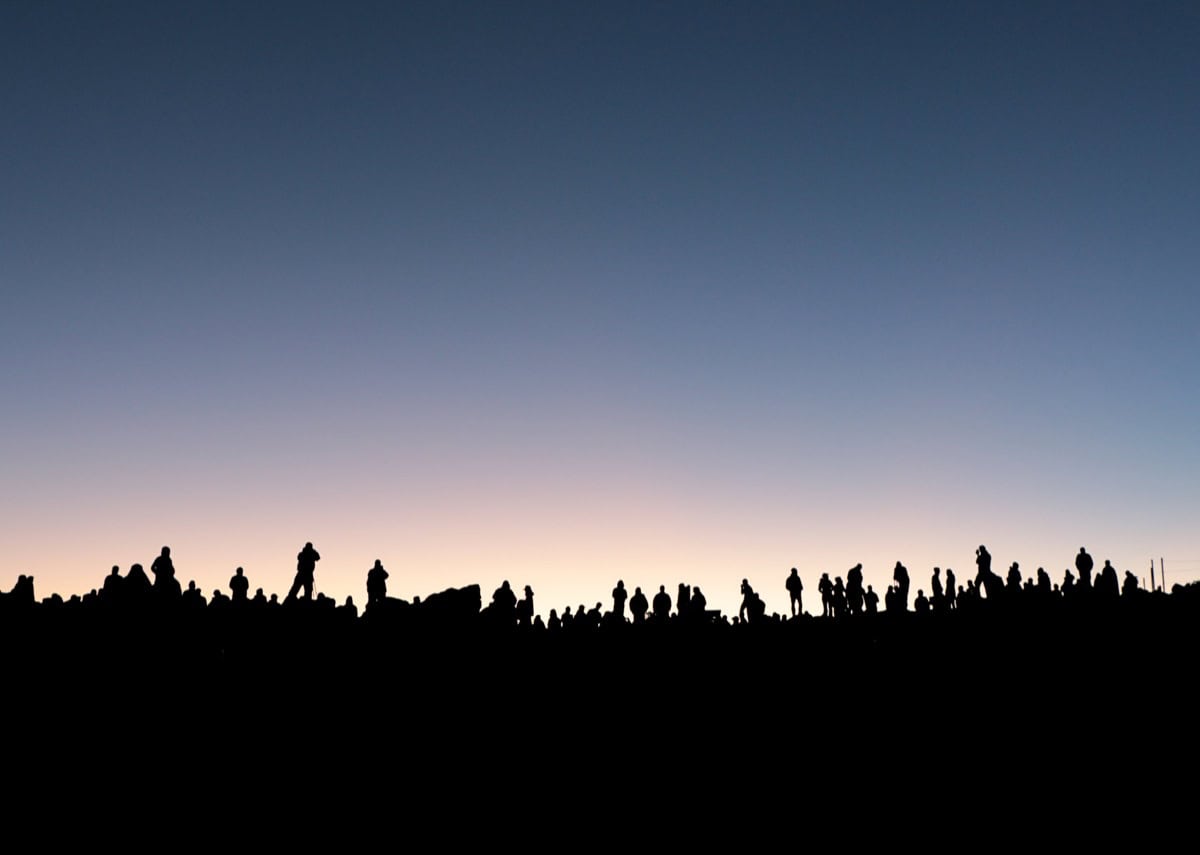
This is the number one reason people flock to Haleakalā, and I have to say, rightly so. Mark Twain described it as “the sublimest spectacle I ever witnessed,” and I agree one hundred per cent. You stand at the Pu’u’ula’ula (Red Hill) viewpoint at 10,023 feet, surrounded by a sea of clouds, and then it happens — the sun slowly peeks above the horizon and the entire crater lights up in shades of pink, orange and gold. It’s so beautiful you’ll want to cry. Or at least I did. 😅
Practical tips:
- A reservation is mandatory. Without one, the ranger won’t let you through the gate. Book it on recreation.gov exactly 60 days in advance — slots vanish within minutes. If you miss it, try your luck 2 days before your planned visit, when a second batch is released.
- Leave early. The park gate opens at 3:00 a.m. and you’ll want to be at the top at least 30–45 minutes before sunrise to grab a good spot.
- Dress warmly! It can be around 0–5 °C (32–41 °F) at the top with wind that will chill you to the bone. We wore thermals, a fleece, a jacket, a beanie and gloves — and were still cold. Bring a blanket to sit on too.
- Acclimatisation: You’re at 10,000 feet. If you’re coming straight from the beach, you might experience mild altitude sickness — headaches, dizziness. Drink plenty of water and take it easy on any stairs.
After sunrise, take in the views from the summit — on a clear day you can see Big Island and Molokaʻi. Then head out on a hike into the crater, because the best is yet to come.
2. Sliding Sands Trail (Keoneheʻeheʻe) — hike into the heart of the crater
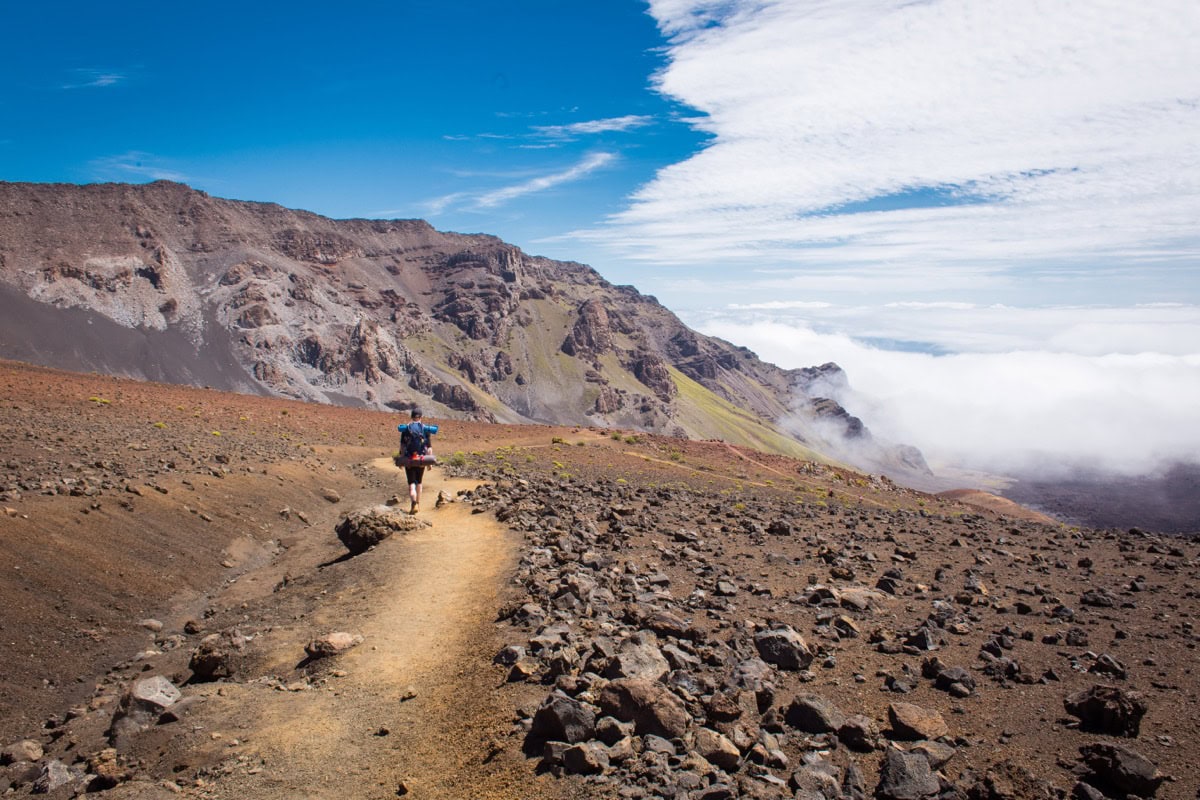
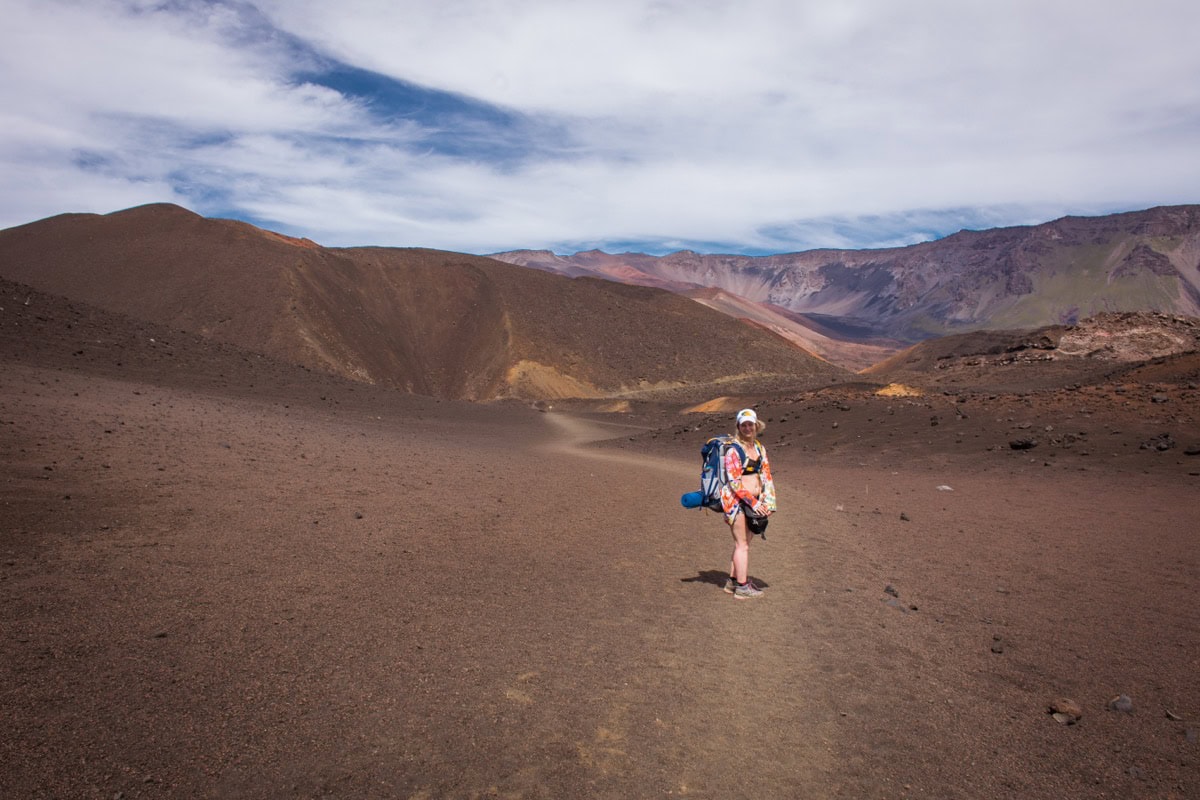
If you only have time for one hike on Haleakalā, make it Sliding Sands. This trail takes you straight into the heart of the crater and it’s one of the most surreal experiences we’ve ever had on our travels. You’re literally walking across colourful cinders — red, purple, black, grey — with volcanic cones towering around you that look like something out of a sci-fi film.
The trail starts at the Visitor Centre on the summit and descends steeply into the crater. The out-and-back route to the Ka Lu’u o ka O’o cinder cone is about 5 miles (8 km) and takes 3–5 hours, depending on how far you go. Fair warning — the descent is easy, but the climb back up is a beast. You’re gaining 1,000–2,000 feet of elevation at over 8,000 feet altitude, and trust me, you’ll feel every step.
What to bring: Plenty of water (at least 2 litres per person), snacks, sunscreen (UV radiation at this altitude is extreme), sunglasses and decent hiking boots. The surface is loose and slippery.
If you’re experienced hikers with a full day to spare, you can traverse the entire crater and exit via Halemau’u Trail (see tip #3) — that’s about 11 miles (18 km) and one of the best full-day hikes in Hawaii. You’ll need a second car or a lift waiting at the other end, though.
3. Halemau’u Trail — views and switchbacks
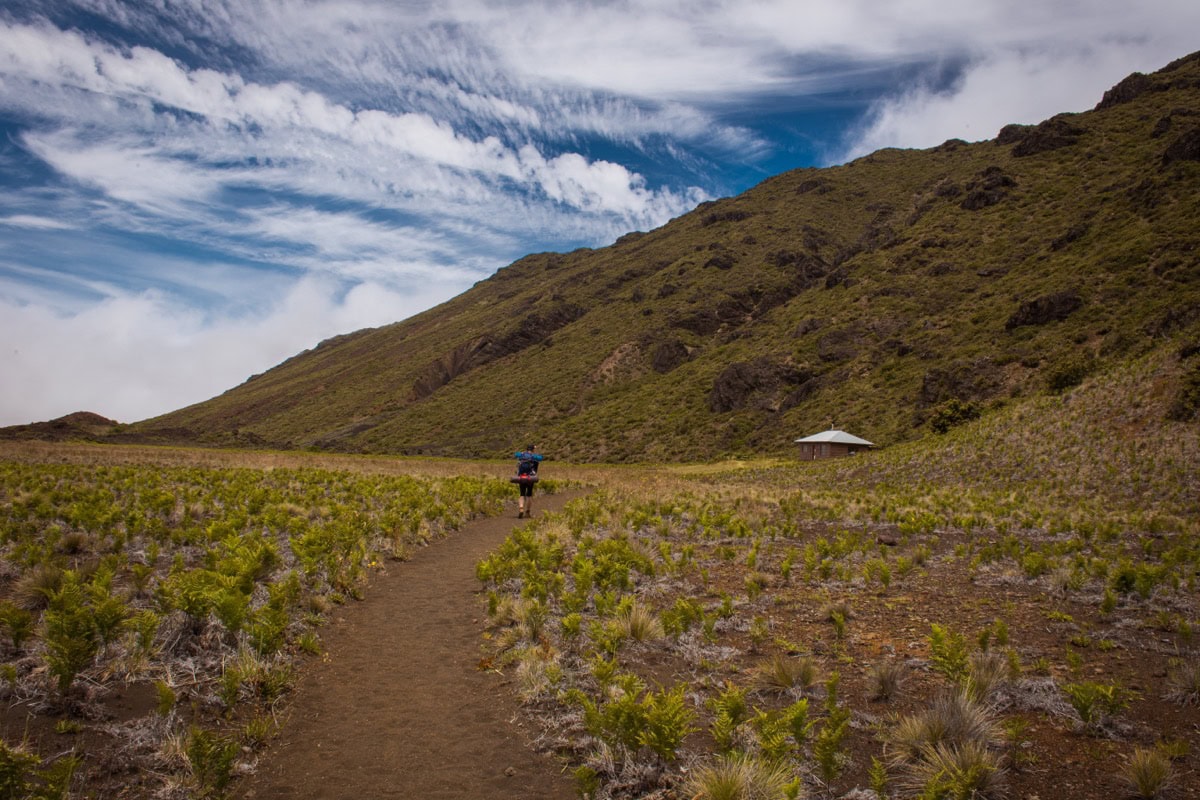
Halemau’u Trail is the “other side” of the crater and offers a slightly different perspective on Haleakalā. The trail starts at the Halemau’u Trailhead car park (below the summit, at about 8,000 ft / 2,400 m) and descends into the crater via a series of gorgeous switchbacks with views that will make your head spin.
The most popular option is to hike to Holua Cabin, which is about 4 miles (6 km) round trip (2–3 hours). Along the way you’ll see stunning rock formations, occasionally spot nēnē (Hawaiian geese), and on a clear day enjoy views of Maui’s north coast. If you have more time, continue on to the Silversword Loop.
This trail is an ideal alternative for those who don’t fancy tackling Sliding Sands (or don’t have the fitness for the climb back up). It’s less strenuous and less crowded. We combined it with sunrise — first we watched the sunrise, then warmed up at the car with coffee from a flask and set off on Halemau’u. The perfect morning.
4. Silversword — a rare plant that only grows here
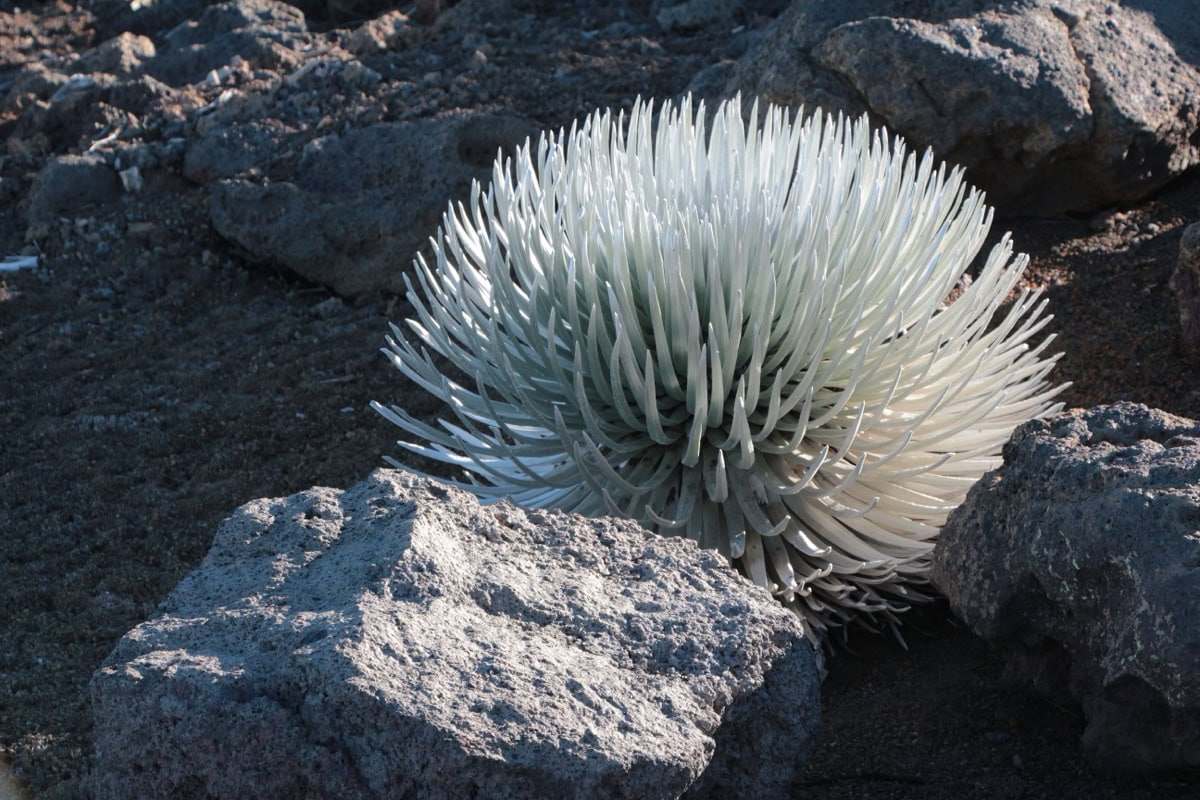
The Haleakalā silversword (ʻāhinahina) is a completely unique plant that grows only on the slopes of Haleakalā — nowhere else in the world. It looks like a silver hedgehog or an alien antenna — its silvery leaves, covered in fine hairs, reflect sunlight, and the plant can grow up to about three feet tall. Once in its lifetime (literally), it blooms — sending up a tall stalk covered in purple flowers — and then it dies.
You’ll spot silverswords along the trails near the summit, particularly around the Silversword Loop inside the crater and near the Visitor Centre. In the 1990s they were nearly extinct due to feral goats and vandalism, but thanks to conservation efforts their population is slowly recovering. Please don’t approach them or venture off the marked paths — their root system is incredibly fragile.
5. Stargazing — stars like nowhere else
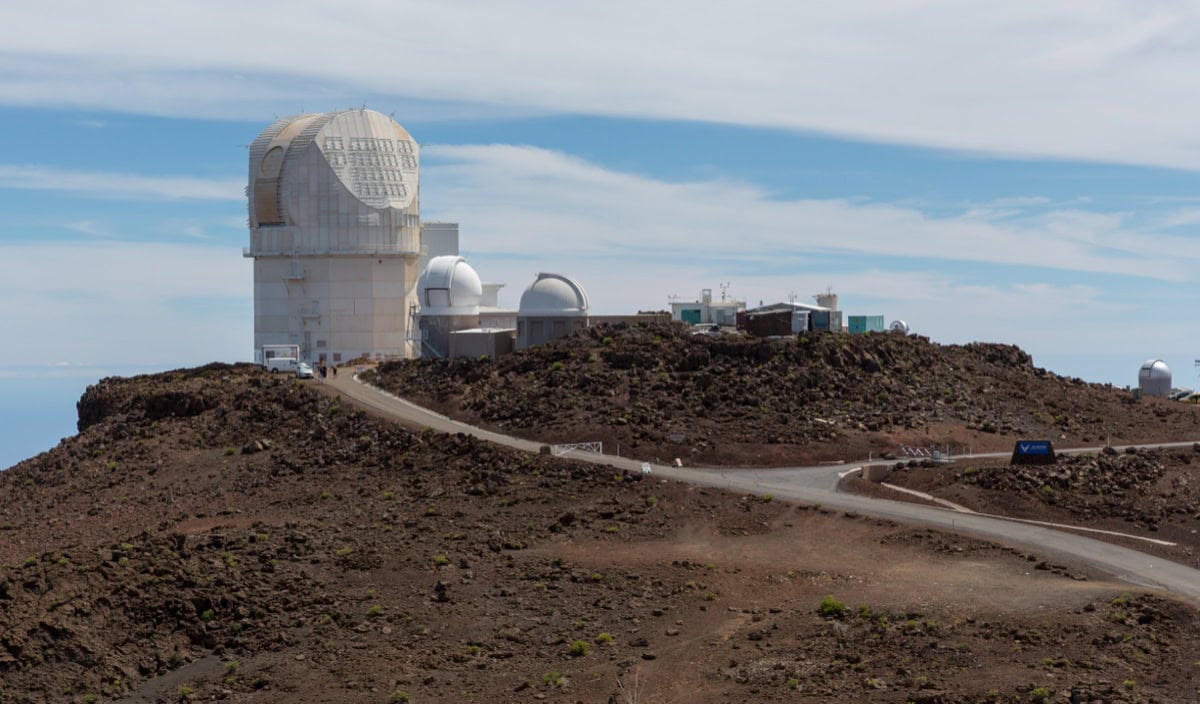
Haleakalā is one of the best stargazing spots on the planet. The combination of altitude (above the cloud layer and most atmospheric moisture), its location in the middle of the Pacific (minimal light pollution) and the dry air creates conditions astronomers dream of. It’s no accident that a scientific observatory sits on the summit — unfortunately it’s not open to the public, but you don’t need a telescope to enjoy the show.
When and where: Stargazing is best after sunset — drive up about an hour before dusk, watch the sunset (also beautiful, just less famous than sunrise) and then stay put. The Milky Way is visible to the naked eye in almost all its glory from here. The best period is April to October, when the core of the Milky Way is above the horizon.
Tip: If you’d rather not be alone on the summit in the dark (which is perfectly fine, but understandably unnerves some people), book a guided stargazing tour with a telescope. Guides will show you planets, nebulae and galaxies, and share Hawaiian legends about the stars.
6. Biking down Haleakalā — a ride from 10,000 feet
If sunrise is the number one experience on Haleakalā, biking down is a solid number two. Picture this — you’re cycling from 10,000 feet down to the coast, about 37 miles, with practically no pedalling. The wind rushes past your ears, eucalyptus forests and pastures fly by and you feel a sense of absolute freedom.
Most tour operators pick you up early in the morning, drive you to the summit (or just below it — since 2007, organised groups are no longer allowed to start from the very top), kit you out with a bike, helmet and jacket, and off you go. The whole experience takes about 4–5 hours including stops. Prices are typically around $100–200 per person (approx. €90–185).
Note: If you’re thinking of combining sunrise and a bike tour in one day, check with the specific operator — not all of them offer both together. And if you’re nervous about winding roads or don’t have experience cycling in mountains, give this one a miss. It’s not a race, but the road is shared with cars and it can get pretty intense at times.
Kīpahulu and Pipiwai Trail: 5 tips for the coastal section of the park
The other face of Haleakalā is utterly different from the lunar landscape on the summit. The Kīpahulu area is a lush, green tropical paradise on Maui’s east coast, reached via the legendary Hāna Highway. Here you’ll find bamboo forests, waterfalls, natural pools and an atmosphere that’s as far from the tourist bustle of west Maui as it gets. It’s peaceful, magical and a little wild — exactly what you picture when you dream about Hawaii.
7. Pipiwai Trail — through a bamboo forest to a dream waterfall
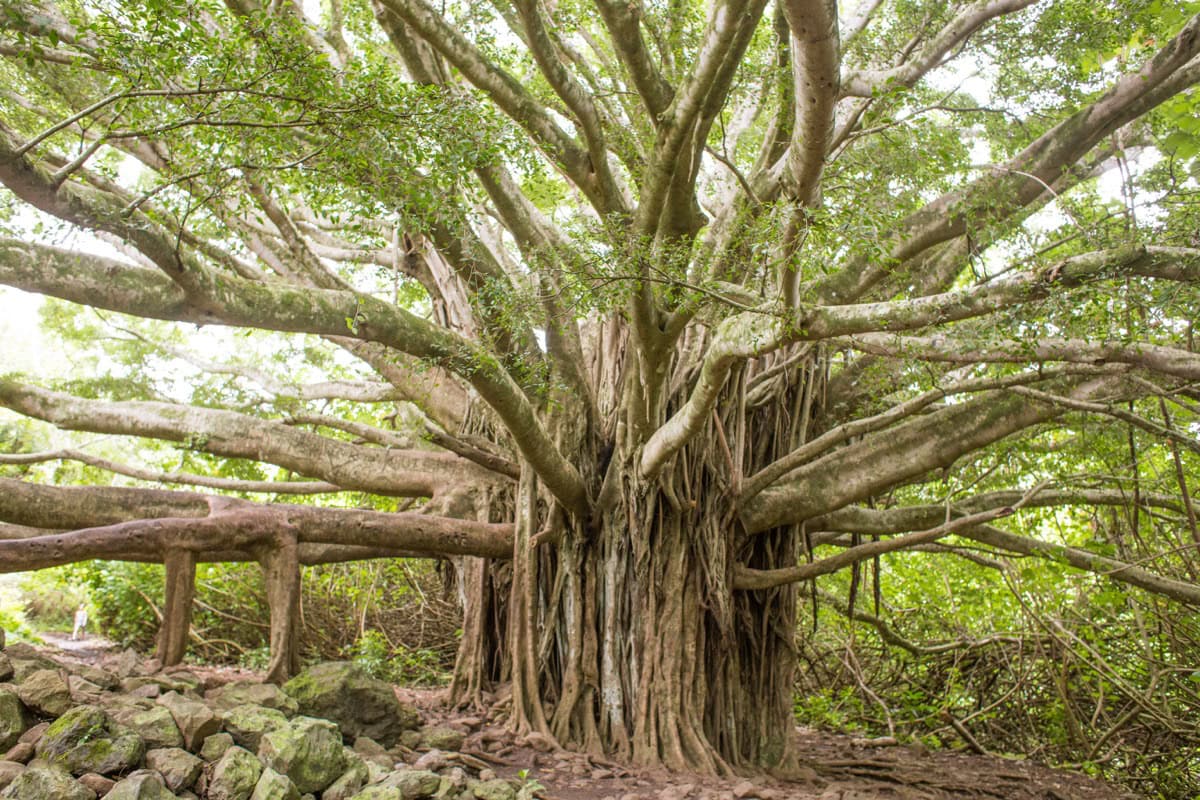
Pipiwai Trail is, in my opinion, the most beautiful hike on all of Maui and possibly in all of Hawaii. It’s 4 miles (6.4 km) round trip (about 3–4 hours), leading past banyan trees, through enormous roots, across streams — and then suddenly you step into a bamboo forest that takes your breath away. Hundreds of bamboo stalks soar up to 65 feet, creaking and clacking in the wind, and you feel like you’ve stepped into another dimension.
At the end of the trail your reward awaits — Waimoku Falls, a 400-foot waterfall that cascades down a rock face into a small pool. Swimming beneath the falls is officially banned (falling rocks), but the sight alone is worth every step.
Practical tips:
- Set off as early in the morning as possible — the car park at the Kīpahulu Visitor Centre fills up quickly and there’ll be fewer people on the trail.
- Expect rain. Kīpahulu is one of the wettest parts of Maui. Bring a rain jacket and shoes you don’t mind getting muddy.
- The trail can be slippery after rain — trekking poles are useful though not essential.
- Mosquitoes. Lots of mosquitoes. Insect repellent is a must-have.
- If you’re driving the Hāna Highway, plan Pipiwai as your first stop before the car park fills up (aim to arrive around 9:00 a.m.).
8. Pools of ʻŌheʻo (Seven Sacred Pools) — natural pools by the ocean
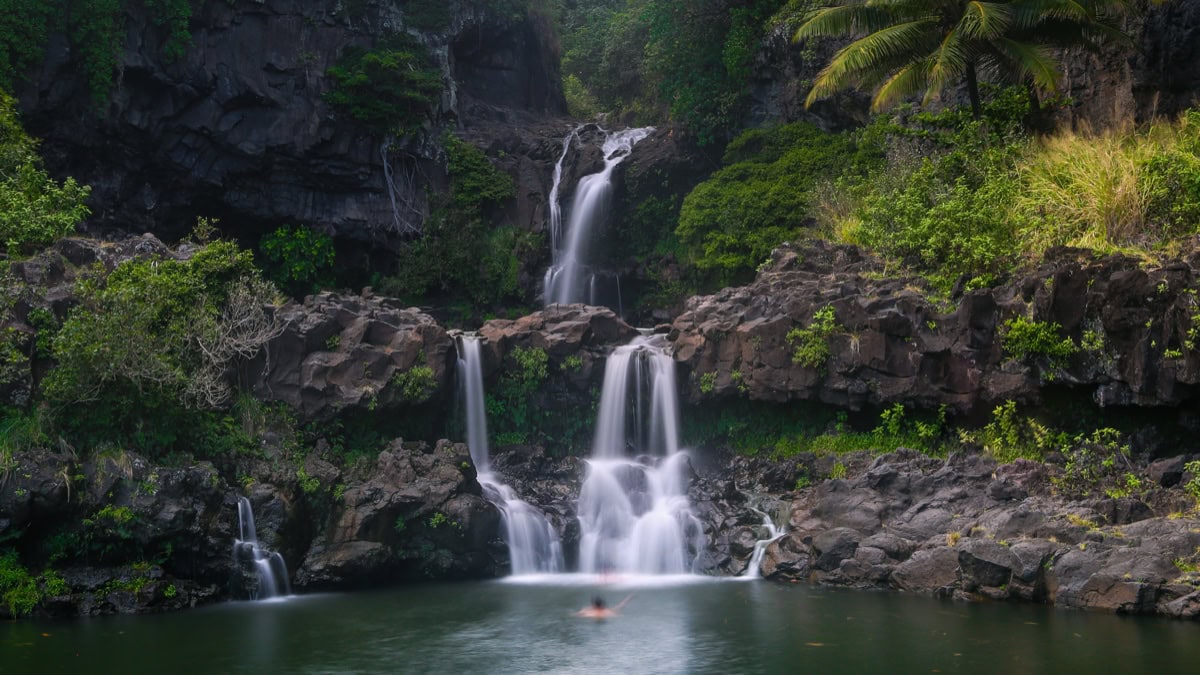
Right next to the Kīpahulu Visitor Centre you’ll find a series of natural pools fed by waterfalls that cascade all the way down to the ocean. They’re called ʻŌheʻo Gulch, though you may know them by their marketing name “Seven Sacred Pools” (in reality there are more than seven and they’re not actually sacred, but the name stuck 😅).
Swimming in the pools is often prohibited due to strong currents, flash flood risk and bacteria. Check the current conditions on the NPS (National Park Service) website before your visit. When we were there, the pools were closed — but it’s still a stunning spot for a walk and photographs. The view of the cascades tumbling into the ocean is spectacular.
The trail to the pools is short and easy — about 0.5 miles (0.8 km) round trip along a paved path. Ideal if you don’t have the time or energy for the full Pipiwai Trail.
9. Waimoku Falls — a 400-foot waterfall
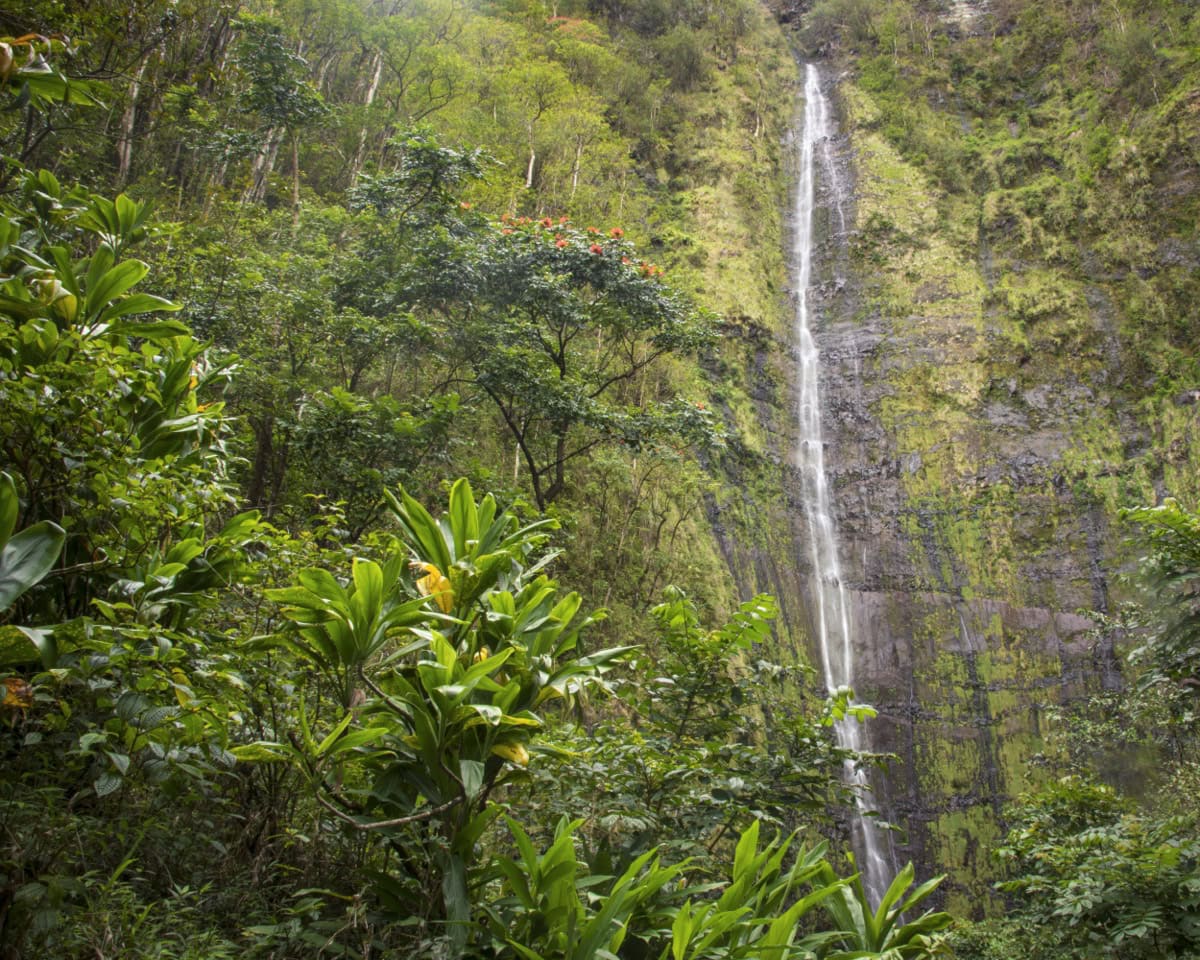
I already mentioned Waimoku Falls in the Pipiwai Trail section, but it deserves its own spot on the list because it’s simply an awe-inspiring sight. The waterfall is 400 feet (120 m) tall, with water cascading down a rock face draped in tropical vegetation. After rain, the flow is massive and you can hear the thundering roar dozens of metres before the falls come into view.
You stand there, look up and wonder how nature could possibly create something so perfect. And then a droplet from the falls lands right on your camera lens and you snap back to reality. 😁
Important: Don’t get too close to the waterfall — falling rocks are a genuine hazard, especially after rain. The NPS takes this seriously and the zone directly beneath the falls is closed off.
10. Kuloa Point Trail — ocean viewpoint
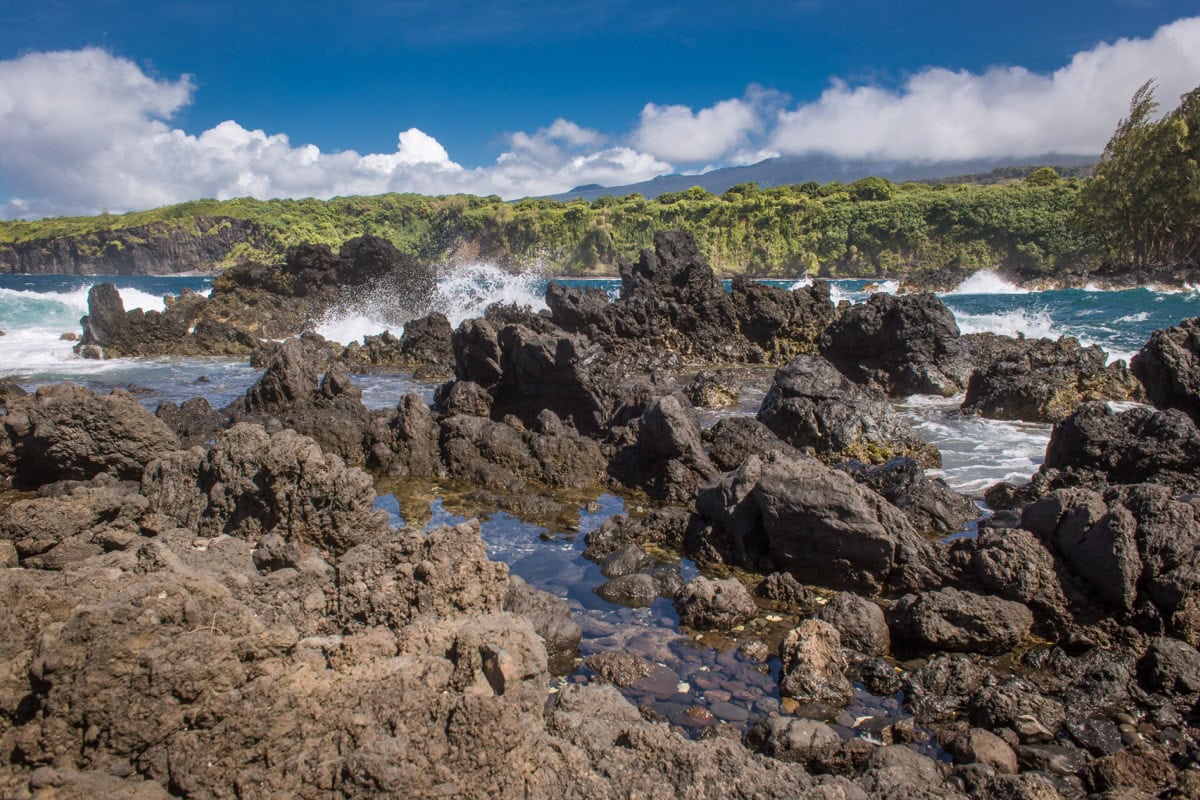
A short, easy trail (0.5-mile loop) that leads from the Kīpahulu Visitor Centre to the coast. It’s the perfect walk for everyone — with kids, with grandparents, with anyone. At the end of the trail you stand on a rocky headland overlooking the ocean, listening to waves crashing against the lava. During the winter months (December–April) you might spot humpback whales migrating past Maui from here.
Even though it’s just a quick stroll, the atmosphere is wonderful — grass, palm forest, fresh ocean air. Combine it with a visit to the Pools of ʻŌheʻo for a perfect one-hour outing.
11. Hāna Highway — the journey is the destination
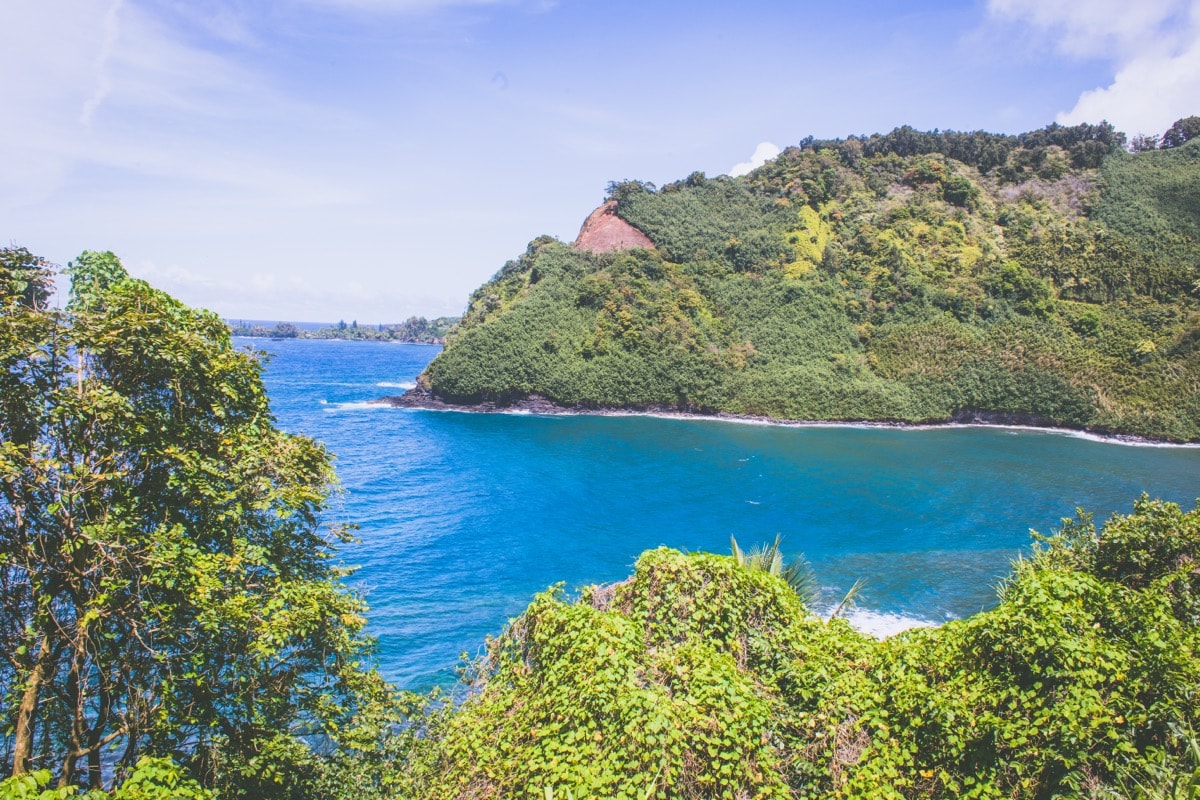
Technically, Hāna Highway isn’t part of the national park, but since it’s how you get to Kīpahulu, it deserves a mention. The Road to Hāna is one of the most famous drives in the world — 64 miles of winding road with 620 curves and 59 bridges (most of them single-lane!), hugging the northeast coast of Maui. Along the way you’ll pass waterfalls, black sand beaches, botanical gardens and picturesque bays.
Tip: Don’t try to rush the Hāna Highway. Plan a full day for the drive to Kīpahulu — stop often, have a swim, snack at the viewpoints. Popular stops along the way: Twin Falls (easy hike to a waterfall right at the start), Waianapanapa State Park (black sand beach, reservation required), Upper Waikani Falls (a photogenic triple waterfall visible from the road).
On the way back you can either retrace your route or continue along the southern road via Piʻilani Highway — but be warned, part of it is unpaved and car hire companies prohibit it. We took the gamble… and it was an adventure. Let’s just say I probably wouldn’t do it again next time. Or maybe I would. Yeah, probably would. 😅

Map of points of interest for your phone
Tips for adventurous travellers: 4 bonus experiences
Haleakalā offers more than just the classic tourist trails. If you enjoy wilder experiences or are looking for something off the beaten track, here are some tips you won’t typically find in guidebooks.
12. Overnight in the crater — cabins and campsites
Did you know that you can actually spend the night inside the Haleakalā crater? The National Park Service operates three rustic cabins (Hōlua, Kapalaoa and Paliku) and two campsites. The cabins have beds, a cooking stove and a toilet — no luxury, but the feeling of sleeping in the middle of a crater in Hawaii is priceless.
Reservations are made through recreation.gov and slots are incredibly sought-after — they open 6 months in advance and the cabins are gone within hours. Campsites (tent camping) are easier to book. Spending a night in the crater lets you watch both sunset and sunrise from inside, tackle longer trails and experience the absolute silence of a Hawaiian night beneath the stars.
13. Full-day crater traverse — Sliding Sands + Halemau’u
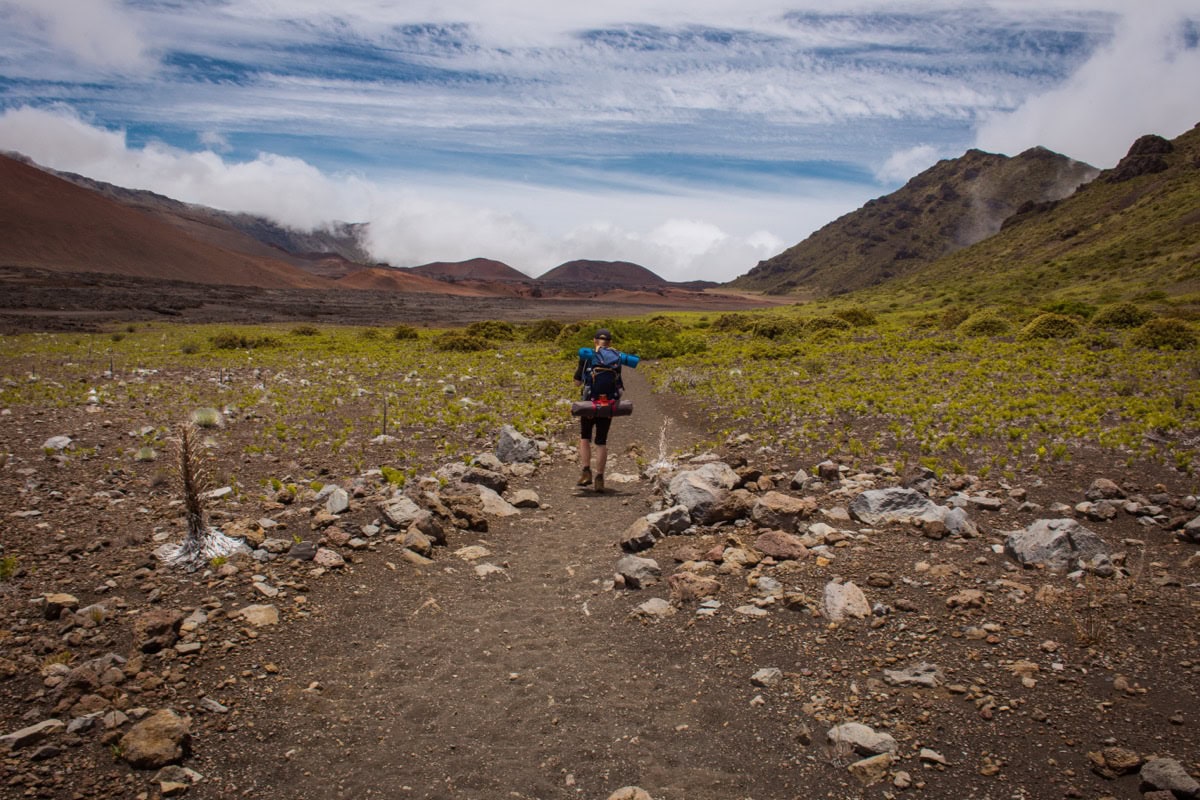
For fit hikers, the full crater traverse is one of the best day hikes in the United States. The route leads from the summit down Sliding Sands, through the entire crater and out via Halemau’u Trail — roughly 11 miles (18 km) with about 3,000 feet (900 m) of elevation change. Allow 7–10 hours of walking time.
The logistics can be tricky — you start and finish at different trailheads, so you’ll need either two cars or someone to pick you up. Some tour operators offer a shuttle service.
Along the way you’ll see absolutely everything — colourful cinders, volcanic cones, silverswords, cinder fields and a landscape that’s completely otherworldly. It’s physically demanding (mainly due to the altitude), but utterly unforgettable.
14. Spotting nēnē — the world’s rarest goose
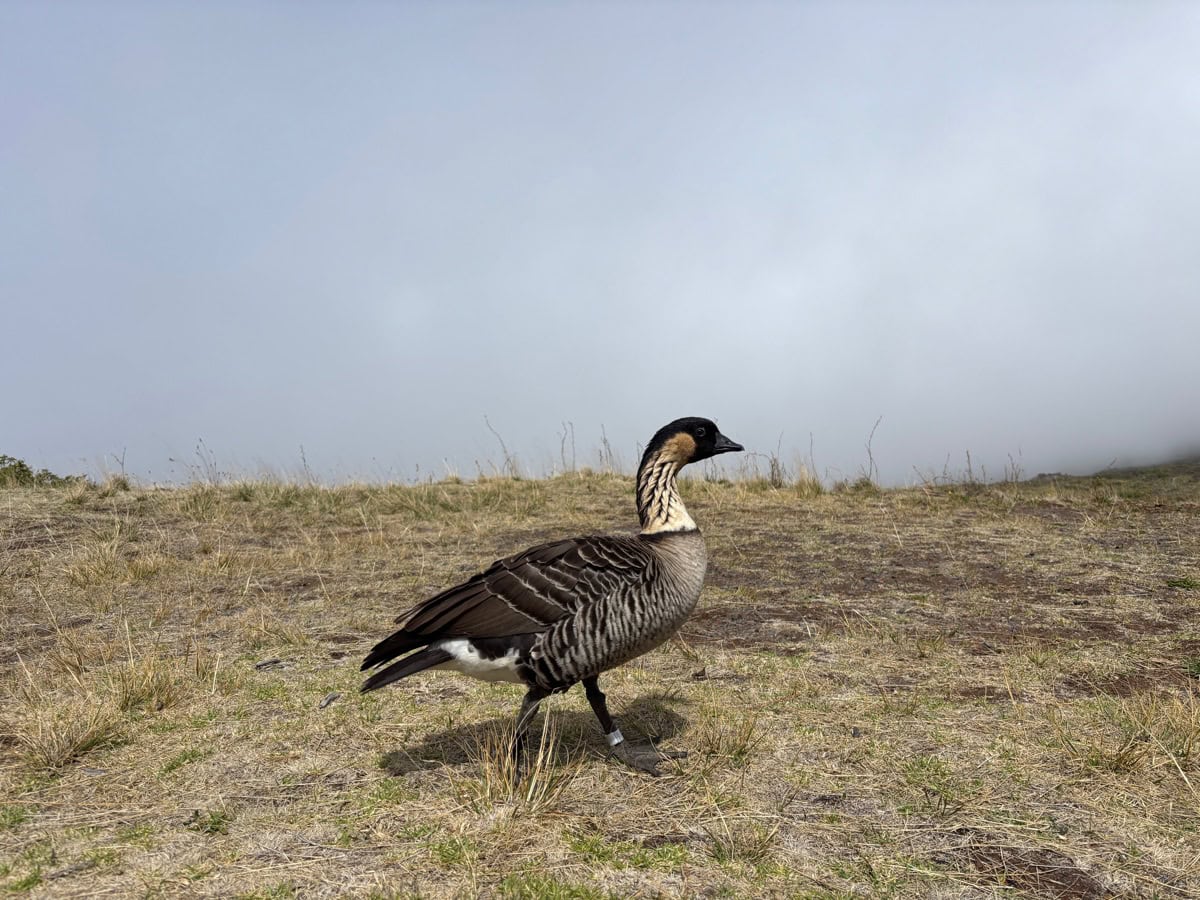
The nēnē (Hawaiian goose) is the state bird of Hawaii and one of the rarest birds on Earth. In the 1950s, only 30 individuals remained. Today, thanks to conservation programmes, around 3,000 live across Hawaii — and many of them call the slopes of Haleakalā home.
You’re most likely to spot nēnē around the summit car park and along the road in the upper part of the park. They’re used to people and aren’t particularly shy — but please, don’t feed them or get too close. They’re a protected species and the fines for disturbing them are hefty.
They’re easy to recognise — they look like a smaller version of the Canada goose, but with longer legs and less webbing between their toes (an adaptation to lava terrain). And they sometimes stroll along the road with the kind of nonchalance that suggests they own the whole island. Which, in a way, they sort of do. 😉
15. Sunset at the summit — less famous, but equally stunning
Everyone raves about sunrise, but sunset on Haleakalā is an underrated gem. Unlike sunrise, you don’t need a reservation, far fewer people turn up and the atmosphere is calmer and more intimate. The colours are different — more reds and purples — and after the sun dips below the horizon, you can stay for stargazing.
Tip: Arrive about 2 hours before sunset, take a stroll along the short summit trails (Pa Ka’oao Trail, 0.2 miles, or Leleiwi Overlook) and then find a spot at one of the viewpoints. Bring warm clothing and a head torch for the walk back to your car.
Personally, I think if you can only pick one — and don’t fancy getting up at 3 a.m. — sunset is the better choice. I’m saying this as someone who’s seen both. 😊
What to eat and drink on Maui (and what to bring to Haleakalā)
You don’t want to head to the summit or Kīpahulu on an empty stomach. There are no restaurants or shops inside the park — you need to bring everything with you. But outside the park, the food on Maui is fantastic.
Food to bring on a hike
- Plenty of water. At least 2 litres per person for the summit, at least 1.5 litres for Pipiwai Trail.
- Energy bars, nuts, dried fruit.
- Sandwiches — pick them up the evening before from Whole Foods or Safeway in Kahului.
- For the summit, bring hot tea or coffee in a flask as well — you’ll be grateful for it after watching sunrise in the freezing cold.
Where to eat on Maui
Pāʻia:
- Mama’s Fish House — a legendary Maui restaurant with fresh fish and ocean views. Pricey (mains $40–60 / approx. €37–55), but the atmosphere is unforgettable. Book weeks in advance.
- Pāʻia Fish Market — if you want amazing fish tacos at a reasonable price, this is your spot. The queue is long but moves quickly.
- Flatbread Company — excellent pizzas made with local ingredients, relaxed vibe.
Kahului:
- Tin Roof — by chef Sheldon Sim (of Top Chef fame). Hawaiian comfort food — garlic noodles and pork belly bowl for just a few dollars. Lunch only, but the queue is manageable.
- Poi by the Pound — authentic Hawaiian cuisine including poi, laulau and kalua pork. If you want to try traditional Hawaiian food, this is the real deal.
Kula / Upcountry:
- Kula Lodge — breakfast with a view of Haleakalā. The pancakes with local fruit are phenomenal.
- Grandma’s Coffee House — a small café with homemade pastries and coffee grown right on Maui. The perfect pit stop on the way to or from the summit.
On the road to Hāna:
- Coconut Glen’s — vegan coconut ice cream served in an actual coconut shell. Sounds like a tourist trap, but it’s genuinely incredible.
- Nahiku Marketplace — stalls with local food, smoothies and banana bread. The perfect pit stop on the Hāna Highway.
Practical tips and advice
What to pack for Haleakalā
- For the summit: Warm layers (thermals, fleece, jacket, beanie, gloves), head torch, sunscreen (the UV is fierce!), sunglasses, water, snacks, hot drink in a flask.
- For Kīpahulu/Pipiwai: Light clothing, rain jacket, insect repellent, hiking shoes, water, snacks.
- For Hawaii in general: see our guide to packing a carry-on bag.
Car hire
A car on Maui is absolutely essential — public transport is minimal and there’s simply no other way to reach Haleakalā. We’ve had consistently great experiences with DiscoverCars, which we use all over the world. On Maui, I’d recommend booking as early as possible — prices skyrocket during peak season.
Mobile internet
Mobile coverage on Maui is generally decent, but signal at the summit and in Kīpahulu is weak or non-existent. Download offline maps before you go. If you need data throughout your US trip, check out our review of the Holafly eSIM — it works brilliantly. UK travellers will find an eSIM far easier than hunting for a local SIM card on arrival.
Travel insurance
Whatever you do, don’t underestimate travel insurance in Hawaii — healthcare in the US is astronomically expensive. A single ambulance ride can set you back thousands of dollars. For shorter trips we recommend SafetyWing, and for longer stays True Traveller — which is particularly popular among UK travellers.
Frequently asked questions about Haleakalā National Park (FAQ)
Do I need a reservation for sunrise at Haleakalā?
Yes, since 2017 a reservation has been required for entry to the summit between 3:00 and 7:00 a.m. Without one, the ranger won’t let you through the gate. You can book on recreation.gov for $1 — reservations open 60 days in advance. They’re incredibly popular, so book on the exact day they become available. A second chance comes 2 days before your planned visit, when remaining slots are released.
How much does it cost to enter Haleakalā National Park?
The entrance fee is $30 per car and is valid for 3 days (covering both sections of the park — summit and Kīpahulu). A motorcycle is $25, and entry on foot or by bicycle is $15 per person. If you have an America the Beautiful Pass ($80/year), entry is free.
Can you drive directly from the summit to Kīpahulu?
No. The two sections of the park are not connected by road within the park. To get from the summit area to Kīpahulu, you need to drive via Kahului and then along the Hāna Highway, which takes at least 2–3 hours. Plan the summit and Kīpahulu for two separate days.
What should I wear to the Haleakalā summit?
Dress in layers — the summit can be 0–10 °C (32–50 °F) even in summer, with strong winds. We recommend thermals, a fleece, a windbreaker or winter jacket, a beanie and gloves. It might be 30 °C (86 °F) on the beach, but you’ll be freezing at the top. Also bring sunscreen — UV radiation is extremely intense at this altitude.
How long does Pipiwai Trail take?
Pipiwai Trail is 4 miles (6.4 km) round trip and takes roughly 3–4 hours. It’s a moderate hike with about 650 feet (200 m) of elevation gain, and can be slippery and muddy after rain. The trail leads through a bamboo forest to the 400-foot Waimoku Falls waterfall. Set off as early in the morning as possible for easier parking and fewer crowds.
Is Haleakalā suitable for families with children?
The summit is — you can reach the viewpoints from the car via short paved paths. Older children can handle the sunrise experience, but bear in mind the early wake-up and the cold. Shorter trails like Kuloa Point Trail in Kīpahulu are ideal for families. I wouldn’t recommend Sliding Sands or Pipiwai Trail with small children — Sliding Sands is physically demanding and Pipiwai can be slippery and muddy.
Can you see stars at Haleakalā?
Absolutely — Haleakalā is one of the best stargazing spots in the world. The altitude of over 10,000 feet, minimal light pollution and dry air above the clouds create ideal conditions. The Milky Way is visible to the naked eye. The best period for stargazing is April to October. You don’t need a reservation for sunset and stargazing — just arrive before dusk.
Tips and Tricks for Your Vacation
Don’t Overpay for Flights
Search for flights on Kayak. It’s our favorite search engine because it scans the websites of all airlines and always finds the cheapest connection.
Book Your Accommodation Smartly
The best experiences we’ve had when looking for accommodation (from Alaska to Morocco) are with Booking.com, where hotels, apartments, and entire houses are usually the cheapest and most widely available.
 🚗 Car rental on the roadVerified rental cars in the United States
Search with the DiscoverCars comparison engine — it compares prices from dozens of local and international rental companies, and most bookings come with free cancellation.
Compare car prices in the United States →Don’t Forget Travel Insurance
Good travel insurance will protect you against illness, accidents, theft, or flight cancellations. We’ve had a few hospital visits abroad, so we know how important it is to have proper insurance arranged.
Where we insure ourselves: SafetyWing (simple monthly subscription) and TrueTraveller (for extra-long trips).
Find the Best Experiences
Get Your Guide is a huge online marketplace where you can book guided walks, trips, skip-the-line tickets, tours, and much more. We always find some extra fun there!