I’ve seen Montreal twice, and each time was completely different. The first time with my mum, it was my very first Canadian destination ever. We were so excited that we ran around practically every imaginable sight before moving on to Quebec City. The second time, Lukáš and I flew here for his first encounter with Canada, but by then we took a much more relaxed approach.
We stayed in the craziest Airbnb in the city for 20 dollars a night with some Indian hosts. I’d never seen so much dust in one place in my life, so we really just slept there and escaped outside as quickly as possible. Instead, we enjoyed the culture, sat in the park and ate local treats. And you know what? That second version was actually much better.
Montreal, Canada isn’t a city for frantically ticking off a checklist—it’s simply a city for sitting and soaking up the atmosphere. If you’re planning to visit this year, I need to warn you right at the start about one crucial thing so you don’t make the trip unnecessarily. The iconic Montreal Tower is closed for all of 2026, so plans for epic views need to be redirected elsewhere.
TL;DR
- Montreal Tower is closed: A massive renovation is underway throughout 2026; it will reopen in spring 2027 with a new glass cable car.
- Getting around the city: A single ride on the island still costs 3.75 CAD, but for tourists the 24-hour pass at 11.50 CAD offers the best value.
- From the airport: The REM train is still under construction (opening at the end of 2027); for now you need to use bus 747, which runs 24/7.
- Language: The official language is French. You’ll get by with English in the city center, but a simple “Bonjour” opens doors.
- Food tip: An authentic Montreal bagel is completely meat-free, baked in a wood-fired oven, and the best ones are in the Mile End neighborhood.
- Views: Instead of the closed tower, head to Mont-Royal to the Kondiaronk viewpoint, which is the highest-rated spot in the city.
The full destination guide: Canada — guide and what to see
When to Visit Montreal
Canadian winter is the real deal and Montreal is definitely no exception. Prepare for serious cold, piles of snow, and icy winds that tear through the wide streets. If you go in January or February, you’ll be saved by the huge underground city, the heated Biodôme, and plenty of interactive museums. Even in the freezing cold, the popular Igloofest music festival takes place here. It’s by far the cheapest period for flights and hotels, but it’s really not ideal for long romantic walks outside along the river.
The best time to visit is therefore from June to September, when the city finally lives outdoors and sheds its winter coats. Restaurant patios open up, parks fill with picnicking families, and the biggest events take place. For example, the famous Jazz Festival takes over the entire huge Quartier des Spectacles in the city center, and a large portion of the concerts are outside and completely free. If you want to experience it firsthand, the 2027 edition is scheduled from June 25 to July 4, 2027.
If you love nature and a quieter atmosphere, consider the second half of September and first half of October. During this magical window, the trees in the parks turn shades of red, orange, and gold. It’s the ideal time for fall colors, especially if you’re planning weekend trips outside the city north to the Mont-Tremblant area. For Montreal itself, ideally set aside three to five days, so you have enough time for markets, long breakfasts, and peacefully soaking up the atmosphere. In three days you can cover Old Town and the viewpoints, but five days will give you that proper relaxed vacation feeling.
Where to Stay in Montreal
Strategic accommodation is key in Montreal because the city is truly huge and you don’t want to spend hours on the metro during your vacation. If you want to be close to historic streets, cafés, and the old port, look for accommodation right in Vieux-Montréal (Old Montreal), which breathes charming European atmosphere. If you prefer modern buzz, shopping, and skyscrapers instead, choose the Downtown (Centre-ville) neighborhood, where you have direct access to the extensive heated underground city network—something you’ll appreciate especially during the brutal winter months.
We always carefully search for and book our accommodation through Booking, where with a bit of luck you can find great deals and discounts. I’ve selected three specific hotels for you that have consistently excellent ratings, clean rooms, and strategic locations for exploring the city on foot:
- Hôtel Place d’Armes: A boutique hotel located right in the heart of historic Old Montreal close to the famous basilica. It offers elegant rooms and a beautiful rooftop terrace with views of the surrounding historic buildings. This is exactly the type of hotel you go to for an anniversary—even at the cost of a hit to the wallet.
- Le Square Phillips Hôtel & Suites: A practical choice in the modern city center. The rooms have their own equipped kitchenette, which you’ll appreciate especially during a longer stay. Being able to cook something good after a full day of running around is simply priceless. On the rooftop you’ll also find a very pleasant indoor pool.
- M Montreal: One of the highest-rated hostels in the world, offering not only fun shared dormitories but also quiet private rooms on par with a good hotel. It’s located close to the busy Sainte-Catherine shopping street, has a great community atmosphere, and you’ll even find a hot tub on the roof. Lukáš and I have moved past our hostel days a bit, but we’d happily go here.
💡 On this map you can compare what’s currently available—you’ll immediately see how much the price changes a few blocks away.
22 Things to See and Do in Montreal
Let’s look at the best that this Canadian metropolis has to offer. I’ve prepared 22 specific tips for you that will guide you from the historic port to the greenest parks.
1. Mont-Royal and Kondiaronk Viewpoint
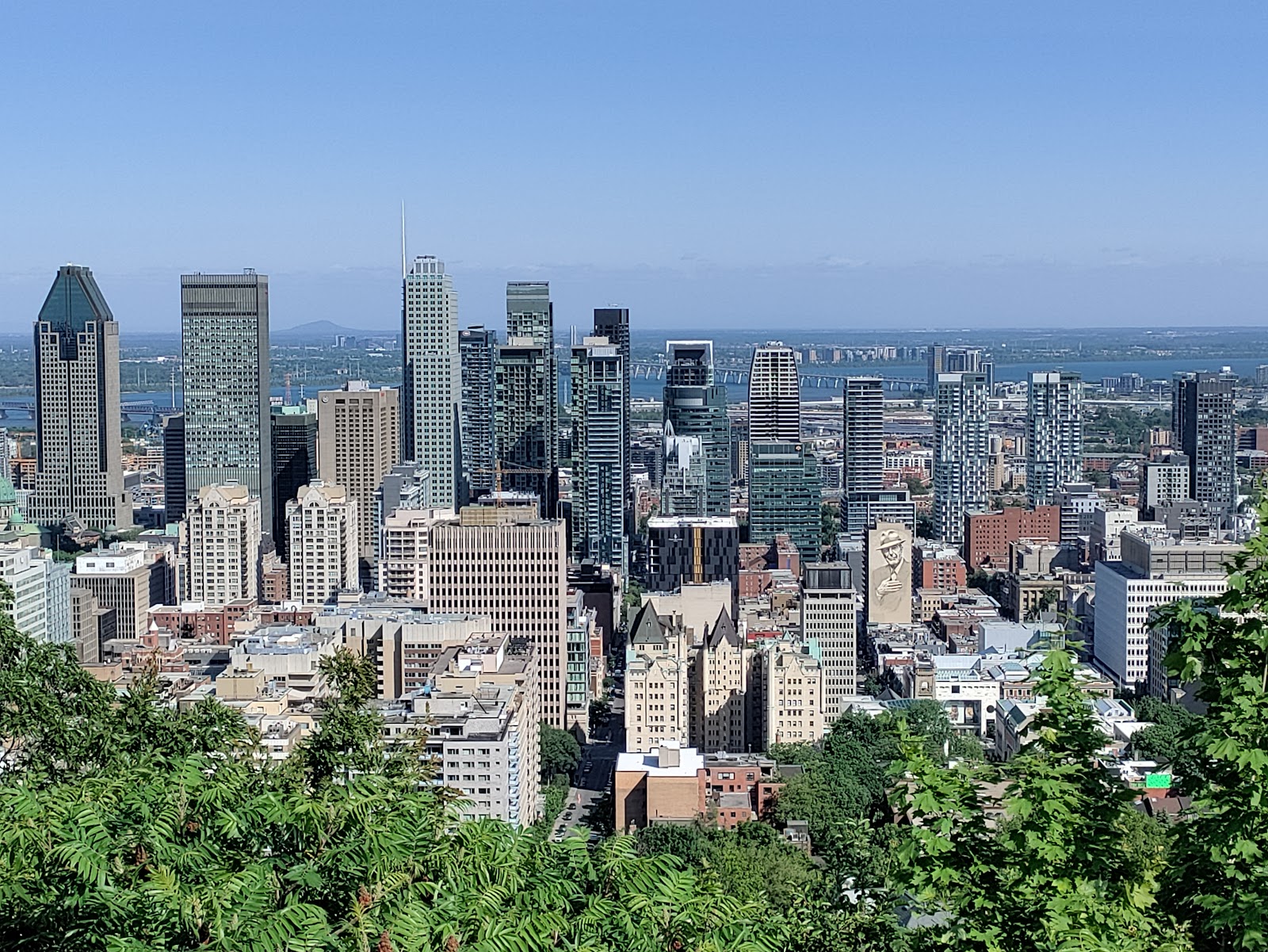
This iconic hill with its park was designed by the same architect who created New York’s Central Park, and you can really see it. Mount Royal Park itself is the heart of the city, alive from morning to evening. People run here, read on benches, and weekend picnics are legendary. As I mentioned in the introduction, this is exactly where Lukáš and I would sit on the grass and eat goodies we’d bought at the market. It’s a perfect oasis of calm in the middle of a bustling metropolis.
The main draw is undoubtedly Belvédère Kondiaronk, a huge viewing terrace spread out in front of the historic Chalet du Mont-Royal. From this point you’ll get the best view of the city center and the endless wall of glass skyscrapers. It’s the ideal spot for morning coffee or evening watching of the illuminated city as the sun disappears below the horizon.
If you’re planning to go, keep in mind that driving through the mountain isn’t as easy as it used to be. All motor vehicles are now supposed to use Chemin Remembrance road. The complete closure of the famous Voie Camillien-Houde road to cars has been postponed to late 2028 or early 2029, but even so I recommend heading up on foot instead. The walk is much more authentic and you’ll avoid the complicated search for parking.
2. Belvédère Camillien-Houde
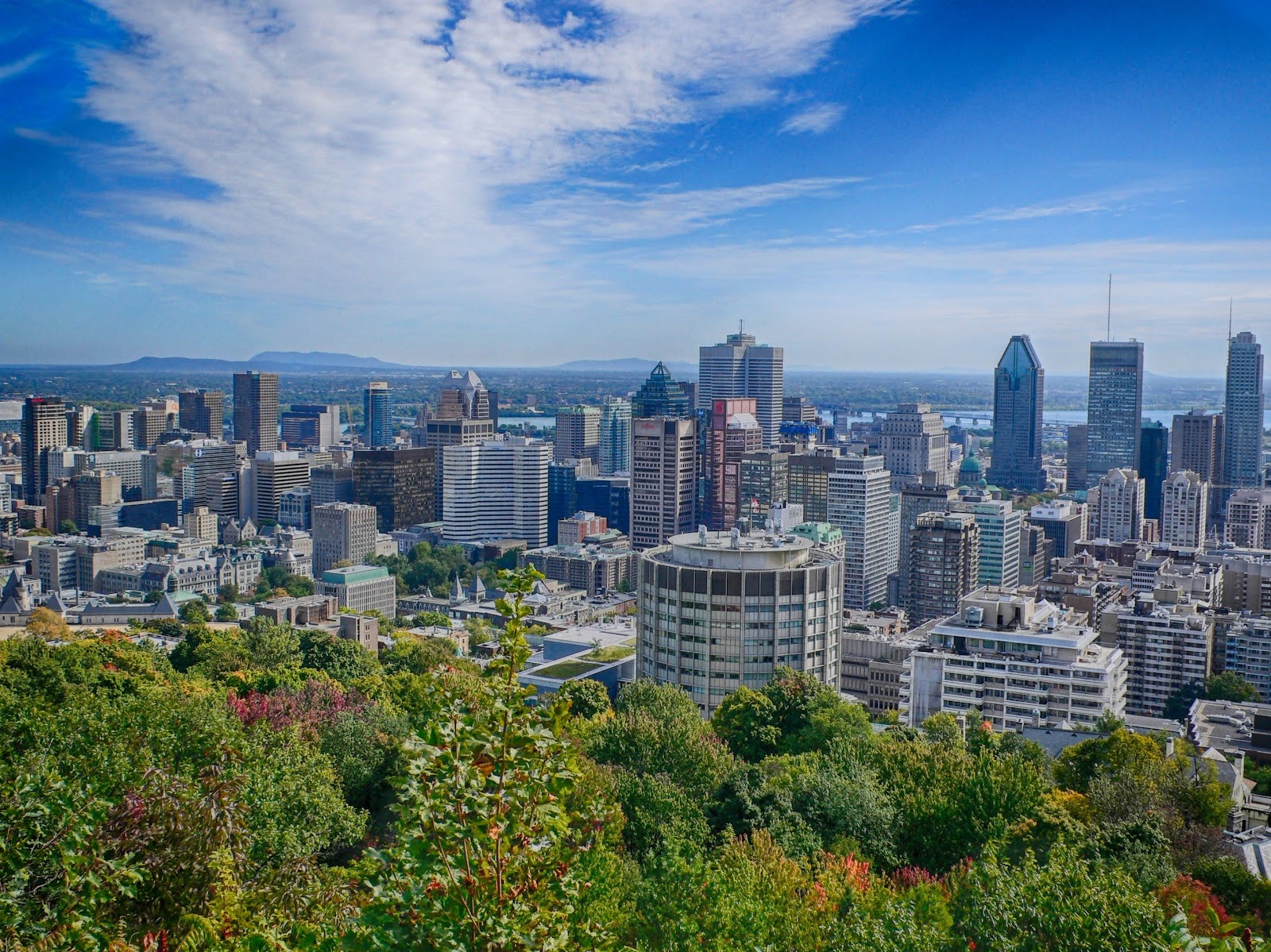
When you’re already on Mont-Royal, you definitely can’t miss the second famous viewpoint. Belvédère Camillien-Houde offers a view of the eastern side of the city and you’ll find it right by the road, so it’s very easily accessible. The view from here really pleasantly surprised us and besides, you won’t encounter many tourists here compared to Kondiaronk.
The atmosphere here is much more relaxed. It’s a great stop if you’re looking for a quieter spot for photos and admiring the scenery. The view looks more toward the Olympic Stadium, bridges, and residential neighborhoods, which gives the city a completely different perspective.
💡 Tip: Come here early in the morning right after waking up. It’s from this eastern side that you’ll get the most beautiful sunrise view, bathing the entire city and river in golden colors. You’ll see plenty of morning runners and photographers with tripods ready.
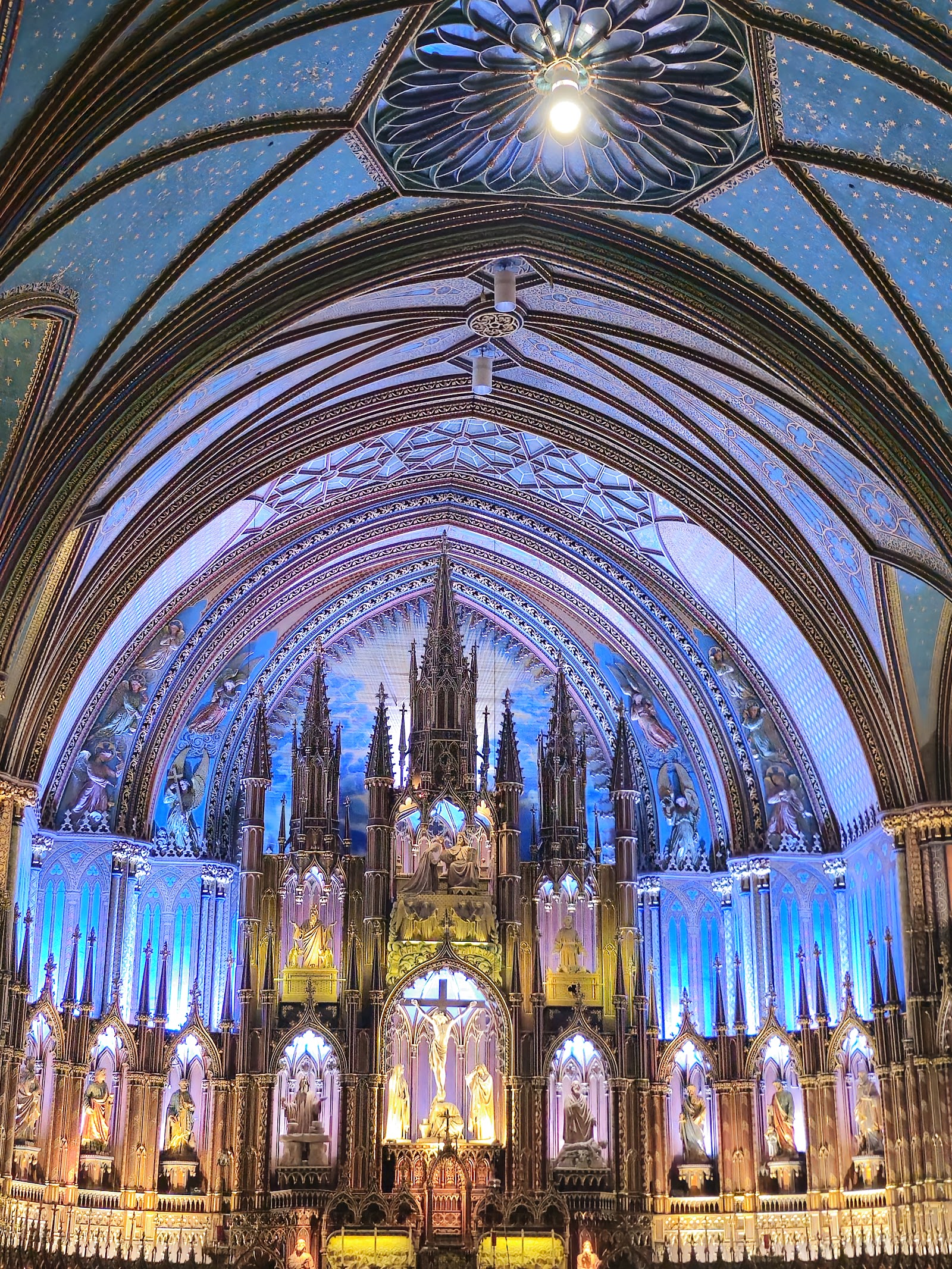
3. Notre-Dame Basilica and AURA Show
This is an absolute jewel of Montreal’s architecture that you definitely shouldn’t miss. The neo-Gothic interior of the basilica is bathed in stunning cobalt blue and radiant gold, creating an unforgettable atmosphere. I’m not usually much into churches, but here we literally stood there with our jaws dropped. Inside, you’ll also find breathtaking massive Casavant organs that sound majestic.
You can take the whole experience up another level with the evening light show AURA, created by the world-renowned Moment Factory studio. The combination of a classic daytime tour and the breathtaking evening show will cost you from 45 CAD (around €30). If you buy this package, it works out about 12 percent cheaper than buying both tickets separately.
Keep in mind that the AURA show sells out very regularly on weekends, so it’s better to book your tickets well in advance online on the official website. You can easily buy the classic daytime tour directly at the box office in the off-season, but even there you’ll find pretty long queues during the summer months. Definitely allow at least an hour for the tour.
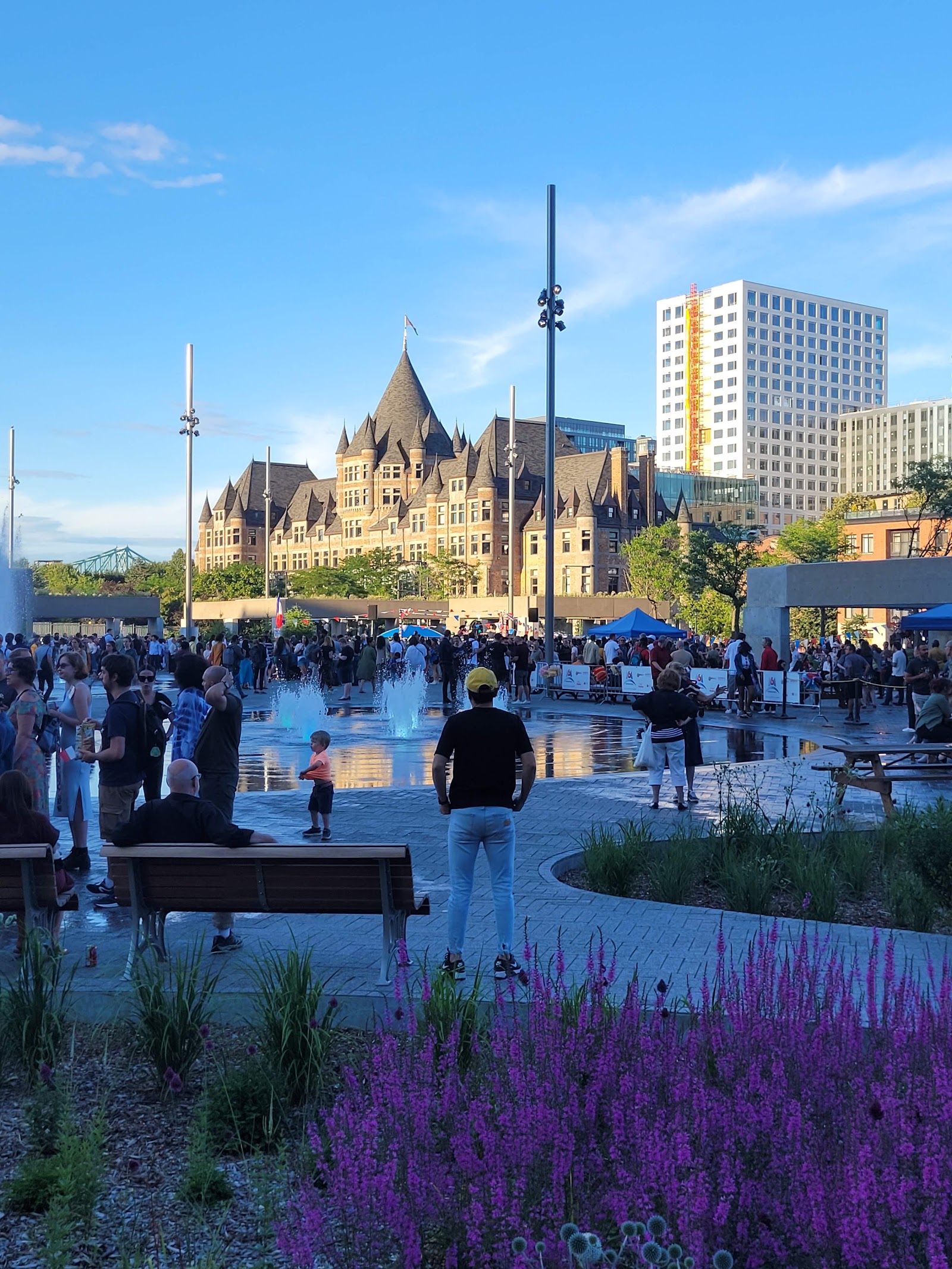
4. Vieux-Montréal and Place d’Armes
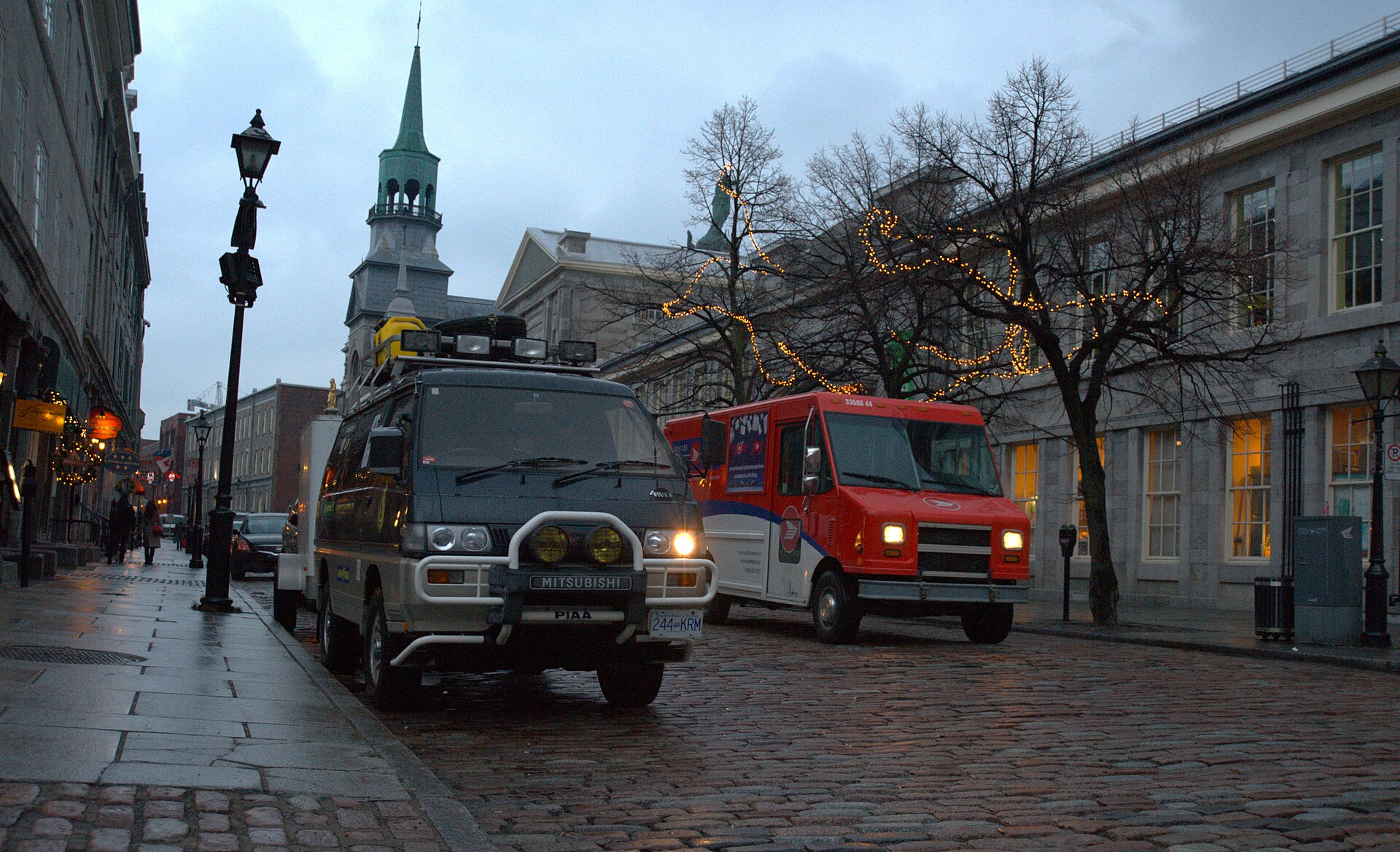
The oldest part of the city will instantly transport you to Europe and make you forget you’re in North America. Cobblestone streets, street performers, and historic buildings create an incomparable atmosphere. This is exactly where my mom and I explored all the sights, because it’s simply the tourist heart of the city that will charm you right from the start.
The center of all activity is the popular Place Jacques-Cartier square and the adjacent Old Port (Vieux-Port). The port itself is exactly the part of the city I’d return to again and again. In summer, it’s buzzing with life, music playing everywhere, and people sitting at restaurant patios.
The best thing is to get lost in the side streets, where you’ll find dozens of small galleries and cafés. Also stop at Place d’Armes square right in front of the basilica, where you can watch the surrounding hustle and bustle and where excellent street musicians often play. You can easily spend an entire afternoon here.
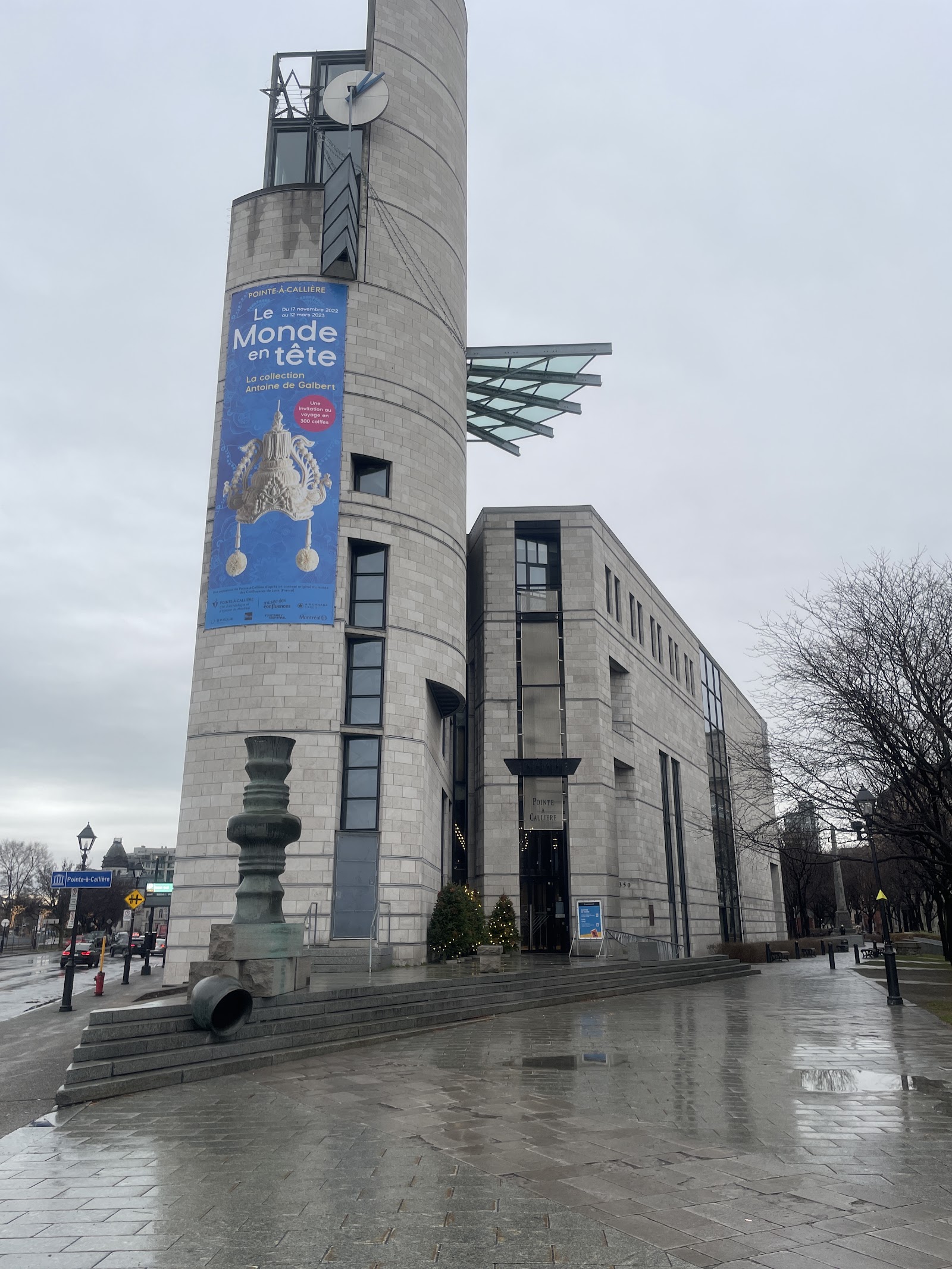
5. Pointe-à-Callière
If you want to truly understand how this amazing city actually came to be, you must visit the Pointe-à-Callière Museum of Archaeology and History. It’s built right over the actual excavation site where Montreal was first founded in 1642. It’s a unique concept that combines a modern building with ancient foundations.
During the fascinating tour, you walk through dark underground passages among the remains of the original city and even peek into old stone sewers. Walking through centuries-old excavations is an experience that many people enjoy much more than they expected. The real history breathes up at you from underground.
All the exhibits are highly interactive and very modernly designed. In my opinion, it’s the best museum for understanding the complex history of the city, and it appeals even to people who don’t usually go for archaeology. At the beginning of the tour, they also show an excellent multimedia film that pulls you into the city’s story.
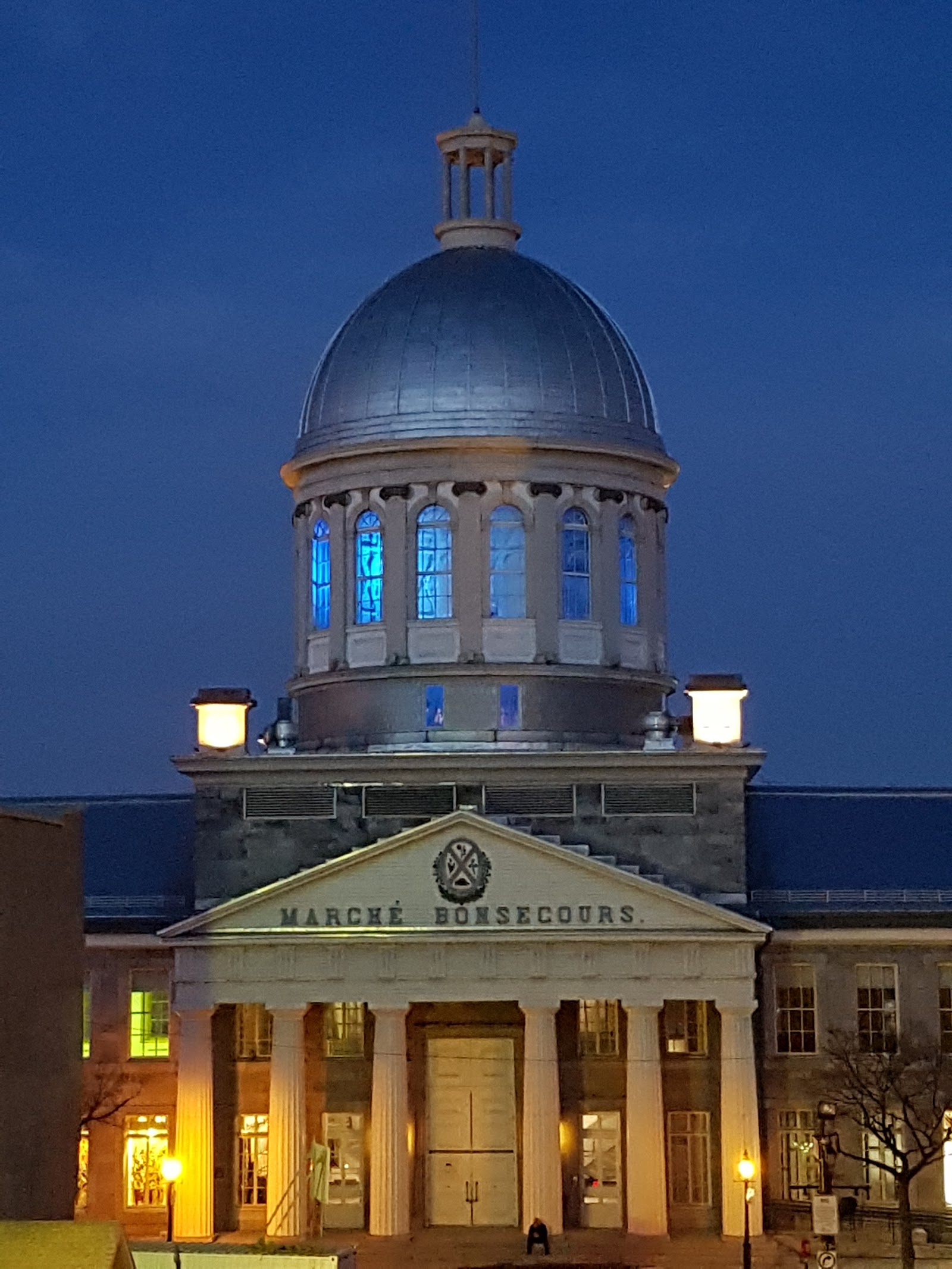
6. Marché Bonsecours
You’ll find this unmissable monumental building with its silver dome right above the Old Port, and it looks absolutely stunning in photos. It used to serve as the main bustling city market for locals and even briefly functioned as the city hall itself.
Today inside you’ll find more upscale boutiques, cafés, and shops with artistic crafts. Inside it has honestly become more of a center for pricier souvenirs. But the building from outside is still breathtaking and definitely worth a photo.
Inside there are also several spacious exhibition halls and restaurants where you can go for lunch. Right next to the market stands the charming Notre-Dame-de-Bon-Secours chapel, which is known as the sailors’ church and is definitely worth a quick peek into its peaceful interior.
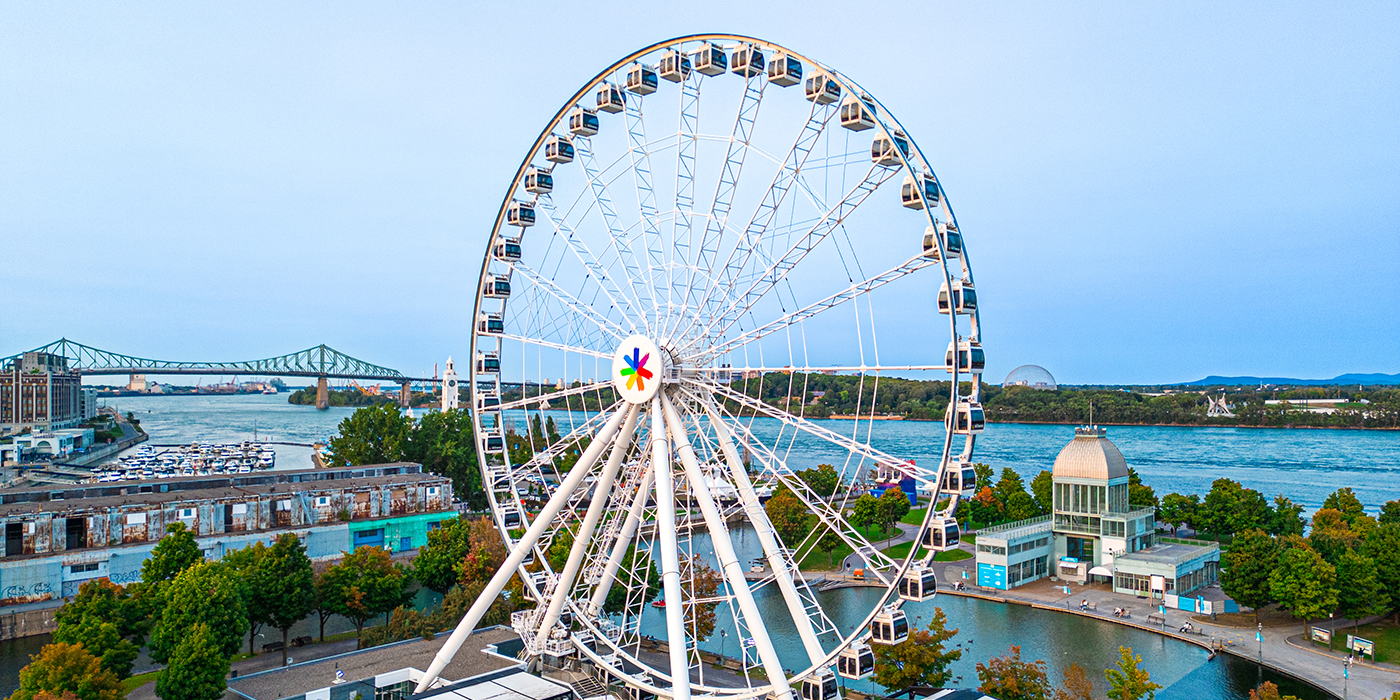
7. La Grande Roue de Montréal
Right in the Old Port rises the impossible-to-miss observation wheel. It gets pretty crowded here, but the view of the St. Lawrence River and the entire historic center from this height is simply fantastic.
A great advantage of this attraction is its year-round operation with luxurious heated cabins. Even when it’s freezing cold outside and you’d rather crawl into bed, here you sit in warmth and comfort enjoying the view of romantically snow-covered Montreal from a bird’s-eye perspective.
The entire ride lasts about twenty minutes and the giant wheel rotates several times with you. It’s a great alternative for those days when you simply don’t feel like climbing steep hills on foot to get views and want to treat yourself to a bit of comfort.
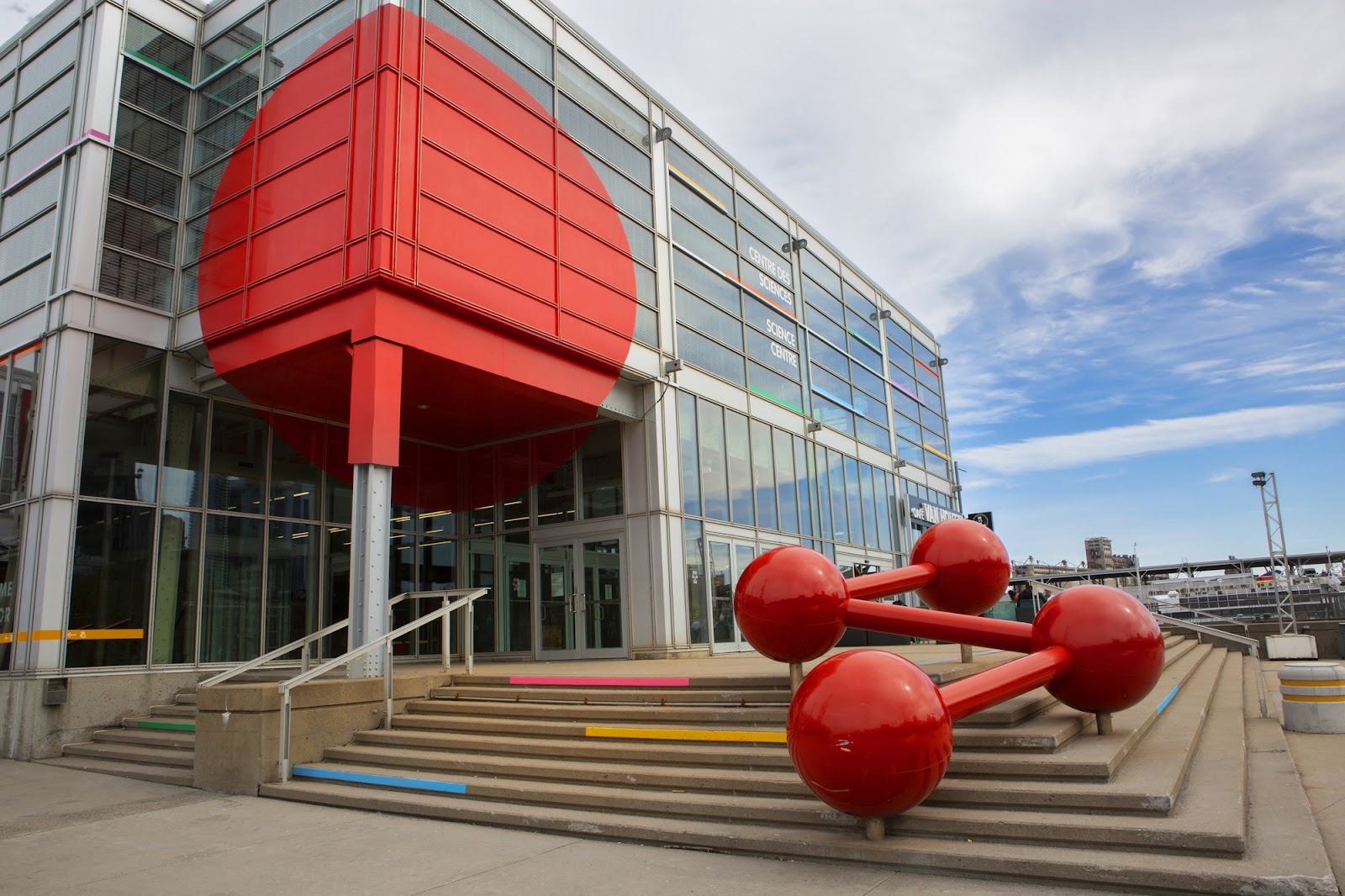
8. Montreal Science Centre
Right near the observation wheel sits the Montreal Science Centre, which you can’t miss. It’s paradise for families with kids and lovers of interactive exhibits. You can touch and try everything here hands-on.
If you get caught by unexpected rain or bitter cold in Montreal, this is the best indoor program for children. You can easily spend half a day here and there will still be things to try, press, and discover. The exhibits very entertainingly cover physics, the human body, and modern technology.
Part of this large center is also a huge IMAX cinema that regularly screens spectacular documentaries about nature and deep space. I highly recommend buying tickets in advance online so you don’t wait needlessly in long lines at the box office.
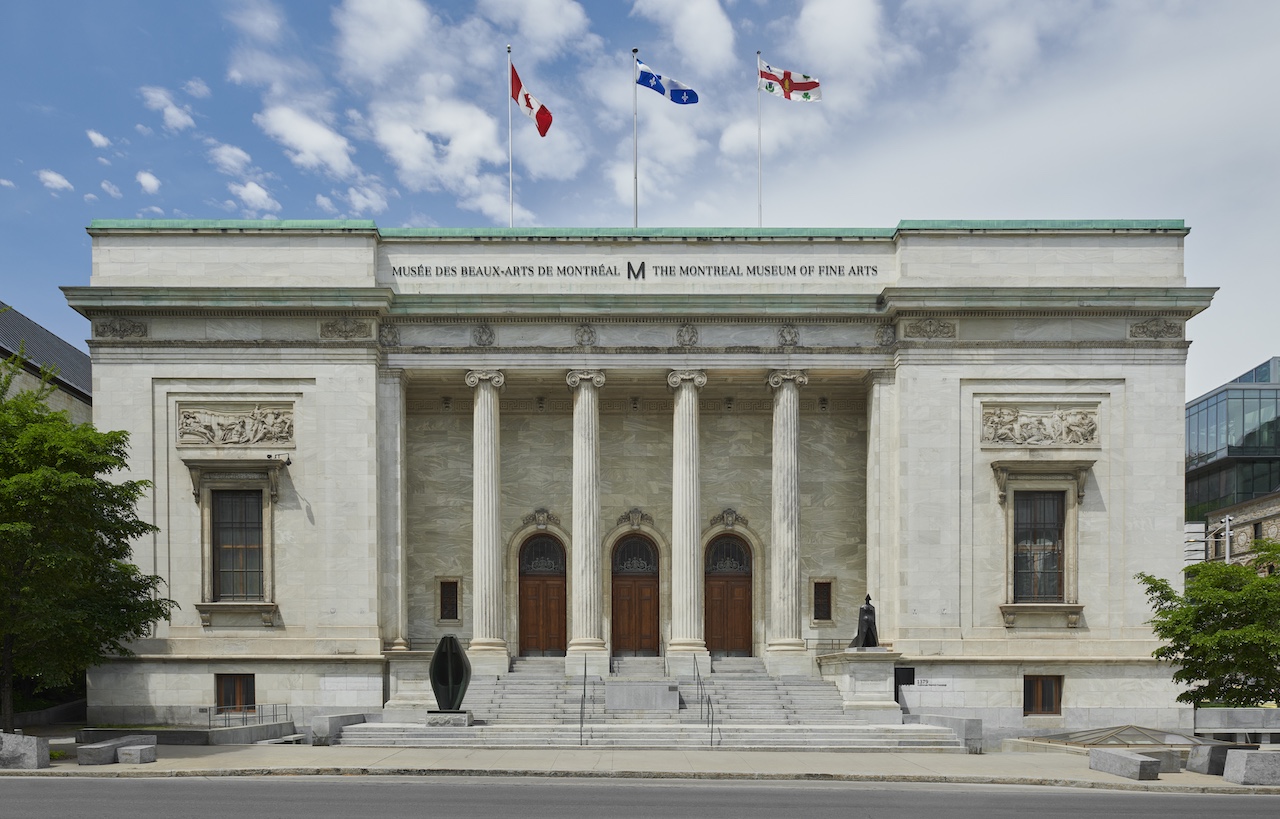
9. Montreal Museum of Fine Arts (Musée des beaux-arts)
The city’s largest museum spreads across four huge interconnected pavilions on Sherbrooke Street and is a real temple of culture. You can easily spend an entire afternoon here without even noticing. You’ll find everything from old European masters to contemporary Canadian design.
Touring all the pavilions will take you several hours, so set aside an entire rainy afternoon for it. The local collection of Inuit and Canadian art is exceptional, and you simply won’t see anything similar on such a massive scale anywhere else in the world.
💡 Budget tip: Admission to the permanent collection is significantly more affordable than expensive tickets to temporary special exhibitions. If you’re not an absolute art enthusiast, the huge permanent collection will be more than enough to leave you full of impressions.
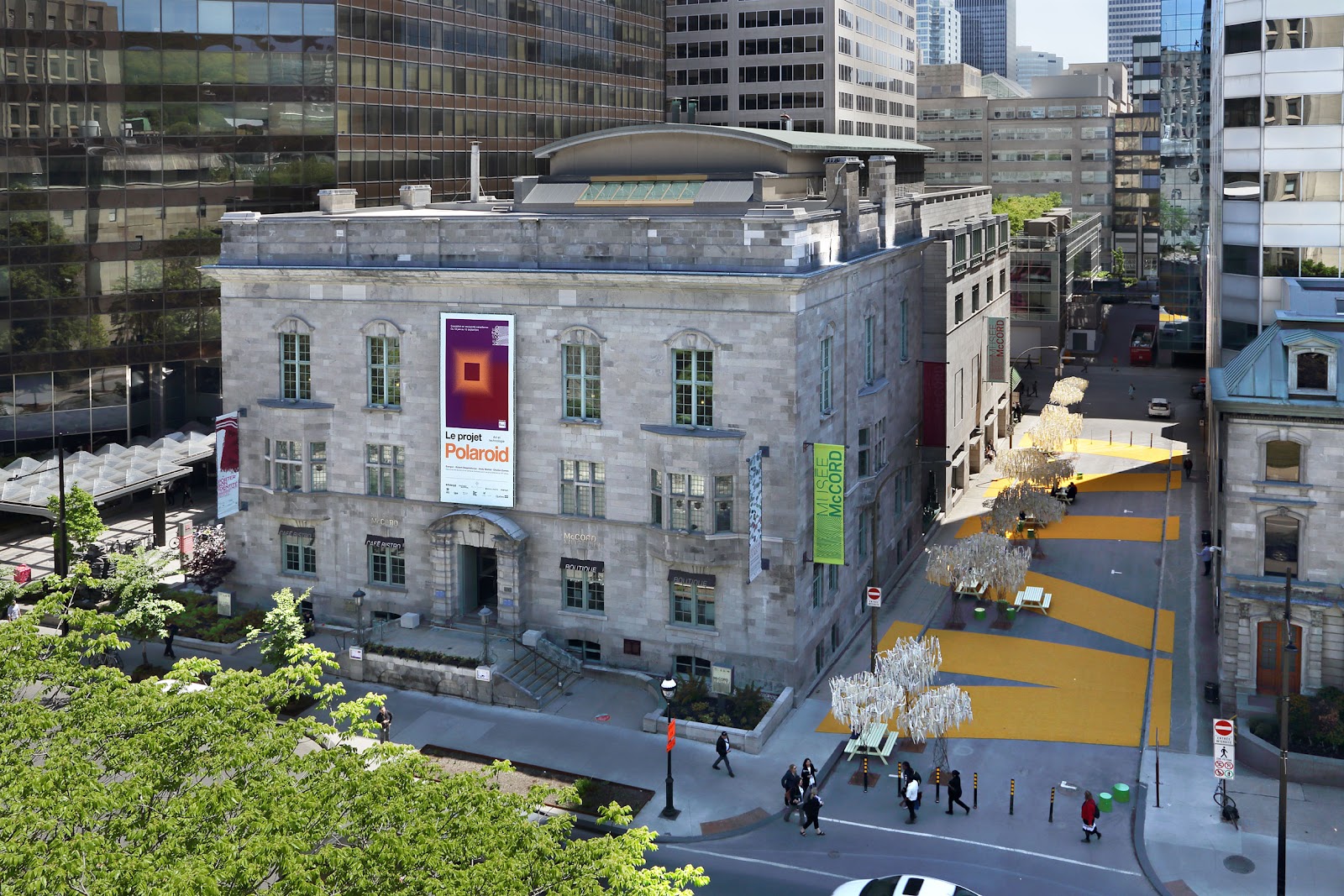
10. McCord Stewart Museum
This smaller museum sits right in the city center across from McGill University. It focuses on Montreal’s daily life, fashion history, and old photographs. I originally didn’t want to go here at all, but the historical clothing caught me so much that Lukáš practically had to drag me out of the exhibition by force 😅. Definitely recommended!
Unlike the big national galleries, this museum is pleasantly small and quick to tour, so you won’t get a headache from information overload. You’ll learn lots of interesting things about what life was like in this harsh city a hundred years ago and how the local specific fashion evolved over the decades.
The extensive collection of historical clothing and textiles here is one of the absolute best in all of North America. They also have very beautiful and sensitively designed exhibits dedicated to Canada’s Indigenous peoples, which are definitely worth your attention.
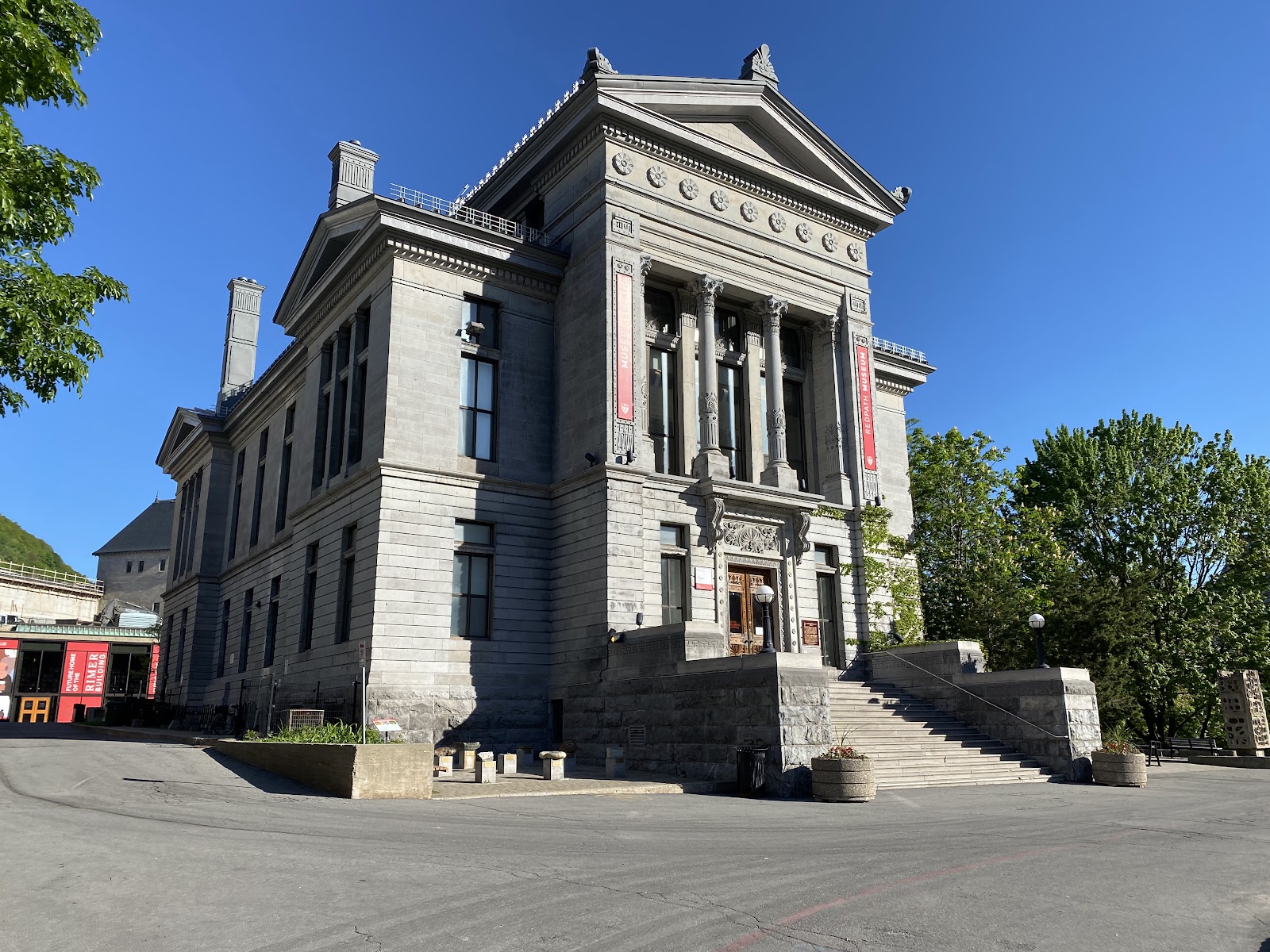
11. Redpath Museum
Hidden within the historic and green campus of McGill University is this amazing treasure that tourists often walk right past. The natural history museum is housed in a beautiful Victorian building with wooden display cases. Most people stumble upon it by accident — and then stay longer than they planned.
Inside you’ll encounter impressive dinosaur skeletons, fascinating fossils, and ancient Egyptian artifacts. The best part is that admission is completely free, with only voluntary donations accepted at the entrance, which is an enormous rarity in such an expensive city.
It’s one of the cheapest and most interesting hours you can spend in the city. The atmosphere inside strongly resembles old nineteenth-century cabinets of curiosities and you’ll feel like you’re in some historical film.
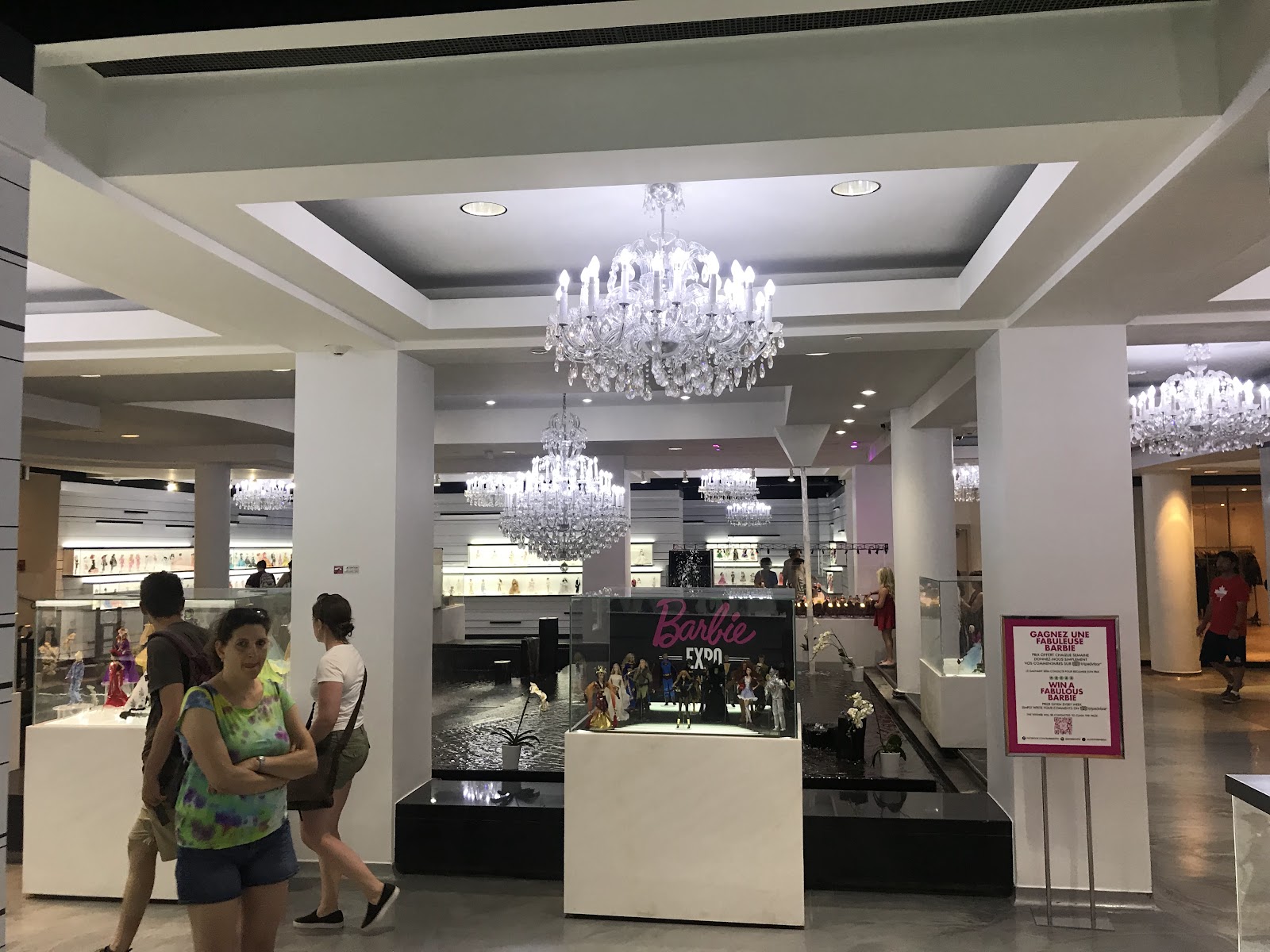

12. Barbie Expo
If you’re looking for a real curiosity and want a break from serious history, head to the Les Cours Mont-Royal shopping arcade. It’s billed as the world’s largest public exhibition of collectible Barbie dolls. You don’t have to be into dolls, but this is quite a different world.
Thousands of unique dolls are displayed here in luxury outfits by famous designers like Dior, Chanel, and Givenchy. This admission is also free, so this fun experience won’t cost you a single Canadian dollar.
Don’t think of it as a mandatory cultural stop, but rather as a very amusing and quick break during shopping in the city center itself. The exhibition is truly enormous, the details of the miniature dresses are incredible, and it’s guaranteed to put a smile on your face.
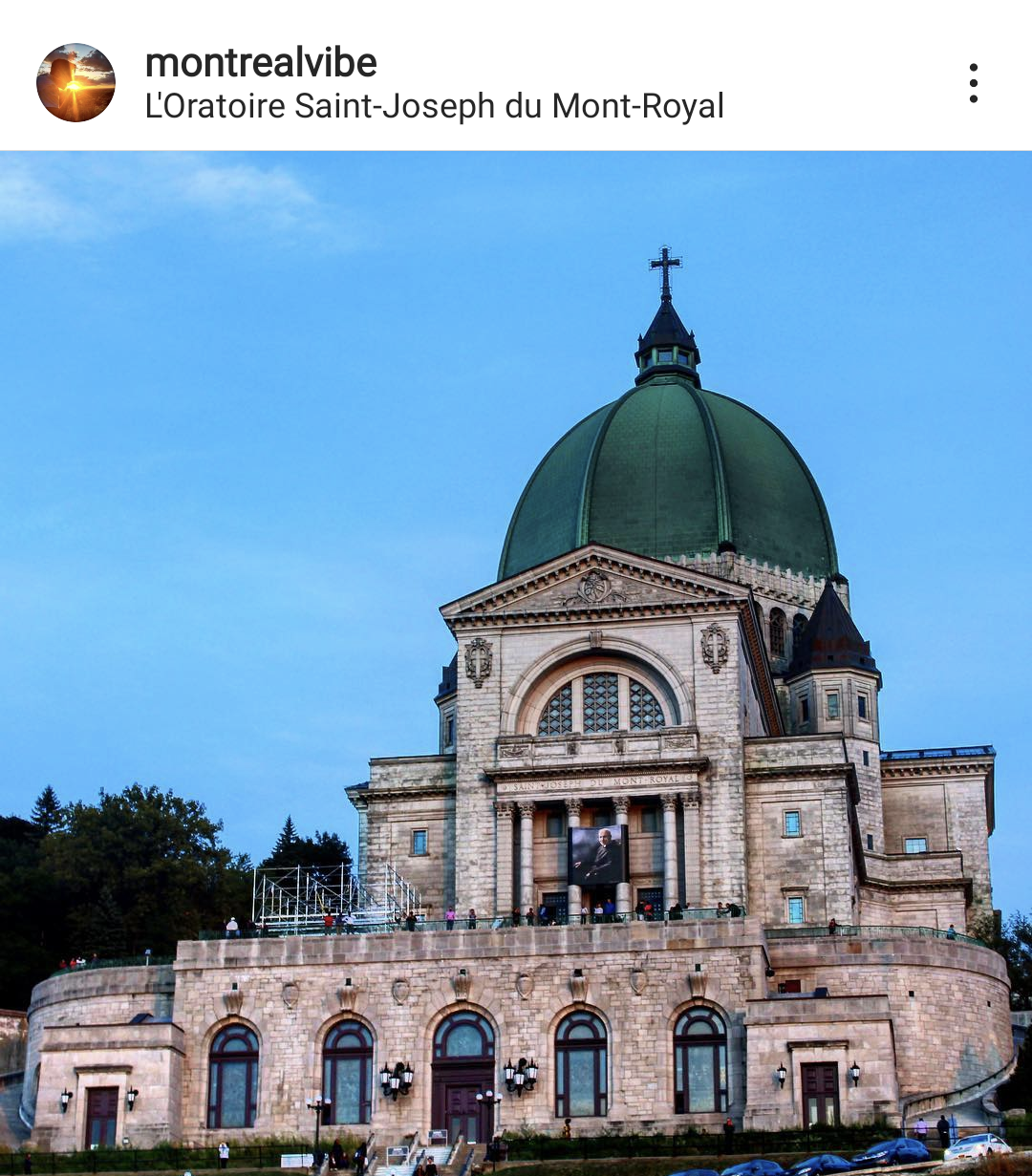
13. Saint Joseph’s Oratory
This massive and majestic basilica with its enormous green dome unshakably dominates the northern slope of Mount Royal and is visible from afar. It’s the highest point in the entire city and an important pilgrimage site. Its sheer size will amaze you from a distance.
Inside you’ll find, among other things, hundreds of discarded crutches and wooden canes from people who reportedly experienced miraculous healings here. The atmosphere is quiet, humble, and monumental, so a special calm will wash over you as soon as you walk through the massive doors.
The oratory is currently undergoing a very long and complex phased renovation. Plans include a completely new viewpoint right between the enormous domes, but the date of its grand opening is unfortunately not yet officially confirmed, so we’ll have to wait a while longer for this experience.
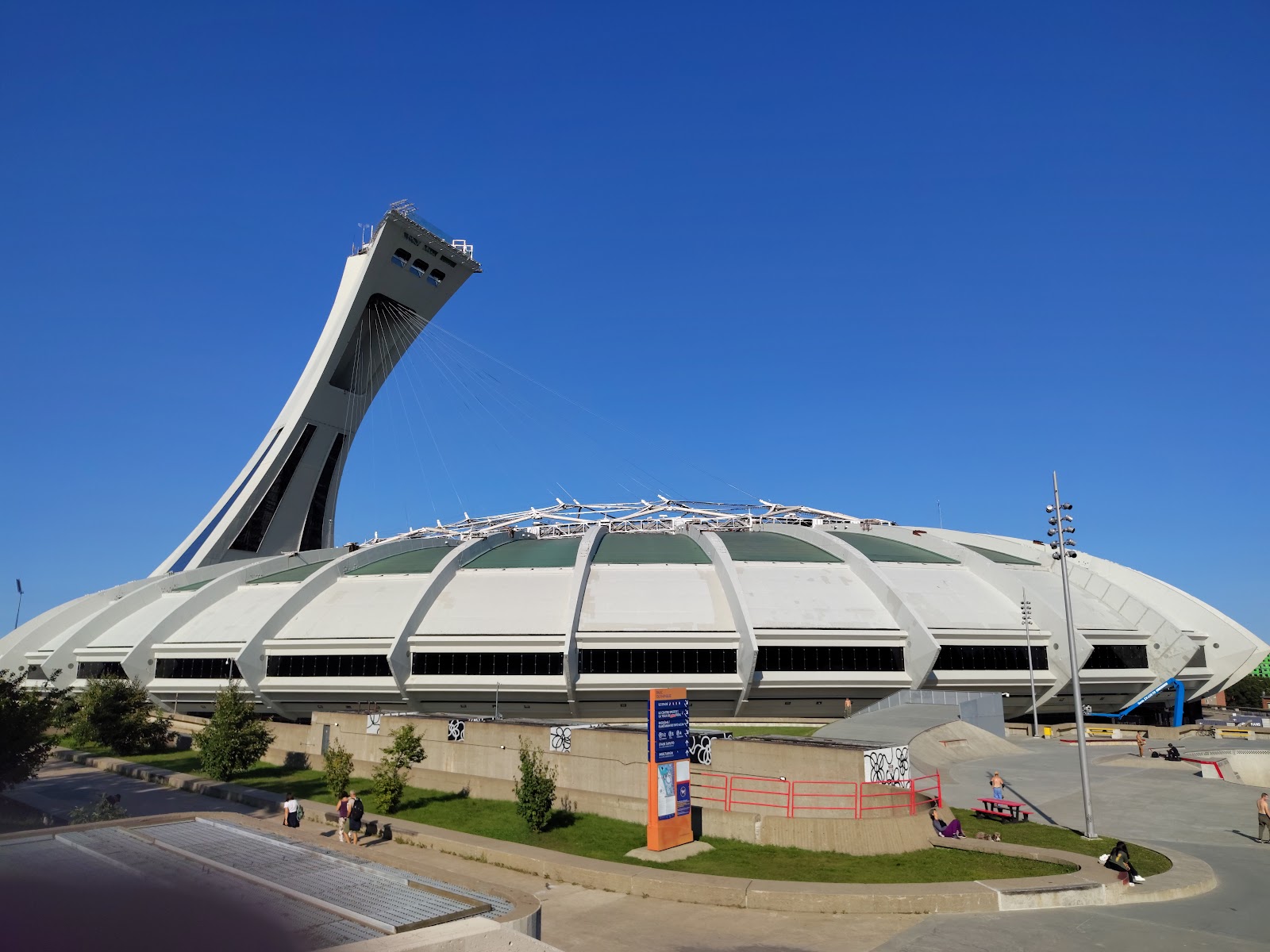
14. Olympic Park and the Closed Tower
The Olympic Stadium built for the 1976 Summer Games is a massive architectural landmark that dominates the eastern part of the city. But there’s one huge catch that unfortunately causes many people to plan their trip unnecessarily. The iconic and leaning Montreal Tower is closed all of 2026 due to extensive renovation and you simply won’t be able to reach its top.
According to the official construction schedule, it’s set to open in spring 2027. After this gigantic renovation is complete, it will offer updated access directly to the roof and a brand new glass cable car that will take you to the top. You’ll have to sadly skip the breathtaking views from the world’s tallest leaning tower this year and plan a trip to Kondiaronk Viewpoint instead.
On top of that, the adjacent stadium is having its roof completely replaced. This giant project costing an unbelievable 870 million Canadian dollars will permanently replace the old retractable roof with a modern fixed version. It may sound like an insane amount, but complete demolition of the entire concrete stadium would have cost the city an unbelievable 2 billion dollars. The new roof is designed to ensure the stadium will function without problems for another 50 years.
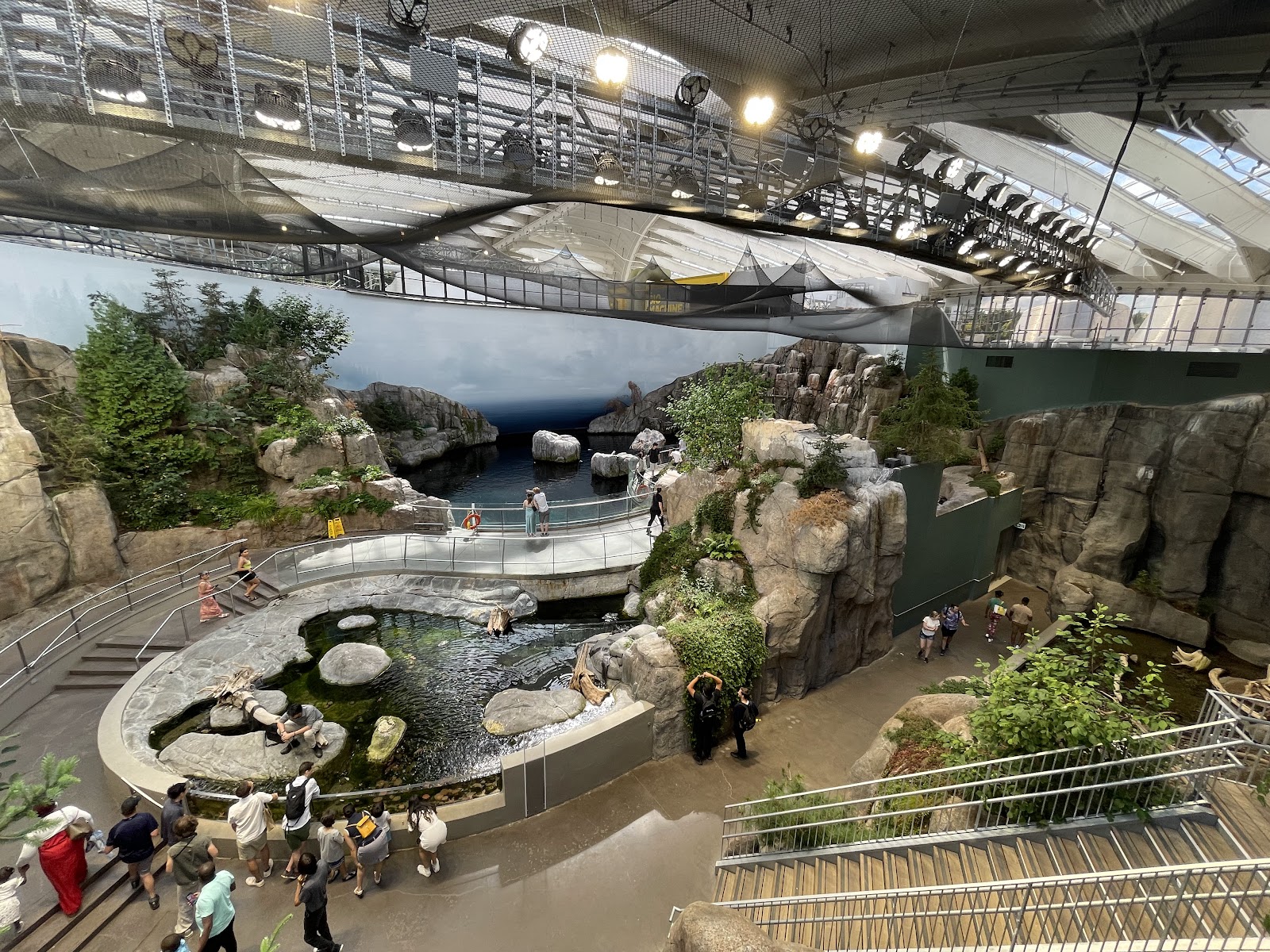
15. Biodôme
Right next to the old Olympic stadium lies salvation for all frozen winter visitors. The popular Biodôme houses four different ecosystems of the Americas under one giant glass roof.
In just one hour you’ll walk through a humid tropical rainforest, a cooler boreal forest, the Gulf of St. Lawrence, and frigid subpolar regions. A ticket costs around 25 CAD, which is approximately €15, and it’s definitely the best choice in the freezing Montreal winter when you want to warm up a bit.
The animals don’t have any classic sad cages here, but live in huge open spaces faithfully mimicking their natural environment. In the subpolar section you can spend long minutes with a smile watching adorable penguins diving into icy water.
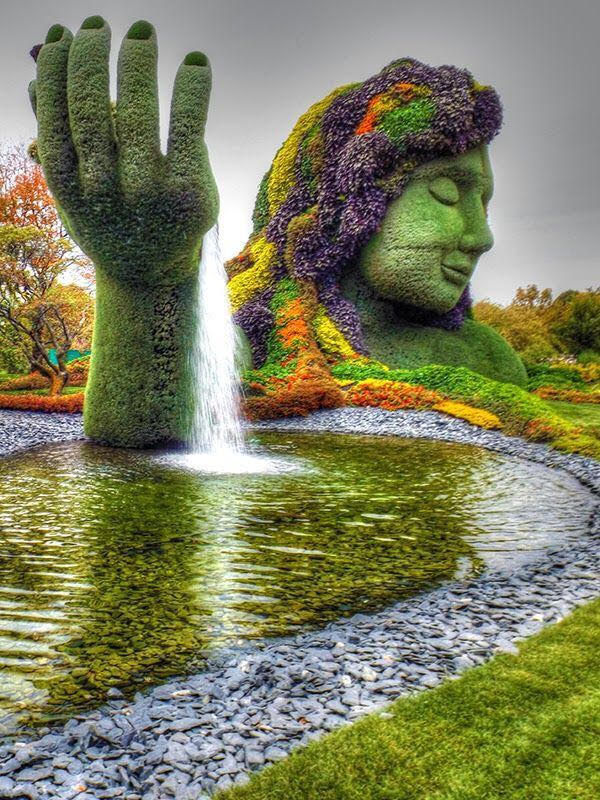
16. Botanical Garden
Close to the Biodôme you’ll find a huge and beautiful botanical garden that ranks among the largest and most beautiful in the world. When we walked through it, half the greenhouses were in bloom and it was magnificent. You’ll find a beautiful Chinese and Japanese pavilion here as well as enormous collection greenhouses. A ticket costs around 22 CAD, which is about €15. In autumn there’s also a stunning lantern exhibition called Jardins de lumière.
But be very careful about older information on internet forums. The outdoor gardens were free only until April 30, 2026. Since then, admission unfortunately costs money, so always carefully verify the current situation on their official website.
💡 Money-saving tip: If you want to see more natural science museums in this area, buy the advantageous combined ticket Espace pour la vie (Space for Life). It’s valid for all four major facilities: the Biodôme, botanical garden, planetarium, and insectarium. It costs approximately 55 to 65 CAD and is valid for a full 30 days. Anyone who wants to see at least three of them will save significantly.
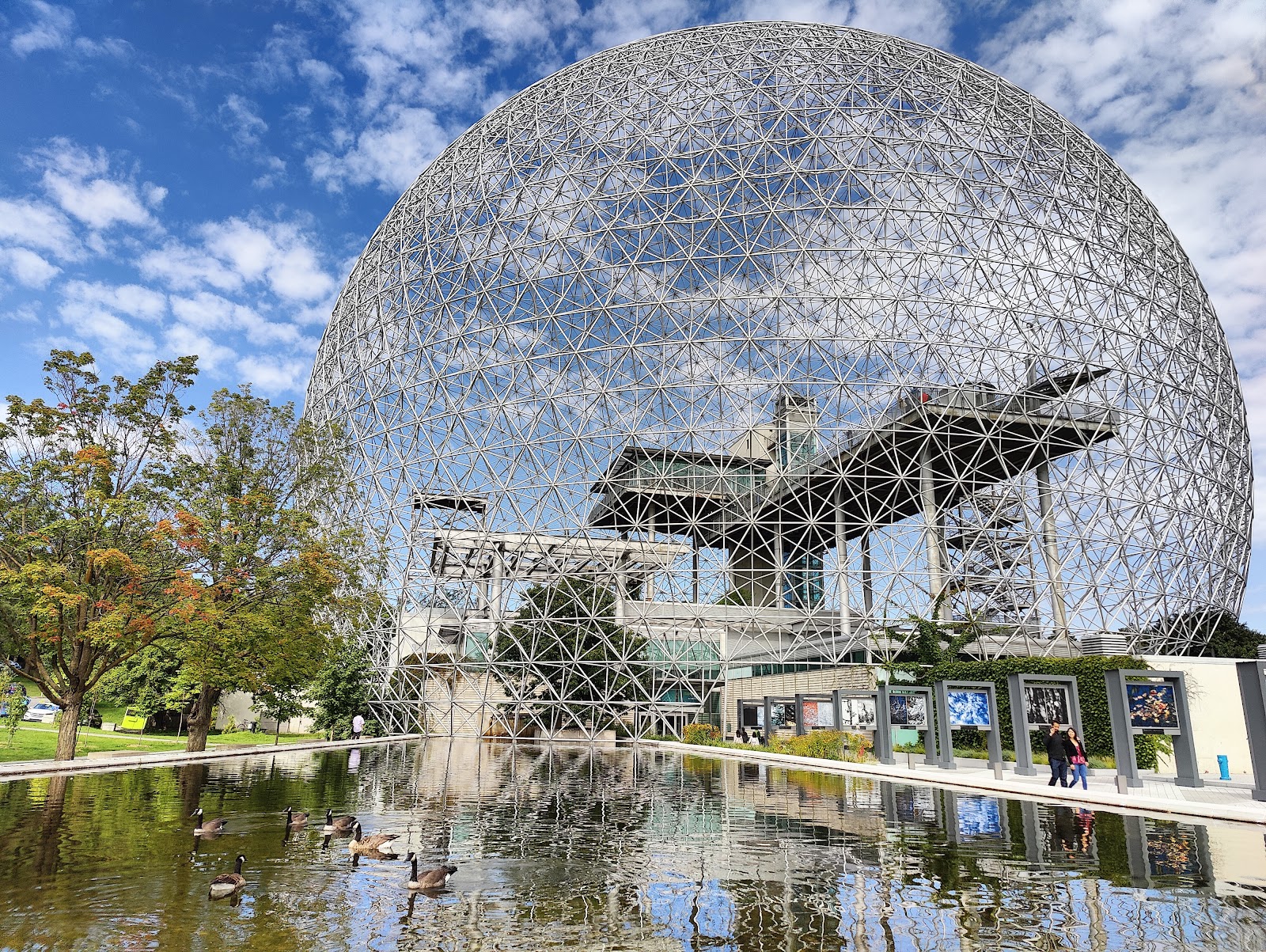
17. Parc Jean-Drapeau and Biosphère
This incredibly vast park stretches across two green islands in the middle of the wild St. Lawrence River. It was created largely for the famous 1967 World’s Fair Expo 67 and today it’s a popular spot for summer family picnics and giant music festivals.
The largest and most photographed symbol of the park is undoubtedly the Biosphère, a huge geodesic dome designed by the brilliant architect Buckminster Fuller. It originally served as the stunning United States pavilion at Expo, and today inside you’ll find an excellent interactive museum dedicated to environmental protection.
You can get here very easily and quickly on the yellow metro line directly from downtown. From the islands there’s also a beautiful view back to the iconic Montreal skyscraper skyline.
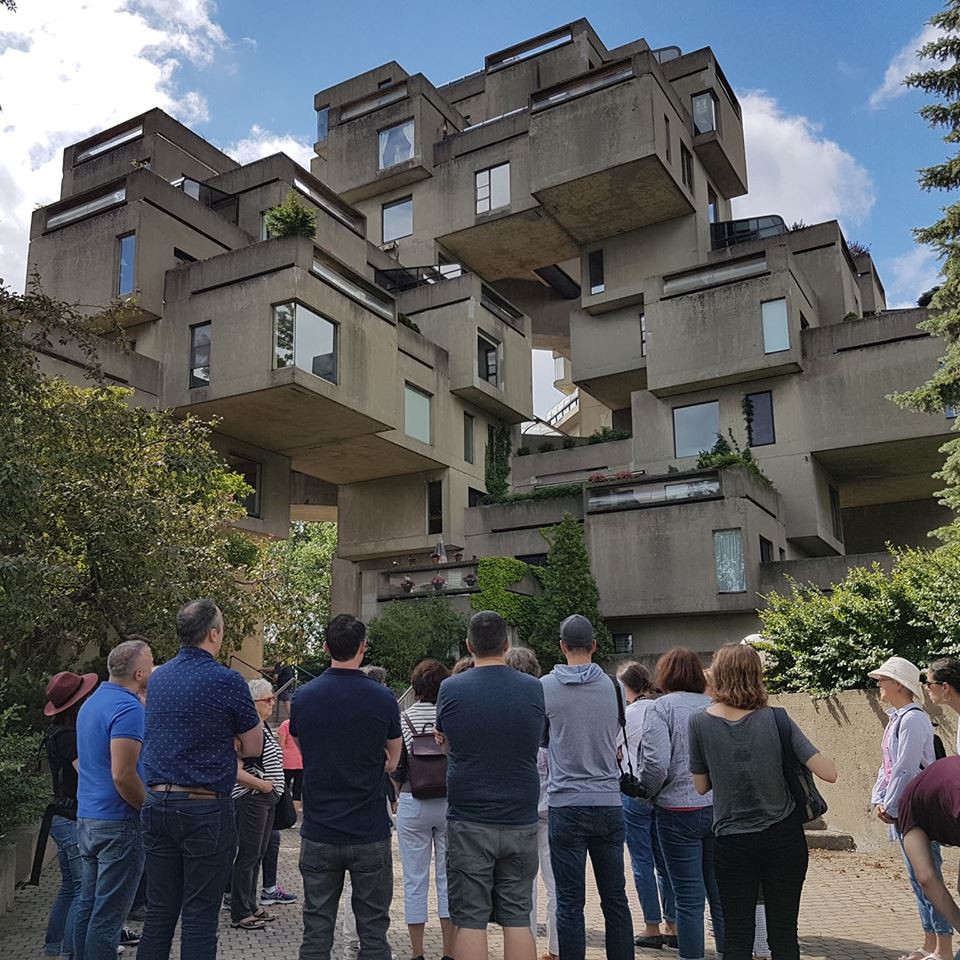
18. Habitat 67
This is another iconic and famous remnant from Expo 67 that you must see with your own eyes. This concrete modular building by visionary architect Moshe Safdie looks at first glance like a giant pile of randomly stacked boxes and is an icon of world brutalism. When you see it in person, you really wonder how it can hold together.
Many confused tourists make the mistake of trying to get inside and knocking on doors. But it’s a normal private residential building, so you don’t normally go inside and the local residents protect their privacy. You can photograph the entire massive complex at your leisure from the opposite bank or during a sightseeing cruise on the river.
If you still long to gain deeper insight into the fascinating history of this building, official paid tours of the surroundings with a certified guide are occasionally organized, but these must be booked really far in advance.
19. Underground City (RÉSO)
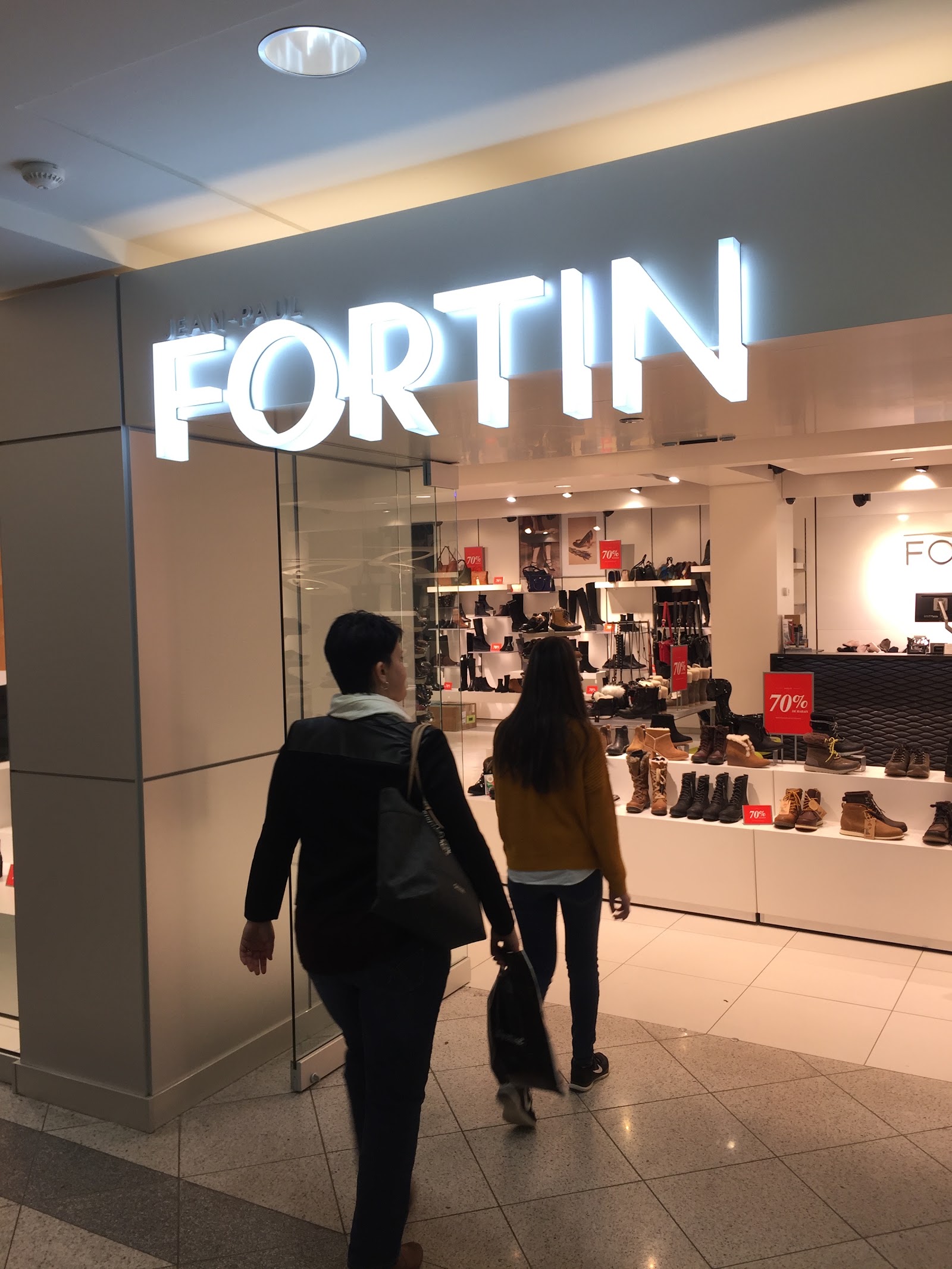
When the outdoor thermometer shows a frightening minus twenty degrees in January, this is your only salvation from freezing. The underground city is a vast and intricate network of heated tunnels that connects metro stations, giant shopping malls, offices, and train stations.
Thanks to this, you can walk through half the entire downtown in the dead of winter wearing just a thin T-shirt, without having to go out into the cold. We ourselves ducked in there at least twice to warm up a bit while waiting for the metro. There are dozens of kilometers of tunnels here, so it’s very easy to get lost quickly without a map.
But don’t expect any mysterious historical catacombs lit by torches. Mostly these are bright corridors full of shops, cozy cafés, and quick food courts. It’s simply more like a giant underground shopping mall than a romantic historical landmark.
20. Jean-Talon Market
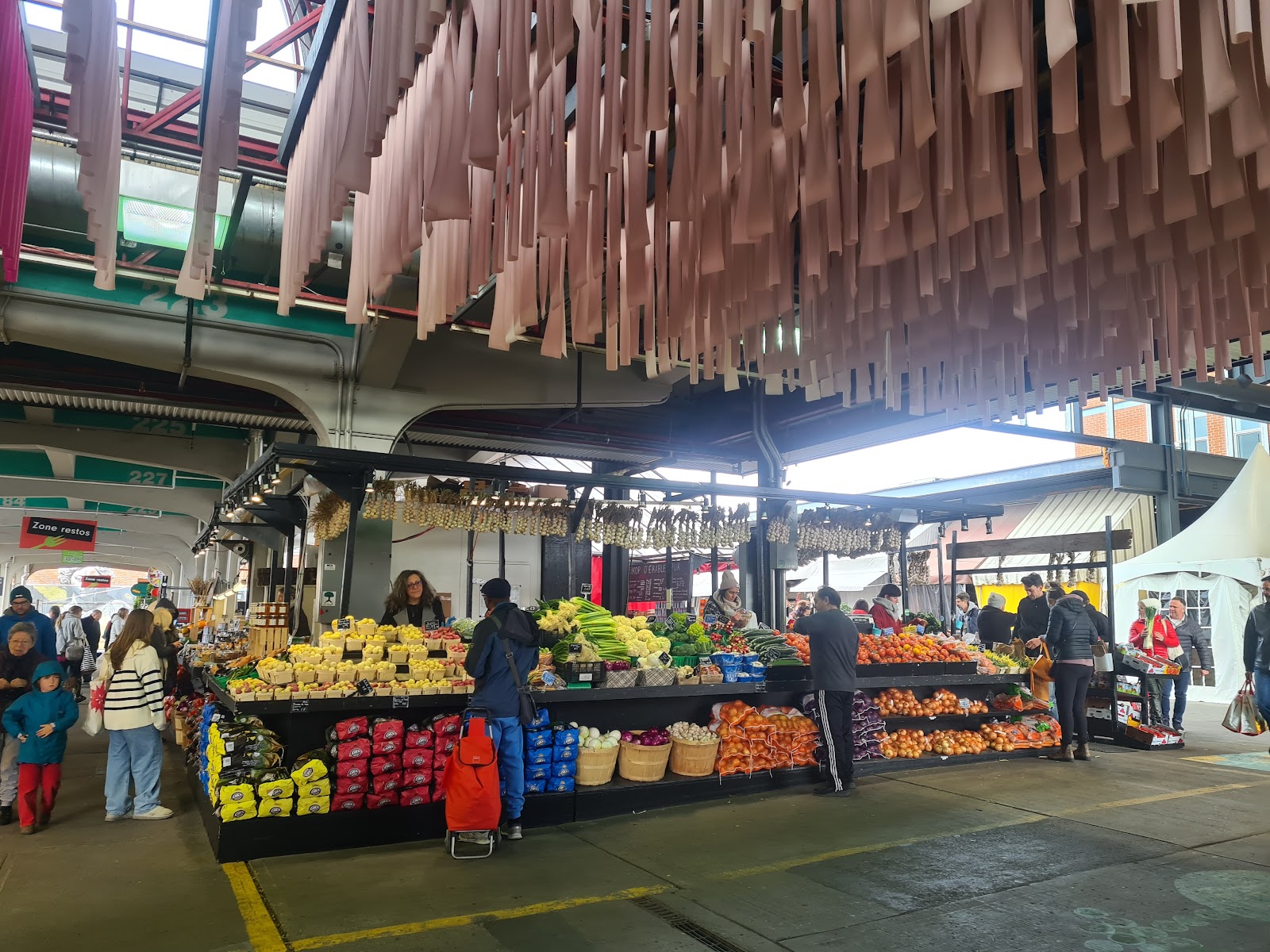
If you love great food, you simply can’t skip this place during your visit. This huge covered market in the picturesque Little Italy neighborhood is a place where you leave with a full stomach and bags full of goodies.
You can buy the best fresh cheeses from Quebec, real maple syrup, fresh vegetables, and excellent ready-made dishes from around the world. It’s the best place to buy a cheap and excellent lunch and take it outside. This is exactly the Montreal version of lunch that Lukáš and I came to love: buy some food and go sit in the park.
The market is alive and operating all year round, but in summer, when the large outdoor stalls of smiling local farmers open too, the atmosphere is fantastic and fragrant with herbs.
21. Marché Atwater and Lachine Canal
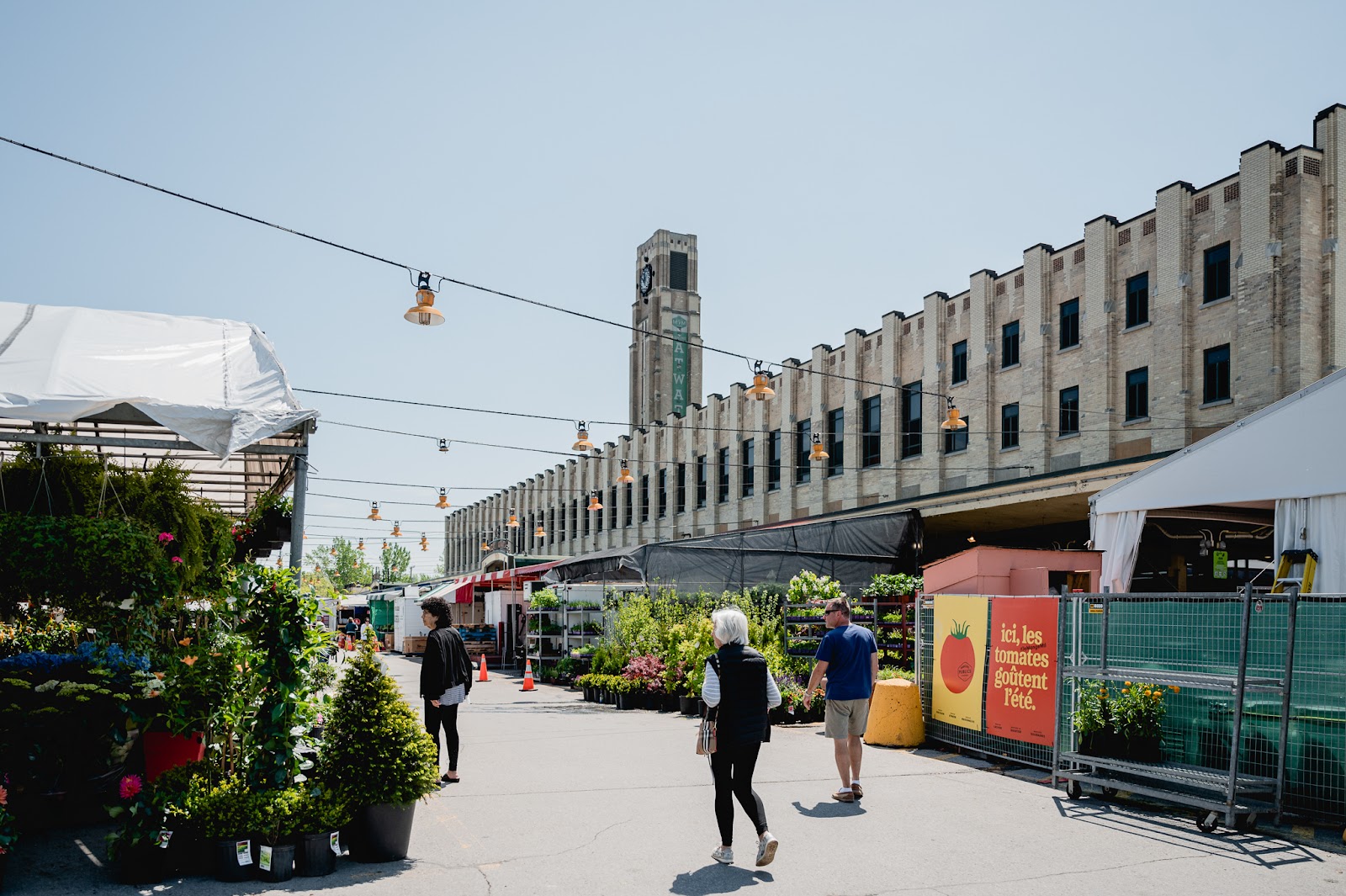
The second famous city market, Marché Atwater, is located in the southwest and you’ll recognize it at first sight by its distinctive tall clock tower. It’s somewhat smaller and, according to many locals, also prettier and more intimate than the huge Jean-Talon.
Right next to the market begins the famous Lachine Canal, along which runs a beautiful bike path. In summer, you can walk or bike from here on a long excursion, and it’s one of the best ways to see the city completely differently without constantly riding in the dark metro.
The BIXI shared city bikes operate reliably throughout the city from April to November and are very popular. Just download the simple app to your phone, tap, and you can head out for a ride along the calm water.
22. Plateau Mont-Royal, Mile End and Little Italy
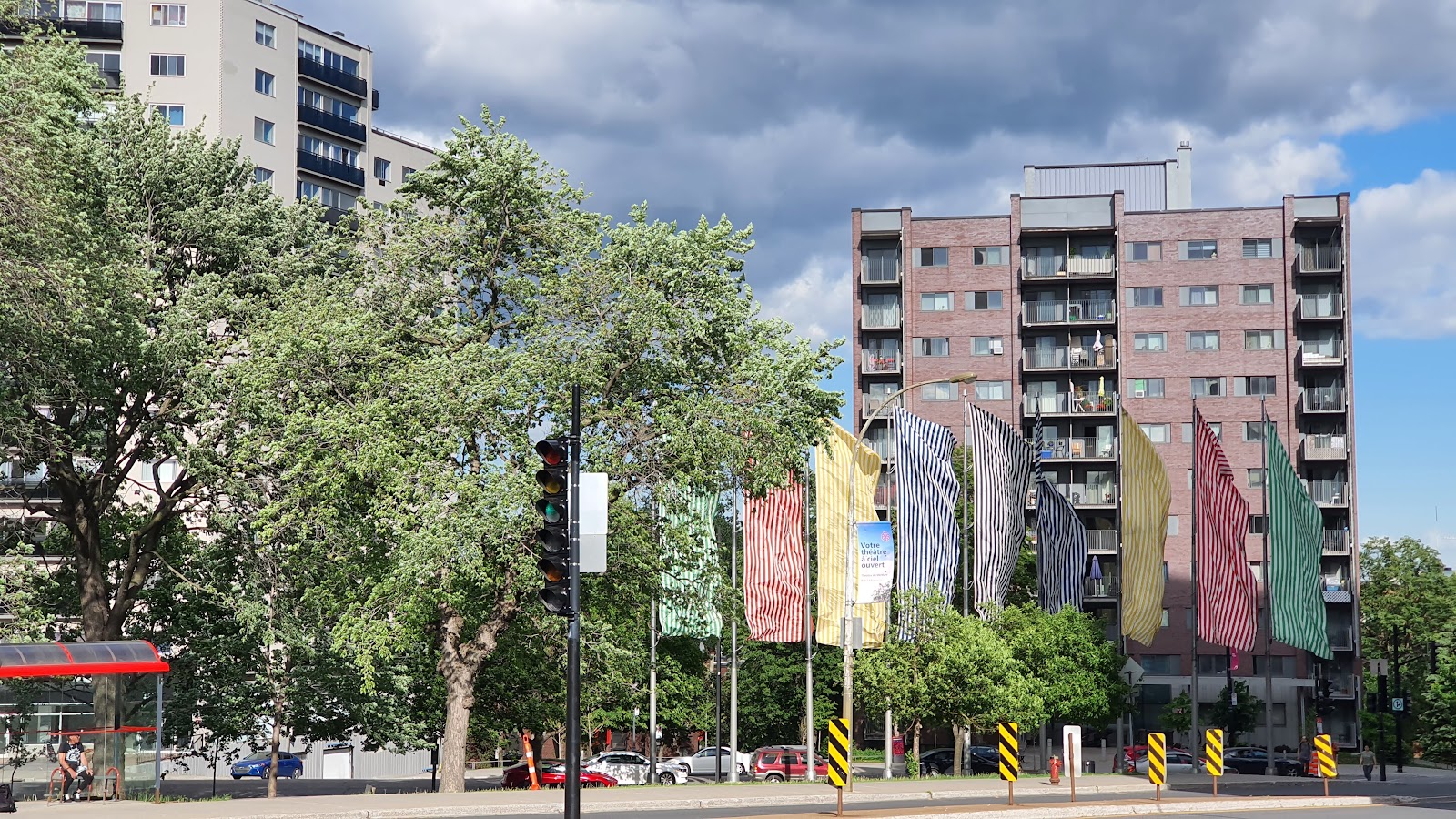
These aren’t classic monuments — they’re living neighborhoods where the real heart of contemporary Montreal beats. You’ll find famous outdoor spiral staircases, huge colorful murals, and the best cafés in the entire city. Plateau itself is often called the most photogenic residential neighborhood in North America for its distinctive architecture. You come to these streets without a map just to wander, soak up the relaxed atmosphere, and not check off lists from guidebooks.
For vegetarians, this entire area is a paradise full of great options. Of the local specialties, you must try the Montreal bagel, which unlike many other dishes is completely meatless. It’s somewhat smaller, denser, and sweeter than the New York one because it’s traditionally baked in a wood-fired oven. Two legendary bakeries, St-Viateur and Fairmount, are located right in Mile End and both are open 24/7.
And what about the famous Canadian poutine? Traditionally it’s made with a meat gravy, but many places here make an excellent vegetarian version (poutine végé) that you’ll fall in love with. On the other hand, the famous smoked meat from the well-known Schwartz’s Deli is indeed an iconic local specialty, but we avoid it for obvious reasons and prefer to have a bagel instead. If you’re looking for fully plant-based restaurants, go for a great dinner at TULA or the popular Lola Rosa Milton.
Where to Eat in Montreal
Good food is simply part of Montreal, and it would be a shame not to enjoy it to the fullest. As I’ve already mentioned, this city is very vegetarian-friendly, and we ate really well here.
If you want to taste the famous Montreal bagel, which is beautifully sweet and baked in a wood-fired oven, head to the Mile End neighborhood. That’s where you’ll find the legendary bakeries St-Viateur and Fairmount. For those looking for something more substantial for dinner, I can wholeheartedly recommend the plant-based restaurants TULA or Lola Rosa Milton. And if you like to taste multiple things at once, pop over for lunch to one of the famous markets like Jean-Talon or Marché Atwater — you can buy fresh cheeses, baked goods, and maple syrup and head out for a picnic.
Where to Go from Montreal
Montreal has an excellent location for further exploration of eastern Canada. If you have time, definitely don’t stay just in the city.
- Day Trip to Quebec City: A beautiful historic city listed as a UNESCO site lies about three hours away to the east. It’s good old Europe in North America. This is where mom and I moved on to after we explored Montreal’s landmarks.
- Nature to the North and South: If you want to see Canadian wilderness, head north to the Mont-Tremblant area or south to the Eastern Townships. These are classic weekend destinations that are most beautiful from mid-September to October, when the forests turn red.
- If you’re planning a longer trip across the country, check out our article Most Beautiful Places in Canada: 12 Tips, where you’ll find plenty more inspiration.
- Looking for accommodation tips? Read our detailed guide Where to Stay in Montreal.
Frequently Asked Questions
Here are answers to the most common questions you usually ask me before traveling to Montreal. I’ve put together everything essential so you don’t have to google unnecessarily.
How does transportation work in Montreal and how much does it cost?
As of July 1, 2026, new ARTM fares apply. A single ride on the island has remained at a nice 3.75 CAD, but some monthly passes have increased in price (zone A to 110 CAD). For tourists, the absolutely best option is the 24-hour pass for 11.50 CAD, which lets you ride the heated metro around the center unlimitedly and saves you a lot of money and time.
How do you get from the airport to the center?
The REM train station at the airport is still being completed and is scheduled to open only by the end of 2027, with the journey then taking just 25 minutes and trains running every 10 minutes. Until then, you need to use the reliable city bus 747, which fortunately runs to the center non-stop, or take a comfortable taxi.
When will the Montreal Tower reopen?
The observation deck at the Olympic Stadium is closed for all of 2026 due to a massive complex renovation. According to the official schedule, it should open only in spring 2027. It will have a beautiful new glass funicular and an improved safe access directly to the stadium roof.
Can I get by with English in Montreal?
The official language in the entire province is French, but in Montreal’s city center itself, you can get by with English without problems. As practical advice, though, I definitely recommend learning at least a basic greeting. A simple “Bonjour” at the beginning of a conversation will open doors and the locals will be much friendlier right away.
How many days do I need to explore Montreal?
For a quick basic tour of the Old Town, one museum, and Mont-Royal, three days are enough. But if you also want to see the majestic Olympic Park, markets, and leisurely soak up the atmosphere in the famous local cafés, it’s ideal to reserve a full five days for the city.
Is the combined Espace pour la vie ticket worth it?
Definitely yes, if you or your kids love nature and animals. The combined ticket for the Biodôme, botanical garden, planetarium, and insectarium costs approximately 55 to 65 CAD and is valid for a full 30 days. If you plan to visit at least three of these great places, you’ll save significantly.
What should I try in Montreal if I don’t eat meat?
Montreal is really very friendly to vegetarians and vegans. Try poutine végé (traditional fries with cheese and meatless gravy) or traditional maple desserts. An absolute must is the famous Montreal bagel, which is always meat-free by itself and is baked in a wood-fired oven.
Tips and Tricks for Your Vacation
Don’t Overpay for Flights
Search for flights on Kayak. It’s our favorite search engine because it scans the websites of all airlines and always finds the cheapest connection.
Book Your Accommodation Smartly
The best experiences we’ve had when looking for accommodation (from Alaska to Morocco) are with Booking.com, where hotels, apartments, and entire houses are usually the cheapest and most widely available.
 🚗 Car rental on the roadVerified rental cars in Canada
Search with the DiscoverCars comparison engine — it compares prices from dozens of local and international rental companies, and most bookings come with free cancellation.
Compare car prices in Canada →Don’t Forget Travel Insurance
Good travel insurance will protect you against illness, accidents, theft, or flight cancellations. We’ve had a few hospital visits abroad, so we know how important it is to have proper insurance arranged.
Where we insure ourselves: SafetyWing (simple monthly subscription) and TrueTraveller (for extra-long trips).
Find the Best Experiences
Get Your Guide is a huge online marketplace where you can book guided walks, trips, skip-the-line tickets, tours, and much more. We always find some extra fun there!