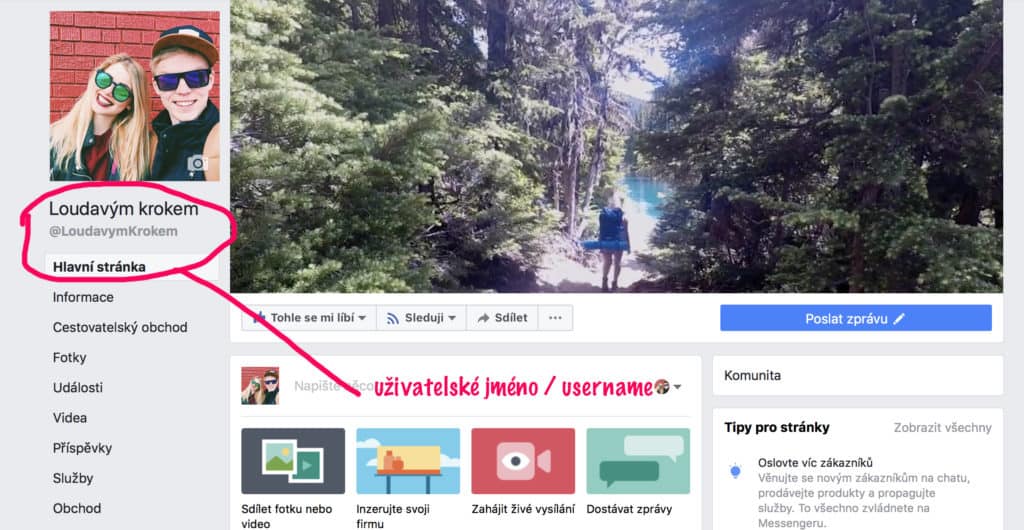
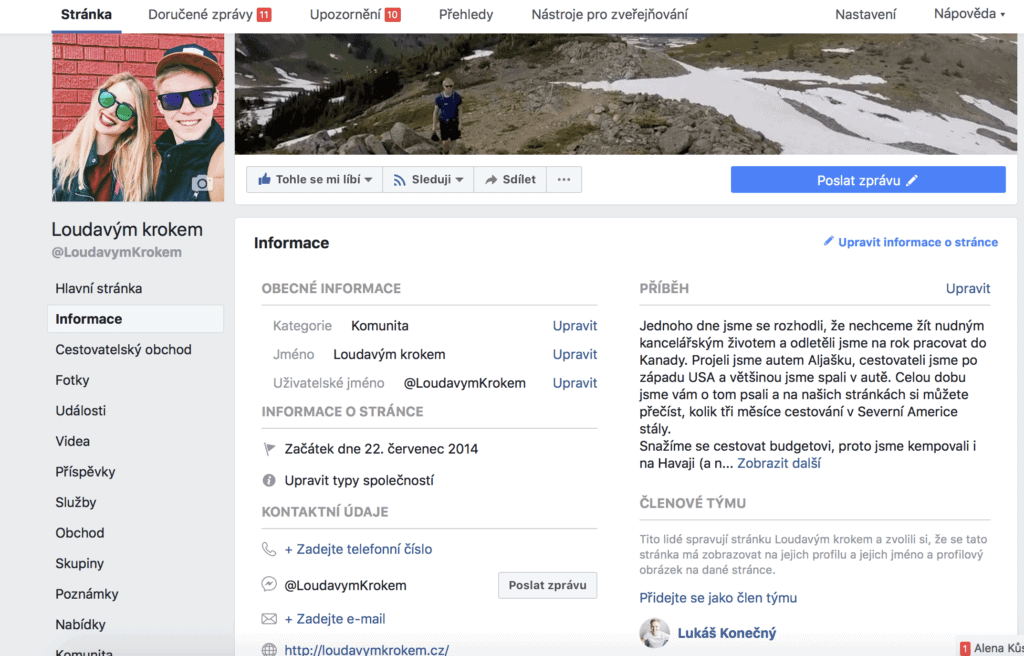
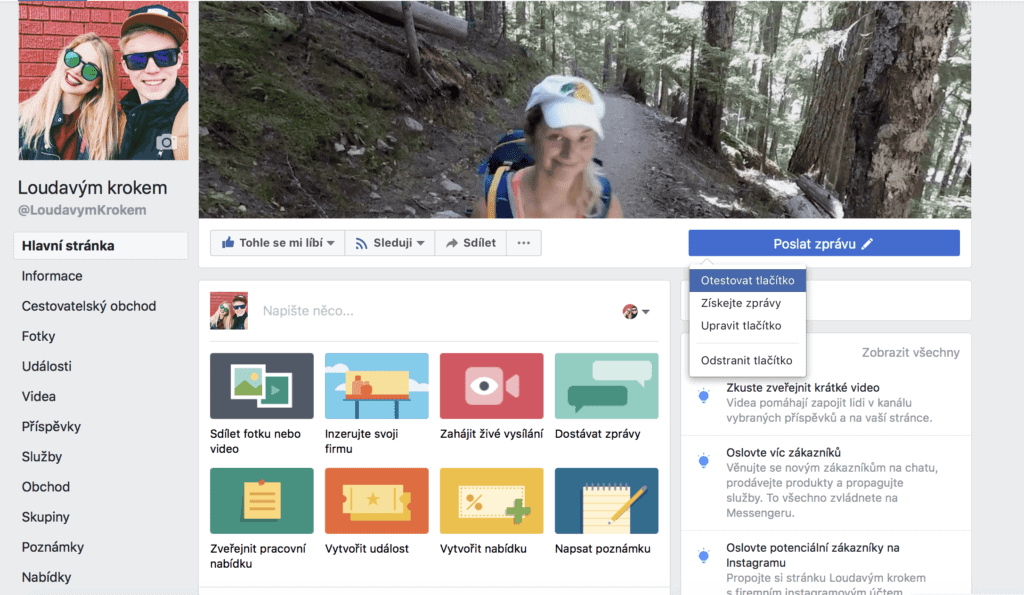
TL;DRSetting up a successful Facebook page takes 5 steps: create the page through the “Create Page” menu, choose a profile photo (recommended size 180×180 pixels) and a cover photo (820 x 312 pixels on desktop, 640 x 360 pixels on mobile, minimum 399 x 150 pixels, or a video up to 2 minutes long), pick a username that’s easy to remember, fill in your page’s story in the About section, and set up a call-to-action button so fans can engage with you. If you want to get to grips with advertising, there’s an online course at Kurzeo.cz with 19 lessons running just under two hours.
Setting up a Facebook page is surprisingly straightforward — yet we constantly see beginner mistakes on business profiles and blogger accounts alike. If you want to create a Facebook page that actually works for you, this guide walks you through every important step. You’ll learn how to choose the right profile picture, nail the key visual elements, and set up your first call-to-action button. Let’s get into it — here are 5 steps to build a successful Facebook page.
1) How to Create Your Facebook Page
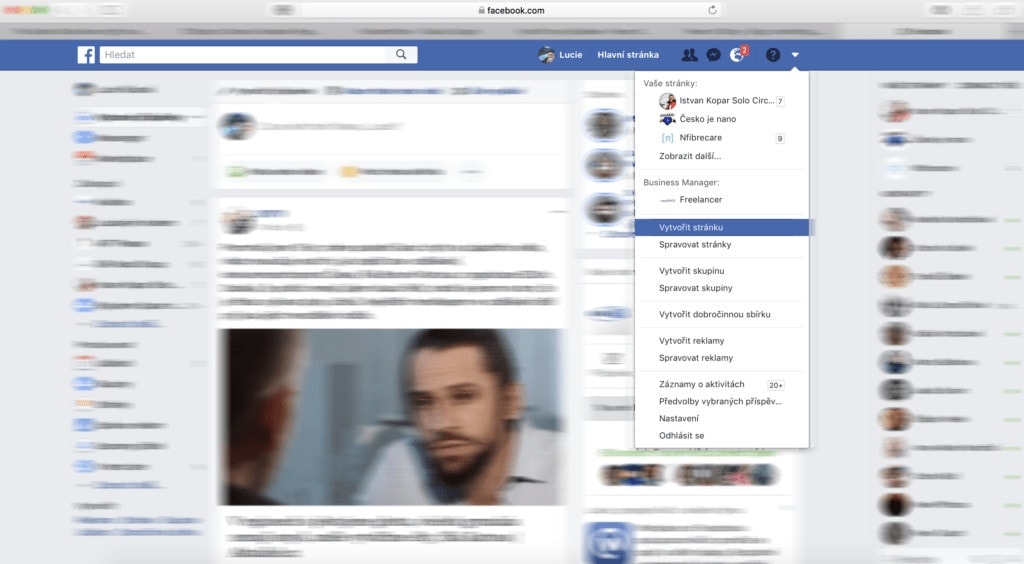
Log in to Facebook and click the arrow in the top right corner. A dropdown menu will appear — select “Create Page”.
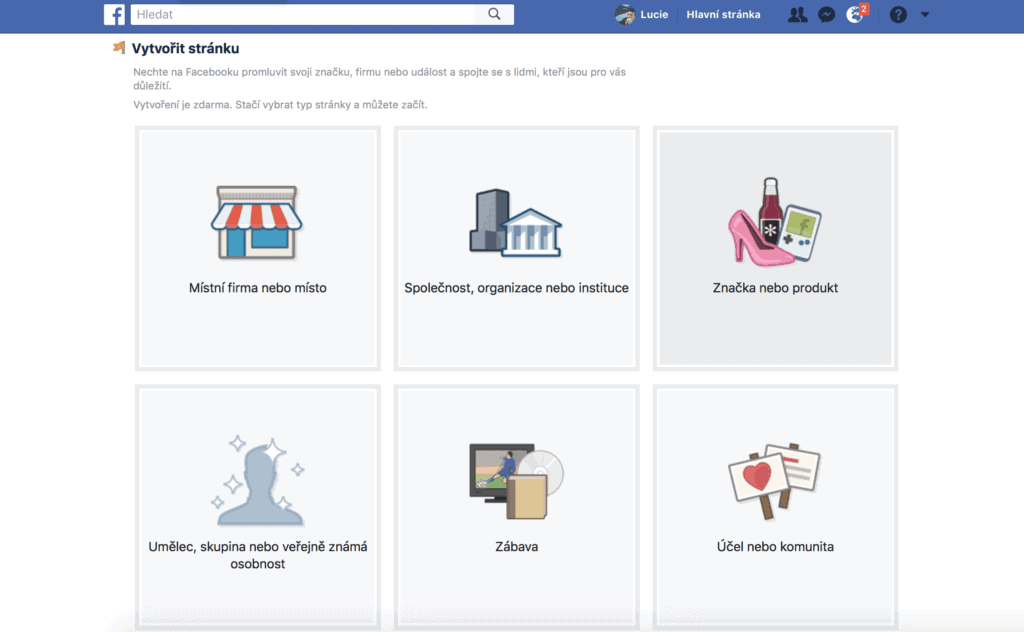
Next, choose your page type. For personal blogs, we recommend “Artist, Band or Public Figure” or “Cause or Community”. Facebook will then prompt you to enter your page name.
2) How to Choose Photos That Make an Impact
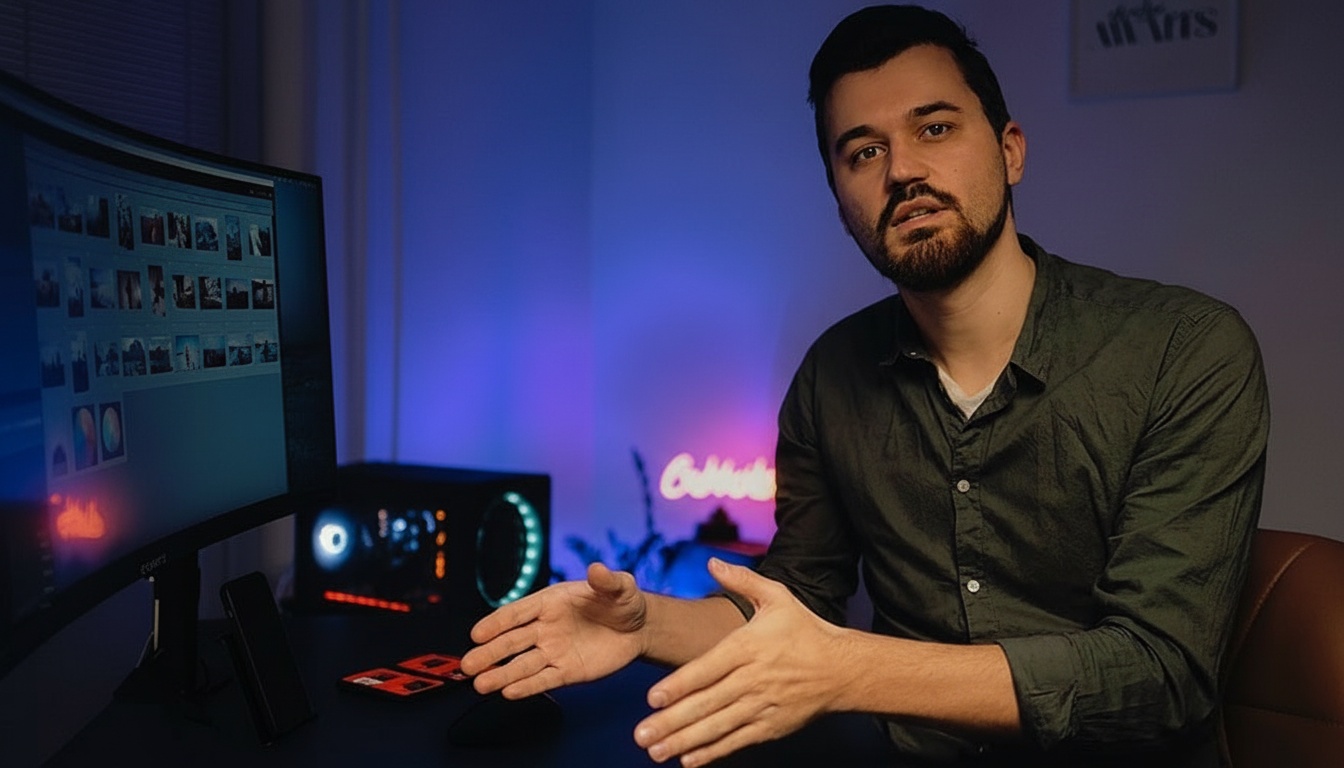
How do you pick the right profile photo? Your profile picture is the first thing a potential follower sees — it’s the single most important visual element on your page.
For business pages, using your company logo is standard practice. If you’re setting up a blog page, you’ve got two options.
1) You have your own logo
When should you use it as your profile photo? If you don’t want the blog to be too closely tied to your personal identity — for example, if you plan to bring other writers or contributors on board.
2) You don’t have a logo — or you want to put a personal face to your blog.
In that case, there’s no question who should be in the photo. You — and yes, that’s the right answer. It doesn’t matter whether you blog about food, travel, or fitness.
Choosing the Right Profile Photo
Put some effort into selecting your profile photo. Choose one that makes a positive impression and stick to the recommended size of 180×180 pixels. The image should be sharp and clean.
How to Take a Great Profile Photo
If you don’t have a professional photographer nearby, grab the best camera you can find and get shooting :-). Whether you’re taking the photo yourself or enlisting a friend or partner, here are a few tips to keep in mind:
Find a clean background with as few distracting elements as possible.
The best light always comes from a window — just don’t shoot with the window directly behind you.
Avoid shooting in direct sunlight. If you’re outdoors on a bright day, step into the shade instead.
Photos generally look better when taken from a slightly elevated angle — but don’t overdo it, or you’ll end up looking like a 2012 selfie.
Smile.
Take 20–30 photos from different angles so you’ve got plenty to choose from.
Let your photo communicate what you do: if you’re a presenter or MC, make that obvious — don’t be afraid to include a microphone. Food bloggers can hold a cookbook and wear an apron 🙂 Fitness bloggers can show off those well-earned muscles.
Aim for something visually memorable — a photo people will recognise at a glance.
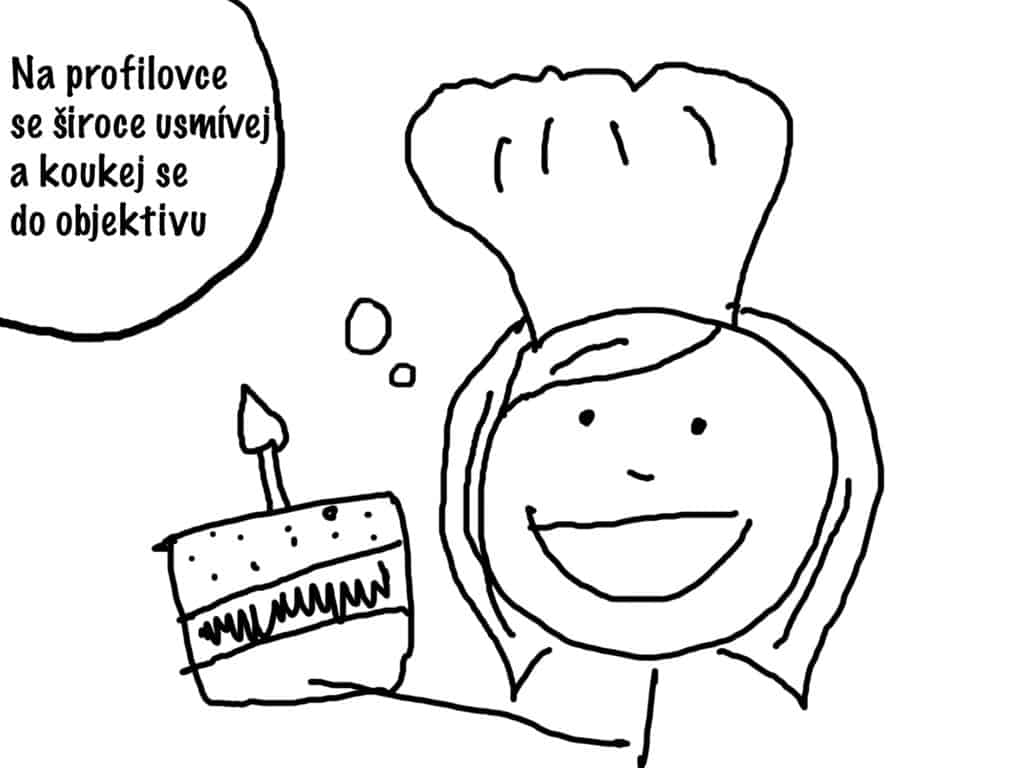
Example of a good Facebook profile photo
Choosing Your Cover Photo
What makes a great cover photo? Your cover image shapes the overall look and feel of your Facebook page — so how do you get it right? There’s one key thing to keep in mind first.
This element displays differently on desktop and mobile. On desktop, it shows at 820 × 312 pixels; on mobile, it’s 640 × 360 pixels (though this varies by device). The minimum size for a cover photo is 399 × 150 pixels.
Choose a photo that clearly represents what you do — something that showcases your work at its best and grabs attention. You can also add text to your cover to explain exactly what you do and why people should follow you. Adding your logo is an option too, just don’t clutter it. For creating simple graphics, we highly recommend Canva.
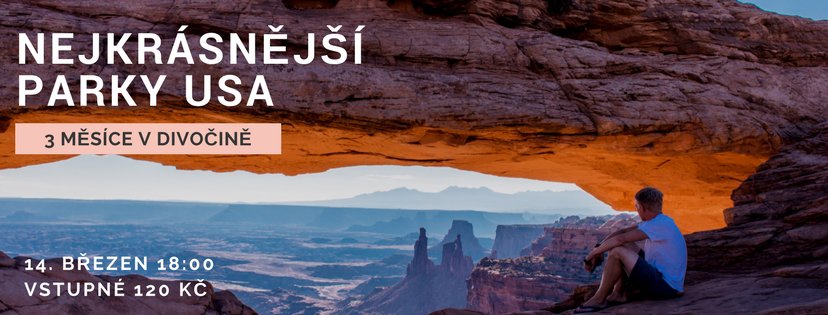
Example of a Facebook page cover photo promoting an event
You can also use a video instead — just keep it under 2 minutes and make sure it makes sense without sound. If you want to introduce yourself, don’t just film yourself talking to camera. Show what you actually do. If you do go for the talking-head approach, add subtitles.
Your cover photo is prime real estate for promoting your own products or events. Use it to highlight something you’re offering for free. Got a free e-book on your site? This is the perfect spot to promote it — it’ll drive more people to your page. Got an event coming up? Shout about it in your cover.
3) Choose a Good Username
Choose your username carefully. If your blog name is quite long, try coming up with a short, memorable version that still makes it obvious what you’re about.
Once your page is set up, head to the About section and take a few minutes to fill it in properly. Pay particular attention to the Story field — tell your followers what you do and, just as importantly, why you do it.
Highlight what makes you unique. On Loudavým krokem, we always emphasise that we write about the real cost of travelling. There are countless travel blogs out there, but almost none of them tell you what their trips actually cost — and certainly not in as much detail. That’s what we make a point of highlighting in our page description too.
5) Set Up Your Call-to-Action Button
Facebook lets you add a call-to-action button that prompts visitors to take a specific action of your choosing:
Call to Action button on Facebook
There’s a wide range of options to choose from — you can invite people to send you a message or email, direct them to your online shop, or link to an app.
And that covers all the basics of setting up your Facebook page!
How to make your social media advertising genuinely effective
Tips and Tricks for Your Vacation
Don’t Overpay for Flights
Search for flights on Kayak. It’s our favorite search engine because it scans the websites of all airlines and always finds the cheapest connection.
Book Your Accommodation Smartly
The best experiences we’ve had when looking for accommodation (from Alaska to Morocco) are with Booking.com, where hotels, apartments, and entire houses are usually the cheapest and most widely available.
Don’t Forget Travel Insurance
Good travel insurance will protect you against illness, accidents, theft, or flight cancellations. We’ve had a few hospital visits abroad, so we know how important it is to have proper insurance arranged.
Where we insure ourselves: SafetyWing (best for everyone) and TrueTraveller (for extra-long trips).
Why don’t we recommend any Czech insurance company? Because they have too many restrictions. They set limits on the number of days abroad, travel insurance via a credit card often requires you to pay medical expenses only with that card, and they frequently limit the number of returns to the Czech Republic.
Find the Best Experiences
Get Your Guide is a huge online marketplace where you can book guided walks, trips, skip-the-line tickets, tours, and much more. We always find some extra fun there!
TL;DRThis five-day rail trip through the Polish and Slovak Tatras runs Prague–Kraków–Zakopane–Tatranská Bystrica/Poprad–Bratislava–Prague, and you can do the whole thing by train and bus without a car. In Kraków, the old town with Wawel Castle and the MOCAK gallery will fill half a day; Zakopane is your base for a trip to Morskie Oko lake. On the Slovak side, the highlight is the cable car up to Lomnický štít from Tatranská Bystrica, which costs 44 EUR, and the last stop is Bratislava, with its castle and the Slavín memorial. The pricier version of the whole trip comes to 17,300 CZK, the budget one (skipping the fancy stuff) around 12,600 CZK, or under 10,000 CZK if you leave out the cable car.
At the end of January, we set off on a train trip to the Tatra Mountains, travelling through Krakow, Zakopane, and across the Polish and Slovak sides, with a stop in Bratislava on the way back. We travelled by trains and buses with nothing but our backpacks. What we saw, how much it cost, and a detailed itinerary so you can replicate our journey — you’ll find it all right here in this article.
Read about how we got stuck in the Polish Tatra Mountains and almost had to turn back home RIGHT HERE!
Route Map
London/Berlin > Krakow > Zakopane > Tatranská Bystrica > Bratislava > Home
What We Saw, Where We Slept, and How We Travelled Step by Step
Krakow
We started our trip in Krakow, Poland. You can easily reach Krakow by bus or train — for example, FlixBus runs regular connections from many European cities. The bus station is centrally located, so everything is within walking distance.
If you arrive during rush hour, we wouldn’t recommend taking a taxi — it took us just as long by cab as it did walking the same route the next day on foot.
We recommend staying at BC 29 Residence, a beautiful space near the centre where a room costs around €52 including a (luxurious) breakfast.
Our first destination: Krakow
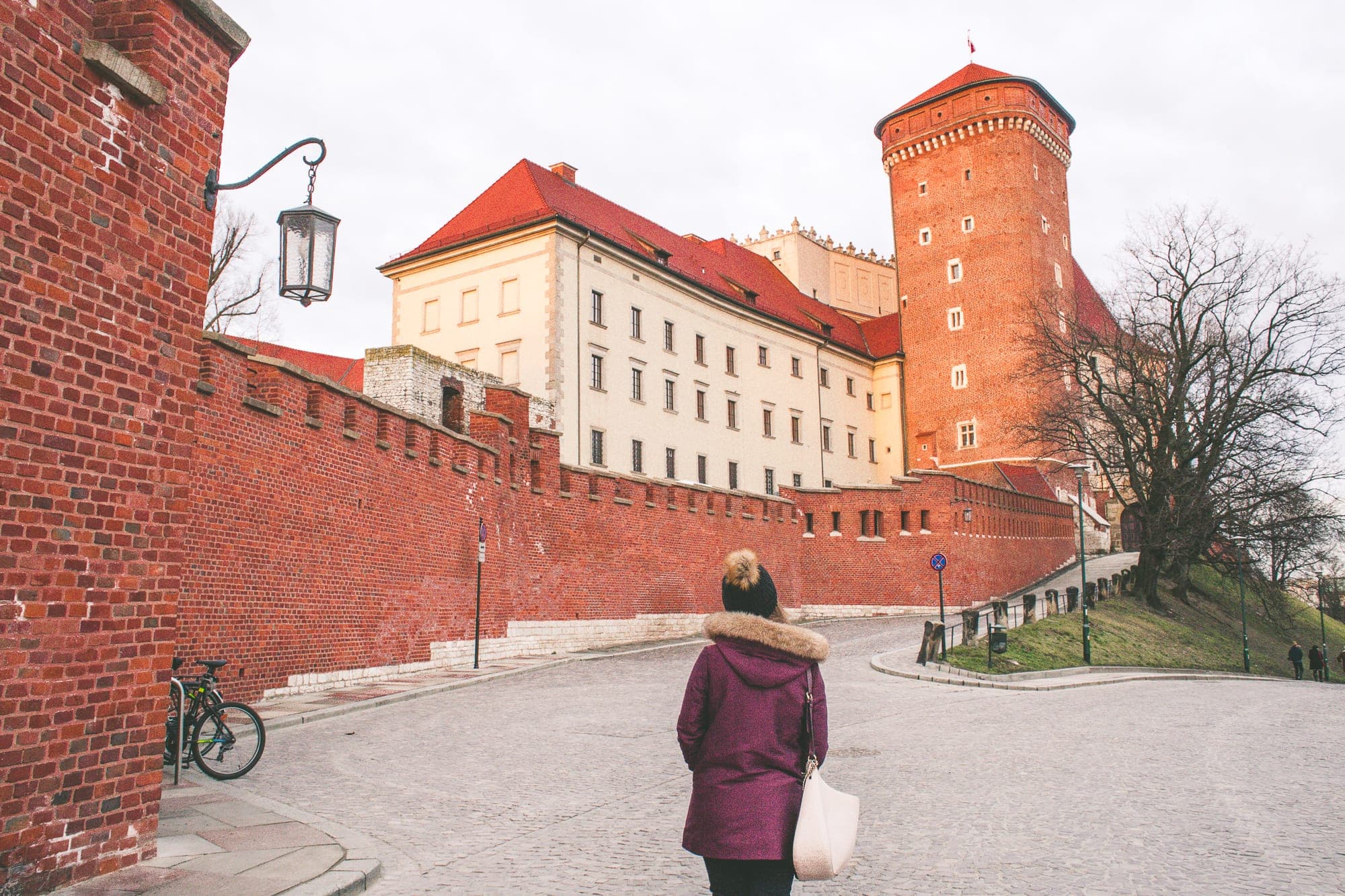
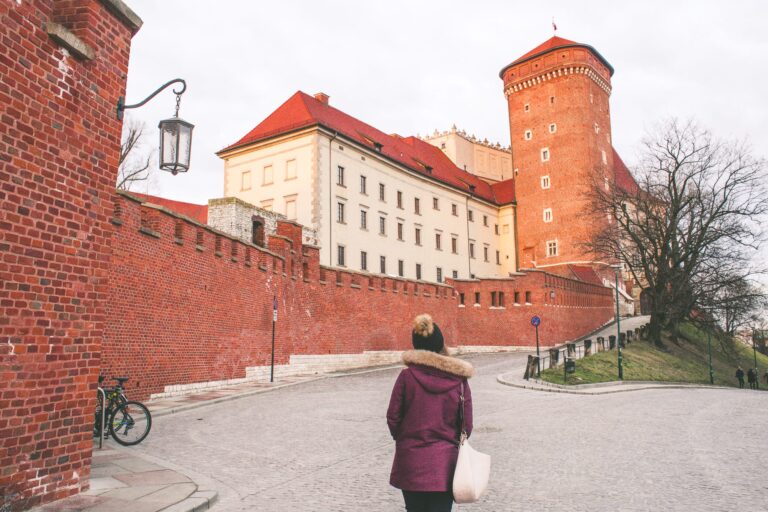
After arriving in the afternoon, we managed to walk through the royal Wawel Castle and we highly recommend visiting MOCAK — the Museum of Contemporary Art housed in the former factory of Oskar Schindler.
Krakow in Half a Day
For dinner, head to Plac Nowy 1 — it’s close to the accommodation and they serve excellent pizza. Make sure to try one of their local beers.
We covered the historic centre in a single morning, all on foot, so if you don’t mind a lot of walking, you won’t need to spend money on public transport tickets.
After lunch, we slowly made our way towards the Polish Tatra Mountains, heading to the ski village of Zakopane. From Krakow, you can reach Zakopane by bus for about 19.5 PLN per person (around €4.50) and the journey takes just over two hours.
Zakopane
People come to Zakopane mainly for skiing, so the village is full of charming villas with all the amenities and stunning views of the Tatra Mountains in Poland.
Buses and trains arrive and depart from the same location, and there’s also a luggage storage facility, so no complicated searching around.
Our accommodation at Villa 11 Folk & Design had, besides a charming atmosphere, a meditation room with loungers, a sauna, and a dining area where small treats, tea, and coffee were available 24/7. The room cost around €80 including breakfast.
A villa in Zakopane
Things to Do in Zakopane
You can go shopping in the centre, check out the Upside Down House, or set off very early in the morning for a hike to what is said to be the most beautiful mountain lake in Europe — Morskie Oko.
We had terrible weather, so we ended up in a café instead.
Getting to Slovakia
To get to your next destination, Tatranská Bystrica on the Slovak side of the Tatra Mountains, you need to cross the border — and this is where things get tricky. Only three Leo Express minibuses cross the border per day, and they don’t go through Zakopane. You need to get to Dolní Bukowina first, where you transfer to Leo Express.
Especially in winter, be careful — the 15 km local bus ride from Zakopane to Dolní Bukowina might look like it takes 25 minutes, but we ended up travelling for over two hours due to traffic jams and heavy snowfall, and ultimately had to spend an unplanned extra night on the Polish side.
Trekking to the bus stop, 5 km
These local Polish bus rides can’t be booked in advance (they work more like city buses), cost 5 PLN (about €1.20), and our driver left 5 minutes early, so be warned.
The Leo Express ride itself from Dolní Bukowina to Tatranská Bystrica (or all the way to Poprad) costs €12 per person.
Lukáš and Lucie recommend
Where to stay in the Polish and Slovak Tatras
4 accommodations — hotels and other accommodation options
The main reason to head to the Slovak side of the Tatra Mountains is Lomnický Štít — one of the Tatra Mountains’ highest peaks. You get to the top via two cable cars, and you need to book your ticket for the upper one in advance. Well, you don’t have to, but you might not get a spot in time, or the day could sell out completely, making the trip pointless. The ticket costs €44 per person. You can buy it at Gopass.sk and the departure point is directly in Tatranská Bystrica.
If you get stuck in Poland an extra day, like we did, you’ll lose your reservation and won’t be able to reschedule it.
Trip to Lomnický Štít
You should set aside at least half a day for the cable car ride to Lomnický Štít. You can either stay directly in Tatranská Bystrica, which will cost at least €80, or continue to Poprad (about 30 minutes longer on Leo Express), stay there for example at Penzion Darinka for half the price, and take the tram to Tatranská Bystrica the next morning (the fare is just a few cents).
If you leave Poprad before eight in the morning and board the cable car by eleven at the latest, you’ll easily catch the afternoon train at 14:43 from Tatranská Lomnica to Bratislava. That costs about €16 per person.
If you’re a student and want to travel around Slovakia for free, you need to get a special card at any train station in Slovakia. You’ll need a filled-in form confirmed by your university’s student office.
Bratislava
Bratislava is a beautiful but pricier city. It’s definitely worth checking Airbnb well in advance — you can find a place near the centre for around €40. We stayed at Tomáš’s place and we highly recommend his apartment — it’s rare to find such a cosy and well-equipped flat at a fair price. Hotels, on the other hand, can easily cost three times as much. You can also search for deals on Booking.com.
For breakfast, head to the bistro Žufaňa, grab a coffee at Gorilla.sk Urban Space, and for a late lunch, we recommend the absolutely amazing crêpes at Palacinka Lacinka (you’ll experience a retro 1980s vibe).
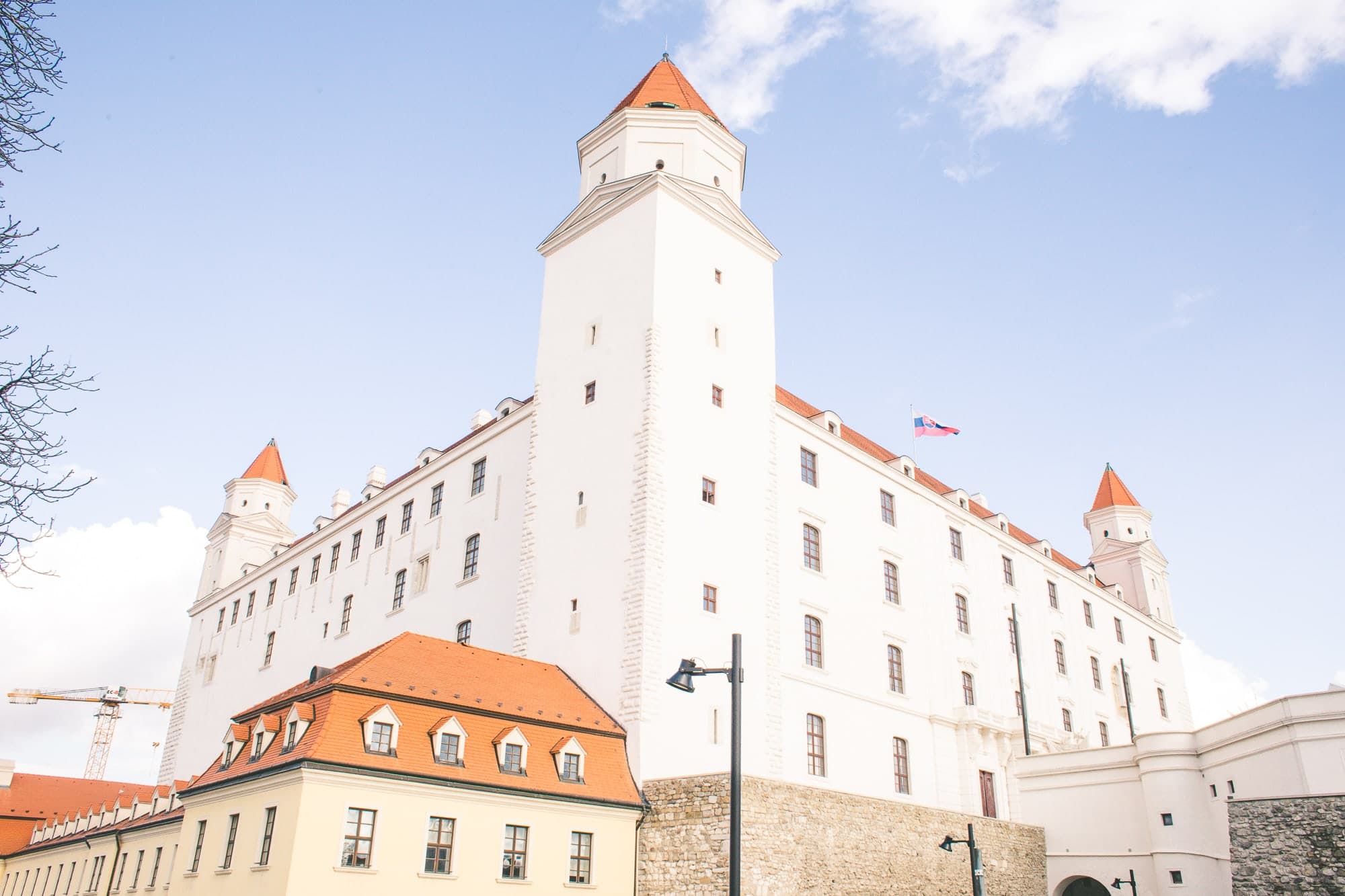
Visit Bratislava Castle, the Slavín war memorial, and definitely don’t miss the apartment gallery FLAT GALLERY.
You can head home late in the afternoon — trains and buses run frequently. We took a train back around six in the evening.
🔗 These are affiliate links — they don't change your price and help us create content. · All experiences →
Tips and Tricks for Your Vacation
Don’t Overpay for Flights
Search for flights on Kayak. It’s our favorite search engine because it scans the websites of all airlines and always finds the cheapest connection.
Book Your Accommodation Smartly
The best experiences we’ve had when looking for accommodation (from Alaska to Morocco) are with Booking.com, where hotels, apartments, and entire houses are usually the cheapest and most widely available.
Don’t Forget Travel Insurance
Good travel insurance will protect you against illness, accidents, theft, or flight cancellations. We’ve had a few hospital visits abroad, so we know how important it is to have proper insurance arranged.
Where we insure ourselves: SafetyWing (best for everyone) and TrueTraveller (for extra-long trips).
Why don’t we recommend any Czech insurance company? Because they have too many restrictions. They set limits on the number of days abroad, travel insurance via a credit card often requires you to pay medical expenses only with that card, and they frequently limit the number of returns to the Czech Republic.
Find the Best Experiences
Get Your Guide is a huge online marketplace where you can book guided walks, trips, skip-the-line tickets, tours, and much more. We always find some extra fun there!
TL;DRThis 14-day camping road trip through Uganda covers self-drive safari parks, a two-day hike into mountain rainforest on the Congo border, and a full-day trek to see endangered mountain gorillas. The route runs via Entebbe as start and end point, with camps like Ziwa Rhino Sanctuary or Rushaga Gorilla Camp near gorilla territory. You need to plan journeys well ahead, as unsealed roads mean a drive that maps say takes 5 hours can actually take at least 11.5 hours. Gorilla trekking permits in the region run from 159 to 387 euros, depending on the option and starting point you choose.
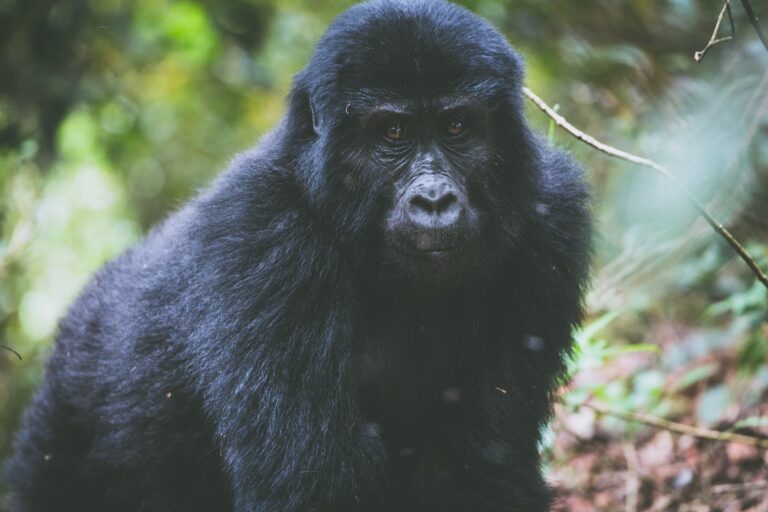
We set off on a 14-day Uganda road trip, camping under the stars and doing it all independently. We drove through Uganda’s safari parks on our own, hiked for two days through a mountain rainforest on the border with Congo, spent a full day trekking to see endangered mountain gorillas, and were stopped at military roadblocks roughly a thousand times along the way.
Uganda is a stunning country full of wonderful people, and we’d highly recommend it to any adventurous traveller. But we know how hard it is to find reliable information about Uganda online — especially when it comes to camping, accommodation, and all the various fees and expenses that are worth planning for in advance.
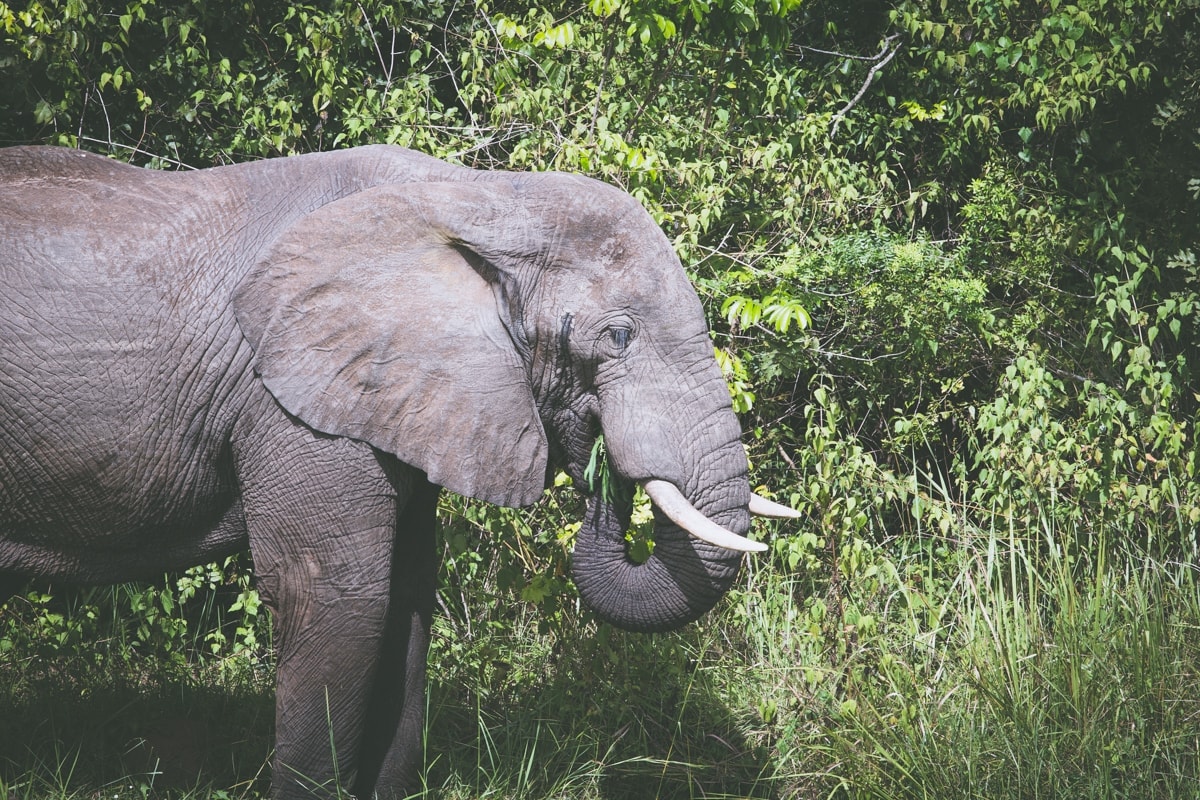
While the Asian elephant is a very calm and peaceful animal, the African elephant can be dangerous
That’s why we’ve put together a short series about Uganda that’ll come in handy for anyone planning a trip there. You’ll find:
an ideal itinerary, including national parks and stops along the way
places to sleep en route, with links to book them
a detailed expense breakdown across several tables, down to the last penny
photos from the places we visited
what it’s like to go gorilla trekking or on a two-day mountain hike
This time, we took planning a bit more “seriously” and mapped out where we should arrive each day and roughly what we’d be doing there. The plan changed several times along the way (mostly because Google doesn’t know that most roads in Uganda are unpaved, so a drive that’s supposed to take 5 hours actually takes at least 11 and a half), but in the end, we managed to tick off everything on our list — apart from the chimpanzees.
Uganda is one of the few countries that really needs to be PLANNED IN ADVANCE. We used an excellent book called Uganda by Andrew Roberts — it’s the only proper guidebook you’ll find for the country and it’s well worth picking up.
Search for flights on Kayak. It’s our favorite search engine because it scans the websites of all airlines and always finds the cheapest connection.
Book Your Accommodation Smartly
The best experiences we’ve had when looking for accommodation (from Alaska to Morocco) are with Booking.com, where hotels, apartments, and entire houses are usually the cheapest and most widely available.
Don’t Forget Travel Insurance
Good travel insurance will protect you against illness, accidents, theft, or flight cancellations. We’ve had a few hospital visits abroad, so we know how important it is to have proper insurance arranged.
Where we insure ourselves: SafetyWing (best for everyone) and TrueTraveller (for extra-long trips).
Why don’t we recommend any Czech insurance company? Because they have too many restrictions. They set limits on the number of days abroad, travel insurance via a credit card often requires you to pay medical expenses only with that card, and they frequently limit the number of returns to the Czech Republic.
Find the Best Experiences
Get Your Guide is a huge online marketplace where you can book guided walks, trips, skip-the-line tickets, tours, and much more. We always find some extra fun there!
TL;DRYou can sort a year in Canada in five steps. First, enter the pool for a Working Holiday visa (you need to be 18–35, hold Czech citizenship, and have 2500 CAD, roughly 43,000 Kč, in savings). If you’re selected, you’ve got 20 days to submit your application and pay 250 CAD. Next, sort travel insurance covering the full year abroad. Then pick your destination and flights — the authors rate Calgary over an overcrowded Vancouver, thanks to its proximity to the Rockies, Banff and Lake Louise. Finally, start hunting for work and accommodation before you even leave, using Facebook groups, Kijiji or Airbnb. They picked up a New York–Prague flight through StudentUniverse for 250 CAD, when other routes started at 400 CAD.
Ready to spend a year in Canada, just like we did? Here’s how to make it happen, broken down into 5 simple steps.
Canada’s visa system offers plenty of ways to get into the country, but the easiest route for a year in Canada is the Working Holiday visa. It grants you a one-year open work permit, allowing you to work anywhere in Canada and freely enter and leave the country — absolutely ideal for travelling.
The Working Holiday visa is actually a subcategory of the International Experience Canada programme, which is why you’ll see the abbreviation IEC everywhere during the application process.
Eligibility Requirements for the WH Visa
The requirements for obtaining a Working Holiday visa are straightforward. You must be between 18 and 35 years old, hold a valid UK passport (or passport from another eligible country), and have demonstrable savings of at least 2,500 CAD (roughly £1,500 / €1,700). When you arrive in Canada, you’ll need to show proof of a return flight (or evidence that you have enough funds on top of the 2,500 CAD to buy one), a valid passport covering your entire stay, and travel insurance for the full duration as well.
Pool
Here’s how it works: you register in the “pool” — essentially an electronic lottery hat — from which Canadian officials randomly draw applications throughout the year. If you’re lucky, you could receive your visa as early as the following week; if not, you might wait up to six months. You only pay the visa processing fees after you’ve been selected, so entering the pool is completely free.
How to Enter the Pool
First, fill out the eligibility questionnaire HERE. It only takes a few minutes, and at the end it will tell you which visas you’re eligible for. If you qualify for more than one category, select Working Holiday and click “Continue”. This will generate your personal reference code — write it down carefully, you’ll need it shortly.
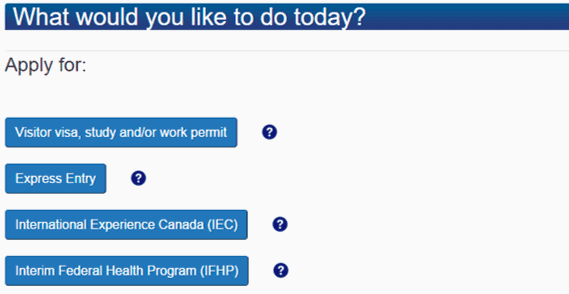
Next, you need to create a personal account on the Canadian government’s server, which you’ll use to manage your application. Click HERE, select “Continue to GC Key” at the bottom, and then click “Sign Up” on the next page. Create your profile following the simple instructions, and once it’s ready, log in. You’ll see this:
Click on “International Experience Canada (IEC)” and enter the personal reference code you carefully noted earlier (from the questionnaire). Fill in everything that’s required — Personal Details, Contact Details, Application Details, and Work and Education Details. It’s essentially just another very detailed questionnaire.
Once you’ve entered all the information, submit your application to the pool. Now all that’s left to do is wait. 😃
2) Applying for the Visa After Receiving an Invitation
Once you’re randomly selected, you’ll receive an Invitation to Apply (for a work permit), which you must accept within 10 days. You’ll be notified by email, but it doesn’t hurt to check your MyCIC account from time to time as well. After accepting the invitation, you have 20 days to fill in all the required details, upload the necessary documents, and pay the visa fee.
You’ll need:
a CV in English (or French)
a police clearance certificate (officially translated and certified)
a scan of a passport-style photo
completed forms that appear in your application
payment of 250 CAD (approx. £150 / €170) online by credit or debit card.
Then you wait to find out whether your application has been approved. If it has, you’ll receive a Letter of Introduction — and off to Canada you go!
3) Choosing Travel Insurance
At the airport, you’ll need to present your passport, Letter of Introduction, proof of sufficient funds, and travel insurance. Without it, you simply won’t be allowed into the country. We strongly recommend getting insurance for the entire duration of your planned stay (for most people, that’s the full year), because if your insurance only covers five months, they may shorten your work permit accordingly.
For a year-long trip like this, we’d recommend looking into True Traveller, a UK-based insurer that specialises in long-term travel insurance and offers great value for extended stays abroad. Have a look at our travel insurance comparison to find the best option for you.
We don’t have much work experience with eastern Canada, but we can absolutely recommend the western side. Unless your goal is Vancouver (and it probably shouldn’t be — it’s an overcrowded and extremely expensive city), Calgary is an ideal choice. It’s a sprawling, laid-back city with a beautiful downtown skyline and plenty of job opportunities. There’s also a decent expat community that can be incredibly helpful when you’re just starting out. For more tips on choosing the right place in Canada, check out resources like the motivimi guide.
Calgary is also close to Banff and Lake Louise — two mountain towns in the Rocky Mountains with loads of work available, especially during the summer and winter seasons.
Where to Book Flights
We’ve had the best experience with Kiwi.com. They’re brilliant at combining different airlines to find the cheapest routes. From London, you can often find good deals to Calgary or Vancouver with airlines like WestJet, Air Canada, or even connecting through budget carriers.
If you’re a student, you could also try StudentUniverse. They offer fantastic low-cost fares (some of the cheapest we’ve seen). We only booked through them once, so we can’t give a full endorsement, but everything went smoothly. We scored a New York–Prague flight for just 250 CAD (about £150), while prices everywhere else started at 400 CAD for the same airline.
5) Finding a Job and Accommodation Before You Leave
Jobs
Start with Facebook. Post in expat groups for your target location and ask about work opportunities — we found 2 out of 3 of our jobs through Facebook, and we had the first one lined up before we even started packing. Ideally, look for positions that include accommodation. This is common at mountain hotels or more remote locations. Here are some examples of where to look for the Calgary area:
If you’re not having luck, start sending out CVs. Tailor your CV for each position — leave out what’s not relevant and expand on what is. Competition in Canada is fierce!
If you can’t find a job before you leave, don’t panic. Print out a stack of CVs once you’re in Canada and hit the streets. Drop them off at every place that catches your eye — that’s simply how it’s done over there.
Cherry Picking in Canada?
If you’ve done fruit picking in New Zealand, you might be wondering whether similar work exists in Canada. Absolutely! You can find more information in this article.
Accommodation
Reach out to expat groups on Facebook. It’s the easiest way to find a place to crash, at least for the first few days.
If you don’t have a friend who can put you up, we recommend Airbnb. It’s cheaper than hotels, and you can usually find a room right in the city centre. Perfect for getting your bearings during those first few days.
If anything’s unclear or you have questions, drop us a comment below the article. 🙂 Long live Canada!
Tips and Tricks for Travelling in Canada
What to Pack
Check out our packing guide for travellers to help you prepare. Choose the right travel backpack, browse our favourite travel gadgets, and make sure you don’t leave anything important behind.
Travel insurance is an absolute must. For shorter trips we go with AXA (50% discount), and for longer trips we use UK-based True Traveller. Check out our travel insurance comparison and pick the one that suits you best.
Tips and Tricks for Your Vacation
Don’t Overpay for Flights
Search for flights on Kayak. It’s our favorite search engine because it scans the websites of all airlines and always finds the cheapest connection.
Book Your Accommodation Smartly
The best experiences we’ve had when looking for accommodation (from Alaska to Morocco) are with Booking.com, where hotels, apartments, and entire houses are usually the cheapest and most widely available.
Don’t Forget Travel Insurance
Good travel insurance will protect you against illness, accidents, theft, or flight cancellations. We’ve had a few hospital visits abroad, so we know how important it is to have proper insurance arranged.
Where we insure ourselves: SafetyWing (best for everyone) and TrueTraveller (for extra-long trips).
Why don’t we recommend any Czech insurance company? Because they have too many restrictions. They set limits on the number of days abroad, travel insurance via a credit card often requires you to pay medical expenses only with that card, and they frequently limit the number of returns to the Czech Republic.
Find the Best Experiences
Get Your Guide is a huge online marketplace where you can book guided walks, trips, skip-the-line tickets, tours, and much more. We always find some extra fun there!
TL;DRGetting from Poland’s Tatras into Slovakia turns out to be a logistical headache, since only three Leo Express services a day run between Zakopane and Poprad in Slovakia, and they’re tiny minibuses that seat just 7 people. The author got stuck on the way from Bukowina Tatrzańska, where a twenty-minute hop from Zakopane turned into a two-hour ordeal thanks to delays, then waited another roughly 40 minutes on top of the schedule for a replacement service. The delay meant losing their tickets for the cable car up Lomnický štít, and by the time they finally reached the Slovak Tatras, they had no energy left to appreciate the mountains after all that. The trip also took in Kraków, Zakopane and Bratislava, where they made up for the hassle with pancakes at Lacinka and a visit to the Flat Gallery, a gallery set up in an actual flat.
“Getting from the Tatras Poland side to Slovakia isn’t exactly easy. There are virtually no connections, and even though politicians keep talking about how something needs to be done, nothing ever changes.” Those were the words of our Slovak friend Dagmar, tossed into conversation almost as an afterthought — and we really should have paid far more attention. We might not have ended up stranded in the Polish Tatras, hopelessly waiting for a way to get to Slovakia in time.
Our first stop: Krakow
If You Work Online, Don’t Count on Working on Trains
Our trip actually started somewhere else entirely. We set off from Moravia heading to Krakow. On a whim, we decided this time we’d do a road trip by trains and buses so we could get some work done along the way.
Sounds lovely in theory, right? But if your job, like mine, requires fast internet about 95% of the time, maybe just forget about it. By the end of that week I’d racked up so much overdue work that I spent the entire following week glued to my laptop from 8 a.m. until midnight.
Is Poland Better Than Switzerland?
Krakow is a stunning city. I’m a huge fan of Poland in general — it never fails to charm us both. We wandered around the city like a pair of wide-eyed kids in a sweet shop. Krakow actually reminded us of Switzerland: the streets were spotless everywhere, and we couldn’t decide which of the countless cafés and restaurants to pick.
I felt quite nostalgic — some of the places could have been carbon copies of spots in the US or Canada. A true paradise for hipsters and café loungers, capped off perfectly by the MOCAK Museum of Contemporary Art.
We Queued for Tickets and Ended Up at a Psychologist’s
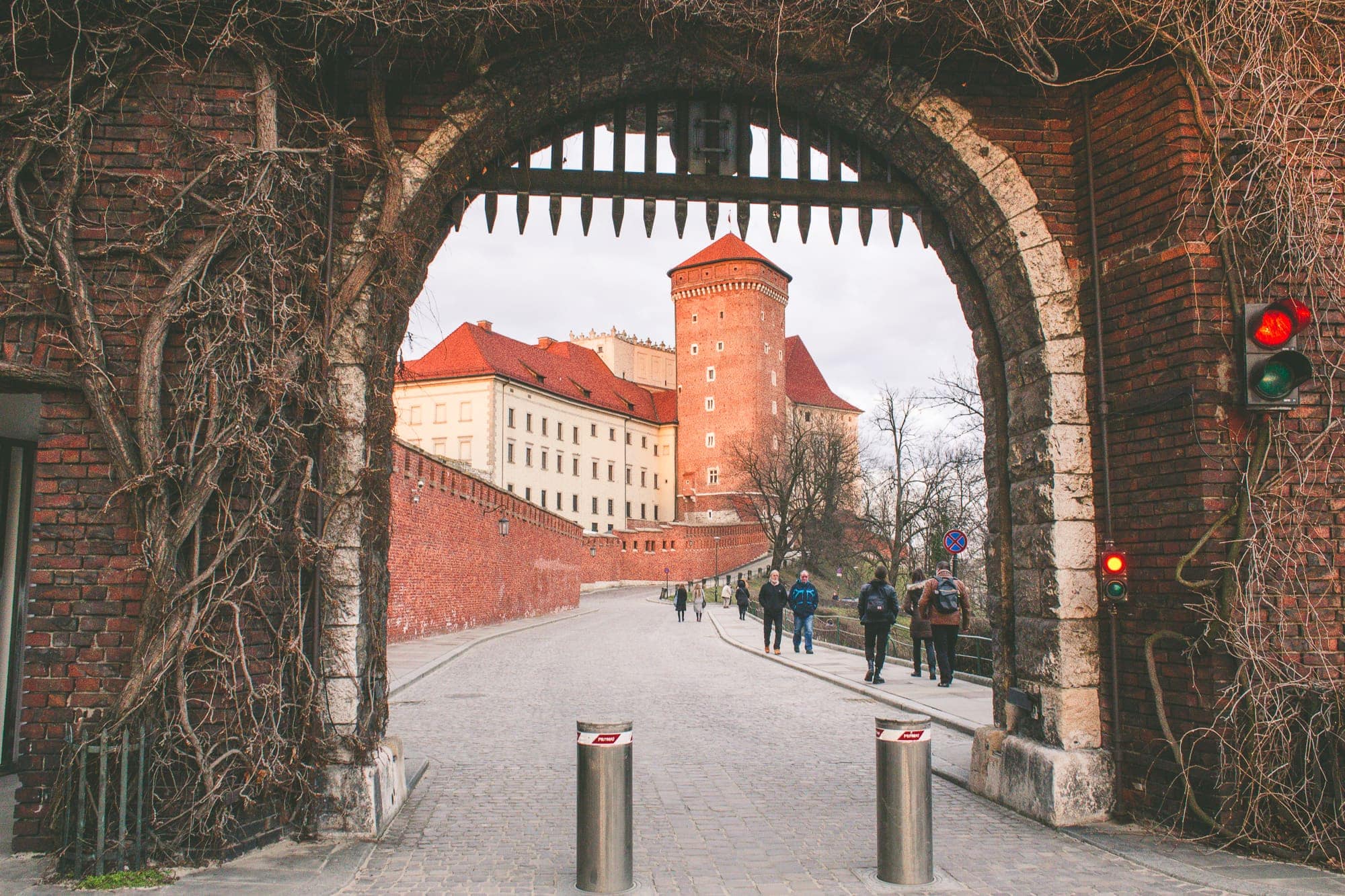
History lovers won’t be disappointed either. There’s nothing quite like strolling around Wawel Hill, home to the Royal Castle and the Cathedral of Saints Stanislaus and Wenceslaus.
Hipster spots on every corner in Krakow
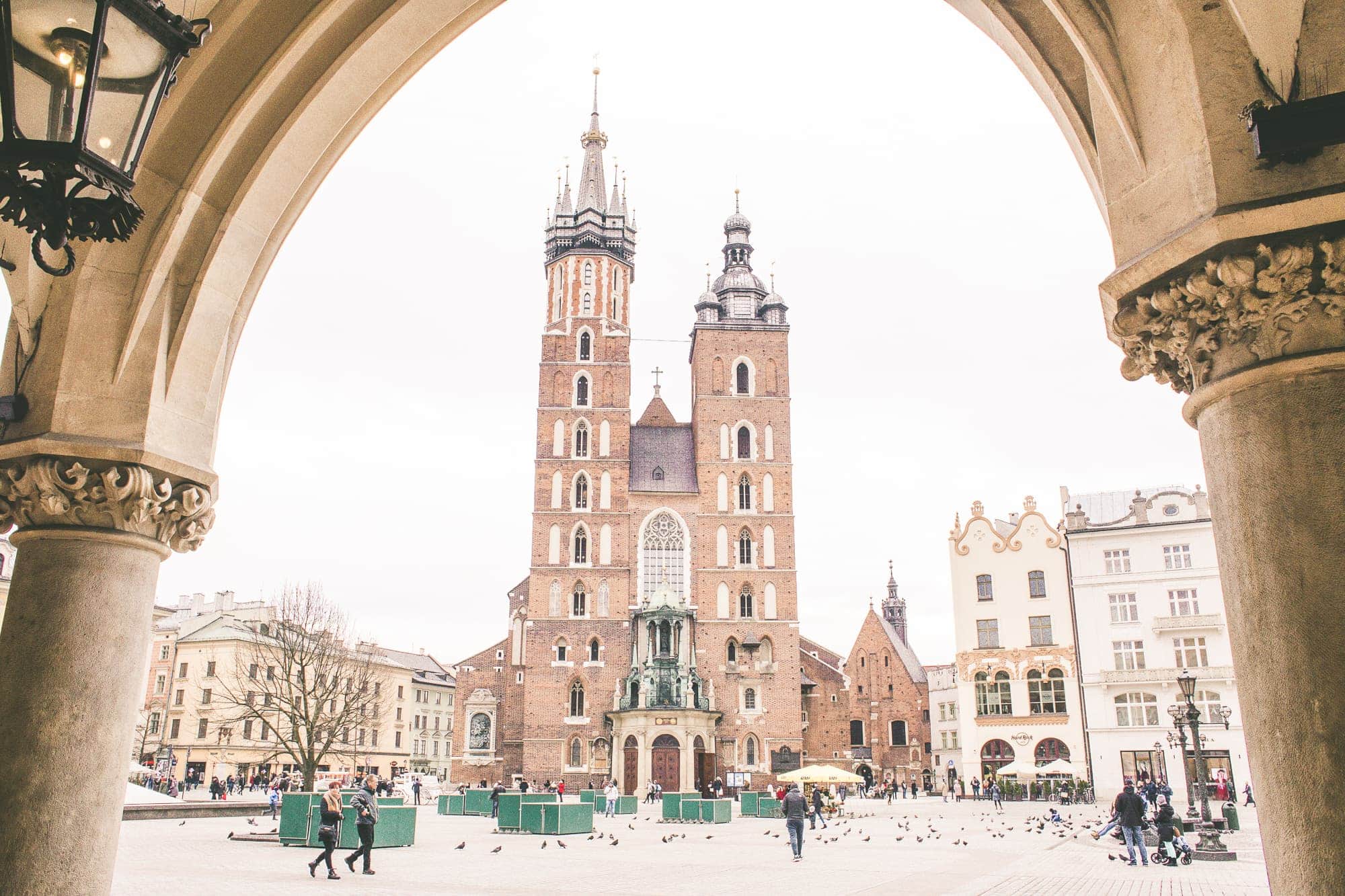
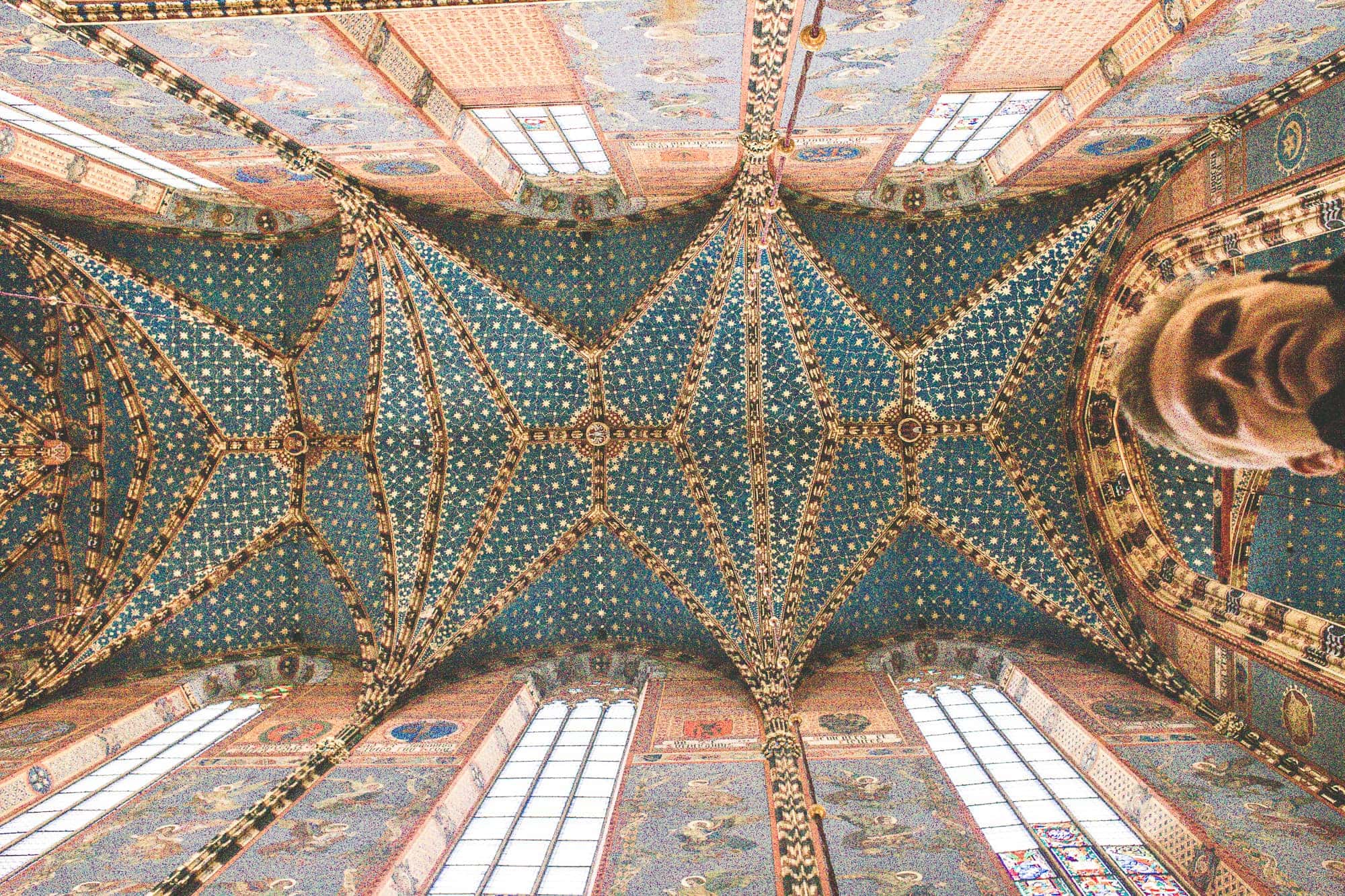
Make sure you also visit St. Mary’s Basilica, where the breathtaking blue-painted ceiling arguably overshadows even its most prized treasure — the 13-metre altarpiece by Veit Stoss from 1489. You do have to pay a small admission fee, but it’s so cheap you really shouldn’t hesitate.
The ceiling of St. Mary’s Basilica
Head to the Leaky Cauldron for a Butterbeer!
One word of warning: make sure you don’t accidentally queue up at a psychologist’s office instead of the ticket counter. That’s exactly what happened to us. We only realised we were waiting in the wrong line when they started seating us around little tables. And if you’re a Harry Potter fan, you absolutely must visit the Leaky Cauldron for a butterbeer.
The views of Wawel never get old
The Language Barrier? What Language Barrier?
Travelling to Slavic countries has its perks when you speak a Slavic language. On day one, Lukáš spoke English with the locals. By day two, he was mixing in Czech words. By day three, he’d ditched English entirely and was just speaking Czech. The Polish girls were blushing, and I was thinking that if we stayed another week, he might actually start speaking fluent Polish — and I’d have a wedding to worry about. For English speakers, don’t worry — most young Poles in Krakow and Zakopane speak excellent English, so you’ll get by just fine.
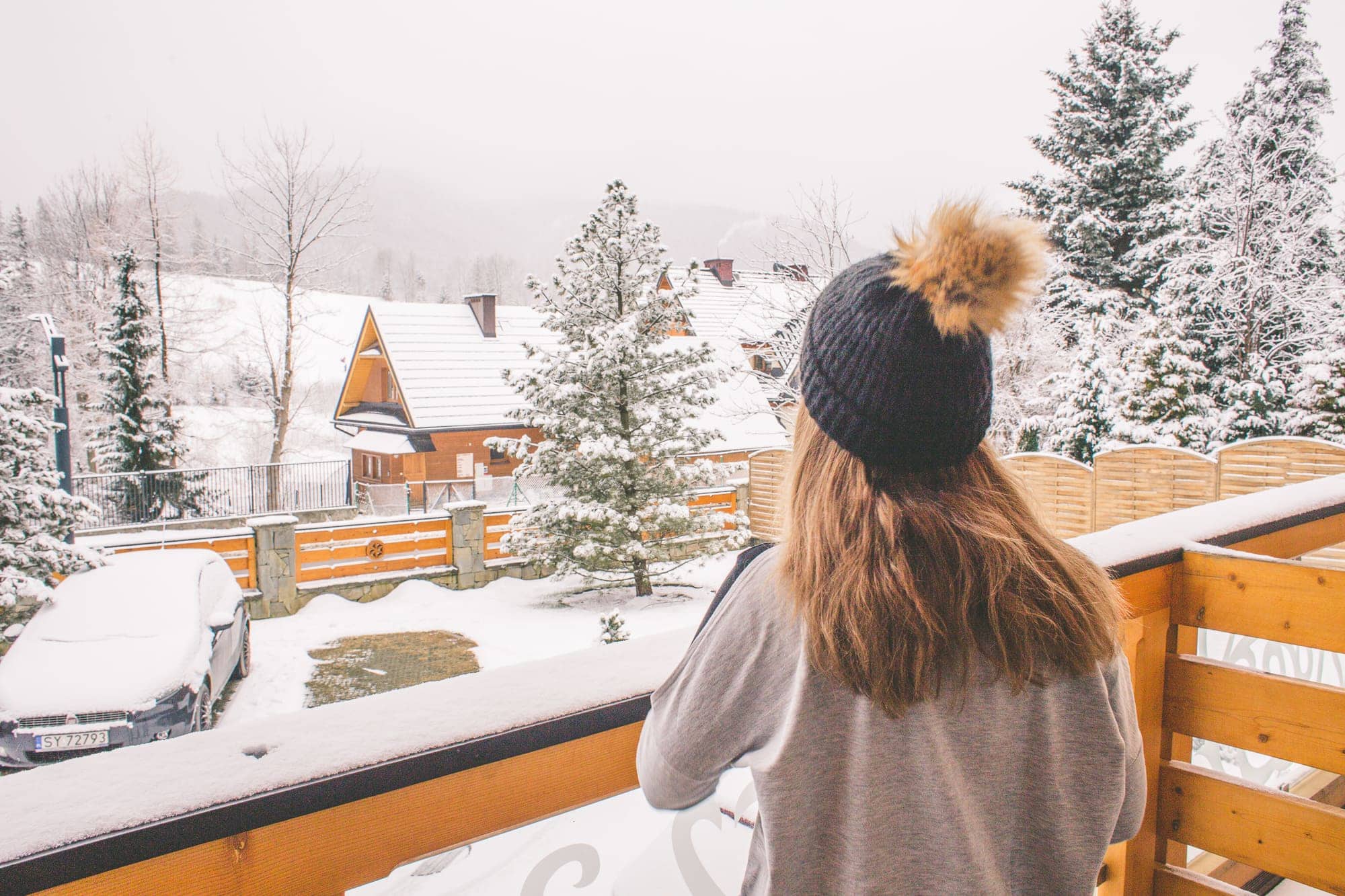
The view from our charming villa in Zakopane
When Life Gives You Warning Signs, You Should Listen
It wasn’t just Dagmar’s words that hinted at trouble ahead. Things went wrong from the very start. We arrived in Krakow at half past two and decided to take an Uber to our accommodation to save time and explore the city in daylight. The Uber was supposed to arrive in five minutes — we waited twenty. In the app, it looked like we’d vanished into thin air. We ended up cancelling and grabbing an overpriced taxi, though we probably would have been faster just walking.
We didn’t see the Tatras, but we had a great rest at the villa.
Our Nickname for Travelling in Poland: Delays
Back at the station after a gorgeous day in Krakow, we nearly froze solid because the bus to Zakopane was late. At that point, we were still surprised. But the idea of anything running on time during those winter days in Poland soon became a distant dream.
Typical architecture in Zakopane
Zakopane is a gorgeous little town in the Poland Tatras mountains, full of Instagram-worthy wooden villas. We stayed in one of them — a place that was supposed to have a mountain view. We didn’t see the mountains. Let me spare you the suspense: we didn’t see the mountains once during our entire time in Poland. But it didn’t matter. We enjoyed the villa, the cafés, and the snowstorms, and the next day we were looking forward to crossing over to Slovakia.
Getting from the Tatras Poland to Slovakia by Public Transport? It’s Not Easy
To reach Poprad in Slovakia, we had to get to Bukowina Tatrzańska, which was supposed to be a 20-minute bus ride from Zakopane. We’d allowed an hour for the connection. We didn’t want to risk any more time out in the Polish winter cold. But that was a mistake. Instead of 20 minutes, the bus took 2 hours, and we found ourselves in the dark in the middle of a ski town with no accommodation and absolutely no prospect of getting to Slovakia.
It was starting to feel like Poland and Slovakia weren’t on speaking terms. Only three Leo Express services run from the Polish Tatras to Slovakia — and they’re not buses, they’re minivans with just 7 seats. Naturally, everything was sold out.
To add to our luck, the hotel we’d booked in Poprad via Booking.com had no record of our reservation — and was fully booked anyway. So at least we didn’t have to worry about cancelling. What was worse, though, was that the only available hotel in Bukowina was over a kilometre from the bus stop. Through the woods. On ice. We slid our way there — occasionally on our backsides — and slept hoping for better luck the next day.
Waiting for Godot
Better luck did eventually come. We managed to find a connection, but not until half past one in the afternoon. That meant we’d make it to Bratislava, but our tickets for the cable car to Lomnický Štít — which we’d been so excited about — would go to waste. The only thing standing between us and Slovakia was a five-kilometre walk to the bus stop where this minivan departed. We powered through it in about an hour, and then we waited.
Five minutes. Ten. Fifteen. By then we’d made friends with a local cheese seller, our eyes and noses were streaming, but the bus was nowhere to be seen. After forty minutes, I was in genuine pain from the cold — the kind I’d only ever experienced at minus 30 in Canada.
We called Leo Express to ask if we’d missed it. “Probably not,” came the reply. “We can’t see the GPS location — you’ll have to call the Polish helpline.” After a full hour, the minivan for 7 passengers finally picked up two human icicles.
We’d had enough winter to last us the whole year. And when the Slovak Tatras finally opened up before us in Poprad, we — self-proclaimed mountain lovers — couldn’t have cared less. We bolted into the nearest café, tried every type of tea on the menu, and waited for our train.
The Big Little City of Bratislava: Pancake Paradise
Bratislava cheered us right up. We stayed in a perfect hipster flat right in the centre for next to nothing and had an amazing breakfast at the retro bistro Žufaňa. Bratislava is one of my favourite nearby destinations.
Popping into Lacinka — a restaurant that hasn’t changed in decades — for mountains of stuffed pancakes, lingering in bookshop cafés that were hipster long before the trend hit the mainstream, is an absolute must whenever I visit Slovakia’s “big little” city.
I couldn’t resist and brought back two books from Bratislava. I barely read print anymore, but when there are cafés inside bookshops, resistance is futile
Looking for Something Different? Visit the Flat Gallery
For a change of pace, we headed to Bratislava Castle and the Slavín war memorial. And to leave you with one more tip from our adventure — hidden in the city centre is the Flat Gallery, the first apartment gallery in Bratislava.
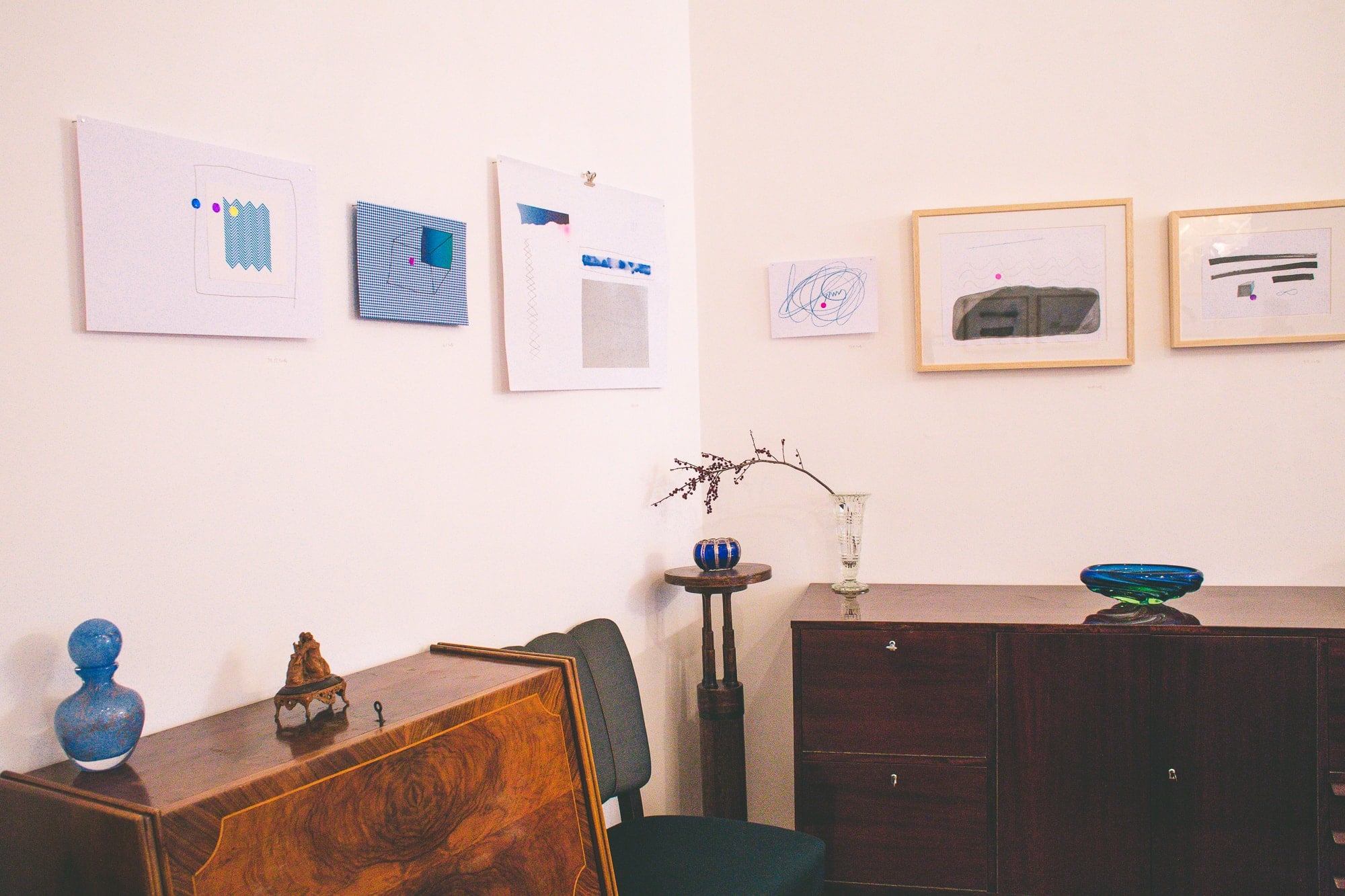
The Flat Gallery in Bratislava
This concept is hugely popular in Berlin. Essentially, it’s a gallery inside a private flat — to get in, you ring the doorbell. Art historian Andrej Jaroš opens the door and gives you a personal tour of the exhibition. You can check what’s currently showing on their Facebook page.
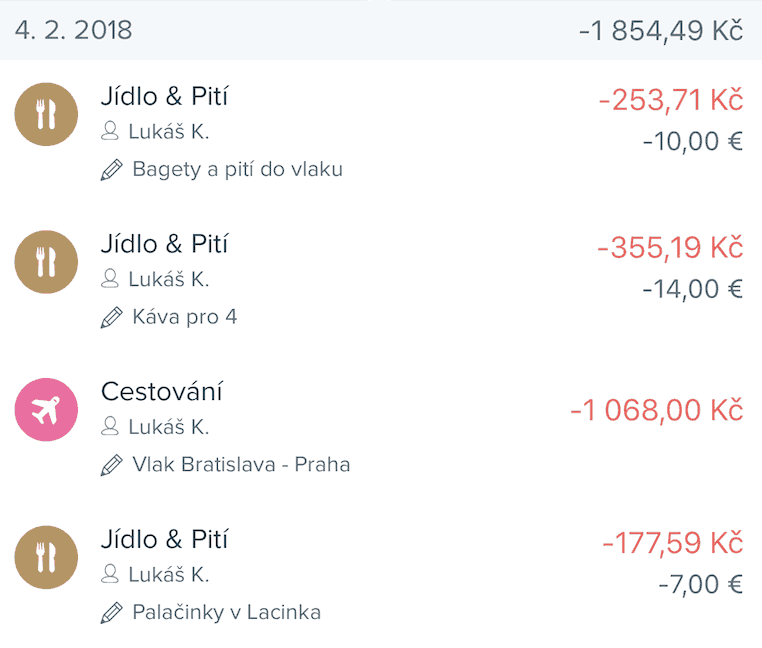
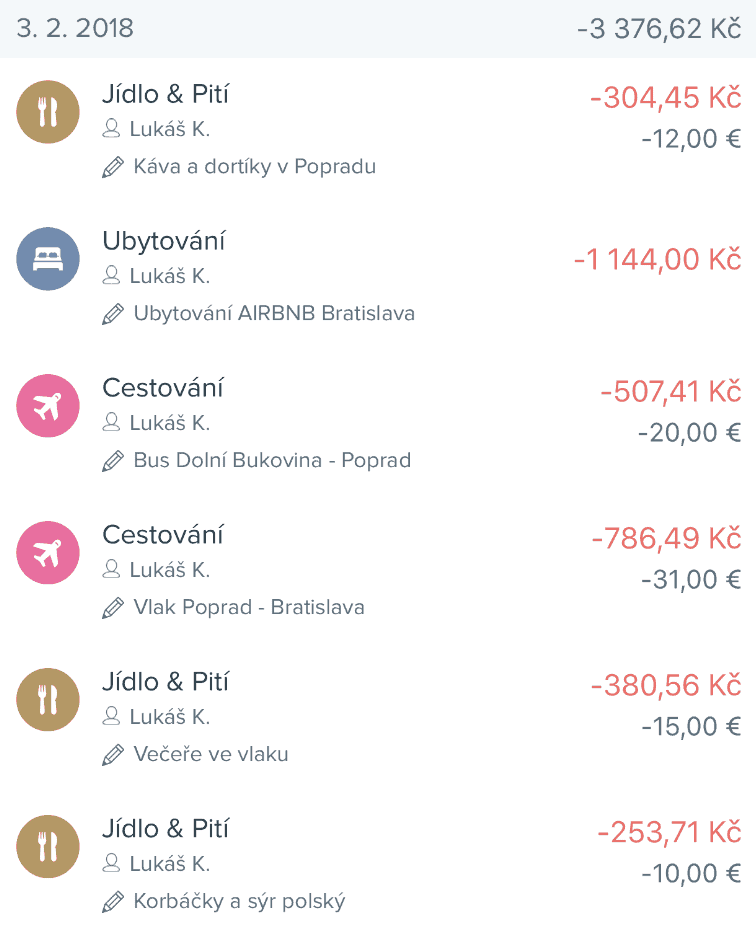
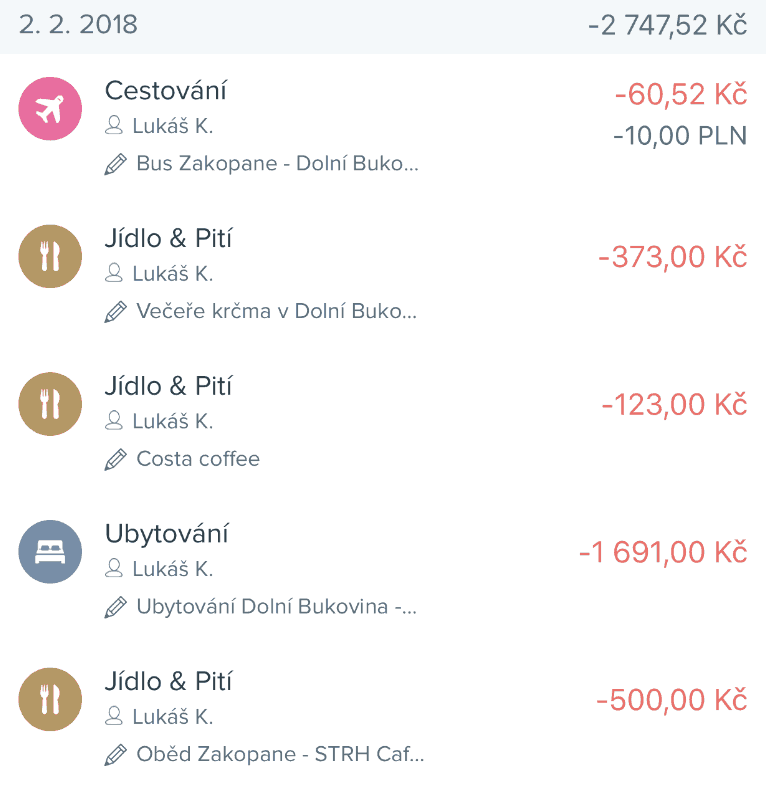
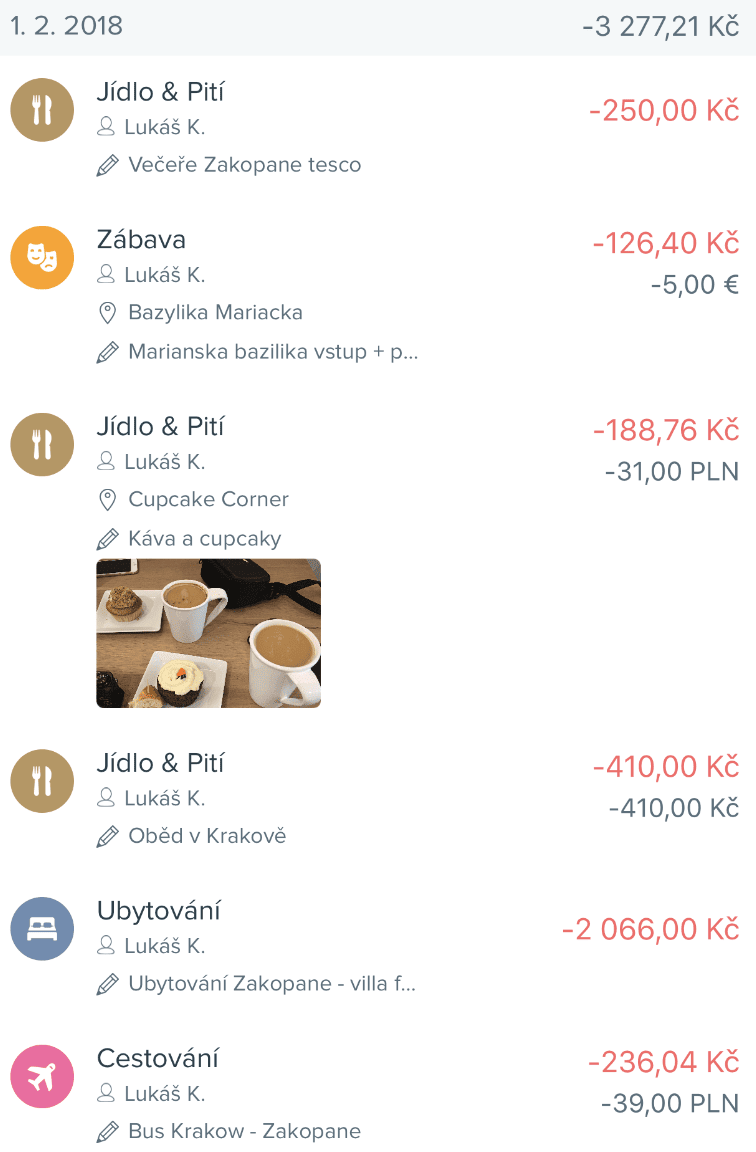
Want to know how much a trip like this cost us? Drop us a message and we’ll put together an article for you!
🔗 These are affiliate links — they don't change your price and help us create content. · All experiences →
Tips and Tricks for Your Vacation
Don’t Overpay for Flights
Search for flights on Kayak. It’s our favorite search engine because it scans the websites of all airlines and always finds the cheapest connection.
Book Your Accommodation Smartly
The best experiences we’ve had when looking for accommodation (from Alaska to Morocco) are with Booking.com, where hotels, apartments, and entire houses are usually the cheapest and most widely available.
Don’t Forget Travel Insurance
Good travel insurance will protect you against illness, accidents, theft, or flight cancellations. We’ve had a few hospital visits abroad, so we know how important it is to have proper insurance arranged.
Where we insure ourselves: SafetyWing (best for everyone) and TrueTraveller (for extra-long trips).
Why don’t we recommend any Czech insurance company? Because they have too many restrictions. They set limits on the number of days abroad, travel insurance via a credit card often requires you to pay medical expenses only with that card, and they frequently limit the number of returns to the Czech Republic.
Find the Best Experiences
Get Your Guide is a huge online marketplace where you can book guided walks, trips, skip-the-line tickets, tours, and much more. We always find some extra fun there!
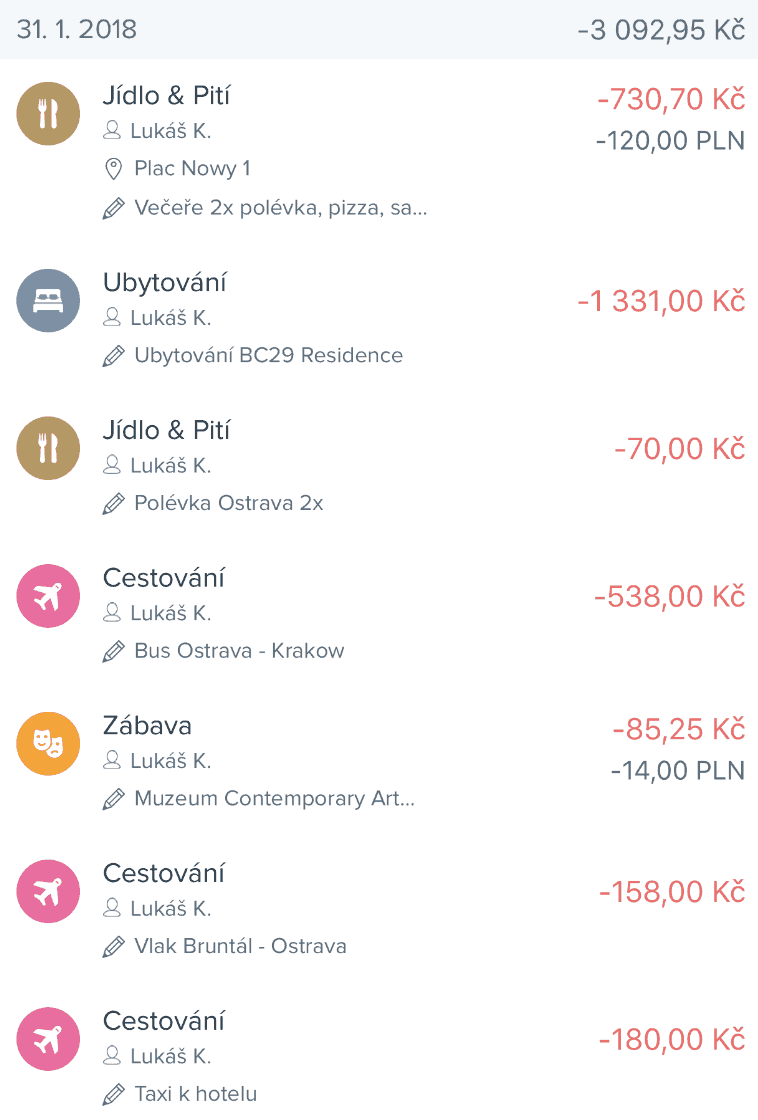
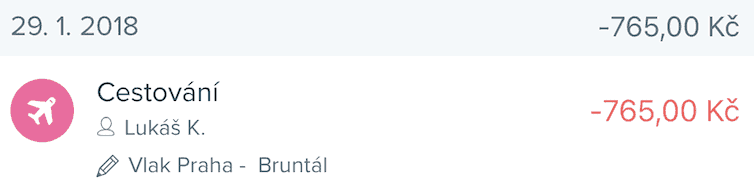
TL;DRSplitting costs on a group trip is easiest with an expense-tracking app like Spendee, where everyone in the group adds a shared wallet and logs who paid for what. It records spending in different currencies and converts everything automatically at the current exchange rate, plus it gives you a clear breakdown of where the money actually went — petrol, flights, food or accommodation. It works on both iPhone and Android, comes in Czech too, and the code SpendeeOdLoudacku gets you 3 months of the premium account for free.
Travelling in a larger group can significantly reduce costs. If you’re heading somewhere with more than two people, it’s a good idea to agree in advance on how you’ll split expenses when travelling in a group. In this article, we’ll show you the app we use to track spending and easily divide costs among group members.
What to Use for Splitting Expenses
You’re heading off on a road trip with four people and you want to split expenses fairly. The simplest approach would be for one person to pay for everything, but that doesn’t always work out — and frankly, no one usually wants that responsibility. The worst option is when everyone pays for something different and tries to remember it all. The more organised among you might write it down, but the easiest solution by far is to use a dedicated app designed for exactly this purpose.
Track Statistics on Your Biggest Travel Expenses
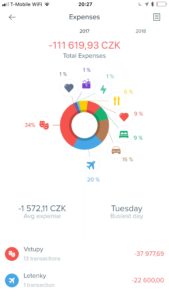
We use Spendee, because it doesn’t just let you track who paid for what — it also gives you statistics on what cost the most during your trip. Thanks to this, we can share precise information in our articles about how much we spent on fuel, flights, food, or accommodation.
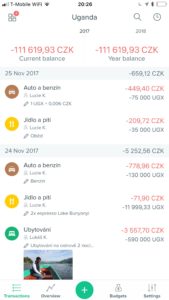
Expenses overview
Expenses overview
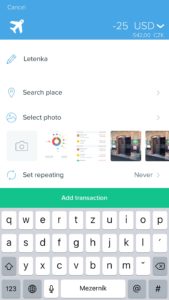
Adding an expense
How Does It Work?
In the app, you create a new wallet and invite your travel companions. Then anyone in the group can log who spent what. When entering an expense, you select a category it belongs to. Spendee comes with pre-made categories, but you can also add your own custom ones.
Our expenses overview in the Spendee web version
What’s great about this app is that you can add expenses in different currencies, and it automatically converts them to your default currency based on the current exchange rate (you can, of course, change the default currency to GBP, EUR, or whatever you prefer). The app is available in multiple languages, including English.
If you want to try the app, you can get a Plus account for 3 months FREE using the code: SpendeeOdLoudacku (we don’t earn anything from this code)
Download for iPhone
Download for Android
Tips and Tricks for Your Vacation
Don’t Overpay for Flights
Search for flights on Kayak. It’s our favorite search engine because it scans the websites of all airlines and always finds the cheapest connection.
Book Your Accommodation Smartly
The best experiences we’ve had when looking for accommodation (from Alaska to Morocco) are with Booking.com, where hotels, apartments, and entire houses are usually the cheapest and most widely available.
Don’t Forget Travel Insurance
Good travel insurance will protect you against illness, accidents, theft, or flight cancellations. We’ve had a few hospital visits abroad, so we know how important it is to have proper insurance arranged.
Where we insure ourselves: SafetyWing (best for everyone) and TrueTraveller (for extra-long trips).
Why don’t we recommend any Czech insurance company? Because they have too many restrictions. They set limits on the number of days abroad, travel insurance via a credit card often requires you to pay medical expenses only with that card, and they frequently limit the number of returns to the Czech Republic.
Find the Best Experiences
Get Your Guide is a huge online marketplace where you can book guided walks, trips, skip-the-line tickets, tours, and much more. We always find some extra fun there!
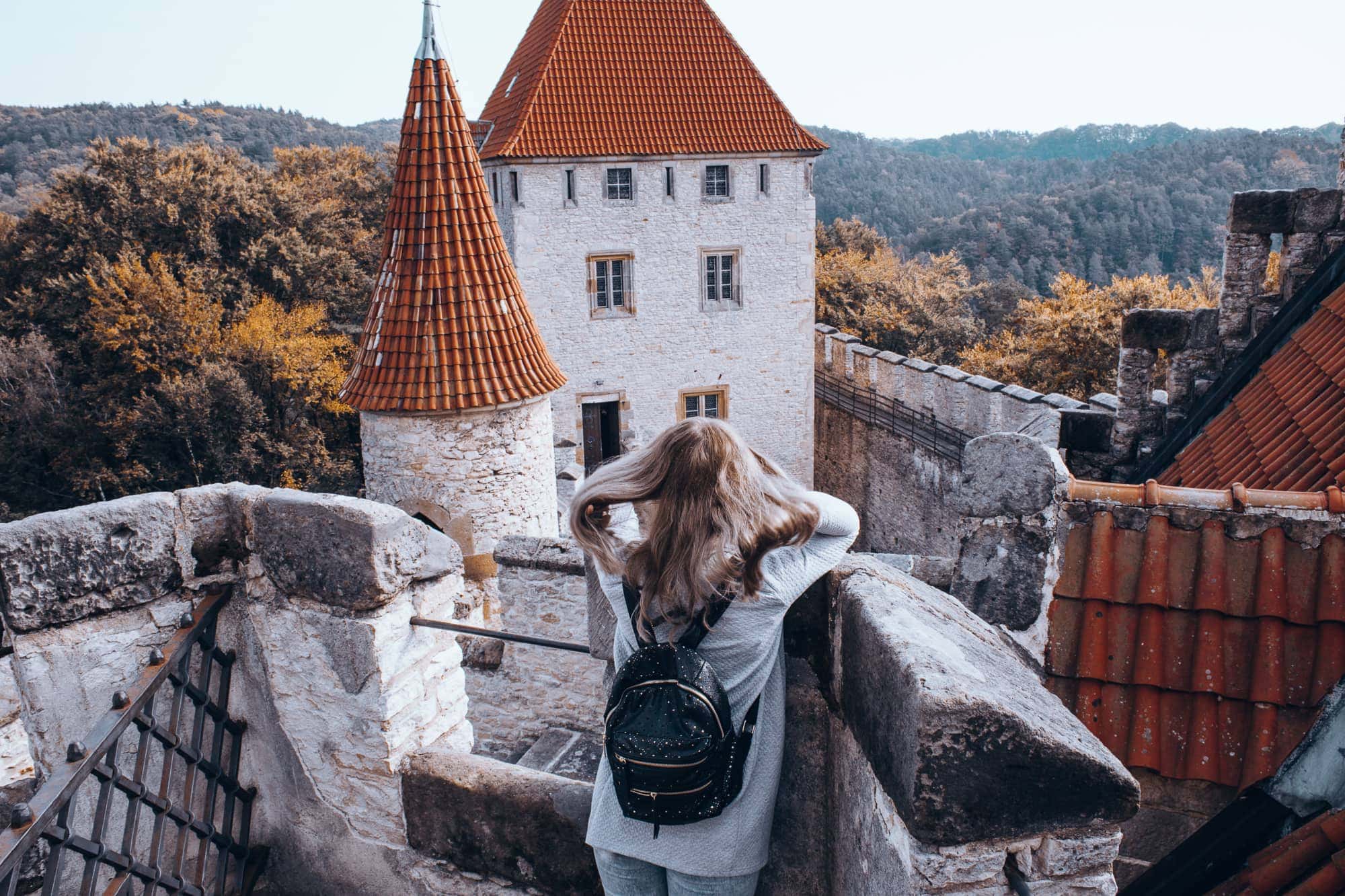
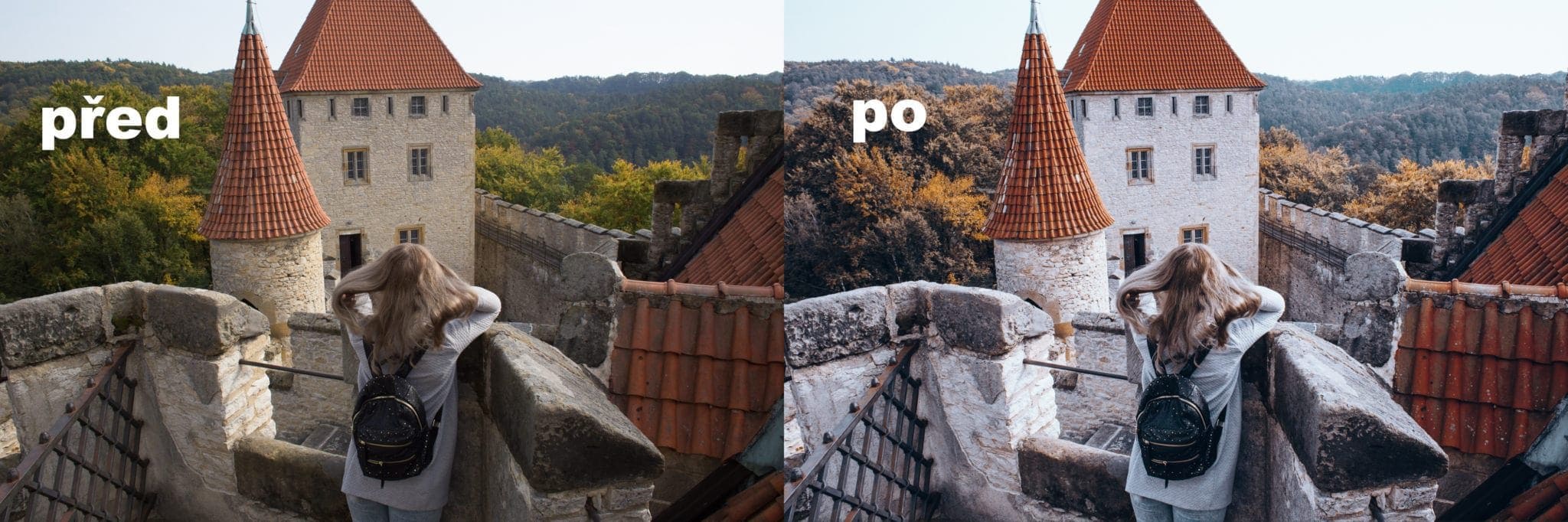
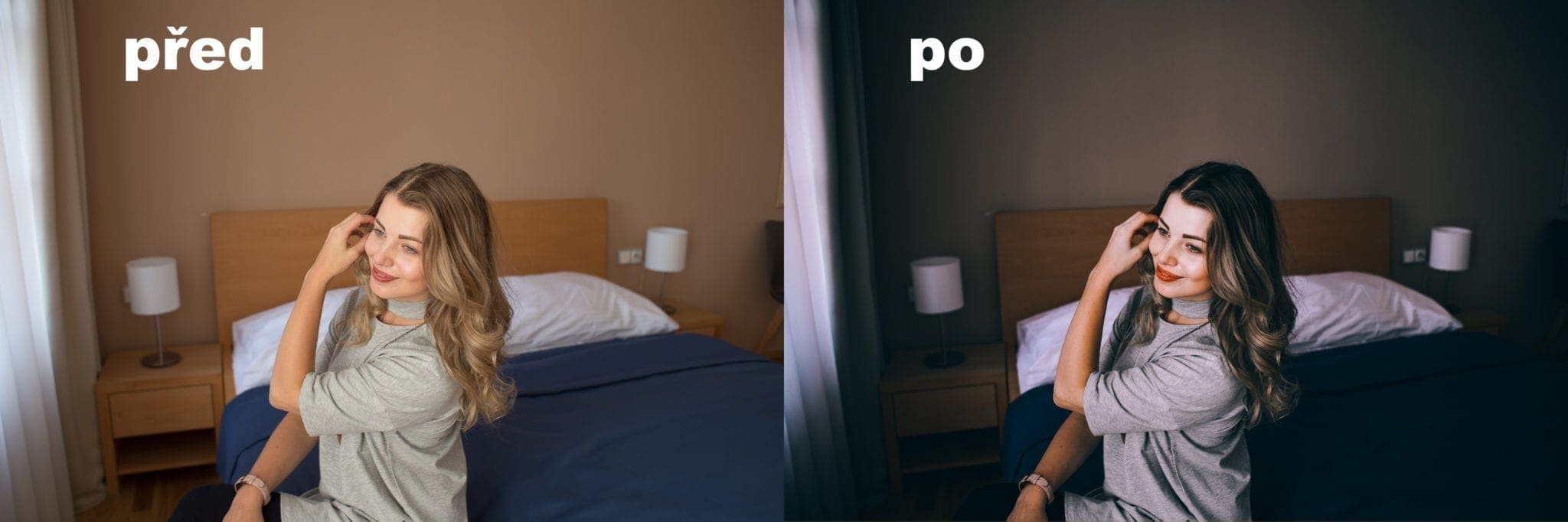
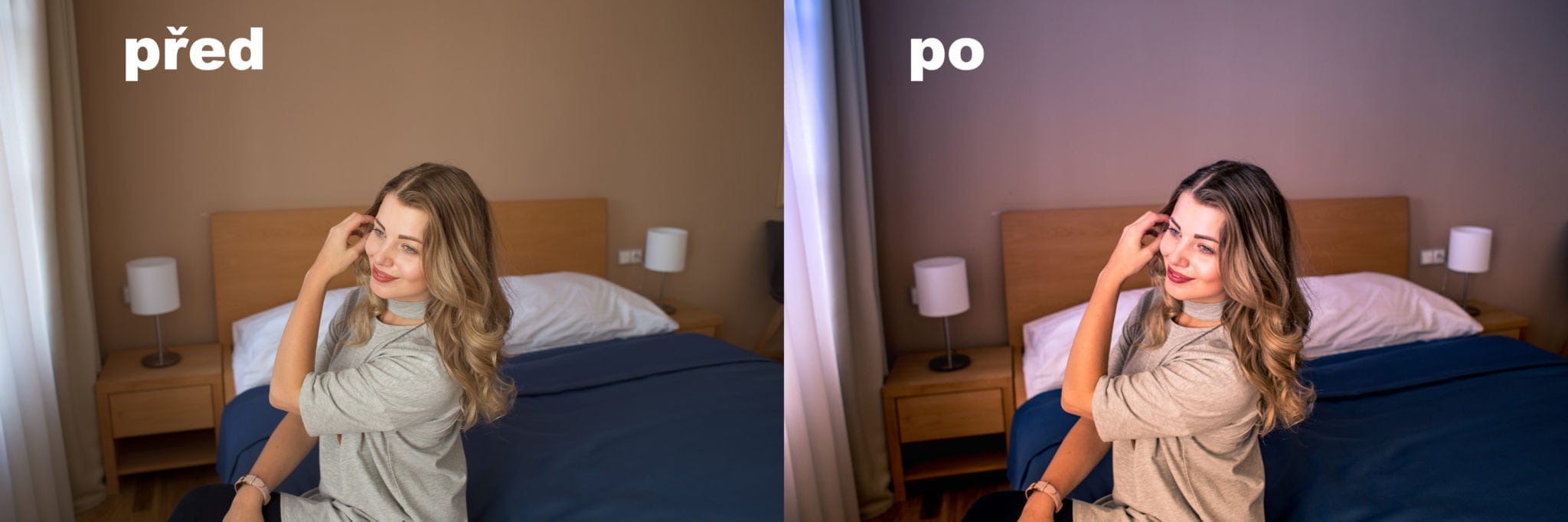
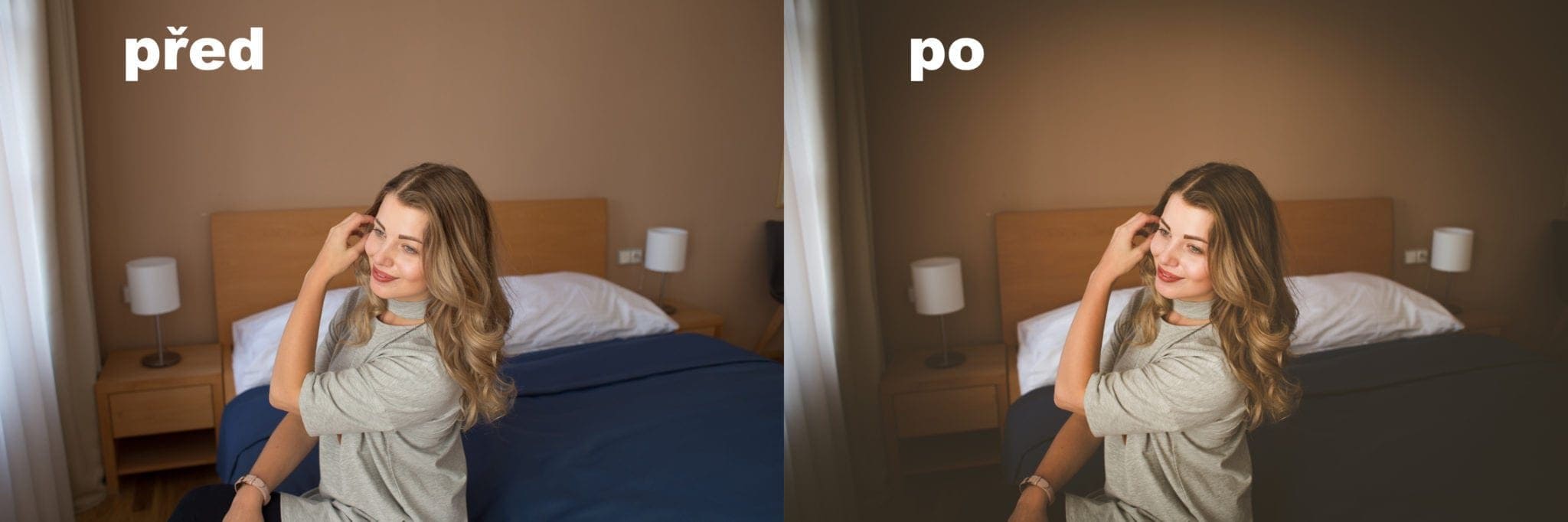
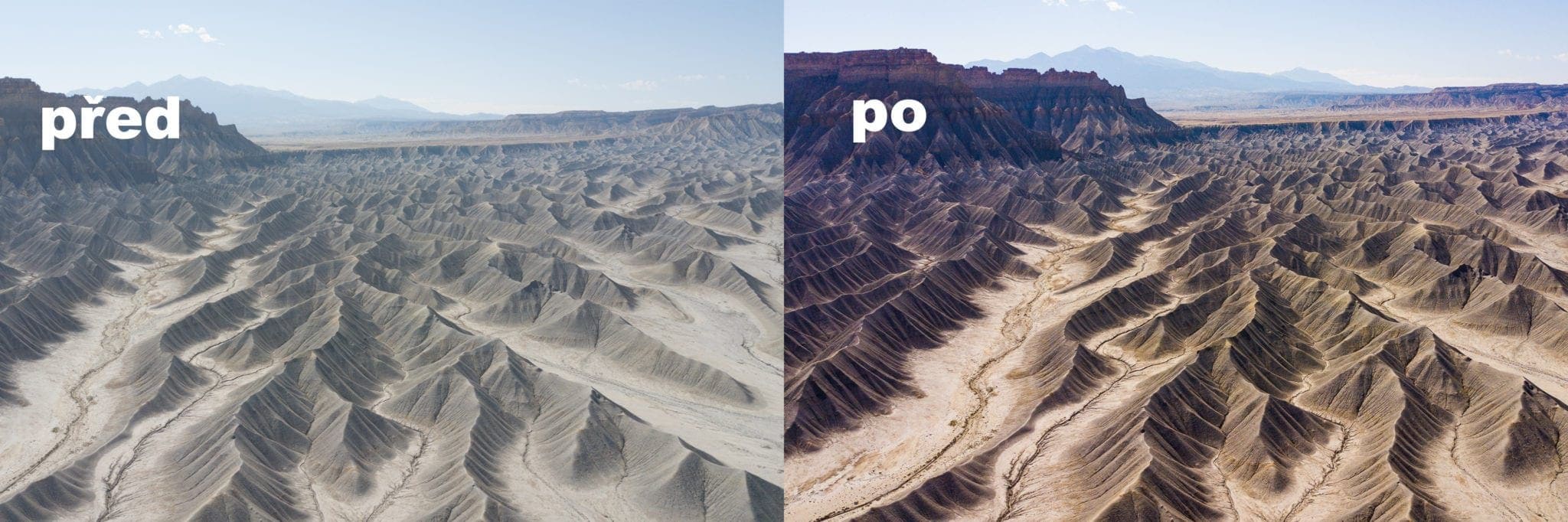
TL;DRHere are five solid picks for the best Lightroom presets: Albion Dark Lightroom Presets (48 presets for $12 from Presetrain), Vsco Cam 50 Lightroom Presets (50 presets for $15), the free Winter Wonderland preset from Contrastly, a Wedding Pack with 18 professional presets for $5, and 50 Filmic Lifestyle Lightroom Presets for $15 with a cinematic look. A preset is a saved edit in Lightroom you can apply to a photo in one click, giving your whole Instagram feed or blog a consistent style. These work equally well for landscapes and drone shots as they do for portraits and wedding photography.
I often get asked how I edit my photos. Like most photographers and bloggers, I use Lightroom, where I have both my own custom presets and purchased ones loaded up. Using Lightroom presets can help you effortlessly create a cohesive Instagram feed and give your blog a polished, unified look. Today, I’m sharing the best lightroom presets I’ve discovered and tested over the past few years.
You can create your own presets by following YouTube tutorials, experimenting with your own ideas, or tweaking purchased ones. The latter is especially great for beginners or anyone looking for a fresh visual style and some creative inspiration.
Presets can have various thematic focuses — vintage, black and white, film effects, or specific styles for portraits and landscapes. Lightroom users can either use ready-to-use presets or create their own that match their individual style and preferences. This way, photographers can quickly and easily adjust the look of their images and achieve a consistent aesthetic across an entire set of photos.
5 Best Lightroom Presets You Need to Try
Below you’ll find my top 5 picks for the best affordable Lightroom presets you can buy today. For even more recommendations, check out this article.
Albion Dark Lightroom Presets
This hugely popular set of 48 Instagram-ready presets by Presetrain is available for just $12 and offers a wide range of beautifully curated filters. My personal favourite is Albion Lucid (photo below), which transforms your images into those sought-after light, bluish tones while making whites really pop. You’ve probably seen this preset style all over popular Instagram profiles.
Albion Lucid
Albion Mystery
VSCO Cam 50 Lightroom Presets
These 50 presets inspired by the popular VSCO CAM app ($15) have become my go-to for portrait photography. I’d been trying to create that warm, brown-toned look for ages but could never quite nail it. My most recent photos are all edited using a customised preset from this collection.
I haven’t used these winter-themed free Lightroom presets from Contrastly all that much myself, but if you’re after something a bit different, they’re definitely worth a try. And the best part? They’re completely free.
Wedding Pack 18 Professional Lightroom Presets
If you follow my travel photography, most of my edits are based on a tweaked preset from this “wedding” series, which costs just $5. The soft, delicate tones in this pack are far from being limited to weddings — they work beautifully for travel and lifestyle photos too. What really sold me was how well they suited my photographs straight away, without needing much adjustment at all.
50 Filmic Lifestyle Lightroom Presets
The priciest preset pack on today’s list offers stunning cinematic edits. At $15, it’s ideal for photos that lack contrast. I tested these on some of my drone footage that had a hazy, washed-out quality — and the results were brilliant.
Bonus: Online Photo Editing Course for Lightroom
Want to edit photos like a professional photographer? Learn to master one of the best photo editing tools out there and check out this online Adobe Lightroom photo editing course from start to finish.
What the course covers:
12 lessons – 2.5 hours of content
Perfect if you want to edit photos but don’t know where to start
Ideal for anyone dreaming of making a living from photography
Learn to organise your photos both on your drive and in Lightroom
Master new local adjustment techniques
Discover efficient photo sorting workflows
Get to know essential Lightroom features and settings
Learn how to create your own custom presets
Sync your photos seamlessly with your phone
Tips and Tricks for Your Vacation
Don’t Overpay for Flights
Search for flights on Kayak. It’s our favorite search engine because it scans the websites of all airlines and always finds the cheapest connection.
Book Your Accommodation Smartly
The best experiences we’ve had when looking for accommodation (from Alaska to Morocco) are with Booking.com, where hotels, apartments, and entire houses are usually the cheapest and most widely available.
Don’t Forget Travel Insurance
Good travel insurance will protect you against illness, accidents, theft, or flight cancellations. We’ve had a few hospital visits abroad, so we know how important it is to have proper insurance arranged.
Where we insure ourselves: SafetyWing (best for everyone) and TrueTraveller (for extra-long trips).
Why don’t we recommend any Czech insurance company? Because they have too many restrictions. They set limits on the number of days abroad, travel insurance via a credit card often requires you to pay medical expenses only with that card, and they frequently limit the number of returns to the Czech Republic.
Find the Best Experiences
Get Your Guide is a huge online marketplace where you can book guided walks, trips, skip-the-line tickets, tours, and much more. We always find some extra fun there!
TL;DRHanding out sweets, pens and cash to kids in places like Uganda or Sri Lanka feels generous, but it does real harm. It teaches children to beg and see white tourists as walking cash machines, which often leads them to try and con visitors out of money later on. Some Ugandan hostels put up signs asking guests not to give kids anything at all, precisely because children pick up these habits fast and nobody wants to turn them into beggars. A better approach is spending your money within the community itself: buy souvenirs or coconuts from parents, or sponsor a specific child or community through a proper charity organisation.
I’ve seen it countless times — in Sri Lanka and Uganda alike — tourists handing out money, sweets, and pens to “poor” children in developing countries. “I’m bringing a few packs of sweets and about 30 pens,” boasts someone in a travel forum. Others chime in, sharing what they plan to bring for kids on their trips to the developing world. What they don’t realise, though, is that this well-meaning gesture is actually one of the worst things they could do for these children.
Don’t Teach Children to Beg
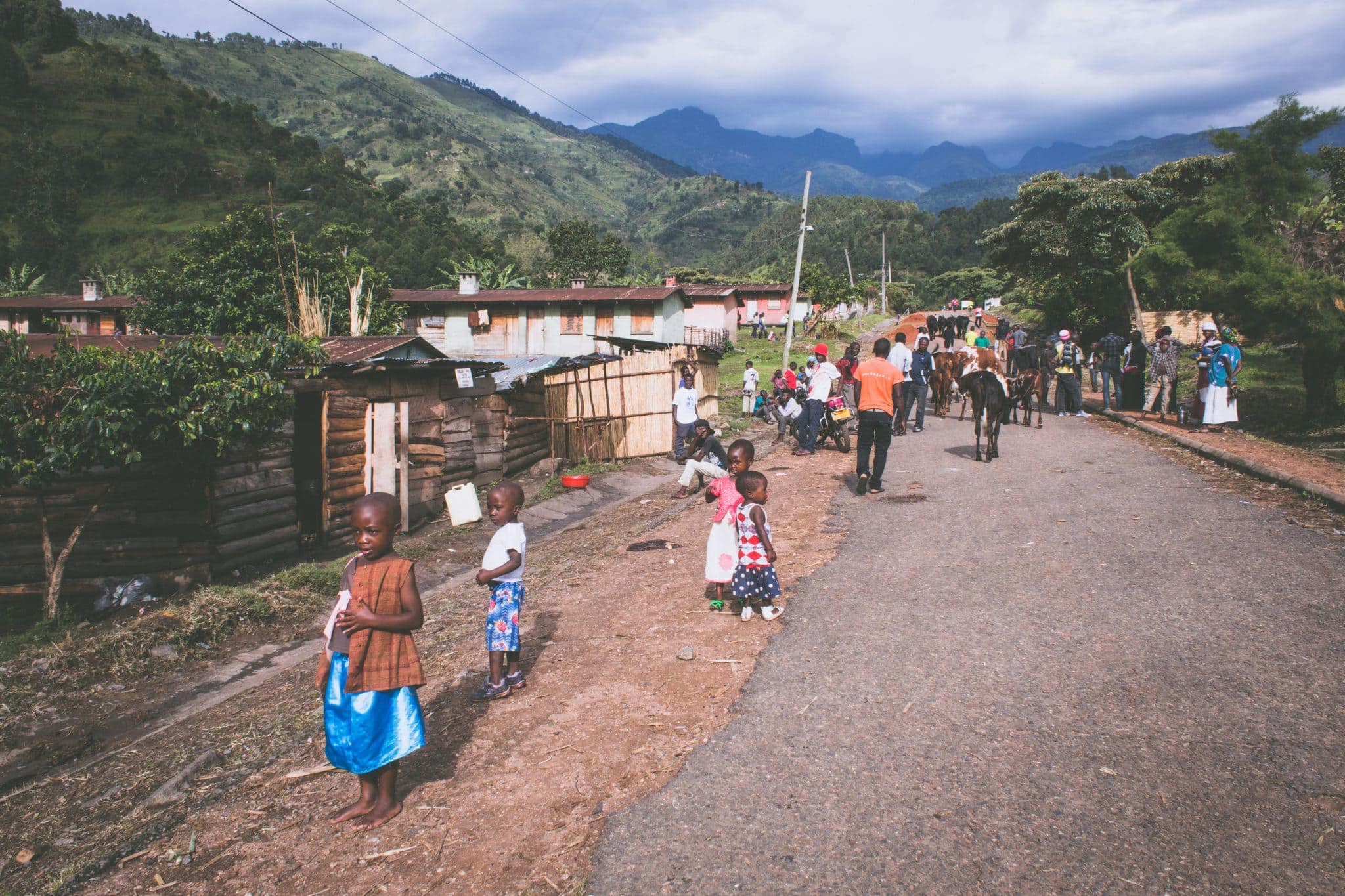
If you’re travelling with an organised tour, guides will often warn you not to do this. In some hostels in Uganda, we even came across signs urging tourists not to give anything to local children. “We ask all tourists not to hand out sweets, pens, money, or other items to children in the village. These wonderful kids learn very quickly, and we don’t want to turn them into beggars.”
Children Reach Out Their Hands and Even Try to Get Into Your Car
The truth is, in most tourist hotspots the damage has already been done. The moment a car full of white tourists appears, children come running — first waving, then stretching out their hands, gesturing for money. If you’re driving slowly, they’ll run alongside the vehicle, press their faces against the windows, and sometimes even try to climb inside.
They May Have Nothing, but Sweets Won’t Help
Some might argue that these children have nothing, so surely a few sweets can’t hurt. But sweets have never done any child any real good — and they certainly won’t solve poverty. Just as we teach our own children that nothing in life comes for free, we shouldn’t be teaching children abroad that a white tourist will show up bearing gifts. On top of that, it creates the perception that we’re walking cash machines. It’s no surprise, then, that people in developing countries try to overcharge us — we’ve been conditioning them to do so since childhood.
How to Actually Help
If you genuinely want to make a difference, there are plenty of healthy ways to support children in need. Simply by spending money locally, you’re already supporting the community. Buy a coconut or a souvenir from their parents. If you want to do more, consider sponsoring a child or a community through one of the many reputable charities. Forget the sweets — and spread the word instead.
Tips and Tricks for Your Vacation
Don’t Overpay for Flights
Search for flights on Kayak. It’s our favorite search engine because it scans the websites of all airlines and always finds the cheapest connection.
Book Your Accommodation Smartly
The best experiences we’ve had when looking for accommodation (from Alaska to Morocco) are with Booking.com, where hotels, apartments, and entire houses are usually the cheapest and most widely available.
Don’t Forget Travel Insurance
Good travel insurance will protect you against illness, accidents, theft, or flight cancellations. We’ve had a few hospital visits abroad, so we know how important it is to have proper insurance arranged.
Where we insure ourselves: SafetyWing (best for everyone) and TrueTraveller (for extra-long trips).
Why don’t we recommend any Czech insurance company? Because they have too many restrictions. They set limits on the number of days abroad, travel insurance via a credit card often requires you to pay medical expenses only with that card, and they frequently limit the number of returns to the Czech Republic.
Find the Best Experiences
Get Your Guide is a huge online marketplace where you can book guided walks, trips, skip-the-line tickets, tours, and much more. We always find some extra fun there!
TL;DRThis 12-day European road trip from Prague took in Neuschwanstein, Zurich, Montpellier, San Sebastián and Salamanca, costing 10,830 CZK per person for three travellers (one of whom only did part of the route). Of the total spend, 16,096 CZK went on the car (petrol and motorway tolls), 10,062 CZK on accommodation and 11,833 CZK on food. The route ran over 2,450 km, with stops in Bordeaux, Lyon, Geneva and Strasbourg along the way. Travelling as a foursome the whole way and cooking your own meals could bring the cost down to around 10,000–11,000 CZK per person.
People thought we were crazy when we announced before Christmas that we were driving to Spain by car for New Year’s Eve. “You know aeroplanes exist, right? This is pure masochism!” We didn’t overthink it — we started looking for accommodation on 19th December, and only then did we realise that Salamanca, our destination, was 2,500 km away. This 12-day road trip across Europe turned out to be one of the best adventures we’ve ever had.
Come along and see how our epic European road trip unfolded.
The drive was far from easy. But despite that, we consider this road trip one of the best — and cheapest — we’ve ever done.
How to plan a road trip across Europe: Travelling in four saves money but can quickly turn into a horror
We were a bit nervous about travelling as a group of four. Many people had told us horror stories about falling out with travel companions after just one day, and for nearly four years we’d avoided group trips because of it. Somehow, we treated this New Year’s trip as a quick getaway — we didn’t realise it would end up taking 12 days.
Our lack of planning actually saved us from worrying that if we didn’t get along, we’d be suffering together 24 hours a day for 12 days straight.
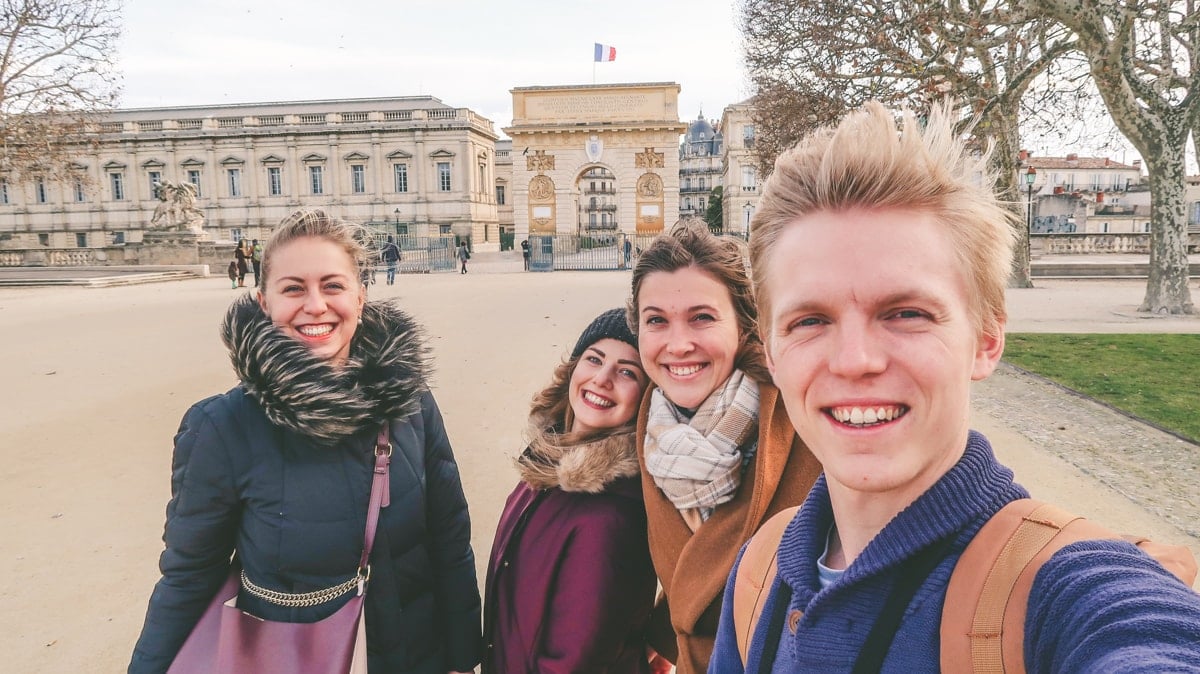
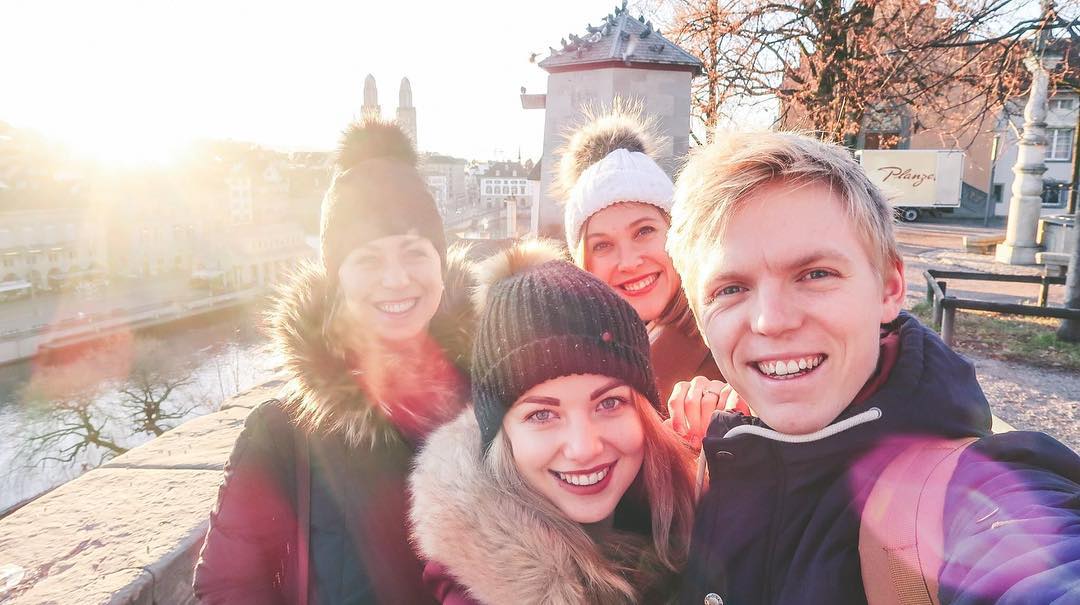
Our team from left: Ivča, Lucka, Gábi, Lukáš
Thankfully, there was no bloodshed whatsoever — the only thing that suffered were our abs from laughing so hard.
Driving to Spain by car
Once our friends got over the shock that we were driving, the next comment was usually: “Lucky you, heading somewhere warm!” But that’s a big myth! Salamanca in winter is just as cold as central Europe.
On our way, we decided to make a little detour to Neuschwanstein.
The Spanish university city of Salamanca, where we were meant to arrive for New Year’s Eve, was at least 22 hours of driving south. We decided to break up the journey with two overnight stops — and eventually added a spontaneous third one.
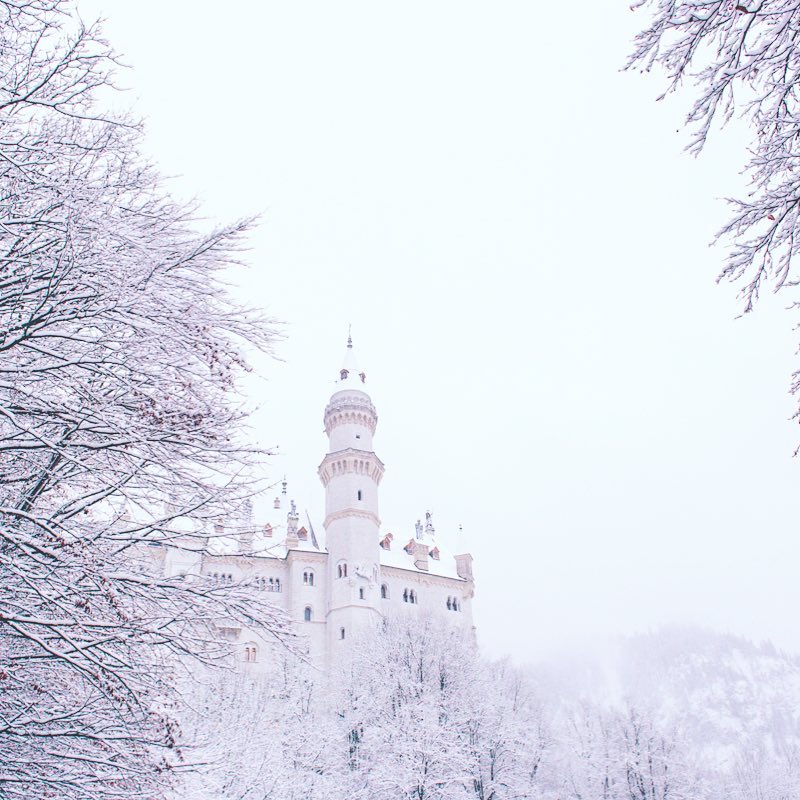
The blizzard that had followed us from the start didn’t stop us from making our first detour on the way to Zurich. We wanted to spice up the drive with a visit to the famous Neuschwanstein Castle, which supposedly inspired the Disney castle. It only added about an hour to our route to Zurich.
Driving across Europe: Neuschwanstein is packed with tourists even in winter
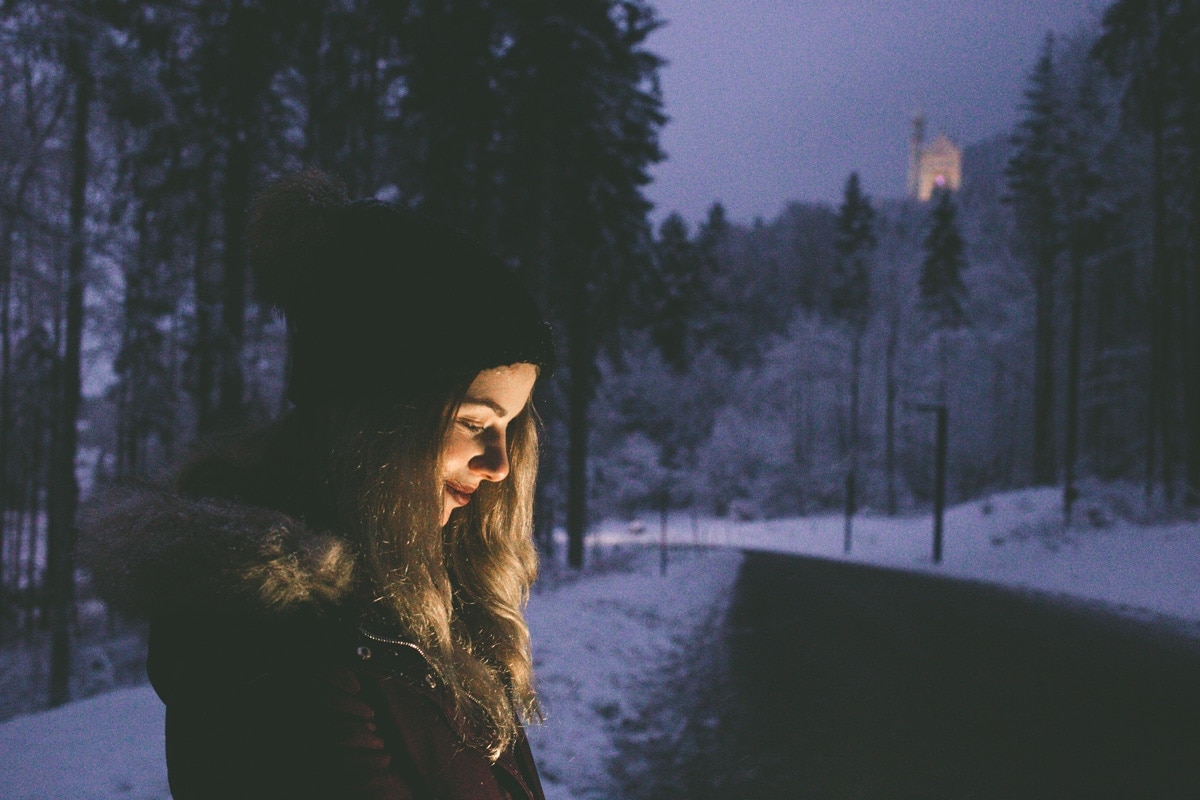
Even in winter, in terrible weather, crowds of tourists march up to the castle. So we didn’t have to worry that when darkness fell on the way back, we’d be surrounded by nothing but pitch-black forest with all sorts of bogeymen lurking in the shadows.
Nighttime romance after a snowstorm
Zurich accommodation: Where we slept and how much it cost
After 776 km, we arrived in Zurich at half past nine and were grateful that the accommodation was self-check-in — no need to talk to anyone or fill in any forms.
It was a week full of wine and laughter. We drove across a chunk of Europe together and laughed so much our bellies ached.
We wished we could stay in Zurich
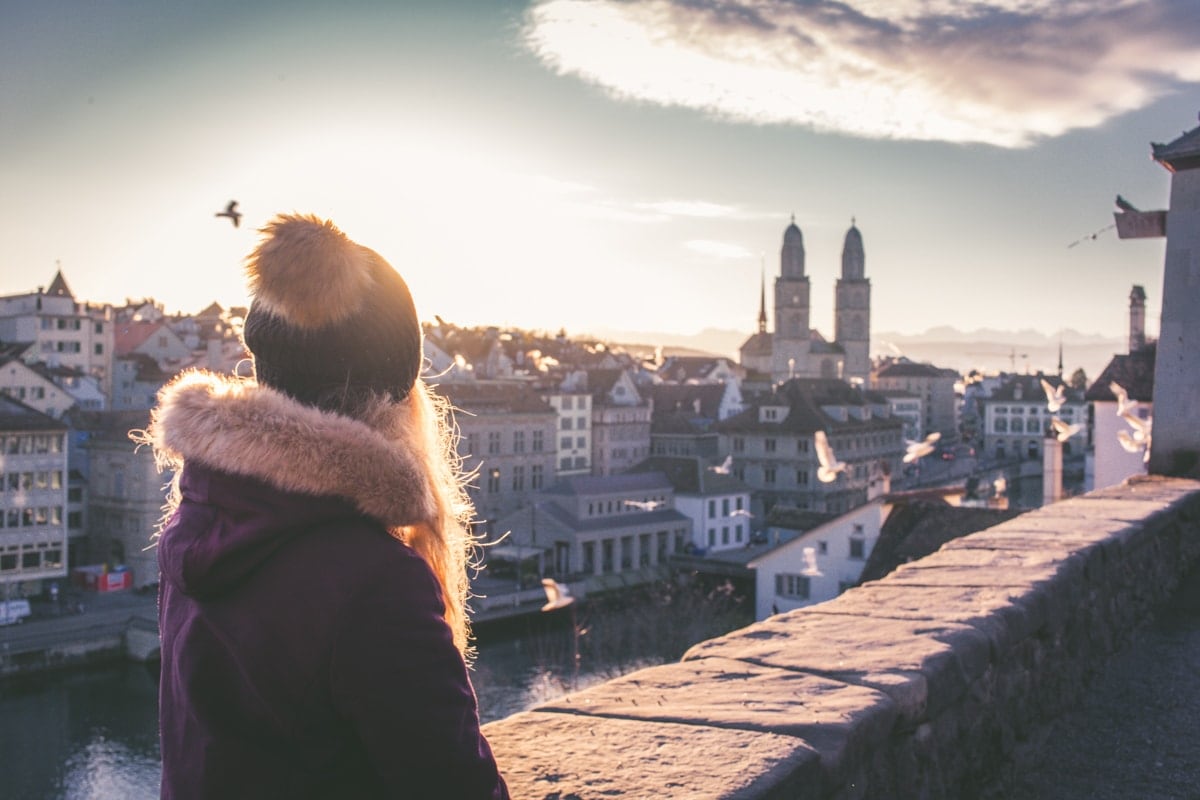
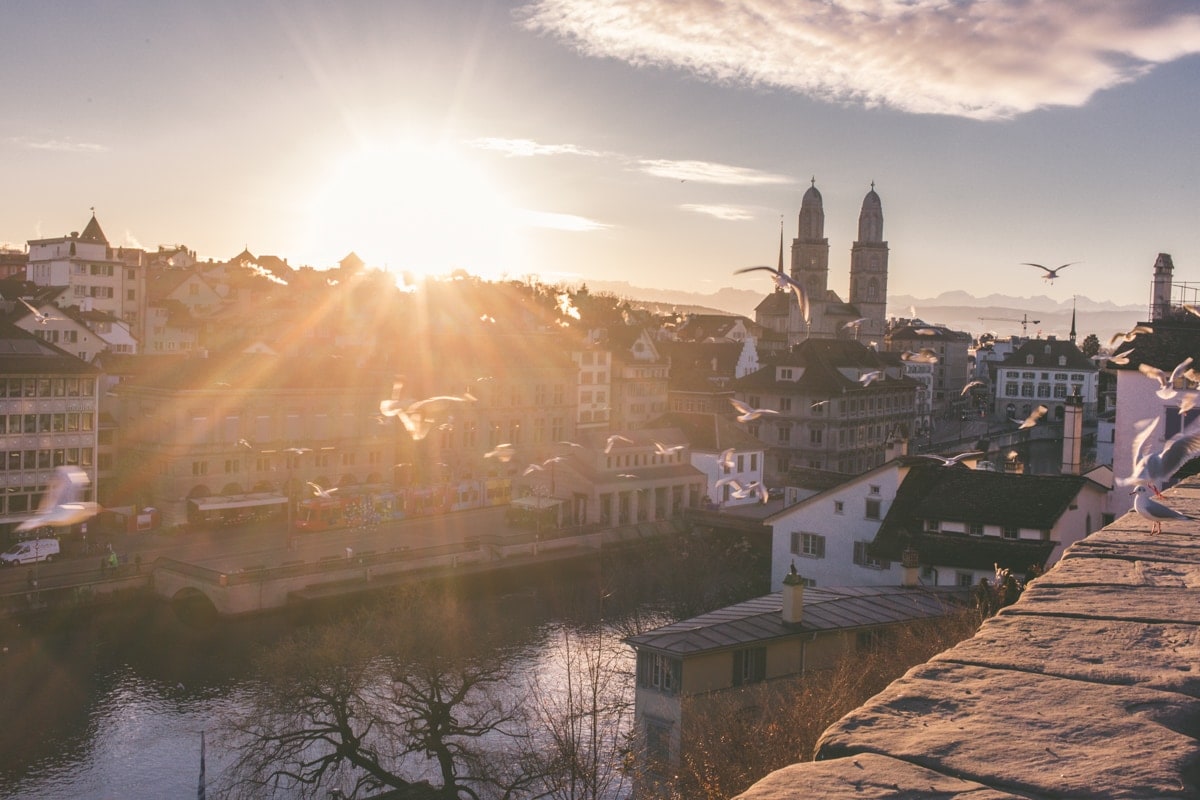
Zurich is one of those cities where we longed to stay longer. The weather the Swiss city had prepared for us was something we’d later look back on with fond nostalgia. Originally, we’d planned the Switzerland stop mainly because Apple products are several hundred euros cheaper in Zurich, and we were picking up new laptops.
But of all the cities we visited, Zurich was Lukáš’s and my favourite. In the end, we stayed not just for breakfast but also for lunch, and didn’t leave until around two in the afternoon.
To Switzerland for cheap Apple gear and beautiful architectureRomantic accommodation in Montpellier for just a few euros
Southern France accommodation: The most romantic stay for next to nothing
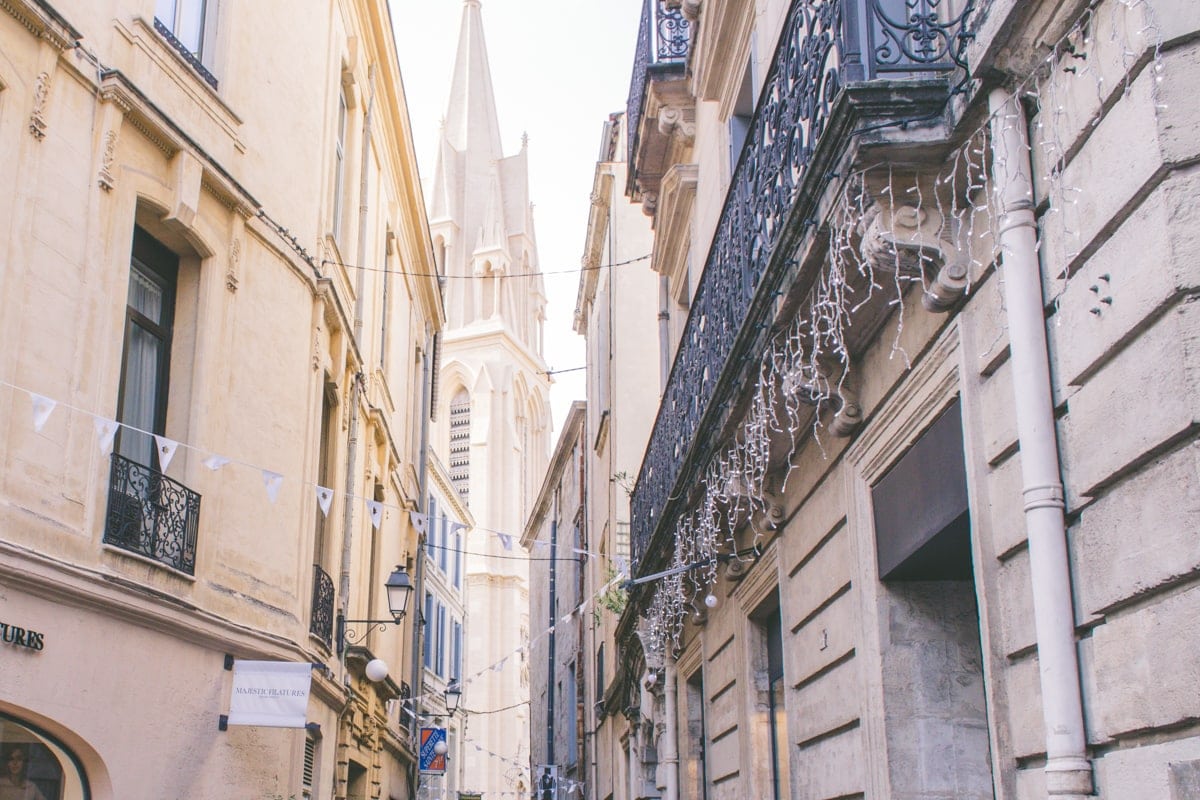
We covered another 725 km in eight hours, moving from Switzerland to the south of France. The streets weren’t as spotless, but there was salt in the air, palm trees lined the roads, and we checked into a romantic little garden cottage via Airbnb, which cost only about €57 for 4 people.
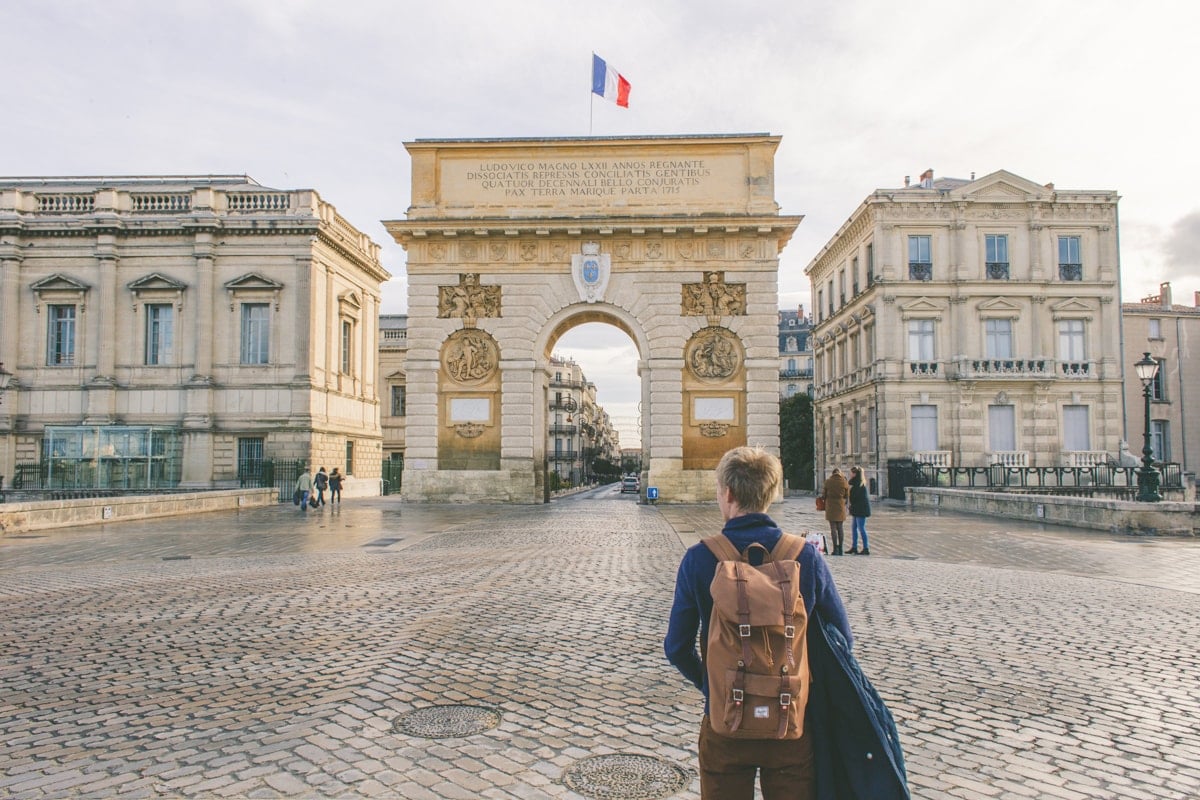
Montpellier is a city in southern France in the Occitanie region, the administrative capital of the Hérault department.
With the south came warmth. We were still wearing our woolly hats more out of principle than necessity — in reality, we were sitting at an outdoor café enjoying 16°C.
San Sebastián: An unplanned stop
Originally, we wanted to rush straight to Salamanca — no extra stops planned. But the girls, dreaming of tapas and wine, suggested a detour to San Sebastián.
Montpellier is one of the few major French cities that was only founded in the Middle Ages, first mentioned around the year 968
Until that day, we didn’t actually know what tapas were. Essentially, they’re bite-sized portions of just about anything. The best ones we tried were a mini burger and goat’s cheese with caramelised onion on a baguette. Practically every bar had tapas, and no two places served the same ones.
San Sebastián got its Spanish name from the monastery of Saint Sebastian, which likely stood on the site of the present city before it was founded.
The day before New Year’s Eve, San Sebastián treated us to a massive fireworks display, and the streets were more packed than Piccadilly Circus on a Saturday night. We squeezed our way into bars, where we crammed in alongside the locals.
We half hoped it was just a pre-NYE thing, but we were told the Spanish are simply always out on the streets. We booked accommodation last minute (that same afternoon) and chose Pension Txingurri for about €86.
Last day of the year on the Atlantic coast
Road trip places in Europe: Salamanca
That morning, we discovered a real gem in Spain — Sakona Coffee Roasters. Gábi, who lives in Salamanca, had been complaining that good coffee shops are hard to find there. She urged us to drink a few extra coffees while we could, because we wouldn’t be having good coffee for a while. We did as she commanded, and we were glad we did. She was right.
An amazing café in San Sebastián — the only downside was no dairy-free milk alternative
The New Year’s Eve party doesn’t start until 2am
After a total of 2,450 km driven, we arrived in Salamanca on New Year’s Eve around six in the evening, just as it was getting dark. In Spain, New Year’s Eve is celebrated with family — the festivities feel more like a British Christmas dinner — so the real party doesn’t kick off until around two in the morning.
The university city of Salamanca attracts many international students
Fighting over grapes and then eating them
There was no rush. We prepared our own homemade tapas dinner, and just about managed to eat everything before midnight so we could head to the main square with a kilo of grapes. Getting hold of grapes before New Year’s Eve is a story in itself — it basically meant wrestling a dozen Spaniards for them.
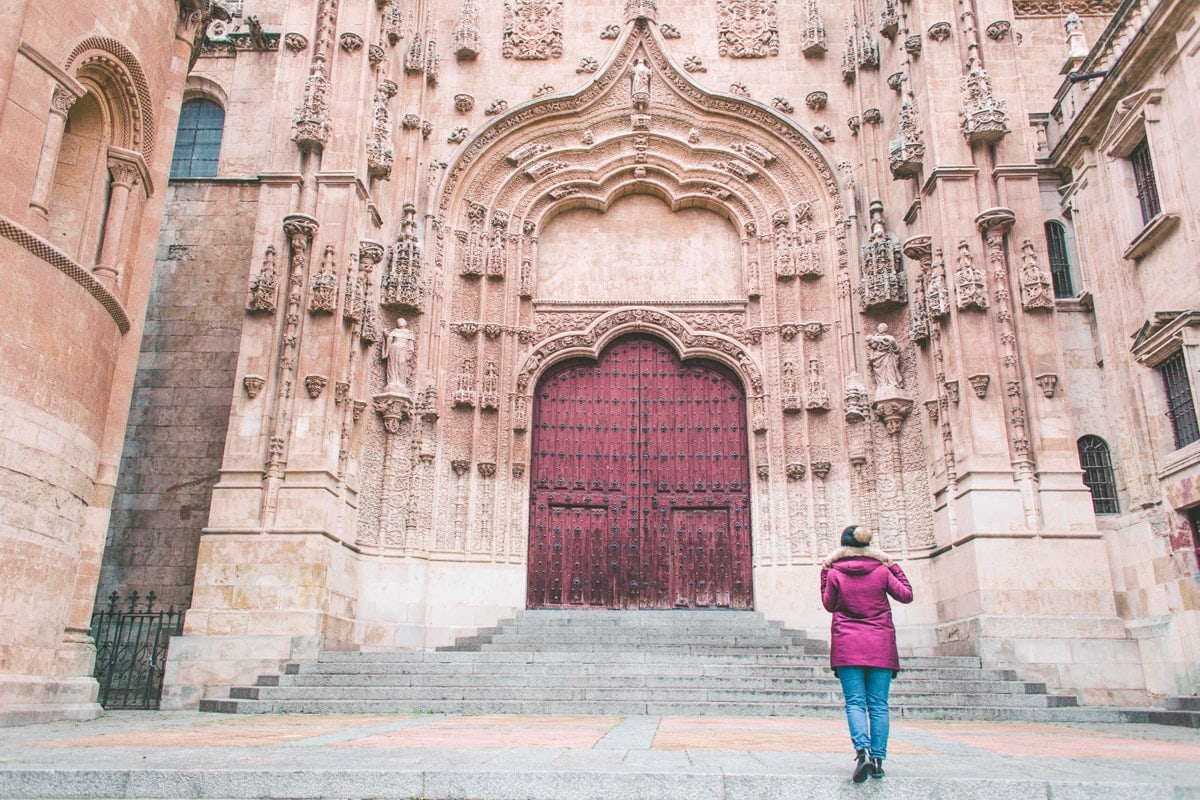
The massive cathedral in Salamanca
At 9am you won’t see a soul in the streets
At midnight, the tradition is to eat one grape with each bell chime. So there we were on the square, ready and waiting for the bells, but the Spanish crowd was so loud we couldn’t hear them at all — and ended up chomping five grapes at once.
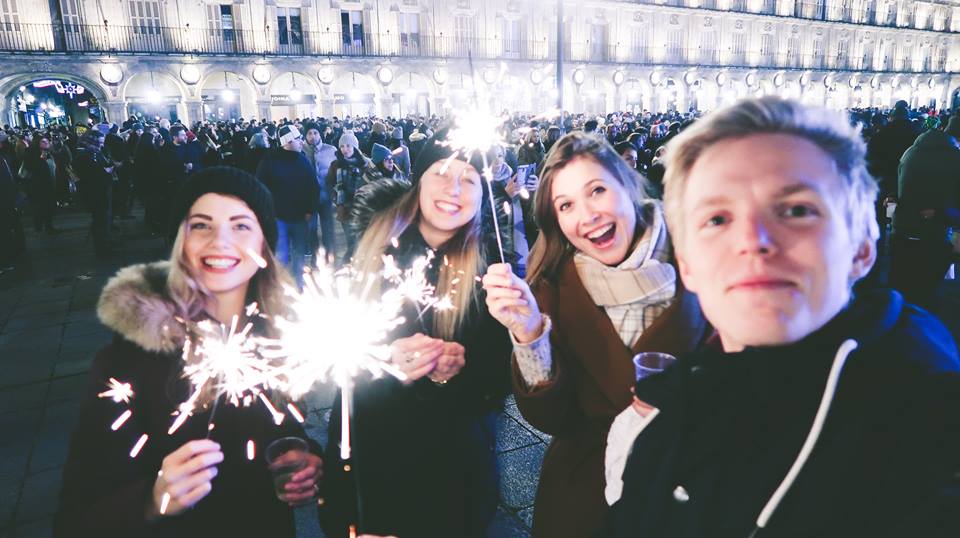
New Year’s Eve celebrations on Plaza Mayor — we were the only ones with sparklers; everyone else was eating grapes
Once we’d recovered, we began exploring Salamanca and its surroundings. Salamanca is a university city, drawing students from all over the world, including our friend Gábi. The first thing that grabs your attention is the massive cathedral dominating the centre. The old town is very compact and enclosed — you can easily transport yourself back to the Middle Ages and imagine what life was like here centuries ago. Especially if you head out around nine in the morning. You won’t see a soul.
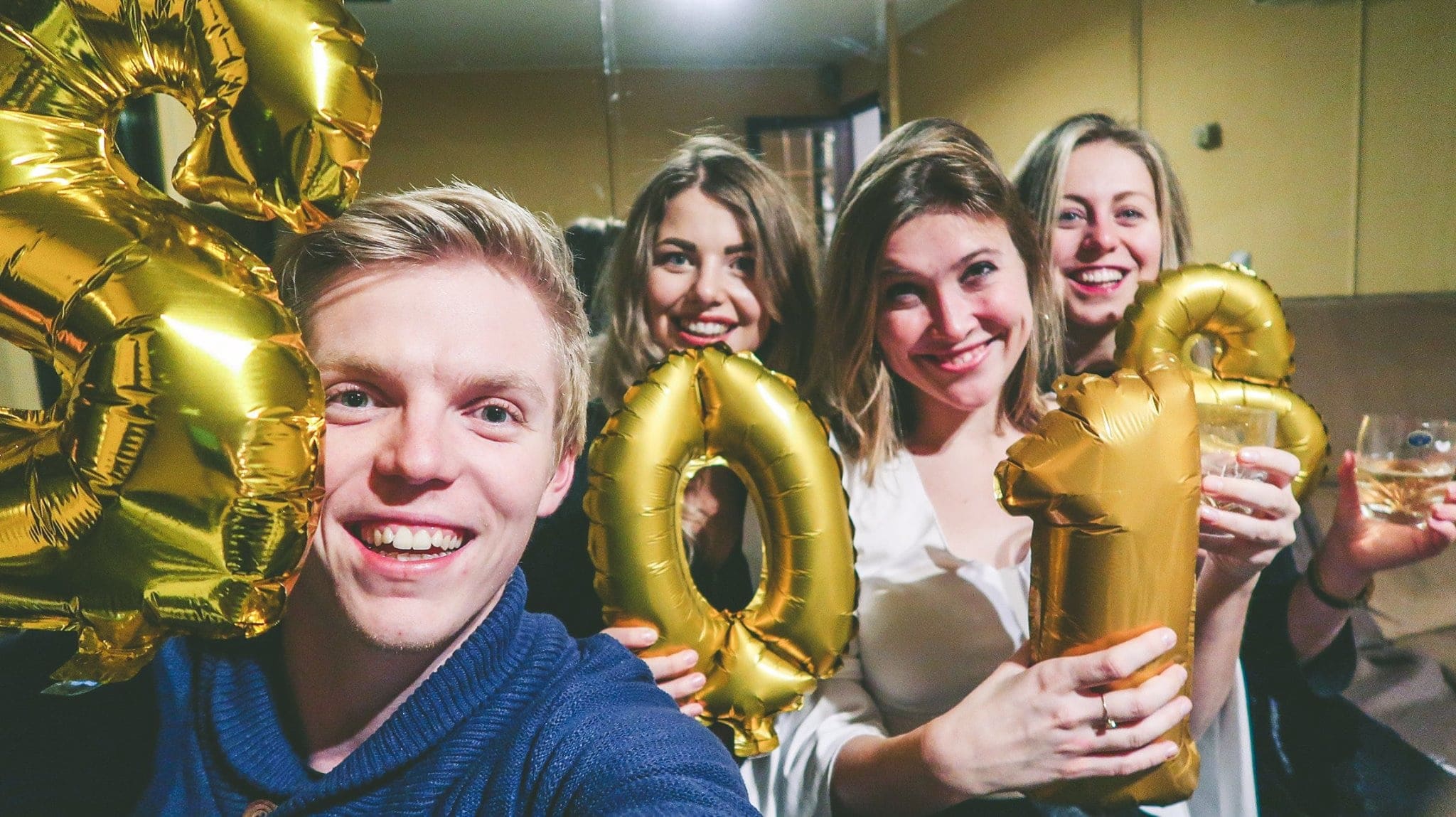
Our New Year’s Day team — Lukáš has already had a few drinks and is holding the “2” upside down
Spain lives at its own pace
We were beginning to understand that Spain runs on its own clock, and that clock doesn’t start ticking until around eleven in the morning. In the evening, on the other hand, you won’t find a single street corner without people. “Here, people go out around 10pm, concerts start at midnight. Everything’s shifted. When I tried to meet up at eight, they thought I was mad,” Gábi explained. But we couldn’t adjust that quickly — at times we suspected she’d be relieved when we left and stopped waking her at 7:30am.
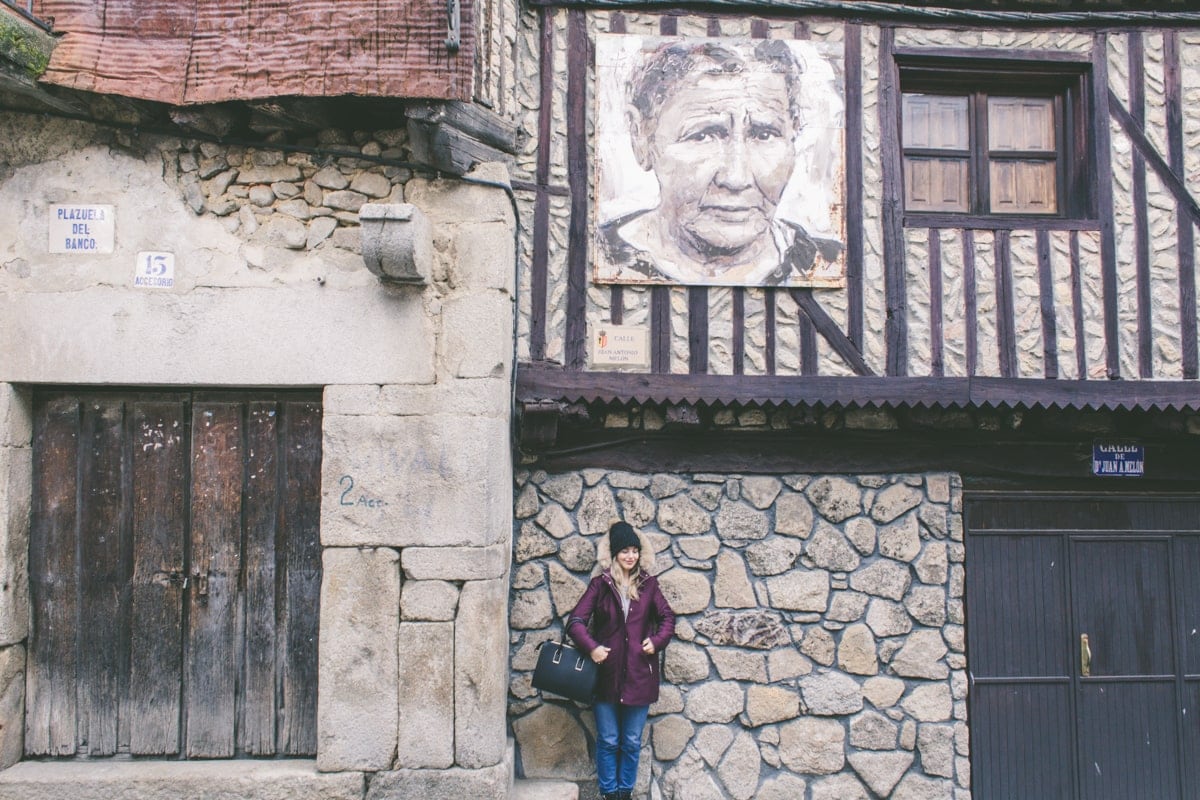
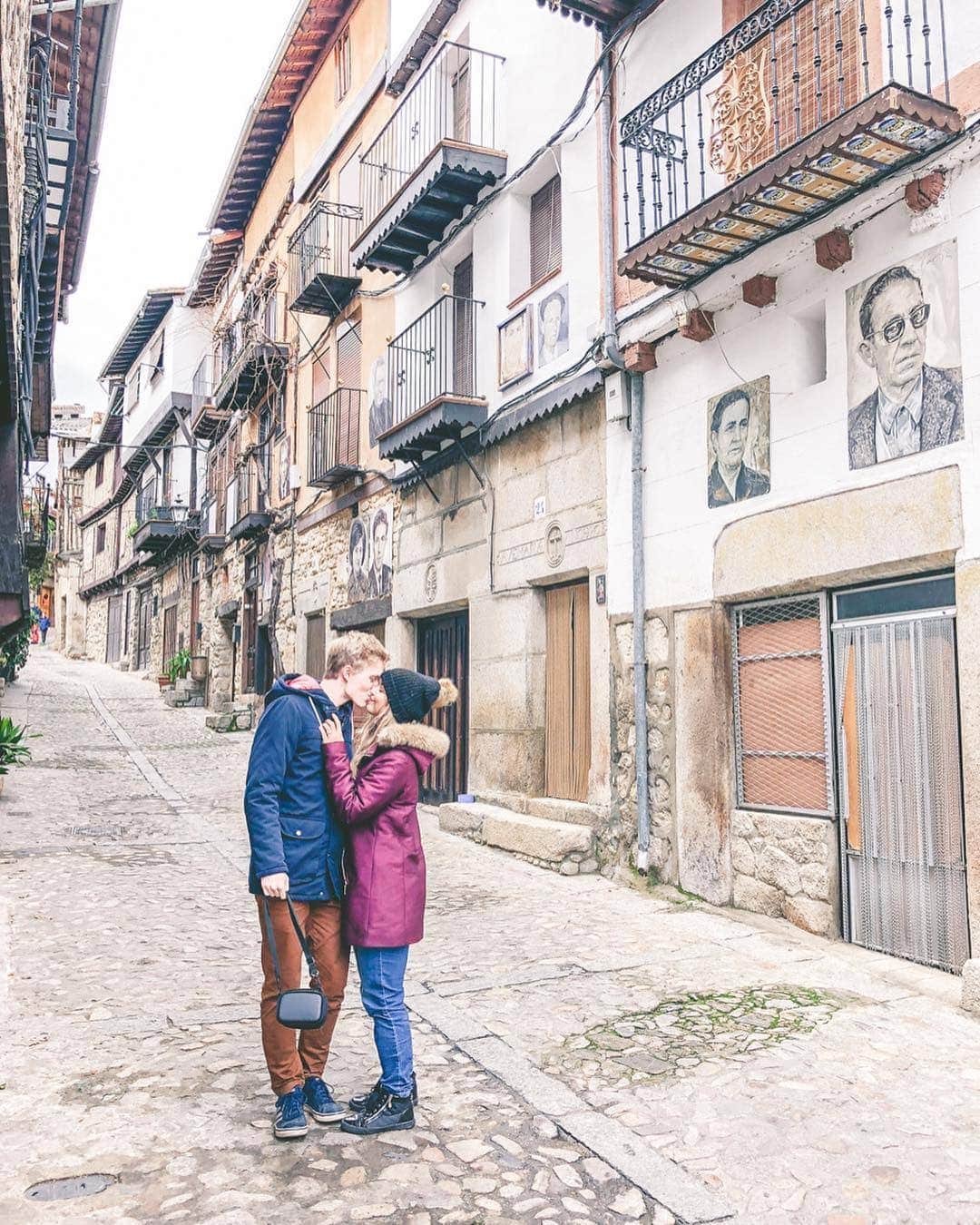
Mogarraz, where grandmothers watch you from the houses
How do people date in Salamanca?
If you want to get the Spanish talking, try asking: how does dating work in Spain? To summarise what we learned: “Everyone’s seeing everyone, and sometimes something comes of it. Usually not, though.” So friends-with-benefits situations are apparently the norm here. Traditional courtship as we know it in the UK simply doesn’t apply.
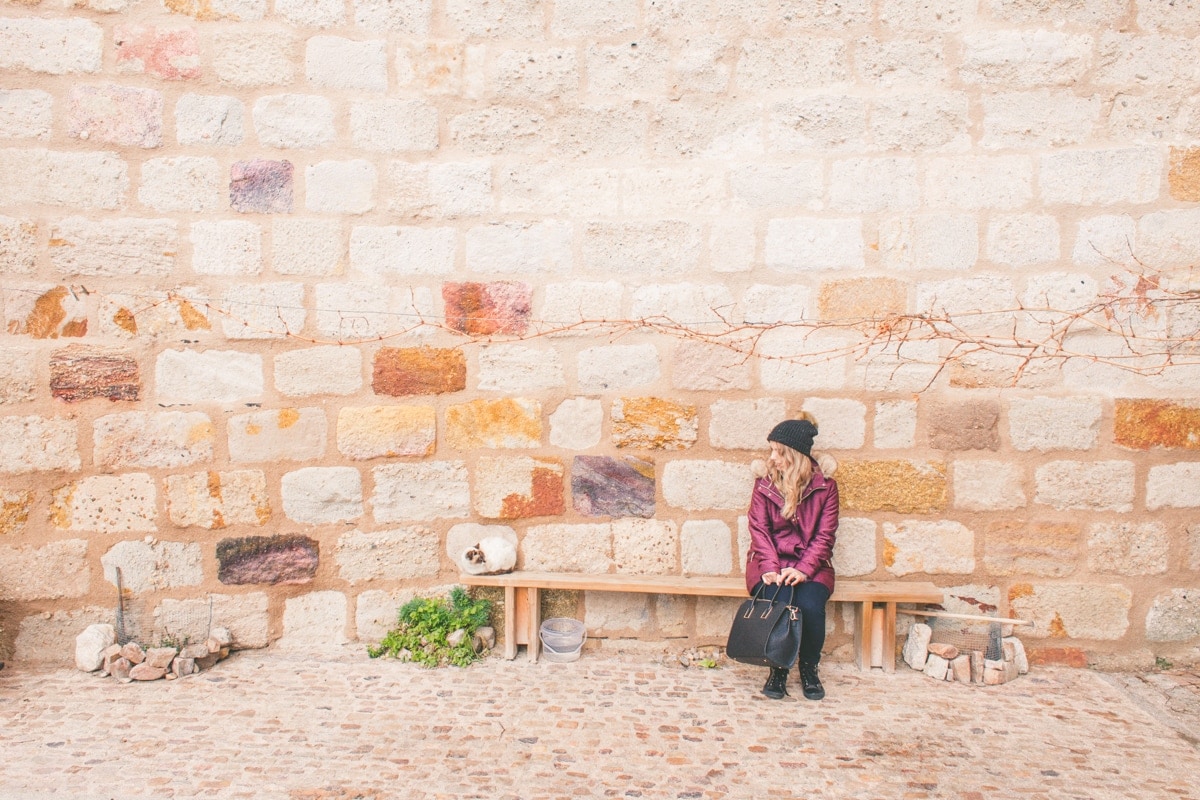
Zamora and cats
A village where the dead watch you and you get coffee at the butcher’s
Our first day trip outside the city was to the Sierra de Francia. This mountain range, about 70 km away, isn’t just known for its enchanting nature (which you can’t fully appreciate in winter), but above all for its tiny villages that transport you a few centuries back in time. We were most fascinated by La Alberca and Mogarraz, where portraits of former residents hang on every house.
It felt a bit eerie at times, imagining portraits of our own ancestors staring down at us from the walls. We wouldn’t want to live here. La Alberca, on the other hand, was a beautiful, sleepy little town where even at eleven o’clock everything was still shut. We had to go to the butcher’s shop for our morning coffee.
The village where we had coffee at the butcher’s
Lukáš and Lucie recommend
Where to Stay in Europe
6 accommodations — hotels and other lodging options
Spain is cheaper than the UK — at least outside Madrid and Barcelona
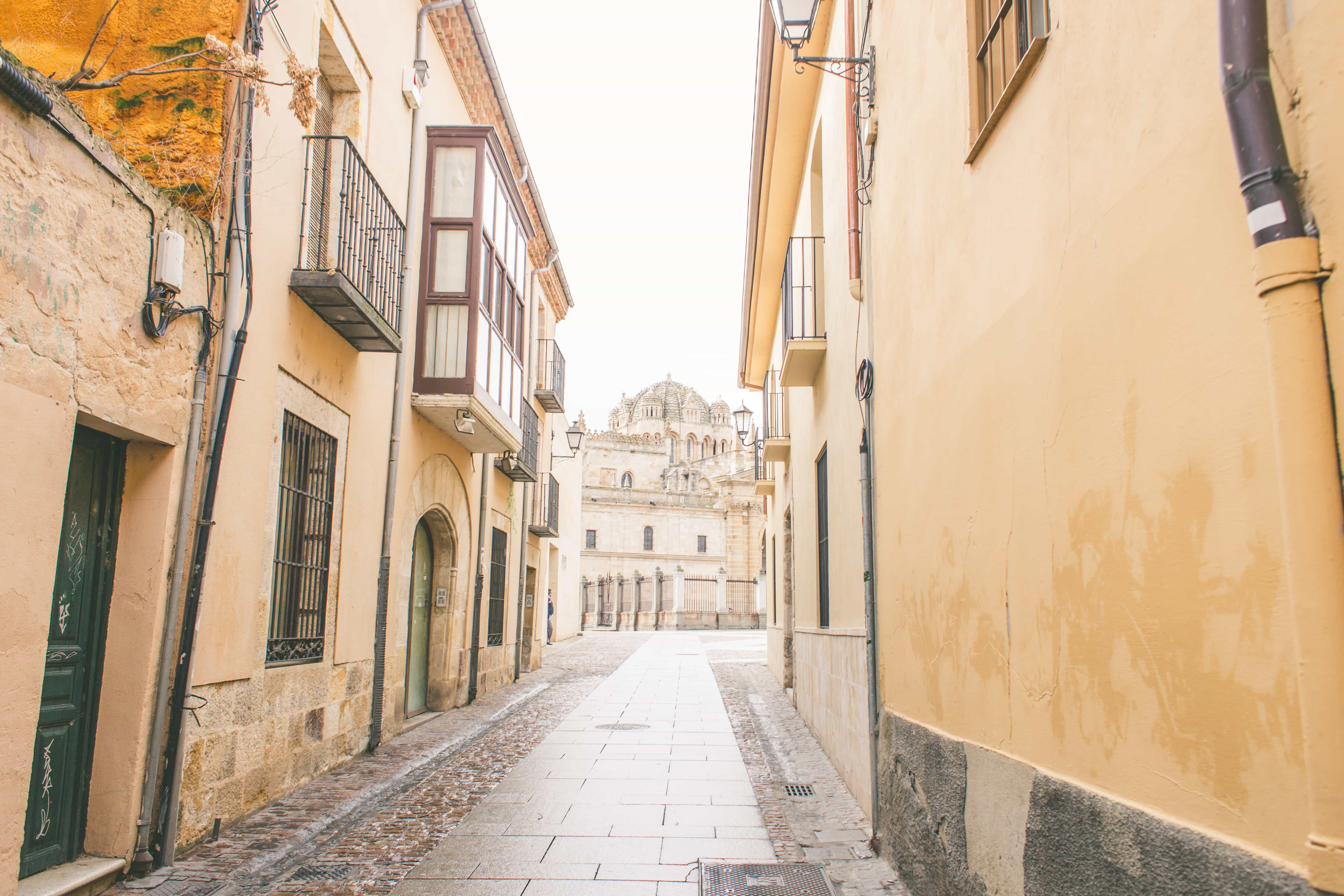
Our last day trip was to the city of Zamora, which lies on the River Duero and is supposedly halfway between Madrid and the Atlantic, about 45 km from the Portuguese border. It’s the capital of the Zamora province, one of nine provinces in the autonomous community of Castile and León. We headed there mainly for its incredible wealth of Romanesque architecture.
Zamora is a beautiful historic city just a short drive from Salamanca
When wine replaces water
By Friday, it was time to head back. We were exhausted. Besides the daily excursions, we’d been drinking copious amounts of wine and eating enough food to last months. Spain, outside Madrid and Barcelona, is genuinely cheap — cheaper than the UK, and certainly cheaper than London. You can get a three-course menu del día for €10, and it comes with a free glass (or bottle!) of wine.
On the way back, there were only three of us
It was quite the gourmet week for us. When we weren’t in restaurants, food blogger Ivča was cooking, and we started feeling a bit embarrassed about how we’d been neglecting our own cooking lately.
Budget road trip across Europe: Mistake after mistake
On the way back, we had planned stops again. We were only three now — Gábi stayed in Spain — which of course skewed our finances a bit, making the per-person cost higher than if we’d been four the whole time.
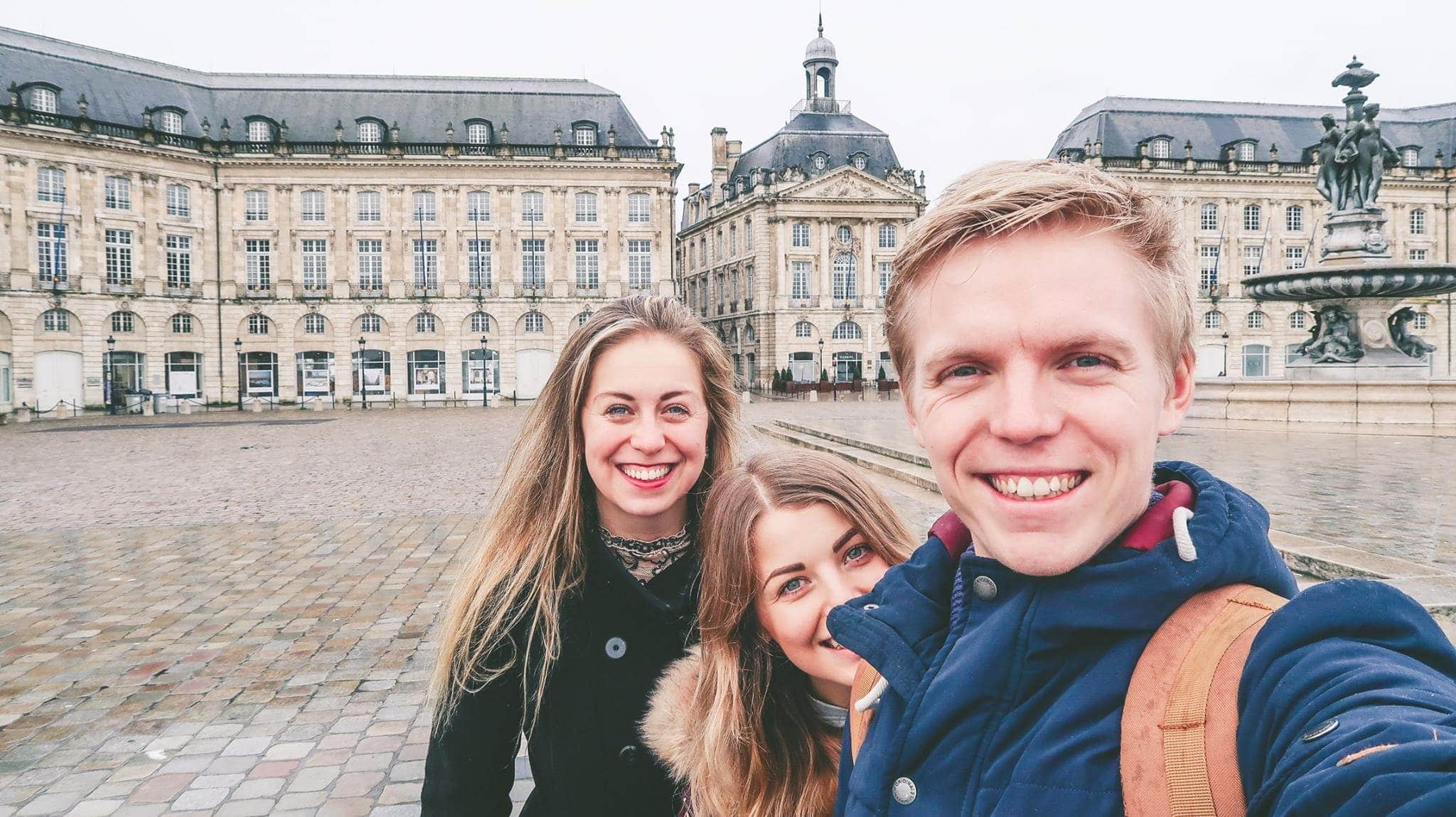
After 685 km, we arrived in Bordeaux, where instead of heading to bars, we went to the gym to make up for all the overeating and wine drinking. The hotel with a gym cost us a lovely €60 for three people. We had no workout gear, so we ran on the treadmill barefoot. Big mistake — the next day we could barely walk.
Looks great, but unfortunately it wasn’t that good
Sometimes you travel from pool to ocean, other times from bad to worse
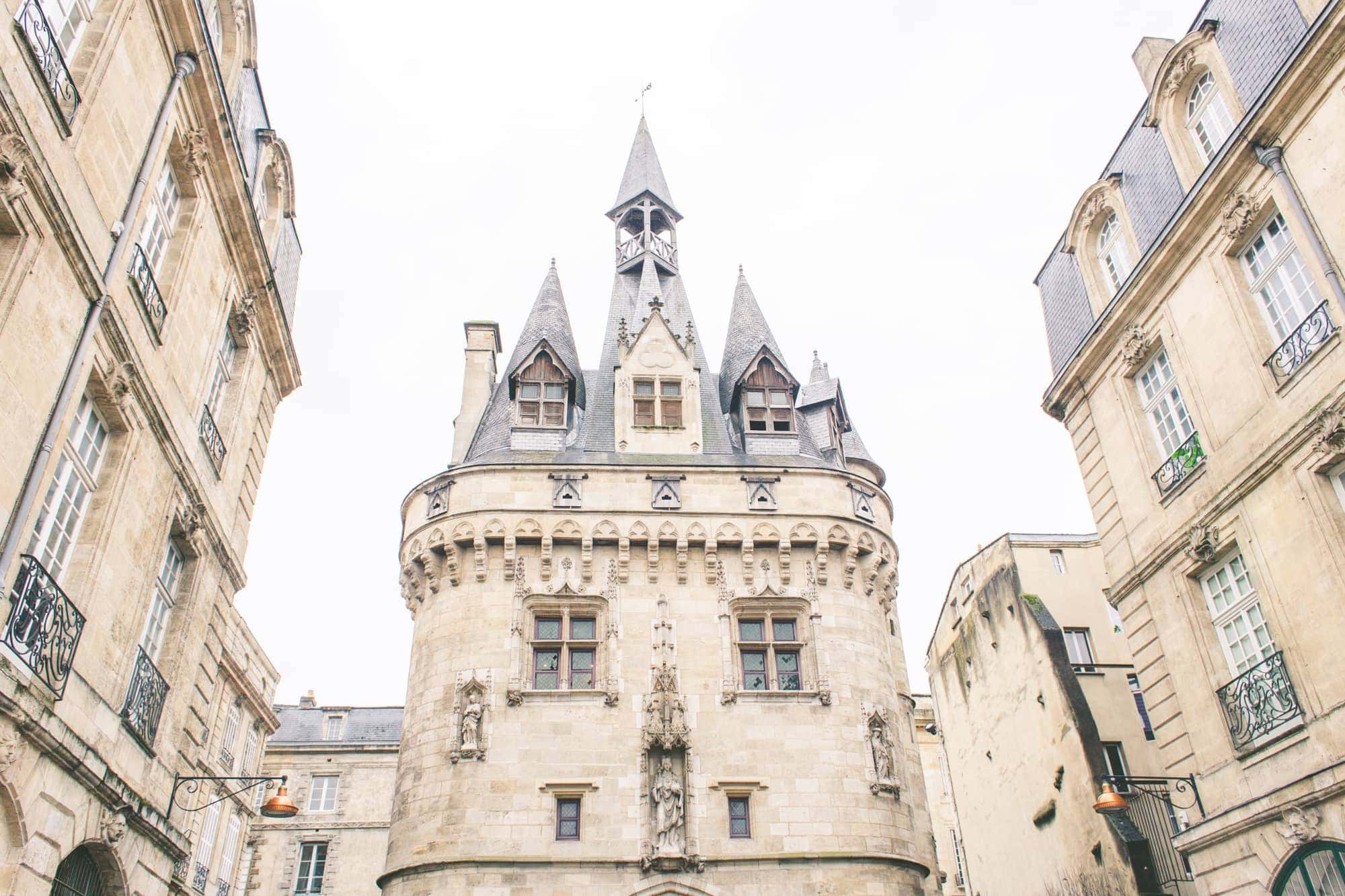
So the next morning we hobbled around the city, soaking in a dreary January day in France and looking for a café we’d found on Instagram. We ended up at Contrast. Although the food looked beautiful in photos, it was nothing special. Slightly disappointed, we started our walking tour of the city. But Bordeaux made up for it. Of all the French cities we visited on the trip, it was one of the best.
Lyon disappointed, so we moved on
Which French city disappointed us?
Lyon was the opposite. Another 556 km further on lies this historic city in east-central France, where we arrived after six hours of driving. Together with its suburbs and satellite towns, it forms France’s second-largest metropolitan area after Paris, with about 1.75 million people, making it roughly the 20th–25th largest in Europe.
The disappointment came with our smoke-filled accommodation, where we were scared to even take our shoes off. We ended up consoling ourselves with a bottle of wine, reminding each other it only cost about €48, and that we’d leave first thing in the morning.
In Geneva, we could really feel the exhaustion. We wondered whether to just drive straight home
Luckily you can just drive on
The city greeted us with miserable weather the next morning, and after seeing the cathedral and part of the historic centre, we decided we’d had enough. To brighten up the road trip, we headed to Geneva, which is only 149 km from Lyon.
Where the pancakes were supposed to be amazing, but weren’t
But then there’s nothing you can do
We arrived just in time for lunch, but being Sunday, many shops and some restaurants were closed. We spent a ridiculous amount of money on mediocre pancakes, and our mood kept sinking — until we started wondering whether to skip Strasbourg and just drive straight home. We were dreading the accommodation, which was just as cheap as the one in Lyon.
Strasbourg surprised us. We expected nothing and liked it more than Lyon and Geneva
The prettiest French city looks German
And the photos had looked similarly dodgy. In the end, we were so glad we didn’t skip it. The accommodation was about €47 for three and turned out to be luxurious. We opened another bottle of wine to celebrate the final stretch of our trip. We pushed through the exhaustion that had been deepening with each passing day, each bottle, and each kilometre, and crowned our journey with a tour of a city that sits on the left bank of the Rhine and looks more German than French.
“The prettiest French city on our trip looks like it’s German,” Lukáš declared. And no wonder — historically, it alternated between the two countries.
The only shame was that we didn’t have much time there
So how much did the whole road trip cost?
We were four people and then three. If we’d been four the entire route, we’d have definitely reduced the costs. Another advantage was that we had free accommodation in Salamanca at our friend’s place. On the other hand, we spent those days eating out at restaurants — Gábi wanted to show us the best places she’d been raving about during her few days with us. We paid for everything together, tracked it all in the Splitwise app, and divided it up at the end.
For three people, it came to roughly €425 per person (after deducting the share for the 4th person, who was with us for 2/3 of the trip). As you can see, the biggest expense was food.
Car (fuel, tolls): €630 total
Accommodation: €395 total
Food: €465 total
How we chose accommodation
We tried to pick the cheapest accommodation possible, knowing it would mostly just be a place to sleep. Ideally, we looked for places with a kitchenette so we could cook our own dinner and sometimes breakfast. We booked through Booking.com and Airbnb.com. It cost us between €12–€24 per person per night, with Switzerland being the most expensive.
Thanks to food blogger Ivča, we had a gourmet week
How much could you save compared to us?
If you cooked for yourselves the entire time, you’d save at least €250–€280. That’s roughly the amount you’d spend on accommodation for four people in Salamanca for the days we stayed for free at our friend’s place. So I’d estimate that a total cost of around €400–€430 per person would be realistic even on a low-cost budget. 🙂 And if you were four people the whole time, you might get it down to just under €400.
Frequently asked questions
What documents do I need for a road trip across Europe?
A valid passport, driving licence, and potentially an international driving permit. If you’re a UK citizen, make sure your passport has enough validity for travel in the EU.
How to plan your route?
We recommend planning your main stops in advance but leaving room for spontaneous detours. Use Google Maps or a road trip planner app to estimate driving times between destinations.
How much money to budget for a road trip?
Costs depend on your destinations, travel style, and season. Budget for fuel, accommodation, food, and motorway tolls. For a 12-day European road trip like ours, expect roughly €400–€500 per person on a budget.
Tips and tricks for travelling across Europe
What to pack
Check out our packing guide for travellers to help you prepare. Choose the right travel backpack, browse our favourite travel gadgets, and make sure you don’t forget anything important.
Search for flights on Kayak. It’s our favorite search engine because it scans the websites of all airlines and always finds the cheapest connection.
Book Your Accommodation Smartly
The best experiences we’ve had when looking for accommodation (from Alaska to Morocco) are with Booking.com, where hotels, apartments, and entire houses are usually the cheapest and most widely available.
Don’t Forget Travel Insurance
Good travel insurance will protect you against illness, accidents, theft, or flight cancellations. We’ve had a few hospital visits abroad, so we know how important it is to have proper insurance arranged.
Where we insure ourselves: SafetyWing (best for everyone) and TrueTraveller (for extra-long trips).
Why don’t we recommend any Czech insurance company? Because they have too many restrictions. They set limits on the number of days abroad, travel insurance via a credit card often requires you to pay medical expenses only with that card, and they frequently limit the number of returns to the Czech Republic.
Find the Best Experiences
Get Your Guide is a huge online marketplace where you can book guided walks, trips, skip-the-line tickets, tours, and much more. We always find some extra fun there!
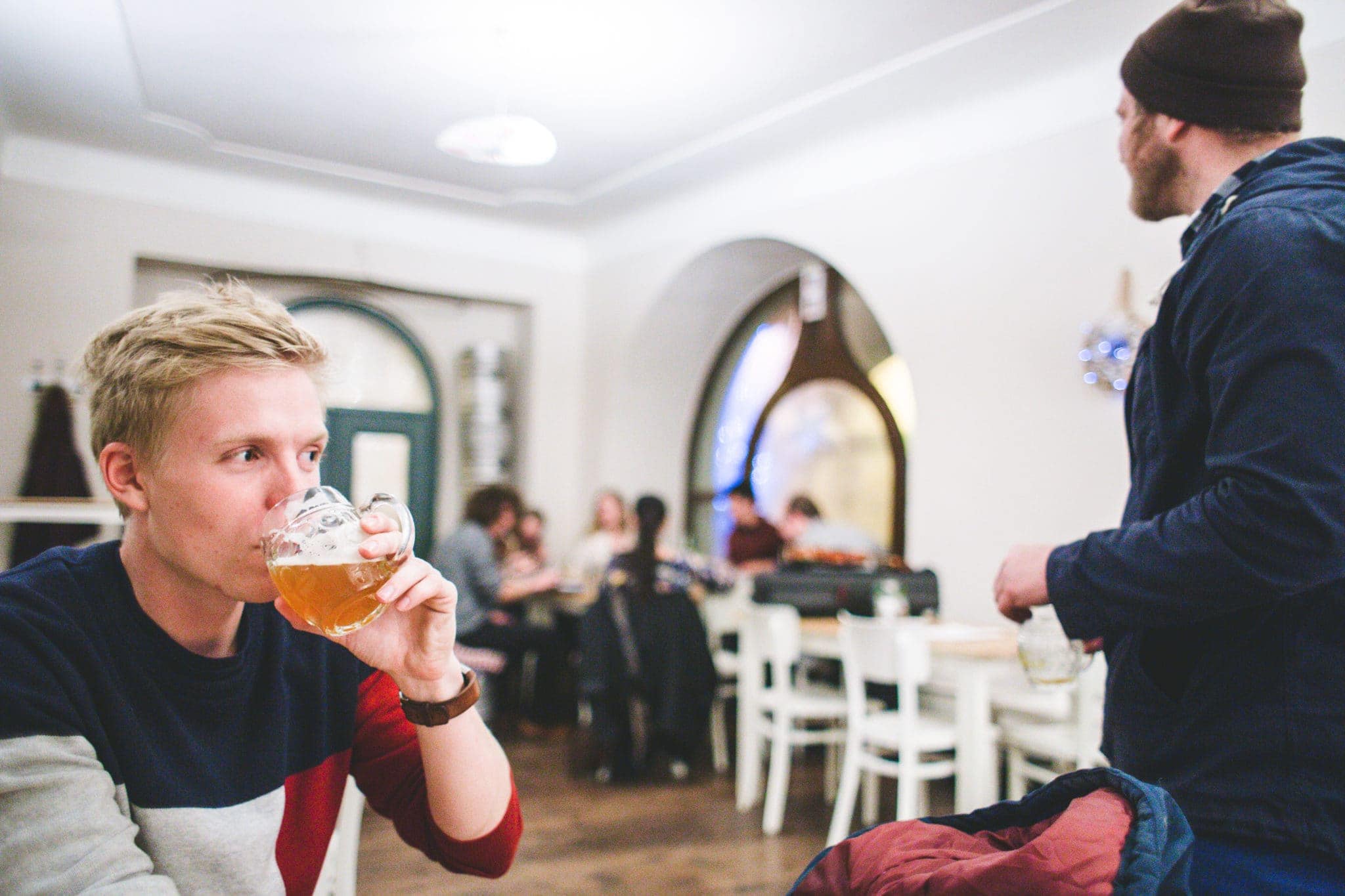
TL;DRGuests fly in from New York, Toronto and Tokyo just for the biodynamic, unsulphured wines at Thir, a restaurant and guesthouse in Tábor’s old town. Owner Jan Čulík runs the kitchen himself, turning local produce into modern Czech dishes. The building once belonged to the family of Tábor historian Karel Thir, and it now has spacious apartments looking out over the historic centre. The wine list ranges across the globe, with Italian and Romanian labels alongside the rest, but Jan’s own chemical-free biodynamic wines are the real draw. Čulík also runs VÝČEP, a beer hall on Žižkovo náměstí, pouring beer from the local Obora microbrewery and serving up local bites from Liška butchers and the Bláhův dvůr farm.
People travel from New York, Toronto, and even Tokyo just to visit this place. And honestly, it’s no surprise. Jan Čulík has created something truly special in Tábor, Czech Republic — a place where poetry is composed from world-class wine and chefs conjure magic not just for your taste buds, but for your eyes too. He does it all with a deep love for the town he calls home. The restaurant cooks exclusively with local ingredients, and he personally selects wines from around the globe. It’s an absolute paradise for anyone who appreciates fine wine and Czech cuisine with a modern twist. Curious about where we’re talking about? You might have already guessed. It’s Thir. And that’s exactly where we headed for a weekend with Amazing Places.
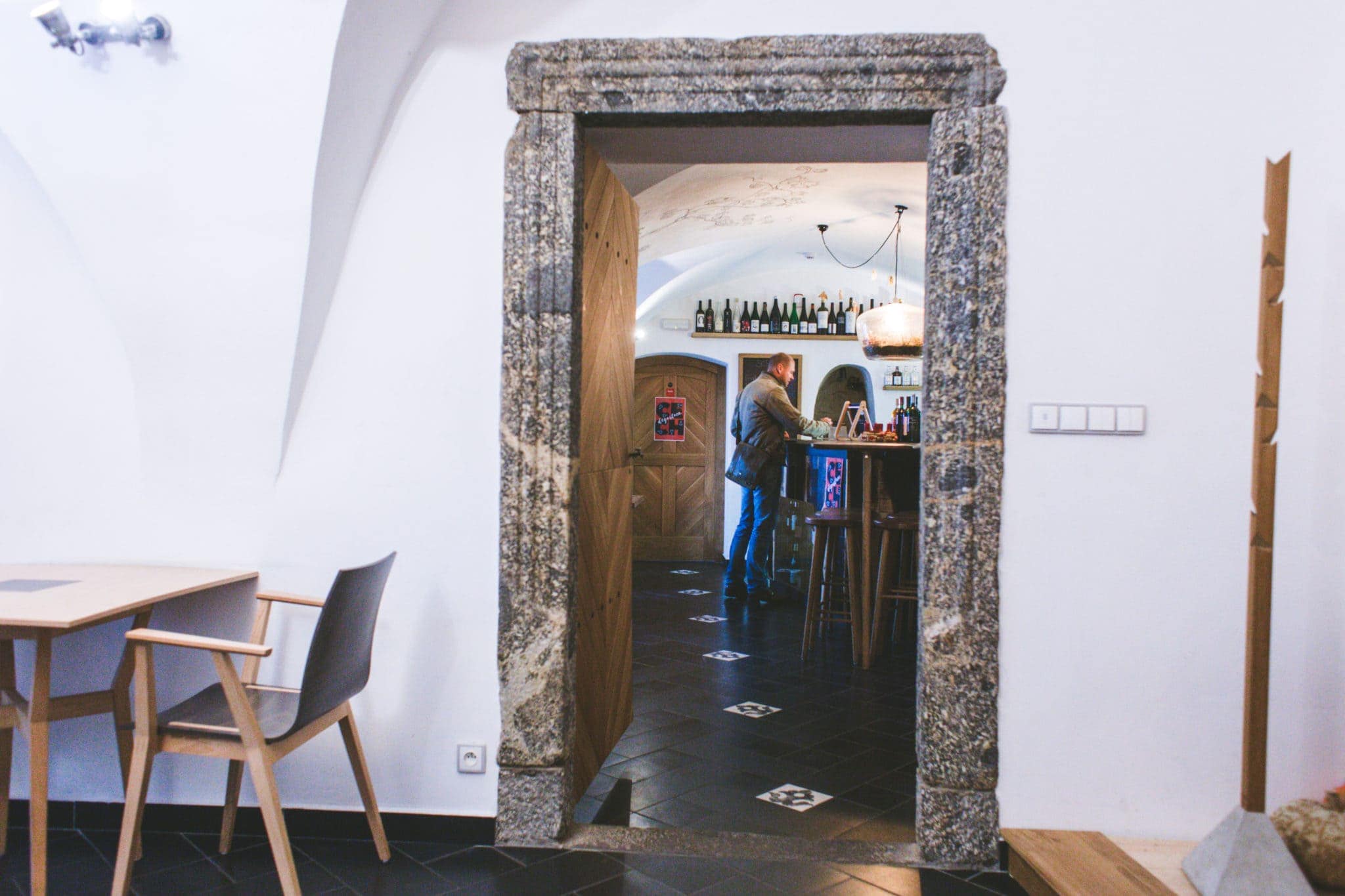
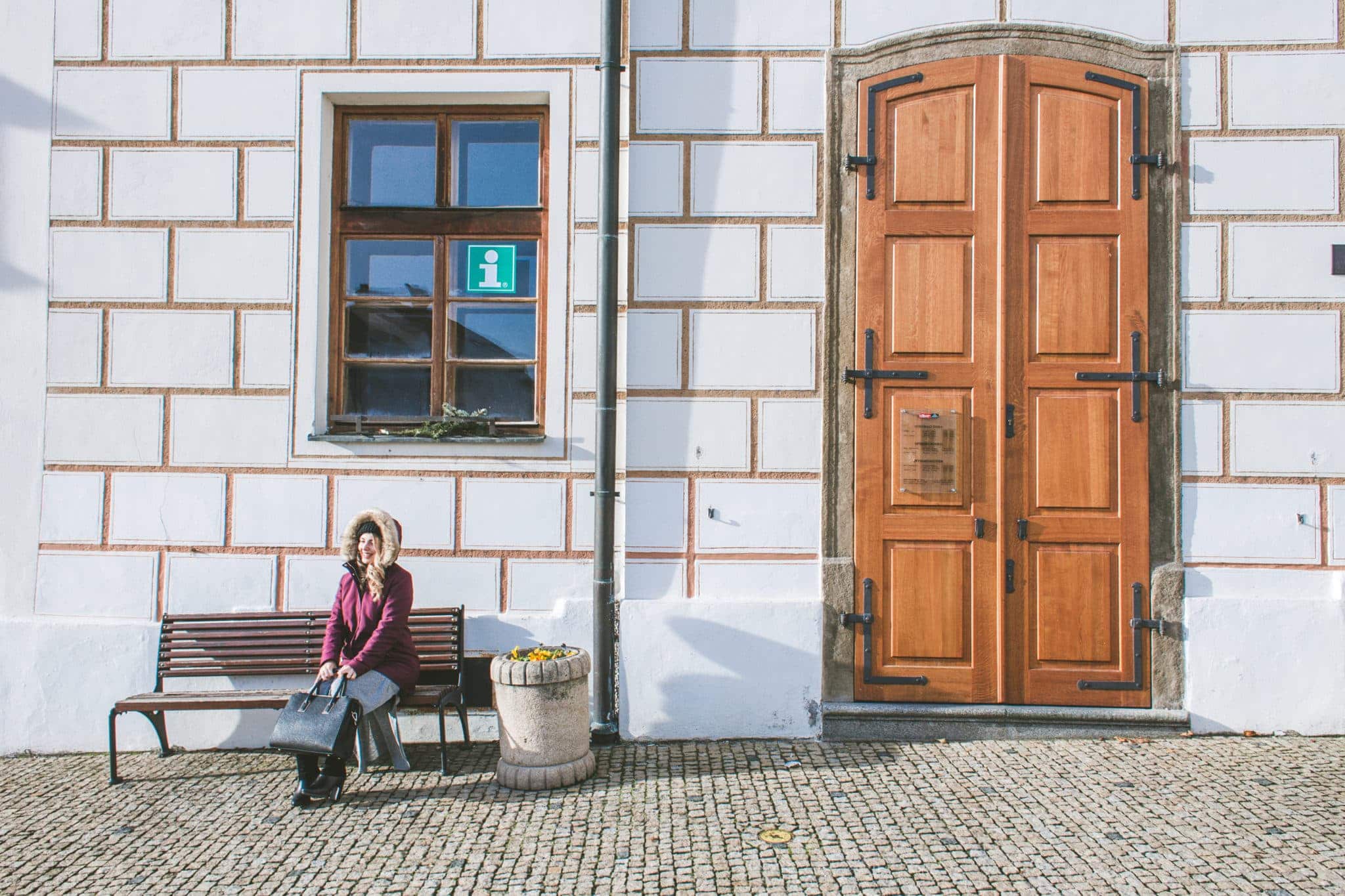
We fell in love with Tábor’s architecture instantly. We kept stopping at every turn, and before long my camera was full of photos of romantic doorways.
On a bitterly cold but sunny day, we parked right in the heart of the Hussite town of Tábor. The icy air carried the scent of cinnamon and pine needles, Christmas music drifted through the streets, and we couldn’t help but admire the town’s charming centre. From Žižkovo Square, we made our way to a house that once belonged to the family of a respected local historian.
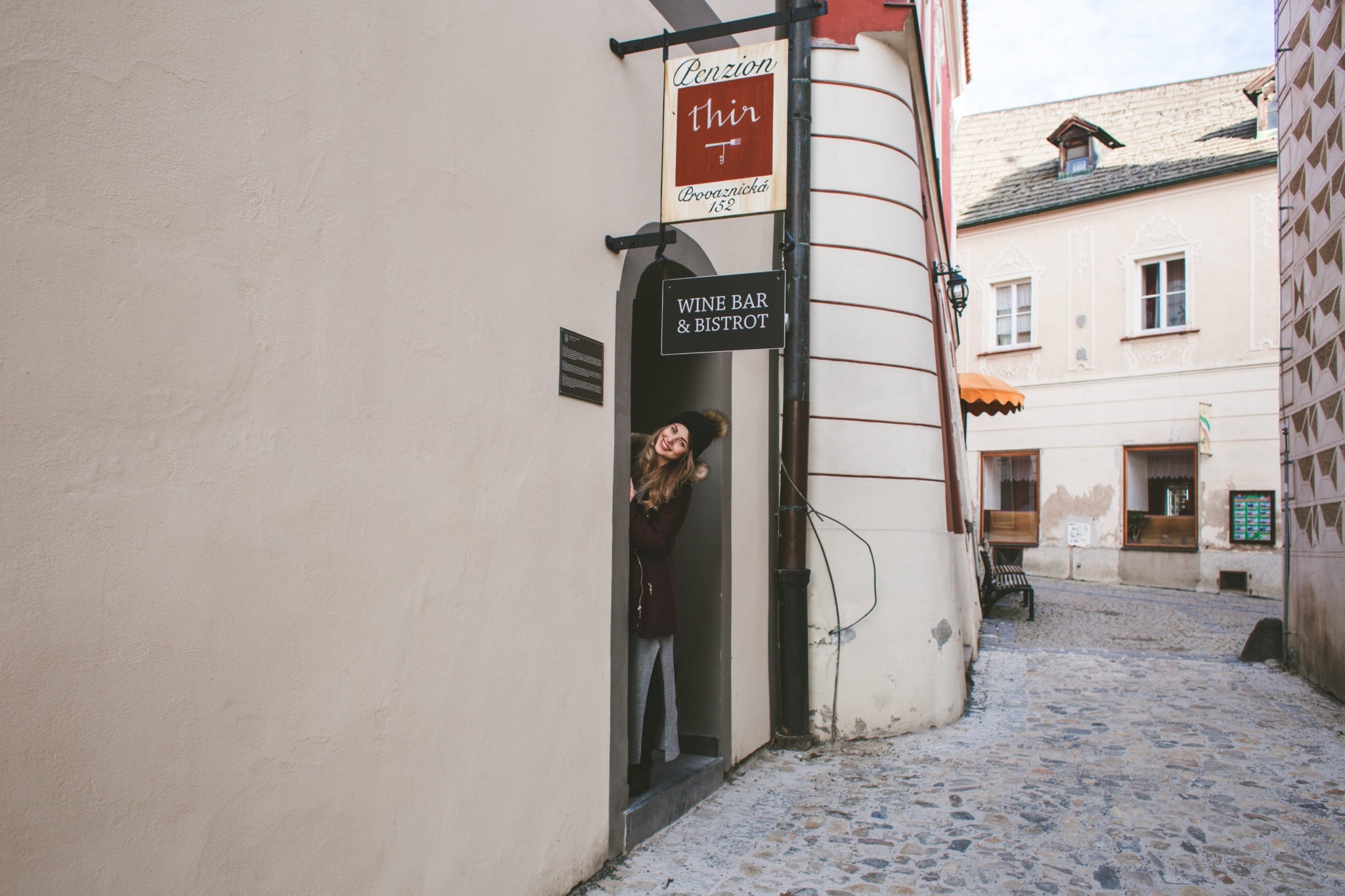
Penzion Thir sits right in the heart of the historic centre
The Atmosphere of the Hussite Town Breathes from Every Wall
The moment we step inside, the atmosphere of this historic building washes over us. This is where the restaurant and guesthouse Thir now resides. The name is no coincidence — that esteemed historian was called Karel Thir. “His family owned this house for about three hundred years,” says Honza Čulík, co-owner and manager of Thir. It turns out Honza and Karel Thir share more than just an address. Honza’s ancestor owned a brewery right next door back in the 16th century.
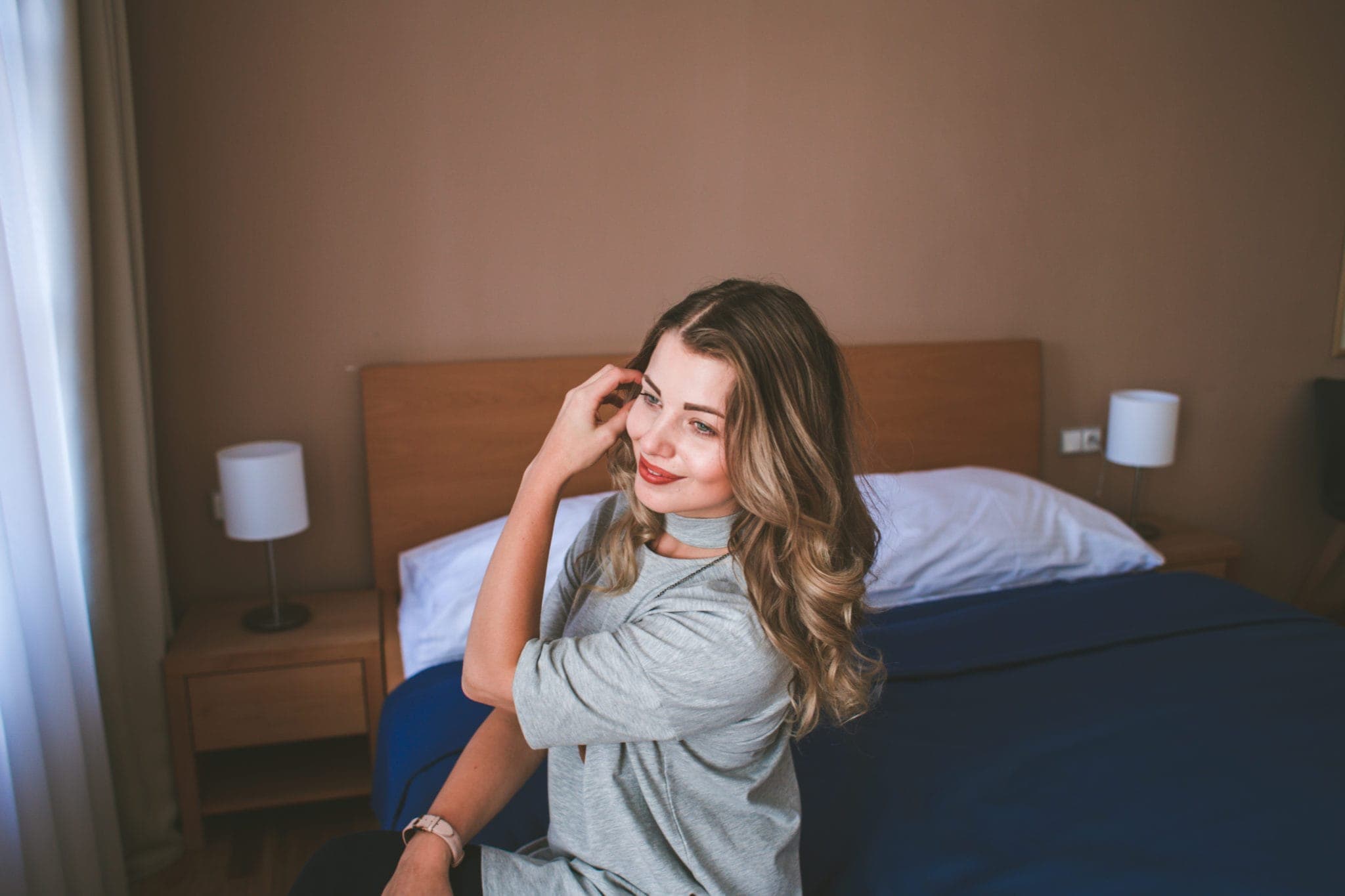
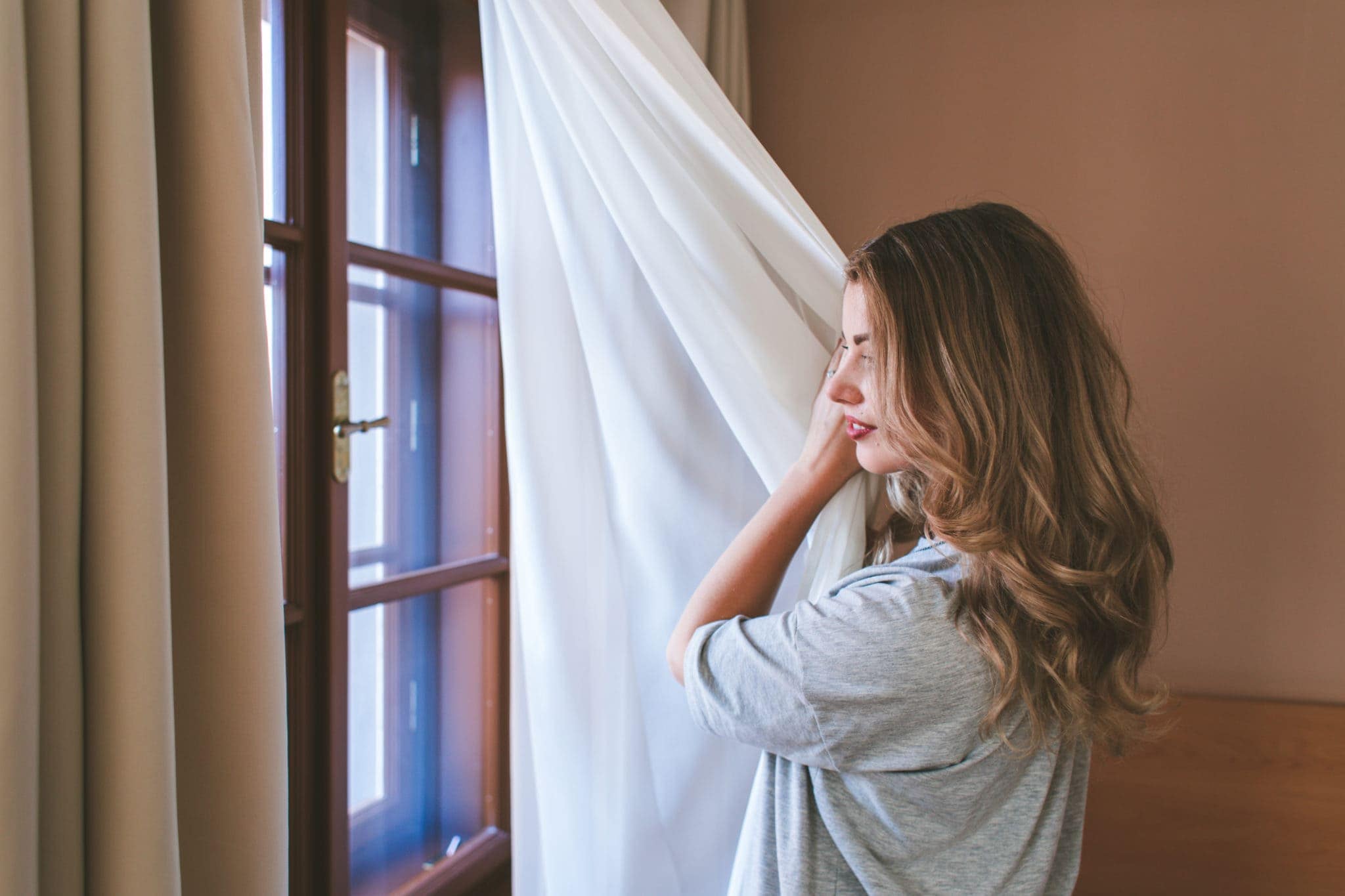
The rooms are spacious and furnished in a simple, elegant styleSome rooms offer views over the historic centre
We barely have time to drop our bags in the spacious apartment, glance out the window at the rooftops of this medieval town, before we’re heading downstairs to warm up with some soup.
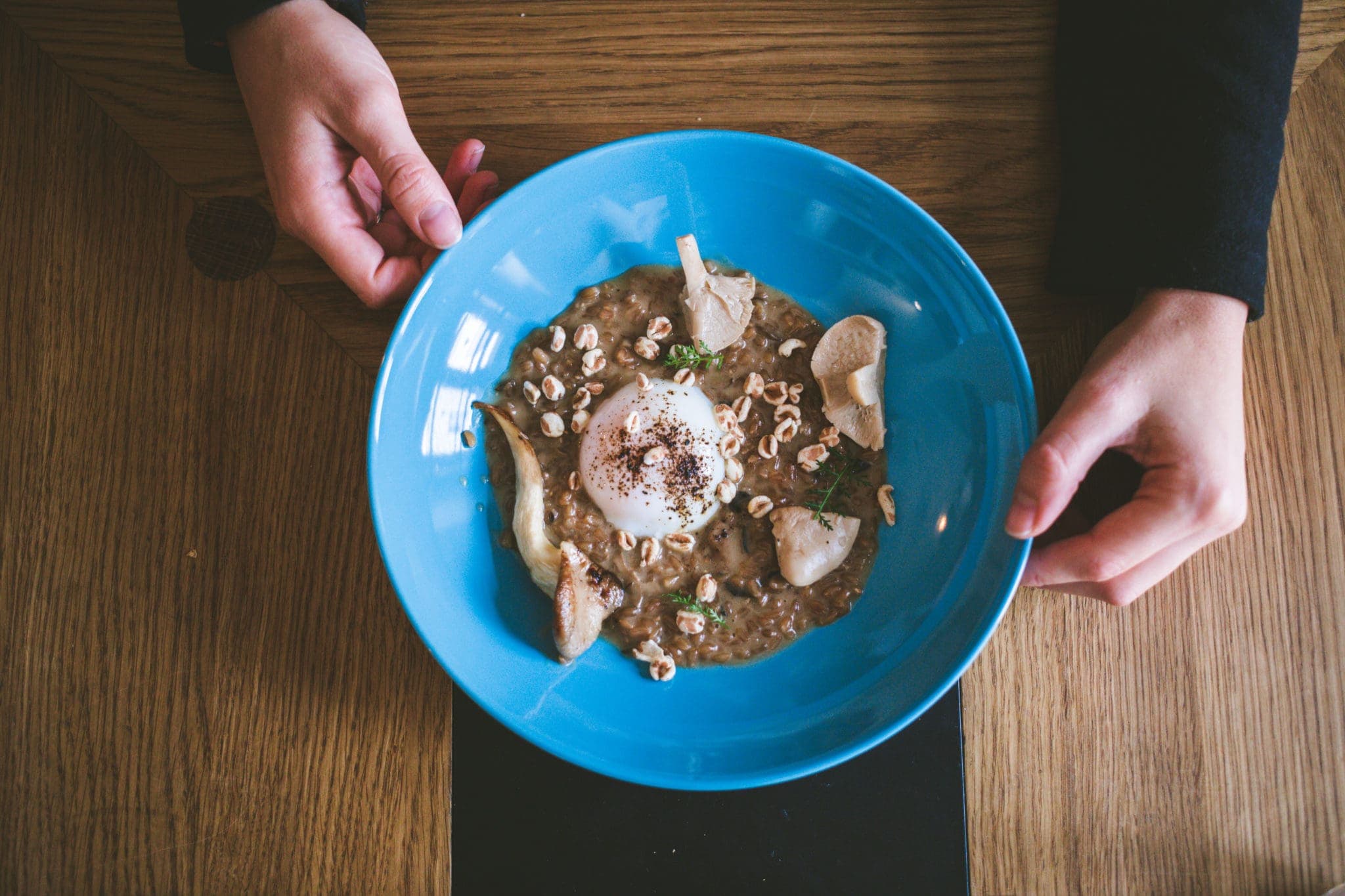
Vegetarian poetry on a plate
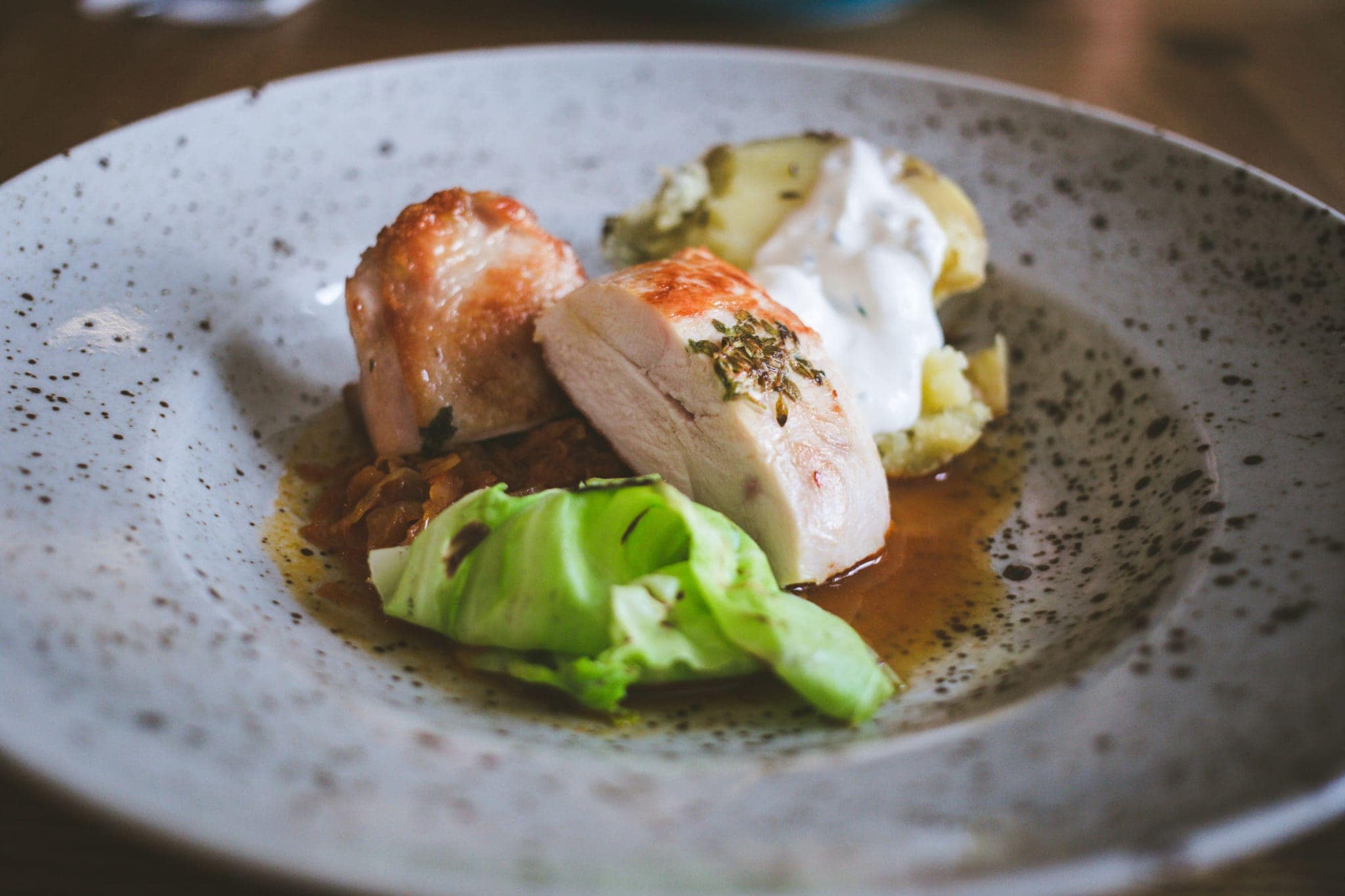
Lukáš raved about the carrot and ginger velouté for days afterwards — and just as much about the meltingly tender meat that followed. Each dish was more like a work of art on our plates, a symphony for all the senses. When we told Honza how impressed we were, he just laughed: “Wait until tomorrow — you haven’t seen anything yet.”
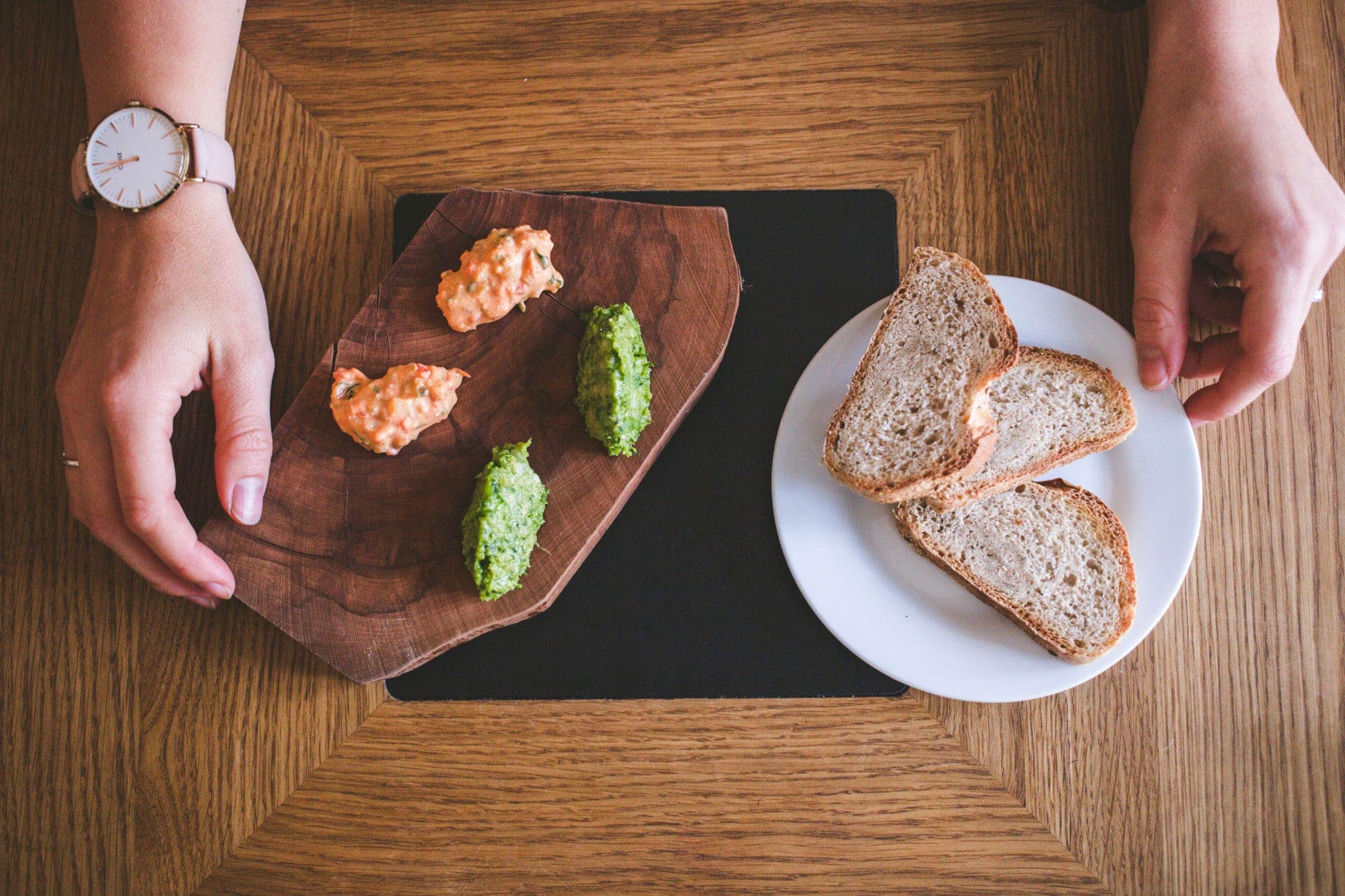
That cabbage looks like cabbage. It is cabbage. But quite extraordinary cabbage.Pork crackling spread and bryndza cheese spread. Can you tell which is which?
Magical Wines That Won’t Give You a Headache — Even After Several Bottles
And he’s right. We spend the entire weekend wide-eyed, marvelling at everything they serve us — from breakfast to dinner. We find ourselves savouring dishes we’d normally never order. And we can’t stop wondering how they’ve managed to keep such divinely prepared cabbage a secret from the rest of the world. If you think we’re exaggerating, go and see for yourself. But fair warning — you’ll be thinking about it for a long time. During our weekend, the cooking is Czech through and through, but with the creativity of the finest culinary masters.
Every town could use its own Honza Čulík.
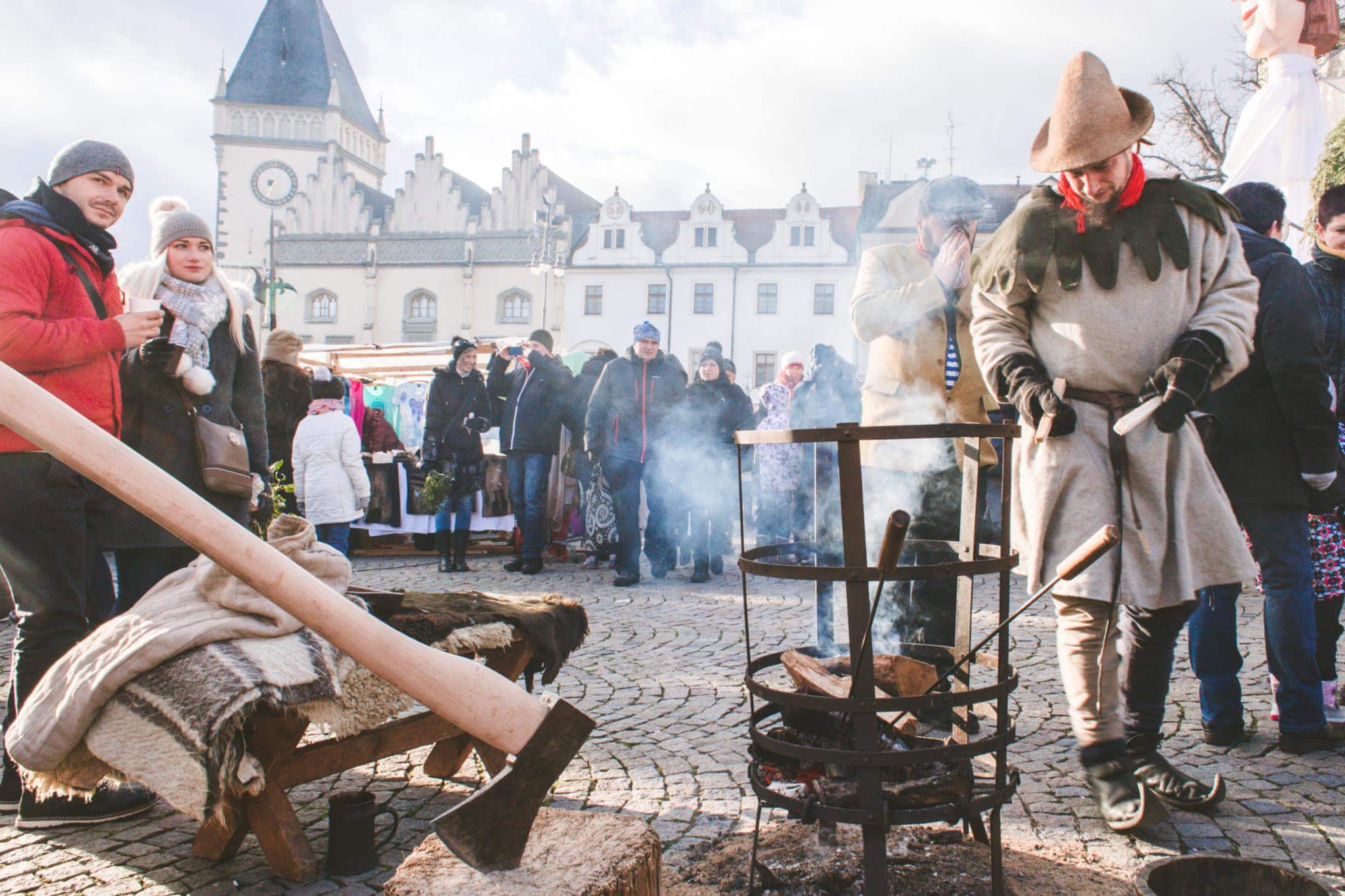
Christmas markets happen to be in full swing in Tábor, and there’s not a tacky souvenir in sight — just local products brimming with humour and tradition. The people of Tábor clearly have a brilliant sense of humour: we were won over by the “Old Bohemian Burger” (which looked suspiciously like a pancake wrapped around a sausage) and Christmas ornaments shaped like excavators (which we simply had to buy).
Soaking up the festive atmosphere at the Christmas markets
We can’t brave the outdoors for too long, though — the cold cuts right through us — so we duck into the Gothic Hall of the Hussite Museum, where a wine tasting is underway.
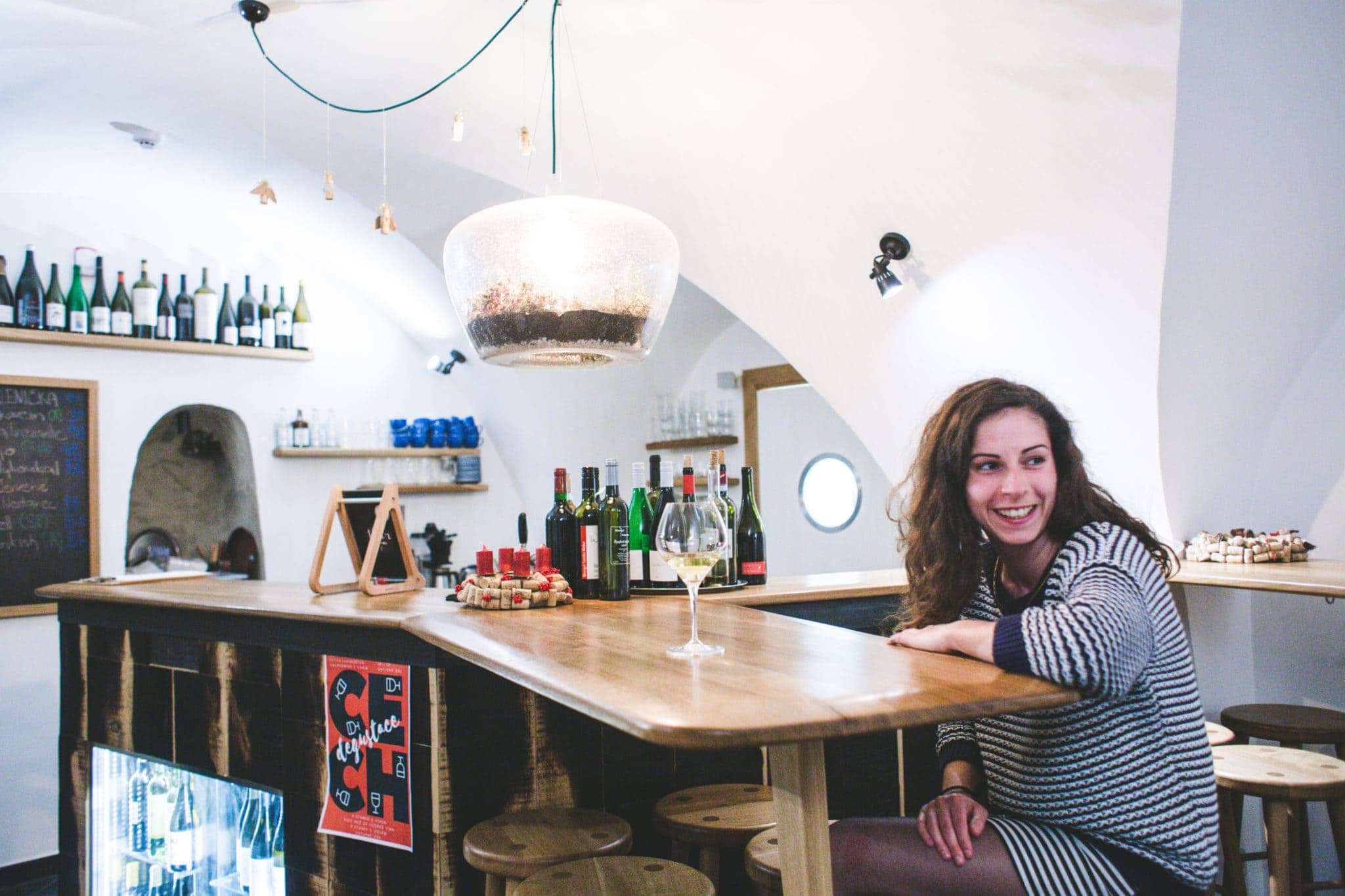
Inside the wine bar and restaurant at ThirInside the wine bar and restaurant at Thir
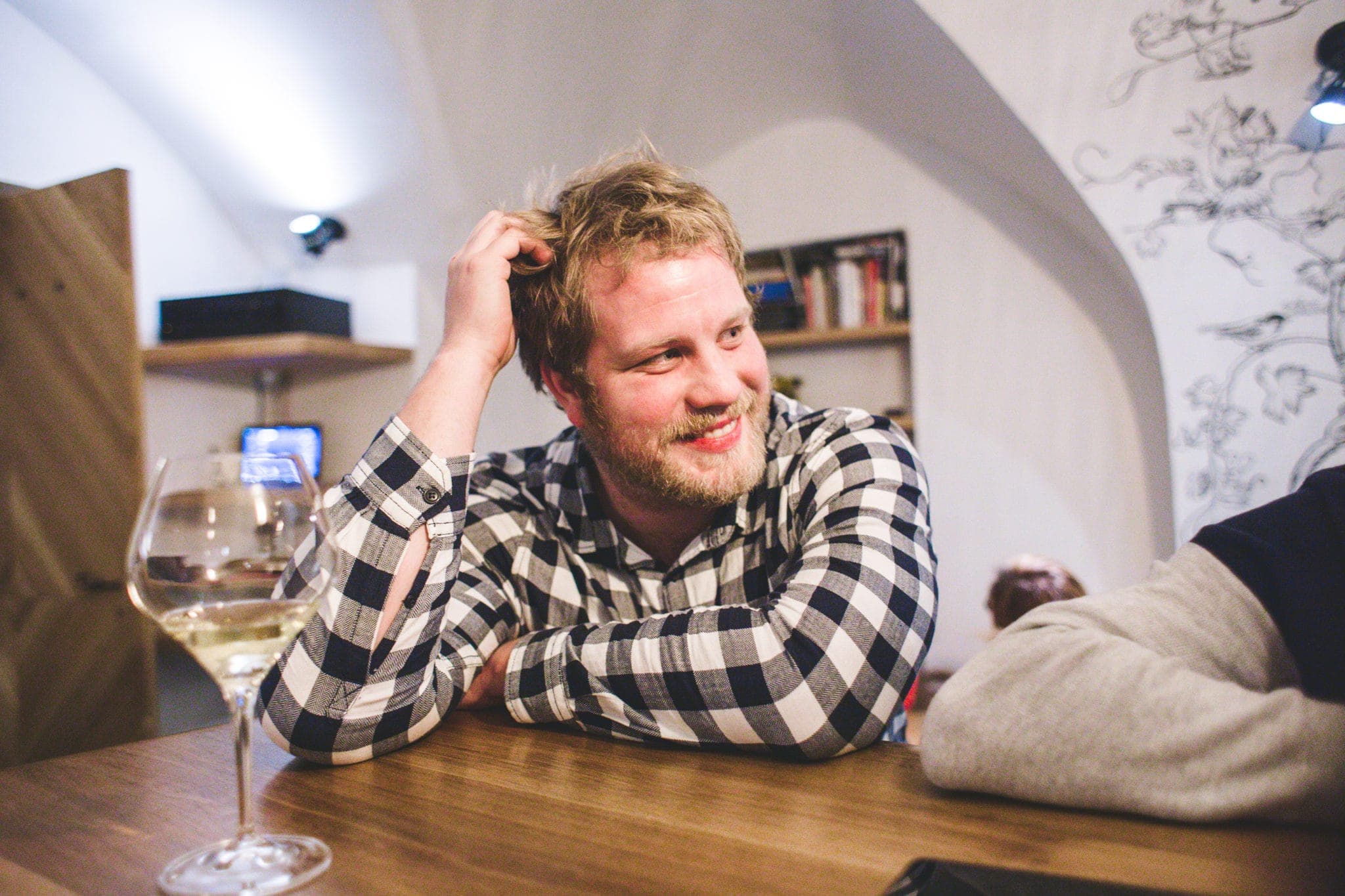
The selection ranges from Italian to Romanian wines, but we end up spending most of our time with Honza and his biodynamic offerings. Like him, we’re drawn to authentic wines — the kind that boast a pure, honest flavour with no chemicals or cosmetic touches. We’ve become particularly fond of sulphite-free wines. They’re rather magical, you see. You can drink several bottles and wake up the next morning without the slightest headache.
You can happily enjoy a few extra glasses at Thir — no headache to worry about.
“The Longer I Studied International Relations, the More I Realised How Important Local Ones Are”
Walking back to the guesthouse, we find ourselves wondering about Honza — who he is, how he ended up here, and how he managed to create such an extraordinary place. After the tasting and dinner, we catch up with him in the wine bar and get the full story.
If you prefer beer, head to VÝČEP after dinner
Honza studied international relations, but as he puts it: “The longer I studied international relations, the more I realised how important local ones are.” After university, he had no idea what to do with his life, so he flew to Canada to work — planting trees, cleaning, whatever he could find. “Doing that kind of work gave me time to think about the meaning of life, and it became increasingly clear that I wanted to return to my hometown and help it grow and improve.” His eyes light up when he talks about Tábor. “Canada is a great country, but just take a walk through Tábor. You won’t find towns like this anywhere over there.”
We’ll definitely be back in Tábor — and not just for the beautiful doorways and wine 🙂
Thir isn’t his only project either. A few months ago, he opened VÝČEP, a craft beer bar on Žižkovo Square, serving beer from the local family-run microbrewery Obora. If beer is more your thing than wine, you should absolutely pop in. Pair it with a bite from the local butcher’s shop Liška or from the Bláhův Dvůr dairy farm. And you might just hear some live music too — local musicians regularly drop by and play sets that’ll put a smile on your face.
This certainly won’t be our last visit to Tábor. I’m already looking forward to strolling through the town again in spring, visiting Holeček Gardens, stopping by Ctiborův Mill — home to the Cesta cultural centre — and exploring the local community garden. We’ll definitely pick up some of Chris’s brilliant cheese and ricotta gnocchi to take home. And in the evening? Poetry made from food and wine at Thir, naturally. Tábor is just 90 minutes south of Prague by train or car, making it an easy weekend escape — and one we couldn’t recommend more highly.
Search for flights on Kayak. It’s our favorite search engine because it scans the websites of all airlines and always finds the cheapest connection.
Book Your Accommodation Smartly
The best experiences we’ve had when looking for accommodation (from Alaska to Morocco) are with Booking.com, where hotels, apartments, and entire houses are usually the cheapest and most widely available.
Don’t Forget Travel Insurance
Good travel insurance will protect you against illness, accidents, theft, or flight cancellations. We’ve had a few hospital visits abroad, so we know how important it is to have proper insurance arranged.
Where we insure ourselves: SafetyWing (best for everyone) and TrueTraveller (for extra-long trips).
Why don’t we recommend any Czech insurance company? Because they have too many restrictions. They set limits on the number of days abroad, travel insurance via a credit card often requires you to pay medical expenses only with that card, and they frequently limit the number of returns to the Czech Republic.
Find the Best Experiences
Get Your Guide is a huge online marketplace where you can book guided walks, trips, skip-the-line tickets, tours, and much more. We always find some extra fun there!