TL;DRSofia makes for a surprisingly good day trip if you fancy a run in the mountains. Vitosha, the range that forms the backdrop to Bulgaria’s capital, is barely 20 minutes by taxi from the airport. The return flight came to 18 EUR (470 Kč), and the whole plan, from deciding to go to actually running on the mountain, took just twelve hours. The route climbs almost 800 metres in the first five kilometres, with the terrain switching from forest paths to loose gravel and rock, so trail shoes are a must. The range has ten peaks over 2,000 metres, the highest being Cherni Vrah (2,290 m). Trail markings are patchy and it’s easy to get lost without GPS — in four hours of running, the author passed just three other hikers. On top of that, Bulgaria is cheap across the board for food and accommodation.
Stuck in an office in Brussels with no idea where to go on your day off? If you love trail running in Bulgaria and being out in nature, take a leaf out of Eda Kožušník’s book — the author of Prostě běž (Just Run), who spontaneously decided on a Sunday evening to fly to Bulgaria for a run the very next morning.
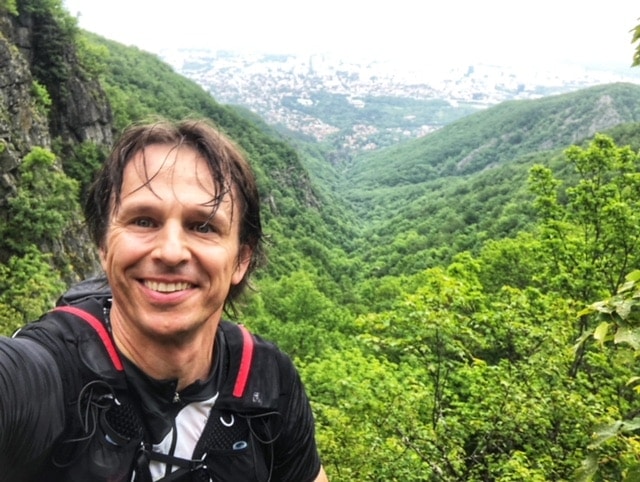
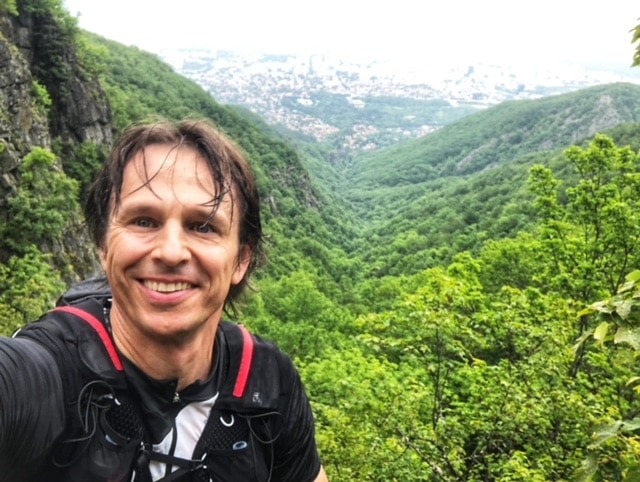
I packed my running backpack and twelve hours later I was standing at the foot of the Vitosha Mountains
Whit Monday is a public holiday in Belgium, and I always forget about it — so on Sunday morning I started scrambling for plans. I miss mountains in Brussels, so when I checked cheap flights, the decision was easy. A return ticket to Sofia (Bulgarian: Cофия) cost just 18 EUR. Bargain.
I packed my running backpack and just twelve hours after making the decision, I was standing at the foot of the Vitosha Mountains, which form a stunning backdrop to Bulgaria’s capital. The beauty of these mountains is that they’re less than a 20-minute taxi ride from Sofia Airport. If you’re flying from London, budget airlines like Wizz Air and Ryanair offer direct routes to Sofia, so you can easily replicate this kind of spontaneous adventure.
In the first five kilometres you climb almost 800 metres
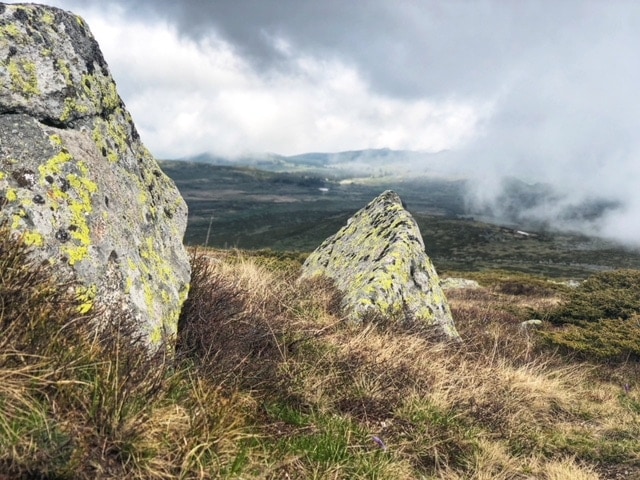
The run itself starts off as more of a brisk hike. Over the first five kilometres you gain almost 800 metres of elevation. As you climb, the terrain changes — mostly forest trails at first, but higher up expect loose gravel and huge boulders. I’d strongly recommend trail shoes. Road runners simply won’t cut it here, especially on the steep descent back down.
3 things that stand out about running in the Bulgarian mountains
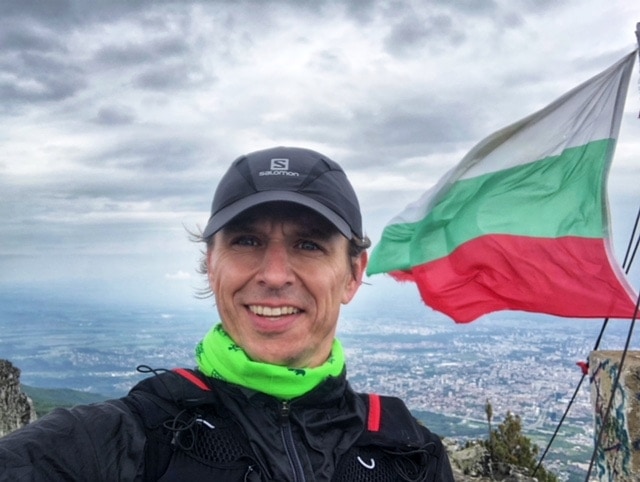
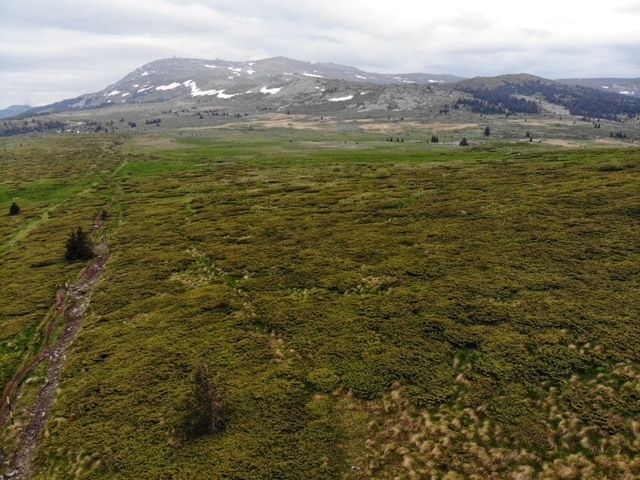
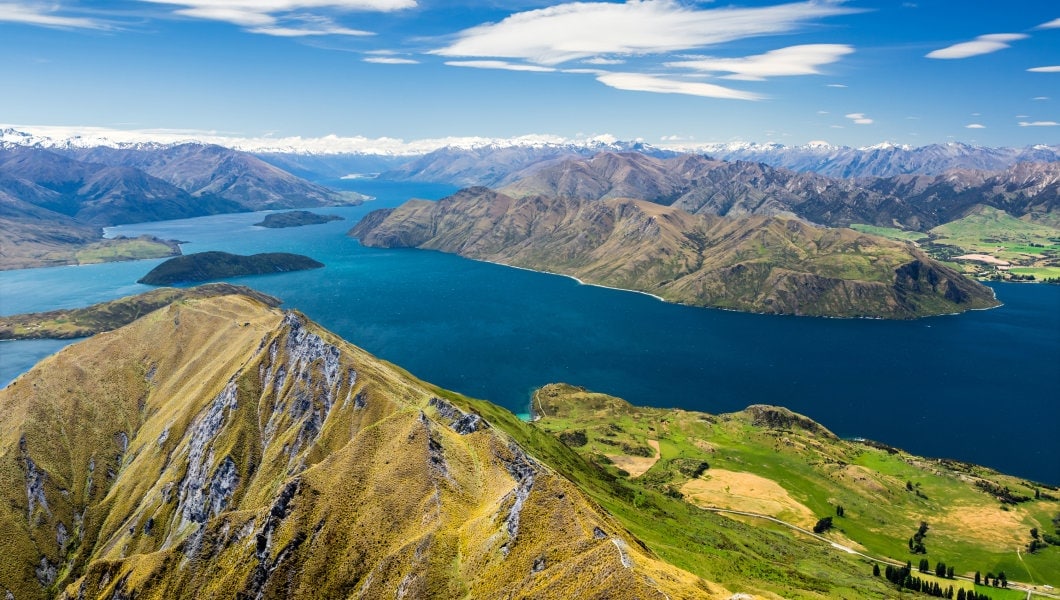
The altitude. You’re running high. The Vitosha massif has 10 peaks above 2,000 metres, the highest being Cherni Vrah (2,290 m). Lower down, you’ll pass through vast coniferous and deciduous forests. Higher up, classic alpine meadows take over. The plateau called Platoto is a striking wetland landscape.
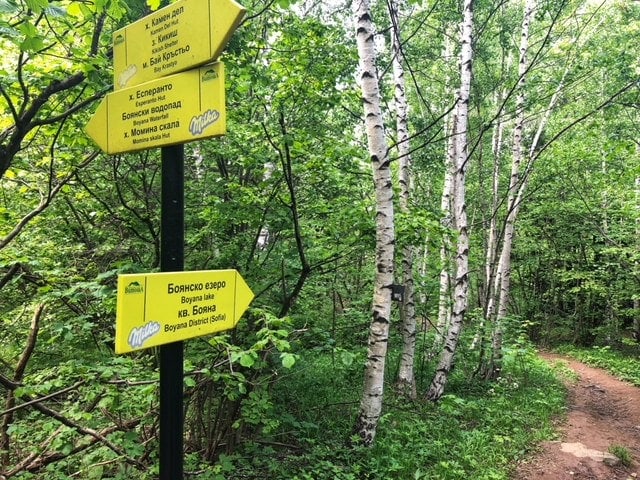
Trail markings leave a lot to be desired. The signage is an odd mix of socialist-era relics and hastily spent EU grants. There’s no real system to it, and without GPS on my phone I’d have been seriously lost. On the other hand, better signage wouldn’t make much sense given how few people are up here. In four hours of lovely weather, I passed just three other hikers. So forget about buying anything along the way — but if you’re after beautiful, crowd-free scenery, you’ve come to the right place.
Bulgaria is incredibly affordable. Accommodation, restaurants, transport — everything is significantly cheaper than in Western Europe or the UK. Your pounds will stretch a very long way here. You can find great deals on Booking.com for stays in Sofia.
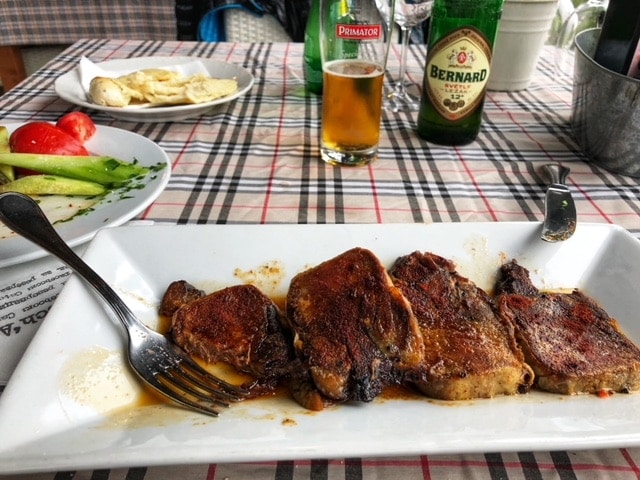
I always say I run so I can eat whatever I want, in whatever quantity. Bulgaria delivered on both fronts — an unforgettable trail experience and absolutely brilliant food. I have to say, I thoroughly enjoyed every minute of my day and a half. And if you ask me about trail running in Bulgaria? My answer: Just run!
Tips and Tricks for Your Vacation
Don’t Overpay for Flights
Search for flights on Kayak. It’s our favorite search engine because it scans the websites of all airlines and always finds the cheapest connection.
Book Your Accommodation Smartly
The best experiences we’ve had when looking for accommodation (from Alaska to Morocco) are with Booking.com, where hotels, apartments, and entire houses are usually the cheapest and most widely available.
Don’t Forget Travel Insurance
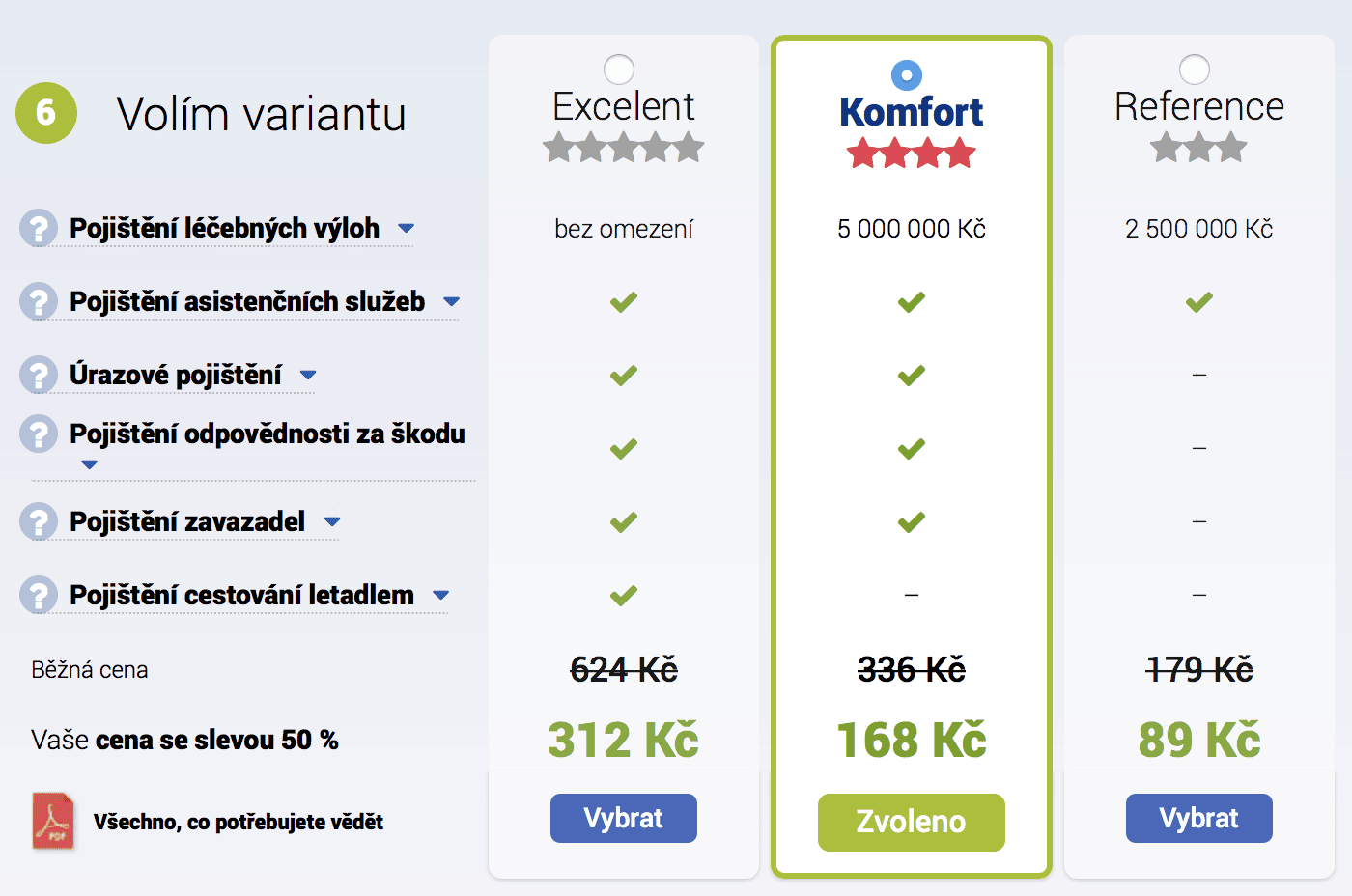
Good travel insurance will protect you against illness, accidents, theft, or flight cancellations. We’ve had a few hospital visits abroad, so we know how important it is to have proper insurance arranged.
Where we insure ourselves: SafetyWing (best for everyone) and TrueTraveller (for extra-long trips).
Why don’t we recommend any Czech insurance company? Because they have too many restrictions. They set limits on the number of days abroad, travel insurance via a credit card often requires you to pay medical expenses only with that card, and they frequently limit the number of returns to the Czech Republic.
Find the Best Experiences
Get Your Guide is a huge online marketplace where you can book guided walks, trips, skip-the-line tickets, tours, and much more. We always find some extra fun there!
Whether you’re planning a quick trip abroad or a 10-month backpacking journey through South America, you’ll always need the best travel insurance you can find. But which travel insurance should you actually go for? As avid travellers ourselves, we know exactly what you need from your cover. We’ve compared the top providers and picked our winners for both short and long trips.
The starting point for choosing your insurance is knowing how long you’ll be away. Most insurers offer travel insurance for a maximum of three months. After that, you either need to prove you’ve returned home, or you’ll end up paying significantly more.
For shorter trips (1–90 days), we recommend a standard travel insurance policy from a reputable UK provider — you can easily compare travel insurance quotes using comparison sites. For longer trips, we wholeheartedly recommend SafetyWing and True Traveller, which specialise in digital nomads and serious travellers. We’ve covered these in detail in our article about long-term travel insurance. We put in the work — we went through all the providers, compared their prices, coverage, and user reviews. We actually use both of these insurers ourselves. 😊
Best Travel Insurance for Short Trips (Up to 90 Days)
For short trips of up to 90 days, using a UK-based comparison site is the easiest way to find affordable cover. Sites like GoCompare, CompareTheMarket, and MoneySupermarket let you quickly compare travel insurance quotes from dozens of providers. Simply enter your destination, trip length, and any pre-existing conditions to see all available options side by side. You can filter by price, coverage level, or specific features like adventure sports cover.
When choosing travel insurance, always consider the length of your stay abroad and whether you’ll be doing any extreme sports
If you’re planning to do any adventure or extreme sports, expect to pay a surcharge. This also applies to mountaineers — activities at altitudes above 3,500 metres and strenuous hiking are typically classified as high-risk.
One of the biggest advantages of buying travel insurance online is speed. We often purchase our cover on the day of travel — right from the train or the car. You can take out a policy online and it kicks in almost immediately. You just need to pay by card, and your documents will land in your inbox within minutes. Most policies activate within a few hours of purchase.
Choosing a travel insurance package is straightforward — we always recommend going for the maximum coverage.
Since we’ve thankfully never had to make a claim ourselves (touch wood!), we asked our followers on social media about their experiences with various providers.
Comparing Travel Insurance — How to Find the Best Deal
If you’d rather not take our word for it and want to explore all your options, definitely try using a comparison site. Simply enter where you’re going and for how long. You’ll see offers from all major insurers, and you can filter them by price, coverage limits, or specific needs. It’s by far the quickest way to compare travel insurance and find the right policy for you.
We often head out on slightly daring hikes and treks, so solid travel insurance is an absolute must for us
Travel Insurance Comparison Tips
When comparing travel insurance in the UK, sites like GoCompare, MoneySupermarket, and CompareTheMarket are your best friends. Just pop in your destination and trip dates, and you’ll get a clear overview of what’s on offer from all the main providers. You can easily filter results by price or coverage level to find exactly what suits your needs.
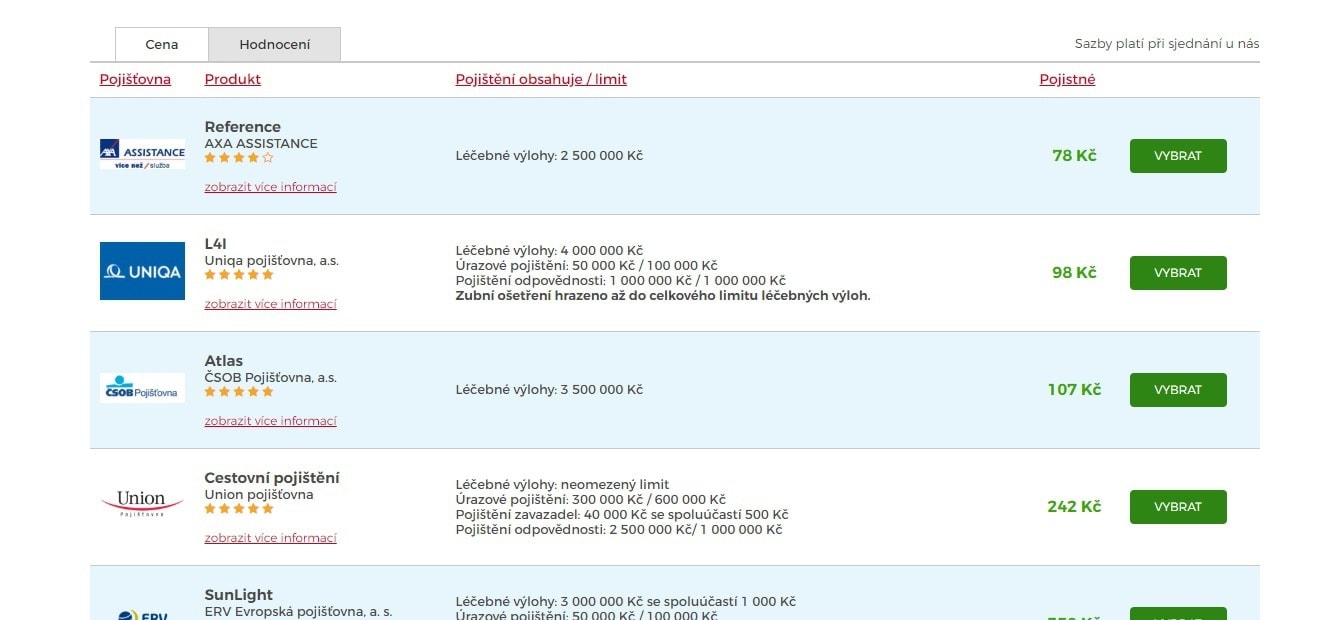
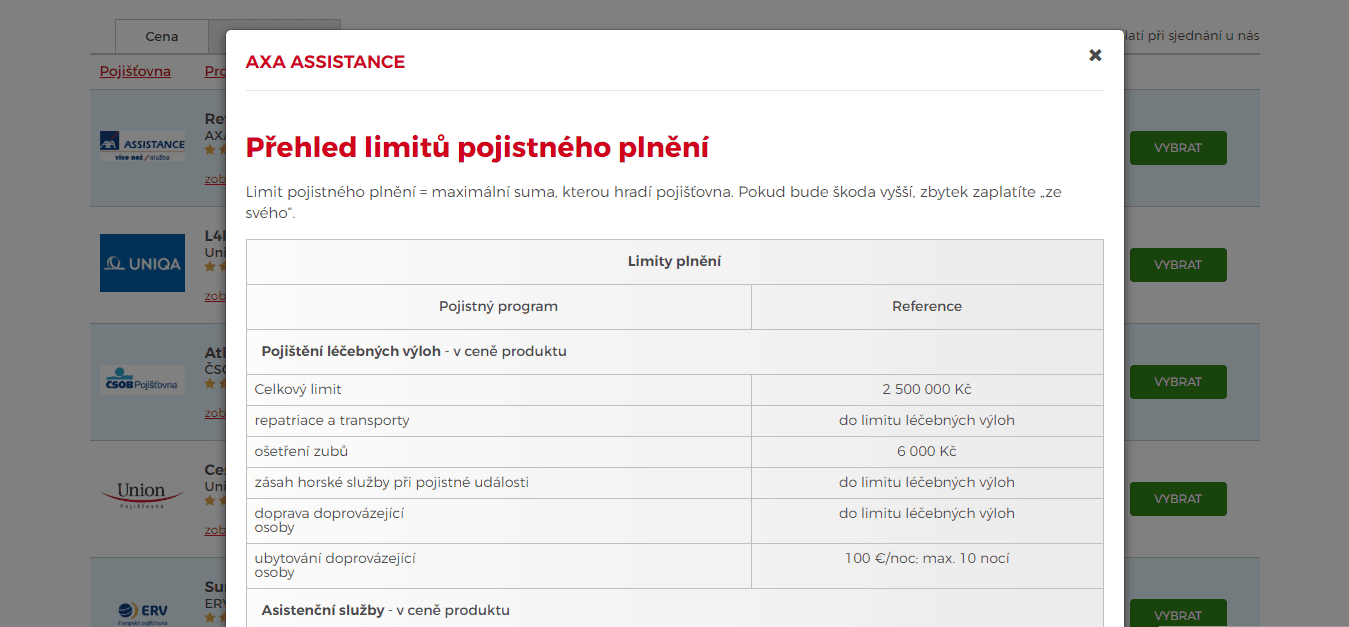
A typical travel insurance comparison website layout
We tested a few comparison tools to see how much a week of European travel insurance would cost. The result? Several providers came in at very similar prices, so you have plenty of choice. The beauty of comparison sites is that you can see all the coverage limits in one place and pick the policy that works best for you — all on a single page.
Expanding the details in an insurance comparison tool
TIP: Don’t forget to check whether your bank account or credit card already includes some level of travel cover — many do, and it could save you money!
It’s also worth checking what each policy covers in terms of pandemic-related disruptions. Many providers now include Covid-19 cover as standard, but it’s always wise to read the fine print.
Annual & Long-Term Travel Insurance (90+ Days)
If you’re planning to travel for an extended period — say a year, or you simply don’t know when your adventure will end — we’d strongly recommend SafetyWing or True Traveller. They’re international insurers that offer genuinely excellent terms for long-term travellers, far beyond what most standard UK annual policies provide.
💡TIP: Read our in-depth guide to long-term travel insurance in our dedicated article!
Long-Term Travel Insurance with SafetyWing
Norwegian company SafetyWing launched in 2018 with a unique insurance model designed specifically for digital nomads, freelancers, and frequent travellers. You pay on a monthly basis (every 28 days). No complicated decisions — within minutes you’ll have an account set up, pay by card, and you’re covered for the month.
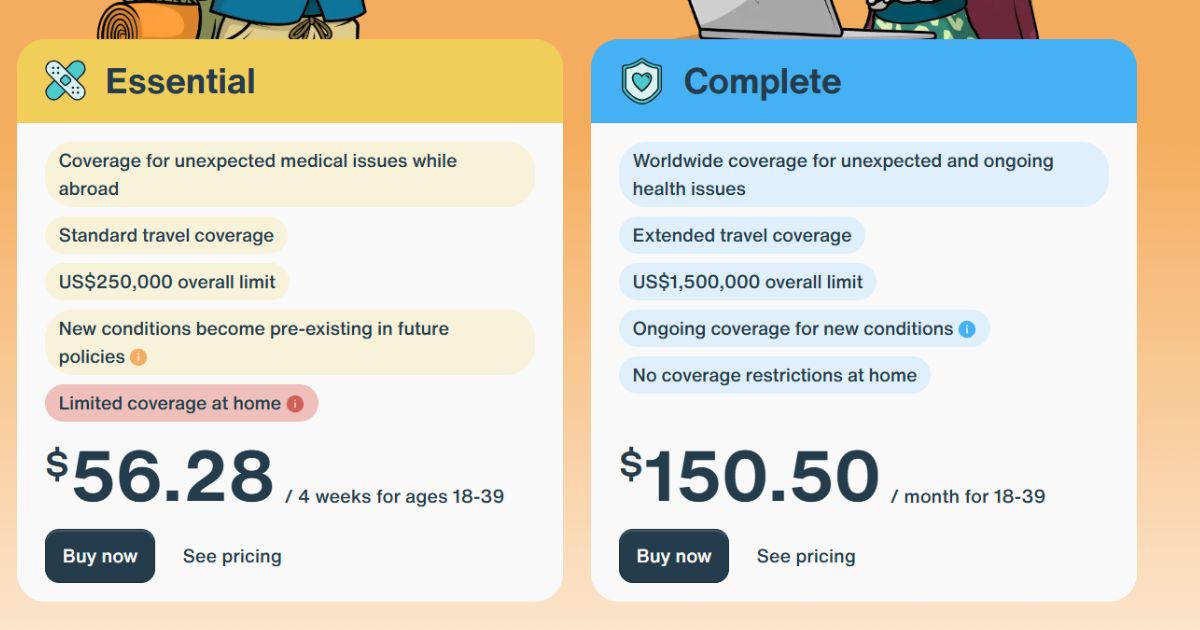
SafetyWing offers two different plans (Essential and Complete), billed monthly. If you’re not travelling, you can easily pause your cover. You can sign up online even if you’re already abroad, and there’s no requirement to return to your home country after a set period.
The Essential plan for individuals aged 10–39 starts at $56.28 per month (with optional add-ons for US coverage or adventure sports). It covers medical treatment, hospitalisation, emergency transport, lost luggage, trip interruption, and flight delays. The overall coverage limit is $250,000 per incident.
For more comprehensive protection, there’s the Complete plan. The main advantage here is the high overall coverage limit of $1,500,000. It covers not only unexpected medical emergencies but also ongoing healthcare and preventive check-ups. Additional benefits include:
Costs for trip delays or interruptions due to family emergencies.
Repatriation or funeral costs in the event of death.
The Complete plan for ages 18–39 starts at $150.50 per month, with the option to add US coverage or adventure sports.
SafetyWing insurance plans overview
Long-Term Travel Insurance with True Traveller
True Traveller insurance is made for travellers like us! If you have no idea which hemisphere you’ll be on next month, True Traveller is perfect for you. You can get covered for up to 18 months, and the policy includes all sorts of activities you might get up to on the road. Show us another insurer that covers bungee jumping or skydiving at no extra cost.
True Traveller is a British insurer, so everything is handled in English — which makes it particularly convenient for UK-based travellers. Their claims process is straightforward and their customer service is highly rated.
Why is True Traveller’s annual insurance better than standard policies?
Coverage up to £10,000,000
Policies available for up to 18 months with the option to extend
Medical expenses paid directly while you’re on the road
90+ sports and activities covered in the base policy
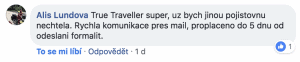
With True Traveller, you don’t need to cut your trip short to make a claim. You can report an incident online and have the money in your account within five days. No convoluted processes like with traditional insurers. You can get your policy here.
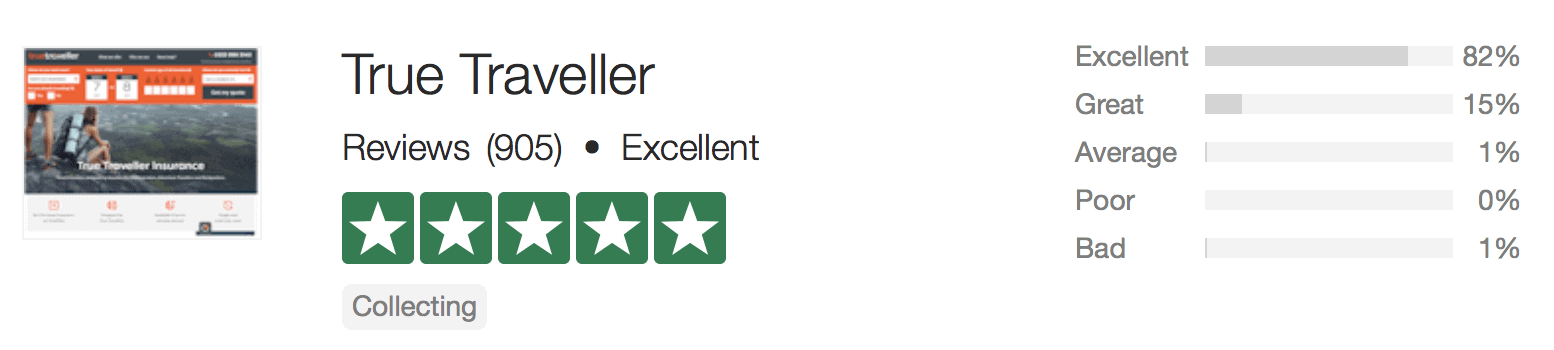
True Traveller boasts a top rating on Trustpilot.com. A whopping 97% of 905 reviews rate True Traveller as excellent.
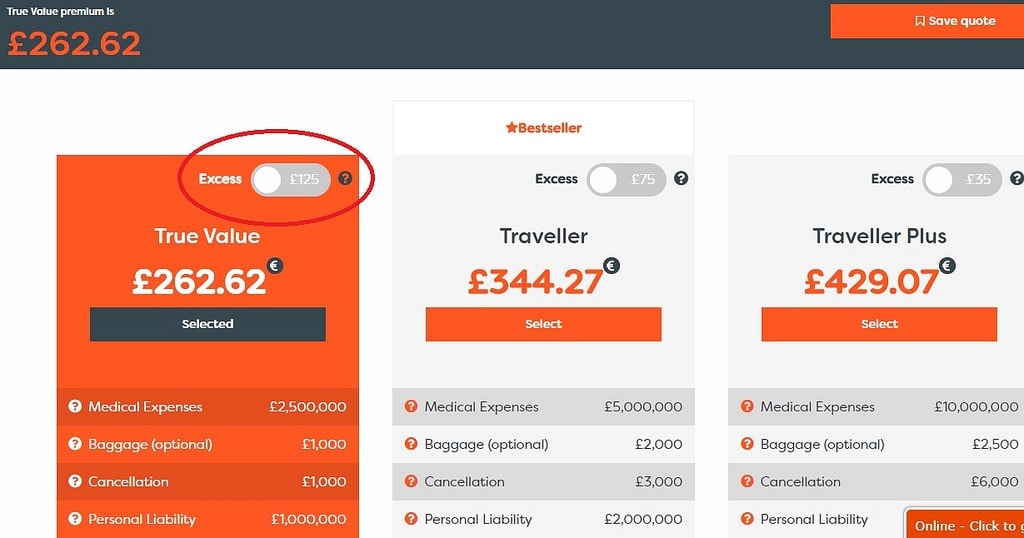
True Traveller offers three plan tiers: True Value, Traveller, and Traveller Plus. The first is the cheapest and doesn’t include things like missed flight cover. That said, you’ll likely find that even the basic tier is more than sufficient compared to most standard travel insurance options.
Don’t Forget This When Ordering
When placing your order, make sure you tick the option for zero excess. For an annual policy, it costs roughly $50 extra — practically nothing. If you don’t, you’ll have a minimum excess of €140, which means you’d end up paying for most minor issues out of your own pocket.
Add-On Packs
Once you’ve selected your base plan, you can choose from add-on packs. There are three: Traveller Pack, Adventure Pack, and Extreme Pack.
The Traveller Pack comes free with every new policy and covers most standard sports, including snorkelling and diving down to 18 metres.
If you’re planning to work abroad, you’ll need the Adventure Pack, which covers manual labour and volunteering.
It’s ideal for those of you who want to travel for longer than three months and prefer to go with the flow rather than stick to a rigid plan. The insurance is affordable, the sign-up process is quick, and the add-on packs let you tailor your cover to your exact needs.
Search for flights on Kayak. It’s our favorite search engine because it scans the websites of all airlines and always finds the cheapest connection.
Book Your Accommodation Smartly
The best experiences we’ve had when looking for accommodation (from Alaska to Morocco) are with Booking.com, where hotels, apartments, and entire houses are usually the cheapest and most widely available.
Don’t Forget Travel Insurance
Good travel insurance will protect you against illness, accidents, theft, or flight cancellations. We’ve had a few hospital visits abroad, so we know how important it is to have proper insurance arranged.
Where we insure ourselves: SafetyWing (best for everyone) and TrueTraveller (for extra-long trips).
Why don’t we recommend any Czech insurance company? Because they have too many restrictions. They set limits on the number of days abroad, travel insurance via a credit card often requires you to pay medical expenses only with that card, and they frequently limit the number of returns to the Czech Republic.
Find the Best Experiences
Get Your Guide is a huge online marketplace where you can book guided walks, trips, skip-the-line tickets, tours, and much more. We always find some extra fun there!
TL;DRBloggers have to comply with GDPR just like businesses, if you collect emails, run comments, use a contact form, Google Analytics or hold competitions. The guide breaks it down into 8 steps: using checkboxes for explicit consent, setting up double opt-in confirmation, writing a Privacy Policy and putting it on your site, telling existing subscribers or asking them to re-confirm consent, thinking through your form structure when tagging readers, working with “legitimate interest”, sorting out cookies and Google Analytics with plugins like WP GDPR Compliance or Cookie Law, and making sure readers can access their own data. The authors point out they’re not lawyers — this is just their own reading of the regulation, in force since May 2018.
At the end of May 2018, the EU’s General Data Protection Regulation (GDPR) came into effect — and it’s something every blogger needs to take seriously. These are the new rules for anyone collecting personal data within the EU, such as email addresses, IP addresses, and more. If you’re one of the many GDPR bloggers still trying to figure out what to do, this guide is for you.
Search for flights on Kayak. It’s our favorite search engine because it scans the websites of all airlines and always finds the cheapest connection.
Book Your Accommodation Smartly
The best experiences we’ve had when looking for accommodation (from Alaska to Morocco) are with Booking.com, where hotels, apartments, and entire houses are usually the cheapest and most widely available.
Don’t Forget Travel Insurance
Good travel insurance will protect you against illness, accidents, theft, or flight cancellations. We’ve had a few hospital visits abroad, so we know how important it is to have proper insurance arranged.
Where we insure ourselves: SafetyWing (best for everyone) and TrueTraveller (for extra-long trips).
Why don’t we recommend any Czech insurance company? Because they have too many restrictions. They set limits on the number of days abroad, travel insurance via a credit card often requires you to pay medical expenses only with that card, and they frequently limit the number of returns to the Czech Republic.
Find the Best Experiences
Get Your Guide is a huge online marketplace where you can book guided walks, trips, skip-the-line tickets, tours, and much more. We always find some extra fun there!
TL;DRPrague’s best hipster cafés, according to specific recommendations, come down to ten spots: Coffee Room, with Saturday breakfasts running until 2pm, Vietnamese-style Cafefin and the newer Ca Phé in Holešovice, Karlín’s Parlor Café, the Signature café inside Vnitroblock, retro Tricafe near Charles Bridge on Anenská, romantic Cathedral Café, crypto hangout Paralelní Polis with fast wifi, Spižírna 1902 for bagels, and Žižkov’s Žižkavárna for its walnut cake. As a bonus tip, the article recommends Alza Café whole beans, a 100% Arabica from South and Central America at 299 Kč per kilo. For brunch, Coffee Room is your best bet, thanks to its extended Saturday breakfasts and much-loved avocado toast.
Looking for the best cafes in Prague – whether it’s a hipster coffee shop or an Instagram-worthy gem with outstanding coffee? You’ve come to the right place. Since we had to base ourselves in Prague for 9 months, I decided to make the most of it and explore the city’s café scene. Here are the first 10 unique cafes in Prague that are absolutely worth a visit.
1) Best Breakfast at Coffee Room
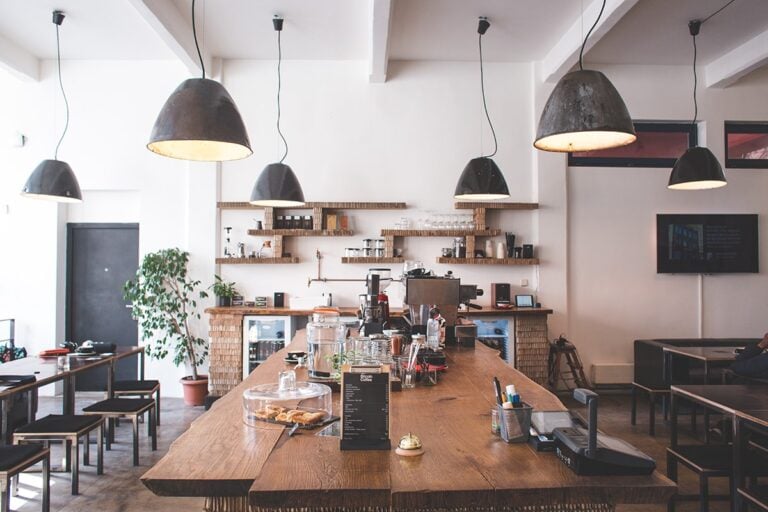
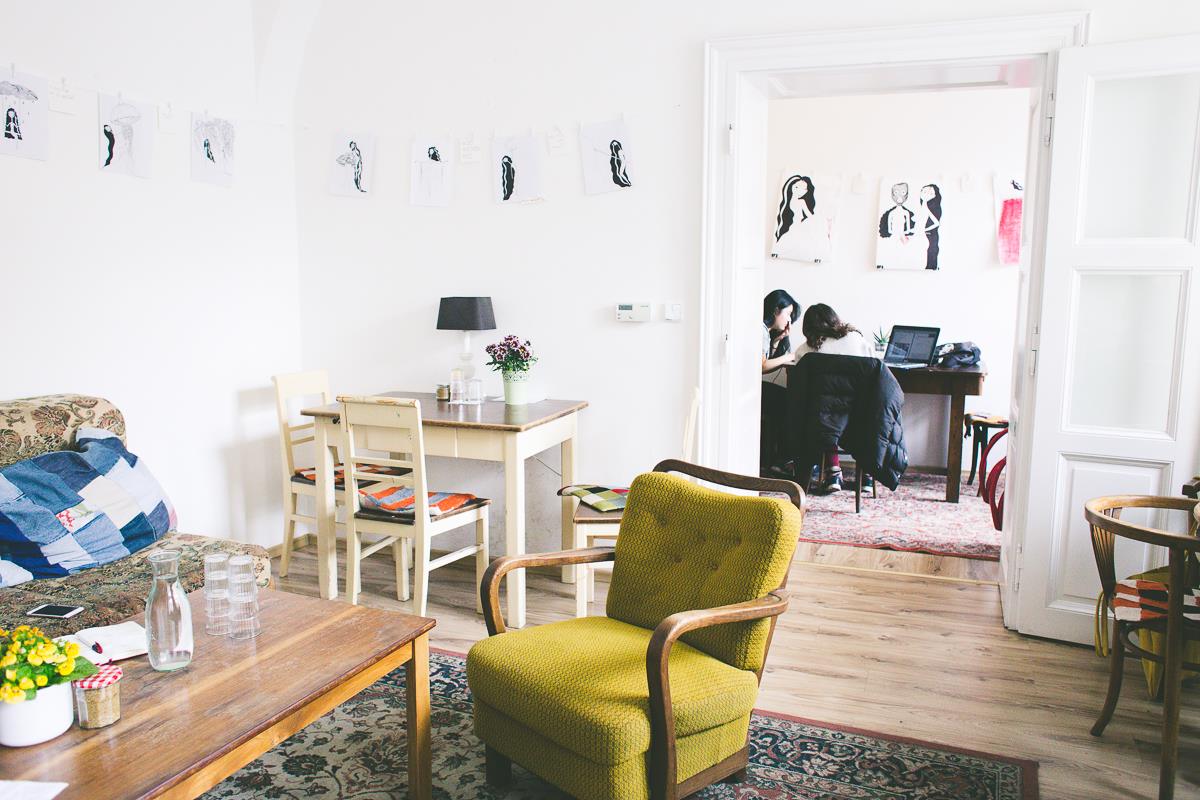
Ever since I first shared Coffee Room on Facebook, quite some time has passed – and since then, we’ve brought practically every visitor of ours here. Why? One reason is that they serve Saturday breakfast until 2 PM, so there’s no need to rush. And also because we absolutely love their avocado toast.
2) The Most Popular Hipster Café is Cafefin
A Vietnamese café that is probably the most popular among Prague locals – especially bloggers and Instagrammers. If you head here, there’s a good chance you’ll have to queue for a table. It can also get quite noisy at times. But the food is excellent, and there are always fresh flowers on the tables.
3) Vietnamese Café in Holešovice – Ca Phé
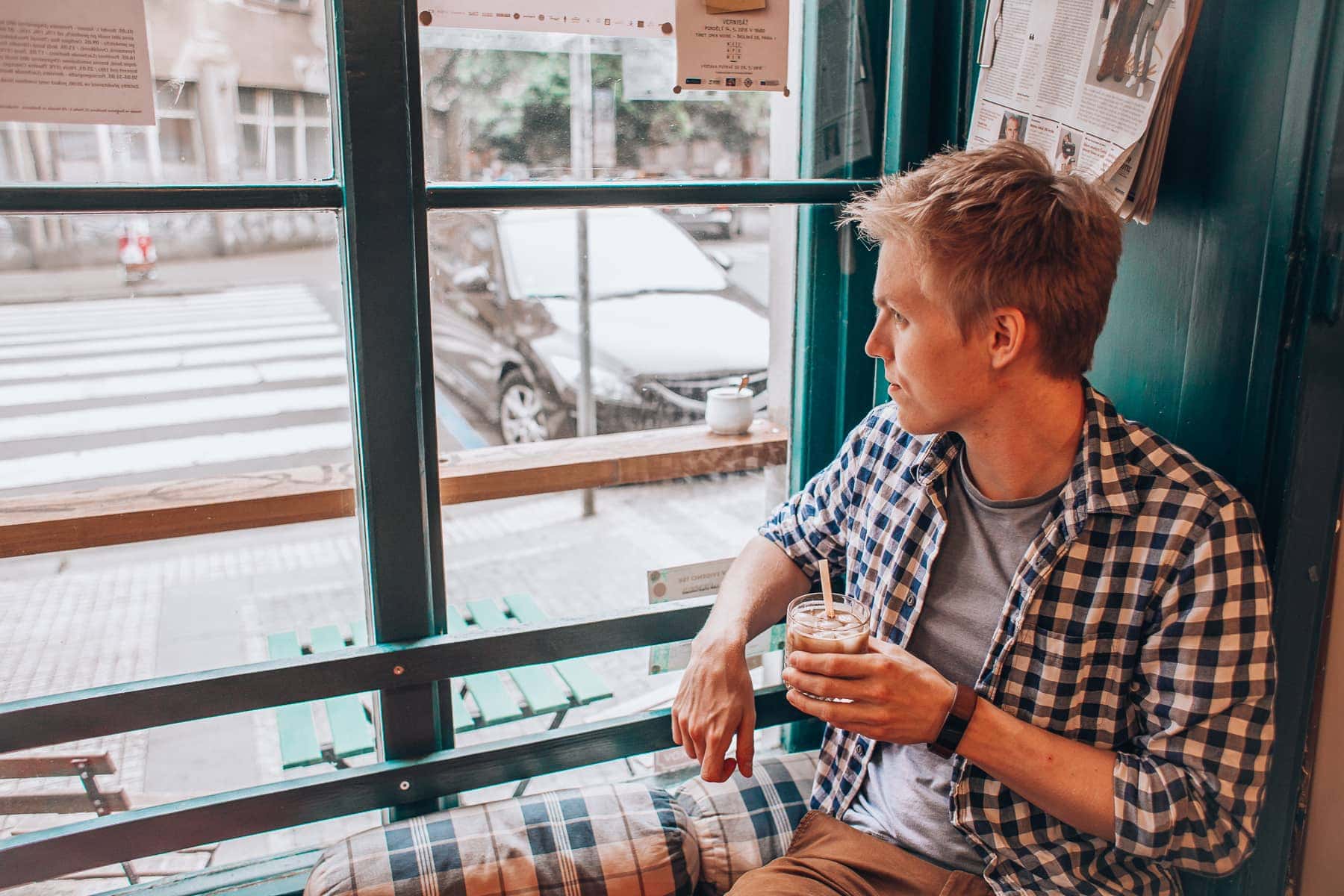
Lovers of Vietnamese Pho soup – pay attention. At this café, you can even have it for breakfast. We ordered an iced coffee with soy milk, a Pho, and sweet rice with fruit. Lukáš claimed it was the best Pho he’d had in ages, and I was blown away by the coffee. I desperately need this variety at home.
4) In Karlín You’ll Find Parlor Café
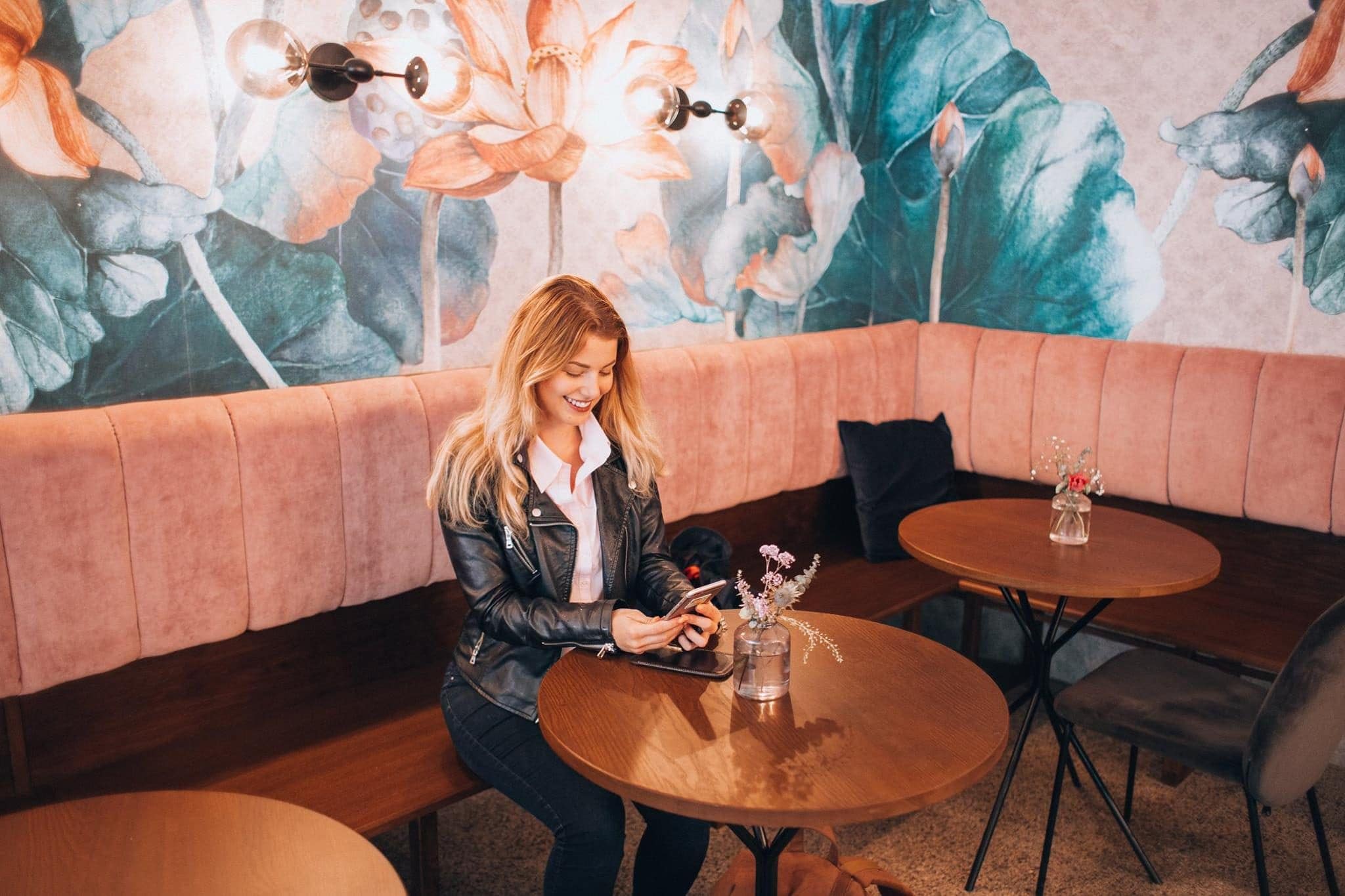
When I first went there, they had such a good-looking waiter that even Lukáš nearly blushed. 😄 Okay, that was a quick detour from coffee and cafés. This place is even more beautiful in person than in photos – flowers everywhere and the whole space just radiates calm. An ideal café for long chats with friends or a romantic date.
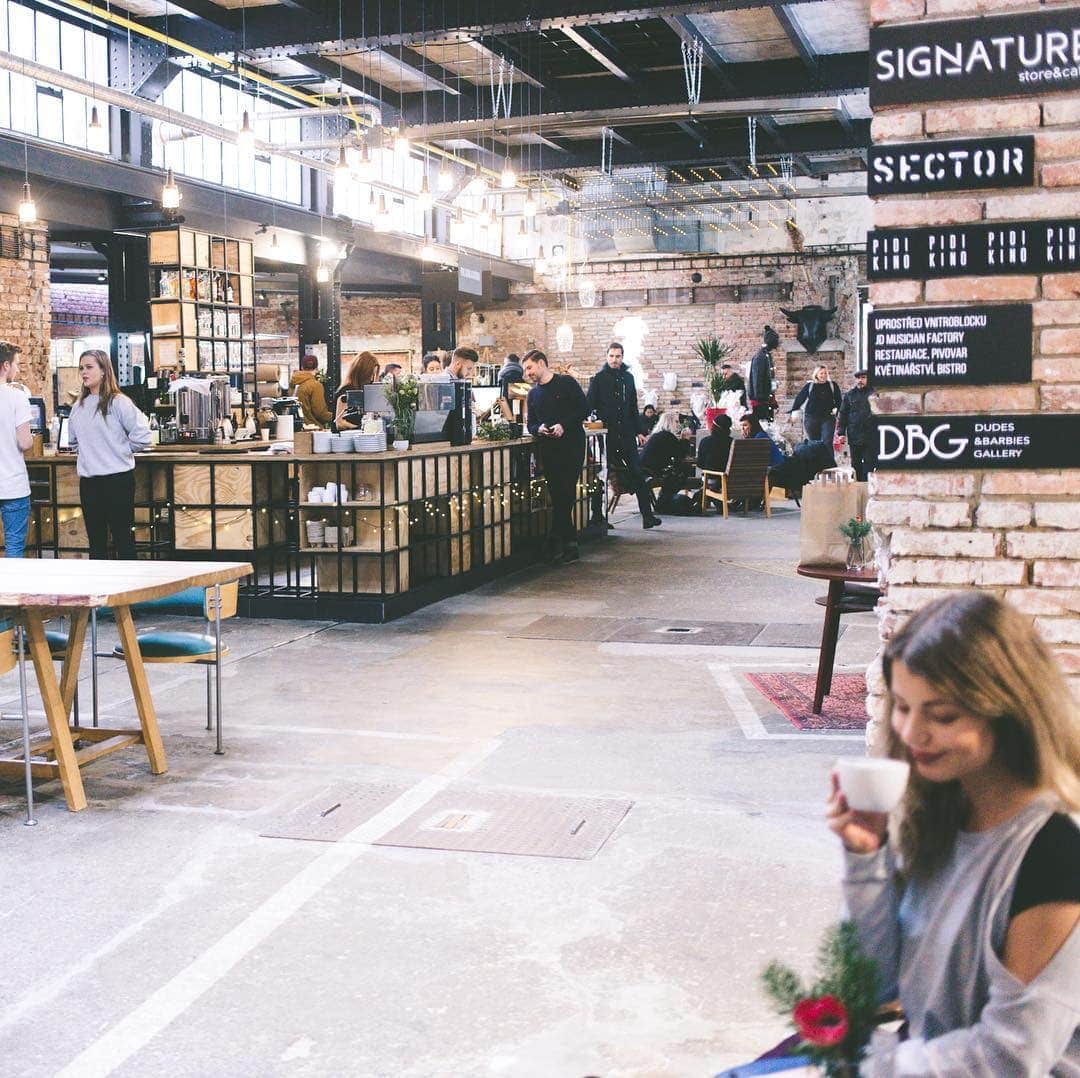
5) SIGNATURE Café at Vnitroblock
Vnitroblock in Holešovice is a fantastic spot for coffee, food, or a work meeting. If you’ve ever spent time in North America, you’ll feel right at home here. Besides food and coffee, you can also pick up some smaller designer items.
6) Retro Café on Anenská Street – TRICAFE
The charming retro café TRICAFE is located just steps from Charles Bridge on Anenská Street. I can’t believe I only discovered it recently – it’s just around the corner from my school, and they brew excellent coffee and serve amazing quiche! Plus, it’s one of the few famous cafes in Prague that tourists haven’t found yet, so you can easily grab a seat.
7) Romantic Cathedral Café
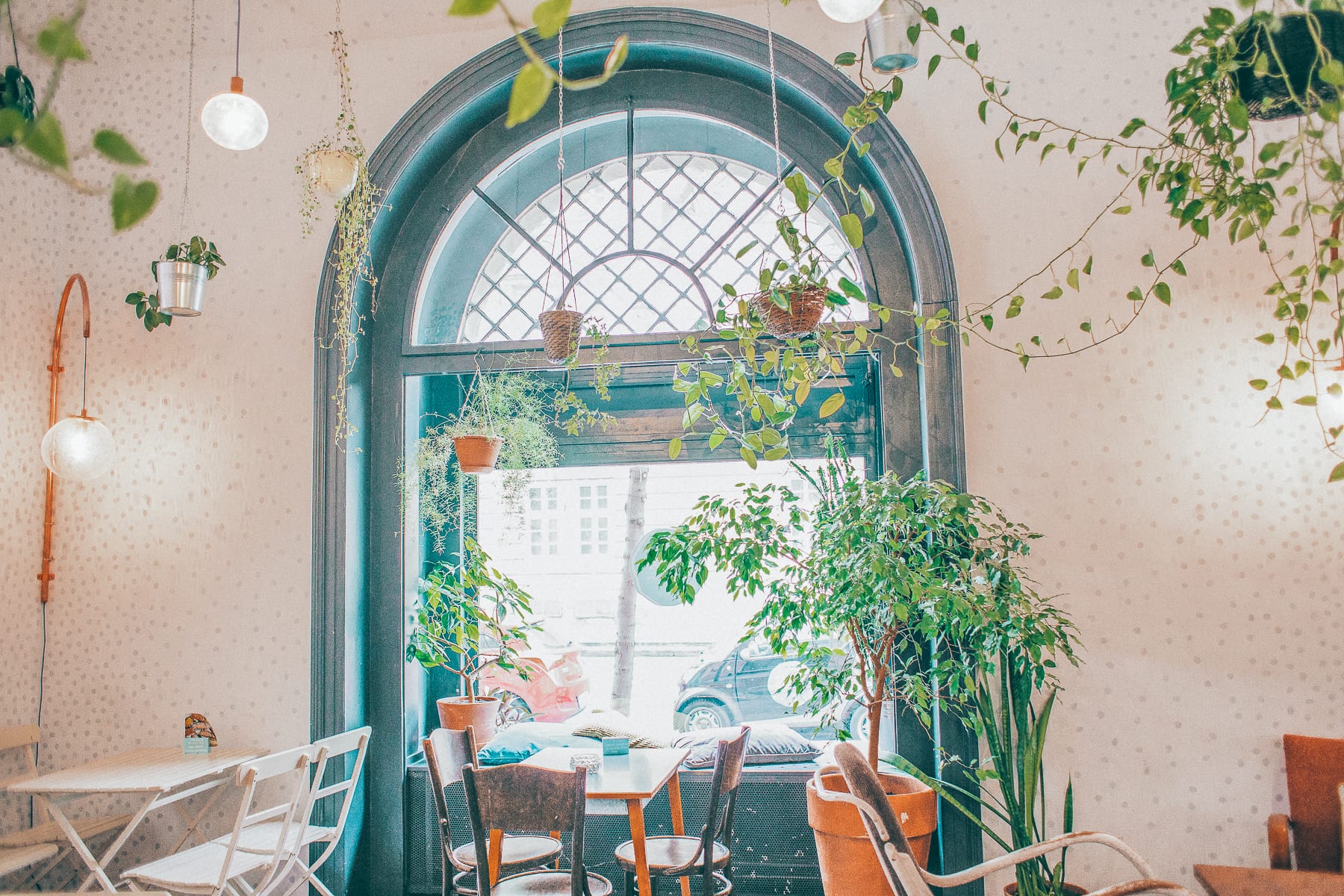
A hidden gem in the heart of Prague that remains a secret from tourists. You can enjoy fantastic pancakes or our favourite coffee by Double Shot. A place where even in winter, it feels like you’re sitting in a garden. If you’re looking for the best cafe in Prague Old Town, this one is a strong contender.
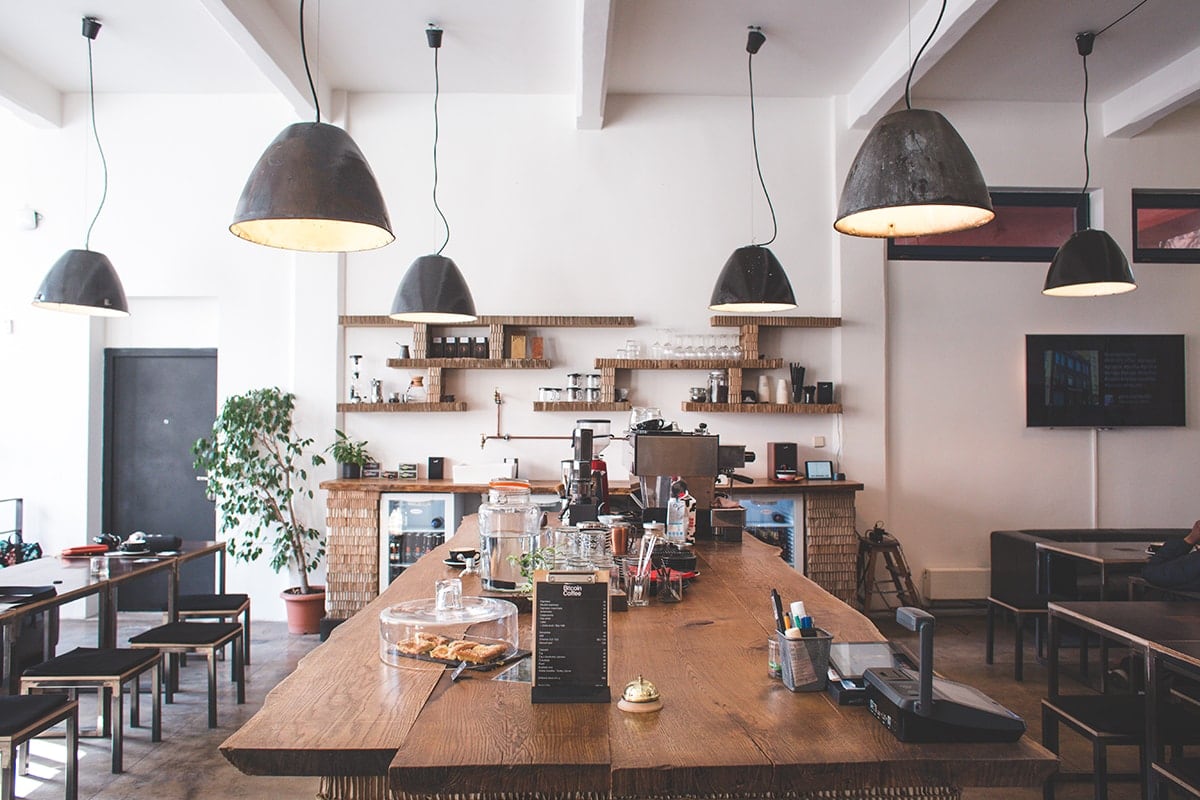
8) Cryptocurrency Café – Paralelní Polis
If you’re looking for a quiet place to work, try Paralelní Polis. Besides excellent coffee, they have what is probably the fastest internet in all of Prague. The catch? You have to pay with cryptocurrency – but you can buy it on the spot, and it takes about 30 seconds. Definitely one of the most unique cafes in Prague.
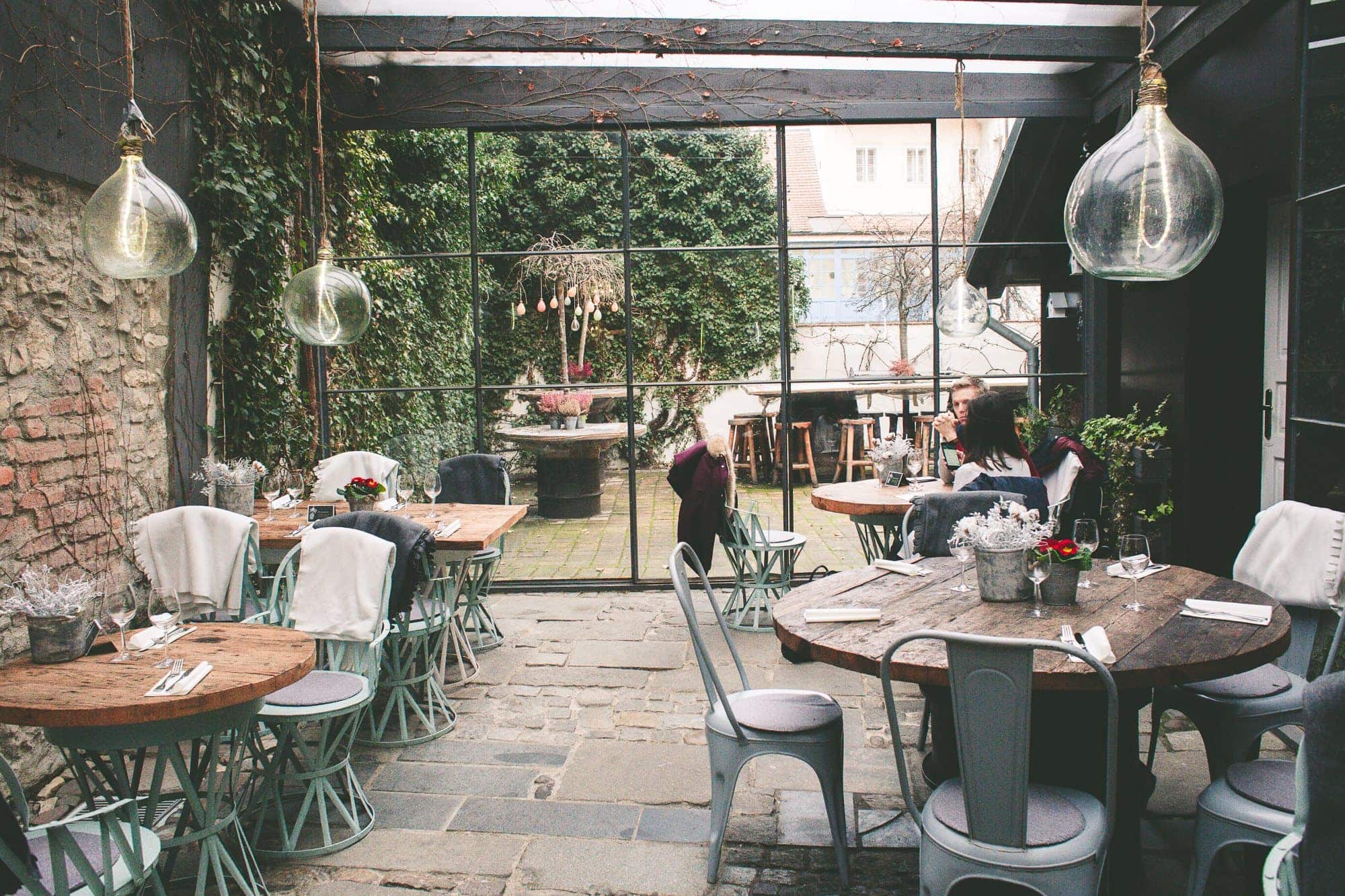
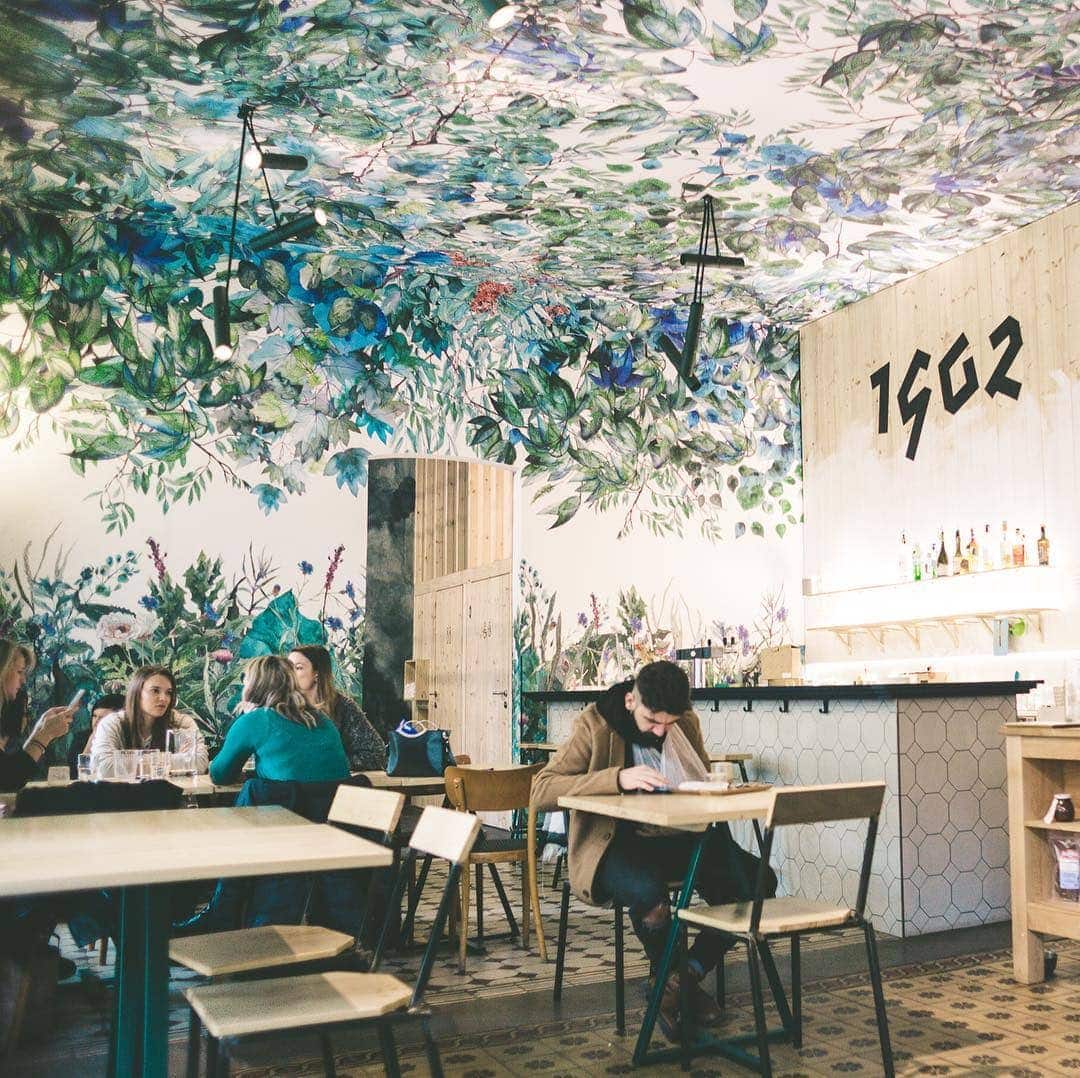
9) Floral Restaurant with Great Coffee – Spižírna 1902
Okay, this one is more of a restaurant than a café, but that doesn’t mean they don’t make amazing coffee – quite the opposite, in fact. It’s a favourite for its stunning floral wallpaper, delicious bundt cake, and bagels.
10) Experience Authentic Žižkov at Žižkavárna
A small café with its own unique charm and an incredible walnut cake. Here you’ll get a real taste of the Žižkov neighbourhood and meet locals. You can sit outside and watch the Žižkov hustle and bustle, or tuck yourself inside with a book and a coffee – nobody will disturb you. No need to worry about tourist crowds here.
BONUS – Tip for Excellent Coffee
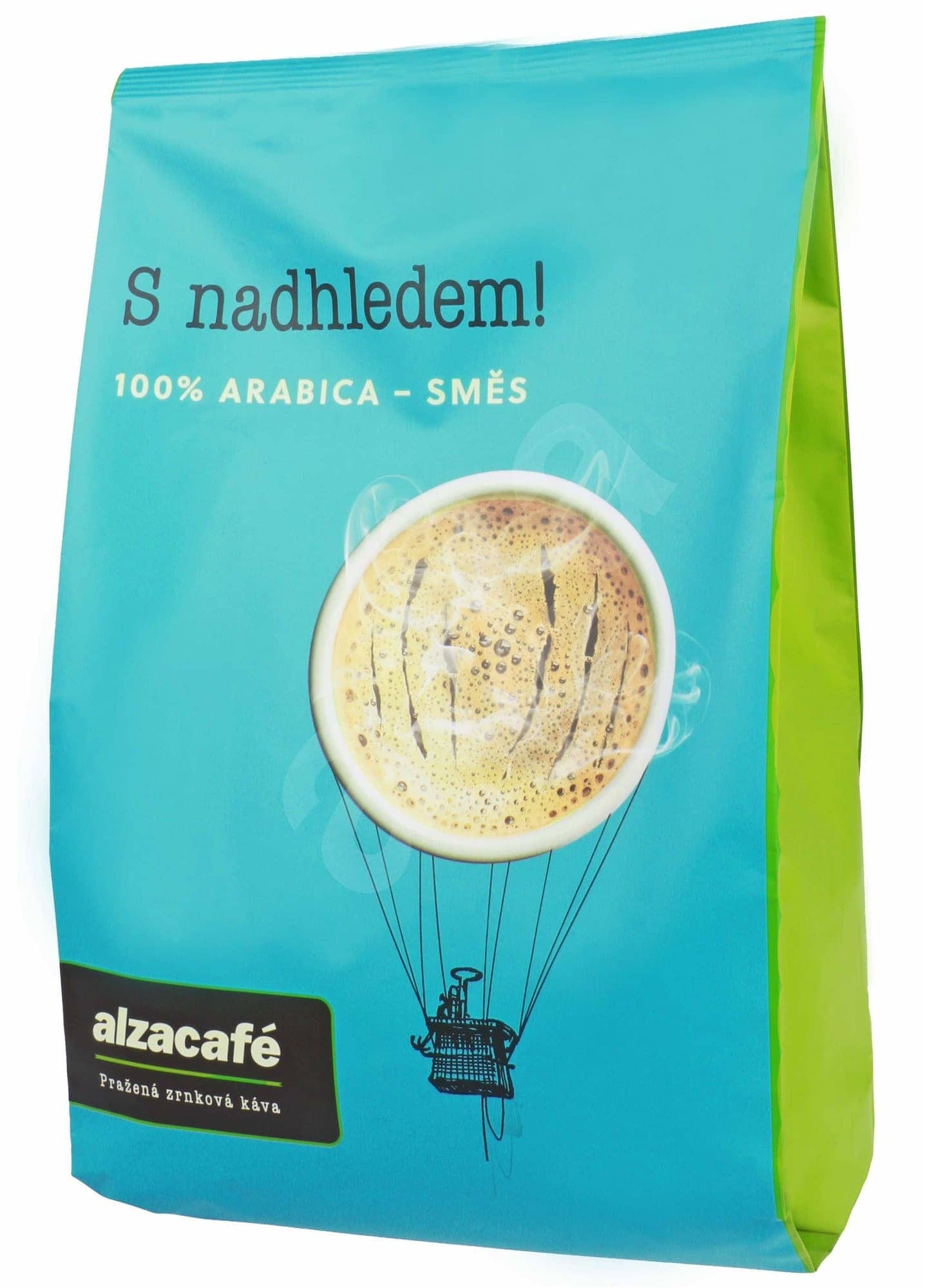
Our never-ending hunt for good coffee paused for a while when we got Alza Café whole bean coffee for home. It sounds crazy – we’re not exactly fans of that green mascot either – but this coffee is simply outstanding. 100% Arabica from South and Central America, 1 kg for about €12. Highly recommended! 🙂
🔗 These are affiliate links — they don't change your price and help us create content. · All experiences →
Tips and Tricks for Your Vacation
Don’t Overpay for Flights
Search for flights on Kayak. It’s our favorite search engine because it scans the websites of all airlines and always finds the cheapest connection.
Book Your Accommodation Smartly
The best experiences we’ve had when looking for accommodation (from Alaska to Morocco) are with Booking.com, where hotels, apartments, and entire houses are usually the cheapest and most widely available.
Don’t Forget Travel Insurance
Good travel insurance will protect you against illness, accidents, theft, or flight cancellations. We’ve had a few hospital visits abroad, so we know how important it is to have proper insurance arranged.
Where we insure ourselves: SafetyWing (best for everyone) and TrueTraveller (for extra-long trips).
Why don’t we recommend any Czech insurance company? Because they have too many restrictions. They set limits on the number of days abroad, travel insurance via a credit card often requires you to pay medical expenses only with that card, and they frequently limit the number of returns to the Czech Republic.
Find the Best Experiences
Get Your Guide is a huge online marketplace where you can book guided walks, trips, skip-the-line tickets, tours, and much more. We always find some extra fun there!
TL;DRYou can line up free accommodation almost anywhere through more than ten trusted platforms. Couchsurfing and Hospitality Club get you a sofa at a fellow traveller’s place, while house-sitting sites like Trusted Housesitters ($129/year), Housecarers ($50/year), Aussie Housesitters ($84/year), Housesitmatch ($85/year) and Nomador (€79/year) let you look after homes and pets everywhere from Peru to Spain to Australia. Another option is volunteering in exchange for food and a bed through Workaway (€23 for two years), Helpx (€20 for two years) or WWOOF ($0–72 depending on the country), where 4–6 hours of work a day gets you full board. A decent profile photo, a clean criminal record check and good references all boost your chances of being picked by a host.
Accommodation is often one of the biggest expenses when travelling. Expensive accommodation was the reason behind our outrageous bill from a few days in Dublin – we simply searched too late and there was nothing else available. So always book your accommodation well in advance. And if you want to save on accommodation entirely, you can actually find free accommodation around the world. How? Read on to find out.
Free accommodation
10 Websites for Free Accommodation
We’ve compiled 10 tried-and-tested websites where you can find free accommodation or accommodation for free in exchange for a small favour.
A long-standing phenomenon is Couchsurfing – sleeping on a couch at a fellow traveller’s place. I don’t think there’s anyone left who hasn’t heard of this way of travelling.
Hospitality Club may not have as polished a website as Couchsurfing, but it’s been running for years. Here too, you can find a couch or bed at fellow travellers’ homes – people who love meeting other globetrotters.
Want to Stay Somewhere Longer? Try House Sitting or Pet Sitting
If you’re flexible about location and dates and want to stay somewhere for a longer period, try house-sitting (which often also includes pet sitting – looking after someone’s pets). This way, you’ll get real comfort and the chance to live like a local.
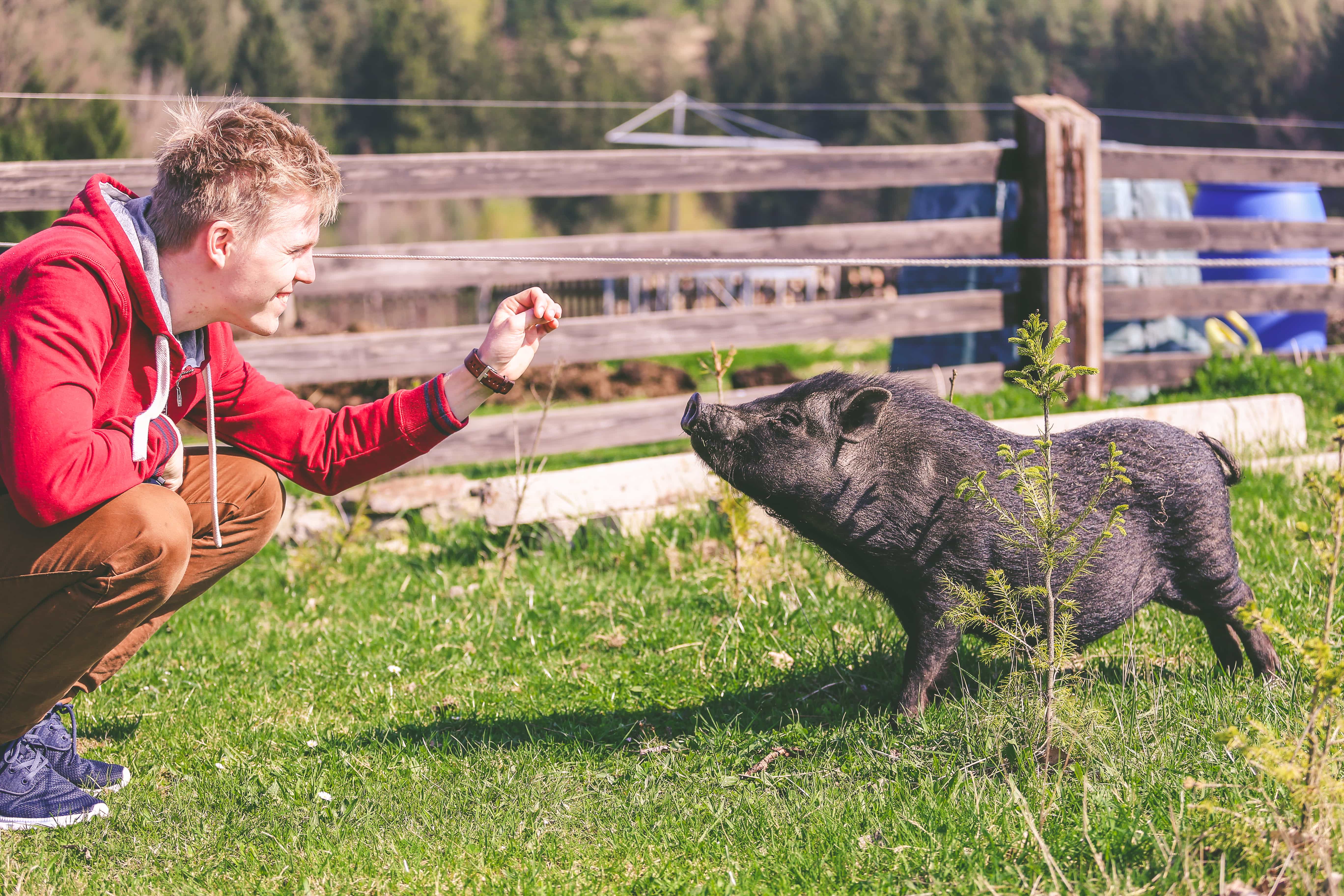
How would you feel about looking after this cutie? 😅
All you have to do is take care of the house – sometimes that means mowing the lawn, watering the plants, or feeding the animals and walking the dogs. On these websites, you’ll find houses all over the world – from Peru to Spain to Australia.
Most of these sites charge a membership fee, and at first glance it might seem like a lot. For example, the most popular one, Trusted Housesitters, costs $119 per year. But even if you only house-sit for a week, that works out at $17 per day.
That’s cheaper than a hostel in many countries. If you were to travel like this for a month, the daily cost works out at just $3.80. And that’s an absolute bargain.
Very popular for its low price yet decent range of listings is Housecarers. It’s often recommended by bloggers who live like this for months at a time around the world. The annual fee is $50.
A website focused on house sitting in Australia. So if you’re looking for free accommodation Down Under, give this one a try. It typically costs $84 per year.
This website was once recommended to me by a friend from England, and I haven’t heard much about it since. Probably because it’s very popular among Brits. The annual fee is $85.
A lovely website for finding house-sitting opportunities, because you don’t have to pay to browse the listings, and you can even respond to three of them for free.
So if you’re selected, you get accommodation for free. However, here’s the catch – not many people are lucky enough to land the very first listing they apply for.
House sitting with a garden view like this – wouldn’t that be cool?
Free Accommodation in Exchange for Work: Volunteering Abroad
A very common way bloggers travel is by helping families around the world with work in exchange for food and free accommodation. With some families, you can stay for days or even weeks. You get to explore the area, and in return you spend part of your trip working. Sometimes that means helping in the garden, with house repairs, or with animals. Other times it could involve cleaning rooms in a hostel or looking after children. This is essentially volunteer work in exchange for free accommodation and food – a brilliant deal for budget travellers.
Workaway is a database of people and organisations looking for volunteers to help with various tasks. The work is truly diverse – you might find yourself on a farm, looking after a large property, babysitting, or pruning trees.
The way it works is that you work a few hours a day, 5 days a week, and in return you receive food and accommodation.
A very popular website, known by virtually everyone heading to New Zealand. The work usually involves helping locals on small farms or with smallholdings.
Again, you get accommodation and food in exchange for roughly 4–6 hours of work per day.
The price for database access varies by country, ranging from $0 to $72.
How to Volunteer – A Guide by Travel with Blondie
Our friend and avid traveller Markétka made a video about how to become a volunteer. She talks about several of the websites you’ve just read about and shares tips and advice on how to increase your chances of being accepted by a host. You can find Markétka on Instagram or on her website.
3 Tips to Get Selected for Free House Sitting
To be chosen by a host for house sitting, you need to inspire as much trust as possible on the website. So take the time to fill out your profile properly.
First Impressions Matter
Choose a photo that radiates positive energy. You should be smiling broadly, and the photo should be sharp and clean. If you wear glasses, keep them on in your photo. Photos with pets often make a great impression, especially if you’re applying not just for house sitting but also for pet sitting.
Criminal Background Check
A criminal background check is easy to obtain and it’s a great way to convince a host of your credibility.
References
References are important. If you’ve looked after someone’s house or dog (or even children), list it as a reference. The more references you have, the greater your chances of being selected.
Search for flights on Kayak. It’s our favorite search engine because it scans the websites of all airlines and always finds the cheapest connection.
Book Your Accommodation Smartly
The best experiences we’ve had when looking for accommodation (from Alaska to Morocco) are with Booking.com, where hotels, apartments, and entire houses are usually the cheapest and most widely available.
Don’t Forget Travel Insurance
Good travel insurance will protect you against illness, accidents, theft, or flight cancellations. We’ve had a few hospital visits abroad, so we know how important it is to have proper insurance arranged.
Where we insure ourselves: SafetyWing (best for everyone) and TrueTraveller (for extra-long trips).
Why don’t we recommend any Czech insurance company? Because they have too many restrictions. They set limits on the number of days abroad, travel insurance via a credit card often requires you to pay medical expenses only with that card, and they frequently limit the number of returns to the Czech Republic.
Find the Best Experiences
Get Your Guide is a huge online marketplace where you can book guided walks, trips, skip-the-line tickets, tours, and much more. We always find some extra fun there!
TL;DRThe best things to see in Dublin, Ireland include a visit to the Guinness Storehouse (€17–23, a three-hour tour), a stroll through Trinity College with its legendary library (€11–14) and a pint in the famous Temple Bar district. Add the Little Museum of Dublin with its 45-minute tour, the colourful doors around Merrion Square and the sprawling Phoenix Park, one of the largest city parks in Europe. The DoDublin card for €49 is also worth it, covering airport transport, Hop on – Hop off buses and museum entry. For day trips from Dublin, head to the Cliffs of Moher, about a 3-hour drive away, or the fishing village of Howth, just 30 minutes by train. The ideal length of stay is 3–4 days, and Dublin is best visited in spring or autumn.
Have just a few days in Dublin, Ireland and want to see as much as possible without spending on unnecessary things? Then you’re in the right place. We’ll share our tips on where to go in Dublin and how to save. And if you read to the end, you’ll find out where’s best to stay and how much the whole trip cost us.
So let’s take a look together at what to see in Dublin.
Dublin has a mild oceanic climate, which means the weather is fairly damp and changeable all year round. The warmest months are June to August, with average temperatures around 15–20 °C. Winters are mild, around 5–10 °C, but it often rains and the wind picks up. The best time to visit is spring (April–June) or autumn (September–October), when the weather is relatively stable and the city isn’t overrun with tourists.
How Many Days to Spend in Dublin
Dublin is an ideal destination for a weekend getaway, but if you want to enjoy the city at a relaxed pace, we recommend at least 3–4 days. In two days you can cover the main sights like Trinity College, the Guinness Storehouse and Temple Bar. If you have more time, you can take a trip out to Howth, visit Phoenix Park or head off to explore the beauty of the Irish countryside.
How to Get from the Airport to Dublin City Centre
Dublin Airport sits about 10 km from the centre and offers several transport options:
Bus – The cheapest and most convenient option is Aircoach or Dublin Express, which run around the clock and take about 30 minutes.
City bus (Dublin Bus) – A cheaper alternative, but less comfortable, as the buses make more stops.
Taxi – A ride to the centre costs around €30–40 and takes roughly 20–30 minutes.
Car rental – If you plan to travel beyond Dublin too, you can pick up a car at the airport (we recommend DiscoverCars).
Dublin Accommodation: Where to Stay in Dublin
The Academy Plaza Hotel was our base for the whole trip. The hotel is a ten-minute walk from the centre, the airport bus stop is right out front, and the Hop on Hop off buses stop just around the corner. We picked up dinner at the Lidl round the corner and were more than happy. If you’re a fan of a great breakfast and a gym in the hotel, it’s a good choice.
Accommodation in Dublin is expensive overall, and you might manage to find a better option. We ourselves came across other hotels at lower prices, but they were booked out far in advance. So we recommend sorting out your accommodation well ahead of time.
7 Tips on What to See in Dublin
If you’re heading to the capital of Ireland, this article might come in handy. We’ve put together 7 tips on what to see and do in Dublin.
1) Save with the DoDublin card and try the Hop On – Hop Off bus
If you’re in Dublin for three days, the DoDublin card is worth it (it’s available on GetYourGuide). It costs €49 and includes:
Airlink – transport to and from the airport
Hop on – Hop off buses
Public transport
A free ticket to the excellent Little Museum
A free walking tour
Buy one, get one free meal at one of the restaurants in the centre
You can also simply enjoy a wonderful stroll around Dublin. Try a guided walk – the guide will tell you the best stories about the places you pass.
The Hop on – Hop off buses were absolutely brilliant. You honestly don’t need to use any other line, because these green sightseeing buses take you to every tourist spot. On top of that, if the weather turns nasty, you can comfortably ride around the centre, and if your English is good you’ll have plenty of laughs along the way. Sometimes the drivers even sang for us. 🙂
2) The Guinness tour (it’s pricey, but definitely worth it)
You won’t be bored at Guinness
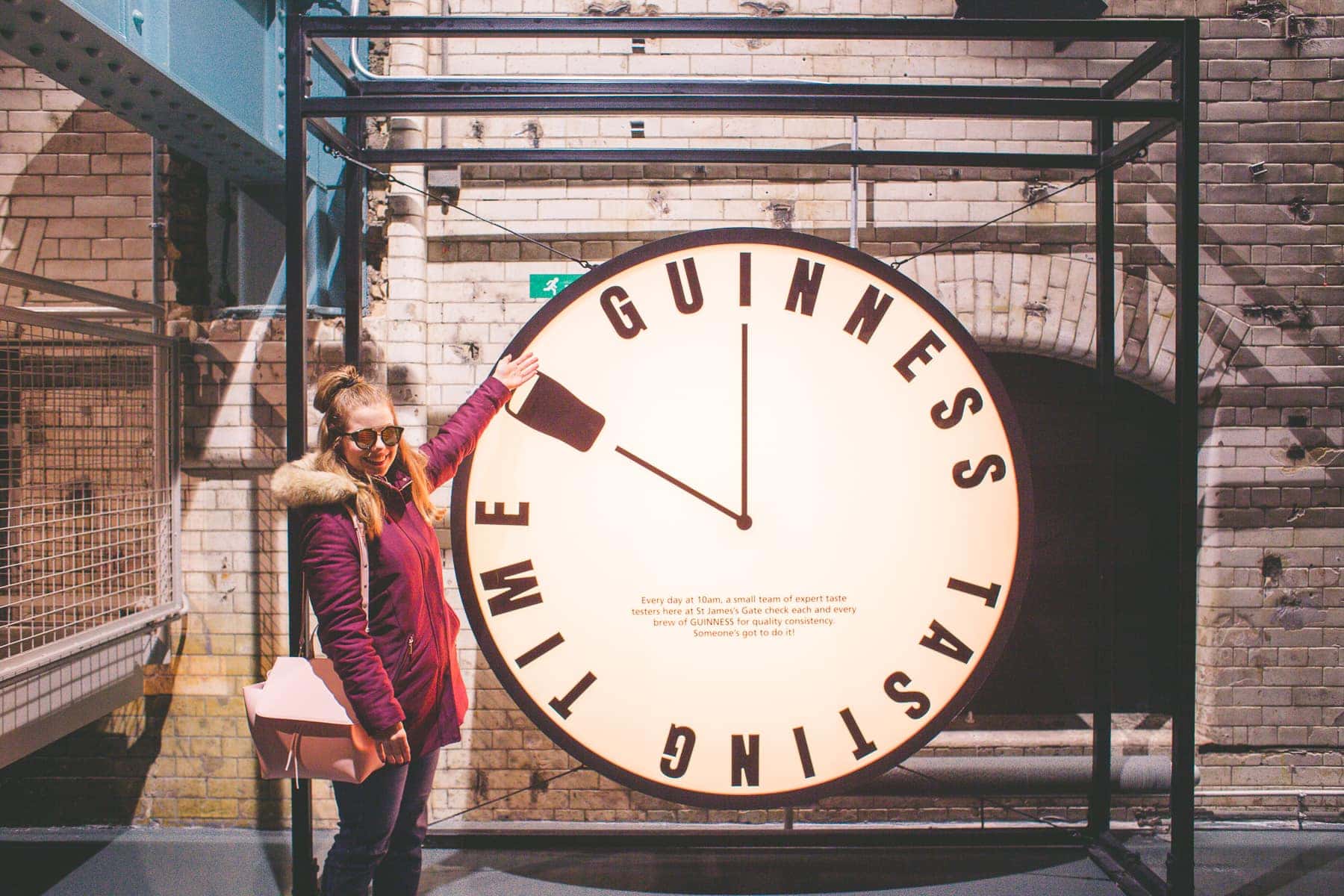
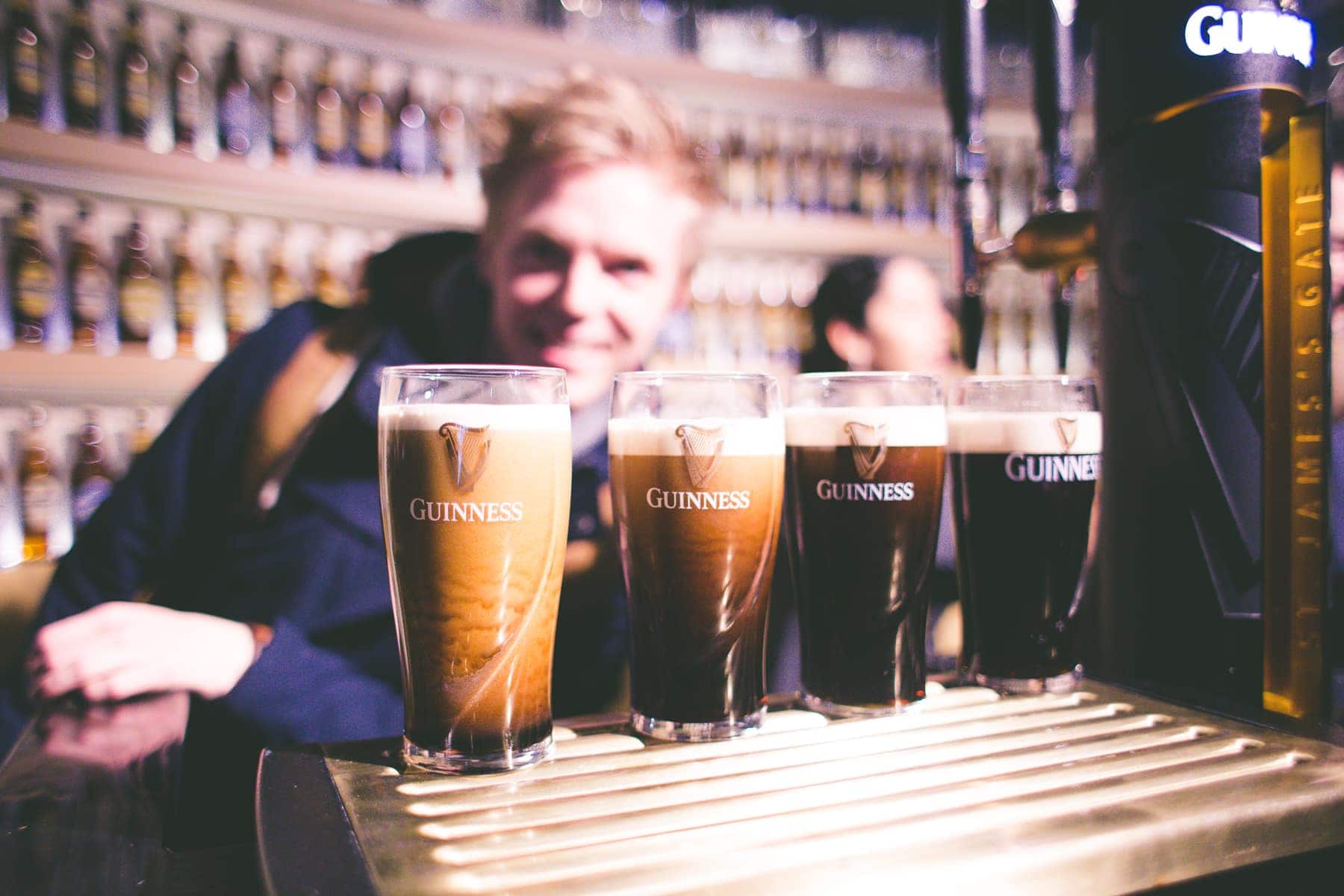
We’re not big beer drinkers. But they say the best way to get to know Irish culture is over a glass of dark stout. So we decided to sample Irish traditions and customs at the Dublin brewery, where the legendary dark beer with its slightly bitter taste and thick head was first brewed back in 1759.
The brewery is an interactive work of art
We also went by the reviews on TripAdvisor, where the Guinness visit gets glowing praise. And for good reason. In the end it was the best experience of our whole time in Dublin. We spent three hours there and weren’t bored for a single moment.
You’ll spend three hours there, but you won’t be bored at all
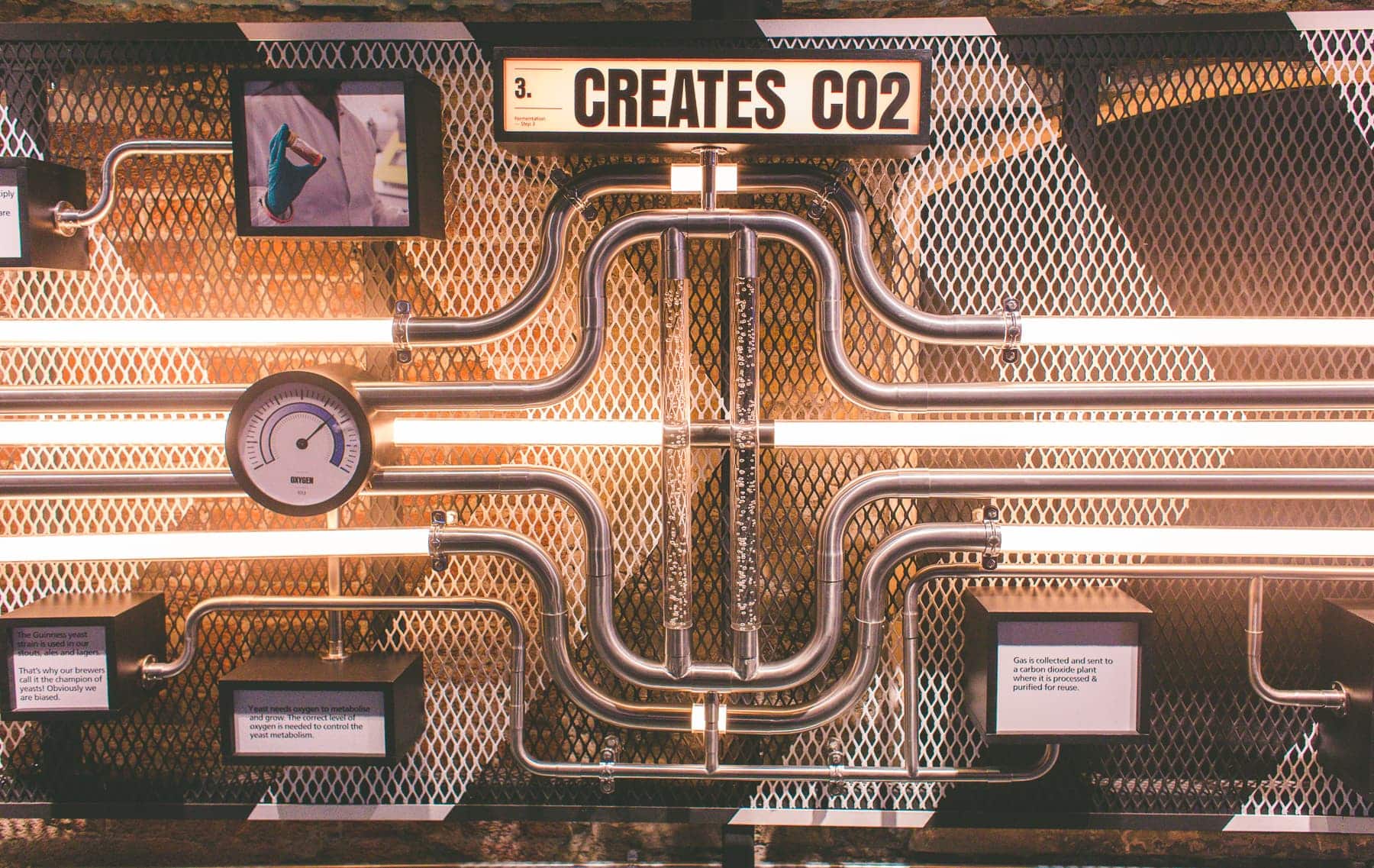
It often feels more like an art installation than a brewery. Everything is thought through down to the smallest detail. Don’t expect anything dull.
The advertising exhibition was fun too
The tour walks you through the entire process of how the beer is made, one floor is dedicated to Guinness adverts and another to tasting. If you want, they’ll even teach you how to pour a pint. And on the top floor there’s a lovely bar with views over the whole city.
At the end you pour your own pint and get a certificate
And if you get hungry, don’t worry – there are restaurants and cafés on site too. And the price of the tour? €17–23, depending on when you go. Buy your tour online and you’ll get a discount.
3) The much-recommended Trinity College Library
It’s a gorgeous sight, but at €11–13 it’s a rather pricey experience
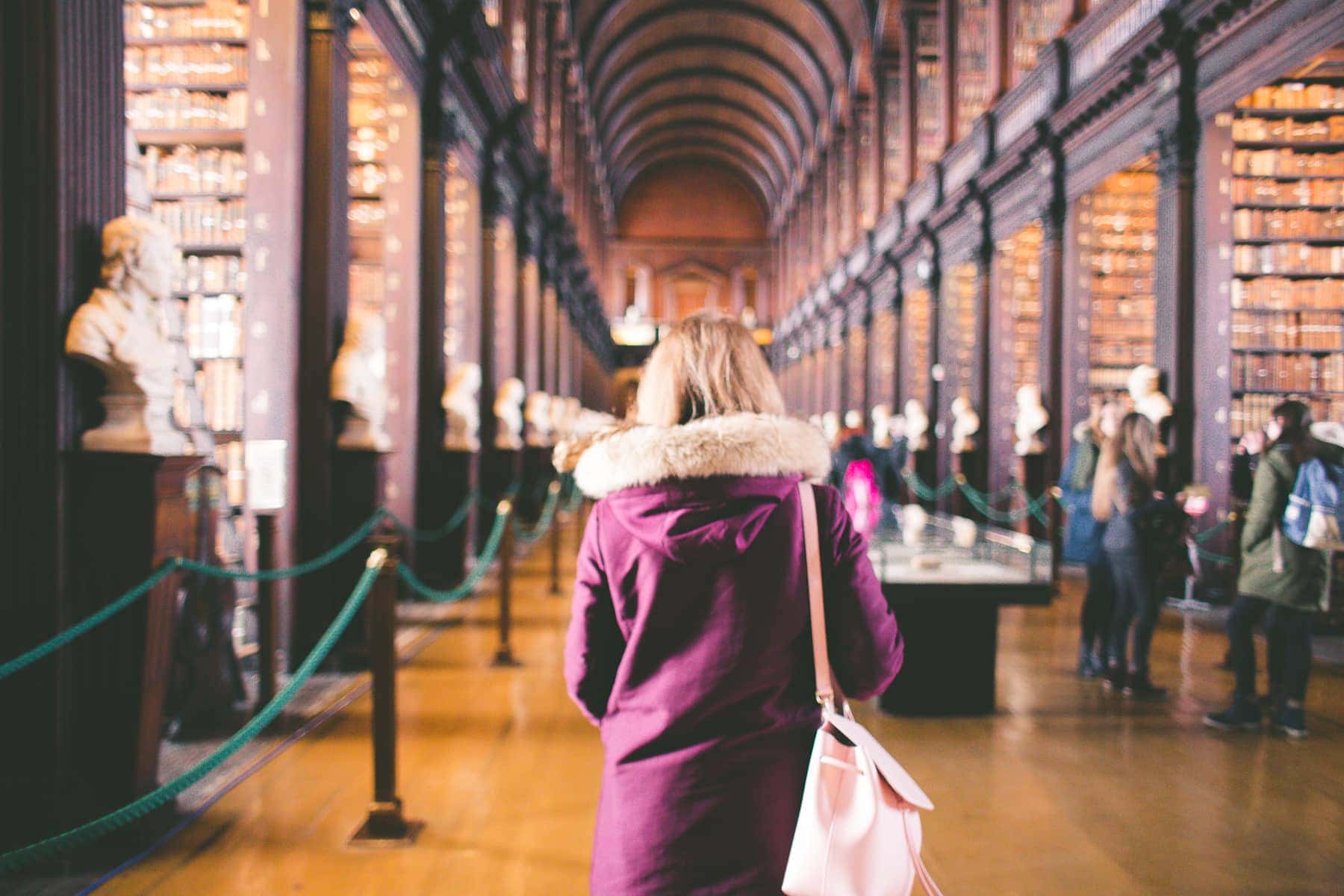
You definitely shouldn’t skip the Trinity College campus itself. The library at Trinity College is number one on TripAdvisor. And it really is stunning. But a heads-up: don’t expect to spend ages there for that €11–14.
They won’t let you walk among the books, and everyone takes the same photo – just like we did. The view is beautiful, but I did somewhat hope we’d get to wander the aisles like Hermione and Harry Potter. The ticket also includes the Book of Kells exhibition. That one didn’t grab us much, though. If you’re travelling on a budget, skipping the library won’t cost you anything.
4) Have a pint at Temple Bar
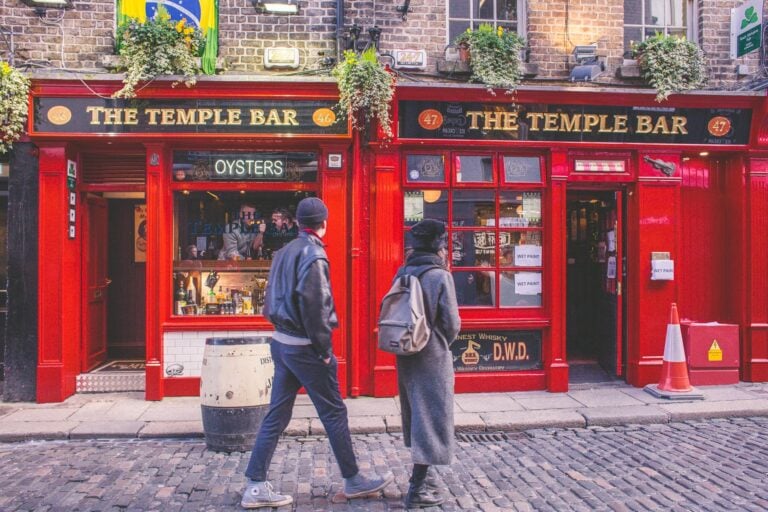
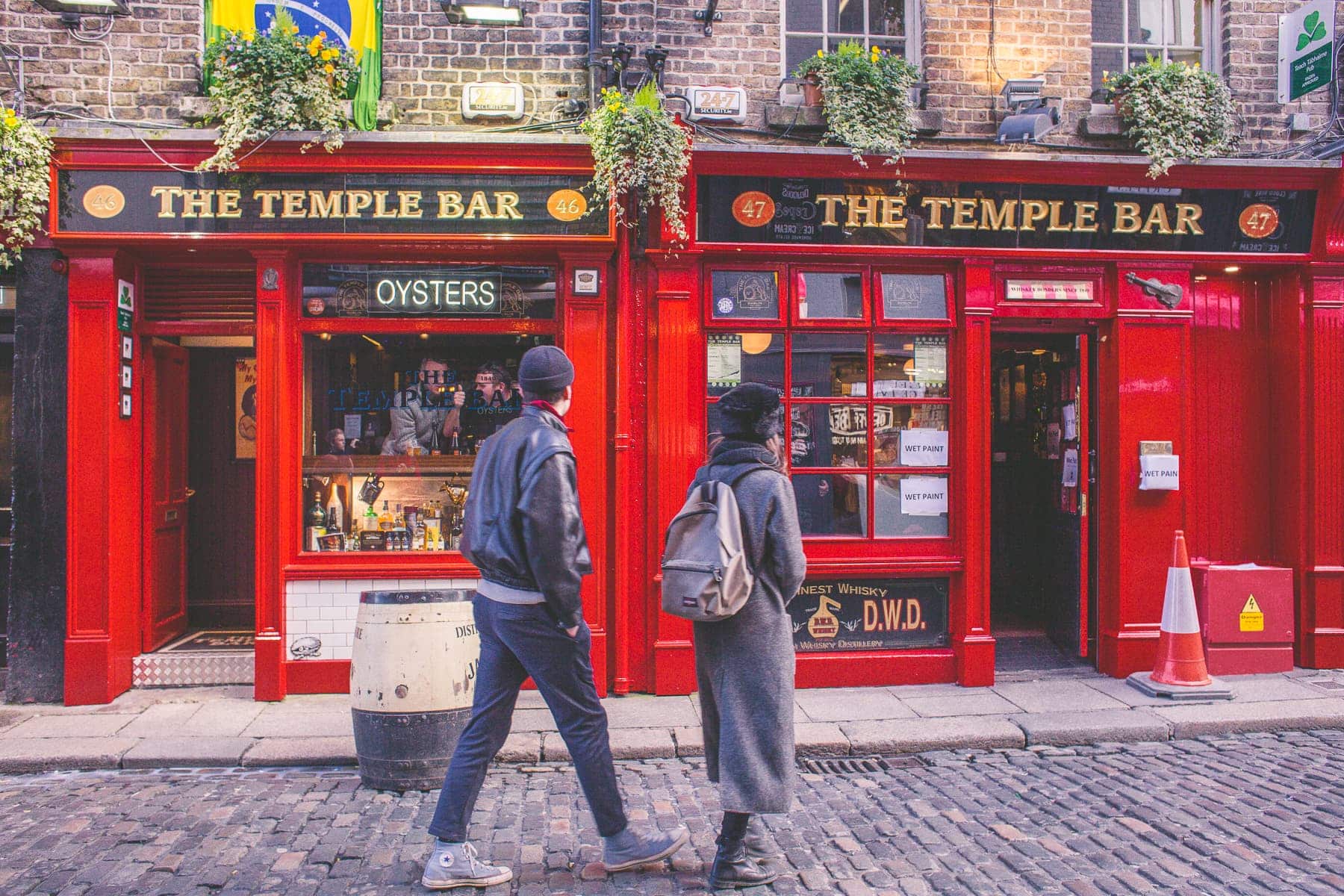
We had a small one at Temple Bar, but it wasn’t exactly the cheapestWhere to go for a pint in Dublin? To Temple Bar. But note: Temple Bar isn’t just a bar – it’s above all a district full of classic Irish pubs where live music plays and the mood is always lively. Temple Bar itself is one of Dublin’s icons. And that’s where we headed too.
But if you’re not just going for one and fancy a few more, try a couple of streets further along. Here a smaller beer will run you €3.50.
5) The Little Museum of Dublin
The Little Museum is more fun than you might think
This unusual museum, set in an 18th-century Georgian house, walks you through the history of Dubliners. It has just four rooms, packed with objects donated by locals. Even so, you won’t be bored. Wait for the guided tour – it lasts only 45 minutes.
Even Lukáš recommends the Little Museum, and he’s not really a museum person!
6) The colourful doors for drunks
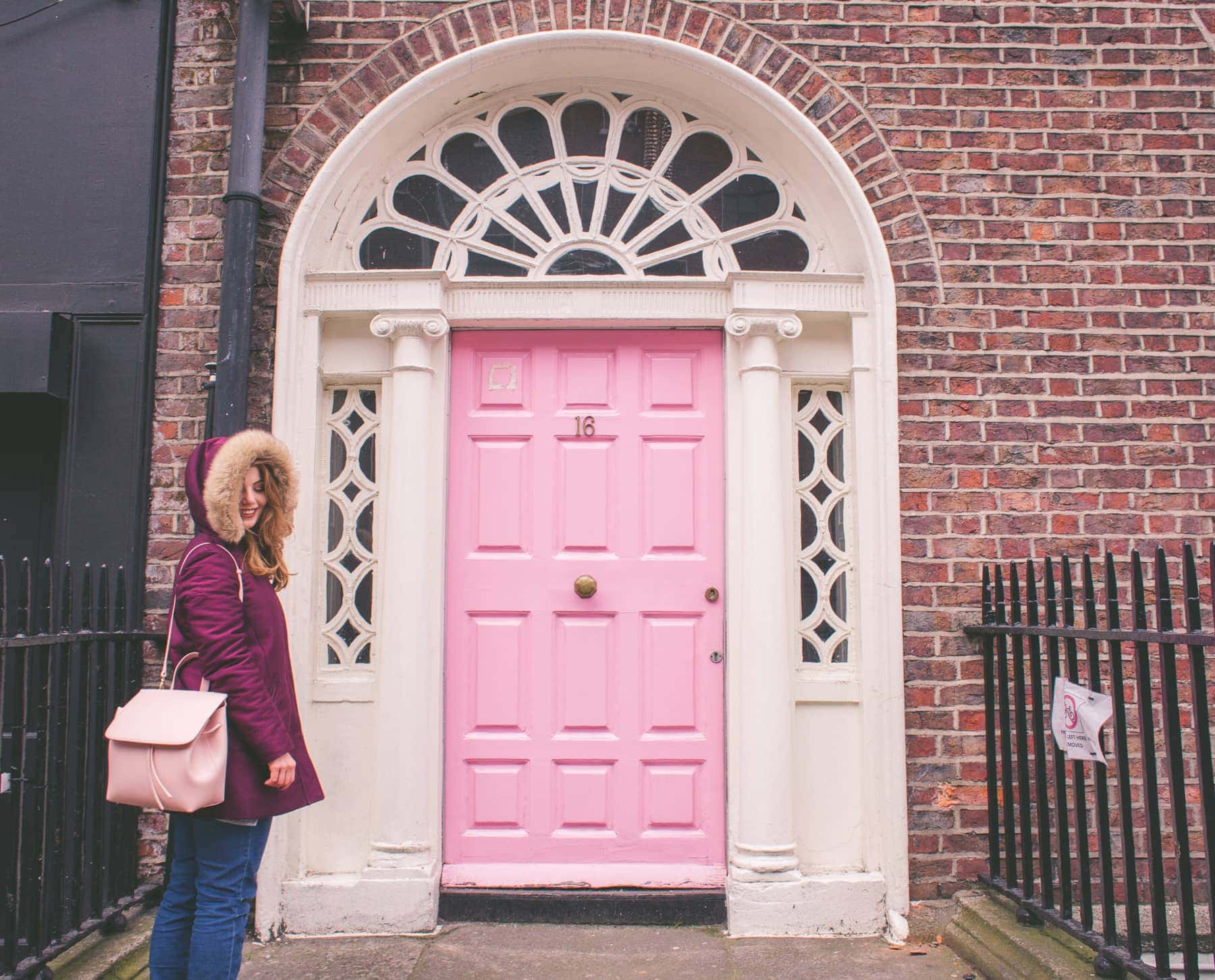
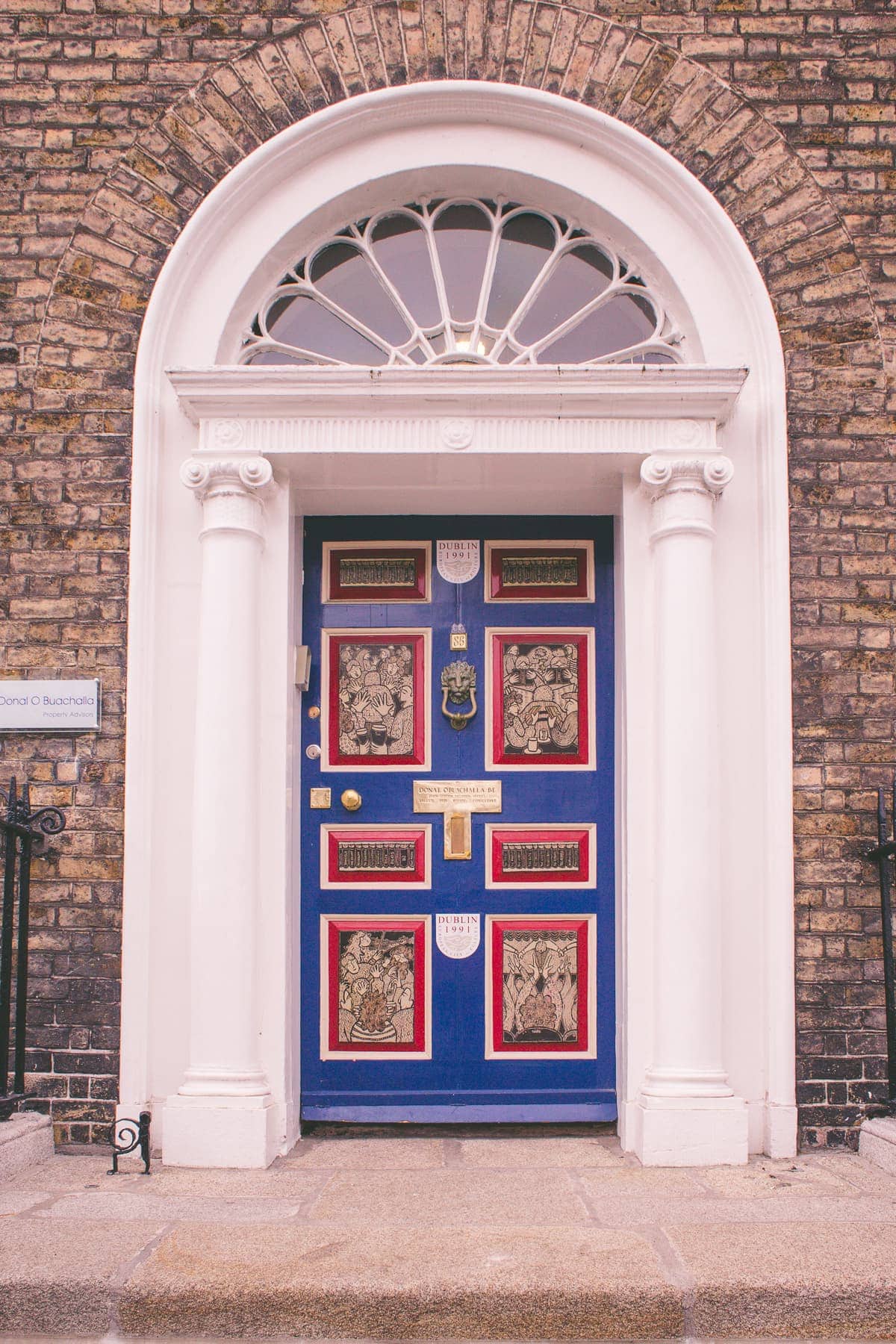
Be sure to head to Merrion Square to see the colourful Georgian doors. And why are they colourful? There’s a hugely popular Dublin story about the writers George Moore and Oliver St. John Gogarty, who were neighbours on Ely Place.
Colourful doors in Dublin
Gogarty supposedly often came home drunk and banged on Moore’s door. So Moore painted his door green so his neighbour wouldn’t mix them up. Then Gogarty painted his red. Now Dublin is a city of colourful doors. You’ll find pink, purple, green, blue and even orange ones.
Dublin’s colourful doors
7) Phoenix Park
If you visit Dublin in good weather, you have to head to Phoenix Park. Rent a bike there and cycle through the endless greenery. But if the weather’s grim, hop on the Hop On – Hop Off bus and at least let it take you through.
Dublin is a great base for interesting trips around Ireland, so let’s take a look at what to see in and around Dublin.
Cliffs of Moher – These famous cliffs are among the most beautiful places in Ireland. They sit about a 3-hour drive from Dublin and offer breathtaking views over the Atlantic.
Kilkenny – A medieval town with a beautiful castle, narrow lanes and traditional pubs. A perfect trip for history lovers.
Howth – A charming fishing village just a short hop from Dublin. A great choice for anyone who wants fresh air and to walk the coastal paths with sea views.
Wicklow Mountains & Glendalough – A national park with gorgeous mountains, lakes and monastery ruins. Ideal for hiking enthusiasts.
Guinness Storehouse & Jameson Distillery Midleton – If you’re curious about the history of Irish drinks, these tours take you through the world of beer and whiskey.
Dublin with Kids
Dublin is a family-friendly city too. You’ll find fun centres, parks and interactive museums that kids will love.
Dublin Zoo – One of the oldest zoos in Europe, where you’ll see elephants, lions and hippos. It’s located in the beautiful Phoenix Park.
Explorium – An interactive science museum where kids can try out various experiments and have fun while learning.
Jeanie Johnston Tall Ship & Famine Museum – A replica of the historic ship that once carried emigrants to America. A great way to bring a piece of Irish history to life for children.
Phoenix Park – One of the largest city parks in Europe, where you can spot wild deer or have a picnic.
Tayto Park – A theme park a short drive from Dublin with roller coasters, children’s rides and a zoo.
What to Eat in Dublin
Dublin offers a great mix of traditional Irish cuisine and modern gastronomy. If you want to taste the best the city has to offer, don’t miss these specialities:
1. Irish stew
A traditional stew made from lamb or beef, potatoes, onion and carrot. Simple but hearty food that warms you up, especially on colder days.
2. Fish and chips
A beloved classic – fried fish in a crispy batter with chips. You’ll find the best fish and chips at traditional pubs or takeaway stands, for example at Leo Burdock.
3. Boxty
Irish potato pancakes served with bacon, salmon or a creamy sauce. A perfect choice for breakfast or a light lunch.
4. Full Irish Breakfast
A hearty breakfast that includes eggs, bacon, sausages, beans, toast, black pudding and sometimes hash browns. Ideal for anyone who wants to start the day with a proper energy boost.
5. Dublin Coddle
A rich dish of stewed sausages, bacon, potatoes and onion. Often served in traditional pubs, such as The Brazen Head, one of the oldest in Ireland.
6. Shepherd’s Pie
A baked mix of minced meat with vegetables, topped with a layer of mashed potato. A popular home-style dish you can also enjoy at local restaurants.
7. Soda Bread
A typical Irish bread made without yeast but with baking soda. It has a crunchy crust and a dense inside. It tastes great with butter or as a side to soups.
8. Guinness and Irish whiskey
Dublin is home to the famous Guinness Storehouse, where you can taste original Irish Guinness stout. If you prefer something stronger, try a glass of Jameson whiskey, which you can enjoy at the Jameson Distillery Bow St.
Interesting Facts About Dublin
Dublin isn’t just about historic landmarks and Irish pubs. This lively city hides plenty of fascinating facts and offbeat spots worth your attention.
Dublin has the largest city park in Europe
Phoenix Park is one of the largest city parks in Europe, and even bigger than New York’s famous Central Park. Here you’ll find not only beautiful nature and herds of wild deer, but also the residence of the Irish president.
Dublin: a city of books and literature
Dublin is one of the UNESCO Cities of Literature, and it produced many famous writers, including James Joyce, Oscar Wilde and Samuel Beckett. A literary atmosphere still reigns in the city’s cafés and bookshops.
An incredible amount of Guinness is drunk in Dublin
Guinness comes straight from Dublin, and in the local pubs it tastes completely different from anywhere else. Around 10 million pints are drunk here every day!
The Ha’penny Bridge and its history
This iconic bridge over the River Liffey got its name from the original toll to cross – half a penny. Today thousands of people walk across it daily, and yet few know its original purpose.
Howth – a slice of nature just minutes from the centre
Even though Dublin is a bustling city, just 30 minutes by train gets you to the picturesque fishing village of Howth, where you can enjoy fresh seafood and walks along the dramatic cliffs.
Dublin has its own slang
The Irish are known for their friendly nature, and in Dublin they have their own distinctive slang. For example, “grand” means something is fine, “craic” (pronounced “crack”) means fun, and “gas” means something is really funny.
The shortest street in Dublin
Dublin has one of the shortest streets in the world –Ebenezer Place, measuring just 2 metres! Even though it’s easy to miss, it’s an interesting record.
What to Watch Out for in Dublin
What should you keep an eye out for when visiting the Irish capital? We’ve put together a few pieces of advice on what to watch for in Dublin.
The weather is unpredictable
In Ireland they say you can experience all four seasons in a single day. Dublin’s weather changes without warning – a sunny day can turn into a downpour within minutes. Always carry a waterproof jacket and comfortable shoes. Umbrellas often don’t survive the strong wind.
Prices are definitely not low
Dublin is one of the more expensive European cities. Accommodation, restaurants and transport can all be surprisingly costly. If you’re travelling on a limited budget, it pays to look for cheaper accommodation outside the centre and to eat at local cafés or supermarkets rather than restaurants.
Public transport isn’t ideal
Dublin has no metro, so you’ll have to rely on buses, trams (Luas) and suburban trains (DART). The buses don’t run to a fixed timetable and are often delayed. Be prepared for longer waits, especially at rush hour. If you plan to use public transport, it’s worth getting aLeap Card, which reduces fares.
The nightlife is very loud and busy
Temple Bar is the best-known area of pubs and bars, but also the most expensive and busiest. If you want to experience an authentic Irish evening, try less touristy spots, such as the pubs in the Stoneybatter or Rathmines districts. And beware – alcohol in Ireland isn’t exactly cheap either; a pint of beer can set you back as much as €8.
Be careful in certain parts of the city
Dublin is generally a safe city, but some areas are best avoided after dark. Be cautious around O’Connell Street and Talbot Street, where you may come across pickpockets and homeless people under the influence of alcohol or drugs. Keep your valuables on you and watch your belongings in crowded areas.
Driving on the left and confusing junctions
If you’re renting a car, remember that Ireland drives on the left. This matters for pedestrians too – before crossing, look right first, not left! Dublin has plenty of complicated junctions and roundabouts, so be extra careful when driving.
Tipping isn’t required, but appreciated
In Ireland, tipping usually isn’t expected, but in restaurants and pubs it’s common to leave around 10% of the bill if you were happy. In some places, though, a service charge is already included in the bill.
What to See in Ireland
Ireland is a country of stunning nature, mystical castles and friendly people. If you’re planning a trip to Ireland, here are places that are definitely worth a visit.
Cliffs of Moher: Some of the most beautiful cliffs in Europe rise up to 214 metres above the Atlantic. They offer breathtaking views and rank among Ireland’s best-known natural wonders.
Ring of Kerry: This famous loop runs around the Iveragh Peninsula and shows Ireland in all its glory – green hills, wild coastline, romantic villages and historic landmarks.
Blarney Castle and the Stone of Eloquence: Blarney Castle near Cork is famous for the stone that, if you kiss it hanging upside down, supposedly grants you the gift of the gab. It also offers beautiful gardens and a mysterious atmosphere.
Giant’s Causeway: Thousands of perfectly shaped basalt columns on the northern coast form one of the world’s most fascinating geological formations. Legend has it that it’s the work of the giant Fionn mac Cumhaill.
Wicklow Mountains & Glendalough: A short drive from Dublin you’ll find the Wicklow Mountains National Park, with gorgeous mountains, lakes and the historic ruins of the Glendalough monastery. A perfect spot for trips into nature.
Aran Islands: These three islands off the west coast are known for their unspoilt landscape and traditional Irish way of life. The largest of them, Inis Mór, draws visitors to the Dún Aonghasa fort with its dramatic ocean view.
Galway – a city of music and fun: Galway is a lively city full of buskers, festivals and great pubs. Stroll through its colourful lanes and soak up the atmosphere of real Irish life.
Kilbeggan Distillery – a taste of real Irish whiskey: Ireland is the home of whiskey, and Kilbeggan is one of the oldest distilleries in the country.
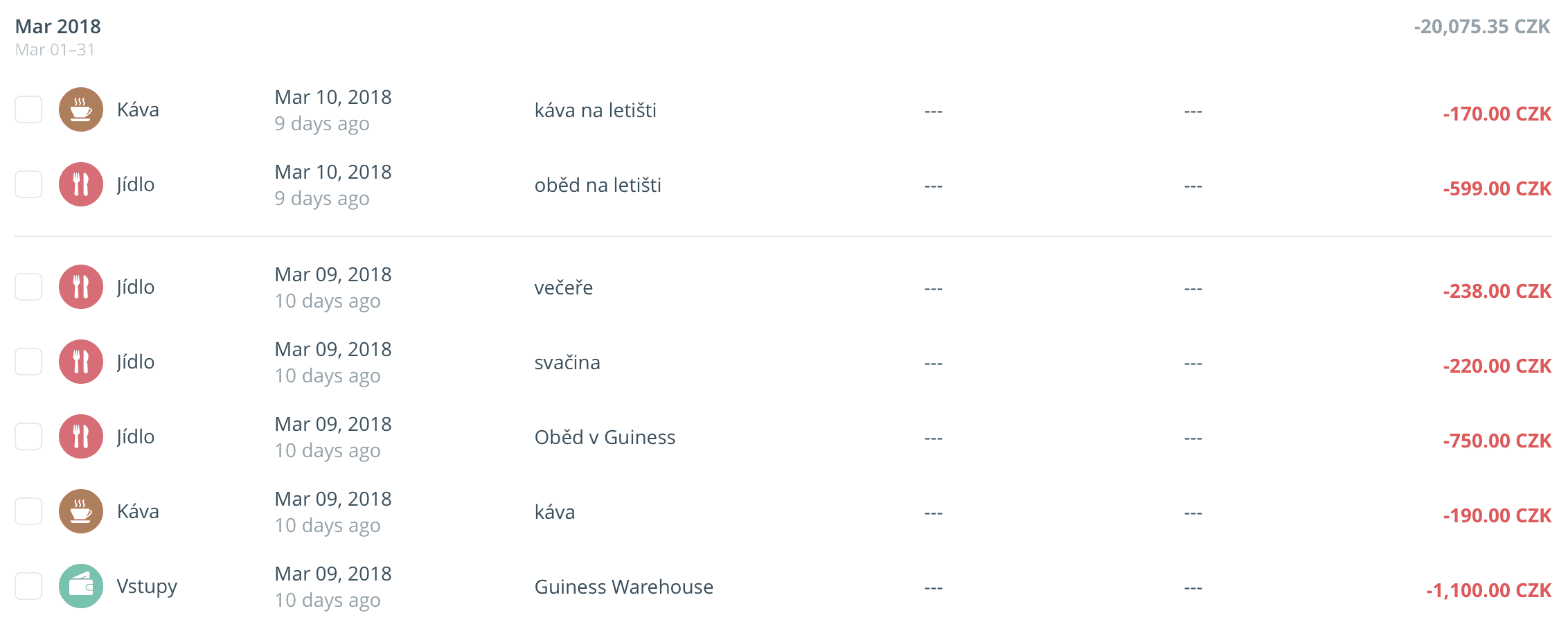
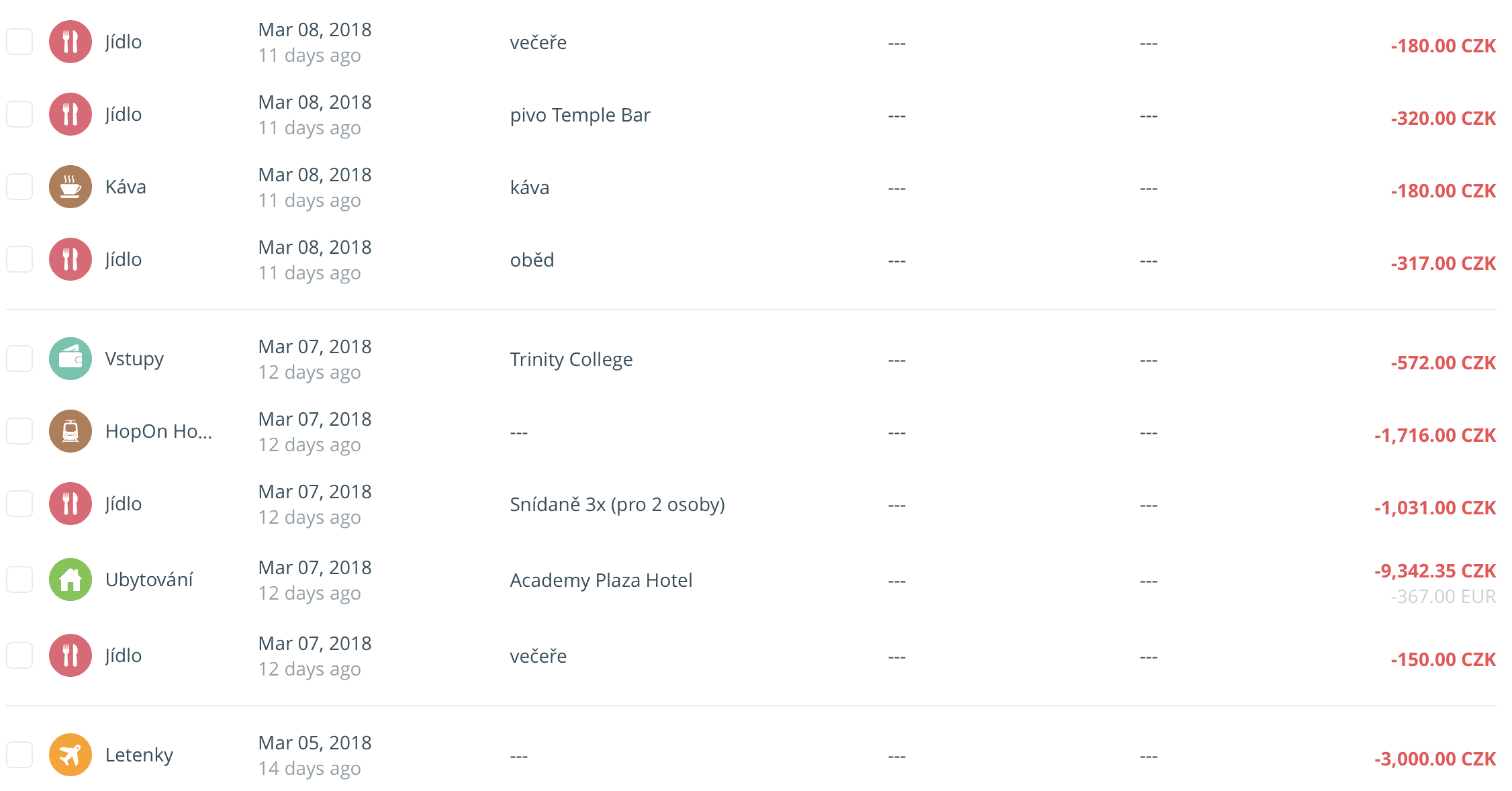
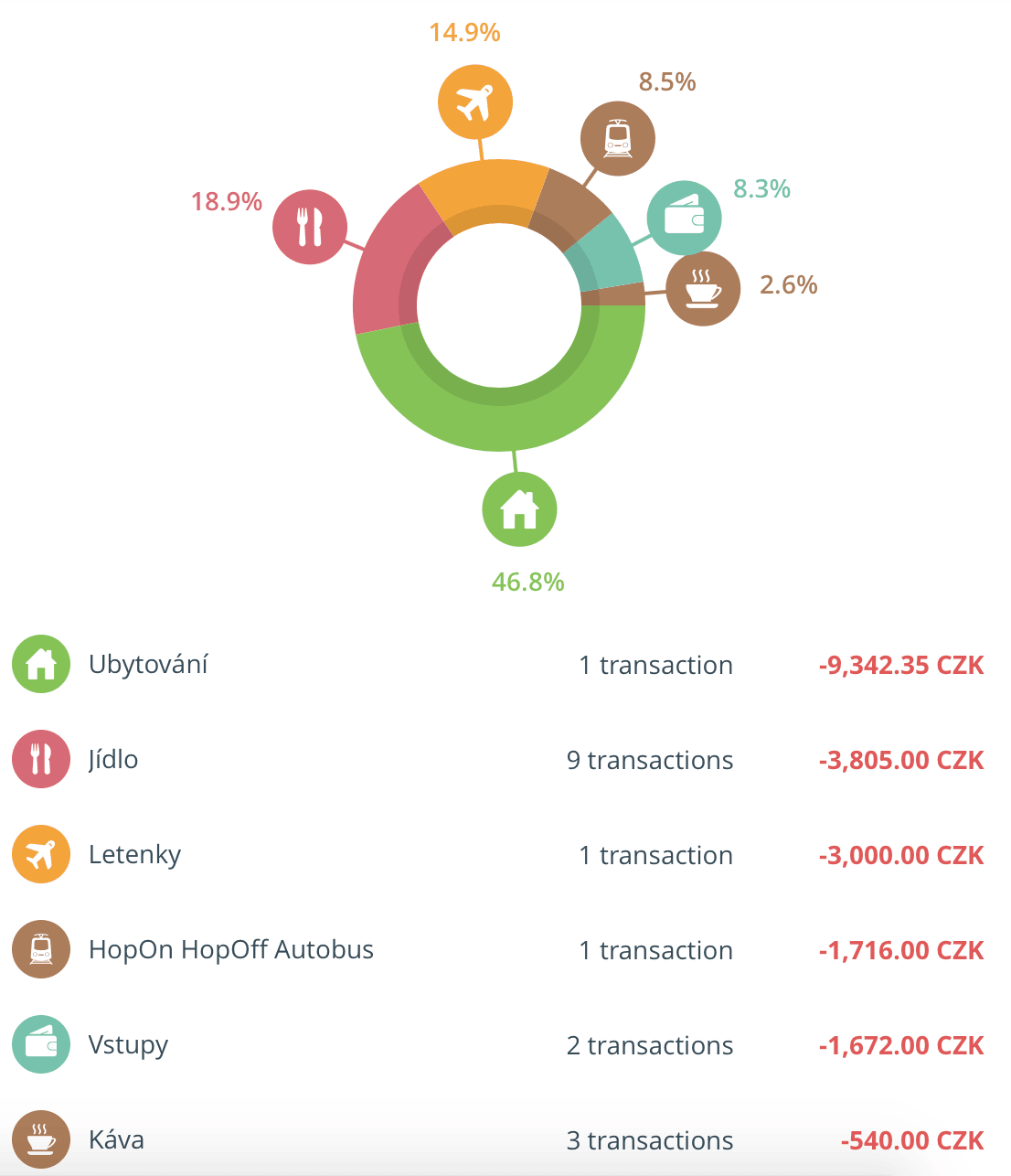
How Much Our Three-Day Dublin Trip Cost
Here’s our Dublin spending laid out clearly for you:
Frequently Asked Questions
1. What’s the best time to visit Dublin? The best time is from May to September, when the weather is most pleasant. Just bear in mind that it rains often in Ireland all year round.
2. How do you get from the airport to Dublin city centre? The fastest option is Aircoach or Dublin Express, which take you into the centre in 20–30 minutes. Alternatively, you can use a taxi or the city buses.
3. What’s the currency in Ireland? In Ireland you pay in euros (€), unlike Northern Ireland, where British pounds (£) are used.
4. Is Dublin an expensive city? Yes, Dublin is one of the more expensive European cities, especially when it comes to accommodation and restaurants. But you can also find affordable options, for example in hostels or by eating at cheaper bistros.
5. How do you get around Dublin? The city has Luas (trams), buses and DART trains. If you plan to use public transport often, a Leap Card is worth it for cheaper fares.
6. What are the best neighbourhoods to stay in? The city centre (Temple Bar, St. Stephen’s Green) is ideal for tourists, but if you’re after a quieter area we recommend Ballsbridge or Ranelagh.
7. What should you eat in Dublin? Try traditional Irish stew (meat stewed with potatoes), boxty (potato pancakes) and of course Guinness. For breakfast, go for a classic Full Irish Breakfast.
8. What adapter do I need for Ireland?
Ireland uses Type G sockets (the same as in the UK), so you’ll need an adapter with three rectangular pins.
Tips and Tricks for Travelling Around Europe
What to pack
Take a look at our packing guide for trips, which will help you get ready. Choose the right travel backpack, browse our travel gadgets and don’t leave anything important at home.
Travel insurance is an absolute must. For shorter trips we go with AXA (50% discount) and for longer trips the British insurer True Traveller. Take a look at our comparison of all insurers and pick the one that suits you best.
Lukáš and Lucie recommend
Where to stay in Dublin
4 accommodations — hotels and other accommodation options
Search for flights on Kayak. It’s our favorite search engine because it scans the websites of all airlines and always finds the cheapest connection.
Book Your Accommodation Smartly
The best experiences we’ve had when looking for accommodation (from Alaska to Morocco) are with Booking.com, where hotels, apartments, and entire houses are usually the cheapest and most widely available.
Don’t Forget Travel Insurance
Good travel insurance will protect you against illness, accidents, theft, or flight cancellations. We’ve had a few hospital visits abroad, so we know how important it is to have proper insurance arranged.
Where we insure ourselves: SafetyWing (best for everyone) and TrueTraveller (for extra-long trips).
Why don’t we recommend any Czech insurance company? Because they have too many restrictions. They set limits on the number of days abroad, travel insurance via a credit card often requires you to pay medical expenses only with that card, and they frequently limit the number of returns to the Czech Republic.
Find the Best Experiences
Get Your Guide is a huge online marketplace where you can book guided walks, trips, skip-the-line tickets, tours, and much more. We always find some extra fun there!
TL;DRPicking the best WordPress theme for your blog comes down to ten criteria: solid SEO settings, simplicity, responsive design, browser compatibility and support for key plugins like Yoast or Elementor. You don’t need to pay for one — decent free WordPress themes, Shaped Blog being a good example, hold up just as well as premium options costing $20, whose main perk is customer support. Before you choose, it’s worth sketching out your blog’s structure and testing themes with tools like PINGDOM (aim for load times under 1.5 seconds, page size under 1 MB, and under 40 requests), the Google Mobile Friendly Test or W3C Markup Validation. You’ll find the best themes on ThemeForest, WPBeginner or straight in the WordPress directory — and a good theme should have at least dozens of positive user reviews behind it.
Once you’ve got your WordPress installation up and running, you’ll want a gorgeous theme to make your blog shine. But how do you choose the best WordPress theme when there are thousands of free and premium options out there, each one seemingly better than the last? In this article, we’ll walk you through 10 tips that will help you pick the perfect one.
Search for flights on Kayak. It’s our favorite search engine because it scans the websites of all airlines and always finds the cheapest connection.
Book Your Accommodation Smartly
The best experiences we’ve had when looking for accommodation (from Alaska to Morocco) are with Booking.com, where hotels, apartments, and entire houses are usually the cheapest and most widely available.
Don’t Forget Travel Insurance
Good travel insurance will protect you against illness, accidents, theft, or flight cancellations. We’ve had a few hospital visits abroad, so we know how important it is to have proper insurance arranged.
Where we insure ourselves: SafetyWing (best for everyone) and TrueTraveller (for extra-long trips).
Why don’t we recommend any Czech insurance company? Because they have too many restrictions. They set limits on the number of days abroad, travel insurance via a credit card often requires you to pay medical expenses only with that card, and they frequently limit the number of returns to the Czech Republic.
Find the Best Experiences
Get Your Guide is a huge online marketplace where you can book guided walks, trips, skip-the-line tickets, tours, and much more. We always find some extra fun there!
TL;DRSeasoned travel bloggers share seven tried-and-tested ways to cut costs on the road: flying with hand luggage only, swapping hotels for camping or couchsurfing, tracking every penny with an app like Spendee, trying WWOOFing (trading a few hours’ work for food and a bed), taking night buses instead of flights across South America, hunting error fares and pairing them with slow travel, and saving on water, food and transport simply by walking more and cooking with discounted groceries. The tips come from bloggers including Markéta of Travel with Blondie, Tereza Menclová, Kryštof Paleta, Janča Ščamburová, Aneta of ejnets.com, Hanka from Na nomádské stezce, and the duo behind EAGLES. Kryštof Paleta once travelled around the world on a budget of 50,000 Czech crowns, while Aneta spent four months travelling round South America, including a month volunteering.
Want to travel the world like the bloggers you follow but think you can’t afford it? These 7 travel savings tips come straight from experienced travel bloggers and influencers who’ve mastered the art of exploring on a budget. Read on and start planning your next adventure without breaking the bank.
1) Travel with carry-on luggage only and don’t pay more than you have to
“I love travelling as a volunteer, which keeps costs to an absolute minimum. Otherwise, I always travel with just a carry-on bag, saving on checked luggage fees. I research local transport in advance, look up tips on where to find cheap deals, where to shop, and where to eat on a budget. That way I usually arrive fully prepared, and it saves me a ton of time and money.”
Markéta (Travel with Blondie) is a Czechblogger, YouTuberand entrepreneur who has travelled a huge chunk of the world. “Travelling turned my life upside down — now it’s both my hobby and my job.” If you’re heading to New Zealand or the tropics, check out her blog, YouTube, Instagram and Facebook.[/lgc_column]
2) Don’t be afraid to camp
“I’ve got a few tried-and-tested tricks for maximising my travel savings. First up is obviously accommodation — if you’re travelling in summer, camping is a brilliant way to cut your lodging costs. Don’t be afraid to reach out to locals through Couchsurfing and arrange a few nights’ stay either. Another way to save is, of course, food. When I’m somewhere for a longer stretch, I avoid restaurants and buy my meals from the supermarket instead.“
Teru Menclová is a photographer and travel blogger with a deep passion for outdoor destinations. She’s known for her epic travel photographs, which she complements on her blog with travel tips and advice for photographers. Get inspired on her Instagram and browse her blog, and you’ll see why Teru is one of the Czech Republic’s travel stars.
[/lgc_column]
3) Keep tabs on your wallet
“One thing that’s really worked for me is keeping close tabs on my spending — I write everything down so I always know exactly where my money’s going. And then there’s accommodation, of course. Staying in hostels or using Couchsurfing isn’t just cheaper — it’s a far more interesting way to travel, and I wouldn’t have it any other way! Otherwise, I don’t really feel like I scrimp on much 🙂 I enjoy the local food and I don’t waste money on stuff I don’t need.”
Kryštof Paleta is a well-known Czech blogger and YouTuber currently on a round-the-world trip. But not just any trip. He decided to circle the globe with just €2,000 in his account. If you want to follow his journey, check out his YouTube, Facebook, Instagram, or blog.[/lgc_column]
Kryštof uses the Spendee app to track his expenses. Want to give it a try? We’ve got 3 months of Spendee Plus for free — just sign up and use the promo code “SpendeeOdLoudacku”. (We don’t earn anything from this :))
4) Eat and sleep for free
“Try WWOOFing! While you shouldn’t volunteer solely to save money, this type of work abroad really does give your wallet a well-deserved break. In exchange for a few hours of helping out, you get food for the whole day, a nice room, unlimited Wi-Fi, a hot shower, and laundry facilities. Who wouldn’t take that deal while travelling?”
“I’m a wannabe traveller and Instagrammer” If you’re on Instagram and looking for travel inspiration, give Janča Ščamburová (@withthebagonmyback) a follow. She’ll win you over not just with her gorgeous photos but also with her unique sense of humour.
[/lgc_column]
5) Take overnight buses!
South America can get pricey if you’re flying between countries. However, the overnight buses there are excellent and will take you to every corner of the continent. The best part? You get a great night’s sleep and even a meal, since the buses are designed for comfort — some have seats that fold out into proper beds. And if you travel during the day as well, you’ll see an incredible amount of scenery. My final tip: take everything at a steady pace and go slowly rather than overdoing it.
Aneta (ejnets.com) is a Czech blogger who has travelled across Europe on a shoestring. “I mainly write about life in Lisbon and budget travel. I’ve just returned from a four-month trip through South America, where I also spent a month volunteering. I don’t like being put in boxes, but I always wanted to be a bohemian — and I think I’ve managed it.” If you’re planning a trip to South America, Aneta’s blog and Instagram will be your best friend.
[/lgc_column]
6) Travel slowly and snap up error fares
“I use a whole range of travel hacks. I mostly fly using error fares — since I work as a freelance copywriter, I’m flexible on departure dates. But the biggest hack in my book is slow travel, which makes it much easier to negotiate prices for accommodation and car hire on the ground. So my hack is this: become a digital nomad and travel slowly.”
Hanka is a digital nomad who earns her living as a copywriter. On her blog Na nomádské stezce (On the Nomad Trail), she writes about travel and making money online. “Hanka is a traveller with a pen in hand, because writing funds her journeys.” Check out her blog and YouTube.
[/lgc_column]
7) Think first, then act
“We never pay for water — we fill up from natural springs and pumps. We often buy food on special offer and cook it ourselves. We’ve learnt to embrace what nature provides and what others share with us. We avoid paid car parks and toll roads. We walk everywhere. And above all, we never waste anything. Our travel savings hack is simple: THINK first, then act.“
They call themselves EAGLES and they love travelling in their home on wheels, which they’ve named Vítek.“While you’re reading these lines, we’re out discovering the beauty of Europe.” Have a look at their blog to see how they keep costs down on the road, and don’t forget to check out their Facebook, Instagram and YouTube.[/lgc_column]
Tips and Tricks for Your Vacation
Don’t Overpay for Flights
Search for flights on Kayak. It’s our favorite search engine because it scans the websites of all airlines and always finds the cheapest connection.
Book Your Accommodation Smartly
The best experiences we’ve had when looking for accommodation (from Alaska to Morocco) are with Booking.com, where hotels, apartments, and entire houses are usually the cheapest and most widely available.
Don’t Forget Travel Insurance
Good travel insurance will protect you against illness, accidents, theft, or flight cancellations. We’ve had a few hospital visits abroad, so we know how important it is to have proper insurance arranged.
Where we insure ourselves: SafetyWing (best for everyone) and TrueTraveller (for extra-long trips).
Why don’t we recommend any Czech insurance company? Because they have too many restrictions. They set limits on the number of days abroad, travel insurance via a credit card often requires you to pay medical expenses only with that card, and they frequently limit the number of returns to the Czech Republic.
Find the Best Experiences
Get Your Guide is a huge online marketplace where you can book guided walks, trips, skip-the-line tickets, tours, and much more. We always find some extra fun there!
TL;DRThe article lays out seven free ways to promote a blog: sharing in relevant Facebook groups, getting active on discussion forums (Beremese.cz, Emimino, Omlazeni or Hedvábná stezka for travel topics), teaming up with charities and non-profits (the authors mention working with Centrum Dialog), building an email list, guest blogging on niche sites, roundup posts featuring other bloggers, and consistently linking to the blog in your email signature and on social media like Instagram and Twitter. The authors say that over three years of promotion, they’ve spent only around 300 Kč.
You’ve got great content on your blog, but not enough people are reading it? Want to know how to attract thousands of readers without spending a single penny on advertising? Then you’re in the right place. Today, we’ll share seven proven blog promotion strategies that will boost your visibility in the digital space — completely free.
Search for flights on Kayak. It’s our favorite search engine because it scans the websites of all airlines and always finds the cheapest connection.
Book Your Accommodation Smartly
The best experiences we’ve had when looking for accommodation (from Alaska to Morocco) are with Booking.com, where hotels, apartments, and entire houses are usually the cheapest and most widely available.
Don’t Forget Travel Insurance
Good travel insurance will protect you against illness, accidents, theft, or flight cancellations. We’ve had a few hospital visits abroad, so we know how important it is to have proper insurance arranged.
Where we insure ourselves: SafetyWing (best for everyone) and TrueTraveller (for extra-long trips).
Why don’t we recommend any Czech insurance company? Because they have too many restrictions. They set limits on the number of days abroad, travel insurance via a credit card often requires you to pay medical expenses only with that card, and they frequently limit the number of returns to the Czech Republic.
Find the Best Experiences
Get Your Guide is a huge online marketplace where you can book guided walks, trips, skip-the-line tickets, tours, and much more. We always find some extra fun there!
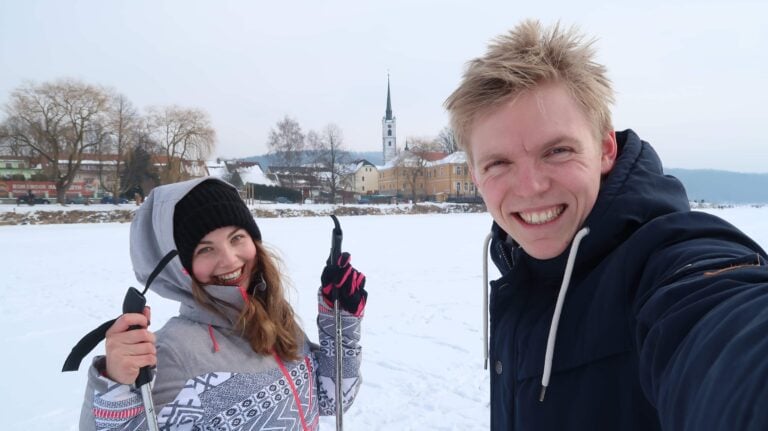
TL;DRA cross-country skiing weekend at Lipno comes to 3,080 CZK for two nights with breakfast at Hotel Šumava in Vyšší Brod, plus 880 CZK for skis, boots and poles for the whole weekend from Lipno Centrum. Lunch or dinner works out at around 250 CZK a head. Skiing itself on the frozen lake between Frymburk and Lipno nad Vltavou is free, including access to the lake and the groomed tracks. Book your accommodation ahead of time, as it fills up fast. Besides the skiing, the treetop walkway with its slide is well worth a look too.
On the first weekend of March, we headed to Lipno Czech Republic for a cross-country skiing getaway. Lipno is a popular resort area in South Bohemia, and while it’s not as well-known internationally as some Alpine destinations, the prices can be surprisingly high. So how much did the trip actually cost us, where did we stay, and what did we get up to?
Search for flights on Kayak. It’s our favorite search engine because it scans the websites of all airlines and always finds the cheapest connection.
Book Your Accommodation Smartly
The best experiences we’ve had when looking for accommodation (from Alaska to Morocco) are with Booking.com, where hotels, apartments, and entire houses are usually the cheapest and most widely available.
Don’t Forget Travel Insurance
Good travel insurance will protect you against illness, accidents, theft, or flight cancellations. We’ve had a few hospital visits abroad, so we know how important it is to have proper insurance arranged.
Where we insure ourselves: SafetyWing (best for everyone) and TrueTraveller (for extra-long trips).
Why don’t we recommend any Czech insurance company? Because they have too many restrictions. They set limits on the number of days abroad, travel insurance via a credit card often requires you to pay medical expenses only with that card, and they frequently limit the number of returns to the Czech Republic.
Find the Best Experiences
Get Your Guide is a huge online marketplace where you can book guided walks, trips, skip-the-line tickets, tours, and much more. We always find some extra fun there!






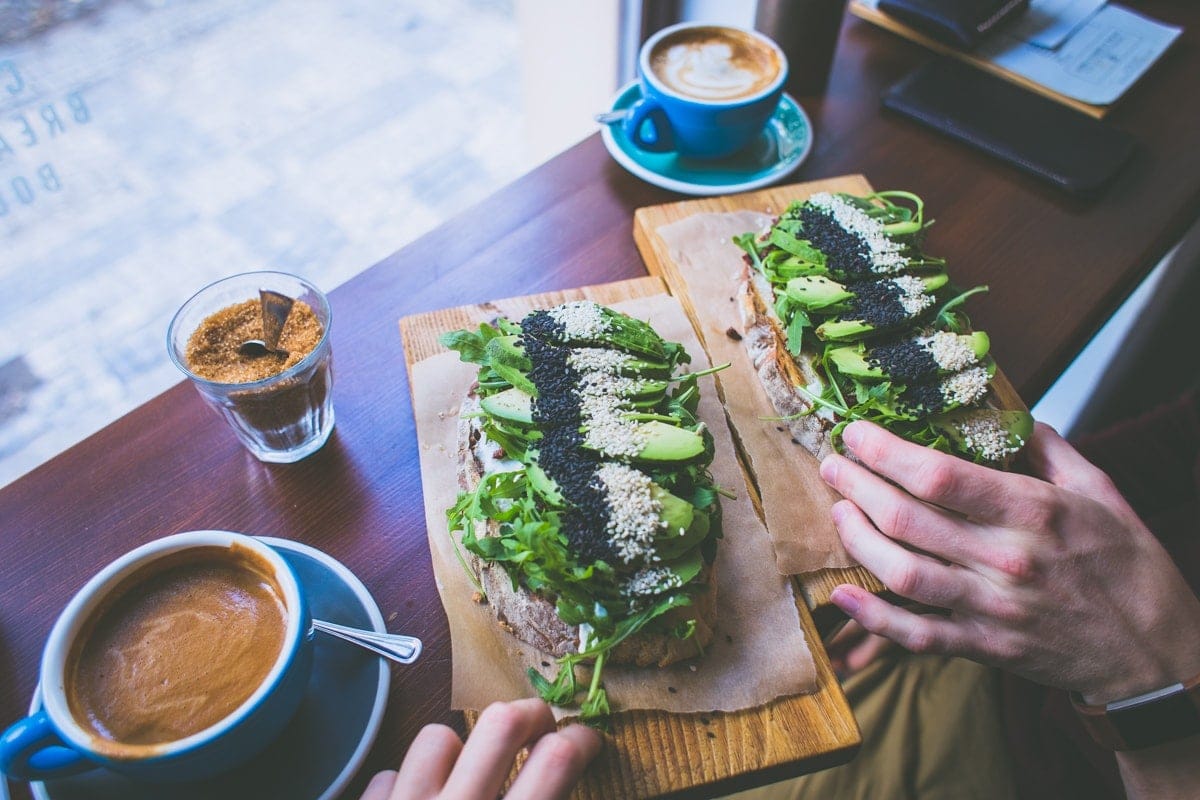 Ever since I first shared Coffee Room on Facebook, quite some time has passed – and since then, we’ve brought practically every visitor of ours here. Why? One reason is that they serve Saturday breakfast until 2 PM, so there’s no need to rush. And also because we absolutely love their avocado toast.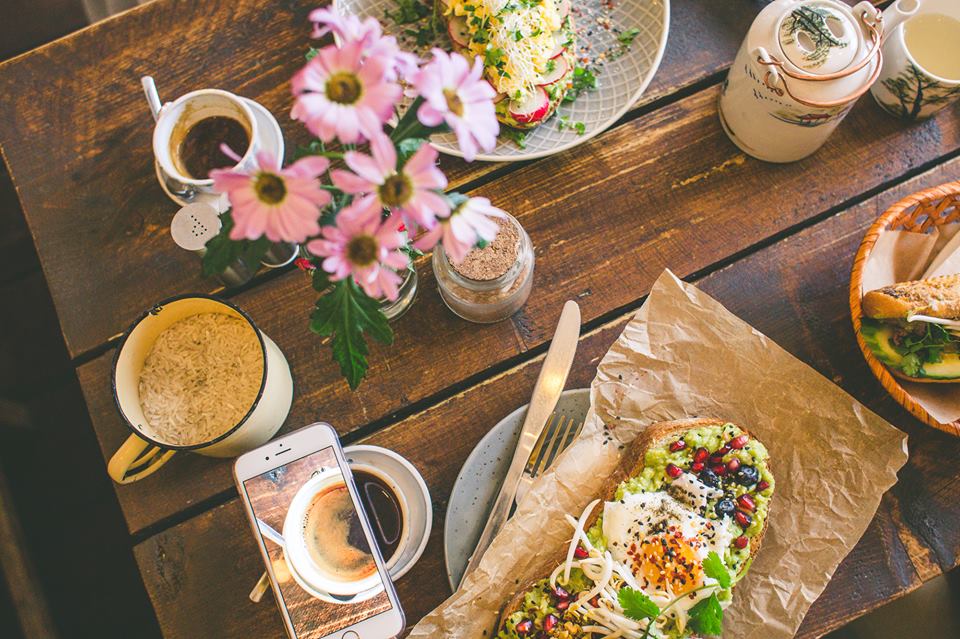










 [/lgc_column]
[lgc_column grid=”70″ tablet_grid=”70″ mobile_grid=”100″ last=”true”]
[/lgc_column]
[lgc_column grid=”70″ tablet_grid=”70″ mobile_grid=”100″ last=”true”]

 [/lgc_column]
 [/lgc_column]
 [/lgc_column]
 [/lgc_column]