Malta is one of the smallest states in the world, but for such a tiny area it supposedly crams in more landmarks and history than most enormous countries. On top of that, direct flights from major European hubs reach it in as little as two and a half hours, so you skip the long slog and can start exploring almost straight away. You step off the plane into pleasant warmth, hear English everywhere, and quickly realise that here in this Mediterranean country traffic drives on the left.
If a holiday in Malta, this little European country in the Mediterranean, appeals to you, you’ve landed on the right article, packed with practical information. I’ve put together a detailed guide where we’ll go through what to see in Malta, which spots you absolutely shouldn’t skip, and what to watch out for when planning. Travellers rave about this archipelago for its incredible variety, where ancient temples mingle with the crystal-clear Mediterranean Sea.
In the lines below you’ll find exactly 24 tips for trips and activities, plus a detailed month-by-month weather table drawn from ten years of data. I’ll help you choose a strategic base, we’ll cover how local transport works, ballpark prices, and I’ll throw in recommendations for great vegetarian food too.
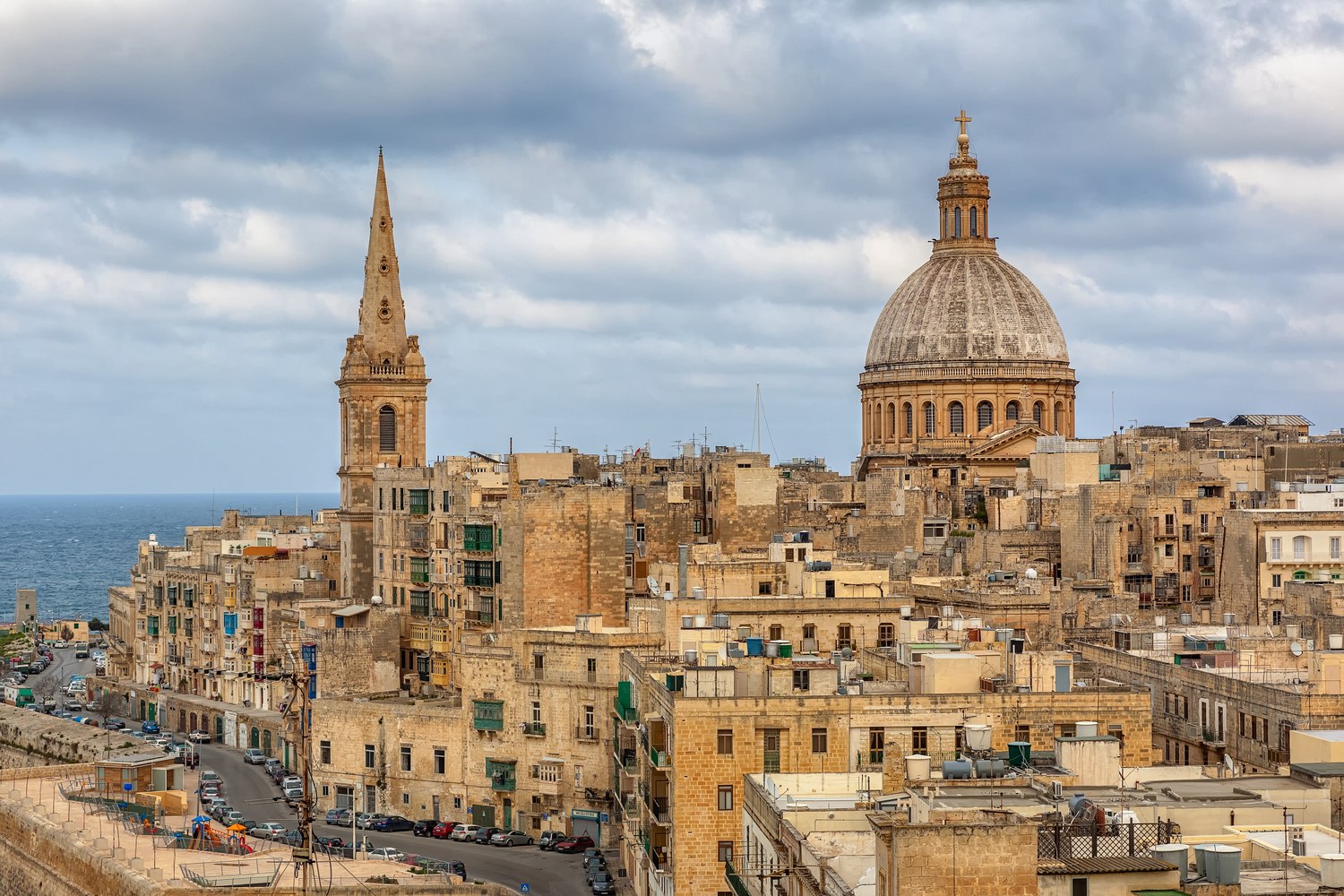
The full destination guide: Europe — guide and what to see
A summary if you don’t have time to read the whole article
- Malta, Gozo and Comino are the three inhabited islands of this small archipelago, and each one has a completely different mood and atmosphere.
- Valletta is the smallest capital city in the European Union, and its entire historic centre is proudly inscribed on the UNESCO World Heritage list.
- The best months to visit, according to historical climate data, are May, June, September and October.
- In July and August it gets seriously hot (temperatures climb to 30.2 and 30.3 °C) and it barely rains, with precipitation on just 0.3 and 1.4 days a month.
- The sea is warmest in August, reaching 27.8 °C, and even in October it holds a very pleasant 25.0 °C.
- Sandy beaches are hard to find in Malta — most swimming is off rocky platforms and cliffs.
- English is an official language, the currency is the euro, but on the roads they drive on the left.
- The Blue Lagoon on Comino is visually stunning, but in the summer season it’s unfortunately extremely crowded with tourists.
Why visit Malta (and who it won’t suit)
Choosing your next destination can be a bit of a puzzle, especially when every country has its quirks and lures you with something different. Let’s look at where this island state truly excels and, on the flip side, who a holiday in Malta might not suit at all. It’s said to be a place of contrasts that you’ll either fall for immediately or quickly realise you prefer a completely different kind of break.
6 reasons you’ll fall in love with Malta
History on every corner. You’ll find astonishing megalithic temples that are demonstrably older than the Egyptian pyramids, mighty fortresses left by the Knights of St John, and fascinating World War II remnants. If you love wandering narrow lanes and historic sites, you’ll feel like you’re inside one giant open-air museum.
English and no language barrier. Since English is one of the two official languages, you can make yourself understood absolutely everywhere, from tiny shops to remote little villages. That takes away the classic holiday stress of clutching a phrasebook, which a lot of travellers really appreciate.
Genuinely short distances. You can drive across the entire main island in about an hour, so you can stay in one place the whole time and make day trips out from there. There’s no need to constantly pack up and move from hotel to hotel, which saves plenty of precious energy and time.
The longest swimming season in Europe. While elsewhere on the Mediterranean people are pulling out jumpers by October, here the statistics show folks still swimming in the sea. It’s an ideal choice for those of you who want to stretch summer into late autumn and soak up the sun.
Crystal-clear water and great snorkelling. The rocky coastline has one huge advantage: the water is absolutely clear, without sand constantly being churned up. By all accounts, Malta offers some of the best conditions for diving and exploring marine life in all of Europe.
Easy access and reasonable prices. Compared with popular Italy or France, flights, transport and dining work out a bit friendlier, and the standard of service is high. A direct flight to Malta takes only around two and a half hours, so you get there fast and don’t spend the whole day travelling.
Who Malta won’t suit
Even though the photos make it look like an absolute paradise, this rocky island isn’t the ideal choice for everyone. You might want to consider a completely different destination if you find yourself in one of the following categories. ☺️
- You’re after long sandy beaches, because there are truly very few here and they make up just a fraction of the coastline.
- You can’t stand crowds, since Malta is the most densely populated country in the European Union and in season that can be very noticeable.
- You’re travelling for wild nature and deep forests — you simply won’t find any here.
- You’re planning a holiday in August and don’t cope well with heat, because summer temperatures here can be truly relentless.
- You want absolute peace and quiet and accidentally book accommodation in St Julian’s, which is the island’s main party zone.
When to go to Malta: the weather month by month
Getting the timing right is absolutely key to a successful trip, so let’s look at the exact numbers in detail. The following data isn’t a rough guess but ten-year averages from 2015 to 2024 drawn from the advanced ERA5 climate reanalysis.
The sea temperature figures come precisely from a marine model for the years 2019 to 2024. That gives you a crystal-clear picture of the conditions waiting for you in any given month, so you can pack far more sensibly.
| Month | Daytime | Night | Sea | Rainy days | Sun/day |
|---|---|---|---|---|---|
| January | 15 °C | 12 °C | 17 °C | 8.1 | 8.7 h |
| February | 16 °C | 12 °C | 16 °C | 5.9 | 9.4 h |
| March | 17 °C | 12 °C | 16 °C | 6.7 | 10.5 h |
| April | 19 °C | 14 °C | 17 °C | 3.2 | 11.1 h |
| May | 22 °C | 17 °C | 19 °C | 3.1 | 12.5 h |
| June | 27 °C | 21 °C | 23 °C | 0.9 | 13.6 h |
| July | 30 °C | 24 °C | 27 °C | 0.3 | 13.9 h |
| August | 30 °C | 25 °C | 28 °C | 1.4 | 12.5 h |
| September | 28 °C | 23 °C | 27 °C | 4.7 | 11.2 h |
| October | 24 °C | 20 °C | 25 °C | 7.1 | 9.8 h |
| November | 21 °C | 17 °C | 23 °C | 10.9 | 8.6 h |
| December | 17 °C | 14 °C | 19 °C | 7.6 | 8.2 h |
The best months by type of holiday
- Swimming and beach relaxing: The ideal window is June to October, when the sea temperature sits in a lovely range of 23.4 to 27.8 °C.
- Sightseeing and walking around landmarks: The best conditions are in April, May and October, when daytime temperatures reach a pleasant 18 to 24 °C.
- The cheapest dates: It pays to fly between November and March, but bear in mind the sea is only 16 to 19 °C and, in November for instance, it rains on an average of 10.9 days a month.
- When to avoid it: August is too much for many people because of the extreme heat, the ever-present crowds and significantly higher prices.
Winter in Malta: is it worth it?
You might be wondering whether it even makes sense to fly to southern Europe in the middle of winter, when swimming is long off the table. During the winter months temperatures hover around 15 to 17 °C, it rains on roughly 6 to 8 days a month, and the sea is a chilly 16 to 19 °C. So it’s definitely not for sunbathing in a swimsuit, but for long walks in a light jumper it’s absolutely ideal. 😅
If what draws you is mainly exploring old landmarks, lingering in cosy little cafés and quiet clifftop hikes, winter will definitely win you over. On top of that, this is when you’ll snag the cheapest flights and enjoy Valletta’s half-empty lanes — an utterly impossible feat in the sweltering summer.
What to see in Malta: 24 tips worth your time
This euro-using island state may be tiny, but it holds so many landmarks that you won’t know where to turn first. A direct flight lands you fast in a place where you can easily get by in English, and we’ll now logically split the archipelago into elegant Valletta, the calm centre of the island, the historic south, picturesque Comino, greener Gozo and the best beaches.
Malta’s huge advantage is that you can happily base yourself in one place and comfortably reach every single landmark from there on the yellow-and-green Tallinja buses. Just pack a British three-pin adaptor for the Type G sockets, and remember they drive on the left here — so if you’re currently pondering where to go on holiday in September, this European slice of the Mediterranean is simply a superb choice.
1. Valletta: the smallest capital in the EU
Valletta boasts the title of the smallest capital city in the European Union and is reportedly, and deservedly, entirely inscribed on the UNESCO World Heritage list. This incredibly photogenic place was built by the Knights of St John right after the Great Siege of 1565, so today you can admire a strictly geometric grid layout, smoothly complemented by the typical Baroque balconies playing in every conceivable colour.
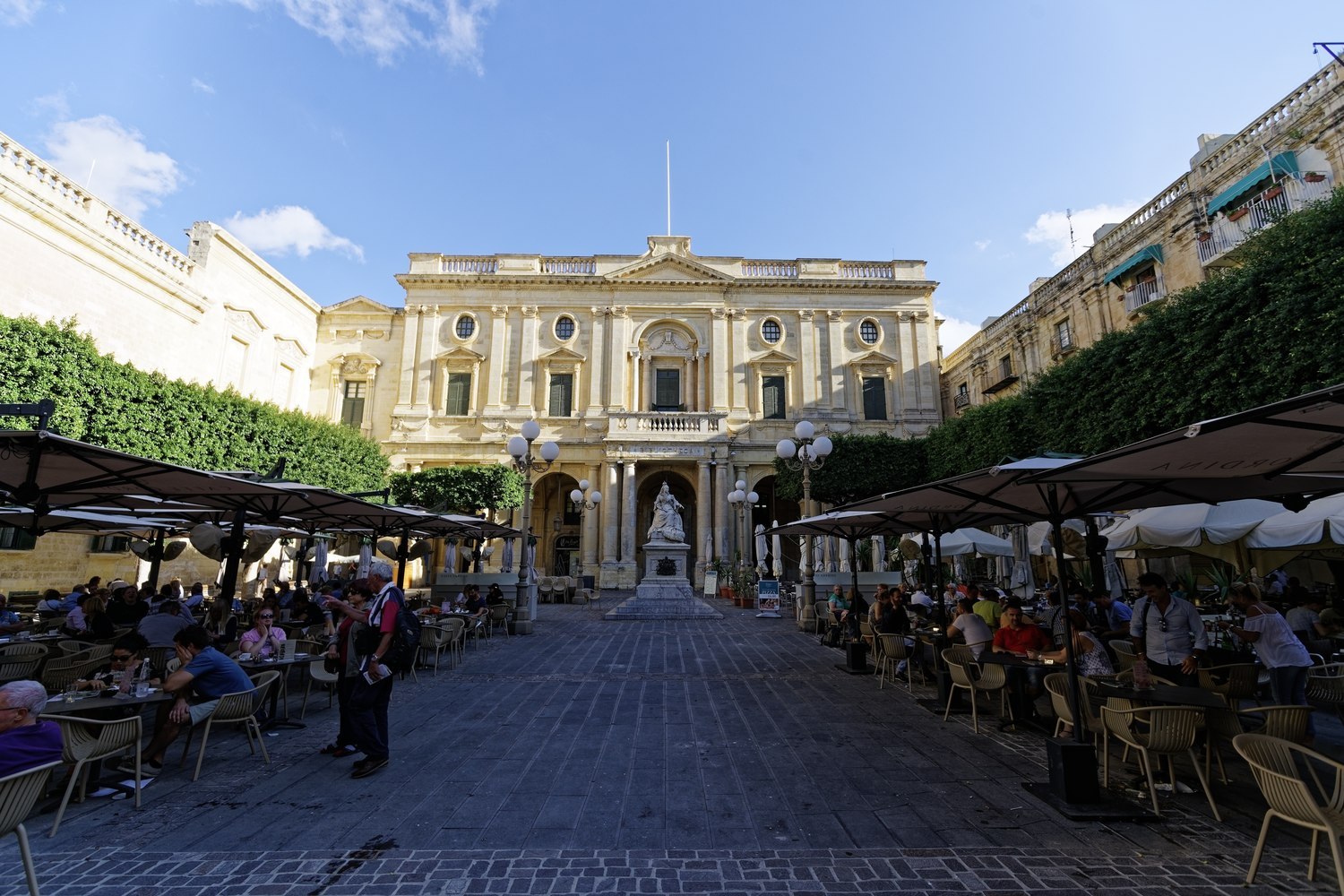
If you want to dodge the crowds, locals strongly recommend arriving on the main Republic Street either early in the morning or after four in the afternoon. During the day the town usually fills up with day-trippers from the big cruise ships, which can spoil the overall impression, so you’ll prefer to enjoy the little cafés in peace, with a far nicer atmosphere ☺️.
2. St John’s Co-Cathedral: breathtaking Baroque
At first glance this building looks like a rather austere fortress from the outside, but the moment you step inside you’re met with a literal golden Baroque explosion. Travellers agree it’s one of the most beautiful churches in Europe, where the floor is made up of nearly four hundred gorgeously decorated marble tombstones of the Knights of St John, which you walk across.
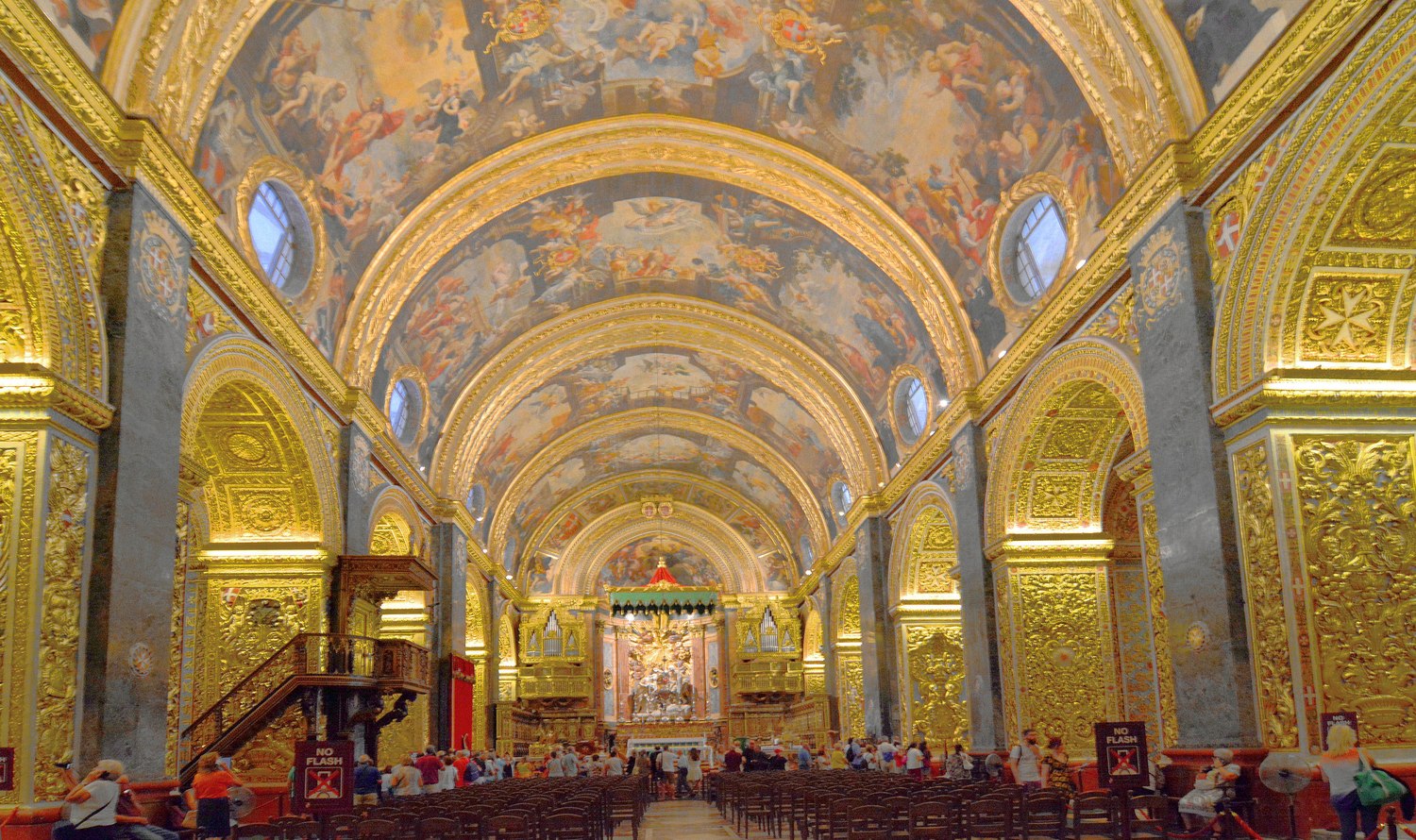
There’s an entrance fee here, but the visit is definitely worth the money, especially when you consider that two famous Caravaggio canvases hang inside. The most precious piece is, of course, the monumental painting of the Beheading of Saint John the Baptist — the only canvas this famous Italian painter ever personally signed, and you can see it with your own eyes.
3. Upper Barrakka Gardens and the noon salute
If you’re looking for the very best spot for photos, you have to check out these gorgeous gardens, which open up a spectacular view over the entire Grand Harbour and the Three Cities opposite. The gardens originally served only the private purposes of the Italian knights, but today you can rest by the fountain and safely shelter from the scorching summer sun beneath the ornate arcades.
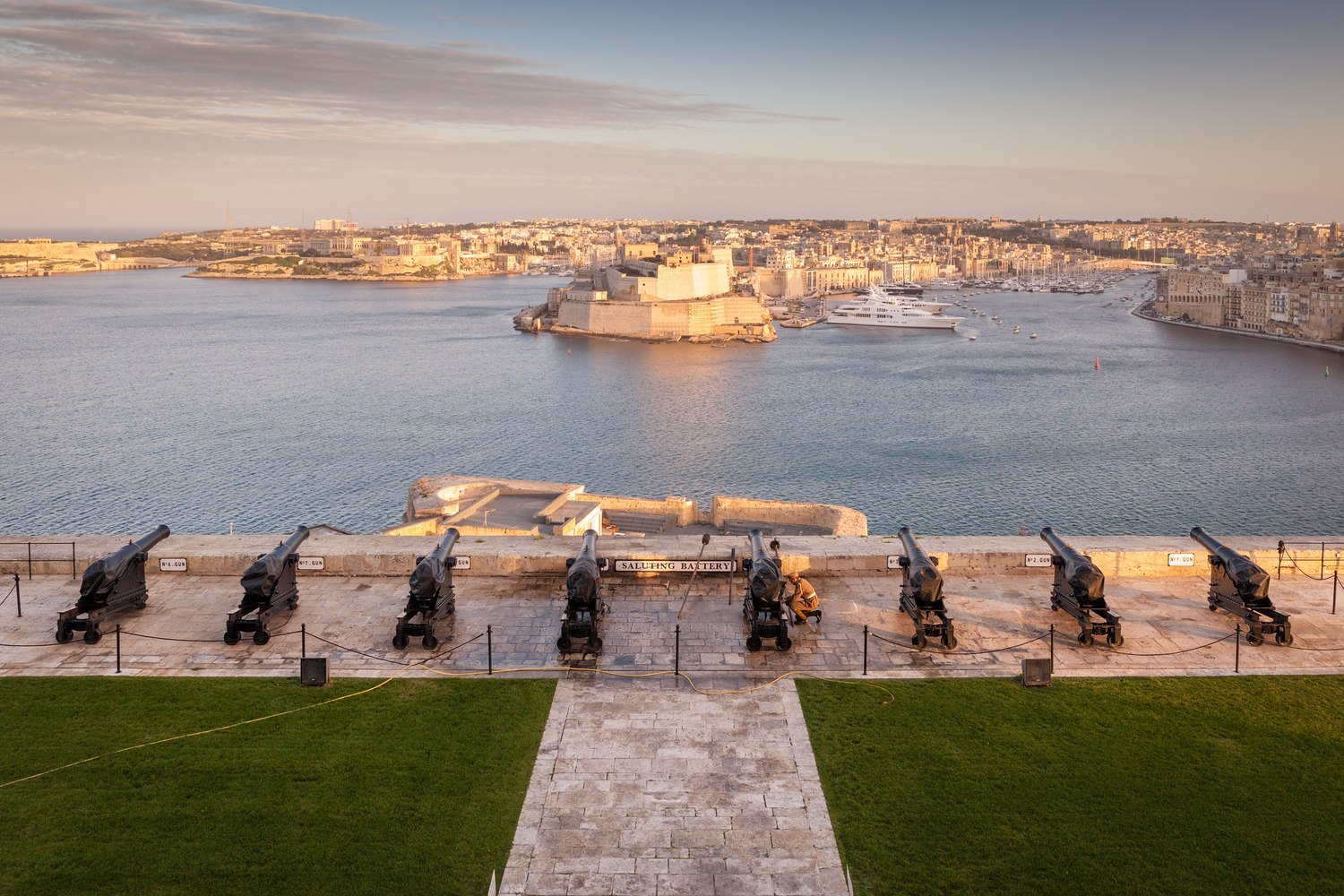
A practical tip is to time your visit for exactly midday or four in the afternoon, when the traditional cannon salute plays out on the terrace of the Saluting Battery one level below. It’s said to be very loud but a hugely popular historical demonstration that instantly transports you a few centuries back, to the days of this little island’s fearless defenders.
4. Grand Harbour: the natural port that changed history
This vast natural harbour shaped the history of the whole Mediterranean and, according to many travel guides, ranks among the most impressive in the world. Mighty bastions and defensive walls stand here as silent witnesses to dramatic events; the harbour played a particularly crucial role during World War II, for which all of Malta received the famous George Cross for bravery from the British king.
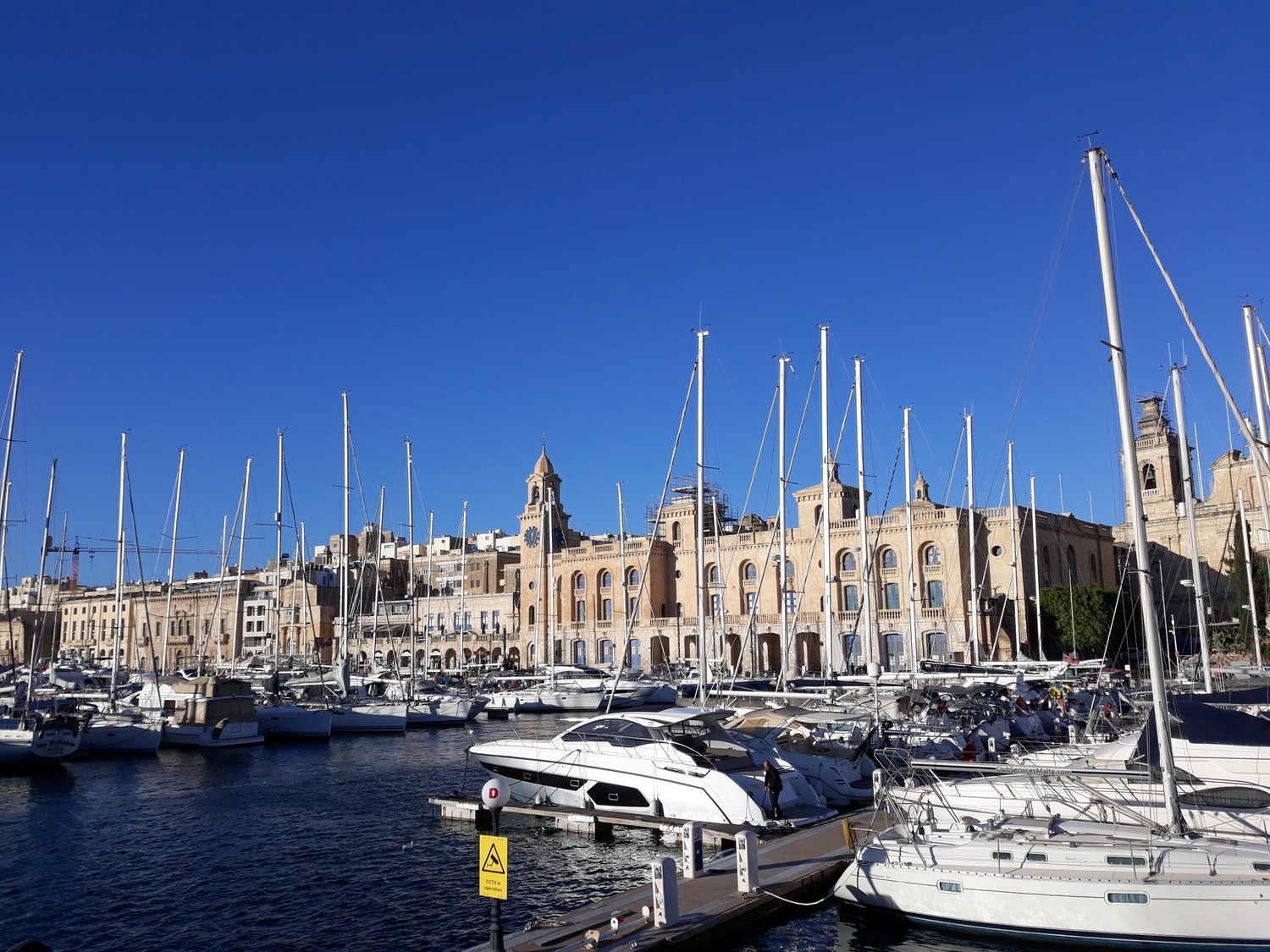
You’ll reportedly grasp the sheer scale of the whole fortification best right from the water, so it’s well worth heading out on an organised sightseeing boat cruise. You can buy tickets right on the waterfront in Valletta, and from the deck you’ll get a completely different and far more interesting perspective on the high walls and historic forts than from land.
5. The Three Cities: Vittoriosa, Senglea and Cospicua
Right across from the capital lie Vittoriosa, Senglea and Cospicua, historic little towns where you’ll reportedly find a far more authentic atmosphere than in Valletta itself. Supposedly far fewer tourists come here, so you can calmly enjoy wandering the narrow lanes, admiring the luxury yachts in the marina and exploring the majestic Fort St Angelo.
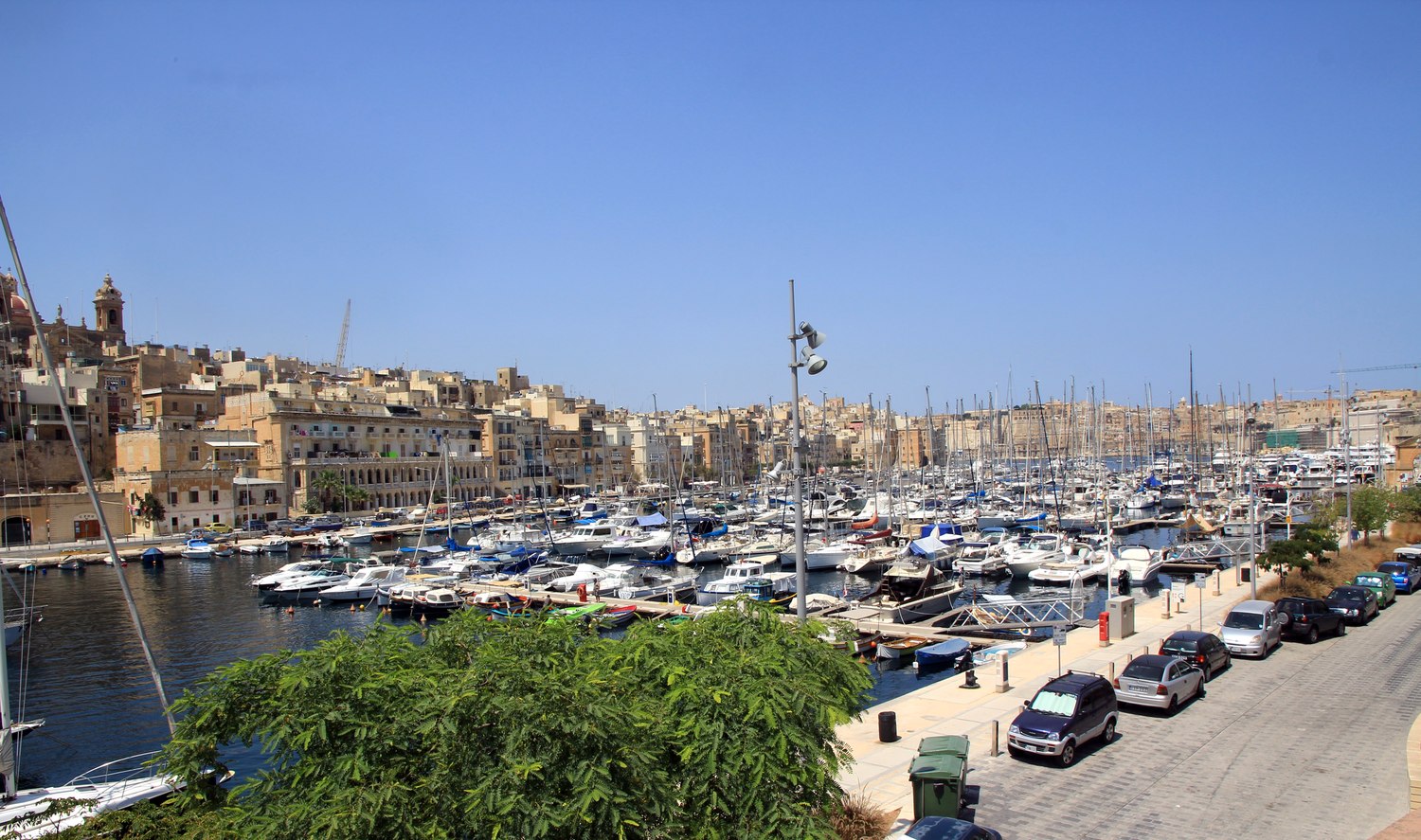
Travellers recommend making the trip from Valletta not by bus, but rather being ferried across to the opposite shore on a traditional wooden boat called a dgħajsa. The journey takes just a few minutes and usually costs around €2, just don’t forget to arrange decent travel insurance, since these are small craft and safety always comes first.
6. Sliema and St Julian’s: promenade, shopping and nightlife
If you long for modern city buzz, shopping centres and a wide seaside promenade, these two connected districts definitely won’t let you down. While the picturesque Spinola Bay is full of photogenic colourful boats, the coastal promenade reportedly offers ideal conditions for evening strolls and popular swimming straight off the concrete piers and rocks.
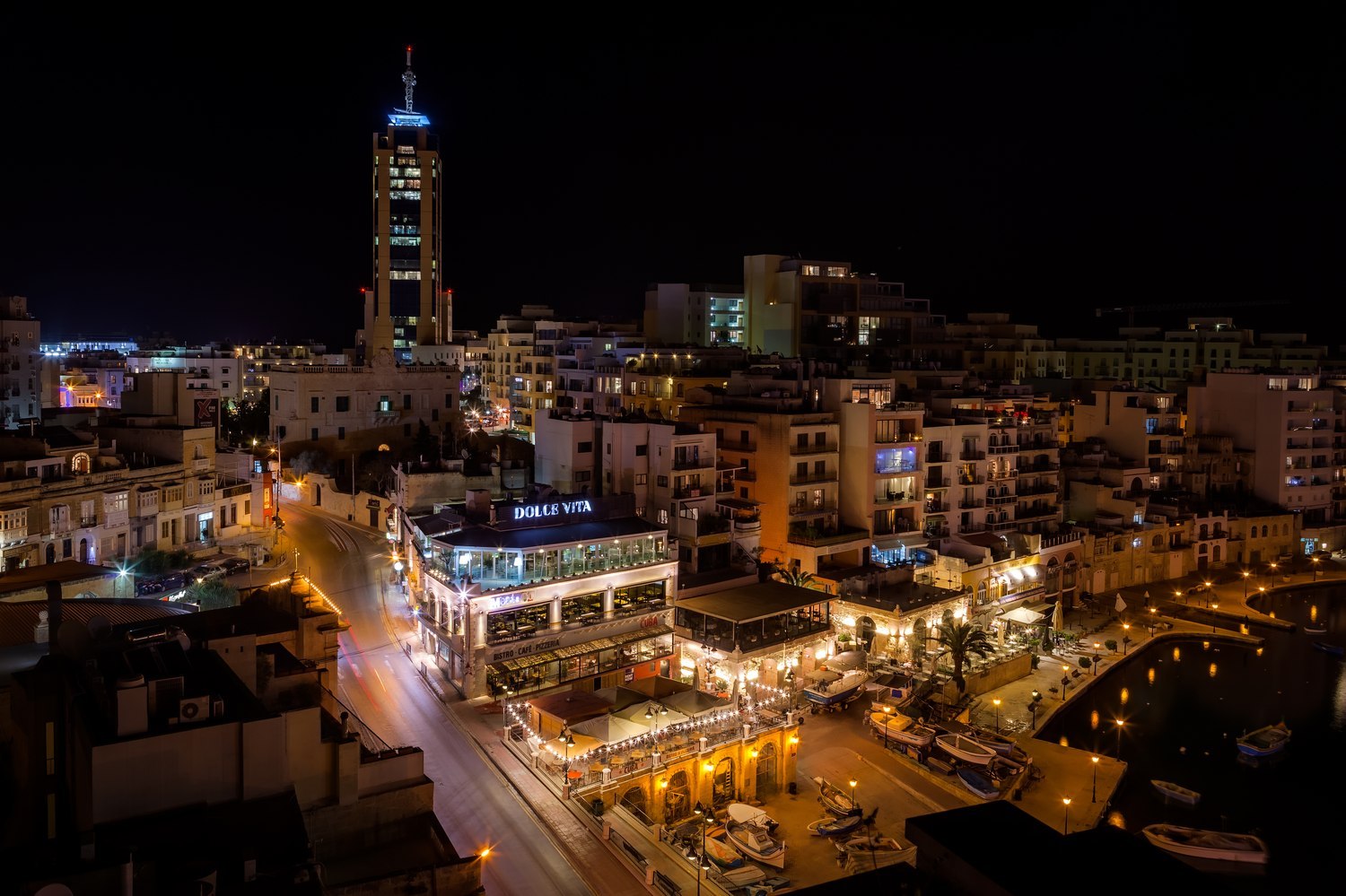
Travellers do warn, however, about the Paceville area within St Julian’s, which functions as one huge and very noisy party zone. Unless you’re specifically after wild nightclubs and cheap bars packed with language-school students, steer well clear of this spot at night and stay somewhere quieter on the island 😅.
7. Mdina: the Silent City behind the walls
The former capital lies safely hidden behind high walls in the centre of the island, and thanks to its unique atmosphere it’s quite rightly nicknamed the Silent City. Fans of TV series will surely recognise the majestic main Mdina Gate, because scenes for the famous Game of Thrones were filmed here, but the tangle of narrow sandstone lanes will reliably enchant every visitor.
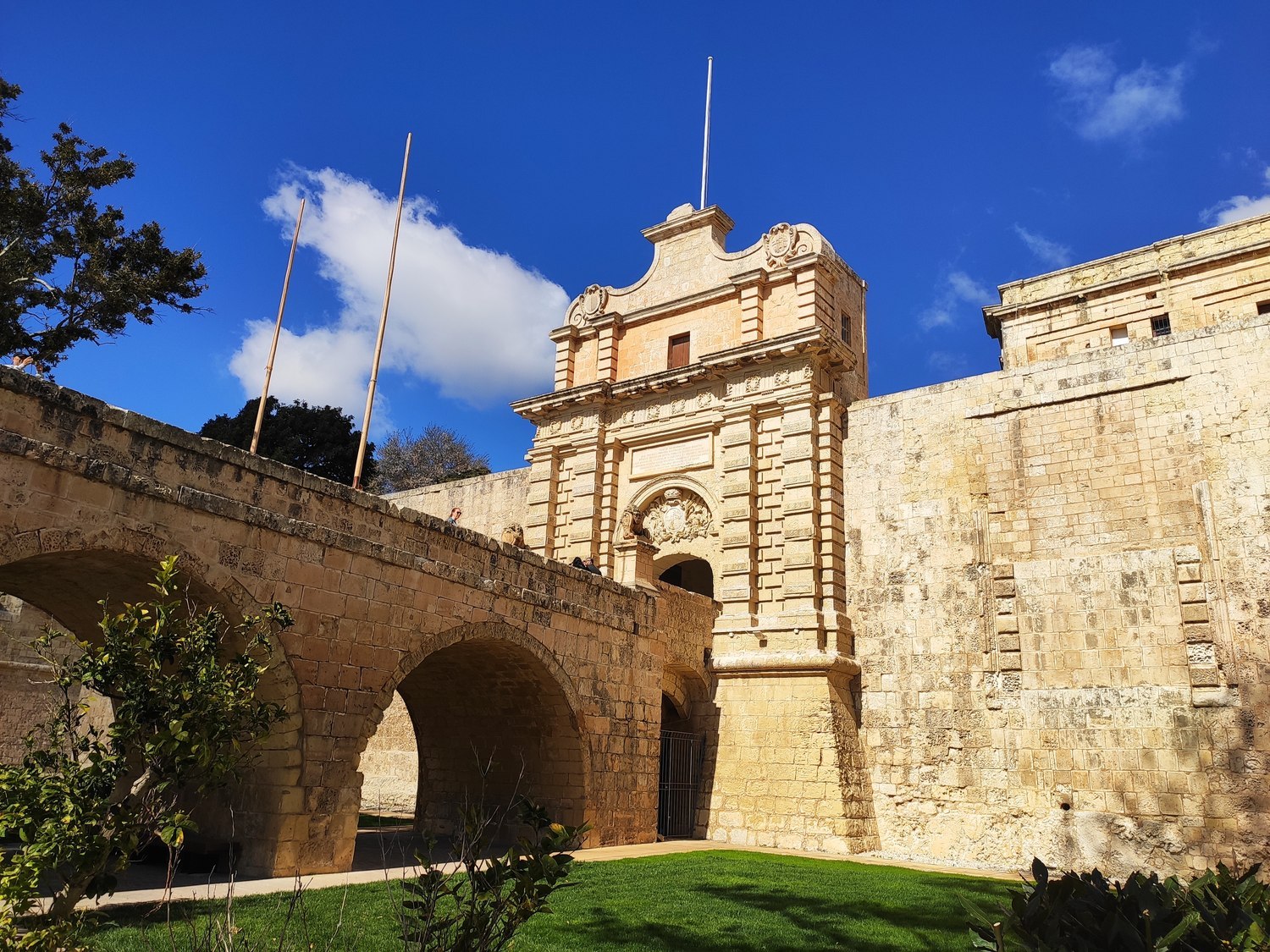
During the day it gets fairly busy inside the walls, so it’s recommended to come for your visit in the early evening, once most of the organised tours have headed back to the sea. After dark the historic streets stay almost empty, the lamps cast long shadows, and only then, they say, will you fully understand why Mdina truly earns its silent name.
8. Rabat and St Paul’s Catacombs
Right beyond the walls of Mdina, the neighbouring little town of Rabat flows on seamlessly, hiding beneath its streets a fascinating, sprawling early Christian underground burial ground. Here you can safely explore the dark catacombs where the dead were once buried, and peek into the revered Grotto of St Paul, where the apostle supposedly stayed after his alleged shipwreck.
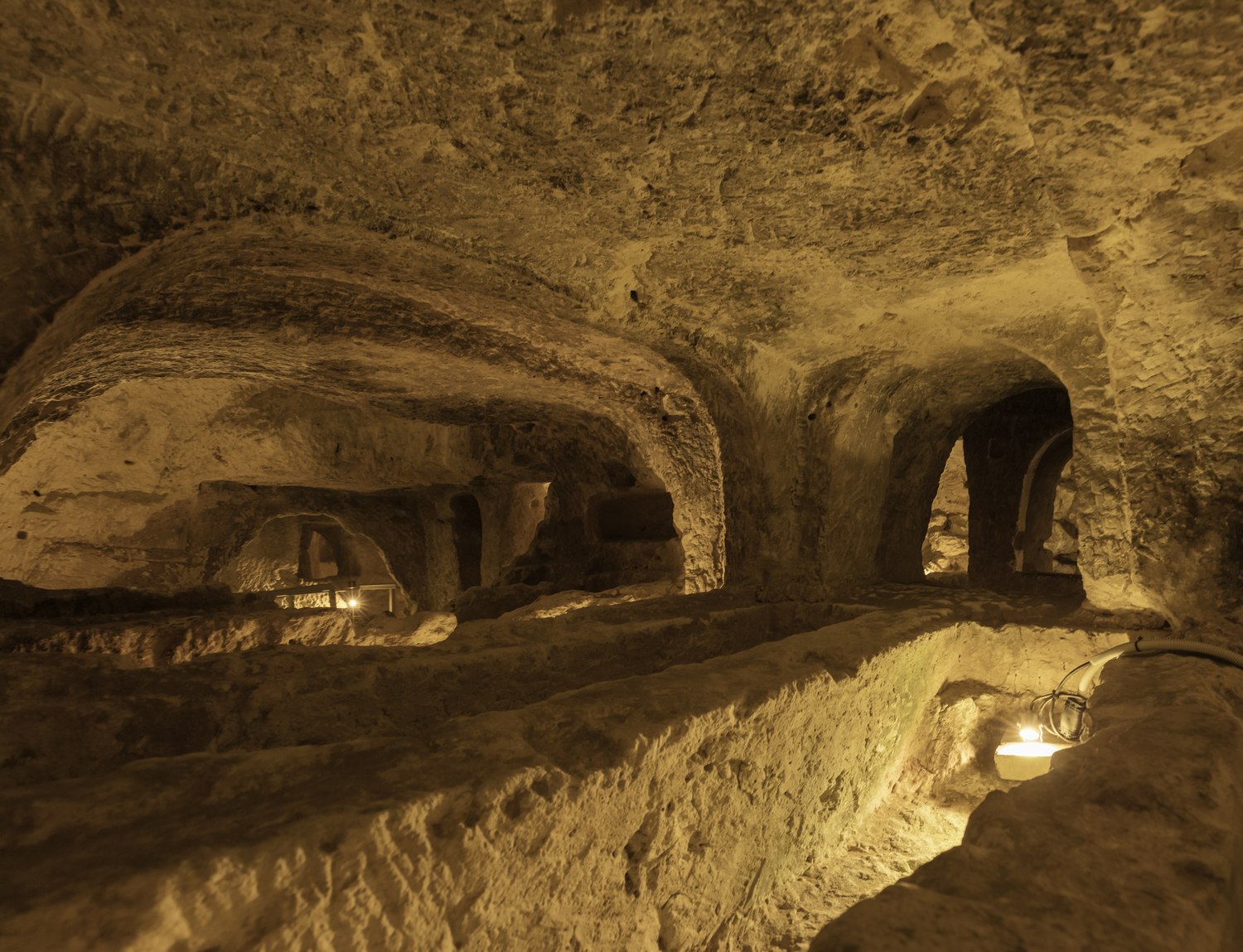
A tour of the winding underground passages takes at least an hour, and it’s worth knowing that it can get quite cool down there, so a light jumper will come in handy. Always check the opening hours in advance on the official website, as they can change with the season, and some sections aren’t the easiest to access for people with reduced mobility.
9. The Rotunda in Mosta and the story of the bomb
The monumental church in the little town of Mosta boasts one of the largest unsupported domes in all of Europe, forming an unmissable landmark of the whole island from afar. But it’s not just about the striking architecture, because tied to this place is an almost unbelievable story from World War II that has made it one of the most sought-after spots in Malta.
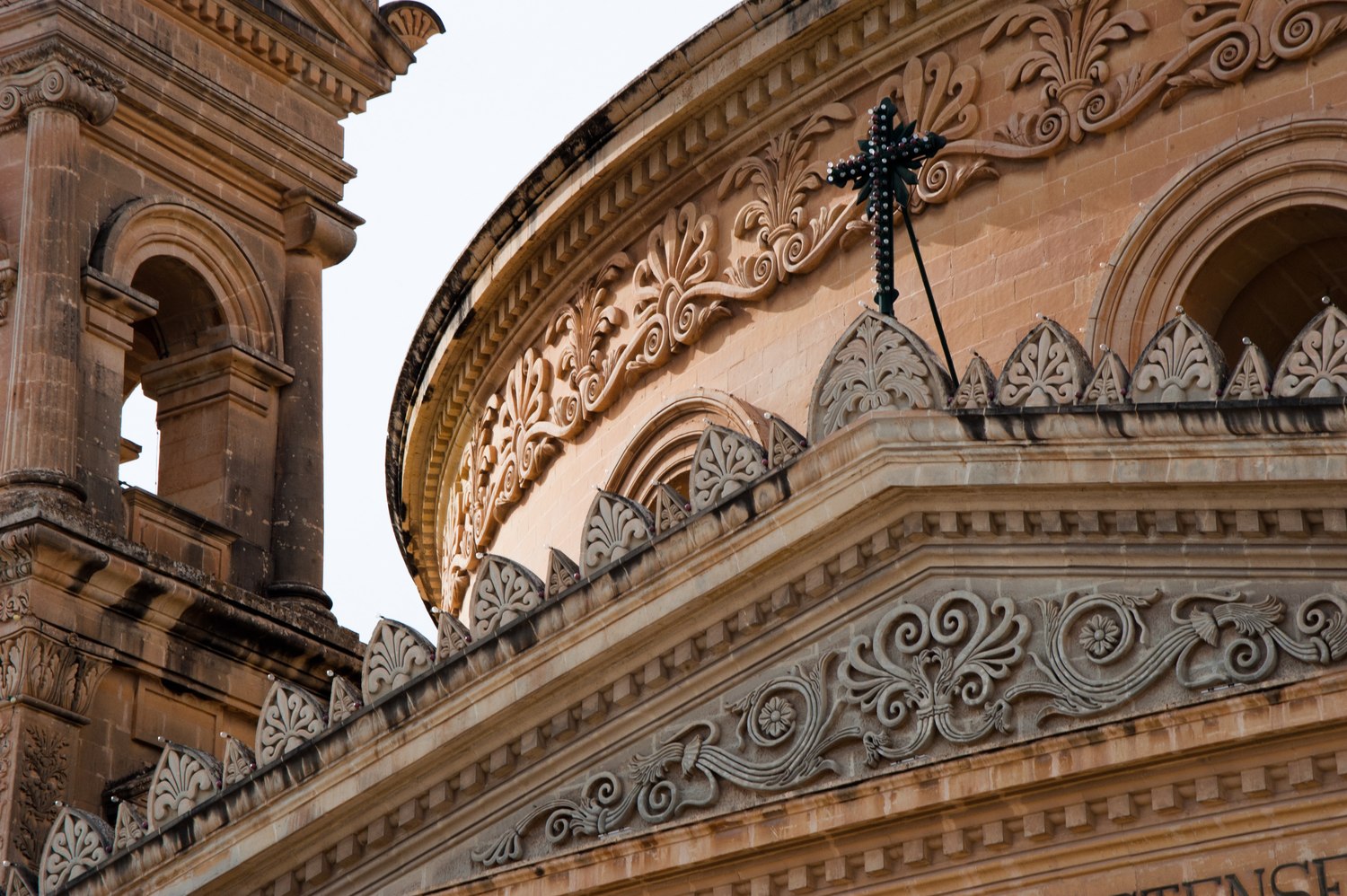
In April 1942, during Mass, a German aerial bomb pierced the enormous dome, landed right in the middle of the full church, and yet miraculously failed to explode. Today you can see an exact replica of this famous bomb inside, and locals still firmly believe that all the saints were watching over the three hundred worshippers that day.
10. Dingli Cliffs: the cliffs above the west coast
For lovers of nature and dramatic views, these mighty cliffs on the west coast are an absolute must, because they form the highest point of the entire archipelago. The limestone walls plunge steeply straight into the sea, and by other travellers’ accounts you’ll experience the most beautiful and peaceful walk here, accompanied only by the sound of the wind and the sea breaking below.
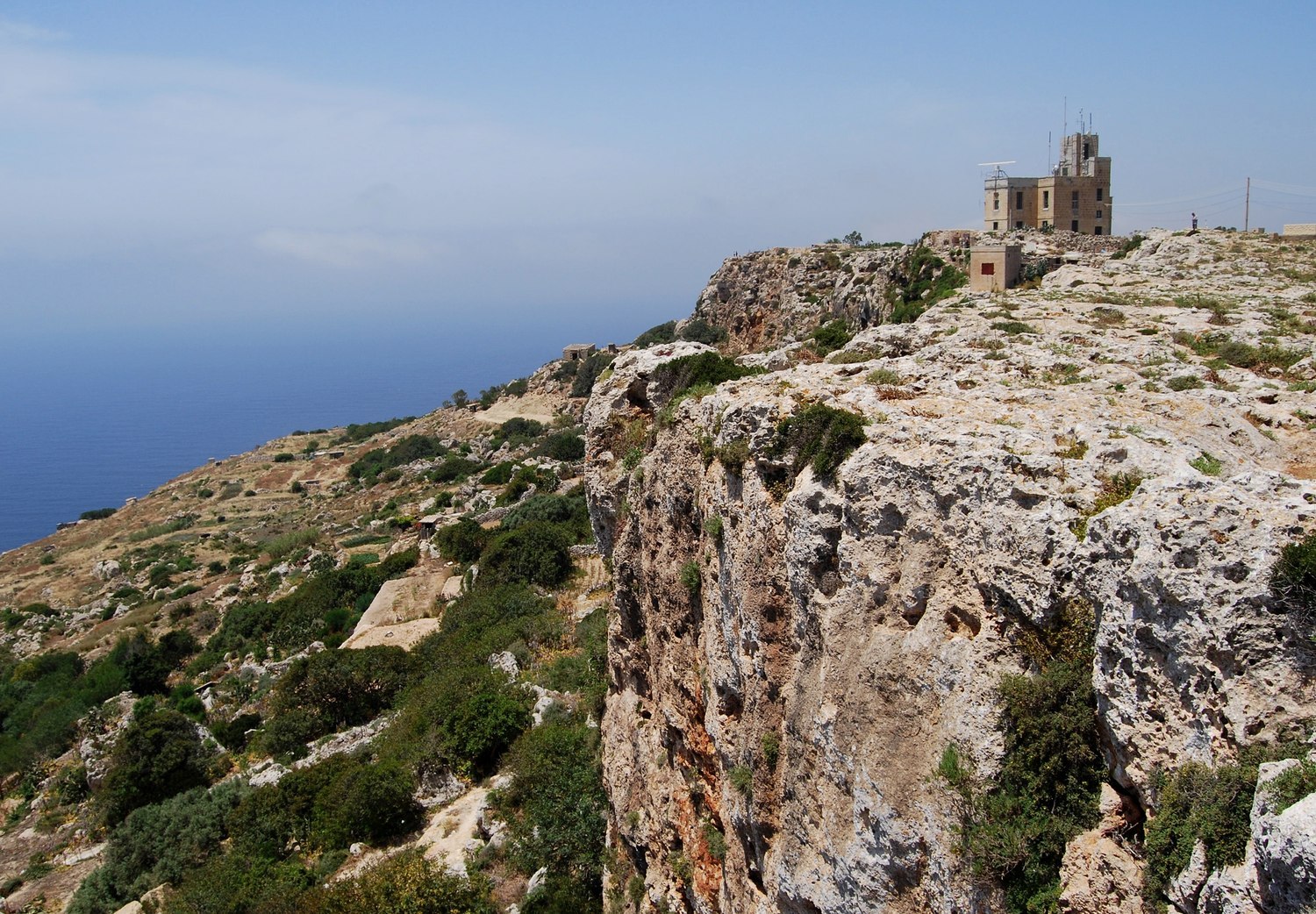
The cliffs are naturally most enchanting in the early evening, when photographers gather to hunt the best shots of the setting sun. To get here, just hop on a bus, but remember that from the stop you’ll need to walk a little way on foot, so comfortable shoes are definitely a better choice than thin beach flip-flops.
11. Mosta, Naxxar and Palazzo Parisio
When you’re exploring the centre of the island around the little town of Mosta, you definitely shouldn’t miss the neighbouring village of Naxxar, home to an absolutely stunning aristocratic residence. The Palazzo Parisio has earned itself the nickname of Malta’s little Versailles among tourists, thanks mainly to its richly decorated interior and beautifully kept garden.
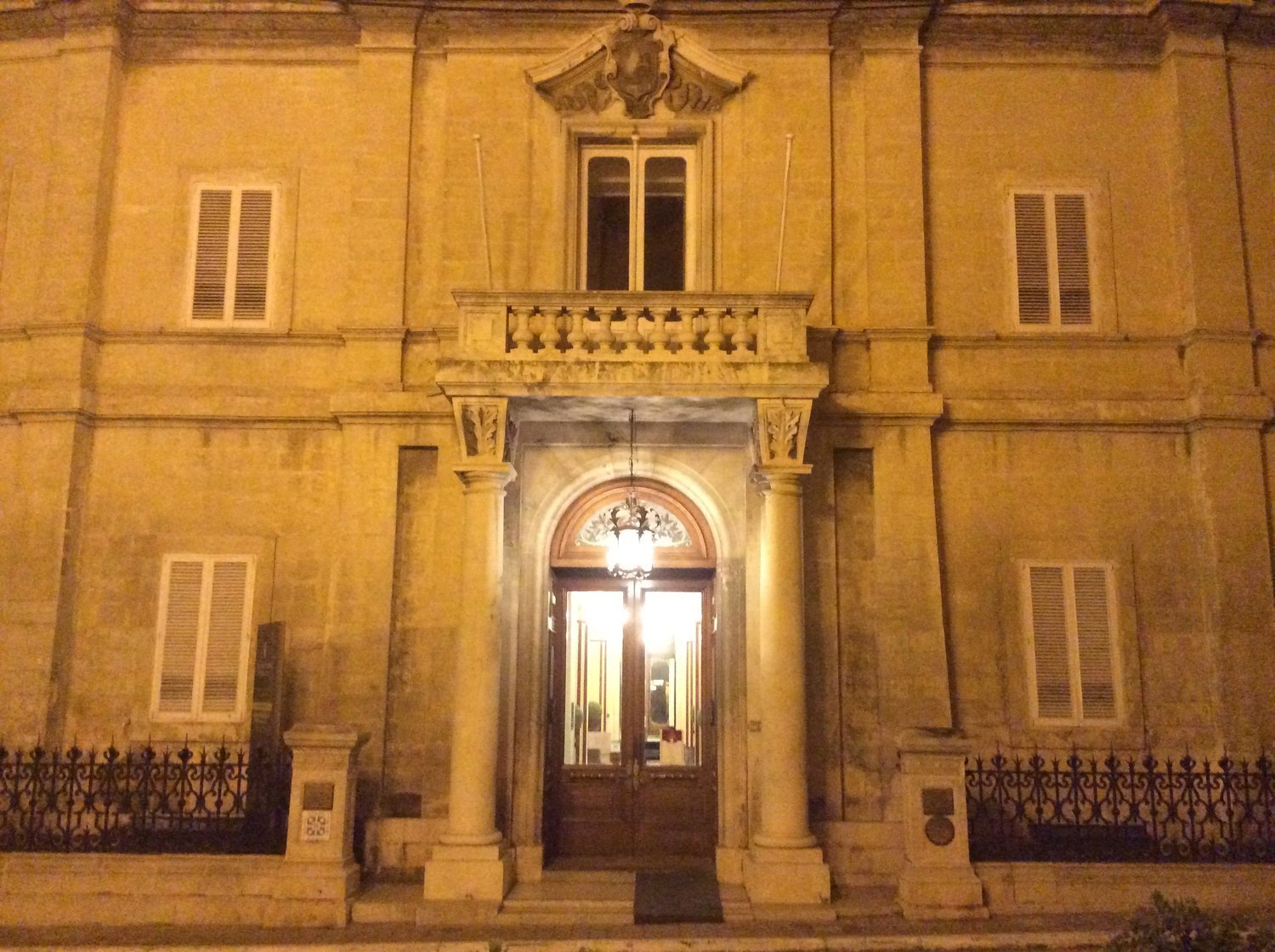
The entrance fee is paid at the main gate, and the tour will reportedly delight every lover of opulent Baroque architecture. After strolling through the palace you can even treat yourself and stop for a coffee or tea right in the palace gardens, which reviews call an incredibly romantic full stop to the whole day.
12. Ta’ Qali and the crafts village
A former military airfield has gradually turned into a sprawling park, whose main attraction is a very popular crafts village that people visit primarily for local products. If you want to bring home quality souvenirs that don’t come from China, you’ll find workshops here full of traditional hand-blown glass and delicate silver filigree.
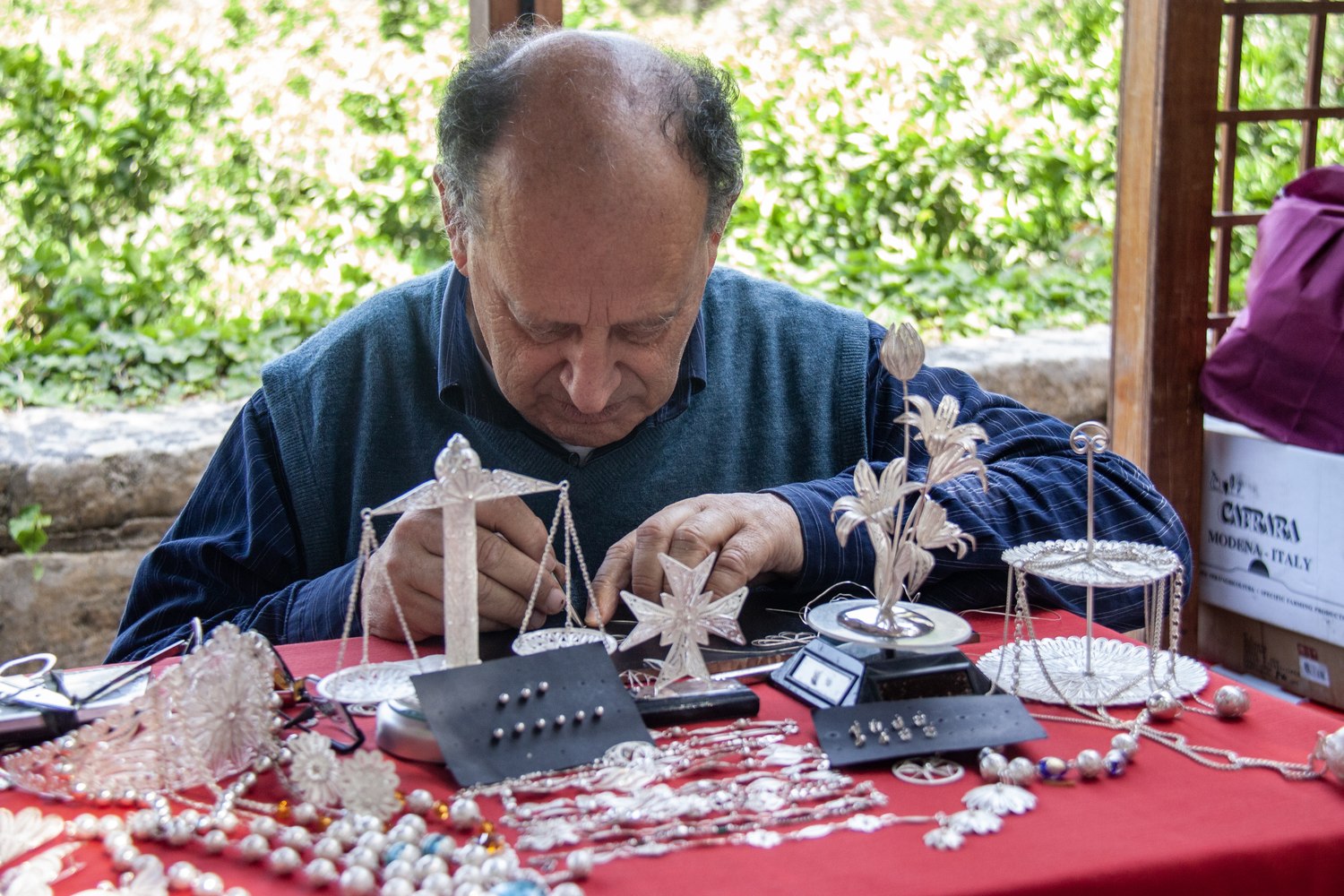
At many of the workshops you can watch the master glassblowers at work up close, seeing these fragile pieces come to life right in front of you. It’s best to plan your visit for the morning hours on weekdays, because most of the workshops are unfortunately closed at weekends, which the odd uninformed tourist occasionally, unwittingly, pays the price for.
13. Marsaxlokk: a fishing village with colourful boats
This immensely photogenic fishing village in the south of the island draws people mainly for its bay full of traditional, brightly coloured boats known as luzzu. On their bows you’ll always spot the painted magical Eye of Osiris, meant to protect the fishermen from danger at sea, and it forms perhaps the most typical Maltese image of all.
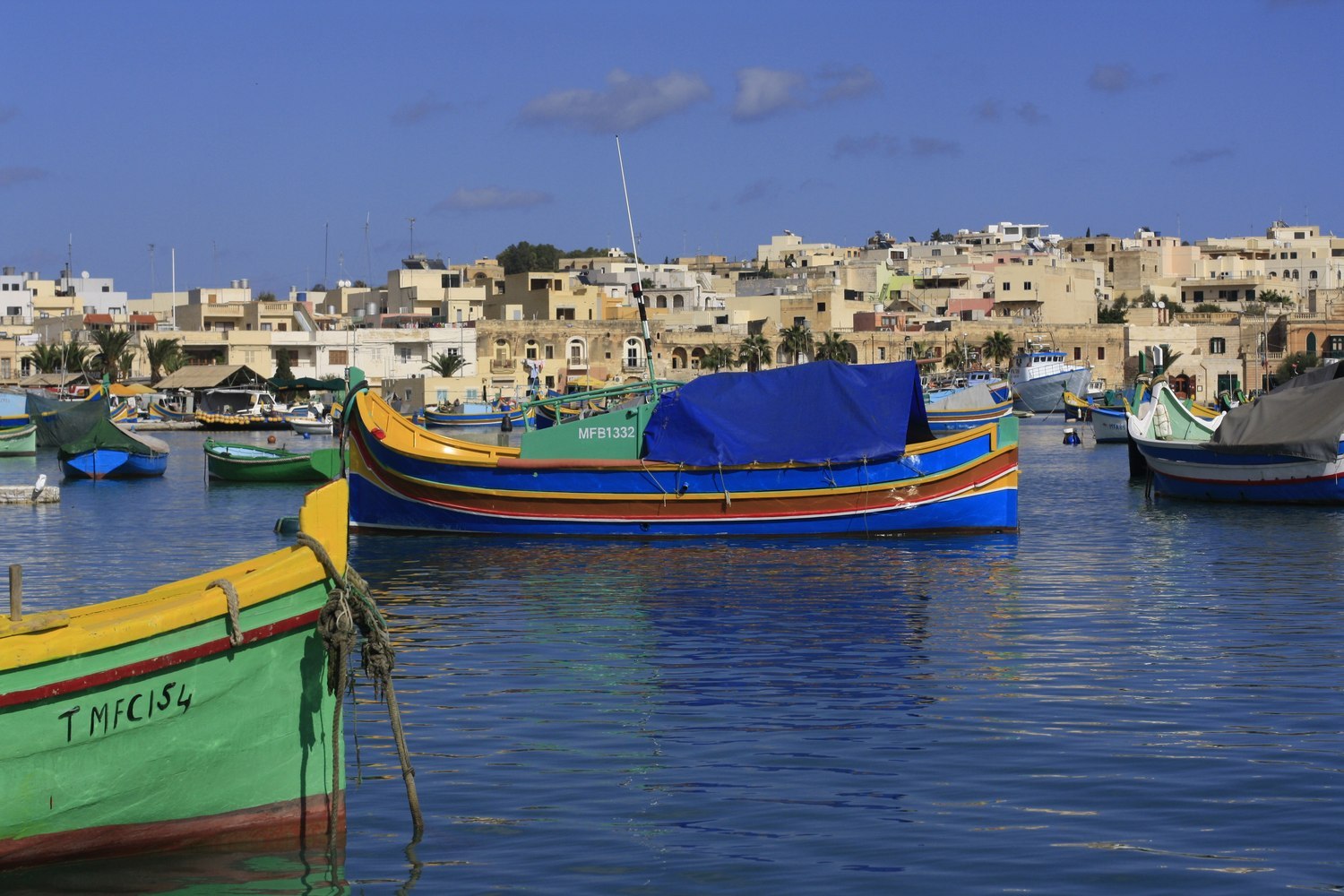
Tourists most often flock here for the huge Sunday market, but I have to warn you honestly that it’s largely a fish market, so for us vegetarians it’s more of a cultural spectacle than a tempting food stop ☺️. Also be prepared for the fact that the buses are bursting at the seams on Sunday mornings, so it’s simply best to head out as early as possible.
14. The Blue Grotto
The natural wonder known as the Blue Grotto is made up of a massive rock arch and a series of connected sea caves, where the water shimmers in every shade of turquoise imaginable. The sunbeams reflect off the white sandy bottom and, by all accounts, it’s an absolutely fantastic sight that would be a real shame to skip.
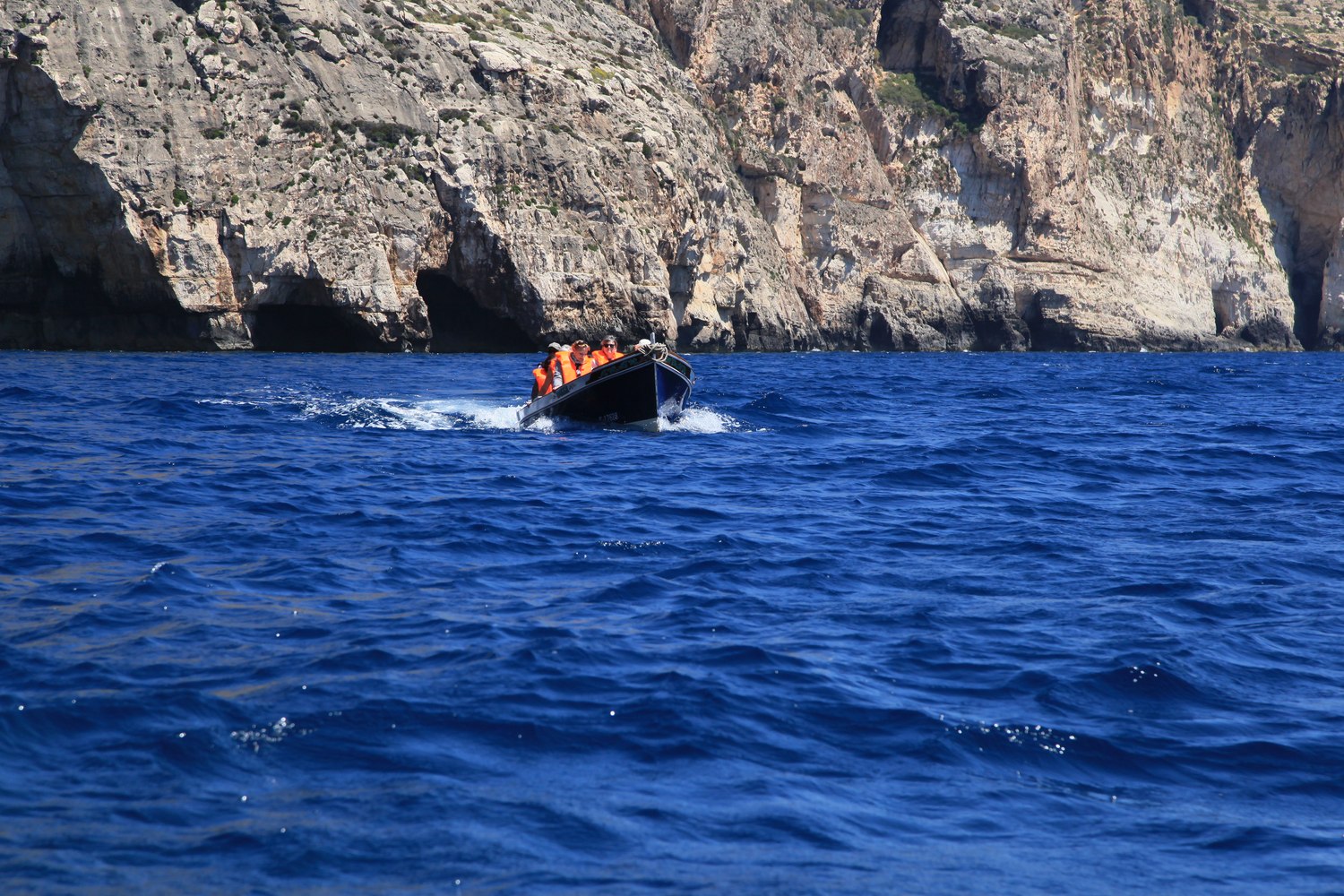
The boats set off from the nearby village of Wied iż-Żurrieq, the trip itself takes around twenty to thirty minutes, and for the best light it’s recommended to arrive first thing in the morning. Just bear in mind that when the sea is rough the boats naturally don’t sail, so if it’s blowing hard along the coast, save this trip for a much calmer day.
15. Ħaġar Qim and Mnajdra: temples older than the pyramids
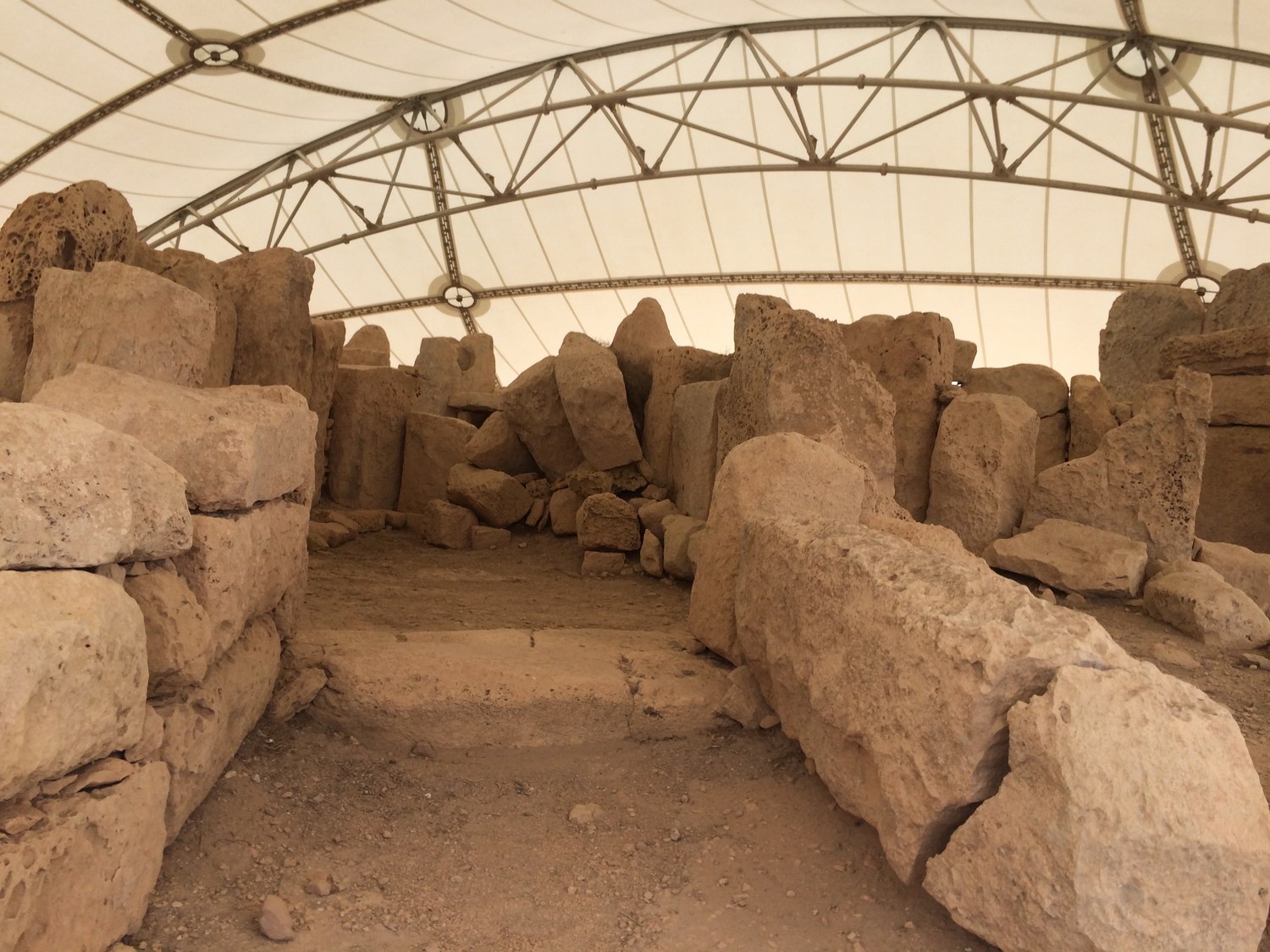
Malta can boast structures that are even older than the Egyptian pyramids, and these two fantastic megalithic temples date to roughly 3600–3200 BC. Both prehistoric complexes stand near the cliffs above the sea, are inscribed on the UNESCO list, and radiate a huge sense of historical mysticism that travellers rave about.
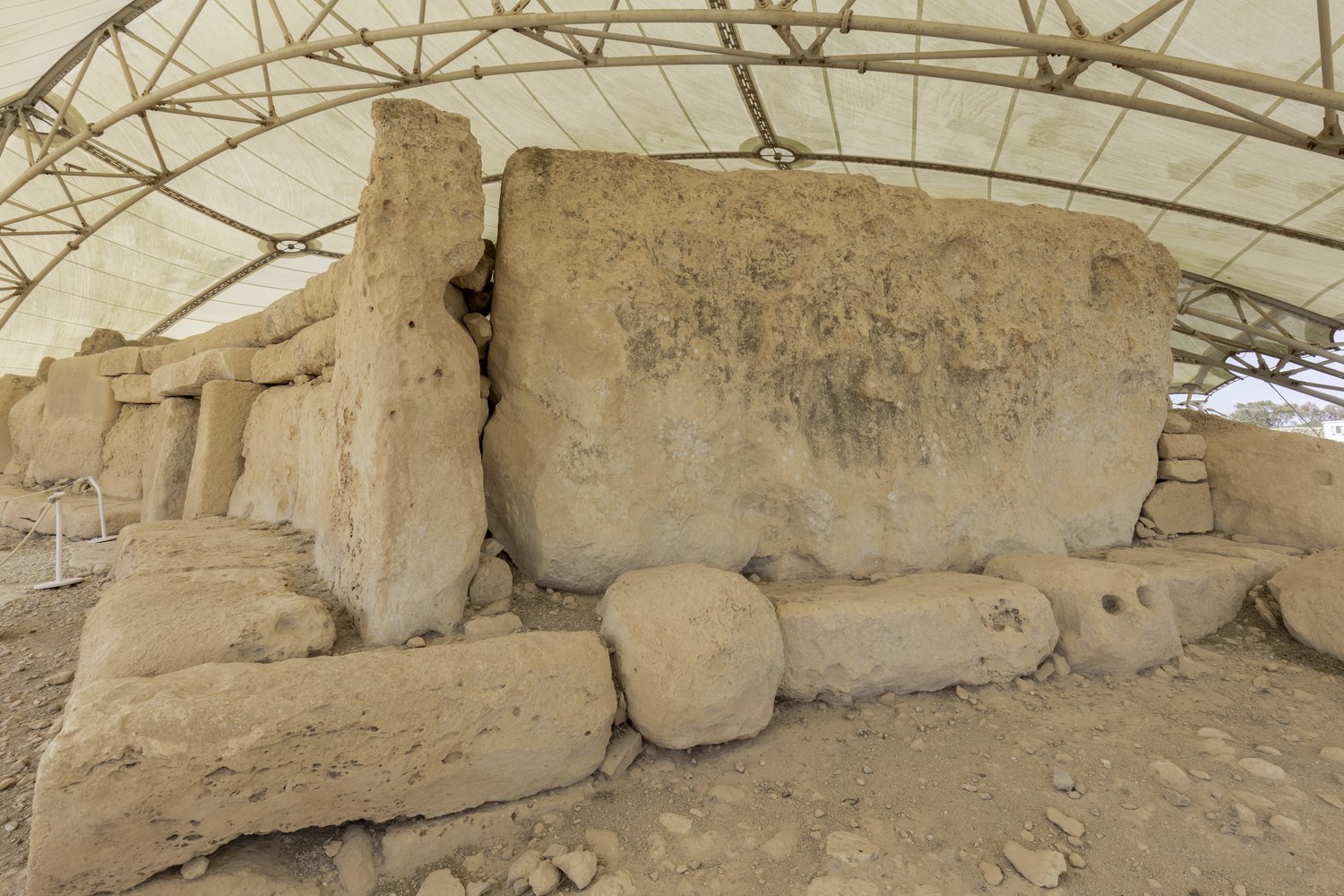
To prevent further erosion of the precious stones, both temples are cleverly roofed with enormous protective tents, which has the added bonus of providing merciful shade in summer. Even so, given the high summer temperatures, don’t forget to bring plenty of drinking water, because the site is fairly large and the tour will take you a while.
16. St Peter’s Pool: a natural pool in the rock
A short walk from the village of Marsaxlokk lies one of the most popular natural pools, carved by seawater over millennia straight into the smooth limestone rock. The water here is beautifully clear and deep, which is why the spot mainly attracts younger crowds and everyone who loves dramatic jumps into the water from the rock ledges of various heights.
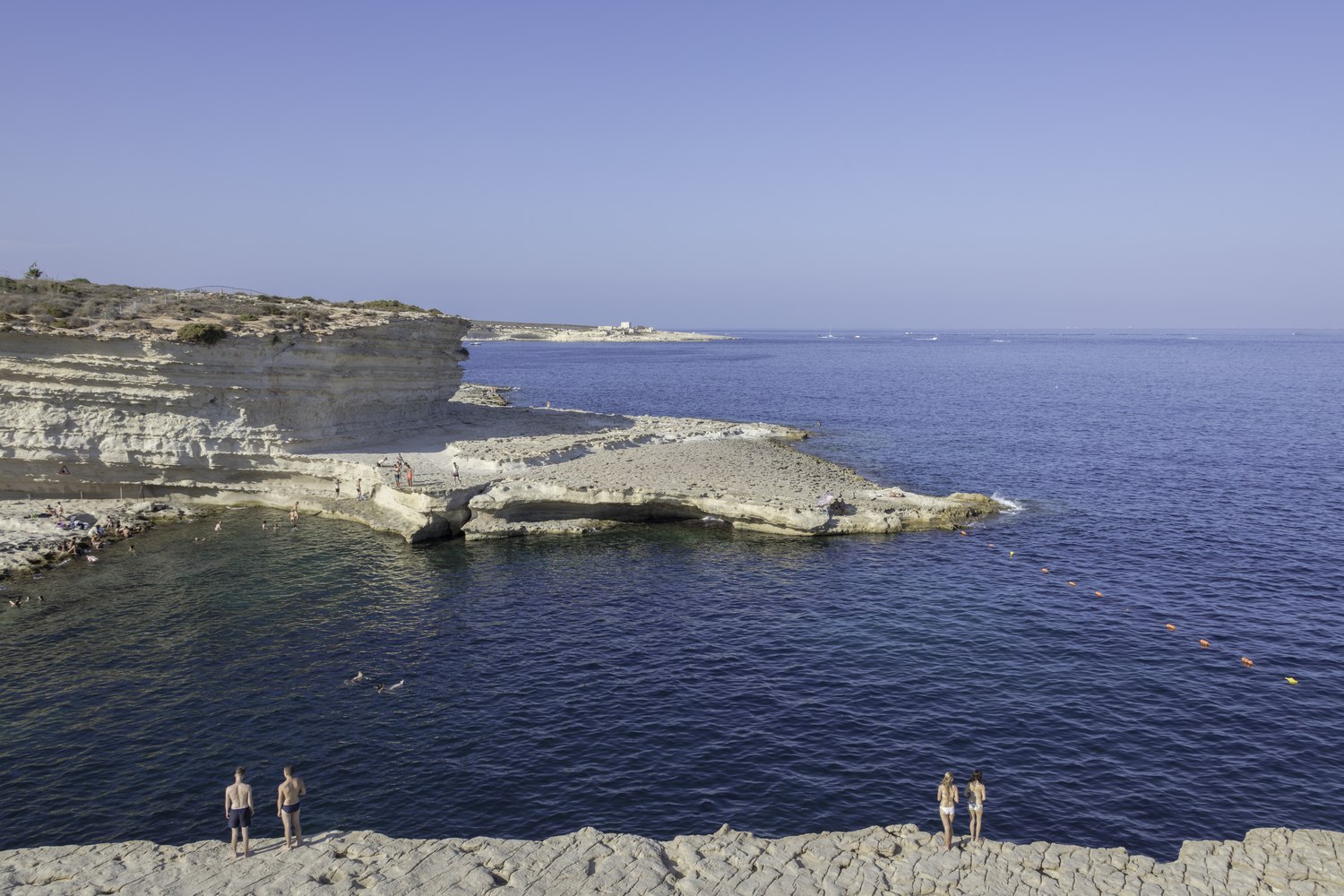
At this natural swimming spot you’ll find absolutely no tourist facilities, refreshment stalls or parasols, so you have to bring everything yourself. Definitely pack sturdy footwear or water shoes, because the rocks tend to be slippery and sharp, and if you’re after peace and quiet, come early in the morning before the limestone ledges fill up with towels.
17. The Hypogeum of Ħal Saflieni
This three-storey underground sanctuary carved deep into the rock is a truly one-of-a-kind wonder in the world, and reportedly the most mysterious landmark in all of Malta. It was discovered entirely by chance by workers digging foundations for new houses, and today it’s a place that astonishes with its intricate architecture and utterly perfect acoustics in its deep chambers.
To protect its unique microclimate, entry is allowed only in small groups, and the entrance fee is naturally charged per person. If you want to see this place with your own eyes, you have to book tickets online several months in advance, because they sell out incredibly fast and you have no chance of getting them on the spot.

18. The Blue Lagoon on Comino
Brilliantly turquoise water contrasting with a white sandy bottom has made this bay, hands down, the most photogenic spot on the whole archipelago. It lies off the shores of the small island of Comino, which cars can’t reach at all, so you have to pay for an excursion boat from Malta or Gozo — and by the photos it looks like a genuine Caribbean paradise.
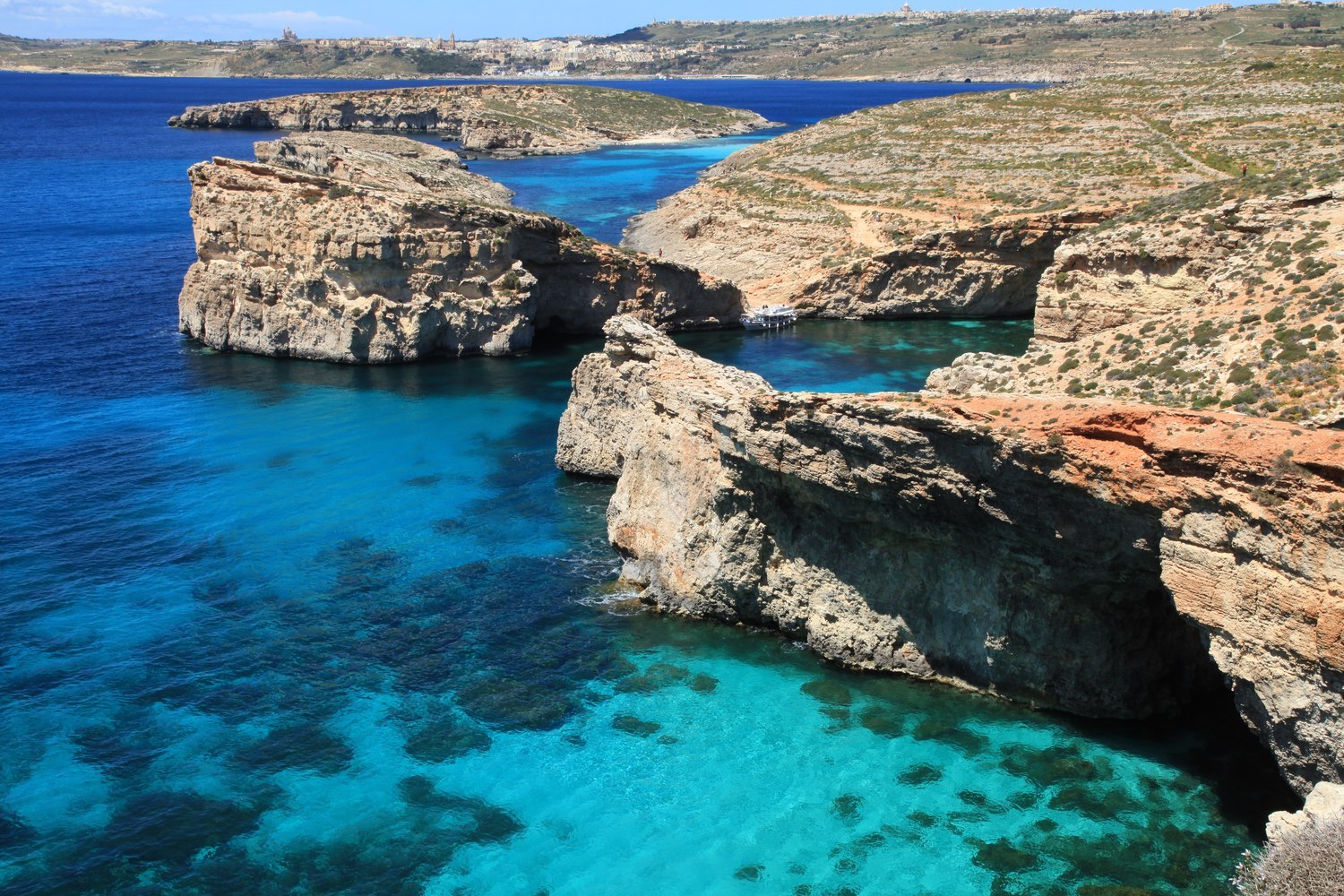
But I have to be completely honest with you, because in July and August it’s reportedly one big, very noisy crush where you don’t stand a chance of even laying down a towel. Locals therefore strongly recommend catching the very first morning boat or planning your visit outside the main summer season, and above all bringing water and shade with you.
19. Victoria and the Citadel
The capital of the greener island of Gozo, which locals often still call by its original name Rabat, hides a majestic fortified Citadel at its centre. This impregnable fortress once protected the inhabitants from pirate raids, and today it offers a gorgeous panoramic view over the entire island that visitors say you’ll definitely fall in love with.
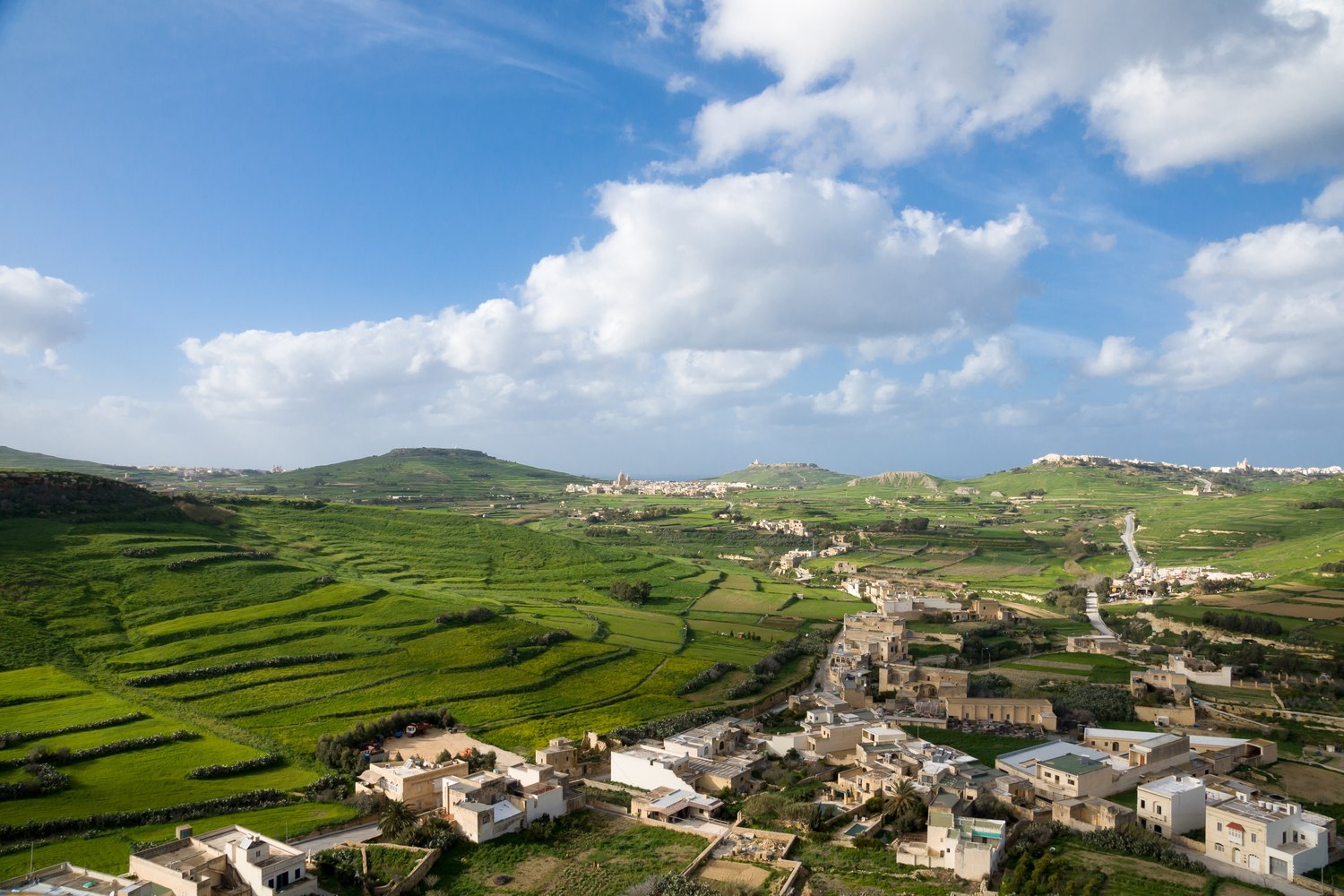
You reach Gozo either by ferry from the port of Ċirkewwa, which takes about 25 minutes, or you can use the fast catamaran from Valletta sailing in around three quarters of an hour. A handy bit of trivia is that the trip to the island is free — you only buy the ferry ticket on the way back to Malta, so you save yourself pointless delays on departure.
20. Dwejra and the Inland Sea
This part of Gozo was once famous mainly for the Azure Window, a huge rock arch that sadly collapsed into the sea during a fierce storm in 2017. Even without it, though, nature still puts on an incredible show here, because the fascinating Inland Sea remains, along with excellent conditions for diving in the deep caves.
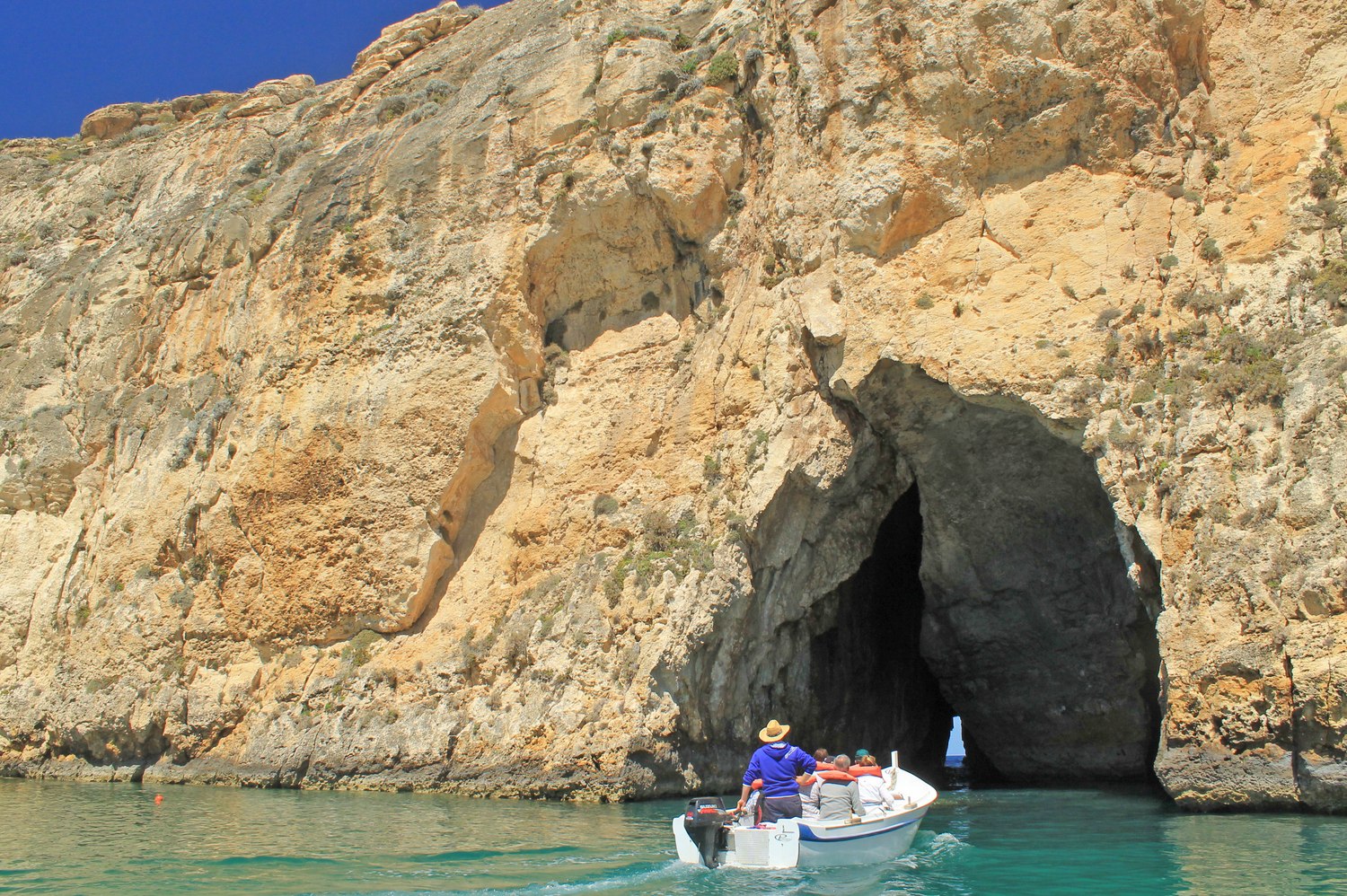
The Inland Sea is actually a small, shallow lagoon connected to the open sea by a narrow rock tunnel, through which little excursion boats love to pass. Experienced travellers praise the great snorkelling conditions here, but also warn that the sharp, rocky shore calls for caution and sturdy water shoes.
21. Ramla Bay: the archipelago’s prettiest sandy beach
If you’re hunting for the very prettiest sandy beach on Gozo, everyone will immediately send you to the north coast, to the spacious Ramla bay. Its utterly distinctive orange-red sand contrasts with the clear water, and high above the bay towers the famous Calypso’s Cave, where legend says the nymph Calypso held the mythical Odysseus for seven long years.
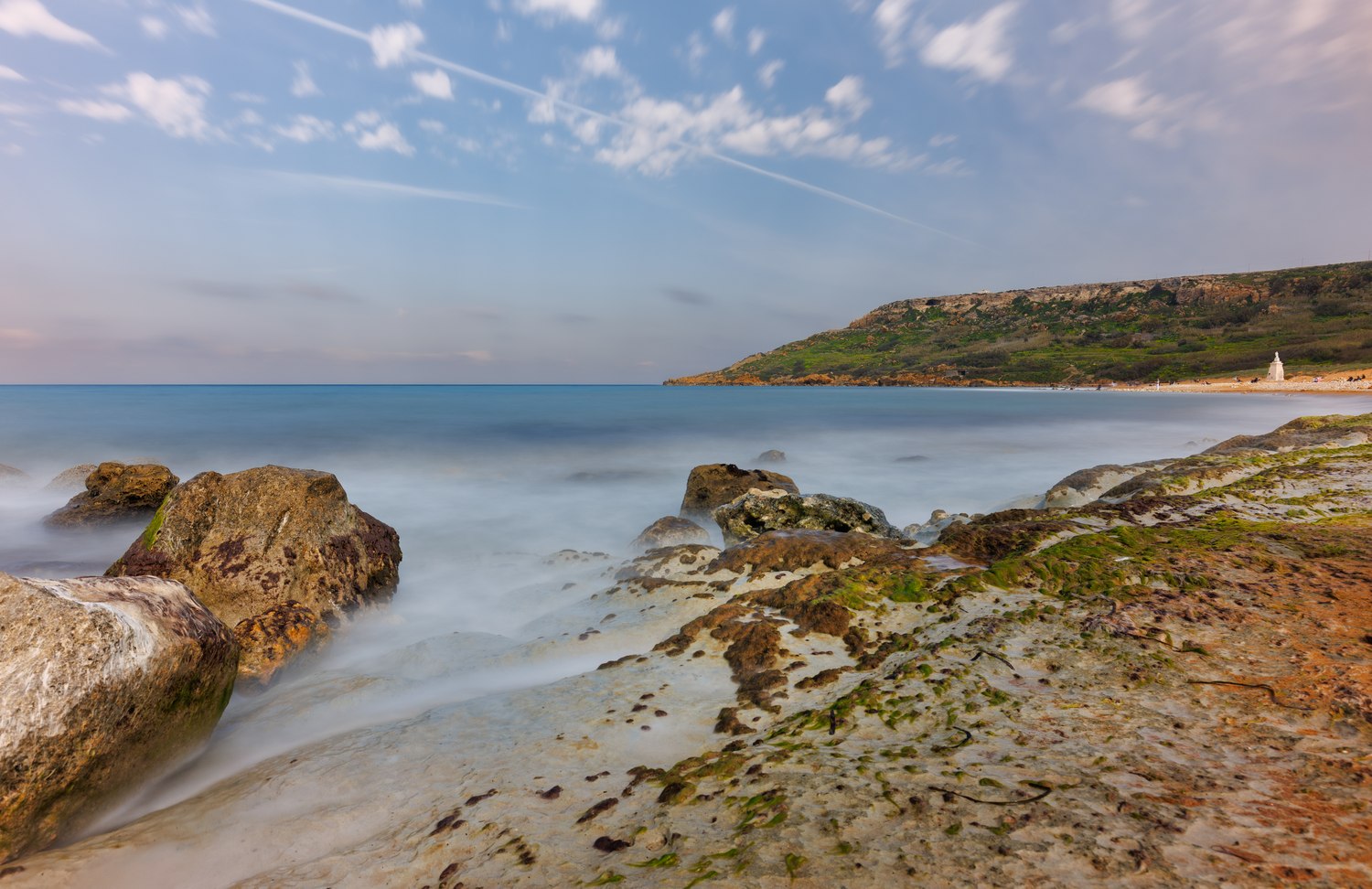
You can get right to the sand comfortably on the local buses, which run here regularly from the island’s capital. If you want to save money on transport throughout your whole stay, it’s definitely worth getting a weekly tourist card, which costs around €25.
22. Ġgantija: the oldest free-standing structures in the world
Historians agree that if you love the ancient past, this amazing temple complex on Gozo will absolutely floor you. These massive megalithic structures, naturally protected by UNESCO, reportedly represent the oldest free-standing structures in the entire world, so they easily put even Britain’s Stonehenge in their pocket.
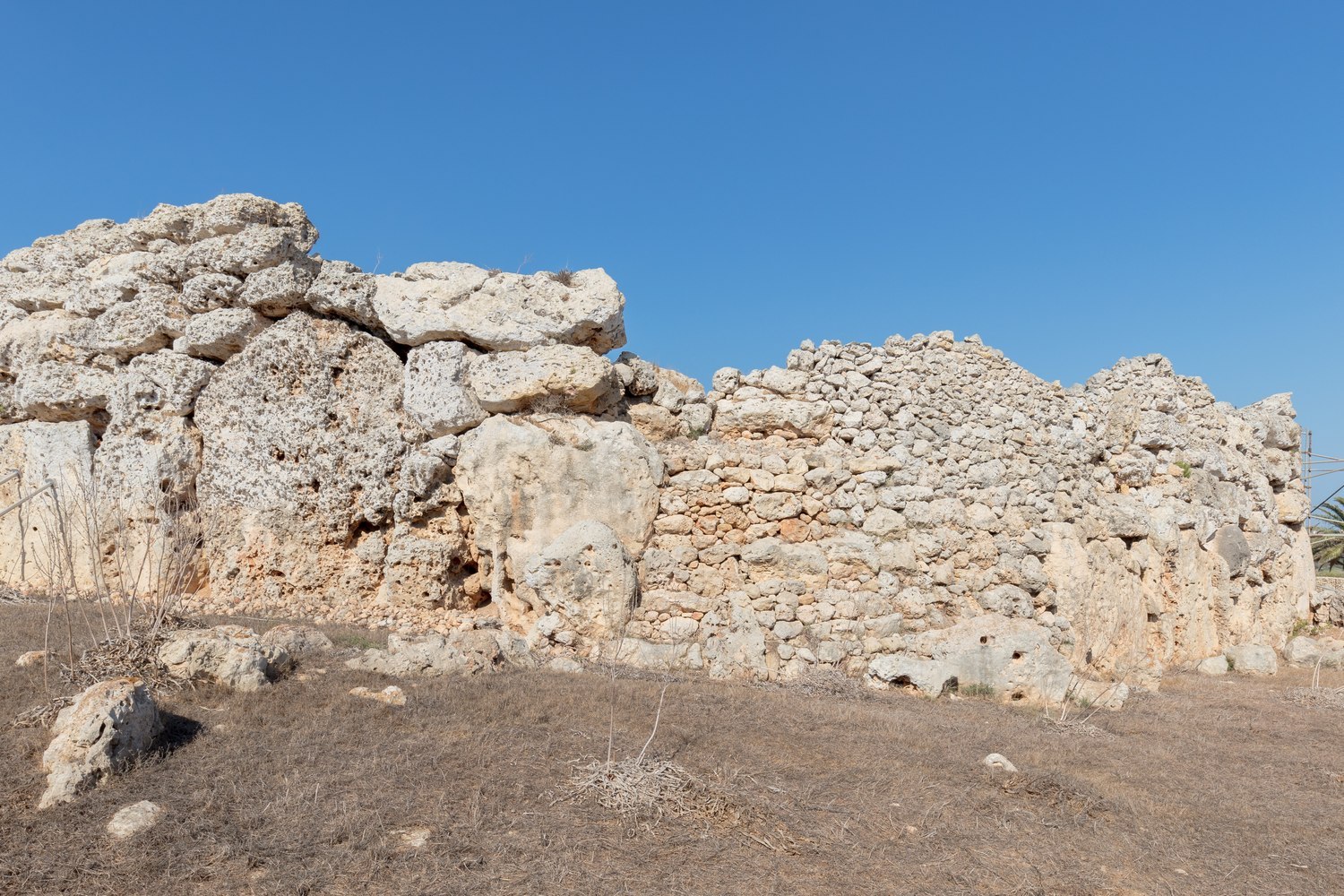
The enormous limestone blocks weigh several dozen tonnes, and according to ancient legends giants had to carry them here, because the people of the time couldn’t otherwise explain how they were built. The tour of the site is very well organised and starts in a modern visitor centre, where it’s recommended to carefully study the exhibited artefacts so you have the context.
23. Xlendi and Marsalforn
These two very calm and likeable seaside resorts make an ideal base for a laid-back holiday on Gozo. While the narrow Xlendi bay dazzles with dramatic cliffs and gorgeous sunsets, Marsalforn tempts you with a lovely promenade and unique historic salt pans, carved straight into the coastal rocks just behind the town.
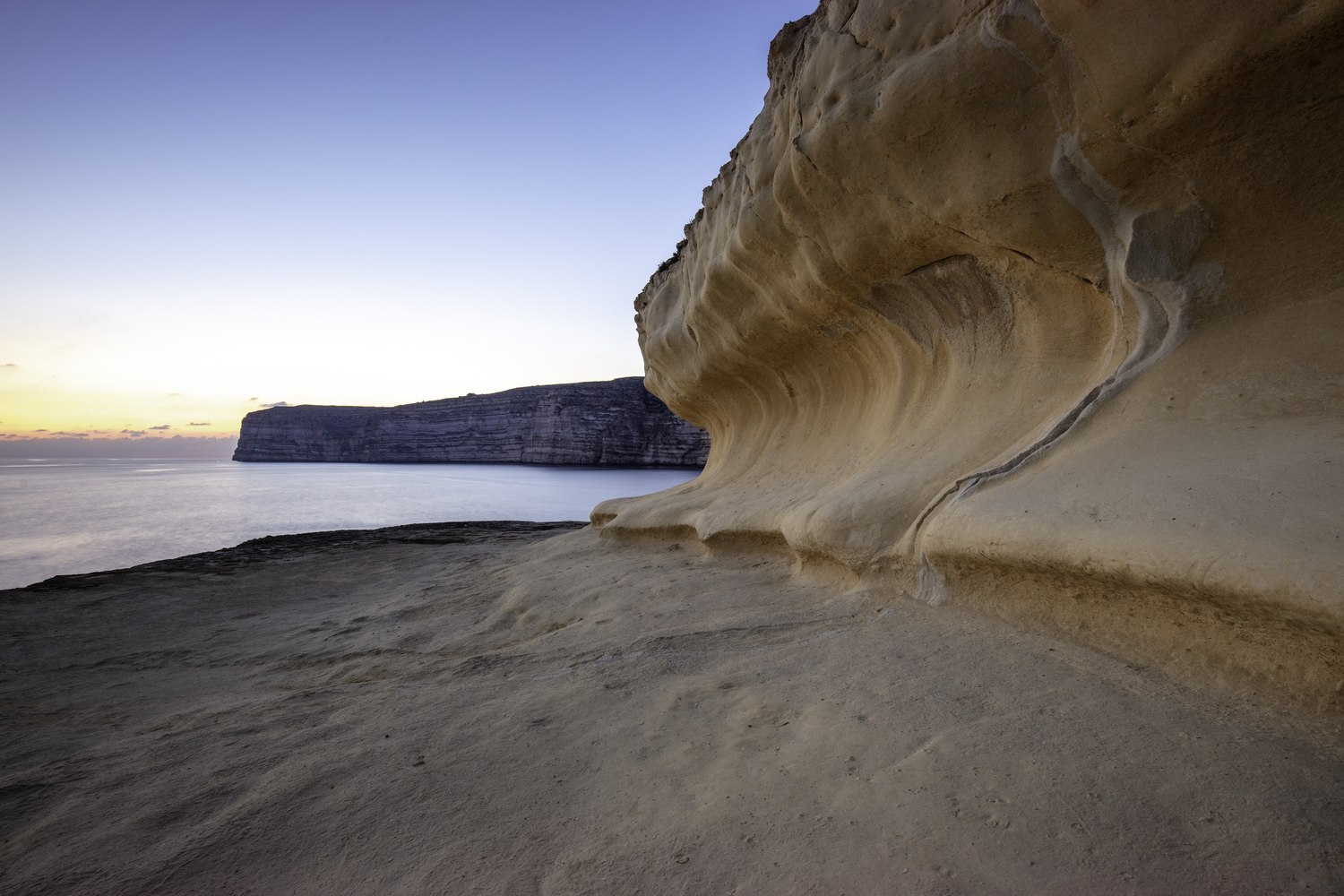
Both little towns offer fairly good bus connections to the capital, Victoria, so you can easily make trips all over the island from there. Swimming here is mainly off tidied rocky terraces with ladders, and along them you’ll find plenty of restaurants serving local specialities — all you have to do is check out how to find cheap flights, and you’re good to go.
24. The prettiest beaches: Golden Bay, Għajn Tuffieħa and Mellieħa Bay
To finish, we naturally have to sum up the most important thing for beach lovers, because Malta offers three main sandy beauties. Families with children will reportedly appreciate the shallow Mellieħa Bay most, while a little further along lies the popular Golden Bay, and right next to it the quieter Għajn Tuffieħa, which you have to reach down a steep flight of steps.
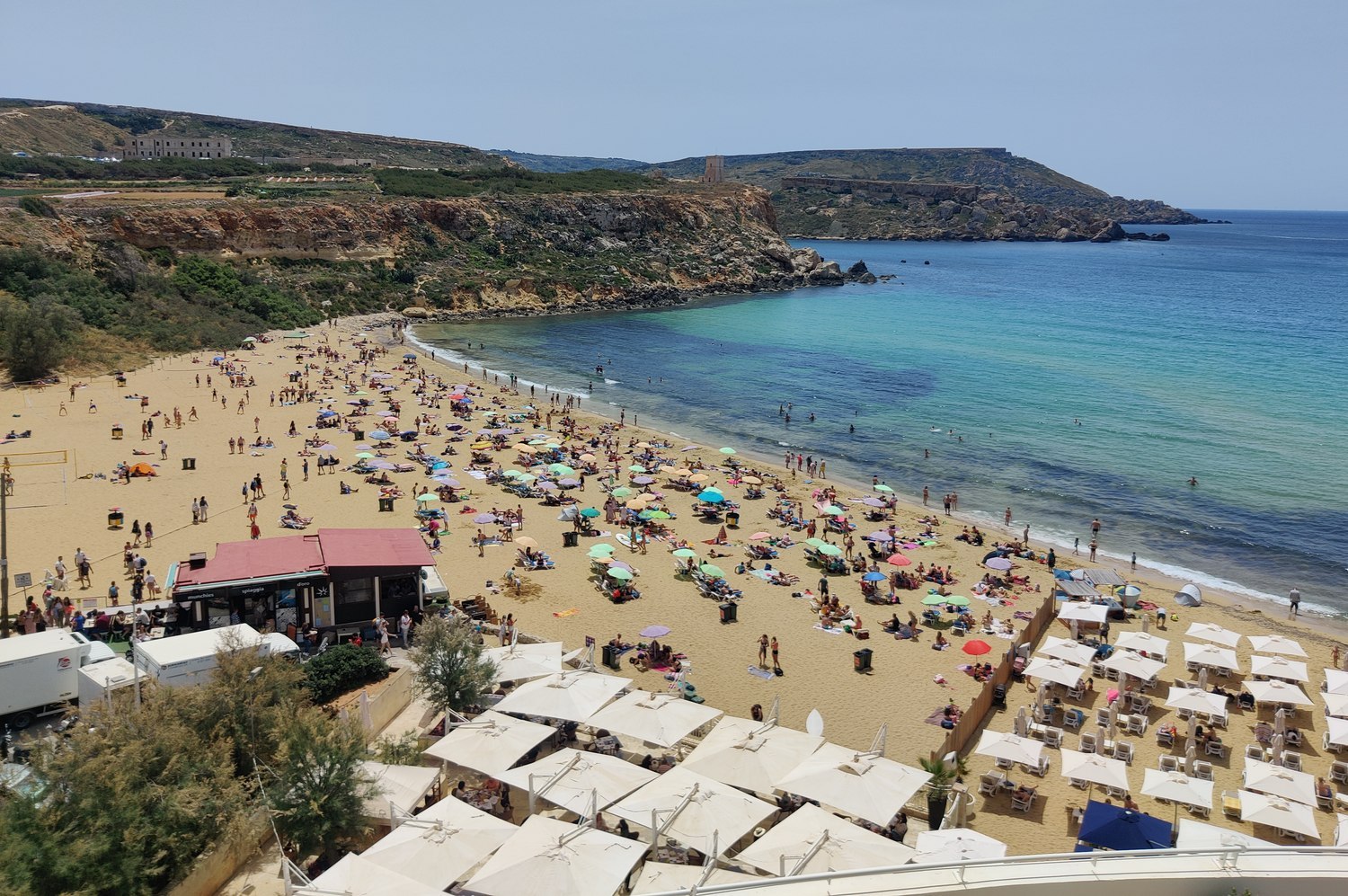
Precisely because of those steps, Għajn Tuffieħa tends to be a little less crowded, but I want to remind you once more of one big Maltese quirk. Most everyday swimming across the whole archipelago happens off rocks and concrete platforms, so if you truly love long sandy beaches, logically plan your accommodation right near these three bays mentioned above.
Where to stay in Malta: the best areas and specific hotels
Malta may be fairly tiny in area, but when it comes to choosing accommodation that hardly matters, because you can easily base yourself in one single spot and comfortably tour the whole island from there. Much more important is the actual atmosphere of the area, since each little town offers a completely different experience and different options for evening entertainment.
While in some places you’ll find quiet historic lanes made for romantic strolls, elsewhere lively nightlife awaits, packed with bars and very loud music. I recommend thinking through in advance what kind of holiday you’re actually after and choosing your temporary home for your days off accordingly.
💡 Tip: Before you start picking a specific hotel, browse the current accommodation offers in Malta and set a filter for free cancellation. In high season the best-rated hotels sell out several months ahead.
Which area to choose
- Sliema: Offers a gorgeous promenade lined with shops, swimming straight off the rock platforms, and a huge bonus is the ferry that gets you to Valletta in a pleasant ten minutes.
- St Julian’s and Paceville: If you’re after pulsing nightlife and loads of restaurants, you’ll be thrilled here, but be ready for a genuinely noisy environment that mostly draws young travellers.
- Valletta: It breathes rich history and a unique atmosphere in gorgeous boutique hotels, the town pleasantly quietens down in the evening, just expect a huge shortage of parking spaces.
- Mellieħa and the north: A calmer area ideal for families with children, from which you have the shortest trip to the big sandy beaches and to the port with ferries heading for Gozo.
- Gozo: Here time flows at a completely different pace, and the island is famous for its rural houses called farmhouses with a private pool, which makes it an ideal destination for the second half of your stay.
Specific accommodation tips
- The Embassy Valletta Hotel: This wonderful hotel sits right in the historic centre, and its biggest draw is a rooftop pool with a fabulous view over the surroundings.
- Hotel Juliani: A lovely boutique hotel right on the shore of Spinola Bay, which reviews say offers great service and a magical atmosphere.
- Corinthia St George’s Bay: A luxury five-star resort set right by the bay, where you can enjoy maximum comfort and top-notch service for the discerning.
- Hyatt Centric Malta: A modern hotel located in the busier part of St Julian’s, which tempts travellers with a stylish pool on its roof.
- db Seabank Resort + Spa: A popular complex offering all-inclusive dining, which lies just a short walk from the best sandy beach in the popular area of Mellieħa.
- Kempinski Hotel San Lawrenz: A calm, sprawling resort set inland on Gozo, where you’ll find an absolute oasis of peace for a perfect rest.
What to eat in Malta: a guide for vegetarians and everyone else
Maltese cuisine is incredibly varied and perfectly reflects the island’s position at the crossroads between Europe and North Africa. It mixes strong Italian influences with Arabic traditions, so both lovers of pasta and cheese and fans of hearty vegetable dishes and pulses will reportedly get their fill.
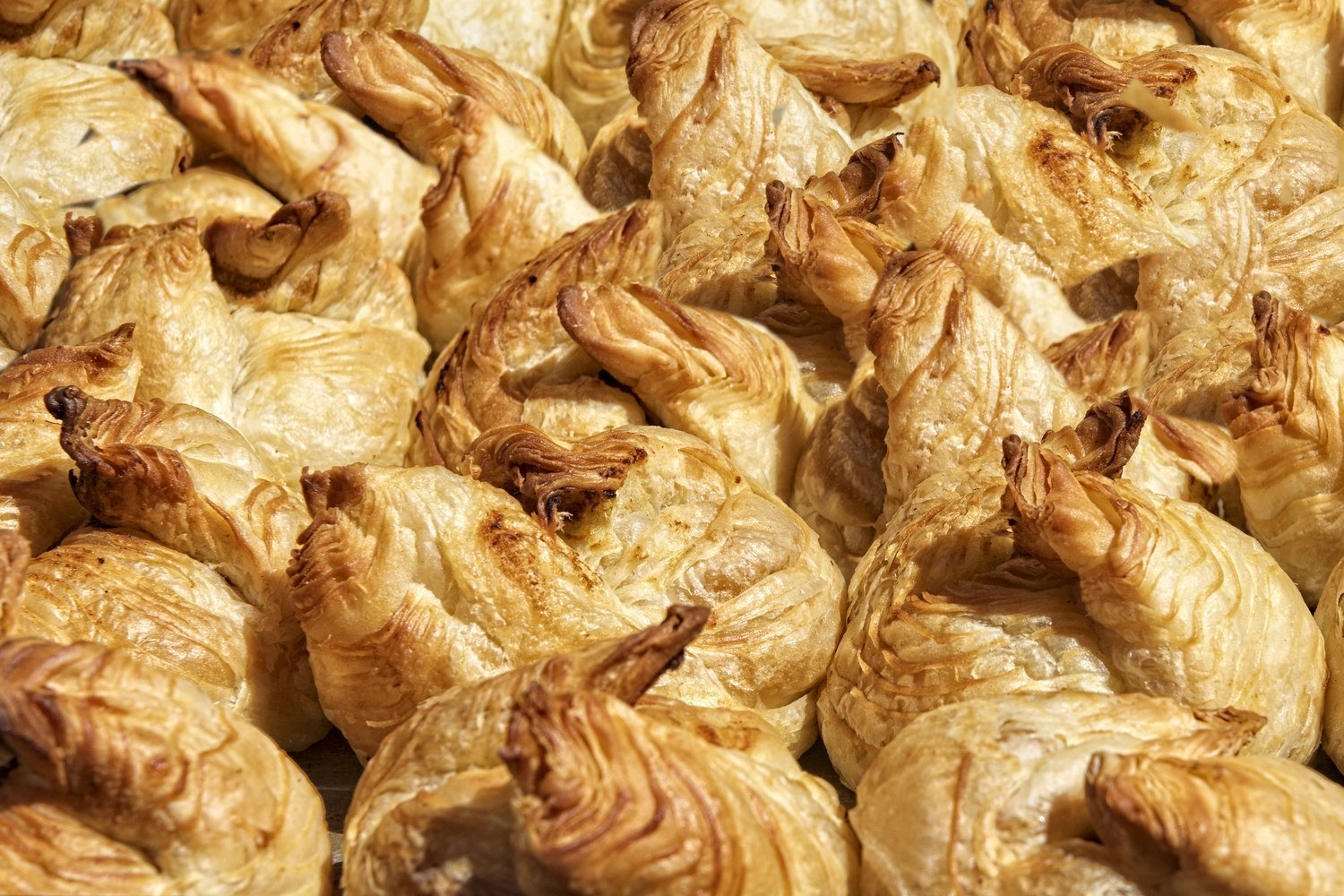
Lukáš and I always seek out meat-free local treats when we travel, and travellers agree that this island offers plenty of great options in that respect. Let’s look at the most typical dishes that, on the locals’ recommendation, you should definitely try during your visit.
- Pastizzi: Traditional flaky pastries with a rich ricotta or pea filling work as a national snack and are an absolutely ideal choice for vegetarians.
- Ftira: This round sourdough bread, which has even been on the UNESCO intangible heritage list since 2020, is most often filled with fresh vegetables, olives, capers and tomatoes.
- Bigilla: A thick, boldly flavoured broad-bean dip will please anyone looking for an authentic, naturally vegetarian treat.
- Ġbejniet: This local sheep’s cheese is a total staple of Maltese cuisine, and you can try it either fresh or dried with a hearty dose of spicy pepper.
- Kapunata: A local take on the famous French ratatouille, which combines aubergine, tomatoes, peppers and capers into one perfect summer dish.
- Ross il-forn: Traditional baked rice is among the popular oven dishes, and at many places you’ll often come across a meat-free vegetarian version too.
- Kinnie: A beloved bittersweet soft drink made from bitter chinotto oranges and herbs, which is brewed only in Malta and refreshes wonderfully on hot summer days.
- Local meat and fish specialities: The island is historically famous for dishes like the braised rabbit called fenek and the lampuki fish — dishes that many guides say form the backbone of the meat-based diet and that locals are very proud of.
💡 TIP: In every larger village you’ll find a so-called pastizzeria, where fresh pastizzi cost just a few cents and fill you up nicely. In bigger towns like Valletta or Sliema, a wide vegetarian and vegan selection at modern bistros is now completely common too ☺️.
Getting around Malta: buses, ferry and car
Getting around the island can be a bit of an adventure in itself and sometimes calls for a dose of patience. You have several options and each has its pros and cons, whether you decide to rely on public transport or would rather take the wheel yourself.
Tallinja buses
Public transport is run by the eye-catching green Tallinja buses, which cover practically the whole island very well and reliably. A basic ticket is valid for two hours and lets you transfer freely, with the price usually around €2 per journey.
For longer stays the weekly tourist card is reportedly well worth it, coming to around €25 and saving you the hassle of constantly buying tickets. But I have to warn you honestly that in the summer months the services on the popular routes tend to be much slower than the official timetable promises.
The ferry to Gozo and Comino
If you want to explore neighbouring Gozo, you can use the classic ferry from the port of Ċirkewwa, whose crossing takes just under half an hour. From Valletta there’s also a fast catamaran that gets you there in about 45 minutes, and the interesting thing is that the trip out is free and you only buy the ticket on the way back.
To reach the smallest island, Comino, and its famous Blue Lagoon, you can only get there by boat from the surrounding ports. Cars aren’t allowed at all on this little slice of land, so it enjoys a pleasant calm, disturbed only by the crowds of eager day-trippers.
To rent a car, or not?
Think carefully about whether to rent a car, because they drive on the left here, British-style, the roads tend to be very narrow, and local drivers are fairly spirited. A huge problem is parking too, which is practically impossible in towns like Valletta and Sliema and costs you plenty of nerves.
If you’re nervous about driving on the opposite side, it’s recommended to use the Bolt and eCabs apps, which work brilliantly on the island. Definitely don’t hail a taxi off the street, because the prices from the mobile apps tend to be far friendlier and, above all, you always know them in advance.
How much a holiday in Malta costs
Malta is a full member of the European Union and the currency is the euro, so you don’t need to change any exotic currency. As a rule, this island is a bit cheaper than neighbouring Italy, but on the other hand you’ll pay more here than in, say, Bulgaria or Albania.
The following budget for two people for a week is only a rough estimate, because the final amount varies enormously depending on which season you head out.
- Flights: Return flights on major carriers usually work out at €100 to €200 per person.
- Accommodation: For an average double room in a pleasant hotel you’ll pay around €500 to €900 for the week for two.
- Food: If you combine food from bakeries with dinners in restaurants, count on around €300 to €450 for the week.
- Transport: Weekly bus cards plus the odd ferry or Bolt ride will swallow roughly €70 to €100 for two people.
- Entry fees and trips: Visits to the historic temples and boat cruises come to an estimated €80 to €150 for a couple.
💡 TIP: If you want to save on the trip, definitely keep an eye on the airlines’ deals. Check out our article on how to find cheap flights, where you’ll find plenty of useful advice for hunting down good-value connections.
What to watch out for in Malta
Although the whole country is very safe and tourists face no great danger here, there are a few local quirks that can easily catch you off guard. Let’s sum up the most important things it’s worth being mentally prepared for before your trip, so your mood doesn’t get spoiled on the spot.
- Left-hand traffic and narrow roads: Driving on the opposite side can be quite stressful if you’re used to right-hand traffic, and many rural lanes are truly only wide enough for one car.
- British sockets: The island still uses British three-pin Type G sockets, so without the right travel adaptor you unfortunately won’t charge your phone.
- Jellyfish in late summer: When the water heats up strongly at the end of summer, jellyfish appear along the coast, so it’s a good idea to follow the local sites with current updates.
- Few sandy beaches and swimming off rocks: Malta isn’t a typical beach destination, you often get into the water down ladders from concrete platforms, and water shoes will definitely come in handy.
- The crowded Blue Lagoon: In high summer season this magical spot is bursting at the seams, so if you long for peace you have to head out very early in the morning.
- Noise in Paceville: This area is a well-known nightlife hub and the bars play loud until the early hours, so for a peaceful night’s sleep it’s better to stay elsewhere.
- Strong wind and cancelled boat trips: Island weather can be unpredictable, and when the sea is rough it commonly happens that ferries or excursion boats don’t sail at all for safety reasons.
Malta with kids
A family holiday on this sun-drenched island makes huge sense, because direct flights take only around two and a half hours, which even smaller travellers can handle. Locals are also very welcoming to children, and on every corner you’ll find activities that keep the whole family entertained 😅.
- Mellieħa Bay: This beach is by far the most popular with families, because it has a really gentle slope into the sea and fine sand for building big castles.
- Popeye Village: The former film set from the Popeye movie with Robin Williams has turned into a charming fun village that kids simply adore.
- Sightseeing boats in Grand Harbour: A ride on a traditional brightly coloured boat around the great harbour in Valletta is a wonderful experience for little explorers.
- Malta National Aquarium: If the weather doesn’t cooperate, this modern aquarium full of sharks and rays will reliably save your whole afternoon.
- Short distances and language: All the attractions are close together, so kids don’t suffer through long transfers, and a huge advantage is that you can get by in English absolutely everywhere.
Where next: more tips for a seaside holiday
If you’re not quite decided yet and are also weighing up other European destinations, I’ve put together a list of more useful articles for you. Maybe another slice of the sun-drenched Mediterranean will win you over in the end, or you’ll find practical advice handy for planning your next summer trip.
- Where to go on holiday in September
- Sicily holiday
- When to go to Italy
- How to find cheap flights
- Travel insurance
Frequently asked questions
To finish, I’ve pulled together answers to the most common questions travellers usually mull over before departure. If you found some purely practical piece of information missing from the article, there’s a good chance you’ll find it in this short round-up.
When is the best time to visit Malta?
The most beautiful weather and ideal travel conditions prevail on the island especially in May, June, September, and October. During these months you’ll avoid the worst crowds and enjoy very pleasant temperatures suitable for exploring sights and relaxing. If you’re considering summer holidays, you need to expect that July, for example, has average temperatures around 30.2 °C and usually only 0.3 rainy days per month. While this sounds like a perfect paradise for sun lovers, be prepared for huge numbers of tourists and significantly higher accommodation prices. That’s why it’s recommended to choose the edges of the high season instead.
How long do you need in Malta?
The length of stay depends a lot on what your plans are and how many islands you want to see overall. For the main island itself, about four to five days at a relaxed pace is sufficient, during which you’ll manage the main historic towns and a few natural wonders. But if you want to add a trip to neighboring Gozo and Comino as well, definitely set aside a whole week. Travelers who want to enjoy a really slow holiday with plenty of time for poolside relaxation and evening strolls through narrow alleys highly praise a ten-day stay. During ten days you don’t have to rush at all and can soak up the authentic Mediterranean atmosphere at your leisure.
Can you swim in Malta when it doesn’t have sandy beaches?
Swimming here is completely normal, it just looks a bit different than in classic beach resorts. You most often enter the sea directly from rocky cliffs or from purpose-built concrete platforms, where sturdy metal ladders are prepared for tourists’ convenience. Sand lovers don’t need to despair though, because there are a few beautiful sandy beaches to be found here after all. On the main island you’ll find the popular Mellieħa Bay, picturesque Golden Bay, or nearby Għajn Tuffieħa. If you take the ferry to neighboring Gozo, definitely don’t miss Ramla Bay beach, which is famous for its unusually colored reddish sand and very gradual entry into the water.
Can I get by with English in Malta?
You don’t need to worry about communication at all here. English is the second official language alongside Maltese, so you’ll get by with it absolutely everywhere and without the slightest problems. All locals, from bus drivers to shopkeepers in the smallest village bakeries, speak fluent English and often have a slightly charming British accent. All signage, restaurant menus, and information boards at monuments are always available in English. Apparently this is also one of the main reasons why so many students come here in summer for popular language stays and summer English courses.
Do I need a car in Malta?
Renting a car is definitely not a necessity, because a dense bus network fairly reliably covers the whole island and will get you to all the main monuments and beaches. On the other hand, I must mention that in summer months the services are often overcrowded and move through heavy traffic very slowly. If you do rent a car, you’ll gain enormous freedom, but you must be prepared for left-hand driving and roads that are often extremely narrow. Most visitors therefore rely on a combination of buses and apps like Bolt, which is a compromise that according to reviews works absolutely brilliantly and without unnecessary stress behind the wheel.
Is Malta expensive?
From a financial perspective, this island sits somewhere in the middle of the average European range. It’s definitely cheaper than a holiday in popular Italian destinations, but on the other hand it will cost you more than, say, a trip to the Balkan Peninsula. The biggest item in your budget will undoubtedly be accommodation, whose prices in the main summer season really climb steeply upward. Food in regular restaurants is at acceptable levels and bus transport is downright cheap. If you go outside the busiest holiday months, you can enjoy very high-quality services for fairly reasonable money that won’t completely ruin your wallet.
Is it worth staying overnight on Gozo?
According to the experience of many travelers, staying on this neighboring island is an absolutely brilliant idea. It’s recommended to set aside at least two nights on Gozo, because the island has a completely different pace and a much more relaxed village atmosphere. While the main island tends to be busy and full of traffic, Gozo offers genuine tranquility, stunning cliff views, and charming stone houses with pools. When the day-trippers leave in the afternoon, the evening squares empty out and you can enjoy dinner at leisure in one of the local taverns. It’s a perfect contrast that beautifully enlivens your holiday and adds just the right relaxing touch.
Is Malta safe?
This sunny island has long been among the safest countries in all of Europe and serious crime is practically nonexistent here. You can walk the evening streets without worry and feel completely relaxed. The main risks for tourists are more the local chaotic traffic, because drivers go quite briskly and sidewalks for pedestrians sometimes don’t exist at all. Another thing to watch out for is unpredictable sea currents and the aforementioned jellyfish in late summer. Of course, basic precautionary rules apply, so watch your personal belongings in places with large concentrations of people against possible pickpockets, but otherwise you can be completely at ease.
Tips and Tricks for Your Vacation
Don’t Overpay for Flights
Search for flights on Kayak. It’s our favorite search engine because it scans the websites of all airlines and always finds the cheapest connection.
Book Your Accommodation Smartly
The best experiences we’ve had when looking for accommodation (from Alaska to Morocco) are with Booking.com, where hotels, apartments, and entire houses are usually the cheapest and most widely available.
Don’t Forget Travel Insurance
Good travel insurance will protect you against illness, accidents, theft, or flight cancellations. We’ve had a few hospital visits abroad, so we know how important it is to have proper insurance arranged.
Where we insure ourselves: SafetyWing (simple monthly subscription) and TrueTraveller (for extra-long trips).
Find the Best Experiences
Get Your Guide is a huge online marketplace where you can book guided walks, trips, skip-the-line tickets, tours, and much more. We always find some extra fun there!