If you’re looking for a European weekend getaway and feel like every classic city is either too expensive or hopelessly crowded with tourists, Romania’s capital is sure to surprise you. Bucharest, Romania, is one of Europe’s most underrated capitals, and its remarkable variety—and refreshingly affordable prices—delight visitors. The city blends beautiful Art Nouveau villas, once nicknamed Little Paris for their elegance, with the monumental architecture of Communist dictator Nicolae Ceaușescu’s era.
This striking architectural and historical contrast is the main reason to visit: the city is still clearly divided between its pre-Communist and Communist-era past. On a single walk, you can admire the delicate beauty of hidden Orthodox monasteries, then find yourself staring in disbelief at the continent’s largest administrative building, built at the cost of entire historic neighborhoods. Direct flights from major European hubs can also be very affordable, making Bucharest an ideal choice for a long weekend.
In this detailed guide, I’ll share 20 things to see and do in Bucharest, so you can make the most of your visit and discover places many tourists miss. I’ll explain how to avoid being misled by the supposed Dracula’s Castle, where to stay for easy sightseeing, and show you that Romania’s capital is also home to one of the largest thermal spa complexes you can visit in Europe today.
TL;DR
- Top attraction: The Palace of the Parliament is an absolute must, but you need to book your tour online well in advance.
- Historic center: Lipscani is great for nightlife and home to the photogenic Cărturești Carusel bookstore.
- Relax and unwind: Just outside the city, Therme București is a huge thermal spa complex with a botanical garden and easy access from the airport.
- Green escape: King Michael I Park (Herăstrău) is perfect for an afternoon stroll and also contains an excellent open-air museum of Romanian village life.
- The truth about Dracula: The famous Bran Castle draws crowds, but the historical Vlad Țepeș never lived there. You can find his real traces in Bucharest’s city center.
- Affordable prices: Bucharest is one of the European Union’s cheapest capitals, and food and transport cost much less than in many Western European cities.
The full destination guide: Romania — guide and what to see
When to Visit Bucharest
The best times to visit Romania’s capital are definitely spring, from April to June, and autumn, in September and October. The weather is pleasant for long walks, and the city’s vast parks are either fresh green or glowing with autumn colors. Café terraces come alive, and temperatures stay comfortable—especially welcome when you’re exploring the sun-baked concrete boulevards around government buildings. Spring is also when the city hosts plenty of cultural events and outdoor markets, bringing an extra buzz to the streets.
It’s best to avoid summer, as Bucharest sits in a basin and the heat in July and August can be intense. Even a simple sightseeing walk can become physically exhausting. Concrete and asphalt retain the heat well into the night, so you’ll need regular breaks in air-conditioned museums or shady parks. Winters, by contrast, can be cold, damp and rather gray, although festive markets add a lovely seasonal feel—and it’s a great time to visit the thermal baths. Two or three days is plenty for the main sights, but if you’re planning day trips to Transylvania or a full day at the spa, allow four or five days for a relaxed long weekend.
Where to Stay in Bucharest
If you want the main attractions, celebrated restaurants and bars close at hand, the historic center is the best strategic choice, especially around Lipscani or along the famous Calea Victoriei. From here, you can walk to the Palace of the Parliament and most major museums, with plenty of places for dinner or a drink just around the corner. Bucharest also has a reliable, affordable metro, so if you’d rather avoid nightlife noise, look for accommodation near a metro station in a more residential area, such as Piața Romană or the area around Cișmigiu Park. Getting around by metro is easy and saves you a lot of walking.
You’ll find plenty of beautiful boutique hotels here, often at much lower prices than in Western Europe, so you can enjoy a little luxury for what an average hotel room might cost in Paris. For a stylish stay with a sense of history, book a room at The Marmorosch Bucharest, a stunning hotel set inside a former grand bank from the Little Paris era, where you’ll feel like a movie star. For a mid-range option, Capitol Hotel offers excellent value right on Calea Victoriei and makes a perfect base for exploring on foot. Younger travelers and fans of modern design will love the playful Moxy Bucharest Old Town, right in the heart of the lively Old Town, with the relaxed, friendly atmosphere Bucharest is known for.
💡 Accommodation and activities tip: Compare accommodation here to see what’s available and at what price. We usually look on Booking.com, where cancellation policies are often best. It’s also worth comparing and booking tickets, tours and activities through GetYourGuide.
You’ll find our complete overview in a separate article — Where to Stay in Bucharest: 18 Hotels and Neighborhoods. It includes specific hotel recommendations by neighborhood, verified reviews and details on what to factor into your room budget.
20 Things to See and Do in Bucharest
Let’s explore the best of Romania’s capital, from famous historic landmarks to modern places to relax. Make sure you wear comfortable shoes: the distances between some monuments are surprisingly long because of the huge boulevards, and you’ll cover a lot of ground.
1. Palace of the Parliament
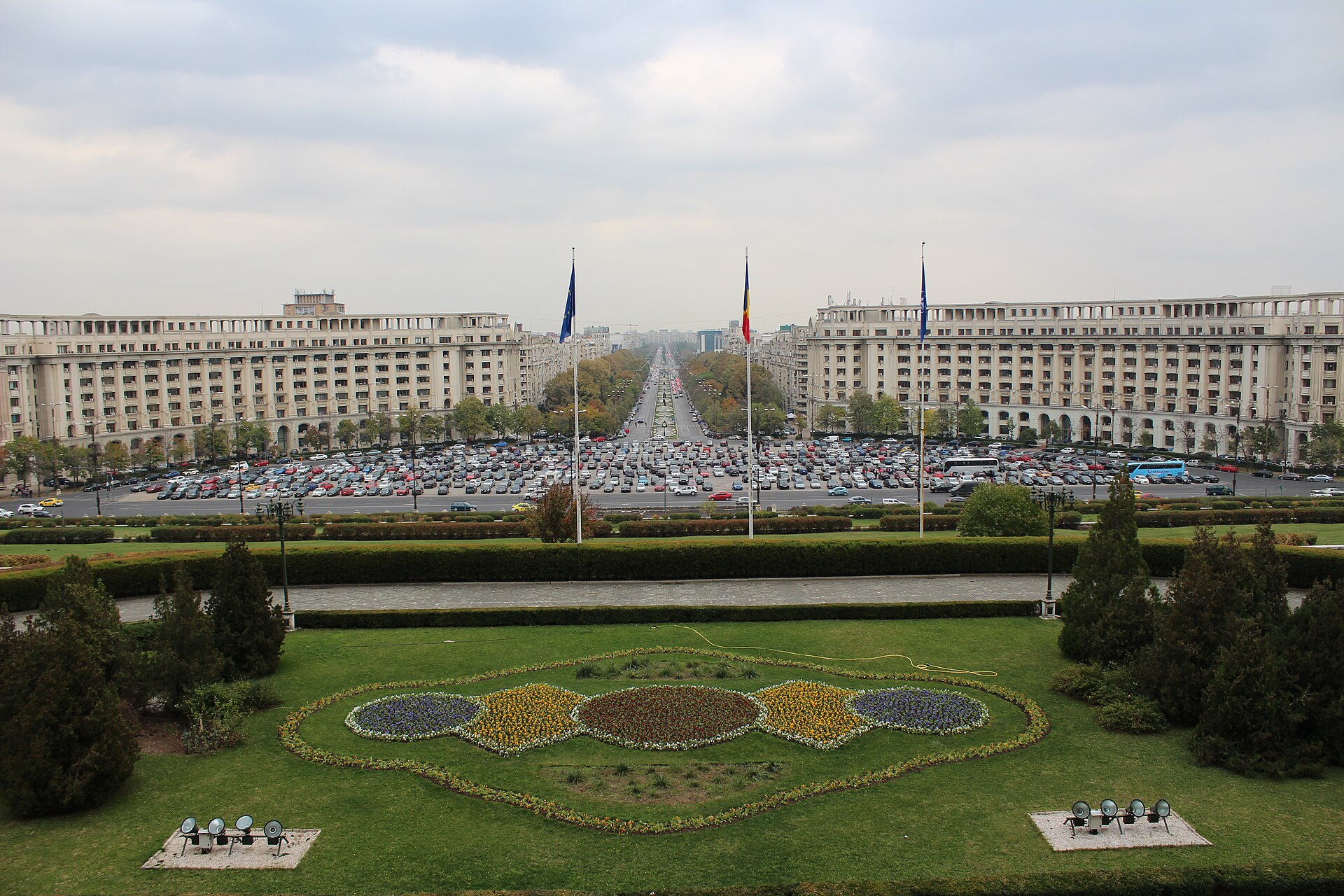
This colossal building is, without a doubt, the heaviest building in the world—weighing around 4.1 million tonnes—and the world’s largest civilian administrative building (only the US Pentagon is larger overall). With a rating of 4.4 from nearly 7,700 reviews, it’s also one of the city’s most visited attractions. Its dimensions are so absurd that visitors often joke about mistaking a side entrance for the main one and having to walk around the enormous block for another half hour. Communist dictator Nicolae Ceaușescu had it built in the 1980s, and its construction saw a huge part of the historic center—the Uranus district—razed to the ground, along with many beautiful churches and thousands of homes. Today, it stands as a vast monument to megalomania that you simply can’t miss.
The interiors are an astonishing display of luxury, full of marble, enormous crystal chandeliers and handwoven carpets that had to be brought into the halls before the walls were built because they wouldn’t have fit through the doors. The tour lasts a little over an hour, and even then you’ll see only a tiny fraction of the thousands of rooms inside. There’s one essential thing to remember: you can only enter with a tour booked in advance. Many visitors make the trip to the palace only to find that tickets are unavailable on site. You’ll also need to show valid ID at the entrance.
💡 Tip: Arrive at least 30 minutes before your tour. You’ll go through airport-style security, and it can take a while to find the correct entrance for visitors. The nearest metro station is Izvor.
2. Cărturești Carusel
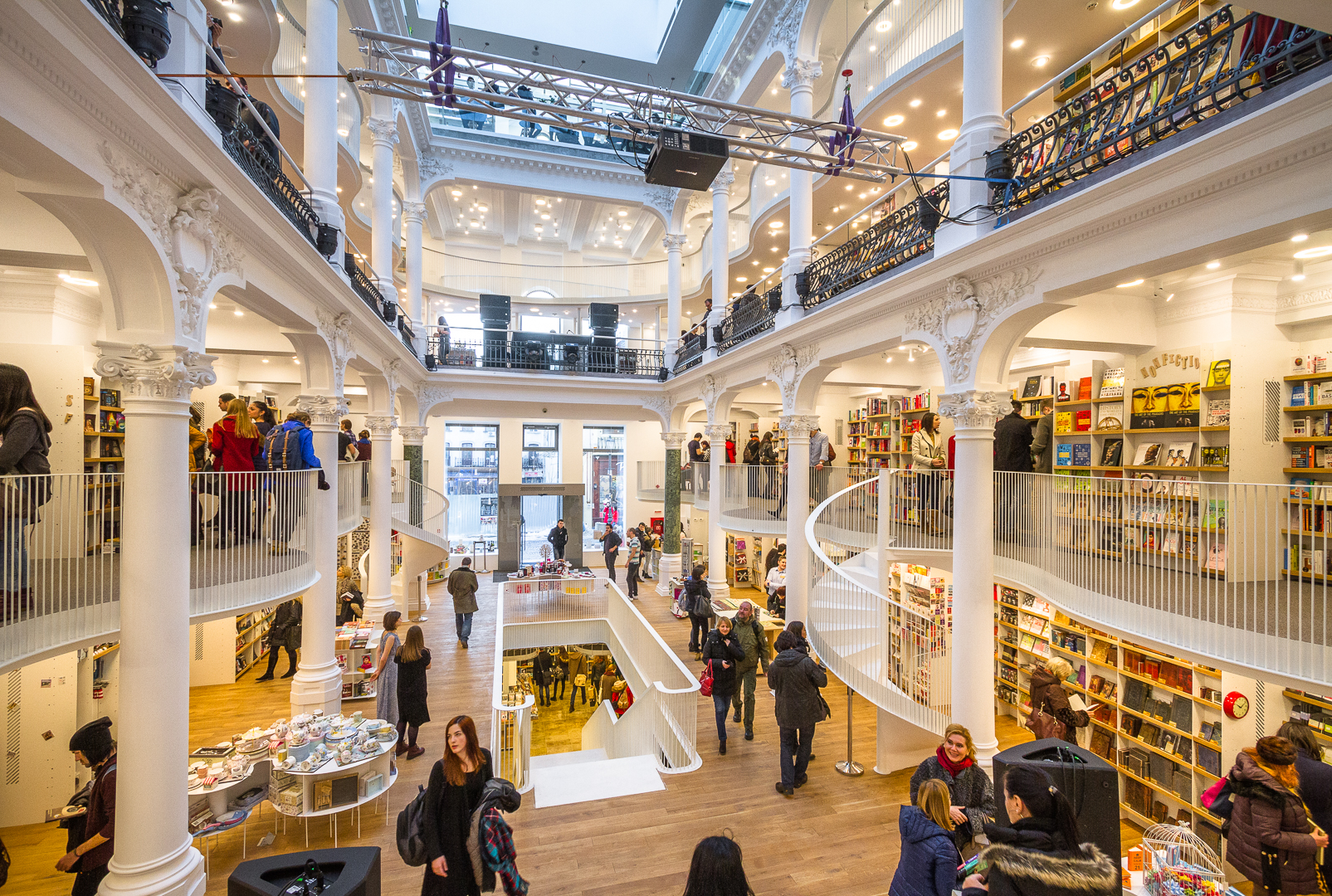
Right in the heart of the bustling Old Town, you’ll find a place with nearly 25,000 reviews and an impressive 4.8-star rating: a bookshop in a beautifully restored 19th-century bank, deservedly one of the most photographed in Europe. The building once belonged to a prominent banking family, was confiscated and turned into an ordinary department store during the Communist era, and eventually fell into disrepair. Its bright white interiors, spiral staircases and elegant balconies look straight out of a fairy tale and capture the spirit of the Little Paris that once made Bucharest famous.
Along with thousands of books, many of them in English, you’ll find a fantastic stationery section, vinyl records and all kinds of gifts by local artists. It’s the perfect place to duck into if a summer storm or bitter cold catches you outside. The shop spans several floors, each offering a different view of the spectacular central atrium and its glass roof, which lets in plenty of natural light.
💡 Tip: Come soon after opening, ideally around 10 a.m., if you want to enjoy the space without hundreds of other visitors with cameras. Don’t miss the cozy café on the top floor, which offers the best view of the symmetrical interior.
3. Old Town (Lipscani)
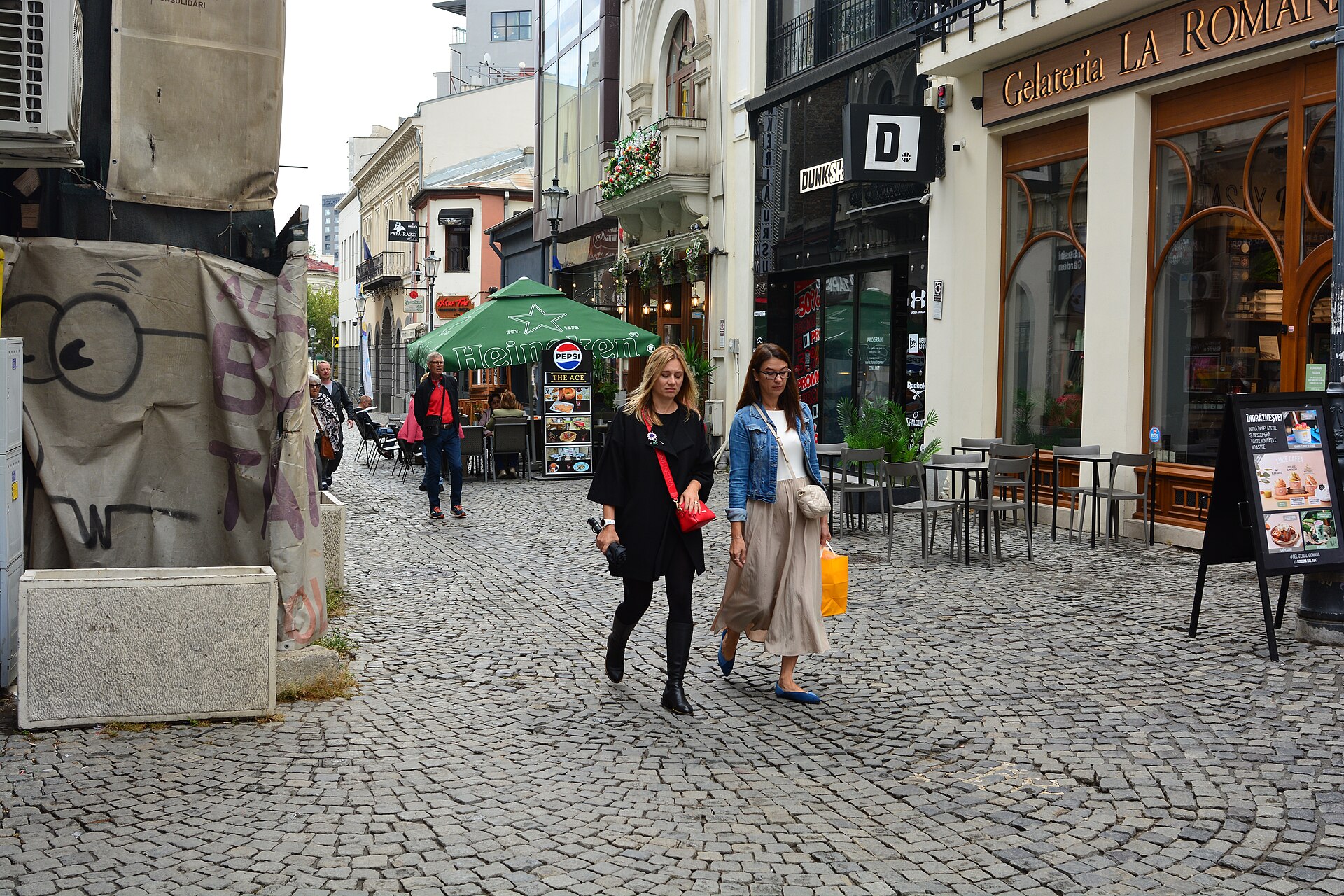
The historic Lipscani district is the lively heart of modern Bucharest, where narrow cobbled streets wind between beautifully restored buildings and others still waiting to be rescued. It was once a center of trade, with each street named after the guild based there—a tradition still reflected in names such as Saddlers’ Street and Hatters’ Street. Today, it’s a huge pedestrian zone full of life that never seems to sleep. You’ll find countless cafés, bars and restaurants, with terraces spreading into every available space in summer and creating a distinctly Mediterranean feel.
By day, it’s ideal for a relaxed wander and a closer look at the architecture. After dark, Lipscani turns into a noisy nightlife hub attracting people from across Europe. If you’re hungry, choose one of its many traditional restaurants. Meat is a local favorite—try grilled mititei sausages or stuffed cabbage rolls called sarmale—but be sure to sample delicious meat-free ciorbă soup or zacuscă, a fantastic eggplant spread you’ll want to keep eating with fresh bread. For dessert, don’t miss papanași: delicious fried doughnuts topped with plenty of sour cream and sweet jam.
💡 Tip: Don’t be afraid to turn into the narrowest alleyways and passageways between buildings. You’ll often find the best little cafés and antique shops tucked away from the main streets.
4. Therme București
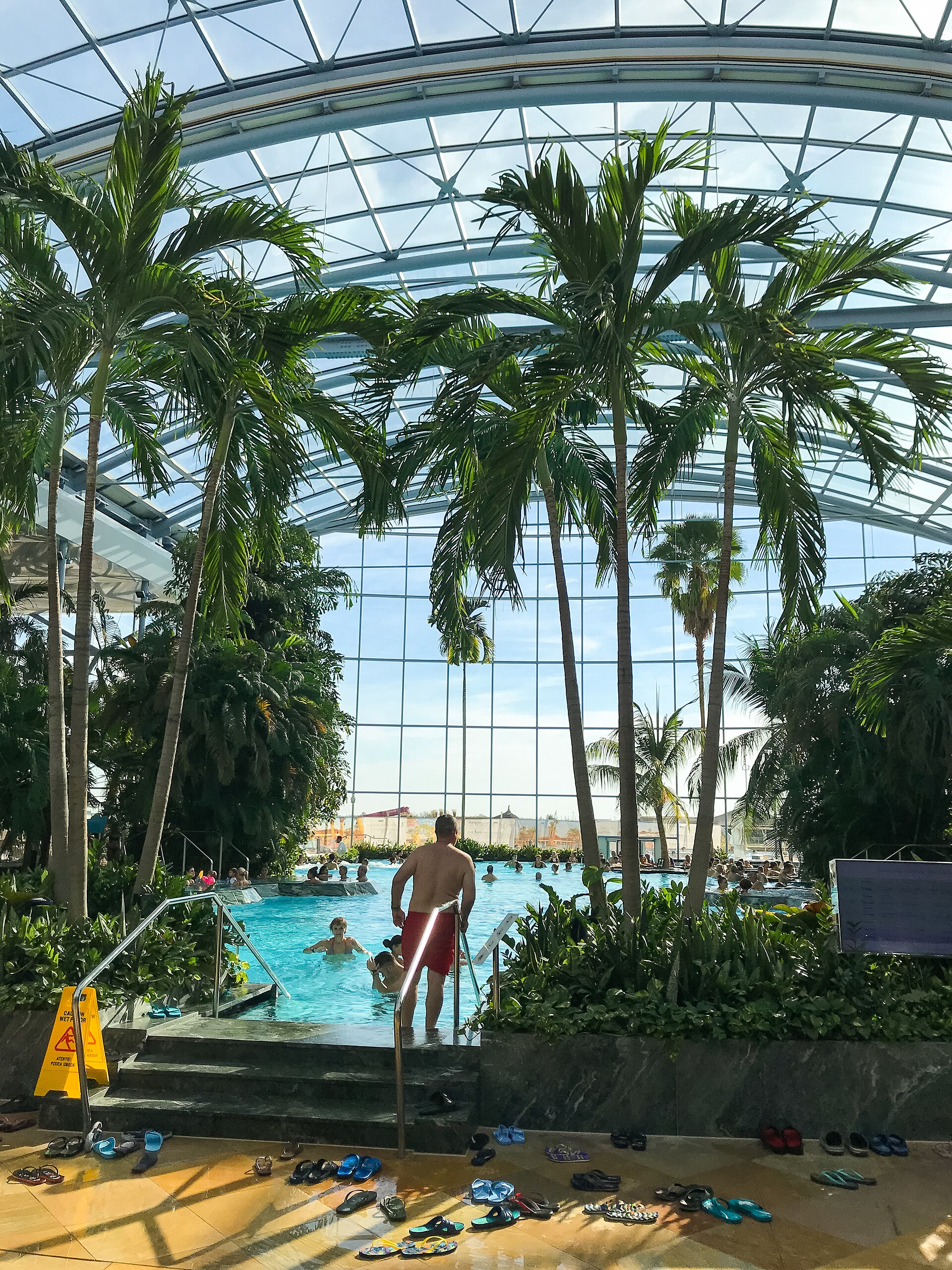
About 20 minutes from the city center and conveniently close to Otopeni International Airport, you’ll find one of Europe’s largest thermal spa complexes, with nearly 47,000 reviews and a rating of 4.4. Therme București is more than an ordinary water park: it’s a vast, eco-friendly relaxation retreat that uses deep geothermal springs for heating. The complex is cleverly divided into several zones to suit different tastes, from thrill-seekers to anyone who wants to unwind with a cocktail in hand. There are expansive thermal pools, dozens of themed saunas and a spectacular indoor botanical garden with hundreds of real palm trees brought from around the world.
Galaxy, with its wild slides, is ideal for families with children. Palm offers a more peaceful escape by the pool bars, and children under 16 aren’t allowed in. Elysium is dedicated to premium sauna rituals, massages and total tranquillity. It’s a wonderful place to escape to when your feet are aching after a day of sightseeing or the weather in Bucharest isn’t cooperating. The whole complex feels luxurious, but admission remains reasonable compared with similar facilities elsewhere in Europe.
💡 Tip: Bring your own flip-flops and towel to avoid unnecessary rental fees, and be sure to book your tickets online in advance. The complex often sells out on weekends, and on-site queues can stretch outside. If you can, go on a weekday.
5. King Michael I Park (Herăstrău)
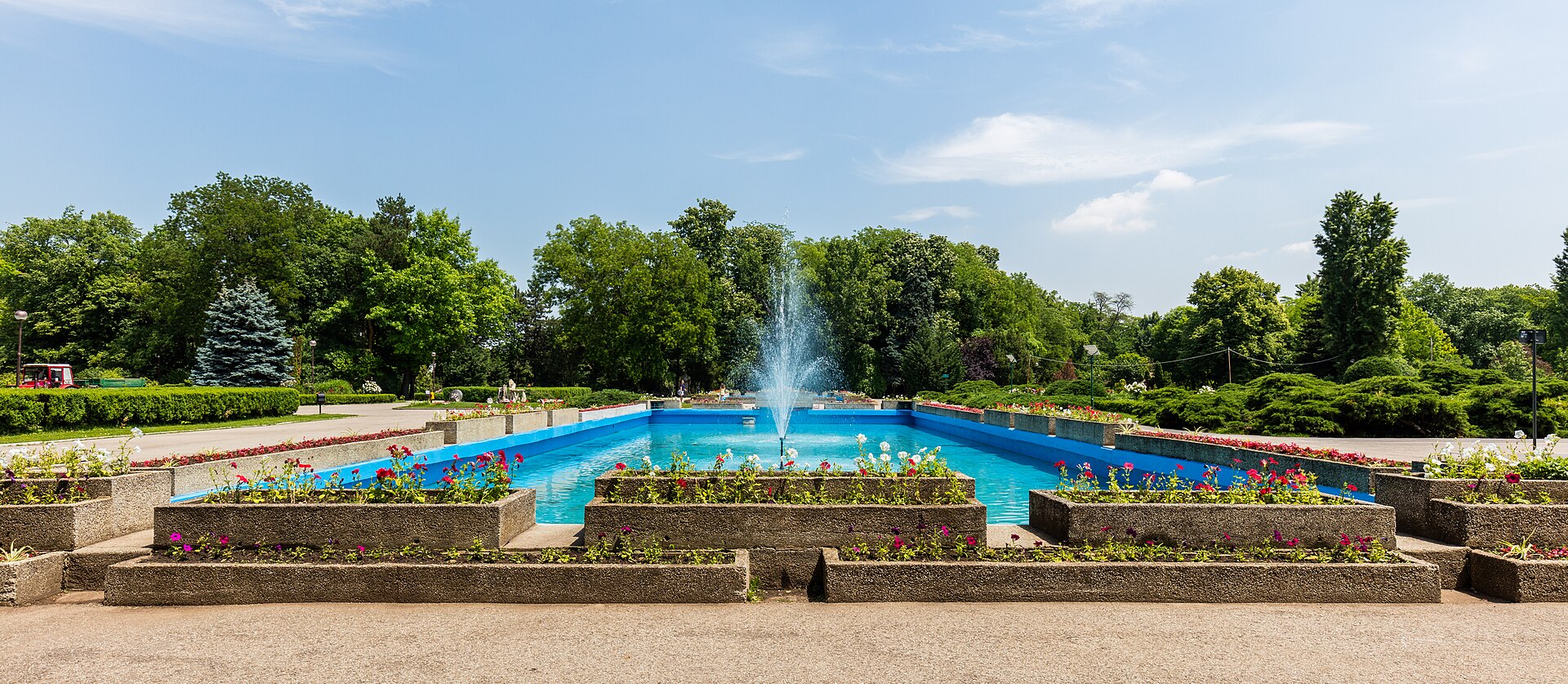
This vast green space in the north of the city is the most-reviewed attraction on our list, with more than 65,000 reviews and a wonderful score of 4.6. Recently renamed in honor of Romania’s last king, Herăstrău Park is a huge oasis of calm spread around the lake of the same name. In the 1930s, the area was marshland, which was drained and transformed into a beautiful place to relax. For locals, it’s a favorite weekend escape for running, rollerblading or simply sitting on the grass with a book.
In summer, rent a rowboat or pedal boat and enjoy views of the city from the water—a refreshing experience on a hot Bucharest day. There are also several excellent, if slightly pricier, restaurants around the lake, with lovely sunset views across the water, so it’s worth coming in the late afternoon. You could easily spend half a day exploring the park, especially if you walk all the way around the lake.
💡 Tip: The quickest way to reach the park is by metro; get off at Aviatorilor station. You’ll find bike-sharing stations right by the entrance, and cycling is probably the best way to explore this enormous green space in an afternoon.
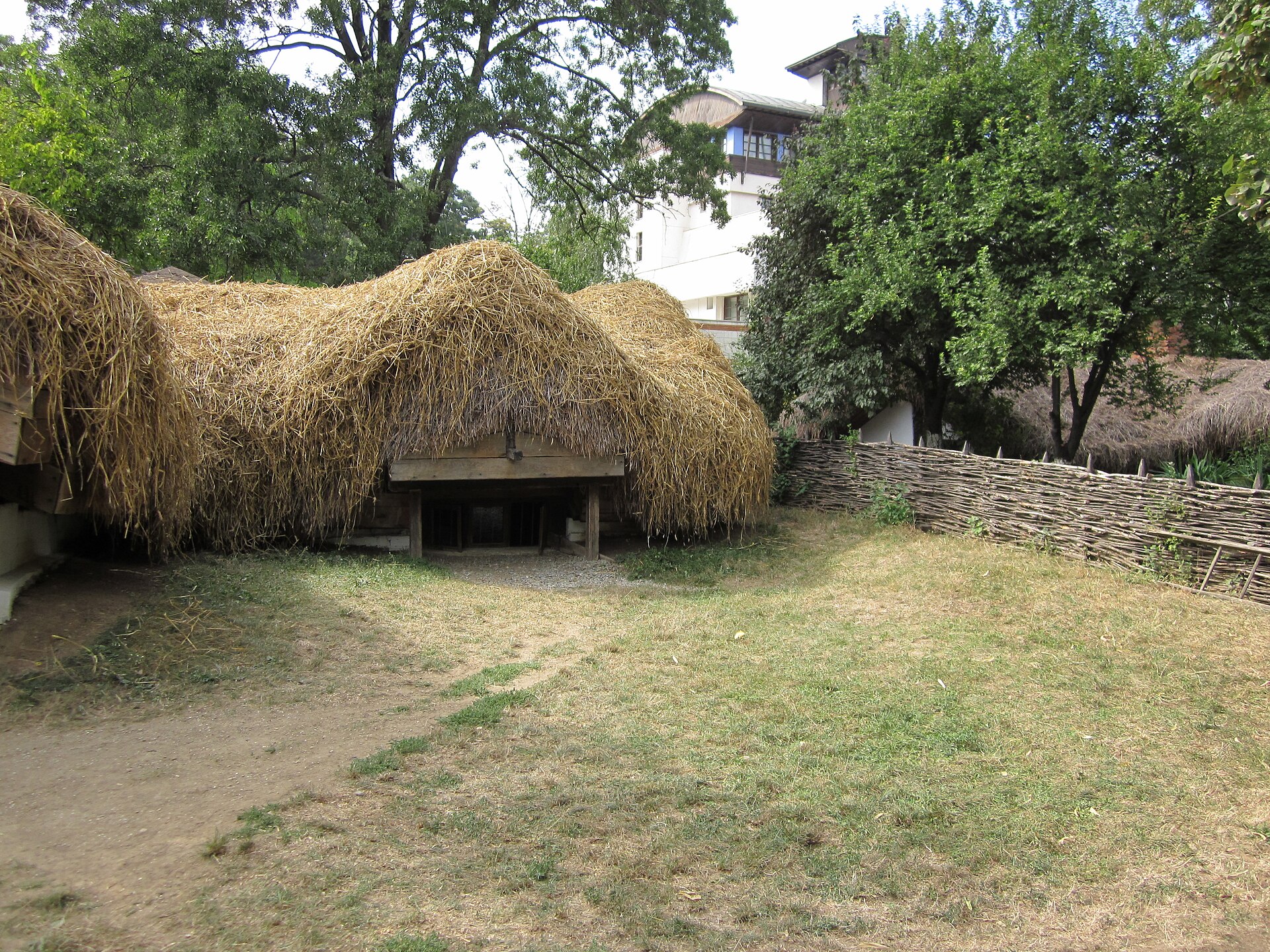
6. Dimitrie Gusti National Village Museum
Right in the heart of vast Herăstrău Park is one of Europe’s best open-air museums, rated 4.6 by nearly 15,000 visitors. This sprawling outdoor museum will take you from a bustling metropolis to traditional rural Romania for a few hours, with dozens of authentic houses, windmills, farmsteads and wooden churches carefully dismantled and transported here from every corner of the country. Sociologist Dimitrie Gusti founded the museum in 1936, and it remains a fascinating look at the hardship and beauty of country life in the past.
Every historic region of Romania is represented, so you can compare the architecture of rugged, mountainous Transylvania with that of the sunny, reed-covered Danube Delta. A walk among the shady trees and historic buildings is incredibly peaceful. Traditional craft markets are also held here regularly, offering far more authentic souvenirs than the usual trinket shops downtown. It’s a great place to visit with children, too, as there’s plenty of room for them to run around.
💡 Tip: Plan your visit for early afternoon, when Bucharest’s heat is at its peak. Mature trees and the nearby lake keep the air pleasant, while the houses provide plenty of shade. Admission is inexpensive, and you’ll get a handy map of the grounds at the entrance.
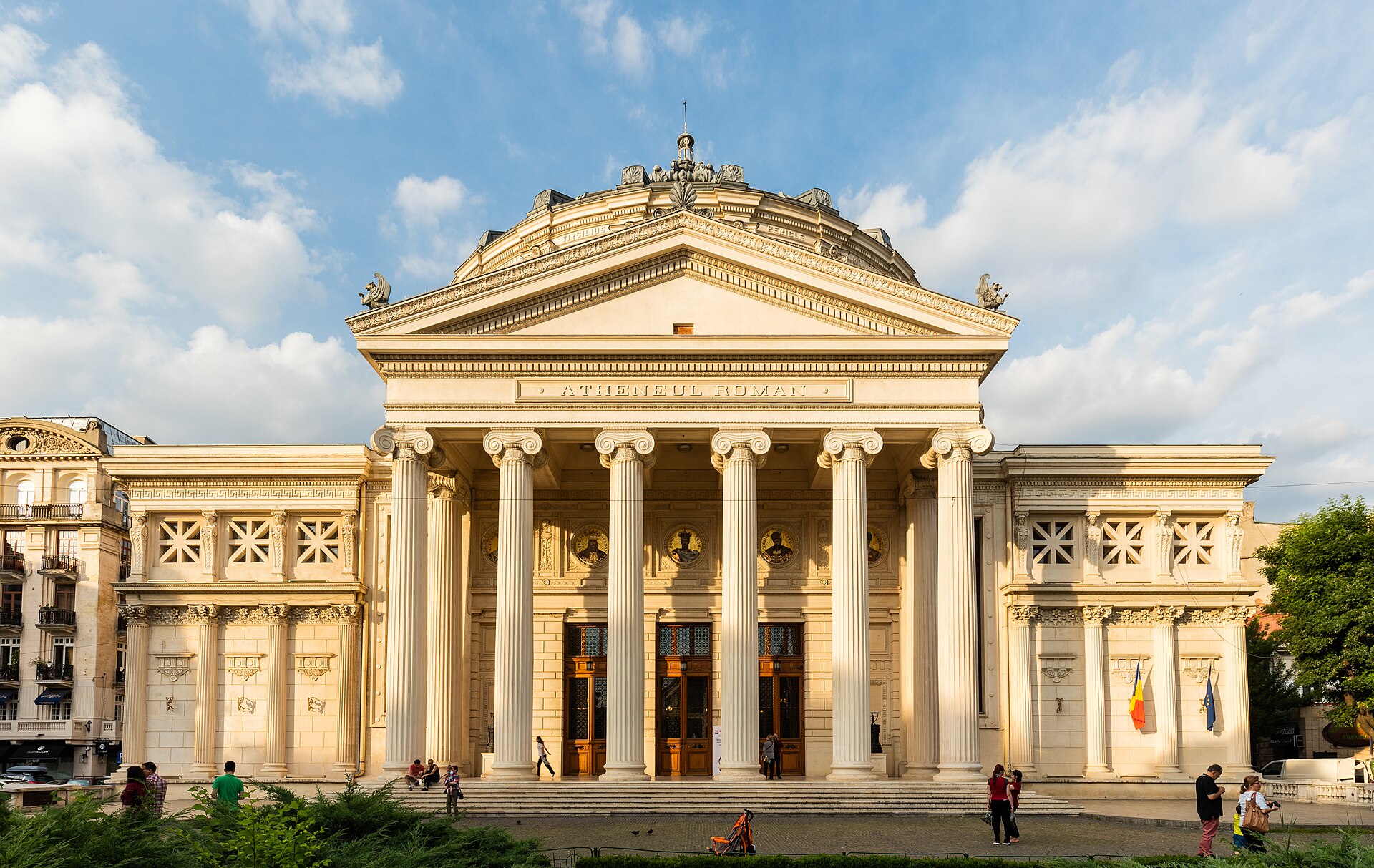
7. Romanian Athenaeum
If you’re looking for the true symbol of elegant Little Paris, you’ll find it in this magnificent concert hall, built in 1888 and rated an impressive 4.8 from more than 19,000 reviews. With its great dome and classical columns, the building is a masterpiece of Neoclassical architecture and remains the prestigious home of the George Enescu Philharmonic Orchestra. Here’s a fun fact: funds for its construction were raised through a public campaign with the slogan “Give a leu for the Athenaeum,” so local residents quite literally built it for themselves. A pleasant little park in front of the entrance is a popular meeting place for local students.
Getting inside for a tour can be a matter of luck, as access depends on whether the orchestra is rehearsing. But if you get the chance, you won’t regret it. The interior features a spectacular circular fresco that depicts key moments in Romanian history, from ancient Dacia to modern times, and the acoustics in the main hall are phenomenal. The space beneath the dome feels remarkably airy and luxurious.
💡 Tip: The most reliable way to see the interiors at their best is to buy a ticket to an evening concert. Philharmonic tickets are often very affordable, and hearing live music in this setting is an experience you won’t forget.
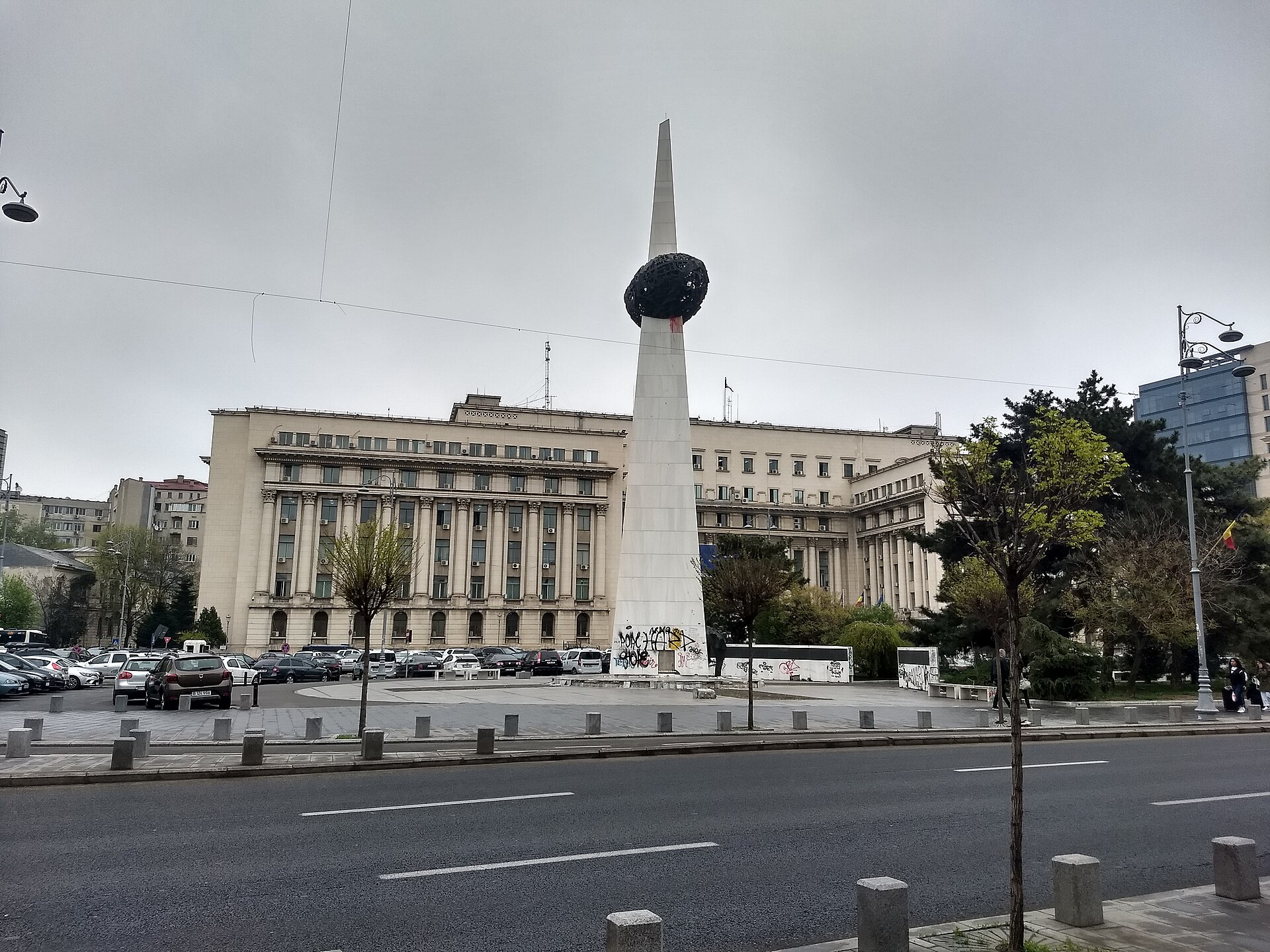
8. Revolution Square
This spacious, historically significant square may not have a standard star rating on maps, but it’s where modern European history was made. It was here that Communist rule fell in the bloody December of 1989, and with a little imagination you can still sense the tension of those momentous days. The square is dominated by the enormous former headquarters of the Communist Party. A helicopter landed on its roof as dictator Ceaușescu and his wife tried to flee the furious crowds. The famous balcony also remains—the spot where he gave his final, confused speech to the nation as he realized people were no longer listening.
Directly opposite stands the controversial Memorial of Rebirth, built to commemorate the victims of the revolution. Because of its unusual shape, locals jokingly call it “the potato on a stick.” The square is bordered by the famous Calea Victoriei and is also home to other important buildings, including the National Museum of Art.
💡 Tip: As you walk past the surrounding buildings and blocks, look closely at the older façades. You can still spot bullet holes in many places, a quiet reminder of the fierce gun battles during the revolution.
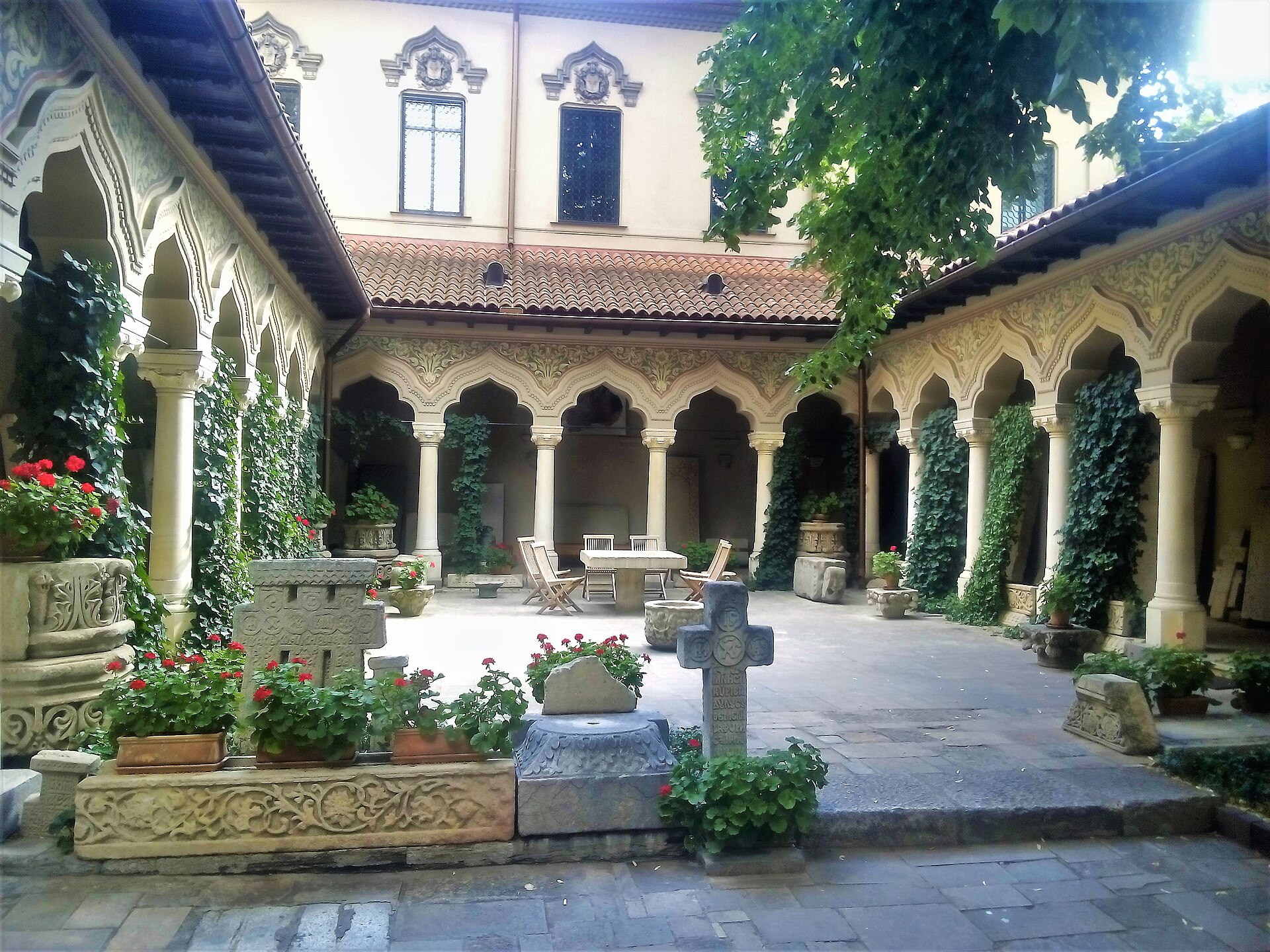
9. Stavropoleos Monastery
Among the noisy bars and modern restaurants of Lipscani, you’ll come across a small architectural wonder with an excellent 4.8 rating from more than 6,300 reviews. This tiny Orthodox monastery dates back to 1724 and was founded by a Greek monk. Miraculously, it survived earthquakes, devastating fires and the city’s ruthless Communist-era redevelopment. Its richly decorated façade, delicate columns and beautifully carved wooden doors are a wonderful example of the Brâncovenesc style, distinctive to Romania and blending Renaissance, Byzantine and Ottoman influences.
The church itself is tiny, but it contains beautiful, well-preserved frescoes and a deeply spiritual atmosphere that contrasts sharply with the city noise outside. Time seems to stand still here, and locals come in for a few minutes of calm amid the everyday rush. Entry is free, and you may take photos inside as long as you’re discreet and don’t use flash.
💡 Tip: Be sure to visit the rear courtyard, a small, peaceful lapidarium. It holds rescued stone crosses and fragments from other churches destroyed during construction of the Palace of the Parliament. You may also hear the beautiful Byzantine choir rehearsing.
10. Ceaușescu’s Mansion (Primăverii Palace)
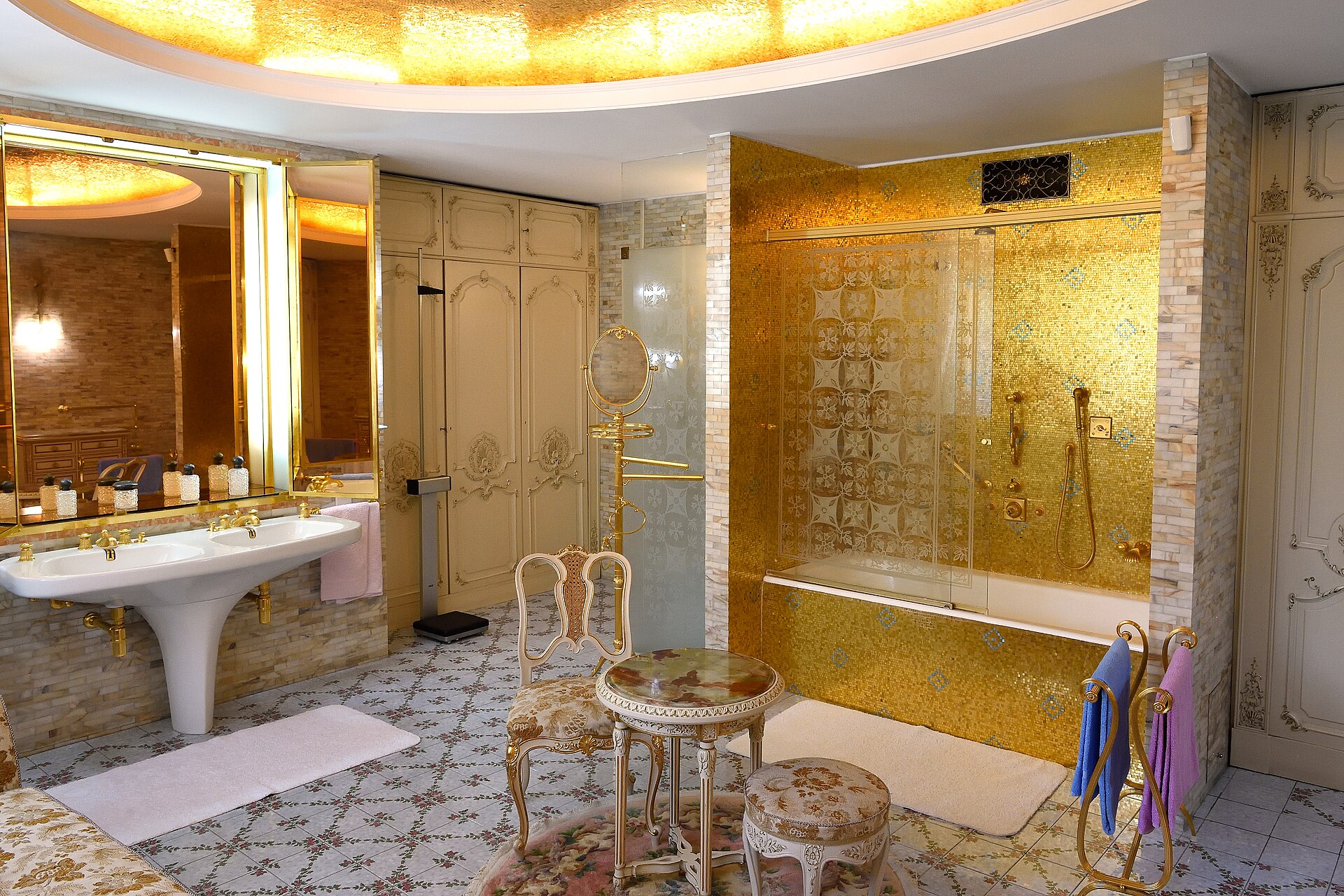
While the vast Palace of the Parliament reveals Ceaușescu’s drive for public grandeur and power, this private villa—with a 4.6 rating and nearly 9,000 reviews—shows how the dictator’s family lived behind closed doors. Located in the upscale Primăverii neighborhood, the house has been preserved exactly as the family left it in a hurry in 1989. A tour of the interiors offers a fascinating, if chilling, glimpse into a life completely detached from the harsh reality of Romania at the time, when people queued for basic foodstuffs.
As you walk through dozens of lavish rooms, you’ll see gold bathroom taps, a private cinema, a magnificent indoor pool decorated with an intricate mosaic, and a huge wardrobe full of expensive fur coats. It’s an outlandish display of bad taste and unchecked power that you shouldn’t miss. The whole house feels like an opulent cage, clearly showing just how removed the ruling elite was from ordinary people.
💡 Tip: As with the Parliament, you need to book an English-language guided tour in advance through the official website. The villa is easy to reach by metro: get off at Aviatorilor and take a short walk through a quiet, wealthy neighborhood that remains one of Bucharest’s most expensive.
11. Cișmigiu Park
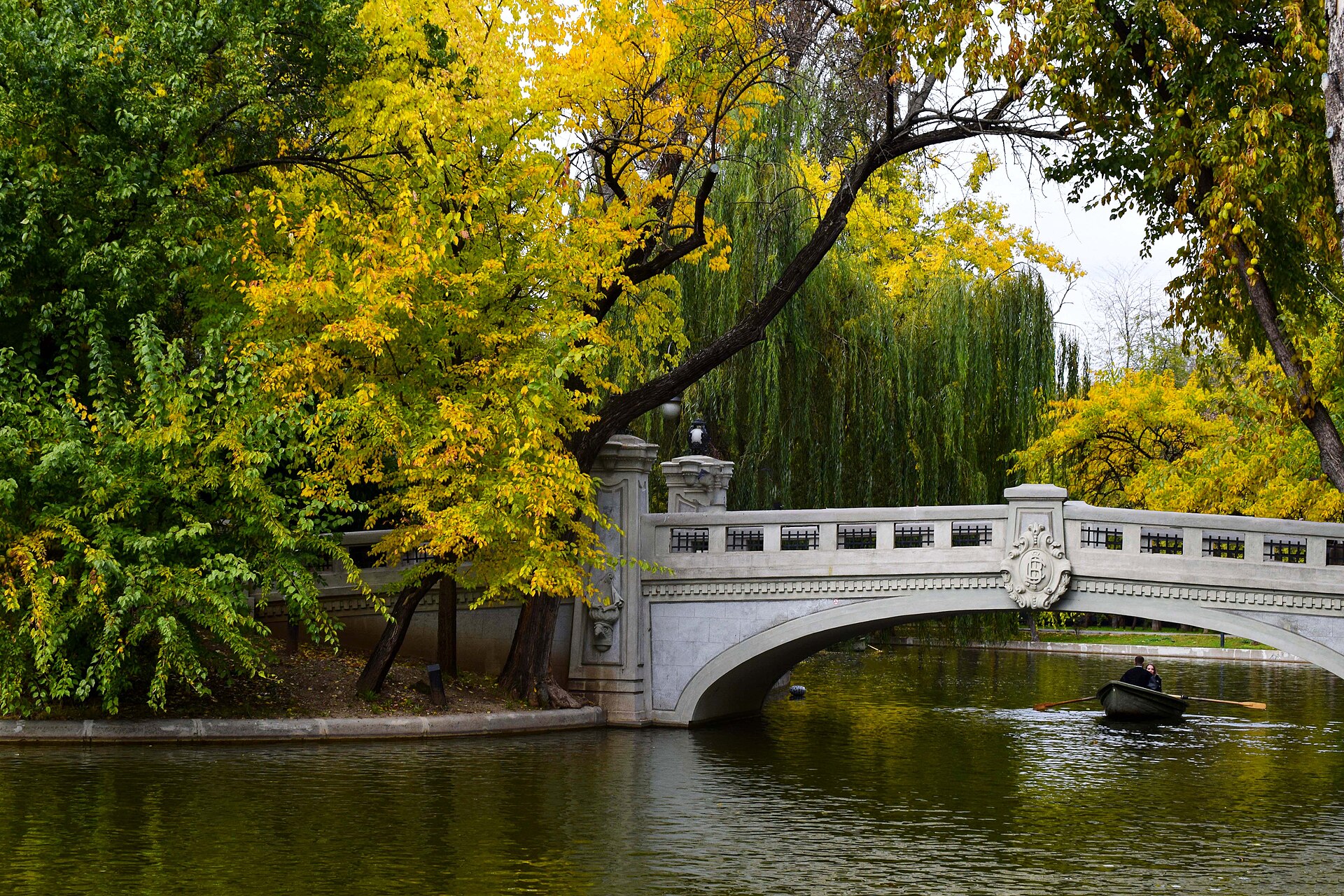
Bucharest’s oldest public park, rated 4.4 by more than 41,000 visitors, is a short walk from the busy boulevards and a classic spot for a Sunday stroll. Unlike the wide-open, expansive Herăstrău, Cișmigiu is full of winding paths, mature trees and romantic little bridges, giving it a tidy, nostalgic English-garden feel. It was created in the mid-19th century by draining the original marshes, a project overseen by a German landscape architect, and has been a local favorite ever since.
Colorful gardens bloom in spring and summer, and you can rent a boat on the central lake. In the colder months, its frozen surface becomes one of the city’s most popular and largest ice rinks. There’s also a circle of monuments to Romania’s most celebrated writers in the middle of the park. Take a break on a bench with a good coffee from one of the historic kiosks nearby—the whole place feels wonderfully calm and romantic.
💡 Tip: The park is close to University Square and the Old Town, making it a convenient shortcut if you’re heading from the center toward Gara de Nord train station. Renting a boat is inexpensive and makes for a lovely, relaxing afternoon.
12. Triumphal Arch (Arcul de Triumf)
Yes, Bucharest really does have its own Triumphal Arch. Rated 4.7 from nearly 20,000 reviews, it’s easy to see why the city was once proudly nicknamed Little Paris. The original version was built from wood after the First World War to honor Romanian soldiers and allow a ceremonial parade to pass beneath it. In the 1930s, it was replaced by the grand granite structure you see today. It stands at a busy intersection of huge boulevards in the north of the city, surrounded by the traffic chaos that, unfortunately, is so typical of Bucharest.
Many visitors take a quick photo from a car or taxi window on the way from the airport, but it’s worth walking there along the broad Kiseleff Boulevard. The arch is covered in beautifully detailed reliefs by leading Romanian sculptors of the time and looks even more majestic up close.
💡 Tip: On selected weekends and public holidays—especially December 1, Romania’s National Day—you can climb the internal staircase to the top of the arch. From there, you’ll get a wonderful panoramic view along the endless straight boulevards leading into the heart of the city.
13. Old Princely Court (Curtea Veche)
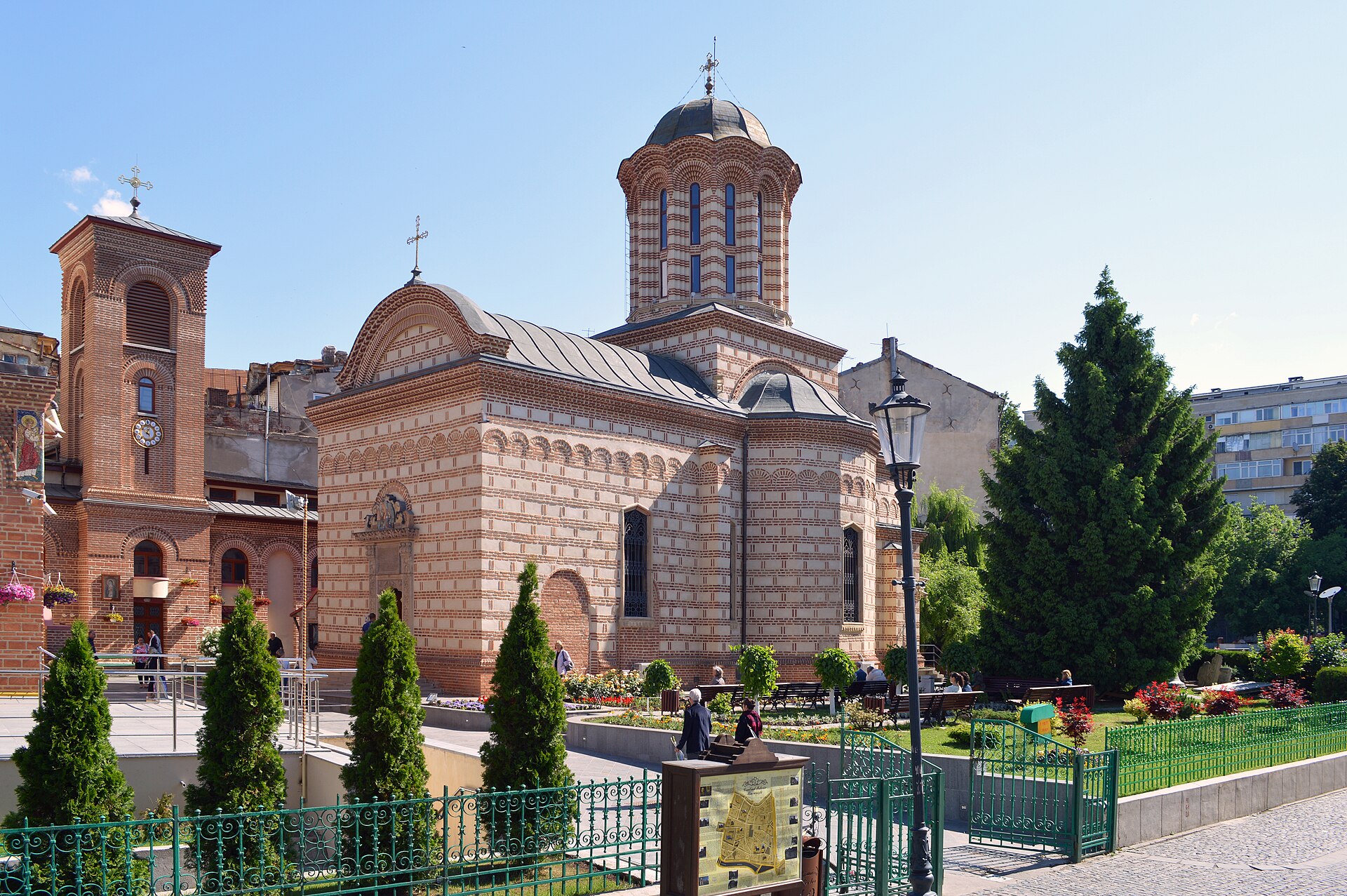
This archaeological site in the bustling Lipscani district, rated 4.2 with more than a thousand reviews, may be the most important place in the city for fans of vampire legends and history. The remains of the 15th-century palace are a genuine historic site associated with Vlad Țepeș, the real, brutal ruler who later inspired the fictional Count Dracula. He ruled and issued official documents here for many years, and the name Bucharest appears in a document from this site for the first time in history, making it a place of great historical significance.
Today, you can see exposed foundations, remnants of walls and arches, and the iconic bronze bust of Vlad the Impaler, where almost every visitor stops for a photo. It may not feel as romantic or spooky as a castle high in the mountains, but this is the most authentic piece of medieval history you can visit in Romania’s capital.
💡 Tip: The site is often subject to lengthy archaeological and restoration work, so check whether it’s open to the public before you visit. Even if it’s closed, you can get a good view of the bust and main excavations through the fence from the street.
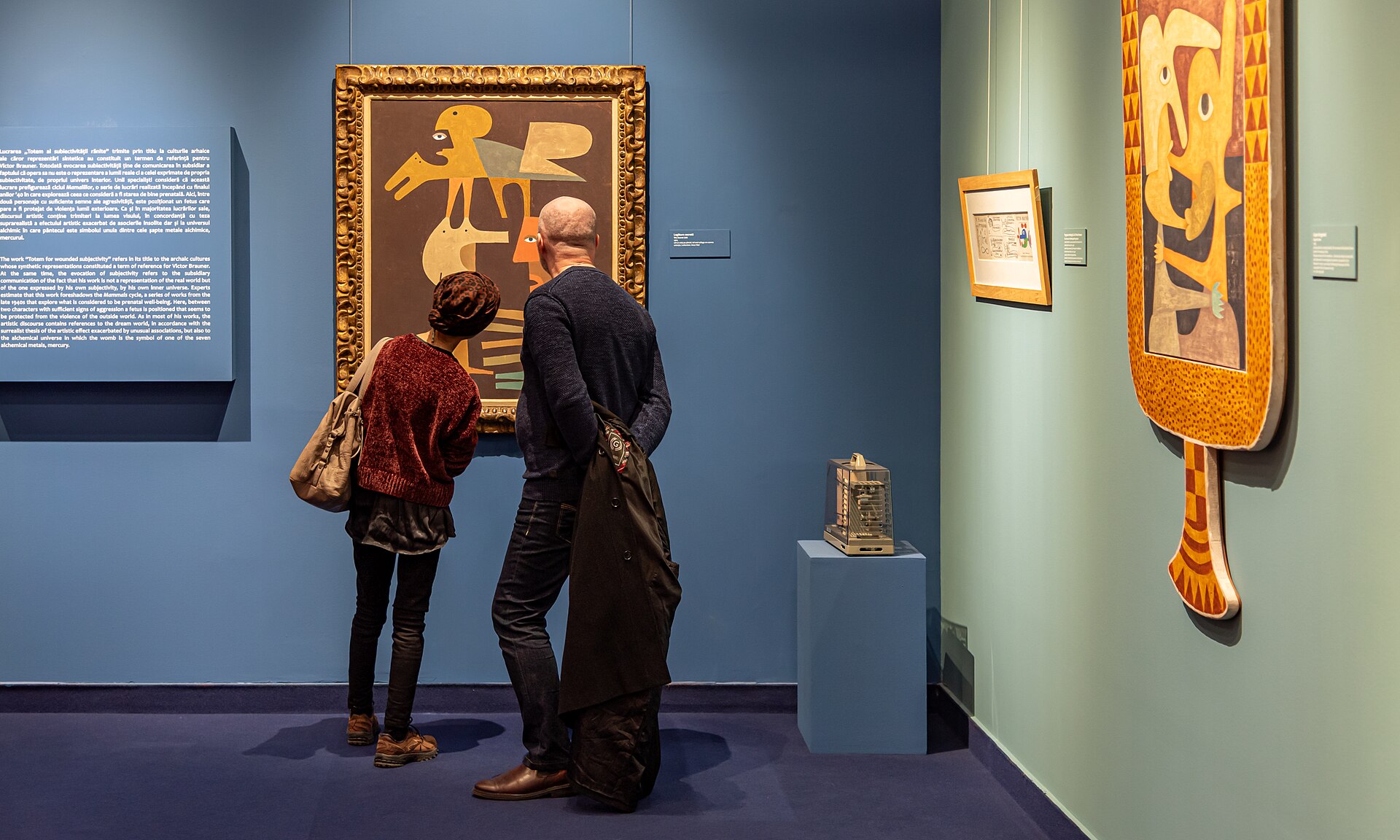
14. National Museum of Art
Set inside the magnificent former Royal Palace on Revolution Square, this museum has earned an excellent 4.6 rating from more than 10,000 visitors. If you love art and history, you could easily spend half a day here, as the collections are divided into two vast sections. The European Art Gallery contains works by masters such as Rembrandt, Rubens and El Greco, while the National Gallery offers a fascinating overview of Romanian art, from medieval icons to 20th-century avant-garde works.
The former Royal Palace is an architectural gem with a turbulent history. It was badly damaged by gunfire during the December 1989 revolution and later underwent a lengthy, extremely costly restoration. Today, it shines once again and provides a fitting setting for the artworks on display.
💡 Tip: Don’t miss the tour of the magnificent historic rooms, including the famous Throne Room, which is only open to visitors on weekends with a guide. Museums in Bucharest are generally closed on Mondays and often Tuesdays, so plan your visit for later in the week.
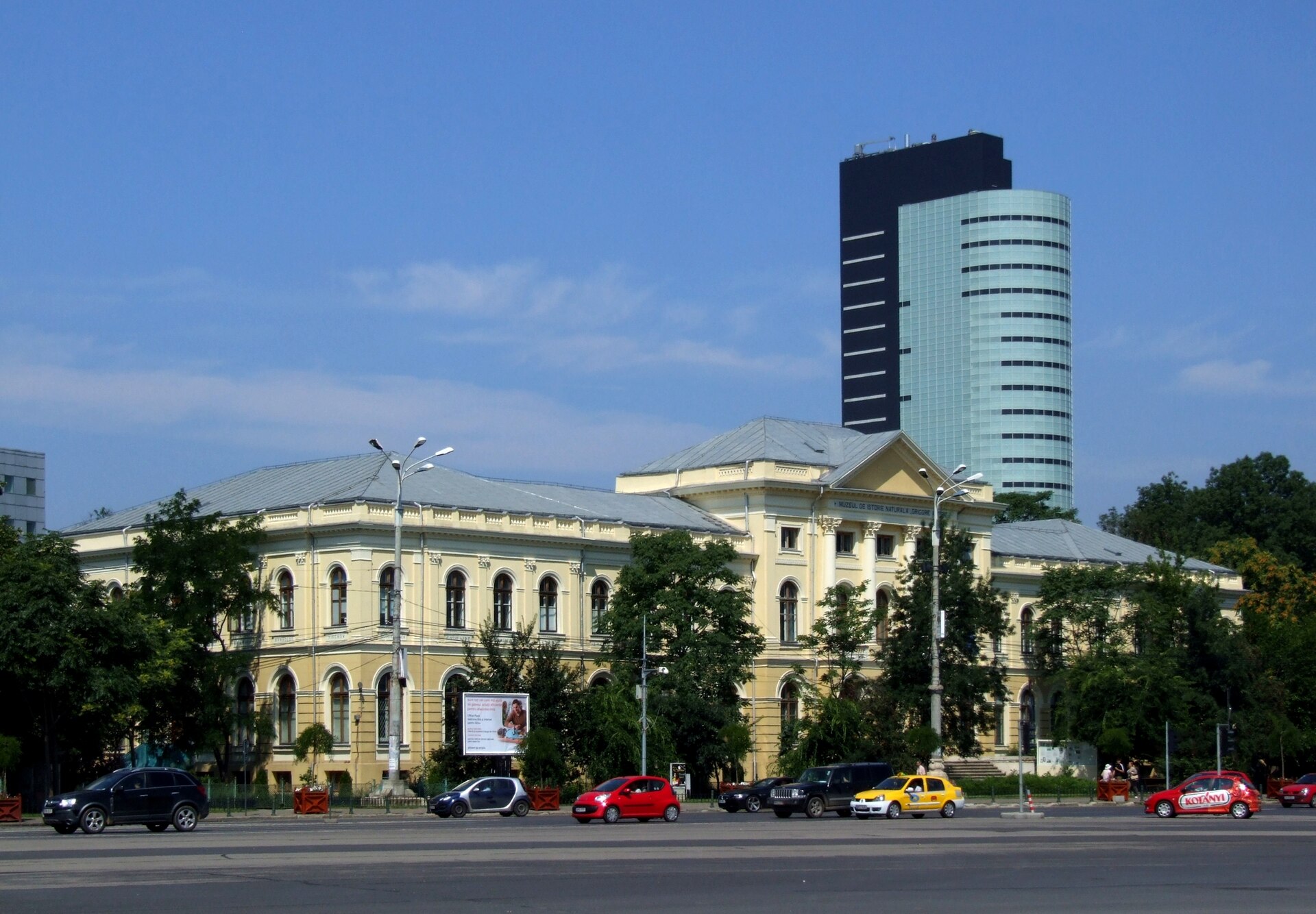
15. Grigore Antipa National Museum of Natural History
If you’re visiting Bucharest with your family, or simply love animals and the natural history of our planet, this museum should be high on your itinerary. It has a fantastic 4.8 rating from more than 21,000 reviews. This modern museum is engaging for children and adults alike: dusty old display cases have given way to interactive exhibits and captivating three-dimensional dioramas showcasing wildlife from around the world, including the unique and rich Danube Delta. The museum’s founder, Grigore Antipa, was one of the first people in the world to display animals in their natural habitats rather than as lifeless specimens on shelves.
The basement also houses an impressive collection of minerals and fossils, including the enormous skeleton of an extinct Deinotherium elephant, discovered in Romania and now a symbol of the museum. The exhibits are clearly organized and have English descriptions, so you won’t have any trouble finding your way around.
💡 Tip: The museum is very popular with local schools and families, so try visiting in the late afternoon to avoid the biggest morning crowds and queues. You can buy tickets online to skip the ticket-office line. It’s right by Piața Victoriei.
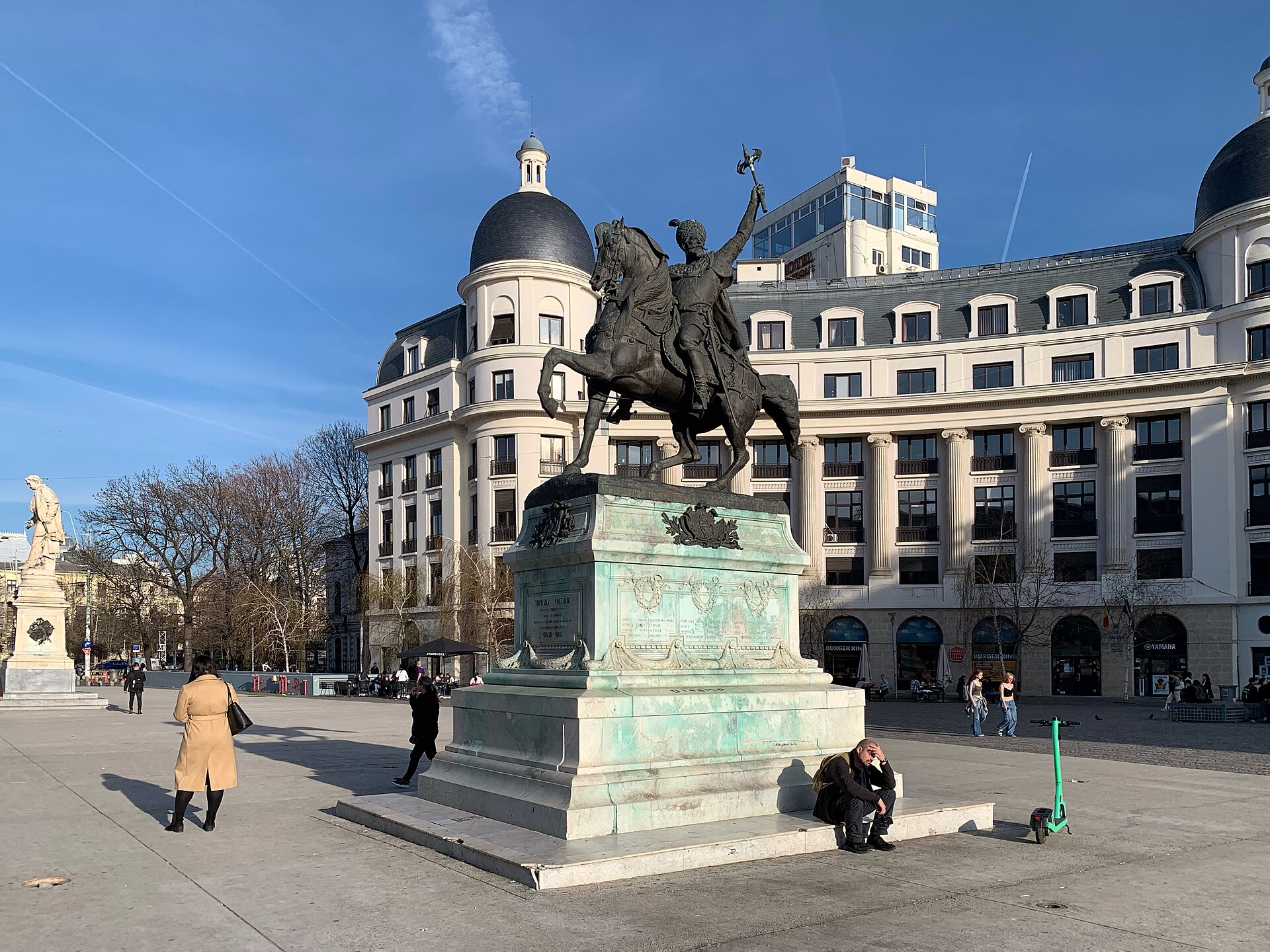
16. University Square
A crossroads of the city’s modern history and one of its most important gathering places, University Square has a 4.5 rating from nearly 8,700 reviews. It’s a lively transport and social hub, where the impressive university building meets the distinctive National Theatre and Colțea Hospital, one of the city’s oldest. Some of the fiercest clashes during the revolution and the mass protests of the 1990s—known as the Golaniad—took place in this broad square.
Below the square is a maze of passages filled with small shops, cafés and interesting art installations. It provides a safe way to cross Bucharest’s downright chaotic traffic above ground. It’s also a great place to observe the everyday rhythm of the capital as people hurry to work or school.
💡 Tip: On the grass in front of the National Theatre, look out for the crosses scattered across the lawns, a quiet but powerful memorial to the students who died fighting for freedom. The square is beautifully lit in the evening and feels particularly dignified.
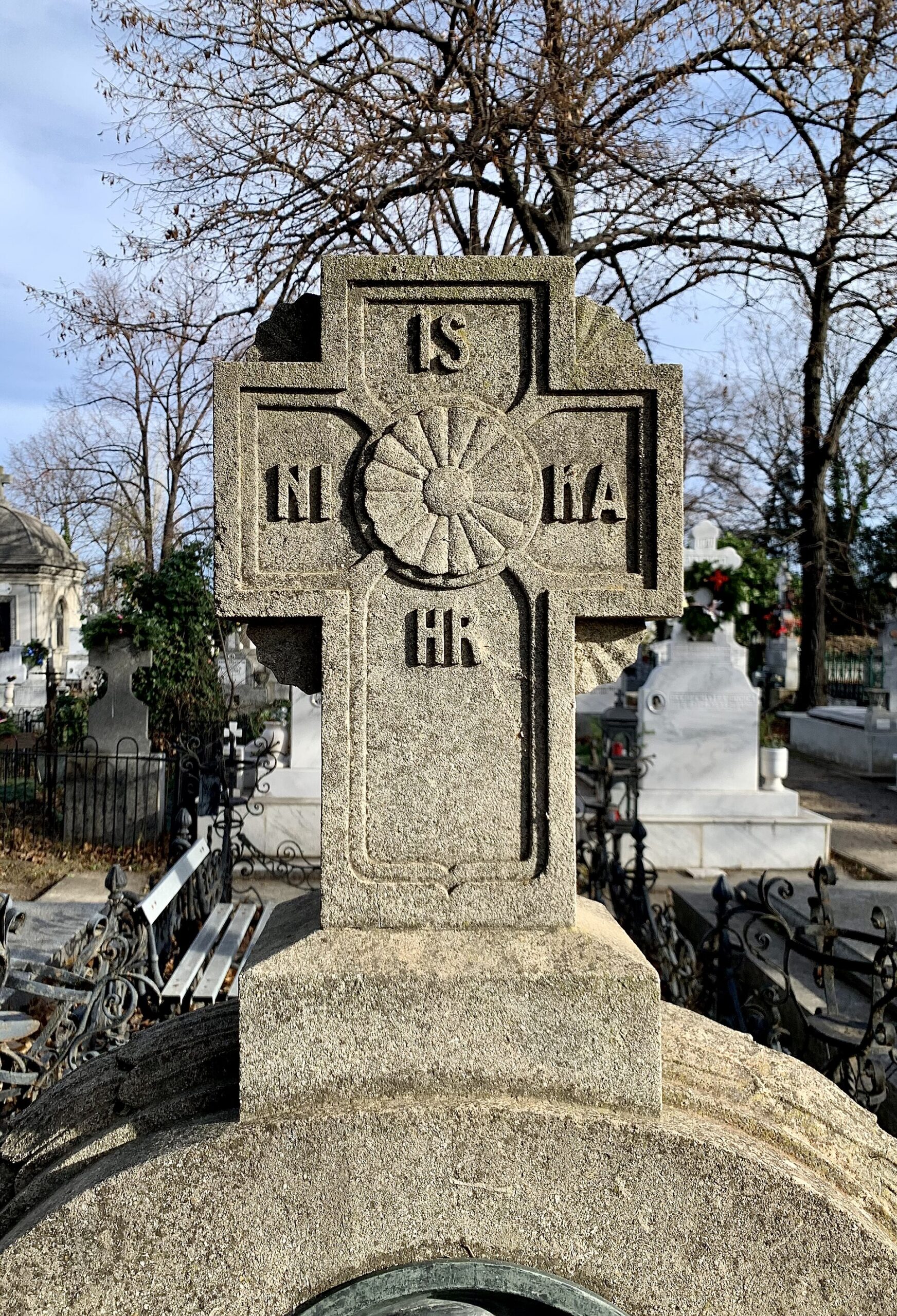
17. Bellu Cemetery
Just under 300 people have reviewed this fascinating place on Google so far, giving it a lovely score of 4.5. It’s a real hidden gem for anyone interested in unusual architecture and quiet history. Bellu is Bucharest’s answer to Père Lachaise, the final resting place of many important Romanian poets, actors, politicians and aristocrats from the 19th and 20th centuries. You won’t find crowds of tourists with maps here; more often, you’ll see a few locals, a caretaker and plenty of friendly stray cats lounging on the tombstones.
The cemetery is remarkable for its sculptures. Tombs belonging to wealthy and powerful families often resemble tiny Gothic churches, Art Nouveau chapels or even classical temples, complete with elaborate statues of sorrowful angels. A walk beneath the tall old trees is wonderfully photogenic and offers a peaceful escape from the traffic noise and hectic pace that otherwise dominate the city.
💡 Tip: The cemetery is right by Eroii Revoluției metro station. Be respectful when taking photos, and avoid photographing if a funeral service is in progress. If you’re looking for the graves of famous figures such as national poet Mihai Eminescu, there’s an orientation map at the entrance.
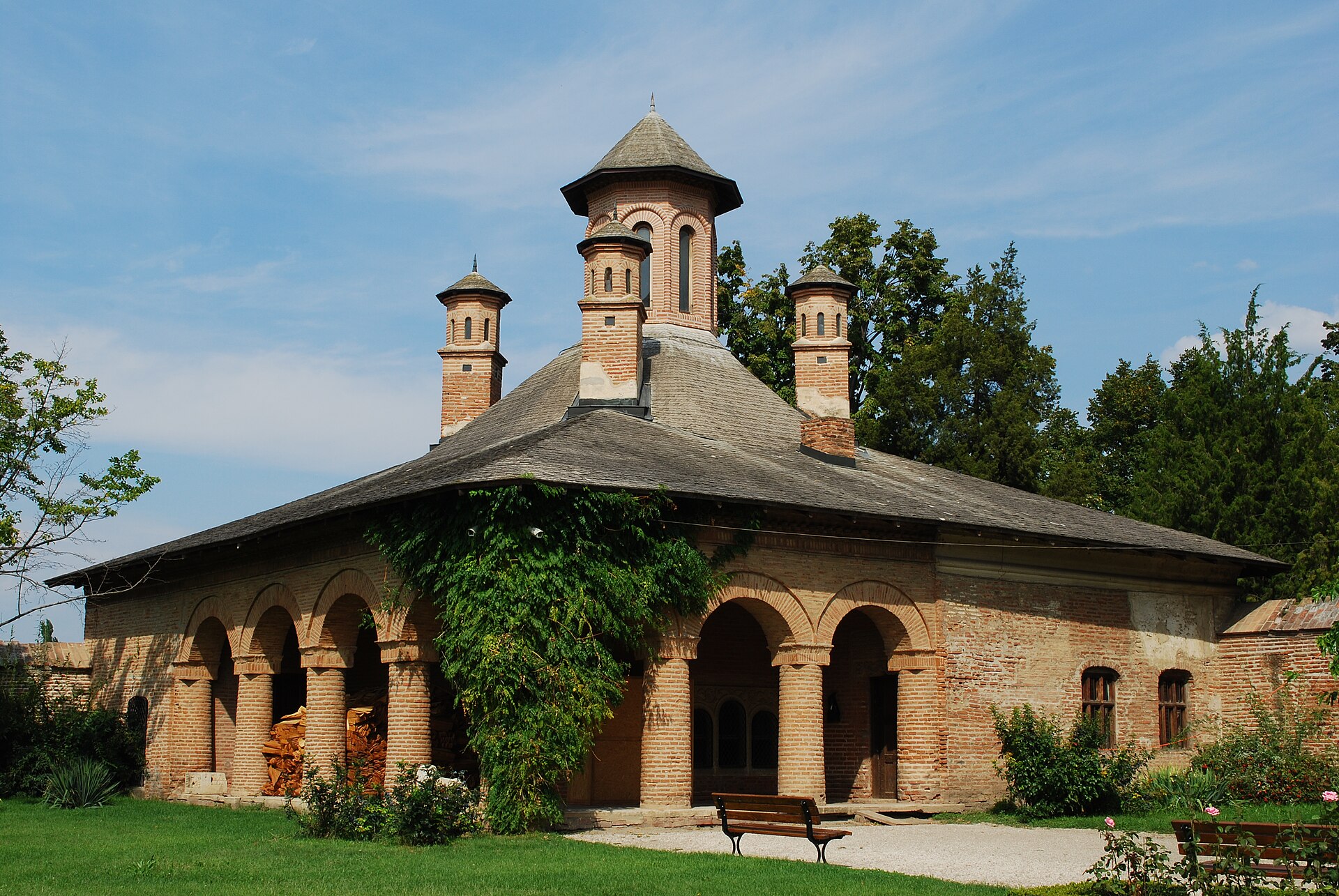
18. Mogoșoaia Palace
About 30 minutes from central Bucharest, this beautiful palace has earned a 4.7-star average from more than 15,500 visitors—and it’s well worth a visit. Built from red brick in the early 18th century, this architectural gem is romantically reflected in the lake beside it and makes an ideal escape into nature if you’ve had enough of the city’s concrete and noise. The spacious lawns and gardens are beautifully maintained, and local families often come here for long weekend picnics.
The palace interiors house a small but interesting museum dedicated to the history of the Brâncoveanu family. The main draw, though, is the exterior architecture, with its elaborately decorated balconies, Venetian arcades and beautiful details. The palace survived wars and Communist nationalization and is now a popular spot for wedding photos.
💡 Tip: If you enjoy cycling, you can rent a bike in Bucharest and ride here fairly safely along marked cycle paths and quieter roads—a fun, active alternative to a taxi. Otherwise, Bolt or Uber are the easiest options; both work well in Romania and are very affordable.
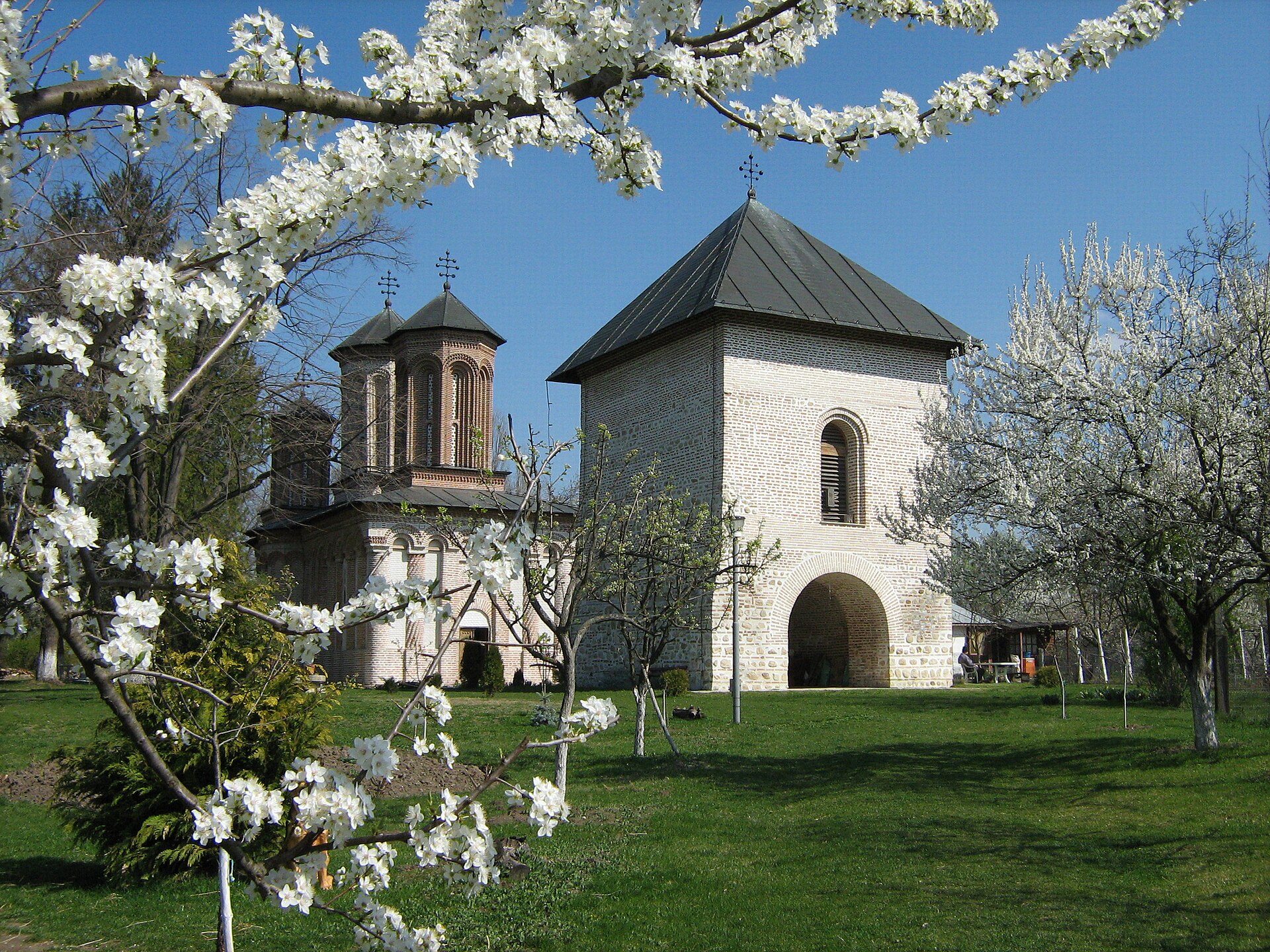
19. Snagov Monastery
On a small, wooded island in the lake of the same name just outside the city, this monastery has a 4.2 rating and more than 2,000 reviews—and is shrouded in mystery and legend. According to local tradition, this is where the real Vlad Țepeș is said to be buried. After his violent death in a battle against the Ottomans, monks supposedly brought his headless body here in secret. A simple stone slab in front of the altar of the small, beautifully painted church is said to mark the famous ruler’s resting place.
Archaeologists have never been able to confirm whether this is history or simply a clever myth, but the atmosphere is unique and a little eerie, especially if you arrive in misty weather. You can reach the island only by crossing a long iron footbridge that connects it to the mainland, or by renting a small boat from someone on the shore and paddling over—adding a touch of adventure to the visit.
💡 Tip: Snagov makes a great combination with a trip to Mogoșoaia Palace, as both are north of the city. Bring cash, as the monks sometimes charge a small fee to enter or take photos inside the church.
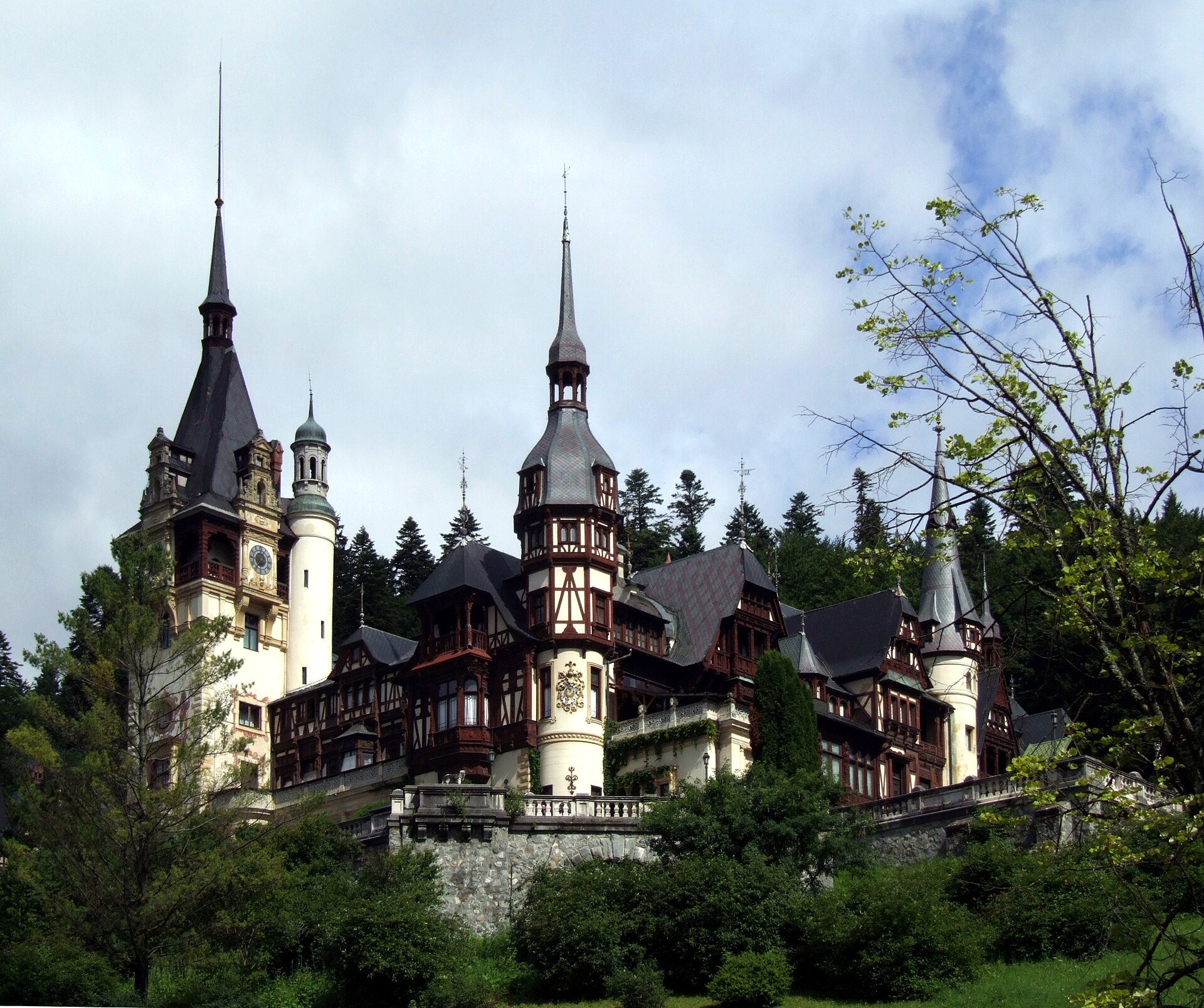
20. Day Trip to Peleș Castle and Bran Castle
This is the most popular day trip from Bucharest, but it’s worth being realistic about what to expect. The Neo-Renaissance Peleș Castle in Sinaia, rated 4.7 by more than 75,000 visitors, is a true gem tucked away in the Carpathian Mountains. Its richly carved wooden interiors, armory and mountain setting will take your breath away. A visit is absolutely worth it: this is one of the most beautiful royal residences in Europe.
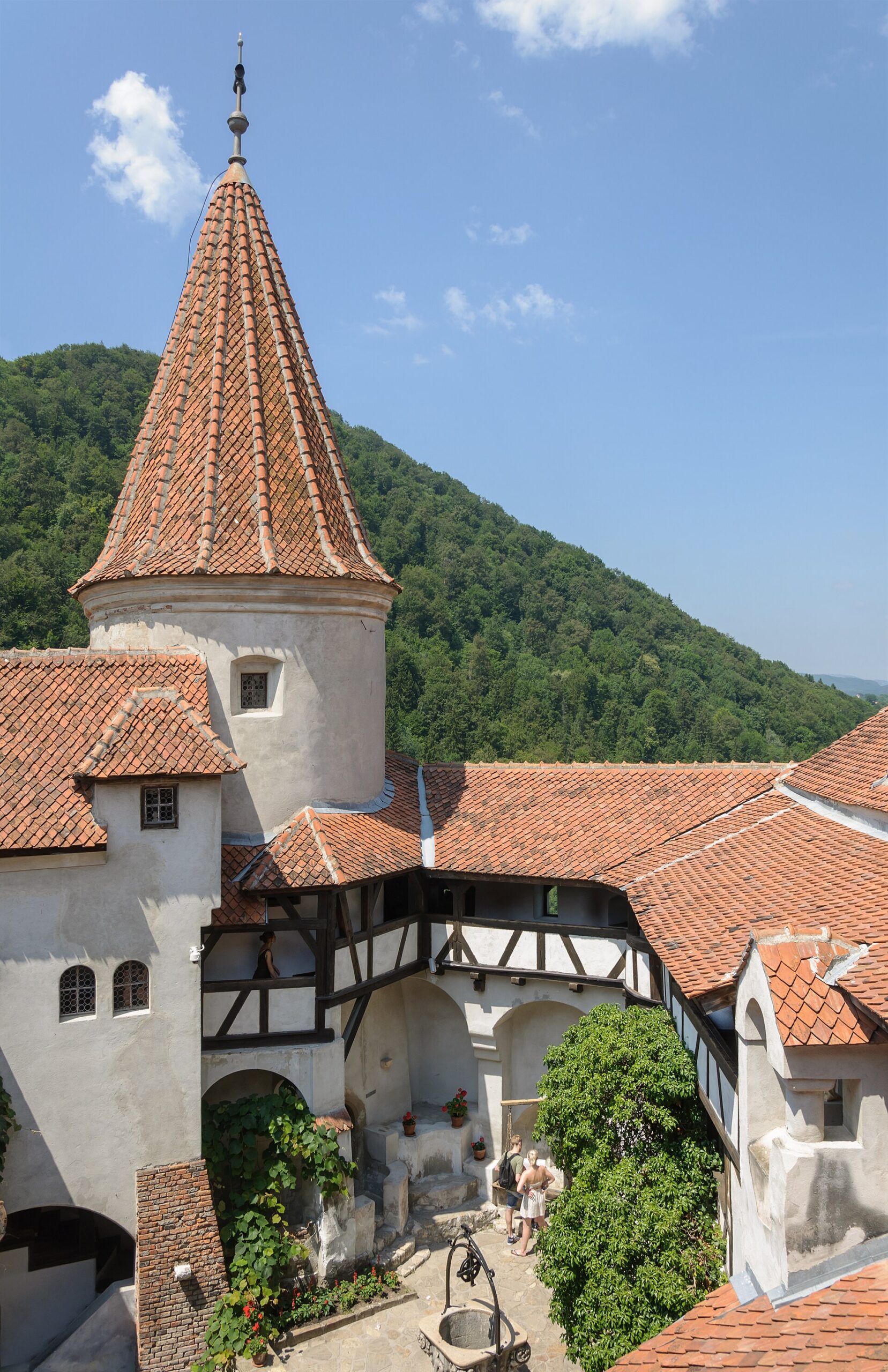
Then there’s famous Bran Castle, with more than 113,000 reviews and an average score of 4.3, marketed around the world as the real, terrifying Dracula’s Castle. But I need to make one thing clear: historians say Vlad Țepeș never lived there, and even Google Places wisely describes it only as a “purported inspiration.” It’s a beautiful medieval fortress built into the rock, but in high season it can be extremely crowded and commercialized. Decide whether the crowds and stalls selling plastic vampire teeth are worth it for the legend.
💡 Tip: If you’re short on time, skip Bran and take the train from Bucharest to Sinaia to visit Peleș Castle instead. The journey takes around two hours, you avoid road traffic, and the castle itself offers a much more beautiful and authentic experience.
Where to Go Next from Bucharest
- Romania: The Dogs Here Are Like Overgrown Pigeons
- Romania: The National Pastime—Sitting and Staring
- Romania: Clean Only Where the EU Pays
If you have more time, Romania has plenty of other amazing places to explore, and Bucharest also makes a great starting point for discovering more of Europe. If you love grand European capitals with a rich imperial history, take a look at our detailed guide to what to see in Vienna, with similarly majestic architecture in a much more polished setting. To make planning even easier, don’t miss our practical tips on where to stay in Vienna, so you can find the right hotel.
Frequently Asked Questions
Is Bucharest safe for tourists?
Yes, Bucharest is a completely safe European capital city. Crime rates are very low and you can move around the center without worry even after dark, when the streets are full of people from bars and restaurants. As everywhere else, watch out for pickpockets in crowded metro cars and don’t leave valuables lying freely on tables at outdoor cafés in the busy Lipscani district.
How many days do I need to visit Bucharest?
To explore the city itself and its main sights, 2 to 3 days at a relaxed pace will be enough. However, if you’re also planning a full-day trip to Transylvania to see the castles or want to spend a whole day relaxing at the giant Therme spa complex, I recommend setting aside 4 to 5 days.
What are prices like in Bucharest?
Romania in general and Bucharest in particular are among the cheapest destinations in the European Union. You’ll pay noticeably less for accommodation in quality hotels, excellent restaurant meals, and public transport tickets than in major Western European cities, which makes it an absolutely ideal choice for a budget-friendly weekend getaway.
Did Dracula really live at Bran Castle?
No, it’s unfortunately just a very successful marketing ploy aimed at tourists. The historical prince Vlad Țepeș, who was the inspiration for the literary Dracula, never resided at Bran Castle according to all available historical sources and may have only stopped there very briefly. You’ll find his actual historical traces right in the center of Bucharest at the Old Princely Court (Curtea Veche).
Is Bucharest suitable for traveling with children?
Absolutely yes. The city has a huge number of beautiful green parks with playgrounds and the excellent Grigore Antipa Natural History Museum, which children love thanks to its interactive exhibits. The biggest draw for families is definitely the Therme București complex with its giant Galaxy zone full of water slides and aquatic attractions, where you can spend an entire day.
What’s the best way to get from the airport to the center?
The fastest and most convenient option is the train, which runs directly from the Otopeni airport terminal to the main train station (Gara de Nord) and takes about 25 minutes. From there you can very easily get anywhere in the center by metro. You can also use ride-sharing apps like Uber or Bolt, which are very cheap and reliable here.
Do I need to buy tickets to the Palace of Parliament in advance?
Yes, and absolutely without exception. Entry to the monumental palace is only possible as part of organized tours, which are very often sold out well in advance. Make your reservation online from home and definitely don’t forget to bring a valid ID card or passport to the tour, otherwise you won’t get past the strict security.
Tips and Tricks for Your Vacation
Don’t Overpay for Flights
Search for flights on Kayak. It’s our favorite search engine because it scans the websites of all airlines and always finds the cheapest connection.
Book Your Accommodation Smartly
The best experiences we’ve had when looking for accommodation (from Alaska to Morocco) are with Booking.com, where hotels, apartments, and entire houses are usually the cheapest and most widely available.
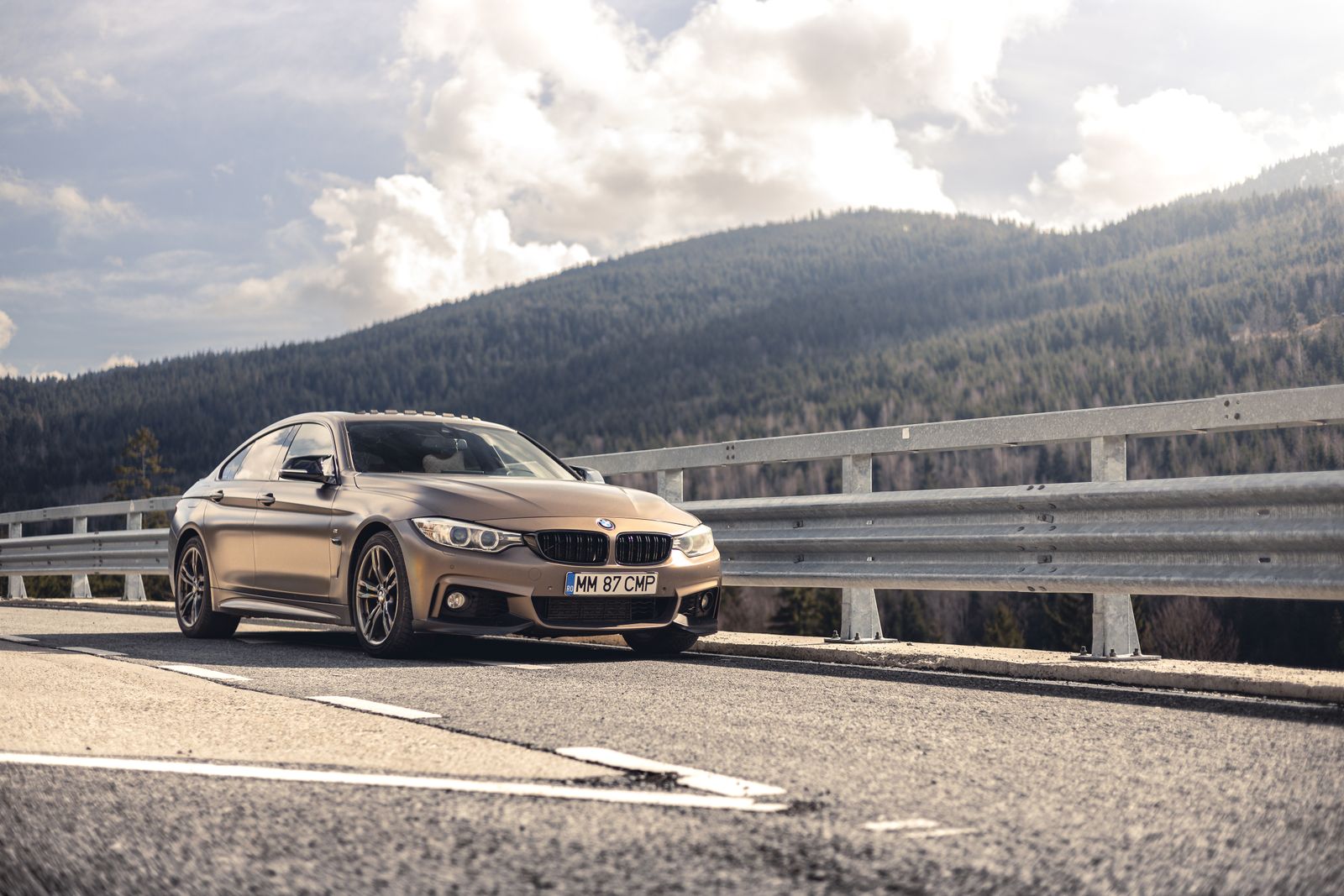 🚗 Car rental on the roadVerified rental cars in Romania
Search with the DiscoverCars comparison engine — it compares prices from dozens of local and international rental companies, and most bookings come with free cancellation.
Compare car prices in Romania →Don’t Forget Travel Insurance
Good travel insurance will protect you against illness, accidents, theft, or flight cancellations. We’ve had a few hospital visits abroad, so we know how important it is to have proper insurance arranged.
Where we insure ourselves: SafetyWing (simple monthly subscription) and TrueTraveller (for extra-long trips).
Find the Best Experiences
Get Your Guide is a huge online marketplace where you can book guided walks, trips, skip-the-line tickets, tours, and much more. We always find some extra fun there!