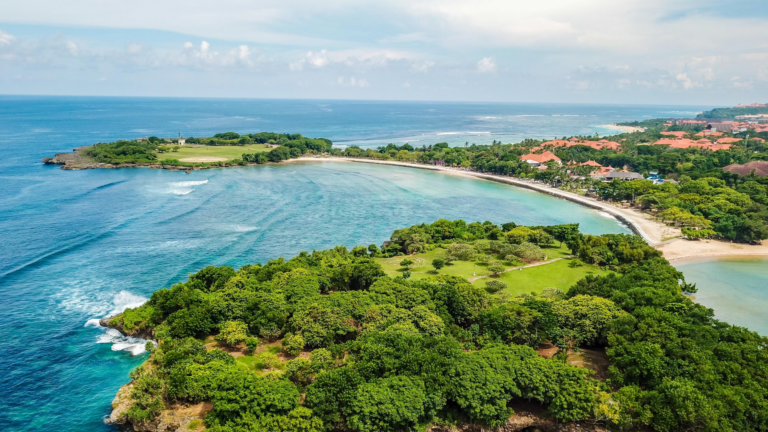

A fair warning right at the start: Bali weather doesn’t follow the European calendar, and the island doesn’t have four seasons – it has two. The dry season alternates with the rainy season, which puts February firmly in the wetter half of the year. Don’t expect it to be cold, though – the “winter” months bring high air and ocean temperatures.
February in Bali means a lush green off-season, a sea warmed to 29 to 30 °C and roughly 30% fewer tourists than in July. At the same time, it rains about every other day, the western beaches can get covered in washed-up debris, and storms occasionally cancel fast boats to the surrounding islands.
If your dates are fixed by school holidays, there’s no need to cancel your trip. I’ve put together a practical overview based on climate data that shows you where to head in February, when to plan your day trips and how to leave yourself enough buffer for getting around ☺️.
Summary
- Two seasons: The dry season runs from April to October, the rainy season from November to March.
- February rainfall: The south and Ubud get roughly 300 to 315 mm of rain, with around 10 days of heavy rain over 10 mm.
- Temperatures: Daytime highs are around 29 °C, nights around 24 °C. The sea is 29 to 30 °C – among the warmest of the year.
- Where to go: Sanur, Nusa Dua, the Bukit and Ubud are all good choices. The mountains around Munduk and Bedugul are rainier and cooler.
- Boats: When high-wave warnings are issued, fast boats to the nearby islands are sometimes cancelled – for example, four departures from Nusa Penida on 24 February 2026. Keep a spare day up your sleeve.
- Holidays in 2027: Imlek (Chinese New Year) falls on 6 February, Ramadan starts around 8 February and Nyepi is on 8 March. On Nyepi the whole island shuts down, airport included.
- Tourist levy: Bali charges 150,000 IDR per person, roughly €7. You can pay it via Love Bali.
The full destination guide: Indonesia — guide and what to see
Bali Weather: The Dry Season and the Rainy Season
Because Bali lies close to the equator, temperatures change only slightly throughout the year. The bigger differences come from the monsoon, humidity and rainfall. In this article, I draw on measurements from the Ngurah Rai weather station and on the 2016–2025 average from ERA5 model data, a meteorological reanalysis model built on data from many different sources.
The ERA5 model works with a grid of cells and tends to overestimate light drizzle, so I mainly focus on days with more than 10 mm of rain. For the number of rainy days, I also rely on the measuring station at the airport.
Dry season (April to October)
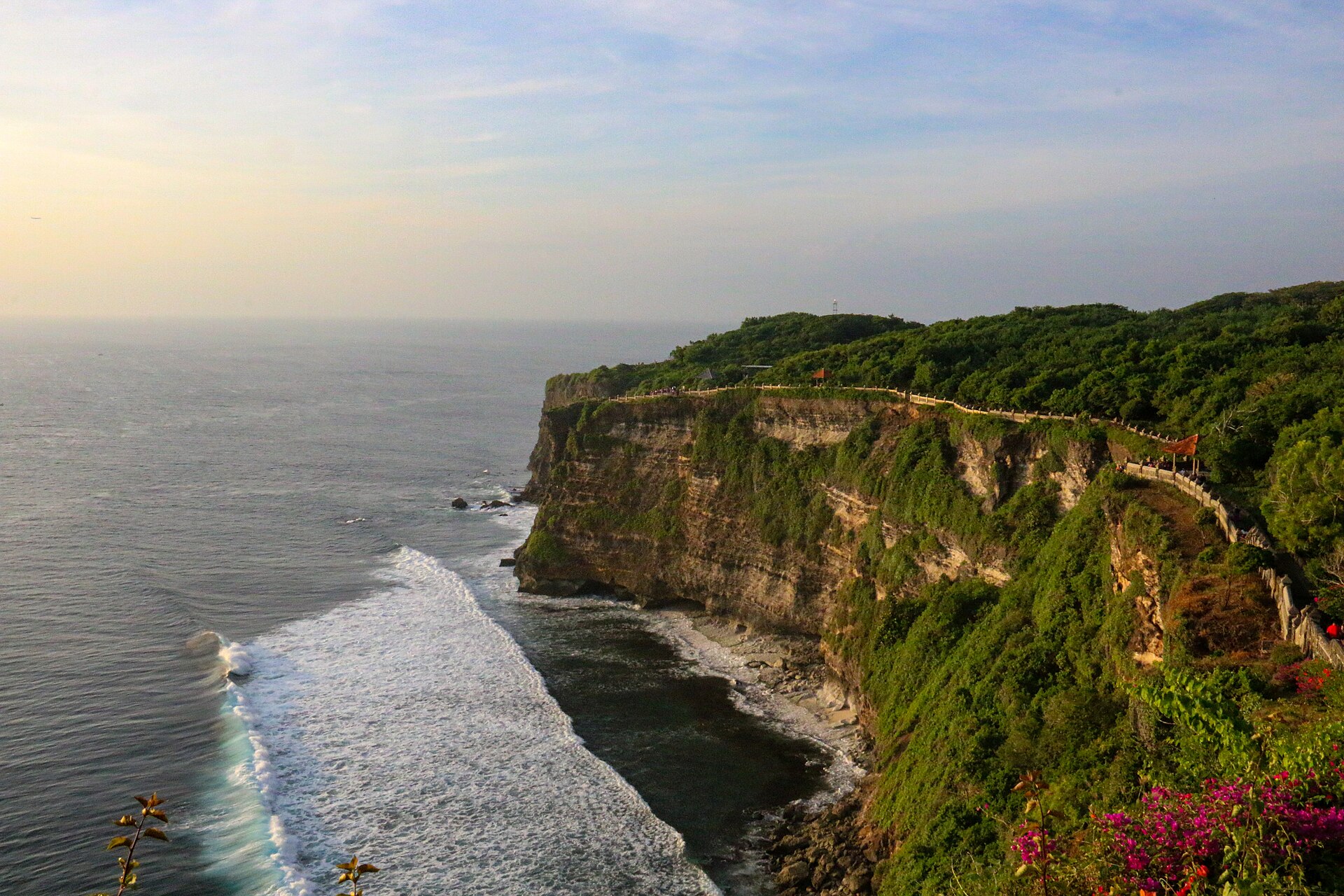
From April, south-easterly winds bring drier air and lower humidity. The driest months are July and August, when the area around Seminyak gets roughly 58 to 85 mm of rain a month. Heavy downpours are rare, although the interior – especially Ubud – can still see the odd shower even in the dry season.
Contrary to what you sometimes read, July and August aren’t the hottest months. In the south, daytime highs hover around 27 °C and nights around 23 °C. In Bedugul, the temperature can drop to 15 °C at night, so a hoodie comes in handy. The sea is around 27.8 °C in July, and the south-west gets a bigger southern swell – long waves rolling in from the open ocean.
Rainy season (November to March) and what “tropical rain” really means
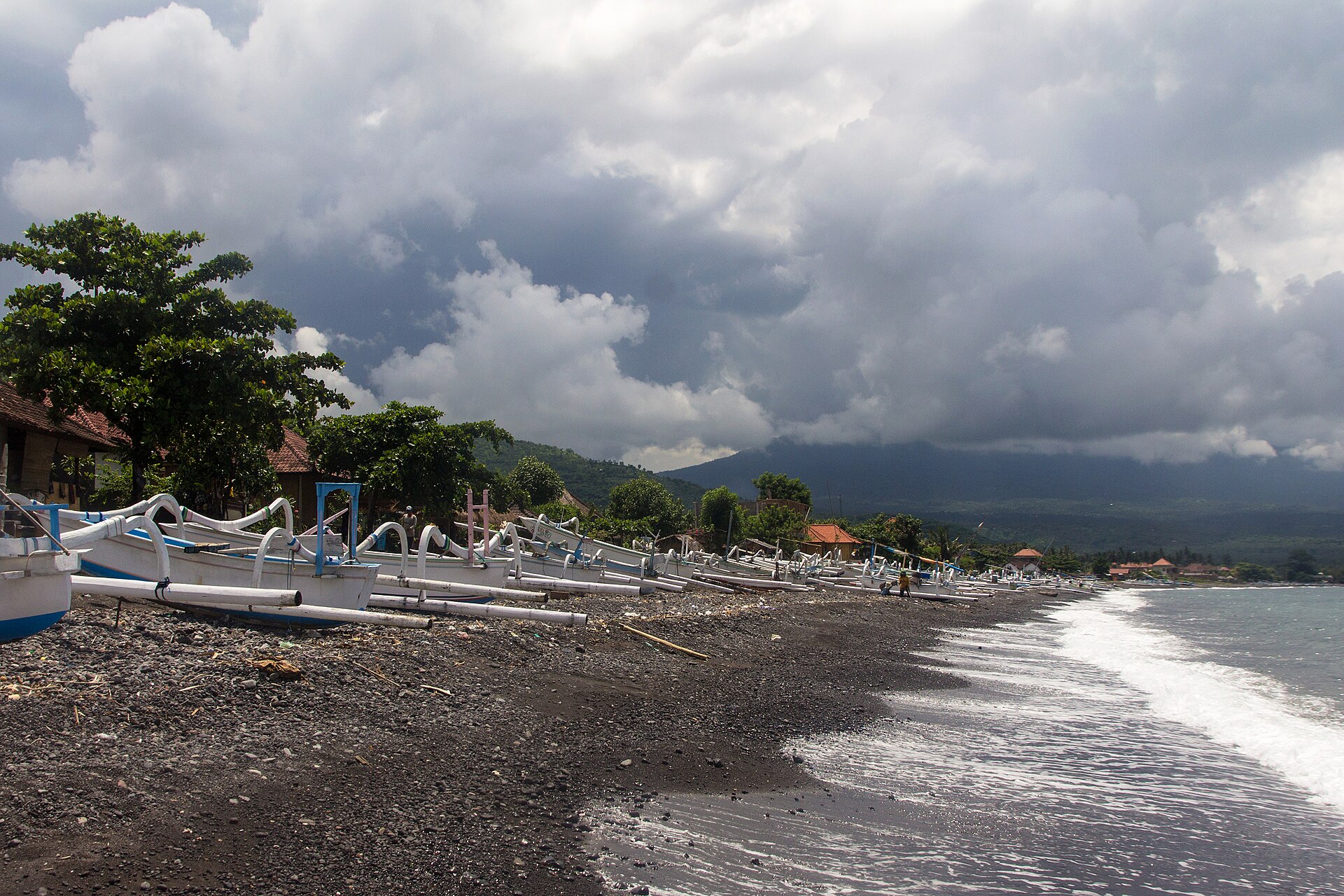
November brings the westerly monsoon, with humid air and an even greener landscape. Humidity on the coast reaches around 87%, and over 90% in the mountains. In the south, daytime temperatures sit around 29 °C, with nights around 24 to 25 °C.
Tropical rain doesn’t necessarily mean a whole day washed out. Inland – in Ubud, Munduk and Bedugul – storms typically roll in during the afternoon and early evening. About two-thirds of the rain there falls between noon and 8 pm. On the south-west coast, for example in Seminyak and Uluwatu, rain more often comes at night and in the early morning, and sometimes you get several grey days in a row.
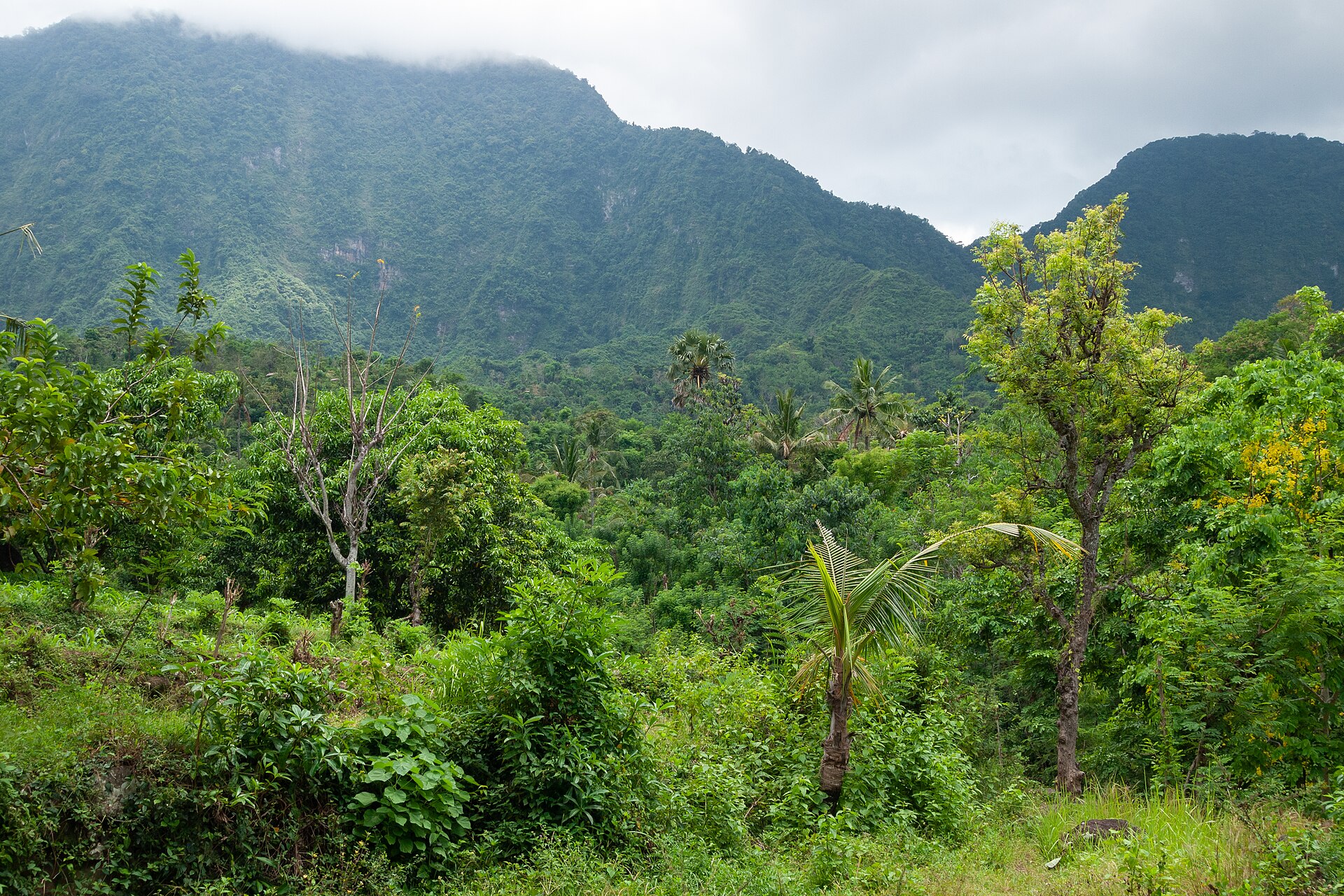
Bali weather by month
If you’re still picking dates for a trip around Indonesia, the table shows the difference between the south-west coast around Seminyak and inland Ubud.
| Month | Seminyak: rainfall (mm) | Seminyak: days over 10 mm | Seminyak: max / min (°C) | Ubud: rainfall (mm) | Ubud: days over 10 mm |
|---|---|---|---|---|---|
| — | —: | —: | —: | —: | —: |
| January | 308 | 11 | 29 / 24 | 334 | 13 |
| February | 315 | 10 | 29 / 24 | 315 | 12 |
| March | 221 | 7 | 29 / 24 | 247 | 8 |
| April | 140 | 5 | 29 / 24 | 151 | 4 |
| May | 125 | 3 | 29 / 24 | 129 | 3 |
| June | 106 | 2 | 28 / 24 | 112 | 2 |
| July | 85 | 2 | 27 / 23 | 148 | 3 |
| August | 58 | 0 | 27 / 23 | 129 | 4 |
| September | 88 | 1 | 28 / 23 | 126 | 3 |
| October | 99 | 2 | 29 / 23 | 151 | 5 |
| November | 212 | 7 | 29 / 24 | 265 | 10 |
| December | 265 | 9 | 29 / 24 | 317 | 12 |
Note on the table: Rainfall, days with heavy rain over 10 mm and air temperatures are 2016–2025 averages from ERA5 model data in the Open-Meteo database.
January to March is the heart of the rainy season. The airport’s climate normal gives 388 mm for January and 299 mm for February, while the ERA5 model comes out similar for both months around Seminyak. March is usually drier.
April to June marks the transition into the drier season. July and August are the least rainy and also the coolest months. September and October tend to be fairly stable in the south, while November and December bring back the westerly monsoon.
Bali Weather in February: What to Expect
February sits right in the middle of the rainy season and is one of the wettest months of the year. The 30-year normal for Ngurah Rai airport (1991–2020) shows roughly 299 mm of rain and 16 to 17 rainy days. Over the last ten years, however, the model shows January and February with similar rainfall in the south.
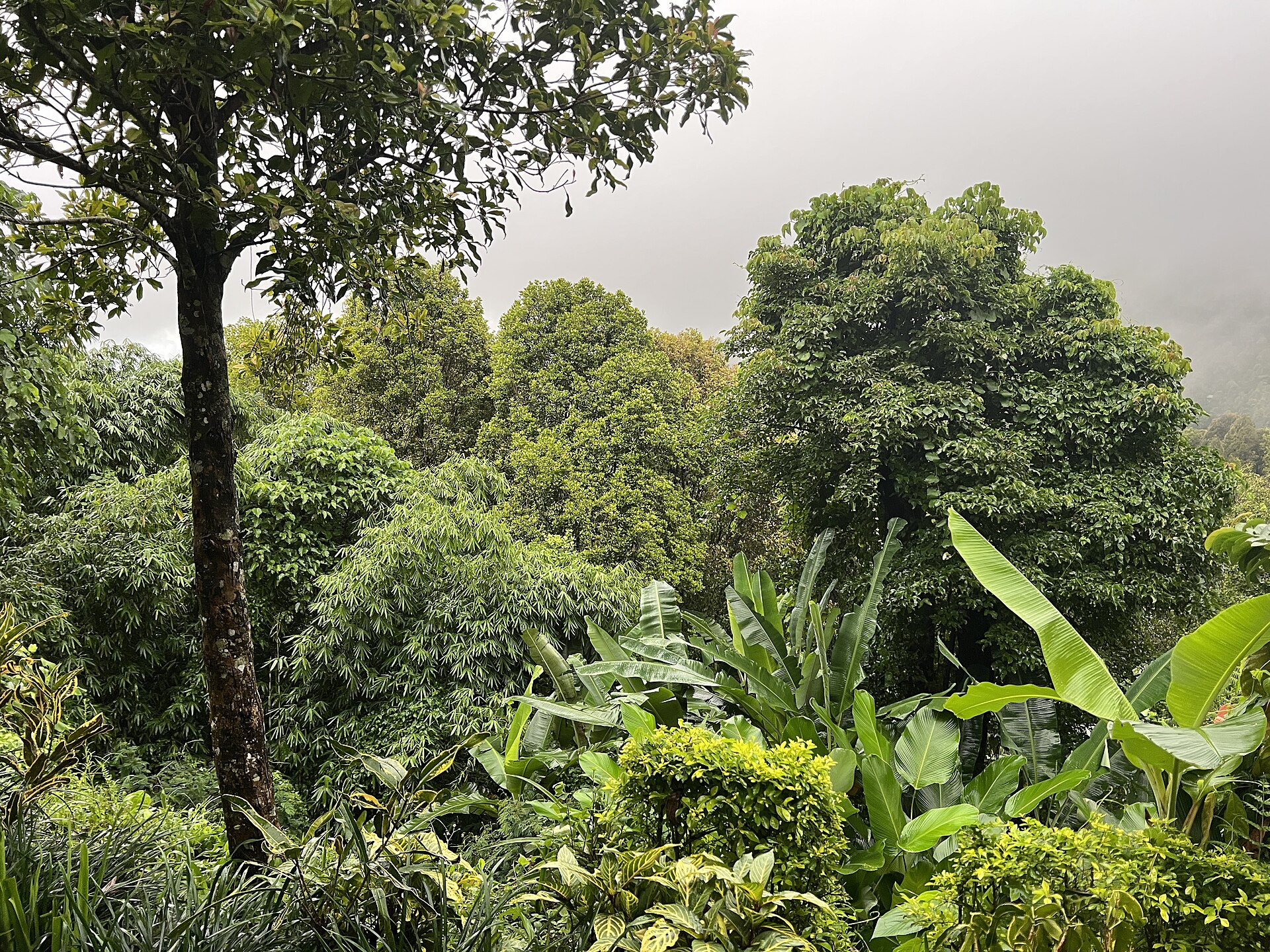
Rain, temperature and humidity in February
In February, the south and Ubud get an average of 300 to 315 mm of rain a month. It rains roughly every other day, and about 10 to 12 days bring heavy rain over 10 mm. The differences between individual years are huge – in Seminyak, February rainfall over the period ranged from 158 to 502 mm.
On the coast, expect around 29 °C during the day and 24 °C at night. With humidity around 87%, it feels much stickier than the thermometer suggests 😅. February isn’t cooler than the dry-season “summer” – quite the opposite, it’s usually 1 to 2 °C warmer than July and August.
The long-term trend suggests that the end of February on the coast tends to be about a third drier than the start of the month. Year-to-year variation is big, though, so treat this as an interesting pattern rather than a promise of a sunny holiday.
The 2026–2027 season is also influenced by El Niño and a positive IOD (Indian Ocean Dipole) – climate phenomena that affect ocean temperatures and rainfall patterns. Indonesia’s meteorological agency BMKG says the start of the rains will be delayed in parts of Indonesia and the season may be shorter, but overall rainfall is expected to be normal. According to reports citing BMKG, the peak of the rains across most of Bali is expected in February 2027.
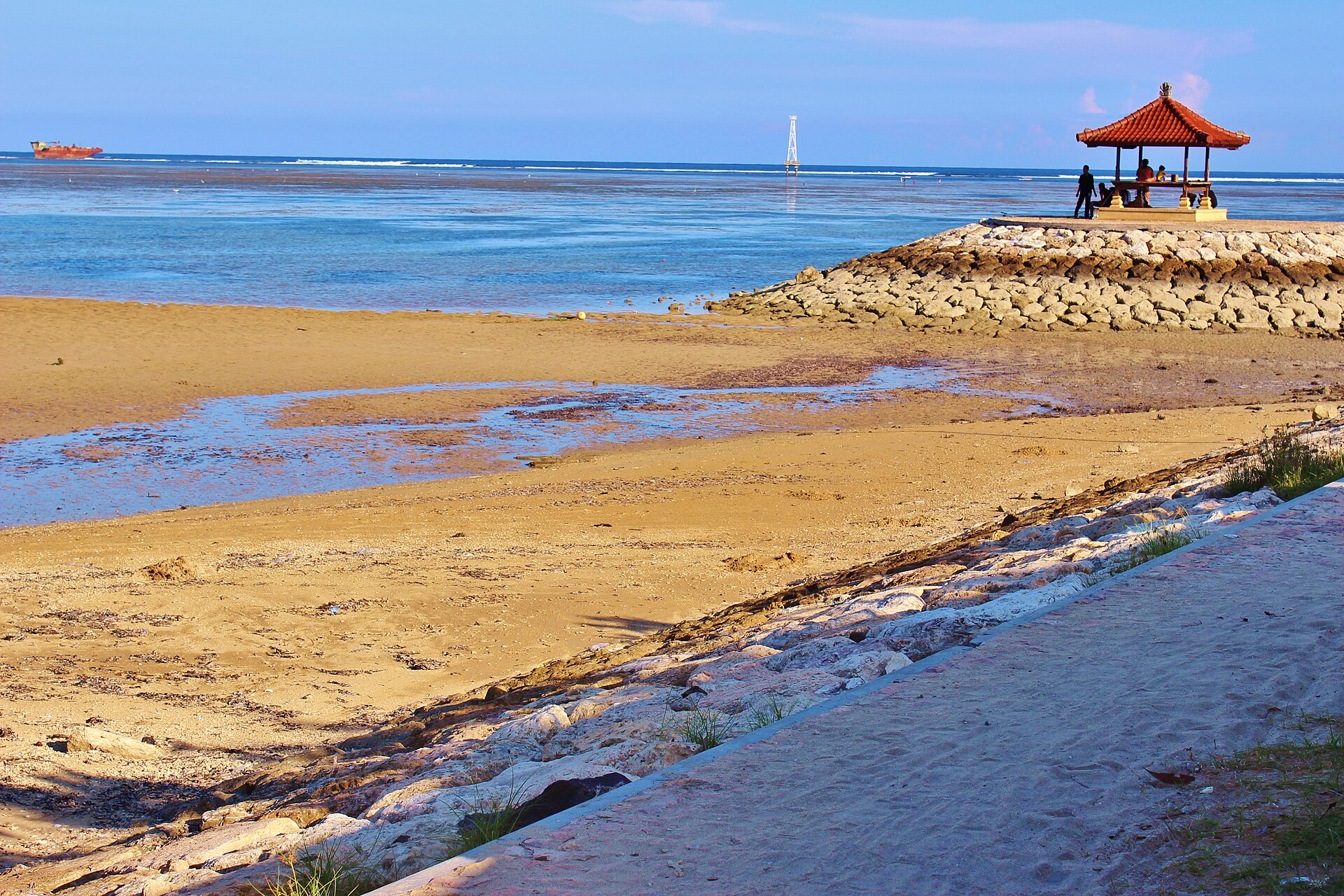
Where the weather is best in February: the south, Ubud, the mountains, the north and the islands
Thanks to its volcanoes and mountainous centre, Bali has several microclimates. It can be brighter by the sea while the hills cloud over in a matter of minutes. To help you get your bearings, I’ve put together a comparison of the main areas.
| Area | February rainfall (mm) | Range 2016–2025 (mm) | Days over 10 mm | Max / min (°C) | Humidity | Rain 12 pm–8 pm | Rain 12 am–8 am |
|---|---|---|---|---|---|---|---|
| — | —: | —: | —: | —: | —: | —: | —: |
| Seminyak / Kuta | 315 | 158 to 502 | 10 | 29.0 / 24.1 | 87% | 51% | 24% |
| Uluwatu / Bukit | 300 | 98 to 491 | 10 | 28.5 / 25.1 | 83% | 32% | 41% |
| Nusa Penida | 310 | 154 to 497 | 11 | 27.8 / 24.3 | 87% | 41% | 32% |
| Ubud | 315 | 116 to 696 | 12 | 28.9 / 22.6 | 87% | 71% | 15% |
| Munduk | 384 | 274 to 768 | 15 | 24.4 / 19.2 | 93% | 74% | 10% |
| Bedugul | 350 | 199 to 833 | 12 | 22.5 / 17.1 | 94% | 73% | 12% |
| Lovina, north | 347 | 154 to 768 | 11 | 29.3 / 24.6 | 87% | 67% | 17% |
Note on the table: Values are 2016–2025 averages from ERA5 model data in the Open-Meteo database. Sanur falls into the same grid cell as Seminyak. I don’t list Amed, because its model cell extends onto the slopes of Mount Agung and doesn’t give a reliable figure for the coast.
On the south coast and the Bukit – around Uluwatu, in Nusa Dua and in Sanur – you’ll find the most pleasant conditions for a beach holiday in February. The Bukit isn’t rain-free, it just tends to get slightly less rain than Seminyak and has lower humidity.
Ubud gets a similar amount of rain to the south, but the nights are cooler and the rain often comes in the afternoon. So plan your sightseeing for the morning.
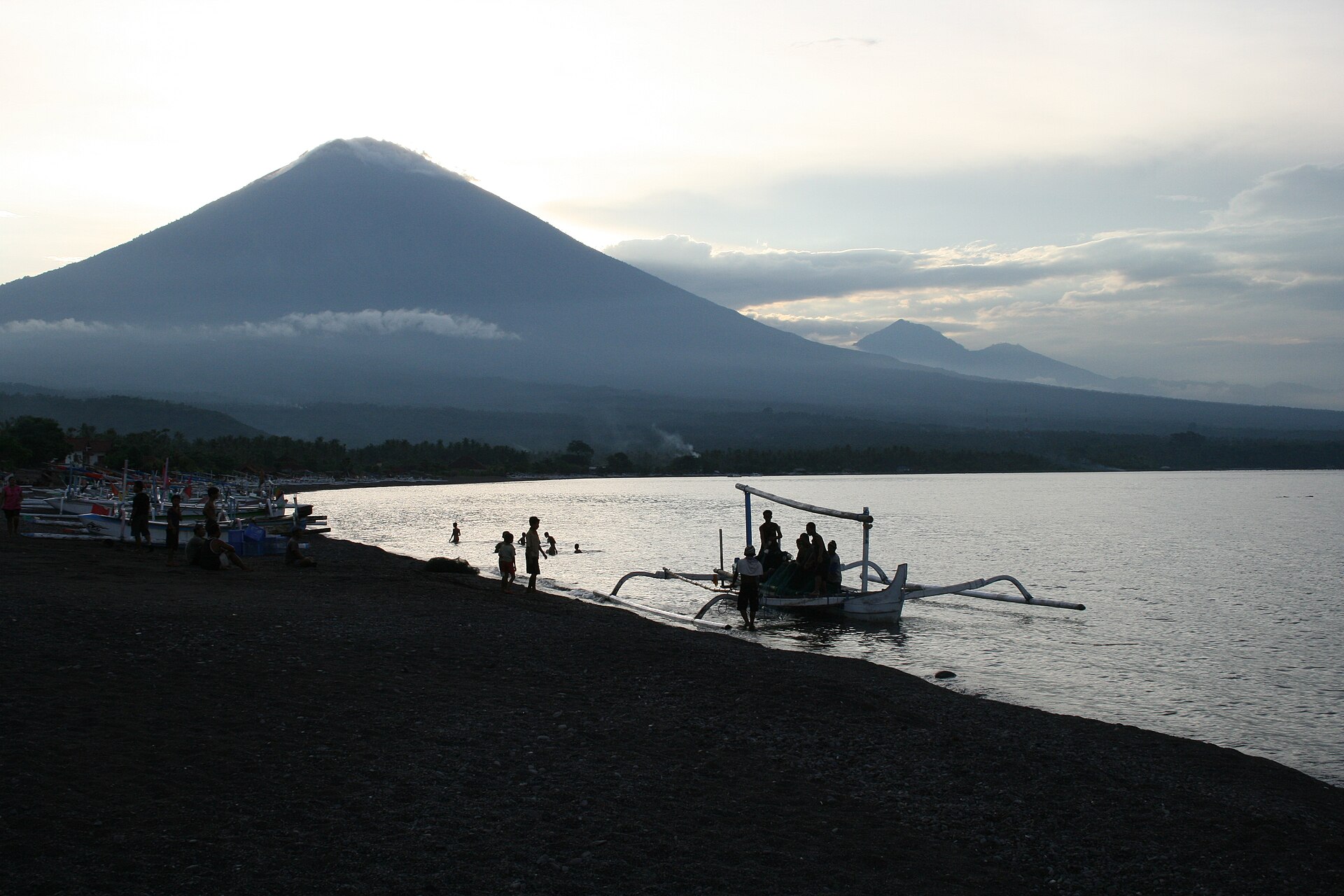
Munduk and Bedugul are the rainiest and coolest areas. They get roughly 350 to 384 mm of rain, with daytime temperatures of 22 to 24 °C and nights of 17 to 19 °C. Lovina isn’t drier than the south in February – its reputation as the dry north mainly applies to the dry season. The east and north-east around Amed tend to be drier on an annual average, but you should still count on rain there in February.
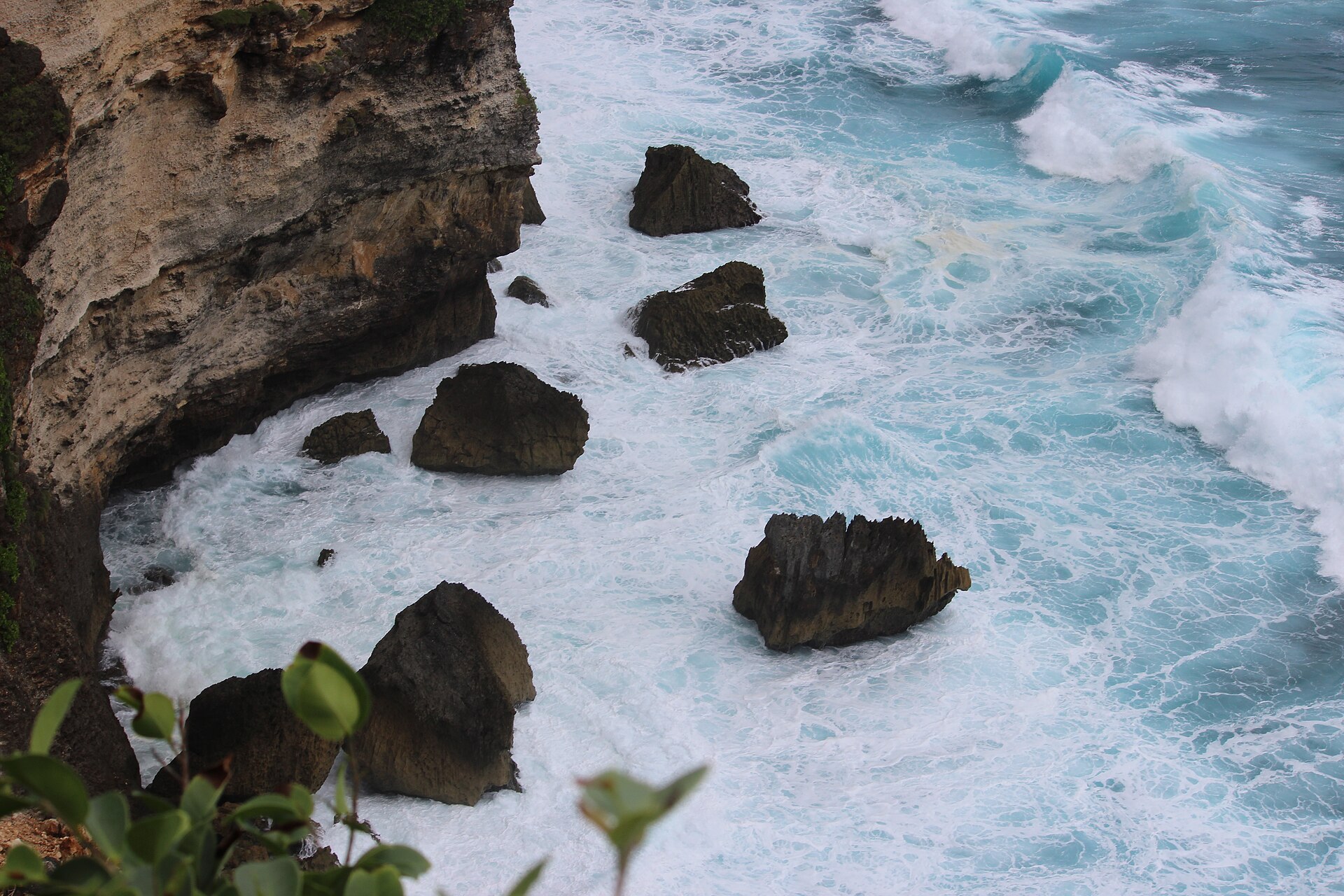
Sea, waves and surf in February
In February, the southern swell in the south-west is on average smaller than in July. Around Kuta and Uluwatu, the average maximum wave height is about 1.8 metres, and waves over 2 metres show up on roughly 30% of days. In July, the average is 2.4 metres and waves over 2 metres arrive on about 80% of days.
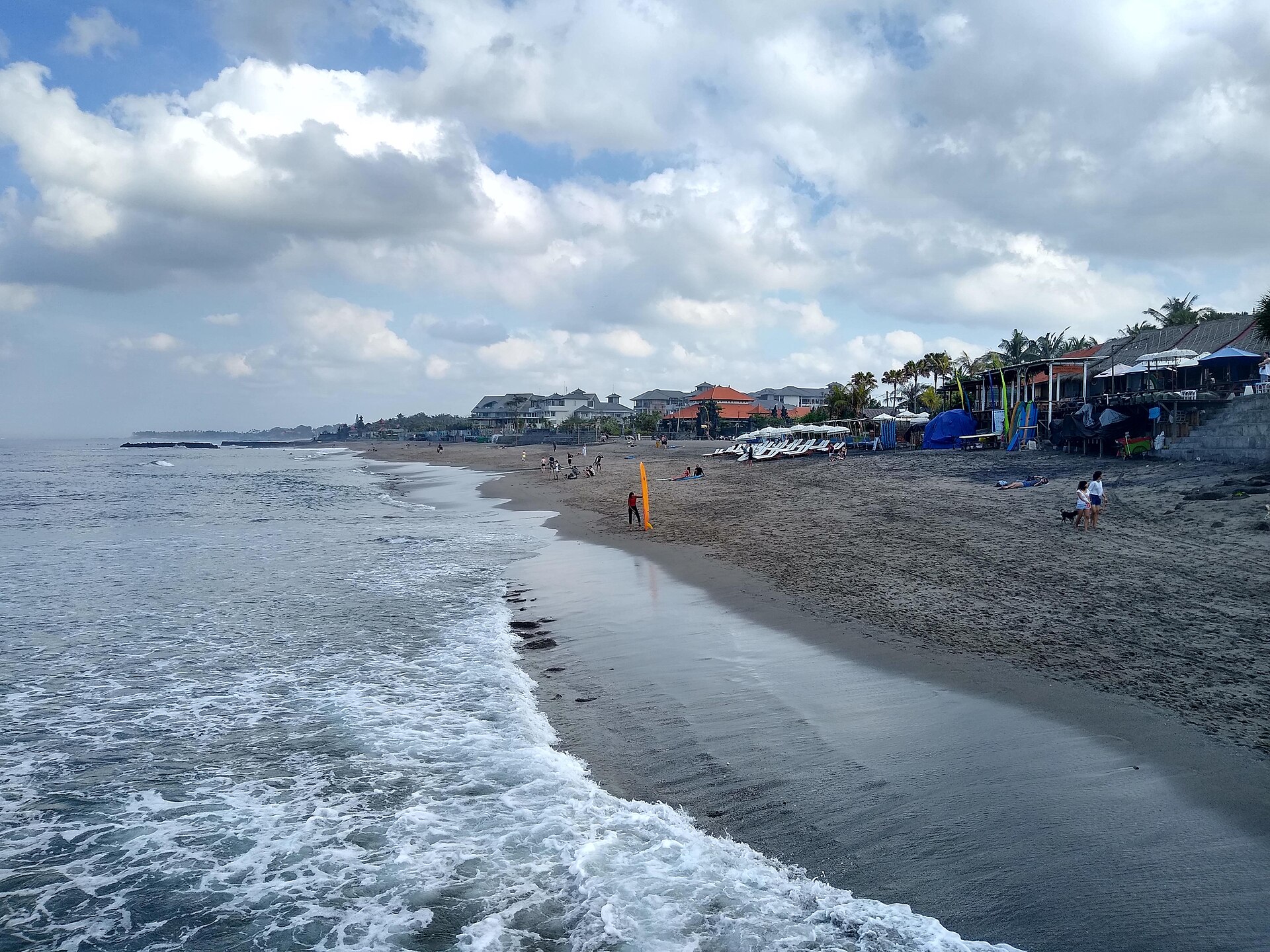
The real issue in February is the westerly monsoon, which drives onshore winds onto the west coast. The water between Kuta, Legian, Seminyak and Canggu tends to be choppy and murky, rip currents can form, and lifeguards put up red flags.
From December to March, the beaches get hit by sampah kiriman – washed-up rubbish carried down by swollen rivers. In December 2025, around 40 tonnes a day were being cleared from the western beaches between Jimbaran and Canggu.
💡 Tip: For swimming, consider Sanur, Nusa Dua or the Bukit, where the water is usually calmer and the beaches tend to have less washed-up debris than the west coast. Sanur is shallow, but the water recedes a long way at low tide. For surfing in the rainy season, east-facing spots work best – for example Sanur Reef, Nusa Dua and, for advanced surfers, Keramas, ideally in the morning 😉.
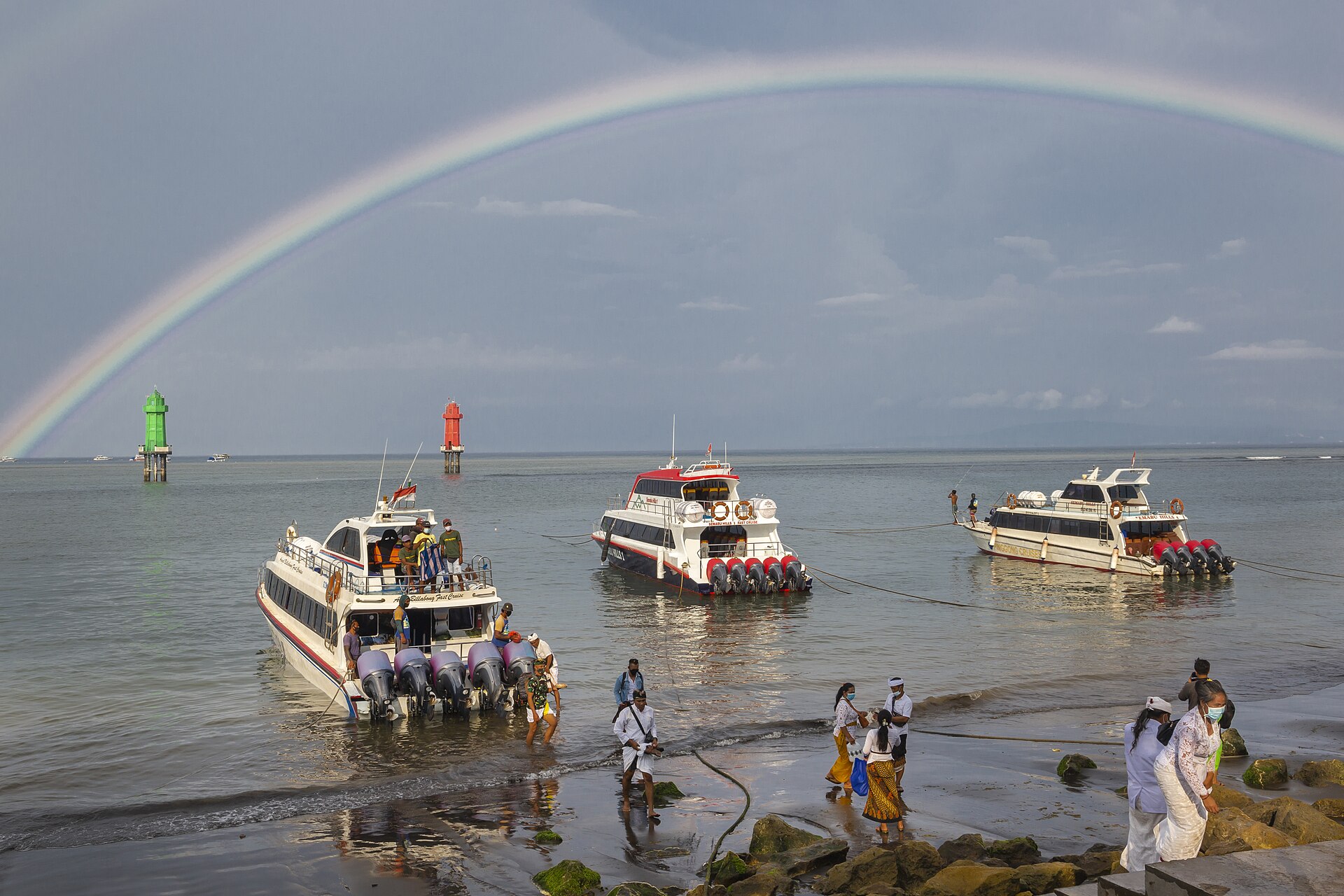
Boats to Nusa Penida and the Gilis in February
If you’re planning to visit Nusa Penida, Lembongan or the Gilis, bear in mind that boat services depend on the weather. During the rainy season, BMKG issues warnings for waves of up to 2.5 metres in the Badung Strait and up to 4 metres south of Bali and in the southern Lombok Strait.
Fast boats are sometimes cancelled in bad conditions. On 24 February 2026, four departures from Nusa Penida were cancelled based on the BMKG forecast and captains’ reports. The big ferry from Padang Bai handles waves better than the fast boats, but it can also be suspended when warnings are in place, so check the status at the port.
💡 Tip: Schedule your island trip at the start of your stay and never plan it for the last day before your flight home. Leave yourself a spare day and check the ticket’s rebooking or refund conditions.
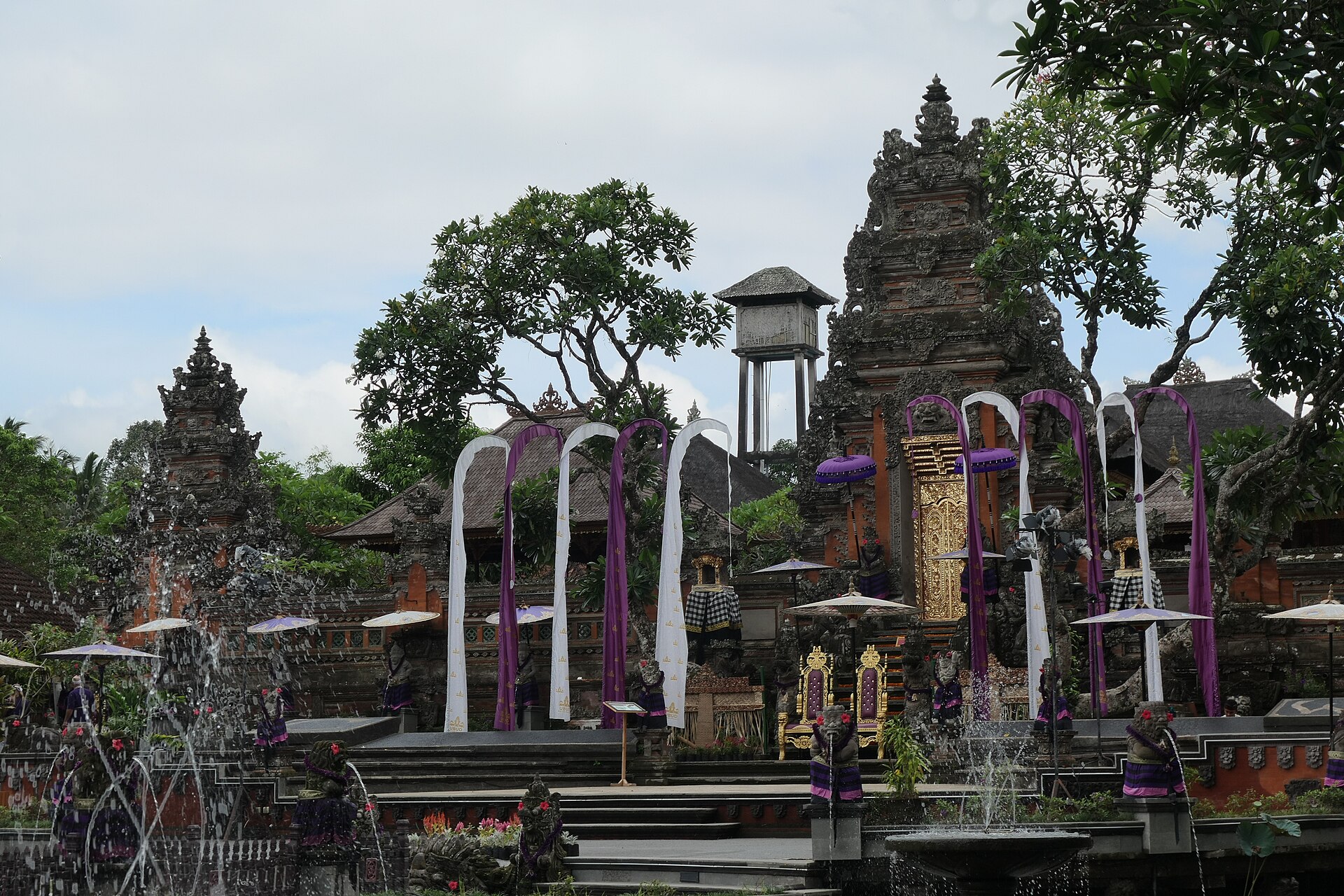

Holidays and crowds in February 2027
According to Indonesia’s statistics office BPS, about 30% fewer foreign tourists arrived in Bali in February 2026 than in July. February is therefore quieter – the exceptions being public holidays, school holidays and the run-up to Nyepi in March.
- Chinese New Year (Imlek) falls on Saturday 6 February 2027. Friday 5 February is a collective leave day, known as cuti bersama. Nusa Dua and Uluwatu may be busier and the boats fuller.
- Ramadan will start around 8 February 2027. This is a prediction – the final date is set by the sidang isbat, the official religious assembly. On Hindu Bali it has limited impact, but it can matter more if you’re flying via Jakarta or staying on Lombok or the Gilis.
- Galungan doesn’t fall in February. In 2027 it falls on 13 January, with Kuningan on 23 January. Saraswati and Pagerwesi don’t fall in February 2027 either.
- Nyepi falls on 8 March 2027. The island, including the airport, shuts down for 24 hours. Idul Fitri, the festival marking the end of Ramadan, will be on 10 and 11 March, with collective leave days on 9, 12 and 15 March.
- School winter and spring breaks in many European countries fall in February and March and can push up demand for flights.
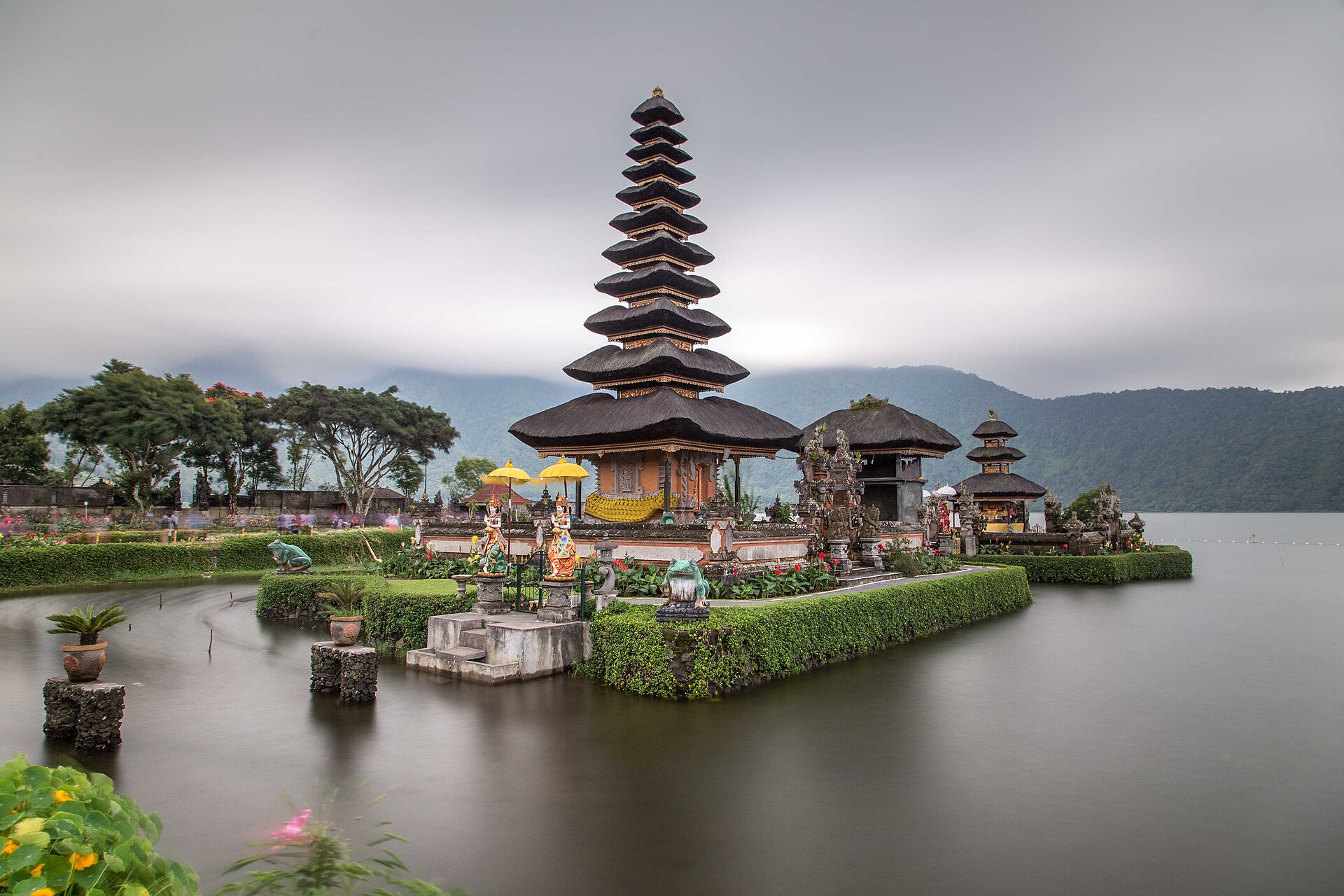
What to do when it rains
Inland, a simple rule works well: “out in the morning, indoors in the afternoon”. On the coast, rain can also come at night and in the early morning, so it’s worth having a plan B throughout the day.
In Ubud, you can fit in a vegetarian cooking class (you’ll find plenty on GetYourGuide), the Museum Puri Lukisan, the Agung Rai Museum of Art or Ubud Palace. When booking a class, check that they can make a vegetarian version without meat or fish sauces.
The covered silversmith workshops in Celuk and batik-making are a great stop on the way between the south and Ubud. You can spend a rainy afternoon on yoga, a Balinese massage, a cosy café or a warung. Bali Bird Park is mostly outdoors, so it’s better suited to the gaps between showers – and check the opening hours in advance.
How to Plan Your February Trip
In February, your plans need to be more flexible than in the dry season. Downpours can slow down your transfers, boats may get cancelled, and the weather in the mountains changes faster than on the coast.
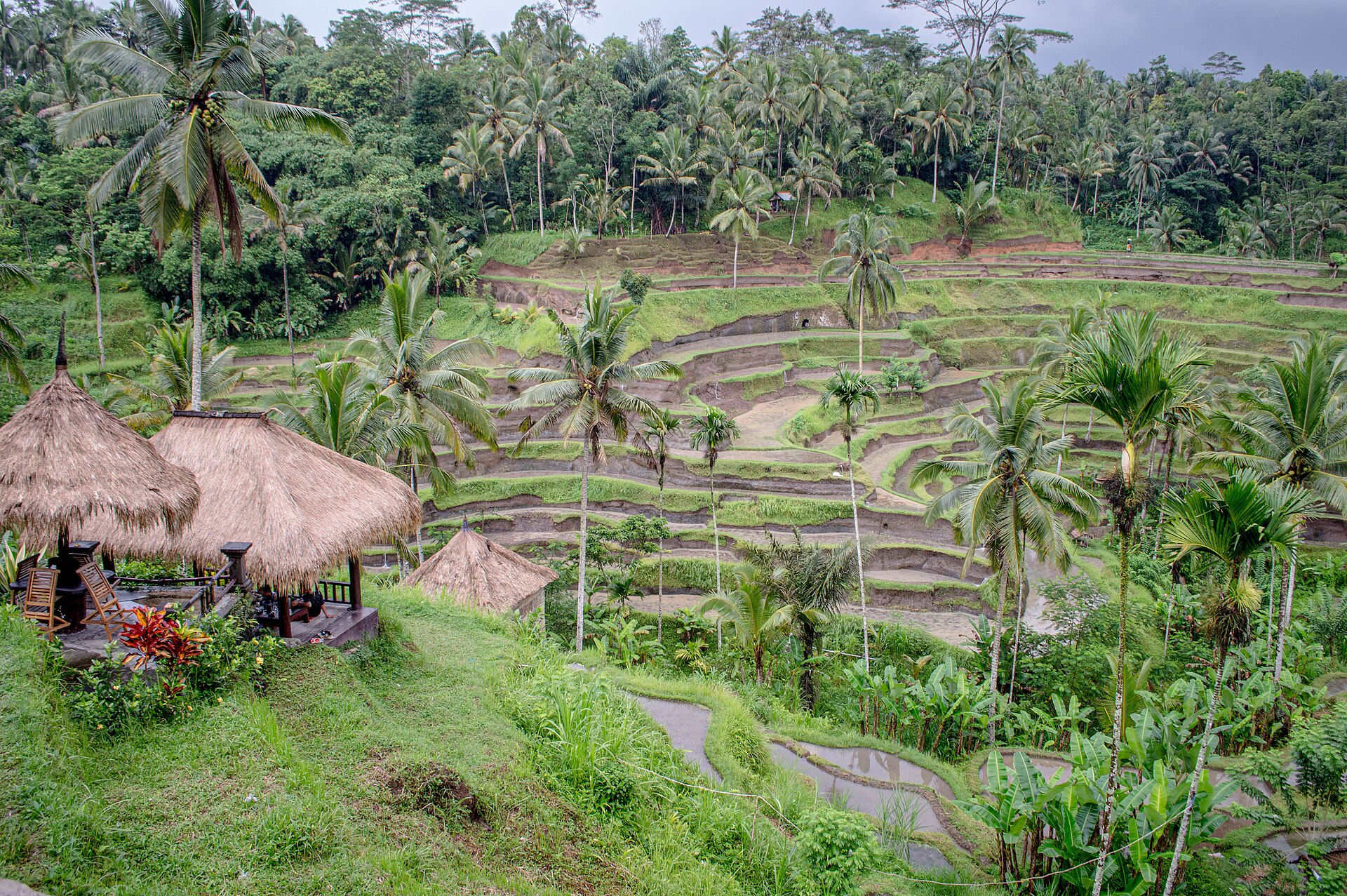
A rainy-season itinerary for 10 to 14 days
For a 10 to 14-day trip, I wouldn’t plan several nights high up in the mountains. It’s more practical to split your stay between the south and Ubud and head into the mountains on day trips with an early start. You’ll find more inspiration in our Bali road trip.
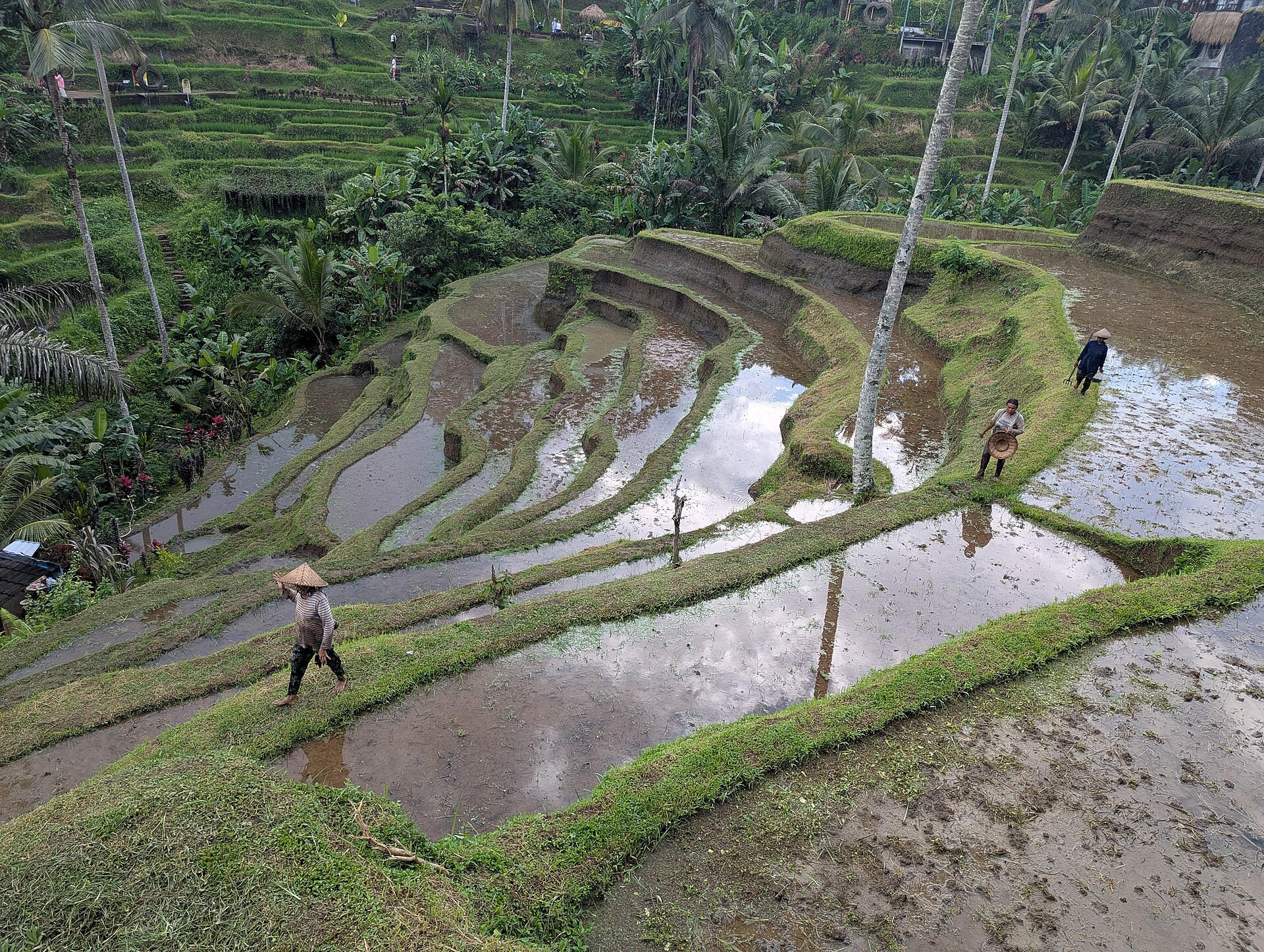
1. Days 1 to 3: Sanur or Nusa Dua. A relaxed start by the calmer sea on the eastern side of the south. 2. Days 4 to 5: Nusa Penida. Put the island at the beginning of your trip so you have a spare day before flying home. 3. Days 6 to 9: Ubud and morning trips. Head out in the morning to the Tegallalang terraces, Bedugul, Jatiluwih or Munduk. You can sit out the afternoon storm in a café or a museum. 4. Days 10 to 13: The Bukit Peninsula. Spend the end of your trip in Uluwatu and Jimbaran, with your last night close to the airport.
If you’re planning a sunrise hike up Mount Batur, expect a lower chance of a clear morning in February. Between 3 and 6 a.m., rain falls in about 23% of hours, compared with just 1% in August. It’s usually around 15 °C at the summit.
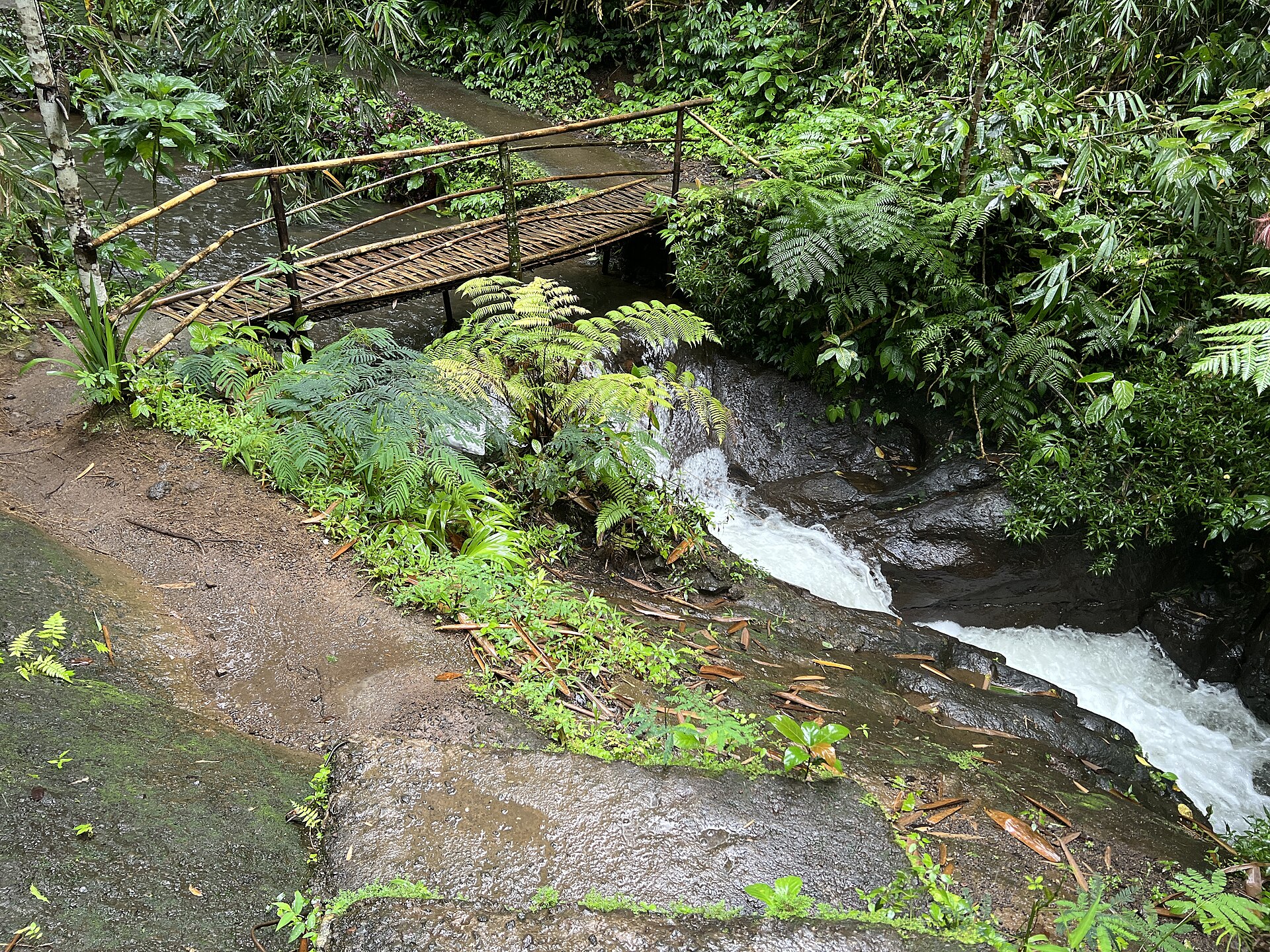
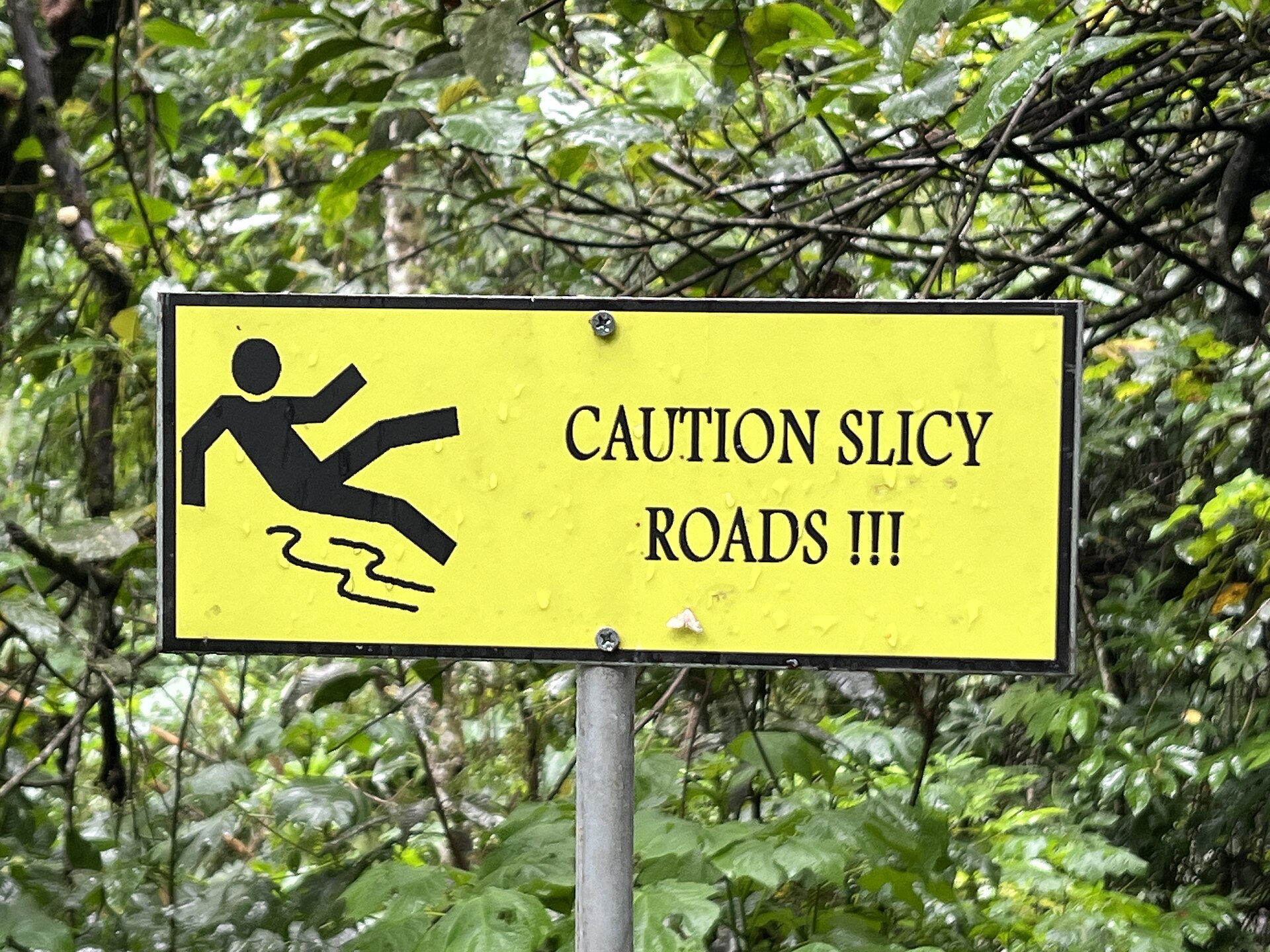
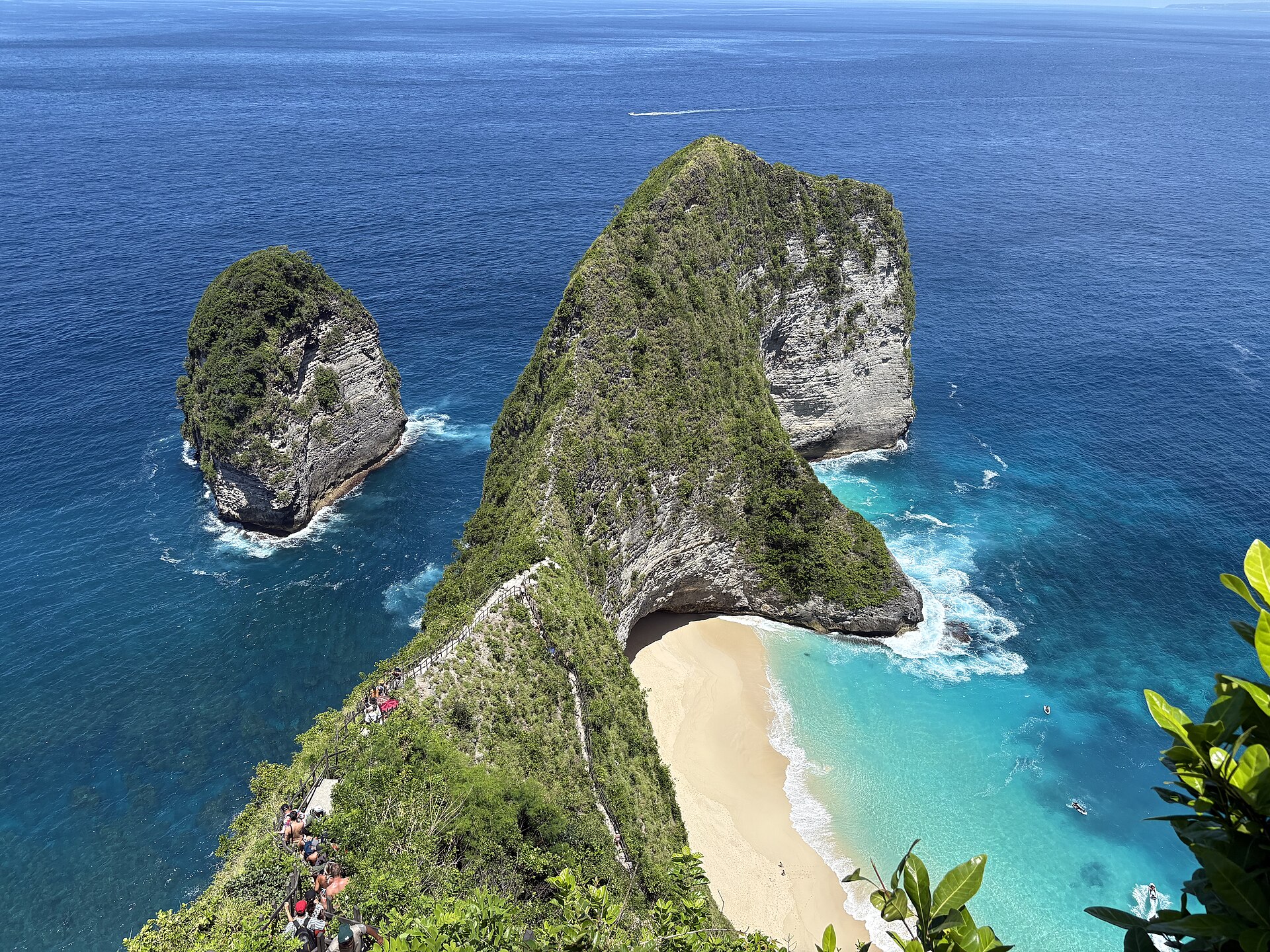
After rain, mountain trails get slippery. At Kelingking, the path down to the beach becomes dangerous when it’s wet, so follow the warnings and don’t go out onto the cliffs during a storm. The structure of the glass lift by the cliff is standing, but it isn’t in operation and is the subject of a dispute. You can read about the safety measures on site in our article about the tragedy at Kelingking.
Flexible bookings
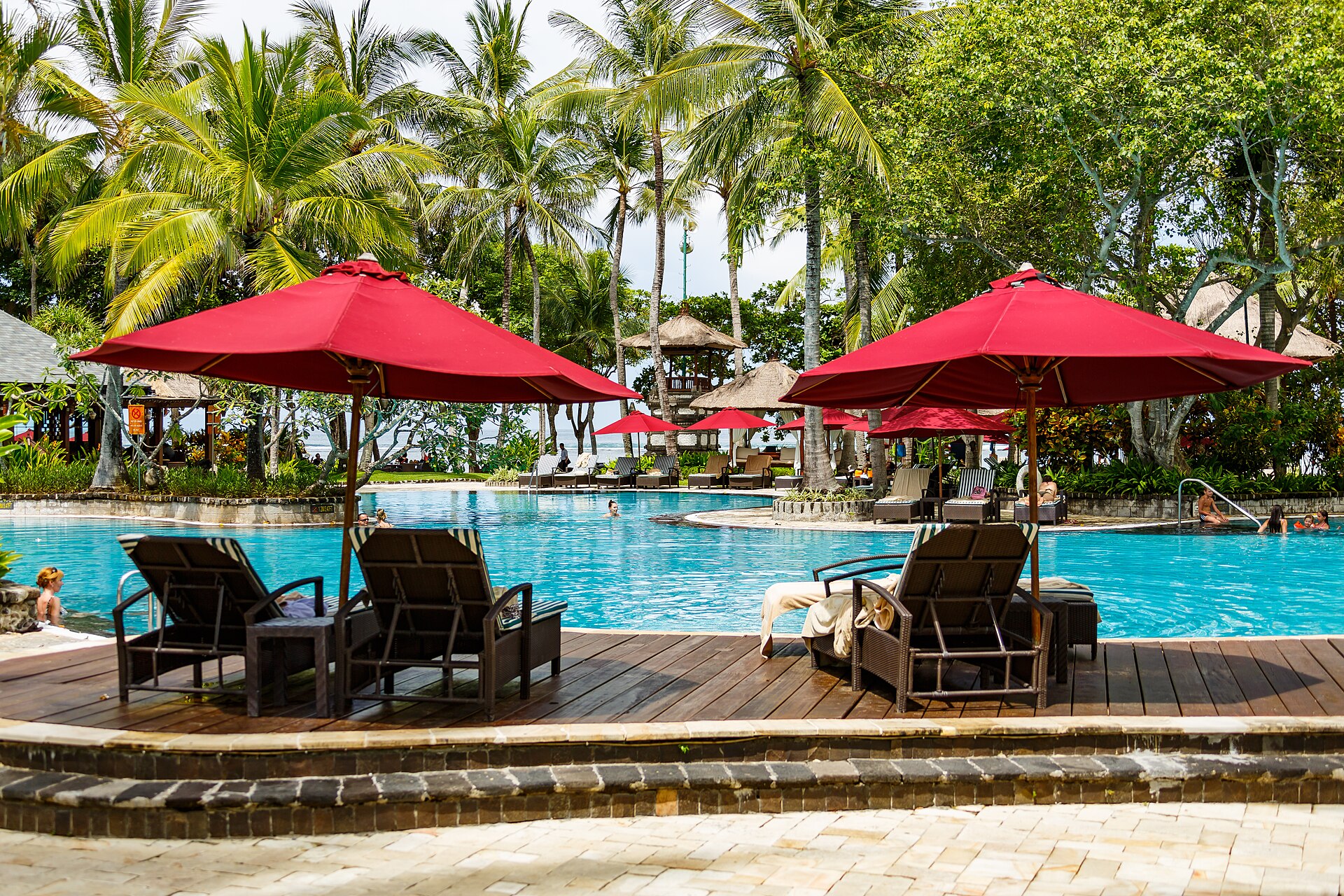
In February, accommodation and tours tend to be more affordable than in high season. So book rates with free cancellation or the option to change dates, and for boat tickets, read the terms that apply if the operator cancels the crossing.
💡 Tip: Book your first and last nights on the mainland close to the airport, for example in Jimbaran, Sanur or Nusa Dua. During heavy downpours, the streets of Denpasar and Kuta can flood. During the floods on 23 and 24 February 2026, the BPBD (the regional disaster management agency) reported 76 incidents, and hotel guests were evacuated in Kuta.
Leave yourself some extra time for getting around, and when it’s raining, consider hiring a car with a driver. You’ll find practical advice in our article on how to ride a scooter, and cancellation cover is covered in our guide to travel insurance.
Within the last 72 hours before you land, fill in the All Indonesia Arrival Card at allindonesia.imigrasi.go.id. The tourist levy applies to Bali, not to Lombok and the Gili Islands, which belong to a different province.
Staying healthy in the rainy season
During the rainy season, the risk of dengue fever, which is spread by mosquitoes, goes up. Use a repellent with DEET or icaridin, and wear long sleeves and long trousers in the evening.
The Qdenga vaccine is approved from the age of 4 and is given in two doses. For trips to Southeast Asia, it’s mainly considered for stays longer than six weeks or if you’ve had dengue before. Talk to a travel medicine clinic before you go.
You can avoid the stomach troubles known as Bali belly by drinking bottled or filtered water and choosing your food carefully. Pack a travel first aid kit with remedies for an upset stomach and oral rehydration salts.
What to pack for the rain
With temperatures around 29 °C, light, quick-drying clothes are the way to go. Make sure you pack:
- a light waterproof jacket or a packable poncho,
- sturdy water sandals,
- quick-drying clothes,
- a hoodie for the mountains, where night-time temperatures can drop to 17–19 °C,
- a waterproof phone case,
- insect repellent and your own water bottle.
February or July and August: Which Is Better?
If you can choose your dates, this comparison of Bali weather will show you whether you’d prefer a warm sea and green landscapes, or drier weather with bigger crowds.
| Factor | February | July and August |
|---|---|---|
| Rainfall in the south | Roughly 315 mm, around 10 days with over 10 mm | 58 to 85 mm, 0 to 2 days with over 10 mm |
| Ubud and the mountains | Ubud 315 mm, Munduk 384 mm | Ubud 129 to 148 mm, Munduk 56 to 68 mm |
| Air temperature in the south | 29 °C during the day, 24 °C at night | 27 °C during the day, 23 °C at night |
| Sea temperature | 29 to 30 °C, among the warmest of the year | Around 27.8 °C |
| Waves and beaches | Smaller southern swell, westerly winds and washed-up debris | Bigger southern swell, cleaner west-coast beaches |
| Boats to the islands | Occasionally cancelled in bad weather | Service tends to be more reliable |
| Tourists | About 30% fewer than in July | More tourists and busier main sights |
February is a good fit if your winter dates are fixed, you want a warm sea and lush green nature, and you don’t mind changing your plans depending on the weather. July and August are better for mountain trips, the west-coast beaches and boat travel with a lower risk of cancellations.
💡 Tip: If you’re after a drier beach holiday in winter, check out our overview of where to go on holiday in February. Sri Lanka or the Maldives could be a good alternative, as February there tends to be drier 😉.
Where to Next
- Bali island guide: getting around and practical planning.
- What to see in Ubud: culture and things to do when it rains.
- Uluwatu and the Bukit Peninsula: cliffs and southern beaches.
- Canggu, Bali: cafés and surfing.
- Nusa Penida island: boats and Kelingking.
- Bali road trip: an itinerary around the island.
- The best hotels and resorts in Bali: accommodation tips.
- Where to go on holiday in February: winter destinations.
- When to go to the Maldives: a drier alternative.
- Sri Lanka holiday: February on the island’s southwest coast.
Frequently Asked Questions
Is February a good time to visit Bali?
Yes, if you don’t mind humidity and rain. The sea sits at a warm 29 to 30 °C, nature is lush and green, and there are roughly 30% fewer tourists than in July. That said, it rains on roughly every other day, and boat trips can get cancelled.
How much does it rain in Bali in February?
In the south and in Ubud, you can expect around 300 to 315 mm of rain for the month. Weather stations report about 16 to 17 rainy days, while the ERA5 model counts around 10 to 12 days with heavy rain above 10 mm. The mountains around Munduk and Bedugul see even more rain.
Does it rain all day in Bali?
Usually not, though you can still get a run of grey days in a row. In Ubud and the mountains, storms typically roll in during the afternoon, while on the coast they also hit at night and in the early morning.
What’s the sea temperature in Bali in February?
The sea is around 29 to 30 °C, making it one of the warmest times of the year for a swim. By July, the temperature drops to roughly 27.8 °C.
Where is the weather best in Bali in February?
A good bet is usually the south and east, especially Sanur, Nusa Dua and the Bukit peninsula around Uluwatu. Ubud gets similar rainfall totals, but the rain there tends to arrive in the afternoon. Munduk and Bedugul are the rainiest and coolest spots.
Can you swim in Bali in February?
Yes, calmer waters are usually found in Sanur, Nusa Dua and on the Bukit peninsula. On the west coast, westerly winds churn up choppy waves, currents form, and debris tends to wash up on the beaches.
Do boats to Nusa Penida run in February?
Mostly yes, but fast boats can get cancelled when high-wave warnings are issued. Plan this trip for early in your stay, and leave a spare day before your flight home just in case.
What holidays fall in Bali in February and March?
Imlek (Chinese New Year) falls on 6 February 2027, and Ramadan starts around 8 February. Galungan doesn’t fall in February. Nyepi will be on 8 March 2027, when the entire island shuts down for 24 hours, including the airport.
Is there a risk of dengue fever in Bali during the rainy season?
Yes, the risk of dengue rises during the rainy season. Use repellent and wear long clothing in the evening. The Qdenga vaccine is mainly considered for longer stays or if you’ve had dengue before — check whether it’s right for you at a travel medicine clinic.
When is the best weather in Bali?
The driest weather usually runs from May to September, with July and August seeing the least rain. These months are about 1 to 2 °C cooler than February and also bring more tourists. May, June and September can be a pleasant compromise.
Tips and Tricks for Your Vacation
Don’t Overpay for Flights
Search for flights on Kayak. It’s our favorite search engine because it scans the websites of all airlines and always finds the cheapest connection.
Book Your Accommodation Smartly
The best experiences we’ve had when looking for accommodation (from Alaska to Morocco) are with Booking.com, where hotels, apartments, and entire houses are usually the cheapest and most widely available.
 🚗 Car rental on the roadVerified rental cars in Indonesia
Search with the DiscoverCars comparison engine — it compares prices from dozens of local and international rental companies, and most bookings come with free cancellation.
Compare car prices in Indonesia →Don’t Forget Travel Insurance
Good travel insurance will protect you against illness, accidents, theft, or flight cancellations. We’ve had a few hospital visits abroad, so we know how important it is to have proper insurance arranged.
Where we insure ourselves: SafetyWing (simple monthly subscription) and TrueTraveller (for extra-long trips).
Find the Best Experiences
Get Your Guide is a huge online marketplace where you can book guided walks, trips, skip-the-line tickets, tours, and much more. We always find some extra fun there!