
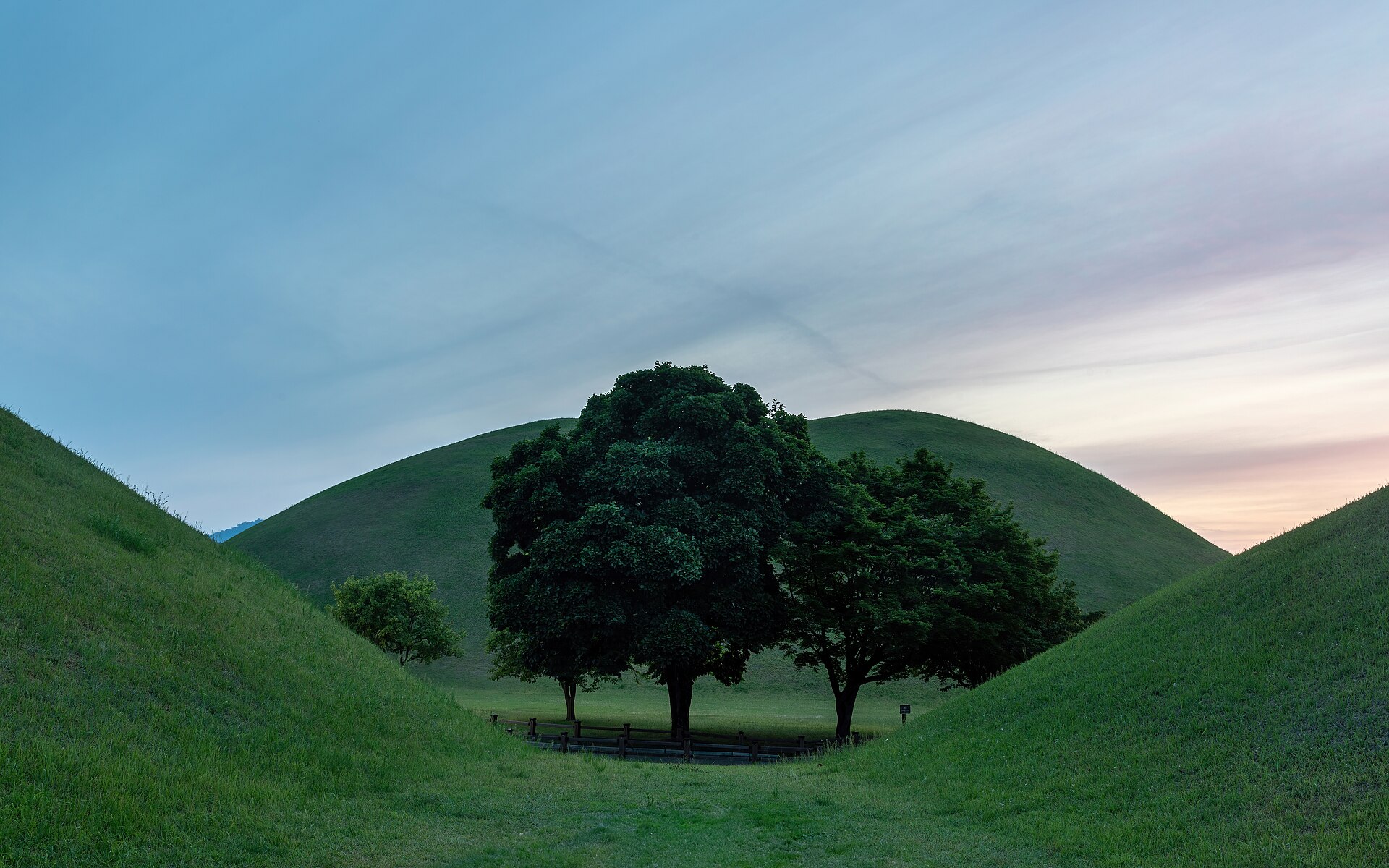
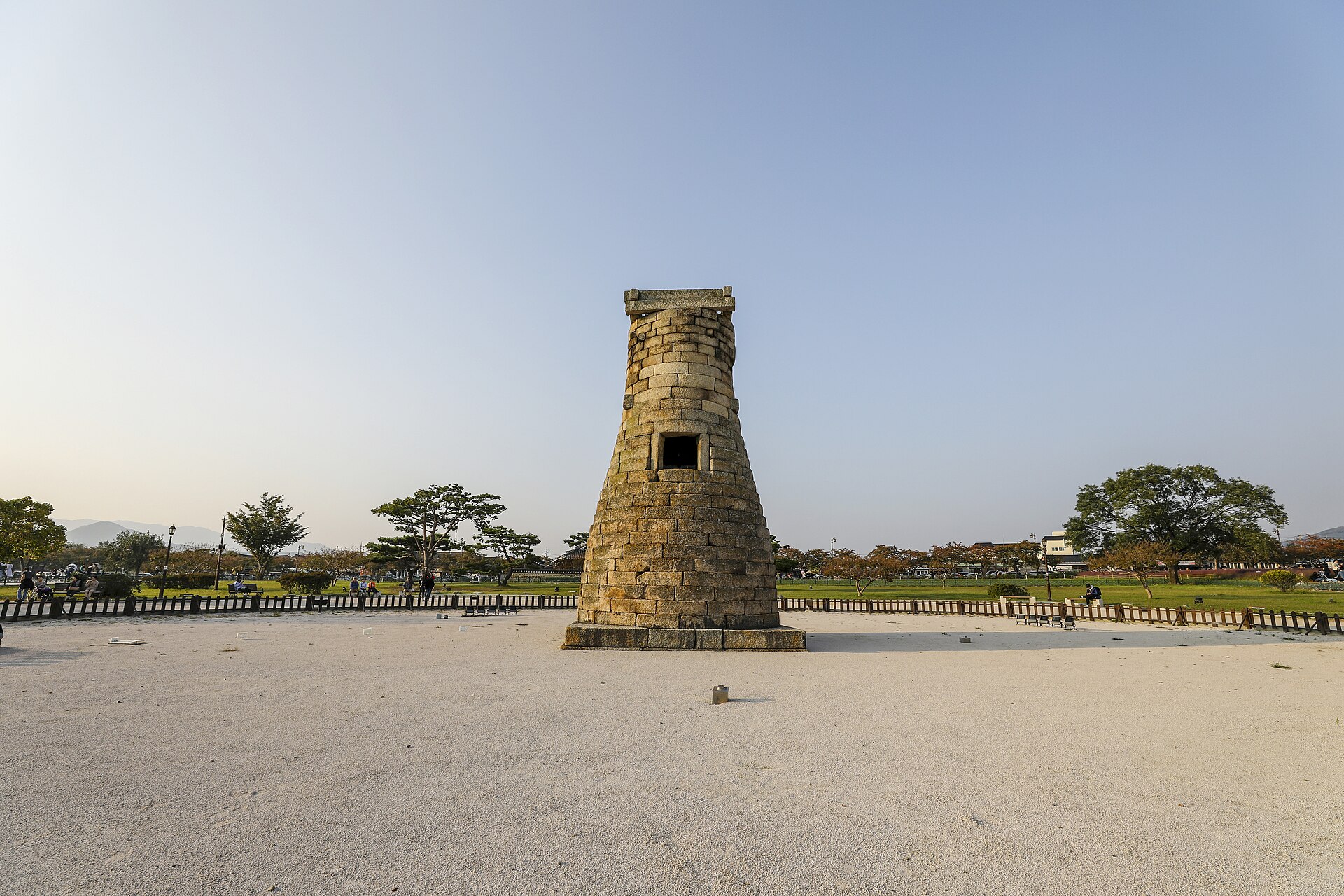
Right in the middle of town, the grassy burial mounds of ancient kings rise out of the greenery. Gyeongju, South Korea (경주) was the capital of the Silla kingdom (57 BC–935 AD) for a thousand years, and its unhurried atmosphere has earned it the nickname “the museum without walls”. You can walk around the sights in the centre on flat ground, from the Cheomseongdae tower (considered the oldest surviving observatory in East Asia) past the royal tombs (tumuli, i.e. burial mounds) all the way to the pavilions on the pond.
UNESCO inscribed Bulguksa Temple (also romanised as Pulguksa) and the Seokguram Grotto (Sokkuram) in 1995, the historic monuments of the centre (Gyeongju Historic Areas) in 2000 and Yangdong Village in 2010. Since May 2023, Korea has scrapped entrance fees at most state-run heritage sites and temples, so you can visit most places for free (you only pay at the city-run ones). The city makes a perfect two-day stop between Seoul and Busan.
I’ve put together 20 tips on what to see in Gyeongju, with prices for 2026 and transport info (the KTX station has a new name and sits outside the centre). We’re vegetarians, so you’ll also find tried-and-tested places where you can eat meat-free without any guesswork.
At a Glance
- How many days: 2 days is ideal – the first for exploring the flat centre and its tombs on foot, the second for Bulguksa, Seokguram and Bomun Lake.
- Getting there: The KTX from Seoul takes 2 h 15 min and costs 44,600 won (KRW, around €30, approximate, 2026); the bus from Busan’s Nopo terminal takes 50 min and costs 8,400 KRW (about €5.50).
- Train station: Gyeongju KTX station (formerly Singyeongju) is 10 km from town (buses 50, 51, 70, 700); the old station in the centre is closed.
- Where to stay: Without a car, stay near Hwangnidan-gil (-gil = street) or the bus terminal, so you can walk to the tombs and to the pond in the evening. You’ll find options on Booking.com.
- Entrance fees: Bulguksa Temple is free, as are Seokguram Grotto (from 9:00), Daereungwon tomb park, Cheomseongdae Observatory and the museum; you pay for Cheonmachong tomb and Donggung Palace with Wolji Pond (3,000 KRW each, about €2) and Yangdong Village (4,000 KRW, about €2.70).
- When to go: The best months are April, May, October and the first half of November.
- Entry requirements: Citizens of many countries (including most EU countries) are exempt from the K-ETA travel authorisation until 31 December 2026 – check the rules for your nationality – but you’ll still need to fill in the online e-Arrival Card before you arrive.
- Vegetarians: Yella bistro is fully vegan, and Ssukbujaengi restaurant offers vegetarian set menus. The bean-filled pastry hwangnam-ppang contains egg but no milk.
The full destination guide: Asia — guide and what to see
When to Visit Gyeongju, South Korea
Summers tend to be hot and rainy, while in spring and autumn the city bursts into colour and tempts you with pleasant temperatures.
| Month | Average daily max. °C | Average night-time min. °C | Rainfall (mm per month) | Note |
|---|---|---|---|---|
| January | 7.5 | −4.7 | 30 | Freezing nights, quiet |
| February | 9.7 | −3.1 | 38 | Dry winter |
| March | 15.3 | 1.0 | 69 | Cherry blossoms at month’s end |
| April | 20.3 | 6.0 | 78 | Cherry trees in bloom |
| May | 24.8 | 11.7 | 83 | Warm spring days |
| June | 27.8 | 17.0 | 138 | Start of the humid summer |
| July | 30.5 | 21.4 | 195 | Rain and lotuses |
| August | 31.4 | 21.9 | 181 | Hot and muggy |
| September | 26.6 | 16.2 | 219 | Rain and typhoons |
| October | 21.5 | 9.3 | 104 | Pink muhly grass |
| November | 16.3 | 3.0 | 35 | Ginkgos and maples |
| December | 9.0 | −3.2 | 26 | Dry winter |
Nights in the valley are cooler, so even in spring or October you’ll want a hoodie for an evening at Wolji Pond. Here’s how the seasons break down:
- Spring: The cherry blossoms around Bomun peak in early April, but on the first weekend of April (2026: 4 April, around 15,000 runners) the Gyeongju Cherry Blossom Marathon takes place, when hotels are sold out and roads are closed. The second half of April is calmer, with double-flowered cherry trees in full bloom at Bulguksa, and so is May.
- Summer: July to September is the wettest period, with temperatures topping 30 °C and a risk of typhoons. The highlight is the lotus field by Donggung Palace, which blooms from mid-July.
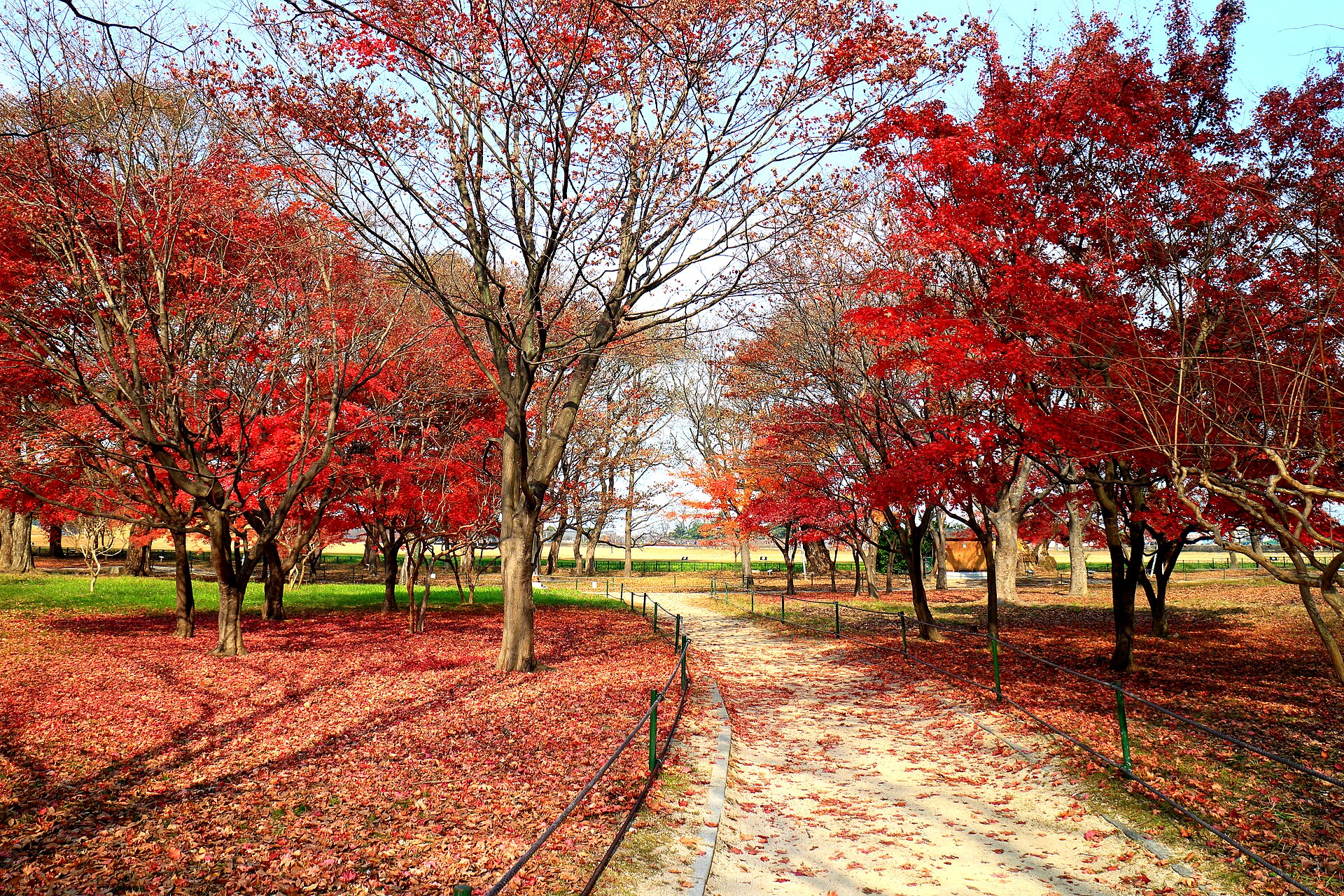
- Autumn: Probably the most pleasant time of year, with very little rain and temperatures around 20 °C. Until the end of October, pink muhly grass sways near Cheomseongdae, and in November the ginkgos and maples change colour.
- Winter: Winters are dry with few tourists, but at night temperatures drop below freezing.
💡 Tip: Keep an eye on the holidays of Seollal (Lunar New Year) and Chuseok (the autumn harvest festival), when transport grinds to a halt and Gyeongju National Museum is closed.
How to Get to Gyeongju and Get Around
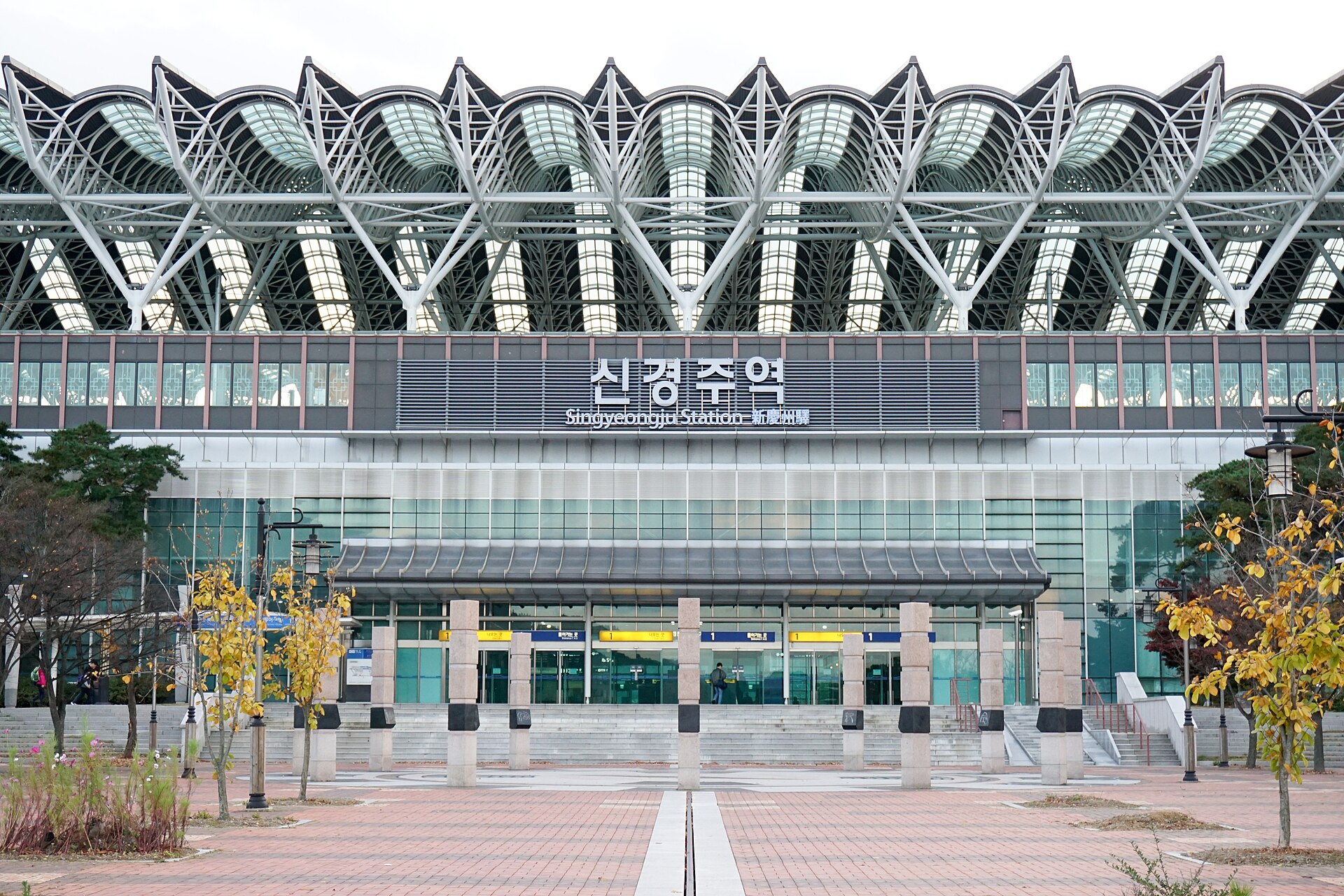
The journey is easy, but there’s a catch: trains stop at the new Gyeongju station, 10 kilometres west of the centre. The original station next to the sights has been closed since December 2021.
Gyeongju from Seoul by KTX Train and Bus
The fastest KTX high-speed train from Seoul Station takes 2 hours and 1 minute (typically 2 hours and 15 minutes) and costs 44,600 won (around €30, approximate for 2026). You can buy tickets on the Korail website two months in advance, and there are 29 departures a day. Since December 2023 the station has been called Gyeongju; it used to be Singyeongju. For a Seoul–Gyeongju–Busan loop and back, the Korail Pass tourist pass isn’t worth it: individual tickets come to about 110,000 won, while a two-day pass costs 131,000 won.
From the station, buses 50, 51, 70 and 700 take you to the centre in 30–40 minutes (lines 60 and 61, mentioned in older guidebooks, only stop here three times a day). Don’t get off at the “경주역” (Gyeongju Station) stop on lines 10, 11 and 203 – it belongs to the closed station in the centre, not the KTX one. The long-distance bus from Seoul (Seoul Express Bus Terminal) takes about 3 h 45 min and stops right in the centre, costing 24,700–38,200 won (about €16–25, check before you go).
Gyeongju to Busan and Gimhae Airport
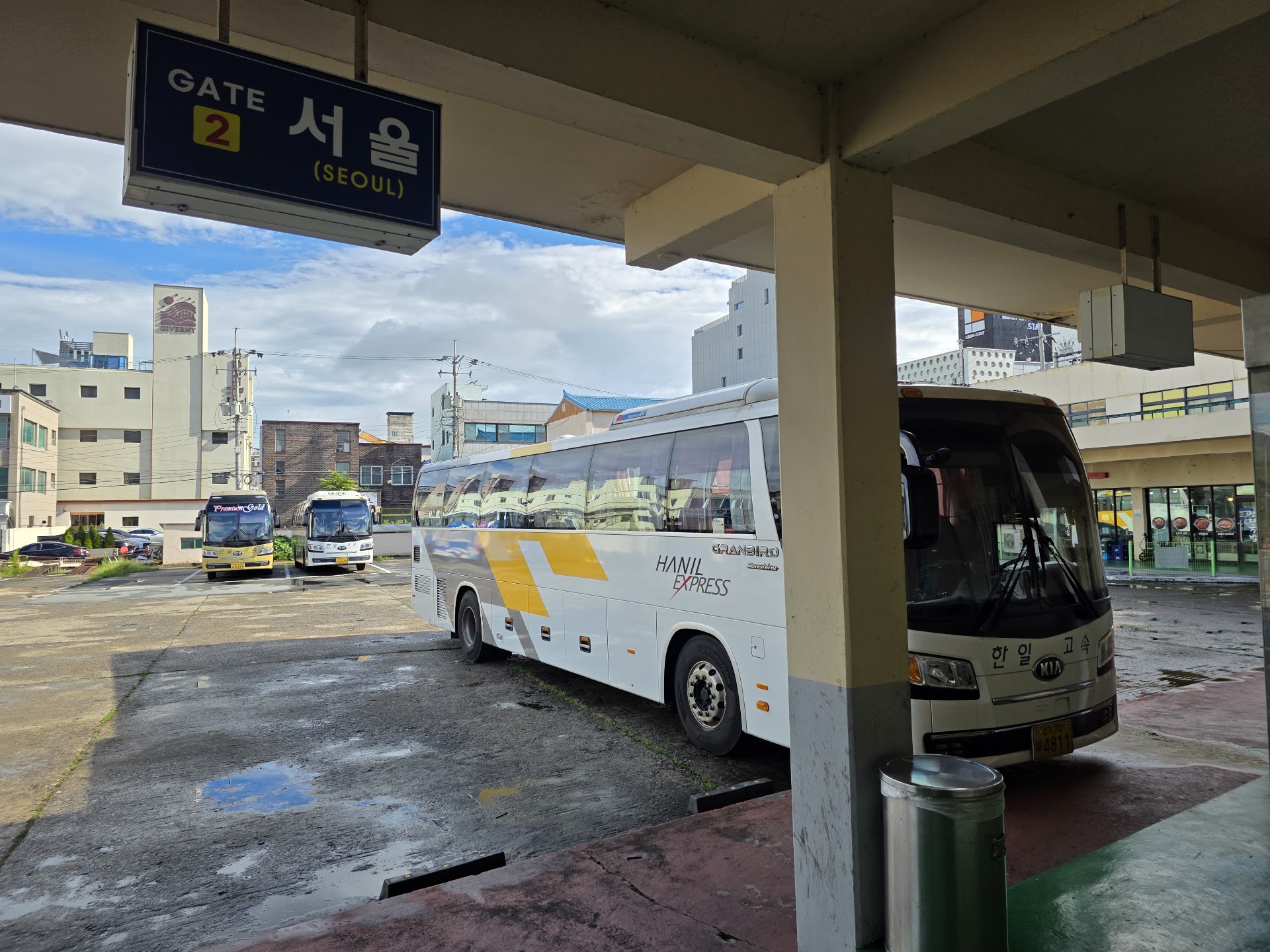
From Busan, you can easily do a day trip. The most practical option is probably the bus from Nopo terminal for 8,400 won (around €5.50, approximate for 2026), which stops 800 metres from Daereungwon after 50 minutes. The KTX from Busan Station takes 28–36 minutes and costs 11,000 won (about €7), but once you factor in the transfer from the station to the centre, the bus is usually just as fast door to door.
There’s no direct express from Gimhae Airport, only an intercity bus: it takes about an hour and costs roughly 10,300 won (about €7). You’ll find the timetable on the city’s website.
| From | By | Time | Approximate price (2026) |
|---|---|---|---|
| Seoul Station | KTX | 2 h 01–2 h 15 min | 44,600 KRW (about €30) |
| Seoul Express Bus Terminal | bus | ~3 h 45 min | 24,700–38,200 KRW (about €16–25, check) |
| Busan Station | KTX | 28–36 min | 11,000 KRW (about €7) |
| Busan, Nopo terminal | bus | ~50 min | 8,400 KRW (about €5.50) |
| Gimhae Airport | bus | ~1 h | 10,300 KRW (about €7) |
| Gyeongju station to the centre | bus 50, 51, 70, 700 | 30–40 min | 1,300–1,600 KRW (about €1) |
Getting Around Town: Buses, T-money and a Gyeongju Map App
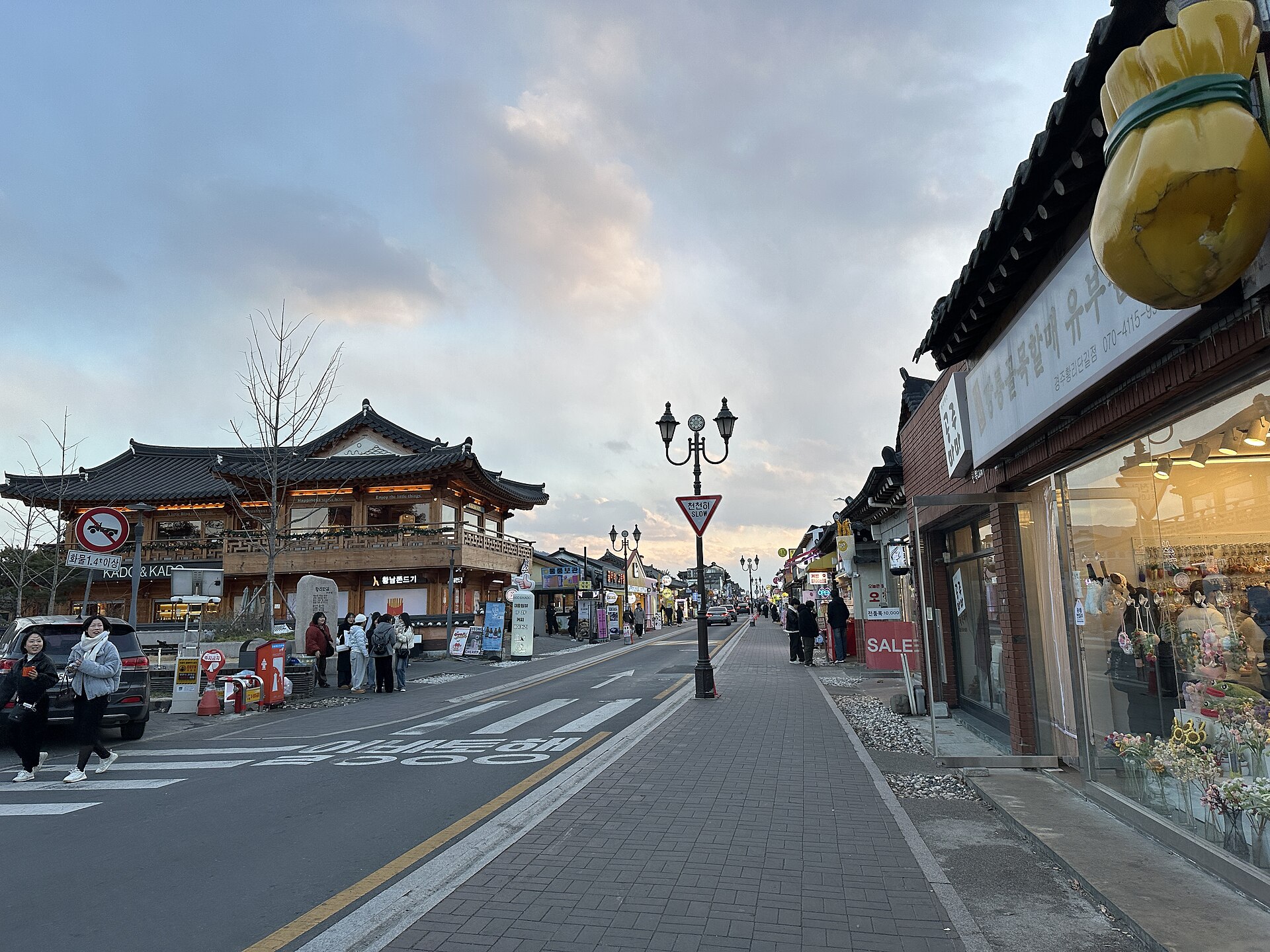
You can walk around the centre on flat ground: from Daereungwon it’s 15 minutes to Cheomseongdae, another 15 to Donggung and 10 more to the National Museum. Circular buses 10 and 11 run via the terminal to Bomun and Bulguksa (35–45 minutes). Don’t get on the 10-1, which ends at the amusement park.
Bus 12 climbs from Bulguksa up to Seokguram roughly once an hour (check before you go). To Yangdong, only line 203 runs, ten times a day, to the Yangdong Folk Village stop (양동민속마을) – plan on half a day.
💡 Tip: Google Maps isn’t reliable for navigation here, so download Naver Map or KakaoMap (lines 10, 11 and 12 have new timetables from November 2026). You’ll need mobile data for them, so an eSIM comes in handy. You pay the fare (1,300–1,600 won, about €1) with a prepaid T-money card, which also works in Seoul.
By Bike
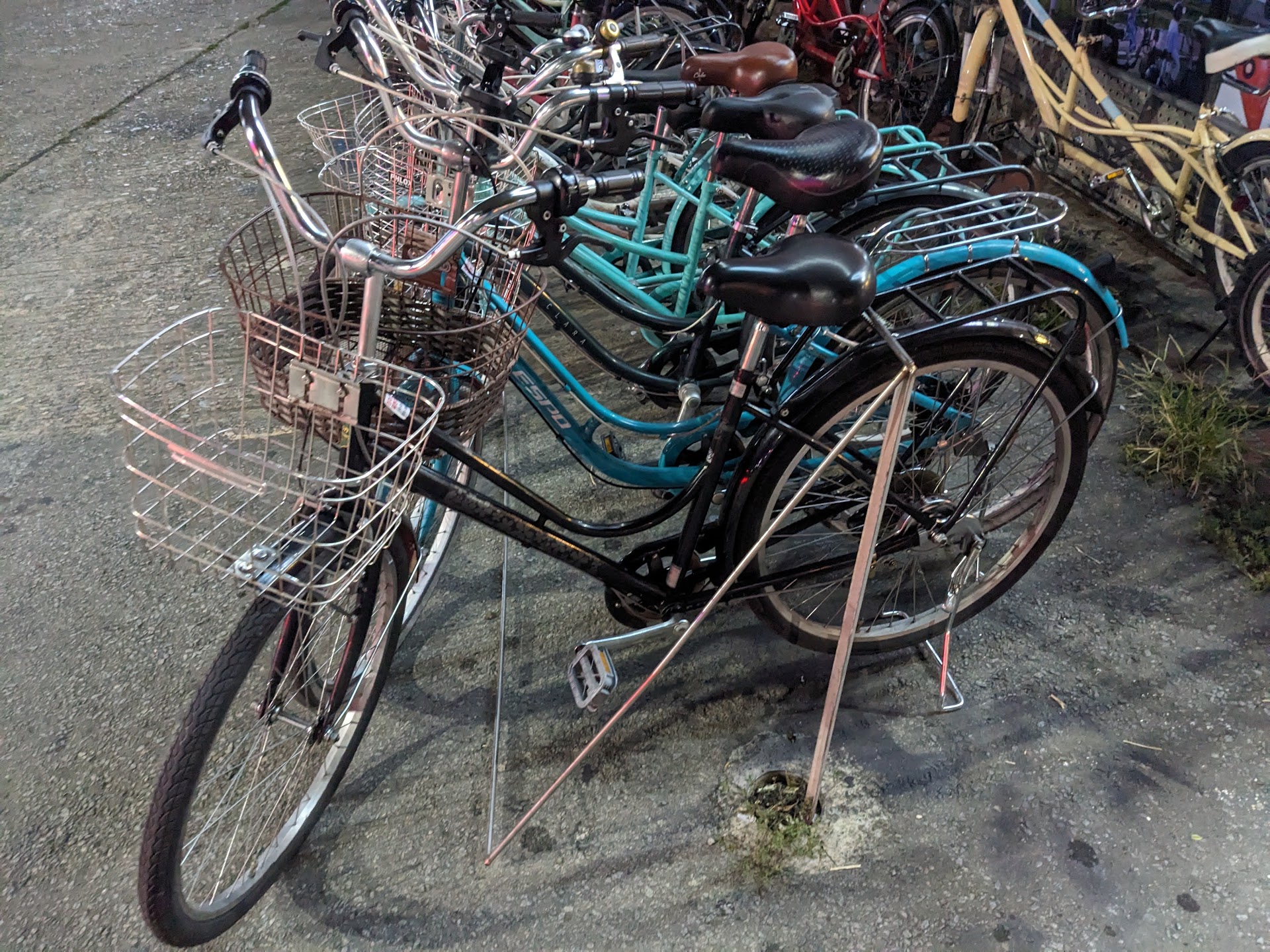
As a tourist, you can’t rent the Tasilla city bikes that cost 1,000 won, because signing up requires an Alien Registration Card (ARC) and a phone number registered in your own name. Private rental shops near the bus terminal or Daereungwon charge roughly 5,000–10,000 won a day (about €3–7). You can cycle to Bomun Lake (about 8 km, 35 minutes) or ride the 12-kilometre route below Mount Namsan (see tip 13). Leave the 15-kilometre climb up to Bulguksa to the bus.
By Car and City Tour
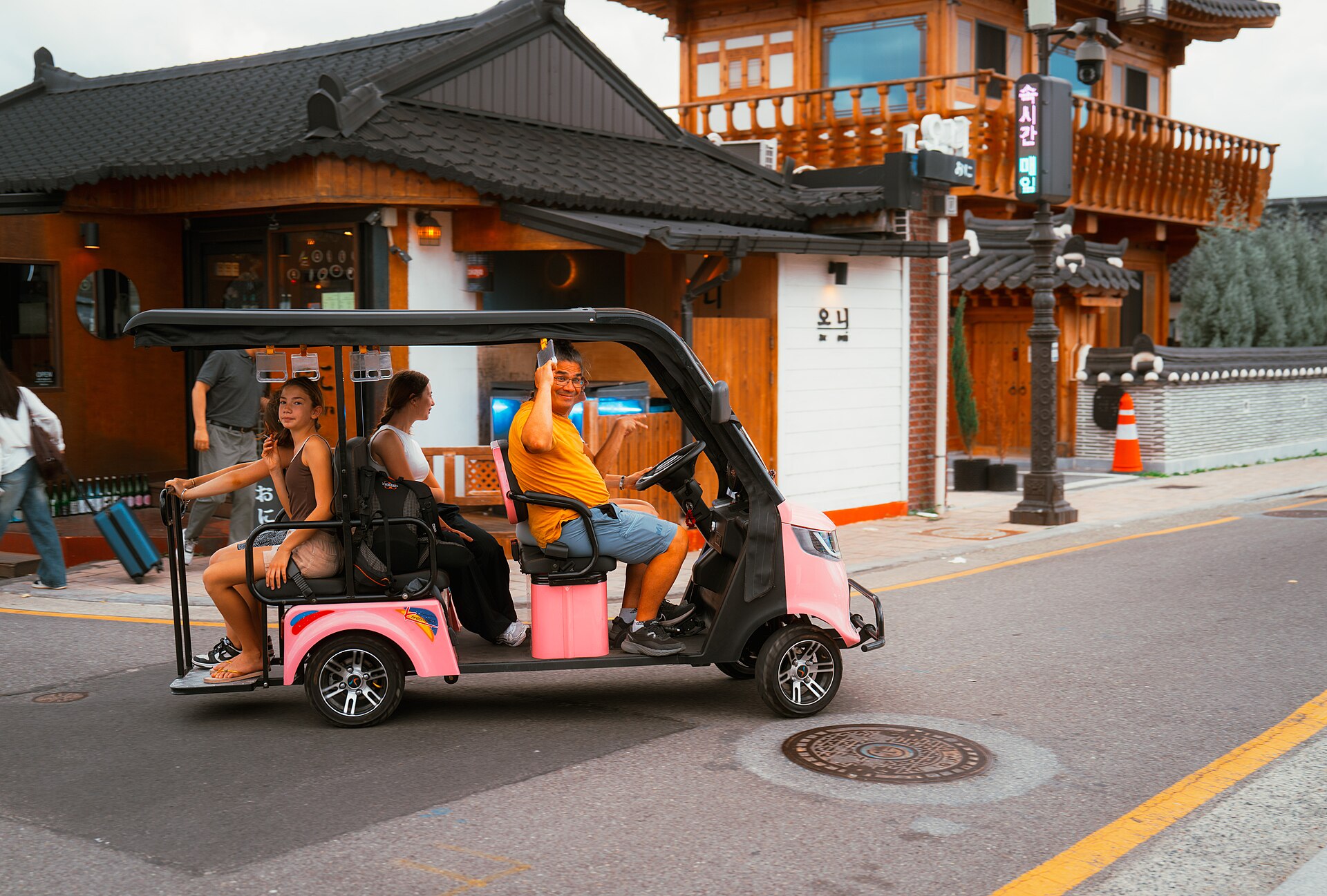
With a car, you can be at Bulguksa at 9 am before the tour groups arrive and still make it to Yangdong in the afternoon. You’ll need an International Driving Permit and the Korean navigation apps mentioned above. Parking at both Bulguksa and Seokguram costs 2,000 won (about €1.30).
The City Tour sightseeing bus costs 25,000 won (about €16), and the night version is 20,000 won (about €13), with entrance fees to the sights not included. It only runs if at least fifteen people sign up, and the commentary is in Korean only.
Where to Stay in Gyeongju, South Korea
If you don’t have a car, set up your base near the lanes of Hwangnidan-gil or close to the bus terminal. From there you can walk to the sights, and you can even spend the night in a hanok (a traditional Korean house). The Bomun Lake area suits families and cherry blossom lovers, with buses 10 and 11 running into the centre. Hotels at the foot of the mountains guarantee peace and quiet and an early start at Bulguksa before the tour groups, but there’s next to nothing to do there in the evening. Another option is a templestay, which means spending the night in a Buddhist temple (see tip 18).
For early April, when the cherry trees are in bloom and the local marathon takes place (in 2026 it was held on 4 April), book your room months in advance, as the town tends to sell out.
Hwangnamguan Hanok Village
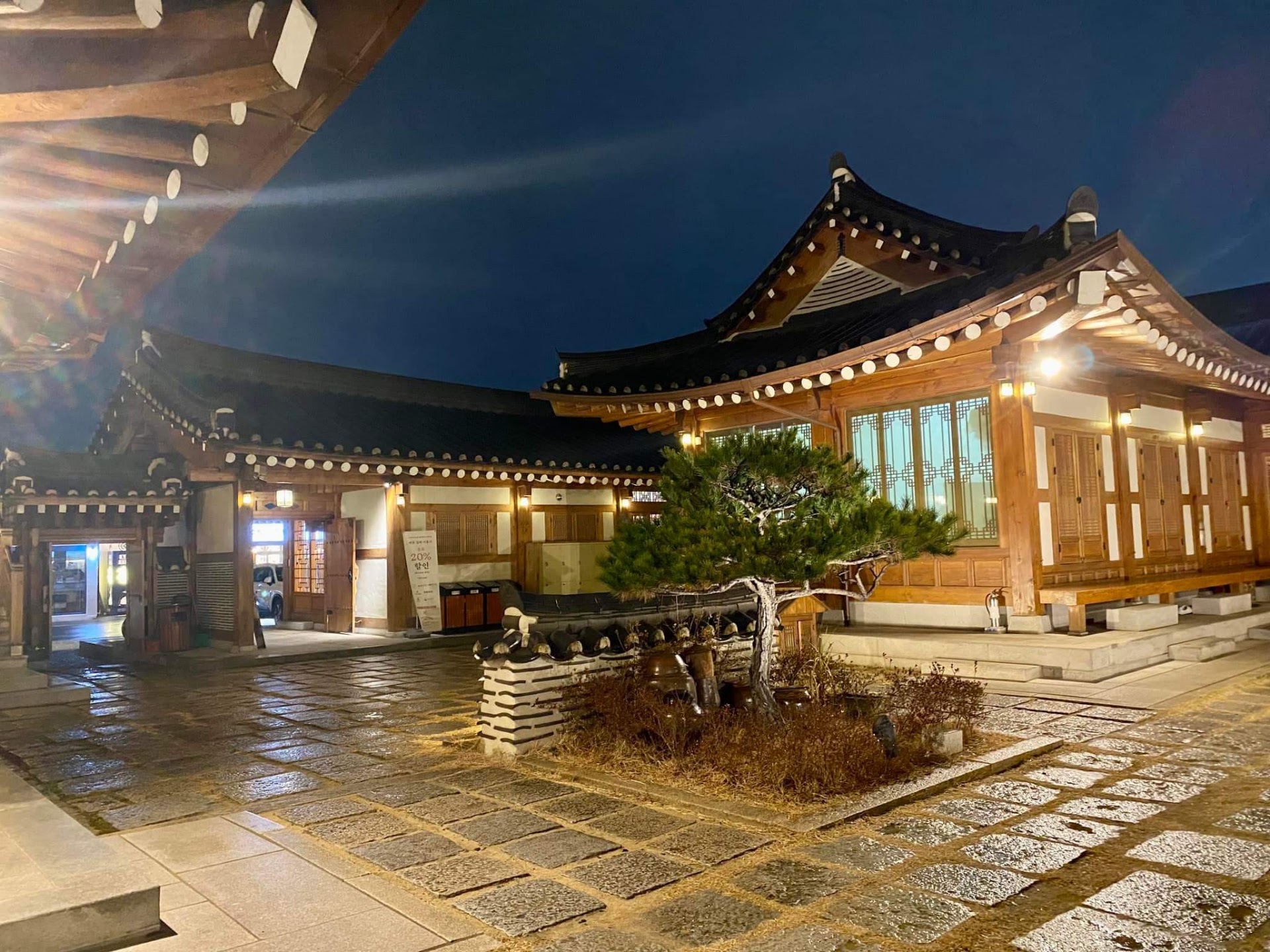
If you’d like to try sleeping in a hanok and have the sights right on your doorstep, Hwangnamguan Hanok Village (황남관 한옥체험마을) near the Hwangnidan-gil lanes is an excellent choice. According to the hotel’s website, you can walk from here to Daereungwon Park, Cheomseongdae Observatory and Wolji Pond, which is best seen in the evening.
Rivertain Hotel Gyeongju
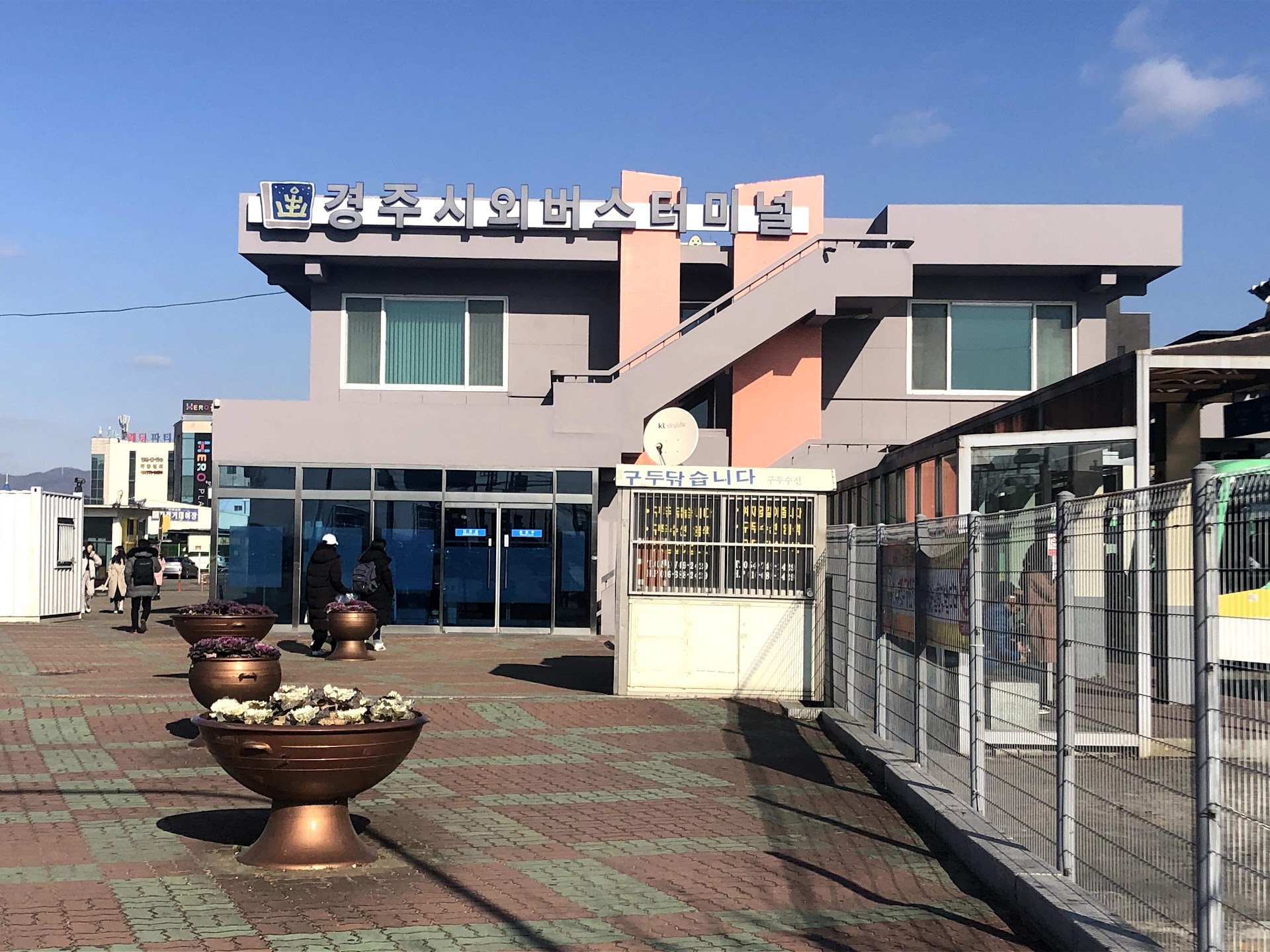
If you’re arriving by bus from Busan or Seoul and don’t want to drag your suitcases around, Rivertain Hotel Gyeongju in the town centre will serve you perfectly. This modern hotel is only about 200 metres from the bus terminal (both express and intercity routes), so you can walk to the sights.
Lahan Select Gyeongju
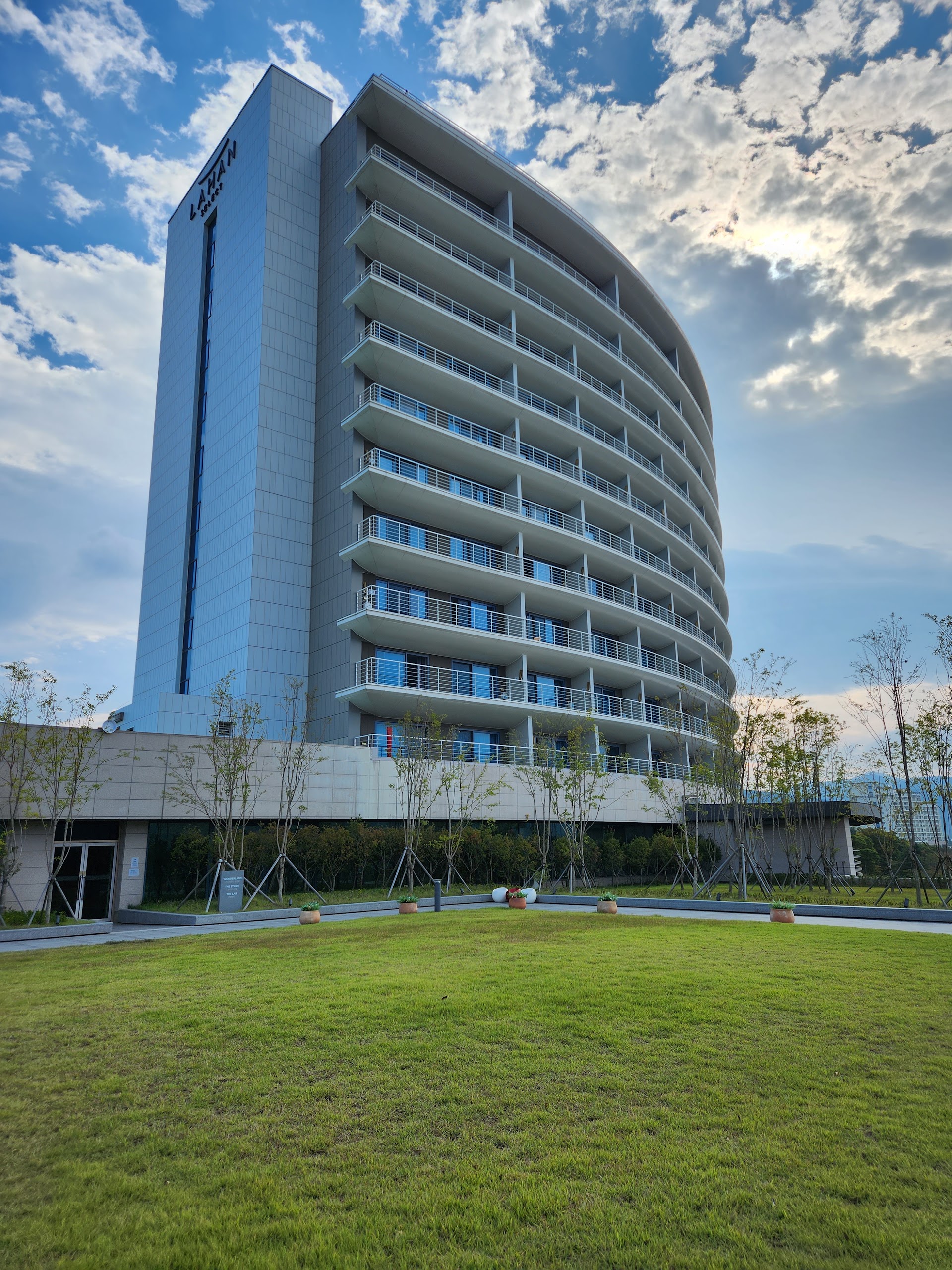
If you appreciate the comfort of larger hotels with a view of the water, you’ll probably love Lahan Select Gyeongju in the lakeside resort area. The building sits right on the shore of Bomun Lake, and it’s easy to hop on a city bus from here to the historic centre.
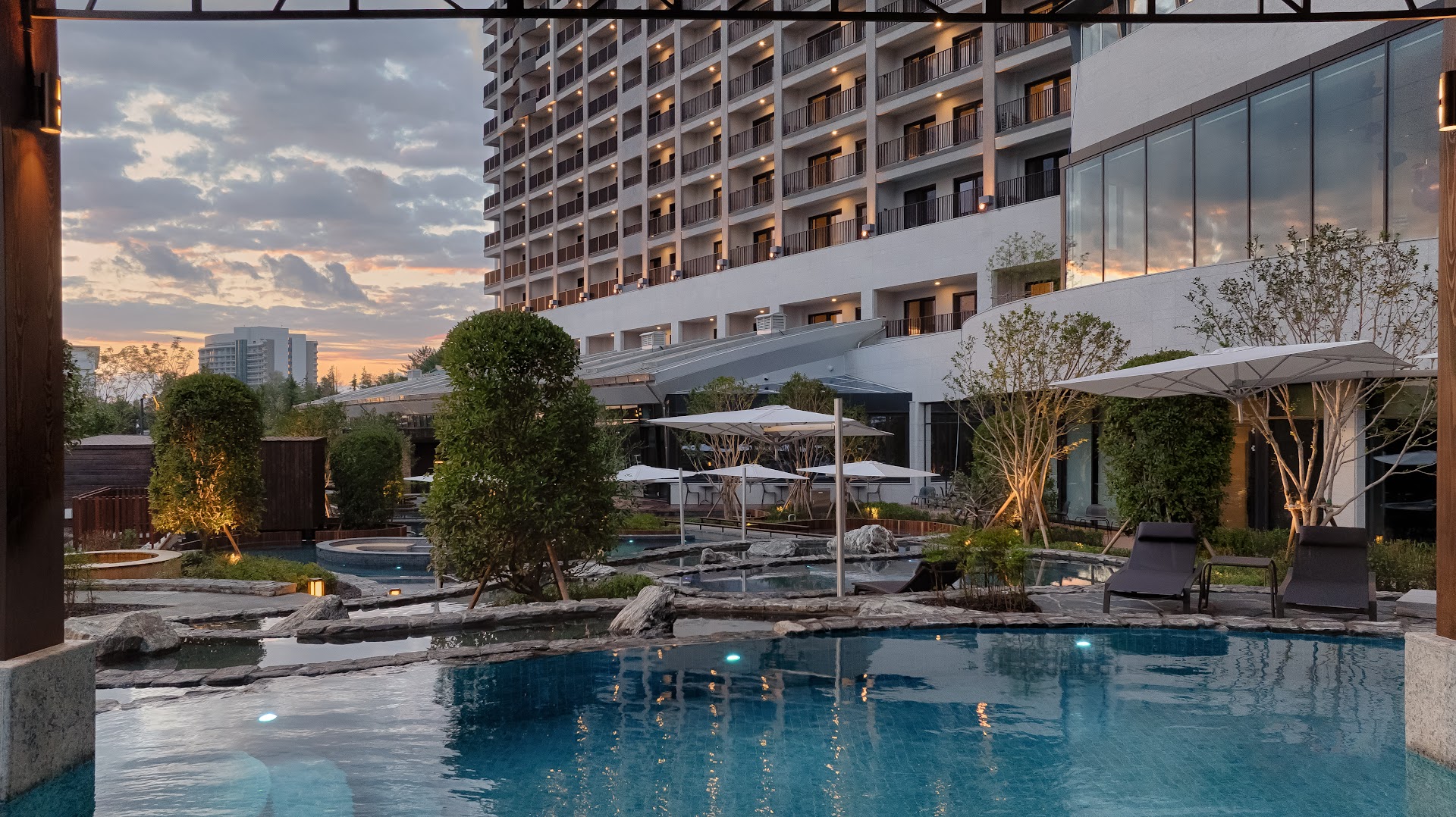
Sono Calm Gyeongju
Heading to Gyeongju with kids, or planning a spring trip to see the cherry blossoms? Sono Calm Gyeongju makes a great base. This resort lies by Bomun Lake, just a short walk from the famous cherry tree avenues and the Gyeongju World amusement park.
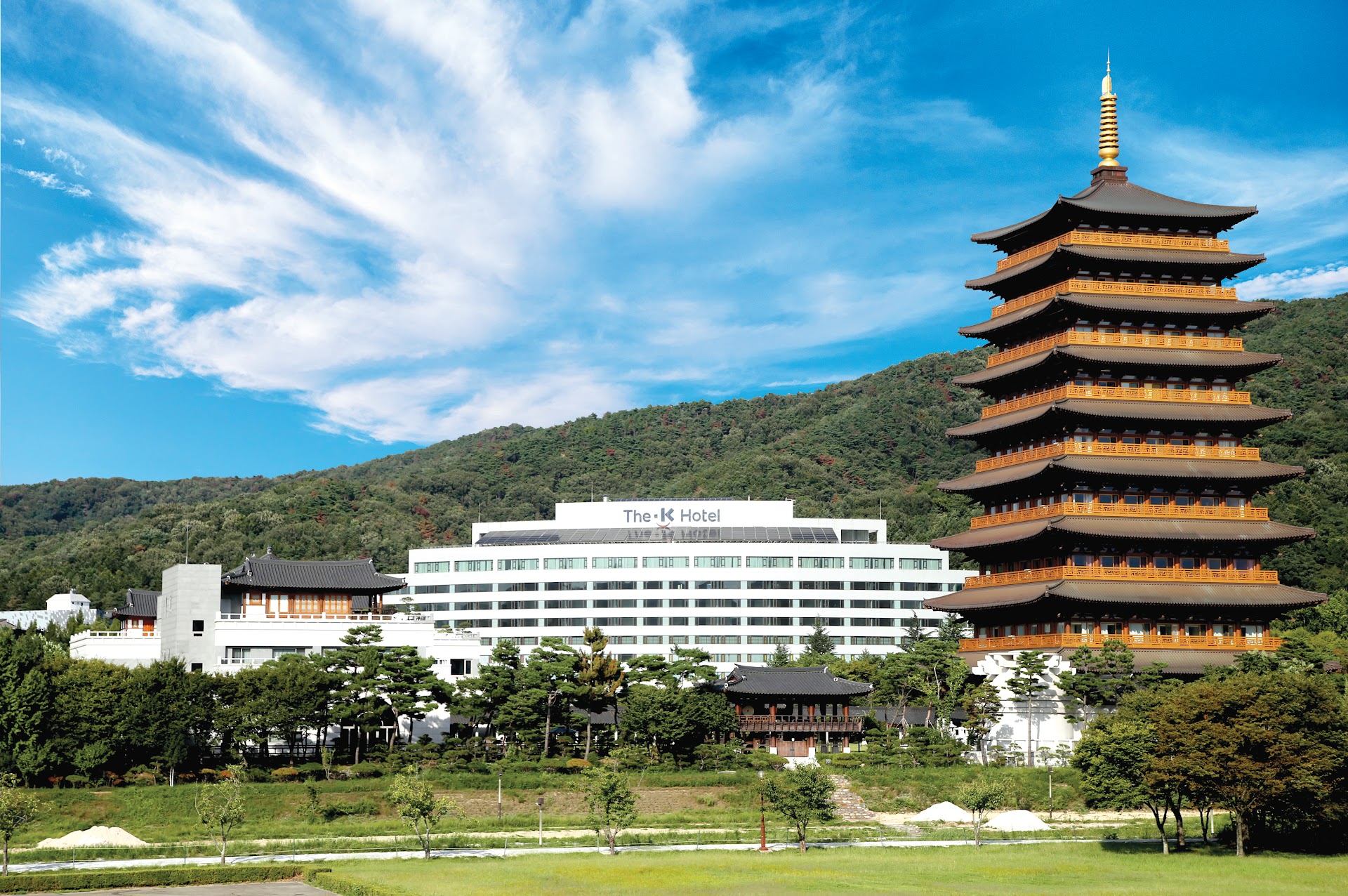
The K Hotel Gyeongju
If you love nothing more than soaking in warm water after a full day on your feet, The K Hotel Gyeongju in the Bomun area is made for you. According to the hotel’s website, it offers a thermal spa with indoor and outdoor pools and is just a few steps from APEC Memorial Park.
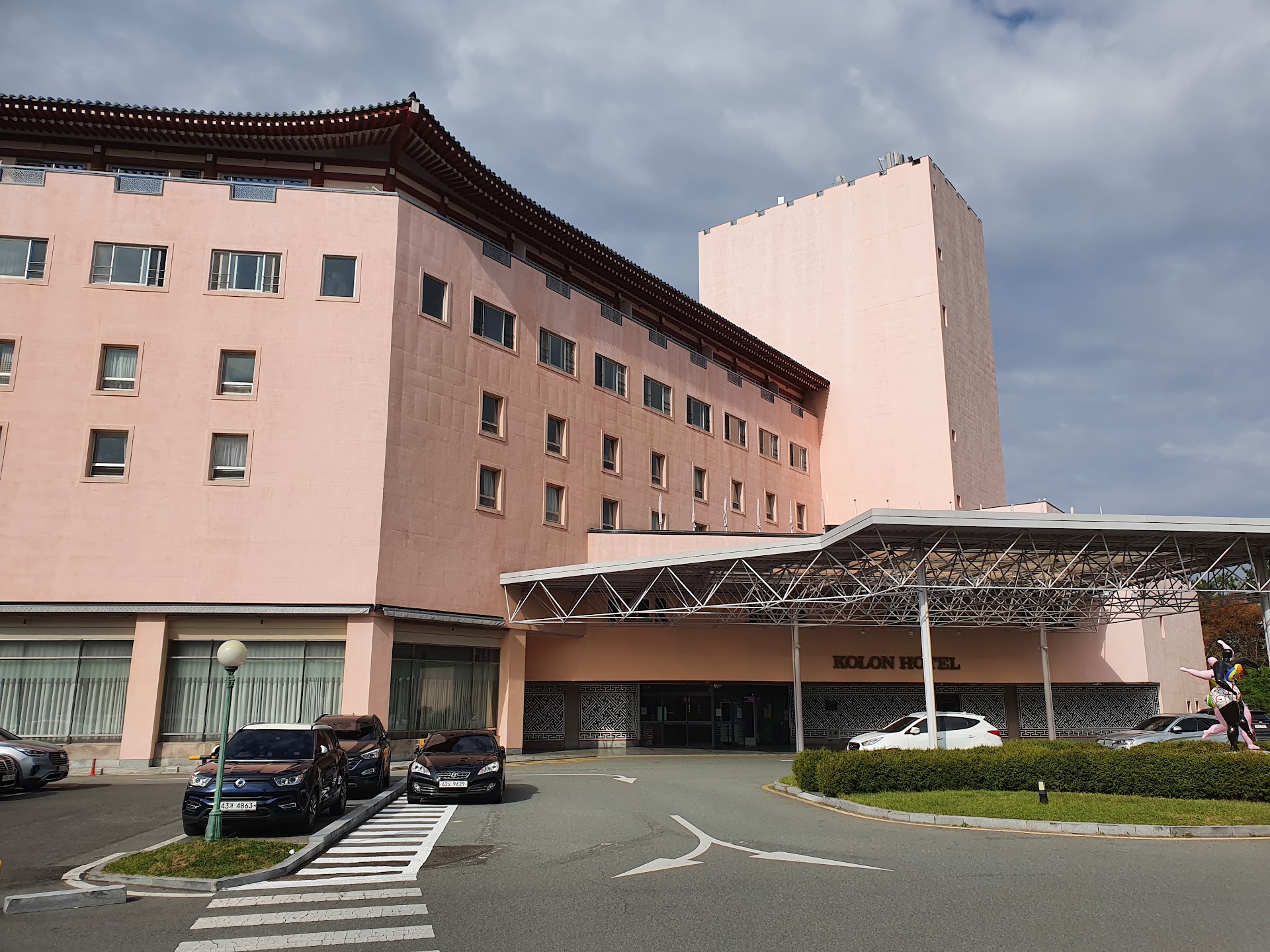
Kolon Hotel
Kolon Hotel at the foot of Mount Tohamsan has a superb location, less than a ten-minute walk from Bulguksa Temple. That means you can explore the temple right at 9:00 before the tour buses roll in, and afterwards, according to the hotel’s website, relax in the garden or the sauna.
For tried-and-tested hotels and neighbourhoods in the capital, check out our separate article Where to Stay in Seoul.
20 Things to See and Do in Gyeongju
Below you’ll find twenty places, each with how much time you’ll need and what it costs, so you can easily plan your days your way. An overview of what’s free in town and where you have to pay is waiting in the table in the Practical Information section.
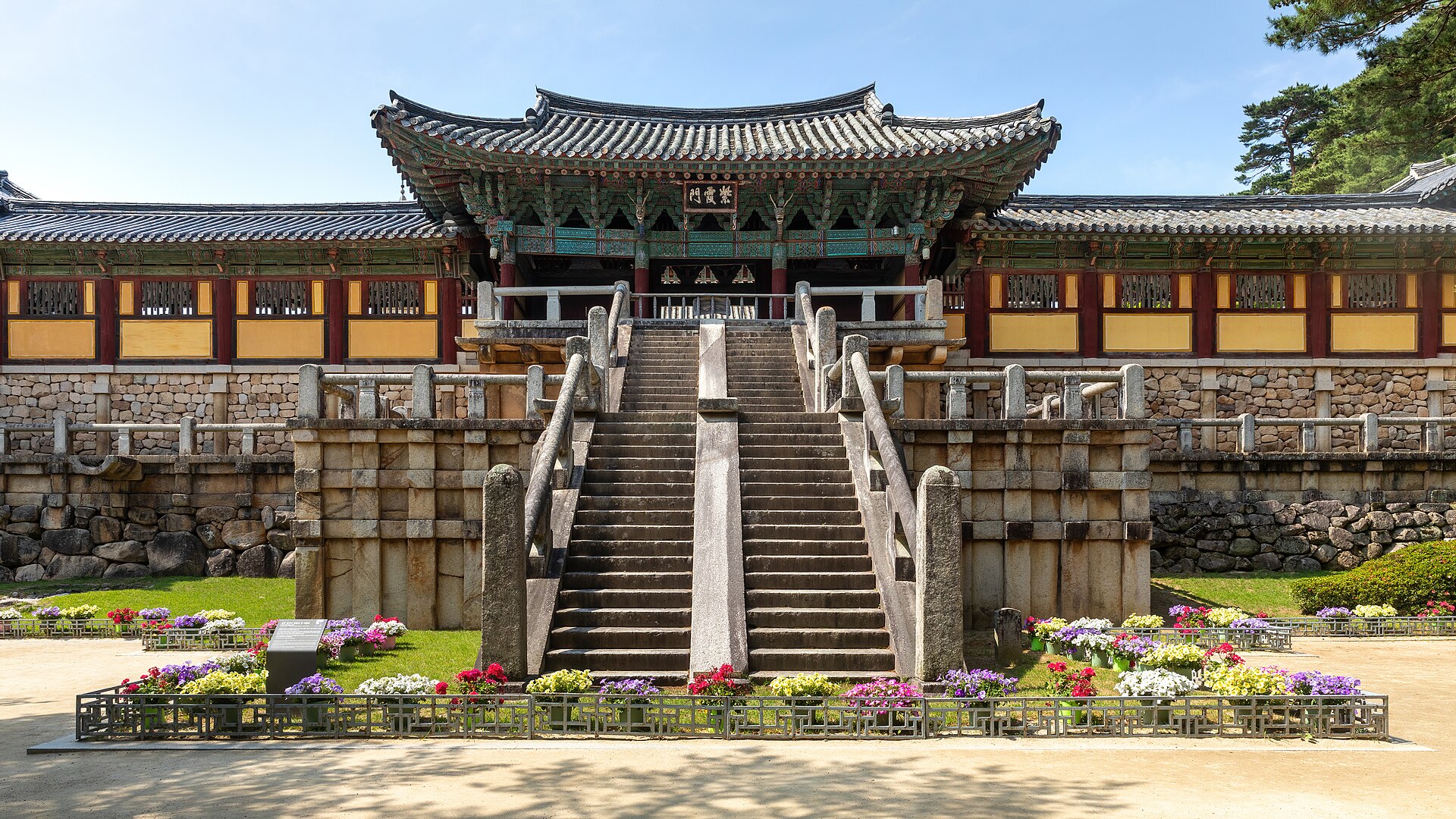
1. Bulguksa (불국사)
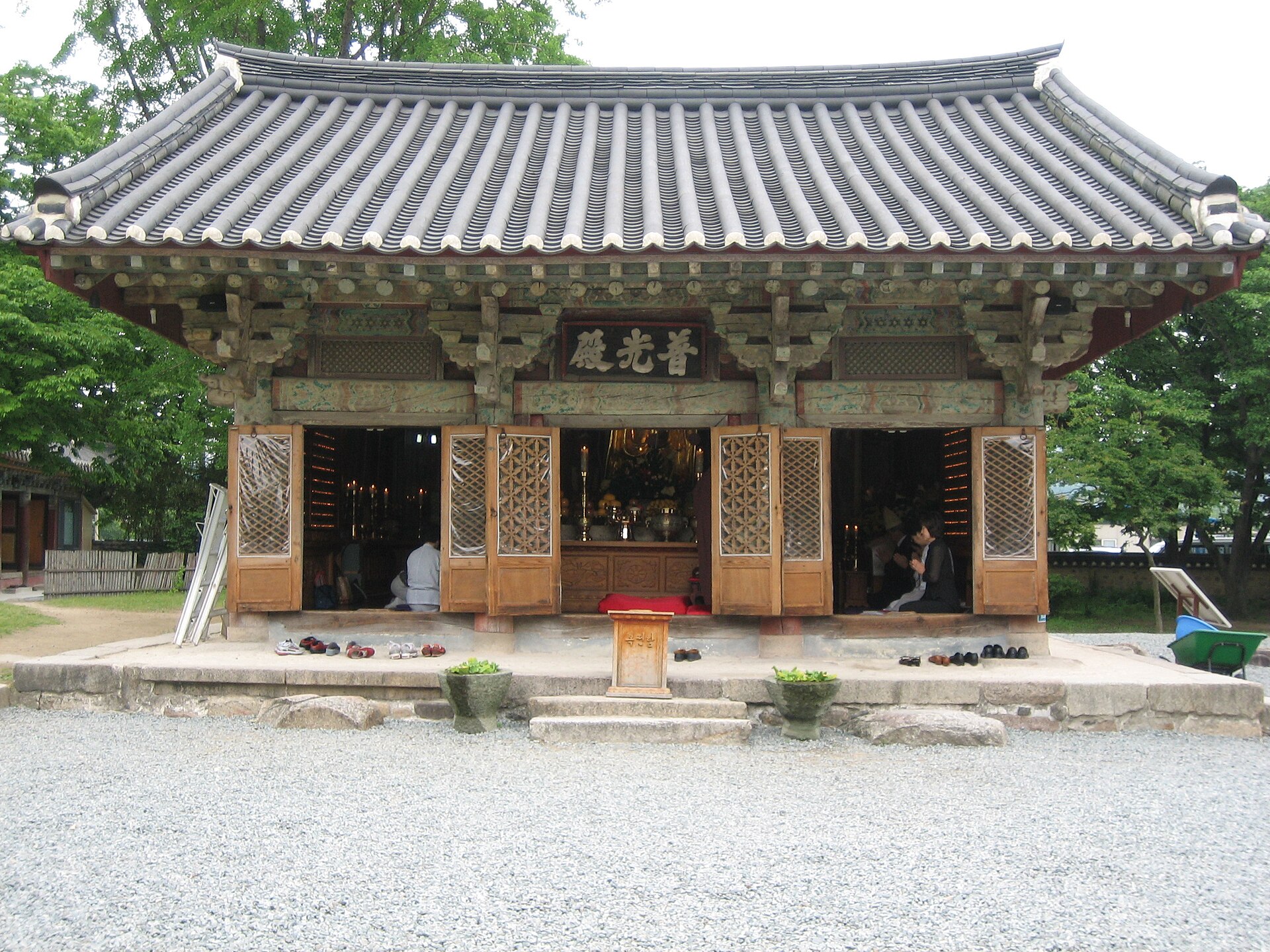
The temple courtyard is home to the famous Dabotap and Seokgatap pagodas. This UNESCO World Heritage Site (since 1995) dates back to the 8th century (751–774), but it burned down in 1593 and what you see today is largely the result of restoration in 1969–1973. Since May 2023, entry has been free, and a visit takes 1.5–2 hours. It opens at 9:00, with last entry at 17:00 (November to January), 17:30 (February, October) or 18:00 (March to September). Parking costs 2,000 KRW (about €1.30, approximate, 2026).
Bulguksa is the head temple of the 11th district of the Jogye Order (the order’s headquarters itself is Jogyesa in Seoul), and buses 10 and 11 run here from the centre. Around 20 April, the double-flowered cherry trees (겹벚꽃) burst into bloom, about two to three weeks later than the regular cherry blossoms. Dogs aren’t allowed inside, and you’ll find more details on the temple’s official website.
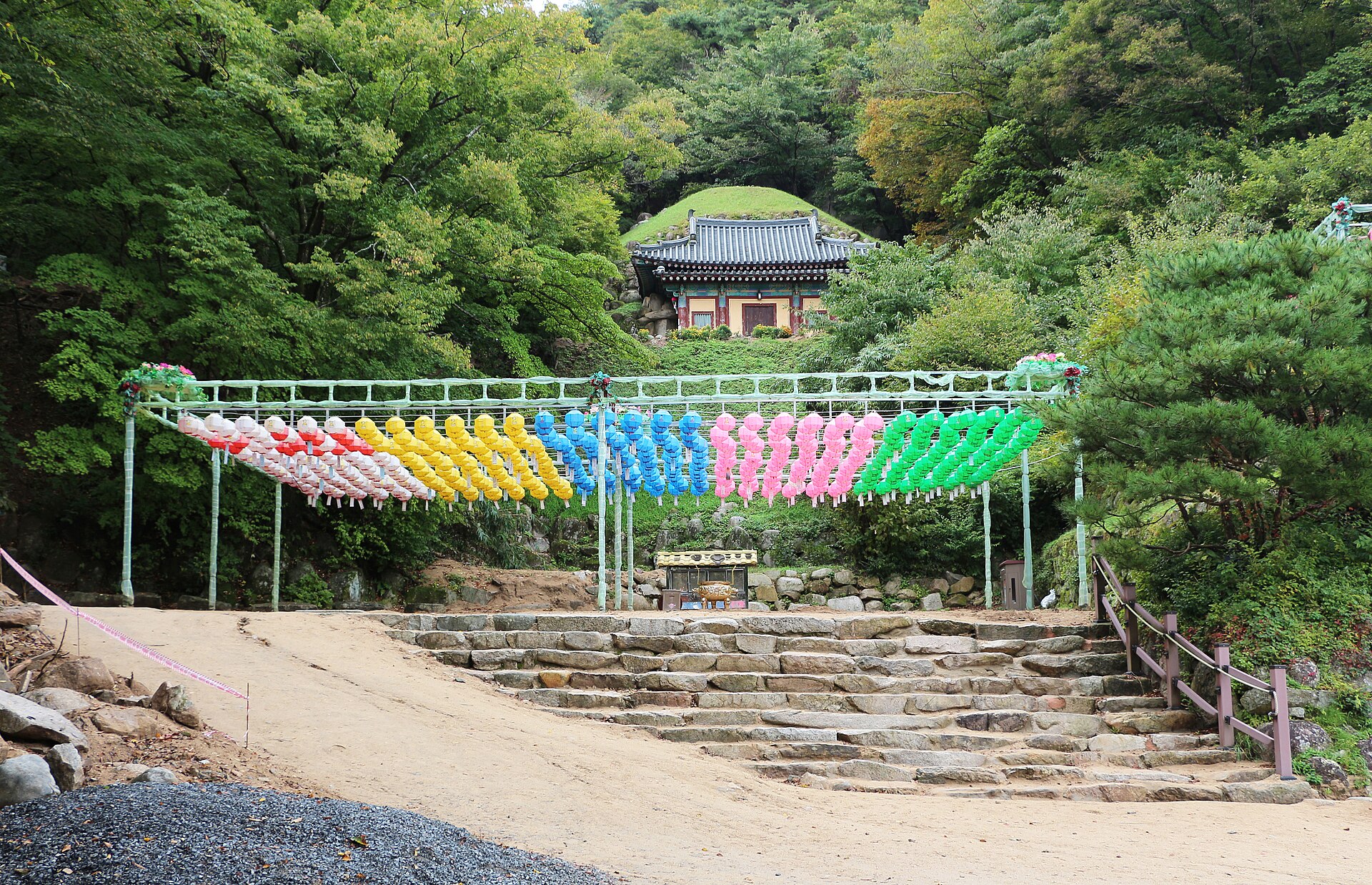
2. Seokguram (석굴암)
This artificial granite cave shrine, built between 751 and 774, holds 38 surviving reliefs, although since 1976 you can only view them through a glass wall. Entry is free, the hours match those of Bulguksa Temple (from 9:00 until 17:00, 17:30 or 18:00), and parking costs 2,000 KRW (about €1.30, approximate, 2026). Photography isn’t allowed inside, so follow the signs.
💡 Tip: From Bulguksa, a three-kilometre uphill trail leads here (about an hour’s walk), or there’s a nine-kilometre road. Bus 12 runs along it roughly once an hour, with a new timetable from 14 November 2026, so check the times in the app. Take the bus or a taxi up and walk back down. Access is often restricted during weather warnings, so keep an eye on seokguram.org.
3. Daereungwon Tomb Park (대릉원)
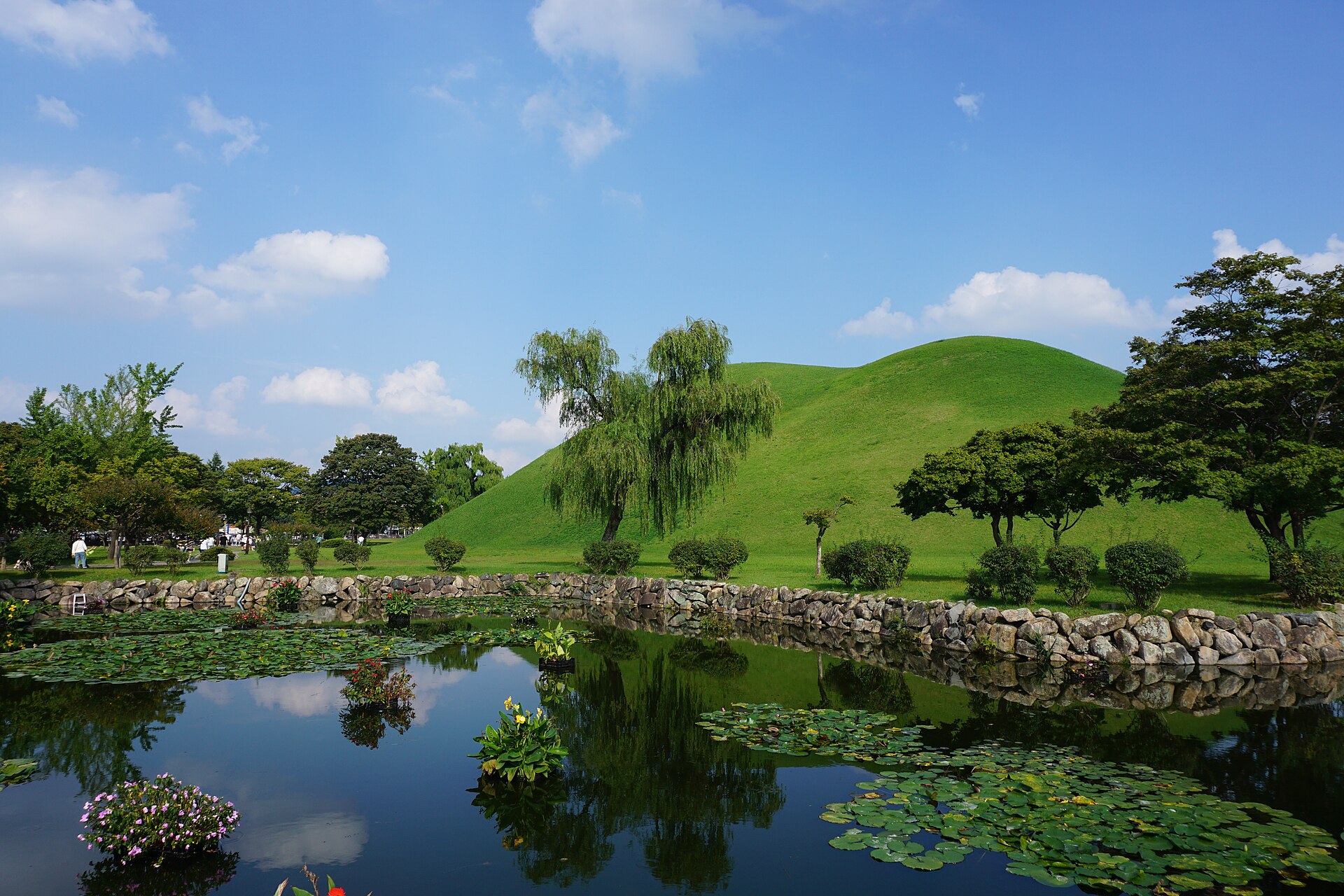
This green park is dotted with around 23 burial mounds, grassy hills heaped over the graves of Silla kings and nobles. Allow an hour for a stroll. Entry to Daereungwon Park is free, and Cheomseongdae Observatory is a 15-minute walk away.
The park itself is free, and you only pay for the Cheonmachong Tomb inside, which costs 3,000 won (about €2, approximate, 2026). In early April, a festival is held along the park’s stone wall (in 2026 it took place on 3–5 April).
4. Cheonmachong Tomb (천마총)
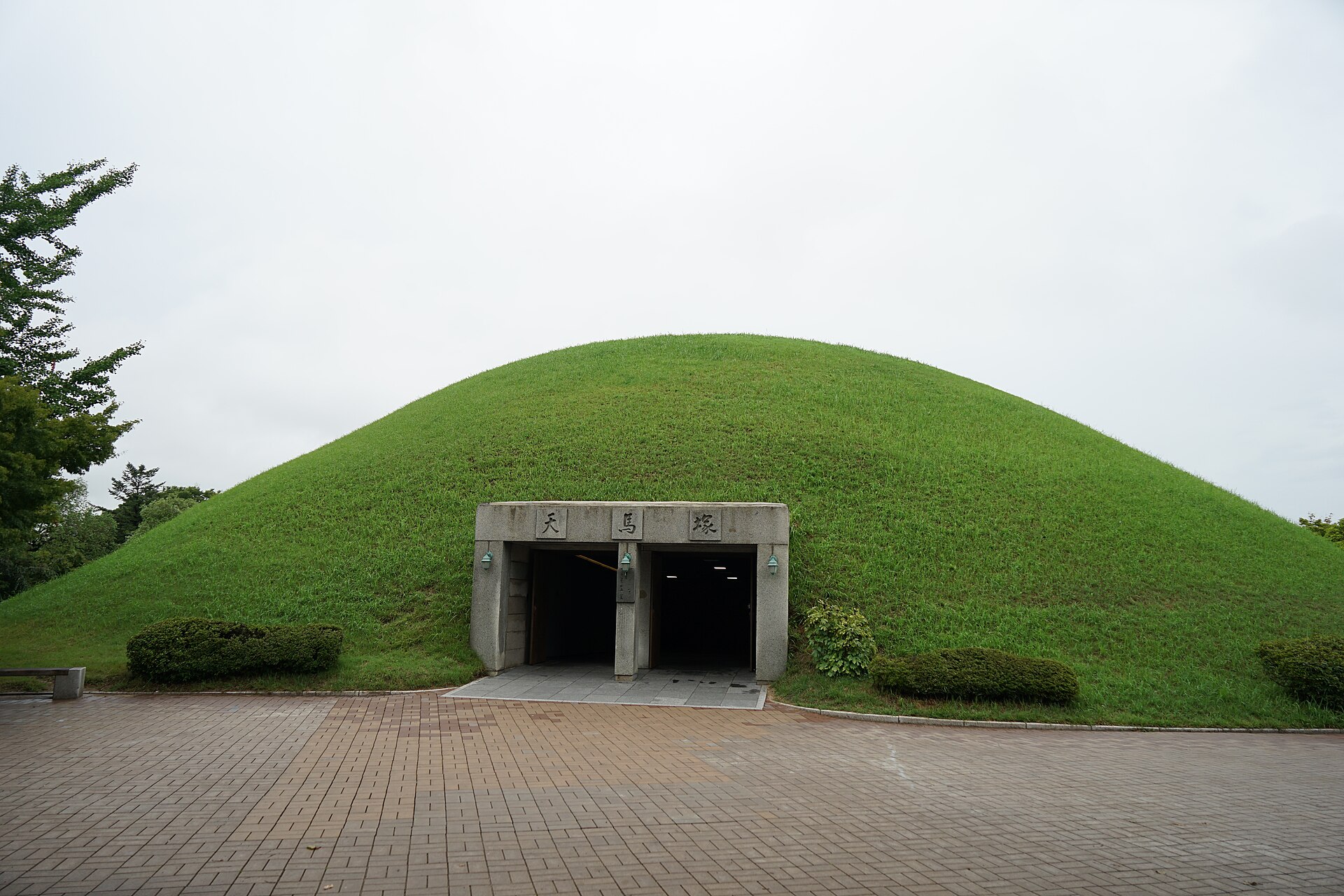
While the other mounds in Daereungwon remain closed, the Heavenly Horse Tomb (Cheonmachong) is the only one whose interior you can enter. It was opened up by excavations in 1973. The entrance fee is 3,000 KRW (about €2, approximate, 2026), and it’s open daily with no closing days from 9:00 to 22:00 (last entry at 21:30).
To this day, nobody knows who was laid to rest here, although theories point to King Jijeung. The painting of the Heavenly Horse is one of Korea’s national treasures, but some researchers believe it actually shows a kirin, a mythical creature.
5. Cheomseongdae Observatory (첨성대) and the Flower Fields
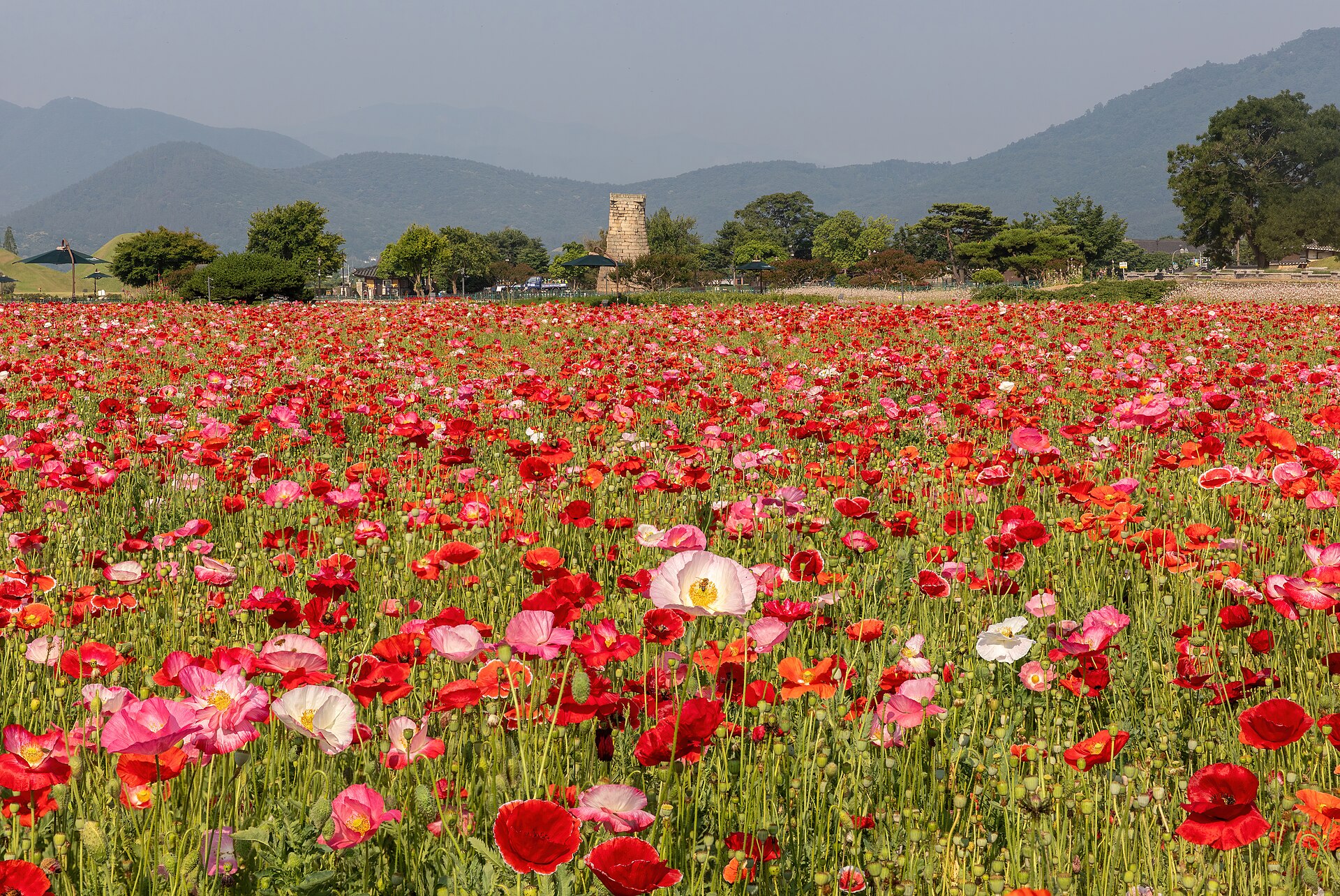
This stone tower, roughly 9 metres tall, is considered the oldest surviving observatory in East Asia, and the city itself calls it the oldest in the East. It’s estimated to date from the 7th century, during the reign of Queen Seondeok (632–647), and has been a national treasure since 1962. You can see it for free; the grounds are open 9:00–22:00 in summer and until 21:00 in winter, but you can view it from outside at any time.
The tower has 27 layers and is linked to the legend of the 365 stones (one for each day of the year), although the count varies between surveys, with 362 being the most commonly cited number. In spring, the fields next to it bloom with tulips, rapeseed and poppies, while from late September to late October they turn pink thanks to the ornamental pink muhly grass.
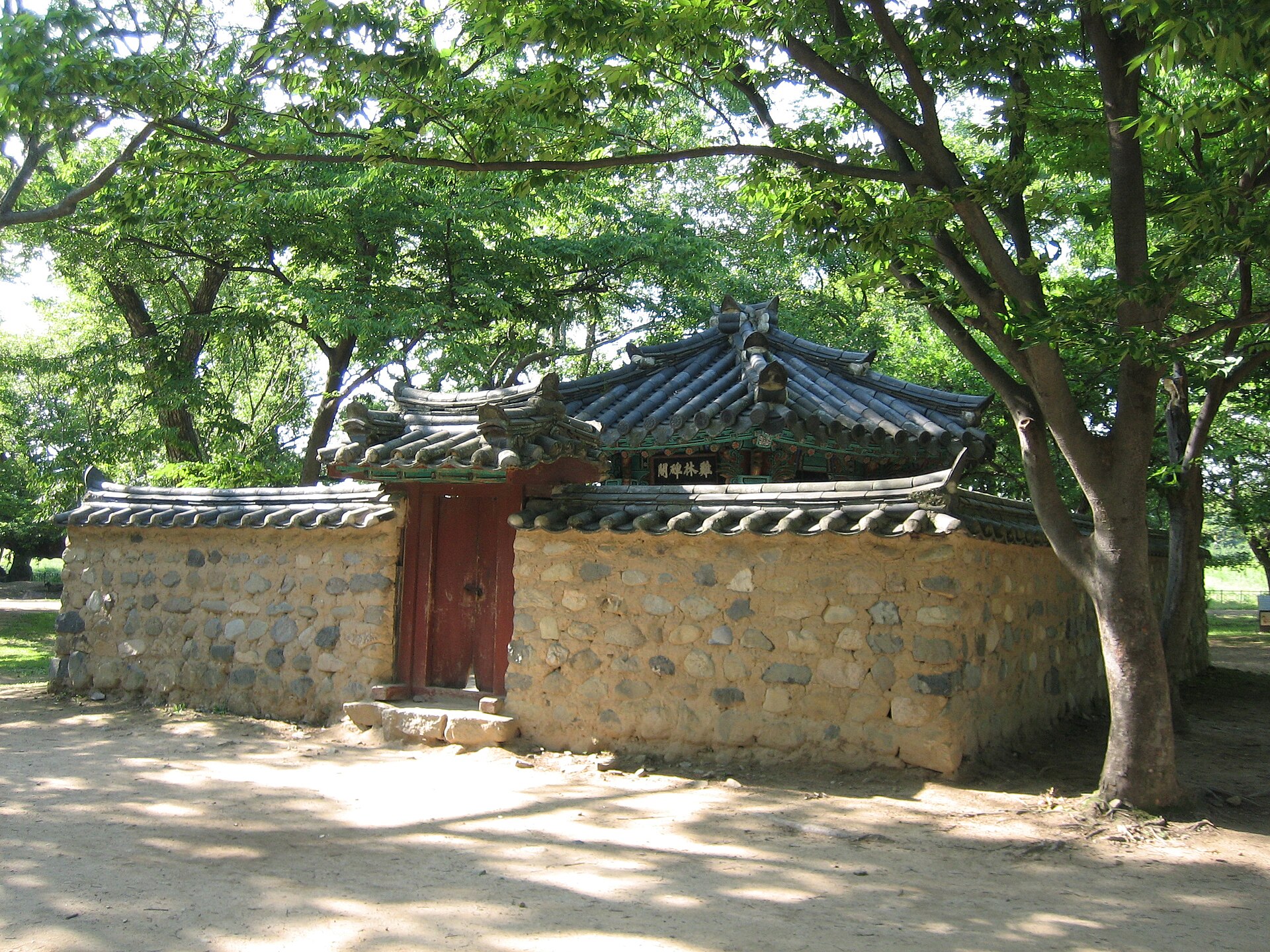
6. Gyerim Forest and Wolseong Fortress
A short walk from Cheomseongdae is the Gyerim Forest (계림), where legend says Kim Alji was born (in the year 60). Right behind it lies the Wolseong Palace Fortress (월성), which the Samguk Sagi chronicle says was founded in 101.
According to available information, both sites are free to enter and connect directly to the area around Cheomseongdae, so you’ll pass through them on foot on your way to Donggung. Inside the fortress, don’t miss the Seokbinggo stone ice house, which was moved to its current spot in 1741.
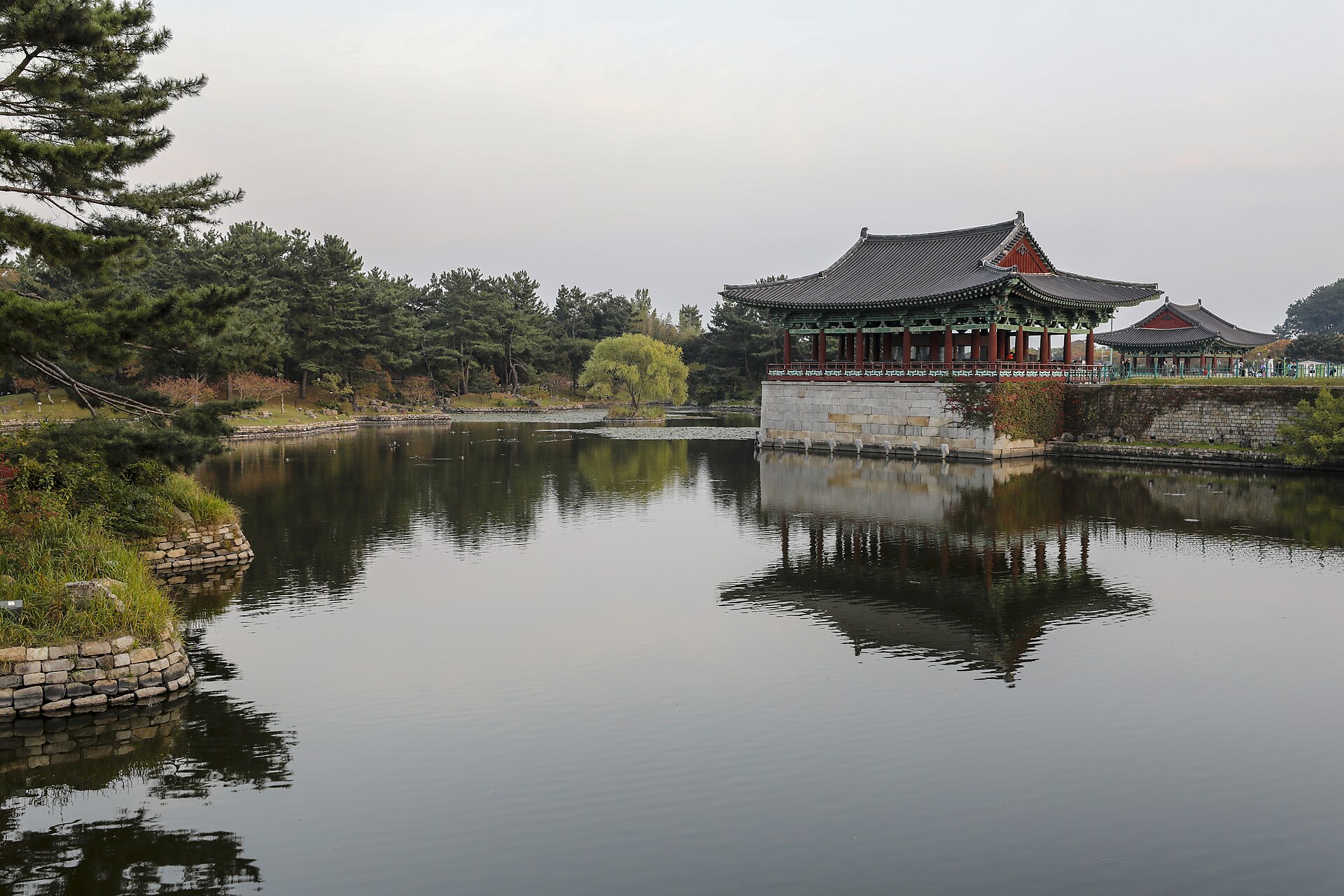
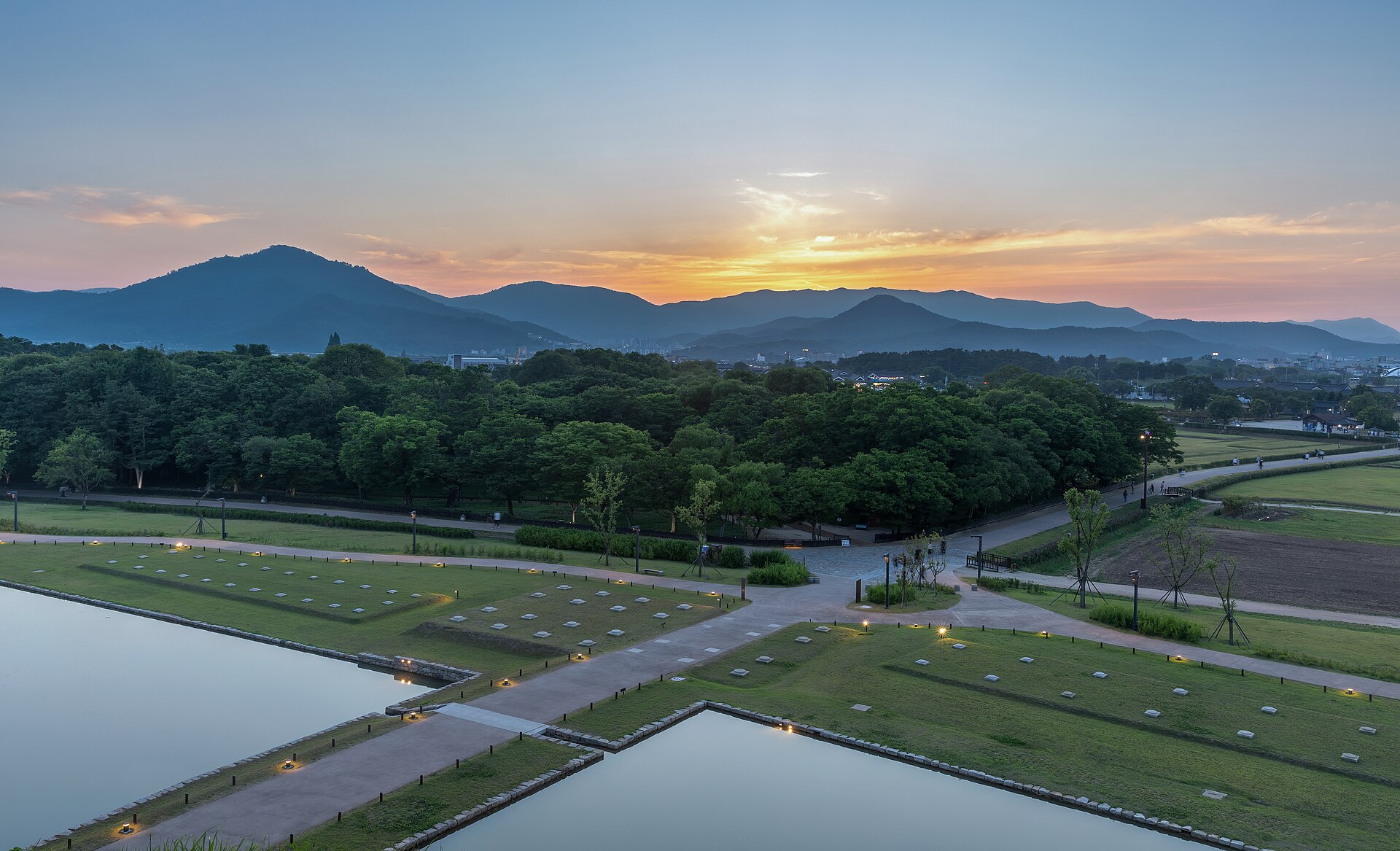
7. Donggung Palace and Wolji Pond (동궁과 월지) in the Evening
By day, Donggung, the secondary palace of the crown prince of Unified Silla, looks pretty unremarkable. From dusk onwards, though, the illuminated complex is mirrored in a pond with three islands, built on the orders of King Munmu in 674. Three of the original five buildings were restored in 1980, so the pavilions you see are reconstructions.
The site used to be called Anapji, and its current name has been in use since 2011. It’s open 9:00 am–10:00 pm (last entry 9:30 pm) and costs 3,000 KRW (about €2, approximate, 2026).
The operator doesn’t publish the exact time the lights come on. According to 2026 reviews, the photo spots get so crowded you can barely squeeze past. The city itself warns that just before closing you might not get in at all because of the crowds. While it’s still light, take a look at the neighbouring lotus field, which starts blooming in mid-July.
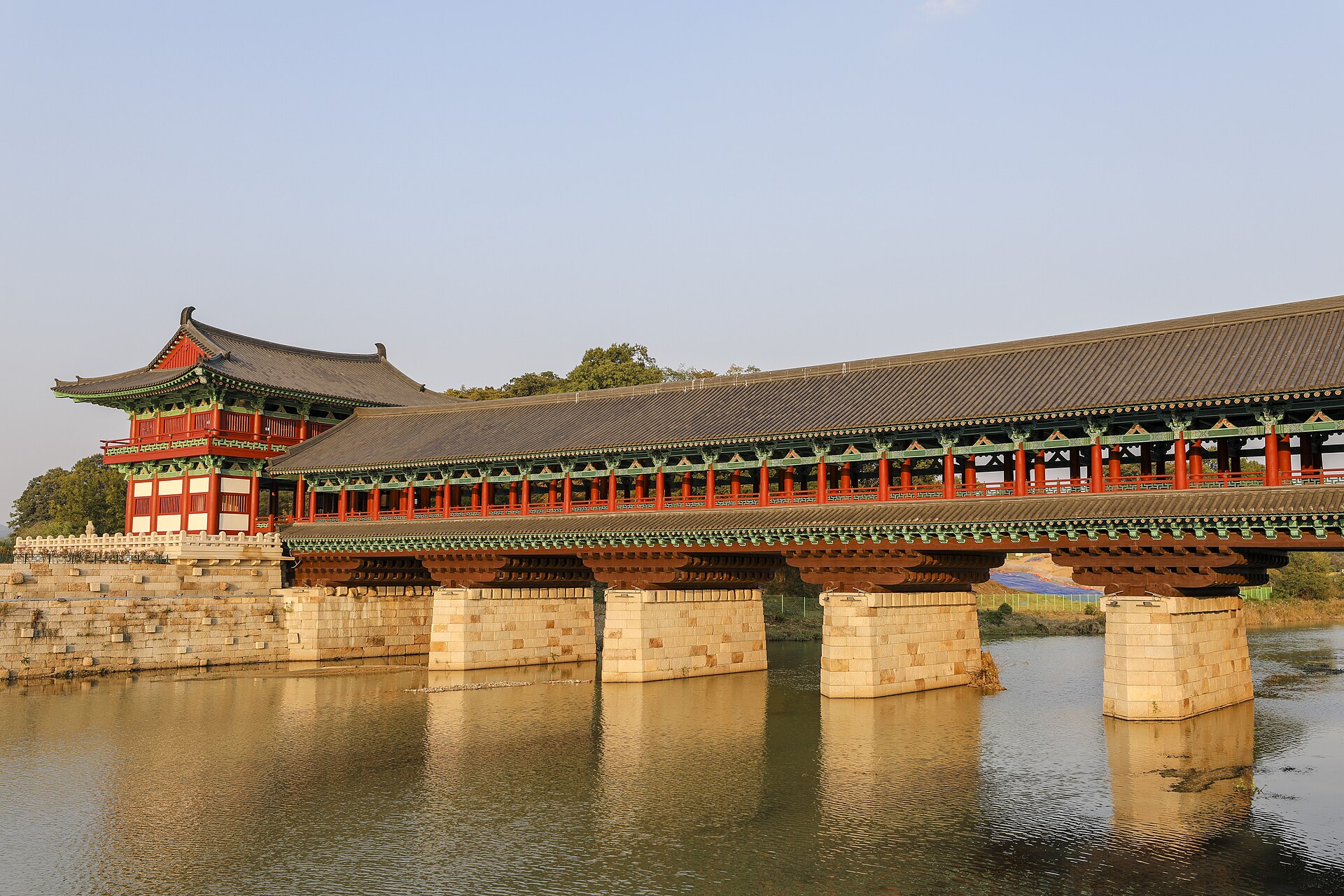
8. Woljeonggyo Bridge (월정교)
After dark, the illuminated reflection of this ancient structure on the river looks a bit like a set from a Korean historical drama, and that evening atmosphere is most likely what will draw you here too. This reconstructed covered wooden bridge dates back to 760, but its current form is the result of a restoration completed in April 2018. Crossing it is free, and it’s usually open 9:00 am–10:00 pm, lit up from dusk until closing time.
You can walk here from Cheomseongdae through Gyerim Forest and Gyochon Village, so it’s easy to combine an evening loop of the illuminated sights with Wolji Pond (the bridge stays open until 10:00 pm).
9. Gyochon Village (교촌마을) and the Choe Family House
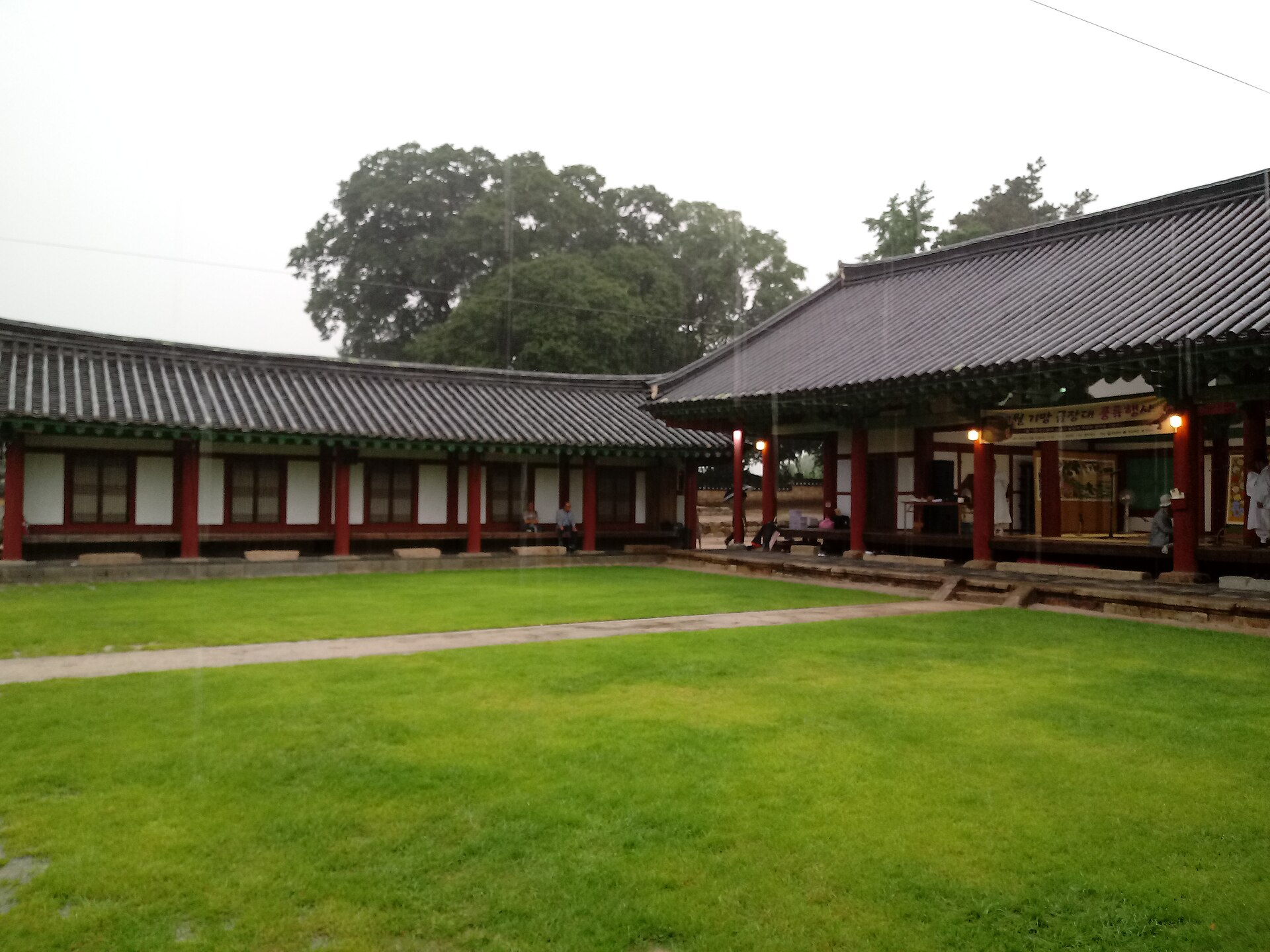
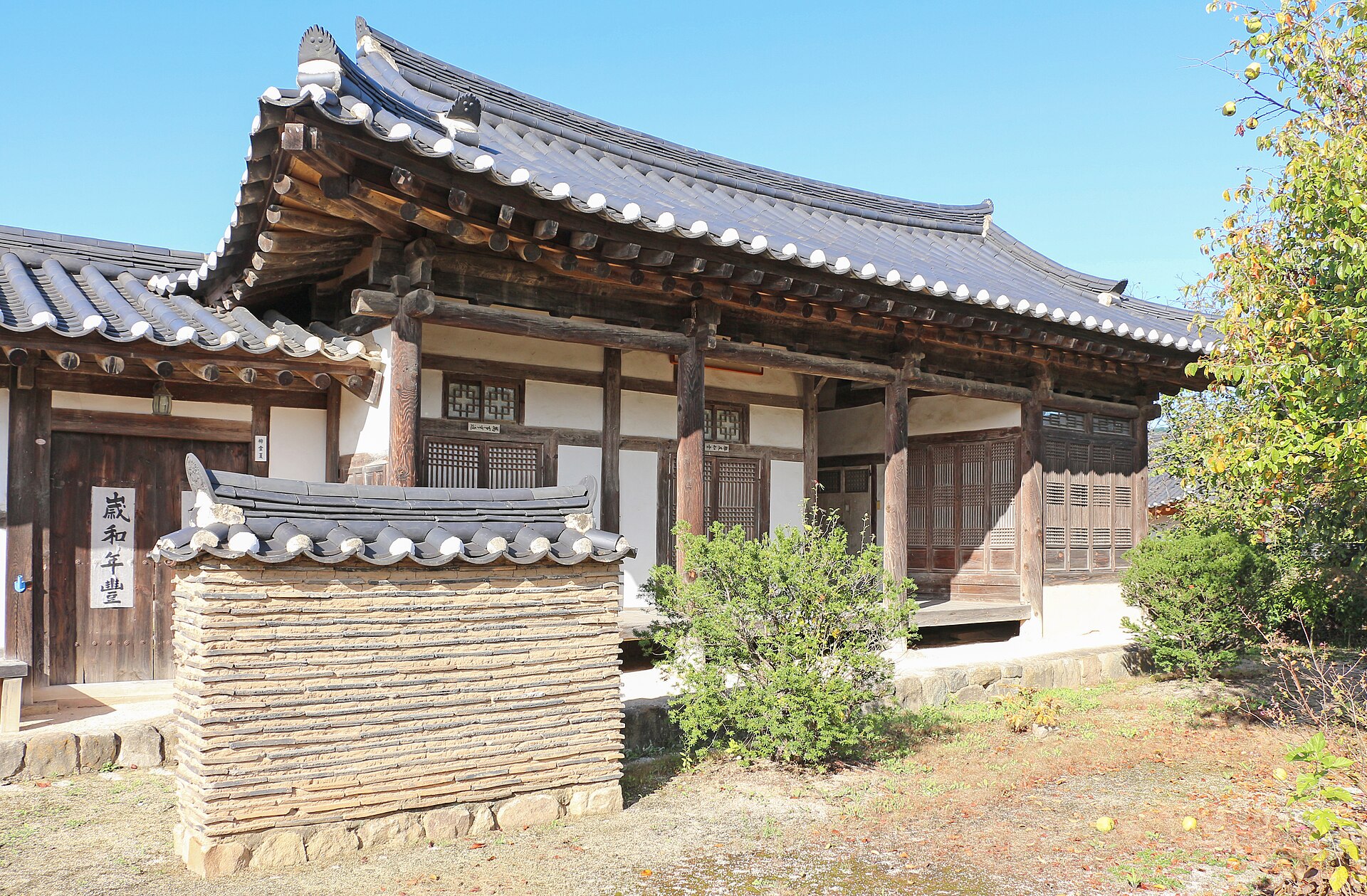
Right next to Woljeonggyo Bridge sits a peaceful hanok village (a hanok is a traditional Korean house), a lovely break from the busier streets. The whole Gyochon neighbourhood is open around the clock and free, so feel free to come early in the morning or just before the bridge lights up in the evening. The main draw is the sprawling Choe Family House (경주 최부자댁), which gives you a feel for how the local gentry once lived.
According to tradition, this family managed to hold on to its wealth for twelve generations. You can also look around the grounds of the local Gyeongju Hyanggyo Confucian school, which gives the whole lane a quiet, old-world atmosphere.
10. Hwangnidan-gil (황리단길)
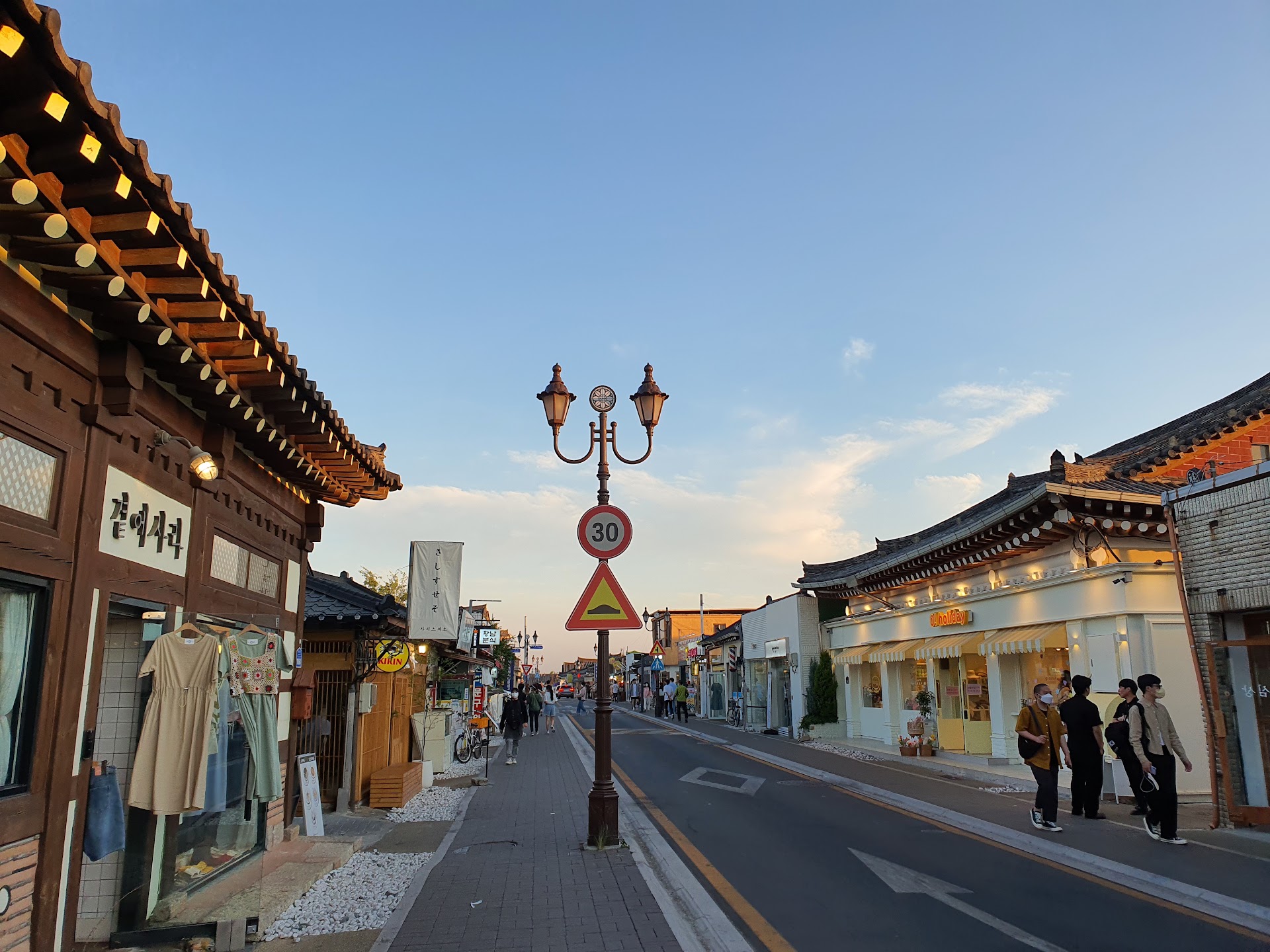
Fancy a place where old tiled roofs meet the smell of coffee and the click of camera self-timers? Hwangnidan-gil (-gil means street) runs alongside Daereungwon Tomb Park. Its name combines the neighbourhood of Hwangnam-dong with Seoul’s popular Gyeongnidan-gil street. The hanoks here house stylish cafés and photo studios, alongside small souvenir shops.
It gets packed at weekends, but the area is perfect for an afternoon coffee break. Just a short walk away you’ll also find the 100% vegan bistro Yella (more in the food section) and the flagship shop for the sweet pastry hwangnam-ppang (more in tip 19).
11. Gyeongju National Museum (국립경주박물관)
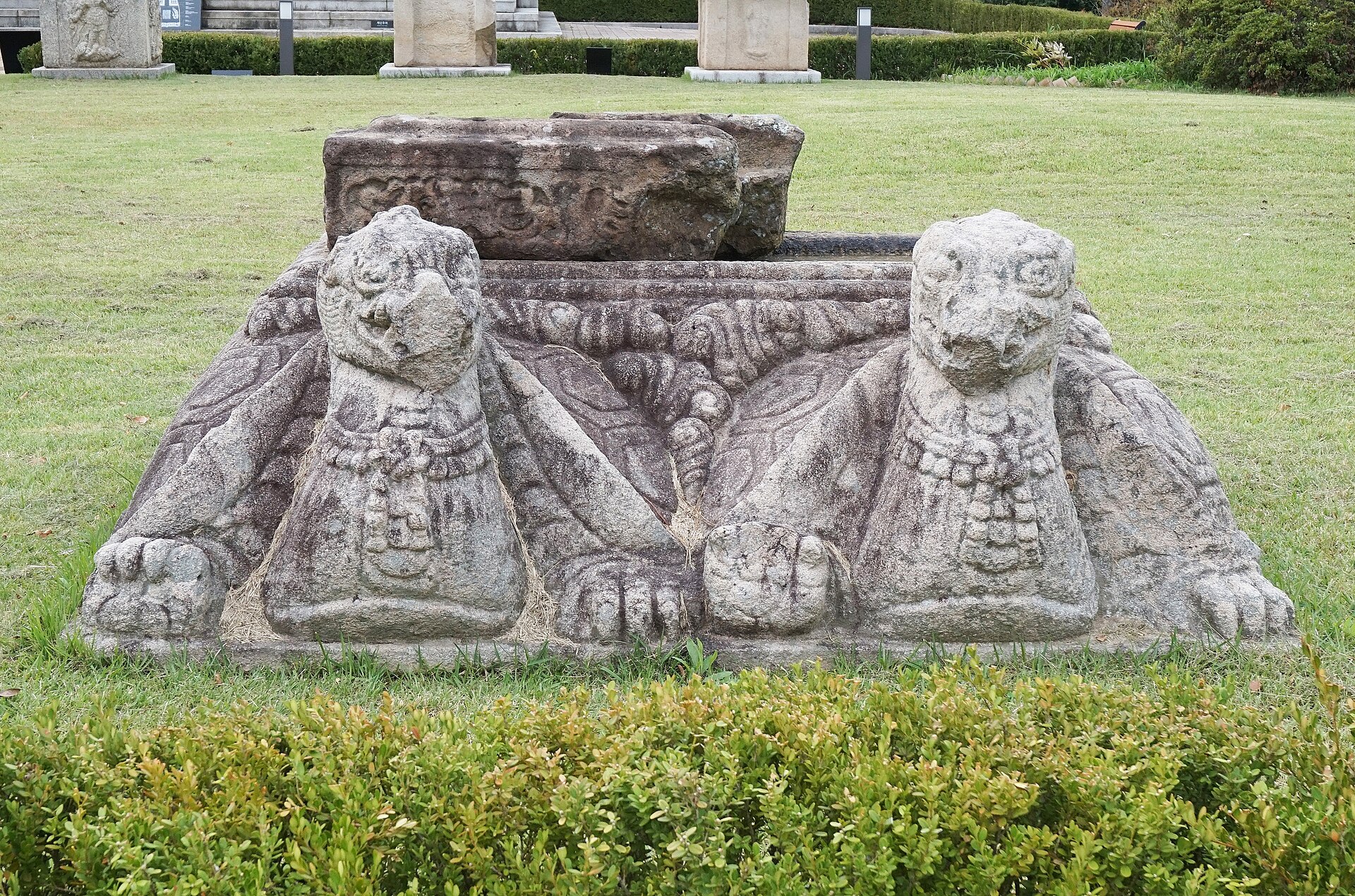
You can see the treasures from the local burial mounds at this museum, just a 10-minute walk from Donggung Palace. Entry is free (pick up a ticket at the ticket desk). It’s open 10:00 am–6:00 pm on weekdays and until 7:00 pm at weekends. On the last Wednesday of the month and on Saturdays from March to December, it stays open until 9:00 pm (approximate, check before your visit).
You’ll get to admire the golden crowns of Silla and the Bell of King Seongdeok from 771 (around 18.9 tonnes). Legend has it that a child was sacrificed into the bell, but a metal analysis in 1998 found no trace of bones. The museum is usually closed on 1 January, Seollal, Chuseok and the first Monday of March and November.
12. Hwangnyongsa and Bunhwangsa
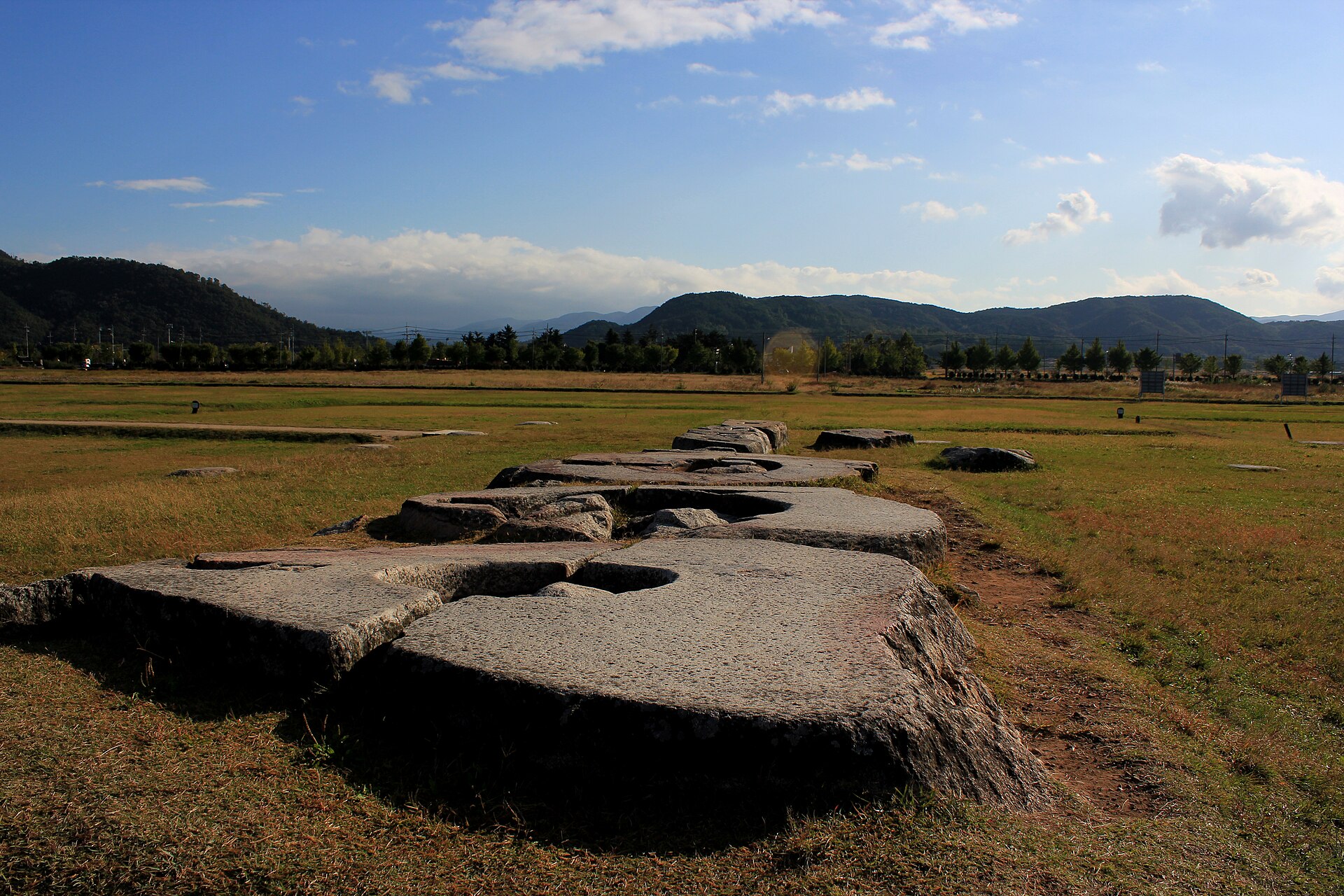
Excavations at Hwangnyongsa Temple (553) turned up around 40,000 artefacts. A nine-storey wooden pagoda rose here in 645, but the complex was burned down by the Mongols in 1238, so today you wander among freely accessible foundations. To get an idea of what it once looked like, visit the Hwangnyongsa History & Culture Center for 3,000 won (about €2, approximate, 2026).
Nearby Bunhwangsa Temple guards the Mojeon stone pagoda from 634. Three storeys of it still stand today, and according to the city it’s the oldest surviving masterpiece among Silla stone pagodas. Entry is free, and it’s usually open 8:00 am–6:00 pm (roughly until 5:00 pm in winter).
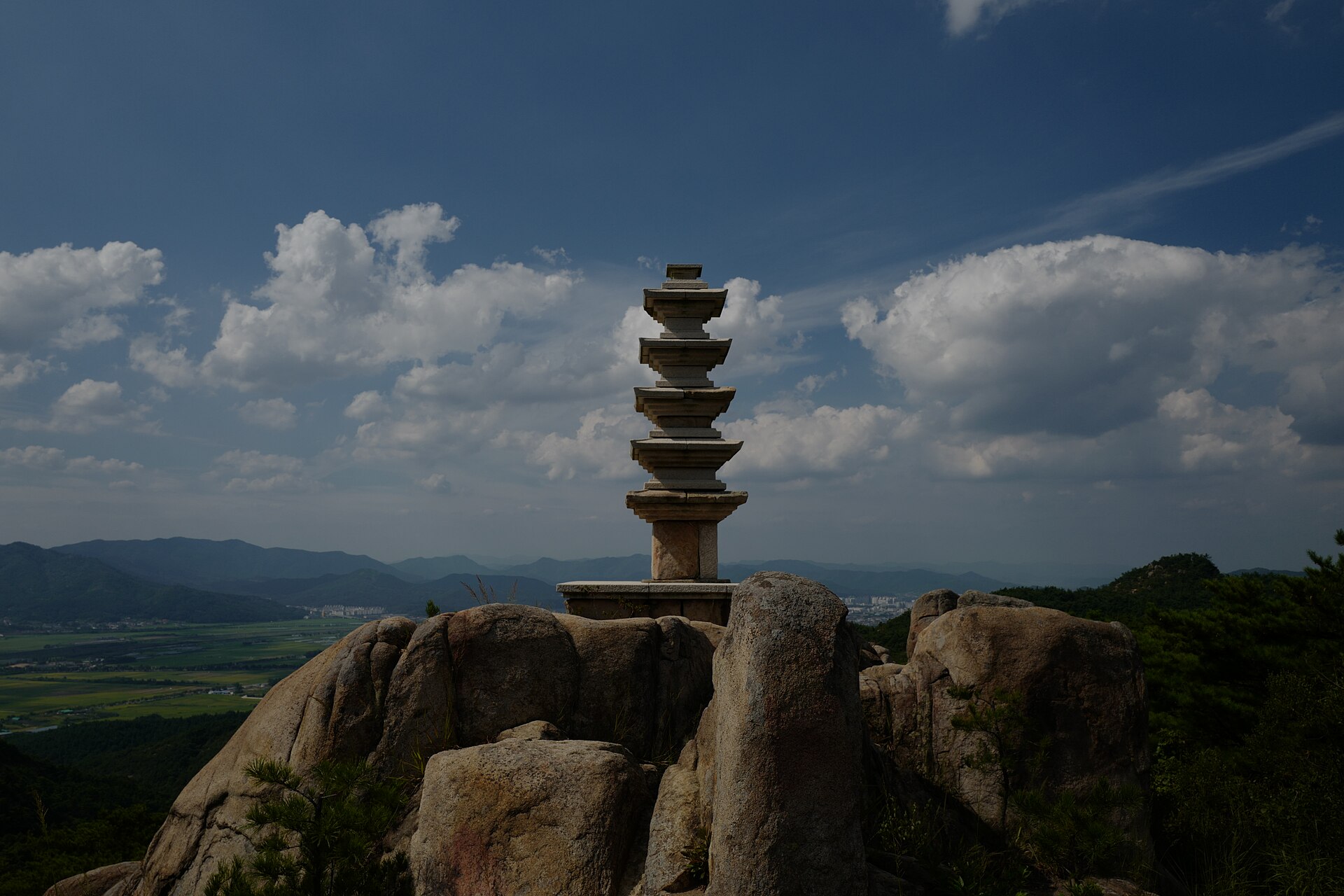
13. Mount Namsan (남산)
When you’re ready to swap parks for forest, head to the granite ridges south of the centre. Mount Namsan is a UNESCO World Heritage site and hides more than a hundred temple sites along with Buddhas carved into the rock. Entry to the Seonamsan section is free – you only pay for parking: 2,000 won for a car (about €1.30, approximate, 2026) and 4,000 won for a bus (about €2.70).
If you don’t feel like climbing hills, ride along the foot of the mountain on an easy 12-kilometre bike route from Woljeonggyo Bridge, passing the historic sites of Oreung and Poseokjeong on the way to Samneung. Set aside at least half a day for Namsan in your itinerary, or make it day three of your stay.
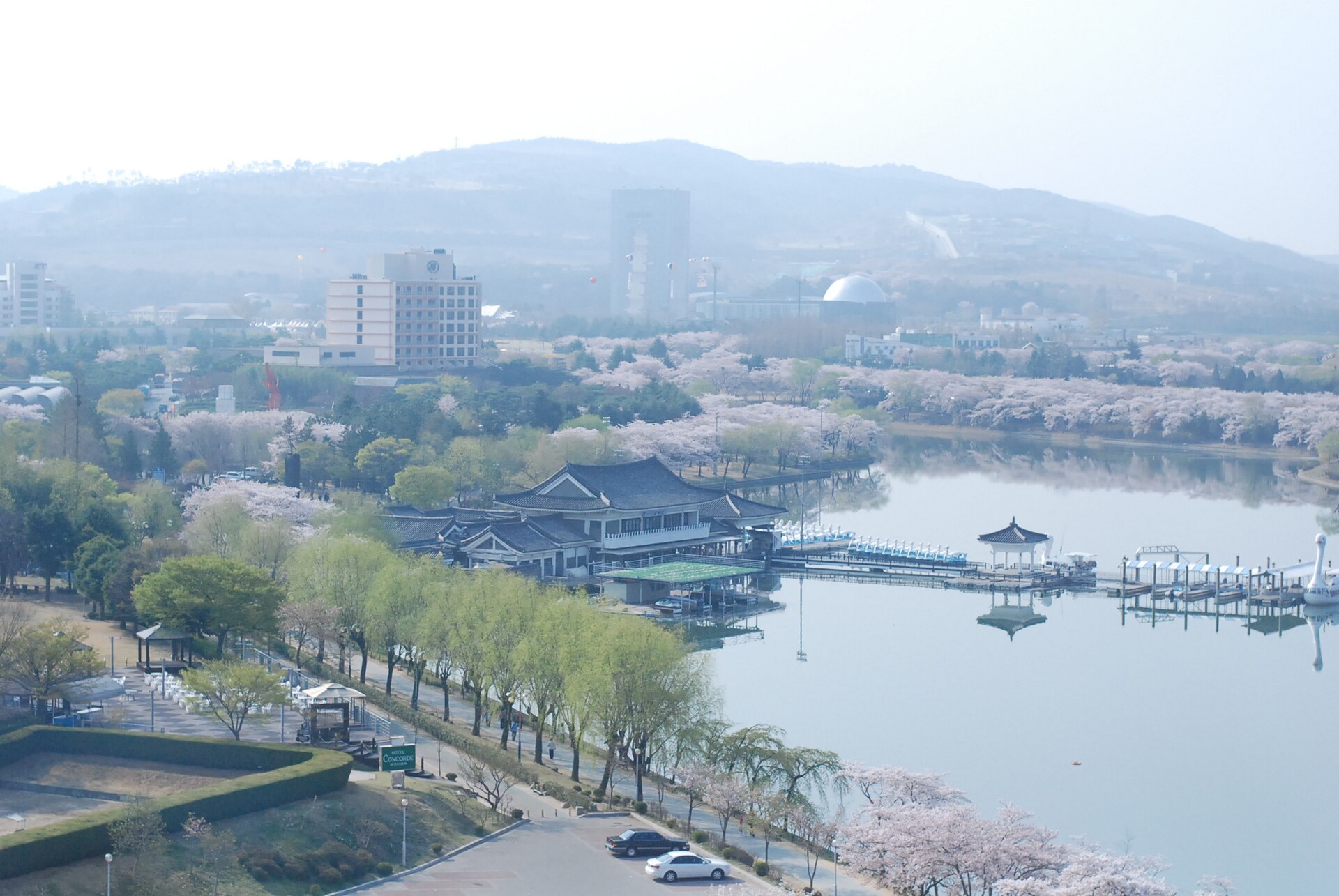
14. Bomun Lake (보문) and the Cherry Blossoms
In spring, the lakeshore turns into a pink cloud of cherry blossoms. The Bomun area lies about 9 kilometres east of the centre (11 minutes by car or on buses 10 and 11), and thanks to its resorts it also makes a quiet base for families.
In 2026 the trees reached full bloom around 5 April, and you can track the blossom status on the city’s website (벚꽃알리미). Watch out, though, for the Gyeongju Cherry Blossom Marathon (held on 4 April in 2026) with 15,000 runners, when hotels sell out and roads are closed. At weekends, also expect traffic jams at the Heungmu-ro cherry blossom tunnel.
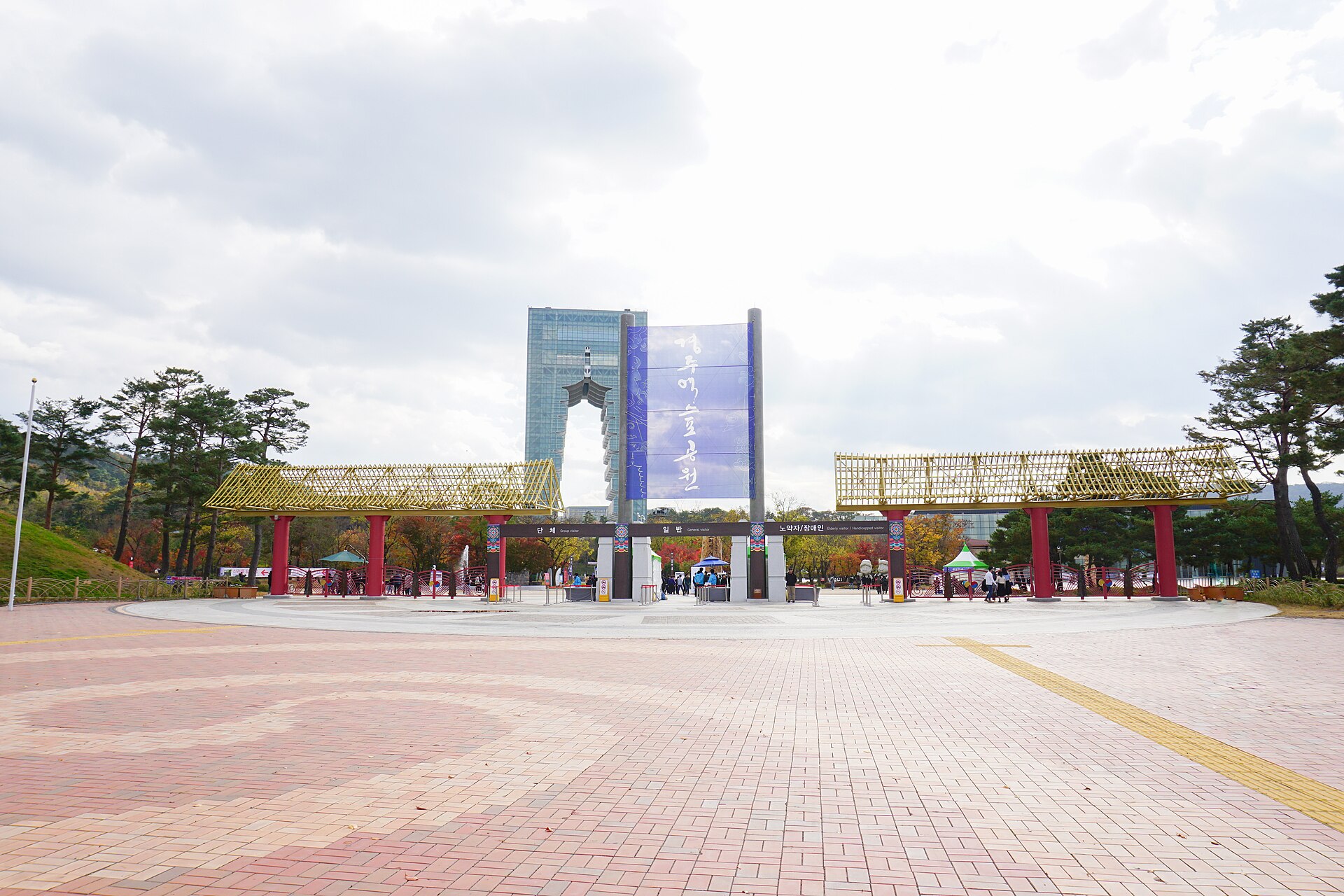
15. APEC Memorial Park and Summit Memorial Hall
In late October and early November 2025, the HICO convention centre hosted the APEC summit, the meeting of the Asia-Pacific Economic Cooperation countries. The APEC Summit Memorial Hall opened on 31 October 2026 in the former Expo Park (now Gyeongju APEC Memorial Park, 경감로 614). Inside you’ll find replicas of the meeting rooms and digital media art; check any entrance fee on site.
Honestly, it’s probably not the main reason to travel halfway around the world – more of an interesting new addition by the lake. It works well as a quick stop if you’re staying at the nearby The K Hotel Gyeongju or have rented a bike.
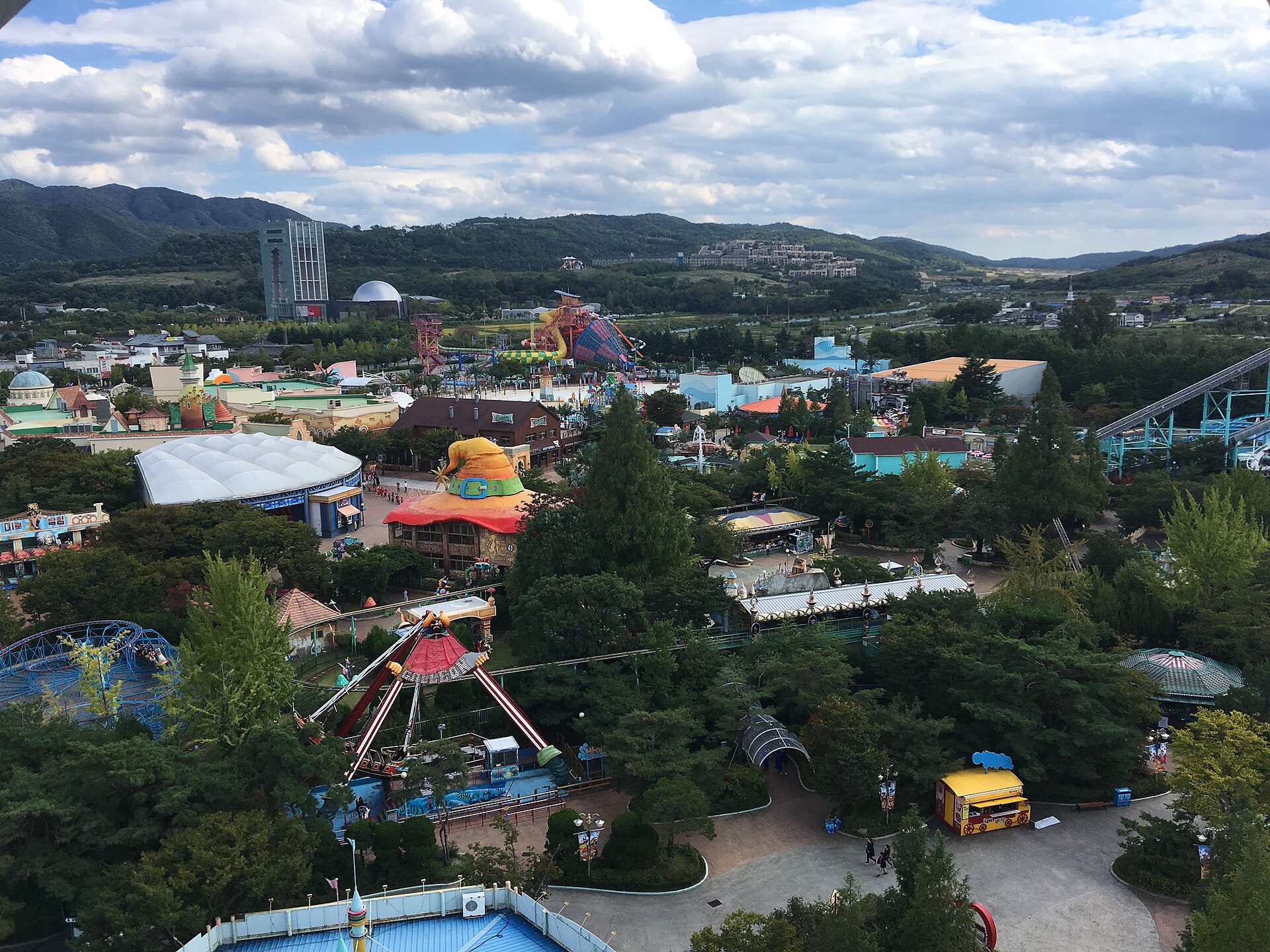
16. Gyeongju World (경주월드) with Kids
Itching to swap temples for a bit of screaming on a roller coaster? This amusement park by Bomun Lake tempts you with rides like Drakken and Phaethon, the newer Skoll & Hati and Time Rider, plus kids’ zones. A full-day adult ticket costs 54,000 KRW (about €35, approximate, 2026), but foreigners with a passport get a 30% discount, so you’ll pay 37,800 KRW (about €25). In November it’s usually open 10:00 am–6:00 pm, on some days until 8:00 pm.
💡 Tip: The passport discount only applies to the full-day ticket, not the afternoon one. Check the weekly opening schedule and the current status of the rides on gjw.co.kr (Megadrop has been out of service since April 2025).
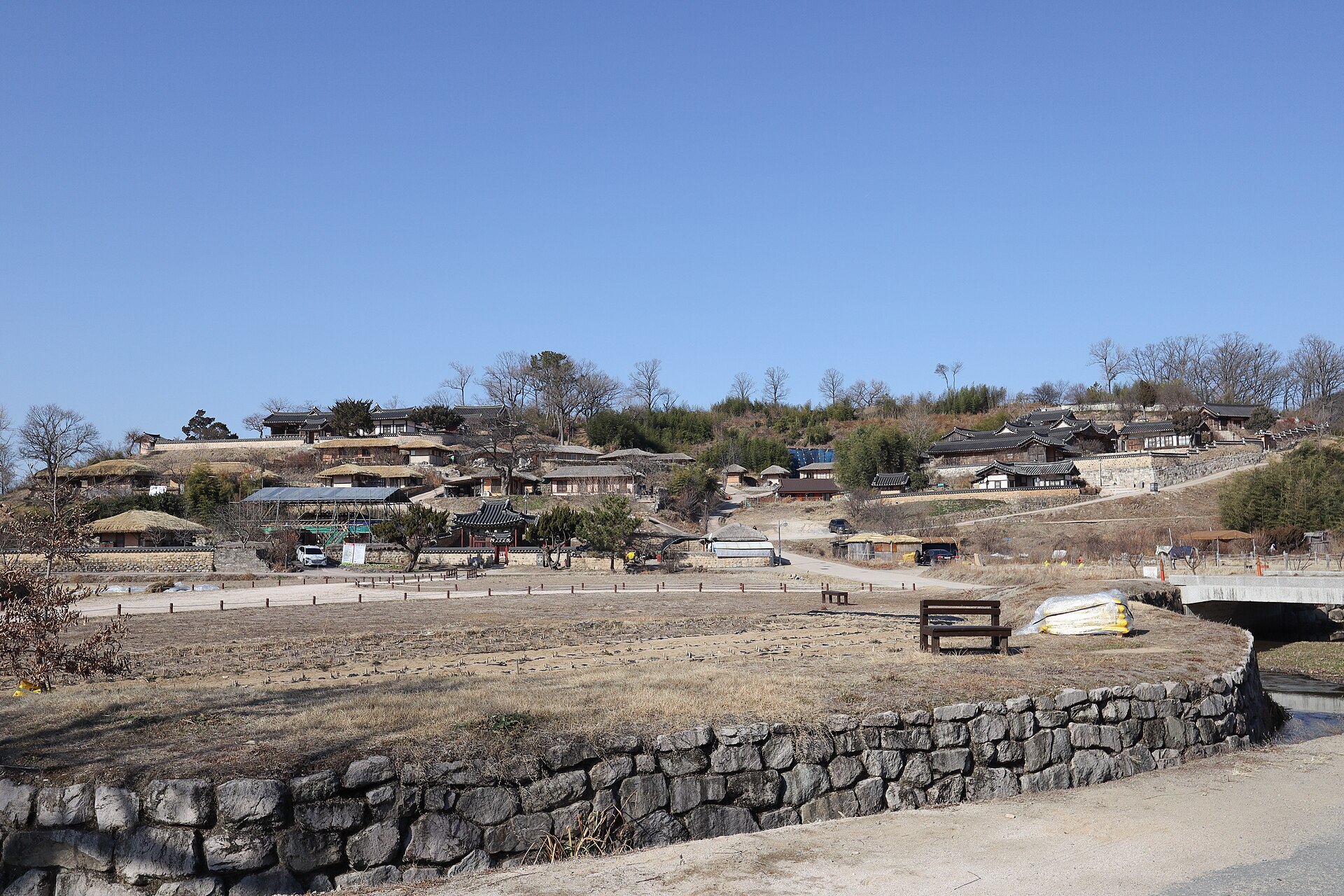
17. Yangdong Village (양동마을)
The Wolseong Son and Yeogang Yi clans founded this village in the 15th century. Today it has more than 160 traditional houses, 54 of them historic, and since 2010 Yangdong has been a UNESCO World Heritage Site together with Hahoe Village. The entrance fee is 4,000 KRW (about €2.70, approximate, 2026). Opening hours are usually 9:00–19:00 from April to September and 9:00–18:00 from October to March. Ticket sales stop an hour before closing, and the cultural centre is closed on Mondays.
People still live in the village, so only step into private courtyards if you’ve been invited. Yangdong lies 24 km from the centre, and without a car it takes up half a day: bus no. 203 to the 양동민속마을 stop runs only ten times a day between 7:30 and 20:15, roughly every 100 minutes (yangdongvillage.or.kr).
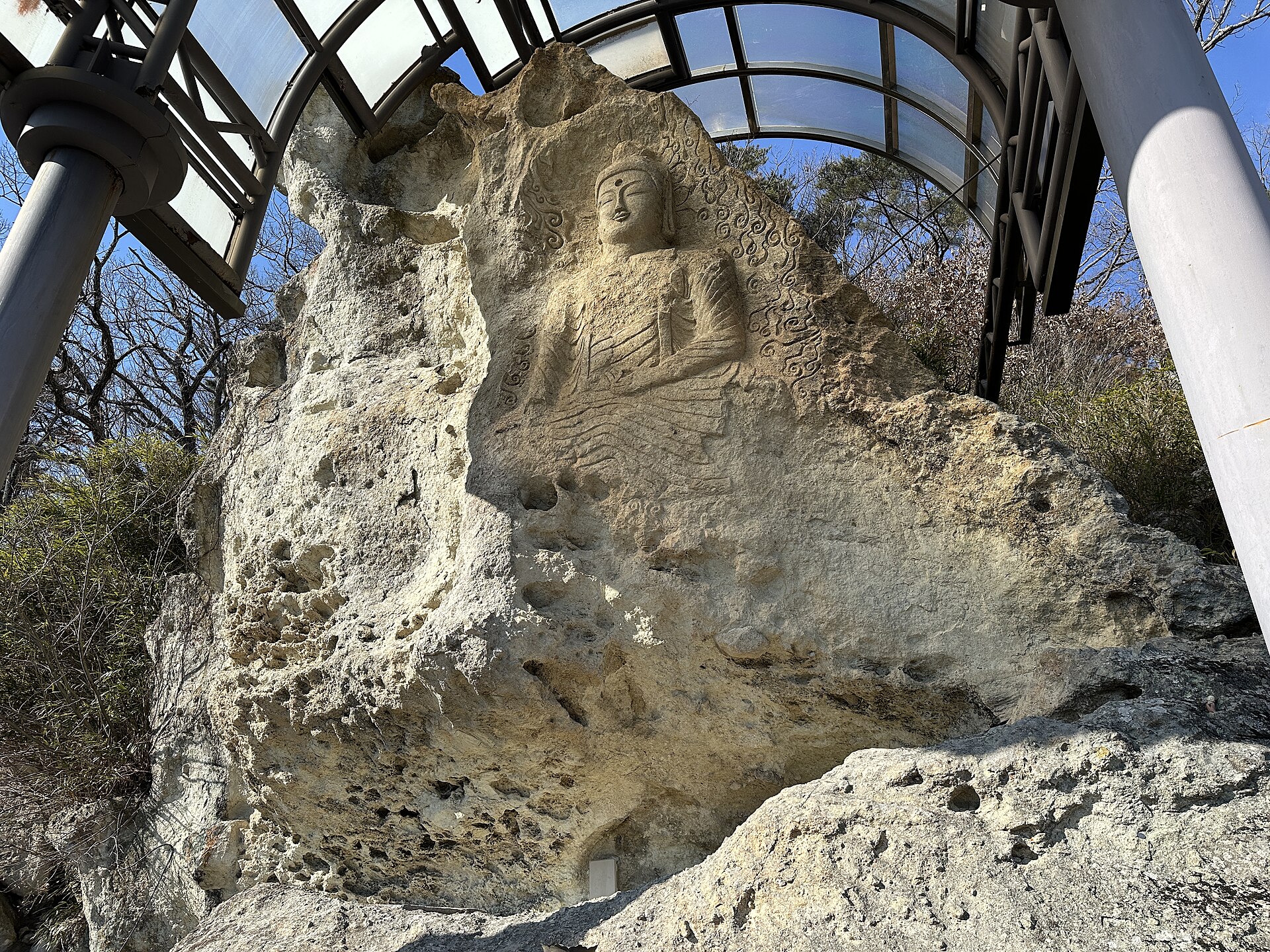
18. Templestay and Sunmudo at the Temples
Templestay is a programme where you spend the night at a Buddhist temple and join in its daily routine. It comes with temple food, which is vegetarian and usually vegan too (dairy isn’t forbidden). At Bulguksa, a night costs 120,000 KRW (about €80, approximate, 2026), or 150,000 KRW (about €100) including the morning service at Seokguram; this option runs from 18 April 2026 to 30 April 2027. The accommodation building is a 5-minute drive from the temple.
Golgulsa Temple is where monks practise sunmudo (a Buddhist temple martial art), with performances every day except Mondays and Tuesdays (overnight stay 120,000 KRW, about €80; day programme 80,000 KRW, about €55). The calmer relaxation programme at Girimsa Temple costs 70,000–90,000 KRW (about €45–60), but unmarried couples can’t share a room here, and prices on Templestay may differ for international bookings.
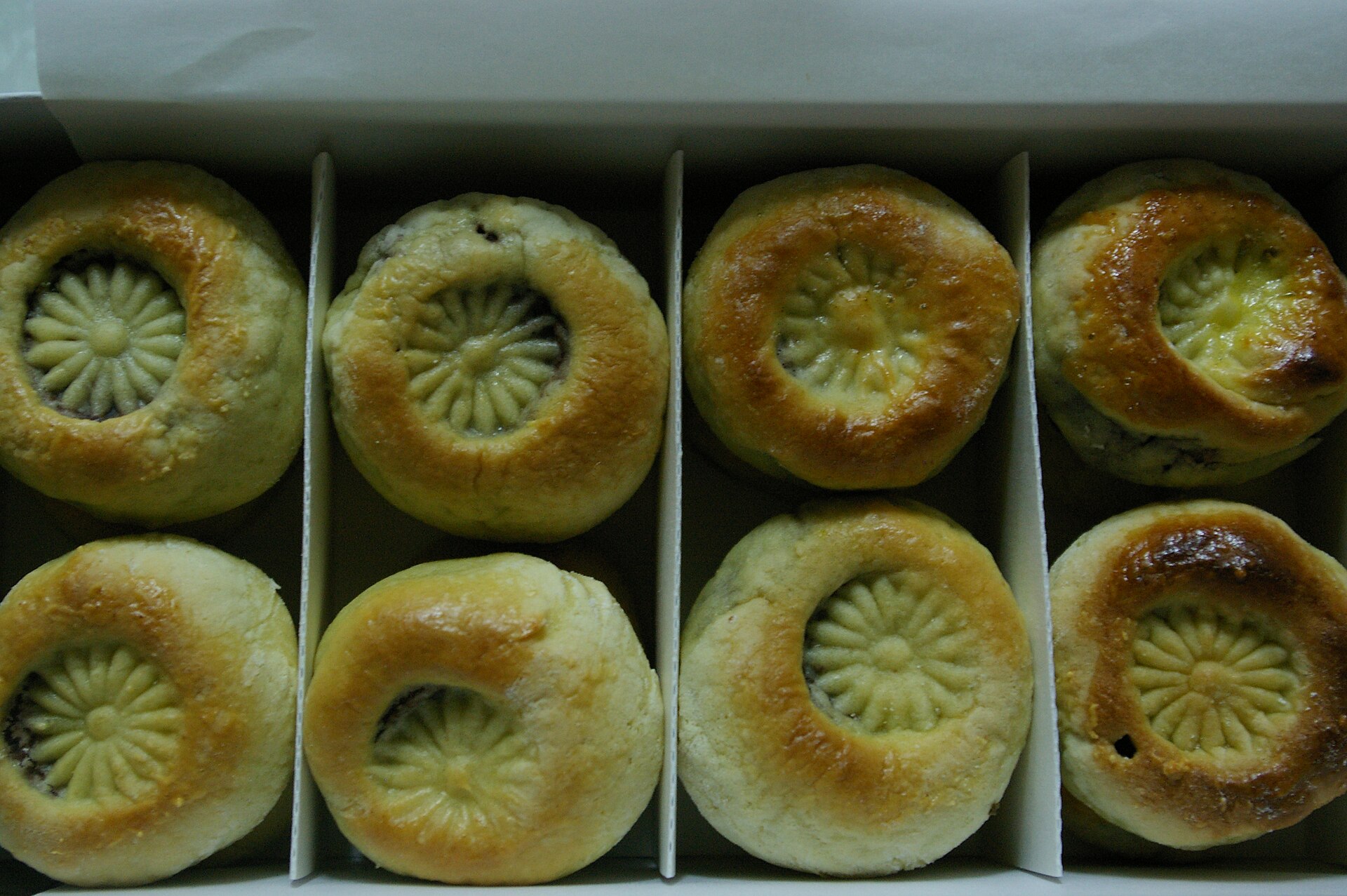
19. Hwangnam-ppang (황남빵) and Other Local Pastries
The smell of warm dough filled with red bean paste follows you around almost every corner of the centre. According to the maker, hwangnam-ppang is the oldest red bean pastry in Korea. The original 1939 shop is long gone, and the main store is now at 783 Taejong-ro (daily 8:00–22:00). A box of 20 costs 28,000 KRW (about €18.50) and a box of 30 is 42,000 KRW (about €30), approximate prices for 2026.
The pastry is made with flour, sugar, beans, syrup, starch, salt, baking soda and egg (no milk or butter), so it’s vegetarian but not vegan. You’ll also come across rival family brands Gyeongju-ppang (since 1978) and Choi Yeonghwa-ppang, which has a branch on Hwangnidan-gil. The barley pancakes known as chalbori-ppang (since 2003) contain both egg and milk.
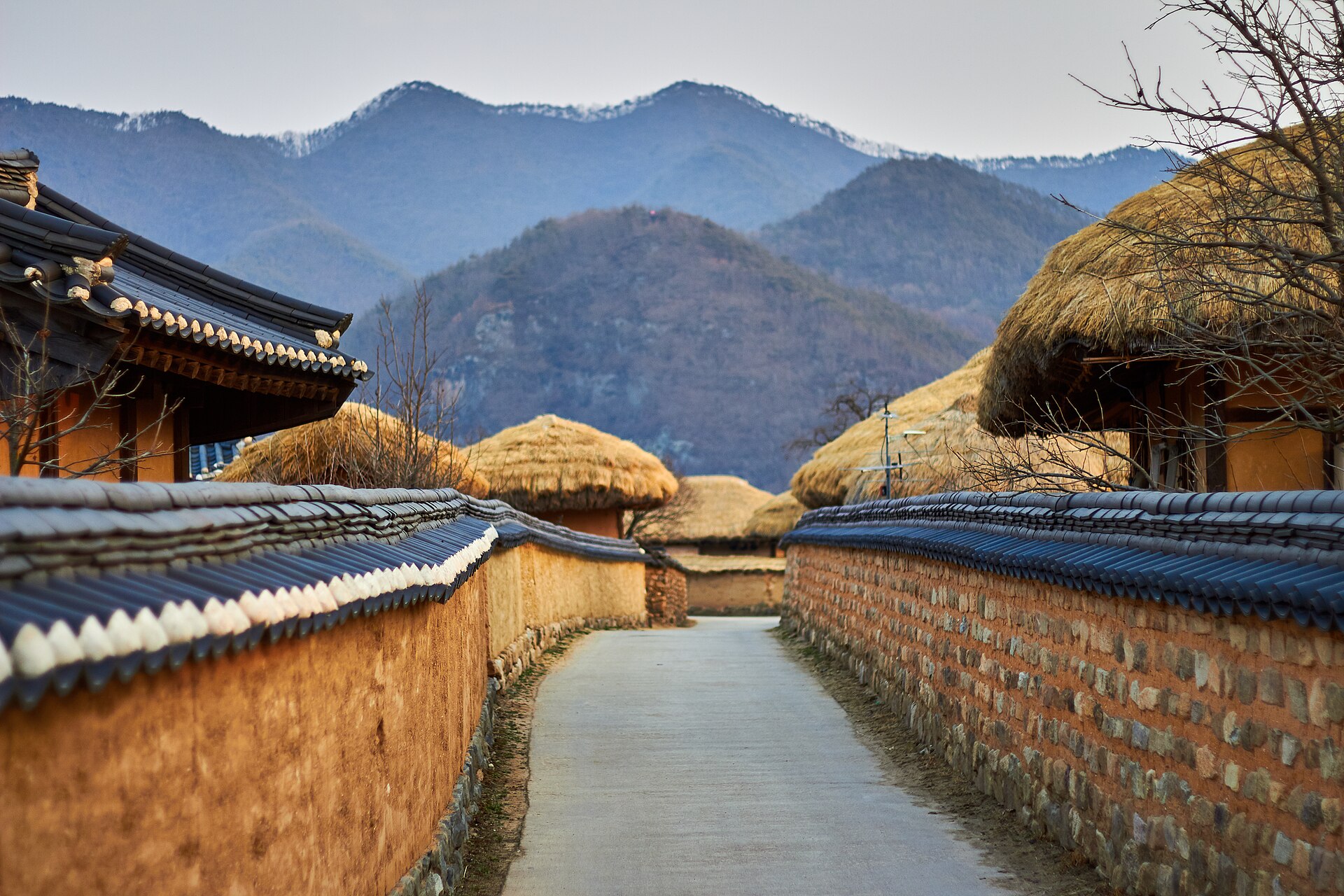
20. Day Trip to Andong and Hahoe Village (하회마을)
Got a spare third day? Head north to the city of Andong, served by a direct KTX-Eum train on the Jungang Line. The journey takes 45–51 minutes and costs 15,200 KRW (about €10, approximate, 2026). Aggregators list 9 trains a day, but double-check the times.
The main draw is Hahoe Folk Village, a UNESCO site since 2010 along with Yangdong. By car it’s about 144 km from Gyeongju (roughly 2 hours). Without a car, take the train to Andong and then a local bus to the village (check the connection locally).
The practical itinerary below combines the sights in the centre with trips out to Bomun Lake, so you don’t waste time travelling back and forth.
Gyeongju in 2 Days: Itinerary
Two full days is the ideal amount of time for Gyeongju: the sights in the centre are all close together, but the temples to the east sit further out in the mountains. With this practical plan, you won’t have to puzzle over bus routes, and you’ll get to enjoy the best of the city without rushing.
2-Day Itinerary Without a Car
Day 1: the centre on foot (about 4 km)
| Time | What | Note |
|---|---|---|
| Morning | Drop your bags at your accommodation near Hwangnidan-gil, Daereungwon Tomb Park and Cheonmachong Tomb | Park about 1 h, tomb 3,000 KRW (€2, approximate, 2026) |
| Lunch | Yella or the lanes of Hwangnidan-gil | A short walk from the tomb park |
| Afternoon | Cheomseongdae, Gyerim, Wolseong (Seokbinggo), Gyochon, Woljeonggyo | Flat park, free entry |
| Late afternoon | Gyeongju National Museum | Free, open until 18:00/19:00 (check) |
| After dark | Donggung Palace and Wolji Pond, Woljeonggyo Bridge lit up | Donggung until 21:30 (3,000 KRW), bridge until 22:00 |
Day 2: the east
| Time | What | Note |
|---|---|---|
| Early morning | Bus 10 or 11 to Bulguksa Temple | 35–45 min ride, opens at 9:00, free |
| Morning | Seokguram Grotto | Up by bus 12/taxi, down on foot (3 km) |
| Lunch | Ssukbujaengi (on the road between Bulguksa and Bomun) | Closed on Wednesdays |
| Afternoon | Bomun Lake (APEC Memorial Hall, Gyeongju World) | Back by bus 10 or 11 |
💡 Tip: You can also cycle to Bomun (8 km). On a third day, take bus 203 to Yangdong Village, or head to Mount Namsan, Golgulsa Temple, or catch the KTX-Eum train to Andong (45–51 min). With a rental car, get to Bulguksa at 9:00 before the tour groups arrive and add Yangdong in the afternoon.
Day Trip from Busan
Gyeongju works well as a day trip from Busan: the bus from Nopo Terminal goes straight to the centre in about 50 minutes for 8,400 KRW (about €5.50, approximate, 2026). Aggregators list 50 departures a day (6:20–22:00), but check the last bus back when you’re there. You’ll have time for Daereungwon, Cheomseongdae and Donggung in the evening. From Seoul, though, it’s too much for one day (2 h 15 min by train each way, plus the transfer from the station outside town).
Food and Vegetarian Tips
In Korea, “no meat” doesn’t mean a dish is vegetarian, so as vegetarians ourselves we picked places where you can eat without worrying. Soups are usually based on anchovy broth and kimchi contains salted seafood, so it’s best to play it safe (check opening hours in advance):
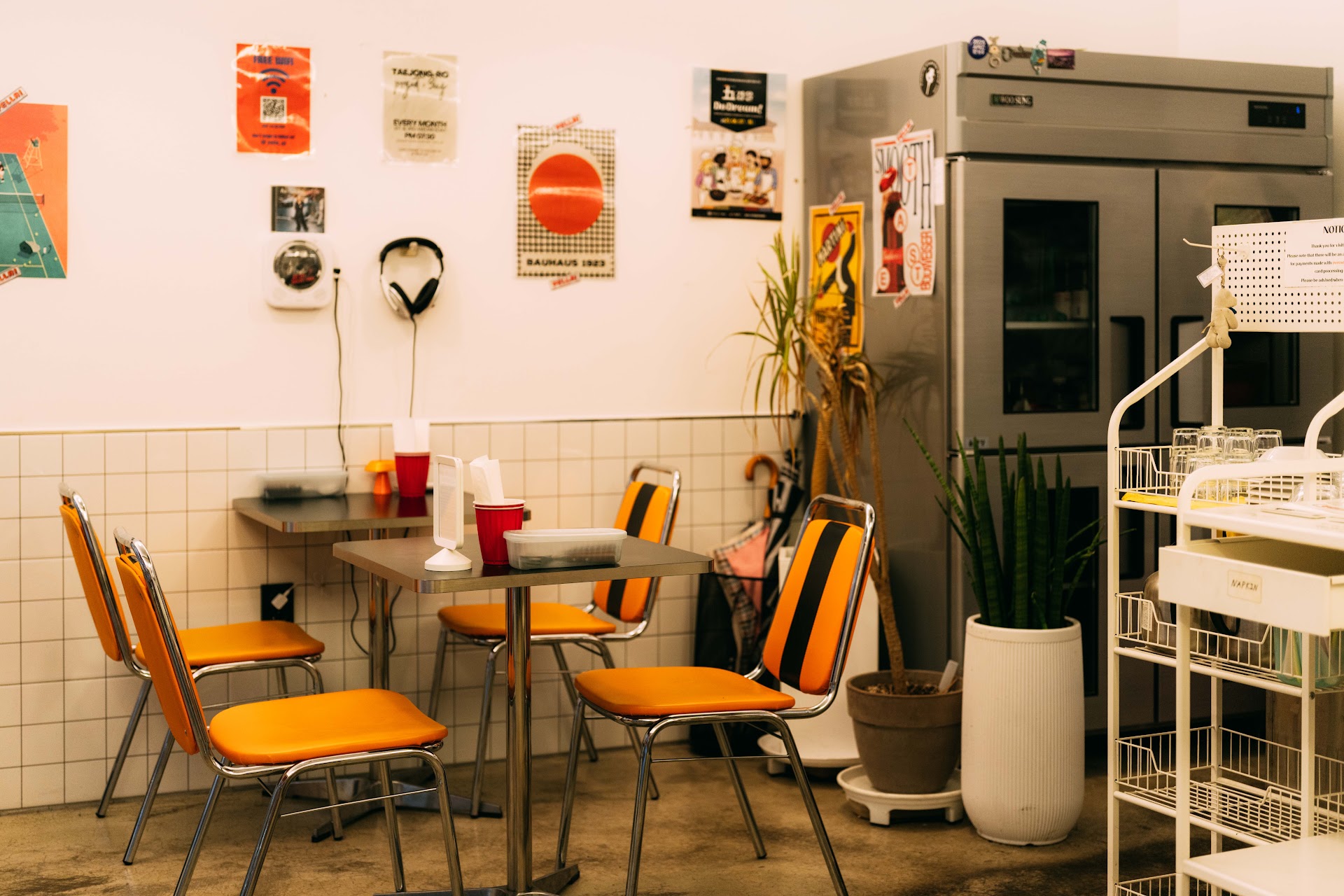
- Yella (17 Taejong-ro 791beon-gil): a 100% vegan bistro near Daereungwon serving burgers, tacos and curry (Mon–Sat 11:30–16:00 and 17:00–20:00, closed Sun).
- Ssukbujaengi (147-5 Bobul-ro): vegetarian Korean set menus for roughly 21,000–23,000 KRW, €14–15 (11:00–15:30, 17:00–20:30, closed Wed; often a minimum of 2 people, ask about eggs).
- Sugyeongsa (4-1 Sajeong-dong): a modern restaurant that prepares a vegetarian or vegan set if you book through CatchTable (a Korean reservation app), although it normally cooks meat too.
- Nerd (101-1 Wonhyo-ro): a lovely brunch spot with vegan toast and plant-based milk (Thu–Mon 8:30–15:00, closed Tue and Wed).
The local speciality near Daereungwon is ssambap (rice and side dishes wrapped in leaves), but it isn’t vegetarian: it’s served with pork, anchovies and a sauce made from fermented doenjang soybean paste with snails.
Below Bulguksa you’ll find meat-free sanchae bibimbap (rice with mountain vegetables; check the price in Gyeongju locally, a regular bibimbap in Seoul costs around 12,000 KRW, €8), but watch out for hidden ingredients. The doenjang jjigae (soybean paste stew) served alongside is made with anchovy broth, and bibimbap often comes with egg. Show the staff 고기, 생선, 해산물 안 먹어요 (I don’t eat meat, fish or seafood) on your phone and ask about 멸치 육수 (anchovy broth). Sundubu tofu stew is seasoned with salted shrimp (새우젓), while hwangnam-ppang is free of meat and fish but contains egg (see tip 19).
Practical Information
As the overview of prices and hours below shows, since May 2023 most sights in Gyeongju, South Korea, have been free to enter.
| Sight | Price (approximate, 2026) | Opening hours |
|---|---|---|
| Bulguksa | free | 9:00–17:00 (November to January), 17:30 (February, October), 18:00 (March to September) |
| Seokguram | free | 9:00–17:00 (November to January), 17:30 (February, October), 18:00 (March to September) |
| Daereungwon | free | check locally |
| Cheonmachong | 3,000 KRW (€2) | 9:00–22:00 (last entry 21:30) |
| Cheomseongdae | free | summer 9:00–22:00, winter 9:00–21:00 |
| Donggung and Wolji | 3,000 KRW (€2) | 9:00–22:00 (last entry 21:30) |
| Woljeonggyo | free | 9:00–22:00 |
| National Museum | free | Mon–Fri 10:00–18:00, Sat–Sun 10:00–19:00; last Wednesday of the month and Saturdays (March to December) until 21:00 (check) |
| Bunhwangsa | free | 8:00–18:00 (until 17:00 in winter) |
| Hwangnyongsa Center | 3,000 KRW (€2) | check locally |
| Yangdong | 4,000 KRW (€2.70) | April to September 9:00–19:00, October to March 9:00–18:00 |
| Gyeongju World | 54,000 KRW (€35), with a passport 37,800 KRW (€25) | 10:00–18:00 (until 20:00 on selected days) |
According to the city’s price list, children under 6 and seniors aged 65+ get in free, and there’s no other discount for foreigners. There’s no combined ticket: the old 6,000 KRW combo ticket is no longer valid, and a “Silla Heritage Pass” doesn’t exist.
The National Museum is closed on Seollal, Chuseok, 1 January and the first Monday of March and November, while Yangdong’s cultural centre is closed on Mondays. Travellers from a number of countries are exempt from K-ETA until 31 December 2026, so check the current rules for your passport (and for 2027) before you go. Since 1 January 2026, everyone also fills in the e-Arrival Card. On buses you pay with T-money, an eSIM comes in handy for Naver Map, and don’t forget to sort out travel insurance.
Where to Next
For more inspiration, take a look here:
- What to see in Seoul, the starting point of most Korea trips.
- Where to stay in Seoul before you head south.
- Kyoto, the Japanese city with an imperial-capital story of its own.
- South Korea, the hub for all our Korea guides.
- How to travel safely in Asia for peace of mind.
Frequently Asked Questions
Kjongdžu or Gyeongju?
Both are correct. Gyeongju is the official Latin-alphabet spelling you’ll see on tickets and maps, while Kjongdžu is simply how the name reads in some other languages.
How many days are enough for Gyeongju?
Two full days are ideal for the city centre, Wolji, Bulguksa and Seokguram — add a third for Yangdong or Andong. A day trip from Busan is doable, but from Seoul it’s a stretch.
How do you get to Gyeongju from Seoul?
The fastest way is the KTX from Seoul Station (2 h 15 min, 44,600 KRW, roughly €30, 2026) to Gyeongju Station (buses 50, 51, 70, 700 from there). The bus takes 3.5–4 hours to the city centre.
How do you get to Gyeongju from Busan?
The handy option is the bus from the Nopo terminal (8,400 KRW, about €6, 2026), taking 50 minutes to the city centre. The KTX from Busan Station takes half an hour for 11,000 KRW to the station just outside town.
Do you have to pay entry fees in Gyeongju?
Since May 2023, entry to Bulguksa, Seokguram, Daereungwon, Cheomseongdae and the museum has been free. You still pay for Cheonmachong, Donggung with Wolji (around 3,000 KRW) and Yangdong (4,000 KRW).
When is Bulguksa open?
Both Bulguksa and Seokguram open at 9:00 am — no earlier entry times apply. Last admission is 5:00 pm from November to January, 5:30 pm in February and October, and 6:00 pm from March to September.
When do the cherry blossoms bloom in Gyeongju?
Peak bloom arrives in early April, while the double-flowered cherry blossoms by Bulguksa bloom two to three weeks later. Watch out for the cherry blossom marathon (4 April 2026), which sells out accommodation fast.
Where should you stay in Gyeongju?
If you don’t have a car, stay around Hwangnidan-gil or near the bus terminal, within walking distance of the sights. The resorts by Lake Bomun suit families, while hotels at the foot of Mount Tohamsan are handy for an early visit to Bulguksa.
Can you eat as a vegetarian in Gyeongju?
Yes, just watch out for fish-based broths — a safe bet is the vegan bistro Yella, Ssukbujaengi, or a templestay. The local hwangnam-ppang pastry contains egg but no milk.
Do you need a K-ETA for Korea?
Until 31 December 2026, many nationalities don’t need a K-ETA thanks to a visa-waiver exemption. From 1 January 2026 you’ll need to fill in an e-Arrival Card, and for 2027 be sure to check the current exemption status on your country’s foreign ministry website.
Tips and Tricks for Your Vacation
Don’t Overpay for Flights
Search for flights on Kayak. It’s our favorite search engine because it scans the websites of all airlines and always finds the cheapest connection.
Book Your Accommodation Smartly
The best experiences we’ve had when looking for accommodation (from Alaska to Morocco) are with Booking.com, where hotels, apartments, and entire houses are usually the cheapest and most widely available.
Don’t Forget Travel Insurance
Good travel insurance will protect you against illness, accidents, theft, or flight cancellations. We’ve had a few hospital visits abroad, so we know how important it is to have proper insurance arranged.
Where we insure ourselves: SafetyWing (simple monthly subscription) and TrueTraveller (for extra-long trips).
Find the Best Experiences
Get Your Guide is a huge online marketplace where you can book guided walks, trips, skip-the-line tickets, tours, and much more. We always find some extra fun there!