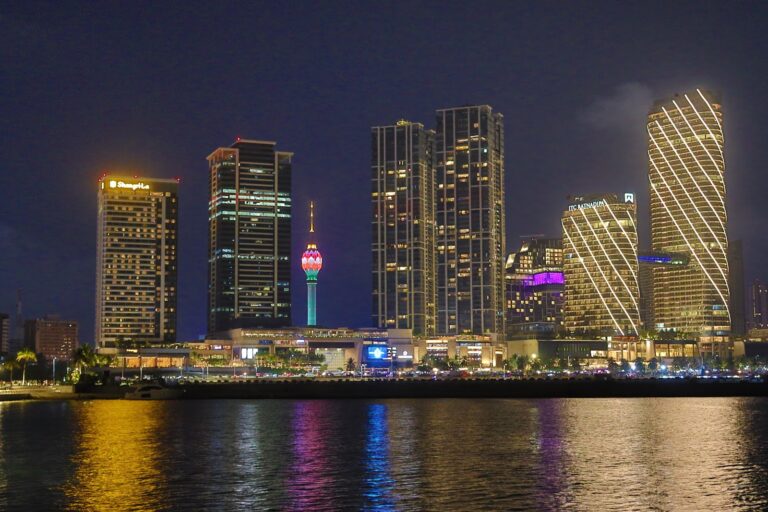

Looking for things to do in Saigon Vietnam? Ho Chi Minh City (Saigon) still hums with motorbikes streaming along colonial boulevards and the sweet taste of iced coffee with condensed milk. But older guidebooks won’t tell you the whole story. Since December 2024, the city’s first metro line has offered rides for pocket change, and in July 2025, the old administrative districts were abolished. After almost fifty years, the historic name Sài Gòn has returned to official addresses as the name of a central ward (a ward, or phường in Vietnamese, is an administrative unit within the city). Since August 2025, visitors of several eligible nationalities have also been able to travel here for tourism for up to 45 days without a visa.
This article covers 22 things to see and do in Saigon and the surrounding area, from the Reunification Palace, War Remnants Museum, Bến Thành Market and Chợ Lớn Chinatown to trips to the Củ Chi tunnels and the Mekong Delta. First, you’ll find the latest practical updates: new ward names, the metro and visa-free entry. Bear in mind that Notre-Dame Cathedral can only be viewed from outside while restoration work continues. And if you don’t eat meat, you’ll be pleased to know that Ho Chi Minh City has plenty of entirely vegetarian restaurants, identified by the word chay.
The full destination guide: Asia — guide and what to see
TL;DR
- Visa-free entry: Eligible passport holders can visit Vietnam for tourism without a visa for up to 45 days; the exemption was extended to additional nationalities on 15 August 2025. Check whether your nationality qualifies. For a longer stay, apply for an e-visa valid for up to 90 days only through the official portal, evisa.gov.vn.
- Flights from Europe: Since 10 October 2026, VietJet Air has operated a twice-weekly European service to Hanoi with a technical stop in Almaty. From there, a domestic flight to Saigon takes roughly two hours. Vietnam Airlines flies nonstop to Ho Chi Minh City from Frankfurt, Paris and London.
- New metro: Since December 2024, Saigon’s first metro line has connected the city centre (Bến Thành station) with Suối Tiên, stopping in the expat neighbourhood of Thảo Điền along the way. A single ticket paid for in cash costs 7,000 to 20,000 Vietnamese dong (VND), depending on distance, or approximately €0.25 to €0.70.
- Neighbourhood names: Ho Chi Minh City abolished its former districts on 1 July 2025, so the former District 1 now mainly consists of the Sài Gòn and Bến Thành wards. In practice, hotels, maps and taxi drivers still use both the old and new names.
- When to go: The best weather is usually from December to March, at the height of the dry season. Afternoon downpours arrive from May to November. Vietnamese New Year, Tết, falls on Saturday 6 February 2027, with the public holiday running from 4 to 10 February 2027.
- Main sights and prices: Notre-Dame Cathedral can only be viewed from outside during its restoration. Admission to the Reunification Palace costs 80,000 VND (about €2.75), and the War Remnants Museum costs 60,000 VND (about €2).
- Safety and food: The main risk in the city is phones and bags being snatched by passing motorbike riders, so always hold your phone on the side away from the road. Vegetarians can eat well here: look for the word “chay” on restaurants and dishes.
When to Visit Ho Chi Minh City and Practical Information
Before planning your individual stops, get familiar with the practical basics, from the weather and airport transfers to safety. The dong prices below were originally converted using the exchange rate on 23 October 2026; in euro terms, 100,000 VND worked out at approximately €3.45.
Here’s a quick look at what has changed in recent years:
- New wards: The city abolished its districts on 1 July 2025, so the former District 1 now mainly consists of the Sài Gòn and Bến Thành wards. You’ll see both the old and new names on booking sites and maps.
- Metro Line 1: It has run between Bến Thành and Suối Tiên stations since 22 December 2024. You’ll find the details in tip 15.
- Visa-free travel: Since 15 August 2025, additional eligible nationalities have been able to stay in Vietnam for up to 45 days without a visa. See the entry requirements paragraph below, and check the rules for your passport.
- Terminal T3: A new domestic terminal, T3, opened at Tân Sơn Nhất Airport in April 2025. All Vietnam Airlines domestic flights moved there, along with VietJet Air flights according to guidebooks.
- Notre-Dame Cathedral: You can’t go inside during restoration work, so you can see it only from outside. More on this in tip 3.
Weather and the best time to visit: Saigon is hot all year, with daytime temperatures around 32 to 35 °C, but it has two distinct seasons. The dry season lasts from December to April, and the best months to visit are December to March, when humidity is generally lowest. From January to March, the statistics show just one or two rainy days per month. April and May, by contrast, are the hottest months of the year, with average highs approaching 35 °C.
The rainy season runs from May to November, usually bringing short, intense afternoon downpours, with September and October typically the wettest months. Typhoons rarely hit Ho Chi Minh City, as they tend to affect central Vietnam instead. In late October and November, however, expect high tides: water from the Saigon River floods low-lying streets near the riverbank, particularly in the early evening. Combined with rain, this can make getting around difficult.
Holidays and events: The main celebration is the Lunar New Year, Tết Nguyên Đán, which falls on Saturday 6 February 2027. The public holiday runs from Thursday 4 February to Wednesday 10 February 2027. Before Tết, Nguyễn Huệ Street is usually transformed into a flower-lined street. Some businesses close during the holiday, and transport tends to be more expensive. The UK’s Foreign, Commonwealth & Development Office (FCDO) also notes an increase in petty theft around Christmas and Tết.
Flights to Saigon Vietnam: Whether you can fly nonstop to Saigon depends on your departure airport. Demand for travel between Europe and Vietnam continues to grow: the Czech embassy in Hanoi reported nearly 75,000 passengers travelling between Czechia and Vietnam in 2025. Since 10 October 2026, VietJet Air has operated a European route to Hanoi twice a week, on Tuesdays and Saturdays, using an Airbus A330 with a technical stop in Almaty, Kazakhstan. From Hanoi, a domestic flight to Ho Chi Minh City takes roughly two hours. If you’d rather fly straight to Saigon, Vietnam Airlines operates nonstop services from Frankfurt, Paris and London. One-stop options include connections through Istanbul, Doha, Dubai and Singapore.
Getting from the airport to the centre: Tân Sơn Nhất Airport (SGN) sits within the city’s built-up area, roughly 7 kilometres from the centre. The journey takes 20 to 25 minutes outside rush hour, but can easily take an hour in traffic. International flights use Terminal T2, while domestic services use the new Terminal T3: all Vietnam Airlines domestic flights have moved there, along with VietJet Air flights according to guidebooks. Allow time to transfer between terminals if you’re connecting between domestic and international flights. The simplest way to reach your hotel is Grab (an app for booking cars or motorbikes) or Xanh SM (an app using VinFast electric cars). At Terminal T2, app-booked cars collect passengers in the adjoining parking garage. Ignore touts in the arrivals hall, and if you choose a regular taxi, use only Vinasun or Mai Linh. The yellow airport bus 109 is an inexpensive option: it stops at both T3 and T2 and takes you to the centre for around 15,000 VND (€0.55), paid in cash. City bus 152 runs to Bến Thành Market and costs around 6,000 VND (€0.20). There’s an extra charge for luggage, also payable in cash.
Getting around the city: The most convenient way to travel around Saigon is by car or motorbike booked through Grab or Xanh SM. You can also use the river Waterbus and the first metro line, described in tips 14 and 15. Pavements in the centre are often taken up by parked motorbikes and street stalls. When crossing the road, walk slowly and steadily without stepping backwards, so the stream of motorbikes can move around you safely. Watch for riders travelling against the traffic and riding on pavements, too. Don’t hire a motorbike without previous riding experience; the UK’s FCDO advises against it. Vietnam has zero tolerance for drink-driving, and you need an international driving permit issued under the 1968 Convention together with your valid national driving licence. Check that your licence and permit are recognised before riding.
Entry requirements for international visitors: Visa rules depend on your nationality. From 15 August 2025, Vietnam extended its exemption to additional passport holders, allowing tourism stays of up to 45 days without a visa; check with the Vietnamese authorities whether your passport qualifies. For a longer trip, apply in advance for an e-visa valid for up to 90 days, using only the official website, evisa.gov.vn. Approval takes 3 to 7 working days. Your passport must remain valid for at least 6 months after arrival and have two blank pages. On entry, check the stamp showing how long you’re allowed to stay.
Since July 2026, authorities have been able to require a health declaration, including vaccination information, but this requirement is activated only during an epidemic and is not currently mandatory. Leave electronic cigarettes at home: vapes and related products are banned in Vietnam and cannot be brought into the country. In an emergency, contact your country’s embassy or consulate and keep its emergency number handy. For Czech passport holders, the relevant local contact is the Honorary Consulate of the Czech Republic in Ho Chi Minh City (Honorary Consul Ngô Hồng Chuyên, 18 bis/28 Nguyễn Thị Minh Khai, telephone +84 28 3829 0585), or the Czech foreign ministry’s 24-hour emergency line, +420 222 420 222. Other visitors should use their own country’s consular service.
Money: The currency is the Vietnamese dong (VND). Banknotes have plenty of zeros: 500,000 VND is worth approximately €17. A common mistake is confusing the 20,000 VND and 500,000 VND notes, which have similar colours, so take a second look at your notes before paying. Cards are readily accepted in hotels, in the Grab app, when buying Waterbus tickets online and at metro ticket machines. At markets, street stalls and on airport bus 109, however, you’ll need cash. Tipping is generally not obligatory in Vietnam. Main adult admission prices in 2026 include the Reunification Palace at 80,000 VND, the War Remnants Museum at 60,000 VND with an audio guide costing 120,000 VND, and the Skydeck observation deck at 240,000 VND. Add the Củ Chi tunnels at Bến Dược for 35,000 VND and a one-day metro ticket for 40,000 VND. Adding up all these admissions, including the audio guide and one-day metro ticket, comes to 575,000 VND (about €20).
Safety: The main risk in the city is phones and bags being snatched by passing motorbike riders. Carry your bag on the side away from the road, don’t use your phone at the edge of the pavement, and let go of valuables if someone tries to steal them, as the FCDO recommends. British authorities also warn about dangerous methanol in alcoholic drinks, drink-spiking and nitrous oxide balloons. Drug offences carry extremely severe penalties, including the death penalty, and police drug tests in clubs can also detect substances taken before your trip. Carry a copy of your passport, don’t photograph military sites, and turn down tickets offered outside the official ticket office at the war museum. In an emergency, call 113 for the police, 114 for the fire service or 115 for an ambulance.
Water, plugs and local time: Don’t drink tap water in Saigon; buy bottled water instead. The electricity supply is 220 V. European two-pin plugs usually fit, but round Schuko plugs don’t always, so bring an adapter suited to your devices. Vietnam is in the UTC+7 time zone and doesn’t observe daylight saving time. For reference, it is 5 hours ahead of Central European Summer Time and 6 hours ahead of Central European Time in winter; the difference from your home country will depend on where you live.
How many days: Allow 3 to 4 days for Ho Chi Minh City: spend one day exploring the central sights, another visiting the Củ Chi tunnels or the Mekong Delta, and the remaining time in Chợ Lớn Chinatown, markets and cafés.
Where to Stay in Ho Chi Minh City
Saigon may be a sprawling metropolis, but its new metro line and inexpensive ride-hailing services make it easy to get around and explore the things to do in Saigon Vietnam. Choose your base mainly according to whether you want colonial landmarks a few steps from reception, cheap hostels and nightlife, or some peace and quiet by the river.
For a first visit or a short stay, the most convenient area is the former District 1 around Đồng Khởi and Nguyễn Huệ streets (now Sài Gòn Ward). From here, you can walk to the Opera House, post office and cathedral, and there is a metro station right by the Opera House. Expect higher prices, though, and motorbike noise on the lower floors; Park Hyatt Saigon stands directly opposite the Opera House, while the historic Rex Hotel is on Nguyễn Huệ. If you have a mid-range budget and want plenty of vegetarian eateries nearby, look around Bến Thành Market (Bến Thành Ward), where you will find hotels such as La Siesta Premium Saigon. Always check that you are booking a room with a window: according to reviews from 2026, hotels here, from budget options to five-star properties, sometimes have windowless rooms. One La Siesta guest, for example, was given a room without an external window in May 2026. Solo travellers and nightlife lovers head to Bùi Viện and the surrounding streets, where options include the stylish hostel The Common Room Project. Music pounds away until morning along the pedestrian street itself, so a side street is a better choice for sleep.
Neighbouring District 3 (now mainly Xuân Hòa Ward) offers quieter nights, French villas and tree-lined streets within walking distance of the War Remnants Museum. Hotels here include Hôtel des Arts Saigon. The metro does not serve this area, so in the heat you will probably use Grab to reach the centre. The leafy neighbourhood of Thảo Điền (An Khánh Ward) suits families and longer stays, with options such as Mia Saigon, from where you can reach the centre by metro or the hotel’s boat. In late October and November, high tides can cause the river to flood some streets here. If you are drawn to local street life, try Chinatown, Chợ Lớn, and the Equatorial Ho Chi Minh City. In November, large five-star hotels here cost about the same as three-star hotels in the centre, while February and summer tend to be more expensive. The Equatorial is not served by the metro, but its shuttle will take you to the sights. Hotels right by Tân Sơn Nhất Airport are handy before an early flight or after a late-night arrival. You will find a detailed guide to all the neighbourhoods in our article Where to Stay in Ho Chi Minh City.
💡 Compare current availability on this map — you will immediately see how much prices change just a few blocks away.
22 Things to Do in Saigon Vietnam in 2026
The places in this guide follow a rough route from the historic centre through Chinatown, modern Saigon and the riverbanks, before moving on to trips outside the city, so you can easily build an itinerary to suit your mood. Three to four days are enough for a first visit: the city centre is walkable, and the new metro helps you reach more distant stops. Opening hours and prices change, so check them before visiting.
1. Reunification Palace
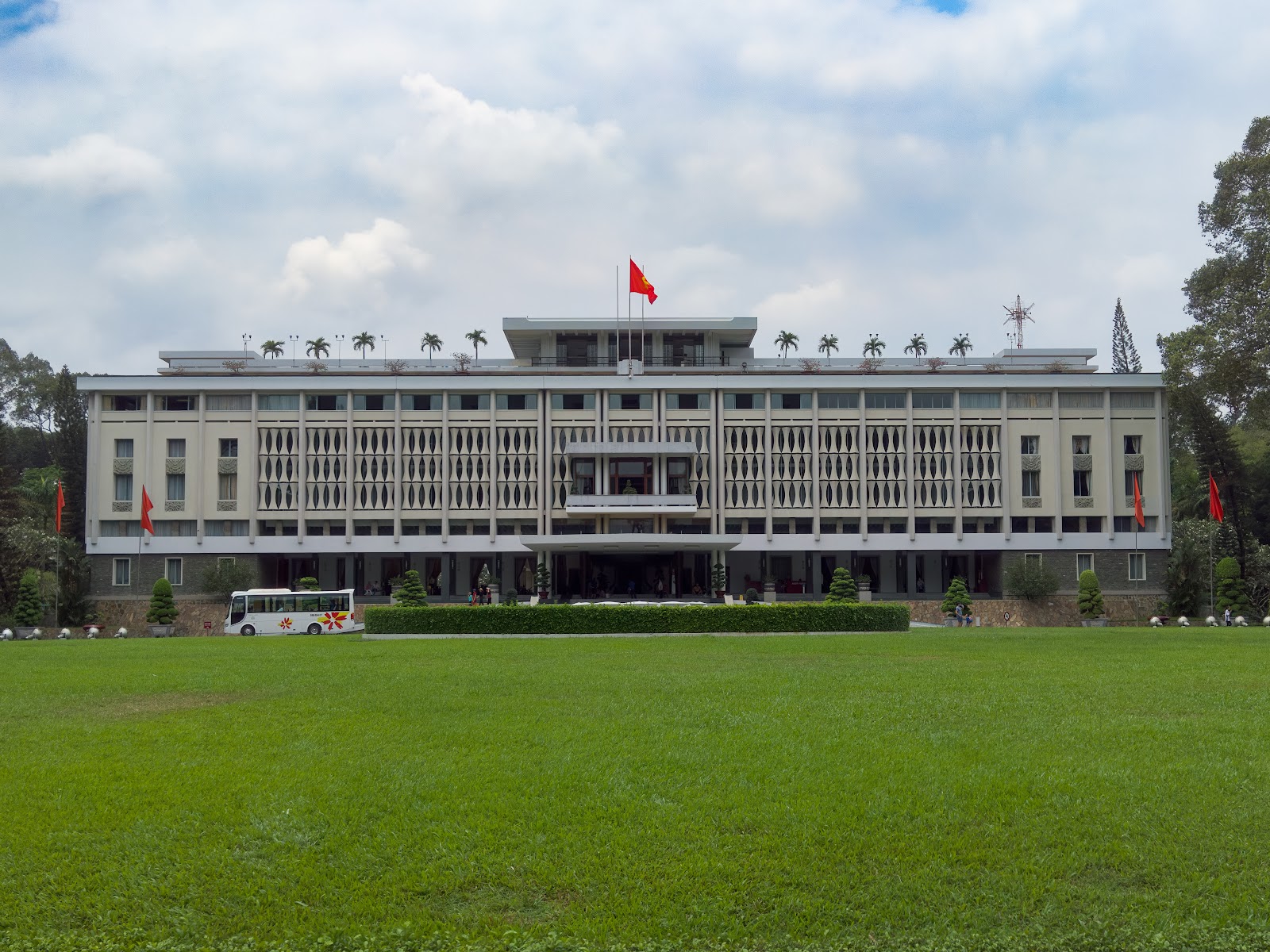
The sprawling building in Bến Thành Ward (formerly District 1), known as Reunification Palace (Dinh Độc Lập), is one of the places where a turning point in 20th-century history unfolded in April 1975. Tanks drove into these grounds on 30 April 1975, marking the end of the Vietnam War. According to descriptions of the site, tanks still stand by the gate today.
Descriptions of the complex mention offices and war rooms from the 1960s and 1970s inside, as well as an underground bunker beneath the building.
According to the official website, the grounds are open daily from 7:00 am to 6:00 pm, including public holidays and the Tết Lunar New Year celebrations, except when special closures are announced. The adult entrance fee is 80,000 VND (about €2.75), students and seniors pay 40,000 VND (about €1.40), and children aged 6–16 pay 20,000 VND (about €0.70). Tickets are also sold online through the palace website.
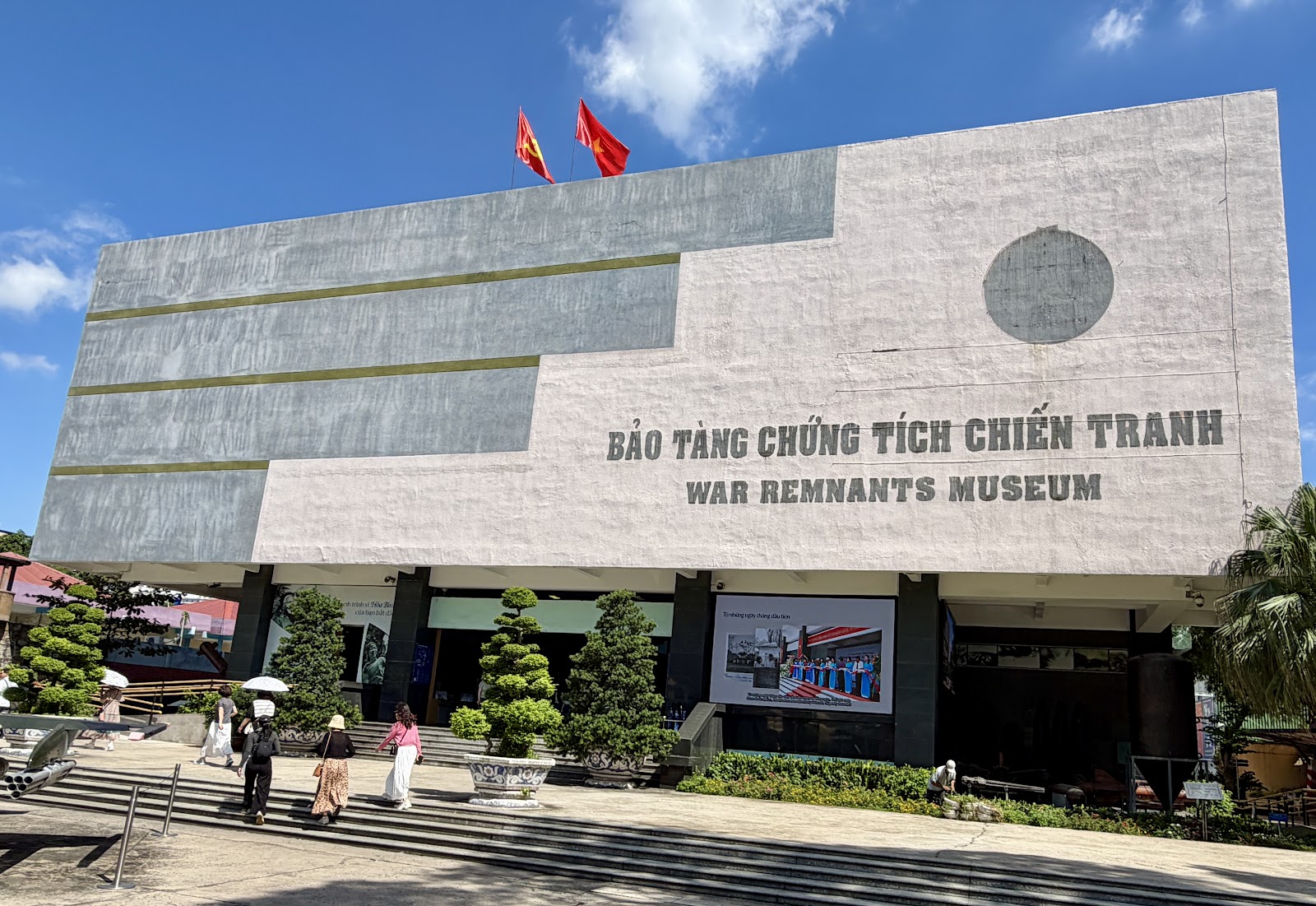
2. War Remnants Museum
In the former District 3, the War Remnants Museum (Bảo tàng Chứng tích Chiến tranh) holds more than 20,000 documents, objects, photographs and films from the Vietnam War. The exhibition presents the conflict from a Vietnamese perspective. The museum website quotes its visitors’ book, which also mentions a delegation from the Czech Senate.
Be prepared: the subject matter and photographs on display are emotionally challenging, and you probably will not feel like chatting as you walk through the galleries.
The museum opens daily from 7:30 am to 5:30 pm. Standard admission costs 60,000 VND (about €2.05) and reduced admission is 30,000 VND (about €1), while children and school pupils and students who register online in advance enter free. A foreign-language audio guide costs 120,000 VND (about €4.15). The museum’s official website explicitly warns about fake tickets, so buy yours only at the ticket office or directly through the institution’s website.
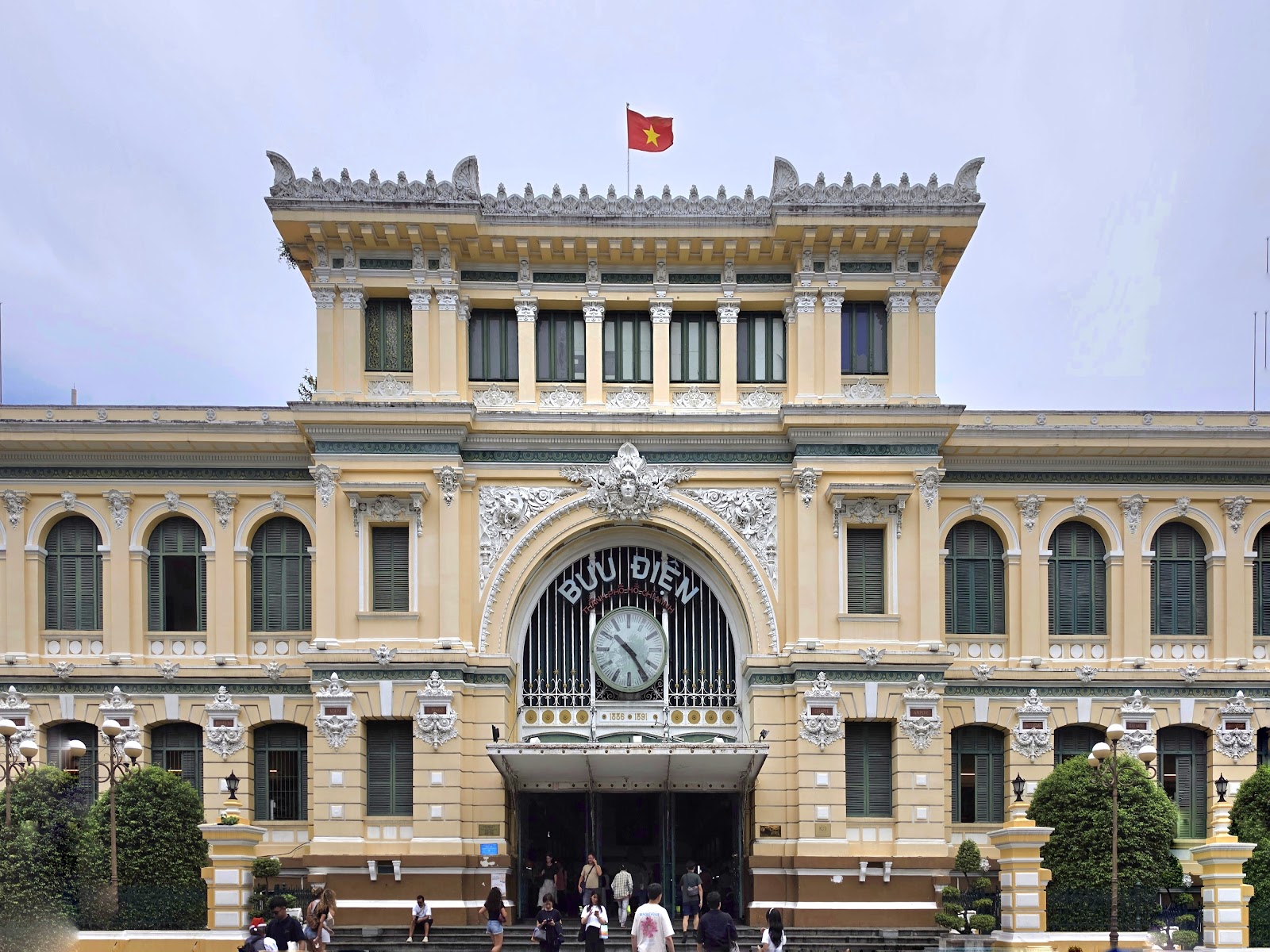
3. Notre-Dame Cathedral and Central Post Office
The famous Notre-Dame Cathedral (Nhà thờ Chính tòa Đức Bà Sài Gòn), built between 1877 and 1880, is a symbol of colonial Saigon. However, it has been undergoing extensive restoration led by the Belgian company Monument Group since 1 July 2017. The work was originally due to finish in 2021, but has taken longer than planned. According to the authorities, completion is now expected in 2027 or later. Google therefore lists it as temporarily closed, and you cannot go inside.
From Công xã Paris Square, you can see the facade and two new gilded crosses. Craftspeople installed them on the towers at a height of around 60 metres on 19 March 2026, replacing the originals that had been removed three years earlier.
Just across the square stands the Central Post Office (Bưu điện Thành phố), completed in 1891. Unlike the cathedral, it is open to visitors without restrictions. The vaulted hall, with its period fittings, still operates as a regular post office. Google Maps lists opening hours of 7:30 am to 6:00 pm on Mondays, for example, and 8:00 am to 5:00 pm on Sundays.
💡 Tip: Buy a stamp at the counter and send a traditional postcard home from this historic hall.
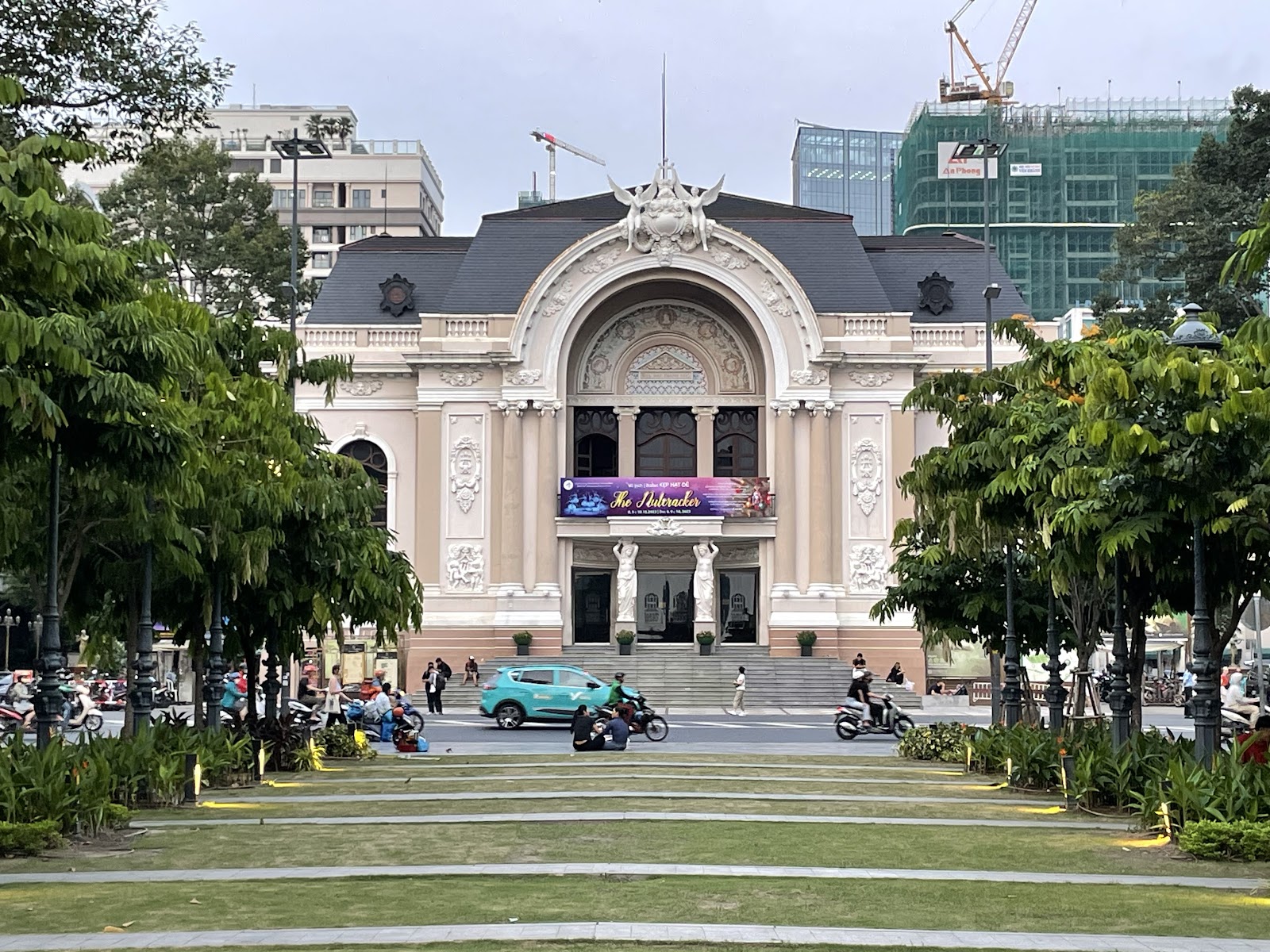
4. Opera House, Nguyễn Huệ Walking Street and City Hall
The 19th-century French colonial Saigon Opera House (Nhà hát Thành phố) graces the heart of Sài Gòn Ward. In the evening, it hosts the À Ố Show, which combines circus performance with bamboo. Tickets for this show range roughly from 800,000 VND (about €30) to 1,750,000 VND (about €60), depending on the category. Children aged 5–12 pay less, but check the official prices with the seller beforehand.
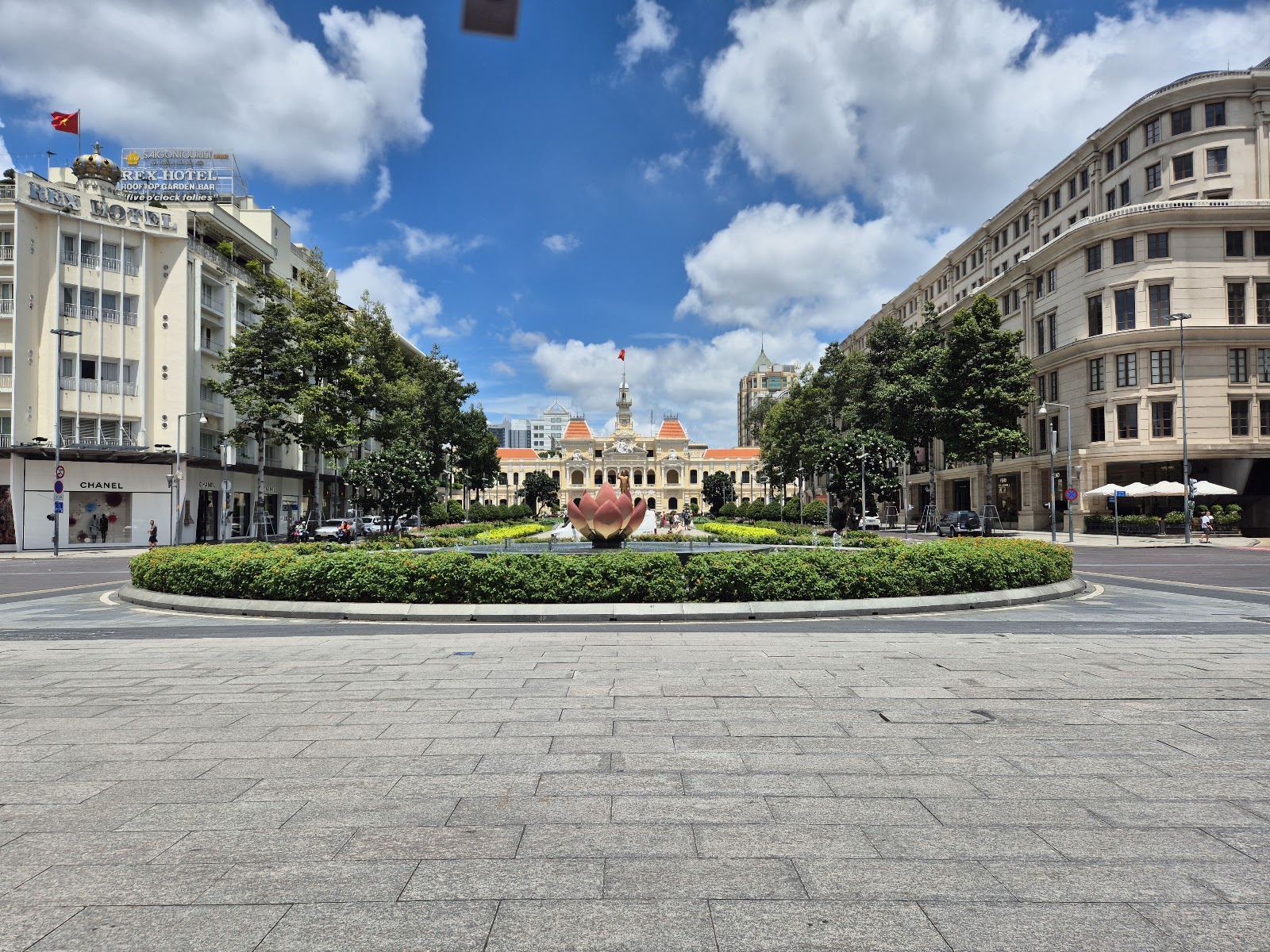
A short walk from the Opera House brings you to the wide Nguyễn Huệ Walking Street, a boulevard stretching from City Hall to the Saigon River waterfront. At its upper end stands City Hall, which is a working government office, so you cannot go inside and can only photograph the exterior. A statue of Ho Chi Minh stands in front of the building.
On the boulevard itself, do not miss the famous 42 Nguyễn Huệ café building (The Café Apartment). This apartment block opens from 8:00 am to 11:00 pm and houses cafés and small shops across several floors. You will find cafés on the 5th, 8th and 9th floors, for example, and travel websites put coffee prices at around 30,000–80,000 VND (about €1–€2.75).
💡 Tip: Taking the lift at 42 Nguyễn Huệ costs around 3,000 VND (about €0.12) per person, but you can take the stairs for free.
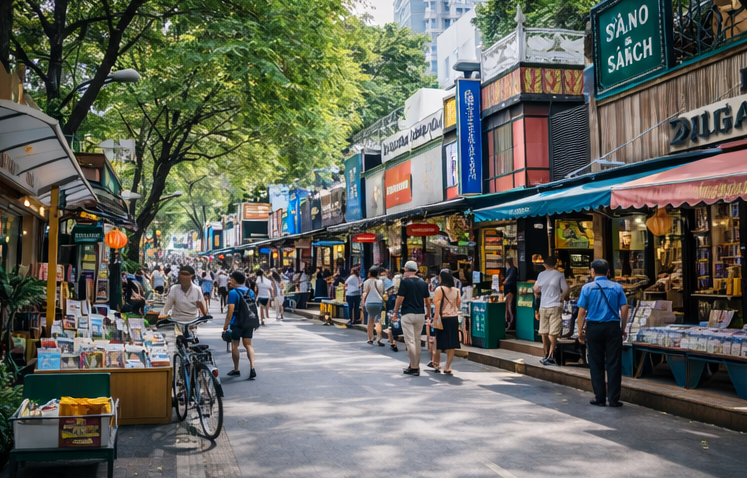
5. Book Street
Just behind the Central Post Office and Notre-Dame Cathedral lies Book Street (Đường sách Nguyễn Văn Bình), a pedestrian street lined with bookshops and outdoor cafés. It is open from 8:00 am to 9:00 pm, making it easy to combine a stop here with the post office and cathedral in tip 3.
You can visit City Hall, the post office, cathedral, Nguyễn Huệ and Book Street on foot in a single day in the centre.
6. Bến Thành Market and Night Market
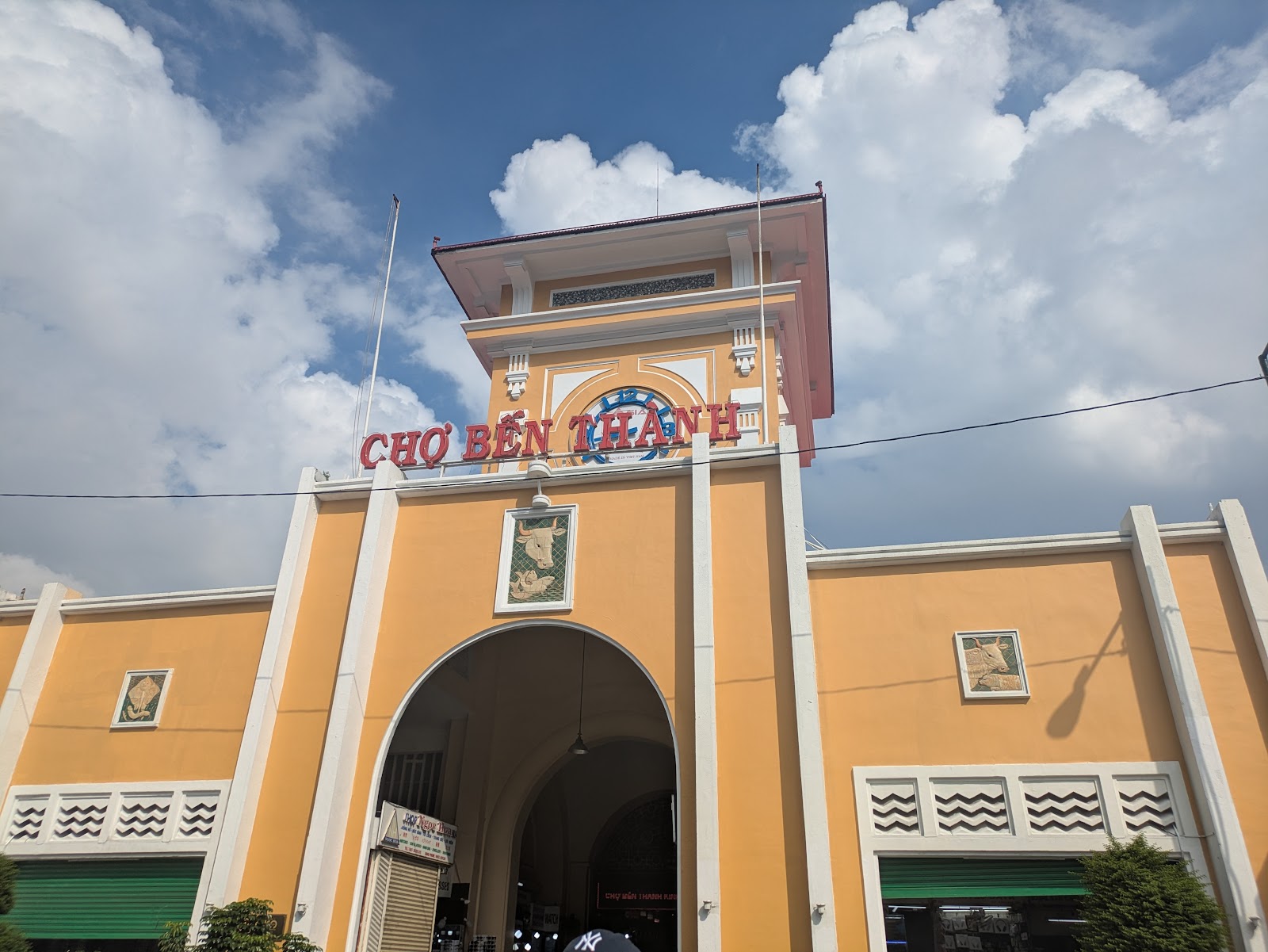
Bến Thành Market received a freshly painted façade, repaired clocks and new lighting just before the Tết 2026 celebrations, while the stalls inside continued trading without interruption. Expect tourist prices in the aisles, so bargaining is standard practice here. Access across the square in front of the market hall may also be restricted because of planned improvements.
According to Vietnamese sources, the main market building opens in the morning and closes at around 8:00 p.m., but the activity doesn’t stop in the evening—it moves outside. Older sources say that after 7:00 p.m., a night market with food stalls gets going in the neighbouring streets, Phan Bội Châu and Phan Chu Trinh.
Keep an especially close eye on your belongings in the crowds around the market, as phone and bag snatching is a real problem here. On 3 October 2026, the Vietnamese press reported that a female tourist had been robbed right by Bến Thành Market, so keep your phone tucked away in a bag on the side of your body away from the road.
7. Bùi Viện and Phạm Ngũ Lão
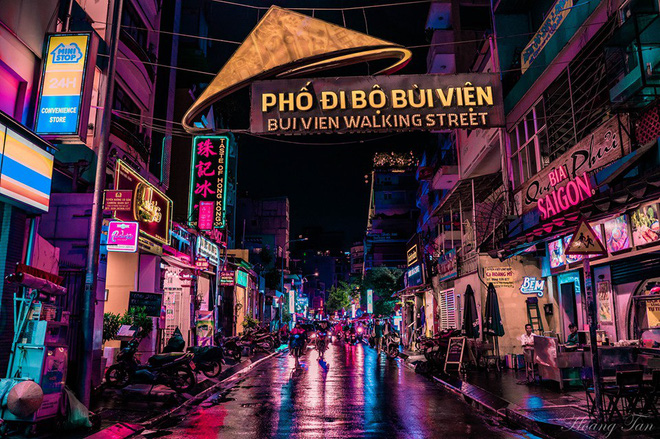
To experience Saigon’s nightlife, head to the backpacker area around Bùi Viện and Phạm Ngũ Lão after dark. Bùi Viện Street has been a pedestrian zone since August 2017, and it’s loud and lively.
Reddit users describe the street as noisy, with expensive beer. They say it’s worth walking through, but advise against eating at the busiest tourist spots. The UK’s Foreign, Commonwealth & Development Office (FCDO) also specifically warns about nitrous oxide balloons, which sometimes circulate in the local bars.
Think of Bùi Viện as an hour of people-watching and spectacle rather than somewhere to settle in for dinner and spend the whole evening.
8. Jade Emperor Pagoda
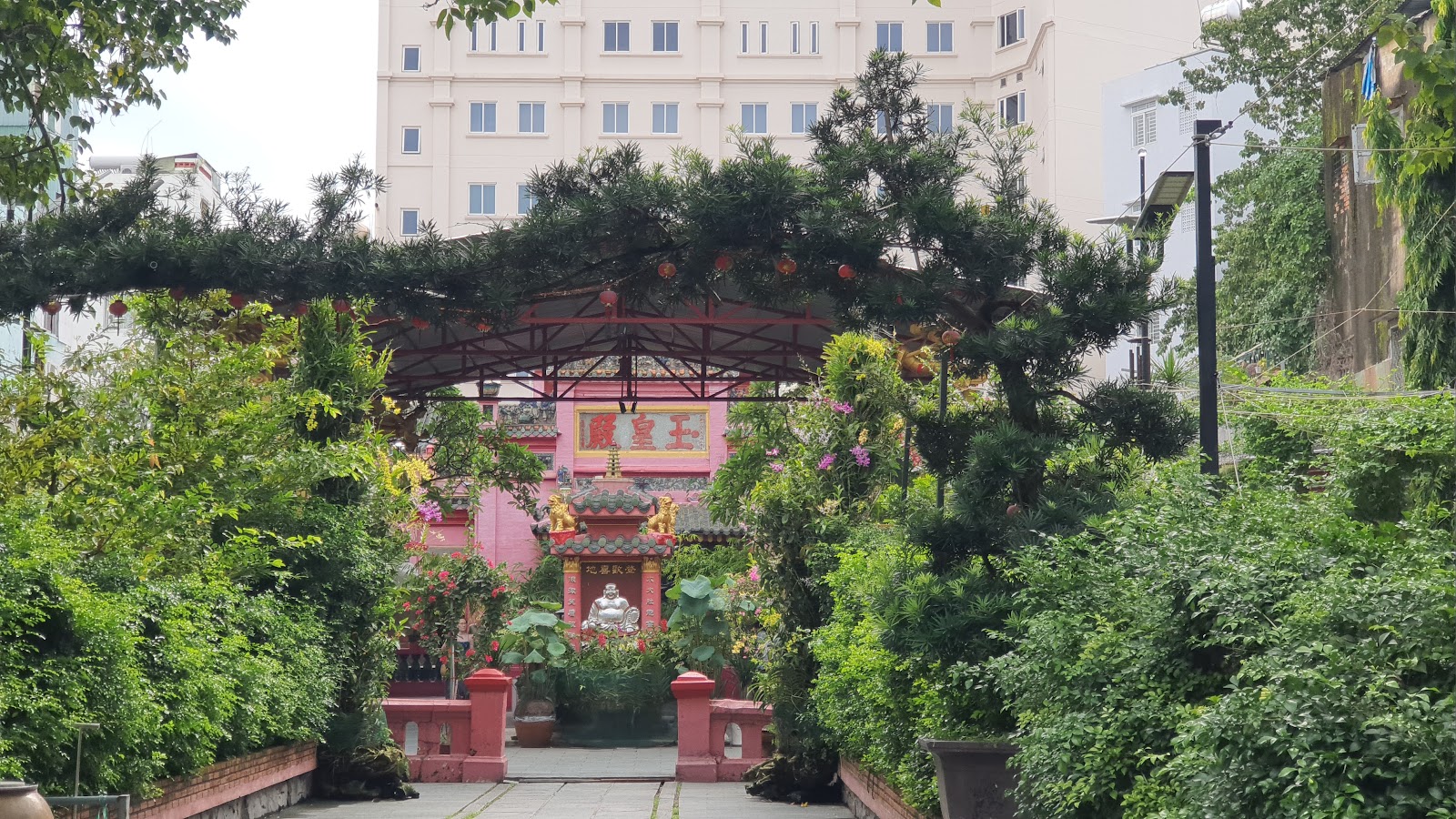
In the Tân Định neighbourhood, you’ll find the Jade Emperor Pagoda (Chùa Ngọc Hoàng, also known as Phước Hải Tự), a Taoist-Buddhist temple completed in 1909. Its address is 73 Mai Thị Lựu.
The temple is open daily from 7:00 a.m. to 6:00 p.m., and guidebooks list admission as free. You can easily combine a visit with the Pink Church in tip 9, as both sights are in the same neighbourhood.

9. Tân Định Pink Church
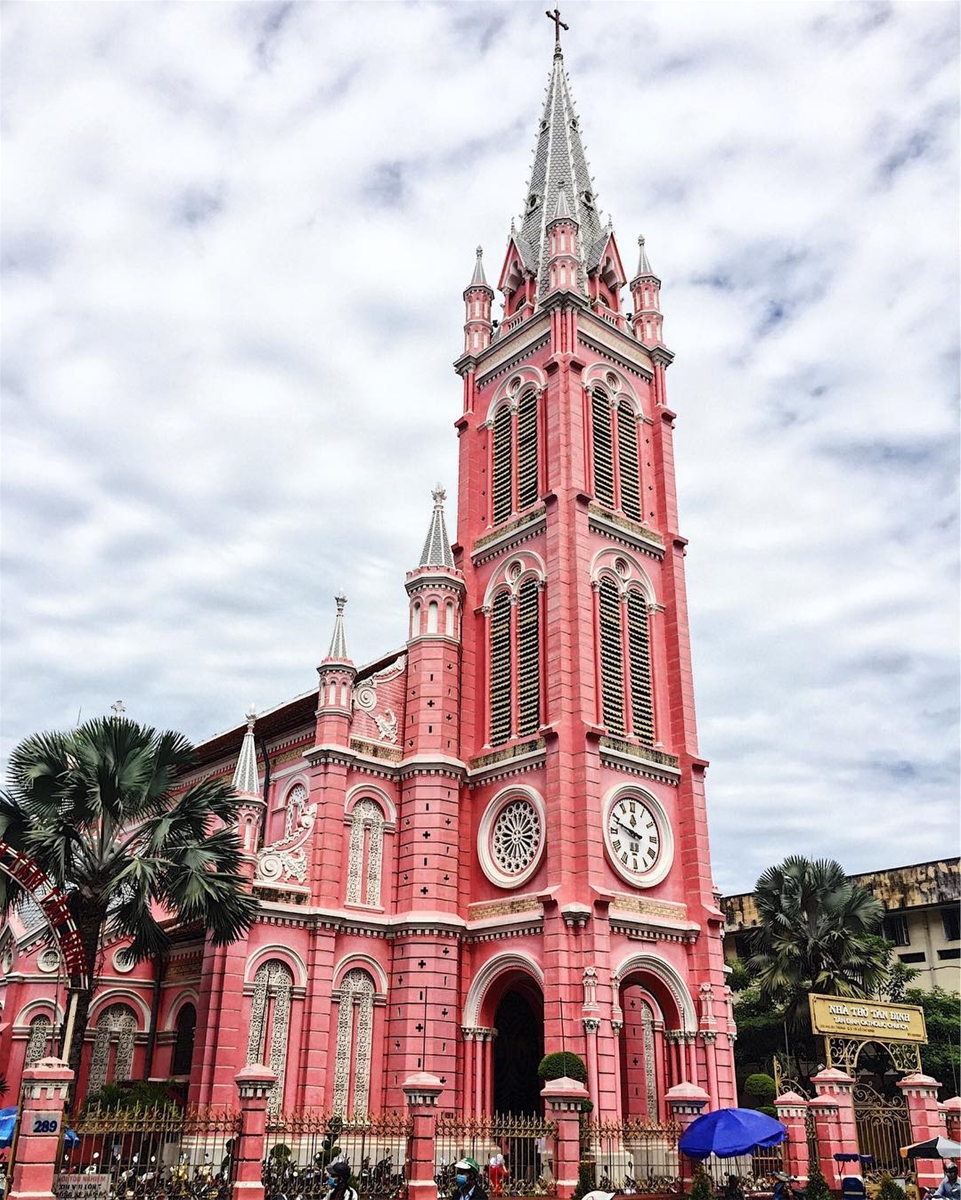
This church in the Tân Định neighbourhood dates from the 1870s and stands out among the usual sightseeing stops thanks to its pink façade. It is still an active place of worship.
According to Google Maps, it is closed on Mondays. From Tuesday to Sunday, it is generally open from around 6:30 a.m. to 10:30 a.m. and again from 4:30 p.m. to 8:30 p.m. Opening hours can vary, so check them before you go. The church has its own parish website, giaoxutandinh.net.
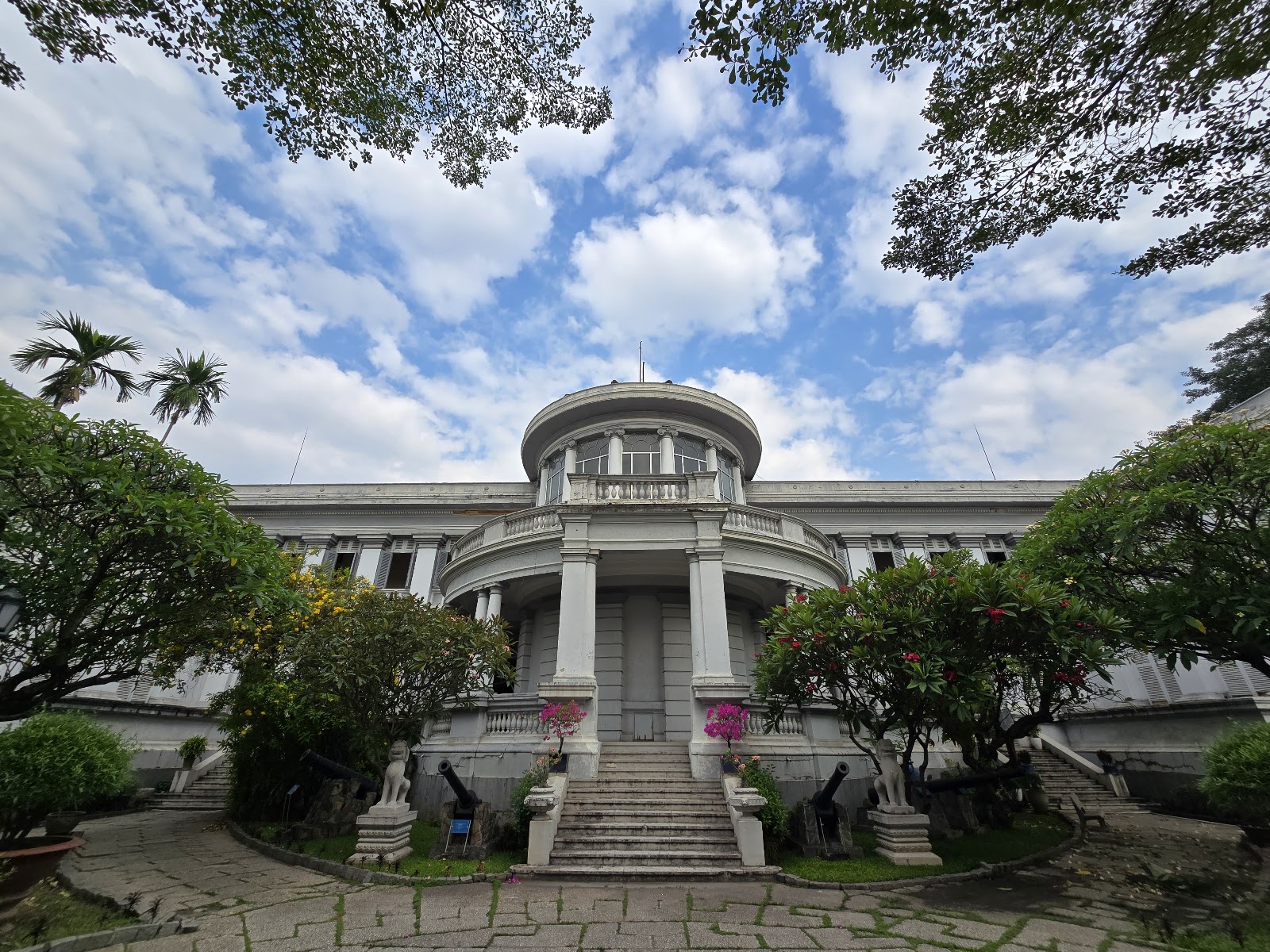
10. City Museum (Gia Long Palace)
The Ho Chi Minh City Museum occupies the colonial-era Gia Long Palace, which is reportedly a popular backdrop for wedding photos. The building is open daily from 8:00 a.m. to 5:00 p.m.
You can buy tickets online through the museum’s official website, hcmc-museum.edu.vn. On 2 July 2026, the museum marked the 50th anniversary of Saigon’s renaming as Ho Chi Minh City on its website. The name change took place on 2 July 1976.
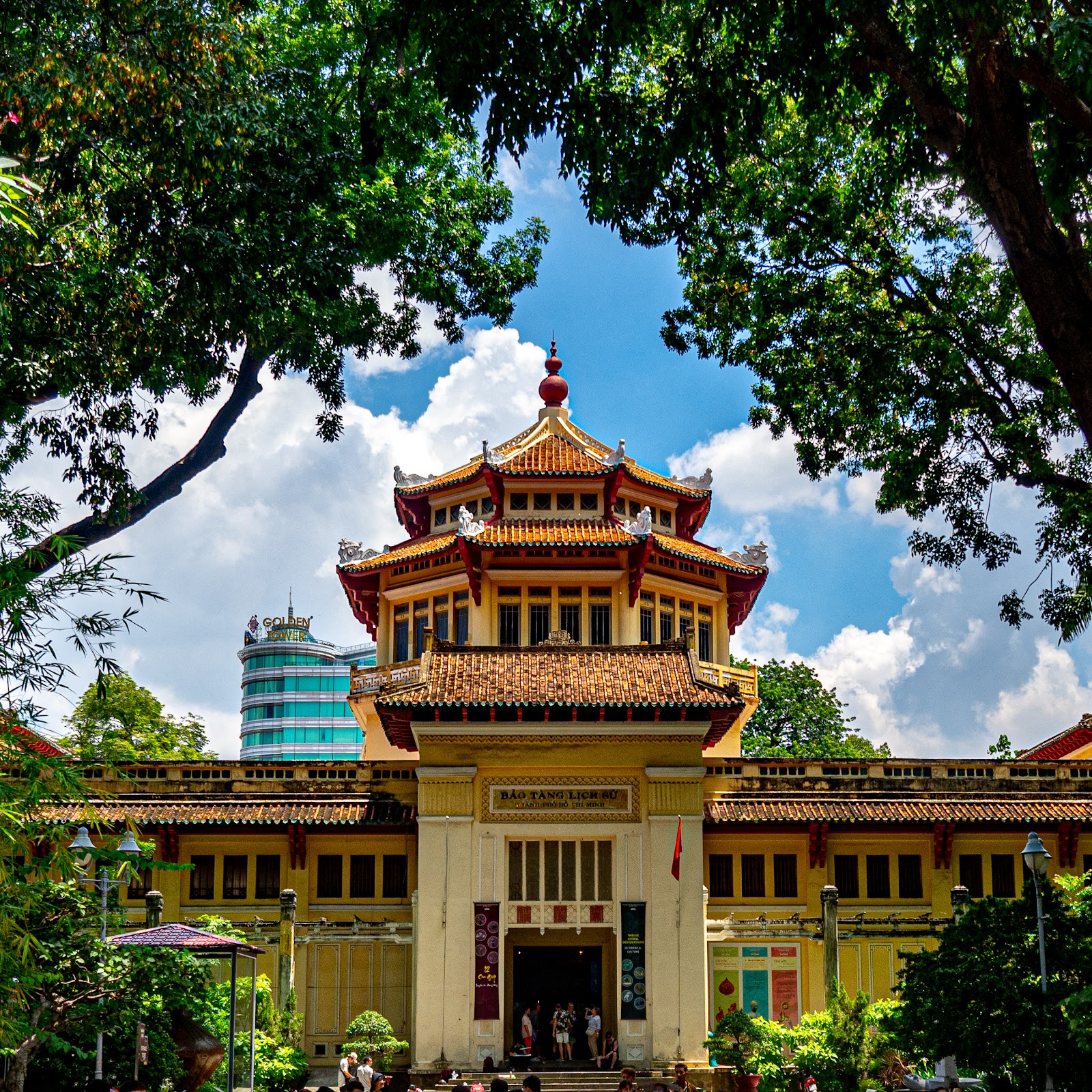
11. History Museum, Zoo and Botanical Gardens
These two stops appeal to different visitors: the museum suits anyone interested in Vietnam’s history, while the zoo and botanical gardens are an option for families with children.
The Ho Chi Minh City History Museum displays artefacts from prehistoric times to the modern era in a Chinese-style setting. It is closed on Mondays. From Tuesday to Sunday, it opens from 8:00 a.m. to 11:30 a.m. and from 1:00 p.m. to 5:00 p.m.
The Zoo and Botanical Gardens are open daily from 7:00 a.m. to 6:30 p.m.
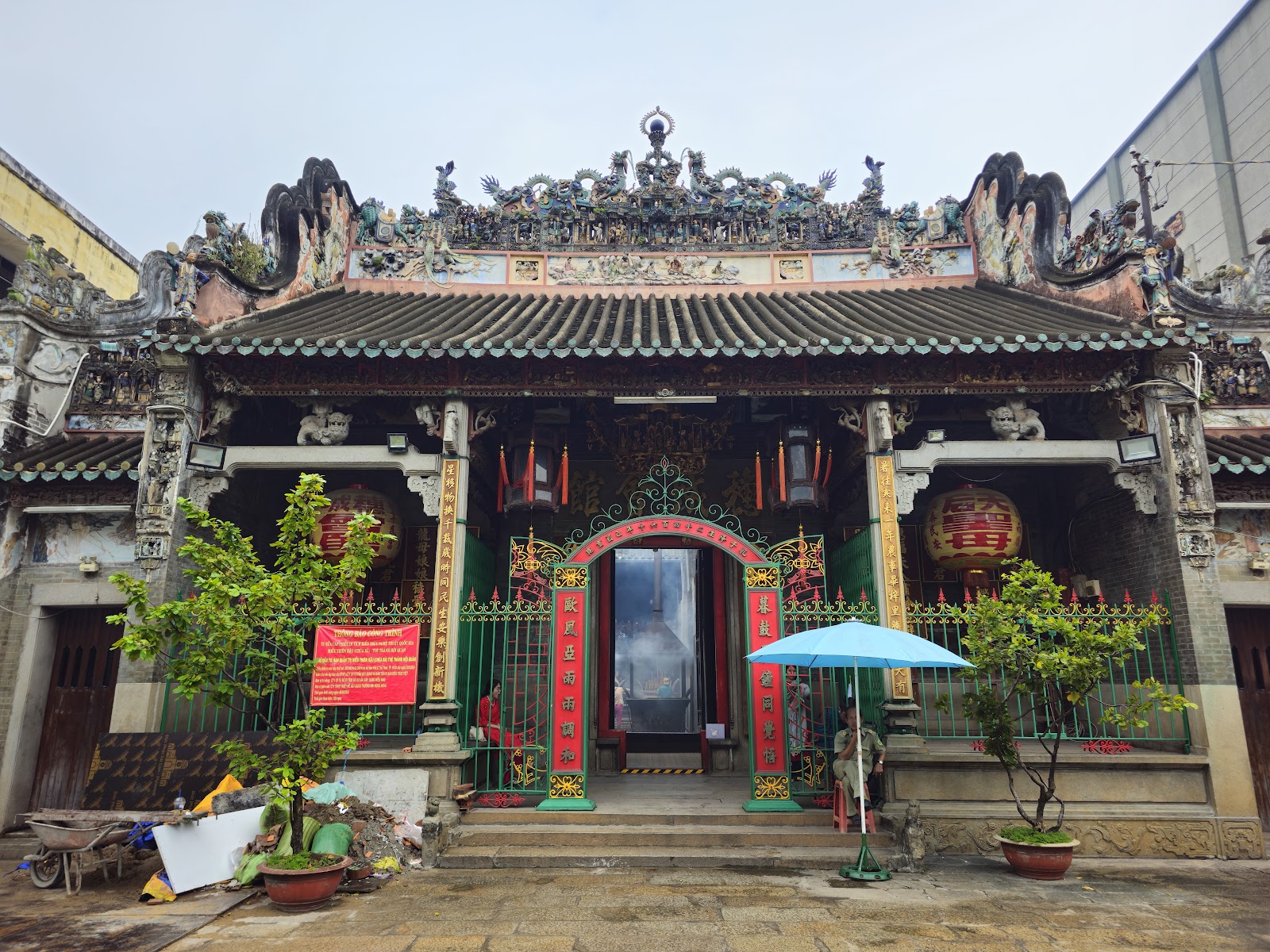
12. Chợ Lớn: Thiên Hậu Temple and Bình Tây Market
The metro doesn’t serve Chợ Lớn, the city’s Chinatown, so the easiest way to get here from the centre is by booking a car through Grab. The main religious sight is Thiên Hậu Temple at 710 Nguyễn Trãi, dedicated to the goddess of the sea. According to its listing, the temple dates from the 18th century and showcases colourful Chinese architecture. It is open daily from 6:00 a.m. to 5:30 p.m.
Another stop is the covered wholesale Bình Tây Market, whose official website is chobinhtay.gov.vn. You can also come here for local food, and it is open from 7:00 a.m. to 6:00 p.m. To round out your visit to the neighbourhood, stop at Cha Tam Church, dedicated to Saint Francis Xavier, an early-20th-century building with Chinese architectural elements, or explore Hải Thượng Lãn Ông, the traditional medicine street.
The photogenic old residential courtyard Hảo Sĩ Phường also belongs on your list of stops.
💡 Tip: Keep your voice down in the Hảo Sĩ Phường courtyard and don’t take photos through residents’ windows. This isn’t an open-air museum—it’s an ordinary residential building where people live.
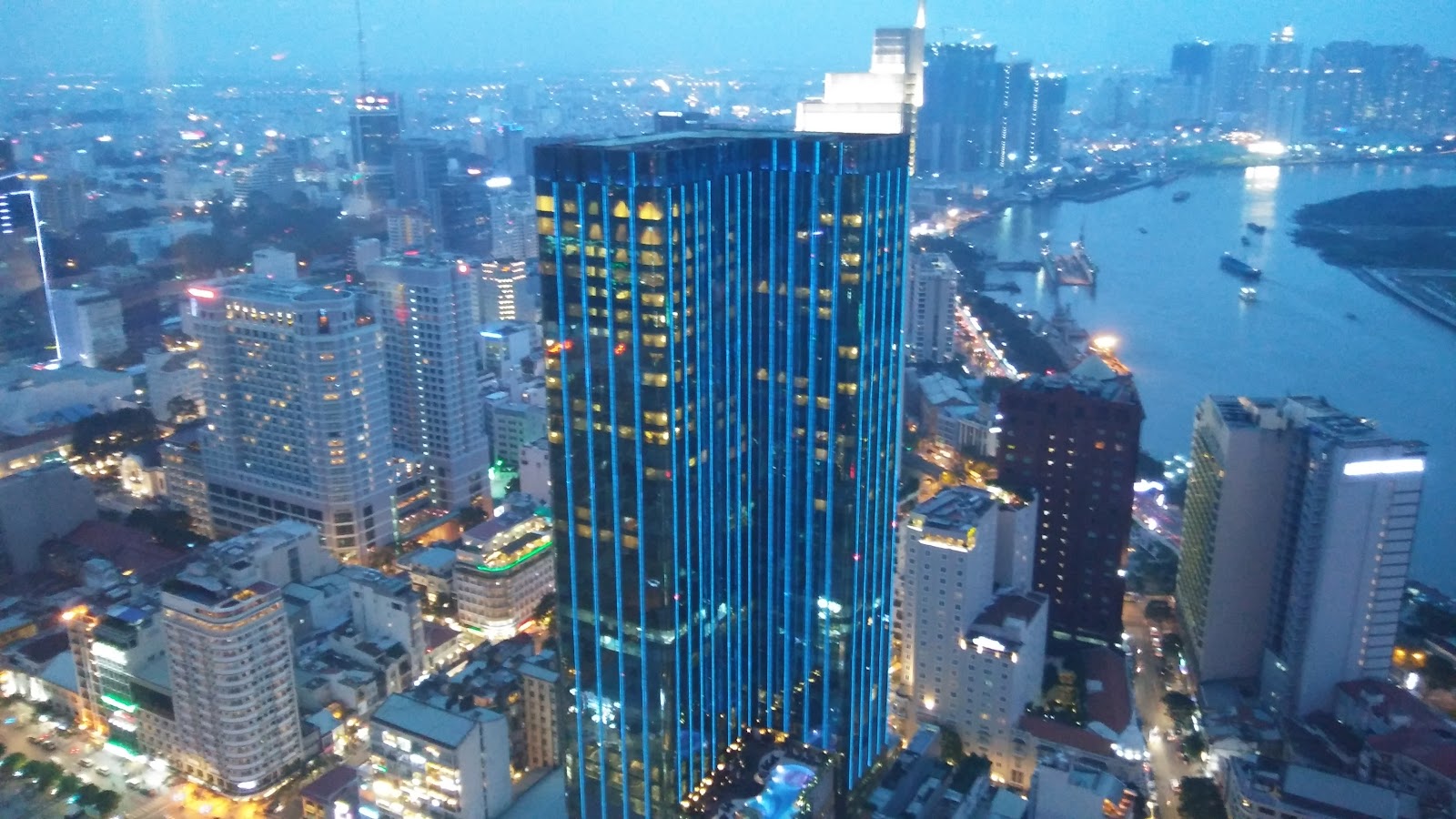
13. Observation Decks: Saigon Skydeck and Landmark 81
Two paid observation decks offer views over the city. Right in the historic centre, the Bitexco Financial Tower houses the Saigon Skydeck on its 49th floor. It is open daily from 9:30 a.m. to 9:30 p.m., with last admission 45 minutes before closing. According to the tower’s website, adults pay 240,000 VND (€8.30); ticket aggregators list a price of 160,000 VND (€5.50) for children aged 4–12 and seniors aged 65 and over.
The second, higher option is Landmark 81 SkyView, on floors 79–81 of a tower measuring 461.3 metres. According to Google Maps, it opens from 10:00 a.m. to 9:30 p.m. on Mondays and from 9:30 a.m. to 9:30 p.m. on Sundays. You can reach the tower by metro; get off at Tân Cảng station.
Treat these Landmark 81 prices from ticket aggregators as a guide: adult admission costs 300,000 VND (€10.30) from Monday to Friday and 500,000 VND (€17.20) on weekends and public holidays. Children measuring 100–139 centimetres tall and seniors aged 60 and over pay 150,000 VND (€5.20), while students pay 200,000 VND (€6.90).
💡 Tip: Compare the online price with the ticket office price before booking. One reviewer on Klook said they paid less for Landmark 81 in person than through an agency.
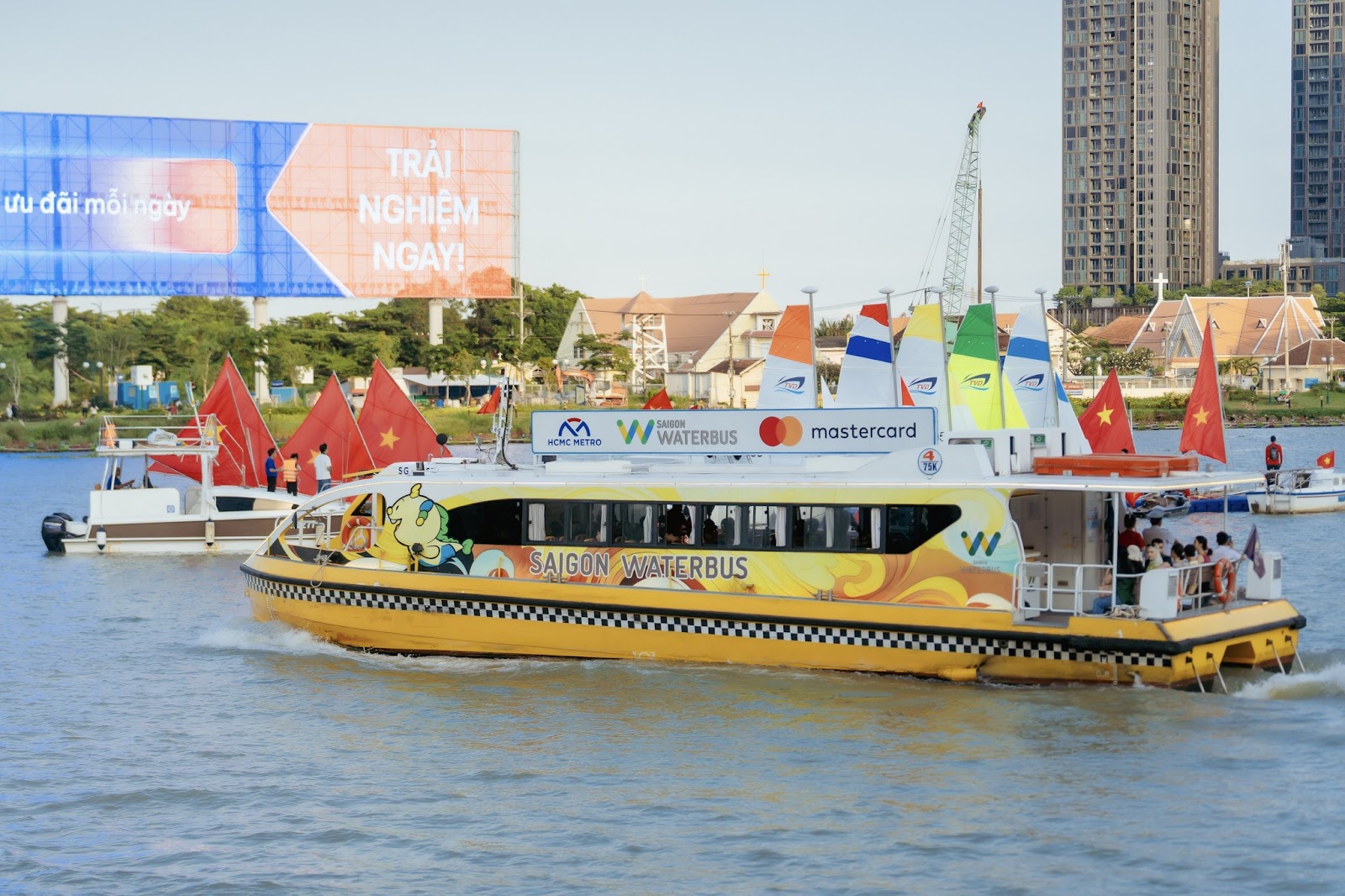
14. A Boat Ride on the Saigon River (Waterbus)
The city’s Saigon Waterbus service offers an inexpensive trip on the water, departing from the central Bạch Đằng pier at 10B Tôn Đức Thắng. According to Google Maps, the pier is open from 7:00 a.m. to 10:30 p.m. Boats call at Bình An, Thanh Đa and Hiệp Bình Chánh before reaching the final stop, Linh Đông. Travel websites say the full journey from the departure pier takes around 45 minutes.
The official website, saigonwaterbus.com, lists a return fare of 30,000 VND (€1), while older sources quote 15,000 VND (€0.50) for a one-way ticket, so budget roughly 15,000 VND (€0.50) per journey. Seniors aged 70 and over and children under one travel free. You can also buy tickets online in advance and pay by card.
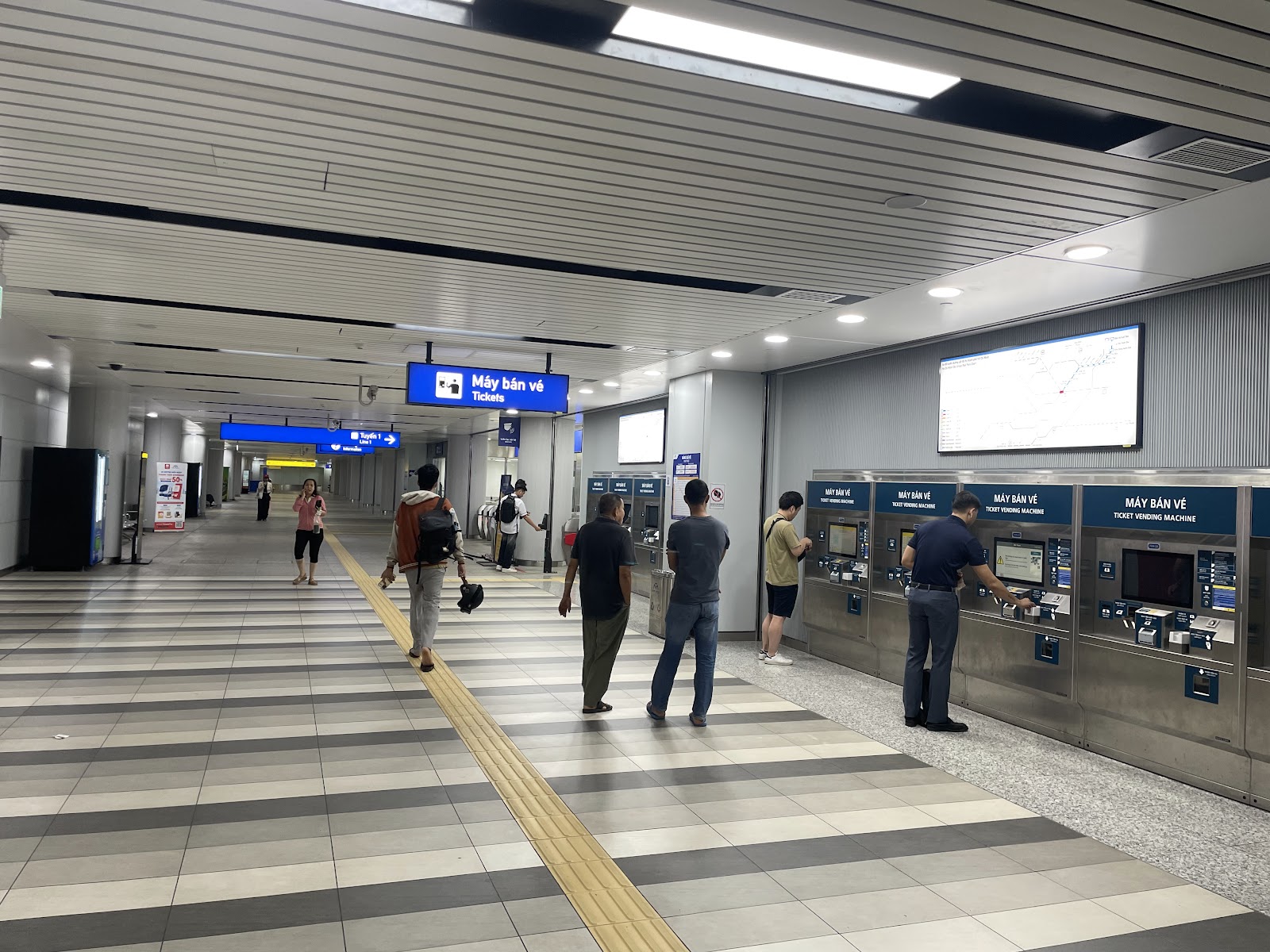
15. Ride Metro Line 1
Saigon’s first metro line has been running between Bến Thành and Suối Tiên since 22 December 2024. It is 19.7 kilometres long and has 14 stations, including three underground stations in the centre. According to an April 2026 guide from Vietnam Coracle, trains start running at 5:00 a.m. and finish at 10:00 p.m. from Monday to Thursday and at 11:00 p.m. from Friday to Sunday, with services roughly every 10 minutes.
The most useful stations for visitors are Bến Thành, Nhà Hát Thành Phố (Opera) by the Opera House (the station has a café and exhibition space), Ba Son and Thảo Điền. The metro doesn’t serve the airport. Beyond the Saigon River, the line runs above ground, making this stretch a scenic ride as well as a traffic-free way to get closer to the Thảo Điền neighbourhood in the next tip.
A single ticket costs 7,000–20,000 VND (€0.25–€0.70) when paying cash, depending on the distance, or 6,000–19,000 VND (€0.20–€0.65) when paying by card. A one-day pass costs 40,000 VND (€1.40), and a three-day pass costs 90,000 VND (€3.10). Cash ticket machines issue a plastic card with a deposit. Machines accepting international payment cards print a paper ticket with a QR code. You can also pay through the English-language HCMC Metro HURC app.
💡 Tip: When buying a single metro ticket, you select your destination station straight away. If you end up travelling farther than your ticket allows, you’ll need to pay the fare difference before leaving the station.
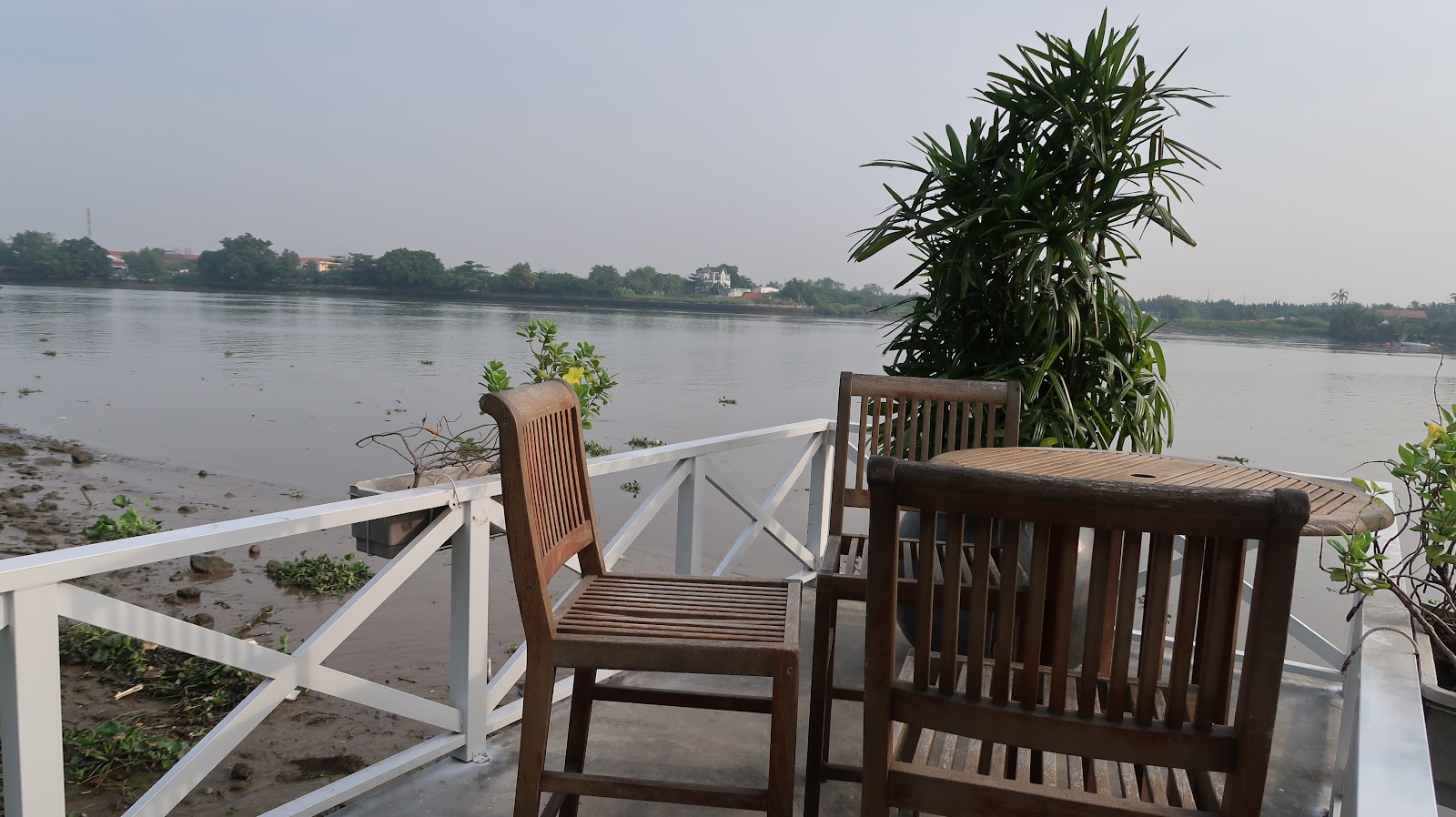
16. Thảo Điền
Take the metro from central stations Bến Thành, Nhà Hát Thành Phố (Opera) or Ba Son and skip the traffic all the way to Thảo Điền station in what is now An Khánh ward (formerly District 2). This expat neighbourhood has low-rise buildings, plenty of greenery, cafés, bars and boutiques.
Reddit users describe it as much quieter than the city centre and mention that prices here tend to be around 20% higher. It is also home to the vegetarian restaurant Hum Garden, which you can read about in tip 17.
In late October and November, be prepared for flooding from high river tides, too. During the record high tides on 5 and 6 November 2025, VnExpress reported that the water on Quốc Hương Street was 30 to 50 centimetres deep.
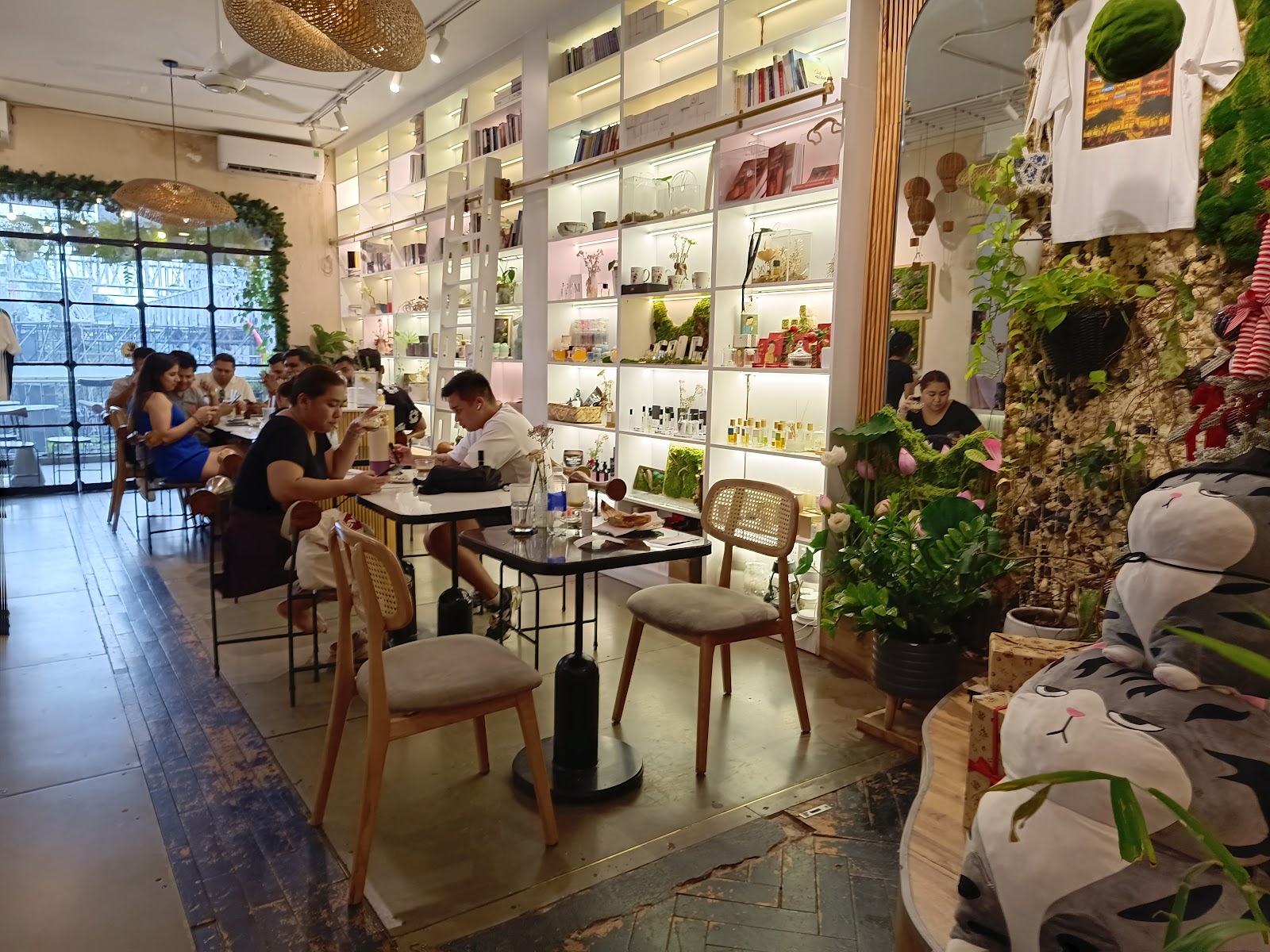
17. Cafés, Cà Phê Sữa Đá and Vegetarian Food (Chay)
Nothing captures Saigon’s café culture better than cà phê sữa đá: strong iced coffee with condensed milk. Cafés often hide away in old apartments and tucked-away courtyards, as the building at 42 Nguyễn Huệ in tip 4 shows. Airbnb Experiences offers activities described as coffee in an apartment and coffee in a bunker. If you don’t eat meat, look for the word “chay”, which indicates vegetarian food. Thanks to the Buddhist tradition of fasting, travel websites report that many regular restaurants also offer a special chay menu or buffet on the 1st and 15th days of the lunar month.
Meat-free dishes worth trying include fresh tofu spring rolls, gỏi cuốn chay, the crispy pancake bánh xèo chay, phở chay noodle soup, the rice dish cơm chay and tofu prepared in all sorts of ways. For something sweet, try chè desserts made with beans and coconut, nước mía sugarcane juice and fresh tropical fruit at the markets. In ordinary eateries, watch out for nước mắm fish sauce and meat-based stock, so ask for the chay version or head straight to a dedicated vegetarian restaurant. Vegetarians will want to skip the local meat specialities. These include bánh mì (a baguette sandwich, with Huỳnh Hoa’s version featuring pâté and hams particularly famous), cơm tấm broken rice with pork, hủ tiếu noodle soup and phở bò beef noodle soup.
In the city centre, Chay Garden (20 Nguyễn Thị Minh Khai) is worth a visit and opens from 10:30 am to 9 pm. The fully vegan café Ivegan Supershop (29 Lê Anh Xuân) is open daily from 8:30 am to 10 pm. Another fully vegan spot, Ẩm Thực Chay An (30 Thái Văn Lung), serves food from 9 am to 9 pm and is closed on Sundays. If you’re staying near busy Bùi Viện Street, an affordable option is Nhà Hàng Chay Ngọc Thọ (175/9 Phạm Ngũ Lão), open from 7 am to 11 pm.
For vegan phở at breakfast, head to Phở Chay Như (54 Trương Quyền), open from 6 am to 8 pm. Prem & Pi Vegetarian Bistro (187/15 Điện Biên Phủ, 3rd and 4th floors) has been running since 2013 and welcomes you daily from 10 am to 10 pm. In Thảo Điền, the vegetarian Hum Garden (32 Đường số 10) opens daily from 10 am to 10 pm. For a special evening, try the vegetarian fine-dining restaurants Hum Signature and Hum Lounge (34 Võ Văn Tần).
18. Củ Chi Tunnels
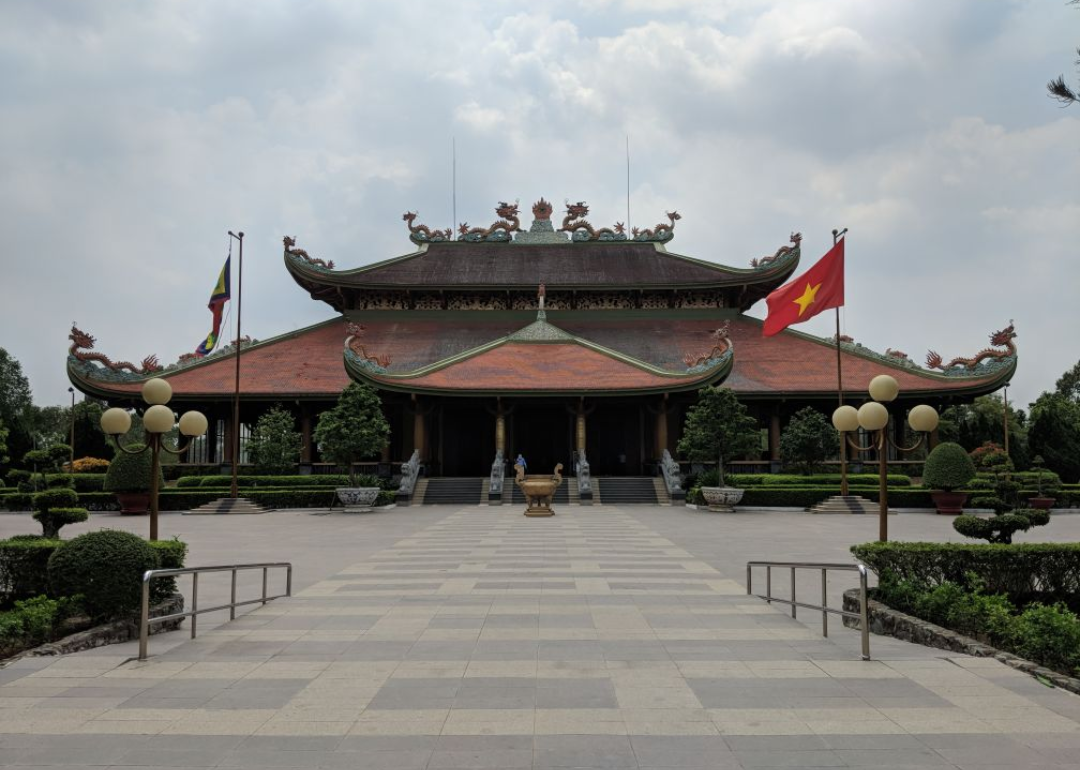
The underground Củ Chi Tunnels complex has two visitor sites, roughly a 1.5-hour drive from the city centre. The more distant site, Bến Dược, opens daily from 7 am to 5 pm. According to the official website, domestic and international visitors pay the same entrance fee of 35,000 VND (about €1.20).
The second site, Bến Đình, is about 30 minutes closer to the city according to travel websites, and tends to be more touristy. Foreign visitors pay more than locals at Bến Đình; check the current entrance fee at the ticket counter. Travellers posting in discussion groups say that the more distant Bến Dược feels more authentic and is usually less crowded.
The Bến Dược site also has a shooting range with wartime weapons. The tunnels’ website lists an evening programme for 2026 called “Trăng chiến khu” (Moon over the War Zone); you can find the dates on the official website, diadaocuchi.com.vn.
19. Mekong Delta
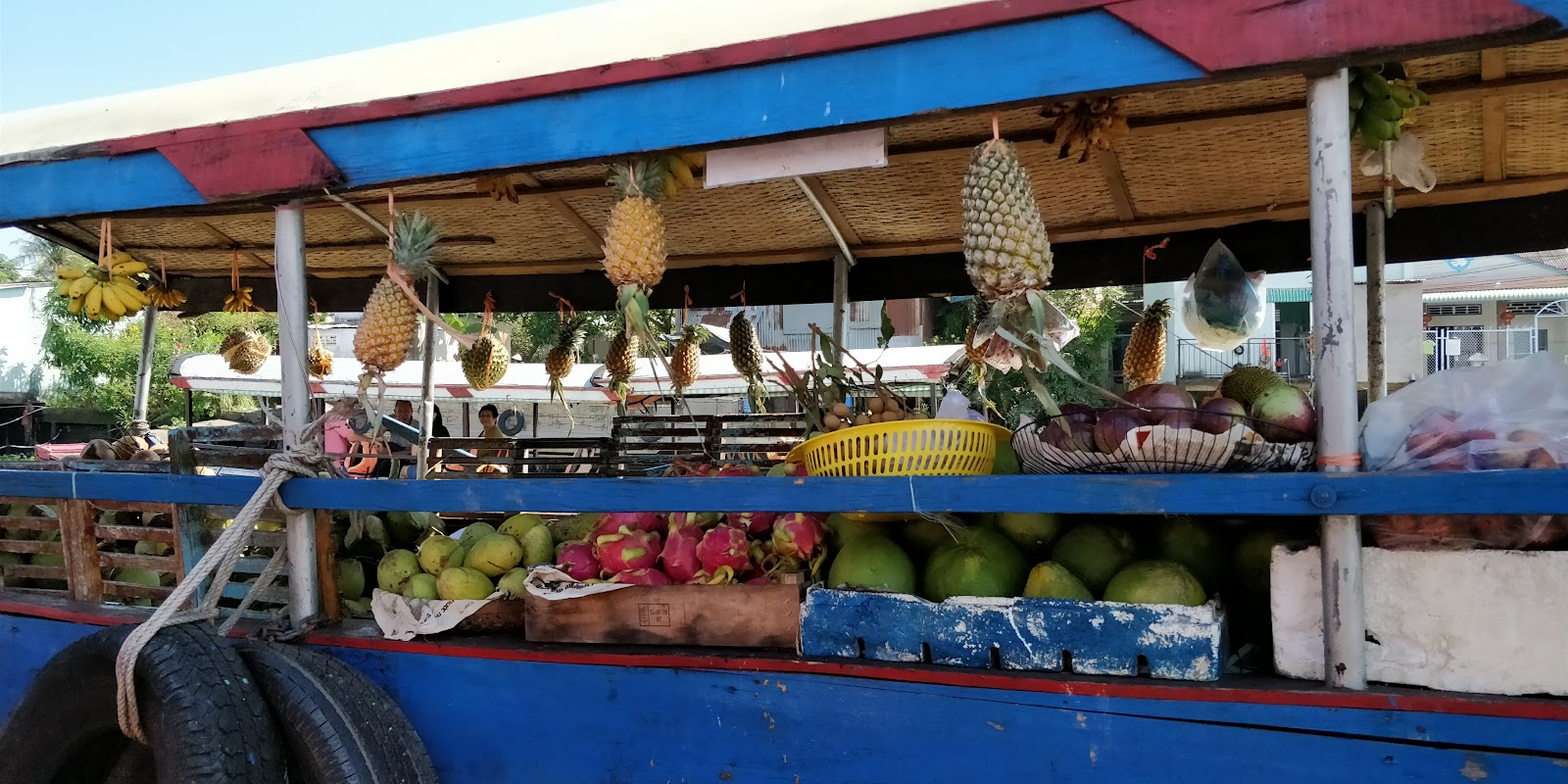
According to travel agencies’ itineraries, day trips from Ho Chi Minh City to the Mekong Delta most often visit the Mỹ Tho and Bến Tre areas. The programme includes boat rides along the canals, visits to coconut workshops and walks through fruit orchards.
The Mỹ Tho area is home to Vĩnh Tràng Pagoda, open daily from 6:30 am to 7 pm. Since the administrative reform in 2025, Mỹ Tho and the whole former province of Tiền Giang have been part of Đồng Tháp Province, so don’t let outdated names in brochures confuse you.
The famous Cái Răng floating market is much farther away, near Cần Thơ, a 3.5- to 4-hour journey each way. According to guidebooks, most day trips don’t go that far. Visiting in a day would mean getting up before dawn and spending most of the day in a car, so allow two days with an overnight stay. According to one travel blog from January 2026, the market is still operating but now caters mainly to tourists.
20. Tây Ninh: Cao Đài Temple and Bà Đen Mountain
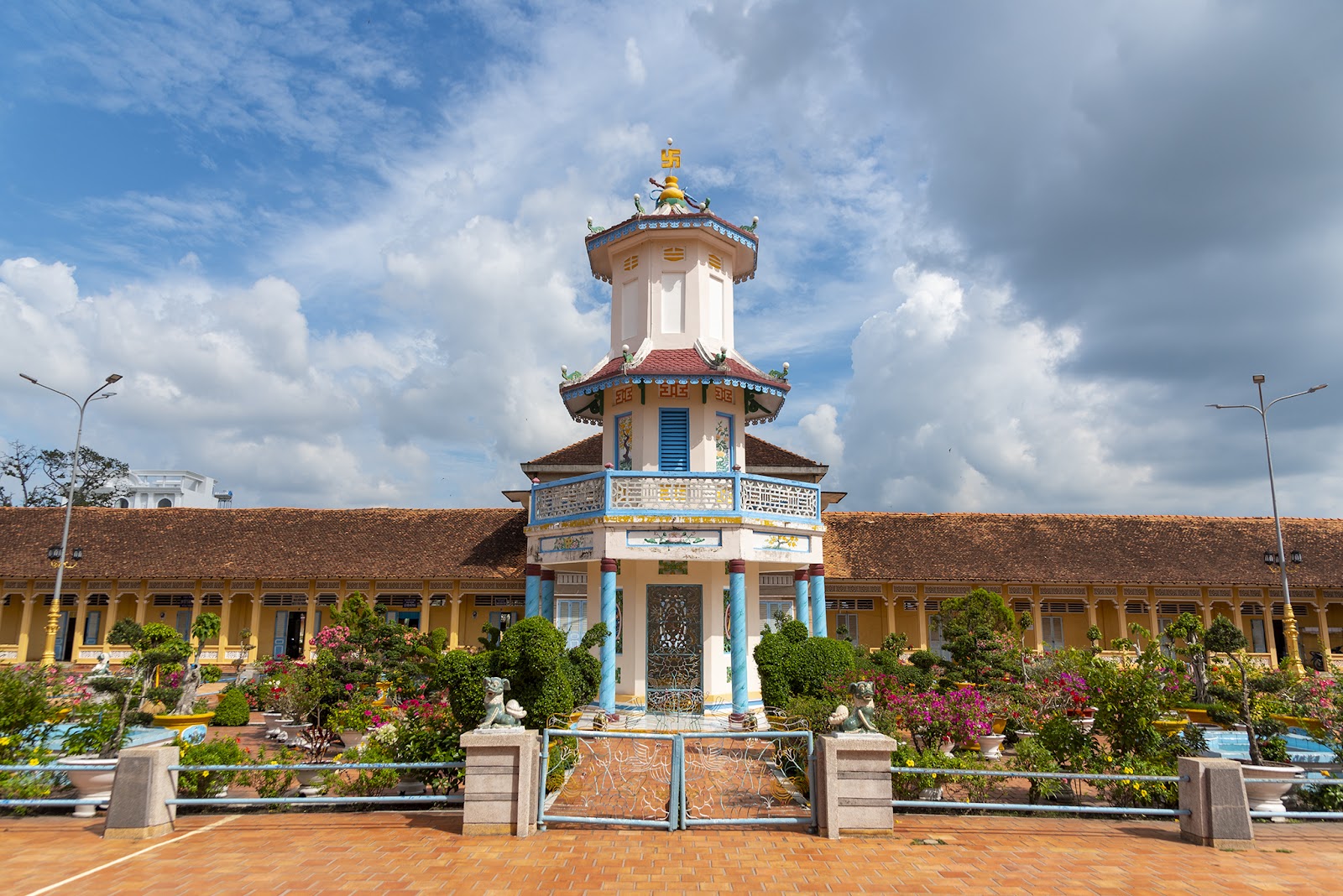
Tây Ninh is home to the Cao Đài Holy See (Tòa Thánh Tây Ninh), a temple of the Caodai religion completed in 1947 according to the site’s description. Travel websites report that ceremonies take place four times a day (at 6 am, noon, 6 pm and midnight), while the temple is open to visitors from roughly 7 am to 10 pm. The largest is the noon ceremony with music, which tourists watch from the upper gallery. You must remove your shoes before entering and dress modestly.
Also in Tây Ninh is Bà Đen Mountain, which travel websites describe as the highest mountain in the surrounding area at 986 metres. A Sun World cable car takes you to the summit; according to ticket sellers, an adult return ticket to the top costs approximately 450,000 VND (about €15.50).
💡 Tip: Travel agencies often combine the Củ Chi Tunnels, Cao Đài Temple and Bà Đen Mountain into one trip, but be prepared for a very long day on the road.
21. Cần Giờ: Mangroves
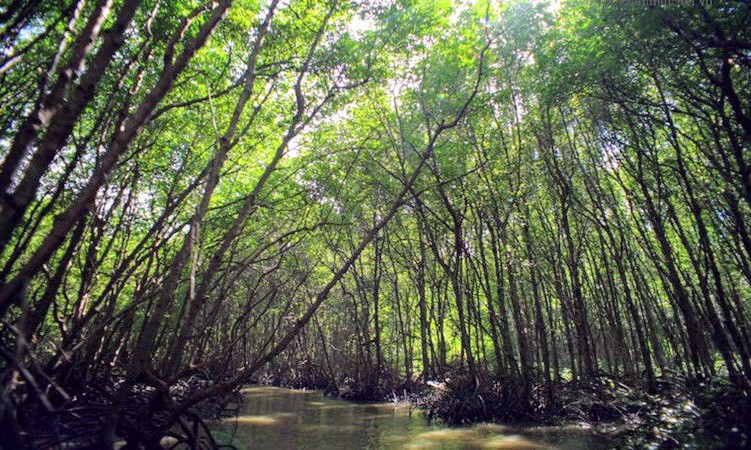
The mangrove-covered Cần Giờ Biosphere Reserve was the Rừng Sác zone during the war.
The Củ Chi Tunnels website offers a trip here, with tickets available, under the name “Chiến khu Rừng Sác Cần Giờ (Đảo Khỉ)” — a visit to Monkey Island (Đảo Khỉ in Vietnamese).
You can find the programme and tickets at diadaocuchi.com.vn. That means you can browse both options, the Củ Chi Tunnels and Cần Giờ, on the same website.
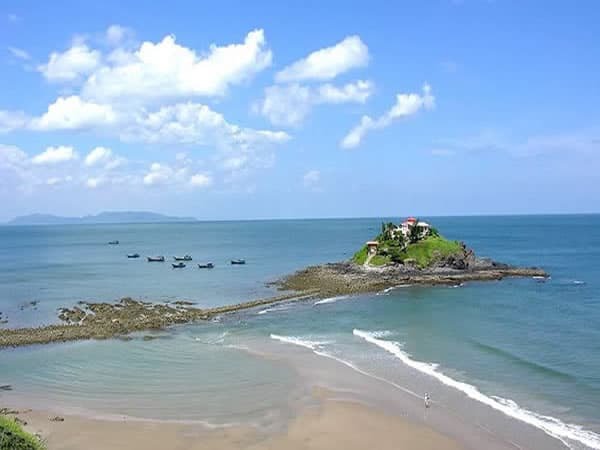
22. Vũng Tàu: The Seaside Within Saigon’s City Limits
Since 1 July 2025, the seaside resort of Vũng Tàu has officially been part of Ho Chi Minh City. On Núi Nhỏ hill stands a 32-metre-tall statue of Christ, which you can visit daily from 7 am to 5 pm.
You can also reach the coast from the city centre by water. GreenlinesDP high-speed boats depart from Bạch Đằng pier, with the journey taking roughly two hours. According to the operator’s Facebook page in February 2026, a one-way trip costs from 260,000 VND (about €9), or 350,000 VND (about €12) at weekends; treat these prices as a guide.
Where to Go Next from Ho Chi Minh City
From Ho Chi Minh City, you can continue north to Hanoi on a domestic flight taking roughly 2 hours. According to travel websites, the Reunification Express train takes more than 30 hours from Saigon to Hanoi. Before you go, take a look at our guide to Things to Do in Hanoi and our practical neighbourhood guide, Where to Stay in Hanoi.
Prefer to explore farther south? Tip 19 covers the Cái Răng floating market near Cần Thơ; allow two days for the trip. Sleeper buses to Mũi Né and Đà Lạt also depart from the Phạm Ngũ Lão backpacker neighbourhood. Phú Quốc island is another tempting destination in southern Vietnam.
Frequently Asked Questions
Do I need a visa for Vietnam?
Visa requirements depend on your nationality. Under the exemption introduced on 15 August 2025, eligible travelers can visit Vietnam for tourism visa-free for up to 45 days. If you’re planning a longer trip or visiting for a purpose other than tourism, apply in advance for an e-visa valid for up to 90 days through the official government portal evisa.gov.vn. Your passport must be valid for at least 6 months on arrival and have two blank pages.
Saigon or Ho Chi Minh City: what’s the city actually called?
The official name has been Ho Chi Minh City since 2 July 1976, but locals and visitors still call it Saigon. Following the administrative reform on 1 July 2025, Sài Gòn also returned to official addresses as the official name of a ward in the historic center. This ward is home to both the opera house and Nguyễn Huệ pedestrian street.
How many days do I need in Ho Chi Minh City?
Allow 3 to 4 days to see the main sights and explore a little beyond the city without rushing. Set aside a full day for the historic center, including the palace and museums, and spend another visiting the Củ Chi tunnels or the Mekong Delta. Use the remaining time to explore Chợ Lớn, the city’s Chinatown, browse markets, stop at cafés and enjoy the views after dark.
How do I get from Tân Sơn Nhất Airport to the city center?
The easiest option is to book a ride through the Grab or Xanh SM app, where you can see a fixed fare upfront. The journey takes 20 to 25 minutes outside rush hour, or 45 to 60 minutes in heavy traffic. For a small fare, buses 109 and 152 run to Bến Thành Market, with payment in cash. Politely decline offers from drivers who approach you in the arrivals hall. If you take a taxi from the rank, choose only Vinasun or Mai Linh.
Is Saigon safe?
According to the UK’s Foreign, Commonwealth & Development Office (FCDO), the main risk for tourists is having your phone or bag snatched by a passing motorcyclist. Keep your phone away from the road, avoid standing by the curb while checking a map, and book taxis only through a mobile app. The FCDO also warns about methanol poisoning, including at licensed venues, so take care with what you drink, even in bars, and avoid nitrous oxide balloons.
When is the best time to visit Saigon?
The most pleasant weather is from December to March, when it’s dry and humidity is lower. Short afternoon downpours arrive from May to November, with September and October usually the wettest months, while temperatures stay around 32 to 35 °C throughout the year. If you arrive for Tết, the Lunar New Year, which falls on 6 February 2027, expect some businesses to close.
Can I find vegetarian food in Saigon?
Easily: look for the word chay on menus, which indicates vegetarian food. The city has plenty of places such as Hum, Chay Garden and Phở Chay Như, and many regular eateries also offer meat-free menus on the 1st and 15th days of each lunar month. Watch out for fish sauce and meat-based broth in otherwise vegetarian-looking dishes.
Tips and Tricks for Your Vacation
Don’t Overpay for Flights
Search for flights on Kayak. It’s our favorite search engine because it scans the websites of all airlines and always finds the cheapest connection.
Book Your Accommodation Smartly
The best experiences we’ve had when looking for accommodation (from Alaska to Morocco) are with Booking.com, where hotels, apartments, and entire houses are usually the cheapest and most widely available.
Don’t Forget Travel Insurance
Good travel insurance will protect you against illness, accidents, theft, or flight cancellations. We’ve had a few hospital visits abroad, so we know how important it is to have proper insurance arranged.
Where we insure ourselves: SafetyWing (simple monthly subscription) and TrueTraveller (for extra-long trips).
Find the Best Experiences
Get Your Guide is a huge online marketplace where you can book guided walks, trips, skip-the-line tickets, tours, and much more. We always find some extra fun there!