
If you are considering using the Philippines only as a stopover and skipping the capital altogether, you may be surprised by what is happening here right now. Prestigious National Geographic included Manila in its Best of the World 2026 selection as one of the year’s most exciting culinary destinations. Then, at the end of last year, the first-ever Michelin Guide to Manila and its surroundings was published, definitively confirming that the Philippine metropolis is no longer merely a chaotic transport hub, but a place with phenomenal food.
At the same time, the city has embarked on a massive renewal of its historic core, which has, so to speak, risen from the ashes. Historic Intramuros is having a record-breaking year, helped by the opening of the new Pasig River Esplanade, which attracted 5.9 million visitors during the first six months of 2026. Strict rules on photographing landmarks have finally been relaxed as well, and since September 2026, the first official night tours have been taking place here, allowing you to enjoy the colonial streets under magical lighting without the exhausting daytime heat.
I will be honest with you, though: Manila is definitely not a classic destination for a relaxing holiday, and its traffic is among the worst in the world. Two to three days are more than enough to explore the city, giving you time to soak up the atmosphere of the world’s oldest Chinatown, visit beautiful museums with free admission and take advantage of half-price fares on the MRT-3 and LRT-2 rapid transit lines, which have been running at reduced prices since spring 2026. Changes have also affected NAIA airport, where airlines have been undergoing a major terminal reshuffle since April 2026, so check your ticket carefully before departure.
Summary for anyone who does not have time to read the whole article
- The best part of the city is Intramuros. The historic Spanish fortifications, with their cathedrals and Fort Santiago, are an oasis of calm in an otherwise hectic city, and Fort Santiago stays open until 10 p.m.
- Getting from the airport. Forget about trains; there are none here. The safest and most convenient option is the Grab app, which will take you to Makati’s centre for PHP 300 to 500.
- A culinary revolution. Makati and the neighbouring Poblacion district are packed with restaurants recognised in the new Michelin Guide, but you will also find excellent vegan cafés serving local cuisine.
- The oldest Chinatown. Binondo was founded as early as 1594 and is now a maze of streets filled with enticing aromas, jewellery shops and fantastic bakeries.
- See Taal Volcano from a distance. Climbing to the crater has been strictly prohibited since 2020, so do not fall for fake offers and enjoy the safe views from the town of Tagaytay instead.
- Watch out for scams. Avoid rides in horse-drawn carriages, known as kalesa, which can involve drastic overcharging, and do not be tempted by taxi touts in the arrivals hall.
The full destination guide: Asia — guide and what to see
When to Visit Manila
The most pleasant weather in Manila’s streets awaits you from December to February, when temperatures stay around a manageable 30 °C and drop to a comfortable 24 °C at night. Rainfall is minimal during this period, humidity is bearable by local standards and, overall, this is the best time to explore the city on foot. Filipinos love Christmas so much that lavish decorations and the festive atmosphere begin as early as September and peak with the early morning Masses held in December.
If you are planning a trip between March and May, prepare for extremely hot and dry weather, with the mercury commonly climbing to 34 °C and the sun beating down intensely. Manila is almost deserted during Holy Week before Easter, as locals leave for the countryside, but on Good Friday you should expect even the biggest shopping centres and many restaurants to be closed. Culture lovers may be interested in the bamboo organ festival in Las Piñas, held in February.
From June to November, the strong southwest monsoon known as habagat takes over, bringing heavy downpours and the risk of typhoons. July to September are traditionally the wettest months, with more than 400 mm of rainfall, and the landmarks in Intramuros are completely closed for safety when a typhoon warning is issued, as happened in August 2026, for example. During the autumn months, also watch out for the huge crowds at cemeteries around All Souls’ Day in early November.
Where to Stay in Manila
Manila is a huge metropolitan area made up of sixteen different cities, and choosing the right location will have a major impact on your entire trip. For your first visit, I recommend choosing the modern Makati CBD or neighbouring BGC, where you will find excellent infrastructure, safe streets, great cafés and reliable connections to the MRT rapid transit system. From these districts, it takes roughly half an hour by car to reach the historic landmarks, but the peaceful evenings and the chance to walk around safely are well worth it.
If you prefer history and want the main sights within walking distance, look for hotels in Ermita or just behind the walls of Intramuros. However, you should bear in mind that Ermita and Malate have the weakest safety situation in the entire city centre after dark, so it is best to travel exclusively via the Grab app in the evening. Also watch out for hidden fees, as booking platforms often list prices excluding the 12% tax and 10% service charge, which can significantly increase the final amount.
Right beside historic Rizal Park, overlooking the bay, stands The Manila Hotel, a classic dating back to 1912. It is home to General MacArthur’s famous suite and a beautiful lobby with live jazz every day. If you want to sleep inside the old Spanish walls, The Bayleaf Intramuros is a very pleasant boutique hotel with an amazing rooftop terrace, where you can watch the sunset over the bay. In modern Makati, the five-star Fairmont Makati offers plenty of comfort, and guests particularly praise its generous breakfasts with lots of vegetarian options. For budget travellers, Z Hostel in the safer part of Poblacion is ideal, with a great rooftop bar and dorm beds available for around PHP 500.
More detailed accommodation tips and an in-depth description of the individual districts can be found in our separate article, Where to Stay in Manila.
💡 Use this map to compare what is currently available — you can immediately see how much the price changes a few blocks away.
22 Things to See and Do in Manila
1. Fort Santiago, a Citadel Above the Pasig River
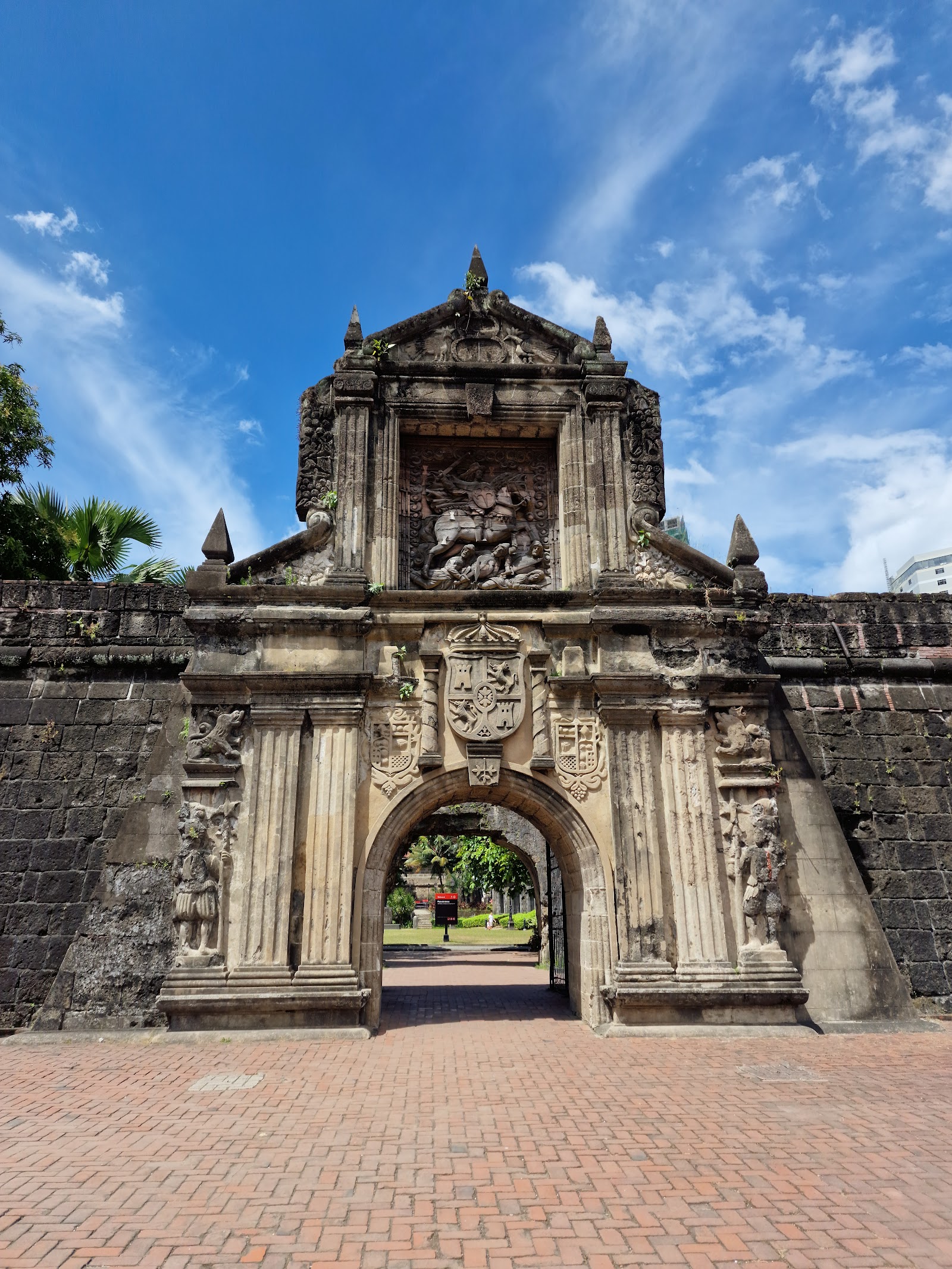
Fort Santiago, built in 1571, lies at the heart of Manila’s Spanish colonial history and is a place you should not miss when visiting Manila Philippines. This massive stone citadel guarded the mouth of the Pasig River and, although it was badly damaged during the Battle of Manila in 1945, it now offers beautifully landscaped gardens and a glimpse into Philippine history. Admission costs PHP 75 for adults, and you can pay either in cash or with local e-wallets.
The fortress’s biggest draw is the reconstructed barracks building, which houses a museum dedicated to national hero José Rizal. Rizal spent the final 56 days of his life here before his execution in December 1896, and the courtyard still features bronze footprints tracing his final steps from his cell to the execution site. Walking along the ramparts with views of modern skyscrapers in the distance creates a contrast that is so typical of Manila.
The fort is open every day until 10 p.m., from 8 a.m. on weekdays and as early as 6 a.m. at weekends; last admission is at 8 p.m. (8:30 p.m. at weekends). This allows you to avoid the worst of the daytime heat and enjoy the evening atmosphere of the illuminated walls, while on weekday afternoons the site is often almost empty. You can reach the fort with a roughly ten-minute walk from the Central Terminal rapid transit station.
💡 Tip: In September 2026, the very first official night tour of the entire Intramuros took place, and organisers announce additional dates on their Facebook pages, so be sure to check before your trip to see whether you might get lucky with an available spot.
2. San Agustin Church (UNESCO)
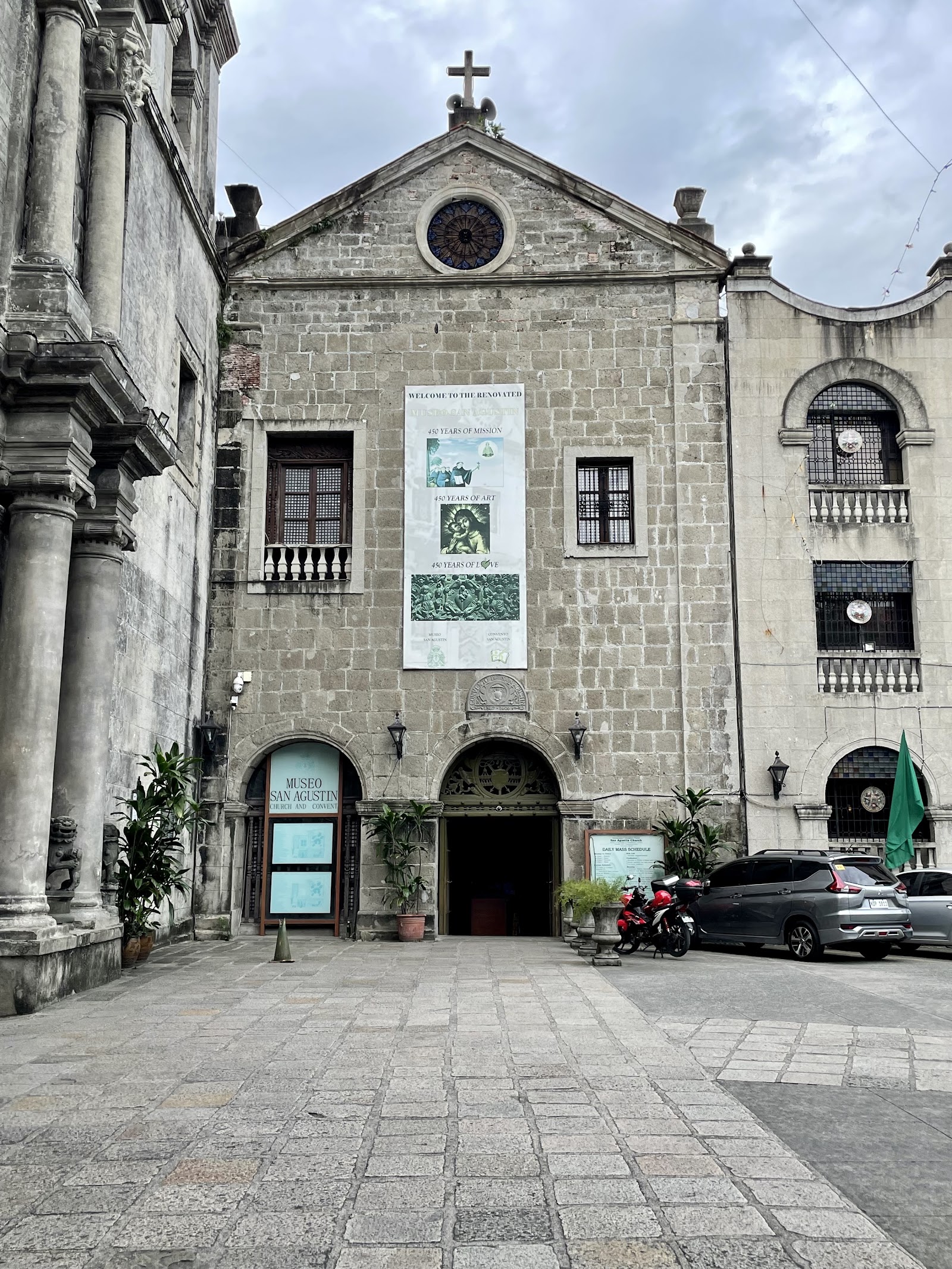
Just a few streets away, you’ll come across San Agustin Church, the oldest surviving stone church in the Philippines. This Baroque building was completed as early as 1607 and is the only building in all of Intramuros to have survived the Battle of Manila in 1945. Since 1993, the church has been a UNESCO World Heritage Site as one of the four Baroque churches of the Philippines.
As soon as you step inside, the elaborate trompe-l’œil on the vaulted ceiling catches your eye. Italian painters created it in 1875 so cleverly that the flat ceiling looks like three-dimensional reliefs. In a side chapel, you’ll find the tomb of Miguel López de Legazpi, the founder of Manila, and admission to the church itself is completely free outside of services. If you visit on a weekend, though, expect one wedding after another, and tourists may not be allowed inside at all.
In addition to the church nave, don’t miss the adjacent monastery museum, which charges an entrance fee of around PHP 200. In the peaceful cloisters surrounding the inner garden, you can admire an impressive collection of religious art, old carved pews and enormous bells. It’s a wonderful place to enjoy a quiet moment and escape Manila’s noisy traffic.
💡 Tip: Because the church is so popular for weddings, I recommend planning your visit for a weekday morning, when you can explore in peace without disturbing the wedding guests.
3. Casa Manila and Museo de Intramuros
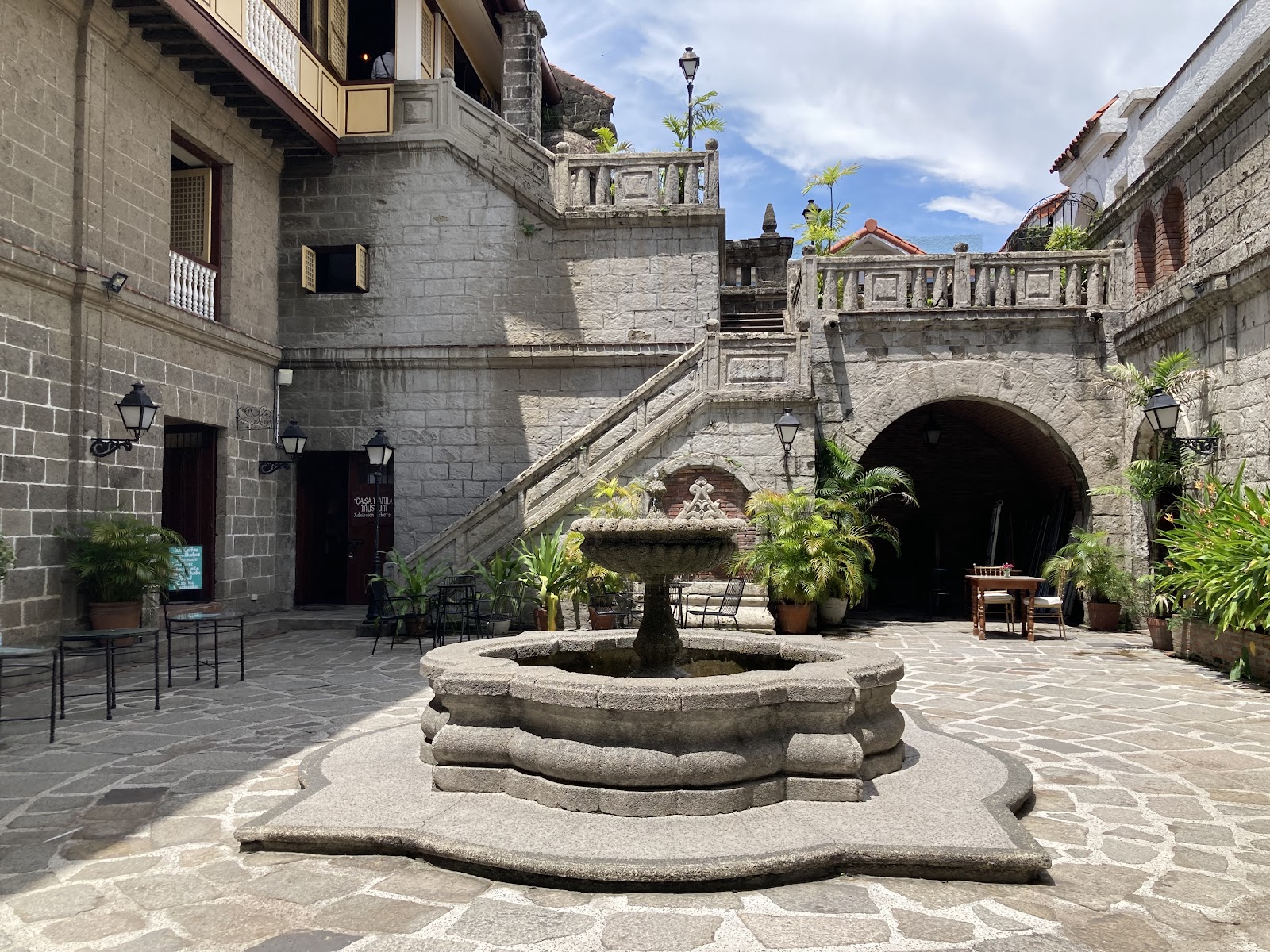
Right across from San Agustin Church is the Plaza San Luis complex, home to its main attraction, Casa Manila, a replica of a wealthy merchant family’s home from the mid-19th century. For an entrance fee of PHP 75, you’ll step back into the era of Spanish rule, with period furnishings throughout the house showing how the elite lived in luxury in its vast, airy rooms. Photography inside was prohibited until recently, but the authorities lifted the ban across the board in August 2026. It’s still best to check the latest rules at the entrance.
A short walk away is the relatively new Museo de Intramuros, which opened in 2019 in the former San Ignacio Church. Inside, you’ll find a stunning display of religious artifacts, old wooden statues and liturgical objects rescued from original churches destroyed during the war. Admission costs PHP 200, and the museum is open Tuesday through Sunday, so don’t plan your visit for Monday, when Casa Manila is also closed.
The colonial quarter is also home to the excellent Barbara’s restaurant, which hosts cultural performances in the evening, as well as the wonderful Silahis Center handicraft shop. Silahis Center is well worth a visit for quality souvenirs: it sells beautiful handwoven fabrics, baskets and capiz shell crafts at fixed prices, so you can avoid lengthy haggling in the markets.
💡 Tip: The official museum listings give the entrance fee for Museo de Intramuros as PHP 200, but another Intramuros Administration page lists it as PHP 75, so don’t be surprised if you see either price at the ticket counter.
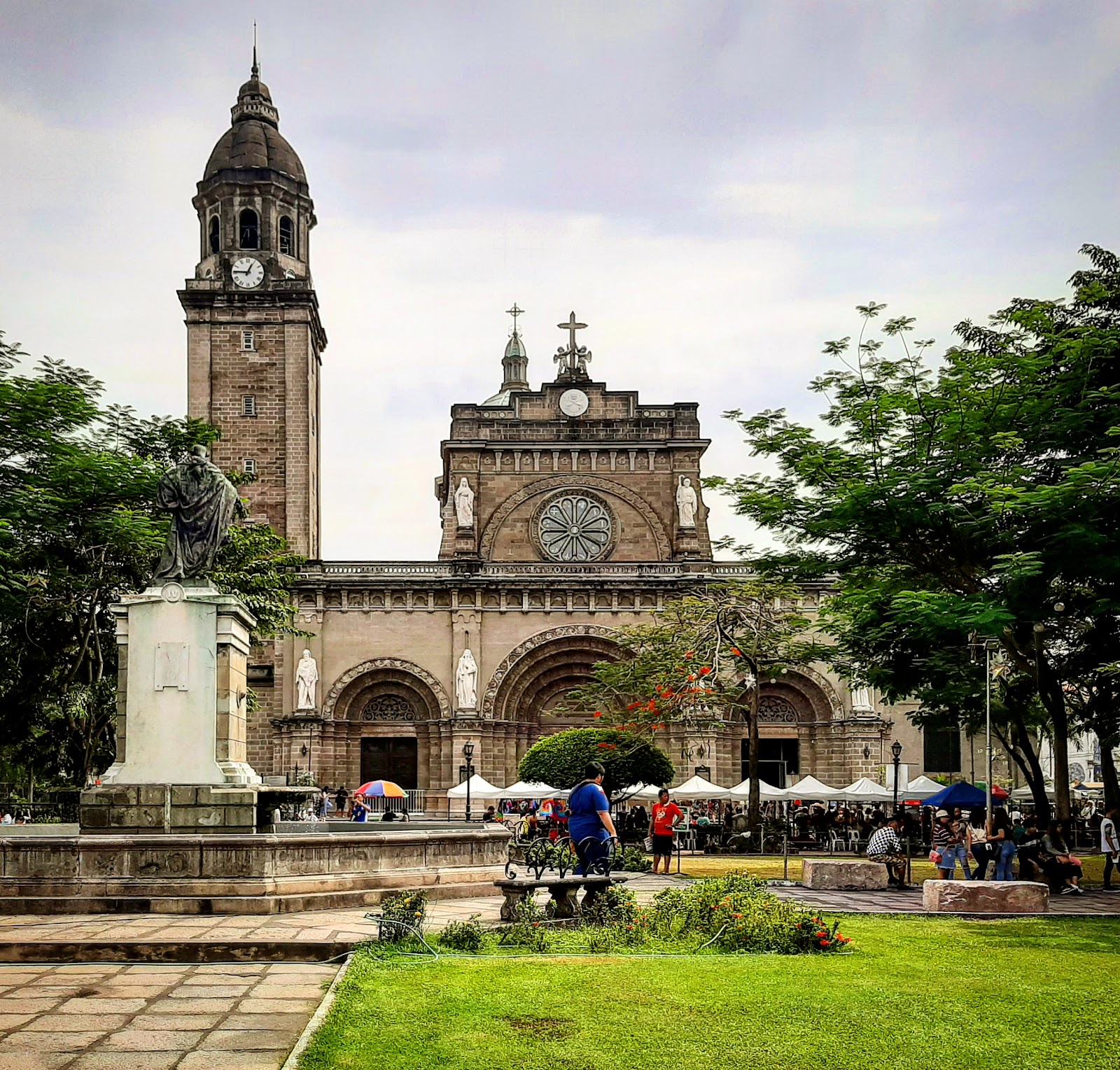
4. Manila Cathedral and Plaza Roma
Manila Cathedral on Plaza Roma is the eighth church to stand on this particular site; its predecessors were destroyed by earthquakes, fires and war. The current structure, completed in 1958, was designed by architect Fernando Ocampo, and its massive bronze doors and enormous dome dominate the entire historic center. The cathedral is hugely significant to the country, and Pope Francis even celebrated Mass here before crowds of worshippers in January 2015.
Admission to the cathedral is completely free, but you must follow a strict dress code, which means covering your shoulders and knees. As at San Agustin, weekends are devoted to grand weddings, so you probably won’t be able to explore inside in peace and may have to settle for a view from the main entrance. During the day, outside of services, it’s wonderfully quiet and cool inside thanks to the massive stone walls.
From Plaza Roma, where a statue of Spanish King Carlos IV stands, you can take a great photo of the building, especially in the evening when its facade is beautifully illuminated. It’s just a brisk 12-minute walk from Central Terminal station, making it easy to combine your visit with nearby Fort Santiago.
💡 Tip: The cathedral doesn’t have fixed visiting hours and follows the Mass schedule instead (7:30 am and 12:10 pm on weekdays; 8:00 am, 10:00 am and 6:00 pm on Sundays). Your best bet is to visit in the morning between services.
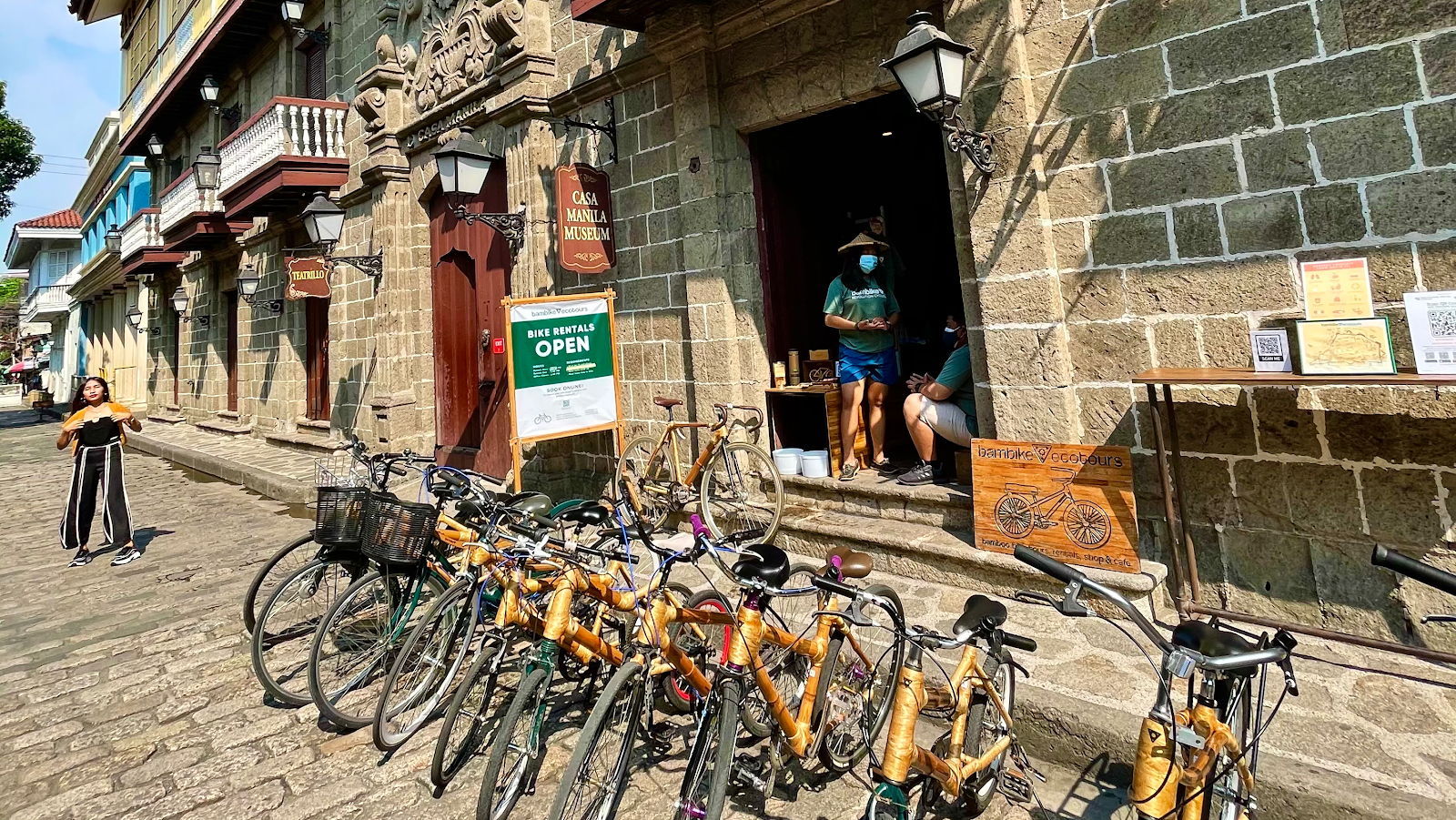
5. The Walls by Bamboo Bike and Baluarte de San Diego
The walls of Intramuros stretch for just under five kilometers, and the most impressive surviving feature is the massive Baluarte de San Diego, built in 1586. For an entrance fee of PHP 75, you can explore the bonsai garden surrounding the bastion’s stone foundations, which are shaped like a spearhead. It’s open daily from 8:00 am to 5:00 pm, with last admission at 4:00 pm. From the walls, you’ll get lovely views of the surrounding greenery and distant skyscrapers.
The most stylish way to explore the walls and old town is to rent one of the distinctive bamboo bikes from Bambike Ecotours. Local craftspeople hand-build these bikes as part of a social enterprise in the city of Gapan. The company offers two-hour guided rides from around PHP 790, as well as romantic evening tours for USD 14.50. Its headquarters are right at the corner of Real and General Luna streets, a short walk from Casa Manila.
An alternative to bamboo bikes is the traditional horse-drawn carriage, known as a kalesa, but be very wary. It’s the most common tourist trap in all of Intramuros: an agreed price of PHP 350 for half an hour can suddenly turn into a charge for every 30-minute block, and at the end the driver may demand more than PHP 2,000.
💡 Tip: If you do decide to take a romantic carriage ride, ask the driver to write down the final price for the entire route in advance, either on paper or on your phone, so you have clear proof of what you agreed.
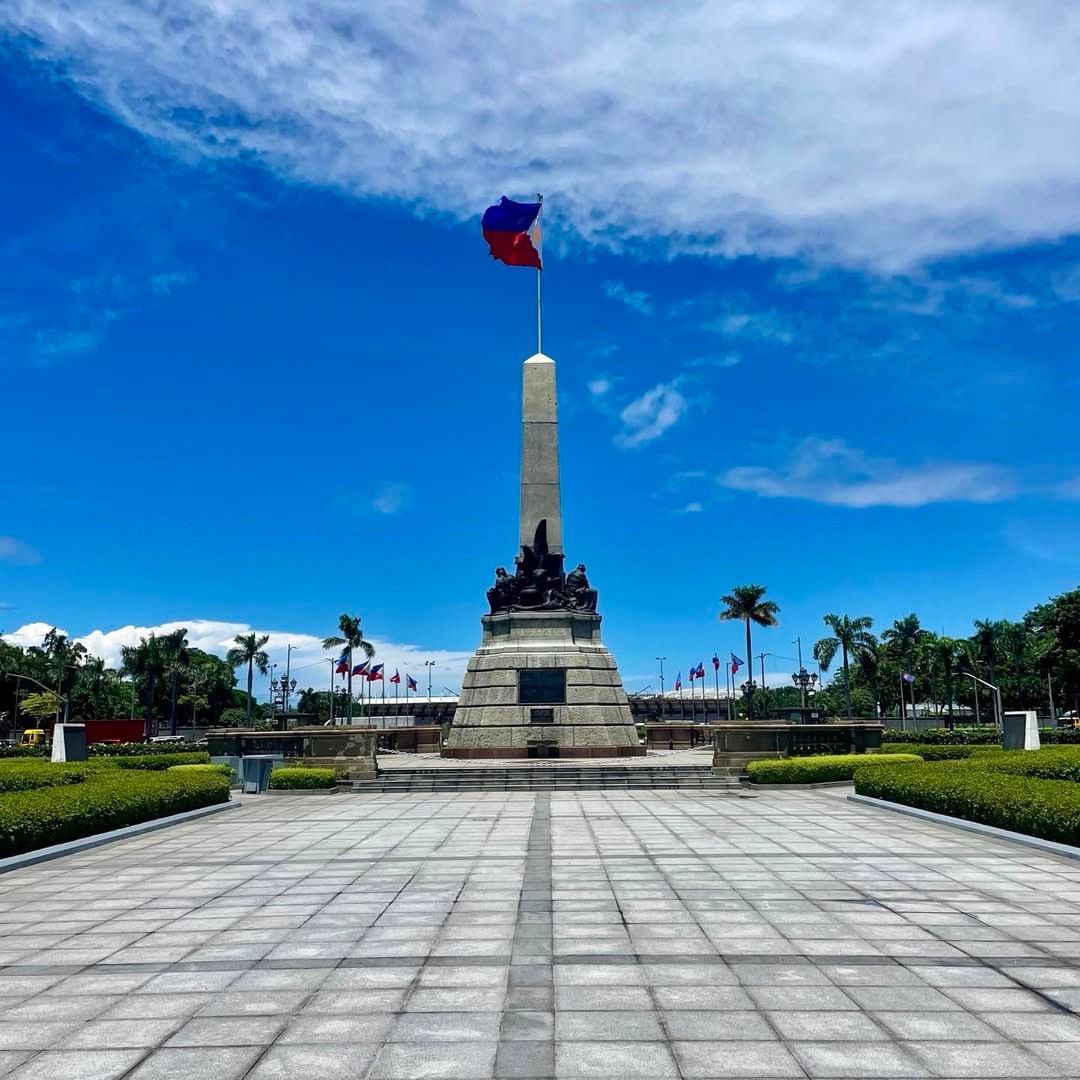
6. Rizal Park (Luneta) and Kilometer Zero
Rizal Park, known locally as Luneta, is a vast green space covering almost 60 hectares and forming a natural boundary between historic Intramuros and the Ermita district. At the heart of the park is the iconic Rizal Monument, unveiled in 1913, beneath which the remains of this national hero rest. Soldiers stand guard there around the clock. The starting point for measuring all Philippine roads is also right by the monument, marked by an understated stone Kilometer Zero marker across the street.
The park holds enormous historical significance: this is where José Rizal was executed by Spanish colonizers on December 30, 1896. Today, it’s a lively place filled with families picnicking, early-morning tai chi groups and runners taking advantage of the wide paved paths. There’s no entrance fee for the main areas, and the park is open daily from 5:00 am to 10:00 pm.
Nearby, you’ll also find popular family attractions such as the Museo Pambata children’s museum and the enormous Manila Ocean Park aquarium. The best time to visit is definitely early in the morning, between 6:00 and 8:00 am, when the air is still relatively fresh and the park belongs to the locals.
💡 Tip: A common scam around the park involves a “friendly local” who strikes up a conversation, offers to show you around, and eventually takes you to an overpriced shop or restaurant where they earn a commission.
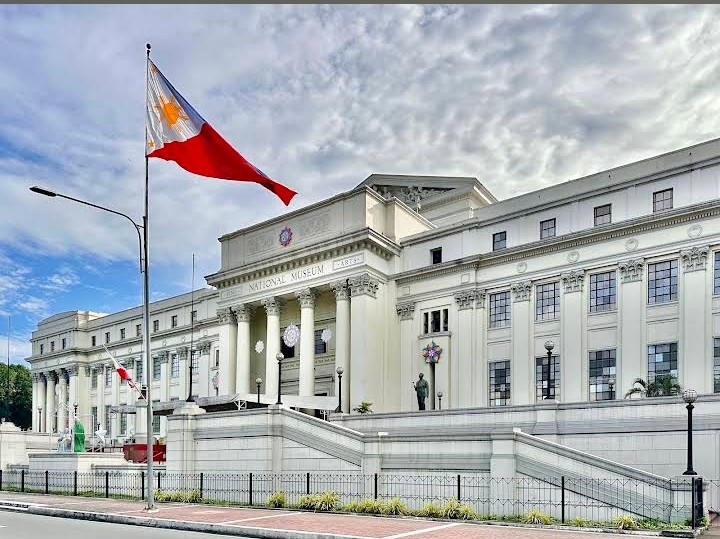
7. National Museum: Three Museums, All Free
On the eastern edge of Rizal Park, you’ll find three outstanding national museums that rank among the best things Manila has to offer. Best of all, admission to all three buildings is completely free. They’re open daily from 9 am to 6 pm, with no reservation required, and their excellent air conditioning makes them a perfect refuge from the scorching midday sun. Start at the National Museum of Fine Arts, housed in the magnificent former legislature building, completed in 1926.
In the main hall of the art museum, you’ll be amazed by Spoliarium, the most famous and largest painting in the Philippines, created by Juan Luna in 1884. Some of the smaller galleries have been closing since late September 2026 to prepare new exhibitions, but Spoliarium and other key works by Amorsolo and Hidalgo remain on display. Across the street, you’ll find the National Museum of Anthropology, with its rich collections of Indigenous textiles and ceramics.
The trio is completed by the fantastic National Museum of Natural History, housed in a modernized building with a glass atrium. A huge architectural feature known as the Tree of Life runs through the centre of the building, with ramps winding around it to exhibitions on Philippine flora and fauna. If you love history and art, set aside a whole afternoon to explore all three museums.
💡 Tip: The museums are right by United Nations LRT station, so you can get here easily by light rail and avoid the unpredictable traffic jams on Roxas Boulevard.
8. Binondo, the World’s Oldest Chinatown
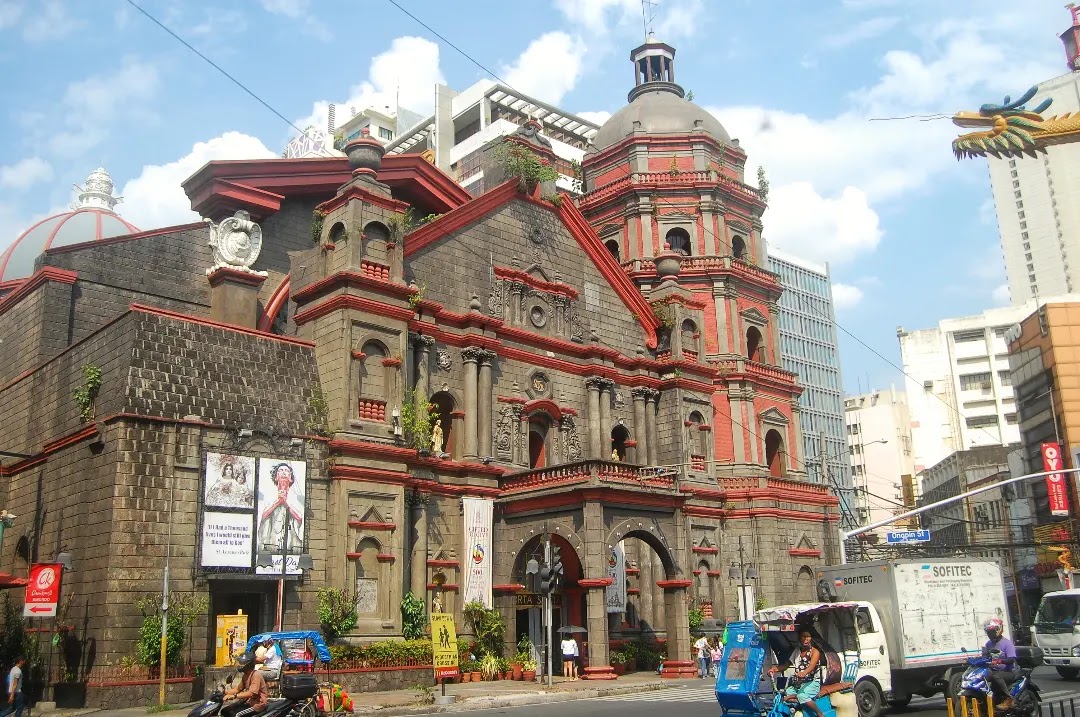
Founded in 1594 by Governor Luis Pérez Dasmariñas for Chinese merchants who had converted to Christianity, Binondo is recognized as the world’s oldest Chinatown. The historic Binondo Church is the heart of the neighbourhood. Its massive 16th-century octagonal bell tower survived the Battle of Manila in 1945 and now dominates Plaza Lorenzo Ruiz. It’s a vibrant, chaotic place where the scents of incense and fresh pastries mingle with jeepney exhaust fumes.
Binondo is a paradise for food lovers, although vegetarians should be a little cautious: many of the traditional dim sum dumplings at the famous Wai Ying contain pork, and Sincerity’s popular chicken is strictly for meat-eaters. For a delicious meal with vegetarian-friendly options, head to Eng Bee Tin bakery, known for its legendary hopia pastries filled with sweet mung beans or purple yam known as ube. You can also try a meat-free lunch at the unassuming Dong Bei Dumplings, which serves vegetable dumplings too, but it’s best to ask about the filling.
Binondo is safe and busy during the day, but in April 2026 a tourist was drugged and robbed after accepting juice from a stranger. Never accept drinks from strangers on the street; buy them directly from shops or restaurants instead. Start exploring the neighbourhood at Carriedo LRT station, and expect it to be packed on weekends.
💡 Tip: If you’re in Manila in early February 2027, expect the Chinese New Year celebrations in Binondo to turn the whole neighbourhood into one huge, traffic-free festival, complete with dragon dances and thousands of people.
9. Escolta, Jones Bridge and Pasig River Esplanade
Escolta Street once proudly bore the title “Queen of the Streets” and, in the early 20th century, was Manila’s most prestigious shopping avenue. Beautiful Art Deco buildings such as the First United Building and Regina Building still line the street, gradually coming back to life thanks to young artists and cafés. On the fourth floor of the First United Building, you’ll find HUB: Make Lab, a creative marketplace that hosts interesting events on weekends and sells original designs by local makers.
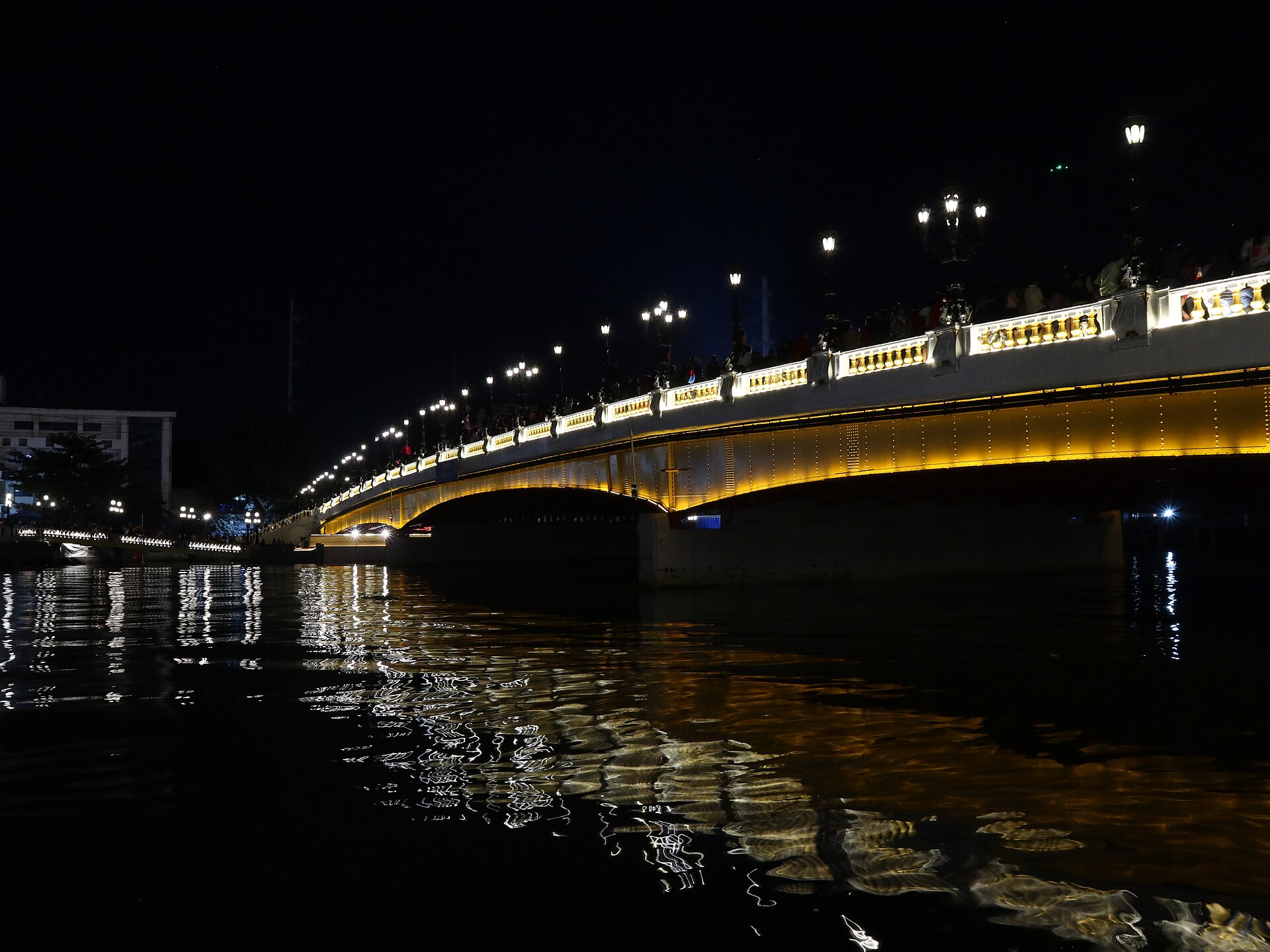
At the end of Escolta, you’ll come to historic Jones Bridge, which underwent a stunning restoration in 2019 and was returned to its original Beaux-Arts style, complete with beautiful lanterns reminiscent of Paris’s Pont Alexandre III. The best photos are taken during the so-called blue hour, just after sunset, when the lamps come on. Regular evening light shows have also been held here since mid-2025.
Pasig River Esplanade begins right beneath the bridge. This new promenade connects the walls of Intramuros with the river and has become a major hit across the city. From 4 pm until midnight, 47 permanent food and drink kiosks are open. Entry is completely free, and you can also catch the free Pasig River Ferry from here to the distant neighbourhood of Guadalupe.
💡 Tip: Combine all three spots in one afternoon: start with lunch in Binondo, explore the historic sights along Escolta, photograph the bridge at sunset, then finish the evening at the stalls on the new riverside promenade.
10. Quiapo (Black Nazarene) and San Sebastian
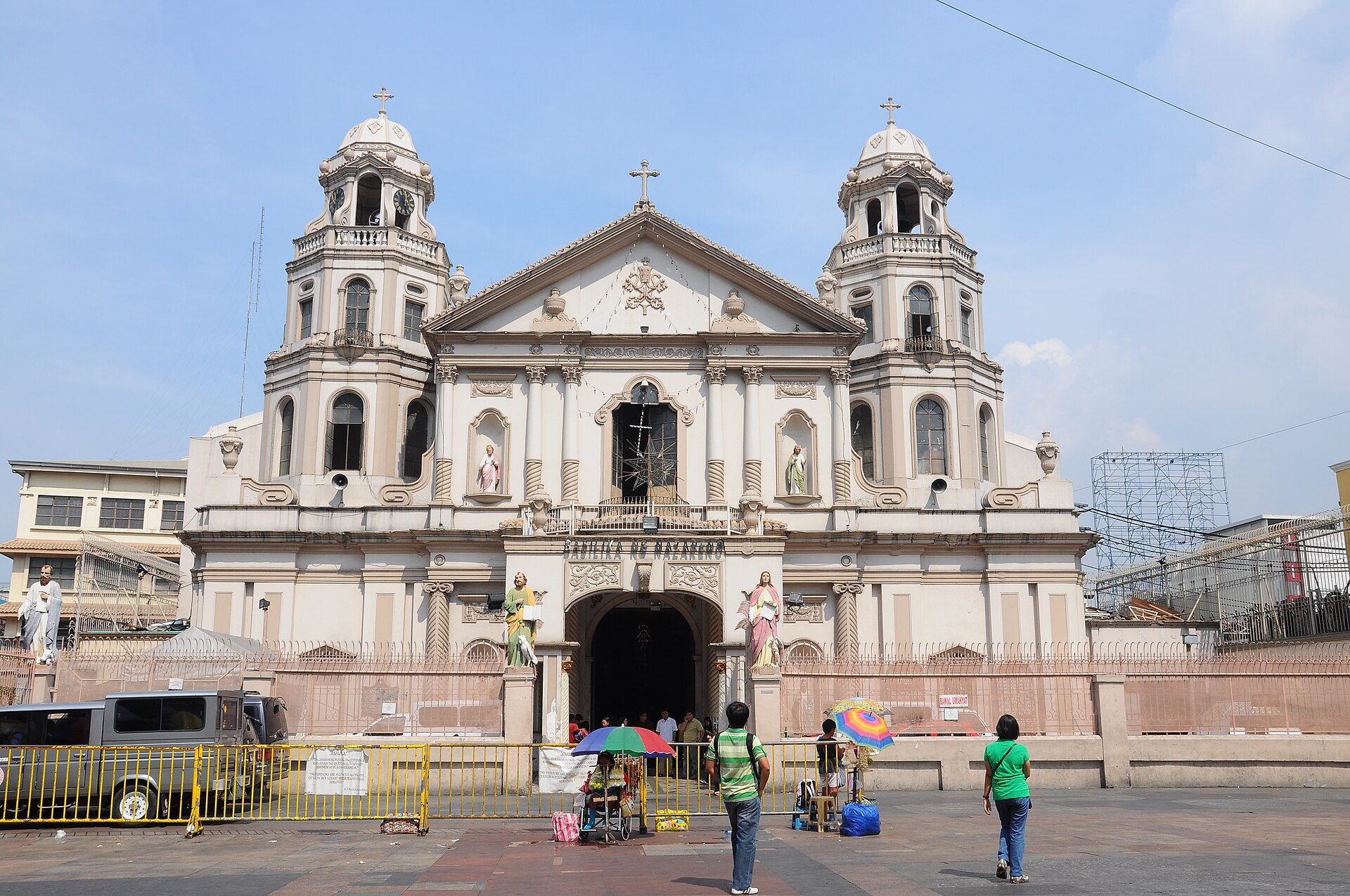
Quiapo is the place to experience the Philippines at its most authentic and chaotic, centred around the famous Quiapo Church on Plaza Miranda. Inside the church is the statue of the Black Nazarene, brought here from Mexico in 1606 and believed by locals to have great miraculous powers. Masses draw huge crowds every Friday, while the square outside the church is filled with fortune-tellers, herbalists and sellers of all kinds of magical amulets.
The statue takes centre stage in the January Traslación procession, one of the Philippines’ largest religious events. In 2026, the procession took 31 hours to pass through the city, drew millions of people and, sadly, claimed several lives. If you’re not visiting in January, go on a weekday morning for a regular visit, and keep a close eye on your valuables: the crowds here are a pickpocket’s paradise.
A short distance away stands the architectural marvel of San Sebastian Church, the only all-steel church in Asia. This Neo-Gothic structure arrived as a prefabricated building from Belgium and was consecrated in 1891. It’s currently undergoing extensive restoration because of corrosion, so expect parts of the interior to be covered in scaffolding.
💡 Tip: When exploring Quiapo and its markets, always wear your backpack on your front, avoid displaying expensive jewellery, and leave your passport and most of your cash locked safely in your hotel room.
11. Manila Baywalk and Dolomite Beach
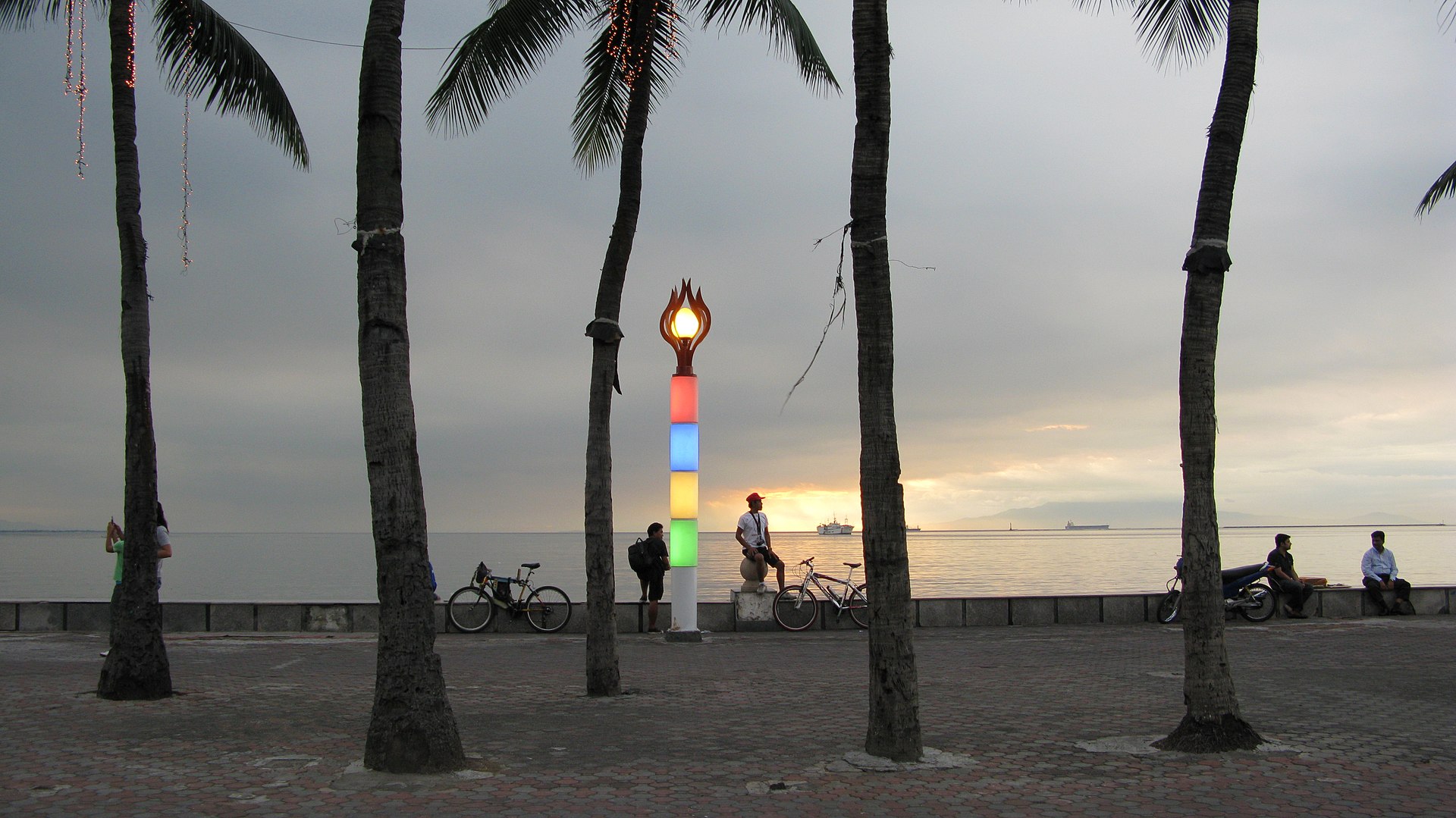
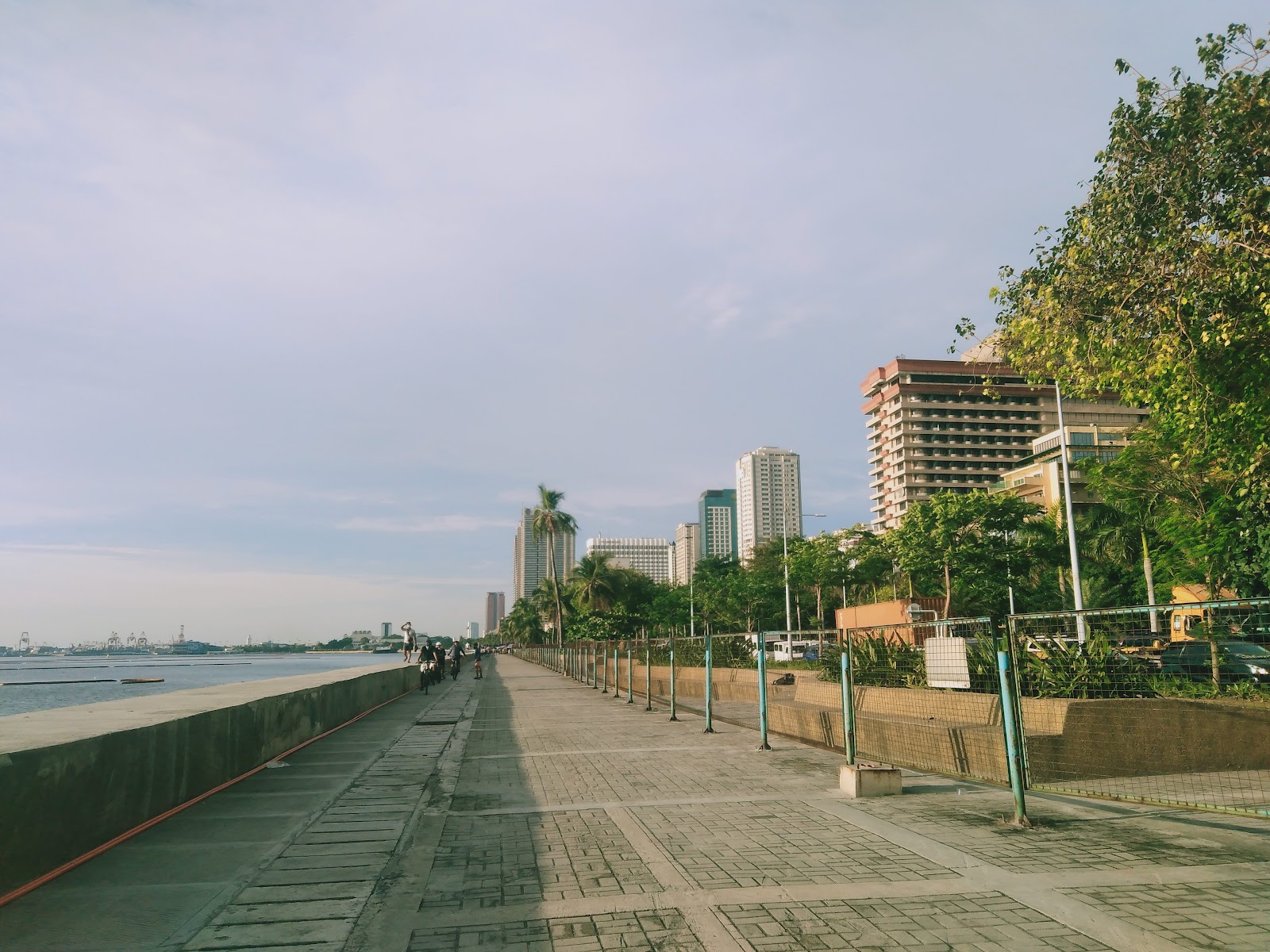
The long Manila Baywalk promenade along Roxas Boulevard is a favourite spot for locals to watch the bay’s iconic sunsets. The newest and most controversial addition to the promenade is the artificial Dolomite Beach, made from crushed dolomite. The beach is open daily from 6 am to 6 pm, and admission is free. Keep in mind, though, that it closes to the public every Thursday for routine maintenance.
Although the white sand looks inviting, swimming in the bay is prohibited because of poor water quality. The beach has faced criticism from the start, and a congressional investigation into it has been underway since November 2025. After monsoon rains in August 2026, authorities removed more than 2,000 bags of rubbish from the beach. Even so, the sight of artificial white sand against the backdrop of a huge port is unusual.
The promenade is at its best just before dusk, roughly between 5:45 and 6:15 pm, when the sun sinks below the horizon and the sky turns every shade of orange. After dark, however, Malate changes, and the streets farther from the sea aren’t ideal for a nighttime stroll, so it’s best to book a Grab car back to your hotel.
💡 Tip: For great views of the bay, try nearby Harbor View Restaurant on the pier a short walk beyond Rizal Park, although its menu focuses mainly on fish and seafood.
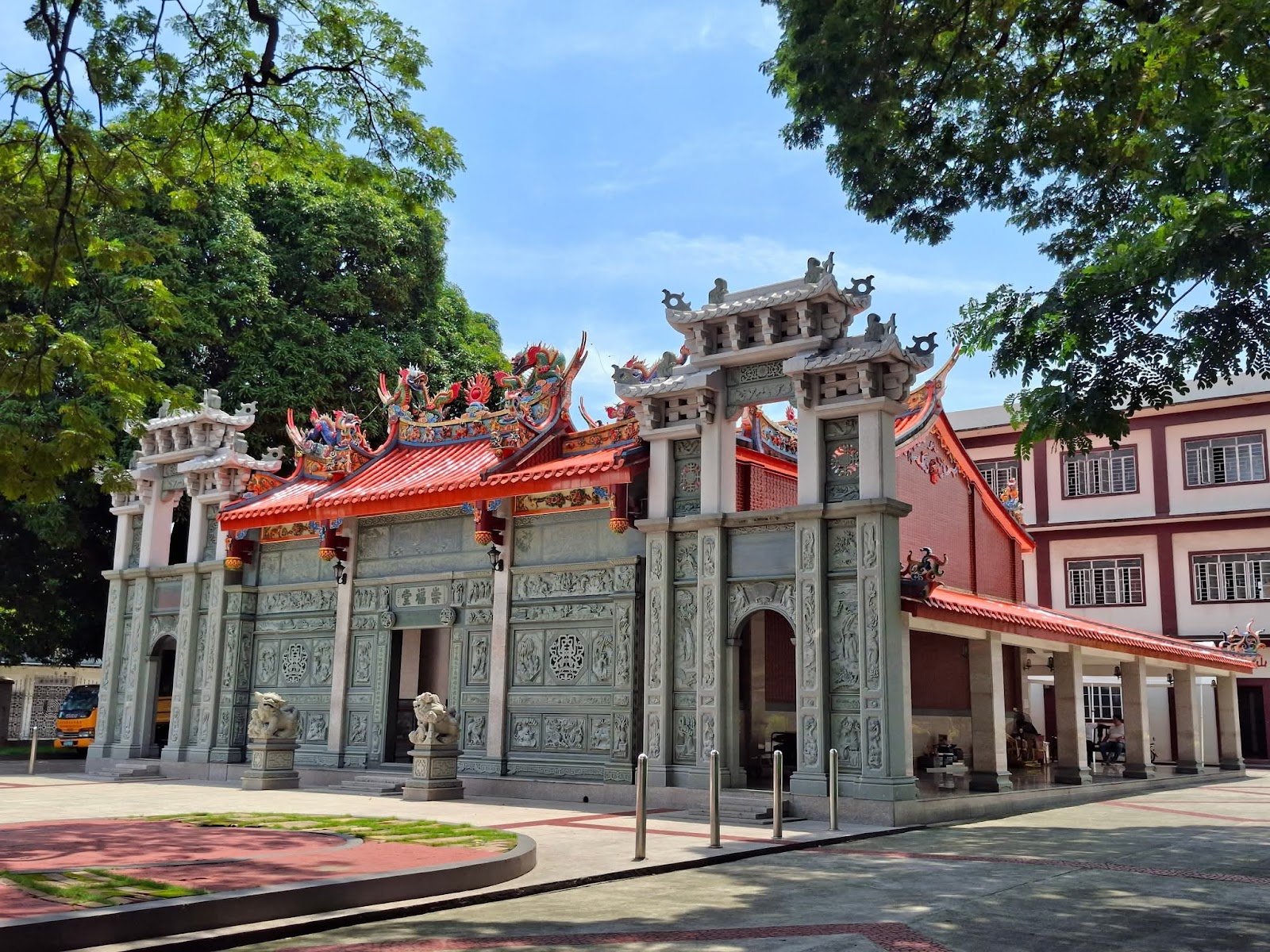

12. Manila Chinese Cemetery
For a truly bizarre and unusual experience, head north to the nineteenth-century Manila Chinese Cemetery. Manila’s second-oldest cemetery was established because Spanish Catholics refused to bury Chinese immigrants in their cemeteries, and it has since grown into a unique city of the dead. Wealthy families built enormous mausoleums for their loved ones here, many complete with working air conditioning and private bathrooms.
Admission is free, and the grounds are also home to Manila’s oldest Chinese temple, dating back to 1878. Exploring the vast maze of lanes on your own can be confusing, so it’s much better to book a professional tour in advance, for example through Old Manila Walks. Avoid unsolicited offers from local “guides” waiting by the south gate. They may ask for around PHP 800 at the end for a questionable tour.
During Undas, the Filipino observance of All Saints’ Day and All Souls’ Day on November 1 and 2, the cemetery turns into one huge family gathering. The grounds become extremely crowded on these days, and visits to graves are officially limited to a maximum of 30 minutes, so tourists are advised to skip the cemetery during this period.
💡 Tip: The official opening hours are difficult to verify, so go as early in the morning as possible, when the gate is more likely to be open and the temperature is still bearable. Bring plenty of water.
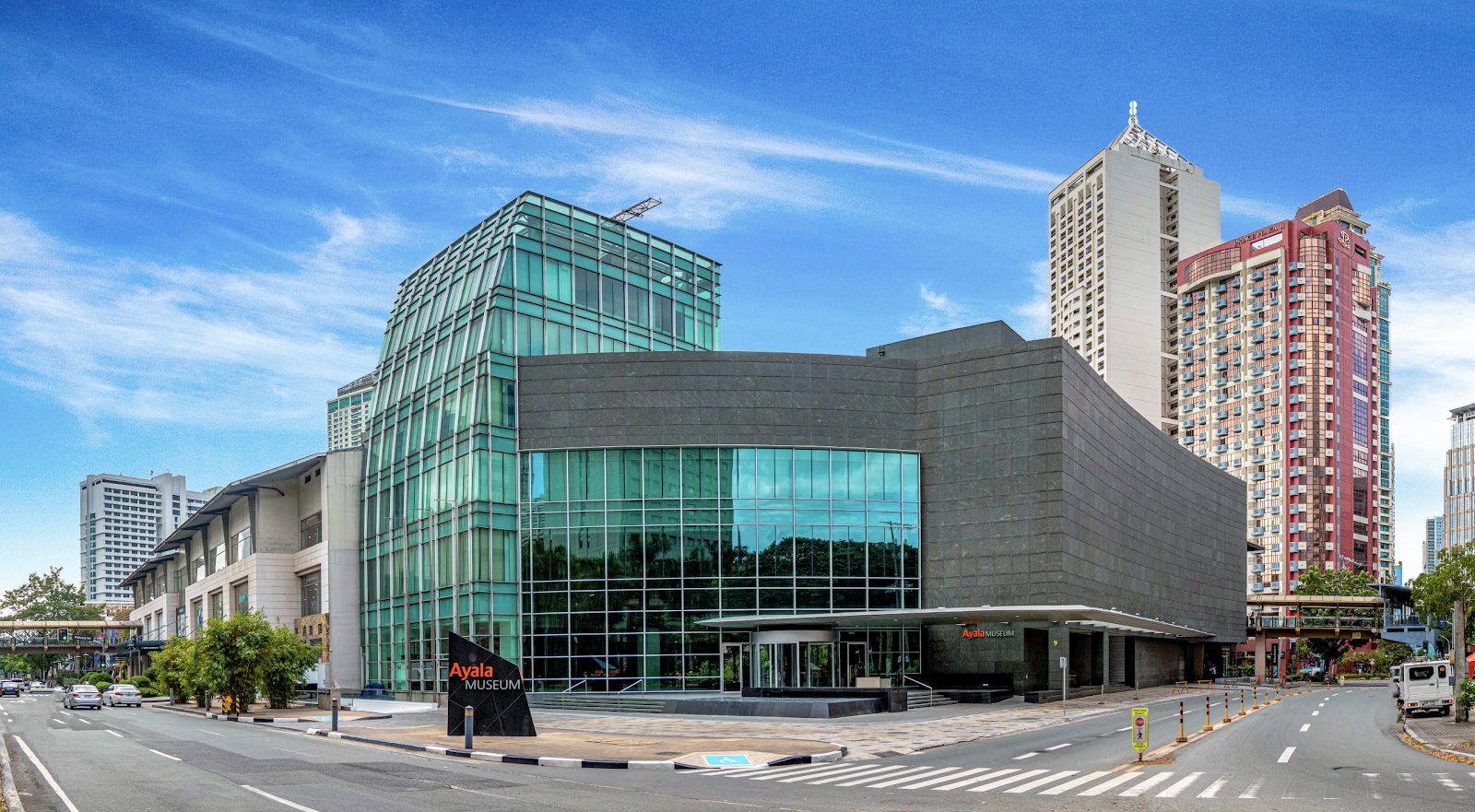
13. Ayala Museum in Makati
In contrast to Manila’s chaotic streets, the ultra-modern Ayala Museum sits in the green heart of Makati, beside Greenbelt Park. It is the city’s most expensive museum, with admission for foreign visitors costing PHP 850, but its exhibitions are well worth the price, especially the fantastic Gold of Ancestors display on the fourth floor. Here you’ll find more than a thousand beautiful gold artefacts from the pre-colonial era, showcasing the extraordinary skill of early Filipino craftspeople.
Alongside its gold collection, the museum features a popular series of 60 meticulously crafted dioramas that trace the complex history of the Philippine archipelago, from its earliest settlers to modern times. The museum is open Tuesday to Sunday from 11 a.m. to 7 p.m. and is traditionally closed on Mondays. If you’re travelling with children, those under three get in free, while students can receive discounted admission for PHP 350 by showing their ID.
Because the museum is so popular, it’s best to reserve a time slot in advance on its website. If you’re only interested in the gold exhibition and don’t want to pay full price, you can buy a ticket at the counter for the fourth floor alone, for a much more manageable PHP 300.
💡 Tip: After your visit, you can head straight onto the elevated, air-conditioned walkways, which will take you safely to the nearby Ayala MRT station or the surrounding shopping centres.
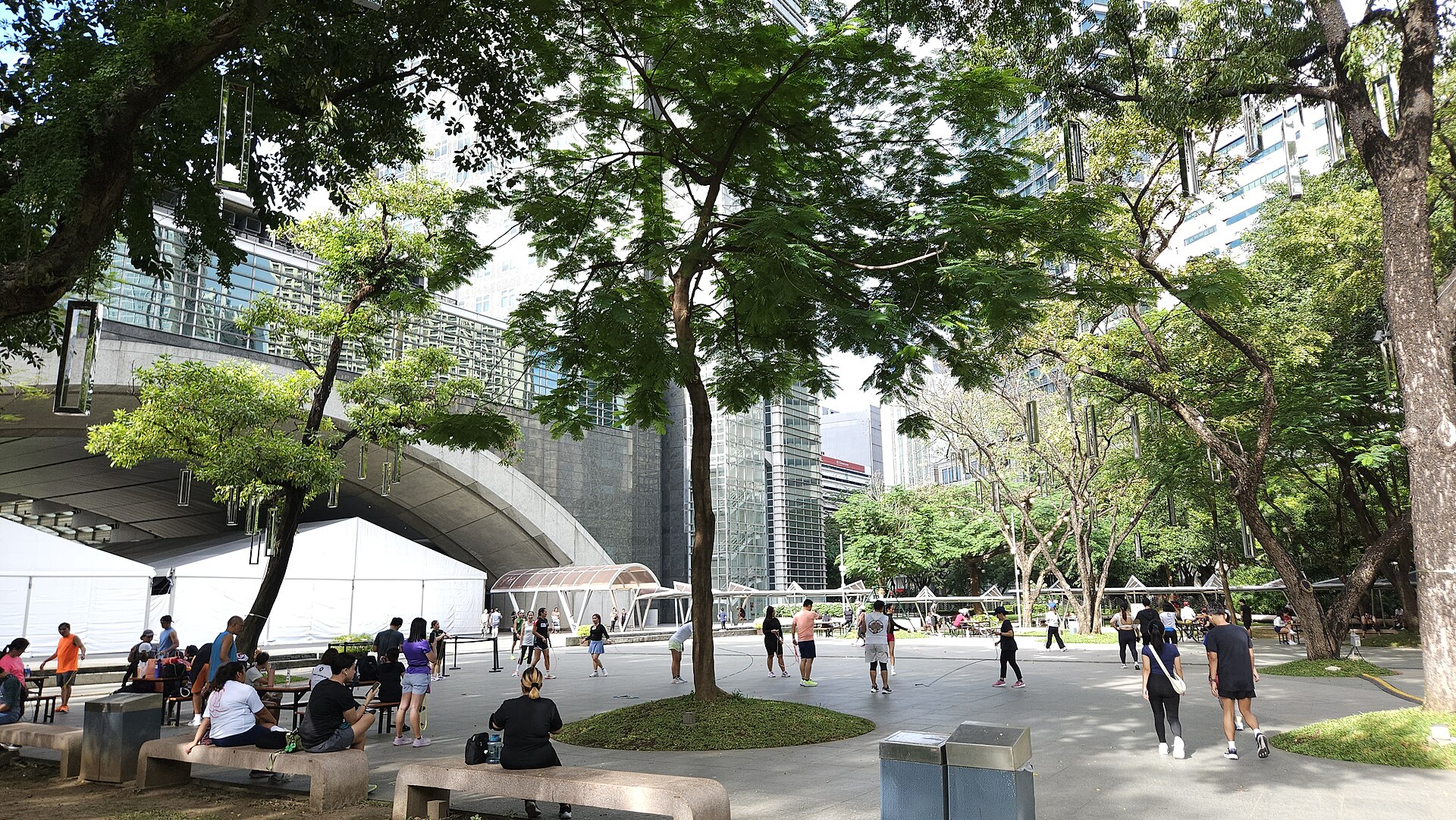
14. Greenbelt, Ayala Triangle and Weekend Markets
The area around the museum flows seamlessly into Greenbelt, a shopping complex that masterfully combines luxury stores with tropical greenery. The entire complex is built around a beautiful park with a circular chapel and ponds, making it easy to forget you’re in the middle of a 25-million-person megacity. You’ll also find a branch of the famous Manam restaurant here, featured in National Geographic’s 2026 food guide. Ask ahead and they can prepare gising-gising, a vegetable dish, without any meat.
A little farther along Ayala Avenue is Ayala Triangle Gardens, another lovely public park that comes alive with the spectacular Festival of Lights each year from November to January. The best of Makati’s food scene, though, can be found at its local weekend markets, which run in the morning until around 2 p.m. Salcedo Market takes place on Saturdays only in Jaime C. Velasquez Park, while Sundays belong to Legazpi Market on the street of the same name.
Both markets offer food from around the world, from fresh tropical fruit to artisan products. They’re also the easiest place to find an excellent vegetarian lunch anywhere in Manila, with stalls serving Indian, Thai and fully vegan food. Just make sure you arrive by around 10 a.m. at the latest, before the best options sell out.
💡 Tip: You can buy local fruit such as mangoes, mangosteens and rambutans at the weekend markets for much less, and in better quality, than at the air-conditioned supermarkets inside shopping centres.
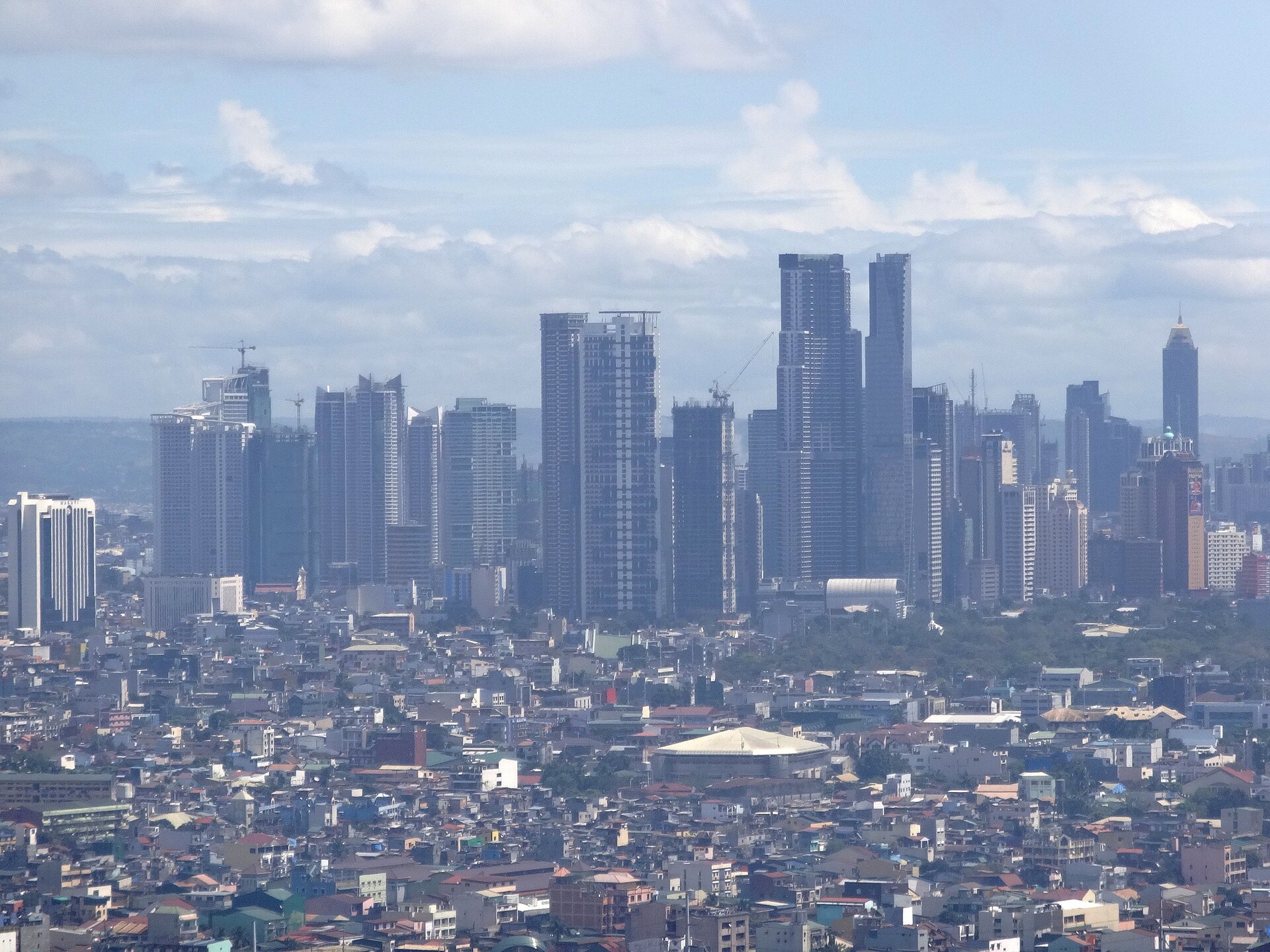
15. Poblacion: Michelin Stars, Bars and Vegan Cafes
Neighbouring Poblacion has undergone an incredible transformation over the past decade and is now one of the most exciting food districts in the Philippines. Just outside central Makati, you’ll find Helm, the only restaurant in the country to earn two Michelin stars in the first guide published for 2026. The area is also dotted with excellent Bib Gourmand spots, including Lampara and the Middle Eastern restaurant La Pita, known for its mezze.
Poblacion is also a haven for vegetarians and vegans, for whom the traditionally meat-heavy Filipino cuisine can otherwise be a challenge. Head to Cosmic on the fourth floor at P. Guanzon Street for vegan versions of Filipino classics, or visit Makati’s oldest vegetarian restaurant, Corner Tree Cafe, where the menu includes tofu kare-kare and dahl. Hummus Elijah is another great option; it’s open around the clock on weekends and serves excellent falafel and shakshuka.
After dark, the neighbourhood becomes a nightlife hub with some of the country’s best cocktail bars, but you’ll need to be more cautious here than in nearby Makati CBD. The area has historically been a red-light district around P. Burgos Street, and phone thefts are fairly common after 2 a.m. Stick to the main, well-lit streets, keep an eye on your drink in bars and take a Grab back to your hotel.
💡 Tip: As you explore Poblacion’s bars, don’t miss the legendary The Curator in nearby Legazpi Village. It operates as a specialty coffee shop by day and transforms into a cocktail bar in the evening, regularly appearing in the Asia’s Best Bars rankings.
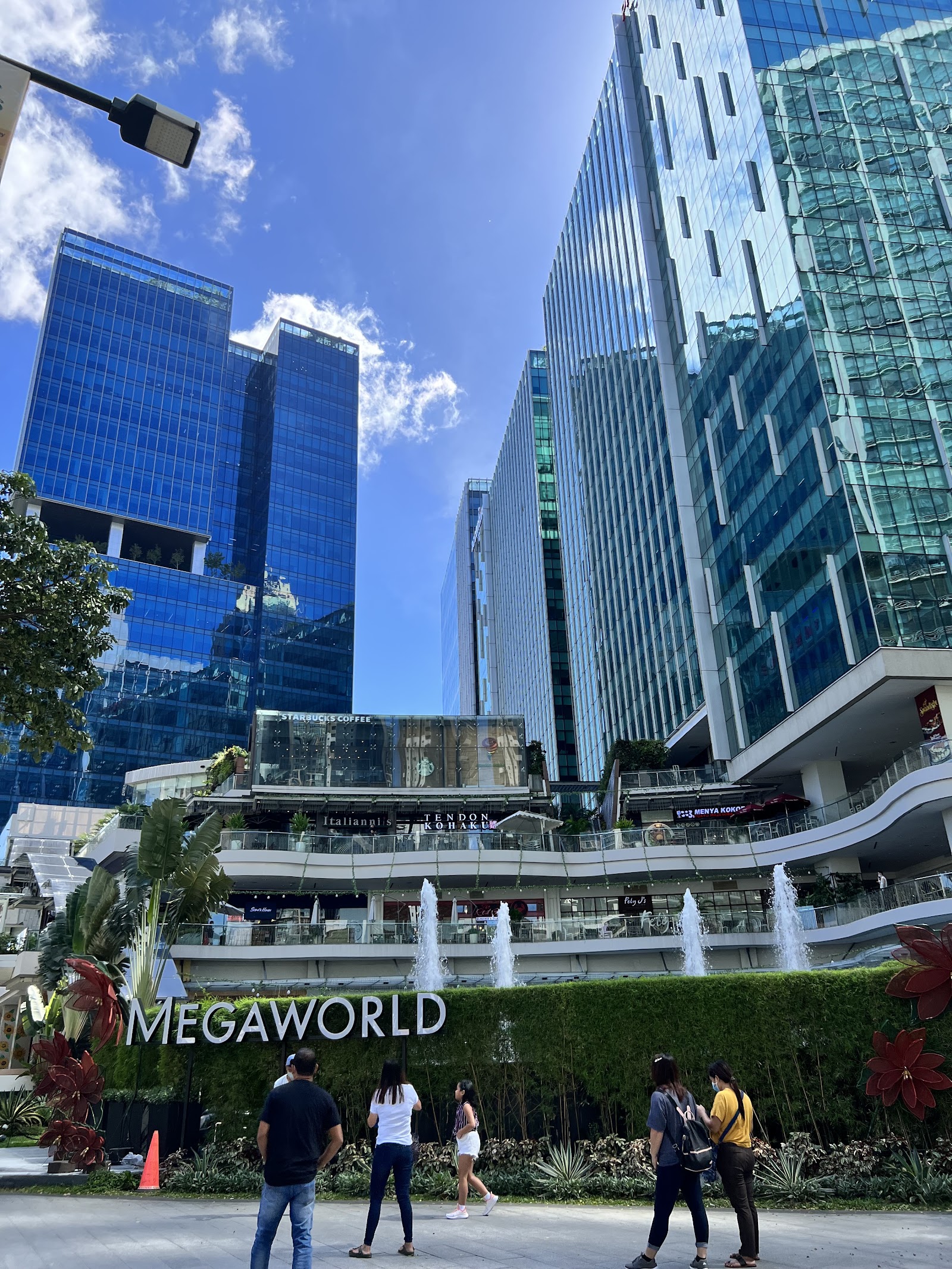
16. BGC (Bonifacio Global City)
If you’ve had enough of Manila’s battered pavements and the constant traffic horns, head to the ultra-modern Bonifacio Global City, or BGC for short. It’s one of the few districts in the metropolitan area where you can comfortably walk around all day, and people on Reddit describe it as having the best pavements in the country. Its main thoroughfare is Bonifacio High Street, a long shopping promenade surrounded by skyscrapers covered in spectacular murals as part of the Arts at BGC project.
Families with children will love the interactive Mind Museum, with a full-day adult ticket costing PHP 625, or Venice Grand Canal Mall, where you can take a gondola along an artificial canal. It’s undeniably kitsch, but makes for great photos. BGC is also another stronghold of Michelin-recognised dining, with famous tacos at Los Tacos and excellent Vietnamese soup at Em Hà Nội, where you can ask for vegetarian pho chay.
Unfortunately, BGC isn’t served by any rapid-transit rail lines. The cheapest option is the dedicated BGC Bus, which leaves from Ayala MRT station and costs around PHP 15, although expect a queue during rush hour. For a more comfortable trip, take a Grab from Makati; outside peak hours, the journey takes 15 to 30 minutes.
💡 Tip: Just off High Street, you’ll find the excellent Wholesome Table, where vegetarian dishes are clearly labelled and the food is made with high-quality organic ingredients.

17. Manila American Cemetery and Memorial
About a ten-minute drive from BGC, you’ll find the Manila American Cemetery, which, at 152 acres (roughly 61 hectares), is the largest American military cemetery outside the United States and is managed by the ABMC commission. More than 17,200 soldiers who fell during the complex battles of World War II in the Pacific lie beneath its perfectly maintained green lawns. White marble crosses arranged in perfect concentric circles create a powerful and dignified visual impression.
At the heart of the grounds stands a magnificent memorial with huge mosaic maps detailing the course of the Pacific battles, as well as walls bearing the names of another 36,000 missing soldiers. Admission to both the grounds and the visitor center is completely free, and they are open daily from 9 a.m. to 5 p.m., except on December 25 and January 1.
The rules are similar to those at a military memorial site, and you must show a valid passport or another form of identification at the entrance gate. Respectable clothing is also required, with no tank tops or short shorts. Since there is almost no shade across the seemingly endless lawns, plan your visit for 9 a.m., before the worst of the daytime heat begins.
💡 Tip: No public transport runs through the grounds, and walking from the gate to the memorial in the heat is exhausting, so ask your Grab driver to wait for you for about an hour, or book one for the return journey directly to the visitor center.
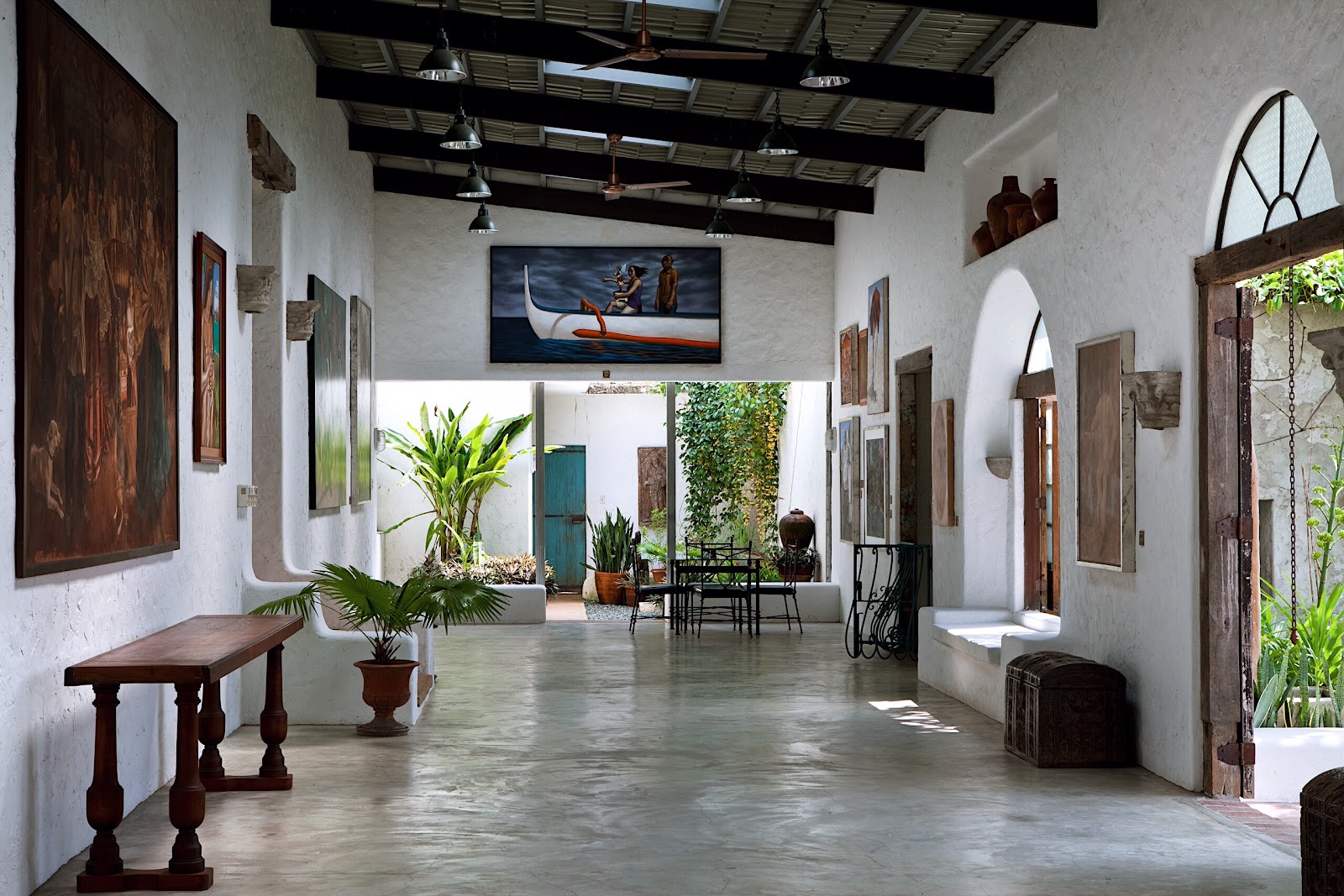
18. Pintô Art Museum (Antipolo)
If you have one extra day in Manila, take a half-day trip to the hills above the city of Antipolo, home to the beautiful Pintô Art Museum. This enormous complex of white Mediterranean-style villas set in a tropical garden was founded by Dr. Joven Cuanang as a home for contemporary Filipino art, and today it is one of the most photogenic museums in the entire country. Admission for adults is 300 PHP, and it is open from Tuesday to Sunday.
The collections are spread across several airy galleries, chapels and outdoor installations, so you can easily spend several hours here, taking a break in one of the local cafés. At weekends, the museum attracts large crowds of local visitors and wedding photographers, so I strongly recommend coming on a weekday morning for a more peaceful experience.
You can get here either by taking the LRT-2 rapid transit line to its terminus at Antipolo and continuing by local tricycle, or by booking a Grab directly from Makati, which costs roughly 500 to 800 PHP. The drive takes between 45 and 90 minutes depending on traffic, but I recommend registering online in advance through the museum’s website to avoid delays at the entrance.
💡 Tip: Wear comfortable shoes to the museum because the grounds are quite hilly, with plenty of stairs and uneven stone paths between the individual villas.
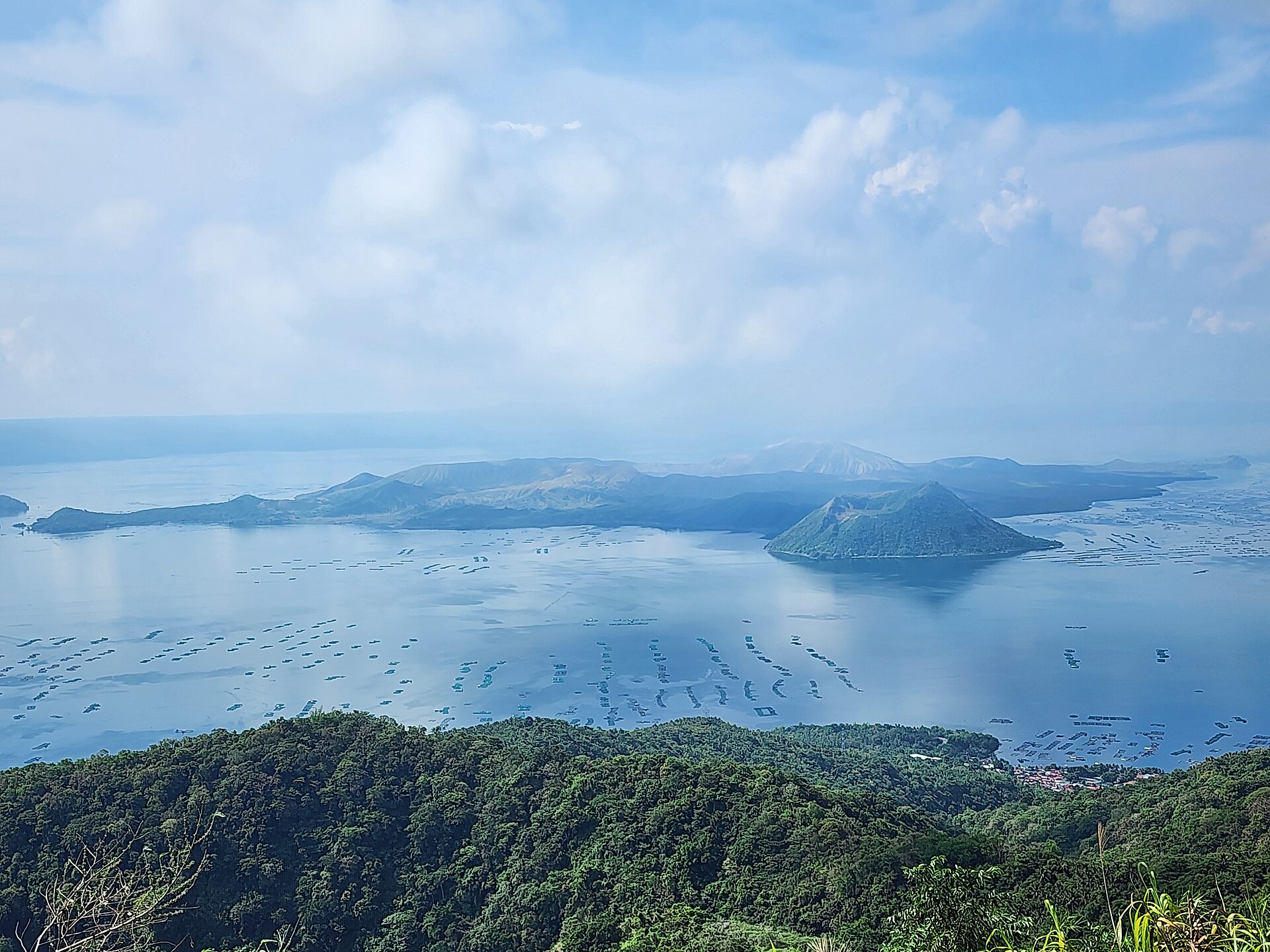
19. Tagaytay and Taal Volcano
About two hours south of Manila lies the city of Tagaytay, known for one of the most famous views in the Philippines: Taal Volcano. The volcano forms an island in the middle of a lake and is still active. It had a minor eruption in June 2026, and as of September 21, 2026, Alert Level 1 is in effect, so I need to warn you right away that any climb to the crater on the island itself has been strictly prohibited since the major eruptions of 2020. All online offers promising a trek to the crater are illegal, and only safe sightseeing boat trips on the lake are permitted.
You can enjoy the best and completely safe views directly from the ridge in Tagaytay, specifically from People’s Park in the Sky, with its small entrance fee of around 30 PHP, or from the popular Picnic Grove. Tagaytay is also a renowned culinary destination with beautiful restaurants overlooking the scenery; popular Bag of Beans and the luxurious Antonio’s are worth mentioning. Filipino cuisine is strongly represented here by meat dishes such as beef bulalo and pork sisig, so vegetarians will have to rely on side dishes and desserts.
Getting here from Manila is relatively easy thanks to regular buses departing from the PITX terminal, which you can reach by taking the LRT-1 rapid transit line. The bus journey costs around 100 to 120 PHP and can take anywhere from 1.5 to 3 hours, depending on the notorious Filipino traffic on the highway heading south.
💡 Tip: Leave Manila really early in the morning, ideally before 6 a.m., because heavy clouds often gather over the lake in the afternoon and you may not see the volcano at all.
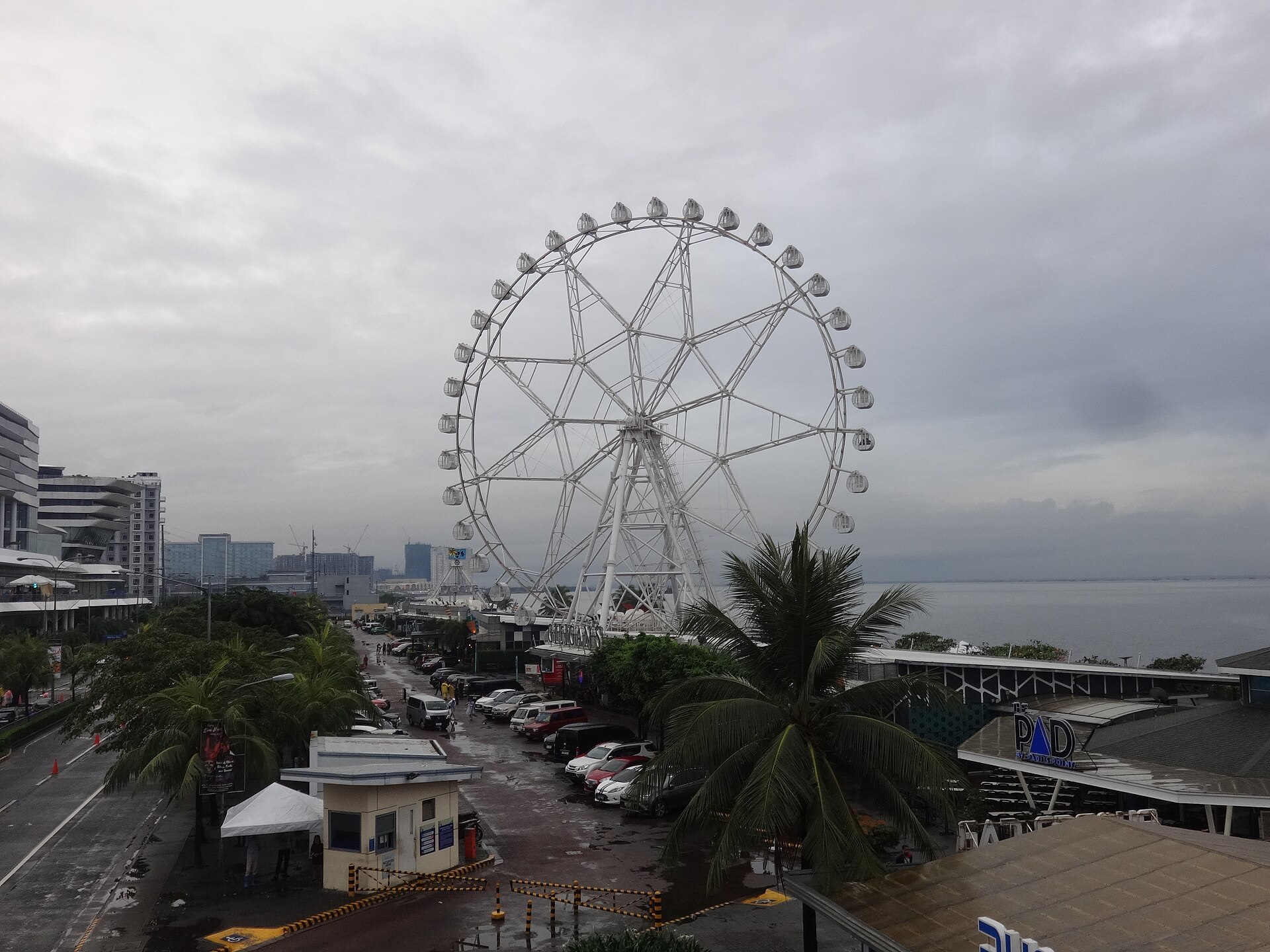
20. SM Mall of Asia and Entertainment City
A visit to Manila would not be complete without experiencing one of the enormous shopping malls that dominate the city, led unquestionably by SM Mall of Asia. This gigantic complex on the bay is one of the largest malls in all of Asia, and alongside hundreds of shops, you’ll find a large arena and the huge MOA Eye Ferris wheel, which offers fantastic views of the bay. ATMs inside the mall are also safer than those on the street, while the exchange offices offer better rates than those at the airport.
Seaside Boulevard, a popular promenade, stretches directly behind the shopping center and is much quieter and cleaner than Baywalk in Malate. This is where you get a spectacular, and completely free, view of the sunset over Manila Bay. If you are traveling with children, you will also find Star City amusement park nearby, with roller coasters and an all-day pass for 849 PHP.
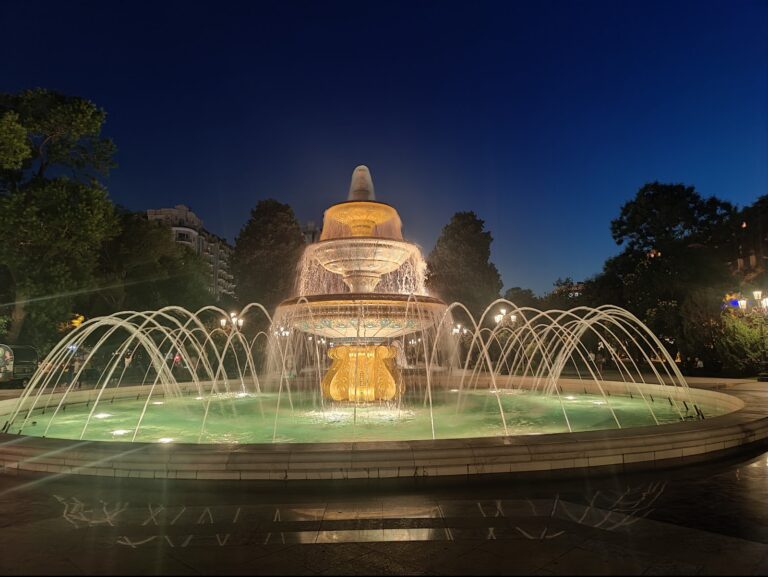
South of the mall begins the area known as Entertainment City, a strip of large casino resorts. The best known is Okada Manila, with its evening musical fountain, The Fountain, which is free to watch, although it is best to check the exact show times on site.
💡 Tip: Getting to Mall of Asia is easy. Simply take the LRT-1 rapid transit line to EDSA/Taft station, then continue by jeepney or Grab directly to the complex’s main entrance.
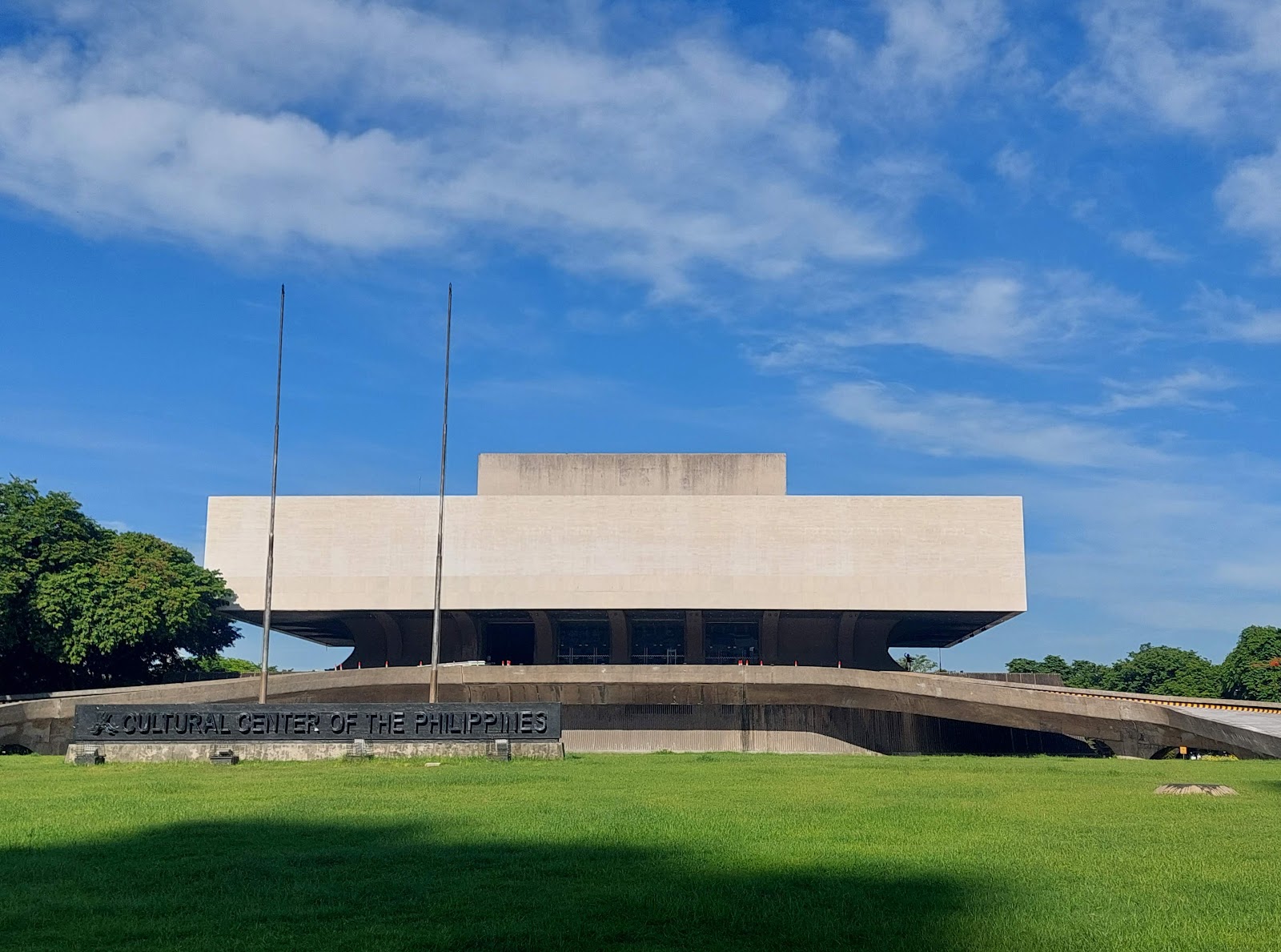
21. Cultural Center of the Philippines and Met Theater
As you travel along the iconic Roxas Boulevard, you certainly won’t miss the massive concrete building of the Cultural Center of the Philippines (CCP). This architectural gem was designed by architect Leandro Locsin in 1969 and is one of the best-known examples of Brutalism in the Philippines. Unfortunately, the building has been closed since January 2023 for extensive renovations, and its phased reopening is not planned until late 2026, so check the current program and access to the halls before your trip.
Even if you cannot go inside, the façade itself and the artificial lagoon in front of the building are worth photographing, especially at sunset, when the massive concrete blocks cast long shadows. The Manila Metropolitan Theater on Padre Burgos Street offers a completely different architectural experience: it is a beautifully decorated Art Deco building from 1931 that has recently been restored to its former glory. Its program is irregular, so the best information can be found on its Facebook profile.
Arroceros Forest Park lies right next to the theater and is rightly nicknamed “the last lungs of Manila.” This small patch of rescued greenery is free to enter and open daily from 8 a.m. to 5 p.m. It is also a great shaded shortcut if you are walking from Intramuros toward Central Terminal station.
💡 Tip: If you enjoy architecture, the two buildings create a fantastic contrast between pre-war elegance and post-war Brutalism, and you can take great photos of both from the outside, regardless of whether they happen to be open.
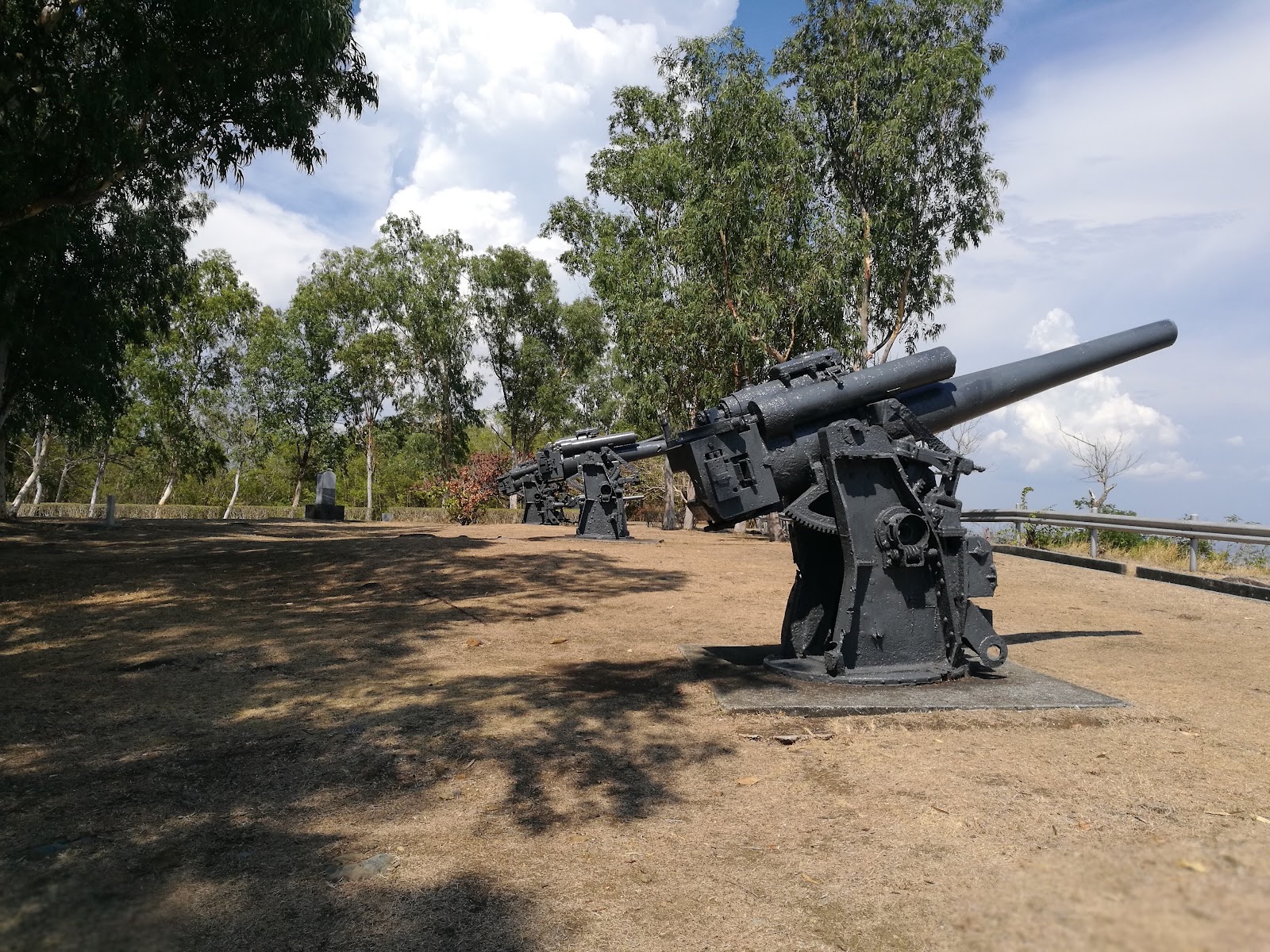
22. Corregidor, the Island of the Battle of Manila
The last major attraction in the Manila area is Corregidor Island, which played a key role in defending the bay during the Second World War. The island is home to the ruins of the barracks nicknamed the Mile-Long Barracks, artillery positions and the Malinta Tunnel, where Filipino-American forces bravely resisted the Japanese invasion in 1942. Historically, it is an exceptionally powerful place, but visiting it is currently very complicated.
Sun Cruises, which operated the only regular ferry directly from Manila for many years, unfortunately ceased operations permanently in 2020. During 2026, boat connections from Manila’s Esplanade Seaside terminal appear only sporadically, on prescheduled dates, at around PHP 2,250 per person. If you cannot find a departure from Manila, you will have to travel via the distant port of Mariveles in Bataan province, where smaller boats run at weekends.
The trip can then take up the entire day, because you have to leave Manila before 5 a.m. to catch the weekend service. Check the current boat schedules very carefully in advance, for example on corregidortour.com, so you do not arrive only to discover that there is no way to get to the island that day.
💡 Tip: Travelling to Corregidor via Bataan is quite demanding logistically and involves several hours on buses, so if you cannot find a direct boat from Manila, consider whether this trip is worth giving up an entire day.
Where to Go Next from Manila
Although Manila is packed with history, after a few days in its relentless traffic and bustle you will probably crave a change of pace and some peace and quiet. Do not miss our detailed article with tips on specific hotels, Where to Stay in Manila, which will make it easier to find your way around the individual neighbourhoods. If you want to get the most out of the city and do not mind travelling around, here are some more things worth seeing:
- Manila Clock Tower Museum: The tower of Manila City Hall offers views over the city for PHP 100 and is open Tuesday to Sunday from 10 a.m. to 3 p.m.
- Paco Park: A beautiful circular cemetery dating from 1822, enclosed by massive walls, where open-air evening concerts are regularly held.
- Bamboo Organ in Las Piñas: A unique bamboo organ dating from 1824 in St. Joseph Church in the south of the city; it is open Tuesday to Sunday from 9 a.m. to 5 p.m.
- Malacañang Palace: The presidential museum and library in the president’s official residence, open on weekdays from 8 a.m. to 5 p.m., but only with advance booking.
- Divisoria: A chaotic shopping district packed with enormous markets such as 168 Mall, where you can find every kind of imaginable product, but you need to keep an extremely close eye on your belongings because of exceptionally skilled pickpockets.
- Art in Island: This fun 3D selfie museum in the Cubao district offers a welcome break from history and is open Tuesday to Sunday.
- Marikina Shoe Museum: This curious exhibition, which displays the famous shoe collection of former First Lady Imelda Marcos, lies slightly off the main tourist routes but is worth a visit.
- La Mesa Ecopark: This forested ecological park in the north of the city is a great escape into nature when you have had enough of the scorching concrete.
Practical Information
Visa and Mastercard are widely accepted in hotels, large shopping centres and the Grab app, but you will need cash at markets, for attractions in Intramuros and when riding a jeepney. ATMs usually charge a PHP 250 withdrawal fee, with a limit of PHP 10,000 to 20,000, but HSBC ATMs in BGC will dispense cash without this unwelcome fee. The exchange rate is roughly PHP 100 to €1.40.
For mobile data, get a Globe Prepaid Traveler SIM with 5G support at the airport as soon as you arrive; it offers 20 GB of data for 15 days for PHP 500, or buy an eSIM instead. Keep in mind that registering a local Filipino SIM always requires you to show your passport. Remember to pack an adapter, because the sockets here use 220 V and American-style flat Type A or B pins.
Flights to Manila usually involve one stop, most often in Doha, Dubai, Abu Dhabi or Istanbul. Because of the tense situation in the Persian Gulf, check the status of your route carefully before departure, as some services may change their schedules. As for tipping, most restaurants and hotels automatically add a 10% service charge, but local staff will always appreciate it if you leave a few dozen pesos in cash on top. If anything goes wrong, the Czech Embassy is located in Makati, in Rufino Pacific Tower on Ayala Avenue (tel. +63 288 111 155), and the Czech Ministry of Foreign Affairs emergency line is available at +420 222 420 222.
Frequently Asked Questions
How many days should I set aside for Manila?
Ideally, two full days for the historic center will let you explore Intramuros, Rizal Park, the national museums, and soak up the atmosphere in the Binondo Chinatown. Keep a third day for the modern areas in Makati or BGC with a visit to the Ayala Museum and the American military cemetery. If you also want to see Taal Volcano from the town of Tagaytay, add an extra day.
Is Manila safe for tourists?
During the day, the Makati, BGC, and historic Intramuros districts are safe and you can stroll around freely. After dark, though, be cautious in the Ermita, Malate, and around the Poblacion bar areas, where phone thefts are a risk. For evening transfers, always use the Grab app exclusively and avoid nighttime travel on public transport.
How much do entrance fees cost at Intramuros attractions?
Admission is very affordable, because Fort Santiago, Casa Manila, and Baluarte de San Diego each cost just 75 PHP. Museo de Intramuros will run you 200 PHP, while Manila Cathedral and San Agustín Church are free. At the ticket offices, check availability of the combined Intramuros pass, which bundles multiple attractions for a discounted price of around 215 to 290 PHP.
What’s the best way to get from the airport to the city center?
The only truly reliable option is Grab, which will take you from the airport to Makati for 300 to 500 PHP. At Terminal 3, you’ll find the designated Grab zone at Exit 7 in the parking building, so you safely avoid the annoying touts in the arrivals hall. There’s no train to the airport, and don’t forget to check your terminal number on your ticket, because there was a major reshuffling in April 2026.
When is the best time to visit the Philippines?
Unquestionably, the most pleasant weather is from December to February, when it’s dry and temperatures hover around a very bearable 30 °C. From March to May, intense dry heat sets in, climbing to 34 °C, and from July to September you must expect the monsoon and typhoons, when over 400 millimeters of rain per month is common and Intramuros closes during weather warnings.
Can vegetarians eat well in Manila?
Filipino cuisine is heavily meat-based, and even vegetable dishes routinely include fish sauce (patis), so always ask the staff for food without fish sauce and shrimp paste. Great choices are vegan Filipino spots like Cosmic or Corner Tree Cafe in the Poblacion district, and also the weekend Salcedo and Legazpi markets, where you’ll find excellent plant-based stalls.
Do I need a visa to enter the country?
International visitors from many countries do not need a visa for stays up to 30 days, you just need a passport valid for at least six months and a return ticket. No earlier than 72 hours before arrival, complete the free registration on the official eTravel portal and watch out for fake websites demanding nonsensical fees.
Tips and Tricks for Your Vacation
Don’t Overpay for Flights
Search for flights on Kayak. It’s our favorite search engine because it scans the websites of all airlines and always finds the cheapest connection.
Book Your Accommodation Smartly
The best experiences we’ve had when looking for accommodation (from Alaska to Morocco) are with Booking.com, where hotels, apartments, and entire houses are usually the cheapest and most widely available.
Don’t Forget Travel Insurance
Good travel insurance will protect you against illness, accidents, theft, or flight cancellations. We’ve had a few hospital visits abroad, so we know how important it is to have proper insurance arranged.
Where we insure ourselves: SafetyWing (simple monthly subscription) and TrueTraveller (for extra-long trips).
Find the Best Experiences
Get Your Guide is a huge online marketplace where you can book guided walks, trips, skip-the-line tickets, tours, and much more. We always find some extra fun there!