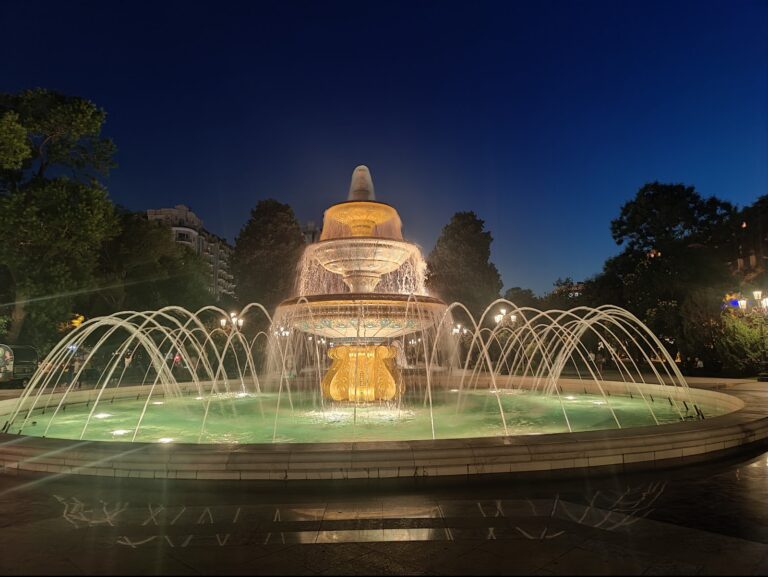

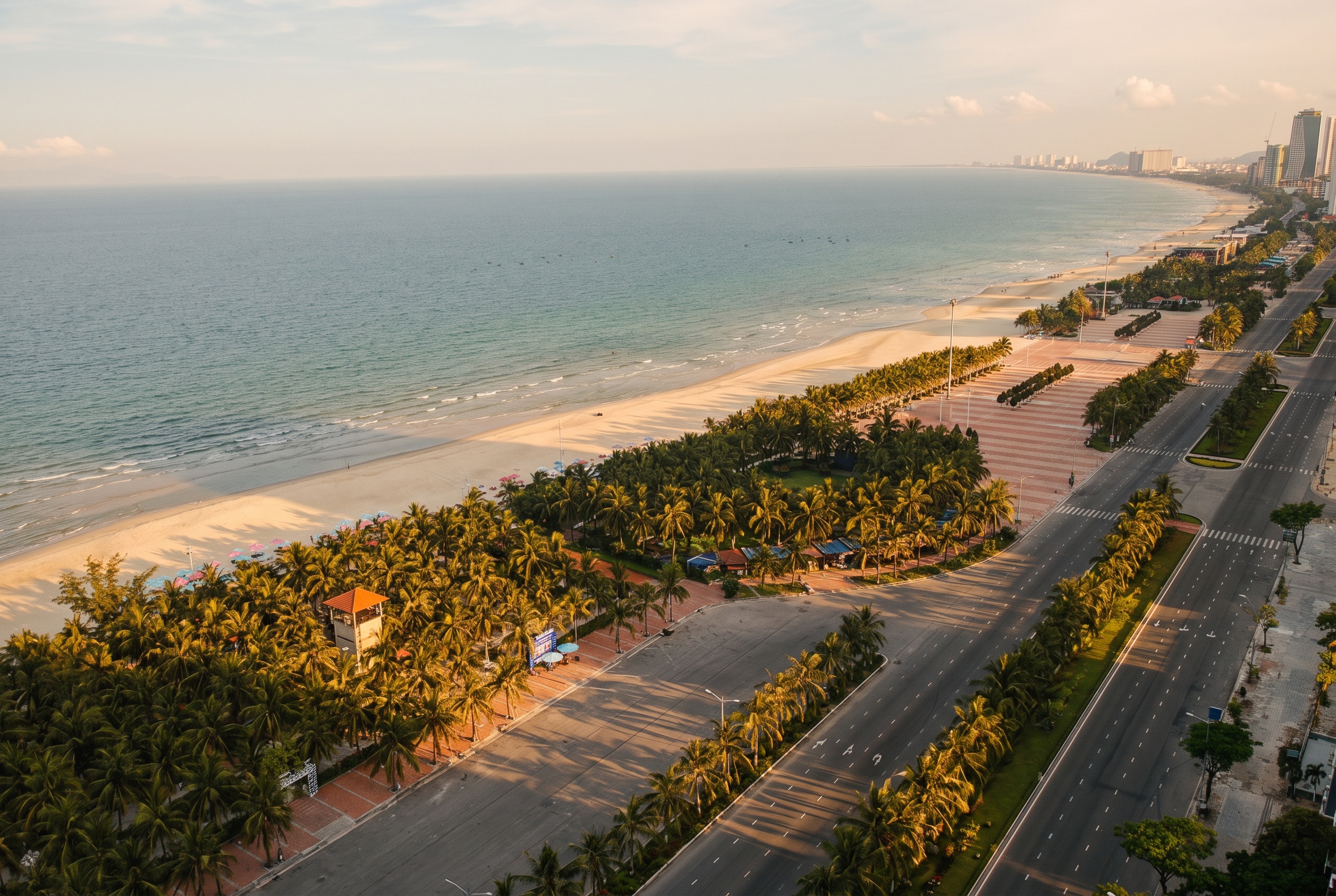
If you’re planning a trip to central Vietnam, there’s one major administrative and factual change you should know about right from the start. Da Nang is now much larger than you might remember, because since July 2025 it officially encompasses the entire neighbouring province, including the historic town of Hội An.
You’ll also find that some old familiar attractions are simply gone — most notably the giant Russian Ferris wheel, Sun Wheel, which closed permanently last autumn. The city is changing and building at a breathtaking pace, which sometimes brings with it the typical Asian hustle, construction noise, and pavements packed with parked motorbikes.
Even so, it remains an ideal base for exploring the region, since you can easily head out to beaches, mountains, and historical sites from here. And the best news for international visitors: since last August, many nationalities can now enjoy visa-free stays of up to 45 days, saving you a great deal of paperwork and money.
TL;DR
- Visa-free for 45 days: From 15 August 2025 until August 2028, many nationalities need no visa for tourist stays of up to 45 days — just a passport valid for at least six months from entry, with two blank pages.
- Faster airport processing: Fill in the free online QR code (Pre-Arrival Information) before you fly — it will save you a long wait in the immigration queue.
- Easier connections: From 10 October 2026, Vietjet launches a route to Hanoi, from where central Vietnam is just a short flight or an overnight train away.
- The Ferris wheel is gone: The Da Nang Downtown amusement park closed permanently last year, so those iconic illuminated night-time photos are no longer possible, unfortunately.
- Hội An is now a district: The famous lantern town was administratively merged with Da Nang last summer, so don’t be surprised if you see different district names on maps.
- Watch out on scooters: Don’t rent a scooter without a valid 1968 International Driving Permit with a motorcycle (category A) endorsement — fines have increased drastically this year and your travel insurance won’t pay out without it.
- Dragon Bridge breathes fire more often: The fire-breathing show is now held on Friday evenings as well, not just on weekends.
The full destination guide: Asia — guide and what to see
When to Visit Da Nang
The best weather for visiting da nang in vietnam — both the city and the surrounding area — is from February to May, when it’s pleasantly warm and, crucially, dry. Daytime temperatures range between 26 and 33°C and the sea is beautifully calm. If you’re looking for the ideal balance between sightseeing and beach time, the spring months won’t disappoint.
If you love real heat and mainly want to swim, head there in summer from June to August, when temperatures climb to 34°C. This is also when the International Fireworks Festival takes place — a spectacular show over the river — though bear in mind that hotels are pricier in summer and the sights are busier.
On the other hand, think carefully before travelling from September to December, as this is typhoon season with very heavy rainfall. October and November in particular can be critical — the sea develops strong rip currents and historic Hội An regularly deals with flooding, as it did during last year’s severe floods.
Where to Stay in Da Nang
When choosing accommodation, you’ll first need to decide whether you want to stay closer to the sea or near the river in the city centre. The area around Mỹ Khê Beach and the An Thượng neighbourhood is full of cafés and puts you just five minutes’ walk from the sand, while the centre along the Hàn River is better appreciated during the rainier months when the sea is rough anyway.
If you’re after great value for money close to the beach, take a look at the Sala Danang Beach Hotel, which features a lovely rooftop pool and often offers a free airport transfer. For those who love luxury and city views, the Novotel Danang Premier Han River right on the riverfront is an excellent choice — and until the end of 2026 it even runs a free shuttle bus up to the mountains.
A completely different experience awaits at the Fusion Resort & Villas Da Nang at the southern end of the beach, where daily spa treatments are included in the rate — ideal for a purely relaxing holiday. Backpackers and younger travellers, meanwhile, swear by Rom Casa Da Nang, a very popular and lively hostel built from shipping containers, with its own pool.
More detailed tips and specific neighbourhood recommendations can be found in our dedicated article Where to Stay in Da Nang. And if you’re starting your Vietnam trip in the north, our guide Where to Stay in Hanoi will come in handy too.
💡 Use this map to compare what’s available right now — you’ll instantly see how much the price changes just a few blocks away.
Practical Info: Getting Around, Safety & Money
The airport is conveniently located, essentially right in the wider city centre, so it’s only five kilometres to the beach. The most reliable way to reach your hotel is the Grab app, which now operates at the airport via a PIN code system — you book a car, head to Stand A, and show the code to the first available driver.
A ride to the beach costs around 75,000 VND, and into the city centre a little less — just always add a small airport access fee on top. Whatever you do, don’t be tempted by the touts in the arrivals hall who often offer overpriced rides; always insist on booking through the app or using an official metered taxi.
In terms of safety, the city is generally very calm, but do watch out for pickpockets and motorbike riders who occasionally snatch bags from pedestrians walking close to the road. Change money at banks rather than at jewellery-shop exchange booths, where there have recently been cases of quick recounting that left tourists short-changed.
Cards are accepted at hotels, chain restaurants, and in Grab (with a 4% surcharge), but for markets, local eateries and boat trips you’ll need cash; as a rough guide, 100,000 VND is around €4. You can pick up a Viettel or Vinaphone SIM card with your passport; plug sockets accept standard European two-pin plugs without an adapter; and e-cigarettes have been banned in Vietnam since 2025, including for tourists (the fine is 3 to 5 million dong). In an emergency, the nearest embassy for EU citizens will vary by nationality — check your country’s foreign ministry website before you travel; the international Family Medical Practice clinic in Da Nang is at 50 Nguyễn Văn Linh (+84 236 3582 699).
22 Tips on What to See and Do in Da Nang
The following tips will guide you from the most famous attractions all the way to hidden vegetarian backstreets. Da Nang city, Vietnam and its surroundings offer so much that you can easily fill five packed days here without running out of things to do.
1. Ba Na Hills and the Golden Bridge (Cau Vang)
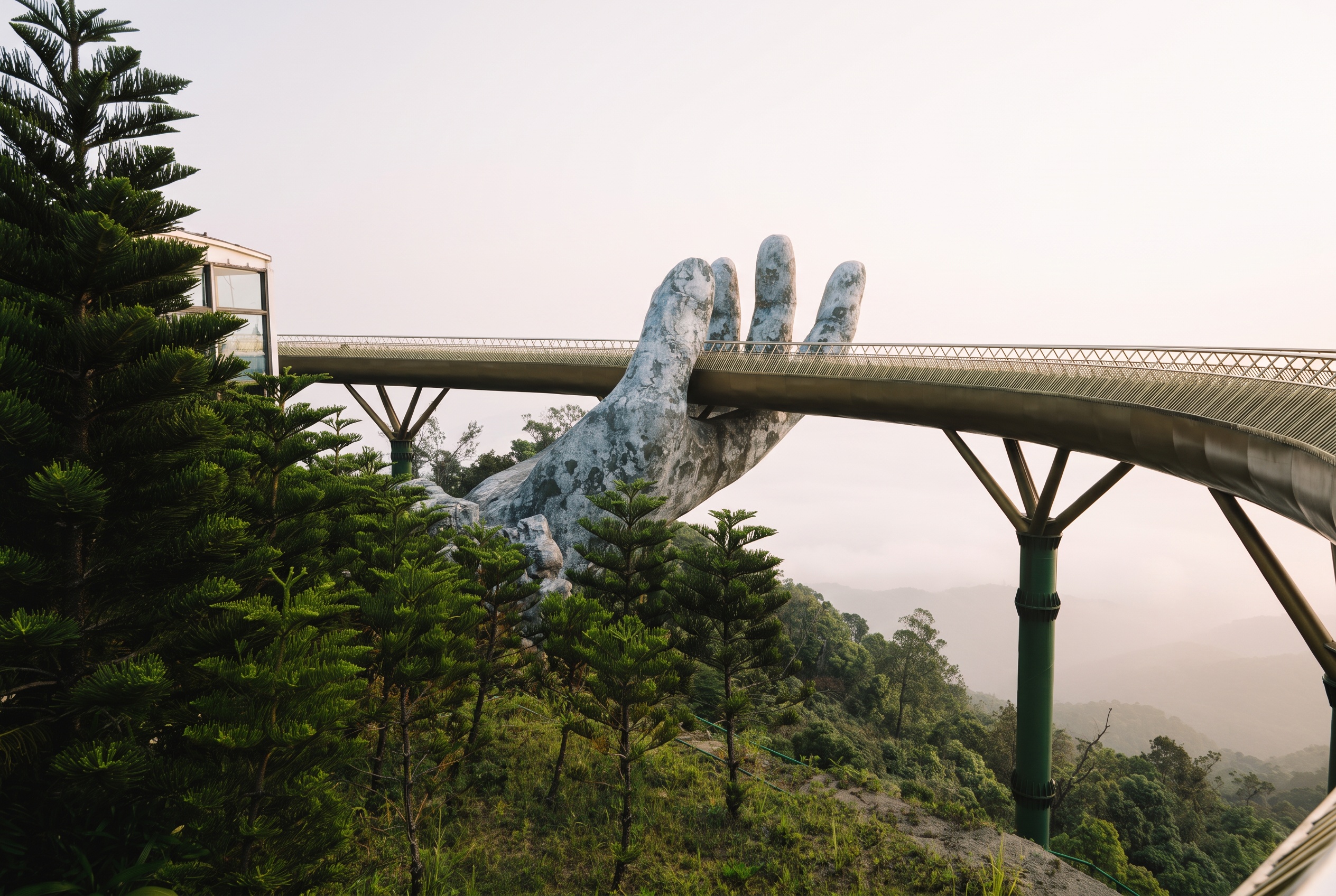
This enormous mountain complex sits at just under 1,500 metres above sea level, which means you get a welcome break from the coastal heat. The former French hill station has been transformed into a vast theme park, reached by a cable car that the operator claims is among the longest in the world.
The undisputed star of the show is the famous Golden Bridge held aloft by two giant stone-like hands — which look like weathered rock but are actually made of fibreglass. It opened in 2018 and has drawn crowds of visitors ever since. An entrance ticket costs one million dong and, as of this year, is valid for three consecutive days, which is great news for those who want to enjoy the mountains at a leisurely pace.
If you’re between 18 and 25 years old, you can get in at half price until the end of 2026, which makes a noticeable difference to your budget. Don’t forget to bring a light jacket, as the average temperature up here is around 20°C and thick fog often rolls in during the afternoon.
💡 Tip: Until New Year’s Eve 2026, you can take advantage of a free shuttle bus that departs in the morning from several hotels including the Novotel — just confirm availability the day before with the operator, as space is limited.
2. Dragon Bridge (Cau Rong) and the Han River Waterfront
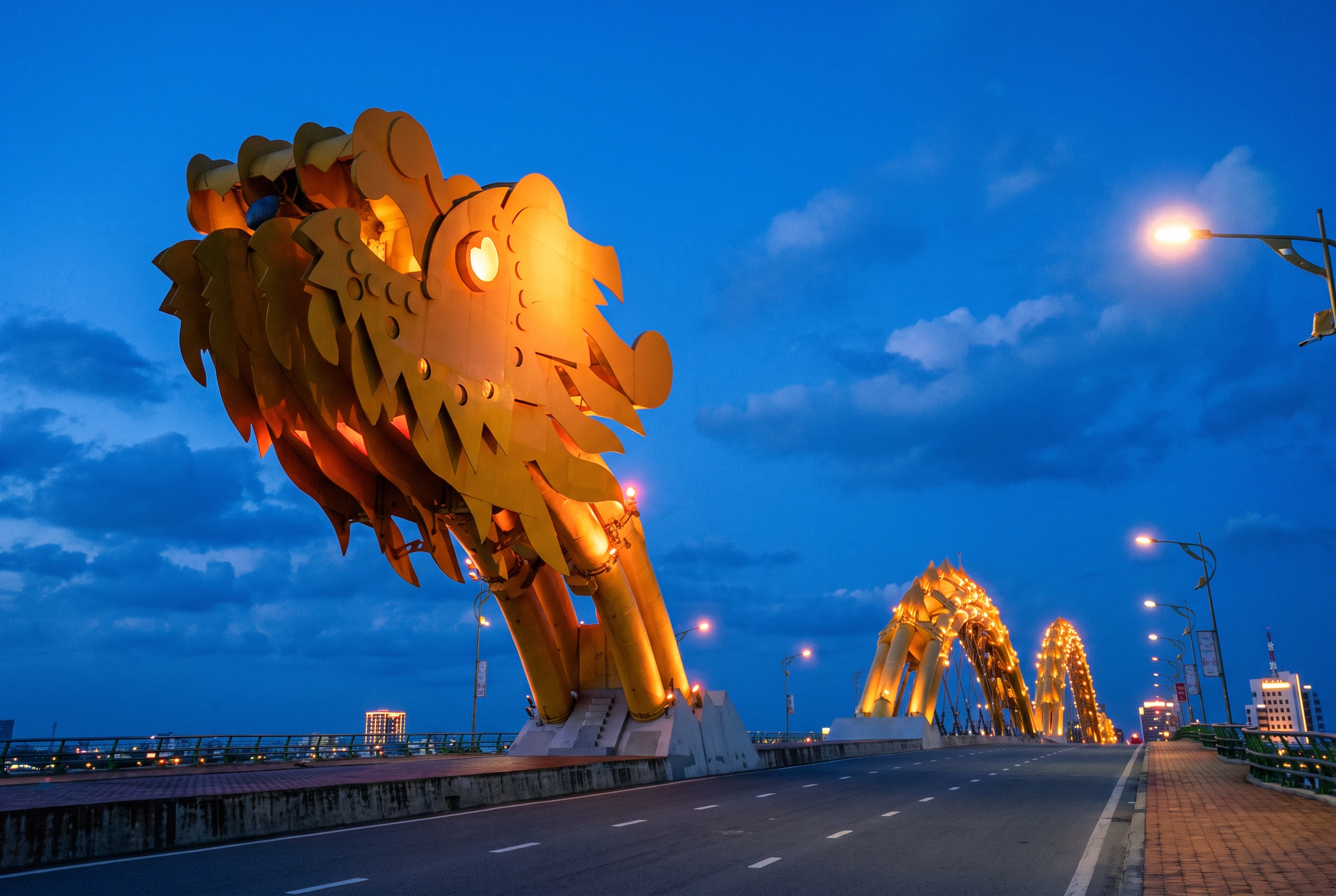
This architectural marvel measures an impressive 666 metres and is one of the most photographed bridges in all of Vietnam. Its massive steel structure shaped like a yellow dragon spans the Hàn River, connecting the city centre with the beach districts.
The biggest show happens every evening at nine o’clock sharp, when traffic stops and the dragon begins to breathe real fire and water. Since this summer, this popular attraction takes place not only on Saturdays and Sundays, but now also on Friday evenings.
The entire waterfront beneath the bridge transforms in the evening hours into a pleasant pedestrian zone full of stalls and cafés. If you don’t want to get completely soaked during the water show, stand a bit further from the dragon’s head, or watch the whole spectacle from one of the viewpoints on the western bank.
💡 Tip: Watch out for the night market by the bridge on the Son Tra side – this summer there have been more complaints about overcharging, so always ask about prices for drinks and food upfront.
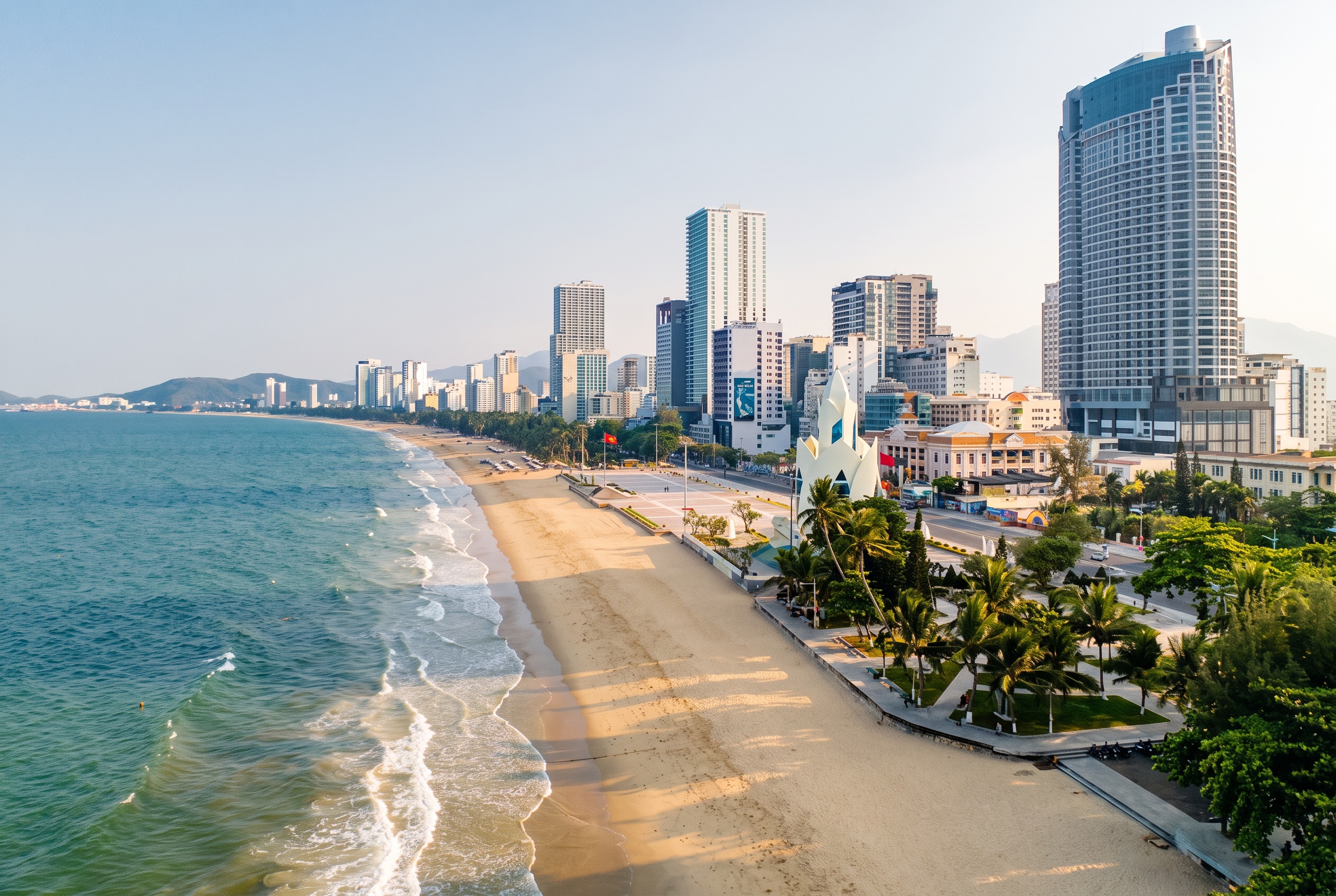
3. My Khe Beach and An Thuong Quarter
Fine white sand and kilometres of coastline make this area the main magnet for all swimming enthusiasts. The swimming season runs roughly from May to August, when the sea is calm and the water is beautifully warm.
Right behind the beach lies the lively tourist quarter of An Thuong, filled with modern cafés, restaurants and evening bars. You’ll find excellent amenities here, but be prepared for the local streets to be quite noisy and construction work often underway.
If you arrive in autumn or winter, exercise extra caution because the sea often has strong rip currents and red flags are frequently up. In such weather, don’t venture into the waves at all – instead, enjoy a walk along the coast or relax over coffee.
💡 Tip: For specialty coffee lovers, a visit to XLIII Specialty Coffee roastery in An Thuong quarter is a must, where they’ll also prepare excellent Vietnamese salt coffee.
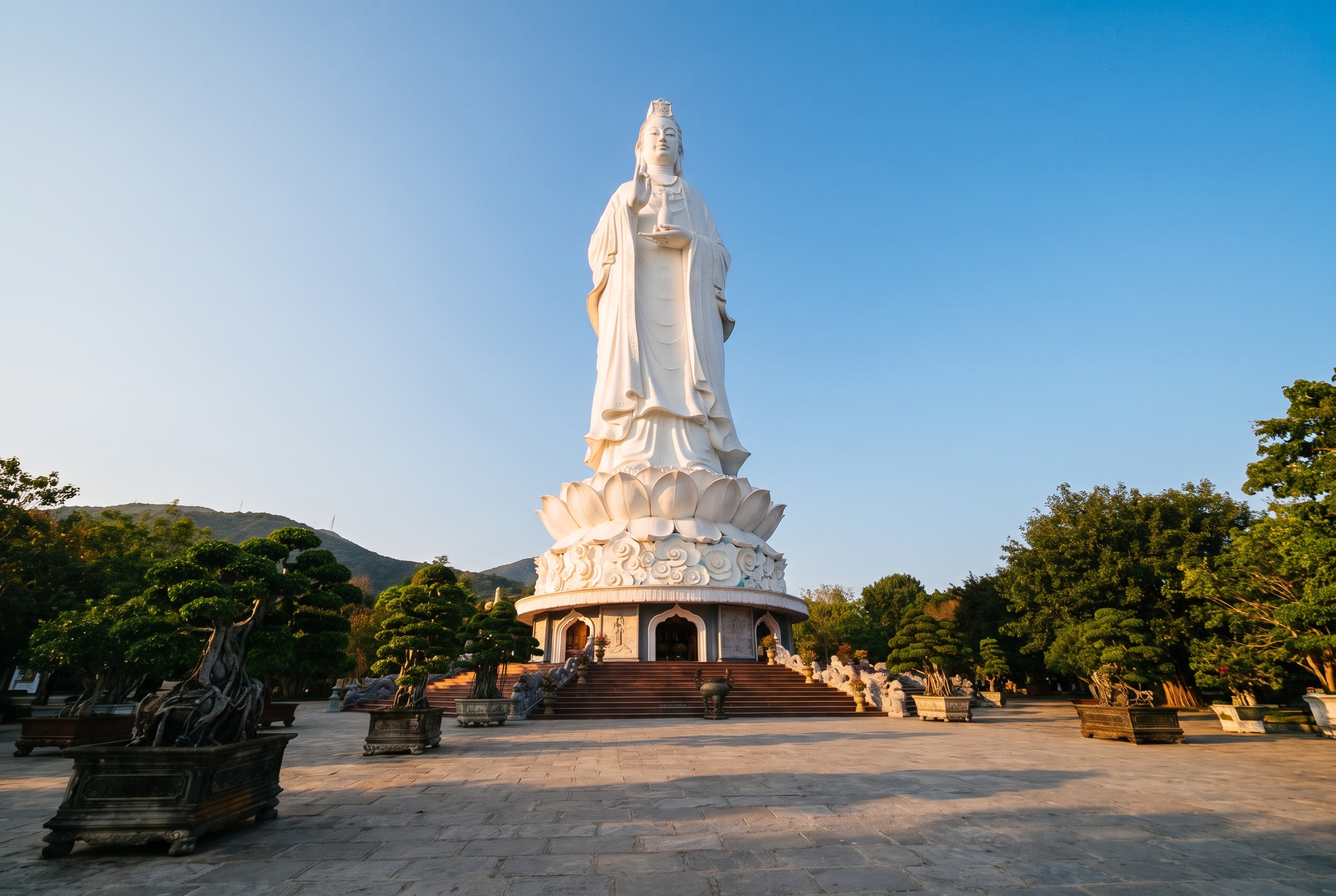
4. Son Tra Peninsula: Linh Ung Pagoda and Ban Co Peak
The green lungs of the city rise just a few kilometres northeast of the centre and offer an amazing escape into wild nature. The dominant feature of the entire peninsula is the stunning white Lady Buddha statue, which measures 67 metres and can be seen from the entire beach.
Entry to the pagoda complex is completely free, just don’t forget to cover your shoulders and knees, as local tradition requires. If you venture higher into the hills, you might encounter rare langur monkeys and an over 800-year-old banyan tree with a massive root system.
Head up to the Ban Co peak by car or manual motorbike, because entry on automatic scooters is strictly prohibited for safety reasons. On the way down, don’t feed anyone – the monkeys must maintain their natural instincts.
💡 Tip: The best light for photos of the statue and city views is early morning, when you also have the best chance of spotting wild langurs in the tree canopy.
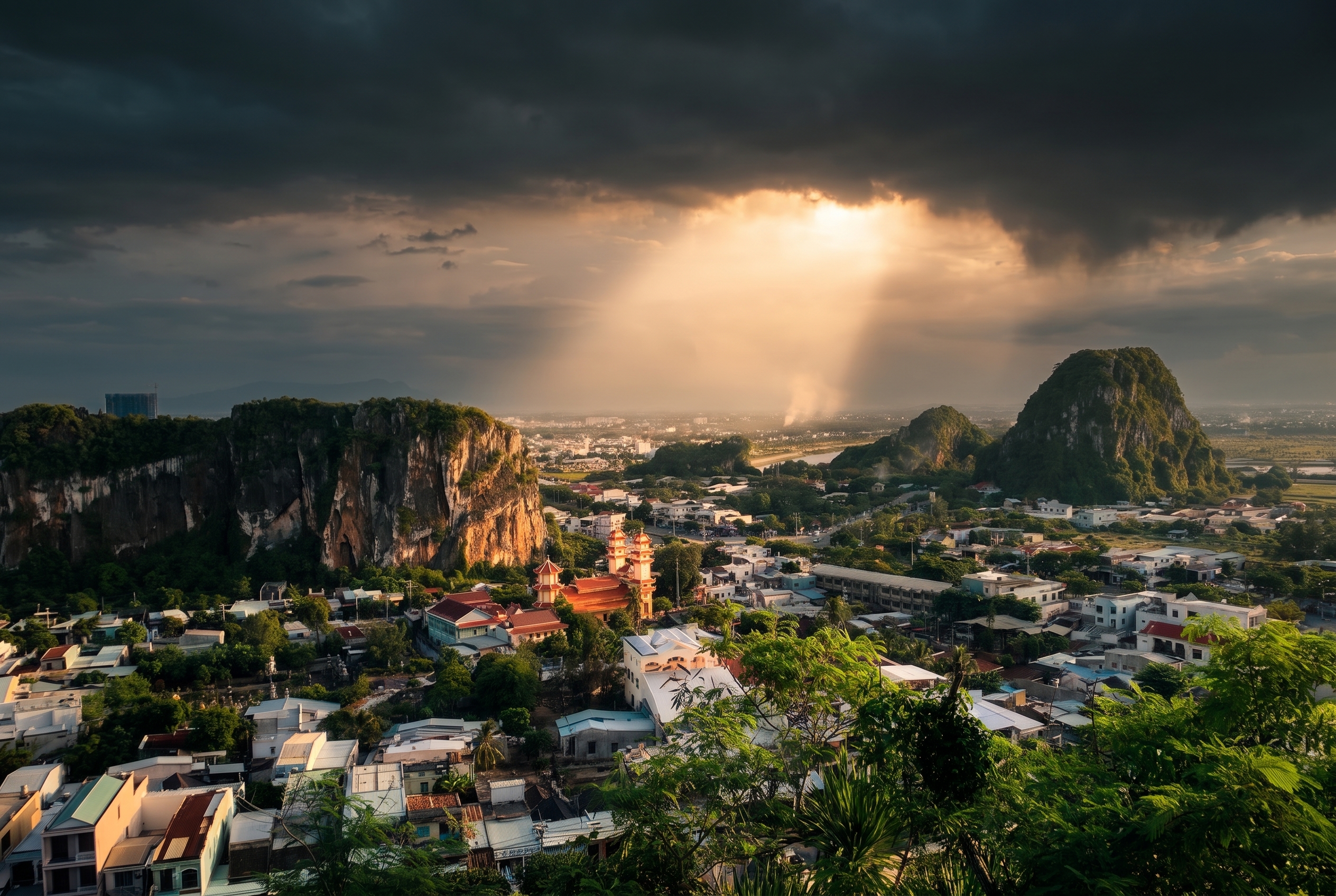
5. Marble Mountains (Ngu Hanh Son) and Am Phu Cave
Five marble peaks named after the five natural elements hide a network of caves and Buddhist shrines. The most visited is Thuy Son mountain, where the entrance fee is 40,000 VND and an elevator will take you up for a small additional charge.
Inside the main cave you’ll see stunning altars where sunlight streams through openings in the rock. The historic inscriptions carved into the local walls are so valuable that they were inscribed in the UNESCO Memory of the World regional register in 2022.
At the base of the mountain lies the separate Am Phu cave, symbolising hell, as well as a traditional village of stonecutters and sculptors. Don’t be caught off guard right at the entrance by local vendors who will try to sell you figurines or push unsolicited guide services.
💡 Tip: Buy an elevator ticket only for the way up and walk down the stairs on your way back – you’ll save a lot of energy in the local humid heat.
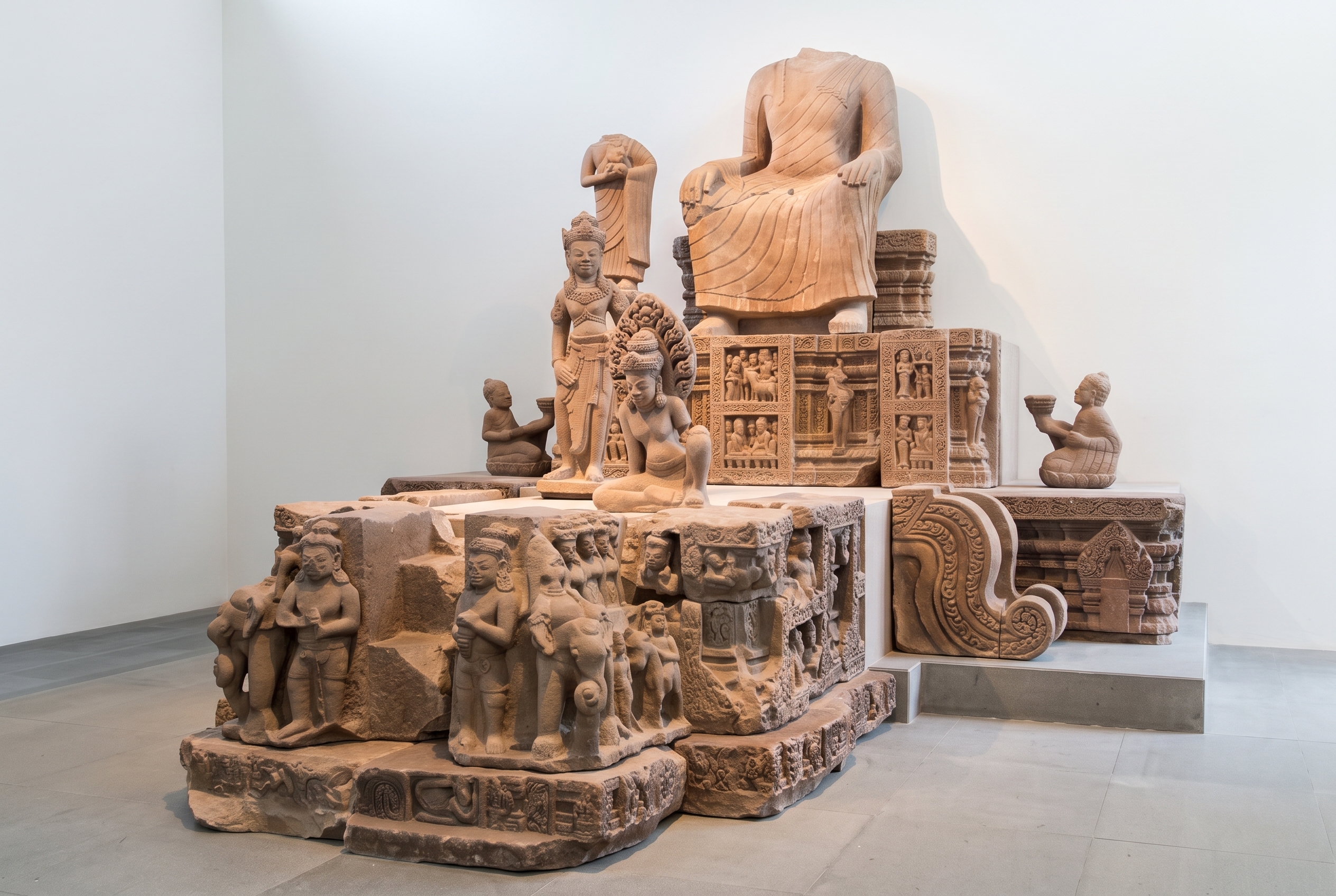
6. Museum of Cham Sculpture
Right by the Dragon Bridge, in a beautiful yellow colonial building, hides the most significant collection of Cham sculpture. The museum was founded by French researchers as early as 1915 and still exudes a wonderful historical atmosphere.
During your visit you’ll see detailed sculptures, altars and reliefs from various periods of the Cham empire. The collection boasts no fewer than twelve official National Treasures of Vietnam, including the famous bronze depiction of the goddess Tara.
Admission costs a very reasonable 60,000 VND and the museum is open every day from half past seven in the morning. The building recently underwent partial renovation, so the exhibits are now displayed in much more dignified and better-lit conditions.
💡 Tip: If you’re planning a trip to the My Son temples, definitely visit the museum beforehand, because the most beautiful sculptures from those ruins were moved here.
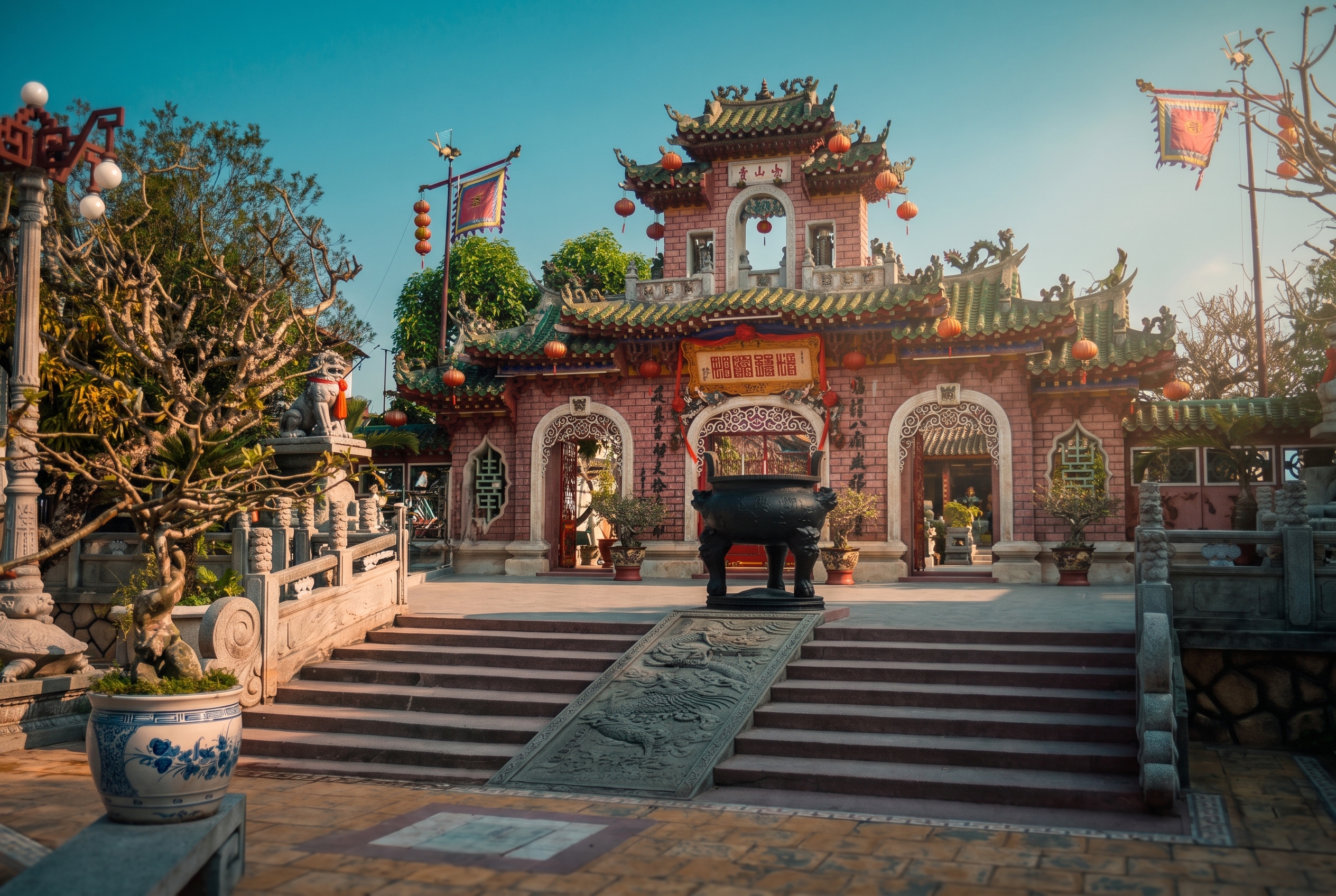
7. Hoi An: Old Town and the Japanese Bridge
This beautiful historic town with yellow houses is one of the most visited historic towns in Vietnam. Since last summer it has been formally merged under Da Nang administration, so you can easily get here by bus or via the Grab app in under an hour.
The main symbol of the town is the unique covered Japanese Bridge from the sixteenth century, which recently underwent a major and challenging two-year reconstruction. A ticket to the entire historic centre costs foreigners 120,000 VND and is valid for three days for entry to several selected monuments and museums.
During the autumn months, don’t come here without checking the weather forecast, because the old town lies right on the river and often faces flooding. Last October the water stood waist-deep and many shops had to close completely for several days.
💡 Tip: Try heading into the alleyways early in the morning, while they’re still empty and bathed in soft sunlight, because in the afternoon the main thoroughfares get clogged with crowds of tourists.
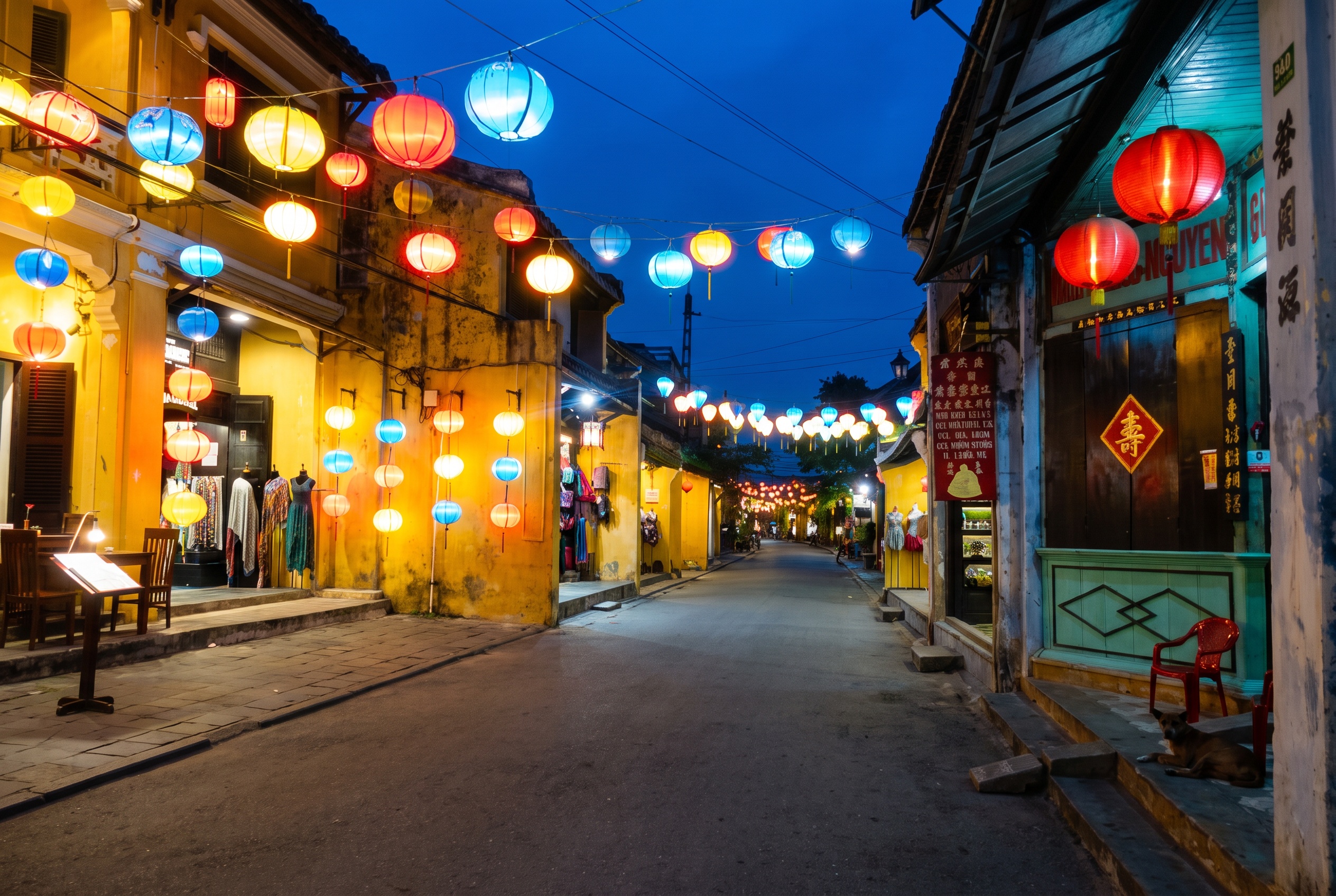
8. Hoi An: Lantern Night and Boats on the Hoai River
On the fourteenth day of every lunar month, the town becomes immersed in magic when electric lights are turned off and the alleyways glow only with lanterns. This event attracts huge crowds who release paper boats with candles onto the river.
A ride on a wooden boat along the Hoai River is a lovely experience, but be very careful of the ubiquitous scammers. Official prices range around 150,000 to 200,000 VND for a whole boat, so politely decline all higher offers from various touts.
If you want to avoid the biggest crowds, come a day before or a day after the full moon. The lanterns hang above the streets all the time, and you can enjoy that beautiful romantic atmosphere in much greater peace.
💡 Tip: Buy boat tickets ideally directly from the older women who steer them themselves and sit right on the waterfront – you’ll avoid commission fees from middlemen.
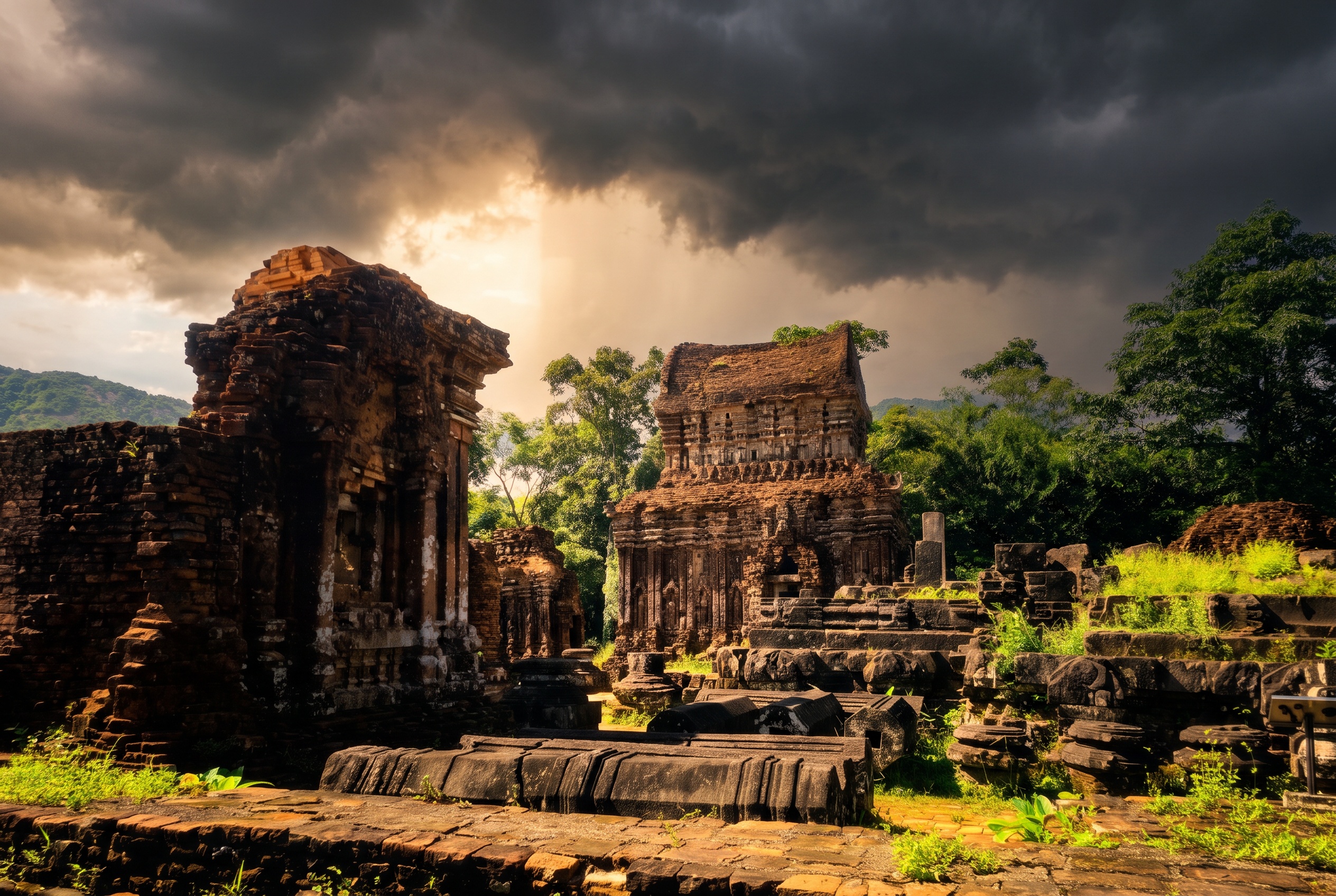
9. My Son (UNESCO)
This extensive temple complex of red brick is a showcase of ancient Cham civilisation. It lies roughly seventy kilometres inland and you can admire the remains of Hindu shrines built from the fourth to the thirteenth century.
Most of the structures unfortunately fell victim to massive American bombing during a single week in 1969, but even the jungle-engulfed ruins have enormous charm. Tickets currently cost 150,000 VND, although a fairly significant price increase is planned soon, and the price includes transport by electric cart from the gate.
There are also regular traditional Cham dances, which take place several times a day and nicely illustrate the historical atmosphere. Transport here is easiest as part of an organised trip or by local bus directly from the coast.
💡 Tip: Head out right at opening time at six in the morning – you’ll have the ancient towers almost to yourself and avoid the crushing midday heat.
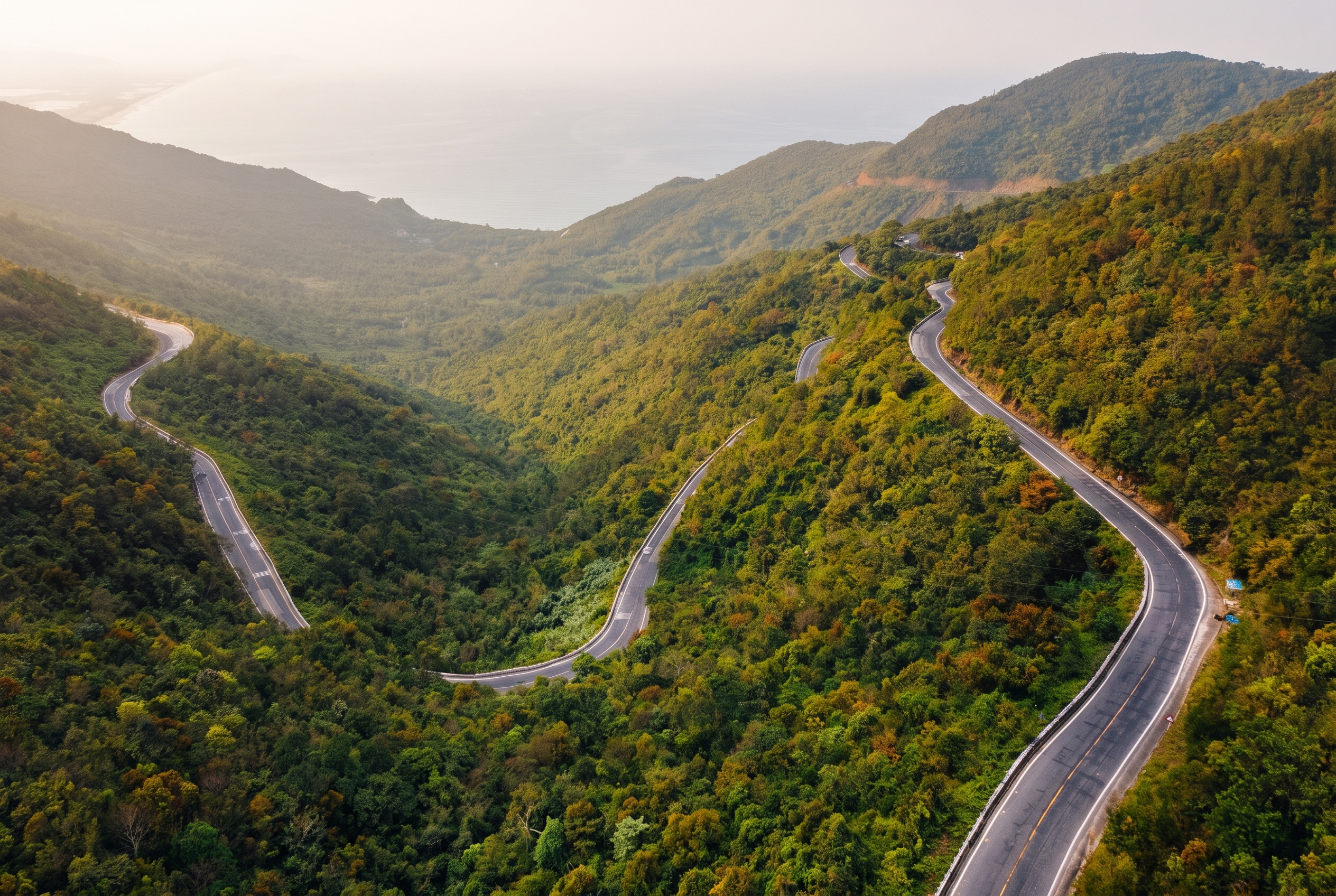
10. Hai Van Pass and Hai Van Quan Gate
The mountain pass that once marked the border between two ancient kingdoms offers some of the most stunning coastal views in the country. The winding road climbs to five hundred meters above sea level and was famously featured in the legendary British show Top Gear.
At the very top stands a historic nineteenth-century gate that recently underwent an expensive three-year restoration. Since June this year, entrance to the site costs 70,000 VND, and you can explore the old military bunkers from the American and French eras.
If you don’t feel confident driving yourself, the best way to get there is by Easy Rider, where an experienced local driver takes you on the back of their motorbike. Most trucks and buses now use the modern tunnel, so traffic up in the mountains is surprisingly quiet.
💡 Tip: In the morning, the entire pass is often shrouded in thick clouds and fog, so for the best ocean views, head up in the afternoon instead.
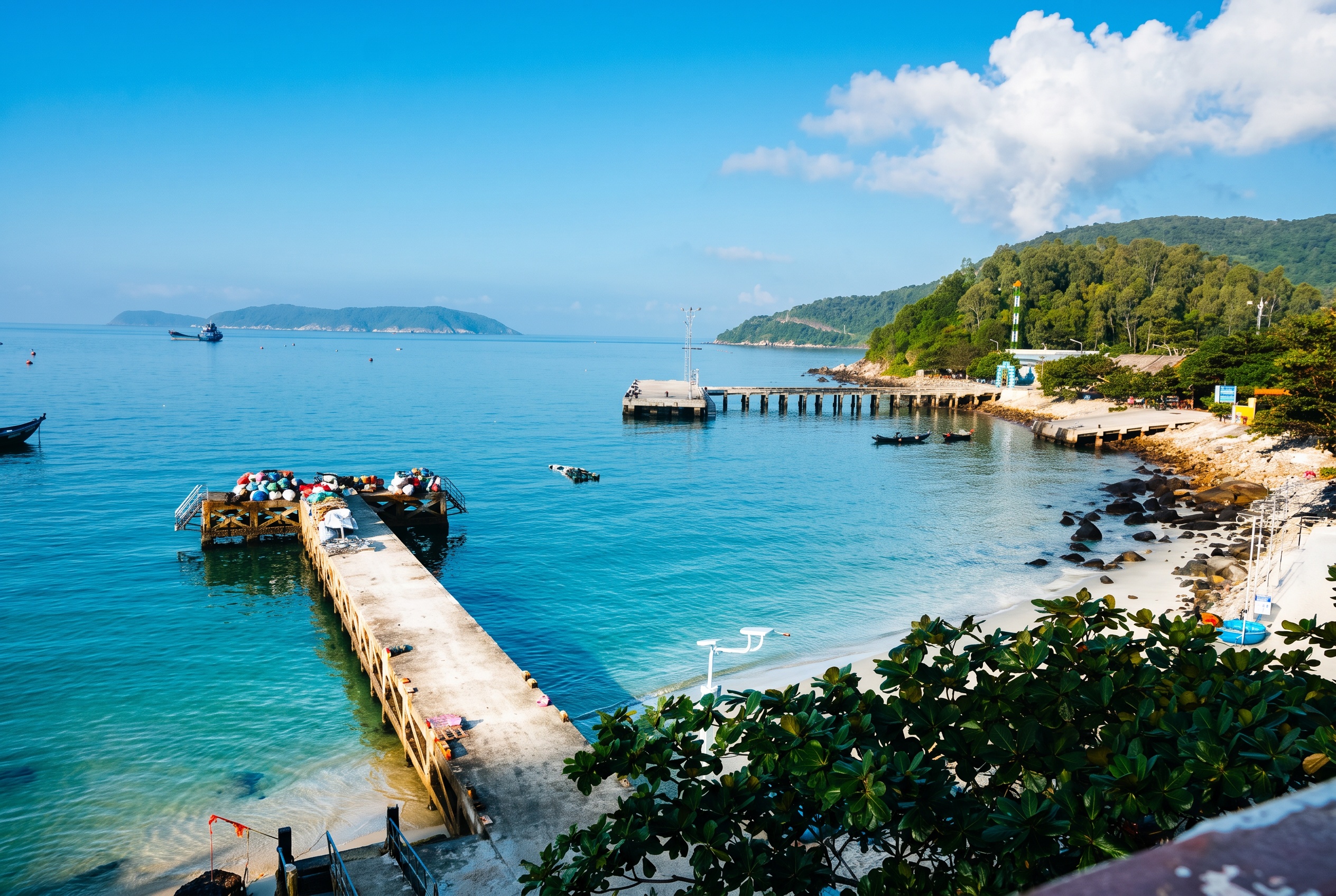

11. Cu Lao Cham (Cham Islands)
A group of eight small islands off the coast is a protected biosphere reserve with beautifully clear water. On the main island, you’ll find picturesque fishing villages and beaches accessible only to boats without noisy engines.
Since this summer, the combined entrance and sanitation fees total 90,000 VND, while day trips with lunch and snorkeling run around half a million dong. The islands enforce a very strict ecological policy and ban single-use plastic bags and straws.
Plan your visit ideally between March and August, because in autumn and winter, boats often don’t sail at all due to large waves. Always make sure you travel only with licensed operators who prioritize safety and have enough life jackets on board.
💡 Tip: Instead of a rushed day trip, book an inexpensive local homestay on the island for one night and explore empty beaches on a rented motorbike.
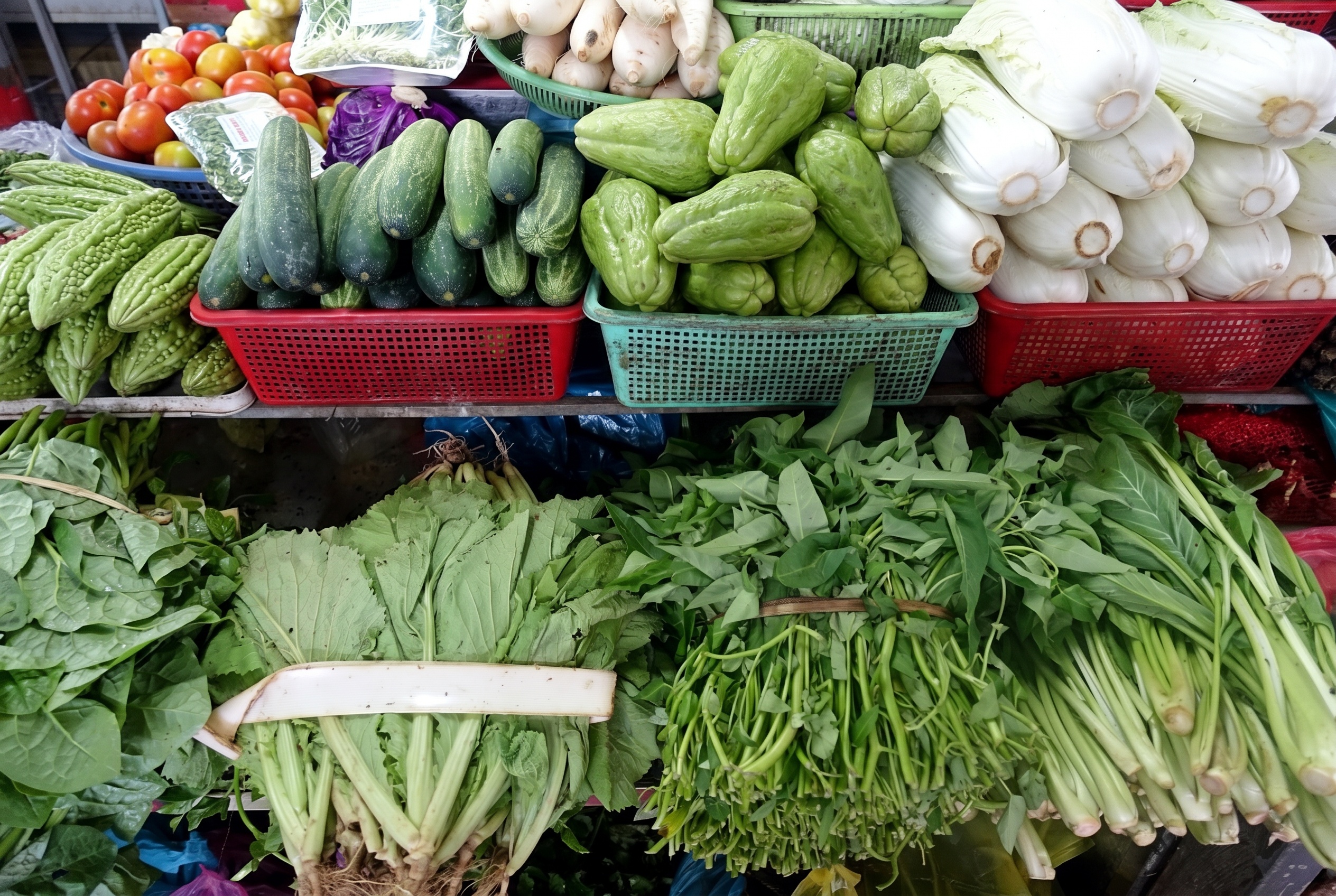
12. Cho Han and Cho Con Markets
If you want to experience authentic Vietnamese hustle and bustle full of scents and colors, these two markets will immerse you completely. The more touristy Han Market sits right by the river, and across two floors you can buy absolutely everything from dried fruit and coffee to custom-tailored clothing.
In contrast, Cho Con is a much more authentic place where mainly locals come to shop. On its ground floor, you’ll find an amazing street food section where you can admire the nimble hands of the cooks, though vegetarians should be a bit cautious about the ubiquitous meat.
At both markets, haggling is a normal part of shopping, so don’t be afraid to immediately cut the suggested price in half and negotiate with a smile. On the other hand, the city council has been trying this year to introduce rules for posted fixed prices, so the situation is gradually improving.
💡 Tip: At both markets, keep an eye on your personal belongings and backpacks, because in the narrow, crowded aisles, skilled pickpockets sometimes operate.
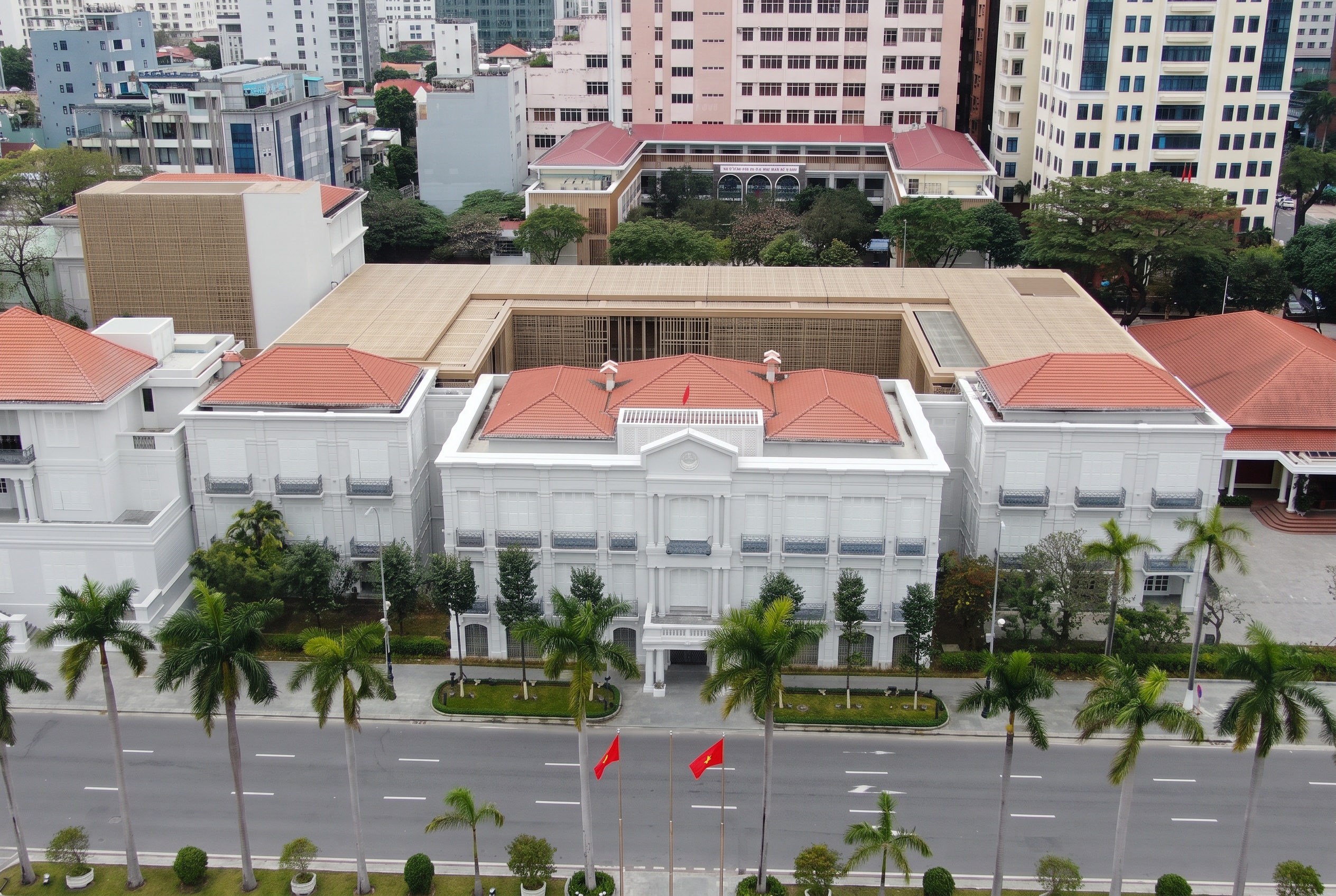
13. Da Nang Museum in the Former French Town Hall and Fine Arts Museum
History and art lovers will be thrilled with the new incarnation of the city museum, which has been housed since spring 2025 in a beautifully restored former French town hall. This protected heritage building, over 120 years old, received a huge financial injection and now offers modern exhibitions for an entrance fee of 50,000 VND.
Nearby, you’ll also find the popular Fine Arts Museum, which raised its entrance fee slightly this summer to 40,000 VND. You can view works by modern Vietnamese artists there.
The third stop on the historical circuit is the Fifth Military Division Museum, where you’ll find among other things a precise replica of Ho Chi Minh’s traditional house. Just remember that this military museum is closed on Mondays and Fridays.
💡 Tip: The new city museum is an ideal activity for rainy autumn days and is located right at the start of the pleasant evening pedestrian zone.
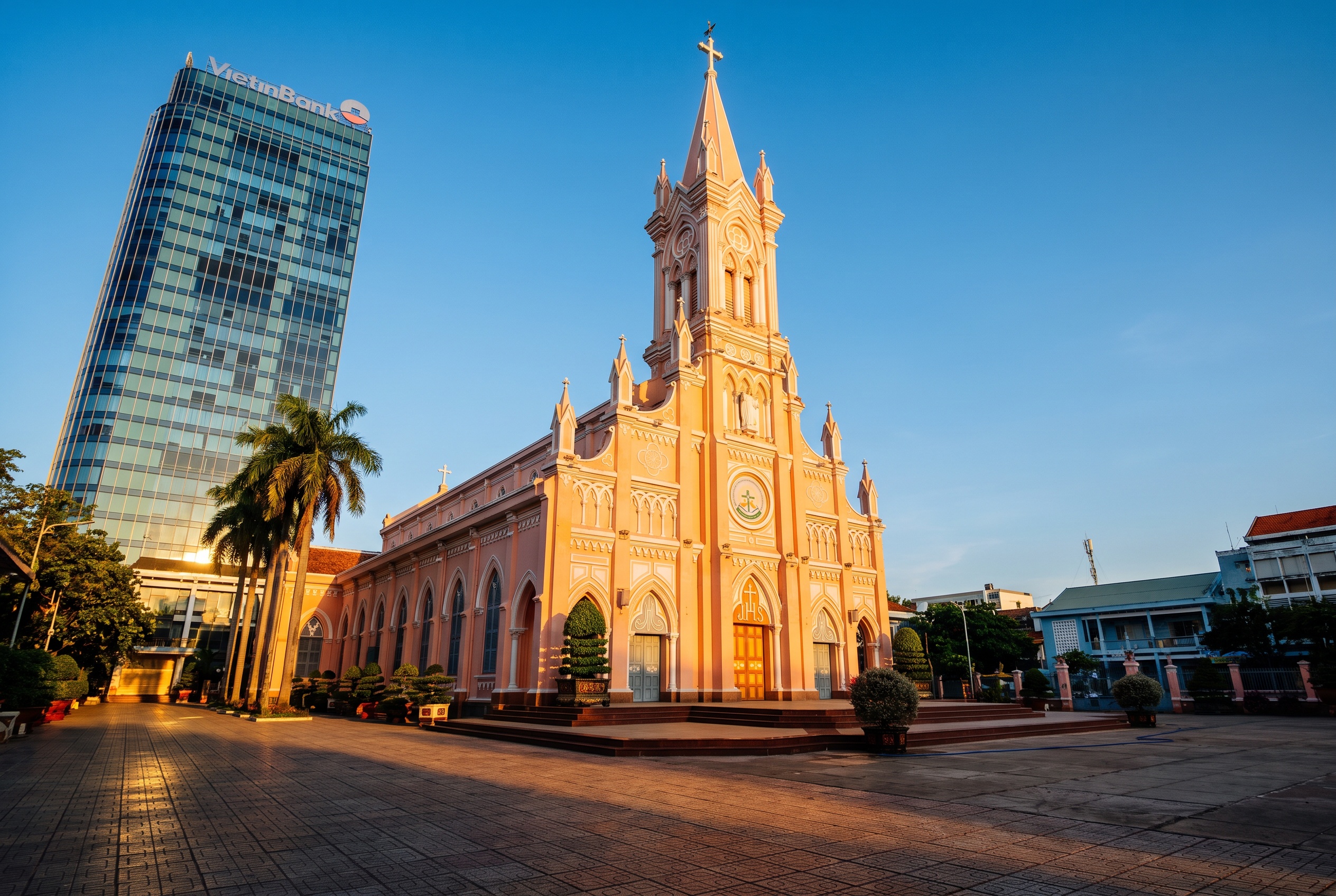
14. Con Ga Cathedral, Phap Lam Pagoda and Cao Dai Temple
The iconic pink cathedral from the 1920s is an unmissable photogenic landmark right in the heart of the city. Locals call it nothing other than the Rooster Church because of the tin rooster on top of the tower, and inside you’ll be surprised by beautiful neo-Gothic decoration, though on Sundays it’s only accessible during mass.
A bit further stands the enormous and peaceful Phap Lam Pagoda, which serves as the main headquarters of the local Buddhist administration. You can walk around in the shade of the trees for free, just don’t forget appropriate clothing and to remove your shoes before entering the inner sanctuaries.
Also worth mentioning is the nearby Cao Dai temple, a religion that combines elements of Buddhism, Christianity, and Taoism into one faith. Its colorful architecture with the omnipresent symbol of the divine eye is a very unconventional architectural sight.
💡 Tip: Go photograph the cathedral early in the morning from Tran Phu main road, when it has the most beautiful soft light and there are no crowds.
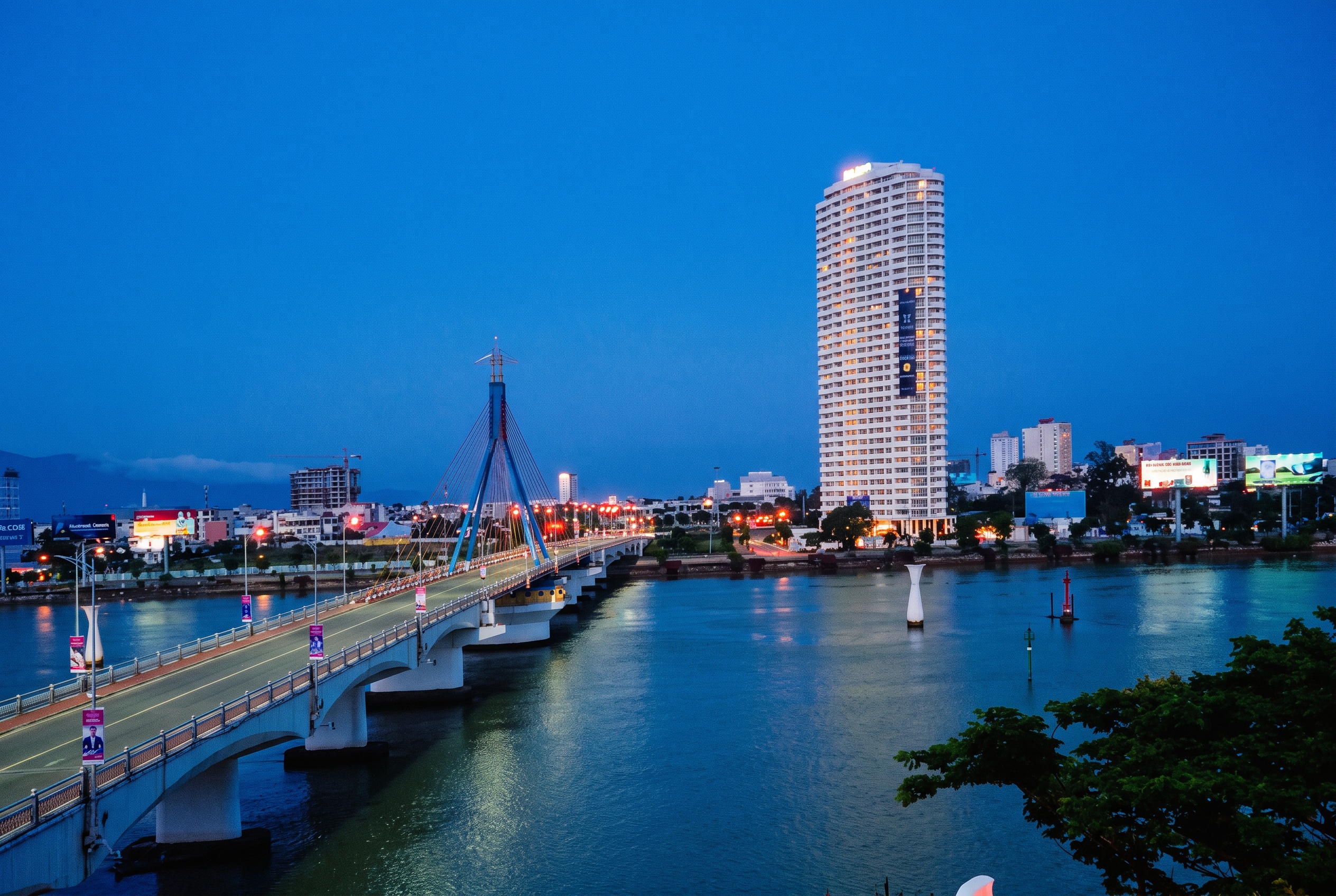
15. Bridge Circuit: Cau Song Han Swing Bridge, Thuan Phuoc and Tran Thi Ly
The city didn’t earn its nickname as the city of bridges for nothing, as each one is a unique engineering feat. The most famous of them, the swing bridge over the Han River from 2000, was designed and built exclusively by Vietnamese engineers, and on weekends around eleven at night its middle section rotates to let boats pass.
A bit further north spans Thuan Phuoc, which is one of the longest suspension bridges in the entire country, offering beautiful views of the bay. To the south shines the elegant cable-stayed Tran Thi Ly bridge, whose massive concrete pylon and cable arrangement resemble a giant taut ship’s sail.
All these structures are beautifully and colorfully illuminated at night, so a walk along the waterfront offers fantastic visual experiences. If you enjoy being active, you can rent a bike and take a lovely evening circuit along both banks.
💡 Tip: On Saturday evening you can easily catch both, first watch the fire-breathing on the Dragon Bridge at nine and then slowly walk to the swing bridge at eleven.

16. Bay Mau Coconut Forest (Cam Thanh) and Tra Que Vegetable Village
A ride in traditional round basket boats through the mangroves is a very popular and sometimes slightly crazy experience. Rowers take you through narrow channels and often perform wild spinning of the boat on the water, which can easily make those with weaker stomachs dizzy.
The official price for entrance and a boat for two starts at 210,000 VND, but be very careful of ubiquitous scammers and fake middlemen. They won’t hesitate to charge unsuspecting tourists double and easily cut the roughly hour-long ride in half.
A much calmer alternative is visiting Tra Que vegetable village, where local farmers grow wonderfully fragrant herbs using traditional methods. Entrance here costs only 35,000 VND and you can also take excellent cooking classes with freshly picked ingredients.
💡 Tip: Buy tickets for basket boats exclusively at official ticket offices and don’t be deterred by taxi drivers who want to take you to their acquaintances.
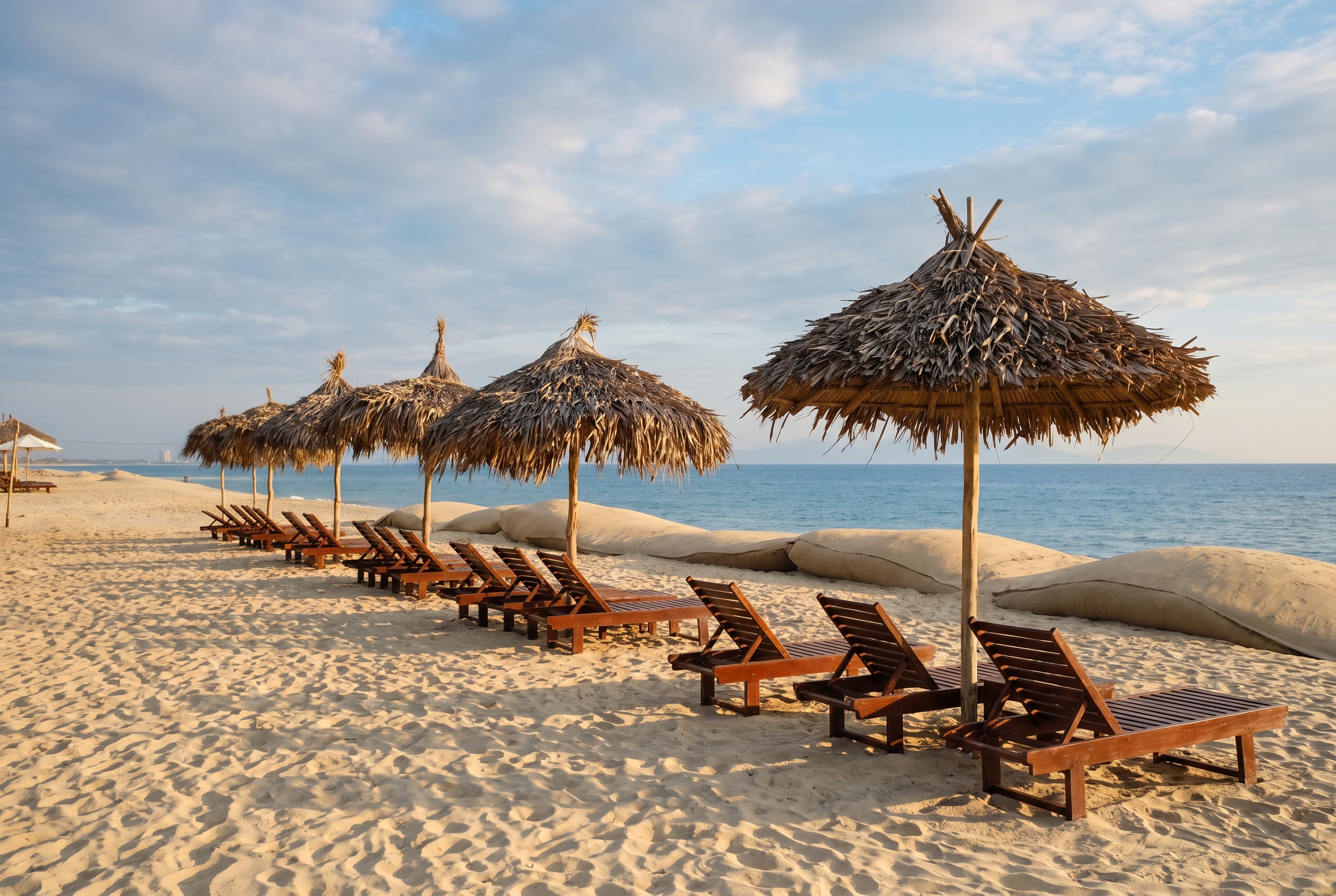
17. An Bang Beach (Hoi An)
If you get tired of the busy coastline right in the city, head a few kilometers south to this beautiful laid-back beach. You won’t find any giant high-rise hotels here, but rather smaller establishments, palm trees and sun loungers that you usually don’t have to pay for if you order a drink or food at the particular bar.
The atmosphere here is much calmer and feels more like relaxed island destinations, which is ideal for unwinding with a book. You can rent a bike and ride between rice fields from the historic center all the way here to the waves.
In the autumn months, however, strong winds often blow and the ocean eats chunks of sand from the shore. On such days, swimming is dangerous, so only come here for a good dinner or coffee with views of the wild waves.
💡 Tip: A short walk from the water, you’ll find an excellent restaurant called The Fisherman Garden Vegan, which offers great meat-free dishes right in a beach setting.
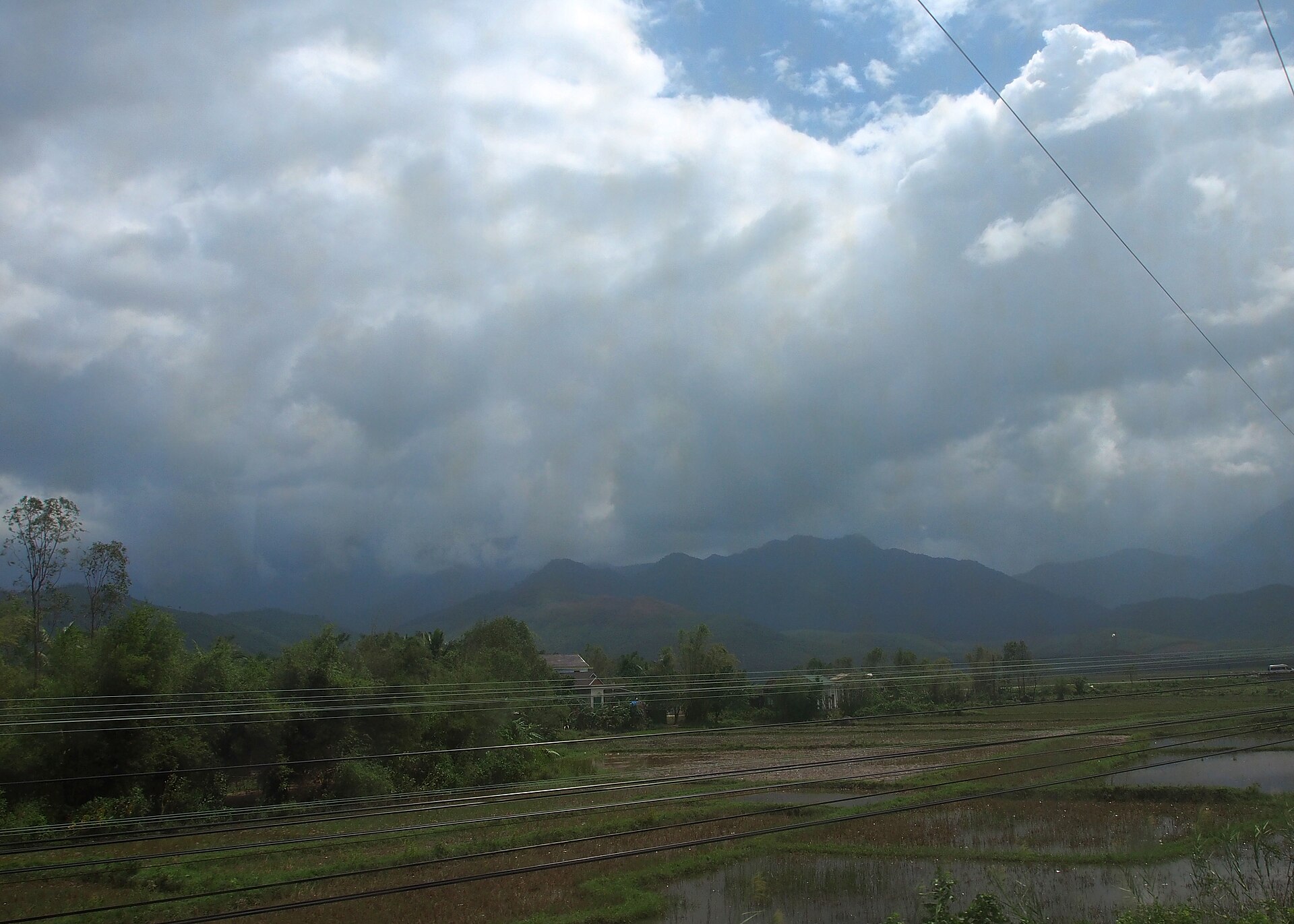
18. Train Through Hai Van to Hue (Heritage Train)
The train journey along the coast to the north is one of the most magical and affordable experiences in the entire region. The train slowly weaves through the green hills of the pass right above the ocean, and you can simply admire the stunning views that you would miss in the new highway tunnel.
A special retro train named the Heritage train departs every morning and afternoon, and a ticket will cost you a lovely 150,000 VND. This spring, the carriages underwent renovation, getting more comfortable swivel seats and a stylish bar car for an even better travel experience.
In less than three hours, you’ll reach the imperial city of Hue, where you can head straight out to explore the massive historic citadel. On weekends, these tourist trains tend to sell out very quickly, so buy your tickets in advance through the official railway website.
💡 Tip: When traveling northward, sit on the right side by the window to get the best unobstructed view directly down to the sea bays.
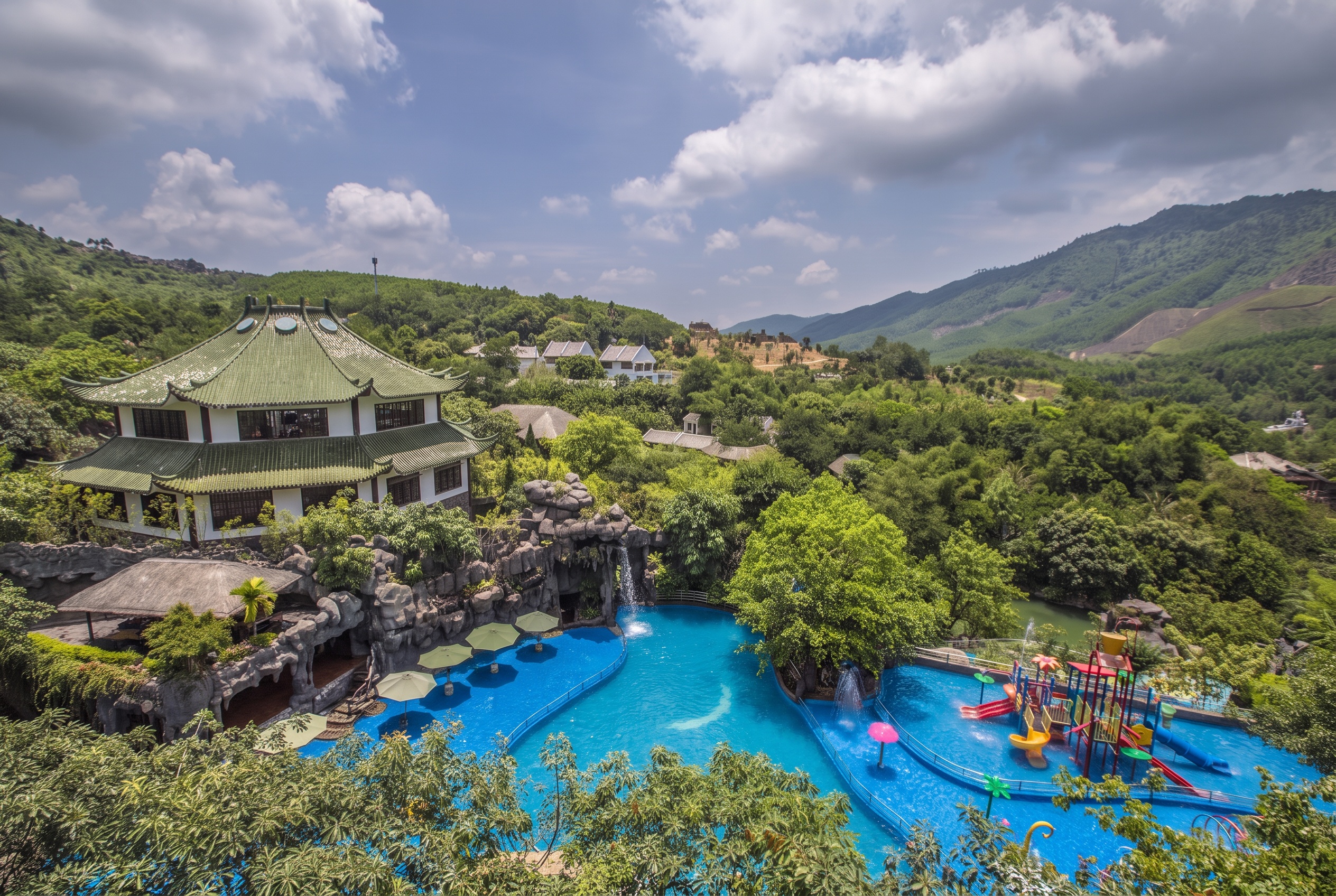
19. What to Do on a Rainy Day: Than Tai Hot Springs and Mikazuki
When the weather isn’t cooperating, there’s no point going to high mountain viewpoints where you won’t see anything at all through thick fog and rain anyway. Instead, head to Than Tai mountain park, where for just under five hundred thousand dong you get all-day access to hot thermal pools and mud baths.
A second great alternative for rainy days is the Japanese Mikazuki complex, which offers a large indoor water park and traditional onsen hot springs. Admission runs around 350,000 VND on weekdays and it’s located about ten kilometers north of the center.
These water attractions are a great lifesaver especially for families with children, who last year lost the canceled amusement park in the city. Just keep in mind that on weekends both facilities tend to be packed with local families, so you’ll have more peace and quiet on a weekday.
💡 Tip: You can reach the Than Tai thermal baths via the Grab app in about half an hour, and you’ll enjoy the hot baths most precisely when it’s raining outside.
20. Ghenh Bang and Man Thai Fishing Village
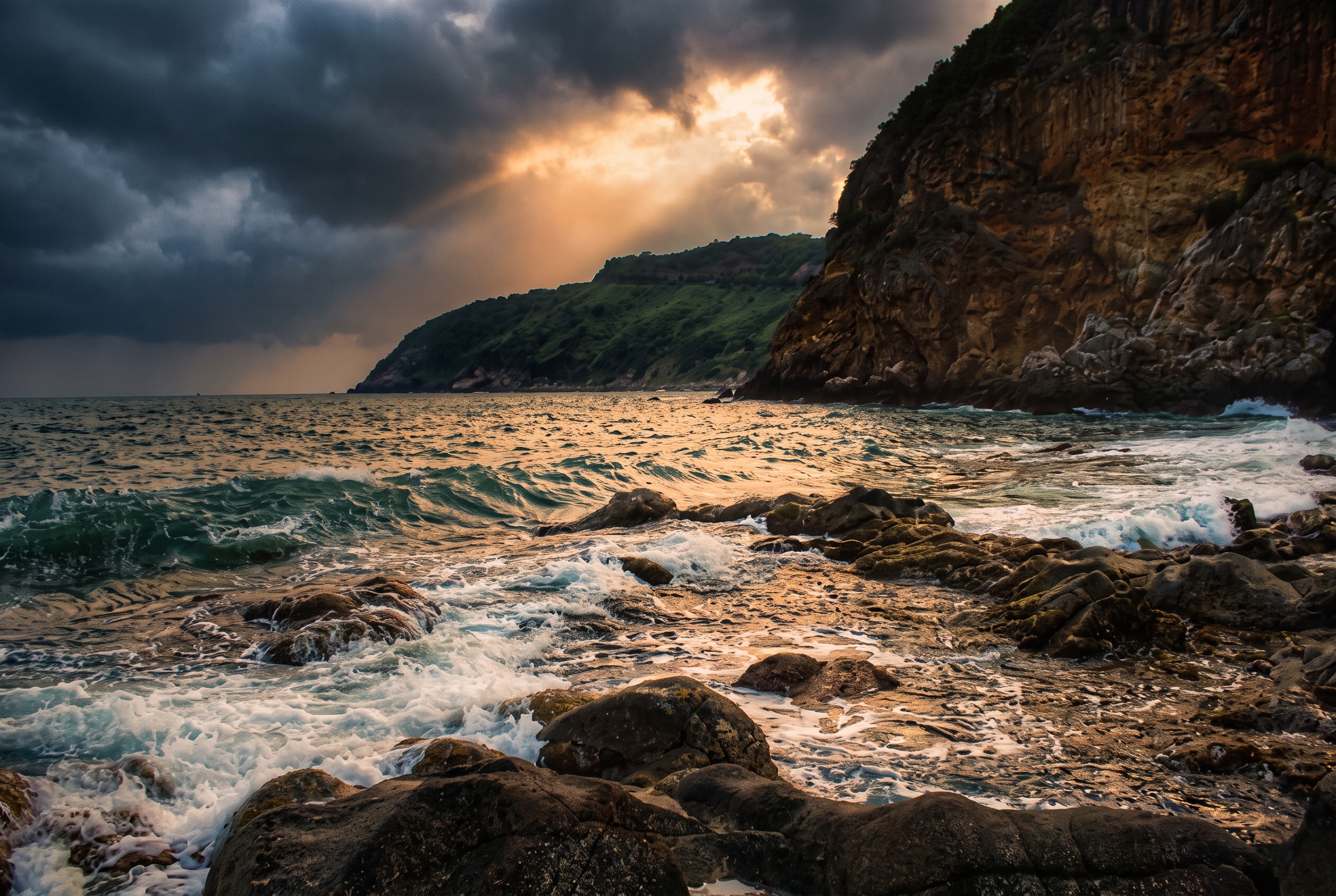
The rocky coastal bay of Ghenh Bang is a secret tip for lovers of unspoiled nature and light adventure. A fairly steep and dusty path through the jungle leads to it, but down below you’ll be rewarded with empty rocks and, in summer, pretty decent conditions for snorkeling.
A bit closer to the city lies Man Thai beach, where a traditional and very lively fish market comes alive every early morning. Local fishermen bring their catches here in typical round basket boats and you can watch as the fresh gifts of the sea are directly transferred and sold on the sand.
Watching these traditional techniques is a test for all the senses, though more sensitive souls might prefer to stay away from the actual fish sale. Both places are about ten to fifteen minutes away from the beach hotels.
💡 Tip: Only visit the rocky Ghenh Bang beach in good weather, as after rain the descent path becomes dangerously slippery and unfortunately there are no trash bins on site, so take everything with you.
21. APEC Park and Bach Dang Pedestrian Zone
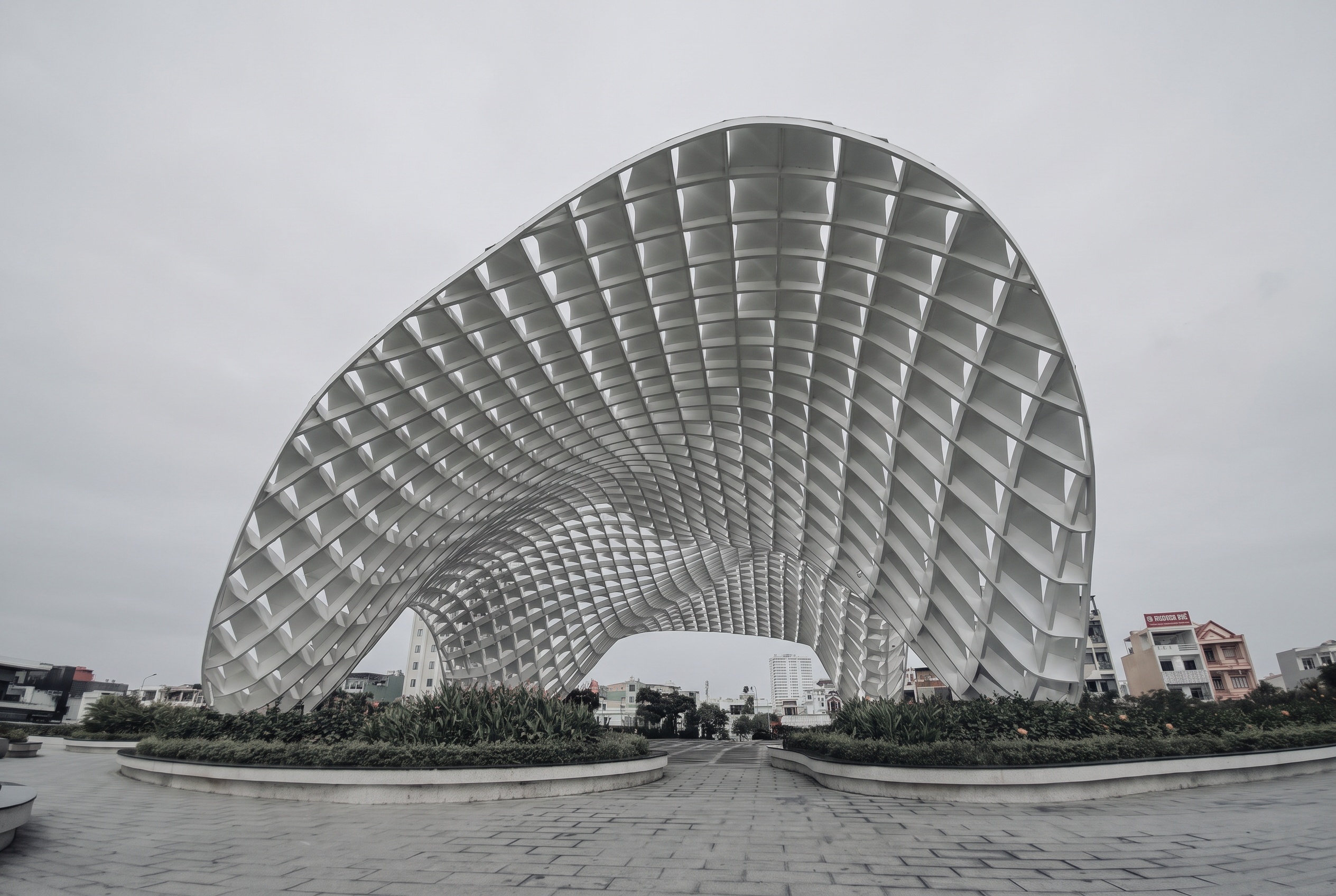
This modern riverside park is full of interesting sculptures and artworks that member economies donated to the city at the 2017 APEC summit. Its futuristic curved roof is one of the city’s newest architectural symbols and lights up beautifully at night.
Right next to it begins the recently opened Bach Dang pedestrian zone, which from three in the afternoon until midnight offers a space without cars and engine noise. You can stroll along the river, sit on benches and enjoy beautiful views of the opposite bank with the illuminated Dragon Bridge.
You can stop by the popular retro Cong Ca Phe café for their famous coconut coffee, or head for excellent vegetarian pizza at the popular Pizza 4P’s. This Vietnamese chain makes its own fantastic cheese burrata and for meat-free diners it’s a guarantee of quality.
💡 Tip: The riverfront is the liveliest spot in the city, and you’ll experience the best atmosphere with street performers and stalls on Friday and Saturday after sunset.
22. Chay: Vegetarian Da Nang
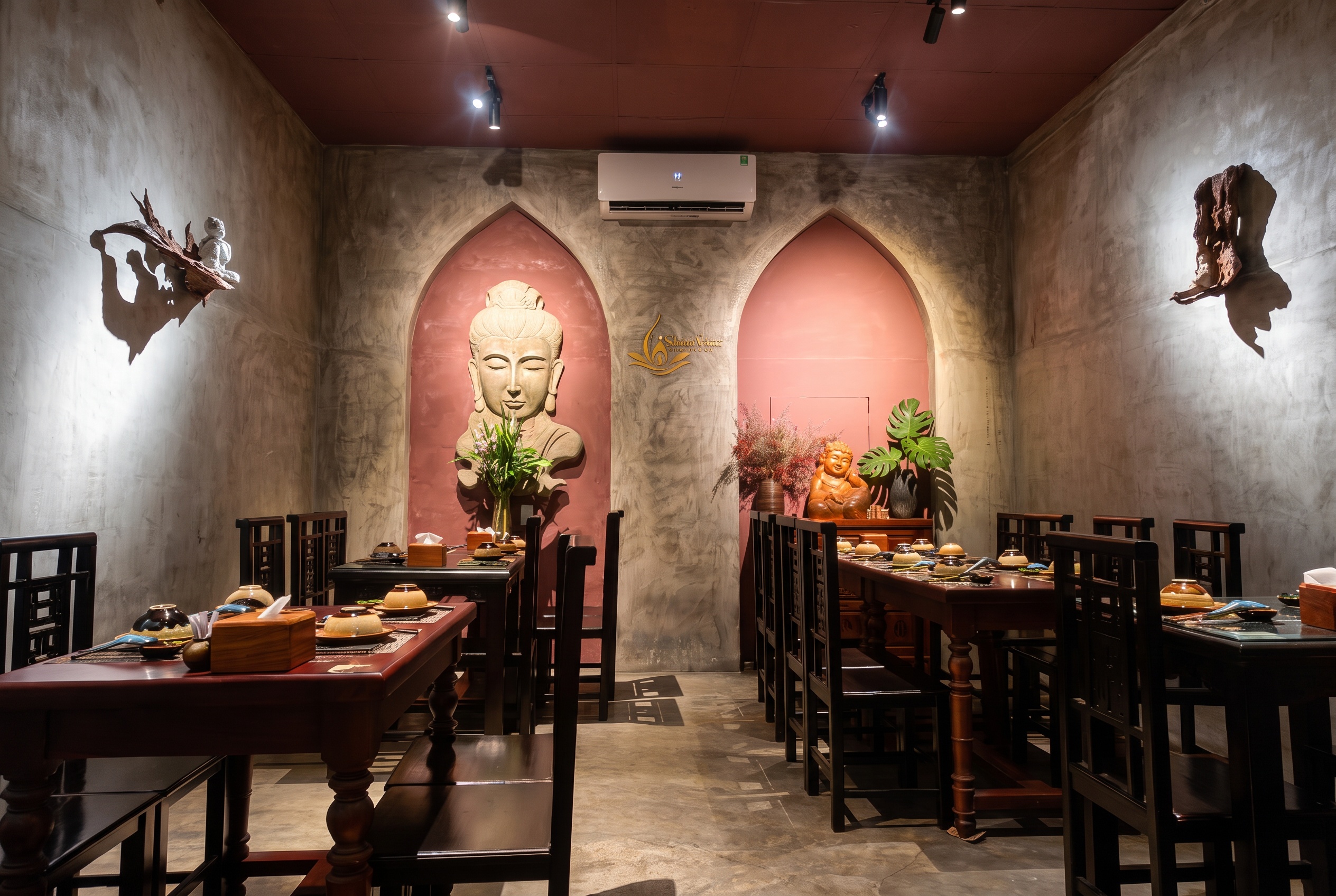
If you don’t eat meat, you’ll feel like you’re in heaven here, because the Buddhist food category “chay” is widespread. You’ll find dozens of small eateries and beautiful cafés where they’ll prepare vegan and vegetarian versions of the most famous traditional soups and noodles.
The biggest rush in these establishments is always on the first and fifteenth day of the lunar month, when locals eat meat-free and many regular restaurants offer special chay menus. On the street in general, always be very careful about traditional fish sauce, which is added to practically everything, and always emphasize that you eat purely “chay.”
Among the modern vegan restaurants in the An Thuong district, locals and tourists recommend Roots Plant-Based Cafe, the amazing Chickpea Eatery or the affordable Loving Vegan. Traditional meat classics like yellow noodle soup with shrimp or crispy pancakes also exist here in vegetarian versions with mushrooms and tofu.
💡 Tip: Small local eateries often open very early in the morning, so instead of a boring hotel breakfast you can go for a tray full of fresh meat-free treats for just a few euros.
Where to Go Next from Da Nang
- Hanoi: 22 Tips on What to See and Do in Hanoi: If you’re just starting or ending your journey through the country, the capital full of narrow streets and great coffee definitely won’t miss you, especially since comfortable overnight sleeper trains run here (a soft berth costs around 1,137,000 VND).
- Imperial City of Hue: The massive historic citadel with rulers’ tombs lies just a hundred kilometers to the north and you can easily get there via the stunning train route.
- Bach Ma National Park: Beautiful green mountains with waterfalls and amazing views of the valley, ideal for a full-day escape from the scorching city.
- Tam Thanh Mural Village: A small fishing village about seventy kilometers away, whose houses have been decorated by Korean and Vietnamese artists with gorgeous colorful paintings.
- Hoa Phu Thanh Rafting: For adrenaline lovers, there’s the option to raft down a wild river on rubber boats just outside the city.
- VinWonders Nam Hoi An: A huge modern amusement park south of the city with water slides, safari and roller coasters, especially appreciated by families with children.
Frequently Asked Questions
Do I need a visa for Vietnam?
If you’re staying less than 45 days for tourism, you no longer need a visa as of August 2025; this exemption is valid until August 2028. You only need a passport valid for at least six months, and we recommend filling out the free online Pre-Arrival Information form before your flight so you don’t get stuck in the queue at the airport.
How many days should I set aside for Da Nang?
Four to five days is ideal to have enough time for all the essentials. Spend one day exploring the city and museums, another head up to the mountains to Ba Na Hills, a third relax on the beach and in the early evening head over to historic Hoi An, and on the fourth day explore the My Son temples or take a trip north to Hue.
When is the best time to visit?
The spring months from February to May are absolutely ideal, when it’s dry with pleasant temperatures between 26 and 33 degrees. Avoid October and November, when the sea is rough, strong typhoons arrive, and it rains so much that the surrounding villages, including the old town, regularly battle floods.
How much does Ba Na Hills cost and how do I get there without a car?
An adult ticket costs exactly one million dong (around €35), but now it’s valid for three consecutive days, and for young people up to 25 years old there’s a 50% discount until the end of 2026. Transport is also very easy—until the end of this year a free bus runs from the center, or you can use the local route from the airport for 30,000 dong.
When does the Dragon Bridge breathe fire?
The light and fire show takes place at exactly 9:00 PM, and now runs every Friday, Saturday, and Sunday, so you have a better chance of catching it. It’s completely free and lasts about fifteen minutes, just keep in mind that during the summer fireworks festival this program is cancelled for safety reasons.
How do I get from the airport to the city and how much does it cost?
The airport is right in the city, less than six kilometers from the beach, and the best way to get from there is through the Grab app. There’s a PIN code system at stand A at the airport, and a trip to the beach will cost you around 75,000 dong, with just a small entry fee added on top.
Is the city suitable for vegetarians?
Absolutely, you’ll find dozens of purely Buddhist eateries called “quan chay” where you can get excellent vegetable and tofu versions of classic Asian noodles for just a few cents. In the modern An Thuong district there’s a huge selection of beautiful vegan cafés like Roots or Loving Vegan, you just always have to make sure they don’t pour fish sauce into your regular dishes.
Tips and Tricks for Your Vacation
Don’t Overpay for Flights
Search for flights on Kayak. It’s our favorite search engine because it scans the websites of all airlines and always finds the cheapest connection.
Book Your Accommodation Smartly
The best experiences we’ve had when looking for accommodation (from Alaska to Morocco) are with Booking.com, where hotels, apartments, and entire houses are usually the cheapest and most widely available.
Don’t Forget Travel Insurance
Good travel insurance will protect you against illness, accidents, theft, or flight cancellations. We’ve had a few hospital visits abroad, so we know how important it is to have proper insurance arranged.
Where we insure ourselves: SafetyWing (simple monthly subscription) and TrueTraveller (for extra-long trips).
Find the Best Experiences
Get Your Guide is a huge online marketplace where you can book guided walks, trips, skip-the-line tickets, tours, and much more. We always find some extra fun there!