
From a sleepy fishing village, Shenzhen has transformed in just a few decades into China’s most modern metropolis and one of the world’s leading technology hubs. Shenzhen is simply a city of the future that will instantly impress you with its cleanliness, greenery, and infrastructure. In November 2026, the city is also hosting the APEC summit, which has led to several simplifications for foreign visitors.
Getting around the city has become much easier for tourists since this summer, as from June 30, 2026, you can pay for metro rides by tapping your foreign Visa or Mastercard directly at the turnstile. There’s no longer any need to deal with cash or apps for each journey, which will save you a lot of hassle. If you love modern architecture, giant shopping malls, but also hidden historic villages and beaches, you’ll definitely fall for this destination.
Before traveling, I must mention one crucial thing: visa requirements vary by nationality. For example, unlike Slovak or Polish passport holders who have visa-free entry until the end of 2026, Czech citizens still need a visa. You can use the 240-hour visa-free transit, but it only applies if you have a ticket to a third country (Hong Kong counts) and enter through approved crossings such as the high-speed train from West Kowloon or the ferry to Shekou. The pedestrian crossing via Luohu does not qualify for transit, so you really need to plan your trip carefully. Also note that the Czech Consulate General in Hong Kong was closed on September 30, 2026, and any assistance is now handled by the embassy in Beijing.
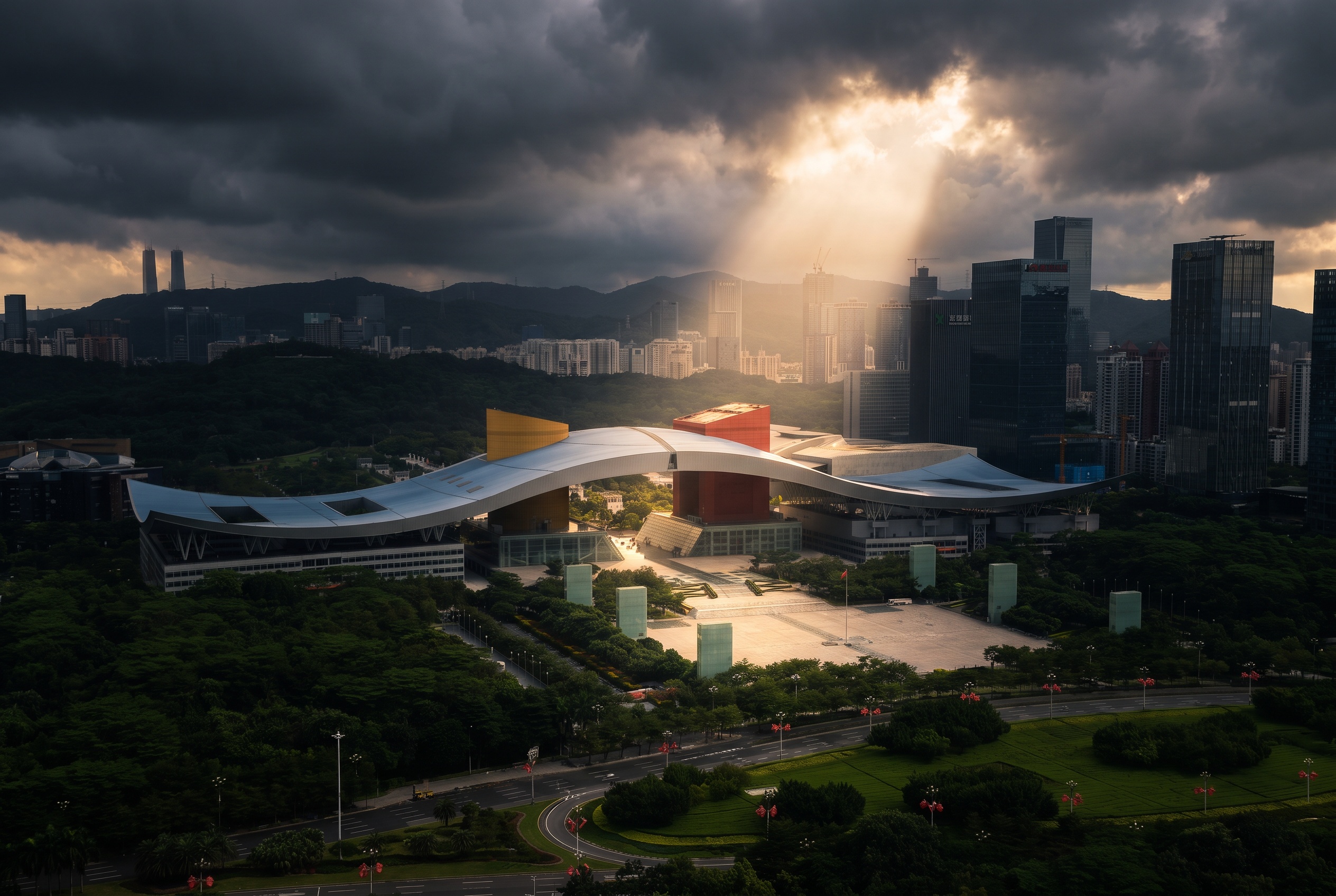
Summary
- Visa requirements are essential: Check your nationality’s requirements; some need a visa while others can use the 240-hour transit (only through selected crossings, not on foot via Luohu) with onward travel to a third country.
- Transport from Hong Kong: The high-speed train from West Kowloon gets you to Futian district in 14 to 16 minutes, with tickets starting at 78 HKD.
- Payments in the city: Since June 2026, metro accepts foreign card payments directly at turnstiles; otherwise, definitely set up Alipay for shops and Didi taxis.
- Technology paradise: Don’t miss the massive Huaqiangbei electronics market and the huge four-story DJI flagship store in the OCT Harbour district.
- City of parks and lights: Walk the 13-kilometer-long Shenzhen Bay Park promenade and catch the evening light show at Talent Park.
- New museums: The city is investing massively in culture; the beautiful Natural History Museum opened in July 2026, with the Qianhai Museum coming in autumn.
- Vegetarian food: Classic dim sum often contains lard or shrimp, so look for purely Buddhist or vegan restaurants like Qing Chun Po Meng.
The full destination guide: Asia — guide and what to see
When to Visit Shenzhen
Planning the right time is crucial for visiting southern China, as the local climate can be quite unforgiving. The best period to travel is from October to December, when the weather is pleasantly dry and temperatures hover around a beautiful 25 to 29 degrees Celsius. During these months, you’ll enjoy the most sunshine and avoid the oppressive summer humidity that makes exploring the city quite challenging. January and February are also fine, though it tends to be a bit cooler and occasionally windy.
Definitely try to avoid summer and early autumn, specifically the period from June to September. During this time, the city is often hit by powerful typhoons with strict safety measures that restrict transport and close attractions. Besides the weather, be extremely careful about Chinese public holidays, especially the so-called Golden Week, which runs from October 1 to 7. During this week, all of China travels, hotels burst at the seams, prices soar, and you’ll spend hours in queues at the borders with Hong Kong.
Other dates that can unexpectedly inflate your trip costs are connected to major regional events. From October 15 to November 4, 2026, the famous Canton Fair takes place in neighboring Guangzhou, which affects hotel occupancy in Shenzhen as well. Absolutely critical is the period from November 17 to 19, 2026, when the city hosts the APEC summit. During these days, expect heightened security measures, closures around Xiangmi Lake in Futian district, and an overall very busy atmosphere, so if you don’t have accommodation booked well in advance, it’s better to choose a different week for your visit.
Where to Stay in Shenzhen
Choosing the right district will save you a lot of commuting time, as the city is truly enormous and stretched along the coast. For a first visit and the best connection to Hong Kong, consider Futian district, which is the beating heart of business and where you’ll find the high-speed train station. An excellent choice here is the luxurious Futian Shangri-La, Shenzhen, which offers perfect service and views, or the more affordable Hampton by Hilton Shenzhen Futian Huaqiangbei, from which you’re just a short walk from the famous electronics market.
If you’re looking more for design, modern promenades, and proximity to the sea, I recommend focusing on the Nanshan area and around Shenzhen Bay. This is where you’ll find the newest architectural gems and parks, with the top accommodation choice being Andaz Shenzhen Bay, which will charm you with its beautiful interior and prime location. It’s an ideal base for evening walks around the bay and watching the light shows on the skyscrapers.
A third very popular option is the Shekou district, which has a more relaxed atmosphere and attracts most Western expats. There are plenty of cafes, bars, and most importantly, the port from where ferries run directly to Hong Kong airport. An excellent choice in this area is Hilton Shenzhen Shekou Nanhai, which sits right by the sea and offers beautiful bay views. For a more detailed breakdown of individual areas, definitely check out our article on where to stay in Shenzhen.
💡 On this map, you can compare what’s currently available — you’ll immediately see how prices change just a few blocks away.
22 Best Things to See and Do in Shenzhen
The city offers a mix of ultra-modern architecture, theme parks, and old historic villages that huddle in the shadow of glass skyscrapers. Let’s look at 22 specific tips on how to enjoy your visit to this metropolis to the fullest and what you definitely shouldn’t miss.
1. Futian CBD and Lianhuashan Park
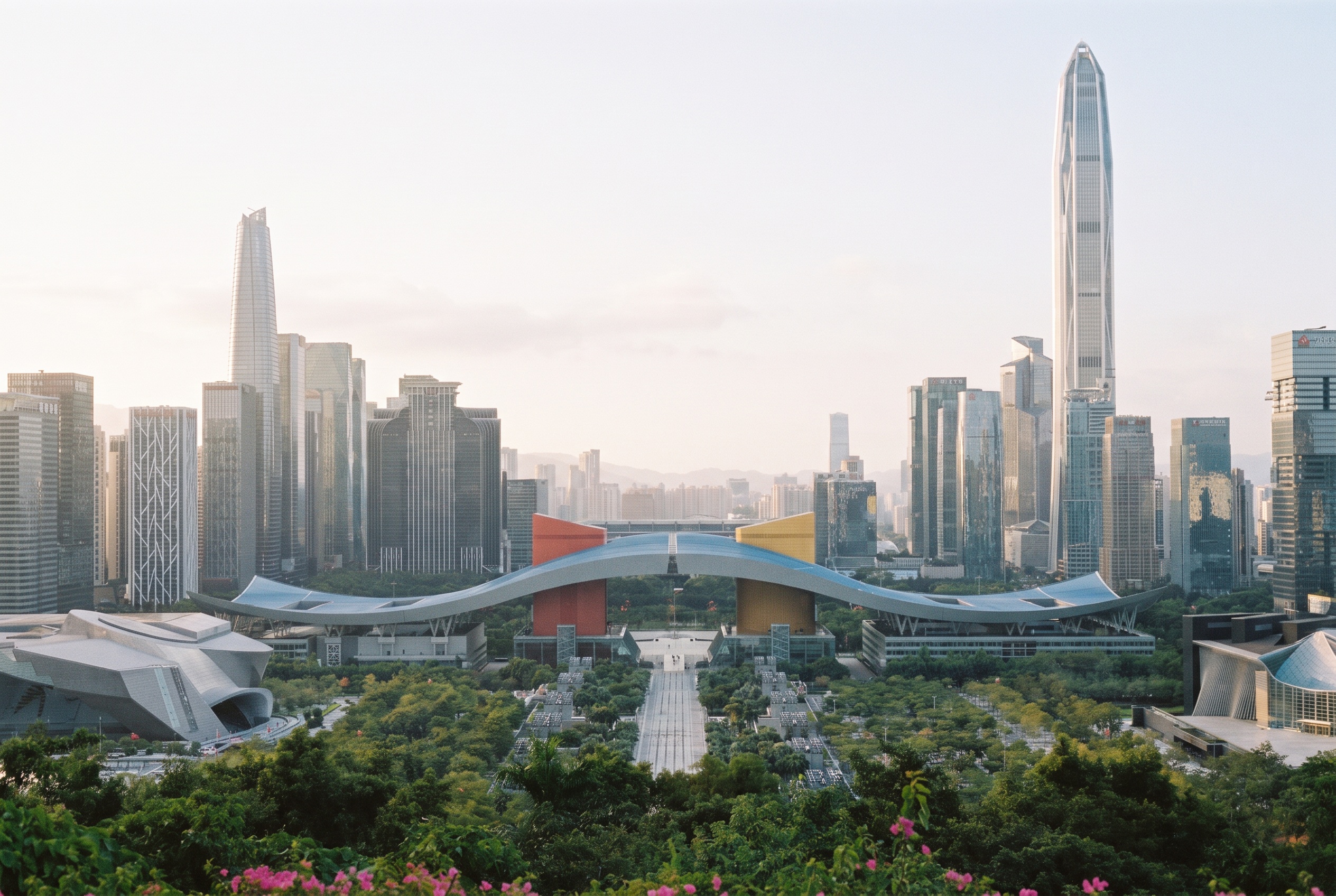
The center of Futian district itself is a showcase of modern urbanism, where the most important government and cultural buildings tower, including Civic Center. The best view of this entire glass magnificence opens up from the nearby Lianhuashan Park, which is open daily from 6:00 AM to 11:00 PM and entry is completely free. After a gentle climb, you’ll reach the summit with a giant bronze statue of Deng Xiaoping, the architect of modern Chinese economic reforms.
From this spot, the most iconic view of the entire city axis unfolds, which you absolutely must not miss. Locals come here to relax, practice tai chi, or fly beautiful kites on the vast grassy areas, which gives the place a very laid-back atmosphere. You’ll meet plenty of families with children in the park, and it’s a great escape from the hustle and bustle of the big city, even though you’re still right in its center.
In the evening, the facades of the skyscrapers around Civic Center regularly transform into a massive canvas for a stunning light show. However, I must warn you that from April 30 to October 1, 2026, the show was suspended due to extensive modernization, so check before your trip whether it has been restarted. When it’s running, it usually takes place on Fridays, Saturdays, and holidays at three times after dark.
💡 Tip: If you find that the light show in Futian isn’t currently running, head to Talent Park by the bay, where a similar spectacle takes place; but verify the schedule there as well before visiting.
2. Ping An Finance Centre and Free Sky Observation Deck
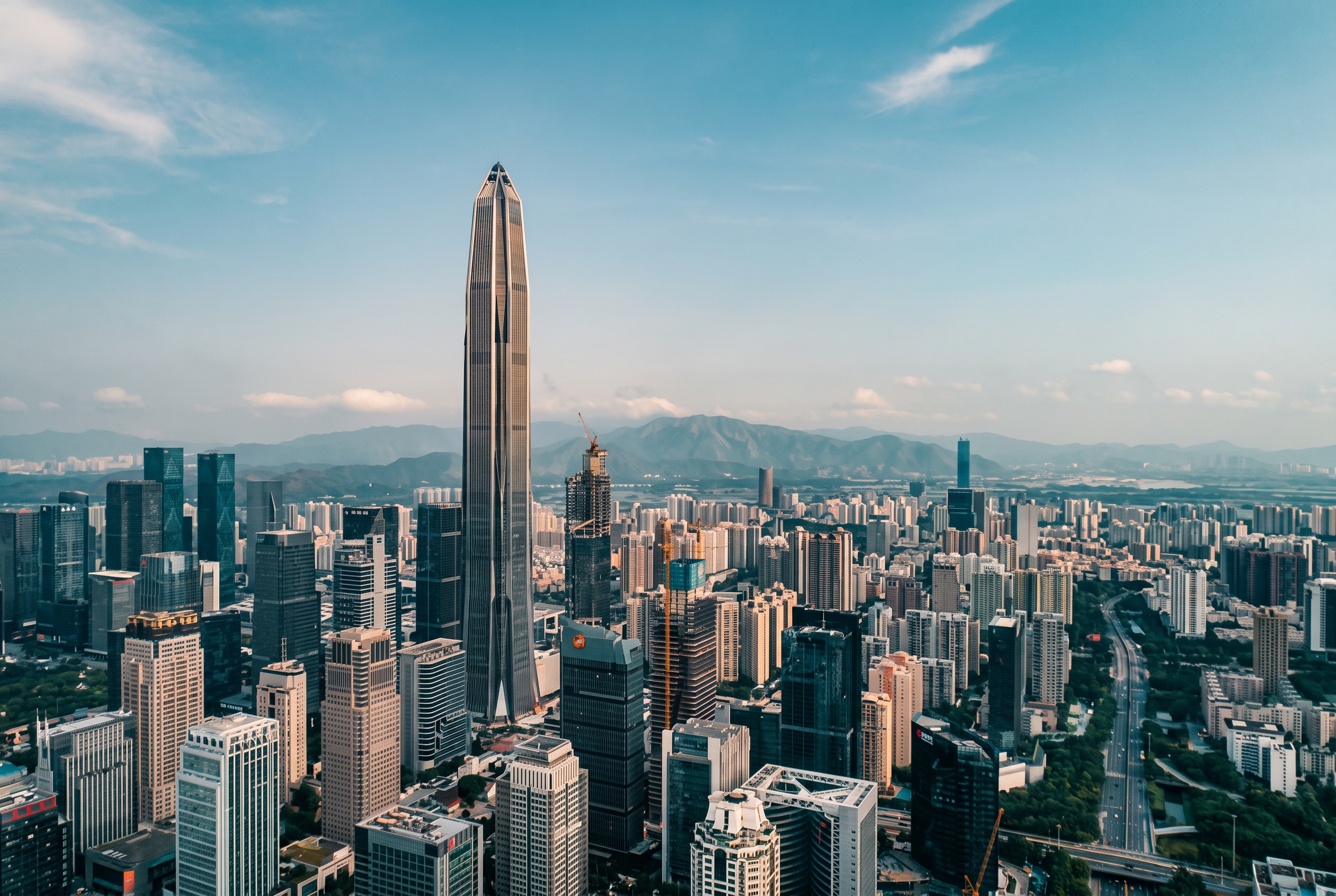
When you’re in Futian, you definitely won’t miss the Ping An Finance Centre skyscraper, which dominates the entire skyline. It’s one of the tallest buildings in the world, and on its 116th floor you’ll find the stunning Free Sky observation deck, where a super-fast elevator will whisk you up in just 55 seconds. You’ll find yourself almost 548 meters above sea level with the entire city spread out beneath you.
Standard adult admission costs around 190 CNY (approximately €25) if you buy your ticket online, while it’s slightly more expensive on-site. The observation deck is open from 10:00 to 20:00, with the last visitors admitted around a quarter to eight in the evening. Children under 1.2 meters get in completely free, which is a nice bonus for families.
The biggest enemy of this attraction is the weather, because southern China often experiences heavy haze that makes it nearly impossible to see anything. The best visibility is usually on clear autumn days from October to December, ideally just before sunset when the city starts to light up. Definitely check the current visibility before buying your ticket, so you don’t end up paying for a view into gray fog.
💡 Tip: I recommend buying tickets through platforms like Trip.com, where you’ll often find good discounts and avoid potential queues at the ticket counters.
3. Huaqiangbei: Electronics Market
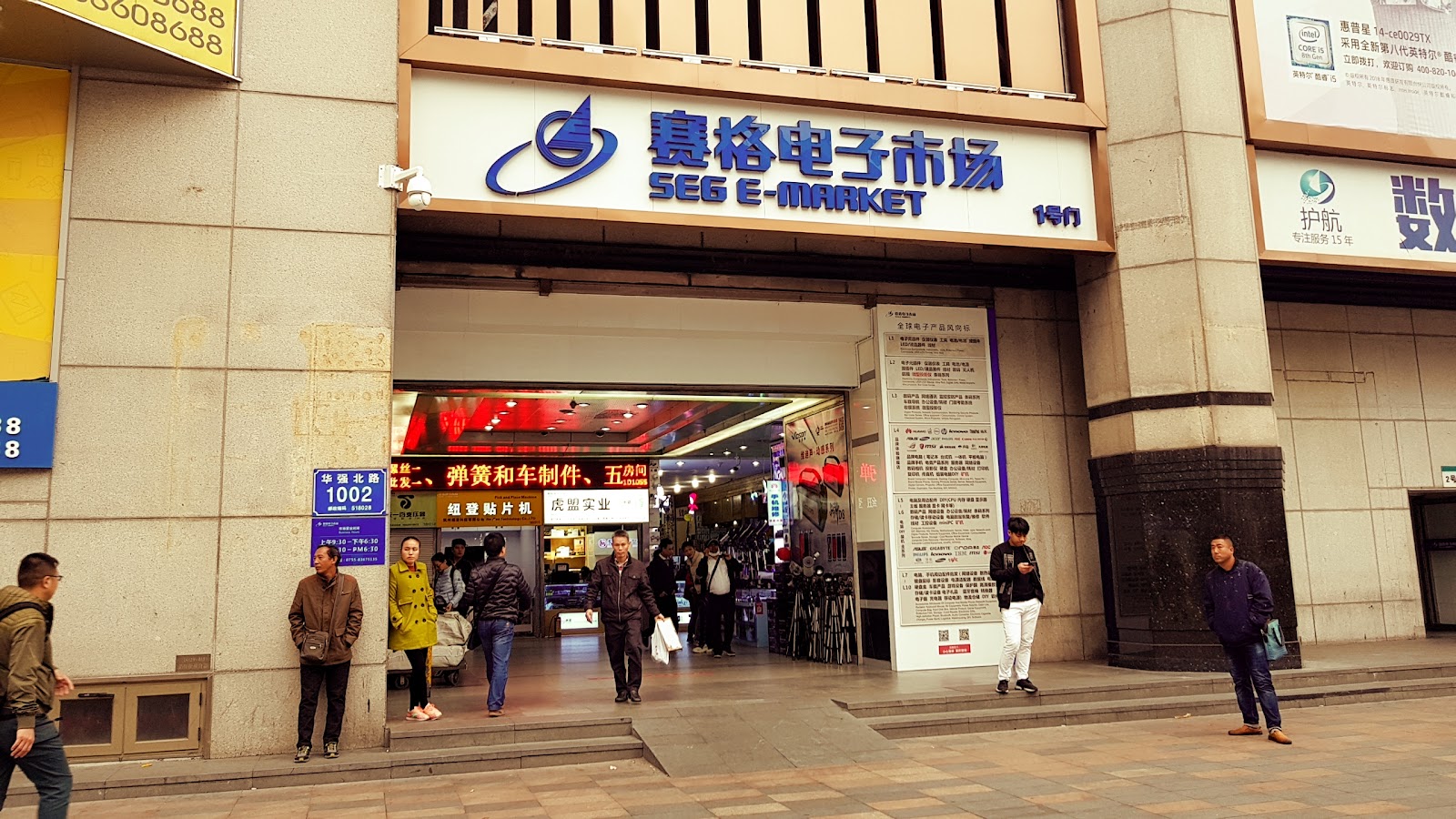
For tech enthusiasts, a visit to the Huaqiangbei district is a must, as it’s one of the world’s largest electronics markets. The heart of the area is the massive SEG Plaza skyscraper, where you’ll find thousands of tiny stalls packed one next to another. You can find everything here from small components, cables and drones, to the latest phones and computer parts.
Stalls are typically open from 10:00 to 18:00, with the busiest times in the afternoon hours. However, you need to be extremely careful, because the market is full of various traps and scams targeting tourists. Sellers routinely inflate prices for foreigners by 30 to 50 percent, so haggling is essential, though you won’t always meet with cooperation.
Be especially wary of fake memory cards and external SSD drives. You’ll commonly encounter “2TB” drives for a suspicious 30 CNY that actually have only 32 or 64 GB capacity and are reprogrammed to appear as massive storage devices in your computer. Always ask to see the item demonstrated and tested, and insist on a receipt with the seller’s business card.
💡 Tip: Cash payments are not very common here anymore; most sellers expect payment through Alipay or WeChat Pay. Make sure you have the app properly set up and linked to your card.
4. Shenzhen Museum and Modern MOCAUP Gallery
If you want to learn more about how a small village became a giant metropolis, head to Shenzhen Museum. The main branch focused on history and folk culture is located right at Civic Center on Jintian Road. Admission to the museum is completely free, and since summer 2024, no advance reservation is required, which makes visiting very easy.
The museum is open Tuesday to Sunday from 10:00 to 18:00, and traditionally closed on Mondays. The exhibitions are excellently presented, and international tourists with passports even get priority entry, so you don’t have to worry about long waits. You’ll learn lots of fascinating facts about the beginnings of the special economic zone and the original inhabitants of the region.
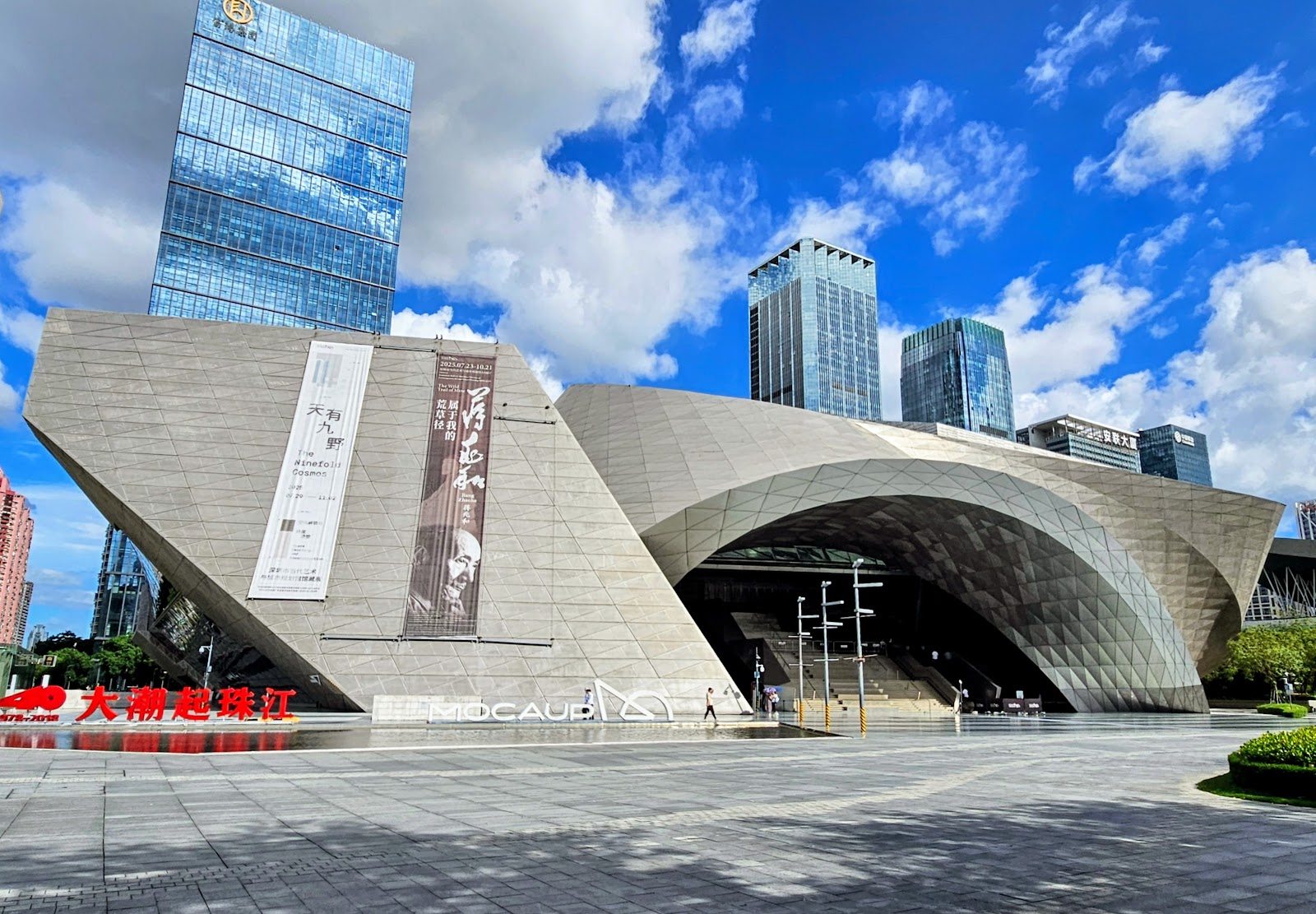
Just a short distance away on Fuzhong Road, you’ll find another architectural gem: MOCAUP (Museum of Contemporary Art and Urban Planning). The building was designed by the famous studio Coop Himmelb(l)au, and its futuristic exterior alone is worth plenty of photos. Inside you’ll find modern art installations and giant city models that help you understand its incredible pace of growth.
💡 Tip: The Civic Center area has very little shade in summer. If you’re planning to visit the local museums, definitely bring a hat and plenty of water.
5. Shenzhen Bay Park and Light Show in Talent Park
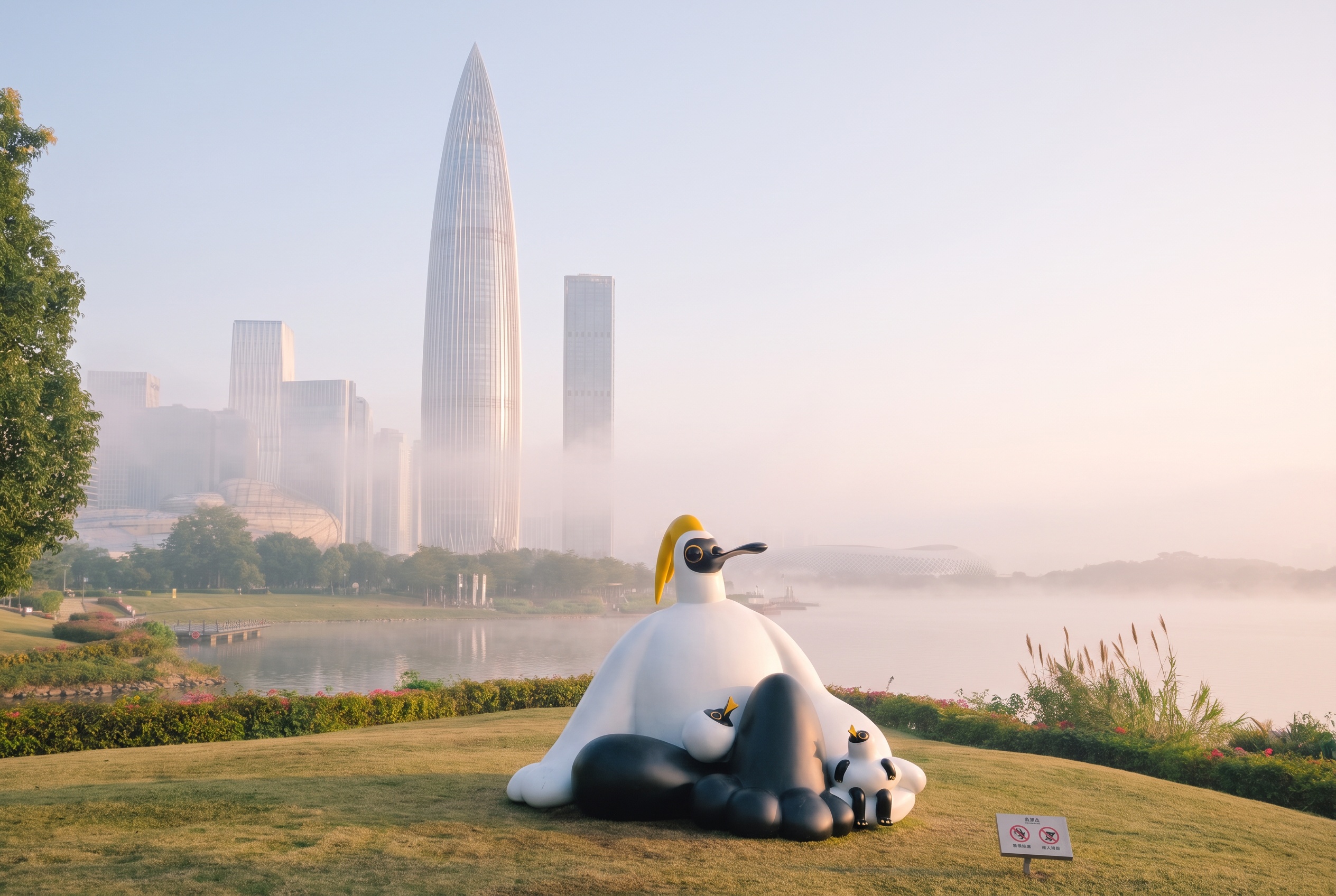
For an escape from the concrete jungle, there’s nothing better than Shenzhen Bay Park, a beautiful waterfront promenade stretching 13 kilometers from Futian to Nanshan. Part of the park includes a two-kilometer wooden boardwalk through mangrove forests, where you can watch flocks of migratory birds during the winter months. The view across the bay to Hong Kong’s skyline from here is spectacular.
Connected directly to this promenade is Talent Park, which is open 24/7 and easily accessible by metro line 13. This is where crowds gather after sunset, because a beautiful light show regularly takes place here. It usually runs on Fridays, Saturdays and holidays, starting at 19:30 in summer and repeating every hour, while in winter it begins at 19:00.
The show lasts about fifteen minutes, is completely free, and requires no reservation. Occasionally you’ll see mentions of drone shows on social media, but those only happen during very special events (such as city founding anniversaries), so don’t count on them for a regular weekend. Even just the light displays on the skyscrapers reflecting on the water is an amazing experience.
💡 Tip: Shenzhen Bay Bridge, which connects the city to Hong Kong and is beautifully visible from the promenade, cannot be crossed on foot. It’s exclusively for cars and buses, but photos with it at sunset are perfect.
6. New Shenzhen Bay Cultural Plaza
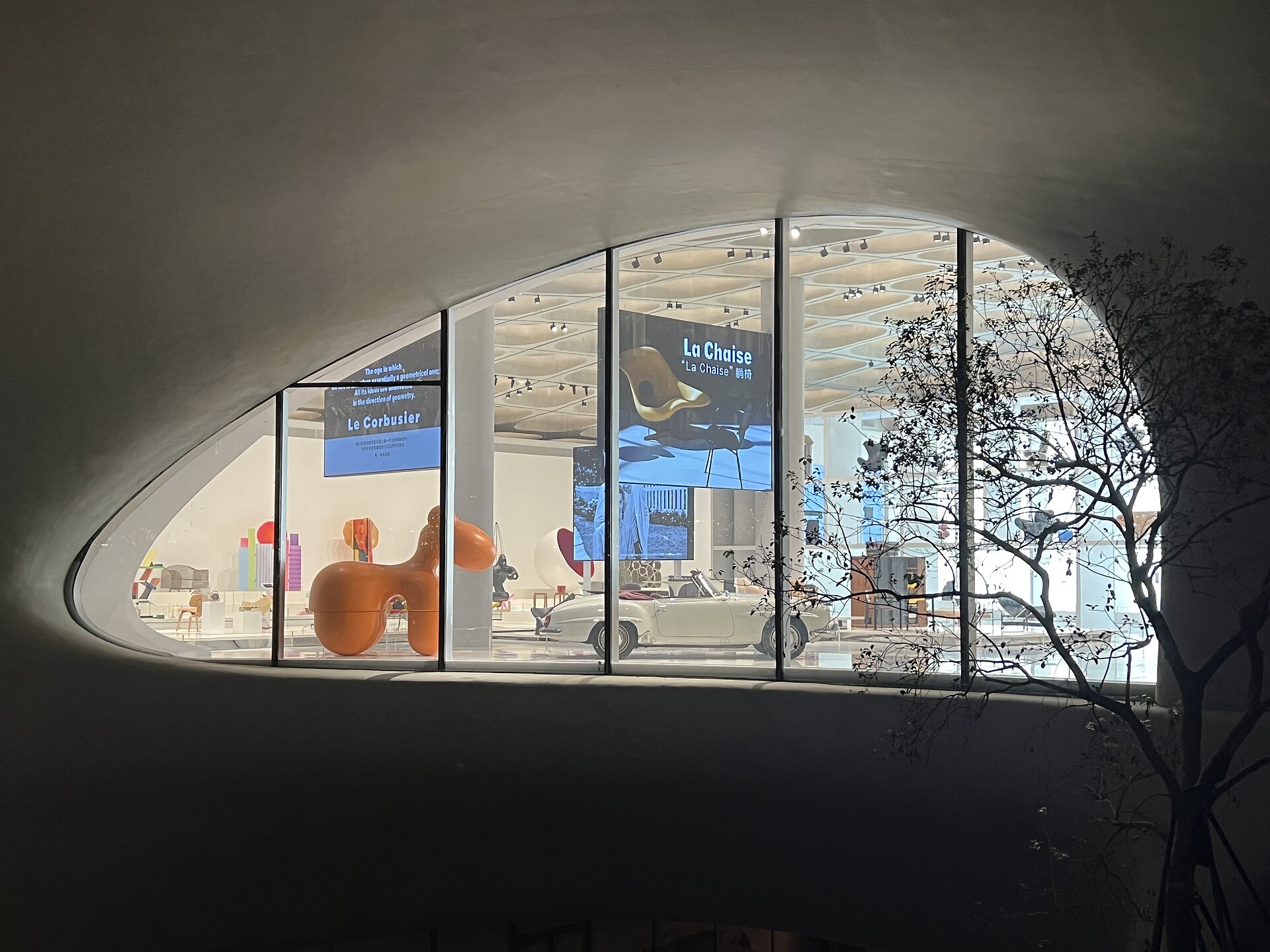
The bay area continues to develop, and one of the biggest draws of late 2025 became Shenzhen Bay Cultural Plaza. This futuristic complex was designed by the renowned architectural studio MAD and consists of nine organically shaped buildings that resemble smooth sea stones scattered along the coast. Inside you’ll find, among other things, the world’s largest design museum.
The complex opened to the public at the end of November 2025 and immediately became a huge hit. Admission to the main exhibitions costs a very reasonable 20 CNY (about €3), but beware, advance online reservation is required. If you’re planning to visit on a weekend, definitely reserve your spot at least three days ahead, or you risk not getting in.
The museum is open Tuesday to Sunday from 10:00 to 18:00, with Mondays reserved for cleaning. Since it’s located right next to Talent Park, it makes perfect sense to combine both places into one afternoon. Start with a tour of the design exhibitions, then stroll along the promenade, and finish the evening watching the amazing light show over the bay.
💡 Tip: Book tickets in advance, for weekends at least three days ahead; without a reservation, you won’t get in.
7. OCT Loft Arts District
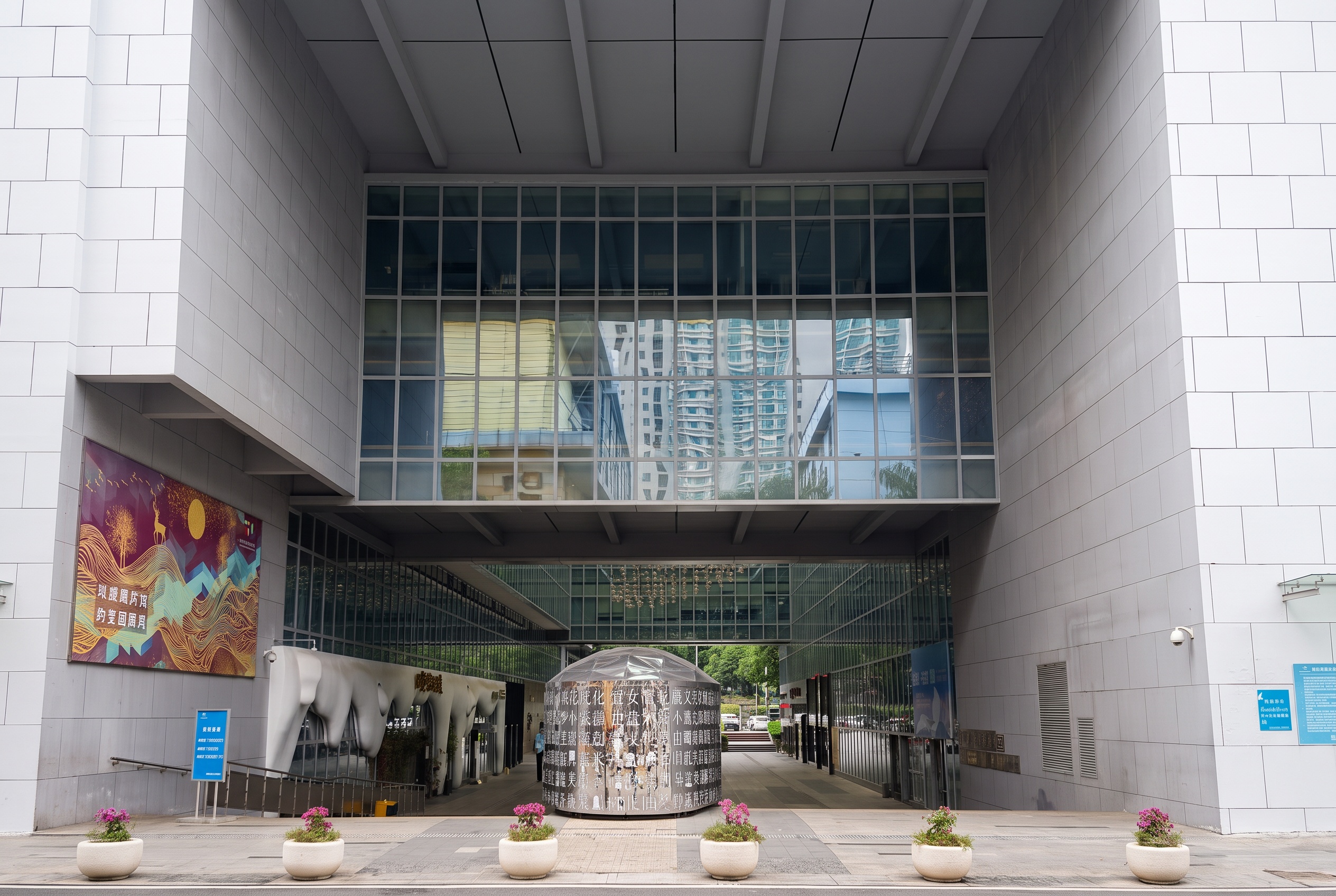
If you need a break from glass and steel, head to OCT Loft Creative Culture Park. This is a former factory complex that has transformed into a vibrant creative district full of greenery, climbing plants, small galleries and design boutiques. It’s one of the most hipster spots in the entire city, and entry to the whole area is completely free.
The most interesting part is the OCAT contemporary art center, which is open from 10:00 to 19:00 (closed Mondays) and offers very interesting exhibitions. The outdoor spaces are accessible 24/7, but most cafes and boutiques don’t open until around ten in the morning and close at nine in the evening. On weekends, the popular T-Street market is held here about twice a month, where you can buy original handmade products.
This area is also very vegetarian-friendly. If you love Asian cuisine, definitely try the Tibetan vegetarian hotpot Yiye Yishijie, which has a branch nearby. You order here via WeChat by scanning a QR code on the table, and even though the staff only speaks Chinese, with a translator app on your phone you can easily select plenty of vegetable and mushroom delicacies.
💡 Tip: From metro line 1 (Qiaocheng East station, exit A) it’s about an eight-minute pleasant walk under the trees to the center of the district, which you’ll really appreciate on hot days.
8. OCT Harbour and Giant DJI Drone Store
The OCT Harbour area (often referred to as Happy Coast) in Nanshan District is an elegant complex filled with waterways, luxury shops, and excellent restaurants. Don’t get confused by similar names though—OCT Harbour is not the same as Happy Harbour in the Bao’an area, where you’ll find the giant Ferris wheel. This is the place for shopping and technology.
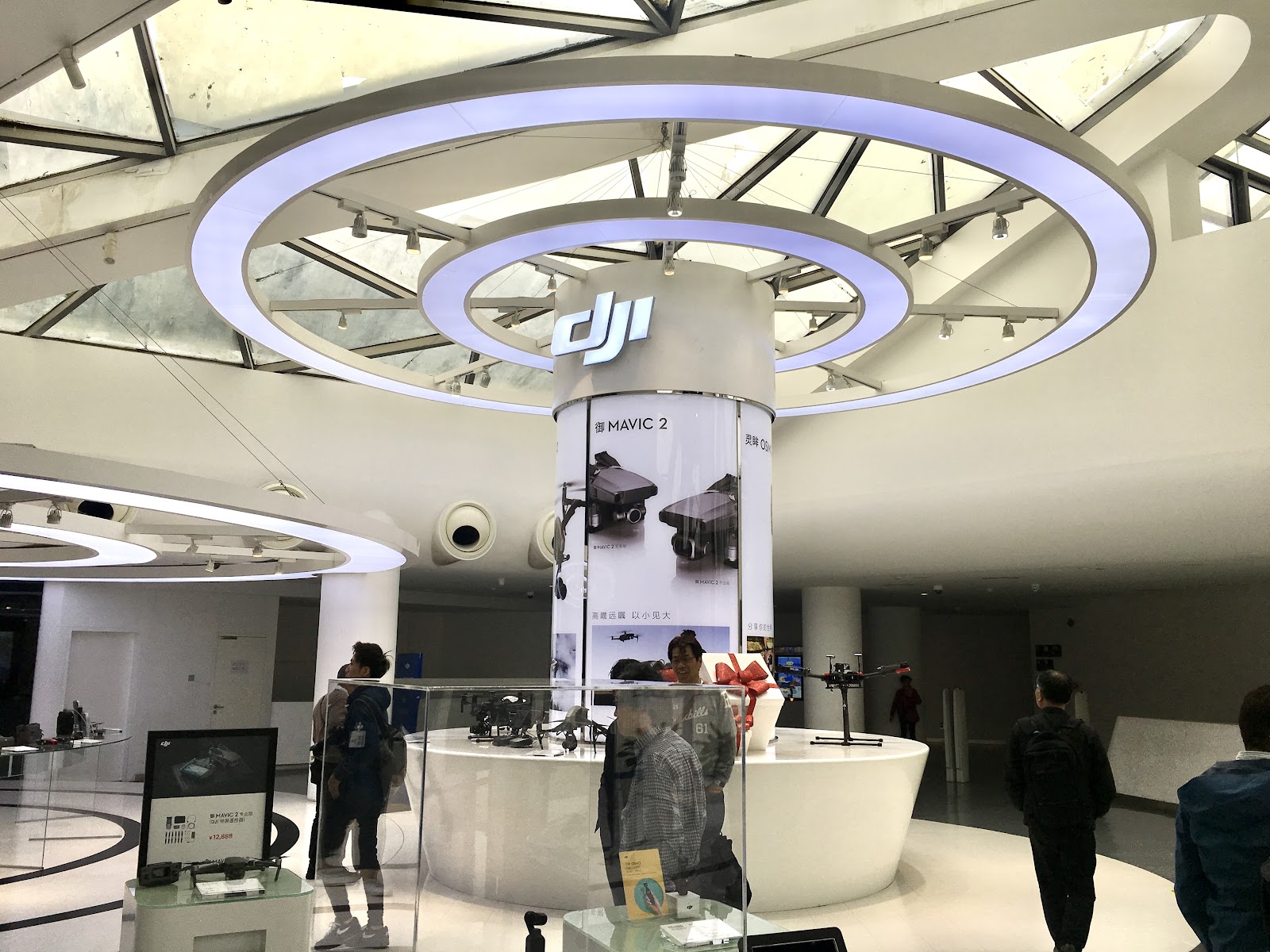
The highlight of this place is the enormous DJI flagship store—a brand whose drones you’ll recognize from around the world. The store has four floors and covers around 4,000 square meters, so it feels more like a technology museum. You can browse and try out the latest drone models, gimbals, and action cameras. It’s open every day from 10:00 AM until around 10:00 PM.
When you get hungry after admiring all the technology, there’s a great option to eat well right in the complex. Inside the Happy Coast area you’ll find the vegetarian restaurant Ruolanci. It’s an ideal spot where you can relax and recharge before continuing your city exploration.
💡 Tip: If you want to buy a drone directly, remember that flying regulations in China are very strict and require registration. Don’t expect to just unpack it and start flying over the city.
9. Window of the World Amusement Park
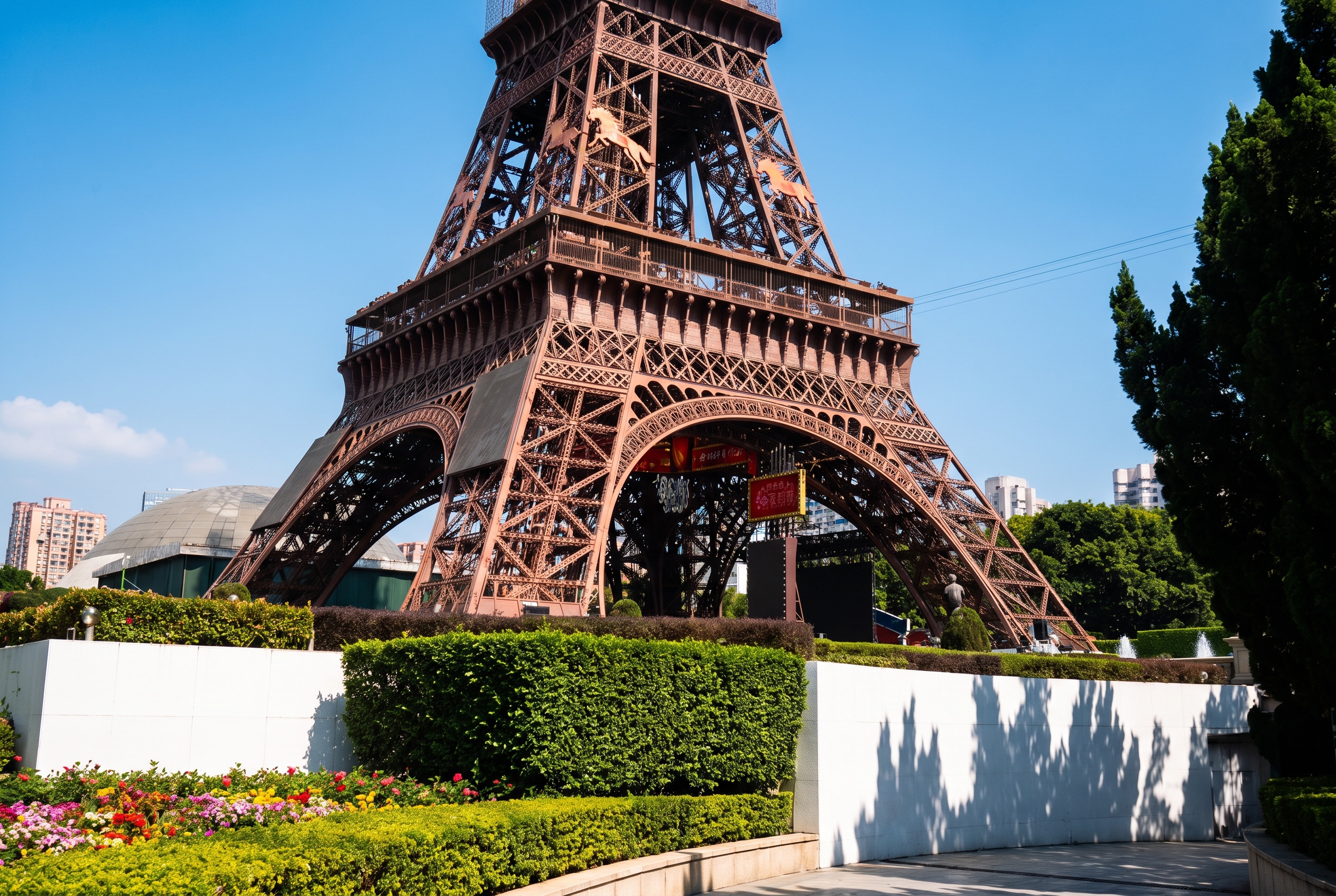
This park is probably the city’s most famous tourist attraction and offers a rather bizarre but fun experience. In one place you’ll find around 130 miniature replicas of famous world landmarks, so you can stroll from the Egyptian pyramids to the Taj Mahal in just a few hours. It’s located right on metro lines 1 and 2 in the Nanshan district.
Daytime admission is fairly high—expect to pay 220 CNY (approximately €30), with seniors over 65 and children paying half. The park is a bit kitschy and gets mixed reactions online, but if you take things with a sense of humor, you’ll definitely have fun. The grounds are huge, so set aside at least half a day for your visit.
A much more interesting option, though, is visiting after dark. From 6:00 PM, night tickets are sold for around 110 to 120 CNY, which is a much better value. All the miniatures, including a massive replica of the Eiffel Tower, are beautifully lit, and there are various light and dance performances.
💡 Tip: The park is very popular with local families, so avoid it on weekends and during holidays when the crowds are unbearable.
10. Splendid China Folk Village
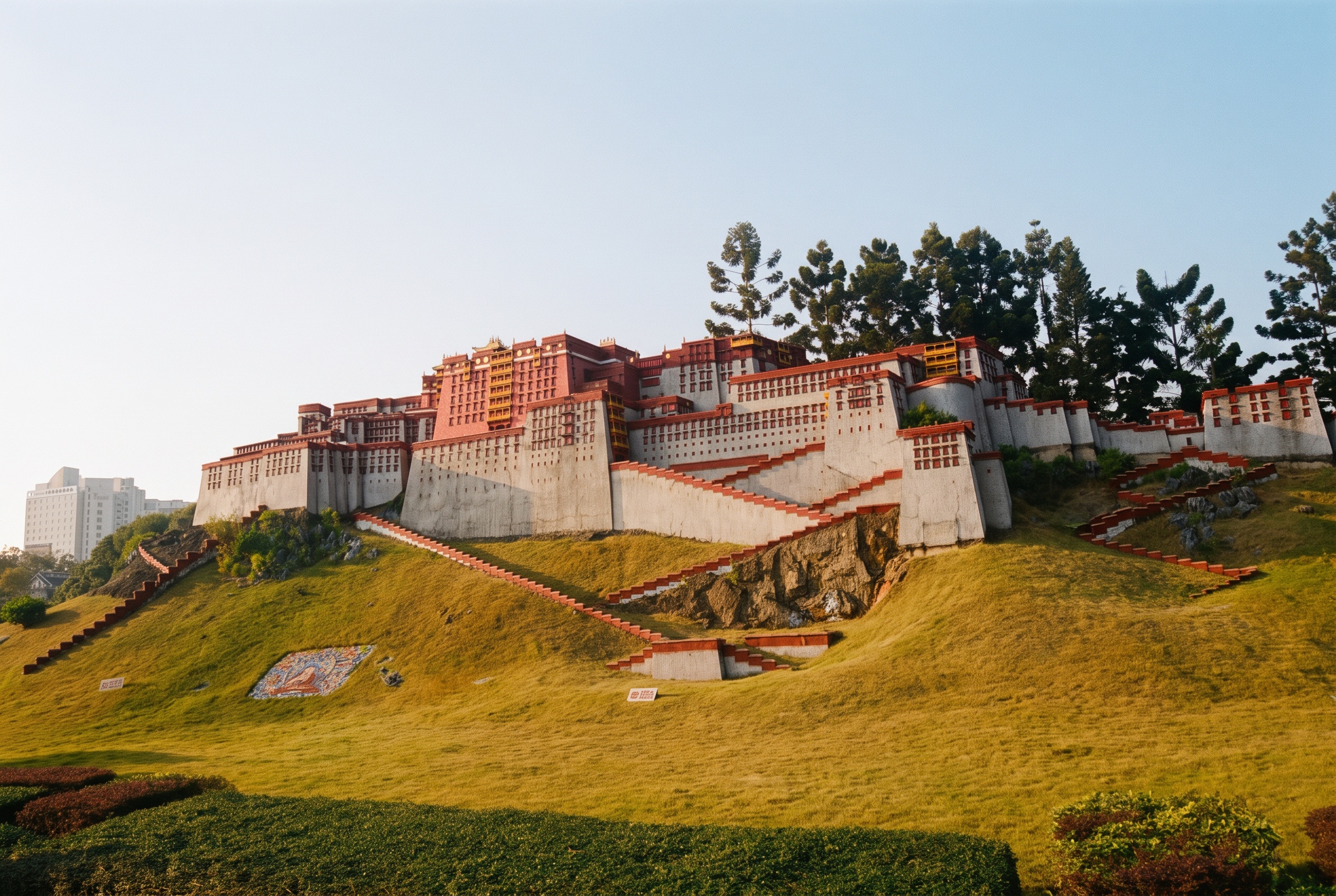
Right next to Window of the World is another giant theme park, this time focused purely on Chinese culture. Splendid China offers miniatures of the most famous Chinese landmarks from the Great Wall to the Terracotta Army, complemented by villages representing the various ethnic minorities living in China.
The pricing policy here is very similar to the neighboring park—a day ticket will cost you 220 CNY (around €30), while children under 1.2 meters and seniors get free admission. Here too, it’s worth considering an evening visit, as special night tickets from 5:00 PM cost only around 50 to 65 CNY. The park is open from 10:00 AM until around 9:30 PM.
Throughout the day, various folklore performances and traditional craft demonstrations take place in the ethnic villages. According to many guides though, these shows are quite commercial and touristy, so don’t expect a deeply authentic experience. They serve more as a colorful and noisy backdrop for photos and a quick introduction to the diversity of Chinese regions.
💡 Tip: If you only have one day for these types of parks, I recommend choosing either Window of the World or Splendid China. Tackling both parks in one day is incredibly exhausting, and after a while the miniatures start to blur together.
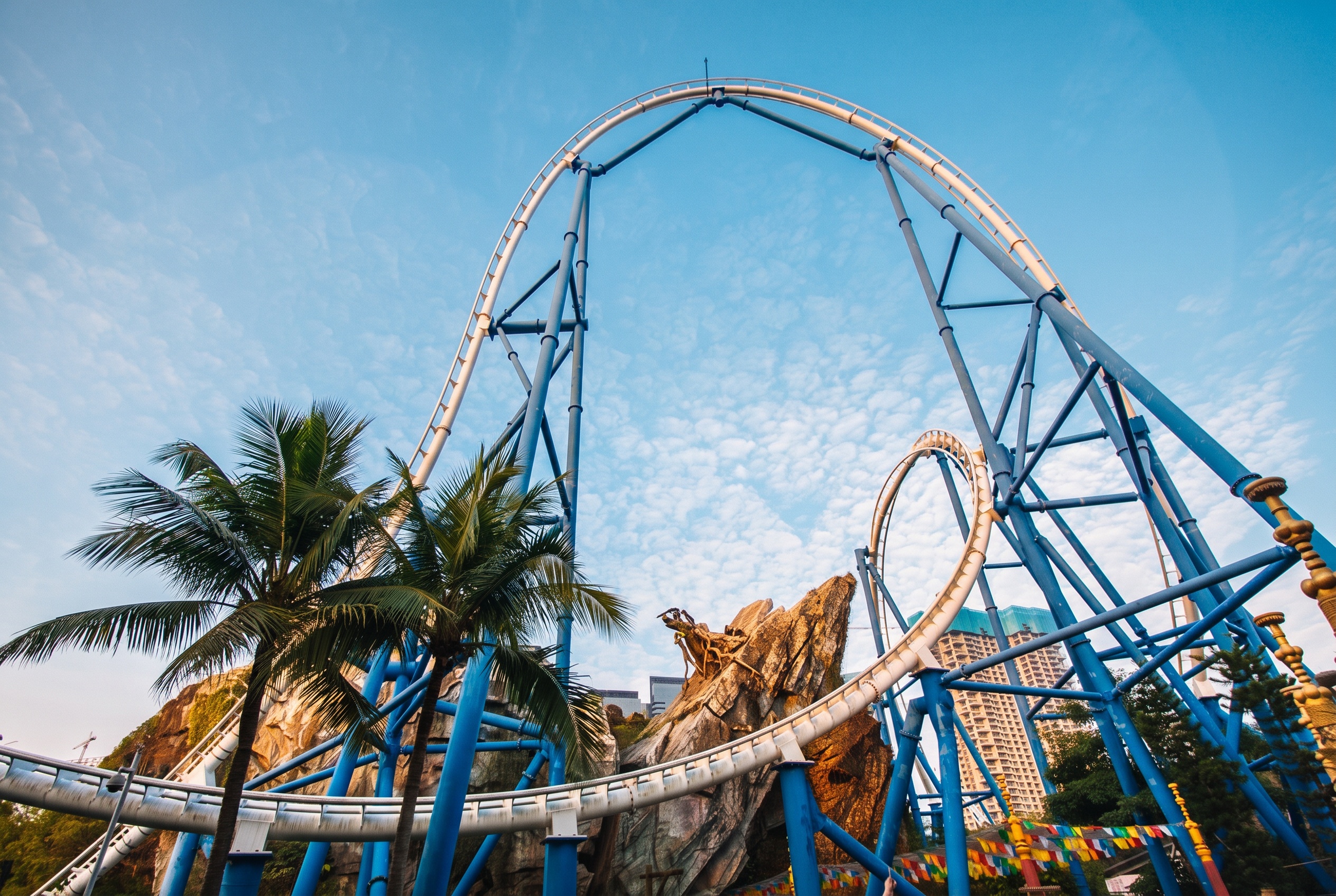

11. Adrenaline at Happy Valley
Completing the trilogy of entertainment in the same area is Happy Valley, a classic giant amusement park full of roller coasters and adrenaline-pumping attractions. It’s one of the best places for families with older kids or groups of friends who want a break from sightseeing and crave some thrills.
Basic adult admission at the ticket counter is 208 CNY, but online you’ll often find various packages and discounts. Students pay 180 CNY, and here too there’s an option for a cheaper night ticket, valid from 4:00 PM and costing around 140 CNY. The park opens at 9:30 AM and closes in the evening between 9:30 and 10:00 PM.
I must strongly warn you about the massive queues though. On weekends and during summer holidays, you can easily wait an hour or two for the best roller coasters. If you really want to enjoy the park, plan your visit for a weekday morning right when the gates open, and head straight for the most popular attractions.
💡 Tip: The best value for money is the night ticket from 4:00 PM—by afternoon the queues are usually shorter, and in the evening the park lights up.
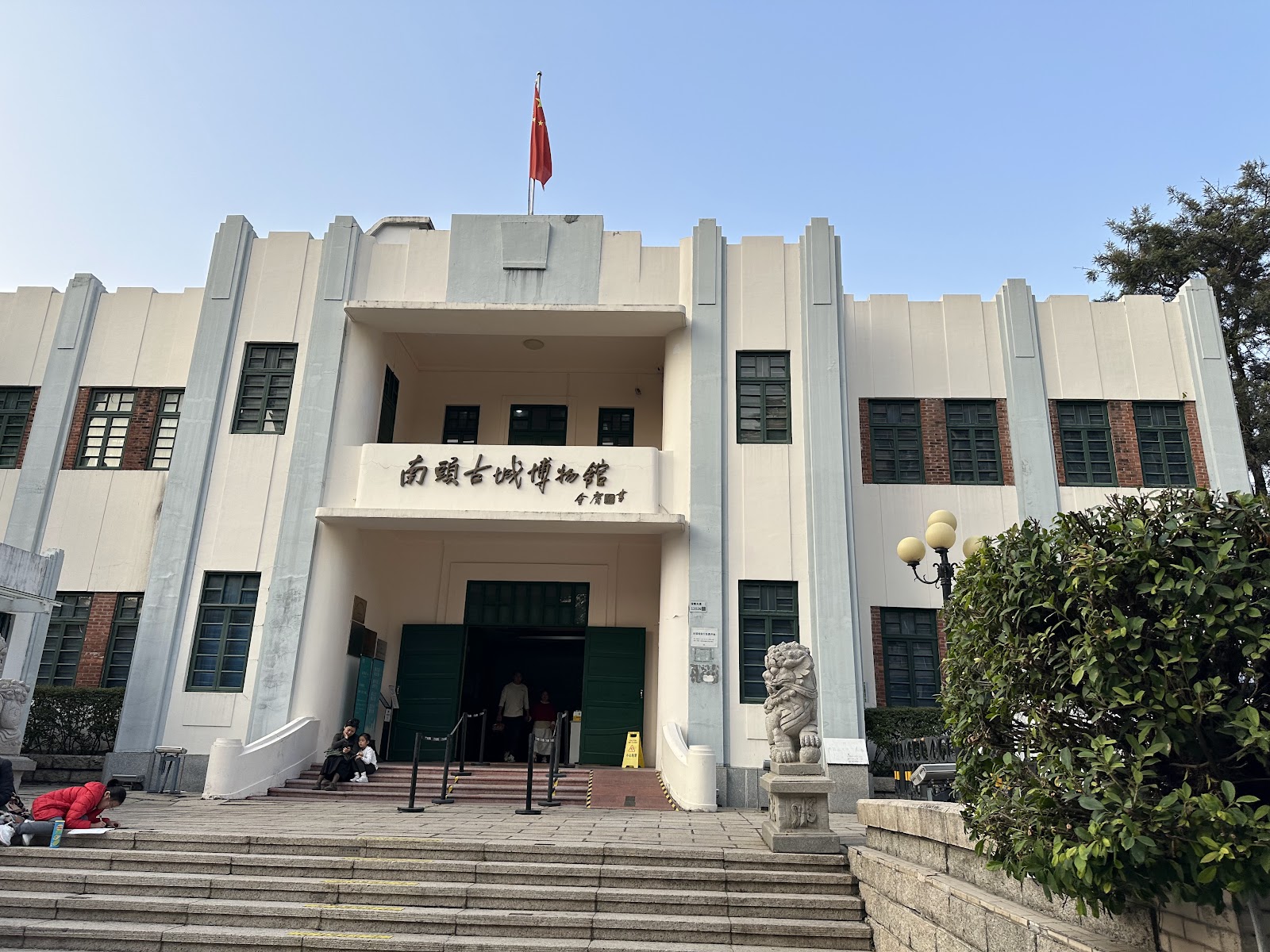
12. Nantou Ancient City: History Among the Skyscrapers
Looking at the endless forest of skyscrapers, it seems incredible that the city also has deep historical roots, but Nantou Ancient City is perfect proof. This area has a history spanning over 1,700 years, and a beautiful southern gate from the Ming Dynasty has been preserved here. Today it’s a beautifully revitalized quarter where old meets new.
Entry to the old town streets is completely free and the area is open 24 hours a day, so you can visit anytime. You’ll find a local museum here (open Tuesday to Sunday, 10:00 AM–5:00 PM), but the main draw is the atmosphere itself. Getting here is very easy on metro line 12—just get off at the station of the same name and use exit C.
Today Nantou is a very trendy district that comes alive mainly in the afternoon and evening. Historic houses have been transformed into stylish cafés, cocktail bars, and pottery workshops, making it an ideal place for evening strolls and sitting down with a drink. It’s a huge contrast to the concrete downtown and definitely worth a visit.
💡 Tip: Try to arrive around 4:00 PM, explore the museum and old gate, and then smoothly transition into evening explorations of the local hidden bars.
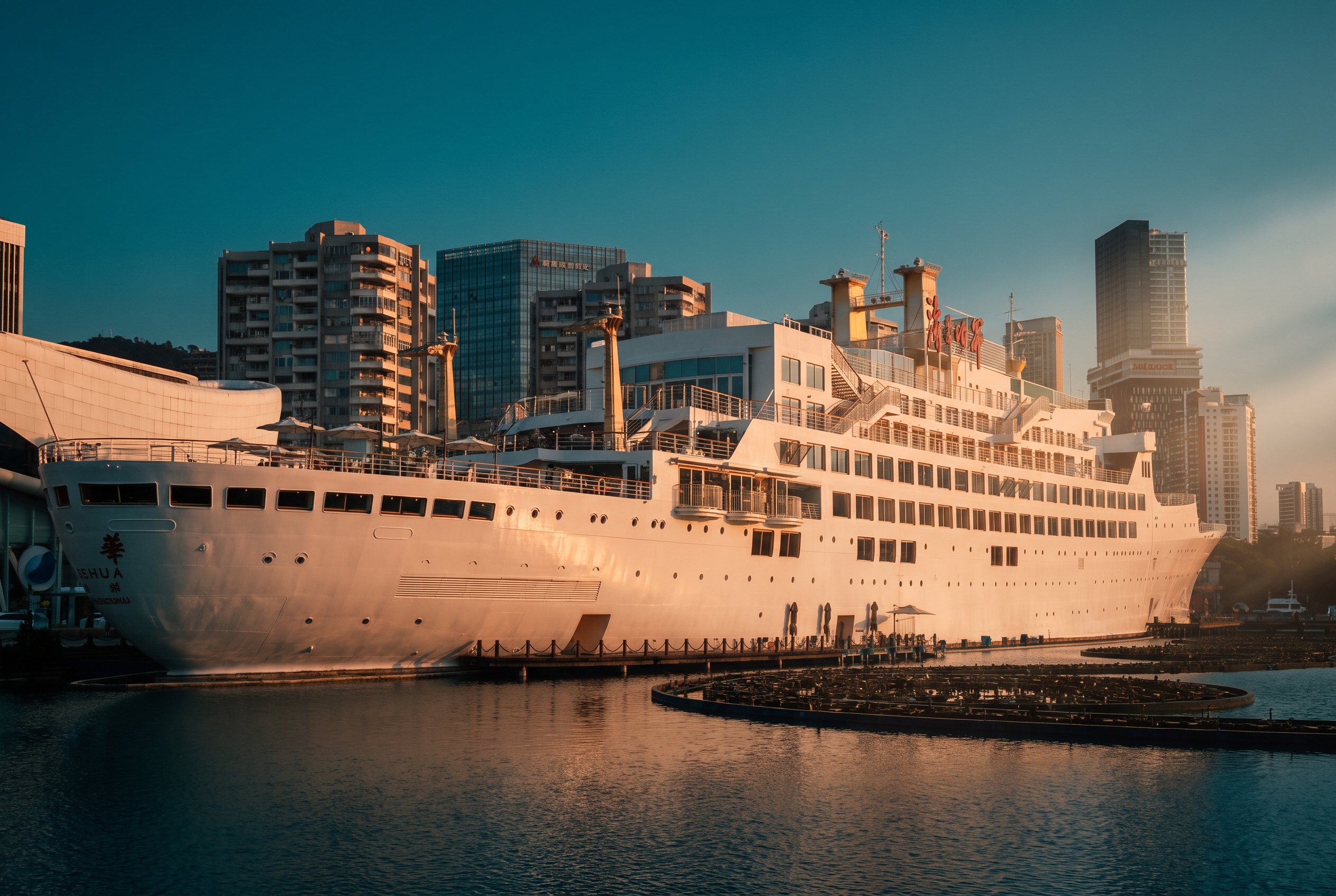
13. Shekou Expat District and Sea World Promenade
If you want a break from the typical Chinese hustle and bustle and fancy a good coffee or Western food, head southwest to the Shekou district. This area is home to most foreign expats, and you’ll find plenty of international schools, cafés, and promenades. The heart of the district is Sea World Plaza, dominated by the Minghua ship, a former French steamer.
Around the ship spreads a plaza with a fountain, lined with numerous bars and restaurants offering outdoor seating. The atmosphere here is much more relaxed than in the rest of the city, and in the evening it really comes alive. It’s also a practical location transportation-wise, as direct ferries to Hong Kong Airport run from the local port.
Culture lovers shouldn’t miss the Design Society gallery in Shekou, designed by Japanese architect Fumihiko Maki. In 2026, a very interesting V&A exhibition “Fashioned from Nature” is on display here. The gallery is open daily from 10:00 AM (until 9:00 PM on weekends) and consistently presents world-class international exhibitions, though admission varies depending on the current program.
💡 Tip: While restaurants in Sea World offer plenty of Western and international cuisine, prices here are significantly higher than at local establishments.
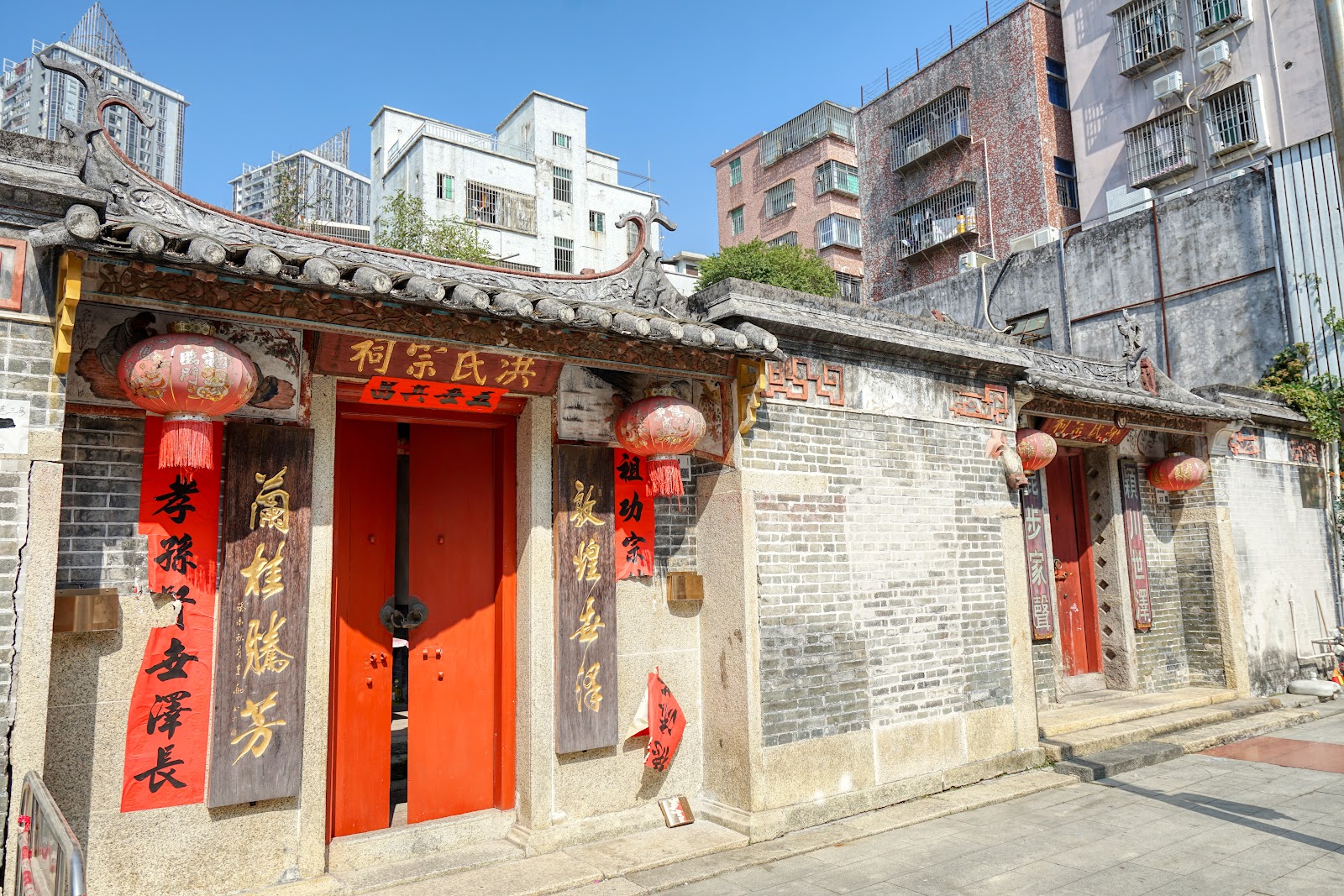
14. Dafen Oil Painting Village
Dafen Oil Painting Village in the northeast of the city (in Longgang district) is a unique gem. The village is famous for painting replicas of famous artworks. You’ll wander through winding alleyways packed with hundreds of small studios where artists paint copies of van Gogh and Monet right before your eyes, as well as original works.
Entry to the village and the local art museum is completely free, and workshops operate roughly from 10:00 AM to 8:00 PM. You can get here easily by metro line 3 (Dafen station, exit A1), followed by about a 10-minute walk. Set aside around three hours for your visit, and if possible, come in the morning on a weekday, as some workshops start closing in the afternoon.
You can buy a painting here for a few hundred yuan, but be careful about quality, which varies greatly between individual painters. If you choose a large canvas, arrange with the seller to carefully roll it into a tube so you can safely transport it on the plane. It’s a showcase of Chinese mass production applied to art.
💡 Tip: Before paying, examine the painting in daylight and compare multiple studios; quality varies significantly between artists.
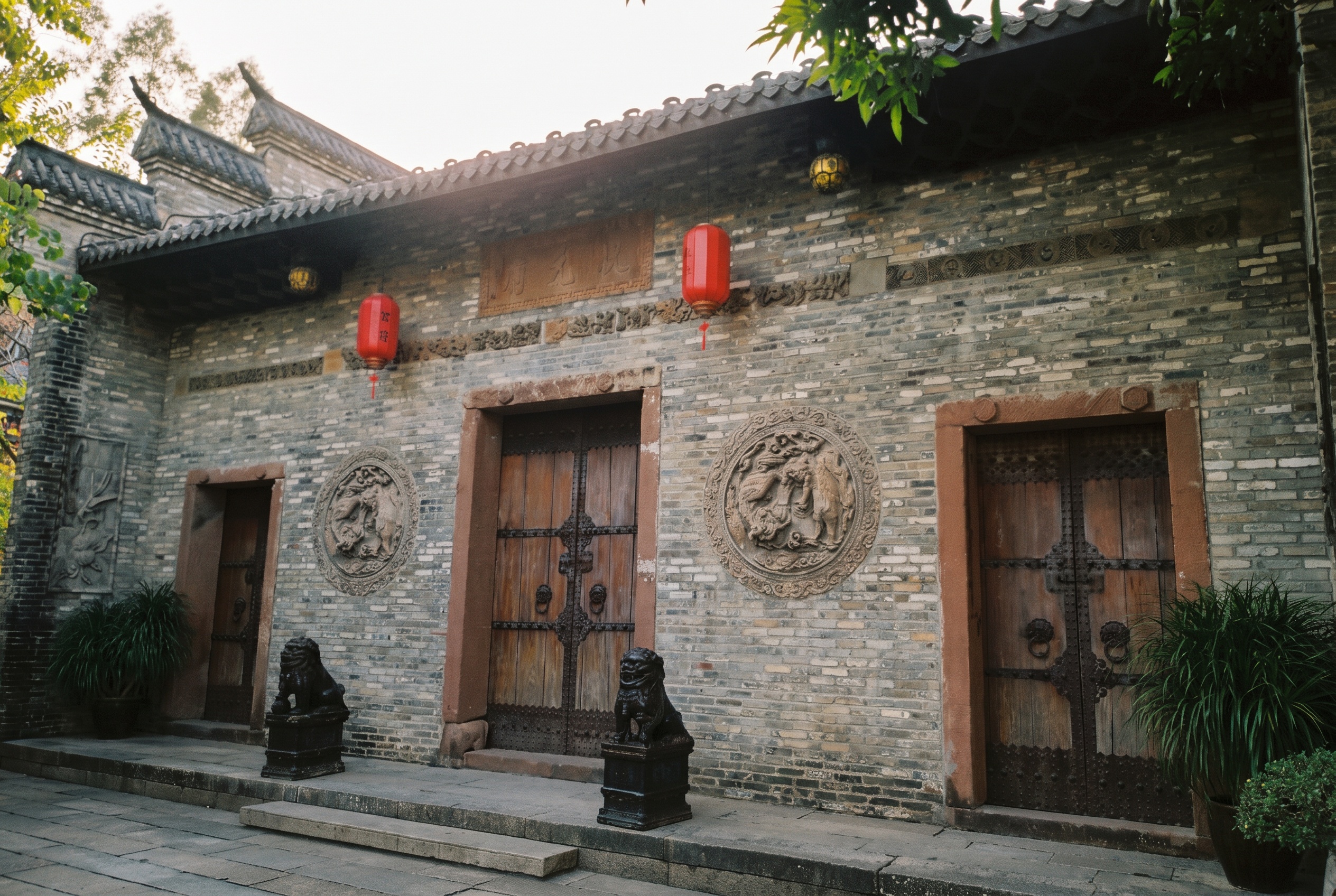
15. Gankeng Hakka Town
A bit further north you’ll find Gankeng Hakka Town, a beautifully restored village of the original Hakka ethnic inhabitants. This area offers a glimpse of traditional Chinese architecture with narrow alleyways and wooden balconies, which is a true rarity in ultra-modern Shenzhen. You can get here easily by metro line 10; from Gankeng station (exit B) it’s a short walk.
Entry to the main village streets is completely free; you only pay small fees to enter some specific historic houses and exhibitions. You can wander here all afternoon, sampling local sweets and admiring traditional crafts. You’ll often meet young Chinese dressed in beautiful historical costumes (hanfu) who come here for photo shoots.
Essential advice for visiting: arrive around 3:00 PM and definitely stay until dusk. Once darkness falls, the entire village lights up with thousands of red lanterns and the atmosphere becomes magical. The evening stroll through the illuminated alleyways is the main reason to make the trip here.
💡 Tip: Traditional Hakka cuisine is heavily meat-based, and it’s not entirely safe for vegetarians. Especially avoid stuffed tofu, which traditionally contains meat filling even though it looks innocent.
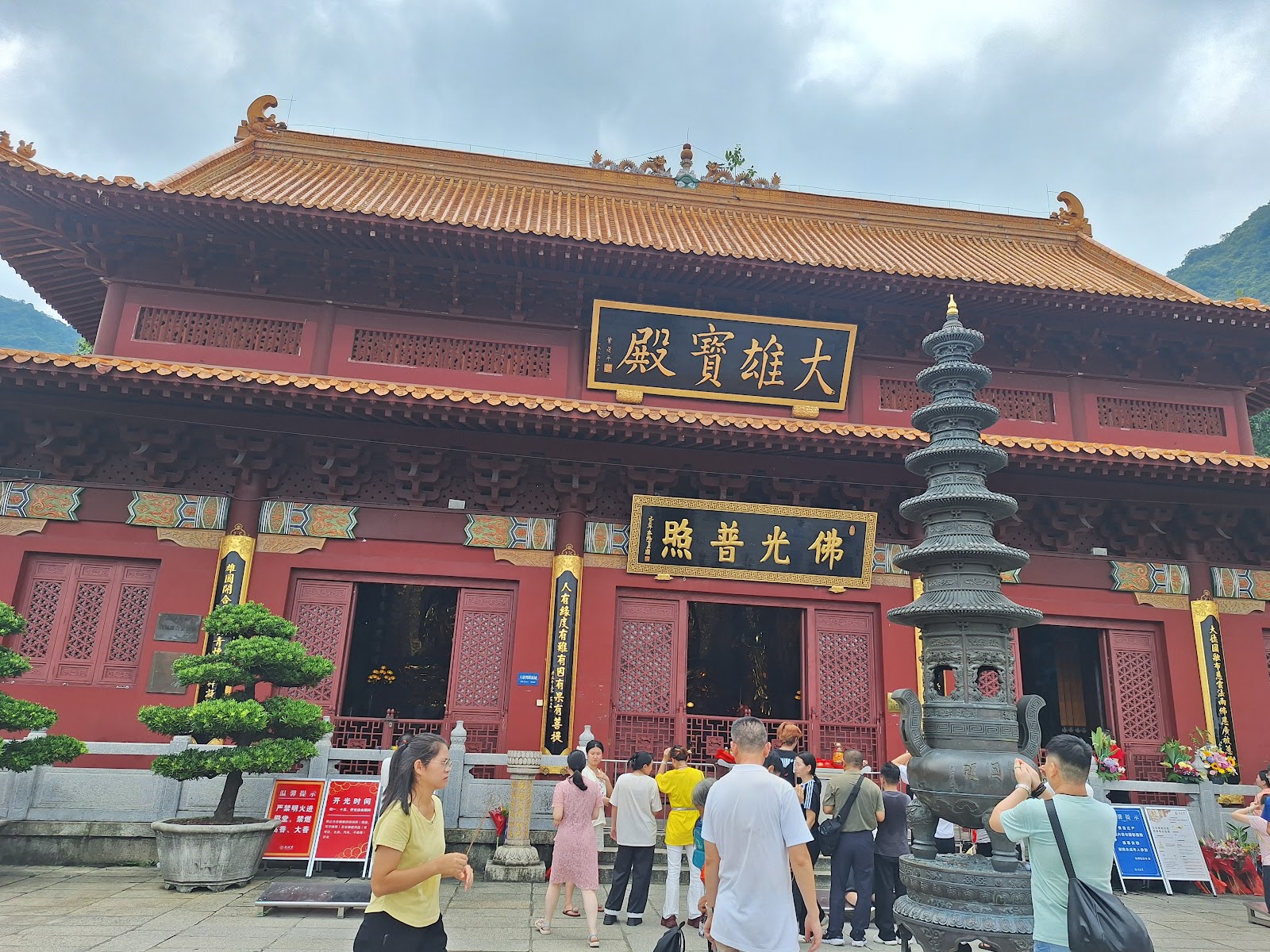
16. Fairy Lake Botanical Garden and Hongfa Temple
If you need to escape the concrete jungle into proper greenery for a while, the vast Fairy Lake (Xianhu) Botanical Garden in Luohu district is the perfect place. Garden admission costs a symbolic 15 CNY (about €2), and if you get up early and arrive between 6:00 and 8:00 AM, they’ll let you in completely free. Tickets can be purchased through the official WeChat account.
The grounds are truly expansive and hilly, so it’s worth using the local shuttle train for around 10 CNY, which takes you up to the main attractions. The biggest draw is Hongfa Buddhist Temple, whose roofs beautifully contrast with the surrounding green hills. The temple is a living religious center, so you’ll see many monks and worshippers here.
Visiting the temple has another huge benefit for vegetarians. A Buddhist canteen with vegetarian food operates on the premises. Lunches are usually served between 11:00 AM and noon (sometimes as a set menu for about 28 CNY, other times free for a voluntary donation). It’s a great opportunity to taste traditional monastery food in an authentic setting.
💡 Tip: The garden is enormous, and in summer months it can be incredibly humid. Don’t forget to bring plenty of water and mosquito repellent.
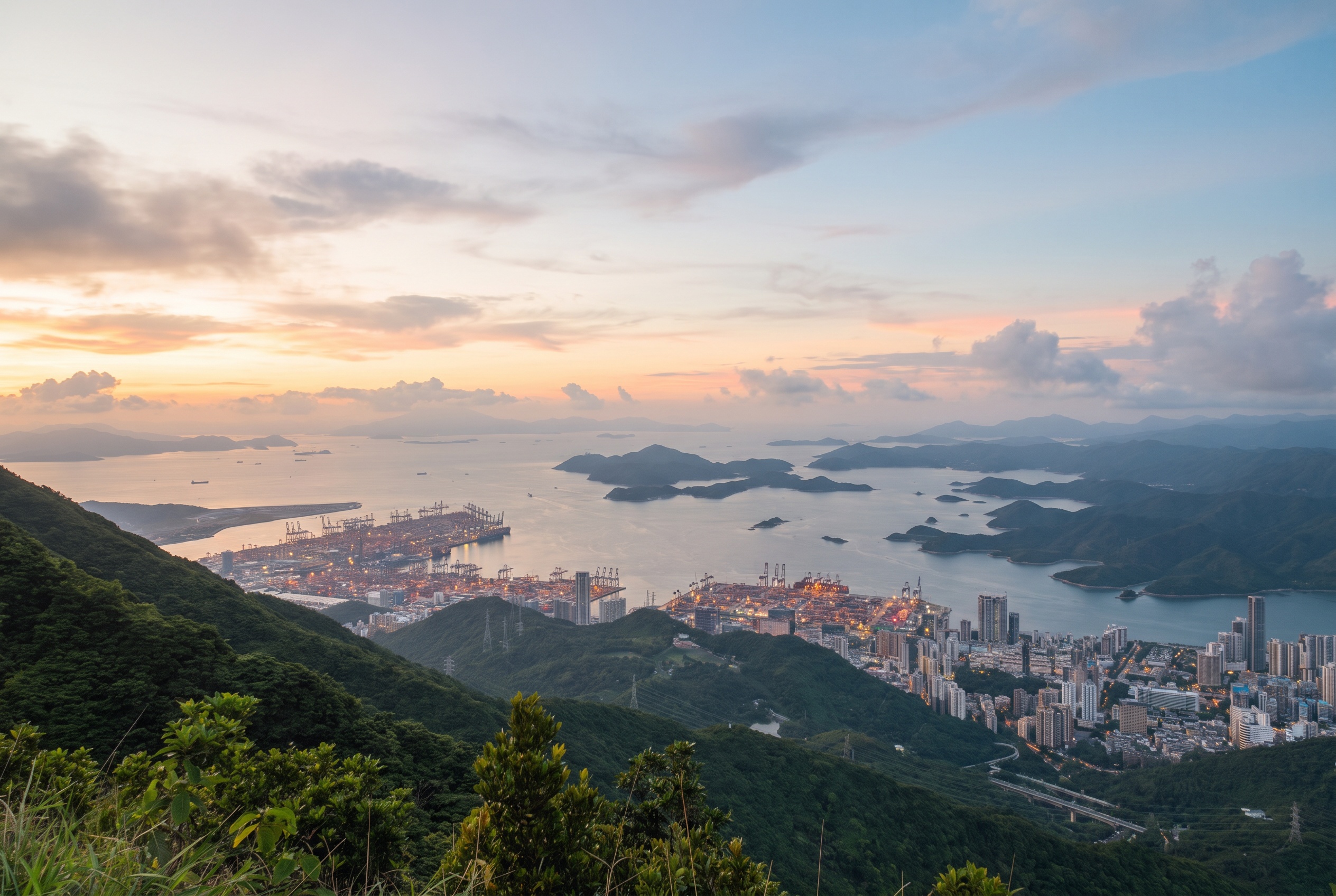
17. Wutong Mountain Hike
For more active travelers, there’s a challenge in the form of Wutong Mountain, which at 943.7 meters is the highest peak in the entire city. The summit climb is free, and you can choose from six different trails, ranging from gentler routes to quite steep climbs up stone steps. From the top, on a clear day, you’ll get views of the city and sea.
Most of the longer routes take about 5 hours round trip. The northern route is very popular, covering nearly 8 kilometers with a fairly gentle climb, as is the Dengyun trail, whose starting point is relatively easy to reach by metro. Be prepared, though, that the terrain is challenging in places, and the air humidity makes the ascent a really sweaty experience.
The essential rule is: set out as early as possible in the morning, ideally right after dawn. This way you’ll avoid the worst midday heat and have a chance at better views before the afternoon haze rises. Definitely avoid the hike on weekends and holidays, when the narrow paths become hopelessly clogged with crowds of local tourists and the pleasant hike turns into a march in a crowd.
💡 Tip: At the summit it can unexpectedly cool down and it’s quite windy up there. Even if you’re sweating below, throw a light windbreaker in your backpack.
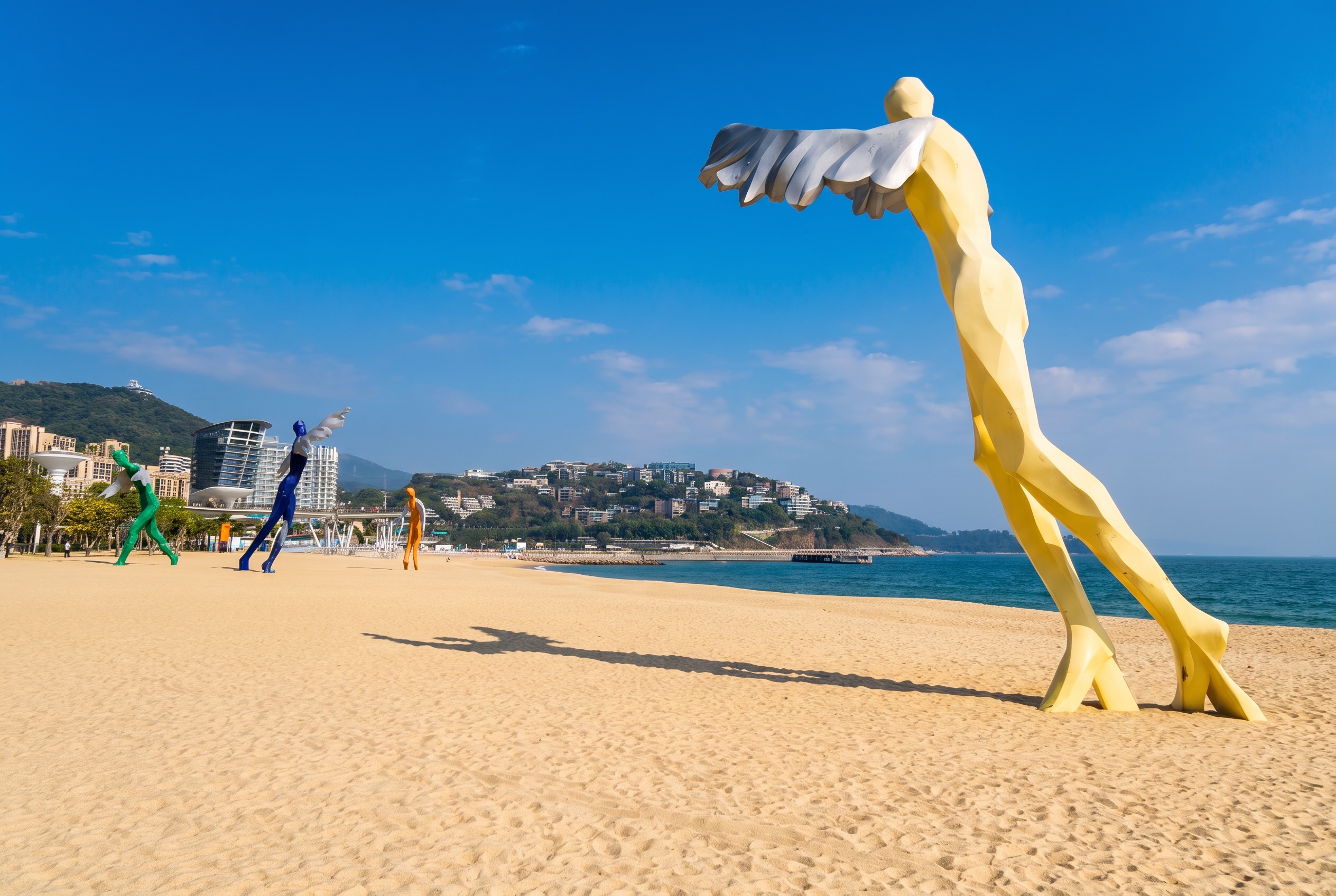
18. Dameisha and Xiaomeisha City Beaches
Shenzhen isn’t just a city of skyscrapers; it also has a fairly long coastline with sandy beaches in Yantian district. The most famous and accessible is Dameisha Beach, where entry is completely free and it’s open from 6:30 AM until 11:00 PM. Previously you had to reserve a spot in advance, but currently entry is open, though on holidays the situation may change.
Right next door is the smaller, more commercial Xiaomeisha Beach, which charges admission. Entry to the Xiaomeisha Ocean World complex, which includes the beach, costs 230 CNY (about €37). Recently, phase two of metro line 8 was extended here, so you can get to the beaches very conveniently directly from downtown without having to transfer to buses.
I must honestly warn you against visiting on summer weekends. The beaches get so crowded that you can barely see the sand through the heads of people and colorful umbrellas. If you want to walk peacefully along the coast or swim, definitely go on a weekday morning; otherwise the mass tourism will stress you out more than relax you.
💡 Tip: Metro line 8 goes to Dameisha, so you can get to the sea without a car; on holidays, check if you need to book in advance again.
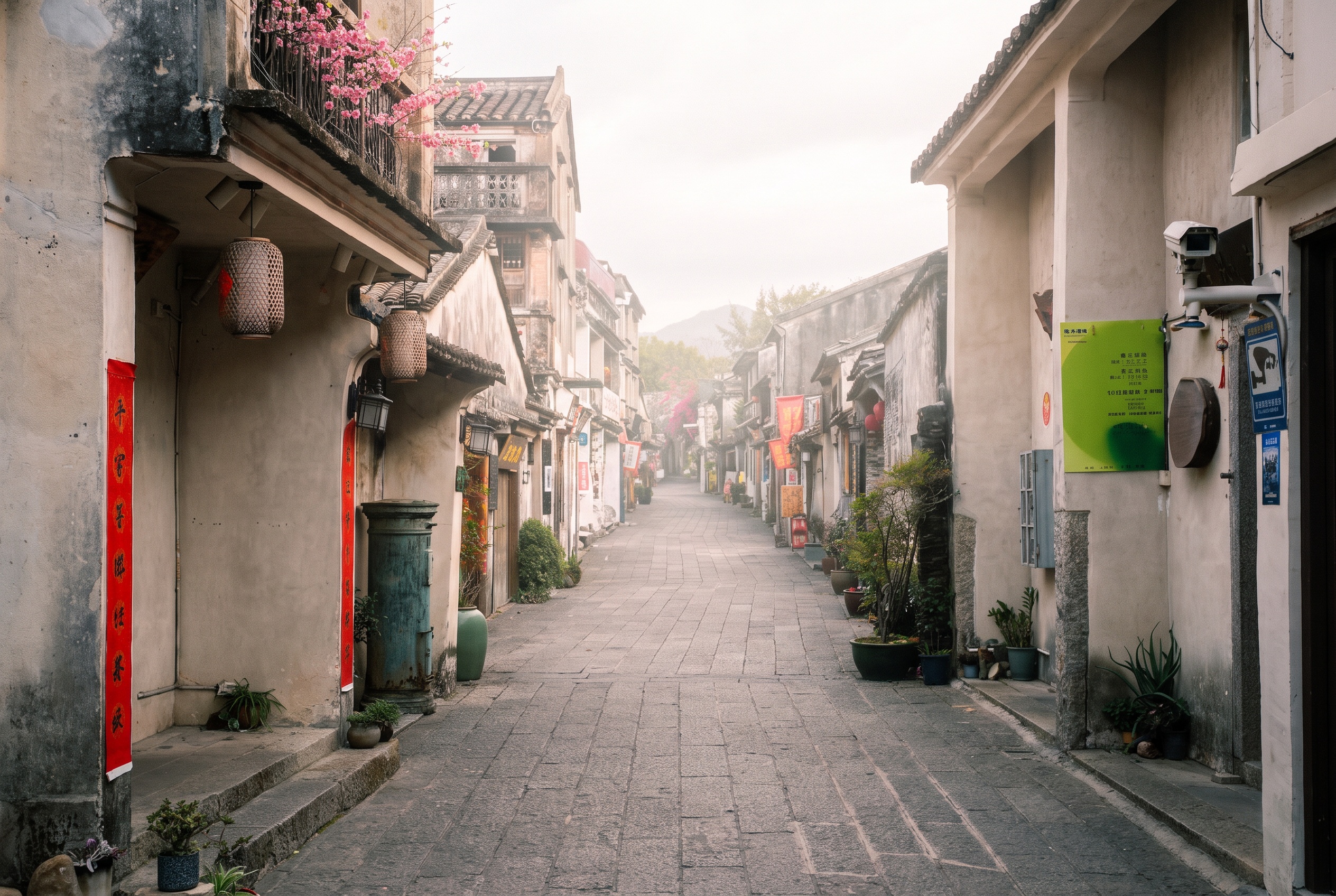
19. Dapeng Ancient Fortress
If you’re willing to sacrifice some time for travel, head to Dapeng Peninsula, where you’ll find an amazing military fortress from 1394. The fortress was built during the Ming dynasty to defend against pirates, and its massive walls, narrow cobblestone alleys, and old courtyards are still preserved today. It’s exceptional because people still live normally within the walls and life goes on here.
Entry to the fortress grounds and alleys themselves is completely free, and you can wander here 24 hours a day. You only pay a small admission if you want to look inside the General’s House or the Coastal Defense Museum, which are open until about 5:30 PM. Two to three hours will be more than enough for a leisurely tour of the entire site.
The trip from downtown takes about an hour and a half to two hours by bus or Didi taxi, so it’s worth combining the trip with other nearby sites. The fortress is relatively close to the coast, so after exploring the historic alleys you can head down to one of the adjacent beaches, such as Jiaochangwei, and have dinner there with a sea view.
💡 Tip: Avoid visiting right after heavy rains; the old stone pavement in the alleys can be dangerously slippery.
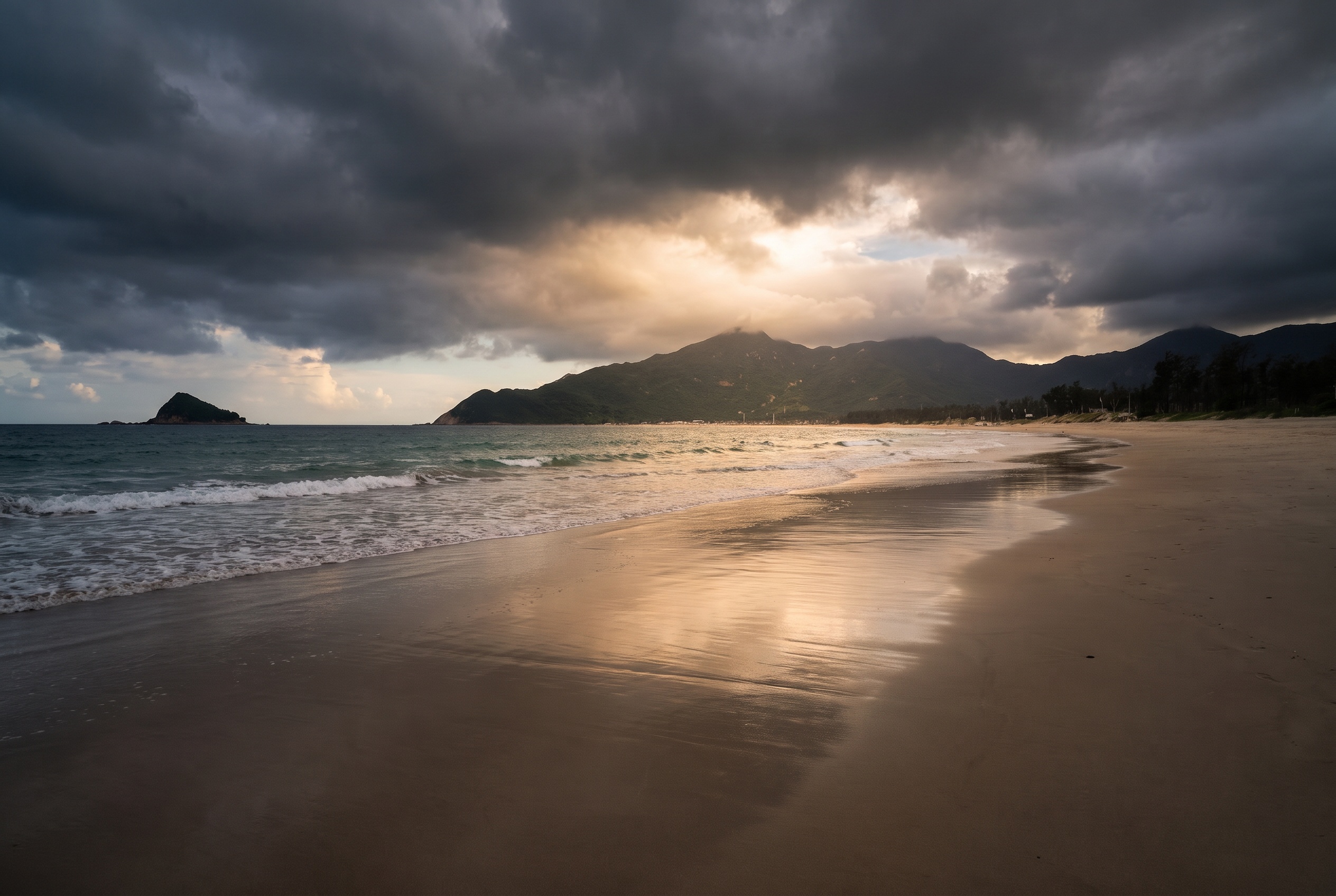
20. Xichong: The Most Beautiful Beach in the Region
When you’re already on the Dapeng Peninsula, head a bit further south to Xichong Beach. It’s considered the most beautiful beach in all of Shenzhen and is surrounded by wild nature. The journey from the city center takes about an hour and a half.
Entry to this public beach is charged — prepare around 28 CNY (about 4 EUR), which already includes the use of public showers. Lifeguards are on duty from approximately 9 AM to 6:30 PM. If you plan to rent a car here during holiday periods, check the rules in advance, as access to the area is often regulated by mandatory online reservations.
A short distance from the beach on the cliffs stands the beautiful Shenzhen Astronomical Observatory (the city observatory). If you want to visit it directly or walk the adjacent viewing trails, you must book well in advance, as the daily limit is set at around 300 people and spots through the app disappear quickly. Even viewing it from a distance adds to the wonderful atmosphere of this wild stretch of coastline.
💡 Tip: The infrastructure around Xichong is much simpler than at the city beaches. Make sure to pack plenty of snacks and drinks, as food stall options are very limited here.
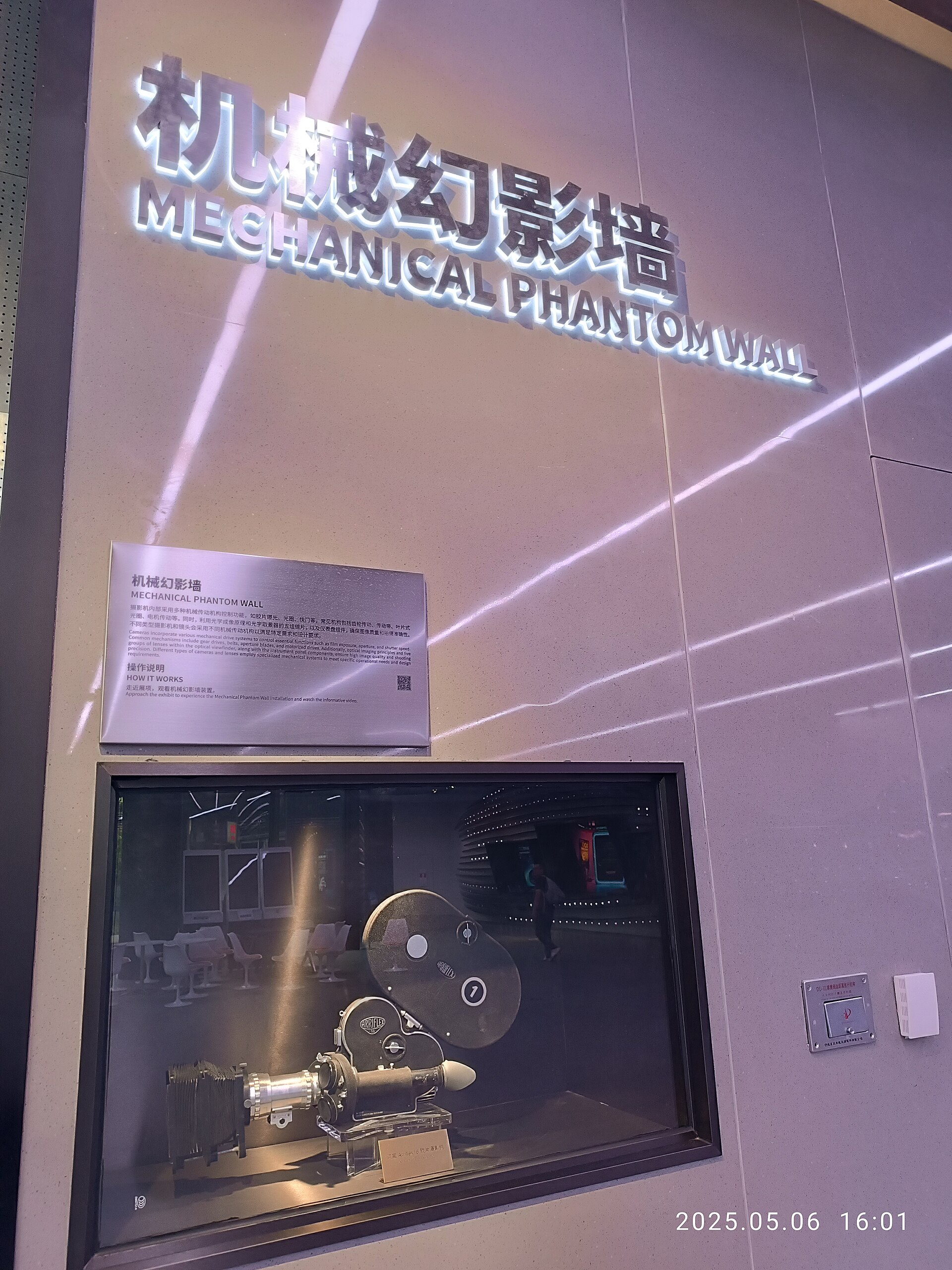
21. Discover Brand New Museums
As I mentioned, the city is investing massively in culture, and 2026 is a landmark year in this regard. On July 28, 2026, the Shenzhen Natural History Museum opened in the Pingshan district, attracting over 200,000 people in its first two weeks. Tickets cost 80 CNY (about 11 EUR), it’s closed on Mondays, and you must book in advance through WeChat.
Another amazing achievement is the Shenzhen Science & Technology Museum in the Guangming district, which has been operating since last year. The public spaces on the first floors are free, but for special exhibitions you need to snag tickets through the app exactly six days in advance at 8:00 PM — they disappear in the blink of an eye. At the entrance they’ll require your original passport, so don’t forget it.
Last but not least, another major event is coming to the Qianhai area. According to the latest information, the new Qianhai Museum is scheduled to open on October 30, 2026, offering over three thousand artifacts in seven massive sections. However, since the opening date is fresh, check official websites before your trip to confirm it hasn’t been delayed and the museum is indeed open.
💡 Tip: If you don’t speak Chinese and struggle with Chinese reservation mini-programs in WeChat, try asking your hotel receptionist. They’ll usually be happy to help with booking using your passport.
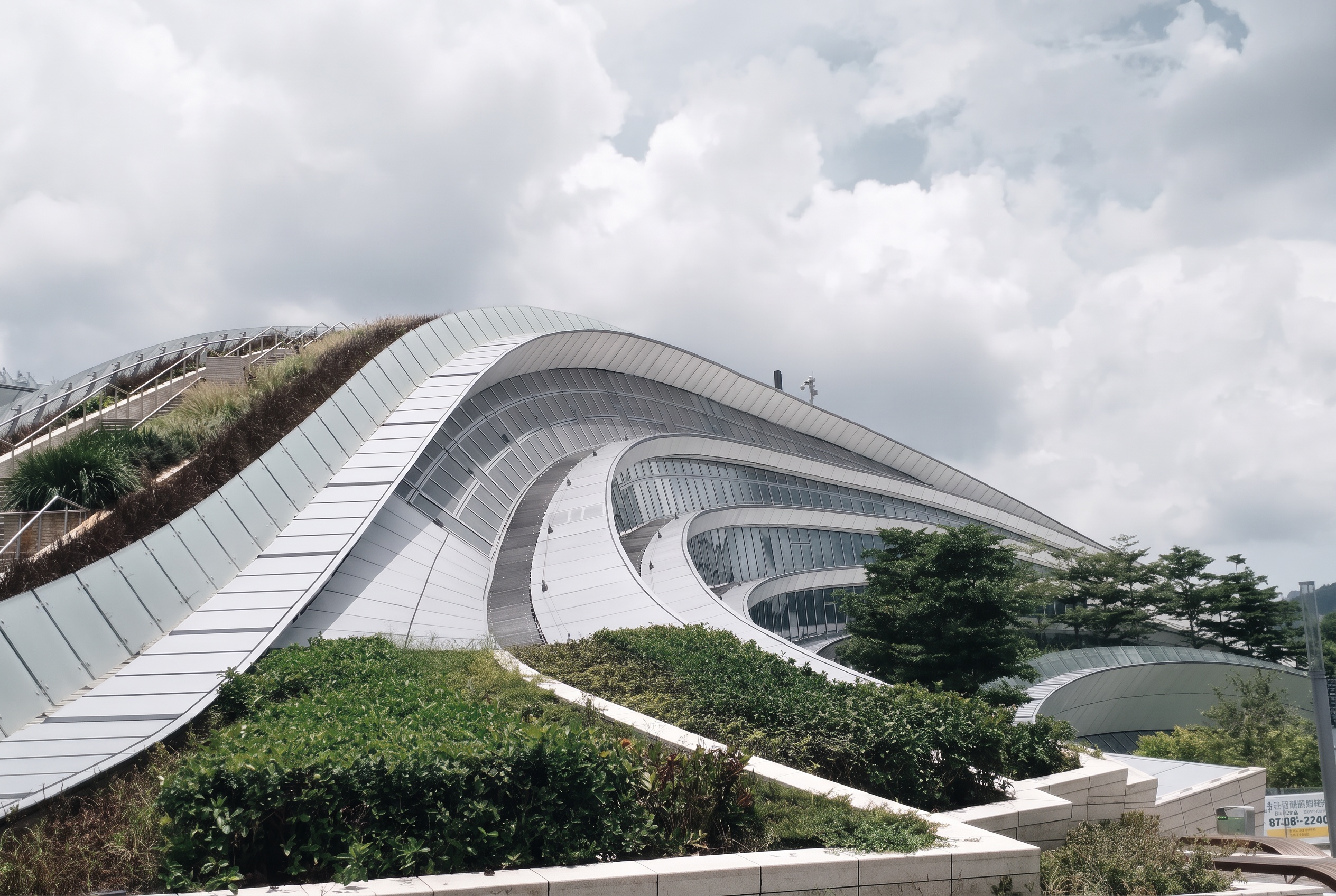
22. Day Trips from Shenzhen: Hong Kong and Guangzhou
Thanks to the infrastructure, the city is an ideal base for exploring the surrounding area. By high-speed train from Futian station, you’ll reach West Kowloon station in Hong Kong in an incredible 14 to 16 minutes. Second-class tickets start at around 78 HKD (approximately 9 EUR), and the biggest advantage is that check-in and passport control for both sides happen all at once at the Hong Kong station.
The second huge attraction is the neighboring giant metropolis of Guangzhou (Canton). From Shenzhen North station, the high-speed train gets there in just 29 minutes, and over three hundred trains run daily, so you don’t need to plan much. Tickets cost from 47 to 105 CNY. If you want to explore further, Shanghai is just over six and a half hours away by train.
When planning a trip to Hong Kong, I must repeat a crucial warning about visas. If you entered China on the 240-hour visa-free transit, exiting to Hong Kong will terminate your transit, and to return to Shenzhen you’ll need a new visa or must meet the conditions of a new transit (meaning you must continue from China to another country). For multi-day border crossings, you absolutely need a standard multiple-entry visa obtained in advance.
💡 Tip: You can buy and pay for tickets for Chinese trains stress-free with an international card through the Trip.com app. You then pass through the station hall and to the train just by scanning your passport at the turnstile — you don’t need any paper ticket.
Where to Go Next from Shenzhen
If you have more time in the city, you can head out for more fun at OCT East resort in the hills above the sea, or discover the traditional printmakers’ village of Guanlan Printmaking Base. The urbanized village of Xiasha is also worth mentioning, which maintains centuries-old traditions among the skyscrapers, and commercial markets like Dongmen or the knock-off famous Luohu Commercial City right at the border. If you’re planning to explore more beautiful Chinese cities, don’t miss our article Shanghai, China: tips on what to see and do, where we’ll advise you on how to explore the country’s largest city.
Frequently Asked Questions
Do I need a visa for Shenzhen?
It depends on your nationality. Many countries are not on the 30-day visa-free list (though Slovakia and Poland are). You can enter visa-free only through a 240-hour transit if you have a confirmed ticket to a third country (Hong Kong counts) and enter through an approved crossing, or as part of an organized 144-hour tour from Hong Kong.
Can I just cross from Hong Kong to Shenzhen through Luohu?
Not for the 240-hour transit, no. The pedestrian crossings at Luohu, Futian, and Shenzhen Bay are not entry points for this regime. You can use the high-speed train from West Kowloon or the ferry to Shekou. At Luohu, you can theoretically apply for a five-day special visa for Shenzhen only (costs around 130 CNY in cash), but rejections are frequent and unpredictable.
How long does the journey from Hong Kong take?
The fastest way is the high-speed train from West Kowloon station to Futian district, which takes just 14 to 16 minutes (tickets from 78 HKD). If you choose the regular metro (East Rail line) to the border and then walk across, count on about an hour from central Hong Kong.
How do I pay?
Definitely download the Alipay or WeChat Pay app and link your international card (the apps charge around 3% fee for payments over 200 CNY). The great news is that from June 30, 2026, you can pay in the local metro by tapping a regular Visa or Mastercard directly at the turnstile. Cash is only useful as a backup.
When should I go?
The best weather is from October to December, when it’s dry, sunny, and temperatures hover around a pleasant 25 to 29 degrees Celsius. Definitely avoid summer typhoons, Golden Week holidays (October 1-7), and periods with major trade fairs and events like the Canton Fair (October to November) and the APEC summit (November 17-19, 2026).
Will vegetarians find something to eat here?
Yes, they will, but they need to be careful. Try the excellent fully vegan restaurant Qing Chun Po Meng in the MixC shopping center, or Buddhist establishments like Summer Tea House and Pin Cha Ju. Be very careful with regular dim sum, because popular “vegetable” dumplings very often contain lard, pork, or dried ground shrimp.
Where can I see the light show?
The safest bet right now is Talent Park, where the show takes place on Fridays, Saturdays, and holidays (from spring to fall at 7:30 PM, 8:30 PM, and 9:30 PM, lasts 15 minutes, and is free). The famous show on the skyscrapers in Futian district was suspended from April to October 2026 for modernization, so check before your trip whether it has resumed.
Tips and Tricks for Your Vacation
Don’t Overpay for Flights
Search for flights on Kayak. It’s our favorite search engine because it scans the websites of all airlines and always finds the cheapest connection.
Book Your Accommodation Smartly
The best experiences we’ve had when looking for accommodation (from Alaska to Morocco) are with Booking.com, where hotels, apartments, and entire houses are usually the cheapest and most widely available.
Don’t Forget Travel Insurance
Good travel insurance will protect you against illness, accidents, theft, or flight cancellations. We’ve had a few hospital visits abroad, so we know how important it is to have proper insurance arranged.
Where we insure ourselves: SafetyWing (simple monthly subscription) and TrueTraveller (for extra-long trips).
Find the Best Experiences
Get Your Guide is a huge online marketplace where you can book guided walks, trips, skip-the-line tickets, tours, and much more. We always find some extra fun there!