
If you’re considering a winter holiday and the sun-kissed Alpine peaks are calling your name, I need to highlight one absolutely crucial factor that will shape the entire season. The Milano Cortina 2026 Winter Olympics have successfully concluded, taking place from February 6 to 22, 2026, and Italian winter resorts are now riding a massive wave of global interest. The upcoming winter is actually the first post-Olympic season: it brings world-class infrastructure, but also means you need to plan well in advance.
Italy is simply a paradise for all winter sports enthusiasts, whether you prefer wide and gentle slopes or you’re hunting for serious adrenaline. You’ll find the gigantic Dolomiti Superski network here, but also the more isolated and incredibly unique Livigno, which operates in its own special world. Locals will help you navigate the slopes, bartenders will bring you an espresso before you’ve even sat down, and mountain hut staff will greet you like an old friend.
I’ve prepared a comprehensive guide where we’ll explore 14 tips on what to see and do in the Italian Alps and Dolomites. You’ll discover where to stay, how the famous duty-free zone works, and why you shouldn’t miss the legendary Sella Ronda circuit.
TL;DR
- Olympics are behind us: The Milano Cortina 2026 Games took place in February 2026, this year marks the first post-Olympic season with massive tourist interest.
- Livigno and bargain shopping: The town operates as a duty-free zone with over 250 shops and offers 115 kilometers of ski runs at 1,816 meters above sea level.
- Olympic snow parks: Livigno hosted more medal events than any other venue, definitely check out the Aerials & Moguls Park built in 2024.
- Endless Dolomiti Superski: One ski pass unlocks 12 skiing areas with an impressive 1,200 to 1,257 kilometers of slopes.
- Sella Ronda: A world-unique ski circuit around the Gruppo Sella massif that you can complete in both directions.
- Book accommodation early: Due to global publicity from the February games, I recommend reserving hotels ideally six months in advance.
The full destination guide: Italy — guide and what to see
When to Go Skiing in Italy
Choosing the right time is absolutely crucial for a perfect experience on Italian slopes, especially now in this exceptional period. The first season after the recent Olympics will attract plenty of curious visitors from around the world who want to experience firsthand the runs where the greatest sporting legends competed just months ago. Increased interest logically means hotels fill up faster and slopes get busier. If you want to enjoy somewhat quieter skiing without long queues, definitely avoid peak periods around Christmas and New Year’s, when Italian resorts burst at the seams, lift lines grow long, and accommodation prices skyrocket. Simply the worst time for your wallet and nerves.
The ideal month for visiting the Italian mountains is traditionally cold January, when temperatures drop well below freezing, guaranteeing the absolute best quality hard snow for athletic skiing. February is when families with children arrive for spring breaks in various European countries, so expect fuller slopes, busier restaurants, and cheerful children’s voices on the mountains. February 2026 was when the aforementioned Olympics took place, so this period now has a very special and proud significance for Italy, which you’ll definitely notice this year in the form of first-anniversary celebrations.
However, if you absolutely love sunshine and warmth and don’t mind somewhat softer and slushier snow in the afternoon hours, March is a fantastic and unbeatable choice for you. Days noticeably lengthen, harsh frosts finally ease, and you can ski in just a light jacket. Sunbathing on sunny terraces of mountain huts with an ice-cold drink in hand and views of snow-covered peaks ranks among the very best experiences you can take home from the spring Italian Alps. Spring skiing simply has its unmistakable and highly contagious charm that you’ll easily fall for.
Where to Stay in the Italian Alps and Dolomites
💡 Accommodation and experiences tip: We compare accommodation options here to see what’s available and at what price. We prefer to look for accommodation on Booking.com, where cancellation policies are usually the best. Tickets, tours, and activities are worth comparing and booking through GetYourGuide.
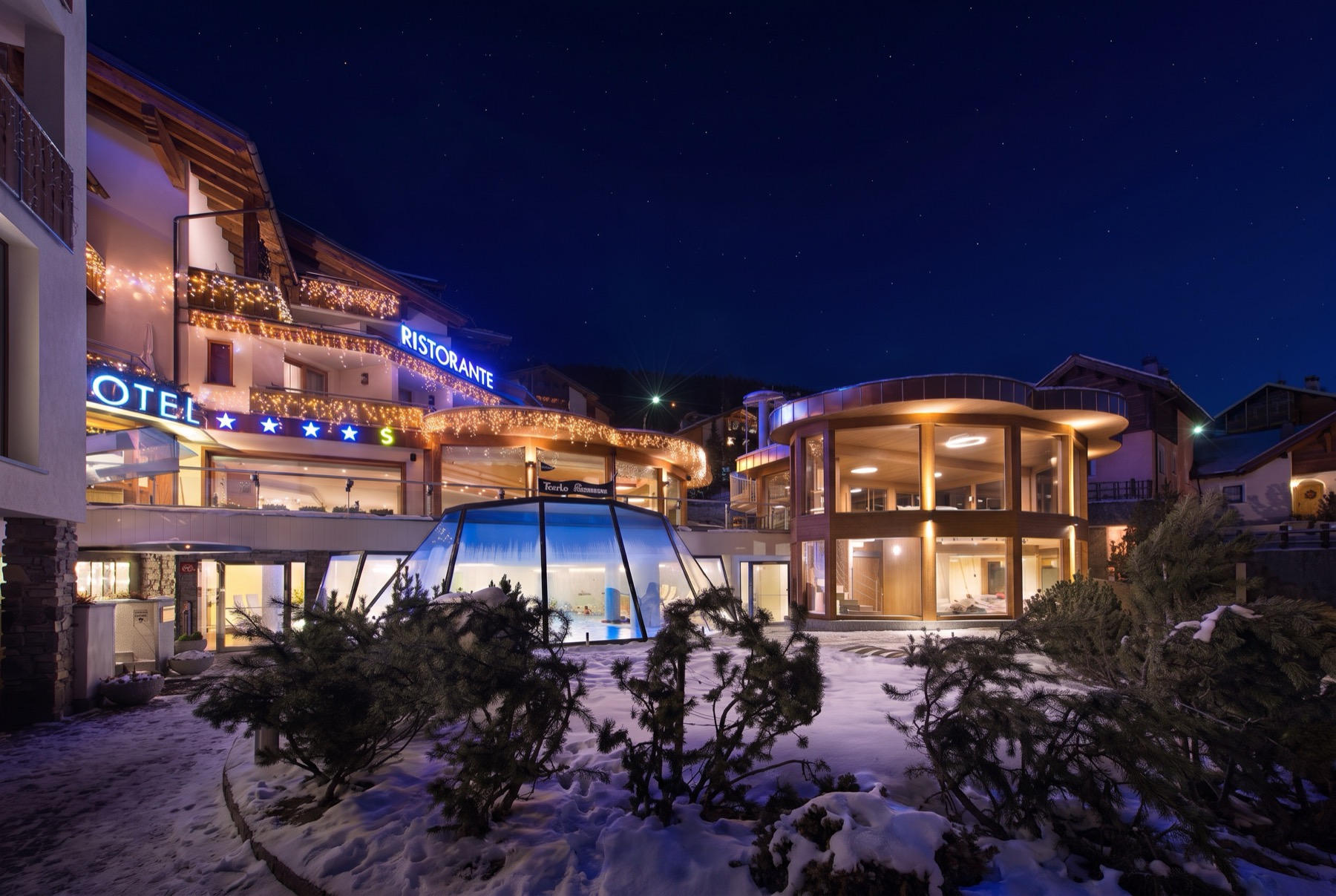
Your choice of base determines which part of the mountains you’ll have within reach. Livigno is a world unto itself: it’s located off the beaten path, has its own 115 km of slopes, and most importantly duty-free status, so people come here to shop too. Cortina d’Ampezzo is the most prestigious and most expensive address, and after the Olympics that’s doubly true. Val Gardena and Alta Badia are the most practical choices if you want to use Dolomiti Superski to the fullest and ski the Sella Ronda.
⚠️ This year marks the first post-Olympic season, so expect higher demand and prices. Book significantly earlier than usual, especially for spring breaks and the turn of the year.
Specific hotel recommendations:
- ADLER Dolomiti: The most renowned wellness resort in Ortisei in Val Gardena, rated 4.8 from over 1,700 reviews. Extensive spa facilities and right in the center.
- Hotel Baita Montana: Hotel in Livigno rated 4.8 from 501 reviews. Good choice when you want to be close to both slopes and shops.
- Hotel Lac Salin Spa & Mountain Resort: Spa resort in Livigno rated 4.7 from nearly 600 reviews, if you’re looking for hotel wellness facilities.
- Hotel de la Poste: Historic hotel right on the square in Cortina. Rated 4.2 from over 800 reviews, so more about location and atmosphere than modern comfort.
- Hotel Cristallo Wellness Mountain Living: Wellness hotel in La Villa in Alta Badia rated 4.8 from 645 reviews. Right in the heart of the Sella Ronda circuit.
- TH Corvara Greif Hotel: Larger hotel in Corvara rated 4.5 from over 800 reviews. Reasonable price-to-location ratio for Dolomiti Superski.
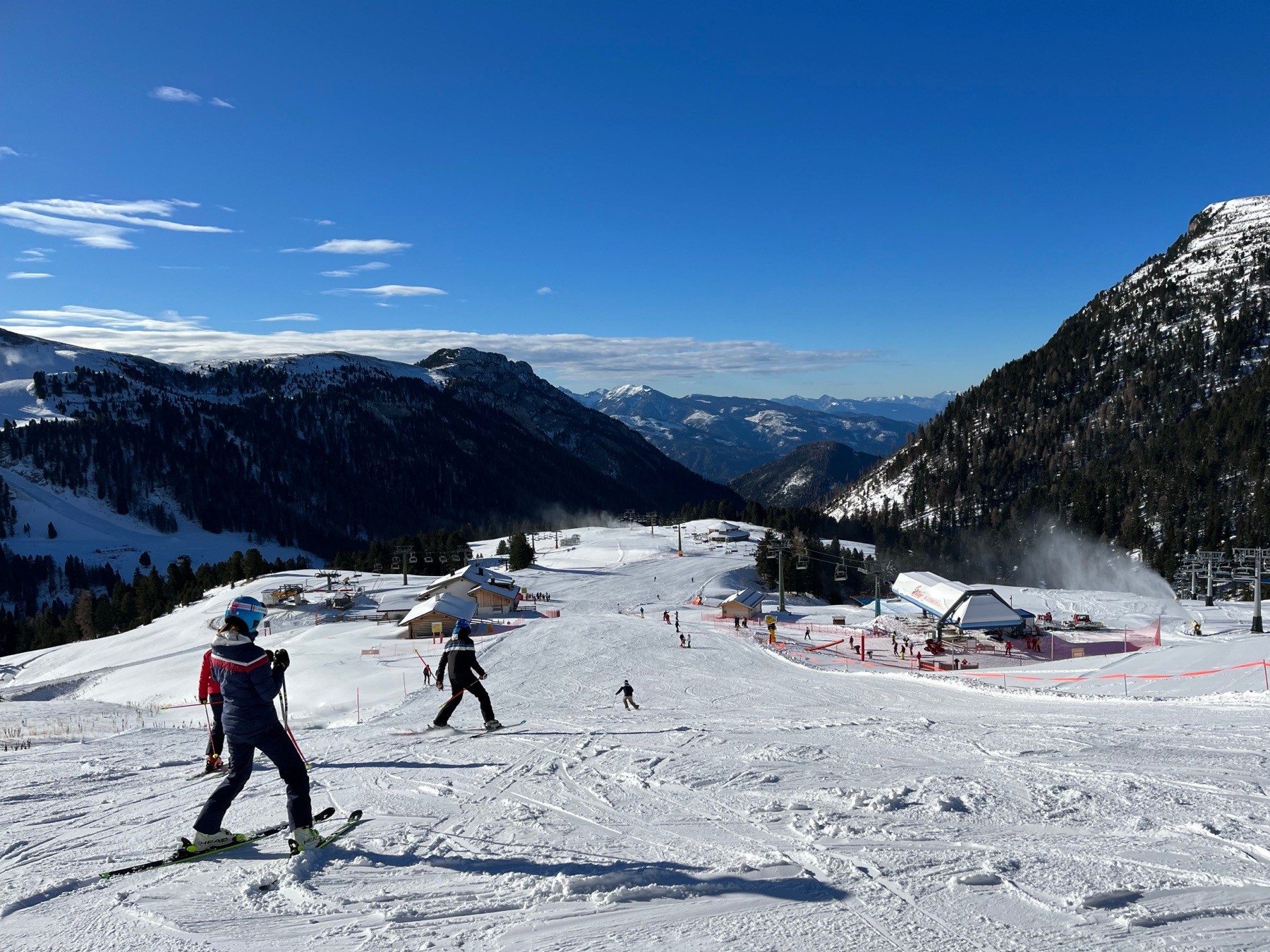
14 Tips: What to See and Do in the Italian Alps and Dolomites
Let’s now dive into specific places and experiences you absolutely shouldn’t miss when visiting the Italian snow-covered peaks. I’ve included tips for the best skiing areas, shopping advice, and recommendations for fantastic local cuisine that will delight even dedicated vegetarians.
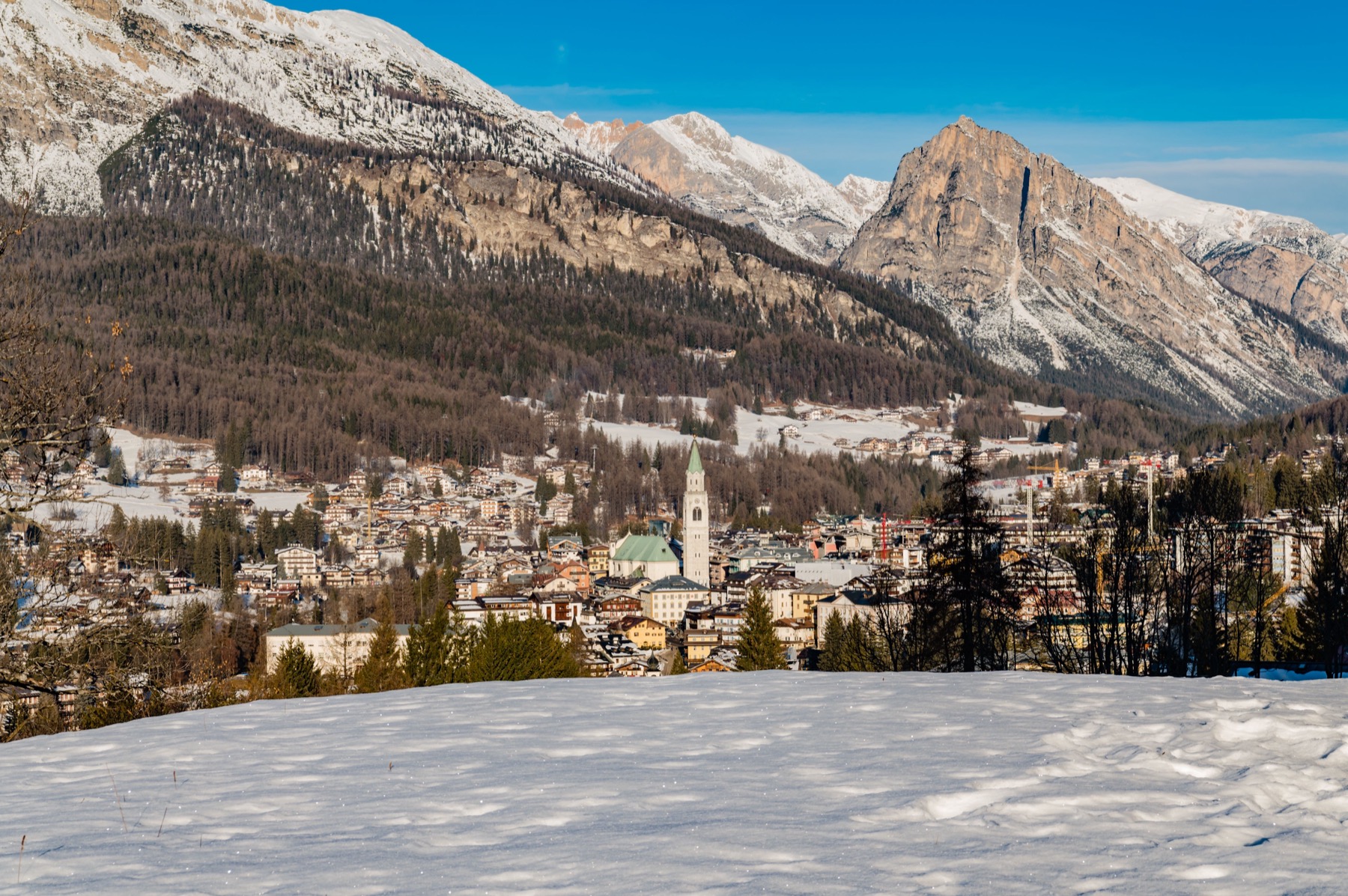
1. Soak Up the Atmosphere at the 2026 Olympic Venues
As I mentioned in the introduction, the Milano Cortina 2026 Winter Olympics successfully took place and Italy wrote itself into sporting history for the second time after 1956. The Games were held from February 6 to 22, 2026, with Milan, Cortina d’Ampezzo, Livigno, and Bormio as venues. Competition took place across 15 superbly prepared venues and you now have a unique opportunity to ski the exact same slopes where the greatest legends battled for medals just months ago.
An interesting fact is that over 90 percent of all venues were existing facilities. The Italians decided not to build unnecessary concrete giants but fully utilized their existing perfect infrastructure. Some venues even date back to the previous Cortina Olympics in 1956. Over 3,500 athletes from 93 countries worldwide gathered for the recent Games, competing in 16 sporting disciplines.
Visiting these places in the first post-Olympic season has an absolutely unique atmosphere—routes are still marked with Olympic pictograms, information boards at starting blocks remain in place, and racing gates on some courses haven’t been removed yet. You should be prepared that thanks to massive global media attention, Italian resorts will see enormous interest this year. 💡 Tip: If you want to experience the Olympic aura firsthand, book your dates and accommodation as early as possible, because capacity is disappearing at lightning speed.
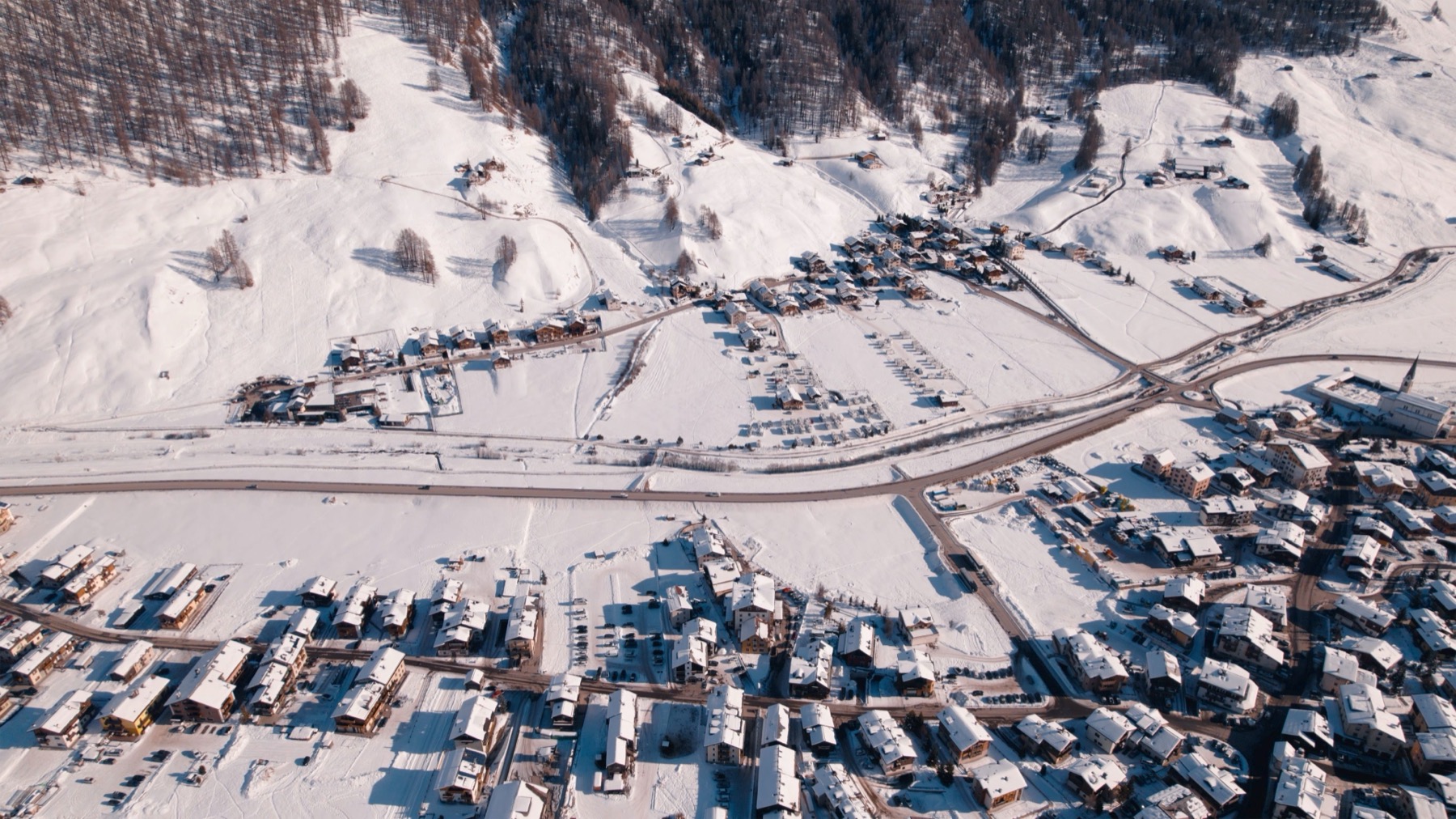
2. Discover Livigno and Its Duty-Free Zone
The town of Livigno, sitting at an elevation of 1,816 meters in the picturesque Rhaetian Alps right on the Swiss border, is an absolute phenomenon. It offers a beautiful 115 kilometers of perfectly groomed slopes, but the main thing that draws incredible crowds of tourists here is something completely different. Livigno is an official duty-free zone, and this extremely lucrative status has been in place since the days of the famous Napoleonic era.
In practice, this means you’ll find over 250 shops offering goods completely tax-free. This makes Livigno an absolute shopping paradise in the midst of snow-covered mountain peaks, distinctly different from the rest of the Alps. People flock here in droves to buy significantly cheaper perfumes, quality alcohol, luxury designer clothing, and the latest electronics. If you’re heading this way, I definitely recommend leaving plenty of space in your car trunk for all those bargains.
Shopping after a full day of skiing has essentially become an integral part of the local culture, and evening strolls along the main promenade lined with glittering shop windows have an unmistakable charm. 💡 Tip: At the border when leaving toward Switzerland or into Italy proper, random and very strict customs checks can take place. Therefore, carefully study the valid limits for exporting goods beforehand, so your discounted purchases don’t end up costing you hefty fines.
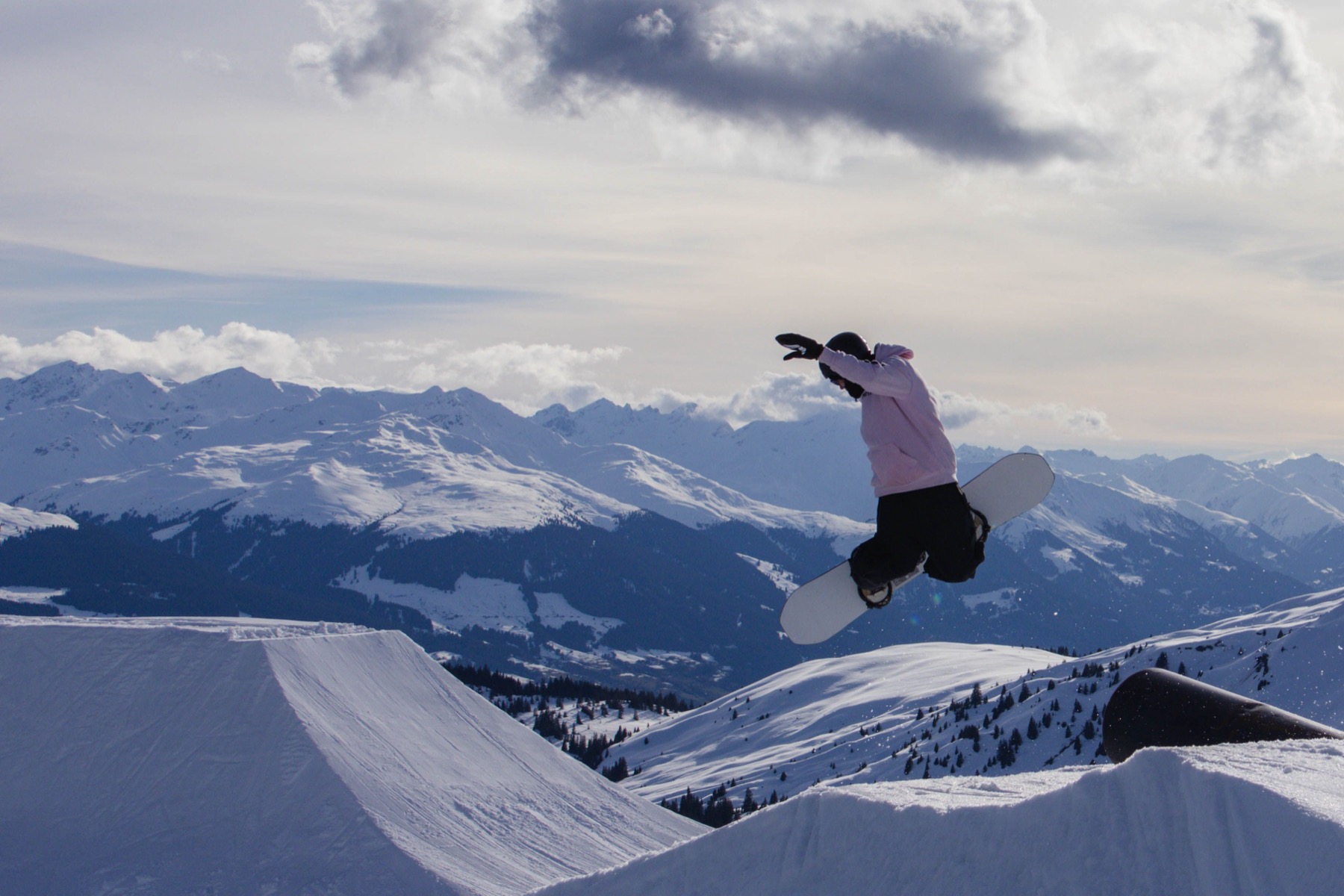
3. Try the Olympic Snowparks in Livigno
If you love acrobatics, adrenaline, and snowboarding, you’ll feel like you’re in absolute seventh heaven in Livigno. This resort hosted absolutely all snowboarding and freestyle skiing disciplines at the recent Olympics. A total of 24 medal sets were awarded here, which was the most of any Olympic venue, and the local sports infrastructure is tuned to absolute perfection as a result.
The Livigno Snow Park, where ski cross, slopestyle, halfpipe, and big air took place, is worth visiting even if you don’t dare try any of it yourself—watching athletes training from the lift is a free experience. No less fascinating is the Livigno Aerials & Moguls Park in the Carosello 3000 area, which was built in 2024 specifically for major competitions.
This is where the closely watched Olympic debut of parallel moguls (so-called dual moguls) took place, along with breathtaking aerial jumps. Seeing these steep mogul runs and jump ramps in person really takes your breath away, even if you don’t dare try them yourself and prefer to stay on the safe blue slope nearby. The atmosphere of the big sports world is simply omnipresent here.
4. Explore the Colossal Dolomiti Superski
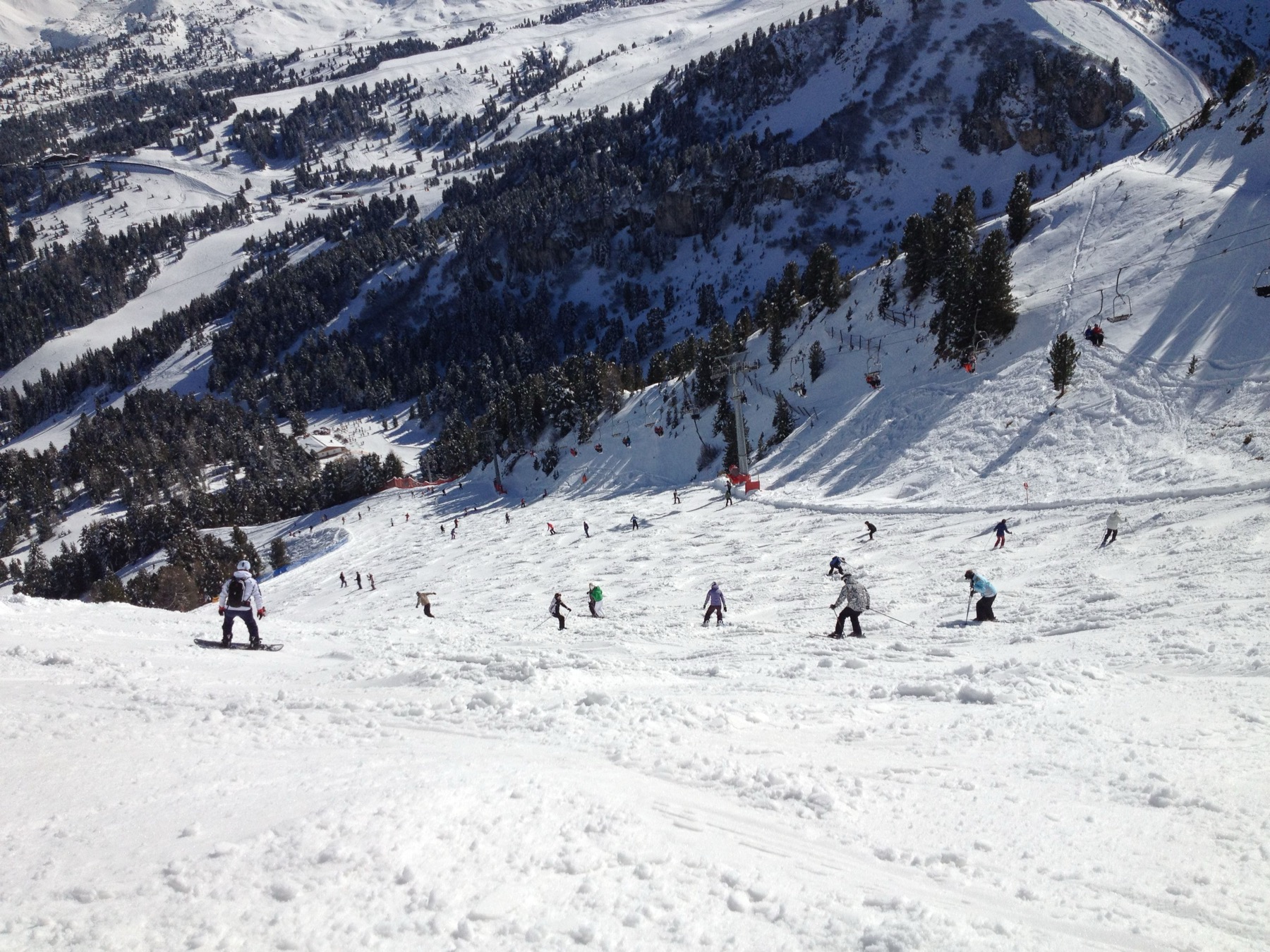
When Italy is mentioned in the skiing world, most people immediately think of the magical phrase Dolomiti Superski. This is an absolutely incredible ski complex where one single ski pass is valid in 12 different ski areas scattered across fifty stunning locations. It’s simply an endless snowy playground for all generations of skiers, which, according to various sources and counted connections, offers roughly 1,200 to 1,257 kilometers of slopes.
It includes the most renowned names in the Alpine world. With one pass, you can carve slopes in areas like Kronplatz, Cortina d’Ampezzo, Civetta, Val Gardena, Alta Badia, or Arabba beneath the majestic Marmolada. But the list doesn’t end there, because the complex also includes Val di Fassa, Val di Fiemme, Alta Pusteria, Valle Isarco, and the more distant San Martino di Castrozza, as well as the Alpe Lusia and Tre Valli area.
This staggering expanse guarantees that every day of your vacation you can ski in a completely different valley, discover new mountain huts, and you’ll never get bored on the same slopes. In short: one ski pass, twelve areas, loads of kilometers, and a high probability you won’t even manage half of it. That’s Dolomiti Superski.
5. Circle the Gruppo Sella Massif on Skis (Sella Ronda)
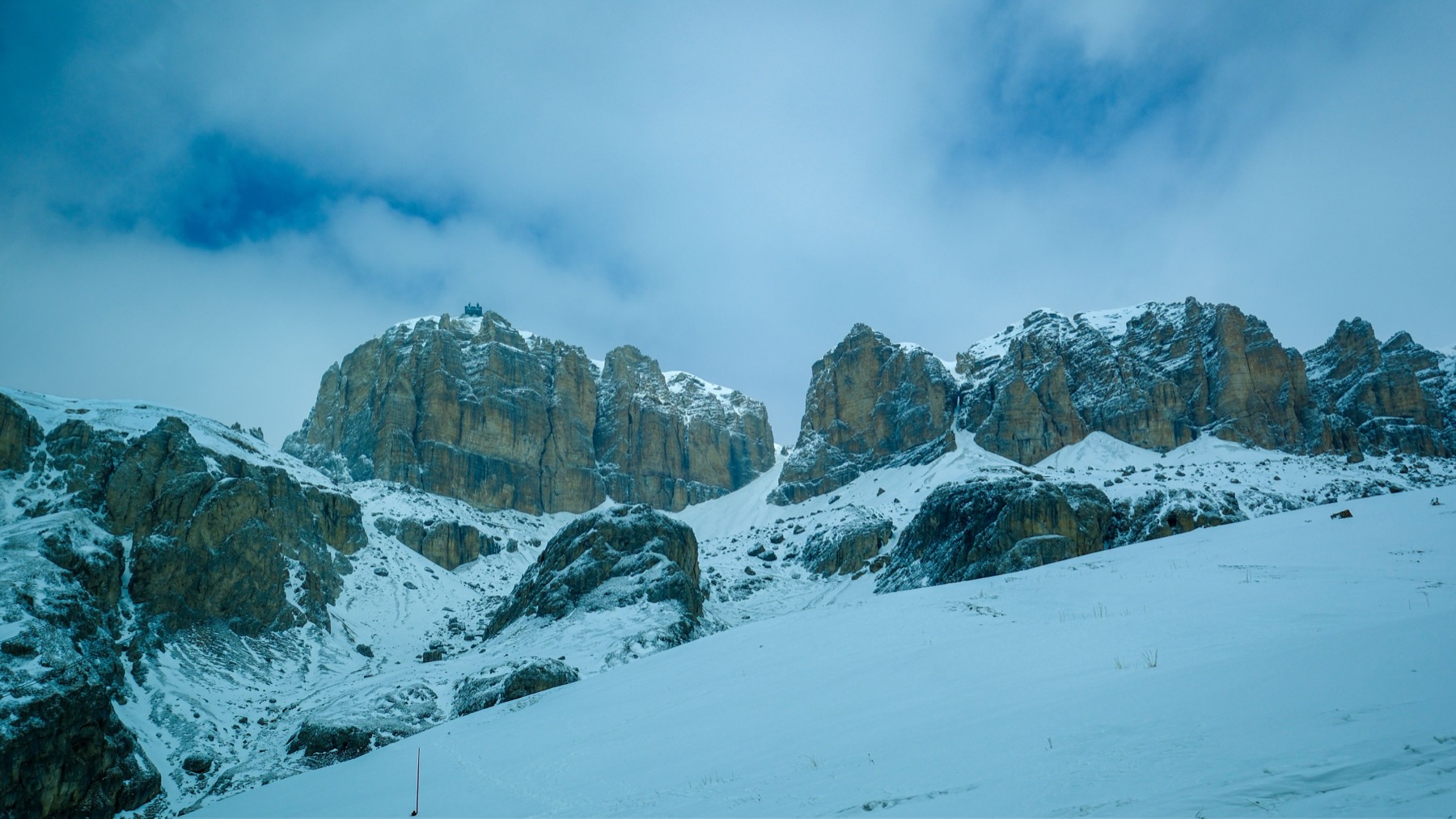
This is an experience that every passionate skier should tick off their bucket list at least once in their lifetime. Sella Ronda is a world-unique ski circuit that takes you right around the majestic limestone massif of Gruppo Sella. Throughout this fantastic journey, you don’t take your skis off at all, and in a single day you pass through four stunning Italian valleys.
The entire circuit measures just under 40 kilometers and can be skied clockwise or counterclockwise. Each of these two routes is very clearly marked, with orange taking you clockwise and green counterclockwise. The green route is generally considered somewhat easier and more relaxed, while the orange offers slightly sportier skiing, but both variants are absolutely manageable for average skiers without any problems.
💡 Tip: Head out on this grand circuit first thing in the morning at nine o’clock sharp when the lifts start running. This way you’ll have plenty of time to admire the views and take a long lunch break on one of the sunny terraces. Getting stuck in the late afternoon in a different valley after the last connecting lifts close can become very unpleasantly expensive due to a costly taxi ride back.
6. Cortina d’Ampezzo and Its Double Olympic History
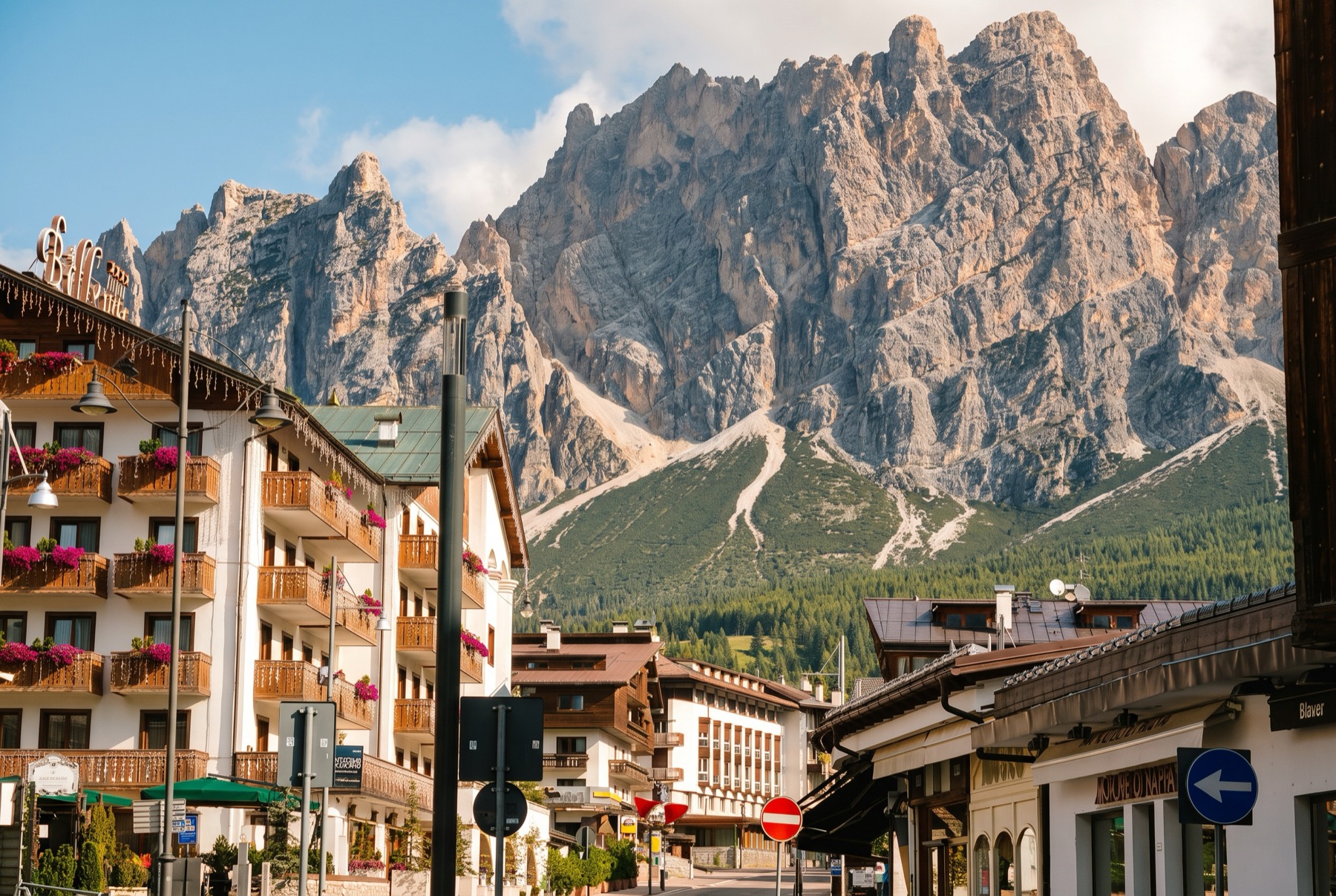
Cortina d’Ampezzo, often and very justifiably nicknamed the Queen of the Dolomites, is the absolute symbol of Italian mountain elegance. This gorgeous town nestled in a wide sunny valley can boast an absolute historical rarity. In 2026, it hosted the Winter Olympics for the second time, having first welcomed the sporting elite from around the world back in 1956. Great history and prestige simply breathe on you at every turn here.
The local slopes carved deep beneath limestone peaks are quite challenging and will satisfy primarily experienced skiers who appreciate steep terrain and fantastic scenery among sheer rock walls. You’ll find legendary black runs here that perfectly test your technique and courage, but also gentler sections for relaxed afternoon turns.
The town center itself is an endless parade of luxury fashion boutiques, top-notch restaurants, and beautiful historic buildings. Cortina d’Ampezzo is a place where select European society gathers in the evening for the traditional passeggiata along the pedestrian zone. People come here not only to glide on snow but also to show off their latest winter outfits, sit with a glass of good wine, and enjoy that authentic atmosphere of Italian dolce vita in the mountains.
7. Ski at the Popular Kronplatz
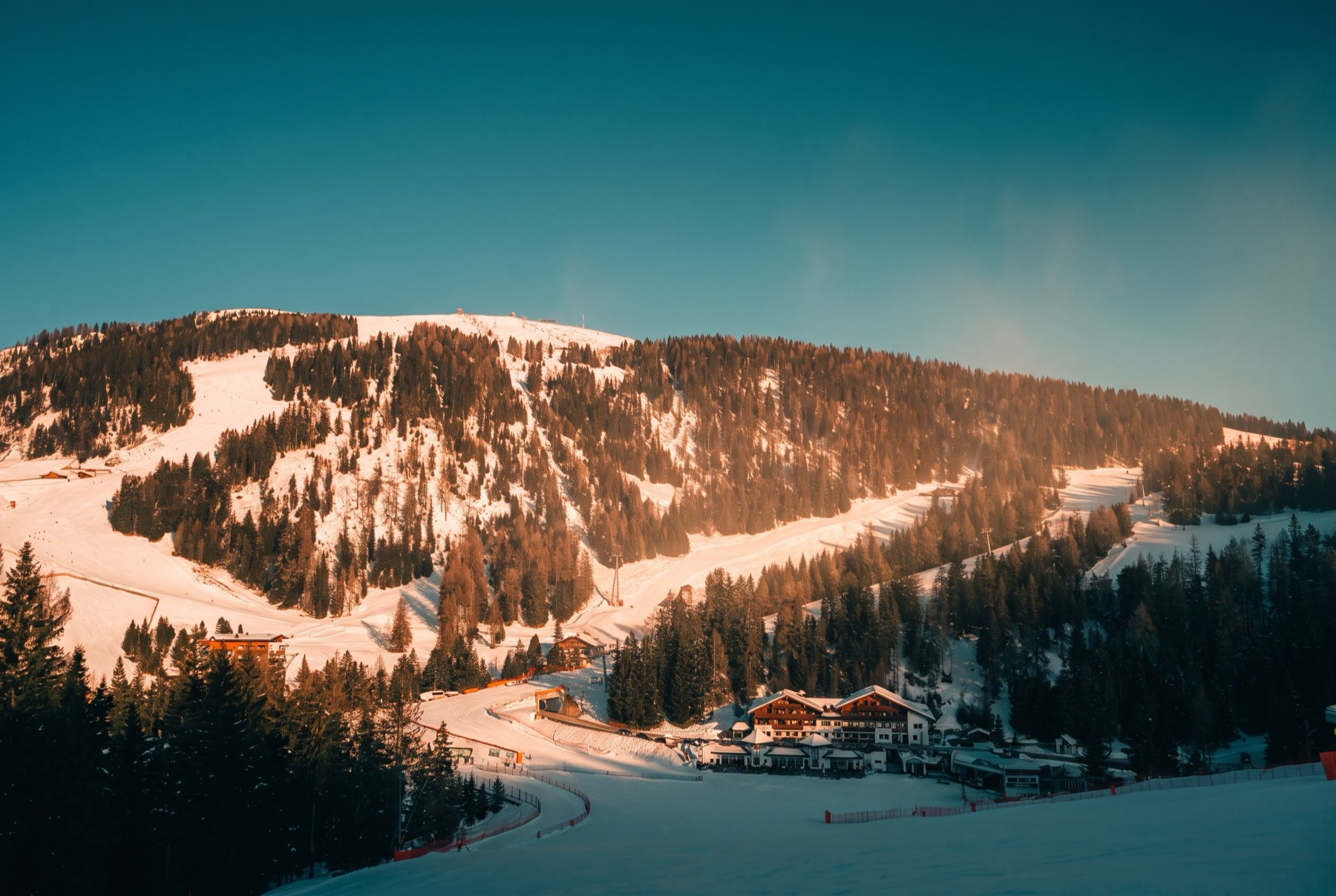
A mountain shaped like a huge loaf of bread from which wide slopes descend in all conceivable directions—that’s the famous and beloved Kronplatz. According to search statistics, this is one of the most sought-after and popular Italian resorts, and it’s really no wonder. The technological infrastructure here is so incredibly modern that you’ll hardly encounter a classic open chairlift.
The gondolas at Kronplatz are heated and have Wi-Fi, so if you automatically pull out your phone while waiting for the lift, at least you won’t drain the battery in the cold. The unpleasant freezing on chairlifts is eliminated here, and you can concentrate solely on perfect carving on perfectly groomed corduroy, which the local grooming crews prepare with legendary Italian care.
Up on the huge flat plateau, you’ll also find the enormous Concordia Peace Bell, which rings out far and wide daily at noon. There’s also the fascinating futuristic mountaineering museum by the famous climber Reinhold Messner. The building designed by architect Zaha Hadid is definitely worth a short cultural visit even during a packed ski day, as it offers fantastic glass-walled views of the surrounding peaks.
8. Val Gardena for Lovers of Long Runs
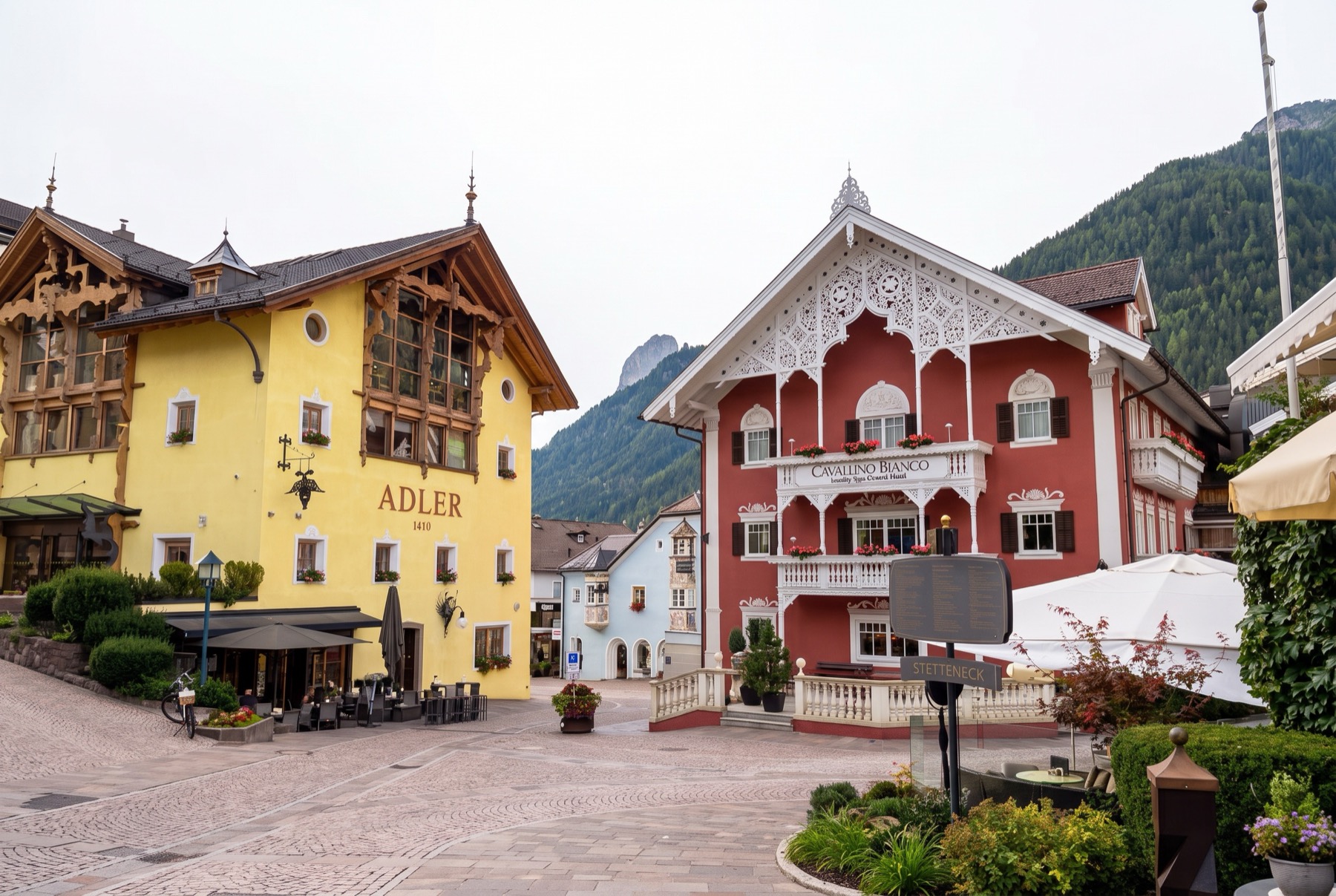
Val Gardena is paradise for people who love a long descent through the forest. You get on at the top and you ski, ski, and ski before the lift even pays off. The most famous and most feared here is undoubtedly the black run Saslong, which hosts the famous and demanding men’s downhill World Cup races every year just before Christmas. Even if you don’t tackle it at race pace and opt for more cautious turns instead, conquering it is a brilliant experience you’ll be telling your friends about over dinner. The particularly famous camel humps on the course command respect even at slower speeds.
Val Gardena also maintains its original Ladin culture very strongly and proudly. During your visit you’ll regularly hear the local ancient Ladin dialect and taste specific Ladin specialties at mountain huts that you won’t find elsewhere in Italy. The valley is also renowned for its traditional wood carving, so in the shops in the town of Ortisei you’ll come across beautiful wooden figurines and works of art.
9. Alta Badia and Gastronomy on the Slopes
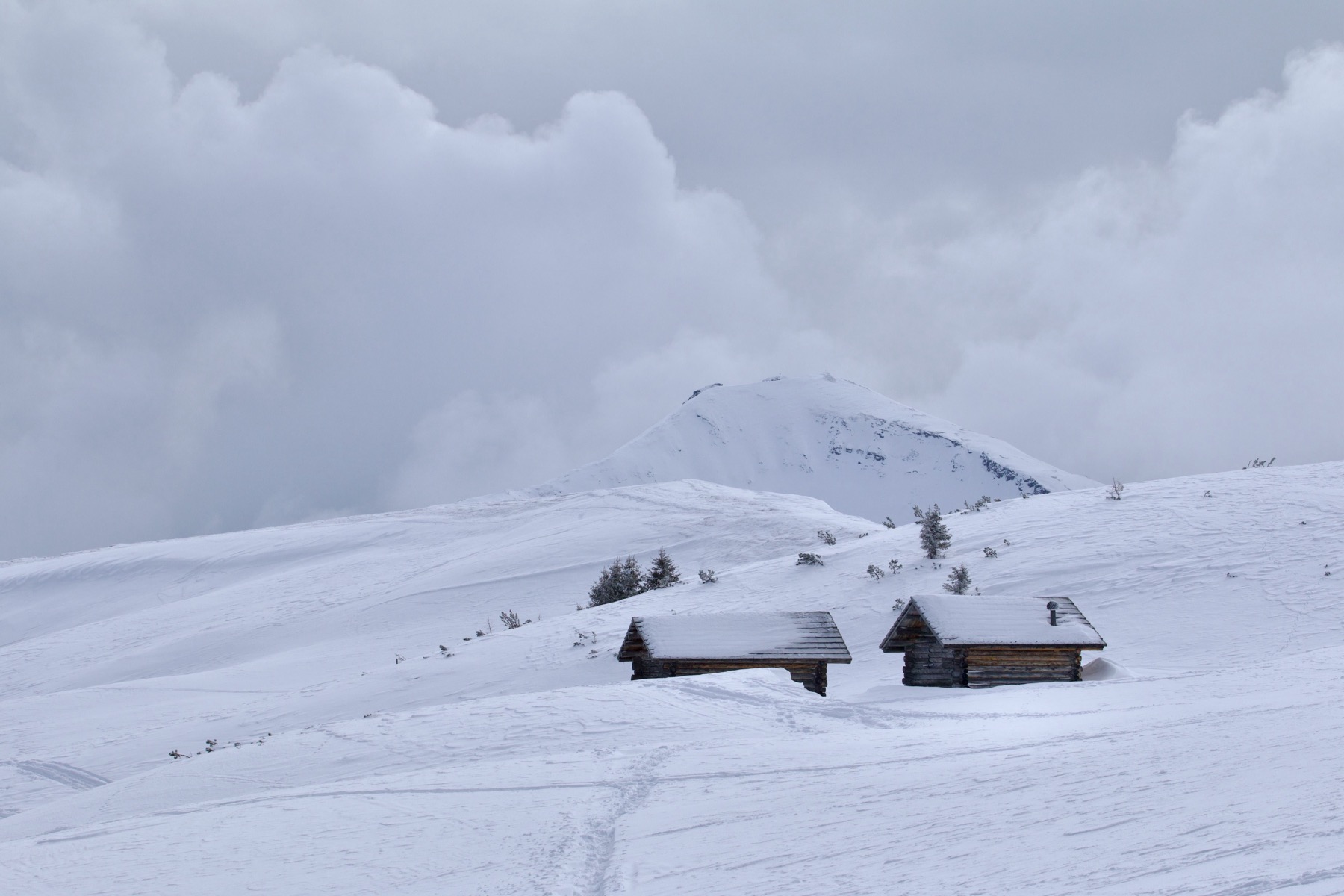
The combination of relaxed skiing and great food doesn’t work as perfectly anywhere in the world as it does in the Alta Badia area. This renowned resort is tailor-made for easygoing and less aggressive skiers, as it offers predominantly incredibly wide and gentle blue runs. These are bathed in warm sunshine for most of the winter day thanks to the excellent orientation of the slopes.
But the main and truly unique thing happens on the plates in the wooden mountain huts. Alta Badia boasts a fantastic initiative where world-renowned Michelin chefs create special recipes directly for local restaurants scattered across the slopes. So you won’t just get ordinary sausages and chips here, but real culinary works of art made from the finest local ingredients.
You can quite normally indulge in absolute gastronomic luxury, even though you’re wearing ski boots and sweaty thermal underwear. In Alta Badia it simply happens that you arrive for lunch at noon and get up from the table at four. And you won’t regret it one bit.
10. Val di Fiemme and Elite Madonna di Campiglio
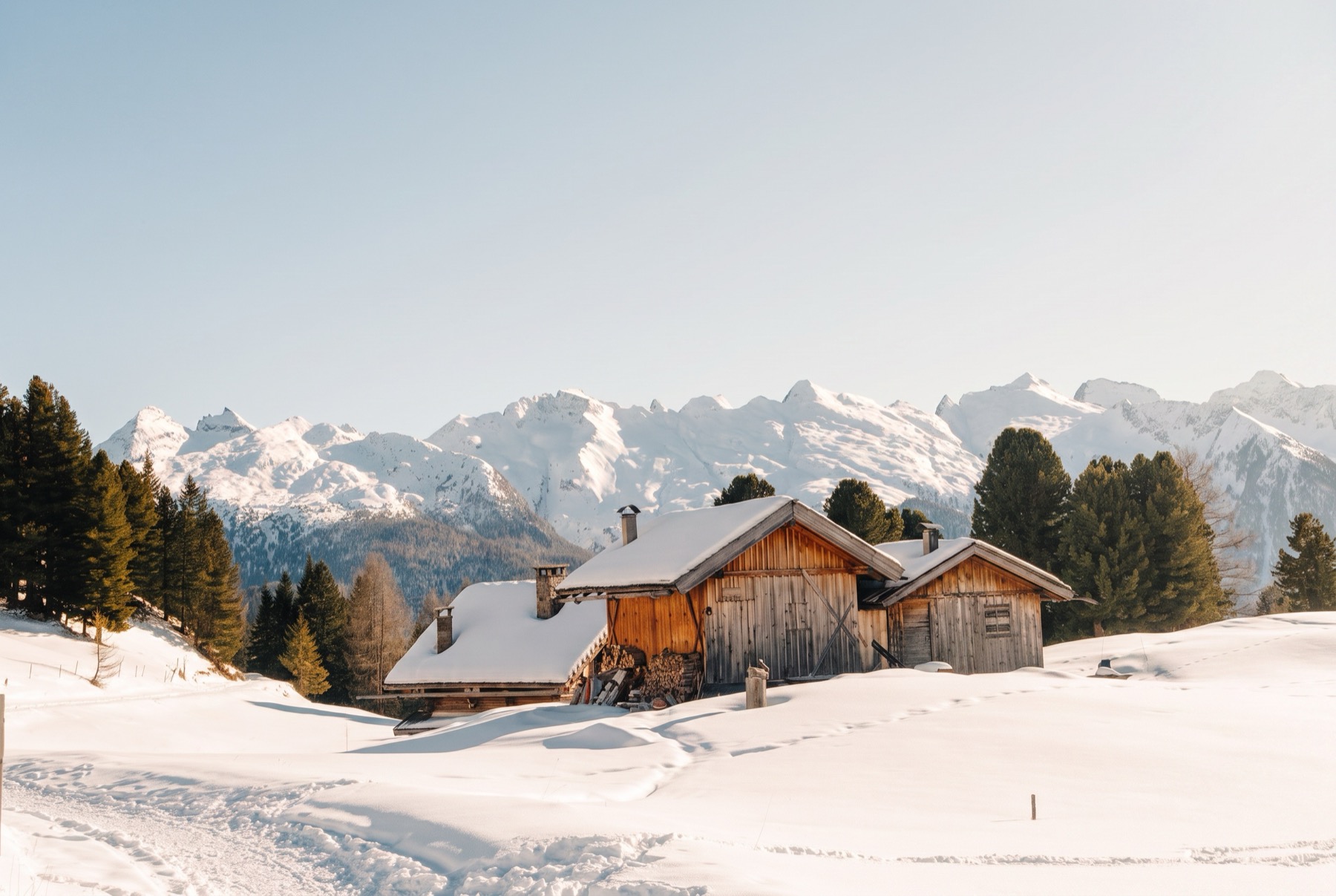
Among other shining gems belonging to the large family of Italian ski resorts I definitely must include the Val di Fiemme valley and also the completely independent but all the more prestigious Madonna di Campiglio area. Val di Fiemme is a great choice for families with younger children and offers an absolutely perfect price-quality ratio. Moreover, it’s a renowned worldwide mecca for cross-country skiing and the venue for many championships.
At the other end of the spectrum lies Madonna di Campiglio, which represents the absolute pinnacle of Italian luxury, and is very often quite rightly called the Italian Aspen. The slopes here are always groomed to perfection down to the last millimeter, all supporting services operate at the highest possible level, and accommodation prices in luxury hotels climb to truly dizzying heights.
The resort attracts the Italian elite and international celebrities, so there’s certainly no shortage of expensive cars and designer winter clothing. But bear in mind that prices in Madonna di Campiglio are definitely not for the faint of heart — this exclusivity simply demands its due.
11. Navigate Dolomiti Superski Pass Prices
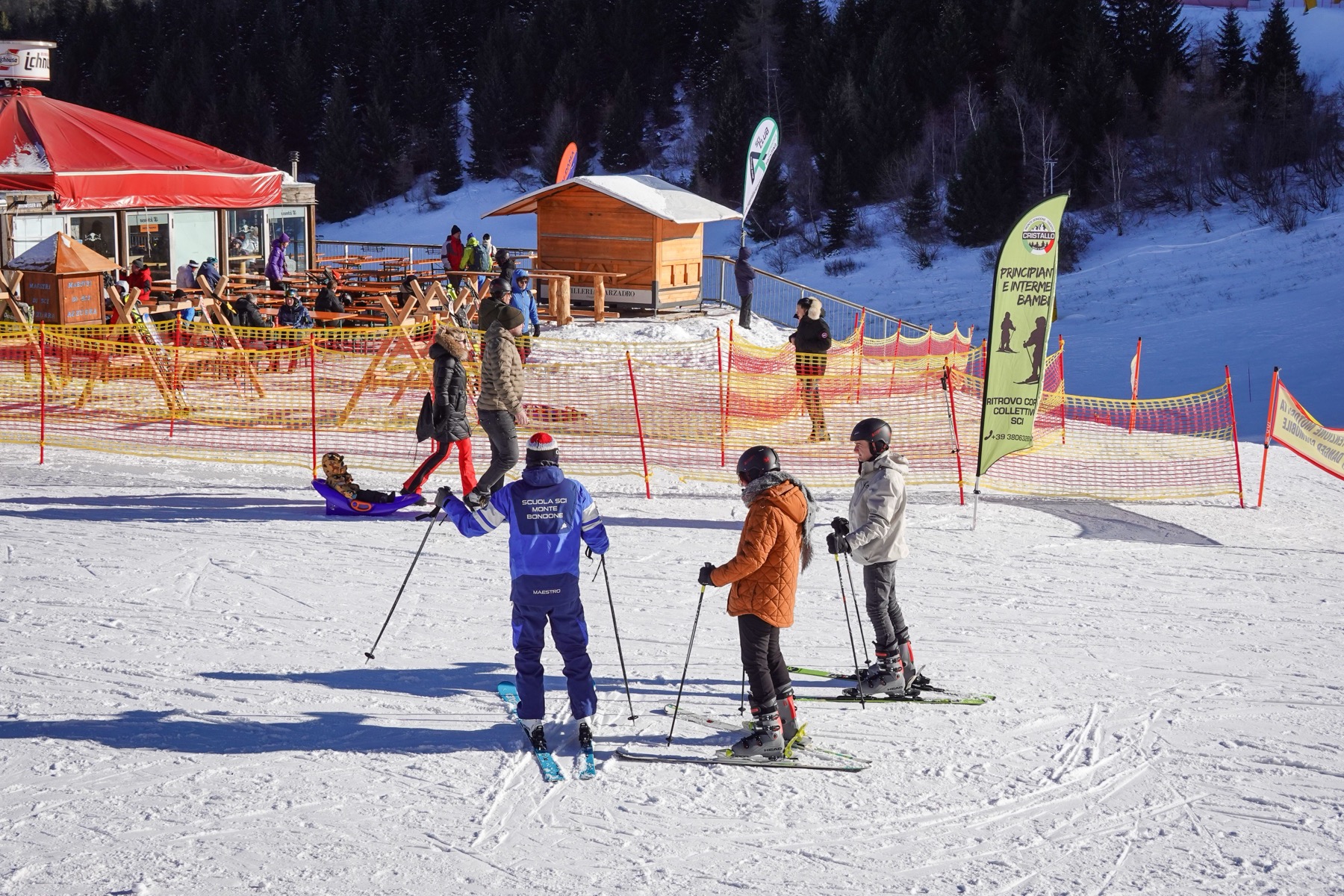
Buying a ski pass for the gigantic Dolomiti Superski area requires a bit of strategic planning in advance, because the pricing is quite complex and can be confusing for newcomers at first. Ski pass prices vary depending on several different factors, primarily which period you hit. The system distinguishes whether you’re going in the cheaper pre-season, in the main season, in the top season around the holidays, or conversely at the very end of sunny spring.
The total number of days you’re buying the pass for also plays a huge role, and of course the skier’s age. Children, juniors, and seniors fortunately have quite significant discounts here, which will greatly ease the family budget. Since exact price lists are adjusted and increased every year, I recommend you always check current amounts directly on the official Dolomiti Superski website, where you’ll find precise calculators.
💡 Tip: Buying your ski pass online well in advance will often save you not only significant money thanks to early-bird discounts, but also precious time spent in morning queues at the ticket offices, so you can head straight to the turnstiles upon arrival.
12. Taste Italian Mountain Cuisine
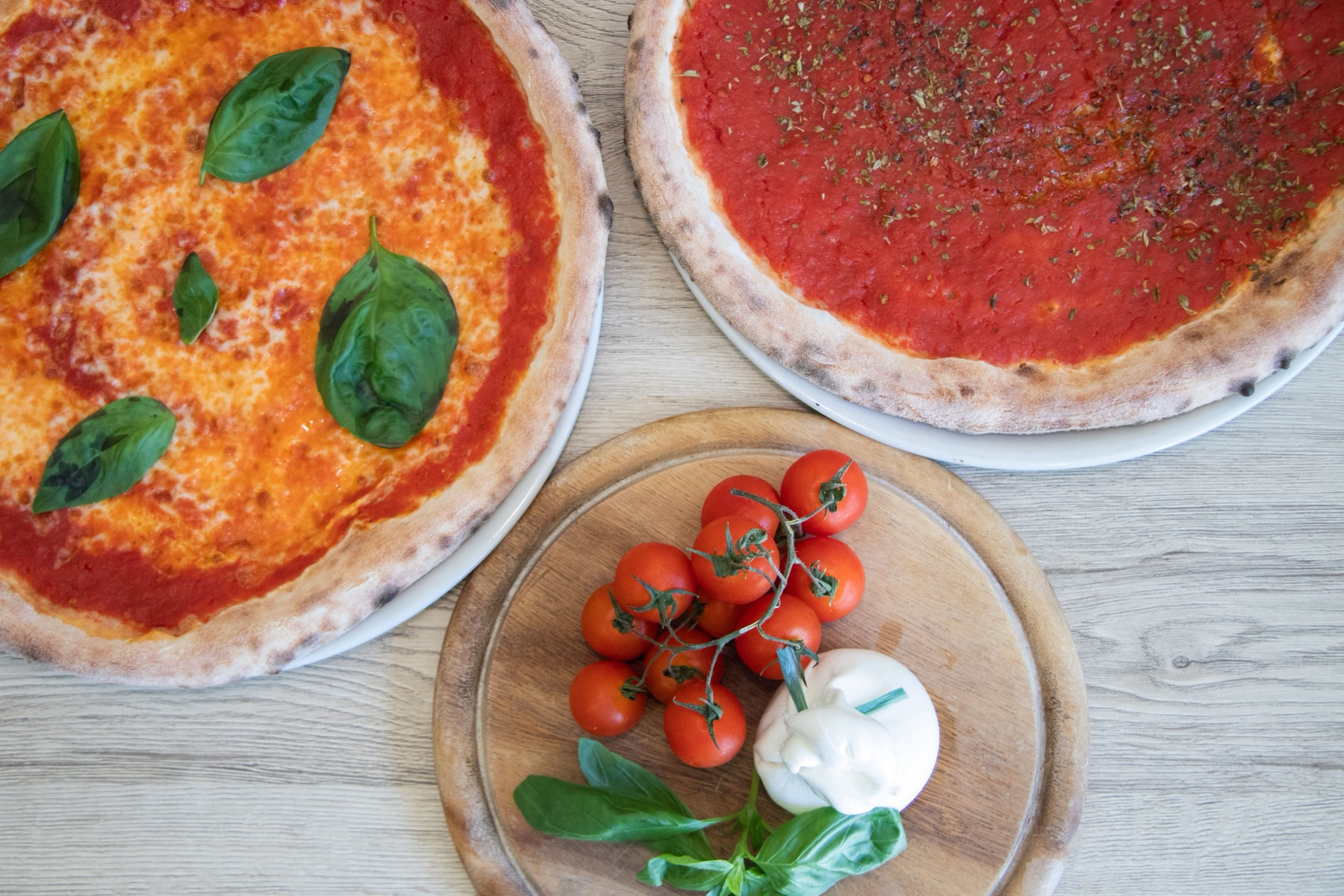
If you think mountain food means only heavy meat dishes and sausages, the Italian Alps will very quickly prove you wrong. Italian gastronomy is incredibly accommodating to vegetarians and at every mountain hut you can choose from many absolutely delicious meat-free dishes that will make your mouth water. Mountain huts, called rifugia, are famous for their hospitality and the high quality of ingredients used.
The foundation is of course perfect homemade pasta prepared in dozens of ways, excellent cheese polenta with wild mushrooms, or hearty vegetable risotto. Meat lovers often praise the local specialty of cured ham called speck, but believe me that a fresh Margherita pizza baked in a wood-fired oven in the middle of snowy mountains will warm you body and soul just the same. So you don’t need to worry at all that as a vegetarian you’d end up with fried cheese and chips.
💡 Tip: Definitely don’t forget to finish lunch with a traditional espresso and a piece of homemade tiramisu, because coffee in Italy simply tastes the best, even at three thousand meters above sea level. Prices for food on the slopes naturally vary by location, but generally you’ll pay very reasonable amounts for quality pasta and drinks, especially compared to some Swiss or French resorts.
13. Enjoy the Famous Italian Après-Ski
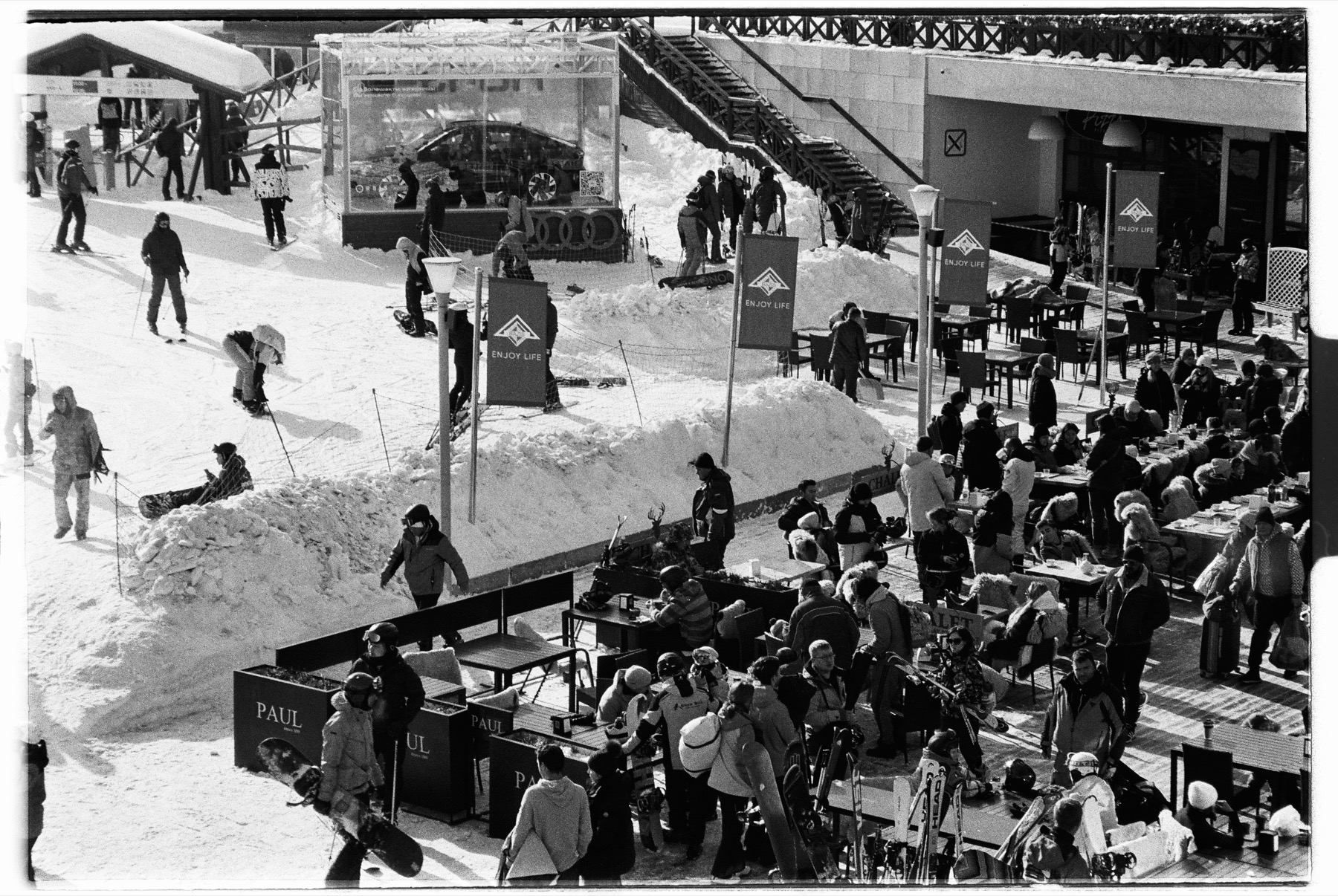
Après-ski in Italy has a completely different rhythm than in Austria — no tables you dance on in ski boots, but a relaxed terrace, a glass, and sun on your face. The typical drink here is a refreshing orange Aperol Spritz or hot Bombardino, which is a legendary eggnog liqueur with whipped cream that will warm you right to your fingertips. Bars at the bottom lift stations start filling up around three in the afternoon and the atmosphere is always incredibly friendly and cheerful. The speakers play pleasant dance or chill-out music rather than thumping hits, so you can chat at your table without any problem.
With drinks you also very often get small snacks in the form of olives, crisps, or pieces of cheese, which is a wonderfully kind Italian custom. 💡 Tip: If you want to enjoy the best après-ski, stay on one of the panoramic terraces until the very sunset. The peaks of the Dolomites turn incredible shades of pink and purple in the evening. This fascinating natural phenomenon is called enrosadira and watching it with a glass in hand is the perfect ending to a demanding day.
14. Prepare Your Car for the Winter Drive to Italy
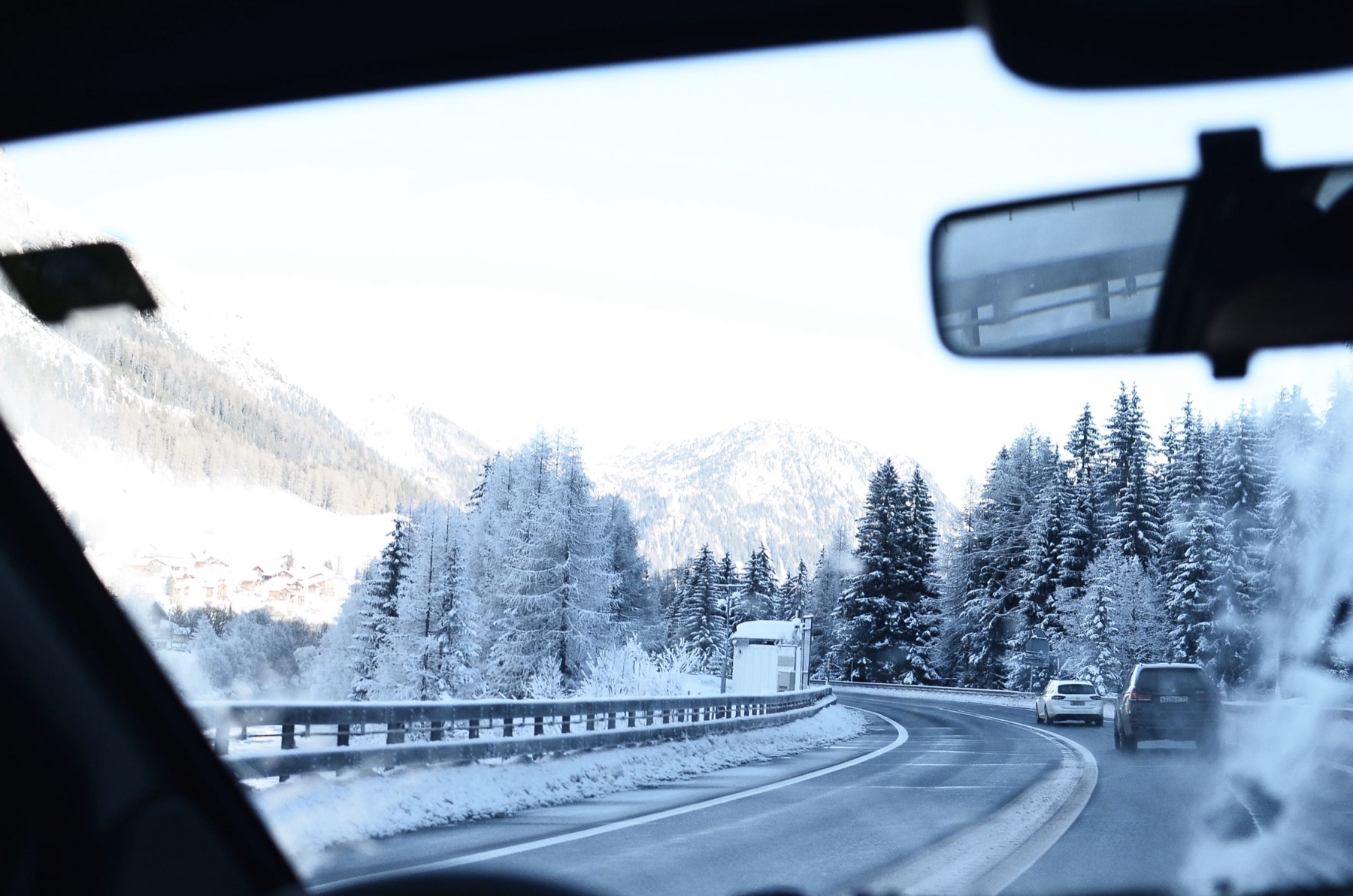
The drive by car to the Italian mountains from major European hubs is fairly comfortable, but requires thorough preparation of your vehicle before departure. Winter tires with sufficient tread are an absolute necessity and in many Alpine passes snow chains are even mandatory equipment, which you should always have stored in the boot just in case. Police may not let you pass in heavy snowfall without them.
From major European hubs it’s roughly 650 to 750 kilometers to the Dolomites, so seven to eight hours of driving via Munich or Innsbruck and the Brenner Pass (where you pay a toll on top of the Austrian motorway vignette), and check your windscreen washer antifreeze well in advance, as nighttime temperatures in the valleys regularly drop below minus fifteen.
In Italy itself there’s a classic toll system at toll booths, where you take a ticket when entering the motorway and pay according to the distance traveled when exiting. 💡 Tip: Also pack plenty of warm blankets in the car, a large thermos with hot tea, and a small snack in case you unexpectedly get stuck in traffic due to heavy snowfall, which can sometimes unexpectedly and very quickly complicate Alpine motorways.
Where to Go Next from the Italian Alps
If you’re planning a longer winter holiday or just looking for more inspiration for your snow trips, definitely don’t stop at Italy. Our editorial team has prepared other useful guides to help you with planning. You might want to check out our article on skiing in Austria, which is traditionally the most accessible ski destination for many Europeans.
You might also be interested in the largest ski resorts in the world, where you’ll learn how European resorts compare globally. If you have a tighter budget, you’ll definitely appreciate our tips for a cheap ski holiday, and before the trip itself don’t forget to read what your car must have for the mountains in winter so you can arrive safely at your destination. And if you’re unsure where to go, our ski pass prices: comparison of 18 resorts will help too.
Frequently Asked Questions
When were the Winter Olympics held in Italy?
The Milano Cortina 2026 Winter Olympic Games successfully took place from February 6 to 22, 2026. Competition was held across 15 venues spread throughout areas like Milan, Cortina d’Ampezzo, Livigno, and Bormio. It’s amazing that Italy used over 90 percent of its existing sports facilities, demonstrating to the world a very sustainable approach to hosting such a gigantic event.
How many ski runs does the Dolomiti Superski complex offer?
The entire massive Dolomiti Superski complex, which brings together 12 different ski areas across fifty stunning locations, offers an impressive 1,200 to 1,257 kilometers of slopes. A single ski pass opens the door to practically endless skiing possibilities in the limestone massif environment, so you can discover completely new corners and fantastic mountain huts every day.
Why is Livigno so popular for shopping?
The small town of Livigno, located right on the Swiss border, has functioned as an official duty-free zone since the Napoleonic era. In practice, this means you’ll find more than 250 shops offering perfumes, alcohol, electronics, and luxury branded clothing completely tax-free. This status makes it a paradise for everyone who wants to combine skiing with very advantageous shopping.
What is the famous Sella Ronda?
Sella Ronda is a world-unique ski circuit that, with a total length of just under 40 kilometers, encircles the majestic limestone massif of Gruppo Sella. You can ski this fascinating circuit in both directions, and during a single day you’ll easily pass through four different Alpine valleys without ever having to take off your skis. You’ll simply remember this forever.
Is Italian mountain cuisine suitable for vegetarians?
Yes, Italian gastronomy is absolutely ideal and incredibly welcoming for vegetarians. At every mountain hut you’ll find a wide selection of delicious meatless dishes. You can choose from excellent homemade pasta in many styles and cheesy polenta with fresh mushrooms to classic thin-crust pizza baked in a traditional wood-fired oven right by the slopes.
How much does a Dolomiti Superski ski pass cost?
Ski pass pricing in Italy is fairly complex and always depends on whether you’re skiing in the cheaper pre-season, main season, or during the peak season around the holidays. The skier’s age and number of days purchased also play a crucial role. I therefore always recommend carefully checking the current prices for this season on the resort’s official website, where you can also buy them directly at a better price.
What snow parks can I visit in Livigno?
In Livigno, which awarded an incredible 24 sets of medals at the recent Olympics, you absolutely must see the main Livigno Snow Park designed for slopestyle and big air. An absolute unique feature is the Livigno Aerials & Moguls Park by the Carosello 3000 lift, which was built in 2024 specifically for acrobatic jumps and breathtaking mogul skiing.
Tips and Tricks for Your Vacation
Don’t Overpay for Flights
Search for flights on Kayak. It’s our favorite search engine because it scans the websites of all airlines and always finds the cheapest connection.
Book Your Accommodation Smartly
The best experiences we’ve had when looking for accommodation (from Alaska to Morocco) are with Booking.com, where hotels, apartments, and entire houses are usually the cheapest and most widely available.
 🚗 Car rental on the roadVerified rental cars in Italy
Search with the DiscoverCars comparison engine — it compares prices from dozens of local and international rental companies, and most bookings come with free cancellation.
Compare car prices in Italy →Don’t Forget Travel Insurance
Good travel insurance will protect you against illness, accidents, theft, or flight cancellations. We’ve had a few hospital visits abroad, so we know how important it is to have proper insurance arranged.
Where we insure ourselves: SafetyWing (simple monthly subscription) and TrueTraveller (for extra-long trips).
Find the Best Experiences
Get Your Guide is a huge online marketplace where you can book guided walks, trips, skip-the-line tickets, tours, and much more. We always find some extra fun there!