

Ascending through snowy landscapes far from the noise of ski lifts and queues at mountain huts — that’s exactly the feeling ski tourers endure hours of sweaty climbing for. Ski touring has experienced tremendous growth in recent years, and it’s no wonder, because it gives you incredible freedom to explore the mountains your own way. But as soon as you leave the safety of groomed ski areas, you enter unpredictable alpine terrain where your knowledge, humility, and above all, the right gear are what matter.
Moving through backcountry terrain is beautiful, but it doesn’t forgive mistakes and requires thorough preparation. Nature doesn’t ask if it’s your first time on skins, which is why it’s absolutely crucial to know how to behave safely in the mountains. This guide will give you the foundation — from gear to reading avalanche bulletins to rules that simply apply in the mountains, no exceptions.
TL;DR
- The holy trinity is essential: Never venture into backcountry terrain without an avalanche transceiver, probe, and metal shovel.
- Most accidents happen at level three: Up to 47% of all avalanche accidents occur at avalanche danger level 3, which people often fatally underestimate.
- Wear your transceiver under clothing: Your beacon must be securely fastened to your body and must remain switched on in transmit mode throughout the entire tour.
- Uphill travel on pistes has clear rules: According to FIS rule number 7, you may only ascend at the very edge of the piste and always in single file.
- Strict bans apply in Krkonoše: Organizing group events (including avalanche courses) is prohibited by law in the Krkonoše National Park territory without prior exemption.
- Read the avalanche bulletin: Before every tour, carefully study the Mountain Rescue Service report, which evaluates the current snow profile and weather.
12 Things You Must Know Before Your First Tour
Let’s look together at the twelve most important points that will prepare you for your first ski touring steps. You’ll find out what gear to get, how to read the signals of the mountains, and where to start training so you can enjoy this beautiful sport in complete safety.
1. What Is Ski Touring and How Does It Differ from Piste Skiing
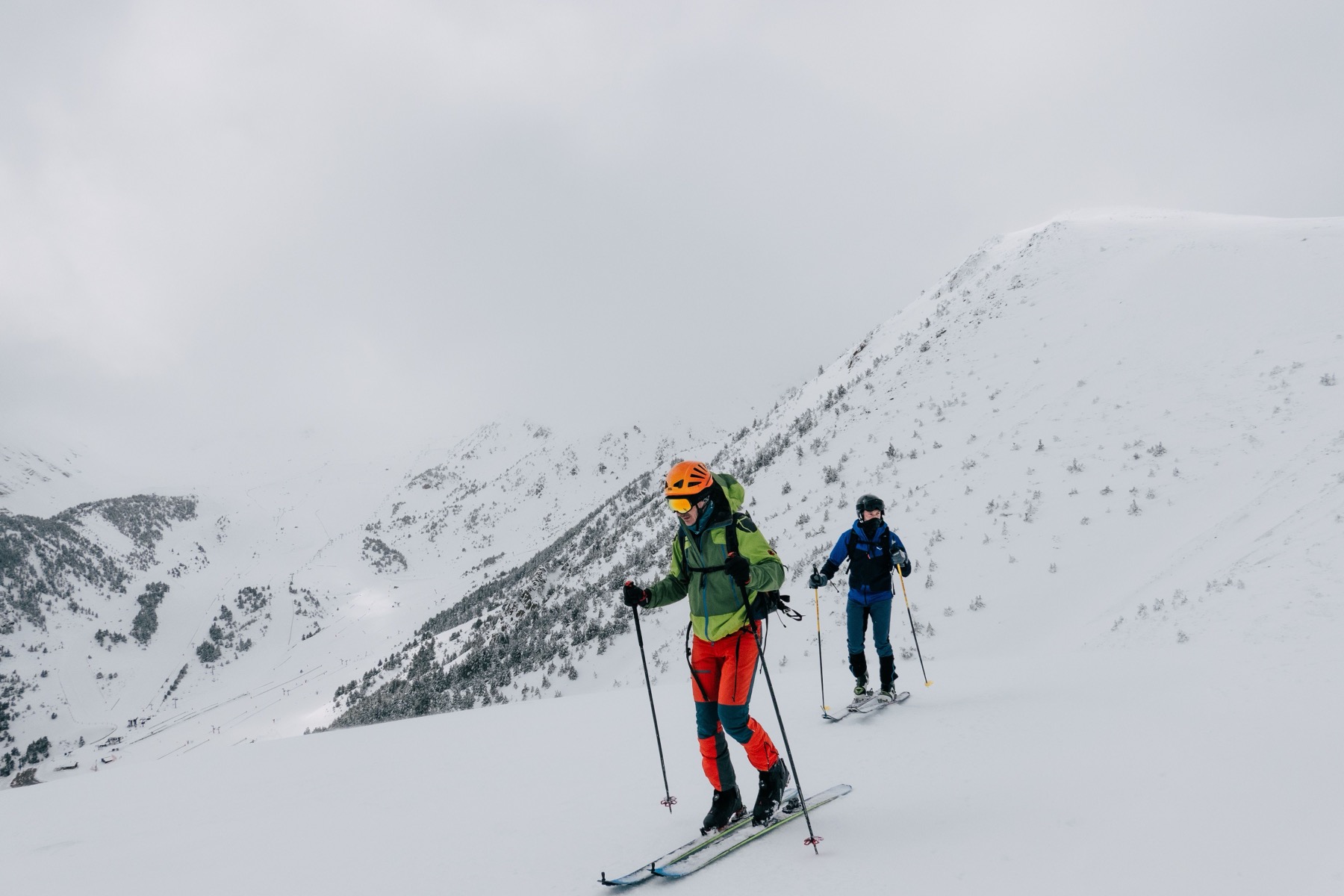
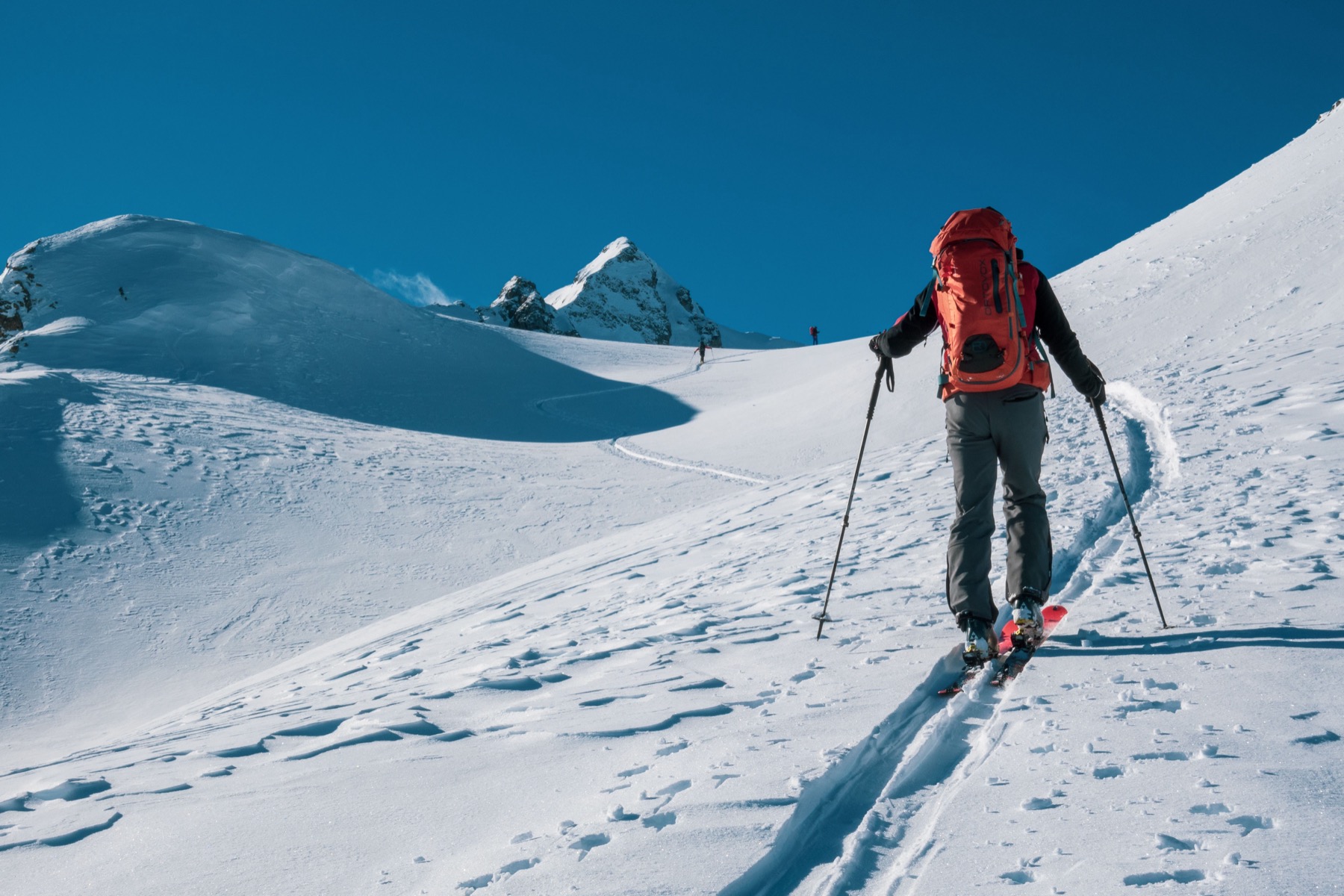
Ski touring, often simply shortened to touring, combines the freedom of mountain hiking with the joy of downhill skiing. The fundamental difference from regular piste skiing is that you don’t need ski lifts because you ascend the mountain under your own power. This gives you complete independence from ski resort opening hours and allows you to discover places regular skiers will never see.
This is made possible by special equipment that differs significantly from standard ski gear. Climbing skins are attached to the base of the skis, which glide forward but hold you firmly in place when you lean into them while stepping uphill. Equally important are the bindings, which allow you to release the heel for a natural, long stride. The upward movement is somewhat reminiscent of cross-country skiing, but with much wider and more stable skis on your feet.
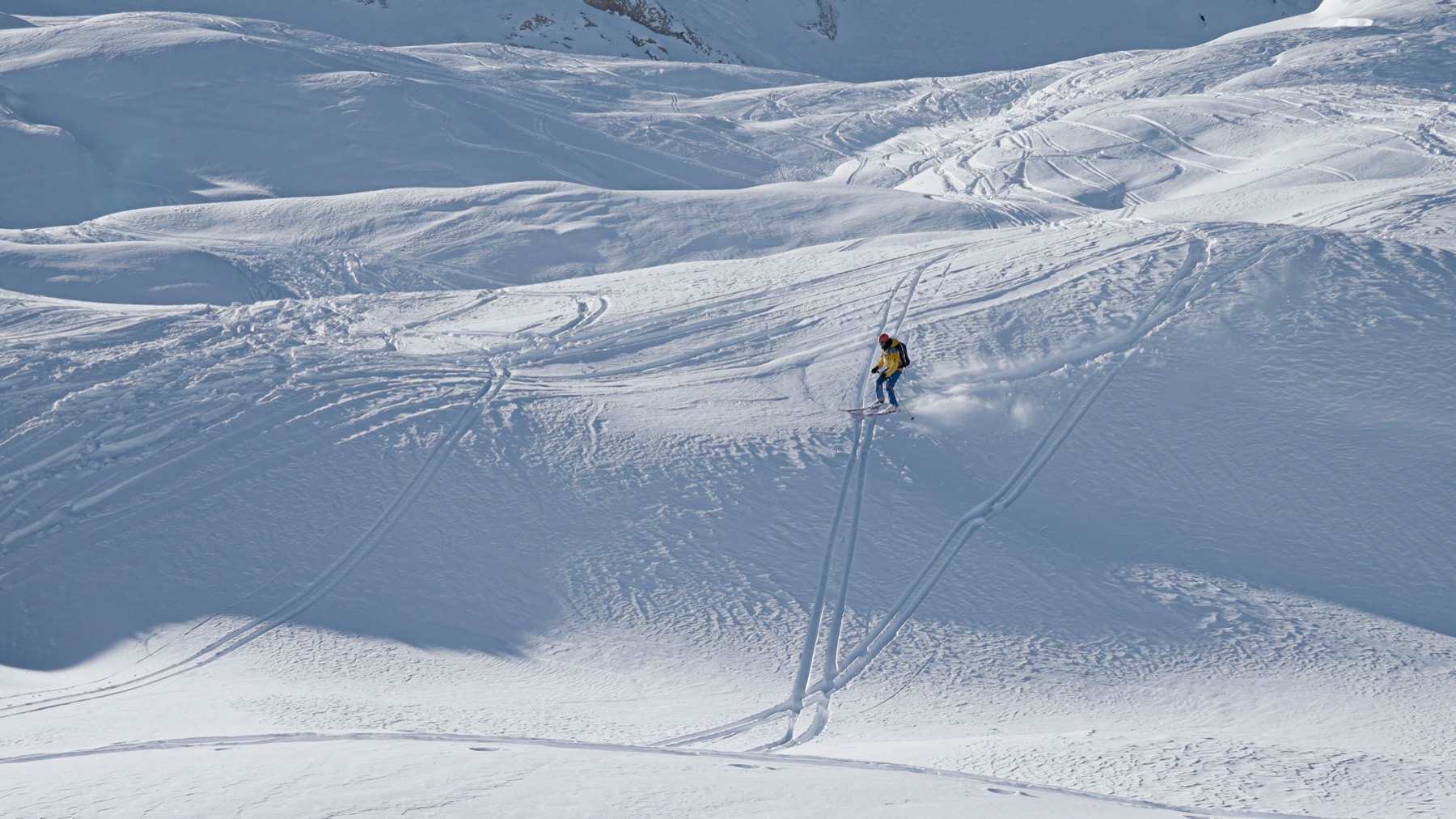
Once you reach your desired summit, you simply rip off the skins, lock your heel down securely in the binding, and can enjoy a classic descent. It’s precisely this transition from demanding ascent to well-earned descent through untouched powder that is the main reason why more and more people are falling in love with this sport.
2. The Holy Trinity: Transceiver, Probe, Shovel
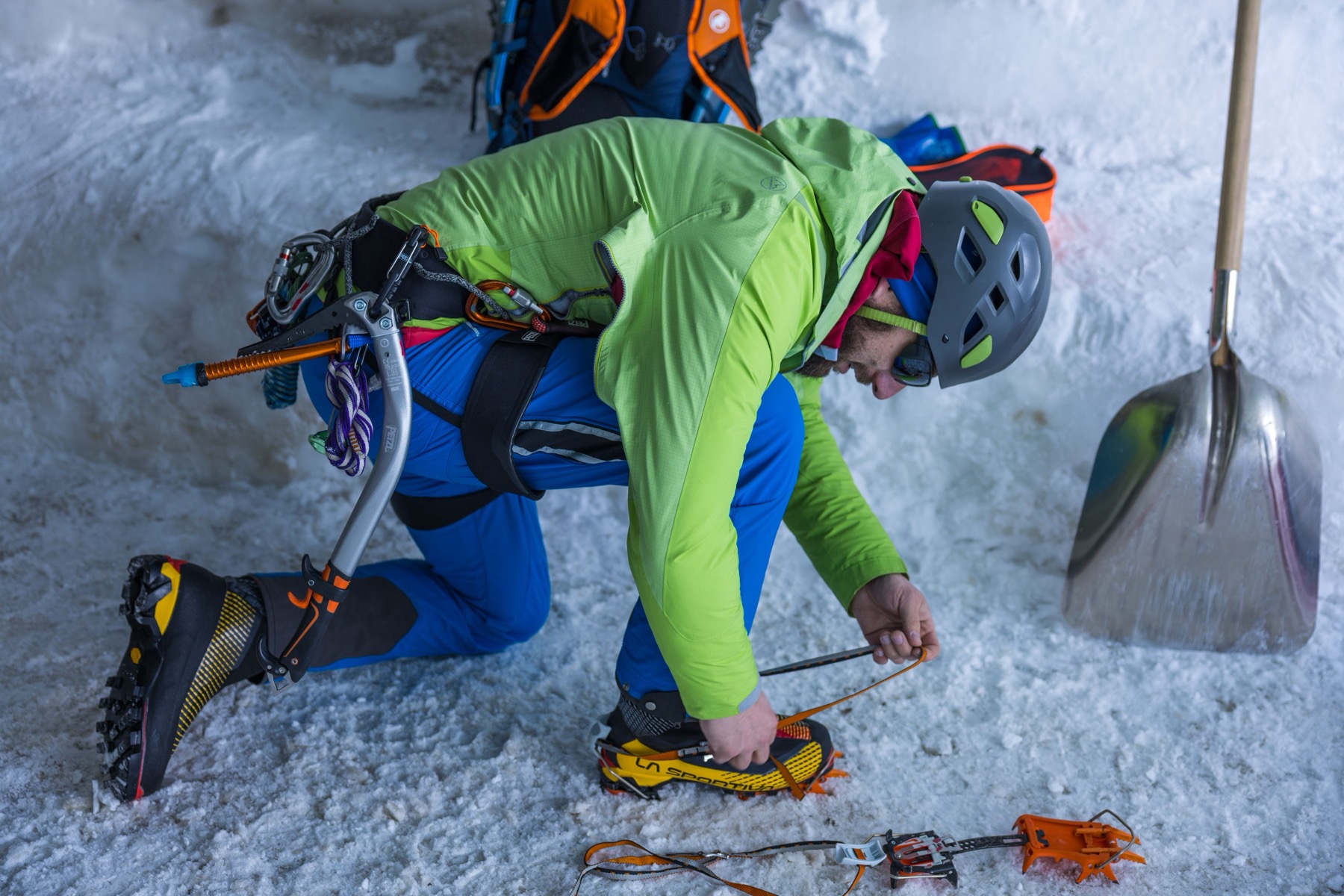
If you’re planning to leave marked and patrolled ski runs, the absolute foundation of your safety becomes what’s known as the holy trinity. This consists of an avalanche transceiver, avalanche probe, and snow shovel, and these three items function exclusively as an inseparable unit.
Believe me, if you’re missing even a single part of this trinity, a successful rescue of a buried victim is highly unlikely. The transceiver shows you the approximate location, you pinpoint the person precisely under the snow with the probe, and you must dig them out as quickly as possible with the shovel. Without a shovel, you can’t clear snow by hand, and without a probe, you’ll be digging blind.
When choosing equipment, pay attention to quality, because the probe should be at least 240 centimeters long so you have a chance of reaching even greater depths. The shovel must absolutely have a metal blade with a telescopic handle. An ordinary plastic shovel will immediately break in the hard avalanche debris, which hardens like concrete after it stops. Investing in quality holy trinity gear is an investment in your own life and in the lives of your partners, so it’s definitely not worth economizing or buying suspiciously cheap substitutes.
3. How to Wear Your Transceiver and Why Switching It On Isn’t Enough
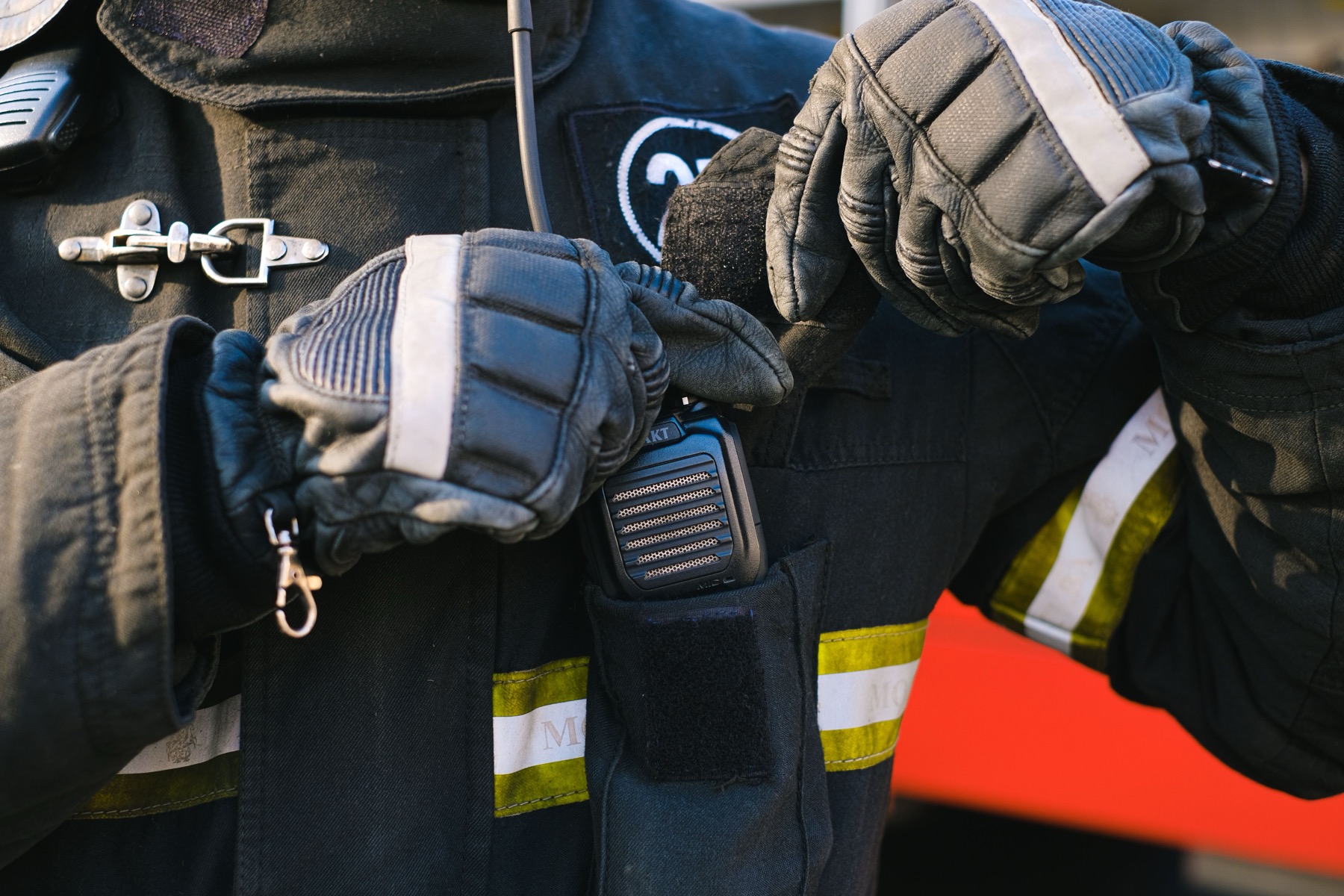
An avalanche transceiver, commonly called a beacon among skiers, is a smart electronic device that transmits and receives radio signals. Today you should always choose a modern three-antenna device, a typical example being the well-known Mammut Barryvox model, because older single-antenna devices simply aren’t sufficient for effective rescue anymore.
A critical mistake beginners make is improper transceiver placement. The device must be worn securely fastened with straps directly on your body, always under your outer layer of clothing. The reason is absolutely straightforward: it cannot happen that the force of an avalanche tears it off, it falls out of your jacket pocket, or it gets lost in any way.
Remember that throughout the entire tour, all members of your group must have their transceivers switched on in transmit mode. Only in the event that an avalanche occurs and you’re going to rescue someone do you switch your beacon from transmit to search mode. It’s crucial to regularly check battery status and perform what’s called a group check before every outing, where the entire group mutually verifies that all devices are correctly transmitting and receiving signals.
4. Why Reading the Manual Isn’t Enough
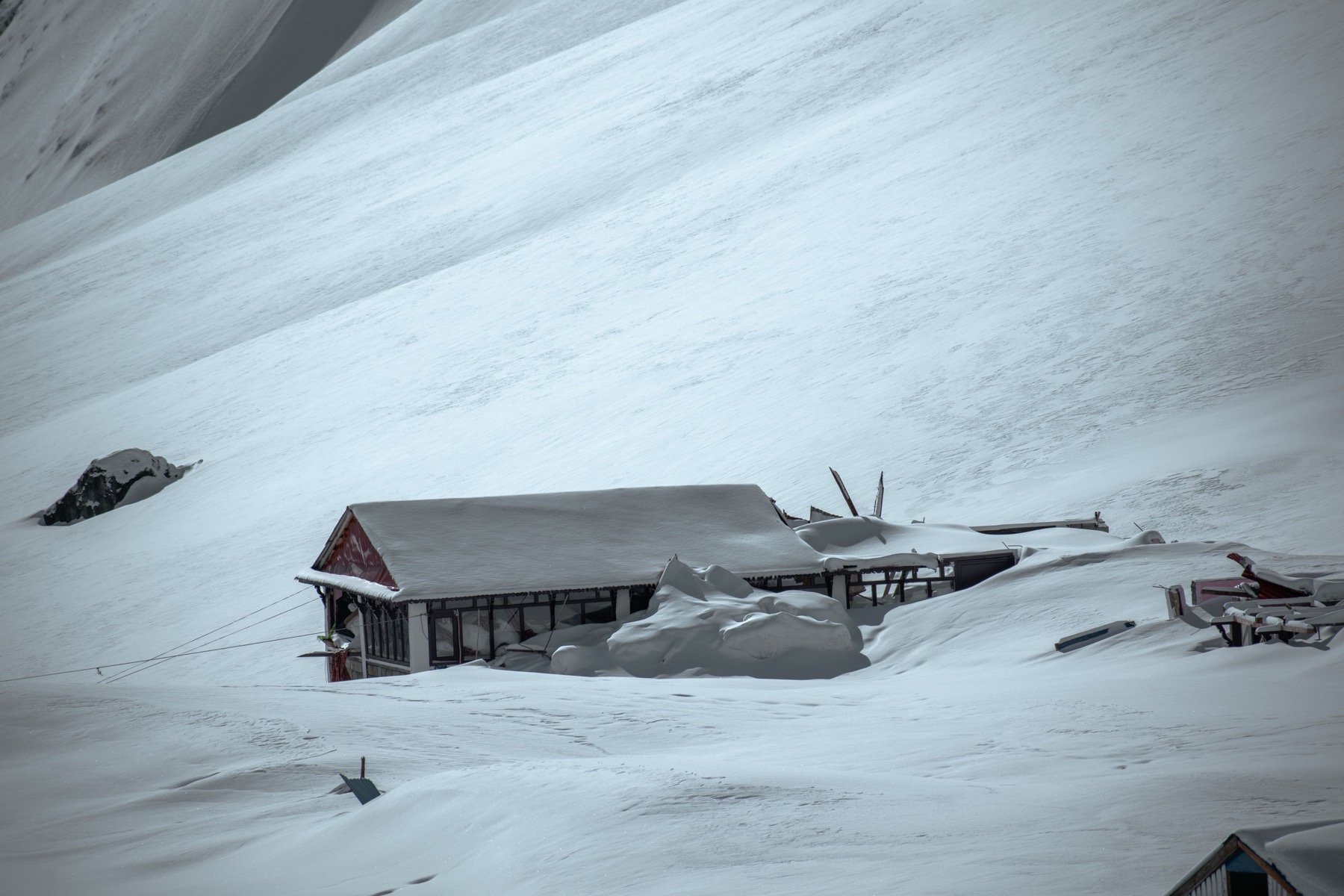
Buying the best and most expensive holy trinity is only the first step, which by itself won’t save you in a critical situation. It’s not enough to just read the manual in the warmth of your home, because in the moment when an avalanche falls and your friend’s life is at stake, enormous stress and panic set in.
You must be able to work with the transceiver automatically, without lengthy deliberation and without any hesitation. Mountain rescue experts therefore strongly recommend practicing and training with simulations, ideally under the supervision of trained professionals who can point out common mistakes.
The best investment in your safety is completing a specialized transceiver training course or even a full certified avalanche course. There, in real conditions, you’ll experience how incredibly difficult it is to find a buried backpack under the snow and what enormous physical effort the actual digging out of a buried victim represents. During a rescue, literally every second counts, because after roughly fifteen minutes under the snow, the chance of survival drops rapidly due to lack of oxygen. Regular search training should thus become your annual routine at the beginning of each winter season.
5. Ski Touring Skis, Skins, Bindings, and Boots
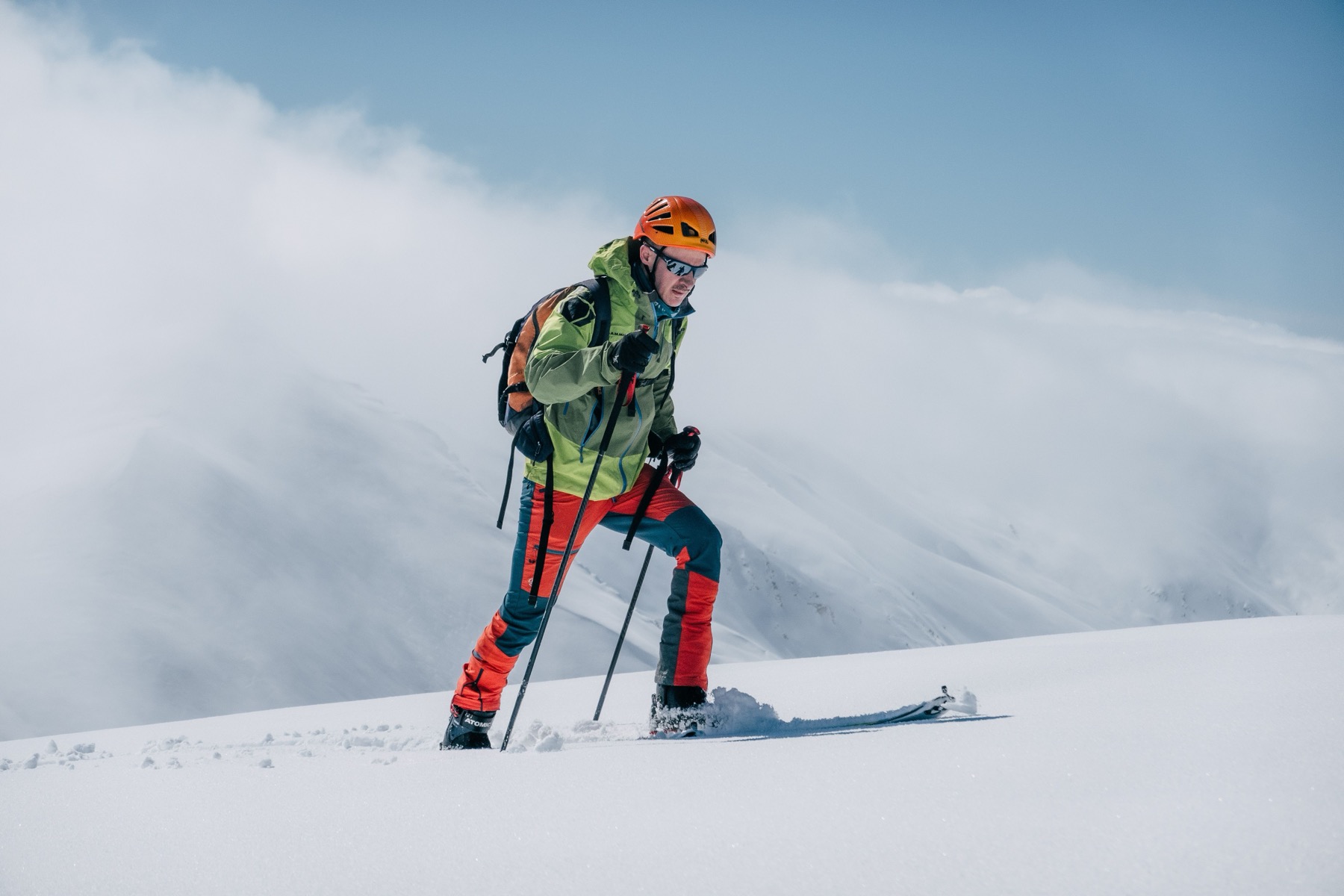
Besides safety equipment, you naturally also need the actual means of transport, which consists of several specific parts. The foundation is lighter ski touring skis fitted with special touring bindings, which as we mentioned allow you to lift your heel while walking.
Skins attach directly to the ski base and thanks to the direction of the fibers won’t let you slide backward, while touring ski boots have a lever at the back that lets you easily switch between comfortable walk mode and stable ski mode. An important component is also telescopic poles, where you can adjust the length depending on whether you’re ascending a steep slope or descending.
Many advanced ski tourers also consider an avalanche airbag backpack with an ABS system as an upgrade, which inflates large air bags after pulling the trigger handle. While there isn’t yet clear and bulletproof data on its actual effectiveness and survival statistics, it functions as a possible supplement to your gear that may help you stay on the surface of a moving avalanche. However, always keep in mind that even the most expensive airbag backpack can never replace common sense and the basic holy trinity.
6. When to Rent and When to Buy Gear
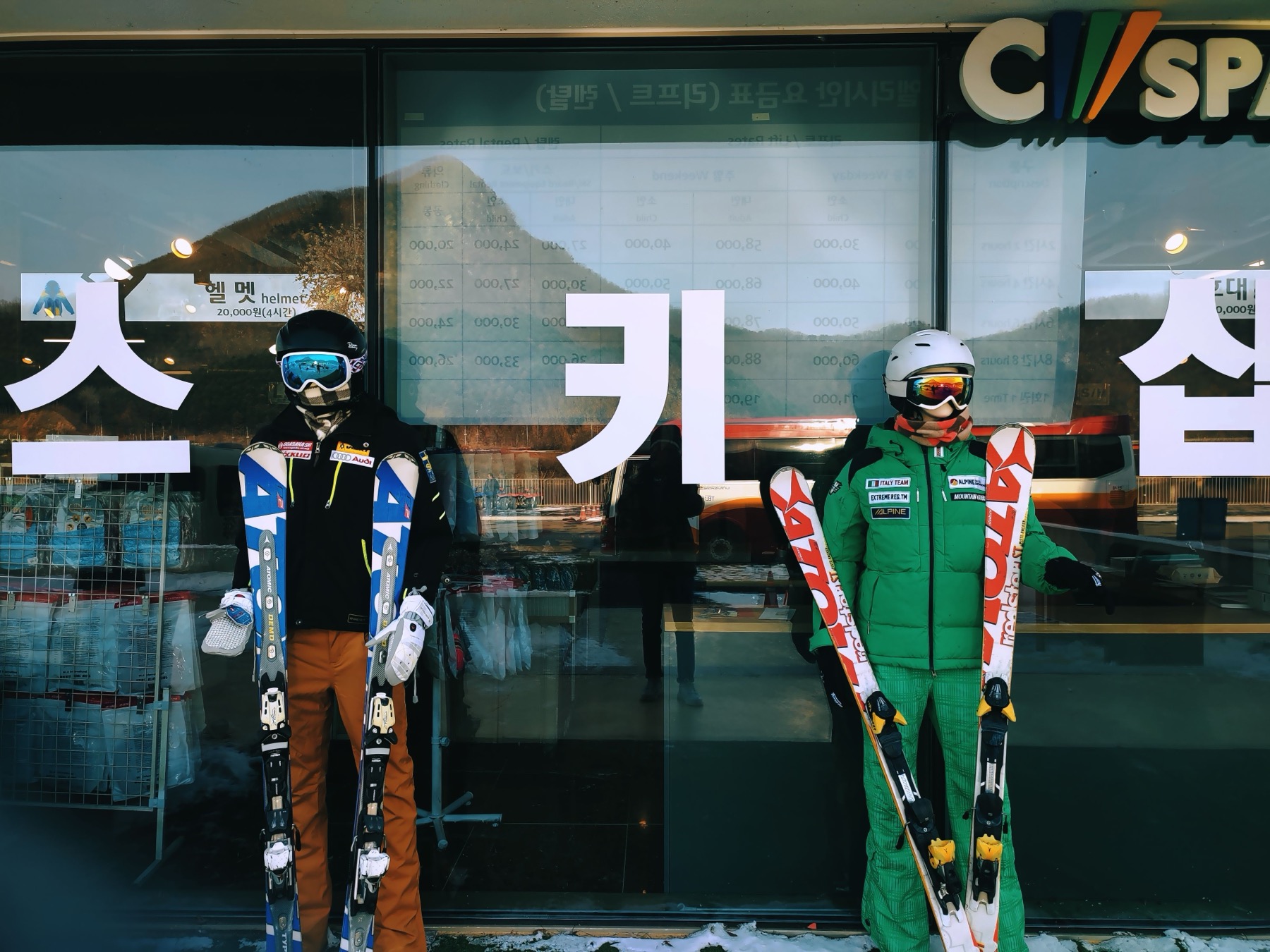
Looking at the prices of new ski touring equipment can be off-putting for many people, because a complete set from skis through boots to avalanche gear represents a very significant financial investment. For absolute beginners, renting is therefore the obvious choice, where experienced specialists will set everything up correctly for you, explain it, and show you hands-on how to use each piece.
Ski touring is an incredibly physically demanding sport and you should try it out in practice first before putting serious money into it. You might find after your first outing that sweaty ascents in minus thirty degrees or strong winds simply aren’t your thing, and that’s absolutely fine 😅.
Only when you fall under the spell of the free mountains and know for certain that you want to head out on skins regularly does it make sense to look for your own equipment. Rental shops also let you try different types of skis and boots, so you’ll know exactly whether you prefer lighter gear for fast ascents, or rather wider skis that give you more stability when descending in deep powder.
7. Level 3 Kills, Not Level 5
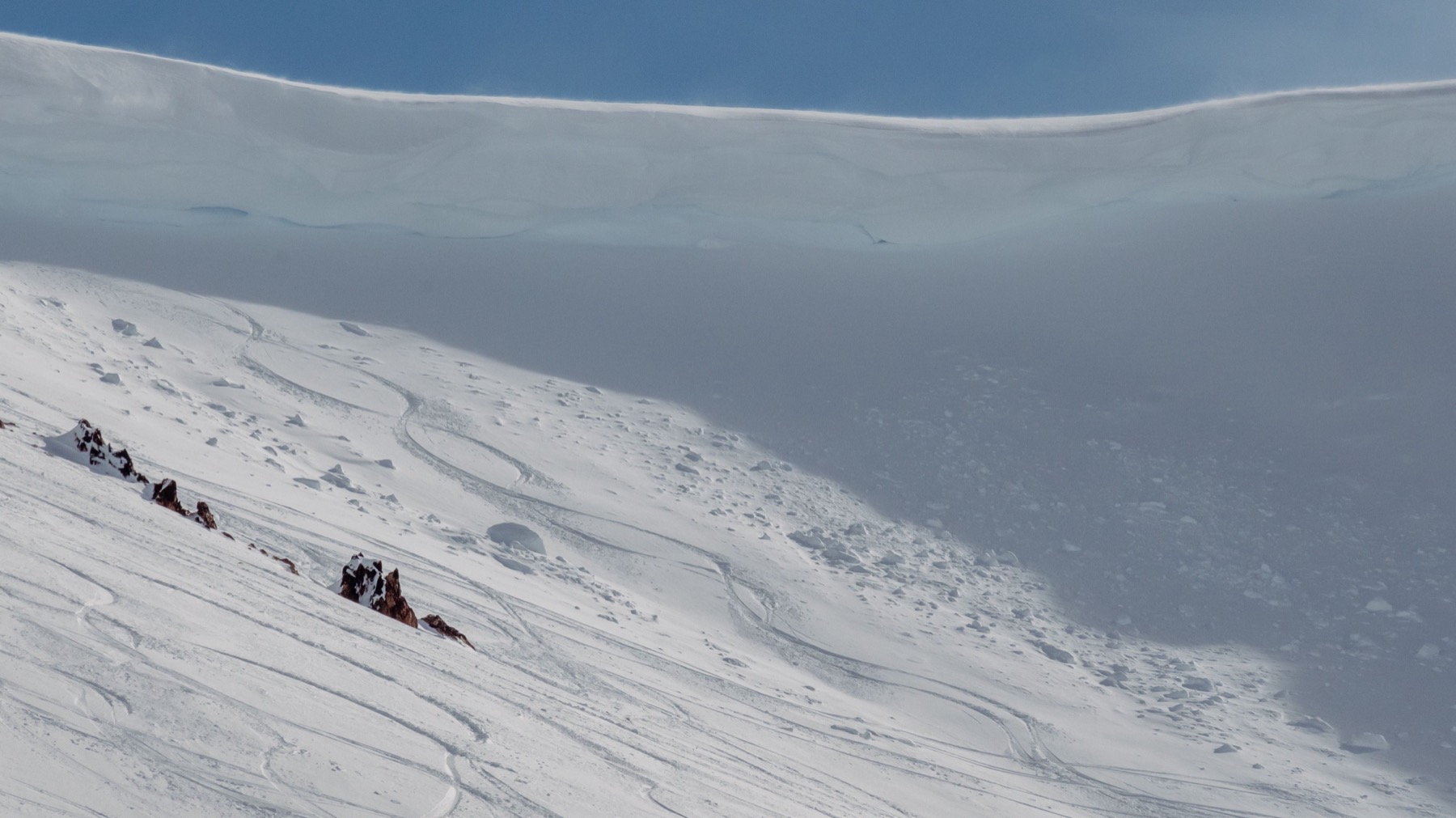
Pay attention here, this is exactly the part you definitely shouldn’t scroll past. In Europe, a unified five-level avalanche danger scale has been in place since 1993, where individual levels are marked by number, word, color, and an internationally recognizable icon.
People naturally respect the fourth and fifth levels, but under these extreme conditions mountain areas are completely closed and no one sensible enters them. According to mountain rescue statistics, the most critical level is actually level 3, which sounds innocuous as “considerable danger,” yet accounts for an incredible 47% of all avalanche accidents.
For context and better understanding, it’s good to know that level 1, indicating low danger, is declared in roughly 20% of the winter period, but accounts for only 7% of all recorded accidents. The treachery of level 3 lies in the fact that the weather can look quite inviting and sunny at first glance. The snow cover, however, is actually very unstable and in such cases, triggering a deadly avalanche often requires only the small load of a single skier.
8. Mountain Rescue and the Avalanche Bulletin
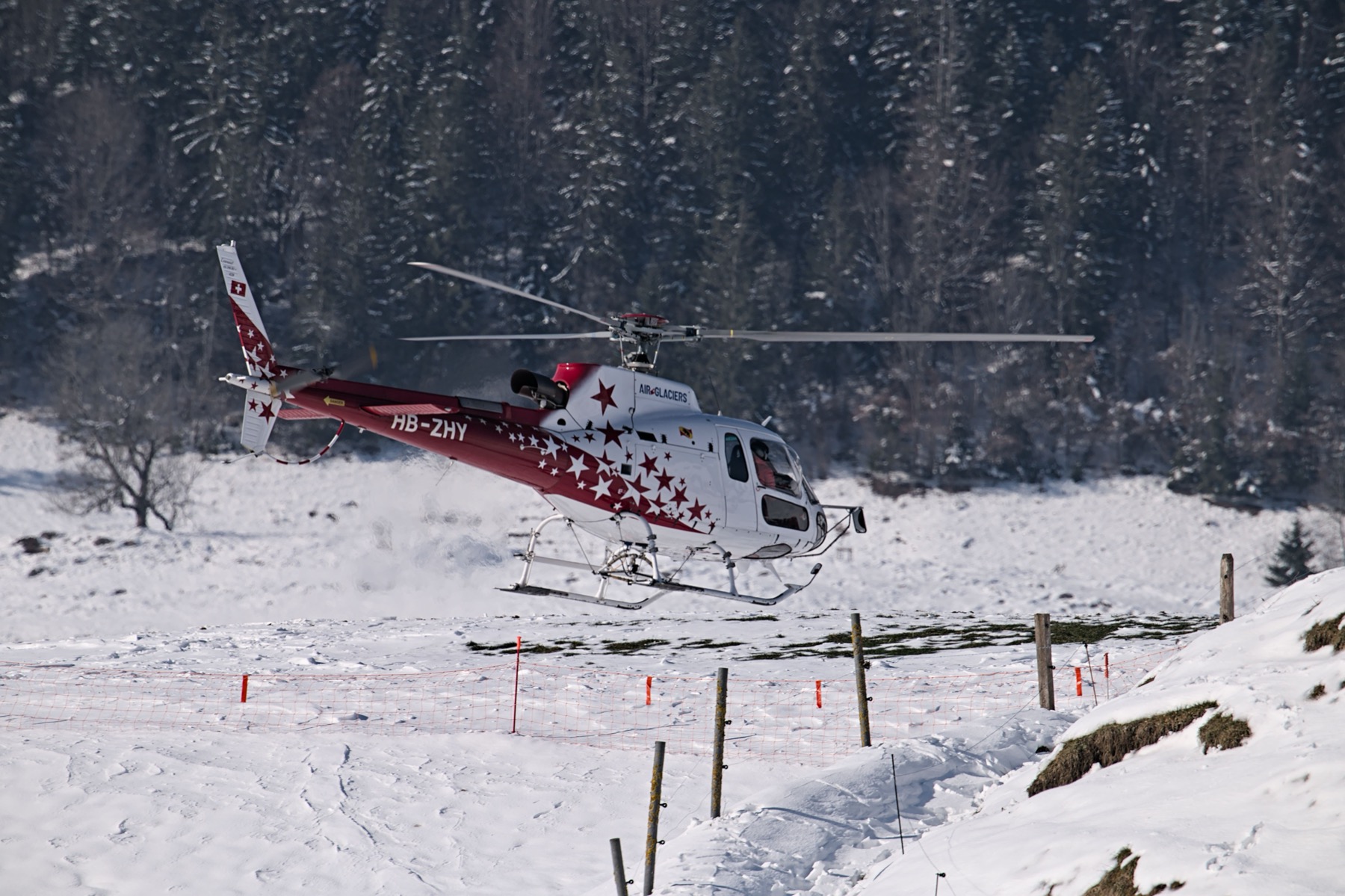
Mountain rescue services play an absolutely crucial role in your safety and movement in winter nature. Rescue teams create regular forecasts based on meteorological conditions, snow profile measurements, and weather development, the so-called avalanche bulletin.
This detailed report is published regularly every day, separately for each affected mountain region. You’ll find it completely free on the official mountain rescue website and it’s written so that absolutely everyone can easily understand it. The bulletin doesn’t just contain the bare number of the current level, but describes in detail which slopes pose the greatest danger, at what altitude dangerous snow slabs are forming, and what to pay most attention to on a given day.
It is absolutely essential that you read the avalanche bulletin in detail BEFORE each individual tour, not just once superficially at the beginning of the season. The situation in the mountains can change radically within just a few hours depending on wind strength, temperature fluctuations, and the amount of fresh snow that has fallen.
9. Golden Rules for Ascending Ski Slopes in Resorts
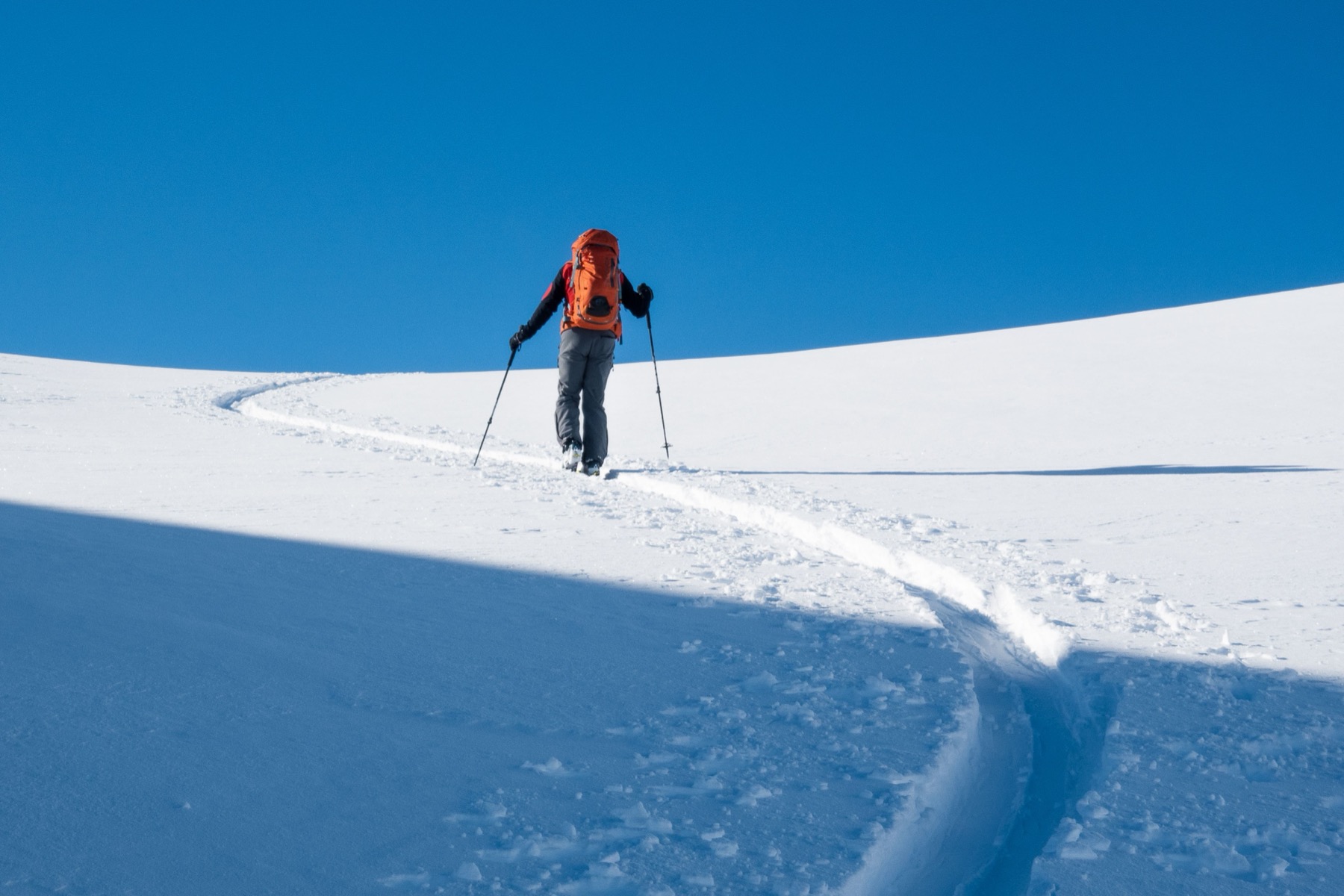
Many people start with ski touring in the safety of ski resorts, which is a great way to learn walking technique without the real threat of avalanches. But even here, very strict rules apply, because the most frequent and very dangerous conflicts occur on ski slopes between ascending ski tourers, descending skiers, and grooming machines.
Remember that you always ascend exclusively along the very edge of the slope, which is clearly defined by international FIS rule number 7. If you’re going in a group with friends, always walk strictly in single file, never side by side, so you don’t block space for skiers coming down fast from above and avoid causing unnecessary collisions.
There’s also an absolutely non-negotiable rule that you never enter closed slopes under any circumstances, not even after the official operating hours of the resort. At night, slopes are intensively groomed and heavy groomers often work suspended on long steel cables that aren’t visible in the dark, posing a real danger of fatal injury. Always respect the local instructions and safety conditions of the specific ski resort.
10. What’s Allowed and Forbidden in Krkonoše National Park
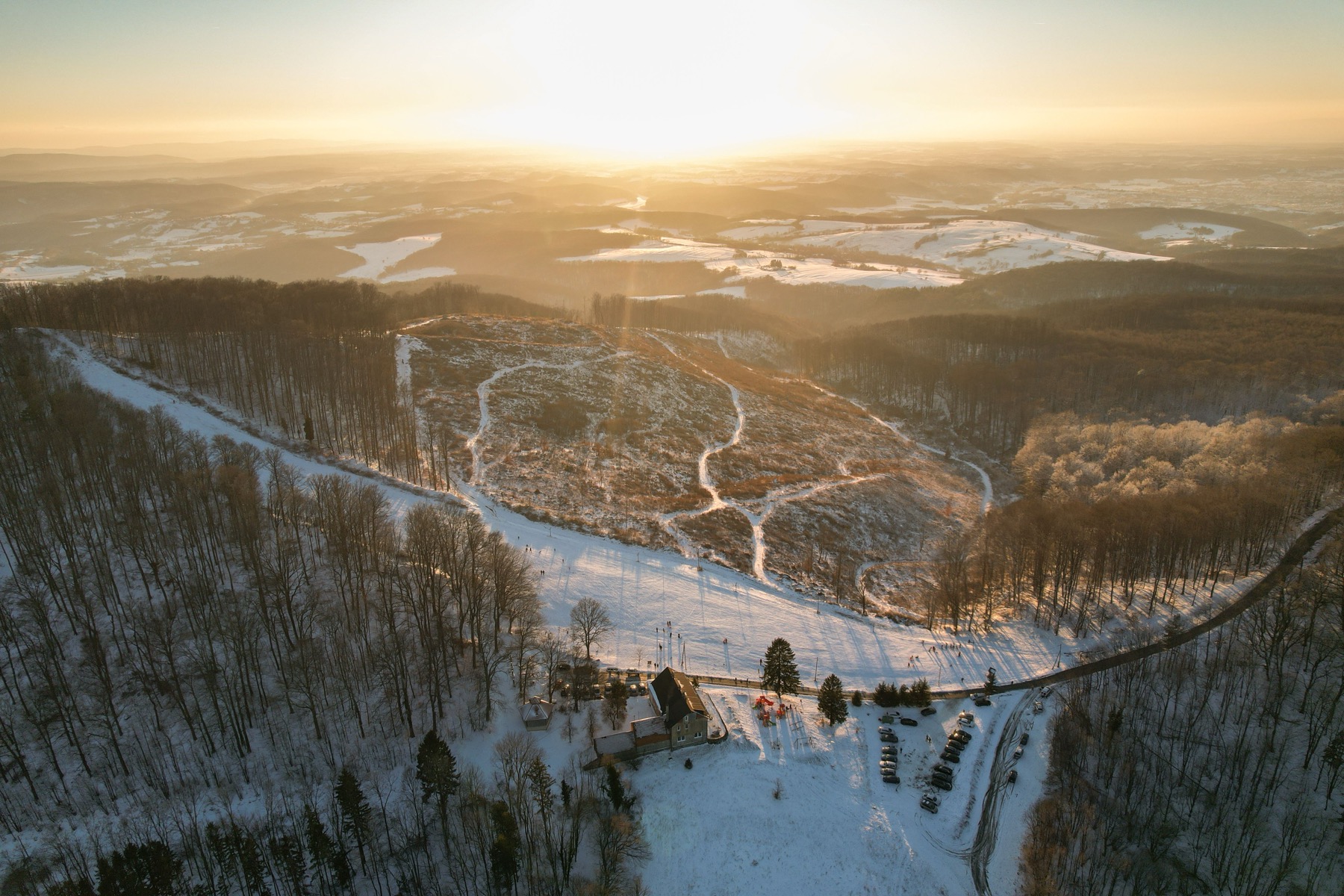
The Krkonoše Mountains are the traditional cradle of Czech ski touring, but since it’s a strictly protected national park, movement here has clear and uncompromising specifics. The KRNAP administration has accommodated lovers of this sport and designated a total of eight official ski touring routes, which run mainly along marked hiking trails but also take you partly off them.
As individuals, you’re allowed to move on marked hiking trails and on paths and non-forest areas, but only strictly outside KRNAP quiet zones. Moreover, summit areas in many places fall directly into zone 1 of the national park, where a strict year-round ban on entry off marked trails applies for nature protection reasons.
But there’s another crucial rule here that the vast majority of people don’t know about at all and often violate. Organizing any mass events for the public on KRNAP territory, INCLUDING ski touring and avalanche courses or organized tours, is prohibited by law. If the organizer hasn’t obtained an official exception in advance directly from the National Park Administration, the event may not take place on this territory.
11. Avalanche Areas in Czechia
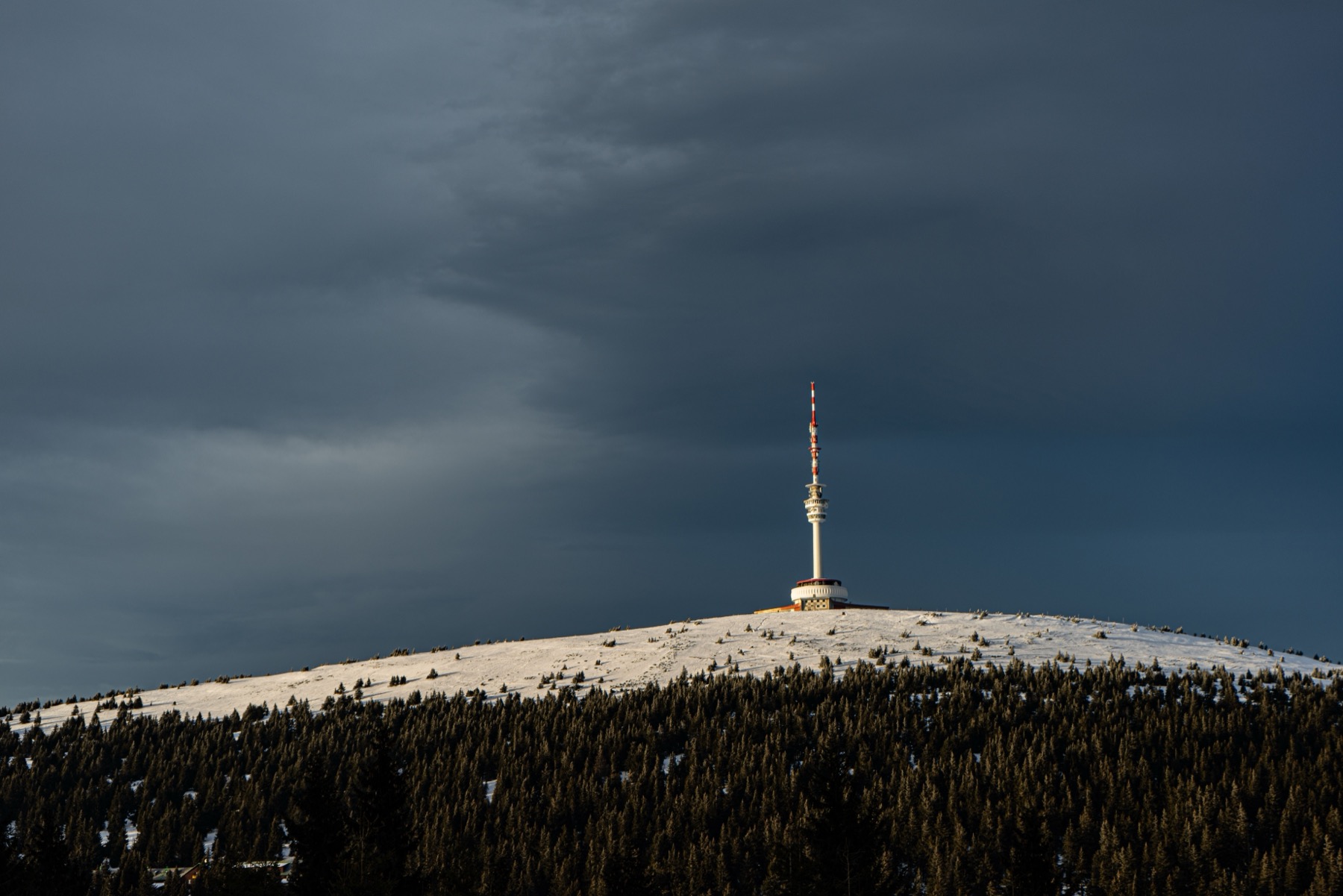
Although Czech mountains don’t reach Alpine heights and may seem mild, avalanche danger here is definitely not a myth and claims its cruel toll every year. The main avalanche areas in the Czech Republic are primarily the Krkonoše and Jeseníky Mountains, with this risk also partially present in the Beskydy Mountains and very exceptionally under very specific snow conditions in other ranges as well.
In the popular Krkonoše alone, there are several dozen mapped avalanche paths where massive and very dangerous snow slides regularly occur. These are mainly steep glacial cirques, such as the famous Obří důl (Giant’s Hollow), Kotelní jámy (Cauldron Hollows), or the expansive Labský důl (Elbe Hollow).
So never succumb to the false sense of security and the idea that “here in Czechia” nothing like that can happen. An avalanche doesn’t care whether it’s falling in high Switzerland or above Špindlerův Mlýn, its destructive force and speed are exactly the same. Respect for nature and thorough monitoring of snow conditions is appropriate in any mountains regardless of their elevation.
12. How to Plan Your First Tour
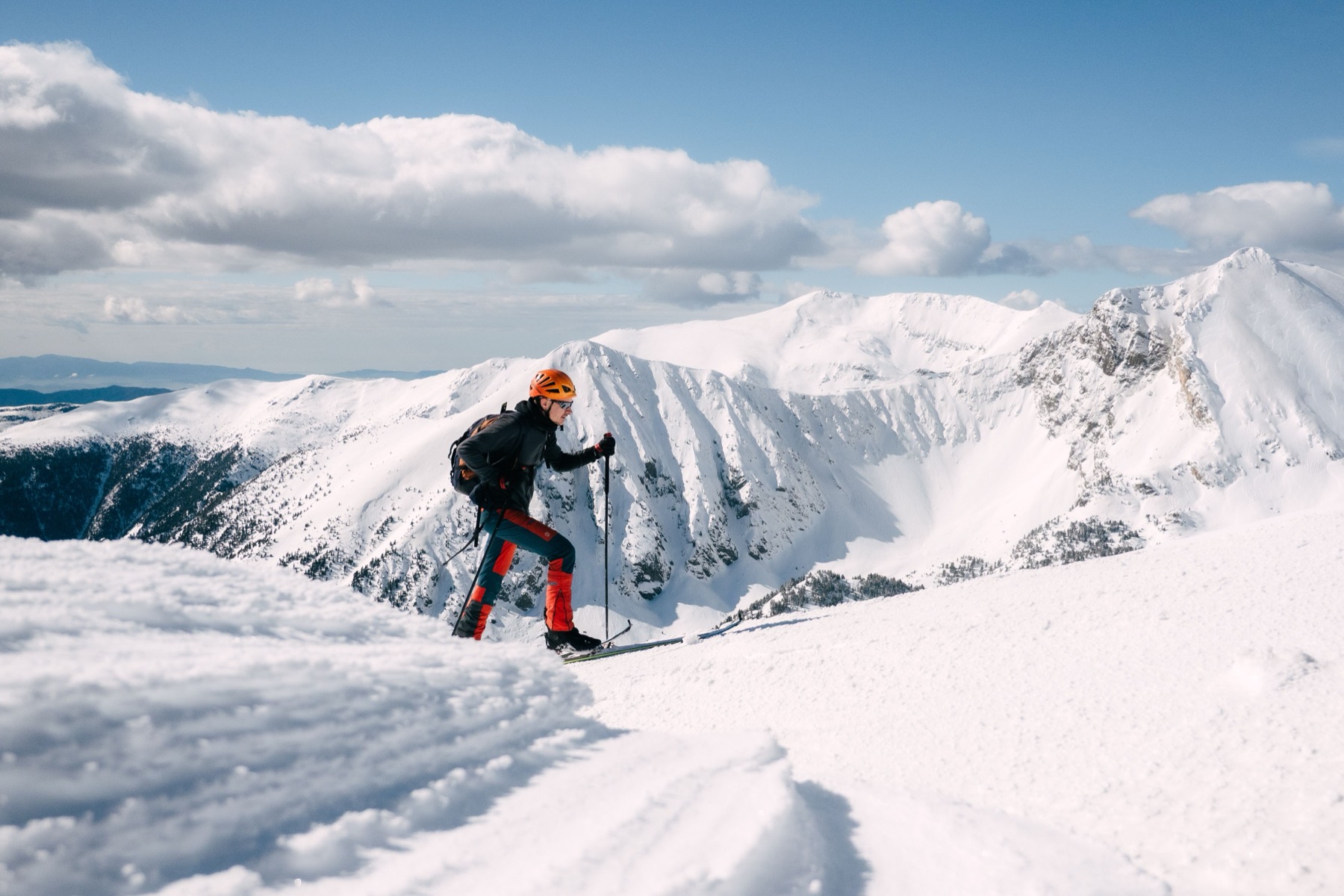
Theory is absolutely fundamental, but take your first real steps on skins really small, literally. For your very first time, I recommend starting with an ascent on a ski slope in a resort that officially allows it, ideally in a designated corridor or outside peak skiing hours.
This highly safe start will teach you proper gliding technique, skin handling, and binding management in a controlled environment where you face no risk of avalanches or serious disorientation. An excellent choice for such safe training is, for example, the popular Slovak resort Jasná, which offers an official measured ascent route called SKIALP CHECK POINT. This great route runs from Lúčky through Habarka and Von Roll all the way to the summit of Chopok, and you can even track your statistics on it.
Only venture into true open and unprotected terrain when you have the complete Holy Trinity, perfectly practiced transceiver searching, and ideally are going with someone really experienced, or even better, under the guidance of a professional mountain guide.
Practical Summary and Basic Rules
Once more, briefly and clearly — the main takeaway: Ski touring is a wonderful sport, but it requires a great deal of humility and continuous learning.
- Equipment: For beginners, absolutely rent everything. A complete set of skis, skins, boots, and avalanche gear represents a huge investment that’s worth making only when you know what suits you.
- Bulletin: Before every outing, check the mountain rescue website. Find out what the danger level is, where exactly the danger exists, and what the weather is like.
- Treacherous level 3: Never forget that level 3 means considerable danger and accounts for 47% of all accidents. Don’t take it lightly.
- KRNAP: If you’re going to Krkonoše for a course, verify that the organizer has the legally required exception. Behave respectfully toward nature and move only on marked trails.
- Ski slopes: When training on slopes, always ascend along the edge, in single file, and respect resort instructions and closed slopes, where there’s danger from grooming cables.
Where Next
If winter mountains appeal to you and you want to gather more inspiration for your trips, definitely check out our tips on where to ski in Czechia. If you’re looking for quieter places off the beaten path, we’ve prepared a guide on how to enjoy Krkonoše and Jizerské Mountains without crowds.
And if you’re planning to cross borders to try, for example, the mentioned Jasná resort, don’t forget to read our article about skiing in Slovakia and to be safe, check out what your car must have for winter mountain driving.
Frequently Asked Questions
Still have some questions? I’ve prepared a quick summary of the most common questions beginners ask. Whether it’s about equipment, rules for moving on ski slopes, or treacherous avalanche levels, you’ll find clear answers all in one place here.
What exactly makes up the holy trinity?
The holy trinity consists of an avalanche transceiver (beacon), an avalanche probe at least 240 centimeters long, and a sturdy snow shovel with a metal blade. You must have these three items with you at all times in backcountry terrain, because without a single one of them, timely rescue of a buried companion is practically impossible and fatal delays occur.
Why is danger level 3 said to be the most dangerous?
According to the European scale from 1993, level 3 is defined as considerable danger and statistically, an overwhelming 47% of all avalanche accidents occur at this level. People often underestimate it because the weather may look inviting, whereas at levels 4 and 5, people don’t venture into the mountains at all for preventive reasons and areas are completely closed.
Where and how should I wear my avalanche transceiver?
You must always have the transceiver attached to your body using special harness straps, and exclusively under your outer layer of clothing, so it won’t be lost in a fall. Throughout the entire tour it must be switched on in transmit mode and you should regularly check its battery status.
Is reading the manual enough for the transceiver?
Definitely not, because in a crisis situation during an avalanche, literally every second counts and enormous stress kicks in. You must be able to operate the transceiver completely automatically, which you’ll only reliably learn through regular practice in the field or, even better, under the supervision of professionals at a specialized avalanche training course.
How should I behave when ascending on a ski slope?
According to FIS international rule number 7, you must always ascend exclusively along the very edge of the slope and walk strictly in single file, not unnecessarily side by side. There’s also an absolute and strict ban on entering closed ski runs, where you risk fatal injury from tensioned steel cables of grooming machines.
Can I ski tour anywhere in the Krkonoše Mountains?
No, very strict rules apply in KRNAP (Krkonoše National Park) and the park administration has designated a total of eight official ski touring routes for this purpose. You’re allowed to move along marked trails and non-forested areas outside quiet zones, but remember that summit areas often fall within zone 1 with a strict year-round entry ban.
Is it legal to organize avalanche courses in the Krkonoše Mountains?
Organizing any mass public events, including all ski touring and avalanche courses or organized expeditions, is prohibited by law in KRNAP. For their completely legal organization, a prior official exemption issued directly by the National Park Administration is absolutely necessary.
Where should I get current avalanche information?
The best and only fully official source is the detailed avalanche bulletin regularly issued daily by the Mountain Rescue Service of the Czech Republic on their website. You must carefully study this comprehensive report on snow and weather conditions before every single tour.
Tips and Tricks for Your Vacation
Don’t Overpay for Flights
Search for flights on Kayak. It’s our favorite search engine because it scans the websites of all airlines and always finds the cheapest connection.
Book Your Accommodation Smartly
The best experiences we’ve had when looking for accommodation (from Alaska to Morocco) are with Booking.com, where hotels, apartments, and entire houses are usually the cheapest and most widely available.
Don’t Forget Travel Insurance
Good travel insurance will protect you against illness, accidents, theft, or flight cancellations. We’ve had a few hospital visits abroad, so we know how important it is to have proper insurance arranged.
Where we insure ourselves: SafetyWing (simple monthly subscription) and TrueTraveller (for extra-long trips).
Find the Best Experiences
Get Your Guide is a huge online marketplace where you can book guided walks, trips, skip-the-line tickets, tours, and much more. We always find some extra fun there!


