Miami has a reputation as an expensive playground for celebrities, luxury yachts, and endless parties that require a platinum credit card. But the reality might surprise you, because the best of the city can be experienced on a minimal budget.
You can stroll among the world’s largest collection of art deco architecture, admire world-class street art, or swim at iconic beaches. All of this is completely free and accessible to anyone.
I’ve gathered exactly 18 tips on what to see and do in Miami so you can enjoy the city to the fullest. I’ll tell you which attractions are worth the investment and where you can save money because the surrounding streets offer the same spectacle without paying.
TL;DR
- Art Deco District is free: Over 800 historic pastel buildings can be viewed simply by walking around South Beach.
- Save money on Wynwood: The Wynwood Walls museum itself is now paid, but the surrounding blocks are full of beautiful murals that don’t cost a cent.
- Neighborhood choice is key: Miami isn’t a uniform city. South Beach is expensive and loud, Coconut Grove offers peace, and Wynwood has an artistic vibe.
- Watch out for seasons: In winter (December to April), Miami accommodation prices are almost double compared to summer months.
- Don’t forget nature: A trip to Everglades National Park and an airboat ride is a must, costing around $35 for entry.
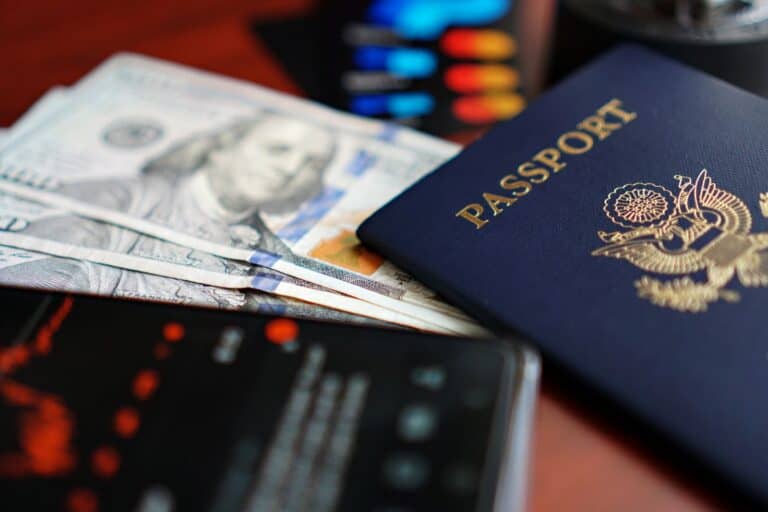
- ESTA visa: To enter the USA, you need to arrange electronic ESTA registration, ideally well in advance.
The full destination guide: USA Travel Guide — guide and what to see
When to Visit Miami
Your decision about when to head to the Florida coast will significantly impact both your overall budget and your travel experience. The main tourist season here runs in winter, specifically from December to April, when the weather is absolutely ideal. The sun shines from morning to evening, temperatures remain very pleasant, and you avoid the oppressive heat. The ocean water temperature even in January and February is around 23 to 24 degrees Celsius, which is absolutely ideal for most international visitors.
However, the price you pay for this perfect winter weather is money. During this period, so-called “snowbirds” flock to the city—Americans and Canadians escaping the snow—and hotel prices are literally astronomical as a result. Expect to pay almost double what the exact same room would cost outside peak season. In spring, especially in March and April, crowds of students during spring break add to the mix, so the city can be extremely loud and crowded.
If you want to save significantly and don’t mind breaking a sweat, visit during the summer or fall months (May to November). However, you must be prepared for very high humidity and regular afternoon thunderstorms, which usually last only an hour but can turn streets into rivers. The golden middle ground might be the so-called shoulder months like May or November, when prices drop but weather remains relatively stable. In fall, keep in mind that Florida officially experiences hurricane season, so it’s wise to monitor forecasts.
Where to Stay in Miami
💡 Accommodation tip: We compare accommodation right here to see what’s available and at what price. We prefer to search on Booking.com, which usually has the best cancellation policies. For tickets, tours and activities, it pays to compare and book through GetYourGuide.
Miami is definitely not a uniform city, but rather a collection of very different neighborhoods, each with a completely different atmosphere and price level. Your choice of location will entirely determine the character of your vacation. If you’re looking for the center of action, endless nightlife, and walking to the beach in flip-flops, South Beach is the obvious choice. Be prepared, though, that it’s a very busy and touristy area where in winter (December to April) a night commonly costs $250 to $500, while in summer prices drop to a more bearable $150 to $300.
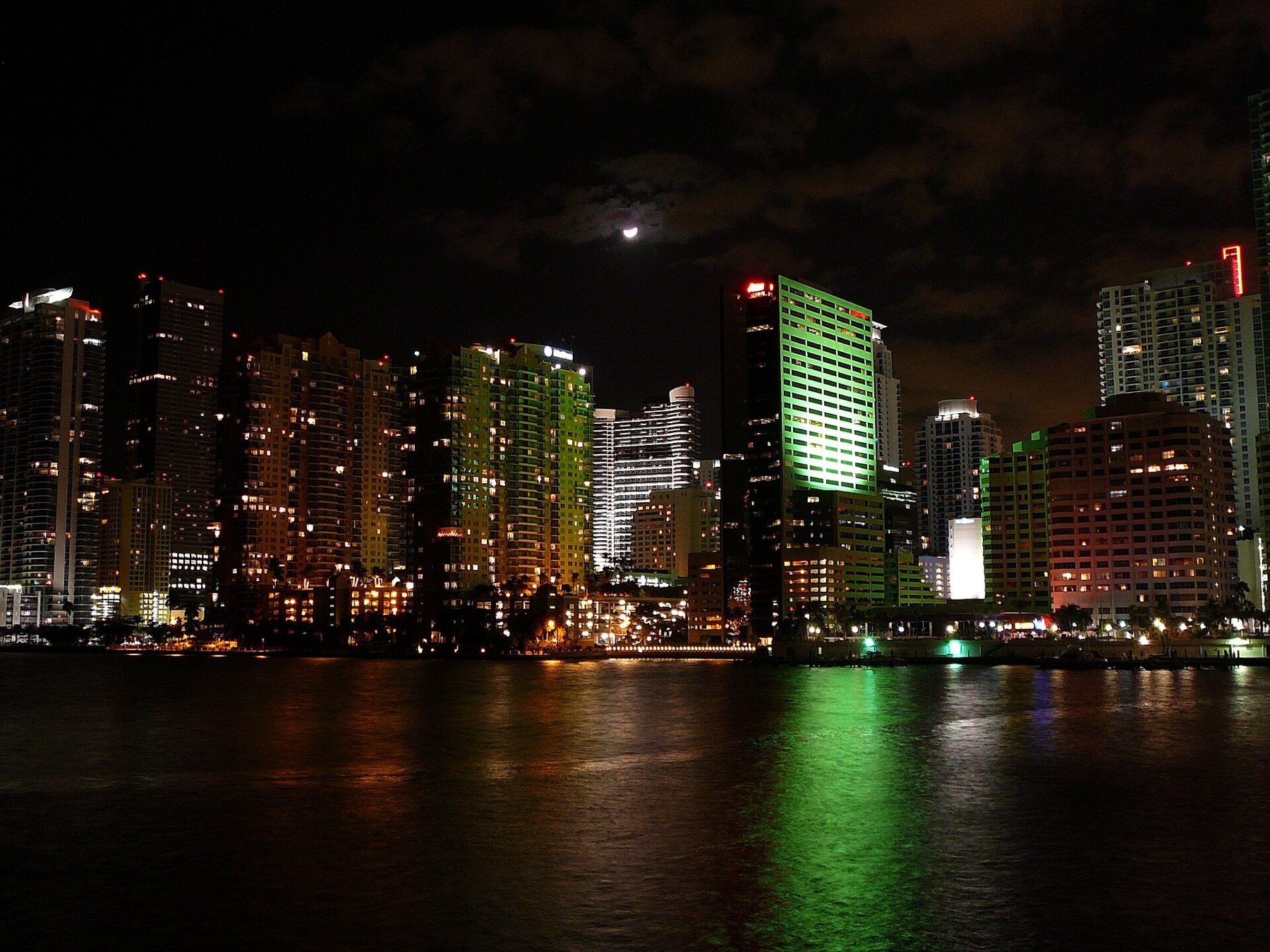
For a more modern experience, try the financial district of Brickell, which offers breathtaking views of Biscayne Bay, upscale restaurants, and plenty of skyscrapers. It’s an excellent base for those who prefer urban buzz, and prices remain more stable here around $120 to $280 year-round. Art lovers and hipster café enthusiasts will appreciate the more affordable Wynwood neighborhood, while the beautiful green residential area of Coconut Grove offers perfect tranquility with waterfront parks without the typical tourist markup. A night here costs $200 to $280.
💡 Tip: Compare accommodation options in Miami in one place — check availability and prices. Prices almost double in winter compared to summer, so don’t delay your reservation.
Among specific hotels, travelers highly praise Hampton Inn Miami Beach, which has a great rooftop pool, easy access to the iconic beach, and prices range around $220 to $280 per night. For a more luxurious boutique experience right in the heart of South Beach, Kimpton Angler’s Hotel is popular, where a night costs $250 to $320 but offers amazing comfort. If you’re drawn to art, AC Hotel Miami Wynwood features beautiful designer rooms and easy access to the free Metromover public transport. You can ideally book accommodation here in advance through Booking for around $200 to $260, which is an excellent deal by local standards.
18 Things to See and Do in Miami
1. South Beach and the Famous Ocean Drive
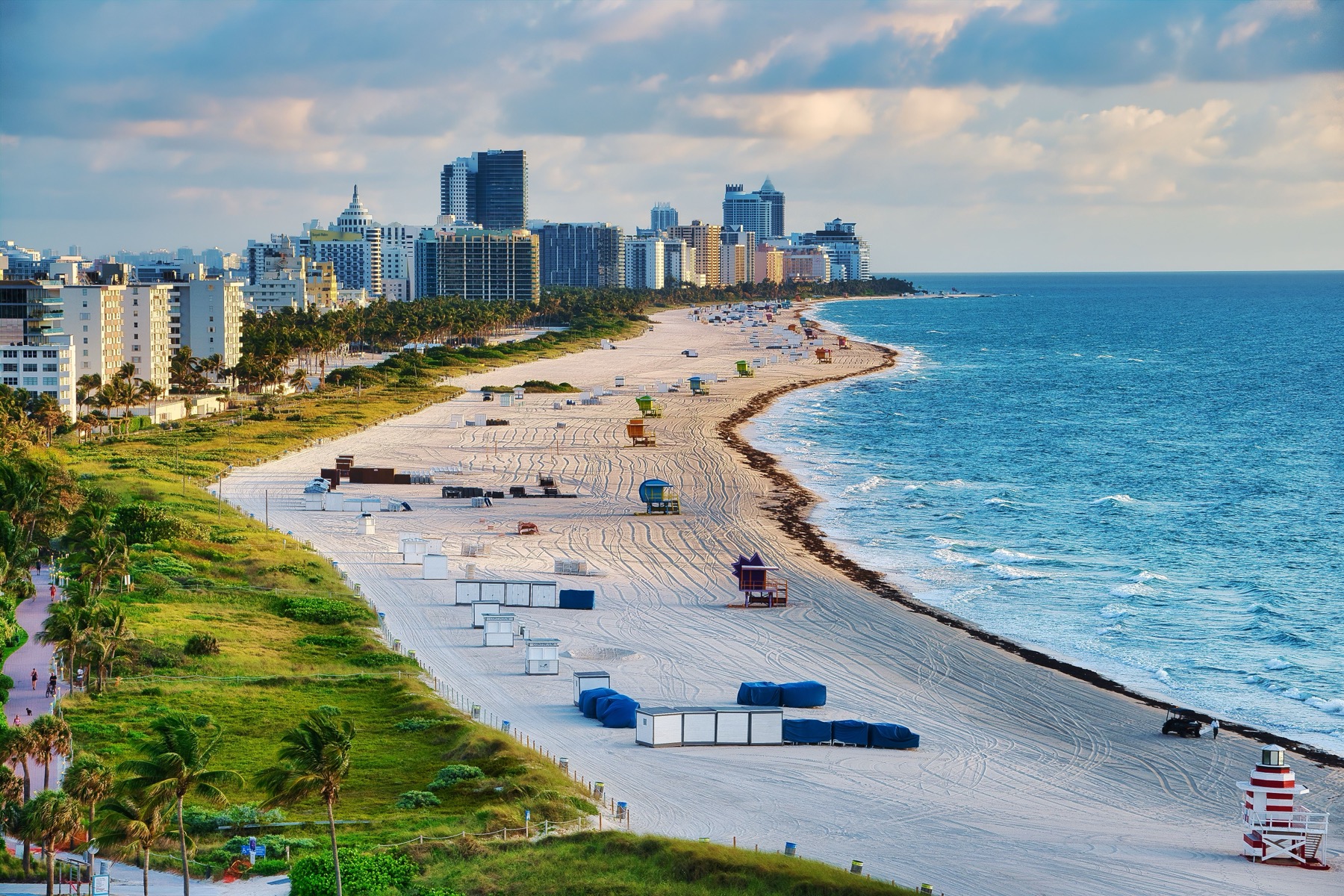
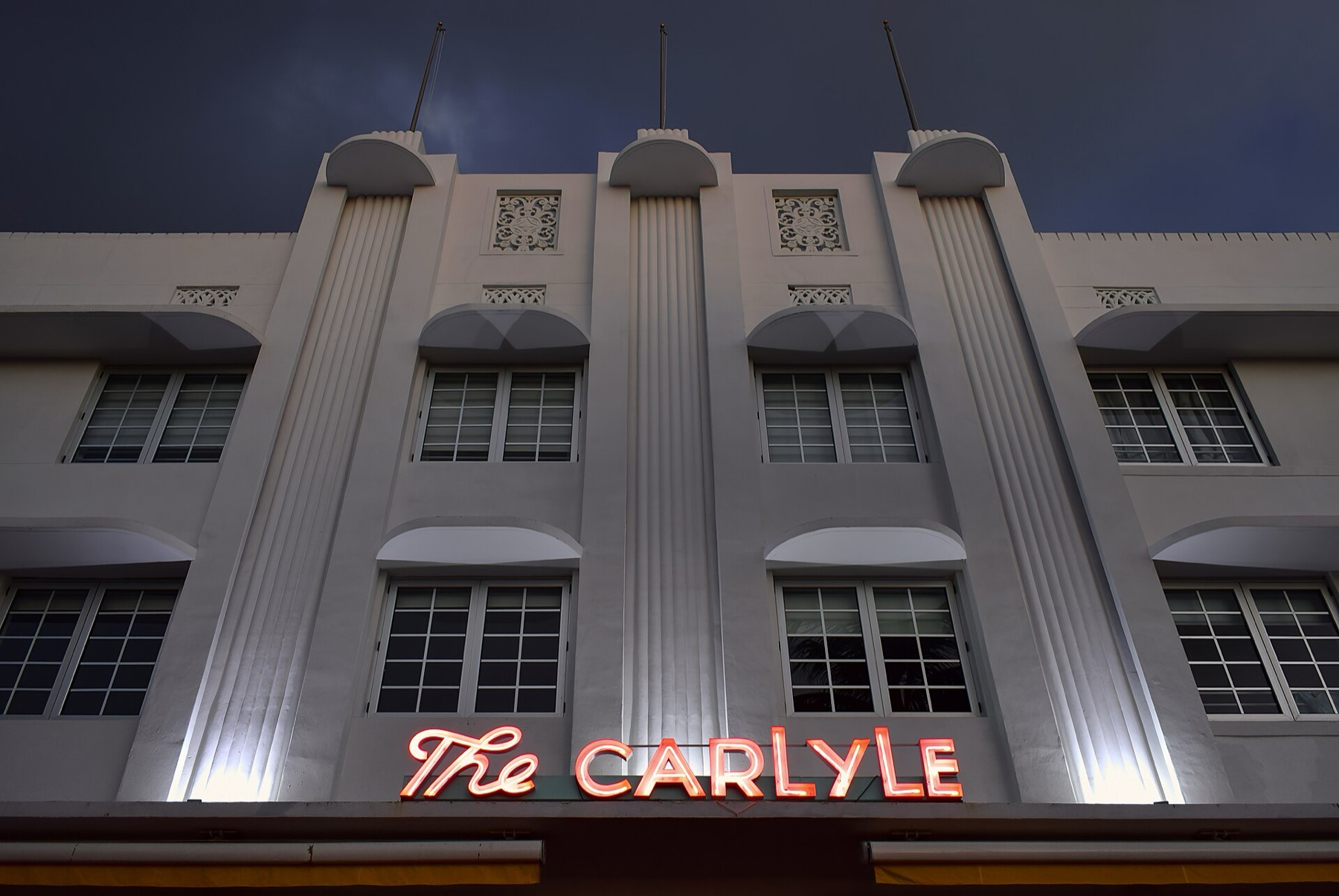
When you say Miami, most people picture exactly South Beach. It’s undoubtedly the most famous address in the entire city, lined with tall palm trees, luxury sports cars, and neon lights that illuminate every conceivable color after dark. The atmosphere here is electrifying, and for your first introduction to the city, there’s no better place, because this is exactly where all those movie scenes you know from television take place.
The street itself, Ocean Drive, is the center of all the action, where you’ll find the most famous historic hotels, cocktail bars, and restaurants with outdoor seating. It’s an absolutely ideal spot for people-watching, though prices at local establishments are very inflated. If you decide to dine here, always carefully check your bill, because most restaurants on the main strip automatically add a twenty percent gratuity to the total to ensure they don’t miss out.
Right across the street lies the beautiful Lummus Park, and beyond it stretches the wide sandy beach with iconic lifeguard stations, each with a completely different design and color. Access to the entire beach is completely free, so you just need to bring your own towel and can enjoy true Florida beach relaxation. The best time to visit is early morning, when it’s still peaceful and you can watch locals jogging or exercising at sunrise.
2. Art Deco Historic District
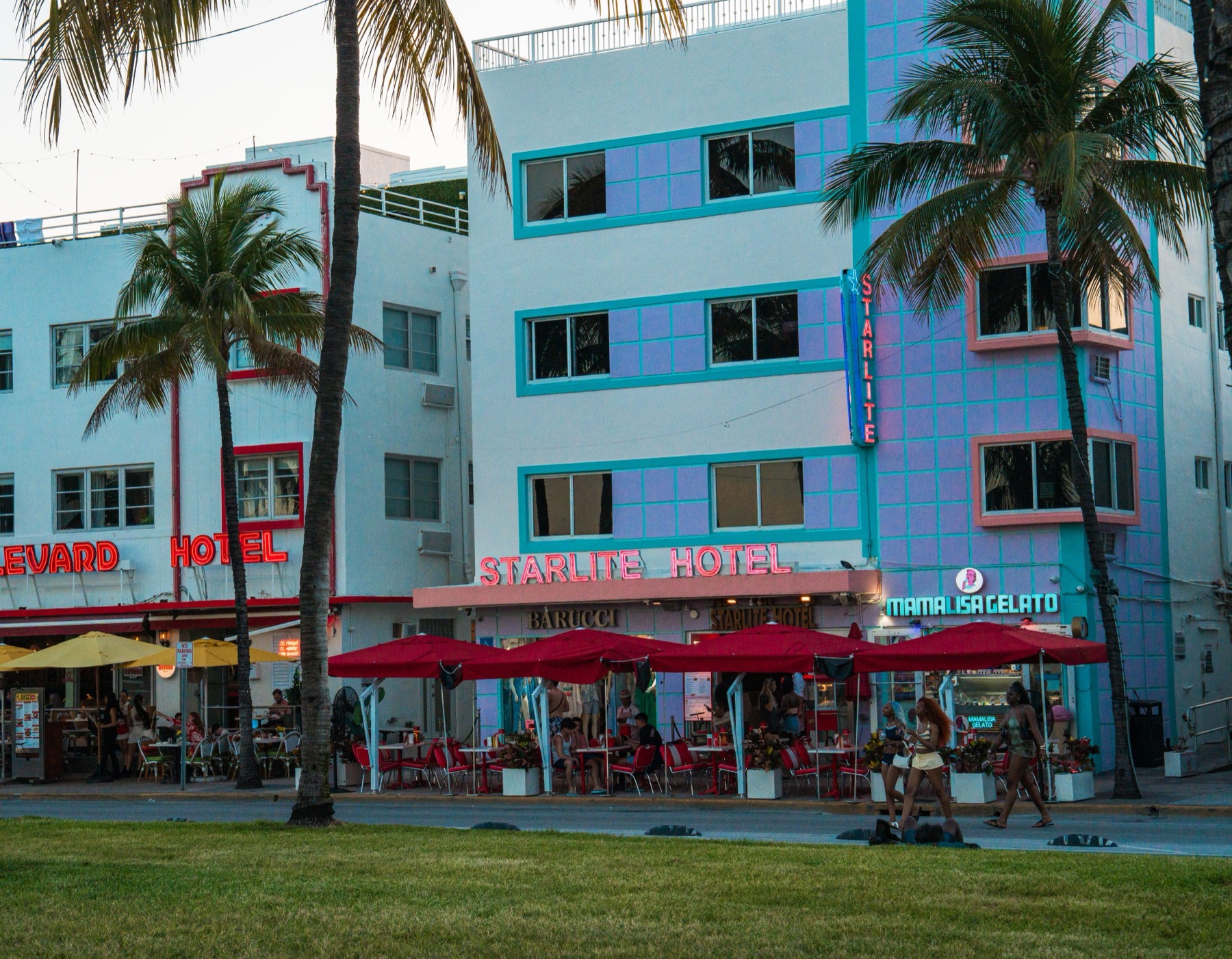
Right in the bustling South Beach area lies an architectural treasure of incalculable value, which draws design admirers from around the world. It’s the world’s largest collection of art deco architecture, which comprises over 800 beautiful pastel buildings, built predominantly during the boom of the 1920s and 1930s. This district gives the city its characteristic retro charm.
This entire visually stunning area is accessible as a huge open-air museum, so walking among these gems won’t cost you anything at all. The buildings are characterized by nautical motifs, round windows reminiscent of ship cabins, symmetrical lines, and vibrant colors. The best time to visit is late afternoon, when the setting sun beautifully illuminates the pastel facades and the first historic neon signs slowly begin to light up, creating an absolutely magical atmosphere.
If you’re interested in deeper history and architectural details, you can pay for an excellent guided tour organized by enthusiasts from the Miami Design Preservation League. These very detailed two-hour walks typically cost $32 to $35 and teach you a wealth of fascinating facts about how this district was saved from demolition. You’ll gain a completely different perspective on what might otherwise seem like just a cluster of pretty buildings.
3. Wynwood Walls and Street Art
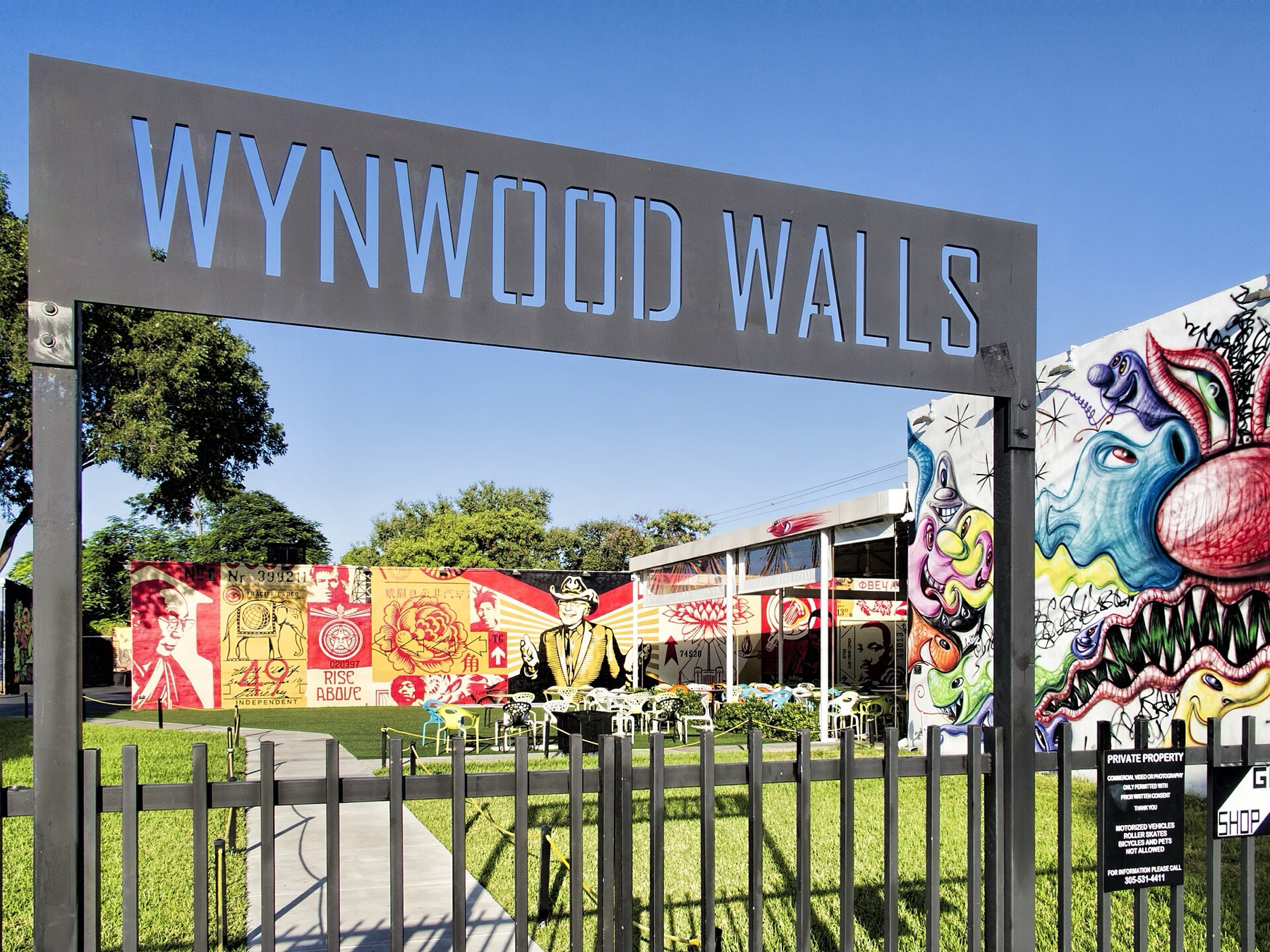
The Wynwood neighborhood has undergone an incredible transformation over the past few years from a neglected industrial area full of old warehouses into the world’s largest street art gallery. Today you’ll find stunning colorful murals on every corner and the entire district pulses with incredible creative energy. Artists, hipsters and tourists weave through the streets, heading to local independent cafés and fashion boutiques.
The most famous and heavily promoted spot is the enclosed Wynwood Walls museum, which unfortunately now charges admission. Prices change quite frequently according to various sources, so currently expect to pay somewhere between $15 and $35 for an adult ticket. It depends heavily on season and ticket type, so I recommend checking the exact price online on their official website just before your visit.
💡 Tip: You don’t have to visit the museum at all if you want to save money and would rather spend it on good coffee. The surrounding blocks along NW 2nd Avenue are completely free and offer hundreds of equally breathtaking paintings by world-renowned artists. You can stroll and take photos endlessly without paying, which is more than enough for the vast majority of visitors to soak up the true atmosphere of this artistic hub.
4. Little Havana and Calle Ocho
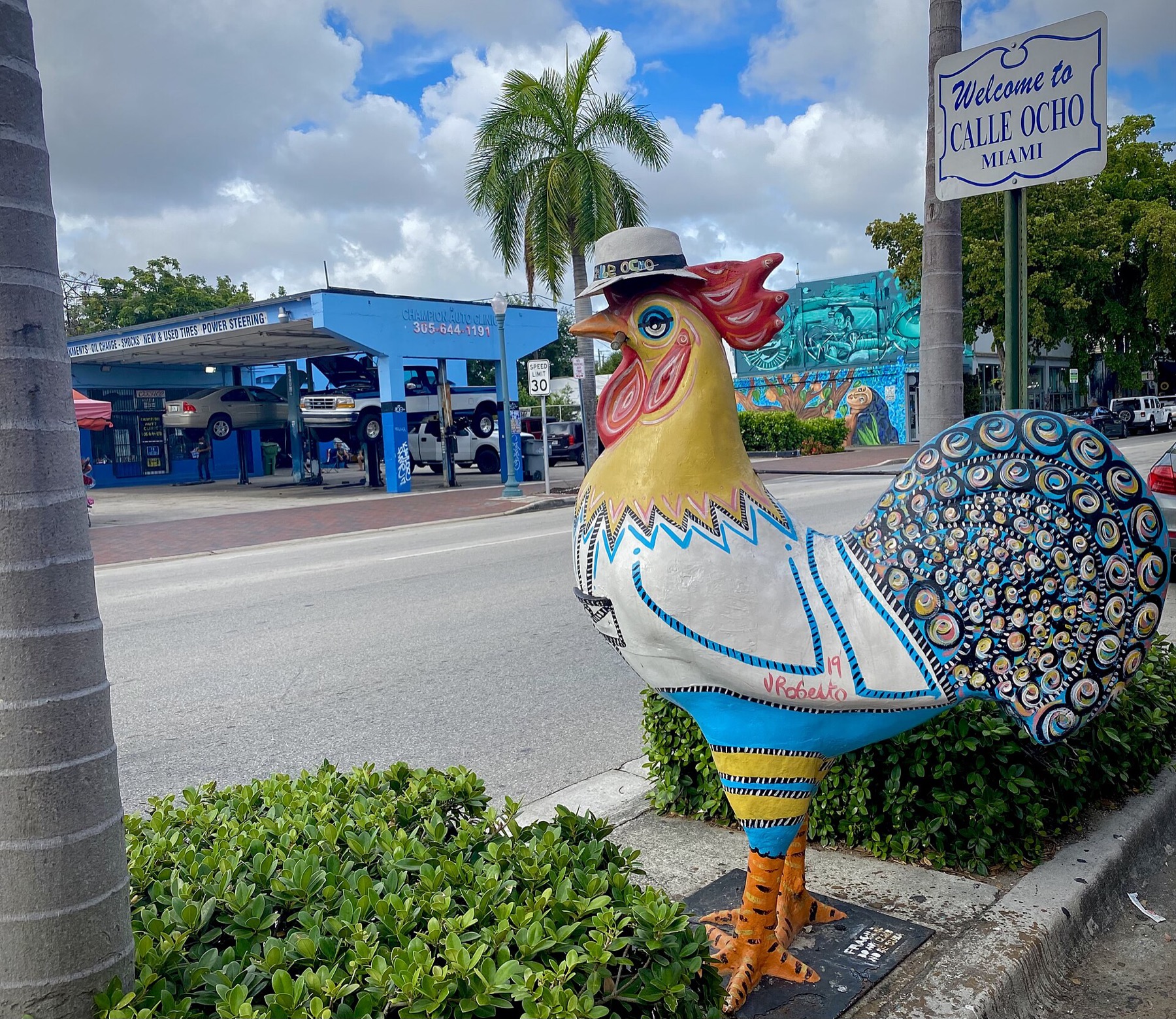
The city is historically enormously influenced by Latin American culture and nowhere is this more palpable than in pulsing Little Havana. This distinctive neighborhood is the long-standing heart of the Cuban community and its main artery is the famous Calle Ocho (Eighth Street). As soon as you step in here, you’ll feel like you’ve flown straight from the USA to the Caribbean.
As you walk through, you’ll hear ubiquitous lively salsa spilling from open club doors, smell the aroma of freshly roasted coffee and come across small family shops where luxury cigars are still rolled by hand. You’ll also find a version of the Hollywood Walk of Fame, but dedicated to famous Latin American artists. Visiting this neighborhood is simply a fantastic cultural experience that requires no admission fee at all and you can just wander freely.
Definitely don’t miss a stop at Máximo Gómez Park, which locals commonly call Domino Park. Cuban seniors play dominoes here every day with enormous dedication and passionately debate politics and life as they play. It’s a very authentic, loud and fascinating spectacle that you absolutely shouldn’t miss, because this is exactly what makes Little Havana what it is.
5. Cuban Cuisine and Options for Vegetarians
While you’re exploring the delights of Little Havana, it would be a huge shame not to explore the local gastronomy. Traditional Cuban cuisine is historically very meat-heavy, with typical local specialties being slow-roasted and incredibly tender pork lechon or a beef mixture called ropa vieja, which almost every traditional restaurant here offers.
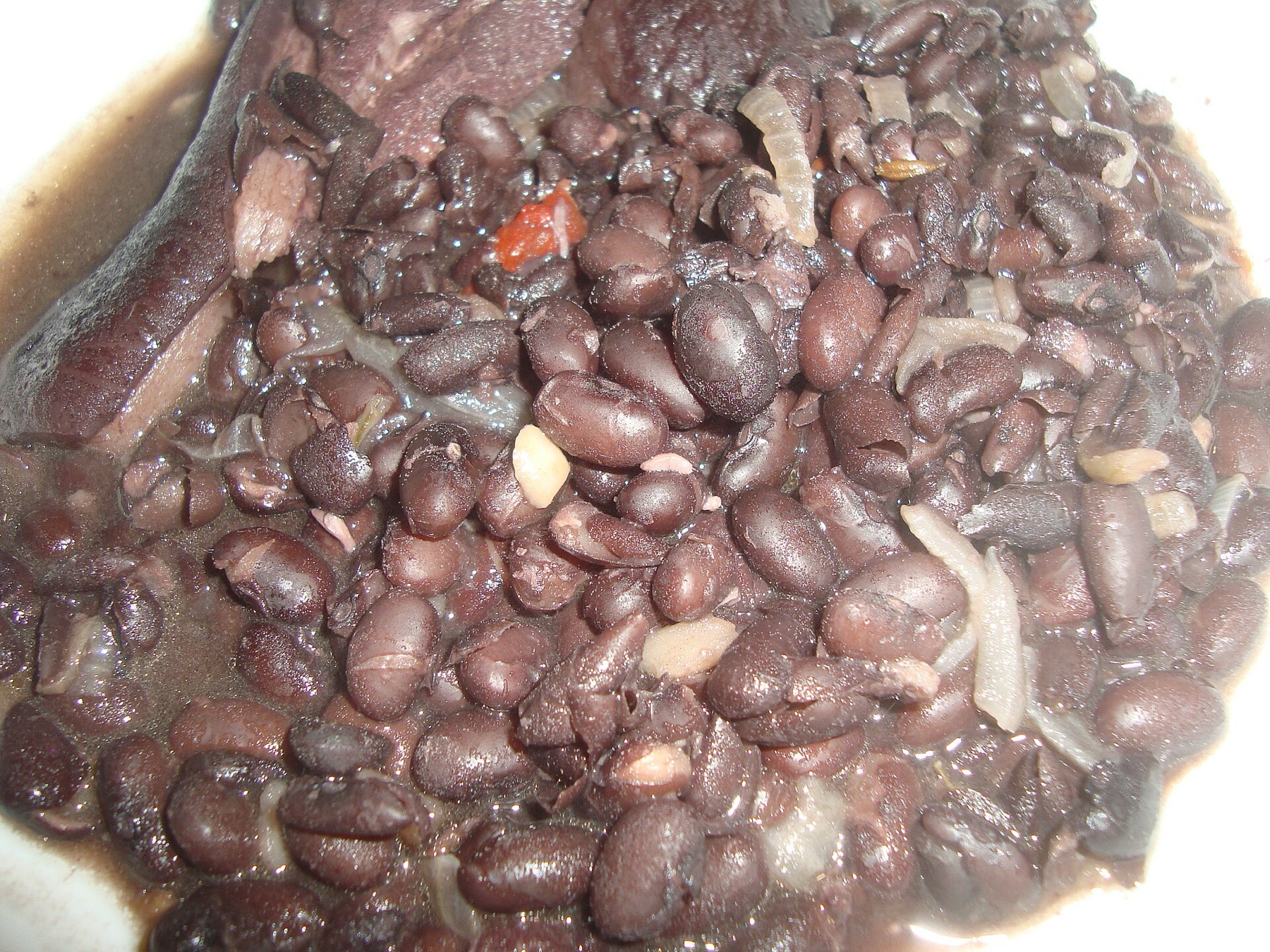
However, if you skip meat in your diet, you don’t need to worry at all about going hungry. Cuban cuisine offers plenty of absolutely excellent meatless sides that together make a delicious and hearty meal. You must definitely try black beans with rice known as moros y cristianos, which are perfectly spiced, or fried plantains prepared both sweet and savory (tostones and maduros), which will become your new addiction.
The absolute best tip for a quick snack during the day is then the local windows called ventanitas, where locals gather. You can buy strong and very sweet Cuban coffee (cafecito) here for a few dollars, which will instantly give you an energy boost. It pairs absolutely brilliantly with pastelitos, which are flaky sweet pastries generously filled with creamy cheese, sweet guava or a combination of both.
6. Vizcaya Museum and Gardens
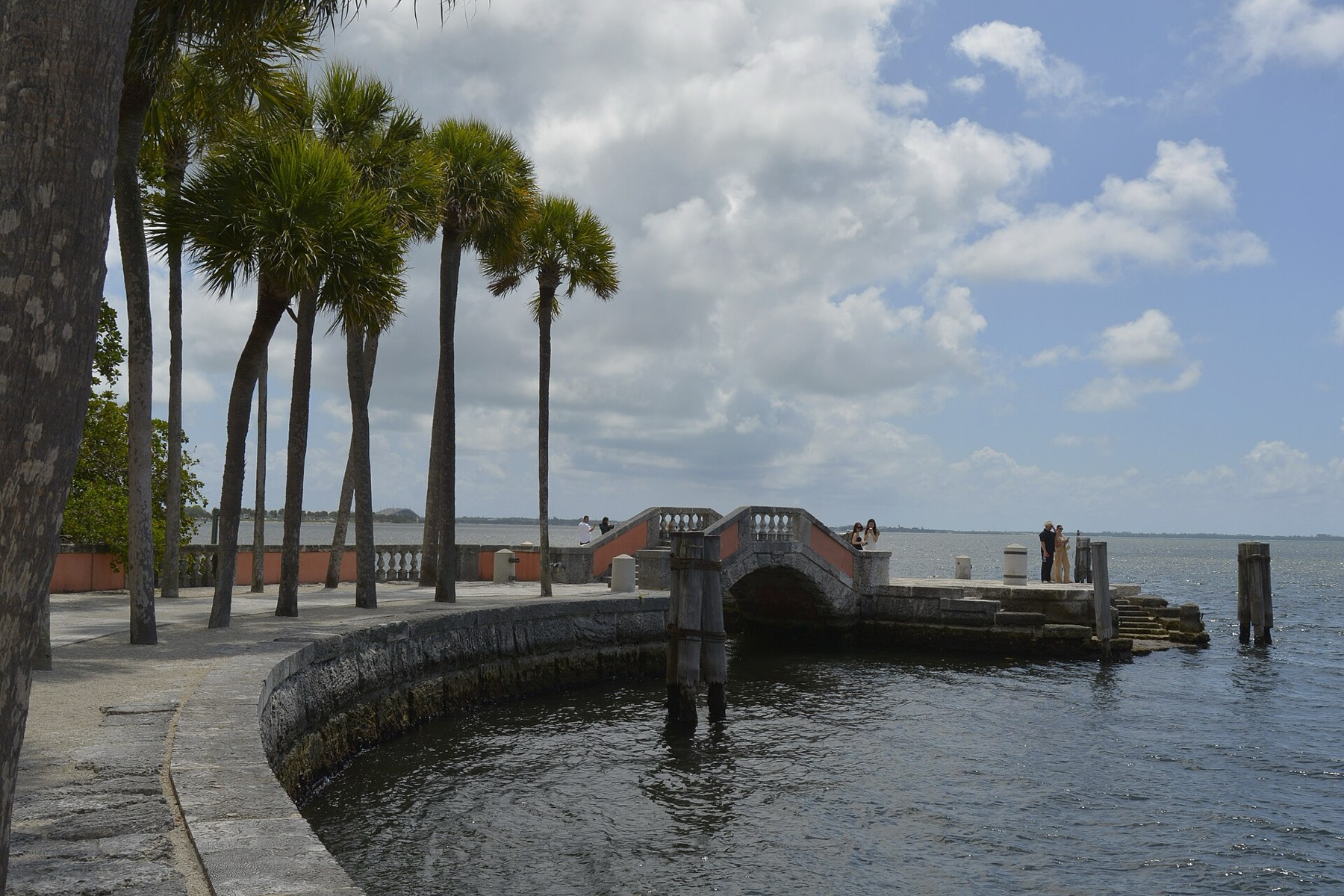
If you want to take a break from the constant buzz of the modern metropolis, head south to the historic Vizcaya estate. This stunning massive villa built in the early 20th century in the style of opulent Italian Renaissance sits right on the calm waters of Biscayne Bay. The entire estate, which industrialist James Deering had built, feels like a beautiful dream straight out of some European period film.
Inside the villa you’ll find lavishly decorated rooms full of rare antiques imported from Europe, but the absolute main attraction is the sprawling adjacent gardens. They’re full of babbling fountains, precision sculptures, geometrically trimmed shrubs and offer a stunning romantic view of the water where an iconic stone ship sits as a breakwater. You’ll feel like you’re in a completely different century.
Admission to this entire beautiful estate usually costs $20 for an adult (although some sources mention $25 as well, so it’s best to have a small buffer ready). This price already includes a very well-done audio guide that you can easily download directly to your phone. I recommend setting aside at least three hours for your visit so you have plenty of time to explore all the hidden garden nooks at a leisurely pace.
7. Everglades National Park
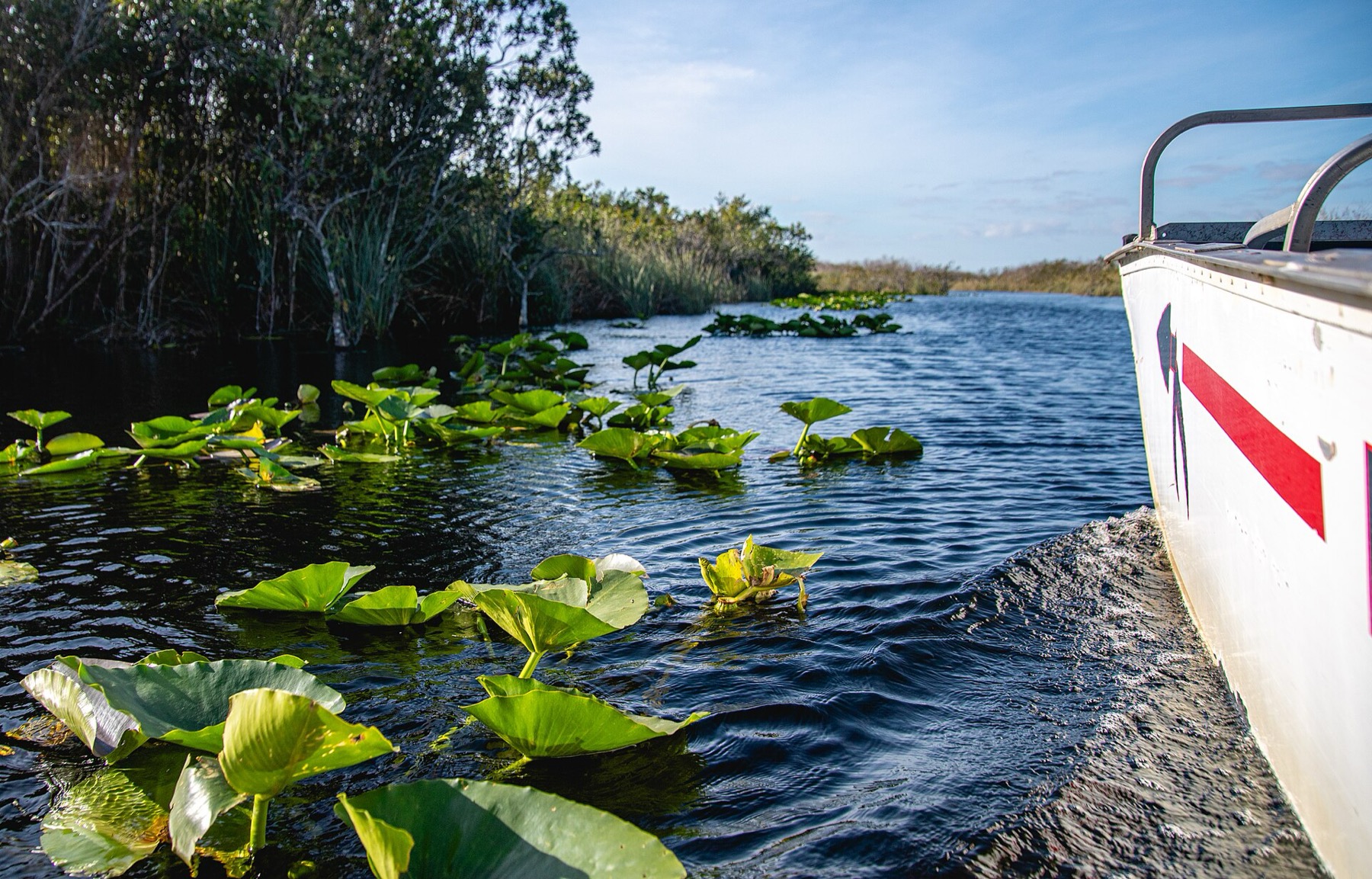
Just beyond the borders of the crazy city begins a completely different, fascinating world, a vast wilderness full of mysterious swamps and an impenetrable tangle of mangroves. Everglades National Park is such a unique ecosystem that you simply won’t find it anywhere else in the world, and it’s definitely worth dedicating at least one full day from your itinerary to it. It’s the perfect contrast to the neon lights of South Beach.
Entry to the national park with your own or rental car will cost you $35 per vehicle, and this ticket is valid for seven consecutive days. If you want to experience the true Florida adrenaline rush, try the famous airboat ride. These loud but incredibly fun vessels move at tremendous speed right across the surface of shallow swamps and get you to places you wouldn’t otherwise see.
These popular tours are offered by many private companies along the famous Tamiami Trail route and prices range from $25 to $75 depending on tour length and boat size. During the guided ride you have almost a one hundred percent chance of seeing wild alligators right in their natural habitat, which is simply an experience of a lifetime. Just don’t forget to bring strong repellent, the mosquitoes here can be very persistent.
8. Bayside Marketplace
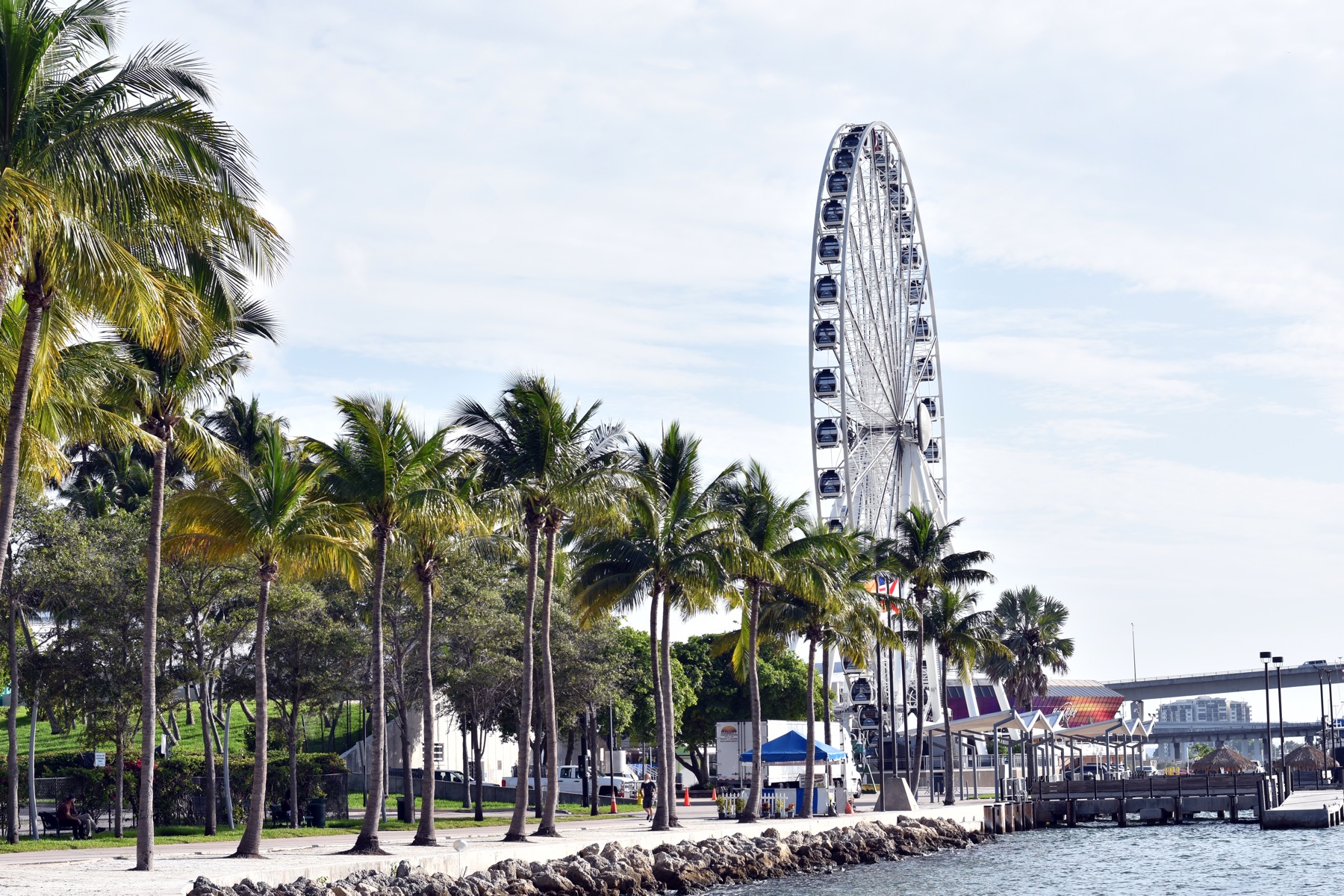
Right in the heart of modern Downtown Miami you’ll find a huge, very lively open-air shopping and entertainment complex. Bayside Marketplace sits right by the water and thanks to the pleasant ocean breeze it’s an absolutely great place for an afternoon stroll, even if you’re not planning to buy anything specific. You’ll find dozens of shops, cafés and plenty of street performers.
In addition to shopping opportunities and a large number of restaurants, live music plays here almost every day, creating a great and relaxed vacation atmosphere. Entry to the entire complex is completely free, you can walk freely through the area and only pay for what you actually consume or take away in shopping bags. Nearby you’ll also find the giant Skyviews Miami observation wheel, which offers beautiful views from above.
From the local marina piers, various sightseeing boats also depart that take you on the popular cruise around the so-called Millionaire’s Row, islands with lavish celebrity villas. If you want to book such a cruise with certainty, it’s best to use the GetYourGuide portal, where you often find much better prices and a wider selection of times than if you try to buy tickets on the spot at a booth.
9. Design District
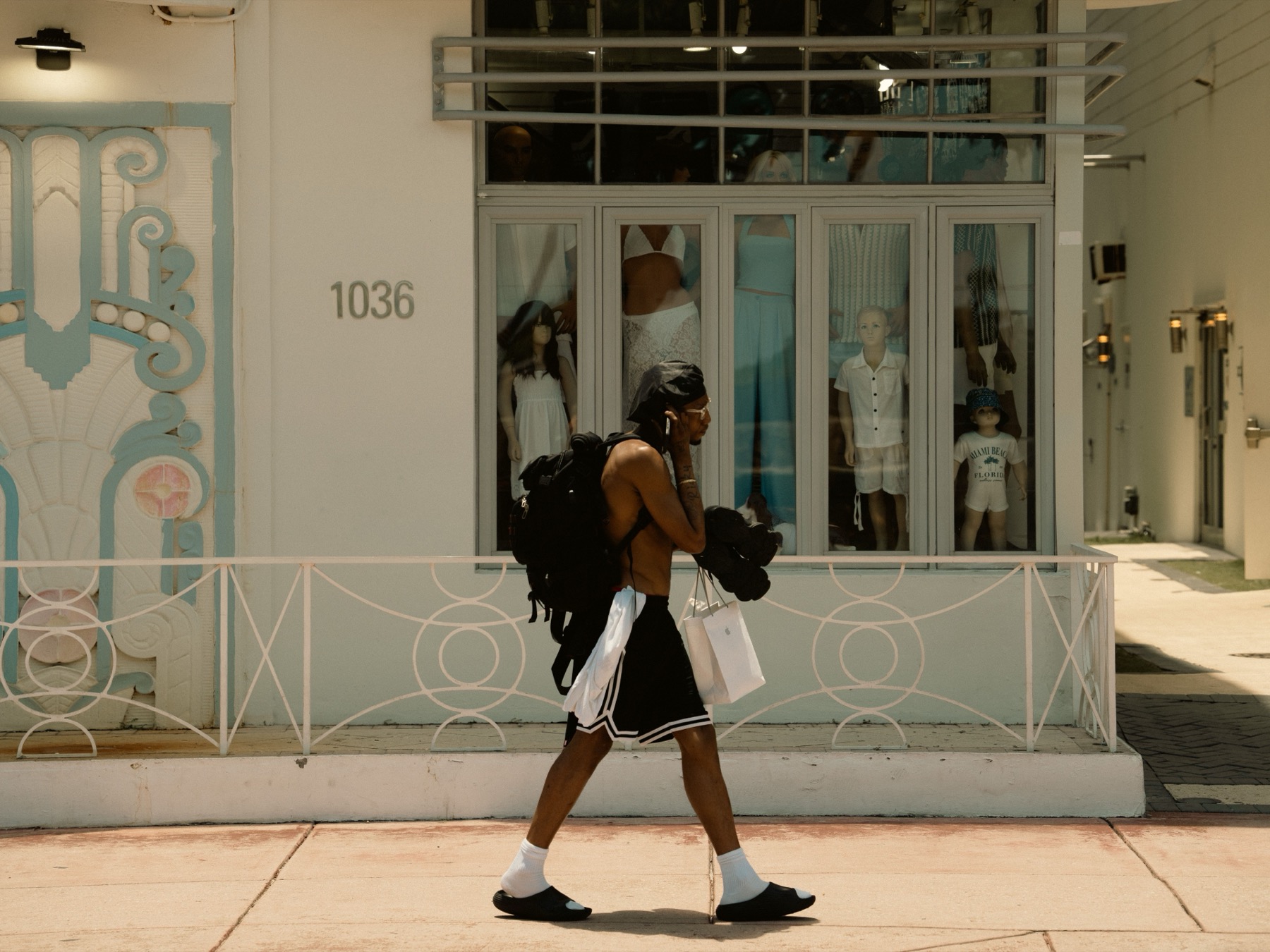
For die-hard lovers of luxury, fashion, and modern architecture, the Miami Design District is an absolute, non-negotiable must-see. This exceptionally elegant and pristine neighborhood is home to the world’s most prestigious fashion brands, from the iconic Dior to Louis Vuitton and Prada. Everything here is impeccably maintained and thoughtfully designed down to the last visual detail.
Even if you’re not planning to drop thousands of dollars on a new designer handbag, the district is definitely worth exploring just for its aesthetic appeal. The boutiques aren’t housed in ordinary, boring shopping centers, but in architecturally unique buildings that function as massive works of art in their own right. Worth mentioning is the famous Museum Garage parking structure, whose facade is composed of several completely wild artistic concepts.
As you stroll through the shaded streets, you’ll also come across interesting outdoor installations, swings, and modern sculptures that are perfect for your social media feed. The entire area is incredibly photogenic, remarkably quiet, and well-maintained, creating a fascinating and welcome contrast to the wild, rawer, and louder Wynwood neighborhood located just a short distance away.

10. Key Biscayne and Crowd-Free Beaches
If you find that the famous South Beach is too loud, crowded, and commercial for your taste, drive or bike across the bridge to the nearby island of Key Biscayne. This beautiful piece of land offers a much quieter, almost village-like atmosphere and beautiful clean beaches lined with lush tropical greenery, where you can escape the hustle and bustle of the big city.
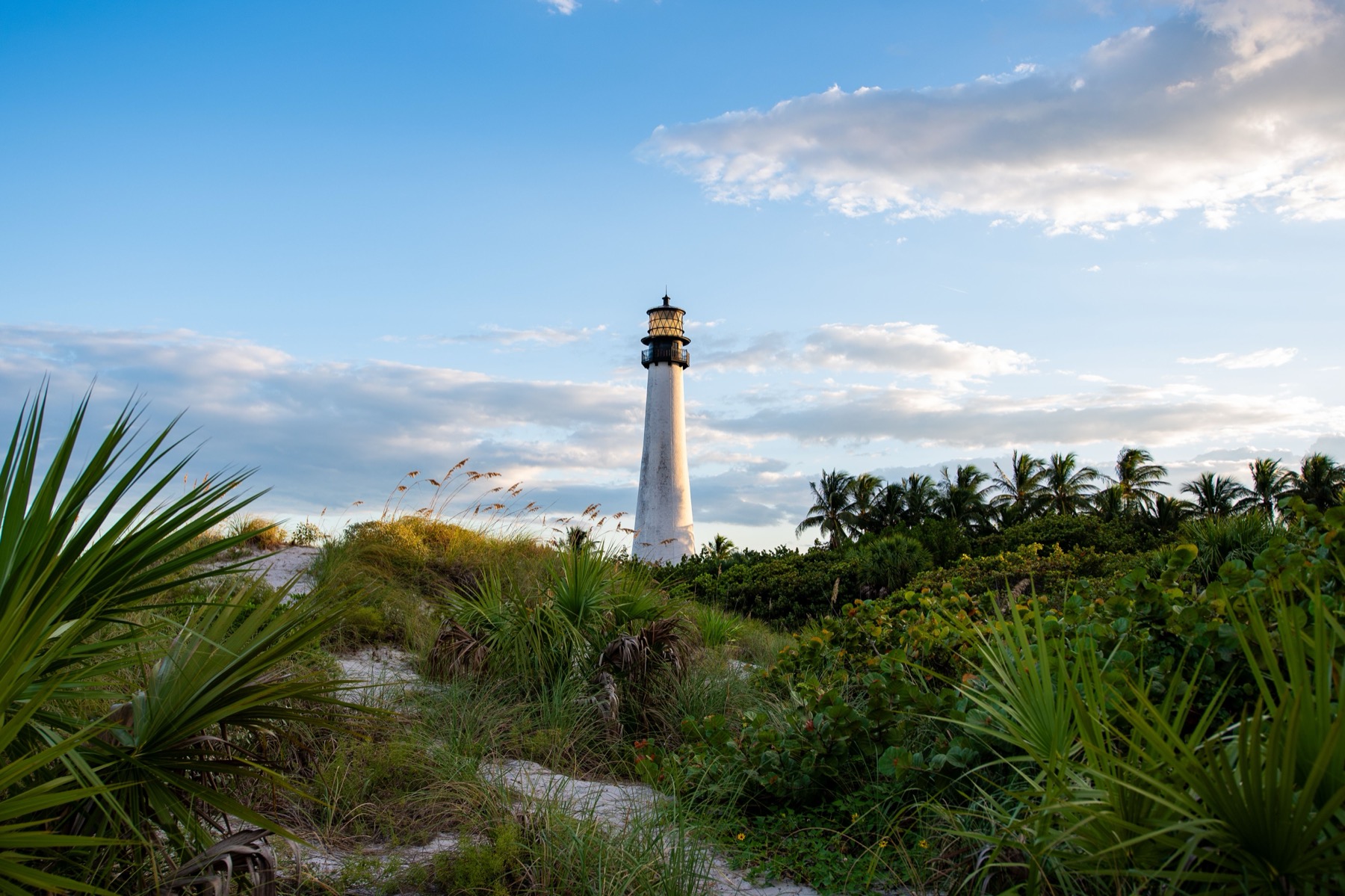
On the northern tip of this island, you’ll find the popular Crandon Park with a two-kilometer beach that’s absolutely ideal for families with young children thanks to its calm and very shallow water. At the southern end lies Bill Baggs Cape Florida State Park, where in addition to excellent swimming, there’s also a historic lighthouse. It offers stunning panoramic views of the endless ocean and the distant outlines of the city.
Entry to the island itself requires paying a small toll on the Rickenbacker Causeway bridge, which comes to about $2.50 per car. Parking in the local state parks then costs approximately $8 for the whole day, which is a bargain compared to the absolutely insane parking prices on South Beach. You’ll get substantially better quality relaxation for much less money.
11. South Pointe Park
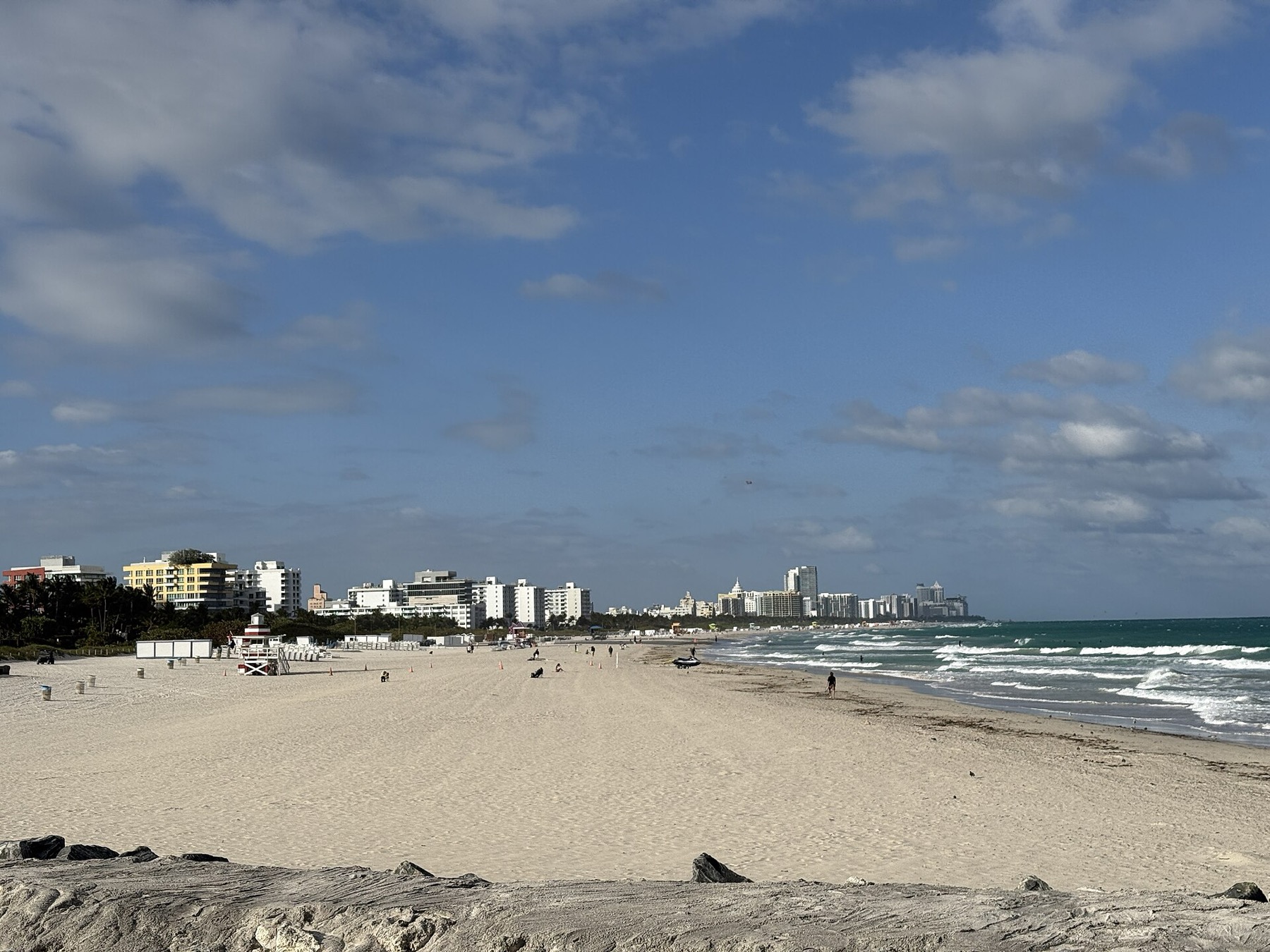
At the very southern tip of the busy island of Miami Beach, you’ll surprisingly find one of the most beautiful and peaceful urban parks in the entire area. South Pointe Park offers beautifully manicured expansive lawns, a long waterfront promenade, and absolutely fantastic views of the downtown skyscraper skyline, which you can see right in front of you.
It’s an absolutely ideal spot for a lazy picnic or evening stroll, especially when massive ocean cruise ships sail out from the nearby PortMiami harbor. They pass majestically just off the shore and it’s a great spectacle. Park entry is completely free and you’ll also find a small splash pad where kids can safely cool off under the water jets on a hot afternoon.
The most beautiful time to visit is just before sunset, when the sky over the bay turns incredible shades of orange and pink. Locals very often and happily come here to run, rollerblade, walk their dogs, or just sit on benches and quietly watch the passing ships with a cup of good coffee in hand. It’s an oasis of calm just a few blocks from the madness of Ocean Drive.
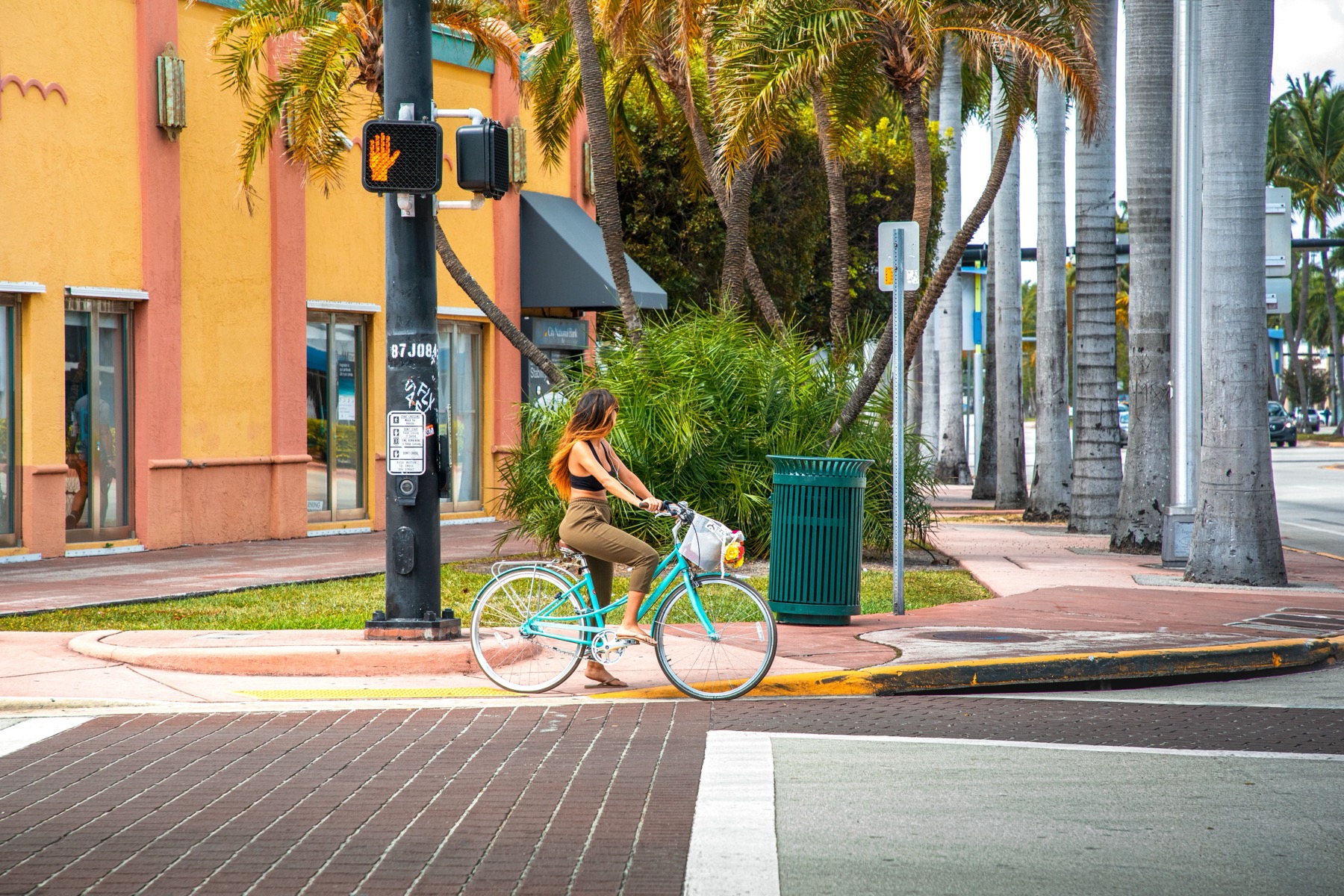
12. Lincoln Road Mall
When you’ve had enough of the hot beach and blazing sun during the day, head over to the famous Lincoln Road. It’s a very long and wide pedestrian zone right in the heart of South Beach that’s packed with designer stores, independent cafes, galleries, and restaurants with generous outdoor seating under large umbrellas.
This street was designed in the mid-20th century by legendary architect Morris Lapidus to resemble an architectural promenade. You’ll find plenty of exotic greenery, water features, fountains, and designer benches in unusual shapes. It’s a great spot for an afternoon coffee and people-watching—the most diverse mix of people from around the world stroll by daily with shopping bags in hand.
💡 Tip: Prices in the restaurants and bars located right on the main Lincoln Road strip tend to be really inflated and primarily aimed at tourists. If you want to eat well for substantially less money, just turn into one of the adjacent side streets, where you’ll find smaller, more authentic, and much more budget-friendly establishments that locals actually frequent for lunch.
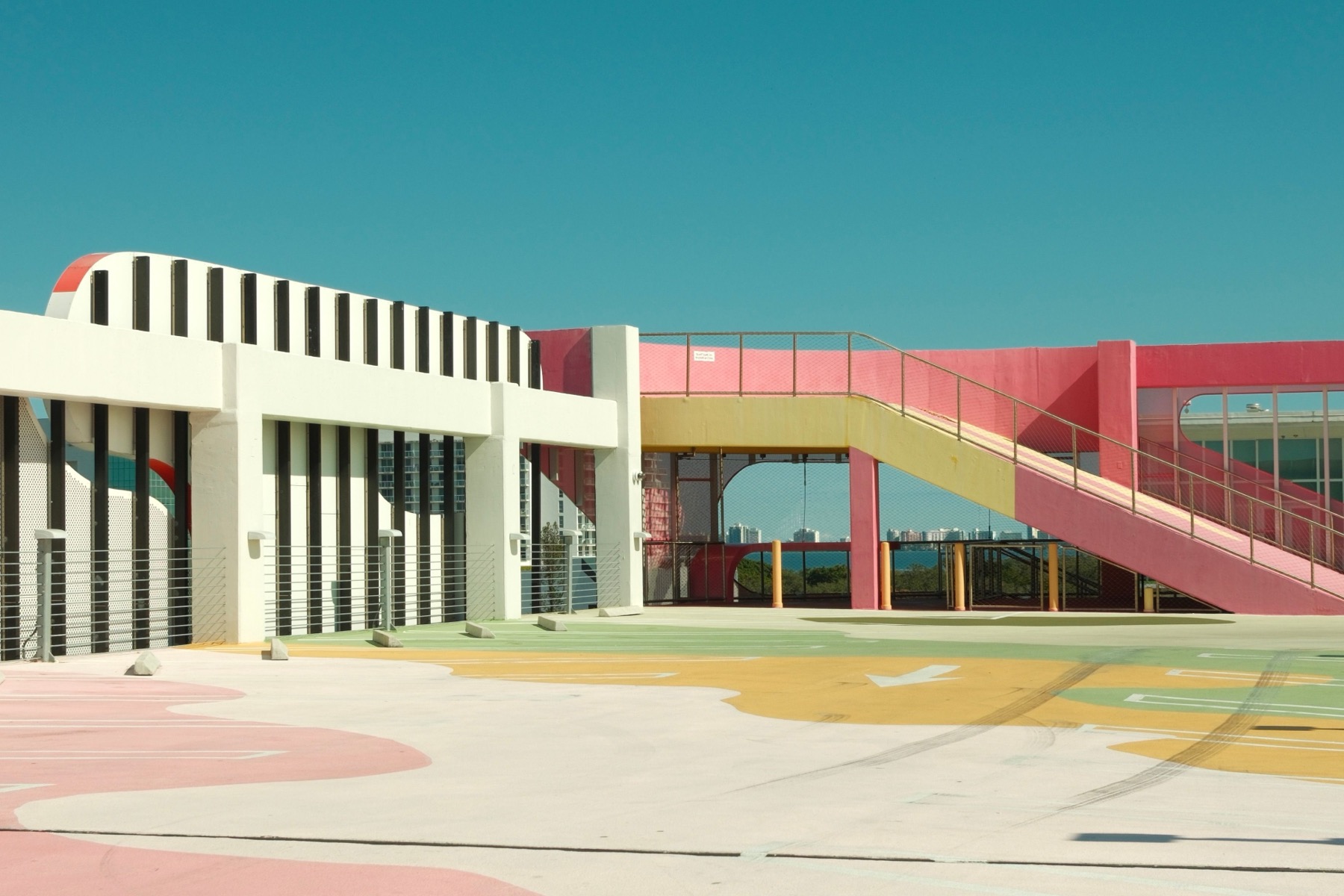
13. Perez Art Museum Miami (PAMM)
Lovers of modern and contemporary art definitely shouldn’t skip the Perez Art Museum, which sits in a prime location right on the waterfront. The museum building itself is an architectural masterpiece from the outside, famous for its unique hanging gardens that stretch from the roof down to the ground, giving the building an incredibly fresh, tropical appearance.
Inside the spacious and bright galleries, you’ll find extensive collections of 20th- and 21st-century international art, with an understandably strong focus on progressive artists from Latin America and the Caribbean. Museum admission runs around $16, which is a pretty good price by American standards, and the cultural experience is definitely worth every penny spent.
If you don’t feel like paying admission or don’t have much time, you can stroll the expansive outdoor terrace completely free of charge with excellent views of the water and passing yachts. You’ll also find a great museum cafe with comfortable outdoor seating where you can rest, soak in the calm cultural atmosphere, and take shelter in the shade from the midday Florida sun.
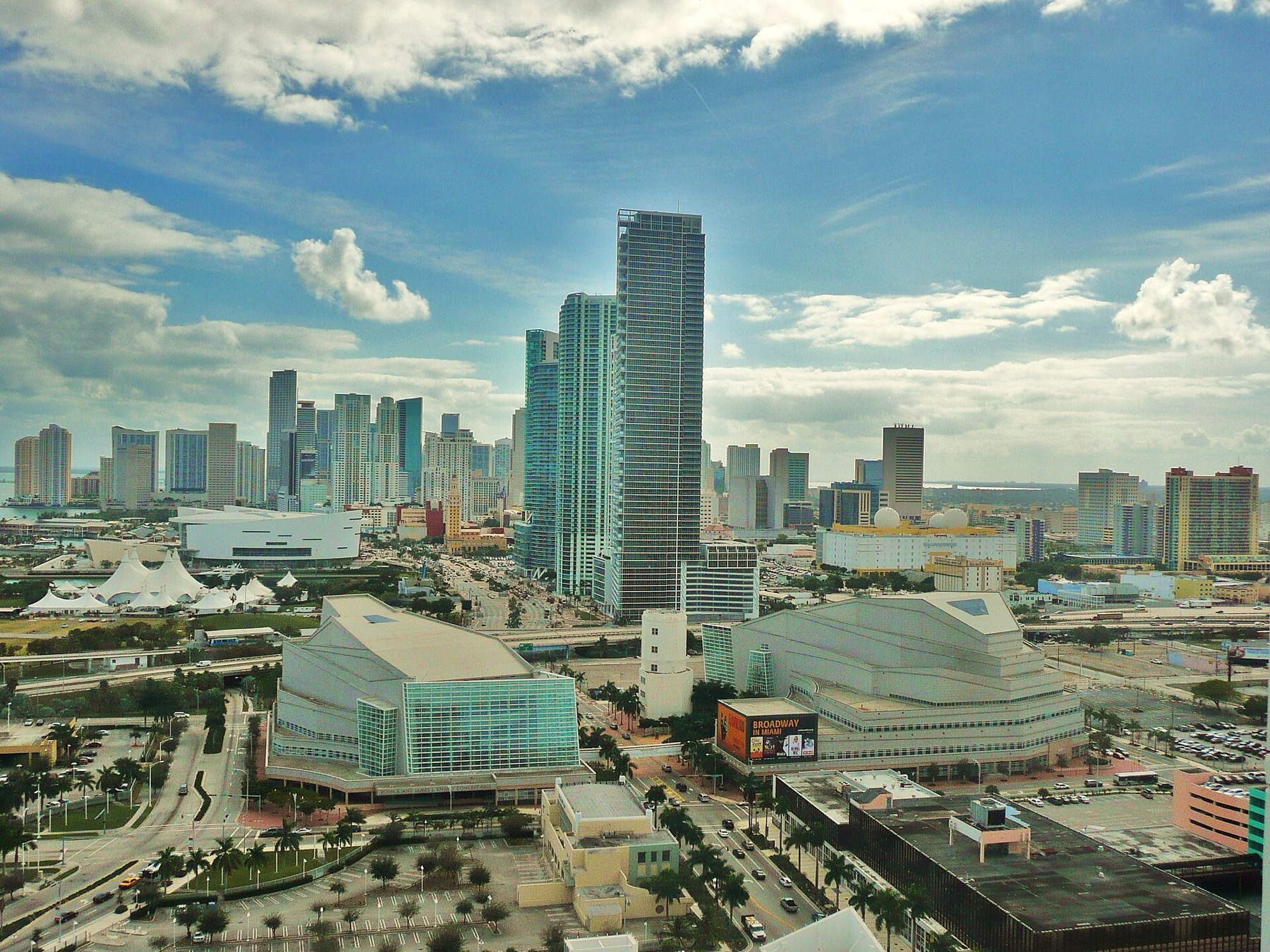
14. Phillip and Patricia Frost Museum of Science
Right next door to the art museum is the massive, ultra-modern Frost Science museum complex. It’s rightfully considered one of the best and most advanced science museums in the United States and combines a huge aquarium, cutting-edge digital planetarium, and dozens of fascinating interactive exhibits under one roof.
By far the biggest draw for all ages is the three-story Gulf Stream Aquarium, where you can watch from below through a giant glass floor as sharks and rays swim elegantly right above your head. Basic admission runs about $30, which may sound like a lot of money, but given the museum’s enormous size, you can easily and happily spend at least half a day here.
It’s an absolutely fantastic and safe bet for families with children, because the vast majority of exhibits are fully interactive and cleverly designed so visitors can touch and try them out hands-on. The museum’s rooftop terraces also offer beautiful views of the entire harbor and the busy downtown, so photography enthusiasts looking for elevated shots will be happy too.
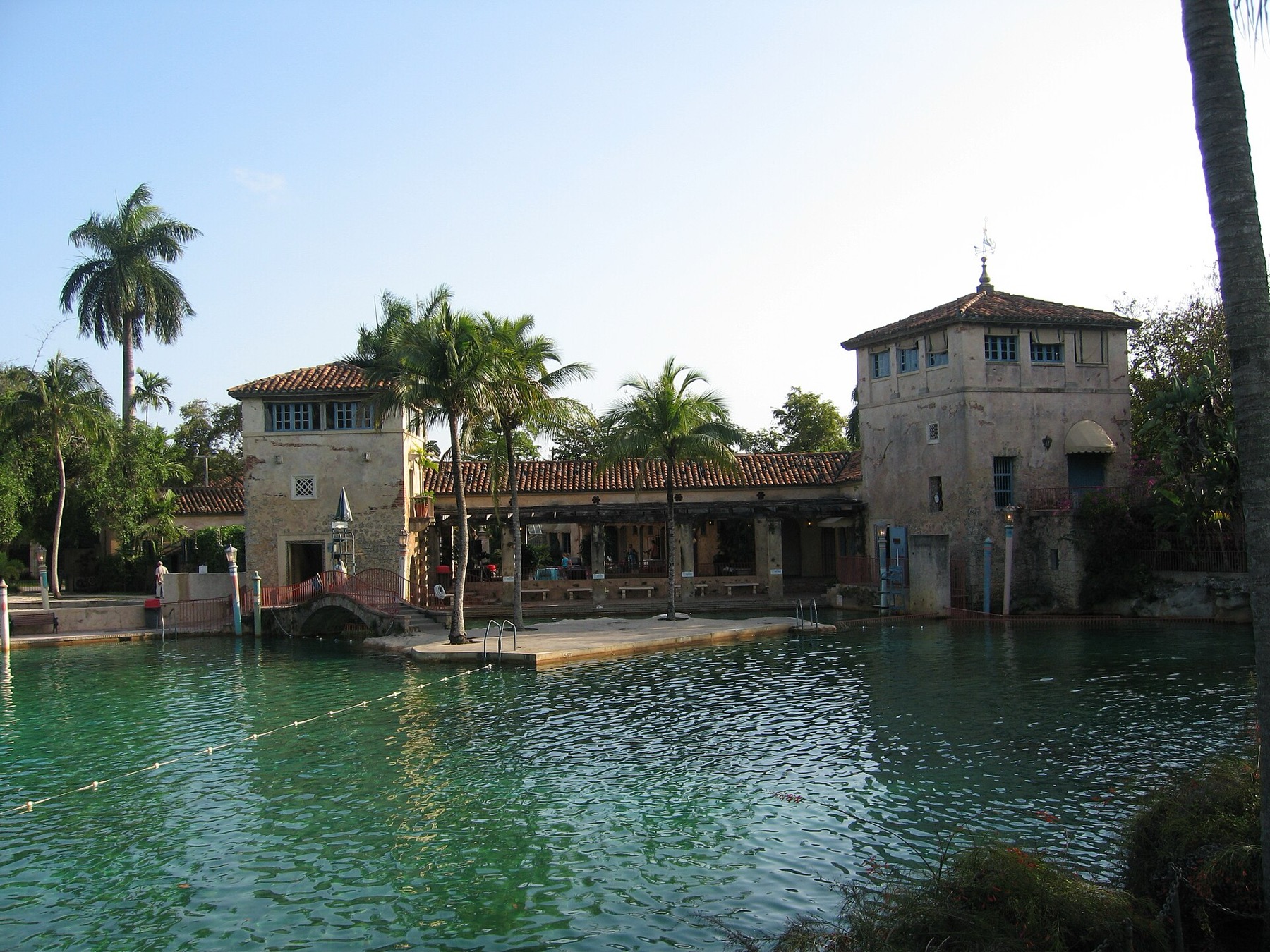
15. Venetian Pool in Coral Gables
Hidden away in the beautiful and very affluent residential neighbourhood of Coral Gables is one of the most unique and stunning public swimming pools in the world. Venetian Pool isn’t your typical tiled concrete pool, but rather a historic swimming hole carved directly from ancient coral rock back in 1924, and it has preserved its original vintage charm to this day.
This photogenic complex strongly resembles a romantic Venetian lagoon, complete with picturesque waterfalls, small caves, stone bridges and historic lookout towers that create the perfect illusion of Italy. The pool water comes directly from underground artesian springs and is completely refreshed every night, so it’s beautifully clean, refreshing and doesn’t need aggressive chlorine.
Admission varies quite significantly depending on whether it’s high season, but you’ll typically pay between $15 and $21 per adult visitor. Be very aware, however, that children under three years old are not allowed entry for strict safety reasons, so this isn’t an ideal destination for families with very young toddlers, who would be turned away at the gate.
16. Fairchild Tropical Botanic Garden
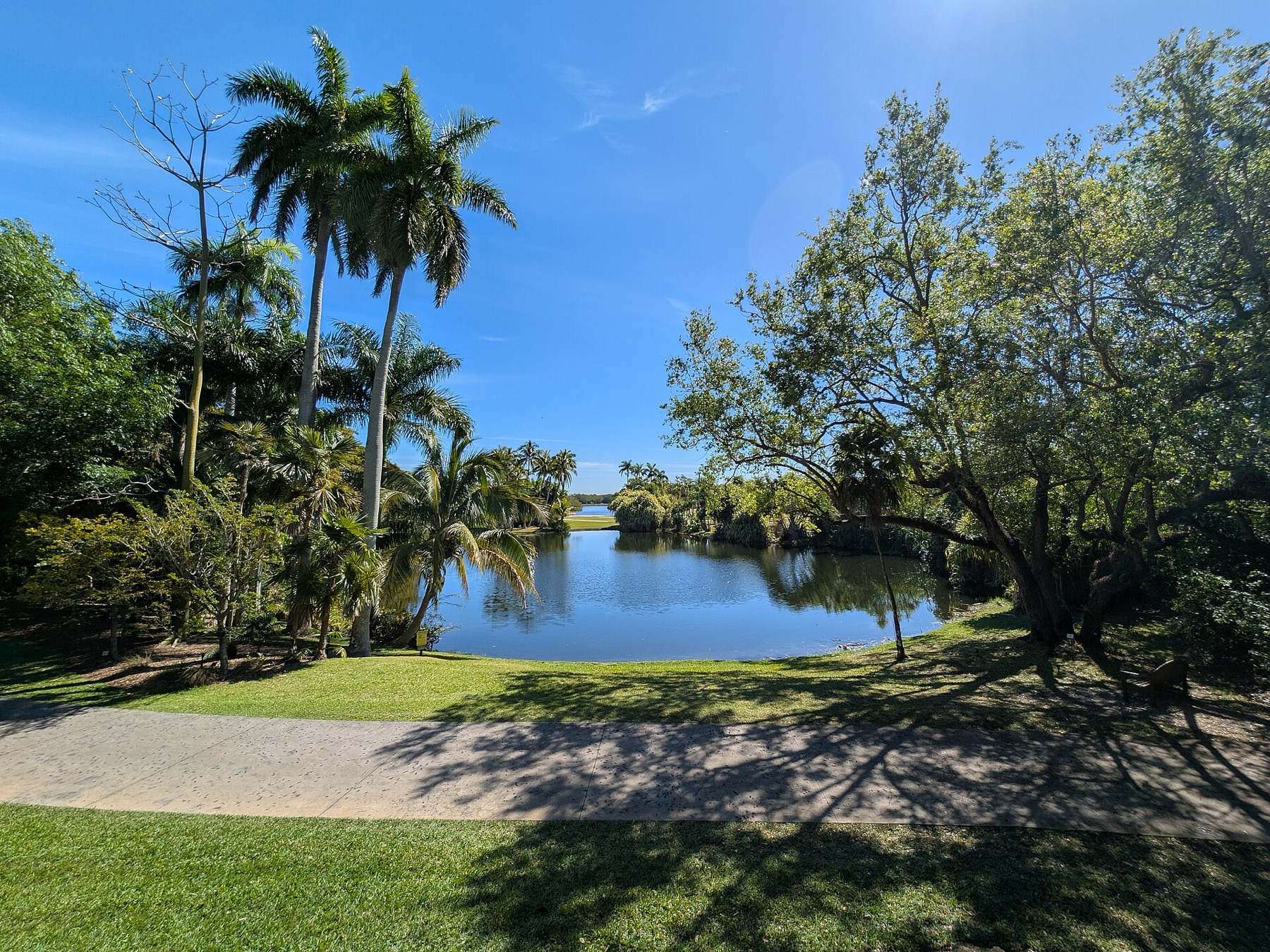
If you love nature and enjoy discovering new plants, definitely set aside time to visit the Fairchild Tropical Botanic Garden. This enormous, over 80-acre complex in the south of the city is home to incredibly rare tropical plants, giant palms and massive baobabs that you’d be hard-pressed to find in any ordinary American city park.
The garden is so vast that your admission ticket helpfully includes a 45-minute narrated tram ride that takes you comfortably through the most interesting parts of the grounds with commentary. Admission is $25 for adults, which is a bit more than usual, but maintaining such an enormous piece of meticulously manicured tropical paradise simply costs serious money.
The biggest visual treat is the enclosed butterfly pavilion and extensive exotic orchid exhibit, which literally explodes with colour and fragrance. It’s the perfect, peaceful escape from the concrete jungle of skyscrapers and congested roads, where you can relax wonderfully in the shade of massive tropical trees and recharge before continuing your city exploration.
17. Transport: Do You Need a Car in Miami?
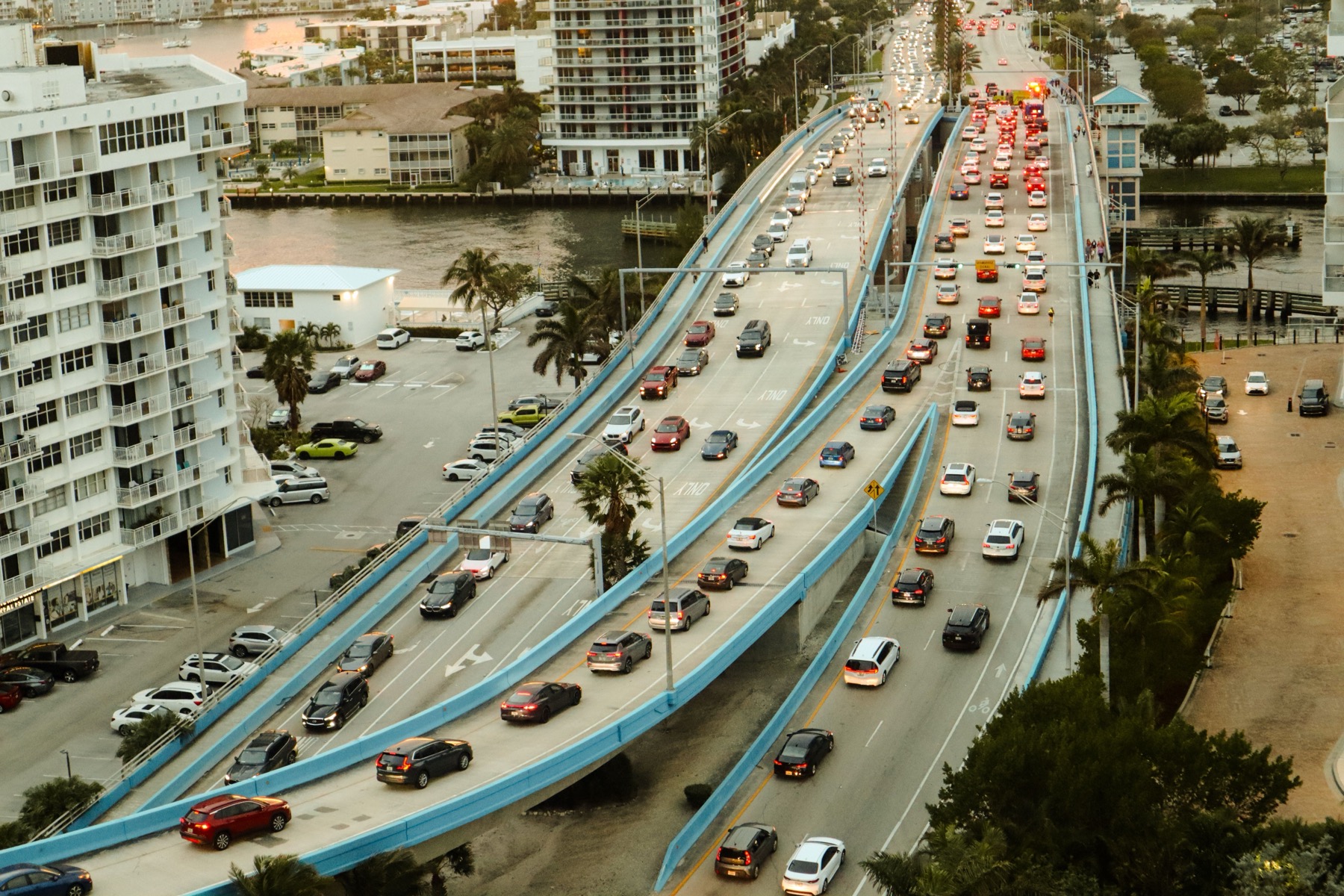
Getting around this Florida metropolis can be quite a challenge, because Miami is enormously sprawling and the distances between neighbourhoods are really vast. Renting a car makes perfect sense if you want to take longer trips outside the city (for example to Everglades National Park or south to the Florida Keys), but in the downtown area itself and on South Beach, a car is more of a burden due to very limited and extremely expensive parking.
Fortunately, the city also has interesting public transport options that are completely free for everyone. In modern Downtown and the adjacent Brickell neighbourhood, the Metromover works brilliantly – it’s an elevated automated driverless train that takes you between skyscrapers at no cost and offers really excellent views of the streets below.
For longer city journeys, such as travelling from the international airport to downtown or to the art district of Wynwood, the classic elevated Metrorail serves you well. A ticket costs just over two dollars and reliably helps you avoid the endless traffic jams that are, unfortunately, very typical and frustrating for Miami during the day and especially during the afternoon rush hour.
18. Miami with Kids
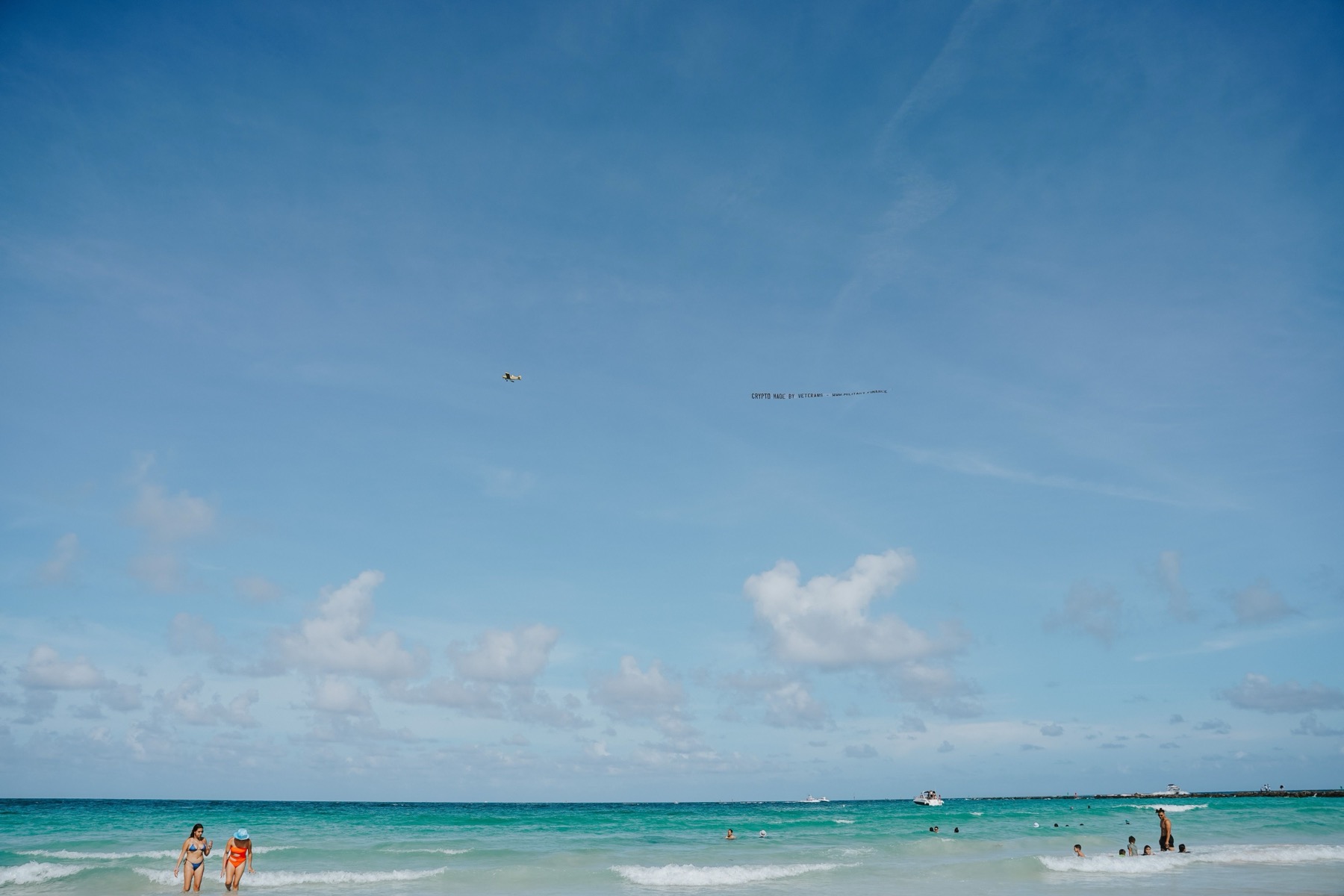
Although the city often has a reputation in films as a wild party destination exclusively for adults, you’ll find surprisingly many great spots here for families with young children too. The core of any programme is naturally the long beaches, with the quieter ones on Key Biscayne island or in the northern part of Miami Beach being ideal for the very youngest kids, where the waves aren’t as dangerously large as at Ocean Drive.
An absolutely fantastic destination for an entire afternoon, especially when a Florida storm rolls in, is the Miami Children’s Museum on Watson Island, which is packed with fun interactive playrooms and educational exhibits. Kids can try out various real-world professions hands-on, from firefighters to veterinarians rescuing animals to TV news anchors, which will keep them entertained for hours.
Beyond that, there are numerous beautiful, safe and well-maintained public parks throughout the city with modern playgrounds. These parks often feature splash pads – small ground-level fountains and water jets where children can play and cool off endlessly for free in the hot and humid Florida afternoons.
Where to Go Next from Miami
If you’re planning a wider road trip across the United States and looking for inspiration, check out our comprehensive guide 50 tips on what to see in New York. If you’re travelling with family, you might also find our practical article focused specifically on New York with children useful.
Don’t forget that for any trip to the USA you need to sort out the paperwork, and our guide to ESTA and US entry will help you with that. And if you’re drawn to wilder nature, read our guide for Hawaii Volcanoes National Park.
Frequently Asked Questions
Is Miami an expensive city?
Yes, it’s definitely one of the most expensive American cities, especially when it comes to accommodation right on South Beach and dining in restaurants on the main avenues. However, you can save significantly if you come outside the main winter season and cleverly focus on attractions that are free. These include admiring the unique Art Deco architecture, miles of public beaches, or hundreds of street murals around Wynwood.
Do I need a rental car in Miami?
If you’re only staying on the famous South Beach and downtown, you don’t need a car at all and you’d actually lose money on it due to extremely expensive parking. For quick transfers, the free elevated Metromover, Uber, or shared bikes will reliably suffice. Only rent a car for those days when you plan trips out of the city, for example to see alligators in the Everglades swamps or down to the Florida Keys islands.
What can you do for free in Miami?
There’s surprisingly quite a lot. Entry to all those miles of beautiful beaches is completely free, as are evening strolls through the historically valuable Art Deco district and viewing the magnificent murals in the streets around Wynwood Walls. You also won’t pay anything for a scenic ride on the elevated Metromover train right between the skyscrapers or for a peaceful walk along the promenade with views of boats in South Pointe Park.
Do I need a visa to visit Miami?
If you hold a valid biometric passport from a Visa Waiver Program country and you’re traveling for tourism for less than 90 days, you don’t need a traditional paper visa. However, you absolutely must arrange electronic ESTA registration in advance, which officially costs 21 dollars, and I highly recommend filling it out online at least a few weeks before departure to ensure everything goes smoothly.
Is Miami safe for tourists?
Tourist-popular areas like South Beach, modern Brickell, or quieter Coconut Grove are very safe during the day and visibly well-patrolled by police. After dark, however, it’s always better to avoid deserted streets in Downtown or marginal, less-lit parts of Little Havana and instead wisely use Uber to get back to your hotel rather than unnecessary nighttime walks through unfamiliar blocks.
How many days do I need to explore Miami?
To not miss the absolute best, I recommend dedicating at least 3 to 4 full days to the city. In that time you’ll comfortably manage to soak up the atmosphere on South Beach, explore the hipster artistic Wynwood, peek into Cuban Little Havana, and you’ll still have one full free day for an adventurous airboat trip to see alligators in the nearby Everglades National Park.
Can you swim in Florida in winter?
Definitely yes, and it’s actually the best time. Even in the coldest months like January and February, the ocean water is a pleasant 23 to 24 degrees Celsius, which is an absolutely ideal temperature for long swimming for most visitors. That’s precisely why huge numbers of tourists flock here in winter from the cold north of the USA, escaping snow and frost for Florida sunshine.
What to do in Miami when it rains?
While heavy storms are common here, especially in the hot summer, they’re fortunately usually just a very quick hour-long downpour after which the sun immediately comes out again. During unexpected rain you can head out shopping to many covered arcades, visit the top-notch Frost Science Museum with its giant aquarium, or comfortably take shelter in the beautiful air-conditioned interiors of the PAMM modern art museum.
Tips and Tricks for Your Vacation
Don’t Overpay for Flights
Search for flights on Kayak. It’s our favorite search engine because it scans the websites of all airlines and always finds the cheapest connection.
Book Your Accommodation Smartly
The best experiences we’ve had when looking for accommodation (from Alaska to Morocco) are with Booking.com, where hotels, apartments, and entire houses are usually the cheapest and most widely available.
 🚗 Car rental on the roadVerified rental cars in the United States
Search with the DiscoverCars comparison engine — it compares prices from dozens of local and international rental companies, and most bookings come with free cancellation.
Compare car prices in the United States →Don’t Forget Travel Insurance
Good travel insurance will protect you against illness, accidents, theft, or flight cancellations. We’ve had a few hospital visits abroad, so we know how important it is to have proper insurance arranged.
Where we insure ourselves: SafetyWing (simple monthly subscription) and TrueTraveller (for extra-long trips).
Find the Best Experiences
Get Your Guide is a huge online marketplace where you can book guided walks, trips, skip-the-line tickets, tours, and much more. We always find some extra fun there!