If you arrive in Cologne expecting perfect fairy-tale medieval streets, you might be in for a bit of a shock. The old town was destroyed almost 90 percent during World War II, so most of today’s historic centre is actually a very careful post-war reconstruction. Cologne simply isn’t a picture-perfect city for that one flawless social media shot, but it’s a city that might not wow you at first glance — and yet after a few hours of wandering, it will quietly win your heart.
For 2026, however, I have one fairly significant piece of news regarding Cologne Cathedral, because for the first time in its long history, admission to the interior is now charged. From 1 July 2026, you’ll need to budget €12, which quite changes how you’ll plan your city tour and budget. Even so, there are still ways and times when you can visit certain parts of this breathtaking Gothic cathedral completely free of charge, if you know exactly which entrance to use.
I’ve put together 22 tips I wouldn’t want to miss myself — from the most famous sights to places where mainly locals go. You’ll discover a world-unique collection of twelve Romanesque churches, outstanding museums hiding treasures from antiquity to pop art, and learn the proper etiquette for drinking the local beer. You’ll also find out how to avoid the disappointment of closed monuments, so you can enjoy your trip to western Germany to the fullest.
The full destination guide: Germany — guide and what to see
TL;DR
Quick summary for those who don’t have time to read the whole article
- Cathedral admission fee: From 1 July 2026, entry to the main part of Cologne Cathedral costs €12 (reduced €6), but children up to and including age 13 still enter free.
- Post-war city: The historic core was destroyed in the war, so don’t expect an untouched medieval centre, but rather a fantastic atmosphere, modern architecture and pub culture.
- Romanesque churches: Besides the cathedral, the main draw is a unique collection of twelve Romanesque churches, with St. Maria Lyskirchen being the only one to survive the war almost undamaged.
- Closed museums: The main building of the Römisch-Germanisches Museum is under reconstruction until mid-2028, and the Jewish museum MiQua won’t open until 2029.
- Local etiquette: The local Kölsch beer is drunk from small glasses called Stange, and the waiter will keep bringing you fresh ones until you cover your glass with a beer mat.
- Getting around: The S-Bahn gets you from the airport to the centre in 15 minutes, and the KölnCard at €9 per day is great for city transport and also offers museum discounts.
When to visit Cologne
Choosing the right time to visit is crucial, because each season offers a completely different atmosphere. If you love long days, sitting on terraces and riverside walks, go between May and September. During these months the city comes wonderfully alive, you can ride the cable car across the Rhine and in the evening sit with locals on the steps by the river. Transport connections are fantastic too, as the comfortable S-Bahn takes you from Cologne/Bonn Airport (CGN) directly to the main station in just 15 minutes. It’s also often worth checking flights to nearby Düsseldorf, from where it’s a quick half-hour by train.
An absolute phenomenon is then the local carnival, which isn’t just tourist folklore but the main social event of the entire year. The whole season always begins on 11 November, but the real madness doesn’t break out until late winter. In 2027, the popular Weiberfastnacht falls on 4 February, the famous Rosenmontag parade takes place on 8 February, and everything ends on Ash Wednesday, 10 February, with the daring motto “Morje es, wat do drus mähs!”. During carnival, expect the city to be bursting at the seams, hotels to be pricier, and some museums may be closed.
If you prefer quieter sightseeing and want the museums more or less to yourself, January and March tend to be the cheapest and quietest months. Winter has its undeniable charm too, especially when the whole city lights up with thousands of twinkling lights. For lovers of festive atmosphere, I warmly recommend exploring the Christmas markets in Cologne, which are among the most beautiful in the entire country. The Christmas markets in 2026 start very early — the harbour market opens as early as 13 November, while the main ones by the cathedral begin on 16 November and most close before the holidays on 23 December.
If you’re planning to travel by train to other German cities as well, definitely consider getting the excellent Deutschlandticket. Its price is set at €63 per month from January 2026 and is valid on all regional and city transport throughout the country. For getting around Cologne itself, the tourist card KölnCard at €9 per day will serve you well. You can find more inspiration for winter trips in our comprehensive guide Christmas markets in Germany: 20 tips.
Where to stay in Cologne
Fortunately, Cologne is a very compact city and you’ll do best to stay within walking distance of the historic centre or near the main station. This way you’ll save lots of time and money on public transport, as you can easily reach the most important sights on foot. The main station stands just 50 metres from the cathedral, so if you arrive by train, you can go straight to check in without any complicated transfers. If you’re looking for a more detailed guide to individual neighbourhoods, definitely read our separate article Where to stay in Cologne, which includes a map.
For lovers of modern design and excellent value for money, I recommend Hotel Motel One Köln-Neumarkt (★4.5 from 2,944 reviews) on Cäcilienstraße, just a short walk from the Belgisches Haus with the Roman collection. The rooms are small but new and quiet, breakfast has a decent selection of vegetarian options — and most importantly: book well in advance, because during trade fair weeks the whole of Cologne sells out, not just this hotel.
If you want to treat yourself to a bit of luxury and have the best monuments right outside your window, check out Hotel Mondial am Dom Cologne. This elegant hotel stands directly opposite the famous cathedral, so you’ll have the most beautiful view right after waking up. Many guests praise in their reviews the perfect cleanliness and incredibly helpful staff, who are happy to advise on navigating the city and recommend great places for dinner.
A third excellent choice is the iconic Savoy Hotel, which will delight all travellers seeking original and somewhat extravagant surroundings. Its huge advantage is an extensive wellness centre of its own and a beautiful rooftop terrace offering a stunning view across the city panorama. The hotel is just a short walk from the main station, which is an ideal location if you’re arriving with heavy luggage straight from the airport.
💡 On this map you can compare what’s currently available — you’ll instantly see how much the price changes a few blocks away.
22 things to see and do in Cologne
Let’s explore together the best this Rhineland city has to offer. Prepare for an incredible mix of Gothic grandeur, Romanesque history and pulsating modern life that will surely captivate you. For easier navigation, I’ve divided the tips into logical sections from the most significant monuments to hidden spots where mainly locals go after work.
1. Cologne Cathedral (Kölner Dom)
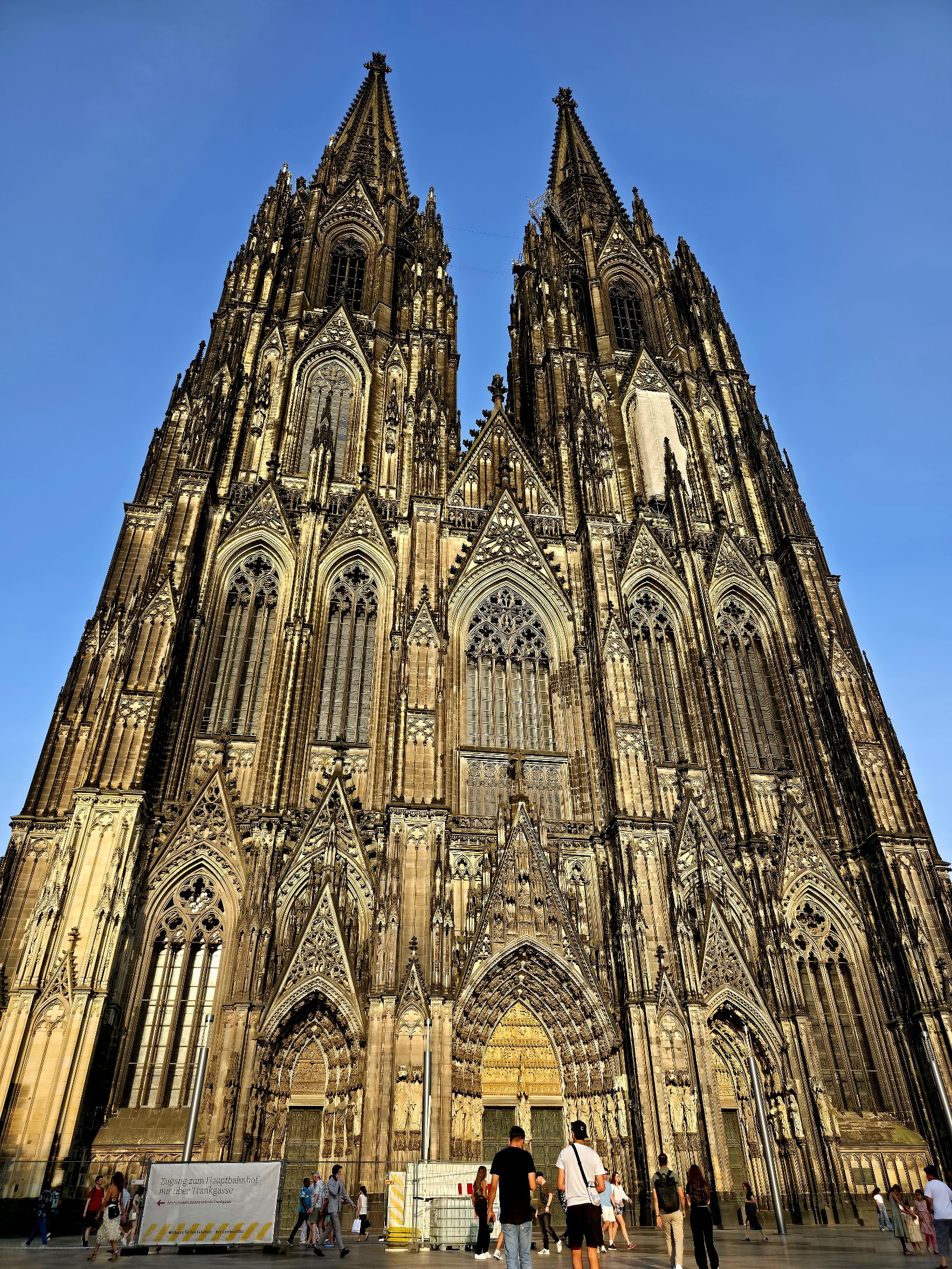
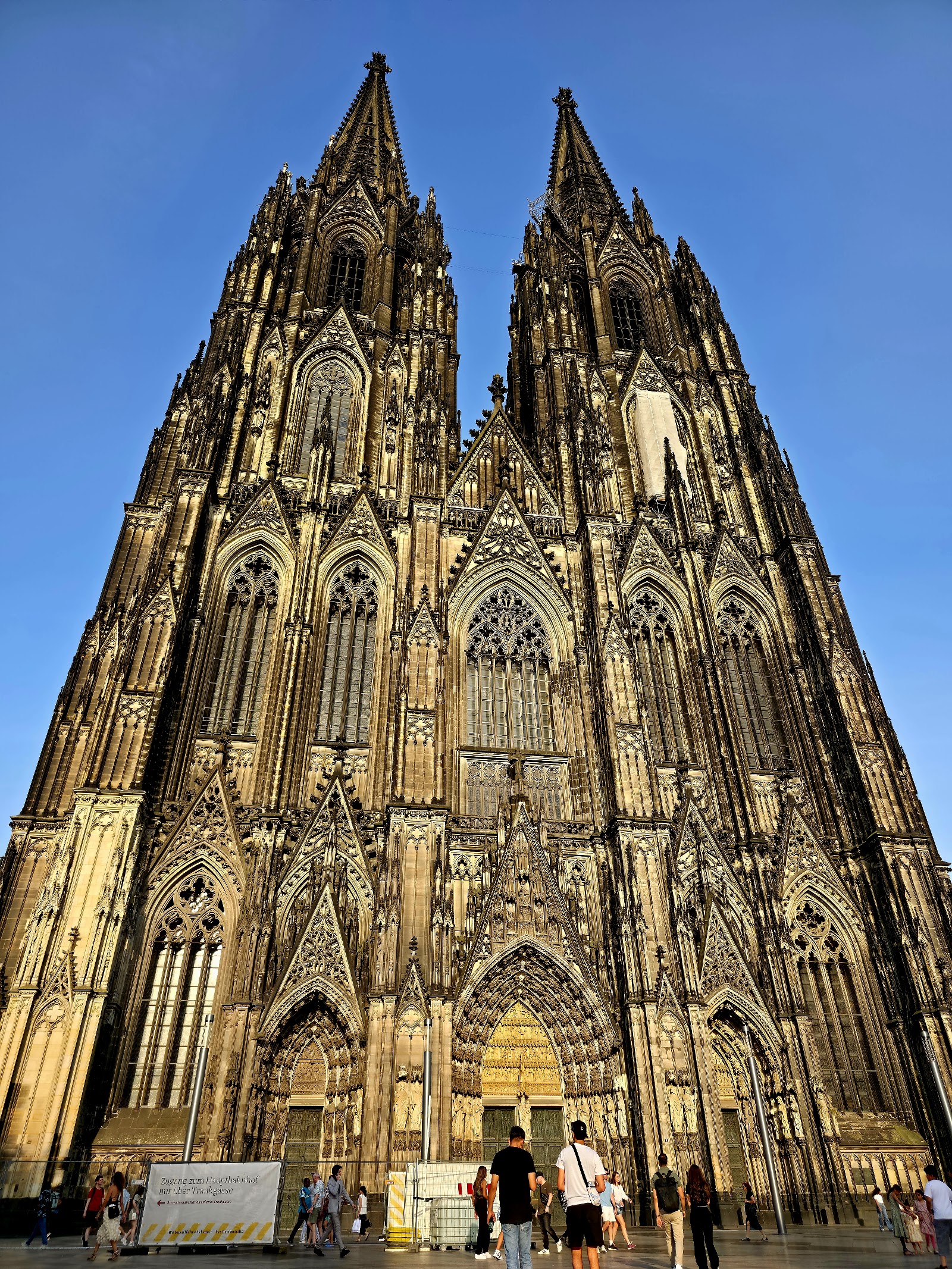
There are few buildings in the world that will overwhelm you at first sight quite like this monumental Gothic cathedral, a UNESCO World Heritage Site since 1996. Its construction began back in 1248, but after many centuries of constant interruption, it was finally completed in 1880, with its two dark towers soaring to an impressive height of 157 metres. The cathedral is the city’s symbol and a massive landmark by which you’ll certainly never get lost in the centre. Current prices and opening hours can be found on the cathedral’s official website.
As I mentioned in the introduction, from 1 July 2026, admission to the interior is charged for the first time in history at €12 for adults and €6 for students. Children and young people up to and including age 13 still have free entry, as do people with severe disabilities and their companions. You can buy tickets conveniently online or directly on site, entering through the main western portal from Roncalliplatz square.
💡 Tip: If you just want to quietly look around the cathedral, pray and light a candle by the Schmuckmadonna, the north transept (Nordquerhaus) remains open free of charge from 6:00 to 20:00. Visiting hours for the main paid section are then Monday to Saturday from 10:00 to 17:45 and on Sundays usually from 13:30 to 16:30. Completely free entry to the entire cathedral is possible, for example, on 1 May, 3 October or during the famous Three Kings pilgrimage.
2. Reliquary of the Three Kings (Dreikönigenschrein)
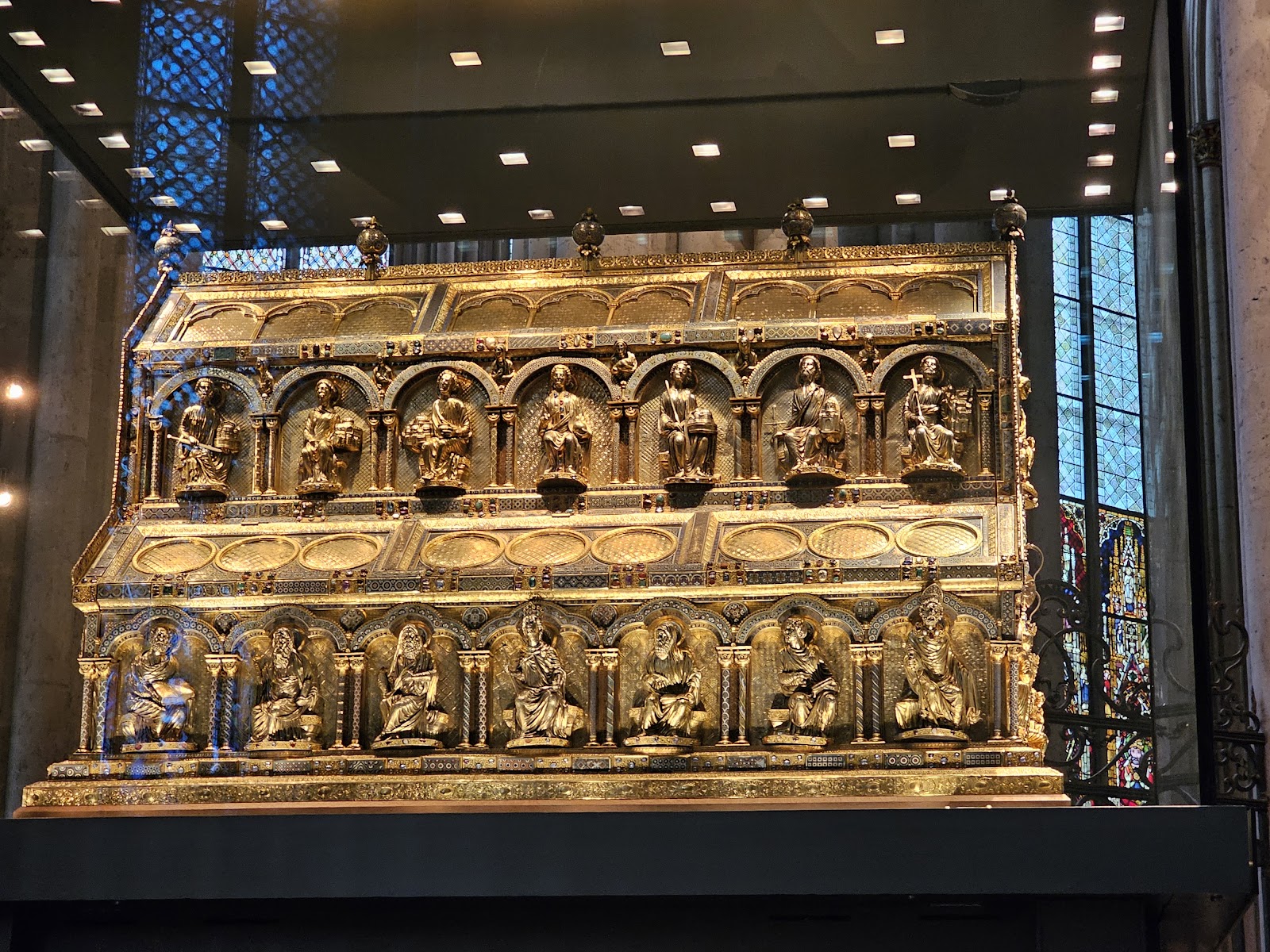
The main reason such an enormous cathedral was built in the Middle Ages was this magnificent gilded sarcophagus placed directly behind the high altar. The relics of the supposed biblical Magi were brought here by Archbishop Rainald von Dassel from Milan in 1164, instantly transforming the city into one of medieval Europe’s most important pilgrimage destinations. The entire work is adorned with thousands of gemstones and antique cameos that still give it an incredible, dazzling brilliance centuries later.
This masterpiece of medieval goldsmithing is often called the largest reliquary in the entire Western world, and its intricate craftsmanship will absolutely take your breath away. You can walk around the sarcophagus comfortably during the regular paid cathedral tour, so give yourself plenty of time to admire its beauty. Watching the crowds of people who still tirelessly make pilgrimages to it carries a powerful and very hard-to-describe mystical atmosphere.
3. Climbing the Cathedral Tower
If you enjoy physical challenges and don’t suffer from claustrophobia, definitely head up to the viewing platform on the south tower. You’ll face exactly 533 stone steps that will take you to a dizzying height of nearly 97 meters, because unfortunately there’s no convenient elevator going up. The narrow spiral staircase is one-way only, so once you start climbing, there’s no turning back—but the effort is absolutely worth it for the fantastic view of the river and city.
This athletic achievement will cost you €8, or €4 for reduced admission. If you’re also planning to visit the treasury, it’s worth getting the combined ticket for €12, or €6 for students. From March to October, the tower is open from 9:00 AM to 6:00 PM, while in the winter months from November to February it closes at 4:00 PM, with the last visitors admitted about half an hour before closing time.
4. Cathedral Treasury (Domschatzkammer)
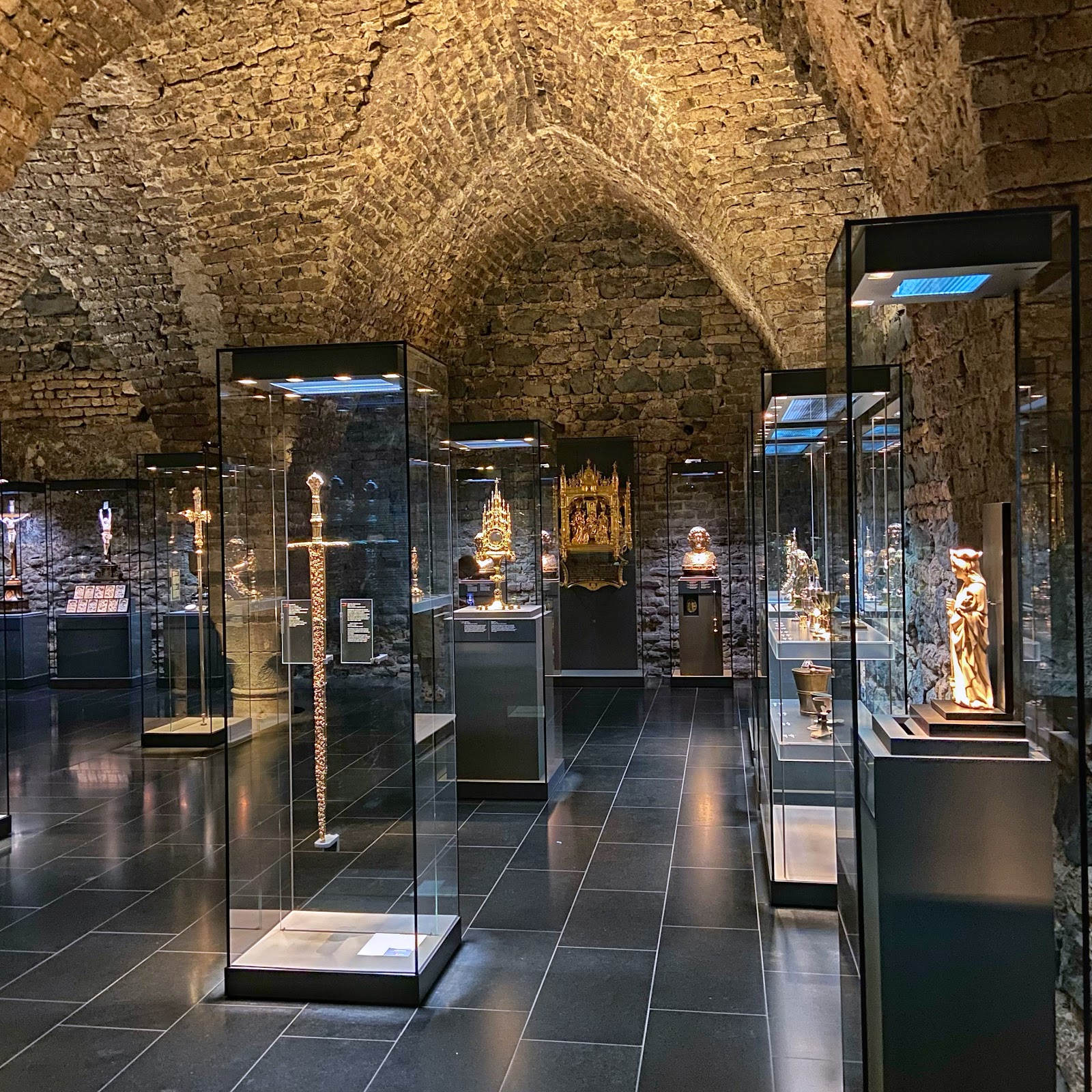
Deep in the medieval vaults beneath the north side of the cathedral lies a fascinating collection of precious liturgical objects, vestments, and relics. These spaces themselves feel very mysterious, and the massive thirteenth-century vaults create the perfect period setting for gleaming golden crosses and ornate bishops’ croziers. It’s the ideal escape from summer heat or rain, where you can calmly admire the skill of ancient masters.
A ticket to the treasury costs €8 for adults and €4 for students or seniors. It’s open daily from 10:00 AM to 6:00 PM, with the last visitors allowed into the underground spaces at 5:30 PM. It’s definitely worth going through all the rooms carefully without rushing, because some of the exhibited items are more than a thousand years old and witnessed the most glorious moments in German history.
5. Gerhard Richter Window in the South Transept
When the question arose after 2000 about how to fill the enormous empty window in the south aisle that had been destroyed during the war, a surprisingly bold and modern design won. Famous artist Gerhard Richter created a unique stained glass window in 2007 made up of 11,500 colored glass squares in 72 different colors. Their exact placement was randomly generated by computer, which sparked quite a controversy among more conservative believers and art historians at the time.
Today, though, it’s one of the most photographed modern features in the entire church, and in sunny weather it casts beautiful rainbow reflections on the stone floor. This is something you probably wouldn’t expect in a Gothic cathedral—it’s one of those things you wouldn’t anticipate in an old Gothic building, but it beautifully bridges medieval building traditions with twenty-first-century art and gives the entire space a unique atmosphere.
6. Hohenzollern Bridge and Love Locks
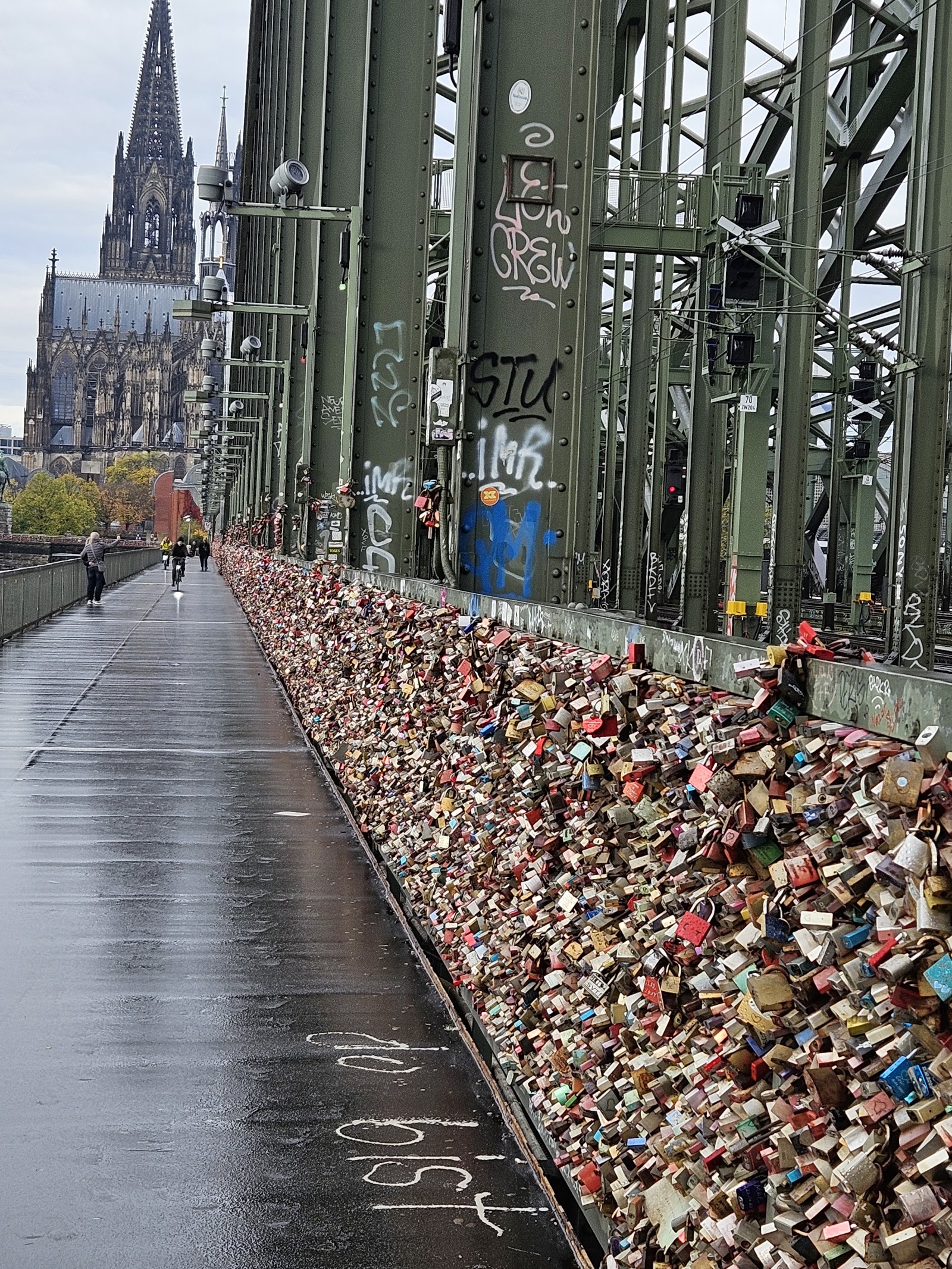
Just behind the cathedral, a massive steel bridge spans the river—it’s not only an important traffic artery but also an incredibly romantic spot. The pedestrian railings along its entire length are covered with tens of thousands of padlocks hung here by couples in love from all over the world with their names on them. It’s one of the busiest railway bridges in all of Germany, so trains are constantly passing by, which gives the whole place great urban energy.
Walking across the bridge to the other side of the river is a must, because it offers the absolute best angle for photographing the cathedral from the side. Especially at sunset, when the cathedral towers turn golden, it’s a truly magical and unforgettable sight. 💡 Tip: You can buy a padlock in many shops in the city center, but throw the key into the river thoughtfully so you don’t needlessly disrupt the local aquatic ecosystem.
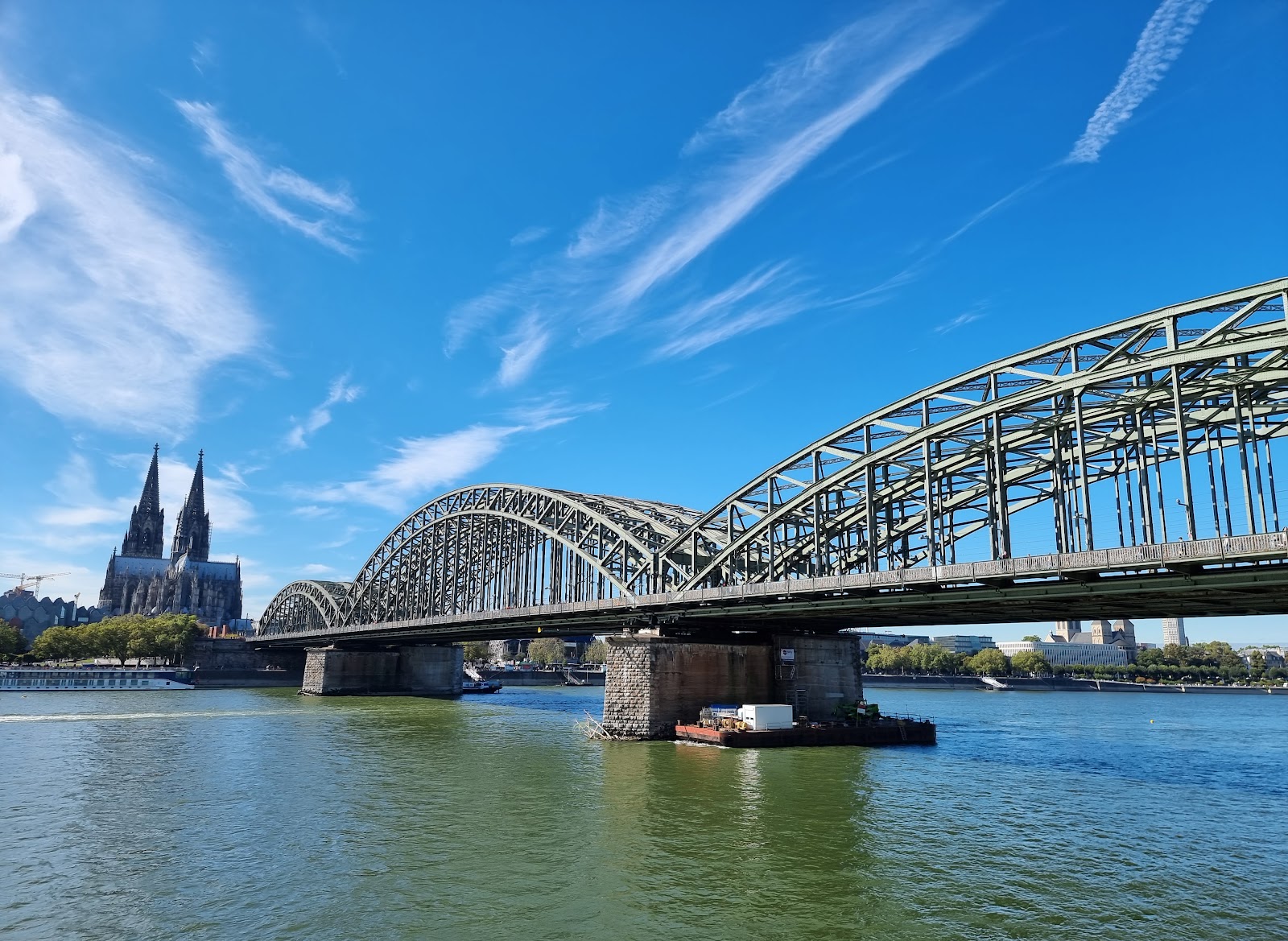
7. Rheinboulevard in Deutz
Once you cross the bridge to the right bank of the river into the Deutz district, you’ll find wide cascading steps that run right along the water. This spot is free, and especially in the early evening hundreds of locals and tourists gather here to sit with friends and drink beer. It’s the best place to watch the city panorama, because you have the massive cathedral and the entire old town right in front of you.
This promenade has an amazing 4.6-star rating on Google Maps from more than two and a half thousand people, which speaks to its enormous popularity. Bring something to drink, sit down on the sun-warmed concrete steps, and just enjoy the relaxed Rhine atmosphere. From the center across the bridge, you can walk here at a leisurely pace in just two minutes, so definitely don’t skip this stop on your itinerary.
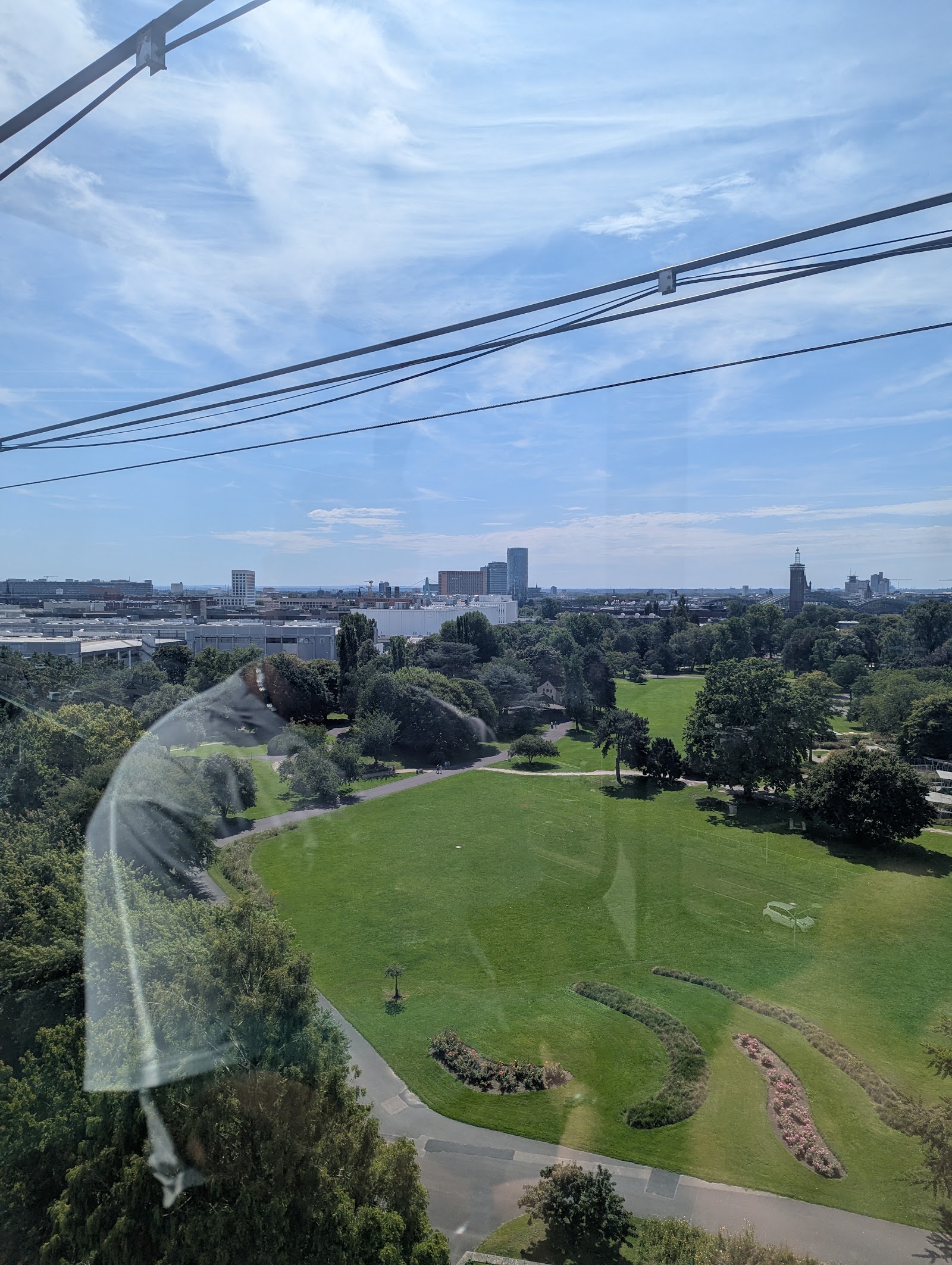
8. Cologne Cable Car (Kölner Seilbahn)
If you want to see the city from a bird’s-eye view while saving yourself some walking, I highly recommend riding the cable car. It connects the zoo on one bank with the beautiful Rheinpark on the other, and the ride over the wide river is an experience that will definitely delight not only children. The cable car crosses the Rhine at quite a respectable height, so the views of the cathedral and bridges from here are truly fantastic and very photogenic. You can find current prices and opening hours on the cable car website.
For the 2026 season, operations began on March 12th and run daily from 10:00 AM to 6:00 PM until early November, with the last passengers allowed to board fifteen minutes before closing. Outside this main summer season, the cable car also operates on all four Advent weekends, when special night rides are regularly scheduled. A one-way ticket costs adults €5.50, while you’ll pay €3.30 at the ticket office for a child aged 4 to 12.
9. Groß St. Martin
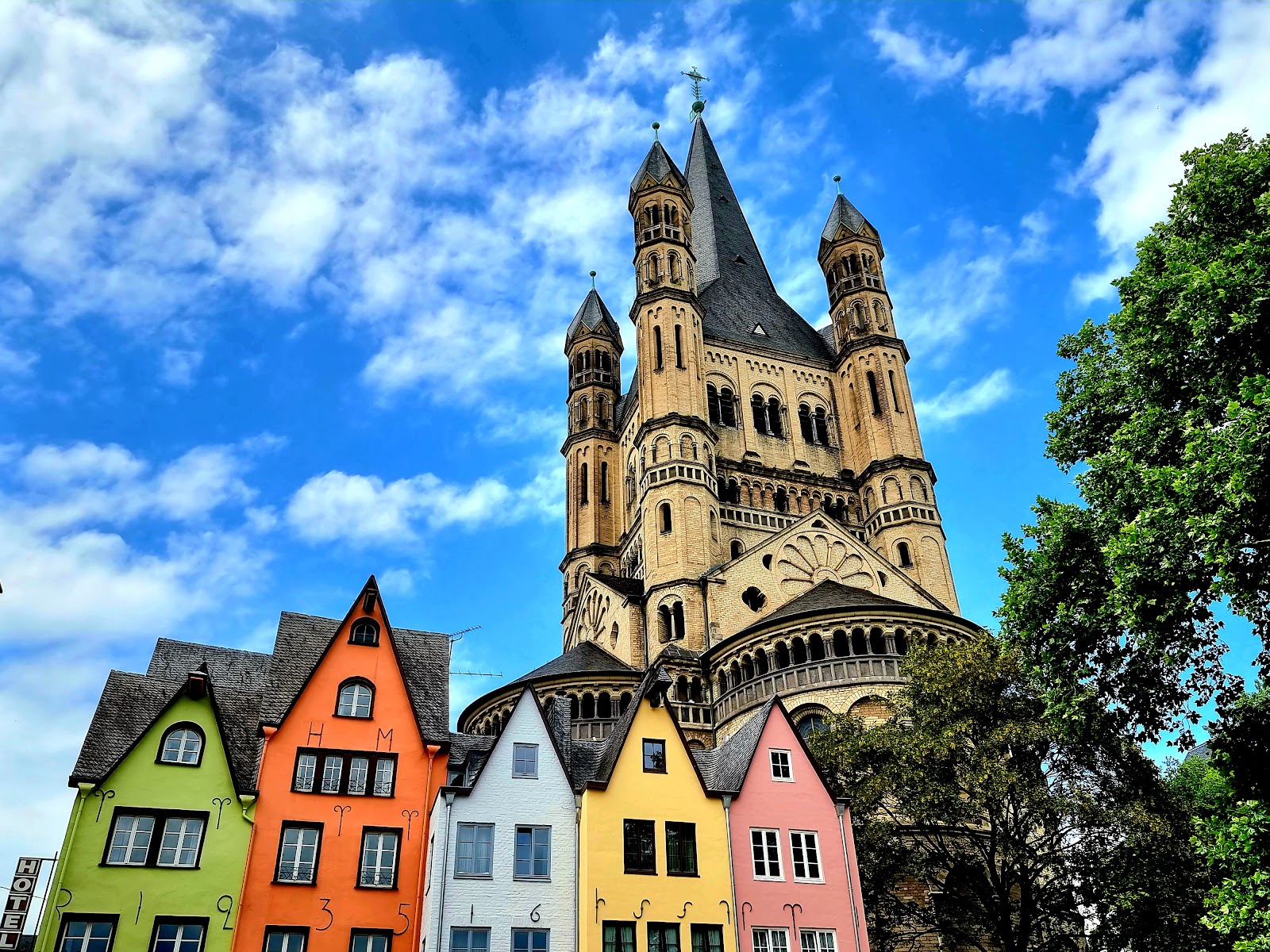
Looking at the city skyline from the river, your attention is immediately caught by the massive crossing tower of this Romanesque church, which rises directly above the historic Fischmarkt square. You surely recognize this silhouette from all the promotional photos and travel postcards. The church belongs to the famous ensemble of twelve Romanesque basilicas from roughly 1000 to 1250 that form a kind of protective ring around the historic core and are a worldwide rarity.
Although the church looks very majestic from the outside, its interior is rather austere and minimalist after post-war restoration, which paradoxically gives it enormous, undisturbed peace. Entrance to this church is completely free and it has an excellent 4.6-star rating on Maps from more than a thousand visitors. It’s definitely worth looking inside for at least a few minutes to soak up the quiet, meditative atmosphere that contrasts with the bustle of the big city.
10. St. Gereon
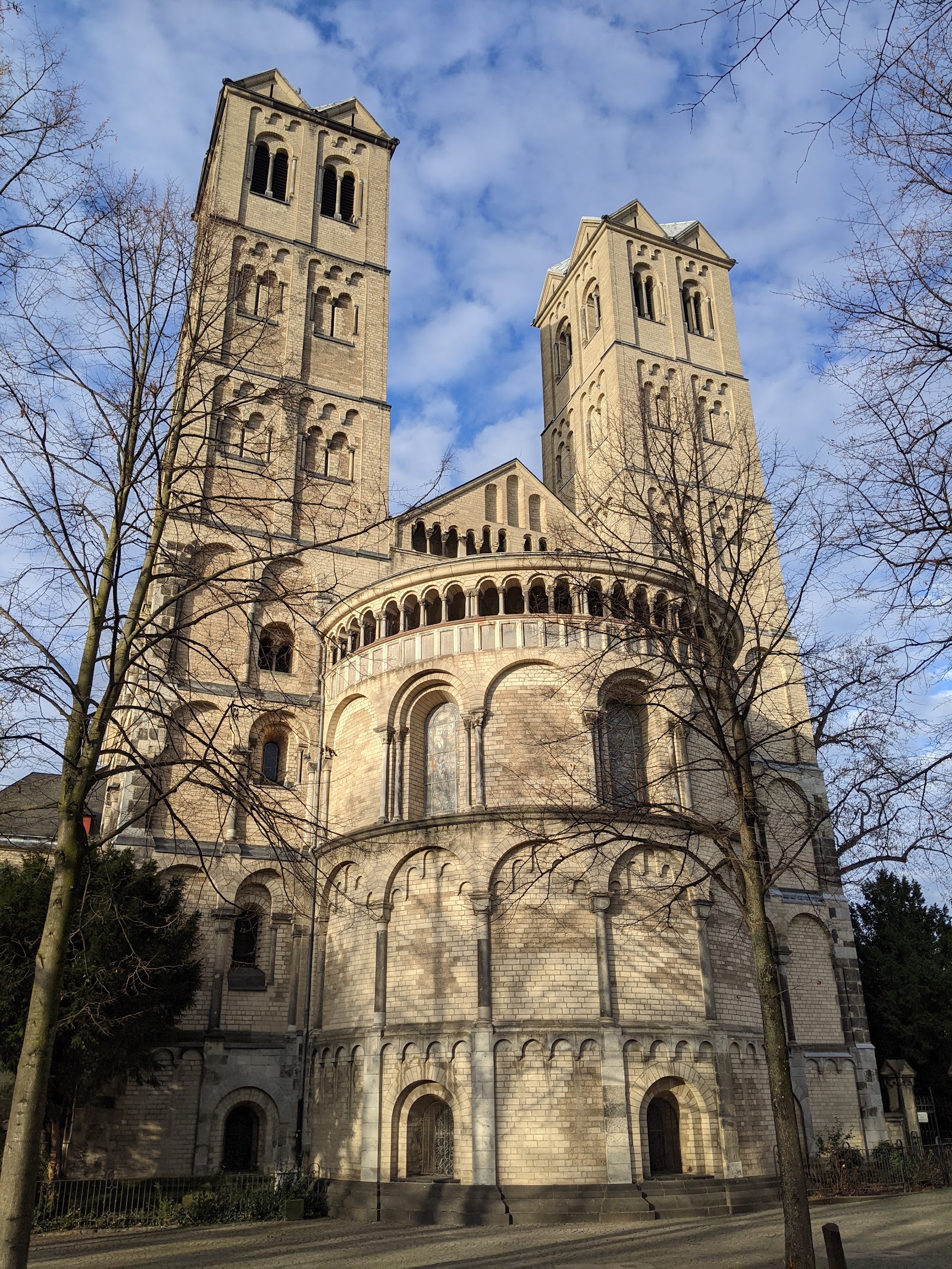
Another architectural gem among the Romanesque buildings is St. Gereon church, which will surprise you at first glance with its unusual shape. Its central feature is a so-called decagon, a massive ten-sided dome built as far back as the thirteenth century. In terms of its dimensions, this structure is often ranked among the very largest domes built in the period between antiquity and the Renaissance, which is truly a remarkable construction achievement.
The interior with colorful stained glass windows and an unusual floor plan feels much cozier than the enormous Gothic halls, and visitors rate it an incredible 4.7 stars online. 💡 Tip: The church stands a bit farther from the river in a quieter part of the center, so you’ll often have all this magnificence to yourself, far from the main tourist crowds that mostly circle around the cathedral.
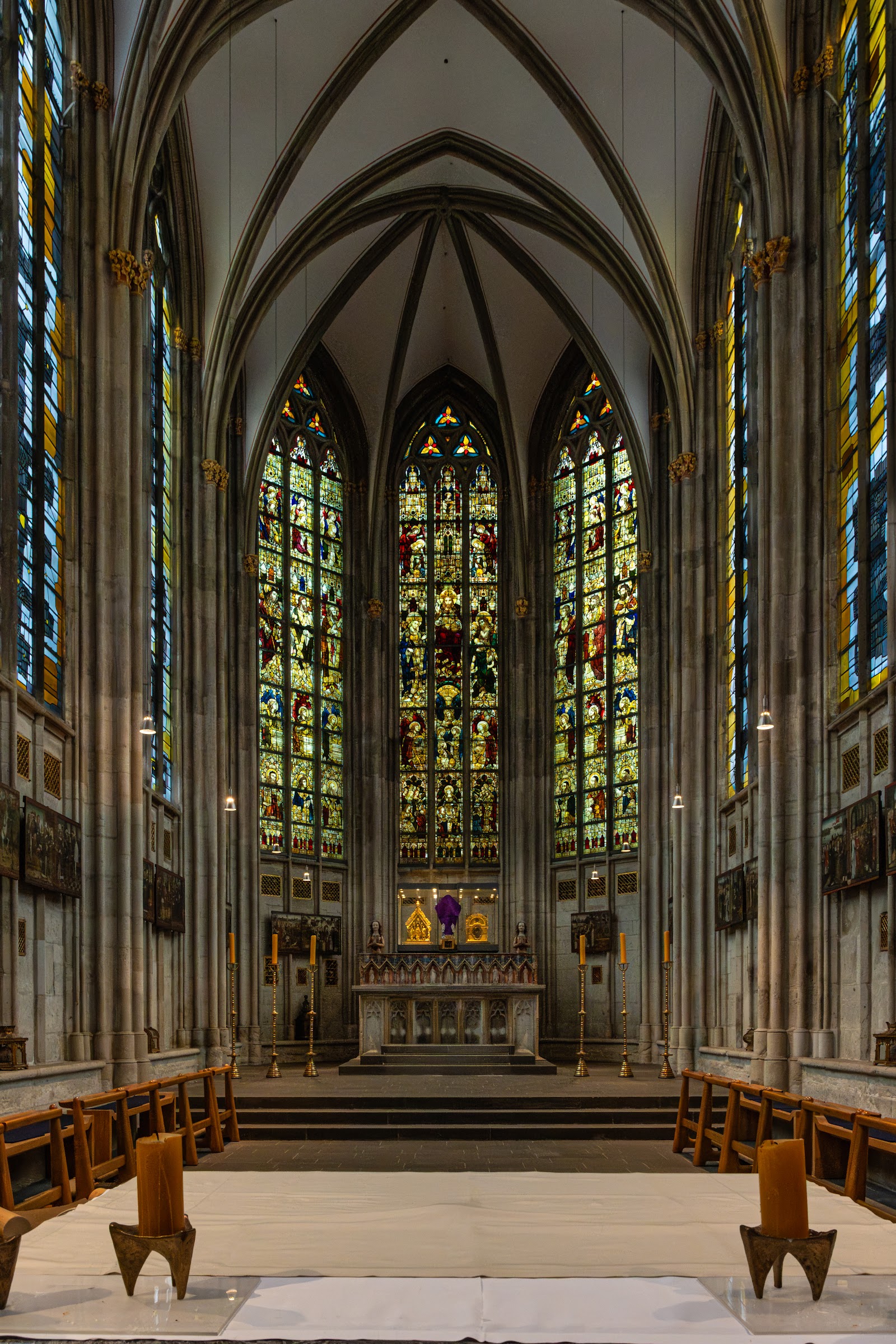
11. St. Ursula and the Golden Chamber
This inconspicuous-looking church hides one of the strangest and at the same time most fascinating places in all of Germany. The Golden Chamber (Goldene Kammer) is a Baroque reliquary room whose walls are lined with human bones that are meticulously arranged into various inscriptions and ornaments. This entire bizarre place is connected to the medieval legend of St. Ursula and her eleven thousand companions who were supposedly massacred here.
The atmosphere inside the chamber is very specific, and honestly it’s definitely not an experience for the faint of heart, but historically it’s an incredibly valuable place with an excellent 4.6-star rating. The opening hours of the Golden Chamber are very limited, so I strongly recommend you always check in advance on-site or on the church notice board, so you don’t make the trip for nothing and end up standing in front of closed doors.
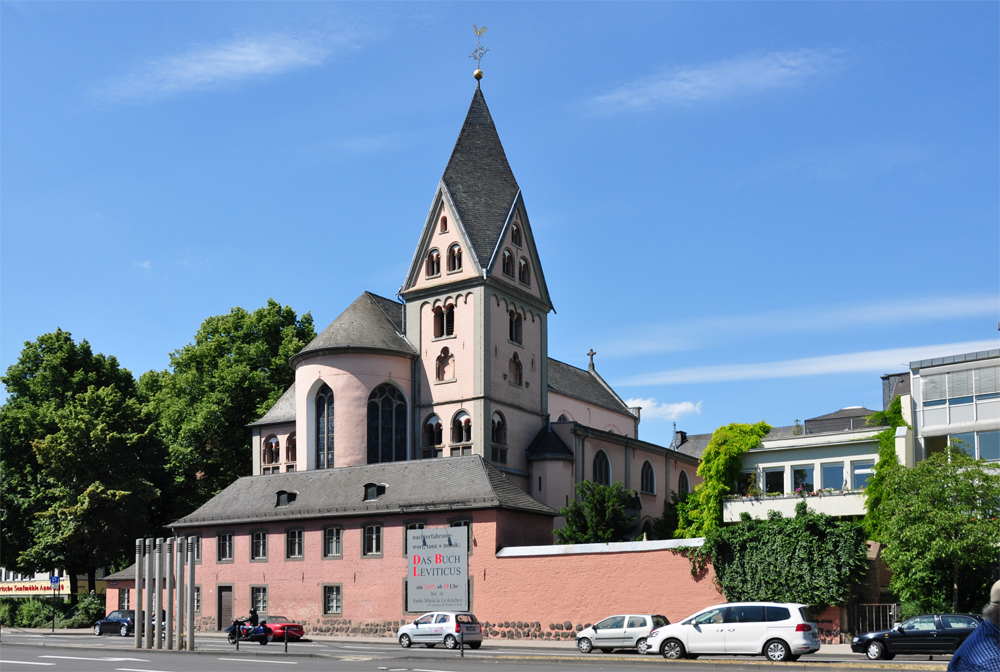

12. St. Maria Lyskirchen
If you want to see with your own eyes what this city really looked like in the Middle Ages before the devastating bombing, you must head right here. This inconspicuous little church by the river is the absolute smallest of all twelve Romanesque basilicas, but it has one enormous and absolutely crucial distinction. It’s the only one that survived World War II almost completely intact, so its walls breathe truly authentic history.
When you step inside, you’ll immediately be captivated by the beautifully preserved medieval frescoes on the vaults that colorfully tell ancient biblical stories. Visitors give it an excellent 4.7 stars, and it’s the kind of monument that will especially be appreciated by connoisseurs and lovers of authentic places. Stop by here during a walk along the Rhine—it’s just a few minutes’ walk from the chocolate museum, so you can easily combine it into one walking trip.
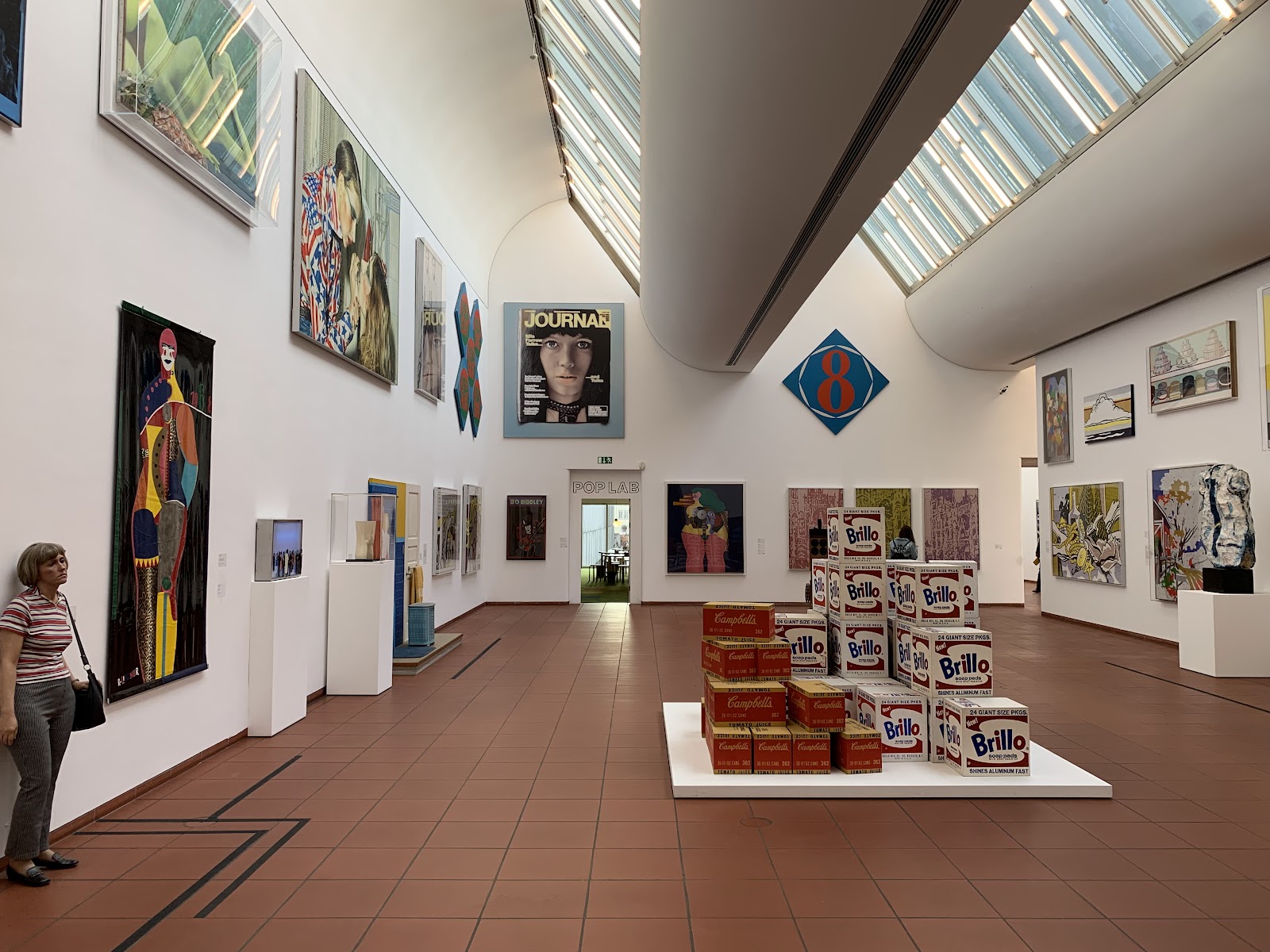
13. Museum Ludwig
Right behind the cathedral stands a modern building that will reliably delight the heart of any lover of modern visual art. You’ll find a huge collection of pop art, German expressionism, and also one of the most extensive collections of Picasso’s works in all of Europe. The museum focuses on twentieth- and twenty-first-century art, and its spacious, excellently lit exhibitions can easily keep you entertained for an entire morning. You can find current prices and opening hours on the Museum Ludwig website.
With nearly ten thousand reviews and an average of 4.5 stars, it ranks among the most popular and respected galleries in the entire region. Basic admission for an adult is €11, while students can view all the exhibitions for a very reasonable €7. 💡 Tip: If you like Andy Warhol or Roy Lichtenstein, the local American pop art section is phenomenal and among the very best in the world.
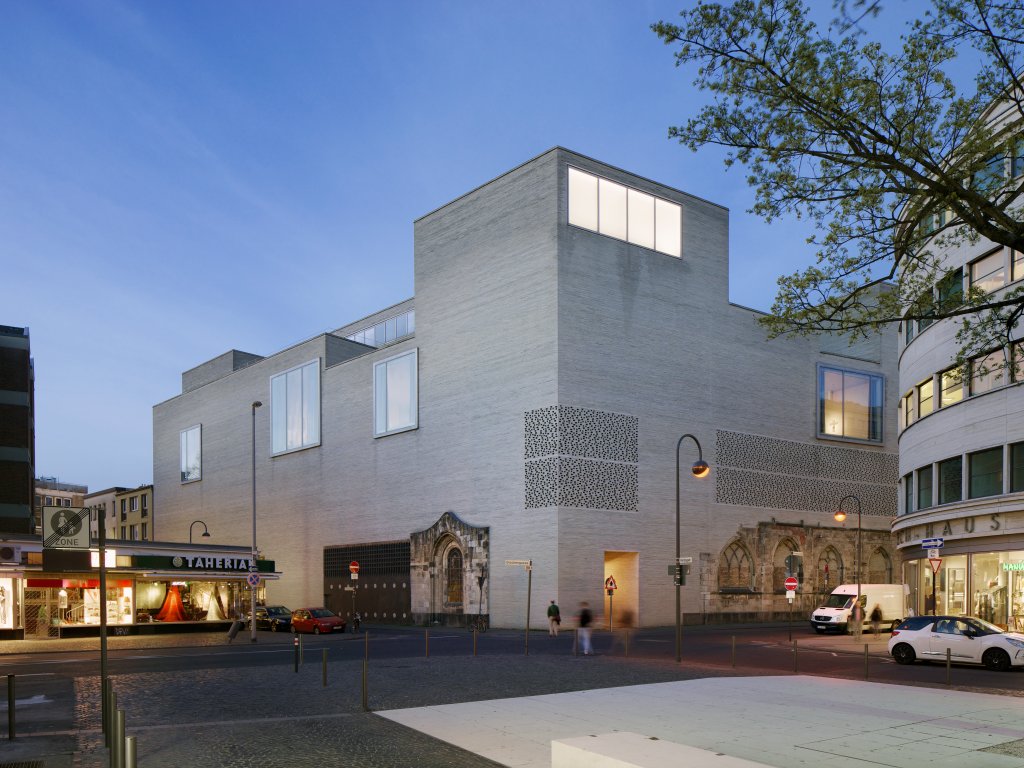
14. Kolumba
If you’re looking for the perfect escape from the noise of the big city, there’s no better place than the museum of the Cologne Archdiocese called Kolumba. Swiss architect Peter Zumthor designed this building with an incredible attention to detail, building it directly over the ruins of the bombed-out Gothic church of St. Columba and ancient archaeological layers. The thoughtful architecture and play of light and shadow in the interiors alone are worth the visit, even if you weren’t interested in the exhibited items at all.
Walking along the wooden walkways over the old foundations and then slowly ascending into the quiet, minimalist halls with art is an immensely calming experience. Kolumba is without exaggeration the quietest and best-designed space in the entire city, where religious art a thousand years old seamlessly blends with works by modern artists, creating an experience you’ll remember for a long time.
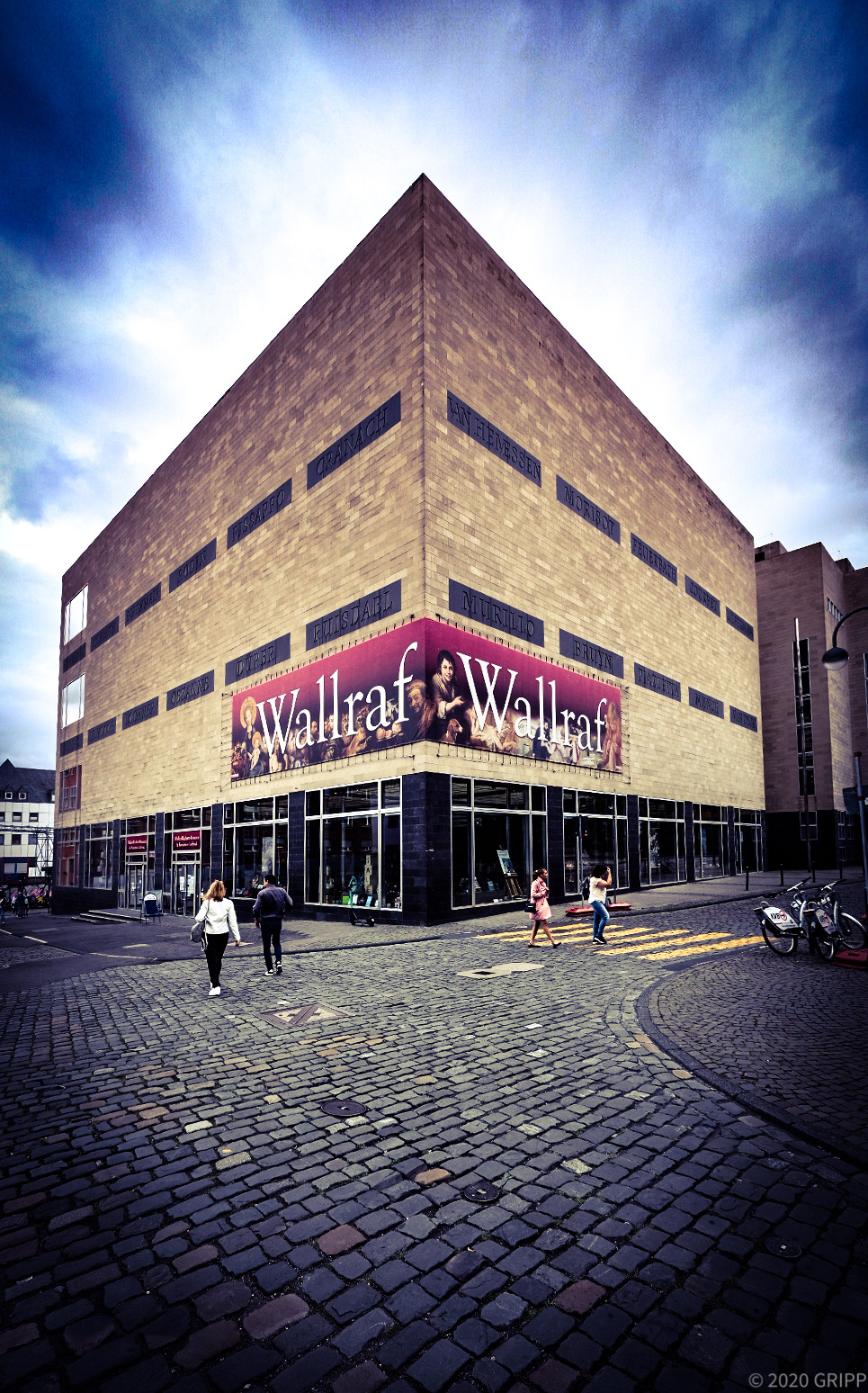
15. Wallraf-Richartz-Museum
For those of you who prefer classical art over modern, this spacious museum is a must. It focuses primarily on medieval panel painting, stunning canvases from the Baroque period, and a rich collection of French Impressionists. Together with the nearby Museum Ludwig, it forms a perfect and very comprehensive pair, because both institutions together cover an incredible seven centuries of European art history.
The museum building has a very pleasant and airy atmosphere, so you won’t feel cramped even on weekends when more people come for culture. Don’t miss the department with magnificent works by Monet or Renoir, which are among the greatest prides of the extensive collections here. 💡 Tip: With the KölnCard tourist card, you also get a twenty percent discount on admission, which really pays off when visiting as a couple.
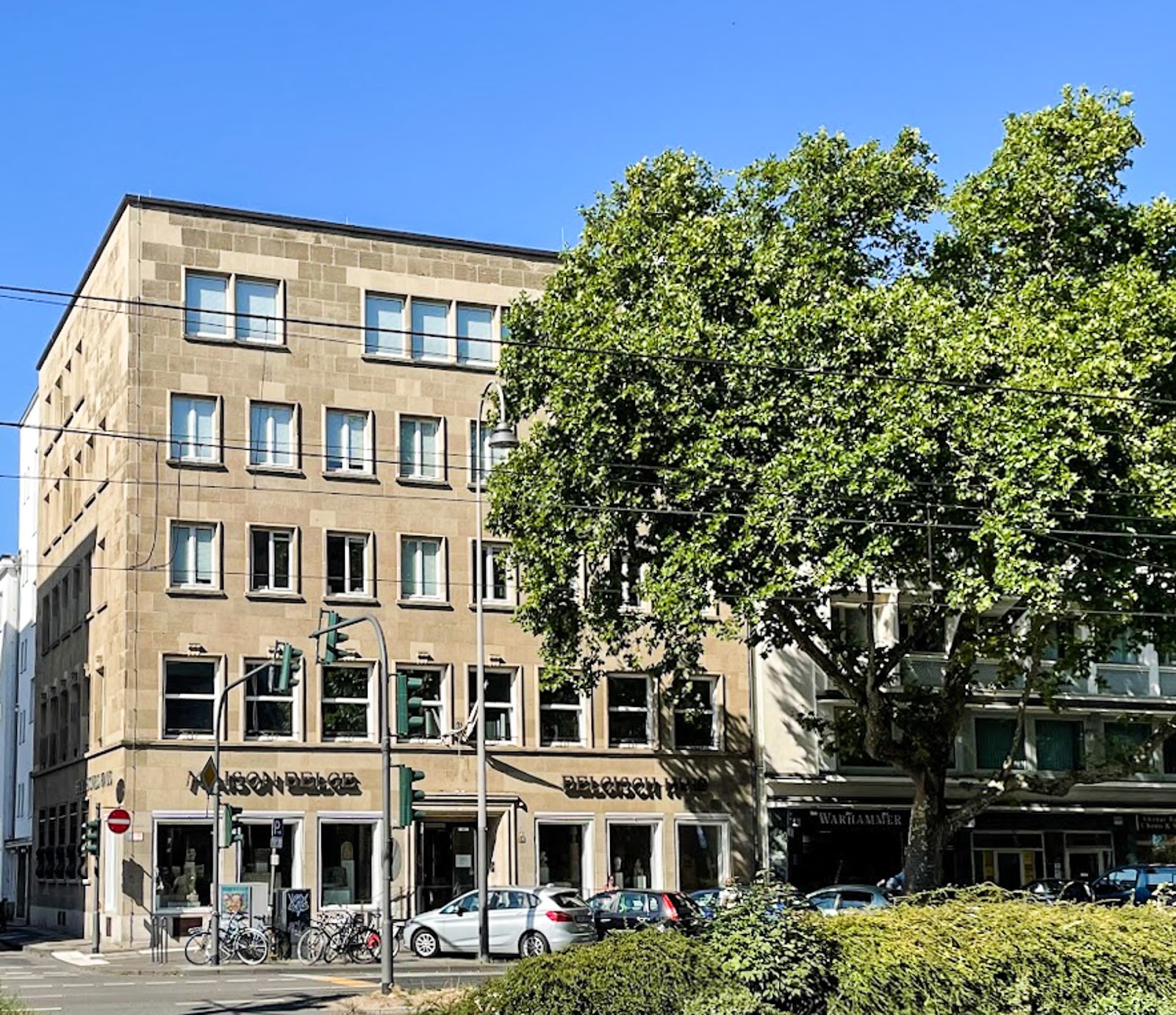
16. Römisch-Germanisches Museum in Belgisches Haus
I have to add one very important warning here so you won’t be disappointed on-site and won’t look for the museum where it no longer is. The main museum building right next to the cathedral is currently undergoing major reconstruction, the completion of which has unfortunately been postponed until mid-2028. The exhibition has therefore temporarily moved to the so-called Belgisches Haus, which you’ll find on Cäcilienstraße, a short walk from Neumarkt square.
In this temporary location, you can view about a thousand carefully selected artifacts from the era of ancient Roman Colonia across approximately one thousand square meters. It’s open Wednesday through Monday from 10:00 AM to 6:00 PM, with admission costing €6 and reduced €3.50; children and school groups have free admission. 💡 Tip: Be aware that due to water pipe and plumbing replacement in the adjacent Kronengasse street, there may be quite unpleasant construction noise here until October 2026.
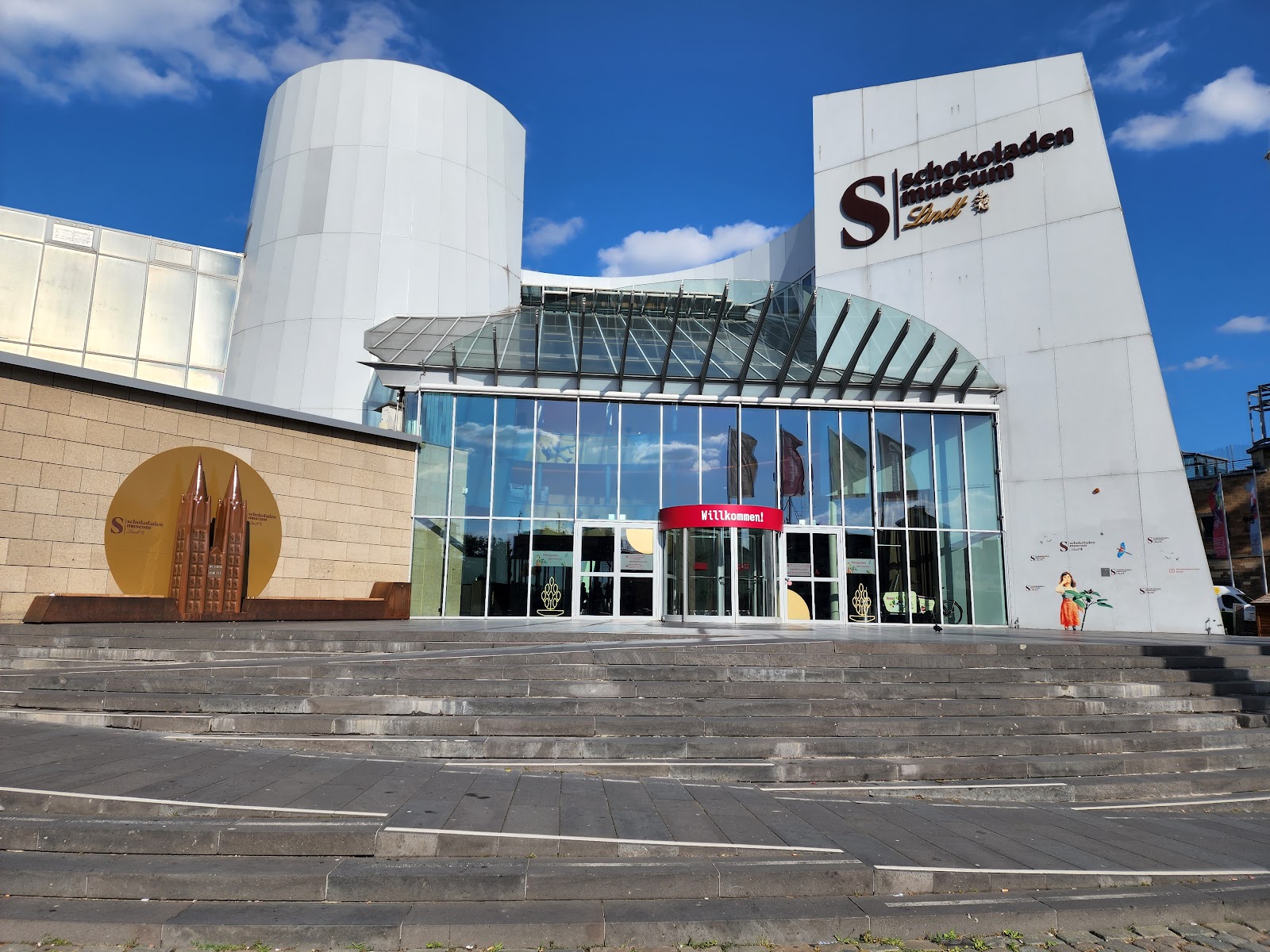
17. Schokoladenmuseum (Chocolate Museum)
If you’re traveling with kids or simply love sweets, you can’t miss this fragrant stop on its own little peninsula in the Rhine harbor. It’s the most visited museum in the city, which is clearly proven by an incredible 50,235 reviews on maps with an average of 4.4 stars. You’ll learn everything about the history of cocoa cultivation, see a functioning production line, and can taste chocolate directly from a giant chocolate fountain. You can find current prices and opening hours on the KölnTourismus website.
The museum is open daily from 10:00 AM to 6:00 PM, and admission for an adult on weekdays is around €16, while on weekends you’ll pay a bit more at the ticket counter. The great news for families with little travelers is that all children under 6 have completely free admission, which saves considerable money. Be sure to leave time for a visit to the local café with an amazing view directly onto the lazily flowing river.
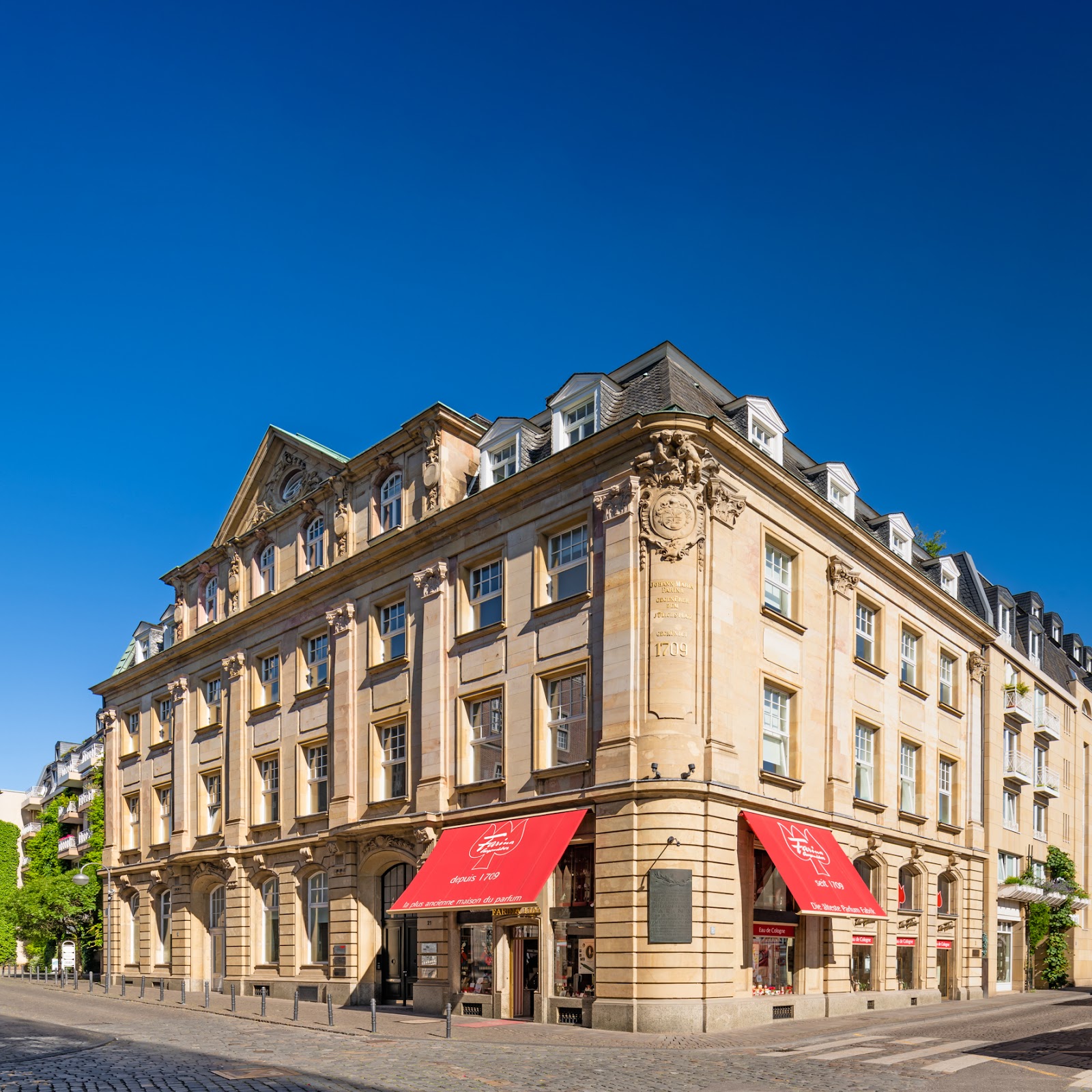
18. Duftmuseum im Farina-Haus (Fragrance Museum)
Did you know that the term “eau de Cologne” isn’t just a generic name for perfume, but is specifically tied to this German city? It was in this very house that Johann Maria Farina established the world’s oldest still-operating eau de Cologne production in 1709. The words eau de Cologne, now known around the entire world and found on every perfume bottle, originated from his family manufactory just a short walk from the historic town hall.
A visit to this fragrant museum with its excellent 4.4-star rating is only possible as part of a guided tour, so you should book your tickets in advance online. Guides in period costumes will take you through the historic cellars, engagingly explain the distillation process, and test your sense of smell on various essences. It’s a very playful and unconventional experience that you’ll come away from with plenty of fascinating insights.
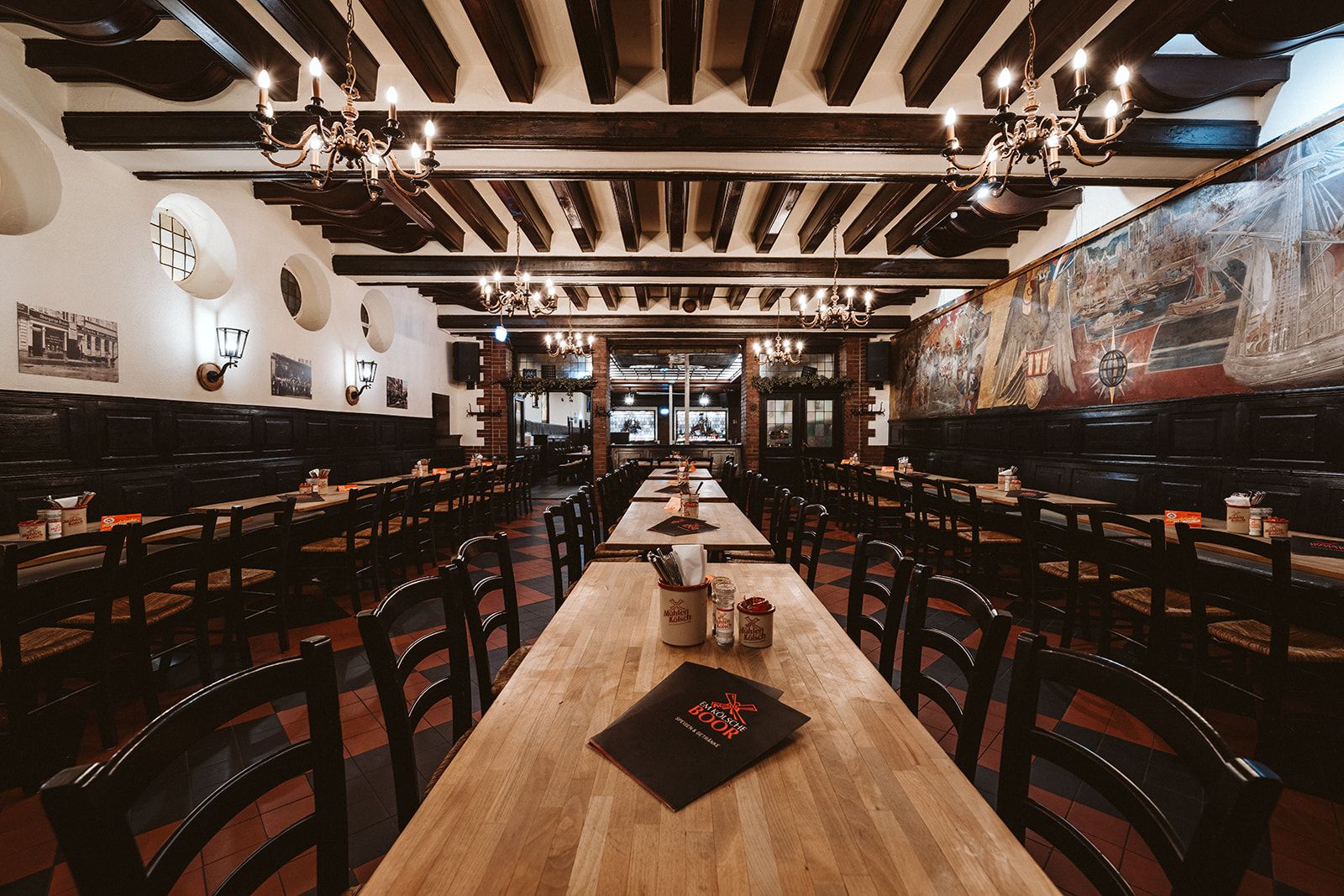
19. Where to Eat: Kölsch and Traditional Brewhouses
Visiting a local brewhouse is a cultural must here, because the city has its own beer with protected designation and above all its own unique etiquette that’s definitely worth knowing. Beer is served here in narrow 0.2-liter glasses called Stange, carried by a no-nonsense waiter called a Köbes on a special tray called a Kranz. As soon as you finish, the waiter will automatically place another full glass on your table, and he marks your tab with simple tally marks on your beer coaster. You can only stop this endless supply of beer by placing your coaster directly on top of your empty glass, clearly signaling that you’ve had enough.
Among the most famous brewhouses with excellent ratings are Peters Brauhaus (4.4 stars), Brauerei zur Malzmühle, Brauhaus Sünner im Walfisch, and the popular Gaffel am Dom right by the train station. 💡 Tip for vegetarians: If you see a specialty called “halber Hahn” on the menu, don’t expect half a chicken—you’ll get a delicious rye roll with a thick slice of Dutch cheese and spicy mustard, which is an ideal meat-free snack with your beer. On the other hand, the popular “Himmel un Ääd” may seem like harmless mashed potatoes with apples, but it’s traditionally served with blood sausage, so watch out for that.
If you prefer purely plant-based dining in a stylish and quieter setting, the city offers excellent vegan and vegetarian restaurants with fantastic ratings. I definitely recommend trying the renowned little green kitchen (4.9 stars), the Asian bistro Zen Chay (4.8 stars), or the fantastic vegan pizza at Virtuous Pie in the trendy Ehrenfeld district.
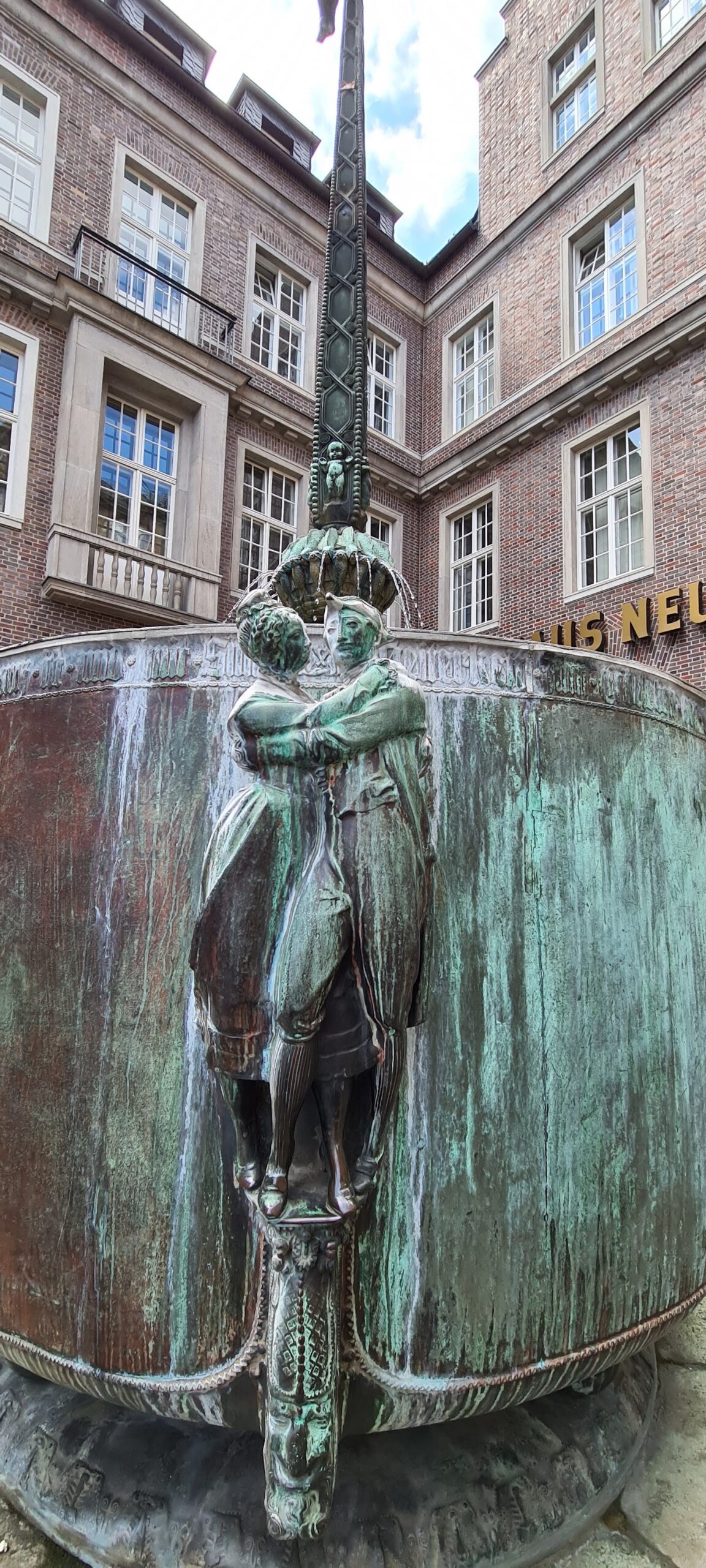
20. Altstadt, Fischmarkt and Alter Markt
Even though you already know that the historic center is largely just a post-war reconstruction and not pure medieval architecture, strolling through these streets still has tremendous charm. Especially the area around Fischmarkt square with its row of colorful gabled houses huddled close together by the river looks incredibly picturesque and photographs beautifully. Just a short walk away you’ll also find the historic town hall (Historisches Rathaus) with its gorgeous Renaissance loggia, where something is always happening.
To really enjoy this part of the city to the fullest, head here early in the morning, before the large groups of tourists arrive from the huge cruise ships moored on the Rhine. You can stroll leisurely over the old cobblestones, have breakfast at one of the small cafés on Alter Markt square, and soak up the peaceful morning atmosphere of the city awakening, when innkeepers are just setting up kegs for the evening.
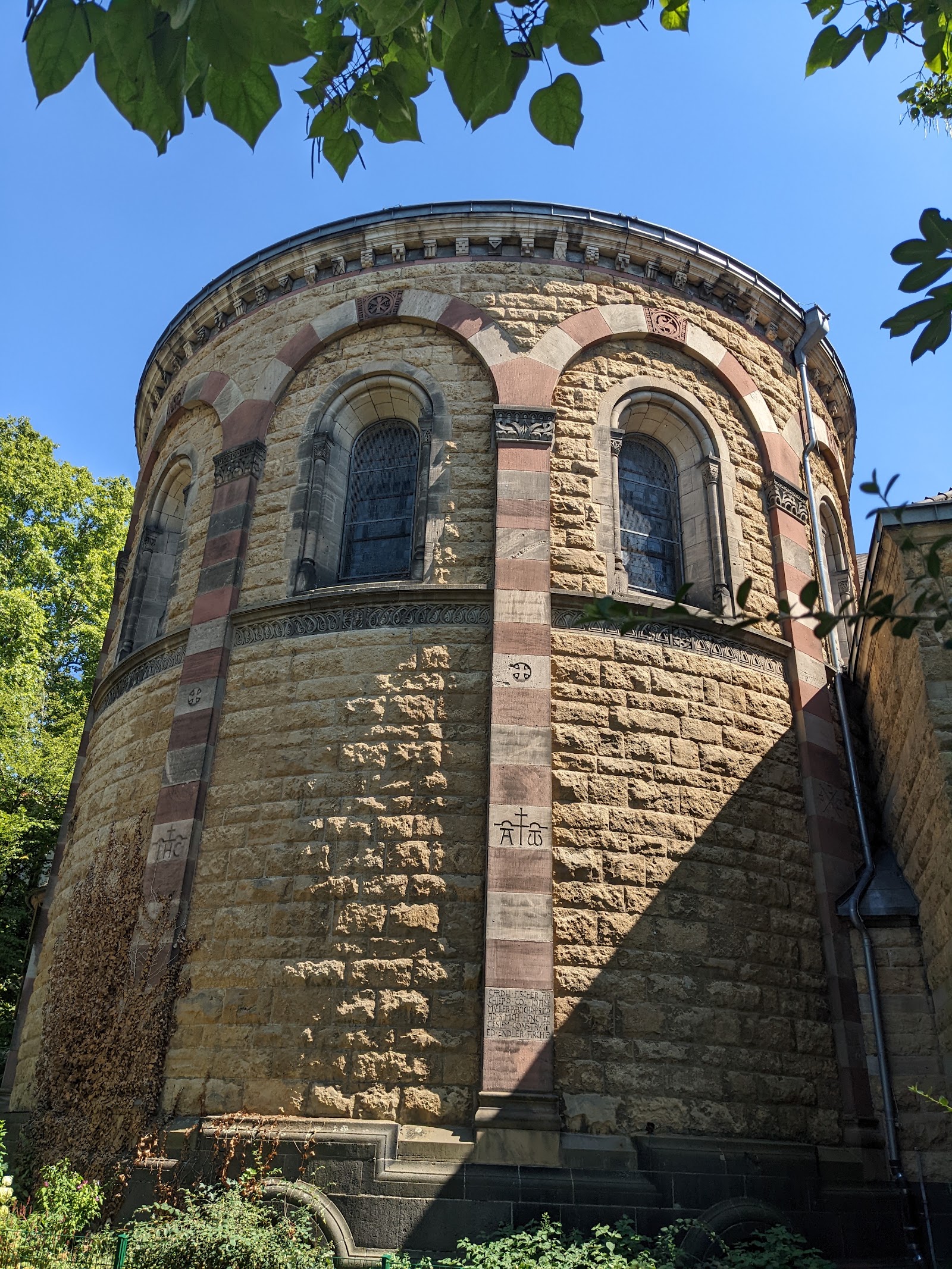
21. Belgisches Viertel and Ehrenfeld
If you want to escape the traditional monuments for a while and discover where locals go after work, head a bit further west from the center. The Belgian Quarter (Belgisches Viertel) is full of small independent boutiques, hipster cafés, and fashionable bars concentrated especially around the lively Brüsseler Platz square. It’s an ideal spot for shopping for designer pieces, sitting down for specialty coffee, or enjoying an evening drink with friends.
A bit further lies the immensely popular Ehrenfeld district, which has a much more industrial and overall grittier vibe. You’ll find the best street art in the entire city here, old factories converted into modern clubs, and the highest concentration of excellent vegan food. This is where the young creative scene has been moving in recent years, so prices tend to be somewhat more affordable than in the center itself near the cathedral.
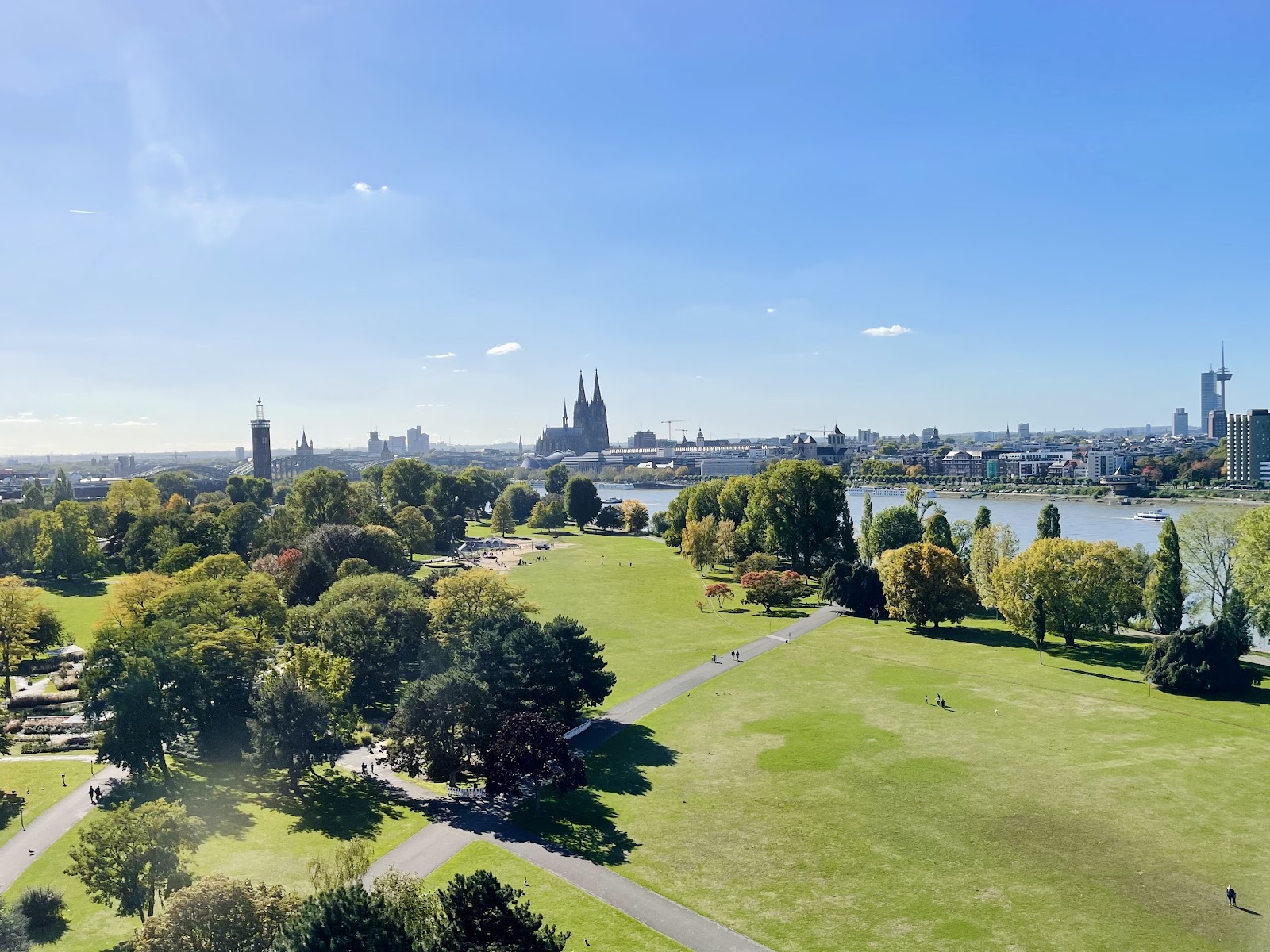
22. Rheinpark, Flora and Claudius Therme
When you feel that churches and museums are starting to blur together and you need a break, head out for a day of relaxation in the greenery. On the Deutz side of the river stretches the expansive Rheinpark, from which the cable car mentioned earlier also runs, so you can get here easily and quite spectacularly. Nearby you’ll also find the beautiful Flora botanical garden, whose enormous greenhouses and meticulously maintained flowerbeds are a perfect oasis of tranquility.
The perfect finishing touch to your entire trip can be a visit to the popular Claudius Therme thermal baths, located right in the middle of the park. They offer several outdoor and indoor pools with warm therapeutic water and an extensive sauna complex, where you’re guaranteed to rejuvenate your tired feet after a full day of walking around monuments. It’s also an excellent backup plan in case the weather doesn’t cooperate and it rains all day long.
Where to Go from Cologne
The city has fantastic train connections thanks to its main station, so you can very easily take interesting day trips around the area. Just 20 minutes by train lies the town of Brühl, where you’ll find the beautiful Rococo palaces of Augustusburg and Falkenlust, proudly inscribed on the UNESCO list. In about half an hour you can also reach nearby Bonn, where you can visit the birthplace of the famous composer Ludwig van Beethoven.
If you’re more drawn to modern architecture and luxury fashion, neighboring Düsseldorf is just a short half-hour journey by express train. Within an hour you can also reach historic Aachen, where you can admire the famous octagonal cathedral of Charlemagne, which was the very first German monument inscribed on the UNESCO list. During the pre-Christmas season, definitely consider exploring other cities in the region and get inspired by our comprehensive guide Christmas Markets Germany: 20 Tips.
Frequently Asked Questions
1. How much does entry to Cologne Cathedral cost in 2026?
From July 1, 2026, for the first time there is an admission fee to enter the interior of the cathedral: €12 for adults and €6 for students. Children and youth up to and including age 13 have completely free entry. If you are only going to pray, you can use the north transept free of charge, which is open for this purpose every day from 6:00 to 20:00.
2. Is the Römisch-Germanisches Museum by the cathedral open yet?
Unfortunately no, the main building of this museum right next to the cathedral is undergoing extensive renovation and its opening is currently scheduled for mid-2028. Until then, a selection of about a thousand exhibits from the antiquities collection can be seen in temporary premises at Belgisches Haus near Neumarkt square.
3. How do I get from the airport to the city center most quickly?
Transportation from Köln/Bonn Airport (CGN) is simple and quick, because S-Bahn city trains run directly from the terminal. The journey to the main station, which is only 50 meters from the cathedral, takes approximately 15 minutes, so you can easily get by without a car when visiting the city and save on taxi fares.
4. When exactly do the Christmas markets take place?
In the 2026 season, the festive fun starts very early, with the harbor market opening as early as November 13 and the large markets by the cathedral and in the squares starting November 16. Most stalls end operations on December 23, but for example the popular ice rink on Heumarkt square remains open until January 10, 2027.
5. What is the local specialty halber Hahn?
Although the name literally means “half rooster” or “half chicken,” it has nothing to do with meat at all. It’s an excellent rye roll topped with a thick slice of hard Dutch cheese and served with spicy mustard, making it an ideal vegetarian snack to go with the local beer at a brauhaus.
6. Is it worth buying a KölnCard for transportation?
The KölnCard tourist card costs €9 for 24 hours or €18 for 48 hours and offers unlimited travel on public transportation. Additionally, you get a 20 percent discount on admission to city museums. If you’re planning to visit at least two museums during the day and ride the tram several times, it will definitely pay off financially.
7. When is the main season of the famous Cologne carnival?
Although the carnival season formally starts as early as November 11, the biggest street celebrations always take place the week before Ash Wednesday. In 2027, the wild Weiberfastnacht falls on Thursday, February 4, and the huge Monday parade Rosenmontag takes place on February 8. Expect the city to be packed with people.
8. When will the new Jewish museum MiQua open?
The opening of the large archaeological and Jewish museum MiQua, which is being built in the square in front of the town hall, has unfortunately been significantly delayed. The handover of the building will take place at the end of 2028, and the museum itself will only open to the public during 2029.
9. How many days should I set aside for visiting the city?
For the main highlights, such as the cathedral, the riverside promenade, one or two museums, and an evening sitting in a traditional pub, two days will be enough. But if you want to explore the Romanesque churches, take the cable car, and walk through the alternative Ehrenfeld district, I recommend planning an extended weekend of three days.
Tips and Tricks for Your Vacation
Don’t Overpay for Flights
Search for flights on Kayak. It’s our favorite search engine because it scans the websites of all airlines and always finds the cheapest connection.
Book Your Accommodation Smartly
The best experiences we’ve had when looking for accommodation (from Alaska to Morocco) are with Booking.com, where hotels, apartments, and entire houses are usually the cheapest and most widely available.
 🚗 Car rental on the roadVerified rental cars in Germany
Search with the DiscoverCars comparison engine — it compares prices from dozens of local and international rental companies, and most bookings come with free cancellation.
Compare car prices in Germany →Don’t Forget Travel Insurance
Good travel insurance will protect you against illness, accidents, theft, or flight cancellations. We’ve had a few hospital visits abroad, so we know how important it is to have proper insurance arranged.
Where we insure ourselves: SafetyWing (simple monthly subscription) and TrueTraveller (for extra-long trips).
Find the Best Experiences
Get Your Guide is a huge online marketplace where you can book guided walks, trips, skip-the-line tickets, tours, and much more. We always find some extra fun there!