

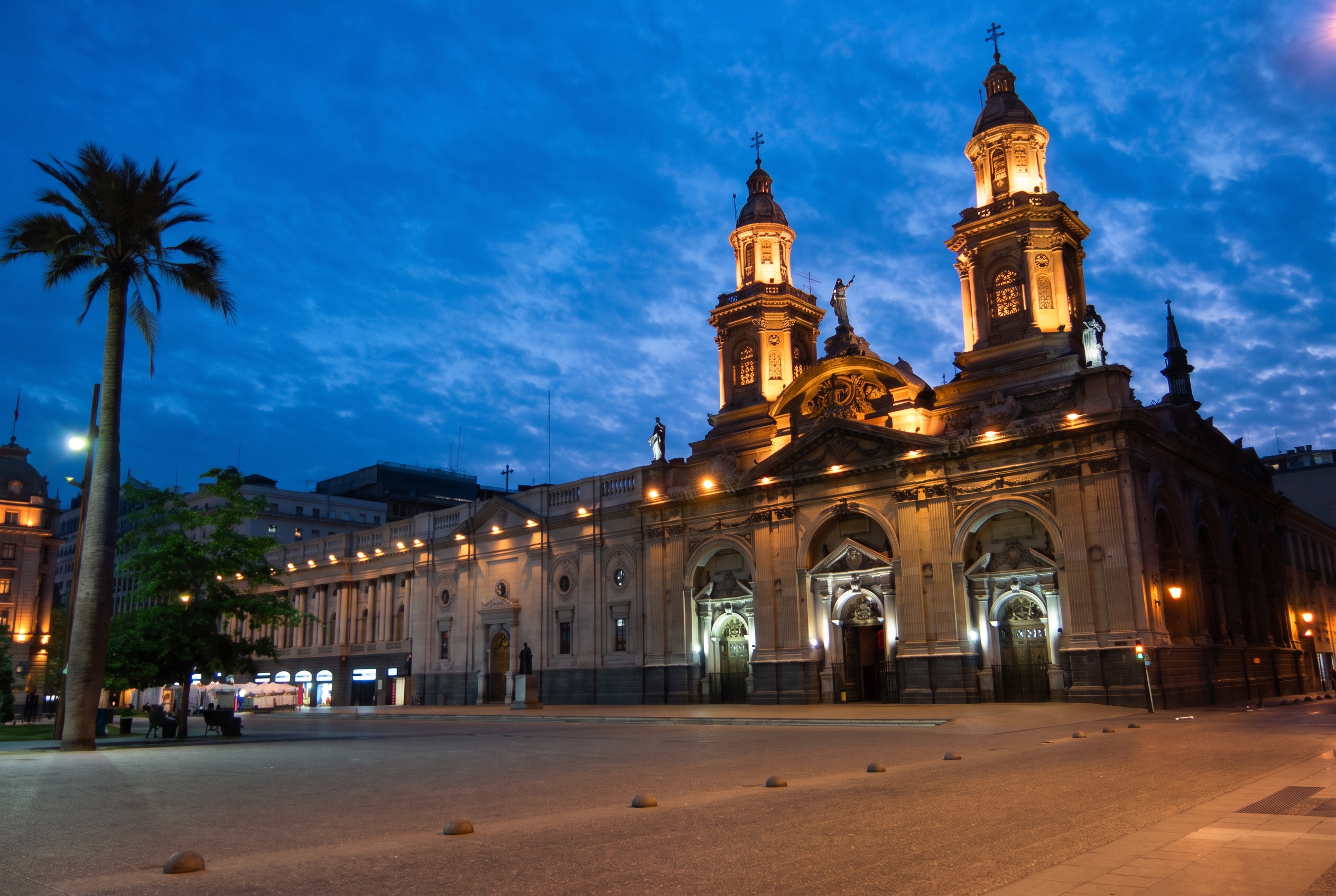
If you’re considering a trip to South America, Chile’s capital should definitely be on your list. Chile has become a hot destination after the prestigious Forbes magazine named it “Best International Destination” for 2026, and on popular Tripadvisor it currently ranks fourth for solo travelers. Santiago, Chile itself is a massive metropolis nestled in the Andes, where deep history blends with modernity and pulsing urban life.
The city has taken a breath of fresh air after turbulent years and today is much more accessible to tourists than before. Since February 2026, you can pay in the metro simply with a contactless card, and just outside the center you can ride a brand-new cable car line. In just an hour and a half you can easily swap bustling boulevards for snow-capped mountain peaks or picturesque vineyards, making the city a perfect base for excursions.
It’s simply a destination with enormous potential that will definitely captivate you with its diversity. I’ll tell you which places to put on your itinerary, where to strategically stay, and what to watch out for in the evening hours. Let’s take a look together at the best tips for how to enjoy this South American gem to the fullest.
Summary
- Airport transport: The cheapest way to the center is the Centropuerto bus for 2,400 CLP to Pajaritos metro station; at the airport, be very careful of fake taxi drivers.
- City transport: Since 2026, regular payment cards work in the metro, with a single ride costing around 815 CLP depending on time of day.
- Best views: For views, head to South America’s tallest building, Sky Costanera, or take the new cable car up San Cristóbal hill.
- Culture and history: Don’t miss Palacio de La Moneda and the changing of the guard, the impressive Museo de la Memoria, and poet Pablo Neruda’s house.
- Great excursions: Santiago is an ideal base for visiting the mountain reservoir Embalse El Yeso or the famous Concha y Toro vineyards, which you can reach by metro.
- Safety: During the day the city is relaxed in tourist areas, but after dark avoid parks and the center and use Uber for getting around instead.
- When to go: Ideal weather without smog and heat is offered by Chilean spring from September to November and fall from March to May.
When to Visit Santiago, Chile
When planning your trip, it’s good to remember that seasons in Chile are reversed compared to Europe. The best time to visit is Chilean spring from September to November and fall from March to May. During these months, temperatures are very pleasant, you’ll avoid summer heat, and the sky is beautifully clear, so you can enjoy the best views of the snow-capped Andes peaks.
If you arrive in summer, which is December through February, be prepared for temperatures regularly climbing to 30°C. The city is quite dry and hot during this period, but on the bright side you’ll enjoy blue skies and long days ideal for excursions to the surrounding areas. The average annual temperature is around 13.9°C, so even summer evenings can be pleasantly cool, which is why you shouldn’t forget to pack a light jacket.
Winter in Santiago, lasting from June to August, has its specifics and temperatures can drop to as low as 3°C at night. During this period the city often struggles with morning inversions and smog, although winter 2026 was rated as the third best since the anti-smog plan was introduced. On the other hand, it’s an ideal time for winter sports lovers, as top ski resorts are just an hour and a half drive away.
Pay special attention to September, when huge Fiestas Patrias celebrations take place on the 18th and 19th. During these national holidays most museums and institutions are closed, but the city comes alive with fondas where people dance and celebrate, with the biggest event held in Parque O’Higgins. Around September 11th, which is the anniversary of the military coup, caution is recommended due to possible risk of demonstrations.
Where to Stay in Santiago, Chile
Choosing the right neighborhood in Santiago is crucial both for your comfort and especially for your safety. Most travelers find that the modern and safe Providencia neighborhood works best, offering excellent connections to metro line 1, plenty of outstanding restaurants, and a relaxed atmosphere even in the evening hours. Another great choice is the bohemian Lastarria neighborhood, which will charm you with historic buildings, cafés, and walking distance to major attractions, although after dark it’s better to use Uber for getting around.
If you’re looking for real luxury and an unforgettable experience, I recommend checking out The Singular Santiago, a beautiful hotel in the Lastarria neighborhood. This hotel offers a gorgeous rooftop bar with a pool, where you’ll have a fantastic view directly onto Santa Lucía hill. Another beautiful option is Hotel Boutique Le Rêve in Providencia, which will charm you with its elegant French style and perfect location just a short walk from Pedro de Valdivia metro station.
For those seeking great value for money, an ideal choice is Solace Hotel Santiago, located just one block from the metro in Providencia. This modern hotel offers an excellent rooftop pool with city views and very comfortable mid-range rooms that will satisfy even demanding travelers. If you prefer a more relaxed atmosphere and lower budget, check out Hostal Providencia, which is the largest and very popular hostel in the area, where you’ll find both shared rooms and nice private accommodations.
When booking accommodation in Chile, there’s one very important rule about paying taxes. Foreigners get a 19% VAT exemption (called IVA) if they pay for the hotel in US dollars or with a card billed in dollars, and also present their passport and tourist PDI card, which you receive at the airport. You can find more detailed tips and specific recommendations in our separate article Where to Stay in Santiago, Chile.
💡 On this map you can compare what’s currently available — you’ll immediately see how much the price changes a few blocks away.
22 Tips for What to See and Do in Santiago, Chile
1. Plaza de Armas and Catedral Metropolitana
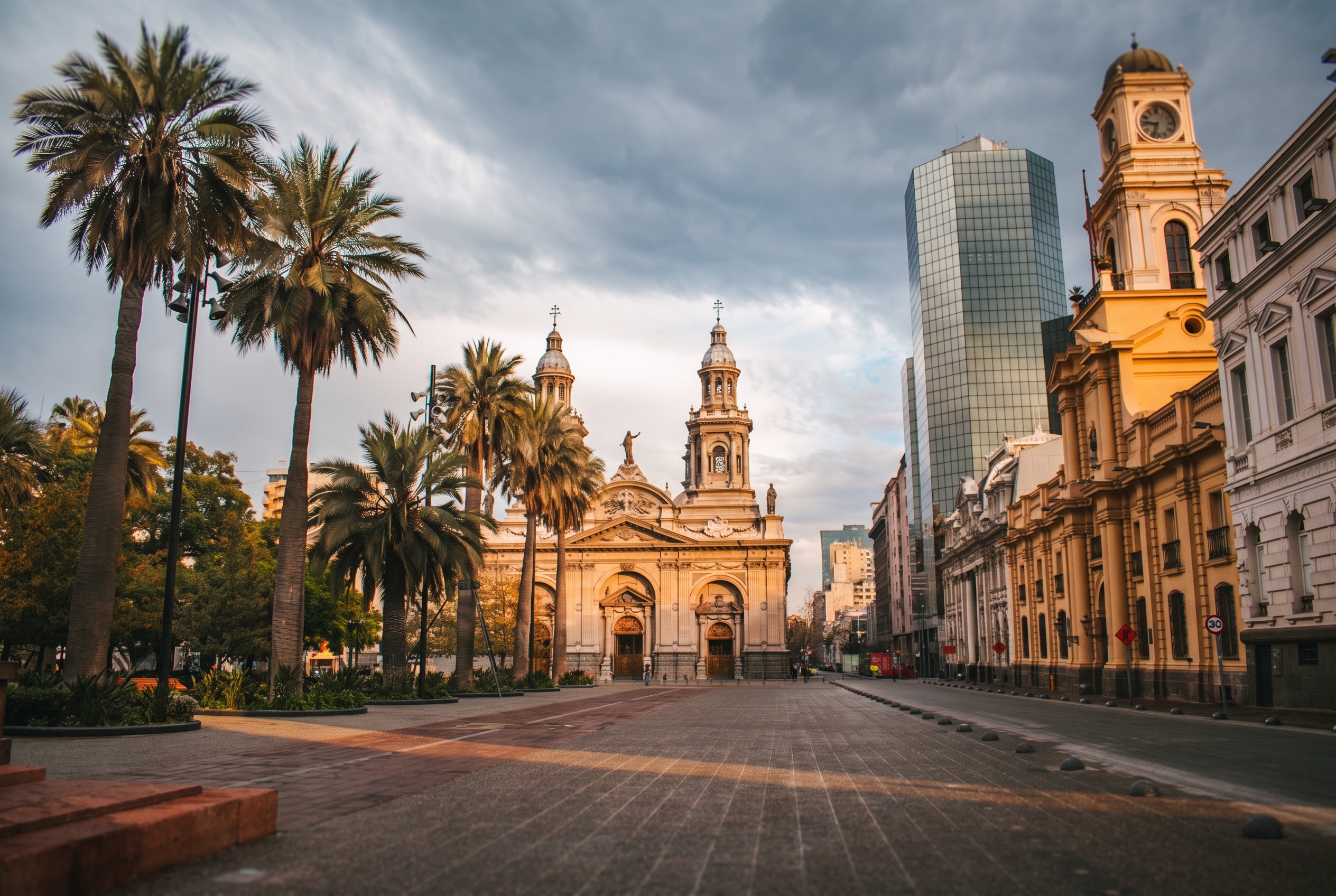
The very heart of the city began beating on February 12, 1541, when Spanish conquistador Pedro de Valdivia founded Plaza de Armas as the main square. This space serves as the so-called zero kilometer of the entire country, surrounded by palm trees, street painters, chess players, and historic buildings that remember colonial times. The square is full of life throughout the day and offers a great opportunity to observe the local hustle and bustle, and you can easily get here on metro lines 3 or 5.
The main landmark of the square is Catedral Metropolitana, whose current form dates from the late 18th century and conceals a richly decorated interior. Entry to the cathedral is completely free, but opening hours may vary, so it’s best to head there in the morning hours when you’re sure to get inside. Touring the beautiful altars and high vaults takes about half an hour and is definitely worth it.
Although the square is a safe place during the day, the situation changes after the surrounding shops close. According to many travelers, the area is deserted and quite risky after dark, so avoid evening walks in the center. For getting to dinner or your hotel after dark, always use reliable apps like Uber or Cabify.
💡 Tip: On the nearby pedestrian avenue Paseo Ahumada, be very careful of pickpockets. Always carry your phone and valuables in your front pocket and keep your camera securely around your neck.
2. Cerro San Cristóbal and the New Cable Car
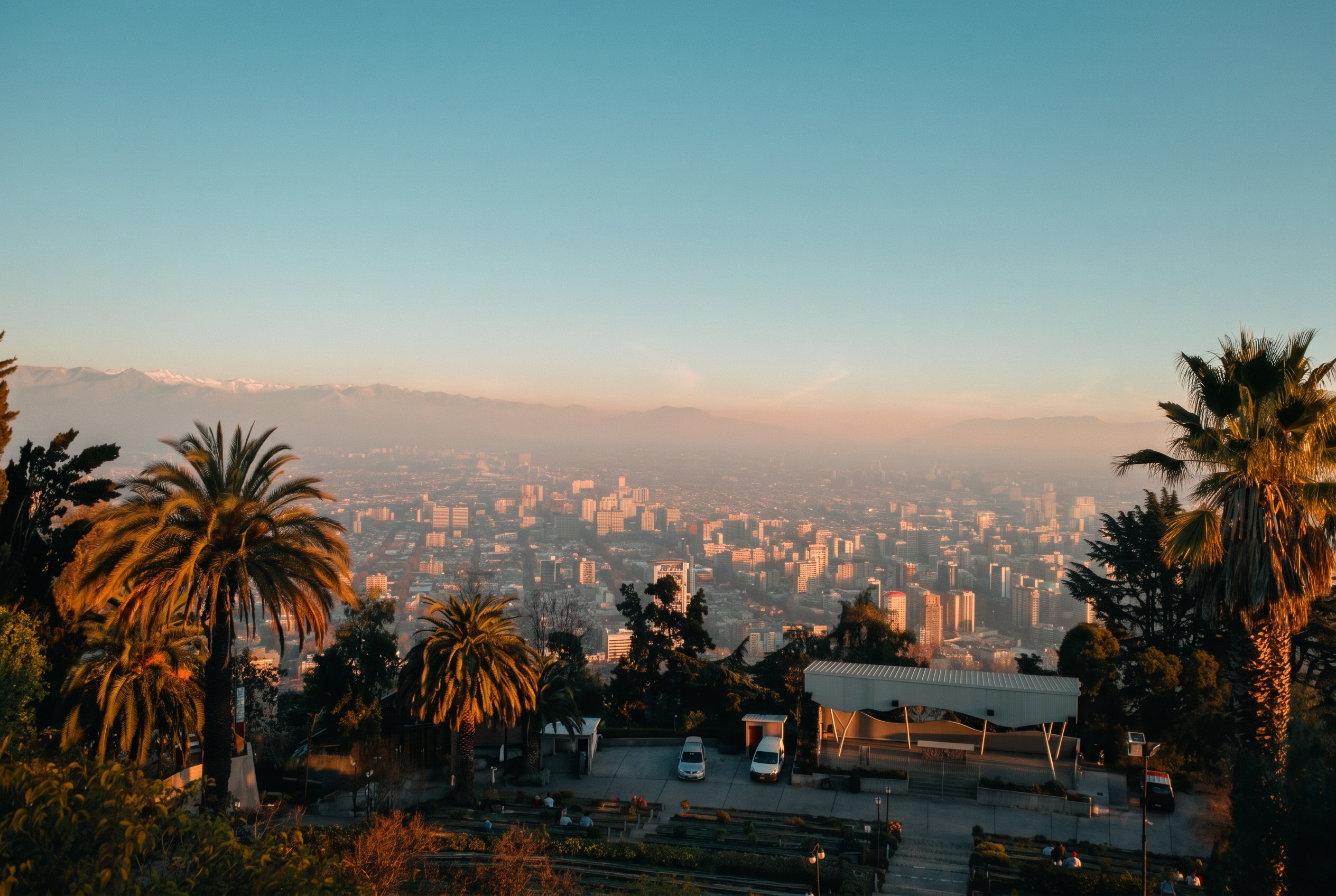
This iconic hill is part of the vast Parque Metropolitano, which spans more than 700 hectares and ranks among the largest urban parks in the world. The summit rises roughly 300 metres above the city level and is crowned by a massive statue of the Virgin Mary, which was ceremoniously installed back in 1908. The park is open to pedestrians daily from 6:00 to 19:00 and entry is completely free, making it a favourite spot for locals’ morning runs.
You can reach the top via the historic funicular railway, a ground cable car dating from 1925, which takes you up in 5 to 7 minutes. The journey begins at the Pío Nono station and a return ticket costs between 2,000 and 4,000 CLP depending on the current rate, with children paying slightly less. The funicular operates Tuesday through Sunday, and the first Monday of each month is reserved for regular maintenance, so it’s best to plan your visit for another day.
A major development since March 2026 is the brand-new gondola cable car line (teleférico) called Pío Nono, which connects to the funicular at the Zoológico station and complements the original Pedro de Valdivia line. A return ticket for adults costs 4,050 CLP, and if you want to try both, you can purchase an attractive package combining the funicular and teleférico from 2,280 CLP. Near the Baquedano metro station, from which you walk to the cable car, you’ll find the vegan restaurant Catapilcana Vegana, where I recommend trying the vegan version of the traditional dish pastel de choclo.
💡 Tip: When you’re up at the statue, definitely buy the traditional refreshing drink mote con huesillo (dried peaches with wheat) — a litre will cost you around 3,000 CLP.
3. Cerro Santa Lucía
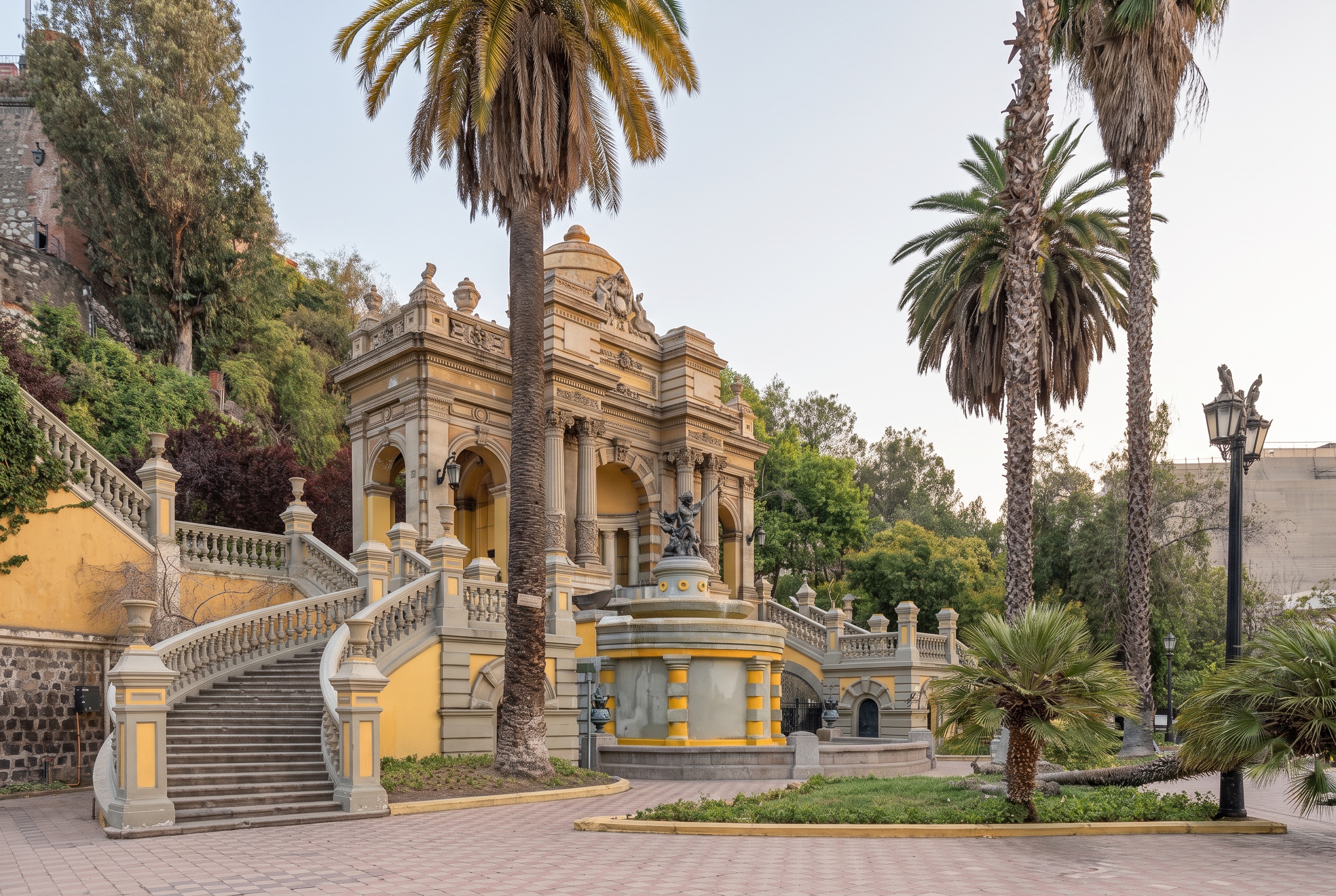
This romantic hill tucked right in the heart of the city is a true green oasis of calm and offers beautiful views of the surrounding historic buildings. The park was created by the visionary intendant Benjamín Vicuña Mackenna in the 1870s, and an interesting fact is that prisoners worked on its construction from the nearby Castillo Hidalgo. The entire site is dotted with yellow façades, decorated staircases and beautiful fountains that invite you to rest.
The hill’s elevation is just 68 metres, so absolutely anyone can manage the climb during a pleasant fifteen-minute walk. Entry is completely free and the grounds are usually open from 8:00 to 19:30, though on Mondays it opens a bit later and during heavy rain it remains closed for safety reasons. The easiest way to get here is via metro red line number 1 — just get off directly at Santa Lucía station.
During your walk you’ll come across the beautiful Terraza Neptuno viewpoint, where you’ll also find a small tourist information centre. The hill is an ideal spot for a quiet afternoon with a book or for taking stunning photographs with the Andes in the background, weather permitting. The paths can be a bit steep and slippery at times, so definitely wear comfortable and sturdy shoes.
💡 Tip: Head here early in the morning, when the light is best for photography and you won’t have to dodge crowds of tourists on the narrow staircases.
4. Palacio de La Moneda and the Changing of the Guard
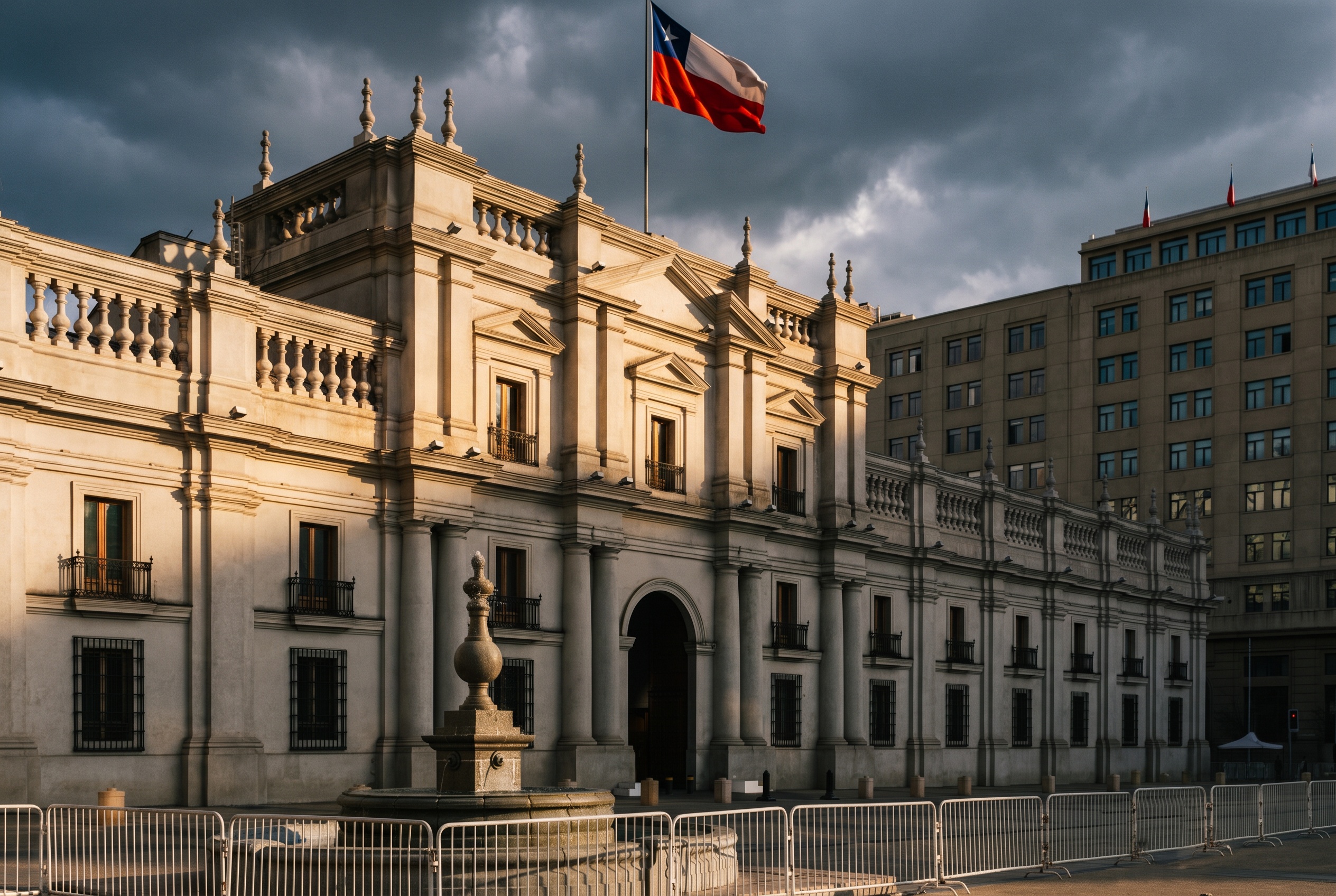
This magnificent neoclassical palace, designed by Italian architect Joaquín Toesca, was originally built as the royal mint and has served as the seat of Chilean presidents since 1846. The building bears deep historical scars, having been bombed during the military coup of 11 September 1973, a fact still recalled by the restored Morandé 80 doors. The easiest way to reach the palace is via the red metro line — just get off at the station of the same name, La Moneda.
You can explore the palace interiors during guided tours that are completely free, but require advance reservation. Unfortunately, the system is primarily set up for Chilean citizens, so as foreigners you need to write a request to visitas@presidencia.cl, ideally well in advance. For the tour, which lasts about an hour, don’t forget to bring your passport and arrive at least 15 minutes early.
A visual treat is the ceremonial changing of the guard at Plaza de la Constitución, which lasts about half an hour and is accompanied by a military band. This ritual takes place every other day precisely at 10:00 AM, with odd-numbered days in January, April, May, August, November and December, and even-numbered days in the remaining months. A short walk from the palace is the famous vegetarian eatery El Naturista from 1927, where you can enjoy an excellent lunch at very reasonable prices.
💡 Tip: During state visits or political events, the timing of the changing of the guard may change unexpectedly, so I recommend checking the current situation the day before.
5. Centro Cultural La Moneda (CCLM)
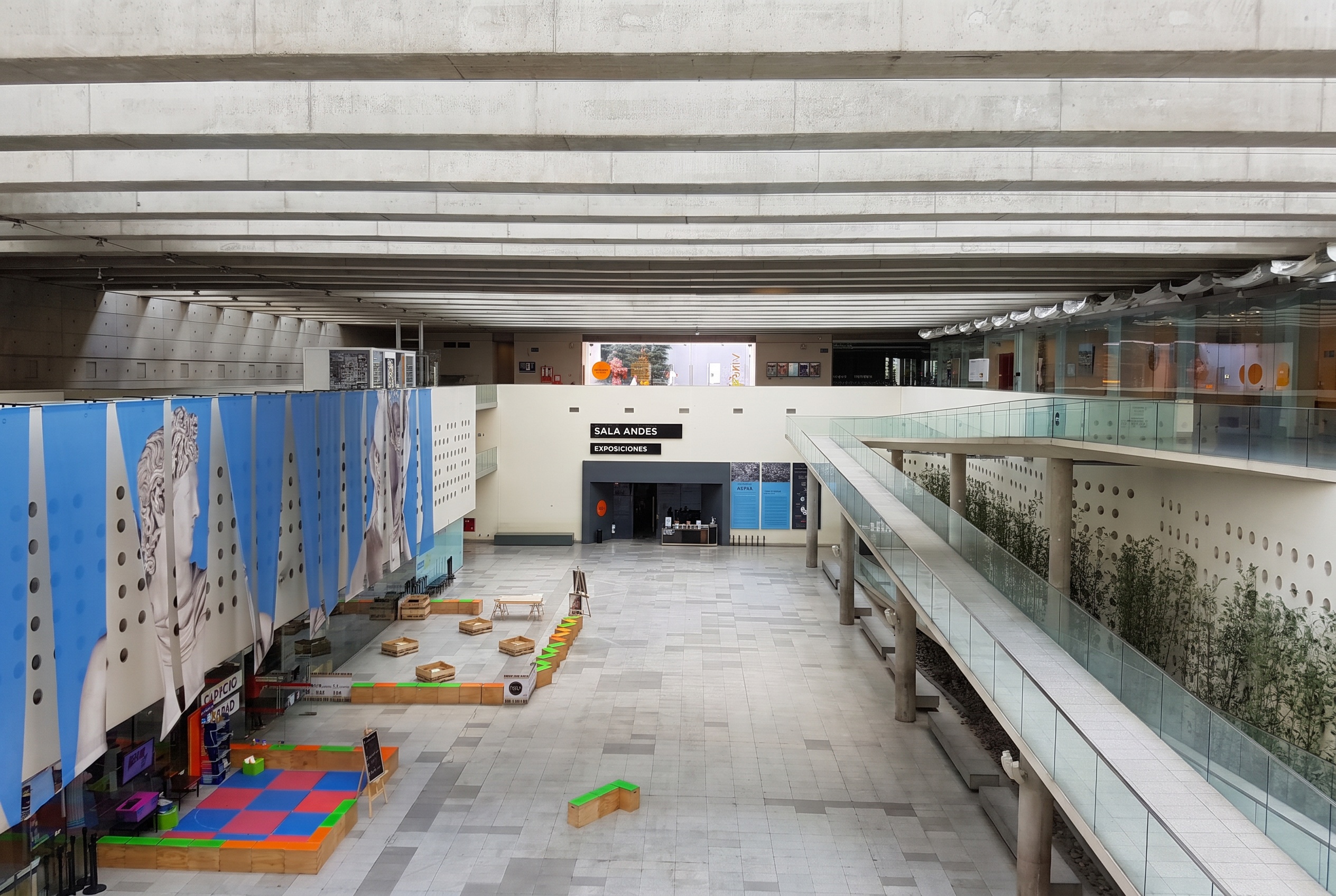
Directly beneath the large Plaza de la Ciudadanía square next to the presidential palace lies an extensive underground cultural centre, which in 2026 celebrates exactly 20 years since its opening. This enormous modern space houses top-notch galleries, craft shops and even the national film archive Cineteca Nacional. The centre is open Tuesday through Sunday from 10:00 to 19:00, so you can easily take shelter here from the summer heat or winter rain.
Basic admission to the main exhibition halls costs 3,000 CLP, students pay half and seniors over 60 have completely free entry. If you want to save a bit, plan your visit for Tuesday or Sunday, when entry is free for all visitors after prior online reservation. Don’t forget to check public holidays, because on days such as 18 and 19 September or New Year’s Day the entire complex is closed to the public.
The exhibitions here change regularly and often focus on contemporary Latin American art, design or historical artefacts. The underground space’s architecture itself, with its minimalist design and glazed views, is an experience in its own right.
💡 Tip: You enter the centre via unassuming ramps directly from Plaza de la Ciudadanía — at first glance you wouldn’t expect an underground complex at all.
6. Museo Chileno de Arte Precolombino
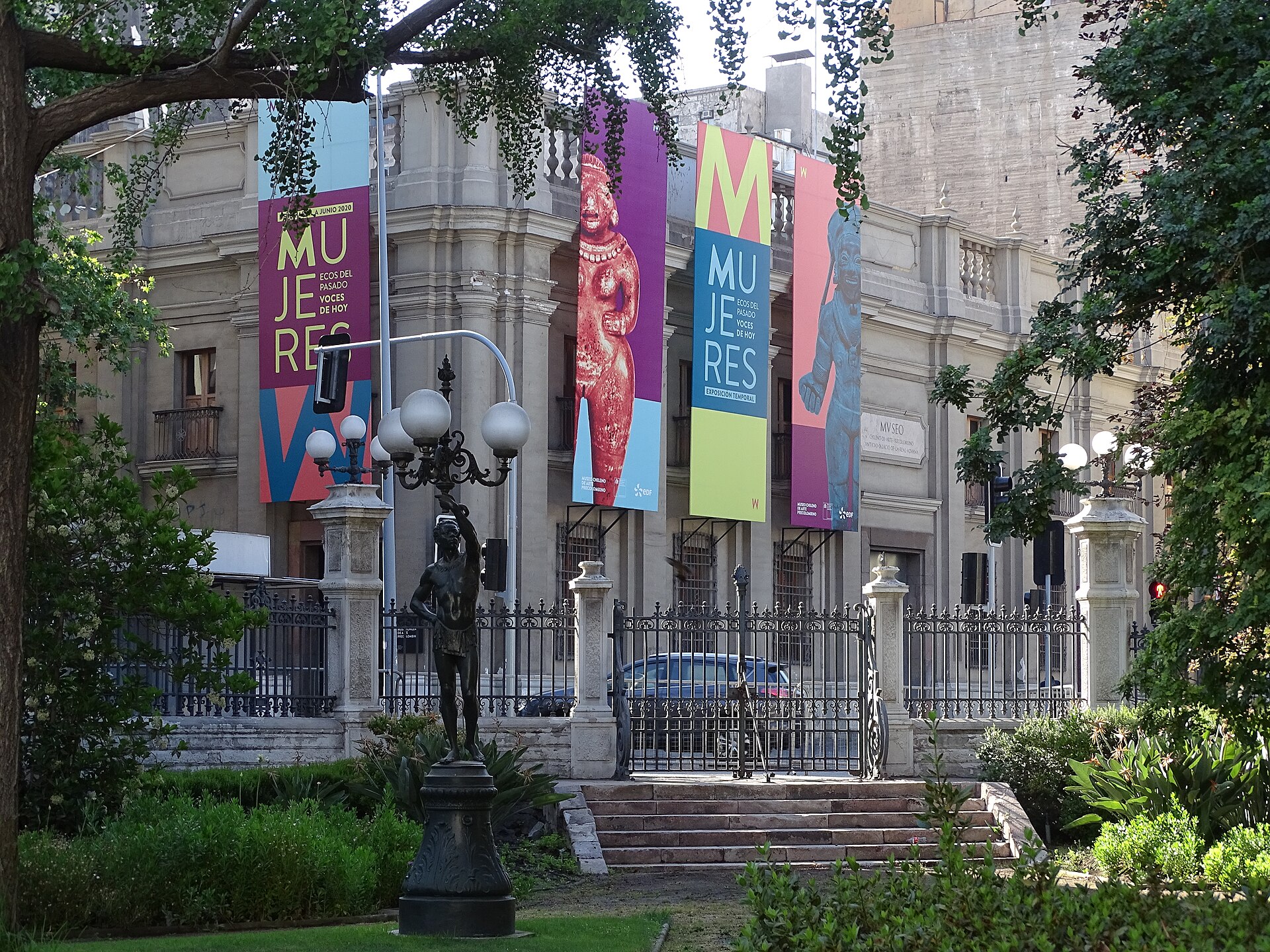
This museum is considered by many to be the finest cultural institution in all of Santiago and is housed in the beautiful building of the former Real Aduana customs house from 1805. Here you’ll find unique collections of indigenous art from across Latin America, from Andean textiles and ceramics to golden objects from the cultures of present-day Peru, Mexico and Chile. The building is located on Bandera street, a short walk from the Plaza de Armas metro station.
Foreign visitors pay admission of 12,000 CLP, while foreign students with valid ID have reduced entry for 5,000 CLP. The museum is open Tuesday through Sunday from 10:00 to 18:00, but last tickets are sold at 17:15, so definitely don’t leave it to the last minute. The collections are arranged in a very modern way and the former customs house building is an experience in itself.
Exploring all the exhibits will take you about an hour and a half to two hours if you want to see everything at a leisurely pace and soak up the atmosphere of ancient civilizations. After your visit you can walk around the nearby pedestrian zone, but I recommend leaving the centre after dark.
💡 Tip: The first Sunday of the month has free admission only for Chilean residents — this discount does not apply to foreign tourists.
7. Mercado Central and La Piojera
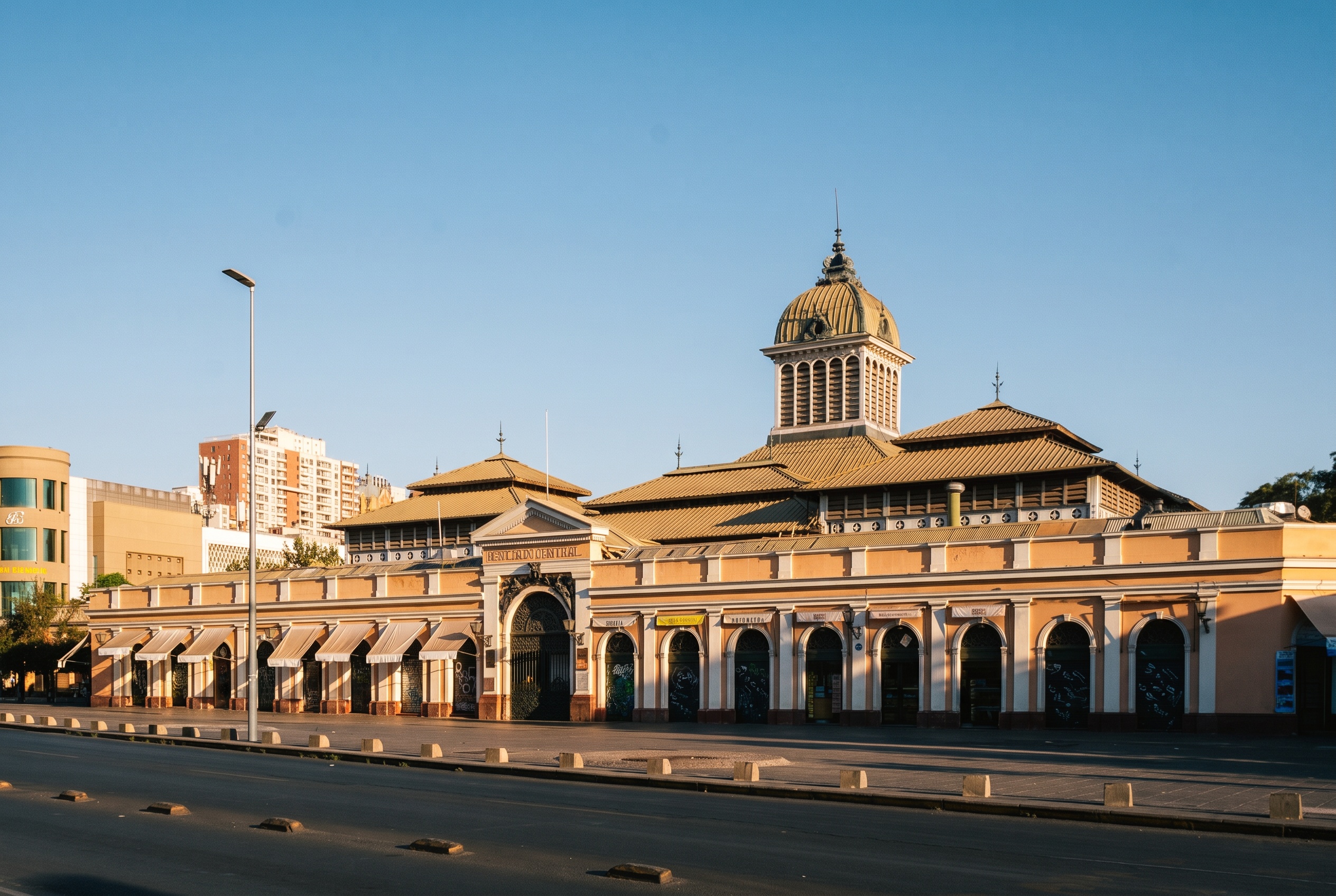
The historic Mercado Central market is an architectural gem with a beautiful cast-iron structure that was cast in Great Britain and opened back in 1872. The place is famous for its fresh fish stalls and countless seafood varieties served in dozens of traditional ways. Entry to the market is naturally free and it’s open every day until around 5 PM, with the nearest metro station being Puente Cal y Canto.
Inside the market, prepare for very loud restaurant touts who will try to catch you for lunch, which can sometimes feel like a typical tourist trap. Just around the corner at Aillavilú 1030, you’ll find the famous traditional tavern La Piojera from 1922, where locals come for their favorite drink called terremoto. This earthquake in a glass is mixed from young pipeño wine, pineapple ice cream, and sweet grenadine, and a medium size will cost you 4,500 CLP.
La Piojera is open Monday through Saturday and since 2025 there’s also a takeaway window where you can get terremoto to go. While visiting the market and surrounding area during the day is a huge cultural experience, this neighborhood empties out quickly after closing time. The security situation in the evening is far from ideal, so time your visit exclusively for lunch or early afternoon.
💡 Tip: The area around the market really isn’t safe after dark, so don’t go there at night and continue on to the city center after lunch instead.
8. La Vega Central
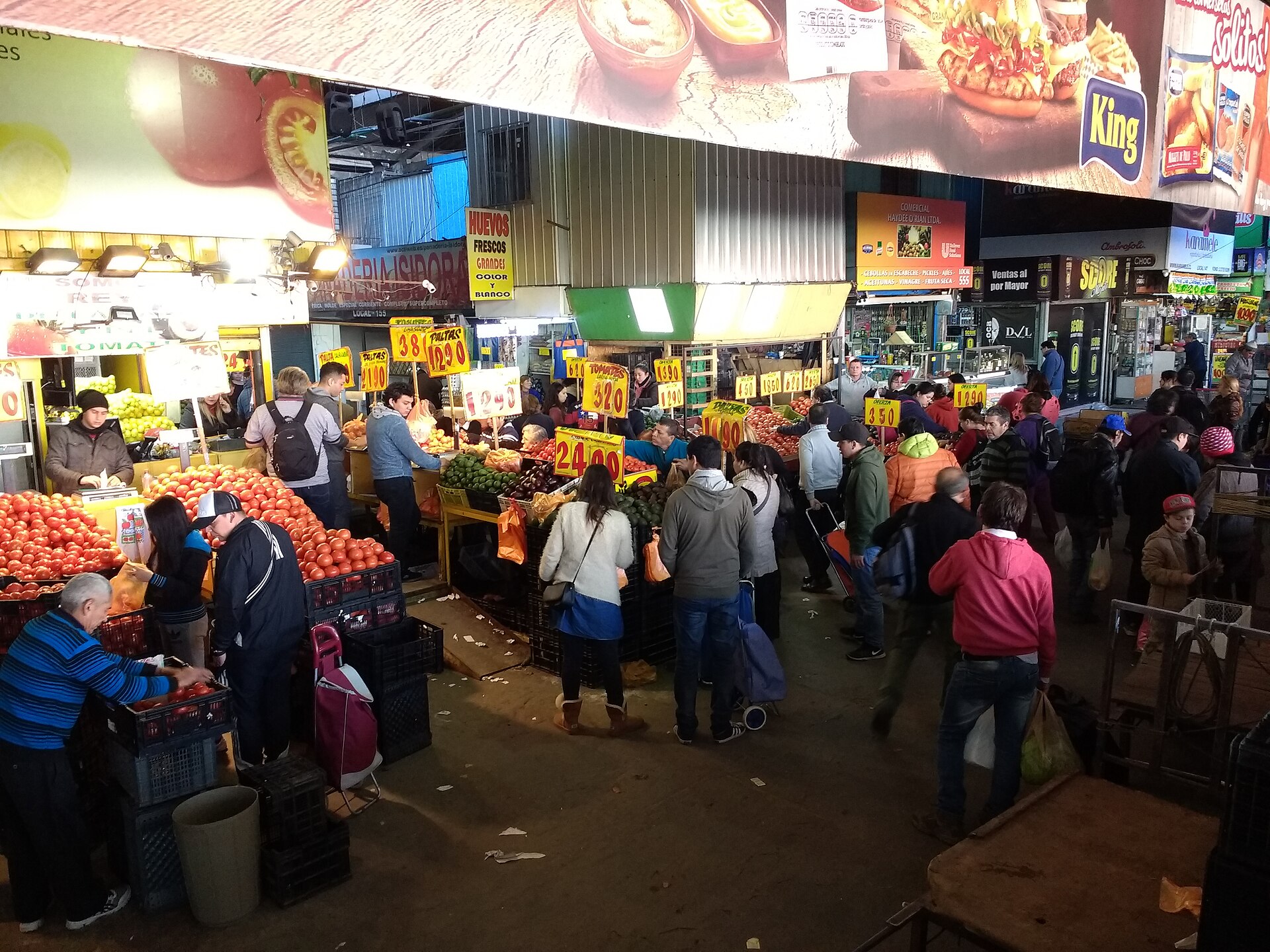
If you want to experience the real, raw, and authentic Santiago, you need to head to the enormous La Vega Central market in the Recoleta neighborhood. You’ll find endless mountains of fresh fruit, vegetables, spices, and local cheeses brought here by farmers from across central Chile. The market is open every day from 7 AM until around 4 PM, and the quickest way to get here is on the yellow metro line 2 from Patronato station.
The place is famous for its cheap and noisy eateries called cocinerías, where traditional and hearty Chilean dishes are cooked for a fraction of the price compared to regular restaurants. Vegetarians can try the popular dish porotos granados, which is a hearty stew made from beans and pumpkin. According to the Veganuary 2024 overview, a stall called Donde Arsenito in the adjacent La Vega Chica section was making it in a purely plant-based version (verify on-site if it’s still operating). The complex itself is huge and you can easily get lost in those narrow alleys between stalls, but that’s simply part of the experience.
Although there are over 700 security cameras installed inside the market and during the day there’s normal working chaos, the surrounding streets can be treacherous. I strongly recommend visiting La Vega in the morning hours, when it’s safest and the selection of fresh produce is at its best. After 4 PM, when vendors start packing up, it’s better to move to quieter parts of the city via metro or Uber.
💡 Tip: Guard your wallet and phone like your life depends on it—in the shopping crowds, very skilled pickpockets sometimes operate here.
9. Barrio Lastarria and MAVI
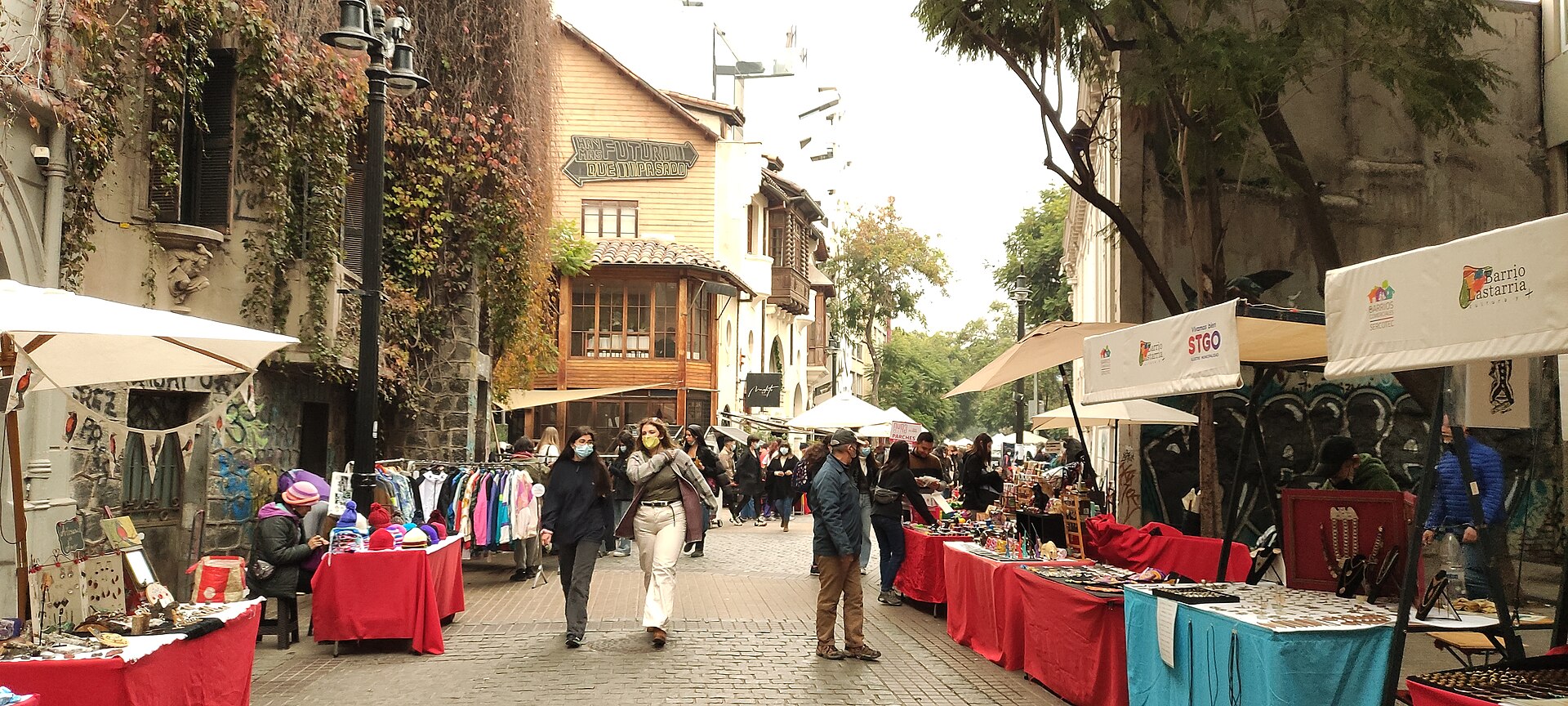
Barrio Lastarria is undoubtedly the most bohemian and romantic neighborhood in the entire city, full of historic buildings, narrow streets, and picturesque cafés. You’ll find the excellent Museum of Visual Arts (MAVI), where international tourists pay an entrance fee of 5,000 CLP, while children and seniors get in free. Right next door on the Alameda boulevard stands the impressive GAM cultural center, which hosts theater performances and whose little plaza is often used by street dancers for practice.
The neighborhood is famous for its fantastic gastronomy—definitely stop by the renowned Emporio La Rosa ice cream parlor, which offers unusual flavors like the local lúcuma fruit. For vegans and vegetarians, it’s paradise. Wonderland Café makes an excellent falafel bagel, and at Buffalo Waffles you can enjoy a vegetarian waffle with avocado and cheese. The atmosphere is completed by the historic El Biógrafo cinema and the beautiful Iglesia de la Vera Cruz church from 1857.
During the day, a stroll through Lastarria is safe and charming, but the evening situation requires some caution. While the main lit streets like Lastarria or Merced are safe even at night thanks to plenty of open restaurants, give the dark Parque Forestal park a wide berth after sunset. For your trip back to the hotel after a late dinner, it’s better to call a reliable Uber right outside the restaurant door.
💡 Tip: On weekends, the little Plaza Mulato Gil de Castro square hosts antique and book sellers, giving the whole neighborhood a wonderful Parisian vibe.
10. Museo Nacional de Bellas Artes and Parque Forestal
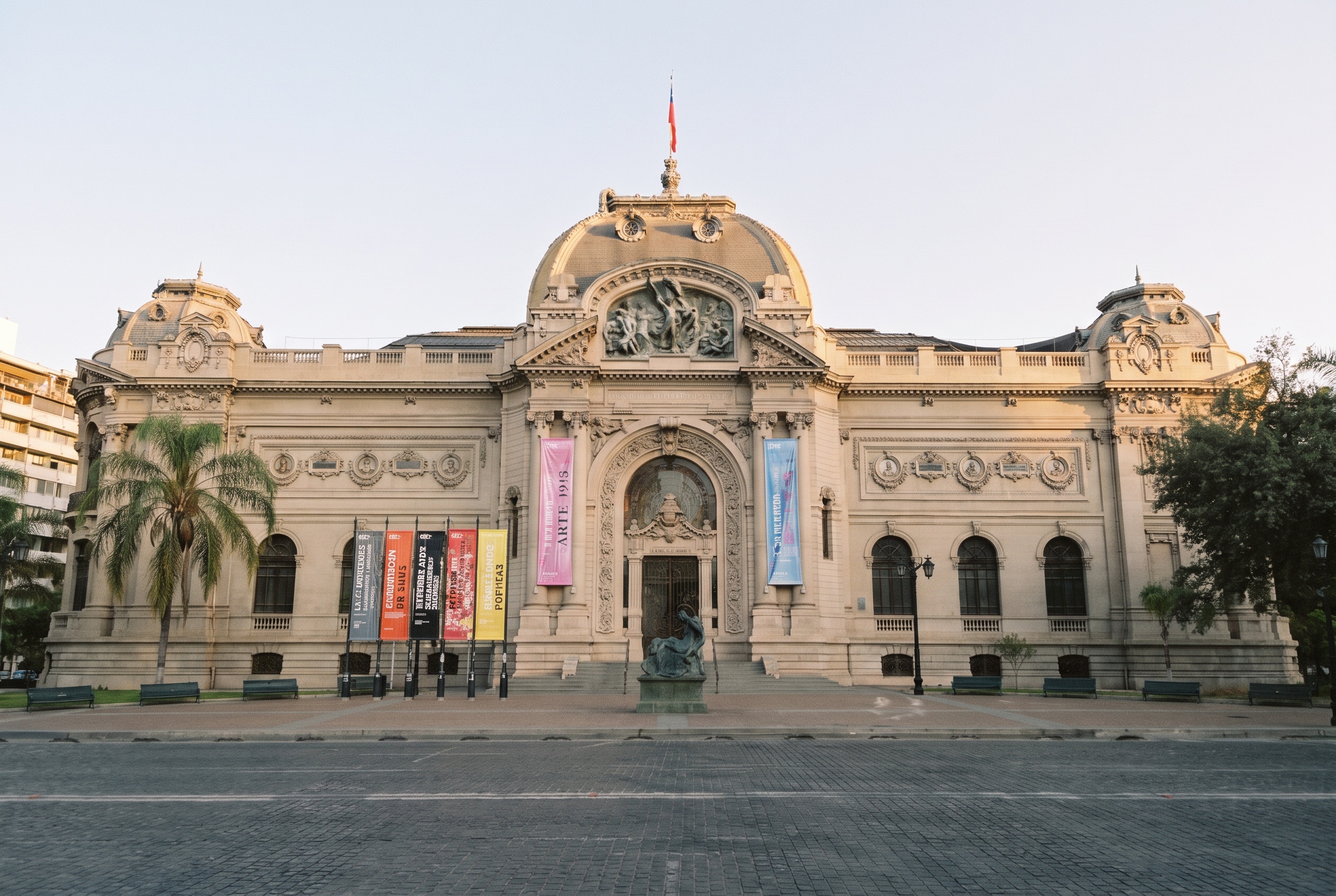
The beautiful building of the National Museum of Fine Arts is one of the most photographed landmarks in Santiago and was built in 1910 on the occasion of Chile’s centennial independence celebrations. It’s especially the enormous glass dome imported from Belgium that allows natural light to flood directly into the main exhibition hall. The museum sits in the sprawling Parque Forestal park and admission is completely free for all visitors year-round.
The museum’s collections date back to 1880 and contain the best of Chilean and European sculpture and painting. It’s open Tuesday through Sunday from 10:00 AM to 6:30 PM, while on Mondays, like most other museums in the country, the doors remain closed. You can easily reach the landmark on the green metro line 5—just get off at the station of the same name, Bellas Artes.
The surrounding Parque Forestal is during the day an ideal spot for a picnic or rest on the grass in the shade of mature trees. However, I must strongly warn you again that after dark the park turns into a very risky zone where groups of youths operate, and in 2025 around seven robberies a day were reported here. During the day though, definitely come here, because the combination of art and greenery works perfectly.
💡 Tip: Behind the museum you’ll find the beautiful historic building of the Museo de Arte Contemporáneo (MAC), which focuses on contemporary art and is worth a quick visit.

11. Bellavista and Pablo Neruda’s House La Chascona
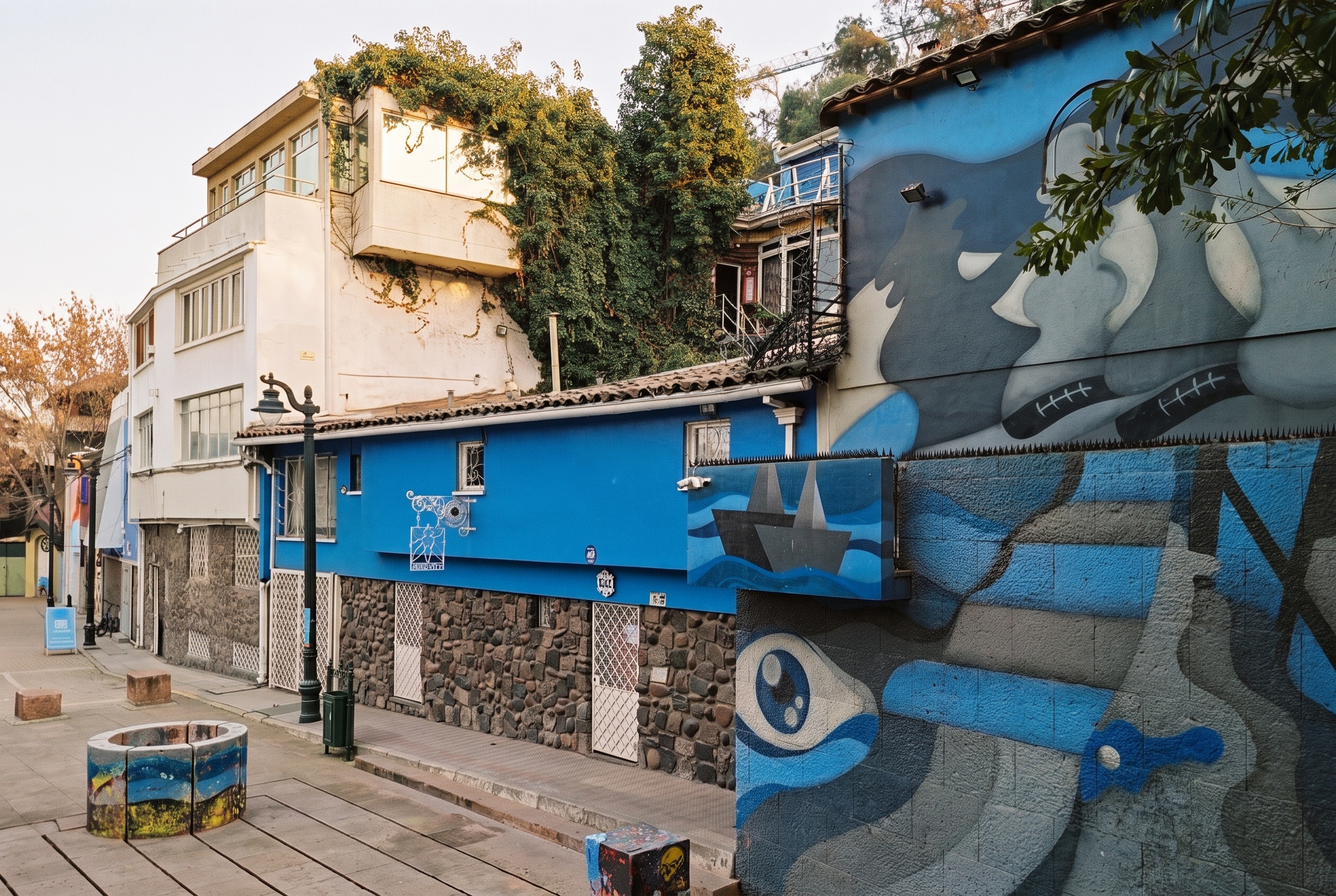
The Bellavista neighborhood is the heart of Santiago’s nightlife and street art, but its main tourist draw is the house of famous poet Pablo Neruda called La Chascona. He built this house in 1953 for his secret love Matilde Urrutia, and its architecture resembles the bowels of an old ship, reflecting Neruda’s obsession with the sea. Admission is 11,000 CLP, students get a discount to 4,500 CLP, and the price includes a very well-done audio guide.
The center of activity in this neighborhood is the Patio Bellavista complex, which is full of great restaurants, bars, and shops with handcrafted lapis lazuli goods. It’s open every day from 10:00 AM until 1:00 AM. You can reach Bellavista with a pleasant ten-minute walk from Baquedano metro station across the Mapocho River.
While during the day Bellavista is a paradise for hunters of colorful graffiti photos, at night clear rules apply for the whole neighborhood. On main streets like Constitución you’re safe in a small group, but the famous Pío Nono street is best avoided after 11 PM. In bars, also guard your drinks very carefully and don’t let them out of your sight, because according to both the British and other foreign ministries, there have been cases of drinks spiked with sedatives here.
💡 Tip: You don’t need reservations for La Chascona—you buy tickets on-site. It’s quietest right after opening at 10:00 AM.
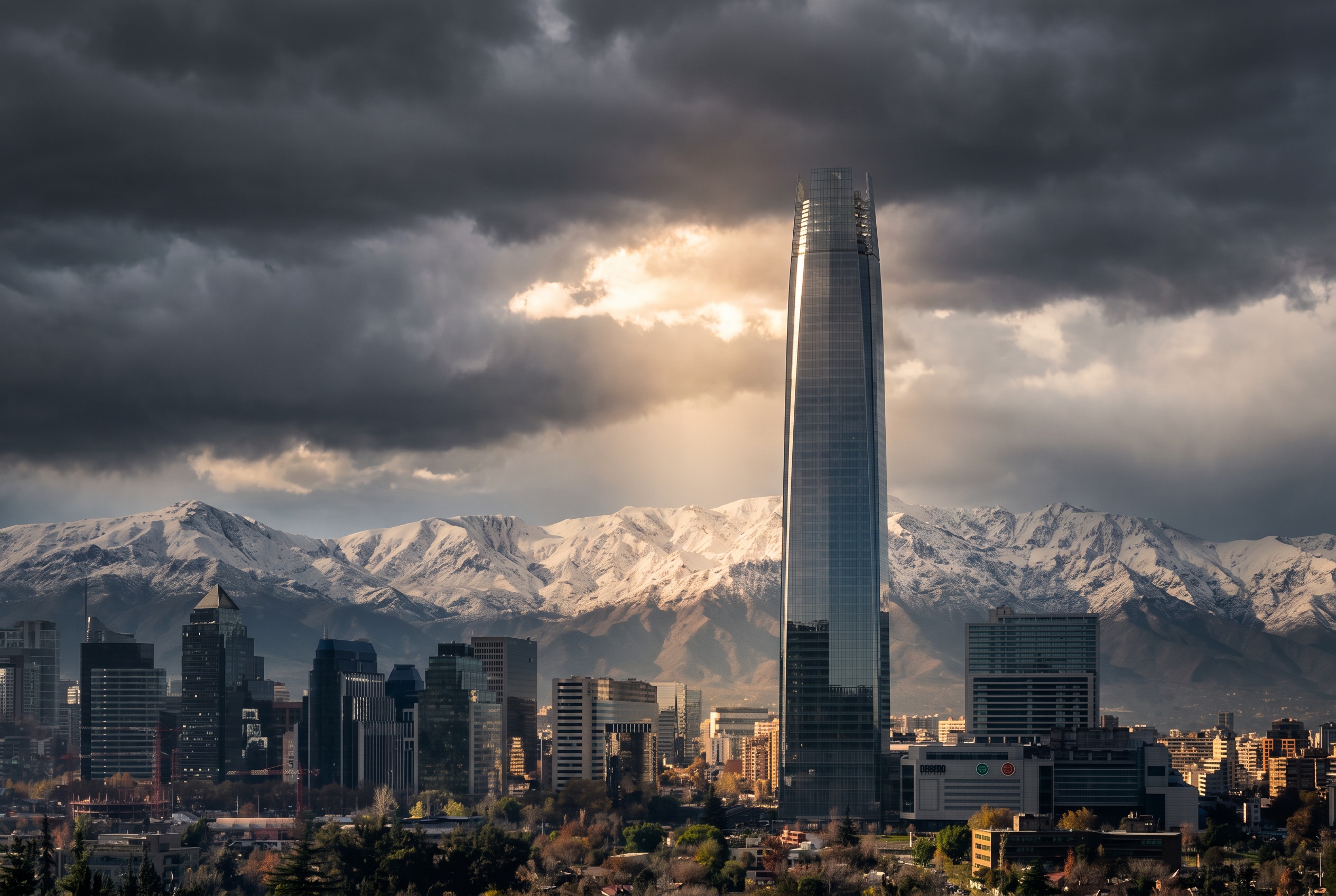
12. Sky Costanera and Costanera Center
If you want to have Santiago in the palm of your hand, head to the modern Providencia district and the Gran Torre Santiago skyscraper, whose observation deck Sky Costanera sits at an impressive height of 300 meters. This is the tallest building in all of South America, offering exceptional 360-degree views of the city and the snow-capped peaks of the Andes. The tower was completed in 2014 to a design by Argentine-American architect César Pelli, and the observation deck occupies the 61st and 62nd floors.
Standard admission for adults costs 25,000 CLP, children pay 10,000 CLP, and those under 4 get in free. If you’re craving romance and want to see the city bathed in golden light, around sunset you can upgrade to a Sunset ticket for 30,000 CLP. The observation deck is open daily from 10:00 to 22:00, with the last elevator going up at 21:00.
Right below the tower sits the enormous Mall Costanera Center shopping complex, one of the largest in South America with over 300 stores. Two metro stops away at Pedro de Valdivia station you’ll also find the famous vegetarian restaurant El Huerto from 1980, where on weekdays you can get a lunch menu for 14,500 CLP. You can easily reach the entire complex via red metro line 1, getting off at Tobalaba station.
💡 Tip: In winter months there’s often thick inversion over the city in the morning, so plan your observation deck visit for the afternoon instead, when the air usually clears up.
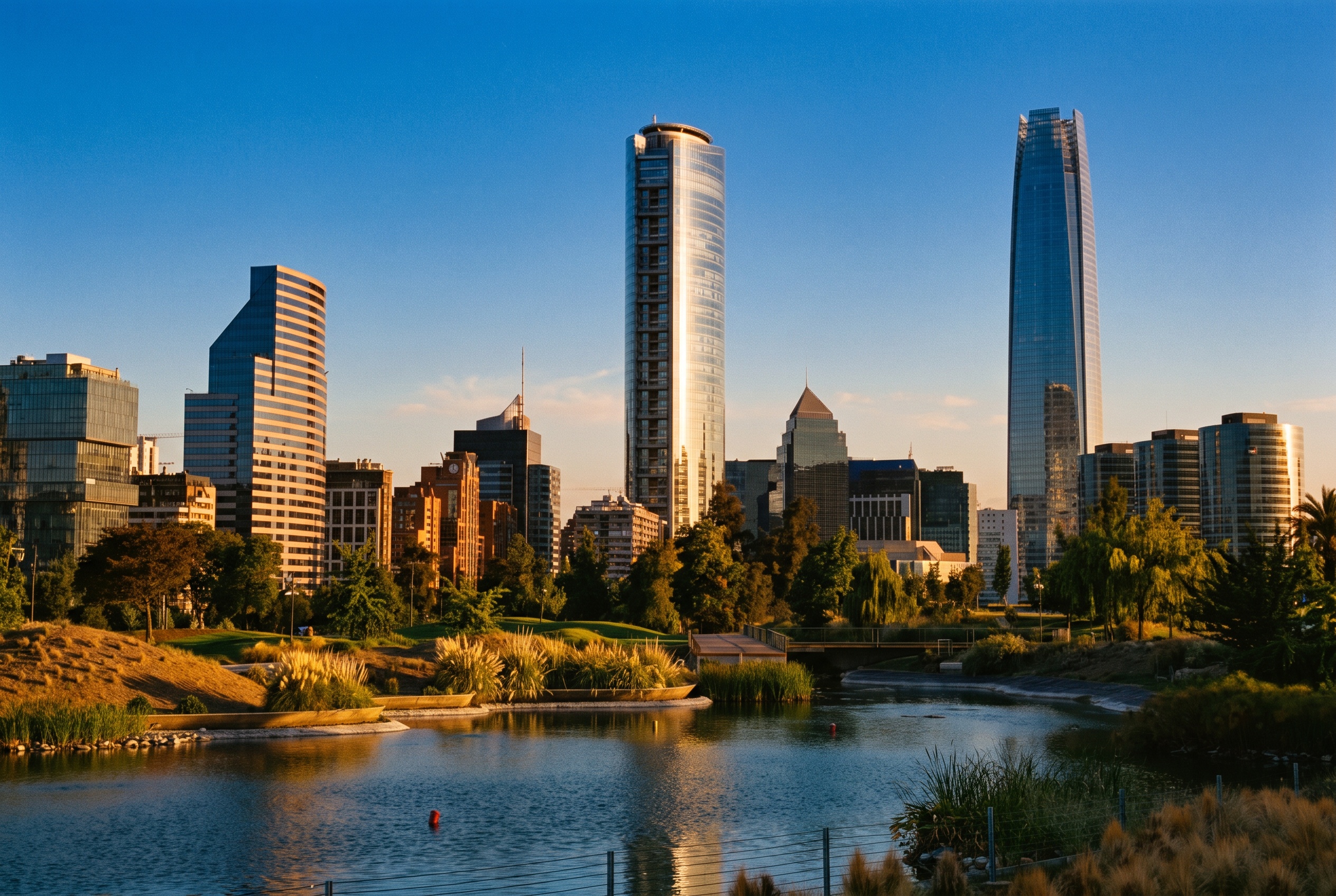
13. Parque Bicentenario in Vitacura
In the very modern and luxurious Vitacura neighborhood lies one of the most beautiful and best-maintained parks in the city, Parque Bicentenario. Across 27 hectares you’ll find over 4,000 mature trees, perfectly manicured lawns, and two beautiful lagoons where you can watch elegant flamingos and other water birds. The park is open daily from 8:00 to 23:00 and entry is free, making it a popular spot for weekend family walks.
Although this place is perfect for relaxation, it has one minor drawback: there’s no metro station in the immediate vicinity. Your best bet is to take the metro to Tobalaba or Escuela Militar station and continue from there by bus or call an Uber. Your reward for the slightly more complicated journey will be a peaceful atmosphere, clean air, and fantastic views of modern glass skyscrapers rising above the tree canopy.
The park flows seamlessly into the renowned Alonso de Córdova and Nueva Costanera streets, known for their exclusive art galleries and boutiques of world-class brands. This part of the city is one of the safest in Santiago, so you can stroll around without worry even in the early evening hours, admiring modern sculptures and enjoying the sunset with the Andes in the background.
💡 Tip: If you want to explore the park by bike, use the Bike Itaú bike-share system. A day pass with free half-hour rides costs just 2,990 CLP.
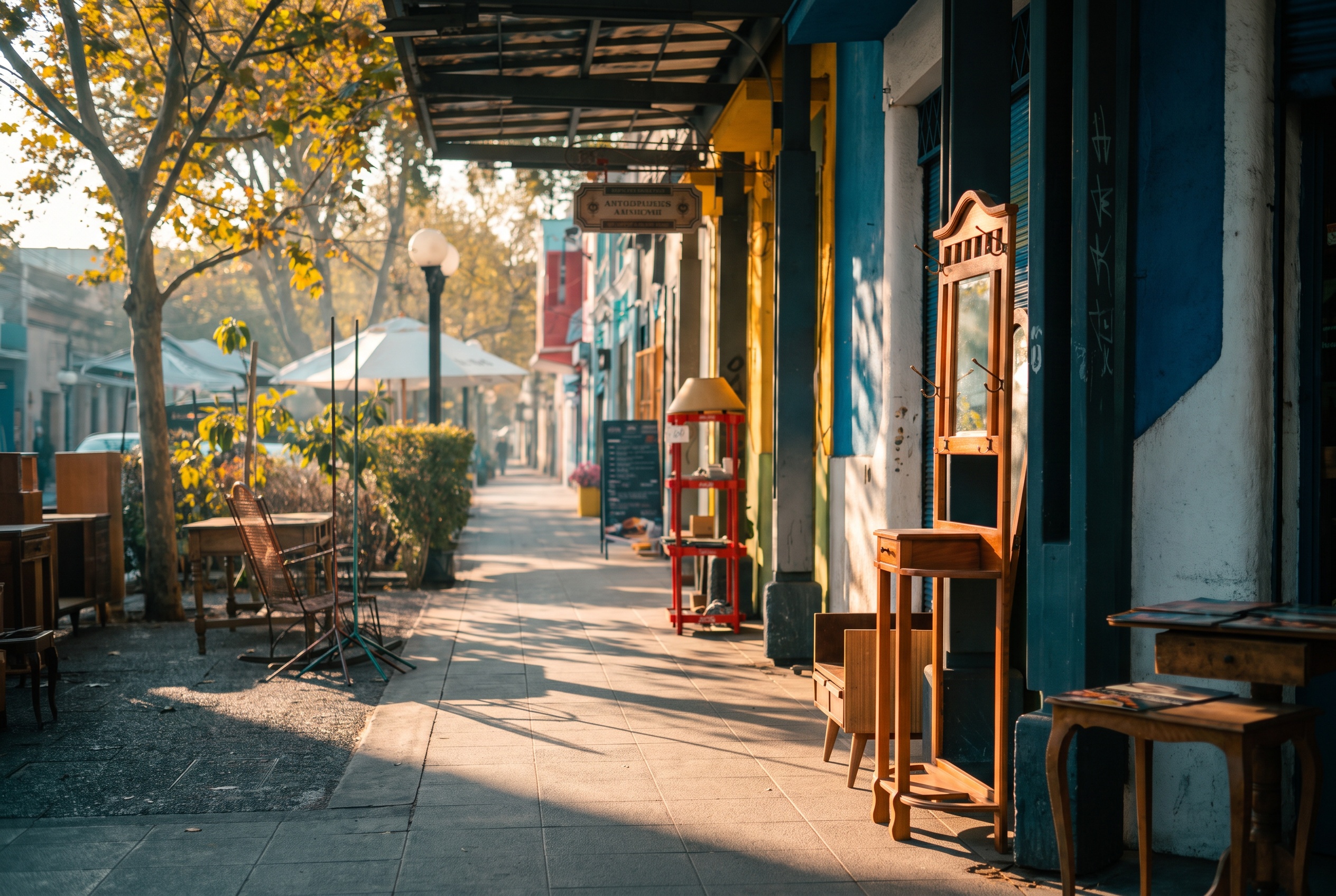
14. Barrio Italia
The neighborhood around Avenida Italia, on the border between the Providencia and Ñuñoa districts, is a true paradise for lovers of design, antiques, and great coffee. Old historic houses here have been transformed into beautiful passages where restoration workshops, independent boutiques, and the coziest cafés crowd together under one roof. The closest metro stations are Santa Isabel or Irarrázaval, from where you’ll have about a ten-minute walk to the heart of the neighborhood.
For all vegetarians and vegans, Barrio Italia is the culinary center of all Santiago, so you won’t know what to try first. Definitely head to Vegan Bunker, where they make fantastic 100% plant-based burgers and a vegan version of traditional chorrillana, or try Sapiens restaurant with their acclaimed healthy menu. If you prefer Italian classics, Tío Tomate pizzeria won’t disappoint you with their crispy crusts.
Unlike the city center, Barrio Italia is according to reviews and local feedback one of the safest neighborhoods, even in the evening hours. You can leisurely stroll from bar to bar, taste local wines, and enjoy the relaxed, slightly hipster atmosphere that’s completely different from the rest of the noisy metropolis. On weekends it gets packed, so make a lunch reservation ahead of time.
💡 Tip: The neighborhood has its own Ruta Coffee Party coffee trail, and you’ll find a map of participating cafés at barrioitaliachile.cl.
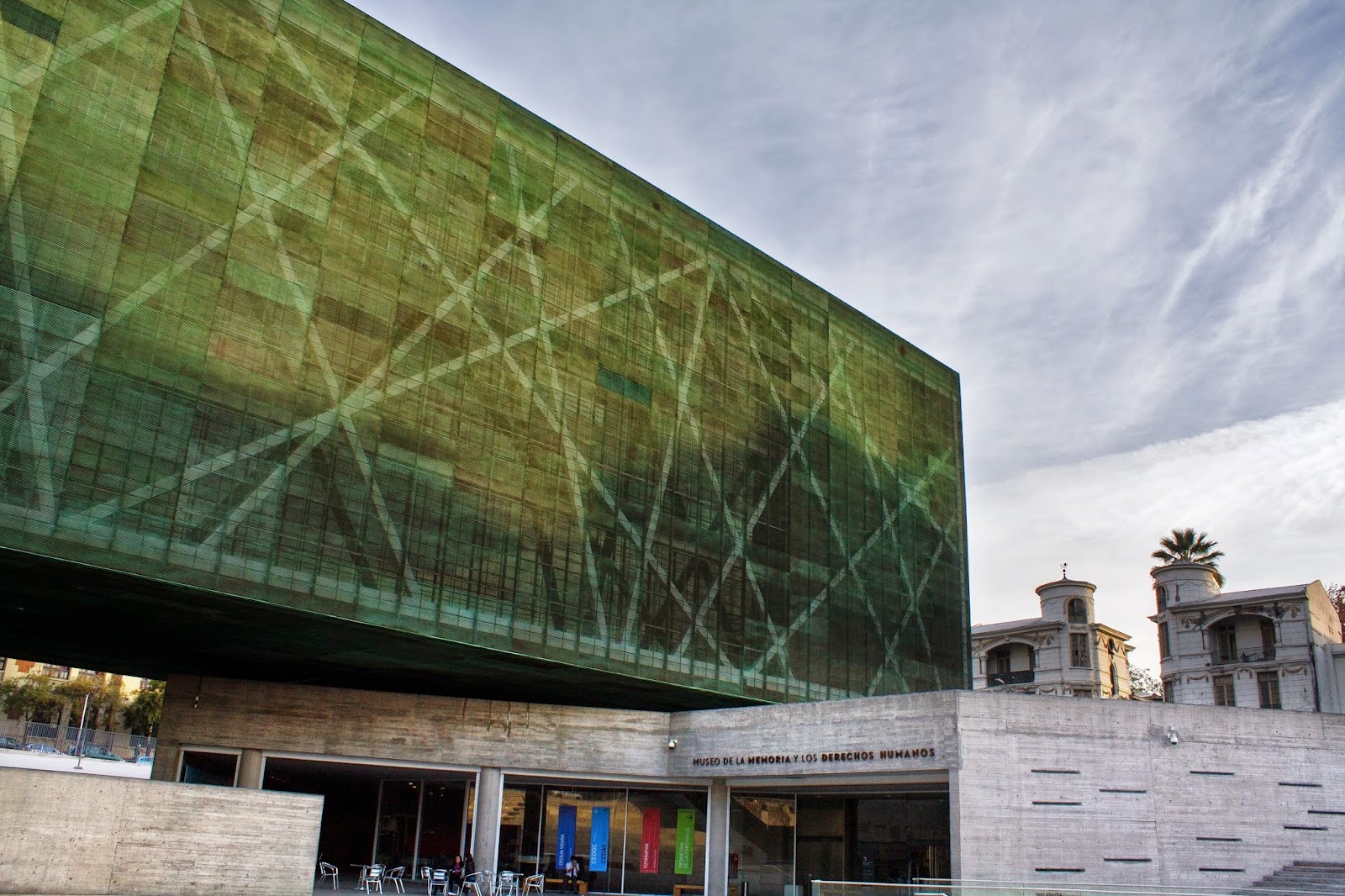
15. Museo de la Memoria y los Derechos Humanos
This museum isn’t among the cheerful stops, but visiting it is essential for understanding modern Chilean history. The futuristic glass building is located on Matucana Avenue and is dedicated to the dark period of Augusto Pinochet’s dictatorship from 1973 to 1990. The museum was ceremonially opened in 2010, its exhibits are powerful and emotional, and you can reach the main entrance conveniently via the green metro line directly from Quinta Normal station.
Interestingly, entry to this enormous complex is completely free for everyone, so that truly anyone can learn about the history. They’re open Tuesday through Sunday from 10:00 to 18:00, with last visitors admitted half an hour before closing, but set aside at least two hours for your visit. The exhibits use modern technology, archival television footage, and interactive panels that draw you in from the very first moment.
Inside you’ll also find a massive wall covered with photographs of the regime’s victims, which leaves a profound impression. The architecture of the 5,600-square-meter building works so that natural daylight penetrates through copper and glass elements, creating a very specific atmosphere of hope inside.
💡 Tip: Not far from the museum lies the huge Quinta Normal park, where you can go after the intense experience of the exhibits to clear your head and sit in the shade of the trees.
16. Barrio Yungay and Palacio Cousiño
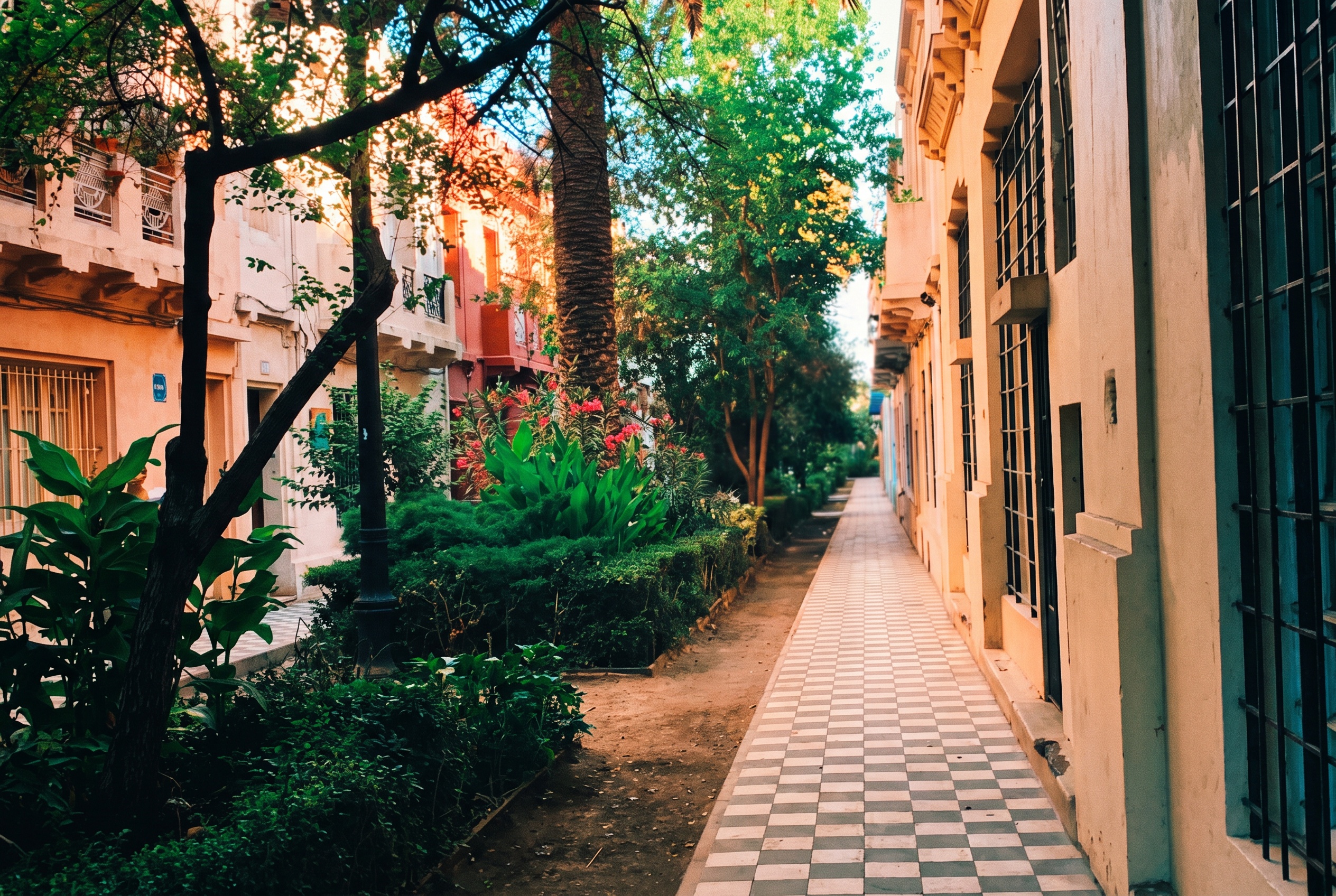
Barrio Yungay is the largest heritage district in all of Santiago and offers a beautiful glimpse of what the city looked like at the turn of the 19th and 20th centuries. You’ll find beautiful old houses, quiet little squares, and the famous Peluquería Francesa restaurant from 1868, which still operates in the premises of a historic French barbershop and serves, for example, excellent eggplant lasagna for 10,500 CLP. The closest station is Cumming on green line 5, and for Palacio Cousiño it’s Toesca station on line 2.
The main jewel of the area is the opulent Palacio Cousiño, which architect Paul Lathoud had built in the second half of the 19th century for one of Chile’s wealthiest families. You can get inside only with a guided tour costing 4,000 CLP for adults (foreign students pay 3,000 CLP), which you must book in advance. Tours run Tuesday through Friday at just two times, 11:45 and 15:45, and on Saturday at 10:00 and 11:45.
While touring the historic streets around Plaza Yungay and the palace during the day is a visual treat, you should quickly leave the area at night. No modern 2026 guidebook recommends this neighborhood as a base for accommodation, and evening transfers should be handled exclusively by Uber. During the day though, definitely stop by the nearby free Museo de la Educación Gabriela Mistral as well.
💡 Tip: Don’t be fooled by Google Maps, which sometimes shows the palace as closed. Tours with reservations run normally, it’s just closed on Sundays.
17. Cementerio General
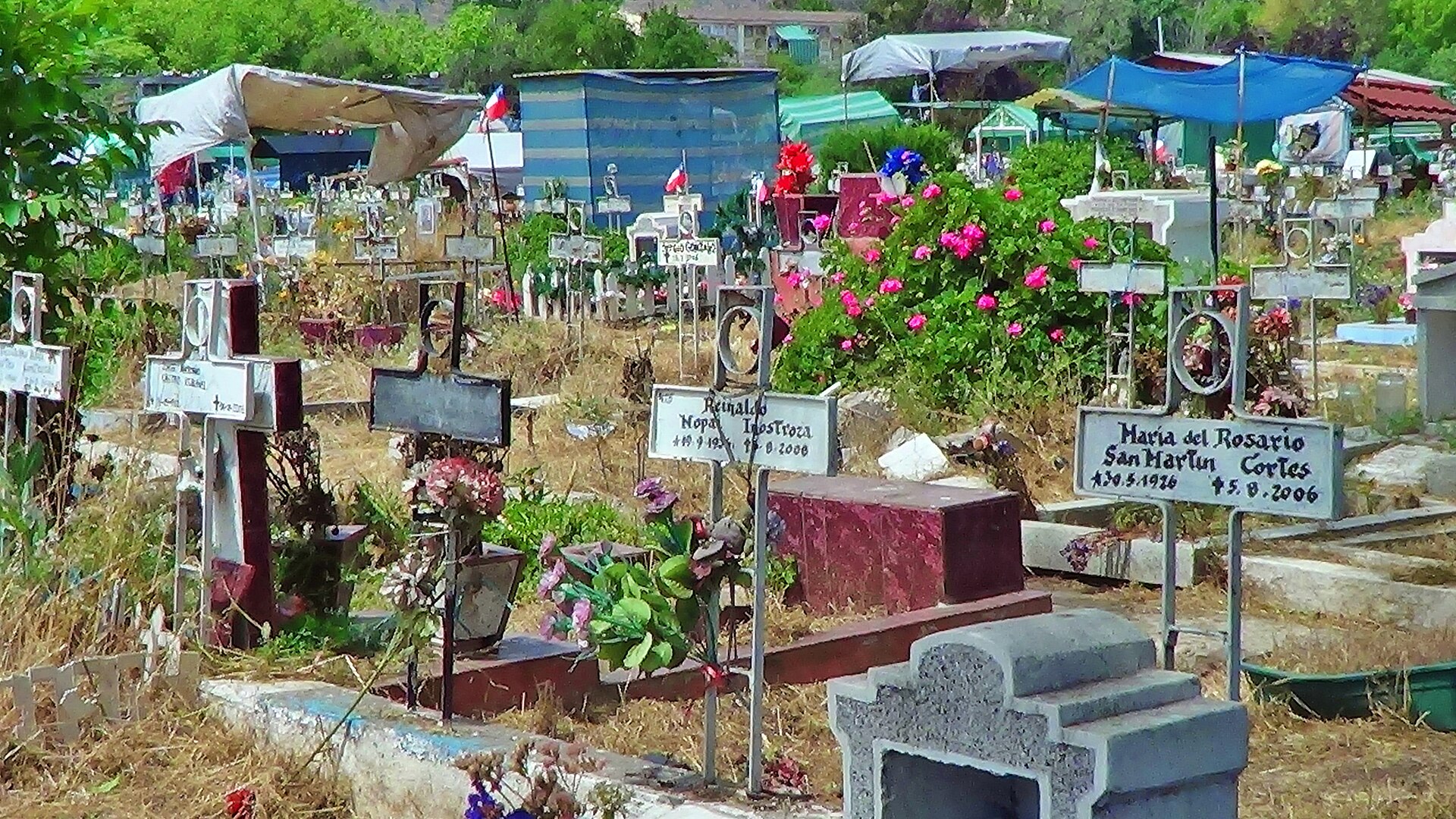
Although it may not sound like a typical tourist destination, the General Cemetery in Santiago is a city within a city and ranks among the most significant historical sites in the country. It was founded back in 1821 by Bernardo O’Higgins, sprawls across an impressive 86 hectares, and is the final resting place of around two million people, including President Salvador Allende, the legendary singer Víctor Jara, and folk artist Violeta Parra. The complex is located right at the metro station of the same name, Cementerios, on the yellow line number 2.
During the day, you can wander the cemetery completely free of charge from roughly nine until five in the afternoon, admiring magnificent marble mausoleums and the touching memorial to the disappeared from the dictatorship era (Memorial del Detenido Desaparecido). For true mystery lovers, thrilling night tours are held in 2026, taking place every Friday and Saturday and lasting a full 90 minutes. A ticket for this unconventional evening route costs 9,000 CLP (approximately €9), and you must reserve it online in advance.
In addition to the standard night tours, there are also special human rights-focused tours called “Voces de los Patios”, which also cost 9,000 CLP (approximately €9) and take you through the most crucial sites of modern history. The cemetery is so vast that during a daytime visit you should stick to the main paths to avoid getting lost. The atmosphere here is peaceful, but at night it takes on the perfect mysterious charm.
💡 Tip: During your cemetery tour, you’ll come across so-called animitas, small colorful shrines at the graves of people who died tragically, where locals leave small gifts and give thanks for miracles.
18. Templo Bahá’í de Sudamérica
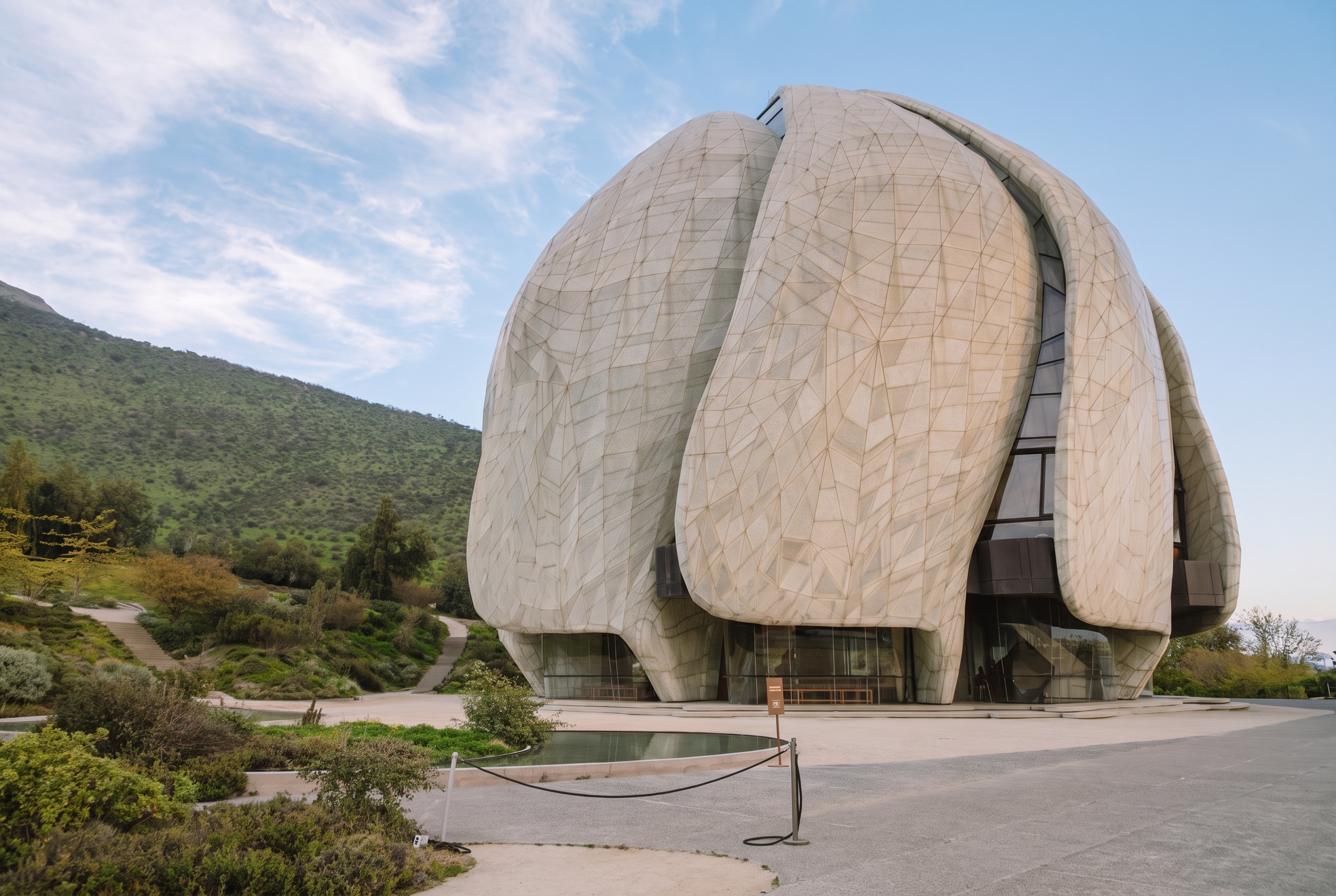
This architectural marvel is located at the foot of the Andes in the outlying district of Peñalolén, and its shape resembles a giant unfolding flower or lotus. The temple was ceremonially opened in autumn 2016 according to the design of architect Siamak Hariri, and its nine glass and marble wings rise to an impressive height of 30 meters. The site is open to everyone regardless of faith and offers a peaceful atmosphere for meditation with views over the entire city of Santiago.
Entry to the entire complex is completely free and without reservation, open Tuesday through Sunday from roughly nine in the morning until five or six in the evening; on Mondays the complex is closed. The main disadvantage is that the temple is not within walking distance of any metro station, so you’ll need to take a bus, or better yet call an Uber from Grecia station, which is the fastest and most convenient option.
Around the temple stretch beautifully maintained gardens that seamlessly transition into wild Andean nature. Especially in the afternoon hours, when the sun leans against the translucent wings of cast glass and Portuguese marble, the building glows with warm light from within. Inside, silence prevails; you can sit on the wooden benches with a capacity of 600 seats and simply contemplate.
💡 Tip: Try to head here just before closing time, when the sun begins to set over Santiago, because the views of the city in the orange light are exceptional from this vantage point.
19. Pueblito Los Dominicos and Parque Araucano
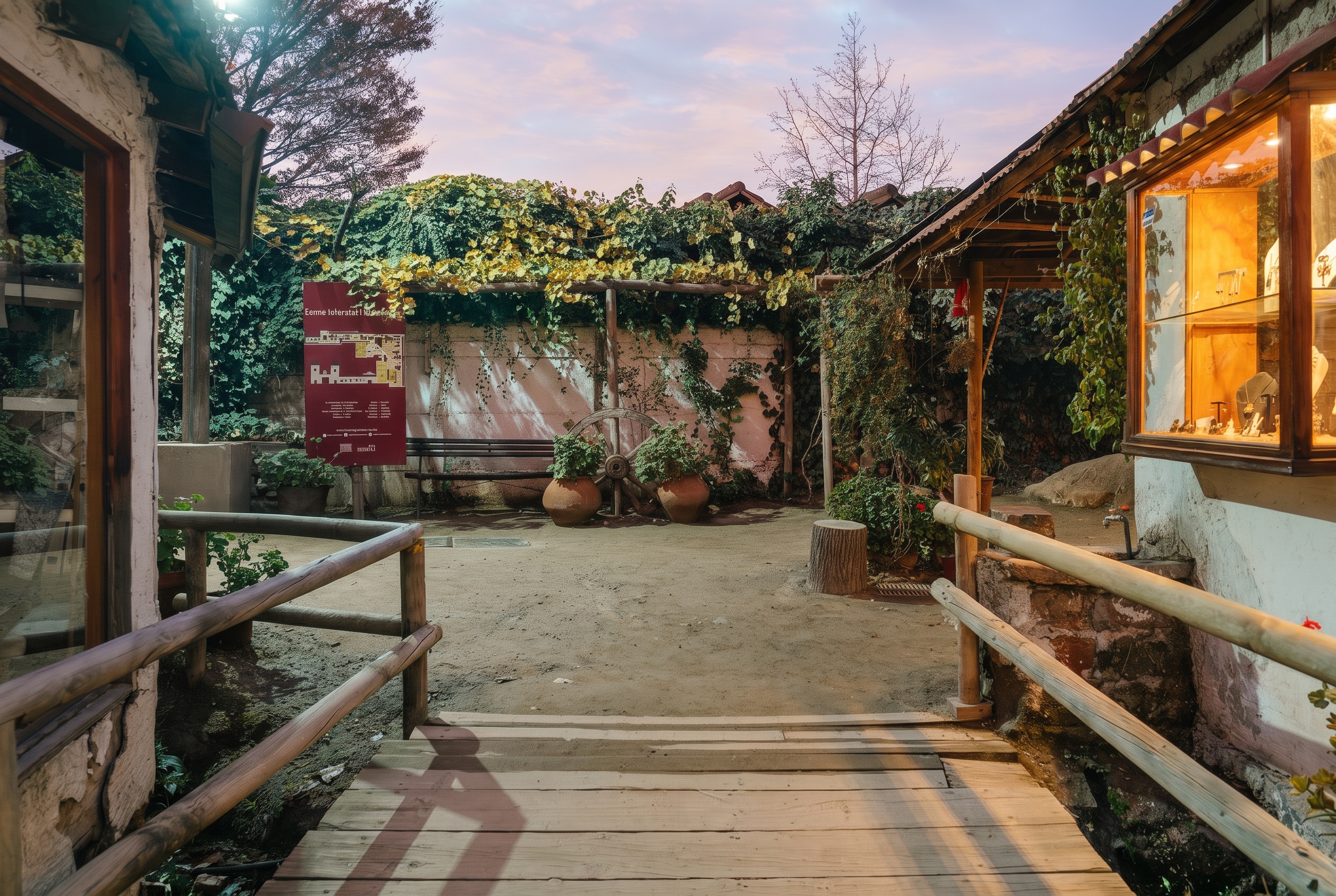
If you crave traditional Chilean culture but don’t want to leave the city, head to the end station of the red metro line number 1 at Pueblito Los Dominicos. This artificially created village at the foot of the Andes perfectly mimics rural life and houses 109 artisan workshops, where masters work leather, copper, or the precious stone lapis lazuli right before your eyes. It’s open daily from 10:30 to 19:00 (in summer until eight in the evening), and entry to the complex is free.
Among the clay houses, you’ll also find small cafés and stalls selling empanadas (the cheese ones are meat-free; for the others, ask about the filling), and the atmosphere is relaxed and safe. Just a few metro stops away, at Manquehue station, lies another great spot, the spacious Parque Araucano covering 22 hectares. This park is ideal for families with children because in addition to greenery, you’ll find the giant children’s attraction KidZania and plenty of modern facilities.
Both of these places are located in the wealthier neighborhoods of Las Condes and Vitacura, so there’s peace and a high level of security even in the late afternoon hours. In Parque Araucano, you’ll find wide lawns that on weekends fill with local families having picnics. It’s a great contrast to the noisy city center and an ideal way to spend a relaxing afternoon in the fresh air.
20. Cajón del Maipo
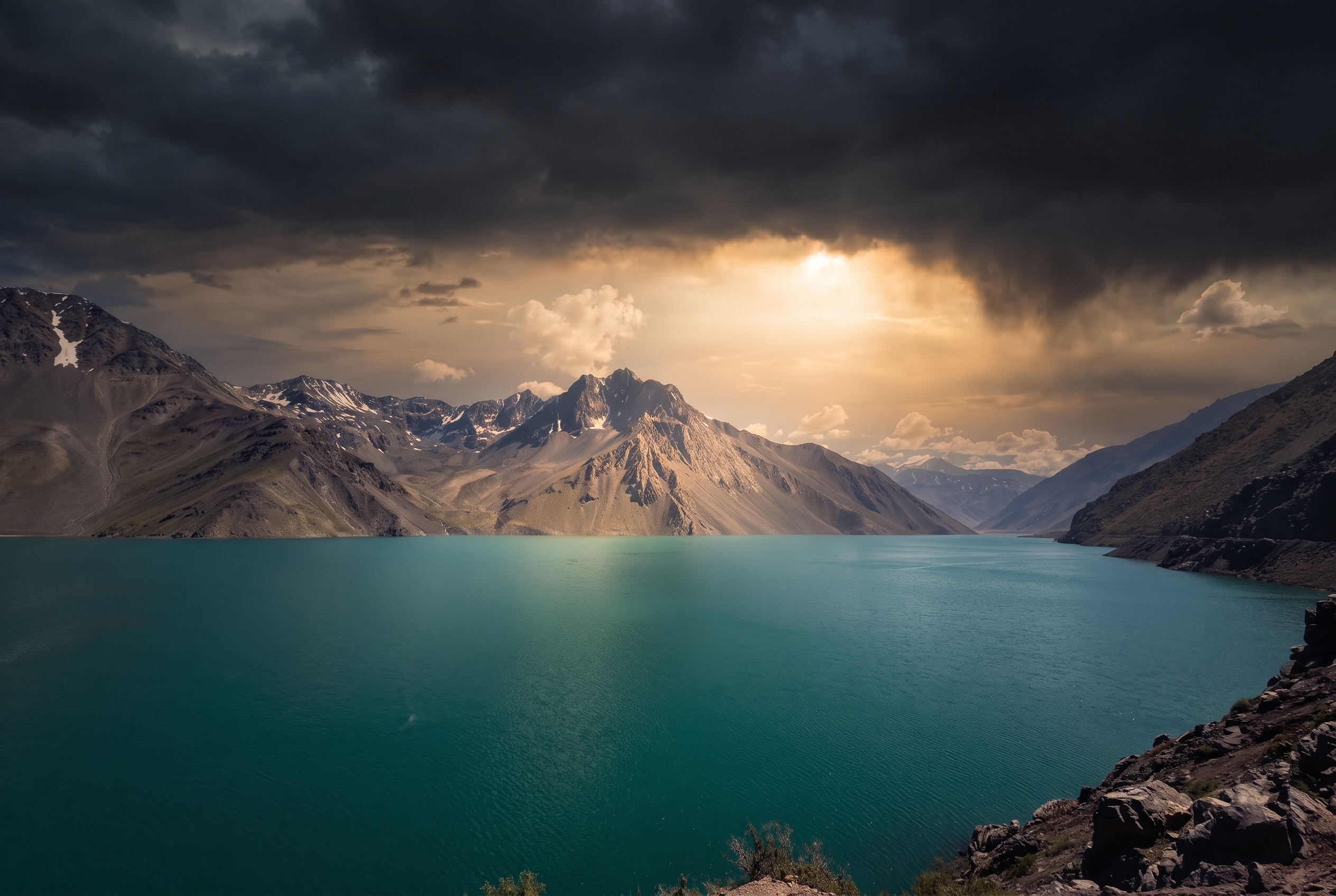
A trip to the beautiful turquoise Embalse El Yeso reservoir in the mountain canyon of Cajón del Maipo is a must for all nature lovers. The reservoir sits at an altitude of around 2,500 meters above sea level, roughly 75 to 95 kilometers from the city, and is surrounded by sharp snow-capped peaks of the Andean giants.
Entry to the Parque Natural Embalse El Yeso area costs 3,450 CLP for adults (approximately €3.50), while children and seniors pay 2,300 CLP. It’s open Thursday through Monday until 18:00, but be careful—last entry is possible only at 11:00 in the morning. During the winter months, the access road is often closed, and entry is permitted only with a certified mountain guide.
Also worth visiting in this area are the hot springs Termas Valle de Colina with an entry fee of 15,000 CLP (approximately €15). From the city, you can easily get here on metro line 4 to Las Mercedes station and then by bus to San José de Maipo, but to reach the reservoir or springs directly, you’ll need a car or an organized tour.
💡 Tip: At this altitude, move very slowly and remember to drink plenty of water to avoid unpleasant altitude sickness.
21. Valle Nevado and the Andes
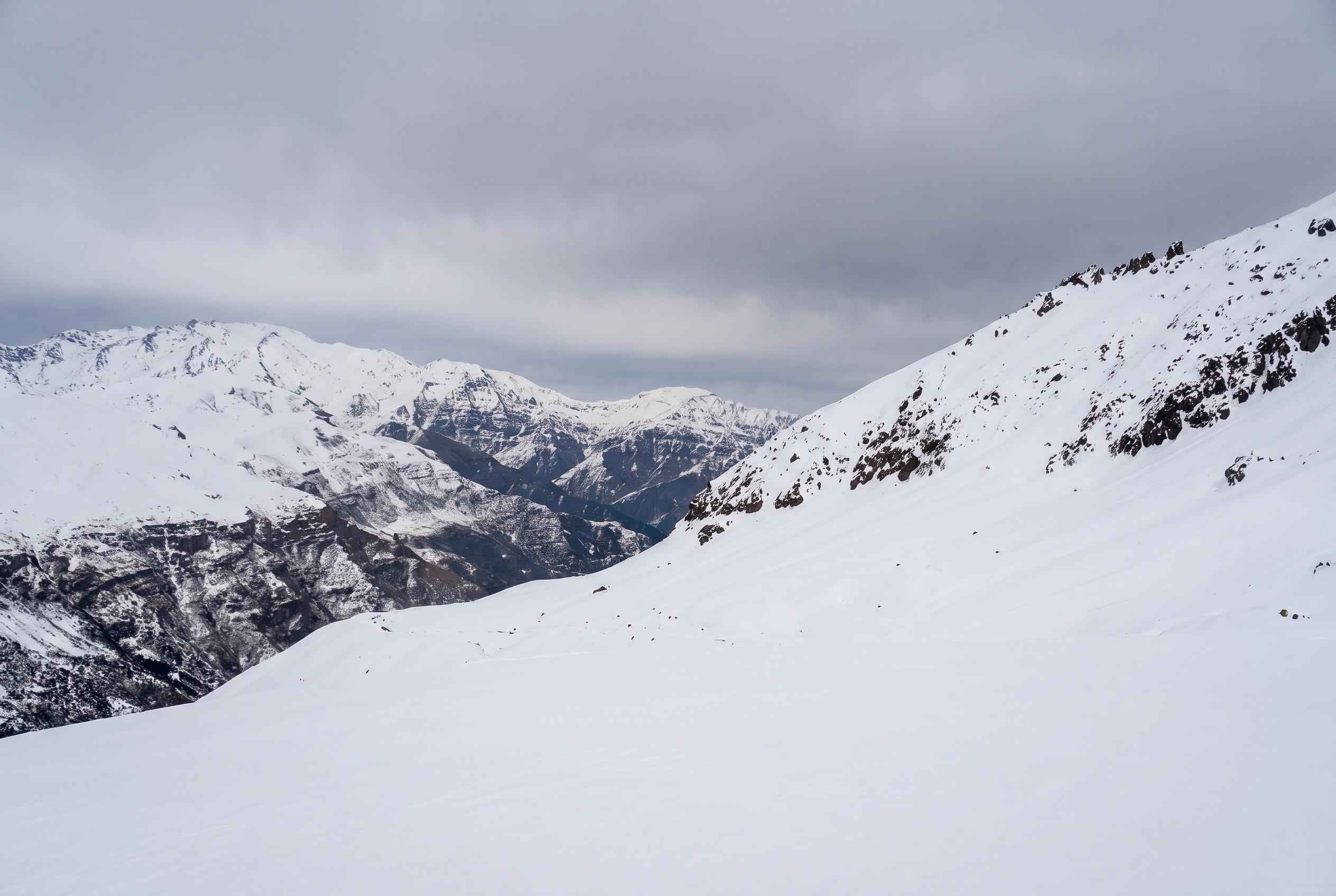
Santiago has a unique location because the best South American ski resorts are just 40 to 46 kilometers from the center. To the renowned areas of Valle Nevado, El Colorado, and La Parva, you can drive in one to two hours, though in winter snow chains are mandatory and regularly checked by police on the road.
The ski season in 2026 kicked off on June 19, and snow conditions are typically excellent through September. For a full-day Ticket FLEX at Valle Nevado, you’ll pay 93,000 CLP (approximately €95), while tickets for fixed dates range from 27,000 CLP. On top of that, the Valle Plus card is mandatory at 6,000 CLP, but children under 12 and active seniors over 75 ski completely free.
The neighboring resort El Colorado costs 68,000 to 75,000 CLP (approximately €70–77) depending on whether you hit peak season. Lifts typically run from 9:00 to 17:00, and a round-trip transfer with Ski Total costs 39,900 CLP (approximately €40) per person, which is an ideal alternative to challenging mountain driving.
💡 Tip: Outside the winter season, people visit the Andes for views and clean air. Be very careful with old online guides—prices around 43,000 CLP date back to 2014.
22. Viña Concha y Toro and Other Vineyards
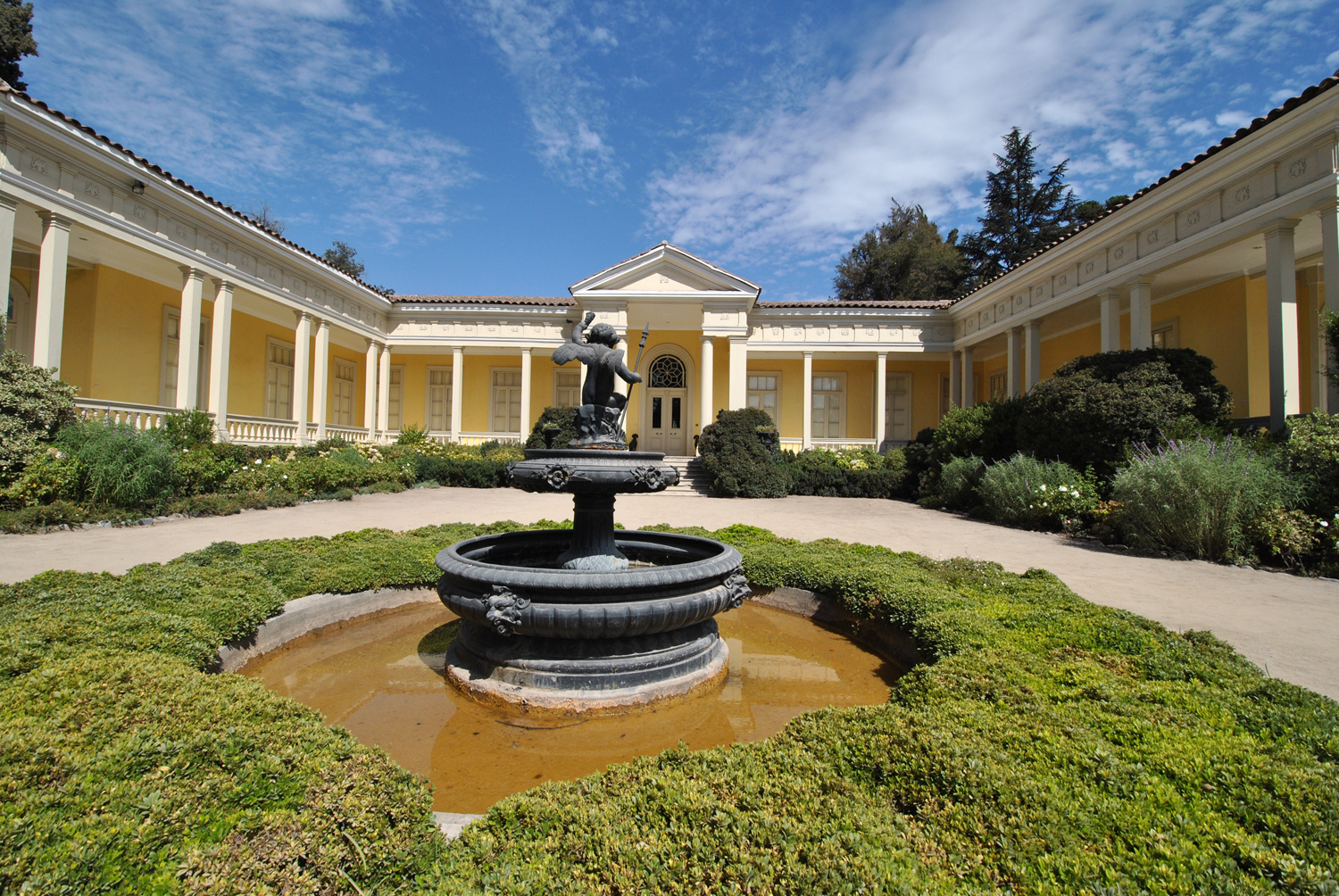
A visit to the famous Viña Concha y Toro vineyard in the Pirque area, which was founded back in 1883 and became famous for the legendary Casillero del Diablo wine, is a tremendous experience. In 2026, the basic Premium tour costs 50,000 CLP (approximately €50), lasts about two hours, and includes a tasting of four excellent wines plus a tasting glass to take home.
You can reach the vineyard very easily using regular city transport—just take metro line 4 to the terminus at Plaza de Puente Alto. From there, continue with a short ride in a so-called colectivo or the red bus 282 directly to Pirque, which is a very affordable and quick solution.
If you’re looking for somewhat quieter alternatives without tourist crowds, head to the Viña Undurraga winery with tours for 29,500 CLP (approximately €30), located about 45 kilometers from the city in the Talagante area. Another excellent option is the top-tier Casas del Bosque winery in Casablanca Valley, where the basic tour costs a pleasant 17,000 CLP (approximately €17).
💡 Tip: For the trip to Concha y Toro vineyard, don’t get off at Las Mercedes station—that one is for mountain trips. You must ride all the way to the absolute terminus of line number 4.
Where to Go from Santiago de Chile
Once you’ve explored the capital itself, definitely head by comfortable bus to the Pacific coast to the colorful port city of Valparaíso and the neighboring resort of Viña del Mar. From the Pajaritos terminal near the metro, buses operated by Turbus or Condor run every half hour; the journey takes about two hours and tickets cost 4,000 to 6,500 CLP (approximately €4–7) depending on current demand.
Poetry and romance lovers must not miss the beautiful coastal house of Pablo Neruda, Isla Negra, where admission costs 11,000 CLP (approximately €11) and it’s open Tuesday through Sunday. Buses depart from Terminal Sur; the ride takes just over two hours and tickets go for around 5,000 CLP (approximately €5). On the way to the ocean, you’ll pass through the famous Casablanca wine valley, where you can make a pleasant stop for lunch.
Families with children will be delighted by the interactive Museo Interactivo Mirador (MIM) with admission of 8,500 CLP (approximately €9) for adults, which you can reach easily by metro to Mirador station. If you’re planning a broader journey through South America and thinking about where to go next, definitely get inspired by our guide on Where to Stay in Buenos Aires, or explore tips on What to See in Cartagena or the famous sights of What to See in Rio de Janeiro.
Frequently Asked Questions
Do I need a visa for Chile?
For tourist stays up to 90 days, most visitors won’t need a visa, just a valid biometric passport. Upon entry you’ll receive a PDI tourist card in the form of a thermal paper receipt. Keep it safe, as hotels will ask for it to exempt you from the 19% value-added tax.
How do I get from the airport to the center?
The cheapest and most convenient option is the Centropuerto bus for 2,400 CLP, which runs every 15 minutes and takes you to Pajaritos metro station in about 45 minutes. If you prefer comfort, an official taxi from the prepaid counter will cost 26,000 to 27,000 CLP, but avoid unofficial Uber offers at the airport.
How much does the metro cost in Santiago?
A single ride costs 735 to 895 CLP depending on the time of day, with morning and evening rush hours being the most expensive. Red city buses cost a flat 795 CLP. A huge advantage is that since February 2026, you can pay directly with a contactless card in the metro, so you don’t need to go through the hassle of buying a local bip! card.
When is the best time to visit Santiago de Chile?
You’ll experience the most pleasant weather in Chilean spring from September to November and in autumn from March to May. This way you’ll avoid the summer heat of thirty-degree temperatures and winter smog with temperatures dropping to freezing. In winter, however, it’s worth coming for top-notch skiing in the Andes, as mountain resorts are only an hour and a half from the city.
Is Santiago safe?
During the day in tourist neighborhoods like Providencia or Lastarria, yes, but watch out for pickpockets in the metro and downtown. After dark, however, avoid the downtown area and parks at night, especially Parque Forestal. At night, get around exclusively using apps like Uber, and carefully watch your drinks in bars.
Can I drink tap water?
Yes, tap water is completely safe and drinkable, as it meets very strict hygiene standards. However, you must be prepared that it’s extremely hard and heavily chlorinated, which definitely may not suit everyone. If you have a sensitive stomach or don’t like its taste, I recommend buying bottled water instead.
How much do Sky Costanera and the San Cristóbal cable car cost?
A ticket to the viewpoint at the tallest building in South America, Sky Costanera, costs 25,000 CLP, and you’ll pay extra for a romantic sunset at 30,000 CLP. A return ticket on the historic funicular cable car costs 2,000 to 4,000 CLP, and a ticket for the brand new gondola lift teleférico costs 4,050 CLP.
Tips and Tricks for Your Vacation
Don’t Overpay for Flights
Search for flights on Kayak. It’s our favorite search engine because it scans the websites of all airlines and always finds the cheapest connection.
Book Your Accommodation Smartly
The best experiences we’ve had when looking for accommodation (from Alaska to Morocco) are with Booking.com, where hotels, apartments, and entire houses are usually the cheapest and most widely available.
Don’t Forget Travel Insurance
Good travel insurance will protect you against illness, accidents, theft, or flight cancellations. We’ve had a few hospital visits abroad, so we know how important it is to have proper insurance arranged.
Where we insure ourselves: SafetyWing (simple monthly subscription) and TrueTraveller (for extra-long trips).
Find the Best Experiences
Get Your Guide is a huge online marketplace where you can book guided walks, trips, skip-the-line tickets, tours, and much more. We always find some extra fun there!


