

Japan has probably been on your dream list for ages — temples shrouded in mist, neon-lit Tokyo, bullet trains, ramen in a hidden alley. But then the practical doubts creep in: how much does it all cost, when’s the best time to go without breaking the bank or battling crowds, and should you book a tour or go solo? That’s exactly why we put this hub together.
You’ll find three things here: current tour and flight prices that we update every morning; our tips from actual trips and articles so you know where it’s really worth going; and a timeline of when and what to book so you don’t overpay.

What to see and do in Japan
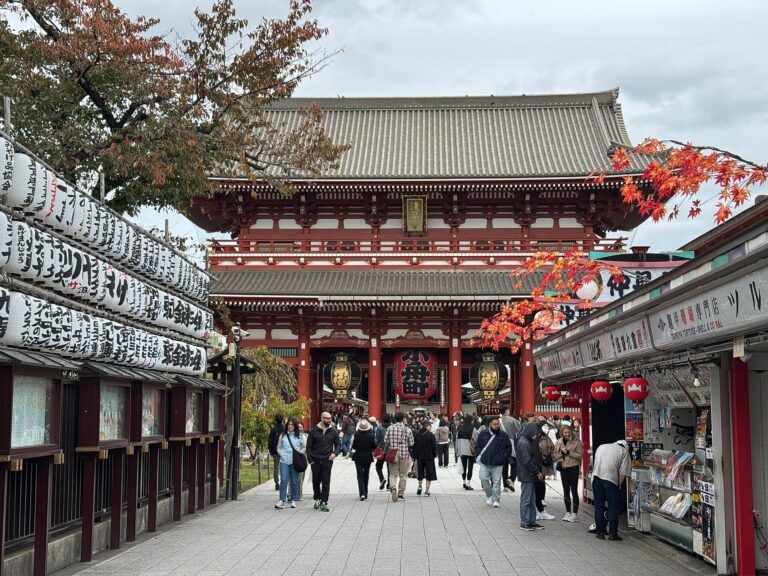
Japan can be tackled on the well-trodden route first — and there’s nothing wrong with that, because the “golden route” really is worth it. Start in the capital: Tokyo is massive, loud, and fascinating, from Sensō-ji Temple to Shibuya Crossing to peaceful parks and the best street food you’ll ever taste.
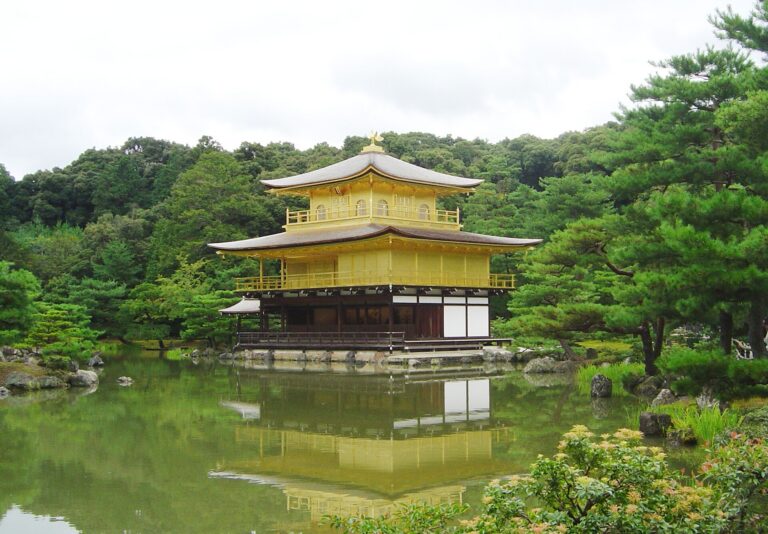
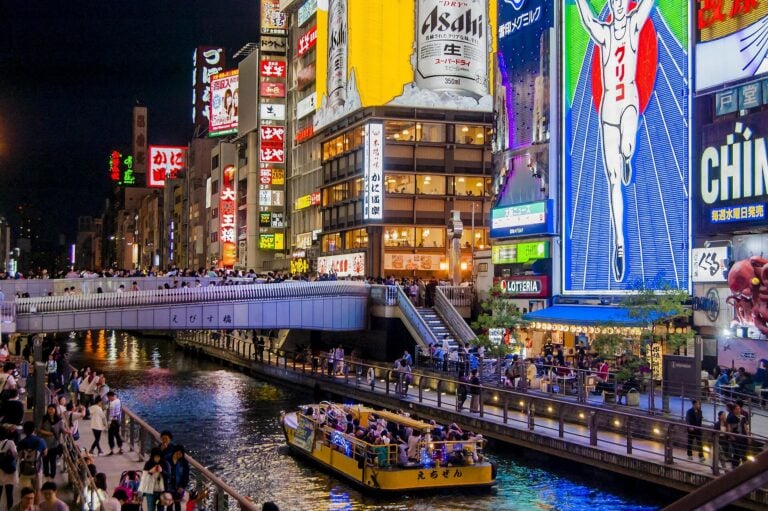
Then head west to the country’s ancient imperial soul. Kyoto is a city of hundreds of temples, the geisha district of Gion, and the bamboo grove in Arashiyama — this is where you’ll fall for Japan completely. Nearby lies energetic Osaka, the gastronomic capital, from where it’s easy to hop over to feed the deer in Nara.
If you’re planning your first trip and don’t know where to start, check out our overview of 21 tips on where to go and what to see — it’ll show you how to piece together a route that makes sense and isn’t just hopping between train stations.
When to visit Japan
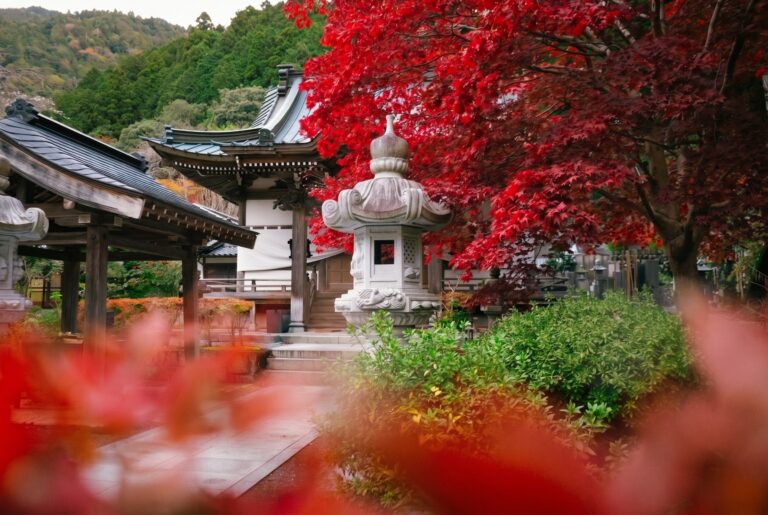
The most beautiful — and most sought-after — windows in Japan are two. In spring around late March and the first half of April, the cherry blossoms bloom and the country turns pink; in fall in November, the maples blaze red. Both periods are stunning, but expect company — transportation and accommodation fill up and get pricier at peak times.
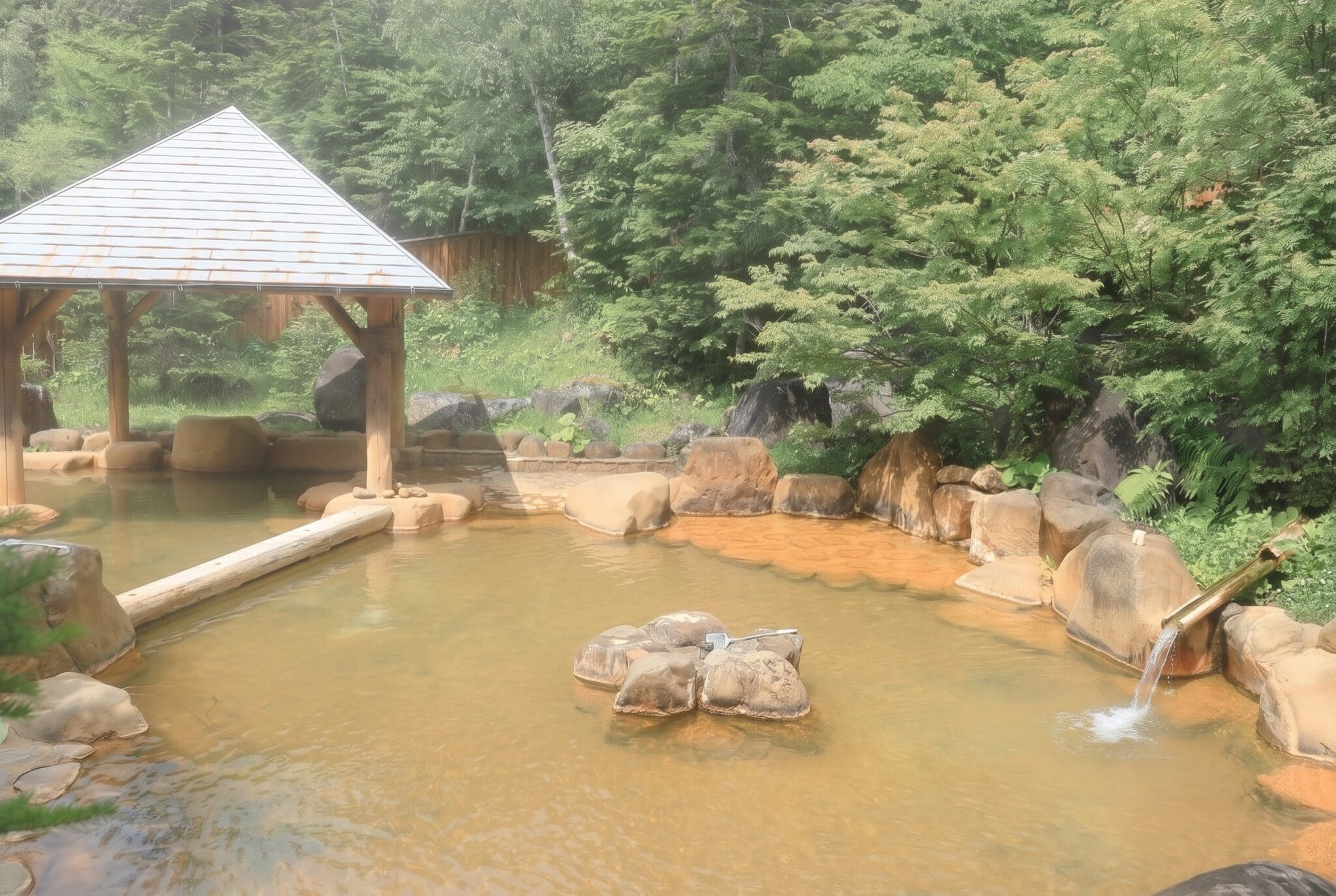
Summer tends to be hot and humid, June brings the rainy season, and Tokyo in August is quite the test. Winter, on the other hand, is quieter and cheaper, plus excellent if skiing or hot springs in snowy landscapes appeal to you. Among tour departure months, you’ll find January, February, March, April, May, July, September, and October, so you can choose based on budget and mood.
If you want to plan your timing precisely around weather and blossoms, check out our detailed breakdown of when to go to Japan — with months, temperatures, and tips on avoiding the biggest crowds.
How to get to Japan
From the Czech Republic to Japan, you always fly with a connection — there’s no direct flight from Prague. You’ll most often transfer at one of the major European or Middle Eastern hubs and land in Tokyo, which has two main airports, Narita and Haneda. Total travel time including layover runs around 14 to 18 hours, depending on the connection.
If you’re heading straight to the west of the country, consider arriving in Osaka (Kansai Airport) — you’ll save yourself the trek across all of Honshu. You can’t realistically get from the Czech Republic to Japan by car or ferry, so flying is the only sensible option. We break down the practical details, including the JR Pass and getting around on the ground, in our article Japan for the first time.
Renting a car
For the classic Tokyo–Kyoto–Osaka route, you don’t need a car in Japan and it’ll mostly be a hassle — trains and metro are faster, city parking is expensive, and you drive on the left. A car, however, pays off outside the main corridor: in rural Tohoku, on Hokkaido, on Shikoku, or on islands where public transport is sparse and you want freedom.
- Book ahead through a rental comparison site — in spring and fall, cars sell out and on-site rentals are expensive.
- You’ll need an International Driving Permit in addition to your Czech license — without it, they won’t rent to you.
- Watch the terms for insurance and deposit amounts, and factor in toll roads (ETC card) and ferry fees between islands.
Where to stay in Japan
Accommodation in Japan is reliably clean and safe across all price ranges. In cities, you can go for business hotels (small but practical rooms), hostels, and capsule hotels for budget travel, or upscale designer hotels. We recommend experiencing at least one night in a traditional ryokan with tatami mats, futons, and an onsen hot spring bath — it’s an experience in itself.
- Tokyo — stay near the Yamanote line (Shinjuku, Shibuya, Ueno) to have the whole city within reach.
- Kyoto — the area around the station is most practical for connections; the Gion district is better for atmosphere.
- Osaka — Namba and Umeda are excellent for food, nightlife, and connections to Nara and Kyoto.
Package tour or independent travel?
Japan works both ways — it depends on how much energy you want to put into planning and how much the language barrier bothers you.
A tour makes sense when…
- you’re going to Japan for the first time and want transport and accommodation sorted for you;
- the language puts you off and you want a guide and Czech speakers on hand;
- you have little time and want to see the highlights in a few days without logistics.
Go solo when…
- you want the freedom to change plans and stay where you like;
- you enjoy planning routes, accommodation, and finding food on your own terms;
- you want to save money and navigating Japanese transport doesn’t faze you (it’s brilliantly organized, by the way).
We two are solo travelers at heart — Japan is surprisingly welcoming despite all the concerns, and independent travel gives you more experiences. But honestly: if it’s your first time and you only have a few days, a well-structured tour will save you loads of stress and there’s absolutely no shame in it.
Budget: daily costs in Japan
Japan isn’t as expensive today as its reputation suggests — especially when you know your way around cheap street food and local transportation. The following figures are rough daily budgets per person and don’t include airfare or the JR Pass.
| Level | Accommodation | Food | Transport & activities | Total/day |
|---|---|---|---|---|
| Backpacker | 600–1,000 Kč (hostel, capsule) | 400–600 Kč | 300–500 Kč | approx. 1,300–2,100 Kč |
| Standard | 1,500–2,500 Kč (business hotel) | 700–1,100 Kč | 600–1,000 Kč | approx. 2,800–4,600 Kč |
| Comfort | 4,000 Kč+ (hotel, ryokan) | 1,500 Kč+ | 1,500 Kč+ | approx. 7,000 Kč+ |
How to save when planning
- Book flights 3–6 months in advance. Connections to Japan fill up during spring and fall peaks and rarely drop in price at the last minute. Search for flights in our finder.
- Tours make sense to book early bird for spring and fall when dates are most in demand — off-season sometimes throws up a good last-minute deal, though. Check out current tours and compare.
- Book accommodation before booking cherry blossom flights — good hotels in Kyoto disappear months ahead. Find inspiration in the our accommodation tips section.
- You overpay most on transport without a plan. The JR Pass only pays off on longer trips — calculate it beforehand so you don’t buy it unnecessarily.
- Book popular experiences ahead; some sell out weeks in advance. We summarize what to book early in what to book early.
Practical information
- Language: you’ll get by in English at train stations and tourist spots; elsewhere, a translation app on your phone and friendly gestures help — the Japanese are helpful.
- Payments: cards are commonly accepted in cities, but you still need cash for smaller establishments and rural areas. Withdraw from 7-Eleven ATMs; they accept foreign cards.
- Connectivity: most practical is an eSIM activated before departure — you’ll have data right when you land and skip hunting for a SIM at the airport.
- Safety: Japan ranks among the safest countries in the world; crime is minimal. Watch out more for typhoon season in summer and fall.
One small tip to close: get a Suica or ICOCA chip card for city transport and vending machines — it’ll save you endless ticket purchases and it’s just convenient.


