

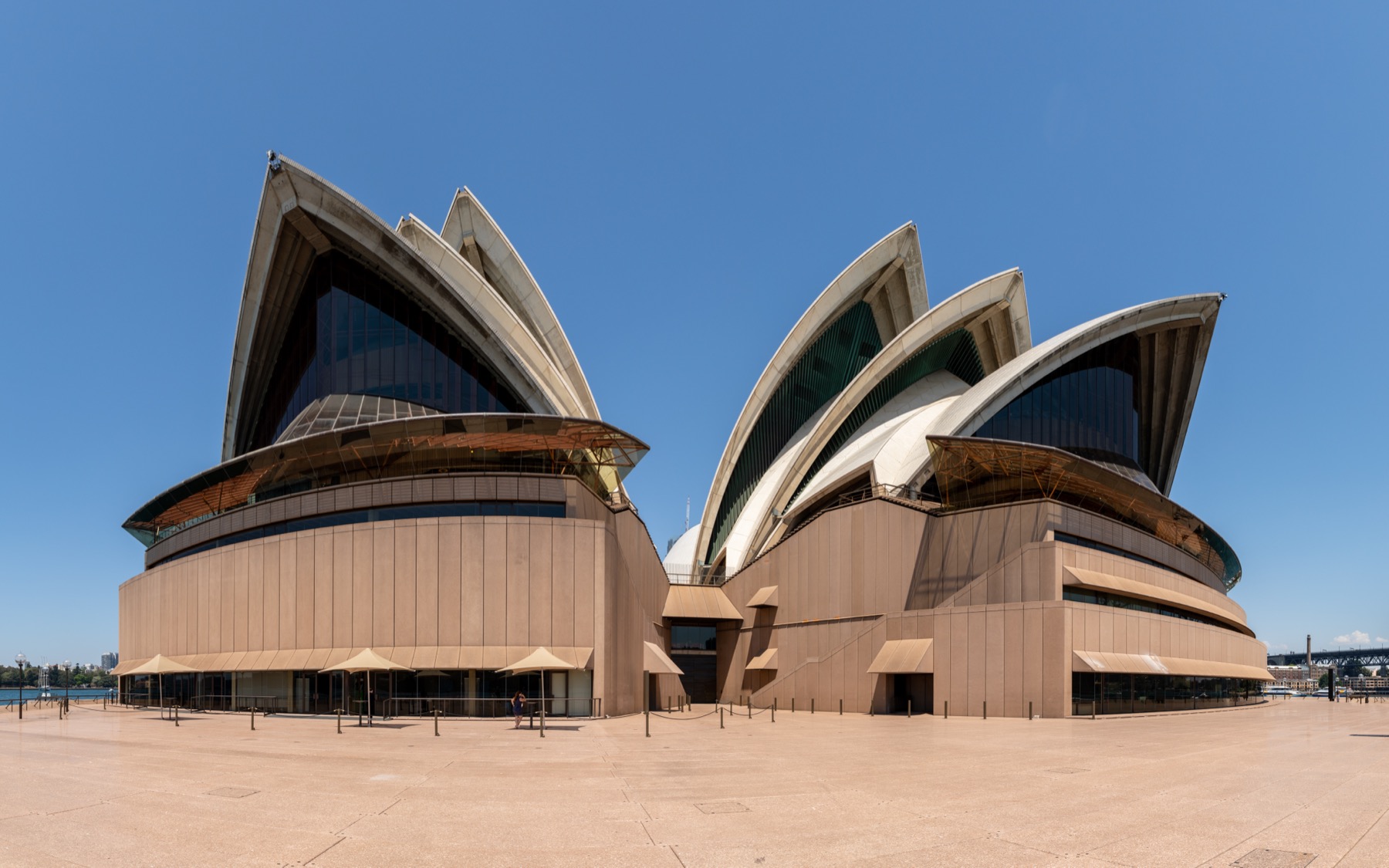
The iconic Sydney Opera House is the most famous building in the Southern Hemisphere, designed by a Danish architect who never actually laid eyes on the finished result. Jørn Utzon left Australia after a bitter dispute over money and never returned to Sydney for the rest of his life, even though he left behind an architectural miracle now admired by millions of people from all over the world. It’s a story full of genius, political intrigue and enormous budget blunders, and it gives this landmark a fascinating human dimension.
You simply can’t skip this building — whether you decide to just stroll along the promenade or buy a ticket for an evening performance. Locals and seasoned travellers alike rave about the atmosphere around Circular Quay, which has an unmistakable magic at any time of day.
Here you’ll find everything you need for a visit: from prices and tours to tips on how to grab a ticket for a reasonable price. You’ll learn the current ticket and tour prices for 2026, we’ll break down exactly how to reach the best views over the whole bay, and we’ll walk through ten unforgettable experiences you definitely shouldn’t miss. You’ll also find tips on where to stay with a view and a few tricks to avoid paying more for tickets than you have to.
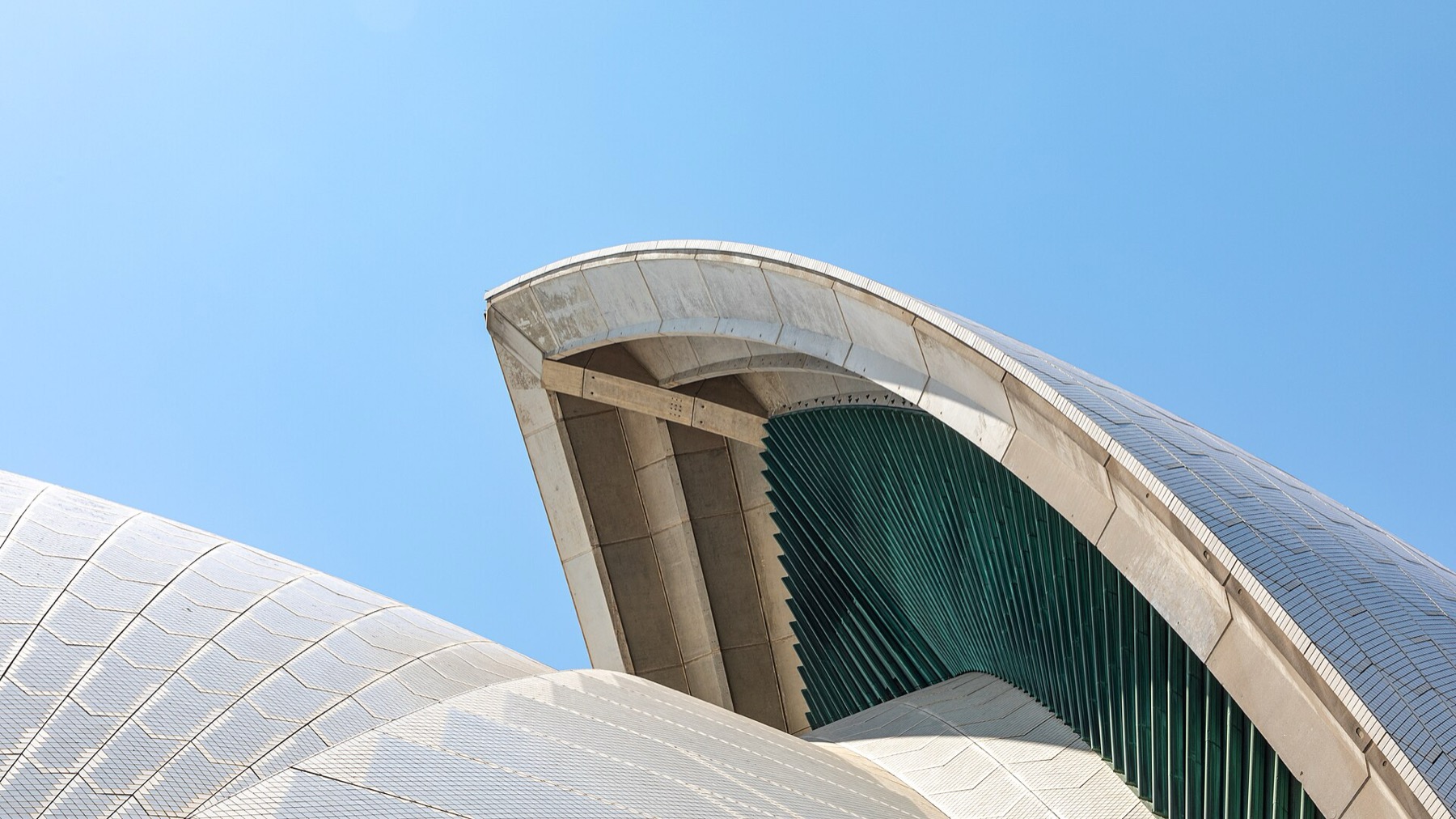
TL;DR
- Basic interior tour admission: A standard one-hour guided tour costs an adult AUD 50 (booked online), which is roughly €30.
- How to save on a performance: If you’re under 35, the Opera Australia Under 35s programme offers a 15% discount on selected performances (registration required in advance).
- Best spot for photos: To capture the Opera House and the Harbour Bridge in a single frame, head to the Mrs Macquarie’s Chair lookout at dawn.
- Experience for connoisseurs: The Backstage Tour (AUD 199) takes you behind the scenes as early as 6:45 a.m. and ends with an exclusive breakfast in a space called the Green Room.
- Free projection: Don’t miss Badu Gili, a free light projection of Indigenous art onto the eastern sails at sunset.
- Main planning tip: If you want to see the interiors but evening tickets are too pricey for you, a morning guided tour is a completely worthwhile alternative.
Sydney Opera House tickets and tours: prices and how to save
Budgeting for an Australian adventure takes a bit of planning, because local prices can occasionally spring an unpleasant surprise. The basic one-hour interior tour with an English-speaking guide currently costs AUD 50 (about €30) if you buy it online in advance directly on the official website. If you leave the purchase until you’re at the ticket desk, you’ll pay an extra 5 dollars, so it definitely pays to plan at least a few days ahead and have your tickets comfortably stored on your phone.
Families and discounted groups get adjusted price lists that can bring the total bill down quite nicely. The concession ticket costs AUD 40 online, children aged 5 to 15 pay AUD 30, and a special family ticket for two adults and two children will set you back AUD 130 (about €80). Standard tours run every day of the year except from 25 to 31 December, the route is roughly two and a half kilometres long, and be prepared to climb around three hundred steps along the way.
If you’re after something truly special and don’t mind spending a little more, there’s a fantastic alternative tour here. The so-called Backstage Tour costs AUD 199 (roughly €120) and starts as early as 6:45 a.m., when the whole building is still beautifully empty and quiet. During the two-plus-hour excursion in an intimate group of no more than 12 people, you’ll see the rehearsal rooms, dressing rooms and technical areas, and the whole experience is crowned with a hearty breakfast (from avocado toast to fresh croissants) in the exclusive space known as the Green Room.
Music and theatre lovers who long for an evening performance have several elegant ways to save. A great tip is the Opera Australia Under 35s programme, which offers a 15% discount for all theatregoers under thirty-five (valid for registrations until the end of 2026). Another popular option is keeping an eye on the TodayTix app, where so-called Rush tickets regularly pop up (heavily discounted last-minute tickets released just before sold-out productions), which get you into the hall for a fraction of the original price.
A tour, or straight to a performance?
Many travellers face the usual dilemma when planning their itinerary: is a daytime guided tour enough, or should they invest in a full ticket for an evening programme? The one-hour daytime excursion is an absolutely brilliant budget alternative, because it takes you into the main halls, shows you the details of Utzon’s architecture up close and teaches you plenty of fascinating historical facts. In terms of soaking up information and understanding the genius of the whole structure, a daytime visit might actually give you a little more than the concert itself.
On the other hand, an evening ticket unlocks a completely different, far more emotional layer of this exceptional place. A performance offers not only the visual beauty of the same spaces, but adds an irreplaceable acoustic and social experience. That feeling as you walk through the lit-up foyer with a view of the night-time harbour, glass in hand: this is what people travel to from the other side of the world. And it’s easy to see why. The ideal scenario (if your budget allows) is of course to do both.
As for evening attire, there’s a lot of needless worry and myth surrounding it. Although official sources don’t state any strict dress code, Australians usually go for a smart casual look. No one is going to require a tuxedo or a long evening gown; smarter trousers, a shirt or a tasteful dress will do just fine. Given the laid-back Australian nature, you’ll spot a colourful mix of styles in the audience, but if you dress up a little, you’ll simply feel much better in these majestic surroundings.
How to get to the Opera House
From a logistical point of view, the whole complex is brilliantly located and getting there is very intuitive for tourists. The main transport hub for the entire area is Circular Quay station, easily reached by train, bus and the iconic yellow-and-green ferries from every corner of the city. From the station it’s just a five- to six-minute easy walk along the wide promenade to the sails themselves, offering great views and completely step-free. There’s also a free buggy service for visitors with limited mobility, which takes you right to the entrance.
When planning your time for an evening production, don’t forget to build in a small time buffer for the security procedures. It’s recommended to arrive roughly 20 to 30 minutes before your programme starts, as there are standard security bag checks at the entrance. It’s very important to know that you can’t bring any larger backpacks inside (the limit is roughly A4 paper size), glass, drones and professional photographic gear are banned, and all oversized luggage must be checked at the on-site cloakroom.
Want photos without the crowds? Head out at dawn — at that time only local runners and a few keen photographers are moving along the promenade. Once ten o’clock rolls around, it’s properly packed, so getting up early really pays off with gorgeous, clean shots of the waking harbour.
10 experiences the Sydney Opera House offers
The Opera House offers more than you might think at first glance. Here are ten things worth planning for.
1. Guided interior tour
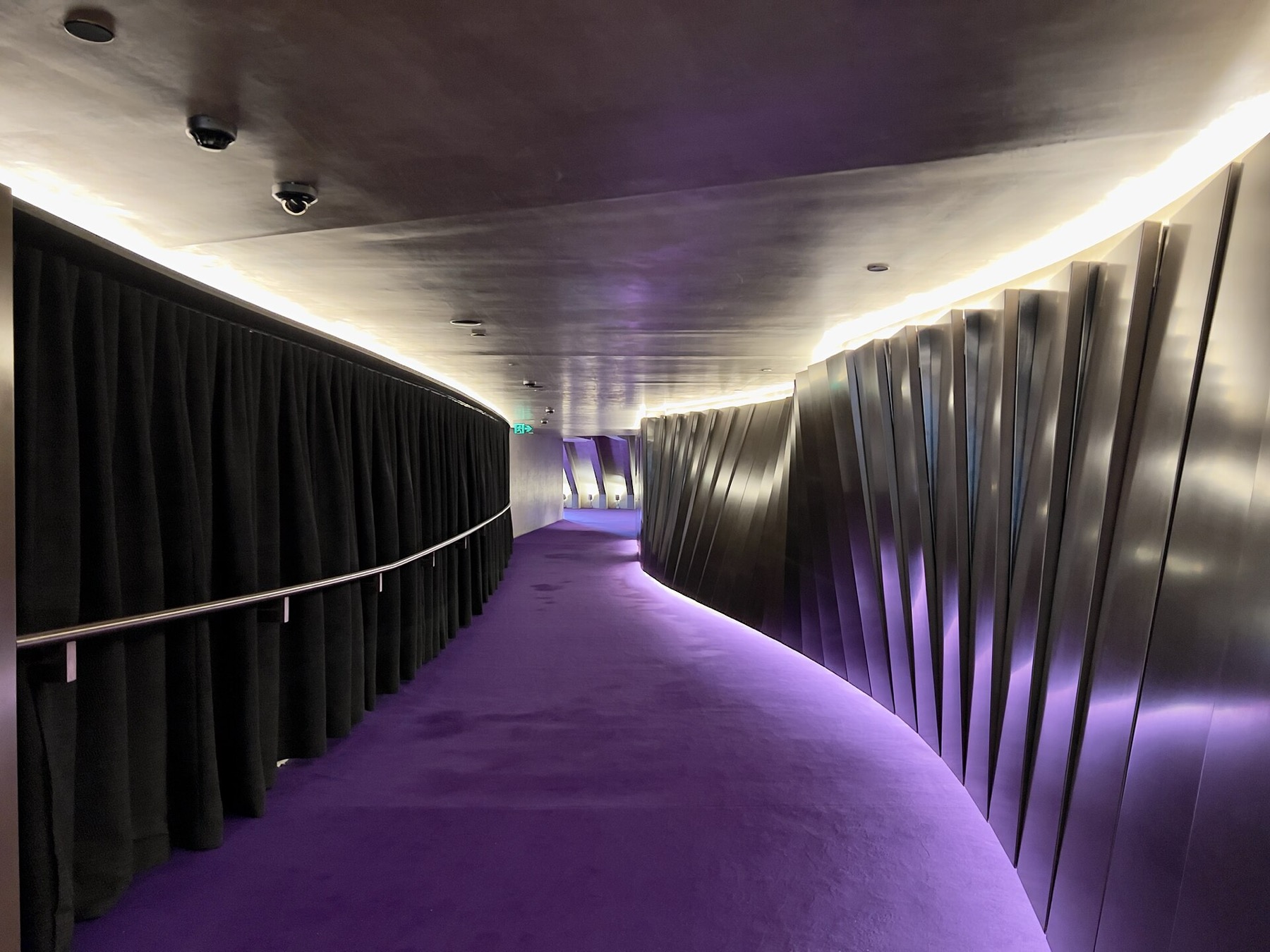
Stepping into the inner halls during the day is an experience you definitely shouldn’t leave out of your itinerary. For AUD 50 (booked online) you get a one-hour excursion during which you’ll walk through a labyrinth of corridors, climb roughly 300 steps and see with your own eyes the fascinating solution of the concrete ribs that hold the enormous weight of the roof sails. Since the spaces can’t be explored freely without a guide, this is the only available way to understand the building’s complex structure.
The guides are apparently entertaining, and there are surprisingly many details you simply can’t see from the outside. You’ll learn about the acoustic treatment of the individual halls and often reach spots with a gorgeous view through the huge glass panels right onto the blue surface of the bay. Tours run in several world languages (including German and Spanish), but the English version offers by far the widest choice of times throughout the day.
💡 Tip: If you have a packed schedule, try booking the excursion for the very first morning slot. That way you’ll avoid the biggest afternoon rush and have far more room to soak up the unique atmosphere.
2. Backstage Tour with a behind-the-scenes breakfast
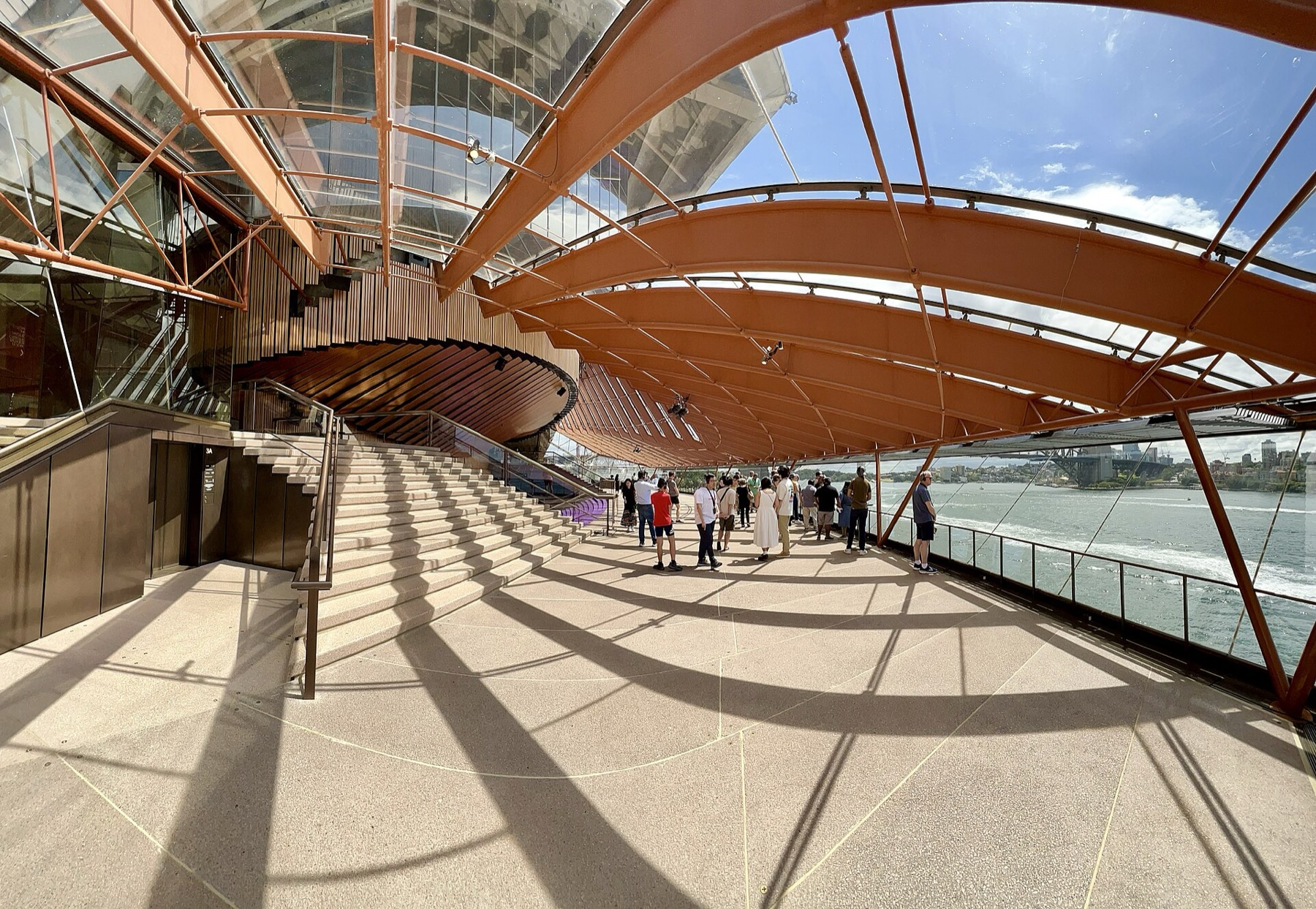
For genuine theatre enthusiasts and lovers of exclusive experiences, there’s something absolutely special here. The Backstage Tour (AUD 199) starts as early as 6:45 a.m. and lasts over two hours, during which, in a tiny group of no more than 12 people, you’ll get to places an ordinary mortal never sees. You’ll walk through a maze of corridors, peek into the orchestral rehearsal rooms, explore the huge scenery lifts and breathe in the distinctive smell of the stage before the building wakes up to its normal working day.
This tour reveals the enormous technical machinery needed to stage more than 1,800 performances a year here. Travellers often praise in their reviews the incredible contrast between the polished public foyer and the raw, strictly functional space of the dressing rooms and technical areas where performers and musicians prepare for their shows. Bear in mind the route is more physically demanding and the minimum age is set at 10.
The crowning glory of all this early rising is the final sit-down in the famous Green Room. Right in the spot where the biggest stars of the Australian cultural scene normally relax, a hearty breakfast is served, including coffee, avocado toast, eggs and fresh pastries. The combination of good food, a morning view and a sense of complete exclusivity makes this one of the highest-rated experiences in the whole city.
3. An evening of opera or ballet
If you long for a truly complete cultural experience, buying a ticket for an evening production is an absolute must. Prices start at roughly AUD 80 to 90 for the more distant seats, but premium spots can climb into the hundreds of dollars, especially for very popular seasonal blockbusters. Several prestigious companies call this place home, including the renowned Opera Australia and the stunning Australian Ballet, which regularly sell out the halls.
Choosing a specific performance comes down purely to your taste, but the Joan Sutherland Theatre, with a capacity of 1,507 seats, is the stage for the most spectacular opera and ballet productions. Reviewers describe how the very approach through the evening harbour towards the lit-up sails awakens the feeling that you’re about to take part in something truly exceptional. During the interval you can then stroll through the vast foyer with its huge glass walls and watch the illuminated ferries crisscrossing the dark water.
💡 Tip: If you’re not a die-hard fan of classical music, don’t despair. Smaller halls such as the Drama Theatre or the Studio regularly host modern plays, stand-up comedy or performances by contemporary musicians. The programme is incredibly varied.
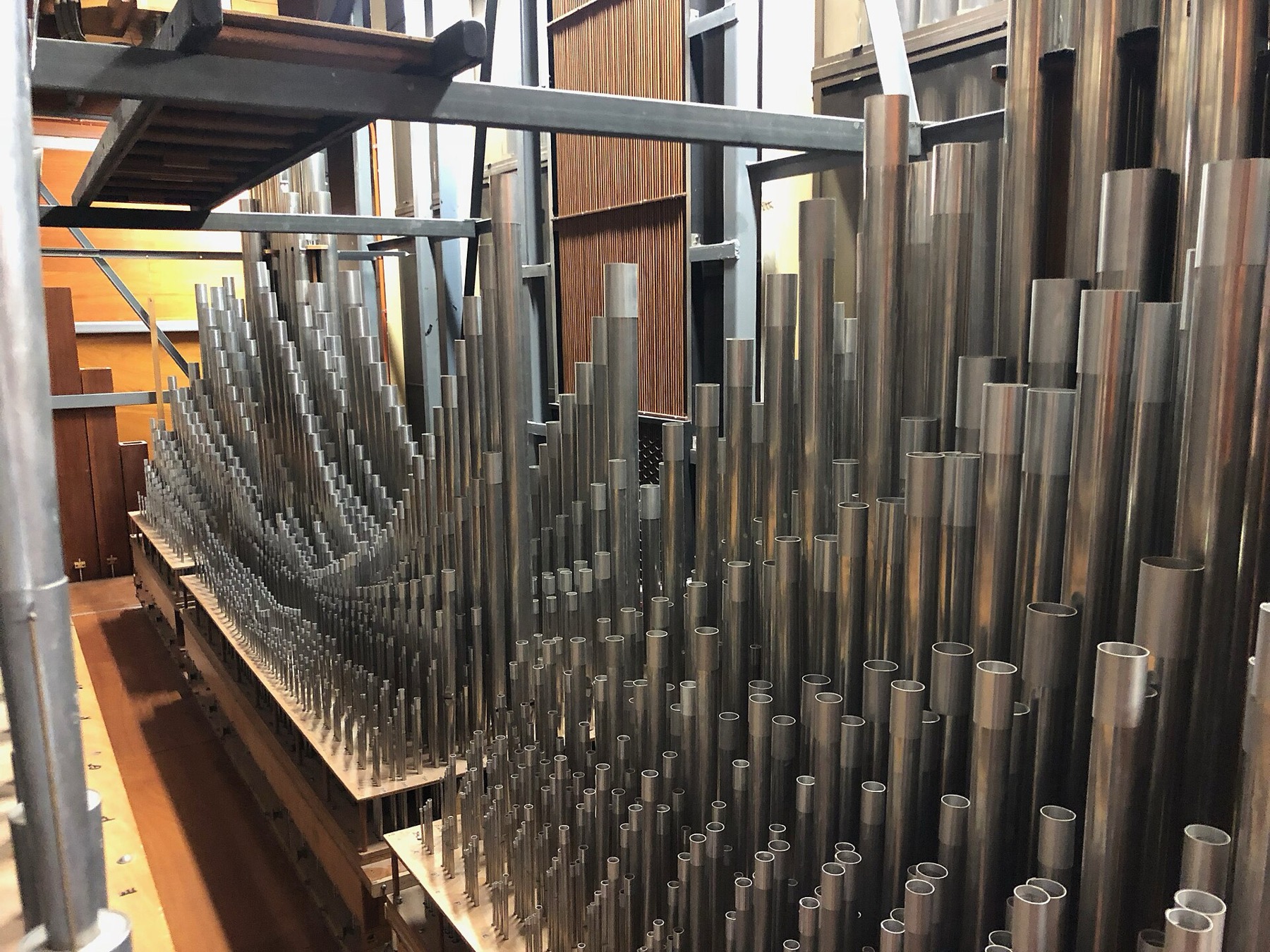
4. A concert in the Concert Hall beneath the largest mechanical organ
The largest and most impressive space in the whole building is called the Concert Hall, and its dimensions are truly remarkable. This majestic hall seats up to 2,664 people (the seats are arranged in a circle around the stage) and is home to the celebrated Sydney Symphony orchestra. The wooden interior panelling not only looks absolutely fantastic, but above all delivers acoustics that draw the world’s finest soloists and conductors to perform here.
The absolute centrepiece of this vast space is a musical instrument that’s guaranteed to take your breath away. Rising directly above the stage are an incredible 10,244 pipes, which according to available sources reportedly make up the largest mechanical organ in the world. Its construction took the passionate self-taught builder Ronald Sharp a full ten years and it was only completed in 1979, long after the building’s official grand opening.
A symphony concert here, in the midst of this acoustic beauty, is an experience you’ll find hard to repeat anywhere else. And you don’t have to be a big fan of the classics to be swept away. Ticket prices for classical concerts vary quite widely, so with a bit of luck you can even snag very reasonably priced tickets for afternoon rehearsals or less busy evenings. The experience of thousands of organ pipes resonating through the huge hall stays with visitors long after they return home.
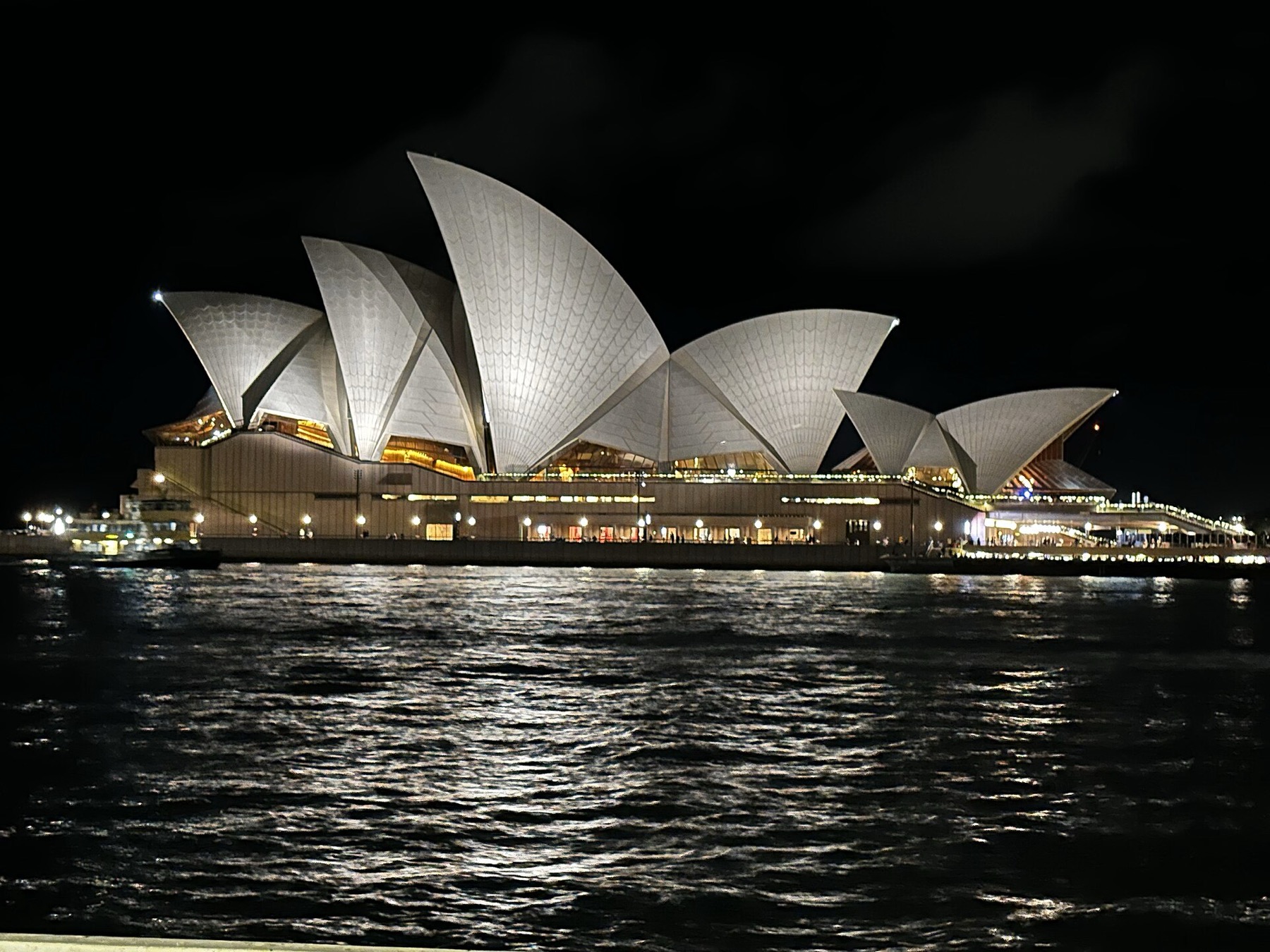
5. Badu Gili: a free projection of Indigenous art onto the sails
Not all the powerful experiences around the harbour have to mean a draught through your wallet. Badu Gili is a fascinating free light projection that transforms part of the eastern roof sails into a huge digital canvas dedicated to Australia’s Indigenous peoples. The name, in the language of the local Gadigal people, means “water as light” — and that’s exactly what the projection delivers visually: fluid, dreamlike animations celebrating the deep culture of the so-called First Nations.
The whole show lasts about six minutes and takes place regularly every day around sunset and later in the evening. The exact times change with the season, so you’ll always find them listed on the building’s official website. It’s an extraordinarily powerful spectacle that beautifully connects the super-modern 20th-century architecture with stories and art tens of thousands of years old.
💡 Tip: The best place to watch this light show is right from the wide Monumental Steps. Grab a coffee or an ice cream near Circular Quay beforehand, sit down on the warm concrete and enjoy this magical moment that won’t cost you a single dollar.
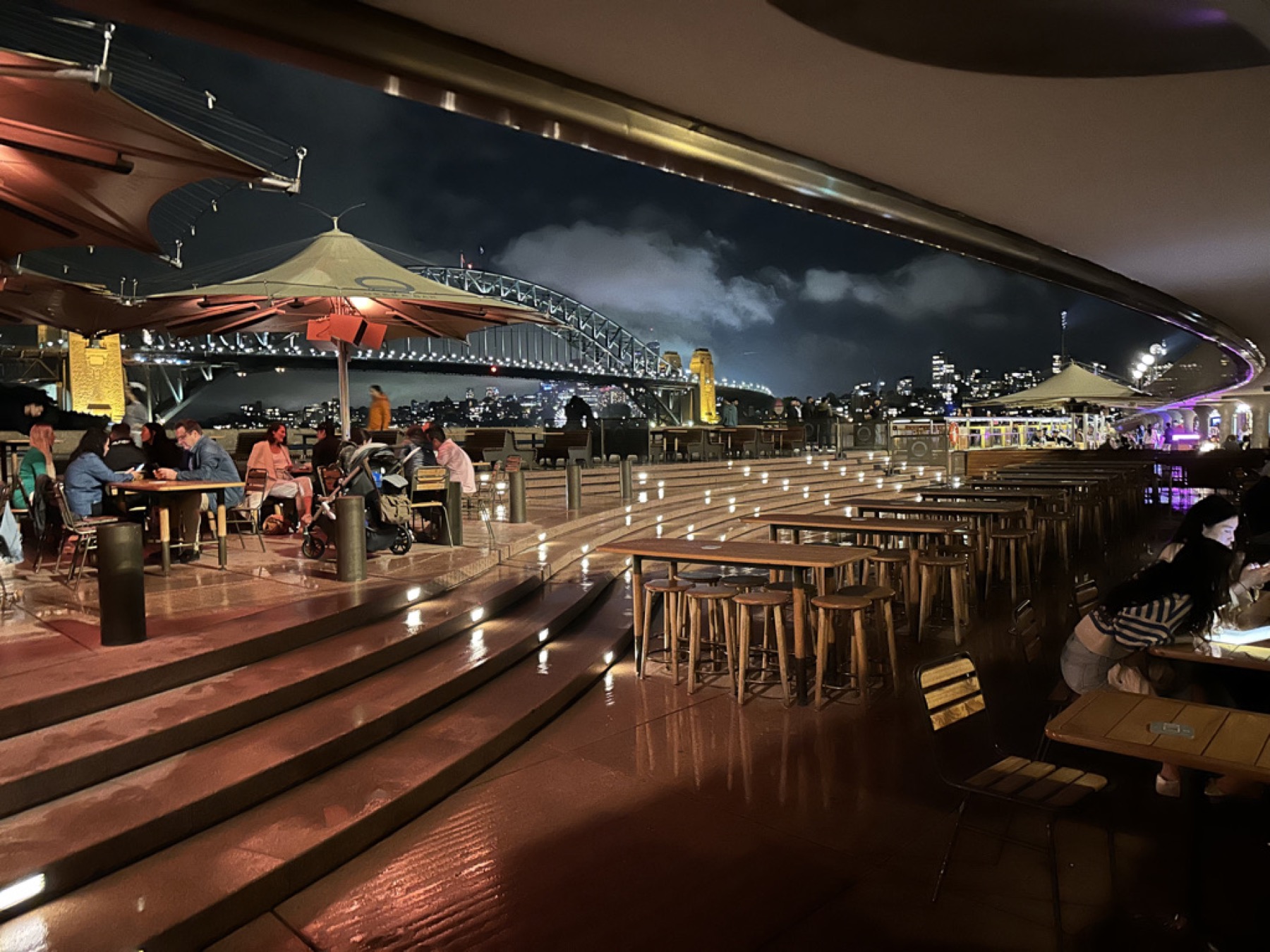
6. A drink at Opera Bar with a view of the bridge
Right on the lower promenade, directly beneath the majestic sails, sits one of the most popular venues in the entire city. Opera Bar is the ideal spot to grab a vegetarian pizza, a fresh salad or a chilled cocktail with an absolutely iconic view of the steel structure of the Harbour Bridge. The venue operates without prior reservations, so you can simply come along, find a free table by the railing and soak up the buzzing waterfront atmosphere.
This is where the local suits from the CBD come to sit after work, and at weekends tourists from all over the world mix here. Drink prices do reflect the premium location, but the view is absolutely worth it, especially in the early evening when the sky turns pink and the harbour slowly begins to glow. You can easily spend several hours here just watching the lively traffic on the water.
⚠️ Important note: If you’re planning a trip during the Australian winter in 2026 (roughly June to August), bear in mind that Opera Bar will be undergoing an extensive renovation. Its reopening is planned for just before the start of the Australian summer in December, so it’s best to check the current operating status on the website before your visit.
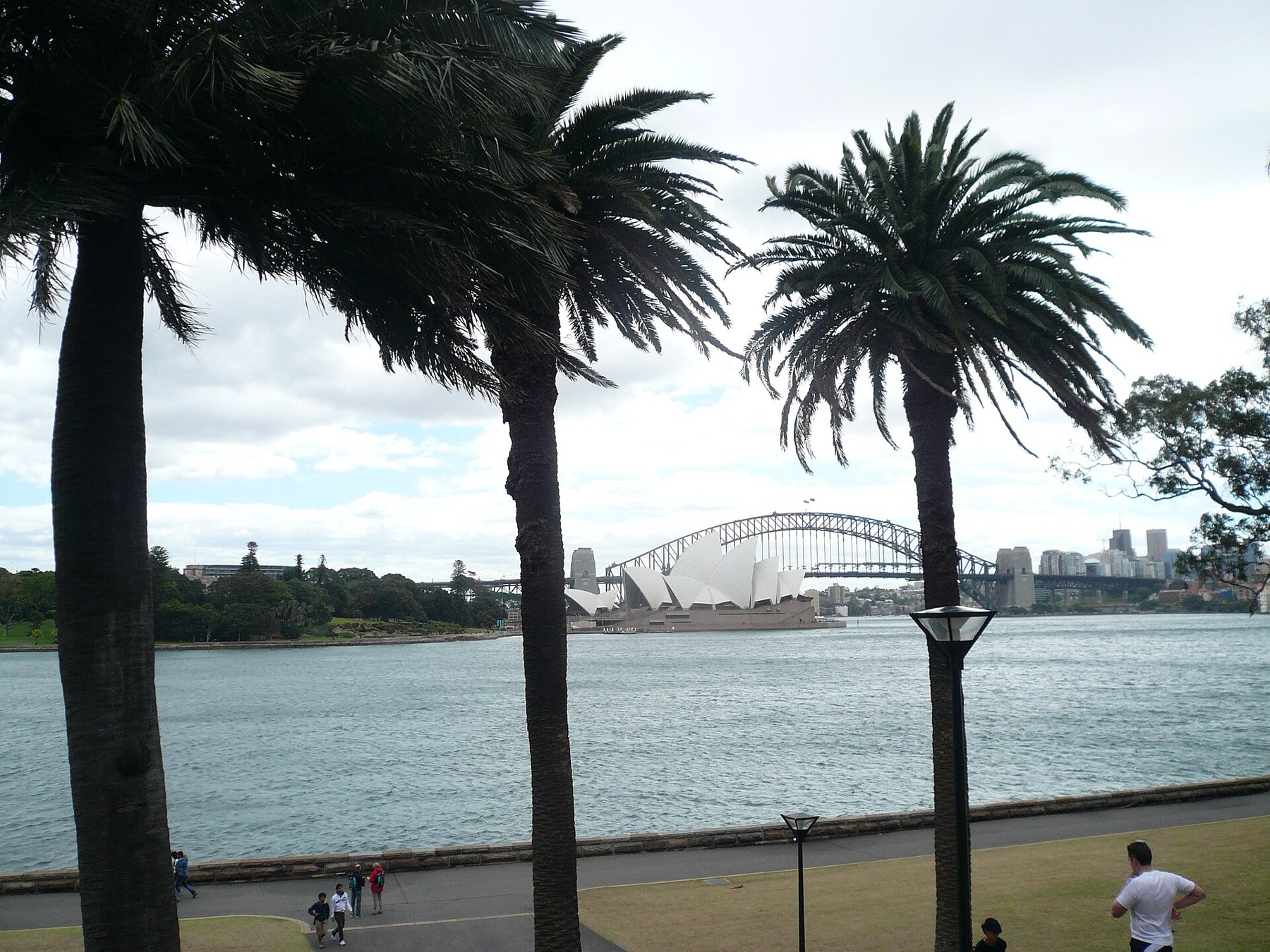
7. Sunset at Mrs Macquarie’s Chair
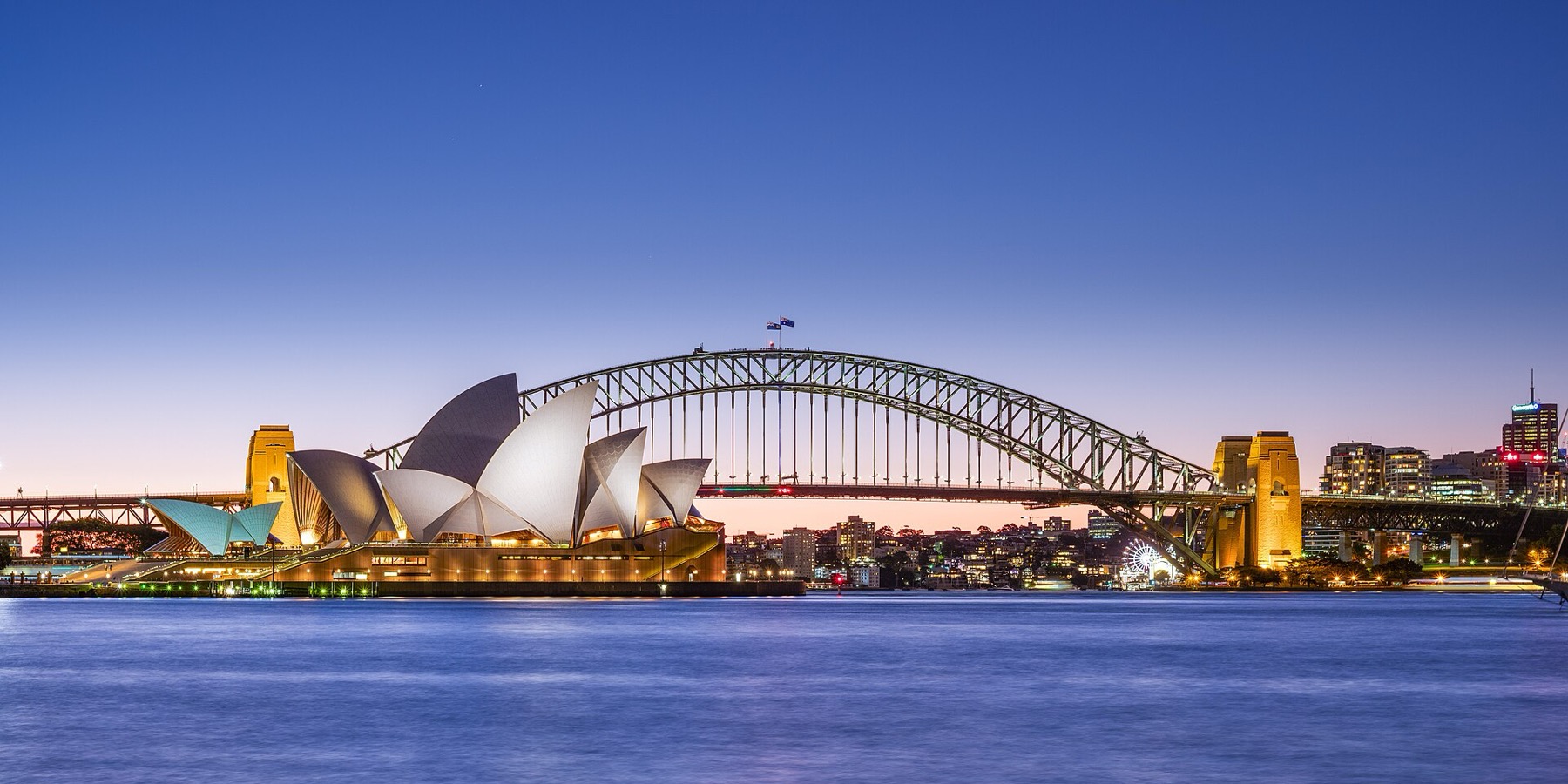
If you’re after the absolute best and most photographed angle over the whole bay, you’ll need to head a little further from the building itself. Mrs Macquarie’s Chair is a historic sandstone seat carved back in 1810 on a small peninsula east of the Opera House, and it opens up the most iconic view in the world. From this particular spot you can see the Opera House sails and the arch of the Harbour Bridge perfectly aligned in a single composition.
The walk here leads through the gorgeous setting of the Royal Botanic Garden and takes roughly twenty minutes of easy walking from Circular Quay. Travellers agree that the most beautiful light of all falls just after dawn, when the sun rises behind your back and lights the Opera House’s white tiles in warm golden tones. On top of that, at this early hour you’ll be almost alone here, which definitely can’t be said of the early-evening slots.
💡 Tip: If early rising isn’t for you, come here instead in the late afternoon and bring a blanket and a small picnic. Sunset directly behind the silhouette of the bridge and the Opera House is a spectacle it would simply be a sin to miss.
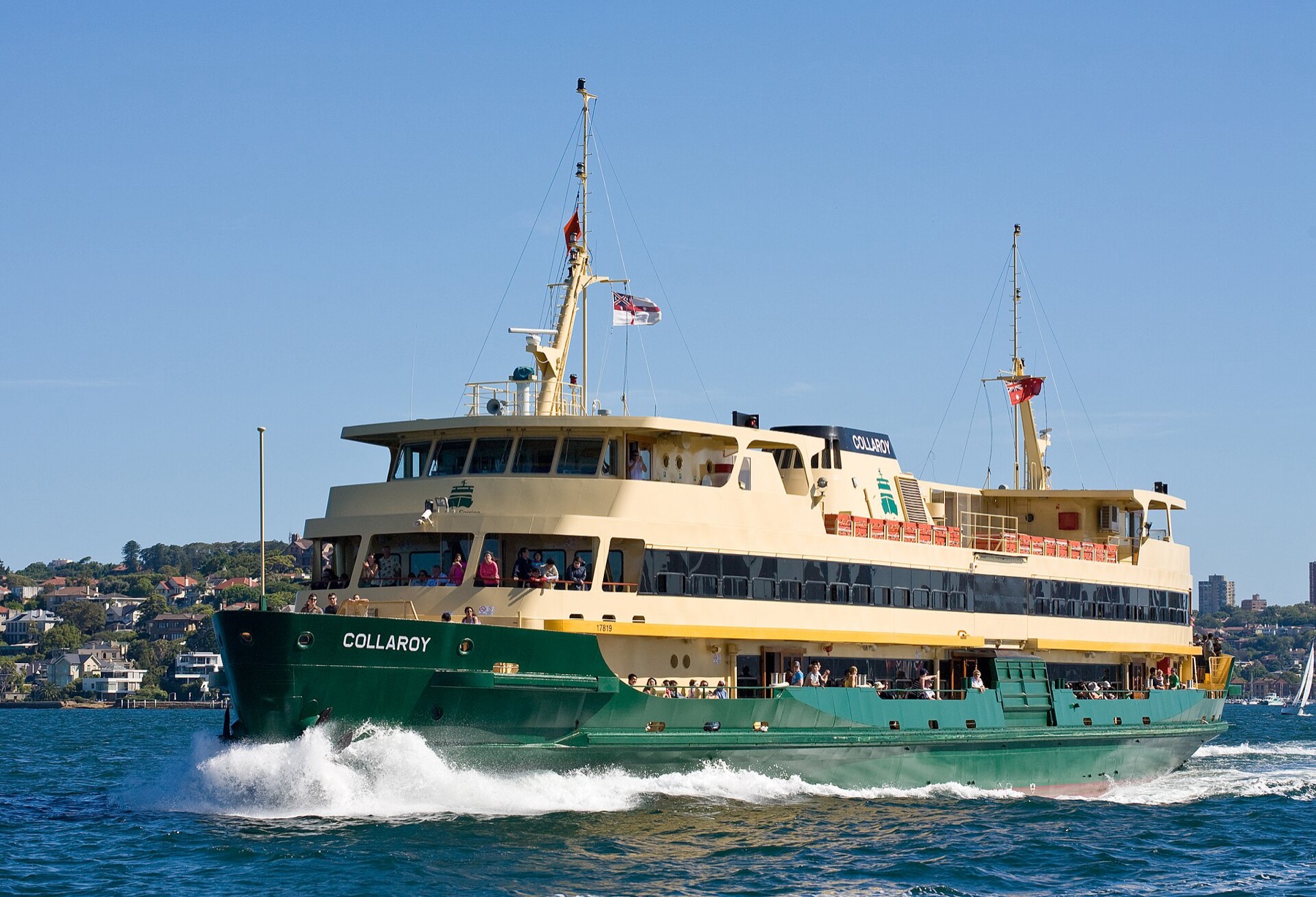

8. A ferry ride to Manly past the Opera House
To fully appreciate the monumental scale of Utzon’s architectural masterpiece, you also need to see it from the water. The cheapest and at the same time most authentic “sightseeing cruise” is an ordinary city ferry ride, specifically the popular F1 line, which departs from Wharf 3 at Circular Quay and heads to the northern beaches in the suburb of Manly. For just a few dollars charged to your card, you get a thirty-minute experience that easily outshines the expensive tourist boats.
After roughly five minutes’ sailing, the ferry passes the Opera House up close and you get a completely unique perspective. You’ll see the sheer bulk of the concrete podium on which the whole structure stands and realise how brilliantly the building responds to its watery surroundings, its sails truly resembling ships anchored in the harbour. The strong sea wind and the smell of the ocean give this view an incredibly fresh dimension.
On top of that, the destination of Manly offers beautiful beaches, great cafés and pine-lined promenades, so this cheap transfer easily turns into a fantastic half-day trip. For the journey back to the centre, wait for an early-evening service so you can watch the bay, along with the Opera House, gradually sink into darkness as the first night lights come on.
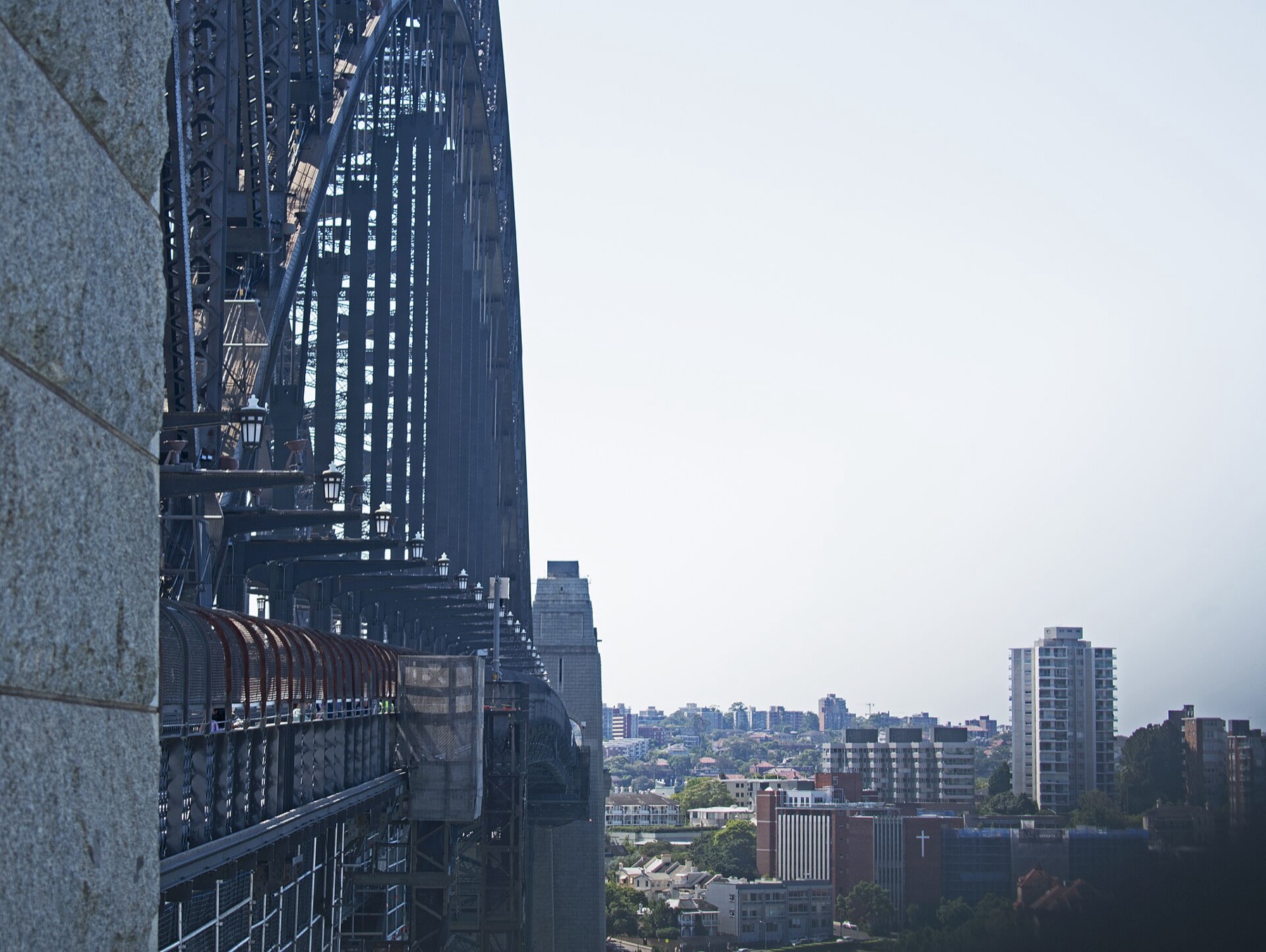
9. The view from Pylon Lookout on the Harbour Bridge
Another fantastic perspective on the white sails is on offer directly from the steel structure of the bridge opposite. While the famous BridgeClimb (a climb to the very top of the arch) costs hundreds of dollars, a far smarter alternative is the Pylon Lookout. This historic viewpoint is located in the southeastern concrete pylon of the bridge and offers an absolutely phenomenal bird’s-eye view of the whole harbour, Opera House included.
The way up requires a bit of physical effort, as you’ll have to conquer roughly 200 steps on foot, but the reward at the top is priceless. From almost 90 metres above sea level you have the whole bay in the palm of your hand and the geometric arrangement of the roof shells stands out beautifully from here. The pylon also houses a very nicely done museum that tells the tough story of how this steel giant was built in the 1930s.
💡 Tip: The lookout is fantastic for another reason too — unlike the expensive climb to the arch (where cameras are strictly banned for safety reasons), here you can bring your own camera and phone and take as many photos of the Opera House as you like.
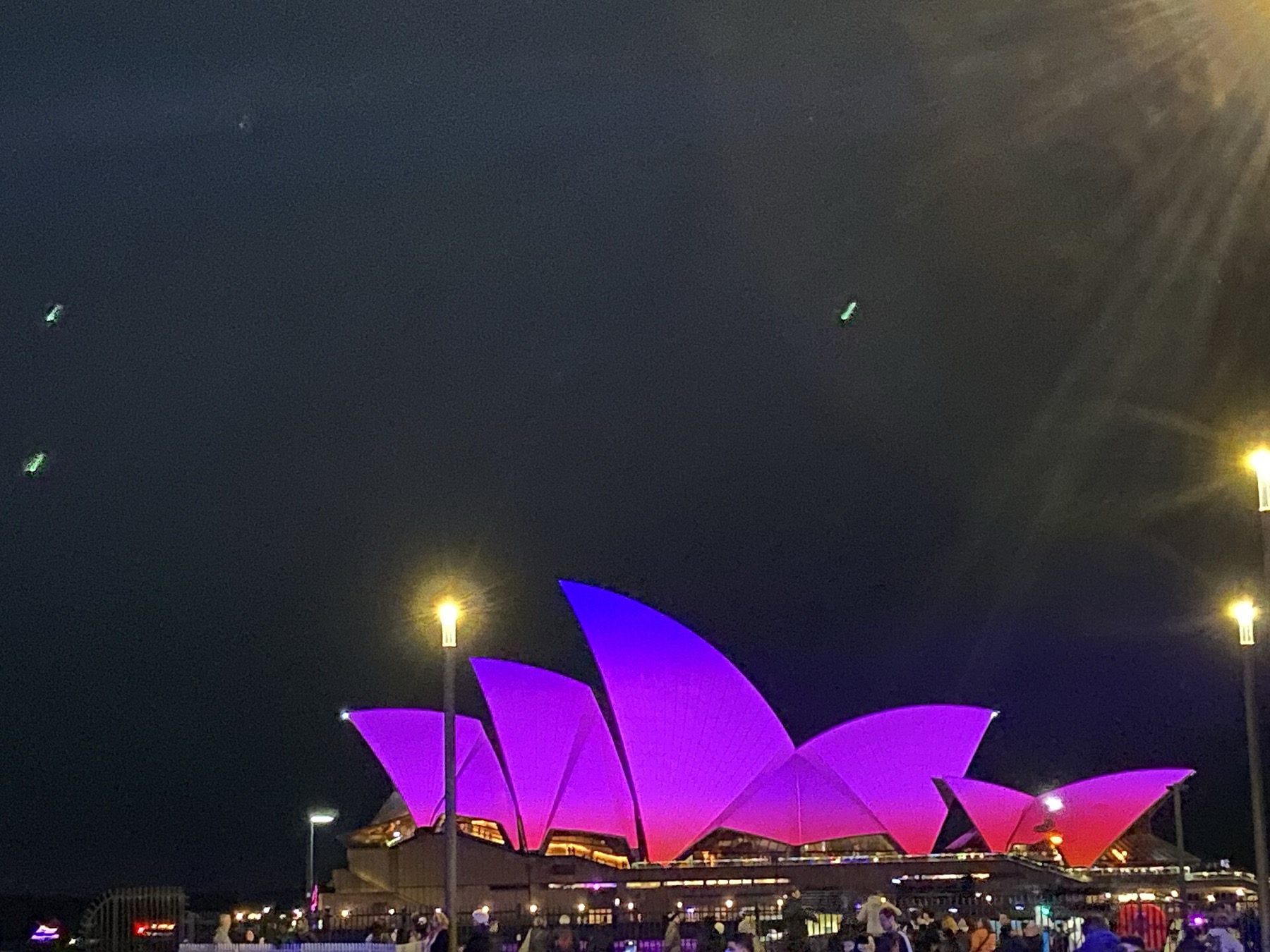
10. Vivid Sydney: the light festival (2027 dates)
If you’re lucky enough to plan your Australian trip for the turn of autumn and winter, you’ll run into what is probably the most beautiful visual event in the Southern Hemisphere. Vivid Sydney is a huge festival of light, music and ideas that transforms the entire city centre into one giant glowing open-air gallery for several weeks. And the absolute centrepiece and main canvas of the whole festival is traditionally the Opera House roof.
The dates for the 2027 edition are set for 28 May to 19 June and the main projection is titled “Lighting of the Sails: Opera Mundi”. During these evenings the roof tiles are illuminated with incredibly complex and colourful 3D animations that completely change how you perceive the building’s shape and space. The whole Circular Quay area is packed with people during this time, but the magical atmosphere is definitely worth a bit of jostling in the crowd.
Most of the light installations scattered around the city (including the Opera House projection) are completely free for the public. It’s recommended to head out for a stroll right after dark (around 6 p.m.) and combine watching the lit-up sails with sampling food from the many street stalls that regularly spring up along the harbour during the festival.
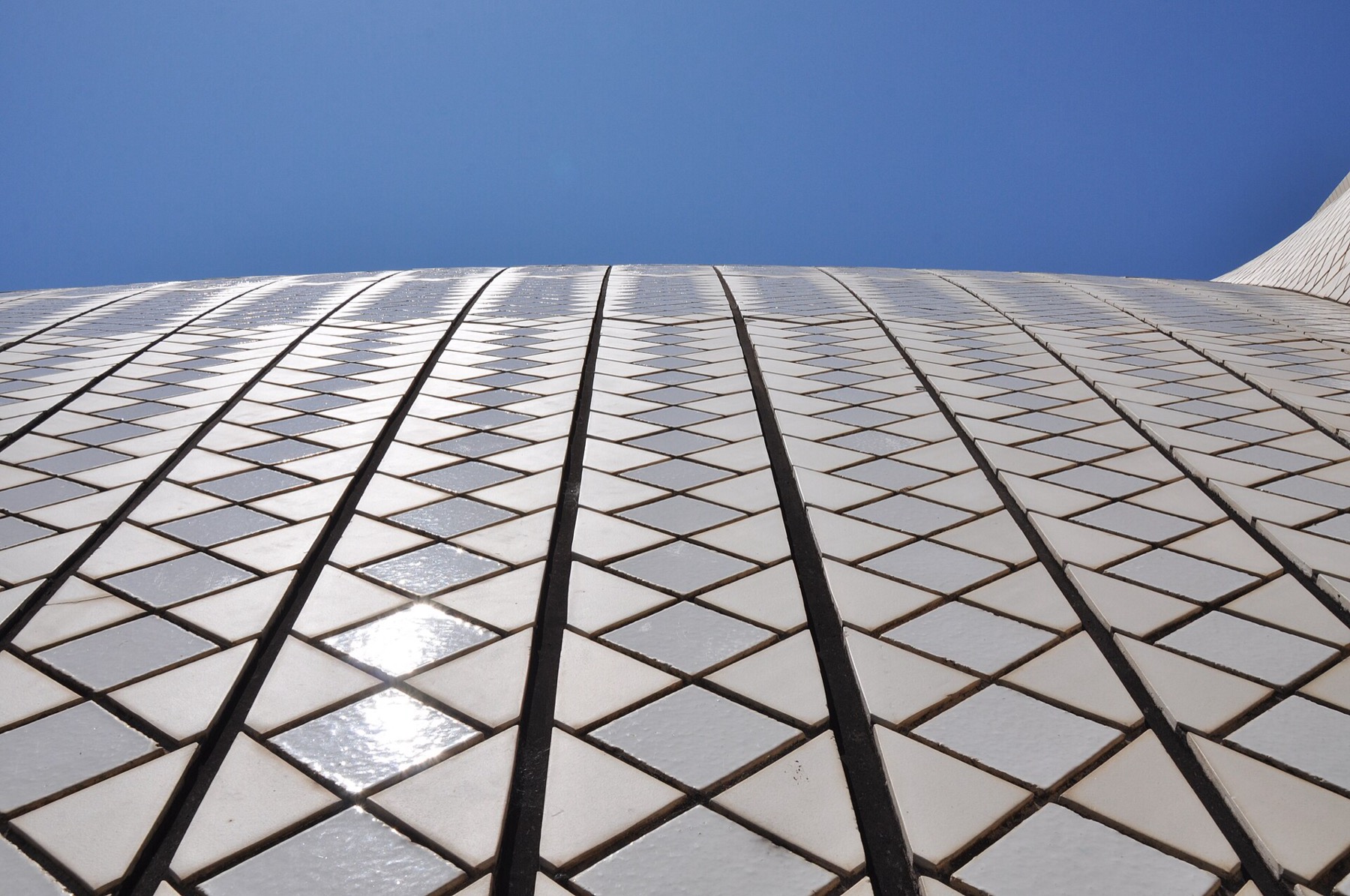
The story of the Opera House: the architect who never saw his work
The history of how this building came to be is a drama that could make a gripping feature film all on its own. In 1957 the Australian government announced an international architectural competition, which drew a respectable 233 entries from 32 countries around the world. To everyone’s great surprise, the jury chose a visionary but technically almost impossible concept, the work of a then practically unknown thirty-eight-year-old Danish architect, Jørn Utzon. It’s said that it was the famous juror Eero Saarinen who pushed this bold design through, even though the others initially overlooked it.
The trickiest part of the whole project was building the iconic roof shells. Engineers from Ove Arup racked their brains for long months over how to build these huge concrete forms so they wouldn’t collapse. The genius breakthrough came in 1961 with the so-called “spherical solution”, when Utzon realised that if all the sails were designed as segments of a single enormous sphere, they could be cast from a common mould. This idea went down in history as one of the greatest milestones of 20th-century architecture.
The construction, however, soon turned into a nightmare. The original budget, estimated at roughly 7 million dollars with a planned completion in 1963, began to spiral horrifyingly out of control. In 1966 the long-running disputes with the new Minister for Public Works, Davis Hughes, over paying invoices came to a head. Utzon, in a fit of temper, threatened to resign — a resignation Hughes coolly accepted on the spot. The embittered architect travelled back to Europe and never set foot in Australia again; he never saw his finished building with his own eyes. The building was finally opened on 20 October 1973 by Queen Elizabeth II (to the sound of Beethoven’s Ninth Symphony), with the final bill climbing to an astronomical AUD 102 million.
Today the roof is covered with exactly 1,056,006 ceramic tiles, specially imported from the Swedish Höganäs factory. The combination of glossy white and matte cream tiles creates a surface that shines beautifully in the sun and, thanks to its clever texture, even cleans itself in the rain. There’s a whole string of amazing anecdotes tied to the building — for example, back in 1960 the American singer Paul Robeson came here and sang to the workers up on the scaffolding, which is considered the very first musical “performance” at the site. And in 1980, in one of the halls, Arnold Schwarzenegger won his famous Mr. Olympia bodybuilding title.
Jørn Utzon only received his vindication towards the end of his life. When the building was inscribed on the UNESCO World Heritage list on 28 June 2007, Utzon was still alive, making him only the second architect in history (right after Oscar Niemeyer) whose work was honoured this way during his lifetime. The Danish genius died a year later, but he left the world a symbol that forever redefined the identity of an entire continent.
Where to eat
A visit to the Opera House wouldn’t be complete without good food, and luckily you’ll find fantastic options right in the complex or nearby. Prices here naturally reflect the premium location, but for that view it’s simply worth it at least once.
The absolute classic is Opera Bar, which we’ve already mentioned. It’s a huge outdoor space where you can grab a great pizza or a chilled drink with a view of the bridge (seafood for its fans is on the menu too). But if you’re after a real culinary experience, book a table at the Bennelong restaurant. It sits directly inside one of the smaller Opera House roof sails and offers top-notch modern Australian cuisine in an unforgettable setting. For a quicker and slightly cheaper lunch, just head a little further to Gateway Sydney near Circular Quay, where you’ll find a large modern food court with dishes from all over the world.
Where to stay with a view of the Opera House
💡 Tip for accommodation and experiences: We prefer to look for accommodation on Booking.com, which tends to have the best cancellation terms. Tickets, tours and activities are then worth comparing and buying through GetYourGuide.
The right hotel can completely transform your Sydney experience, and this district is the ideal base for it. The area around Circular Quay and the historic The Rocks neighbourhood is the strategically best spot, putting all the main attractions just a few steps away. Although the properties here are logically the most expensive in the country, with a bit of planning you can find very reasonable options too.
For travellers who have to watch their budget but don’t want to compromise on location, an absolute sensation is the YHA Sydney Harbour. This modern hostel in The Rocks offers private rooms as well as shared ones, and its main weapon is a fantastic rooftop terrace. You can have breakfast here with a panoramic view straight onto the Opera House, and for around AUD 140 to 200 a night you get an address that would cost three times as much nearby.
If you’re after a cosier and more stylish atmosphere, take a look at the boutique The Russell Boutique Hotel. This small hotel in an 1887 building stands a short walk from Circular Quay and offers a huge dose of historic charm, with prices starting around AUD 300 (about €180). For those who demand ultimate comfort and space, a great choice is the Pullman Quay Grand Sydney Harbour, which boasts a huge number of excellent reviews (rated over 9.0 on Booking) and offers luxury suites right by the water with a price tag around AUD 380.
A completely special category is the famous Park Hyatt Sydney. If you have an unlimited budget and want to experience the absolute best that Australian hospitality has to offer, this is the place. The water-facing rooms offer a view many describe as the best in the world — you look straight from your bed onto the illuminated Opera House sails. Prices here do start around AUD 1,600 a night, but it’s an experience you never forget. I recommend booking all of the hotels mentioned through Booking well in advance, especially if you’re travelling during the Australian summer.
Where to next
If you’re interested in more Australian adventures, take a look at our guides — they’ll help you piece your trip together.
- Sydney, Australia: 31 tips on what to see and do : our big Sydney guide packed with more practical advice.
- A holiday in Australia: 30 most beautiful places + practical tips : a comprehensive list of the best of the whole continent.
- Melbourne, Australia: 23 tips on what to see and do : a guide to Sydney’s main cultural rival.
- Brisbane, Australia: 20 tips on what to see and do : what not to miss in sunny Queensland.
- A road trip around Australia: visas, routes, prices : a detailed budget and logistics guide for longer travels.
Frequently asked questions
How much does a tour of the opera house cost?
The standard one-hour tour with an English-speaking guide costs 50 AUD (approximately €30) per adult when purchased online. If you buy your ticket on-site at the box office, you’ll pay 55 AUD. Concession tickets cost 40 AUD and children aged 5 to 15 pay 30 AUD.
Is it worth going inside?
Absolutely yes. While the building is utterly iconic from the outside, it’s only once you’re inside that you’ll understand the genius of its complex construction. During the tour you’ll see the massive concrete ribs supporting the roof and visit the main halls, which you simply can’t access without a concert ticket or a paid guided tour.
How can I get cheap tickets to a performance?
If you’re under 35, you can take advantage of the Opera Australia Under 35s program, which offers a 15% discount on selected productions (requires registration and proof of age). Another great option is the TodayTix mobile app, where you can snag significantly discounted last-minute tickets through what are called Rush tickets.
How long does the tour take?
The standard daytime tour lasts exactly one hour, during which you’ll walk about two and a half kilometres and climb around 300 stairs. If you pay extra for the exclusive morning Backstage Tour (which costs 199 AUD), set aside about two and a quarter hours and don’t forget that a hearty breakfast is included in the price.
What should I wear?
Although there’s officially no strict dress code, Australians generally choose smart casual style for evening performances. No one will require you to wear a tuxedo or a long evening gown, but in a clean shirt and smarter trousers you’ll feel much more comfortable in these luxurious surroundings than in beach shorts.
When is the best light for photos?
If you want to capture the opera house together with the Harbour Bridge without tourist crowds, head out at dawn to the Mrs Macquarie’s Chair viewpoint. The morning sun beautifully lights up the white tiles with a golden glow. You’ll also get great shots in the early evening from the ferry to Manly, when you’ll have the opera house right from water level.
Can I get inside without a ticket?
You can’t access the main halls and tour routes without a ticket. Only the lower outdoor promenade is freely accessible, and the popular Opera Bar is also publicly available, where you can have a drink with a view of the water (however, in winter 2026 it’s undergoing renovation, so check current opening status).
What is Badu Gili?
It’s a free visual light show in which Aboriginal art from Australia’s First Nations is projected onto the eastern roof sails of the opera house. It lasts about six minutes and runs daily around sunset and then in the evening. The exact times change, so always check them in advance on the official website.
Who built the opera house and why did construction take 16 years?
The design was won in 1957 by Danish architect Jørn Utzon. Construction was prolonged due to enormous engineering challenges (especially the complex construction of the roof shells) and political disputes over finances. Utzon left the project after an argument in 1966 and the building was completed only in 1973, with the budget exceeded by more than tenfold.
Tips and Tricks for Your Vacation
Don’t Overpay for Flights
Search for flights on Kayak. It’s our favorite search engine because it scans the websites of all airlines and always finds the cheapest connection.
Book Your Accommodation Smartly
The best experiences we’ve had when looking for accommodation (from Alaska to Morocco) are with Booking.com, where hotels, apartments, and entire houses are usually the cheapest and most widely available.
Don’t Forget Travel Insurance
Good travel insurance will protect you against illness, accidents, theft, or flight cancellations. We’ve had a few hospital visits abroad, so we know how important it is to have proper insurance arranged.
Where we insure ourselves: SafetyWing (simple monthly subscription) and TrueTraveller (for extra-long trips).
Find the Best Experiences
Get Your Guide is a huge online marketplace where you can book guided walks, trips, skip-the-line tickets, tours, and much more. We always find some extra fun there!


