

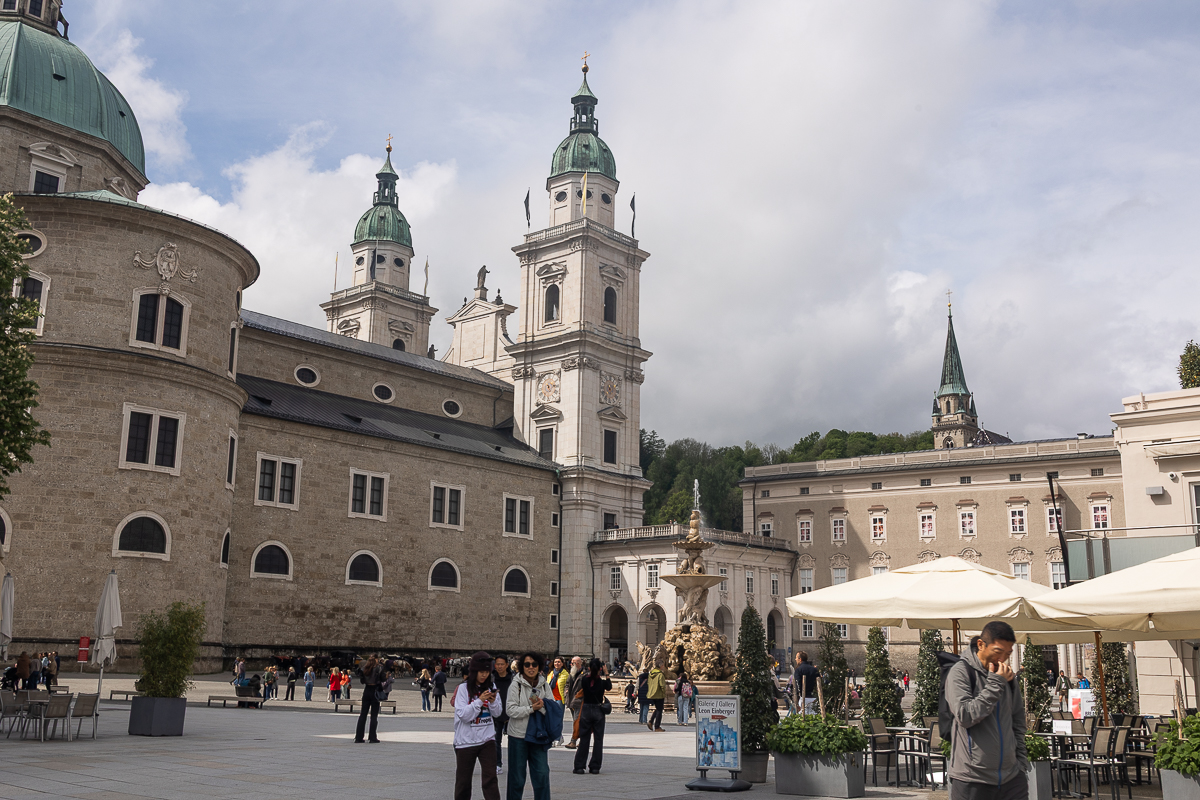
If you’re planning to explore the beauty of Salzburg, Austria and can’t wait to see the places from the legendary film The Sound of Music, I have to surprise you a little right at the start. The famous von Trapp villa from the film doesn’t actually exist. Filmmakers pieced this grand house together from two different castles, and all the interior scenes were shot in Hollywood studios. Even so, hunting down these fragments across the city will completely absorb you.
An even bigger shock comes at the very end of the story. Remember that dramatic escape of the family over the Alpine ridges into Switzerland? It was pure Hollywood fantasy, because in reality that route would have led them straight into Nazi Germany. The real von Trapp family simply packed their suitcases, walked to the nearby train station in Aigen and comfortably left for safety by train.
Salzburg is quite simply a city where historical reality constantly blends with movie magic. And once you start walking its cobblestones in search of the right houses, gates and gazebos, you’ll realize that the tension between myth and truth is actually the best thing it has to offer.
TL;DR
- The film villa is an illusion: It’s made up of the facade of Schloss Frohnburg and the rear lakeside terrace of Schloss Leopoldskron.
- The famous gazebo was moved: It no longer stands by the lake but can be found in the park of Hellbrunn Palace, and for safety reasons you can’t go inside.
- The family’s real home: The actual Villa Trapp lies in the Aigen district, now operating as a hotel where you can even sleep in Maria’s room.
- Organized tours: The classic Sound of Music bus tour lasts about 4 hours and costs roughly €80.
- When to go: The best weather for excursions is from May to September, and the Advent season is stunning too, but expect crowds.
- What to watch out for: During the summer Salzburger Festspiele festival (July and August), the city is bursting at the seams and accommodation prices soar.
- Main visiting tip: Nonnberg Abbey is still a working home for nuns, so absolute quiet and respect are required when visiting the courtyard and chapel.
Salzburg, Austria in practice: how to get there and when to go
Getting to Salzburg is very convenient, and the fastest way is by your own car. From major European hubs the drive can be just a few hours, and central European cities are within easy reach. Don’t forget to sort out an Austrian motorway vignette (toll sticker, e.g. Austria/Switzerland) before crossing the border — you can now easily buy it online. If you prefer public transport, train connections with a change in Linz or Vienna work perfectly reliably and drop you right in the heart of the action.
For travelers coming from further afield, there’s the option of using the international airport right in Salzburg. Alternatively you can fly into Munich, from where you can reach Mozart’s city by car or train in under two hours. Carriers like Ryanair, easyJet and Lufthansa serve the region well. The city itself is fairly compact and you can walk to most of the sights. For the longer distances to the castles on the city’s edge, the local trolleybuses and buses work brilliantly, running very frequently and on time.
As for the ideal timing of your visit, it mainly depends on your expectations and budget. From May to September the weather in Salzburg, Austria is at its best for strolling through the gardens and taking trips to the lakes. The Advent season is extremely popular, when the Salzburg markets rank among the most magical in all of Europe, but you’ll have to brace yourself for high prices and crowds of tourists. On the other hand, the most expensive months are July and August, during the famous summer festival, when accommodation is often sold out well in advance.
11 film locations in Salzburg and the surrounding area
There are surprisingly many film locations, scattered all over the city. Here are the ones that truly make the outing worthwhile, along with the ones where I honestly warn you not to expect miracles.
1. Mirabell Gardens and the Do-Re-Mi staircase
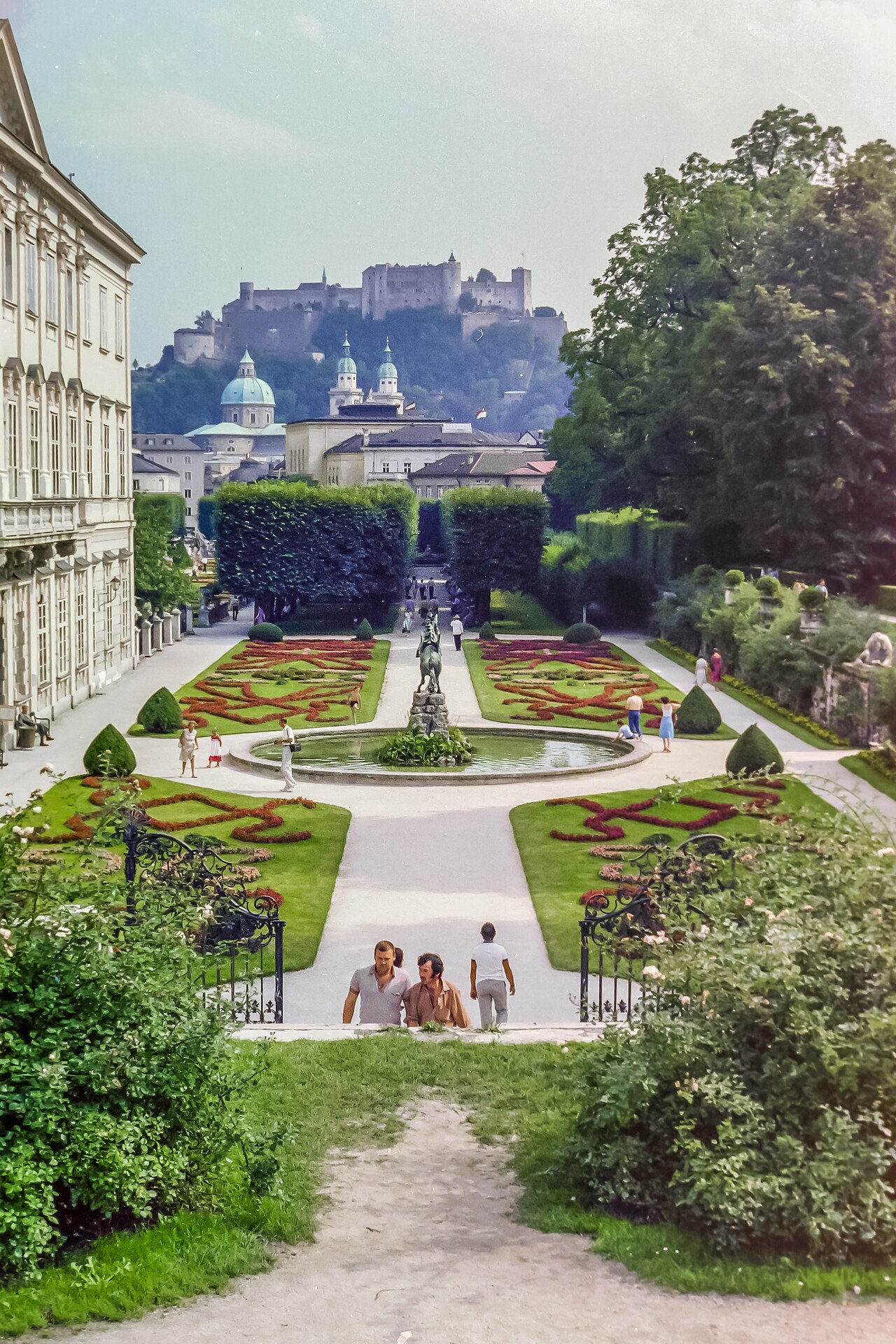
When you say Salzburg and The Sound of Music, most people immediately picture the Mirabell Gardens with their iconic staircase. These Baroque gardens lie right in the heart of the city and are one of the most beautiful relaxation spots in all of Austria. You can wander among perfectly trimmed hedges, admire the colorful floral ornaments and enjoy a gorgeous view of Hohensalzburg Fortress, which towers high above the city.
For film fans it’s an absolute must, because this is exactly where the grand finale of the famous Do-Re-Mi song was shot. In this scene Maria and the children hop up the stone staircase found in the northwestern corner of the gardens, using the steps like giant piano keys. This playful film montage also features the nearby Pegasus Fountain, around which the characters cheerfully run. All these places look exactly as you remember them from the screen.
From a practical point of view you’ll be pleased to know that the gardens are freely accessible and completely free, so you can pop in several times a day. The best light for photos is early in the morning, when you’ll avoid the biggest crowds from the tour buses. If your feet are already tired from walking, the gardens are a great place to sit on a bench, unwrap a sandwich and just gaze at the fortress for a while.
💡 Tip: If you’re heading to Salzburg in winter, keep in mind that the Mirabell Gardens lose some of their charm, because the statues are usually covered against the frost and the flower beds are empty. Even so, it is worth stopping by at least for the peaceful atmosphere of the frozen city.
2. Nonnberg Abbey and Maria’s real life
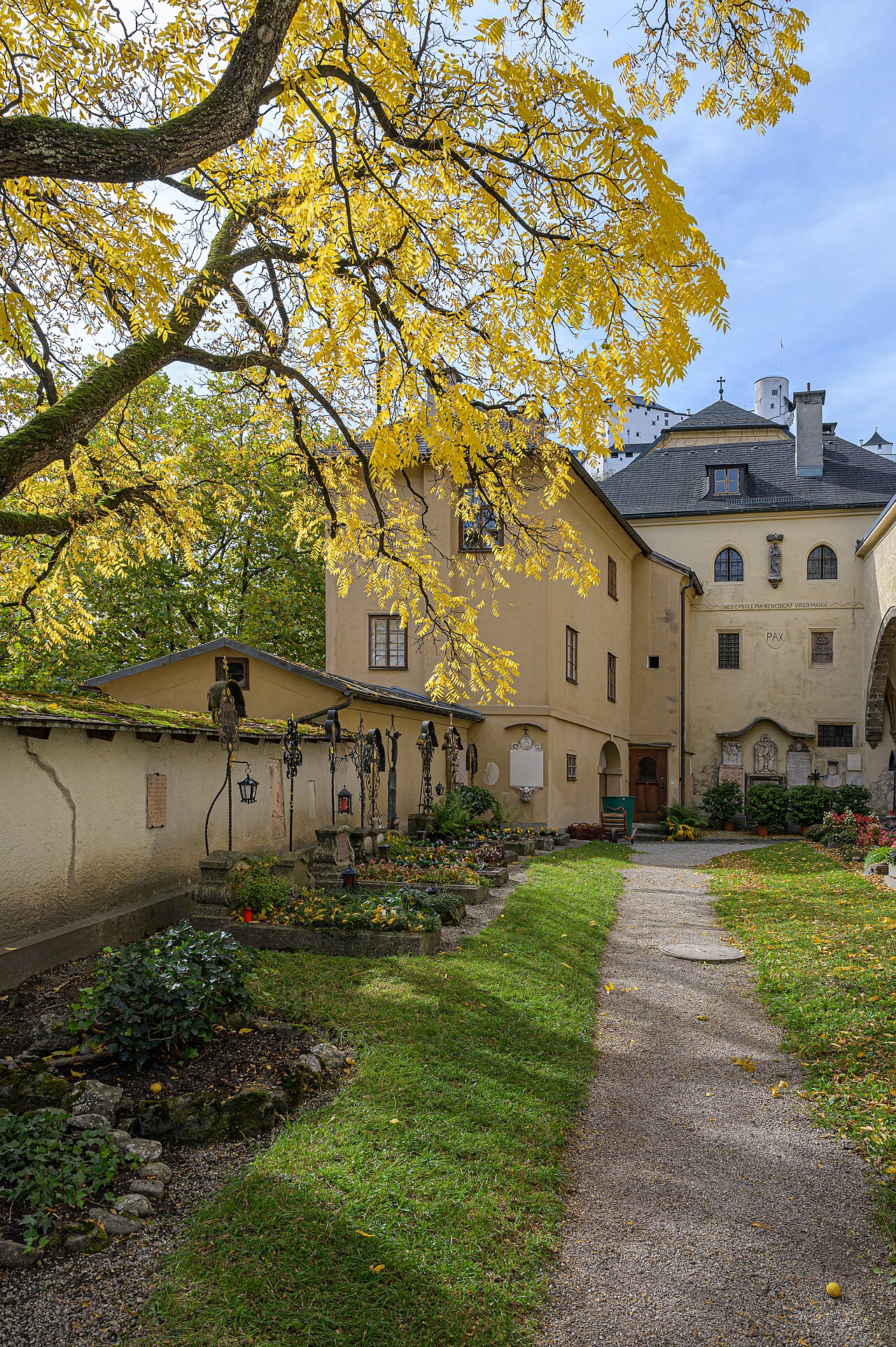
The Benedictine abbey perched on a rock above the Old Town is the oldest convent in the German-speaking world. This is exactly where the young Maria arrived as a candidate for the sisterhood, and from here she was sent to the von Trapp family to look after the children. The atmosphere of this place is utterly absorbing and centuries of history breathe over you. If you get there early in the morning, you might catch the morning Mass with the singing of the local nuns — an experience you won’t soon forget.
When visiting, it’s crucial to remember that this is no film attraction, but a real home for nuns. Only the picturesque courtyard and the beautiful ancient chapel are open, while the rest of the sprawling complex remains behind closed doors. You’ll find official information about services on the official website of Nonnberg Abbey, which I recommend checking before your visit.
The climb up to the gates is quite demanding, because you have to set off on foot up the steep steps from the Old Town. But the views from the terrace in front of the abbey over the southern part of Salzburg and the snowy Alpine peaks more than make up for the effort. There’s no entrance fee here, which makes respect for the sacredness of the place all the more expected.
💡 Tip: Remember to dress appropriately, because they won’t let you into the chapel with bare shoulders or overly short trousers. It’s always good to bring a scarf you can wrap around yourself before entering, so as not to disturb the peace of the local community.
3. The gazebo from Sixteen Going on Seventeen
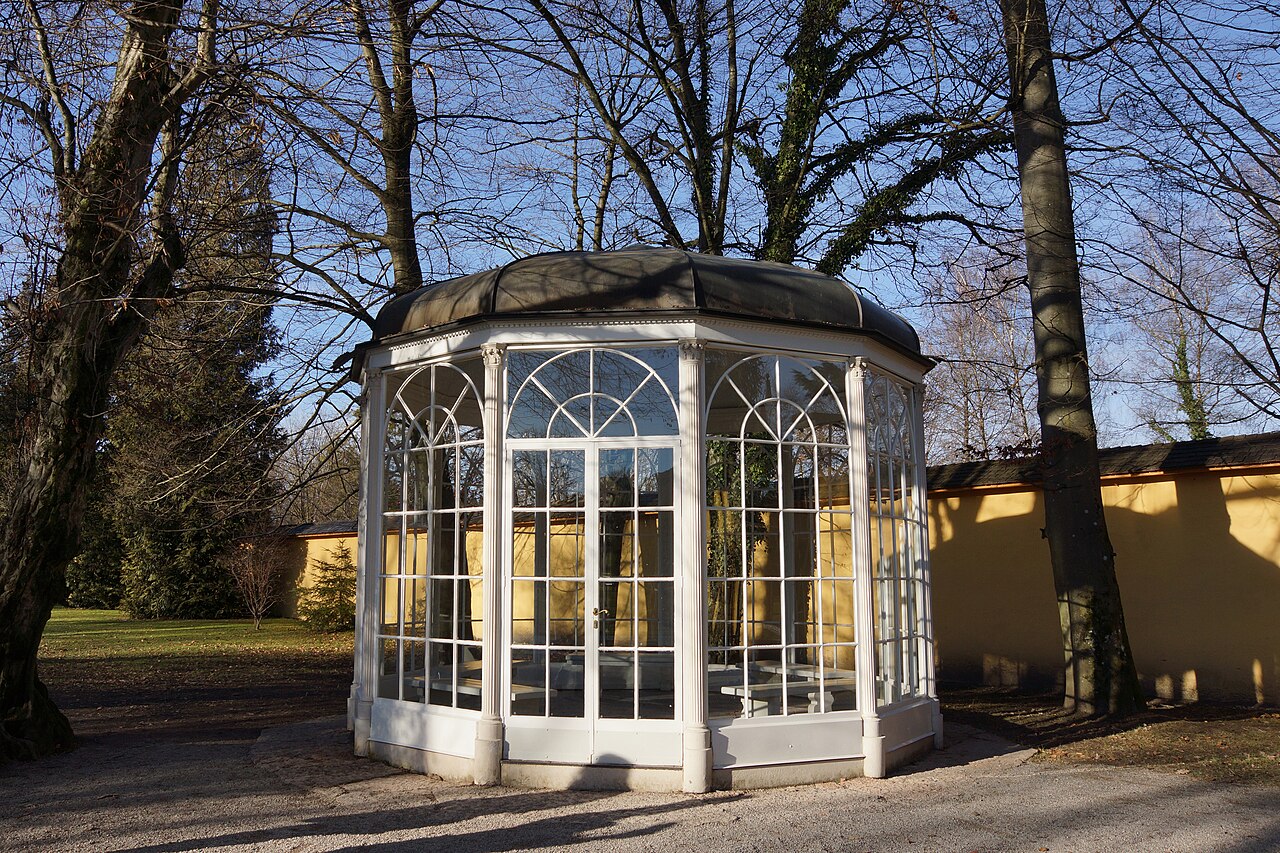
The famous glass gazebo where Liesl and Rolf danced in the rain is the absolute highlight of the visit for many fans. It originally stood by the lake on the grounds of Leopoldskron Palace, but due to the enormous influx of tourists it had to be relocated to a quieter spot. Today you’ll find it in the spacious public park right next to Hellbrunn Palace on the southern edge of the city. The gazebo’s surroundings are wrapped in greenery and offer the perfect composition for your photos.
Right next to this iconic pavilion, a new multimedia museum dedicated to the making of the film recently opened. Inside you’ll find plenty of interesting props, interactive exhibits and behind-the-scenes stories that will delight any enthusiast. It’s fascinating to see how much work it took to create the illusion of a rainy night when filming actually took place on a warm summer day.
Unfortunately I have to add one sad piece of news: you can’t go inside the gazebo for safety reasons, because years ago a visitor tried to imitate the dance leap across the benches, injured herself badly, and the city decided to lock it. So today you can only view and photograph it from the outside.
💡 Tip: Even though you can’t go inside, the park by Hellbrunn is free to enter and offers plenty of space to take beautiful photos of the gazebo without crowds of strangers in the frame. It’s ideal to combine your visit with a tour of the nearby trick fountains.
4. Hellbrunn Palace and its trick fountains
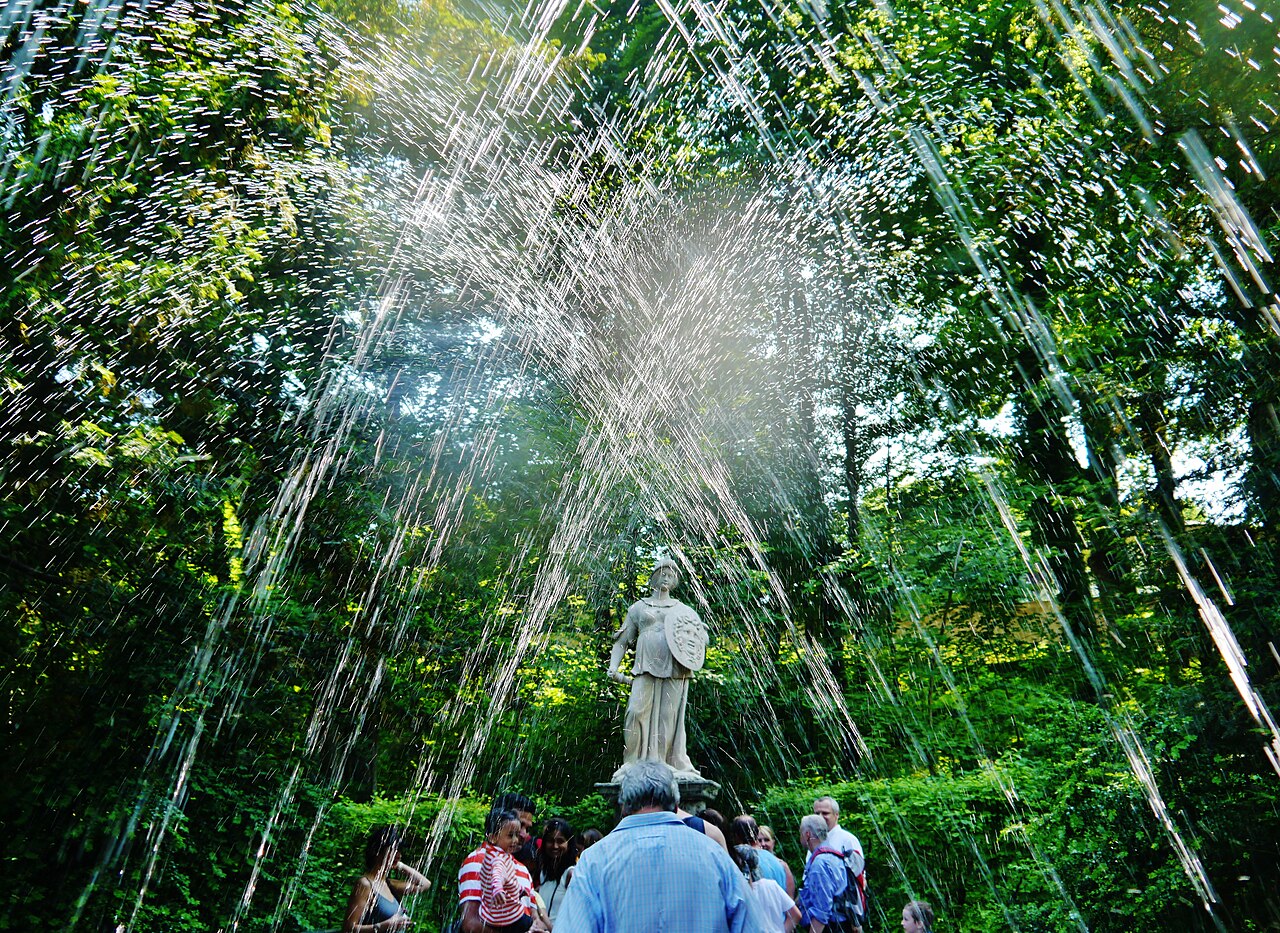
Once you’re at the gazebo, don’t miss the Baroque Hellbrunn Palace itself and its famous water games. This summer palace was built by the Archbishop of Salzburg with one clear goal — he wanted to have fun and surprise his guests. During the filming of the movie the child actors spent a lot of time here and, according to witnesses, romped around among the fountains.
The main draw is undoubtedly the trick fountains, which have been reliably working for over 400 years. During the guided tour your guide leads you through a garden full of hidden nozzles, mechanical theaters and water tricks. Water squirts from stone deer, from the steps and from inconspicuous holes in the path. The tour lasts under an hour and is incredible fun for adults and children alike.
You can check the current opening hours and ticket prices directly on the Hellbrunn Palace website. The ticket includes both the water games and a tour of the palace itself and the huge park. Keep in mind that the water games only run seasonally, from April to early November.
💡 Tip: If you don’t want to get completely soaked during the fountain tour, pay close attention to where the guide steps. They know exactly where the hidden nozzles are and always stand on the one safe spot. Even so, it’s best to tuck away your cameras and phones.
5. Schloss Leopoldskron and the lakeside scenes
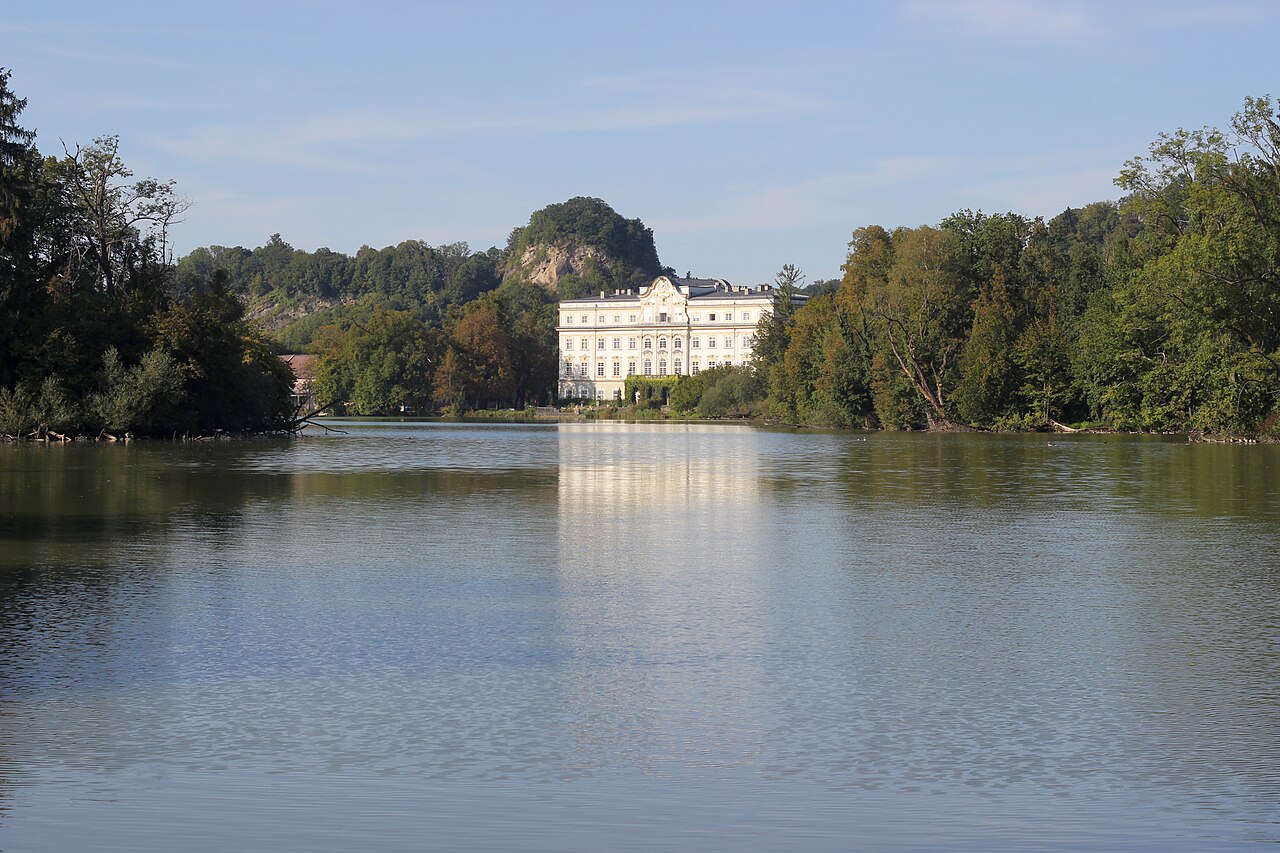
This majestic palace served the filmmakers as the rear side of the von Trapp family villa. This is where the famous terrace stands, from which the children and Maria fell out of the boat into the water while trying to greet the Baron. The famous gazebo originally stood by this lake too, before the city decided to move it elsewhere. The view of the palace with the calm surface of the lake and the Alpine peaks in the background is absolutely breathtaking.
Today the palace is a luxury hotel and conference center. It offers dozens of rooms in the adjacent Meierhof annex and twelve exclusive suites right in the historic palace. Indicative prices start from around €399 for a double room in the off-season, while a night right in the palace costs around €600. If you stay here, you’ll gain access to the magnificent Max Reinhardt Library, which strongly inspired the interiors in the film.
The key information for all travelers is that without a valid accommodation booking or a paid event, you won’t get inside. The palace is simply not an ordinary public attraction. You’ll find details about accommodation options on the Schloss Leopoldskron website. If you’re not sleeping here, you’ll have to make do with the view from the opposite shore of the lake.
💡 Tip: Even if you’re not a hotel guest, you can walk along the public path around Leopoldskroner Weiher lake. From the opposite shore you’ll get the very best photos of the palace with the mountains in the background, completely free of charge.
6. Schloss Frohnburg and the film facade of the villa
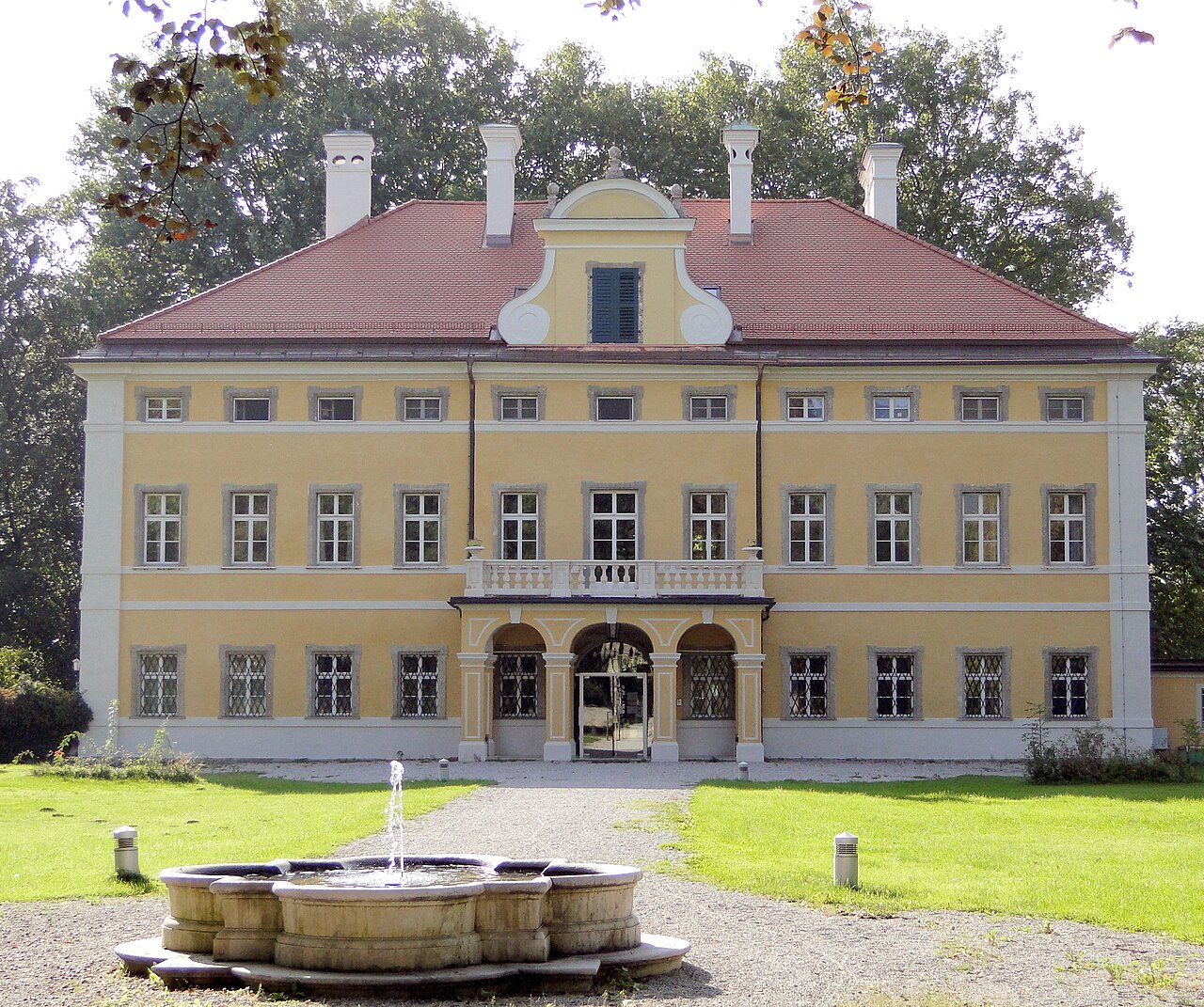
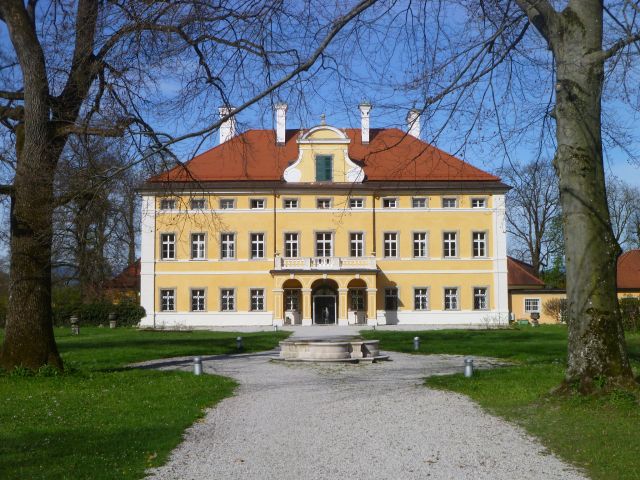
If Leopoldskron represented the back of the house, then the 17th-century Schloss Frohnburg served as the front facade. This is where they filmed the scenes with the large wrought-iron gate that Maria first approaches with a guitar in hand, singing I Have Confidence. It’s also where the family secretly pushes the car when trying to escape the Nazis during the tense evening getaway.
This little palace lies in a quiet residential district close to the center. Today its rooms house the Mozarteum University of Music and serve as student dormitories. For that reason the building’s interior and the adjacent garden are normally completely off-limits to the public. So you’ll have to make do with the view from the main street.
The walk to the palace is very pleasant, as a beautiful chestnut-lined avenue called Hellbrunner Allee leads here. You can walk or cycle here on your way from the center toward Hellbrunn Palace. It’s a great spot for a quick stop and a photo of the famous gate.
💡 Tip: Try to time it for when the students have their windows open. You’ll often hear future opera singers or violinists practicing, which adds another wonderful musical dimension to your visit to this film location.
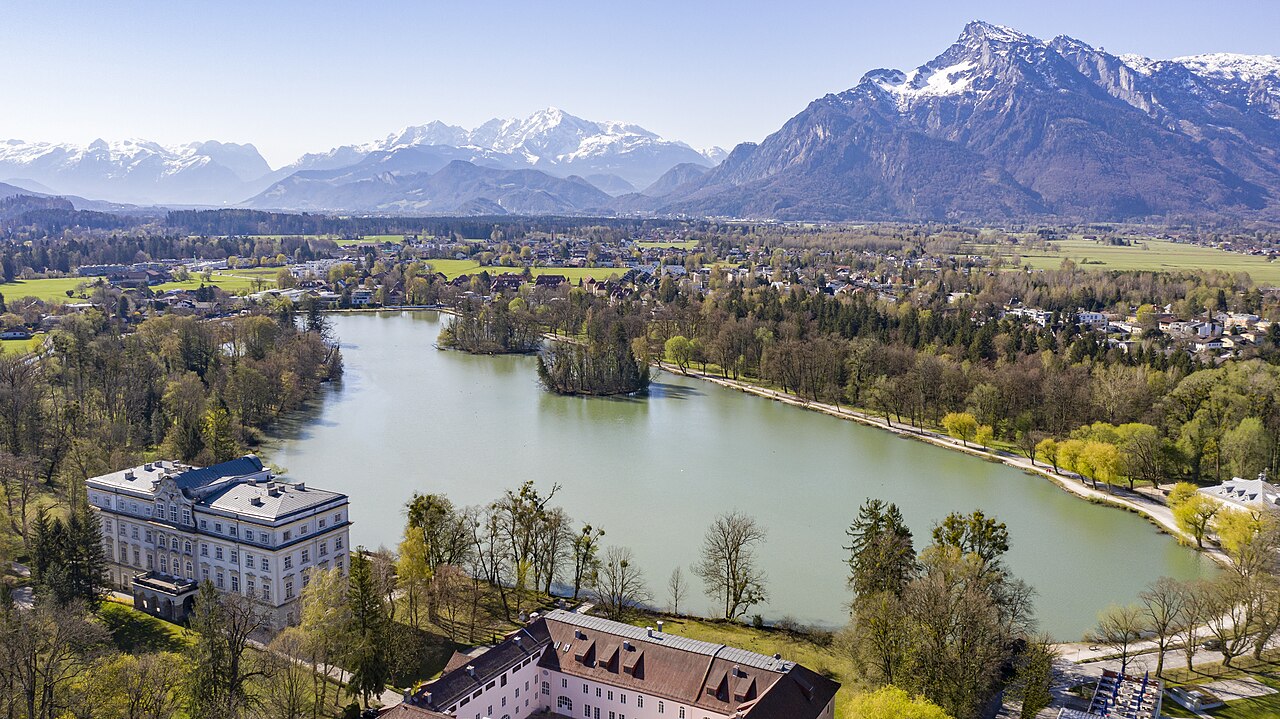
7. Villa Trapp in Aigen: the family’s real home
While the film villa is a Hollywood illusion, the real Villa Trapp genuinely exists and stands in the Aigen district. The real von Trapp family lived in this spacious house with a large park from 1923 to 1938. The building has a fascinating yet dark history, because after the family fled to America the villa was seized by Nazi leader Heinrich Himmler, who turned it into his summer residence.
From the end of the war until 2008 the villa was strictly closed to the public. Then it became a boutique hotel, where you could sleep in the family’s original rooms, even in the suite where Maria Augusta von Trapp herself lived when she came to the house as a young governess.
⚠️ Check the operating status before you travel. Information currently varies: booking portals still list the villa, while other sources report it as closed to the public. If you’re planning a trip specifically for it, write directly to the owners in advance and don’t rely on the portals.
Getting to the villa is very easy — just hop on the local train and get off at the Aigen stop, which lies right next to the park. It was from this small station that the real family left by train for Italy, which completely shatters the film myth of a dramatic nighttime march over the snowy mountains.
💡 Tip: If you don’t want to stay at the hotel itself, you can pay for a guided tour of the house and park. These tours take place regularly and reveal incredible details about the family’s real life that never made it into the film.
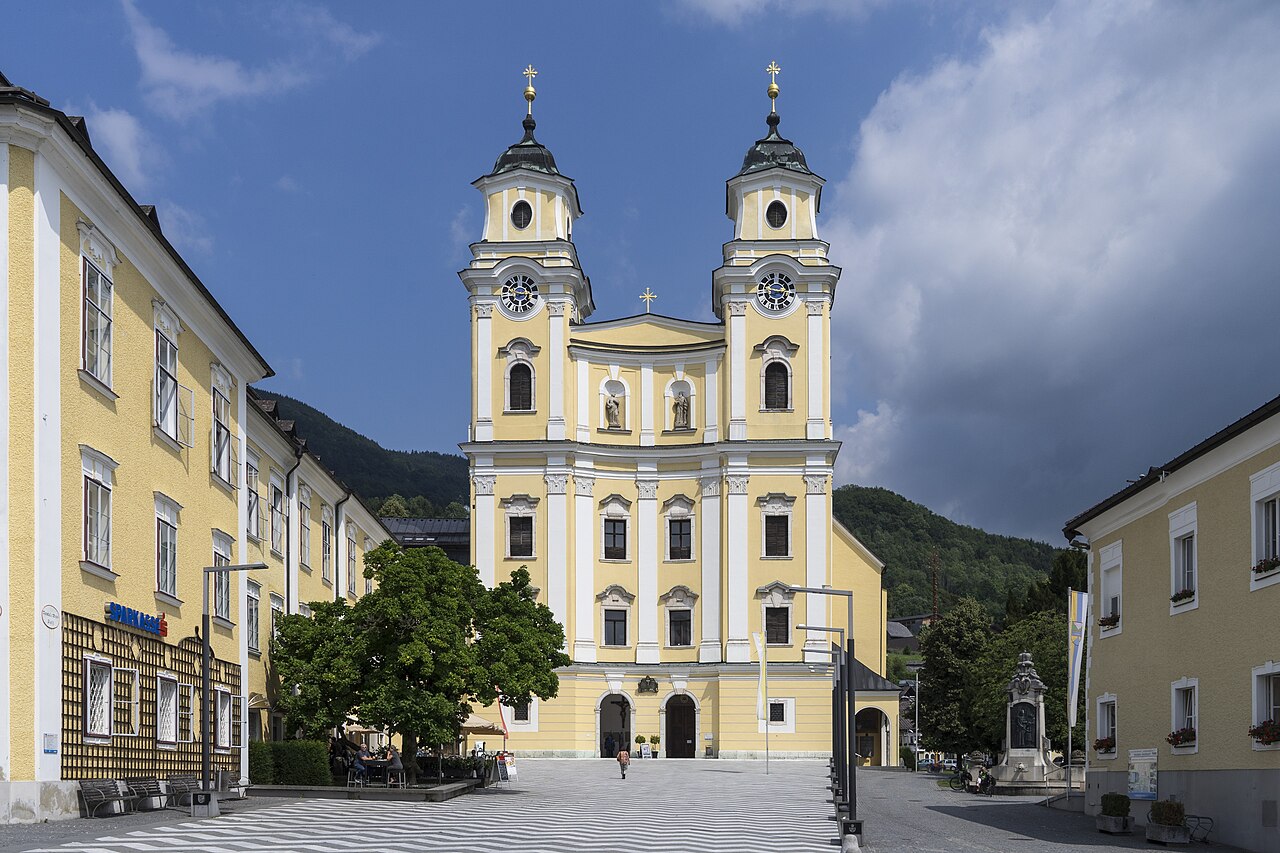
8. The basilica in Mondsee and the famous wedding
Although most of the story unfolds right in Salzburg, the filmmakers headed roughly thirty kilometers east to shoot the romantic wedding scene. In a picturesque little town beside the lake of the same name stands the beautiful Basilica of St. Michael in Mondsee, whose yellow facade and richly decorated interior you’ll surely remember from the grand scene where Maria walks down the aisle to the Baron.
The church is very well maintained and is freely accessible to the public all year round. Inside you can admire the magnificent altars and walk exactly the same paths as the film’s heroine. The little town of Mondsee is enormously charming in its own right and offers plenty of pleasant cafés where you can enjoy a coffee and the famous Austrian apple strudel.
If you come in the summer months, definitely pack your swimsuit. Lake Mondsee is one of the warmest in the whole region, and swimming in its crystal-clear water with a view of the majestic Schafberg mountain is an experience you shouldn’t miss.
💡 Tip: You can reach the basilica by car via the motorway in about half an hour. If you don’t have a car, regular bus lines run here directly from Salzburg’s main train station. The bus ride takes under an hour and offers beautiful views of the countryside.
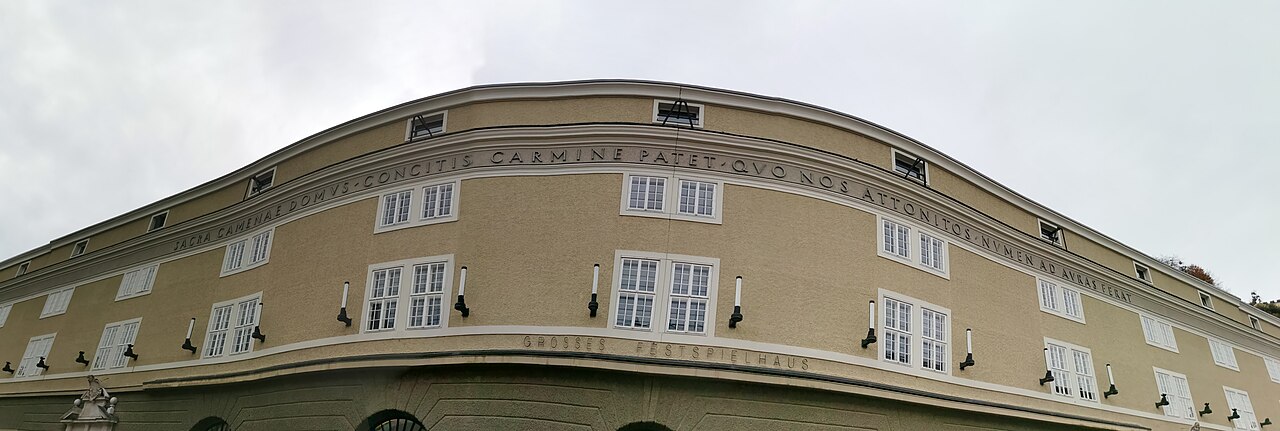

9. Felsenreitschule and the dramatic concert
The Summer Riding School is one of the most remarkable theatrical spaces in the world. These fascinating arcades carved directly into the rock of Mönchsberg mountain originally served to train the horses of Salzburg’s archbishops. In the film this is where the extremely tense scene of the final festival concert takes place, after which the von Trapp family slips backstage and begins their escape.
Unlike many other locations, the Felsenreitschule is a real and highly prestigious festival stage. Every summer it hosts the most important opera and theater premieres of the Salzburg Festival. Getting tickets to a performance requires planning months ahead and a fairly hefty bank account.
Fortunately you can see inside even without an expensive opera ticket: the city holds daily guided tours of the festival buildings, so you can explore both the Summer Riding School and the huge Great Festival Hall at your leisure with a guide. You can easily get tours on the spot or arrange them in advance online, including through portals like GetYourGuide.
💡 Tip: The tours are held in several languages and last around fifty minutes. I recommend checking the schedule at the information center first thing in the morning, because during ongoing rehearsals the tour routes sometimes change or are restricted.
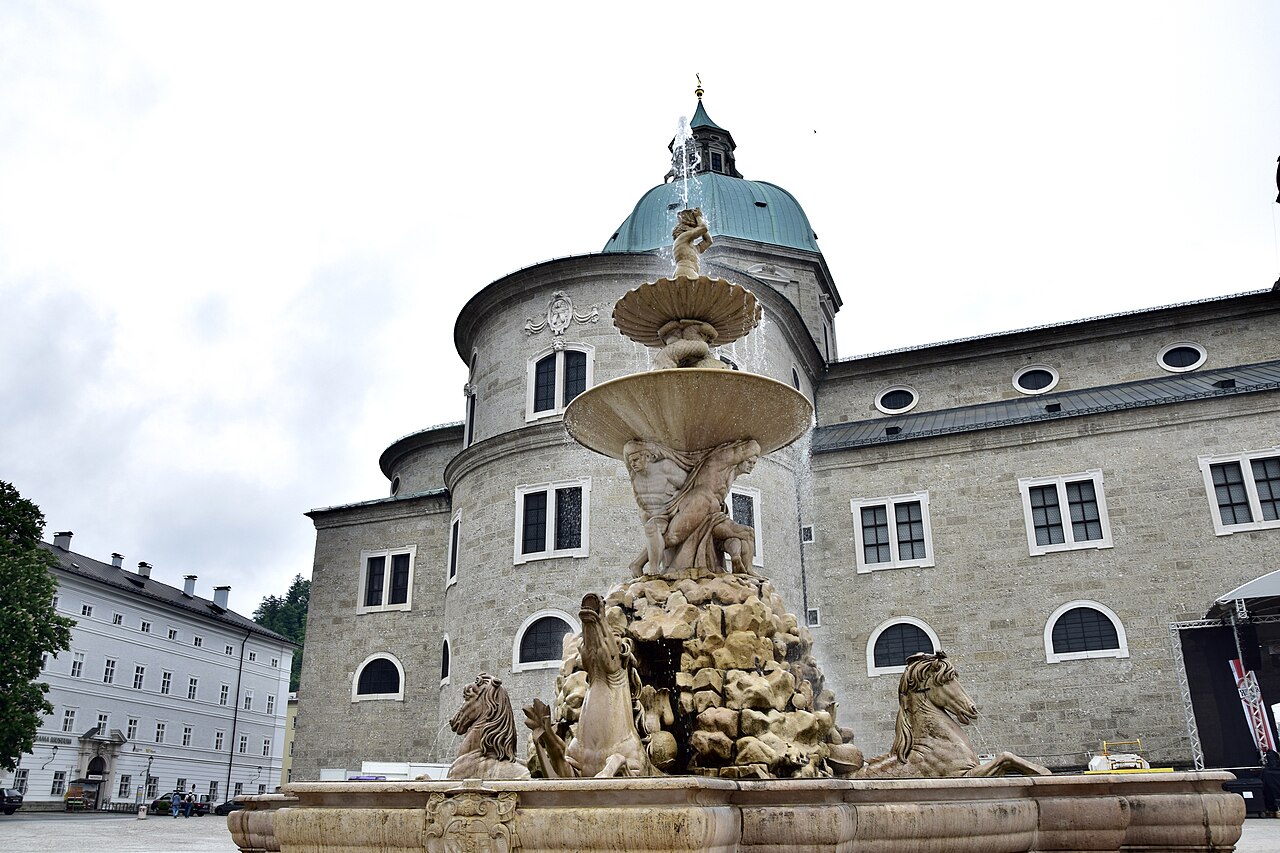
10. Residenzplatz and the fountain full of confidence
Right in the historic center of the city, surrounded by palaces and a museum, lies the spacious Residenzplatz square. In its middle stands a mighty Baroque fountain with rearing horses, around which Maria joyfully hops with a suitcase in hand, splashing water as she sings I Have Confidence on her way from the abbey to her new job.
The square is the absolute focal point of Salzburg and is completely freely accessible at any time of day. Besides the famous fountain, you’ll also see a parking area for the traditional horse-drawn carriages called Fiakers, which give the place a wonderful historic atmosphere. The nearby carillon also regularly plays melodies, including Mozart’s.
During December this square transforms beyond recognition. It hosts Salzburg’s biggest Advent markets, fragrant with mulled wine, gingerbread and roasted chestnuts. It’s a wonderful sight, but because of the wooden stalls you’ll barely see the fountain itself.
💡 Tip: Try to stop by the square early in the morning, before the first tourist carriages start rolling and before the surrounding museums open. You’ll savor the wonderful atmosphere of an empty city and take great photos of the huge fountain without the crowds.
11. A trip to Werfen and the mountain meadows
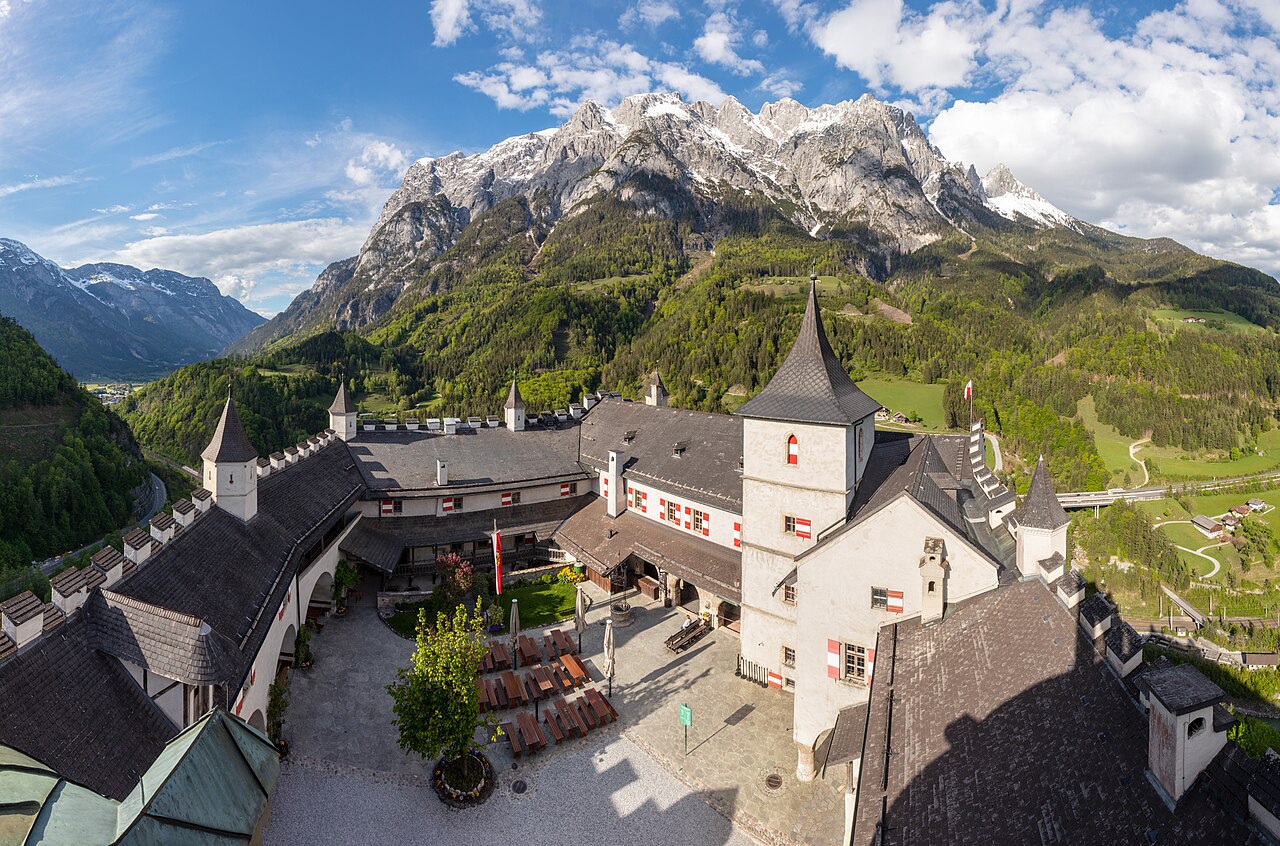
If you have a car and want to experience the real high-mountain atmosphere from the opening of the film, you have to head south. About forty kilometers from Salzburg, near the town of Werfen, lies the famous The Sound of Music Trail. This is exactly the area where Maria sings the title song of the entire musical on a mountain meadow, spinning with her arms outstretched.
The route leads you along gorgeous viewpoints over the Alpine valley and the mighty Hohenwerfen Castle, which rises on a rock in the middle of the valley. The meadow with the film bench is well signposted and reached by an easy hiking trail. It’s an absolutely perfect spot for a picnic with a view of the Tennengebirge massif.
While you’re in Werfen, don’t miss a visit to the largest ice cave in the world, Eisriesenwelt. It lies high in the mountains and you have to take a cable car and then hike a stretch on foot, but the ice formations inside are incredible.
💡 Tip: Dress warmly. Even when it’s hot summer down in Salzburg, inside the ice cave it freezes all year round and a cold wind often blows on the mountain meadows. Sturdy footwear is an absolute must for this trip.
The Sound of Music: what’s true and what’s Hollywood
Once you start digging into the real story, you’ll discover that the filmmakers really played around with reality. The biggest illusion is the von Trapp family villa itself. As I mentioned at the start, the house from the screen doesn’t actually exist. The front side with the wrought-iron gate belongs to Frohnburg Palace, the rear terrace with the lake is part of Leopoldskron Palace, and all the spacious interiors with the giant staircase were built by carpenters in Hollywood studios.
Even more interesting is the famous escape. In the film the family dramatically crosses the snowy Untersberg mountains toward Switzerland with backpacks on their shoulders. It sounds great, but there’s one big geographical catch. The route over those specific mountains would have led them straight into Germany, just a few kilometers from Hitler’s mountain residence at Obersalzberg near Berchtesgaden. The real family simply locked the door of their house in the Aigen district, walked to the nearby train station and calmly left for Italy and then America.
Another example of film logistics is the famous glass gazebo. During filming it really did stand by the lake at Leopoldskron Palace. But after the premiere, thousands of fans started flocking to it, and the landowners were not at all pleased. So the city moved the gazebo to the public park at Hellbrunn Palace, where it still stands today, albeit locked for the safety of tourists who tried to imitate the dance moves inside.
An interesting paradox is how the film is perceived by the city’s own residents. While hundreds of thousands of Americans and Britons flock to Salzburg every year just because of this musical, most local Austrians have actually never seen the film. For them, Salzburg is still primarily the city of Mozart and classical music. Only in recent years has the city fully realized the enormous tourism potential and begun to promote and protect its film legacy more.
Where to stay in Salzburg
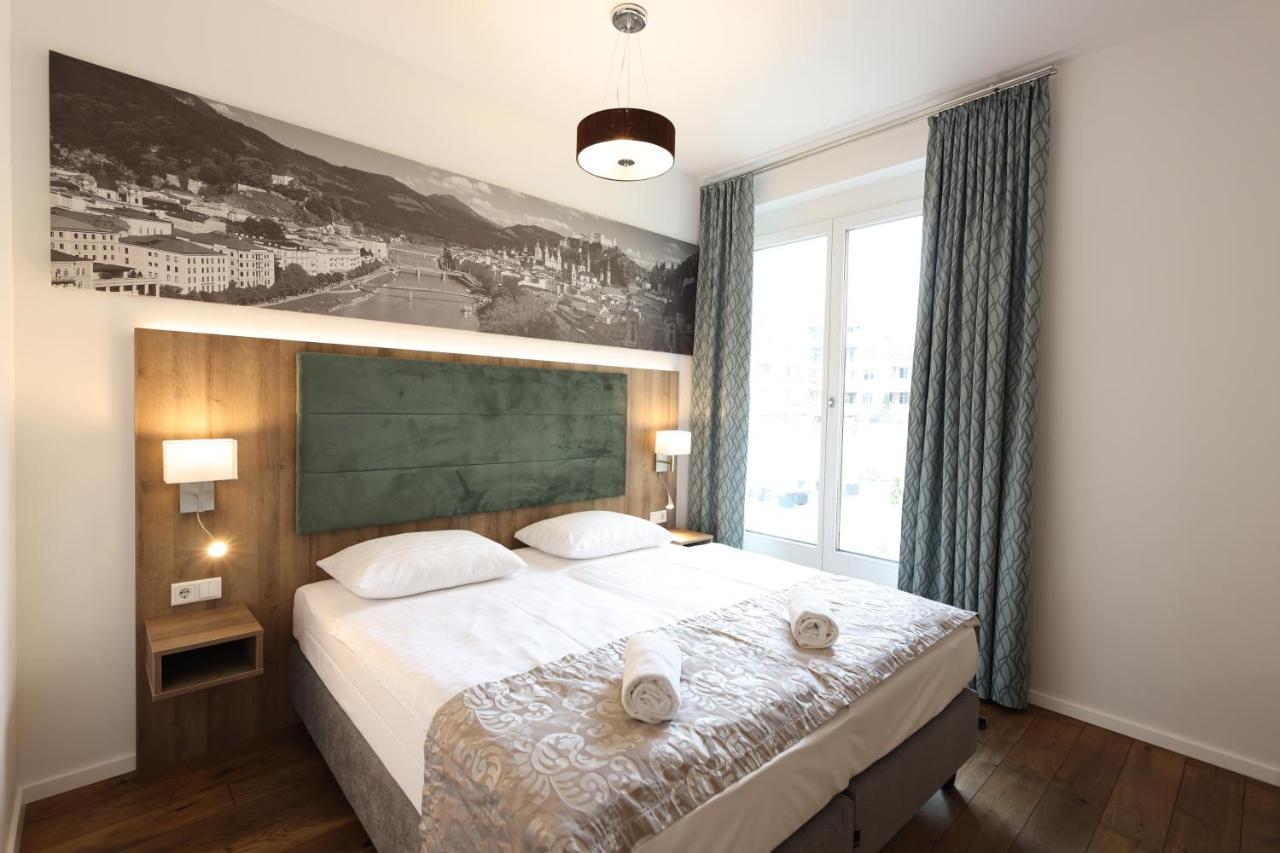
Accommodation in Salzburg can really strain your budget, especially in summer and during Advent. But if you want to get the most out of your visit, it’s worth paying a bit for location, because you really do a lot of walking. The Old Town offers the most beautiful historic hotels, but expect higher prices and limited parking. If you’re looking for cheaper options, take a look at the districts around the main train station or toward the Mirabell Gardens. A truly unique experience is spending the night right in one of the film locations.
Here’s a list of specific, highly rated Salzburg hotels I can recommend for your visit:
- Schloss Leopoldskron: You can sleep right in the palace that formed the film backdrop by the lake. It’s a luxury experience for the most demanding guests, with wonderful breakfasts in ornate halls.
- Villa Trapp: This boutique hotel lies in the quiet Aigen district and lets you sleep right in the original rooms of the real von Trapp family, including Maria’s suite.
- Hotel Sacher Salzburg: This iconic five-star hotel sits right on the bank of the Salzach River and, alongside its luxury service, is famous for its absolutely perfect café and views of the Old Town.
- Boutiquehotel Am Dom: You’ll find this beautiful design hotel right in the heart of the historic center next to the cathedral. It’s exceptional for its sensitive mix of historic beams and modern Italian design.
- Hotel Goldgasse: This small boutique hotel is tucked away in the lane of the same name. Each room has a different theme, and they stand out above all for their attention to detail and top-notch cleanliness.
- IMLAUER Hotel Pitter: This larger modern hotel is located a short walk from the Mirabell Gardens. You’ll be won over above all by its amazing rooftop bar and restaurant with a panoramic view of the city.
- Motel One Salzburg-Mirabell: A reliable and more affordable choice a short walk from the river. It offers modern, if smaller, rooms and works brilliantly as a base for exploring the city on foot.
To easily compare current prices and availability for all these hotels, I recommend using Booking.com, where you’ll also find detailed reviews from previous guests.
Where to eat
A warning for anyone arriving in light clothing: Austrian cuisine doesn’t do small portions. Käsespätzle (wonderfully stringy cheese noodles topped with fried onions) are exactly as cheesy and heavy as the name suggests and will reliably fill you up for the whole day. And when it comes to dessert, the legendary Salzburger Nockerl are so big they’ll slightly scare you before the first bite (plus they’re baked in the shape of three Alpine peaks). Also excellent is the traditional shredded pancake Kaiserschmarrn with apple sauce, or the classic apple strudel.
Meat lovers commonly seek out the giant Wiener Schnitzel with potato salad in local restaurants, or the traditional country feast Bauernschmaus — a plate loaded with various roasted and smoked meats with cabbage and dumplings. All these local specialties are served at the renowned Bärenwirt restaurant, one of the oldest inns in the city, where the cooking is incredibly honest.
If you’re after an exceptional experience, try to book a table at St. Peter Stiftskulinarium. It’s said to be the oldest operating restaurant in Europe, set right in the rock cellars, and its ancient atmosphere has truly enormous charm. For afternoon coffee and a famous slice of cake, head to the historic Cafe Tomaselli on Alter Markt square, where Mozart himself used to come for coffee. And for a classic dinner with excellent local beer and a great atmosphere, I recommend the large Sternbräu complex, which offers a huge choice of dishes and a pleasant outdoor garden.
Quick cheat sheet: film locations in Salzburg and the surrounding area
To help you find your way around all these places, I’ve prepared a handy table with the key film locations.
| Scene or song | Real place | Where it is | Access |
|---|---|---|---|
| Do-Re-Mi song (finale) | Mirabell Gardens | Center, by the river | Free, publicly accessible |
| Maria leaves the convent | Nonnberg Abbey | On the rock above the Old Town | Courtyard and chapel free, rest closed |
| Sixteen Going on Seventeen | Glass gazebo | Park by Hellbrunn Palace | Park free, gazebo locked |
| Children fall out of the boat | Schloss Leopoldskron | Southern edge of Salzburg | Accessible to hotel guests only |
| Arrival at the villa (gate) | Schloss Frohnburg | By Hellbrunner Allee | Not accessible (music university) |
| Hiding before the escape | Felsenreitschule | City center | Guided tours |
| I Have Confidence song | Residenzplatz and fountain | Heart of the Old Town | Free, publicly accessible |
| Wedding ceremony | Basilica of St. Michael | Town of Mondsee (30 km) | Free, publicly accessible |
| Opening song on the meadow | The Sound of Music Trail | Town of Werfen (40 km) | Free along the hiking trail |
Where to go next
If the Austrian scenery has captivated you, there’s no need to stay only in Salzburg. The entire Salzkammergut region, to which Salzburg forms a kind of gateway, offers endless beautiful excursions. The crystal-clear lakes of Austria lie just a few dozen minutes’ drive away and offer the perfect summer refreshment as well as breathtaking mountain panoramas.
If you’re planning a longer holiday and want to get to know the country really thoroughly, take a look at our detailed Austria road trip: 14-day itinerary, which guides you from Vienna through the Alps to the most beautiful high mountain passes. Austria is simply a country that offers far more than most people imagine before setting off.
This article focuses on film locations. If you’re looking for a classic city guide with the fortress, Mozart’s birthplace, the cathedral and tips for trips in the surrounding area, check out Salzburg: 23 things to see.
Frequently asked questions
When planning a trip like this, plenty of practical questions always come up. So I’ve prepared quick answers to the most common ones, whether it’s about entry to the sights or getting around the surrounding area.
Can you go inside the famous gazebo from the film?
Unfortunately, that’s no longer possible. For safety reasons, the city permanently locked the gazebo after a tourist injured herself trying to recreate the dance moves from the film. However, you can view and photograph it up close in the park at Hellbrunn Palace.
Where did the real von Trapp family villa stand?
The real Villa Trapp is located in the Aigen district (Traunstraße 34). Today it operates as a gorgeous boutique hotel where you can book a stay and sleep in the family’s original rooms, including Maria’s apartment.
How much does an organized Sound of Music tour cost?
A classic bus tour that takes you to the main locations in Salzburg and the lake district lasts roughly four hours. Prices start at around €80 per person.
Do I need a motorway vignette for Austria?
Yes, an Austrian motorway vignette is absolutely mandatory for driving on motorways. If you’re planning to drive from major European hubs via Linz or Vienna, don’t forget to purchase it – ideally in advance online on the official ASFINAG website.
Is Nonnberg Abbey a regular tourist attraction?
No, it’s still a functioning home for Benedictine nuns. Only the charming outer courtyard and the historic chapel are freely accessible. Visitors are strictly required to maintain quiet behavior and wear appropriate clothing covering the shoulders.
Can I visit Leopoldskron Palace?
The palace and its gardens are closed to the general public. Inside operates a private luxury hotel and conference center. To get inside and see the famous lakeside terrace, you’ll need to book accommodation there or attend a ticketed event.
Where did the family actually escape to?
Unlike in the film, they didn’t flee dramatically on foot over high mountains, as that would have led them straight into Nazi Germany. The real family simply locked up their house, walked to the Aigen stop, and boarded a train to Italy.
When is the best time to visit Salzburg?
For exploring film locations and gardens, the ideal period is from May to September. Advent season is also very popular thanks to the beautiful markets. On the other hand, avoid July and August when the city hosts a massive festival and accommodation prices are extremely high.
Tips and Tricks for Your Vacation
Don’t Overpay for Flights
Search for flights on Kayak. It’s our favorite search engine because it scans the websites of all airlines and always finds the cheapest connection.
Book Your Accommodation Smartly
The best experiences we’ve had when looking for accommodation (from Alaska to Morocco) are with Booking.com, where hotels, apartments, and entire houses are usually the cheapest and most widely available.
 🚗 Car rental on the roadVerified rental cars in Austria
Search with the DiscoverCars comparison engine — it compares prices from dozens of local and international rental companies, and most bookings come with free cancellation.
Compare car prices in Austria →Don’t Forget Travel Insurance
Good travel insurance will protect you against illness, accidents, theft, or flight cancellations. We’ve had a few hospital visits abroad, so we know how important it is to have proper insurance arranged.
Where we insure ourselves: SafetyWing (best for everyone) and TrueTraveller (for extra-long trips).
Why don’t we recommend any Czech insurance company? Because they have too many restrictions. They set limits on the number of days abroad, travel insurance via a credit card often requires you to pay medical expenses only with that card, and they frequently limit the number of returns to the Czech Republic.
Find the Best Experiences
Get Your Guide is a huge online marketplace where you can book guided walks, trips, skip-the-line tickets, tours, and much more. We always find some extra fun there!


