Curious about Tuscany weather? If you’re planning a holiday in central Italy, I have to flag one absolutely crucial thing right at the start. Tuscany definitely doesn’t have just one universal climate, and the difference between the coast and the interior in summer is huge — something a lot of guidebooks conveniently leave out. While a breeze cools you down pleasantly by the sea, inland you’ll be sweating buckets.
Florence sits in a basin where the air barely moves in summer, and in August it turns into a genuine oven. Lukáš and I rode through the region on e-bikes right at the turn of August and September, and that scorching heat on shadeless roads was honestly brutal at times. On top of that, the city draws the biggest crowds during this period — crowds you simply can’t dodge in the narrow lanes.
Choosing the right dates therefore decides whether you’ll fully enjoy your holiday or just endure it. In this article I’ll show you exact temperatures, explain the differences between individual regions, and advise you on the best time to explore Renaissance landmarks — and the best time to head for the sea.
TL;DR
- Best months to visit: May, June and September offer bearable temperatures and let you avoid the biggest crowds.
- Hottest period: July and August, when inland temperatures routinely top 35 °C and the air doesn’t stir.
- Wettest month: November brings the most rain — Florence alone gets up to 115 mm of water during this period.
- Sea temperature: In August it reaches an ideal 24 to 25 °C, while in winter it drops to a chilly 13 °C.
- Swimming season: Lasts from June all the way to October, when the water still doesn’t fall below a bearable 20 °C.
- Ferragosto (15 August): Italy’s biggest public holiday — expect extreme crowds at the coast and the absolute highest prices.
- Main tip: If you’re going primarily for the sights, avoid the peak of summer and choose spring or autumn instead.
The full destination guide: Tuscany — guide and what to see
What the weather in Tuscany is like
This enormous contrast comes down to geography itself, because the region stretches from the peaks of the Apennines all the way to the Tyrrhenian Sea. That’s exactly why the weather in Tuscany changes gradually with every kilometre you drive, and what holds true for the sunny beaches no longer applies to the hilly interior.
If you head a bit higher into the hills, you’ll feel a pleasant change, because towns like Siena offer somewhat more breathable air thanks to their altitude. Even so, remember that the Italian sun packs a serious punch, and in the summer months you won’t easily hide from it.
Tuscany spreads from the snow-capped peaks of the Apennines down to the sun-drenched coast of the Tyrrhenian Sea, which simply means that the climate here changes very dynamically. Broadly speaking, it enjoys a classic Mediterranean climate, but you have to expect huge differences depending on the altitude and how far from the coast you happen to be.
On the coast, in areas like Livorno, Grosseto or Viareggio, you’ll find mild rainy winters and hot sunny summers. Temperatures do climb towards 35 °C in the summer months, but thanks to the constant sea breeze the “feels like” temperature is far more comfortable and the air keeps moving. On the island of Elba this refreshing sea influence is even more pronounced.
The interior and lowlands, on the other hand, represent a completely different climatic extreme that a lot of tourists aren’t prepared for. Winters here are noticeably colder and summers much muggier. Florence and Arezzo are typical examples of towns trapped in a basin where hot air lingers, and lowland temperatures can push right up to 40 °C in summer. Heatwaves have also become more frequent and intense in recent years.
So if you’re spending time in areas like Arezzo or Florence itself, count on the fact that during heatwaves the air here simply stands still. By the Tyrrhenian coast, though, a steady breeze comes to the rescue, so even at the same reading on the thermometer you’ll feel considerably better there.
Tuscany weather by month
For a better sense of the differences within the region, we can look at Siena, where total annual rainfall reaches 825 mm. During the dry month of July only 30 mm falls here, while in soggy November the total climbs to an unpleasant 125 mm.
Temperatures differ too, so while Florence bakes in August, Siena sits at a more bearable 24.4 °C (in January the average thermometer shows around 6.4 °C). These small variations may not look dramatic at first glance, but trust me — after a full day of running around the sights, you’ll appreciate every degree down.
Before you start buying flights or planning a long drive, it’s worth looking at the hard data. The table below shows the average minimum and maximum temperatures in Florence, which is a great starting point for understanding the climate across the whole Tuscan interior.
| Month | Min °C | Max °C |
|---|---|---|
| — | —: | —: |
| January | 2.2 | 11.2 |
| February | 2.6 | 12.7 |
| March | 5.4 | 16.3 |
| April | 8.1 | 20.0 |
| May | 12.2 | 24.5 |
| June | 16.2 | 29.1 |
| July | 18.5 | 32.3 |
| August | 18.7 | 32.6 |
| September | 15.0 | 27.1 |
| October | 11.2 | 21.6 |
| November | 6.9 | 15.7 |
| December | 2.8 | 11.5 |
As you can see from the numbers, the coldest month is clearly January, while July and August mark the absolute temperature peak. If you move higher inland, for example to hilly Siena, expect slightly lower temperatures. In January the average there hovers around 6.4 °C, and in August it reaches a somewhat more bearable 24.4 °C.
As for rain, Florence itself records an annual rainfall total of around 870 mm. The driest period is, surprisingly, summer — specifically July with just 35 mm of water. Autumn, on the other hand, can be very wet, and November with an average 115 mm of rain is the single worst month for any outdoor activities or wandering among the sights.
Even though summer is statistically the least rainy, don’t be lulled into thinking it’s completely dry. Every so often short but extremely intense summer storms roll in, which can trigger sudden local flooding in a flash.
In autumn the rain has a completely different character, and you’ll need to prepare for it. In November especially it doesn’t pour hard, but the water falls from the sky steadily, sometimes all day long, which is a real nuisance for exploring the lanes of historic towns.
Sea temperature and swimming season
If you were perhaps hoping for an early spring swim, I have to disappoint you straight away, because in March the sea is only 13 °C. The water doesn’t really start warming up until the end of May, so a spring holiday by the coast is better spent on romantic beach walks than on splashing in the waves.
Autumn dates, by contrast, are absolutely brilliant and we swear by them, since the swimming season in Livorno safely lasts into October. The water still has a very pleasant temperature, and on top of that you no longer have to squeeze in among crowds of tourists — which makes autumn our secret tip for a calm Italian holiday.
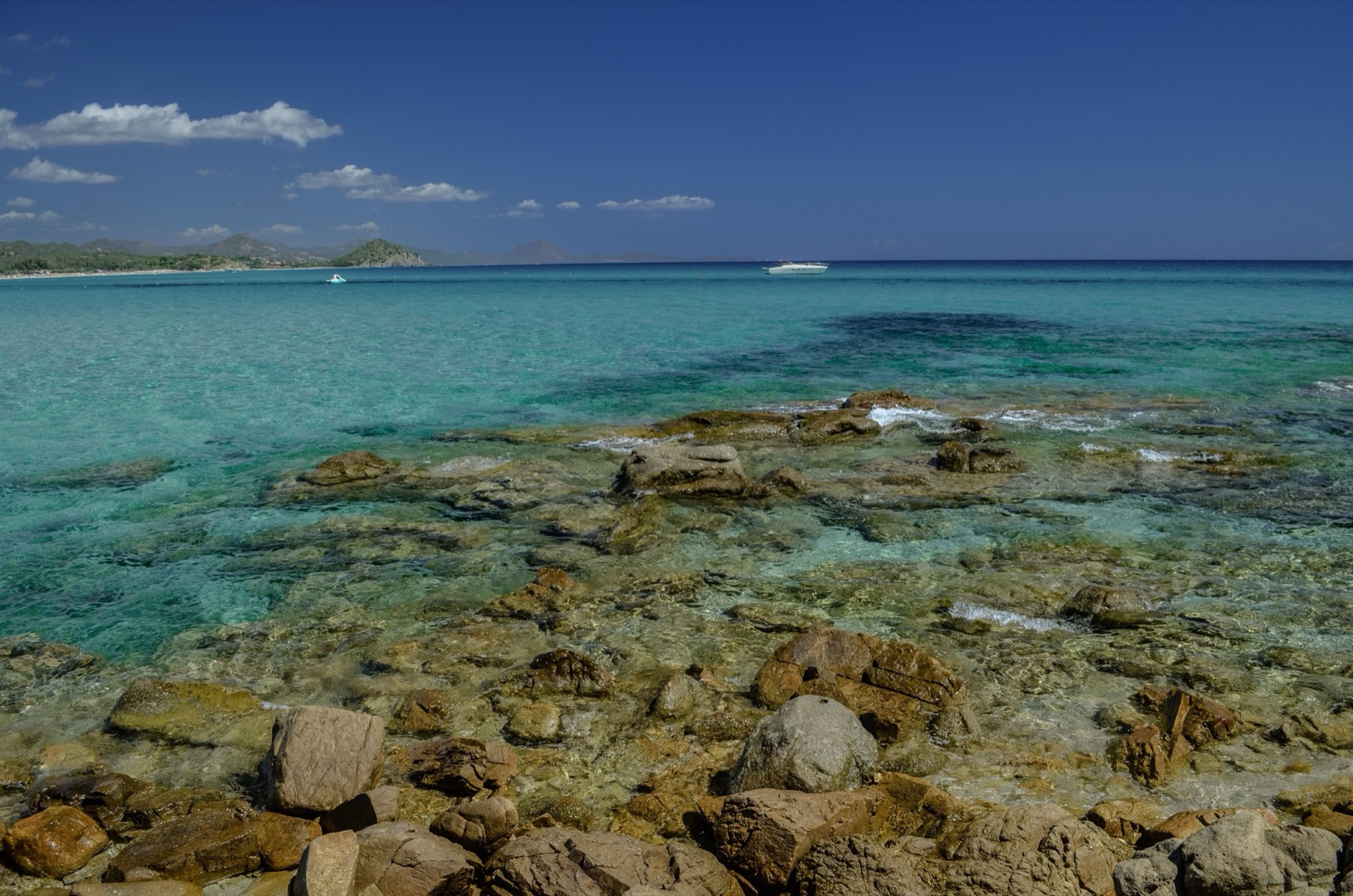
If you’re heading to Italy mainly for beach relaxation, the current temperature of the Tyrrhenian Sea will be your main concern. The water here naturally warms up the most during August, when it reaches absolutely ideal conditions for long swims and all sorts of water sports.
In Livorno and in popular Viareggio, August sea temperatures sit around 24 to 25 °C. In early August the water in the shallows can even reach a very pleasant 25.4 °C. Throughout the summer along the Tuscan coast, count on an average of 23 to 26 °C, which even travellers who feel the cold and dislike chilly water will appreciate. In late spring and early autumn the temperature stays between 19 and 22 °C.
A huge advantage is that the swimming season runs from June all the way to October. Even in October the water temperature in Livorno doesn’t drop below 20 °C, so you can easily spice up an autumn holiday with some swimming. In winter, typically in January or February, the sea temperature falls to a chilly 12.6 to 13 °C, which really is only for the hardiest swimmers.
Honestly, don’t be afraid to plan a seaside holiday for the start of autumn. In October the sea temperature near Livorno stays above a lovely 20 °C, which is still very tempting for many travellers.
The situation early in spring is completely different, though, as the water is still deeply chilled after winter. Even if the sun is already warming the shore nicely, only true cold-water enthusiasts brave waves of around 13 °C, so keep your March trips to the coast for collecting shells instead.
Tuscany season by season
It all comes down to what you expect from a holiday, but trust me — the choice of dates decides everything. Honestly, off-season Lukáš and I find travelling easier than in the middle of summer, because there’s less waiting, more room in your photos and, paradoxically, more contact with the locals. You’ll always find an up-to-date overview of events and festivals for different parts of the year on the official Visit Tuscany tourism portal.
Spring
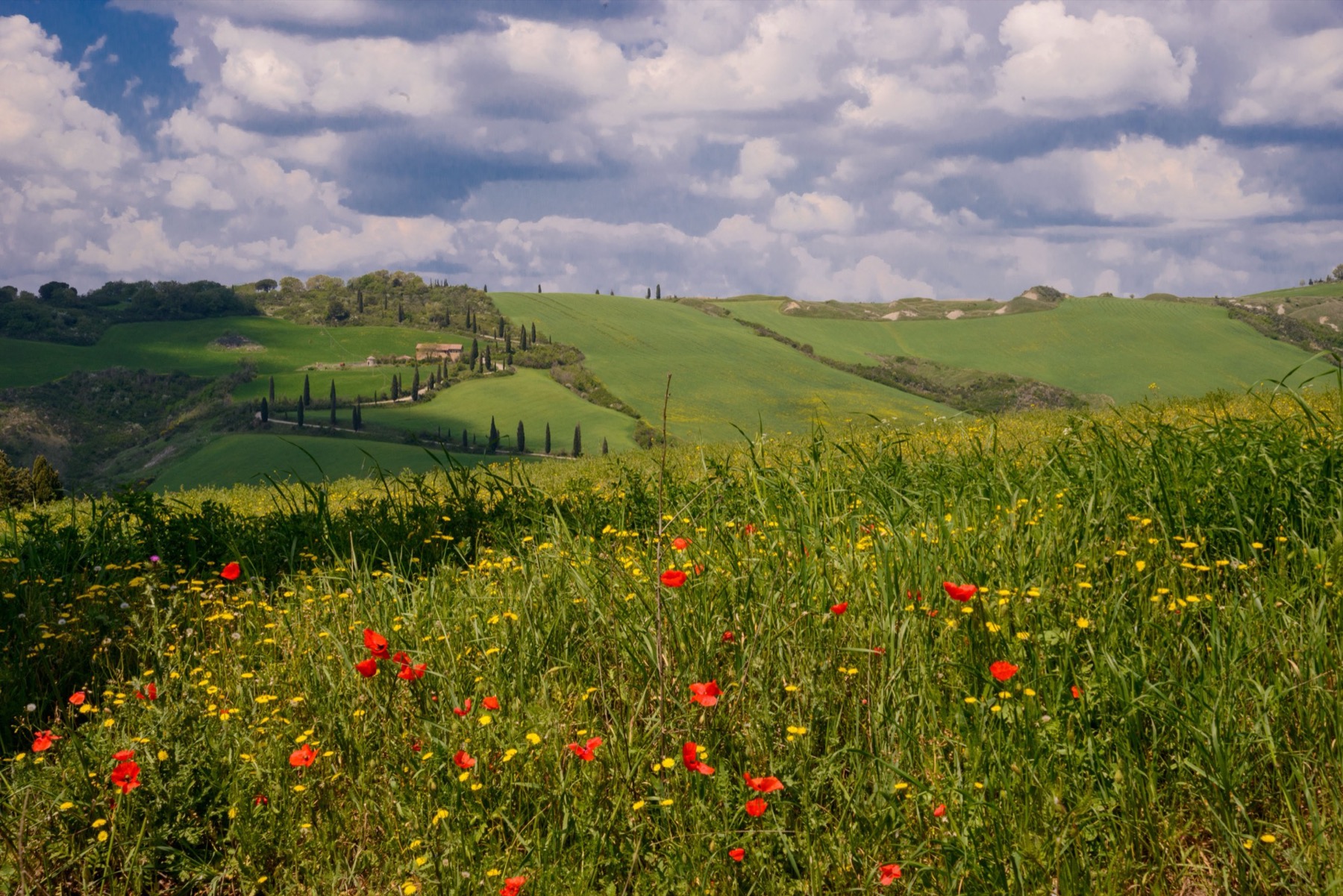
During the spring months from March to May the whole countryside slowly wakes up and everything turns beautifully fresh and green. This is exactly when the iconic red poppies start blooming in the fields — the ones you surely know from all those postcards and promotional photos. Spring is simply paradise for photographers, and every stop along the road will have you reaching for your camera.
Temperatures are very pleasant and absolutely ideal for a full day of exploring medieval towns. In April they range between 8 and 20 °C, and in May they already reach 12 to 24.5 °C. You can walk tens of kilometres across the cobbled streets of Florence or Siena without any fear of overheating or drowning in your own sweat. Mornings and evenings are still fairly cool, though, so you definitely won’t manage without a light jacket or jumper.
It’s not quite swimming weather in spring yet, though, because the sea stays fairly cold. You’ll realistically use your swimsuit only from the start of June, though cold-water lovers can take a dip as early as the end of May. Also bear in mind that around Easter the first big wave of tourists arrives in the region. That’s immediately and quite noticeably reflected in higher accommodation prices, so book your hotels early.
Summer
The summer months from June to August are marked by harsh sun, intense heat and, unfortunately, extreme crowds. In July and August temperatures routinely exceed 35 °C, and inland the air can climb to an unpleasant 40 °C. Lukáš and I rode through Tuscany on e-bikes right at the turn of August and September, and that scorching, shadeless heat on the roads was genuinely exhausting at times.
It’s statistically the driest period of the year, but short intense storms — which not uncommonly cause local flooding — can still blow in, so keep an eye on the forecast, and then feel free to jump in the sea, because that’s when it’s warmest of all.
The one date you must mark in red in your diary is 15 August, or Ferragosto. It’s a public holiday and the single biggest crush of the whole year. Italians themselves head for the sea, coastal accommodation is at its absolute priciest, and some inland businesses may close completely for a few days. During this period choose the coast or the mountains instead, and give Florence itself a very wide berth — you’ll save yourself a lot of stress.
Autumn
September to November is, for many seasoned travellers, the most beautiful time of all to visit. September in particular, with temperatures of 15 to 27 °C, is absolutely ideal, because it’s still lovely and warm for shorts during the day, yet you’re no longer tormented by the sweltering August heat. The sea still has a luxurious 20-plus °C, but the crowds in the historic lanes noticeably thin out.
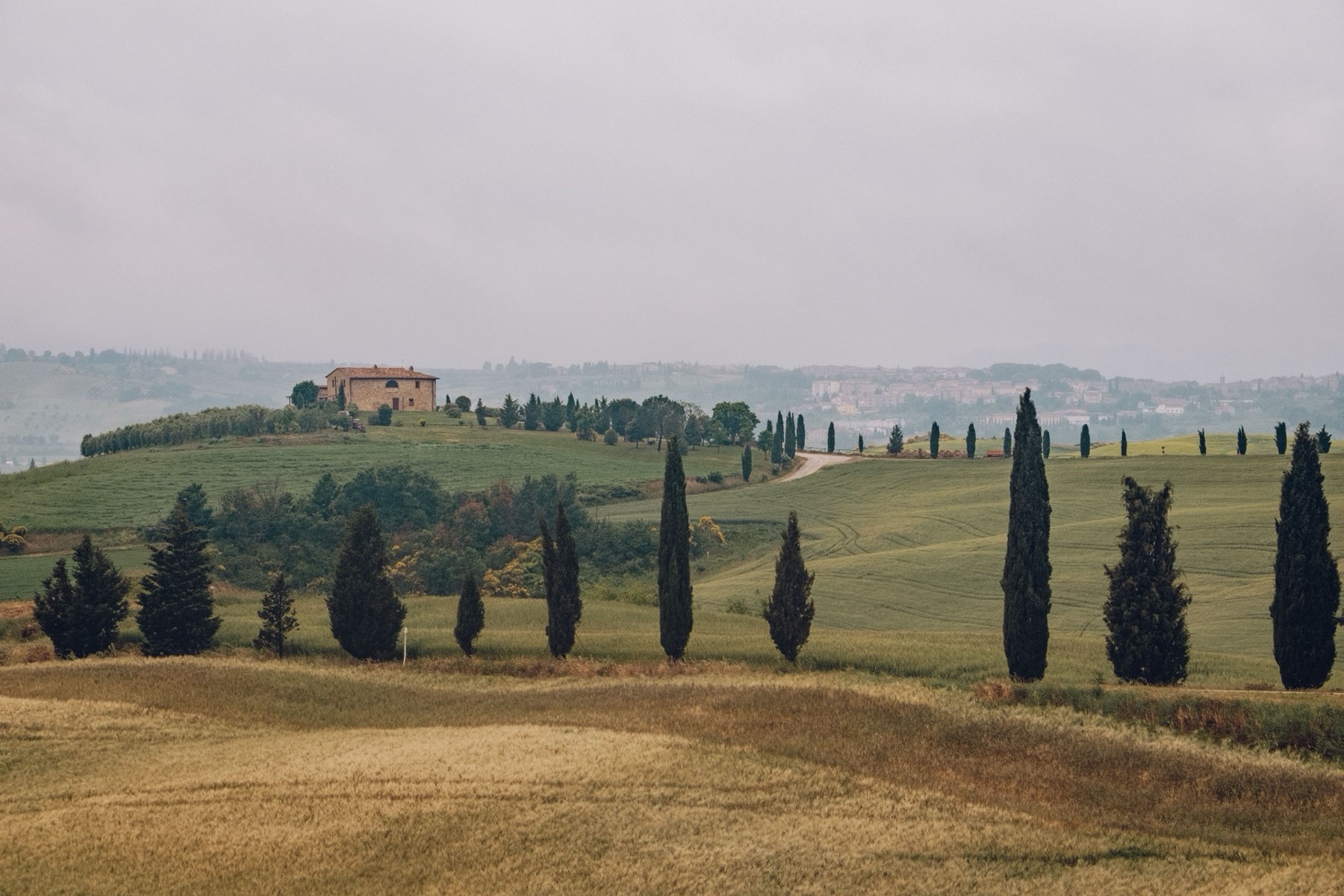
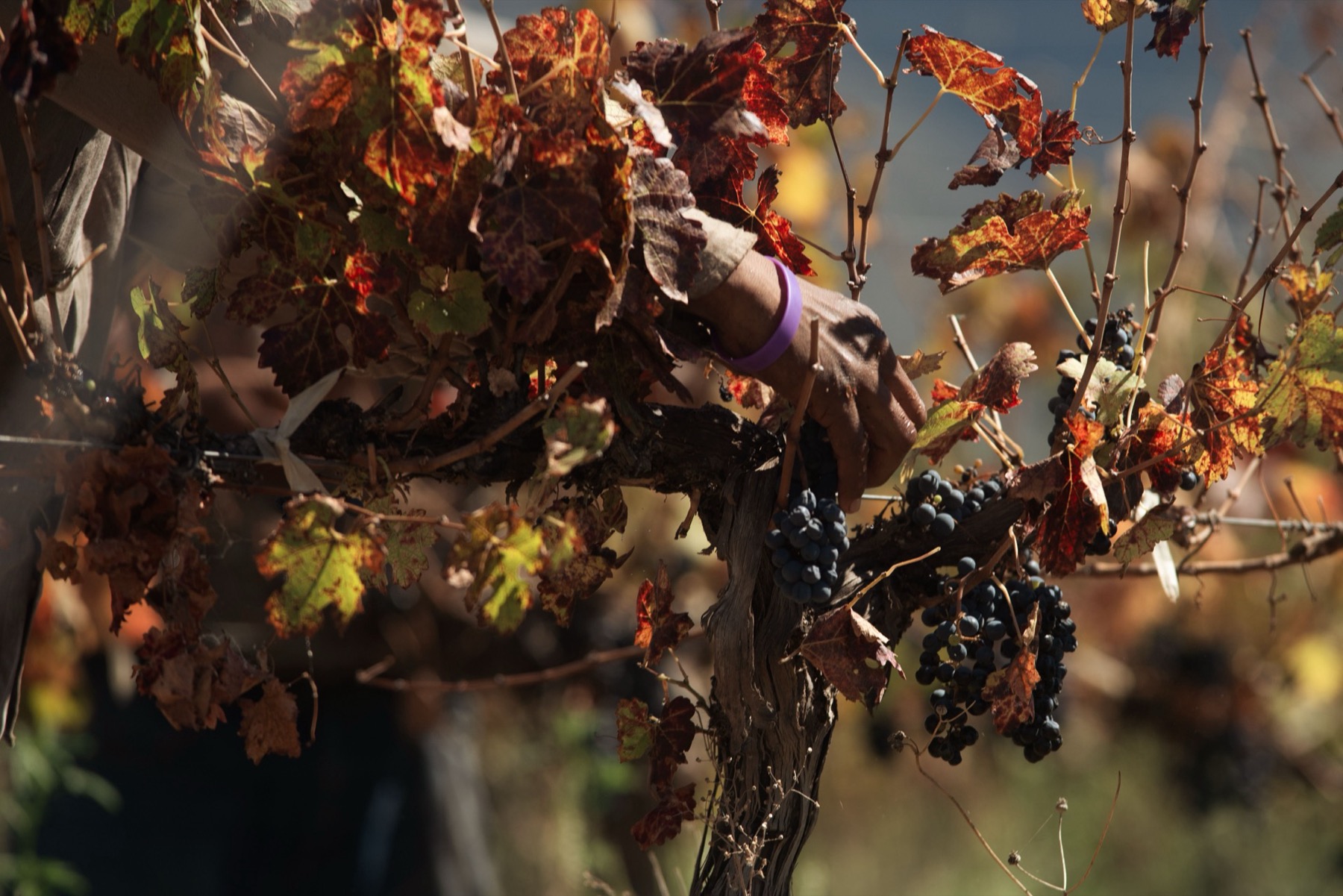
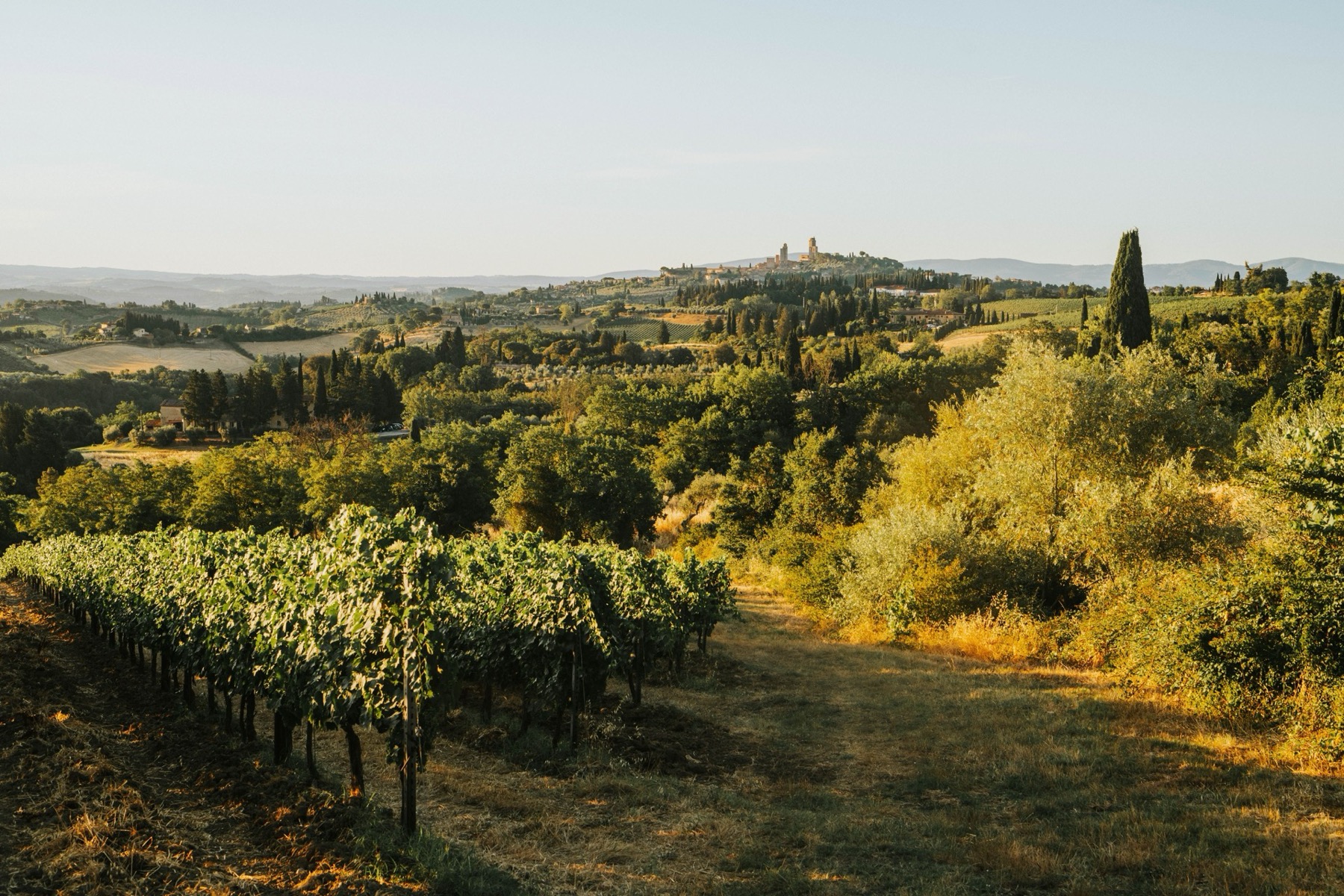
Autumn is also a time of enormous abundance and great food celebrations. In September and October the famous grape harvest known as the vendemmia takes place in areas like Chianti, Montepulciano or Montalcino, home of the renowned Brunello wine. In October the harvest peaks and the endless vineyards turn incredible shades of gold and red that look absolutely magical.
October is also the main month for the olive harvest, when you have a unique chance to taste the fresh new olive oil known as olio nuovo. Do watch out for November, though, as it’s statistically the rainiest month with a total of 115 mm of rainfall in Florence. The rain usually isn’t heavy, but it can annoyingly drizzle all day long, which can really ruin your plans for day trips.
Winter
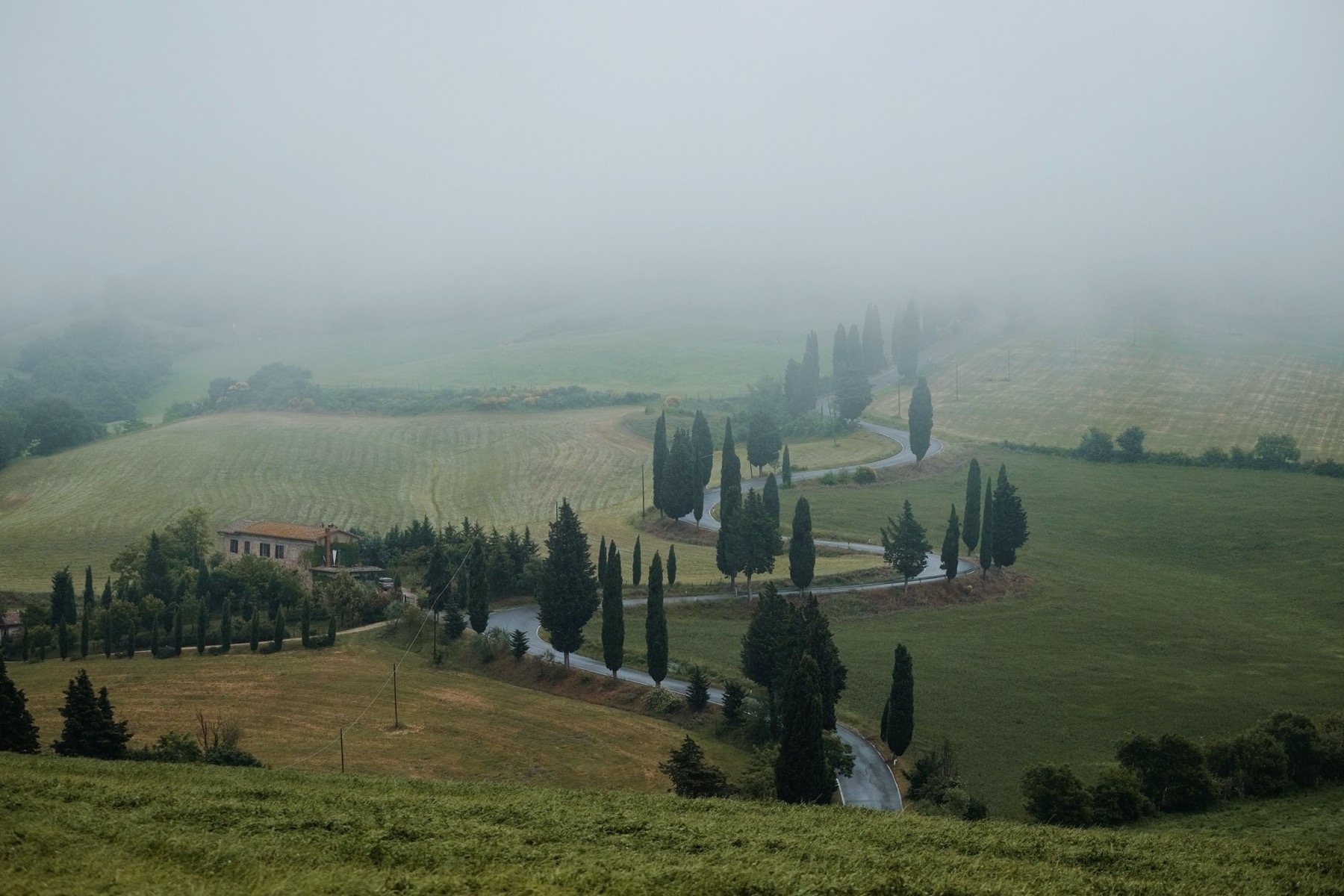
The winter months from December to February bring unexpected calm and vast emptiness to Tuscany. Temperatures in Florence stay between 2 and 12 °C during this period, and it’s even a touch colder in hilly Siena. Winters tend to be mild but very wet, and inland you’ll fairly often run into clammy, raw weather and thick morning mists shrouding the valleys.
Accommodation is by far the cheapest of the whole year, and you can view the famous galleries — led by the celebrated Uffizi Gallery — without standing behind someone holding up a selfie stick. That alone is worth considering.
The main downside is that a lot of agriturismos and seasonal businesses close completely over winter. You won’t get into the beautiful gardens of Palazzo Pfanner in Lucca, for example, and the popular cable car up Elba’s highest peak, Monte Capanne, doesn’t run either. Winter is simply ideal for city sightseeing, but the countryside is more or less in hibernation, and you can’t rely too much on attractions being open.
When is the best time to go to Tuscany
So if I had to pick the outright winners, the months of May, June and September work as a brilliant compromise for both sightseeing and relaxation. You avoid the worst of the stress, and evening strolls through the historic centre keep that proper romantic atmosphere without having to push through crowds.
During these months the staff in restaurants are far more cheerful, too, because the locals aren’t yet worn out from the peak summer season. You’ll also be pleased with somewhat friendlier accommodation prices — for the same rooms you might easily pay double in mid-August.
The towns aren’t yet bursting at the seams under the onslaught of giant tour buses, and the countryside shows its prettiest face. In spring everything is incredibly fresh, green and full of flowers, while in September nature turns golden after the summer harvest. So if you’re not tied to school holidays, aim your trip at these shoulder months and you won’t regret it.
If your main goal is catching a tan on the beach, July and August guarantee you the warmest sea. But you’ll need to arm yourself with plenty of patience, because half of Europe will have the same idea. You’ll then have to avoid mid-August, when Italy is paralysed by the Ferragosto holiday.
| I want… | Ideal period | Why |
|---|---|---|
| Towns and sights | Mid-April – mid-June, September – early October | Bearable temperatures for walking, noticeably fewer people. |
| Beaches and swimming | July–August (warmest), but also June and September | The sea is 23–26 °C, and beaches are quieter in June and September. |
| Harvest and countryside | September–October | The famous vendemmia, golden vineyards and the ongoing olive harvest. |
| Calm and low prices | November–March | Empty sights and cheap hotels, but a risk of rain and closed venues. |
| What to avoid at all costs | Around 15 August (Ferragosto) | The biggest crush of all, packed beaches and by far the highest accommodation prices. |
For budget travellers and hunters of empty museums, the winter months are the way to go. You’ll have to accept unpredictable weather, though, and the fact that you probably won’t bring home photos of sun-drenched cypress avenues. Winter simply belongs to the galleries, superb food in cosy taverns and slowly soaking up the real Italian atmosphere without the tourist gloss.
From my own experience I can confirm that trading a swim for a calmer look at the sights really pays off here. If you choose late spring or early autumn for your trip, you’ll avoid the worst of the heat stress and the whole holiday will be far more relaxed.
If you’re tied to school holidays and have to go in August, at least try to minimise your time inland. Around mid-August, Italy simply grinds to a halt because of the Ferragosto holiday, so book everything well in advance and arm yourself with a hefty dose of patience.
Regional differences: coast, interior and mountains
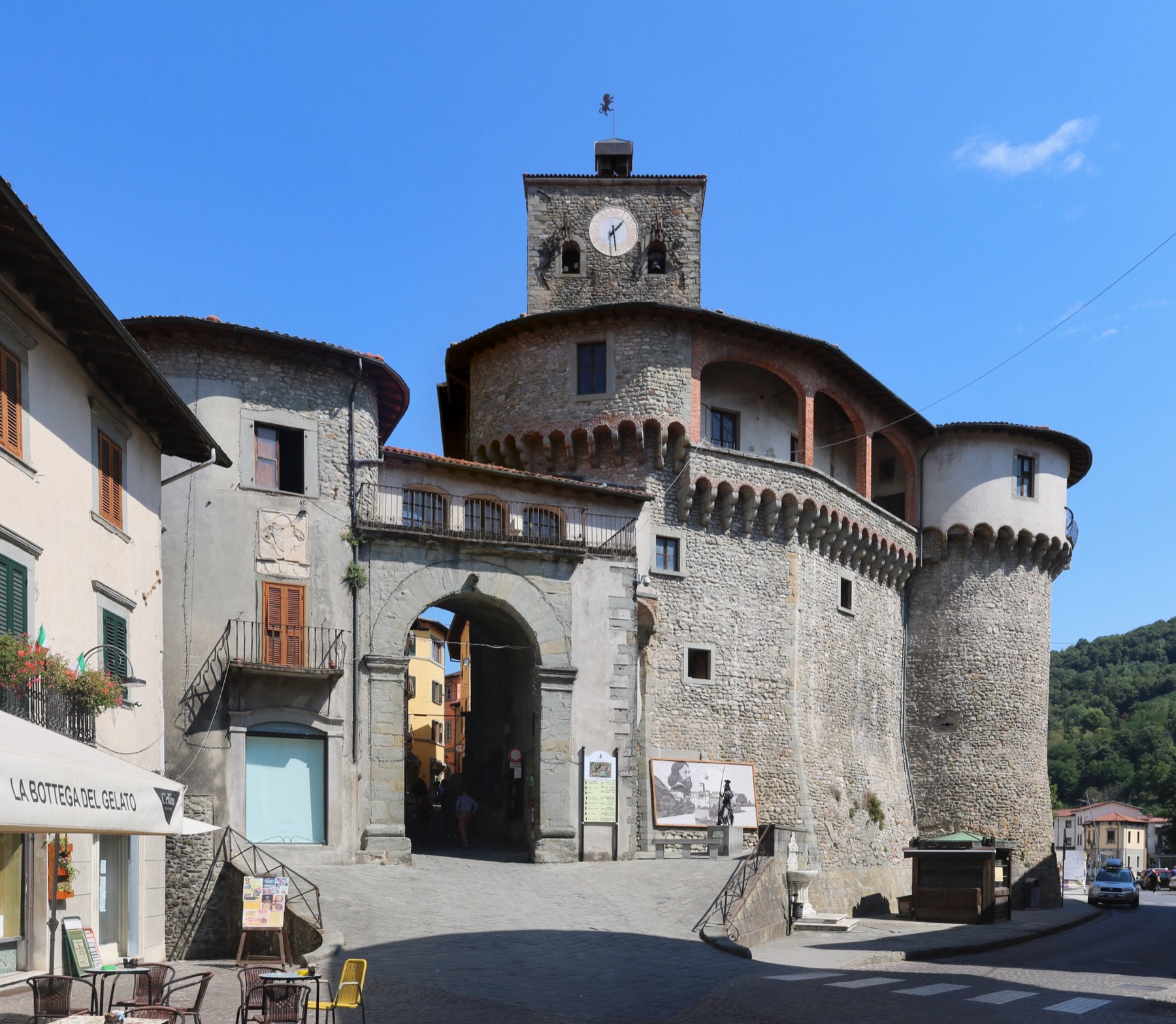
While you’re soaking up the sun on the coast, get ready for winter fun in the northern Garfagnana, because it snows there regularly and the climatic conditions are completely different. This mountain corner near the Tuscan-Emilian Apennines National Park is a perfect choice for nature lovers who want to escape the bustle of the big cities and don’t mind packing an extra jumper.
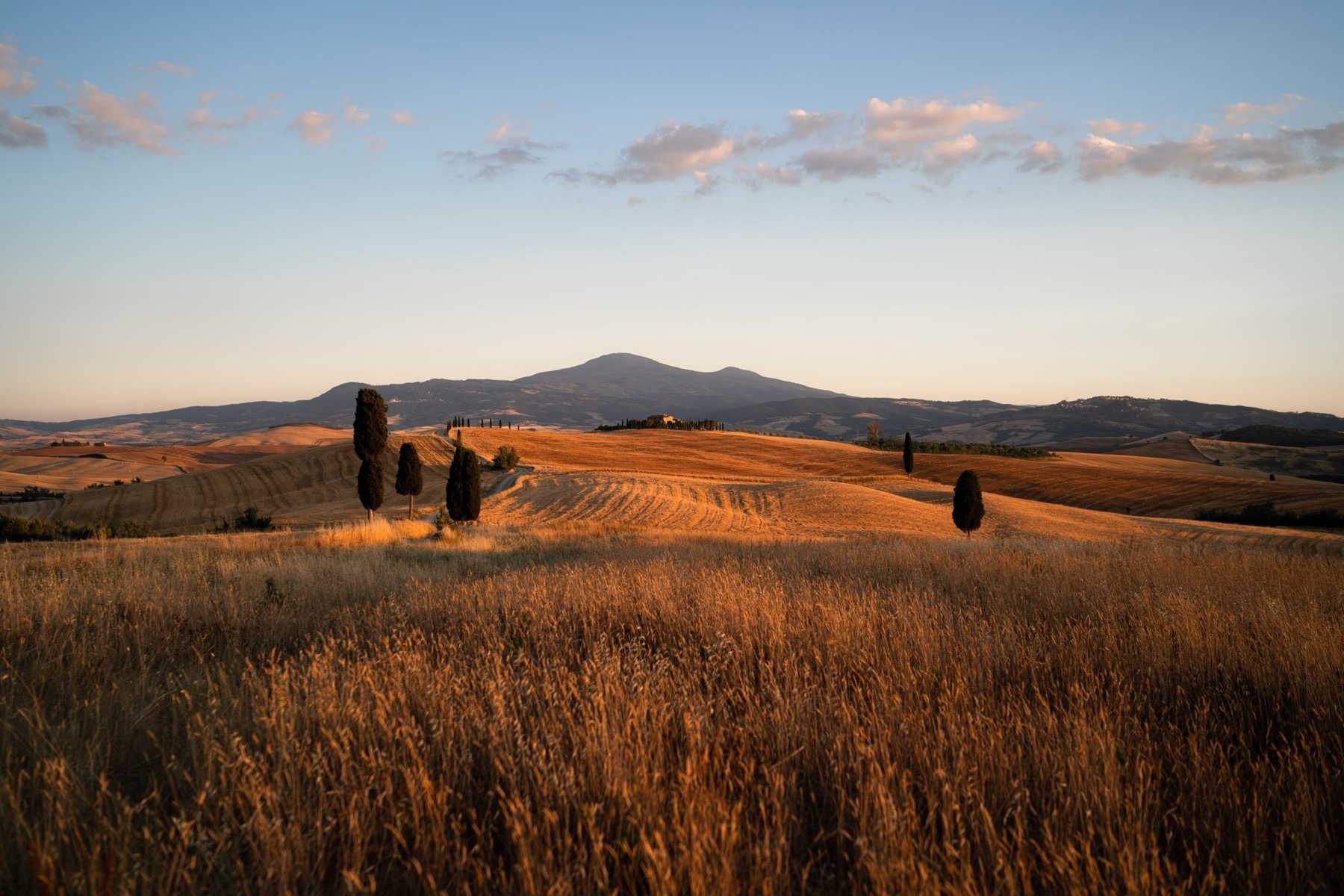
When wandering around the stunning Val d’Orcia, on the other hand, remember that there’s no escaping the sun at the photo stops. Most of the most beautiful viewpoints sit in the middle of dusty fields without a single tree, so in August you’ll feel like you’re in a genuine furnace there.
When planning your exact itinerary, you always have to consider precisely where you’re going. Florence, lying in an enclosed basin, is by far the hottest place in summer with no breeze, and in winter an unpleasant, cold mist very often lingers here. If you’re heading here in August, prepare for a real temperature shock.
Siena and other historic towns on the inland hills are a few degrees cooler than Florence. Thanks to the higher altitude the evenings there are at least more bearable, and you can sit peacefully in the square with a glass of good wine.
The coast and the island of Elba benefit from the constant influence of the sea. The sea breeze cools the summer heat and winters here are far milder. A completely different world is the northern Garfagnana and the Apennines, where it’s markedly colder all year round and it even snows regularly in winter.
So when putting together your dream itinerary, don’t rely on a single weather forecast for the whole region. When you drive from the high Apennines down to the sea, a surprising climatic leap awaits you within just a few hours of driving.
What to pack by season
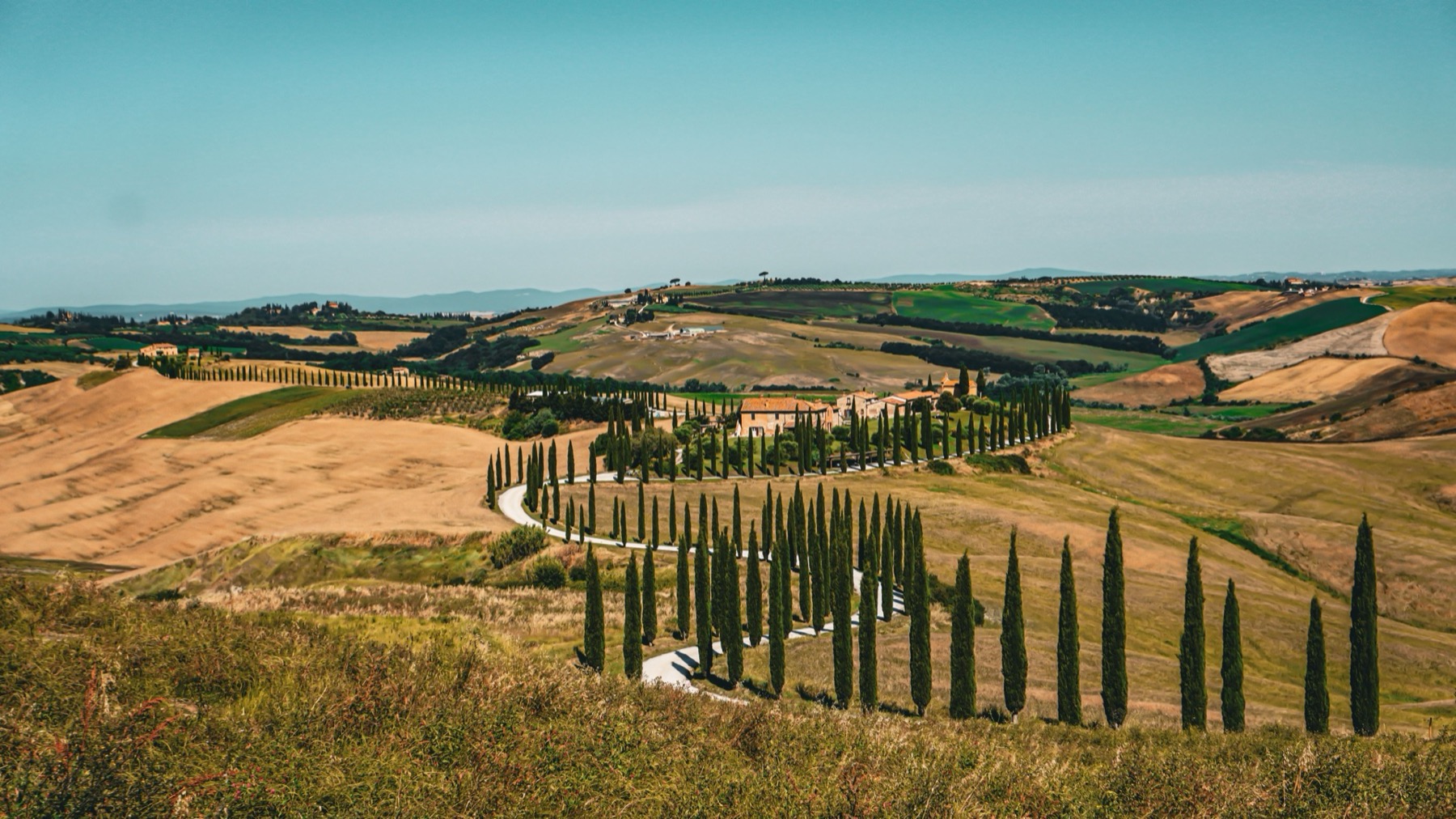
The contents of your suitcase will differ dramatically depending on which month you fly to Italy. If you’re setting off in spring or autumn, definitely bet on smart layering. Mornings and evenings tend to be quite cool even when the sun shines beautifully during the day, so a light rain jacket and a warmer jumper will definitely save you. For winter, pack a proper warm coat, a reliable umbrella and, above all, waterproof shoes.
In summer a quality sunscreen, a hat and very light, breathable clothing are an absolute must. You don’t have to carry water in bottles — there are public drinking fountains everywhere in the towns where you can refill your bottle for free. A scarf for churches is a strict must for us women, no question — a guard in Siena once turned me back at the entrance and I thought he was joking. He wasn’t 😅. And regardless of the season, never underestimate the Italian cobblestones, which can be really rough on your feet after a full day of walking. Good, well-worn-in shoes with a firm sole are simply essential.
Where to stay and when to book
💡 Tip for accommodation and experiences: We prefer to look for accommodation on Booking.com, which usually has the best cancellation policies. For tickets, tours and activities, it’s worth comparing and booking through GetYourGuide.
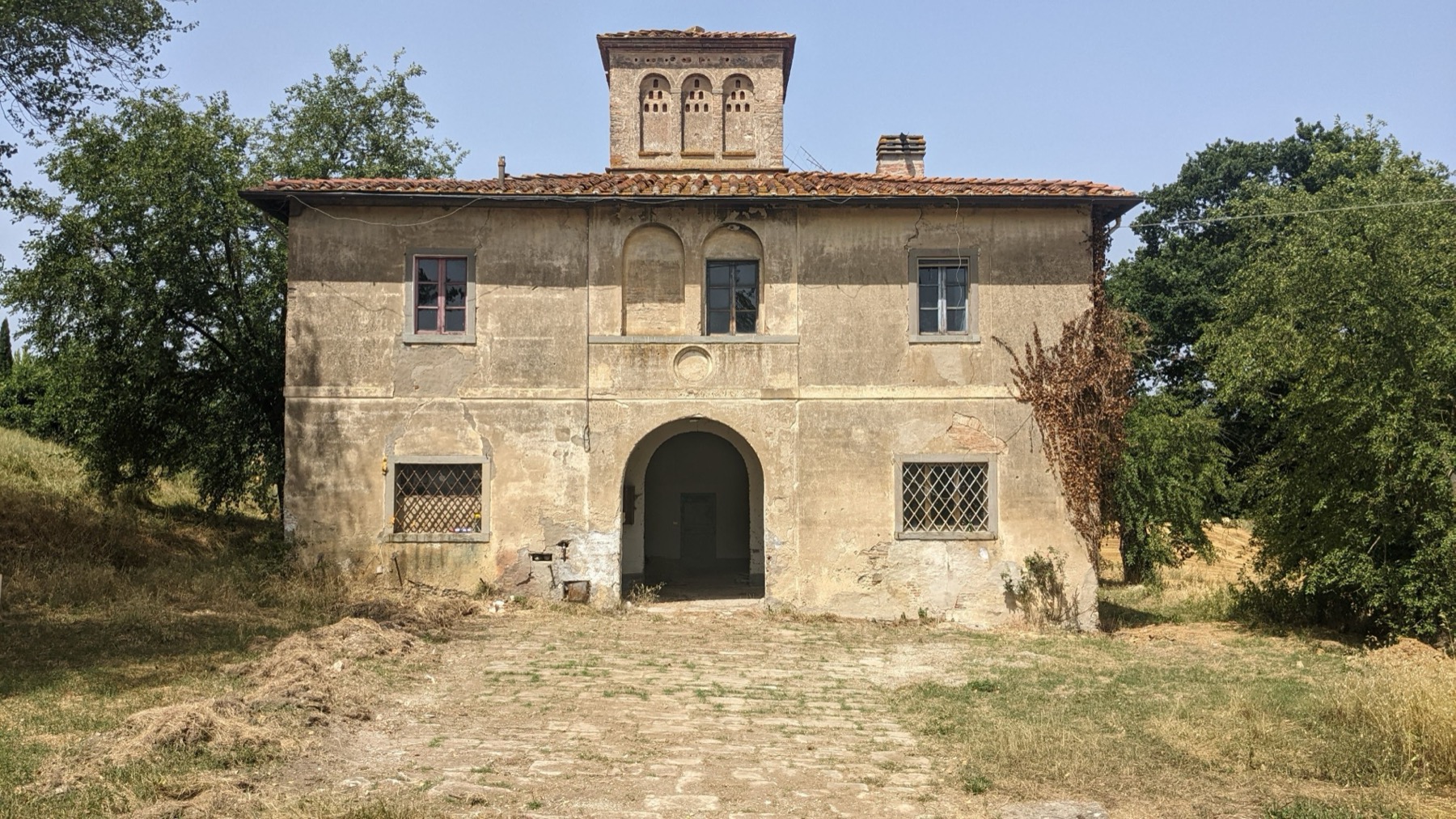
I strongly recommend sorting out your bookings as early as possible, especially if your trip falls around August’s Ferragosto, when prices soar and availability vanishes before your eyes. We ourselves scout out accommodation in Italy even half a year ahead to be sure of finding something nice at a reasonable price. I’ve put together tips for tried-and-tested hotels and traditional agriturismos in different parts of the region so you have plenty to choose from. Take the prices below as a rough guide for a double room in high season — outside summer they tend to be significantly lower, and it always pays to compare dates.
If, on the other hand, you’re setting off in the winter months, don’t forget to check in advance whether your chosen agriturismo is even open. Many countryside farms close their gates over winter while their owners focus on maintenance or repairs, so the choice is somewhat more limited during this period.
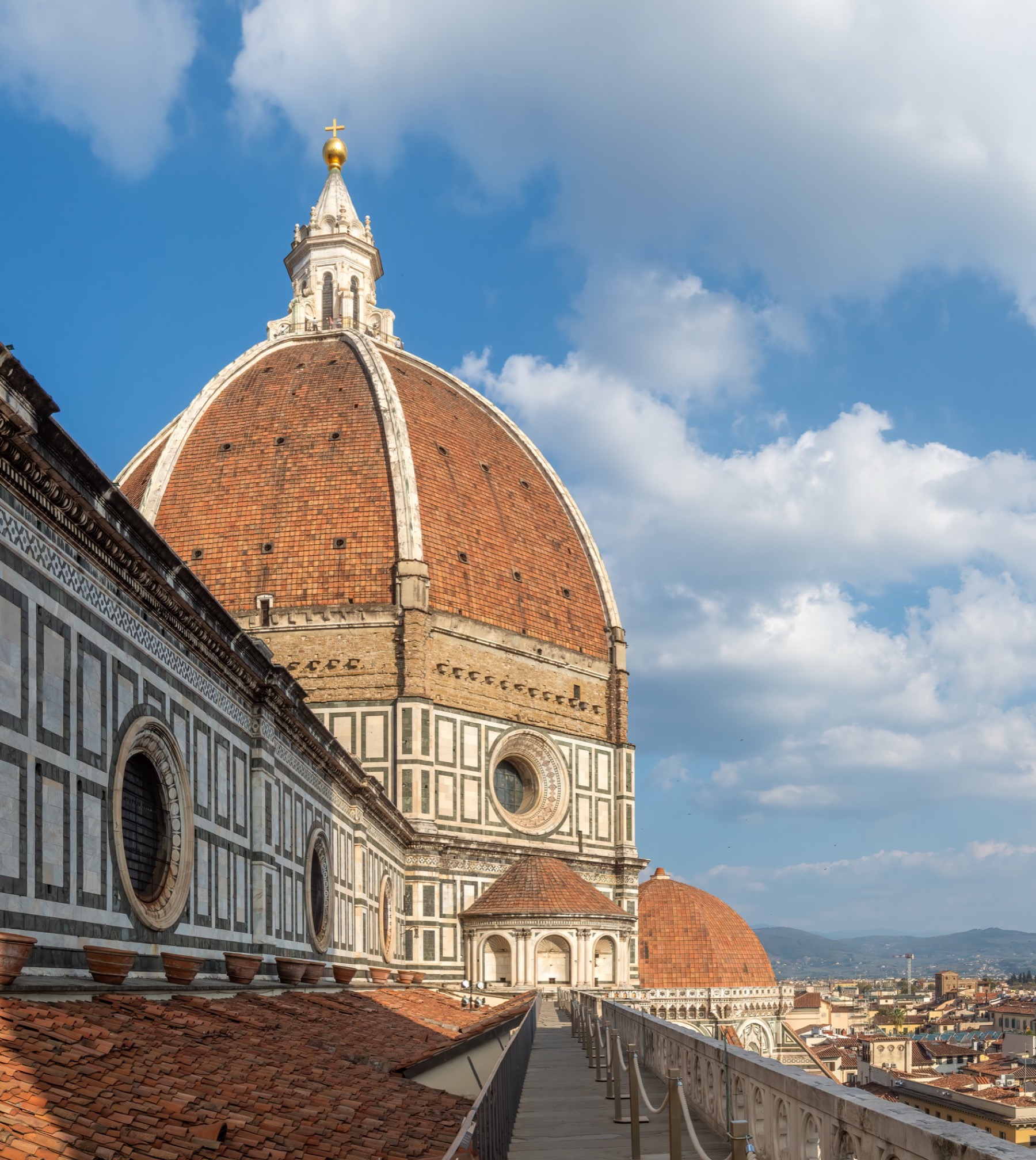
If you want to sleep right in the heart of the Renaissance, in Florence try the gorgeous Hotel Spadai. It’s a beautiful boutique hotel a short walk from the famous Duomo, where a night for two costs roughly €250 to €300. They serve absolutely fantastic breakfasts and have a perfect location from which you can walk everywhere on foot, so you’ll end up saving on public transport.
For a calmer stay inland with stunning views, a great choice is Hotel Athena in historic Siena. It sits right inside the old stone walls and offers a terrace with views far across the countryside. A night here comes to about €150, and a big advantage is its own car park — a huge and invaluable rarity in Italian towns.
If you want to experience the real Tuscan countryside, stay at a traditional agriturismo in the Val d’Orcia valley. A beautiful example is Agriturismo Il Rigo, set amid the most iconic hills. A night costs around €180, and you’ll have a unique chance to taste their fantastic local produce, including homemade olive oil.
If you’re heading mainly for swimming on the coast, take a look at the Grand Hotel & Riviera in Lido di Camaiore, right next to Viareggio. It sits directly by the beach, so in the morning you just cross the road and you’re right at the sea. In the summer season prices here hover around €220 a night, so I recommend booking at least half a year in advance before the Italians snap it up for the August holidays.
For lovers of absolute peace in the countryside — but within reach of civilisation — I warmly recommend Borgo Scopeto Wine & Country Relais near Siena. It’s a more upmarket estate surrounded by sprawling vineyards and olive groves. A night here costs around €280, and besides a gorgeous pool you’ll enjoy magnificent tastings of superb local wine.
Don’t forget that another huge surge of demand for countryside accommodation comes with the autumn harvest. During the grape and olive harvest, free rooms disappear very quickly, because lots of tourists want to experience this authentic atmosphere right on the local farms.
If you really want to save and don’t mind cooler evenings, plan your stay squarely in the winter months. That’s when overnight prices fall to their annual lows and you can afford even more luxurious hotels in town centres that you’d otherwise have no budget for in summer.
Where to go next
If you’re now clear on when to set off, it’s time to plan the trip itself. I’ve put together a detailed guide, Tuscany: the 30 most beautiful places and a 7-day itinerary, where you’ll find the exact route for your dream road trip.
Definitely don’t miss the article Florence: 30 tips on what to see in the cradle of the Renaissance so you know exactly where to head for tickets to the famous galleries. Nearby Lucca: 22 tips on what to see and why to cycle the walls is also fascinating.
Heading more towards the sea? Then be sure to read our guide The island of Elba: what to see, the most beautiful beaches and the ferry. And if you want to discover more of Italy’s beauty, take a look at our big selection Where to holiday in Italy: the 20 best places.
Frequently asked questions
Here are the answers to the most common questions you send me about Italian weather.
When is the best time to visit Tuscany?
The best time to visit is during May, June, and September. During this period, temperatures are very pleasant, ranging between 22 and 28 °C, the monuments aren’t yet bursting at the seams with thousands of tourists, and the sea is already warm enough for swimming. This way you’ll avoid the extreme August heat and the constant crowds in the streets.
What’s the weather like in September?
According to many sources, September is quite simply the best month of the entire year. Temperatures range between 15 and 27 °C, so during the day it’s beautifully warm for shorts, but you’re no longer plagued by the oppressive August heat. The sea still maintains a fantastic temperature above 20 °C, so swimming is still very much on the agenda.
Is it too hot in August?
Yes, in August expect genuinely extreme heat. Temperatures on the coast regularly exceed 35 °C, and inland—typically in Florence—the mercury often approaches 40 °C. During this period it definitely pays to stay either by the sea or in the mountains and skip the cities altogether.
Can you swim in October?
The swimming season on the Tuscan coast lasts quite a long time, and you can swim without any problem even in October. The water in the Tyrrhenian Sea at this time usually doesn’t drop below 20 °C, which is still a very pleasant temperature for a swim for many hardier travelers.
When does it rain the most?
Statistically, November is without a doubt the rainiest month. For example, in Florence an average of 115 mm of precipitation falls in November. Autumn rains aren’t as intense as summer storms, but they’re often persistent rain that can easily last all day and ruin your plans.
How warm is the sea?
During the peak summer in August, the sea reaches ideal temperatures around 24 to 25 °C. In late spring and early autumn it stays between a tolerable 19 and 22 °C. In winter, specifically in January and February, the water temperature drops to a very cold 13 °C, which is only for true cold-water enthusiasts.
Is it worth going in winter?
It depends entirely on your priorities. If you’re going primarily for monuments and museums, then winter is definitely worthwhile, because you’ll avoid the huge crowds and save significantly on accommodation. However, for admiring the countryside or swimming, it’s definitely not the right time of year, and many places are closed as well.
What is Ferragosto?
Ferragosto is an Italian public holiday that falls on August 15th. It’s a day when absolutely all Italians head to the sea, making it the biggest rush of the entire year. Accommodation is at its most expensive, there are traffic jams everywhere, and many inland businesses are simply closed completely.
Tips and Tricks for Your Vacation
Don’t Overpay for Flights
Search for flights on Kayak. It’s our favorite search engine because it scans the websites of all airlines and always finds the cheapest connection.
Book Your Accommodation Smartly
The best experiences we’ve had when looking for accommodation (from Alaska to Morocco) are with Booking.com, where hotels, apartments, and entire houses are usually the cheapest and most widely available.
 🚗 Car rental on the roadVerified car rentals in Tuscany
Search with the DiscoverCars comparison engine — it compares prices from dozens of local and international rental companies, and most bookings come with free cancellation.
Compare car prices in Tuscany →Don’t Forget Travel Insurance
Good travel insurance will protect you against illness, accidents, theft, or flight cancellations. We’ve had a few hospital visits abroad, so we know how important it is to have proper insurance arranged.
Where we insure ourselves: SafetyWing (simple monthly subscription) and TrueTraveller (for extra-long trips).
Find the Best Experiences
Get Your Guide is a huge online marketplace where you can book guided walks, trips, skip-the-line tickets, tours, and much more. We always find some extra fun there!