

Spain is always a safe bet, but if you’re after a place where historic lanes meet wide sandy beaches and the mildest climate in the whole country, you need to head for the Costa Blanca coast. The gateway to this sun-soaked region is Alicante, Spain’s dynamic city that somehow balances deep tradition with a modern beach-resort vibe. Here you can wander beneath medieval ramparts, sip coffee on a marble promenade, and then dive straight into the turquoise waves of the Mediterranean.
The Costa Blanca, or White Coast, also boasts a special microclimate sheltered by mountains, which keeps the weather pleasant even when the rest of Europe is freezing. Whether you’re craving a relaxed break, the discovery of hidden mountain villages, or the wild architecture of nearby Benidorm, this corner of Spain won’t let you down. Let’s take a look together at the very best that Alicante and its wider surroundings have to offer.
A summary for those who don’t have time to read the whole article
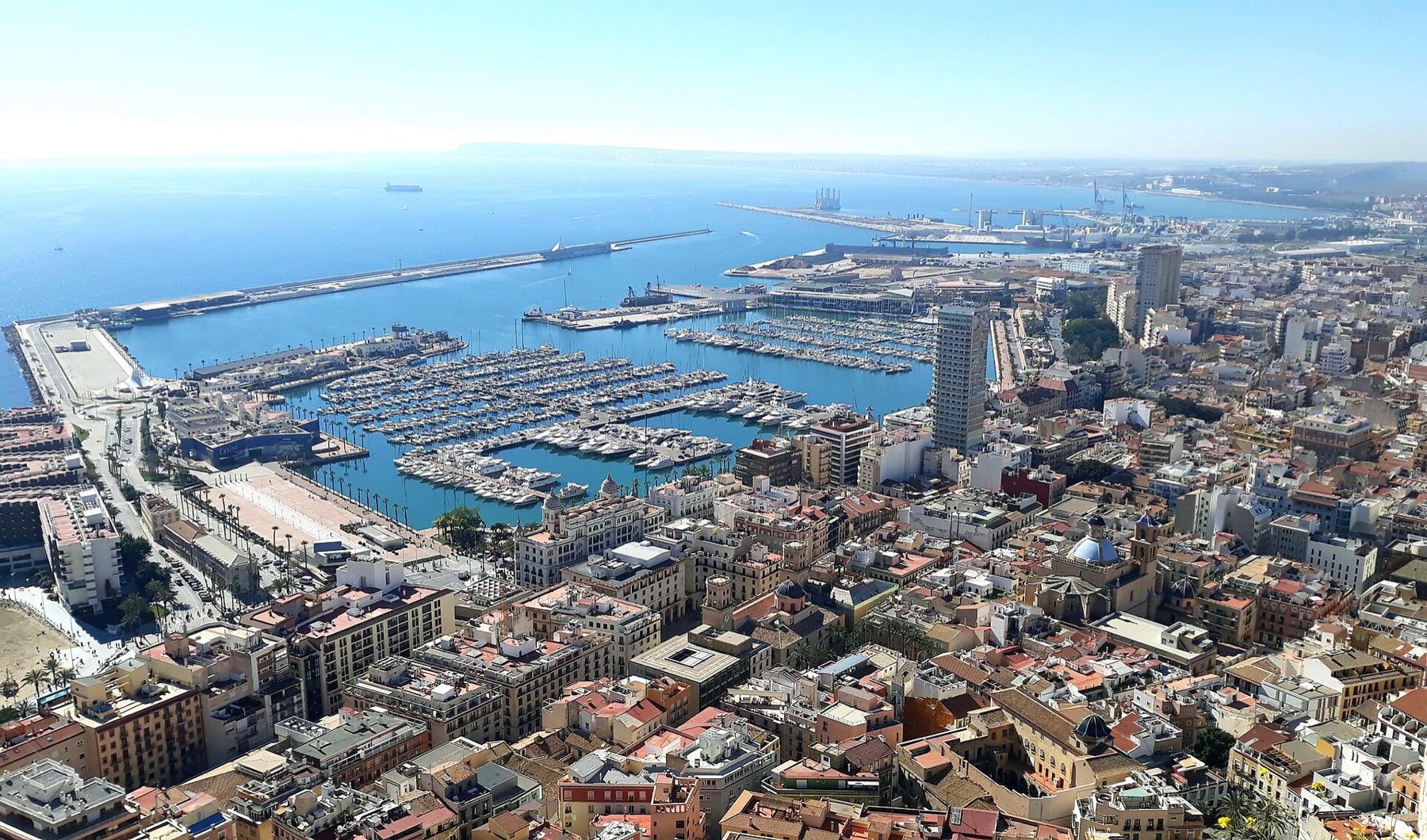
- The city’s landmark: The monumental Santa Bárbara Castle towers over Alicante, and you can easily reach it via a lift carved right into the rock.
- The prettiest lanes: The historic Barrio Santa Cruz quarter will charm you with whitewashed houses, narrow staircases and a riot of colourful flowers.
- Beach life: Right in the centre you’ll find the city beach of Postiguet, but for endless sand hop on the tram to the nearby San Juan beach.
- Trips around the region: Don’t miss a boat trip to the pirate island of Tabarca, the mountain village of Guadalest, or the photogenic town of Altea.
- Getting around without a car: The whole Costa Blanca is beautifully connected by the modern TRAM d’Alacant network, which takes you along a scenic route all the way to Dénia.
- A culinary experience: This is the very region authentic Spanish paella comes from, so you should try it in one of the traditional restaurants.
When to visit Alicante and the Costa Blanca: weather in Alicante, Spain
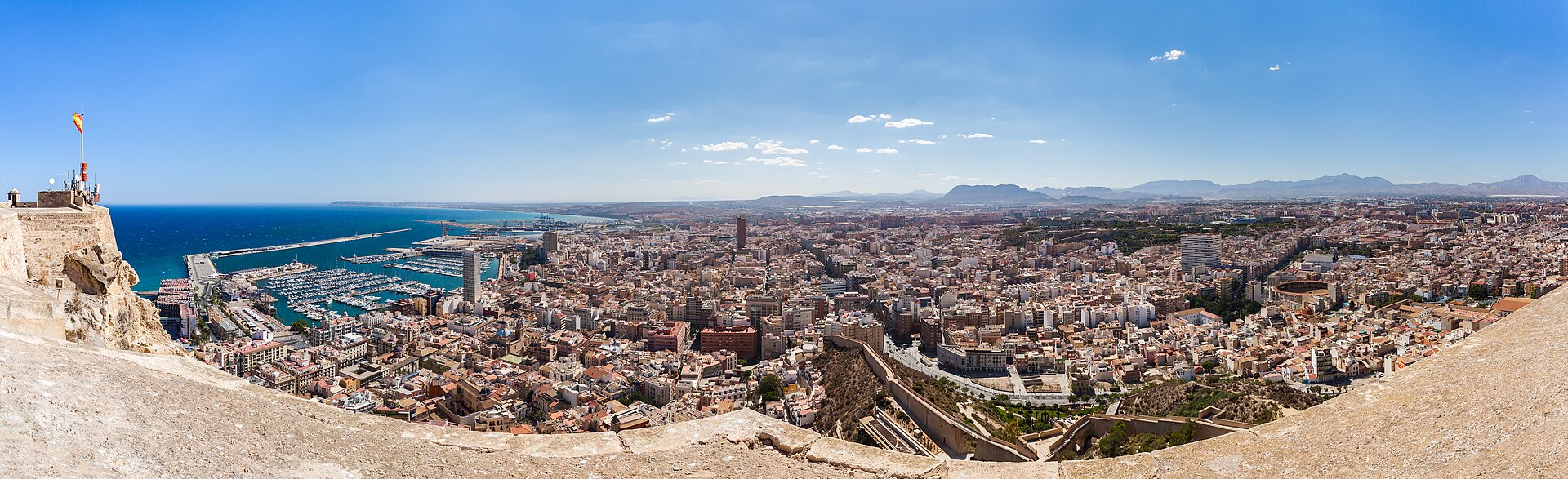
Thanks to the mountains that line the coast and hold back the cold inland winds, the weather in Alicante, Spain, delivers more than 300 sunny days a year. Winters here are incredibly sunny and warm, which makes the region a huge magnet for digital nomads and anyone escaping the grey Central European skies. If your main goal is sightseeing and trips into the mountains, spring or autumn is the ideal time, when temperatures hover around a very pleasant 20 to 25 degrees.
Summer on the Costa Blanca tends to be hot and busy, with July and August being the absolute peak of the season. During this period you have to expect packed beaches, higher accommodation prices and temperatures that easily climb past thirty degrees. Iconic Benidorm in particular bursts at the seams in summer. On the flip side, the sea is perfectly warm in summer and evening life on the promenades pulses well into the early morning hours.
If you’re planning a trip in March, consider pairing your visit with the spectacular Las Fallas festival, held in nearby Valencia from 1 to 19 March. It’s a truly unique experience full of giant sculptures, fireworks and gunpowder. Just don’t forget to book your accommodation and any train tickets well in advance, because during these dates the whole area turns into one giant anthill.
Where to stay in Alicante, Spain
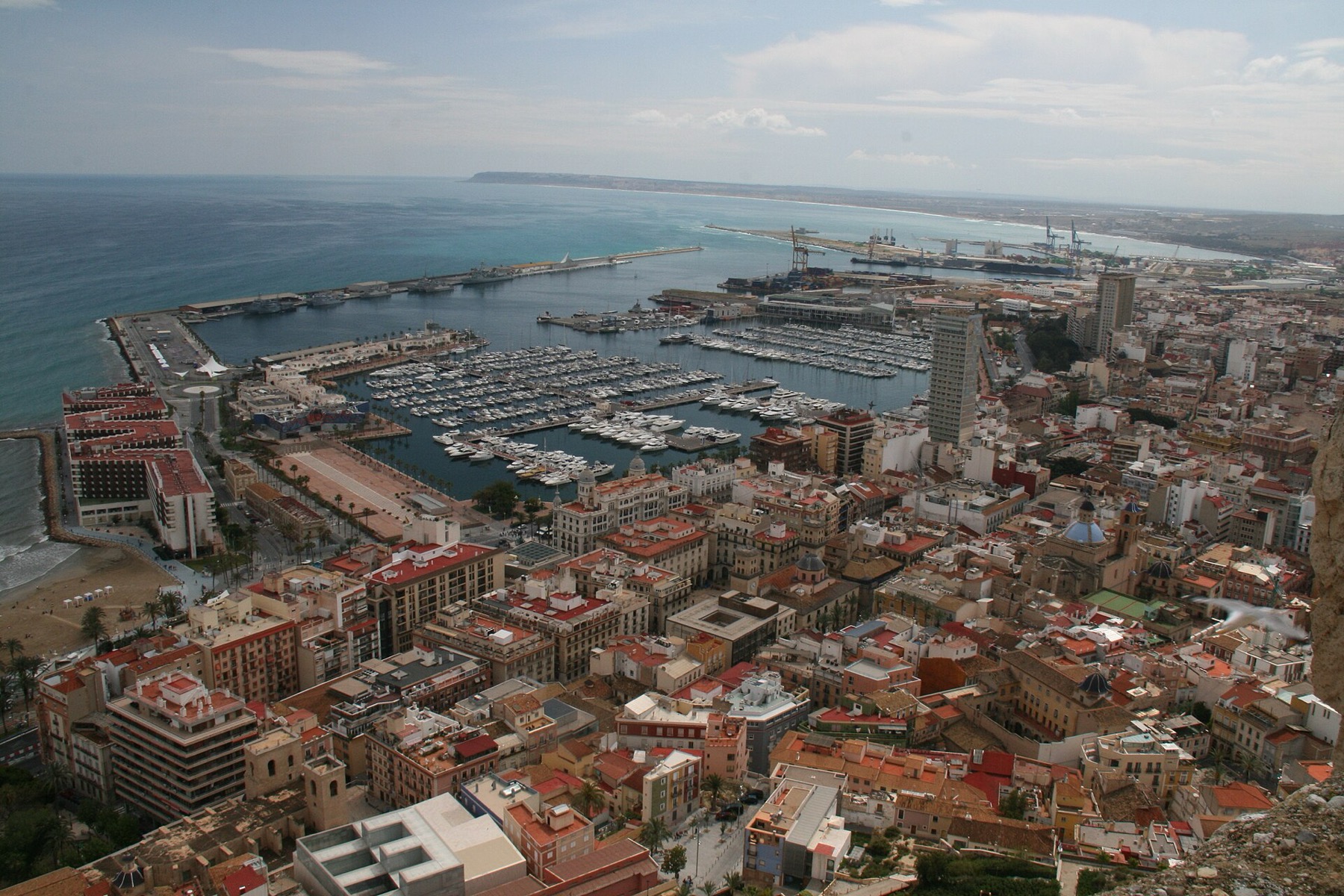
Choosing the right neighbourhood mostly depends on the type of holiday you prefer. For those who want everything within easy reach, the best choice is the historic centre (Centro) or the Casco Antiguo quarter. Staying here means the promenade, the main sights and the best tapas bars are literally a few steps from your door. A great option is, for example, the elegant Hotel Hospes Amérigo, set in a former Dominican monastery with a rooftop pool and breathtaking castle views.
Another excellent option right in the centre is the stylish boutique Casa Alberola, which transports you back to the atmosphere of the 1920s. If, on the other hand, you’re travelling for the sea and only want to stroll into the centre occasionally, consider staying in the San Juan beach area. Here you’ll find mostly modern apartments and larger resorts, and the local tram will whisk you comfortably and quickly into central Alicante.
Accommodation prices naturally follow the season. While in November you can grab a lovely room for a fraction of the summer rate, in August prices soar. Always book your accommodation well in advance, ideally through reliable platforms like Booking.com, where you can carefully read up-to-date reviews from other travellers. As for the tourist tax, the situation in Spain is evolving fast, but in the Alicante region the planned levy was recently suspended, so it’s worth checking the current status for 2026 directly with your chosen hotel.
20 things to see and do in Alicante, Spain, and around
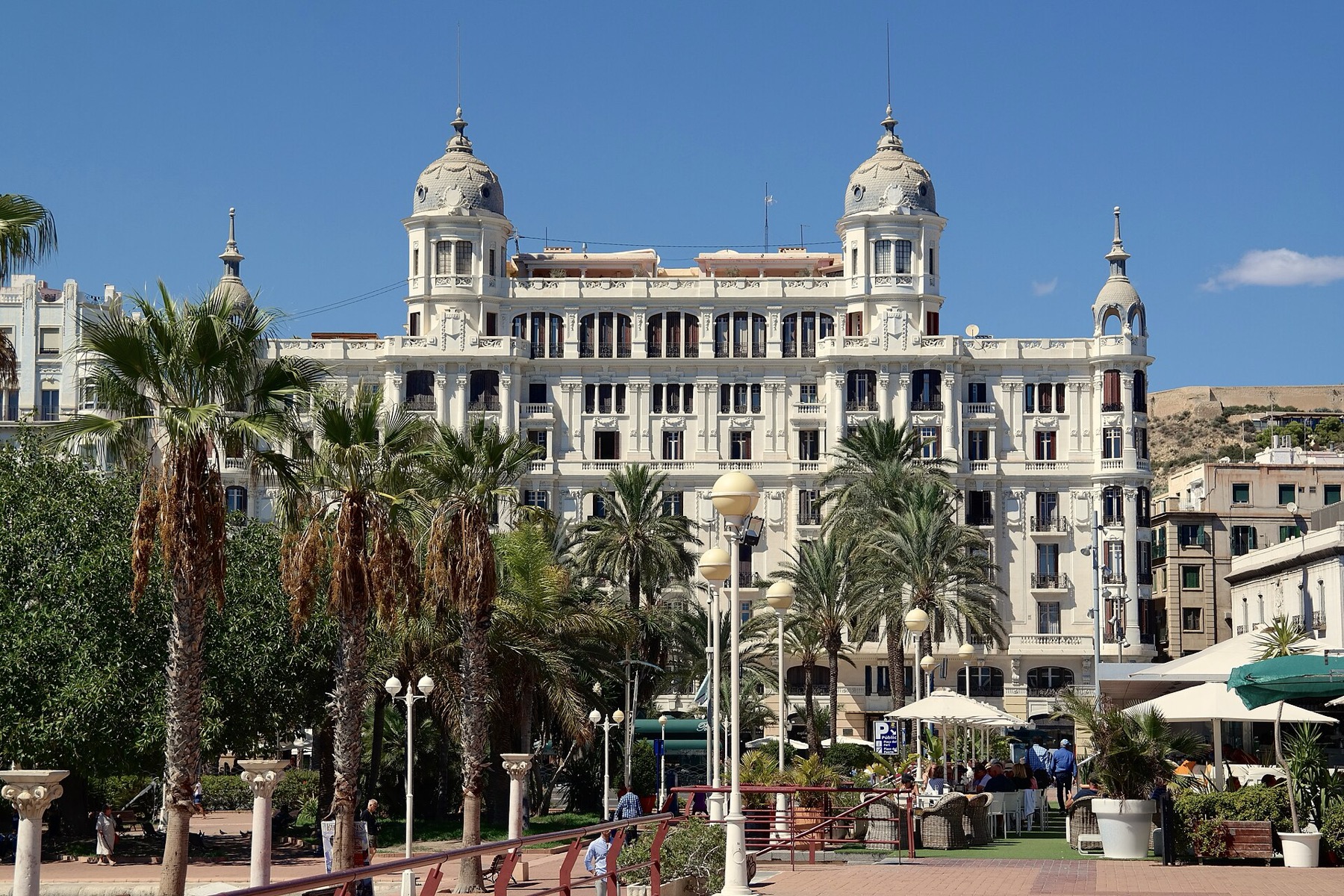
Alicante isn’t just a transit point from the airport, but a fully fledged destination that deserves your attention. From historic monuments through buzzing markets to trips along the entire White Coast, you certainly won’t be bored here.
1. Santa Bárbara Castle
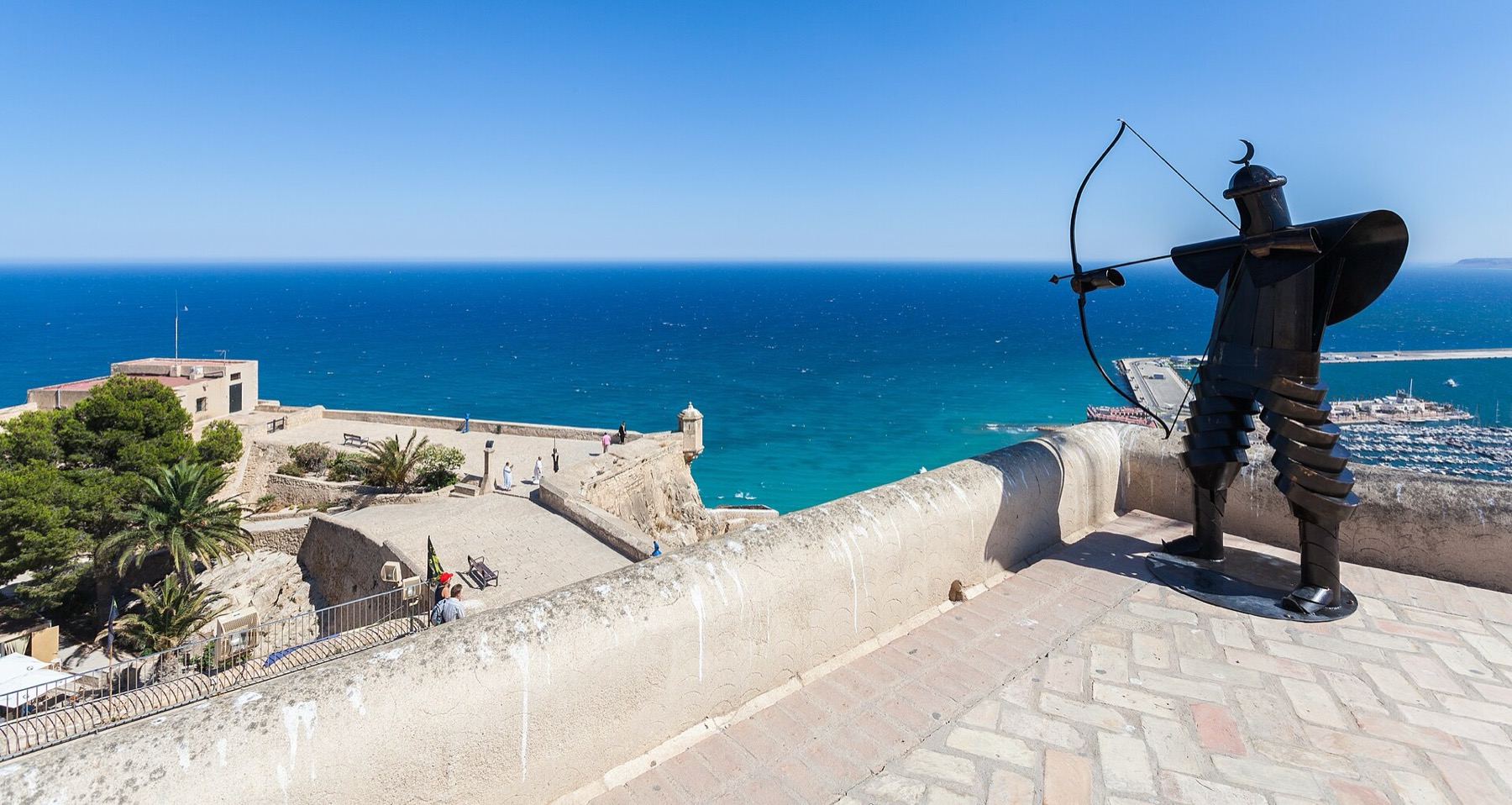
This monumental medieval fortress is one of the largest in all of Spain and rises on Mount Benacantil at a height of 166 metres right above the city centre. Santa Bárbara Castle is the symbolic guardian of Alicante, and its history reaches back to the ninth century, when the Iberian Peninsula was ruled by the Moors. Exploring the vast complex can easily take you two hours, during which you’ll roam the old towers, ramparts and former dungeons.
The climb up can be fairly demanding in the hot months, but luckily there’s an elegant solution. A tunnel runs straight from Postiguet beach to a lift carved into the rock, which takes you all the way to the very top for a small fee. If you’re the sporty type, you can of course hike up the hill on foot through the pretty Ereta park, rewarded by gradually unfolding views.
💡 Tip: The best time to visit the castle is just before sunset. The stone walls turn golden and the view over the city, harbour and endless sea is absolutely magical in this light. Entry to the castle itself is also completely free.
2. The old town of Barrio Santa Cruz
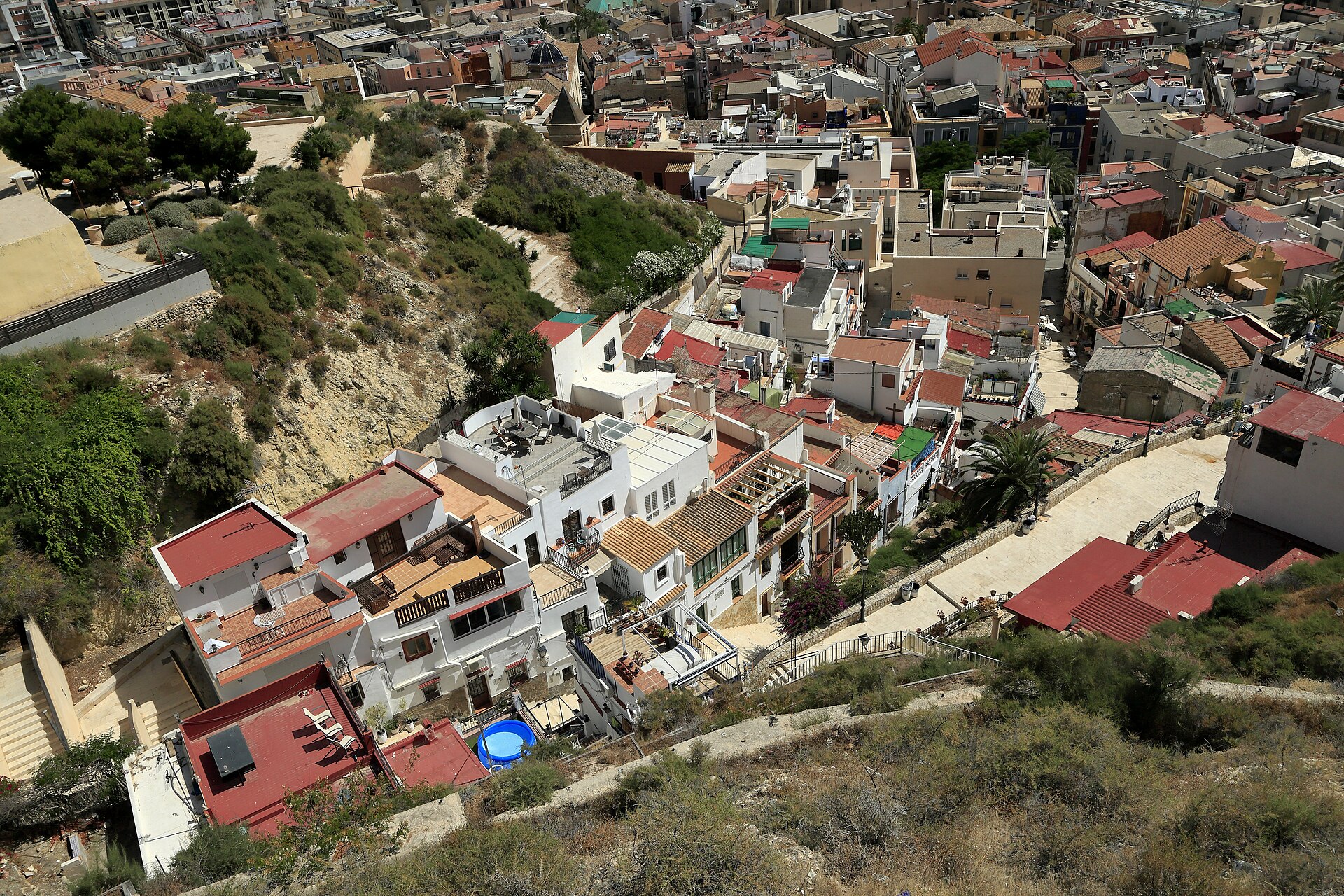
Right at the foot of the castle sprawls the most picturesque and most photogenic quarter in the whole city. Barrio Santa Cruz is a maze of narrow, steep lanes and endless staircases where time stopped many decades ago. The whitewashed façades contrast with the bright blue sky, and almost every window and balcony is literally buried under colourful flowers in hand-painted pots.
As you stroll through the quarter, you’ll feel as though you’ve landed in a small Andalusian village rather than the centre of a busy resort. The locals are rightly proud of their homes and often sit outside on little chairs, chatting with neighbours and soaking up the calm atmosphere. Since no cars can enter, there’s a wonderful silence broken only by the clinking of dishes and the barking of dogs.
Don’t forget comfortable shoes, because walking up all those steps is a bit of a workout. At the top of the quarter stands the little chapel of Ermita de Santa Cruz, offering another lovely, if slightly lower, view over the city. It’s also the starting point for the solemn and deeply moving processions held here at Easter.
3. The Explanada de España promenade
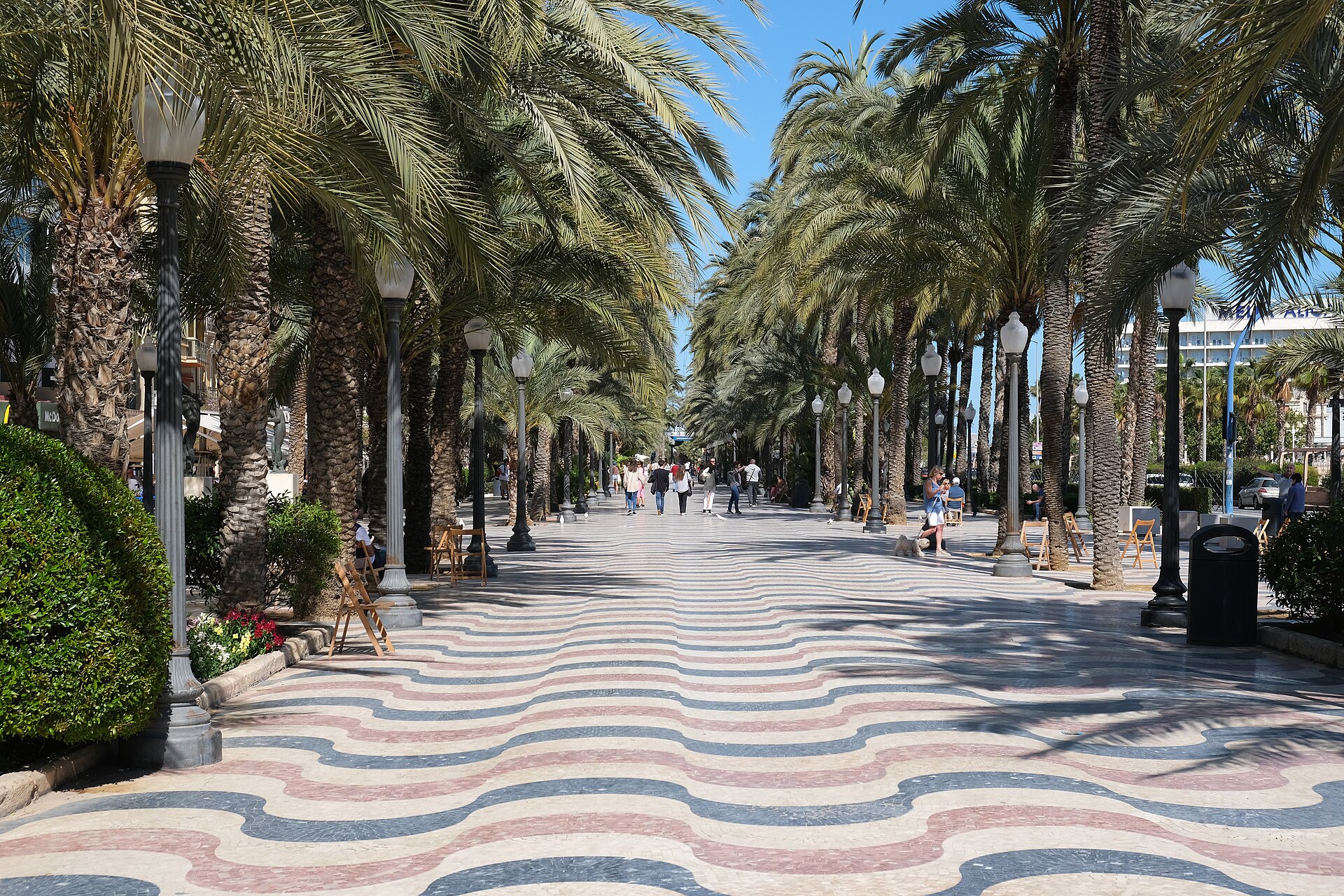
If Alicante has an iconic heart, then it’s undoubtedly this magnificent seafront promenade. The Explanada de España is made up of six and a half million marble tiles laid out in a mesmerising 3D pattern of sea waves in red, white and blue. This elegant artery stretches along the entire harbour and is lined by four rows of towering date palms.
During the day the promenade offers pleasant shade and a cooling sea breeze, making it the ideal spot for an afternoon coffee. You’ll find dozens of cafés, restaurants and little stalls selling local handmade goods. It’s the go-to place where locals come to see and be seen, stroll about and soak up the laid-back atmosphere of the Spanish south.
💡 Tip: Come here for an evening stroll, or “paseo”. In the evening the promenade comes alive with street performers, musicians and families with children, while the nearby bandstand often hosts free open-air concerts. It’s the essence of the Spanish way of life.
4. The city beach of Playa del Postiguet
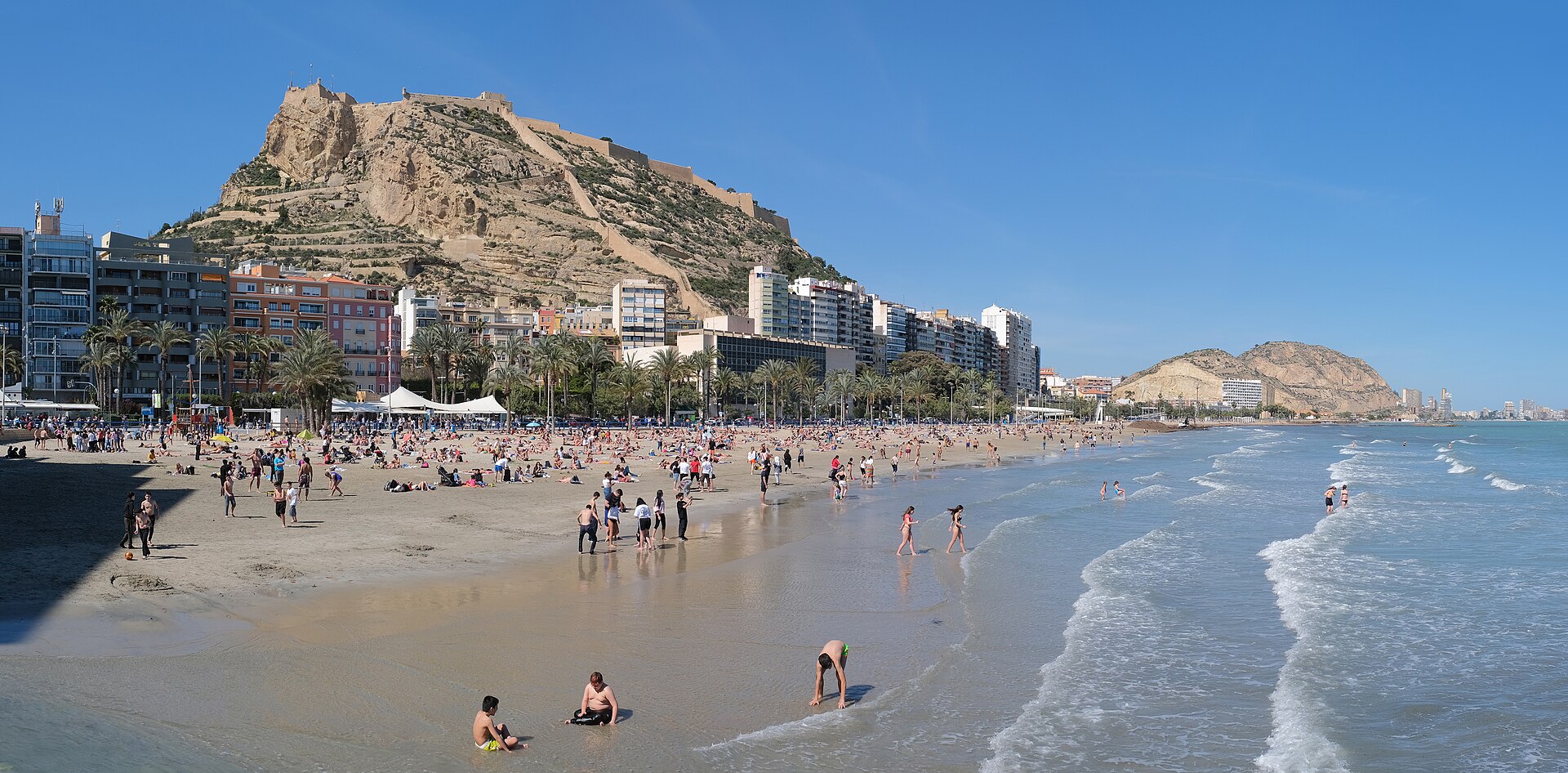
Few big cities can boast such a quality beach right in their historic centre. Playa del Postiguet offers almost a kilometre of fine golden sand and lies literally at the foot of Santa Bárbara Castle. All you have to do is cross the road from the Explanada promenade and you’re at the warm Mediterranean.
Thanks to its location, the beach is hugely popular with both tourists and locals, so in the summer months you have to reckon with it being genuinely busy. Even so, it keeps a high standard of cleanliness, for which it regularly earns the Blue Flag award. The water here is calm and the entry into the sea very gentle, which families with small children especially appreciate.
A beautiful, palm-shaded promenade winds along the whole beach, where you’ll find a string of chiringuitos, the typical Spanish beach bars. You can rent sunbeds and parasols, or simply spread out a towel and enjoy the view of the dominant rock with the castle at your back.
5. The central market of Mercado Central
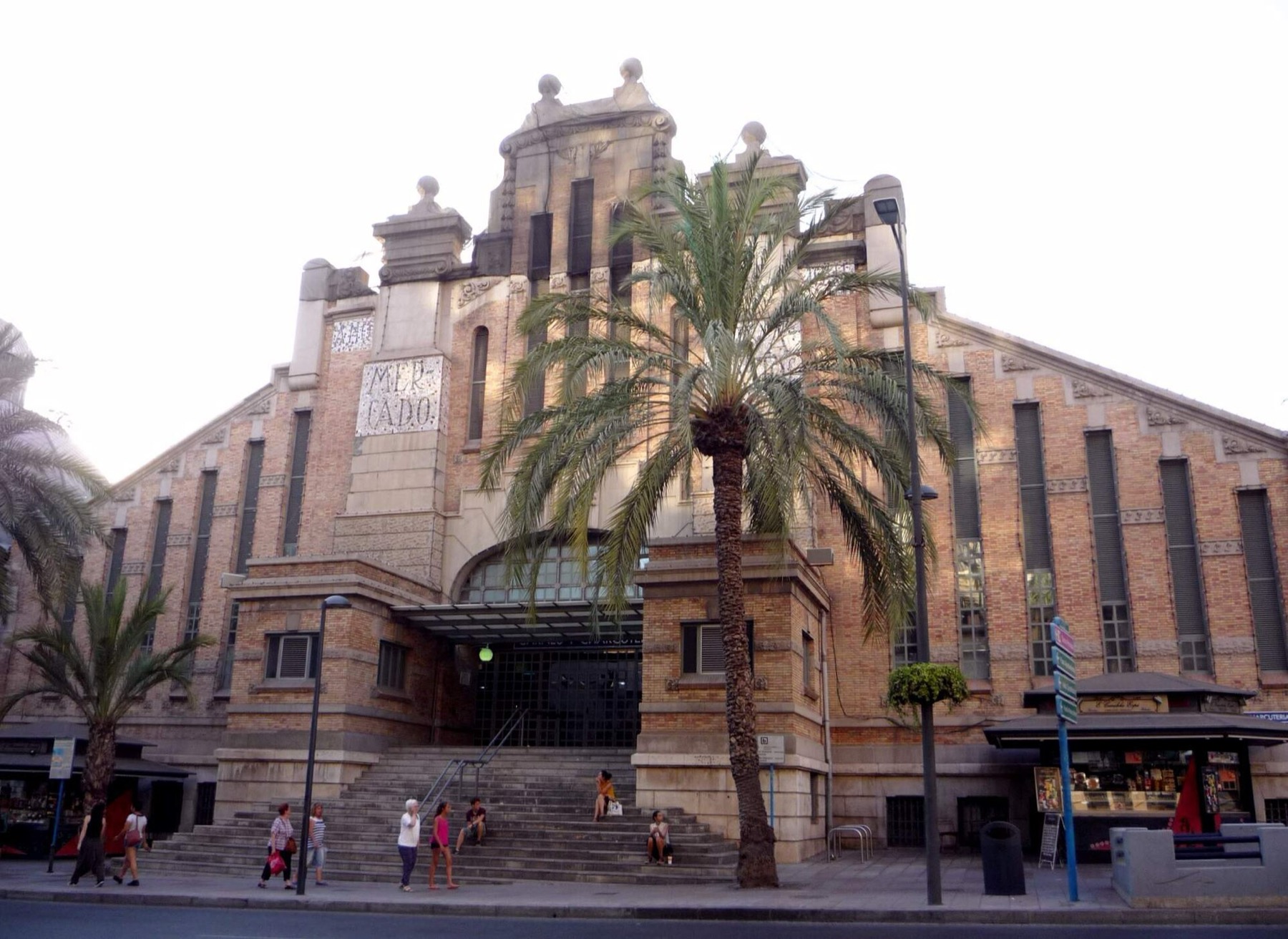
You can plunge into a whirl of colours, aromas and local flavours in this stunning building from the early twentieth century. Mercado Central is a huge two-storey market with modernist touches, whose interior and exterior are both worth an architectural pause. As soon as you step inside, you’re swept up by genuine Spanish temperament, the loud haggling of the vendors and an incredibly varied offer of fresh produce.
The lower floor is largely devoted to local products, where mountains of fresh citrus, local vegetables and excellent Spanish cheeses take centre stage. Local chefs and grandmothers head here early in the morning for fish or the famous jamón, though you can put together a perfect vegetarian picnic full of fragrant tomatoes, olives and freshly baked bread.
💡 Tip: Combine your market visit with a late breakfast or an early lunch. Around the market there are plenty of small tapas bars, where they’ll serve you the freshest local specialities straight from the vendors alongside a chilled beer or glass of wine.
6. San Juan beach (Playa de San Juan)
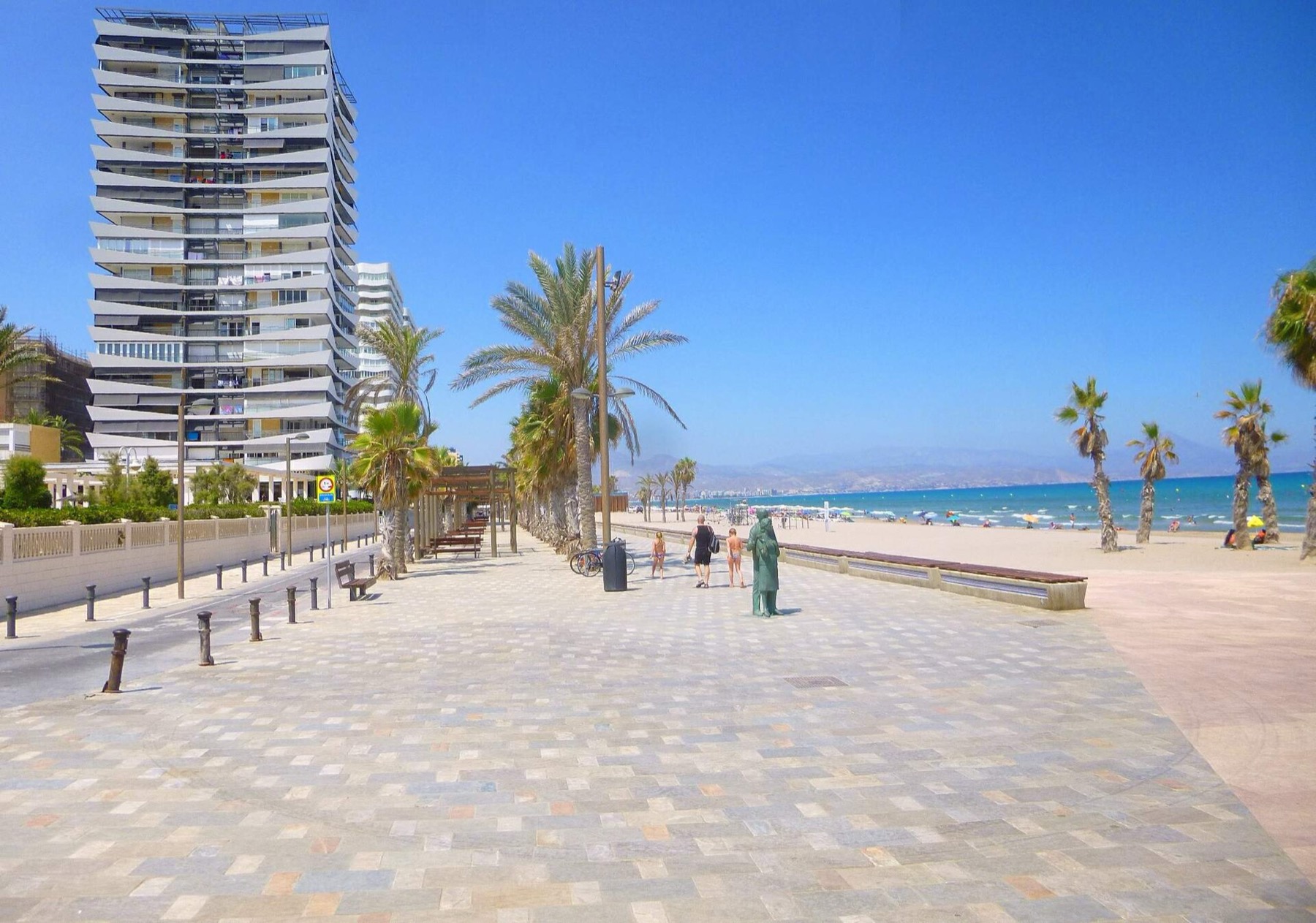
If the city beach feels too small or too crowded, simply hop on the tram and head just out of town. Playa de San Juan is almost seven kilometres long and offers an endless stretch of fine sand that will satisfy even the most demanding beach loungers. Thanks to its enormous size, you’ll always find enough privacy and space for your towel here, even at the height of the season.
This beach is famous for its excellent infrastructure. It’s lined by a wide promenade full of great restaurants, cafés and ice-cream parlours, with beach volleyball courts and outdoor gyms too. The entry into the sea is very gradual and the water crystal clear, which earns the beach a Blue Flag for ecology and cleanliness every year.
Getting here is incredibly easy. The TRAM lines will take you here from central Alicante in under half an hour, very comfortably and cheaply. The tram stops are just a few dozen metres from the sea, so you don’t have to lug your beach gear very far.
7. A boat trip to the island of Tabarca
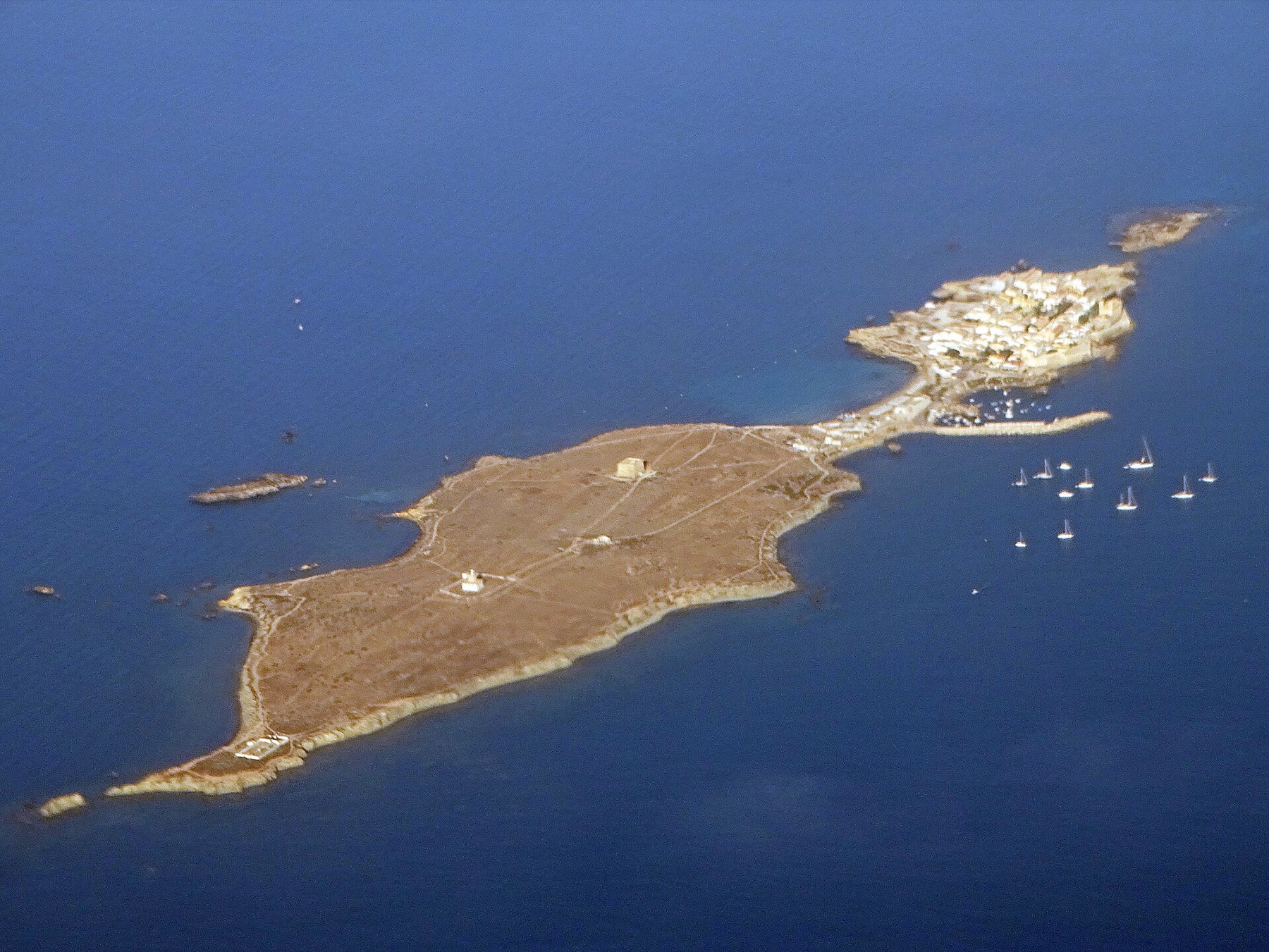
One of the best day trips you can take from Alicante leads to the nearby island of Tabarca. It’s the smallest permanently inhabited island in Spain, measuring barely two kilometres in length. In the past the island served as a refuge for Berber pirates, until in the 18th century King Charles III had it fortified and settled with captives rescued from the Tunisian town of Tabarka.
Today the island is a protected marine reserve, which makes it an absolute paradise for lovers of snorkelling and diving. The water around the island is crystal clear and full of underwater life. After exploring the coves, be sure to head into the fortified village with its picturesque lanes and historic church, where the atmosphere of bygone days washes over you.
Boats to Tabarca sail regularly straight from the harbour in Alicante. The catamaran journey takes about 45 minutes and often features a glass bottom for watching the fish during the crossing. Don’t forget to bring plenty of sunscreen and water, as there’s fairly little shade on the island.
8. Altea – the white pearl of the coast
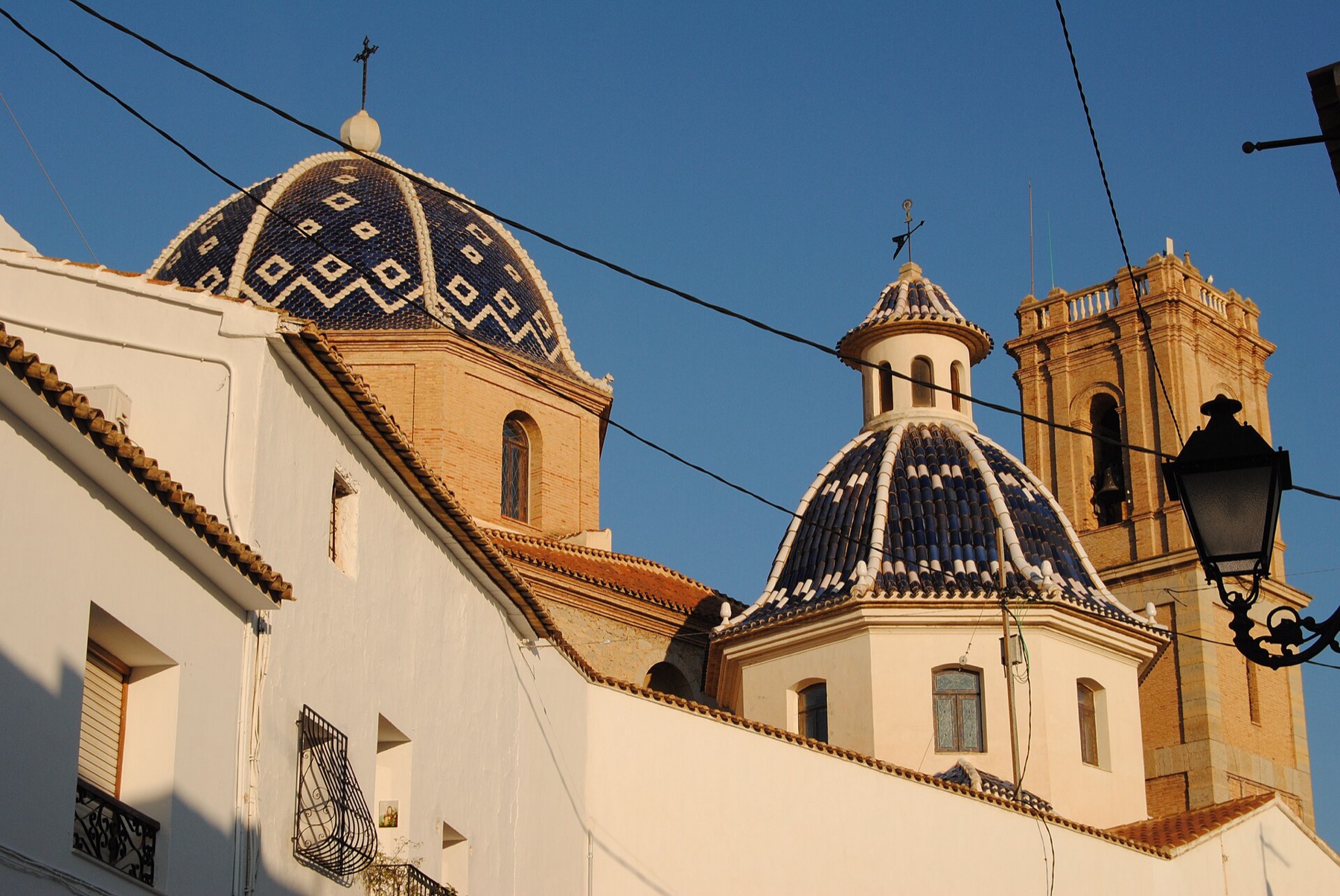
Anyone who prefers the calmer, more poetic face of the coast should head north from Alicante. Altea often, and rightly, gets the label of the most beautiful town on the whole Costa Blanca. Its old town forms a stunning cascade of dazzling white houses climbing up the hill to the dominant Nuestra Señora del Consuelo church with its unmistakable blue domes.
This town is a haven for artists. The narrow, cobbled lanes are literally dotted with small art galleries, craft shops and family-run cafés. Don’t expect any big resorts or wild nightclubs here; Altea carefully guards its bohemian, laid-back atmosphere, which invites slow discovery and soaking up inspiration.
💡 Tip: Once you’ve climbed up to the little main square in front of the church, you’ll be treated to one of the finest panoramic views over the entire Mediterranean. It’s the perfect spot to sit down with a coffee and simply watch the world go by.
9. Calpe and the majestic Peñón de Ifach rock
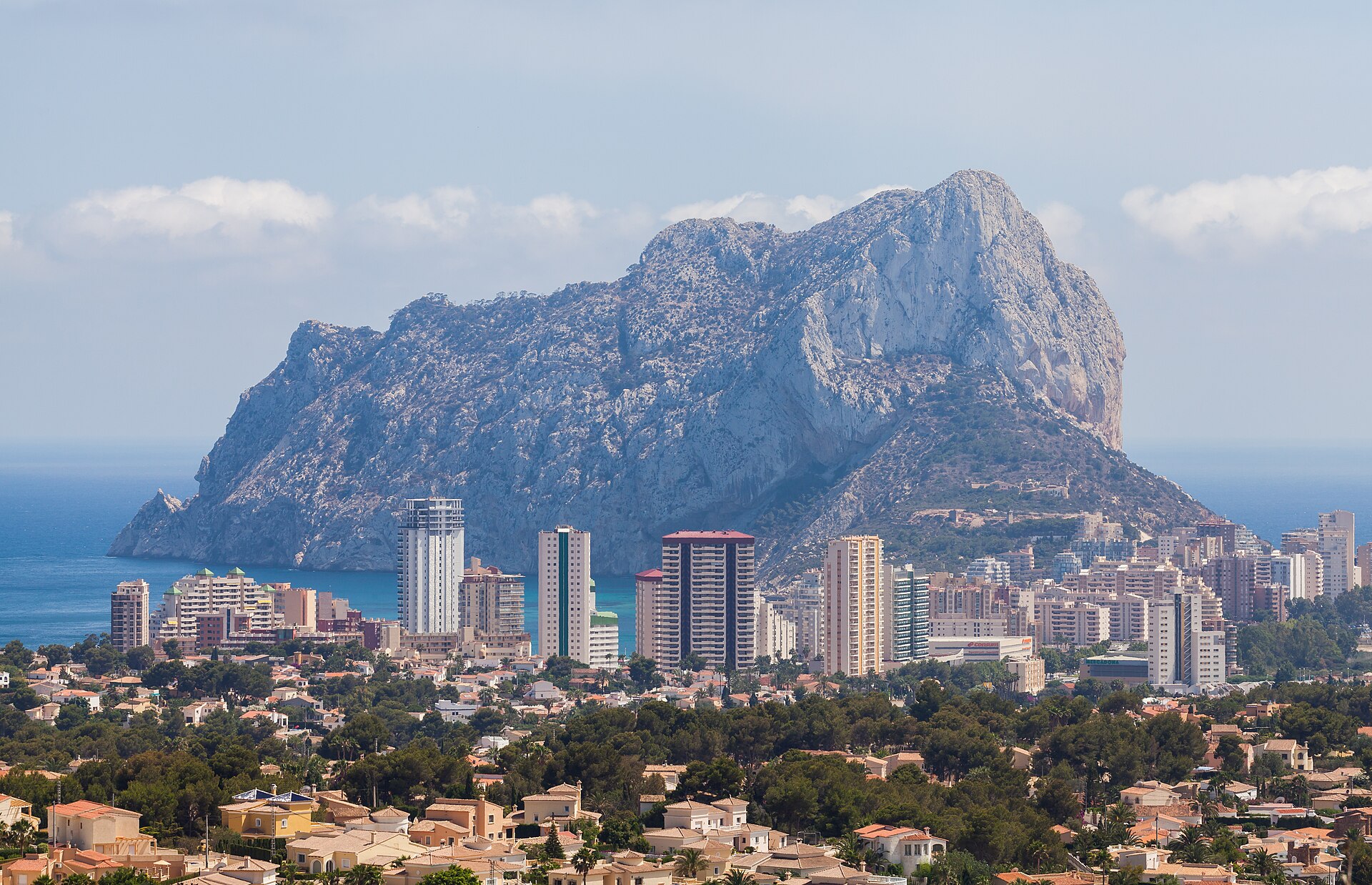
A little further north you’ll come across the resort of Calpe, dominated by a natural feature that’s impossible to miss. The Peñón de Ifach is a massive limestone rock rising 332 metres straight out of the sea, and it’s even declared the smallest nature park in Spain. This “Gibraltar of the Costa Blanca” splits the local coastline into two gorgeous, wide sandy beaches.
For more active travellers, the hike to the very top of this imposing rock is an absolute must. The first half of the route runs through a bored tunnel and is fairly easy, but the second part calls for good footwear and a bit of fitness, since you scramble over slippery rocks with the help of ropes. The views from the summit over the curving coastline and glittering sea have no rivals far and wide.
Besides the rock, it is worth exploring the centre of Calpe too, where you’ll find the remains of the ancient Roman baths of Los Baños de la Reina and a salt lake right in the middle of town, where you can often watch wild flamingos wading undisturbed in the shallow water.

10. Benidorm – skyscrapers and endless fun
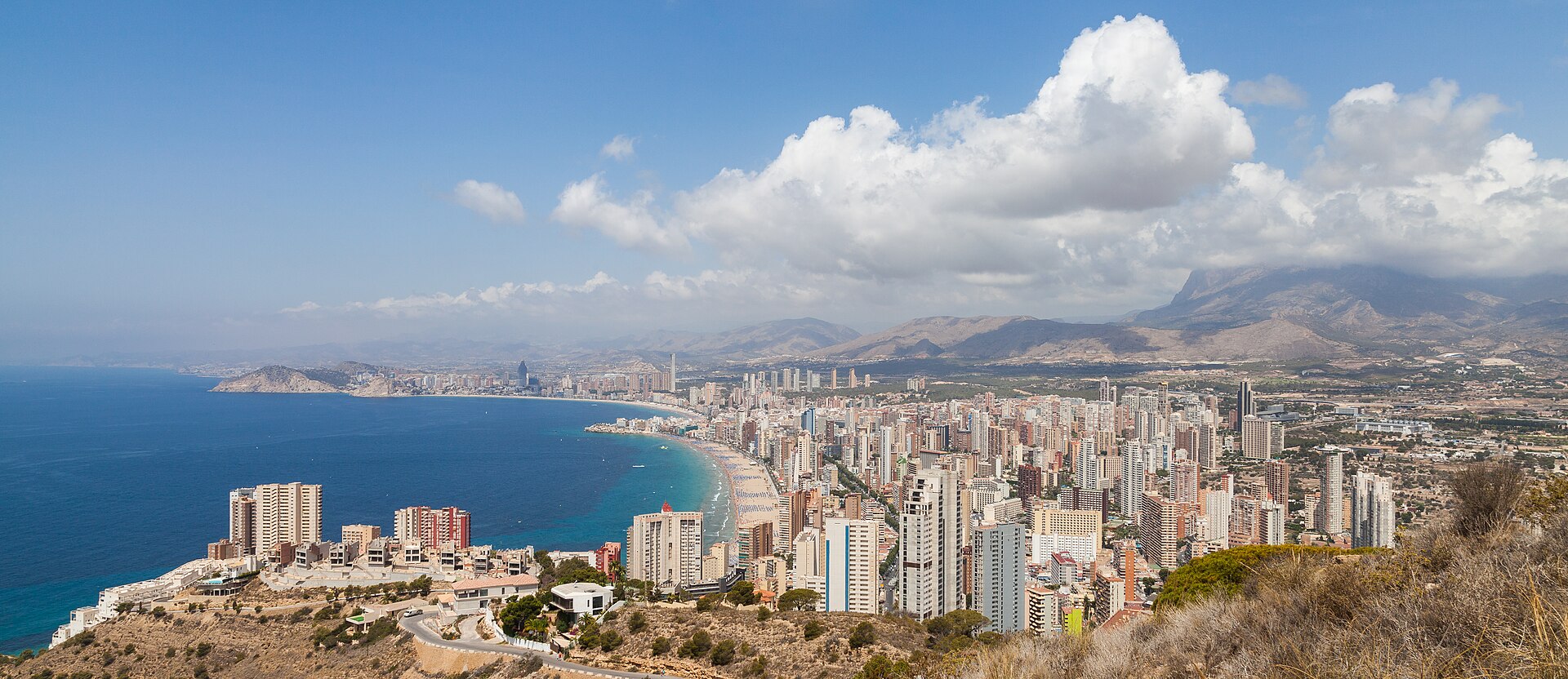
Benidorm is a phenomenon that reliably divides crowds of tourists. A once-peaceful fishing village has become the city with the highest concentration of skyscrapers per capita in the world, often nicknamed the European Manhattan. You’ll find British pubs serving all-day English breakfasts, neon clubs, cabarets and giant amusement parks.
The question often comes up of whether it’s just cheap fun or the ideal family base. The truth is, both are true. Benidorm offers some of the cleanest and widest beaches in Spain, namely Levante and Poniente, with perfect infrastructure. Anyone looking for authentic Spanish villages should give this place a miss, but anyone needing a carefree base with guaranteed entertainment and water parks will be thrilled.
💡 Tip: Even behind its wall of skyscrapers, Benidorm has its picturesque spot. The Balcón del Mediterráneo viewpoint, set on a cliff between the main beaches, offers a stunning sunset view and is beautifully restored in the traditional Andalusian style.
11. The mountain village of Guadalest
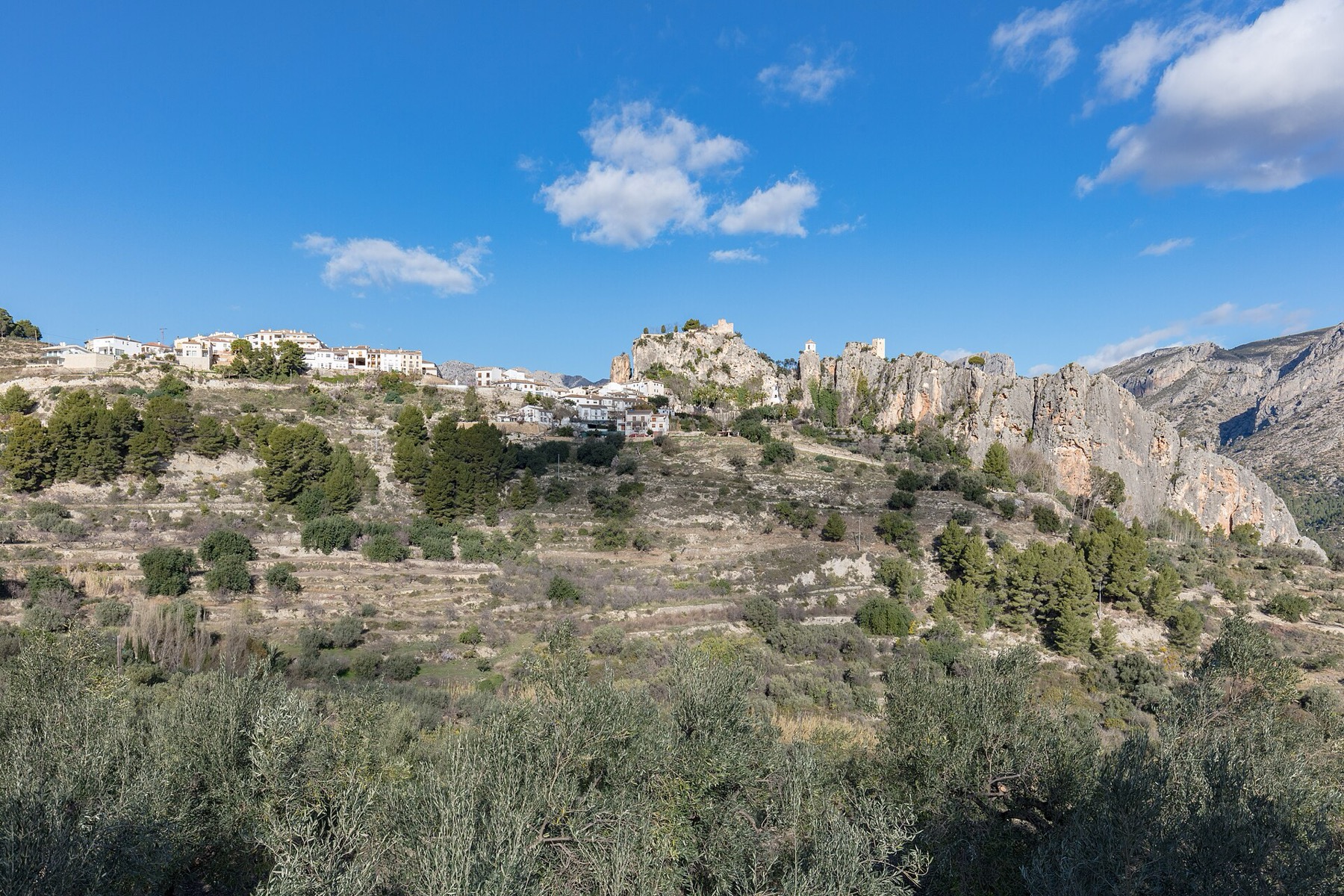
If you want a break from the beach bustle, head inland. Guadalest is one of the most visited mountain villages in Spain and its dramatic setting will literally take your breath away. The village is carved right into the rock, and you can only reach its historic part on foot through a tunnel hewn into the solid stone.
The biggest draw is the local San José castle, from which there’s a phenomenal view over the emerald-green reservoir in the valley below you. The contrast of the bright blue sky, white houses, grey rocks and turquoise water looks like something out of a perfect painting. The village itself has only a few hundred inhabitants, but it will surprise you with its collection of quirky micro-museums.
Here you’ll find, for example, a museum of miniatures, where you can admire the Statue of Liberty in the eye of a needle, or a museum of historic vehicles. The drive from Alicante takes roughly an hour and leads through beautiful, if at times very winding, mountain scenery.
12. Jávea (Xàbia) and the cove of Cala Granadella
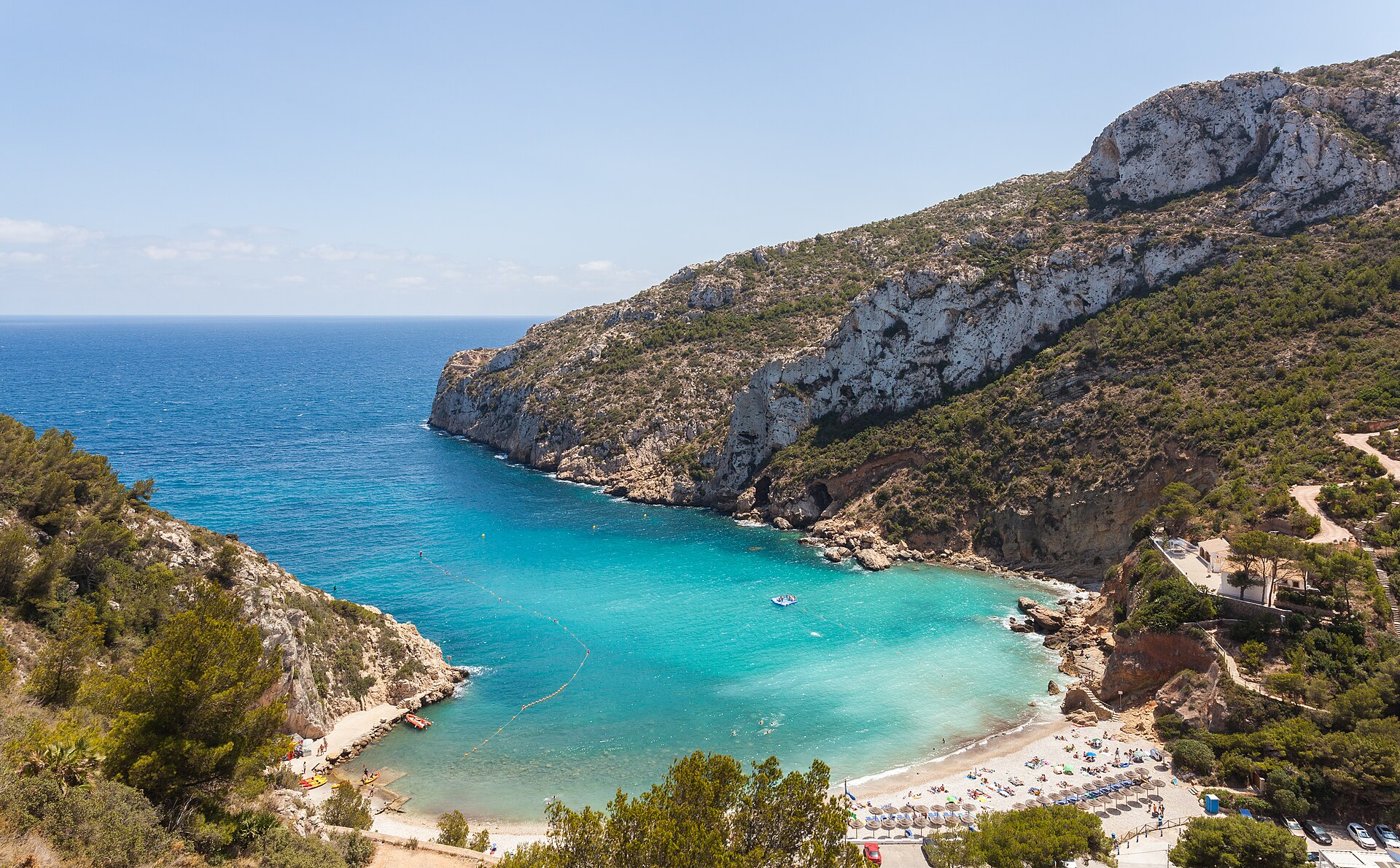
For those who embrace slow travel and are after a more authentic side of the coast, Jávea is a promised destination. The town has managed to keep its historic character, since you won’t find any ugly high-rises here, unlike nearby Benidorm. The historic centre is made up of narrow lanes with Gothic touches and a beautiful fortified church from the fourteenth century.
The area’s greatest treasure, though, is its rugged coastline. Cala Granadella beach, set in a deep cove, regularly wins polls for the most beautiful beach in Spain. It’s surrounded by steep pine-covered cliffs, and thanks to its pebble bed the water here is utterly transparent and ideal for snorkelling.
In the summer months access to this beach is regulated for capacity reasons, so I recommend setting off early in the morning or using the shuttle service run by the local town hall. Besides swimming, the area also offers great hiking trails along the cliffs, from where you can see all the way to the island of Ibiza.
13. Villajoyosa – town of colours and chocolate
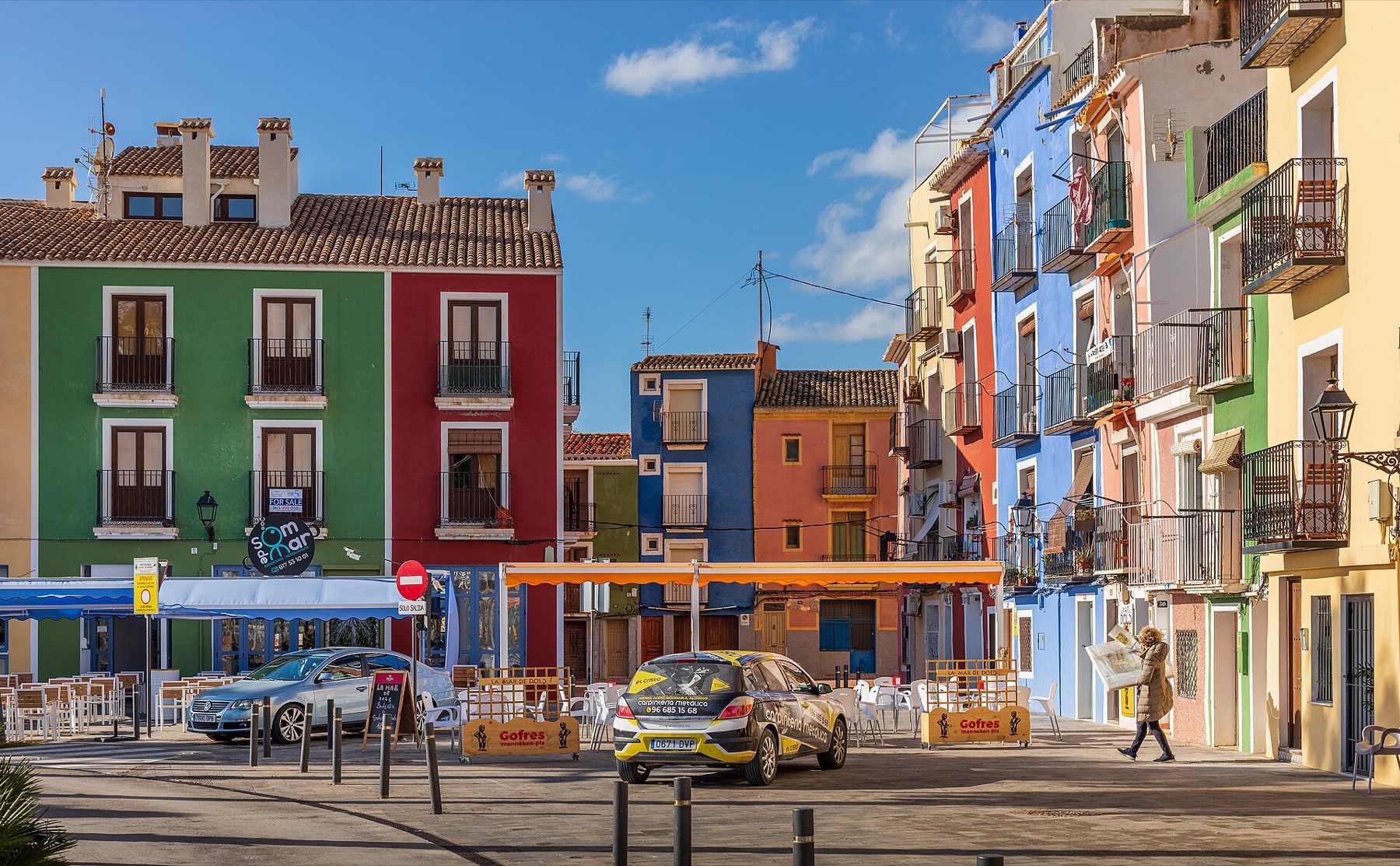
Just a short drive south of Benidorm lies a town you’ll fall in love with at first sight. Villajoyosa, often shortened to just La Vila, is famous for its incredibly colourful houses lining the main beach promenade. According to local legend, fishermen painted their homes in bold colours so they could pick out their house from far out at sea on their way back from a catch.
Besides its photogenic architecture, the town has one more huge and very sweet draw. Villajoyosa is the historic centre of Spanish chocolate production and home to the famous Valor brand. You can visit the free chocolate museum, where you’ll learn everything about processing cocoa beans, and at the end of the tour a generous tasting awaits you.
The local beach is very wide, clean and, unlike its more famous neighbours, even in summer you’ll enjoy a much calmer, more local atmosphere here. It’s the ideal place for a relaxed family afternoon paired with a sweet reward.
14. Dénia and its majestic castle
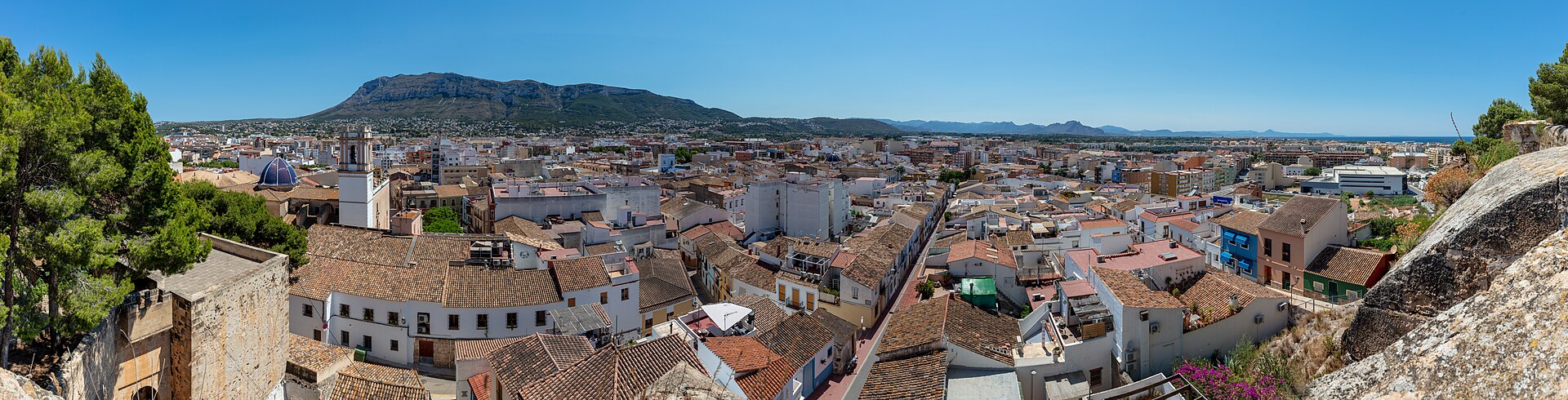
At the very northern tip of the Costa Blanca lies Dénia, a town that blends rich history with buzzing port life. A sprawling Moorish castle from the 11th and 12th centuries towers right above the centre, offering fantastic panoramic views over the town, the sea and the nearby Montgó mountain massif. A walk along its ramparts is like a trip in a time machine.
Dénia is also an important transport hub, because the ferries to the Balearic Islands set off from here, with the crossing to Ibiza taking just a little over two hours. If you have enough time, you can easily combine your mainland holiday with a visit to these famous islands.
The town also holds the title of UNESCO Creative City of Gastronomy. Its historic centre is full of excellent restaurants and tapas bars, where you can savour the finest local produce. You can comfortably reach Dénia all the way from Alicante on the scenic ride of line 9 on the local TRAM network.
15. Palmeral de Elche (the palm grove)
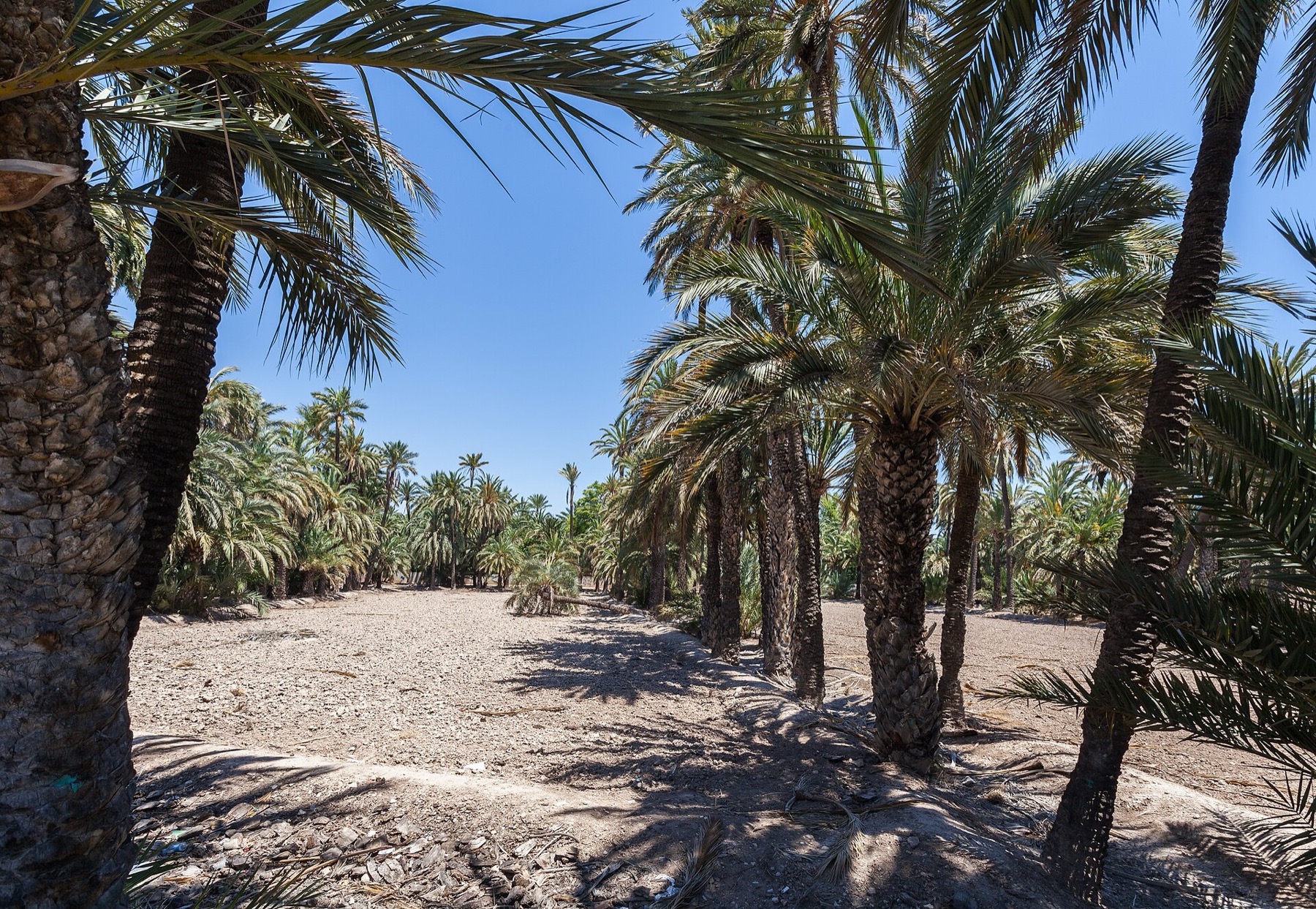
Only about twenty kilometres inland from Alicante there’s a place with no equal in Europe. The Palmeral in the town of Elche is the largest palm grove in Europe, counting more than 200,000 date palms, and it’s rightly listed as a UNESCO World Heritage Site. This unique irrigation system was founded here by the Moors as far back as the tenth century.
The best way to explore this green oasis is to set off on foot along the so-called Palm Route (Ruta del Palmeral). Be sure not to miss the Huerto del Cura botanical garden, home to the famous Imperial Palm with its seven arms, whose shape resembles a giant candelabra.
In the summer months, the shade of thousands of palms provides fantastic, natural cooling from the blazing Spanish sun. You can reach Elche from Alicante very easily and quickly by local train (Cercanías), with the journey taking about half an hour.
16. The Fuentes del Algar springs
If you’re looking for refreshment that has nothing to do with salty seawater, you have to head to the nature reserve near the village of Callosa d’en Sarrià. The Fuentes del Algar are a cascade of gorgeous waterfalls and natural pools of crystal-clear mountain water flowing down here from the surrounding massifs.
The area is superbly set up for visitors. A roughly one-and-a-half-kilometre eco trail with wooden walkways runs along the river, guiding you through the most beautiful natural scenery. Swimming is allowed in many of the pools, but be prepared for the water to be genuinely icy even in the sweltering August heat, guaranteed to wake you up.
💡 Tip: This natural wonder is very popular, so set off first thing in the morning when it opens to avoid the crowds and enjoy the calm sound of the rushing water. There’s a small entrance fee on site, which helps keep this place in perfect condition.
17. Alicante’s marina (Marina Deportiva)
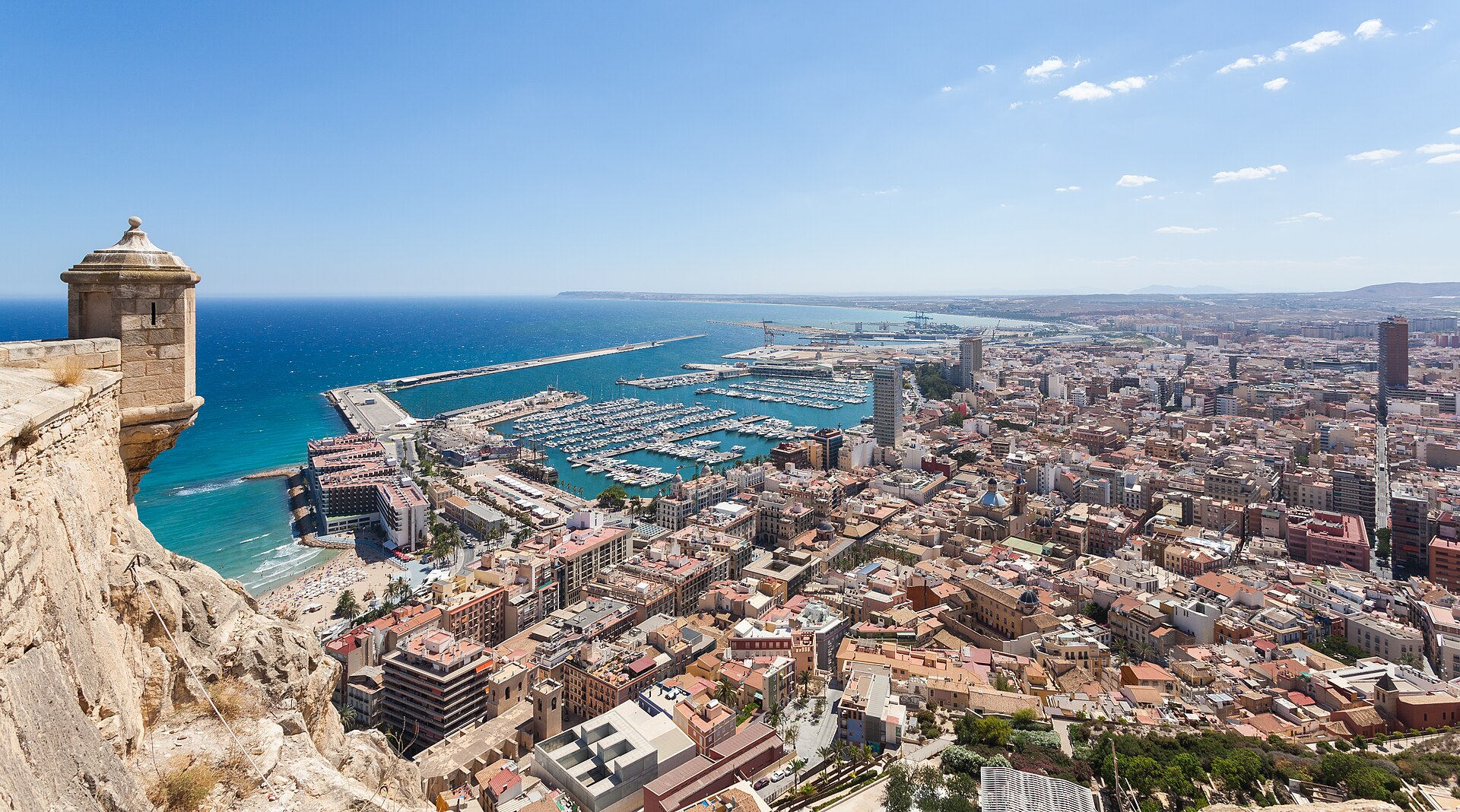
Back in Alicante, you definitely shouldn’t skip the local marina. Marina Deportiva is home to hundreds of luxury yachts and sailing boats bobbing on the calm water right next to the historic centre. It’s a modern and very elegant part of town that flows seamlessly on from the famous Explanada promenade.
The marina functions as a huge entertainment and dining hub. You’ll find two floors full of quality restaurants, cafés, ice-cream parlours and the popular Casino Mediterráneo. By day you can admire the sea view and relax, while at night the whole area turns into a pulsing nightlife centre with music and cocktails.
It’s also a place where you can rent a boat, book a paddleboarding lesson or pay for an evening sunset cruise, which is one of the most romantic experiences you can take home from Alicante.
18. The Co-Cathedral of Saint Nicholas (Concatedral de San Nicolás)
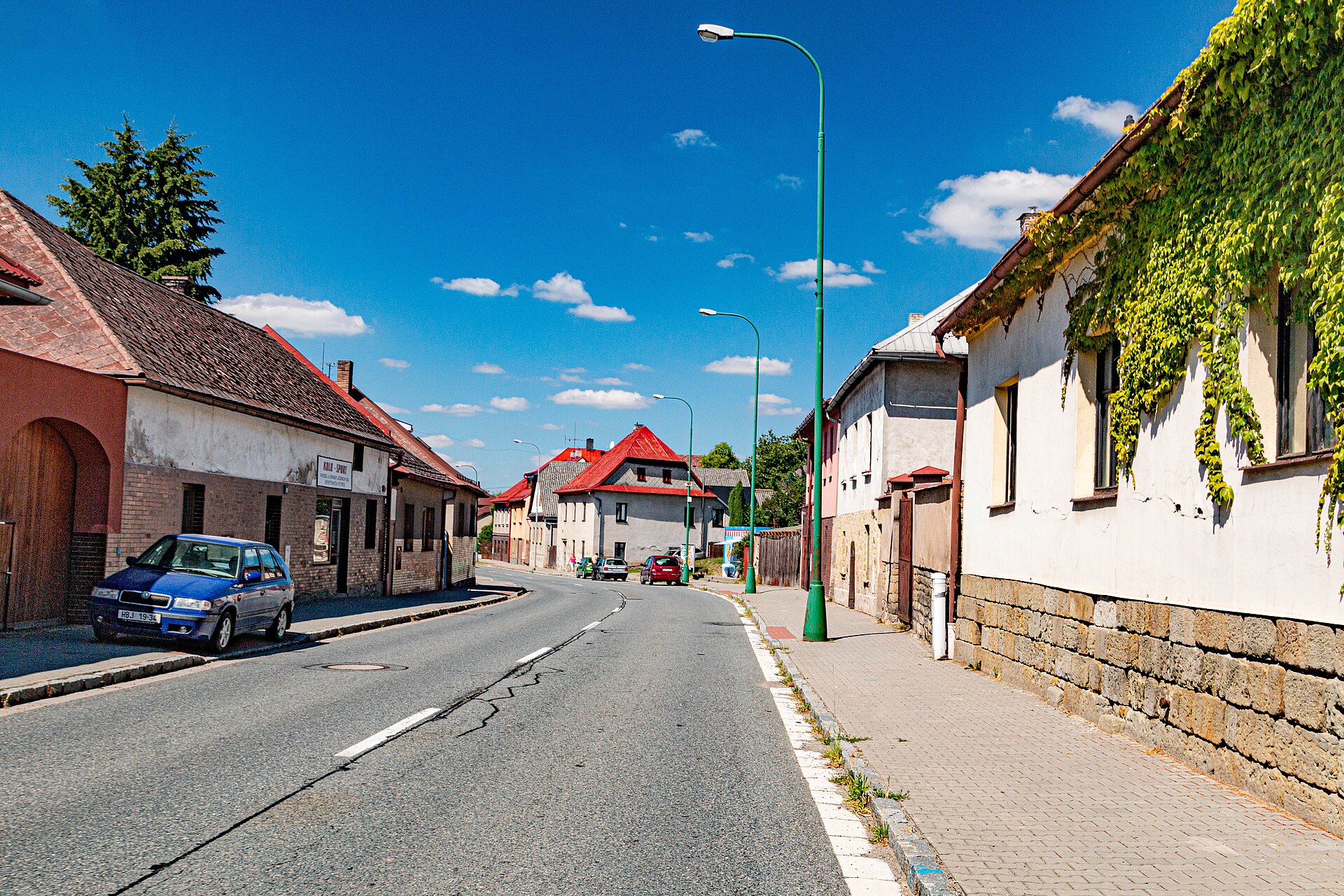
While exploring the narrow lanes of the old town of Barrio Santa Cruz, you’ll come across the city’s main religious building. The Concatedral de San Nicolás looks fairly plain and austere from the outside, since it was built in the strict Renaissance style of so-called Herrerian architecture. Its interior, however, will absolutely amaze you.
The highlight of the interior is the beautiful cloister and the incredibly detailed Chapel of Holy Communion, a masterpiece of Spanish Baroque. The cathedral was built on the foundations of a former mosque after the Christian Reconquista and remains the spiritual centre of the city to this day.
Entry to the cathedral is free, just don’t forget to respect the traditional Spanish siesta, as the church is usually closed to the public over midday. It’s the ideal place for a moment of quiet reflection in the middle of a busy sightseeing day.
19. The MARQ Archaeological Museum
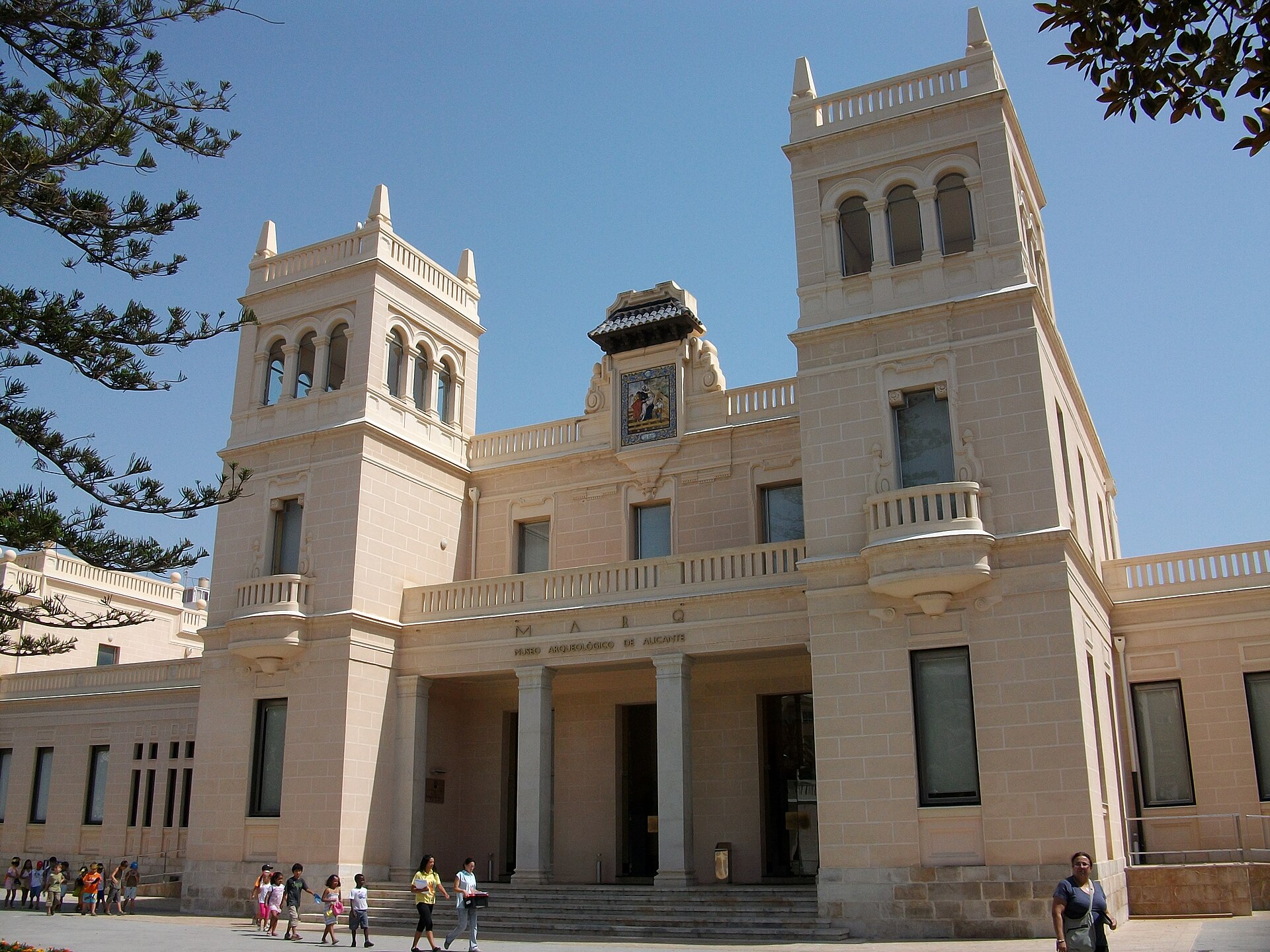
If you think archaeological museums are just dull cases full of dusty shards, MARQ in Alicante will quickly change your mind. This museum was named the best European museum of the year and boasts a genuinely innovative and highly interactive approach to the history of the entire Costa Blanca region.
The exhibition takes you from the Stone Age through Roman rule to the Middle Ages. Thanks to modern audiovisual technologies, set designs and interactive elements, you’ll feel as though you’re genuinely walking through history. The museum is housed in a beautiful historic former hospital building, and the design of the exhibition halls themselves is very impressive.
It’s the perfect backup plan in case of unexpected rain, or a great way to escape the scorching midday sun. The exhibits are superbly explained and the museum surprisingly entertains children too.
20. Local gastronomy and authentic paella
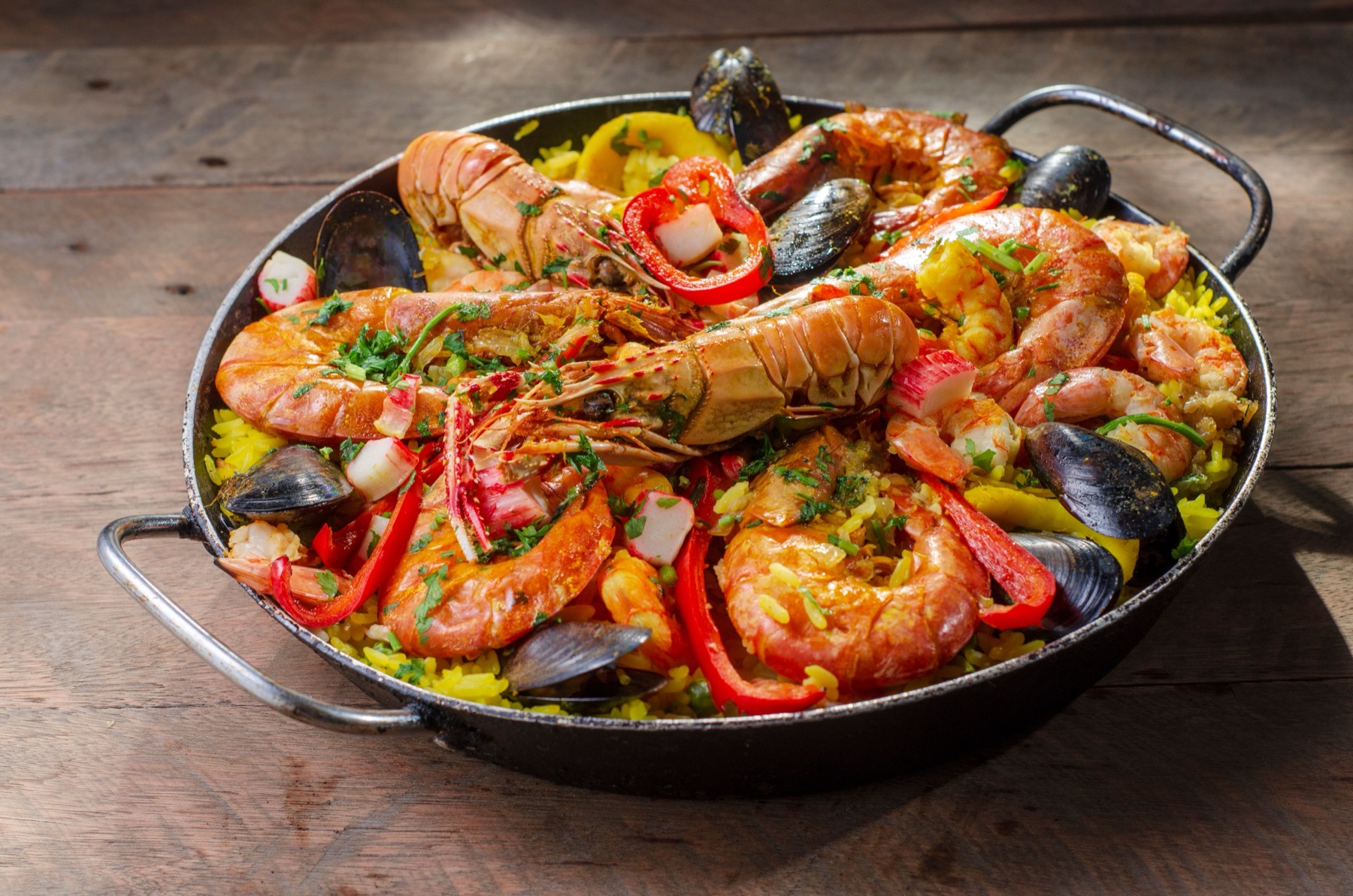
A visit to this region wouldn’t be complete without a deep dive into the local culinary scene. Neighbouring Valencia, and with it the whole Costa Blanca, is the indisputable cradle of authentic paella. Even though the rest of the world thinks paella is made primarily with seafood, that drives the local cooks to pure despair. Traditional paella valenciana actually originated as a dish for poor field workers.
The original recipe NEVER contains prawns or mussels. Authentic paella valenciana is cooked with chicken and rabbit, green and white beans, and saffron. But if, like us, you’re not big on meat, don’t despair. Most traditional arrocerías (restaurants specialising in rice) can whip up a perfect vegetarian version full of fresh vegetables, keeping what matters most – the smoky flavour of wood-fire cooking and the crispy caramelised crust at the bottom of the pan called socarrat.
Besides paella, you’ll come across rice cooked in a rich broth called arroz a banda, or a dish called fideuà, which is prepared similarly but where short pasta takes the leading role instead of rice. Be sure to try the local tapas in their vegetarian versions, such as patatas bravas with a spicy sauce, grilled aubergine with honey, or the refreshing tiger-nut drink called horchata. For more inspiration, read our guide to typical Spanish food.
Where to go next from Alicante
Alicante is a fantastic starting point for exploring other parts of Spain. Thanks to excellent train connections, several tempting options are on offer:
- Valencia: Spain’s third-largest city, with its breathtaking City of Arts and Sciences, is just under two hours away on a comfortable train.
- Madrid: Thanks to the AVE high-speed trains, you can reach the capital in an incredible hour and fifty minutes. Perfect for a weekend getaway!
- Málaga: If the more southern vibe appeals to you and you want to explore sunny Andalusia, Málaga is a great start.
- 20 most beautiful places in Andalusia – itinerary and map: Planning a road trip? Check out our detailed itinerary across the whole of southern Spain.
- Ibiza: Ferries sail from nearby Dénia straight to this famous island, so you can easily combine the mainland with the Balearics.
- Barcelona: If you have more time, you can take the train along the coast all the way to the Catalan capital full of Gaudí’s architecture.
Frequently asked questions
How do I get from Alicante airport to the city centre?
Alicante-Elche Airport (ALC) is located just about 9 kilometres from the city. The easiest and cheapest option is to take the blue C6 bus, which runs every twenty minutes and takes you directly to the main railway station or to Plaza de los Luceros square. The journey takes about twenty minutes and you can buy your ticket directly from the driver.
Is a holiday in Alicante expensive?
Compared to Barcelona, Madrid or the Balearic Islands, Alicante and the entire Costa Blanca remain a very affordable destination. You can find excellent daily set menus (menú del día) in restaurants for very reasonable prices, and travel on the local tram is incredibly cheap. Accommodation prices naturally rise dramatically during July and August.
How many days do I need to visit Alicante?
For the city of Alicante itself and its main sights, two full days will be perfectly sufficient. However, if you want to explore the surrounding beaches, take a trip to Tabarca Island, or ride the tram to Altea and Calpe, I recommend setting aside at least five to seven days for the entire region.
Do I need a rental car on the Costa Blanca?
Definitely not if you want to stick close to the coast. Alicante and the surrounding resorts are excellently connected by the modern TRAM d’Alacant network, which takes you to Benidorm, Calpe and Dénia with beautiful sea views from the window. A car is only worthwhile if you want to explore more remote mountain villages, such as Guadalest.
Are there sandy beaches in Alicante?
Yes, Alicante and its surroundings are famous for their gorgeous beaches with fine golden sand. Right in the city centre you’ll find the urban Postiguet beach, and just outside the city stretches the seven-kilometre-long, absolutely fantastic sandy San Juan beach with a very gentle entry into the sea.
Is there a tourist tax in Alicante?
Unlike many other Spanish regions, Valencia and the Costa Blanca have long postponed introducing a tourist tax. The originally planned charge was suspended after the last elections, so currently no tax is payable. Before travelling in 2026, however, it’s best to check the current status with your accommodation provider, as the rules can change quickly.
Is tap water in Alicante drinkable?
Yes, tap water throughout Spain and in Alicante is safe and drinkable. However, due to the high mineral content and the specific desalination process, it can have a somewhat peculiar, slightly chlorinated taste that many tourists aren’t used to. For regular drinking, many people therefore prefer to buy bottled water in supermarkets.
Tips and Tricks for Your Vacation
Don’t Overpay for Flights
Search for flights on Kayak. It’s our favorite search engine because it scans the websites of all airlines and always finds the cheapest connection.
Book Your Accommodation Smartly
The best experiences we’ve had when looking for accommodation (from Alaska to Morocco) are with Booking.com, where hotels, apartments, and entire houses are usually the cheapest and most widely available.
 🚗 Car rental on the roadVerified rental cars in Spain
Search with the DiscoverCars comparison engine — it compares prices from dozens of local and international rental companies, and most bookings come with free cancellation.
Compare car prices in Spain →Don’t Forget Travel Insurance
Good travel insurance will protect you against illness, accidents, theft, or flight cancellations. We’ve had a few hospital visits abroad, so we know how important it is to have proper insurance arranged.
Where we insure ourselves: SafetyWing (best for everyone) and TrueTraveller (for extra-long trips).
Why don’t we recommend any Czech insurance company? Because they have too many restrictions. They set limits on the number of days abroad, travel insurance via a credit card often requires you to pay medical expenses only with that card, and they frequently limit the number of returns to the Czech Republic.
Find the Best Experiences
Get Your Guide is a huge online marketplace where you can book guided walks, trips, skip-the-line tickets, tours, and much more. We always find some extra fun there!


