

Norway is a vast country full of deep fjords, steep mountains and endless forests, and quite simply the best way to explore it is under your own steam. If you’re wondering how to reach the most beautiful viewpoints and remote trailheads, driving in Norway is by far your best option, because it gives you the absolute freedom to stop exactly where you fancy. Before you put your foot down, though, it’s worth preparing for a few local quirks.
Norwegian roads may be in perfect condition, but thanks to the water and mountains everywhere, you’ll encounter plenty of ferries and toll gates. Distances also take far longer than they seem at first glance on a map. Let’s take a look together at everything you need to know before your trip, from renting a car to suggested itineraries, so you can enjoy the Nordic landscape to the fullest and stress-free.
TL;DR
- A car is a must: For trips to picturesque fjords and the starting points of treks, a car is ideal, but trains and domestic flights work brilliantly between the big cities.
- Tolls aren’t paid in cash: Everything runs automatically via the AutoPASS or EPC system, with the bill arriving after your trip or being charged directly through your rental company.
- Ferries work like bridges: They routinely connect roads across the water; a ticket for a car costs 150 to 300 NOK (roughly £11–£22) and is paid by card or chip.
- Don’t rush: The maximum speed limit outside built-up areas is usually 80 km/h and fines for speeding in Norway are absolutely astronomical.
- Electric mobility reigns: Norway has the densest charging network in the world, so renting an electric car is hugely worthwhile here and can save you a lot of money.
- Fuel prices: If you go with a classic car, brace yourself for petrol and diesel prices of around 21 to 24 NOK per litre (roughly £1.55–£1.75 for 2026).
8 Things You Should Know About Driving in Norway
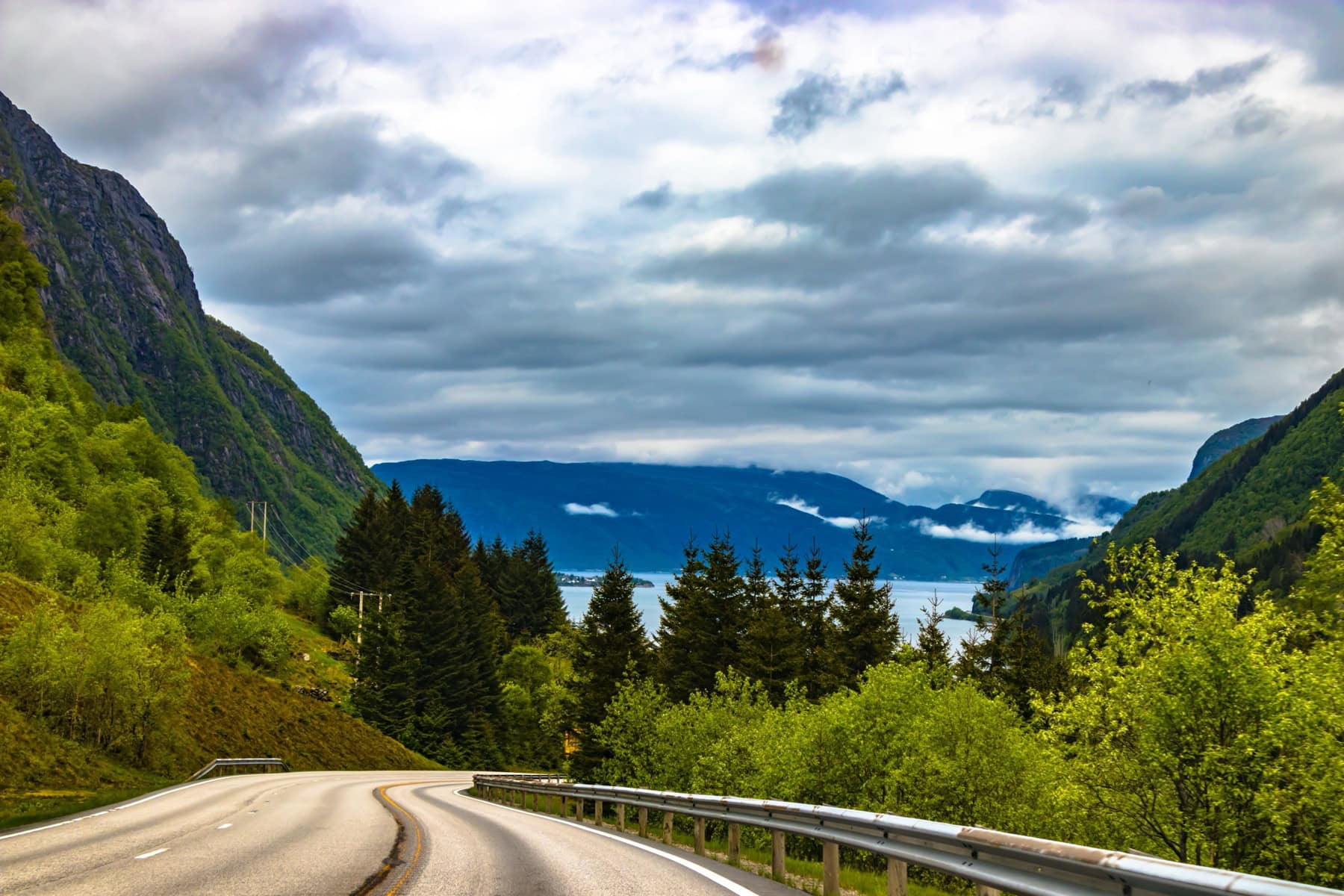
Cruising through the Norwegian landscape is an incredible experience, because around every bend a new breathtaking view opens up over the surface of a fjord or the snow-capped mountain peaks. But so that your holiday runs in complete peace and you’re not caught out by local regulations, I’ve put together the eight most important points you should study carefully before you set off.
1. Renting a car and what to sort out in advance
The most common option is to pick up a car right at the airport, whether you fly into Oslo, rainy Bergen, Stavanger or far-northern Tromsø. I always recommend booking your vehicle well in advance, especially if you’re planning a trip in the summer months, when prices soar and smaller branches often sell out fast. A comparison site like RentalCars will help you find the best deals, but be sure to read all the terms and conditions thoroughly.
💡 Tip: Definitely don’t underestimate insurance and, for peace of mind, arrange full cover with no excess, because repairing even a small scratch from a flying stone chip is extremely expensive in Norway. As a UK driver you don’t need a Green Card any more within the EEA, but watch out for high one-way rental fees if you want to return the car in a completely different city. Also, ask at the desk straight away whether the vehicle comes fitted with a chip for paying tolls.
2. Tolls and the AutoPASS system
In Norway many roads charge tolls, the so-called bompenger, and you might be surprised right off the bat that there are no classic manned booths here. The whole system works completely automatically via modern cameras, which photograph your number plate as you drive through or read a little box mounted behind the windscreen. So you don’t need to brake anywhere and fish for coins in your pockets, you just drive smoothly on.
💡 Tip: If you have a rental car, it’s usually already fitted with the AutoPASS system and the toll amount is simply charged to your payment card after you return the vehicle. If you drive your own car all the way from the UK, it’s a good idea to register with the EPC system before you leave so that invoices reach you correctly at home. Tolls are also charged not only on new motorways and in tunnels, but also when entering larger cities that have introduced special low-emission zones.
3. Fjord ferries as part of the road network
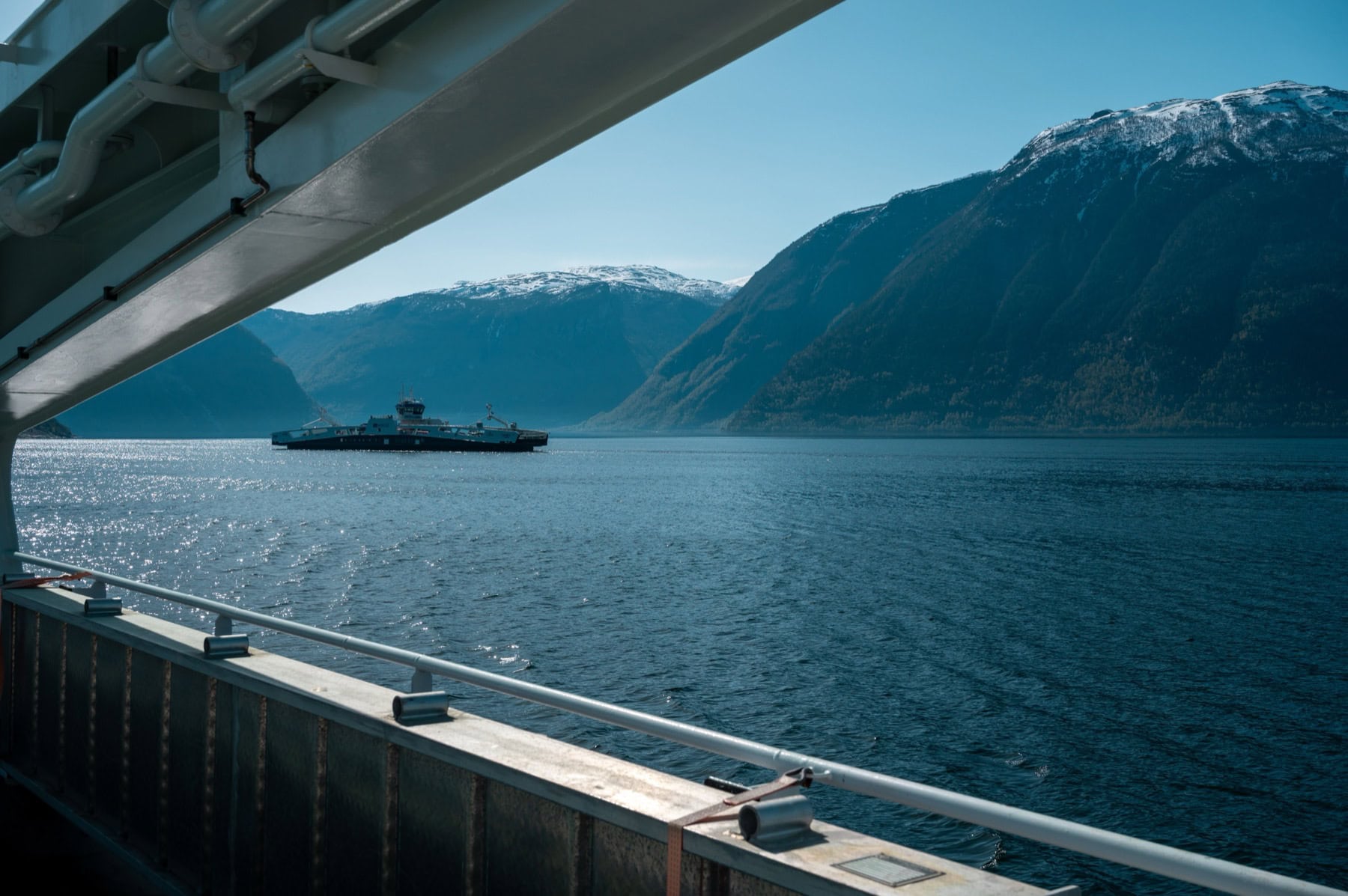
One look at Norway’s complicated map makes it immediately clear that you simply can’t avoid the deep water, and the ferries here essentially work like moving bridges. You’ll often be driving along an amazing road that suddenly ends at the water’s edge, where you dutifully join the lane and wait for the arriving ferry, which safely carries you and your car across to the other bank. A standard ticket for a car with driver comes to roughly 150 to 300 NOK (about £11–£22), depending on how long the particular crossing is.
💡 Tip: For the vast majority of regular ferries you don’t need to book at all in advance, you just turn up at the port and wait in the queue. Payment is very easy — a member of staff with a terminal usually comes right to your window, where you pay by card, or the amount is again automatically deducted via your AutoPASS chip. It’s actually a lovely break in a long drive, because you get to relax, grab a coffee and enjoy the beautiful views straight from the deck.
4. Roads and the National Scenic Routes
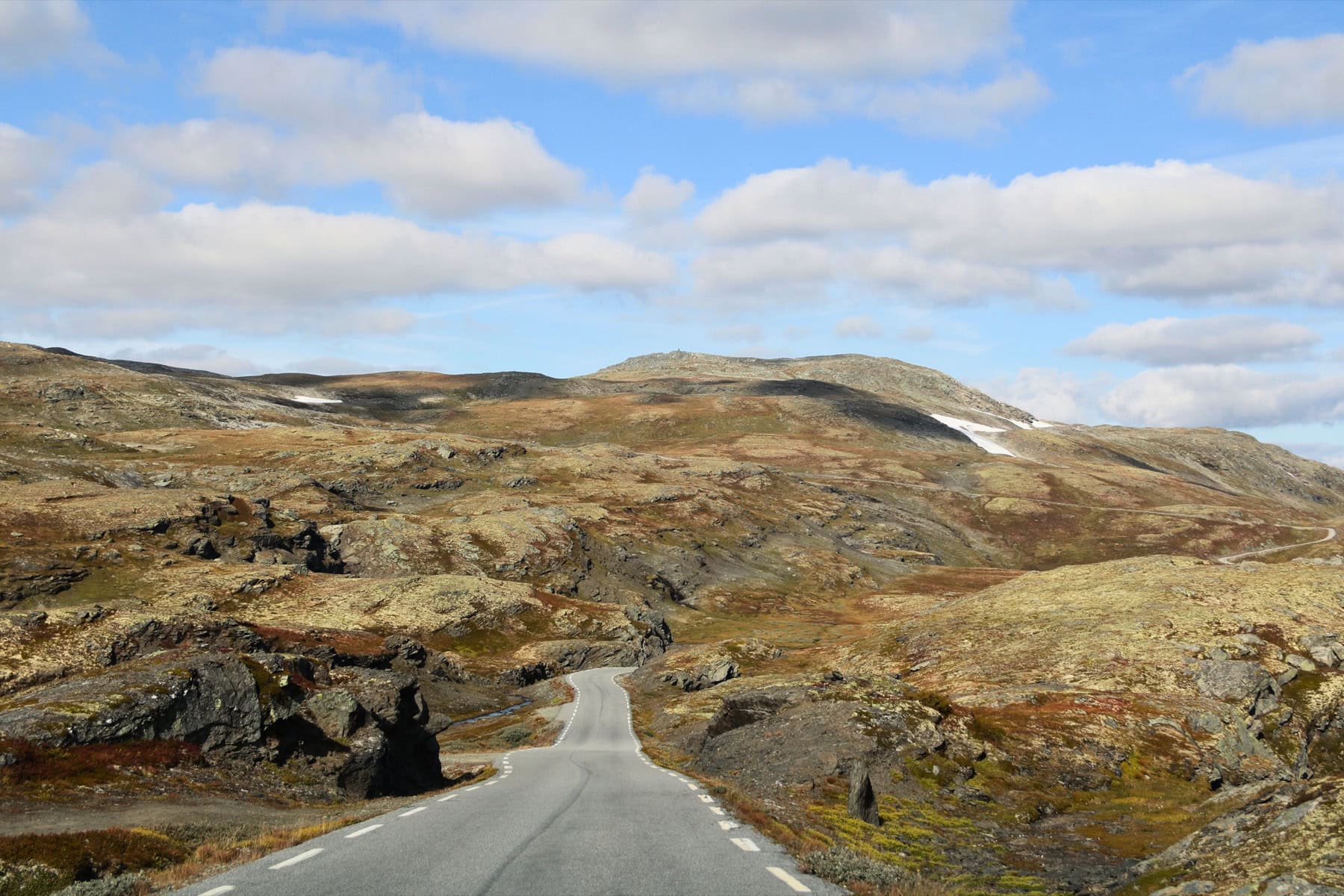
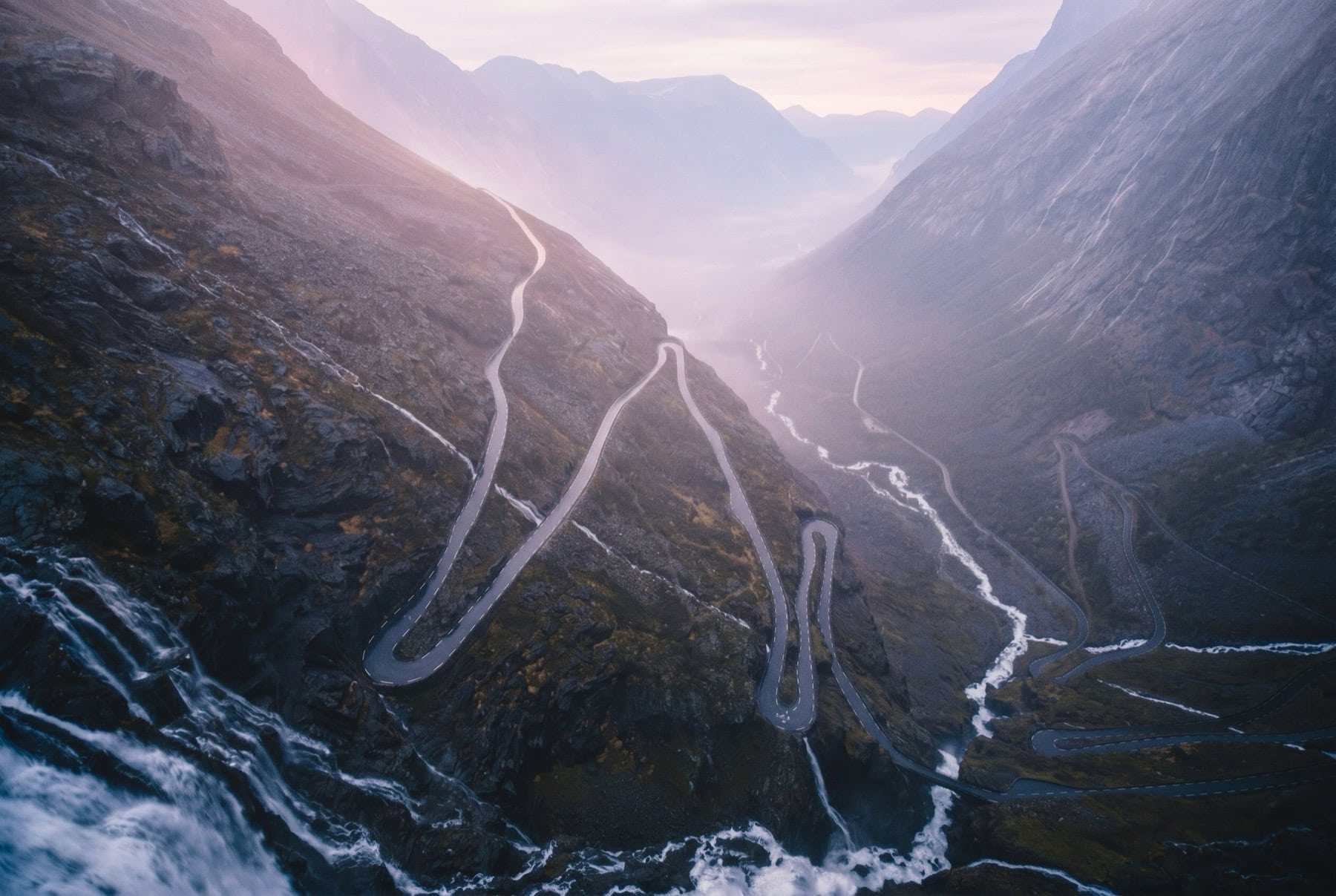
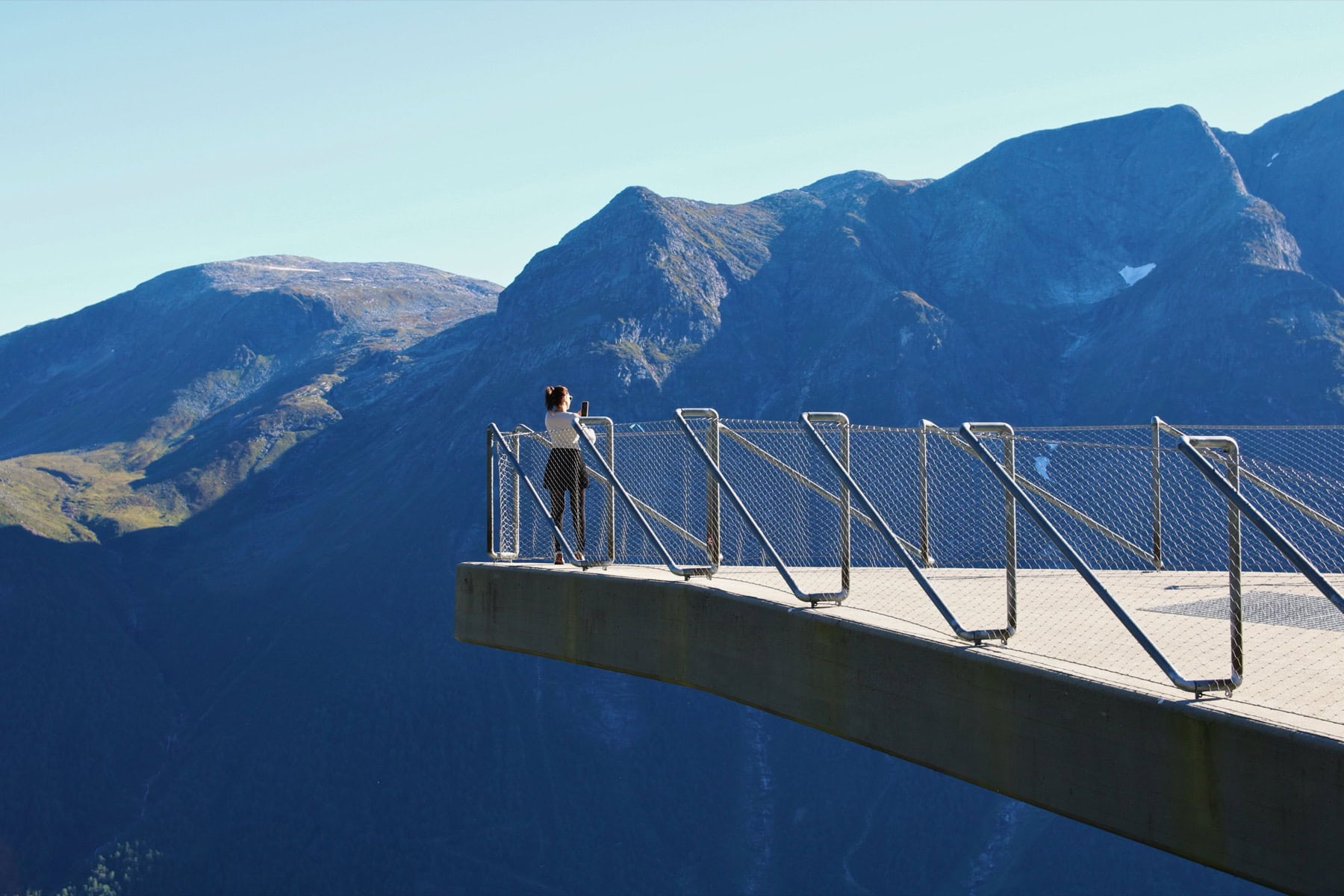
The main road artery cutting through the country from south to far north is the E6 expressway, while on the photogenic Lofoten Islands you’ll most often be cruising the famous E10. But Norway offers something far more spectacular still: eighteen National Tourist Routes, specially designed to guide you through the absolute most beautiful Nordic scenery. Here you’ll find architecturally perfect viewpoints, designer rest stops and stunning waterfalls.
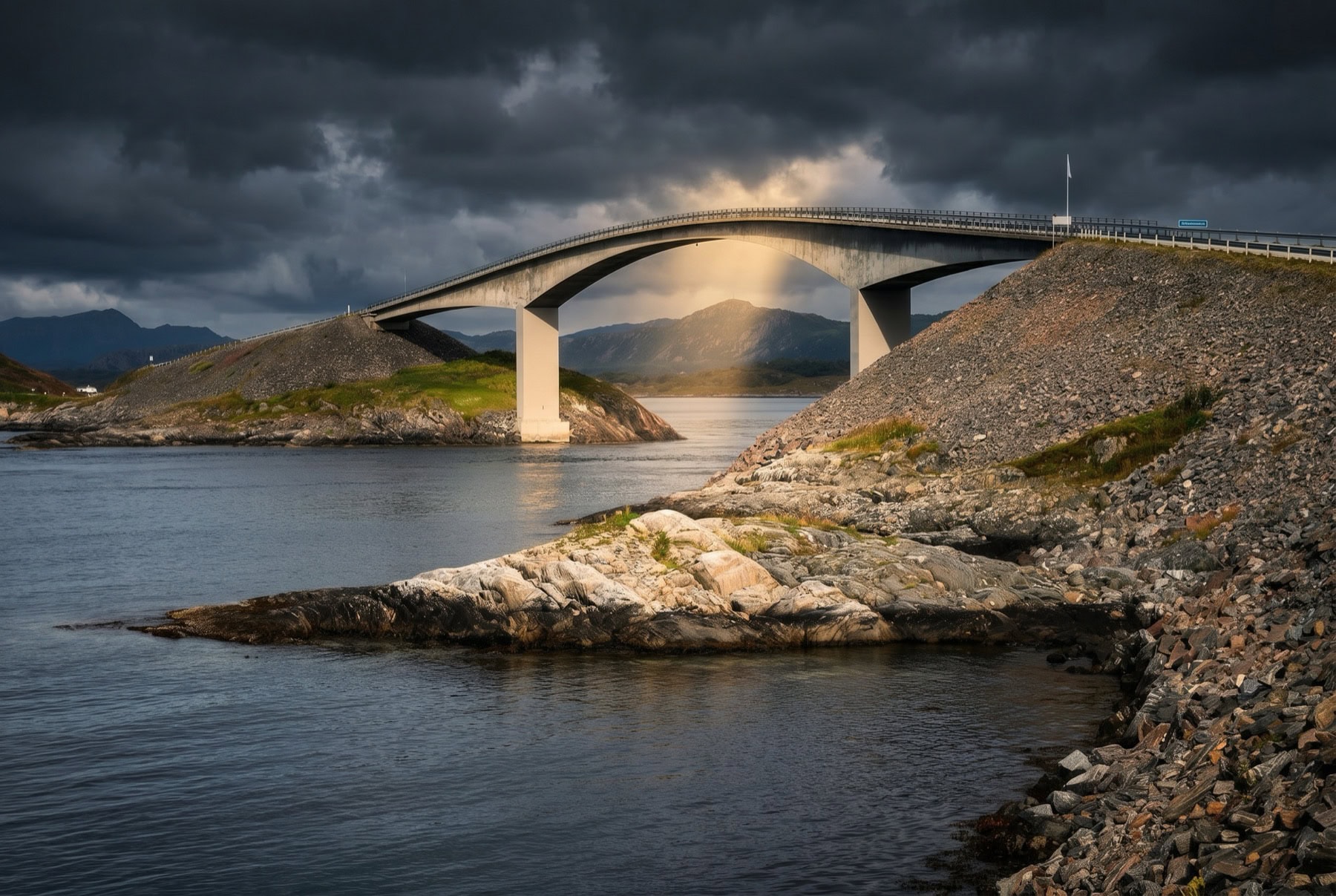
💡 Tip: Definitely add the famous Atlantic Road full of arched bridges to your plan, along with the breathtaking Trollstigen mountain hairpins or the dramatic crossings of Sognefjellet and Aurlandsfjellet. Be prepared, though, for Norwegian mountain roads to be very narrow, often barely wide enough for one car, meaning you’ll need to make clever use of the passing places. Driving here demands full concentration and a really large dose of consideration for other drivers.
5. Driving rules and strict speed limits
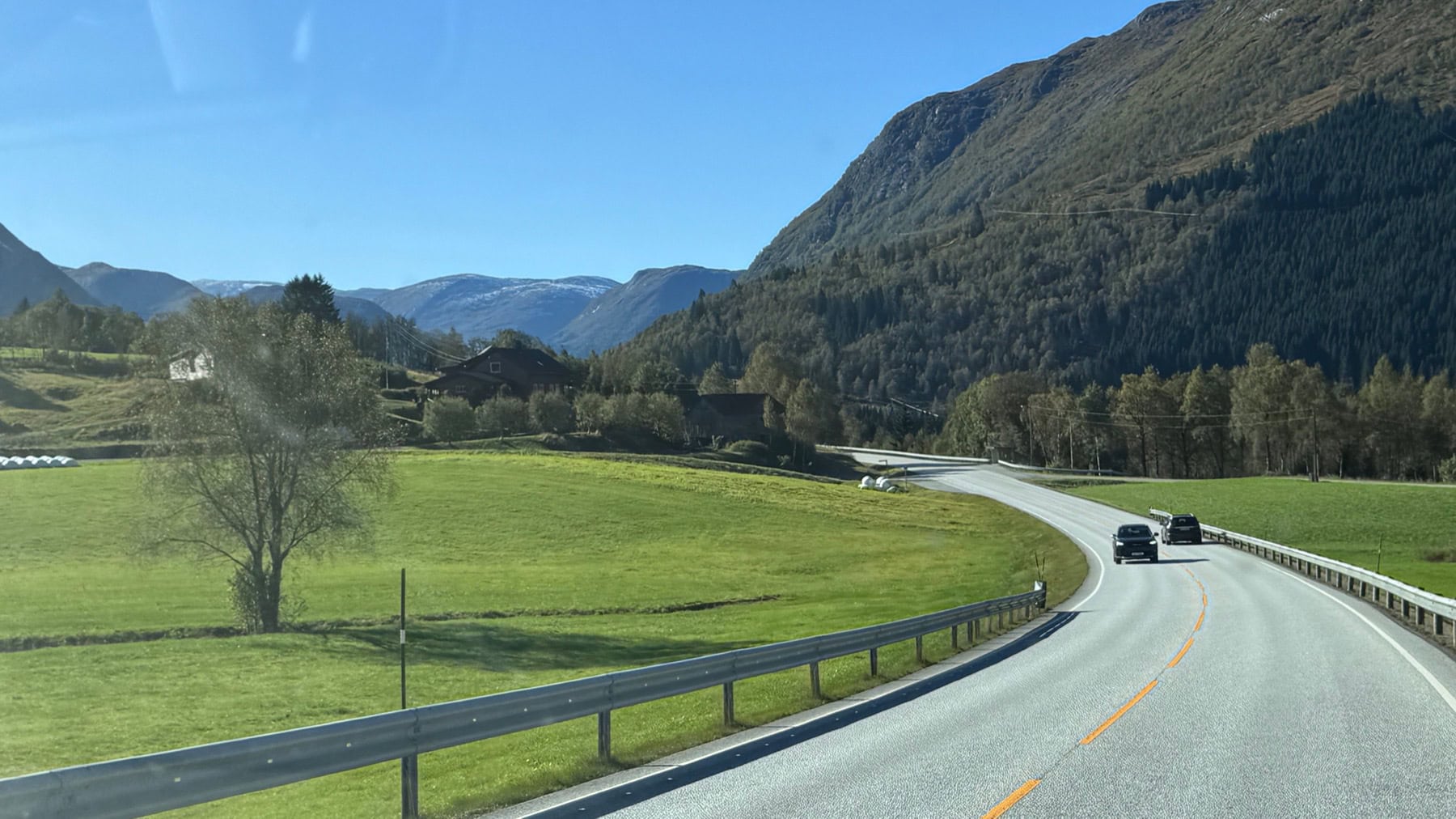
One important thing to know as a Brit: in Norway you drive on the right-hand side of the road, so give yourself time to adjust. And if you’re used to a brisk motorway pace at home, you’ll need to slow down considerably and get into a relaxed frame of mind. The usual limit outside built-up areas is often just 80 km/h, in towns and villages you’ll hit the classic 50 km/h, and trust me, it really isn’t worth exceeding these limits even by a few kilometres. There’s a huge number of fixed speed cameras hidden along the roads and the fines are so high they could reliably ruin your entire holiday.
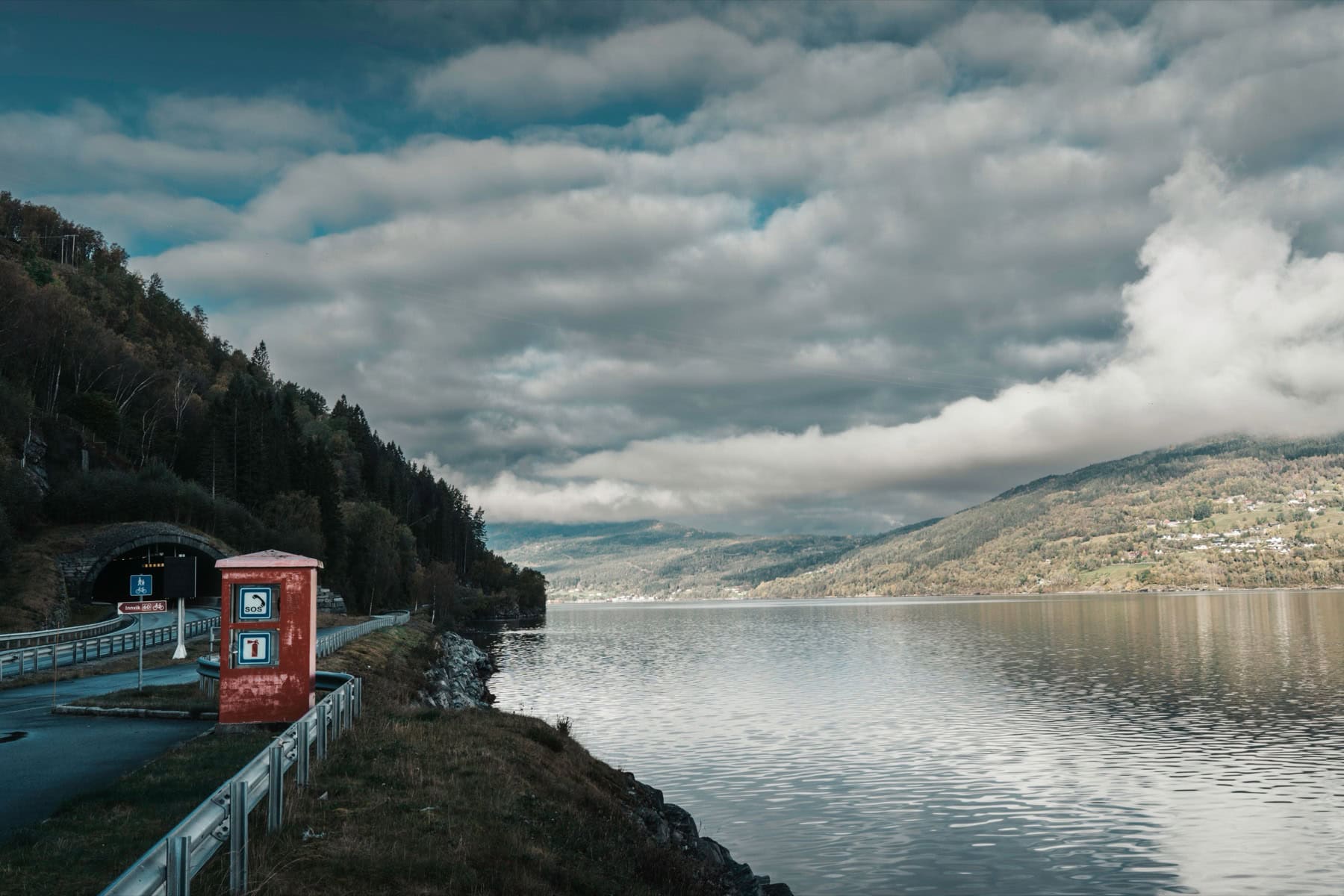
💡 Tip: Don’t forget that in Norway there’s a legal requirement to use headlights all day, even in bright sunny weather in the middle of summer. If you head north in the colder months, quality winter tyres are an absolute legal necessity, without which you simply won’t get up the icy mountain passes. A curiosity for drivers is also the incredibly long tunnels — the longest, called Lærdal, measures nearly 25 kilometres and inside you’ll even find blue-lit halls to rest your eyes.
6. Refuelling and a paradise for electric cars
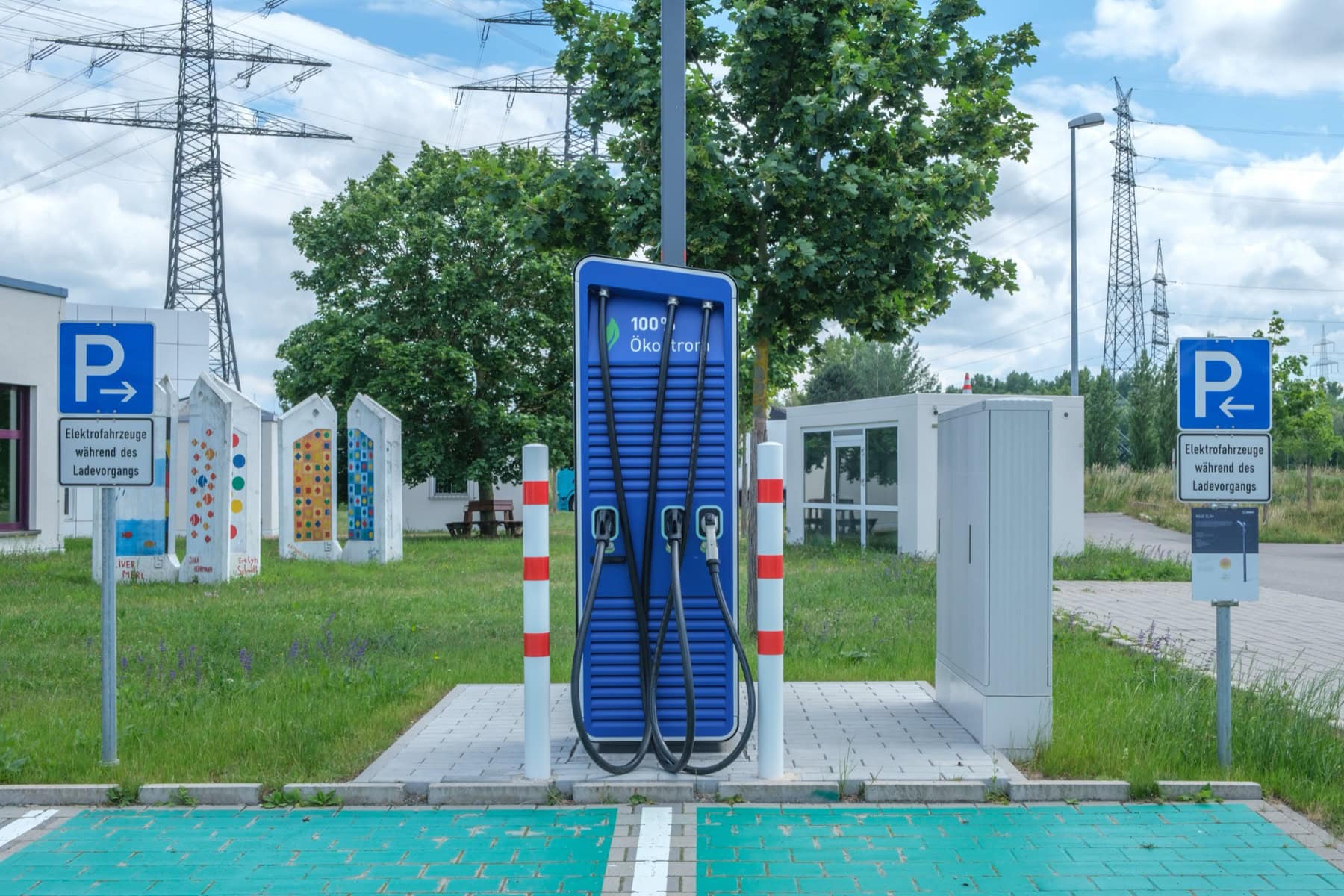
Norway is a global pioneer in electric mobility and you’ll find probably the densest network of modern charging stations on the planet here. Renting an electric car is a very smart and significantly cheaper choice, because you save not only on the fuel itself, but electric vehicles very often get discounts on tolls or ferry crossings. The only thing you need to watch out for a little is more careful planning of your charging in the remote regions of the far north.
💡 Tip: If you go for a classic car with a combustion engine, be prepared for a litre of petrol or diesel to sit at around 21 to 24 NOK (roughly £1.55–£1.75). Prices at the pumps fluctuate quite a bit during the week, so I recommend filling up mainly in larger towns, where fuel tends to be a little cheaper than at isolated stations high up in the mountains. Always try to keep a decent reserve in the tank so you’re not fretting over a blinking warning light in the middle of empty wilderness.
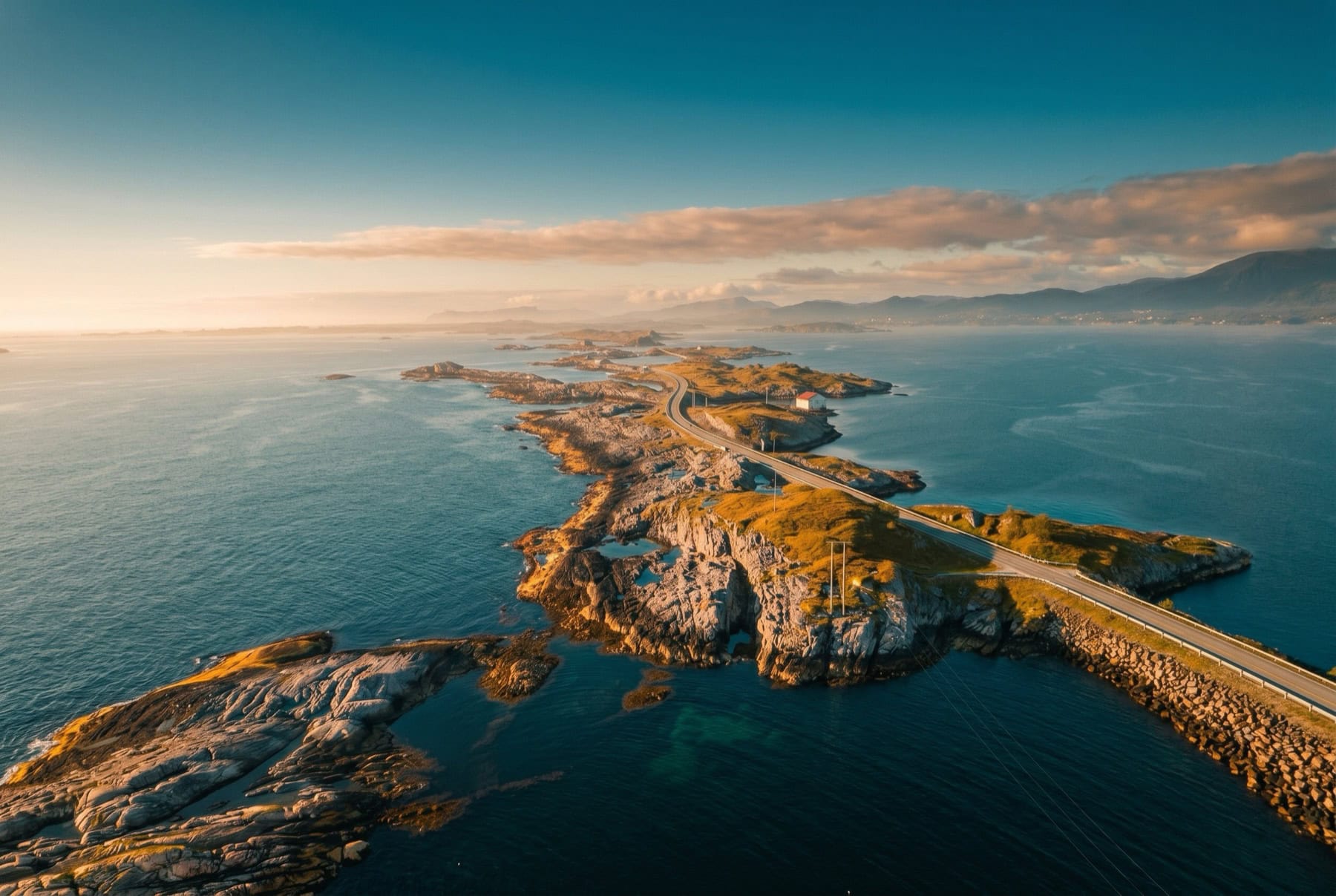
7. Itinerary for 7, 10 or 14 days
Planning your Norwegian route depends mainly on how much time you have, because you simply can’t calmly drive across the whole country in a single week. For a seven-day trip it’s absolutely ideal to focus just on the fjords of western Norway, setting off from Bergen, driving through the fruit-growing Hardanger region, stopping in Flåm and reaching the majestic Geirangerfjord. This shorter route is packed with the most iconic views Norway has to offer (various fjord cruises, by the way, can easily be booked in advance through GetYourGuide).
💡 Tip: If you have a lovely ten days for your trip, definitely add the south and the city of Stavanger, from where you can set off early in the morning to the famous Preikestolen cliff. Only with fourteen or more days does it make sense to consider an epic road trip from south to north — that is, from Oslo through the fjords, historic Trondheim and then, using a ferry or a domestic flight, all the way to the magical Lofoten archipelago. In short, it’s always better to choose a smaller area and explore it properly than to spend whole days exhausted behind the wheel.
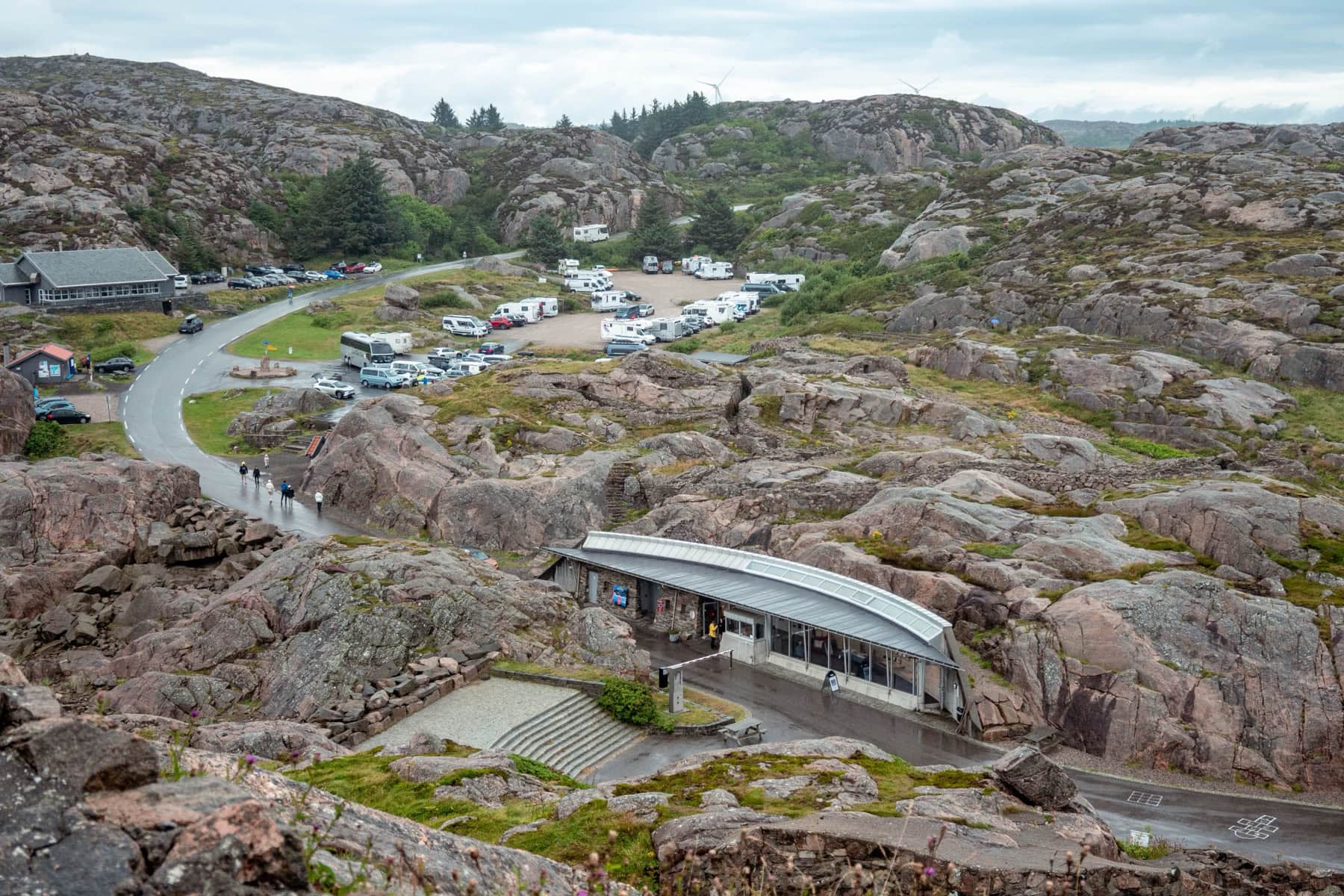
8. Travelling with a caravan and motorhome
Travelling with a home on wheels is extremely popular in Norway and the local infrastructure is superbly prepared for motorhomes. You’ll find a dense network of quality, clean campsites and lovely official rest stops, and on top of that the unique so-called allemannsretten (right to roam) applies here. This theoretically allows you to camp freely in nature, provided you strictly observe the rule of keeping at least 150 metres from the nearest dwelling and behave towards the Nordic wilderness as considerately and quietly as possible.
💡 Tip: Before you rent an enormous motorhome, though, honestly weigh up your driving skills and experience. Tackling narrow and steep hairpins like those on the Trollstigen mountain road in a large vehicle takes quite a bit of practice and really steady nerves. Sometimes for exploring the fjords it’s far more practical to rent a smaller campervan, with which you can far more easily turn around on narrow roads and park without a problem at every little viewpoint.
Practical summary and rough prices
Let’s quickly run through a rough budget and the important items for 2026, so you have a clear idea of what to expect. The current exchange rate sits at roughly 0.075 £ per 1 NOK (about 13 NOK to £1), so you can convert the prices fairly easily. For accommodation in hotels or cabins, I recommend searching via Booking.com well in advance, so you have plenty to choose from.
- Petrol and diesel: Ranges between 21 and 24 NOK (about £1.55–£1.75) per litre of fuel.
- Ferry with a car: Typically you’ll pay 150 to 300 NOK (about £11–£22) for one crossing over a fjord.
- The longest tunnel, Lærdal: You’ll drive through this 24.5 km engineering marvel completely free of charge.
- Speed limits: A strict 50 km/h in built-up areas and a maximum of 80 km/h outside them.
- Real driving time Oslo–Bergen: Roughly 7 hours of pure driving without major stops for food.
- Real time Bergen–Geiranger: Approximately 6 hours of driving plus extra time spent waiting for ferries.
Always keep in mind that in Norway distances are very deceptive and stretch out. Thanks to the constantly winding roads along the deep fjords and the slow driving pace, you’ll cover far fewer kilometres in a day than you’re normally used to on Central European motorways. So always leave yourself a generous time buffer for unplanned photo stops and soaking up the scenery, because you’ll genuinely want to pull over every few minutes.
Where to next
If you’re carefully piecing together your dream Norwegian itinerary, you’ll definitely find our other detailed guides on the blog useful too. I’ve put together plenty more inspiration to help with your planning.
- Norway: 50 things to see
- Norwegian fjords — a guide
- The Atlantic Road and Trollstigen
- Norwegian weather and when to visit Norway
Frequently asked questions
Do I need a car in Norway?
If you want to see the most beautiful wonders of nature with your own eyes, explore remote sections of the fjords and get comfortably to the starting points of popular treks, you will definitely need a car, because buses don’t run much to remote places. However, if you’re only planning to travel between major cities such as Oslo and Bergen, you’ll easily get by with comfortable local trains or domestic flights.
How exactly does the toll system work in Norway?
The toll system is fully automated across the entire country, so you don’t stop anywhere or look for change. Cameras at toll gates simply photograph your license plate or read the chip remotely. Rental cars usually have the AutoPASS system already built-in and the fees will eventually be charged to your card; for your own vehicle, it’s well worth registering online with the EPC system in advance so that invoices arrive home without any problems.
How much do ferries with a car cost?
Prices naturally depend on the specific route and its total length, but for a personal car with one driver, typically expect to pay around 150 to 300 NOK for one crossing. The payment itself is very quick, either by beeping your AutoPASS chip, or you simply pay the workers on the ferry with a payment card directly through a handheld terminal brought to your window.
What tires do I need for the trip?
Outside the winter months, on main roads and in the south of the country, you’ll easily get by with quality summer tyres. However, if you’re heading to Norway in winter or early spring, winter tyres are strictly mandatory and absolutely essential, as mountain passes are often hidden beneath snow and treacherous ice.
Can you travel through Norway with a motorhome?
Yes, Norway is an absolutely ideal destination for camping and you’ll find an incredibly dense network of excellently equipped and clean campsites. You just have to be very careful that some scenic mountain roads such as Trollstigen are very narrow and full of sharp hairpin bends, so driving with a large and heavy vehicle requires considerable driving experience.
How many days to set aside for a road trip?
For a relaxed exploration of the western fjords from Bergen, you’ll need about 7 days, but if you want to add the area around Stavanger and the famous Preikestolen cliff, count on at least 10 days. If you’d like to travel through the entire country from the south all the way to the northern Lofoten, you’ll need at least 14 days or ideally even a full three weeks, so you won’t just be rushing behind the wheel.
How long do car journeys actually take?
The times shown on the map or in navigation should always be taken with a large grain of salt, because actual journeys in Norway take significantly longer. The drive from Oslo to Bergen alone takes over 7 hours of pure driving time, as you’ll be slowed down by narrow winding roads in the mountains, very low speed limits, and the inevitable waiting for regular ferries across the water.
Is it worth renting an electric car?
Definitely yes, as Norway is a major European leader and has an incredibly dense network of quality fast chargers. You’ll get much cheaper operation, often lower tolls for highway charges and ferries, only on long trips to the remote north beyond the Arctic Circle will you need to plan your charging stops a bit more carefully.
Where to find the cheapest regular fuel?
Fuel prices change practically every day and the differences between petrol stations can be huge. However, the general rule is that you’ll find the cheapest fuel in larger cities and closer to civilization, so I recommend filling up your tank before heading out to remote mountain valleys and distant fjords, where prices are always highest.
Tips and Tricks for Your Vacation
Don’t Overpay for Flights
Search for flights on Kayak. It’s our favorite search engine because it scans the websites of all airlines and always finds the cheapest connection.
Book Your Accommodation Smartly
The best experiences we’ve had when looking for accommodation (from Alaska to Morocco) are with Booking.com, where hotels, apartments, and entire houses are usually the cheapest and most widely available.
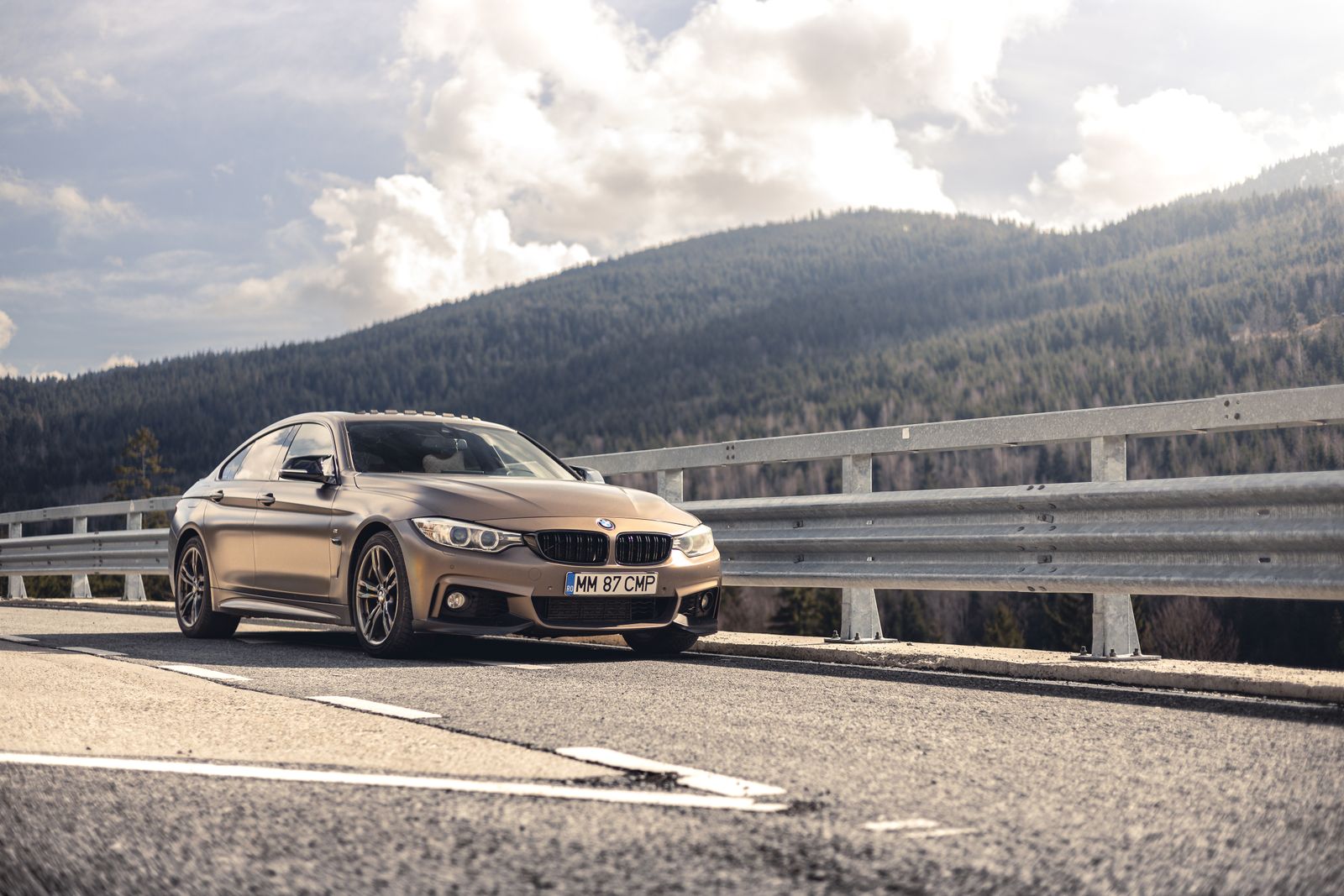 🚗 Car rental on the roadVerified rental cars in Norway
Search with the DiscoverCars comparison engine — it compares prices from dozens of local and international rental companies, and most bookings come with free cancellation.
Compare car prices in Norway →Don’t Forget Travel Insurance
Good travel insurance will protect you against illness, accidents, theft, or flight cancellations. We’ve had a few hospital visits abroad, so we know how important it is to have proper insurance arranged.
Where we insure ourselves: SafetyWing (best for everyone) and TrueTraveller (for extra-long trips).
Why don’t we recommend any Czech insurance company? Because they have too many restrictions. They set limits on the number of days abroad, travel insurance via a credit card often requires you to pay medical expenses only with that card, and they frequently limit the number of returns to the Czech Republic.
Find the Best Experiences
Get Your Guide is a huge online marketplace where you can book guided walks, trips, skip-the-line tickets, tours, and much more. We always find some extra fun there!


