

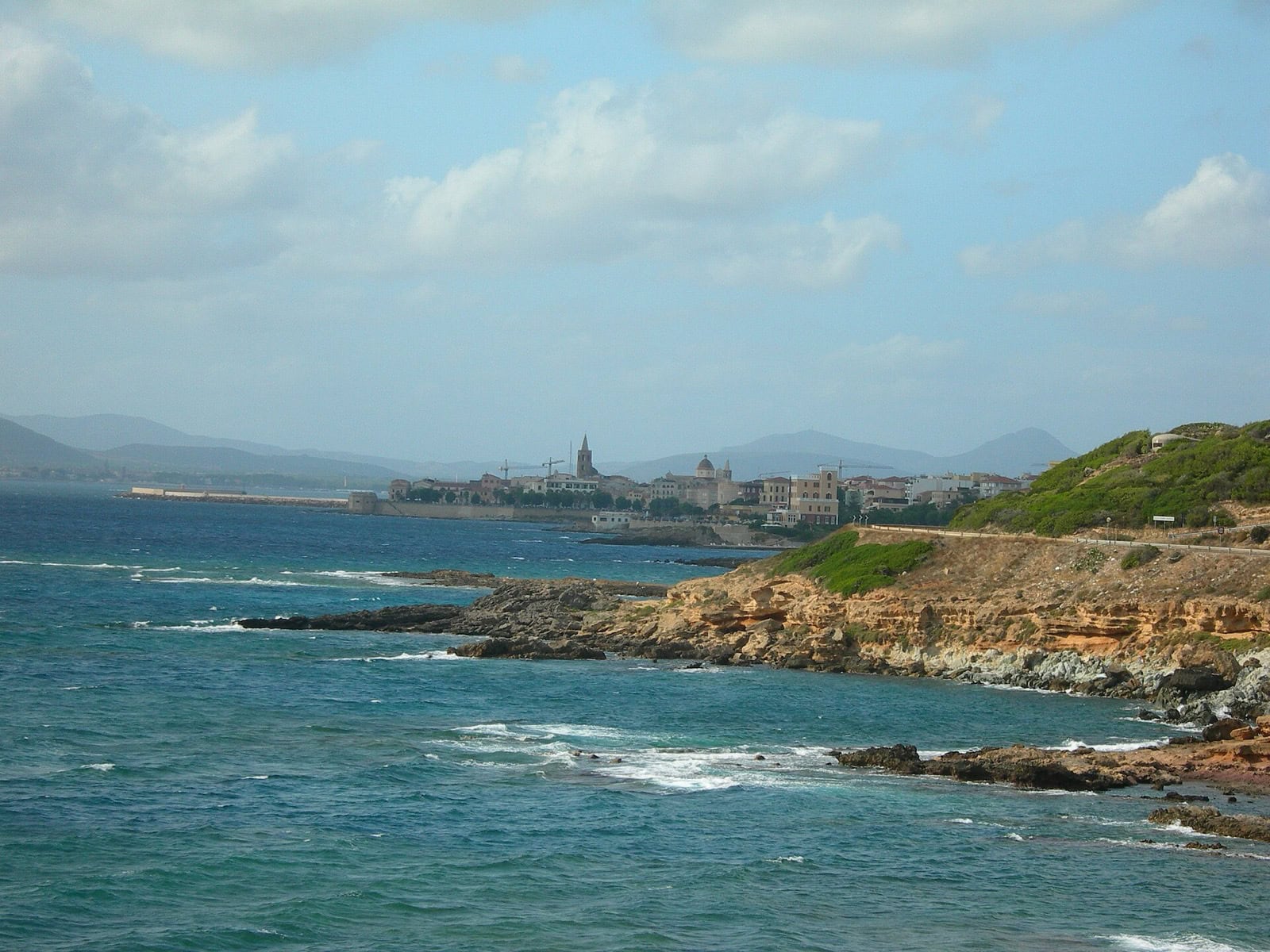
Do you know that feeling when you’re craving somewhere exotic, with white-sand beaches and turquoise sea, but the thought of a twelve-hour flight instantly puts you off? That’s exactly where Alghero in Sardinia comes in. This little harbour town on the island’s north-west coast is just a short hop from the UK, and the moment you arrive you find yourself in a world where laid-back Italian charm mingles with proud Catalan culture.
Alghero is often called the “Barceloneta of Sardinia”, because to this day it has held on to its distinctive dialect and unmistakable architecture from the era of Aragonese rule. Instead of the usual Italian chaos, you’ll be welcomed by elegant cobbled lanes, massive medieval walls rising straight out of the sea and dozens of tiny cafés perfumed with strong espresso and fresh pastries.
In this guide you’ll find 12 tips on what to see and do in Alghero so you can make the most of your holiday. We’ll look at the most interesting sights in town, explore some fascinating caves and, of course, we won’t skip the most beautiful beaches nearby — the ones that supposedly give the Caribbean a run for its money. I’ll also tell you what to watch out for when parking and which local specialities would simply be a sin to miss.
TL;DR
- Best sights: The historic centre with the Santa Maria cathedral and the massive sea walls, where the sunsets are unforgettable.
- Natural wonder: The breathtaking Neptune’s Grotto beneath the cliffs of Capo Caccia, reached via a famous staircase of 654 steps.
- Caribbean-style beach: The famous La Pelosa beach in Stintino, where in high season you have to book entry in advance and bring a special mat to put under your towel.
- Local souvenir: Genuine red coral from the local Riviera, available in specialist jewellers in the historic centre.
- Getting around: Alghero’s old town is strictly closed to cars (the ZTL zone), so you’ll have to park down by the harbour.
When to visit Alghero and how to get around
Planning a trip to Sardinia takes a bit of strategic thinking, because the island has its quirks and every season offers a completely different experience. Alghero Airport (Riviera del Corallo) sits just about ten kilometres from the centre, so getting into town takes no time at all and you can start soaking up that southern atmosphere the moment you land.
As for the weather in Alghero, travellers rave most about June and especially September, when the sea is gorgeously warm (around 24 degrees) but you avoid the biggest summer crowds. July and August are the peak of the season, which means temperatures regularly topping 30 degrees and a huge influx of Italian tourists, particularly around the Ferragosto holiday in mid-August. April and May tempt you with nature in full bloom and ideal conditions for hiking, but the sea is only around 15 to 19 degrees — strictly for the hardiest of swimmers.
Alghero’s historic core is easy to explore on foot — it’s very compact, and frankly you have no other choice unless you want trouble with the local police. The old town is strictly designated as a ZTL (Zona a Traffico Limitato), meaning a firm no-entry rule for non-residents. The cameras are merciless and a fine of 80 to 200 euros will reliably make its way home to you. If you’re renting a car, look for parking on the blue lines around the harbour, where it costs roughly 1 euro per hour, or park on the white lines further from the centre, which are usually free.
Where to stay in Alghero
Alghero is the ideal base for the whole of north-west Sardinia — stay three or four nights and use a car for day trips fanning out in every direction. The key decision, though, is parking: the romantic old town lies inside the ZTL zone, where cars aren’t allowed, so either you choose a hotel in the lanes and accept parking by the waterfront, or you pick somewhere outside the walls with its own car park and walk into the centre in a few minutes.
💑 For couples and the old town: Aigua is a boutique B&B right in the heart of the historic centre, a few steps from the walls and the Catalan lanes — travellers love it for the atmosphere, just bear in mind it’s inside the ZTL and you’ll park outside the walls (from around €90 per night).
👨👩👧 For families by the beach: Oasis Hotel & Residence sits near Fertilia opposite a pine grove with direct access to Maria Pia beach, has two pools with children’s paddling areas, a playground and its own parking away from the old town (from around €100 per night).
💰 Best value for money: Hotel Angedras is in a quiet neighbourhood, a 10–15 minute walk along the waterfront into the centre, with a praised breakfast and — crucially — free garage parking outside the ZTL, so it’s easy to reach by car (from around €88 per night).
✨ For a special treat: Hotel Villa Las Tronas Hotel & SPA is a former royal residence on a headland above the sea, with a saltwater pool and free parking — the loveliest address in town if you fancy splashing out (from around €270 per night).
Booking tip: choose a rate with free cancellation and don’t leave it to the last minute — the best seafront addresses sell out for July and August up to six months ahead, and high-season prices jump by tens of percent.
What to see right in Alghero
Alghero is far from short on sights, and it’s exactly the kind of place where you don’t need a complicated itinerary. The best thing to do is simply lose yourself in the maze of narrow lanes and let the fascinating history wash over you — every stone here tells a tale of ancient seafarers and merchants.
1. The walls and the evening seafront promenade
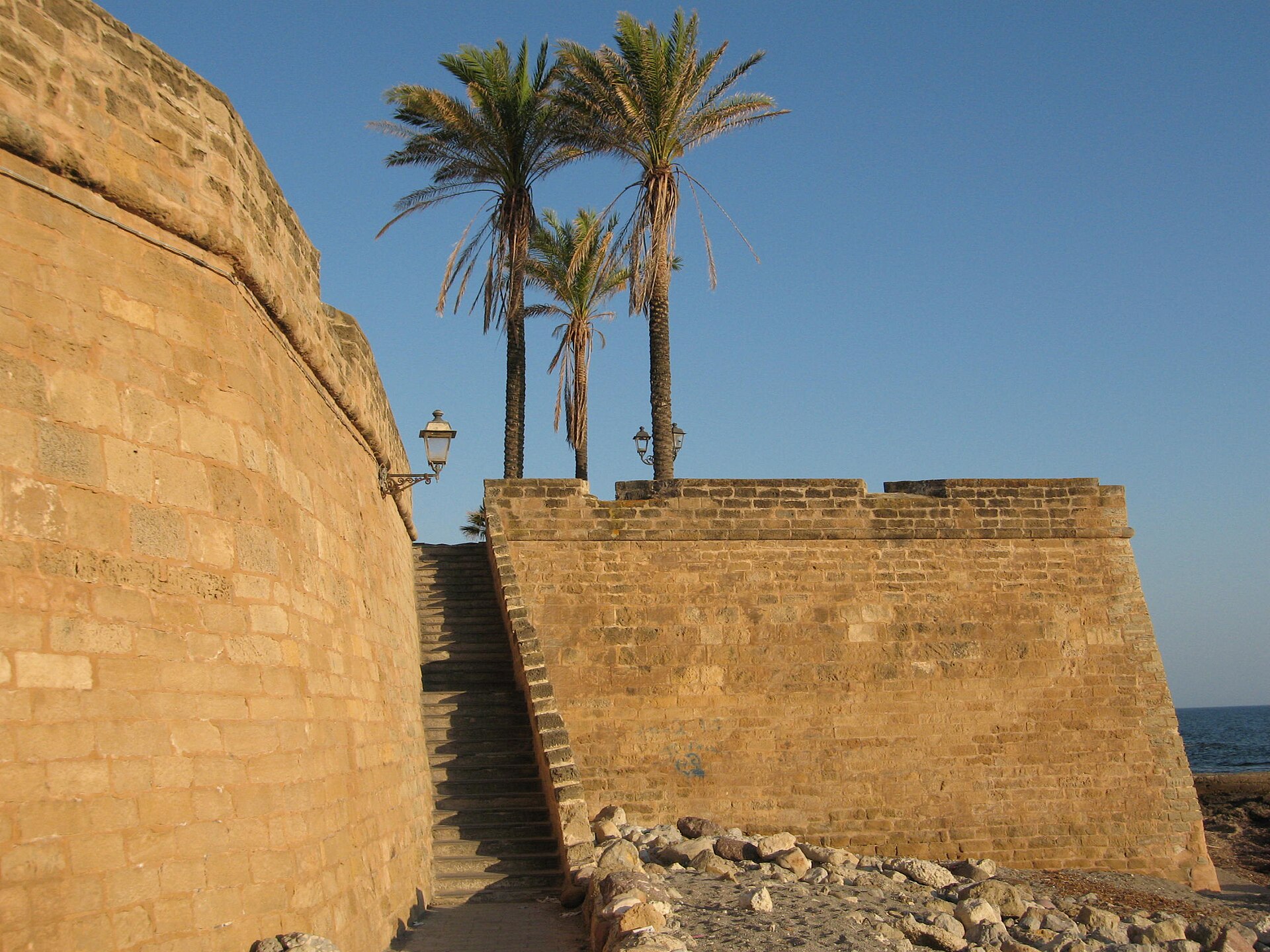
The single most beautiful spot in all of Alghero is the well-preserved medieval walls, which once protected the town from pirate raids from the sea. Today they form a wide, spectacular promenade where you can stroll and admire the endless blue of the Mediterranean, with views of the majestic cliffs of Capo Caccia in the distance.
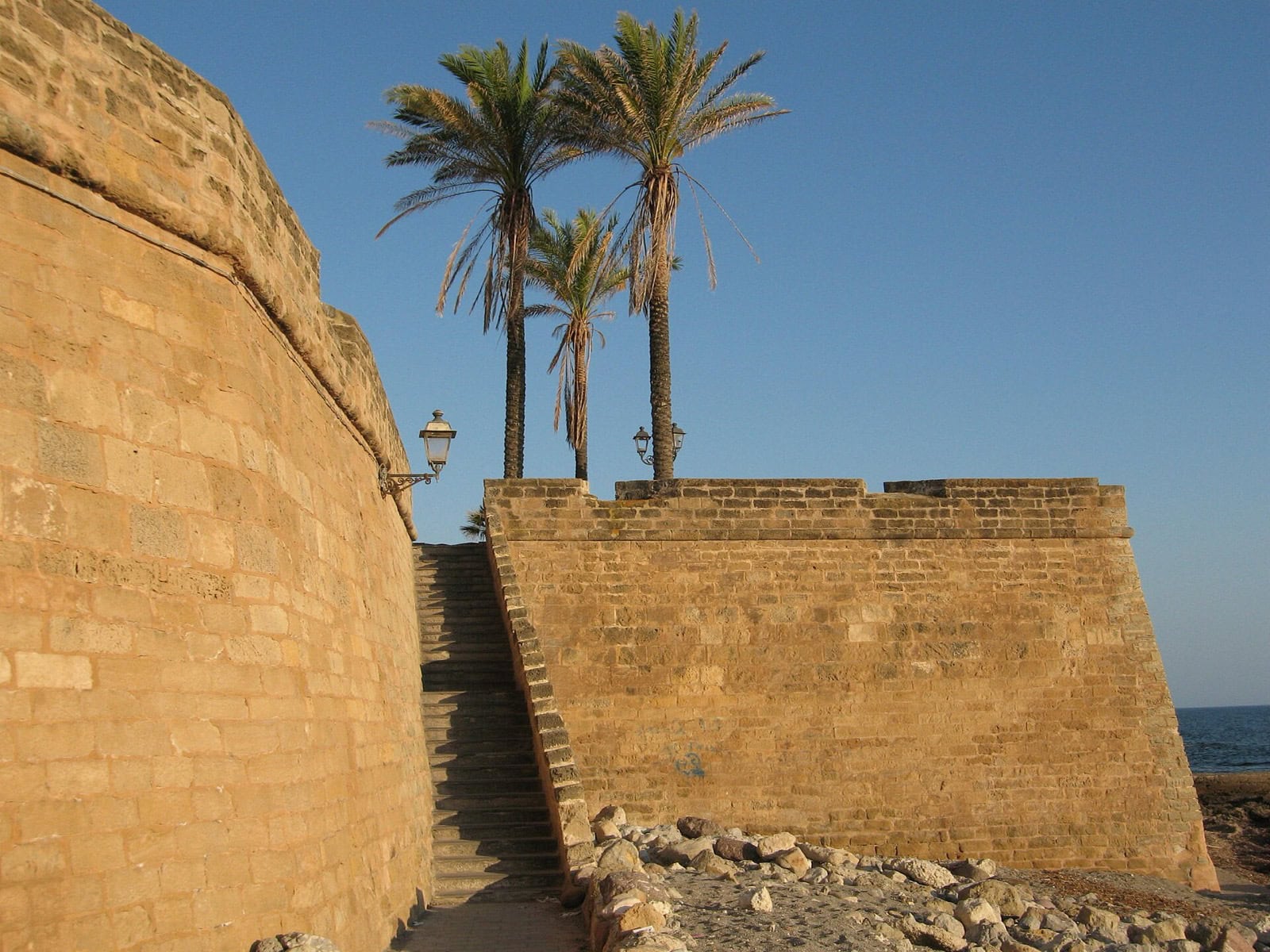
This place is at its most magical in the early evening, when the sun begins to slip slowly into the sea and the sky glows in every shade of pink and orange. Watching the sunset from the walls is an absolute must, and locals and tourists alike love to pair it with a scoop of artisan gelato or a glass of good wine from one of the nearby bars. Each bastion (torre) carries a historic name, and walking past them feels like leafing through a history book.
2. The old town and its Catalan atmosphere
The moment you step into the historic centre (Centro Storico), you’ll notice something unusual. The street signs here are bilingual — Italian and Catalan. The Algherese dialect is a living legacy of the 14th century, when the Aragonese conquered the town and drove out the original inhabitants, replacing them with settlers from Catalonia. You’ll find current opening hours and cultural events on the official Alghero tourism website.
The lanes are cobbled, the houses often painted in honeyed tones, and the balconies overflow with colourful flowers. You’ll love simply wandering aimlessly through the tangle of passageways and little squares, peeking into picturesque courtyards and breathing in that genuine Mediterranean ease. In the evening the old town comes alive, dozens of restaurants open their doors and the clink of glasses rings out from every corner.
3. Santa Maria Cathedral
Right in the heart of the old town you’ll come across the town’s main place of worship, the Cathedral of Santa Maria Immacolata. Construction began as far back as the 16th century, and from the outside it can look a touch unassuming — but don’t be fooled. It’s a fascinating blend of architectural styles, where Catalan Gothic meets late Renaissance.
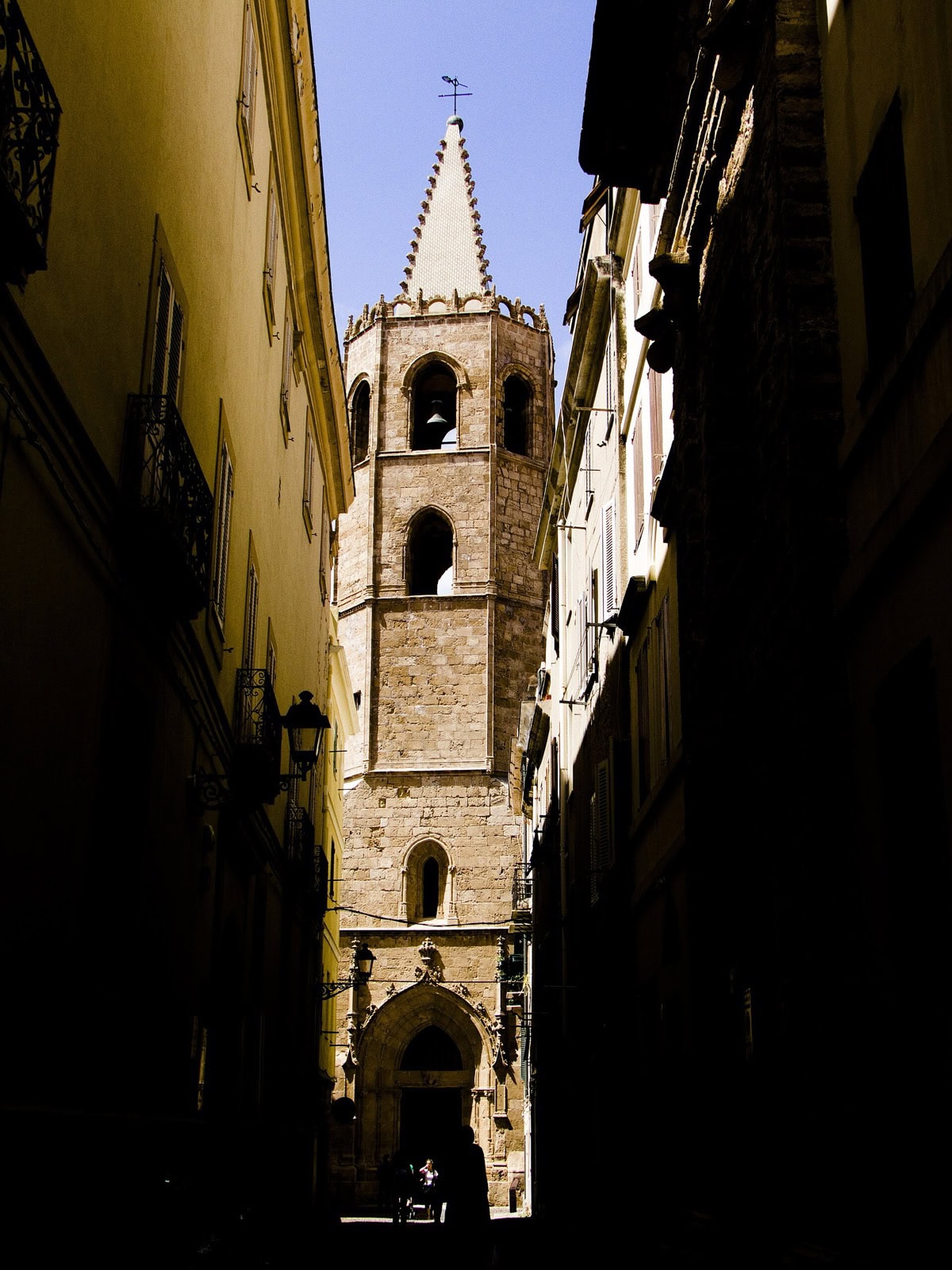
The most distinctive feature, which gives the town its unmistakable skyline, is the tall octagonal bell tower with a pyramid-shaped roof covered in colourful majolica tiles. If you love a good view, I recommend climbing the steps to the top of the tower, where a stunning panorama of terracotta rooftops and the open sea awaits. A ticket costs just a few euros, and the view is well worth the effort.
4. The harbour and the tradition of red coral
Alghero lies on a stretch of coast nicknamed the Riviera del Corallo, or Coral Riviera. Since ancient times, the depths of the local sea have yielded precious red coral (Corallium rubrum), considered one of the finest in the world, and the town grew wealthy over the centuries from working it.
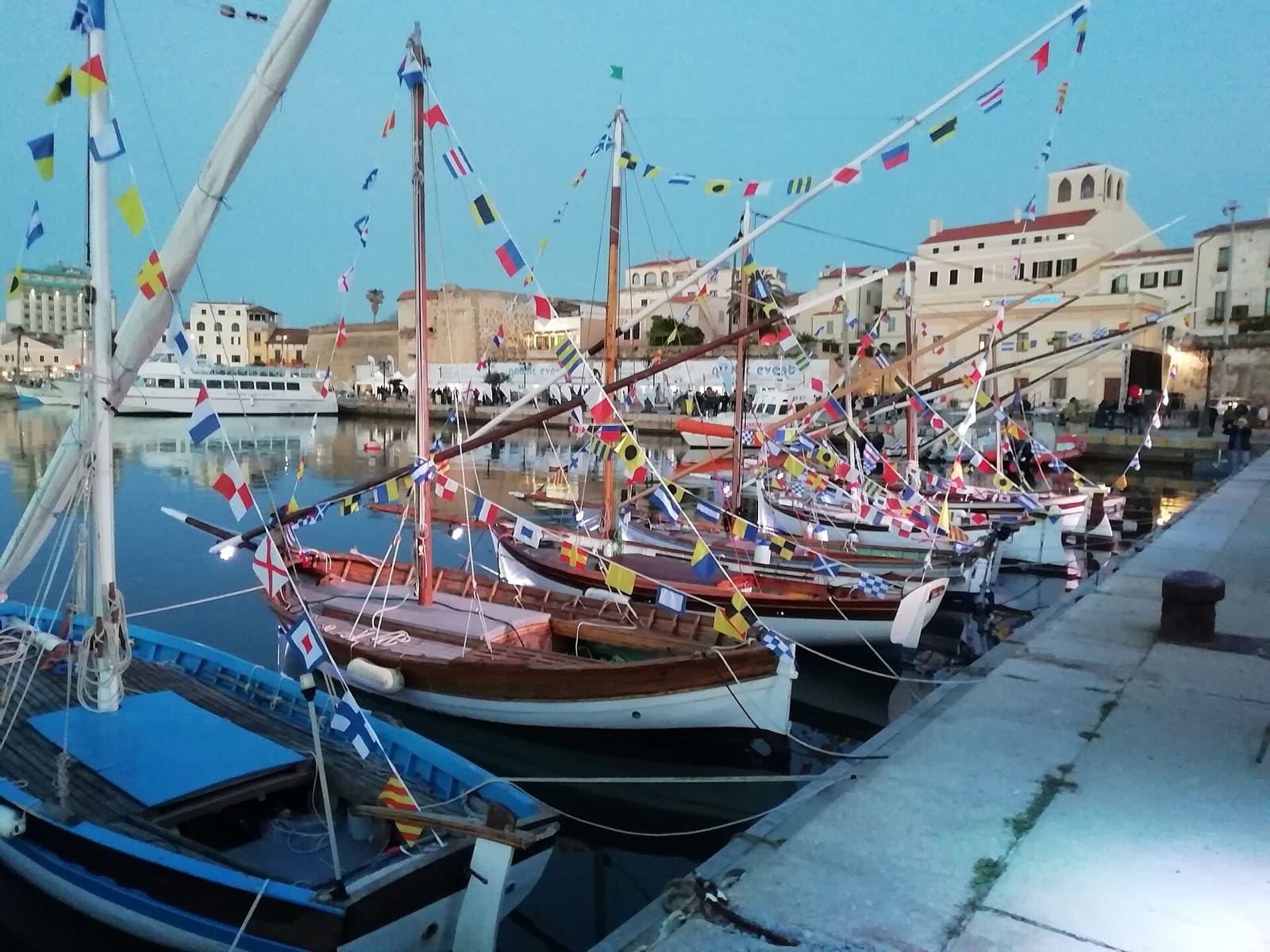
As you stroll through the old town, you’ll see dozens of jewellers with stunning coral creations. Watch out for cheap fakes at market stalls, though — genuine Sardinian coral is fairly pricey and always sold with a certificate of authenticity in official boutiques. If you’re keen to dig deeper into the history of this craft, you can also visit the small Museo del Corallo, where you’ll learn all about the harvesting and artistic working of this treasure of the sea.
Nature and sights around Alghero
Once you’ve had your fill of the town, head beyond its boundaries. The surrounding area offers utterly phenomenal natural scenery and fascinating archaeological sites that whisk you thousands of years back in time.
5. Capo Caccia and the Escala del Cabirol staircase
Looking out from Alghero’s walls, you’ll see a massive limestone headland on the horizon that resembles a sleeping giant. That’s the famous Capo Caccia cape, around 25 kilometres from town, and the drive to it offers some of the best views on the entire island. Here the cliffs plunge from over a hundred metres almost vertically into the deep blue sea.
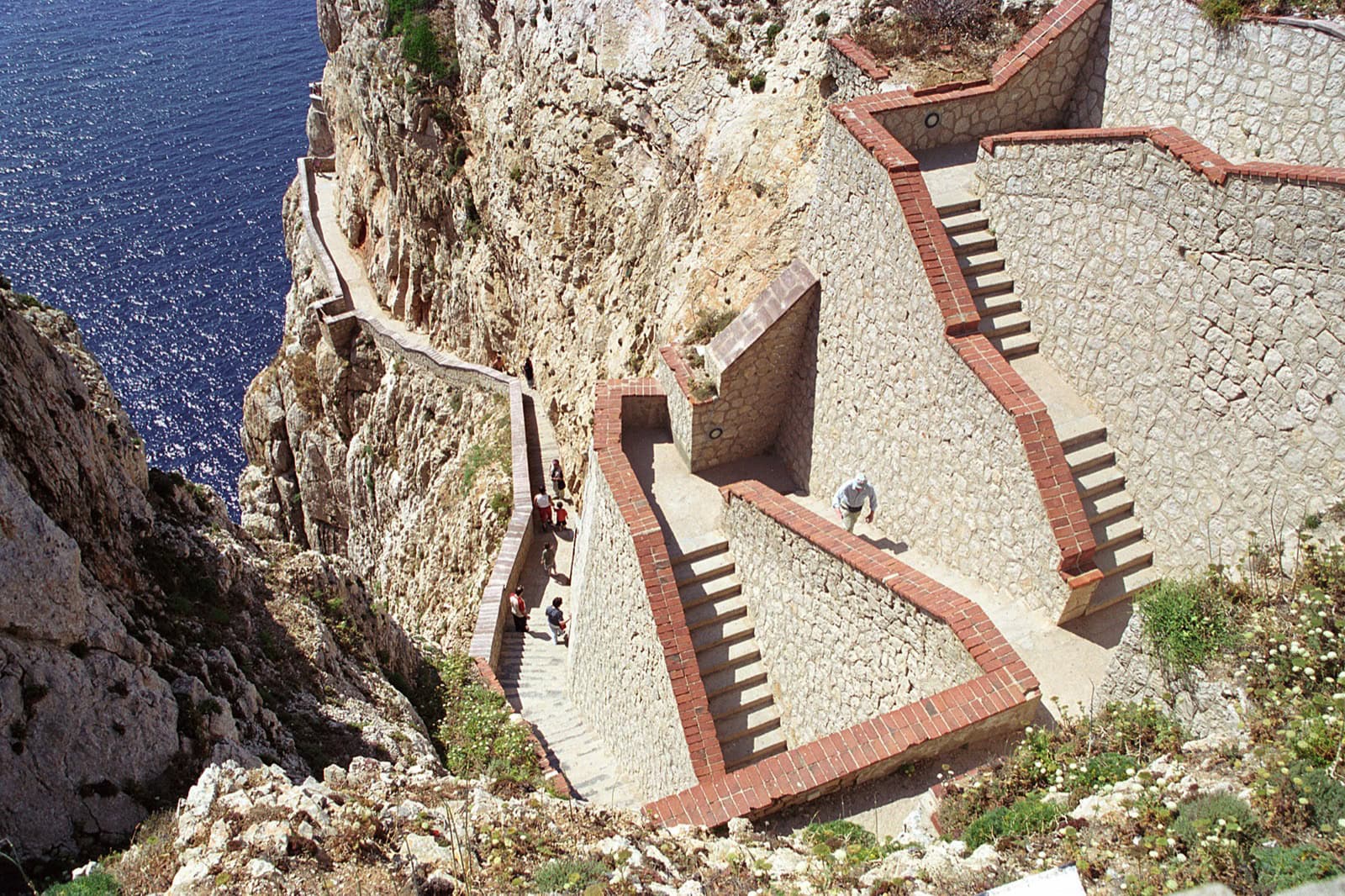
An experience you won’t forget in a hurry is the descent down the Staircase of the Roe Deer (Escala del Cabirol). This incredible feat of engineering, carved straight into the sheer rock face in 1954, has exactly 654 steps and zigzags down to sea level. The sight of the waves crashing against the cliffs far below you is simply breathtaking — though the climb back up in the summer heat will certainly give your legs a workout.
6. Grotta di Nettuno (Neptune’s Grotto)
The crown jewel of Capo Caccia and probably the region’s biggest draw is the fairytale Neptune’s Grotto, an enormous underground complex full of illuminated stalactites and silent salt lakes. The cave stretches over two and a half kilometres, but only its most beautiful section, a few hundred metres long, is open to the public.
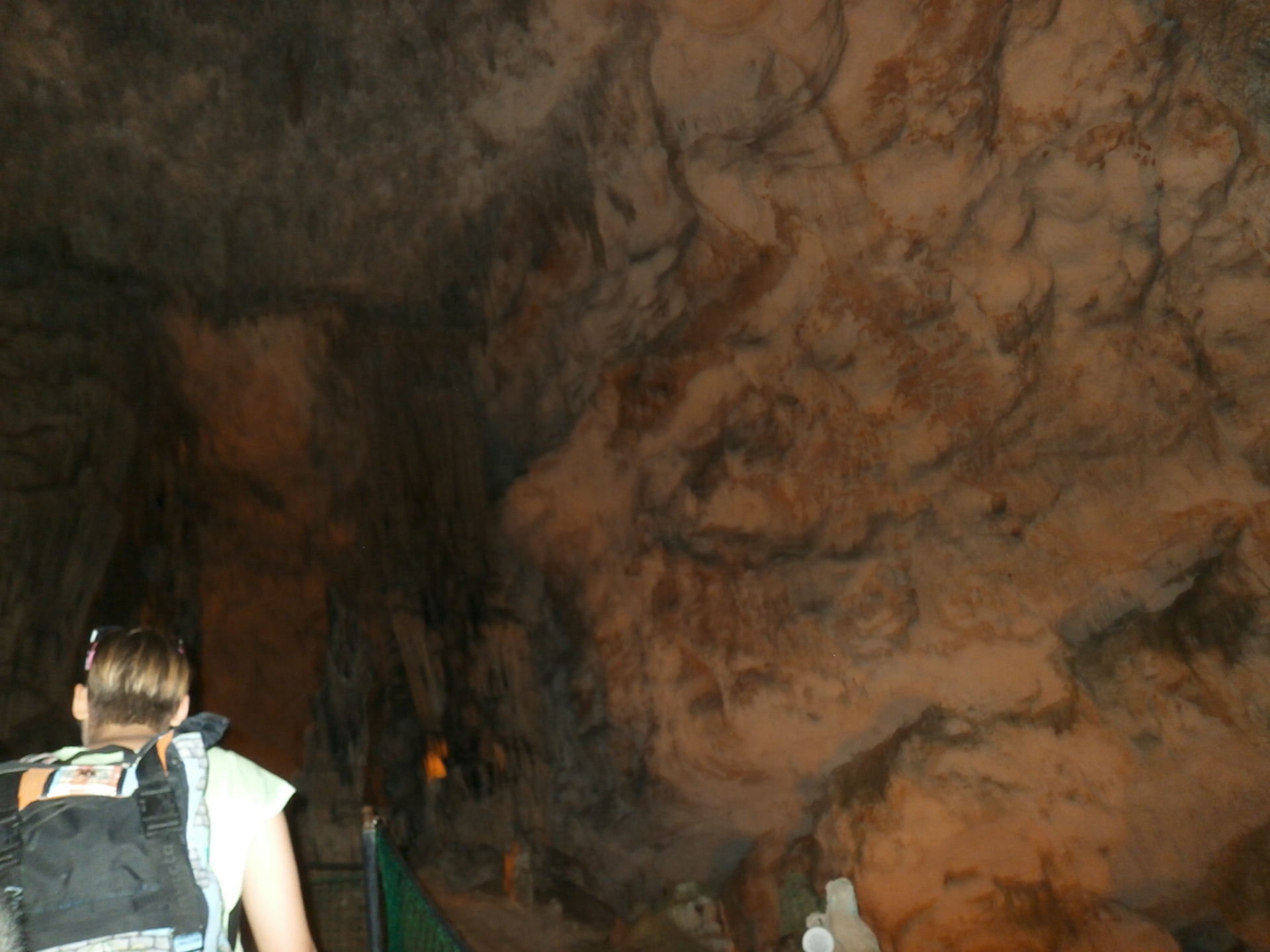
You have two ways to get here. Either you walk down those 654 steps, or you book a boat trip from Alghero harbour that takes you right to the cave entrance. The boat ride is wonderfully comfortable and offers lovely views of the coastline. There’s just one catch — the cave only opens when the sea is calm. If the strong north-westerly mistral wind is blowing and the waves are high, the entrance is closed for safety reasons, so it’s best to check the current situation on the official website before you set off. Entry to the cave itself costs roughly 14 euros, and boat tickets are paid for separately.
7. Nuraghe Palmavera
Into history? Then you simply have to see a nuraghe. These mysterious stone towers from the Bronze Age are a typical symbol of Sardinia, and you won’t find them anywhere else in the world. They were built roughly between 1800 and 1100 BC, and over seven thousand of them still survive on the island.
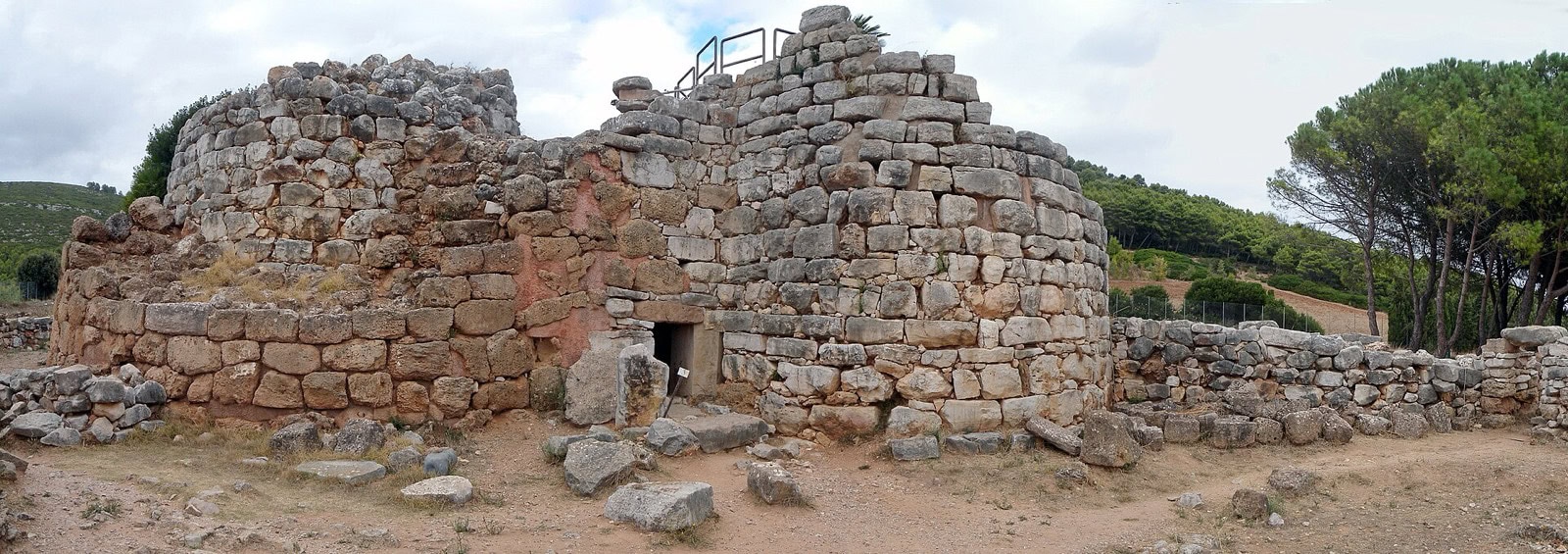
Just outside Alghero, on the way towards Capo Caccia, lies the superbly preserved Nuraghe Palmavera complex. It’s not just a single tower but a whole nuraghic village with a main keep, walls and the remains of dozens of round huts. Wandering among these cyclopean stones, stacked by ancient builders without a scrap of mortar, is quite a mystical experience. Admission costs around 5 euros, and I’d definitely recommend reading the information boards, which give you a glimpse into the life of this enigmatic civilisation.

8. The Anghelu Ruju necropolis and the Sella e Mosca winery
An even older monument is the vast prehistoric necropolis of Anghelu Ruju, discovered by chance in 1903 during the construction of a local farm. There are nearly forty tombs here, carved into the sandstone rock, which in Sardinia are poetically known as “domus de janas” — houses of the fairies. According to legend, tiny magical beings lived here, weaving on golden looms by day and dancing in the moonlight at night.
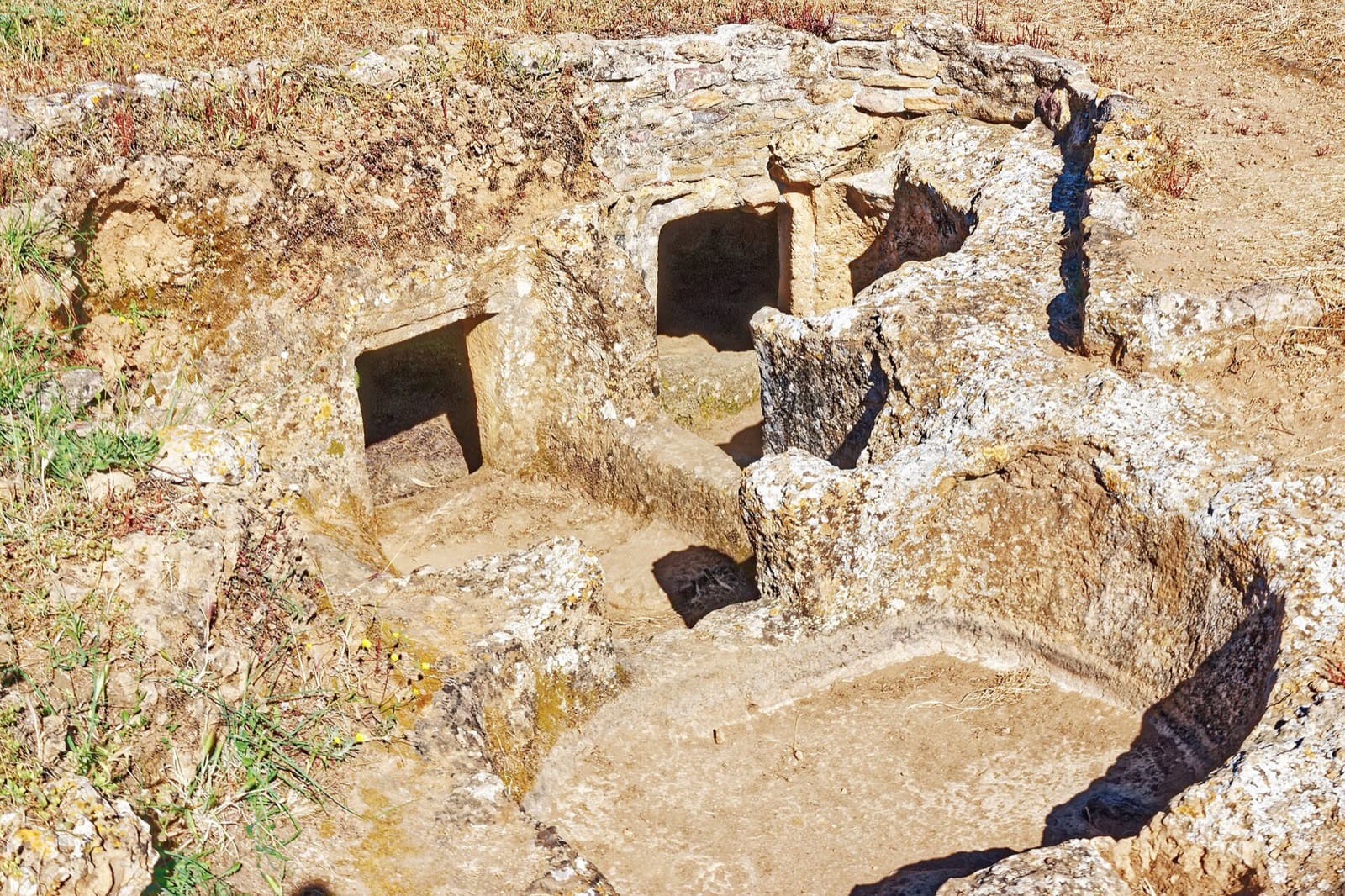
And the best part of this trip? The necropolis lies right next to the famous Sella e Mosca winery, one of the largest and best known in all of Italy. After touring the ancient tombs, you can arrange a wine tasting (check their official website for current opening hours). Whatever you do, don’t miss the local white wine Vermentino — light, fresh and with a delicate hint of sea salt and sunshine.
The most beautiful beaches and day trips from Alghero
Alghero certainly doesn’t neglect its beaches. On the contrary, it’s the perfect springboard for discovering the very best of the whole north-west coast. You’ll need a car for many of these spots, but the views and the white sand make it well worth it.
9. Le Bombarde and Lazzaretto beaches
If you don’t fancy travelling far, the most popular beaches nearby are Le Bombarde and Lazzaretto. They’re only about ten kilometres from town and easy to reach by car or on a rented bike along the coast. Both boast wonderfully clear water and fine, pale sand.
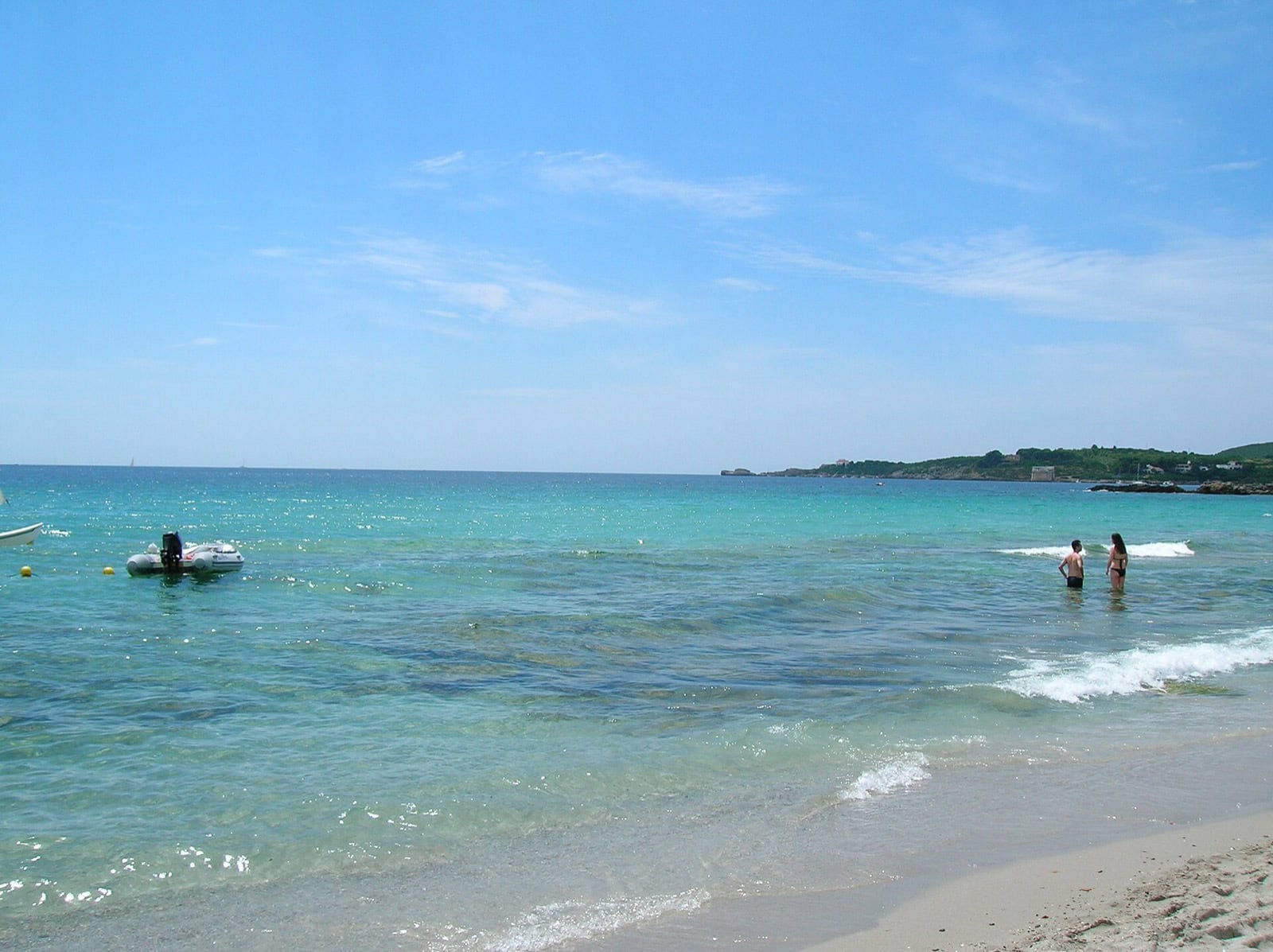
Le Bombarde is fringed by a fragrant pine grove that provides merciful shade in the height of summer. It’s fully equipped with sunbeds, parasols and small bars, which makes it ideal for families. Lazzaretto, just a little further on, is more a network of smaller coves with crystal-clear water, where you can find a bit more privacy. Bear in mind, though, that in July and August it gets pretty crowded, so set your alarm early.
10. La Pelosa and the Stintino peninsula
This one is an absolute icon and, for many, the main reason to fly to northern Sardinia in the first place. About an hour’s drive from Alghero lies La Pelosa, a beach that regularly tops the rankings of the most beautiful in all of Europe. Picture a perfectly shallow lagoon with water shimmering in unbelievable shades of turquoise, white sand as fine as flour and, in the distance, an old watchtower on a tiny islet.
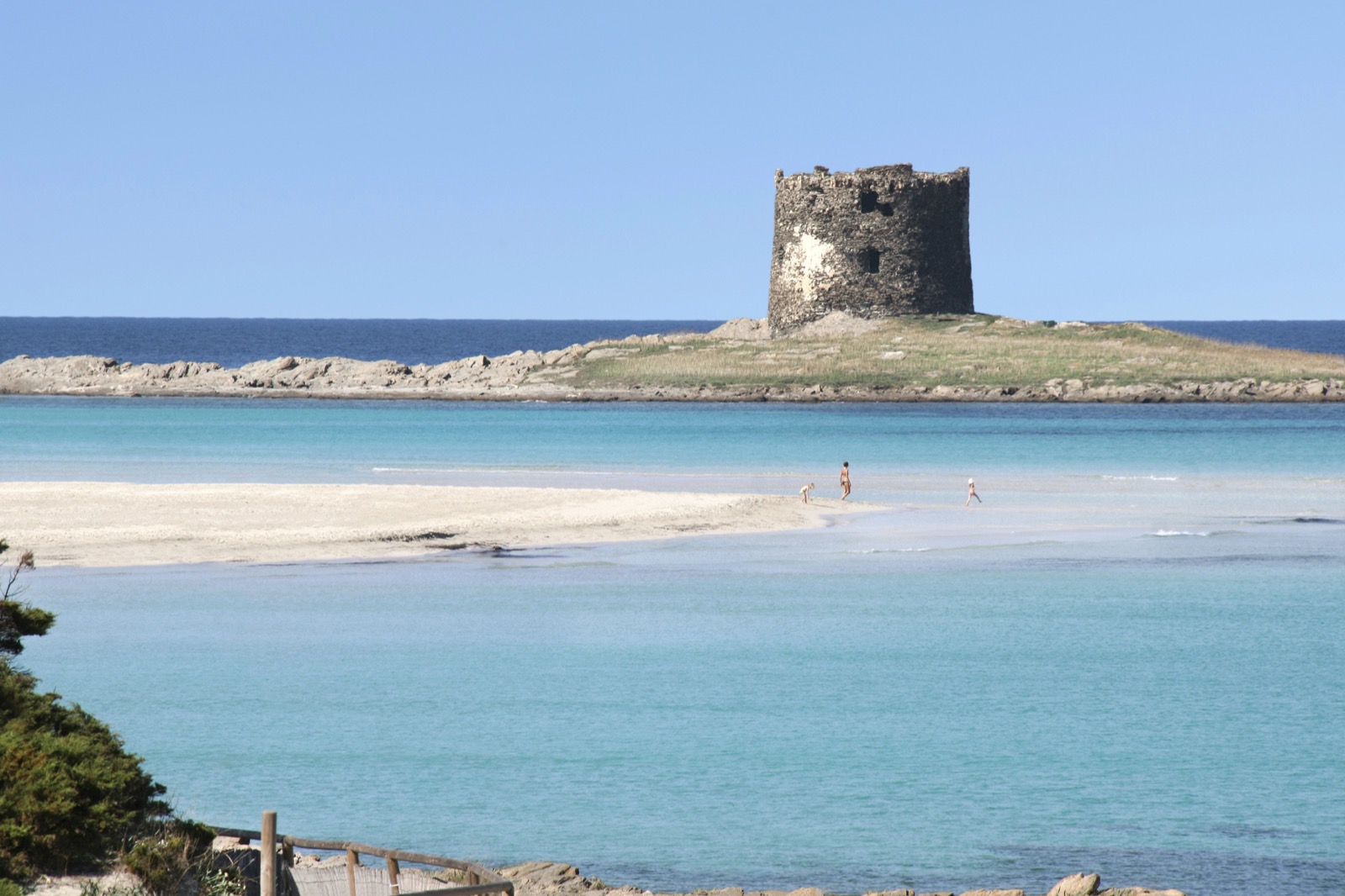
This beauty comes at a price, though, and the rules for visiting are now extremely strict. Capacity is limited to 1,500 people a day, so in season (from mid-May to October) you have to book entry through a special app or the official booking website, ideally 48 hours in advance. Entry costs 3.50 euros, and watch out — you’re required to place a firm straw or bamboo mat under your fabric towel so you don’t carry off the precious sand. If you don’t have a mat, you risk a fine of up to 100 euros.
11. The pastel town of Bosa and the SP105 road
If you’re after the perfect half-day road trip, you’ll love the drive from Alghero to the enchanting town of Bosa. The journey along the coastal road known as the SP105 is an experience in itself and is often ranked among the most beautiful scenic routes in all of Italy. The road winds high above the cliffs, opening up incredible views of the wild sea, and you’ll be stopping for photos at practically every kilometre.
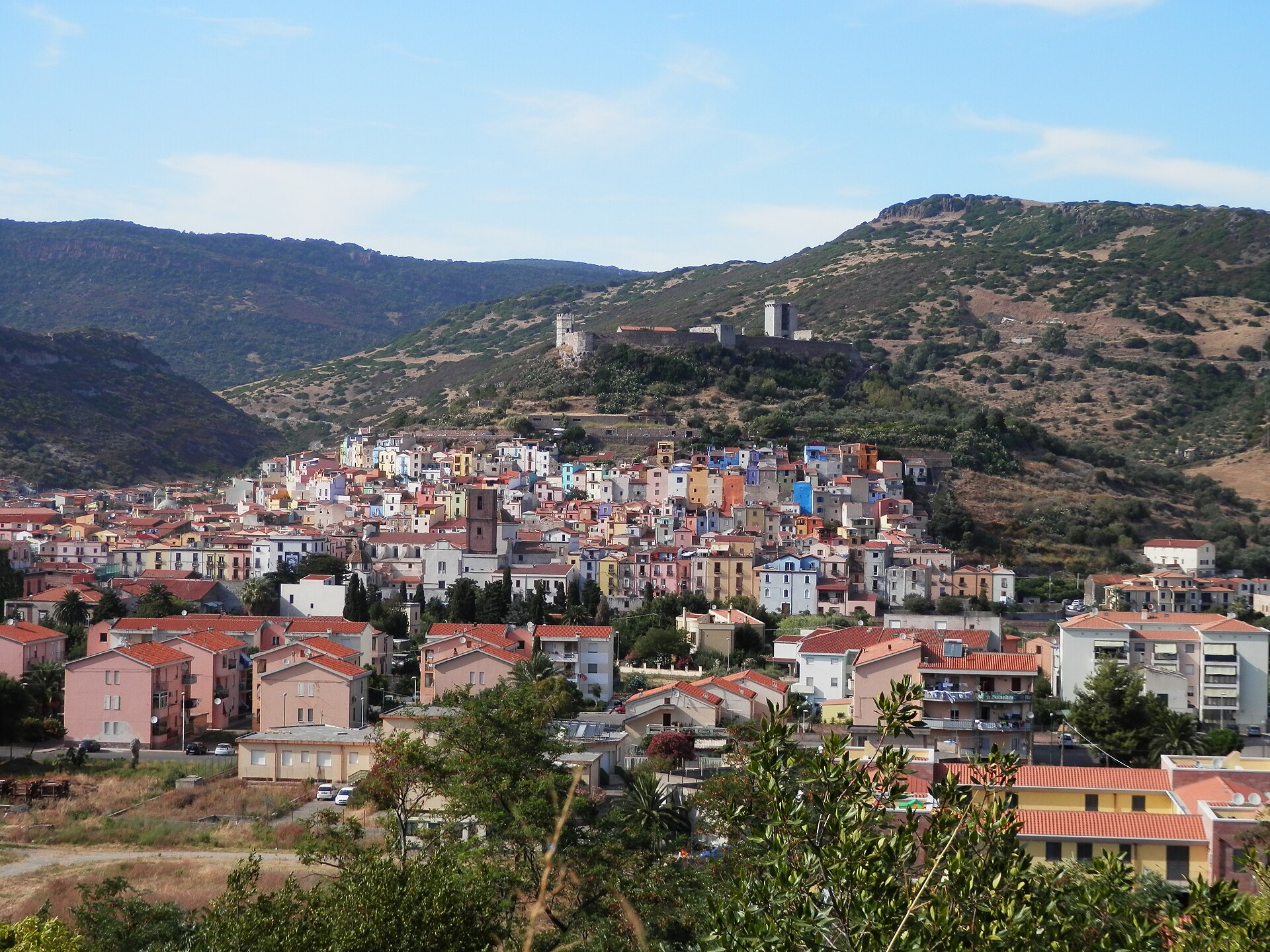
When you arrive in Bosa, you’re greeted by a scene straight off a painter’s canvas. The houses in the historic Sa Costa quarter glow in every pastel shade, climbing the hillside in cascades crowned by the old Castello Malaspina. Bosa sits on the banks of the River Temo (the only navigable river on the island) and the atmosphere here is wonderfully sleepy and authentic. Stop at one of the local cafés and be sure to try the renowned local Malvasia wine.
12. Asinara National Park and the white donkeys
Want to experience something truly unique? Then plan a trip to the island of Asinara, which lies at the very north-western tip of Sardinia. For decades this island was a tightly guarded maximum-security prison for Italian mafiosi, completely off-limits to the public. Thanks to that very isolation, however, its nature has remained utterly untouched, and in 1997 it was declared a national park.
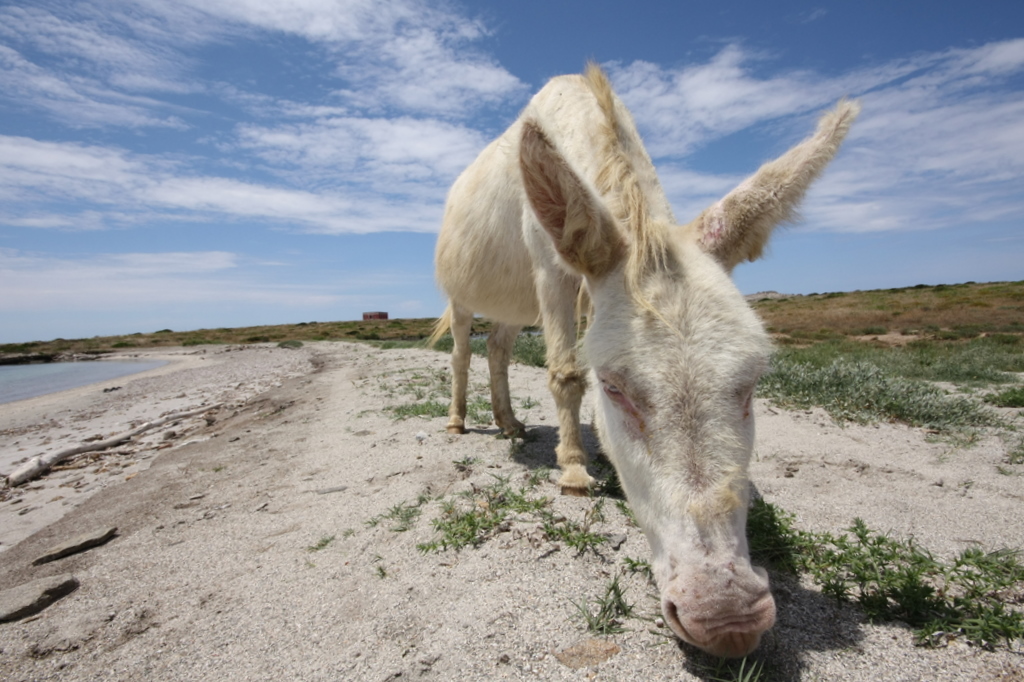
Today Asinara is a paradise of wild beaches and, above all, home to rare white albino donkeys, which roam freely here and happily pose for photos. You can reach the island by tour boat from Porto Torres or Stintino (check details and ferries on the national park website). Since private cars aren’t allowed on the island, visitors most often rent electric bikes, ride a special little train or take jeeps with a local guide.
What to eat in Alghero
Italian cuisine is a safe bet everywhere, but in Sardinia, and Alghero especially, a few interesting surprises await you. The local food scene blends the typical shepherding traditions of the interior with a huge Spanish and Catalan influence, so you’ll come across flavours you won’t easily find on the Italian mainland.
Although the local Riviera is famous for its abundance of seafood, headlined by lobster prepared the Catalan way (aragosta alla catalana), it’s an absolute paradise for vegetarians too. Travellers rave most about the traditional culurgiones pasta — beautifully pleated parcels filled with potato purée, mild pecorino sheep’s cheese and a generous hit of fresh mint. As a starter, you’ll be offered pane carasau everywhere, an incredibly thin and crispy shepherd’s bread that’s baked twice and tastes wonderful simply drizzled with olive oil (then it’s called pane guttiau).
Anyone with a sweet tooth absolutely must try the sinful dessert called seadas or sebadas after dinner. Picture a large fried pastry parcel, filled inside with warm, oozing young cheese and lavishly drizzled on the outside with bittersweet Sardinian honey or dusted with sugar. Order a small glass of mirto alongside it — a strong traditional liqueur made from myrtle berries, deep purple in colour, said to work wonders for digestion.
Where to next
If you’ve already explored the north-west or you’re planning a longer road trip around the island, be sure to check out our other guides and practical articles to help you plan the rest of your journey.
- For a complete overview of the whole island, read our article Sardinia Holiday: What to See and Do.
- More interested in swimming? Then you’ll find our list of tips on the Most Beautiful Beaches in Sardinia handy.
- And if you’re not sure exactly when to go, browse the detailed info on the Weather in Sardinia.
- If you decide to explore the capital in the south too, we’ve got tips on Cagliari, Sardinia.
- Sorting out the logistics of flights or ferries? Our guide on How to Get to Sardinia will help.
- And if you fancy hopping straight to the neighbouring island, take a look at our guide to Corsica.
💡 Keep discovering Sardinia: the main Sardinia guide, the north-west of the island, the most beautiful beaches, nuraghi and the interior.
Frequently asked questions
What to see in Alghero?
Make sure not to miss the historic center (ZTL zone) with bilingual Italian-Catalan street names, the Santa Maria Cathedral with its observation tower, and the breathtaking medieval walls above the sea, where you’ll find the most beautiful sunsets. The town is also famous for producing jewelry from genuine red coral.
Is Alghero worth visiting?
“`html
Absolutely yes. Alghero is one of the most authentic and pleasant towns in all of Sardinia. Thanks to its international airport, it’s easily accessible, offers beautiful architecture, great restaurants, and also serves as a perfect strategic base for trips to the beaches and cliffs of the northwest coast.
“`
How to get to Neptune’s Grotto?
You have two options. You can pay for a comfortable boat trip from the port of Alghero, or drive to Cape Capo Caccia and walk down the impressive Escala del Cabirol (Stairway of the Roe Deer), which has 654 steps. However, entry is only allowed when the sea is calm; the cave closes during strong winds.
Where to swim around Alghero?
Closest to the town you’ll find the beautiful beaches of Le Bombarde and Lazzaretto with fine sand and pine tree shade. If you don’t mind driving about an hour by car, definitely book your entrance to the famous La Pelosa beach near the town of Stintino, which with its turquoise sea resembles the Caribbean.
How many days is enough for Alghero?
You’ll have more than enough time with just one day to explore the historic center and promenade. However, if you want to venture out to Neptune’s Grotto, relax on the nearby beaches, and perhaps take a trip to the colorful town of Bosa, I recommend setting aside at least three to four days for this region.
Why do they speak Catalan in Alghero?
In the 14th century, the city was conquered by the Aragonese, who expelled the original inhabitants and replaced them with colonists from Catalonia. This strong historical influence has left its mark on the local architecture, customs, gastronomy, and even the dialect called Algherese, which is still spoken by some of the locals today.
What excursions to take from Alghero?
Besides the famous Neptune’s Grotto and Cape Capo Caccia, definitely head along the panoramic SP105 road to the picturesque town of Bosa with its pastel-colored houses. The archaeological site of Nuraghe Palmavera is also a great experience, as is a boat trip to the pristine Asinara National Park to see wild white donkeys.
Tips and Tricks for Your Vacation
Don’t Overpay for Flights
Search for flights on Kayak. It’s our favorite search engine because it scans the websites of all airlines and always finds the cheapest connection.
Book Your Accommodation Smartly
The best experiences we’ve had when looking for accommodation (from Alaska to Morocco) are with Booking.com, where hotels, apartments, and entire houses are usually the cheapest and most widely available.
 🚗 Car rental on the roadVerified rental cars in Italy
Search with the DiscoverCars comparison engine — it compares prices from dozens of local and international rental companies, and most bookings come with free cancellation.
Compare car prices in Italy →Don’t Forget Travel Insurance
Good travel insurance will protect you against illness, accidents, theft, or flight cancellations. We’ve had a few hospital visits abroad, so we know how important it is to have proper insurance arranged.
Where we insure ourselves: SafetyWing (best for everyone) and TrueTraveller (for extra-long trips).
Why don’t we recommend any Czech insurance company? Because they have too many restrictions. They set limits on the number of days abroad, travel insurance via a credit card often requires you to pay medical expenses only with that card, and they frequently limit the number of returns to the Czech Republic.
Find the Best Experiences
Get Your Guide is a huge online marketplace where you can book guided walks, trips, skip-the-line tickets, tours, and much more. We always find some extra fun there!


