Forget the crowded riviera beaches and the busy boulevards of Tirana for a moment. If you want to understand the true soul of the Albanian interior and touch the era of Ottoman rule over the Balkans, you need to head for the mountains. Gjirokastër, Albania is an architectural gem inscribed on the UNESCO World Heritage list that will instantly transport you several centuries back in time. The town is rugged, steep, and quite literally carved out of grey stone.
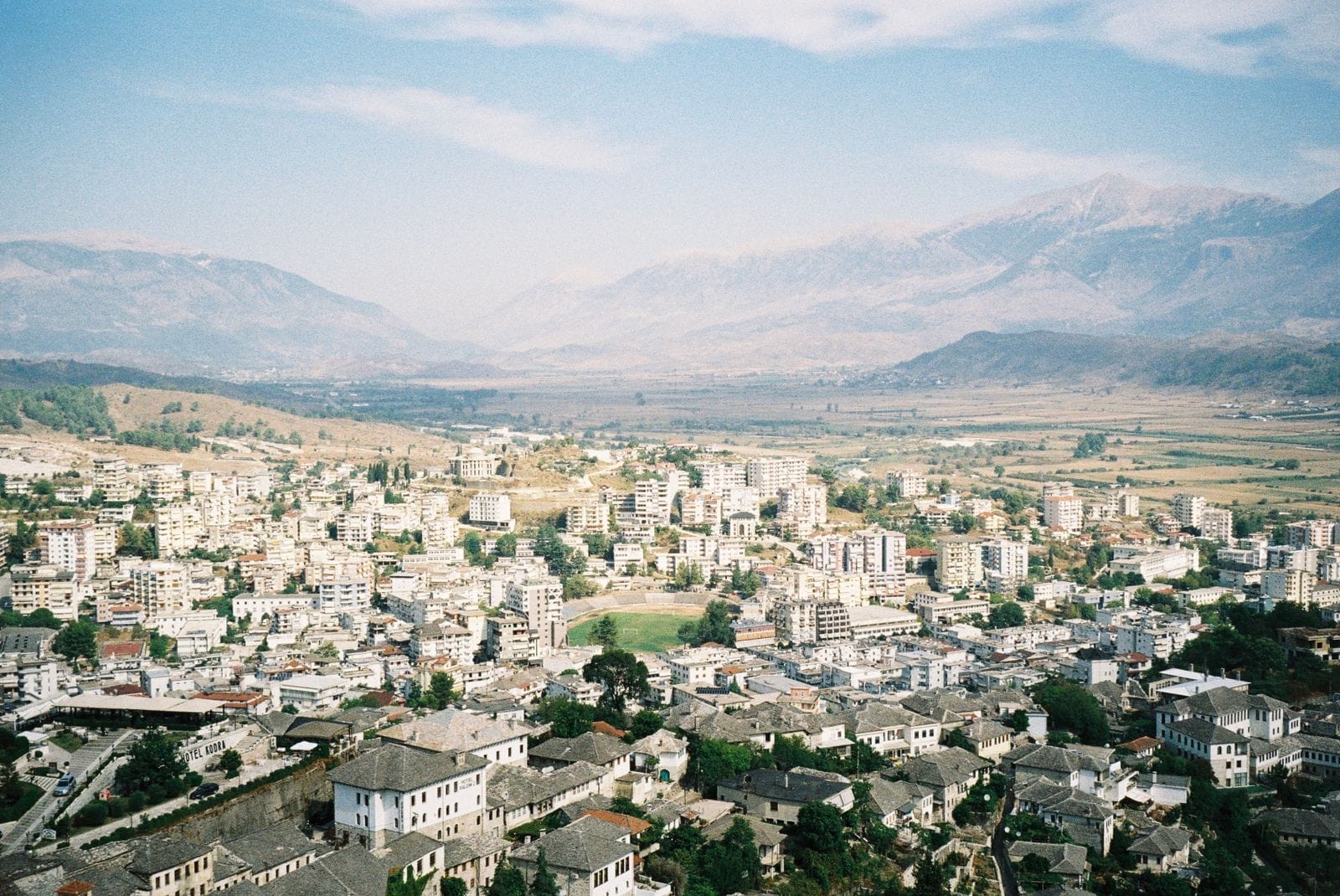
It’s nicknamed the city of a thousand steps, and you’ll understand why the moment you arrive. You’ll hardly find a flat surface anywhere, and every walk means carefully picking your way along steep cobbled lanes. The reward, though, is the views of those iconic roofs of roughly split slate, which give the houses their unmistakable, slightly brooding charm. These stone slabs once worked as natural air conditioning and protected residents from the harsh mountain winters.
Even though Albania has experienced a huge tourism boom in recent years, the historic centre of Gjirokastër still holds onto its authentic mountain atmosphere. The old code of hospitality still reigns in family-run guesthouses, and here the day isn’t measured in hours but in cups of strong Turkish coffee. Set out to discover the majestic castle, the winding lanes of the old bazaar, and a fascinating history that includes everything from Ottoman pashas to secret underground Cold War bunkers.
TL;DR
- The town’s landmark: The huge Kalaja castle offers not only breathtaking views, but also the wreck of an American plane and dark prison cells.
- Historic houses: Visit the fortified Ottoman Skenduli and Zekate houses with their beautifully carved ceilings and well-preserved interiors.
- The Cold War: A chilling experience awaits in the Cold War Tunnel, a giant nuclear shelter blasted straight into the rock beneath the castle.
- The old bazaar: The heart of the town with cobbled lanes, ceramics shops, and traditional cafés.
- Local food: Be sure to try qifqi (fried rice balls), the town’s meat-free speciality.
- Practical info: The Albanian lek is currently very strong (100 ALL ≈ 1 EUR) and most places still take cash only.
- Weather and footwear: In summer the stone town heats up intensely, so don’t forget sturdy shoes — I really don’t recommend flip-flops on the slippery cobblestones.
The full destination guide: Albania — guide and what to see
When to Visit Gjirokastër
Choosing the right season is absolutely key for a visit to the stone city. The best time to visit is clearly the spring months (April to June) or, conversely, autumn (September and October). Temperatures during these periods hover around a pleasant 20 to 25 degrees, which is ideal for exploring the steep lanes. Spring also brings beautiful blooms to the Drino river valley, while autumn offers stunning colours in the surrounding forests.
If you decide to come during the peak summer season in July or August, prepare for truly extreme heat. The grey stone the whole town is built from soaks up the sun’s rays during the day and works like a giant radiator. Temperatures regularly climb past 35 degrees and the climb up to the castle turns into a demanding workout. In summer I therefore recommend planning your sightseeing for early morning or late afternoon.
As for how long to stay, Gjirokastër deserves at least one full day and one night. Staying overnight is incredibly important, because during the day the centre fills up with tourists on day trips. Once the sun sets, though, the crowds from the coach tours head off to the sea and yellow lanterns flicker to life in the lanes. That’s exactly when the town takes on its magical, peaceful atmosphere, which you’ll savour best with a glass of local wine on a terrace.
Where to Stay in Gjirokastër
💡 Tip for accommodation and experiences: We like to look for places to stay on Booking.com, which usually has the best cancellation terms. For tickets, tours, and activities, it’s worth comparing and booking through GetYourGuide.
When searching for accommodation, be sure to avoid the modern hotels in the new suburbs and find a traditional family guesthouse right in the historic centre. The most beautiful places to stay are on the steep slopes above the old bazaar, especially along Rruga Palorto. The view from your window over the stone roofs and valley with your morning coffee is absolutely worth that initial uphill haul with a suitcase. Just be prepared that you’ll often have to leave your car in a public car park at the bottom of the hill.
An absolute gem for history lovers is Hotel Kalemi 2, a sensitively renovated listed Ottoman house. It features gorgeous carved wooden ceilings and a spacious terrace with a panoramic view straight at the castle. If you prefer smaller family-run places with an incredibly warm atmosphere, definitely check out Ahmetaj Guest House. Travellers there rave most about the peaceful garden and the absolutely gigantic homemade breakfasts.
Here are some specific tips for tried-and-tested places to stay across all categories (compare prices and availability with one click via Stay22, which searches for the best deal across Booking.com, Airbnb, and others):
- Hotel Kalemi 2 – Renovated listed Ottoman house with hand-carved ceilings and a terrace with castle panorama.
- Hotel Kalemi – Traditional Ottoman house in the historic core, a family B&B with magnificent views over the town.
- Ahmetaj Guest House – Rated 9.8: garden, spacious terrace, and a hearty homemade breakfast in the heart of the old town.
- Babameto House – One of the grandest traditional houses, just 300 metres from the Old Bazaar.
- Kotoni B&B – Family guesthouse in a traditional stone house a short walk from the bazaar and castle.
- Kore Guest House – Historic house with a terrace, valley views, and a 24-hour reception.
Another great choice is the historic Babameto House, one of the most impressive 19th-century homes, lying just about 300 metres from the main bazaar. You’ll get an authentic experience of staying in one of the so-called kullas without having to climb too high up the hill. Lovely valley views are also offered by the popular Kore Guest House, where you can sit out on the terrace in the evening and soak up the atmosphere of times gone by. In the summer months these traditional houses sell out fast, so sort out your accommodation well in advance.
8 Things to Do in Gjirokastër — Best of Albania’s UNESCO Sites
Below I’ve put together eight specific tips for places and experiences you definitely shouldn’t miss during a visit to this stone wonder. I’ll also advise you on what to watch out for and how much money to have ready.
1. Gjirokastër Castle (Kalaja) and the T-33 Plane
The most striking landmark of the whole town is the huge, slightly brooding castle sprawling along the ridge right above the historic centre. It’s one of the largest fortresses in the entire Balkans, and exploring it will take you at least two hours. Admission is around 200 to 400 ALL (roughly 2 to 4 euros), though prices in Albania often change, so check the exact amount at the gate and have cash ready. The complex is open year-round, in summer until 7 p.m.
Right at the entrance you’ll be surprised by a long, dimly lit gallery full of old Italian and German artillery from the Second World War. But the castle complex hides much more, including a weapons museum and chilling communist prison cells that served their purpose right up until 1968. Walking through these damp, cold corridors is guaranteed to leave a strong impression and reminds you of the complicated history of 20th-century Albania.
On the grassy courtyard rests the most bizarre exhibit of the whole castle: the wreck of an American military aircraft, a Lockheed T-33. Local legend tells a story of a downed CIA spy plane, and the communist regime once proudly displayed it as proof of victory over Western imperialism. The reality is probably more prosaic — it was a plane that had to make an emergency landing here due to technical problems — but the spy story is far more appealing to tourists.
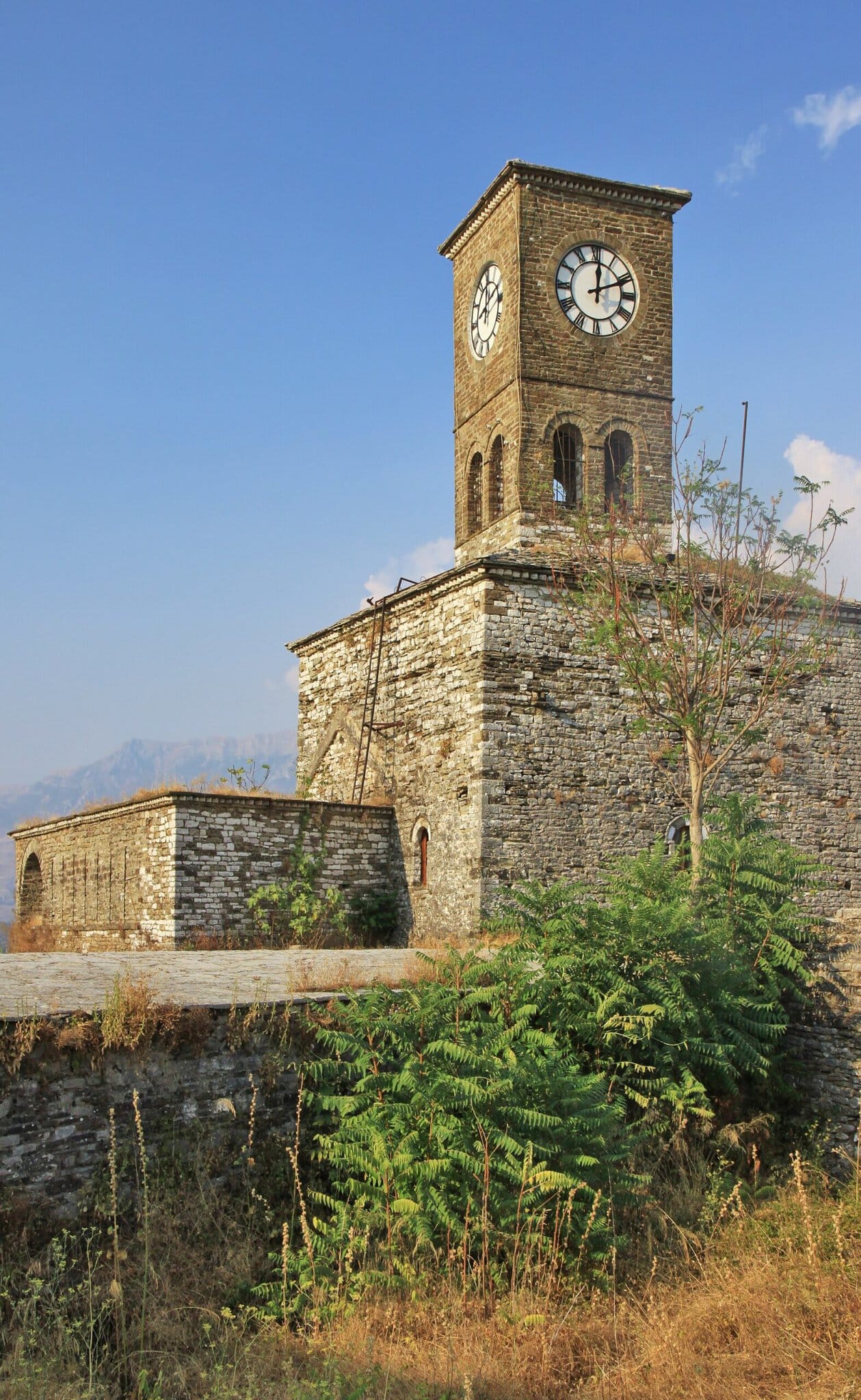
💡 Tip for photographers: At the very end of the ramparts stands a beautiful clock tower, added here by Ali Pasha of Tepelena. The views from there over the slate roofs below and the green Drino valley in the distance are absolutely breathtaking, especially in the late afternoon sun.
2. The Gjirokaster Bazaar (Pazari i Vjetër) and Stone Lanes
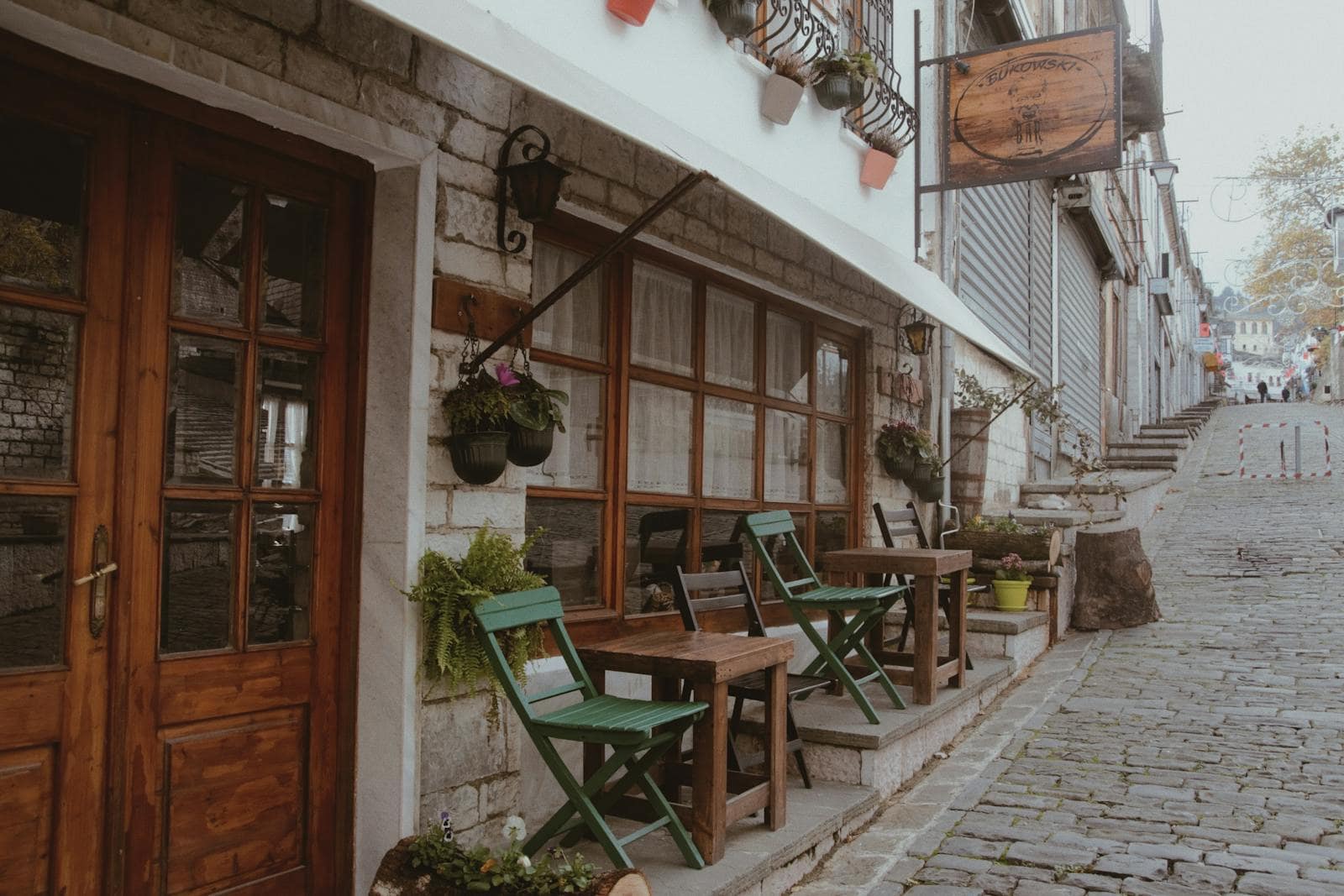
The heart of the historic centre is the old bazaar, which recently underwent an extensive and very sensitive restoration. The result is a beautiful cobbled zone full of shops selling hand-woven rugs, traditional ceramics, and small cafés. It’s an ideal spot for buying souvenirs, even if it’s true that the traditional craftsmen are slowly being replaced by sellers of generic fridge magnets. Still, the place has incredible charm, and sitting with a strong coffee right out on the street is simply part of any visit to Albania.
The whole town is built on a steep slope, so prepare for the fact that you really won’t find any level ground here. Sturdy shoes are an absolute must — the slippery cobblestones can be treacherous even when dry, let alone after rain. Ditch the map and just let your instinct guide you. Sooner or later every lane will lead you to some interesting architectural detail or a viewpoint over the surrounding mountains.
If you’re looking for the most authentic part of town, head west of the bazaar along Rruga Palorto. This is where you’ll find the most beautiful and best-preserved Ottoman houses, many of which are still lived in today. Commercialisation hasn’t fully arrived here yet, and you can quietly watch the locals going about their daily routines.
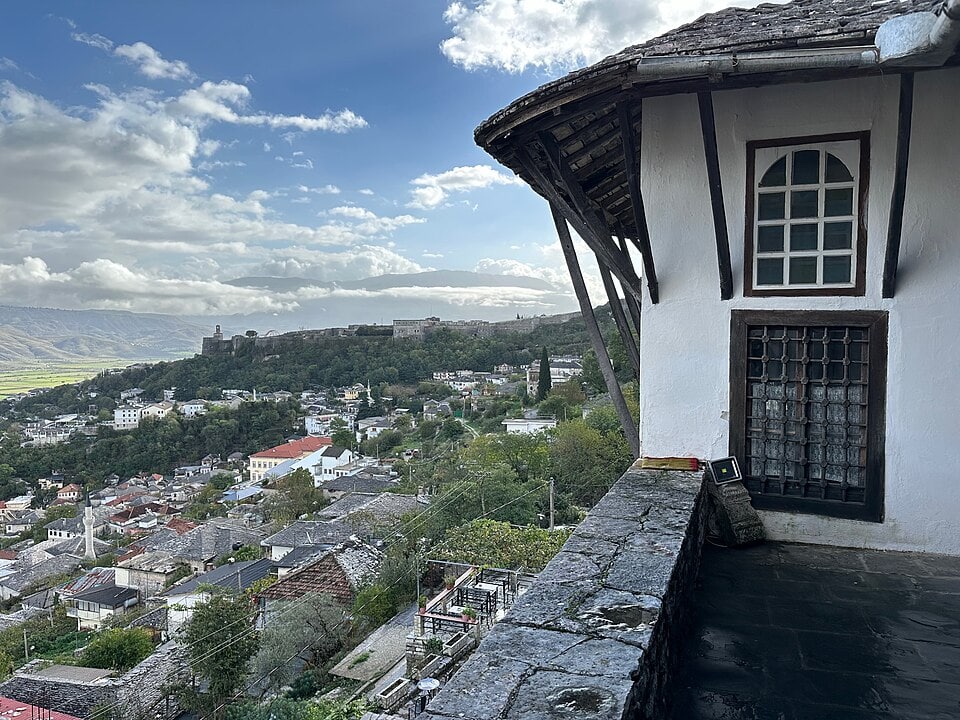
3. Skenduli House and the Majestic Zekate House
In the 18th and 19th centuries, wealthy Ottoman merchants built so-called kullas — fortified tower houses designed to protect the family both from enemies and from the ever-present blood feuds. Today several of them are open to the public, and visiting them is like travelling back in time. For a small fee of around 200 ALL, the owners let you inside and often show you around their family residences themselves.
Probably the best known is the grand Skenduli House, which boasts an incredible 40-plus rooms. The house has survived in almost its original state — you’ll see several fireplaces, the original hamam, and separate quarters for men and women. The family member showing you around will enthusiastically explain how the old Ottoman household was organised and point out the building’s hidden security features.
Even more magnificent is Zekate House, which dates from 1812 and dominates the entire slope with its two towers. This house offers the most beautiful painted halls with stunning carved ceilings known as mafil. If you love architecture and history, visiting these two houses should be next on your itinerary right after the main castle.
4. The Cold War Tunnel
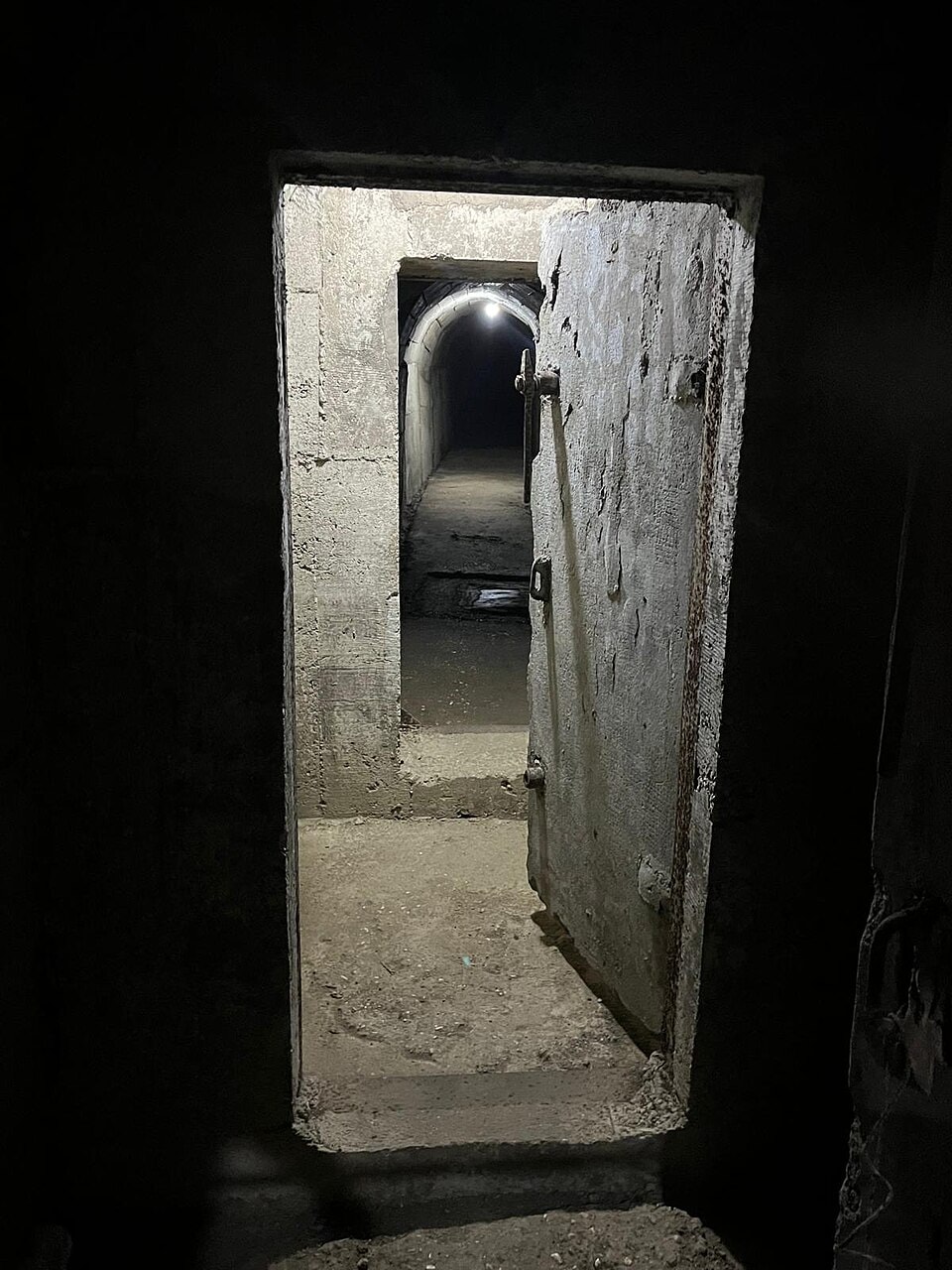
If you’re interested in Albania’s more recent and darker history, definitely don’t miss a tour of the Cold War Tunnel. This gigantic nuclear shelter with nearly 60 rooms is blasted straight into solid rock deep beneath the castle. The dictator of the time had it built in case of a nuclear attack, and today it serves as a chilling and very tangible demonstration of the communist regime’s paranoia. You’ll find the entrance discreetly tucked away next to the town hall by Çerçiz Topulli Square.
Admission costs 200 ALL and is paid in cash only. You can only get inside accompanied by a guide, with tours usually starting on the hour and taking around 20 to 30 minutes. You’ll walk through a labyrinth totalling 800 metres in length and see old generators, decontamination rooms, and meeting halls for the party elite of the time, who were meant to survive the end of the world here.
💡 Clothing tip: Even if you’re baking in 30-degree heat outside, definitely bring a light jacket or jumper into the tunnel. The underground temperature stays at a steady 15 degrees year-round, and after about ten minutes of the tour you’ll start to feel quite cold without an extra layer.
5. The Ethnographic Museum and Famous Locals
Gjirokastër had a peculiar privilege in the 20th century, as it was the birthplace of two of the most famous Albanians of the modern era. The first was the brilliant writer and multiple Nobel Prize nominee Ismail Kadare. The second, unfortunately, was the communist dictator Enver Hoxha. Ironically, the very fact that it was Hoxha’s hometown saved Gjirokastër from demolition, because the communists declared it a museum town and preserved its old character.
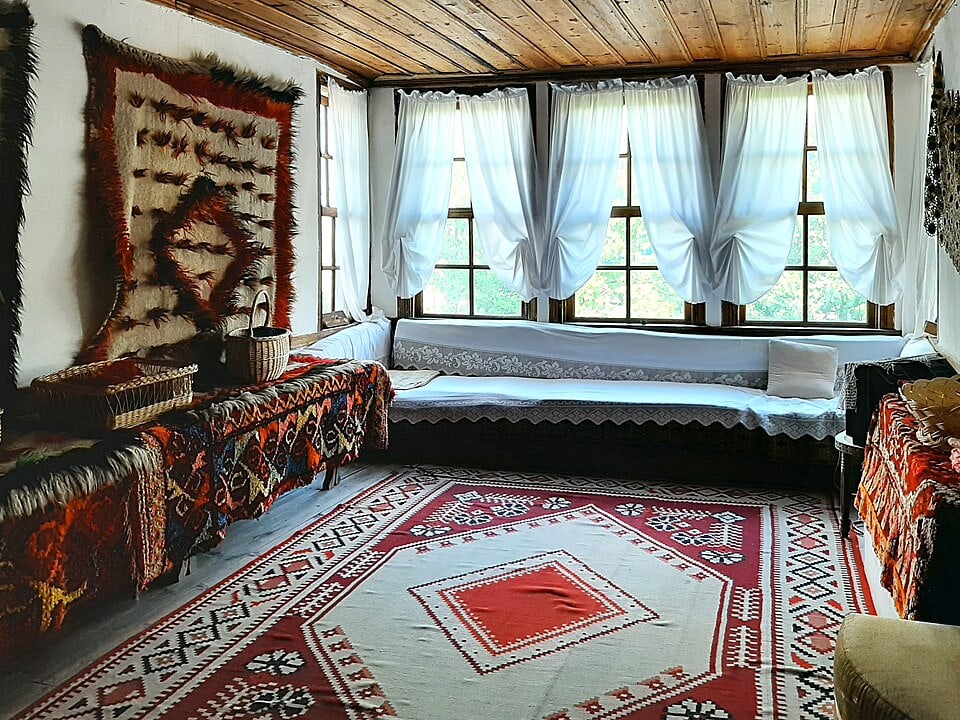
Today, the interesting Ethnographic Museum stands on the site of the dictator’s original house. It’s worth setting one common misconception straight, though: the original house burned down, and the current building was constructed between 1964 and 1966 as a perfect model of a wealthy 19th-century Gjirokastër residence. So inside you won’t find any of the dictator’s personal belongings, as many tourists assume, but a fascinating collection of traditional clothing, furniture, and craft tools.
Admission to the museum is again around 200 ALL, and the guided tour gives you a lovely sense of how people actually lived in these enormous stone houses a hundred years ago. You’ll see beautiful examples of local costumes and understand how ingeniously the residents of the time had solved heating and water supply.
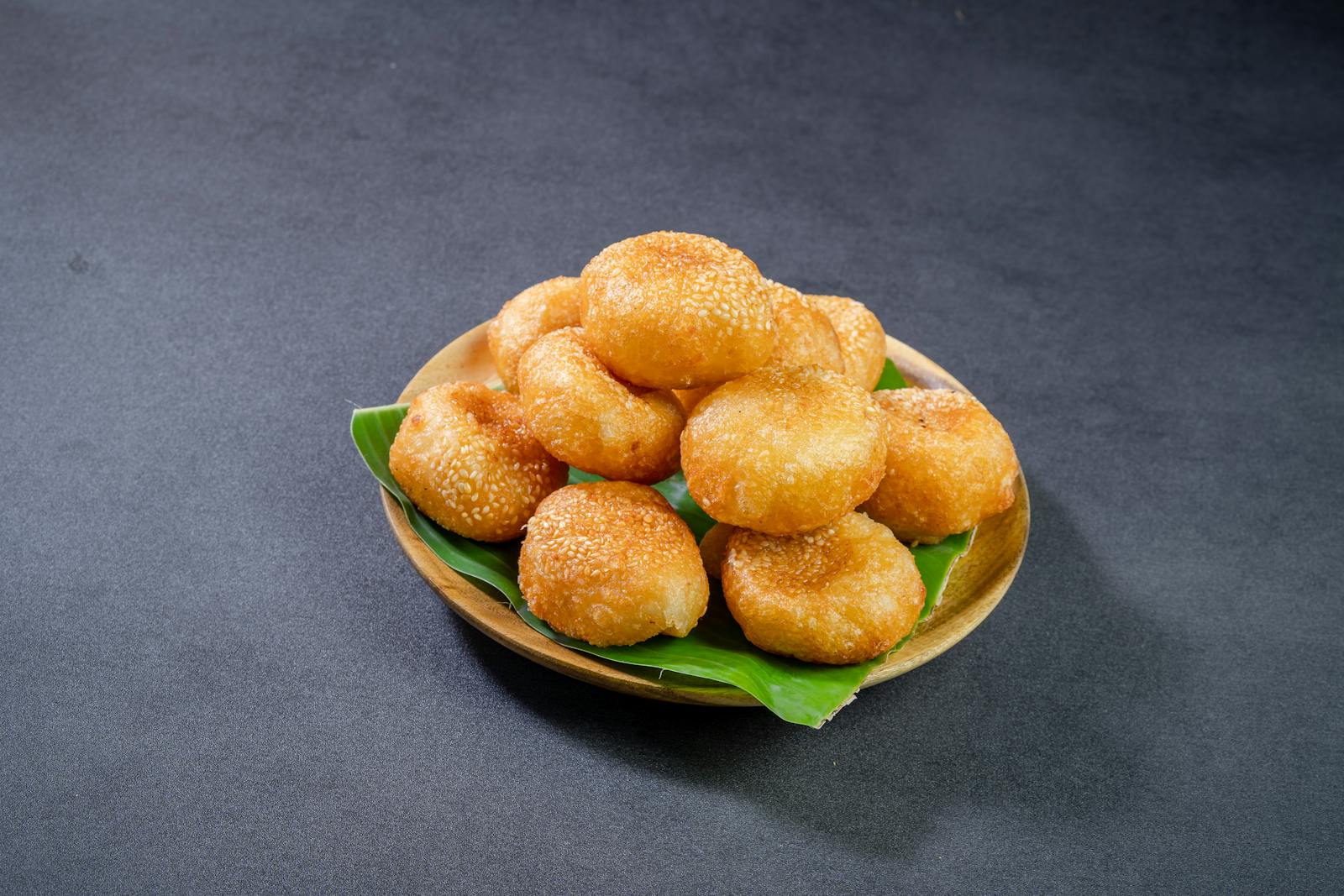
6. Try Qifqi and the Local Vegetarian Cuisine
Albanian cuisine is generally excellent, but Gjirokastër has its own specialities you won’t easily find elsewhere in the country. The town’s absolute signature dish is qifqi — small, golden-fried rice balls bound with egg and richly seasoned with fresh mint and pepper. I definitely recommend trying them, and it’s great news for anyone seeking vegetarian food.
Another great meat-free dish is the hearty fërgesë, a baked mix of peppers and tomatoes with homemade curd cheese called gjizë. Pair it with plaki, slow-stewed white beans in tomato sauce, or a vegetable moussaka. For a quick snack on the go, you’ll find delicious byrek filled with cheese or spinach on every corner. The local speciality for meat lovers is tave kosi, traditionally baked lamb in yoghurt.
So where can you eat well in the centre? Travellers highly recommend Taverna Kuka, which sits a short walk from the mosque and is praised for its qifqi and beautiful views. Taverna Tradicionale Kardhashi, which specialises in the rice balls, is also excellent. If you’re after great byrek and more vegetable options, try Restaurant Odaja. For good coffee and a quiet sit-down, head to the Te Kubé café, which also doubles as a small bookshop.
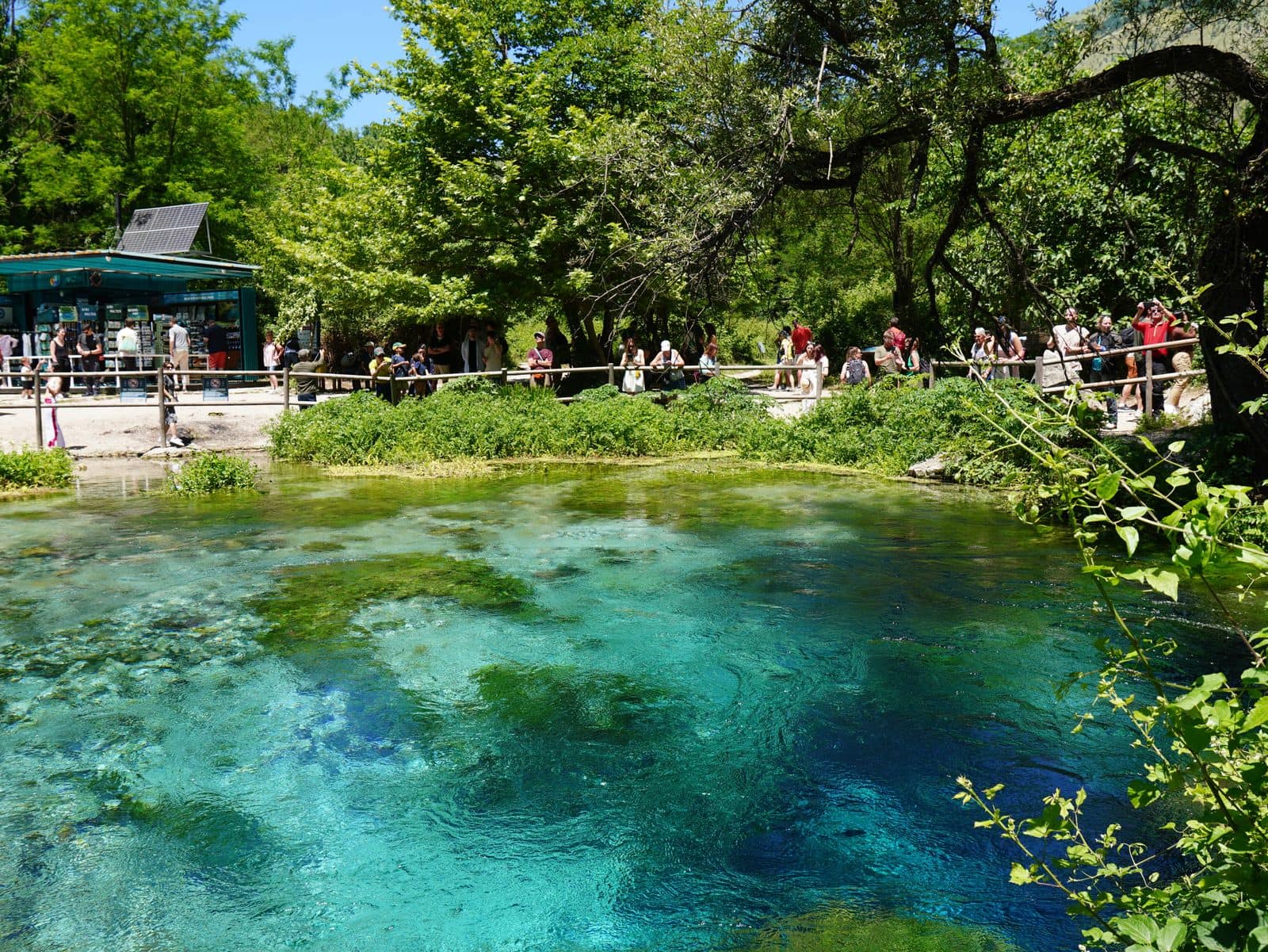
7. The Blue Eye (Syri i Kaltër) on the Way to the Sea
Once you’ve had your fill of history and stone lanes, set off to discover the natural beauty in the surroundings. The most famous and most-visited excursion from Gjirokastër is the Blue Eye spring. It lies just under 30 kilometres south of the town and is a popular stop on the way to the sea. This fascinating karst spring wells up from an enormous depth and creates a magical pool with incredibly turquoise, crystal-clear water.
The water here is icy all year round, reaching a maximum of 10 degrees, so swimming is only for the truly hardy. A pleasant wooded trail runs around the spring and the whole area feels like a green oasis. You can easily organise the trip yourself by car, or take one of the organised tours, which you can search for and book through the GetYourGuide platform.
In the summer season, unfortunately, huge crowds of tourists form here, so I recommend setting out early in the morning, as soon as the site opens. You’ll have a much better chance of photographing the spring without dozens of other people in the shot, and you’ll also avoid the parking problems along the access road.
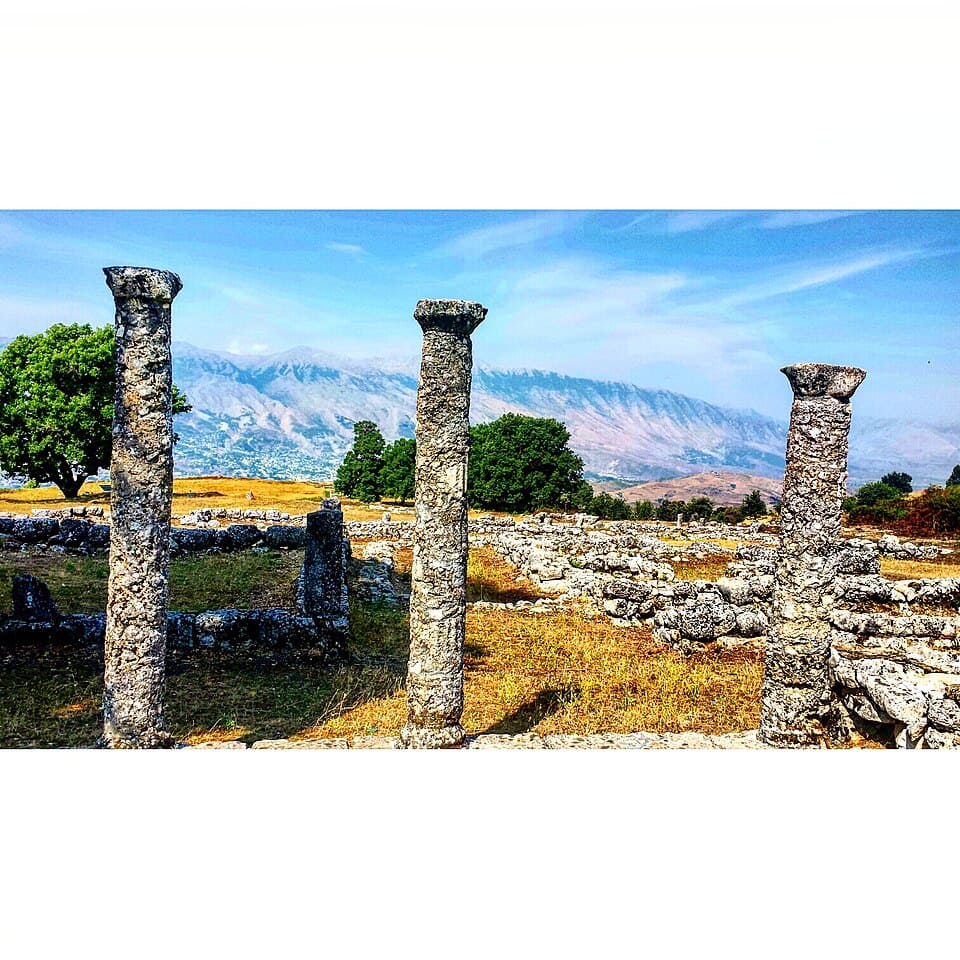
8. Antigonea, the Benjë Thermal Baths, and the Story of Lazarat
If you’re a fan of antiquity, head about 14 kilometres out of town to the Antigonea archaeological park. This ancient Greek polis was founded in the 3rd century BC by King Pyrrhus in honour of his wife Antigone. Today you’ll mostly find just the foundations of buildings and walls, but the site itself, set on a plateau, offers absolutely fantastic and completely unspoilt views over the Drino valley. Admission is around 200 to 300 ALL.
Another great tip for a full-day trip is the Benjë thermal baths near the small town of Përmet, about an hour’s drive away. Here you’ll find natural stone pools with healing water at a constant 29 to 30 degrees, lying right beneath a beautiful Ottoman bridge over the Lengarica river. It’s a great place to relax after a demanding round of sightseeing.
On your way through the valley, you might hear the locals tell an interesting story about the village of Lazarat, which lies just 4 kilometres from Gjirokastër. Until about a decade ago it was Europe’s notorious cannabis capital and essentially a state within a state. In June 2014, a massive police raid involving special forces took place here, finally breaking up the business for good. Today it’s an ordinary, quiet little village, but its wild recent history is an inseparable part of this rugged region.
Where to Go Next from Gjirokastër
Gjirokastër sits in a strategic spot in southern Albania and offers several logical directions to continue your journey. If you’re arriving from the north and heading south to the sea, you’ve got about an hour and a half of driving along switchbacks before the Ionian Sea coast opens up before you. The road takes you to the bustling resort of Saranda, from where you can go on to discover Saranda and the Ionian Riviera with all its coves.
Just a little below Saranda lies a popular beach resort often dubbed Ksamil: the Albanian Maldives. It’s the ideal place to finally jump into the warm sea after days spent in the mountains.
If you’re heading from the sea northwards instead, be sure not to miss the second famous Ottoman town. The drive from Gjirokastër takes a while, but Berat: the town of a thousand windows, with its white façades, offers a completely different and far gentler atmosphere that you have to see with your own eyes.
If you’re heading back to the airport, bear in mind that there’s still no full motorway across the country. The journey to the capital on the current roads takes quite a while. Allow around 4.5 to 6 hours of driving, and leave yourself a decent buffer before you set out to explore Tirana and its sights. You’ll find more inspiration for your trip in our big guide on what to see in Albania.
Frequently Asked Questions
Do you pay in euros or lek in Gjirokastër?
Albanian currency is the lek (ALL), which has significantly strengthened in recent years and currently the exchange rate is around 100 ALL for 1 EUR. Most restaurants and accommodations commonly accept euros, but entrance fees to monuments and small purchases at markets must be paid in leks. Definitely don’t rely on cards, cash is still king here.
How long does the journey from Tirana take?
Don’t be fooled by the map or promises of quick transfers – a full-fledged highway connecting the capital with Gjirokastëra doesn’t exist yet. While the roads are mostly good quality, traffic tends to be heavy. Count on at least 4.5 to 6 hours of pure driving time if you’re going by your own or rental car.
Can I manage to walk through the city with a stroller?
Honestly speaking, the historic center of Gjirokastër is an absolute nightmare for a classic stroller. Steep hills and extremely bumpy cobblestones make movement on wheels very difficult if not impossible. For smaller children, definitely bring an ergonomic baby carrier or sling.
How much do entrance fees to the main attractions actually cost?
Albania is still affordable, even though it’s not as cheap as it used to be. Entrance fees to the castle, the Cold War Tunnel, and historic houses like Zekate House are very consistent, usually ranging from 200 to 400 ALL (2 to 4 euros). Have small bills ready, as there’s often a problem giving change for large denominations.
Is it safe to travel to southern Albania?
Yes, Albania is one of the very safe European destinations and Gjirokastra is no exception. Crime against tourists here is absolutely minimal and traditional Albanian hospitality ensures that locals will treat you very warmly. Be more careful of the rather wild driving style on local roads.
Where’s the best place to park in the city?
To the very heart of the historical bazaar, entry is permitted only for locals and supply vehicles. It’s best to leave your car at the park-and-ride lot at the bottom of the hill near the roundabout, or arrange in advance with your accommodation provider whether they have their own parking spaces on the slope.
What does that confusing Albanian head nodding mean?
Take special care with non-verbal communication, especially in the south of the country. Nodding your head (up and down) traditionally means a disapproving NO here, while shaking your head from side to side means YES. Until you get used to it, this leads to many comical situations, so it’s safer to use the words po (yes) and jo (no).
Will I find enough vegetarian food there?
Absolutely! Albanian cuisine makes abundant use of vegetables and local cheeses. Right in Gjirokastër, the specialty is qifqi rice balls, and throughout the country you’ll find excellent cheese or spinach byrek, stewed plaki beans, or cheese fërgesë. There are plenty of meat-free options in every traditional taverna.
Tips and Tricks for Your Vacation
Don’t Overpay for Flights
Search for flights on Kayak. It’s our favorite search engine because it scans the websites of all airlines and always finds the cheapest connection.
Book Your Accommodation Smartly
The best experiences we’ve had when looking for accommodation (from Alaska to Morocco) are with Booking.com, where hotels, apartments, and entire houses are usually the cheapest and most widely available.
 🚗 Car rental on the roadVerified rental cars in Albania
Search with the DiscoverCars comparison engine — it compares prices from dozens of local and international rental companies, and most bookings come with free cancellation.
Compare car prices in Albania →Don’t Forget Travel Insurance
Good travel insurance will protect you against illness, accidents, theft, or flight cancellations. We’ve had a few hospital visits abroad, so we know how important it is to have proper insurance arranged.
Where we insure ourselves: SafetyWing (simple monthly subscription) and TrueTraveller (for extra-long trips).
Find the Best Experiences
Get Your Guide is a huge online marketplace where you can book guided walks, trips, skip-the-line tickets, tours, and much more. We always find some extra fun there!