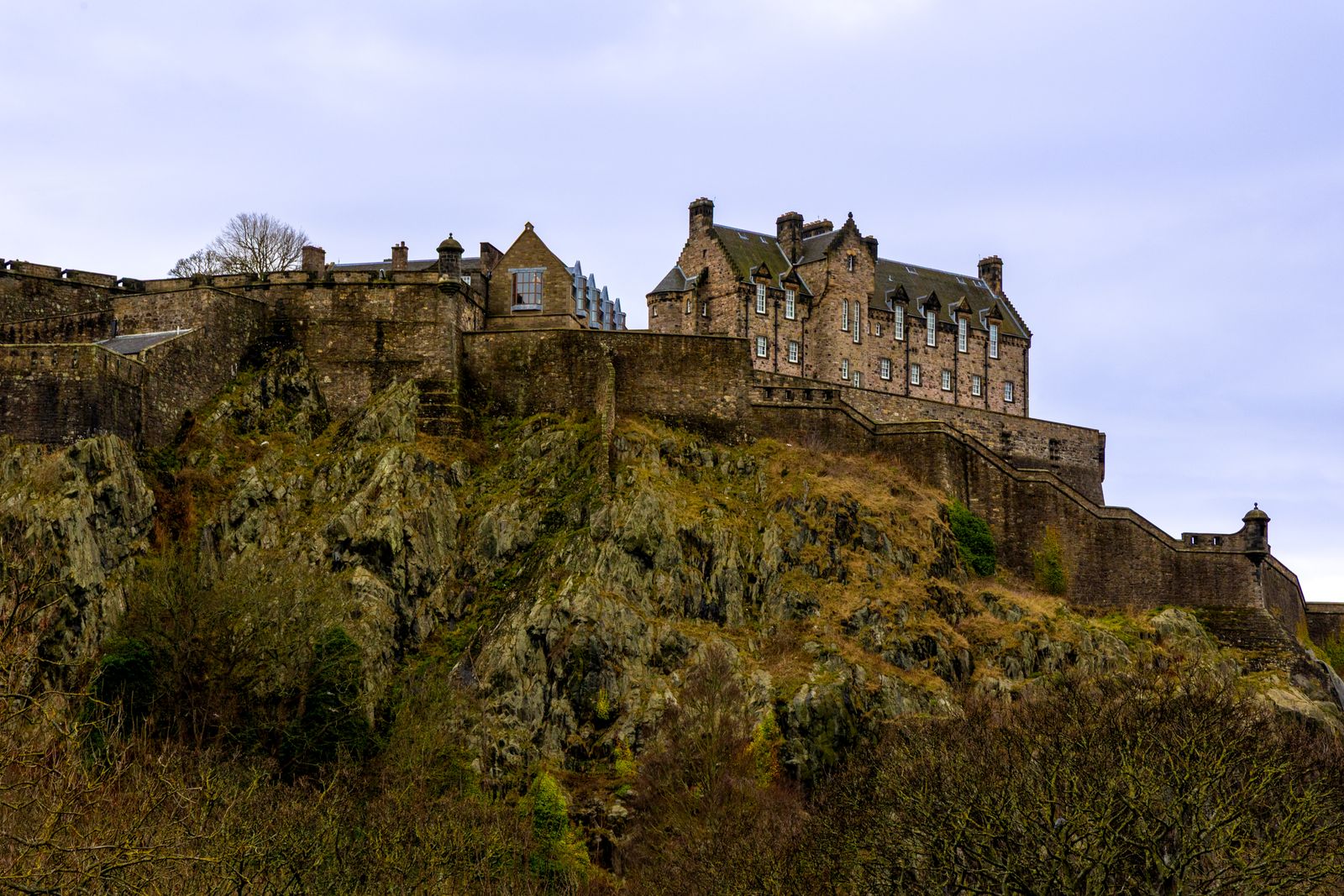
Edinburgh, Scotland is exactly the kind of place you might picture in your wildest dreams. Dark Gothic spires rise above cobbled lanes, the mournful drone of bagpipes drifts in from somewhere nearby, and watching over it all is a majestic castle perched on the summit of an extinct volcano. The city has an incredible magic that pulls you straight into the story and never lets go.
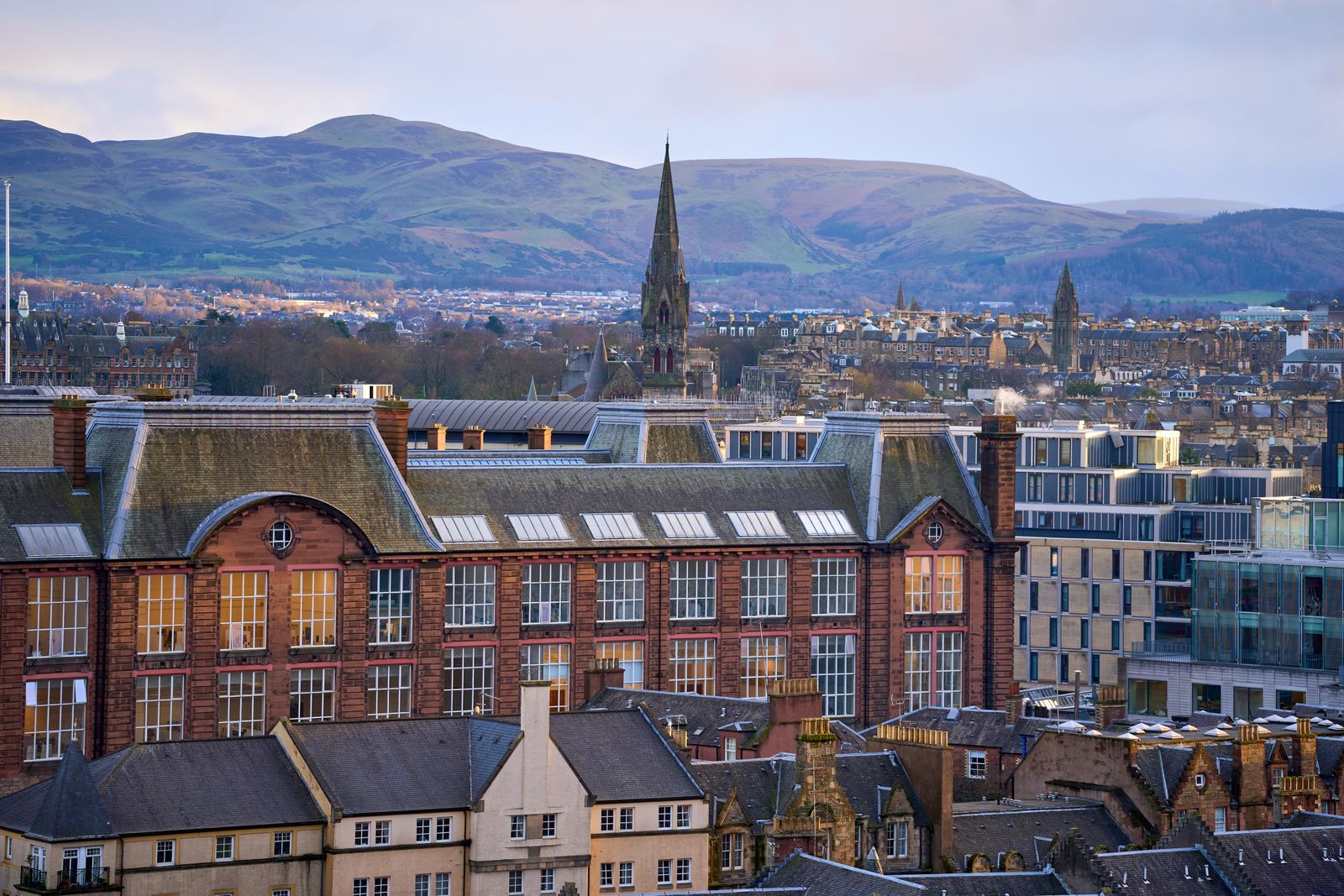
As you wander around, you’ll discover that the city is made up of two completely different worlds. On one side you’ll be enchanted by the tangled medieval lanes of the Old Town, full of mysteries and legends, while just a few streets away the Georgian elegance of the New Town opens up before you with its wide boulevards. Both parts are so unique that they have rightly earned a place on the UNESCO World Heritage list.
I’ve put together 31 specific places and experiences for you, from the most famous landmarks to the hidden gems most tourists walk straight past. I’ll also throw in tips on where to stay, how to dodge the crowds, and what you need to know about the new travel authorisation you’ll soon need to enter the UK at all.
TL;DR
- New rule for EU travellers: Since April 2025, EU citizens need an electronic ETA authorisation costing £20 to enter the UK, which you can easily arrange through the official app. (As a UK resident you obviously don’t need one, but worth knowing if you’re travelling with EU friends.)
- Book tickets early: Tickets for Edinburgh Castle sell out fast in season, so secure them online several weeks in advance.
- Beware of August: During the August festivals the city is absolutely packed and accommodation prices double or even triple.
- Plenty is free: The National Museum, the breathtaking view from Calton Hill or a stroll through picturesque Dean Village won’t cost you a penny.
- Pay by card: The city is almost cashless — even on buses you simply tap your card, with a daily cap of £5.70.
- No adapter needed: Scotland uses the same type G plugs as the rest of the UK, so your charger will work just fine.
The full destination guide: United Kingdom — guide and what to see
When to Visit Edinburgh
Scottish weather is famous for its unpredictability, and locals love to say you can experience all four seasons in a single day. The mild oceanic climate brings frequent showers and strong winds all year round, so it pays to always keep a good waterproof jacket handy and rely on layering. When packing, definitely think in layers — several thin ones you can easily peel off and put back on. Leave the umbrella at home, because a strong gust will snap it instantly, and invest in a really decent rain jacket instead.
The best compromise for a calm visit is May and September, when temperatures are pleasant, the days are long enough and you’ll avoid the biggest crowds. In summer, temperatures average around 17 to 19 degrees, while the days stretch to an incredible 17 hours of daylight. Winters here aren’t bitterly cold, but the high humidity and short days make them a challenge for only the hardiest travellers.
A big warning applies to the whole month of August, when the city hosts the famous Fringe festival and the popular Military Tattoo. During this period the streets are bursting at the seams, you won’t get a restaurant table without a reservation, and accommodation prices shoot to astronomical heights. So unless you’re heading specifically for the festivals, definitely pick a different time for your trip.
Where to Stay in Edinburgh
💡 Tip for accommodation and experiences: We like to look for places to stay on Booking.com, which usually has the best cancellation policies. For tickets, tours and activities, it pays to compare and book through GetYourGuide.
Edinburgh is a fairly compact city with huge demand for accommodation, so booking through Booking well in advance pays off in every situation. Most hotels offer free cancellation, so go ahead and book early — and if your plans change, you can cancel stress-free.
If you’re after absolute luxury or planning a special celebration, I recommend the iconic five-star The Balmoral, with its gorgeous clock tower right above Waverley Station. For couples in love, the boutique The Witchery by the Castle is an absolute dream — tucked away right by the castle gates, it offers Gothic suites with an unrepeatable romantic atmosphere.
For a happy middle ground with excellent value and location, there’s Motel One Edinburgh-Royal, just a few steps from the Royal Mile. Another great choice is the design-led four-star Radisson Collection Royal Mile with modern rooms right in the heart of the action, or the smaller boutique The Inn on the Mile, sensitively converted from a former historic bank.
For young travellers and those on a tighter budget, an absolute legend is Castle Rock Hostel, which boasts a fantastic community vibe and a location right beneath the castle rock. An interesting alternative is the modern capsule pods at CoDE Pod The Court, housed in a fascinating former prison building and offering great privacy.
31 Things to See and Do in Edinburgh
Let’s take a closer look at the specific places that make this city so special. I’ve put together a mix of famous landmarks and smaller hidden gems so you can take home the best experiences and discover the corners that ordinary tourists usually never visit.
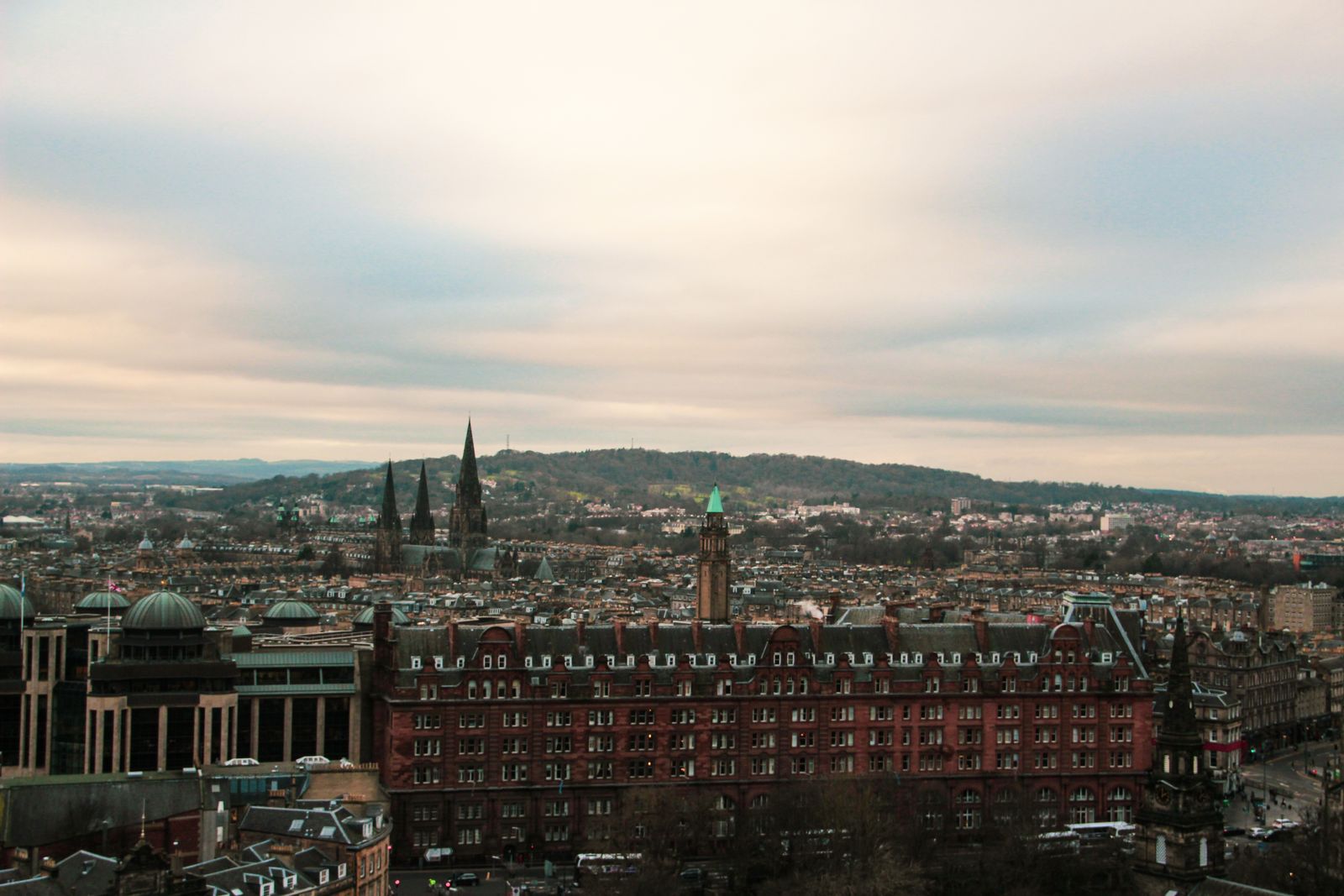
1. Edinburgh Castle: The Symbol of the City on a Volcanic Rock
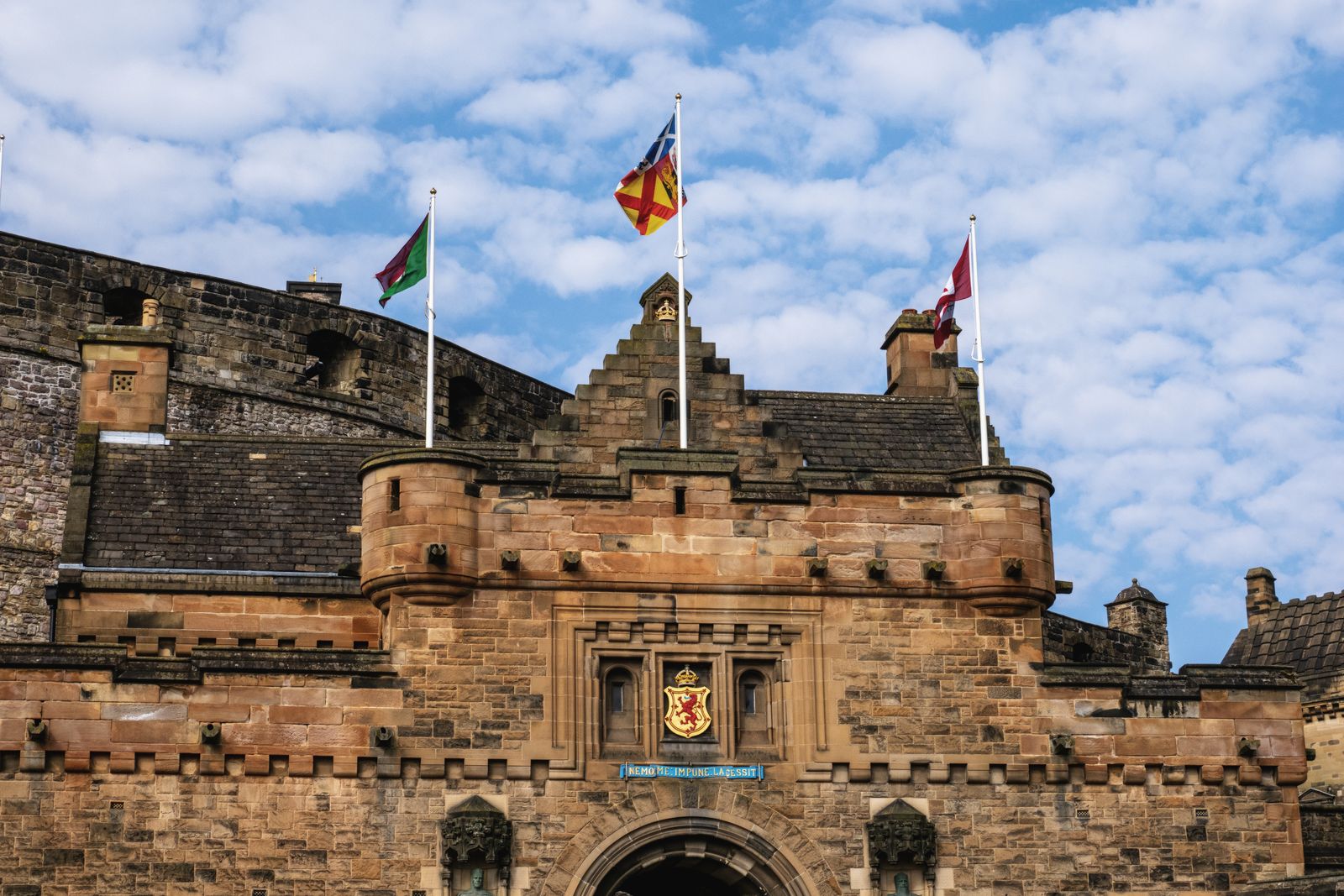
The most-visited paid attraction in all of Scotland rises majestically on a black volcanic rock and dominates the entire city. Adult admission costs £21.50 online, and buying over the internet saves you money and, more importantly, secures your spot, because you often can’t get tickets on the day at all. The grounds themselves are designed like a small fortress town, with buildings from different historical eras that together form a fascinating mosaic of Scottish history.
Set aside at least two to three hours for a thorough tour of the whole sprawling complex. Besides the ramparts with their stunning views over the city, you’ll find interesting museums, royal apartments, and the oldest surviving building in the city — the tiny St Margaret’s Chapel from the early 12th century.
💡 Tip: Buy your tickets at least two to four weeks in advance — during the August festivals even a quarter of a year ahead — otherwise you won’t set foot in the castle courtyard at all.
2. The Crown Jewels and the Cannon Shot
While touring the castle, you absolutely can’t miss the legendary One O’Clock Gun, a cannon fired every day except Sunday at exactly one o’clock in the afternoon. Originally this shot served as a time signal for ships anchored in the nearby port of Leith; today it’s a beloved tourist tradition.
The main draw is undoubtedly the Scottish Crown Jewels, which are among the oldest in all of Europe. Displayed alongside them is the famous Stone of Destiny, on which Scottish kings were crowned for centuries.
I should warn you, though, that the Crown Room is undergoing extensive renovation in 2026, so check the exhibition’s current availability before your visit so you’re not disappointed on the spot — and in the meantime definitely take a look at Mons Meg, the enormous medieval siege cannon from the 15th century.
3. The Royal Mile: The Golden Vein of the Old Town
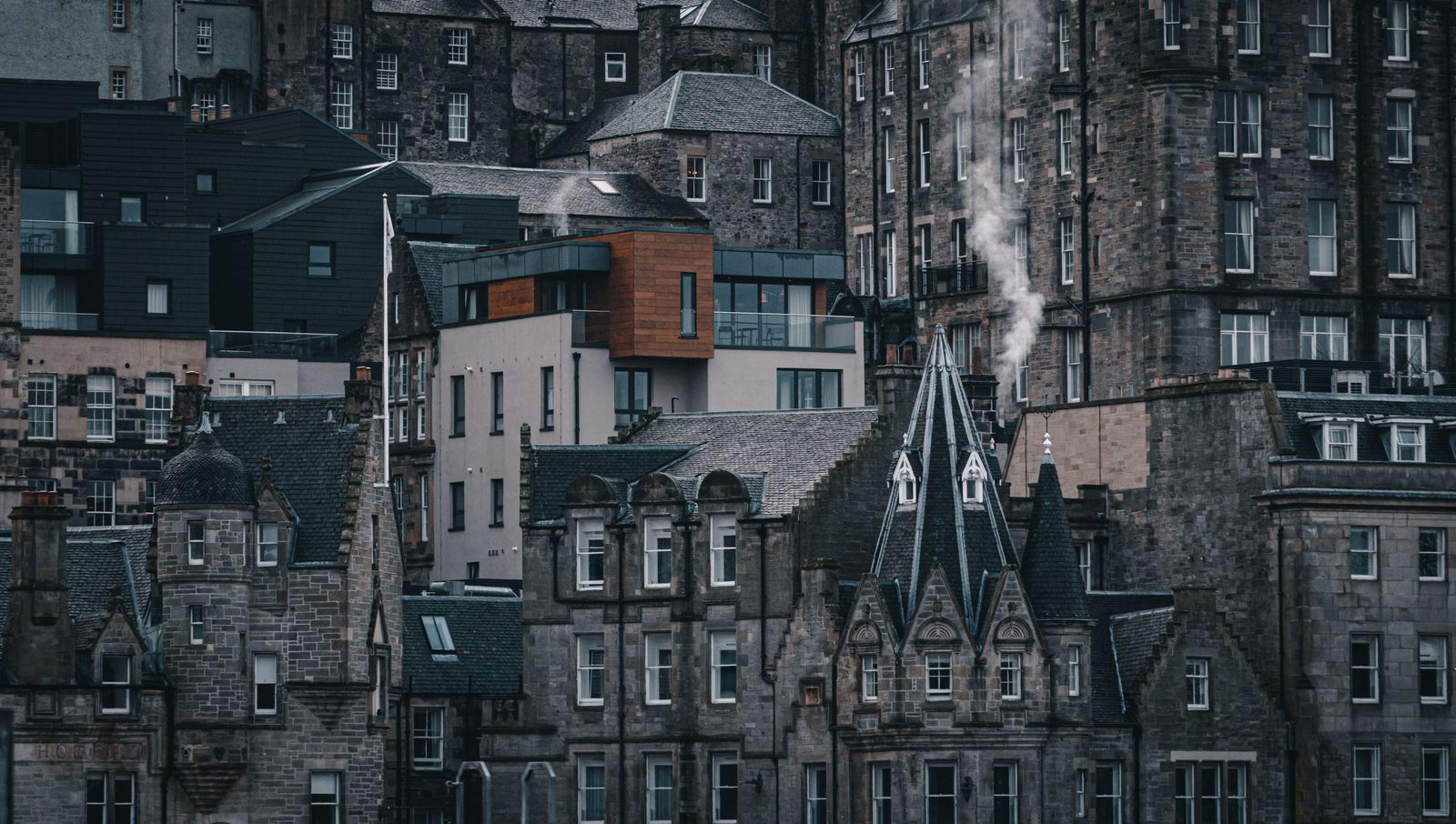
The backbone of the entire historic centre is the famous Royal Mile, a continuous strip of connecting streets that descends from the castle gate all the way down to the royal palace. Start at the top by the Esplanade and gradually make your way down through the sections known as Lawnmarket, High Street and Canongate. Each part has its own distinct architecture and slightly different character. It runs roughly one Scottish mile in length — about 1.8 kilometres — and is lined with the most beautiful historic stone houses.
As you stroll, be sure to look out for the so-called closes and wynds, the narrow, often dark and covered alleys that branch off the main artery at right angles. Many of them hide wonderful surprises, like the picturesque and often hidden Dunbar’s Close Garden, which is completely free to enter.
The whole street is lined with shops selling traditional souvenirs, tartan and cashmere scarves, along with plenty of street performers and pipers. It’s a place that’s constantly buzzing, but slip into one of the passageways and you’ll find yourself in the complete silence of historic courtyards.
4. St Giles’ Cathedral: Gothic Beauty with a Crown Spire
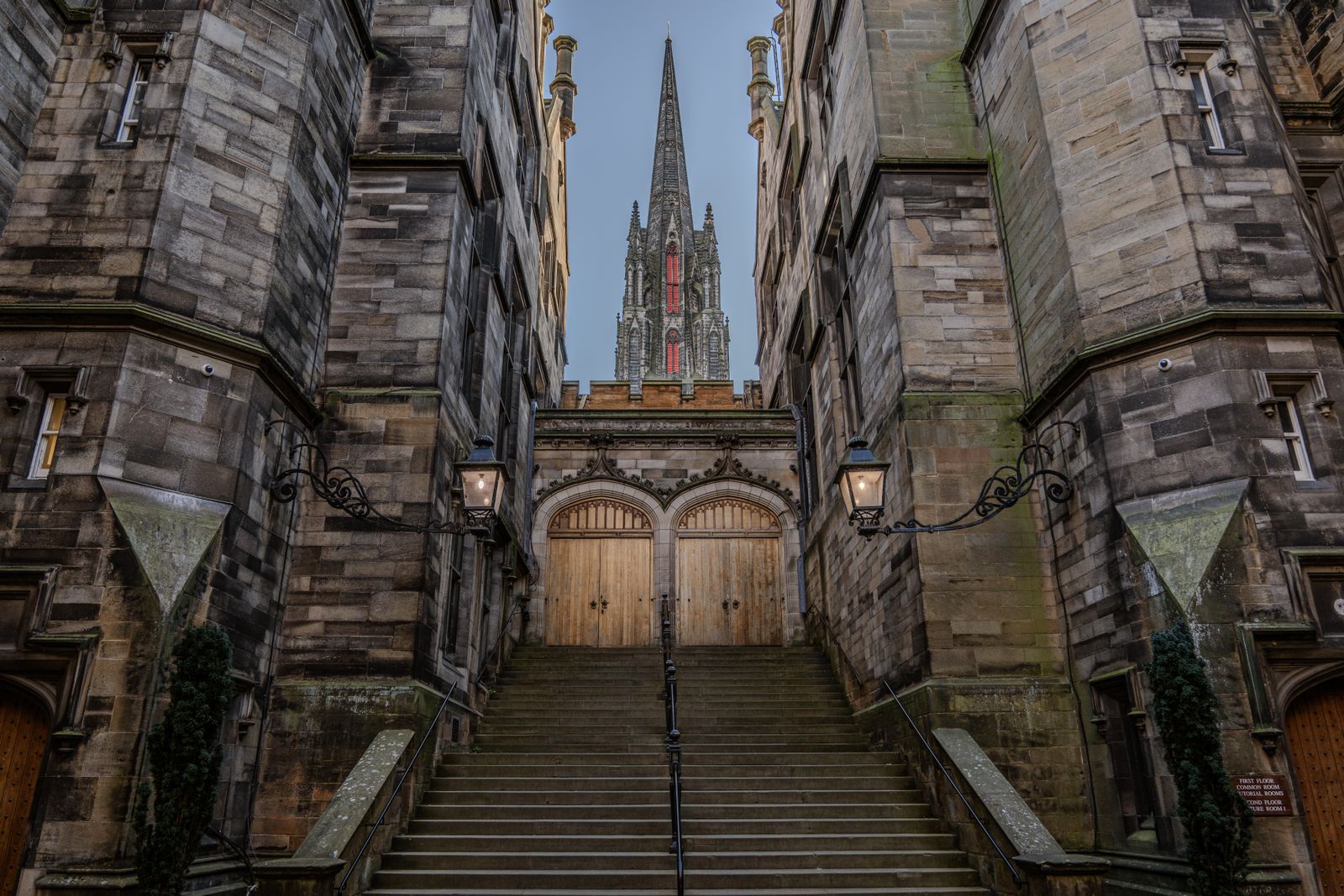
Right in the heart of the Royal Mile you’ll come across the magnificent St Giles’ Cathedral, which you’ll recognise instantly by its distinctive spire shaped like a royal crown. This Gothic building is the city’s main religious centre and played a key role during Scotland’s turbulent Reformation.
Basic entry to the cathedral is completely free, though it’s customary to leave a small voluntary donation towards its upkeep. Inside, you’ll be amazed by the gorgeous stained-glass windows, massive stone pillars and an incredibly calm atmosphere that contrasts sharply with the bustle of the street outside.
If you have time, definitely peek into the beautifully decorated Thistle Chapel, home to the Scottish Order of the Thistle. Its wood carvings are incredibly detailed and rank among the very best you can see in the interior of any Scottish church.
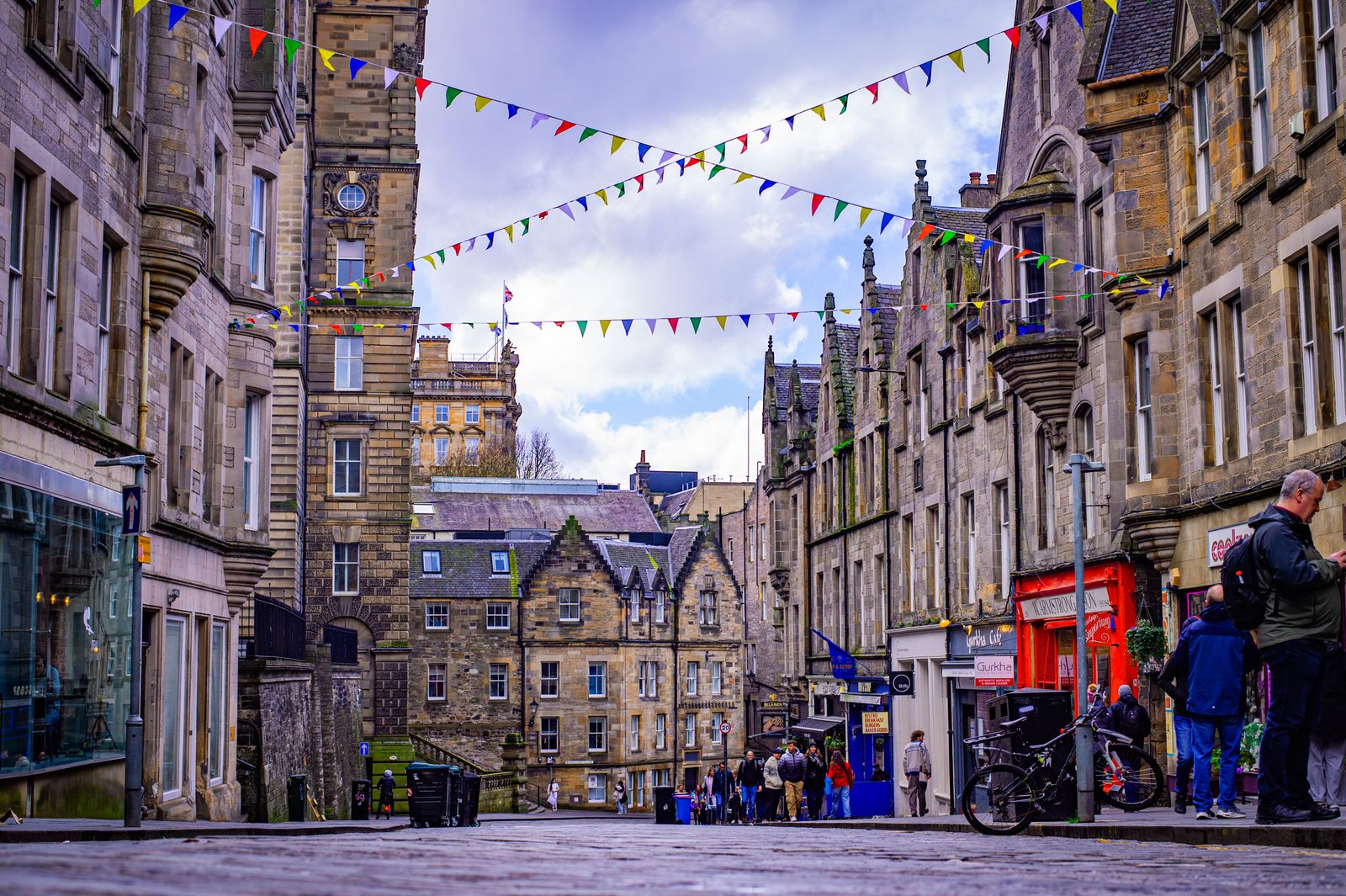
5. The Real Mary King’s Close: The Underground City of Ghosts
Right beneath the busy streets of the Old Town lies a complex of sealed-off lanes and houses from the 17th century, where only the poorest once lived. During the plague epidemics and the city’s later rebuilding, these spaces were simply covered over with new buildings, creating a fascinating underground maze full of incredible historical testimony.
Tours of The Real Mary King’s Close run only with a costumed guide and cost £35. During the hour-long excursion you’ll hear chilling stories of the harsh life, diseases and crimes that really took place in these dark corners.
💡 Tip: The underground tour is hugely popular and groups have limited capacity, so book your timed ticket well in advance. The atmosphere down there is genuinely cramped, so it’s not ideal for anyone who suffers from claustrophobia.
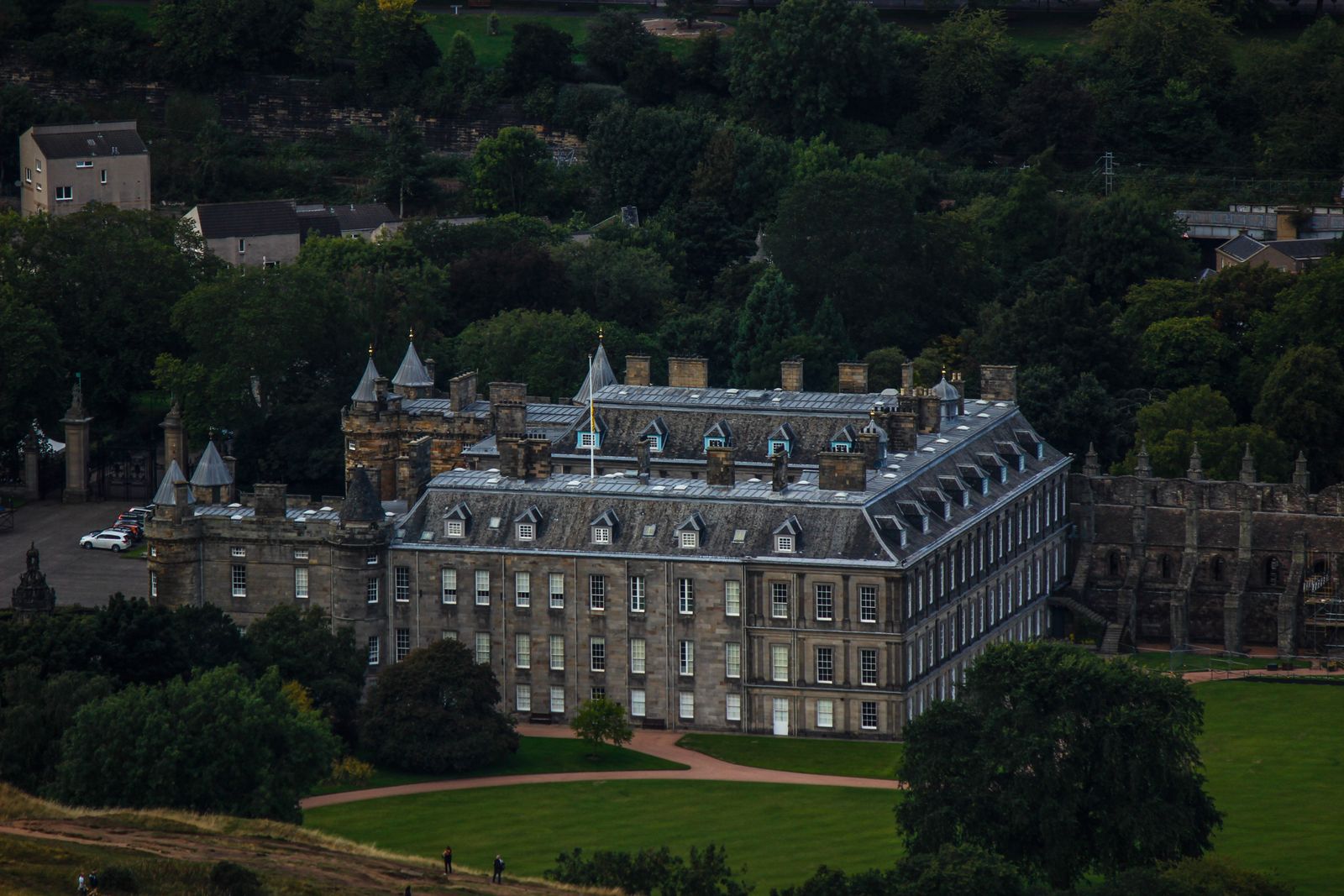
6. Palace of Holyroodhouse: The Royal Residence
At the very bottom of the Royal Mile stands the beautiful Palace of Holyroodhouse, which to this day serves as the official Scottish residence of the British monarch. For centuries the palace was the stage for the most significant historical events, and you can still feel the presence of the famous Mary, Queen of Scots, who spent part of her turbulent life here. Standard admission costs £22 and includes the chance to walk through the lavish State Apartments, where important ceremonies are still held today.
The grounds also include the romantic ruins of Holyrood Abbey and the sprawling royal gardens, which are stunning in their own right. In 2026, visitors will also gain access to the previously off-limits private apartments of the late Queen Elizabeth II.
Do keep an eye on the opening hours, though — the palace is still a working residence, so the monarchy occasionally closes it to the public. It will definitely be closed from 14 to 18 May and from 26 June to 2 July 2026, so it’s best to check the schedule on the official Royal Collection website the day before your planned visit.
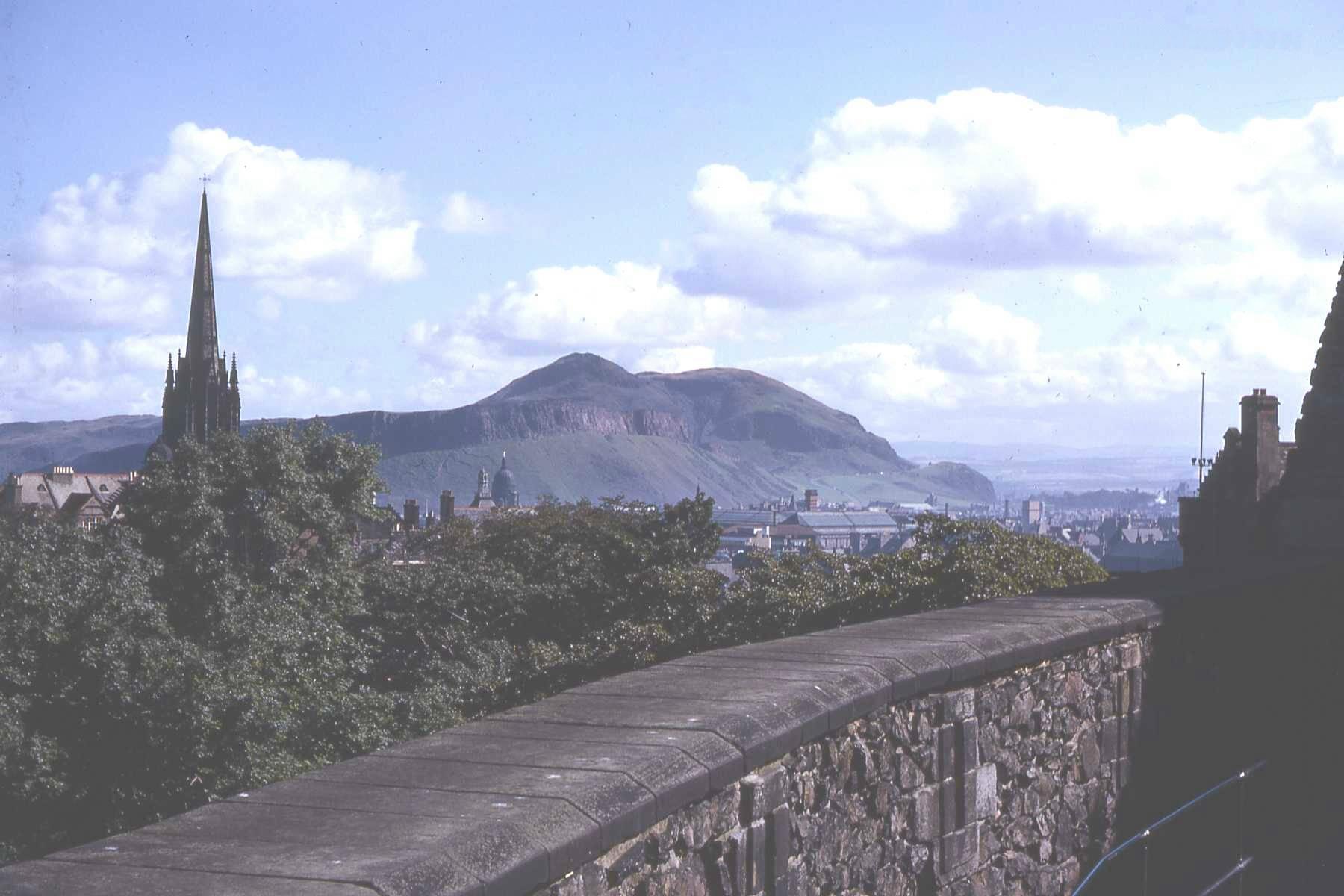
7. Arthur’s Seat and Salisbury Crags: A Hike Up a Volcano
Right behind the royal palace rises the wild landscape of Holyrood Park, dominated by an extinct volcano whose summit, Arthur’s Seat, stands at 251 metres. The park covers over 600 acres, and up here you feel more like you’re in some remote corner of the rugged Scottish Highlands than in the very heart of a European capital. The climb itself takes about 30 to 45 minutes and is the absolute best way to see the whole city from a bird’s-eye view, completely free.
The way up is no walk in the park — the final stretch is rocky and slippery, so leave the trainers at the hotel and bring solid shoes. At the top, expect strong wind that blows here practically non-stop, but the breathtaking view of the castle and the Firth of Forth is well worth the bit of effort.
If you’re after something a little easier but no less beautiful, take a walk along the dramatic Salisbury Crags, which loom right above the city. Especially at sunrise or sunset, you’ll capture absolutely fantastic photos in the wonderfully soft light.
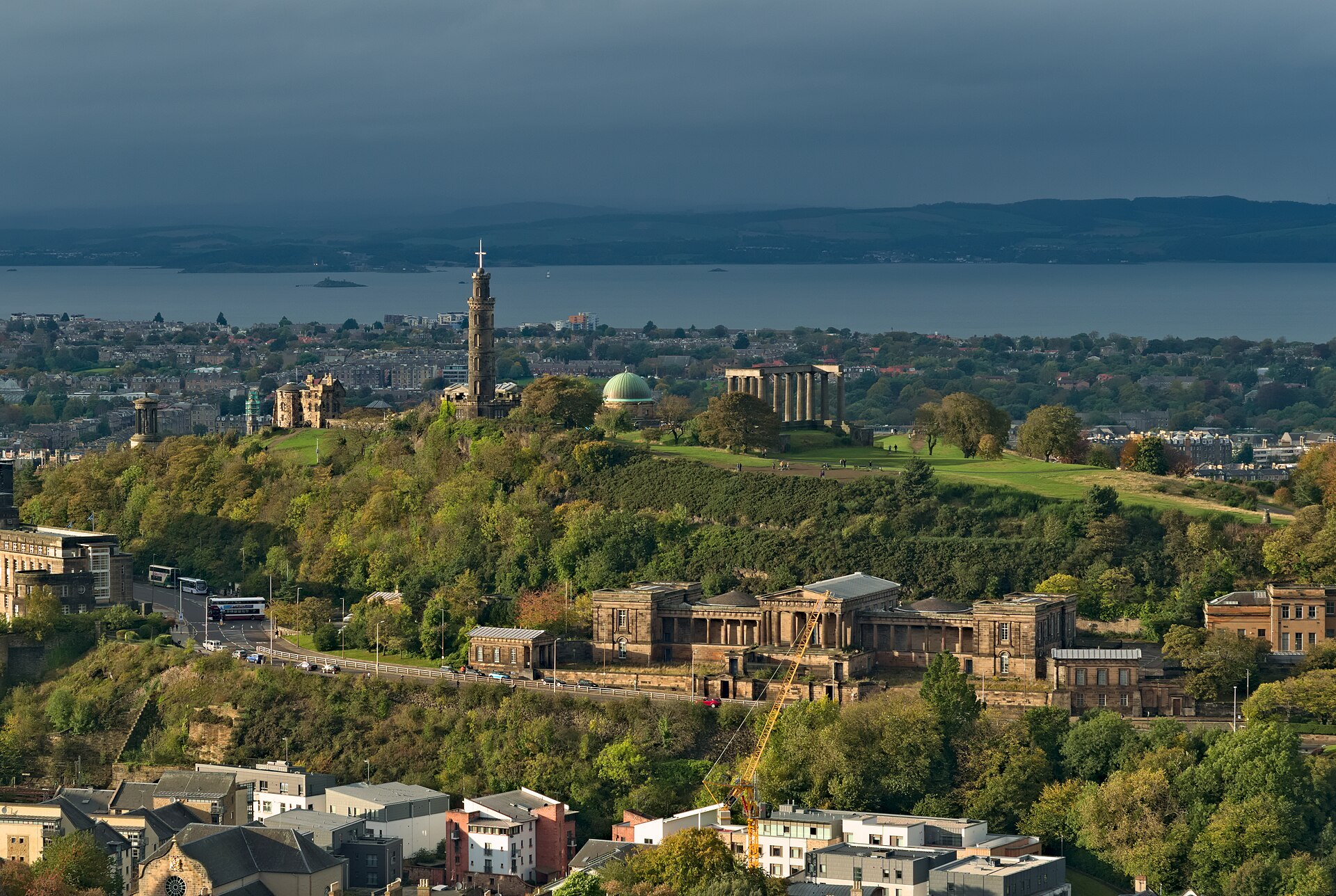
8. Calton Hill: The Most Iconic Views for Free
If you don’t fancy climbing a tall volcano, head to nearby Calton Hill, which you can comfortably reach from the centre in under ten minutes. This low hill on the eastern edge of the New Town is an absolute must for anyone who wants to capture the most iconic shots. Locals also love coming here to celebrate the traditional Beltane Fire Festival, which lights up the sky every year at the end of April.
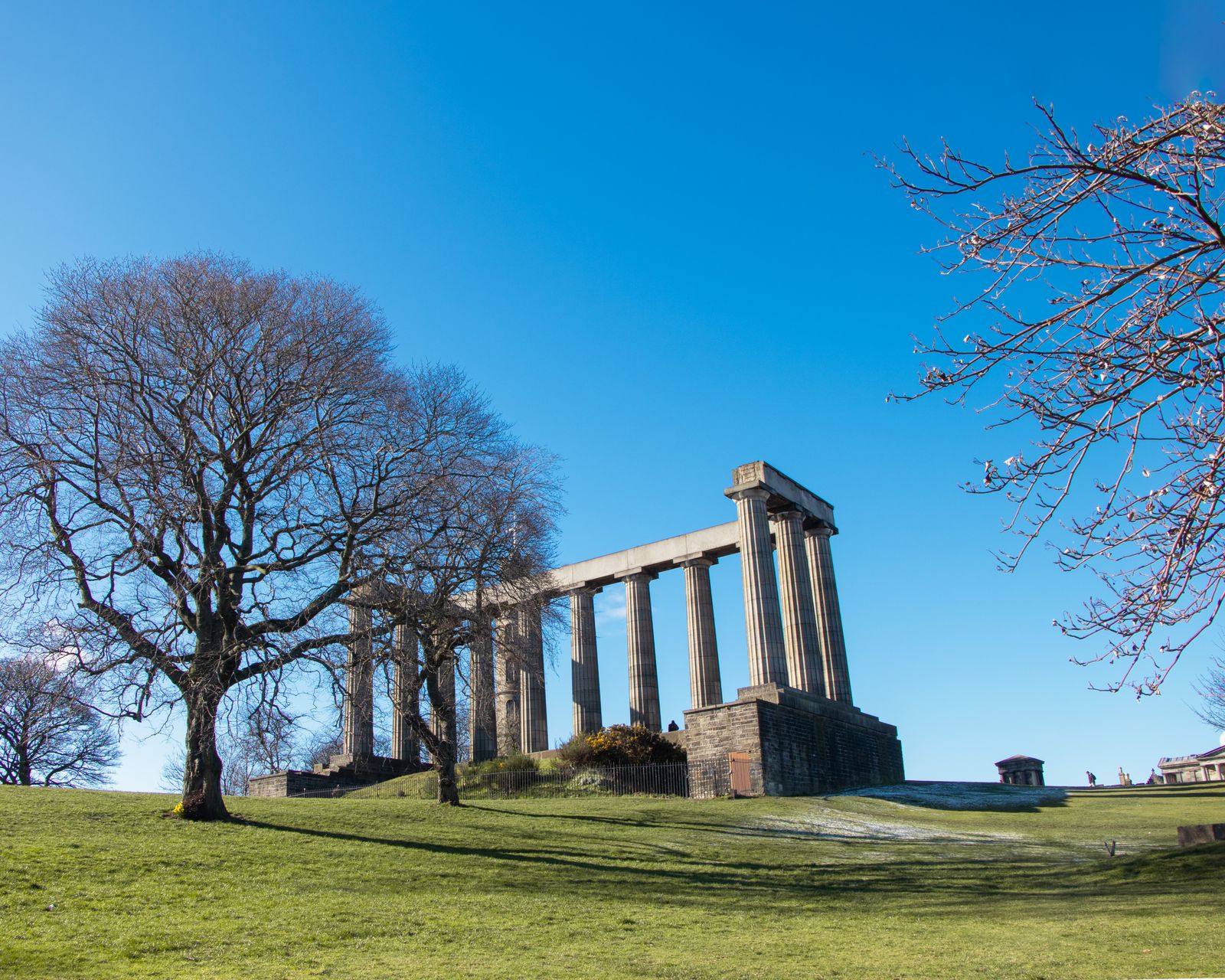
You’ll find several interesting structures here, the most striking being the unfinished National Monument, which was meant to echo Athens’ Parthenon but, due to a lack of funds, never got past a few columns. Today it’s sometimes wryly nicknamed “Edinburgh’s Disgrace”, though locals have grown rather fond of it.
The main reason to come up here, though, is the Dugald Stewart Monument with its distinctive dome, through which the famous panorama of the Old Town is photographed, with the castle in the background. Access to the whole hill is free and it’s an ideal spot for a romantic evening picnic.
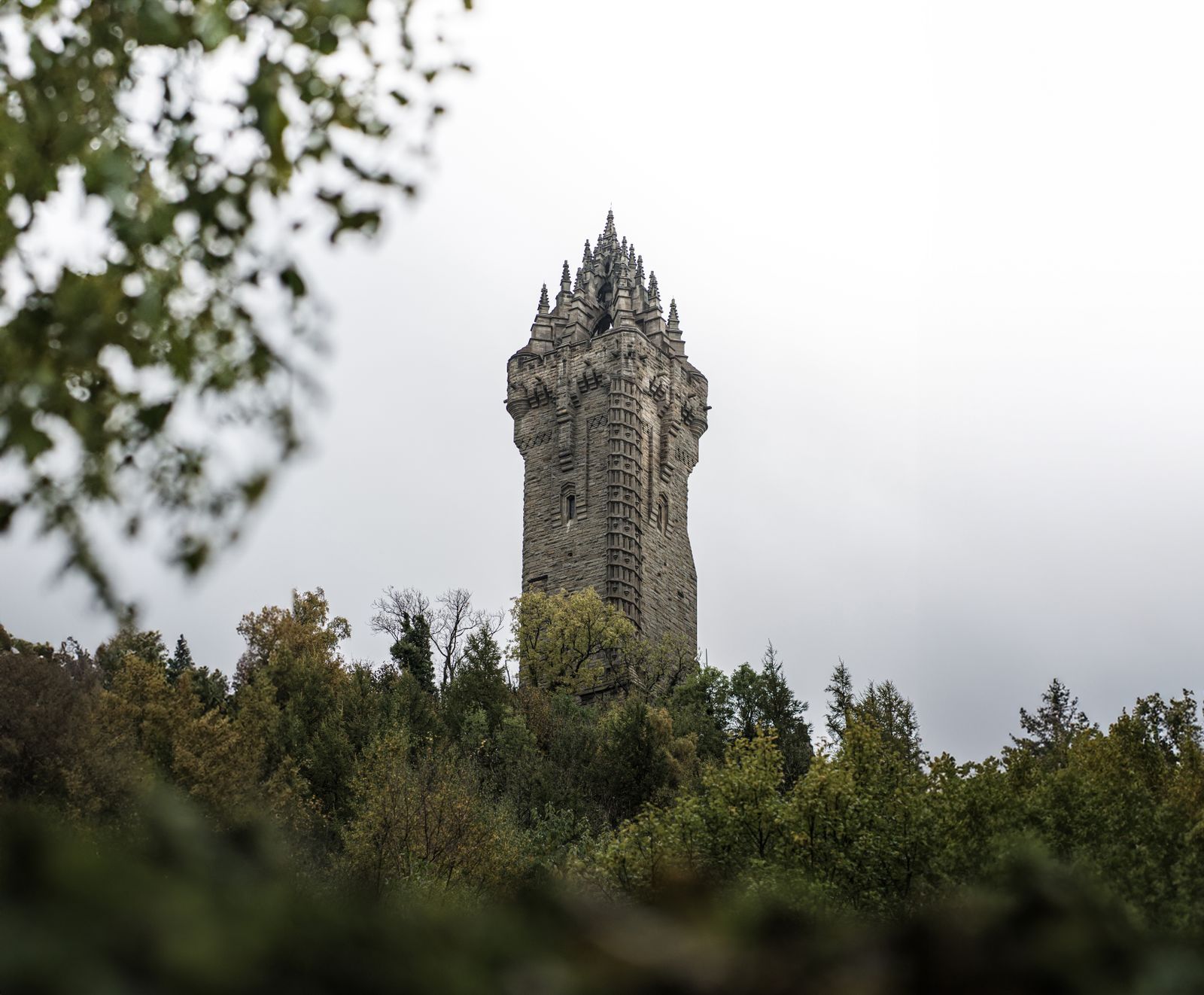
9. Scott Monument: A Climb Up Narrow Stairs
On the border between the Old and New Towns you can’t miss the majestic Gothic tower dedicated to Walter Scott (reportedly the largest literary monument in the world), and the £8 to £9 admission can only be paid in person on site — online booking doesn’t work here.
Be prepared for a climb up 287 very narrow, spiralling steps that get tighter and tighter the higher you go. Your reward, though, will be amazing views from several different platforms straight into the heart of bustling Princes Street and across to the castle rock.
Thanks to the pollution of the Industrial Revolution, this dark stone structure looks as though it’s been scorched by fire, giving it an incredibly dramatic and slightly gloomy appearance that suits the city perfectly.
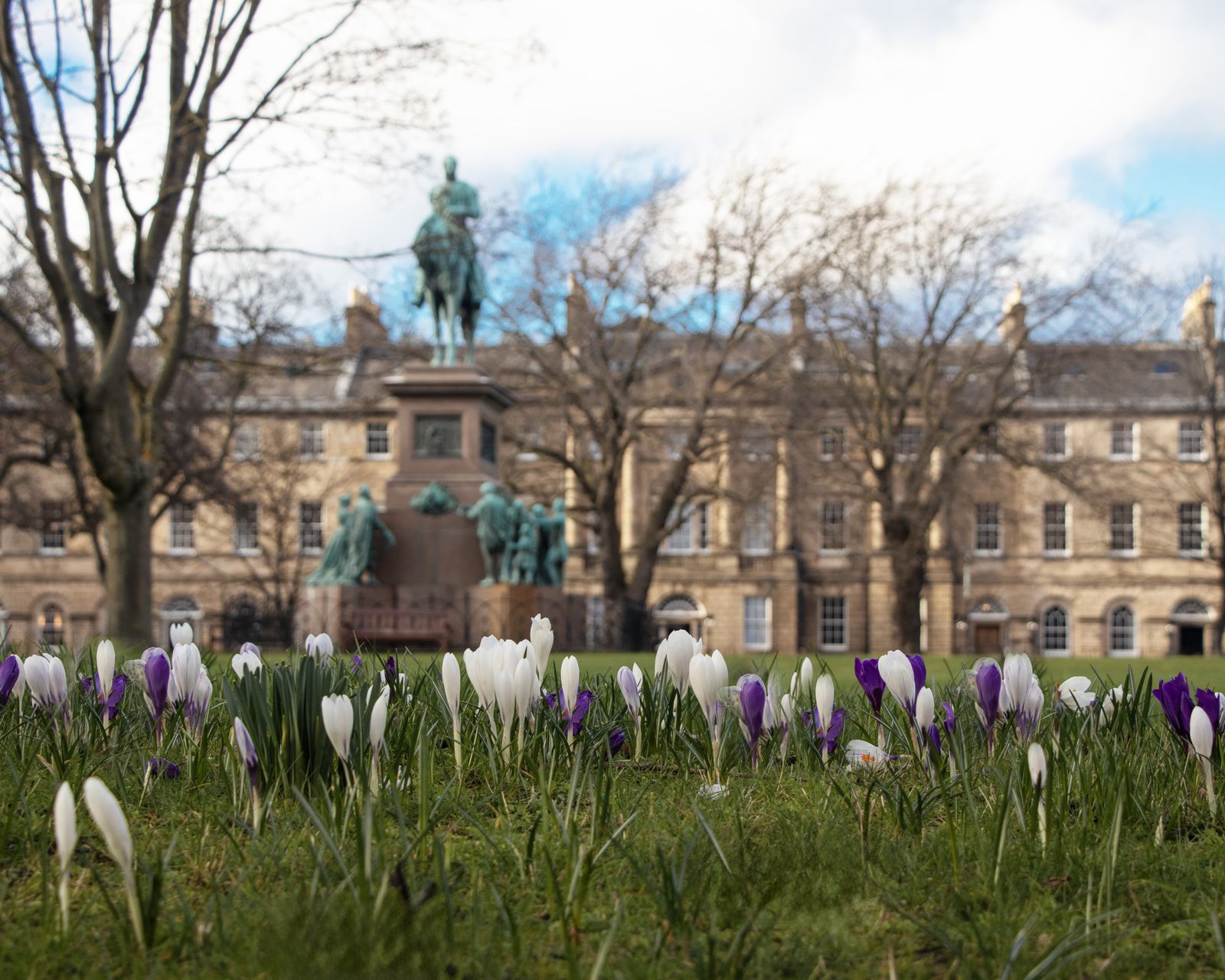
10. Princes Street Gardens: The Green Lungs of the Centre
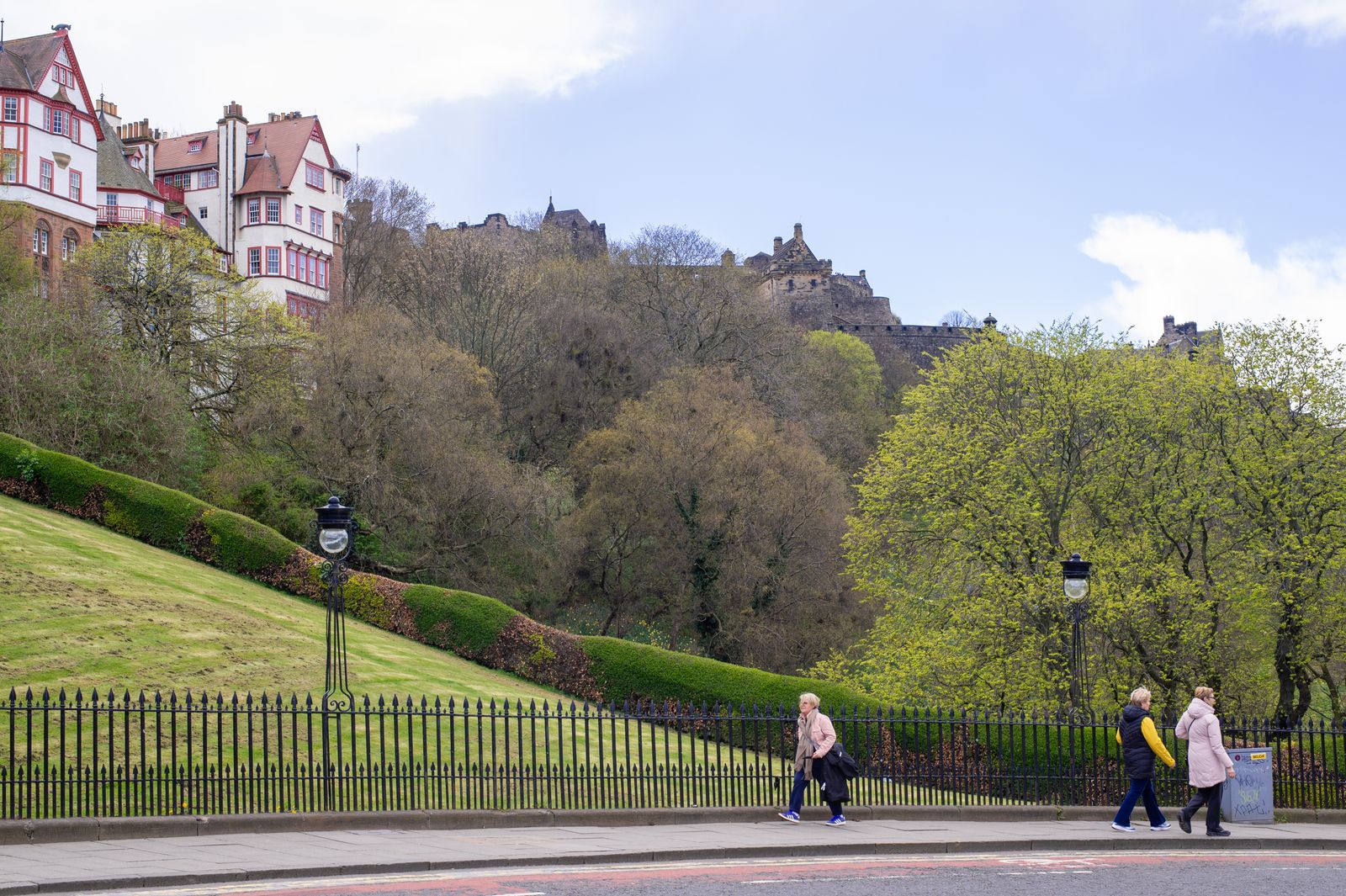
Right below the castle, in the valley separating the city’s two historic halves, lie these beautiful public gardens where locals and tourists alike come to escape the bustle of the city. Entry is free, and the manicured lawns positively invite you to relax with a coffee in hand.
Few visitors realise that this spot was once home to the heavily polluted Nor Loch, where all the sewage from the Old Town was flushed and where witch trials were carried out. In the 19th century the loch was thankfully drained and replaced by these gorgeous parks full of flower beds.
In the winter months the gardens transform completely, hosting the traditional Christmas markets complete with an enormous ice rink and a big wheel. In August, on the other hand, you’ll find plenty of street performances as part of the summer festivals.
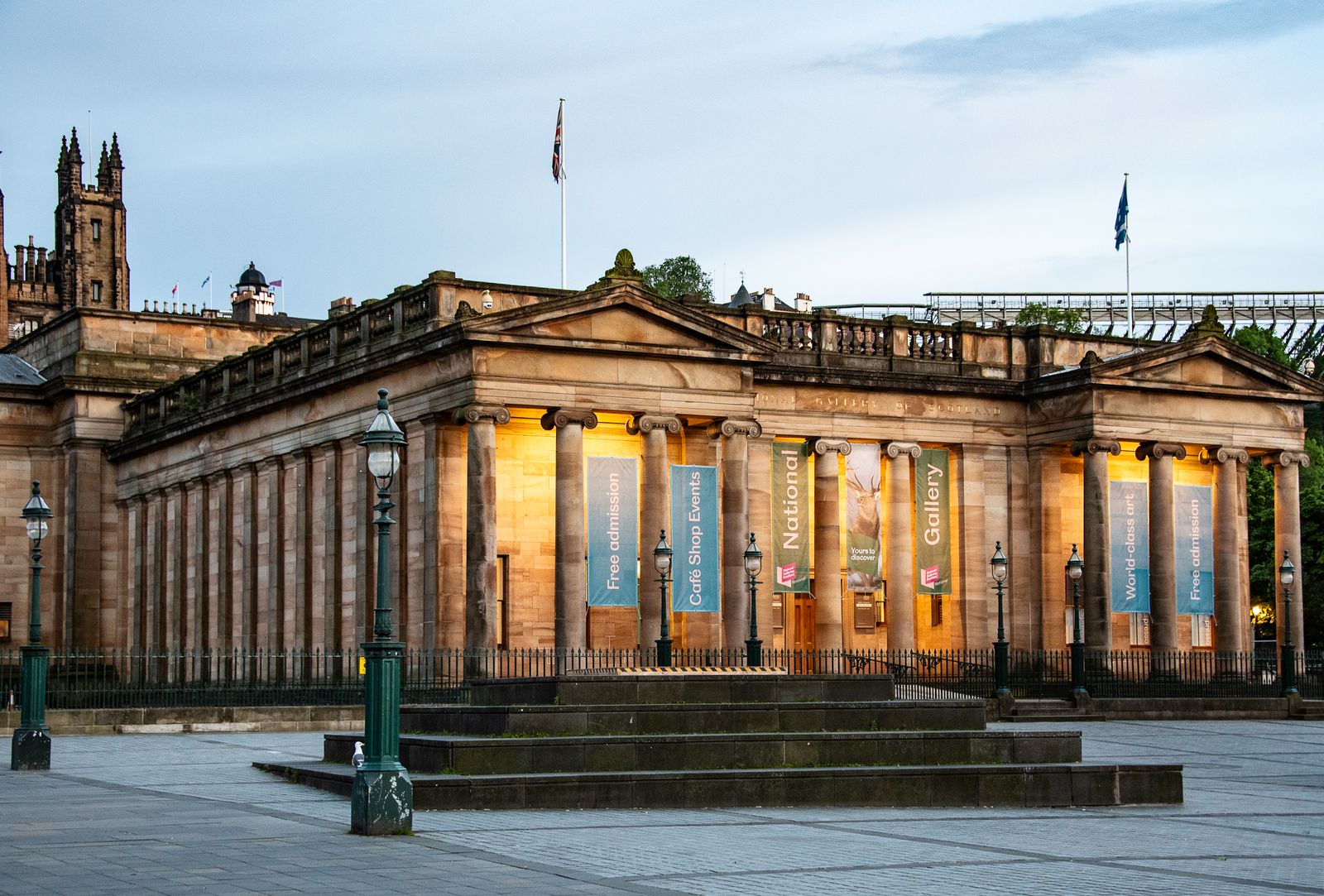
11. National Galleries of Scotland: Art Without Paying
Scotland really shows off when it comes to access to culture — entry to the permanent collections of all the national galleries is completely free. You only pay for specialised temporary exhibitions, which you can add on at the reception desk if you’re interested.
Your first steps should lead to the Scottish National Gallery on the artificial mound called The Mound, where you’ll find classic masterpieces by artists such as Rembrandt, Turner and Botticelli. The interiors are beautifully lit, and there’s also an extensive collection of Scottish landscape painters that brings the raw beauty of the local scenery to life.
Also worth a mention is the National Portrait Gallery in the New Town, housed in a stunning neo-Gothic building of red sandstone, which charts Scottish history through portraits of its most important figures. It’s a great rescue on those days when the typical, relentless rain catches you outside.
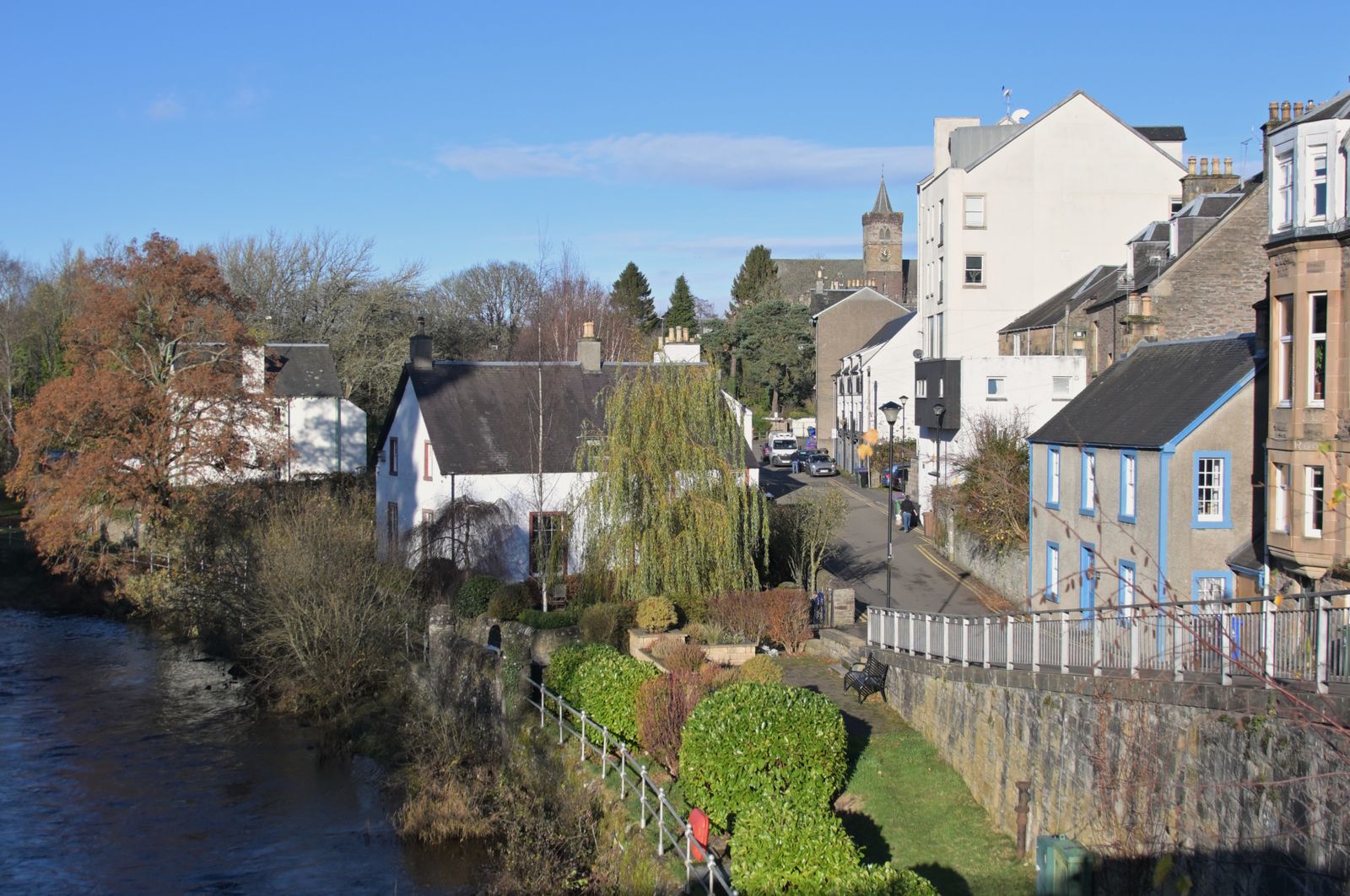
12. Dean Village and Water of Leith: A Fairytale by the River
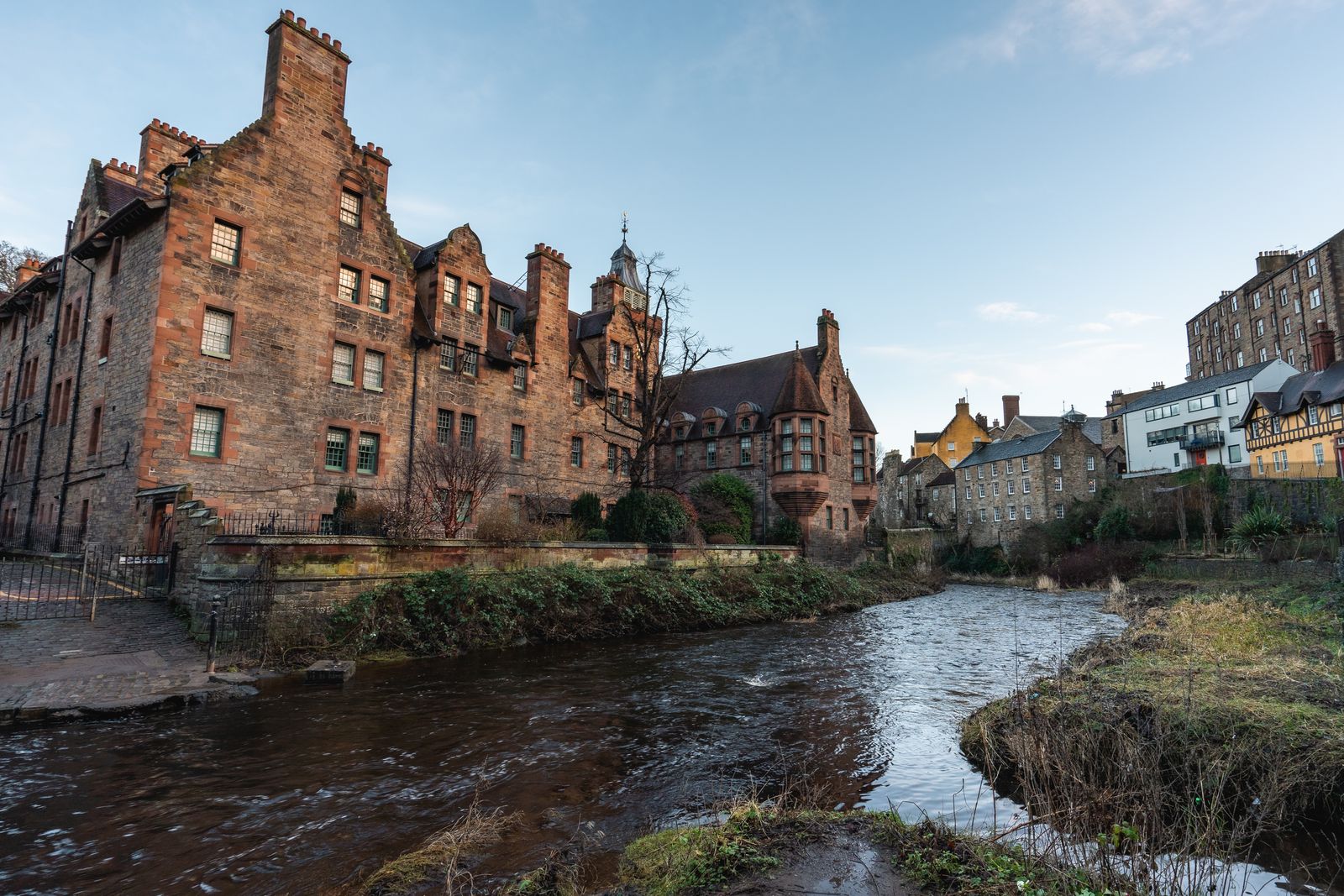
Just about ten minutes’ walk from busy Princes Street lies the former milling village of Dean Village, which looks as though it fell out of an entirely different era. Picturesque stone cottages huddle along the banks of a narrow river, and the whole place has an incredibly calm, almost rural feel.
The most photographed building here is the red sandstone Well Court complex from the late 19th century, originally built as model housing for local workers. Try to arrive early in the morning, because during the day the narrow lanes between the houses get quite crowded with photographers.
From here you can join the lovely Water of Leith Walkway, which follows the river and leads you, beneath the shade of mature trees, all the way to the nearby modern art gallery or to the Stockbridge neighbourhood. It’s an absolutely idyllic stroll.
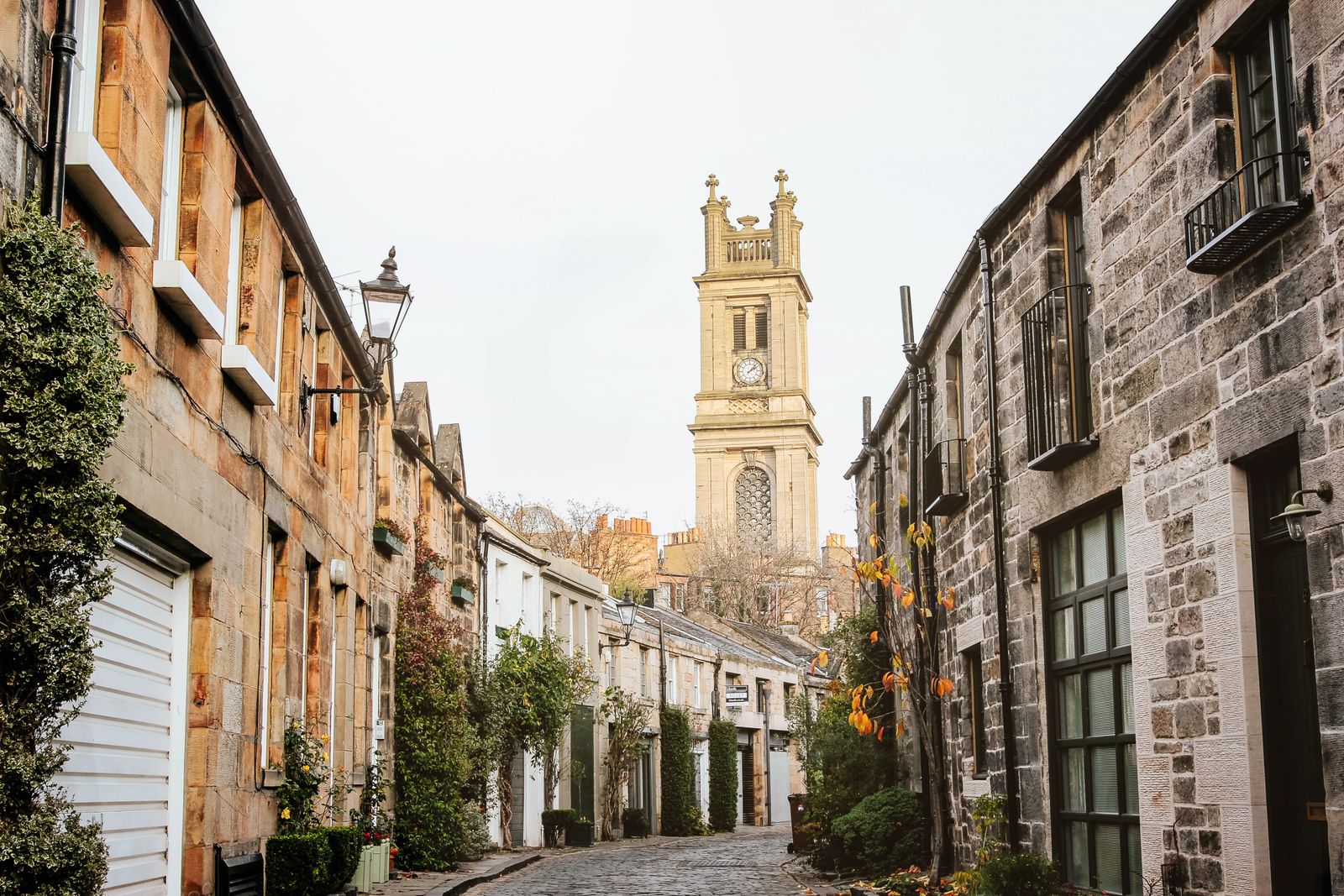
13. Stockbridge: Bohemian Atmosphere and Markets
North of the elegant New Town lies the Stockbridge neighbourhood, which has kept the character of an independent village. Here you’ll find the best speciality coffee shops, antique stores, vinyl record shops and plenty of small independent wine bars.
The absolute highlight is the Sunday Stockbridge Market, held regularly from ten in the morning to four in the afternoon. The little square fills with stalls offering great street food, handmade crafts, fresh baked goods and local cheeses.
Stop by the Scandinavian bakery Söderberg — their cinnamon and cardamom buns are so good you’ll happily buy a second one for the road. This charming neighbourhood is the perfect refuge for anyone who loves lazy Sunday afternoons.
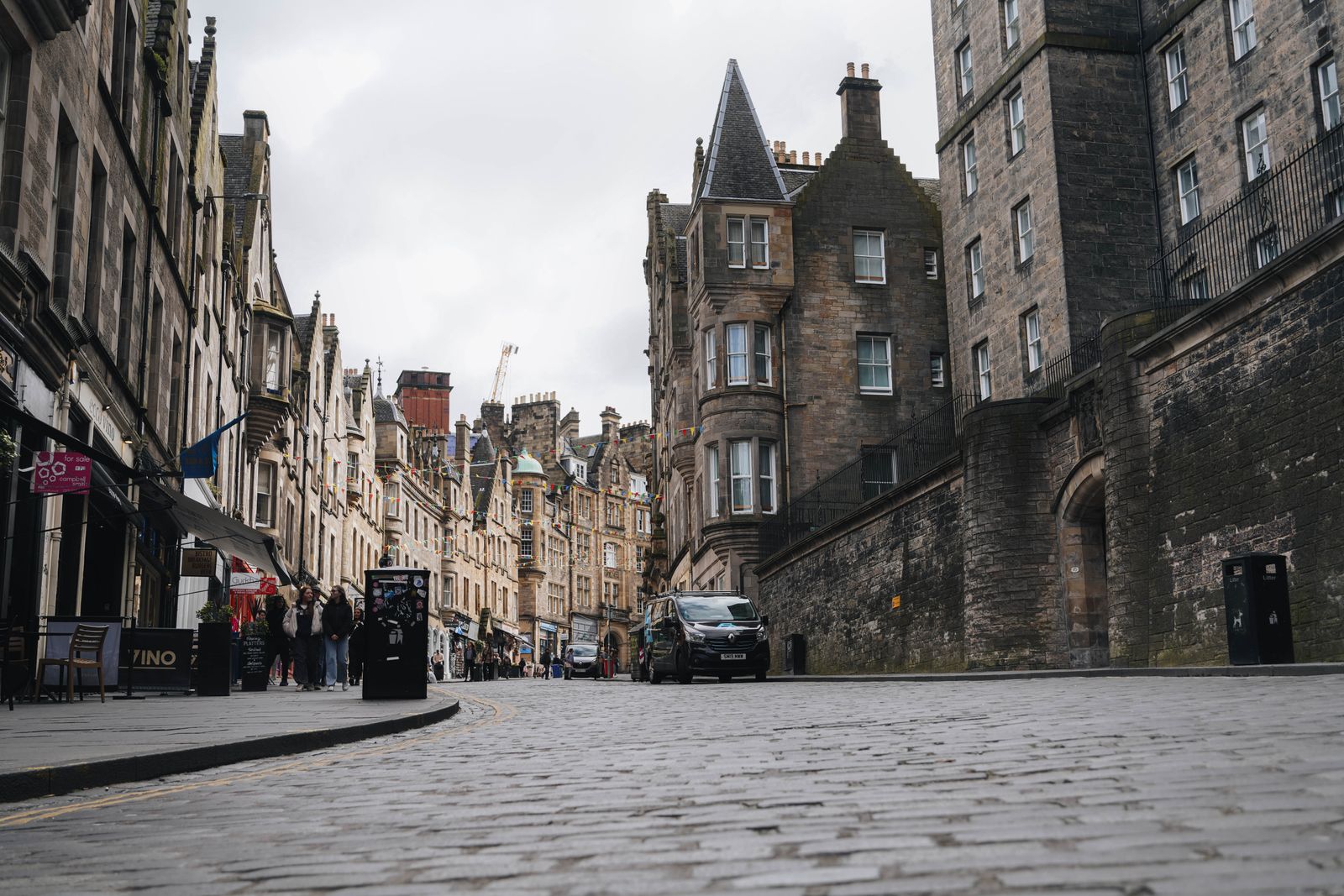
14. Grassmarket: History Beneath the Castle
The spacious Grassmarket square sits in a deep hollow right below the castle’s southern wall and has a very dark past. Public executions were once held here and cattle were sold, but today it’s one of the liveliest areas, full of historic pubs and restaurants.
You’ll find establishments with names that nod to local legends, like the pub named after Maggie Dickson, a woman who supposedly survived her own hanging. It’s an ideal spot for an evening out, with the dramatically lit castle rock towering above you.
If hunger strikes for something a bit healthier, visit the vegan café Pumpkin Brown in this area, where they make excellent fresh salads and hearty hot dishes from purely plant-based ingredients. A little further along West Port, don’t miss the artisan cakes at the cosy Lovecrumbs café either.
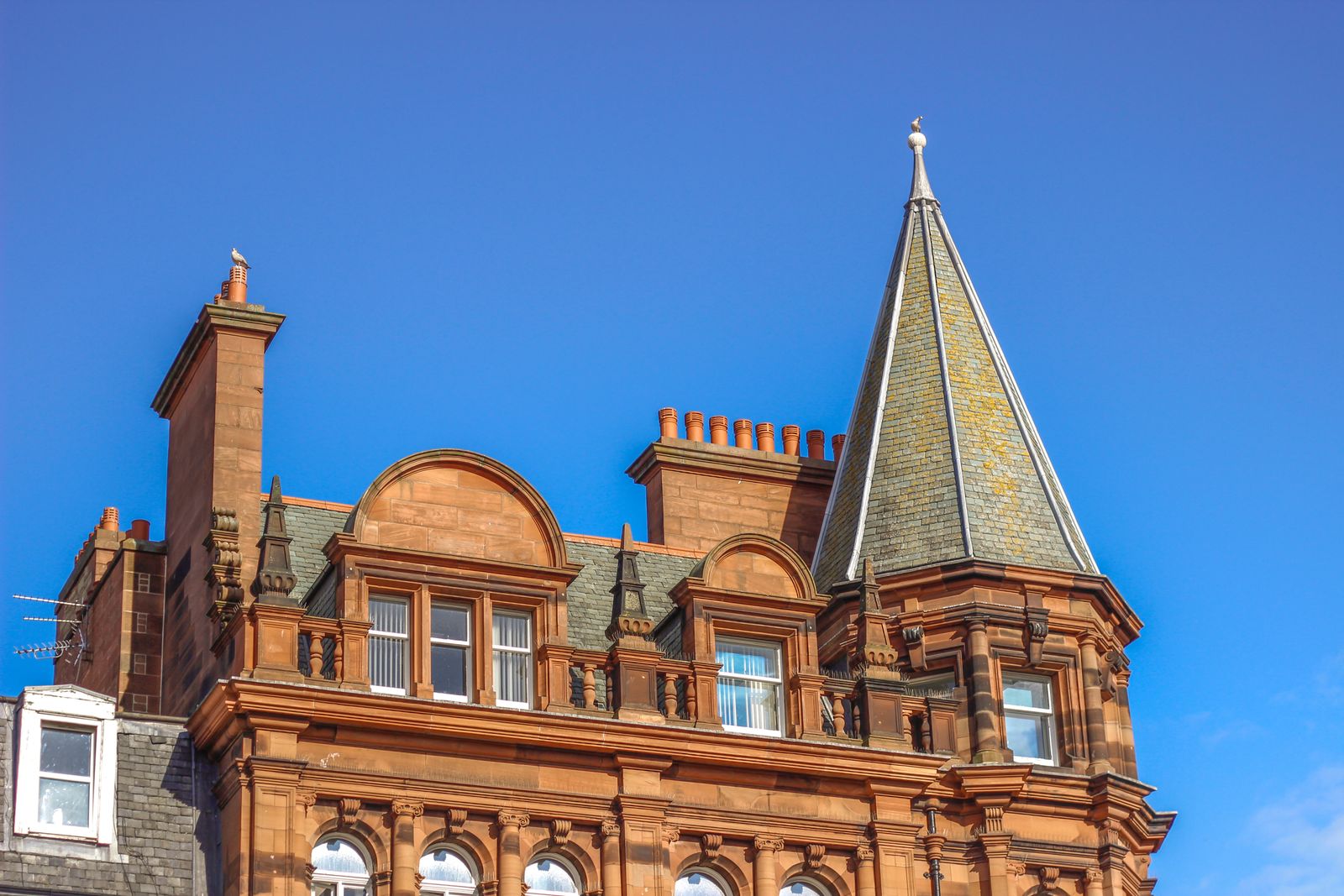
15. Victoria Street: The Inspiration for Diagon Alley
From the Grassmarket, Victoria Street curves up in a long sweep and is, according to many fans, the model for the famous Diagon Alley from the Harry Potter books. Its lower level is made up of beautifully colourful shopfronts of small stores, while the upper level forms a stone pedestrian terrace.
Here you’ll find bookshops, joke shops and specialist boutiques focused precisely on wizarding souvenirs. The street is at its most beautiful when viewed from below at the so-called West Bow, from where you’ll capture just the right slope and the full colour of all the façades.
Even though J.K. Rowling never officially confirmed that this particular street was her direct inspiration, the visual resemblance is simply impossible to miss, and as you walk along you feel as though you’re off to buy your school supplies for Hogwarts.
16. Greyfriars Kirkyard: A Graveyard Full of Legends
This atmospheric old graveyard a short walk from the Royal Mile has an unmistakable charm, especially when the mist rolls in. Entry is free and you can wander among ancient headstones that remember the days when the city was plagued by body snatchers supplying corpses to local anatomists.
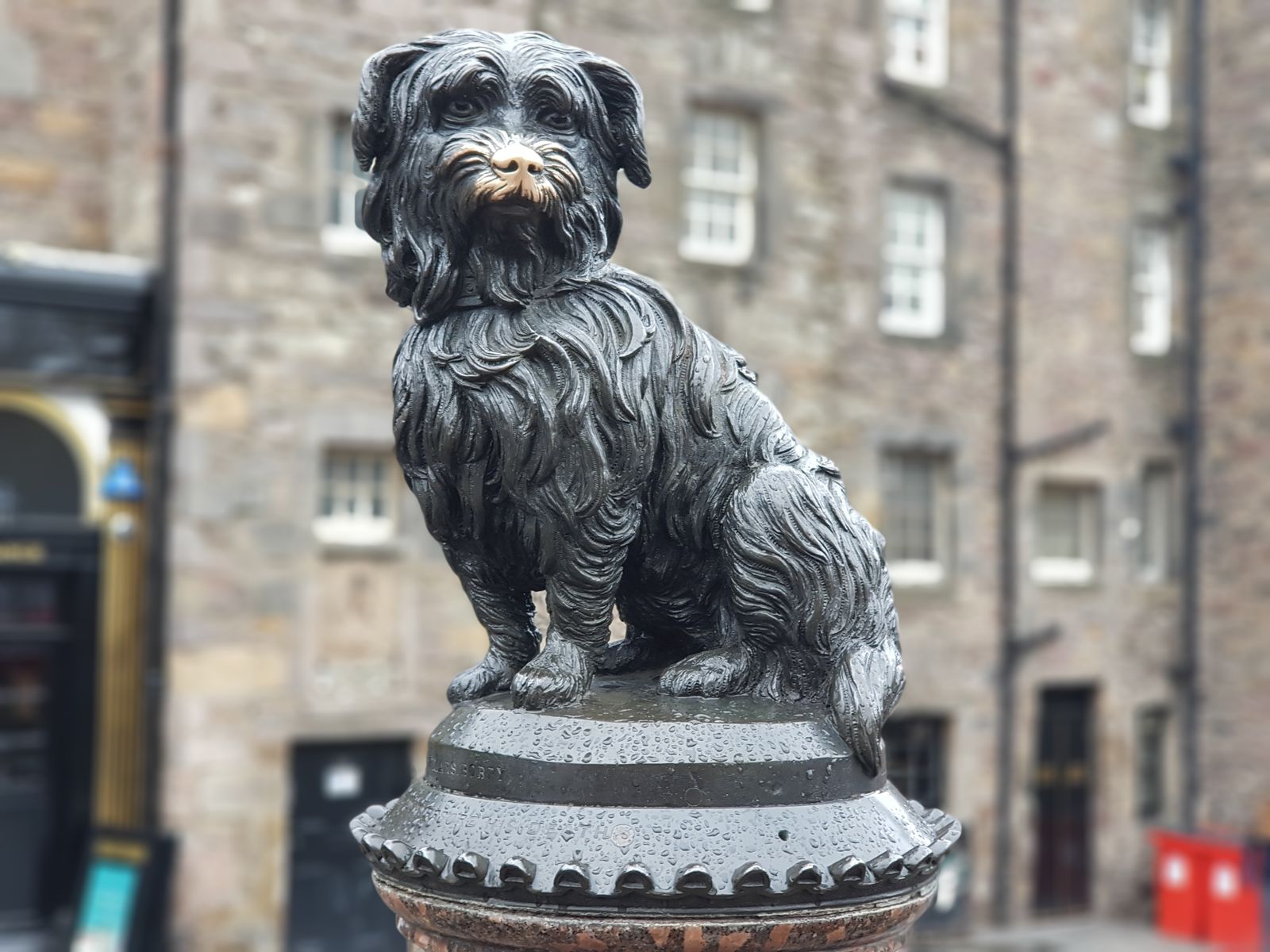
The graveyard’s most famous resident is a Skye Terrier named Greyfriars Bobby, who according to legend guarded his master’s grave for fourteen long years. You’ll find his statue on the corner of George IV Bridge and Candlemaker Row, and locals will ask you not to rub the dog’s nose for luck, as it damages the precious bronze patina.
The graveyard has a peculiar, eerie atmosphere and is often the setting for evening ghost tours. It was these very grounds that writer J.K. Rowling used to visit for inspiration for her most famous works.

17. In the Footsteps of Harry Potter
Speaking of Harry Potter, while in Greyfriars Kirkyard you have to find the headstones of Thomas Riddell and William McGonagall, whose names served as obvious inspiration for the characters of Lord Voldemort and Professor McGonagall. From the graveyard you also get a lovely view of the private George Heriot’s School, whose four houses strikingly resemble the layout of Hogwarts.
Another cult spot is The Elephant House café on George IV Bridge, where the author spent hours writing with a view of the castle. Unfortunately the building suffered a fire in August 2021, and both its operation and the date of its full reopening remain very uncertain, so check the situation carefully in advance and, if needed, use their smaller branch right on Victoria Street.
💡 Tip: You can join one of the popular Potter Trail walking tours, which run on a tip-as-you-like basis, with guides in wizard cloaks leading you to all the key locations.
18. National Museum of Scotland: From Dinosaurs to a Sheep
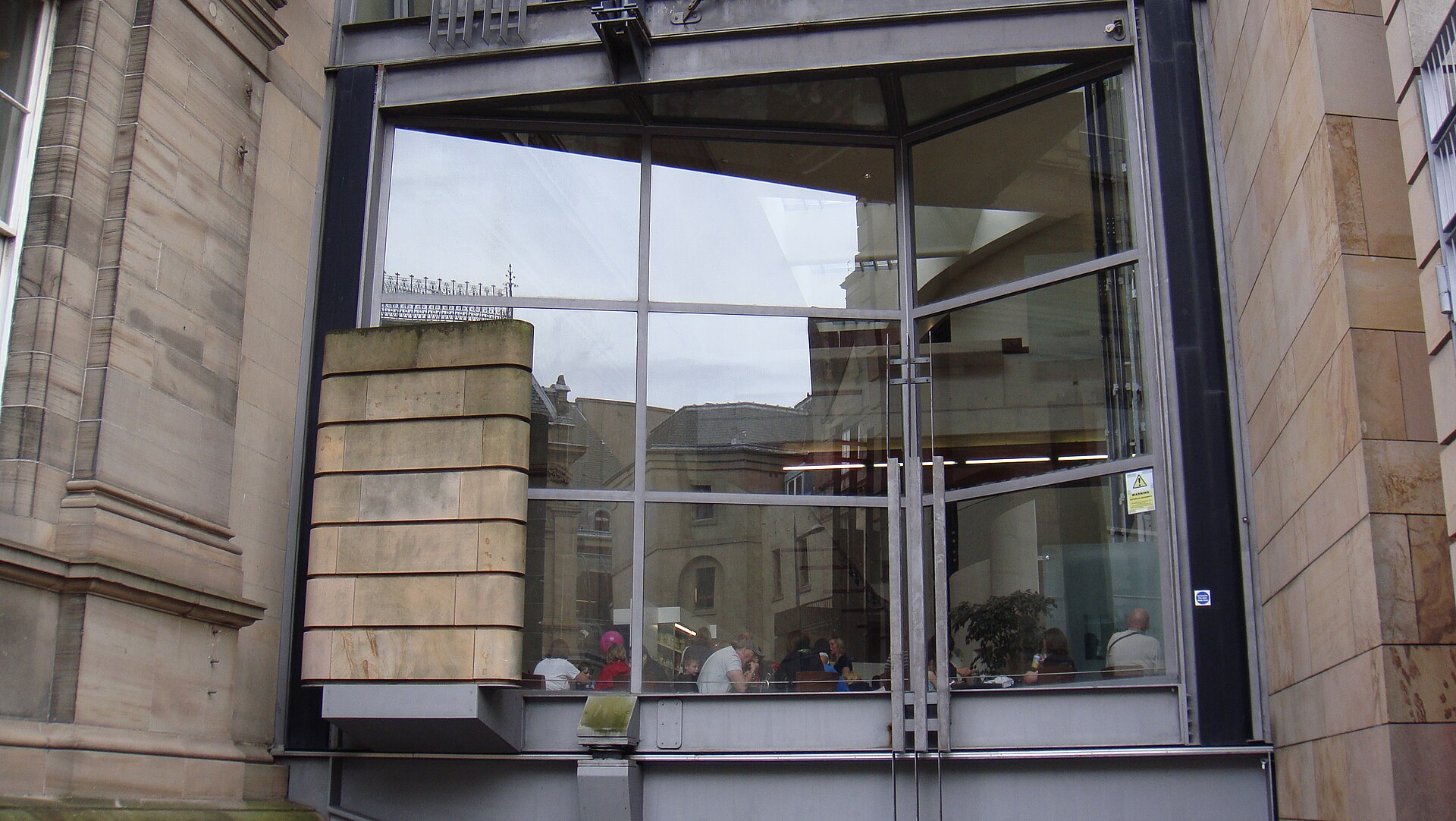
This magnificent museum on Chambers Street is an architectural gem with a gorgeous glass-roofed Grand Gallery from the Victorian era. Entry is again completely free, and inside you’ll find an incredible mix of exhibits ranging from Scottish history to natural sciences and technology.
The biggest draw for curious visitors is undoubtedly Dolly the sheep, who in 1996 became the very first cloned mammal in the world and was born at the nearby research institute in Roslin. The museum is enormous and offers plenty of interactive elements, making it an ideal rescue for rainy afternoons.
Definitely take the lift all the way up to the rooftop terrace on the seventh floor, where you’ll get a fantastic, unobstructed view over the entire Old Town with the castle. You can check the opening hours directly on the museum’s official website.
19. Royal Botanic Garden: A Green Paradise in Inverleith
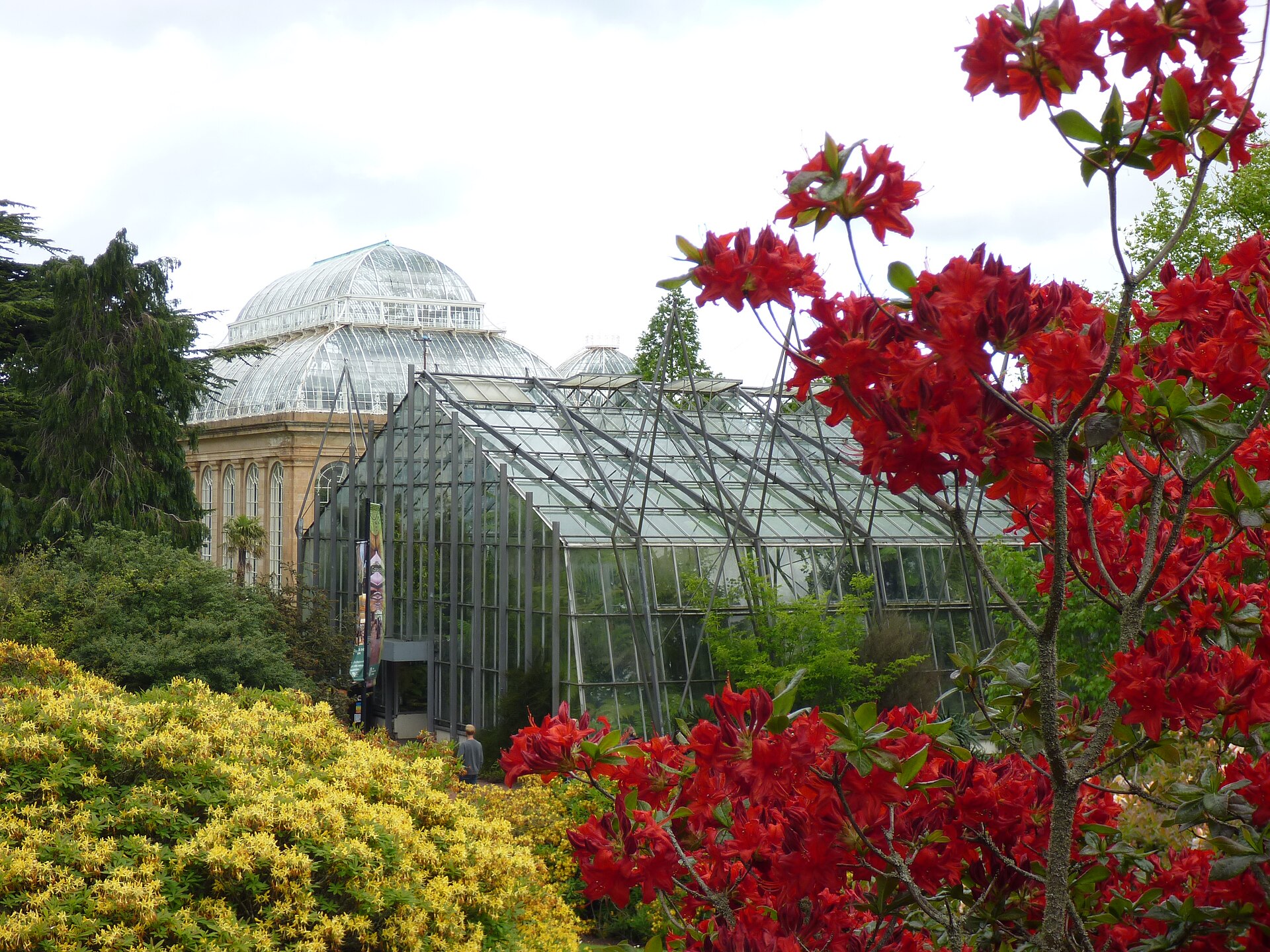
When you fancy a break from the stone streets for a while, head north of the centre to the Royal Botanic Garden. The entire sprawling 70-acre outdoor grounds are accessible without paying, though you’ll find donation boxes for a small voluntary contribution by the entrance.
The garden is among the oldest in the world and will dazzle you with its carefully tended beds, rockeries and enormous rhododendrons that bloom beautifully here in spring. You only pay to enter the historic glasshouses, which hide exotic plants and giant water lilies from tropical rainforests.
A stroll through the garden pairs wonderfully with a visit to the adjacent Stockbridge neighbourhood, or you could grab a coffee on the terrace with a view of the distant city skyline. You arrive from the busy centre and suddenly all you can hear is birds and wind. This is the Edinburgh the guidebooks don’t write much about.
20. Edinburgh Zoo: The Famous Penguin Parade
The zoo sits on a gentle hill in the Corstorphine district, easily reached by an ordinary city bus. Adult admission costs £29.50, but if you buy tickets online in advance you’ll get a slight discount. The zoo focuses on protecting endangered species and takes part in many international projects, so your visit supports a good cause.
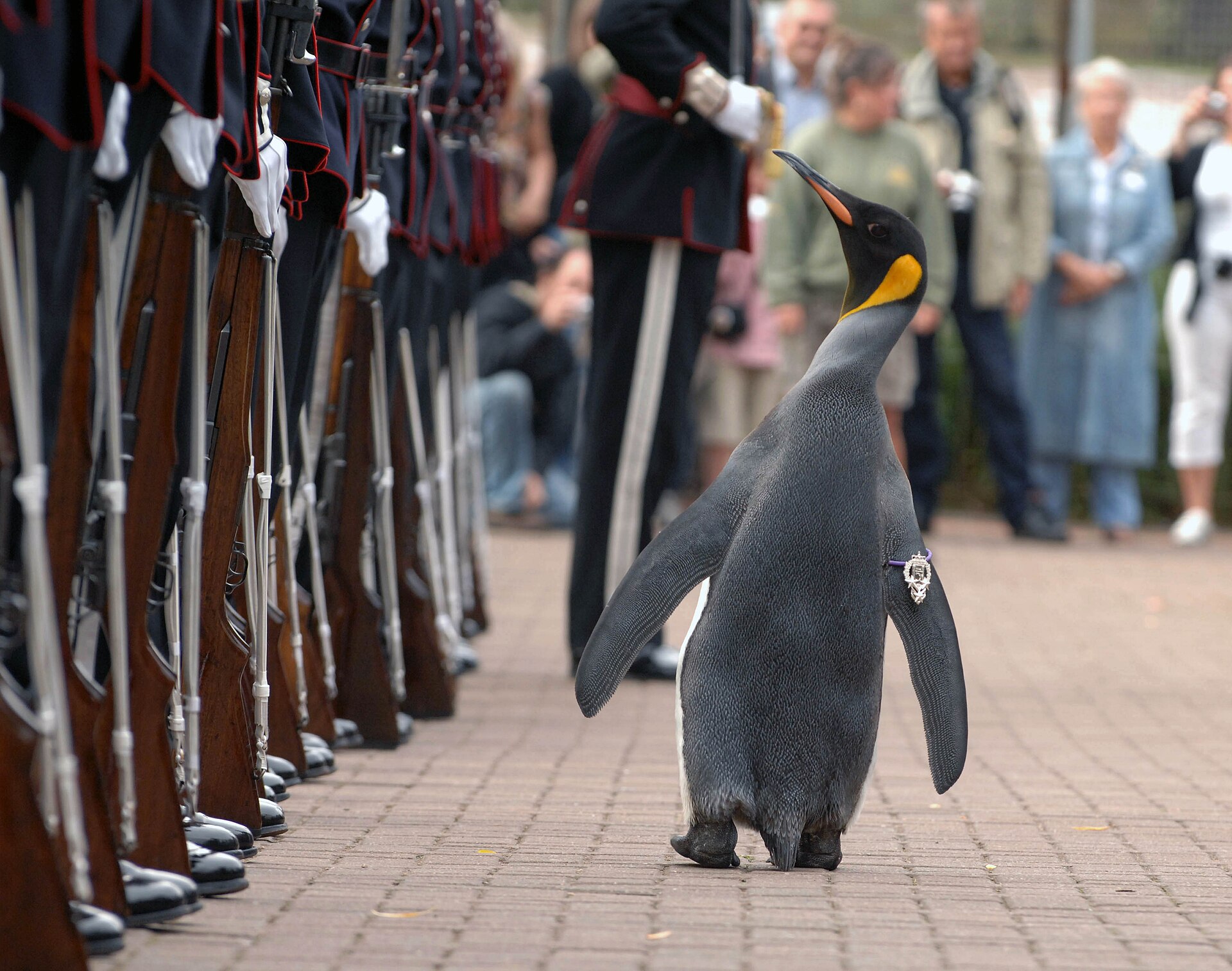
The main attraction here is the huge colony of more than a hundred penguins who inhabit the popular Penguin Rock. If the weather and the birds’ mood allow, you can witness the famous Penguin Parade, when the penguins set off on a short walk right among the visitors along a designated route.
Note that you’ll no longer see the famous giant pandas here — at the end of 2023, after a long stay, they returned to China. Even so, you’ll still find hundreds of other fascinating animals here, including koalas and chimpanzees.
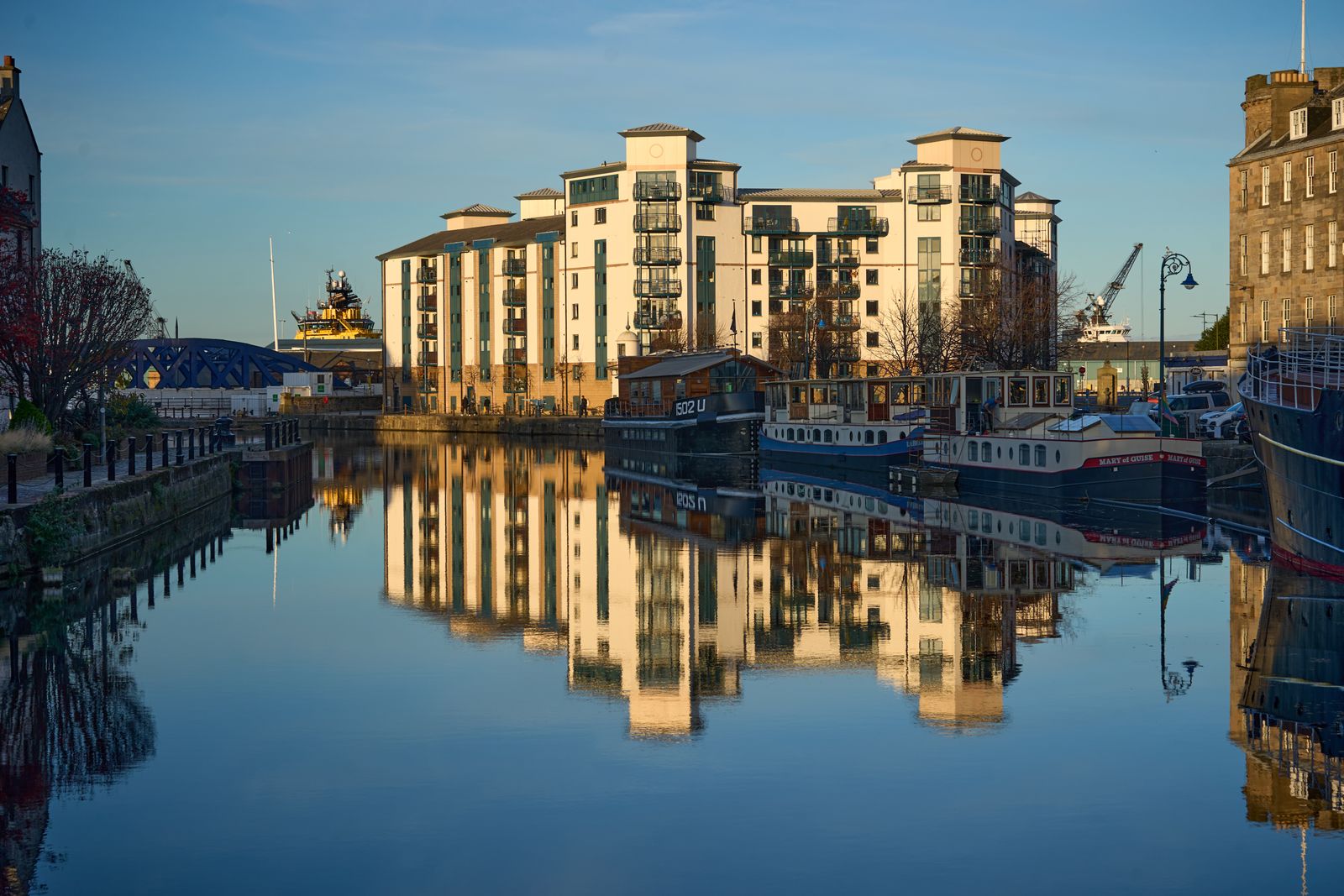
21. Leith and The Royal Yacht Britannia: Maritime History
The harbour district of Leith in the north of the city has transformed from a rough working-class area into an absolutely top-tier gastronomic destination with Michelin-recommended bistros. If you head here, I recommend the fantastic, entirely vegan gastropub Harmonium, where they make excellent plant-based mac & cheese — and you can even try a great vegetarian haggis that holds its own against the meaty original.
In the local docks by the Ocean Terminal shopping centre, the famous Royal Yacht Britannia is moored — for decades she served the royal family on their travels around the world. For £21 admission you can freely wander her decks with an audio guide available in many languages.
You’ll see the sailors’ modest cabins as well as the lavish reception rooms, and you can even enjoy an afternoon tea right on the royal deck. You’ll find current information and times on the Royal Yacht’s website. Given the capacity, a strict timed reservation isn’t necessary here.
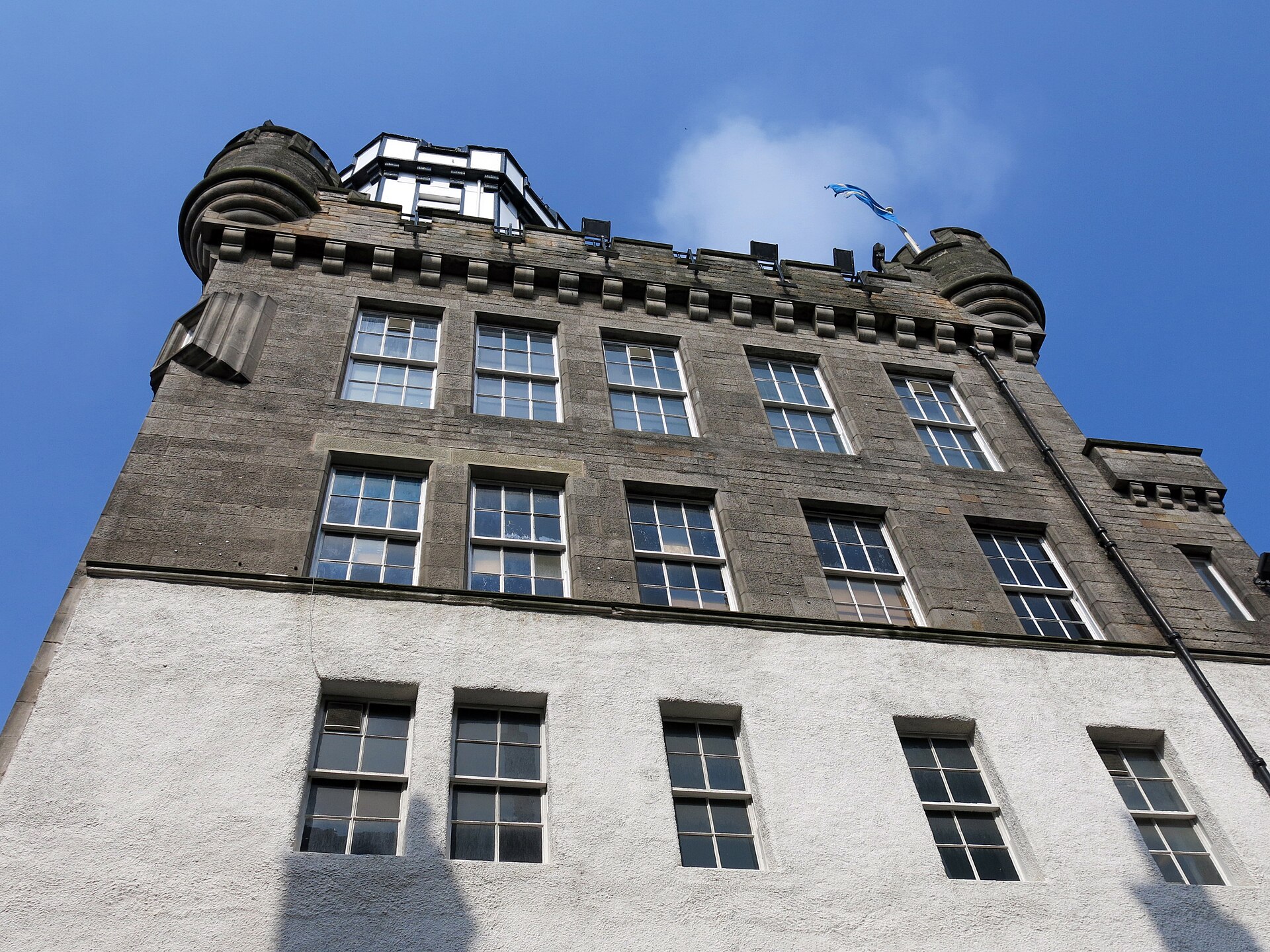
22. Camera Obscura & World of Illusions: Fun for All Ages
Right next to the castle gate, housed in a historic tower, sits an absolutely unique attraction that reliably entertains adults and children alike. It’s actually the oldest purpose-built attraction in the city, operating since the mid-19th century. Admission costs £21.95 and you’ll find five floors packed with optical illusions, light tricks and fun mirror mazes.
The highlight of the tour is the Victorian Camera Obscura itself, perched right at the top, which uses a system of mirrors and lenses to project a live image of the surrounding streets onto a large table in a darkened room. It’s an incredibly fascinating piece of old technology.
From the rooftop terrace you’ll also get one of the best views over the Royal Mile and the whole city, which you’ll especially appreciate for photography. The attraction is very popular, so again it pays to buy your tickets online in advance.

23. A Scotch Whisky Experience
Being in Scotland and ignoring whisky would be a sin, even if you’re not exactly a die-hard fan. Right at the top of the Royal Mile you’ll find The Scotch Whisky Experience, where for £24 in the basic Silver package they sit you in a little barrel-shaped car and take you through the entire production process of this golden spirit.
The tour of course includes a tasting and a visit to the largest private whisky collection in the world, which numbers thousands of bottles and looks truly impressive in its illuminated cabinets. If you’re after a more modern take, head to the opposite end of the centre to the new Johnnie Walker Princes Street experience.
Its 1820 Rooftop Bar offers, besides fantastic cocktails, an unforgettable view of the illuminated castle. If you want a proper meal alongside your whisky, head to the nearby restaurant David Bann with its acclaimed plant-based cuisine, or book a table at the legendary Henderson’s. Although locals traditionally eat meaty haggis, fish & chips or salmon, the city is incredibly friendly to meat-free dining, and you’ll commonly find these local specialities in purely plant-based versions too.
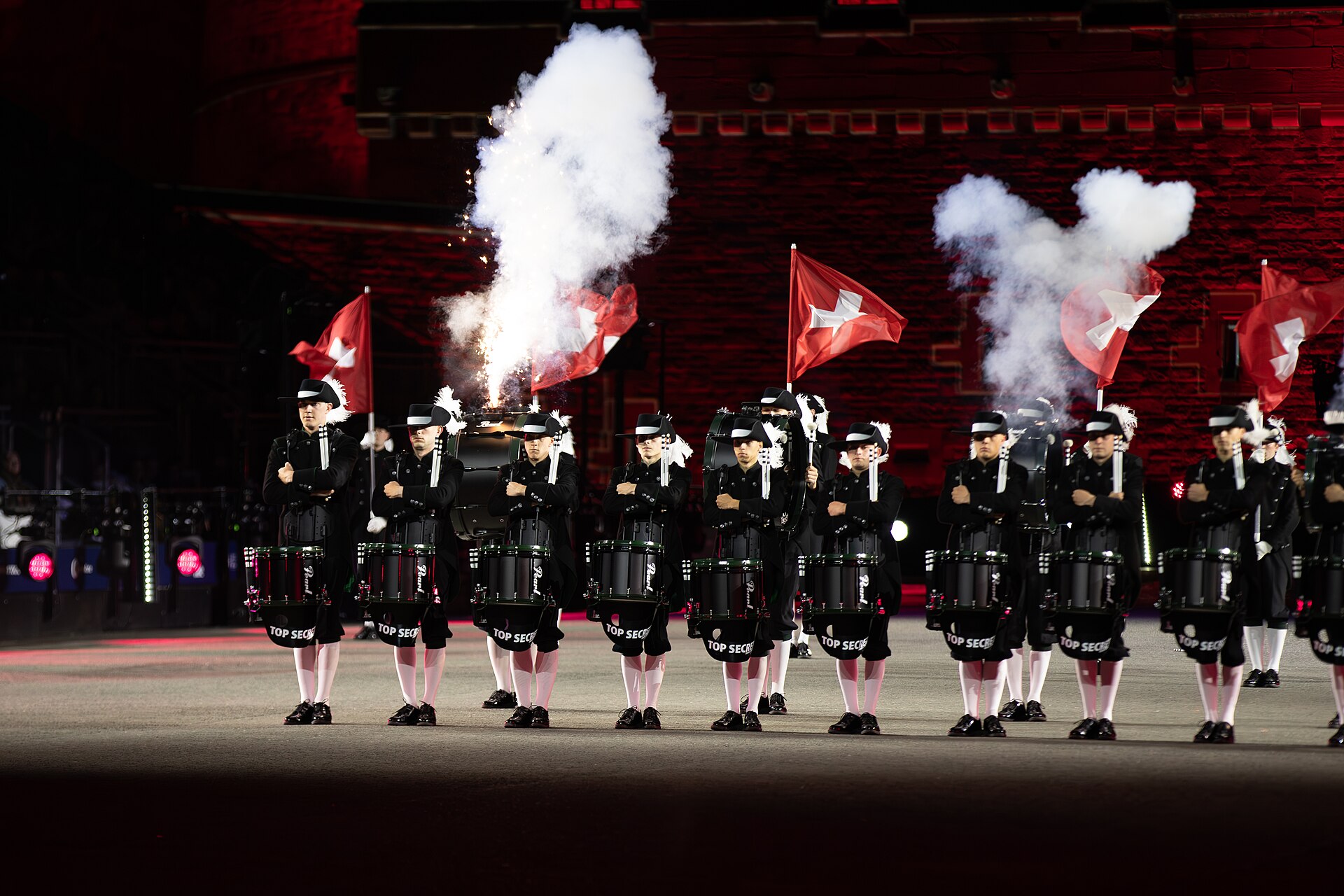
24. Edinburgh Fringe and Military Tattoo: The World’s Greatest Festival City
If you want to experience Edinburgh at its wildest, come in August. Every year the city hosts the Edinburgh Festival Fringe, the largest arts festival in the world, which in 2026 runs from 7 to 31 August. On hundreds of stages all over the city, some fifteen hundred performances unfold, from comedy through theatre to circus, and a large part of the street performances right on the Royal Mile are completely free.
At the same time, the castle esplanade hosts the ceremonial Royal Edinburgh Military Tattoo — a gripping ninety-minute show of pipers and military bands with the floodlit castle as a backdrop. Tickets start at around £89 and sell out months in advance, so sort them out well ahead of time.
💡 Tip: August is magical, but bear in mind the whole city is packed and accommodation prices double or even triple. If you’re not specifically after the festivals and want some peace, plan your visit for May or September instead.

25. South Queensferry and the Bridges over the Firth of Forth
Just outside the city lies the picturesque harbour town of South Queensferry, above which arches a trio of stunning bridges across the Firth of Forth. The most famous is the brick-red cantilever railway Forth Bridge from 1890, a UNESCO World Heritage Site since 2015 — around two hundred trains cross it every day, and it’s one of the most photographed structures in Scotland.
You can get here by train from Edinburgh Waverley station in just 25 minutes (get off at Dalmeny station), or by bus. From the harbour, boat trips also set sail to the little island of Inchcolm with its well-preserved abbey.
💡 Tip: The most powerful experience is to cross the bridge by train towards the region of Fife and get off on the other side in North Queensferry, from where you’ll get the best view of the whole structure from below.
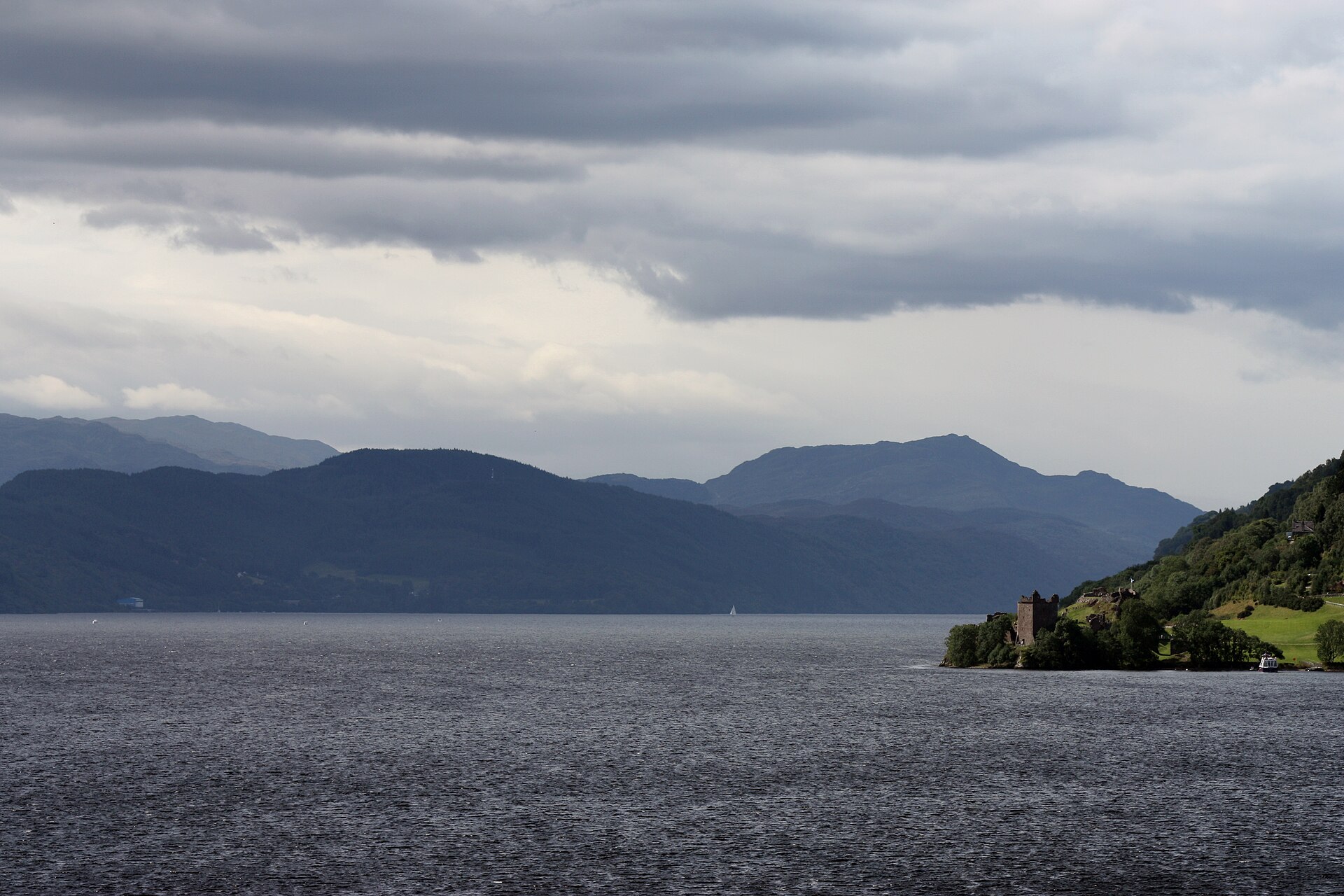
26. On the Trail of Nessie: A Full-Day Trip to the Highlands and Loch Ness
Edinburgh is an ideal base for a trip into the dramatic Scottish Highlands. Dozens of full-day coach tours set off from here, costing roughly £55 to £75 and lasting around twelve hours. The classic route heads through the picturesque Glencoe valley to the legendary Loch Ness, where the romantic ruin of Urquhart Castle awaits you by the water’s edge — and, of course, the prospect of the mysterious Nessie.
Harry Potter fans shouldn’t miss the option to the Glenfinnan Viaduct, across which the Jacobite Steam Train — the model for the famous Hogwarts Express — thunders. A ticket for the train itself needs to be booked separately and well in advance, as it sells out months ahead.
💡 Tip: Driving to the Highlands under your own steam for a single day isn’t worth it, because you’d spend the whole time behind the wheel. Reliable operators include Rabbie’s and Highland Explorer.
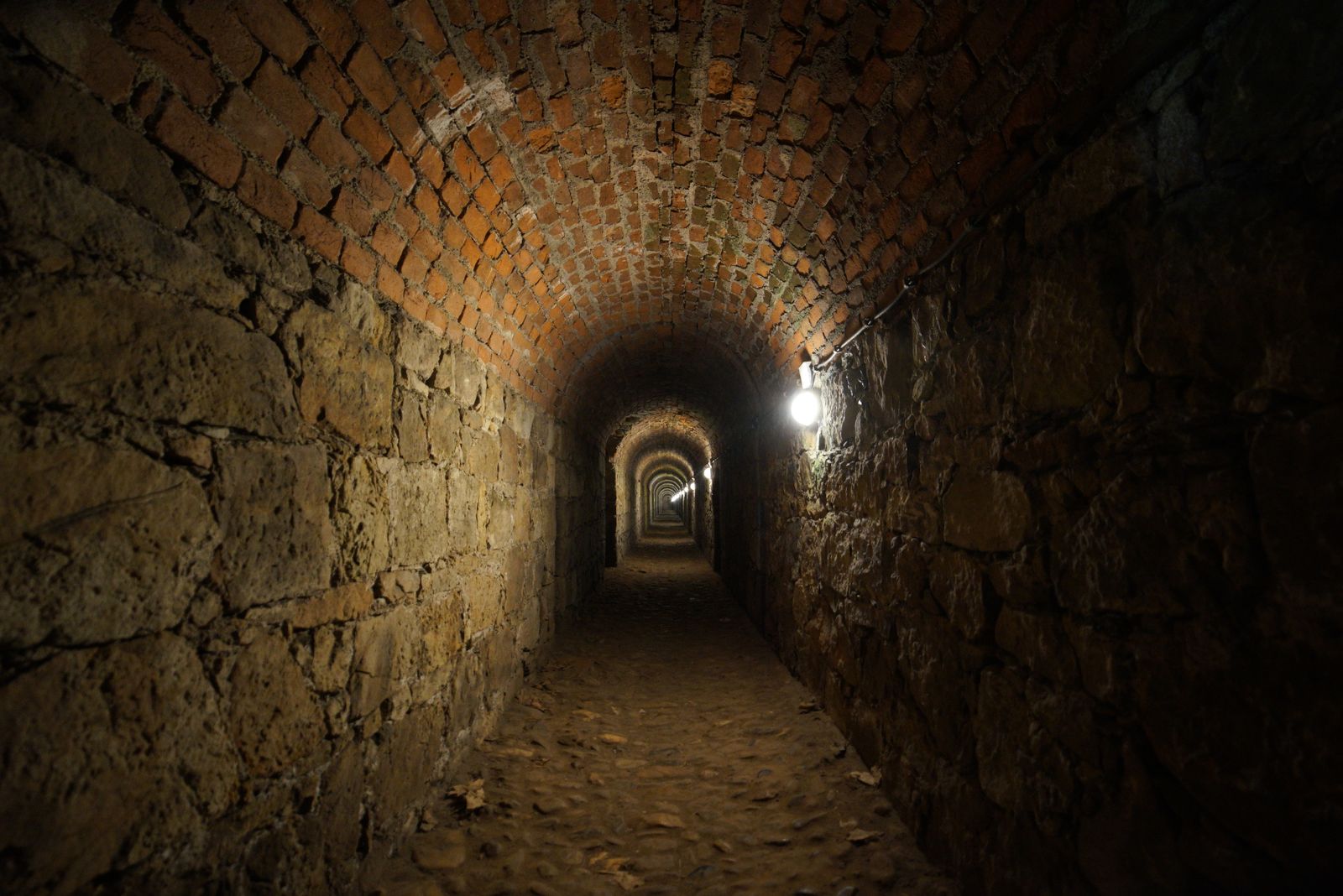
27. Edinburgh Vaults: Dark Underground and Ghost Tours
Beneath the mighty arches of the South Bridge lies a network of dark chambers from the late 18th century known as the Edinburgh Vaults. They were once workshops and storerooms, later a refuge for the city’s poorest, and today they rank among the most haunted spots in Edinburgh. You can visit them only with a guide on a commentated, often evening tour.
Admission to these tours starts at around £17, and the tour itself, often lit only by candlelight, lasts about 75 to 120 minutes. Edinburgh isn’t nicknamed the world’s ghost capital for nothing.
💡 Tip: Evening slots fill up fast, so book them in advance. If you’re travelling with younger children or are of a more sensitive disposition, opt for the daytime historical version of the tour instead.
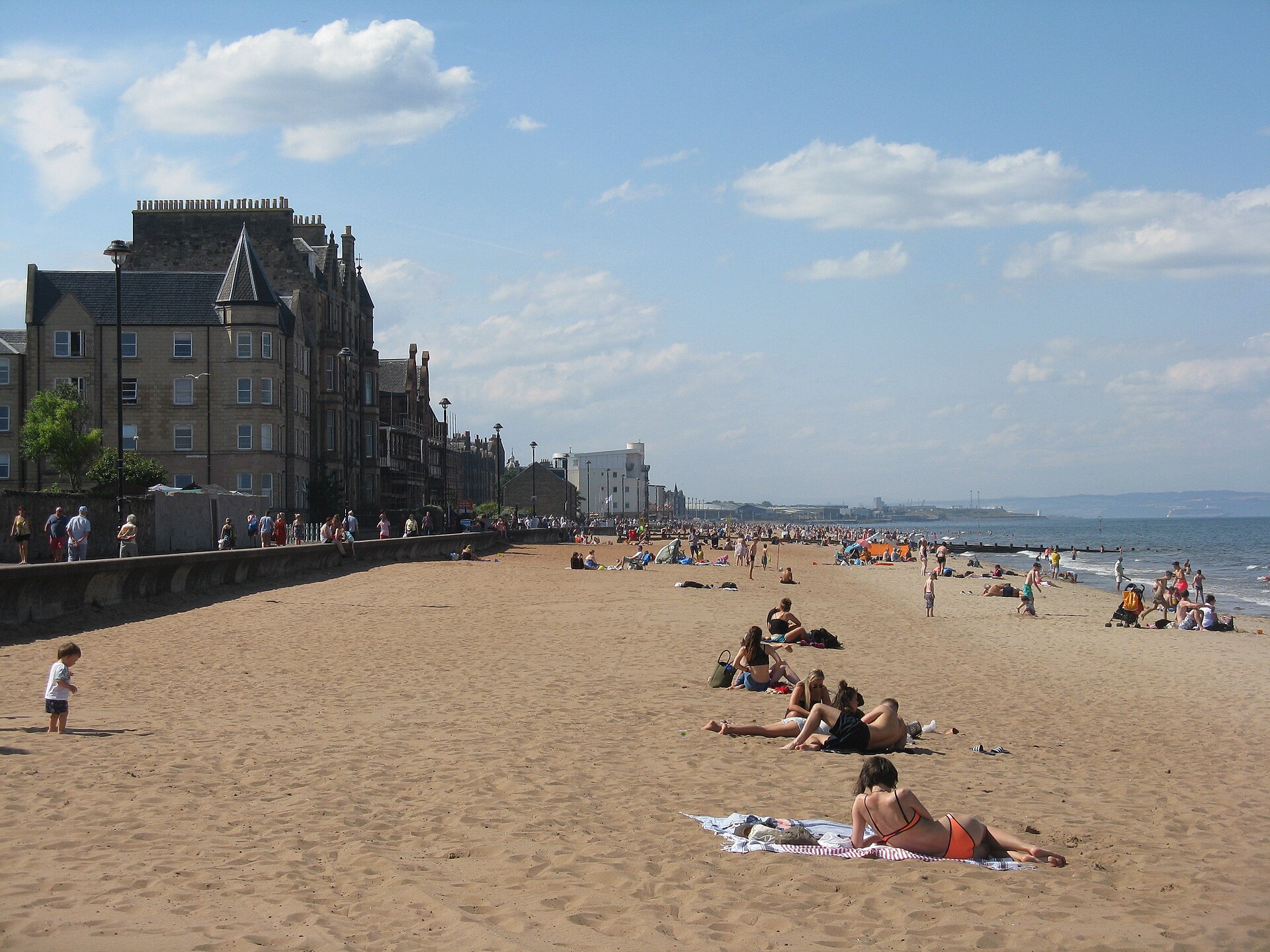
28. Portobello Beach: Edinburgh’s Seaside
Few people expect the Scottish capital to have its own beach, and yet just a few kilometres from the centre lies the Victorian seaside suburb of Portobello, with a wide sandy beach and a kilometre-long promenade. Locals come here for morning swims, coffee, ice cream and weekend walks, so you’ll see a more homely side of Edinburgh.
From Princes Street you can get here by bus in under twenty minutes (routes 12, 21 or 26, which run every fifteen minutes), and access to the beach is of course free. On the promenade you’ll also come across the historic Portobello Turkish Baths.
💡 Tip: It’s nicest here on a clear afternoon, when local families gather on the promenade — a pleasant contrast to the polished, touristy Old Town.
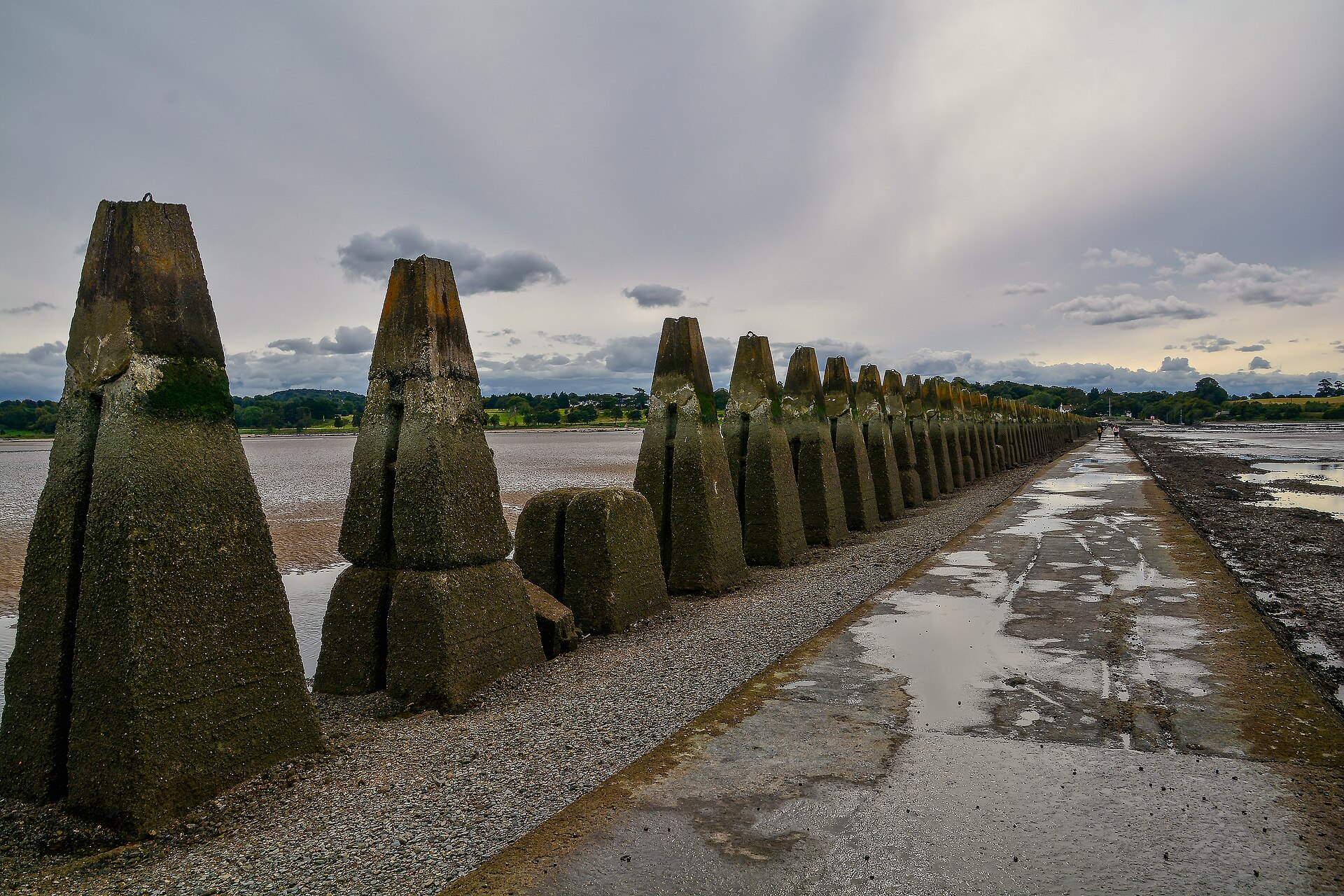
29. Cramond and Cramond Island: A Tidal Island for Adventurers
If you love places most tourists don’t know about, head to the quiet coastal village of Cramond in the northwest of the city. Waiting for you here are white cottages, a river mouth and, above all, Cramond Island, a small islet you can walk to at low tide along a concrete causeway lined with anti-tank barriers from the Second World War.
One crucial rule applies here, though: you can only cross safely about two hours before low tide and two hours after it, because the water then rises faster than you’d expect. From the centre you can get here by bus in roughly half an hour, and entry is free.
💡 Tip: The current safe crossing times are posted on a board right at the start of the causeway. Never underestimate them — every year irresponsible day-trippers stranded on the island have to be rescued here.
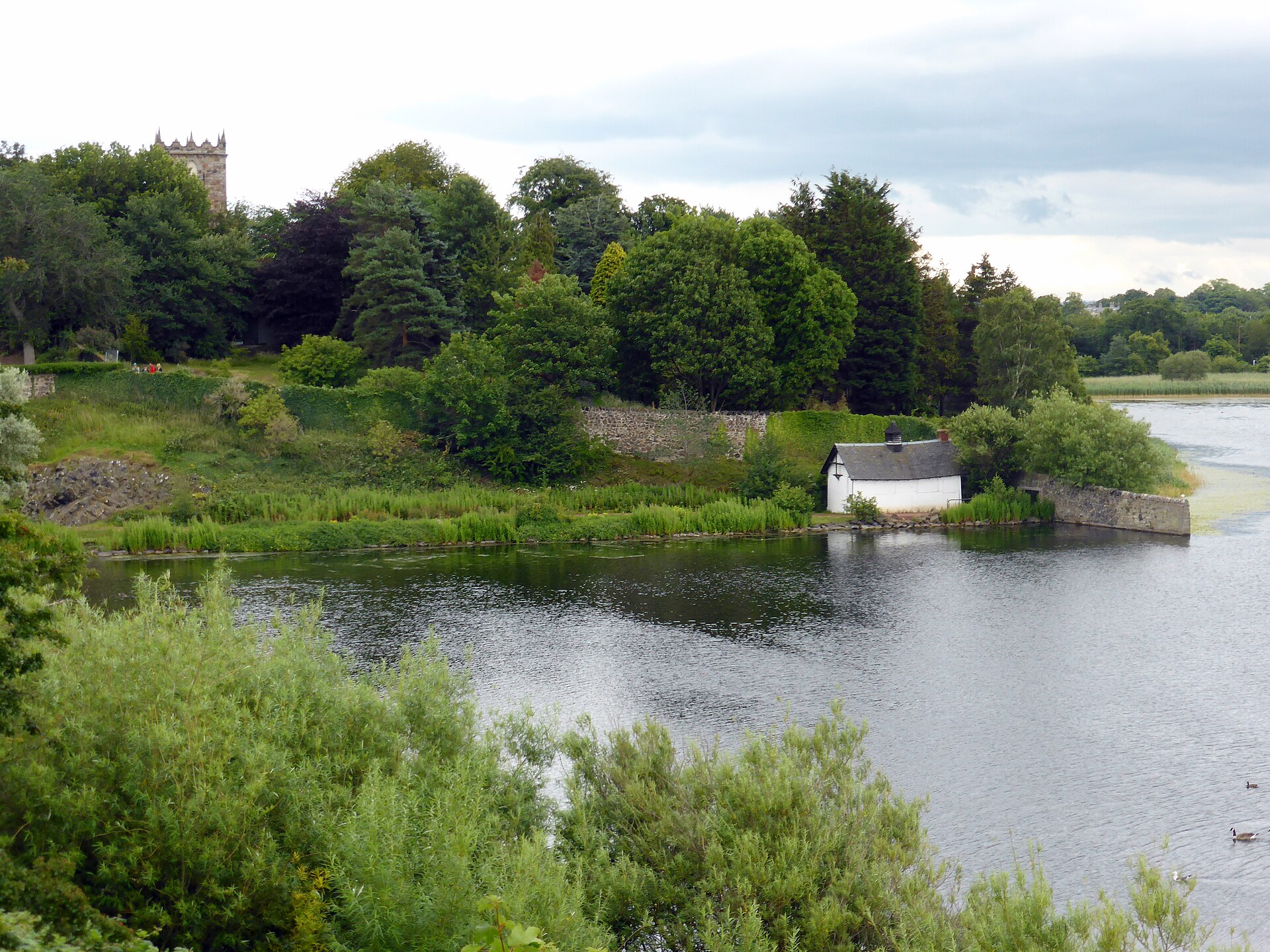
30. Holyrood Park and the Secret Dr Neil’s Garden
Right behind Holyrood Palace stretches the sprawling Holyrood Park, a slice of real wilderness in the very heart of the city, with cliffs, little lochs and the summit of Arthur’s Seat. But tucked into its southeastern corner hides a treasure most visitors miss — Dr Neil’s Garden, a secret garden by Duddingston Loch, free to enter and open daily from ten in the morning until dusk.
Right next door lies Duddingston Village, one of the oldest settlements in Edinburgh, with one of the oldest pubs in Scotland. On your way through the park you’ll also come across St Margaret’s Loch with its swans and the romantic ruin of St Anthony’s Chapel.
💡 Tip: Combine these spots into one peaceful half-day stroll. It’s exactly the kind of Edinburgh idyll that other tourists completely overlook.
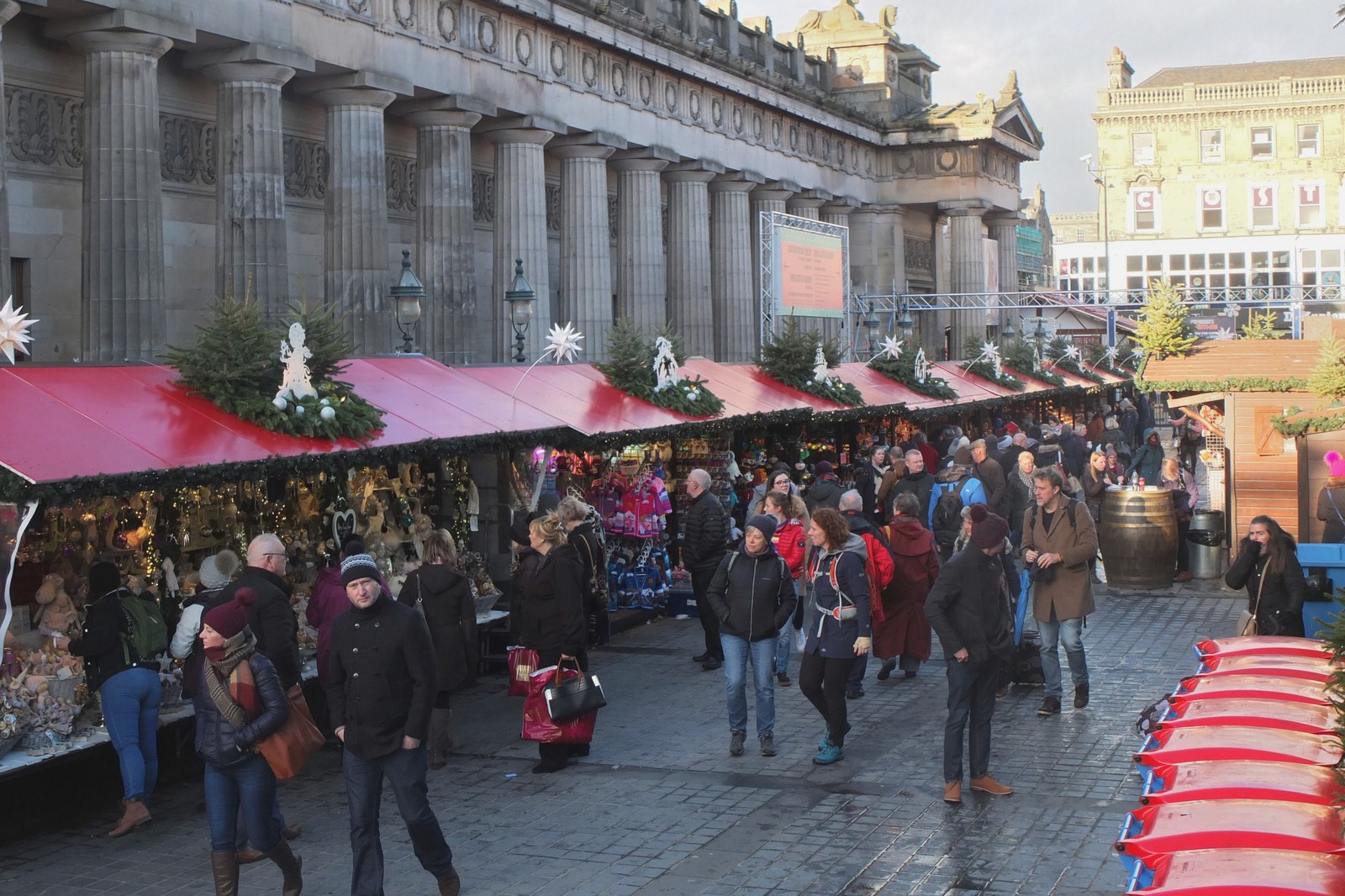
31. Edinburgh’s Christmas and Hogmanay: A Winter Fairytale Below the Castle
If you’re considering a winter visit, know that Edinburgh ranks among the best addresses in all of Europe. The traditional Christmas markets in East Princes Street Gardens get going from around mid-November, and entry to them is free (you only pay for individual attractions like the carousels, the ice rink and the observation big wheel right below the castle).
The absolute highlight, though, is Hogmanay, the world-famous Scottish New Year’s Eve celebration. It kicks off with a torchlight procession on 29 December and culminates in a spectacular fireworks display at midnight on 31 December, lighting up the sky right above the castle. Tickets for the main street party and concert are bought in advance.
💡 Tip: You don’t need to buy a pricey ticket for the New Year’s fireworks themselves. Some of the best views are completely free from the top of Calton Hill.
Map of points of interest for your phone
Where to Eat in Edinburgh
The local food scene is long past being just about fried fish and chips and traditional sheep’s haggis. In recent years the city has transformed into a real paradise for food lovers, and you’ll find everything from laid-back cafés to top-tier vegan bistros. If you want to eat well, you really are spoilt for choice.
Since the best places are in huge demand, I recommend booking dinner at least a few days ahead. This goes especially for weekends and the summer months, when the best tables get snapped up in the blink of an eye and walk-ins simply aren’t accommodated. Tap water is served completely normally and free of charge in restaurants — just ask for it with a smile.
Great Coffee and Quick Breakfasts

On your morning wanderings it definitely pays to head for fresh pastries and excellent coffee. The Scandinavian bakery Söderberg in the Stockbridge neighbourhood will win you over with its sinfully good cardamom buns, an absolutely perfect start to a chilly day. A short walk from the Grassmarket you’ll find the wonderful vegan café Pumpkin Brown, where they conjure up rich breakfast bowls from purely plant-based ingredients. And for an afternoon pick-me-up after all that walking, the nearby Lovecrumbs café is a safe bet, offering one of the best selections of artisan cakes far and wide.
Hearty Lunches and Luxury Dinners
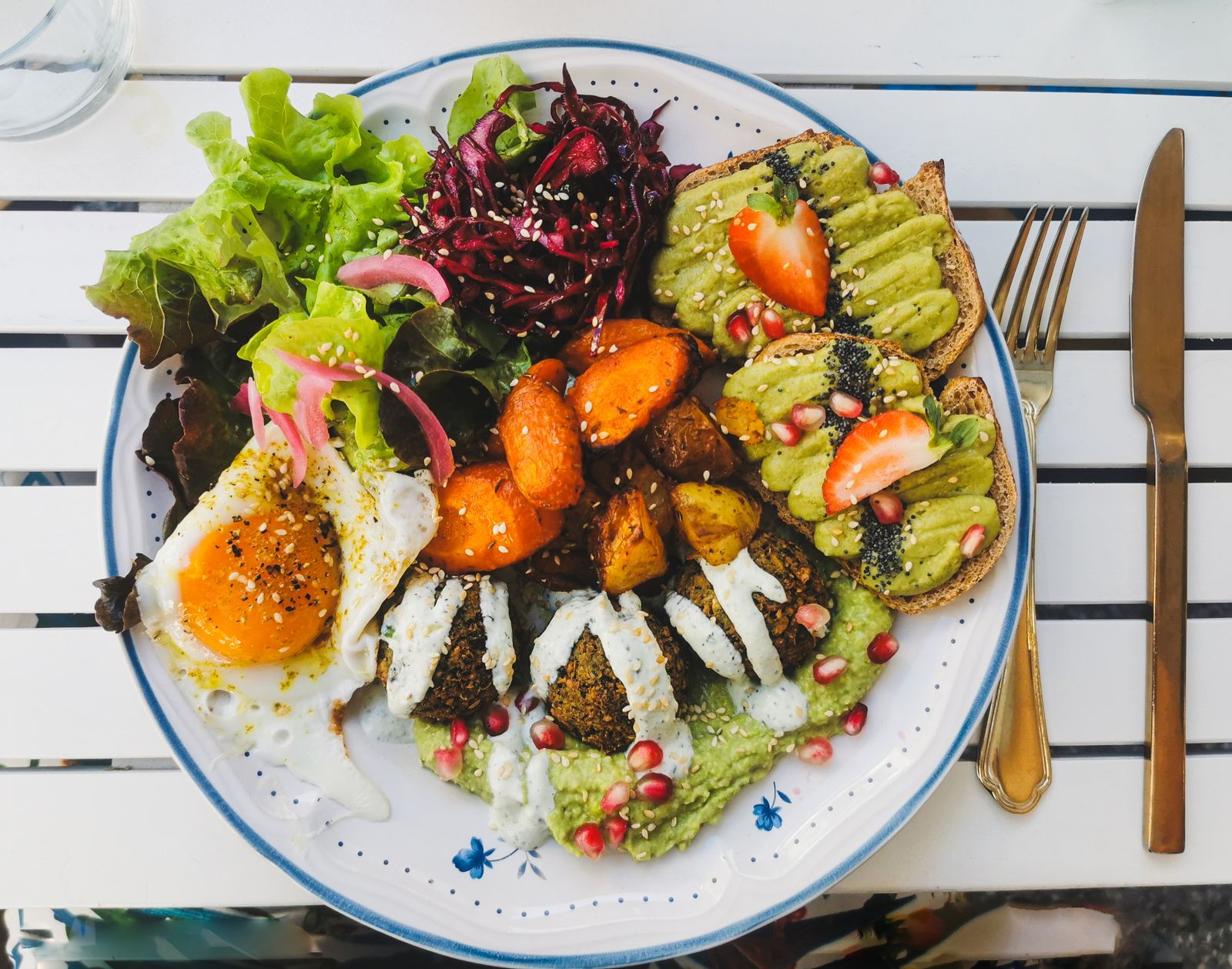
If you venture out to the harbour district of Leith during the day, you can’t miss the acclaimed gastropub Harmonium. Their hearty vegan takes on British classics are legendary and will give you the energy for more sightseeing. Evenings in the centre are all about vibrant flavours. An amazing experience awaits at the restaurant David Bann, which takes plant-based cuisine to the very highest level, and in beautiful, softly lit surroundings to boot. A classic for lovers of quality meat-free food remains the traditional Henderson’s, which has been a cornerstone of the local culinary scene for many decades.
Where to Go From Edinburgh
If you have more than two days for your visit, definitely set off to discover the beauty beyond the city limits. Among the easiest half-day trips is a visit to South Queensferry, from where you can admire the iconic red railway Forth Bridge, a UNESCO World Heritage Site. This enormous feat of engineering has fascinated travellers for more than a hundred years, and the little town full of colourful houses on the coast has huge charm.
Also very popular is the nearby beautifully decorated Rosslyn Chapel, made famous by the novel The Da Vinci Code, or the majestic Stirling Castle with its rich history and breathtaking views over the countryside. If the rugged nature of the Highlands appeals to you, we recommend buying tickets for the castle and a full-day Loch Ness trip in advance on GetYourGuide; smaller ghost tours and tickets for the sightseeing city bus can be bought without any problem on the spot from local vendors.
- London: 56+ Things to See and Do + Map
- Scotland: Holiday and What to See (Highlands, Skye, Edinburgh)
- Scotland Road Trip: A 7 to 10 Day Itinerary
Frequently Asked Questions
Before your trip, you’re bound to have plenty of practical questions buzzing around your head. Scotland has its own quirks, and after Brexit a few things have changed for travellers. So I’ve put together answers to the most common queries to help you avoid unnecessary surprises and plan your trip with complete ease.
What is a UK ETA and do I need one for Scotland?
Yes, from April 2025 all Czech citizens need an electronic travel authorisation ETA to enter the United Kingdom. You can get it for £20 (approx. €24) through the official mobile app or government website gov.uk, it’s valid for two years and you need to apply several days before your departure.
How does public transportation work and how do you pay on the buses?
MHD is operated by transport companies like Lothian Buses and the system is very straightforward. When boarding, you just tap your payment card (TapTapCap system) and don’t worry about anything else, as the system will never charge you more than the daily cap of £5.70 (approx. €6.80), no matter how much you travel. For trips to the airport, there are also excellent Airlink express lines or a comfortable modern tram.
Do I need to bring a plug adapter to Scotland?
Definitely yes. In Great Britain, type G sockets are used with three large rectangular pins and 230 V voltage. Czech flat or round plugs won’t fit without a special travel adapter, so it’s better to buy one at home, as adapters at the airport tend to be quite overpriced.
Is tap water in Edinburgh drinkable?
Yes, Scottish tap water is absolutely safe to drink and is moreover considered one of the tastiest in all of Europe. Feel free to bring along a reusable bottle and refill it during the day from drinking fountains throughout the city.
How does payment and cash work?
The city is almost cashless and you can pay by card absolutely everywhere, from buses through cafés to admission fees at monuments. Scottish banks print their own pound banknotes, but they’re accepted everywhere just the same, so you don’t need to worry about exchanging cash at all.
Will I have free roaming in Scotland?
Since the United Kingdom is outside the European Union, roaming is no longer automatically free and depends entirely on your Czech operator. Some operators still offer it, but the absolute best and cheapest option is to get an electronic eSIM card for Europe.
 🚗 Car rental on the roadVerified rental cars in Great Britain
Search with the DiscoverCars comparison engine — it compares prices from dozens of local and international rental companies, and most bookings come with free cancellation.
Compare car prices in Great Britain →Do I need special travel insurance for Scotland?
Definitely get it sorted. The European Health Insurance Card (EHIC) does guarantee access to necessary emergency care here after Brexit, but it won’t cover your potential repatriation, trip cancellation, or treatment in private facilities, which could get very expensive.
Tips and Tricks for Your Vacation
Don’t Overpay for Flights
Search for flights on Kayak. It’s our favorite search engine because it scans the websites of all airlines and always finds the cheapest connection.
Book Your Accommodation Smartly
The best experiences we’ve had when looking for accommodation (from Alaska to Morocco) are with Booking.com, where hotels, apartments, and entire houses are usually the cheapest and most widely available.
Don’t Forget Travel Insurance
Good travel insurance will protect you against illness, accidents, theft, or flight cancellations. We’ve had a few hospital visits abroad, so we know how important it is to have proper insurance arranged.
Where we insure ourselves: SafetyWing (simple monthly subscription) and TrueTraveller (for extra-long trips).
Find the Best Experiences
Get Your Guide is a huge online marketplace where you can book guided walks, trips, skip-the-line tickets, tours, and much more. We always find some extra fun there!