

You probably picture the Canary Islands as a sure thing – sunshine even in January, volcanic beaches, eternal spring. Then the reality of planning kicks in: which island do you actually choose, when is it cheapest to fly, and can you pull it off on your own or are you better off with a package? We were stuck in exactly that uncertainty too, before we first set off.
Here in one place you’ll find three things: up-to-date package and flight prices that we refresh every morning; our tips from our own trips and articles about each island; and a plan for when and what to book so you don’t overpay needlessly. No fluff – just what you really need to know.

What to see and do in Canary Islands
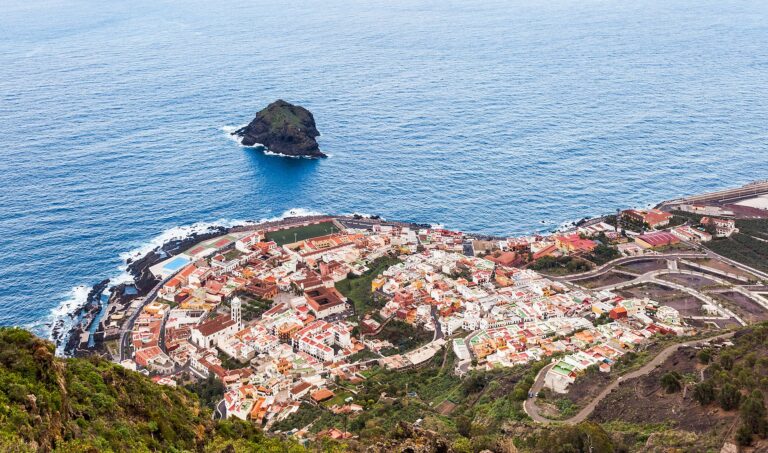
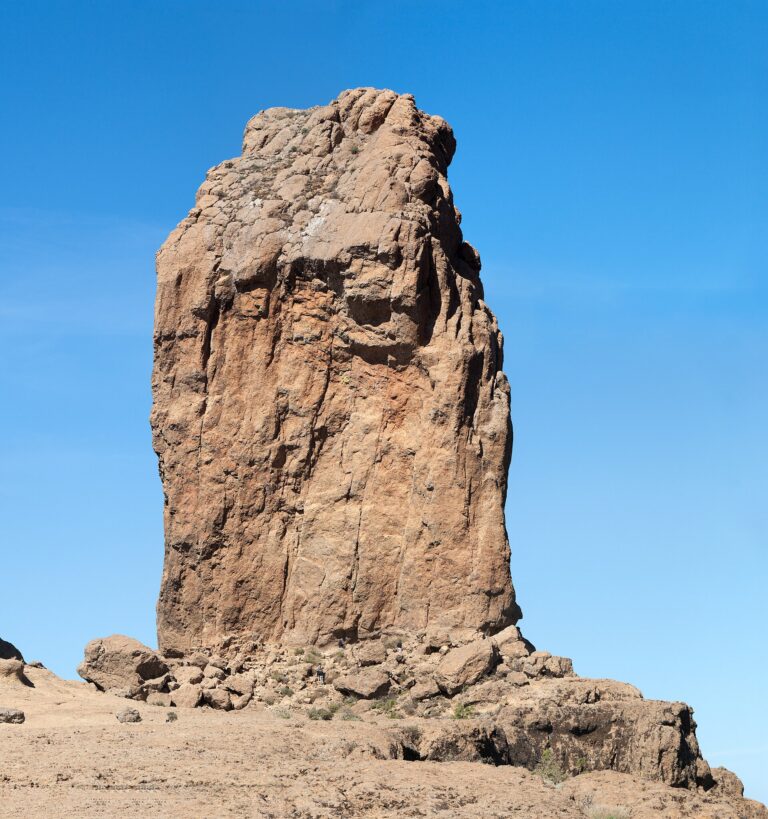
The Canaries aren’t one island but seven different worlds. So first we recommend reading our comparison of which island to choose – it’ll save you a lot of dithering. After that, it all comes down to what you want from your holiday.
- Tenerife – the largest island, home to the Teide volcano (3,718 m), the best beaches and lively resorts. A great choice for a first visit.
- Gran Canaria – a “miniature continent”: the Maspalomas dunes, mountains in the island’s heart and quiet towns in the north.
- Lanzarote – lunar volcanic landscapes, vineyards growing in lava and the architecture of César Manrique. Our personal favourite for photos.
- Fuerteventura – endless pale-sand beaches and wind. A paradise for surfers, peace-seekers and long seaside walks.
All the islands share one thing: year-round warmth, good food (try papas arrugadas with mojo sauce on your very first day) and volcanic scenery you won’t find anywhere else in Europe.

When to visit Canary Islands
This destination has one huge advantage – you can go all year round. Coastal temperatures stay between 20–28 °C and it’s pleasant even in winter. That’s why the Canaries are so popular as an escape from the grey days back home.
If you want swimming without compromise, May to October is ideal, when the sea is warmest. The main tourist (and priciest) season, by contrast, is December to February, when all of Europe heads here for winter sun – flight and accommodation prices shoot up then.
Our tip for the best price-to-weather ratio: April, May and October. It’s warm, the sea is still (or already) swimmable, and the crowds and prices are thinning out. Just bear in mind the beaches on the eastern islands (especially Fuerteventura) are nearly always windy.



How to get to Canary Islands
Flying is the easiest option. You can reach the Canaries both directly and with a connection – direct charter and low-cost flights mostly leave from major hubs, otherwise the usual connections are via Madrid, Barcelona or German and Vienna airports. A direct flight takes roughly 5 hours.
Driving or taking the train makes no sense for obvious reasons – these are islands in the Atlantic off the African coast. To travel between the islands you take either short flights or ferries (e.g. Tenerife–Gran Canaria). If you want to combine several islands, plan your transfers ahead – capacity fills up in season.
Renting a car
In the Canaries a car is usually worth it. If you want to see more than just the beach by your hotel – volcanoes, the interior, hidden coves – you won’t manage without one. Rentals are relatively cheap and the roads are good quality. On the other hand, if you’re planning pure lounging at a single resort, a car is a needless expense and the occasional taxi or bus will do.
- Book ahead via a comparison site – in season (winter) capacity fills up and on-the-spot prices tend to be higher.
- Mind the insurance and deposit – the base price often doesn’t include full cover. Pay extra for full insurance with no excess and spare yourself the stress over a scratched bumper.
- Fill up in good time and park sensibly – there are no tolls to worry about on the islands, but parking in resort centres can be a headache.
Where to stay in Canary Islands
Accommodation in the Canaries spans a huge range – from all-inclusive resorts to cosy apartments. Where to stay depends mainly on what you want from your holiday:
- Resorts (Playa de las Américas, Maspalomas, Costa Calma) – comfort, the beach around the corner, restaurants and entertainment. Ideal for families and a first visit.
- Quieter towns and villages – a more authentic atmosphere, better prices and local food. Great if you have a car.
- Apartments with a kitchenette – our favourite compromise: you save on food and have more freedom than in a hotel.
If you want to see more of an island than just the beach, we recommend staying closer to the action with a car and heading out on day trips. In high season (winter), book your accommodation a good 2–3 months ahead – the best places at reasonable prices disappear fastest.
Package tour or independent travel?
You can do the Canaries either way – it depends on what you want from your holiday. Here’s our honest comparison:
- A package pays off when you want a carefree all-inclusive beach, you’re flying out for a week and you don’t want to sort anything out.
- …when you’re travelling with kids and you’ll appreciate the airport transfer and a rep on hand.
- …when you come across a good last-minute deal – for the Canaries, flight + hotel combined is often cheaper than booking it separately.
- Go it alone when you want to combine several islands or get to know the interior and local food.
- …when you want to rent a car and stay flexible on route and dates.
- …when you’re after more authentic accommodation away from the big resorts.
The two of us tend to do the Canaries on our own with a car – we love discovering volcanoes and taverns away from the crowds. But for a quiet beach with the family or a first visit, a package is perfectly fine and often cheaper too. There’s no shame in choosing comfort.
Budget: daily costs in Canary Islands
| Level | Accommodation | Food | Transport & activities | Total/day |
|---|---|---|---|---|
| Backpacker | 30 €–45 € | 14 €–20 € | 10 €–16 € | ~50 €–80 € |
| Standard | 45 €–85 € | 25 €–35 € | 20 €–30 € | ~90 €–155 € |
| Comfort | 100 €+ | 40 €–60 € | 35 €+ | ~175 €+ |
These prices are approximate, per person per day (excluding flights) and assume you’re sharing accommodation between two. The Canaries are gentler on the wallet than mainland Spain — the food and local wine especially are a treat. You’ll save the most with a kitchenette apartment and lunches at the local guachinche taverns.
How to save when planning
- Buy flights 2–4 months ahead for the winter season; for spring/autumn, 6–8 weeks is often enough. Avoid the Christmas and Easter dates – that’s where you overpay the most. Search for flights with our finder.
- Book winter accommodation 2–3 months ahead – the best places at reasonable prices vanish fastest. Outside the season, last minute can pay off too. Check out our accommodation tips.
- Watch both first and last minute packages – for the Canaries, last minute often wins outside the school holidays, but for specific dates (winter, spring break) go for first minute. Keep an eye on the current packages on this page.
- Activities and day trips (whale watching, the Teide cable car) should be booked ahead in season – on the spot they tend to be pricey and sold out. See what to book early.
- You’ll save the most on food – a kitchenette apartment and lunches at local taverns make a big difference over a week.
Practical information
- Language and currency: they speak Spanish, but you’ll get by in English at the resorts. You pay in euros, and as part of the EU there are no surprises.
- Card payments: cards are accepted almost everywhere, but keep a few euros in cash for markets and small taverns.
- Connectivity: you’re in the EU, so roaming works fine. If you only have a small data allowance, an eSIM is worth it – set it up in a few minutes and you’ll have data the moment you land.
- Safety: the Canaries are calm and safe. Just keep an eye on valuables on the beach and in the car.
- Sun and sea: don’t underestimate the volcanic beaches and strong sun – use high-factor sunscreen and watch out for currents in the Atlantic.


