Europe is, for the two of us, the most rewarding continent to travel. In just a few hours by plane (or a few days behind the wheel) you can go from the Norwegian fjords to the beaches of Greece, from Alpine peaks to Portugal’s stretch of the Atlantic. And the best part? You can visit most countries without a visa, using euros or a card, and with no long-haul flights, so even a long weekend fits in nicely.
On this page we’ll help you choose a country. Below the text you’ll find a grid of specific countries with our guides, tour offers and stories from the road. We’ve travelled a good chunk of Europe, from Iceland to Albania, and here we sum up the practical bits: when to go, how to pick by the type of holiday you want, and where you can save. No empty superlatives, just what worked for us. ☺️
This isn’t a catalogue
We’re Lucie and Lukáš — and travel is our life
The two of us put this guide together and keep an eye on it. We only pick trips and tips we’d take ourselves, and we only write about places worth your time.
✍️ We build it by hand — the two of us choose the destinations and tips, and bots help us keep the numbers up to date
🔄 We refresh prices every morning — no week-old trips or flights hanging around here
🧭 We only recommend places we’d go ourselves — and we’ll tell you what to skip too
The best season in Europe depends on whether you’re heading south or north. The Mediterranean (Italy, Spain, Greece, Croatia, Portugal, Montenegro, Albania) has the most pleasant weather in May, June and September. The sea is already (or still) holding its warmth, but without the peak crowds or the searing heat of July and August. If you’re purely after swimming and the crowds don’t bother you, high summer works too — just expect higher prices and temperatures above 35 °C.
The north and the mountains have a shorter window. Norway, Iceland, Finland or the Swiss and Austrian Alps are best for hiking and trekking from June to September, when the roads and trails are clear of snow. The Nordic countries come with a summer bonus of long days, and in autumn and winter the chance of seeing the northern lights. Cities (France, Germany, Poland, the Netherlands, Hungary) are great year-round — spring and early autumn offer sensible temperatures and prices, while Advent brings the atmosphere of the Christmas markets.
How to choose a country
Before you start pinning down specific places, we recommend getting clear on what you mainly want from your holiday. With that in mind, choosing a country gets much easier:
Sea and beaches: Croatia and Montenegro by car, Greece for laid-back island life, Albania as a cheaper tip, and Portugal or Spain for the Atlantic option.
Mountains and trekking: Switzerland and Austria for the classic Alps, Slovenia as a smaller and more affordable alternative, Norway and Iceland for wild nature, and Georgia and Slovakia for mountains at a reasonable price.
Cities and culture: France, Italy and the Netherlands for the classics, Poland, Hungary and Romania for less money, Germany and Denmark for easy long weekends.
Nature and quiet: Finland and Iceland for silence and space, Ireland for green coastlines.
Budget makes a big difference. The priciest are Norway, Iceland, Switzerland and the Nordic countries. On the other hand, you get the most for your money in Albania, Romania, Poland, Hungary or Georgia. If you’re not sure, click on a specific country in the grid below — for each one we have a practical guide with prices and tips from the road.
For the two of us, the biggest savings come down to timing and booking early. Both flights and accommodation in popular destinations get cheaper when you book 2–3 months ahead, and it helps a lot to avoid school holidays and long weekends. The very same hotel can be tens of percent cheaper in September than in August. If your dates are flexible, compare prices across the whole week — Tuesdays and Wednesdays tend to be the cheapest for flights.
Keep pricey countries short: in Norway, Iceland or Switzerland it pays off to do a few intense days rather than a long holiday.
Eat like a local: markets, bakeries and lunch menus instead of tourist restaurants by the sights will noticeably ease your budget.
Car vs. budget flight: for nearby countries (Austria, Slovakia, Poland) a car is usually cheaper and gives you more freedom; for distant coastlines an early-booked flight often wins.
Watch out for hidden fees: factor in airport transfers, city-centre parking and motorway vignettes (Austria, Slovenia, Hungary) right at the planning stage.
💱Currency and rateCurrent rate: 1 € ≈ 24.36 CZK (CNB). In Europe you can pay by card almost everywhere.
Frequently asked questions
When is the best time to travel around Europe?
It depends on where you’re heading. For the Mediterranean we recommend May–June and September, when it’s warm without the peak rush. For the north (Norway, Iceland, Finland) and the mountains, go from June to September. Cities work year-round, with spring and early autumn being the most pleasant.
Which European country is the cheapest?
For the best value for money we’d pick Albania, Romania, Poland, Hungary and Georgia. The priciest, on the other hand, are Norway, Iceland, Switzerland and the Nordic countries.
Where to go in Europe for the sea?
The classics by car are Croatia and Montenegro, Greece for laid-back island life, Albania as a cheaper tip, and Portugal or Spain for the Atlantic option.
Do I need a visa for European countries?
Czech citizens don’t need a visa for EU and Schengen countries — a valid ID card or passport is enough. For non-EU countries (e.g. Georgia), always check the current entry requirements before you travel.
Is it better to travel around Europe by car or by plane?
For nearby countries like Austria, Slovakia or Poland a car is usually cheaper and gives you more freedom. For more distant destinations (Portugal, Greece, the Nordic countries) an early-booked budget flight often wins.
Where to go for mountains and trekking?
For the classic Alps we recommend Switzerland and Austria, with Slovenia and Slovakia as more affordable alternatives, Norway and Iceland for wild nature, and Georgia for great value.
How far in advance should I book accommodation and flights?
Ideally 2–3 months ahead, especially for popular destinations and the summer. It helps to avoid school holidays and long weekends — the same hotel can be significantly cheaper off-season.
Which country is good for a long weekend?
Cities with a short flight or within driving distance work great — Germany, Denmark, the Netherlands, Austria, Poland or Hungary. In a few days you can take in the city and its surroundings without rushing.



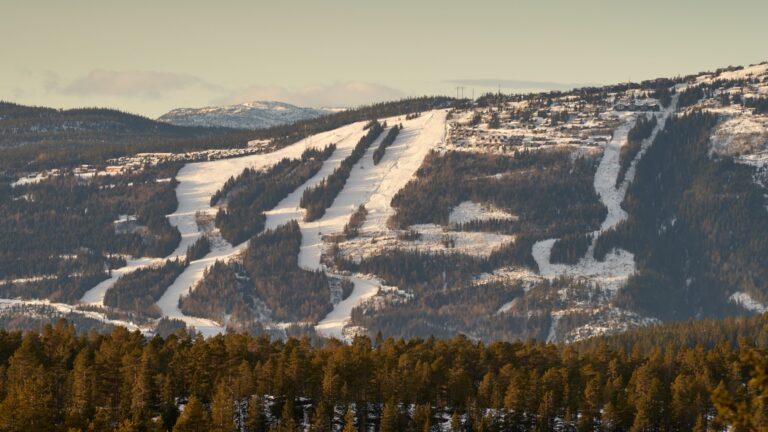 Norway
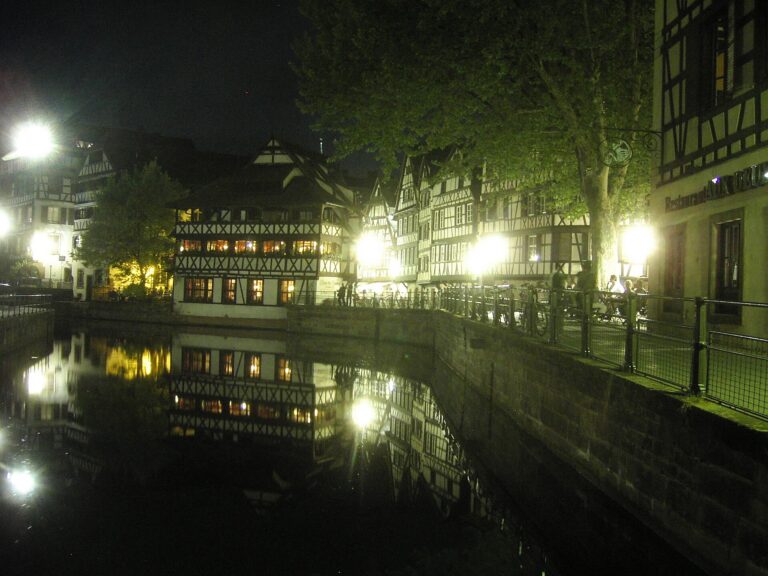 France
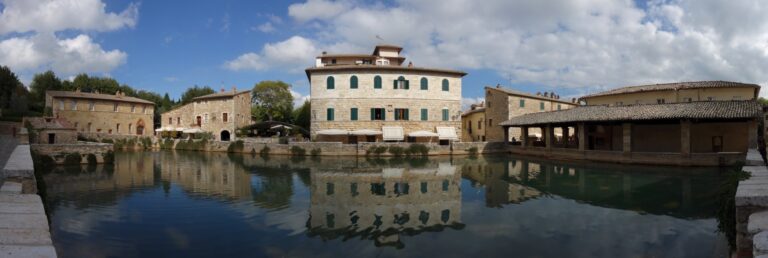 Italy
Italy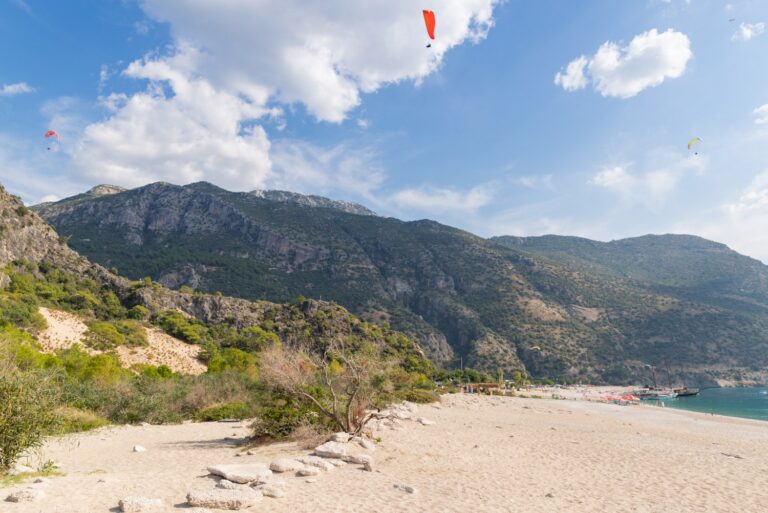 Spain
Spain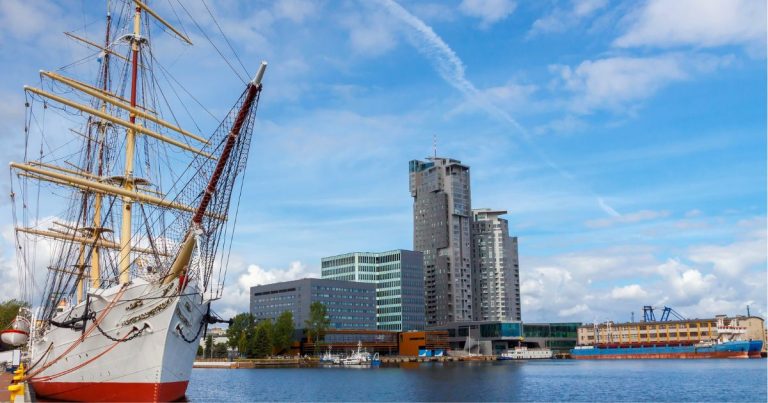 Poland
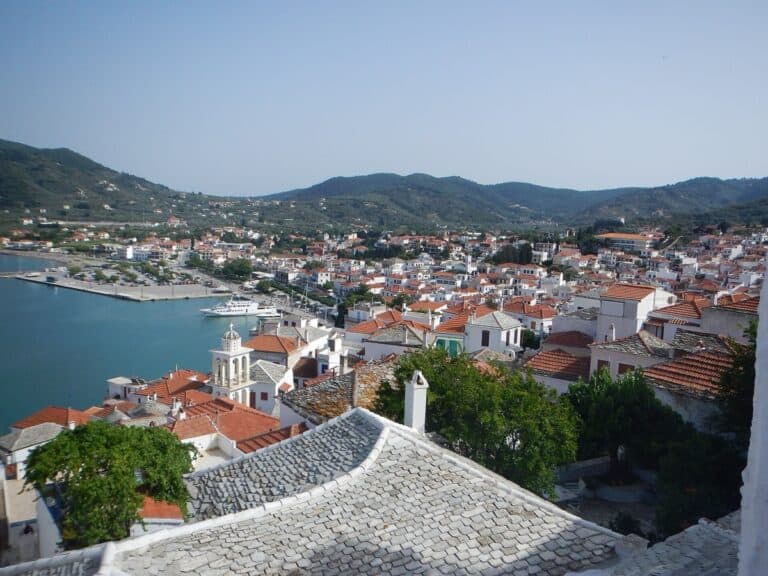 Greece
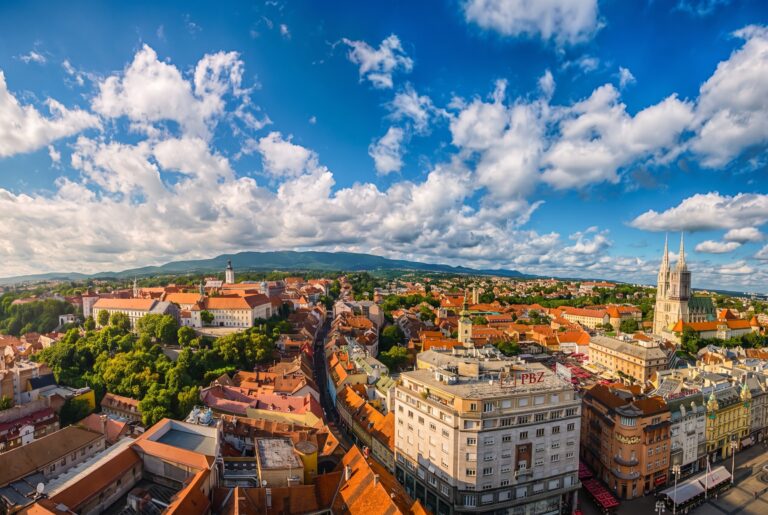 Croatia
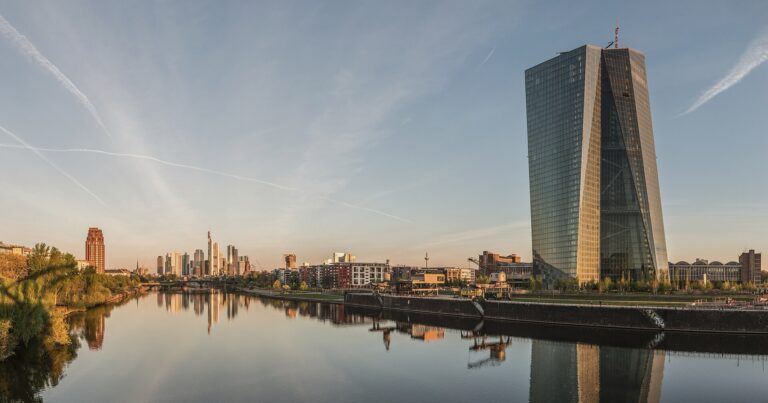 Germany
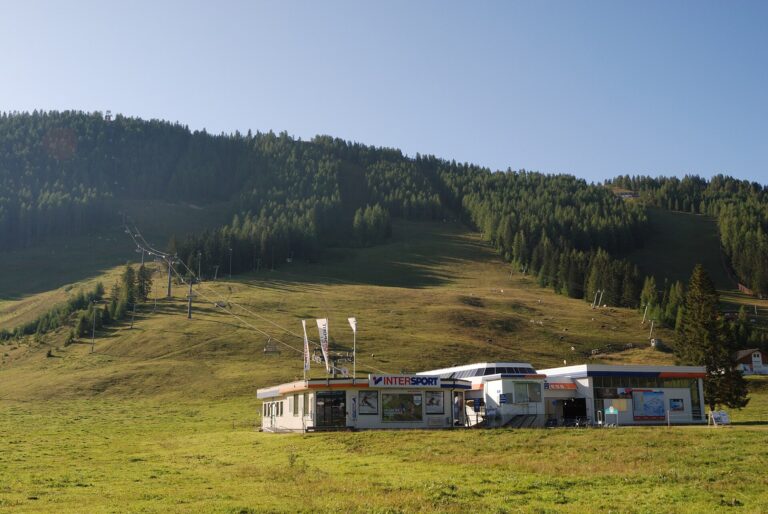 Austria
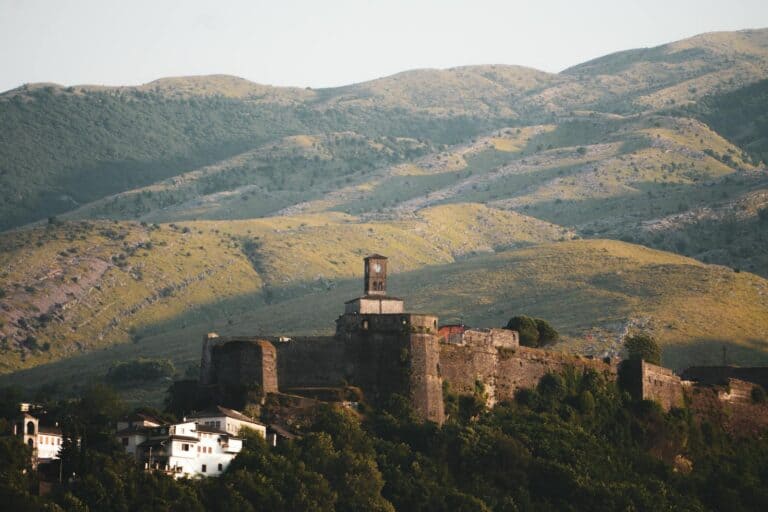 Albania
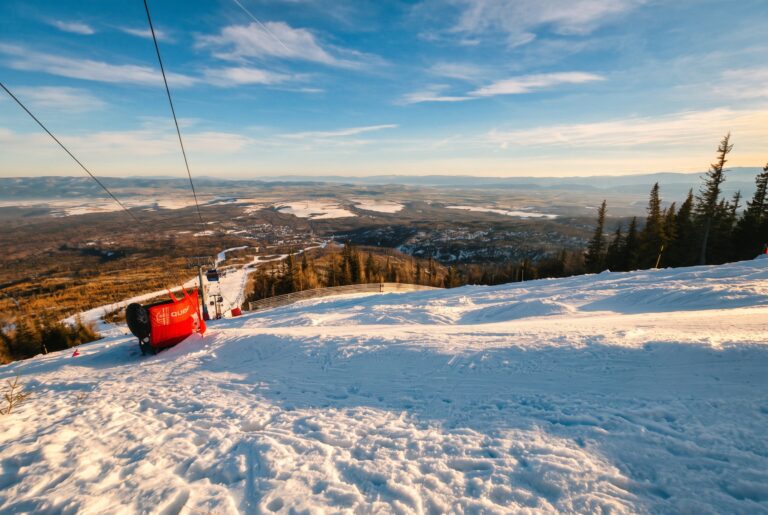 Slovakia
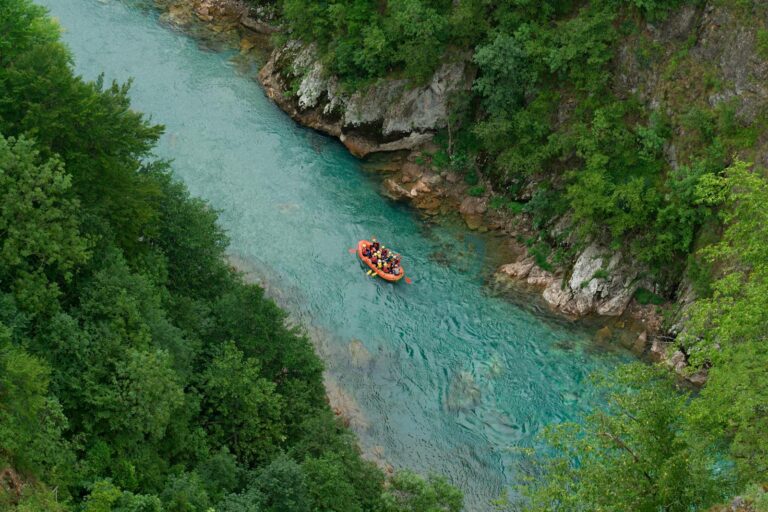 Montenegro
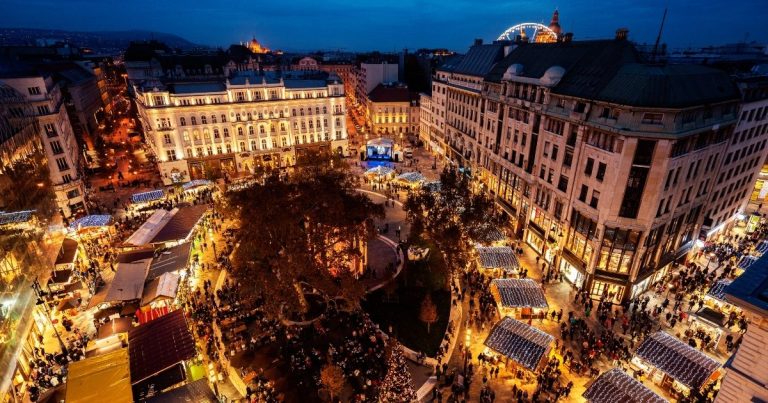 Hungary
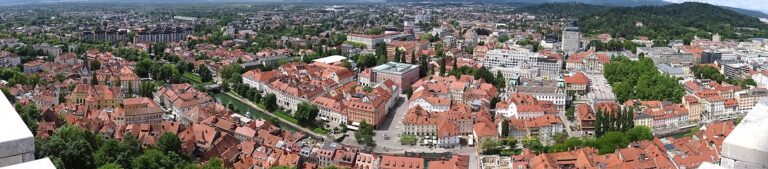 Slovenia
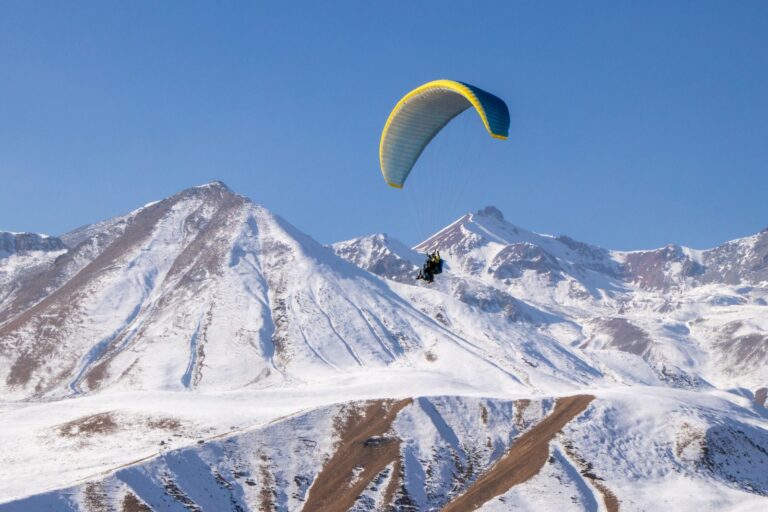 Georgia
 Romania
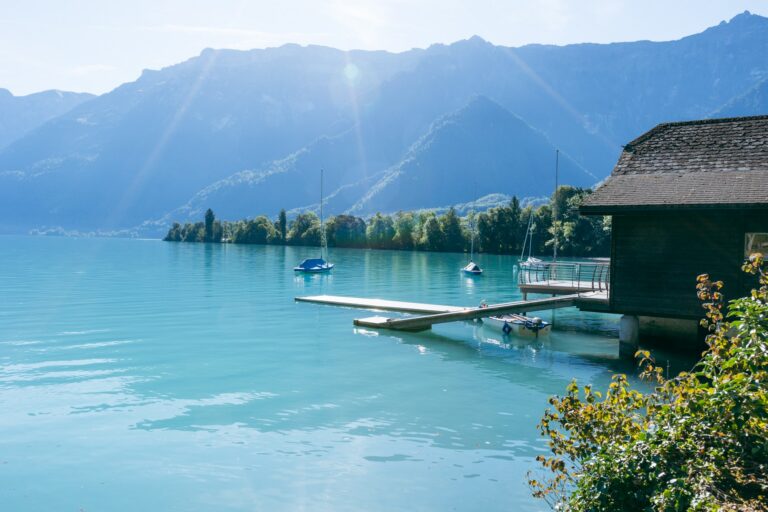 Switzerland
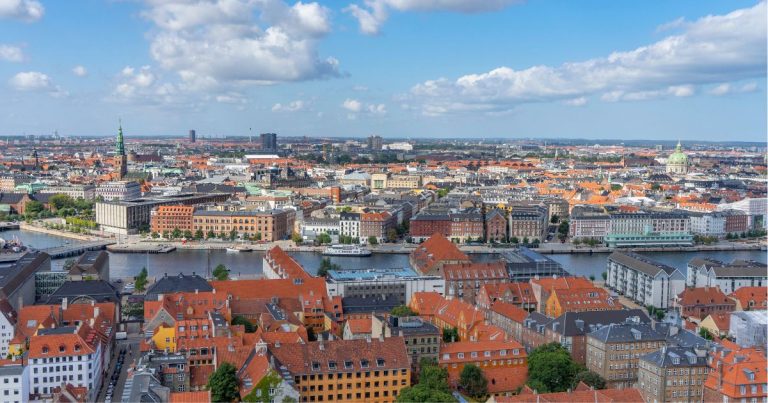 Denmark
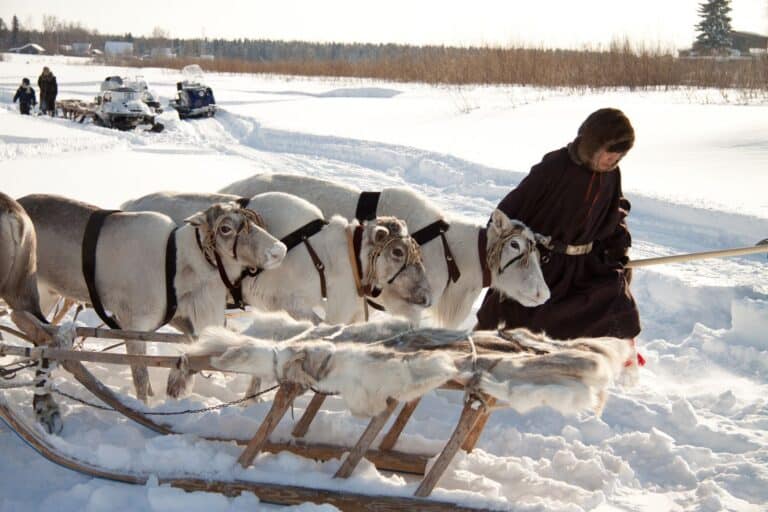 Finland
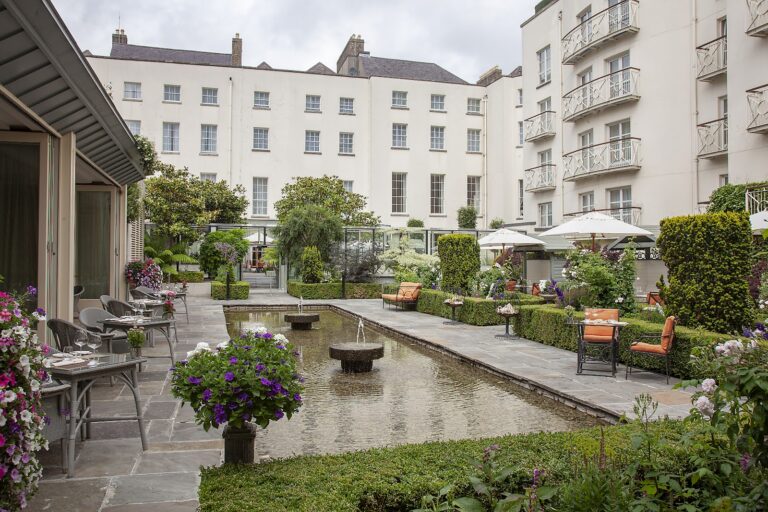 Ireland
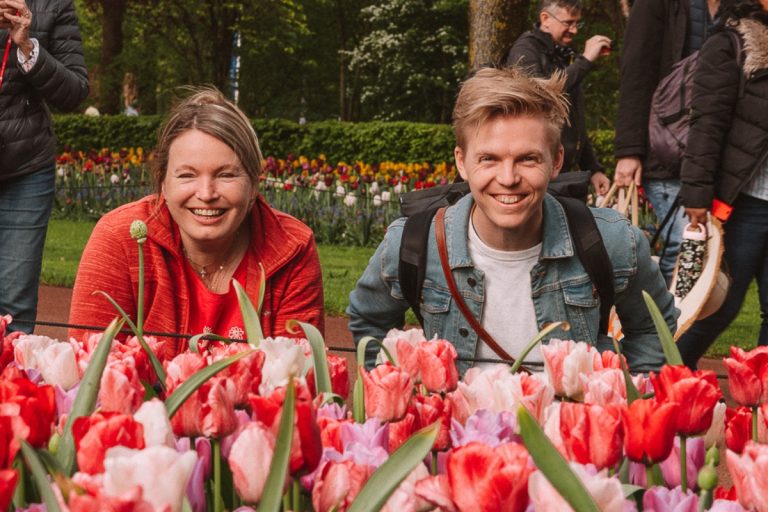 Netherlands
 Czechia
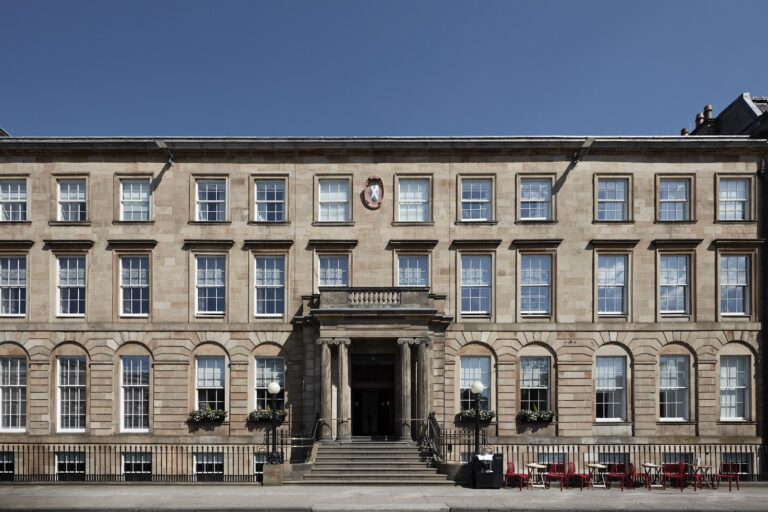 United Kingdom
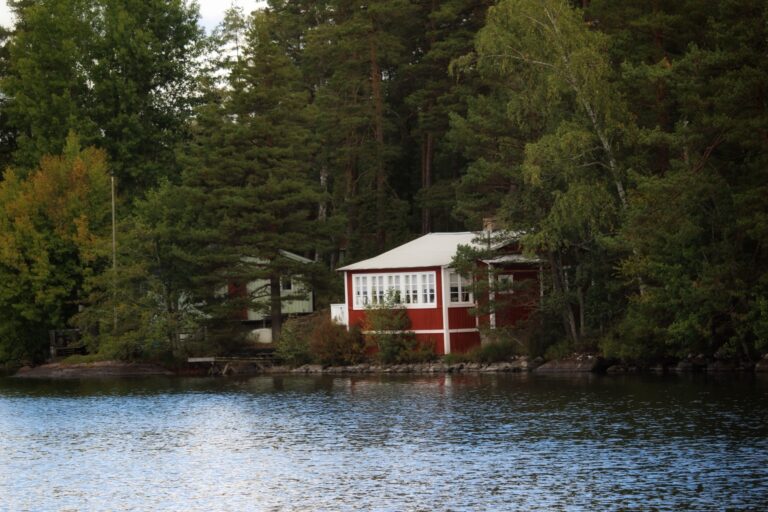 Sweden
 Estonia
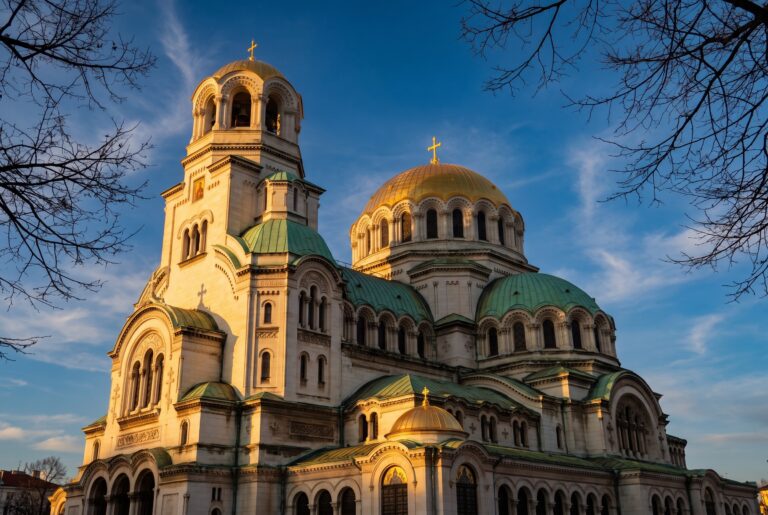 Bulgaria
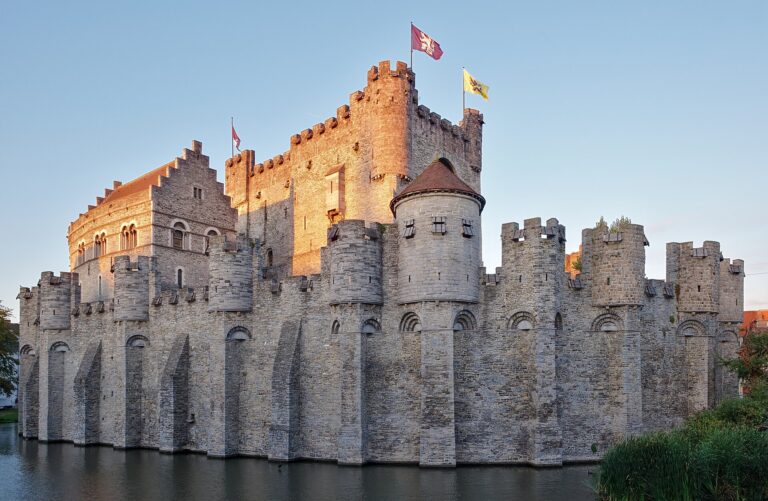 Belgium