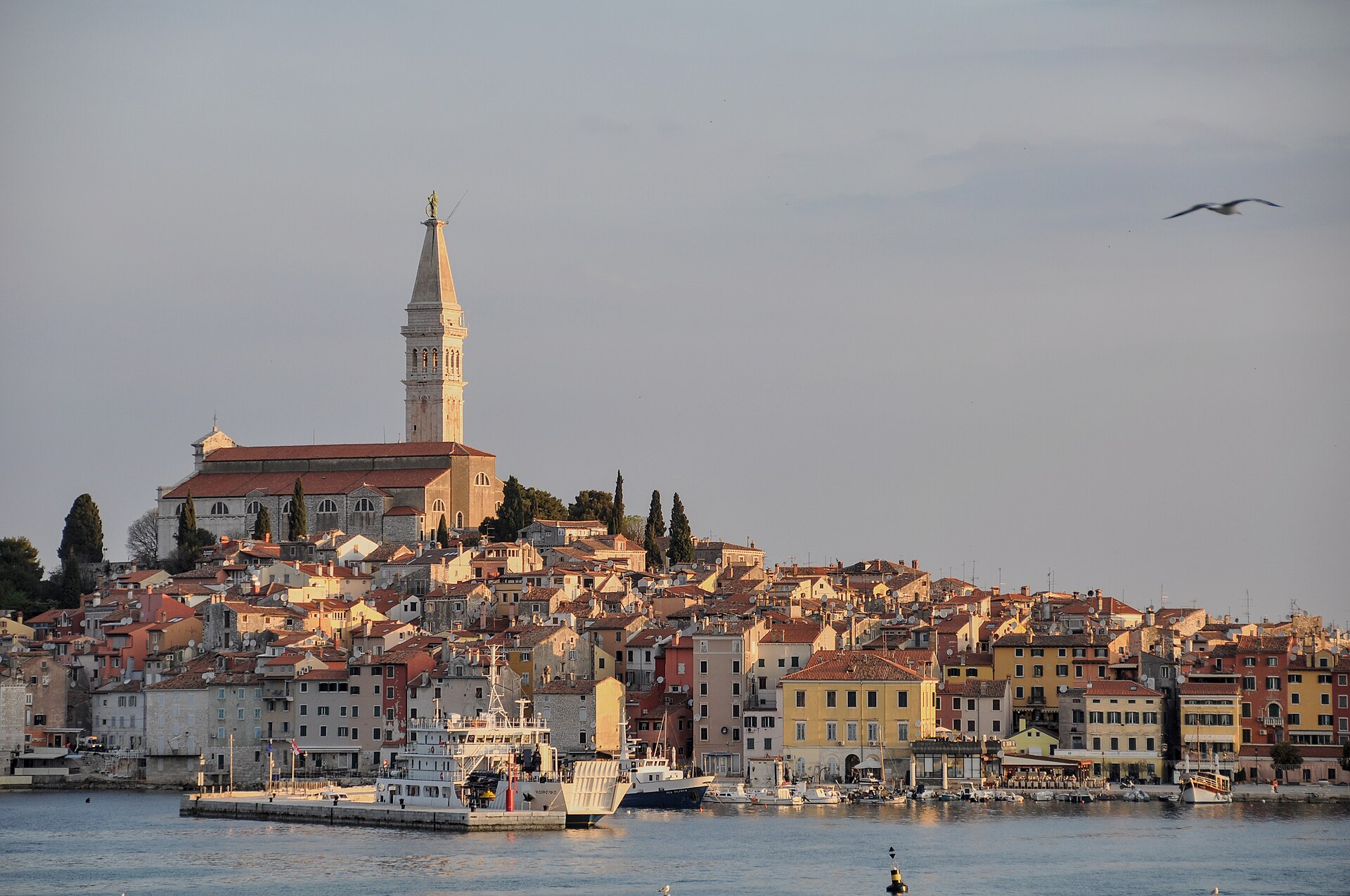
If you’re planning a trip to Istria, you absolutely cannot miss the most romantic town on the entire peninsula — the undeniably gorgeous Rovinj, Croatia. It’s often called Croatia’s little Venice, and the moment you first wander through its narrow cobbled lanes, you’ll instantly understand why. The historic centre originally sat on its own separate island, only artificially connected to the mainland in the second half of the eighteenth century, which gives it a truly unique atmosphere with houses crammed tightly against one another.
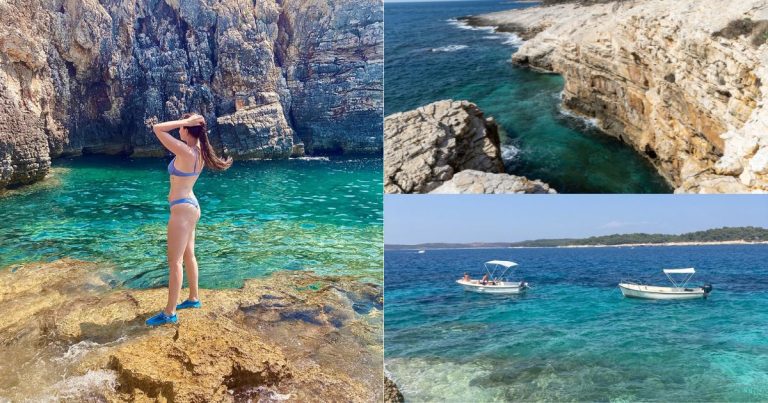
This picturesque bilingual little town with unmistakable Italian charm will win you over not just with the pastel colours of its old façades, but also with fantastic food and the ever-present scent of the salty sea. You can wander for hours, discovering tucked-away art galleries in winding alleys, then enjoy breathtaking sunsets in the evening right on the rocky shore. From the historic harbour, it’s easy to set off to the surrounding little islands, which offer peaceful pebble beaches hidden in the shade of fragrant pines.
Let’s take a closer look together at the very best this Istrian gem has to offer for your holiday this year. In this guide you’ll find twelve specific tips for interesting spots, practical parking information and plenty of recommendations on where to eat well or rest your head.
TL;DR
- Best view: You’ll get it from the more than sixty-metre bell tower of the Church of St Euphemia, with admission costing around €4.
- Swimming and nature: Zlatni Rt forest park offers kilometres of trails beneath mature trees and the lovely pebble beaches of Lone or Cuvi.
- Historic centre: Be sure to stroll along the artistic Grisia Street and take in the Balbi Arch from Venetian times.
- Day trips nearby: I recommend taking a boat to the nearby Lim Bay or exploring the charming hilltop town of Bale.
- Local cuisine: Istria is a truffle paradise — be sure to try the traditional fuži pasta with truffle sauce and wash it down with Malvazija white wine.
- Transport and parking: Cars are not allowed in the historic centre, so you’ll have to park in paid car parks before the pedestrian zone.
The full destination guide: Istria & Kvarner — guide and what to see
When to Visit Rovinj
The finest weather and ideal conditions for a visit come in June and September, when temperatures hover around a pleasant twenty-five degrees. The sea is usually warm enough for swimming, yet you’ll dodge the biggest summer crowds that flood the town during the school holidays. Spring and autumn are absolutely perfect for an active holiday packed with excursions and cycling, although swimming in May or October — with the sea at around eighteen degrees — will be more for the brave.
If you head out in August, be prepared for the town to be bursting at the seams, with temperatures climbing towards thirty degrees. During the summer holidays, finding a free parking spot is a huge problem and accommodation prices hit their annual peak. For a more peaceful experience it’s always better to avoid the high season, or at least set out to explore the lanes early in the morning, before the coach tours arrive in the centre from nearby resorts.
Where to Stay in Rovinj
💡 Accommodation and experiences tip: We like to search for our accommodation on Booking.com, which usually has the best cancellation terms. For tickets, tours and activities, it pays to compare and book through GetYourGuide.
Choosing where to stay depends a lot on the kind of holiday you prefer. Staying right in the historic centre has enormous charm, but bear in mind you won’t be able to drive up to your hotel and you’ll have to drag your suitcases over bumpy cobbled streets full of steps. What’s more, if you’re after total peace and quiet, the old town packed with bars and evening buzz may not be the best choice for you — though for many, waking up to a sea view in the morning makes it all worth it.
For a more comfortable holiday with luxury service and your own parking, take a look at the upscale Monte Mulini zone, which lies just south of the centre. Here you’ll find the best hotels in town, like the five-star Grand Park Hotel Rovinj, which offers breathtaking views straight onto the old town, or the modern and architecturally striking Hotel Lone. Both have excellent facilities and pools, and sit just a few steps from the loveliest town beaches and the wooded park.
Families with children often opt for resorts and campsites just outside town, where they have all the infrastructure and kids’ entertainment programmes on hand. A great choice in this respect is the Family Hotel Amarin, which sits on a small peninsula north of the town and is perfectly equipped for a family holiday. You can comfortably and securely book most accommodation in this area through Booking, where you’ll also find plenty of more affordable apartments a little further from the sea.
If you prefer a more camping-style holiday, just south of Rovinj there are two large, well-equipped seaside campsites — Camping Polari with a pool complex and children’s playgrounds, and a bit further along the smaller Camping Veštar right by a pebble beach. At both you can also rent a mobile home, so they work as a considerably cheaper alternative to the resorts. For classic, reasonably priced apartments, look in the Centener and Valbruna neighbourhoods a few minutes’ walk from the centre.
12 Best Things to See and Do in Rovinj
Let’s take a detailed look at what you definitely shouldn’t skip in this gorgeous town. You can cover it in a single weekend, but to leisurely explore all the beaches and trips around the area, I recommend setting aside at least four or five days.
1. Church of St Euphemia and Its Imposing Bell Tower
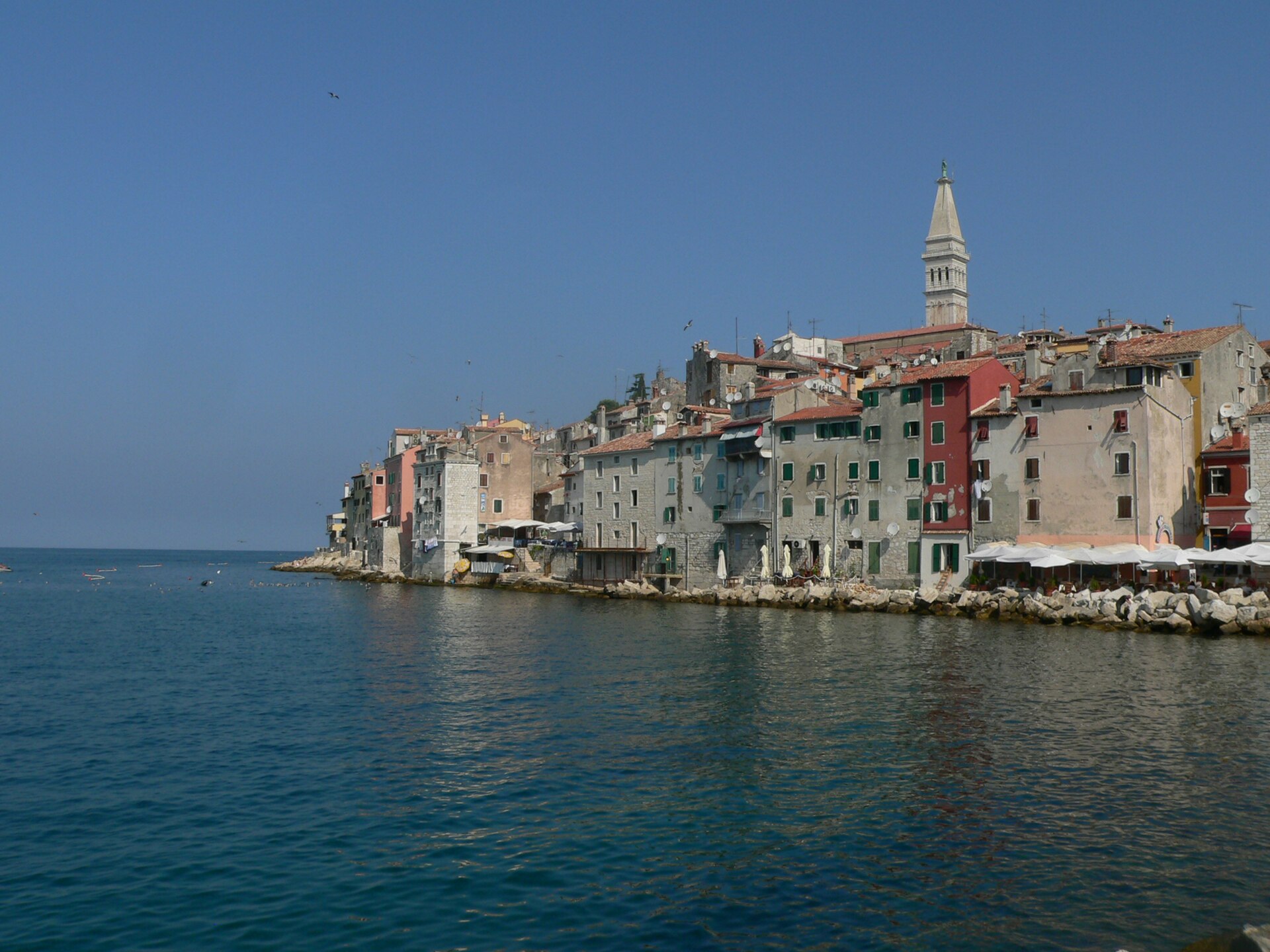
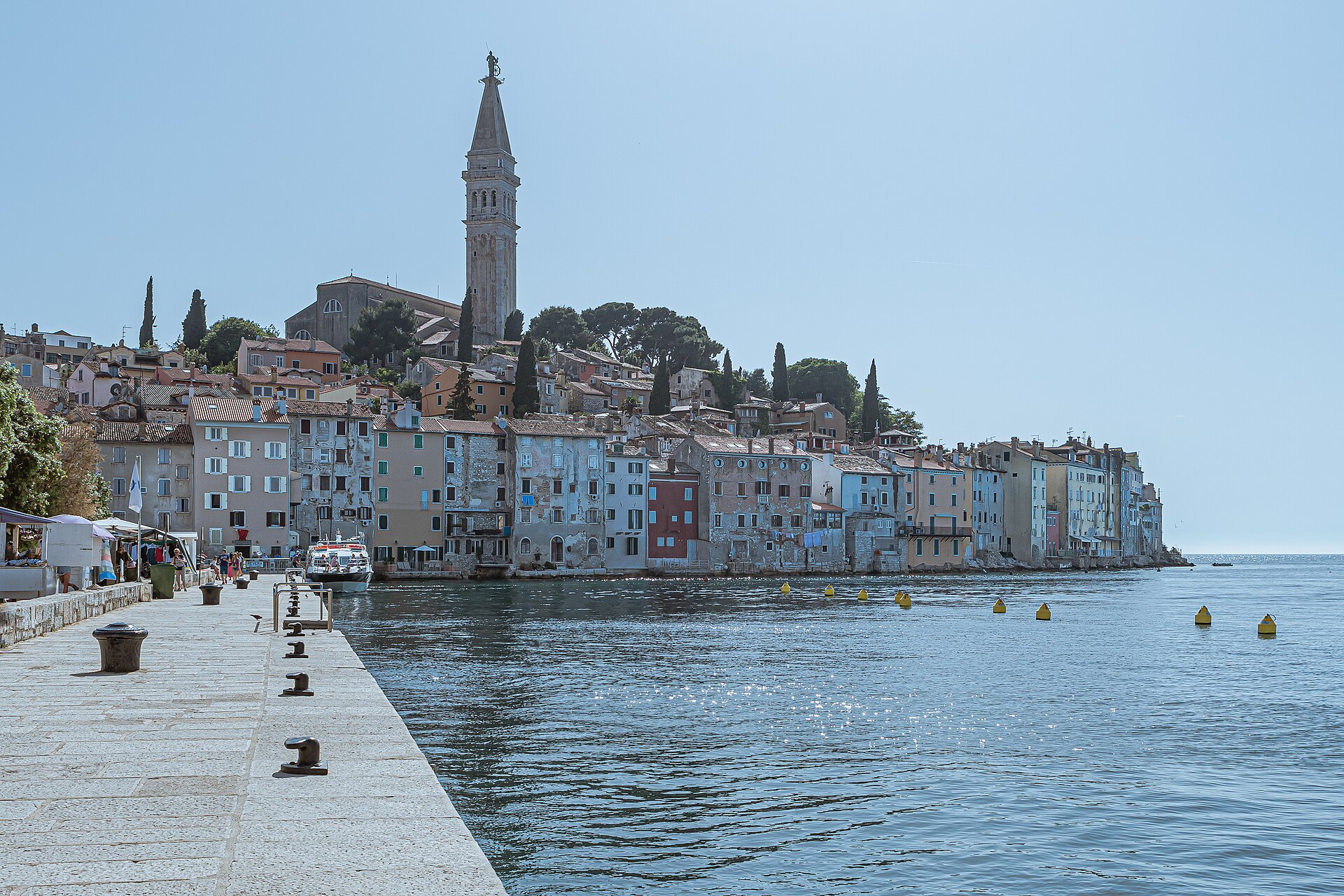
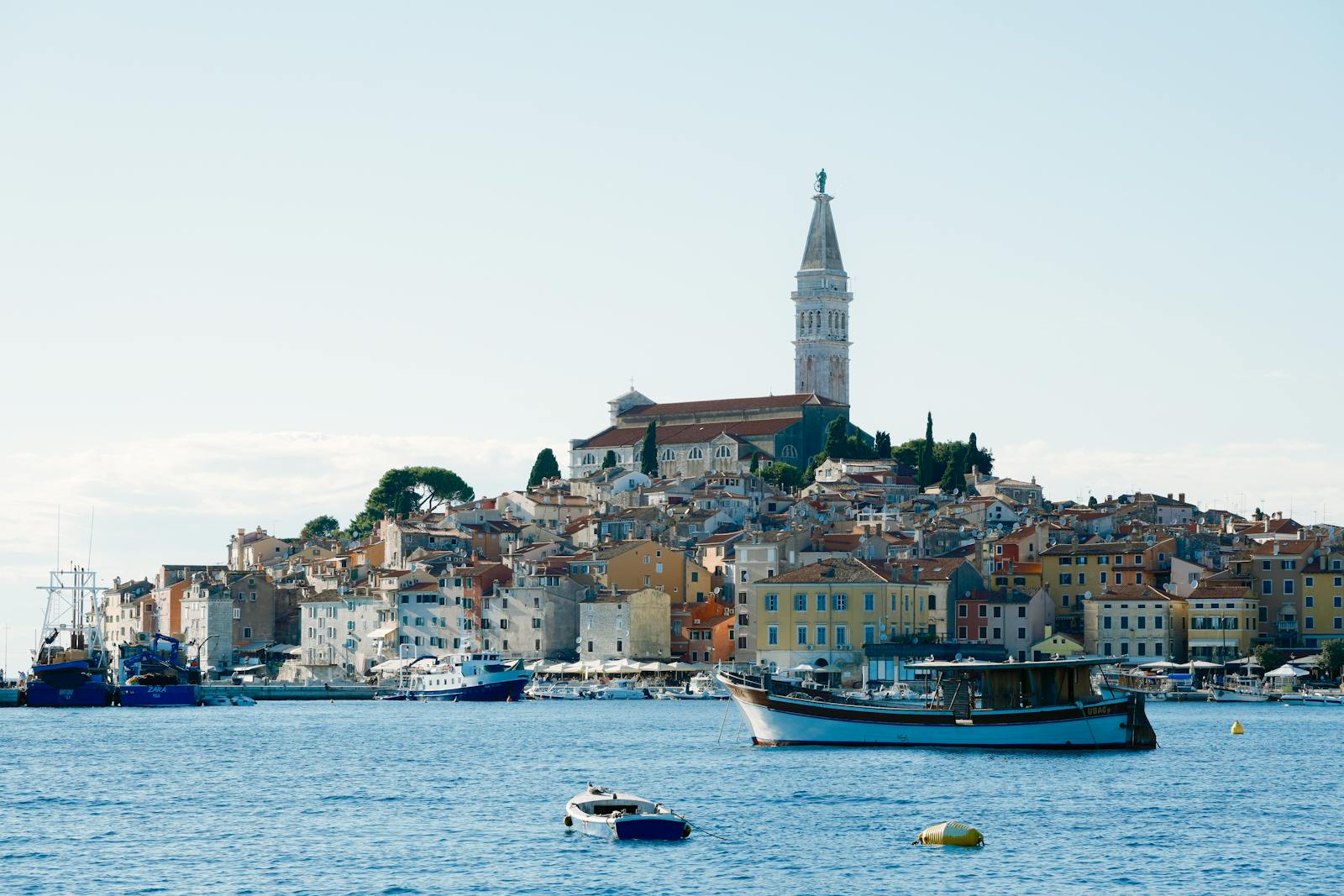
The main landmark of the whole town, visible from just about every angle, is the enormous Baroque Church of St Euphemia, which stands proudly at the very top of the historic centre. This majestic eighteenth-century structure is the largest Baroque sacred building in all of Istria and houses a marble sarcophagus with the remains of the local patron saint. Entry to the church itself is completely free, and its richly decorated interior is well worth a short visit — especially on hot summer days, when it offers a pleasant coolness.
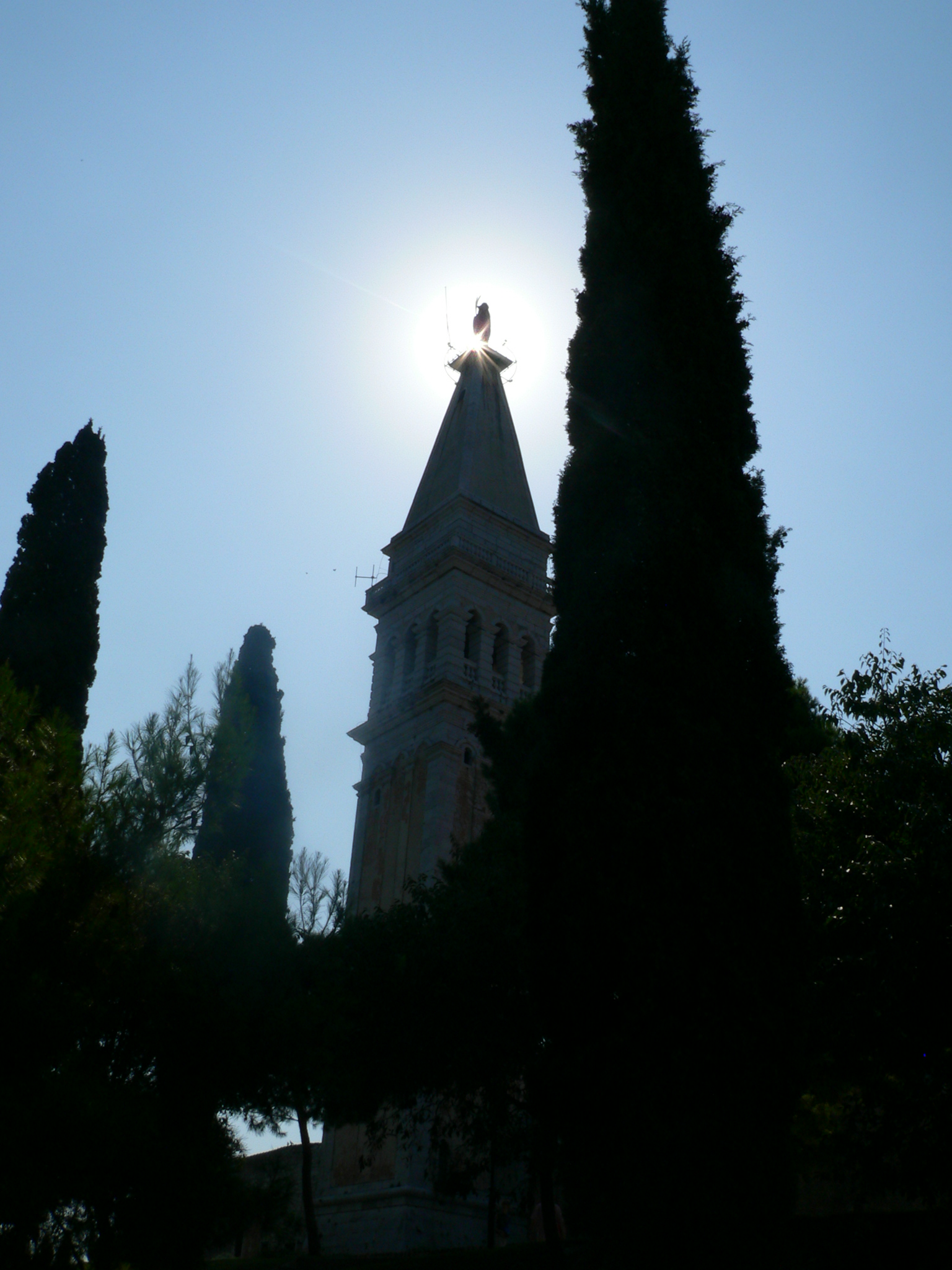
Right beside the church stands the bell tower, over sixty metres tall, which strikingly resembles the famous St Mark’s bell tower in Venice. If you’re reasonably fit, you can climb more than two hundred steep wooden steps to the viewing platform for a fee of about €4. Your reward will be a truly fantastic panoramic view over the whole town, the sea and the surrounding archipelago, and on exceptionally clear days you can apparently even glimpse the distant peaks of the Alps.
At the very top of the tower, be sure to notice the copper statue of St Euphemia, which stands almost five metres tall and works as a giant weather vane. It’s mounted on a special bearing, so it turns precisely with the direction of the wind. Local fishermen apparently still read it to this day to tell what the weather will be and whether it’s safe to head out to sea.
💡 Tip: I don’t recommend the climb up the bell tower for anyone with vertigo, as the wooden staircase is fairly old, creaks, and you can see far down through the gaps between the steps.
2. Wandering the Rovinj Old Town and Its Historic Lanes
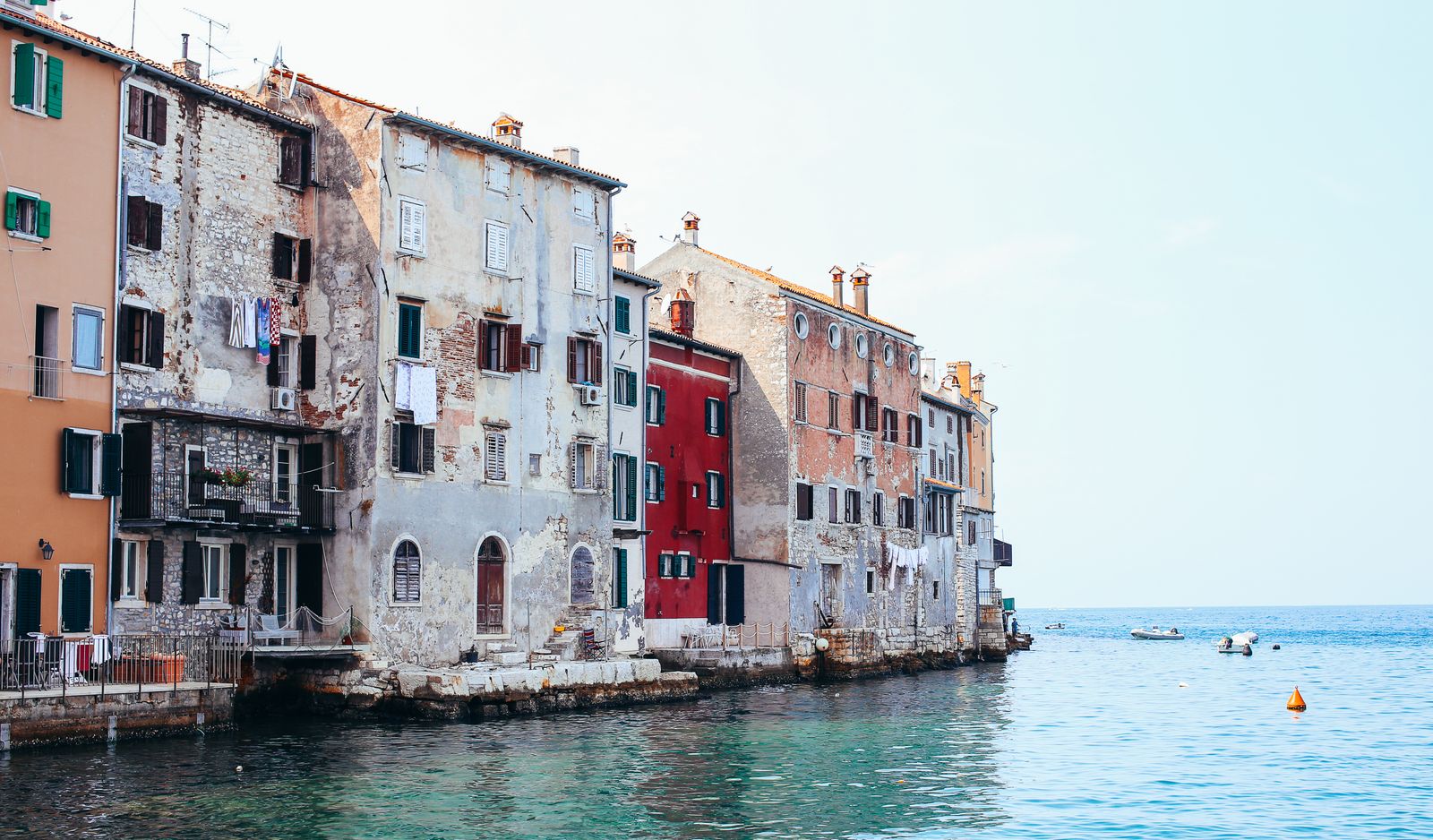
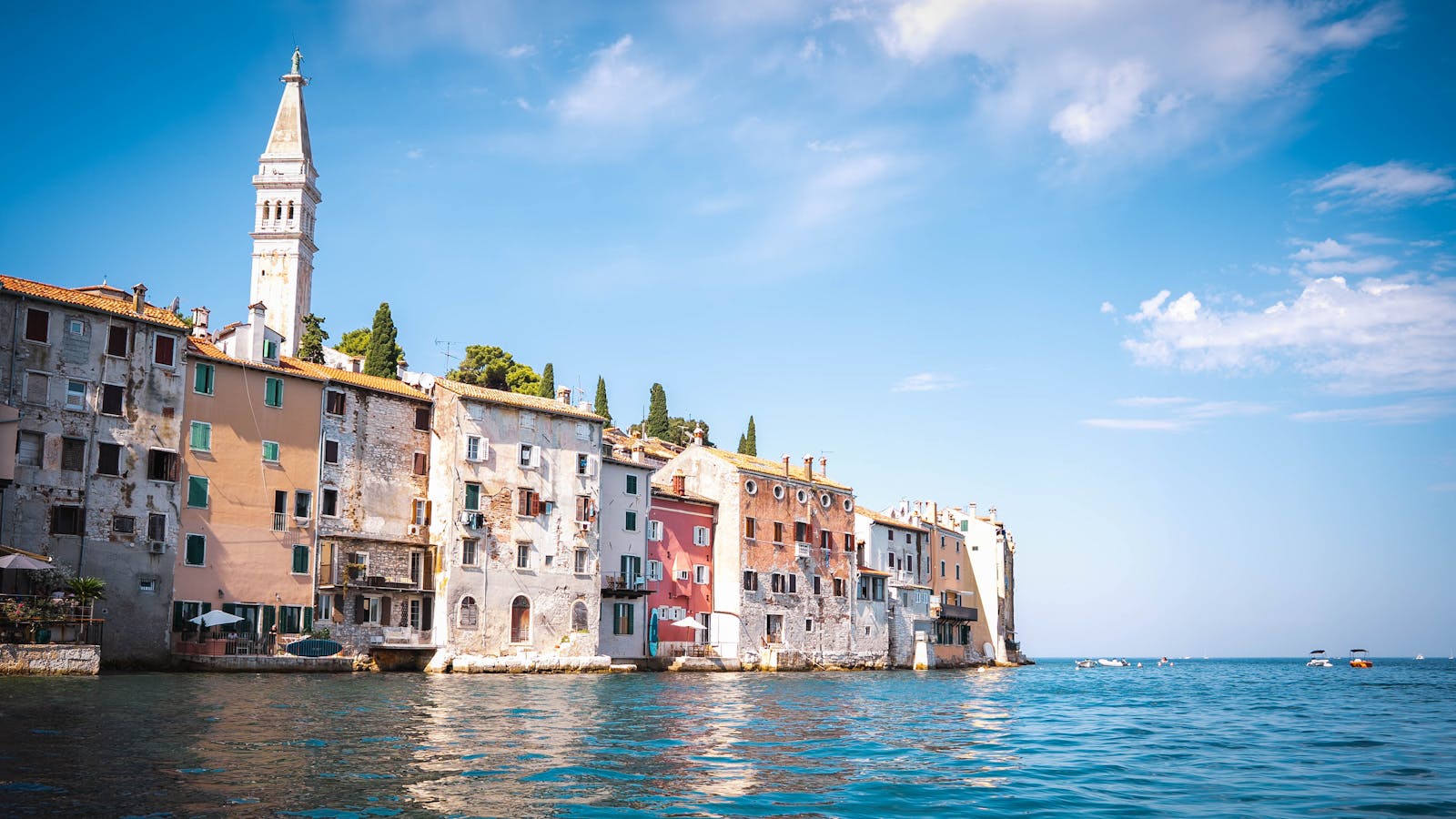
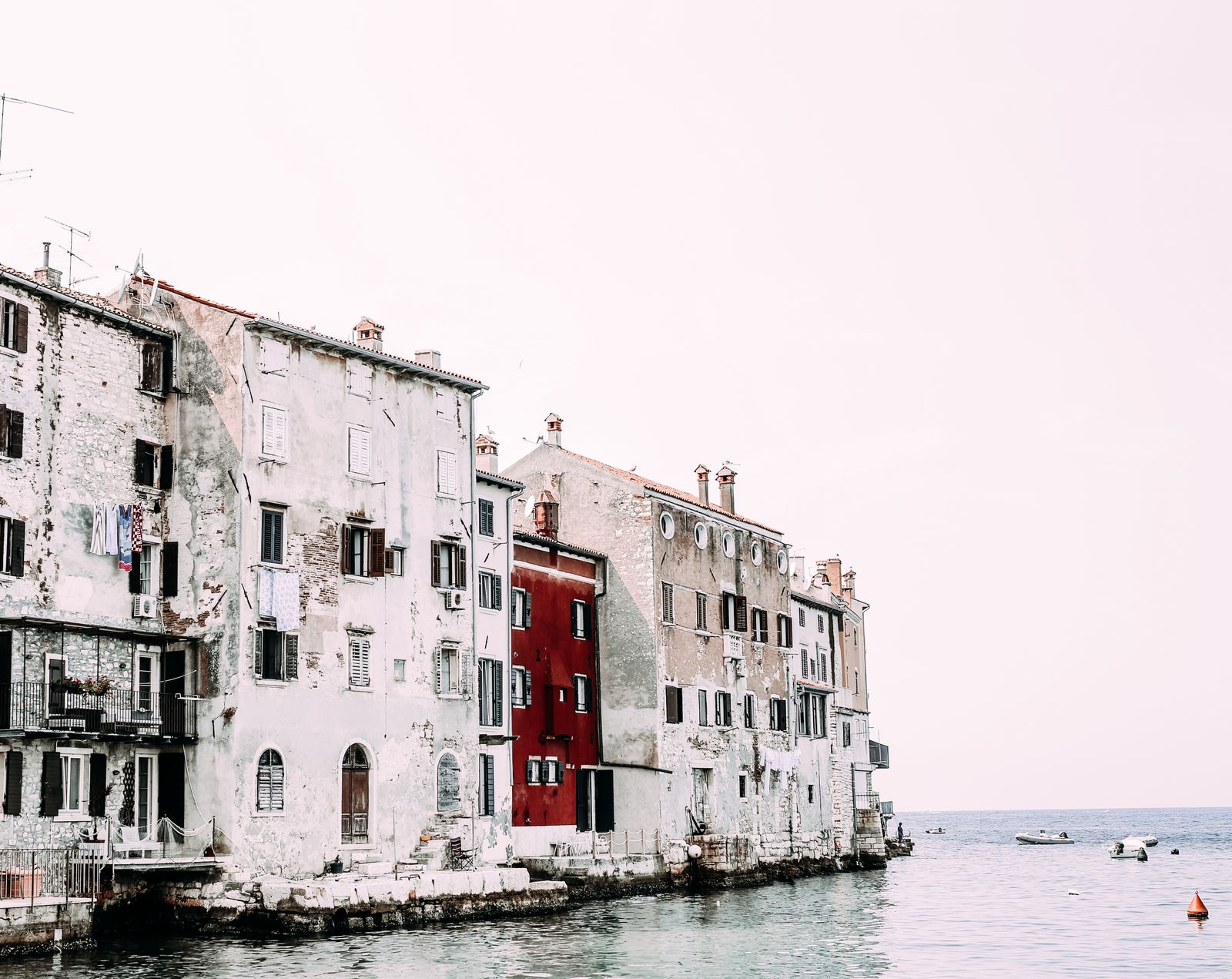
The best way to soak up the real atmosphere of Rovinj is simply to get lost in the tangle of narrow cobbled lanes of the old town. Until 1763 the town sat on its own separate island, which is why every centimetre of space here is used to the full. The houses are pressed tightly against one another, some of them with preserved Renaissance or Baroque features, and freshly washed laundry flutters cheerfully from the windows on lines strung between the buildings.
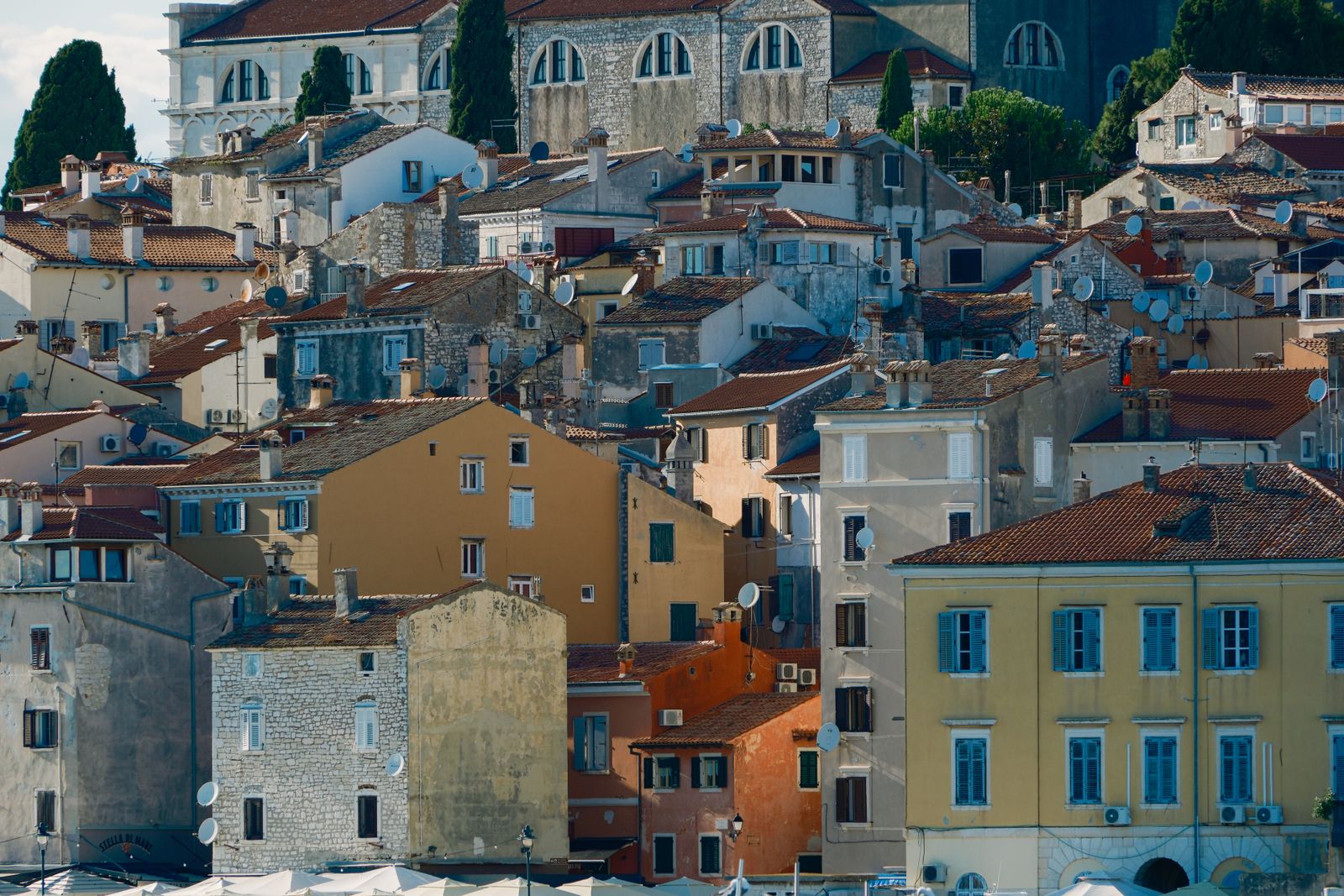
As you stroll, you’ll surely notice the old chimneys and intriguing details on the façades that clearly hark back to centuries of Venetian rule. The entire historic centre is woven through with little cafés, craft shops and hidden squares where you can rest over a good coffee. It’s simply a place where history breathes from every stone and where new picturesque corners keep appearing, tempting you to take photos.
💡 Tip: The local stone paving has been polished completely smooth by the millions of tourist footsteps, and it can be devilishly slippery. Definitely come in comfortable trainers and leave the heels or smooth flip-flops back at the hotel.
3. The Artistic Grisia Street Full of Galleries
Among all the lanes leading up to the Church of St Euphemia, the street called Grisia clearly stands out as probably the most famous in town. It’s lined with dozens of small galleries, studios and shops selling handmade jewellery, ceramics or paintings by local artists. Rovinj has long been considered a town of artists, and this long, cascading street is the best proof of it.
If you visit in August — specifically the second Sunday of the month — you can experience the famous open-air art exhibition, held here continuously since 1967. On this day the whole street turns into one enormous open-air gallery, with artists displaying their work right on the stone walls, shutters and doors of the houses. Tens of thousands of visitors make sure not to miss this exceptional event, and the atmosphere here is simply unrepeatable.
💡 Tip: Don’t buy the very first souvenir you spot down at the bottom of the hill. The higher up Grisia Street you climb, the more often you’ll come across genuinely original works of art and smaller studios that aren’t just your run-of-the-mill tourist shops.
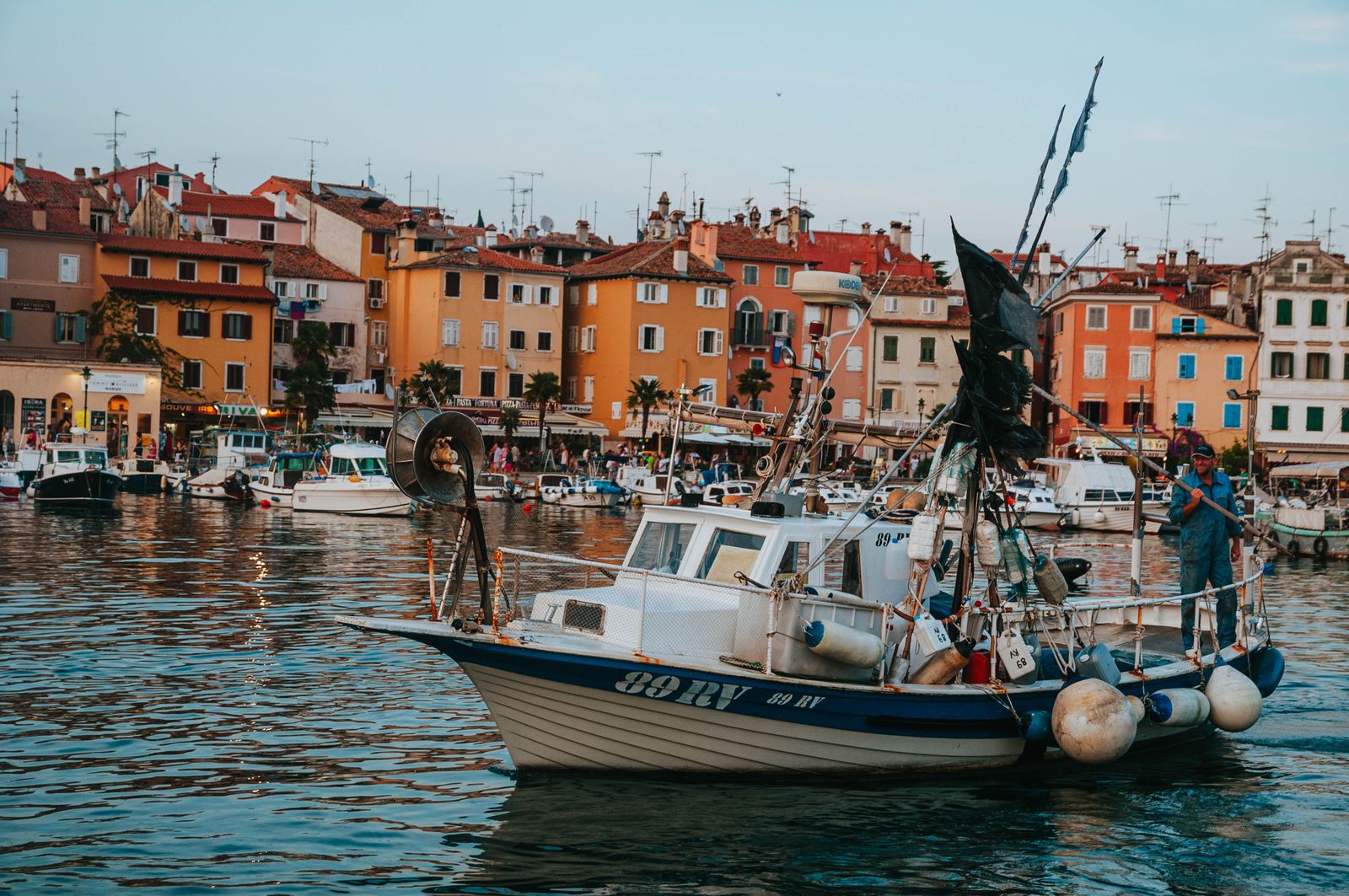
4. The Balbi Arch and the Old Town Gate
As you enter the historic core from the main square, you’ll pass beneath the imposing stone Balbi Arch, which dates from the end of the seventeenth century. The arch stands exactly where the main town gate once stood, used to enter the then still island town. At the height of its glory, the town was protected by mighty walls and even had five gates and seven defensive towers, of which only fragments survive today.
The arch itself is a beautiful example of Venetian architecture, and at its very top you can spot a carved winged lion with an open book — the traditional symbol of the Venetian Republic. On one side of the arch is carved the head of a Turk wearing a turban, while on the other is the head of a smiling Venetian. Right next to the arch you can also admire the beautiful town clock tower, which once served as a prison.
💡 Tip: The square in front of the Balbi Arch, named Trg maršala Tita, is the ideal starting point for exploring the town. Among other things, you’ll find a lovely historic fountain here and plenty of benches with a view of the harbour.
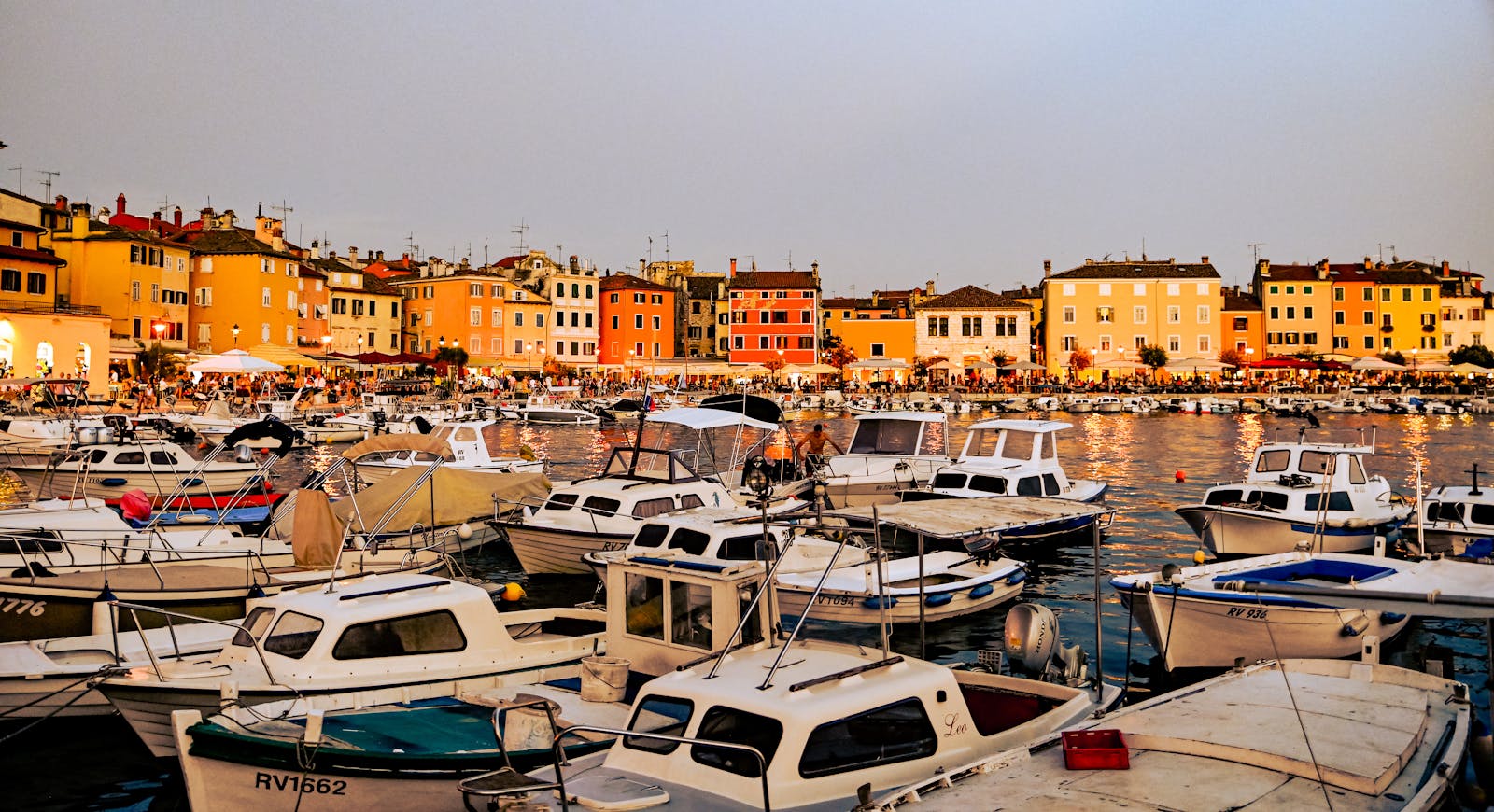
5. The Harbour and the Traditional Batana House
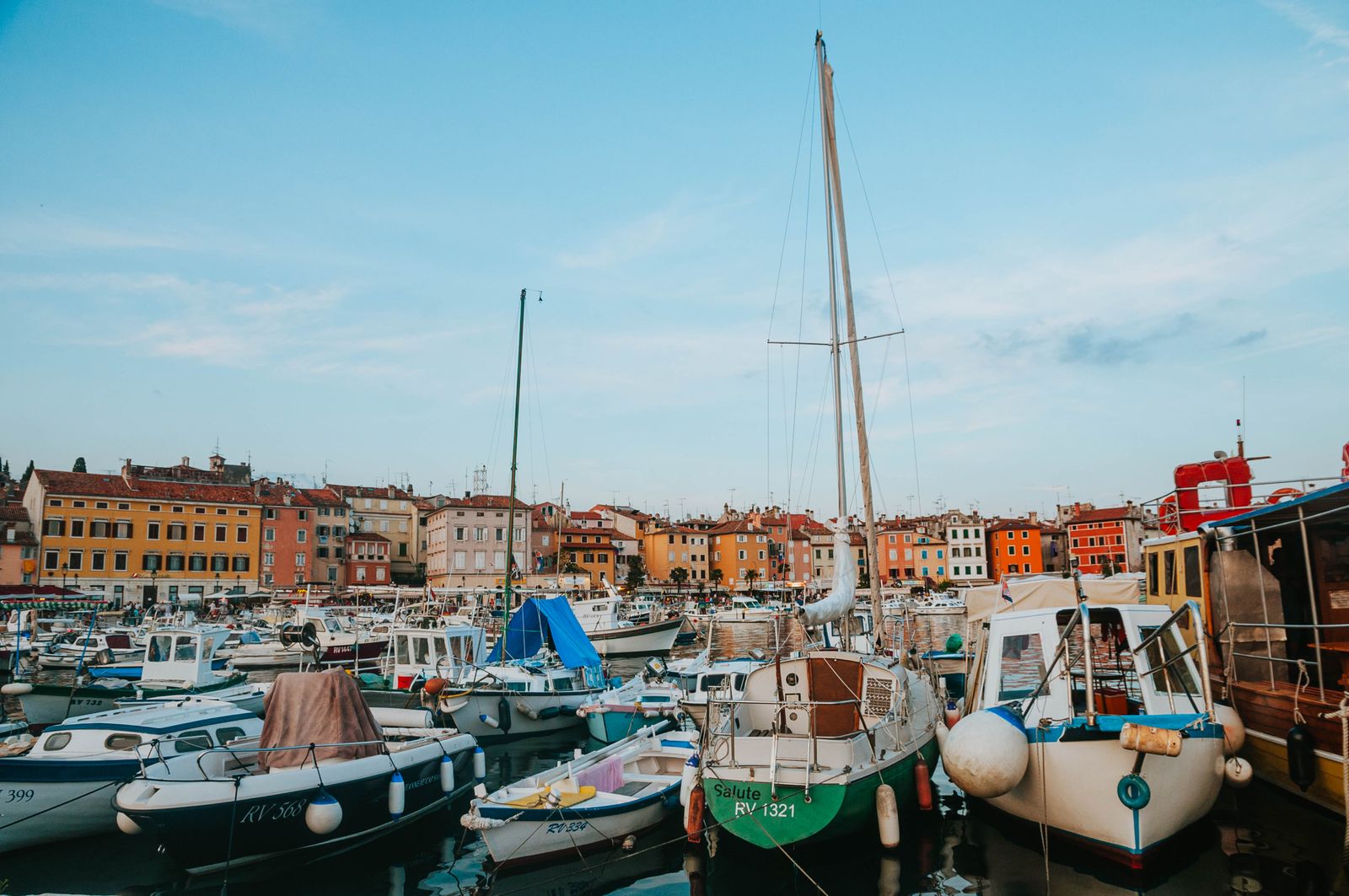
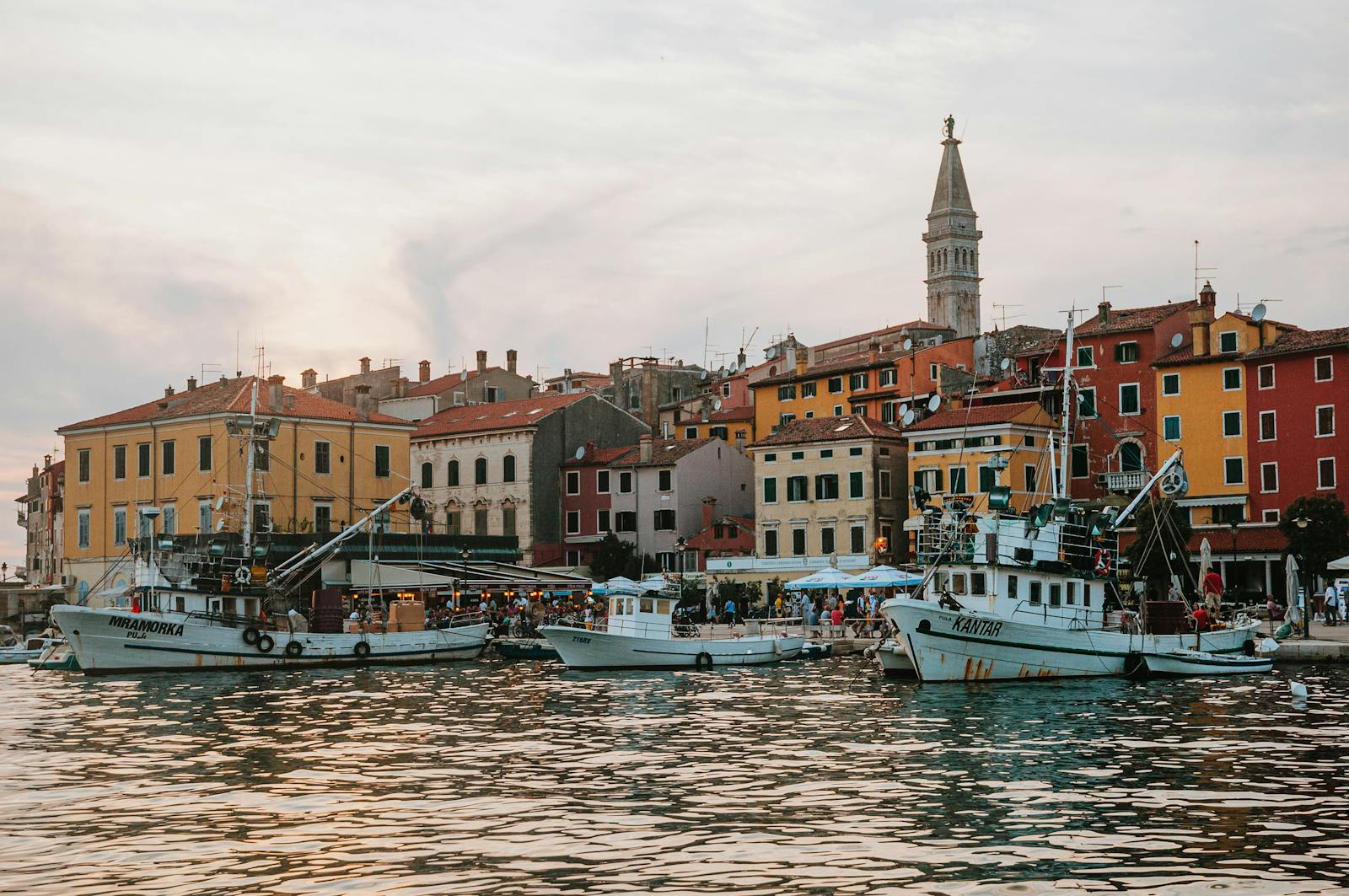
A visit to a coastal town wouldn’t be complete without a stroll along the bustling harbour, where luxury yachts bob on the waves right beside old wooden fishing boats. The most typical local boat is the so-called batana — a traditional flat-bottomed wooden vessel that Rovinj’s fishermen have used for centuries. These brightly coloured boats give the harbour its distinctive, photogenic look and are a real symbol of the town.
If you’re interested in the history of local fishing, be sure to visit the fascinating Kuća o batani eco-museum, or Batana House, located right by the harbour. Here you’ll learn all about how these unique boats are built and about the lives of the local fishermen, and the project to preserve batana culture was even inscribed on UNESCO’s Register of Good Practices. Admission is very modest — adults pay around €3.50 — making it a great and affordable stop even for families with children.
💡 Tip: In the summer season the museum’s opening hours are usually split into a morning and an evening block with a fairly long afternoon siesta. So head here either first thing in the morning or save the visit for a romantic evening after dinner.
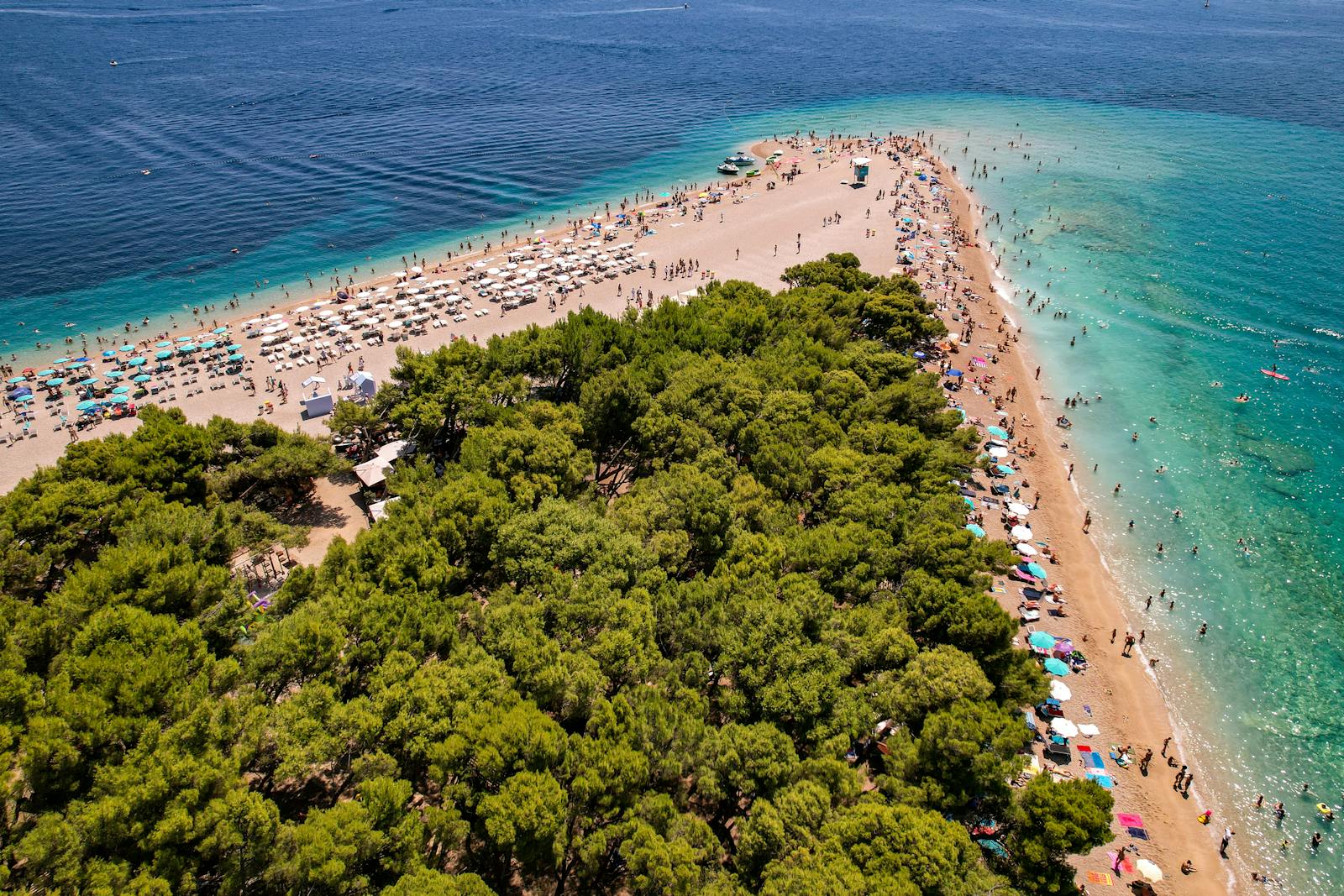

6. Relaxing in the Zlatni Rt Forest Park
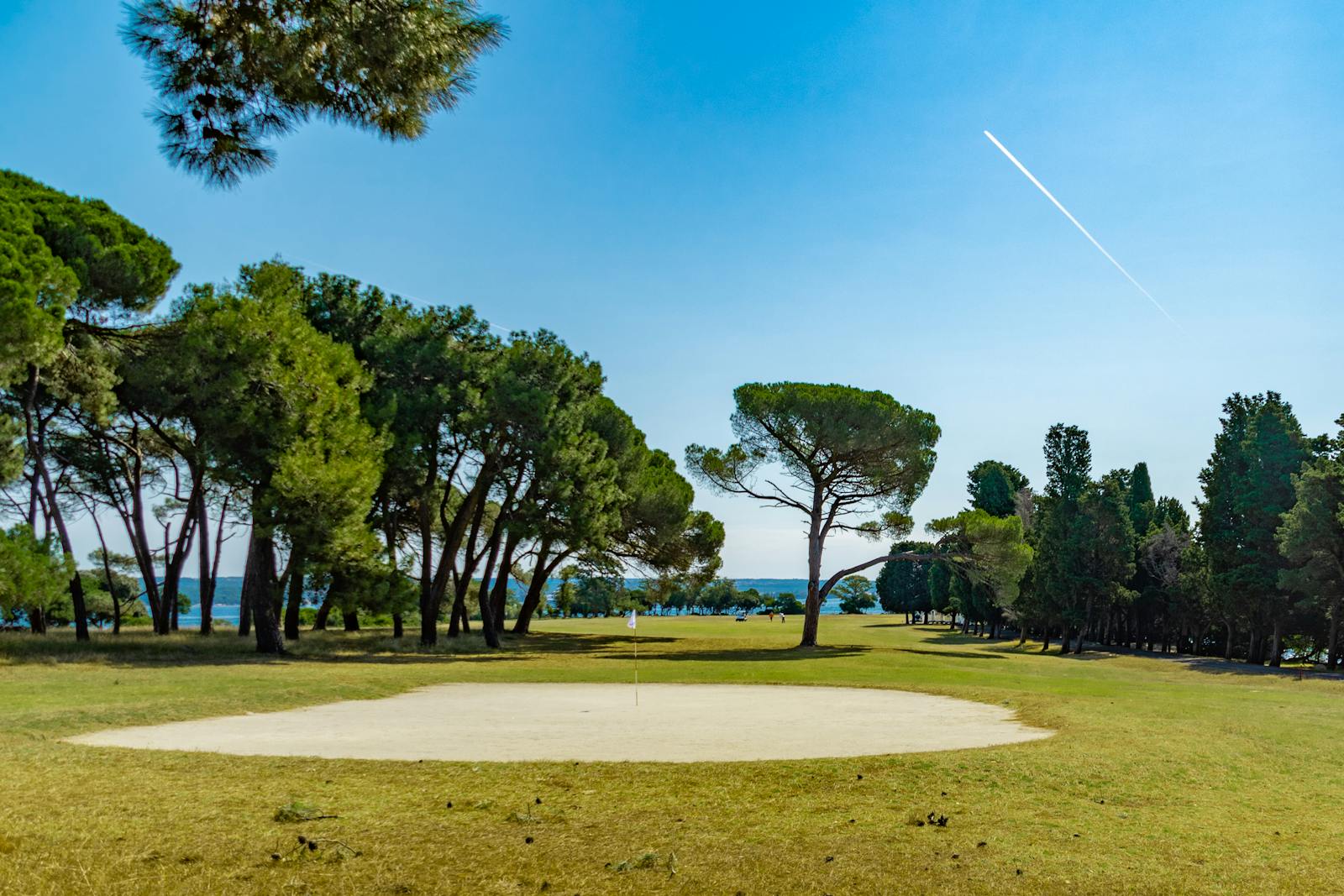
When you fancy a break from the sun-baked town streets, head south on foot into the beautiful Zlatni Rt forest park, also known by its Italian name, Punta Corrente. This vast green paradise, spread over more than fifty hectares, was founded at the end of the nineteenth century by the Austrian count Georg Hütterott. He had plenty of exotic trees brought in and planted, including majestic cedars, Douglas firs and even ginkgo biloba.
The park is absolutely ideal for walking, running or cycling, as it’s flat and laced with a network of well-maintained gravel paths. The whole area offers around five kilometres of rugged coastline with hidden coves, where you can find your own private spot to relax. Entry to the entire grounds is completely free all year round, and you can get here on a pleasant twenty-minute walk along the promenade straight from the town centre.
💡 Tip: Bring a blanket and some tasty snacks with you to the park — it’s probably the best picnic spot in the whole area. What’s more, thanks to the mature trees you’ll find pleasant shade even at high noon.
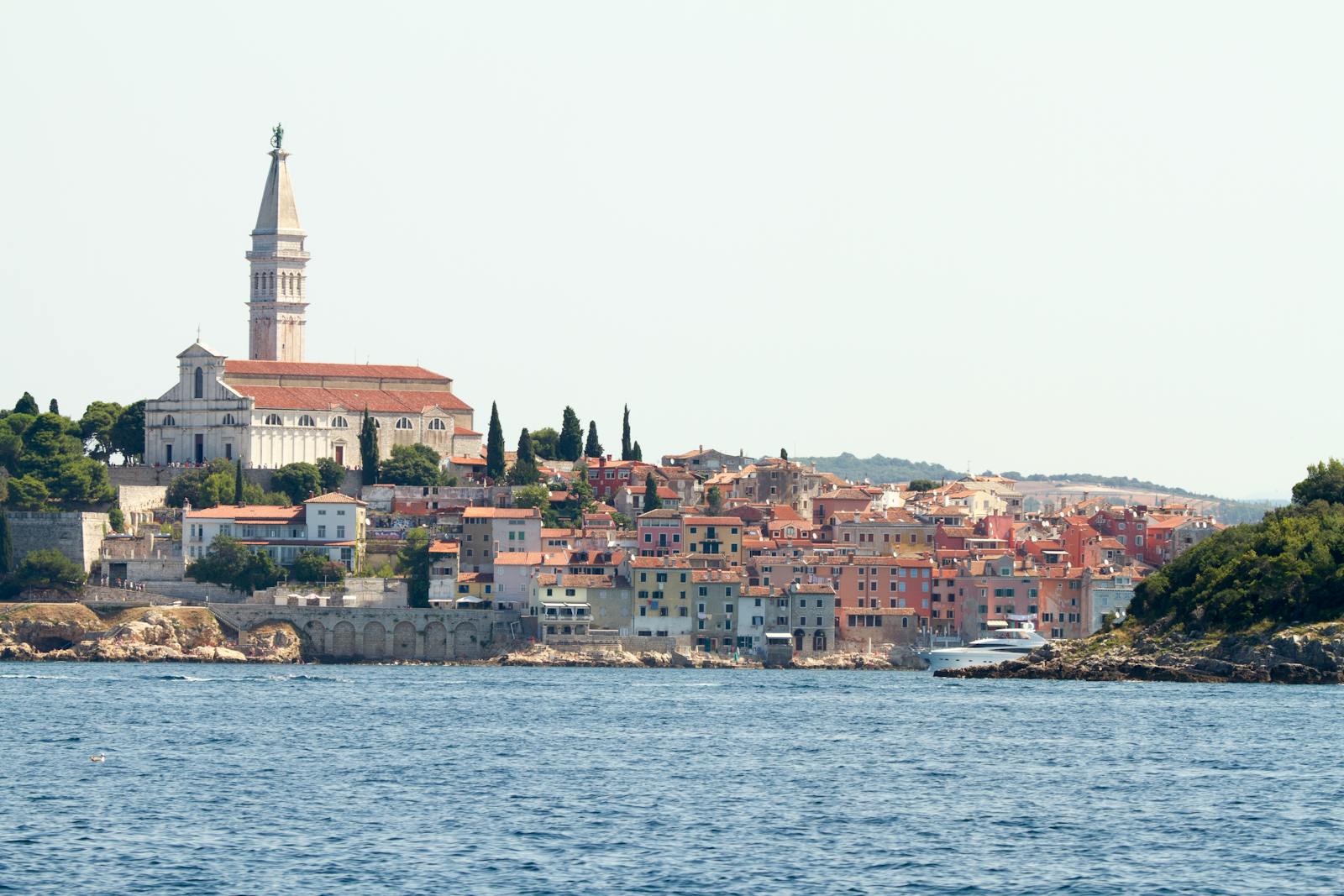
7. Rovinj Beaches and Swimming in Crystal-Clear Sea
Rovinj offers several great spots for swimming, most of them located right near the forest park mentioned above. The most popular is the renovated Lone pebble beach, set in the bay of the same name and offering a gorgeous view straight onto the historic town centre. You can hire sun loungers and parasols here, and thanks to the very clean water this spot is also a favourite for easy snorkelling.
Another great choice, especially if you have younger children, is the lovely pebble-and-sand Cuvi beach. It has a very gentle entry into the water, and a pine forest reaches almost down to the sea itself, so there’s no shortage of natural shade. Lovers of luxury will appreciate the modern Mulini beach a short walk from Hotel Monte Mulini, which boasts an elegant jetty, comfortable loungers and step-free access into the water.
💡 Tip: Most beaches in this area are pebbly or rocky, so definitely don’t forget your water shoes. They’ll protect you not only from the sharp stones but also from any unwelcome encounter with a sea urchin.
8. Boat Trip to the Surrounding Archipelago
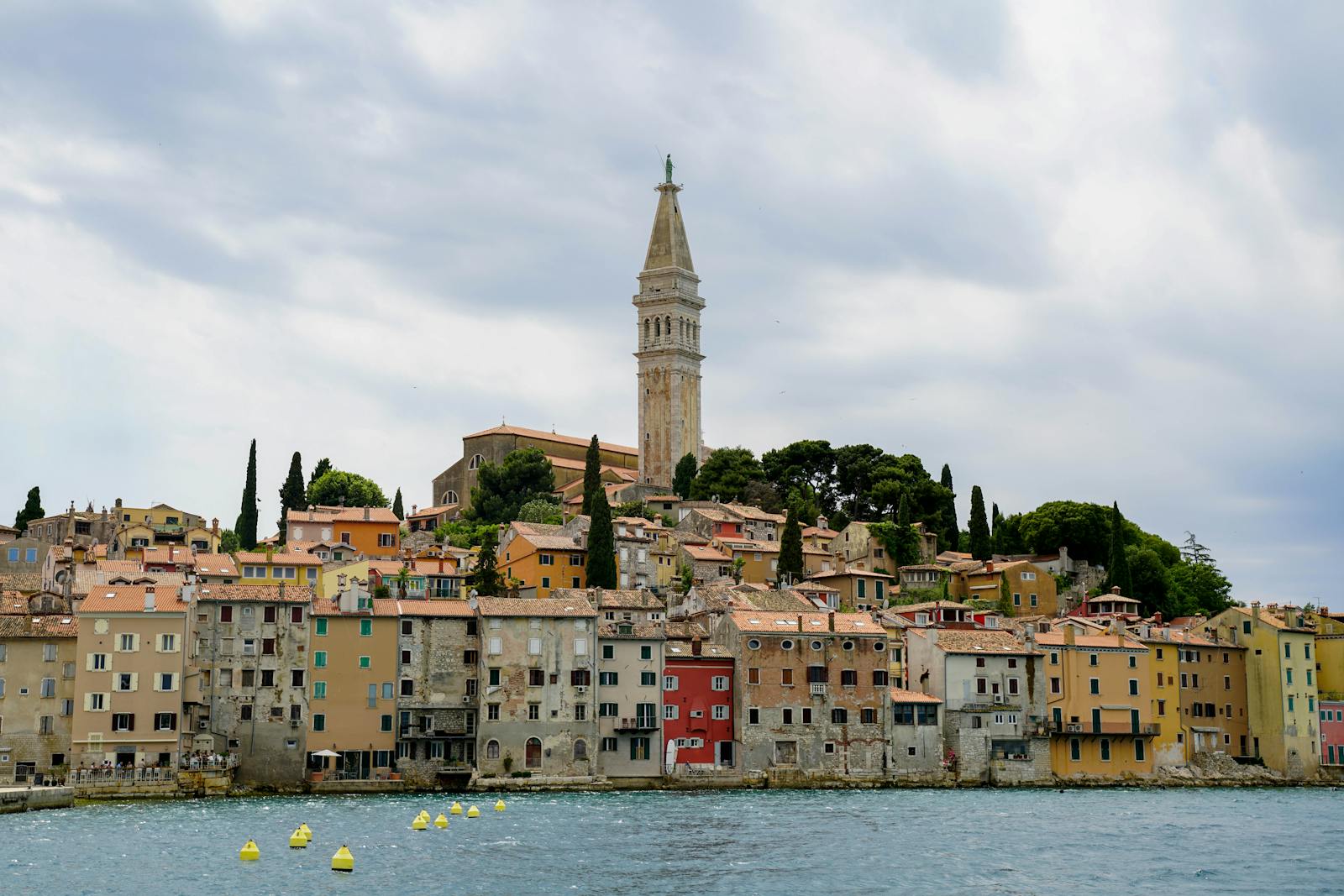
Just off the town, a picturesque archipelago of more than twenty little islands spreads out across the sea, practically begging for a full day trip. The closest and most accessible is the island of St Catherine, which the local taxi boats from the harbour will take you to in under ten minutes. The return trip costs around €9, and the island offers beautiful manicured parks and stunning views back towards the town, which looks just like a postcard from here.
A little further out lies the somewhat larger Crveni Otok, or Red Island, which is actually made up of two artificially joined islets, Sveti Andrija and Maškin. The boat ride here takes about twenty minutes and a return ticket costs around €6. It’s an absolutely perfect place to escape the summer crowds — you’ll find an old monastery, plenty of pine trees and beautiful, peaceful beaches with crystal-clear water.
💡 Tip: In season, boats to the islands depart from the main harbour almost every hour. You can easily check current timetables and exact prices on the boards right by the harbour jetty or on the local tourist office website.
9. The Oldest Sea Aquarium in the Mediterranean
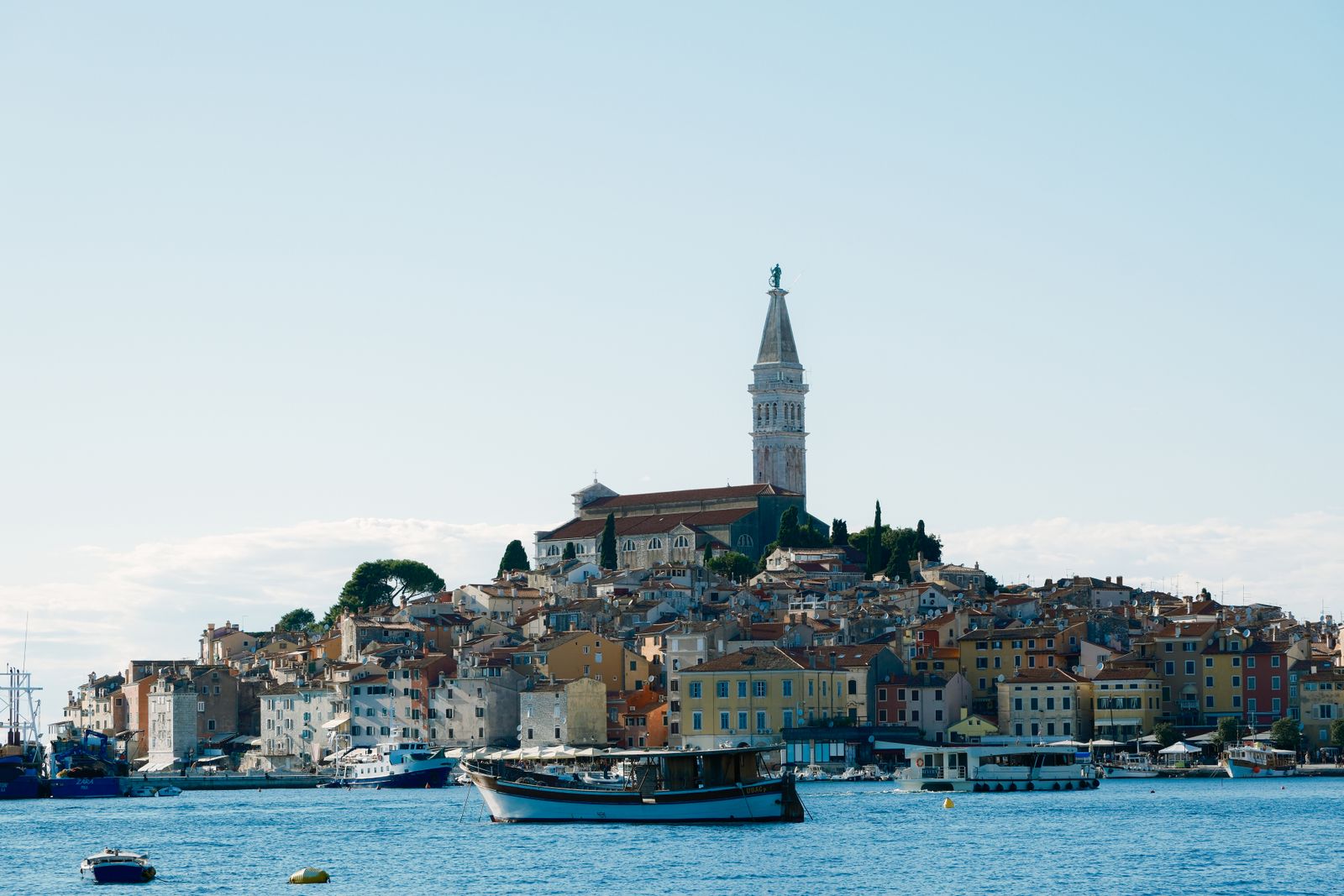
If the weather lets you down or you’re looking for something to keep the kids entertained, head to the local sea aquarium, which is one of the very oldest in the entire world. It opened back in May 1891 and is now run by the prestigious Croatian Ruđer Bošković Institute. Don’t expect huge modern tanks with sharks, but this historic facility has its own unmistakable old-world charm and offers a very authentic glimpse beneath the surface.
The aquarium specialises exclusively in the rich local marine flora and fauna, so you’ll see exactly the creatures that live in the Adriatic Sea right outside the building’s windows. You can take a look at all kinds of crabs, starfish, moray eels and colourful fish that hide among the underwater reefs. In summer it tends to be open from nine in the morning until nine in the evening, so you can easily squeeze a visit into any itinerary.
💡 Tip: Admission has changed fairly often in the past and official sources sometimes differ, so it’s best to check the current price in euros right at the ticket desk before going in.
10. By Boat to the Gorgeous Lim Bay
About ten kilometres north of the town lies one of the most fascinating natural phenomena in all of Istria — the deep, narrow Lim Bay. It’s often incorrectly called the Lim Fjord, because with its steep, wooded banks it really does resemble a Nordic landscape. The most beautiful view of this captivating natural channel opens up right from the deck of an excursion boat, which you can easily book in Rovinj’s harbour — whether by simply mentioning it to the sellers or online via well-known platforms like GetYourGuide.
Boat trips here usually last three to four hours and cost an adult between €35 and €55, depending on the type of boat and the programme on offer. The area is world-famous for farming high-quality mussels and oysters — renowned local specialities that seafood lovers come from all over the world to taste. The water in the bay is mixed with fresh water from underground springs, which apparently gives the local fish a truly unique flavour.
💡 Tip: If you suffer from seasickness or prefer travelling overland, you can also reach the bay by car heading towards Vrsar. There are several lay-bys along the road from which you can take gorgeous panoramic photos of the whole canyon from above.
11. Brijuni National Park and the Hilltop Town of Bale
Once you’ve explored the town from top to bottom, set off to discover the slightly more distant surroundings. An absolute hit is the nearby Brijuni National Park, made up of a group of gorgeous islands reachable by boat from the town of Fažana, just under an hour’s drive away. This park was once President Tito’s summer residence, and today you can admire not only ancient Roman ruins but also wander among animals roaming freely in a vast safari park — a huge thrill, especially for younger travellers.
Also well worth a stop is the historic hilltop town of Bale, lying just fourteen kilometres inland. It’s an utterly charming medieval village full of narrow stone lanes, old palaces and a sense of calm that stands in sharp contrast to the busy coast. Here you can stroll in peace without the tourist crowds, sit down in a little café and soak up the genuine, slow atmosphere of the Istrian countryside.
💡 Tip: In the high summer season, be sure to book your ferry tickets and entry to Brijuni National Park several days in advance via the official website, as the boats’ capacity tends to sell out very quickly.
12. Istrian Cuisine and Excellent Wine
Travelling around Istria is a paradise for all foodies, and vegetarians will be just as well catered for as everyone else. The peninsula itself is world-famous for its rich truffle deposits, so you absolutely must try the traditional Istrian pasta called fuži, served here with a rich truffle sauce or with wild mushrooms. Another great and hearty choice is the traditional thick vegetable soup maneštra or the delicious homemade gnocchi drizzled with top-quality local olive oil.
Good food naturally goes hand in hand with great wine, and the Istrian ones are among the best in the country. Be sure to have a glass of crisp Malvazija white wine, grown all around the area, or a heavier red Teran. If you’re after a truly exceptional gastronomic experience, you can visit the upscale restaurant Agli Amici Rovinj, which became the very first in all of Croatia to earn the prestigious two Michelin stars for 2025.
💡 Tip: If you’re keen to dive deeper into wine, plan a trip to the famous Roxanich winery, which lies a short distance from the town of Motovun. There you can take a tour of the enormous wine cellars combined with a luxury tasting.
Map of points of interest for your phone
Where to Go Next from Rovinj
If the Istrian peninsula has won you over, you can set off to discover more of its beauty. I definitely recommend visiting the ancient town of Pula with its magnificent Roman amphitheatre, or heading for sport and wine to Umag further north.
- Complete guide to all of Istria and more trip ideas
- Pula: what to see in the peninsula’s largest town
- Umag: a sports hub and the beautiful beaches of the north
- Where to holiday in Croatia: a comparison of the best resorts
- Where and how to find the best accommodation in Croatia
Frequently Asked Questions
Can you drive directly to accommodation in the old town?
It’s not possible, the historic center of Rovinj is a completely closed pedestrian zone and regular cars are strictly prohibited from entering. You must leave your car at the large paid parking lots before the center, for example at Valdibora or near the large marina, and walk the rest of the way with your luggage.
How many days do you need to visit the city?
If you just want to wander through the alleys of the old town and walk up to the church, one full day or a weekend is enough. But if you want to enjoy swimming, a boat trip to the Lim Bay, or explore the surrounding islands, the ideal length of stay is four to five days.
Are there any sandy beaches in Rovinj suitable for children?
Most of the local beaches are pebbly or rocky with concrete platforms. A very good choice for smaller children is Cuvi Bay, which combines small pebbles and a bit of sand with a very gradual entry into the sea and plenty of natural shade from the surrounding trees.
How do I get there if I don’t want to go by car?
The nearest international airport is located in Pula, about forty-five minutes away. Regular buses run from Pula, with tickets costing just under eight euros. Unfortunately, there’s no train connection here, so a bus or rental car from the airport are the only realistic options.
What are the average food prices in restaurants?
Prices in the historic center and by the harbor are among the highest in all of Istria. For a simple pizza or pasta dish, you’ll commonly pay between twelve and fifteen euros, while coffee with a sea view will set you back three to four euros. In the more tucked-away streets further from the sea, prices are somewhat more reasonable.
Is the city suitable for a vacation with a dog?
Yes, Croatians are quite tolerant towards pets. You can freely walk with your dog through the beautiful Zlatni rt forest park, and in the surrounding area you’ll find several specially designated dog beaches where animals are allowed access to the sea as well.
Do I need to exchange money for Croatian kuna?
You don’t have to, Croatia officially adopted the euro at the beginning of 2023, so all cash payments and displayed prices in restaurants and shops are now exclusively in euros. Moreover, most establishments in the city readily accept standard payment cards.
Tips and Tricks for Your Vacation
Don’t Overpay for Flights
Search for flights on Kayak. It’s our favorite search engine because it scans the websites of all airlines and always finds the cheapest connection.
Book Your Accommodation Smartly
The best experiences we’ve had when looking for accommodation (from Alaska to Morocco) are with Booking.com, where hotels, apartments, and entire houses are usually the cheapest and most widely available.
 🚗 Car rental on the roadVerified rental cars in Istria and Kvarner
Search with the DiscoverCars comparison engine — it compares prices from dozens of local and international rental companies, and most bookings come with free cancellation.
Compare car prices in Istria and Kvarner →Don’t Forget Travel Insurance
Good travel insurance will protect you against illness, accidents, theft, or flight cancellations. We’ve had a few hospital visits abroad, so we know how important it is to have proper insurance arranged.
Where we insure ourselves: SafetyWing (simple monthly subscription) and TrueTraveller (for extra-long trips).
Find the Best Experiences
Get Your Guide is a huge online marketplace where you can book guided walks, trips, skip-the-line tickets, tours, and much more. We always find some extra fun there!