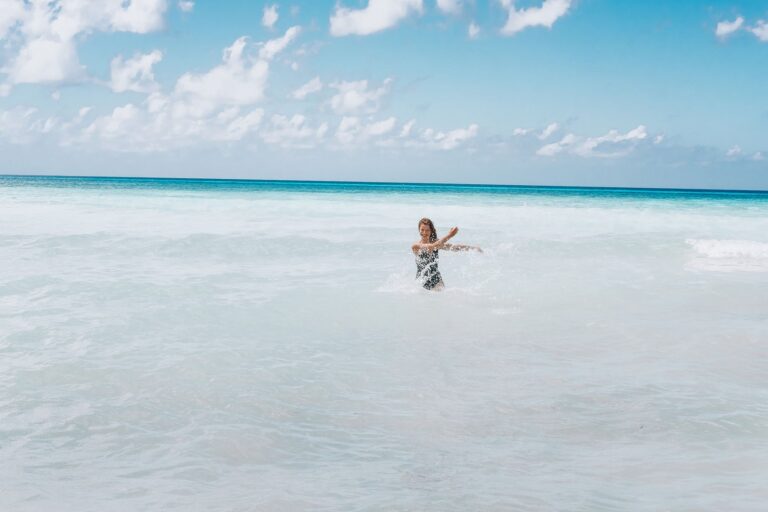
In the morning you can hike through dense jungle to thousand-year-old Mayan pyramids, cool off at midday in a limestone cave filled with crystal-clear water, and fall asleep that evening to the sound of Caribbean waves. Mexico is a land of sharp contrasts, where pre-Columbian history blends with colonial architecture, Pacific beaches sit alongside luxury Caribbean resorts, and the food scene bursts with chilli and fresh coriander. If you’re wondering about the best places to visit in Mexico, you’re in the right place.
This guide covers everything you need for planning a trip to Mexico. We’ll look at specific destinations, how to get around safely, the best time to go, and how to avoid the most common mistakes. We’ll run through the individual regions and put together a list of twenty spots worth adding to your itinerary.
TL;DR
- Safety in Mexico: Tourist areas like the Yucatán or Baja California Sur are very safe. Just follow the basic rules, avoid driving at night, and steer clear of high-risk states.
- When to fly to Mexico: The best weather runs from November to April during the dry season. For cheaper prices, try May or October. Watch out for sargassum (seaweed) in the Caribbean during the summer months.
- Visas and ESTA: UK citizens don’t need a visa for Mexico. But if you’re flying with a layover in the USA, you must arrange an ESTA electronic authorisation in advance, even for a simple transit.
- Payment and currency: The currency is the Mexican peso (MXN), with 1 peso worth roughly €0.05. At ATMs, always decline the unfavourable currency conversion (DCC) and only withdraw cash from official banks.
- Getting around Mexico: Modern ADO buses connect the cities brilliantly. For longer distances, domestic flights are worth it. When hiring a car, watch out for the compulsory third-party liability insurance (TPL).
- Best places: Don’t miss the pyramids of Chichén Itzá, swimming in the Yucatán’s cenotes, the capital Mexico City, and the colonial gem of Oaxaca.
The full destination guide: Mexico — guide and what to see
Mexico in a nutshell
Mexico is a vast country, with an area approaching two million square kilometres. It’s divided into 32 states that differ from one another culturally, climatically, and in terms of safety far more than individual European countries do. While the north is home to arid deserts, the south is covered in dense rainforest.
The official currency is the Mexican peso (MXN). Prices vary hugely depending on the location. Touristy Cancún or Tulum will cost considerably more than inland colonial towns like Mérida or Guanajuato. The official language is Spanish. In tourist resorts you’ll get by in English without much trouble, but inland a few basic Spanish phrases will be essential.
💡 Tip: Mexico spans several time zones. The state of Quintana Roo (Cancún, Tulum), for example, doesn’t observe daylight saving time, so the time difference from the UK shifts during the year between minus six and minus seven hours.
Is Mexico safe?
The question of safety crosses just about everyone’s mind before the trip. The reality for the average tourist is far calmer than the television news would suggest. The US State Department divides the country into several safety zones. While it’s best to avoid states like Sinaloa or Michoacán, the Yucatán Peninsula is one of the safest places in all of North America. Crime there is comparable to major European cities.
The biggest risk for tourists usually isn’t the drug cartels but rather petty theft, overpriced taxis, or ATM scams. Card cloning is fairly common, so always withdraw cash only from ATMs located inside branches of major banks (Santander, HSBC, BBVA).
Transport is another thing to watch. Never hail taxis straight off the street in Mexico City; always use apps like Uber or DiDi. In some cities, though, there’s an ongoing battle between traditional taxi drivers and Uber. At Cancún airport or in Tulum, for instance, Uber currently doesn’t operate and you’ll need to rely on official airport transfers.
If you’re after detailed statistics, advice for solo female travellers, and an analysis of the current situation for 2025/2026, read our complete article on whether Mexico is safe.
💡 Tip: If you’re hiring a car, one rule is absolutely essential: never drive after dark. The roads lack lighting, you’ll often hit unmarked speed bumps (topes), animals roam freely, and in more remote areas the risk of robbery rises.
When to go to Mexico
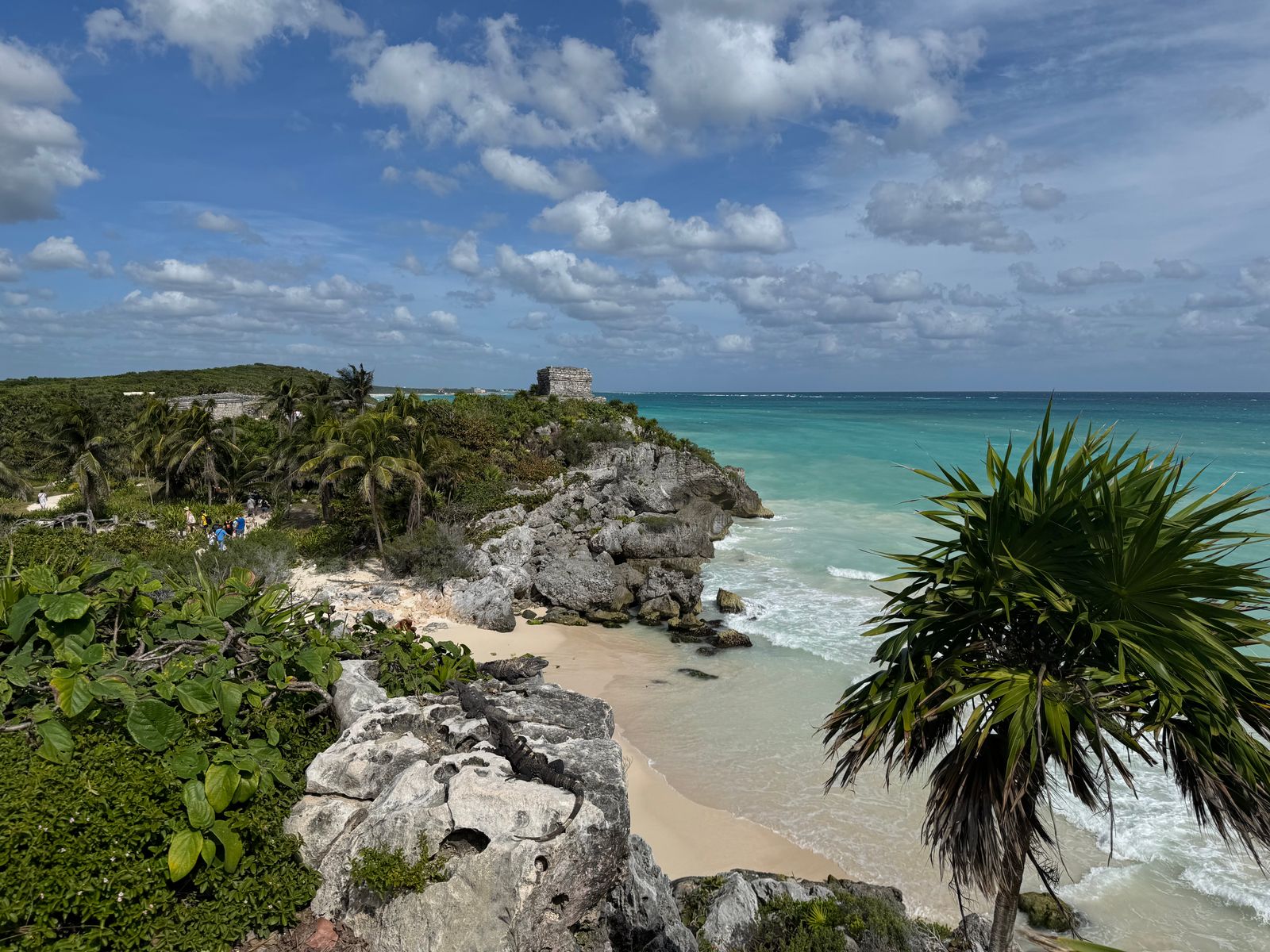
Getting the timing right is the key to a successful holiday. Mexico has two main seasons. The dry season runs from roughly mid-November to April and is the peak tourist season. The weather is stable then, with pleasant temperatures and minimal rainfall, but accommodation and flight prices stay at their highest.
The rainy season arrives in May and lasts until October. This doesn’t mean rain from morning till night; it’s usually heavy afternoon showers, after which it clears up again. The downsides of this season are high humidity and temperatures that can feel like over 40 degrees Celsius. From June to November there’s also the hurricane season, with the greatest risk in September and October.
A specific issue on the Caribbean coast is sargassum, an unpleasant seaweed that piles up on the beaches. In the winter months the beaches tend to be clean, but from April to August the situation worsens. Forecasts for 2026 warn of heavy build-ups, so it’s worth having a backup plan. You can head to the cenotes or to the islands of Isla Mujeres and Cozumel, which are protected from the seaweed by their position.
For more on temperatures, rainfall, and wildlife sightings, see our guide on when to go to Mexico.
💡 Tip: If you want the best of Mexico without the extreme crowds and at reasonable prices, February is the ideal choice. The weather is stable, the seaweed on the beaches is minimal, and visibility in the cenotes is the best all year.
How to get to Mexico and get around
Air connections from Europe to Mexico are reasonably comfortable, although there’s no direct flight from the UK. Most travellers choose flights with one layover in European hubs (Paris, Amsterdam, Frankfurt) or in the United States. From London, you’ll usually find good options via these major European airports.
If you fly via the USA, watch out for one bureaucratic requirement. Even if you’re only transiting through the US and don’t leave the airport, you must arrange an ESTA electronic travel authorisation in advance. It currently costs 21 USD and takes a few days to process. Many travellers forget this, and the airline then won’t let them board at all.
Getting around Mexico
For longer distances, flying is definitely worth it. Domestic flights with airlines like Volaris or VivaAerobus often cost just a few euros if you book well in advance. Travellers recommend booking flights directly on these budget airlines’ websites, as aggregators often hide the baggage fees.
For medium and shorter distances, buses absolutely dominate. The Mexican company ADO runs modern, safe long-distance buses equipped with toilets and power sockets. The journey from Cancún to Tulum, or from Mexico City to Oaxaca, is very comfortable on them.
We recommend hiring a car for exploring the Yucatán or Baja California. When booking online, though, pay close attention to the insurance. Those tempting rates of around 10 dollars a day are just bait. In Mexico it’s compulsory to take out third-party liability insurance (TPL) directly with a Mexican insurer. Insurance through your credit card won’t help, and when you pick up the car at the counter, the price can even triple because of this fee.
💡 Tip: The air conditioning on ADO buses tends to be set to extremely low temperatures. Even when it’s 30 degrees outside, always pack a hoodie or light blanket for the bus.
Regions of Mexico: where to head
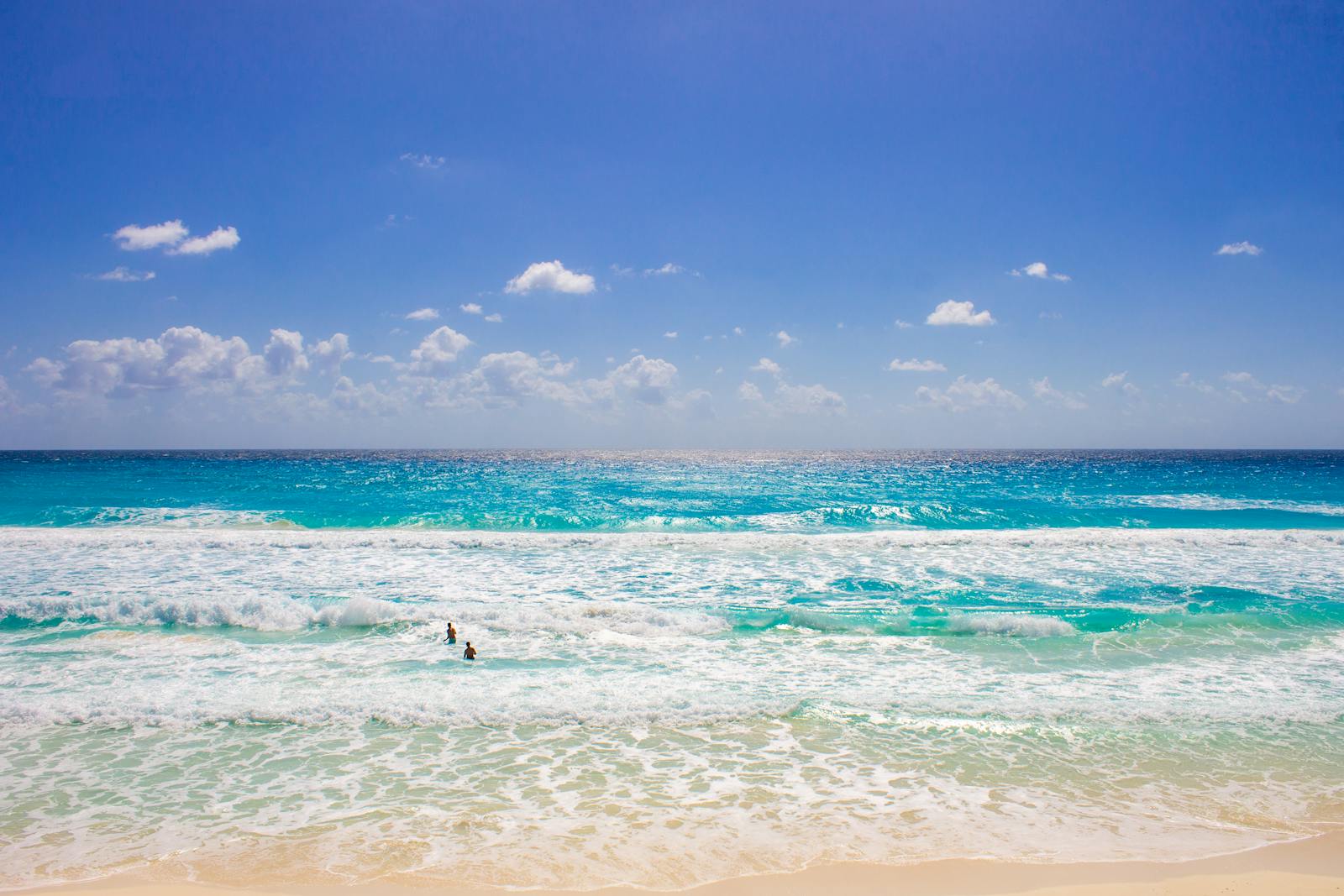
Choosing the right area for a first visit tends to be the hardest part of the whole planning process. Let’s briefly introduce the most important Mexican regions so you have a clearer idea of where to point your itinerary.
Caribbean coast (Quintana Roo)
This is the Mexico of travel brochures, with bright white sand and turquoise sea. Here you’ll find the buzzing Cancún, the Mayan ruins rising right above the sea in Tulum, and the popular resort of Playa del Carmen. This region also includes the islands of Cozumel, Isla Mujeres, and the laid-back Holbox. If you’re after a beach holiday with excellent infrastructure, you’re in the right place.
The Yucatán Peninsula
While the Caribbean lures you with its beaches, the neighbouring state of Yucatán offers breathtaking Mayan history. Here you’ll find the pyramid of Chichén Itzá, the pastel-coloured colonial city of Mérida, and thousands of cenotes filled with fresh water. It’s the safest part of Mexico, ideal for a road trip in a hire car. Check out our tips for a Yucatán holiday.
Mexico City and central Mexico
The heart of the whole country. Mexico City (CDMX) is an enormous metropolis sitting at an altitude of over 2,200 metres. It’s packed with first-rate museums, historic architecture, and superb restaurants. Just outside the city stand the monumental pyramids of Teotihuacán. The surrounding area is also home to gorgeous towns from the silver-mining era, such as Guanajuato or San Miguel de Allende.
Pacific coast
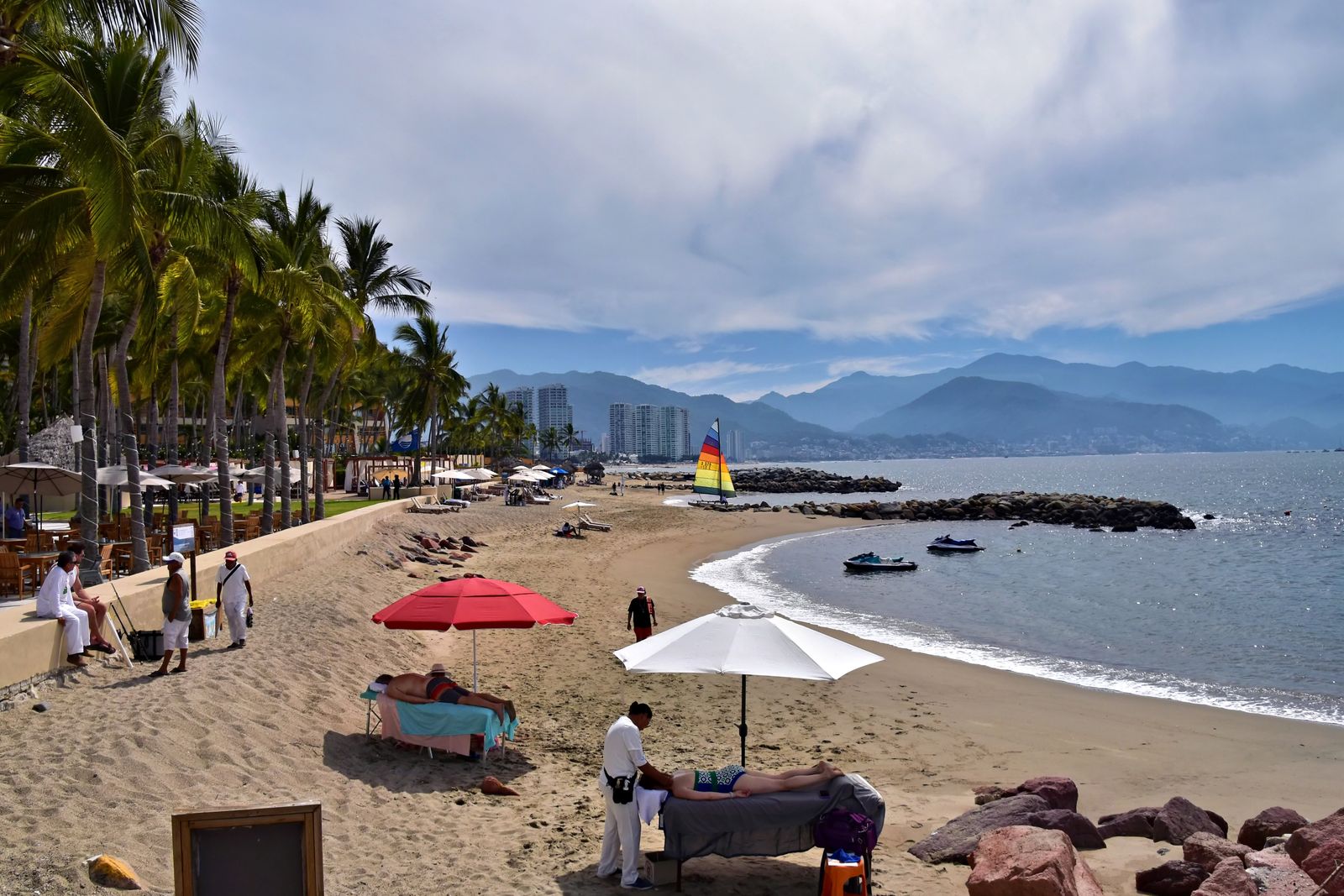
Mexico’s western coast tempts surfers with a wilder ocean. The resort of Puerto Vallarta combines beautiful beaches with an authentic old town and a lively nightlife. Further south, Puerto Escondido is a hub for digital nomads, who come here for the relaxed atmosphere and enormous waves.
The south (Oaxaca and Chiapas)
These are the regions for travellers seeking authenticity. The state of Oaxaca is Mexico’s gastronomic capital and the cradle of mezcal. Neighbouring Chiapas is full of dense jungles, deep canyons, and indigenous Mayan communities that still preserve their traditions and language to this day.
Baja California
This long peninsula in the country’s northwest is a paradise for nature lovers. It offers rugged desert scenery, cactus forests, and incredible marine life. In the winter months, thousands of whales gather in the local lagoons to give birth to their young.
💡 Tip: Experienced travellers agree that the most common mistake first-timers make is trying to cram too many regions into one trip. Pick one or two areas and savour them to the fullest.
Where to stay in Mexico
Accommodation options in Mexico cover the entire spectrum, from cheap hostels with bunk beds for a few euros to opulent all-inclusive resorts.
If you’re heading to the Riviera Maya (the area between Cancún and Tulum), you’ll find the greatest concentration of giant resorts here. The Caribbean coast is built so you can arrive and not have to worry about a thing. In the colonial towns of the Yucatán or central Mexico, on the other hand, you’ll come across charming boutique hotels restored from historic haciendas, often with a small inner courtyard and a pool.
Here are a few specific accommodation tips with excellent ratings, sorted by location:
- Cancún (Hotel Zone): If you’re after luxury right on the beach, check out the Hyatt Zilara Cancun. For great value away from the bustle, try the Renaissance Cancun Resort.
- Tulum (town): Staying right on the beach in Tulum is extremely expensive. Far more reasonable prices can be found in town, for example at the boutique Boutique Hotel Cielito Lindo.
- Mérida: You’ll soak up the colonial-era atmosphere at Luz En Yucatan, just a short walk from the main square and with a lovely pool.
- Mexico City (Roma Norte): A leafy neighbourhood full of cafés. An excellent base is the design-led La Valise Mexico City.
💡 Tip: When searching for accommodation on Booking.com in Mexico, always check carefully whether the listed price includes all taxes. The base rate often has 16% VAT (IVA) added, and in some states there’s an additional tourist tax of 3 to 5%.
20 best places to visit in Mexico
We’ve put together a list of twenty specific places and activities across the entire country. We’ll start in the east and work our way through the centre to the Pacific, so you can easily pick the best places for your itinerary.
The Yucatán Peninsula and the Caribbean
This part of the country combines Mayan history with perfect beaches and is ideal for a first visit to Mexico.
1. The pyramid of Chichén Itzá
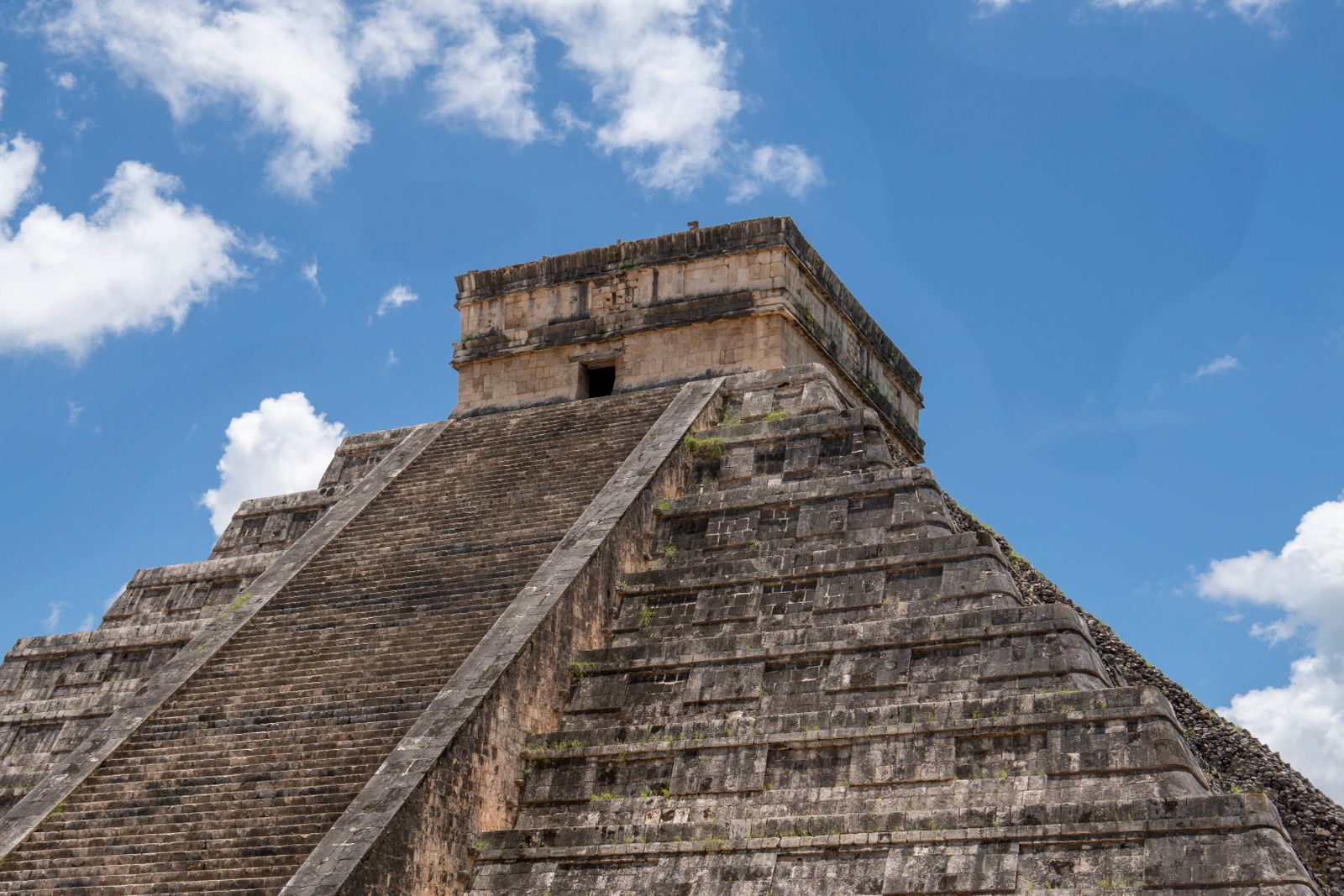
One of the modern seven wonders of the world and the most famous Mayan monument. The imposing Pyramid of Kukulcán fascinates visitors with its astronomical precision. During the spring and autumn equinoxes, the shadows create the impression of a serpent slithering down its steps. The complex also includes an ancient ball court and a sacred cenote. 💡 Tip: The gates open at 8:00 am. If you want photos without the crowds and souvenir sellers, be at the entrance by 7:30. Climbing the pyramid itself has been banned for years now. Read our guide to Chichén Itzá.
2. Swimming in the cenotes
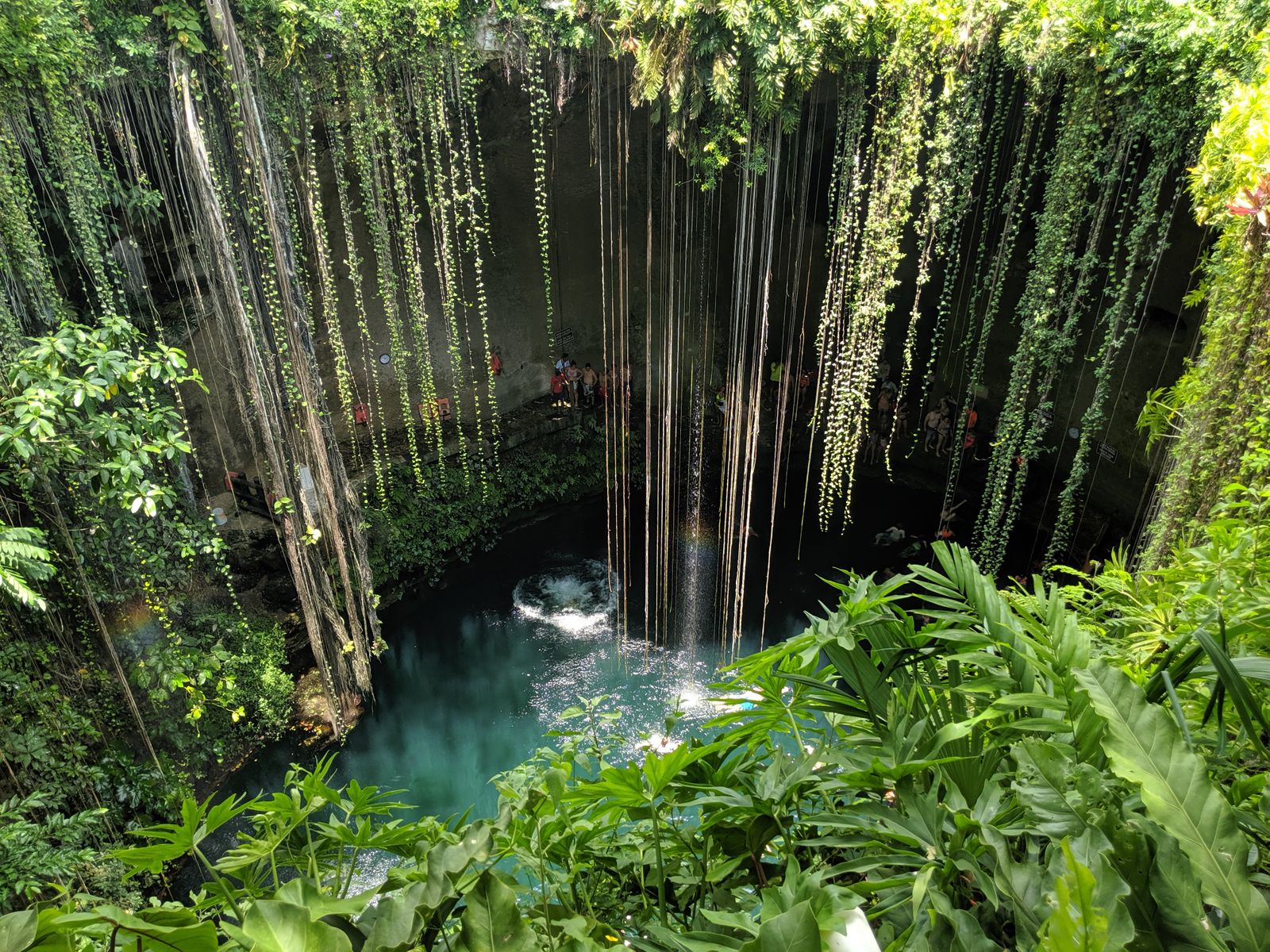
Cenotes are natural limestone sinkholes filled with groundwater, which the Maya considered gateways to the underworld. You’ll find thousands of them in the Yucatán. Among the most photogenic is Cenote Suytún near Valladolid, where just after midday a beam of light breaks through a small opening in the ceiling straight onto a stone platform. Admission is around 250 pesos (€12). 💡 Tip: Across Mexico there’s a strict ban on using regular sunscreen before entering the cenotes, to protect the fragile ecosystem. Always shower before going in.
3. The city of Cancún
Cancún serves as the gateway to the country for most travellers. It’s split into two distinct parts. The Hotel Zone (Zona Hotelera) is a 22-kilometre strip of luxury resorts and nightclubs. The Downtown, by contrast, is where the locals actually live. Accommodation and food there are 30 to 40 percent cheaper.
4. The Mayan ruins of Tulum
Tulum is a Mayan city built right on a cliff above the turquoise waters of the Caribbean. The contrast of grey stone against the blue ocean is highly photogenic. The town of Tulum itself has transformed into a boho-chic destination full of boutiques and vegan cafés. Some travellers warn, however, that the place occasionally suffers from overtourism and extreme prices.

5. The island of Isla Mujeres
Just a twenty-minute ferry ride from Cancún lies Isla Mujeres, the Island of Women. The northern beach (Playa Norte) regularly tops the rankings for Mexico’s most beautiful beach thanks to its shallow, wave-free water. The island is tiny and best explored from behind the wheel of a rented golf cart.
6. The sandy roads of Holbox
For total relaxation, head to the island of Holbox at the very north of the peninsula. There are no cars here, the roads are just packed sand, and you get around on foot or by bike. From May to September, whale sharks also gather in the local waters.
7. The Lagoon of Seven Colours in Bacalar
It lies in the south of Quintana Roo state, close to the border with Belize. Bacalar isn’t the sea but an enormous freshwater lagoon. Thanks to its white limestone bed and varying depths, the water shimmers in every shade of turquoise and blue. You can hire a kayak here or set off on a sailing boat.
8. The colonial gem of Mérida
The capital of Yucatán state dazzles with its colonial architecture and its safety. Mérida offers wide boulevards, lively squares full of street performers, and superb Yucatecan cuisine. Every Sunday the centre closes to cars and the streets come alive with dancing and markets.
9. The colourful Valladolid
Smaller and more intimate than Mérida, yet full of colour. Valladolid is strategically located near Chichén Itzá and plenty of beautiful cenotes. Take a stroll down Calzada de los Frailes, lined with colourful house façades and little boutiques.
10. The jungle ruins of Cobá
While Chichén Itzá surrounds you with crowds and manicured lawns, the nearby ruins of Cobá are swallowed up by dense jungle. The site is sprawling, and visitors usually move between the individual pyramids on rented bikes.
Central Mexico and history
This region is the heart of Mexican culture, home to the best museums, enormous pyramids, and towns built on silver mining.
11. The pulsing Mexico City
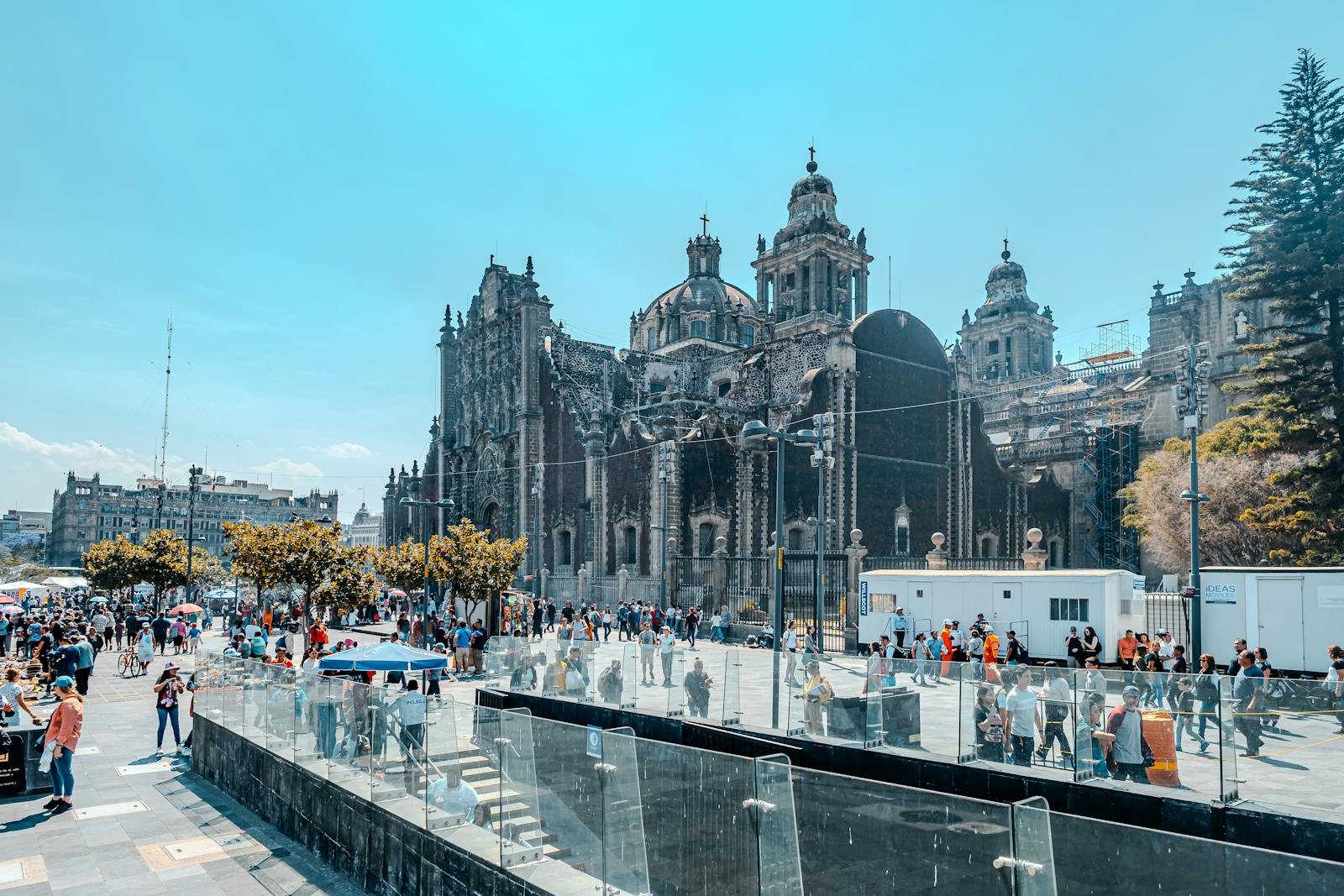
Mexico City is an enormous metropolis with more than twenty million inhabitants. The historic centre (Zócalo) hides a cathedral built from the stones of demolished Aztec temples. The Roma Norte and Condesa neighbourhoods, with their cafés, feel like European cities. Don’t miss the Anthropology Museum and the Blue House of painter Frida Kahlo. 💡 Tip: Tickets to the Frida Kahlo museum are sold exclusively online and tend to sell out even a month ahead. Book them well in advance.
12. The city of the gods, Teotihuacán
Less than an hour’s drive from the capital you’ll come across the remains of one of the largest ancient cities on the American continent. The Pyramid of the Sun and the Pyramid of the Moon flank the so-called Avenue of the Dead. A popular experience is a hot-air balloon flight over the site at dawn, which costs around 200 dollars (€185).
13. The silver city of Guanajuato
A city built in a narrow canyon, its lanes a tangle of staircases and colourful houses clinging to the slopes. Guanajuato grew rich on silver mining. Much of the traffic is diverted into a network of underground tunnels, so the historic centre is wonderfully quiet.
The south and the Pacific coast
Here you’ll discover wild nature, the huge waves of the Pacific, and the most authentic culinary experiences.
14. The cultural heart of Oaxaca
The city of Oaxaca sits in the south in a valley surrounded by mountains. It’s the centre of Mexican art and gastronomy. At the local markets you can taste endless varieties of chocolate. In the villages around the city, more than ninety percent of all Mexican mezcal is produced, a spirit distilled from the heart of the agave.
15. The cascades of Hierve el Agua
Near Oaxaca lies this unique natural phenomenon. From a distance it looks like a giant waterfall frozen in time at the edge of a cliff. In reality, it’s mineral deposits formed by springs with a high calcium content. At the top there are natural pools perfect for a swim.
16. The Sumidero Canyon in Chiapas
The state of Chiapas offers dramatic scenery, and the Sumidero Canyon is its jewel. The rock walls rise up to a kilometre above the surface of the Grijalva River. The best way to take in the canyon is from the deck of a small motorboat.
17. The romantic Puerto Vallarta
On the Pacific coast lies a city that Hollywood made famous back in the 1960s. Puerto Vallarta has a beautiful historic centre with cobbled lanes and a long seafront promenade (the Malecón) lined with sculptures. It’s a friendly city with a huge expat community.
18. Surfing in Puerto Escondido
If you’re into huge waves and a relaxed backpacker vibe, head to Puerto Escondido in the state of Oaxaca. Zicatela beach is one of the best surfing spots in the world, although the waves here are only suitable for professionals. Beginners can learn in the calmer bays nearby.
19. Whale watching in Baja California
The Baja California peninsula is wild and arid. But the main attraction here is the winter migration of whales. From January to March, enormous grey whales gather in the lagoons. They’re so curious that they often swim right up to the small boats.
20. Diving off the island of Cozumel
The island of Cozumel lies opposite Playa del Carmen and is surrounded by the second-largest coral reef on the planet. Underwater visibility here regularly exceeds thirty metres. You’ll find underwater walls plunging into the dark depths, shoals of colourful fish, and sea turtles.
Mexican cuisine in a nutshell
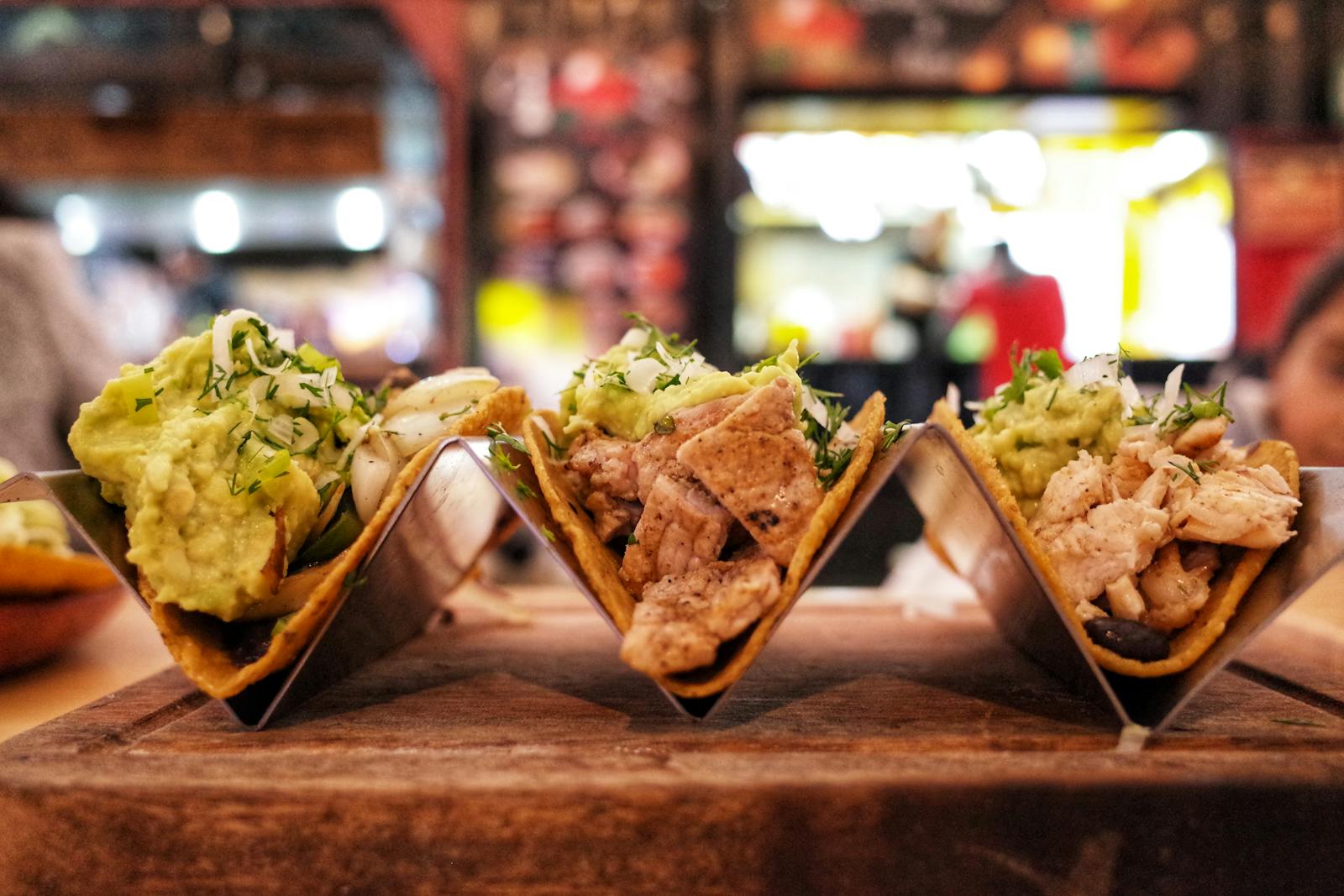
Mexican food has been added to UNESCO’s list of intangible cultural heritage. But forget the fast-food joints with their hard corn shells. Authentic Mexican cuisine is based on corn, beans, chilli peppers, fresh coriander, and lime.
If you don’t eat meat, Mexico will be a paradise for you. On every corner you can grab great vegetarian options. Try quesadillas filled with Oaxaca cheese and squash blossoms (flor de calabaza), or with huitlacoche mushrooms, a local delicacy reminiscent of truffles. On the street, have an elote, boiled or grilled corn smeared with mayonnaise, sprinkled with cheese and chilli. As a starter, freshly mashed guacamole with corn nachos never disappoints.
As for meat specialities, the streets often serve up tacos al pastor (pork sliced from a vertical grill) or, in the south, the popular cochinita pibil (slow-roasted pulled pork in a citrus marinade). In Oaxaca, the complex mole sauces reign supreme, containing dozens of ingredients including chilli and sometimes chocolate.
💡 Tip: Wonderfully refreshing on hot days are the so-called aguas frescas, light fruit drinks. The most common are made from hibiscus (agua de jamaica), tamarind, or rice and cinnamon (horchata).
Map of points of interest for your phone
Día de Muertos and festivals
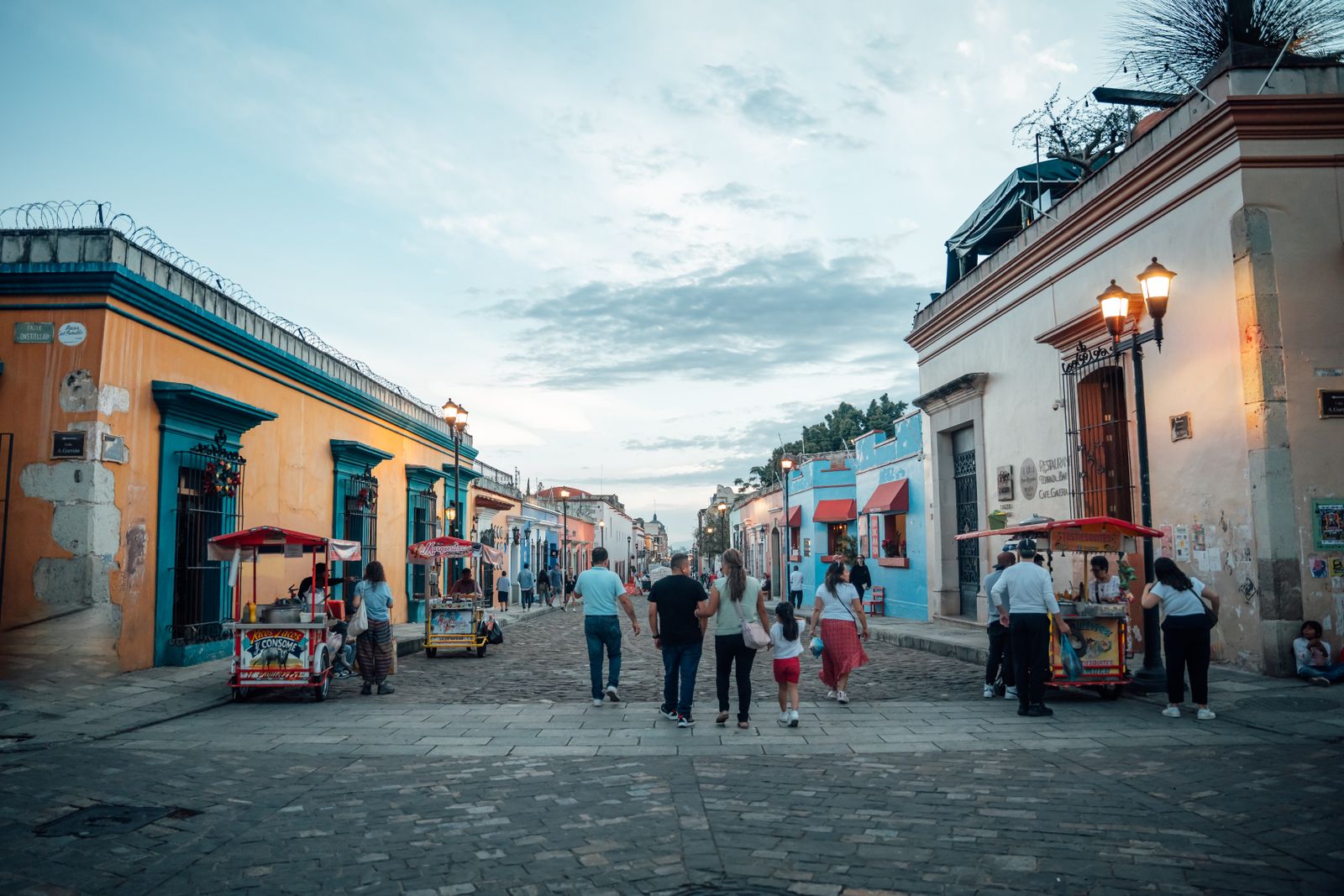
Mexicans know how to celebrate like few others in the world. The most visually stunning festival is the Day of the Dead (Día de Muertos), which falls on the first two days of November. Death isn’t seen here as a definitive end but as a natural part of the cycle of life. Families build richly decorated altars in their homes and at cemeteries, laying out bright orange marigolds and sugar skulls.
The festival is celebrated most authentically inland, specifically in Oaxaca or in the towns of Michoacán state. If you want to experience this time in Mexico, be prepared for hotels in these areas to be sold out as much as six months in advance, with prices soaring. Read more about the traditions in our article on the Day of the Dead in Mexico.
💡 Tip: During the Day of the Dead celebrations, processions take place in the streets and people paint traditional Catrina masks on their faces. Local makeup artists will happily create this look for you right on the square for a few hundred pesos.
How to plan your itinerary
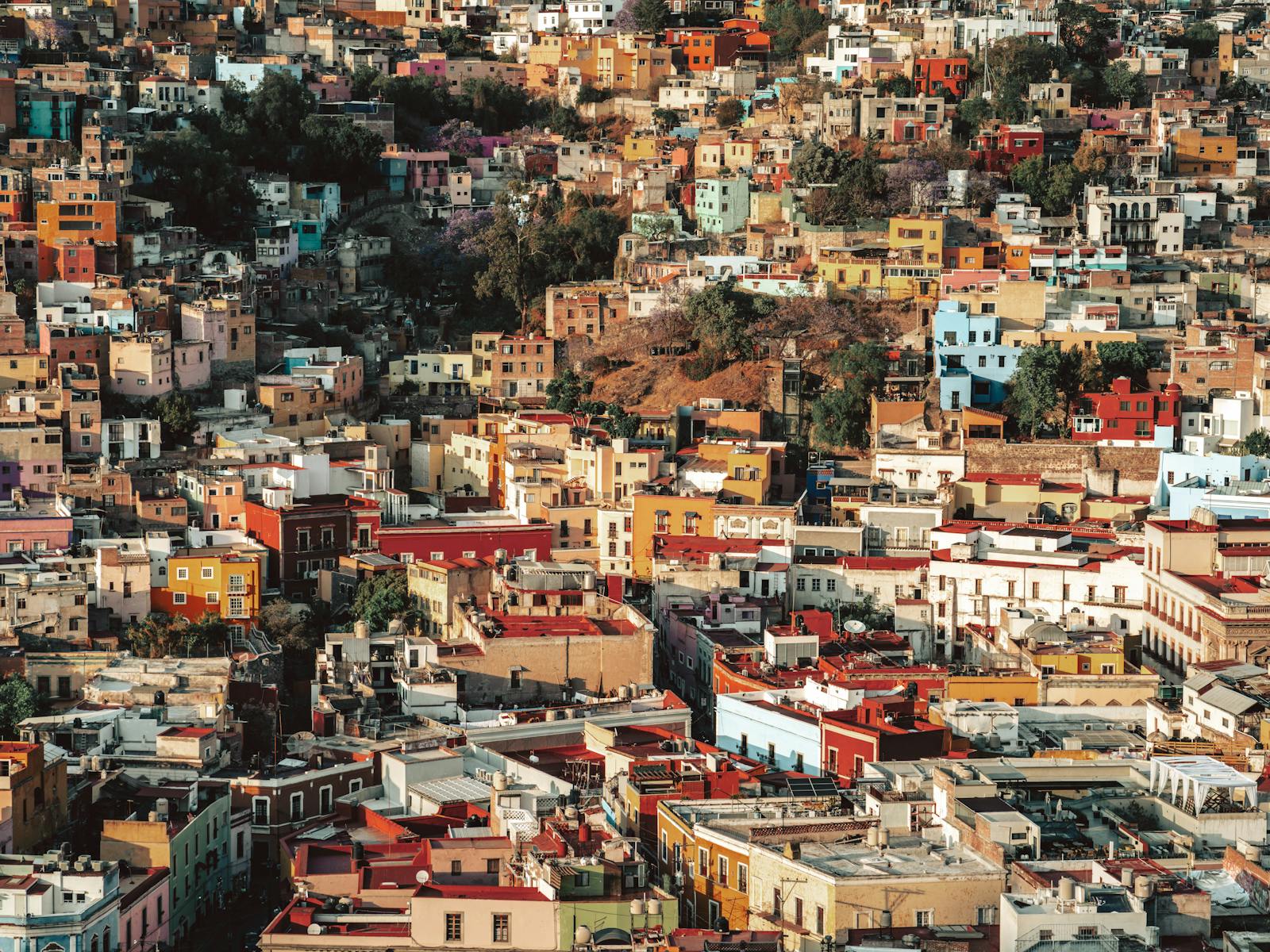
According to travellers, a major mistake is skipping the capital, Mexico City, on a first visit. It’s precisely the combination of city and beaches that makes for the best itineraries.
If you have 10 to 14 days for the trip, the ideal choice is a road trip around the Yucatán Peninsula. You fly into Cancún, hire a car, and set off along the route of Valladolid, Chichén Itzá, Mérida, Tulum, and Bacalar. In two weeks you can take in the Mayan ruins, swimming in the cenotes, and the Caribbean beaches, without having to spend whole days on the road.
For a two-week trip with a greater focus on culture, travellers recommend starting in Mexico City (4 days for the sights and museums), taking the bus to Puebla, and then on to Oaxaca. From Oaxaca you can take a domestic flight to the coast, whether to Puerto Escondido for the surfing or back to the Yucatán for the white sand.
If you’re planning to go for 3 weeks or more, you can afford to explore the more remote state of Chiapas, or fly over to Baja California and combine the desert landscape with whale watching. But always remember the rule that less is more. Pick two bases and take day trips from them.
💡 Tip: When planning your journeys, always allow some buffer time. Mexican buses do run on time, but city traffic and road checks can unexpectedly stretch out the trip.
Practical tips to finish
To make your trip go as smoothly as possible, we’ve put together a summary of the most important practical tips that will save you money and stress.
- Tap water: Throughout Mexico, tap water isn’t drinkable for tourists or locals. Always drink only bottled water (agua purificada). You needn’t worry about ice in drinks at restaurants, as bars use factory-made ice from special filtration plants.
- ATM withdrawals and DCC: Travellers warn about the dreaded tourist trap known as DCC (Dynamic Currency Conversion). The ATM will ask whether you want the amount converted and charged in pounds or dollars. Always decline this offer and let the transaction go through in Mexican pesos.
- Tipping: Tipping (propina) is customary in Mexico. In restaurants, 10 to 15% on top of the bill is expected. Hotel housekeeping gets around 30 to 50 pesos a day, and petrol station attendants around 10 pesos.
- Insurance and healthcare: Don’t travel to Mexico without good travel insurance. Private clinics are of a high standard, but they charge prices comparable to the United States.
- Internet: Rather than hunting for Telcel shops after you land, it’s worth installing an eSIM on your phone in advance (for example via the Airalo app). Turn off standard roaming on your UK SIM immediately, as the per-megabyte rates in Mexico are astronomical.
💡 Tip: Always carry smaller notes (20, 50, and 100 pesos). Street vendors and drivers of smaller buses often can’t give change for a 500-peso note.
Where to next
If Mexico has caught your interest and you want to dive deeper into the planning, we’ve prepared a series of detailed articles focusing on specific places and situations. Find out more about how to plan the perfect Yucatán holiday, read our tips for the beach resort of Cancún, or get inspired by our cultural guide to the capital, Mexico City. If you’re trying to decide which month to travel, take a look at our article on when to go to Mexico.
Frequently asked questions
How much does a vacation in Mexico cost?
It depends on your travel style. Backpackers can manage on a budget of €40 to €60 per day. Mid-range travelers with accommodation in nice hotels and occasional car rentals will spend around €80 to €120 per day per person, while luxury resorts cost many times more.
Do I need a visa for Mexico?
No, citizens of the Czech Republic do not need a visa for tourist trips up to 180 days. However, it is absolutely essential to have a passport valid for at least 6 months after your planned return.
What is ESTA and why do I need it when flying to Mexico?
ESTA is an electronic travel authorization for the USA. If your flight from Europe to Mexico includes even just a short layover in the United States, you must have ESTA approved in advance, otherwise they won’t let you board the plane.
What type of outlets are used in Mexico?
Mexico uses type A and B electrical outlets, the same flat pins as in the United States. European appliances don’t fit them, so don’t forget to pack a travel adapter.
Is it safe to eat street food?
Yes, street food stalls offer some of the best gastronomic experiences. Choose stalls where locals are queuing up, which guarantees a fast turnover of ingredients and freshness.
Can you commonly pay by card in Mexico?
In supermarkets, hotels, large restaurants and at gas stations you can pay by card without any problems. However, for shopping at markets, street stalls, in small buses (colectivos) and for paying tolls you will always need cash.
Can I fly a drone in Mexico?
Flying a drone is officially prohibited for foreigners (non-residents) in Mexico. Your drone probably won’t be confiscated at the airport, but if you use it over monuments or in archaeological zones, you risk a hefty fine.
Tips and Tricks for Your Vacation
Don’t Overpay for Flights
Search for flights on Kayak. It’s our favorite search engine because it scans the websites of all airlines and always finds the cheapest connection.
Book Your Accommodation Smartly
The best experiences we’ve had when looking for accommodation (from Alaska to Morocco) are with Booking.com, where hotels, apartments, and entire houses are usually the cheapest and most widely available.
 🚗 Car rental on the roadVerified rental cars in Mexico
Search with the DiscoverCars comparison engine — it compares prices from dozens of local and international rental companies, and most bookings come with free cancellation.
Compare car prices in Mexico →Don’t Forget Travel Insurance
Good travel insurance will protect you against illness, accidents, theft, or flight cancellations. We’ve had a few hospital visits abroad, so we know how important it is to have proper insurance arranged.
Where we insure ourselves: SafetyWing (simple monthly subscription) and TrueTraveller (for extra-long trips).
Find the Best Experiences
Get Your Guide is a huge online marketplace where you can book guided walks, trips, skip-the-line tickets, tours, and much more. We always find some extra fun there!