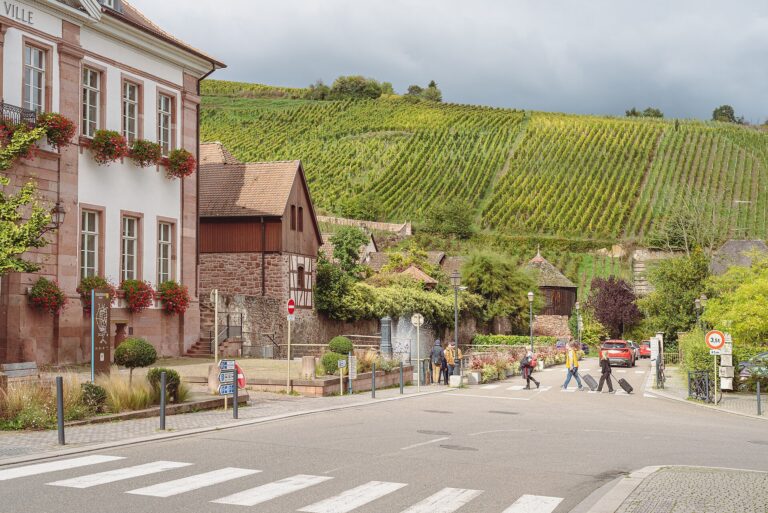
Picture a glass of finely beaded bubbles in the shadow of a Gothic cathedral, where everything revolves around perfection. If French wine is your thing, you’ll find the true heart of this winemaking heritage in Champagne, France, just east of Paris.
Real champagne is a proud protected appellation and a geological one-off that gourmets travel from all over the world to taste. Don’t expect tiny dusty cellars, though. What awaits you instead is a fascinating world of renowned houses and underground labyrinths hiding millions of precious bottles.
Get your taste buds ready for a trip to a region where time is measured in vintages. You’re in for an unforgettable experience in a place where life is celebrated every single day.
Photo: Tournasol7 / Wikimedia Commons, CC BY-SA 4.0
TL;DR
- Booking ahead is a must: You simply won’t get into the famous houses like Taittinger or Moët & Chandon without an online ticket bought weeks in advance.
- Two main bases: Reims offers big-city buzz and a Gothic cathedral, while Épernay is the thoroughbred capital of bubbles with opulent architecture.
- Warm clothes for the cellars: The chalk tunnels sit at around 10 to 12 °C all year round, so you’ll need a jumper or light jacket even on a scorching summer afternoon.
- Tasting prices in 2026: Get your wallet ready, because basic tours start at around 40 euros and the exclusive ones climb into the hundreds.
- Don’t skip the countryside: Head out to the picturesque village of Hautvillers, where the legendary monk Dom Pérignon once lived, or to historic Troyes.
- Eco sticker for your car: If you drive your own vehicle, you absolutely need a Crit’Air sticker to enter Reims because of the strict low-emission zones.
The full destination guide: Alsace and Burgundy — guide and what to see
Best Time to Visit the Champagne Region in France
The ideal time to visit this magical corner of France falls in May, June or September, when the days are pleasantly long and the vineyards glow with colour. September also brings the unmistakable buzz of the harvest, which turns the whole region into one giant humming hive. The exact start date of the harvest, the so-called Ban des vendanges, is announced each year based on the ripeness of the grapes, so it pays to follow the official wine websites and keep your plans flexible right up to the last minute. It does get busy everywhere during this period, but that atmosphere full of the scent of fermenting must is 100% worth it.
On the other hand, steer well clear of August, because the French take their mass holidays then and, paradoxically, plenty of small family wineries are closed. The motorways also see the infamous “black days” in August, when the whole country migrates south and you’d spend hours stuck in endless tailbacks. The festive season in November and December is cold and damp here, but it draws huge crowds with Christmas markets that spill over from neighbouring Alsace and create a fairy-tale mood. Just bear in mind that hotel rooms vanish at lightning speed and prices soar.
If you don’t fancy spending hours behind the wheel, the best option is the TGV high-speed train from Paris, which whisks you from Gare de l’Est to Reims in a fantastic 45 minutes. From the UK, the easiest way is to take the Eurostar from London St Pancras to Paris and switch to the TGV there, or fly into Paris and continue by rail. Buy your train tickets as early as possible, because the system works just like airline fares — the closer to departure you book, the deeper you’ll dig into your pocket. Drivers need to watch out for the tricky low-emission zones in Reims, where you absolutely need a Crit’Air eco sticker. It’ll set you back about five euros and you can sort it online, but without it you risk a hefty fine. On French motorways, also keep an eye on the new Free-Flow tolling system — there are no barriers anymore, but cameras read your plate and you have to pay online within 72 hours 😅.
Where to Stay in the Champagne Region of France
💡 Tip for accommodation and experiences: We love searching for places to stay on Booking.com, which usually has the best cancellation terms. For tickets, tours and activities, it’s worth comparing and booking through GetYourGuide.
Choosing the right home base is absolutely key to a smooth trip, because the two main cities offer completely different experiences. Reims is a great choice for lovers of city life, as it gives you direct TGV connections, lively nightlife, and the biggest chalk cellars literally beneath your feet. A brilliant tip is to stay right next to the cathedral, for example at the elegant La Caserne Chanzy hotel, which puts the best sights within easy walking distance. Reims can feel more like a bustling metropolis than a romantic wine-country village, but it makes up for it with perfect infrastructure and a huge choice of excellent restaurants.
If you prefer a more intimate atmosphere and want to be right at the epicentre of the wine action, Épernay is the place for you. This smaller town is the absolute hub of bubbles, and from a hotel like Hôtel Jean Moët you can reach the famous Avenue de Champagne in just a few minutes. The compact, walkable centre means that after a day of tastings you don’t have to worry about taxis — you simply stroll back to your room through the lit-up streets. The slight downside of Épernay is that in high season and during the harvest, rooms sell out incredibly fast and prices can run a touch higher than in Reims.
You’ll find the widest range of accommodation of every kind on Booking.com, where you can filter for exactly what you’re after, from luxury châteaux among the vines to cosy modern apartments. If you’re travelling by your own car, always check parking availability and prices in advance, because parking spaces in the historic centres of both cities are scarce and very expensive. Ideally, find a hotel with its own secure courtyard so you can leave the car parked and set off to explore the glasses on foot ☺️.

12 Things to See and Do in Champagne, France
Let’s dive together into the very best this dazzling region has to offer, from majestic architecture to deep chalk tunnels full of liquid gold. In the following twelve tips you’ll find the perfect mix of history, practical tasting advice and gorgeous spots you definitely shouldn’t miss.
1. Notre-Dame Cathedral in Reims and the Coronation of Kings
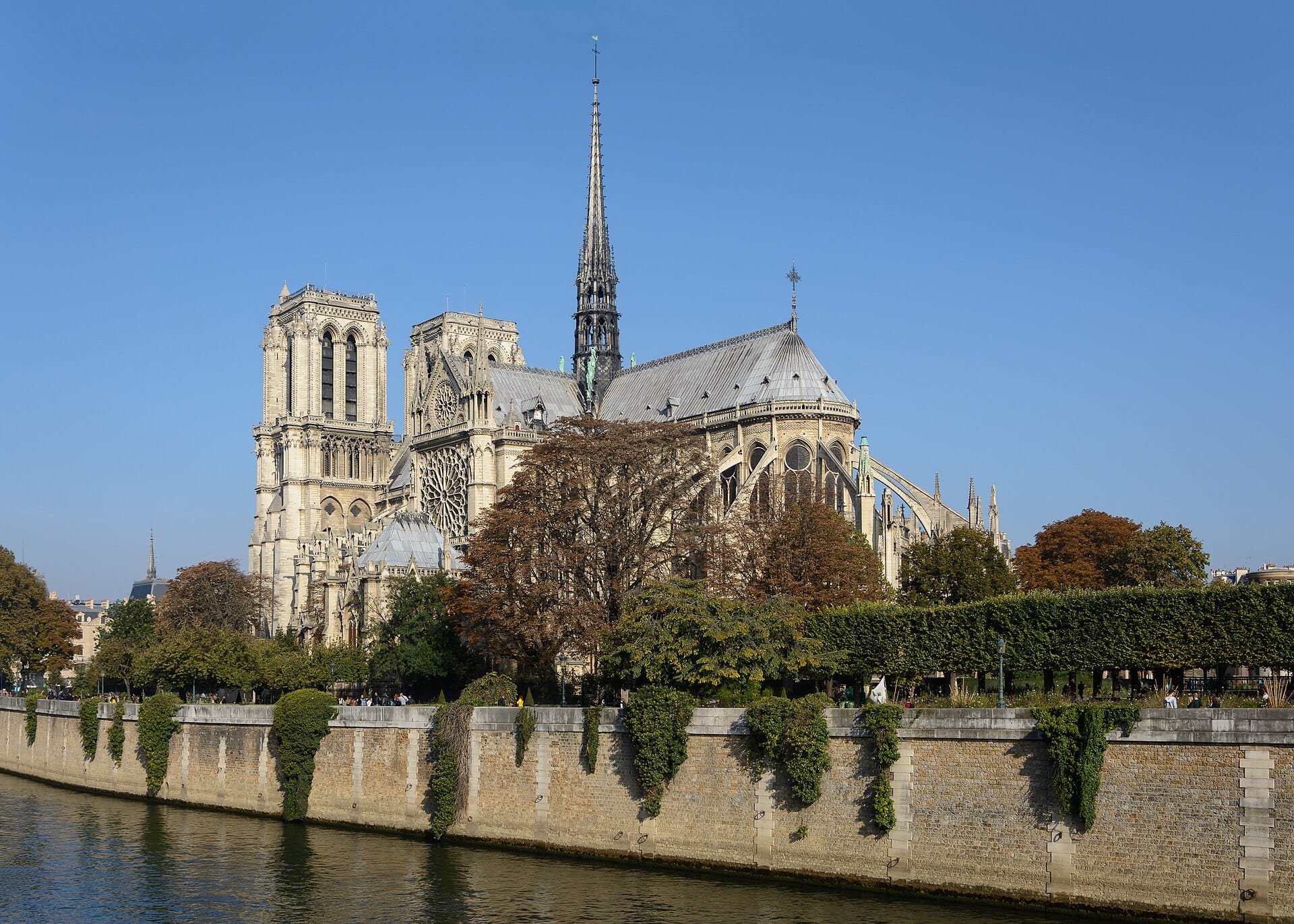
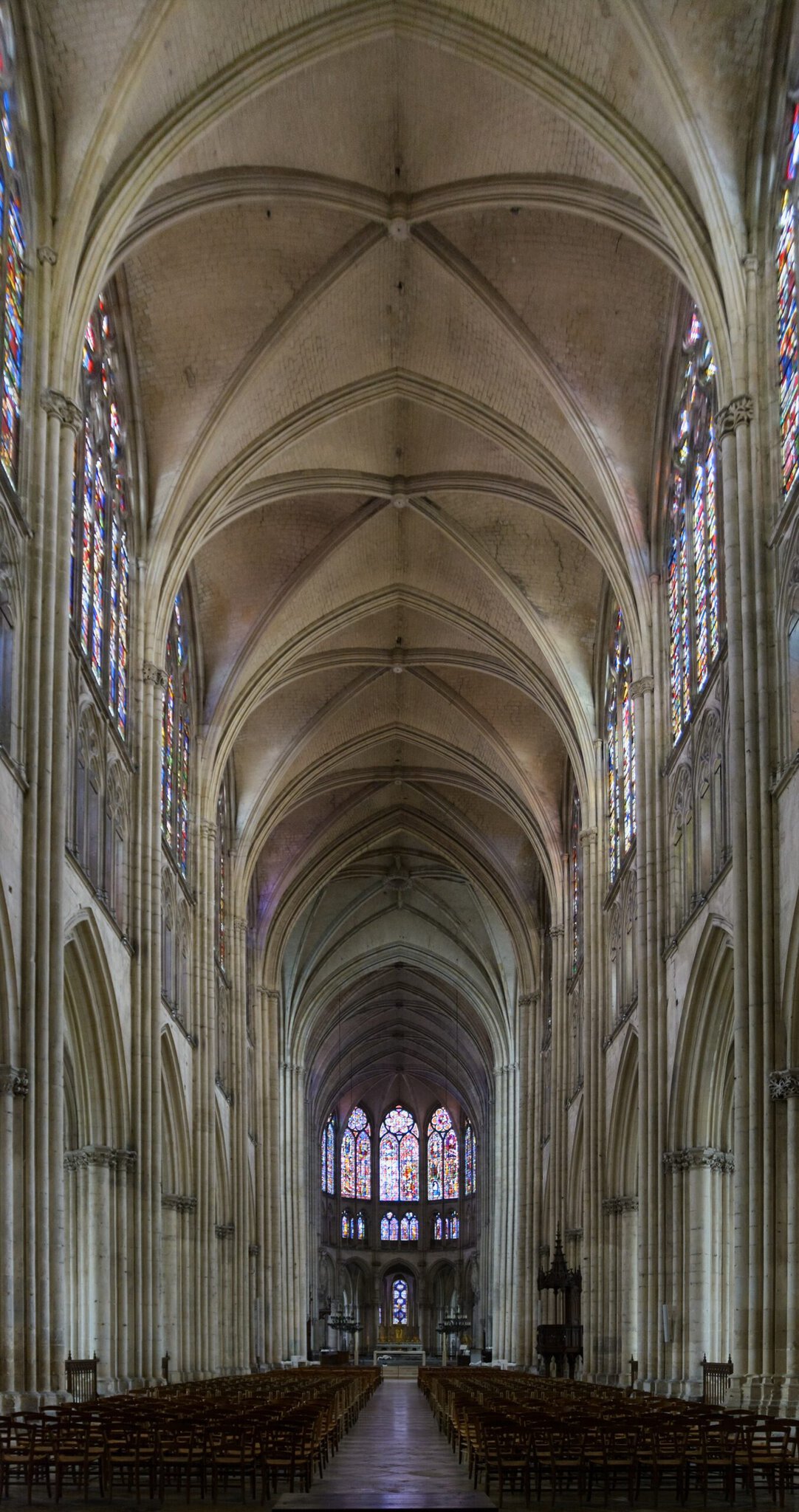
Reims is a city of two faces, and above ground you’ll be instantly blown away by the monumental Notre-Dame Cathedral, a Gothic masterpiece on the UNESCO World Heritage list. It was on this sacred spot that thirty-three French kings were crowned over the centuries, making it one of the most important historic and political buildings in the entire country. Its sheer scale and the incredibly rich sculptural decoration of the main façade will leave you standing in silent awe the moment you step out of the side streets onto the main square.
As you tour the dimly lit interior, don’t miss the stunning stained-glass windows — the ones at the back were created by the famous artist Marc Chagall and lend the ancient space an unexpectedly modern, dreamlike feel. The combination of deep blue tones and Gothic arches is almost magical. Entry to the cathedral itself is free, but if you want to climb the towers and enjoy the panoramic view over the whole city, I’d recommend buying a ticket online in advance to skip the long queues. 💡 Tip: Try to come early in the morning or in the late afternoon, when the sunlight streaming through the coloured glass creates a fascinating play of light and shadow on the stone floor.
2. The Chalk Cellars of Reims and Their Underworld
The real treasure of Reims doesn’t lie on the surface but hides tens of metres below the pavement in a vast underground labyrinth. Beneath the city run hundreds of kilometres of corridors carved into pure white chalk, known as crayères, which serve as perfect, naturally air-conditioned ageing cellars. These spaces originally began as ancient Roman stone quarries, but today they hide some of the most expensive wine in the world. The temperature stays at around 10 to 12 °C year-round and the humidity is so high that water starts condensing on your clothes after a while, so a jumper is essential.
Pop in for a tour of the famous Taittinger house, whose cellars are among the most breathtaking and proudly listed by UNESCO. You descend steep steps into a deep silence broken only by the occasional clink of glass and the muffled footsteps of your guide. Tours here cost from 40 to 90 euros depending on the vintage and how many samples you want to taste at the end, and booking through sites like Champagne Booking is absolutely essential. Other giants have their underground palaces here too, such as Veuve Clicquot, the oldest house of all, Ruinart, or the famous Pommery, where the tour of the dark corridors is paired with modern art installations, creating a truly bizarre and visually stunning experience 😁.
3. Épernay and the World’s Most Expensive Street, Avenue de Champagne
While Reims feels like a genuine metropolis, about half an hour’s drive to the south lies Épernay, considered the absolute capital of sparkling wine. Everything important here revolves around the renowned Avenue de Champagne, of which Winston Churchill once joked that it was the most drinkable street in the world. The whole wide promenade is lined with opulent nineteenth-century mansions, and behind their wrought-iron gates and manicured gardens sit the biggest players in the business.
Strolling down this luxurious street, you’ll feel like you’ve stepped into another century — and at that very moment, over 200 million bottles lie beneath your feet in deep chalk tunnels. It’s an incredible contrast between the quiet residential street on the surface and the massive global industry underground. Many of these grand houses offer seating in their courtyards, where you can simply order a glass and soak up the snobbish yet wonderfully relaxed summer atmosphere. 💡 Tip: Set aside at least one full afternoon for Avenue de Champagne, because hopping from one beautiful courtyard to the next is incredibly addictive and time slips away dangerously fast.
4. The Underground Labyrinth of Moët & Chandon and the Little Train at Mercier
Right on Avenue de Champagne sits the legendary Moët & Chandon, which has an incredible twenty-eight kilometres of precisely arranged cellars below it. The tour here is extremely professional, perfectly organised, and shows you exactly how production works on a vast global scale. You’ll walk through endless corridors full of dust and history, where the best vintages mature. Tasting prices here start at around 48 euros, and for the exclusive tastings they can climb to dizzying sums of over 400 euros.
If you’re looking for something a little more relaxed and fun to lighten the day, definitely head to the neighbouring Mercier house. Here there’s no boring walking — instead you hop straight onto a special underground train that comfortably carries you through the sprawling chalk corridors. It’s a touch touristy, sure, but seeing with your own eyes the giant wooden barrel that held the equivalent of 200,000 bottles — which founder Eugène Mercier once hauled to the World’s Fair in Paris with an ox team — has an unmistakable historic charm and reliably entertains even those who don’t normally seek out wine history.
5. Hautvillers and the Legend of Dom Pérignon
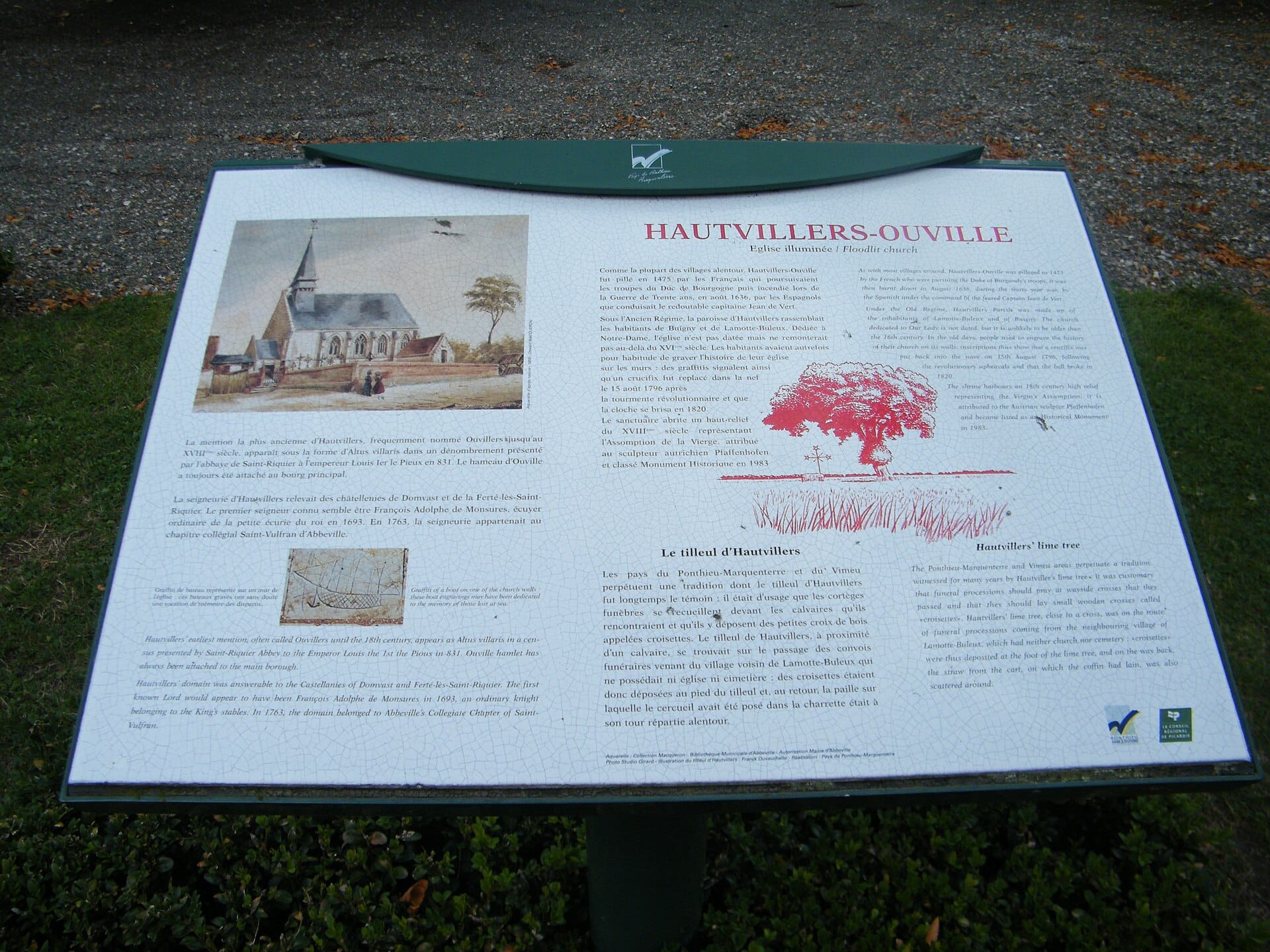
Drive just a few kilometres out of busy Épernay into the hills and you’re suddenly surrounded by an endless sea of picturesque green vineyards. In their midst lies Hautvillers, an unassuming village with an enormous historical legacy. It was in the local ancient abbey that the monk Dom Pérignon worked in the seventeenth century — the one legend credits with inventing champagne and, at his first sip, exclaiming in delight that he was drinking the stars.
Although historians will dryly explain that the monk was actually trying hard to get rid of the bubbles, since the pressure used to shatter the fragile glass bottles, the beautiful myth lives on, and his grave in the local church is practically a pilgrimage site for every wine lover. The village itself is incredibly charming, full of wrought-iron shop signs and narrow cobbled lanes that invite aimless wandering. You’ll find plenty of small family wineries here where you can taste superb wine at a fraction of the price of the big commercial houses in Épernay — and chat directly with the people who made it with love.
6. The Secret of Production: How Champagne Is Born
Understanding the complex production process is absolutely key to truly savouring every glass and grasping its price. The foundation is the so-called méthode champenoise, a strictly regulated process in which the wine undergoes a second fermentation directly inside the sealed bottle. It’s during this lengthy and delicate process that those fine, elegant bubbles form — the ones that turn ordinary wine into a global phenomenon.
A fascinating part of the process is shaking down the yeast, known as remuage, where bottles placed neck-down in special wooden racks are turned by hand a precise amount every single day. While at the big producers this gruelling work is now handled by clever machines called gyropalettes, in many traditional cellars you’ll still see masters who can flick thousands of bottles a day with nothing but a twist of the wrist. The whole ageing process on the lees takes a minimum of fifteen months, but for the finest vintages it stretches to several years, giving the drink its typical flavour of toasted bread and brioche.
7. Tasting Rules: How to Taste and Champagne France Prices for 2026
Tasting in this prestigious region has its own unwritten rules and is definitely not about quickly knocking back a glass at the bar before dinner. During a tasting you’ll always get an expert explanation of the grape varieties — most often Chardonnay, Pinot Noir and Meunier — and you should pay attention to the colour, the bead and the aroma before that very first sip. Don’t be shy about using the spittoons provided, especially if you plan to visit several houses in one day and you’re driving a rental car.
Price levels in 2026 have settled fairly high, and you need to expect that quality and exclusivity come at a generous cost here. Basic tours with a tasting of one or two samples at the big brands run around 40 to 60 euros per person. But if you visit the smaller family wineries scattered across the countryside, they’ll often happily waive the tasting fee if you buy a few bottles to take home at the end. Tours and tastings can frequently be searched and booked very easily through platforms like GetYourGuide, which saves you a lot of hassle translating French websites and gets you instant confirmation of your slot.
8. UNESCO Vineyards and the Montagne de Reims Nature Park
The landscape between Reims and Épernay is made up of wooded hills and sweeping slopes that fall within the protected Montagne de Reims nature park. This area is famous in the wine world for growing the blue Pinot Noir grape, which gives the local wines their much-needed power and structure. The unique terroir here — a perfect combination of the specific chalky soil, the angle of the slopes and a favourable microclimate — is so valuable that it earned a prestigious place on the UNESCO World Heritage list.
The best way to explore this beautiful landscape in detail is to rent an e-bike and set off along the small roads lining the individual plots of vines. You’ll ride through quiet villages labelled Grand Cru — the highest possible classification of vineyard quality in France — and be treated to panoramic views that genuinely take your breath away. 💡 Tip: Stop at the edge of a vineyard and take a close look at the bright white soil; you’ll see with your own eyes the pure chalk that acts as a perfect natural sponge, holding water for the hot summer days.
9. The Harvest Experience and the Vendangeur d’un jour Programme
If you want to experience the region in its rawest and most authentic form, plan your trip for the turn of August and September. This is when the long-awaited harvest takes place and the whole area essentially never sleeps. Narrow roads are blocked by slow tractors, the sweet smell of fermenting must hangs in the air everywhere, and thousands of seasonal workers labour in the vineyards, because machine harvesting is strictly banned here by law and every single grape must be cut by hand.
A huge draw for visitors is a special programme called Vendangeur d’un jour, or Grape Picker for a Day. For a fixed fee, a local winemaker takes you into the rows with secateurs and a basket, shows you how to gently and correctly cut the grapes, and you round off the physically demanding experience with a hearty lunch and a well-earned tasting right there in the sun-drenched vineyard. It’s an unforgettable experience that gives you a whole new appreciation for just how much honest human graft hides behind every luxury bottle on the shop shelves ☺️.
10. The Town of Troyes and Its Medieval Half-Timbered Houses
Head a little further south and you’ll come across the historic town of Troyes, once the original capital of this whole wealthy region. From a bird’s-eye view, its historic centre is shaped exactly like a champagne cork, an incredible quirk of fate and medieval town planning. Troyes instantly charms you with its fantastically preserved architecture and narrow cobbled lanes that beg for long walks.
The town’s biggest highlight is the gorgeous wonky half-timbered houses from the sixteenth century, which often lean so close together that their upper floors almost touch. Stroll down the famous Ruelle des Chats, where you really will see cats leaping from roof to roof, visit the magnificent Gothic Cathedral of Saints Peter and Paul, and enjoy a far calmer, more intimate atmosphere without the huge crowds of tourists who tend to cluster up north around Reims.
11. The Verzenay Lighthouse and Views to Infinity
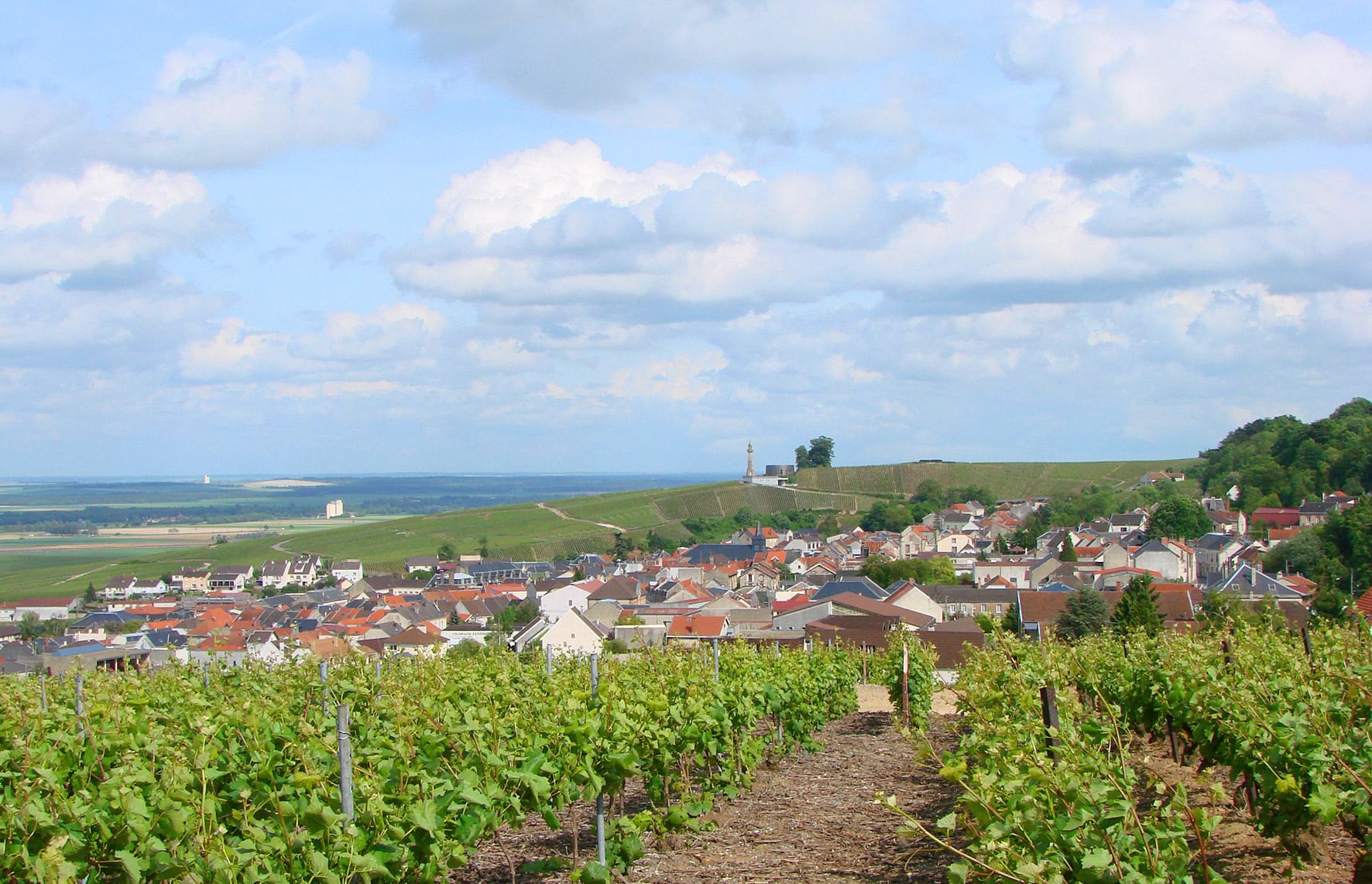
One of the most bizarre and photographed structures in the middle of the French vineyards is undoubtedly the Phare de Verzenay, an unmissable lighthouse that rises on a hill an awfully long way from any sea. It was built at the start of the twentieth century by a local entrepreneur purely as a clever advertising stunt to draw attention to his wine brand at the time, and it fulfils that purpose as a perfect visual beacon flawlessly to this day.
Today, inside this curious and slightly out-of-place building, there’s an interactive museum of the vine, where you’ll learn loads of fun facts about the history of grape growing across the region and the work of winemakers through the seasons. The biggest reward, though, is the climb itself up the spiral staircase to the top of the lighthouse, where a circular view opens out over an endless sea of green vineyards — and on a clear day you can even make out the outline of Reims Cathedral on the distant horizon.
12. Gastronomy and Local Cheeses Paired with Bubbles
The travel experience definitely wouldn’t be complete without a thorough exploration of the local gastronomy, which has been perfectly tuned over the centuries to pair with sparkling wine. Even if you’re not a meat lover, the French cheese culture will utterly captivate you here and keep you going for your entire stay. Local cheeses like the creamy Chaource or the bold Langres go fantastically with the bubbly — and the little dip on top of a Langres is sometimes filled with a small splash of the local Marc de Champagne spirit before serving for an extra flavour kick.
Beyond the matured cheeses, you mustn’t leave without trying the famous pink biscuits, the Biscuits Roses de Reims, which local bakeries have been baking to a traditional secret recipe since the seventeenth century. Their utterly unique trait is that you dip them lightly straight into your glass of champagne before eating — and thanks to their special double baking, they hold their shape and don’t go soggy in your drink. It’s an incredibly elegant, sweet and 100% vegetarian way to round off every great day spent among the vines.
Map of points of interest for your phone
Where to Go Next from Champagne
Now that you’ve made the journey to this part of France, it would be a shame not to explore the other famous regions within driving distance, which offer completely different experiences.
- Turn your attention south and discover Burgundy, where red Pinot Noir reigns supreme alongside famous vineyards and the legendary medieval Hospices de Beaune with its colourful tiled roof.
- If you’re drawn more to fairy-tale architecture and white wines, head east, where the stunning Alsace Wine Route awaits with villages full of flowers and stork nests.
Frequently Asked Questions
How to best get to Champagne from Paris?
The fastest and most comfortable option is to take the TGV high-speed trains, which depart from Paris’s Gare de l’Est station. The journey to Reims takes just 45 minutes and to Épernay a little over an hour. I recommend buying tickets well in advance through the official SNCF app, as last-minute prices increase significantly and trains tend to sell out.
Do I need a car and an environmental sticker for Reims?
You can get by without a car in Reims or Épernay themselves, but for exploring the villages and countryside wineries, a vehicle is a great advantage. However, if you’re driving directly into Reims, you absolutely need the French environmental sticker Crit’Air (costs just over five euros), because the city falls within a strict low-emission zone and without it you risk a €68 fine.
How much do tastings and cellar tours cost?
Prices in 2026 at the large and famous houses range between 40 and 90 euros for a basic tour with a tasting of one or two samples. If you visit small family winemakers in the countryside, tastings are usually significantly cheaper and they often waive the fee altogether if you purchase a few bottles to take home as a souvenir.
Do I need to book a cellar visit in advance?
Yes, for all the major commercial brands and famous houses, advance booking is absolutely essential, even up to a month ahead, especially during summer season and September harvest time. Without a valid online ticket they won’t let you in, because tours run in small groups with a guide and the capacity of the underground spaces is strictly limited.
What’s the weather like in underground chalk cellars?
In the deep chalk tunnels called crayères, there’s a constant year-round temperature of around 10 to 12 °C and very high humidity, so you might get cold quite quickly. Even when it’s scorching hot summer weather outside, always bring a sweater, light jacket and closed-toe shoes for the hour-long underground tour, so you don’t spoil the experience by getting chilled.
Is the region suitable for vegetarians too?
Absolutely! While French gastronomy often revolves around meat, in this region you’ll find fantastic enjoyment in the form of local cheeses, such as the wonderfully creamy Chaource or the distinctive Langres, which pair perfectly with bubbles. In restaurants, you can easily order meat-free menus, and don’t forget to taste the famous pink biscuits from Reims.
Can I just walk through the vineyards for free?
Yes, most vineyards are freely accessible for walking and cycling on paved paths and asphalt roads between individual plots. However, remember that the vine rows themselves are private property, so make sure not to pick grapes, damage the vines, and respect the heavy machinery that often moves along the paths.
Tips and Tricks for Your Vacation
Don’t Overpay for Flights
Search for flights on Kayak. It’s our favorite search engine because it scans the websites of all airlines and always finds the cheapest connection.
Book Your Accommodation Smartly
The best experiences we’ve had when looking for accommodation (from Alaska to Morocco) are with Booking.com, where hotels, apartments, and entire houses are usually the cheapest and most widely available.
 🚗 Car rental on the roadVerified rental cars in Alsace and Burgundy
Search with the DiscoverCars comparison engine — it compares prices from dozens of local and international rental companies, and most bookings come with free cancellation.
Compare car prices in Alsace and Burgundy →Don’t Forget Travel Insurance
Good travel insurance will protect you against illness, accidents, theft, or flight cancellations. We’ve had a few hospital visits abroad, so we know how important it is to have proper insurance arranged.
Where we insure ourselves: SafetyWing (simple monthly subscription) and TrueTraveller (for extra-long trips).
Find the Best Experiences
Get Your Guide is a huge online marketplace where you can book guided walks, trips, skip-the-line tickets, tours, and much more. We always find some extra fun there!