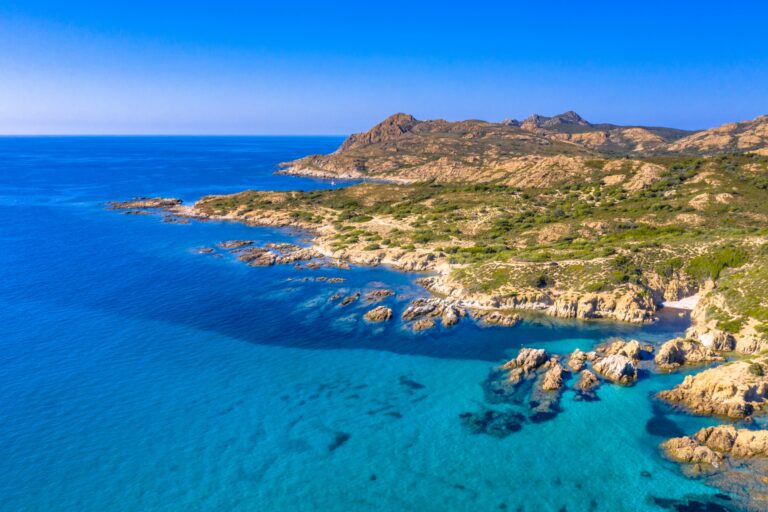
The moment you step off the ferry and take your first deep breath, you feel it. The air is a heady blend of wild thyme, rosemary, myrtle and sun-baked earth. Corsicans call this distinctive scrubland the maquis. Napoleon Bonaparte once supposedly claimed he could recognise his home island blindfolded, purely from this unique fragrance. A Corsica road trip really does begin with the nose before the eyes.
Corsica has more than earned its nickname, the Island of Beauty. Don’t expect the polished French Riviera here, though, with its tidy promenades and pricey boutiques. This island is rugged, proud and unforgiving of driving mistakes. It’s essentially one enormous mountain range that somebody picked up and carelessly dropped into the middle of the Mediterranean.
If you’re after a destination for an adventurous road trip in 2026, you’ve come to exactly the right place. In the morning you can scramble up cliffs with steel chains bolted into the rock, and by afternoon wash the sweat off your face in a turquoise lagoon. I’ve put together a detailed eight-day itinerary that will reliably guide you through the very best of what Corsica has to offer.
TL;DR
- Total route length: Roughly 600 to 700 kilometres. The island looks small, but on the winding mountain roads the kilometres pass painfully slowly and your average speed stays low.
- Recommended time: Exactly 8 full days for the loop itself, with the option to stretch it to 10 days for a slower pace and longer rest stops on the beaches.
- When to go: The best months are May, June and September. Avoid August at all costs because of the extreme crowds and wildly inflated prices.
- Transport: A car is an absolute must. Without one you’re practically stranded on the island and won’t reach the most beautiful hidden coves.
- What to look forward to: Red granite cliffs plunging into the sea, snow-white Caribbean-style beaches, towering mountain peaks and historic Genoese citadels.
- Top tip: Book your ferry from the mainland ideally six months ahead, because high-season capacity disappears at an incredible rate.
The full destination guide: Corsica — guide and what to see
When to Set Off on This Trip
Picking the right dates is absolutely crucial to a successful Corsica road trip and can decide whether you fall head over heels for the island or leave it utterly drained. The ideal months to visit are May, June and September, when the weather is already gloriously sunny and the autumn sea stays pleasantly warm long after summer. In this period you can breathe freely on the roads, empty coves are almost all yours and accommodation prices stay within reason. You can sip your morning coffee in quiet historic alleyways without the stress of finding nowhere to park near the beach.
August, on the other hand, you should avoid like the plague, because that’s the month when the French and Italians take their national holidays and storm the island en masse. Compared to July there are suddenly two to three times as many tourists, which puts an enormous strain on the island’s infrastructure. The narrow mountain roads regularly turn into endless car parks, and drivers lose their patience in tailbacks that form even in remote spots high in the mountains.
The finest white-sand beaches in the south-east are hopelessly booked out in summer, and the prices of ferries and accommodation soar to truly absurd heights. Even in the campsites you can struggle to find a free pitch for an ordinary small tent. If you have no choice but to travel during the summer holidays, arm yourself with enormous patience and always set out on your day trips early in the morning, ideally at first light, to dodge the biggest crowds.
Also consider a trip in very early October, when autumn Corsica has a wonderfully calm charm, nature’s colours start to turn and the tourist bustle dies down. Whatever dates you settle on, buy your ferry tickets well in advance, because capacity for the most popular crossings vanishes in a flash and you might not get on board at all if you leave it until you arrive.
Practical Info: Car, Transport and Budget
You can reach the island by plane at one of four local airports, but most travellers quite rightly opt for the ferry. For visitors from the UK, the most straightforward approach is to fly to a southern French city such as Nice or Marseille and pick up the ferry there. The fastest crossing runs from Nice to Bastia, taking roughly six to seven hours of actual sailing. From Toulon allow eight to ten hours, and Marseille is historically the longest route, where you’ll be at sea for twelve to fourteen hours, so it’s well worth paying extra for an overnight cabin.
If you want to save a serious amount of money, consider departing from mainland Italy, because the Italian ports are consistently the cheapest and the crossing from Livorno takes only about four hours. A foot passenger pays between €40 and €100 for a ticket, but once you add a car and travel as a pair, a return ticket will set you back anywhere between €250 and €1,000. It all depends mainly on how far ahead you book and exactly which season you travel in.
On the island itself a car is quite simply a question of survival, and without one you’re completely stuck in Corsica. Public transport does technically exist, but relying on it means spending your holiday waiting at bus stops where the bus might turn up and might not. A car gives you total freedom to discover empty coves and explore remote mountain passes entirely at your own pace.
The roads here are very often carved straight into sheer rock. Corsican roads are narrow, incredibly winding and full of animals, so be prepared for an average speed that rarely tops forty kilometres per hour. A budget for a week-long road trip for two people with your own car and guesthouse accommodation works out at roughly €1,500 to €2,000, depending on how much you treat yourselves in the local taverns.
Day-by-Day Itinerary
This detailed plan is cleverly designed so you loop around the whole island anticlockwise. That keeps you driving on the outer side of the road, where you’ll have the best and most photogenic sea views the entire time.
Day 1: Bastia and the Northern Cape, Cap Corse
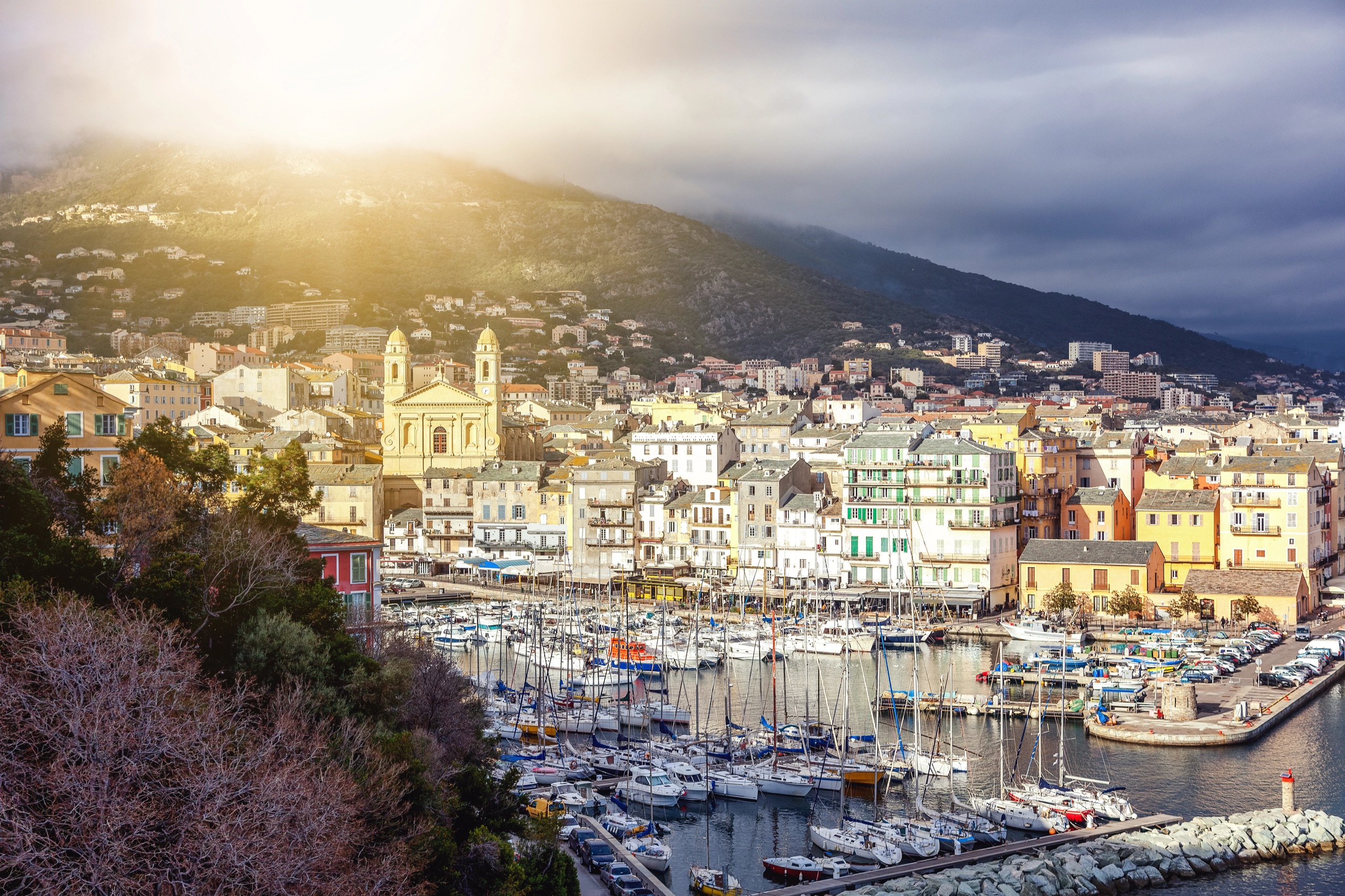
Your adventurous road trip kicks off as you disembark in the bustling port of Bastia in the north-east of the island, the main gateway for ferries. This town is beautifully authentic, a touch rough around the edges at first glance, and the narrow lanes of the old harbour smell gorgeously of fish and ripening cheese. Be sure to make time for a morning coffee by the port and soak up the genuine local atmosphere before you climb into the car for the first time and head north.
The main goal of the day is Cap Corse, a thirty-kilometre peninsula that points like a raised finger towards Genoa in Italy. It’s essentially Corsica in miniature, where a narrow coastal road leads you past old Genoese watchtowers, tiny fishing villages and steep slopes plunging dangerously into the waves. The views here are absolutely breathtaking, especially on the western side of the peninsula, and they’ll have you stopping every other kilometre.
In the afternoon I’d suggest dropping down into the picturesque Patrimonio region, famed for its green vineyards and offering quite simply the best wine tastings on the island. For dinner, stop at a local tavern and order the excellent vegetarian pizza made with chestnut flour and fresh local sheep’s cheese, brocciu. The locals may love their hearty cured meats, but you’ll find a surprising number of meat-free, light dishes made from fresh vegetables here too.
💡 Tip: For your first night, stay in the harbour town of Saint-Florent, just a stone’s throw from Patrimonio. You’ll find it easily on Booking.com, and it makes a strategically brilliant base for the onward journey west.
Day 2: Calvi and the Balagne Coast
Right after breakfast, set off from Saint-Florent heading west across the parched Agriates desert, which makes a fascinating contrast to the green vineyards. The winding road brings you to the lovely harbour town of L’Île-Rousse, which got its curious name from the deep-red granite islets scattered just off the coast. Stop here for a mid-morning coffee, stroll along the promenade and drink in the wonderfully laid-back morning atmosphere, in sharp contrast to the wild nature all around.
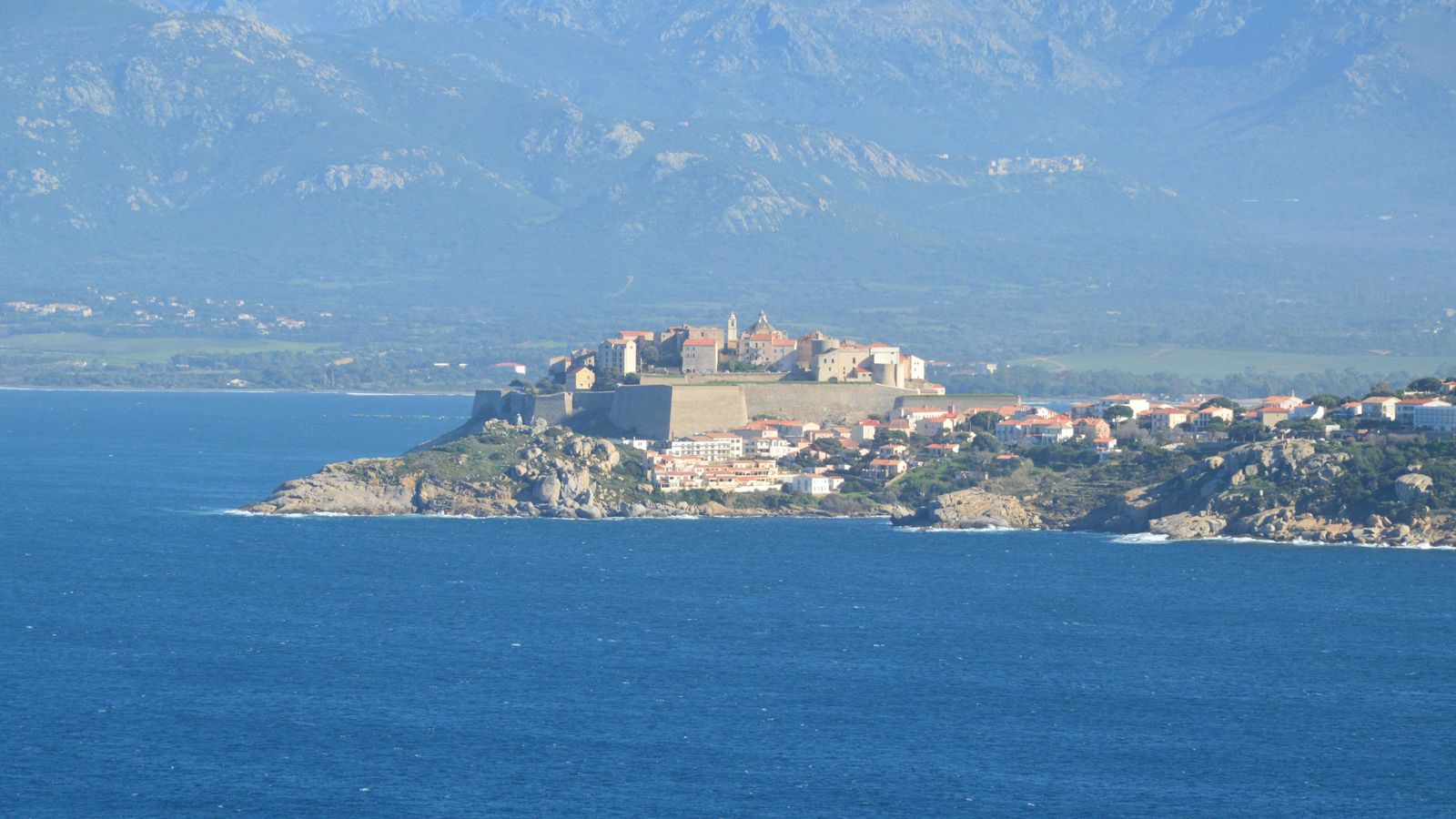
The day’s main goal is the enchanting town of Calvi in the north-west, confidently dominated by its huge historic citadel. This fortress rises on a rocky spur directly above the sea, and within its walls hides an intricate maze of cobbled lanes dotted with charming cafés where you could happily spend a whole afternoon. For lovers of tough mountain hiking, it’s worth knowing that the northern (and most brutal) section of the famous GR20 trek starts nearby, from the village of Calenzana.
The region around Calvi is called Balagne, and it boasts beautiful sandy beaches with a very gentle slope into the sea, perfect for an afternoon of relaxation. For a late lunch, try the traditional Corsican soup, made from a huge amount of fresh vegetables, local beans and fragrant herbs gathered straight from the maquis. It will reliably keep you going for the rest of an afternoon spent swimming and exploring the hidden lanes of the old town.
💡 Tip: Calvi is an absolutely ideal spot for a peaceful overnight stay. Book a room via Booking.com at the Le Magnifique hotel or one of the smaller romantic guesthouses right beneath the old citadel.
Day 3: The Gulf of Porto and the Scandola Nature Reserve
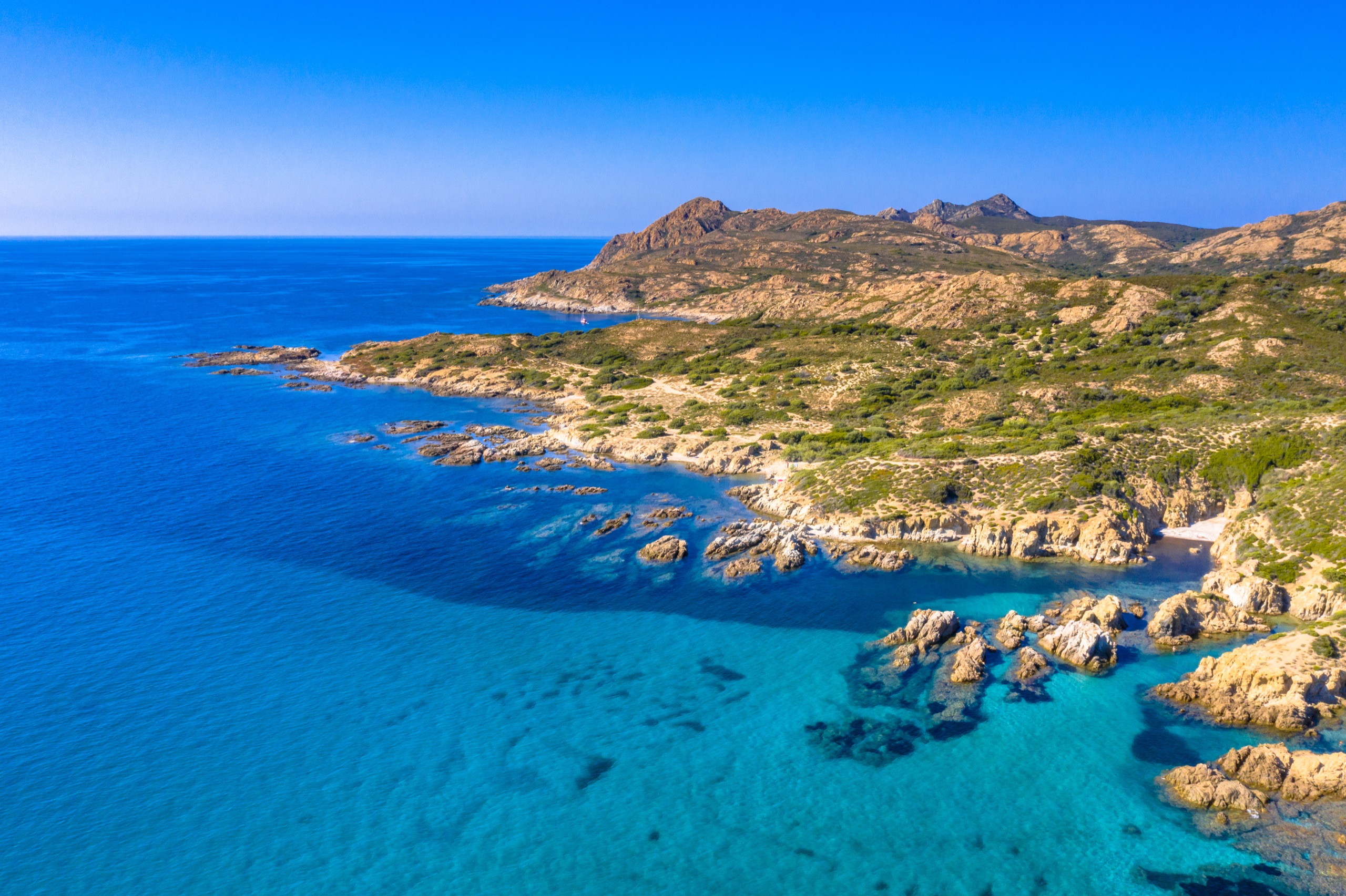
On day three a fascinating drive awaits along the west coast heading south, where the island shows its most dramatic face. This part of Corsica is all about wild nature, where high mountains meet the sea in the strangest volcanic shapes. Your main destination is the magnificent Gulf of Porto and the adjacent protected cove of Girolata, where for a while you’ll forget civilisation even exists.
A little north of Porto lies the strictly protected Scandola nature reserve, which quite rightly falls under UNESCO protection. It’s one of the few places in France you absolutely cannot reach by car, and for conservation reasons you can’t even get there on foot. The only way to see this unique volcanic landscape full of dark caves, red cliffs and nesting ospreys is to take a tour boat from the port in Porto or Calvi.
The rules here are extremely strict, and from the boat there’s an absolute ban on stepping ashore, so as not to disturb the local wildlife. The fragile ecosystem is so overburdened by boat traffic that the park authority is bringing in very tough measures, and around 2027 strict quotas for incoming vessels should come into full effect. I’d therefore recommend planning your trip well in advance and buying tickets via GetYourGuide as early as you can before departure.
💡 Tip: Stay overnight right in the small town of Porto. In the morning it’s just a few dozen steps to the harbour, and in the evening you’ll enjoy an unforgettable sunset over the gulf.
Day 4: Calanche de Piana and the Drive to Ajaccio
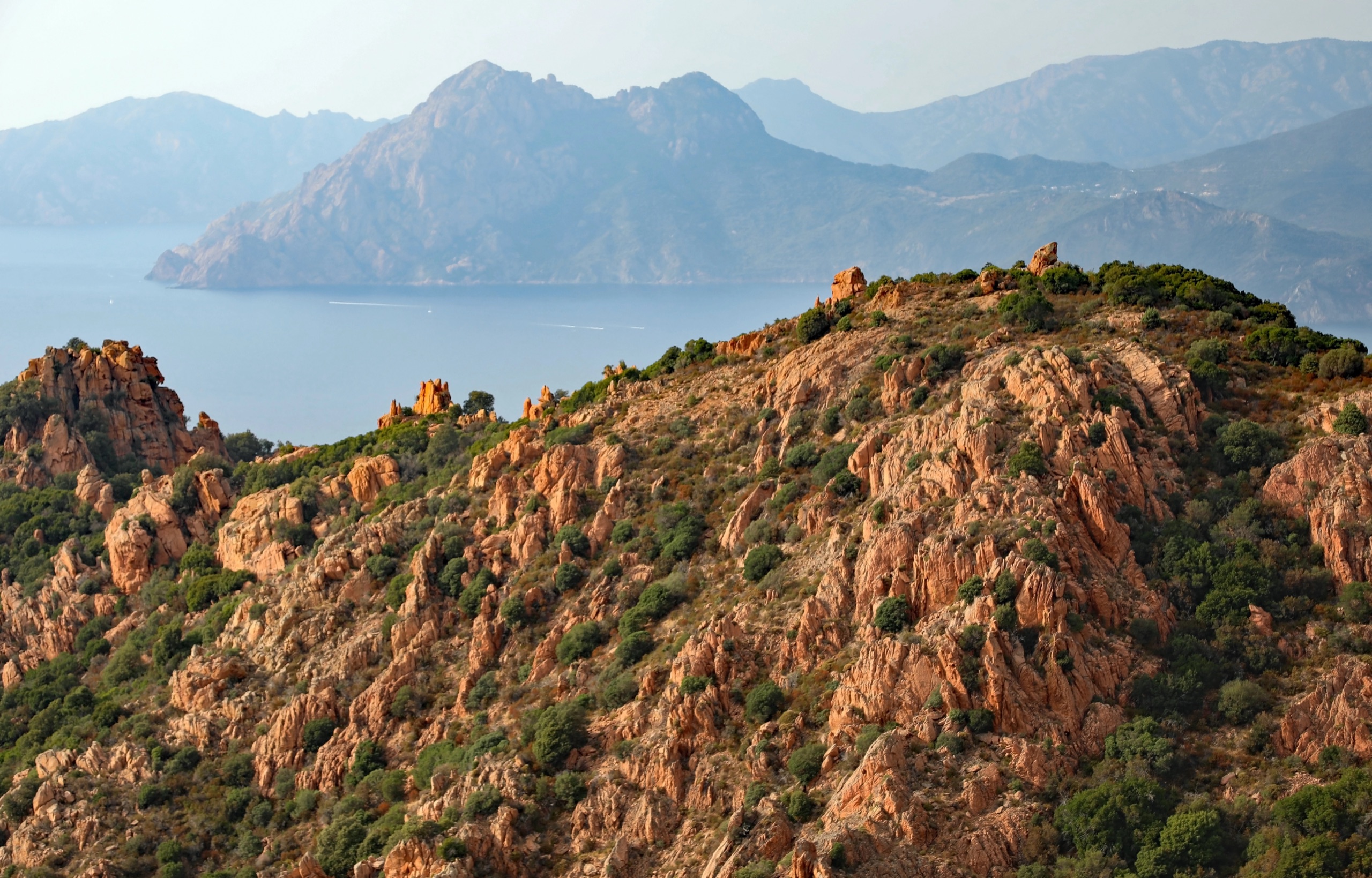
Early in the morning, head out onto the panoramic D81 road that links Porto with the picturesque mountain village of Piana. You’ll drive through the staggering Calanques de Piana, where granite formations eroded over millennia drop hundreds of metres straight into the churning sea. Forget the white limestone cliffs you might know from the French mainland near Marseille, because here the rock is literally blood-red and creates an utterly magical spectacle, especially in the morning light.
In these dramatic spots the road is carved straight into the rock, and driving it takes genuinely steady nerves. It’s so unbelievably narrow that when two buses meet on a bend, the drivers have to manoeuvre to the millimetre and you’ll be holding your breath. Pull over at one of the little laybys and take a short hike down to the coast, because in the late afternoon sun the rocks glow a deep crimson and your photos won’t need any filter at all.
In the afternoon a smooth transfer awaits to the island’s capital, Ajaccio, birthplace of the famous commander Napoleon Bonaparte, whose historic traces you’ll find on every corner. The streets are full of busy cafés and statues of the emperor, there’s an international airport, and the overall atmosphere is noticeably more urban and French than in the rest of the island.
💡 Tip: In Ajaccio, find a cosy restaurant in the historic centre for dinner and try the local pasta with a rich cheese sauce and fresh herbs gathered straight from the wild maquis.
Day 5: Mountain Corte and the Restonica Gorge
On day five you’ll leave the coast behind for good and head off to explore the rugged, quiet interior, home to the island’s true soul. The heart of Corsica offers travellers an entirely different world, ruled by absolute calm, the deep chestnut forests of the Castagniccia region and sharp granite peaks rising majestically skyward. Your main destination is the historic town of Corte, rightly regarded as the spiritual centre of all Corsica, and in the eighteenth century the seat of the first independent Corsican government under Pasquale Paoli.
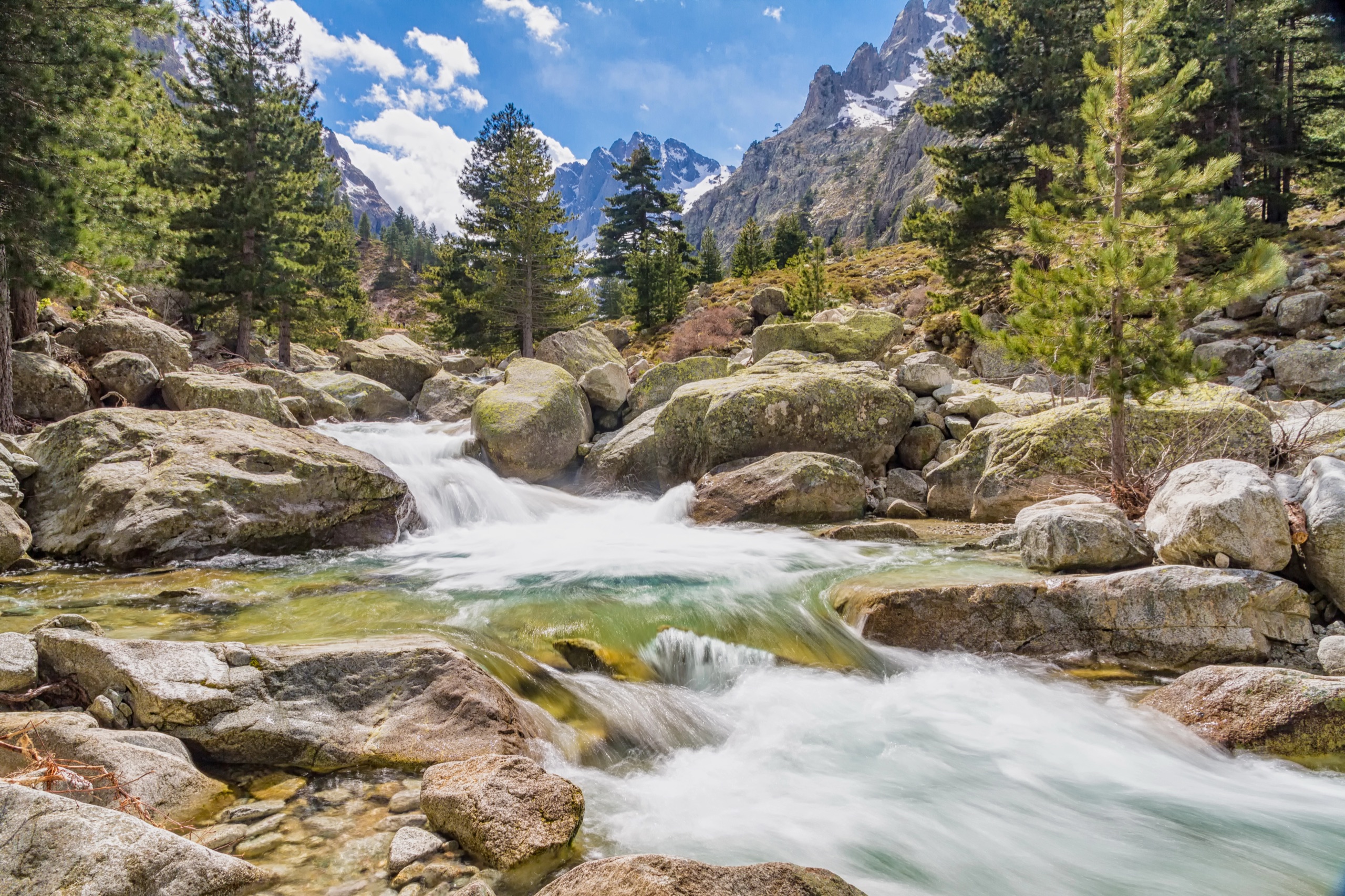
Corte is surrounded on all sides by high mountains and is still home to the island’s only university, which gives the ancient town a very pleasant, lively student atmosphere. From the town a narrow road easily takes you to the renowned Restonica Gorge, one of the most beautiful natural jewels of the interior. The road along the icy mountain river is exceptionally narrow and ends at a car park high in the mountains, where I’d recommend arriving as early in the morning as possible.
From there you can set off on a stunning but physically demanding hike to the crystal-clear mountain lakes of Melo and Capitello. Be warned in advance that even in the height of summer the water is icily refreshing, and only the very hardiest souls dare to take a dip. After a tough trek you’ll deserve a proper reward in the evening, so don’t forget to order the excellent Corsican beer Pietra, unusually brewed from local edible chestnuts.
💡 Tip: Staying in the mountains has its own very particular charm. Find a small stone guesthouse right in Corte via Booking.com and enjoy the cooler mountain air.
Day 6: The Bavella Needles and the Descent South
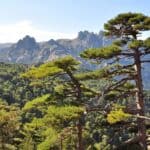
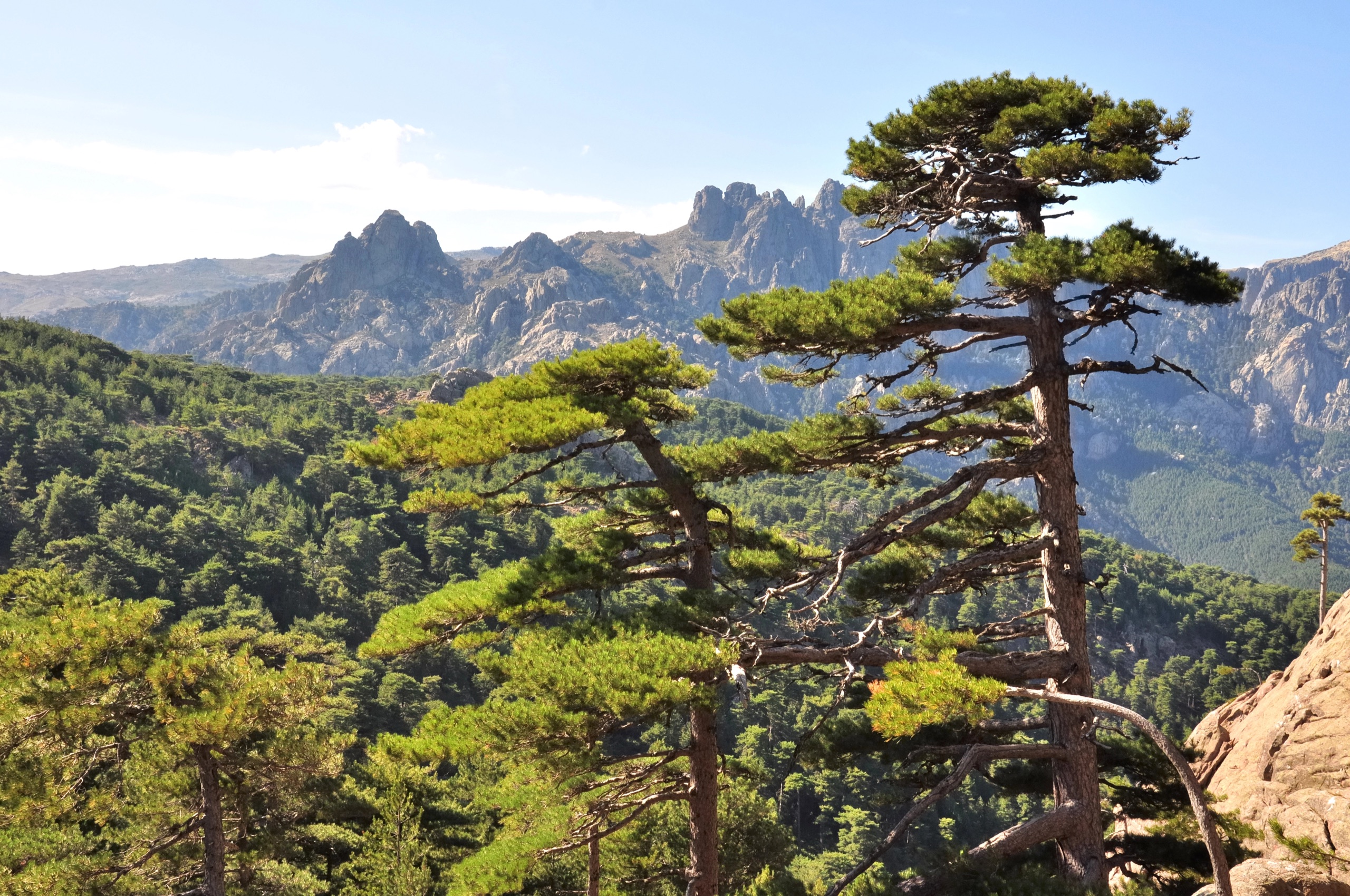
Today a long but visually stunning drive awaits across the majestic interior towards the longed-for south of the island. You’ll pass the iconic Aiguilles de Bavella, fittingly known as the Bavella Needles, and they’ll take your breath away. They’re sharp, jagged granite towers soaring high above green pine forests, creating an utterly unforgettable Corsican panorama.
This mountain region is an absolute paradise for climbers and keen canyoning enthusiasts who travel here from all over Europe. It’s right here that it fully dawns on you that Corsica is in fact just a giant mountain set in the sea. Don’t forget to pack sturdy hiking boots, because even short walks from the road demand a sure footing, and in beach flip-flops you really wouldn’t get far over the sharp stones.
From the cool mountains you’ll then descend down long hairpin bends back to the coast, all the way to the far south of the island and the town of Bonifacio, where the hot Mediterranean air hits you. The contrast between the cold mountains and the sun-warmed coast is utterly fascinating and beautifully shows off the island’s enormous variety. For dinner in Bonifacio, try the delicious aubergine baked with tomatoes and delicate sheep’s cheese in one of the romantic restaurants right by the busy harbour.
💡 Tip: The drive from Corte via Bavella to Bonifacio takes nearly the whole day. So set off really early in the morning to leave plenty of time for photos and safe stops at the viewpoints.
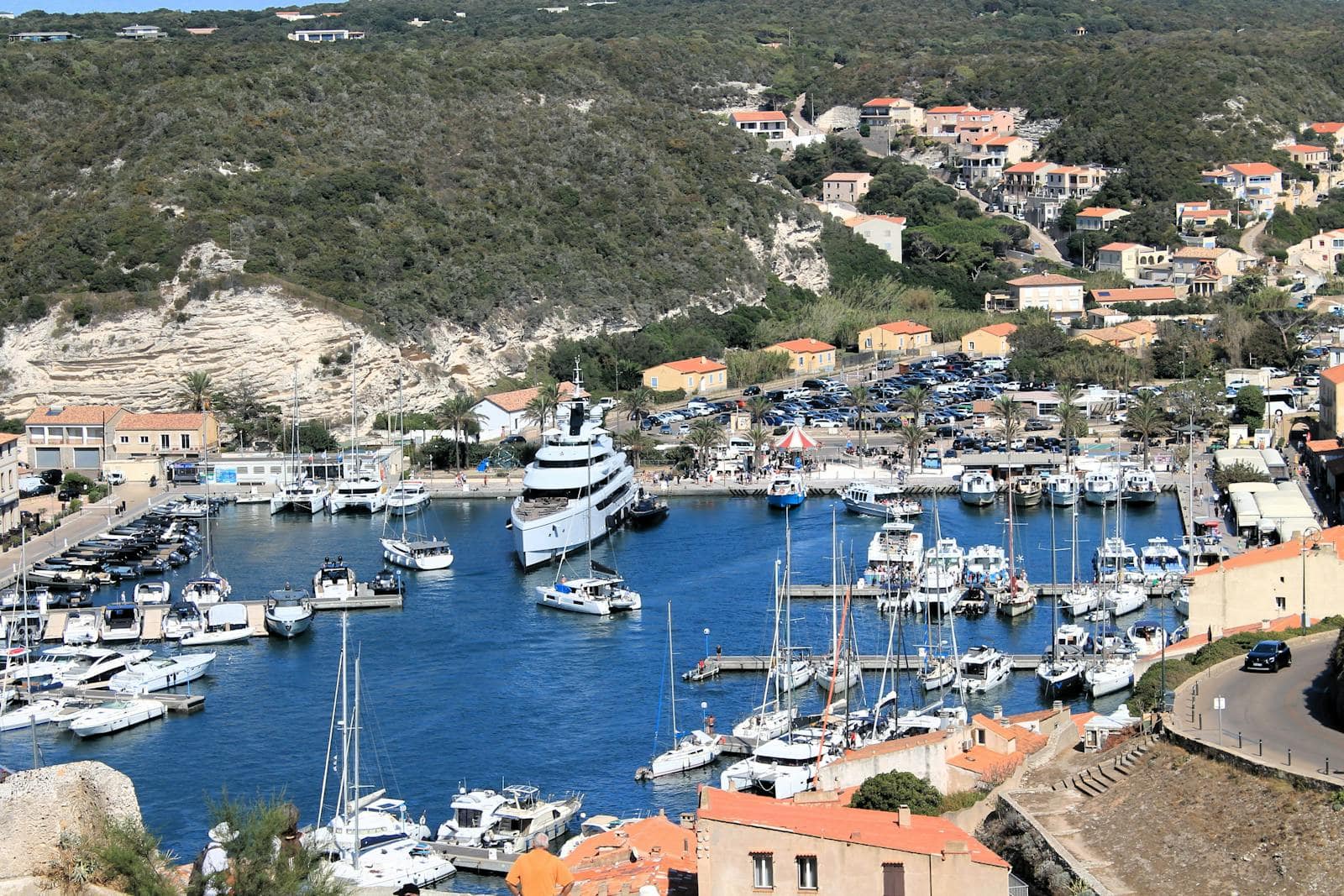

Day 7: Bonifacio, the Town on the Cliffs
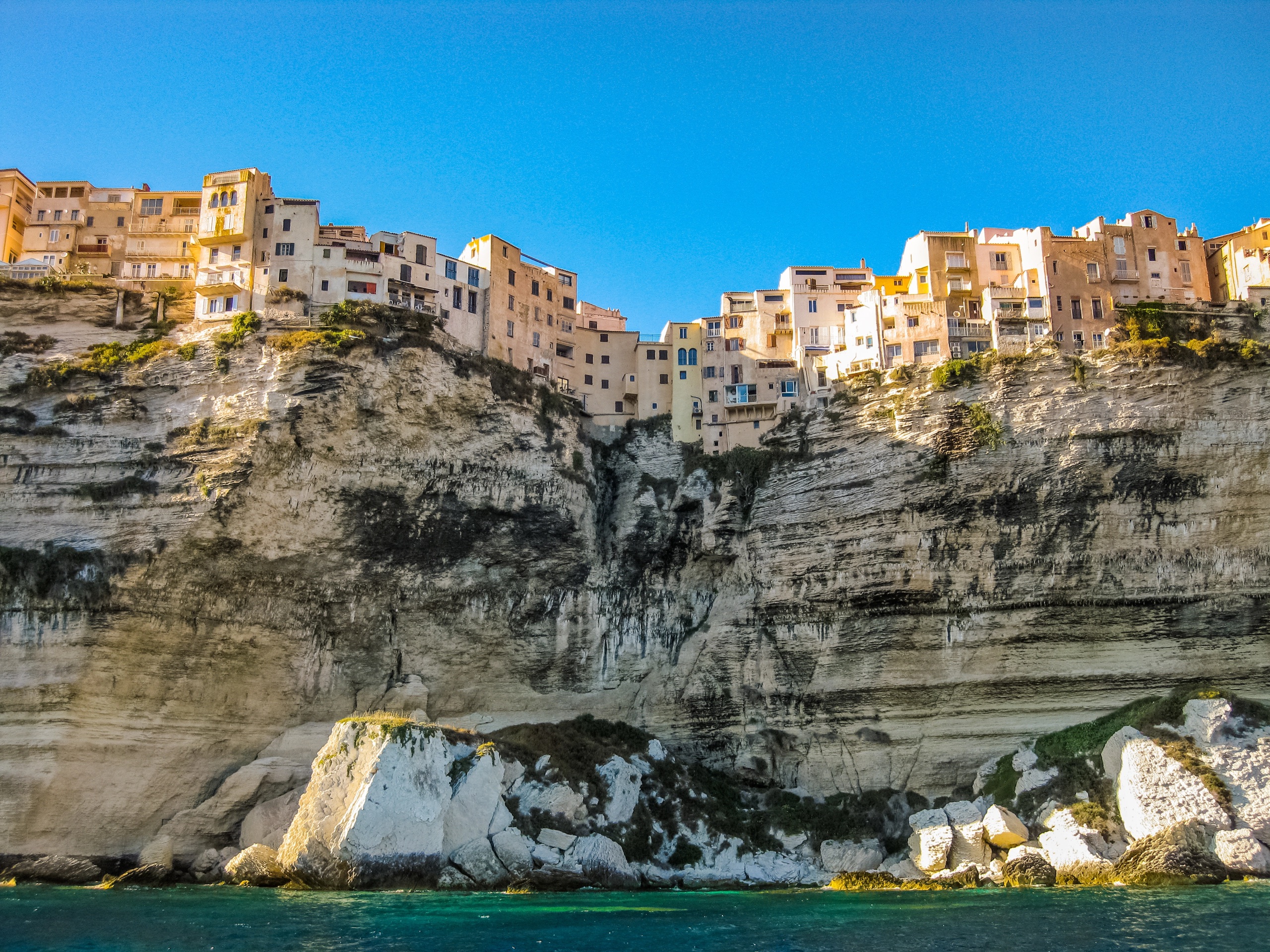
If you could only visit one place in Corsica, it absolutely has to be Bonifacio, because it will knock you off your feet. This ancient town literally defies the laws of gravity, with its old quarter and mighty citadel balanced right on the very edge of dazzling white limestone cliffs. These cliffs drop sheer into the churning sea far below, and the historic houses look as though they might slide into the waves at any moment.
Be sure to visit the famous Aragonese Steps, exactly 187 steps carved straight into the steep rock face beneath the citadel. According to old legend they were cut by Aragonese soldiers in a single dark night during a siege in 1420, though in reality the credit more likely goes to Franciscan monks searching for a freshwater spring. Either way, the descent down to the water and the steep climb back up in the blazing sun is a workout your legs won’t soon forget.
Bonifacio is also the gateway to the Lavezzi archipelago, where I’d thoroughly recommend an afternoon boat trip. It’s a gorgeous nature reserve formed of huge granite boulders scattered through crystal-clear water, where you won’t find a single scrap of shade or a refreshment stand. Take huge supplies of drinking water, a snorkel and genuinely good sun cream, otherwise you’ll burn within the first hour.
💡 Tip: Tour boats to Lavezzi leave directly from the harbour in Bonifacio at regular intervals. You can buy tickets right there at the stands, but in season I’d recommend turning up early in the morning.
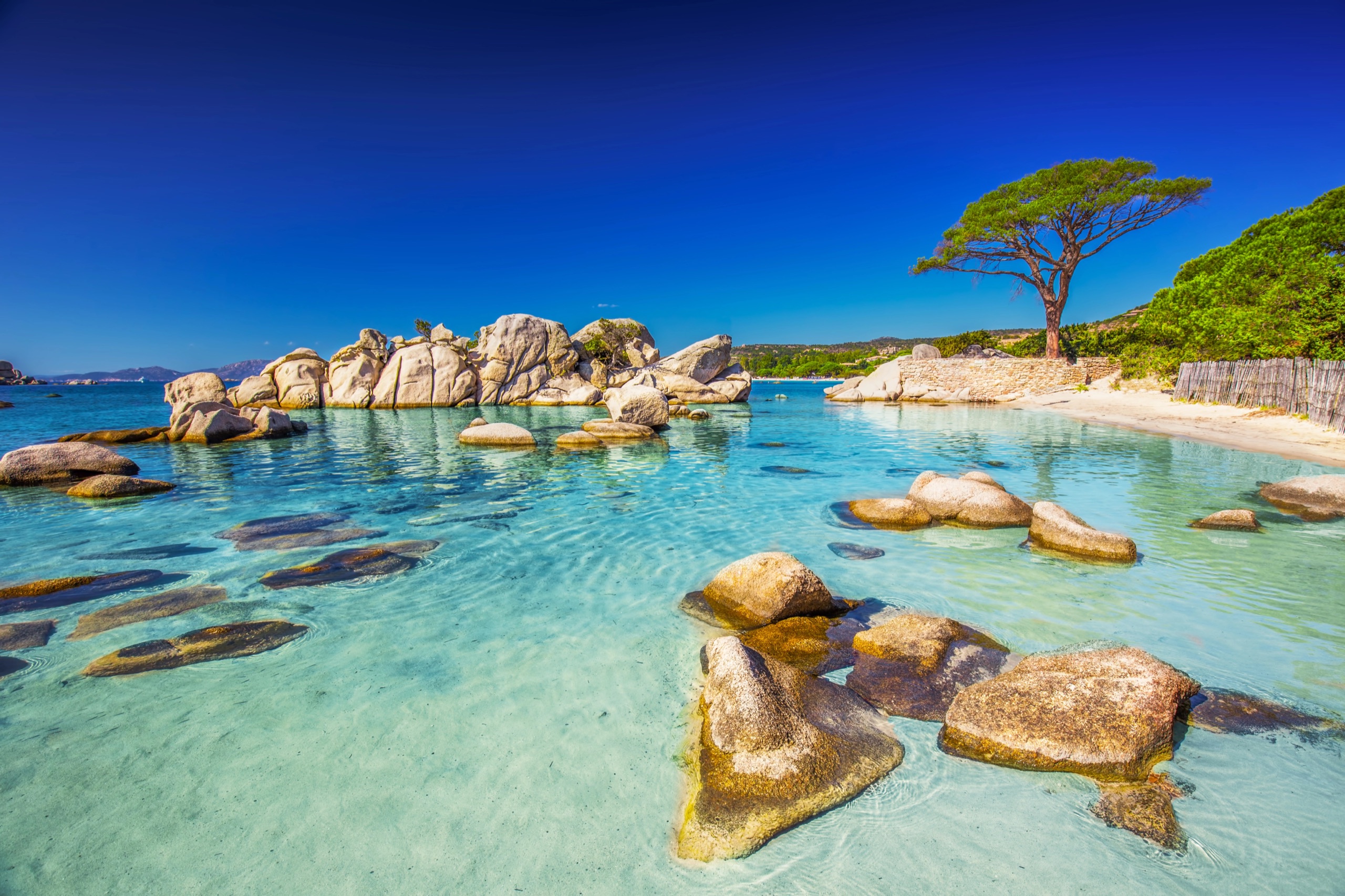
Day 8: The Caribbean of the Mediterranean and the Beaches of Porto-Vecchio
Devote the final day of your road trip entirely to the south-east coast below the town of Porto-Vecchio, which has earned the island its nickname as Europe’s Polynesia. The sand here is white and fine as flour and the sea shimmers in every conceivable shade of blue and azure, so at times you’ll feel more like you’re somewhere in the Caribbean than in France. Just be prepared that, in season, you’re far from the only one who knows about this beauty.
Definitely stop at the most famous beach on the whole island, Palombaggia, lined by the crowns of mighty umbrella pines offering merciful shade. Beautiful red porphyry rocks poke out of the shallow water here and there, creating the perfect picture-postcard scene. But come early in the morning, because the narrow access road clogs up incredibly fast, and after nine o’clock parking turns into an outright battle.
Another superb choice for swimming is the bay of Santa Giulia, which forms a perfect horseshoe-shaped natural lagoon. The water here is so calm and stays shallow for so incredibly far that you feel like you’re standing in a giant heated swimming pool, ideal for hiring a paddleboard. In the afternoon, all that’s left is a brisk drive along the main eastern road back to Bastia for the evening ferry, on which you’ll bid farewell to this magical island.
💡 Tip: A little further south, the gorgeous bay of Rondinara hides away from the tourist crowds. Its shape resembles a seashell, and because it’s tucked between two wooded peninsulas it’s beautifully sheltered from the wind. In 2019 it was even ranked among the world’s top 10 best beaches.
Where to Stay Along the Route
💡 Accommodation and experiences tip: We like to search for places to stay on Booking.com, where the cancellation terms are usually the best. For tickets, tours and activities, it’s worth comparing and booking through GetYourGuide.
When planning your accommodation in Corsica, it’s absolutely key not to spend the whole holiday in just one place and commute out to the far-flung corners of the island. I’d recommend switching base every two nights, to effectively cut down on the long and very tiring drives along the winding mountain roads, where the average speed often drops below forty kilometres per hour. The ideal approach is to cleverly mix coastal towns with the cooler interior, showing you both of the island’s beautiful faces in full glory.
In the north of the island, Bastia or nearby Saint-Florent make an excellent and strategic base, easily within reach of Cap Corse. In Saint-Florent you’ll find lovely smaller hotels, such as Hotel La Roya, which offers perfect peace and easy access to both the beaches and the mountains. To explore the Balagne region, go for Calvi and stay within walking distance of the citadel, so you can enjoy evening strolls without the hassle of hunting for a free parking space.
On the west coast I’d recommend dropping anchor right in the Gulf of Porto, from where you can easily set off early in the morning for the boat to the Scandola reserve. For example, Hotel Capo d’Orto offers fantastic views straight out over the red granite rocks and the open sea. In the mountains, look for accommodation in Corte, where there are plenty of small family-run guesthouses with an authentic Corsican atmosphere and excellent local breakfasts that will reliably charge you up for long mountain hikes.
The far south calls for at least two relaxed nights in Bonifacio or Porto-Vecchio, to give yourself enough time for the white-sand beaches and the dramatic limestone cliffs. In Bonifacio, try the popular Hotel des Etrangers, from where you can very easily walk to the historic centre and the Aragonese Steps. Don’t forget to book your 2026 accommodation well ahead, ideally as early as winter, because the best places vanish for good by early spring and last-minute prices are very painful indeed.
Where to Go Next
If travelling around the French regions has captured your heart, don’t miss the other beautiful spots. Read our comprehensive Southern France Road Trip, packed with masses of inspiration for the mainland part of this wonderful country.
For more detailed information about the island itself, be sure to check out our in-depth article on Corsica. And if the white cliffs in the photos fascinate you, don’t skip our dedicated article focused squarely on the town of Bonifacio.
And for the most hardcore hikers and adventurers, we have a separate guide to the legendary mountain crossing. Find out everything you need to know in our article on the GR20, which will get you perfectly prepared for the toughest trek in all of Europe.
Frequently Asked Questions
Do I absolutely need a rental car in Corsica?
Yes, a car is an absolute and non-negotiable necessity for exploring the island. Public transport is very limited, unreliable, and won’t get you to the most beautiful beaches or mountain villages. Without a car, you’ll see only a tiny fraction of what the island has to offer and spend a lot of time waiting unnecessarily at stops in the heat.
How much does the ferry to Corsica cost for two people with a car?
Prices for 2026 vary very dynamically depending on season and how far in advance you book. A return ticket from France or Italy for two adults with a car will cost you roughly €250 to €1,000. Historically, sailings from the Italian port of Livorno are the cheapest, while from Marseille you’ll pay much more for the 14-hour crossing.
When is the absolute best time to visit the island?
The best months for a relaxed road trip are May, June, and September. The weather is very pleasant, the roads are less crowded, and in autumn the sea remains beautifully warm from summer. I strongly recommend avoiding August because of the huge crowds of French and Italian tourists—when the number of people on the island triples—and the extreme prices.
Is driving in Corsica really dangerous?
Driving requires great caution and very steady nerves. Mountain roads are extremely narrow, winding, and often carved directly into cliffs above chasms without proper guardrails. But if you drive slowly, honk preventively before blind corners, and don’t let local drivers throw you off, you’ll manage without problems.
What local food should vegetarians try?
Corsica is an absolute paradise for cheese and edible chestnuts. Definitely try the local sheep’s cheese brocciu, traditional hearty vegetable soup, meatless pasta, and pizza made from chestnut flour. In the mountains, don’t miss the excellent chestnut beer Pietra or baked eggplant, which tastes absolutely perfect after a full day of hiking.
Is wild camping allowed on the island?
No, pitching a tent anywhere in the open countryside is strictly and uncompromisingly prohibited across the entire island and is heavily enforced. This also applies to the famous mountain trek GR20, where you must camp exclusively in the immediate vicinity of official mountain huts called refuges, and only with mandatory prior reservation, which is essential nowadays.
How long does it take to drive around the entire island?
Although the island measures just under two hundred kilometers in length, you need a minimum of seven to ten days for the complete circuit. Because of the very challenging terrain and winding roads, kilometers pass very slowly, average speed is low, and you’ll also want to constantly stop at narrow pull-offs for breathtaking views.
Where can I find the absolute most beautiful beaches?
The most beautiful white-sand beaches reminiscent of the Caribbean are in the southeast around the town of Porto-Vecchio. Among the absolute most famous and most photographed are Palombaggia beach lined with pine trees, the shallow lagoon of Santa Giulia full of paddleboarders, and the perfectly sheltered bay of Rondinara, which has the shape of a perfect shell.
Tips and Tricks for Your Vacation
Don’t Overpay for Flights
Search for flights on Kayak. It’s our favorite search engine because it scans the websites of all airlines and always finds the cheapest connection.
Book Your Accommodation Smartly
The best experiences we’ve had when looking for accommodation (from Alaska to Morocco) are with Booking.com, where hotels, apartments, and entire houses are usually the cheapest and most widely available.
 🚗 Car rental on the roadVerified rental cars in Corsica
Search with the DiscoverCars comparison engine — it compares prices from dozens of local and international rental companies, and most bookings come with free cancellation.
Compare car prices in Corsica →Don’t Forget Travel Insurance
Good travel insurance will protect you against illness, accidents, theft, or flight cancellations. We’ve had a few hospital visits abroad, so we know how important it is to have proper insurance arranged.
Where we insure ourselves: SafetyWing (simple monthly subscription) and TrueTraveller (for extra-long trips).
Find the Best Experiences
Get Your Guide is a huge online marketplace where you can book guided walks, trips, skip-the-line tickets, tours, and much more. We always find some extra fun there!