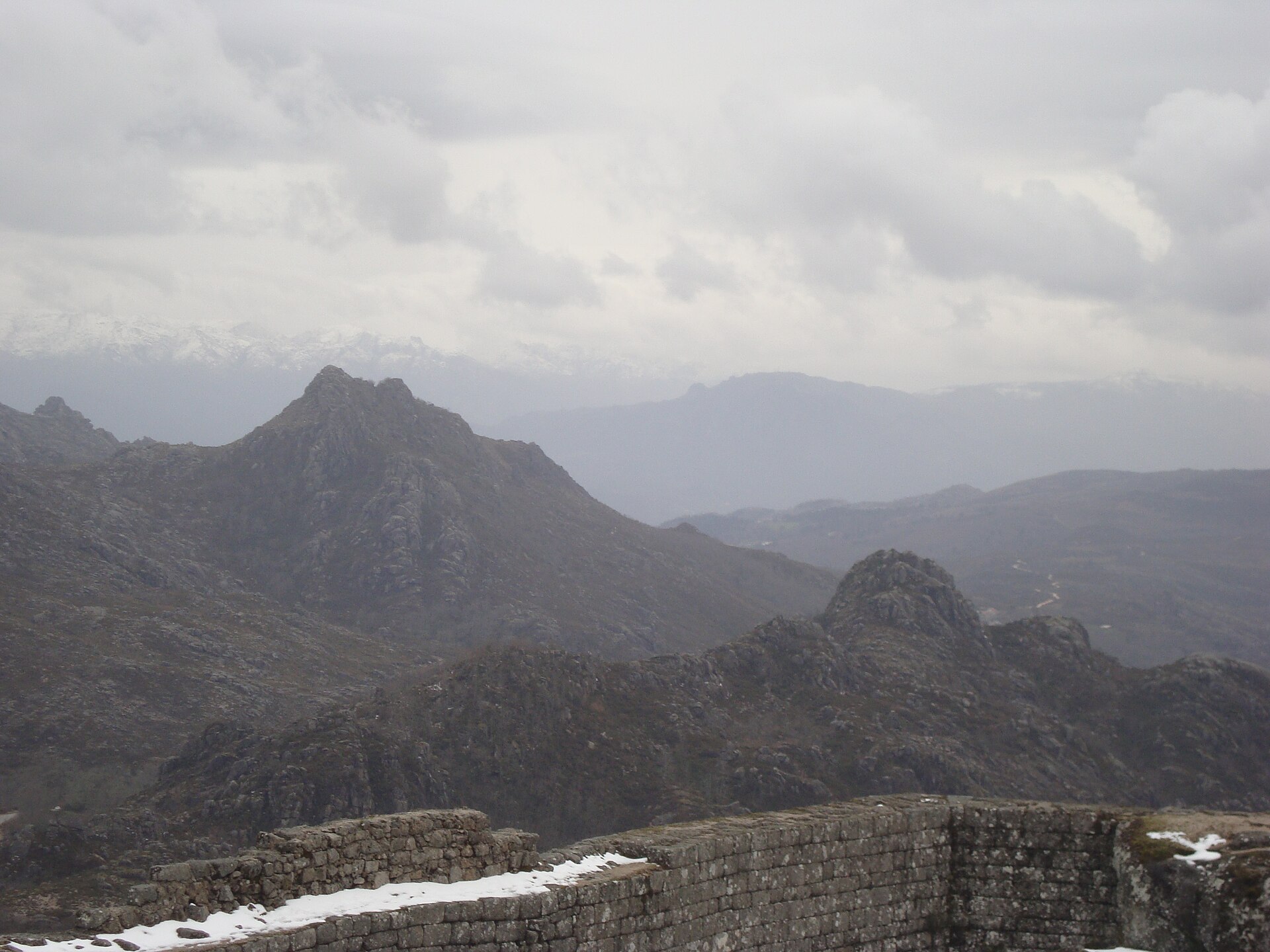
When people think of Portugal, sun-drenched southern beaches and Lisbon’s iconic yellow trams usually spring to mind first. But if you’re after truly wild, untamed nature, you need to head to the far north, right up to the Spanish border. That’s where you’ll find Peneda-Gerês Portugal‘s only official national park — and it’s a revelation. Deep valleys, granite cliffs, crystal-clear rivers, and traditional stone villages where time seems to have stood still are all waiting for you here.
In this guide, we’ve put together 12 top things to see and do in the park that you really shouldn’t miss. We’ll take you to the most stunning waterfalls, walk an ancient Roman road, and tell you where you stand the best chance of spotting wild horses. You’ll also find out which areas make the best base for accommodation and what to watch out for when driving the narrow mountain roads. Northern Portugal is rougher around the edges than the rest of the country, but that’s exactly what makes the experience so authentic.
TL;DR
- Portugal’s only national park: Peneda-Gerês lies in the north of Portugal near the Spanish border and offers dramatic mountains, waterfalls, and deep forests.
- Best time to visit: Spring and autumn are ideal for hiking, while summer is perfect for swimming in mountain pools.
- Getting around: A hire car is absolutely essential for exploring the park — be prepared for very narrow, winding roads.
- Historic villages: Don’t miss the stone villages of Soajo and Lindoso, famous for their unique raised granite granaries.
- Wild swimming: Waterfalls like Cascata do Arado and Cascata do Tahiti offer refreshing dips, but the water is freezing even in summer.
- Wildlife: With a bit of luck and patience, you can spot semi-wild Garrano horses and majestic birds of prey on the open plains.
- Spa relaxation: After demanding hikes, unwind in the historic spa town of Caldas do Gerês with its healing thermal springs.
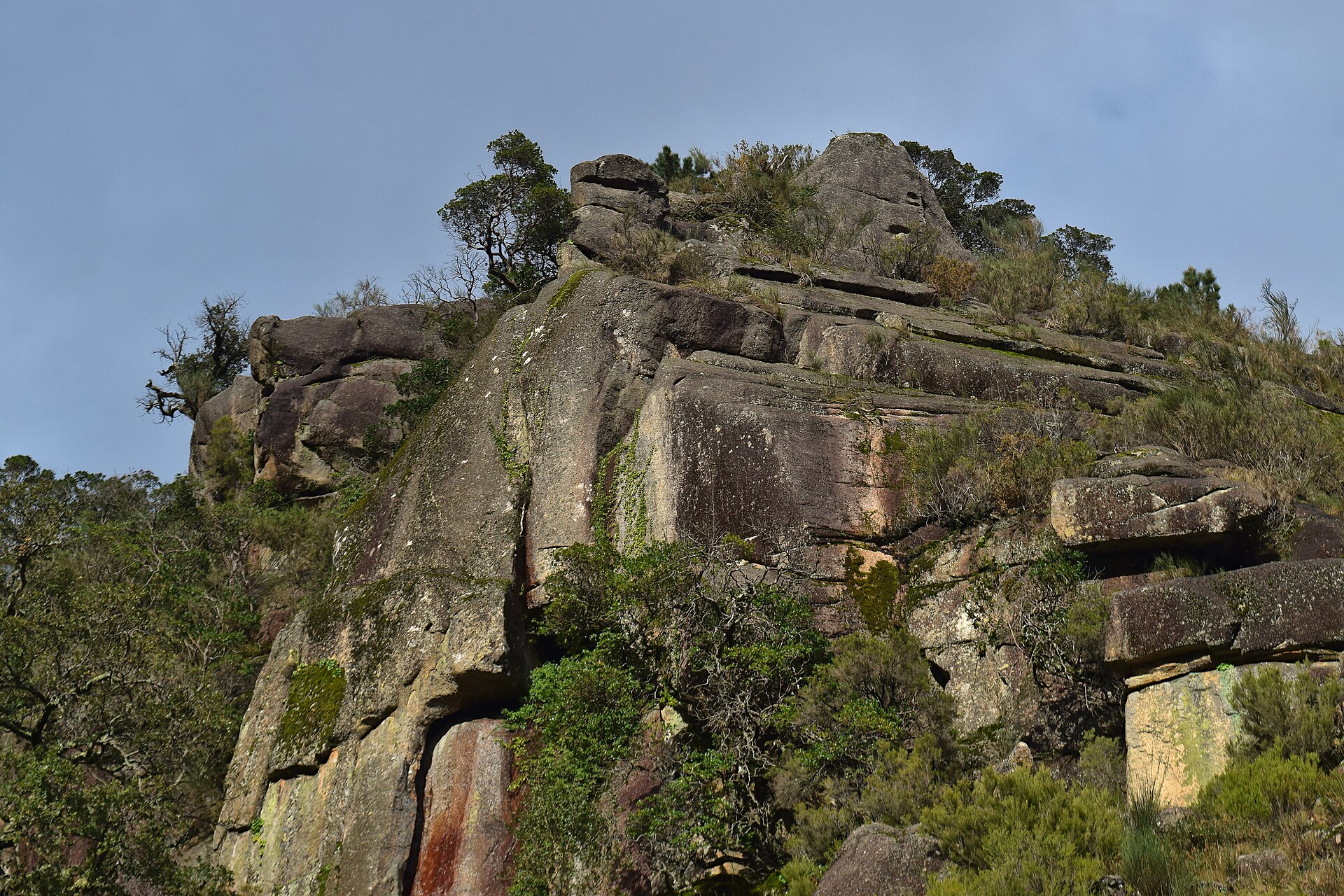
The full destination guide: Portugal — guide and what to see
When to Visit Peneda-Gerês
Planning a trip to northern Portugal requires a bit of strategic thinking about the weather. This region is much wetter and cooler than the rest of the country — which is precisely why it boasts such incredibly lush greenery. The winter months from November to February bring heavy rainfall, and higher elevations can even see snow, making many hiking trails difficult or dangerous to tackle.
If hiking and sightseeing are your main goals, the spring months (April to June) or early autumn (September and October) are your best bet. In spring, the snowmelt feeds the waterfalls with tremendous power, while autumn paints the oak forests in gorgeous shades of gold and red. Temperatures hover around a pleasant 15–20°C during these months — absolutely perfect for tackling steep climbs.
Summer from July to August is peak tourist season, with mostly Portuguese visitors flocking here. Valley temperatures can soar up to 35°C, which makes strenuous treks rather exhausting. On the flip side, it’s the only time of year when even those who aren’t particularly hardy will brave the mountain pools and lakes. Just be prepared for busy car parks and crowds at the most popular waterfalls.
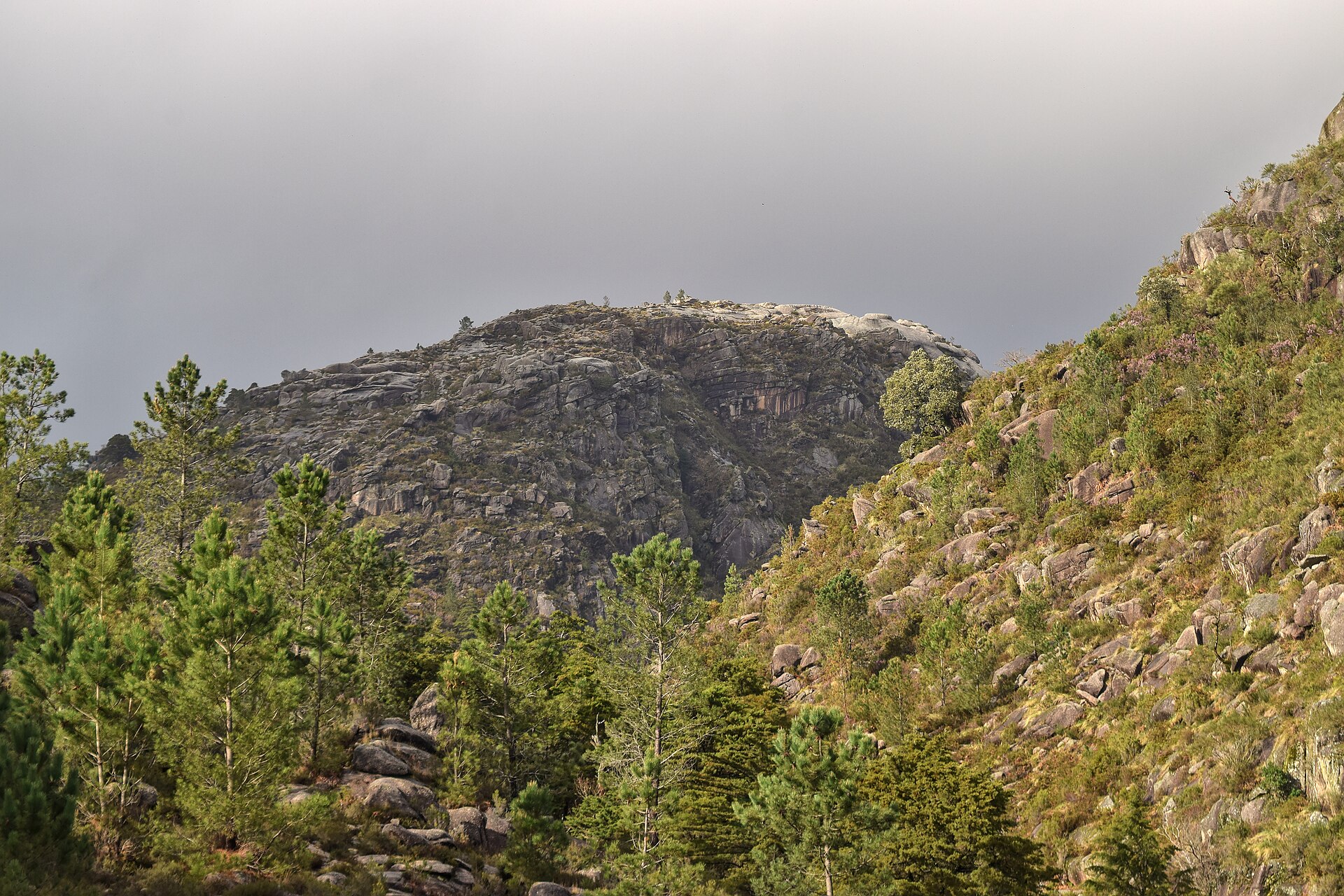
Where to Stay in Peneda-Gerês
💡 Accommodation & activities tip: We usually search for places to stay on Booking.com, which tends to offer the most flexible cancellation policies. For tickets, tours, and activities, it’s worth comparing options on GetYourGuide.
The national park is huge, and driving between different sections on narrow roads eats up a lot of time. Choosing a strategic base depending on your plans is therefore key. Most visitors opt for accommodation in the southern part of the park, which is the most accessible and has the widest range of services, restaurants, and well-marked hiking trails.
The most popular hub is the spa town of Caldas do Gerês, where you’ll find every amenity from supermarkets to pharmacies. If you’re after stylish accommodation with a touch of luxury, the historic Adelaide Hotel right in the centre is an excellent choice, or for something more contemporary, try Selina Gerês with its stunning river views. Book rooms in this area well in advance on Booking, as summer months and weekends sell out completely.
If you crave absolute peace and authentic atmosphere, consider staying in the northern part of the park around the village of Soajo. Here you can rent traditional stone cottages converted into cosy guesthouses that offer a wonderful taste of rural Portugal. Casas do Cavaleiro Eira comes highly recommended — you’ll sleep in beautifully restored historic buildings with all the modern comforts inside.
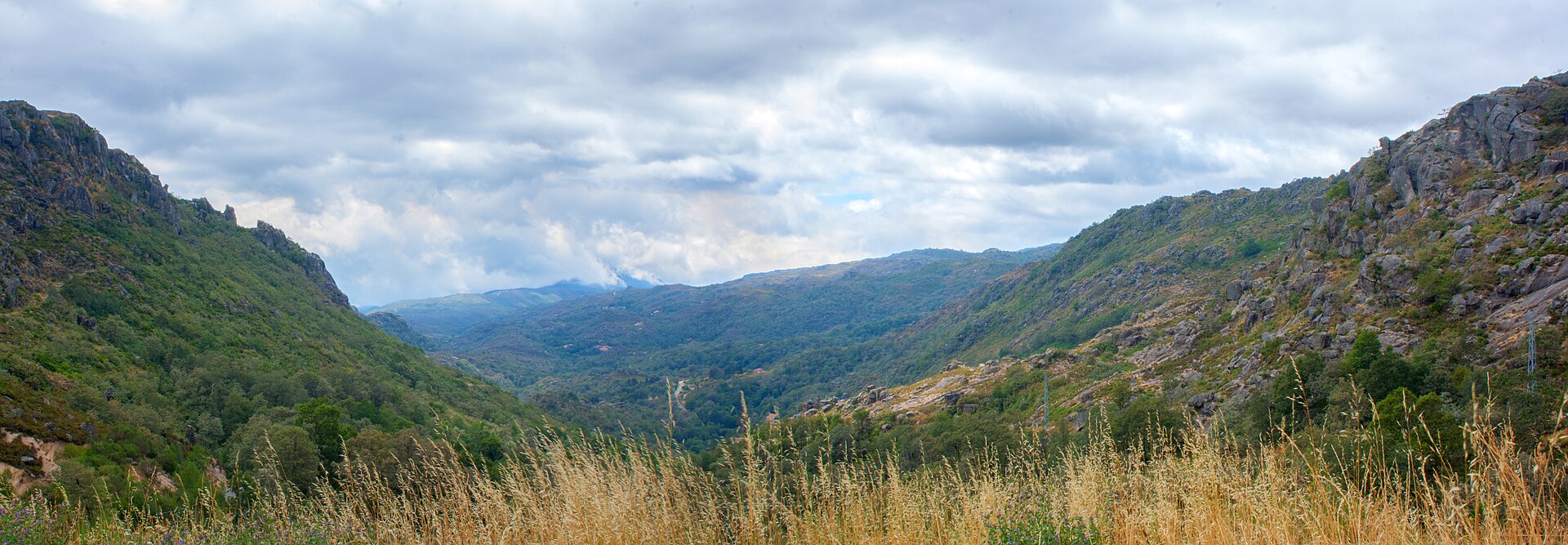
12 Best Things to See and Do in Peneda-Gerês
The national park offers a huge range of activities, from gentle strolls to demanding full-day treks. Pack sturdy footwear, plenty of water, and set off to discover the most fascinating spots this wild landscape has to offer.
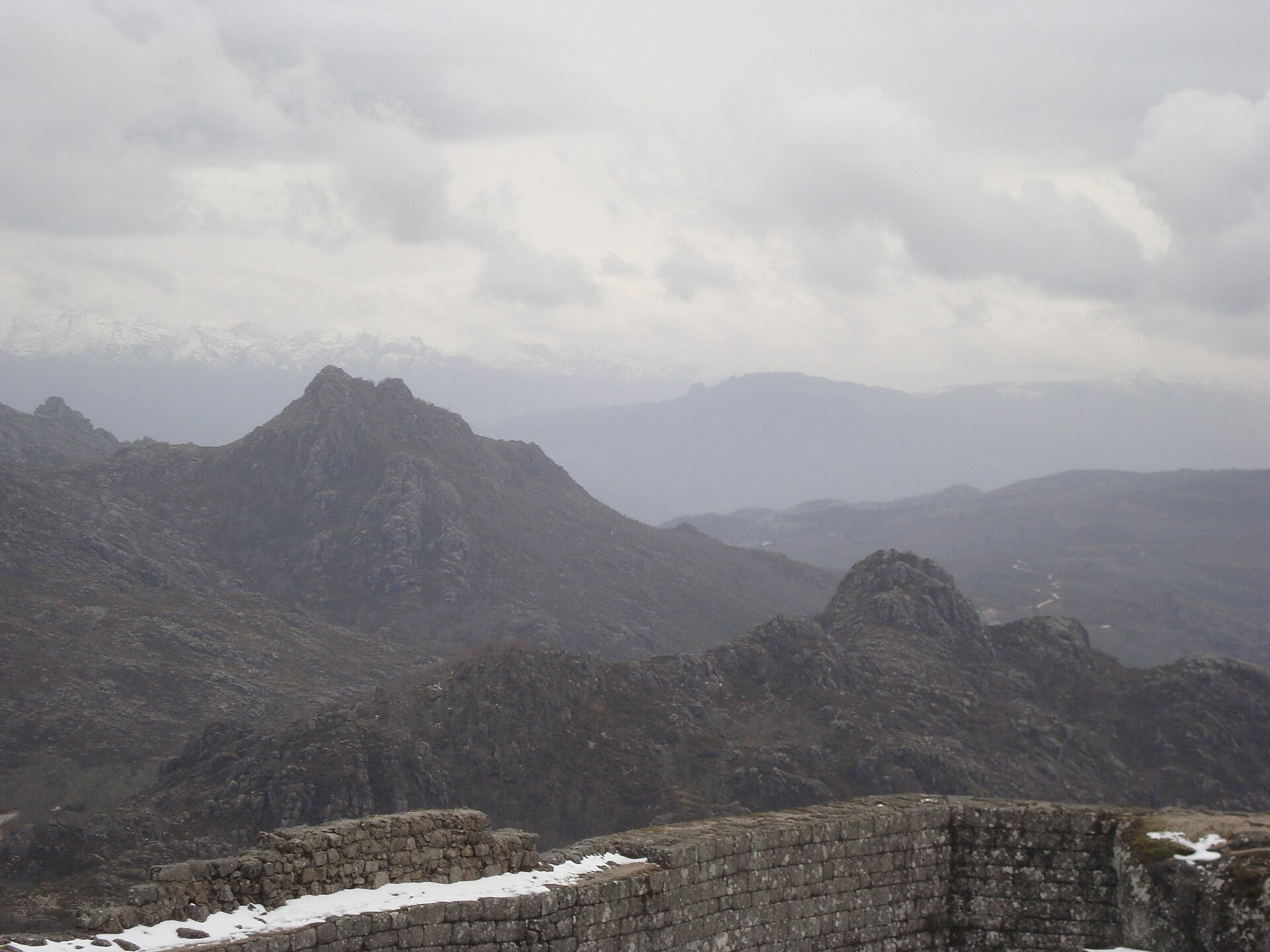
1. Cascata do Arado Waterfall and Natural Pools
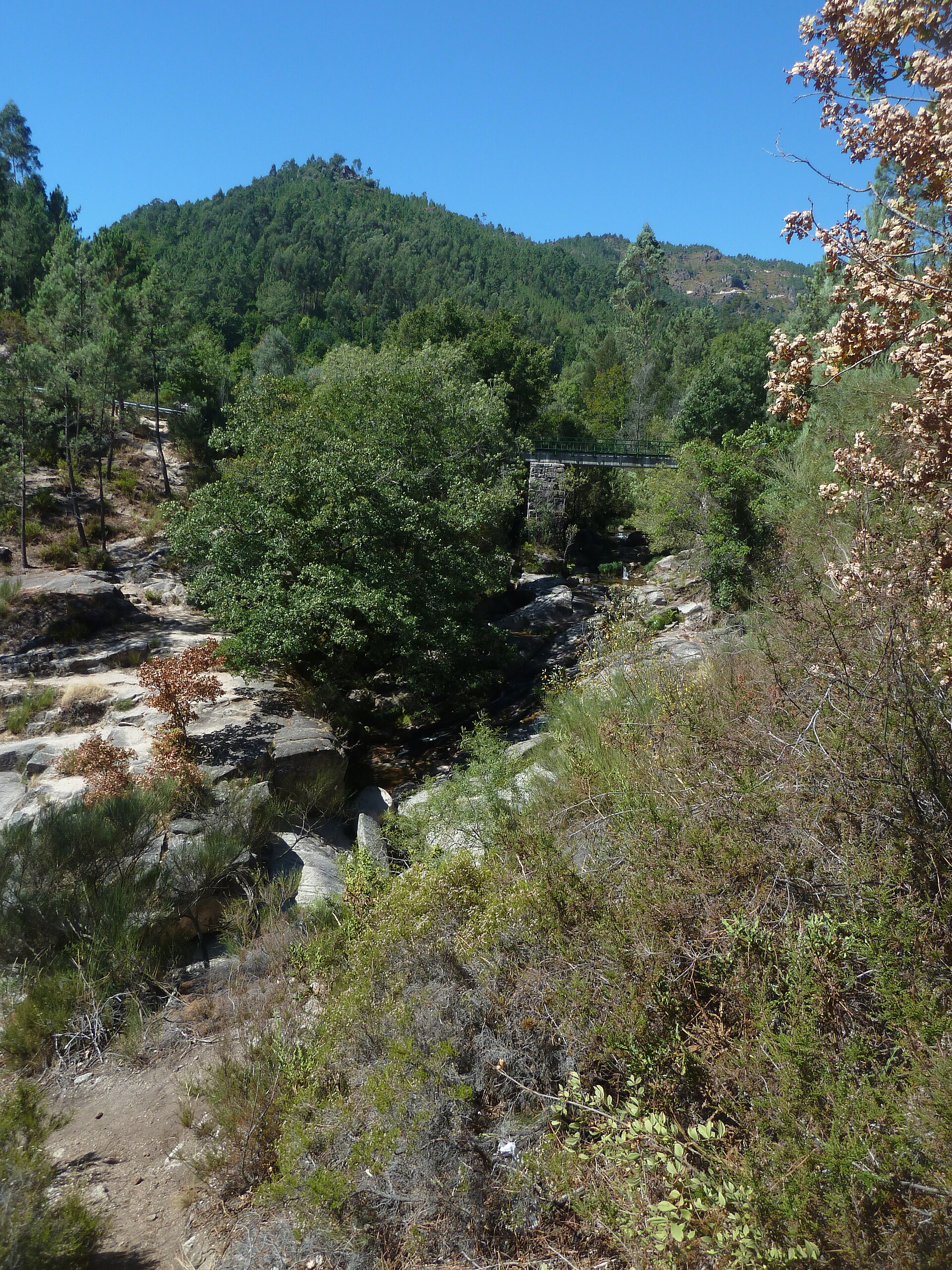
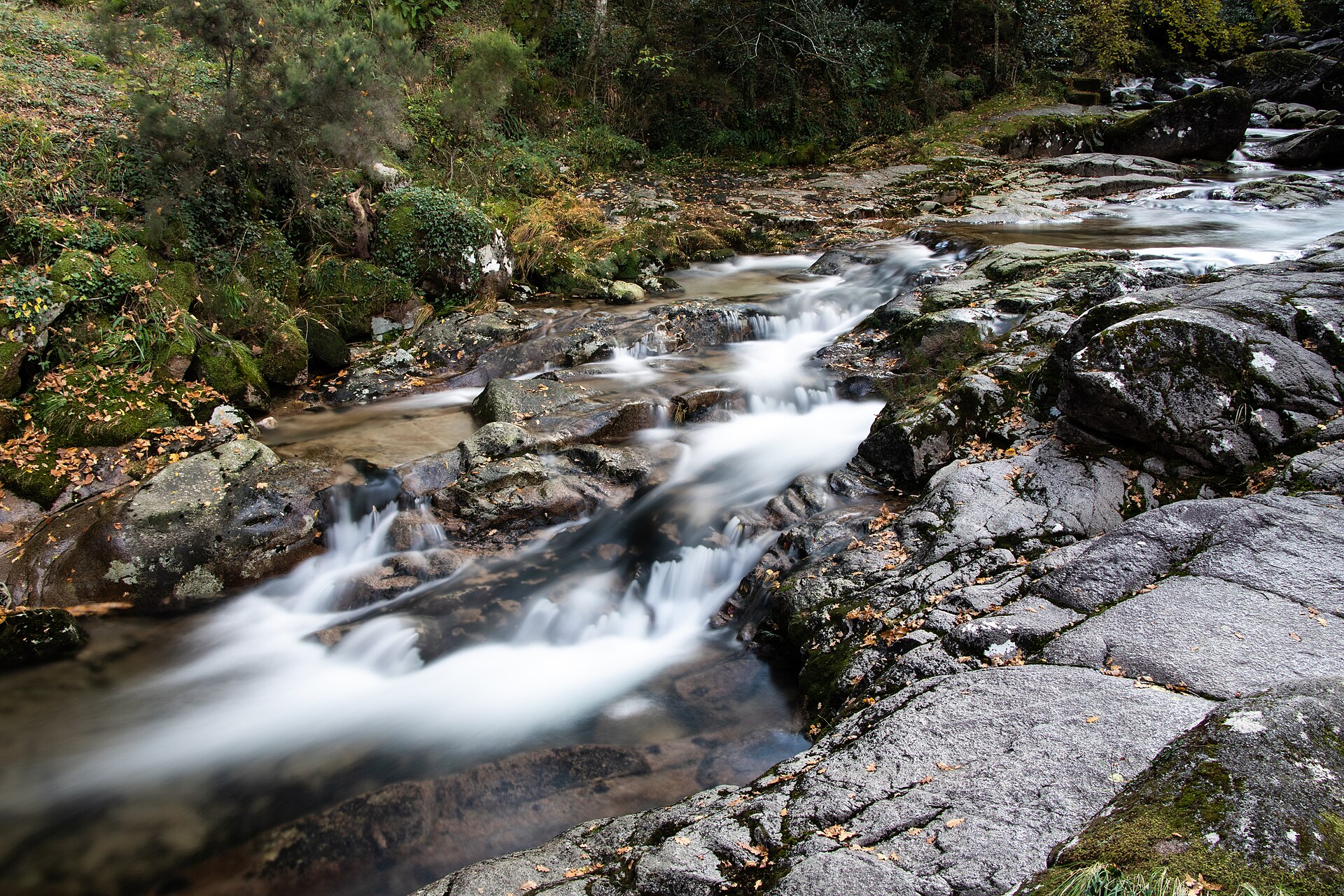
This waterfall is one of the most famous and most photographed spots in the entire park. Water tumbles down a series of granite cascades into a crystal-clear turquoise pool that practically begs you to jump in during the summer months. You can reach it via a paved forest track from the Pedra Bela viewpoint, though the last kilometre requires walking along a rocky footpath.
You can admire the waterfall from a secure viewing platform reached by stone steps. If you’re feeling more adventurous, many visitors carefully clamber down the rocks to reach the pools below, but the rocks are extremely slippery and you need to exercise real caution. It gets quite busy in summer, so getting here early in the morning is well worth the effort.
💡 Top tip: Don’t limit yourself to the main waterfall. If you follow unofficial paths upstream along the river, you’ll discover smaller cascades and hidden pools where you can enjoy far more privacy, even on the busiest summer days.
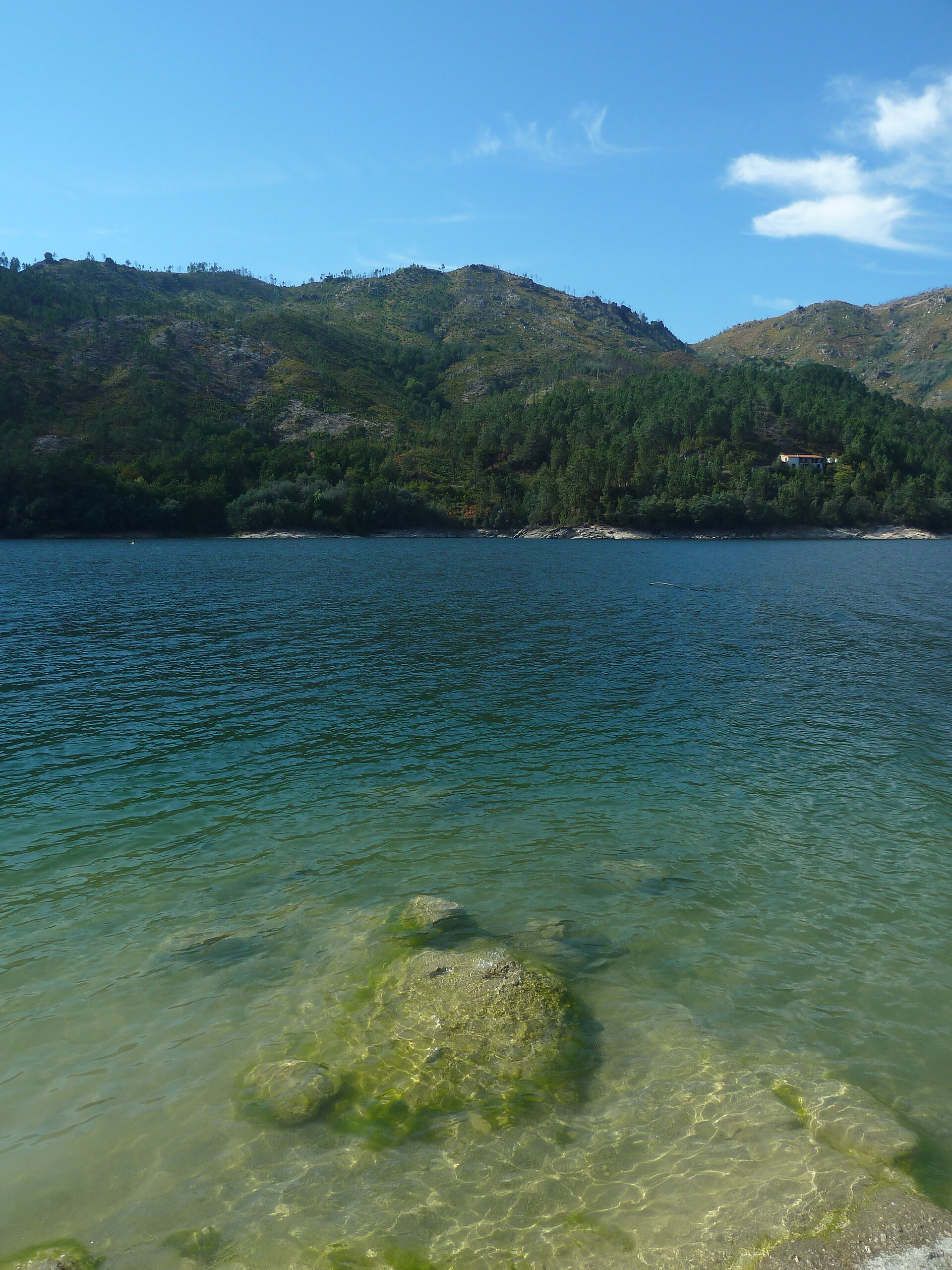
2. Unforgettable Views from Miradouro da Pedra Bela
If you could only choose one viewpoint in the entire national park, it has to be Pedra Bela. Perched at an altitude of over 800 metres, it offers an absolutely spectacular panorama over the deep valley of the River Cávado and the vast Caniçada reservoir. It’s one of those places where you truly grasp the sheer scale and majesty of the landscape.
The viewpoint is incredibly easy to reach, as you can drive practically right up to it — there’s a small car park and a few stone benches on site. The spot is framed by enormous granite boulders and tall pine trees that provide welcome shade for an afternoon rest. It also serves as a popular starting point for further hikes into the higher reaches of the mountains.
The most magical atmosphere here comes at sunset, when the surrounding hills glow in deep oranges and purples. Early mornings can be equally breathtaking, with the valley below often filled with a thick blanket of white mist, from which only the highest hilltops emerge like tiny islands in a sea of cloud.
3. The Stone Village of Soajo and Its Iconic Granaries
Tucked away in the northwestern corner of the park lies the traditional village of Soajo, famous for its architecture and, above all, its unique raised granite granaries known as espigueiros. These structures, resembling small stone chapels perched on tall pillars, were designed to protect stored maize and grain from ground moisture and hungry rodents. In Soajo, you’ll find twenty-four of them gathered in one spot, with the oldest dating back to the 18th century.
The village itself is a maze of narrow cobblestone lanes where you’ll still see elderly residents in traditional dark clothing and free-roaming sheepdogs. On the village square stands a curious stone pillory (pelourinho) carved with a smiling face, a reminder of this community’s historic independence. I’d recommend parking on the edge of the village, as navigating the narrow streets in a hire car is an unnecessary risk.
💡 Top tip: If hunger strikes, pop into one of the small local restaurants. While the region is known primarily for its hearty meat dishes, you’ll always find excellent caldo verde soup (a traditional Portuguese kale broth), local cheeses, and fresh, crusty cornbread called broa, baked in traditional wood-fired ovens.
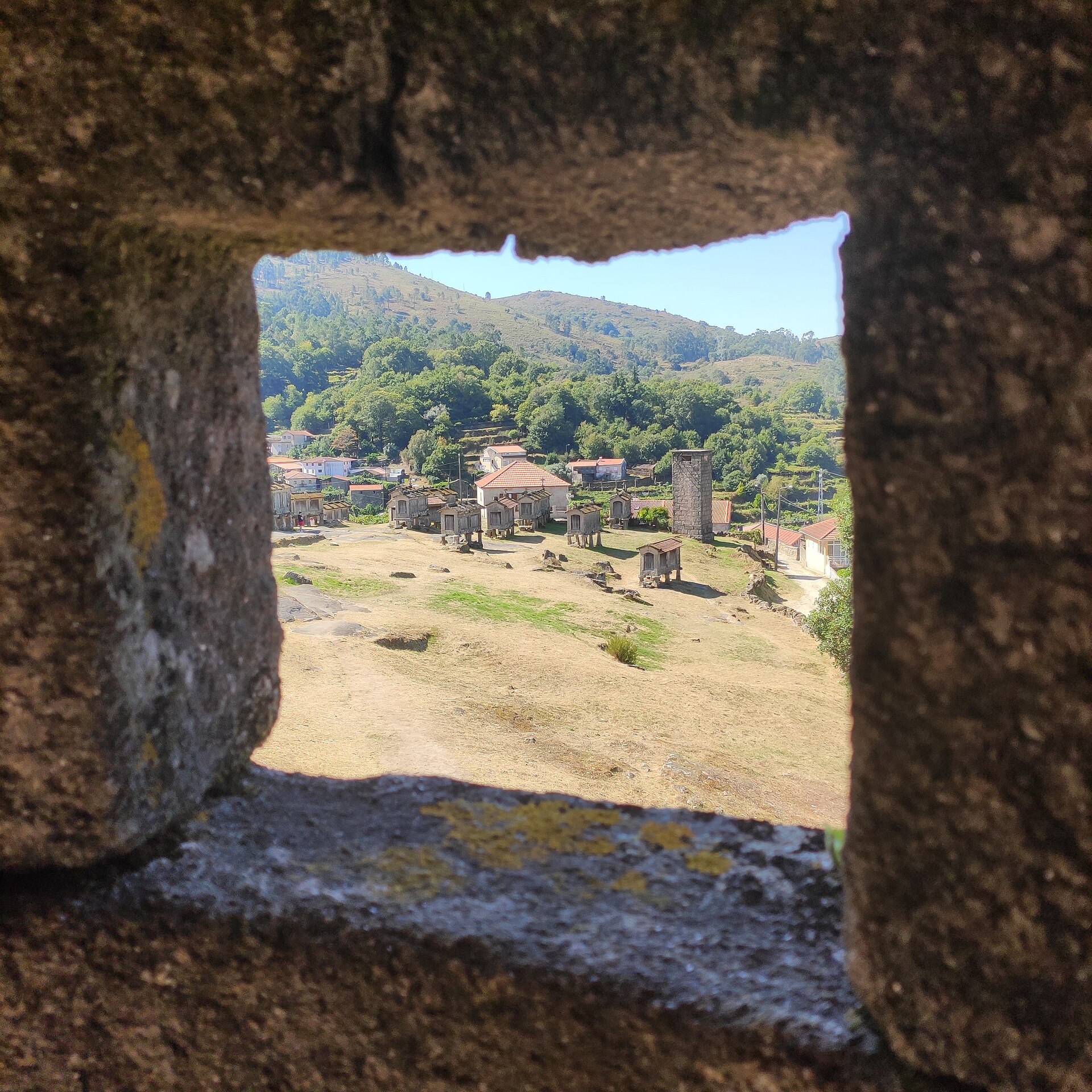
4. Lindoso Castle and the Largest Collection of Granaries
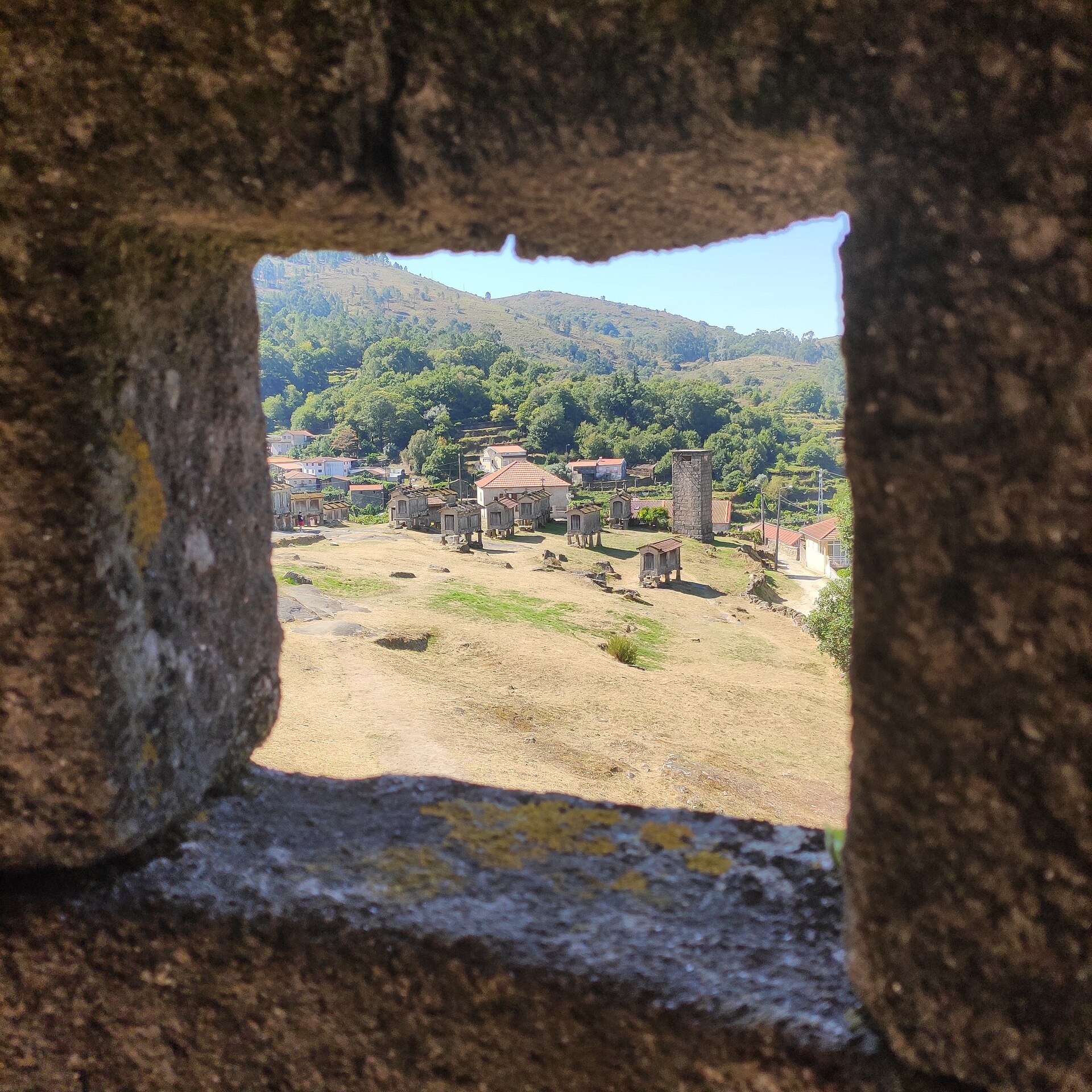
Close to the Spanish border lies another fascinating village, Lindoso, which forms a kind of sister pairing with Soajo. Here you’ll find an even greater concentration of espigueiros — more than sixty of them crowded together on the open ground below the castle. The sight of dozens of stone crosses adorning the granary rooftops takes on an almost mystical, slightly eerie quality in the morning mist.
The village’s main landmark, however, is its 13th-century medieval castle, which played a crucial role in defending the Portuguese border against Spanish incursions. The castle grounds have been carefully restored, and you can walk along the ramparts for wonderful views over the entire village and the surrounding green hills. Admission is just a small fee of around 2 €.
Wandering among the granaries is completely free and open to the public at any time of day. Take a close look at the exquisite stonework of the slits in the granary walls — they’re engineered to allow fresh air to circulate inside while keeping rainwater out during fierce winter storms.
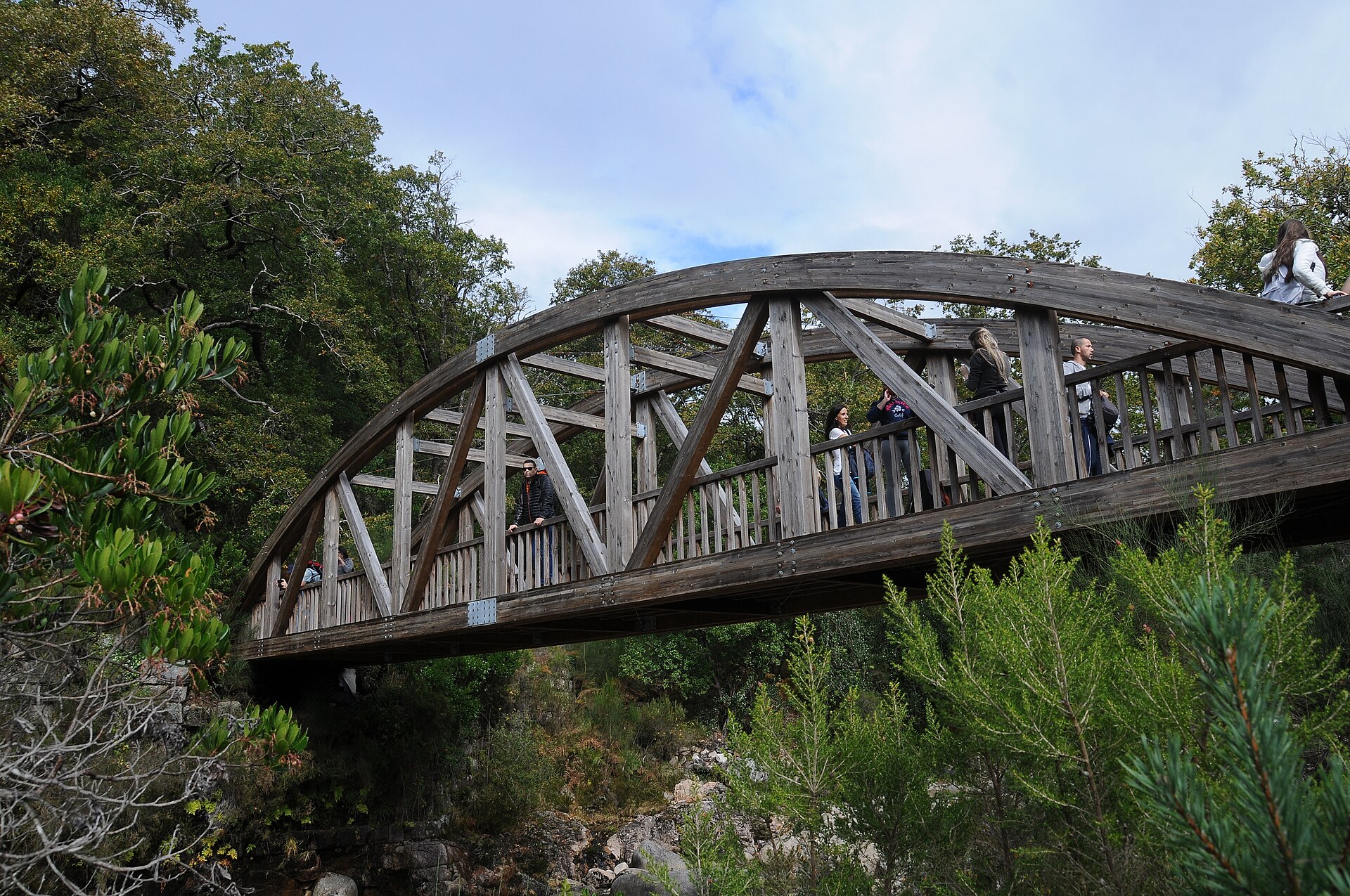
5. Walking in the Footsteps of Legionaries on the Geira Roman Road
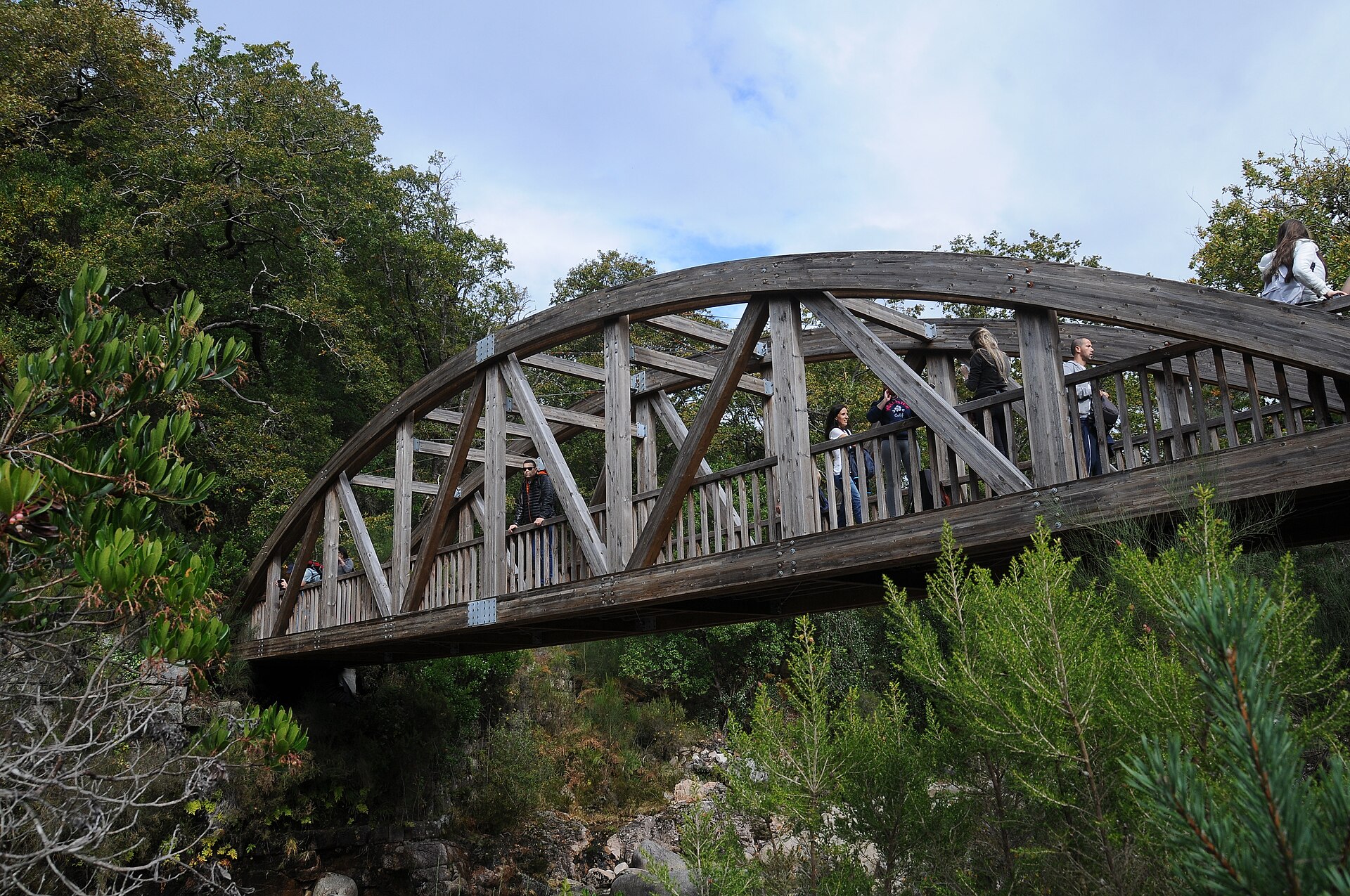
The national park isn’t just about nature — it’s steeped in deep history too. Running through it is a significant stretch of the ancient Geira Roman road, which once connected the important cities of Bracara Augusta (modern-day Braga) and Asturica Augusta (modern-day Astorga in Spain). Kilometres of the original paving survive in the park, the very stones once trodden by Roman legions and trade caravans.
The real highlight of this route is the remarkable number of original milestones, known as miliários. These hefty stone columns, inscribed with Latin text, served not only as distance markers but also as tributes to the emperors who had the road repaired. In the area called Mata de Albergaria, you can see an impressive cluster of these imposing historical columns gathered in one place.
The hiking trail along the Roman road is relatively easy-going, since the Romans built their roads with very gentle gradients. You can set out on a several-hour walk through shady forest that transports you two thousand years back in time. The route is well-signposted and makes a perfect alternative to strenuous mountain climbs, especially on scorching summer days.
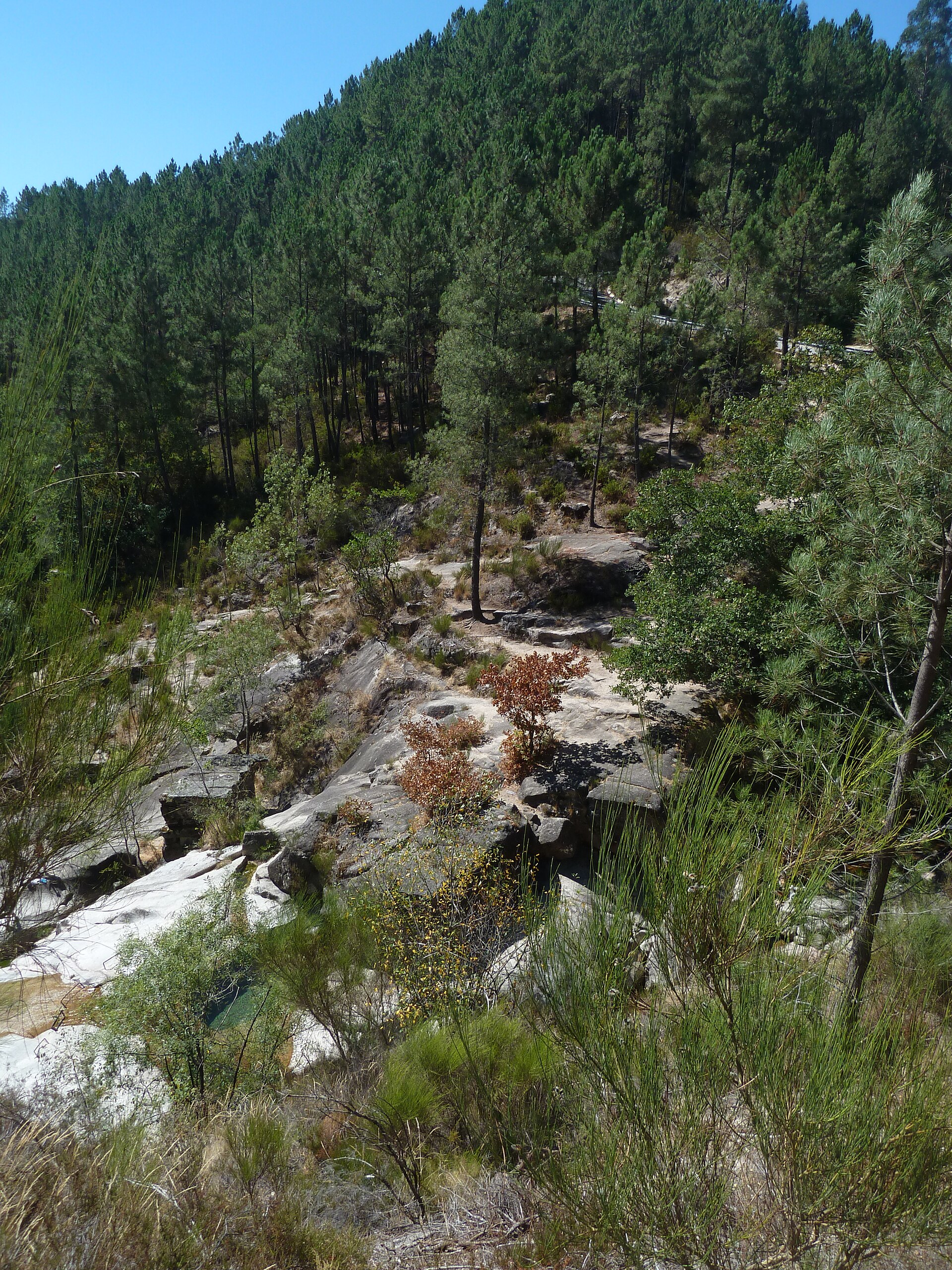

6. Encountering the Wild Garrano Horses
One of the most magical experiences in the park is watching the free-roaming wildlife, and the undisputed stars are the semi-wild Garrano horses. This ancient, incredibly hardy breed has inhabited these rugged mountains for millennia. They’re characterised by their smaller stature, dark brown coats, and remarkable agility on rocky terrain. Seeing a herd of these horses grazing freely on mountain meadows is a truly unforgettable moment.
The horses roam the park at will, so there’s no guaranteed spot where you’ll definitely see them. However, your chances are very good on the open plains around the village of Castro Laboreiro or while driving the mountain roads towards Portela do Homem. You’ll often spot them right by the roadside, happily munching grass along the verge.
💡 Top tip: Although the horses look gentle and often aren’t afraid to approach people, remember that these are semi-wild animals that can react unpredictably. Don’t feed them, don’t try to stroke them, and keep a respectful distance — particularly if there are foals in the herd, as mares can be fiercely protective.
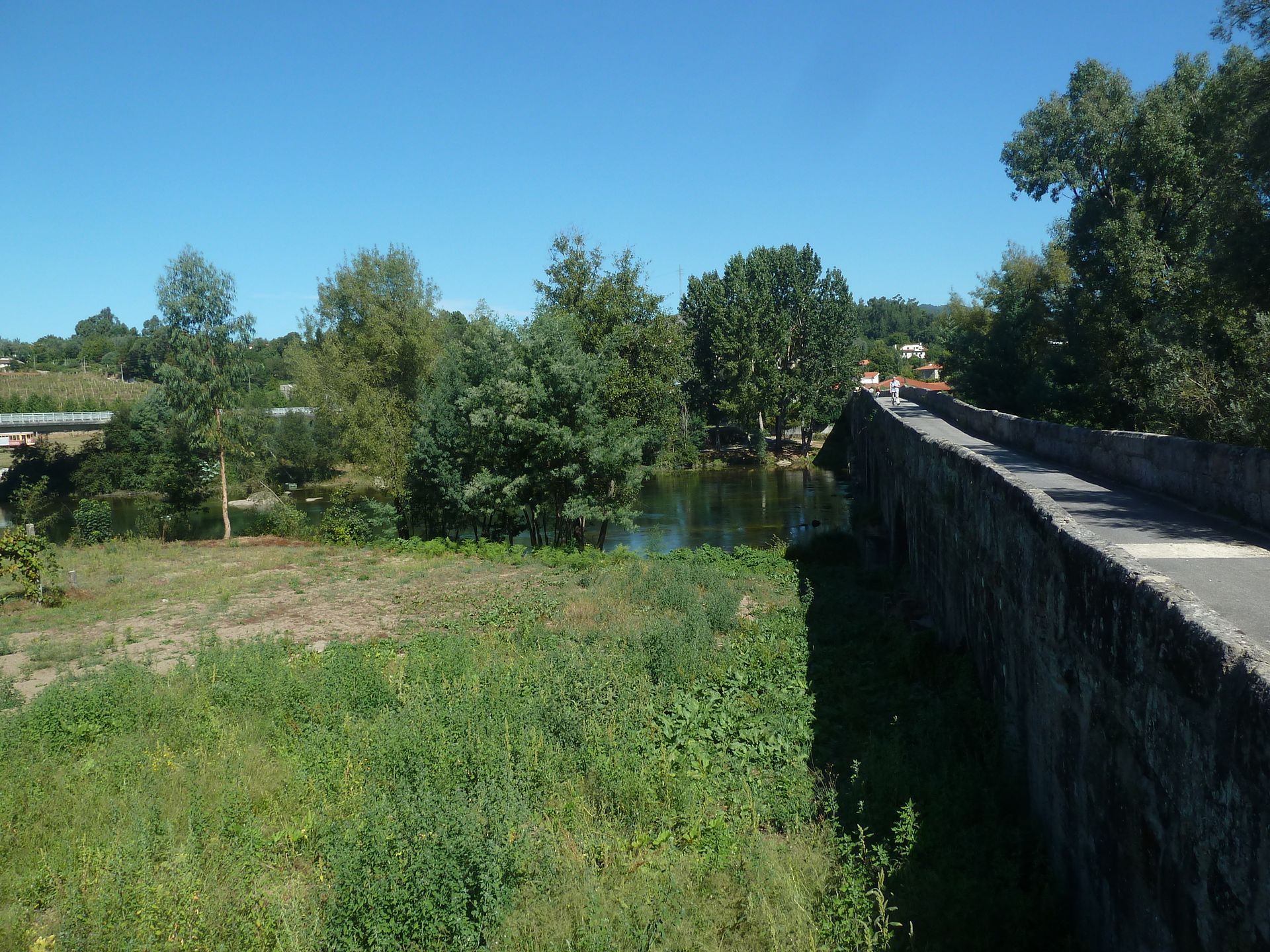
7. Steaming Springs at Caldas do Gerês Spa
Deep in the forest, the elegant little town of Caldas do Gerês appears seemingly out of nowhere, like something from another era. This historic spa centre grew up around mineral-rich thermal springs that were known and used as far back as Roman times. The town’s focal point is a long colonnade and a grand spa building set within a park — a perfect spot to recover after gruelling hikes.
The springs reach a temperature of around 43°C and are renowned for their healing properties, particularly for the digestive system and metabolic conditions. For a small fee, you can enter the main spa hall and taste the therapeutic water from traditional taps. Fair warning though — the warm mineral water has a very distinctive flavour that certainly isn’t to everyone’s taste.
The town also serves as the main tourist hub for the entire park. You’ll find the biggest concentration of restaurants, cafés, and souvenir shops here. It’s the ideal place to stock up on supplies before heading deeper into the park, withdraw cash from an ATM, or simply sit down for a great coffee with a traditional Portuguese custard tart — the famous pastel de nata.
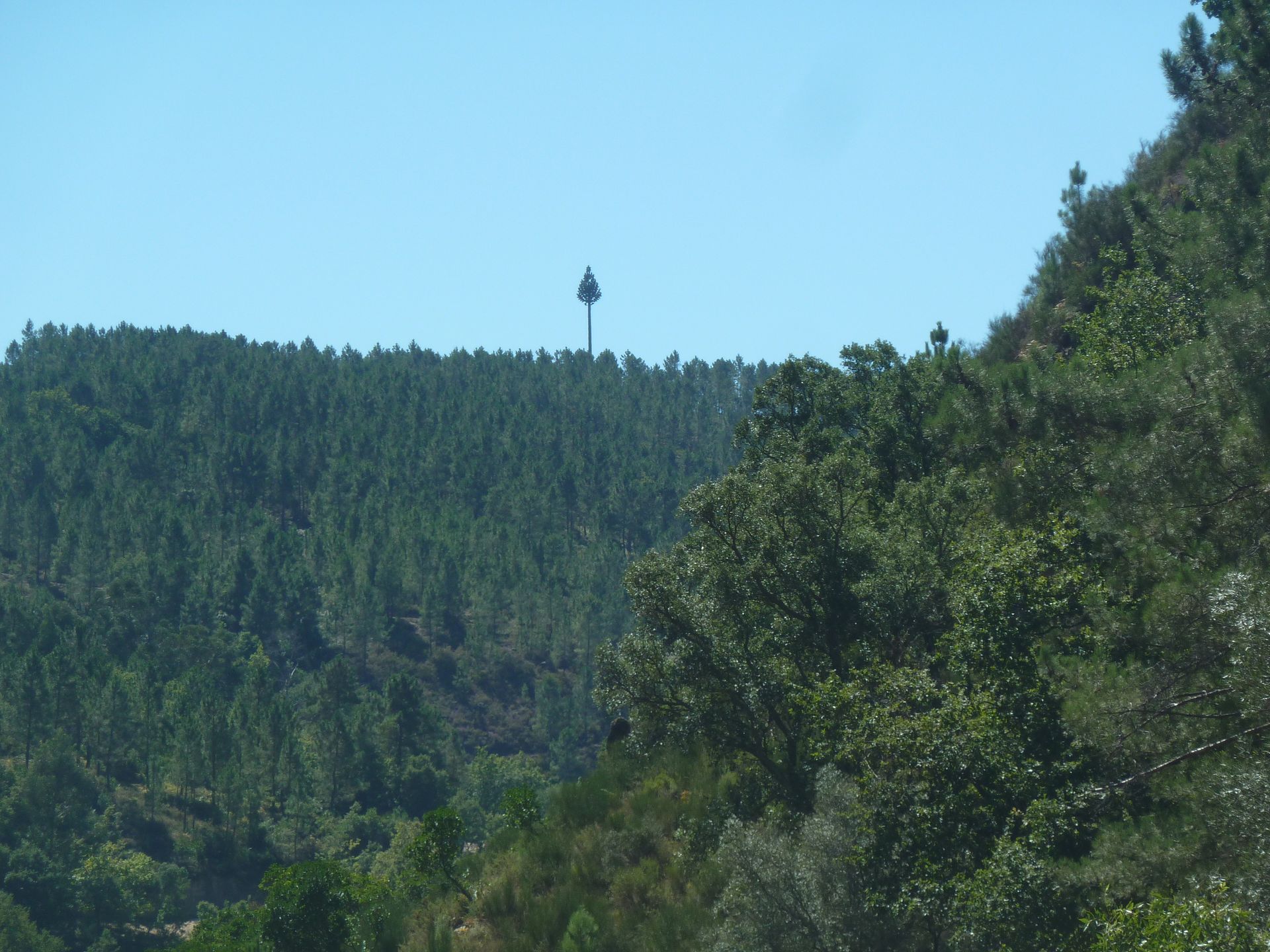
8. The Dam and Sunken Village of Vilarinho das Furnas
The story of this vast reservoir is both fascinating and a little heartbreaking. In 1971, the construction of a dam led to the complete flooding of the ancient village of Vilarinho das Furnas. Its inhabitants were forced to abandon homes that had stood for centuries. Today, the site draws visitors who come to admire the expansive water surface enclosed between steep, forested slopes.
The most remarkable thing happens during periods of severe drought, typically at the end of a hot summer or the beginning of autumn. When the water level drops significantly, the ruins of the drowned village begin to emerge from the depths. You can see remnants of stone walls, old pathways, and building foundations — a ghostly apparition that feels like a lost city rising from the deep.
The area around the reservoir offers comfortable hiking trails with minimal elevation change, making them ideal for families with children or days when you fancy a break from steep ascents. The lakeside path is partly shaded by trees and offers plenty of gorgeous spots for a picnic on the grass.
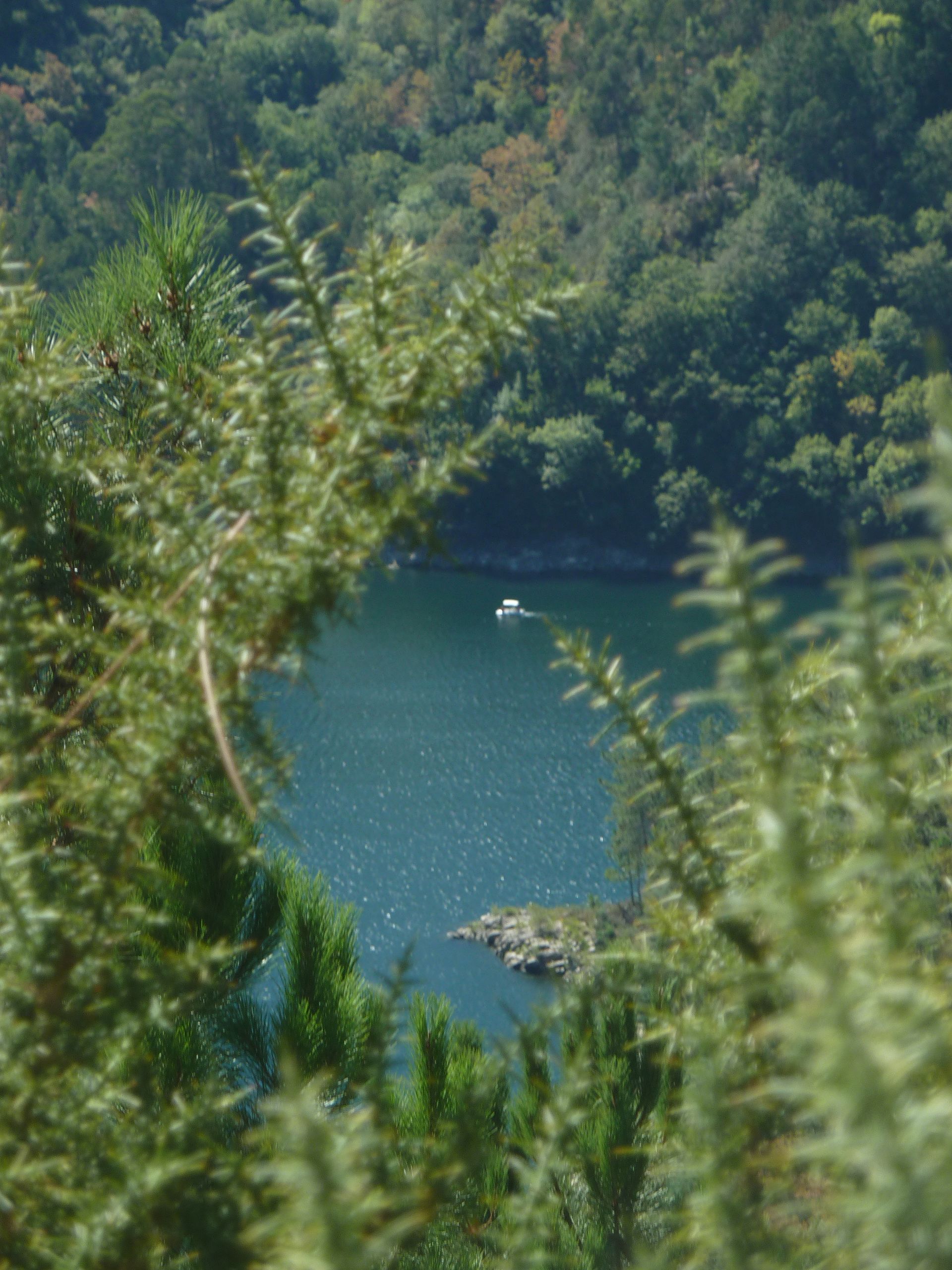
9. Cascata do Tahiti (Fecha de Barjas) Cascades
This waterfall with its somewhat exotic nickname is one of the most beautiful — yet also most dangerous — spots in the national park. Its official name is Fecha de Barjas, but nobody around here calls it anything other than Tahiti. Water crashes wildly over a series of granite ledges and enormous boulders, carving out deep, crystal-clear natural pools between them.
Reaching the waterfall requires decent fitness and extreme caution. From a small car park by the road, a steep, dusty trail leads down to the river, with some sections where you’ll need to hold onto wooden railings and tree roots. Under no circumstances come here in flip-flops — sturdy trainers or hiking boots are an absolute must.
Despite the challenging terrain, it’s a hugely popular swimming spot in summer, as the lower pools are deep enough for a fantastic plunge. The water is ice-cold, though, and the submerged rocks can be treacherously slippery. Organised day trips from Porto often include a stop here, and you can easily book these tours in advance through platforms like GetYourGuide.
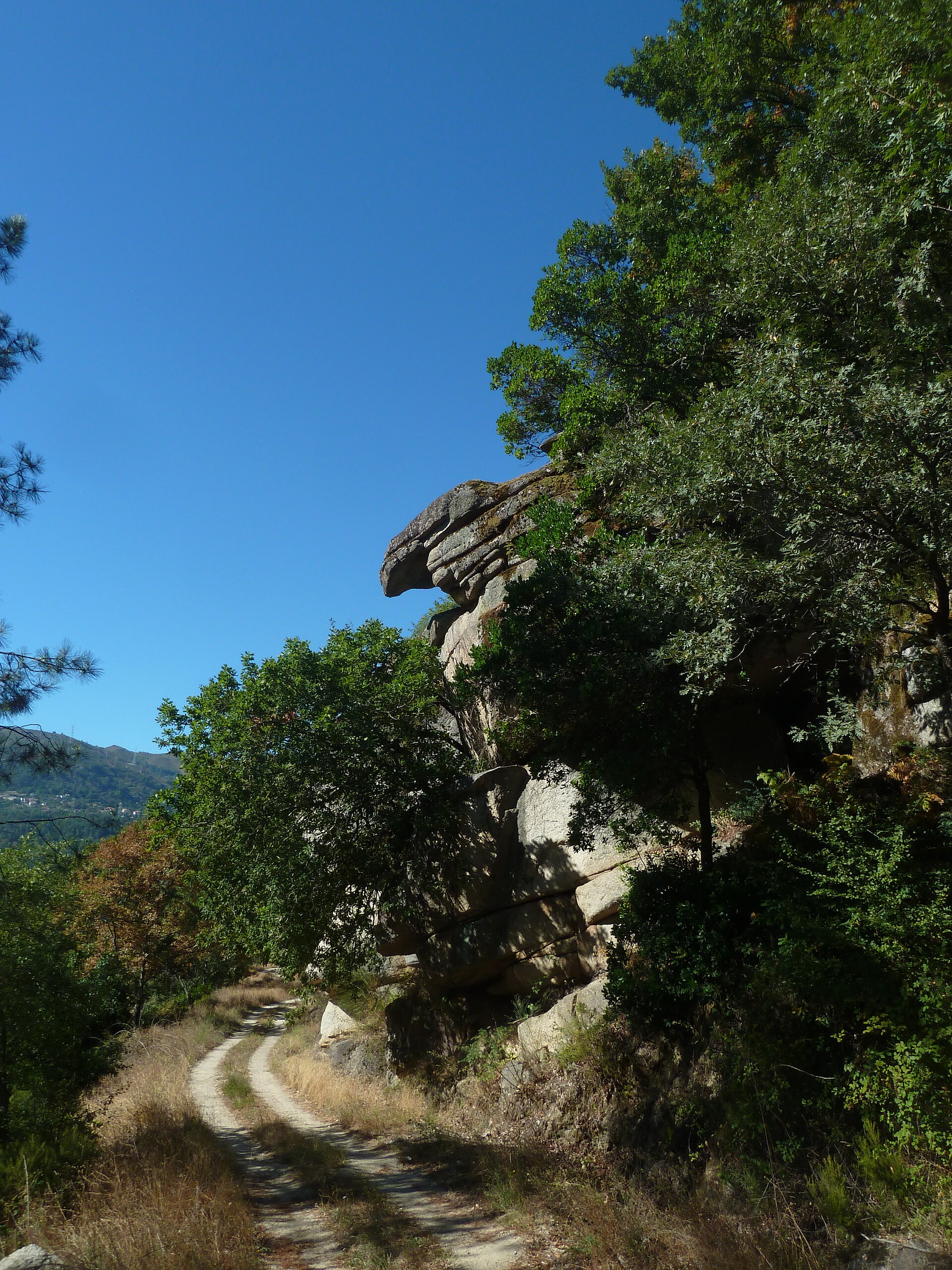
10. The Monumental Santuário de Nossa Senhora da Peneda
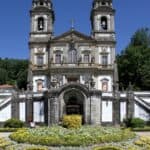
In the northernmost tip of the park, nestled in a deep valley beneath a towering rock face, lies the pilgrimage site of Nossa Senhora da Peneda. This stunning sanctuary immediately impresses with its monumental Baroque staircase, flanked by small chapels depicting the Stations of the Cross. The whole complex is strikingly reminiscent of the more famous Bom Jesus shrine in Braga, but its isolated mountain setting gives it a far more mysterious atmosphere.
The history of this site reaches back to the 13th century, when the Virgin Mary is said to have appeared here. The church’s current form dates mainly from the 18th and 19th centuries. If you climb all the way to the top of the staircase, your reward is not only a richly decorated interior but, above all, a breathtaking view back down the green valley to the tiny village below.
The liveliest time here is during the first week of September, when a huge pilgrimage (romaria) takes place. Thousands of pilgrims from across Portugal and neighbouring Spain descend on this remote valley, transforming the tranquil spot into a massive festival of music, lights, and traditional celebrations.
11. The Protected Old-Growth Forest of Mata de Albergaria
This deep oak forest is the most biologically valuable and most strictly protected part of the entire national park. It’s a rare remnant of Europe’s original ancient woodlands, where trees are draped in thick layers of moss and lichen, giving the whole place a fairy-tale, slightly enchanted feel. This is also where you’ll find the best-preserved section of the Geira Roman road mentioned earlier.
Conservation is taken very seriously here, with strict rules in place. In summer, driving through the forest incurs a toll of around 2 €, and stopping is absolutely forbidden. You can’t park anywhere within the forest — if you want to explore on foot, you’ll need to leave your car at designated parking areas at the edge of this strictly protected zone.
A walk through this forest is pure therapy for the soul. Thanks to the dense canopy, it stays pleasantly cool even during the fiercest summer heat. The air smells of damp wood, and the only sounds are birdsong and the murmur of the nearby River Homem. It’s the perfect place for quiet contemplation and a complete escape from civilisation.
12. Relaxation and Water Sports on the Caniçada Reservoir
If you need a breather after all those mountain hikes and village explorations, the Caniçada reservoir on the park’s southern edge is the perfect spot. This vast body of water forms a natural boundary of the protected area, and its shores feature several maintained river beaches where you can spend a lazy afternoon with a good book.
Unlike the mountain waterfalls, the reservoir water is pleasantly warm and calm in summer, making it ideal for swimming and great for families with younger children. You’ll also find equipment rental shops where you can grab a paddleboard, canoe, or pedal boat and set off to explore hidden coves and wooded shores from an entirely different perspective.
💡 Top tip: For a romantic end to the day, book an evening sightseeing cruise on a small tour boat. As the sun begins to set behind the surrounding hills and the reservoir’s surface turns to gold, you’ll understand why this region is considered one of the most beautiful corners of the entire Iberian Peninsula.

Map of points of interest for your phone
Where to Go Next from Peneda-Gerês
Northern Portugal is packed with fascinating places that would be a shame to miss during your trip. From the national park, there are several logical directions you can head in next.
- If you’re craving the buzz of a big city, head to Porto — roughly an hour and a half’s drive away. Check out our tips on what to see in Porto, where you’ll learn all about the iconic Luís I Bridge and port wine tastings.
- Right on the park’s doorstep lies historic Braga, often called the Portuguese Rome. Have a look at our Braga Portugal guide to discover more about the stunning Bom Jesus staircase.
- If more hills and fantastic wine are calling, head east. Not far from here begins the famous Douro Valley, where vines grow on terraced slopes plunging straight down to the river.
- Fancy a dose of university atmosphere and central Portuguese history? Then plan a stop in Coimbra, home to one of the oldest universities in Europe.
Frequently Asked Questions
Do I need a rental car to visit the park?
Yes, having your own car is absolutely essential here. Public transportation to the national park is very limited and will only get you as far as the spa town of Caldas do Gerês. There are no buses running between the various viewpoints, waterfalls, and villages, so without a car you’d only see a tiny fraction of what the park has to offer.
What are the roads like inside the national park?
Be prepared for mountain roads that are often very narrow, full of sharp turns, and steep climbs. The asphalt quality is usually good, but in some villages you’ll encounter old slippery cobblestones. You need to drive with extreme caution because around any bend you might encounter cows, wild horses, or an oncoming camper van.
Is there an entrance fee for Peneda-Gerês National Park?
No, entry to the national park is completely free. The only exception is driving through the strictly protected Mata de Albergaria forest during the summer months, where a small ecological fee per car (around €2) is collected at the entrance barrier. All hiking trails and waterfall access points are also free.
How many days should I set aside to explore the park?
To keep your visit from becoming one big stress-fest behind the wheel, I recommend setting aside at least two to three full days for the park. In one day you can only cover part of the southern loop around Caldas do Gerês and see one or two waterfalls. To explore the more remote northern villages like Soajo, you’ll need an extra day.
Is the water in the waterfalls safe for swimming?
Swimming in the natural pools below the waterfalls is allowed, but you do so at your own risk. Even in the heat of summer, the water is extremely cold, which can cause temperature shock. The very slippery rocks on the banks and underwater are also dangerous, so never try to jump into the water from any height.
Are there dangerous wild animals in the park?
Iberian wolves and wolverines live in the more remote parts of the mountains, but the chances of encountering them are extremely slim. These animals are incredibly shy and avoid people from a distance. However, you will commonly encounter semi-wild horses and herds of cattle with long horns, which you should treat with respect and avoid startling unnecessarily.
What should I pack for hikes in the park?
The weather in the mountains can change very quickly. Even if it’s hot in the valley, always pack a lightweight waterproof jacket and plenty of water in your backpack, as springs along the trails can dry up in summer. Quality hiking boots with solid soles are absolutely essential, because the granite rocks and slopes down to the waterfalls are incredibly slippery.
Tips and Tricks for Your Vacation
Don’t Overpay for Flights
Search for flights on Kayak. It’s our favorite search engine because it scans the websites of all airlines and always finds the cheapest connection.
Book Your Accommodation Smartly
The best experiences we’ve had when looking for accommodation (from Alaska to Morocco) are with Booking.com, where hotels, apartments, and entire houses are usually the cheapest and most widely available.
 🚗 Car rental on the roadVerified car rentals in Portugal
Search with the DiscoverCars comparison engine — it compares prices from dozens of local and international rental companies, and most bookings come with free cancellation.
Compare car prices in Portugal →Don’t Forget Travel Insurance
Good travel insurance will protect you against illness, accidents, theft, or flight cancellations. We’ve had a few hospital visits abroad, so we know how important it is to have proper insurance arranged.
Where we insure ourselves: SafetyWing (simple monthly subscription) and TrueTraveller (for extra-long trips).
Find the Best Experiences
Get Your Guide is a huge online marketplace where you can book guided walks, trips, skip-the-line tickets, tours, and much more. We always find some extra fun there!