

Choosing a sleeping bag is a science in itself — mainly because different activities call for different bags, and the range on the market is enormous. Whether you’re gearing up for long-distance cycle touring or sleeping under a tent, I wrote this article for everyone choosing their first sleeping bag or anyone who’s struggling to decide. In about 20 minutes, you’ll learn everything you need to pick the right sleeping bag. Let’s dive in!
What to Think About Before You Start Shopping
There’s a huge variety of sleeping bags on the market, and telling them apart isn’t easy. That’s why it helps to start by answering a few key questions — they’ll quickly narrow your options down to a manageable shortlist.
- Who is the sleeping bag for? Is it for you, your partner, or your child?
- When will you be using it? Summer only, or spring and autumn too — maybe even winter?
- How will you be travelling? Is low weight and small pack size important to you?
- Where do you plan to sleep? Under the stars, in a tent, or in a cabin?
- What’s your budget?
For every combination of answers, there’s an ideal sleeping bag out there.
Before you dive into the specifics of each type, here’s a quick overview of the most common use cases and which bags to buy:
- Casual summer user – needs a sleeping bag they’ll use once a year. Weight isn’t a concern. Go for a cheap summer synthetic sleeping bag.
- Recreational hiker – needs a versatile sleeping bag for spring through autumn. Doesn’t camp too often, so a 3-season synthetic sleeping bag is perfect.
- Regular camper – sleeps outdoors often and values quality. A high-quality 3-season down sleeping bag is the way to go.
- Enthusiast and pro – won’t think twice and will grab a premium down sleeping bag. Because those are simply the best.
💡 As a general rule, it’s worth buying from a reputable specialist brand that also offers after-sales service, including repairs and gentle cleaning. Look for established European manufacturers with a proven track record in quality down sleeping bags.
Types of Sleeping Bags
Sleeping bags are categorised (and usually filtered on retailer websites) by several criteria. The main ones are:
- Temperature rating (summer, 3-season, winter)
- Gender and body size (men’s/unisex, women’s, children’s)
- Shape
- Insulation type (synthetic, down)
- Activity (camping, cycling, backpacking, etc.)
How to Choose a Sleeping Bag by Temperature Rating
The key question is where and when you’ll be using your sleeping bag. Will you be sleeping under the stars, or are you planning an expedition to Mt. Everest? Heading out for a summer hike, or crossing the Scottish Highlands in September?
Summer Sleeping Bags
Summer sleeping bags are the lightest (under 1 kg) and perfect for warm summer nights — think campfire evenings or sleeping in festival tents. However, they’re not suited for cooler temperatures. If nighttime temps drop to around 5 °C, you’ll start feeling cold. We once camped with ultralight summer bags in September in the Dolomites, and temperatures near 0 °C were really uncomfortable in a summer sleeping bag.
They’re also cheaper than 3-season bags because they use less insulation material, which makes up a significant portion of a sleeping bag’s price. The price range is quite broad because summer sleeping bags include specialist subcategories like ultralight sleeping bags, which start at just 600 g.
Summer sleeping bags are ideal for casual hiking and cycle touring. The most common fill is synthetic, while the better ones use down insulation, which is lighter.
| Pros of summer sleeping bags | Cons of summer sleeping bags |
| ✅ Low weight | ❌ Lowest temperature comfort |
| ✅ Lower price (less insulation) | ❌ Only suitable for summer |
| ✅ Small packed volume | ❌ Smaller selection than 3-season bags |
Essentially, you can choose from three types of summer sleeping bags: 👇
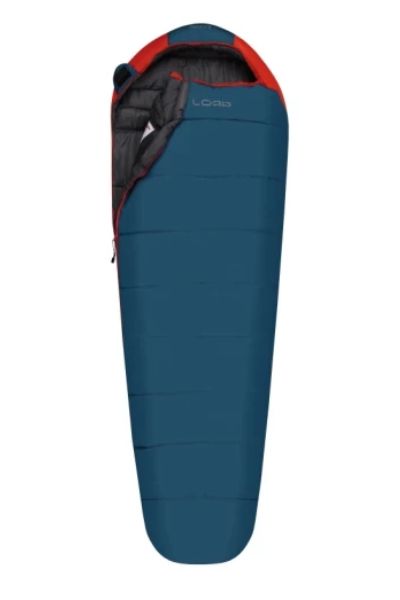
For casual users — heavier bags with fewer features, but the most affordable option.
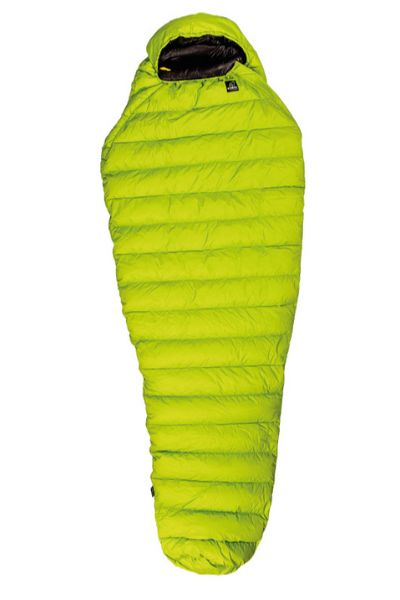
Go for down if you want to save every gram and pack size matters — no compromises here.
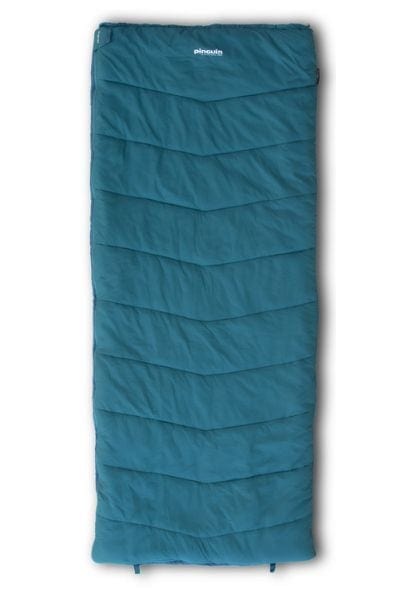
For occasional overnight stays in a cabin, or on warm summer nights.
3-Season Sleeping Bags
3-season sleeping bags are the most popular category because they can be used for most of the year. They typically weigh between 1 kg and 2 kg and will keep you comfortable even when temperatures dip slightly below freezing. Most are rated for use from around -5 °C to 25 °C. Prices vary widely — from around €30 to several hundred euros — primarily depending on the type of insulation.
3-season sleeping bags are also recommended for people who always feel cold. If you’re the type who sleeps with socks on even in a heated flat during winter, a 3-season bag is your best bet. It’s far better than buying a summer bag and then having to add liners and extra layers.
| Pros of 3-season sleeping bags | Cons of 3-season sleeping bags |
| ✅ Best value for money | ❌ More expensive than summer bags |
| ✅ Usable for most of the year | ❌ Not warm enough for proper winter |
| ✅ Widest selection available |
When it comes to 3-season bags, we wouldn’t recommend rectangular sleeping bags at all. If you’re buying a 3-season bag, you’re planning to be more active, and hauling around a heavy, bulky rectangular bag just doesn’t make sense.
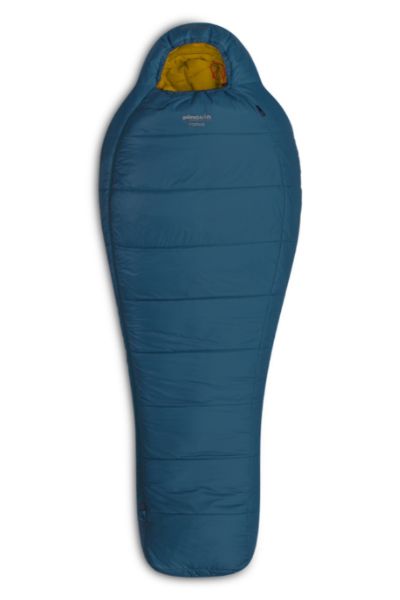
Heading out on a trek or a wild camping trip? Go for a synthetic fill — at around 1.5 kg to 2 kg, you’ll have a solid, reliable sleeping bag.
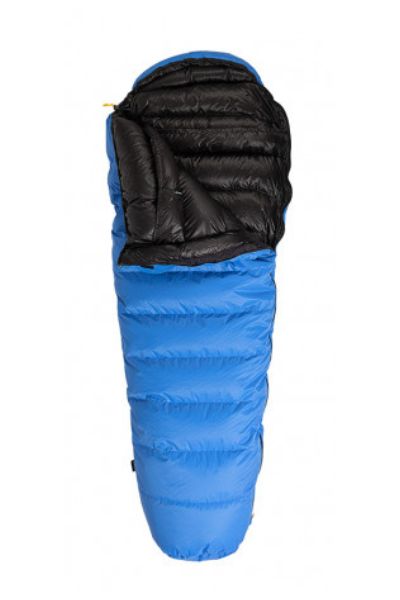
A quality down sleeping bag weighs under 1 kg and will serve you for years. If you’re serious about sleeping outdoors, go for down.
Winter Sleeping Bags
Winter sleeping bags are designed specifically for cold conditions, so they’re well insulated and offer the best thermal comfort. They typically weigh between 1.7 kg and up to 3 kg. Standard winter bags have a comfort rating down to about -10 °C, but there are also specialist expedition bags that will keep you warm in extreme sub-zero temperatures.
Winter sleeping bags are generally heavier due to the amount of insulation. Even in deep frost (down to -30 °C), down sleeping bags maintain their performance — at those temperatures, moisture is barely an issue.
| Pros of winter sleeping bags | Cons of winter sleeping bags |
| ✅ Maximum warmth | ❌ Only for winter — you’ll overheat in summer |
| ✅ No-compromise sleeping bag | ❌ High price |
Just like with 3-season bags, we wouldn’t recommend rectangular sleeping bags for winter use either. For winter sleeping bags, down is the way to go. Synthetic winter bags are simply too heavy and only really make sense in extremely cold and humid environments where a down bag might struggle.
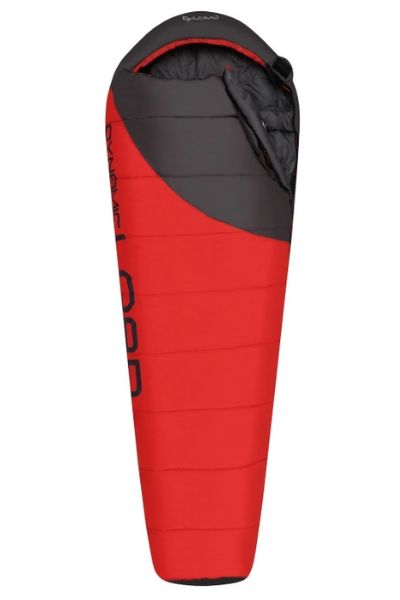
Synthetic fill doesn’t insulate as efficiently, making winter synthetic bags unnecessarily heavy. Only worth it in extremely wet conditions.
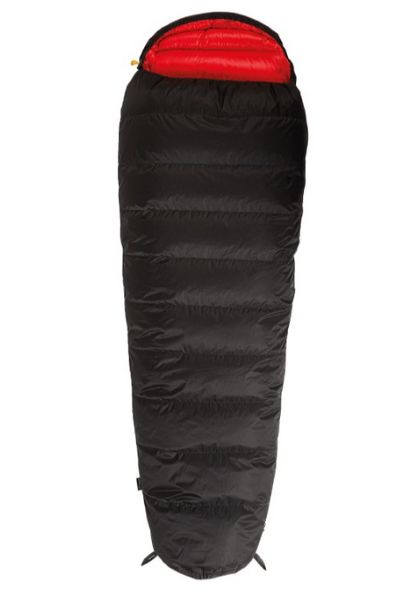
A proper down sleeping bag is the best choice for winter. Ideally, pick one with a water-resistant nanomembrane shell — it won’t absorb any moisture at all.
Sleeping Bag Temperature Ratings Explained
Every sleeping bag comes with standardised temperature ratings:
- Maximum temperature (MAX)
- Comfort temperature (COM)
- Limit temperature (LIM)
- Extreme temperature (EXT)
This classification is based on the European standard EN13537 (or the newer EN23537) and is mainly used for comparing sleeping bags against each other. Bags are tested in laboratory conditions on a special mannequin, so the ratings don’t account for how you personally feel the cold, your habits, or other individual factors.
Maximum Temperature
The maximum temperature rating isn’t particularly important. It simply tells you at what temperature you’ll start sweating. But unlike cold conditions, when it’s warm you can easily unzip the bag or just sleep on top of it.
Comfort Temperature
The comfort temperature indicates at how many degrees Celsius a 25-year-old woman can sleep without feeling cold.
Limit Temperature
The limit temperature is the same concept but measured for a 25-year-old man. Since men generally generate more body heat, the limit temperature is typically a few degrees lower than the comfort rating.
Extreme Temperature
The extreme temperature theoretically indicates the point below which you risk serious harm (hypothermia, etc.). You should never base your purchase on this number, and ideally you should never come anywhere close to your bag’s extreme rating.
On top of that, everyone perceives cold differently. How much heat your body generates changes depending on whether you’ve eaten, whether you’re healthy or under the weather, and just your general sensitivity to cold.
So at most, use the extreme rating to compare bags against each other — but never rely on it when planning your trips.
How to Choose the Right Sleeping Bag Length
Different sleeping bags for men, women, and children mainly differ in length and the placement of insulation — women’s bags, for example, tend to have extra insulation in key areas. As a general rule, buy a sleeping bag that’s about 30 cm longer than you are.
Unisex / Men’s Sleeping Bags
Unisex or men’s sleeping bags are the longest available on the market. They’re typically manufactured in lengths from 210 cm to 230 cm. Don’t be confused — a sleeping bag is always a bit longer than the person it’s designed for. Some manufacturers state the overall length, others the user height, and some list both.
Women’s Sleeping Bags
Women’s sleeping bags are shorter than unisex models and tend to have more insulation around the feet and hips. They also tend to come in more varied colour options.
Children’s Sleeping Bags
Children’s bags are shorter than women’s and often feature a handy trick — they can be shortened or extended. These are known as growing sleeping bags. They’re particularly good for younger children who grow quickly, saving you from buying a new bag every year.
Sleeping Bag Shapes
This one’s straightforward. You can get either a rectangular sleeping bag or a mummy bag.
Rectangular Sleeping Bag
A rectangular sleeping bag is a true weekend warrior’s choice. You get plenty of room inside and good comfort, but these bags are bulky, heavy, and rarely designed with finer details in mind.
- Generous interior space
- Fits virtually anyone
- Can be fully unzipped and used as a blanket
- Heavy
- Bulky
- Generally poor thermal efficiency
Mummy Sleeping Bag
The mummy shape is the most popular and is used for everything from casual hiking bags to professional-grade sleeping bags. Thanks to its tapered shape, it uses less material and wraps more closely around your body, which means it warms up faster and the insulation works more effectively.
Mummy bags also pack down smaller and weigh less.
- Uses heat from your whole body efficiently
- Lower weight, smaller pack size
- Better thermal comfort
Choosing a Sleeping Bag by Insulation Type
The type of fill directly affects both the price and performance of a sleeping bag. Fills are divided into synthetic and natural, where synthetic options include hollow fibre and microfibre, while natural insulation is predominantly goose or duck down.
Synthetic Insulation
As a rule, synthetic materials don’t perform as well as down, but they’re easier to care for and considerably cheaper.
Synthetic fills work by trapping air within the fibres to create insulation. You can pick up a synthetic sleeping bag from around €40 (e.g. with Hollowfiber fill) up to around €160 for one with premium microfibre insulation.
Synthetic sleeping bags aren’t sensitive to moisture, but with regular use the fibres tend to compress over time. Compressed fibres trap less air and gradually lose their insulating ability.
When choosing a synthetic sleeping bag, pay close attention to the quality of the fill material, as it largely determines the price. A no-name hollow fibre in a budget bag will insulate far worse than premium Climashield fibre in a mid-range sleeping bag.
Hollow Fibre
Hollow fibre is made from recycled plastic and is mainly used in sleeping bags where performance isn’t the top priority. It’s the cheapest fill available, has a shorter lifespan than other options, and weighs the most. It’s primarily used in summer and rectangular sleeping bags.
A hollow fibre sleeping bag is fine for cabin stays or occasional car camping, but it’s definitely not suited for longer treks or multi-day expeditions in demanding conditions.
Microfibre
Microfibre is a synthetic alternative to hollow fibre. It offers better thermal insulation, is less bulky and lighter, though it costs a bit more. Unlike hollow fibre, microfibre is also used in more affordable 3-season and winter sleeping bags.
Down Sleeping Bags
Down sleeping bags are in a league of their own. Down insulates better than any other material and offers the best ratio of warmth, compressibility, weight, and longevity.
There are various types of down, and sleeping bags use either duck or goose down, or a blend of both. The quality of the down (and the specific parts used) determines its performance and price, but as a general rule, down is the highest-quality fill available and has no rival when it comes to heat retention.
Sleeping bags with duck down are cheaper, but duck down tends to release ammonia when damp, which causes an unpleasant smell. Goose down doesn’t have this issue.
In the past, down sleeping bags suffered from losing their warmth when they got wet (the feathers would clump together and stop insulating). That’s no longer a problem — you can now find sleeping bags with a water-repellent treatment on the shell that prevents moisture from reaching the down at all.
Down Fill Specifications
Fill Weight
With down sleeping bags, you can use the fill weight as a reliable guide to what season a bag is designed for. Here’s a rough breakdown:
- 200 g to 400 g – summer sleeping bag
- 400 g to 800 g – 3-season sleeping bag
- over 800 g – all-year / winter sleeping bag
- over 1200 g – specialist winter sleeping bag
Fill Power
Down sleeping bag manufacturers list fill power. The higher the fill power, the more air the down can trap, and the better it insulates. Fill power is measured in cubic inches (CUIN):
- Standard fill power: 600 CUIN
- Very good fill power: 650 – 750 CUIN
- Premium fill power: 800+ CUIN
Down-to-Feather Ratio
Down is processed in various ways — sorted, clipped, and blended for optimal performance. For best results, sleeping bags use a mix of down clusters and small feathers, each serving a different purpose. Down clusters trap air and insulate, while feathers provide structure (loft) and help maintain the longevity of the down. The most common ratios are:
- 85:15
- 90:10
- 95:5
The ideal ratio is generally considered to be 90:10.
Sleeping Bag Care and Maintenance
Down sleeping bags generally need a bit more TLC, but synthetic bags benefit from proper care too.
No matter what any salesperson tells you, don’t keep your sleeping bag in a compression sack any longer than absolutely necessary. Store it loosely — ideally hanging on a hanger, or loosely rolled in a cupboard.
If your sleeping bag gets damp, let it air out for several days. In summer, hang it outside; in winter, spread it out on the floor indoors. Any moisture left inside is a problem. It reduces insulation performance and can lead to mould growth.
If at all possible, avoid washing your sleeping bag. Washing damages synthetic materials, and frequent washing isn’t great for down either. Sleeping bags lose loft (fluffiness) with each wash, which means less insulation. If you really need to wash your bag, take it to a specialist cleaner or thoroughly research the correct process. Using the wrong detergent can ruin down fill permanently.
Final Tips
Take your time when choosing a sleeping bag. With the right choice and proper care, a good sleeping bag can last 10 years or more. Pay careful attention to the materials used, as they have an enormous impact on performance.
Ideally, buy your sleeping bag from a reputable specialist brand that offers after-sales service, including help with maintenance and cleaning. Well-known quality brands include Rab, Sea to Summit, Mountain Equipment, and Kwak, among others.
There’s a huge selection of sleeping bags out there, and you can often find quality bags in end-of-season sales. If you’re not in a rush, it’s worth waiting for a good deal. Retailers like Cotswold Outdoor, Go Outdoors, and Decathlon regularly have great offers.
If you’re after a sleeping bag for bike touring, look for a specialist bikepacking sleeping bag. And don’t forget a decent outdoor jacket to go with it.
Tips and Tricks for Your Vacation
Don’t Overpay for Flights
Search for flights on Kayak. It’s our favorite search engine because it scans the websites of all airlines and always finds the cheapest connection.
Book Your Accommodation Smartly
The best experiences we’ve had when looking for accommodation (from Alaska to Morocco) are with Booking.com, where hotels, apartments, and entire houses are usually the cheapest and most widely available.
Don’t Forget Travel Insurance
Good travel insurance will protect you against illness, accidents, theft, or flight cancellations. We’ve had a few hospital visits abroad, so we know how important it is to have proper insurance arranged.
Where we insure ourselves: SafetyWing (best for everyone) and TrueTraveller (for extra-long trips).
Why don’t we recommend any Czech insurance company? Because they have too many restrictions. They set limits on the number of days abroad, travel insurance via a credit card often requires you to pay medical expenses only with that card, and they frequently limit the number of returns to the Czech Republic.
Find the Best Experiences
Get Your Guide is a huge online marketplace where you can book guided walks, trips, skip-the-line tickets, tours, and much more. We always find some extra fun there!


