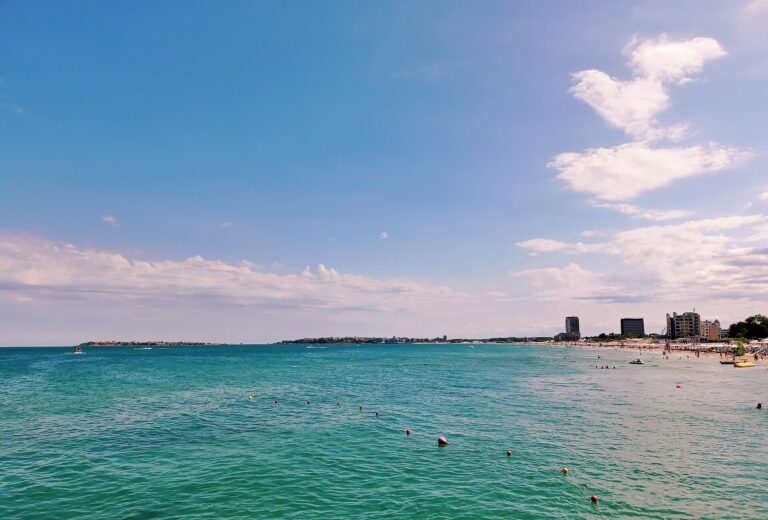
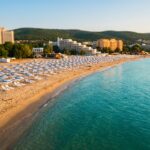
Sozopol is the oldest town on the Bulgarian coast, founded by the Greeks as Apollonia Pontica back in the 7th century BCE. Unlike the more famous and touristy Nessebar, this is still a living town where people actually reside and fish, not just a historic backdrop for summer package holidays. Every morning, boats sail out from the harbor and the catch goes straight to the local taverns.
If you’re looking for a destination that combines wooden Revival-era architecture with long sandy beaches, this place will definitely captivate you. The town maintains its distinctive artistic character, narrow cobbled streets smell of the sea, and purple figs truly grow on every corner.
This guide will help you navigate prices after the switch to the euro, choose the right beach, and decipher the parking system—and also tell you why people from all over the world come here for a single skeleton.
TL;DR
- Set aside at least half a day to explore the old town, but if you want to discover the islands and beaches too, it’s worth spending a long weekend here.
- Since January 1, 2026, Bulgaria uses the euro, which has made prices much easier for tourists to understand, and cards are accepted almost everywhere except small stalls.
- Admission to main attractions is very affordable, for example the Archaeological Museum costs just €4, while churches are mostly free.
- The best transport from Burgas is by coach, which runs every half hour from the southern bus station and costs just under €4.
- Parking right by the old town is possible, but costs €3 per hour, and after six hours you park for free for the rest of the day.
- Local beaches differ in their character, the central one is great for families with children, while at Kavatsi you’ll find fine sand but also expensive premium beach clubs.
- At the turn of August and September the town comes alive with the Apollonia festival, when the streets and museums fill with artists, theatre and concerts.
| # | Place | Type | Admission 2026 |
|---|---|---|---|
| 1 | Archaeological Museum | Museum | €4.00 |
| 2 | Southern Fortress Wall | Archaeological complex | Check on-site |
| 3 | Wooden Houses | Architecture | Free from outside |
| 4 | Church of the Virgin Mary | Semi-sunken church | Free |
| 5 | Church of St. Zosimus | Historic chapel | Free |
| 6 | Gallery and Ethnography | Museums | Check on-site |
| 7 | Underwater Excavations | Harbor history | Free (view from shore) |
| 8 | Central Beach | Town beach | Sunbed €3.58 |
| 9 | Harmani Beach | Larger town beach | Sunbed approx. €4.00 |
| 10 | Kavatsi Beaches | Wide sandy beach | Sunbed from €3.60 |
| 11 | Smokinya Beach | Beach with clubs | Sunbed from €5.00 |
| 12 | Gradina Campsite | Beach with variable seabed | Sunbed €3.58 |
| 13 | St. Ivan Island | Boat trip | Cruise approx. €20 |
| 14 | Ravadinovo Castle | Modern attraction | Check on-site |
| 15 | Ropotamo Reserve | River cruise | Boat approx. €47 (package) |
The full destination guide: Bulgaria Travel Guide — guide and what to see
How Much Does Sozopol Cost and How to Pay
Bulgaria adopted the euro on January 1, 2026, which is a huge relief for all travelers. The fixed rate was set at €1 = 1.95583 lv, so all those old articles you’ll find online that still operate with Bulgarian leva simply no longer apply. If you want to roughly convert prices, use an approximate exchange rate of 24 CZK per euro.
When paying in restaurants and larger shops you’ll have no problem using a payment card, but definitely keep cash for admission to smaller monuments, purchases at the market or donations in churches. There are plenty of ATMs in town, but be very careful with private networks like Euronet, which charge withdrawal fees and offer very unfavorable exchange rates with markups of up to 13 percent, so always go for a regular bank ATM and decline dynamic currency conversion.
After switching to the euro, Sozopol became a national symbol of the summer price-increase dispute, when the Bulgarian press ran a story about cold tarator soup for €9. However, during extensive inspections, the tax authority never found such a price anywhere, and it turned out that the price range within the town itself is enormous. On one street you’ll get a lunch menu for €10, while a block away at a premium restaurant you’ll pay double just for a salad. An excellent calibration trick is to check the price of tarator or shopska salad, and if tarator costs more than €5, you’re in the pricier zone.
| Monument / Service | Price 2026 in euros |
|---|---|
| Archaeological Museum (adult) | €4.00 |
| Archaeological Museum (student/senior) | €1.50 |
| Archaeological Museum (family admission) | €7.00 |
| Sunbed (Central Beach and Gradina campsite) | €3.58 |
| Boat trip to St. Ivan Island with landing | €20.00 |
| Parking in old town (1 hour) | €3.00 |
How to Get to Sozopol and Where to Park
The easiest and by far the cheapest route is via Burgas, from where coaches run roughly every half hour. You board at the southern bus station (Автогара Юг) in sector 5 and the ticket costs a lovely €3.37. If you’re flying into Burgas airport, just take public bus line 15, get to the bus station and transfer there, which costs just over €8 for two people, while an airport taxi would cost around €70.
If you do decide on a taxi, be very careful where you get in. The Sozopol rate per kilometer (€1.28) is significantly higher than the Burgas rate (€0.77), so paradoxically it’s worth ordering a car from Burgas. Apps like Bolt don’t work in this area, so you’ll have to rely on traditional dispatch services and always check the price list on the car window in advance.
Traveling by your own or rental car has its specifics, because parking right by the old town is the most expensive zone in the entire area. Entry is allowed, but at the barrier on Kraybrezna Street you take a ticket and pay €3 per hour. The good news is that the first 30 minutes are free and after six hours of parking the fee is capped at €20, so you park free for the rest of the day. Outside the main summer season, from October to mid-May, the municipality opens the barriers and all car parks are completely free.
Old Town: What to See Among the Wooden Houses
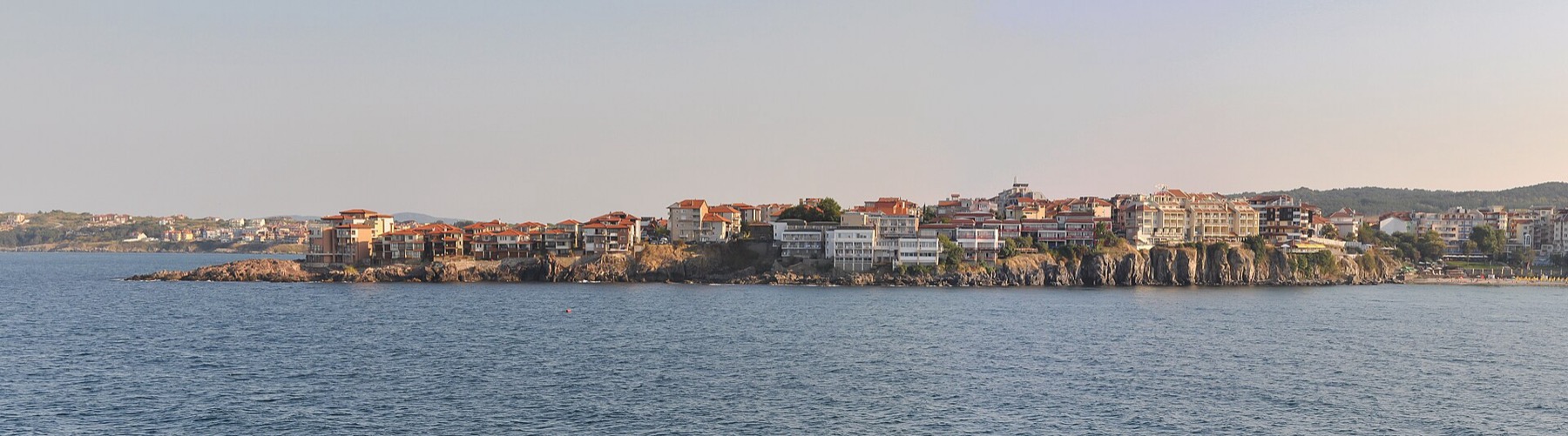
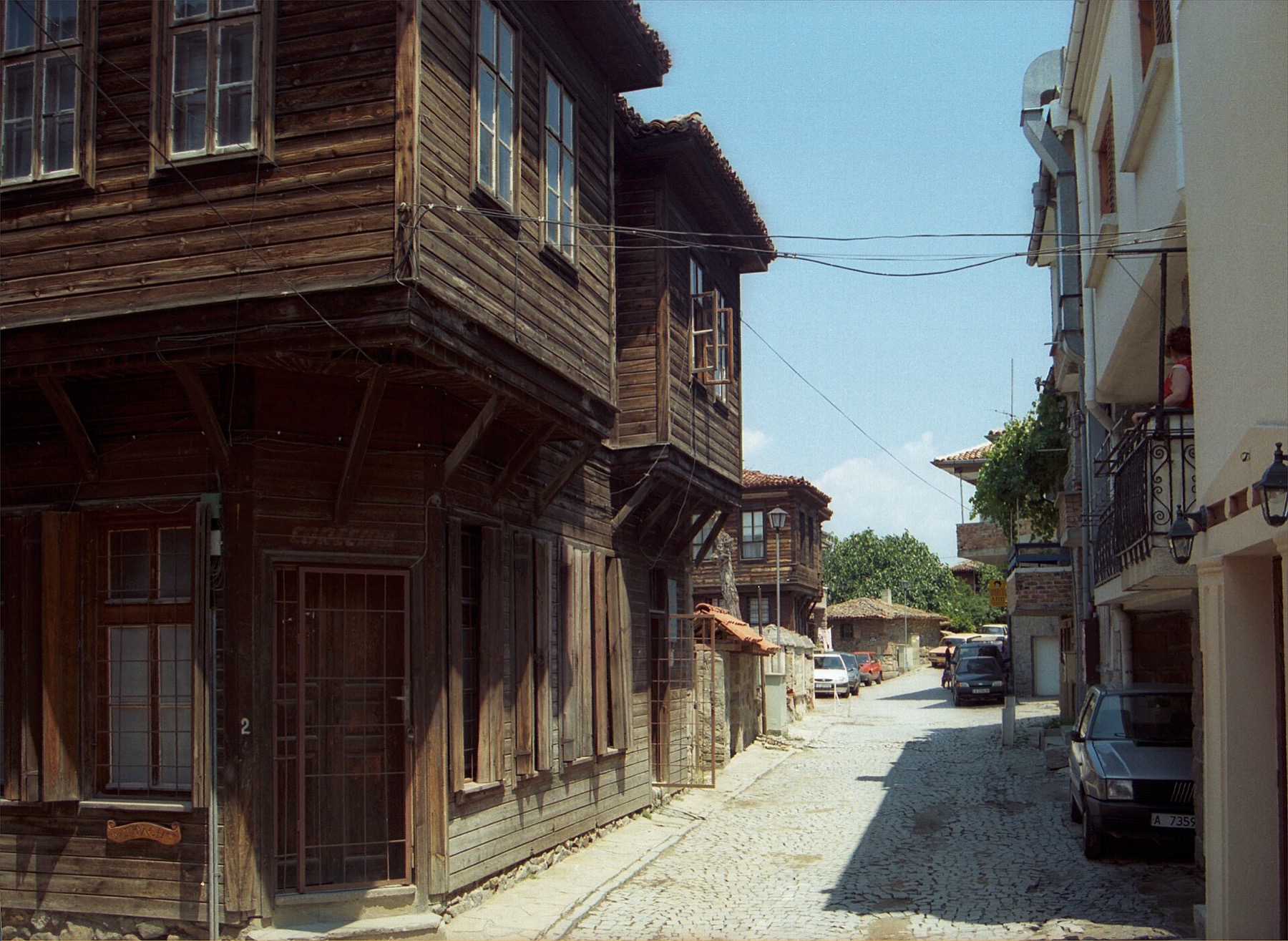
The historic center of Sozopol is exactly the place people come here for. Winding cobbled streets, old stone ramparts and iconic wooden houses create an absolutely unique setting. Set aside at least one whole afternoon for a walk, because around every corner you’ll find either an ancient excavation or a breathtaking sea view.
1. Archaeological Museum and the Sozopol Vampire
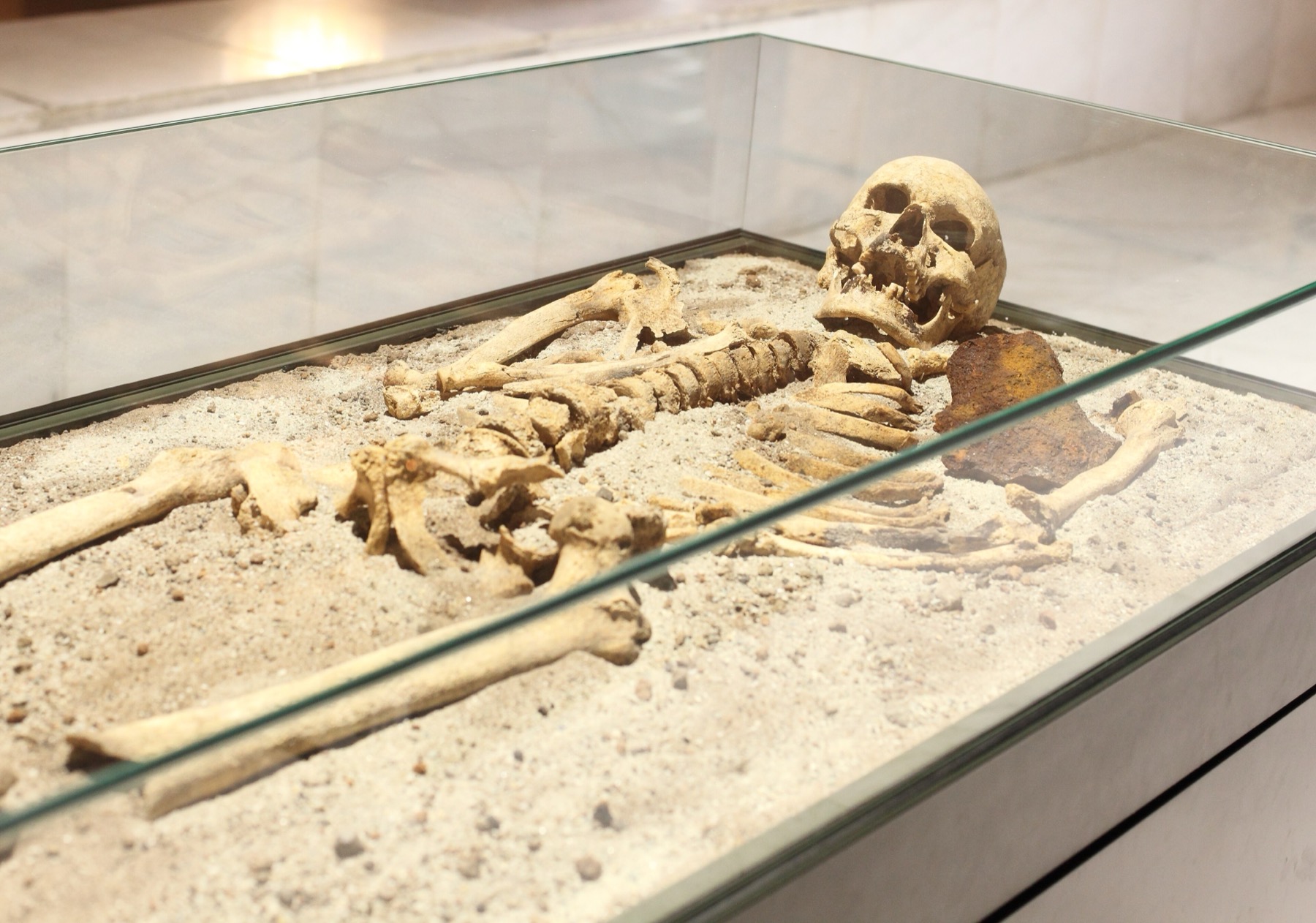
Right on the edge of the old town, a short walk from the harbor, you’ll find the museum building, which may not look grand from the outside but holds over a thousand incredible exhibits. Adult admission is €4 and inside you’ll find the richest collection of ancient Greek vases in all of Bulgaria. If you come in the winter months, remember that the museum is closed on weekends, so plan your visit for a weekday.
The biggest draw, which attracts people from all over the world, is the skeleton of the so-called Sozopol vampire. These are the roughly 700-year-old remains of a man who was placed in his grave with a piece of iron thrust through his chest, a medieval ritual meant to prevent his return among the living. Today you’ll find him in a special display case right in the exhibition and photos of this discovery have even gone around the world in National Geographic rankings.
Besides the vampire, definitely check out the stunning collection of stone anchors from the time long before Greek colonization. These anchors prove that the local harbor operated thousands of years before Christ. The anchor symbol itself became so iconic that Apollonia minted it on its coins for 2,600 years and the town has kept it in its coat of arms to this day.
2. Southern Fortress Wall and Watchtower
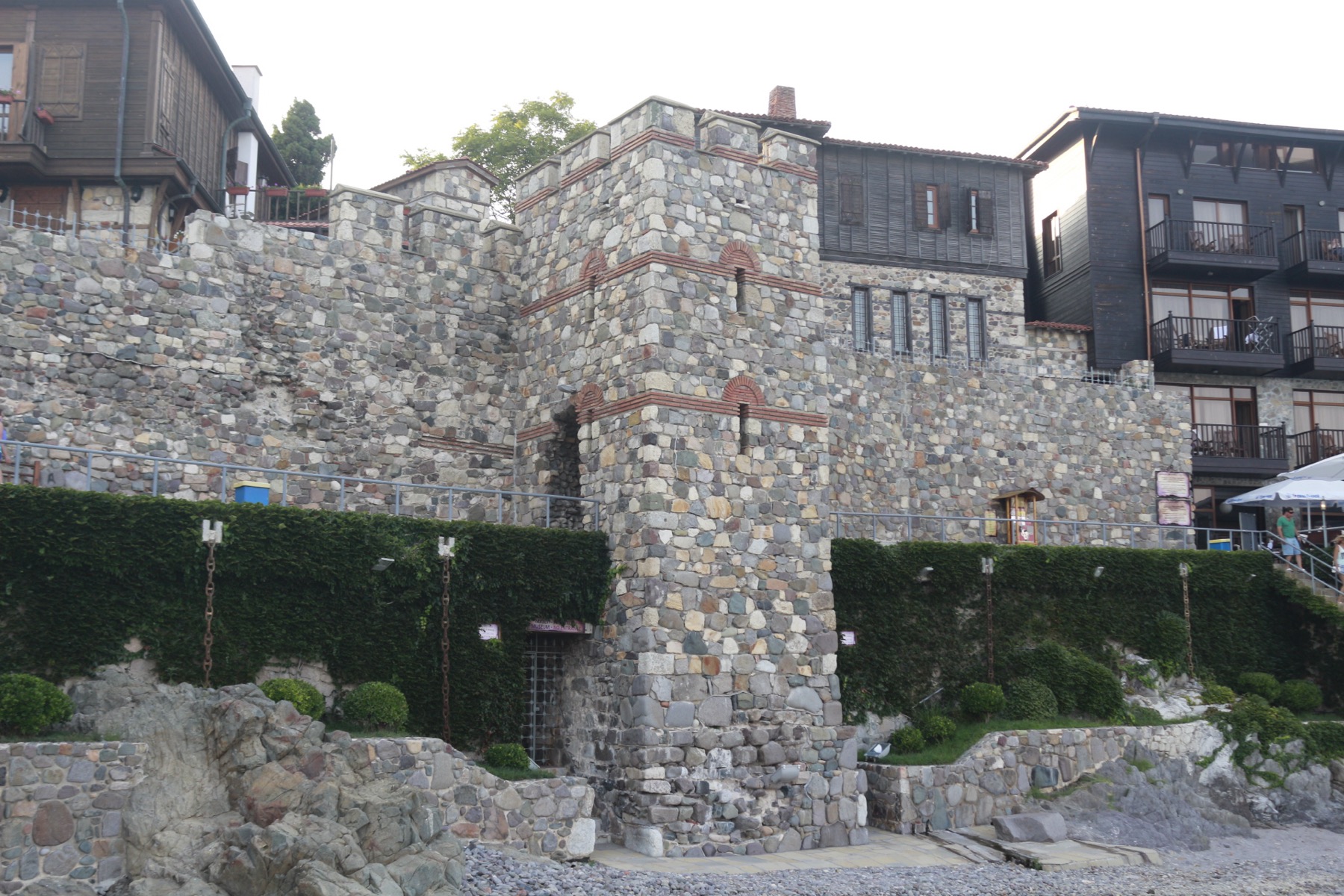
While strolling along the coastal promenade, you’ll come across impressive remnants of fortifications that have been turned into the first private museum complex in the country. The landowner accidentally discovered ancient masonry while renovating his house in 1994 and decided to restore the entire space. Because this is a private initiative, exact entrance fees and opening hours often change, so you’ll need to check them on site.
Inside this reconstructed complex you’ll find genuine architectural treasures. The most fascinating part is an ancient well from before the Common Era, into which visitors still toss coins for good luck today. You’ll also see an enormous granary from the 5th century, which with its walls around 140 centimeters thick is the largest structure discovered in the old town.
The entire complex is also wheelchair accessible, including an elevator and ramp, which is incredibly rare in a cobblestoned historic center. You can walk right beneath the fortifications, which in these spots reached heights of over twelve meters, and examine original sections of the ancient aqueduct.
3. Wooden Houses of Sozopol Style
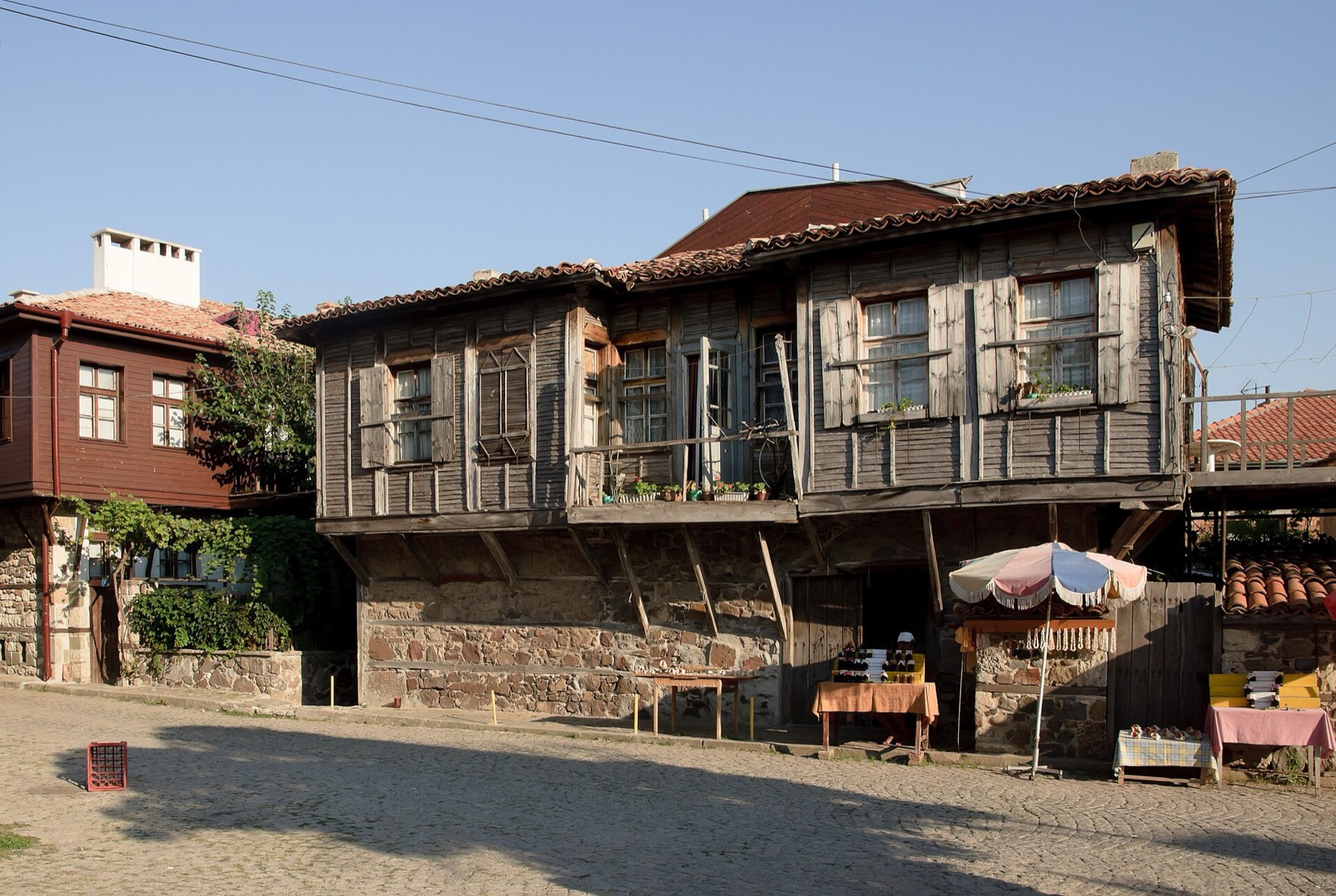
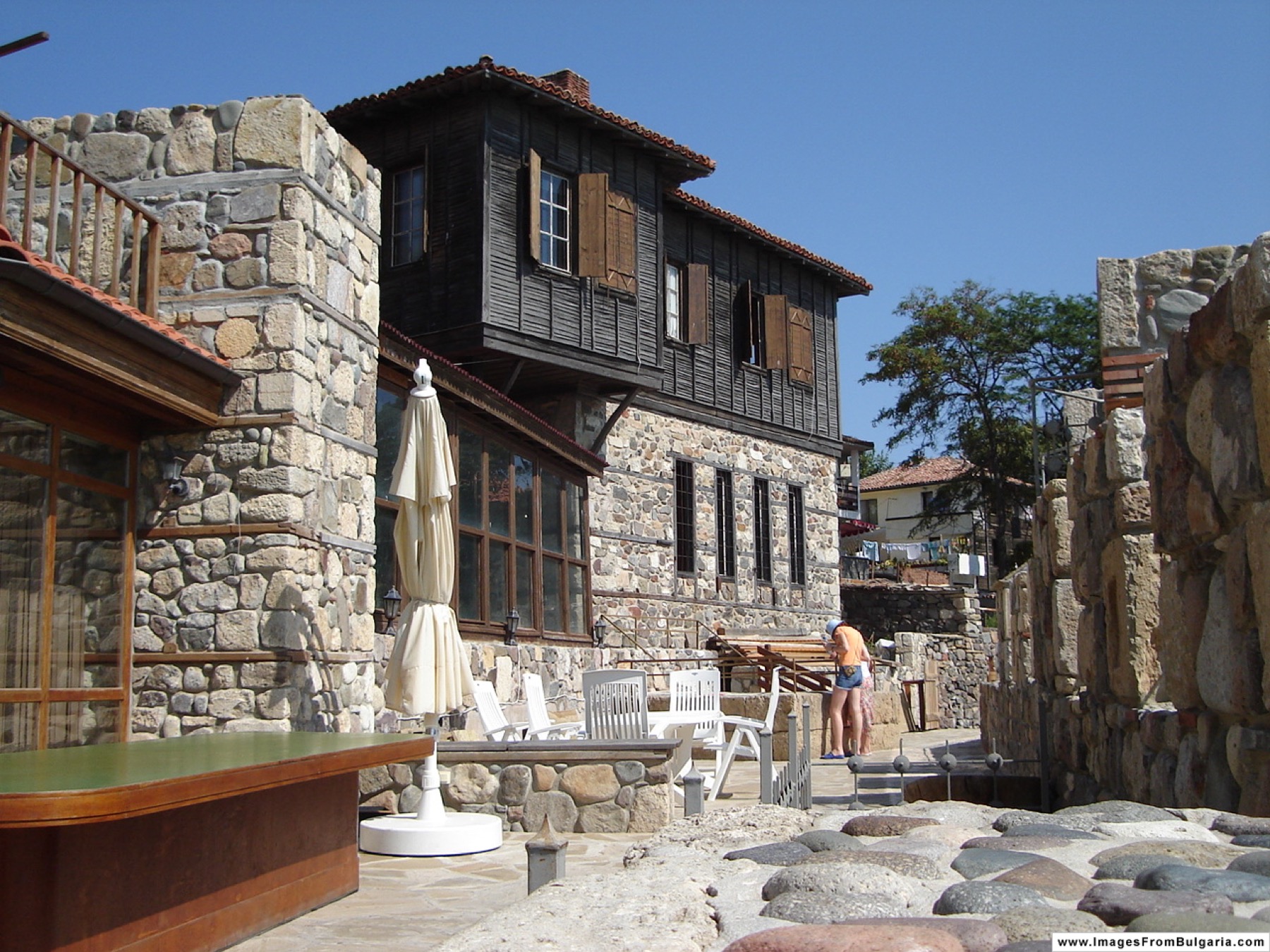
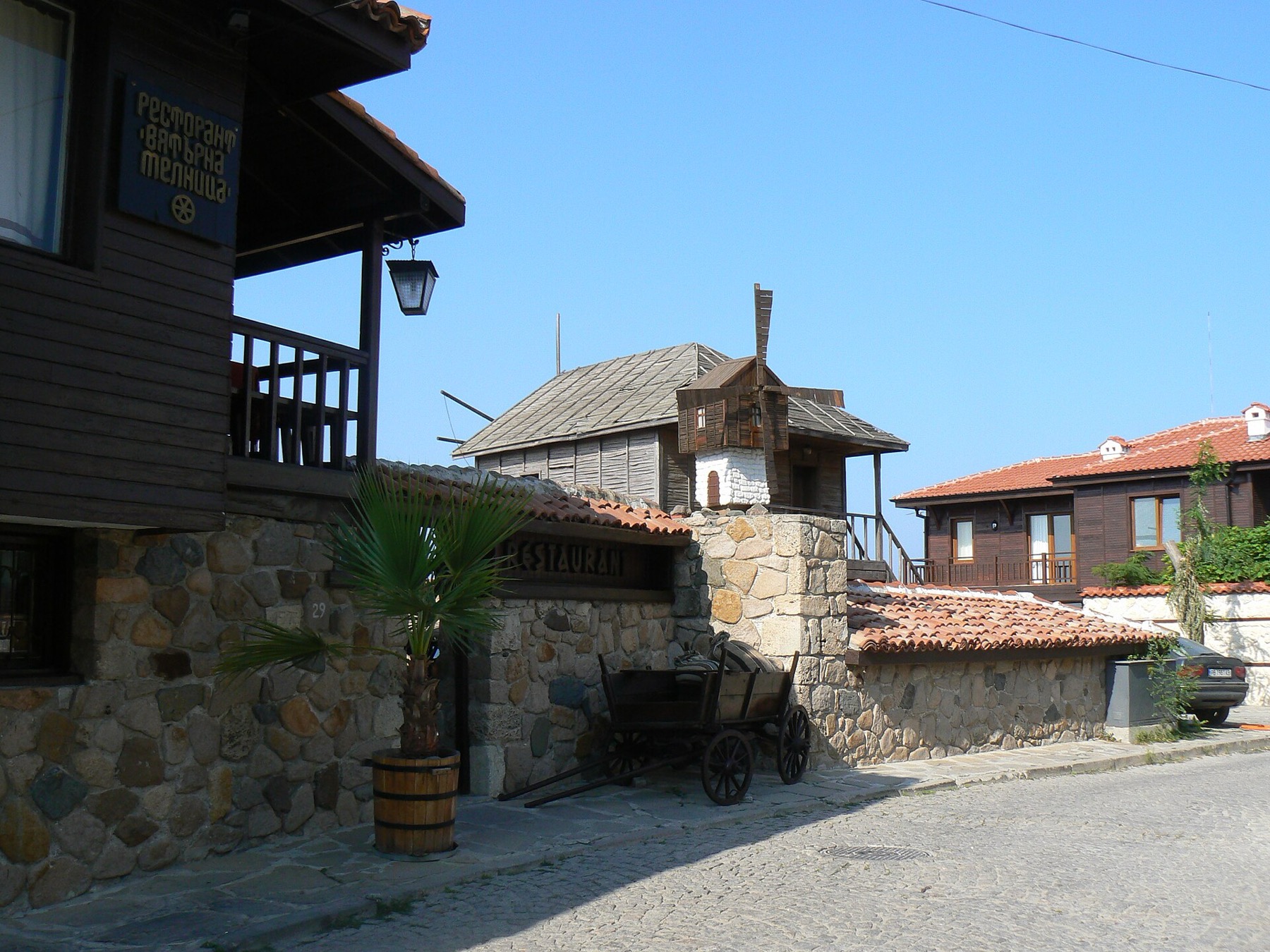
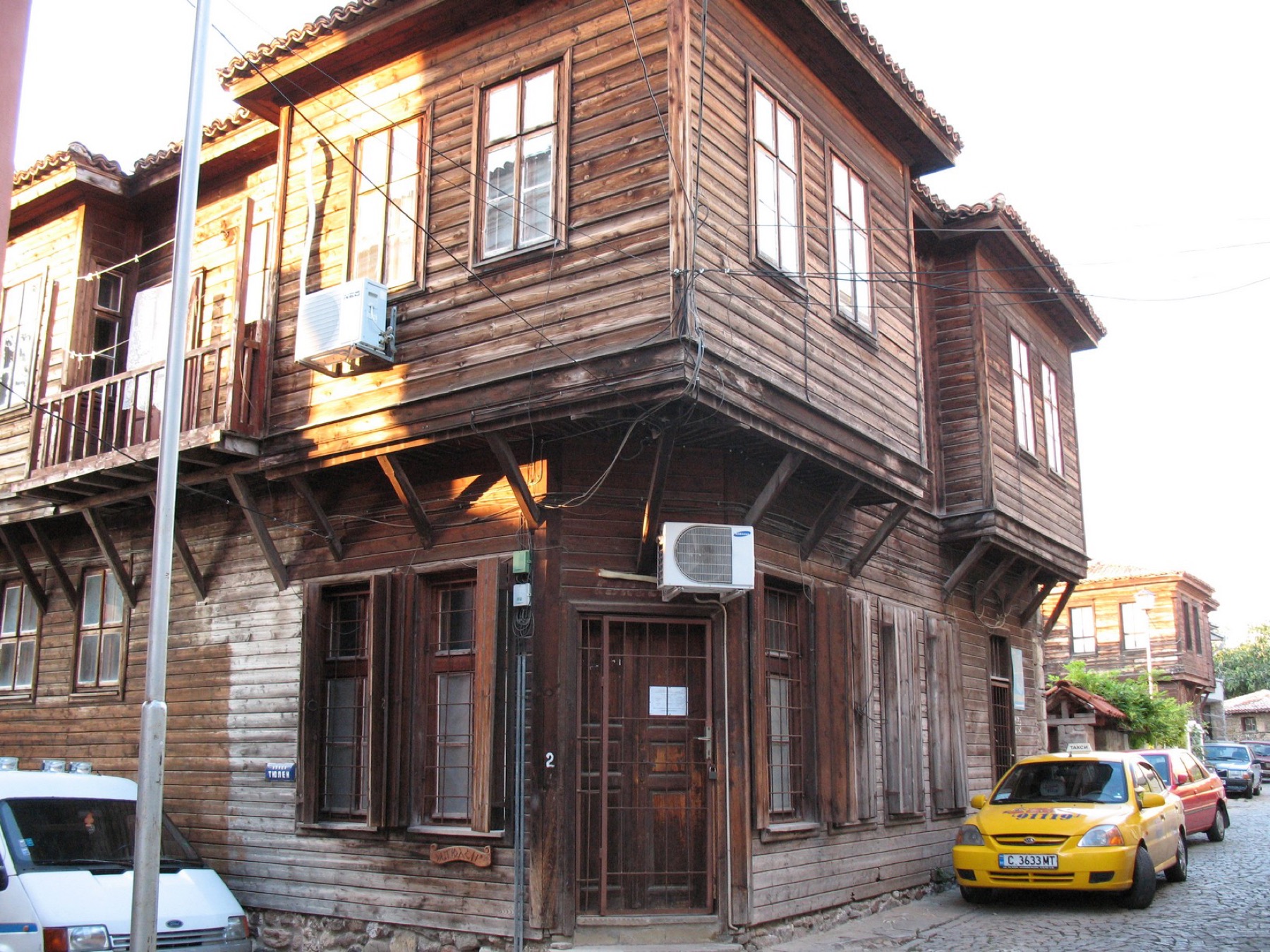
The entire town is essentially one big open-air museum: over 180 preserved residential buildings prompted the authorities to declare the center an architectural reserve back in 1974, and honestly, who can blame them. These houses have an absolutely unique construction that arose from the needs of local fishermen and winemakers, and as you walk through the narrow passages called rimni, you’ll breathe in centuries of history.
The ground floors consist of high stone walls that served as storage for wine casks and fishing nets. On top sits a residential floor made of lightweight wooden construction, which is typically cantilevered toward the street on wooden brackets. The walls of the upper floor are clad on the outside with wide wooden planks that protect the house from the salty sea wind.
While exploring, definitely look for the so-called House with the Sun, which belonged to Ana Trendafilova and features a beautifully stylized wooden sun in the gable. Equally interesting is the Laskaridis family house, whose upper floor projects a full two meters into the street, or the building of Marieta Stefanova, which was built directly on the remains of the medieval wall.
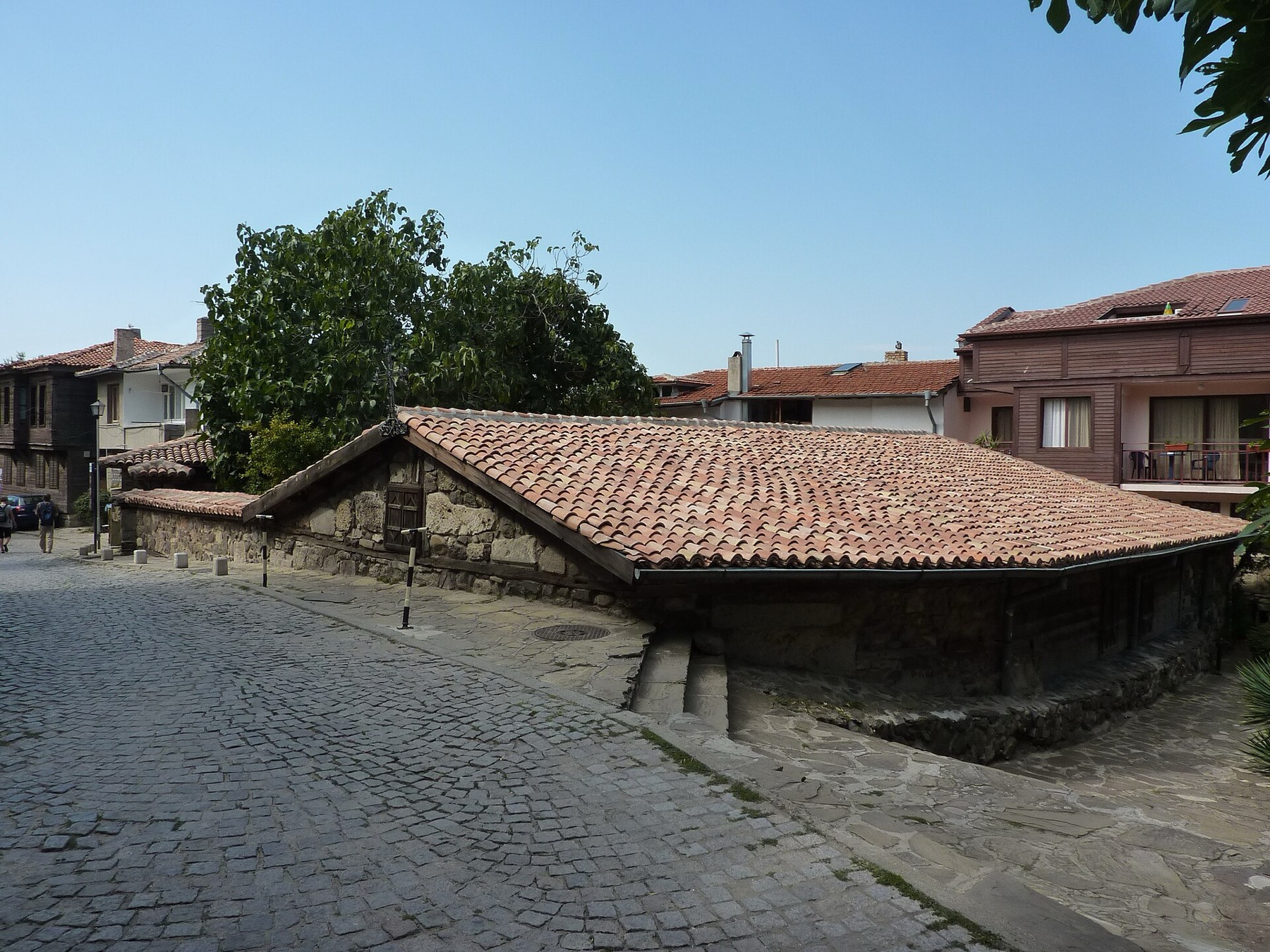
4. Church of the Holy Mother of God Sunken into the Ground
Bulgaria went through five centuries of Ottoman rule, and period regulations strictly forbade any Christian church from exceeding the height of a Turk sitting on horseback. Local builders found their own solution and began digging churches deep into the ground, so when you stand today in front of the 15th-century Church of the Holy Mother of God, it looks from outside like a completely ordinary low building.
But as soon as you descend the stairs into the interior, you’ll be amazed by the space of a three-nave pseudo-basilica. The most precious thing you’ll find inside is a richly carved wooden iconostasis measuring over nine meters wide and dating from the late 18th century. Entrance to the church is free and there’s an incredible peace here that instantly cuts you off from the noise of the summer streets.
💡 Tip for visitors: Another beautiful semi-submerged church is the Chapel of St. Zosim, which stands on the isthmus connecting the old town to the mainland. It was completed in 1858 and right at the entrance you can see an ancient marble stele that comes from the ancient necropolis.
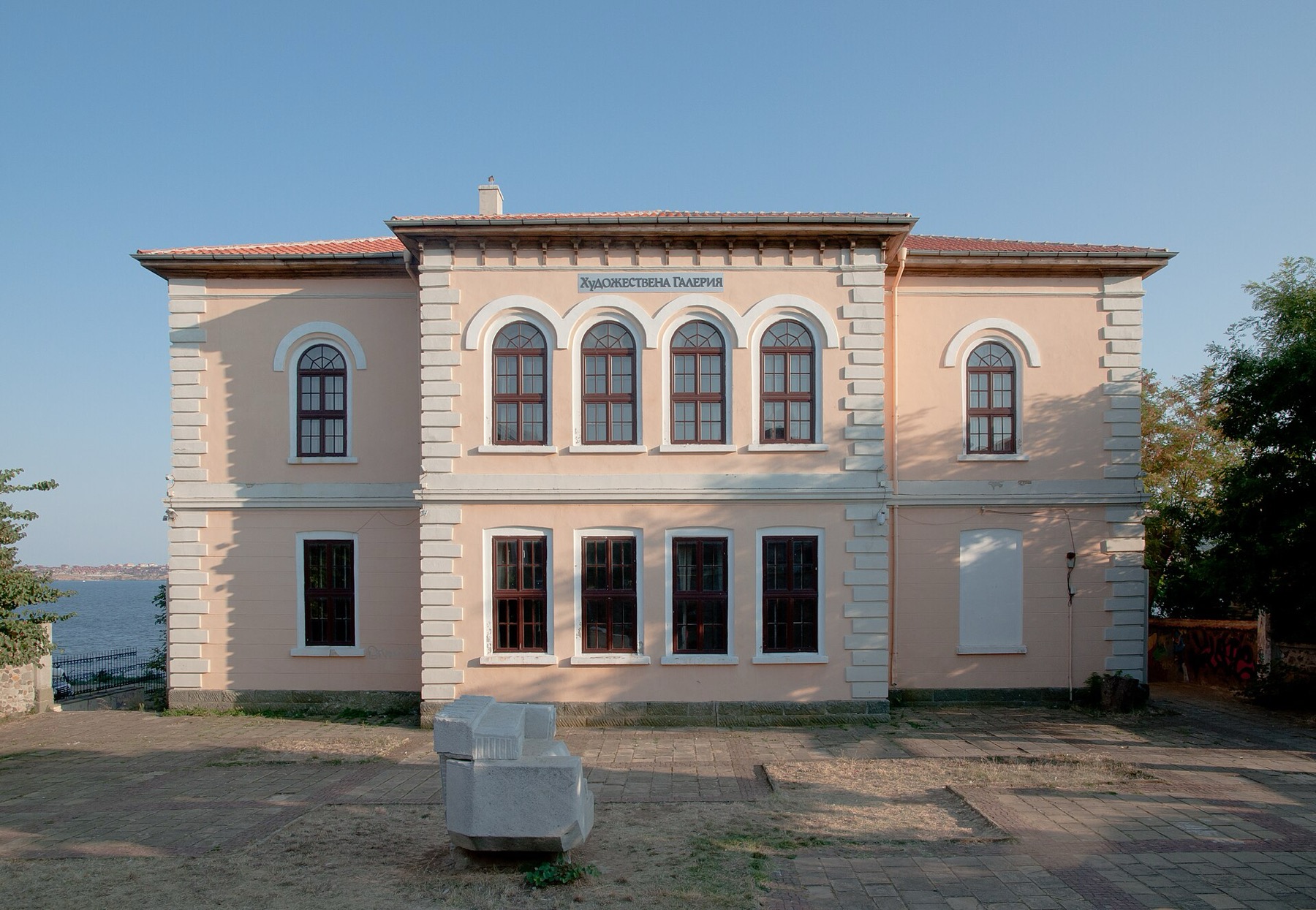
5. Art Gallery and Ethnographic Museum
If you’re interested in local art, head to the Old School building, which houses the city art gallery. You’ll find a collection of about three hundred works, among which the canvases of Professor Alexander Mutafov absolutely stand out – he’s considered the first Bulgarian painter of seascapes and maritime scenes.
Just a short walk away on Kiril i Metodij Street stands the beautiful revival-era Kurtidi House, which now serves as the Ethnographic Museum. On the first floor you’ll learn about traditional crafts such as fishing, linen spinning, and winemaking, while the second floor is dedicated to the beautiful costumes of local ethnographic groups. Entrance fees for these smaller venues were not officially published in euros for 2026, so you’ll need to check them at the ticket office.
Also pay attention to the Old Sozopol Exhibition in the so-called Dukov House, which hosts rotating exhibitions of archaeological finds. These smaller cultural institutions often become activity centers during the August Apollonia Festival, when the entire town transforms into one big art scene.
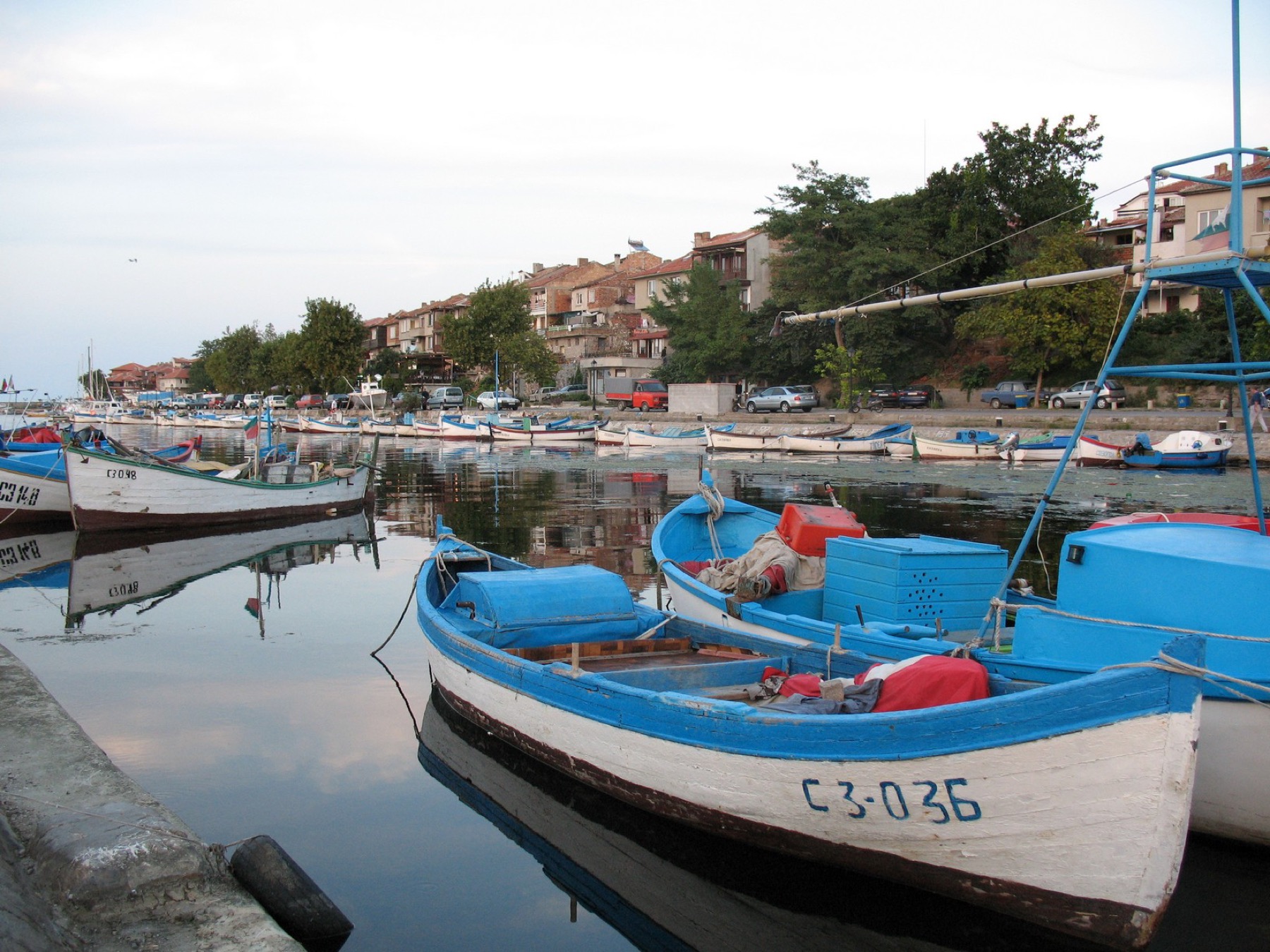
6. Harbor and Secrets of the Sunken City
When you walk around the fishing harbor watching boats bobbing on the waves, few people will tell you what exactly lies right beneath you. Under the surface of the bay lies a prehistoric settlement over 6,500 years old, dating from the end of the fifth millennium BCE and discovered through the work of underwater archaeologists.
The cultural layer on the seabed is an incredible five meters thick and ancient wooden poles still protrude from it, on which prehistoric dwellings once stood. Archaeologists have pulled out an enormous amount of pottery, stone tools, and remnants of ancient life. This entire area is also dotted with shipwrecks from both ancient and Ottoman times, which have been preserved in exceptionally good condition thanks to the specific conditions of the Black Sea.
Even though you can’t dive down as an ordinary tourist, it’s worth sitting on a bench by the harbor and contemplating this enormous depth of time. It’s precisely this continuity of settlement from prehistory through ancient Apollonia to today’s fishing town that’s the main argument for why Sozopol is called the absolute oldest settlement on the Bulgarian coast.
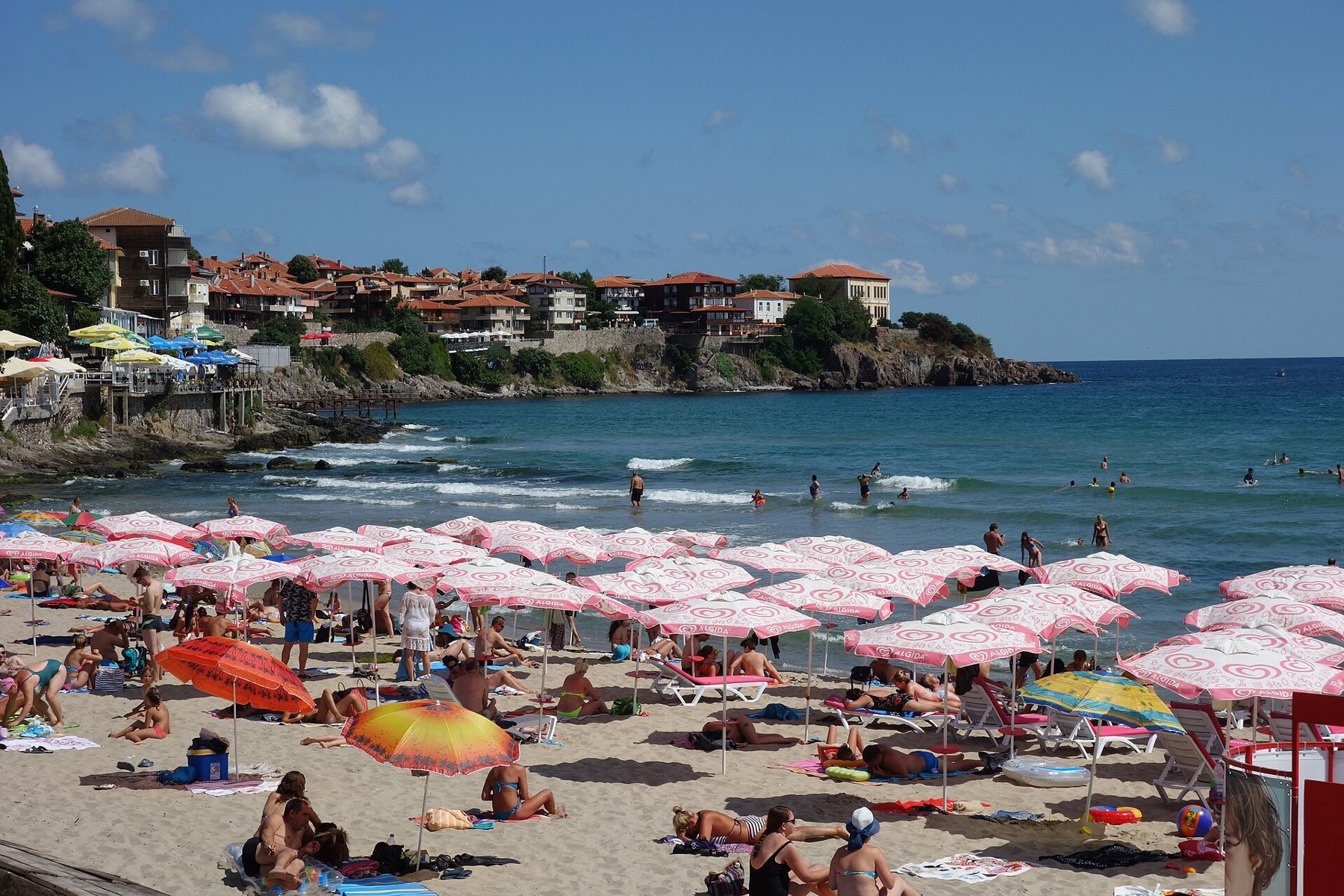
Beaches in Sozopol and Surroundings
Whether you’re looking for a quiet cove with gentle entry into the water, or kilometers of fine sand with beach clubs, the Sozopol coast has something to offer. Most beaches in the immediate area boast clean water and excellent facilities. You just need to choose the one that best suits your style.
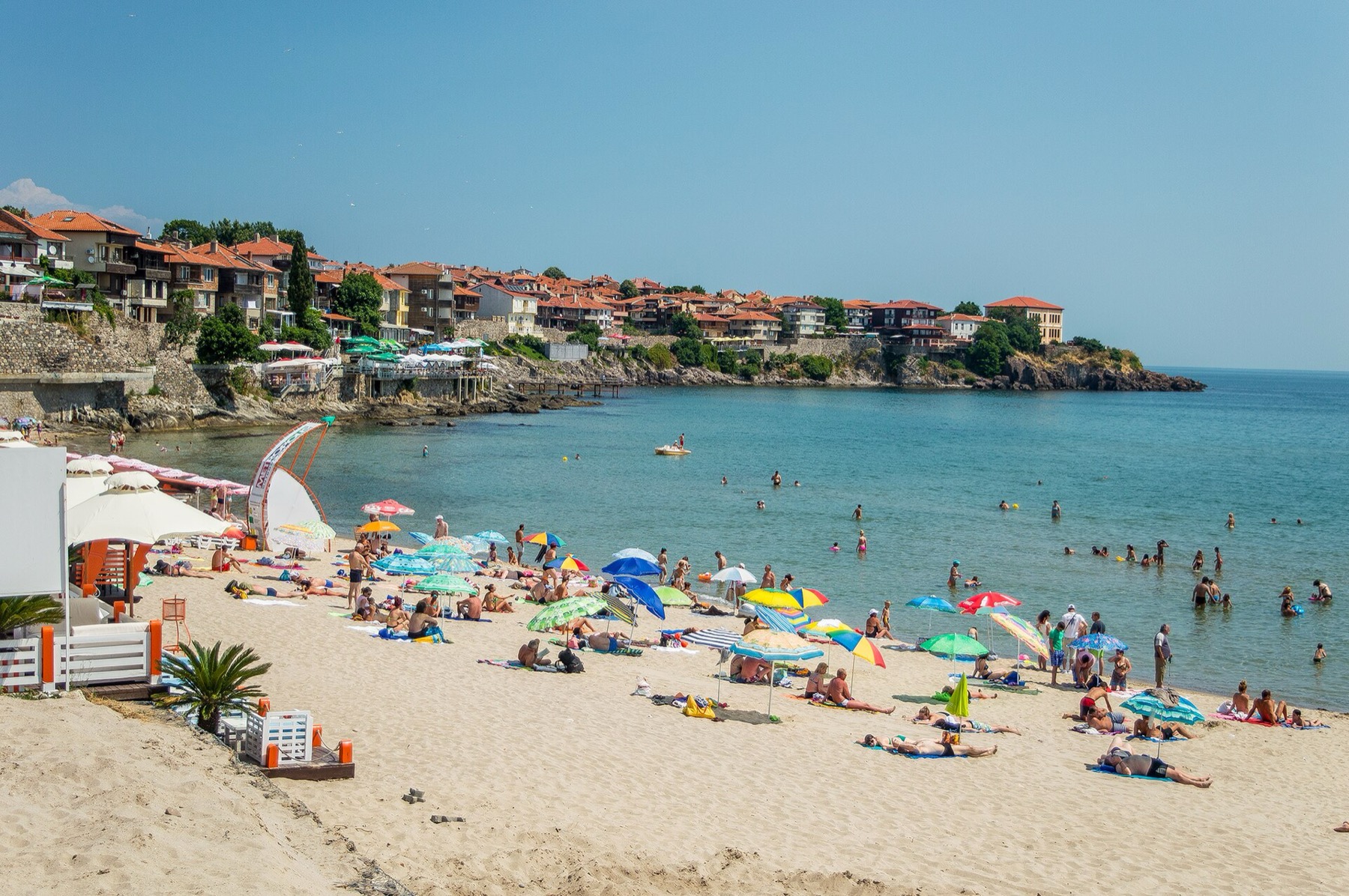
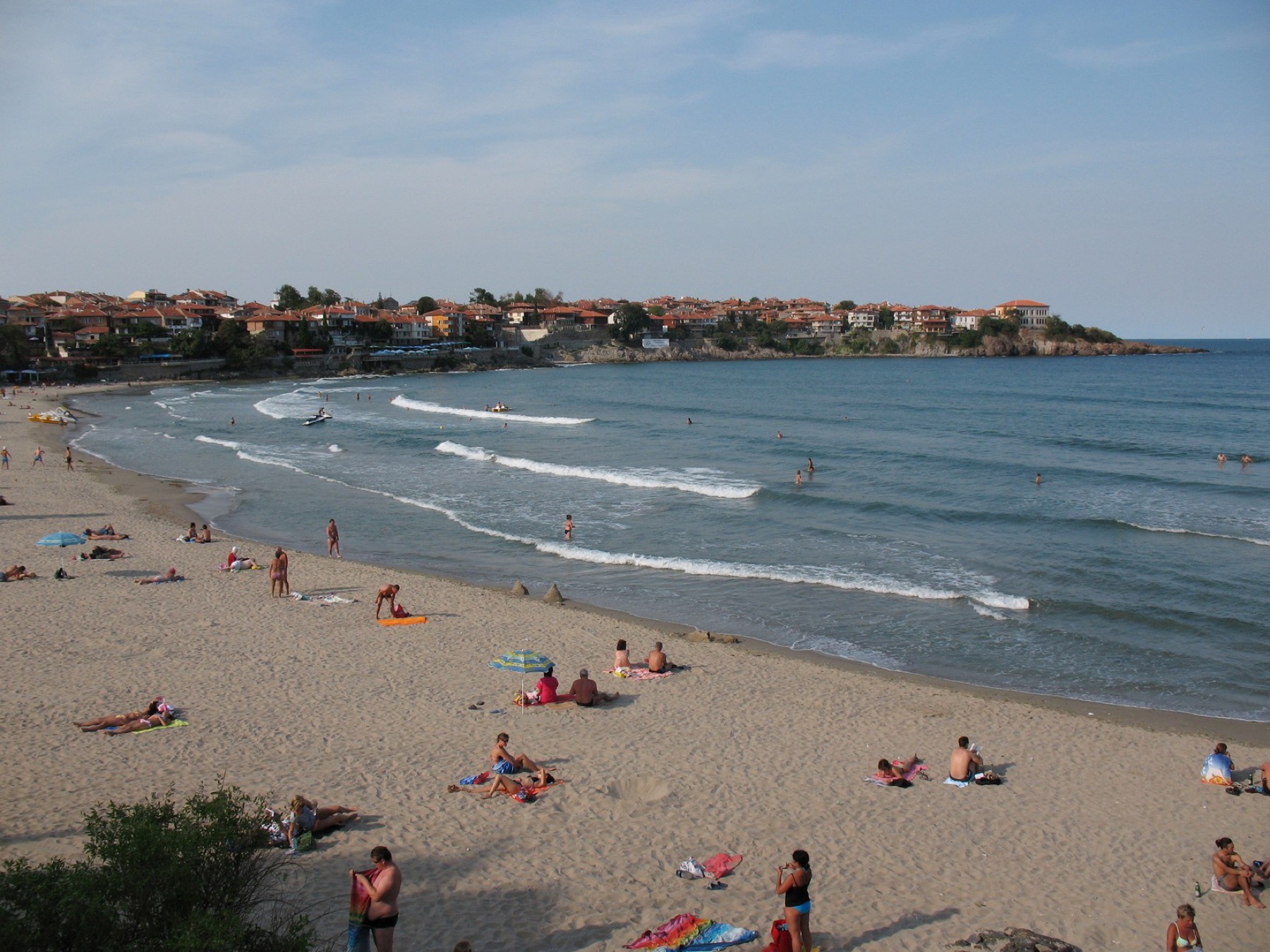
7. Central Town Beach
Directly within sight of the historic center lies an approximately half-kilometer-long beach set in a protected bay. Its biggest advantage is the very gentle entry into the water and clean sandy bottom, which makes it an absolutely ideal choice for families with small children. Definitely bring water shoes with you, as sharp shells can sometimes be found at the edges of the beach. According to official water quality measurements, it has long maintained excellent ratings and for the 2026 season boasts a Blue Flag award.
As for prices, they’re among the most affordable in the area, as you’ll pay 3.58 euros each for a sunbed and umbrella. The law does require operators to leave at least half the area as a free zone for those who want to spread their own towel, but in high season this free space fills up very quickly in the morning hours.
💡 Tip for parents: Children under 12 must not enter the water without adult supervision and always watch the lifeguard flags. Red-and-yellow flags mark the boundaries of the supervised zone and the concessionaire may only offer sunbeds where lifeguard supervision is provided.
8. Harmani Beach and Pitfalls of the Southern Edge
If you head just under a kilometer south from the old town, you’ll come across the second town beach called Harmani, which is significantly more spacious with a length of over 800 meters. It can also boast a Blue Flag certification and in recent measurements it actually came out as the cleanest beach on the entire southern coast. The price for a sunbed here runs around 4 euros each.
While the northern part of the beach has a beautifully gentle entry, watch out if you head toward its southern edge. The shore becomes much steeper here and large rocky blocks are sometimes hidden under the surface in the sand, which can be dangerous in bigger waves. The free zone for your own umbrellas is situated in the edge sections of the beach.
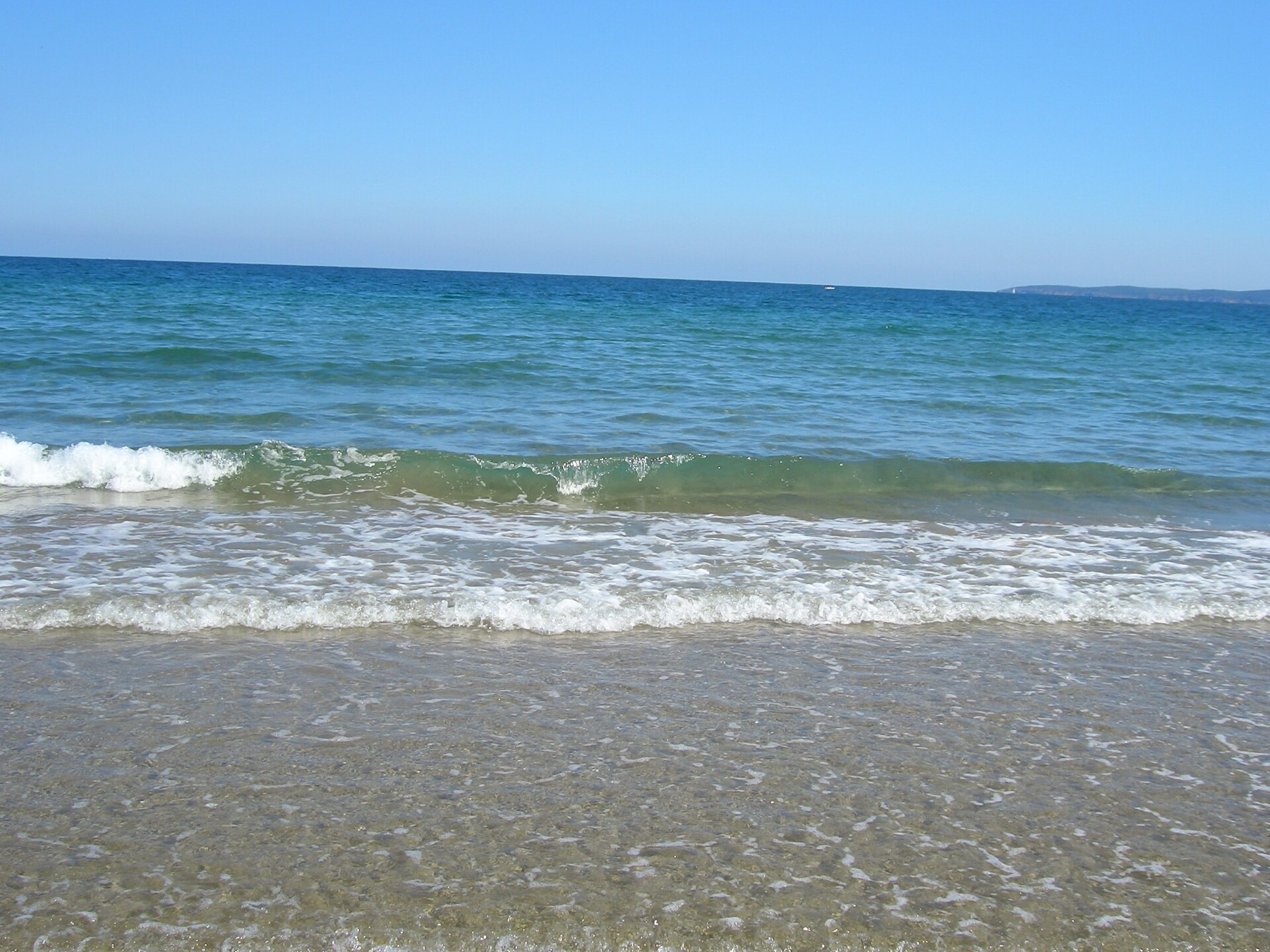
9. Kavaci Beach and Premium Clubs
About three kilometers from the center lies the huge Kavaci bay, which you can reach by car in a good seven minutes. This beach is famous for its incredibly fine sand and wide open strip of shore that stretches for almost two kilometers. Admission for a sunbed in regular concession zones starts at a very pleasant 3.60 euros in the north and 4 euros in the southern part.
But there’s one catch: it depends a lot on where you sit. Luxury beach clubs have sprung up at Kavaci, where prices operate in completely different dimensions and you’ll pay 45 euros for a basic sunbed set, while VIP cabanas cost up to 180 euros per day. In these paid premium zones, there’s a strict ban on setting up your own umbrellas and you can’t bring your own food or drinks. Consumer organizations also warn that forcing tourists to rent entire expensive sets is an unfair practice, so it’s better to avoid these clubs and walk a few hundred meters further to a cheaper section.
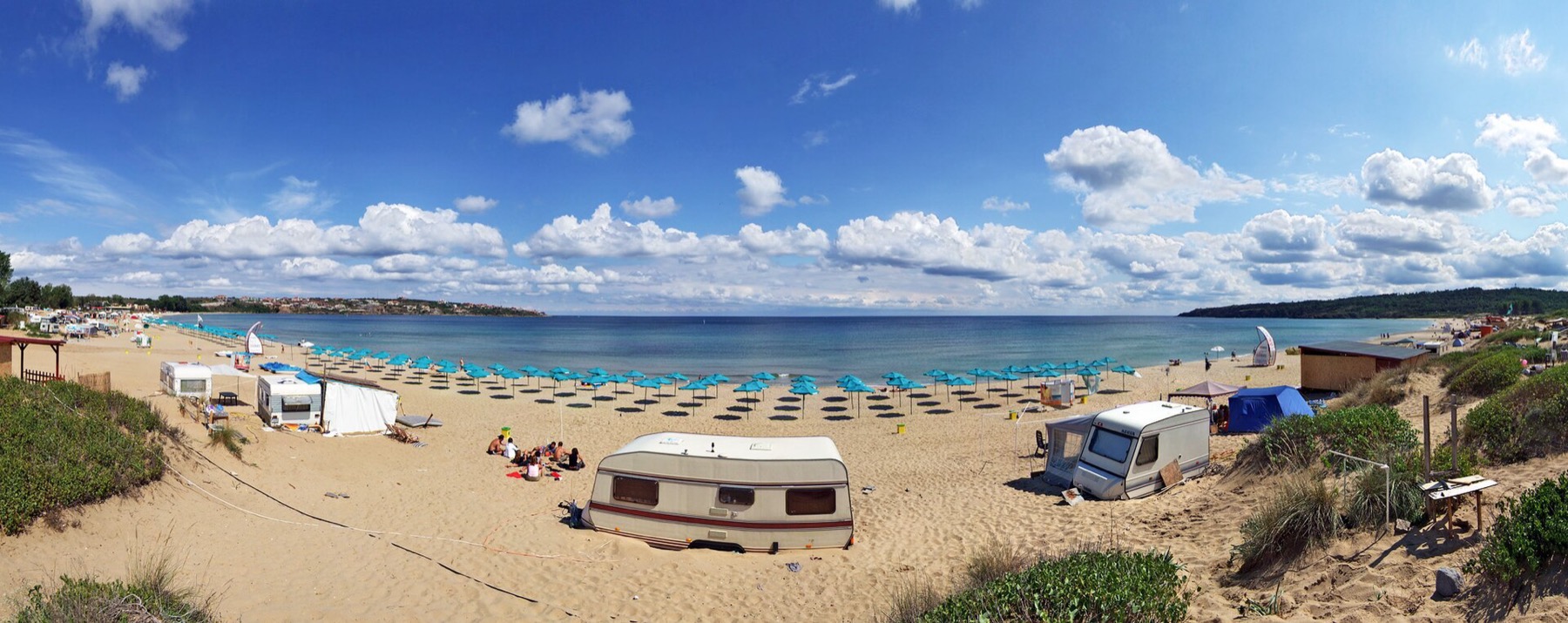
10. Smokinya Beach and Livelier Entertainment
Right to the south of Kavaci lies Smokinya Beach, which is smaller, measuring just under a quarter kilometer, but maintains the same beautifully fine sand and gentle entry into the water. This area is known for its younger and livelier atmosphere, so you’ll find plenty of beach bars playing music into the evening hours.
Prices here are somewhat higher than at neighboring Kavaci, you’ll pay 5 euros for the sunbed alone and around twenty euros for a full set with umbrella. Be careful with information from some travel agencies that still claim Smokinya has a Blue Flag. For the 2026 season this isn’t true and the beach doesn’t currently hold this certification.
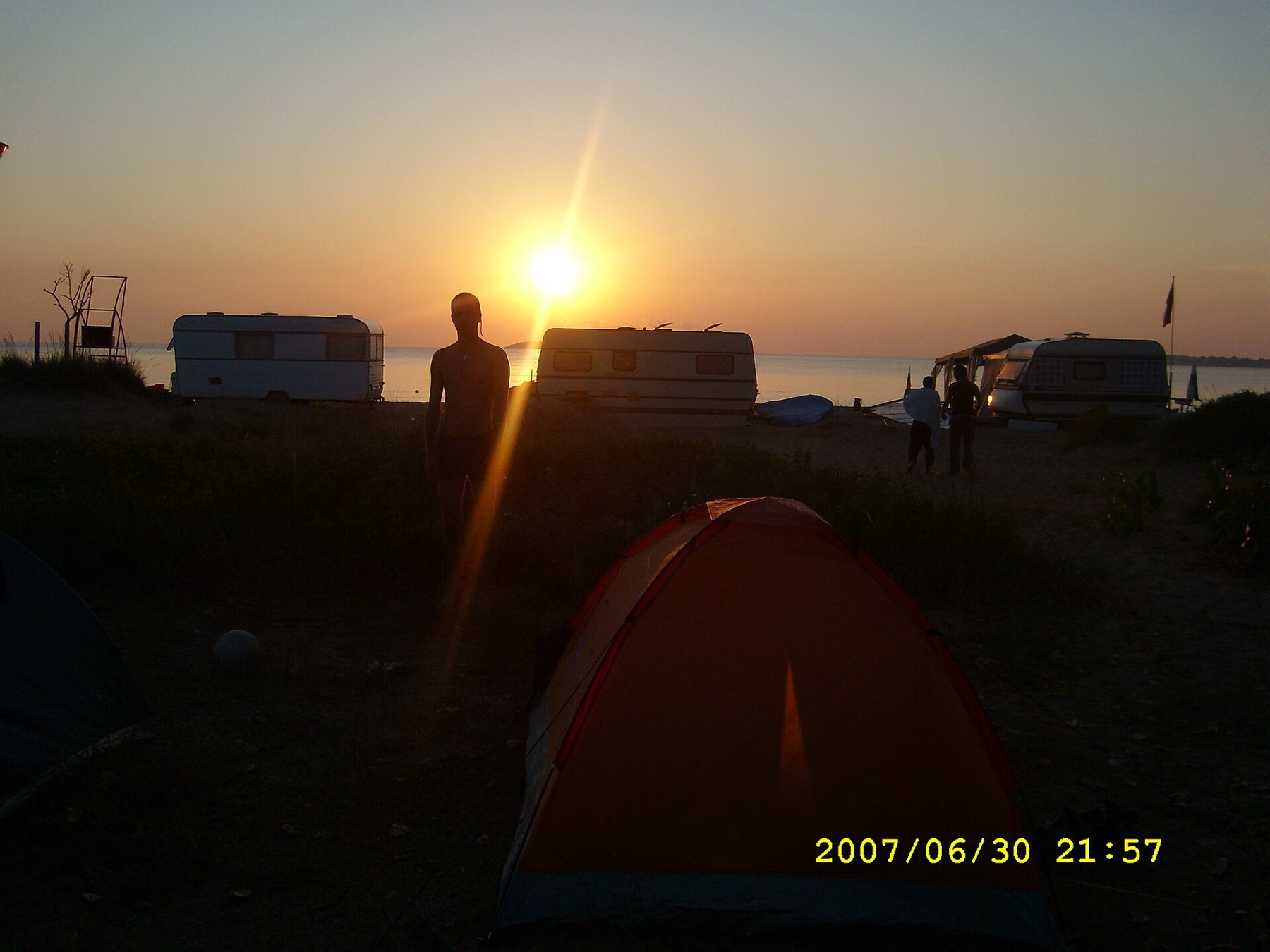
11. Gradina Camp and Changing Sea Currents
In the opposite direction from town, toward Burgas, stretches the long beach strip of Gradina camp. Together with the central town beach, you’ll find the absolute cheapest umbrellas far and wide here, costing 3.58 euros each. Camping has a long tradition here and renting a caravan spot costs 48 euros per night, while more luxurious bungalows climb much higher in season.
When swimming at Gradina you need to exercise extra caution, because official water profiles warn that the depth of the zone here changes very frequently according to current sea currents. Before letting children into the water, always check whether lifeguards have put up red signs, which by regulation are used to mark dangerous holes, whirlpools, and strong currents.
Excursions from Sozopol
If you get tired of lying on the beach or wandering through the old town, the Sozopol area hides several attractions worth heading out for. Whether you’re drawn to the wild nature of the Ropotamo River or the mysterious history of the nearby islands, you definitely won’t be bored.

12. St. Ivan Island and John the Baptist
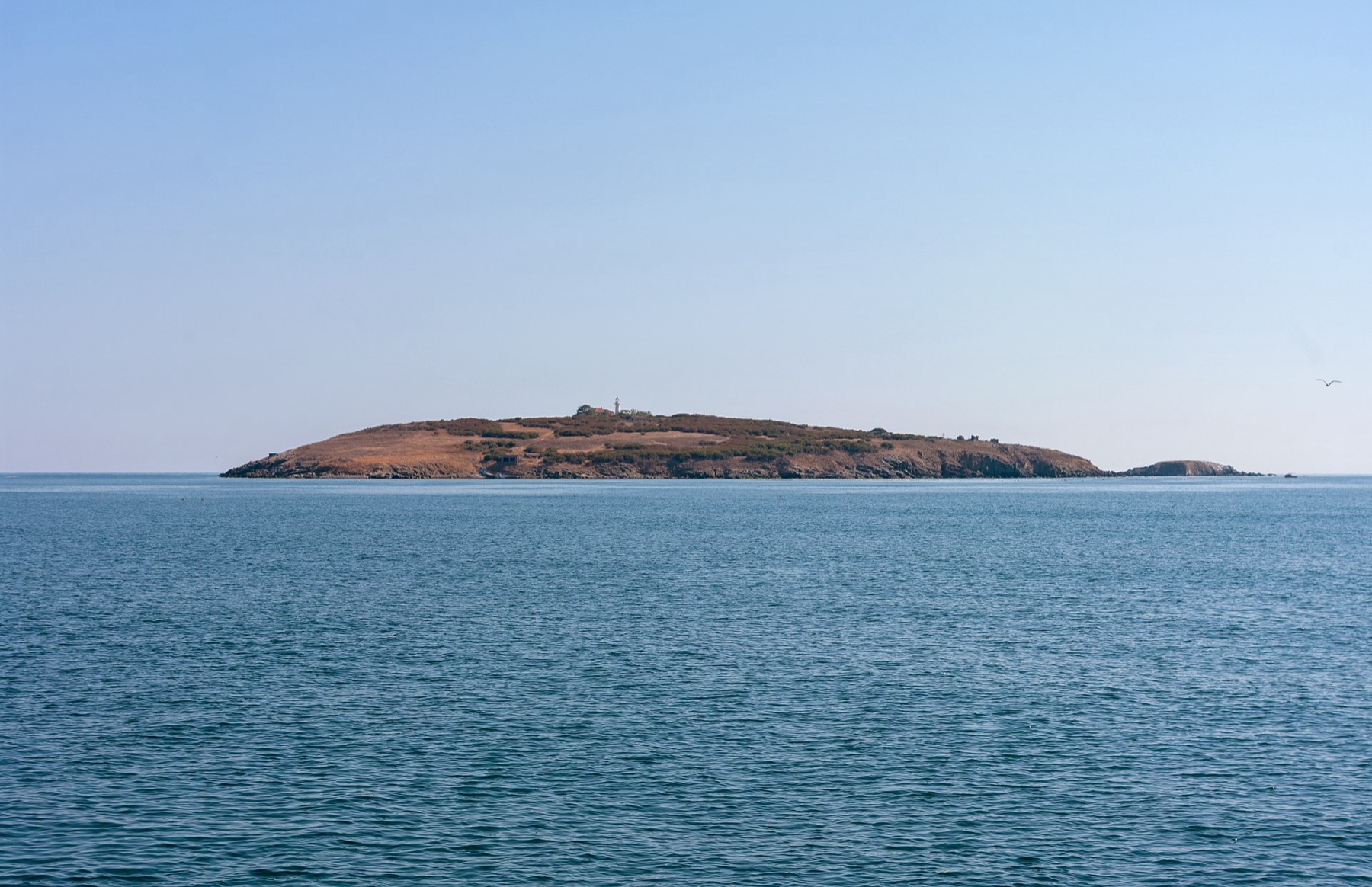
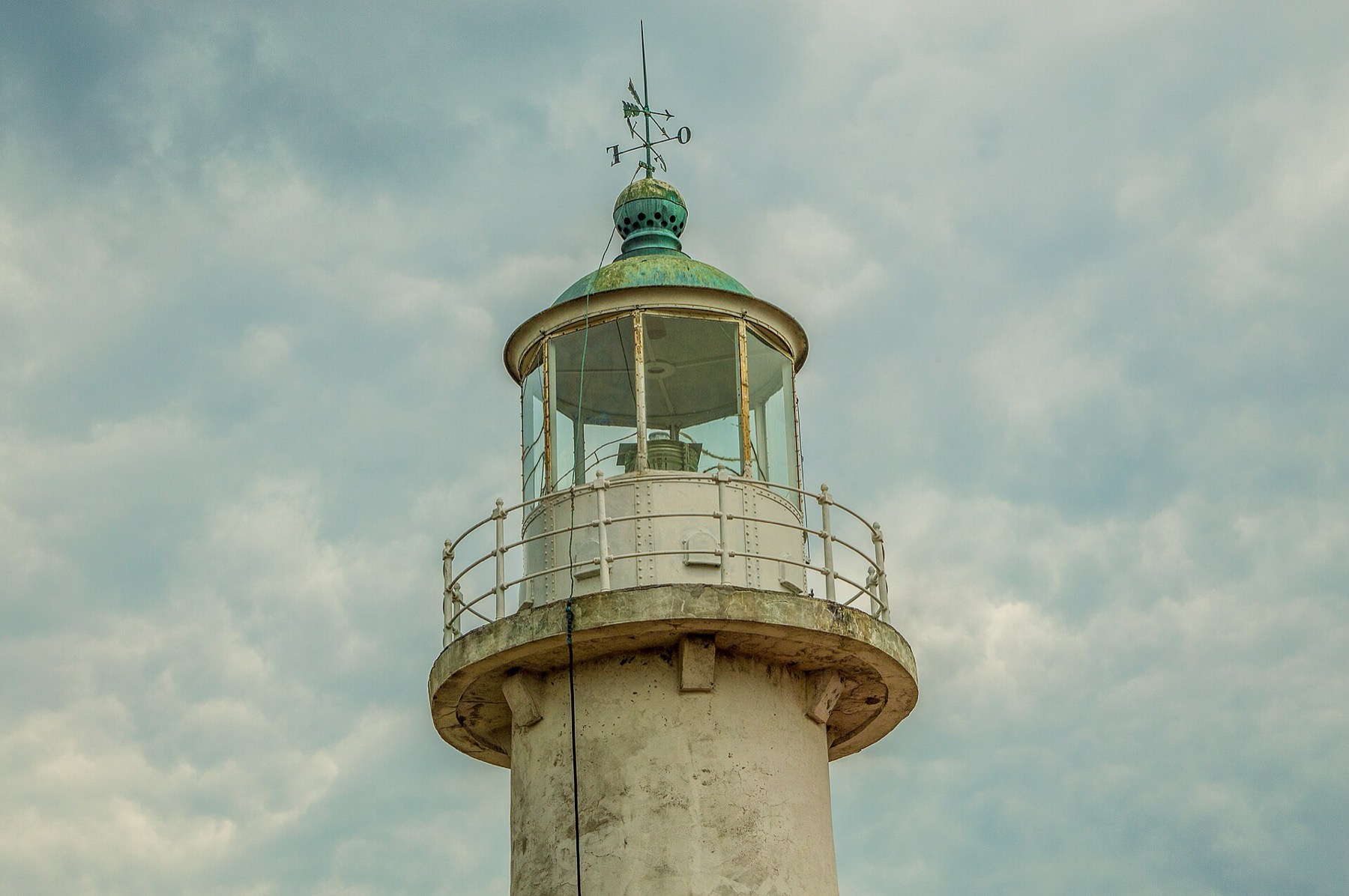
Just under a kilometer from the coast lies Bulgaria’s largest island, which hides an absolutely fascinating history. In 2010, archaeologists under the altar of the oldest monastery discovered a marble reliquary containing the relics of six small bones. Scientific laboratories in Oxford and Copenhagen subsequently proved that the bones indeed date from the 1st century AD and belonged to a man from the Middle East, which led to a worldwide sensation that these are the relics of St. John the Baptist.
Getting to the island is fairly simple; cruises with landing and swimming are sold at the harbor for 20 euros for an adult and last about two hours. Landing on shore is permitted and the paths to the monastery are freely accessible, but boat operations are strictly dependent on weather and during the nesting season of protected birds some cruises may be restricted, so always verify the current situation directly with the boatmen on the pier. On the island itself there is absolutely no infrastructure, café, or toilets, so bring plenty of water with you.
13. St. Kirik and Julita Island
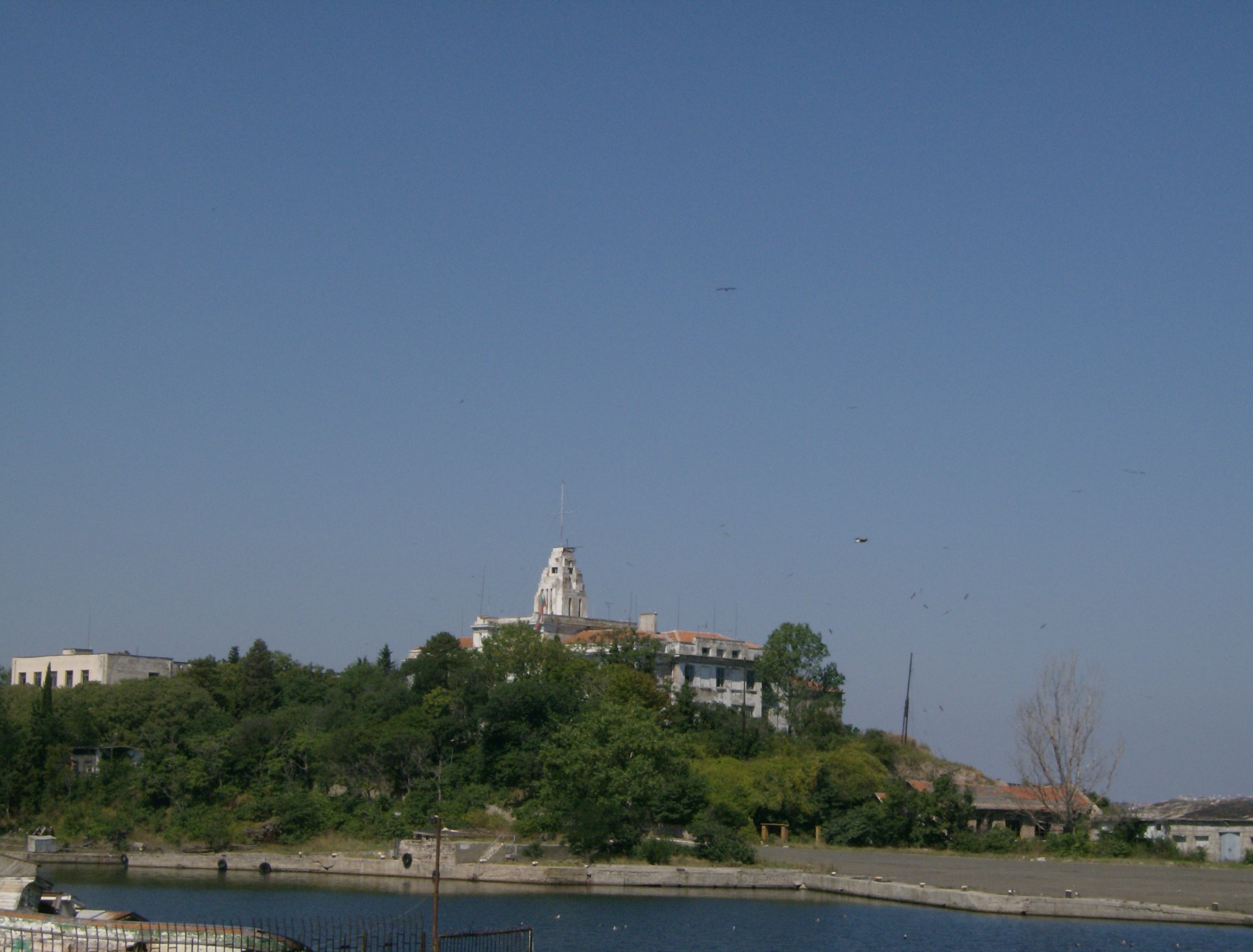
This small piece of land has been connected to the town by an artificial breakwater since 1927 and has a great historical story attached to it. In the 1920s, Bulgaria began massively building what was called a fishing school here. But the real reason was that according to international post-war treaties, the country was not allowed to own a naval academy, so military cadets from Varna moved to Sozopol and secretly trained under the guise of fishermen.
Until 2005 the island served as a closed military naval base and access to it is still largely restricted today. Whether the grounds are open to the public during your visit is best checked at the information center, but even a walk along the connecting breakwater with views of the sea and old town is worthwhile.
14. Ravadinovo Castle
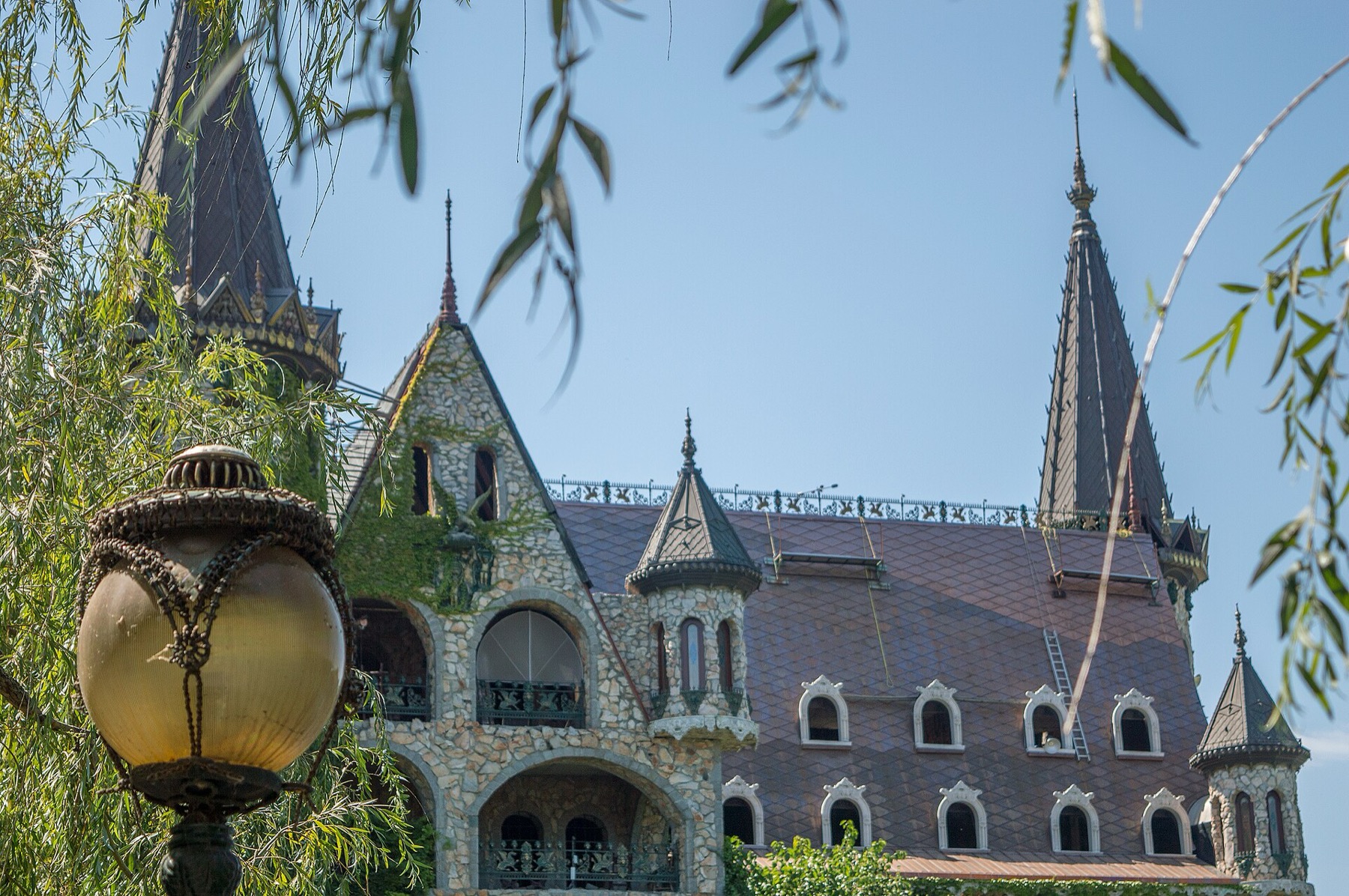
Just two kilometers inland rose an attraction that divides people into two camps. The castle “In Love with the Wind” in the village of Ravadinovo is not a historical monument but the modern-day dream of a local businessman, which began construction in 1996. An incredible twenty thousand tons of limestone from the nearby Strandža Mountains went into its construction, which contains microdiamonds, so the stone appears pinkish in the morning, shines white during the day, and reflects moonlight at night.
The entire structure has a floor plan of a huge cross and is surrounded by artificial ponds with swans and lush gardens. Given that this is a purely commercial project, the official admission fee for 2026 in euros was not published before the season, so you have to count on the final price at the gate. The drive here by car truly takes just a few minutes and there’s a large free parking lot at the grounds.
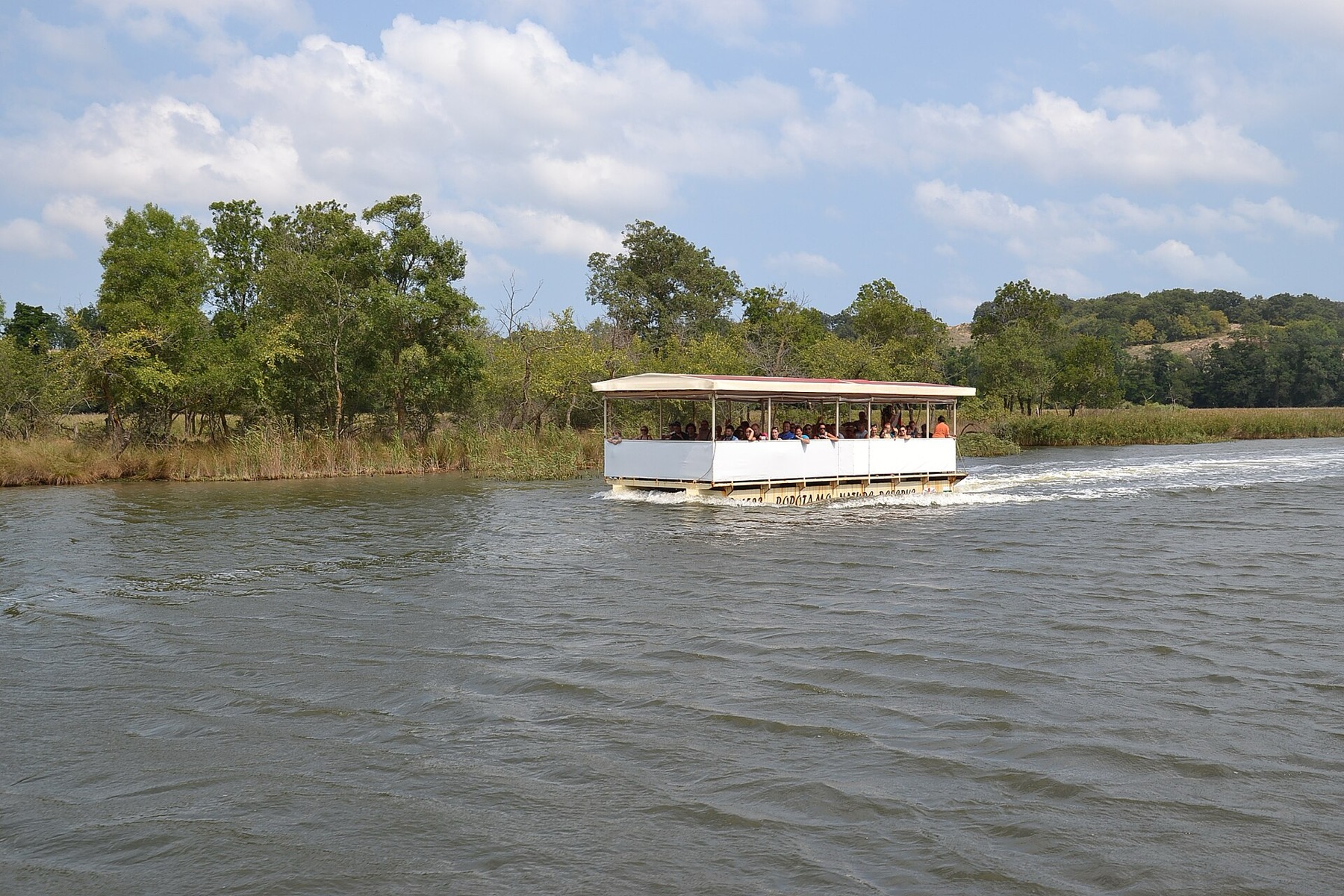
15. Boat Trip in Ropotamo Reserve
About fifteen kilometers south of town lies the stunning natural Ropotamo River reserve, which is protected by the Ramsar Convention and harbors unique floodplain forests and rare orchid species. The local legal regime is completely uncompromising and prohibits absolutely any activity in the reserve. The only exception is organized tourist cruises by boat on the river.
A boat trip is therefore the only legal way to explore this wild nature. Organized excursions are arranged from Sozopol, where a complete package including transport costs around 47 euros for an adult. During the cruise you can observe turtles basking on tree trunks, waterfowl, and vast fields of blooming water lilies that open on the surface of the river’s oxbow lakes.
Sozopol, or Nesebar? An Honest Comparison
This is probably the question on the mind of everyone planning a holiday on the Bulgarian coast. You’ll often read that both towns are very similar and both are UNESCO sites. But that’s a huge myth circulating on the internet: Sozopol actually doesn’t have UNESCO status and isn’t even on the tentative list, while Nesebar has proudly held it since 1983.
| Sozopol | Nesebar | |
|---|---|---|
| Atmosphere | Working fishing harbor, quieter streets | Pulsating open-air museum |
| Tourist crowds | Peak around August 15, otherwise tolerable | Bulgaria’s most visited town (1.5 million people) |
| Monuments | Wooden houses, 4 churches, a vampire | Around 40 Byzantine churches at every turn |
| Beaches | Right in town and within walking distance | Old peninsula has no beach of its own |
| Entrance fees | Around €4 for a museum | Combined ticket for 7 sites at €17.90 |
| City center parking | More expensive (€3.00/h) | Cheaper (€1.50/h) |
| Transport and surroundings | Remote from major resorts | 2 km from the gigantic Sunny Beach |
Both towns are beautiful, but they’re definitely not interchangeable. Nesebar is like a Byzantine encyclopedia in stone — absolutely breathtaking, but you simply can’t breathe there in August. Sozopol is quieter, more lively, and has beaches right around the corner, which is an argument many people find unbeatable. If you want to see both, the ideal solution is to find accommodation in Burgas, from which buses run to both towns in opposite directions, with the journey taking just under three-quarters of an hour.
When to Visit Sozopol
If you’re planning a summer holiday with swimming, choose your month carefully, because the sea temperature changes in quite unexpected ways here. Analysis of historical data reveals an interesting fact: while early June is 3.6°C colder in the water than late June, September has an average sea temperature of 24.7°C, significantly warmer than June, and yet September offers half as many rainy days as unpredictable May.
| Month | Avg. max air °C | Avg. min air °C | Sea temp °C | Days with precipitation |
|---|---|---|---|---|
| May | 19.6 | 13.2 | 15.5 | 9.7 |
| June | 24.6 | 18.4 | 22.5 | 9.7 |
| July | 27.1 | 20.6 | 25.9 | 5.4 |
| August | 27.3 | 21.5 | 26.1 | 4.6 |
| September | 23.9 | 17.8 | 24.7 | 7.5 |
The absolute peak of the season, when the town is most crowded, comes around August 15, which is Bulgaria’s biggest summer holiday. At the turn of August and September (in 2026 specifically from August 27 to September 6), the famous Apollonia arts festival takes place, when the entire town fills with theater and music performers. If you visit in winter instead, keep in mind that while paid parking is free, the main Archaeological Museum is closed on weekends and most hotels suspend operations entirely for the winter. Since January 2026, the euro is in use, but if you find old leva in your wallet, banks will still exchange them without any problem.
Where to Eat
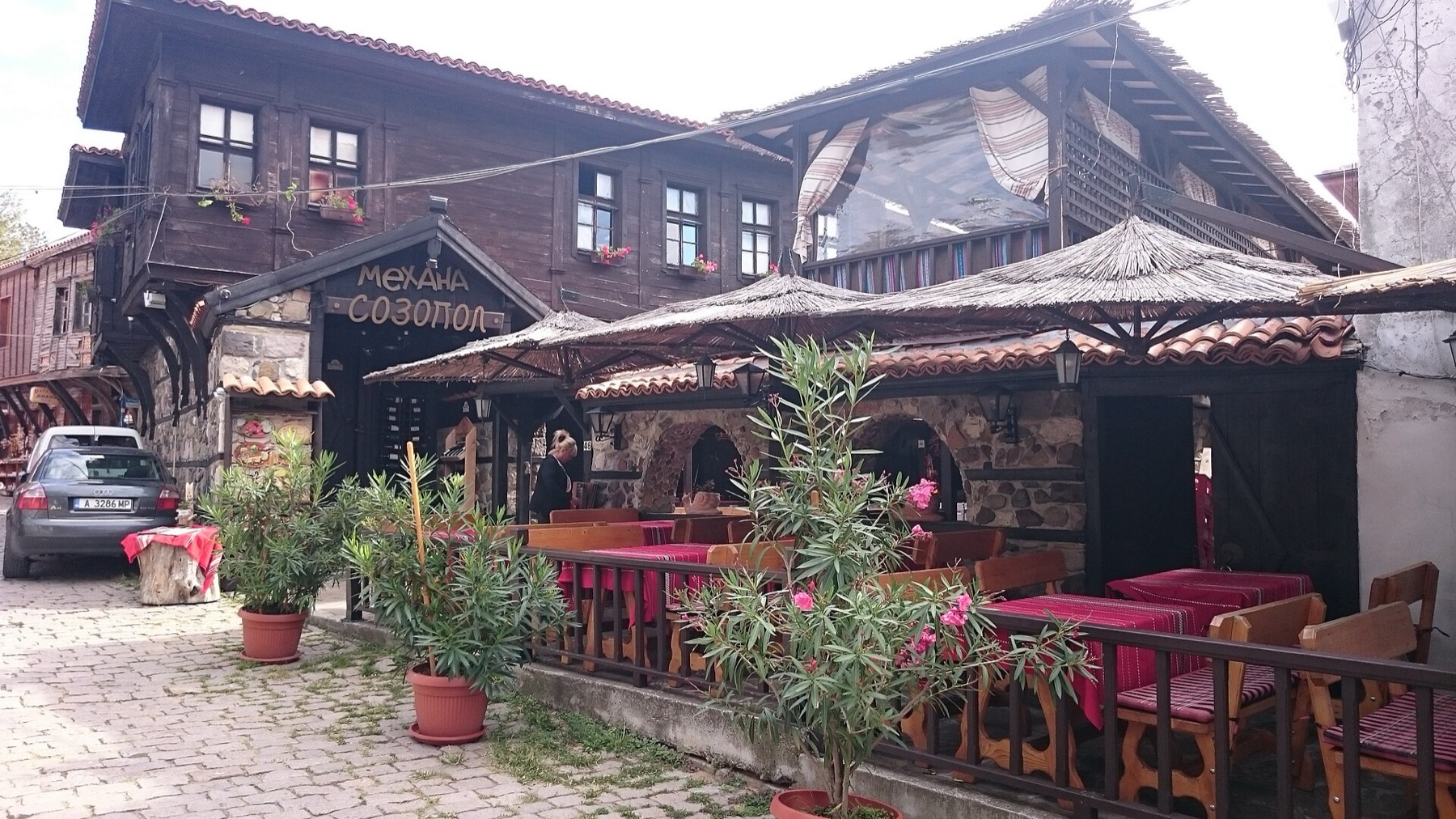
The dining scene here is divided into two parts. The old town on the cliffs offers beautiful views, but you’ll pay a premium, while in the new town you’ll eat much cheaper. When it comes to typical Bulgarian ingredients, keep in mind that the popular spread tarama is made from fish roe, so it’s definitely not vegetarian. While local coastal restaurants tempt you with grilled fish and seafood, if you don’t eat meat, you’ll reliably find plenty of excellent meat-free alternatives made from fresh vegetables and local cheeses in every mehana. Tipping in Bulgaria is traditionally around 10 percent if you’re satisfied with the service, and ideally in cash directly to the waiter.
In the old town:
- AMBROSIA food&drink – The best-rated establishment in the old town, where spending ranges between €10 and €20 per person. On their website, they even have a separate category of purely vegetarian dishes, which is a very welcome standard in Bulgarian conditions.
- Ginny’s Kitchen – Great choice by the central beach for those who love late breakfasts and modern cuisine. The menu features an excellent vegetarian burger, caprese with creamy burrata, traditional cold soup tarator, or homemade mekici with cheese and local fig jam.
- Бистро Старият Созопол – Very popular taverna with prices from €15 to €35 per person. You can have a huge Shopska salad with quality sirene cheese and homemade fries that the local chefs sprinkle with grated Balkan cheese.
In the new town (cheaper options):
- Семеен Ресторант „Аполония” – Family business with thirty years of tradition near the beach, where you can eat from €10. From the menu, I definitely recommend the green salad with goat cheese, walnuts, and green figs, excellent grilled halloumi, or traditional baked eggplant with tomatoes and parsley.
- Баничарница Джемос – The best and cheapest place for breakfast in the entire town. You can buy traditional crispy banitsa made from puff pastry for €1 to €5, which is by principle filled with cheese and eggs, so it’s completely meat-free and guaranteed to fill you up for half a day.
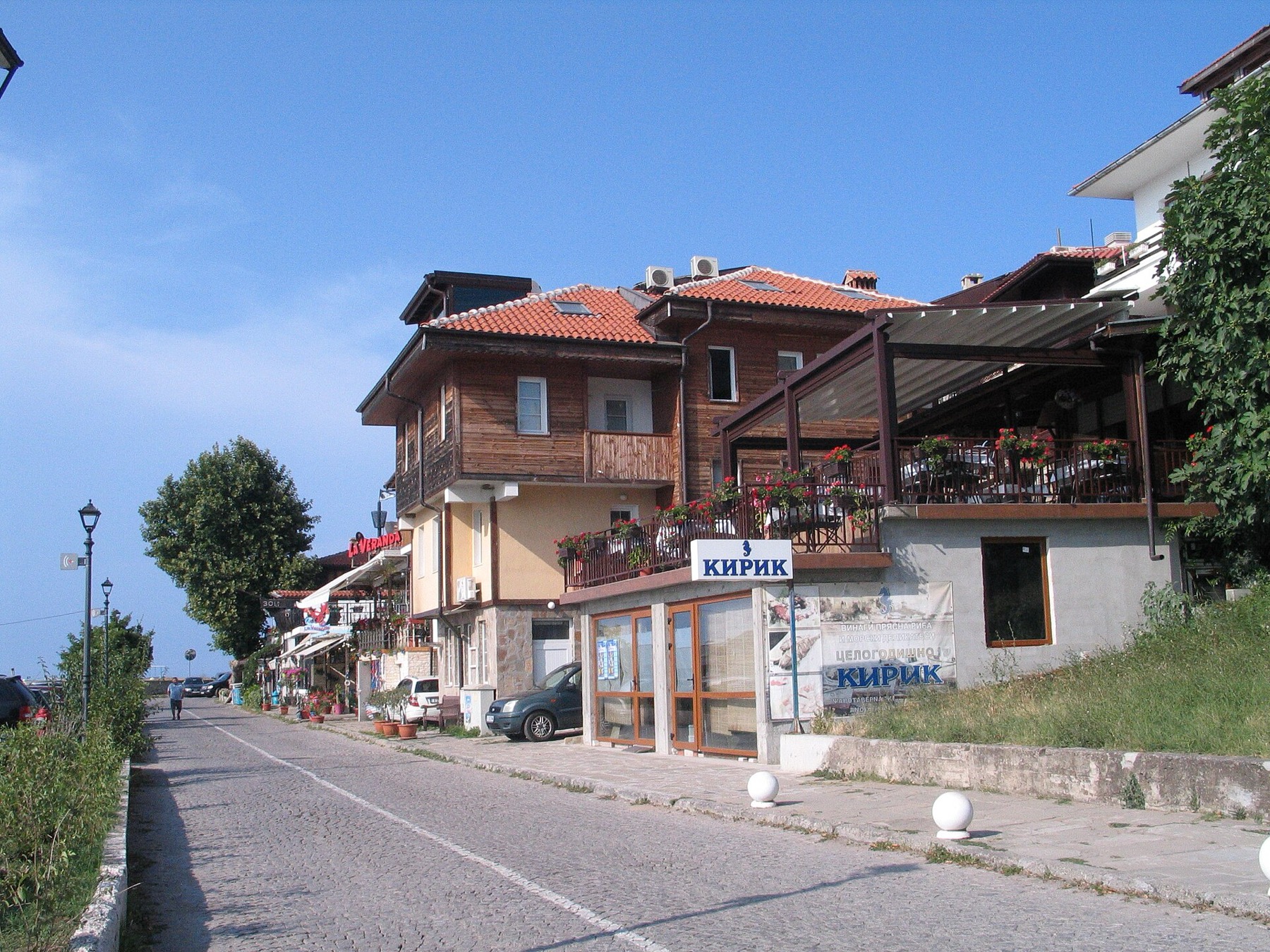
When choosing a restaurant, avoid establishments that don’t have a posted menu with clear prices. Don’t let yourself be manipulated into restaurants by touts on the main tourist strip (the so-called Jolly Street) and instead take your time exploring the more secluded streets of the old town.
Where to Stay
💡 Accommodation and activities tip: We compare accommodation in the area here, so you can see what’s available and for how much. We prefer to look for it on Booking.com, where they usually have the best cancellation policies. Tickets, excursions, and activities are worth comparing and buying through GetYourGuide.
Romance of old streets above the cliffs, or a pool right by your room and a stroller that doesn’t have to bump over cobblestones? This question decides everything. Keep in mind that hotels in the old town often don’t have their own parking and you’ll need to leave your car at the paid parking lot by the harbor.
In the old town (romance and views):
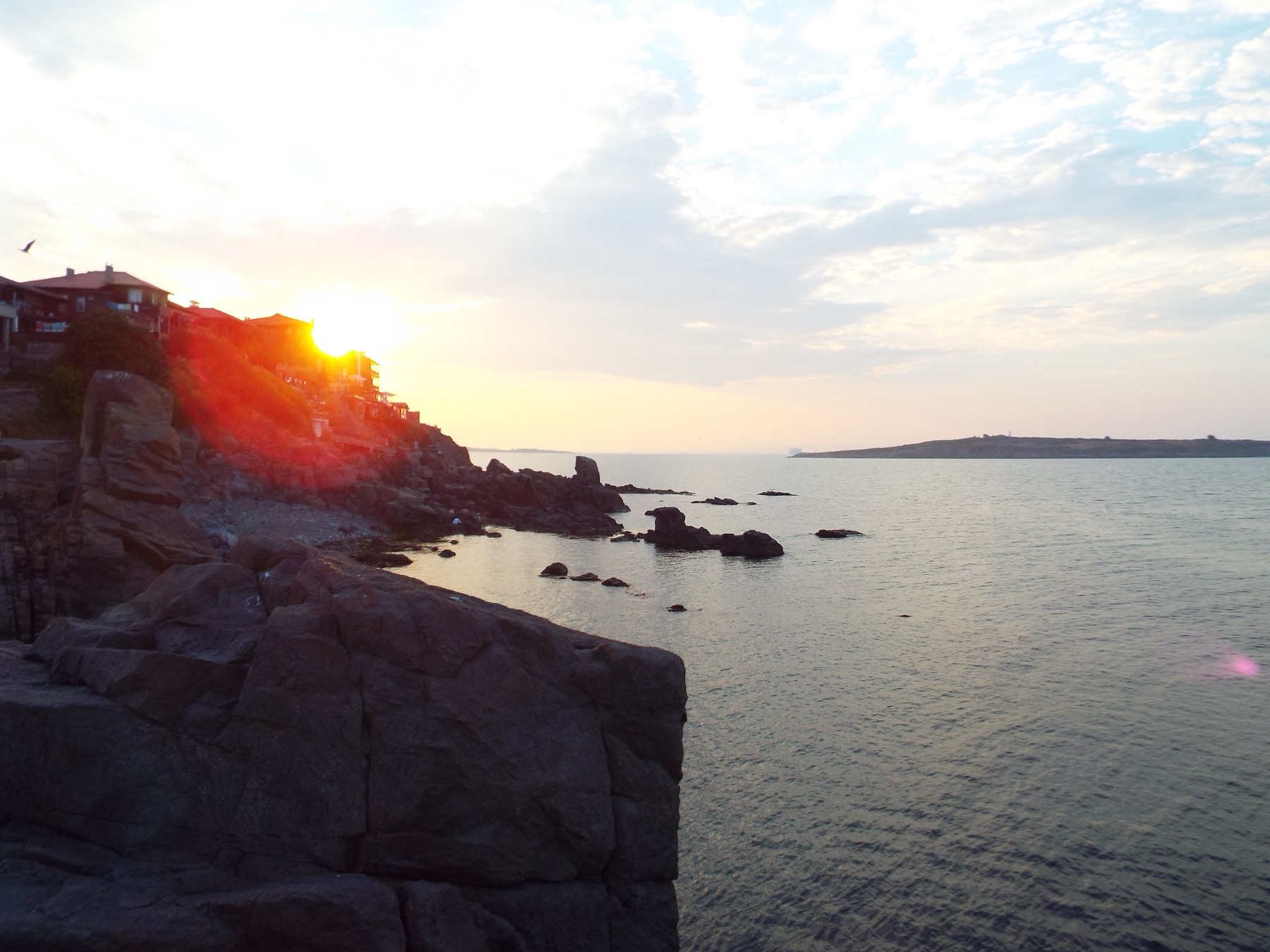
- Hotel Diamanti – Fantastic hotel built right on the coastal edge of the cliff, offering an unbeatable view of St. Ivan Island. Perfect choice for couples and photographers who want to soak up the atmosphere of the old harbor.
- Arthotel Oscar I – One of the few hotels right in the historic center that has its own on-site parking, which will save you a lot of hassle and money on city parking zones.
- Just a Hostel – Great choice for backpackers and budget travelers. It’s less than a hundred meters from the central beach and is the cheapest accommodation you’ll find in the old town.
In the new town and surroundings (pools and families):
- Hotel Cristiani – Excellently rated hotel in the Budzhaka district, offering a large pool, children’s corner, and most importantly free parking for guests. The beach is only about a hundred meters away.
- Семеен Хотел Море – Family hotel that consistently maintains the best ratio between low price and top guest ratings in all of Sozopol.
- Selena Beach Family Hotel – Large complex with two pools and an animation program, operating in a relaxed all-inclusive mode. It’s the ideal option for families with children who want all amenities right on site.
👉 Compare accommodation prices in Sozopol
What to Watch Out For
The biggest problem of the summer season in Sozopol, according to the tax authority, is the massive non-issuance of receipts by restaurants and beach bars. Extensive inspections revealed that every third establishment violates the rules, and some premium clubs on Kavaci beach even used an ordinary non-fiscal printer instead of a cash register. As tourists, you have the full legal right to withhold payment until you receive a valid receipt, the authenticity of which you can immediately verify by scanning the QR code in the official NRA Mobile app.
If you’re choosing fresh fish by weight at a restaurant, be very cautious. Prices on the menu are typically given per 100 grams, not per serving, so always ask the staff before ordering how much your specific piece will weigh, so you won’t be unpleasantly surprised when paying. It often happens that the fish looks small, but after weighing the bill shoots up to absurd amounts. Don’t hesitate to ask for the fresh fish to be weighed before they put it on the grill.
And one more warning about the historic center: the entire old town consists of a labyrinth of narrow streets with very rough stone paving. Definitely forget about heels and go for comfortable shoes, and if you’re traveling with a stroller, arm yourself with a large dose of patience beforehand — some panoramic paths above the cliffs are only accessible by stairs.
Where to Go Next
If you’re interested in the history and architecture of the Bulgarian coast, definitely read our article Nesebar: What to See in the UNESCO Town, where we detail the most beautiful Byzantine churches of the peninsula. For a complete overview of the country, our comprehensive guide Holiday in Bulgaria: 30 Most Beautiful Places will be useful.
If you’re going to the sea primarily for swimming, don’t miss our list Bulgaria’s Most Beautiful Beaches: 20 Tips, where you’ll find inspiration for the entire area. Before traveling, it’s also good to know all the details about the new currency in the article Prices in Bulgaria After the Switch to the Euro and don’t forget to check how warm the water will be in the overview Weather in Bulgaria: Sea Temperatures by Month.
Heading south, the coast continues to Primorsko and Strandzha — covered in the article Primorsko and the Southern Bulgarian Coast: 18 Tips on What to See and Where to Swim. Sozopol’s northern counterpart, the seaside metropolis with the world’s oldest gold, is described in the article Varna: 20 Tips for What to See and Experience in Bulgaria’s Seaside Metropolis. Bulgaria also has a winter face — Bansko, Borovets, and Pamporovo are compared in the article Skiing in Bulgaria: Bansko, Borovets, or Pamporovo?.
Frequently Asked Questions
Still have some questions before your trip? We’ve put together answers to the most common questions travelers have about Sozopol. Here’s everything important in one place.
What to see in Sozopol?
The main attraction is the old town itself with its traditional wooden houses, half-sunken churches, and narrow cobblestoned streets. The Archaeological Museum is definitely worth a visit, where you can see the skeleton of the famous vampire and ancient anchors. Don’t miss a walk around the harbor or a boat trip to the nearby island of St. Ivan.
How to get from Burgas to Sozopol?
The best and cheapest option is the shuttle bus, which departs from the southern bus station (Автогара Юг) from sector 5 roughly every half hour. The journey takes just under forty minutes and a one-way ticket costs €3.37, which is significantly cheaper than using expensive airport taxis.
How much do monument entrances cost?
Entry fees to local institutions are very reasonable. You’ll pay €4 for the main Archaeological Museum, students just €1.50. Most functioning churches in the town are completely free to enter, you only pay a voluntary donation. Prices for boat trips to the Ropotamo reserve or island excursions range from €20 to €47.
Do you pay with euros in Bulgaria?
Yes, Bulgaria switched to the euro on January 1, 2026, with a fixed rate of €1 = 1.95583 leva. All prices in shops and restaurants are quoted in euros and you can easily pay with a regular payment card in most tourist establishments.
Is Sozopol or Nesebar better?
It depends on what you’re looking for. Nesebar is a UNESCO site packed with Byzantine churches and masses of tourists, ideal for a day trip from Sunny Beach. Sozopol doesn’t have UNESCO status, but it offers a calmer atmosphere, beautiful wooden architecture, the feel of a living fishing town, and better access to beaches right in the area.
Which beaches in Sozopol are the best?
For families with children, the central city beach with its very gentle entry into the water is ideal. If you’re looking for fine sand and more space, head to Kavaci beach about three kilometers from town. But watch out for premium beach clubs at Kavaci and Smokinya, where sunbed prices can climb to astronomical heights.
When is the sea warmest in Bulgaria?
Surprisingly, it’s not in the middle of summer, but at the end of the season. While at the beginning of June the sea is around 20°C, in September the average water temperature reaches a lovely 24.7°C. This is because the sea warms up gradually and retains its heat well into autumn.
Can you drive into the old town?
Yes, you can drive into the old town, but entry is charged via a barrier on Kraybrezha street. Parking here costs €3 per hour, with the first 30 minutes free, and after six hours of parking the fee is capped, so the rest of the day is free.
Tips and Tricks for Your Vacation
Don’t Overpay for Flights
Search for flights on Kayak. It’s our favorite search engine because it scans the websites of all airlines and always finds the cheapest connection.
Book Your Accommodation Smartly
The best experiences we’ve had when looking for accommodation (from Alaska to Morocco) are with Booking.com, where hotels, apartments, and entire houses are usually the cheapest and most widely available.
Don’t Forget Travel Insurance
Good travel insurance will protect you against illness, accidents, theft, or flight cancellations. We’ve had a few hospital visits abroad, so we know how important it is to have proper insurance arranged.
Where we insure ourselves: SafetyWing (simple monthly subscription) and TrueTraveller (for extra-long trips).
Find the Best Experiences
Get Your Guide is a huge online marketplace where you can book guided walks, trips, skip-the-line tickets, tours, and much more. We always find some extra fun there!