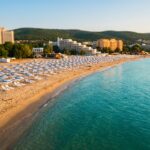
When people talk about the most beautiful beaches in Bulgaria, most travellers picture just two big, buzzing resorts along this 378-kilometre coastline. Yet all you have to do is drive a few dozen kilometres further south and you’ll discover a completely different world. This is where you’ll find endless sand dunes, scenic river mouths and wild beaches that mostly Bulgarians themselves come to for their holidays.
We’ve put together a detailed guide covering both faces of the coast: from organised resorts to wild coves you can barely reach by road. You’ll learn where to find the best conditions for families with kids, which spots will save you a fortune on sunbeds, and where you’re better off heading with your own tent or campervan.
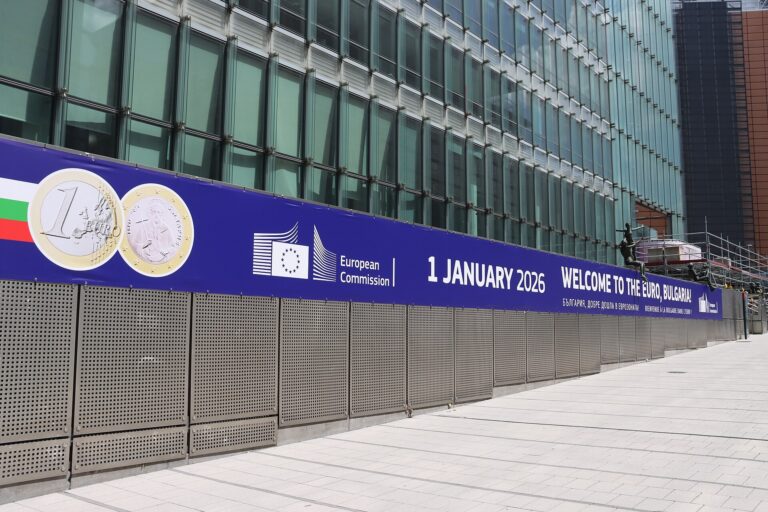
Bulgaria officially switched to the euro on 1 January 2026, which brought a number of changes — not only to everyday prices, but also to the stricter rules around camping.
TL;DR
- The free-zone rule: By law, at least 50% of every beach must stay free, so you can lay out your own towel for nothing even in front of the priciest five-star hotel.
- Sunbed prices: The differences are huge. While at Burgas-North you’ll pay just €0.60, at the Golden Sands one sunbed will set you back €5 to €6.
- North vs. south: The northern coast offers organised resorts and shallow shelves along the edges, while the south beyond Burgas hides wilderness, protected dunes and a much steeper drop into the water.
- Blue Flag record: In 2026 Bulgaria won its highest-ever number of cleanliness awards, and even some wild beaches without big hotels earned a flag.
- Shallowest water for kids: The clear winner is Albena, where the depth doesn’t exceed 1.6 metres even 150 metres from the shore.
- Lifeguards and safety: The official season only lasts until the end of September and lifeguards are usually on duty until 6 p.m. On the southern coast you also need to watch out for rip currents.
| Beach | Where it is | Type of beach | Best for |
|---|---|---|---|
| 1. Silistar | South, near the Turkish border | Wild, natural | Nature lovers, couples |
| 2. Veleka | Sinemorets | Wild, river mouth | Romantics, surfers |
| 3. Butamyata | Sinemorets | Organised | Families with older kids |
| 4. Arkutino | Ropotamo Reserve | Natural with dunes | Peace seekers |
| 5. Koral | Between Lozenets and Ahtopol | Natural, kite spot | Kitesurfers, campers |
| 6. Alepu | South of Sozopol | Wild, unofficial nudist | Naturists, loners |
| 7. Kastrich & Rezovo | Far south | Remote, rocky | Experienced swimmers, snorkellers |
| 8. Bolata | Cape Kaliakra (north) | Cove in a reserve | Snorkellers, photographers |
| 9. White Lagoon | Topola | Organised | Families with kids |
| 10. Krapets & Durankulak | North, near the Romanian border | Long, natural | Solitude lovers |
| 11. Shkorpilovtsi & Kamchia | South of Varna | Longest in the country, wild | Low-maintenance travellers |
| 12. Pasha dere | A short drive from Varna | Wild, poor access | Adventurers with a 4×4 |
| 13. Karadere | Between Byala and Obzor | Wilderness, no facilities | Backpackers (no campervans!) |
| 14. Albena | North of Varna | Resort, wide | Families with small kids |
| 15. Kranevo | Next to Albena | Resort, quieter | Families after a cheaper option |
| 16. Golden Sands | North of Varna | Busy, resort | Young people, fun lovers |
| 17. Sunny Beach | Central section | Busiest resort | Nightlife lovers |
| 18. Nesebar-South | By the historic town | Urban, organised | History fans |
| 19. Sozopol | Southern part | Urban and party | Groups of friends |
| 20. Primorsko & Kiten | Southern part | Shallow, traditional | Families, long-time regulars |
The full destination guide: Bulgaria Travel Guide — guide and what to see
How Bulgarian beaches work: paid and free zones
If you’re worried that a holiday on the Black Sea will bankrupt you with beach-service fees, you can relax. Bulgarian law strictly requires that at least 50% of every beach’s active area must remain a free zone. In practice, that means the paid stretches with sunbeds regularly alternate with empty sand.
Thanks to this rule, you can lay out your own towel and umbrella completely free absolutely anywhere in the free zone. And that holds true even if you happen to be right in front of the most luxurious five-star hotel on Sunny Beach. No one can move you on, as long as you respect the boundaries of the paid sector.
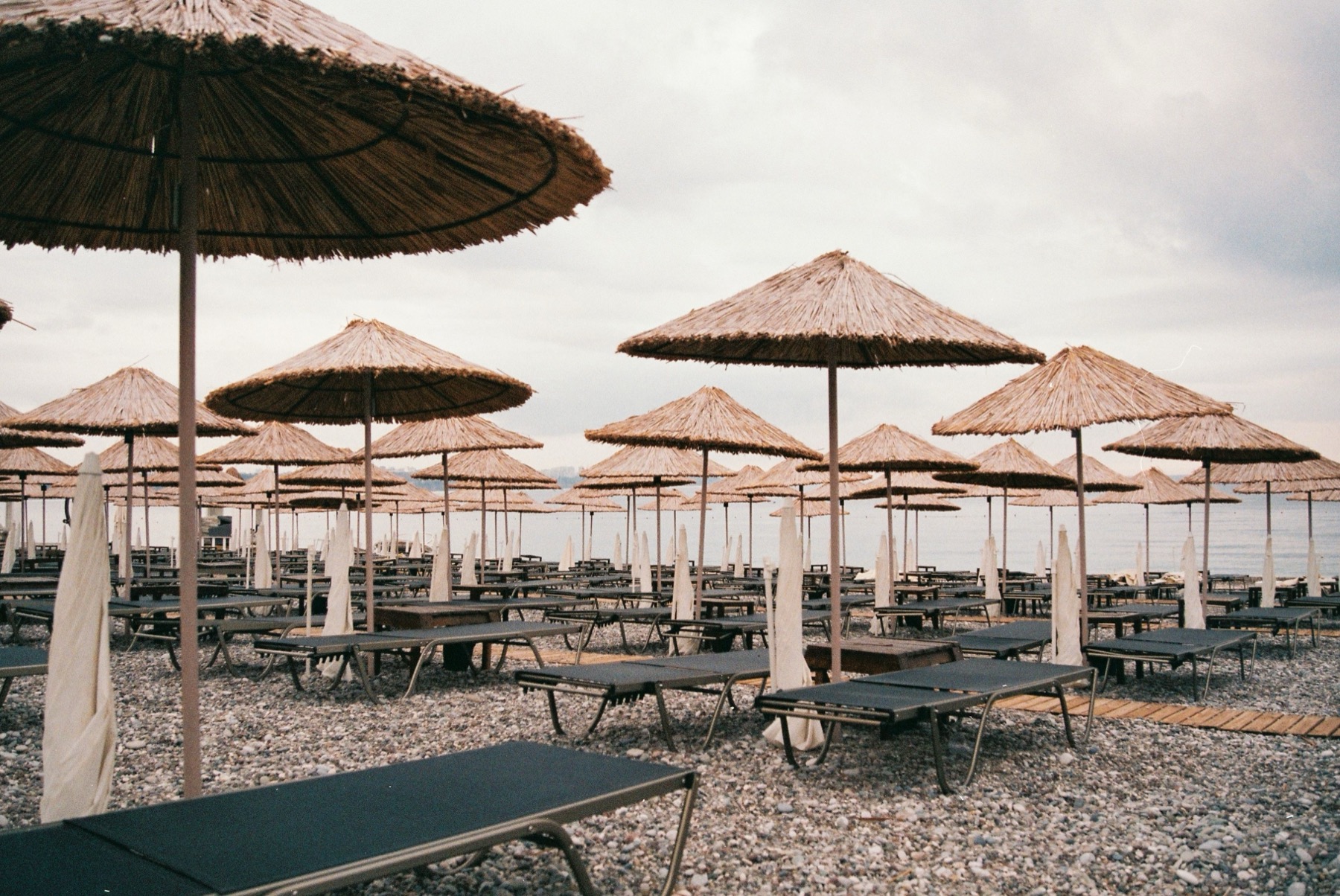
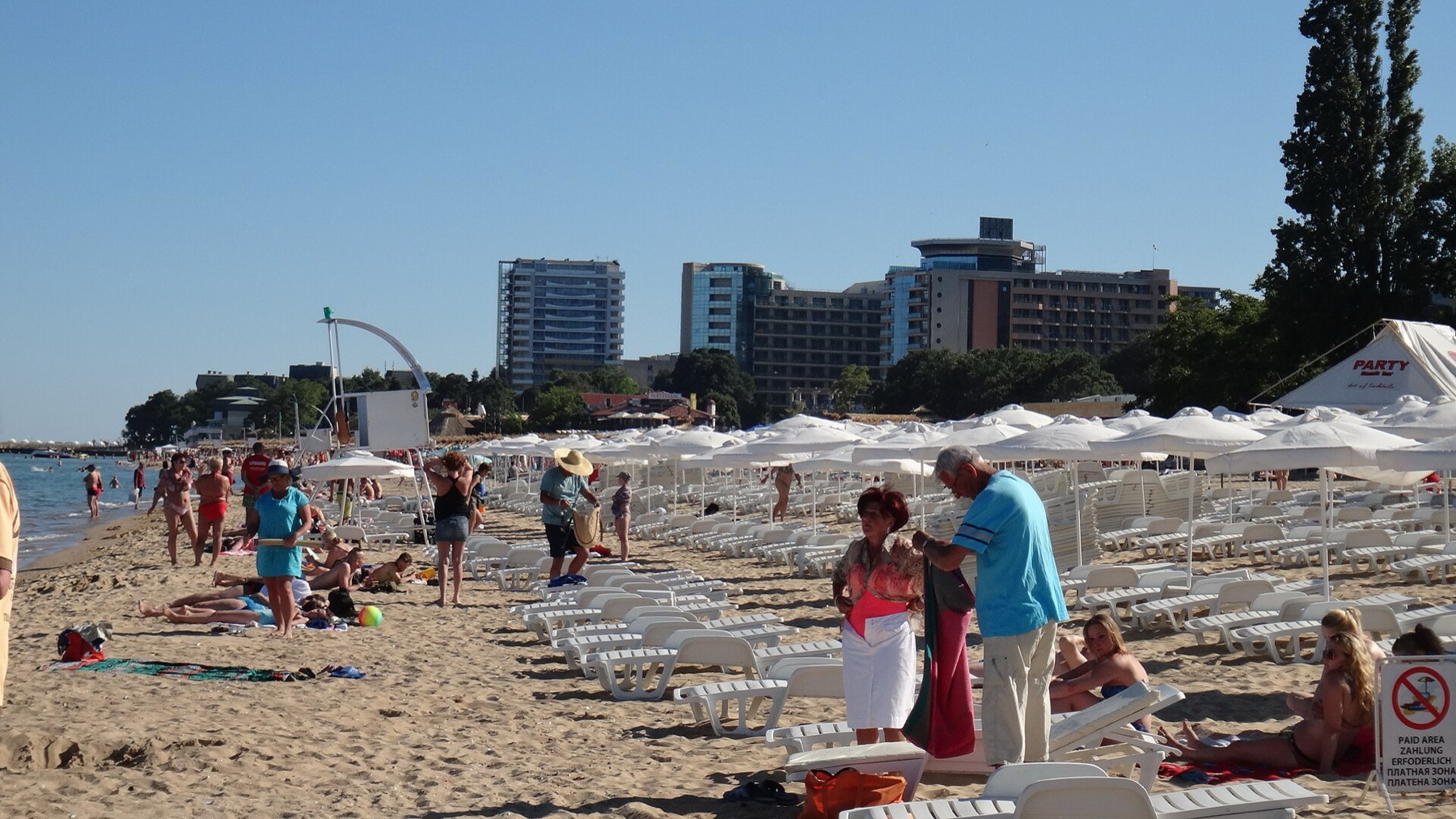
As for the actual rental prices in 2026, the differences along the coast are enormous. According to the official map from the Ministry of Tourism, you’ll pay the least at Burgas-North, where one item costs just €0.60. At the famous Golden Sands, on the other hand, be ready to fork out €5 to €6 for a single sunbed or umbrella per day.
In the mid-price range you’ll find spots like Nesebar-South or Sozopol-Harmani at €4.09 per item. A standard set of two sunbeds and one umbrella will therefore cost you €10 to €15 per day in most places. Compared with northern Greece, where sets often cost €20 to €50 and come with mandatory food and drink orders, that’s still very reasonable.
| Beach | Sunbed or umbrella (per item) | Set (umbrella + 2 sunbeds) |
|---|---|---|
| Golden Sands | €5–6 | — |
| Sunny Beach-South | €5.11 (contractually fixed) | €15.30 |
| Nesebar-South, Sozopol-Harmani | €4.09 | €12.27 |
| Primorsko | €3.60 | — |
| Albena, Sozopol-Central, Varna | €3.58 | — |
| Burgas-North | €0.60 (cheapest in the country) | — |
Beach-service prices for the 2026 season, according to the official Ministry of Tourism map.
A record 26 Blue Flags
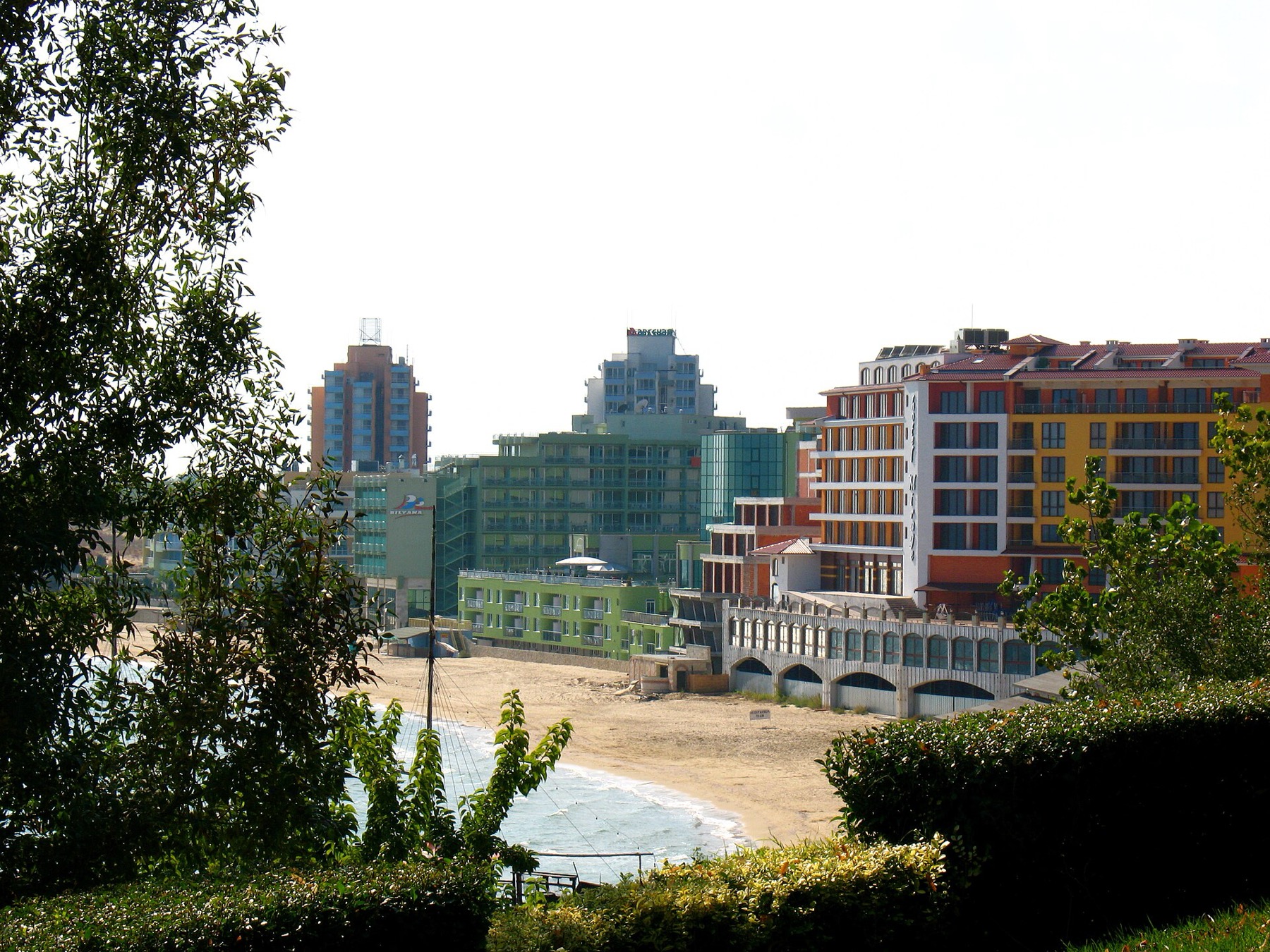
2026 brought great news to Bulgaria’s coast for anyone worried about swimming in dubious water. The country earned its highest-ever number of Blue Flags — exactly 26 for beaches and a further 6 for marinas. The awards were announced in the spring in Copenhagen and confirm that, according to EU monitoring, the Black Sea’s water quality is excellent in most spots.
What’s interesting is that this prestigious award doesn’t only go to big commercial resorts. It was also won by gorgeous natural spots like Arkutino and Butamyata, which have kept their wild character. Which is actually great news, because good swimming and preserving nature can go hand in hand without kilometres of concrete.
On the other hand, if you don’t find famous wild beaches like Irakli or Karadere on the winners’ list, that doesn’t mean the water quality is poor. A Blue Flag requires strict facility standards, such as toilets, lifeguards or step-free access. And those very creature comforts are deliberately absent from the wildest spots.
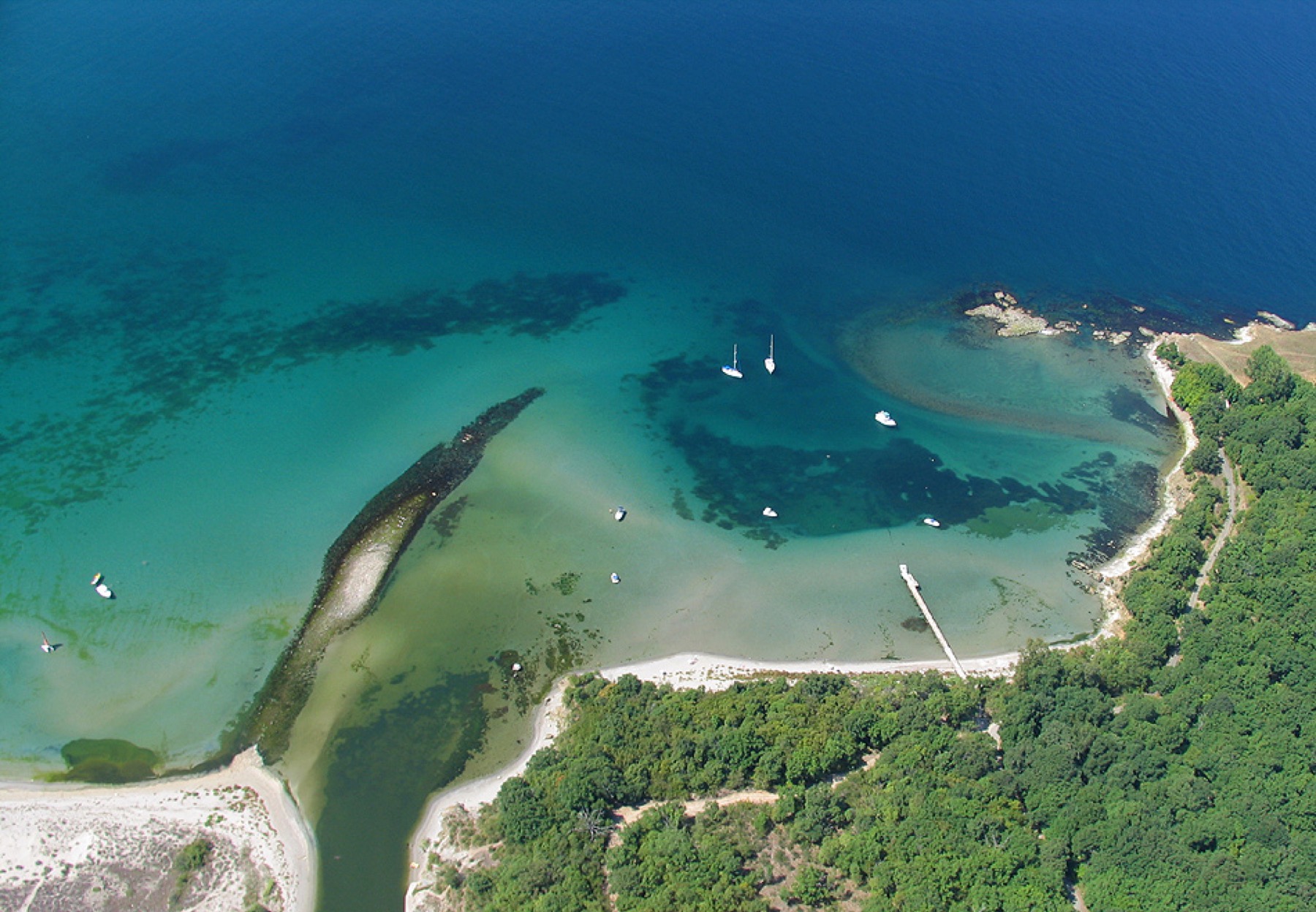
The wild south: beaches where Bulgarians go themselves
If you’re tired of rows of umbrellas and thumping discos, the southern coast beyond Burgas is exactly what you’re after. Here you’ll find gorgeous wild coves where nature hasn’t yet fallen victim to mass tourism. This is precisely the part of the country where the locals slip away for the weekend to relax by crystal-clear water.
Just be aware that the romance comes at the cost of any luxury. Many coves are reached only by a dust track, there are no flushing toilets, and you have to bring your snacks with you in a backpack. But your reward will be absolute peace and quiet and scenery you’d never associate with classic Bulgaria.
1. Silistar
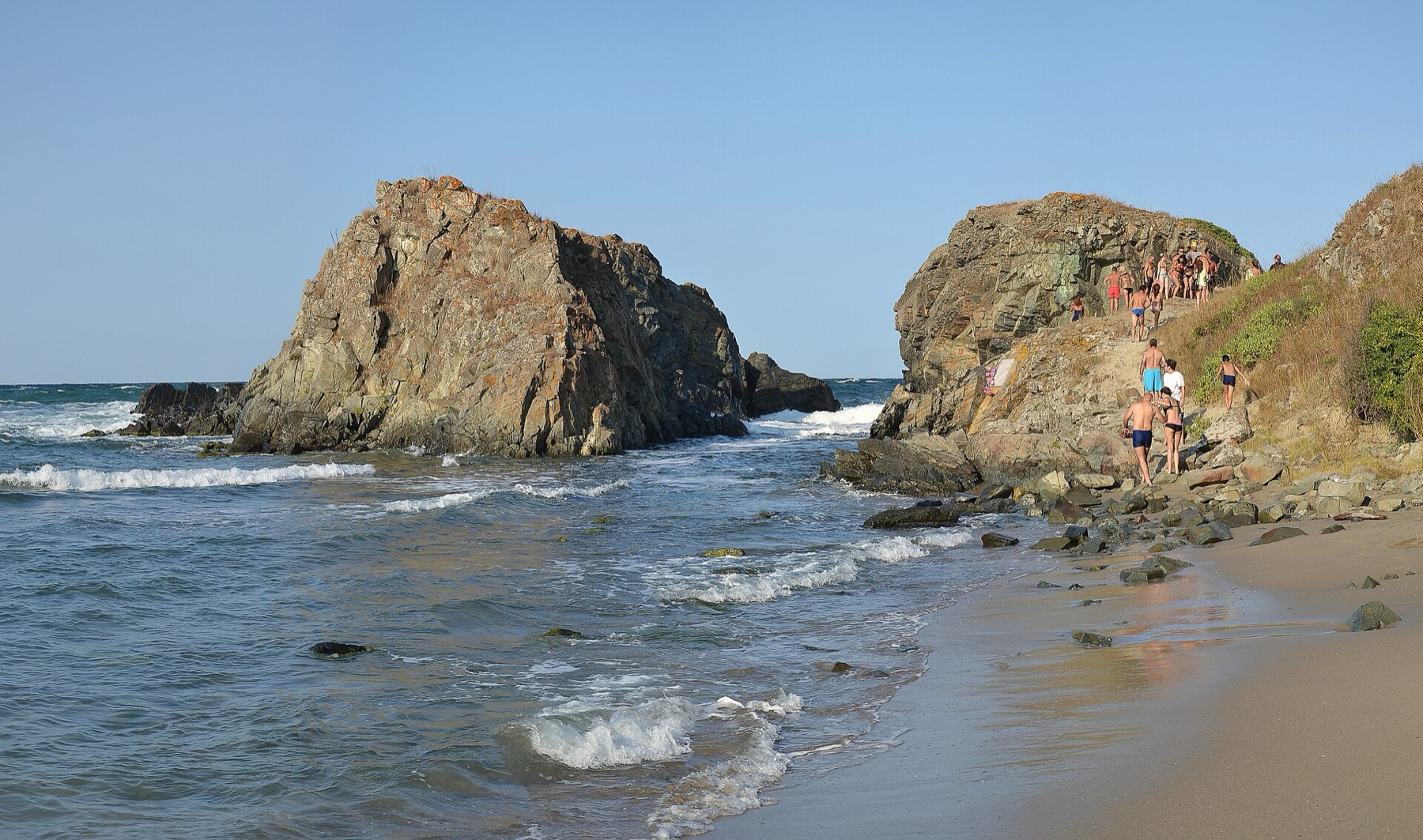
Silistar cove lies just a short way from the Turkish border, and the Bulgarian press often calls it the most beautiful natural bay on the entire coast. The beach is roughly a kilometre long, around 70 metres wide, and you won’t find any hotel development here at all. The only facilities are basic drink kiosks and eco-toilets up by the car park.
Getting here is a bit of an adventure, since you have to turn off the road towards Rezovo onto a roughly kilometre-long forest track. According to travellers, though, it’s passable even in a normal car. Parking is an annual lottery. In 2025 access was completely free for the first time, but this year’s situation is uncertain, so it’s safer to budget for a fee of around €2.
The beach is split into two parts. The northern and central stretches offer a paid zone with umbrellas, while the large free zone is right at the southern end. It’s also the southernmost guarded beach in Bulgaria. If you head here, don’t forget to bring your own umbrella, because there’s virtually no natural shade during the day.
2. Veleka (Sinemorets)
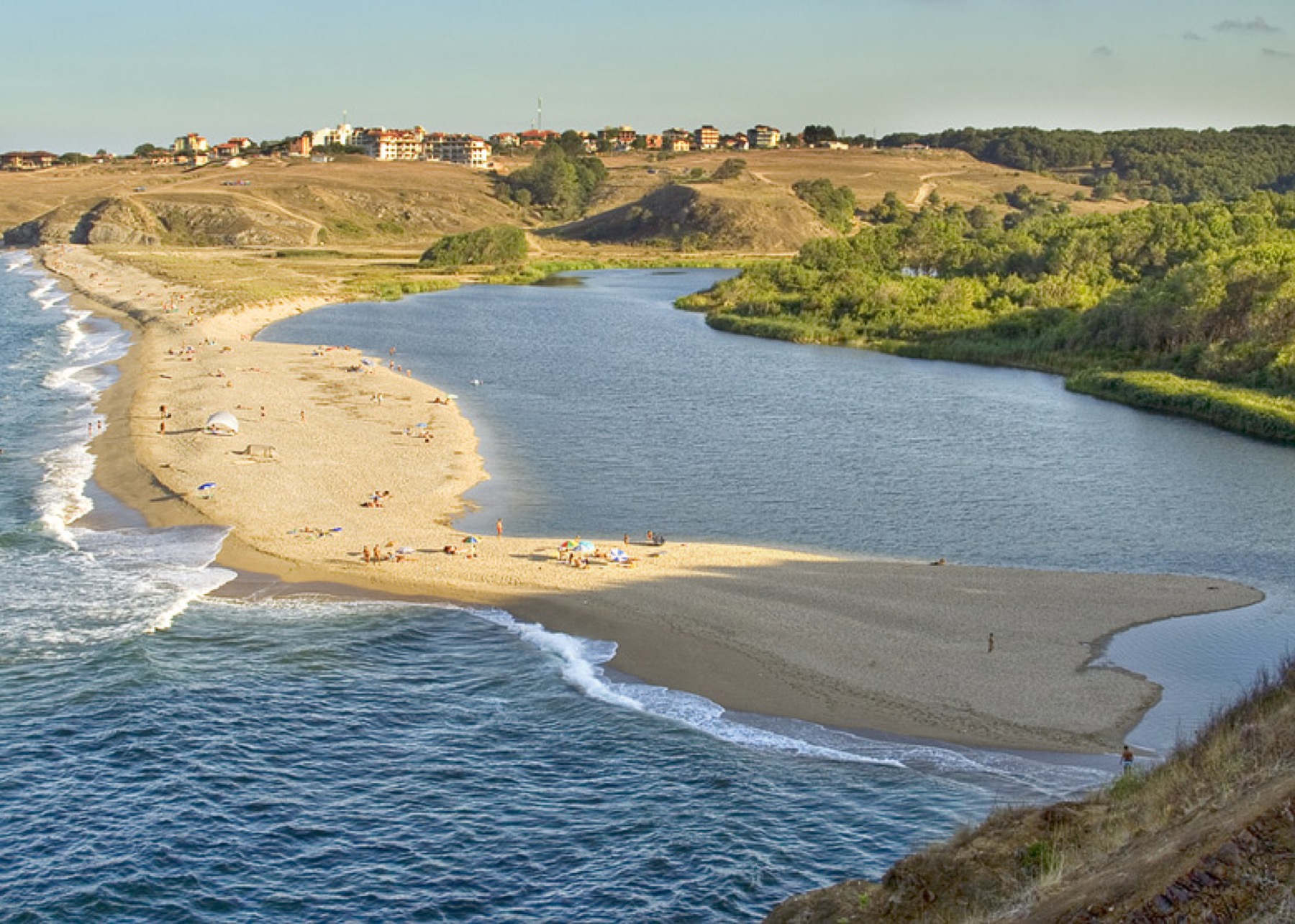
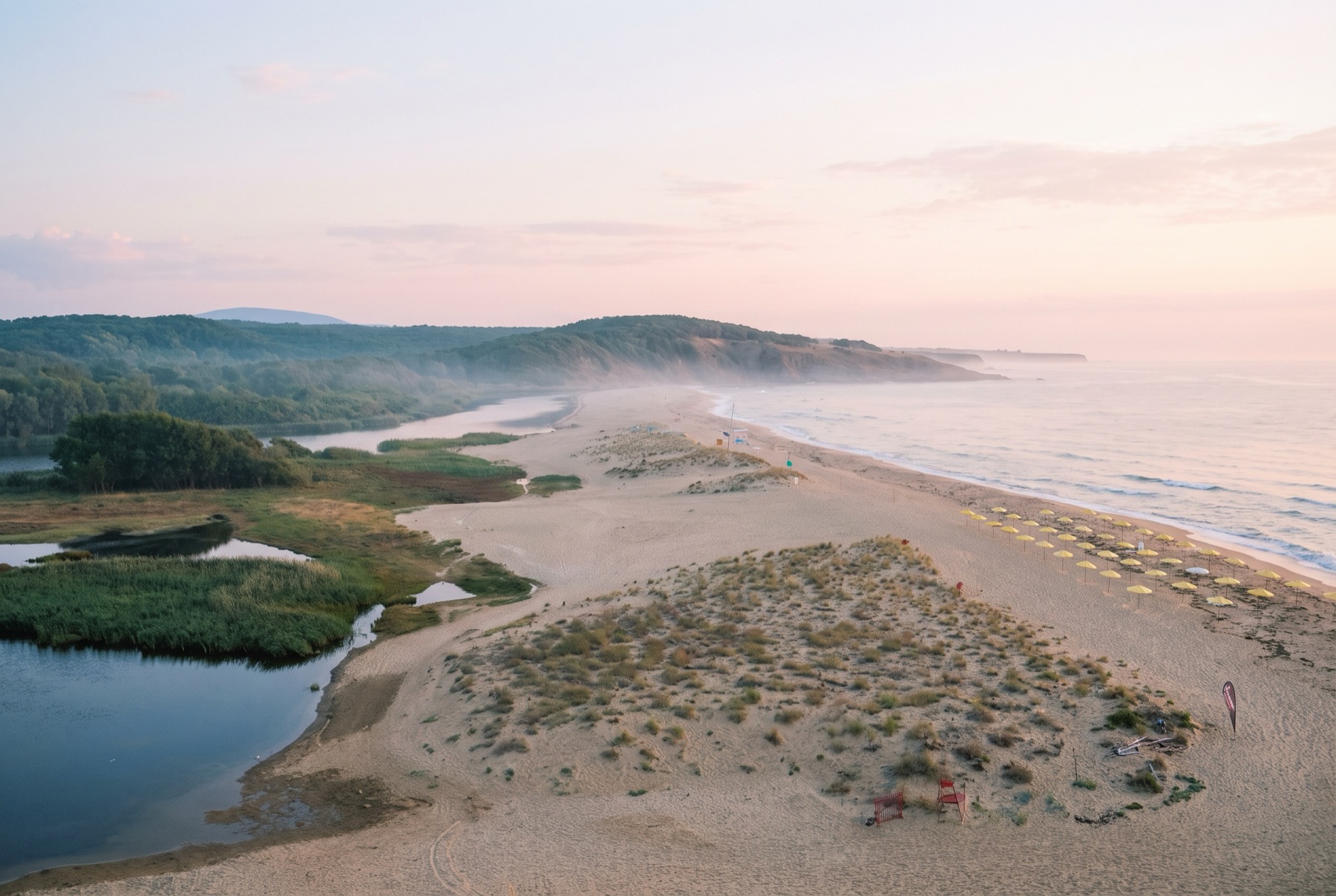
You’ll recognise this spot from countless promo photos. The Veleka river flows into the sea here across a narrow sandy spit, creating a truly iconic view you won’t see anywhere else in the country. Access is also very easy. From the centre of the Sinemorets resort you can walk here in a few minutes, and there’s a spacious car park right above the beach.
Swimming here is a unique experience, because you can switch between the salty sea and the cooler fresh water of the river. Locals recommend renting a kayak or paddleboard right on the beach and setting off on a calm paddle upstream, surrounded by dense green forest. The beach itself has lifeguards and a surf rental.
You do need to be very careful going into the sea, though. The bay is deep right from the shore. Take two steps and the bottom drops away, so with small children skip the sea part and use the calmer river instead. In the evening, the nearby river also brings out plenty of mosquitoes, so repellent is a must.
3. Butamyata
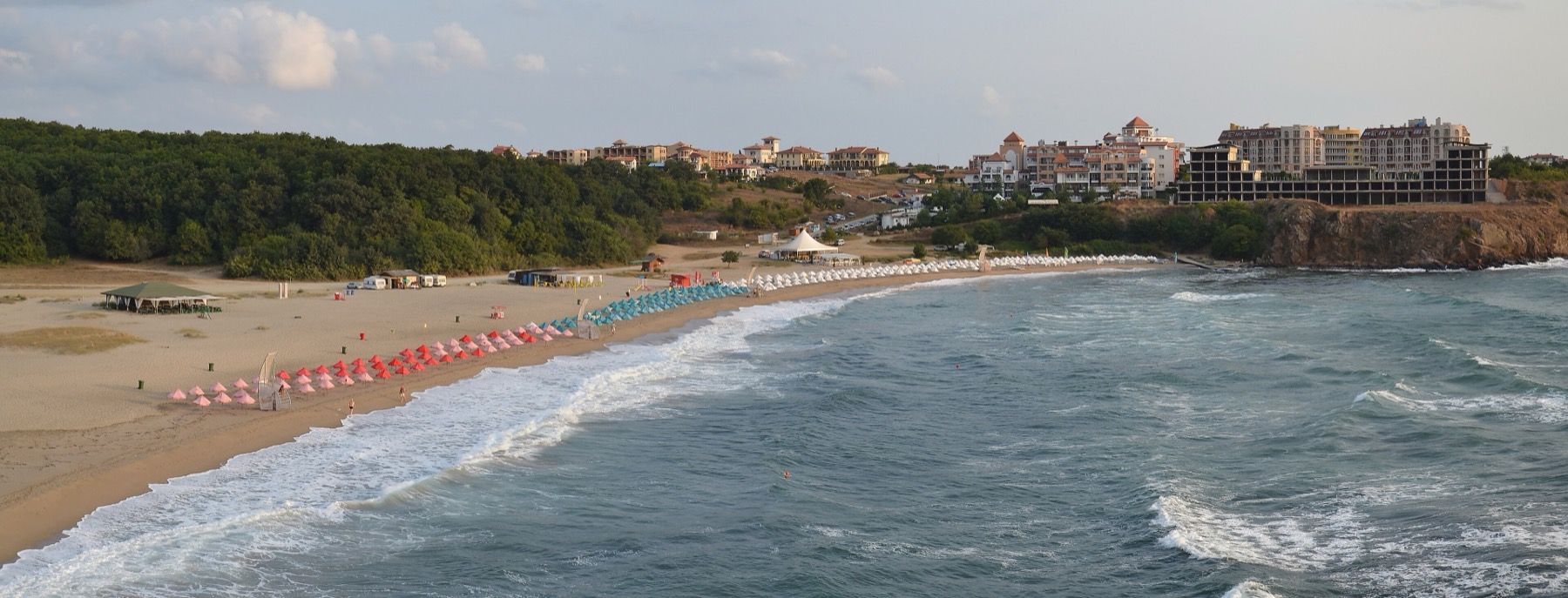
Right next to the wild Veleka you’ll find Butamyata bay, the more civilised face of the Sinemorets resort. It’s a smaller cove covered in gorgeous golden sand and sheltered by cliffs on two sides. This year it can also boast a prestigious Blue Flag for water cleanliness and top-notch services.
Unlike Veleka, here you’ll find all the beach facilities. There are paid zones with sunbeds and umbrellas, showers, changing rooms and several beach bars. If you get hungry, be sure to order a refreshing tarator, a classic shopska salad or traditional banitsa at one of the local mehanas.
Butamyata is the ideal choice for those who want to holiday in the south but still need comfort and safe facilities. The water gets deeper a bit more gradually than at the neighbouring beach, but in August you still need to watch out for treacherous sea currents here. Luckily, lifeguards are on duty all season.
4. Arkutino
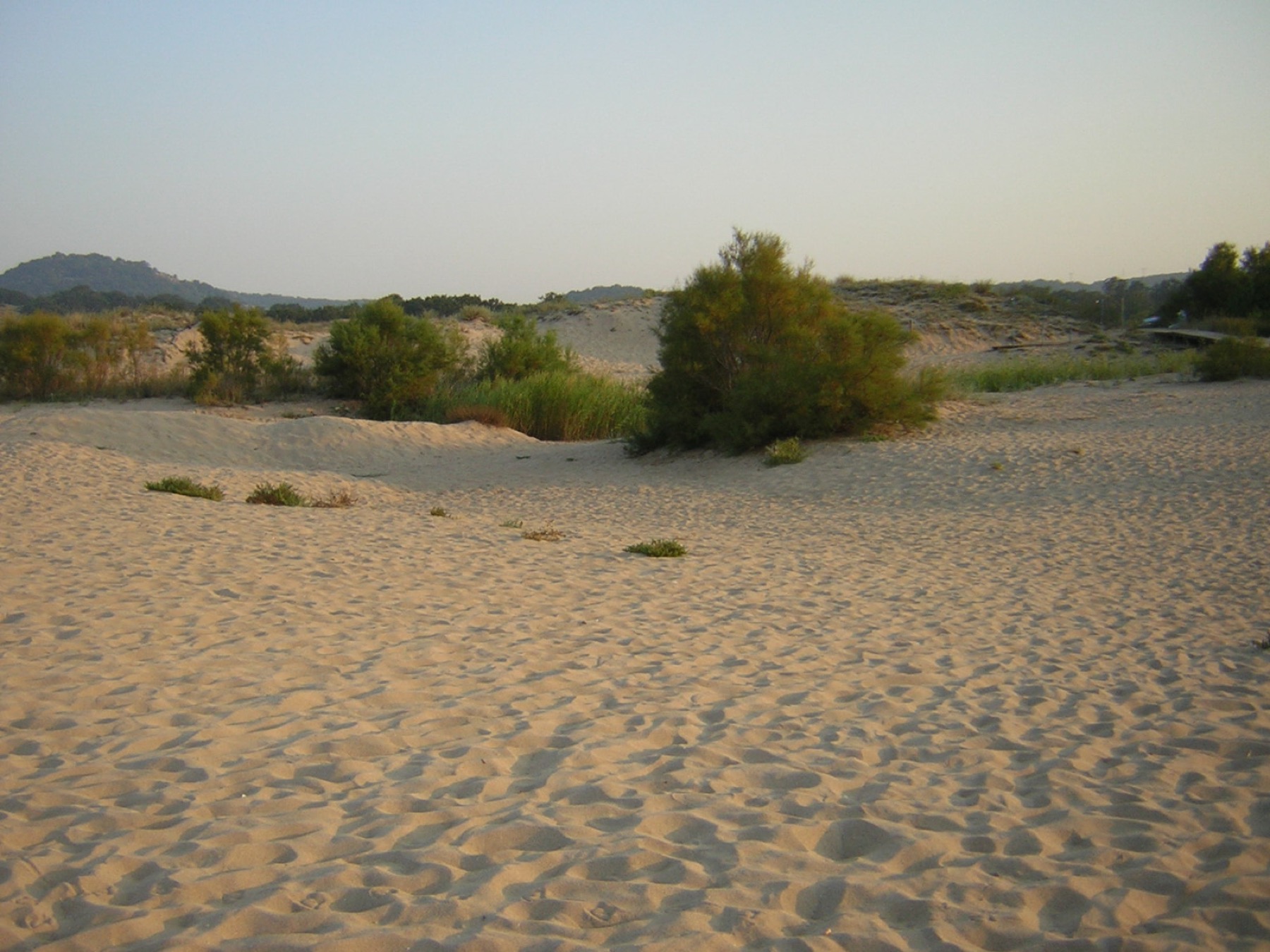
Arkutino lies between the resorts of Sozopol and Primorsko, right inside the Ropotamo Nature Reserve. The Bulgarian press often calls it the single most romantic beach in the country. You won’t find any giant hotels here, just endless sand dunes and a fantastic view of the nearby Snake Island.
The beach’s biggest gem is its local flora. Right in the sand dunes grows the protected sand lily, listed in Bulgaria’s Red Book, which flowers right into early September. To protect nature, only a narrow wooden boardwalk leads down to the sea, guiding visitors to the water without trampling the rare plants.
Despite its natural character, Arkutino holds a Blue Flag in 2026. There’s a small paid zone, but most of the beach stays free. It’s an ideal hideaway for seekers of absolute peace who love long walks on soft sand far from noisy discos.
5. Koral
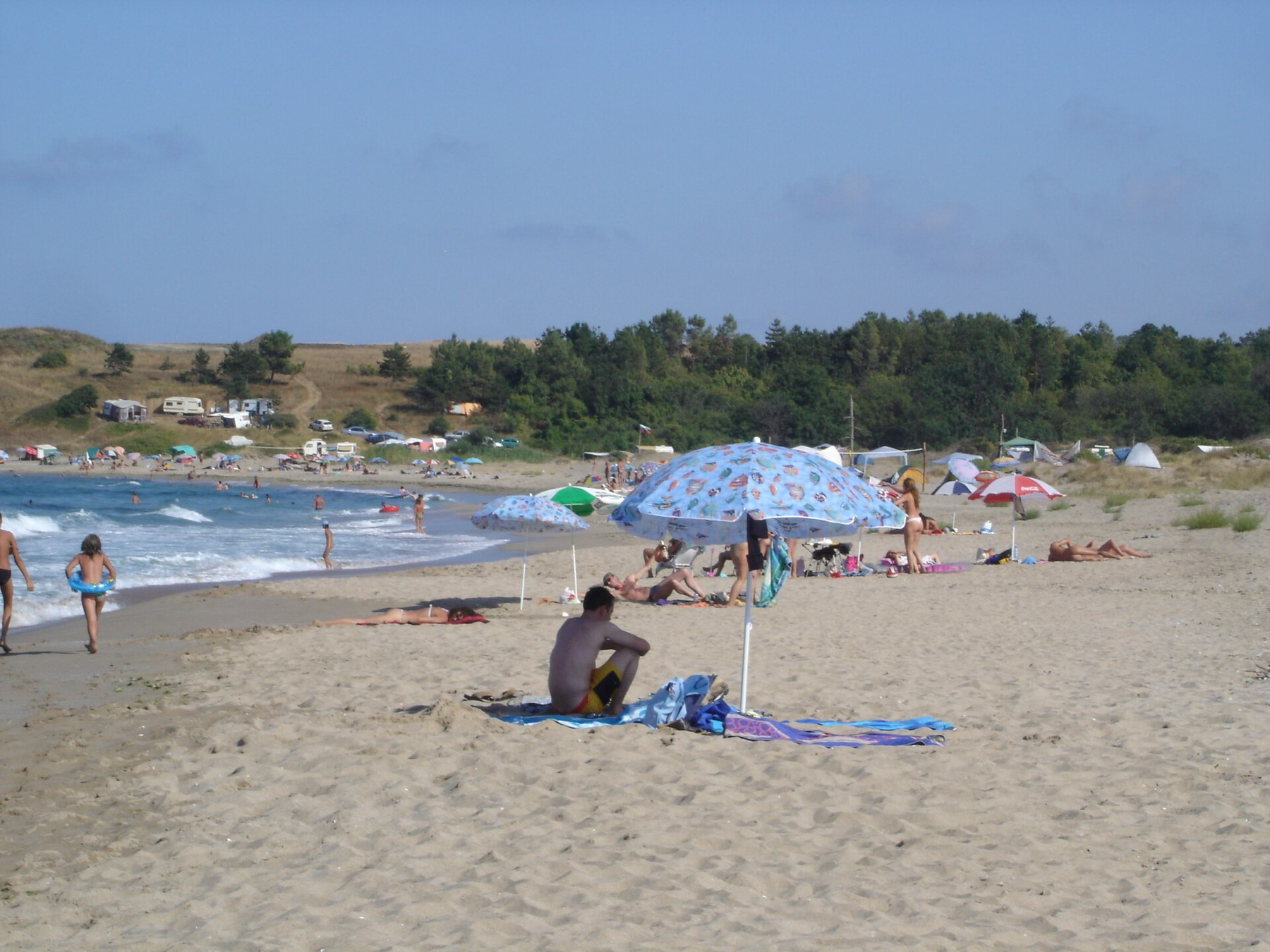
Koral beach sits between the resorts of Lozenets and Ahtopol, and for many locals it’s a symbol of a successful fight for unspoiled nature. Environmental activists managed to stop plans for a huge concrete resort here. As a result, the beach — one of the widest in the country at up to 377 metres — kept its wild character.
This area is famous for its excellent watersports conditions. Travellers rate Koral as one of the best spots for kitesurfing and windsurfing on the southern coast. If you’re new to these sports, note that Bulgaria isn’t an extremely windy destination overall. The best conditions come in spring and autumn; in summer you mostly rely on the afternoon breeze.
Since 2026 there’s been a major change for camping fans. The municipality of Tsarevo set up an official legal tent zone here, aiming to regulate the previously chaotic overnight stays in the dunes. Just be aware that there’s no paved road to get here and you have to bring all your own supplies.
6. Alepu
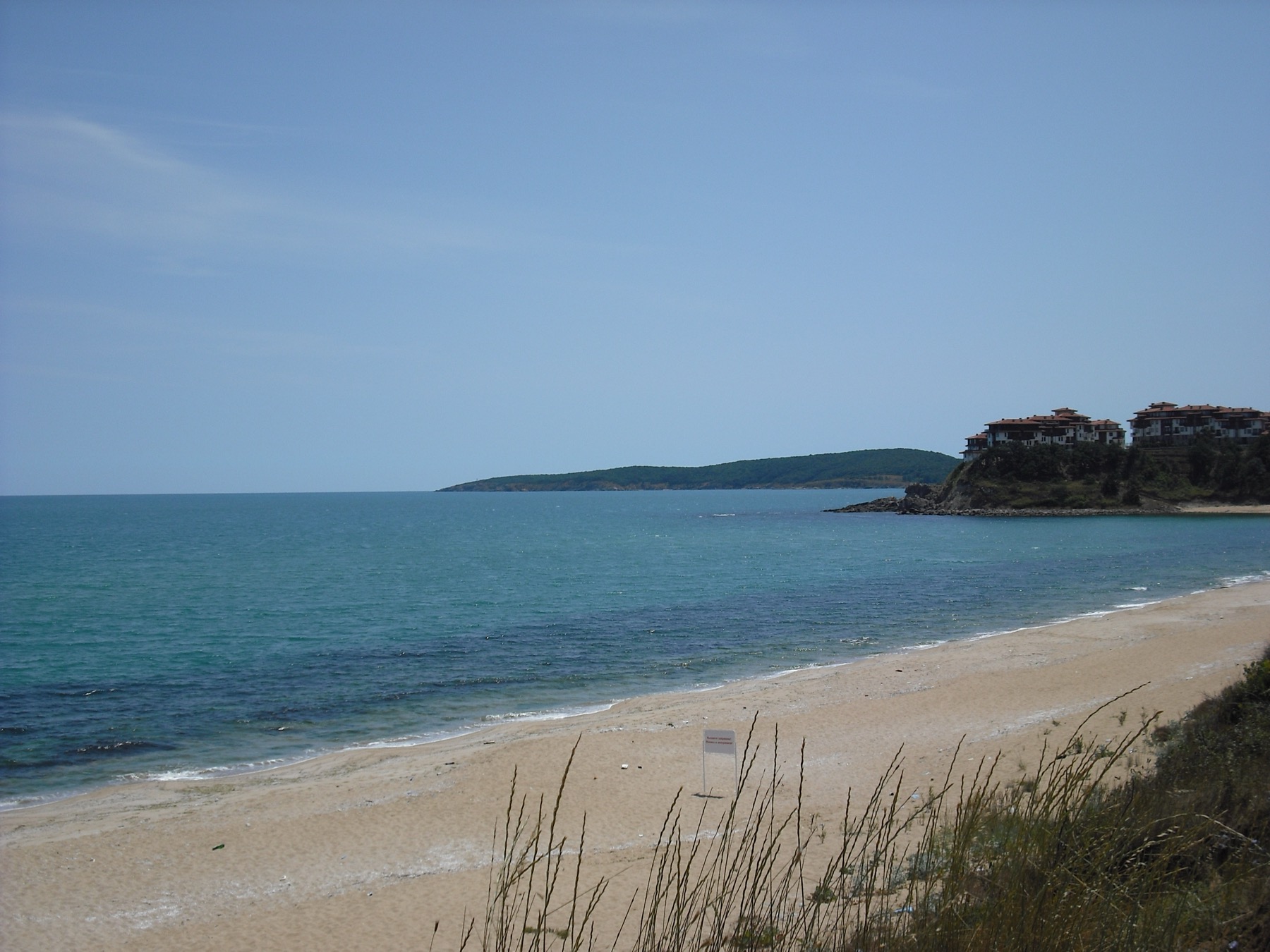
This long sandy spit south of Sozopol is nicknamed the “Driver’s Beach” by locals. The reason is simple: the old coastal road runs right alongside it, so you can step out of the car practically straight onto the sand. That’s a huge advantage for anyone who hauls a load of gear down to the water.
Alepu isn’t officially organised — there are no lifeguards, no sunbed rentals and no food kiosks. A lot of visitors come precisely for that total peace. The surrounding wetlands are also an important nesting ground for rare birds, which draws nature photographers.
Thanks to its huge size and complete lack of civilisation, Alepu also serves as an unofficial but tolerated nudist beach. Naturists usually take the more remote stretches towards the lagoon. Bear in mind, though, that the entry into the water tends to be steeper here, and a northerly wind whips up unpleasant waves.
7. Kastrich and Rezovo
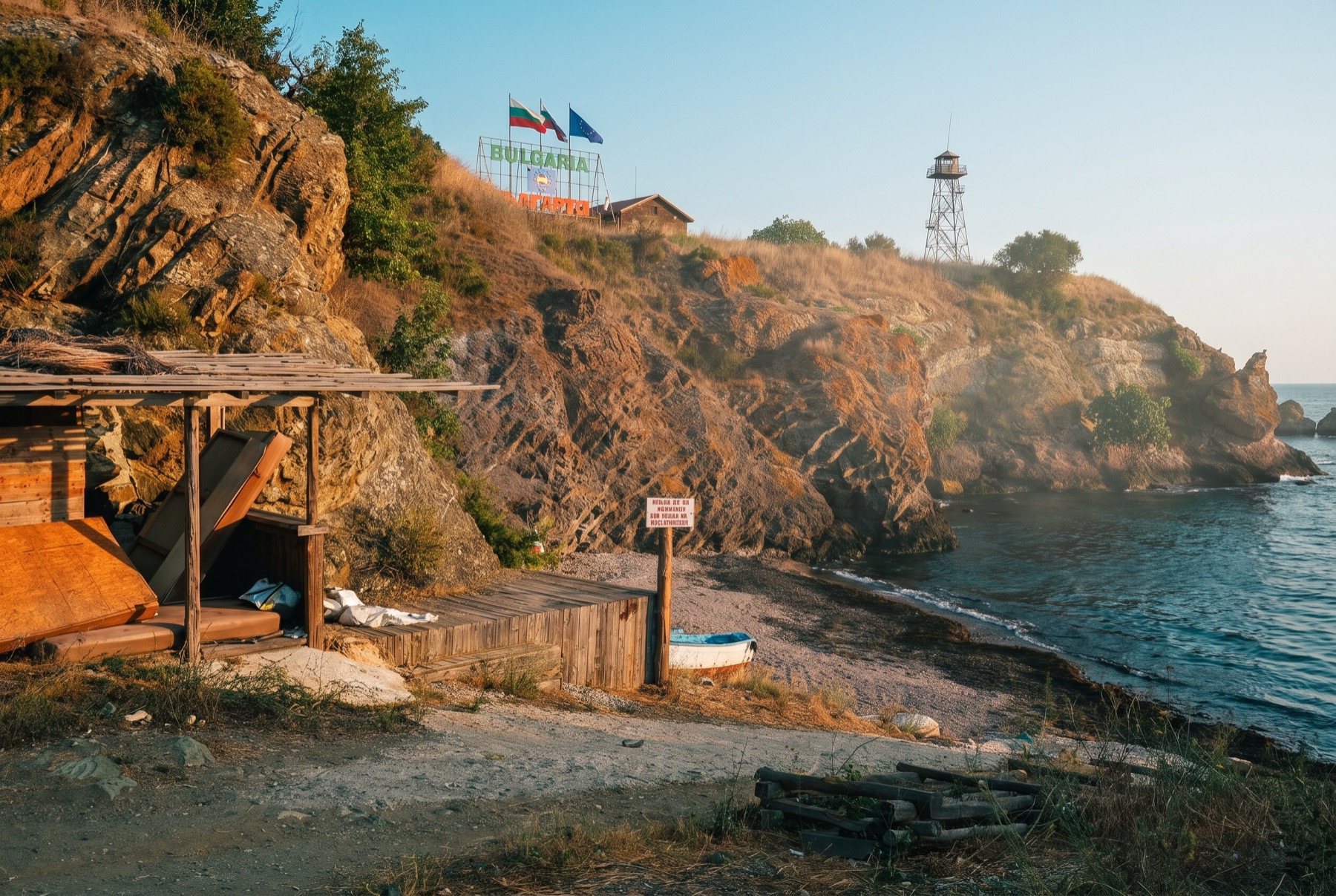
Right at the far south, beyond popular Silistar, hide spots for genuine adventurers. Kastrich cove can only be reached on foot along an unmarked path that runs about two and a half kilometres through dense forest. The walk takes just under 45 minutes, but at the end a pristine cove awaits that you’ll very likely have all to yourself.
Rezovo itself is then the last Bulgarian village before the Turkish border. Don’t look for a classic sandy beach here — the coast is wild, rocky and full of little coves. According to experienced travellers, it’s one of the best snorkelling spots in the whole area, because with no sand around, the water is incredibly clear.
This area demands respect. Getting into the water over stones and rocks can be tricky, and the currents can be unpredictable. It’s definitely not a place for a family trip with small children, but rather a destination for strong swimmers who want to soak up the raw atmosphere at the very edge of the European Union.
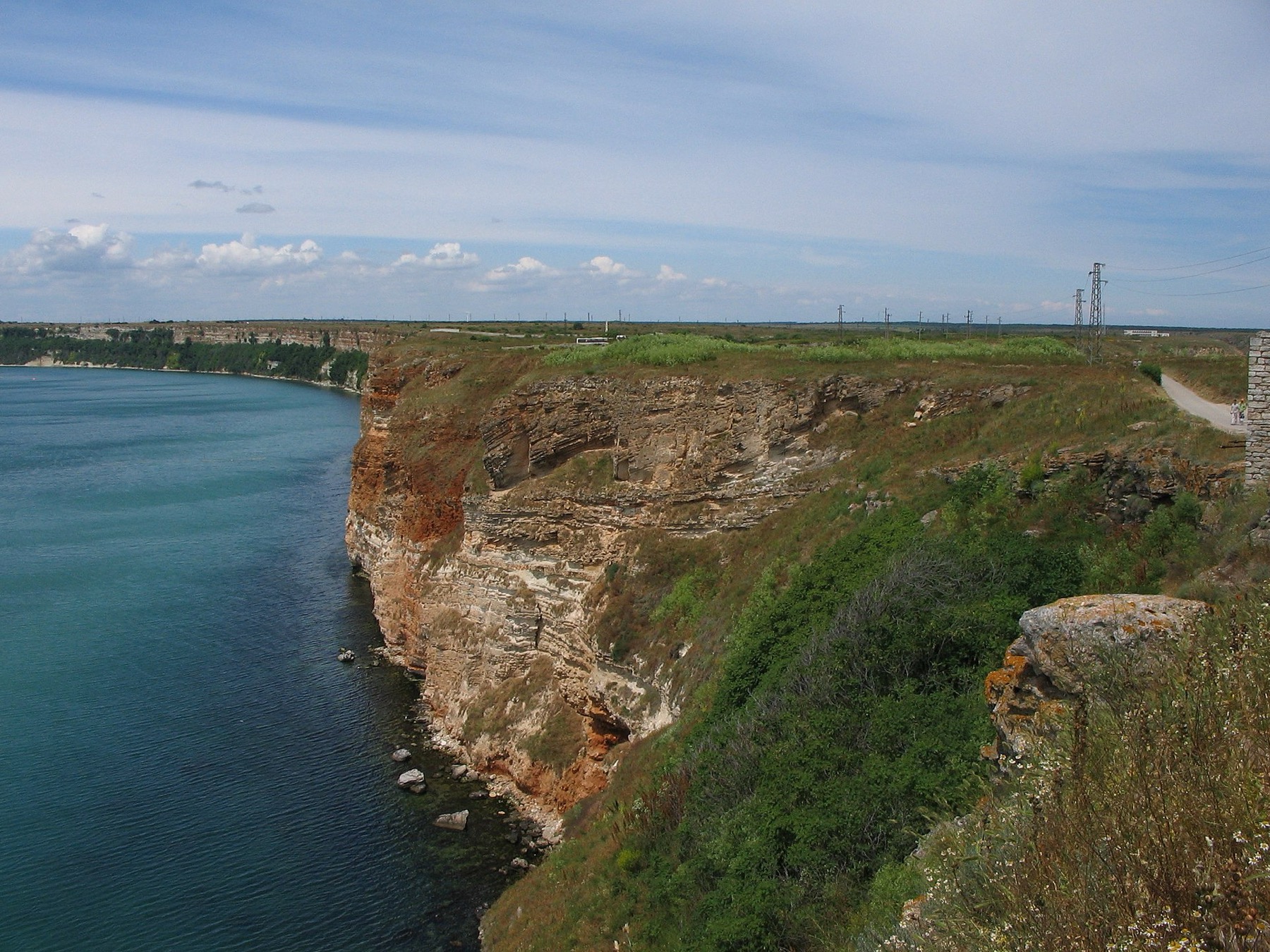
The northern coast and the wilderness near Varna
The northern stretch of coast around Varna has a reputation among travellers as one giant party zone, but don’t be fooled. Here too you’ll discover hidden spots that have kept their raw face. While the south is dominated by smaller rocky coves, the north offers stunning red cliffs and kilometres of deserted beaches.
This area is ideal for those of you who like to combine exploring untouched nature with the occasional trip into civilisation. On top of that, the shallow, sheltered bays create excellent snorkelling conditions.
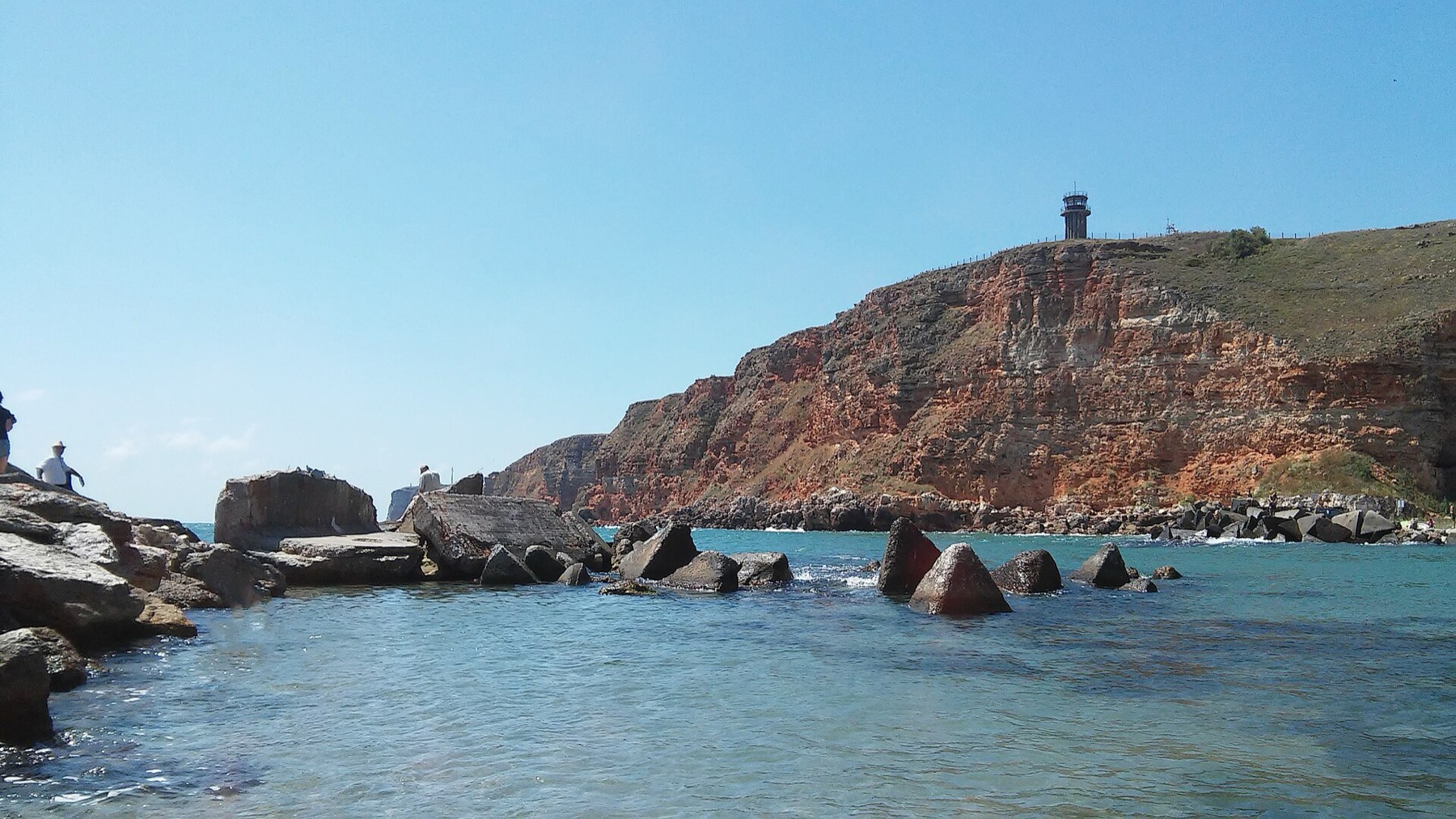
8. Bolata
Near the famous Cape Kaliakra, a truly unique cove cuts into the high red cliffs. Bolata is shaped like a perfect crescent and is the only Bulgarian reserve that also includes a water area. Access is along a very narrow, winding little paved road, at the end of which you’ll find a small car park.
Thanks to the protective cliffs and an artificial breakwater, the water here is incredibly calm and shallow. That’s exactly why Bolata ranks among the very best spots for snorkelling lovers. Beneath the surface you can easily spot shoals of fish, crabs and plenty of other sea creatures hiding among the rocks.
Facilities here are minimal (just one coffee kiosk), but if you’re coming in high season, arrive as early in the morning as you can, because the cove is small and extremely popular with locals, so by about 10 a.m. it can be hard to find a spot for your towel.
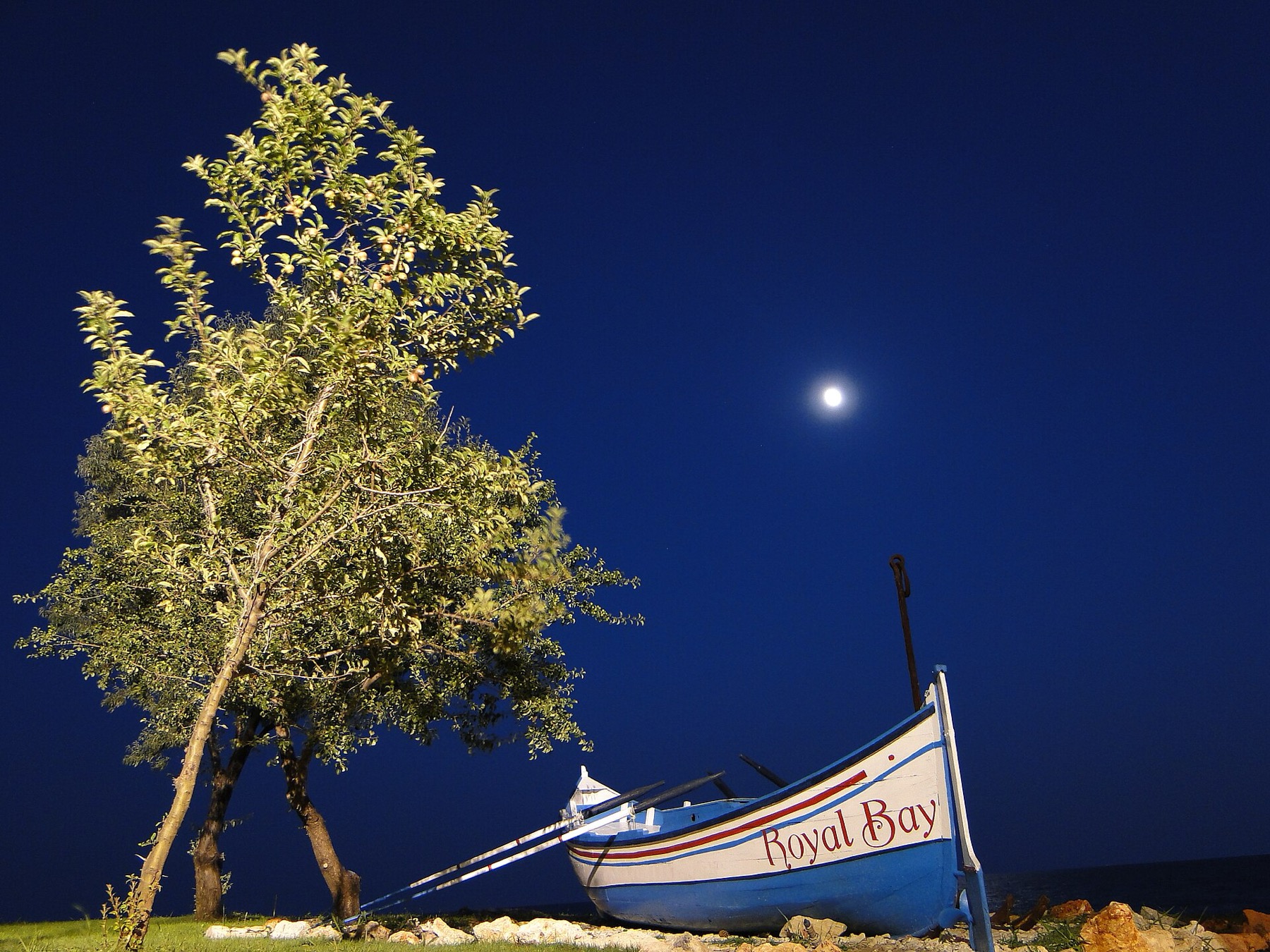
9. White Lagoon (Topola)
Between the towns of Balchik and Kavarna you’ll find a very pleasant alternative to the big, busy resorts. The White Lagoon earned its name from the pale limestone cliffs that surround the whole area and give the water a gorgeous turquoise hue. In 2026, the beach also joined the prestigious list of Blue Flag holders.
The beach is well organised — you’ll find quality sunbeds, umbrellas, showers and modern facilities. The entry into the sea is gentle and the water tends to be very calm thanks to the sheltered position. If you value comfort and want to avoid the crowds at Golden Sands, locals recommend this very spot.
The only downside might be the access to the water itself. Most of the accommodation sits on the cliff above the beach, so expect to tackle dozens of steps every day. For families with a pushchair that can be a bit of a hassle, but the views from the top are definitely worth the effort.
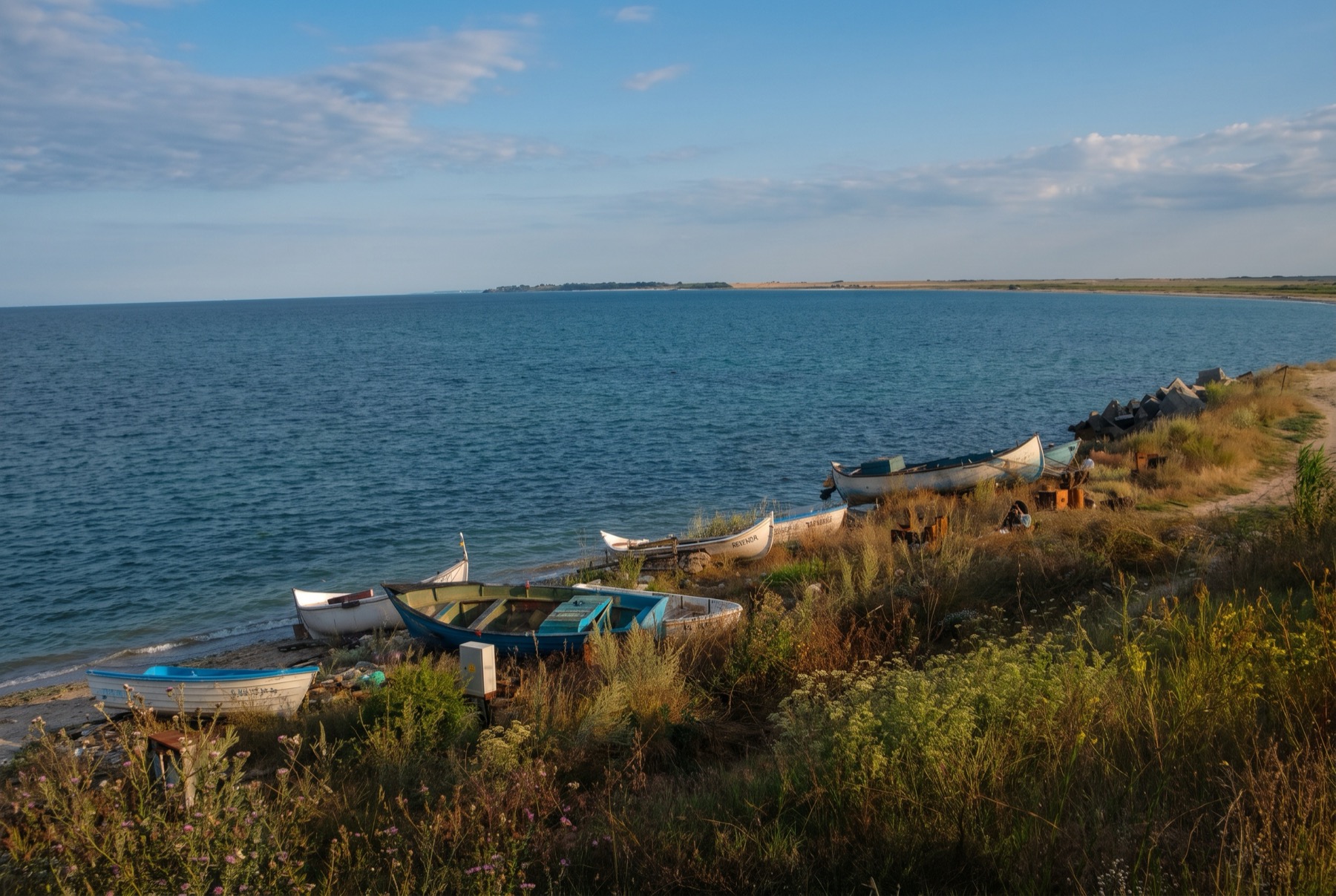
10. Krapets and Durankulak
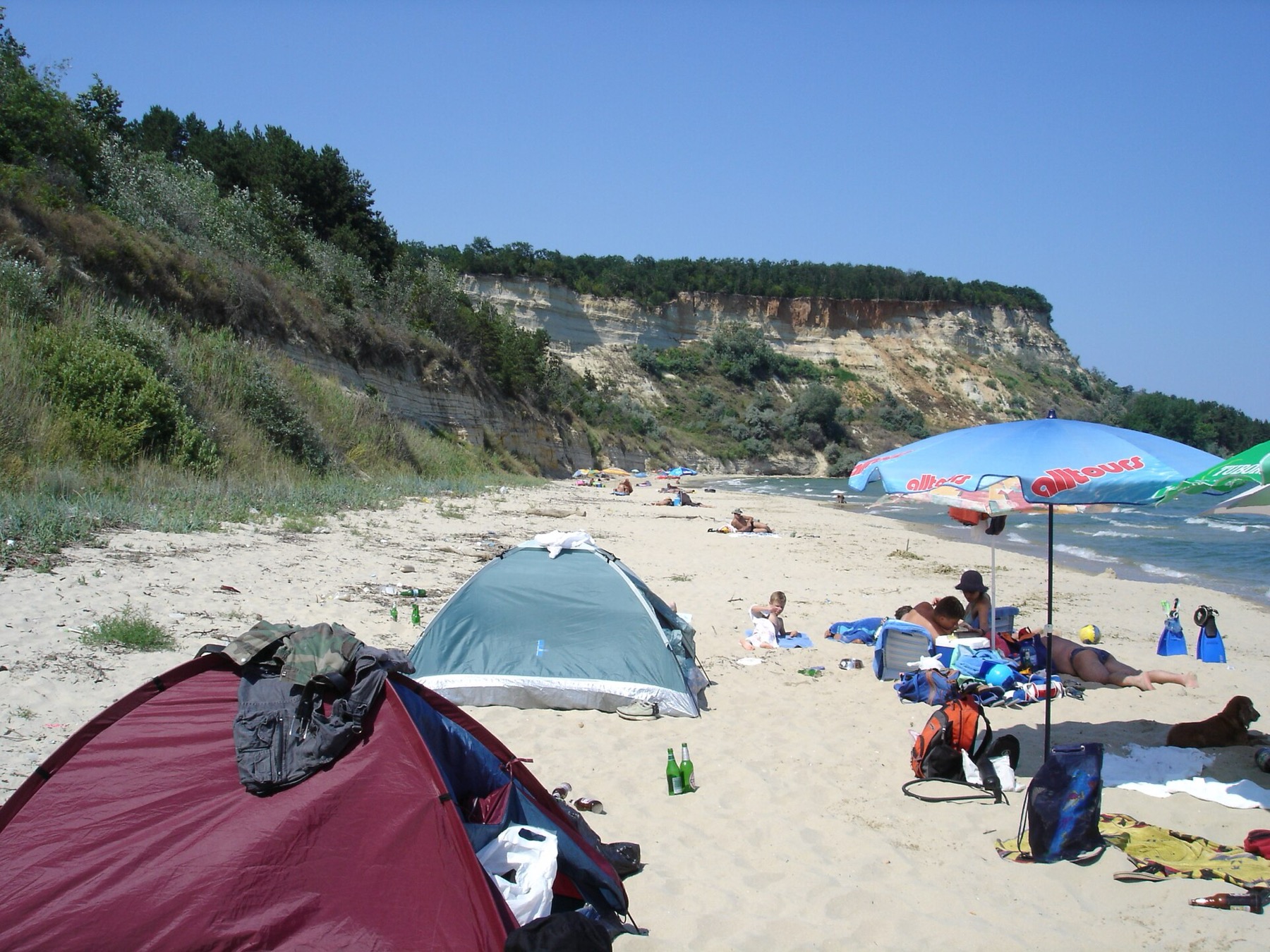
If you’re after total solitude and don’t mind a longer drive, head to the very north, towards the Romanian border. The long strip of sand between the village of Krapets and Lake Durankulak measures an impressive 6 kilometres and features some of the most beautiful natural dunes on the entire Black Sea coast.
You won’t find any hotels, discos or promenades with shops here. The area is sought out mainly by backpackers and camping lovers who come for the perfect peace and quiet. There are no lifeguards on the beach and, thanks to the open sea, a stronger wind often blows, which in turn occasionally attracts a few lone kitesurfers.
Just beyond the beach lies Lake Durankulak, an important birdwatching site. For nature lovers it’s an ideal combination. The nearby villages have only a few small guesthouses and taverns, where you can enjoy excellent baked aubergine, fresh mish-mash or local sheep’s cheeses.
11. Shkorpilovtsi and Kamchia
This strip of sand south of Varna holds one notable national record. Together, the beaches of Shkorpilovtsi and Kamchia form, at 11.96 kilometres, the longest uninterrupted beach in all of Bulgaria. In some spots the carpet of sand reaches an incredible 100 to 120 metres wide.
The Bulgarian press named this area the best place to escape the tourist crowds in the summer of 2026. Thanks to its huge size, you’ll never feel cramped here. There are a few smaller hotels and restaurants, but most of the beach stays completely wild and surrounded by dense oak forests.
The area is also home to the largest legal tent zone in the country. If you love freedom, you’ll be pleased that the remote northern stretches of Shkorpilovtsi function as tolerated unofficial nudist beaches. A new addition this season is that the regional authority put lifeguards out to tender here for the first time.
12. Pasha dere
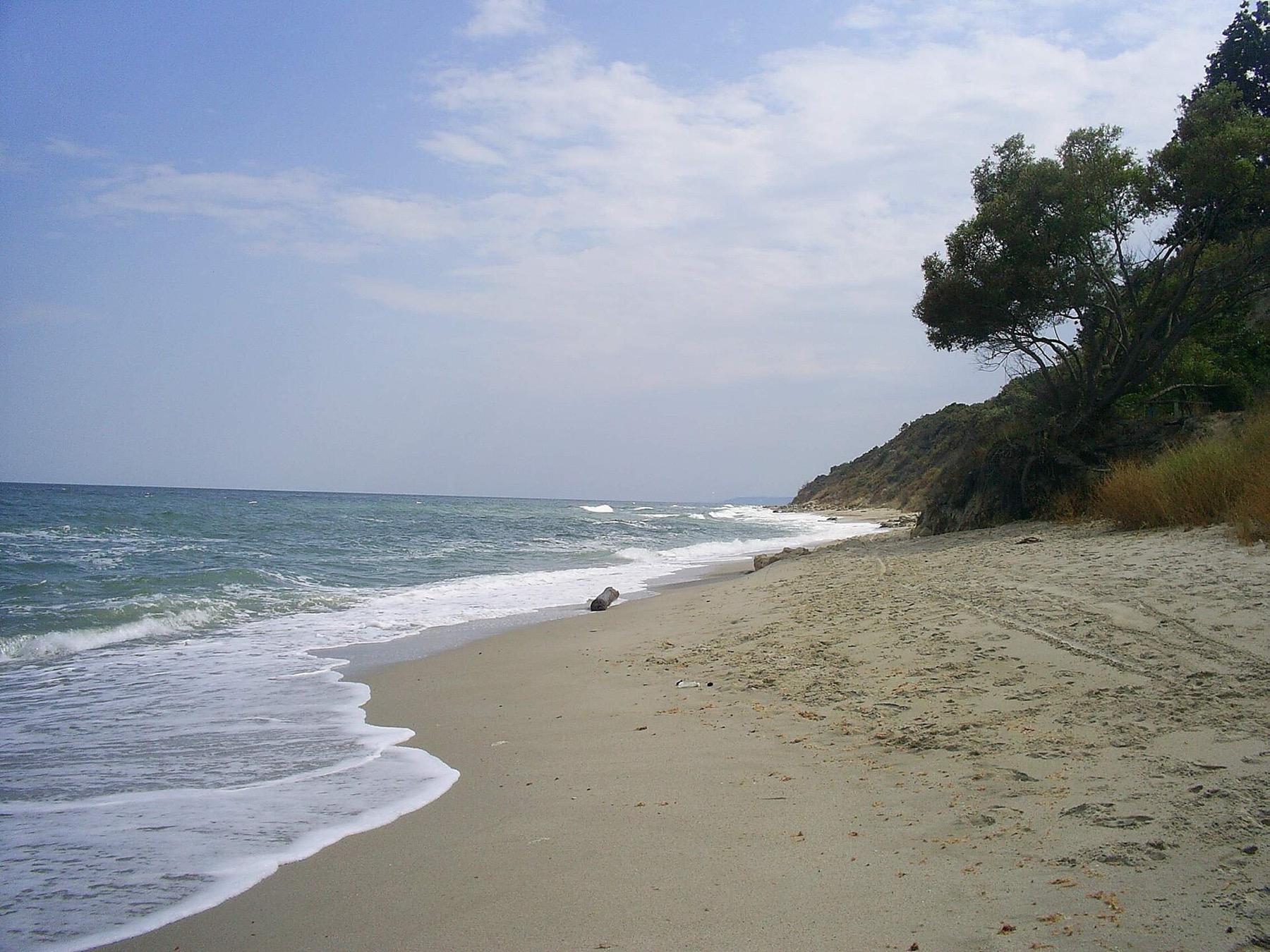
A short drive south of Varna hides a favourite retreat of the city’s own residents. Pasha dere is a totally untouched wild beach, but the way to it is a very poor, rutted dirt track. If you don’t have a high-clearance off-road vehicle, locals recommend leaving the car up top and walking the rest of the way on foot.
Don’t expect any facilities here (there’s no phone signal, no drinking water and no bins), but your reward will be clean nature, fine sand and hardly any people even in the middle of August. The surrounding forests provide pleasant shade, which is often missing elsewhere on the coast.
Pasha dere is known for its laid-back, communal atmosphere. In the evening you’ll often hear guitars playing around campfires, and part of the beach is traditionally used by naturism fans. It’s an ideal spot for a day escape from bustling Varna — just be sure to bring plenty of food, water and rubbish bags.

13. Karadere
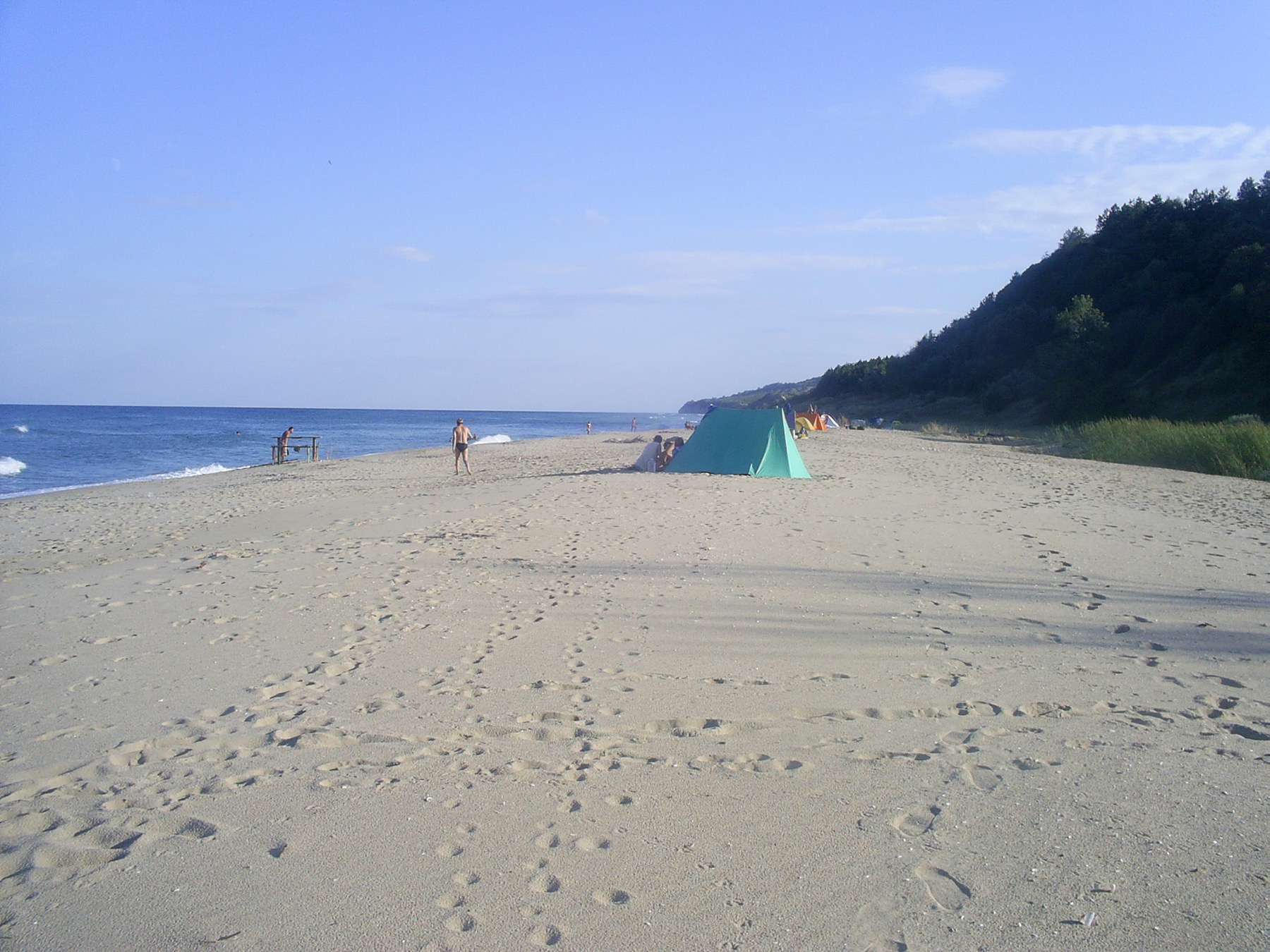
About halfway between Varna and Burgas, near the little town of Byala, lies a beach that has stirred up huge emotions for years. Karadere runs for several kilometres and is genuine wilderness protected under the Natura 2000 programme. The way here is a very poor dirt track that becomes utterly impassable for ordinary low cars after heavier rain.
At Karadere you won’t find electricity, bins or lifeguards, and the only source of drinking water is a small spring in the forest. And that’s exactly what makes the wilderness so appealing — every summer it draws artists, surfers and people who simply don’t need civilisation. The bay is also famous for wild dolphins that frequently appear close to the shore.
Sadly, the site is under constant threat from big developers’ plans, against which protests are regularly held. The environmental initiative “Da spasim Karadere” was still fighting to save the nature here in 2025. For backpackers it’s a gorgeous spot, but definitely don’t head here with a campervan this year (more in the camping section below).
The classics: resorts and town beaches
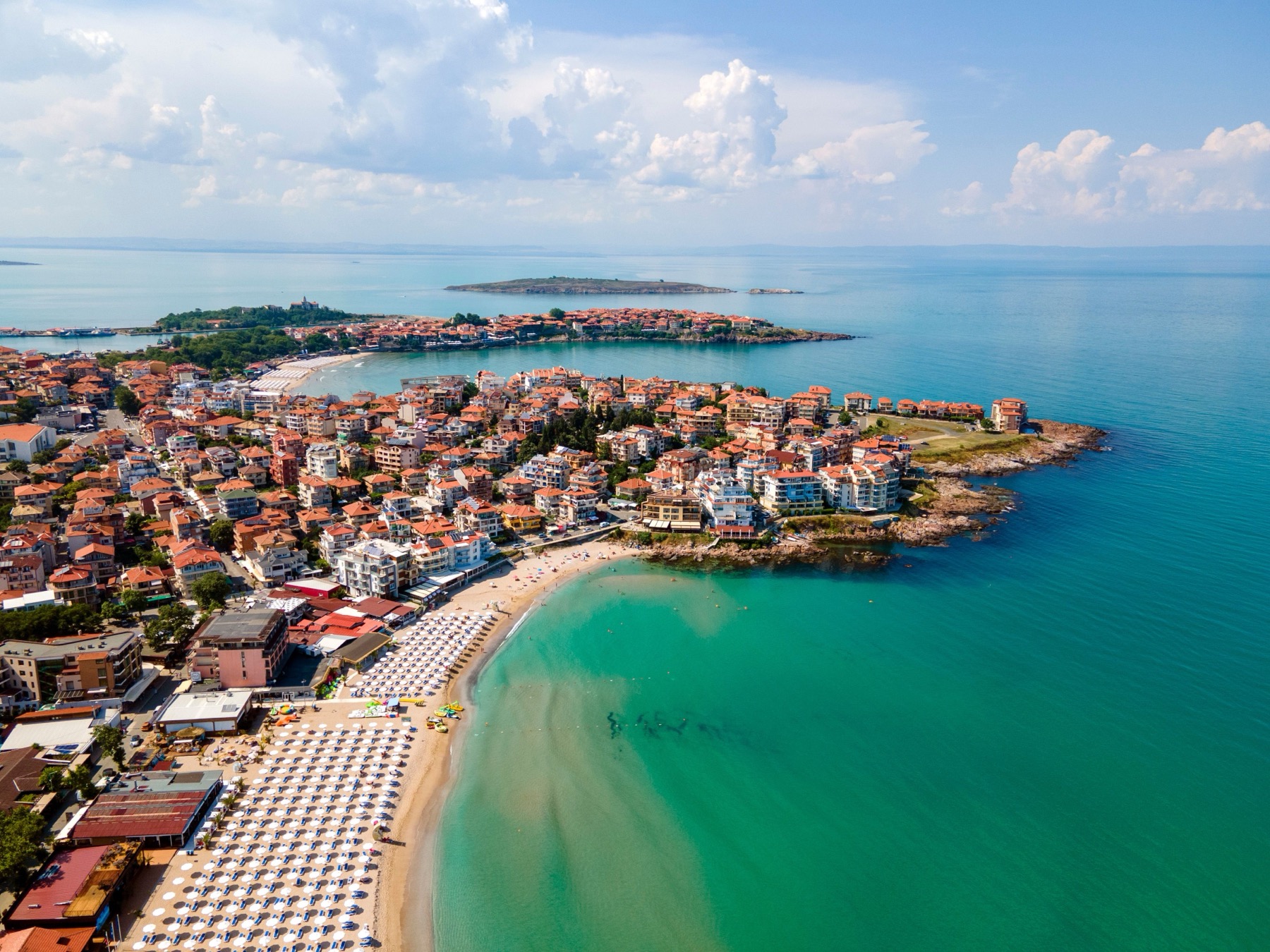
For those of you who are mainly after comfort, flawless service and guaranteed fun on holiday, Bulgaria’s resorts offer first-class facilities. Forget the old prefab hotels from socialist times — today’s resorts confidently hold their own against those in Western Europe.
Whether you’re looking for safe shallows for toddlers, endless nightlife or romantic strolls through historic streets, you’re sure to find something in this line-up. And all at prices that are still very friendly compared with southern Europe.
14. Albena beach
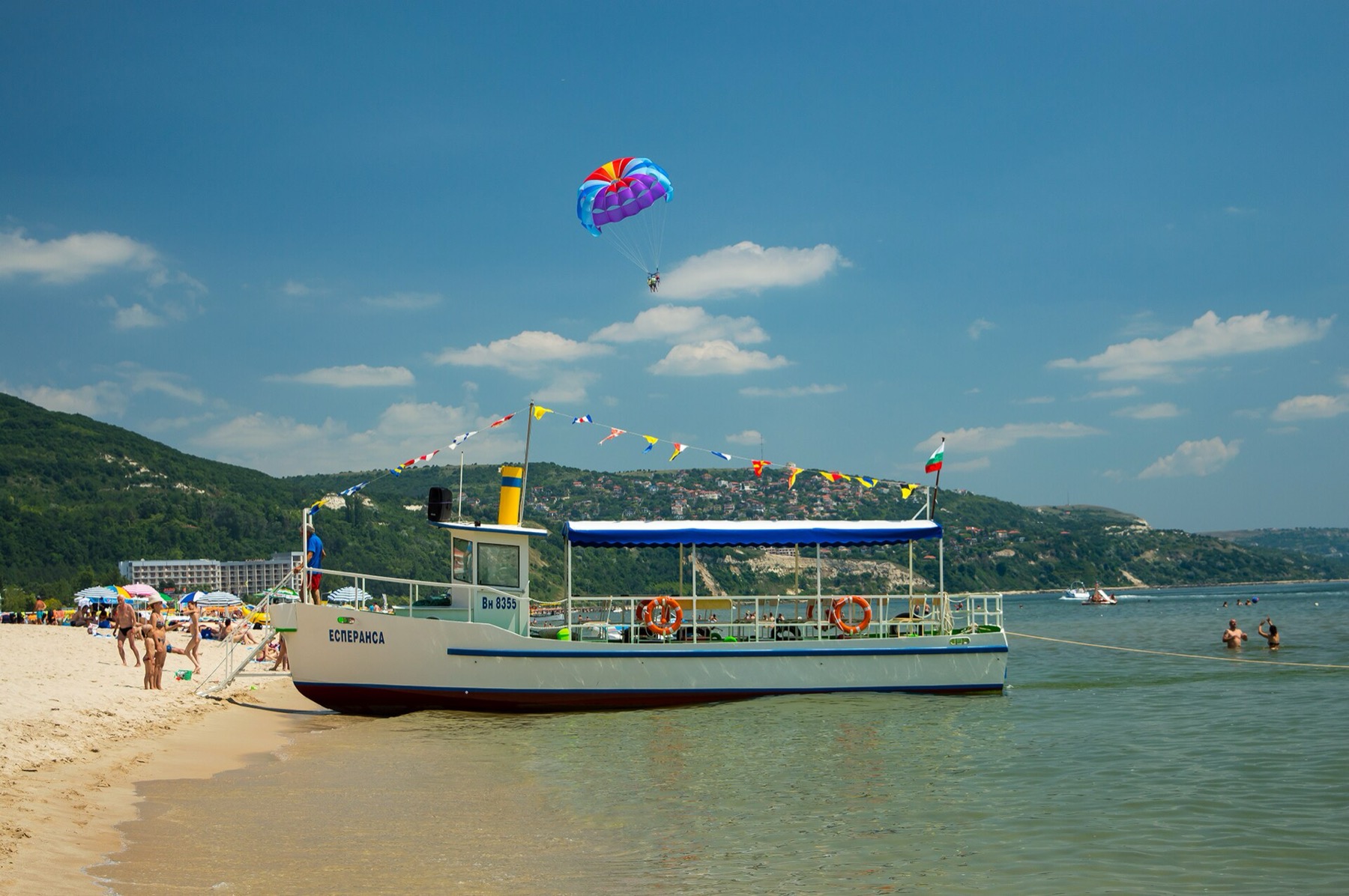
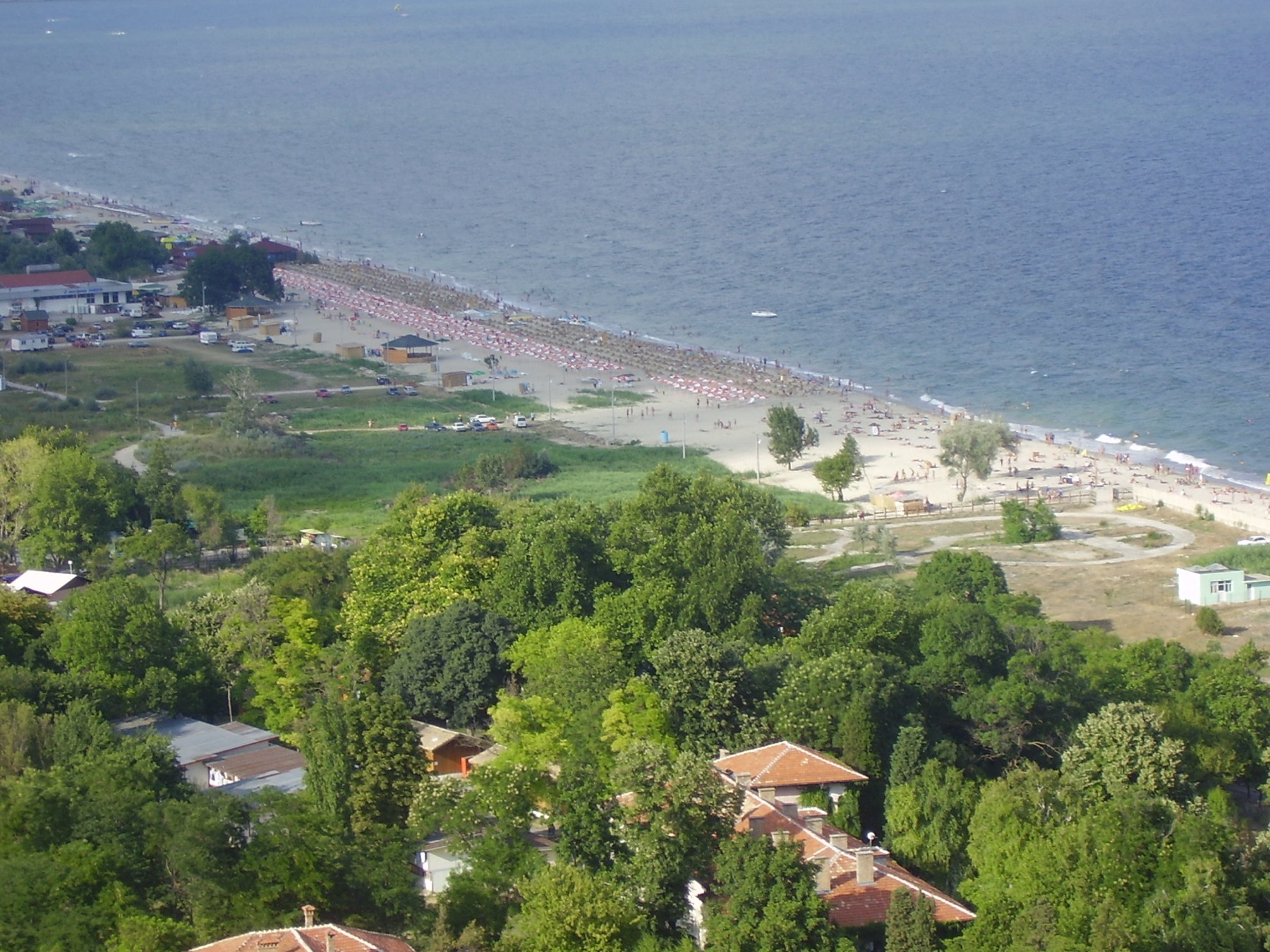
Albena is probably the most carefully designed resort on the whole coast for a family holiday with small children, and the water-depth figures prove it. Albena is an enclosed complex north of Varna, boasting a six-kilometre-long and an incredible 150-metre-wide sandy beach. In high season the entire complex is also closed to regular car traffic.
The beach is a model of organisation and, of course, holds a Blue Flag. You’ll even find the first beach library in Europe here, offering over 6,000 titles in fifteen languages for free, along with secure mini-safes built right into the umbrella stands. Renting a single sunbed will cost you a very likeable €3.58, which is a great price for a premium resort.
But the most important thing is hidden beneath the surface. Albena has the gentlest entry into the sea on the entire coast (more details in the family section). The water is beautifully clear here, and thanks to the fine sand without a single stone, you don’t need water shoes.
👉 Check accommodation prices near this beach
15. Kranevo
Right next to more upmarket Albena lies the smaller resort of Kranevo. It shares virtually the same strip of sand, but the atmosphere here is far more relaxed and, above all, cheaper. The beach keeps top quality too, as shown by the fact that both the northern and central sections earned a Blue Flag for 2026.
Travellers praise Kranevo as the ideal compromise. The sand is brilliantly clean, the bottom has no annoying stones or seaweed, and the slope into the water is very gentle. Unlike the big neighbouring resorts, lunch at the local restaurants costs noticeably less, yet the quality of service stays high.
Interestingly, Kranevo is one of those rare spots on the northern coast that kitesurfing lovers occasionally head to. According to the statistics, though, usable wind blows here only about 11% of days a year, mostly in spring and autumn, so it certainly won’t disrupt your summer swimming.
👉 Check accommodation prices near this beach
16. Golden Sands
Golden Sands is the country’s second most famous resort after Sunny Beach. The beach is about three and a half kilometres long, around 100 metres wide, and the whole area benefits from a fantastic location. The hotels are built right inside the dense forest of a nature park, creating a beautiful contrast with the yellow sand and the blue sea.
The area lies just 20 minutes’ drive from Varna and focuses mainly on active holidays. You’ll find dozens of beach bars, clubs and water attractions here. Just be prepared to pay extra for this comfort. In 2026, sunbed prices climbed to €5 to €6 per item, making it one of the priciest spots in Bulgaria.
At the very northern edge of Golden Sands there’s also one big point of interest. This is where you’ll find Nirvana beach, the only official nudist beach in the country with full facilities. The concession-holder has run it for 18 years — there are lifeguards, entry control and a bar, and the sunbeds cost no more than in the neighbouring “textile” zone.
👉 Check accommodation prices near this beach
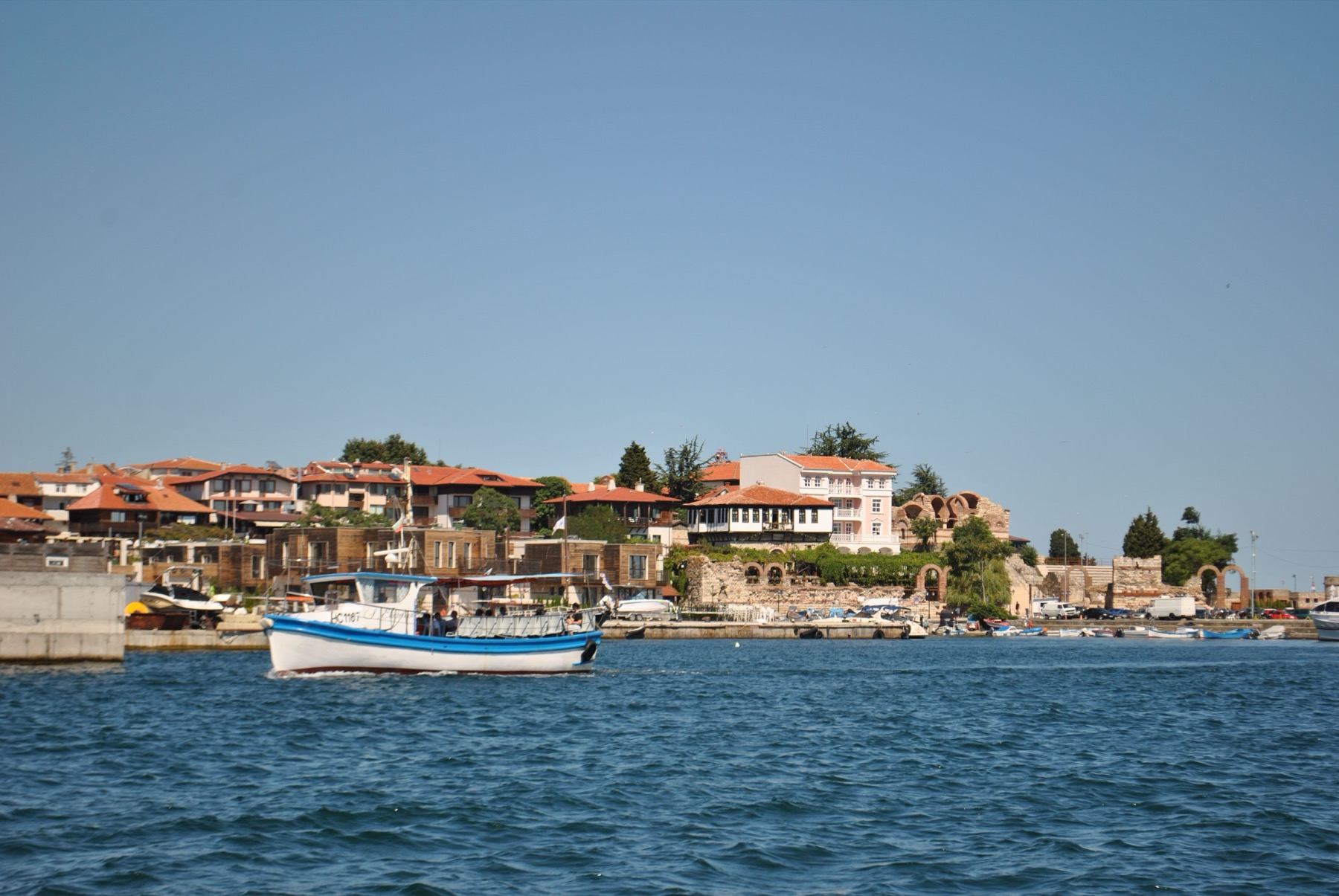
17. Sunny Beach
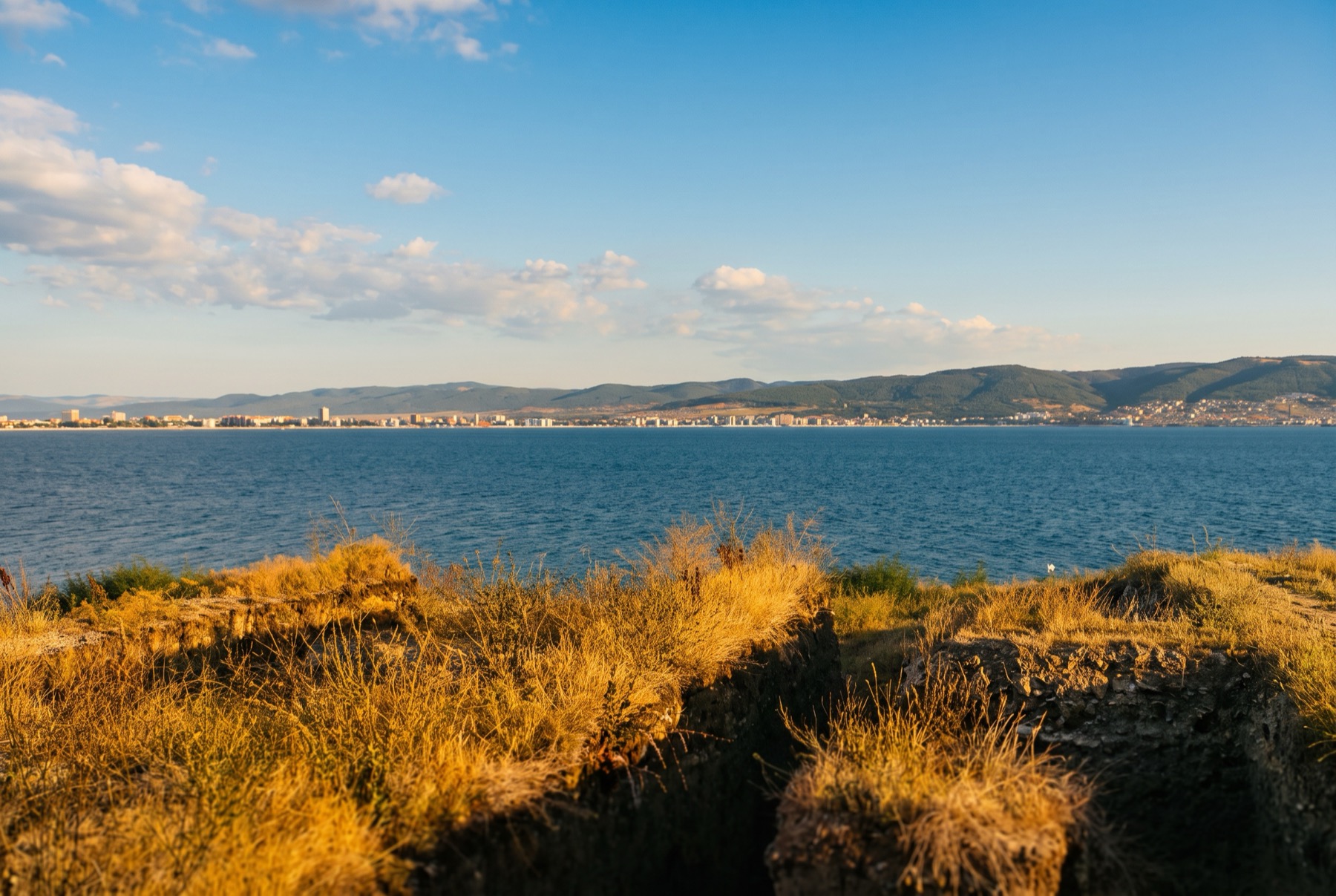
This is the absolute heart of Bulgarian tourism. Sunny Beach forms a bay with a beach that measures exactly 6.1 kilometres and averages around 60 metres wide. All three of its main sections (north, centre and south) proudly fly a Blue Flag. It was here, in fact, that Bulgaria’s very first Blue Flag was raised on 4 July 1995, two years after the country became the first outside then-Western Europe to join the programme.
The resort is famous for its pulsing nightlife and a huge range of attractions. You’ll find everything from parasailing to giant water parks and hundreds of restaurants. Beach-service prices are fairly high here; in the southern part there’s a contractually fixed price of €5.11 per sunbed.
💡 Tip: If you want to avoid the worst of the noise, stay at the very edges of the resort. While the centre runs non-stop, the fringes towards Sveti Vlas or, in the other direction, towards Nesebar offer a much calmer, family-friendly atmosphere. By the way, the claim that the southern section is a nudist beach is just a popular myth. It’s a fully commercial, organised stretch.
👉 Check accommodation prices near this beach
18. Nesebar-South
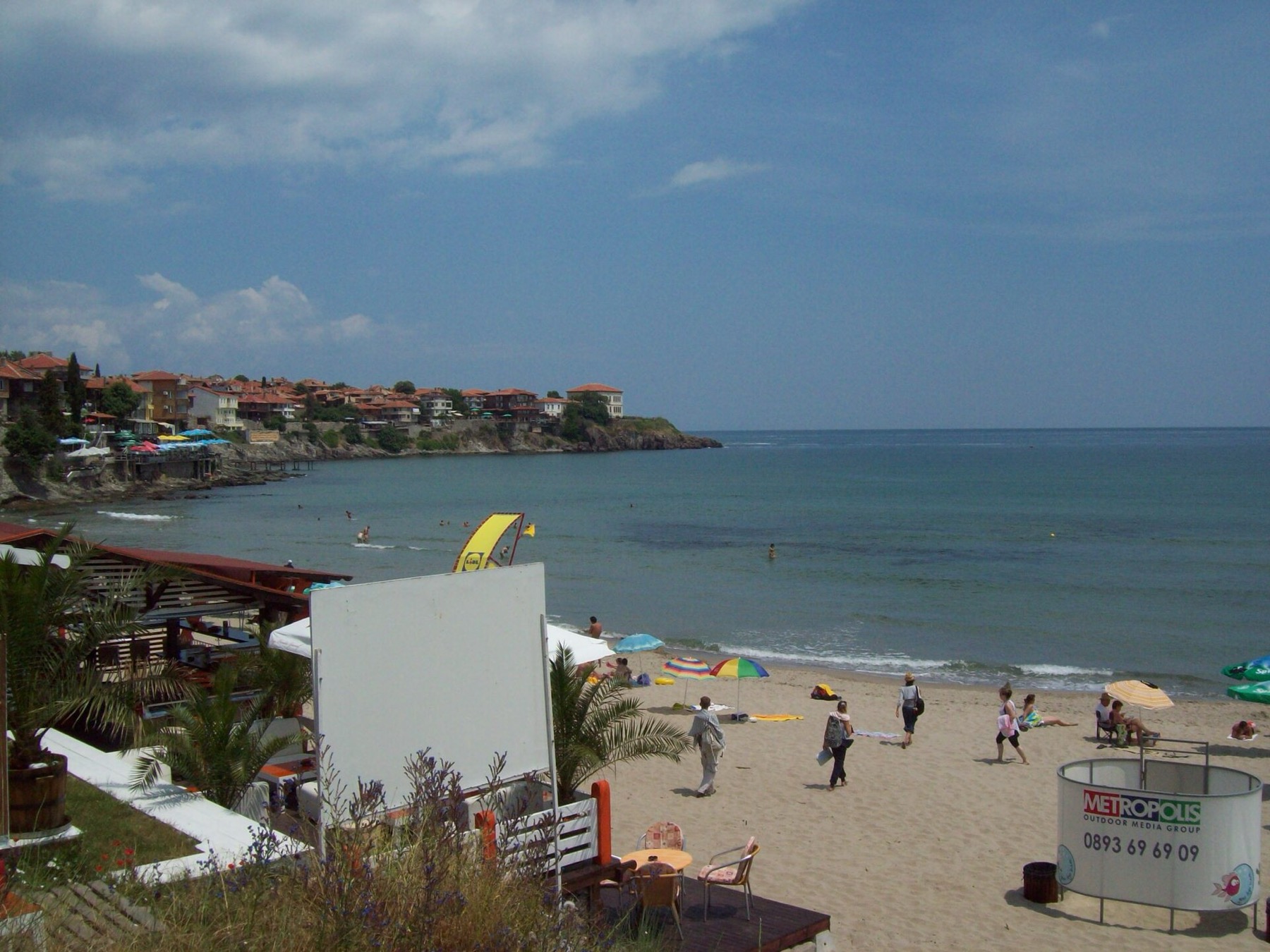
The historic town of Nesebar is on the UNESCO list, and its south beach offers a brilliant combination of swimming and sightseeing. The sandy strip stretches from the old town southwards and comes with well-organised facilities and a Blue Flag for 2026.
Unlike neighbouring Sunny Beach, the atmosphere here is noticeably more refined. A sunbed costs the official price of €4.09. The entry into the sea is comfortable, and thanks to the bay’s orientation the water tends to be fairly calm and clean.
When you tire of sunbathing, just get up off your towel and within a few minutes on foot you’ll find yourself in the winding streets of the old town, full of wooden houses and remnants of Byzantine churches. In the local taverns overlooking the sea, they’ll happily whip you up delicious fried kashkaval cheese or baked peppers stuffed with Balkan cheese.
👉 Check accommodation prices near this beach
19. Sozopol
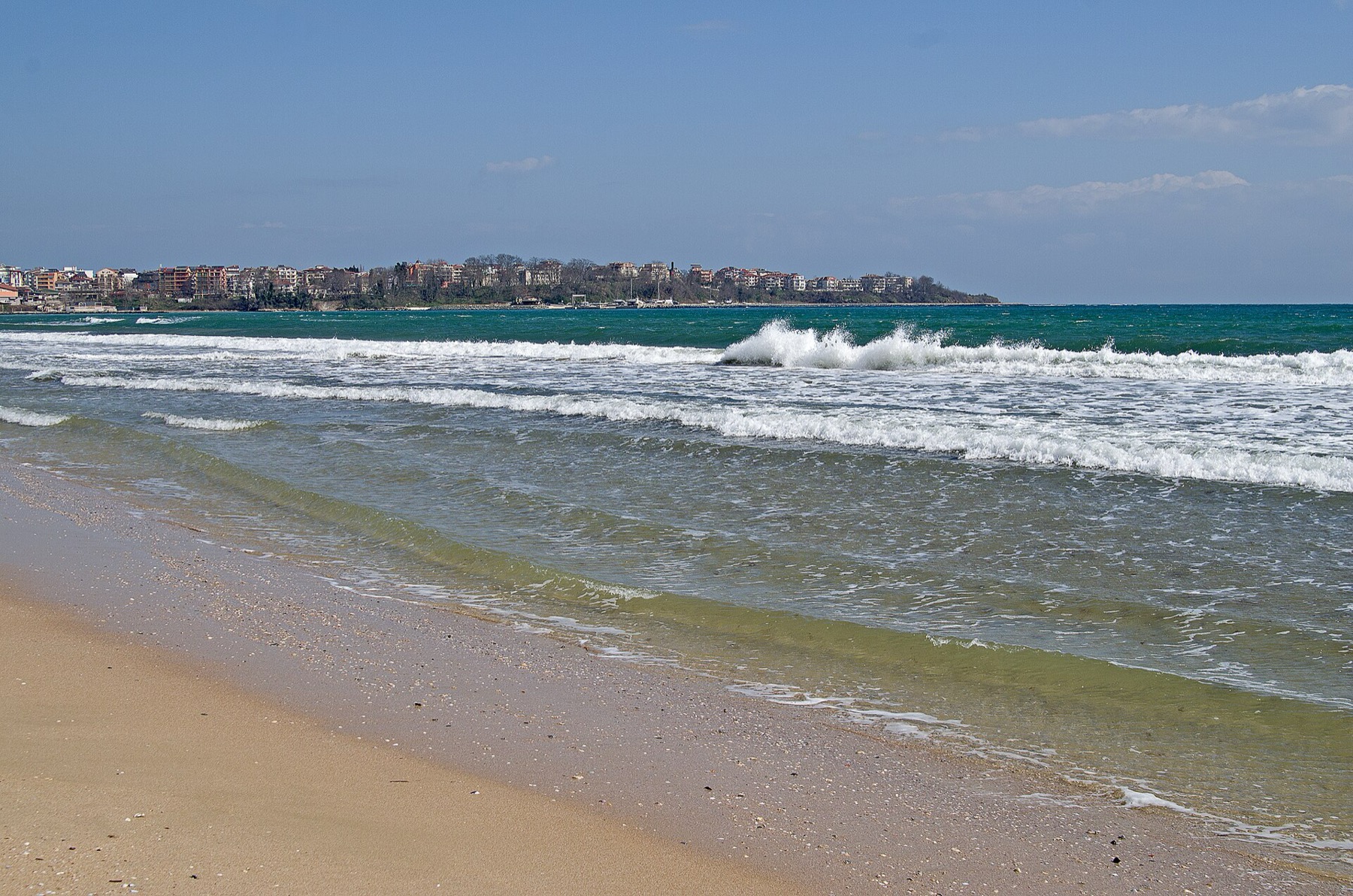
Ancient Sozopol has been a huge hit in recent years, and many travellers consider it the most stylish resort in the south. The town has two main beaches. The central one lies right below the historic centre and is fairly small, while the more spacious Harmani beach stretches southwards along the newer development.
Both main beaches hold a Blue Flag and offer great service. At Harmani you’ll pay €4.09 for a sunbed, while at the smaller central beach it’s €3.58. A little further south of town lie the popular beaches of Smokinya and Gradina, which mostly attract the younger crowd. There’s a more relaxed camping vibe there and stylish beach bars.
The restaurants in Sozopol are among the best, but also the priciest on the coast. According to locals, the prices of fresh grilled fish and seafood in these areas now match Greek taverns. You’re better off going for traditional Bulgarian vegetable starters (say kyopoolu with garlic) and homemade flatbreads.
👉 Check accommodation prices near this beach
20. Primorsko and Kiten
These two neighbouring resorts have been an absolute classic since the deep socialist era. And there’s a good reason for it. The local beaches (especially Perla beach and the South Beach in Primorsko) are fringed by beautiful pine groves and offer one of the best value-for-money ratios on the entire southern coast.
The water here is crystal-clear and the beaches are famous for their fine sand. Sunbed rental is very friendly, too — you’ll pay the same just €3.60 for one sunbed or umbrella. In the surrounding area you’ll also still come across plenty of signs and menus in various languages, a legacy of decades of long-time regular visitors.
Primorsko is a great base for trips around the area. If you head here, be sure to make time for watching wild dolphins, which appear very reliably around the nearby rocky Cape Maslen. There are roughly 73,000 of these amazing mammals in the entire Black Sea, and in southern Bulgaria you have a great chance of spotting them.
The best beaches for families with small children
If you’re travelling with toddlers or younger children, the northern coast has a clear winner. Albena has hard numbers on its side, and they speak for themselves: the water depth here doesn’t exceed 1.6 metres even at an incredible 150 metres from the shore. Kids can safely build sandcastles and splash around in the vast shallows without any worry of a sudden drop.
In the north, the general rule is that the edge sections of beaches tend to have a very gentle entry, whereas in the south it’s exactly the opposite (you find shallows right by the shore, but the bottom slopes away faster). A typical example families should be strongly warned about is the gorgeous Veleka in Sinemorets. The bay there is extremely deep from the very first step into the water.
Great choices for families are the resorts of Kranevo, Primorsko and Kiten. Bulgarian parents praise these beaches for their crystal-clear water and stone-free bottom. If you’re looking for a spot where the sea is as calm as a pond, head to the Sarafovo-South or Pomorie-South beaches. These bays lie in a perfect lee, so the red flag banning swimming goes up only very rarely.
Safety: currents, waves and lifeguards
The Black Sea can be treacherous, and you shouldn’t underestimate safety. Bulgaria’s water rescue service responded to more than 2,400 cases in 2025. Although 89 people drowned last year, only three of them were children, the lowest figure in history. The riskiest group is, surprisingly, men between 25 and 45, often under the influence of alcohol.
The main danger on the southern coast is what are known as rip currents, which locals call the “dead swell” (meltem). They form most often in a northerly wind and can drag someone out to sea even while they’re standing knee-deep in the water. Experienced lifeguard Petar Rusev told public radio that these were the most dangerous beaches in August: Silistar, Butamyata, Primorsko-North, Sozopol-Harmani, Obzor and Burgas-North.
💡 How to get out of a rip current: If a current starts dragging you out to open sea, don’t panic. The critical mistake is to swim against the current back towards the shore — you’ll just wear yourself out. You need to swim parallel to the shore until you’re out of the current and into calmer water, and only then head for land.
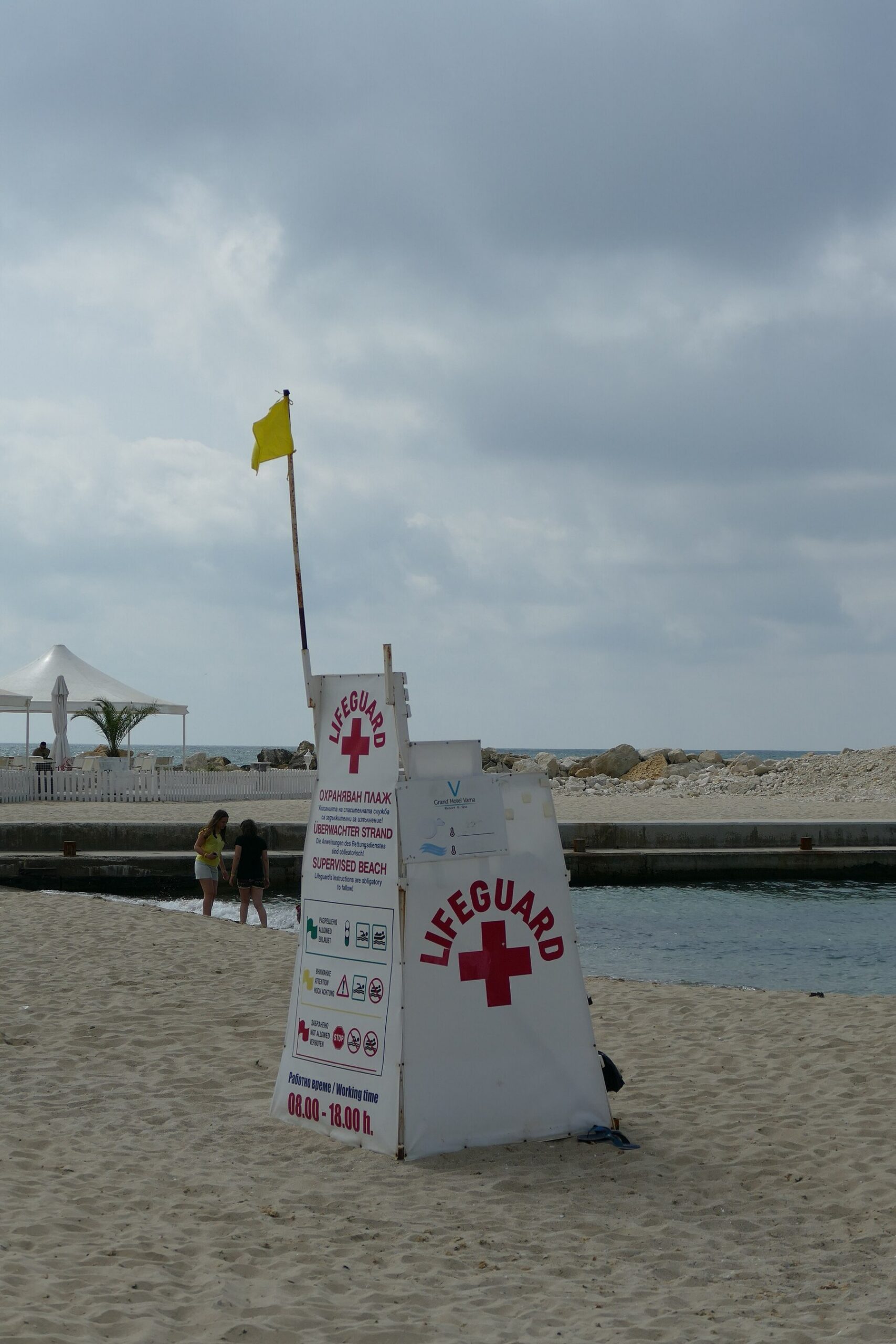
Also bear in mind that the official season, when lifeguards are on duty, lasts only from 1 June to 30 September. Lifeguards are usually at their posts only until 6 p.m. As for jellyfish, there’s no need to worry. In midsummer two species do appear, but they’re practically harmless and sting at most like a mild nettle. Before heading south, just check the latest news — in June 2026 unexpected patches of fuel oil showed up near Sinemorets and Varvara, though the situation changes often.
Camping and campervans: what changed in 2026
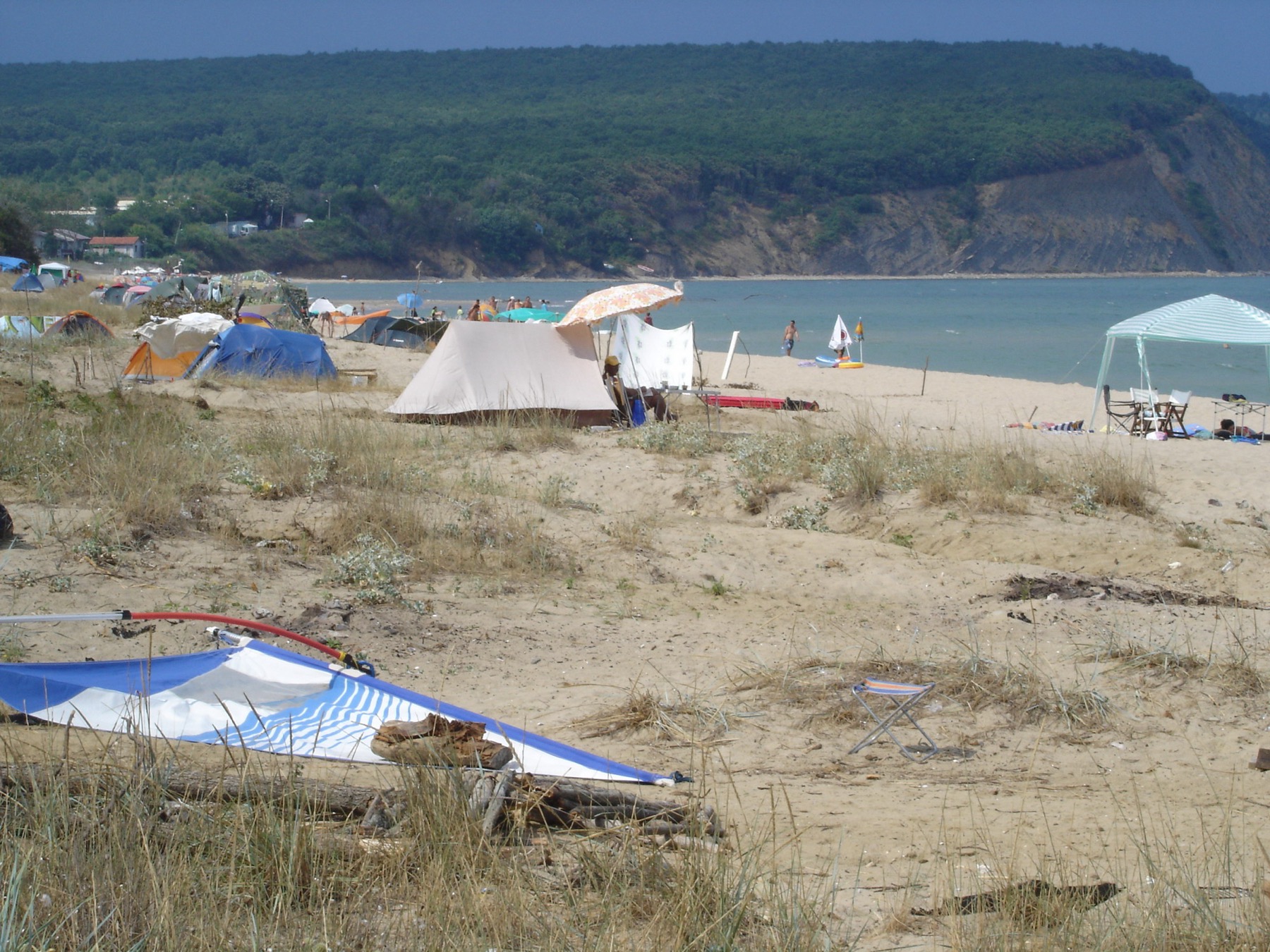
The days when you could pull up with a caravan or tent anywhere on a clifftop in Bulgaria are definitively gone. Since 2026, strict rules apply: you may camp only on plots the municipalities have expressly designated for it and which don’t encroach on protected areas. A map of these legal zones is available on the Ministry of Tourism’s digital portal.
The biggest change concerns the protective buffer zone. While normally you can’t camp closer than 100 metres from the sea, at the wild beaches of Irakli, Karadere and Koral this no-go zone has been extended to 500 metres. The reason is to protect the precious sand dunes, which are now protected directly by law and can’t even be built on.
Proof that the authorities mean business came with a raid at the end of July 2026, on Karadere beach of all places. Officials counted around 1,000 illegally parked caravans, campers and tents taking up half the beach, including the dunes. Everyone got a warning, and at future checks unregistered vehicles will start being towed away. So this year, definitely don’t go to Karadere with a campervan.
If you want to camp legally, the southern coast has a number of excellent campsites (e.g. Gradina, Kavatsi, Smokinya or Nestinarka). Prices in 2026 are fairly friendly: a tent will cost you €8 to €15 a night (plus €3 to €7 per person), while a pitch for a campervan with electric hook-up runs €15 to €30. The authorities will start fully enforcing penalties for wild parking from 1 October 2026, and fines will start at €250.
When to visit Bulgaria’s beaches
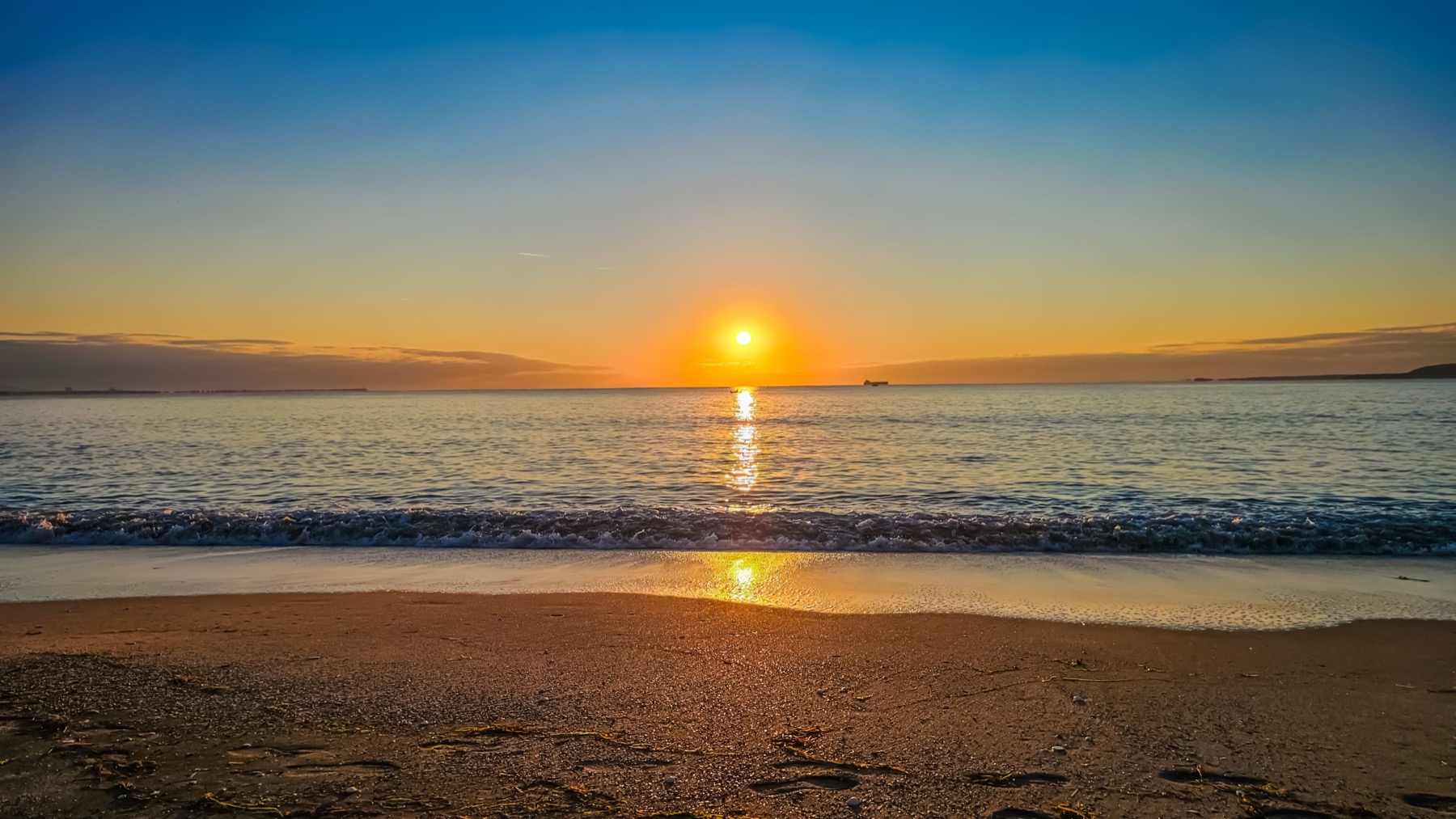
Bulgarian summer is fairly short, but all the more intense for it. In June the sea temperature hovers around a refreshing 20.5 to 21 °C. The warmest and driest month is clearly August, when the water reaches a lovely 25 to 26 °C and the coast sees an average of just 24 to 30 mm of rain across a mere three rainy days.
A great tip from the locals is to plan your trip for the very end of summer. In September the sea is paradoxically warmer than in June (holding at 22 to 23 °C), the air is no longer scorching, and the main crowds are long gone. Just check the opening hours of the beach bars — plenty of them close as early as mid-September.
Where to next
- Curious what the beach is like there? Take a look at Golden Sands: what to see, beaches and how much it costs.
- Want beaches and history together? Check out Sozopol: what to see in the oldest seaside town.
- Want history to go with the beach? Take a look at Nesebar: what to see in the UNESCO town.
- Holidays in Bulgaria: 30 most beautiful places
- Sunny Beach: 15 tips and what to watch out for
- Prices in Bulgaria after the switch to the euro
- Weather in Bulgaria: sea temperatures month by month
- Bulgaria all inclusive: 22 best resorts
Frequently asked questions
Which beaches are the most beautiful?
It depends on what you’re looking for. For lovers of wild nature and dramatic cliffs, the absolute highlights are Silistar Bay in the south or the Bolata area in the north. If you’re after endless sandy dunes, head to Arkutino.
How much does a sun lounger cost?
Prices in 2026 vary twentyfold. The cheapest sun loungers can be found in Burgas (from €0.60 per piece), while at Golden Sands you’ll pay €5 to €6. The average price for a set (two loungers and an umbrella) along the coast is around €10 to €15.
Do I have to pay for the beach?
No, entry to all Bulgarian beaches is free. What’s more, the law mandates that at least 50% of the area must be a so-called free zone. There you can spread out your own blanket and umbrella for free anytime, even in front of luxury hotels.
Where should I go with small children?
The best choice is the Albena resort in the north, where the water depth doesn’t exceed 1.6 meters even 150 meters from shore. Excellent shallow waters can also be found at the Kranevo, Primorsko, and Kiten resorts. Avoid Veleka beach, on the other hand, where the depth is significant right at the shore.
Which beaches are dangerous?
Due to treacherous rip currents (the so-called undertow), the southern beaches are particularly risky in August: Silistar, Butamyata, Primorsko-north, Sozopol-Harmani, and Obzor. If a current catches you, always swim parallel to the shore, never against the current.
Are there nudist beaches in Bulgaria?
The only official naturist beach with full facilities is Nirvana at Golden Sands. However, tolerated unofficial nudist zones can be found at more remote sections of Alepu, Pasha Dere, Karadere beaches, or on the northern edge of Shkorpilovtsi.
Can you wild camp there?
As of 2026, very strict rules apply and wild camping on beaches or in dunes is prohibited. Around Karadere, Irakli, and Koral beaches there’s even a 500-meter protection zone. Camping is only allowed in designated legal zones and campsites.
When is the sea warmest?
The warmest water awaits you in August, when the Black Sea temperature reaches 25 to 26 °C. August is also the driest month with minimal rainfall. September is also a great choice, when the sea at 22 to 23 °C is surprisingly warmer than in June.
Are there jellyfish in the sea?
Two species of jellyfish commonly live in the Black Sea (e.g., the moon jellyfish), which appear most frequently in midsummer. However, they are harmless to humans and their sting is very mild, more like a fleeting brush with a nettle.
How do I get to the wild beaches?
Most wild beaches (Irakli, Karadere, Pasha Dere) are not accessed by paved roads, but only by dusty and bumpy dirt tracks. You often have to leave your car farther from the sea and walk the last few hundred meters on foot. After heavy rain, the roads are typically impassable for regular cars.
👉 Check accommodation prices near this beach
Tips and Tricks for Your Vacation
Don’t Overpay for Flights
Search for flights on Kayak. It’s our favorite search engine because it scans the websites of all airlines and always finds the cheapest connection.
Book Your Accommodation Smartly
The best experiences we’ve had when looking for accommodation (from Alaska to Morocco) are with Booking.com, where hotels, apartments, and entire houses are usually the cheapest and most widely available.
Don’t Forget Travel Insurance
Good travel insurance will protect you against illness, accidents, theft, or flight cancellations. We’ve had a few hospital visits abroad, so we know how important it is to have proper insurance arranged.
Where we insure ourselves: SafetyWing (simple monthly subscription) and TrueTraveller (for extra-long trips).
Find the Best Experiences
Get Your Guide is a huge online marketplace where you can book guided walks, trips, skip-the-line tickets, tours, and much more. We always find some extra fun there!