Picture that perfect kind of holiday where you simply step out of your hotel room, pop on a snorkel, and start swimming over a reef bursting with colour right from the beach – that’s exactly what Marsa Alam, Egypt delivers, and pretty reliably too. This wonderfully peaceful destination on the southern stretch of Egypt’s Red Sea coast is the complete opposite of busy city resorts, so instead of endless crowds of tourists, noisy waterparks and pulsing nightlife, you’ll find absolute silence, endless desert and some of the best-preserved reefs in all of Egypt.
I remember Egypt from my childhood as one enormous adventure full of sand, but this particular area has since shaped itself into perhaps the finest paradise for anyone who loves the underwater world. From the UK there are direct charter flights that take around five to six hours, so you’ll swap our grey weather for the sunshine remarkably quickly. A huge bonus is the fact that the sea in this southern region stays pleasantly warm even through the winter months.
In this in-depth guide we’ll take a detailed look at everything you can experience in this area, because trust me, it would sometimes be a real shame to just stay by the pool. We’ll cover the best bays for safe snorkelling with turtles, check out the wild desert beaches, and I’ll show you how to prepare for trips inland so you get the most joy out of them. You’ll also pick up plenty of practical info on how to choose the right hotel and what to watch out for, so your downtime goes exactly the way you imagined.
TL;DR
- Ideal for nature lovers: Marsa Alam lies about 270 kilometres south of Hurghada and draws people mainly for its fantastic snorkelling and diving straight from the beach.
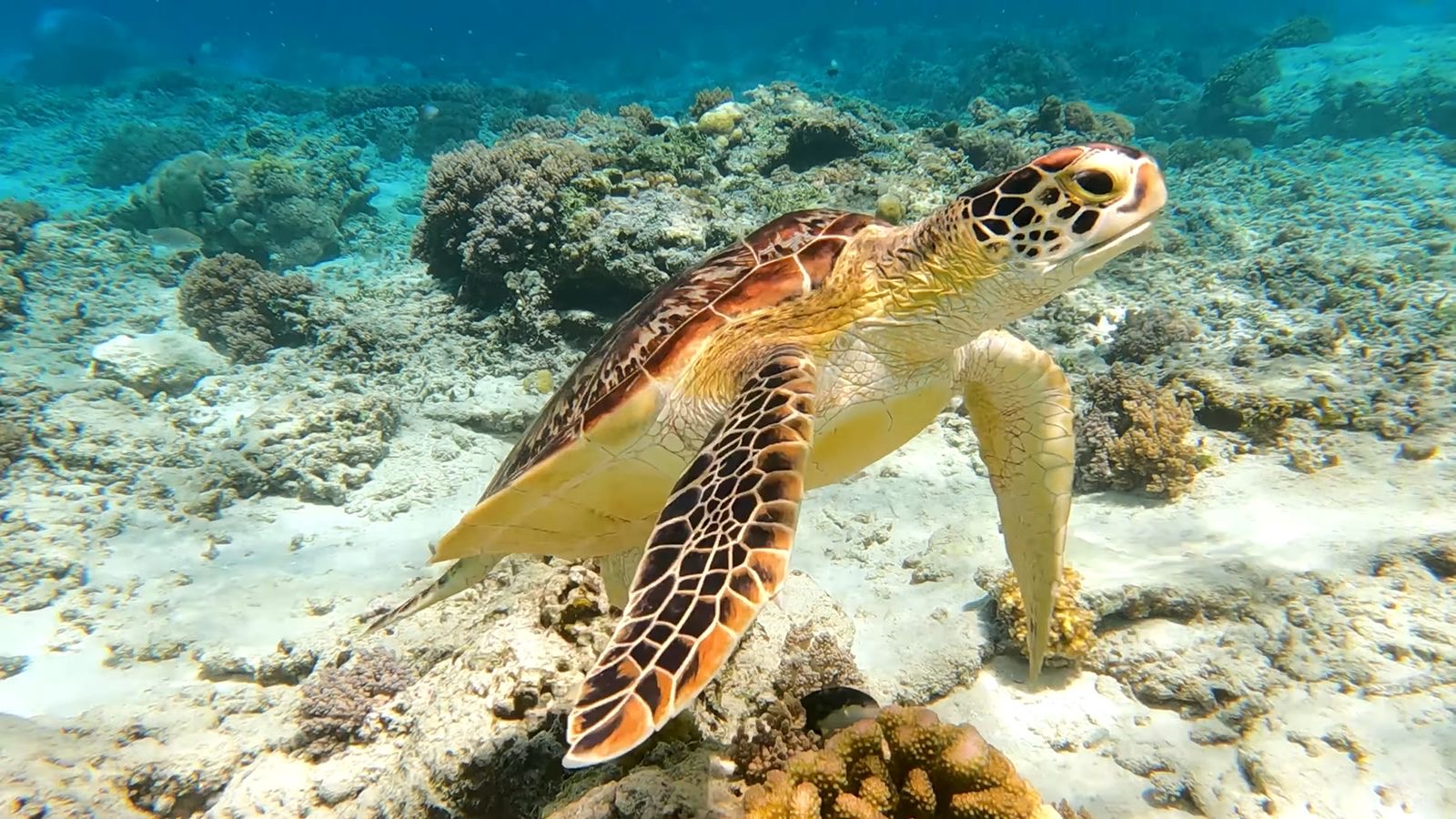
- Turtles and dugongs: The bays of Abu Dabbab and Marsa Mubarak are famous for the fact that you’ll almost certainly meet enormous sea turtles, and with a lot of luck even the rare marine mammal known as the dugong.
- Peace and isolation: The resorts stand alone in the desert, so don’t expect any bustling towns or shopping promenades – away from your hotel, you’ll really only walk around the marina of Port Ghalib.
- Best time to visit: Spring (April to May) and autumn (October to November) offer perhaps the most pleasant temperatures, while winter is brilliant for escaping the British cold.
- Water shoes are a must: The coral seabed is sharp and full of sea urchins, so quality water shoes are an absolute must – without them, don’t even try going in.
- Trips into history: Even though it’s quite a way from the south, you can still set off on a full-day trip to the monuments of ancient Luxor.
The full destination guide: Egypt — guide and what to see
When to visit Marsa Alam
The huge advantage of the whole Egyptian south is that it works as a genuinely year-round destination, somewhere you can head practically whenever the craving for sunshine strikes. But if you want to enjoy the very best conditions for both swimming and exploring, come here in spring between April and May, or in autumn from October to November, because in these months daytime temperatures hover around a very pleasant thirty degrees and the sea is already beautifully warm, so you can snorkel for hours on end.
The summer months from June to September are only for those who really cope well with extreme heat, since daytime temperatures regularly climb towards forty degrees and the sun has enormous power, so around midday there’s honestly not much to do other than rest in the shade of an air-conditioned room. On the other hand, the sea in summer feels like a thermal spa, reaching an incredible thirty degrees, which is something true heat-lovers will appreciate most.
Winter in Marsa Alam is a little special, but for many travellers immensely attractive, because from December to March daytime temperatures stay around a pleasant 23 to 25 degrees, which is probably the best choice for trips into the desert. A key advantage is that the water here is the warmest in all of Egypt in winter (around 23 to 24 degrees), so you’ll swim noticeably better than up north, and you’ll find more detailed information about temperatures month by month in our article on when to go to Egypt.
You do have to bear in mind, though, that in the winter months a stronger wind often blows, which can be quite chilly on the beach and, more importantly, creates big waves that frequently close the jetties giving access to the open sea. That’s why in winter it’s absolutely crucial to choose a hotel set in a sheltered bay, where an unpleasant wind won’t restrict your swimming in any way.
Where to stay in Marsa Alam
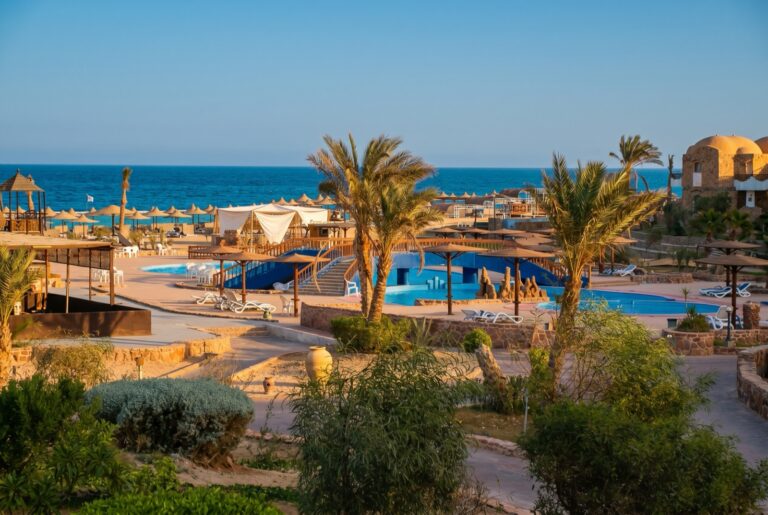
Choosing your accommodation is absolutely fundamental in this destination, and trust me, it matters far more here than at the classic European resorts. Marsa Alam is largely built on the principle of isolated all-inclusive resorts scattered along the coast in the middle of endless desert. Beyond the gates of your hotel you’ll usually find nothing at all – no little shops, cafés or promenades – so you’ll simply spend the overwhelming majority of your holiday inside the resort.
When choosing, definitely focus above all on what kind of entry into the sea the hotel has and whether it boasts a good house reef. If you’re after at least a bit of buzz and the option of evening strolls, pick the Port Ghalib area, which lies just a short hop from the airport and has a fairly luxurious marina promenade. For families with children and beginner snorkellers, on the other hand, the sheltered Coraya Bay is absolutely ideal, where the sea is beautifully calm in almost any weather.
If your main goal is more about watching marine life, I’d recommend choosing accommodation near the bays of Abu Dabbab or Marsa Mubarak. Fantastic reviews go, for example, to Steigenberger Coraya Beach, which offers very luxurious facilities and sheltered entry into the water. Another great choice for families is Malikia Resort Abu Dabbab, from which you can walk to the sea turtles literally in your swimsuit straight from your room.
Among other hugely popular favourites with excellent marine life is Brayka Bay Resort, which has a gorgeous sandy beach in a bay, and if you happen not to mind a longer transfer from the airport in exchange for absolute peace and breathtaking snorkelling, consider the more southerly Gorgonia Beach Resort.
💡 Tip: Before you commit to booking, definitely use our comparison of holidays to Egypt. Our AI compares the offers of all travel operators every day for the exact same hotels and dates and shows you where the same stay is cheapest.
Where to eat in Marsa Alam
If you’re used to heading out every evening on your European holidays to discover hidden tavernas and try out local restaurants, in Marsa Alam you’ll have to adjust your expectations a little. As I’ve already mentioned, the hotels stand in isolation in the desert and there’s practically no local restaurant scene, so the vast majority of tourists dine exclusively within the generous all-inclusive buffets right at their resorts, which try to cater for the tastes of guests from all over the world.
For us vegetarians, Egyptian hotel cuisine is usually a huge delight, because at both breakfast and dinner you’ll always find great falafel, mounds of fresh hummus and traditional ful medames (a warm mash of fava beans), which makes for a nourishing and really tasty base. On top of that there are enormous bowls of fresh and grilled vegetables, various kinds of rice, potatoes, pasta and, of course, a rich selection of excellent Arabic and sweet pastries you’ll struggle to resist 😅.
The quality of the food naturally varies quite a bit depending on how many stars your chosen hotel has and how much effort the chefs are putting in, with meat-eaters commonly finding various preparations of beef, poultry or local fish specialities in the buffets, often grilled right in front of guests on the terrace. If you do fancy heading out for a more special dinner away from the hotel, the only realistic option is the Port Ghalib marina, where a few classic restaurants operate, but I’ll warn you straight away to brace yourself for considerably higher European prices.
13 things to see and do in Marsa Alam
The underwater world is probably the main reason hundreds of thousands of tourists head to this area every year, so let’s take a detailed look at the places you definitely shouldn’t miss during your holiday, whether you’re an experienced diver or just like popping on a mask in the shallows.
1. Abu Dabbab and a guaranteed encounter with turtles
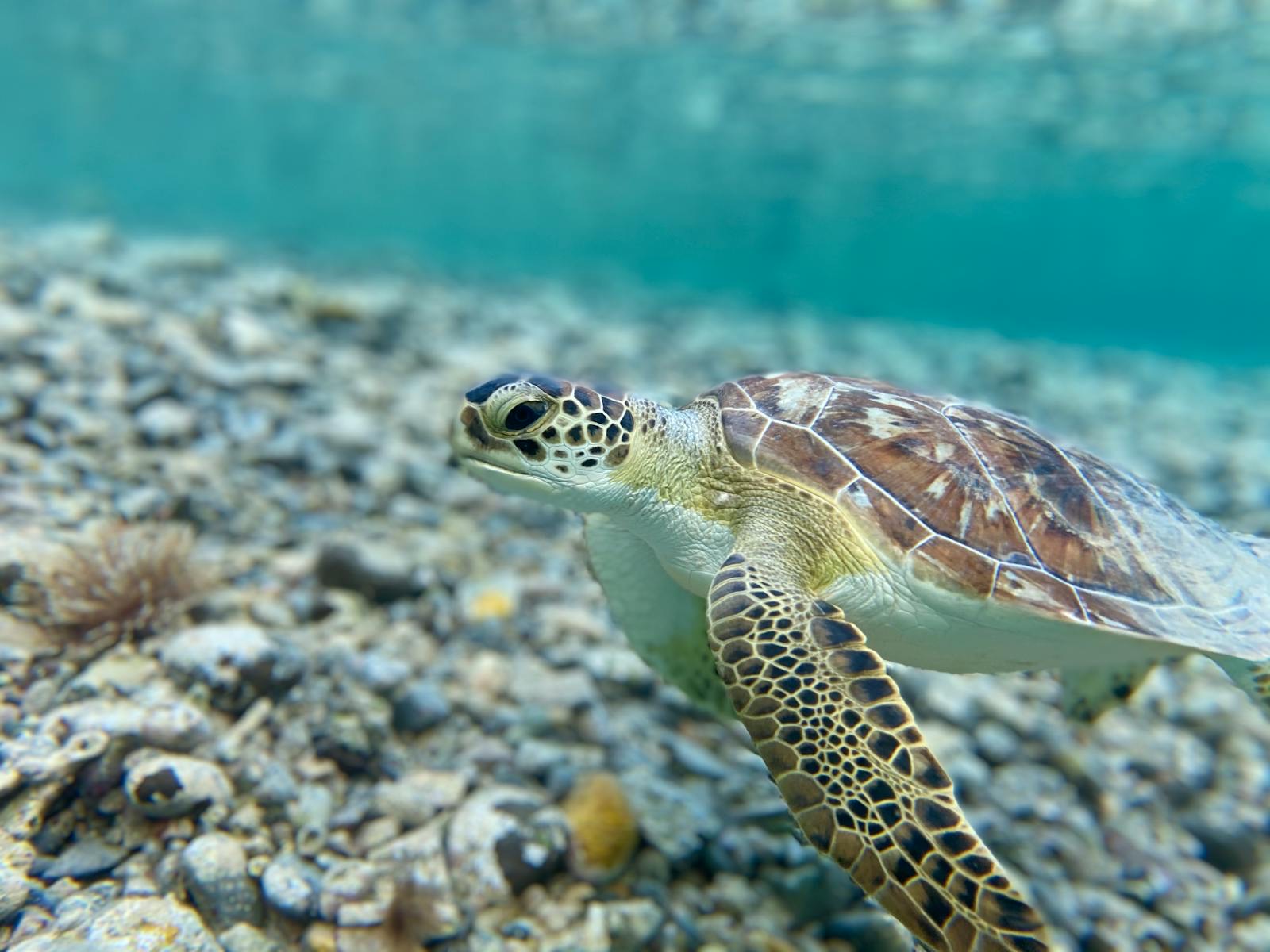
Abu Dabbab bay, which lies roughly thirty kilometres north of the main town, is something of a little natural phenomenon, because it’s one of the few places in the world where you have an almost one hundred percent guarantee of meeting enormous sea turtles in the water. This protected bay is home to a stable population of more than a hundred green turtles, which graze in complete peace on the vast underwater meadows full of seagrass.
For many tourists it comes as quite a surprise that the seabed of the bay isn’t covered only in white sand but rather in dense carpets of green grass – this isn’t pollution at all, but a key ecosystem without which the turtles would simply have nothing to eat. The entry into the water is also very gradual and sandy here, so it’s an absolutely ideal and safe spot even for weaker swimmers or older travellers who might be wary of jumping into the deep from a jetty.
Apart from turtles, the Abu Dabbab bay occasionally hosts two famous dugongs the locals have nicknamed Dennis and Dougal, and although spotting this rare and shy marine mammal takes a huge dose of luck, the turtles and gorgeous corals along the sides of the bay will more than make up for it. There’s just a small ecological fee of a few dollars to enter the beach, which is absolutely worth it for all that beauty.
💡 Tip: Head here early in the morning, ideally right after breakfast, because around ten o’clock the buses and excursion boats from other hotels start rolling in and the whole bay fills up with people fairly quickly.
2. Marsa Mubarak and hunting for the rare dugong
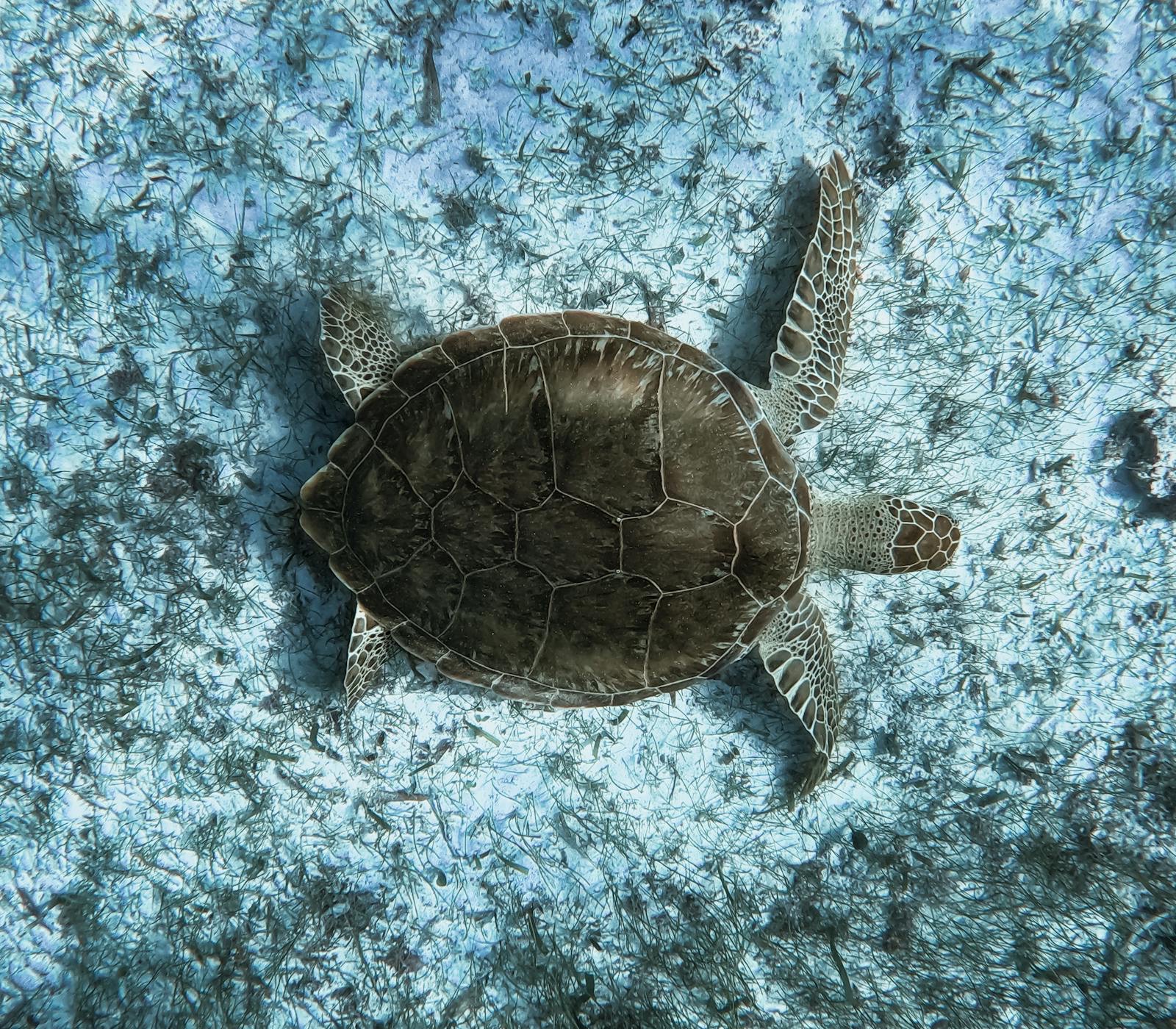
Just about eight kilometres south of the international airport lies another natural gem, the protected bay of Marsa Mubarak. If your dream is to see the legendary sea cow, as the dugong is often nicknamed, this is where you have the very best chance in the whole Red Sea, since the bay is enormous and offers ideal conditions for the life of these peaceful giants, which move slowly across the grassy seabed.
The most beautiful moments with a snorkel await you in the northern corner of this expansive bay, where at a depth of three to six metres lies an absolutely fantastic coral reef bursting with colour and teeming with shoals of brightly coloured fish. The water here is mostly beautifully clear too, so even from the surface you can see all the way down to the bottom without much trouble.
People most often visit the Marsa Mubarak area on organised half-day boat trips or by speedboat from the nearby Port Ghalib marina, and if you’re lucky enough to meet a dugong, remember the strict rules: never touch the animal, don’t swim directly above it, and always give it plenty of room to surface calmly and breathe.
💡 Tip: If you go on a boat trip, prepare a tip for the boat crew for the journey, usually placed in a shared pot at the end of the sailing – around 5 to 10 euros is perfectly appropriate.
3. Sataya Reef and swimming with wild dolphins
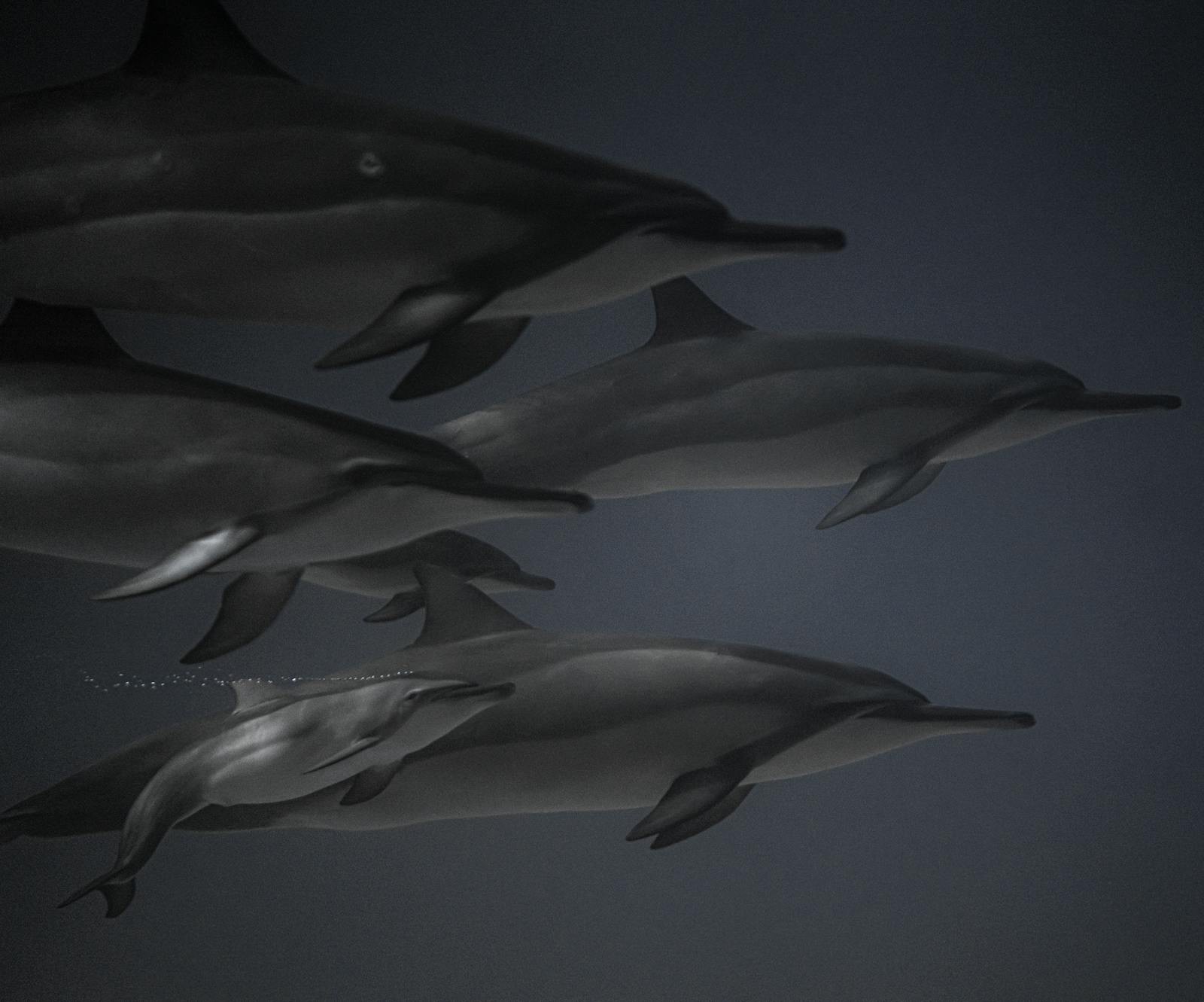
If you’re after an experience you genuinely won’t forget for the rest of your life, you have to head south to Sataya Reef, rightly nicknamed Dolphin House. This enormous, crescent-shaped coral reef creates a calm, shallow lagoon in the middle of the open sea, which huge pods of spinner dolphins have chosen as their home – there are commonly around forty of them here, but sometimes you can see as many as eighty at once.
The journey here takes a bit of patience, since it’s a full-day boat trip and the sailing from the marina alone takes roughly two hours, but the moment you jump into the water and hear that characteristic whistling and clicking, you instantly forget about the whole long journey. Dolphins are immensely playful in their natural environment and often swim curiously just a few metres from astonished swimmers, which is simply pure magic.
It’s important to realise that these are wild animals on the open sea, so an encounter is never one hundred percent guaranteed, but the likelihood here is extremely high, and on top of that the outer side of Sataya Reef offers top-class snorkelling among gorgeous corals, where guides will take you for a second stop.
💡 Tip: Local photographers and videographers are often very active on these boat trips, so make it clear right at the start whether you’re even interested in their services, and agree the price in advance to avoid the unpleasant pressure to make an overpriced purchase on the way back.
4. The sheltered Coraya Bay for beginners
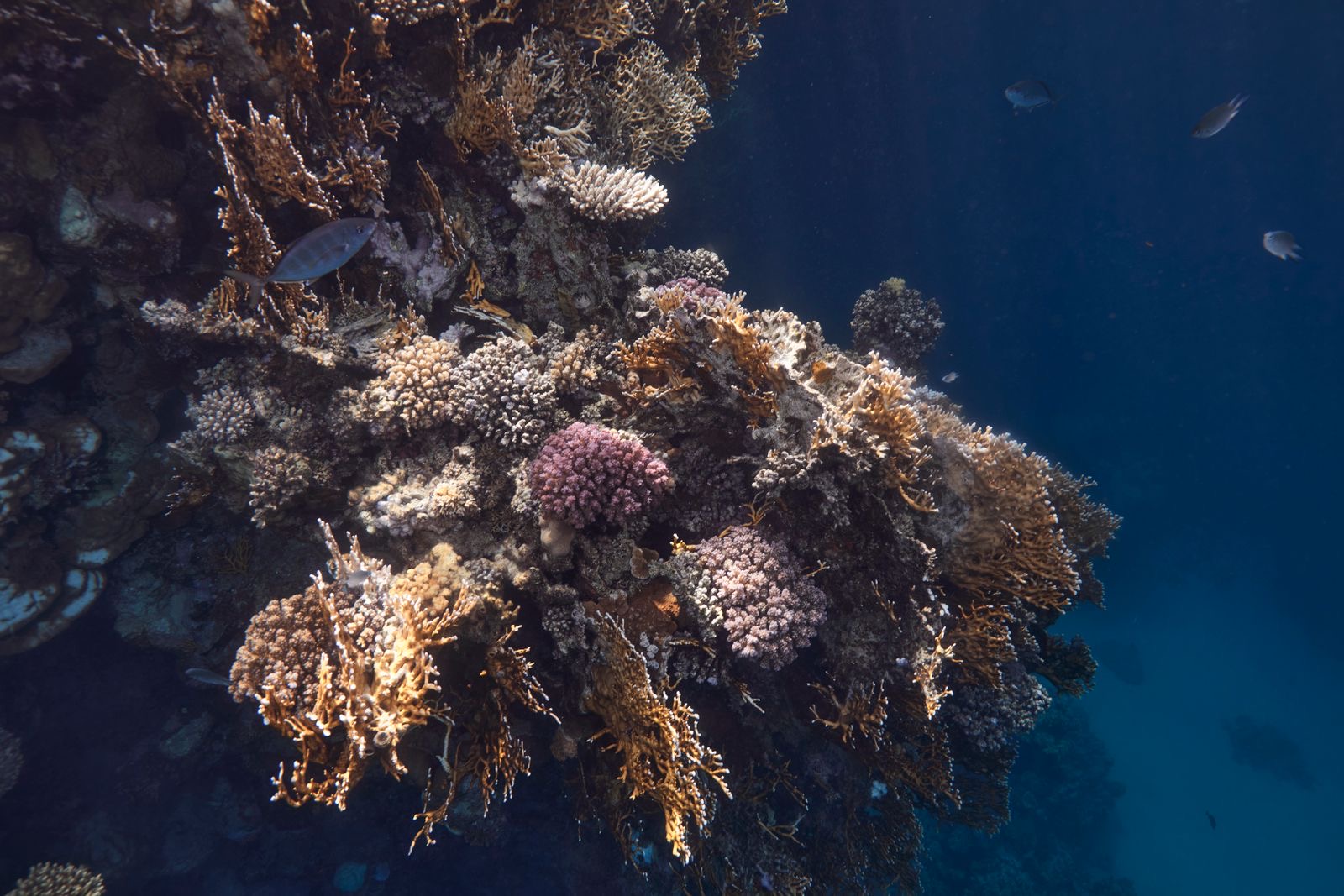
For those of you who want to snorkel every single day but don’t want to keep travelling somewhere complicated, the Coraya Bay area is absolutely ideal, because this deeply cut bay has one huge advantage over the open coastline. It’s brilliantly sheltered from strong wind and waves, so while elsewhere a red flag hangs on the jetties along with a swimming ban, in Coraya Bay the water is usually as calm as a mirror and you can swim in it safely.
Thanks to these stable conditions it’s one of the best places for beginner snorkellers and children, where you step straight from the sandy beach into shallow water and within just a few metres hit a fantastic house reef. It teems with hundreds of small and larger fish, you’ll spot hidden stingrays, and quite often a smaller sea turtle wanders in too, just looking for food on the bottom.
Early in the morning, when the bay is still completely calm and most hotel guests are still sweetly asleep, dolphins sometimes swim in to take a look. The reef is beautifully varied and full of little caves where moray eels and lionfish hide, so even if you spend a whole week here, you’ll keep discovering new species of marine creatures with every dip.
💡 Tip: Remember that corals are immensely fragile living organisms, so never stand on them, even when you need a moment’s rest, and while swimming take good care not to accidentally kick them with your fins.
5. Adrenaline diving at Elphinstone Reef
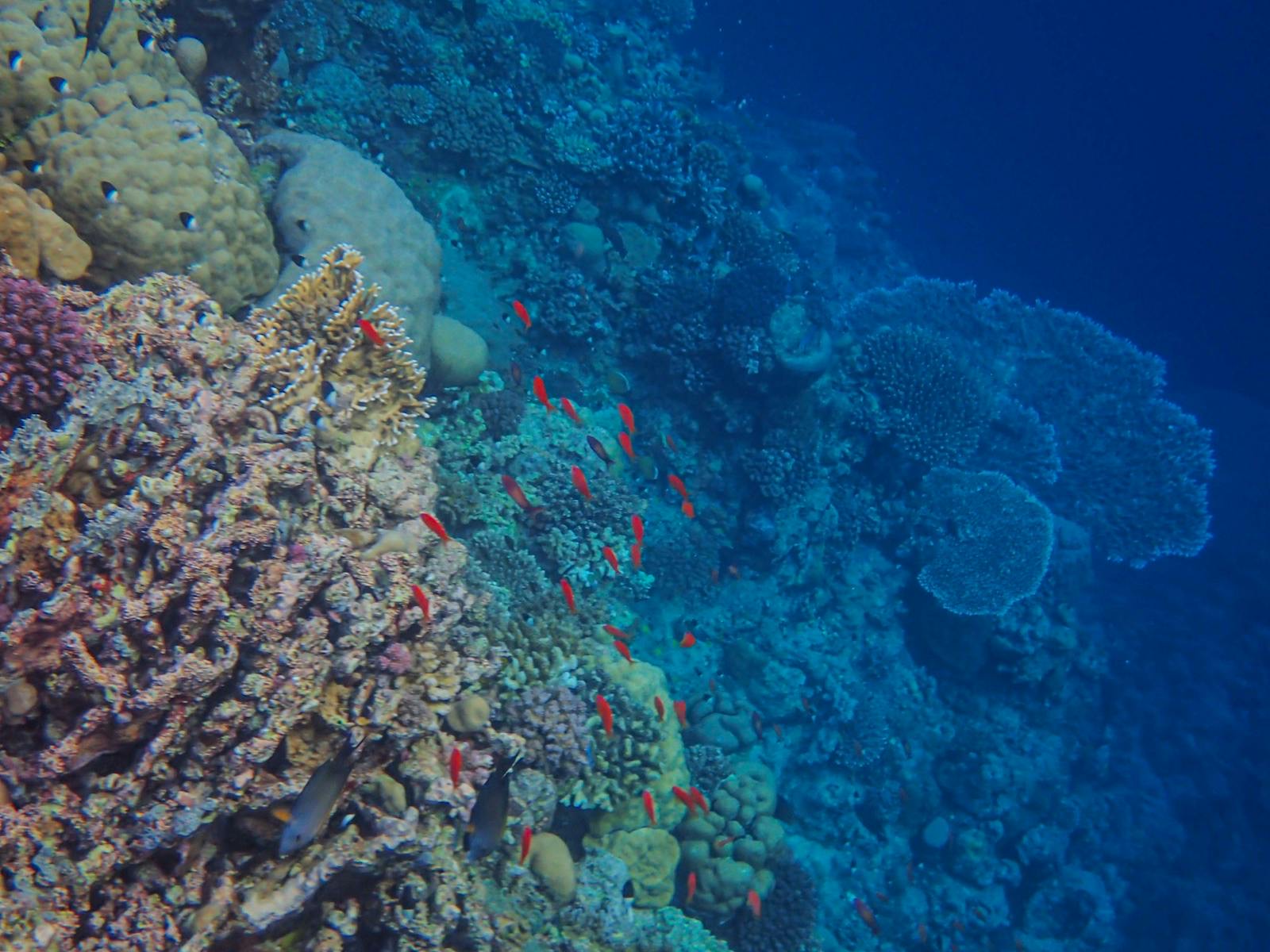
This point is reserved exclusively for holders of a diving licence, because Elphinstone Reef ranks among the most famous, but honestly also the most demanding, dive sites in the entire Red Sea. This elongated reef rises from immense depths and its steep walls plunge into abysses hundreds of metres deep, which simply creates an absolutely breathtaking underwater scene full of soft purple and red corals.
The site is renowned above all for the presence of large pelagic fish and sharks, and if you head here in the autumn months you stand a fairly good chance of encountering majestic oceanic whitetip sharks curiously circling just beneath the surface. On morning dives at the northern plateau, divers often watch shoals of shy hammerhead sharks quietly emerging from the depths.
I’d rather emphasise again, though, that this really isn’t a trip for snorkellers or for beginner divers with a fresh certificate, because the reef lies on the open sea where very strong and unpredictable currents often form, so the dives demand good physical fitness and perfect buoyancy control – although for the experienced it’s probably the absolute highlight of the whole holiday.
💡 Tip: Most quality dive centres in Marsa Alam will require you to complete at least one check dive on the house reef with them before the Elphinstone trip, just to verify your skills.
6. The wild Sharm el Luli beach in the national park
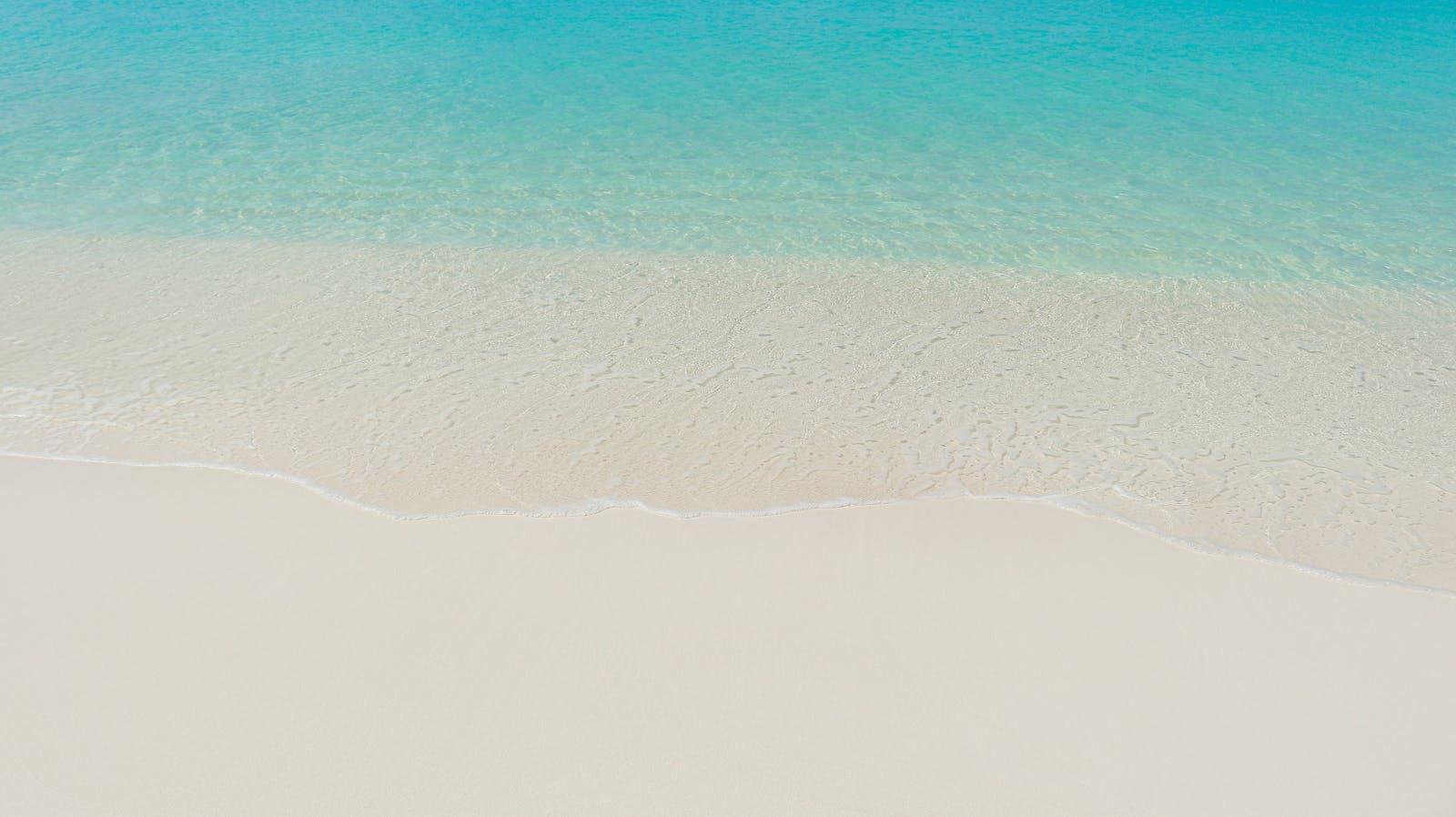
If you long to see a beach that looks as though someone transplanted it from the Maldives to Egypt, you have to head south to Sharm el Luli beach, which the locals also call Ras Hankorab. It lies about sixty kilometres from the centre in the area of the Wadi el Gemal national park and will dazzle you with its incredibly fine white sand and turquoise-blue shallows that gradually give way to a rich coral reef.
It’s an immensely romantic and incredibly photogenic spot, but you have to prepare in advance for the fact that it’s a completely wild beach, so you won’t find any parasols, plastic sunloungers, freshwater showers or refreshment stalls here. Everything you need, from plenty of drinking water through towels to parasols, you simply have to bring with you, otherwise you won’t last long under that harsh sun.
The water here is beautifully clear and snorkelling along the edges of the bay is absolutely top-class, since you’ll often meet little families of clownfish hidden in anemones and smaller turtles, but because it’s part of a national park, there’s a fee at the entrance and the rules for visiting occasionally change, so it’s probably best to come here on an organised trip that sorts out all those permits for you.
💡 Tip: If you go on your own by taxi, arrange a clear return time with the driver in advance, because there’s often no good mobile signal in the area, so calling for a lift back to the hotel would be very difficult.

7. Abu Dabbab beach and swimming in calm lagoons
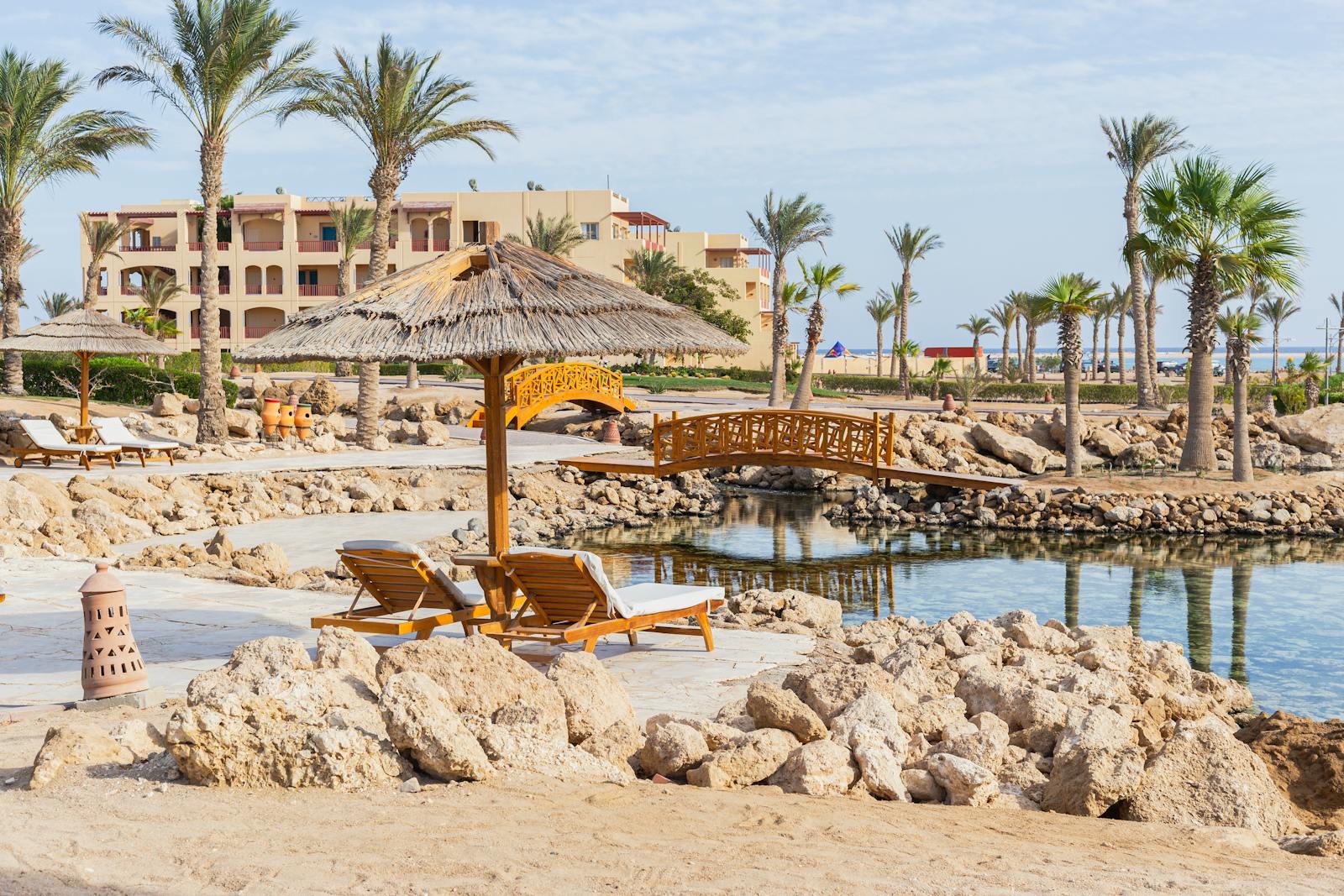
Besides being a paradise for turtle-watching, Abu Dabbab also works as one of the most popular swimming beaches in the entire region. Unlike many hotel beaches where a sharp coral seabed begins right at the shore, Abu Dabbab has a lovely sandy entry into the water, which makes life enormously easier for anyone who just wants a carefree swim without constantly having to watch the bottom beneath their feet.
This beach is an absolutely great choice especially for families with small children or for non-swimmers, but if you’re not staying right here and you’re choosing a different hotel, keep a close eye on what it looks like there. In many places in Marsa Alam you’ll come across the phenomenon where, due to low tide, the water over the coral seabed stays ankle-deep for a long time and you have to walk to the deep water along a fairly long wooden jetty.
So look instead for hotels that have a dredged or natural sheltered lagoon, because there the water stays put even during low tide and children can swim safely all day, even when the weather is stormy out in the open sea beyond the reef.
💡 Tip: An absolute must for the whole Marsa Alam area is a pair of quality water shoes with a firm sole, since the corals are very sharp and sea urchins often lurk on the bottom, so buy your shoes back home in the UK, because at the markets near the hotel they tend to be overpriced and often don’t come in the right sizes.
8. Wadi el Gemal National Park
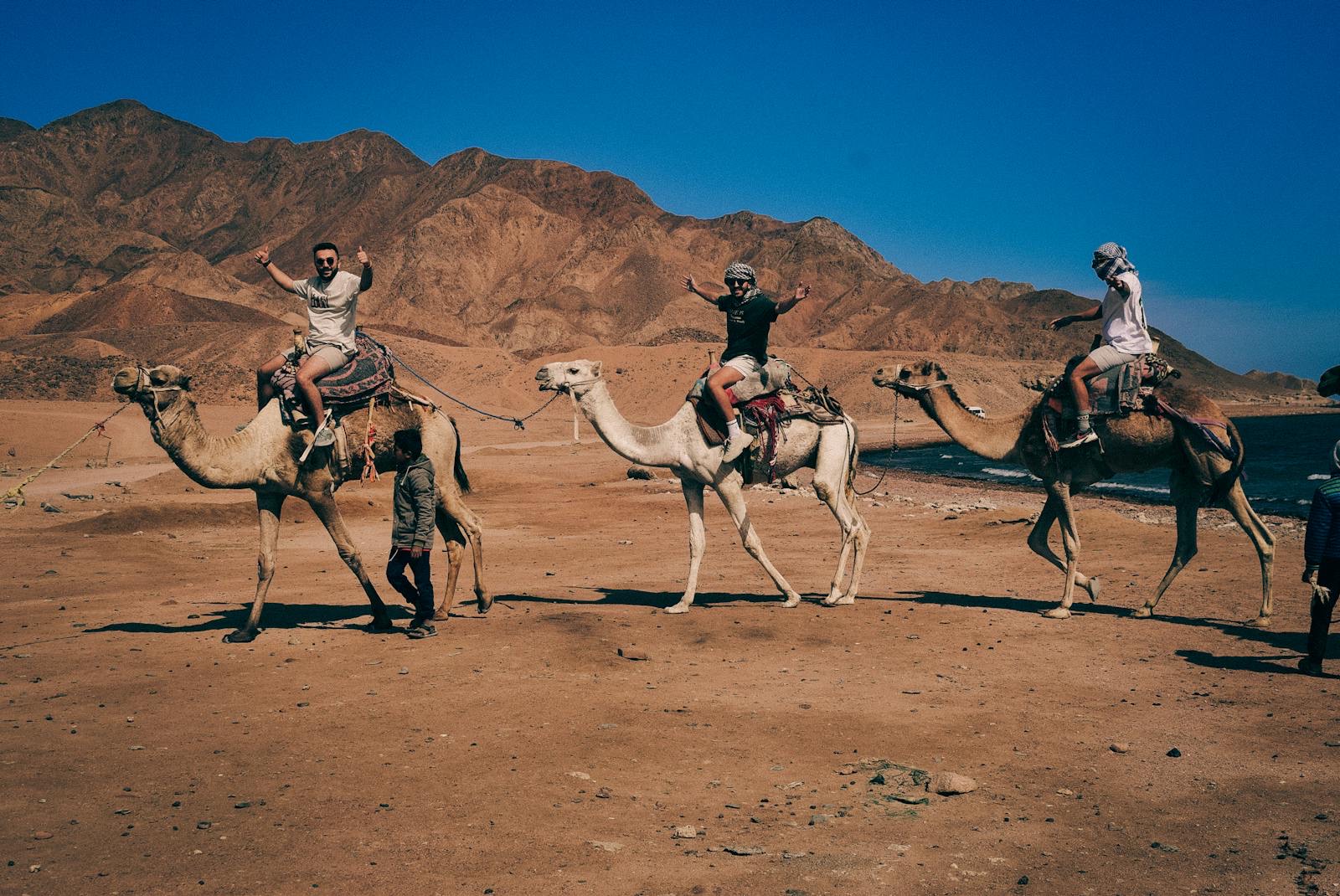
A holiday in Marsa Alam doesn’t have to be all about fish and swimming, so if you want to see genuine, untouched desert nature too, set off to explore the vast Wadi el Gemal national park, which poetically translates as the Valley of the Camels. This enormous protected area beautifully combines the rugged beauty of arid mountains and sand dunes with the most gorgeous beaches on the entire Egyptian coast.
The park protects both the terrestrial and the underwater parts of nature, and along the way through the arid valley you might, with a little luck, glimpse wild desert gazelles, various species of birds of prey and, of course, the ever-present roaming camels. The nature here is incredibly raw, beautifully quiet and a world away from the carefully irrigated green lawns inside the hotel complexes.
Probably the best way to explore the park is on an organised trip by 4×4, which is quite often combined with an afternoon swim at the aforementioned Sharm el Luli beach, because the local guides know the valley by heart and can show you hidden spots you’d never find on your own in that endless wilderness.
💡 Tip: Take a light jacket or hoodie with you, because although it’s quite unbearably hot in the desert during the day, the moment the sun sets behind the surrounding hills the temperature drops very quickly and you can feel an unexpected chill.
9. Desert safari and a visit to the Ababda tribe
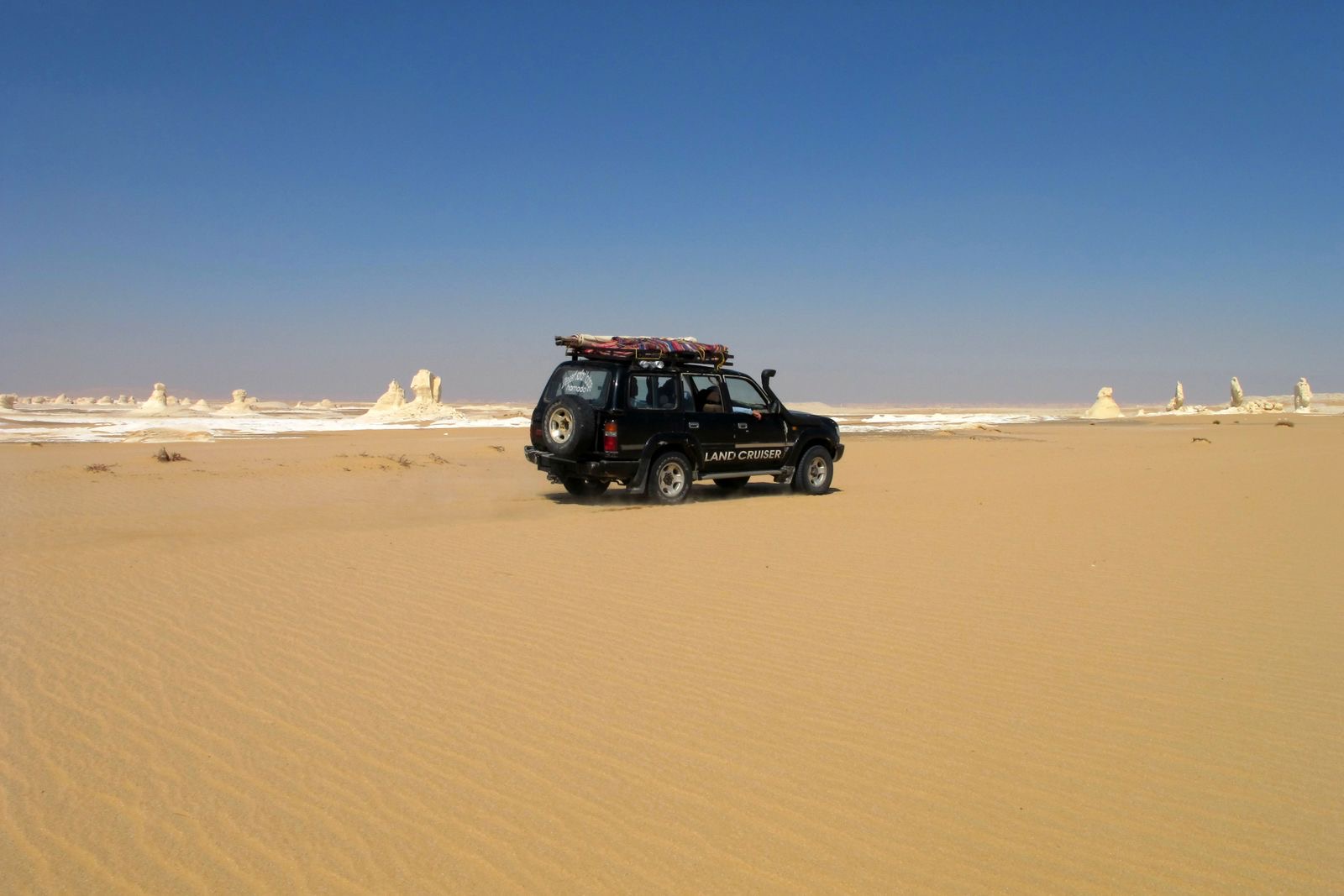
If you like a bit of action and dust doesn’t bother you, head out on an afternoon desert safari, where you can choose whether to be comfortably driven in a sturdy 4×4 or whether you’d rather saddle up a roaring quad bike and do the driving yourself. The route takes you deep into the desert, where you’ll visit a traditional village of the local Bedouin Ababda tribe, who have lived in these inhospitable conditions for centuries.
The visit to the village is a great cultural contrast to the luxury of your hotel, since you’ll see how the local women bake traditional flatbreads right over the fire, you’ll taste strong and very sweet Bedouin tea, and the braver among you can take a few minutes’ ride on a camel. The whole experience usually ends with a simple but tasty dinner served outdoors under the open sky, often accompanied by traditional Arabic music ☺️.
These trips are very popular and affordable, available from around 18 euros per person, but be prepared for the fact that quad-biking is a truly hellishly dusty affair, so definitely don’t wear white clothes and leave your valuables safely locked in the hotel safe.
💡 Tip: For the quad-bike ride you’ll absolutely need a large scarf (a so-called arafat) to cover your mouth and nose against the fine sand, plus sunglasses, and if you don’t have a scarf, the guides will be happy to sell you one on the spot.
10. An evening stroll around Port Ghalib marina
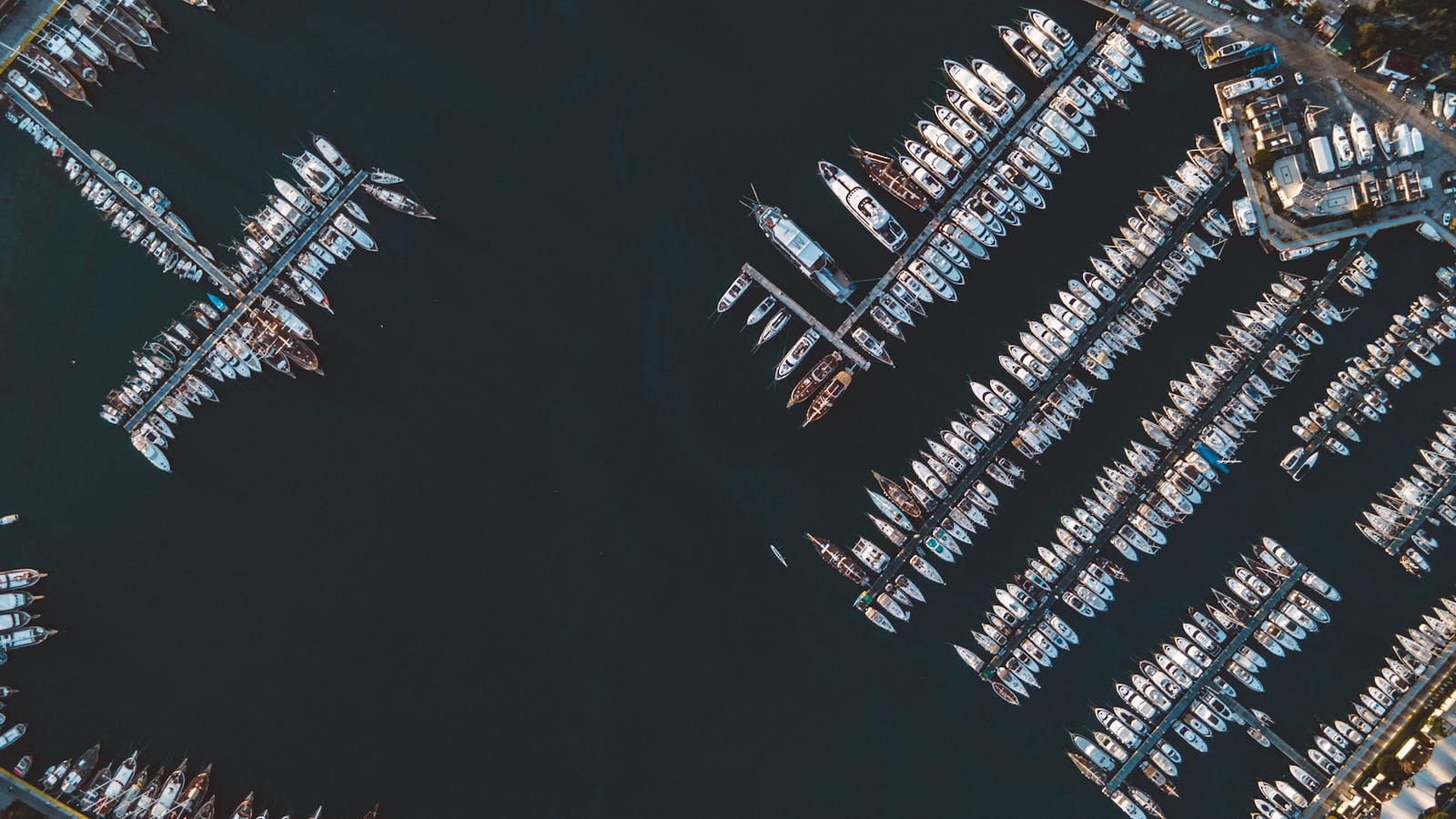
Marsa Alam really isn’t a destination for party enthusiasts, but if after a few days in an isolated resort you do end up craving a bit of civilisation and buzz, definitely make your way to the Port Ghalib marina. This luxurious showpiece little town, lying just a few minutes’ drive from the international airport, is the only place in the wider area where you’ll find a real pedestrian promenade with a bit of evening life.
Dozens of gorgeous millionaire’s yachts are moored in the marina, and a row of souvenir shops, cafés and shisha bars where you can enjoy a water pipe stretches along the water, so it’s quite a great place for an evening stroll once you’ve grown tired of the constantly repeating hotel entertainment programmes and just want to sit on a terrace with a view of the illuminated boats.
Be prepared, though, for the fact that prices in Port Ghalib are fairly significantly inflated and correspond more to European resorts than to the rest of Egypt, so you’ll pay quite a bit for a coffee or a cocktail here, but for that feeling of a normal town and a change of scenery it’s honestly worth it, at least for one evening.
💡 Tip: If you go souvenir shopping in the smaller stalls in the marina, don’t forget to haggle, because prices for tourists tend to be inflated and bargaining is a completely natural part of the shopping process here.
11. The mangrove forests and Hamata islands
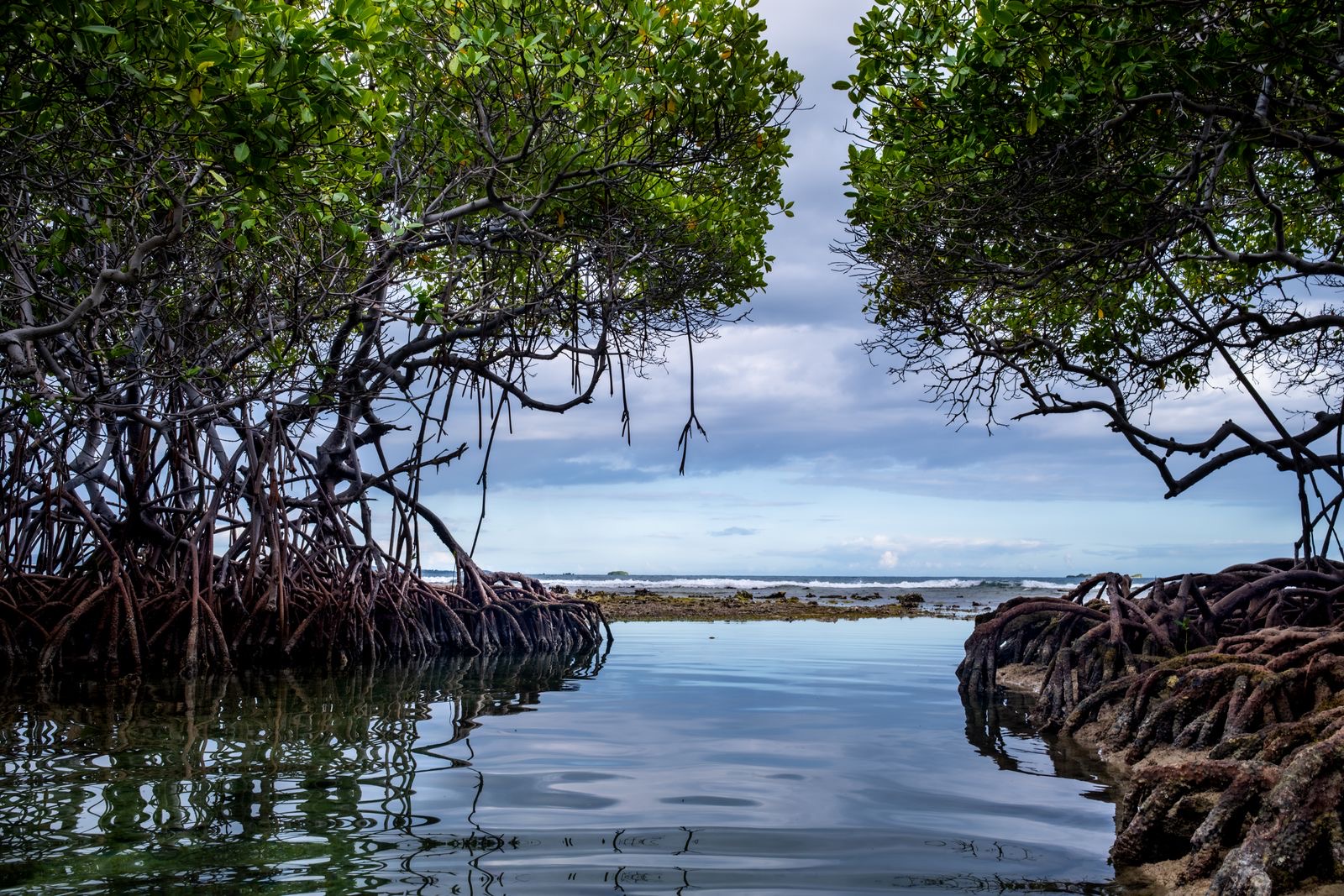
A fair way south of Marsa Alam, near the small town of Hamata, lies the Qulaan archipelago, which offers a completely different face of the Red Sea, because this area is famous for its dense thickets of green mangroves growing straight out of the salt water and so creating magical labyrinths of shallow lagoons and little islands. It’s a wonderfully wild place, still almost untouched by civilisation, which is the most beautiful thing about it.
The mangroves act as an enormous natural nursery for hundreds of species of marine fish and are also an important nesting ground for various seabirds, with very popular full-day boat trips running to the islands, during which you have the chance to snorkel in absolutely crystal-clear water and stroll along deserted sandy beaches where you’ll often meet no one but the people from your own boat.
This trip is ideal for everyone who loves quiet nature and peace, and although the journey to the Hamata marina does take over an hour from the central hotels, the pristine coral reefs in this southern area are in far better condition than up north in the country, so the travelling really does pay off handsomely.
💡 Tip: When moving around the mangroves, take extra care and only walk where the guides allow you to, since the ecosystem is very vulnerable and the tree roots serve as shelter for many small creatures.
12. A full-day trip into history at Luxor
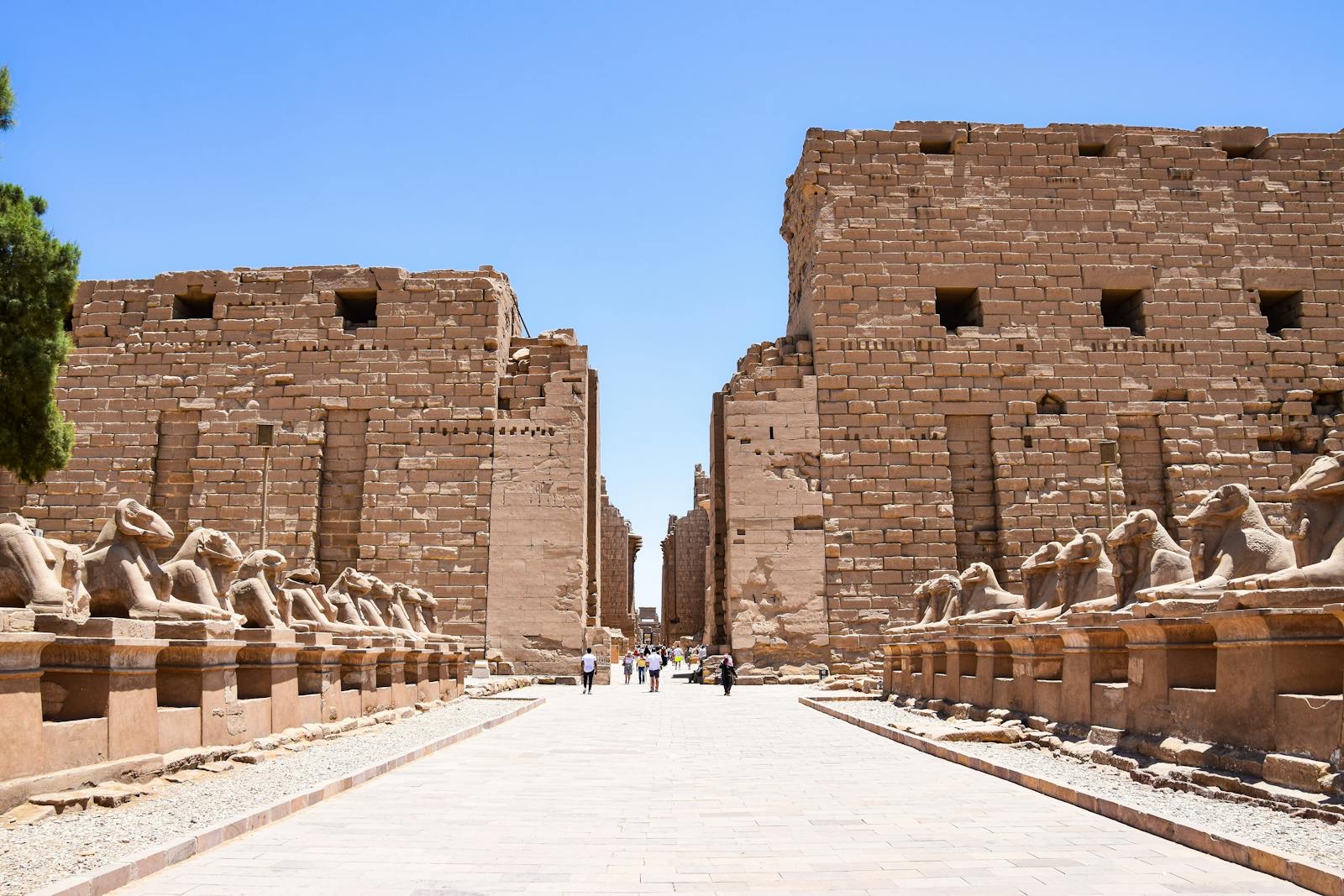
Although it might seem you can only travel from Marsa Alam for nature, you can head out from here to the most famous monuments of ancient Egypt too. A trip to the Nile and ancient Thebes is admittedly quite logistically demanding, because the journey one way takes roughly four and a half to five and a half hours, but it’s an experience I think you shouldn’t miss if it’s your very first time in Egypt.
Prepare for a really packed and long day, which begins with departure from the hotel while it’s still pitch dark, but your reward will be a walk through the giant hypostyle hall at the Karnak temple, a descent into the pharaonic tombs in the famous Valley of the Kings and a breathtaking view of the terraced temple of Queen Hatshepsut carved straight into the rock face. It’s simply an enormous helping of history crammed into a few short hours that will leave your head spinning a little.
If the idea of a full day of jolting along on a coach doesn’t appeal much, some travel operators offer a slightly more comfortable two-day option with an overnight stay in Luxor, so you’ll have far more time to soak up the atmosphere of the place and avoid the biggest stress of being constantly hurried along by the guide.
💡 Tip: Local trips sometimes include unannounced and fairly long stops at alabaster factories or papyrus shops, so arm yourself with patience, and if you don’t want anything, just decline the sellers’ offers with a smile but firmly 😉.
13. The magical starry sky over the wilderness
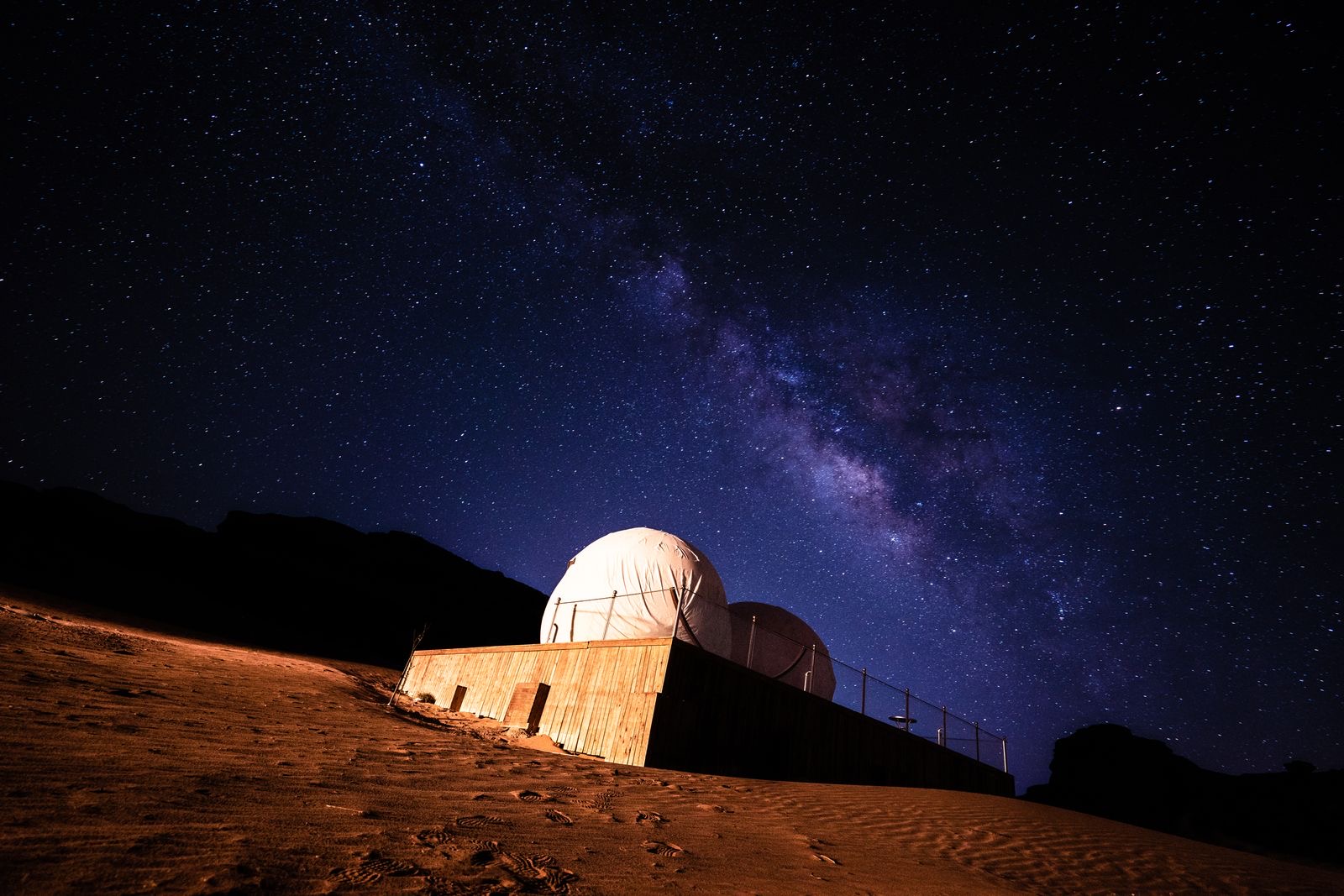
One of the most beautiful, and at the same time completely free, experiences that Marsa Alam offers is the view of the night sky, because since most hotels are located far from large cities and busy conurbations, there’s minimal light pollution here and the night sky takes on a completely different, utterly fascinating dimension.
If you manage to head out at a time when the moon isn’t shining in the sky, all you need to do after dinner is walk a little way from the illuminated hotel pools towards the dark beach, and an enormous dome studded with thousands of glittering stars will arc above your head, where you’ll see the hazy band of the Milky Way perfectly clearly even with the naked eye. It’s an immensely quiet and calming experience that makes you realise plenty of things.
Great conditions for stargazing also tend to be part of the evening desert safaris, where the Bedouins often set up a powerful astronomical telescope for tourists too, and the guides will point out interesting constellations and tell ancient stories of how the nomadic tribes navigated the endless sea of sand by the stars.
💡 Tip: If you bring a DSLR to Egypt, definitely don’t forget to pack a sturdy tripod, because astrophotography here is absolutely fantastic thanks to the clean air and the absence of artificial light.
Map of points of interest for your phone
Where to go next from Marsa Alam
If you’re still hesitating a little over whether this peaceful corner of Egypt is the right one for you, or you’re weighing up other options too, I’d recommend calmly going through our article on Hurghada or Marsa Alam? over a coffee. It’ll help you clarify what you actually expect from a holiday, and you’ll find detailed differences between the two resorts so you won’t be needlessly disappointed on arrival by a lack of nightlife, or conversely by too many tourists.
If you decide that you’d probably prefer more buzz, shopping options and waterparks for the kids, definitely read our guide Hurghada: 13 tips, where you’ll find plenty of inspiration for the more northerly coast. For an overall overview of the best this fascinating country has to offer, take a peek at the article Where to holiday in Egypt: 20 tips.
When it comes to packing your bags, you’ll definitely appreciate our practical list What to pack for a holiday in Egypt, where we remind you of all those important little things, from medicine for an upset stomach to the right type of adapters. And if you happen to decide to travel to Egypt independently rather than with a tour operator, definitely keep an eye on the current flight prices, because our system updates them every twenty minutes across all available airlines.
Frequently asked questions
Where is Marsa Alam located and how long does the flight take?
Marsa Alam is located on the southern Egyptian coast of the Red Sea, roughly 270 kilometers south of the better-known Hurghada, and it has its own international airport with direct charter flights from Prague taking about four and a half hours.
Is a vacation in Marsa Alam or Hurghada better?
Marsa Alam is absolutely ideal for couples, divers and peace-seekers who want to snorkel on pristine reefs. Hurghada, on the other hand, is bustling, full of shops and water parks, so it’s more suitable for families looking for fun and nightlife.
When is the water warmest in the sea?
The sea is warmest in summer, when it reaches up to thirty degrees, but on the other hand, the outdoor heat is extreme (often around 40 °C). For us Central Europeans, spring and autumn are ideal, while in winter the sea here is 23-24 °C, which is the warmest in all of Egypt.
Will I definitely see turtles and dolphins during my vacation?
The chance is truly enormous, because you’ll almost certainly encounter turtles in the bays of Abu Dabbab and Marsa Mubarak, where they graze on the seabed, and for dolphins, on the other hand, you’ll need to set out on a full-day boat trip to the Sataya Reef.
Is the resort suitable for a vacation with small children?
Definitely yes, but you need to carefully choose your hotel, as the bottom near the coral often drops off quickly into deep water and piers get closed during windy conditions. For children, therefore, look for hotels in sheltered bays with sandy lagoons (e.g. Coraya Bay or Abu Dabbab).
Do I really need special water shoes?
Definitely yes, because the seabed is very sharp in many places and full of dead and living corals, and often unpleasant sea urchins hide in it. Better buy sturdy shoes at home right away, so you can be sure.
Is it safe to swim in the ocean because of sharks?
Attacks are extremely rare, but for safety it’s good to follow basic rules: swim only in designated zones, don’t swim alone far out into open water, and avoid swimming at early dawn and just after sunset.
How does tipping (baksheesh) work in Egypt?
Tipping is an absolute part of the local culture, so keep small Egyptian pounds (EGP) or one-dollar bills on hand. For cleaning, give about two dollars, in a restaurant outside all-inclusive 10%, and for a guide on a trip, prepare about 5-10 euros.
What is there to do in the area besides lounging on the beach?
You can head out on a desert safari by 4×4 to visit the Bedouins, explore the stunning Wadi el Gemal National Park, stroll along the marina in Port Ghalib, or take a full-day historical trip to Luxor.
Tips and Tricks for Your Vacation
Don’t Overpay for Flights
Search for flights on Kayak. It’s our favorite search engine because it scans the websites of all airlines and always finds the cheapest connection.
Book Your Accommodation Smartly
The best experiences we’ve had when looking for accommodation (from Alaska to Morocco) are with Booking.com, where hotels, apartments, and entire houses are usually the cheapest and most widely available.
 🚗 Car rental on the roadVerified rental cars in Egypt
Search with the DiscoverCars comparison engine — it compares prices from dozens of local and international rental companies, and most bookings come with free cancellation.
Compare car prices in Egypt →Don’t Forget Travel Insurance
Good travel insurance will protect you against illness, accidents, theft, or flight cancellations. We’ve had a few hospital visits abroad, so we know how important it is to have proper insurance arranged.
Where we insure ourselves: SafetyWing (simple monthly subscription) and TrueTraveller (for extra-long trips).
Find the Best Experiences
Get Your Guide is a huge online marketplace where you can book guided walks, trips, skip-the-line tickets, tours, and much more. We always find some extra fun there!